
Comprehensive Stool Analysis / Parasitology x3
|
|
|
- Letitia Clark
- 9 years ago
- Views:
Transcription
1 LAB #: F PATIENT: Sample Patient ID: PATIENT-S SEX: Female AGE: 28 CLIENT #: DOCTOR: Doctors Data, Inc Illinois Ave. St. Charles, IL USA Comprehensive Stool Analysis / Parasitology x3 BACTERIOLOGY CULTURE Expected/Beneficial flora Commensal (Imbalanced) flora Dysbiotic flora 4+ Bacteroides fragilis group 3+ Beta strep, group B 4+ Citrobacter freundii 4+ Bifidobacterium spp. 2+ Pseudomonas fluorescens 3+ Klebsiella pneumoniae ssp pneumoniae 4+ Escherichia coli 4+ Alpha hemolytic strep 4+ Lactobacillus spp. 1+ Gamma hemolytic strep 4+ Enterococcus spp. 3+ Clostridium spp. NG = No Growth BACTERIA INFORMATION Expected /Beneficial bacteria make up a significant portion of the total microflora in a healthy & balanced GI tract. These beneficial bacteria have many health-protecting effects in the GI tract including manufacturing vitamins, fermenting fibers, digesting proteins and carbohydrates, and propagating antitumor and anti-inflammatory factors. Clostridia are prevalent flora in a healthy intestine. Clostridium spp. should be considered in the context of balance with other expected/beneficial flora. Absence of clostridia or over abundance relative to other expected/beneficial flora indicates bacterial imbalance. If C. difficile disease is suspected, toxin A&B testing is recommended. Commensal (Imbalanced) bacteria are usually neither pathogenic nor beneficial to the host GI tract. Imbalances can occur when there are insufficient levels of beneficial bacteria and increased levels of commensal bacteria. Certain commensal bacteria are reported as dysbiotic at higher levels. Dysbiotic bacteria consist of known pathogenic bacteria and those that have the potential to cause disease in the GI tract. They can be present due to a number of factors including: consumption of contaminated water or food, exposure to chemicals that are toxic to beneficial bacteria; the use of antibiotics, oral contraceptives or other medications; poor fiber intake and high stress levels. YEAST CULTURE Normal flora Dysbiotic flora 1+ Saccharomyces cerevisiae/boulardii 3+ Candida glabrata Result: Many MICROSCOPIC YEAST Expected: None - Rare The microscopic finding of yeast in the stool is helpful in identifying whether there is proliferation of yeast. Rare yeast may be normal; however, yeast observed in higher amounts (few, moderate, or many) is abnormal. YEAST INFORMATION Yeast normally can be found in small quantities in the skin, mouth, intestine and mucocutaneous junctions. Overgrowth of yeast can infect virtually every organ system, leading to an extensive array of clinical manifestations. Fungal diarrhea is associated with broad-spectrum antibiotics or alterations of the patient s immune status. Symptoms may include abdominal pain, cramping and irritation. When investigating the presence of yeast, disparity may exist between culturing and microscopic examination. Yeast are not uniformly dispersed throughout the stool, this may lead to undetectable or low levels of yeast identified by microscopy, despite a cultured amount of yeast. Conversely, microscopic examination may reveal a significant amount of yeast present, but no yeast cultured. Yeast does not always survive transit through the intestines rendering it unvialble. Comments: Date Collected: Date Received: 4/26/2010 Date Completed: 4/27/ * Aeromonas, Campylobacter, Plesiomonas, Salmonella, Shigella, Vibrio, Yersinia, & Edwardsiella tarda have been specifically tested for and found absent unless reported. v5.09 DOCTOR S DATA, INC. ADDRESS: 3755 Illinois Avenue, St. Charles, IL CLIA ID NO: 14D MEDICARE PROVIDER NO:

2 LAB #: F PATIENT: Sample Patient ID: PATIENT-S SEX: Female AGE: 28 CLIENT #: DOCTOR: Doctors Data, Inc Illinois Ave. St. Charles, IL USA Comprehensive Stool Analysis / Parasitology x3 PARASITOLOGY/MICROSCOPY * Sample 1 Rare Trichuris trichiura eggs Mod Giardia lamblia trophs Mod Yeast Few WBC Sample 2 Few Giardia lamblia trophs Many Yeast Few WBC Sample 3 Rare Trichuris trichiura eggs Few Giardia lamblia trophs Many Yeast Mod WBC *A trichrome stain and concentrated iodine wet mount slide is read for each sample submitted. PARASITOLOGY INFORMATION Intestinal parasites are abnormal inhabitants of the gastrointestinal tract that have the potential to cause damage to their host. The presence of any parasite within the intestine generally confirms that the patient has acquired the organism through fecal-oral contamination. Factors such as contaminated food and water supplies, day care centers, increased international travel, pets, carriers such as mosquitoes and fleas, and sexual transmission have contributed to an increased prevalence of intestinal parasites. It is estimated that close to one billion people worldwide are infected. Damage to the host includes parasitic burden, migration, blockage and pressure. Immunologic inflammation, hypersensitivity reactions and cytotoxicity also play a large role in the morbidity of these diseases. The infective dose often relates to severity of the disease and repeat encounters can be additive. There are two main classes of intestinal parasites that can cause human intestinal disease. They include protozoa and helminths. The protozoa typically have two stages; the trophozoite stage that is the metabolically active, invasive stage and the cyst stage, which is the vegetative inactive form resistant to unfavorable environmental conditions outside the human host. Helminths are large, multicellular organisms that are generally visible to the naked eye in their adult stages. Like protozoa, helminths can be either free-living or parasitic in nature. In their adult form, helminths cannot multiply in humans. In general, acute manifestations of parasitic infection may involve diarrhea with or without mucus and or blood, fever, nausea, or abdominal pain. However these symptoms do not always occur. Consequently, parasitic infections may not be diagnosed or eradicated. If left untreated, chronic parasitic infections can cause damage to the intestinal lining and can be an unsuspected cause of illness and fatigue. Chronic parasitic infections can also be associated with increased intestinal permeability, irritable bowel syndrome, irregular bowel movements, malabsorption, gastritis or indigestion, skin disorders, joint pain, allergic reactions, and decreased immune function. In some instances, parasites may enter the circulation and travel to various organs causing severe organ diseases such as liver abscesses and cysticercosis. In addition, some larval migration can cause pneumonia and in rare cases hyper infection syndrome with large numbers of larvae being produced and found in every tissue of the body. GIARDIA/CRYPTOSPORIDIUM IMMUNOASSAY Within Outside Reference Range Giardia lamblia Pos Neg Cryptosporidium Neg Neg Giardia lamblia is flagellated protozoan that infects the small intestine and is passed in stool and spread by the fecal-oral route. Waterborne transmission is the major source of giardiasis. Cryptosporidium is a coccidian protozoa that can be spread from direct person-to-person contact or waterborne transmission. Comments: Date Collected: Date Received: 4/26/2010 Date Completed: 4/27/ v5.09 DOCTOR S DATA, INC. ADDRESS: 3755 Illinois Avenue, St. Charles, IL CLIA ID NO: 14D MEDICARE PROVIDER NO:

3 LAB #: F PATIENT: Sample Patient ID: PATIENT-S SEX: Female AGE: 28 CLIENT #: DOCTOR: Doctors Data, Inc Illinois Ave. St. Charles, IL USA Comprehensive Stool Analysis / Parasitology x3 DIGESTION /ABSORPTION Within Outside Reference Range Elastase > 500 > 200 µg/ml Fat Stain None None - Mod Muscle fibers None None - Rare Vegetable fibers Rare None - Few Carbohydrates Neg Neg Elastase findings can be used for the diagnosis or the exclusion of exocrine pancreatic insufficiency. Correlations between low levels and chronic pancreatitis and cancer have been reported. Fat Stain: Microscopic determination of fecal fat using Sudan IV staining is a qualitative procedure utilized to assess fat absorption and to detect steatorrhea. Muscle fibers in the stool are an indicator of incomplete digestion. Bloating, flatulence, feelings of fullness may be associated with increase in muscle fibers. Vegetable fibers in the stool may be indicative of inadequate chewing, or eating on the run. Carbohydrates: The presence of reducing substances in stool specimens can indicate carbohydrate malabsorption. INFLAMMATION Within Outside Reference Range Lysozyme* 1200 <= 600 ng/ml Lactoferrin 188 < 7.3 µg/ml White Blood Cells Mod None - Rare Mucus Pos Neg Lysozyme* is an enzyme secreted at the site of inflammation in the GI tract and elevated levels have been identified in IBD patients. Lactoferrin is a quantitative GI specific marker of inflammation used to diagnose and differentiate IBD from IBS and to monitor patient inflammation levels during active and remission phases of IBD. White Blood Cells (WBC): in the stool are an indication of an inflammatory process resulting in the infiltration of leukocytes within the intestinal lumen. WBCs are often accompanied by mucus and blood in the stool. Mucus in the stool may result from prolonged mucosal irritation or in a response to parasympathetic excitability such as spastic constipation or mucous colitis. IMMUNOLOGY Within Outside Reference Range Secretory IgA* mg/dl Secretory IgA* (siga) is secreted by mucosal tissue and represents the first line of defense of the GI mucosa and is central to the normal function of the GI tract as an immune barrier. Elevated levels of siga have been associated with an upregulated immune response. Comments: Date Collected: Date Received: 4/26/2010 Date Completed: 4/27/ *For Research Use Only. Not for use in diagnostic procedures. v5.09 DOCTOR S DATA, INC. ADDRESS: 3755 Illinois Avenue, St. Charles, IL CLIA ID NO: 14D MEDICARE PROVIDER NO:

4 LAB #: F PATIENT: Sample Patient ID: PATIENT-S SEX: Female AGE: 28 CLIENT #: DOCTOR: Doctors Data, Inc Illinois Ave. St. Charles, IL USA Comprehensive Stool Analysis / Parasitology x3 SHORT CHAIN FATTY ACIDS Within Outside Reference Range % Acetate % % Propionate % % Butyrate % % Valerate % Butyrate mg/ml Total SCFA s mg/ml Short chain fatty acids (SCFAs): SCFAs are the end product of the bacterial fermentation process of dietary fiber by beneficial flora in the gut and play an important role in the health of the GI as well as protecting against intestinal dysbiosis. Lactobacilli and bifidobacteria produce large amounts of short chain fatty acids, which decrease the ph of the intestines and therefore make the environment unsuitable for pathogens, including bacteria and yeast. Studies have shown that SCFAs have numerous implications in maintaining gut physiology. SCFAs decrease inflammation, stimulate healing, and contribute to normal cell metabolism and differentiation. Levels of Butyrate and Total SCFA in mg/ml are important for assessing overall SCFA production, and are reflective of beneficial flora levels and/or adequate fiber intake. INTESTINAL HEALTH MARKERS Within Outside Reference Range Red Blood Cells None None - Rare ph Occult Blood Neg Neg Red Blood Cells (RBC) in the stool may be associated with a parasitic or bacterial infection, or an inflammatory bowel condition such as ulcerative colitis. Colorectal cancer, anal fistulas, and hemorrhoids should also be ruled out. ph: Fecal ph is largely dependent on the fermentation of fiber by the beneficial flora of the gut. Occult blood: A positive occult blood indicates the presence of free hemoglobin found in the stool, which is released when red blood cells are lysed. Appearance MACROSCOPIC APPEARANCE Expected Color Brown Brown Consistency Formed/Soft Formed/Soft Color: Stool is normally brown because of pigments formed by bacteria acting on bile introduced into the digestive system from the liver. While certain conditions can cause changes in stool color, many changes are harmless and are caused by pigments in foods or dietary supplements. Consistency: Stool normally contains about 75% water and ideally should be formed and soft. Stool consistency can vary based upon transit time and water absorption. DOCTOR S DATA, INC. ADDRESS: 3755 Illinois Avenue, St. Charles, IL CLIA ID NO: 14D MEDICARE PROVIDER NO:

5 LAB #: F PATIENT: Sample Patient ID: PATIENT-S SEX: Female AGE: 28 CLIENT #: DOCTOR: Doctors Data, Inc Illinois Ave. St. Charles, IL USA Citrobacter freundii NATURAL ANTIBACTERIALS Disk Content Low Activity High Activity 1mg Berberine 33mg Black Walnut 46mg Caprylic Acid 11mg Oregano 10mg Uva Ursi 25mg Citrus Seed Extract 0.17mg Silver Natural antibacterial agents may be useful for treatment of patients when organisms display in-vitro sensitivity to these agents. The test is performed by using standardized techniques and filter paper disks impregnated with the listed agent. Relative activity is reported for each natural agent based upon the diameter of the zone of inhibition or no growth zone surrounding the disk. Data based on over 5000 individual observations were used to relate the zone size to the activity level of the agent. A scale of relative activity is defined for the natural agents tested. PRESCRIPTIVE AGENTS Amoxacillin-Clavulanic Acid Ampicillin Cefazolin Ceftazadime Ciprofloxacin Trimeth-sulfa Resistant Intermediate Susceptible R R R S S S Susceptible results imply that an infection due to the bacteria may be appropriately treated when the recommended dosage of the tested antimicrobial agent is used. Intermediate results imply that response rates may be lower than for susceptible bacteria when the tested antimicrobial agent is used. Resistant results imply that the bacteria will not be inhibited by normal dosage levels of the tested antimicrobial agent. Comments: Date Collected: Natural antibacterial agent susceptibility testing is intended for research use only. Date Received: 4/26/2010 Not for use in diagnostic procedures. Date Completed: 4/27/ v5.09 DOCTOR S DATA, INC. ADDRESS: 3755 Illinois Avenue, St. Charles, IL CLIA ID NO: 14D MEDICARE PROVIDER NO:

6 LAB #: F PATIENT: Sample Patient ID: PATIENT-S SEX: Female AGE: 28 CLIENT #: DOCTOR: Doctors Data, Inc Illinois Ave. St. Charles, IL USA Klebsiella pneumoniae ssp pneumoniae NATURAL ANTIBACTERIALS Disk Content Low Activity High Activity 1mg Berberine 33mg Black Walnut 46mg Caprylic Acid 11mg Oregano 10mg Uva Ursi 25mg Citrus Seed Extract 0.17mg Silver Natural antibacterial agents may be useful for treatment of patients when organisms display in-vitro sensitivity to these agents. The test is performed by using standardized techniques and filter paper disks impregnated with the listed agent. Relative activity is reported for each natural agent based upon the diameter of the zone of inhibition or no growth zone surrounding the disk. Data based on over 5000 individual observations were used to relate the zone size to the activity level of the agent. A scale of relative activity is defined for the natural agents tested. PRESCRIPTIVE AGENTS Amoxacillin-Clavulanic Acid Ampicillin Cefazolin Ceftazadime Ciprofloxacin Trimeth-sulfa Resistant Intermediate Susceptible S R R S S S Susceptible results imply that an infection due to the bacteria may be appropriately treated when the recommended dosage of the tested antimicrobial agent is used. Intermediate results imply that response rates may be lower than for susceptible bacteria when the tested antimicrobial agent is used. Resistant results imply that the bacteria will not be inhibited by normal dosage levels of the tested antimicrobial agent. Comments: Date Collected: Natural antibacterial agent susceptibility testing is intended for research use only. Date Received: 4/26/2010 Not for use in diagnostic procedures. Date Completed: 4/27/ v5.09 DOCTOR S DATA, INC. ADDRESS: 3755 Illinois Avenue, St. Charles, IL CLIA ID NO: 14D MEDICARE PROVIDER NO:

7 LAB #: F PATIENT: Sample Patient ID: PATIENT-S SEX: Female AGE: 28 CLIENT #: DOCTOR: Doctors Data, Inc Illinois Ave. St. Charles, IL USA Saccharomyces cerevisiae/boulardii NATURAL ANTIFUNGALS Disk Content Low Activity High Activity 1mg Berberine 46mg Caprylic Acid 10mg Uva Ursi 2.5mg Tannic Acid 11mg Oregano 45mg Undecylenic Acid 25mg Citrus Seed Extract Natural antifungal agents may be useful for treatment of patients when organisms display in-vitro sensitivity to these agents. The test is performed by using standardized techniques and filter paper disks impregnated with the listed agent. Relative activity is reported for each natural agent based upon the diameter of the zone of inhibition or no growth zone surrounding the disk. Data based on over 5000 individual observations were used to relate the zone size to the activity level of the agent. A scale of relative activity is defined for the natural agents tested. NON-ABSORBED ANTIFUNGALS Nystatin Low Activity High Activity Non-absorbed antifungals may be useful for treatment of patients when organisms display in-vitro sensitivity to these agents. The test is performed using standardized commercially prepared disks impregnated with Nystatin. Relative activity is reported based upon the diameter of the zone of inhibition or no growth zone surrounding the disk. Comments: Date Collected: Yeast antifungal susceptibility testing is intended for research use only. Date Received: 4/26/2010 Not for use in diagnostic procedures. Date Completed: 4/27/ v5.09 DOCTOR S DATA, INC. ADDRESS: 3755 Illinois Avenue, St. Charles, IL CLIA ID NO: 14D MEDICARE PROVIDER NO:

8 LAB #: F PATIENT: Sample Patient ID: PATIENT-S SEX: Female AGE: 28 CLIENT #: DOCTOR: Doctors Data, Inc Illinois Ave. St. Charles, IL USA Candida glabrata NATURAL ANTIFUNGALS Disk Content Low Activity High Activity 1mg Berberine 46mg Caprylic Acid 10mg Uva Ursi 2.5mg Tannic Acid 11mg Oregano 45mg Undecylenic Acid 25mg Citrus Seed Extract Natural antibacterial agents may be useful for treatment of patients when organisms display in-vitro sensitivity to these agents. The test is performed by using standardized techniques and filter paper disks impregnated with the listed agent. Relative activity is reported for each natural agent based upon the diameter of the zone of inhibition or no growth zone surrounding the disk. Data based on over 5000 individual observations were used to relate the zone size to the activity level of the agent. A scale of relative activity is defined for the natural agents tested. NON-ABSORBED ANTIFUNGALS Nystatin Low Activity High Activity Non-absorbed antifungals may be useful for treatment of patients when organisms display in-vitro sensitivity to these agents. The test is performed using standardized commercially prepared disks impregnated with Nystatin. Relative activity is reported based upon the diameter of the zone of inhibition or no growth zone surrounding the disk. AZOLE ANTIFUNGALS Fluconazole Itraconazole Voriconazole Resistant S-DD Susceptible R R R Susceptible results imply that an infection due to the fungus may be appropriately treated when the recommended dosage of the tested antifungal agent is used. Susceptible - Dose Dependent (S-DD) results imply that response rates may be lower than for susceptible fungi when the tested antifungal agent is used. Resistant results imply that the fungus will not be inhibited by normal dosage levels of the tested antifungal agent. Standardized test interpretive categories established for Candida spp. are used for all yeast isolates. Comments: Date Collected: Yeast antifungal susceptibility testing is intended for research use only. Date Received: 4/26/2010 Not for use in diagnostic procedures. Date Completed: 4/27/ v5.09 DOCTOR S DATA, INC. ADDRESS: 3755 Illinois Avenue, St. Charles, IL CLIA ID NO: 14D MEDICARE PROVIDER NO:

9 Lab number: F CSAPx3 Page: 1 INTRODUCTION This analysis of the stool specimen provides fundamental information about the overall gastrointestinal health of the patient. When abnormal microflora or significant aberrations in intestinal health markers are detected, specific interpretive paragraphs are presented. If no significant abnormalities are found, interpretive paragraphs are not presented. Clostridium spp Clostridia are expected inhabitants of the human intestine. Although most clostridia in the intestine are not virulent, certain species have been associated with disease. Clostridium perfringens is a major cause of food poisoning and is also one cause of antibioticassociated diarrhea. Clostridium difficile is a causative agent in antibiotic-associated diarrhea and pseudomembranous colitis. Other species reported to be prevalent in high amounts in patients with Autistic Spectrum Disorder include Clostridium histolyticum group, Clostridium cluster I, Clostridium bolteae, and Clostridium tetani. If these disease associations are a concern further testing may be necessary. Washington W, Allen S, Janda W, Koneman E, Procop G, Schreckenberger P, Woods, G. Koneman s Color Atlas and Textbook of Diagnostic Microbiology, 6th edition. Lippincott Williams and Wilkins; pg Song Y, Liu C, Finegold SM. Real-Time PCR Quantitation of Clostridia in Feces of Autistic Children. Applied and Environmental Microbiology. Nov. 2004, Parracho H, Bingham MO, Gibson GR, McCartney AL. Differences Between the Gut Microflora of Children with Autistic Spectrum Disorders and That of Healthy Children. Journal of Medical Microbiology. 2005;54, Imbalanced flora Imbalanced flora are those bacteria that reside in the host gastrointestinal tract and neither injure nor benefit the host. Certain dysbiotic bacteria may appear under the imbalances category if found at low levels because they are not likely pathogenic at the levels detected. When imbalanced flora appear, it is not uncommon to find inadequate levels of one or more of the beneficial bacteria and/or a fecal ph which is more towards the alkaline end of the reference range ( ). It is also not uncommon to find hemolytic or mucoid E. coli with a concomitant deficiency of beneficial E. coli and alkaline ph, secondary to a mutation of beneficial E. coli in alkaline conditions (DDI observations). Treatment with antimicrobial agents is unnecessary unless bacteria appear under the dysbiotic category.

10 Lab number: F CSAPx3 Page 2 Mackowiak PA. The normal microbial flora. N Engl J Med. 1982;307(2): Dysbiotic Flora In a healthy balanced state of intestinal flora, the beneficial bacteria make up a significant proportion of the total microflora. However, in many individuals there is an imbalance or deficiency of beneficial flora and an overgrowth of non-beneficial (imbalance) or even pathogenic microorganisms (dysbiosis). This can be due to a number of factors including: consumption of contaminated water or food; daily exposure of chemicals that are toxic to beneficial bacteria; the use of antibiotics, oral contraceptives or other medications; poor fiber intake and high stress levels. A number of toxic substances can be produced by the dysbiotic bacteria including amines, ammonia, hydrogen sulfide, phenols, and secondary bile acids which may cause inflammation or damage to the brush border of the intestinal lining. If left unchecked, long-term damage to the intestinal lining may result in leaky gut syndrome, allergies, autoimmune disease (e.g. rheumatoid arthritis), irritable bowel syndrome, fatigue, chronic headaches, and sensitivities to a variety of foods. In addition, pathogenic bacteria can cause acute symptoms such as abdominal pain, nausea, diarrhea, vomiting, and fever in cases of food poisoning. Bacterial sensitivities to a variety of prescriptive and natural agents have been provided for the pathogenic bacteria that were cultured from this patient s specimen. This provides the practitioner with useful information to help plan an appropriate treatment regimen. Supplementation with probiotics or consumption of foods (yogurt, kefir, miso, tofu, tamari sauce) containing strains of lactobacilli, bifidobacteria, and enterococci can help restore healthy flora levels. Polyphenols in green and ginseng tea have been found to increase the numbers of beneficial bacteria. Hypochlorhydria may also predispose an individual to bacterial overgrowth, particularly in the small intestine. Nutritional anti-inflammatories can aid in reversing irritation to the GI lining. These include quercetin, vitamin C, curcumin, gamma-linoleic acid, omega-3 fatty acids (EPA, DHA), and aloe vera. Other nutrients such as zinc, beta-carotene, pantothenic acid, and L-glutamine provide support for regeneration of the GI mucosa. A comprehensive program may be helpful in individuals in whom a dysbiotic condition has caused extensive GI damage. Lispki E. Digestive Wellness. New Canaan,CT: Keats Publishing;1996. Mitsuoka T. Intestinal Flora and Aging. Nutr Rev 1992;50(12): Weisburger JH. Tea and Health: The Underlying Mechanisms. Proc Soc Exp Biol Med 1999;220(4): Pereira SP, Gainsborough N, Dowling RH. Drug-induced Hypochlorhydria Causes High Duodenal Bacterial Counts in the Elderly. Ailment Pharmacol Ther 1998;12(1) Murray MT. Stomach Ailments and Digestive Disturbances. Rocklin, CA: Prima Publishing; 1997.

11 Lab number: F CSAPx3 Page 3 Citrobacter species Citrobacter species, a gram-negative bacterium and member of the Enterobacteriaceae family, is considered dysbiotic at Citrobacter freundii complex, including Citrobacter freundii, Citrobacter youngae, Citrobacter braakii, Citrobacter sedlakii, Citrobacter werkmaniii, and less commonly Citrobacter koseri and Citrobacter farmeri, can cause diarrheal disease. Symptoms due to Citrobacter freundii complex seem to be a result of the elaboration of an E. coli-like heat-stable enterotoxin and hydrogen sulfide. Citrobacter freundii complex has been implicated as a cause of gastrointestinal infection and inflammation, acute dysentery, and dyspepsia. Acute symptoms can include profuse, watery diarrhea which is often unaccompanied by abdominal pain, fecal blood, or white blood cells. Citrobacter species thrive on Fructooligosaccharides (FOS), a common ingredient in artificial or alternative sweetener. Antibiotics may be indicated if symptoms are prolonged and in systemic infections. Refer to the bacterial sensitivities to identify the most appropriate pharmaceutical or natural agent. Guarino, A, et al. Production of Eschericia coli Sta-Like Heat-Stable Enterotoxin by Citrobacter freundii Isolated from Humans. Journal of Clinical Microbiology. January 1987; Washington W, Allen S, Janda W, Koneman E, Procop G, Schreckenberger P, Woods, G. Koneman s Color Atlas and Textbook of Diagnostic Microbiology, 6th edition. Lippincott Williams and Wilkins; pg Murray PR, Baron EJ, Jorgensen JH, Pfaller MA, Yolken RH. Manual of Clinical Microbiology, 8th edition. Washington, DC: ASM Press; pg Klebsiella species Klebsiella belongs to the Enterobacteriaceae family and is closely related to the genera Enterobacter and Serratia. This gram-negative bacterium is considered dysbiotic in the amount of Klebsiellae are widely distributed in nature and in the gastrointestinal tract of humans. In humans, they may colonize the skin, oral cavity, pharynx, or gastrointestinal tract. Klebsiellae may be regarded as normal flora in many parts of the colon, intestinal tract and biliary tract, but the gut is also the main reservoir of opportunistic strains. This bacterium has the potential to cause intestinal, lung, urinary tract, and wound infections in susceptible individuals, but Klebsiella overgrowth is commonly asymptomatic. K. pneumoniae, in particular, may cause diarrhea and some strains are enterotoxigenic. Infection has been linked to ankylosing spondylitis as well as myasthenia gravis (antigenic cross-reactivity), and these patients usually carry larger numbers of the organism in their intestines than healthy individuals. Klebsiella oxytoca has been found to be the cause of antibiotic-associated hemorrhagic colitis. These strains

12 Lab number: F CSAPx3 Page 4 have been shown to produce a cytotoxin that is capable of inducing cell death in various epithelialcell cultures. Klebsiella is also an infamously known nosocomial infectious agent, partially due to the ability of organisms to spread rapidly. Klebsiella accounts for approximately 3-7% of all hospital-acquired infections, placing it among the top eight pathogens in hospitals. Extraintestinal infection typically involves the respiratory or urinary tracts, but may infect other areas such as the biliary tract and surgical wound sites. K. pneumoniae and K. oxytoca are the two members of this genus responsible for most extraintestinal human infections. Treatment of these species has become a major problem in most hospitals because of resistance to multiple antibiotics and potential transfer of plasmids to other organisms. Proper hand washing is crucial to prevent transmission from patient to patient via medical personnel. Contact isolation should be used for patients colonized or infected with highly antibiotic-resistant Klebsiella strains. Klebsiella ozaenae and Klebsiella rhinoscleromatis are infrequent isolates that are subspecies of K. pneumoniae; however, each is associated with at unique spectrum of disease. K. ozaenae is associated with atrophic rhinitis, a condition called ozena, and purulent infections of the nasal mucous membranes. K. rhinoscleromatis causes the granulomatous disease rhinoscleroma, an infection of the respiratory mucosa, oropharynx, nose, and paranasal sinuses. For the otherwise healthy individual, antimicrobial therapy is often unnecessary. Klebsiella thrives on a diet high in starch, so a low-starch diet may be helpful. A further caution is that Klebsiella thrives on Fructooligosaccharides (FOS) a class of oligosaccharides used as an artificial or alternative sweetener. Antibiotics may be indicated if symptoms are prolonged and in systemic infections. Refer to the bacterial sensitivities to identify the most appropriate pharmaceutical or natural agent. Hogenauer C, Langner C, Beubler E, et al. Klebsiella oxytoca as a Causative Organism of Antibiotic-Associated Hemorrhagic Colitis. New England Journal of Medicine. December 2006;355;23. Levy I et al. Nosocomial Infections After Cardiac Surgery in Infants and Children: Incidence and Risk Factors. J Hosp Infect. 2003;53(2): Washington W, Allen S, Janda W, Koneman E, Procop G, Schreckenberger P, Woods, G. Koneman s Color Atlas and Textbook of Diagnostic Microbiology, 6th edition. Lippincott Williams and Wilkins; pg Murray PR, Baron EJ, Jorgensen JH, Pfaller MA, Yolken RH. Manual of Clinical Microbiology, 8th edition. Washington, DC: ASM Press; pg Cultured Yeast Yeast, such as Candida are normally present in the GI tract in very small amounts. Many species of yeast exist and are commensal; however, they are always poised to create opportunistic infections

13 Lab number: F CSAPx3 Page 5 and have detrimental effects throughout the body. Factors that contribute to a proliferation of yeast include frequent use of wide-spread antibiotics/low levels of beneficial flora, oral contraceptives, pregnancy, cortisone and other immunosuppressant drugs, weak immune system/low levels of siga, high-sugar diet, and high stress levels. When investigating the presence of yeast, disparity may exist between culturing and microscopic examination. Yeast grows in colonies and is typically not uniformly dispersed throughout the stool. This may lead to undetectable or low levels of yeast identified by microscopy, despite a cultured amount of yeast. Conversely, microscopic examination may reveal a significant amount of yeast present, but no yeast cultured. Yeast does not always survive transit through the intestines rendering it unviable for culturing. Therefore, both microscopic examination and culture are helpful in determining if abnormally high levels of yeast are present. Dysbiotic Yeast Yeast was cultured from this stool specimen and the amount is considered to be dysbiotic. A positive yeast culture and sensitivity to prescriptive and natural agents is helpful in determining which anti-fungal agents to use as part of a therapeutic plan for chronic yeast syndrome. When investigating the presence of yeast, disparity may exist between culturing and microscopic examination. Yeast grows in colonies and is typically not uniformly dispersed throughout the stool. This may lead to undetectable or low levels of yeast identified by microscopy, despite a significant amount of yeast cultured. Microscopic yeast Microscopic examination has revealed yeast in this stool sample. The microscopic finding of yeast in the stool is helpful in identifying whether the proliferation of fungi, such as Candida albicans, is present. Yeast is normally found in very small amounts in a healthy intestinal tract. While small quantities of yeast (reported as rare or few) may be normal, yeast observed in higher amounts (moderate to many) is considered abnormal. An overgrowth of intestinal yeast is prohibited by beneficial flora, intestinal immune defense (secretory IgA), and intestinal ph. Beneficial bacteria, such as Lactobacillus colonize in the intestines and create an environment unsuitable for yeast by producing acids, such as lactic acid, which lowers intestinal ph. Also, lactobacillus is capable of releasing antagonistic substances such as hydrogen peroxide, lactocidin, lactobacillin, and acidolin. Many factors can lead to an overgrowth of yeast including frequent use of antibiotics (leading to insufficient beneficial bacteria), synthetic corticosteroids, oral contraceptives, and diets high in sugar. Although there is a wide range of symptoms which can result from intestinal yeast overgrowth, some of the most common include brain fog, fatigue, reccurring vaginal or bladder infections, sensitivity to smells (perfumes, chemicals, environment), mood swings/depression, sugar and carbohydrate cravings, gas/bloating, and constipation or loose stools. A positive yeast culture (mycology) and sensitivity to prescriptive and natural agents is helpful in determining which anti-fungal agents to use as part of a therapeutic treatment plan for chronic colonic yeast. However, yeast are colonizers and do not appear to be dispersed

14 Lab number: F CSAPx3 Page 6 uniformly throughout the stool. Yeast may therefore be observed microscopically, but not grow out on culture even when collected from the same bowel movement. Parasites Parasites were detected by microscopic examination in this stool specimen. Intestinal parasites are abnormal inhabitants of the GI tract that live off and have the potential to cause damage to their host. Factors such as contaminated food and water supplies, day care centers, increased international travel, pets, carriers such as mosquitoes and fleas, and sexual transmission have contributed to an increased prevalence of intestinal parasites. In general, acute manifestations of parasitic infection may involve diarrhea with or without mucus and/or blood, fever, nausea, or abdominal pain. However, these symptoms do not always occur. Consequently, parasitic infections may not be diagnosed and eradicated. If left untreated, chronic parasitic infections can cause damage to the intestinal lining and can be an unsuspected cause of illness and fatigue. Chronic parasitic infections can also be associated with increased intestinal permeability, irritable bowel syndrome, irregular bowel movements, malabsorption, gastritis or indigestion, skin disorders, joint pain, allergic reactions, decreased immune function, and fatigue. Murray MT. Stomach Ailments And Digestive Disturbances. Rocklin, CA: Prima Publishing;1997. Gittleman AL. Guess What Came to Dinner Parasites And Your Health. New York, NY: Penguin Group; Trichuris trichiura (whipworm) Trichuris trichiura eggs were identified in this specimen. Trichuris trichiura is a nematode that infects the large intestine. Infection is spread via the fecal-oral route. The parasite is found principally in the tropics and subtropics. Mild asymptomatic infections are common in rural parts of the southeastern USA. Light infections are often asymptomatic. Heavy infections cause abdominal pain, anorexia, and diarrhea and may retard growth. Very heavy infections may cause weight loss, anemia, and rectal prolapse in children and parturient women. No drug treatment is required for asymptomatic or light infections. Mebendazole (100 mg bid x 3 days, adult dose) or albendazole (400 mg qd x 3 days, adult dose) are used for more severe infections. These drugs should not be used during pregnancy. Natural agents include quassia and black walnut. References: Sanford JP. The Sanford Guide to Antimicrobial Therapy. 35th edition. Gilbert DN, Moellering Jr, RC, Sande MA, eds. Hyde Park (VT): Antimicrobial Therapy Inc; Abramowicz, M. The Medical Letter On Drugs and Therapeutics. Drugs For Parasitic Infections. New

15 Lab number: F CSAPx3 Page 7 Rochelle (NY): The Medical Letter, Inc. Beers, M. H., & Berkow, R. (Eds.). The Merck Manual of Diagnosis and Therapy Online. Accessed August, CDC Division of Parasitic Diseases website. Accessed August, Garcia, LS. Diagnostic Medical Parasitology. 4th ed. Washington DC: ASM; 2001; 6. Leber AL, Movak SM In: Murray PR, Baron EJ, Pfaller MA, Tenover FC, Yolken RH, eds. Manual of Clinical Microbiology. 7th ed. Washington DC: ASM Press; 1999; Giardia lamblia Giardia lamblia trophozoites or cysts were identified in this specimen. Giardia lamblia is a flagellated protozoan that infects the small intestine. Cysts are passed in stool and spread by the fecal-oral route. Waterborne transmission is the major source of giardiasis. In the USA, giardiasis is one of the most common intestinal infections. Many cases are asymptomatic. However, these persons pass infective cysts and need to be treated. Symptoms of acute giardiasis generally appear 1 to 3 wk after infection. Symptoms are usually mild and include watery malodorous diarrhea, abdominal cramps and distention, flatulence and eructation, intermittent nausea, epigastric pain and greasy stools that tend to float. Low-grade fever, chills, malaise, and headaches may be present. Malabsorption of fat and sugars can lead to significant weight loss in severe cases. The treatment of choice is metronidazole (250 mg tid x 5 days for adults, 15 mg/kg/day in 3 doses x 5d for pediatrics). Paromomycin (25-35 mg/kg/day in three doses x 7 days) is the alternative for treating G. lamblia during pregnancy. Other therapeutic alternatives include tinidazole (2g once, adult dose), and furazolidone (100 mg qid x 7-10 days, adult dose). Natural substances include berberine, grapefruit seed extract, and quassia. Fatty foods should be avoided, as Giardia feeds on bile salts. Additional Information: CDC. Giardiasis Surveillance, United States, MMWR 2000;49,SS-7:1-13. Lengerich EJ, Addiss DG, Juranek DD. Severe giardiasis in the United States. Clin Infect Dis 1994;18: Addiss DG, Davis JP, Roberts JM, Mast EE. Epidemiology of giardiasis in Wisconsin. Increasing incidence of reported cases and unexplained seasonal trends. Am J Trop Med Hyg 1992;47:13-9. Addiss DG, Juranek DD, Spencer HC. Treatment of children with asymptomatic and nondiarrheal Giardia infection. Pediatr Infect Dis J 1991;10: Bartlett AV, Englander SJ, Jarvis BA, Ludwig L, Carlson JF, Topping JP. Controlled trial of Giardia lamblia: Control strategies in day care centers. Am J Public Health 1991;81: Kreuter AK, Del Bene VE, Amstey MS. Giardiasis in pregnancy. Am J Obstet Gynecol

16 Lab number: F CSAPx3 Page ;40: References: Sanford JP. The Sanford Guide to Antimicrobial Therapy. 35th edition. Gilbert DN, Moellering Jr, RC, Sande MA, eds. Hyde Park (VT): Antimicrobial Therapy Inc; Abramowicz, M. The Medical Letter On Drugs and Therapeutics. Drugs For Parasitic Infections. New Rochelle (NY): The Medical Letter, Inc. Beers, M. H., & Berkow, R. (Eds.). The Merck Manual of Diagnosis and Therapy Online. Accessed August, CDC Division of Parasitic Diseases website. Accessed August, Garcia, LS. Diagnostic Medical Parasitology. 4th ed. Washington DC: ASM; 2001; 6. Leber AL, Movak SM In: Murray PR, Baron EJ, Pfaller MA, Tenover FC, Yolken RH, eds. Manual of Clinical Microbiology. 7th ed. Washington DC: ASM Press; 1999; Giardia Lamblia Giardia lamblia was detected by enzyme immunoassay in this specimen. Giardia lamblia is a single-celled parasite (protozoa), which is the most frequent cause of non-bacterial diarrhea in the United States. The Centers for Disease Control and Prevention (CDC) estimates that as many as 2.5 million cases of Giardia infection occur annually in the U.S., or almost one for every 100 persons [1]. Symptomatic individuals may experience diarrhea, abdominal cramps, dehydration, malabsorption, loss of appetite, anemia, and/or weight loss 1-2 weeks following the ingestion of one or more cysts. Typically, symptoms will last 1-2 weeks and most acute infections are self-limiting. Some individuals may be completely asymptomatic. Approximately 40% of patients diagnosed with giardiasis will demonstrate disaccharide intolerance, particularly lactose, that may last up to six months. Chronic cases of giardiasis may last months to years, and are more difficult to treat. Chronic giardiasis may lead to a malabsorption syndrome, weight loss, and general weakness and fatigue. Resistance to drug treatment is common; however, Metronidazole (Flagyl) is quite effective. Giardia lives in the intestines of infected humans or animals. Contamination with Giardia from soil, food, water, or surfaces can occur from contact with feces from infected sources. Giardia is not spread by contact with blood. Giardia is recognized as one of the most common causes of waterborne outbreaks [2]. Prevalence of giardiasis in adults has been estimated to be 4-7%, most of which are asymptomatic [3]. Higher prevalence rates have been reported in children [4] and homosexual men [5,6]. According to the Food and Drug Administration, the higher prevalence of giardiasis in children vs. adults suggests that many individuals have a lasting immunity following infection [7]. Person to person transmission is common in day-care centers where diapering is done, as well as in institutions for mentally handicapped patients.

17 Lab number: F CSAPx3 Page Giardiasis Surveillance-United States, Centers for Disease Control and Prevention, August MMWR CDC Surveill Summ. 1998;47(5): Kappus KD, Ludgren RG, Juranek DD. Intestinal Parasitism in the United States: update on a continuing problem. Am J Trop Med Hyg 1994;50(6): Addiss DG. Evaluation of a commercially available enzyme-linked immunoabsorbent assay for Giardia lambia antigen in stool. J Clin Micro 1991;29(6): Esfandiari A, Swartz J, Teklehaimanot S. Clustering of giardiosis among AIDS patients in Los Angeles County. Cell Mol Biol 1997;43(7): Esfandiari A, Jordan WC, Brown CP. Prevalence of enteric parasitic infection among HIV-infected attendees of an inner city AIDS clinic. Cell Mol Biol 1995;41 Suppl 1:S The Bad Bug Book. US Food & Drug Administration, Center for Food Safety and Lysozyme The level of lysozyme, a biomarker of inflammation, is elevated in this specimen. Lysozyme is an enzyme that catalyzes the hydrolysis of specific glycosidic bonds in mucopolysaccharides that constitute the cell wall of gram-positive bacteria. Lysozyme is an antibacterial defense present in the G.I. tract and is secreted by granulocytes, macrophages, Paneth cells, and Brunner s Glands as well as normal colonic crypt cells [1]. The main source for fecal lysozyme is the intestinal granulocytes. Moderate elevations in fecal lysozyme are commonly associated with significant overgrowth of enteropathogens such as years or dysbiotic bacteria. Markedly elevated levels of fecal lysozyme have been identified in colonic inflammatory bowel disease (IBD), such as Crohn s disease and ulcerative colitis as well as other non-ibd G.I. diseases with diarrhea, compared to healthy controls [2,3]. In Crohn s disease, excess lysozyme may be a result of active secretions of macrophages in the lamina propria, and monocytic cells in the granulomas (sites of G.I. inflammation) [4]. In ulcerative colitis, it has been postulated that elevations in fecal lysozyme may be secondary to intestinal loss of granulocytes and their secretory granules [5]. Additionally, Paneth cell metaplasia, a phenomenon that occurs with various inflammatory conditions of the large intestine, may be a minor contributor to fecal lysozyme elevations [5]. Paneth cells are part of the intestinal epithelial lining found in the deepest part of intestinal cryptwhich are the crypts of Lieberkühn. Paneth cells contain lysozyme in their secretory granules, and combined with their phagocytic capability, help to regulate intestinal microbial flora [5]. Lysozyme is helpful in the determination of colonic inflammatory activity rather than small bowel disease [2]. Slightly elevated levels of lysozyme may be treated with anti-inflammatory agents or by removing the antagonist, such as enteroinvasive microorganisms or allergens. Moderate to high levels of lysozyme

18 Lab number: F CSAPx3 Page 10 (>2,000) may indicate an active inflammatory bowel condition which often requires further testing such as colonoscopy. To rule out IBD, check fecal lactoferrin levels (elevated with IBD). 1. Saito H, Ksajima T, Masuda A, et al. Lysozyme localization in human gastric and duodenal epitheleum. Cell Tissue Res 1988; 251: Van der Sluys Veer A, Brouwer J, Biemond I, et al. Fecal lysozyme in assessment of disease activity in inflammatory bowel disease. Dig Dis & Sci. 1998;43(3): Klass HJ, Neale G. Serum and faecal lysozyme in inflammatory bowel disease. Gut 1978;19: Geboes K, Van den Oord JJ, Rutgeerts P, et al. Immunohistochemical identification of lysozyme in pseudopyloric gland metaplasia in Crohn s disease. Hepatogastroenterology 1986;90: Stamp GWH, Poulsom R, Chung LP, et al. Lysozyme gene expression I inflammatory bowel disease. Gastroenterol 1992;103: Fecal Lactoferrin The level of fecal lactoferrin, a biomarker of serious gastrointestinal inflammation, is abnormally high in this fecal sample. Fecal lactoferrin is elevated in association with Inflammatory Bowel Disease (IBD) such as Ulcerative Colitis (UC) or Crohn s Disease (CD)[1,2], but NOT Irritable Bowel Syndrome (IBS)[1,3]. Therefore, assessment of fecal lactoferrin levels enables distinction between IBD and non-inflammatory IBS. Such distinction is critical because, although both IBD and IBS may share some common symptoms such as diarrhea, abdominal cramping and weight loss, the diseases are treated quite differently. IBD may become life threatening, requires life long treatment and possibly surgery. In contrast, IBS is often effectively treated with dietary restrictions, stress reduction and medication. Gastrointestinal inflammation associated with IBD is associated with increased infiltration of activated neutrophils into the mucosa and increased release of lactoferrin into the gut[1,4,5]. Patients with inflammation of the GI tract, such as IBD (but not IBS), exhibit elevated lactoferrin concentrations in the feces[1]. Clinical studies have shown that fecal lactoferrin levels of healthy persons are similar to IBS patients, but markedly increased in patients with active IBD[1,3]. Patients with IBD oscillate between active and inactive disease states, and fecal lactoferrin levels increase 2-3 weeks prior to onset of clinical symptoms[6]. During remission and effective treatment, fecal lactoferrin decreases significantly. Therefore disease activity, and efficacy of treatment can be monitored by following fecal lactoferrin levels. The test can be ordered separately to track disease activity in patients with IBD. Moderately elevated levels of fecal lactoferrin can occur, with fecal red blood cells and leukcytes, in association with invasive enterpathogens [7,8]. Such levels would be expected to be much lower than those associated with the active phase of IBD. Therefore, with moderately elevated levels of fecal lactoferrin, one should check for the presence of enteropathogens (eg. Shigella, Campylobacter, Clostridium difficile).

19 Lab number: F CSAPx3 Page 11 Guidelines for interpreting the results of this test are provided by the results of a large multi-center clinical study which evaluated fecal lactoferrin levels in 180 patients suffering with IBS and IBD (UC and CD) compared to 56 healthy controls. FECAL LACTOFERRIN GROUP # of SPECIMENS mean mcg/ml +/- SE Inactive UC /- 24 Active UC /- 789 Inactive CD /- 83 Active CD /- 242 IBS /- 0.3 Healthy Controls / Kane, S.V., Sandborn, W.J., Rufo, P.A., et al. Am. J. Gastroenterol. (2003)98(6): Sugi, K., Saitoh, O., Hirata, I., et al. Am. J. Gastroenterol. (1996)91(5): Buderus, S., Lohmann, N., Boone, J. et al. Suppl. Gastroenterol. (2002)122:A-219:St Baveye, S., Elass, e., Mamurer, J. et al. Clin. Lab. Med. (1999) 37: Fine, K.D., Ogunji, G., Niehaus, M. et al. Am J. Gastroenterol. (1993): Walker, T., Sandborn, W., Boone, J., et al. Am J. Gastroenterol. (2003)98:S246: Huicho, L., Garaycochea, V., Uchima, N. et al. Ped. Infect. Dis. J. (1997)16(7): Guerrant, R.L., Araujo, V., Soares, E. et al. J. Clin. Microbiol. (1992)30(5): White Blood Cells (WBCs) The number of WBCs in this specimen is higher than expected. Elevated levels of white blood cells in the stool are an indication of an inflammatory process resulting in the infiltration of leukocytes within the intestinal lumen. This could be the result of an inflammatory disorder such as

20 Lab number: F CSAPx3 Page 12 Colitis [1,2] or Crohn s disease [2]. Enteroinvasive bacteria such as Campylobacter, Shigella, and Salmonella, and enteropathogenic parasites such as Giardia, Blastocystis, Cryptosporidium, and Entamoeba can be a cause of inflammation to the mucosal lining and have been isolated in the presence of fecal leukocytes. WBCs are often accompanied by mucus and blood in the stool [3-5]. Other conditions that may produce WBCs in the stool include localized abscesses and anal fistulas [6]. A positive WBC result requires identification and eradication of the cause of inflammation and possible anti-inflammatory therapy. 1. Zins BJ, Tremaine WJ, Carpenter HA. Collagenous colitis: mucosal biopsies and association with fecal leukocytes. Mayo Clin Proc 1995;70(5): Seva-Pereira A, Franco AO, de Magalhaes AF, et al. Diagnostic value of fecal leukocytes in chronic bowel disease. Rev Paul Med 1994;112(1): Patwari Ak, Deb M, Dudeja M, Jayasheela M, et al. Clinical and laboratory predictors of invasive diarrhoea in children less than five years old. J Diarrhoeal Dis Res 1993;11(4): Hossain MA, Albert MJ. Effect of duration if diarrhoea and predictive values of stool leukocytes and red blood cells in the isolation of different serogroups and serotypes of Shigella. Trans R Soc Trop Med Hyg 1991;85(5): Larrosa-Haro A, Ruiz-Perez M, Aguilar-Benavides S. Utility of studying feces for the diagnosis and management of infants and preschool children with acute diarrhea. Salud Publica Mex 2002;44(4): Becker W, Fischbach W, Jenett M, et al. 111In-oxine-labelled white blood cells in the diagnosis and follow up of Crohn s disease. Klin Wochenschr 1986;64(3): Mucus Mucus was detected in this specimen. The presence of pus or mucus in the stool may result from prolonged irritation to the intestinal mucosa and may be secondary to a proliferation of GI enteropathogens such as bacteria [1-3], yeast [4], or parasites [4,5]. It can also be associated with an inflammatory bowel condition [6,7]. Mucus is also secreted by the intestinal mucosa in response to parasympathetic excitability such as spastic constipation, mucus colitis, neoplasm of the rectum, or villous adenoma of the colon [8]. A positive mucus result requires treatment of the cause of inflammation and possibly anti-inflammatory therapy. Microbial and microscopic studies of the stool are useful detecting dysbiotic bacteria, fungi, or parasites. Localized abscesses and inflammatory disorders should also be ruled out. 1. Patwari Ak, Deb M, Dudeja M, Jayasheela M, et al. Clinical and laboratory predictors of invasive diarrhoea in children less than five years old. J Diarrhoeal Dis Res 1993;11(4): Nelson EA, Mok TC, Yu LM. Retrospective comparison of management of gastro-enteritis in hospitalized children. Ann Trop Paediatr 2002;22(2): de Boissieu D, Chaussain M, Badoual J, et al. Small bowel overgrowth bacterial overgrowth in children with chronic diarrhea,
![the mucosal lining and have been isolated in the presence of fecal leukocytes. WBCs are often accompanied by mucus and blood in the stool [3-5].](/docs-images/44/20675855/images/page_20.jpg "Other conditions that may produce WBCs in the stool include localized abscesses and anal fistulas [6].")
21 Lab number: F CSAPx3 Page 13 abdominal pain, or both. J Pediatr 1996;128(2): Mishra OP, Dhawan T, Singla PN, et al. Endoscopic and histopathological evaluation of preschool children with chronic diarrhea. J Trop Pediatr 2001; 47(2): Larrosa-Haro A, Ruiz-perez M, Aguilar-Benavidas. Utility of studying feces for the diagnosis and management of infanmts and preschool children with acute diarrhea. Salud publica Mex 2002;44(4): Kwan AC, Hu WH, Chan YK, et al. Prevalence of irritable bowel syndrome in Hong Kong. J Gastroenterol Heapatol 2002;17(11): Pan G, Lu S, Han S. A study on the symptoms and diagnostic criteria of irritable bowel syndrome in Chinese. Zhonghua Nei Ke Za Zhi 1999;38(2): Fischbach. A manual of laboratory and diagnostic tests. Philadelphia: Secretory IgA (siga) The concentration of siga is abnormally high in this fecal specimen. Immunological activity in the gastrointestinal tract can be assessed using secretory immunoglobulin A (siga). Secretory IgA is the predominant antibody or immune protein the body manufactures and releases in external secretions such as saliva, tears, and milk [1]. It is also transported through the epithelial cells that line the intestines out into the lumen. Secretory IgA represents the first line of defense of the GI mucosa and is central to the normal function of the GI tract as an immune barrier [1]. As the principal immunoglobulin isotype present in mucosal secretions, siga plays an important role in controlling intestinal milieu which is constantly presented with potentially harmful antigens such as pathogenic bacteria, parasites, yeast, viruses, abnormal cell antigens, and allergenic proteins [1]. Secretory IgA antibodies exert their function by binding to antigenic epitopes on the invading microorganism limiting their mobility and adhesion to the epithelium of the mucus membrane [2]. This prevents the antigens from reaching systemic circulation allowing them to be excreted directly in the feces. Elevated fecal siga is an appropriate response to an antigenic presence. Microbial and microscopic studies of the stool are useful in identifying if bacteria, yeast, or parasites are present. Eradication of the pathogenic microorganisms will bring siga back down into the normal range. Elevated siga levels have been observed in the absence of bacteria, yeast or parasites, in individuals with atopic conditions such as food allergies, urticaria, and dermatitis. References: 1. Crago SS, Tomasi TB. Mucosal Antibodies, Food Allergy and Intolerance. Bailliere Tindall/W.B. Saunders 1987; Roberts JA. Factors predisposing to urinary tract infections in children. Ped Neph 1996;10: Carins J, Booth C. Salivary immunoglobulin-a as a marker of stress during strenuous physical training. Aviat Space Environ Med 2002;73(12) Teodosio MR, Oliveira ECM. Urinary secretory IgA after nutritional
22 Lab number: F CSAPx3 Page 14 rehabilitation. Braz J Med Biolog Res 1999; Alverdy J. Effects of glutamine-supplemented diets on immunology of the gut. J Parent Enteral Nutr 1990;14(4): Burke DJ, et al. Glutamine-supplemented total parenternal nutrition improves gut function. Arch Surg 1989;24: Alverdy JA. The effect of total parenternal nutrition on gut lamina propria cells. J Parent. Enteral Nutr 1990;14(suppl). 8. Qamar A, Aboudola S, Warny M, et al. Saccharomyces boulardii stimulates intestinal immunoglobulin A immune response to clostridium difficile toxin A in mice. Infect Immun 2001;69(4): Buts JP, Bernasconi P, Vaerman JP, et al. Stimulation of secretory IgA and secretory component of immunoglobulins in small intestine of rats treated with Saccharomyces boulardii. Dig Dis Sci 1990;35(2): Short Chain Fatty Acids (SCFAs) The relative and/or total amounts of SCFAs are abnormal in this specimen. In infants, microbial colonization and subsequent SCFA production is a gradual process which is largely determined by environmental exposure, maternal gut microflora, breastfeeding, and possibly genetics [1]. The establishment of an adequate distribution of healthy flora in the gut is crucial in the health of both infants and adults because of the competitive exclusion process of dysbiotic flora [1]. Healthy microflora, such as Lactobacillus and Bifidus generate large amounts of SCFAs (acetic, proprionic, butyric, and valeric) which decrease the ph of the intestine and therefore make the environment unsuitable for pathogens, including bacteria and yeast [1]. SCFAs are the end product of the bacterial fermentation process of dietary fiber by beneficial flora in the gut and play an important role in the prevention of intestinal dysbiosis [1]. The amount and types of SCFAs produced by colonic bacteria will depend on factors such as type of fiber consumed and overall intestinal health. For example, more SCFAs in general are produced by gums and pectins than oat fiber or corn bran; more propionate and butyrate are produced by bacterial activity on gums than pectins [2]. Antibiotic-induced diarrhea may be secondary to decreased colonic fermentation of carbohydrates and decreased overall production of SCFAs [3]. Studies show that SCFAs have numerous implications in gut physiology and health. SCFAs decrease inflammation, stimulate healing, and contribute to normal cell metabolism and differentiation [4]. Acetate, propionate and butyrate have been demonstrated to potentially improve the microcirculation in the intestinal mucosa thereby improving its growth and repair [5,6]. Rectal irrigation with SCFAs can result in improvement of ulcerative colitis [7]. Butyrate and propionate contribute to apoptosis of colorectal cells by increasing the production of reactive oxygen species in the gut [8]. Butyrate also has a positive effect on the differentiation of colonocytes, and this may account for the protective effect of dietary fiber against colorectal cancer [9]. Probiotics and increased dietary fiber can improve/normalize SCFA status. 1. Lispki E. Digestive Wellness. New Canaan(CN):Keats Publishing; Titgemeyer EC, Bourquin LD, Fahey GC Jr, et al. Fermentability of various fiber sources by human fecal bacteria in vitro. Am J Clin Nutr 1991;53(6):
23 Lab number: F CSAPx3 Page Clausen MR, Bonnen H, Tvede M, et al. Colonic fermentation to shortchain fatty acids is decreased in antibiotic-associated diarrhea. Gastroenterol 1991;101(6): Hickman MA. Interventional nutrition for gastrointestinal disease. Clin Tech Small Anim Pract 1998;13(4): Mortesen FV, Nielsen H, Aalkjaer C, et al. Short chain fatty acids relax isolated resistance arteries from the human ileum by a mechanism dependent on anion-exchange. Pharmacol Toxicoli 1994;75(3-4): Mortesen FV, Nielsen H, Mulvaney MJ, et al. Short chain fatty acids dilate isolated human colonic reistance arteries. Gut 1990;31(12): Breuer RI, Buto SK, Christ ML, et al. Rectal irrigation with short-chain fatty acids for distal ulcerative colitis. Preliminary report. Dig Dis Sci 1991;36(2): Giardina C, Inan MS. Nonsteroidal anti-inflammatory drugs, short-chain fatty acids, and reactive oxygen metabolism in human colorectal cells. Biochim Biophys Acta 1998;1401(3): Basson MD, Sgambati SA. Effects of short-chain fatty acids on human rectosigmoid mucosal colonocyte brush border enzymes. Metabolism 1998;47(2):133-4.
!Comprehensive Stool Analysis
 LAB #: F00000-0000-0 PATIENT: Sample Patient ID: P0000000000 SEX: Male DOB: AGE: 78 CLIENT #: 12345 DOCTOR: Doctor's Data, Inc. 3755 Illinois Ave. St. Charles, IL 60174 U.S.A.!Comprehensive Stool Analysis
!Comprehensive Stool Analysis / Parasitology x3
 LAB #: F000000-0000-0 PATIENT: Sample Patient ID: P0000000000 SEX: Male DOB: AGE: 4 CLIENT #: 12345 DOCTOR: Doctor's Data, Inc. 3755 Illinois Ave. St. Charles, IL 60174 U.S.A.!Comprehensive Stool Analysis
Probiotics for the Treatment of Adult Gastrointestinal Disorders
 Probiotics for the Treatment of Adult Gastrointestinal Disorders Darren M. Brenner, M.D. Division of Gastroenterology Northwestern University, Feinberg School of Medicine Chicago, Illinois What are Probiotics?
C. difficile Infections
 C. difficile Infections Introduction C. difficile is a type of bacteria that can cause diarrhea and infection of the colon. This bacterium is more likely to infect patients at hospitals and other healthcare
7 Reasons You Can t Eat the Foods You Love!
 Dr. Susan Plank s Report: 7 Reasons You Can t Eat the Foods You Love! Betsy Coltrain sat feeling miserable on the couch. She had just finished eating dinner and began to feel the uncomfortable fullness,
Approaches to Infection Control
 Approaches to Infection Control Considerations for PTAs in the Clinic Objectives Describe the basic characteristics of bacteria, viruses, fungi, and parasites. Discuss the locations, advantages, and disadvantages
What Is Clostridium Difficile (C. Diff)? CLOSTRIDIUM DIFFICILE (C. DIFF)
 What Is Clostridium Difficile (C. Diff)? Clostridium difficile, or C. diff for short, is an infection from a bacterium, or bug, that can grow in your intestines and cause bad GI symptoms. The main risk
Antibiotic-Associated Diarrhea, Clostridium difficile- Associated Diarrhea and Colitis
 Antibiotic-Associated Diarrhea, Clostridium difficile- Associated Diarrhea and Colitis ANTIBIOTIC-ASSOCIATED DIARRHEA Disturbance of the normal colonic microflora Leading to alterations in bacterial degradation
Frequently Asked Questions: Ai-Detox
 What is Ai-Detox? Frequently Asked Questions: Ai-Detox Ai-Detox is a Chinese herbal medicinal formula, produced using state of the art biotechnology, which ensures the utmost standards in quality and safety.
Bile Duct Diseases and Problems
 Bile Duct Diseases and Problems Introduction A bile duct is a tube that carries bile between the liver and gallbladder and the intestine. Bile is a substance made by the liver that helps with digestion.
Nursing college, Second stage Microbiology Dr.Nada Khazal K. Hendi L14: Hospital acquired infection, nosocomial infection
 L14: Hospital acquired infection, nosocomial infection Definition A hospital acquired infection, also called a nosocomial infection, is an infection that first appears between 48 hours and four days after
Symptomspesifikke probiotikum. Linda Mulder, MSc. Vårseminaret 2014
 Linda Mulder, MSc. Vårseminaret 2014 Content Background on probiotics Intestinal microbiota & health on 3 levels Indication-specific probiotics Strain-specific characteristics Monostrain vs. multispecies
Problems of the Digestive System
 The American College of Obstetricians and Gynecologists f AQ FREQUENTLY ASKED QUESTIONS FAQ120 WOMEN S HEALTH Problems of the Digestive System What are some common digestive problems? What is constipation?
Learning Objectives. Introduction to Medical Careers. Vocabulary: Chapter 16 FACTS. Functions. Organs. Digestive System Chapter 16
 Learning Objectives Introduction to Medical Careers Digestive System Chapter 16 Define at least 10 terms relating to the digestive Describe the four functions of the digestive Identify different structures
IBS. TomSult Sult, MD Patrick Hanaway, MD. Post Webinar Sept 21, 2011
 Case Studies Differentiating IBD from IBS TomSult Sult, MD Patrick Hanaway, MD ApplyingFunctional Medicine inclinical Practice Post Webinar Sept 21, 2011 Tom Sult, MD Patrick Hanaway, MD Inside the Presentation
Diarrhea National Digestive Diseases Information Clearinghouse
 Diarrhea National Digestive Diseases Information Clearinghouse National Institute of Diabetes and Digestive and Kidney Diseases NATIONAL INSTITUTES OF HEALTH Diarrhea Diarrhea loose, watery stools occurring
COMPLETE DIGESTIVE STOOL ANALYSIS - Level 4+
 COMPLETE DIGESTIVE STOOL ANALYSIS - Level 4+ MACROSCOPIC DESCRIPTION Result Stool Colour TAN Brown Colour - Brown is the colour of normal stool. Other colours may indicate abnormal GIT conditions. Stool
Medical Nutrition Therapy for Upper Gastrointestinal Tract Disorders. By: Jalal Hejazi PhD, MSc.
 Medical Nutrition Therapy for Upper Gastrointestinal Tract Disorders By: Jalal Hejazi PhD, MSc. Digestive Disorders Common problem; more than 50 million outpatient visits per year Dietary habits and nutrition
PROBIOTICS. what they are and what they can do for you. A patient s guide from your doctor and
 PROBIOTICS what they are and what they can do for you A patient s guide from your doctor and Probiotics Products containing probiotics have flooded the market in recent years. As more people seek natural
1) Siderophores are bacterial proteins that compete with animal A) Antibodies. B) Red blood cells. C) Transferrin. D) White blood cells. E) Receptors.
 Prof. Lester s BIOL 210 Practice Exam 4 (There is no answer key. Please do not email or ask me for answers.) Chapters 15, 16, 17, 19, HIV/AIDS, TB, Quorum Sensing 1) Siderophores are bacterial proteins
Care and Problems of the Digestive System. Chapter 18 Lesson 2
 Care and Problems of the Digestive System Chapter 18 Lesson 2 Care of the Digestive System Good eating habits are the best way to avoid or minimize digestive system problems. Eat a variety of foods Avoid
Crohn's disease and ulcerative colitis
 Crohn's disease and ulcerative colitis Summary Crohn s disease and ulcerative colitis are collectively known as inflammatory bowel disease (IBD). Crohn s disease can appear in any part of a person s digestive
Principles of Disease and Epidemiology. Copyright 2010 Pearson Education, Inc.
 Principles of Disease and Epidemiology Pathology, Infection, and Disease Disease: An abnormal state in which the body is not functioning normally Pathology: The study of disease Etiology: The study of
Millions of Americans suffer from abdominal pain, bloating, constipation and diarrhea. Now new treatments can relieve your pain and discomfort.
 3888-IBS Consumer Bro 5/8/03 10:38 AM Page 1 TAKE THE IBS TEST Do you have recurrent abdominal pain or discomfort? YES NO UNDERSTANDING IRRITABLE BOWEL SYNDROME A Consumer Education Brochure Do you often
Personal Injury TYPES OF HOLIDAY ILLNESSES. www.simpsonmillar.co.uk Telephone 0844 858 3200
 TYPES OF HOLIDAY ILLNESSES Whilst on holiday many different contractable illnesses exist, the list below contains the most common. This list is by no means exhaustive and if you have suffered from an illness
Chronic Diarrhea in Children
 Chronic Diarrhea in Children National Digestive Diseases Information Clearinghouse What is chronic diarrhea? Diarrhea is loose, watery stools. Chronic, or long lasting, diarrhea typically lasts for more
Candida and Autism. Healthy Intestinal Flora
 of Candida Elimination An effective Candida treatment program ensures that the Candida is not just eliminated, but also corrects underlying imbalances, deficiencies and toxicities that could allow the
QS114. NICE quality standard for irritable bowel syndrome in adults (QS114)
 NICE quality standard for irritable bowel syndrome in adults (QS114) QS114 NICE approved the reproduction of its content for this booklet. The production of this booklet is sponsored by Thermo Fisher Scientific,
Equine Equine Diarrhea Diarrhea Diarrhea in the Horse: Salmonella and Other Infections Introduction Clinical Signs
 Equine Diarrhea Diarrhea in the Horse: Salmonella and Other Infections Amanda M. House, DVM, DACVIM Assistant Professor Large Animal Clinical Sciences UF College of Veterinary Medicine Introduction Clinical
FUNCTIONAL BOWEL DISORDERS
 FUNCTIONAL BOWEL DISORDERS Contributed by the International Foundation for Functional Gastrointestinal Disorders (IFFGD) and edited by the Patient Care Committee of the ACG. INTRODUCTION Doctors use the
Long Term Use of Antacid Medications Can Cause an Increased Risk for Osteoporosis and Much More
 Long Term Use of Antacid Medications Can Cause an Increased Risk for Osteoporosis and Much More By: Jeremie Pederson D.C., C.S.C.S. Many people are concerned about the FDA news release dated May 25, 2010
C-Difficile Infection Control and Prevention Strategies
 C-Difficile Infection Control and Prevention Strategies Adrienne Mims, MD MPH VP, Chief Medical Officer [email protected] 1/18/2016 1 Disclosure This educational activity does not have commercial
ANIMALS FORM & FUNCTION BODY DEFENSES NONSPECIFIC DEFENSES PHYSICAL BARRIERS PHAGOCYTES. Animals Form & Function Activity #4 page 1
 AP BIOLOGY ANIMALS FORM & FUNCTION ACTIVITY #4 NAME DATE HOUR BODY DEFENSES NONSPECIFIC DEFENSES PHYSICAL BARRIERS PHAGOCYTES Animals Form & Function Activity #4 page 1 INFLAMMATORY RESPONSE ANTIMICROBIAL
Mini-Medical School on Infectious Diseases. Session #1 - Basic Science
 Mini-Medical School on Infectious Diseases Session #1 - Basic Science The Microbial World Michael V. Norgard, Ph.D., Chairman Department of Microbiology U.T. Southwestern Medical Center The Microbial World
Gastrointestinal Bleeding
 Gastrointestinal Bleeding Introduction Gastrointestinal bleeding is a symptom of many diseases rather than a disease itself. A number of different conditions can cause gastrointestinal bleeding. Some causes
COMPOSITION: Each capsule contains clindamycin hydrochloride equivalent to 150 mg clindamycin base.
 APPROVED PACKAGE INSERT DALACIN C 150 mg CAPSULES SCHEDULING STATUS: S4 PROPRIETARY NAME (and dosage form): DALACIN C TM 150 mg (Capsules) COMPOSITION: Each capsule contains clindamycin hydrochloride equivalent
Inflammation and Healing. Review of Normal Defenses. Review of Normal Capillary Exchange. BIO 375 Pathophysiology
 Inflammation and Healing BIO 375 Pathophysiology Review of Normal Defenses Review of Normal Capillary Exchange 1 Inflammation Inflammation is a biochemical and cellular process that occurs in vascularized
 Full version is >>> HERE
 Develop an understanding of the differential diagnosis of pseudomembranous colitis
 Update on Clostridium difficile Colitis Clostridium difficile infection has recently emerged in populations without any known risk factors. This presentation will focus on the historical background, diagnosis,
Diet and Pancreatic Enzyme Replacement Therapy. Anna Burton Specialist Pancreatic Dietitian Leeds Teaching Hospital NHS Trust
 Diet and Pancreatic Enzyme Replacement Therapy Anna Burton Specialist Pancreatic Dietitian Leeds Teaching Hospital NHS Trust Pancreatic cancer Symptoms which affect nutritional status Patient and carers
Migrene og mikroflora. Linda Mulder, MSc. Vårseminaret 2014
 Migrene og mikroflora Linda Mulder, MSc. Vårseminaret 2014 Contents Introduction to migraine Introduction to intestinal barrier The role of the intestine & microbiota in migraine Finding the best probiotic
The severity of clinical signs depends on the underlying cause of diarrhea, P a t i e n t S u p p o r t P E D I A T R I C S
 P a t i e n t S u p p o r t P E D I A T R I C S Peer Reviewed Management of Kitten Diarrhea Kittens with diarrhea present with a spectrum of clinical signs ranging from mild and self-limiting to severe
National Digestive Diseases Information Clearinghouse
 Diarrhea National Digestive Diseases Information Clearinghouse National Institute of Diabetes and Digestive and Kidney Diseases NATIONAL INSTITUTES OF HEALTH U.S. Department of Health and Human Services
Microscopic Colitis: Collagenous Colitis and Lymphocytic Colitis
 Microscopic Colitis: Collagenous Colitis and Lymphocytic Colitis National Digestive Diseases Information Clearinghouse U.S. Department of Health and Human Services NATIONAL INSTITUTES OF HEALTH What is
State of Kuwait Ministry of Health Infection Control Directorate. Guidelines for Prevention of Surgical Site Infection (SSI)
 State of Kuwait Ministry of Health Infection Control Directorate Guidelines for Prevention of Surgical Site Infection (SSI) September 1999 Updated 2007 Surgical Wound: According to 1998 Kuwait National
Interpretation At-a-Glance INFECTION INFLAMMATION INSUFFICIENCY IMBALANCE. GI Effects Comprehensive Profile - Stool TEST
 3425 Corporate Way Duluth, GA 30096 Patient: MALE TET GI Effects Comprehensive Profile - tool Interpretation At-a-Glance INFECTION INFLAMMATION INUFFICIENCY Calprotectin Pancreatic Elastase 1 Fecal Fats
Clostridium Difficile Colitis. Presented by Mark Skains August 2003
 Clostridium Difficile Colitis Presented by Mark Skains August 2003 What is Clostridium Difficile Gram positive rod Produces spores (hang out in diverticula) Forms Endotoxin A + B which cause diarrhea.
Pathophysiology of Diarrhea
 1. Pathophysiology of Diarrhea 2. Case Presentation Page - 1 3. Diarrhea is the too rapid evacuation of too fluid sto... 4. The Amazing Intestines helsenet.info Page - 2 5. : Slide 5 6. Diarrhea helsenet.info
Corporate Medical Policy
 Corporate Medical Policy File Name: Origination: Last CAP Review: Next CAP Review: Last Review: testing_serum_vitamin_d_levels 9/2015 2/2016 2/2017 2/2016 Description of Procedure or Service Vitamin D,
PHYSIOLOGY AND MAINTENANCE Vol. II Intestinal Microflora - Erkki Eerola, Wen Hua Ling
 INTESTINAL MICROFLORA Erkki Eerola Turku University. Department of Medical Microbiology, Turku, Finland. Wen Hua Ling Zhongshan University. Department of Clinical Nutrition, Guangzhou, PRChina Keywords:
Digestive System Notes
 Digestive System Notes Structure Function Relation Mouth cavity Mechanical digestion by teeth; chemical digestion of starch by saliva. Salivary glands Three pairs of glands which secrete saliva containing
Complications that may occur with ulcerative colitis:
 Ulcerative Colitis What is ulcerative colitis? Ulcerative colitis is one of the major forms of inflammatory bowel disease. The other major form is Crohn s disease. Ulcerative colitis is felt to be due
CHAPTER 35 HUMAN IMMUNE SYSTEM STANDARDS:SC.912.L.14.52 & SC.912.L.14.6
 CHAPTER 35 HUMAN IMMUNE SYSTEM STANDARDS:SC.912.L.14.52 & SC.912.L.14.6 SECTION 1 - Infectious Disease 1.Identify the causes of infectious disease. 2.Explain how infectious diseases are spread. Causes
Overview. Nutritional Aspects of Primary Biliary Cirrhosis. How does the liver affect nutritional status?
 Overview Nutritional Aspects of Primary Biliary Cirrhosis Tracy Burch, RD, CNSD Kovler Organ Transplant Center Northwestern Memorial Hospital Importance of nutrition therapy in PBC Incidence and pertinence
What is Helicobacter pylori? The Life Cycle (Pathogenesis) of Helicobacter pylori
 Helicobacter pylori Source: http://www.medicaltribune.net/put/default.htm Source: http://www.shef.ac.uk/mbb/academic/staff/djk010.gif What is Helicobacter pylori? Helicobacter pylori (H. pylori) are a
It s A Gut Feeling: Abdominal Pain in Children. David Deutsch, MD Pediatric Gastroenterology Rockford Health Physicians
 It s A Gut Feeling: Abdominal Pain in Children David Deutsch, MD Pediatric Gastroenterology Rockford Health Physicians Introduction Common Symptom Affects 10-15% of school-aged children Definition (Dr.
Week 6: Digestive Health
 WEIGHT LOSS BEGINS WITH DIGESTIVE HEALTH Your digestive system is one of the most essential components of your entire body. According to a recent survey, people have a keen interest in digestive health
H. Pylori and Other GI Pathogens
 Thank you for joining us for H. Pylori and Other GI Pathogens We will start promptly at 12 noon EST. Please note that until that time, the line will be silent. Thank you! Proudly Hosted by 1. All attendees
Parasitic Diseases. There are three main classes of parasites that cause disease in humans: Protozoa. Helminths. Ectoparasites.
 Parasitic Diseases Introduction Parasites are living things that use other living things, like your body, for food and a place to live. You can get them from contaminated food or water, a bug bite or sexual
Management of Extended Spectrum Beta- Lactamase (ESBL) Producing Enterobacteriaceae in health care settings
 Management of Extended Spectrum Beta- Lactamase (ESBL) Producing Enterobacteriaceae in health care settings Dr. Mary Vearncombe PIDAC-IPC February 2012 Objectives: To provide an overview of the RP/AP Annex
Controlling intestinal microflora with BioHealth, MicroHealth and LactoHealth. Below illustration shows clearly the effects of unbalanced microflora
 Controlling intestinal microflora with BioHealth, MicroHealth and LactoHealth Probiotics are products aimed at delivering living bacterial cells to the guts ecosystem of humans and other animals, whereas
Restore and Maintain treatment protocol
 Restore and Maintain treatment protocol Combating inflammation through the modulation of eicosanoids Inflammation Inflammation is the normal response of a tissue to injury and can be triggered by a number
Laboratory Exercise # 11: Differentiation of the Species Staphylococcus and Streptococcus
 Laboratory Exercise # 11: Differentiation of the Species Staphylococcus and Streptococcus Purpose: The purpose of this laboratory exercise is to explore the differences between Staphylococcal species and
Cystic Fibrosis. Cystic fibrosis affects various systems in children and young adults, including the following:
 Cystic Fibrosis What is cystic fibrosis? Cystic fibrosis (CF) is an inherited disease characterized by an abnormality in the glands that produce sweat and mucus. It is chronic, progressive, and is usually
Selective IgA deficiency (slgad) [email protected] 0800 987 8986 www.piduk.org
 Selective IgA deficiency (slgad) [email protected] 0800 987 8986 www.piduk.org About this booklet This booklet provides information on selective IgA deficiency (sigad). It has been produced by the PID UK
Zika Virus. Fred A. Lopez, MD, MACP Richard Vial Professor Department of Medicine Section of Infectious Diseases
 Zika Virus Fred A. Lopez, MD, MACP Richard Vial Professor Department of Medicine Section of Infectious Diseases What is the incubation period for Zika virus infection? Unknown but likely to be several
 More details >>> HERE
 Support Guide. Introduction
 Support Guide Introduction This Support Guide is intended to help clinicians understand and use the GI Effects Comprehensive Profile, a select set of fecal biomarkers aimed at identifying key processes
Blood, Lymphatic and Immune Systems
 Component 3-Terminology in Healthcare and Public Health Settings Unit 4-Blood, Lymphatic and Immune Systems This material was developed by The University of Alabama at Birmingham, funded by the Department
THE DIGESTIVE SYSTEM
 THE DIGESTIVE SYSTEM What is digestion? Digestion is the process of breaking down food so that it's small enough to be absorbed and used by the body for energy or in other bodily functions. Digestion involves
EVIDENCE BASED TREATMENT OF CROHN S DISEASE. Dr E Ndabaneze
 EVIDENCE BASED TREATMENT OF CROHN S DISEASE Dr E Ndabaneze PLAN 1. Case presentation 2. Topic on Evidence based Treatment of Crohn s disease - Introduction pathology aetiology - Treatment - concept of
Without intrinsic factor, which is a unique protein made in the stomach, vitamin B12 cannot gain access to the rest of the body where it is needed.
 What is vitamin B12? Vitamin B12 is one of the most controversial members of the vitamin family collectively referred to as the "B-complex" vitamins. Although the full chemical structure of B12 was not
Chapter. Guaiac Screening CHAPTER 4: GUAIAC TESTING SCREENING FOR OCCULT BLOOD. Page 1 of 5 Guaiac 3-5-02.doc 6/24/2005
 Chapter 4 Guaiac Screening CHAPTER 4: GUAIAC TESTING SCREENING FOR OCCULT BLOOD Page 1 of 5 Guaiac 3-5-02.doc 6/24/2005 Procedure: Guaiac Testing Screening for Fecal Occult Blood POLICY: The stool occult
Bowel Control Problems
 Bowel Control Problems WOMENCARE A Healthy Woman is a Powerful Woman (407) 898-1500 Bowel control problems affect at least 1 million people in the United States. Loss of normal control of the bowels is
Homeostatic Imbalances of the Digestive System
 Homeostatic Imbalances of the Digestive System Sign or Disease Description, Causes, Etc. 1 Abdominal Adhesions Fibrous bands that form between tissues and organs, often as a result of injury during surgery;
Amylase and Lipase Tests
 Amylase and Lipase Tests Also known as: Amy Formal name: Amylase Related tests: Lipase The Test The blood amylase test is ordered, often along with a lipase test, to help diagnose and monitor acute or
Enteric Septicemia of Catfish
 Enteric Septicemia of Catfish Jesse Chappell Extension Fisheries Specialist Revised 2008 Enteric Septicemia of Catfish (ESC) has become one of the two most significant diseases of economic significance
Chronic abdominal pain of childhood
 Chronic abdominal pain of childhood Sandra I. Escalera, M.D. ProHealth Physicians Associate Clinical Professor Department of Pediatrics Yale University School of Medicine Objectives Brief overview of approach
The Immune System and Disease
 Chapter 40 The Immune System and Disease Section 40 1 Infectious Disease (pages 1029 1033) This section describes the causes of disease and explains how infectious diseases are transmitted Introduction
10. T and B cells are types of a. endocrine cells. c. lymphocytes. b. platelets. d. complement cells.
 Virus and Immune System Review Directions: Write your answers on a separate piece of paper. 1. Why does a cut in the skin threaten the body s nonspecific defenses against disease? a. If a cut bleeds, disease-fighting
Streptococcal Infections
 Streptococcal Infections Introduction Streptococcal, or strep, infections cause a variety of health problems. These infections can cause a mild skin infection or sore throat. But they can also cause severe,
How antifungal drugs kill fungi and cure disease
 How antifungal drugs kill fungi and cure disease Snake-oil Salesmen New Product Devours Candida-Yeast Without Major Dietary Change Do you suffer from depression, anxiety, irritability, heartburn, indigestion
Digestive System Functions
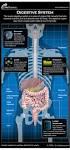 Digestive System Functions A. Gastrointestinal Processes 1. Ingestion: placing food in mouth (voluntary) 2. Propulsion: moving food through GI tract a. Peristalsis: alternating waves of contraction and
ABU DHABI FOOD CONTROL AUTHORITY. Food Poisoning. www.facebook.com/adfca1. www.twitter.com/adfca. www.youtube.com/adfcamedia
 Food Poisoning جهاز أبوظبي للرقابة الغذائية ABU DHABI FOOD CONTROL AUTHORITY Food Poisoning www.facebook.com/adfca1 www.twitter.com/adfca www.youtube.com/adfcamedia Creating awareness among the consumers
Rheumatoid Arthritis. Treating Inflammation. Sequoia Education Systems, Inc http://www.functionalmedicineuniversity.com 1. How is RA Diagnosed?
 Rheumatoid Arthritis Causes, Assessment and Treatment How is RA Diagnosed? The following labs make up the basics of ruling in or out RA. Citrullinated Peptide (anti-ccp) Antibodies Rheumatoid factor Erythrocyte
Topic 4: Digestion and Nutrition
 Topic 4: Digestion and Nutrition THE CONTENTS OF FOOD Food contains nutrients: Nutrients include: 1. 2. 3. 4. 5. Nutrients must be small enough to enter our cells. If they are too large they must be digested
SMALL AND LARGE INTESTINE SECRETIONS
 SMALL AND LARGE INTESTINE SECRETIONS Objectives At the end of lecture student should be able to know, Digestive system Digestive system secretions Small intestine Component of small intestine Intestinal
Upper Gastrointestinal Tract KNH 406
 Upper Gastrointestinal Tract KNH 406 Upper GI A&P GI tract long tube ~ 15 ft. Upper GI mouth, pharynx, esophagus, stomach Accessory organs pancreas, biliary system, liver Four basic functions: motility,
Laparoscopic Surgery of the Colon and Rectum (Large Intestine) A Simple Guide to Help Answer Your Questions
 Laparoscopic Surgery of the Colon and Rectum (Large Intestine) A Simple Guide to Help Answer Your Questions What are the Colon and Rectum? The colon and rectum together make up the large intestine. After
Clostridium Difficile colitismore virulent than ever ECHO- Sept 17, 2015
 Clostridium Difficile colitismore virulent than ever ECHO- Sept 17, 2015 Charles Krasner, M.D. UNR School of Medicine Sierra NV Veterans Affairs Hospital Growing problem of pseudomembranous colitis MMWR-
Food Allergies and. Food allergies and the immune system. Food allergies and the immune system
 Food Allergies and Intolerances Food allergies and the immune system Food allergies and True allergies involve an adverse reaction/ response by the body s immune system to a usually harmless substance
Dietary emulsifiers impact the mouse gut microbiota promoting colitis and metabolic syndrome
 Dietary emulsifiers impact the mouse gut microbiota promoting colitis and metabolic syndrome Andrew T. Gewirtz et al N A T U R E VOL 519 5 M A R C H 2 0 1 5 Background Incidence of IBD Fact 1: increasing
Leader's Resource. Note: Both men and women can have an STD without physical symptoms.
 Leader's Resource Information on Sexually Transmitted Diseases (STDs) Signs and Symptoms of STDs Note: Both men and women can have an STD without physical symptoms. Any of the following can indicate to
Managing Clostridial Diseases in Cattle
 Managing Clostridial Diseases in Cattle Sheila M. McGuirk, DVM, PhD Introduction The many diseases of cattle that are attributed to Clostridial bacteria are shown in the following table. Clostridial type
Chapter 6 Gastrointestinal Impairment
 Chapter 6 Gastrointestinal This chapter consists of 2 parts: Part 6.1 Diseases of the digestive system Part 6.2 Abdominal wall hernias and obesity PART 6.1: DISEASES OF THE DIGESTIVE SYSTEM Diseases of
Adams Memorial Hospital Decatur, Indiana EXPLANATION OF LABORATORY TESTS
 Adams Memorial Hospital Decatur, Indiana EXPLANATION OF LABORATORY TESTS Your health is important to us! The test descriptions listed below are for educational purposes only. Laboratory test interpretation
Nutritional Challenges After Surgery
 Nutritional Challenges After Surgery L I N D A P A T A K I M S R D C S O L D C N S C M D A N D E R S O N C A N C E R C E N T E R H O U S T O N, T E X A S Objectives Identify the reasons that GIST and its
Medical Laboratory Technology Program. Student Learning Outcomes & Course Descriptions with Learning Objectives
 Medical Laboratory Technology Program Student Learning Outcomes & Course Descriptions with Learning Objectives Medical Laboratory Technology Student Learning Outcomes All Colorado Mesa University associate
The Anorexic Cat For this reason, any cat that stops eating for any reason is considered an emergency situation.
 The Anorexic Cat Introduction Any cat that stops eating (anorexic) or begins to eat much less than their normal amount should be seen by a veterinarian right away. The primary reason why a cat stops eating