
Wound bed preparation: TIME in practice
|
|
|
- Augustus Townsend
- 9 years ago
- Views:
Transcription
1 Wound bed preparation: TIME in practice Wound bed preparation is now a well established concept and the TIME framework has been developed as a practical tool to assist practitioners when assessing and managing patients with wounds. It is important, however, to remember to assess the whole patient; the wound bed preparation care cycle promotes the treatment of the whole patient and not just the hole in the patient. This paper discusses the implementation of the wound bed preparation care cycle and the TIME framework, with a detailed focus on Tissue, Infection, Moisture and wound Edge (TIME). Caroline Dowsett, Heather Newton KEY WORDS Wound bed preparation Tissue Infection Moisture Edge The concept of wound bed preparation has gained international recognition as a framework that can provide a structured approach to wound management. By definition wound bed preparation is the management of a wound in order to accelerate endogenous healing or to facilitate the effectiveness of other therapeutic measures (Falanga, 2000; Schultz et al, 2003). The concept focuses the clinician on optimising conditions at the wound bed so as to encourage normal endogenous healing. It is an approach that should be considered for all wounds that are not progressing to normal wound healing. Wound healing is a complex series of events that are interlinked and Caroline Dowsett is Nurse Consultant in Tissue Viability, Newham Primary Care Trust, London, and Heather Newton is Nurse Consultant in Tissue Viability, Royal Cornwall Hospital Trust, Cornwall dependent on one another. Acute wounds usually follow a well-defined process described as: 8Coagulation 8Inflammation 8Cell proliferation and repair of the matrix 8Epithelialisation and remodelling of scar tissue. In the past this model of healing has been applied to chronic wounds, but it is now known that chronic wound healing is different from acute wound healing. Chronic wounds become stuck in the inflammatory and proliferative stages of healing (Ennis and Menses, 2000) which delays closure. The epidermis fails to migrate at the wound margins, which interferes with normal cellular migration over the wound bed (Schultz et al, 2003). In chronic wounds there appears to be an over production of matrix molecules resulting from underlying cellular dysfunction and disregulation (Falanga, 2000). Fibrinogen and fibrin are also common in chronic wounds and it is thought that these and other macromolecules scavenge growth factors and other molecules involved in promoting wound repair (Falanga, 2000). Chronic wound fluid is also biochemically distinct from acute wound fluid; it slows down, and can block the proliferation of cells, which are essential for the wound healing process (Schultz et al, 2003). Wound bed preparation as a concept allows the clinician to focus systematically on all of the critical components of a non-healing wound to identify the cause of the problem, and implement a care programme so as to achieve a stable wound that has healthy granulation tissue and a well vascularised wound bed. The TIME framework To assist with implementing the concept of wound bed preparation, the TIME acronym was developed in 2002 by a group of wound care experts, as a practical guide for use when managing patients with wounds (Schultz et al, 2003). The TIME table (Table 1) summarises the four main components of wound bed preparation: 8Tissue management 8Control of infection and inflammation 8Moisture imbalance 8Advancement of the epithelial edge of the wound. The TIME framework is a useful practical tool based on identifying the barriers to healing and implementing a plan of care to remove these barriers and promote wound healing. It is important to understand wound bed preparation and TIME within the context of total patient care. If a wound fails to heal there is often a complex mix of local and host factors which 58 Wounds UK

2 Table 1 TIME Principles of wound bed preparation Clinical observations Proposed pathophysiology WBP clinical actions Effect of WBP actions Clinical outcome Tissue non-viable or deficient Defective matrix and cell Viable wound base debris impair healing Infection or Inflammation High bacterial counts or prolonged inflammation Inflammatory cytokines Protease activity Growth factor activity Debridement (episodic or continuous): 8Autolytic, sharp surgical, enzymatic, mechanical or biological 8Biological agents Remove infected foci Topical/systemic: 8Antimicrobials 8Anti-inflammatories 8Protease inhibition Restoration of wound base and functional extracellular matrix proteins Low bacterial counts or controlled inflammation: Inflammatory cytokines Protease activity Growth factor activity Bacterial balance and reduced inflammation Moisture imbalance Desiccation slows epithelial cell migration Apply moisture-balancing dressings Restored epithelial cell migration, desiccation avoided Moisture balance Excessive fluid causes maceration of wound margin Compression, negative pressure or other methods of removing fluid Oedema, excessive fluid controlled, maceration avoided Edge of wound non-advancing or undermining Non-migrating keratinocytes Non-responsive wound cells and abnormalities in extracellular matrix or abnormal protease activity Re-assess cause or consider corrective therapies: 8Debridement 8Skin grafts 8Biological agents 8Adjunctive therapies Migrating keratinocytes and responsive wound cells. Restoration of appropriate protease profile Advancing edge of wound will need to be assessed and treated. A full and detailed patient assessment will highlight the underlying aetiology of the wound and other factors that may impede wound healing such as pain and poor nutrition (Dealey, 2000). With this in mind the wound bed preparation care cycle was developed in 2004 (Dowsett, 2004) to provide a care programme that includes the TIME framework. It focuses both on the patient and on the wound in an attempt to address all factors that influence wound healing. Wound bed preparation care cycle The care cycle (Figure 1) starts with the patient and their environment of care. Individual patient concerns need to be addressed as well as quality of life issues in order to achieve a successful care programme. Patients need to understand the underlying cause of their wound and the rationale for treatments. Assessment and treatment of the underlying condition is essential as the type of wound bed preparation implemented may vary with wound type. For example, sharp debridement is common in the management of patients with diabetic foot ulceration, while compression therapy is the recommended treatment for patients with venous leg ulcers (European Wound Management Association, 2004). The cycle moves from patient assessment and diagnosis to assessing and treating the wound using the TIME framework. The importance of assessment in terms of evaluating the effectiveness of the treatment is highlighted in the cycle. Those patients who have healed come out of the cycle into a prevention programme and patients who have not progressed to healing or who have palliative wounds remain in the cycle and are reassessed, using TIME. The TIME table has been designed to help the clinician make a systematic interpretation of the observable characteristics of a wound and to decide on the most appropriate intervention: T for tissue: non-viable or deficient I for infection/inflammation M for moisture imbalance E for edge, which is not advancing or undermining. T Tissue The specific characteristics of the tissue within a wound bed play a very important role in the wound healing continuum. Accurate description of this tissue is an important feature of wound assessment. Where tissue is non-viable or deficient, wound healing is delayed. It also provides a focus for infection, prolongs the inflammatory response, mechanically obstructs contraction 60 Wounds UK

3 Prevention Wound bed preparation - TIME in contex Yes Healed Figure 1. The wound bed preparation care cycle. Figure 2. Fixed yellow slough on a wound bed. and impedes re-epithelialisation (Baharestani, 1999). Necrosis, eschar, and slough are terms that describe non-viable tissue, however, little is known about their constituents. Work undertaken by Thomas et al (1999) found that devitalised tissue has a defined structure similar to human dermis, however, there are areas of scattered, degraded or disrupted tissue present. For epidermal cells to migrate across a wound surface a well built extracellular matrix is required. Therefore, early interventions to remove devitalised tissue are an essential part of wound management. Necrosis or eschar on a wound is usually identified through its black/ No Treat & evaluate TIME interventions Start with the patient Wound bed preparation Care cycle Perform TIME assessment Agree goals Identifying wound aetiology dark grey appearance and, when dried out, is tough and leathery to touch. Wound eschar is full thickness, dry, devitalised tissue that has arisen through prolonged local ischaemia (Gray et al, 2005). It is derived from granulation tissue after the death of fibroblasts and endothelial cells and may also contain inflammatory cells (Thomas et al, 1999) which increases the risk of chronic inflammation of the wound and delays extracellular matrix formation. Necrotic tissue acts as a physical barrier to epidermal cell migration, and hydration at the wound interface is significantly reduced. Slough is adherent fibrous material derived from proteins, fibrin and fibrinogen (Tong, 1999). It is usually creamy yellow in appearance and can be found dehydrated and adhered to the wound bed (Figure 2) or loose and stringy when associated with increased wound moisture. The presence of devitalised tissue in a wound is often a challenge to health care professionals. It is difficult to accurately assess the depth of a wound that is covered or filled with necrotic or sloughy tissue and, until removed, the true extent of the wound may not be realised. In the majority of clinical cases there is a need to remove the devitalised tissue through a process of debridement, however, it is important to assess the blood flow to the affected area first, particularly if the wound is on the lower leg or foot. In cases where the limb requires revascularisation, it may not be appropriate to undertake tissue debridement until the viability of the limb is determined. Debridement Debridement is the process of removing devitalised tissue and/or foreign material from a wound and it may occur naturally. However, in some cases the patient may have an underlying pathology which affects the ability of the body to naturally debride the wound. In a chronic wound, debridement is often required more than once as the healing process can stop or slow down allowing further devitalised tissue to develop. Where debridement is an option for clinicians the following methods may be used: 8Surgical 8Sharp 8Autolytic 8Enzymatic 8Larval 8Mechanical. Surgical and sharp debridement Surgical and sharp debridement are the fastest methods of removing devitalised tissue and have the benefit of converting a non-healing chronic wound to that of an acute wound within a chronic wound environment (Schultz et al, 2003) Surgical debridement is normally performed where there is a large extent of devitalised tissue present and where there are significant infection risks. Sharp debridement is more conservative, but it still requires the skills of an experienced practitioner. Clinical competencies such as knowledge of anatomy, identification of viable or non-viable tissue, ability and resources to manage complications such as bleeding and the skills to obtain patient consent are all essential before undertaking this procedure. 62 Wounds UK

4 Autolytic debridement Autolytic debridement is a highly selective process involving macrophage and endogenous proteolytic enzymes which liquefy and separate necrotic tissue and eschar from healthy tissue (Schultz et al, 2003) The natural process is further enhanced by the use of occlusive and semi-occlusive dressings and those which interact to create a moist environment. Phagocytic activity is enhanced and increasing the moisture at the wound interface promotes tissue granulation. Table 2. Risk factors for infection in chronic wounds Local factors Large wound area Deep wound High degree of chronicity Anatomic location, e.g. anal region Presence of necrotic tissue High degree of contamination Reduced tissue perfusion Systemic factors Vascular disease Oedema Malnutrition Diabetes mellitus/rheumatoid arthritis Smoking/alcoholism Previous surgery or radiotherapy Use of corticosteroids/immunosuppressants Enzymatic degradation Enzymatic debridement is a less common method of debridement, however, it is effective in the removal of hard necrotic eschar where surgical debridement is not an option. Exogenous enzymes are applied to the wound bed where they combine with the endogenous enzymes in the wound to break down the devitalised tissue. (Schultz et al, 2005). Larval therapy Larval therapy is a quick, efficient method of removing slough and debris from a wound, however, not all patients or staff find this debridement method socially acceptable. Sterile larvae secrete powerful enzymes to break down devitalised tissue without destroying healthy granulation tissue (Thomas et al, 1998). Mechanical debridement Mechanical methods of debridement such as irrigation and wet to dry dressings are rarely used as they can cause increased pain and can damage newly formed granulation tissue (NICE, 2001). If debridement is effective, the T of TIME is removed and wounds can progress through the remaining phases of wound healing. I infection/inflammation Infection in a wound causes pain and discomfort for the patient, delayed wound healing, and can be life threatening. Clinical infections as well as having serious consequences for the patient can add to the overall cost Figure 3. Clinically infected wound. of care. All wounds contain bacteria at levels ranging from contamination, through critical colonisation (also known as increased bacterial burden or occult infection), to infection. The increased bacterial burden may be confined to the superficial wound bed or may be present in the deep compartment and surrounding tissue of the wound margins. Several systemic and local factors increase the risk of infection (Table 2). Emphasis is often placed on the bacterial burden, but in fact host resistance is often the critical factor in determining whether infection will occur. Host resistance is lowered by poor tissue perfusion, poor nutrition, local oedema and other behavioural factors such as smoking and drinking excess alcohol. Other systemic factors that impair healing include co-morbidities and medication such as steroid therapy and immunosuppressive drugs. Local factors at the wound bed, such as necrotic tissue and foreign material such as fragments of gauze and dressings, also affect healing and the risk of infection. When a wound is infected (Figure 3) it contains replicating micro-organisms which elicit a host response and cause injury to the host. In an acute wound, infection is met by a rapid inflammatory response which is initiated by complement fixation and an innate immune response followed by the release of cytokines and growth factors (Dow et al, 1999). The inflammatory cascade produces vasodilation and a significant increase of blood flow to Wounds UK 63

5 Table 3 Differentiating between superficial and deep infection Superficial infection Non-healing Friable granulation tissue Exuberant bright granulation tissue Increased exudate New areas of necrosis in base Wound breakdown the injured area. This also facilitates the removal of micro-organisms, foreign bodies, bacterial toxins and enzymes by phagocytic cells, complements, and antibodies. The coagulation cascade is activated isolating the site of infection in a gel matrix to protect the host (Dow et al,1999). In a chronic wound, however, the continuous presence of virulent micro-organisms leads to a continued inflammatory response which eventually contributes to host injury. There is persistent production of inflammatory mediators and steady migration of neutrophils which release cytolytic enzymes and oxygen-free radicals. There is localised thrombosis and the release of vasoconstricting metabolites which can lead to tissue hypoxia, bringing further bacterial proliferation and tissue destruction (Sibbald et al, 2003). The presence of bacteria in a chronic wound does not necessarily indicate that infection has occurred or that it will lead to impaired wound healing (Cooper and Lawrence, 1996). Micro-organisms are present in all chronic wounds and low levels of certain bacteria can facilitate wound healing as they produce enzymes such as hyaluronidase which contributes to wound debridement and stimulates neutrophils to release proteases (Stone, 1980). Diagnosis of infection is primarily a clinical skill and microbiological data should be used to supplement the Deep infection Pain: other than usually reported Increased size Warmth Erythema > 1 2cm Probes to bone or bone exposed Odour (Sibbald et al, 2000) clinical diagnosis. The classic signs of infection in acute wounds include: 8Pain 8Erythema 8Oedema 8Purulent discharge 8Increased heat. For chronic wounds it has been suggested that other signs should be added: 8Delayed healing 8Increased exudates 8Bright red discolouration of granulation tissue 8Friable and exuberant tissue 8New areas of slough 8Undermining 8Malodour and wound breakdown (Cutting and Harding, 1994). These criteria have now been modified according to wound type (Cutting et al, 2005) and are the subject of a position paper (EWMA, 2005). In this document, Cutting et al describe the results of a Delphi approach as a method of developing consensus on the criteria for identification of wound infection. The results of the study indicated that cellulities, malodour, pain, delayed healing or deterioration in the wound/wound breakdown are criteria common to all wounds, but other changes should be noted in different wound types. The Delphi process identified the criteria for six different wound types and should be used as a guide when diagnosing infection in both acute and chronic wounds. Sibbald et al (2000) suggest that diagnosis should differentiate between superficial and deep infection as outlined in Table 3. Treatment of infection should first of all focus on optimising host resistance by promoting healthy eating, encouraging smoking cessation and addressing underlying medical conditions such as diabetes. Systemic antibiotics are not necessarily the most appropriate way of reducing bacterial burden in wounds, particularly because of the threat of increasing bacterial resistance and should only be used where there is evidence of deep infection or where infection cannot be managed with local therapy (Schultz et al, 2003). Local methods include: debridement to remove devitalised tissue; wound cleansing; and the use of topical antimicrobials such as iodine dressings and silver. There is renewed interest in the selective use of topical antimicrobials as bacteria become more resistant to antibiotics. Studies show that some iodine and silver preparations have bactericidal effects even against multiresistant organisms such as methicillinresistant Staphylococcus aureus (MRSA) (Landsdown, 2002; Romanelli et al, 2003; Sibbald et al, 2003). Where infection in the wound has extended beyond the level that can be managed with local therapy, systemic antibiotics should be used. Systemic signs of infection, such as fever, and cellulities extending at least 1cm beyond the wound margin and underlying deep structures, will require systemic antibiotic therapy (Schultz et al, 2003). M moisture imbalance Creating a moisture balance at the wound interface is essential if wound healing is to be achieved. Exudate is produced as part of the body s response to tissue damage and the amount of exudate produced is dependant upon the pressure gradient within the tissues (Trudgian, 2005). A wound which progresses through the normal wound healing cycle produces enough moisture to promote cell 64 Wounds UK

6 Table 4 Exudate types Description of exudate Serous Fibrinous Purulent Haemopurulent Haemorrhagic proliferation and supports the removal of devitalised tissue through autolysis. If, however, the wound becomes inflamed and/or stuck in the inflammatory phase of healing, exudate production increases as the blood vessels dilate. A description of the types of exudates can be found in Table 4. Evidence suggests that there are significant differences between acute and chronic wound fluid (Park et al,1998). Acute wound fluid supports the stimulation of fibroblasts and the production of endothelial cells as it is rich in leukocytes and essential nutrients. Chronic wound fluid, however, has been found to contain high levels of proteases which have an adverse effect on wound healing by slowing down or blocking cell proliferation (Schultz et al, 2003) in particular keratinocytes, fibroblasts Components of exudate Clear and watery. Bacteria may be present Cloudy. Contains fibrin protein strands Milky. Contains infective bacteria and inflammatory cells As above but dermal capillary damage leads to the presence of red cells Red blood cells are a major component of the exudate (Vowden and Vowden, 2004) Figure 4. Evidence of irritant dermatitis following dressing application. and endothelial cells. Increased levels of proteolytic enzymes and reduced growth factor activity all contribute to a poorly developed extracellular wound matrix. This in turn affects the ability of the epidermal cells to migrate across the surface of the wound to complete the healing process. Factors such as the underlying condition of the patient, the pathology of the wound and the dressing selection all affect the production of exudate (White, 2001). Moisture in a wound enhances the natural autolytic process and also acts as a transport medium for essential growth factors during epithelialisation. If a wound bed becomes too dry, however, a scab will form which then impedes healing and wound contraction. The underlying collagen matrix and the surrounding tissue at the wound edge become desiccated (Dowsett and Ayello, 2004). If a wound produces excessive amounts of exudate the wound bed becomes saturated and moisture leaks out onto the peri-wound skin causing maceration and excoriation. This in turn could lead to an increased risk of infection. Exudate assessment Assessment of the exudate is an important part of wound management. The type, amount and viscosity of the exudate should be recorded and dressings selected based on the exudate s characteristics. If a wound is too dry, rehydration should be the principle of management, unless contraindicated as in the case of ischaemic disease. Occlusive dressing products promote a moist environment at the wound interface. As wounds heal, the level of exudate gradually decreases. The management of excess exudate in chronic wounds, however, presents a challenge to many health care professionals. Vowden and Vowden (2004) suggest that an understanding of the systemic and local conditions influencing exudate production and knowledge of the potential damaging chemical constituents of exudates should inform management strategy. Dressing selection When selecting a dressing, consideration should be given to the volume of exudate and the viscosity as some dressings absorb a higher volume of fluid than others and some are more efficient when dealing with viscous exudate. There are a variety of dressing products available for the management of exudates ranging from foams, hydrocolloids, alginates, hydrofibres, cadexomer iodine to capillary action dressings. All play a role in the removal of fluid away from the wound surface, however, many of the products, through their ability to gel on contact with wound exudates, maintain a moisture balance on the wound surface itself. VAC therapy or total negative pressure is a therapy which draws exudates from the wound bed through application of sub-atmospheric pressure via an electronic pump (Mendez- Eastman, 2001). Compression bandages also play a role in the removal of excess 68 Wounds UK

7 fluid in the lower limbs in patients with venous leg ulcers and lymphoedema. The condition of the surrounding skin is also important as vulnerable skin can react to excess exudate and cause maceration, excoriation, and irritant dermatitis (Figure 4). Early application of a protective skin barrier film can minimise these risks. It is important to remember to treat the underlying clinical condition when addressing moisture imbalance in a wound (Newton and Cameron, 2003). E edge When the epidermal margins of a wound fail to migrate across the wound bed or the wound edges fail to contract and reduce in size, consideration needs to have been given to the T,I, and M first to ensure that all aspects of wound bed preparation have been considered. The final stage of wound healing is epithelialisation, which is the active division, migration, and maturation of epidermal cells from the wound margin across the open wound (Dodds and Haynes, 2004). There are many factors which need to be present in order for epithelialisation to take place. The wound bed must be full of well vascularised granulation tissue in order for the proliferating epidermal cells to migrate. This also ensures that there is adequate oxygen and nutrients to support epidermal regeneration. There needs to be a rich source of viable epidermal cells which can undergo repeated cell division particularly at the edge of the wound. Where cells have become senescent the process slows down or stops completely. Wounds that have a significant number of fibroblasts that are arrested due to senescence, damaged DNA or enduring quiescence do not heal (Vande Berg and Robson, 2003). Other factors, such as bacteria or the presence of devitalised tissue, which interfere with epidermal cell growth, have the potential to influence the rate of wound healing. There are many reasons why the epidermal margin fails to migrate Figure 5. Diabetic foot ulcer. including hypoxia, infection, desiccation, dressing trauma, hyperkeratosis and callus at the wound margin (Moffatt et al, 2004). For wound healing to be effective, there needs to be adequate tissue oxygenation. Decreased oxygen levels impair the ability of the leucocytes to kill bacteria, lower production of collagen and reduce epithelialisation (Schultz et al, 2003). It is important to remember that wounds rely on both macro- and microcirculation particularly in the lower limb. A baseline assessment needs to be undertaken to determine the degree of ischaemic disease and the ability of the wound to heal without vascular intervention. Wound infection as discussed previously is extremely destructive to a healing wound. Inflammation caused by bacteria causes the extracellular matrix to degrade and therefore epidermal cell migration is interrupted. Wounds become chronic and fail to heal. Dressing products, particularly if adhered or made of fibrous materials, also cause trauma and inflammation of the wound bed which in turn delays healing. It is important to select dressing products which are non adherent, and will not dry out or leave fibres in the wound bed. In certain clinical conditions such as in diabetic neuropathy, there is an over production of hyperkeratosis and callus formation (Figure 5). It has also been noted that the epidermis of the skin surrounding venous leg ulcers is thicker than normal skin and highly keratinised (Schultz et al, 2005). If this proliferative, thickened tissue is not removed, wounds will fail to epithelialise. Failure of a wound edge to migrate is also thought to be associated with the inhibition of the process of normal programmed cell death (apoptosis) which particularly affects fibrobasts and keratinocytes. Cells undergo a characteristic series of changes following mechanical damage to the cell and on exposure to toxic chemicals. Cells become unresponsive and die. Undermining or rolling of a wound edge can also influence the ability of the wound to heal. Undermining can be indicative of a chronic wound and in particular, those wounds that are Wounds UK 69

8 also critically colonised with bacteria or infected. Rolled edges can present in wounds that have an inflammatory origin such as pyoderma gangenosum or in malignancy. Early diagnosis is important in these cases as failure to provide the appropriate second-line therapy such as oral steroids or tissue biopsy and excision can result in poor healing outcomes. Measuring a wound at the start of treatment is seen as best practice to enable accurate assessment of the impact of a clinician s intervention. Subsequent measuring can identify whether or not a wound is failing to heal or deteriorating. The edge of the wound will not epithelialise unless the wound bed is well prepared. Always consider the elements of T,I, and M first to ensure that the use of advanced therapies are appropriate and if used are applied to a well prepared wound bed to ensure optimal effect. Summary and conclusion The management of chronic wounds has progressed from merely assessing the status of the wound to understanding the underlying molecular and cellular abnormalities that prevent the wound from healing. The concept of wound bed preparation has simultaneously evolved to provide a systematic approach to removing the barriers to natural healing and enhancing the effects of advanced therapies. Wound bed preparation and the TIME framework are most likely to be successful when used alongside the wound bed preparation care cycle. References Baharestani M (1999) The clinical relevance of debridement. In: Baharestani M et al, eds. The Clinical Relevance of Debridement. Springer- Verlag, Berlin Cooper RA, Lawrence JC (1996) Microorganisms and wounds. J Wound Care 5(5): Cutting KF, Harding KG (1994) Criteria for identifying wound infection. J Wound Care 3: Cutting K, Tong A (2003) Wound Physiology and Moist Wound healing. Medical Communications Ltd, Holsworthy Key Points 8 The TIME framework has been developed as a practical tool for managing patients with wounds. 8 The wound bed preparation care cycle focuses care on the patient and their underlying condition. 8 Patient progress and response to treatment should be regularly evaluated. Dealey C (2000) The Care of Wounds. Blackwell Science, Oxford Dodds S, Haynes S (2004) The wound edge, epithelialisation and monitoring wound healing. A journey through TIME. Wound bed preparation in practice. Br J Nurs Supplement Dow G, Browne A, Sibbald RG (1999) Infection in chronic wounds: controversies in diagnosis and treatment. Ostomy Wound Manag 45: Dowsett C, Ayello E (2004) TIME principles of chronic wound bed preparation and treatment. Br J Nurs 13(Suppl 15): S16 S23 Dowsett C (2004) TIME in Context. The Wound Bed Preparation Care Cycle. Oral presentation at Wounds UK 2004, Harrogate, UK Ennis WJ, Menses P (2000) Wound healing at the local level: the stunned wound. Ostomy Wound Manag 46: 39S 48S European Wound Management Association (2004) Position Document: Wound Bed Preparation in Practice. MEP Ltd, London European Wound Management Association (2005) Position Document: Identifying Criteria for Wound Infection. MEP Ltd, London Falanga V (2000) Classifications for wound bed preparation and stimulation of chronic wounds. Wound Repair Regen 8: Falanga V (2002) Wound bed preparation and the role of enzymes: a case for multiple actions of therapeutic agents. Wounds 4(2): Gray D, White R, Cooper P, Kingsley A (2005) Using the wound healing continuum to identify treatment objectives. Applied Wound Management supplement. Part 2. Wounds UK 1(2): S9 S14 Lansdown AB (2002) Silver: Its antibacterial properties and mechanism of action. J Wound Care 11(4): Mendez-Eastman S (2001) Guidelines for using negative pressure wound therapy. Adv Skin Wound Care 14(6): Moffatt C, Morison MJ, Pina E (2004) Wound bed preparation for Venous Ulcers. In: Wound Bed Preparation in Practice. EWMA Position Document, MEP, London National Institute for Clinical Excellence (2001) Guidance of the Use of Debriding Agents and Specialist Wound Care Clinics for Difficult to Heal Surgical Wounds. NICE, London Newton H, Cameron J (2003) Skin Care in Wound Management. Medical Communications Ltd. Holsworthy, UK Park HY, Shon K, Phillips T (1998) The effect of heat on the inhibitory effects of chronic wound fluid on fibroblasts in vitro. Wounds 10: Romanelli M, Magliaro A, Mastronicola D, Siani S, et al (2003) Systemic antimicrobial therapies for pressure ulcers. Ostomy Wound management 49(5a Suppl): 25 9 Schultz G, Sibbald G, Falanga V, et al (2003) Wound bed preparation: a systematic approach to wound management. Wound Repair Regen 11: 1 28 Schultz G, Ladwig G, Wysocki A (2005) Extracellular matrix: review of its role in acute and chronic wounds. World Wide Wounds. Sibbald RG, Williamson D, Orsted HL, et al (2000) Preparing the wound bed: debridement, bacterial balance and moisture balance. Ostomy Wound Manag 46: Sibbald RG, Orsted HL, Schultz G, Coutts RN, Keast MD (2003) Preparing the wound bed: focus on infection and inflammation. Ostomy Wound Manag 47: Stone LL (1980) Bacterial debridement of the burn eschar: the in vivo activity of selected organisms. J Surg Res 29: Thomas AML, Harding KG, Moore K (1999) The structure and composition of chronic wound eschar. J Wound Care 8(6): Tong A (1999) The identification and treatment of slough. J Wound Care 8(7): Trudgian J (2005) Exudate management and wound bed preparation: taking the moist approach. Wounds UK 1(suppl 2): Vande Berg JS, Robson MC (2003) Arresting cell cycles and the effect on wound healing. Surg Clin North America 83(3): Vowden K, Vowden P (2004) Understanding exudates management and the role of exudates in the healing process. The Exudate Supplement,Part Two. Br J Nurs White R (2001) Managing exudates. Part 1. Nursing Times 97(9): XI XIII 70 Wounds UK

What dressing for what wound. Prudence Lennox National Clinical Leader Healthcare Rehabilitation Ltd
 What dressing for what wound Prudence Lennox National Clinical Leader Healthcare Rehabilitation Ltd Wound assessment Accurate wound assessment is a prerequisite to planning appropriate care & should adopt
Inflammation and Healing. Review of Normal Defenses. Review of Normal Capillary Exchange. BIO 375 Pathophysiology
 Inflammation and Healing BIO 375 Pathophysiology Review of Normal Defenses Review of Normal Capillary Exchange 1 Inflammation Inflammation is a biochemical and cellular process that occurs in vascularized
Managing cavity wounds Journal of Community Nursing March 1998 Author: Rosemary Pudner
 Managing cavity wounds Journal of Community Nursing March 1998 Author: Rosemary Pudner It has been seen in recent years, that an increasing number of patients are being discharged early into the community,
Wound Care: The Basics
 Wound Care: The Basics Suzann Williams-Rosenthal, RN, MSN, WOC, GNP Norma Branham, RN, MSN, WOC, GNP University of Virginia May, 2010 What Type of Wound is it? How long has it been there? Acute-generally
WOUND EXUDATE: WHAT IT IS AND HOW TO MANAGE IT
 WOUND EXUDATE: WHAT IT IS AND HOW TO MANAGE IT Wound exudate plays an essential role in wound healing by providing a moist wound bed and a supply of necessary nutrients. Understanding what causes changes
Wound Classification Name That Wound Sheridan, WY June 8 th 2013
 Initial Wound Care Consult Sheridan, WY June 8 th, 2013 History Physical Examination Detailed examination of the wound Photographs Cultures Procedures TCOM ABI Debridement Management Decisions A Detailed
Wound Healing Community Outreach Service
 Wound Healing Community Outreach Service Wound Management Education Plan January 2012 December 2012 Author: Michelle Gibb Nurse Practitioner Wound Management Wound Healing Community Outreach Service Institute
Introduction to Wound Management
 EWMA Educational Development Programme Curriculum Development Project Education Module: Introduction to Wound Management Latest revision: October 2012 ABOUT THE EWMA EDUCATIONAL DEVELOPMENT PROGRAMME The
TAKING CARE OF WOUNDS KEY FIGURE:
 Chapter 9 TAKING CARE OF WOUNDS KEY FIGURE: Gauze Wound care represents a major area of concern for the rural health provider. This chapter discusses the treatment of open wounds, with emphasis on dressing
FUNCTIONS OF THE SKIN
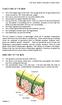 FUNCTIONS OF THE SKIN Skin is the largest organ of the body. The average adult has 18 square feet of skin which account for 16% of the total body weight. Skin acts as a physical barrier for you to the
Wound Healing. Healing is a matter of time, but it is sometimes also a matter of opportunity. Hippocrates
 C HAPTER 9 Wound Healing Healing is a matter of time, but it is sometimes also a matter of opportunity. Hippocrates As the above quote suggests, conduct regular and systematic wound assessments, and seize
COMPLIANCE WITH THIS DOCUMENT IS MANDATORY
 COVER SHEET NAME OF DOCUMENT Wound Wound Assessment and Management TYPE OF DOCUMENT Procedure DOCUMENT NUMBER SESLHDPR/297 DATE OF PUBLICATION April 2014 RISK RATING Medium LEVEL OF EVIDENCE N/A REVIEW
PRESSURE ULCER GUIDELINES FOR TOPICAL TREATMENT
 PRESSURE ULCER GUIDELINES FOR TOPICAL TREATMENT The following are suggested guidelines for treatment of pressure ulcers using products from Swiss-American Products, Inc. and are intended to supplement
Critically evaluate the organization of diabetic foot ulcer services and interdisciplinary team working
 Rationale of Module Accurate nursing assessment is the key to effective diabetic foot ulcer prevention, treatment and management. A comprehensive assessment identifies ulcer aetiology and the factors which
Summary of Recommendations
 Summary of Recommendations *LEVEL OF EVIDENCE Practice Recommendations Assessment 1.1 Conduct a history and focused physical assessment. IV 1.2 Conduct a psychosocial assessment to determine the client
Since its introduction almost 20
 Guidelines for safe negative-pressure wound therapy Rule of thumb: Assess twice, dress once By Ron Rock MSN, RN, ACNS-BC Since its introduction almost 20 years ago, negative-pressure wound therapy (NPWT)
Management of Burns. The burns patient has the same priorities as all other trauma patients.
 Management of Burns The burns patient has the same priorities as all other trauma patients. Assess: - Airway - Breathing: beware of inhalation and rapid airway compromise - Circulation: fluid replacement
THE BASIC PRINCIPLES OF WOUND HEALING David Keast MSc, MD, CCFP Heather Orsted RN, BN, ET
 1 THE BASIC PRINCIPLES OF WOUND HEALING David Keast MSc, MD, CCFP Heather Orsted RN, BN, ET An understanding of the basic physiology of wound healing provides the clinician with the framework necessary
Pressure Ulcers Risk Management and Treatment
 Pressure Ulcers Risk Management and Treatment Objectives State reasons why individuals initiate lawsuits. Define strategies to reduce the risk of litigation. Determine appropriate treatment for the patient.
Position Statement: Pressure Ulcer Staging
 Position Statement: Pressure Ulcer Staging Statement of Position The Wound, Ostomy and Continence Nurses (WOCN) Society supports the use of the National Pressure Ulcer Advisory Panel Staging System (NPUAP).
WOUND OSTOMY CONTINENCE NURSES SOCIETY GUIDANCE ON OASIS-C INTEGUMENTARY ITEMS
 Wound Ostomy Continence Nurses Society Guidance on OASIS-C Integumentary Items WOCN OASIS Taskforce Members: Ben Peirce (Chairperson), RN, BA, CWOCN, COS-C Dianne Mackey, BSN, RN, PHN, CWOCN Laurie McNichol,
Development of a Next- Generation Antimicrobial Wound Dressing- Results Count
 Development of a Next- Generation Antimicrobial Wound Dressing- Results Count Phil Bowler, MPhil, FIBMS Science & Technology, ConvaTec 24 th November 2015 /TM all trade marks are the property of their
The population of the United Kingdom is
 Wound care in five English NHS Trusts: Results of a survey KEY WORDS Ageing Infection Survey Wound Wound dressing Karen Ousey Reader Advancing Clinical Practice, School of Human and Health Sciences, University
An evaluation of Actilite Antibacterial non-adherent dressing with Activon+
 An evaluation of Actilite Antibacterial non-adherent dressing with Activon+ Antibacterial protection Activon honey plus Manuka oil. Non-adherent The non-adherence of the knitted viscose is further enhanced
The compatibility of INTRASITE Gel and ACTICOAT : An In-Vivo and In-Vitro assessment
 *smith&nephew The compatibility of INTRASITE Gel and ACTICOAT : An In-Vivo and In-Vitro assessment 1 Trade Marks of Smith & Nephew An In-Vivo and In-Vitro assessment of the compatibility of ACTICOAT and
OASIS-C Integument Assessment: Not for Wimps! Part I: Pressure Ulcers
 OASIS-C Integument Assessment: Not for Wimps! Part I: Pressure Ulcers Presented by: Rhonda Will, RN, BS, COS-C, HCS-D Assistant Director, OASIS Competency Institute 243 King Street, Suite 246 Northampton,
Wound and Skin Assessment. Mary Carvalho RN, BSN, MBA Clinical Coordinator Johnson Creek Wound and Edema Center
 Wound and Skin Assessment Mary Carvalho RN, BSN, MBA Clinical Coordinator Johnson Creek Wound and Edema Center Skin The largest Organ Weighs between 6 and 8 pounds Covers over 20 square feet Thickness
Wound, Ostomy and Continence Nurses Society s Guidance on OASIS-C1 Integumentary Items: Best Practice for Clinicians
 Wound, Ostomy and Continence Nurses Society s Guidance on OASIS-C1 Integumentary Items: Best Practice for Clinicians Acknowledgments Wound, Ostomy and Continence Nurses Society s Guidance on OASIS-C1 Integumentary
WOUND MANAGEMENT PROTOCOLS WOUND CLEANSING: REMOVING WOUND DEBRIS FROM WOUND BASE
 WOUND MANAGEMENT PROTOCOLS PURPOSE: Provide nursing personnel with simple guidance regarding appropriate dressing selection in the absence of wound specialist expertise Identify appropriate interventions
SCOPE: Western Australia CLINICAL PROTOCOL - MINOR SURGICAL PROCEDURES. Introduction
 SCOPE: Western Australia CLINICAL PROTOCOL - MINOR SURGICAL PROCEDURES Introduction To provide appropriate management of wounds, there are occasions where either wound biopsy or sharp debridement procedures
Standard Operating Procedure Template
 Standard Operating Procedure Template Title of Standard Operation Procedure: Topical Negative Pressure (TNP) Reference Number: Version No: 1 Issue Date: May 2012 Review Date: August 2015 Purpose and Background
PowerLight LED Light Therapy. The FUTURE of corrective skin
 PowerLight LED Light Therapy The FUTURE of corrective skin care TODAY LED facial treatments Effective when used with correct protocols Non thermal stimulation of collagen Increases circulation and lymphatic
APPLICATION OF DRY DRESSING
 G-100 APPLICATION OF DRY DRESSING PURPOSE To aid in the management of a wound with minimal drainage. To protect the wound from injury, prevent introduction of bacteria, reduce discomfort, and assist with
How To Treat A Wound
 DOCUMENT REFERENCE NO: Type: GUIDELINE Sus Wound Management Guidelines Relevant to: All PCT Clinical Staff Produced by: Tissue Viability Committee Responsible Executive Director: Director of Nursing Date
Silicone pressure-reducing pads for the prevention and treatment of pressure ulcers
 S46 Product focus Silicone pressure-reducing pads for the prevention and treatment of pressure ulcers Abstract Pressure ulcers, a key quality of care indicator, cause emotional distress to the patient,
Wound Care on the Field. Objectives
 Wound Care on the Field Brittany Witte, PT, DPT Cook Children s Medical Center Objectives Name 3 different types of wounds commonly seen in sports and how to emergently provide care for them. Name all
How To Stage A Pressure Ulcer
 WOCN Society Position Statement: Pressure Ulcer Staging Originated By: Wound Committee Date Completed: 1996 Reviewed/Revised: July 2006 Revised: August 2007 Reviewed/Revised: April 2011 Definition of Pressure
Opticell Wound Dressings. Powerful Yet Gentle Moisture Management
 Wound Dressings Powerful Yet Gentle Moisture Management 1 Exclusive Forzagel TM Technology s unique gelling attributes are the result of Forzagel technology. When moistened, the absorbent fibers of the
Technology update: Understanding Hydrofiber Technology
 Technology update: Understanding Hydrofiber Technology Modern wound care clinicians have witnessed the development of a bewildering array of new technologies, many of which have emerged as a result of
Stop painful dressing changes!*
 Stop painful dressing changes!* Apply it, leave it,* help heal it * AQUACEL Ag BURN and AQUACEL BURN dressings provide a comfortable environment while the dressing is in situ or upon removal. Although
* This policy is under review and is being updated. A revised policy will be added shortly * February 2009. Clinical Development Forum
 * This policy is under review and is being updated. A revised policy will be added shortly * Document Title: PCT Document Ref No.: Local Document Ref No.: Date of Approval: Approved by: Guidance for the
Vacuum-Assisted Wound Closure ISSN: 0002-936X American Journal of Nursing
 Vacuum-Assisted Wound Closure ISSN: 0002-936X American Journal of Nursing Author(s): Chua Patel, Christy T. MS, RN; Kinsey, Gail C. MS, RN, CNS; Koperski-Moen, Kelley J. ADN, RN; Bungum, Lisa D. BSN, RN
The Immune System. 2 Types of Defense Mechanisms. Lines of Defense. Line of Defense. Lines of Defense
 The Immune System 2 Types of Defense Mechanisms Immune System the system that fights infection by producing cells to inactivate foreign substances to avoid infection and disease. Immunity the body s ability
Quality standard Published: 11 June 2015 nice.org.uk/guidance/qs89
 Pressure ulcers Quality standard Published: 11 June 2015 nice.org.uk/guidance/qs89 NICE 2015. All rights reserved. Contents Introduction... 6 Why this quality standard is needed... 6 How this quality standard
Thought for the Day. Courage is not simply one of the virtues, but the form of every virtue at the testing point. ~ C. S. Lewis
 Thought for the Day Courage is not simply one of the virtues, but the form of every virtue at the testing point. ~ C. S. Lewis Anatomy & Physiology Bio 2401 Lecture Instructor: Daryl Beatty Section 2 Lecture
Chapter 11. Everting skin edges
 Chapter 11 PRIMARY WOUND CLOSURE KEY FIGURE: Everting skin edges In primary wound closure, the skin edges of the wound are sutured together to close the defect. Whenever possible and practical, primary
Pressure Ulcers: Facility Assessment Checklists
 Pressure Ulcers: Facility Assessment Checklists This is a series of self-assessment checklists for nursing home staff to use to assess processes related to managing pressure ulcers in the facility, in
Pharmacology of the Respiratory Tract: COPD and Steroids
 Pharmacology of the Respiratory Tract: COPD and Steroids Dr. Tillie-Louise Hackett Department of Anesthesiology, Pharmacology and Therapeutics University of British Columbia Associate Head, Centre of Heart
Adhesives Dedicated to Better Wound Care
 Adhesives Dedicated to Better Wound Care Medical Design Joyce Laird Mon, 2014-09-08 11:50 ConvaTec strives to make life better for both short- and long-term patients. ConvaTec is a giant in the medical
7/11/2011. Pressure Ulcers. Moisture-NOT Pressure. Wounds NOT Caused by Pressure
 Assessment and Documentation of Pressure Ulcers Jeri Ann Lundgren, RN, BSN, PHN, CWS, CWCN Pathway Health Services July 19, 2011 Training Objectives Describe etiologies of pressure ulcers Discuss how to
Skin & Wound Care Prevention & Treatment. By Candy Houk, RN Skin & Wound Program Manager
 Skin & Wound Care Prevention & Treatment By Candy Houk, RN Skin & Wound Program Manager OBJECTIVES Classify Stage 1 and 2 pressure ulcers Recognize suspected Stage 3, 4, DTI, and unstageable pressure ulcers
Vacuum-assisted closure (VAC) is a noninvasive, active, closed
 P r o c e d u r e s P r o W O U N D C R E / S U R G E R y Peer Reviewed THE ESSENTIL WOUND CRE SERIES Vacuum-ssisted Wound Closure This is the third installment of The Essential Wound Care Series, which
Cutimed PROTECT Medical skin protection. Protect Preserve Prevent
 PROTECT Medical skin protection Protect Preserve Prevent PROTECT Ordering information PROTECT is available in foam applicators and spray bottle PROTECT REF No. Size Unit of Measure HCPCS Spray 7265300
the Role of Patricia Turner BSN, RN, CWCN, CWS
 Understanding the Role of Outpatient Wound Centers Patricia Turner BSN, RN, CWCN, CWS Outpatient wound centers are somewhat of a specialty unto themselves within the world of wound care. The focus of the
Diabetic Foot Ulcers and Pressure Ulcers. Laurie Duckett D.O. Plastic and Reconstructive Surgeon Oklahoma State University Center for Health Sciences
 Diabetic Foot Ulcers and Pressure Ulcers Laurie Duckett D.O. Plastic and Reconstructive Surgeon Oklahoma State University Center for Health Sciences Lecture Objectives Identify risk factors Initiate appropriate
Overview of the Cattle Immune System 1
 Oregon State University BEEF043 Beef Cattle Library Beef Cattle Sciences Overview of the Cattle Immune System 1 Reinaldo F. Cooke 2 Introduction On average, the U.S. cattle industry loses more than $1
CLINICAL PROCEDURE FOR PODIATRIC CALLUS AND CORN REDUCTION (Community Podiatrists)
 CLINICAL PROCEDURE FOR PODIATRIC CALLUS AND CORN REDUCTION (Community Podiatrists) Issue History Issue Version Purpose of Issue/Description of Change Planned Review Date 1 To provide Podiatry staff employed
VPM 152. INFLAMMATION: Chemical Mediators
 General Pathology VPM 152 INFLAMMATION: Chemical Mediators CHEMICAL MEDIATORS OF INFLAMMATION Definition: any messenger that acts on blood vessels, inflammatory cells or other cells to contribute to an
Provided by the American Venous Forum: veinforum.org
 CHAPTER 1 NORMAL VENOUS CIRCULATION Original author: Frank Padberg Abstracted by Teresa L.Carman Introduction The circulatory system is responsible for circulating (moving) blood throughout the body. The
THERAPEUTIC USE OF HEAT AND COLD
 THERAPEUTIC USE OF HEAT AND COLD INTRODUCTION Heat and cold are simple and very effective therapeutic tools. They can be used locally or over the whole body, and the proper application of heat and cold
Guideline: Wound Bed Preparation for Healable and Non-Healable Wounds in Adults & Children 1
 Developed by the BC Provincial Nursing Skin and Wound Committee in collaboration with Wound Clinicians from: TITLE Guideline: Wound Bed Preparation for Healable and Non-Healable Wounds in Adults & Children
WOUND MANAGEMENT POLICY AND PROCEDURES IN THE COMMUNITY SETTING.
 WOUND MANAGEMENT POLICY AND PROCEDURES IN THE COMMUNITY SETTING. NHS Walsall Community Health Integrated Governance Sub Group formally approved this policy on 10th March 2011 Please note that the Intranet
Wound Healing. Outline. Normal Wound Healing. Wounds and nutrition refresher UPHS evidence-based guideline for. wounds
 Wound Healing Clinical Nutrition Support Service Hospital of the University of Pennsylvania Jung Kim, RD CNSD, LDN Tricia Stefankiewicz, MA, RD, CNSC, LDN Outline Wounds and nutrition refresher UPHS evidence-based
Clinical Wound Assessment - A Pocket Guide
 Clinical Wound Assessment - A Pocket Guide Developed by Professor Finn Gottrup, Denmark Dr. Robert Kirsner, US Dr. Sylvie Meaume, France Dr. Christian Münter, Germany Professor Gary Sibbald, Canada The
Title page Hypergranulation: options for management. 2.522 with abstract and reference list 1965 without
 Title page Title: Hypergranulation: options for management Word count: 2.522 with abstract and reference list 1965 without 1 Abstract Hypergranulation (or overgranulation) is an excess of granulation tissue
Pressure Ulcer Passport
 Pressure Ulcer Passport Information for patients This is a record of the treatment you are receiving for your pressure ulcer injury. Please bring it with you to all your healthcare appointments. This will
Pressure Injury Prevention and Management Policy
 Pressure Injury Prevention and Management Policy Owner (initiating the document): Dr Amanda Ling Contact name and number: Rachel Dennis (Ph: 9222 2197) Version: 1.5 Approved by: Professor Bryant Stokes,
PATIENT TEACHING GUIDE: Wound Care Handbook
 PATIENT TEACHING GUIDE: Wound Care Handbook PATIENT TEACHING GUIDE: WOUND CARE Design by Mariscal Design, Illustrations by Lysa Hawke. The Wound Care Self Care Guide was written and prepared by: Barbara
INFUSE Bone Graft. Patient Information Brochure
 INFUSE Bone Graft Patient Information Brochure This Patient Guide is designed to help you decide whether or not to have surgery using INFUSE Bone Graft to treat your broken tibia (lower leg). There are
RENFREW VICTORIA HOSPITAL SKIN AND WOUND CARE PROGRAM TRAINING RISK ASSESSMENT OF SKIN BREAKDOWN AND TREATMENT OF WOUNDS AND PRESSURE ULCERS
 RENFREW VICTORIA HOSPITAL SKIN AND WOUND CARE PROGRAM TRAINING RISK ASSESSMENT OF SKIN BREAKDOWN AND TREATMENT OF WOUNDS AND PRESSURE ULCERS SELF-LEARNING MODULE For Registered Nurses and Registered Practical
Illinois Department of Public Health STATEMENT OF DEFICIENCIES AND PLAN OF CORRECTION. Statement of LICENSURE Violations
 (X1) PROVER/SUPPLIER/CLIA ENTIFICATION NUMBER: (X3) SURVEY D NAME OF PROVER OR SUPPLIER (X4) SUMMARY REGULATORY OR LSC ENTIFYING INFORMATION) PROVER'S PLAN OF CORRECTION Final Observations Statement of
Wounds UK. Exsudex : another means of managing exudate Pauline Beldon
 Wounds UK Exsudex : another means of managing exudate Pauline Beldon Product REVIEW Exsudex : another means of managing exudate Heavily exuding wounds can cause discomfort to the patient as well as inhibiting
An evaluation of the efficacy of Cutimed Sorbact in different types of non-healing wounds Sylvie Hampton
 Wounds UK An evaluation of the efficacy of Cutimed Sorbact in different types of non-healing wounds Sylvie Hampton Wounds UK, 2007, Vol 3, No 1 1 An evaluation of the efficacy of Cutimed Sorbact in different
Objectives. Why is this important? 5/1/2012. By: Rhonda Trexler, BS RN COS-C CCP
 By: Rhonda Trexler, BS RN COS-C CCP Objectives Verbalize the ability to determine if a surgical wound exists when documenting in OASIS-C Describe would healing phases related to wounds healing by primary
USING ADAPTIC TOUCH Non-Adhering Silicone Dressing: CASE STUDIES
 INTERNATIONAL CASE STUDIES USING ADAPTIC TOUCH Non-Adhering Silicone Dressing: CASE STUDIES CASE STUDIES SERIES 2013 This document has been jointly developed by Wounds International and Systagenix with
Wound Care Management
 Rule Category: Billing ` Ref: No: 2012-BR-0007 Version Control: Version No. 3.0 Effective Date: 08 December 2012 Revision Date: August 2015 Wound Care Management Adjudication Rule Table of content Abstract
CHAPTER 15 SCLEROTHERAPY FOR VENOUS DISEASE
 Introduction CHAPTER 15 SCLEROTHERAPY FOR VENOUS DISEASE Original authors: Niren Angle, John J. Bergan, Joshua I. Greenberg, and J. Leonel Villavicencio Abstracted by Teresa L. Carman New technology has
Skin Care In Bladder And Bowel Dysfunction Wendy Ness Colorectal Nurse Specialist
 Skin Care In Bladder And Bowel Dysfunction Wendy Ness Colorectal Nurse Specialist Function Of The Skin Healthy skin serves several purposes it protects the internal organs physically, chemically and biologically
easy made Hard-to-heal wounds
 Hard-to-heal wounds made easy Volume 2 Issue 4 November 2011 www.woundsinternational.com Introduction Most people have, at some stage in their life, experienced a wound. For the majority, healing is a
Bile Duct Diseases and Problems
 Bile Duct Diseases and Problems Introduction A bile duct is a tube that carries bile between the liver and gallbladder and the intestine. Bile is a substance made by the liver that helps with digestion.
Supplemental Material CBE Life Sciences Education. Su et al.
 Supplemental Material CBE Life Sciences Education Su et al. APPENDIX Human Body's Immune System Test This test consists of 31 questions, with only 1 answer to be selected for each question. Please select
effective Debridement in a changing NHS A UK consensus
 GUIDELINES FOR PRACTICE effective Debridement in a changing NHS A UK consensus Wounds UK Editor: Rita Som PUBLISHER: Kathy Day PUBLISHED BY: Wounds UK Enterprise House 1 2 Hatfields London SE1 9PG, UK
The true cost of wounds. And how to reduce it
 The true cost of wounds And how to reduce it Wounds are a growing challenge Wounds have been called the silent epidemic. In a typical hospital setting today, between 25% and 40% of beds will be occupied
Thyroid eye disease (TED) Synonyms: Graves ophthalmopathy, thyroid ophthalmopathy, thyroid associated ophthalmopathy
 Thyroid eye disease (TED) Synonyms: Graves ophthalmopathy, thyroid ophthalmopathy, thyroid associated ophthalmopathy This information leaflet briefly covers the following issues in TED: What is TED? When
INFLAMMATION AND REACTIVE CHANGES IN CERVICAL EPITHELIUM
 INFLAMMATION AND REACTIVE CHANGES IN CERVICAL EPITHELIUM Inflammation is a response of a tissue to injury, often caused by invading microorganisms. The suffix which indicates inflammation is "-itis" (the
Lymph capillaries, Lymphatic collecting vessels, Valves, Lymph Duct, Lymph node, Vein
 WLHS/A&P/Oppelt Name Lymphatic System Practice 1. Figure 12-1 provides an overview of the lymphatic vessels. First color code the following structures. Color code in Figure 12-1 Heart Veins Lymphatic vessels/lymph
Caution: when combining topical wound treatments, more is not always better
 Caution: when combining topical wound treatments, more is not always better Cowan L, Phillips P, Liesenfeld B, Mikhaylova A, Moore D, Stechmiller J & Schultz G Abstract Most wound care providers are aware
Val Robson University Hospital Aintree. Liverpool U.K.
 Val Robson University Hospital Aintree. Liverpool U.K. Results of a Randomised Controlled Trial Comparing Antibacterial Honey (Medihoney ) to conventional treatment in wound care and the problems arising
Wound Management and Basic Suturing Techniques. Disclosures
 Wound Management and Basic Suturing Techniques 10 July 2016 Douglas Winstanley, DO FAAD FACMS West Michigan Dermatology Grand Rapids MI Hugh Greenway s 33 nd Annual Cutaneous Anatomy and Surgery Course
University of Huddersfield Repository
 University of Huddersfield Repository Atkin, Leanne and Shirlow, K. Understanding and applying compression therapy Original Citation Atkin, Leanne and Shirlow, K. (2014) Understanding and applying compression
The use of MEDIHONEY in Palliative Wound Care and the Advanced Aging Patient
 The use of MEDIHONEY in Palliative Wound Care and the Advanced Aging Patient Presenter: Angel Sutton, RN, MSN/Ed, CWCN, CFCN, CCCN Wound Care Nurse Consultant Agenda My clinical practice Why MEDIHONEY?
Nursing college, Second stage Microbiology Dr.Nada Khazal K. Hendi L14: Hospital acquired infection, nosocomial infection
 L14: Hospital acquired infection, nosocomial infection Definition A hospital acquired infection, also called a nosocomial infection, is an infection that first appears between 48 hours and four days after
Dressing adherence can be a real challenge when
 The use of Atrauman non-adherent wound dressing in tissue viability Jackie Stephen-Haynes Jackie Stephen-Haynes is a Nurse Consultant and Senior Lecturer in Tissue Viability at Worcestershire PCT and the
MEDIZINISCHE PUBLIKATIONEN
 Re Print MEDIZIN & PRAXIS Spezial Infected Wounds Has Cutisorb Sorbact proved its practical value as an antibacterial dressing? B. v. Hallern, Copyright 2005 by Verlag für MEDIZINISCHE PUBLIKATIONEN Bernd
Prevention and Recognition of Obstetric Fistula Training Package. Module 8: Pre-repair Care and Referral for Women with Obstetric Fistula
 Prevention and Recognition of Obstetric Fistula Training Package Module 8: Pre-repair Care and Referral for Women with Obstetric Fistula Early detection and treatment If a woman has recently survived a