
APPLICATION OF DRY DRESSING
|
|
|
- Ira Collins
- 10 years ago
- Views:
Transcription
1 G-100 APPLICATION OF DRY DRESSING PURPOSE To aid in the management of a wound with minimal drainage. To protect the wound from injury, prevent introduction of bacteria, reduce discomfort, and assist with healing. APPLIES TO Registered Nurses Licensed Practical/Vocational Nurses Therapists Other (Identify): EQUIPMENT/SUPPLIES One pair of disposable gloves and one pair of sterile gloves or two pair of disposable gloves.* Dressing set including scissors and forceps.* Sterile gauze dressings. Prescribed solution - sterile normal saline or sterile water per physician s orders. Tape, ties, or bandage. Waterproof bag. Measurement device. Sterile drape (optional with sterile dressing change). Antiseptic ointment (if ordered). ABD pads (if ordered).* Waste disposal supplies. *Note: Supplies to be sterile if procedure is ordered to be performed using aseptic technique.
2 G-100 PROCEDURE 1. Wash hands. Refer to the Hand Washing procedure. 2. Position the client to provide access to the wound. 3. Place waterproof bag next to work area and within reach. 4. Don clean gloves. 5. Remove old dressing. Pull tape toward the dressing. 6. Observe appearance and amount of drainage. 7. Hold soiled dressing in hand and remove glove to wrap inside out around dressing. Repeat with second glove and discard in disposable bag. If amount of dressing is too great, place dressing directly into waterproof bag, remove gloves, and dispose of in bag. 8. For sterile procedure, open sterile dressing set. 9. Open supplies. 10. Don second pair of gloves. 11. Assess wound size, characteristics, and drainage. Use same measurement method throughout service, i.e., inches or centimeters. 12. Clean the wound with prescribed solution and gauze pad. Clean from leastcontaminated to most-contaminated areas. Use new pad for each stroke. 13. Apply ointment as ordered. 14. Apply dry sterile dressings: a. Fluff the bottom gauze pad. This promotes proper absorption of drainage. b. Apply top gauze pad. c. If wound has a drain, use a precut gauze pad to fit around drain. d. If needed, apply ABD pad to top of dressing. 15. Secure dressing with tape, ties, or binder. 16. Remove gloves and dispose of waste according to the Agency Waste Disposal Policy. 17. Wash hands. Refer to Hand Washing procedure.
3 G-100 DOCUMENTATION GUIDELINES 1. Document in the clinical record: a. Appearance, odor, and size of wound. b. Amount and characteristics of drainage. c. The client s tolerance of the procedure. d. Dressing procedure and time of dressing change. RELATED PROCEDURES None.
4
5 G-110 APPLICATION OF WET-TO-DRY DRESSING PURPOSE To mechanically debride a wound. APPLIES TO Registered Nurses Licensed Practical/Vocational Nurses Therapists Other (Identify): EQUIPMENT/SUPPLIES Disposable gloves and sterile gloves.* Dressing set including scissors and forceps.* Sterile gauze pads. ABD pads, if ordered.* Prescribed solution - sterile normal saline or sterile water. Waterproof pad. Waterproof bag. Tape, ties, or bandage. Sterile drape (optional). *Note: Supplies to be sterile if procedure is ordered to be performed using aseptic technique.
6 G-110 PROCEDURE 1. Wash hands. Refer to Hand Washing procedure. 2. Position the client to provide access to the wound. 3. Place waterproof bag next to work area and within reach. 4. Don clean gloves. 5. Remove old dressing. Pull tape toward the dressing. Gently free dressing. May use small amount of sterile normal saline or sterile water to assist in loosening dressing. 6. Observe appearance and amount of drainage. 7. Hold soiled dressing in hand and remove glove to wrap inside out around dressing. Repeat with second glove. If amount of dressing is too great, place dressing directly into waterproof bag, then remove gloves and dispose of in bag. 8. Prepare sterile dressings. Pour prescribed solution over one to two gauze pads to moisten. 9. Don clean gloves (sterile gloves if procedure is ordered to be aseptic). 10. Assess wound size, characteristics, and drainage. Assess drains if any present. Use same measurement method throughout service, i.e., inches or centimeters. 11. Cleanse wound with prescribed solution and gauze pad. Clean from leastcontaminated to-most contaminated areas. Use new pad for each stroke. 12. Fluff moistened gauze pad(s) and apply over top of wound. For deep wounds, use forceps to ensure all surfaces are in contact with moistened gauze. 13. Apply sterile gauze pads over wet gauze. Can fluff to ensure wound is loosely packed. 14. Cover with ABD pad(s). 15. Secure dressing with tape, ties, or binder. 16. Remove gloves and dispose of waste per Agency Waste Disposal Policy. 17. Wash hands. Refer to Hand Washing procedure. DOCUMENTATION GUIDELINES 1. Document in the clinical record: a. Appearance, odor, and size of wound. b. Amount and characteristics of drainage. c. The client s tolerance of the procedure. d. Dressing procedure and time of dressing change. RELATED PROCEDURES None.
7 G-120 APPLICATION OF TRANSPARENT DRESSING PURPOSE To manage superficial wounds. APPLIES TO Registered Nurses Licensed Practical/Vocational Nurses Therapists Other (Identify): EQUIPMENT/SUPPLIES One pair of disposable gloves and one pair of sterile gloves or two pair of disposable gloves.* Sterile normal saline or prescribed wound cleanser. Sterile gauze pads. Proper size transparent dressing. Waterproof bag. Dressing set (optional).* Skin preparation materials (optional). *Note: Supplies to be sterile if procedure is ordered to be performed using aseptic technique.
8 G-120 PROCEDURE 1. Wash hands. Refer to Hand Washing procedure. 2. Position the client to provide access to the wound. 3. Place waterproof bag next to work area and within reach. 4. Don clean gloves. 5. Remove old dressing. Gently free dressing and pull back slowly across dressing in the direction of hair growth. 6. Observe appearance of wound and any drainage. 7. Hold soiled dressing in hand and remove glove to wrap inside out around dressing. 8. Don clean gloves (sterile gloves if procedure is ordered to be aseptic). 9. Gently cleanse area with gauze pads or spray with cleanser. Swab exudate away from wound. 10. Thoroughly dry skin around wound with gauze pads. 11. If the client perspires a great deal or the dressings tend to come off, use skin preparation materials around periphery of wound and allow drying thoroughly. 12. Apply transparent dressing. Do not stretch or wrinkle dressing. 13. Remove gloves and dispose of waste according to the Agency Waste Disposal Policy. 14. Wash hands. Refer to Hand Washing procedure. 15. Change dressing every seven days or as needed. DOCUMENTATION GUIDELINES 1. Document in the clinical record: a. Appearance, odor, and size of wound. b. Amount and characteristics of drainage. c. The client s tolerance of the procedure. d. Dressing procedure and time of dressing change. RELATED PROCEDURES None.
9 G-130 APPLICATION OF HYDROCOLLOID DRESSING PURPOSE To manage wounds stages 1, 2, and 3. APPLIES TO Registered Nurses Licensed Practical/Vocational Nurses Therapists Other (Identify): EQUIPMENT/SUPPLIES One pair of disposable gloves and one pair of sterile gloves or two pair of disposable gloves.* Sterile normal saline or prescribed wound cleanser. Sterile gauze pads. Proper size hydrocolloid dressing. Waterproof bag. Dressing set (optional).* Water-soluble lubricant (optional). *Note: Supplies to be sterile if procedure is ordered to be performed using aseptic technique.
10 G-130 PROCEDURE 1. Wash hands. Refer to Hand Washing procedure. 2. Position the client to provide access to wound. 3. Place waterproof bag next to work area and within reach. 4. Don clean gloves. 5. Remove old dressing. Gently free dressing and pull back slowly across dressing in the direction of hair growth. May use water-soluble lubricant for easier removal. 6. Observe appearance of wound and any drainage. 7. Hold soiled dressing in hand and remove glove to wrap inside out around dressing. Repeat with second glove. If amount of dressing is too great, place dressing directly into waterproof bag, then remove gloves and dispose of in bag. 8. Prepare sterile dressings. Pour sterile normal saline or prescribed solution over one to two gauze pads. 9. Don clean gloves (sterile gloves if procedure is ordered to be aseptic). 10. Assess wound size, characteristics, and drainage. Use same measurement method throughout service, i.e., inches or centimeters. 11. Gently cleanse area with gauze pads or spray with cleanser. Swab exudate away from wound. 12. Thoroughly dry area around wound with gauze pads. 13. Apply hydrocolloid dressing. a. Hold slight pressure with palm of hand covering dressing for one to two minutes to assist in adhering. b. For deeper wounds, apply hydrocolloid granules or paste before applying wafer dressing as prescribed by the physician. Do not stretch or wrinkle dressing. 14. Remove gloves and dispose of waste according to the Agency Waste Disposal Policy. 15. Wash hands. Refer to Hand Washing procedure. 16. Change dressing minimally every seven days.
11 G-130 DOCUMENTATION GUIDELINES 1. Document in the clinical record: a. Appearance, odor, and size of wound. b. Amount and characteristics of drainage. c. The client s tolerance of the procedure. d. Dressing procedure and time of dressing change. RELATED PROCEDURES None.
12
13 G-140 APPLICATION OF HYDROGEL DRESSING PURPOSE To facilitate wound debridement by rehydration. APPLIES TO Registered Nurses Licensed Practical/Vocational Nurses Therapists Other (Identify): EQUIPMENT/SUPPLIES One pair of disposable gloves and one pair of sterile gloves or two pair of disposable gloves.* Sterile normal saline or prescribed wound cleanser. Sterile gauze pads. Hydrogel dressing. Waterproof bag. Dressing set (optional).* *Note: Supplies to be sterile if procedure is ordered to be performed using aseptic technique.
14 G-140 PROCEDURE 1. Wash hands. Refer to Hand Washing procedure. 2. Position the client to provide access to wound. 3. Place waterproof bag next to work area and within reach. 4. Don clean gloves. 5. Remove old dressing. Lift hydrogel dressing off wound. 6. Dispose of soiled dressings in waterproof bag. 7. Remove soiled gloves by wrapping them inside out. 8. Prepare sterile dressings. Pour sterile normal saline or prescribed solution over one to two gauze pads. 9. Open new hydrogel dressing or hydrogel container. 10. Don clean gloves (sterile gloves if procedure is ordered to be aseptic). 11. Assess wound size, characteristics, and drainage. Use same measurement method throughout service, i.e., inches or centimeters. 12. Gently cleanse area with gauze pads or spray with cleanser. Swab exudate away from wound. 13. Apply new hydrogel dressing or hydrogel. The gel should be approximately 1/4 to 1/2-inch thick across the wound. 14. Cover with secondary dressing: a. Gauze. b. Hydrocolloid. Note: Refer to Application of Wet-to-Dry Dressing or Application of Hydrocolloid dressing procedures. 15. Remove gloves and dispose of waste according to the Agency Waste Disposal Policy. 16. Wash hands. Refer to Hand Washing procedure. PROCEDURE 1. Document in the clinical record: a. Appearance, odor, and size of wound. b. Amount and characteristics of drainage. c. The client s tolerance of the procedure. d. Dressing procedure and time of dressing change. RELATED PROCEDURES Application of Wet-to-Dry Dressing, Application of Hydrocolloid Dressing
15 G-150 ASSESSMENT/STAGING OF PRESSURE ULCERS Pressure ulcers result from pressure applied with great force for short periods of time or less force over a longer period. Circulation is impaired depriving tissues of oxygen and other life sustaining nutrients. This process damages skin and underlying structures. Common sites for pressure ulcers are over bony prominences where friction and force combine to break down skin. Home care should use a risk assessment tool to determine risk and plan accordingly. APPLIES TO Registered Nurses Licensed Practical/Vocational Nurses Therapists Other (Identify): PRESSURE ULCER ASSESSMENT GUIDE In assessing the pressure ulcer, the following parameters should be addressed consistently. Site, Stage of ulcer, and size of ulcer (include length, width, and depth). Presence of tunneling or undermining. Presence of necrotic tissue (slough or eschar). Drainage amount, color, and odor. Granulation. Pain. Condition of surrounding tissue.
16 G-150 STAGING A PRESSURE ULCER Stage 1: non-blanchable redness of intact skin. in individuals with darker skin where redness is not visible, note discoloration, warmth, swelling and/or in duration. (use adhesive film dressing--healing can occur within 24 hours) Stage 2: Partial thickness skin loss - dermis, epidermis, or both superficial epithelial damage has occurred. Area is reddened and edematous; may have excoriation or blisters. Redness does not disappear when pressure is relieved. Surrounding area is red and scaly with irregular borders. (Transparent dressings if non draining, hydrocolloid if draining). Stage 3: Full thickness skin loss--damage to subcutaneous tissue--may extend down to but not through underlying fascia. Deep crater with or without tunneling. Necrotic tissue; destruction of capillary bed, producing serosanguineous drainage. Surface of ulcer will likely be smaller than internal diameters (hydrocolloid dressings, if large amounts of drainage, absorptive product in wound and cover with hydrocolloid). Stage 4: Full thickness skin loss - extensive destruction and tissue necrosis, Destruction of deeper tissue, extending through subcutaneous layers into muscle mass and bone. Ulcer edge appears to roll over into the defect and is a tough, fibrinous ring. (Often require surgical intervention.) Eschar: A tough, membranous layer covering ulcer. Layer may be rigidly adherent to the base of the wound. This stage is difficult to determine until eschar has sloughed off or has been removed surgically. RELATED PROCEDURES None.
17 G-160 PRESSURE ULCER DRESSING CHANGE PURPOSE To remove secretions and dead tissue from the wound. To decrease infection in wound. To promote healing. APPLIES TO Registered Nurses Licensed Practical/Vocational Nurses Therapists Other (Identify): EQUIPMENT/SUPPLIES Irrigation set or irrigating syringe. Gloves. (sterile and non sterile). Sterile saline and basin. 4 x 4 gauze sponges. Cotton swabs. Wound measuring device. Topical dressing per order. Hypoallergenic tape or netting. Betadine solution. Betadine swabs. Plastic bag for waste.
18 G-160 PROCEDURE 1. Gather equipment. 2. Wash hands. Refer to the Hand Washing procedure. 3. Explain procedure to client. 4. Put on gloves and remove old dressing and discard. 5. Note color amount and odor of drainage and presence of necrotic debris. 6. Apply new pair of gloves. 7. Measure wound perimeter with disposable device. 8. Using syringe, irrigate with force to remove necrotic tissue and decrease the presence of bacteria in the wound. 9. Assess for undermining or wound tunneling by inserting sterile swab into the wound. (tunneling indicates wound extension) Measure length of undermining (tunneling). 10. Cleanse the wound bed. 11. Note condition of wound bed and surrounding skin. (If necrotic tissue adheres to wound, notify physician or wound care specialist for debridement). 12. Apply topical dressing (as appropriate for wound and as ordered by physician. DOCUMENTATION GUIDELINES 1. Document in the clinical record: a. Date and time of procedure. b. Specific treatment. c. Location, size of ulcer. d. Color and appearance of wound bed. e. Amount color and consistency of drainage. f. Condition of surrounding tissue. g. Changes in general condition - complaints of pain, elevated temperature. h. Physician notification. i. Preventive measures taken. j. Teaching done. k. Client response. RELATED PROCEDURES None.
19 G-170 MANAGEMENT/PREVENTION OF PRESSURE ULCERS Prevention is the key to the management of pressure ulcers. Risk factor reduction must be a component of managing and treating existing ulcers and preventing them whenever possible. APPLIES TO Registered Nurses Licensed Practical/Vocational Nurses Therapists Other (Identify): THE BRADEN SCALE Commonly used tool in predicting ulcer risk. Six areas are evaluated to determine risk using a numeric scale. The lower the score the higher the risk. The areas are: Sensory perception: the ability to respond to pressure related discomfort - high risk paraplegics or quadriplegics with no sensation. Moisture: the degree to which the skin area is exposed to moisture. (incontinent clients). Activity: degree of physical activity - the less active the higher the risk. Mobility: ability to change and control body position. Nutrition: note usual food and intake pattern. Friction and shear: ability to assist with management or be moved in a way that prevents contact with bedding or other surfaces. IDENTIFYING RISK FACTORS AND IMPLEMENTING PREVENTION MEASURES Turn and position every one to two hours. Use pressure reducing devices such as cushions, mattresses etc.
20 G-170 Range of motion exercises to relieve pressure and improve circulation. Lift rather than slide (body or body part). Avoid positions with direct weight on bony prominences. Adjust or pad appliances, casts, splints, etc. Avoid increased pressure. Avoid heat lamps and harsh soaps. Individualize bathing routines - dry skin is more susceptible. Use lotions keep skin moist. Nutrition is important to prevention and to healing - evaluate and use other disciplines as necessary. Manage the incontinent client - keep dry and use protective moisture barriers. Avoid heel and elbow protectors that fasten with single strap as they can affect movement and circulation. Avoid artificial sheepskin as it does not decrease pressure. RELATED PROCEDURES None.
21 G-180 SURGICAL STAPLE REMOVAL PURPOSE To remove staples from an incision or wound. APPLIES TO Registered Nurses Licensed Practical/Vocational Nurses Therapists Other (Identify): EQUIPMENT/SUPPLIES Antiseptic swabs. Butterfly adhesive strips. Disposable gloves. Sterile gloves. Disposable, waterproof bag. Dressing supplies, as needed. Staple extractor. PROCEDURE 1. Wash hands. Refer to the Hand Washing procedure. 2. Position the client for easy access to incision. 3. Place disposable, waterproof bag next to the client and within reach. 4. Prepare sterile field and open supplies, maintaining sterility. 5. Don clean gloves. 6. Remove old dressing.
22 G Hold soiled dressing in hand and remove glove to wrap inside out around dressing. Repeat with second glove. If amount of dressing is too great, place dressing directly into waterproof bag, then remove gloves and dispose of in bag. 8. Assess wound characteristics, size, and appearance. Use same measurement method throughout, i.e., inches or centimeters. 9. Don sterile gloves. 10. Cleanse staples and incision with antiseptic swabs. 11. Place lower tips of staple extractor under first staple. 12. Close handle. The upper tip of the staple extractor depresses the center of the staple. This causes both ends of the staple to bend upward and exit their insertion sites at the same time. 13. Securely hold staple extractor and move the staple away from the incision site. 14. Holding the staple extractor over the disposable bag, release handles. The staple should drop into the bag. 15. Repeat until all staples are removed. 16. Assess incision site. 17. If any separation is present, place butterfly adhesive strips across the incision line. This maintains contact between wound edges for healing. 18. Apply dry dressing, if needed. Expose to air if incision will not come in contact with clothing. 19. Remove gloves and dispose of waste as outlined in the Agency Waste Disposal Policy. 20. Wash hands. Refer to Hand Washing procedure.
23 G-180 DOCUMENTATION GUIDELINES 1. Document in the clinical record: a. Incision characteristics and any bleeding, drainage, or wound separation. b. Number of staples removed. c. The client s tolerance of the procedure. RELATED PROCEDURES Application of Dry Dressing
WOUND MANAGEMENT PROTOCOLS WOUND CLEANSING: REMOVING WOUND DEBRIS FROM WOUND BASE
 WOUND MANAGEMENT PROTOCOLS PURPOSE: Provide nursing personnel with simple guidance regarding appropriate dressing selection in the absence of wound specialist expertise Identify appropriate interventions
How To Recover From A Surgical Wound From A Cast
 Care of Your Wounds After Amputation Surgery by Paddy Rossbach, RN Depending on the reason for your amputation and the state of your limb at the time of surgery, definitive closure of the wound may take
Wound Care: The Basics
 Wound Care: The Basics Suzann Williams-Rosenthal, RN, MSN, WOC, GNP Norma Branham, RN, MSN, WOC, GNP University of Virginia May, 2010 What Type of Wound is it? How long has it been there? Acute-generally
URINARY CATHETER INSERTION - STRAIGHT OR INDWELLING CATHETER
 URINARY CATHETER INSERTION - STRAIGHT OR INDWELLING CATHETER PURPOSE To obtain a sterile urine specimen. To facilitate emptying bladder. To relieve bladder distention. To irrigate bladder. To measure residual
7/11/2011. Pressure Ulcers. Moisture-NOT Pressure. Wounds NOT Caused by Pressure
 Assessment and Documentation of Pressure Ulcers Jeri Ann Lundgren, RN, BSN, PHN, CWS, CWCN Pathway Health Services July 19, 2011 Training Objectives Describe etiologies of pressure ulcers Discuss how to
Understand nurse aide skills needed to promote skin integrity.
 Unit B Resident Care Skills Essential Standard NA5.00 Understand nurse aide s role in providing residents hygiene, grooming, and skin care. Indicator Understand nurse aide skills needed to promote skin
PATIENT TEACHING GUIDE: Wound Care Handbook
 PATIENT TEACHING GUIDE: Wound Care Handbook PATIENT TEACHING GUIDE: WOUND CARE Design by Mariscal Design, Illustrations by Lysa Hawke. The Wound Care Self Care Guide was written and prepared by: Barbara
Caring for a Hemovac Drain
 Caring for a Hemovac Drain 269 12. Raise side rail. Lower bed height and adjust head of bed to a comfortable position. 13. Remove additional PPE, if used. Perform hand hygiene. These promote patient safety.
Pressure Ulcers: Facility Assessment Checklists
 Pressure Ulcers: Facility Assessment Checklists This is a series of self-assessment checklists for nursing home staff to use to assess processes related to managing pressure ulcers in the facility, in
Position Statement: Pressure Ulcer Staging
 Position Statement: Pressure Ulcer Staging Statement of Position The Wound, Ostomy and Continence Nurses (WOCN) Society supports the use of the National Pressure Ulcer Advisory Panel Staging System (NPUAP).
TREATMENT 1. Control bleeding by applying pressure over wound with Gauze Pads (Surgical Supply-4). 2. Contact Surgeon for laceration repair options.
 Page 1 of 8 pages NOTE Contact Surgeon before giving any medication marked with an asterisk. In an emergency or during Loss of Signal, begin appropriate treatment; then call Surgeon as soon as possible.
Use of a Pressure Ulcer Protocol: Benefits and Recommendations
 Use of a Pressure Ulcer Protocol: Benefits and Recommendations Elizabeth L. Enriquez RN,BSN,MPH,CWOCN Wound Care Specialist/Infection Control Morningiside House 1000 Pellham Parkway, Bronx, NY 10461 Wound
FUNCTIONS OF THE SKIN
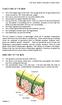 FUNCTIONS OF THE SKIN Skin is the largest organ of the body. The average adult has 18 square feet of skin which account for 16% of the total body weight. Skin acts as a physical barrier for you to the
Central Venous Catheter (CVC) Sterile Dressing Change - The James
 PATIENT EDUCATION patienteducation.osumc.edu Central Venous Catheter (CVC) Sterile Dressing Change - The James A dressing protects your catheter site and helps reduce the risk of infection. You will need
Skin & Wound Care Prevention & Treatment. By Candy Houk, RN Skin & Wound Program Manager
 Skin & Wound Care Prevention & Treatment By Candy Houk, RN Skin & Wound Program Manager OBJECTIVES Classify Stage 1 and 2 pressure ulcers Recognize suspected Stage 3, 4, DTI, and unstageable pressure ulcers
OASIS-C Integument Assessment: Not for Wimps! Part I: Pressure Ulcers
 OASIS-C Integument Assessment: Not for Wimps! Part I: Pressure Ulcers Presented by: Rhonda Will, RN, BS, COS-C, HCS-D Assistant Director, OASIS Competency Institute 243 King Street, Suite 246 Northampton,
Pressure Ulcer Passport
 Pressure Ulcer Passport Information for patients This is a record of the treatment you are receiving for your pressure ulcer injury. Please bring it with you to all your healthcare appointments. This will
Sterile Dressing Change with Tegaderm CHG for Central Venous Catheter (CVC)
 Sterile Dressing Change with Tegaderm CHG for Central Venous Catheter (CVC) The dressing protects your catheter site. It also helps prevent infection at the site. Keep your dressing clean and dry at all
call 811 to get advice from a nurse, or have someone drive the patient to a hospital Emergency Department. Patients should NOT drive themselves.
 Taking Care at Home After Surgery This checklist is to help you and your support person know what to do after you go home following your surgery. If you are given instructions verbally or in writing by
Wound and Skin Assessment. Mary Carvalho RN, BSN, MBA Clinical Coordinator Johnson Creek Wound and Edema Center
 Wound and Skin Assessment Mary Carvalho RN, BSN, MBA Clinical Coordinator Johnson Creek Wound and Edema Center Skin The largest Organ Weighs between 6 and 8 pounds Covers over 20 square feet Thickness
To maintain a port of entry to venous flow when all available peripheral ports have failed.
 I. Purpose: To maintain a port of entry to venous flow when all available peripheral ports have failed. II. General Comments: Since its development, these catheters have been used with increasing frequency
Home Care for Your Wound Drain
 PATIENT EDUCATION patienteducation.osumc.edu When you go home after surgery, you may have one or more drains in place to help your wounds heal. Hemovac, Jackson Pratt (JP) and Blake are common drains used
TAKING CARE OF WOUNDS KEY FIGURE:
 Chapter 9 TAKING CARE OF WOUNDS KEY FIGURE: Gauze Wound care represents a major area of concern for the rural health provider. This chapter discusses the treatment of open wounds, with emphasis on dressing
Home Care for Your Nephrostomy Catheter
 Home Care for Your Nephrostomy Catheter This handout covers information about caring for your nephrostomy catheter right after placement and caring for it long term. If you have any questions, please call
Diabetic Foot Ulcers and Pressure Ulcers. Laurie Duckett D.O. Plastic and Reconstructive Surgeon Oklahoma State University Center for Health Sciences
 Diabetic Foot Ulcers and Pressure Ulcers Laurie Duckett D.O. Plastic and Reconstructive Surgeon Oklahoma State University Center for Health Sciences Lecture Objectives Identify risk factors Initiate appropriate
Wound, Ostomy and Continence Nurses Society s Guidance on OASIS-C1 Integumentary Items: Best Practice for Clinicians
 Wound, Ostomy and Continence Nurses Society s Guidance on OASIS-C1 Integumentary Items: Best Practice for Clinicians Acknowledgments Wound, Ostomy and Continence Nurses Society s Guidance on OASIS-C1 Integumentary
Pressure Ulcers Assessing and Staging. Anne Pirzadeh RN CWOCN University of Colorado Hospital June 2010
 Pressure Ulcers Assessing and Staging Anne Pirzadeh RN CWOCN University of Colorado Hospital June 2010 Never Events: Pressure Ulcers Pressure Ulcer Codes: MD documentation of pressure ulcers determines
Wound Classification Name That Wound Sheridan, WY June 8 th 2013
 Initial Wound Care Consult Sheridan, WY June 8 th, 2013 History Physical Examination Detailed examination of the wound Photographs Cultures Procedures TCOM ABI Debridement Management Decisions A Detailed
Managing cavity wounds Journal of Community Nursing March 1998 Author: Rosemary Pudner
 Managing cavity wounds Journal of Community Nursing March 1998 Author: Rosemary Pudner It has been seen in recent years, that an increasing number of patients are being discharged early into the community,
WOUND OSTOMY CONTINENCE NURSES SOCIETY GUIDANCE ON OASIS-C INTEGUMENTARY ITEMS
 Wound Ostomy Continence Nurses Society Guidance on OASIS-C Integumentary Items WOCN OASIS Taskforce Members: Ben Peirce (Chairperson), RN, BA, CWOCN, COS-C Dianne Mackey, BSN, RN, PHN, CWOCN Laurie McNichol,
PATIENT GUIDE. Understand and care for your peripherally inserted central venous catheter (PICC). MEDICAL
 PATIENT GUIDE Understand and care for your peripherally inserted central venous catheter (PICC). MEDICAL Introduction The following information is presented as a guideline for your reference. The best
Preventing Pressure Ulcers and Assisting With Wound Care
 Preventing Pressure Ulcers and Assisting With Wound Care C H A P T E R 19 A nursing assistant makes an occupied bed. Providing clean, wrinkle-free linens is just one way that nursing assistants help to
How To Stage A Pressure Ulcer
 WOCN Society Position Statement: Pressure Ulcer Staging Originated By: Wound Committee Date Completed: 1996 Reviewed/Revised: July 2006 Revised: August 2007 Reviewed/Revised: April 2011 Definition of Pressure
SECTION M: SKIN CONDITIONS. M0100: Determination of Pressure Ulcer Risk. Item Rationale Health-related Quality of Life.
 SECTION M: SKIN CONDITIONS Intent: The items in this section document the risk, presence, appearance, and change of pressure ulcers. This section also notes other skin ulcers, wounds, or lesions, and documents
Policies & Procedures. Care of
 Policies & Procedures Title: SUPRAPUBIC CATHETER Care of Changing Removal Authorization: [x] SHR Nursing Practice Committee I.D. Number: 1021 Source: Nursing Date Revised: November 2014 Date Effective:
Summary of Recommendations
 Summary of Recommendations *LEVEL OF EVIDENCE Practice Recommendations Assessment 1.1 Conduct a history and focused physical assessment. IV 1.2 Conduct a psychosocial assessment to determine the client
Introduction A JP Drain is a soft tube and container used to drain fluids that build up under the skin after surgery.
 JP Drain Introduction A JP Drain is a soft tube and container used to drain fluids that build up under the skin after surgery. This reference summary explains what a JP Drain is and discusses how to take
ATI Skills Modules Checklist for Urinary Catheter Care
 For faculty use only Educator s name Score Date ATI Skills Modules Checklist for Urinary Catheter Care Student s name Date Verify order Patient record Assess for procedure need Identify, gather, and prepare
Percutaneous Nephrostomy. Care of your Nephrostomy. Department of Urology
 Percutaneous Nephrostomy Care of your Nephrostomy Department of Urology You may encounter some problems at home but these are usually easily overcome. Listed below are some questions patients commonly
PRESSURE ULCER GUIDELINES FOR TOPICAL TREATMENT
 PRESSURE ULCER GUIDELINES FOR TOPICAL TREATMENT The following are suggested guidelines for treatment of pressure ulcers using products from Swiss-American Products, Inc. and are intended to supplement
Management of Burns. The burns patient has the same priorities as all other trauma patients.
 Management of Burns The burns patient has the same priorities as all other trauma patients. Assess: - Airway - Breathing: beware of inhalation and rapid airway compromise - Circulation: fluid replacement
RENFREW VICTORIA HOSPITAL SKIN AND WOUND CARE PROGRAM TRAINING RISK ASSESSMENT OF SKIN BREAKDOWN AND TREATMENT OF WOUNDS AND PRESSURE ULCERS
 RENFREW VICTORIA HOSPITAL SKIN AND WOUND CARE PROGRAM TRAINING RISK ASSESSMENT OF SKIN BREAKDOWN AND TREATMENT OF WOUNDS AND PRESSURE ULCERS SELF-LEARNING MODULE For Registered Nurses and Registered Practical
Caring for Your PleurX Pleural Catheter
 Caring for Your PleurX Pleural Catheter A PleurX Pleural Catheter has been placed in your chest through a small incision in your skin into the pleural space (see picture below). This allows you to drain
CHAPTER V CONCLUSION AND RECOMMENDATIONS. findings are presented, implications for nursing practice and education are discussed,
 CHAPTER V CONCLUSION AND RECOMMENDATIONS In this chapter, a summary of the findings and conclusion drawn from the findings are presented, implications for nursing practice and education are discussed,
Caring for a Tenckhoff Catheter
 Caring for a Tenckhoff Catheter UHN A Patient s Guide What is a Pleural Effusion? There is a small space between the outside of your lung and the chest wall (ribs). This space is called the pleural space.
Biliary Drain. What is a biliary drain?
 Biliary Drain What is a biliary drain? A biliary drain is a tube to drain bile from your liver. It is put in by a doctor called an Interventional Radiologist. The tube or catheter is placed through your
How to Change a Foley Catheter Step-by-step instructions for the caregiver
 Patient Education How to Change a Foley Catheter Step-by-step instructions for the caregiver This handout gives stepby-step instructions for changing a Foley catheter, a tube in the bladder to drain urine.
Information for patients and nurses
 Information for patients and nurses Rocket IPC Pleural Catheter Indwelling Catheter Rocket Indwelling Pleural Catheter (IPC) Contents Contact Information...03 What s in the Rocket Dressing Pack and Bottle
Clinical Guideline for: Aseptic Technique
 Clinical Guideline for: Technique Summary This guideline provides the principles of, Non Touch, and Clean Techniques to be implemented in the hospital environment. Key Points The essential elements of
Anyone who has difficulty moving can get a pressure sore. But you are more likely to get one if you:
 Patient information from the BMJ Group Pressure sores Anyone can get a pressure sore if they sit or lie still for too long without moving. People who are old or very ill are most likely to get them. Careful
Section 6: Your Hemodialysis Catheter
 Section 6: Your Hemodialysis Catheter What you should know about your dialysis catheter How to change your catheter TEGO connectors Starting dialysis using a catheter End of dialysis using a catheter Changing
41 Assisting with Minor Surgery
 Learning Outcomes 41.1 Define the medical assistant s role in minor surgical procedures. 41-2 CHAPTER 41 Assisting with Minor Surgery 41.2 Describe types of wounds and explain how they heal. 41.3 Describe
STANDARD OPERATING PROCEDURE #201 RODENT SURGERY
 STANDARD OPERATING PROCEDURE #201 RODENT SURGERY 1. PURPOSE The intent of this Standard Operating Procedure (SOP) is to describe procedures for survival rodent surgery. 2. RESPONSIBILITY Principal investigators
Pressure Ulcers in Neonatal Patients. Rene Amaya, MD Pediatric Specialists of Houston Infectious Disease/Wound Care
 Pressure Ulcers in Neonatal Patients Rene Amaya, MD Pediatric Specialists of Houston Infectious Disease/Wound Care Objectives Review skin anatomy and understand why neonatal skin is at increased risk for
Inservice: Wound Care and Dressings. Friday, June 26, 2009. A. Closed Wounds tissue is injured but skin is not BROKEN
 f Inservice: Wound Care and Dressings Friday, June 26, 2009 WOUNDS: Are injuries of the skin and underlying subcutaneous tissues and muscles (Nursing Manual by Lippincott) Are disruptions in the integrity
BANDAGES AND BANDAGING TECHNIQUES
 BANDAGES AND BANDAGING TECHNIQUES Your role as a veterinary assistant is to understand the theory behind bandaging, as bandaging is the veterinary technician s and the veterinarian s role. You ll need
NURSING DOCUMENTATION
 NURSING DOCUMENTATION OBJECTIVES 1. The learner will be able to state 2 components of documentation that meet the 2. The learner will be able to identify 4 characteristics of a complete skin assessment
How to safely collect blood samples from persons suspected to be infected with highly infectious blood-borne pathogens (e.g.
 How to safely collect blood samples from persons suspected to be infected with highly infectious blood-borne pathogens (e.g. Ebola) Step 1: Before entering patient room, assemble all equipment (1 st part)
Your Guide to Peritoneal Dialysis Module 3: Doing Peritoneal Dialysis at Home
 Your Guide to Peritoneal Dialysis Module 3: 6.0959 in Preparing to do PD One of the most important things about PD is to keep the dialysis area and anything that comes in contact with the PD equipment
Site Care of Your Central Venous Catheter Sterile
 Site Care of Your Central Venous Catheter Sterile Dressing Change Sterile Technique The skin surrounding your catheter s exit site must be kept clean, and a new sterile dressing should be applied on a
X-Plain Subclavian Inserted Central Catheter (SICC Line) Reference Summary
 X-Plain Subclavian Inserted Central Catheter (SICC Line) Reference Summary Introduction A Subclavian Inserted Central Catheter, or subclavian line, is a long thin hollow tube inserted in a vein under the
Flushing and Dressing a Peripherally Inserted Central Catheter (PICC Line): a Guide for Nurses
 Flushing and Dressing a Peripherally Inserted Central Catheter (PICC Line): a Guide for Nurses Information for Nurses Introduction This information is for community nursing staffs who have been asked to
Chapter 11. Everting skin edges
 Chapter 11 PRIMARY WOUND CLOSURE KEY FIGURE: Everting skin edges In primary wound closure, the skin edges of the wound are sutured together to close the defect. Whenever possible and practical, primary
Promoting wound healing is the focus during the PROPERTY OF ELSEVIER SAMPLE CONTENT - NOT FINAL. Surgical Wound Care CHAPTER BASIC NURSING SKILLS
 CHAPTER 13 UNIT TWO BASIC NURSING SKILLS Surgical Wound Care ELAINE KOCKROW Objectives After reading this chapter the student should be able to do the following: 1. Define key terms as listed. 2. Discuss
Almond SPAMANICURE. Step-by-Step Guide INDULGENT AND RELAXING
 Step-by-Step Guide Almond SPAMANICURE INDULGENT AND RELAXING 60 MIN A journey cradled in sweet almond and jojoba oils and vitamin E. A soothing menu entrée to comfort and indulge clients time after time.
Care of Your Hickman Catheter
 Care of Your Hickman Catheter Johns Hopkins Kimmel Cancer Center, Revised 7/11 Contents What is a Hickman Catheter? Page 3 Does the Catheter Limit My Activities? Page 4 How Do I Care for My Catheter? Page
KINESIOLOGY TAPING GUIDE
 KINESIOLOGY TAPING GUIDE What is Kinesiology tape and how does Kinesiology tape work? How to apply Kinesiology tape Examples of application of UP Kinesiology tape for common injuries and conditions Introduction
NIH Clinical Center Patient Education Materials Giving a subcutaneous injection
 NIH Clinical Center Patient Education Materials What is a subcutaenous injection? A subcutaneous injection is given in the fatty layer of tissue just under the skin. A subcutaneous injection into the fatty
Illinois Department of Public Health STATEMENT OF DEFICIENCIES AND PLAN OF CORRECTION. Statement of LICENSURE Violations
 (X1) PROVER/SUPPLIER/CLIA ENTIFICATION NUMBER: (X3) SURVEY D NAME OF PROVER OR SUPPLIER (X4) SUMMARY REGULATORY OR LSC ENTIFYING INFORMATION) PROVER'S PLAN OF CORRECTION Final Observations Statement of
THERAPEUTIC USE OF HEAT AND COLD
 THERAPEUTIC USE OF HEAT AND COLD INTRODUCTION Heat and cold are simple and very effective therapeutic tools. They can be used locally or over the whole body, and the proper application of heat and cold
Wound Management A Nurse s Guide
 VEA Bringing Learning to Life Program Support Notes Wound Management A Nurse s Guide Health Care 20 mins Teacher Notes by Tracey MacFadyen, Registered nurse is RN. Clinical Nurse Educator Produced by VEA
HCPCS AMERIGEL HYDROGEL DRESSINGS CODING GUIDANCE FOR:
 HCPCS CODING GUIDANCE FOR: AMERIGEL HYDROGEL DRESSINGS FORM 1500 MUST HAVE THE FOLLOWING: APPROPRIATE HCPCS CODE APPROPRIATE A MODIFIER ACCURATE POS = 12 The Centers for Medicare and Medicaid Services
Reducing Hospital. of Pressure Damage. Spread the Learning and celebrate the successes
 Reducing Hospital Acquired Pressure Ulcers Prevention & Management of Pressure Damage Spread the Learning and celebrate the successes Prevalence & Cost Prevalence ranges from 10% to 18% in the UK (Clark
THE DEVELOPMENT OF A CARE BUNDLE FOR THE CRITICALLY ILL
 PRESSURE ULCER PROPHYLAXIS THE DEVELOPMENT OF A CARE BUNDLE FOR THE CRITICALLY ILL Barb Duncan RN, BScN Heather Harrington RN, BScN, CNCC(c) Louanne Rich vanderbij, RN, BScN, MSc., WOCN CWCN Barb Duncan
HICKMAN Catheter Care with a Needleless Connector
 HICKMAN Catheter Care with a Needleless Connector Table of Contents Part 1 Learning about the HICKMAN Catheter... 2 Part 2 Caring for Your Hickman Catheter... 3 A. Preventing Infection... 3 B. Bathing...
RATIFIED BY NNPDG SEPTEMBER 2006 FOR REVIEW 2009
 NOTTINGHAM UNIVERSITY HOSPTIALS/RUSHCLIFFE PCT NURSING PRACTICE GUIDELINES GUIDELINES FOR CARE OF A PATIENT WITH A WOUND DRAINAGE SYSTEM CONTENTS PAGE Introduction and Types of Drains 1 Procedure for Applying
Tunneled Central Venous Catheter (CVC) Placement
 PATIENT EDUCATION patienteducation.osumc.edu Tunneled Central Venous Catheter (CVC) Placement A tunneled Central Venous Catheter (CVC) is a special type of intravenous (IV) line that is placed into a large
Care for your child s Central Venous Catheter (CVC)
 Care for your child s Central Venous Catheter (CVC) This booklet is intended for general informational purposes only. You should consult your doctor for medical advice. Please call the clinic or your home
MRC Medical Jeopardy Feud List of Treatments for Possible Injuries/Conditions
 List of Treatments for Possible Injuries/Conditions A. Apply cold compresses to affected area; elevate the area to reduce swelling and possible bleeding B. Apply direct pressure to wound area with sterile
PICCs and Midline Catheters
 Patient Education PICCs and Midline Catheters Patient s guide to PICC (peripherally inserted central catheter) and midline catheters What are PICCs and midline catheters used for? Any medicine given over
PATIENT GUIDE. Care and Maintenance Drainage Frequency: Max. Drainage Volume: Dressing Option: Clinician s Signature: Every drainage Weekly
 PATIENT GUIDE Care and Maintenance Drainage Frequency: Max. Drainage Volume: Dressing Option: Every drainage Weekly Clinician s Signature: ACCESS SYSTEMS Pleural Space Insertion Site Cuff Exit Site Catheter
Chapter 12. Anatomy of Skin. Epidermis. Dermis
 Chapter 12 SKIN GRAFTS KEY FIGURES: Skin anatomy with graft thickness Humby knife Using the dermatome Using the Humby knife Mesher Skin graft Tying the dressing in place Defatting the FTSG A skin graft
Working together to prevent pressure ulcers (prevention and pressure-relieving devices)
 Working together to prevent pressure ulcers (prevention and pressure-relieving devices) Understanding NICE guidance information for people at risk of pressure ulcers, their carers, and the public Draft
Wound Healing. Healing is a matter of time, but it is sometimes also a matter of opportunity. Hippocrates
 C HAPTER 9 Wound Healing Healing is a matter of time, but it is sometimes also a matter of opportunity. Hippocrates As the above quote suggests, conduct regular and systematic wound assessments, and seize
Central Line Care for Adults
 Central Line Care for Adults Table of Contents What is a Central Venous Catheter?... 2 Central Venous Catheter Placement: What to Expect... 2 Catheter Care at a Glance... 2 Fast Facts on Central Line Care:
Dressing and bandage
 Dressing and bandage Mihajlo Lojpur, M.D., Ph.D. INTRODUCTION The terms dressing and bandage are often used synonymously. In fact, the term dressing refers more correctly to the primary layer in contact
Safety FIRST: Infection Prevention Tips
 Reading Hospital Safety FIRST: Infection Prevention Tips Reading Hospital is committed to providing high quality care to our patients. Your healthcare team does many things to help prevent infections.
Pressure Sores (Decubitus Ulcers)
 Pressure Sores (Decubitus Ulcers) Judith Stevens, M.Ed. With thanks to Dr. Toni Benton, Jennifer Thorne-Lehman, Araceli Domingo for contributing resource information. Thanks to Ann Chase Stevens for sharing
PICC Dressing Change
 PICC Dressing Change Gather materials: Non-sterile gloves (one pair) Alcohol pads to remove old dressing (as needed) Sterile dressing change kit:(mask, gloves, 2x2" gauze pads, drape, Steri-Strips, chlorhexidine,
Pressure Injury Prevention and Management Policy
 Pressure Injury Prevention and Management Policy Owner (initiating the document): Dr Amanda Ling Contact name and number: Rachel Dennis (Ph: 9222 2197) Version: 1.5 Approved by: Professor Bryant Stokes,
Preventing pressure ulcers
 Golden Jubilee National Hospital NHS National Waiting Times Centre Preventing pressure ulcers Patient information guide for adults at risk of pressure ulcers Agamemnon Street Clydebank, G81 4DY (: 0141
Objectives At the completion of this module, unlicensed assistive personnel (UAP) should be able to:
 Objectives At the completion of this module, unlicensed assistive personnel (UAP) should be able to: 1. administer medications by subcutaneous injections. 2. document medication administration in the client
Facial Sports Injuries
 Facial Sports Injuries Playing catch, shooting hoops, bicycling on a scenic path or just kicking around a soccer ball have more in common than you may think. On the up side, these activities are good exercise
All About Your Peripherally Inserted Central Catheter (PICC)
 All About Your Peripherally Inserted Central Catheter (PICC) General Information Intravenous (IV) therapy is the delivery of fluid directly into a vein. An intravenous catheter is a hollow tube that is
Use of Packing for Surgical Wounds. Maggie Benson Clinical Problem Solving II
 Use of Packing for Surgical Wounds Maggie Benson Clinical Problem Solving II Purpose Present patient management s/p Incision and Drainage in an outpatient setting Examine evidence for the use of wound
MRSA. Living with. Acknowledgements. (Methicillin-Resistant Staphylococcus aureus)
 How can I keep myself healthy? Hand washing and use of an alcohol-based hand sanitizer are the primary way to prevent acquiring or transmitting bacteria. If you get a cut or scrape, wash it well with soap
A Patient s guide to. pin site care. (Upper and lower limb external fixation) Limb Reconstruction Unit [email protected].
 A Patient s guide to pin site care (Upper and lower limb external fixation) Limb Reconstruction Unit [email protected] Introduction Before you leave hospital you will have been taught how
How To Care For A Stoma
 People who have a stoma often share many of the same questions and concerns. This best practice document provides answers to some of the common questions that people ask about the day to day care of the
Location: Clinical Practice Manual
 Subject: Area: Classification: Relevant to: Bladder Management Clinical Practice All Clinical Staff Implementation Date: March 2001 Review Date: March 2004 Responsible for Review: Approved by: Distribution: