
Dressing adherence can be a real challenge when
|
|
|
- Julian Jefferson
- 9 years ago
- Views:
Transcription
1 The use of Atrauman non-adherent wound dressing in tissue viability Jackie Stephen-Haynes Jackie Stephen-Haynes is a Nurse Consultant and Senior Lecturer in Tissue Viability at Worcestershire PCT and the University of Worcester [email protected] Dressing adherence can be a real challenge when managing wounds. Removal of adhered dressings can damage the wound bed and fragile granulation tissue, and cause unnecessary pain to the patient. In response to this problem, industry has developed a number of low or non-adherent primary dressings or wound contact materials for use on a range of wounds. These vary significantly in material structure, clinical function and price. Atrauman product properties Atrauman, produced by Hartmann UK, is a non-medicated tulle dressing consisting of a water repellent polyester tulle impregnated with neutral oil (fatty acids) and does not contain paraffin, it is conformable, non-adherent and permeable to wound exudate (Figure 1). The ingredients have been developed to avoid skin irritation or sensitization and are designed specifically for atraumatic wound care. The use of Atrauman can assist the health care practitioner in a wide variety of wounds and should be considered as a first line treatment. It is available in a range of sizes on NHS logistics and FP10 (Table 1). When using Atrauman, the health care practitioner should consider the appropriate dressing size; this dressing can be cut to size and can be left in place for up to 7 days, it may be applied to a variety of wounds in all healing phases, including: Cuts and lacerations Abrasions Pressure ulcers Burns Scalds Radiation therapy burns Abstract This product focus considers the characteristics and application of Atrauman, a non-adherent dressing, in relation to the different aspects of wound healing. Atrauman has many characteristics that make it an ideal dressing choice in a number of clinical scenarios, including: pain free removal; promotion of healthy granulation tissue; cost effectiveness and versatility. KEY WORDS Atrauman Non-adherent dressing No pain at dressing change Abscesses Toe nail avulsion Covering donor/recipient sites. ( Wound healing Since the work of Winter (1963) and Hinman and Maibach (1963) the maintenance of a moist wound environment for optimal wound healing, has been widely recognized as an objective of wound care. The wound healing process involves a series of very complex interconnected processes with each stage overlapping (Cutting and Tong, 2003). There are a number of models that describe wound healing. The stages of wound healing according to Dealey (2005) are: Inflammation Reconstruction Epithelialisation Maturation. This has implications for the use of Atrauman because appropriate dressing selection must be related to the stage of wound healing (Burton, 2004; Thomas, 2008). Acute wounds The healing of acute wounds is a well-defined co-ordinated process that includes wound formation with initial coagulation leading to inflammation, then cell proliferation and repair of the tissue matrix, ending with re-epithelialization and closure of the wound; over time there is remodelling of scar tissue (Ovington and Schultz, 2004). The atraumatic properties of Atrauman make this dressing very effective as a primary contact layer during the re-epithelialization phase of acute wound healing the delicate epithelial tissue does not adhere to Atrauman s non-adherent surface. Granulation tissue Reconstruction (Dealey, 2005) or proliferation (Timmons, 2006; Cutting and Tong, 2003) is the development of granulation tissue which takes place over approximately a 28 day period in acute wounds, with the formation of a loose extra cellular matrix (ECM) of fibrin, fibrinonectin, collagen and other agents (i.e. glycosaminoglycans and proteoglycans). The ECM supports the development of new blood vessel formation, termed angiogenesis, resulting in granulation tissue. Granulation tissue has a pink granular appearance with numerous capillaries with each granule
2 Atrauman is a suitable contact layer dressing during the granulating and epithelialization phase of wound healing, it can also be used to carry creams or medicaments such as hydrogels or topical silver sulfadiazine cream. If used in this way, an appropriate secondary dressing should be applied that is able to manage exudate (Thomas, 2008). Figure 1. Atrauman atraumatic primary dressing. containing a loop of capillaries. This tissue will bleed easily if traumatized and care should be taken when removing wound contact layers or dressings. Granulation tissue mainly consists of proliferating fibroblasts, capillaries and tissue macrophages in a matrix, so handling it carefully is important in achieving wound healing this tissue grows to fill and repair the wound. It is essential that the granulation tissue does not penetrate the dressing. Atrauman is made up of hydrophobic polyester fibres and therefore it avoids trauma on removal, thus protecting the granulation tissue. Atrauman has a 1mm diameter pore size which prevents granulation tissue from penetrating the dressing it does not contain Vaseline or paraffin, and so leaves the wound bed residue free. Following granulation tissue formation, epithelial tissue then develops further, closing over the granulated wound. Once fresh epithelium covers the wound, the clinical aim is to protect the newly formed skin while the tensile strength of the wound increases. Atrauman will not damage fragile epithelium on removal. Beneath the skin, moisture levels are controlled by a delicate interplay between fluid pressures in the tissues, capillary filtration and lymphatic drainage. Atrauman can assist in this process as it is permeable to air and water vapour. It is not occlusive and therefore does not contain fluid within the wound. Wound infection When a wound becomes infected the exudate can increase and become viscous and malodorous. Management should focus on treating the infection systemically, topically or both. Dressings with antimicrobial properties including silver, iodine or honey should be discontinued once the infection has been treated and the exudate level reduces to a normal level for the wound type (White and Cutting, 2006). Atrauman Ag is impregnated with metallic silver that has been proven to kill a wide range of micro-organisms. A study by Kapp (2005) used Atrauman Ag in the treatment of 600 patients and found that it was substantially less cytotoxic than other silver dressings, thus preventing potential damage to granulation tissue. While Atrauman Ag is indicated on locally infected or critically colonized wounds, Atrauman (without silver) may also be suitable for the management of infected wounds, where an occlusive dressing may be contraindicated. Although it will not combat the infection, it will permit the passage of topical antimicrobials as well as pus and exudate from the wound. Skin tears Skin tears are associated with older people as the skin becomes thinner, drier and more wrinkled with age. Indeed, patients over 65 years of age account for 88% of all reported skin tears with the largest proportion (41%) occurring in those aged years (Public Safety Advisory, 2006). Early recognition of skin fragility will enable the health care practitioner to take effective steps to avoid unnecessary trauma or damage. The older person with fragile skin requires extra care when selecting and using wound dressings and tapes. Wound/scar contraction Wound contraction is where the open wound margins are brought together by fibroblasts, and scar contraction is where Table 1. Atrauman product prescribing information Description Size Product Pack NPC Code PIP Drug tariff NHS logistics code code contact dressing 5 x 5cm pcs EKA pence 15 pence contact dressing 7.5 x 10cm pcs EKA pence 18 pence contact dressing 10 x 20 cm pcs EKA pence 36 pence 20 x 30 cm pcs EKA pence 104 pence contact dressing
3 shrinkage of the scar occurs, through collagen re-modelling. Scarring causes major psychological distress and can be disfiguring and aesthetically unpleasant. Scars can cause severe itching, tenderness, pain, sleep disturbance, anxiety, depression and disruption of daily activities (Bell et al, 1988). Hypertrophic scars present as a deep red/purple colour, they become more elevated, firm, warm to the touch, hypersensitive and itchy as the scar progresses over time. It is more efficient to prevent hypertrophic scars than treat them. Schmidt et al (2001), states that hypertrophic scars appear between 3 5 weeks after trauma, and notes that patients are frequently discharged without follow up that would have allowed for the monitoring of hypertrophic scarring. Therefore, Atrauman can be useful is this situation as it keeps wound edges supple and maceration free, potentially avoiding scar tissue contraction. Wound pain Hollinworth (2005) offers a practical template for pain assessment and proposes several interventions to reduce pain including: The use of warm cleansing solutions Careful dressing removal The use of time out The use of atraumatic dressings, reducing dressing changes as appropriate The correct application of bandages. More recently the World Union of Wound Healing Societies (2008) has identified factors that the health care practitioner should consider before, during and after dressing change. The factors included: Gentle cleansing of the wound Avoidance of abrasive wipes and cold solutions Analgesics should be used to minimize pain Dressings that minimize trauma and avoid maceration. The health care practitioner should always seek to assess and address the issue of pain, as this can have a major influence on patient concordance and healing. Importantly, selecting a non adherent dressing is important as it minimizes pain and trauma on removal. Traumatic wounds Acute traumatic wounds benefit from atraumatic dressings and are often in areas that are difficult to dress, for example, finger tips/toes. The range of dressing sizes available, particularly the availability of smaller sizes such as 5 x 5 cm, reduce the need to cut the dressing to size and reduces cost. Why select Atrauman? Dressing selection Thomas (2008) has defined the performance requirements of a wound dressing and makes the distinction between primary and secondary requirements as follows: Primary requirements are those that are common to most wound management materials. Secondary requirements relate to specific types of wounds or wounds in a particular condition or stage in the healing process. Primary requirements of the ideal dressing Maintains the wound and the surrounding skin in an optimum state of hydration (this implies the ability to function effectively under compression). If self-adhesive, forms an effective water-resistant seal to the peri-wound skin, but is easily removable without causing trauma or skin stripping. Forms an effective bacterial barrier (effectively contains exudate or cellular debris to prevent the transmission of micro-organisms into or out of the wound). Does not release particles or non-biodegradable fibres into the wound. Provides protection to the peri-wound skin from potentially irritant wound exudate and excess moisture. Produces minimal pain during application or removal as a result of adherence to the wound surface. Keeps the wound at the optimum temperature and ph. Free of toxic or irritant extractables Requires minimal disturbance or replacement. Secondary requirements of the ideal dressing Exhibits effective wound cleansing (debriding) activity Possesses antimicrobial activity capable of combating localised infection Has odour absorbing/combating properties Has ability to remove or inactivate proteolytic enzymes in chronic wound fluid Possesses haemostatic activity. It is important for the health care practitioner to consider the performance qualities that are needed when selecting and utilising a dressing. Atrauman offers several of these performance qualities including: maintenance of hydration, ease of removal; does not cause skin stripping; does not release particles into the wound; is free of toxic extractables and requires minimal disturbance in terms of dressing changes. Thomas (2008) does not advocate that all primary or secondary requirements are necessary in all dressings, rather
4 Figure 2. Initial abrasion. Figure 3. After initial treatment with Atrauman. Figure 4. Fast fading of the bruising. that the health care practitioner decides which ones are important in a particular clinical case. A wide variety of wound types demand a non-adherent dressing with a range of attributes as outlined in the primary category. Several issues are of particular clinical significance to Atrauman, including the protection of granulation tissue (and avoidance of over-granulation), the prevention of pain/trauma at wound dressing change, the importance of allowing the free passage of air and oxygen to and from the wound, and minimizing wound contraction and scar tissue formation. Atrauman case studies Figures (2 4) show a case study by Stephen-Haynes (2008), (unpublished) where Atrauman was applied to an acute traumatic wound on a 55 year old male to provide protection to the wound. Note the fading of the bruising and the maintenance of the largely intact skin. In this case study there was a requirement for a non-adherent dressing which would maintain moisture at the wound base, while protecting the fragile skin and allowing for monitoring. Atrauman proved to be an excellent dressing in this clinical scenario. Several authors have considered the use of Atrauman as a non-adherent dressing. Burton (2004) undertook a nonrandomized prospective study involving 52 patients with surgical or traumatic wounds. The aim was to evaluate the effectiveness and acceptability of 5 low adherent dressings, including Atrauman, in clinical practice over a 10 week period. The areas explored were: Ease of application and removal Comfort while wearing the dressing Patient comfort on removal How well the dressing stayed in place Frequency of dressing changes. The wound aetiologies included: Digit amputation Digit crush injury Toenail avulsion Skin tear Laceration Post surgical cellulitis Post-surgical incision Pre-tibial laceration. The study found that 88% of the patients healed or were healing at the end of the evaluation and specific advantages of Atrauman were highlighted: The ability of Atrauman to conform around digits No allergic reaction No maceration Value for money. Thompson (2005) undertook a study of 90 patients over a 2-year period being dressed with Atrauman with a variety of wounds, including: Abrasions Skin tears/lacerations Cellulitis with exudate management issues Vascular ulcers Orthopaedic lesions Post operative general surgery wounds Pressure ulcers: grade 2 3 (EPUAP, 1998) Grafts: donor and recipient Burns. Thompson reported that maceration of the peri-wound area never occurred when using Atrauman and suggested using a barrier film cream in addition to Atrauman to manage highly exuding wounds. Importantly, it was noted that hypergranulation did not occur. Thompson (2005) concluded that Atrauman was an effective primary dressing that allowed profuse low viscosity exudate to flow through the open weave onto the absorbent dressing and that its clinical efficacy and cost effectiveness led to it being listed as a formulary product. Gray (2005) reports two case studies where managing exudate was the main concern for both patients. Firstly, a patient with secondary lymphoedema who was leaking 600ml daily from their wound and secondly a patient with an infected wound with a high level of exudate. Atrauman was applied directly to the wound beds of both patients, with frequent changing of the Zetuvit absorbent wound pad (outer padding), while leaving the Atrauman in place. The study showed a good clinical
5 outcome and was cost effective. The non-adherent dressing allowed for the management of the exudate until the underlying pathology was resolved. Summary There are a number of non-adherent dressings available with a significant variance in price (BNF, 2009). It is essential for health care practitioners to select appropriate dressings with due consideration for the desired clinical outcome. Several case studies (Burton, 2004; Gray, 2005; Stephen-Haynes and Thonpson, 2008; Thompson, 2005) support the use of Atrauman as a non-adherent primary contact dressing. The atraumatic nature of Atrauman has meant that it is an excellent dressing choice in a wide variety of chronic and acute wounds. Atrauman has been shown to be beneficial in safeguarding granulation tissue, allowing free flow of air to the wound bed and allowing exudate freely out. Atrauman is both cost effective and versatile, and should be considered in daily clinical practice as a dressing of choice, especially where pain at dressing change is an issue. It has also been shown to be a useful dressing when managing scar formation. This usefulness in avoiding scar formation allows the practitioner to apply a dressing that is appropriate in the short, medium and longer term. BJCN Bell L, McAdams T, Morgan R, et al (1988) Pruritis in burns: a descriptive study. J Burn Care Rehabil 9(3): British National Formulary (2008) Available online at: Accessed Burton F (2004) An evaluation of non-adherent wound contact layers for acute traumatic and surgical wounds. J Wound Care 13(9): Cutting K, Tong A (2003) A wound physiology and moist wound healing booklet. Institute of wound management booklet, Johnson & Johnson Dealey C (2005) The Care of Wounds: a guide for Health Care Professionals (3rd ed) Blackwell Publishing, Oxford European Pressure Ulcer Advisory Panel (1998) Pressure Ulcer Prevention and Treatment Guidelines. EPUAP, available online at Gray D (2005) Managing highly exuding leg wounds. Forum Wound Care. Available online at: Hinman C, Maibach H (1963) Effect of air exposure and occlusion on experimental human skin wounds. Nature 26(200): Hollinworth H (2005) Pain at wound dressing-related procedures: a template for assessment. World Wide Wounds. Available on line at: Kapp H (2005) Atrauman Ag in the treatment of chronic wounds an application study on 624 patients. Aktulle Dermatologie 31(12): Ovington L, Schulz G (2004) The physiology of wound healing. In Chronic Wound Care - a problem-based learning approach. Morison M, Ovington L, Wilkie K (eds). Mosby Patient Safety Advisrory (2006) Skin tears: the challenge. Patient Safety Authority. Pensylvania. USA 3(3): 5 10 Schmidt A, Gassmueller J, Hughes-Formella B, Bielfeldt S (2001) Treating hypertrophic scars for 12 or 24 hours with a self-adhesive hydroactive polyurethane dressing. J Wound Care 10(5): Stephen-Haynes J and Thompson G (2008) The factors influencing the selection of low adherent dressings. Poster presentation, TVS Conference, Peterborough Thomas S (2008) The role of dressings in the treatment of moisture-related skin damage. World Wide Wounds. Available online at: Thompson G (2005) Case study: Atrauman: a descriptive evaluation by historical review and by specific case history. Woundcareforum, Spring 2: 6 8. Hartmann Ltd, Lancs Timmons (2006) Skin Function and Wound healing Physiology. Wound Essentials (1) Wounds UK, Aberdeen White R, Cutting K (2006) Modern Exudate Management a Review of Wound Treatments. Available online at: Winter G (1963) Formation of the scab and the rate of epithelialisation of superficial wounds in the skin of the young domestic pig. Nature 193: World Union of World Healing Societies (2008) Minimising pain at wound dressing related procedures - A consensus document. Available online at: www. wuwhs.com Hartmann medical (2009) Product information, available at: co.uk key points Atrauman, produced by Hartmann UK, is a non-medicated tulle dressing consisting of a water repellent polyester tulle impregnated with neutral oil (fatty acids), it is conformable, non-adherent and permeable to wound exudate. Atrauman dressings are used as a primary wound contact layer as well as being a carrier for other medicaments. Atrauman has been used on a variety of acute and chronic wounds including traumatic wounds and meets the remit of many key performance requirement of dressings. Atrauman is a clinically versatile and cost effective atraumatic dressing.
What dressing for what wound. Prudence Lennox National Clinical Leader Healthcare Rehabilitation Ltd
 What dressing for what wound Prudence Lennox National Clinical Leader Healthcare Rehabilitation Ltd Wound assessment Accurate wound assessment is a prerequisite to planning appropriate care & should adopt
FUNCTIONS OF THE SKIN
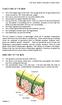 FUNCTIONS OF THE SKIN Skin is the largest organ of the body. The average adult has 18 square feet of skin which account for 16% of the total body weight. Skin acts as a physical barrier for you to the
Inflammation and Healing. Review of Normal Defenses. Review of Normal Capillary Exchange. BIO 375 Pathophysiology
 Inflammation and Healing BIO 375 Pathophysiology Review of Normal Defenses Review of Normal Capillary Exchange 1 Inflammation Inflammation is a biochemical and cellular process that occurs in vascularized
Wound Healing Community Outreach Service
 Wound Healing Community Outreach Service Wound Management Education Plan January 2012 December 2012 Author: Michelle Gibb Nurse Practitioner Wound Management Wound Healing Community Outreach Service Institute
COMPLIANCE WITH THIS DOCUMENT IS MANDATORY
 COVER SHEET NAME OF DOCUMENT Wound Wound Assessment and Management TYPE OF DOCUMENT Procedure DOCUMENT NUMBER SESLHDPR/297 DATE OF PUBLICATION April 2014 RISK RATING Medium LEVEL OF EVIDENCE N/A REVIEW
TAKING CARE OF WOUNDS KEY FIGURE:
 Chapter 9 TAKING CARE OF WOUNDS KEY FIGURE: Gauze Wound care represents a major area of concern for the rural health provider. This chapter discusses the treatment of open wounds, with emphasis on dressing
Wound Care: The Basics
 Wound Care: The Basics Suzann Williams-Rosenthal, RN, MSN, WOC, GNP Norma Branham, RN, MSN, WOC, GNP University of Virginia May, 2010 What Type of Wound is it? How long has it been there? Acute-generally
Managing cavity wounds Journal of Community Nursing March 1998 Author: Rosemary Pudner
 Managing cavity wounds Journal of Community Nursing March 1998 Author: Rosemary Pudner It has been seen in recent years, that an increasing number of patients are being discharged early into the community,
Introduction to Wound Management
 EWMA Educational Development Programme Curriculum Development Project Education Module: Introduction to Wound Management Latest revision: October 2012 ABOUT THE EWMA EDUCATIONAL DEVELOPMENT PROGRAMME The
Wound Healing. Healing is a matter of time, but it is sometimes also a matter of opportunity. Hippocrates
 C HAPTER 9 Wound Healing Healing is a matter of time, but it is sometimes also a matter of opportunity. Hippocrates As the above quote suggests, conduct regular and systematic wound assessments, and seize
USING ADAPTIC TOUCH Non-Adhering Silicone Dressing: CASE STUDIES
 INTERNATIONAL CASE STUDIES USING ADAPTIC TOUCH Non-Adhering Silicone Dressing: CASE STUDIES CASE STUDIES SERIES 2013 This document has been jointly developed by Wounds International and Systagenix with
The compatibility of INTRASITE Gel and ACTICOAT : An In-Vivo and In-Vitro assessment
 *smith&nephew The compatibility of INTRASITE Gel and ACTICOAT : An In-Vivo and In-Vitro assessment 1 Trade Marks of Smith & Nephew An In-Vivo and In-Vitro assessment of the compatibility of ACTICOAT and
Cutimed PROTECT Medical skin protection. Protect Preserve Prevent
 PROTECT Medical skin protection Protect Preserve Prevent PROTECT Ordering information PROTECT is available in foam applicators and spray bottle PROTECT REF No. Size Unit of Measure HCPCS Spray 7265300
Introducing New Cosmopor
 ISSUE 15 Spring 13 Introducing New Cosmopor the latest product offering from HARTMANN FREE inside: Mobile Phone Screen Cleaner Cosmopor Evaluation Results Cosmopor Without the E! Introducing the new name
3M Steri-Strip S Surgical Skin Closure. Commonly Asked Questions
 3M Steri-Strip S Surgical Skin Closure Commonly Asked Questions What are the indications for use of 3M Steri-Strip S Surgical Skin Closure? Steri-Strip S Surgical Skin Closures are indicated as a primary
The population of the United Kingdom is
 Wound care in five English NHS Trusts: Results of a survey KEY WORDS Ageing Infection Survey Wound Wound dressing Karen Ousey Reader Advancing Clinical Practice, School of Human and Health Sciences, University
Summary of Recommendations
 Summary of Recommendations *LEVEL OF EVIDENCE Practice Recommendations Assessment 1.1 Conduct a history and focused physical assessment. IV 1.2 Conduct a psychosocial assessment to determine the client
PowerLight LED Light Therapy. The FUTURE of corrective skin
 PowerLight LED Light Therapy The FUTURE of corrective skin care TODAY LED facial treatments Effective when used with correct protocols Non thermal stimulation of collagen Increases circulation and lymphatic
Wound Classification Name That Wound Sheridan, WY June 8 th 2013
 Initial Wound Care Consult Sheridan, WY June 8 th, 2013 History Physical Examination Detailed examination of the wound Photographs Cultures Procedures TCOM ABI Debridement Management Decisions A Detailed
Wound and Skin Assessment. Mary Carvalho RN, BSN, MBA Clinical Coordinator Johnson Creek Wound and Edema Center
 Wound and Skin Assessment Mary Carvalho RN, BSN, MBA Clinical Coordinator Johnson Creek Wound and Edema Center Skin The largest Organ Weighs between 6 and 8 pounds Covers over 20 square feet Thickness
Chapter 11. Everting skin edges
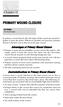 Chapter 11 PRIMARY WOUND CLOSURE KEY FIGURE: Everting skin edges In primary wound closure, the skin edges of the wound are sutured together to close the defect. Whenever possible and practical, primary
Wound Care on the Field. Objectives
 Wound Care on the Field Brittany Witte, PT, DPT Cook Children s Medical Center Objectives Name 3 different types of wounds commonly seen in sports and how to emergently provide care for them. Name all
Let's get physical: Cutimed Sorbact
 Let's get physical: Cutimed Sorbact Staph. aureus (yellow), Pseudomonas aeruginosa (purple), Enterococcus faecalis (blue), Klebsiella spec. (green) and Candida albicans (orange) bound to Cutimed Sorbact
WOUND EXUDATE: WHAT IT IS AND HOW TO MANAGE IT
 WOUND EXUDATE: WHAT IT IS AND HOW TO MANAGE IT Wound exudate plays an essential role in wound healing by providing a moist wound bed and a supply of necessary nutrients. Understanding what causes changes
Opticell Wound Dressings. Powerful Yet Gentle Moisture Management
 Wound Dressings Powerful Yet Gentle Moisture Management 1 Exclusive Forzagel TM Technology s unique gelling attributes are the result of Forzagel technology. When moistened, the absorbent fibers of the
Beaumont Hospital. Varicose Veins. and their TREATMENT. Professor Austin Leahy, MCh, FRCS, FRCSI WWW.VEINCLINICSOFIRELAND.COM
 Beaumont Hospital Varicose Veins and their TREATMENT Professor Austin Leahy, MCh, FRCS, FRCSI WWW.VEINCLINICSOFIRELAND.COM Department of Surgery Beaumont Hospital and Royal College of Surgeons in Ireland
Stop painful dressing changes!*
 Stop painful dressing changes!* Apply it, leave it,* help heal it * AQUACEL Ag BURN and AQUACEL BURN dressings provide a comfortable environment while the dressing is in situ or upon removal. Although
THERAPEUTIC USE OF HEAT AND COLD
 THERAPEUTIC USE OF HEAT AND COLD INTRODUCTION Heat and cold are simple and very effective therapeutic tools. They can be used locally or over the whole body, and the proper application of heat and cold
Standard Operating Procedure Template
 Standard Operating Procedure Template Title of Standard Operation Procedure: Topical Negative Pressure (TNP) Reference Number: Version No: 1 Issue Date: May 2012 Review Date: August 2015 Purpose and Background
Wirral University Teaching Hospital NHS Foundation Trust
 Clinical guideline Wound dressings Guidance for Use There are several types of dressings in use at Wirral University Teaching Hospitals (WUTH). These are: 1. Medicated dressings a) Hydrocolloid dressings
The Radiotherapy Department Radiotherapy to the breast Information for patients
 Oxford University Hospitals NHS Trust The Radiotherapy Department Radiotherapy to the breast Information for patients page 2 Introduction This leaflet is for people who have had surgery for breast cancer
Management of Burns. The burns patient has the same priorities as all other trauma patients.
 Management of Burns The burns patient has the same priorities as all other trauma patients. Assess: - Airway - Breathing: beware of inhalation and rapid airway compromise - Circulation: fluid replacement
Vacuum-Assisted Wound Closure ISSN: 0002-936X American Journal of Nursing
 Vacuum-Assisted Wound Closure ISSN: 0002-936X American Journal of Nursing Author(s): Chua Patel, Christy T. MS, RN; Kinsey, Gail C. MS, RN, CNS; Koperski-Moen, Kelley J. ADN, RN; Bungum, Lisa D. BSN, RN
Critically evaluate the organization of diabetic foot ulcer services and interdisciplinary team working
 Rationale of Module Accurate nursing assessment is the key to effective diabetic foot ulcer prevention, treatment and management. A comprehensive assessment identifies ulcer aetiology and the factors which
Use of Packing for Surgical Wounds. Maggie Benson Clinical Problem Solving II
 Use of Packing for Surgical Wounds Maggie Benson Clinical Problem Solving II Purpose Present patient management s/p Incision and Drainage in an outpatient setting Examine evidence for the use of wound
Vacuum-assisted closure (VAC) is a noninvasive, active, closed
 P r o c e d u r e s P r o W O U N D C R E / S U R G E R y Peer Reviewed THE ESSENTIL WOUND CRE SERIES Vacuum-ssisted Wound Closure This is the third installment of The Essential Wound Care Series, which
PROdUcT specifications Pump Mattress Replacement ALPHA REsPONsE PREssURE REdIsTRIbUTION system Mattress Overlay seat cushion GETINGE GROUP
 ALPHA RESPONSE Pressure Redistribution System with people in mind INTRODUCTION For over 20 years the Alpha range of pressure redistributing mattresses has been proven to offer patients, carers and healthcare
Urgotul : a novel non-adherent lipidocolloid dressing
 Urgotul : a novel non-adherent lipidocolloid dressing Meaume S, Senet P, Dumas R, Carsin H, Pannier M, Bohbot S British Journal of Nursing August 2002 (Supplement), 11(16) The enclosed peer-reviewed journal
Eye Injuries. The Eyes The eyes are sophisticated organs. They collect light and focus it on the back of the eye, allowing us to see.
 Eye Injuries Introduction The design of your face helps protect your eyes from injury. But injuries can still damage your eyes. Sometimes injuries are severe enough that you could lose your vision. Most
Skin Care In Bladder And Bowel Dysfunction Wendy Ness Colorectal Nurse Specialist
 Skin Care In Bladder And Bowel Dysfunction Wendy Ness Colorectal Nurse Specialist Function Of The Skin Healthy skin serves several purposes it protects the internal organs physically, chemically and biologically
Caring for a Hemovac Drain
 Caring for a Hemovac Drain 269 12. Raise side rail. Lower bed height and adjust head of bed to a comfortable position. 13. Remove additional PPE, if used. Perform hand hygiene. These promote patient safety.
Chapter 4 Physiological Therapeutics. 1 Cryotherapy
 Chapter 4 Physiological Therapeutics 1 Cryotherapy CRYOTHERAPY PHYSIOLOGIC EFFECTS OF ICE APPLICATION 1. Decreased circulation 5. Increased tissue stiffness 2. Local vasoconstriction 6. Decreased muscle
An evaluation of the efficacy of Cutimed Sorbact in different types of non-healing wounds Sylvie Hampton
 Wounds UK An evaluation of the efficacy of Cutimed Sorbact in different types of non-healing wounds Sylvie Hampton Wounds UK, 2007, Vol 3, No 1 1 An evaluation of the efficacy of Cutimed Sorbact in different
An evaluation of Actilite Antibacterial non-adherent dressing with Activon+
 An evaluation of Actilite Antibacterial non-adherent dressing with Activon+ Antibacterial protection Activon honey plus Manuka oil. Non-adherent The non-adherence of the knitted viscose is further enhanced
West Penn Burn Center. First Class Burn Care for Adults and Children. West Penn Burn Center
 Allegheny Health Network West Penn Burn Center First Class Burn Care for Adults and Children West Penn Burn Center 4800 Friendship Avenue Pittsburgh, PA 15224 412.578.5273 www.westpennburncenter.com AHN.org
CHAPTER V CONCLUSION AND RECOMMENDATIONS. findings are presented, implications for nursing practice and education are discussed,
 CHAPTER V CONCLUSION AND RECOMMENDATIONS In this chapter, a summary of the findings and conclusion drawn from the findings are presented, implications for nursing practice and education are discussed,
Development of a Next- Generation Antimicrobial Wound Dressing- Results Count
 Development of a Next- Generation Antimicrobial Wound Dressing- Results Count Phil Bowler, MPhil, FIBMS Science & Technology, ConvaTec 24 th November 2015 /TM all trade marks are the property of their
Inservice: Wound Care and Dressings. Friday, June 26, 2009. A. Closed Wounds tissue is injured but skin is not BROKEN
 f Inservice: Wound Care and Dressings Friday, June 26, 2009 WOUNDS: Are injuries of the skin and underlying subcutaneous tissues and muscles (Nursing Manual by Lippincott) Are disruptions in the integrity
Femoral Hernia Repair
 Femoral Hernia Repair WHAT IS A FEMORAL HERNIA REPAIR? 2 WHAT CAUSES A FEMORAL HERNIA? 2 WHAT DOES TREATMENT/ MANAGEMENT INVOLVE? 3 DAY SURGERY MANAGEMENT 3 SURGICAL REPAIR 4 WHAT ARE THE RISKS/COMPLICATIONS
Adhesives Dedicated to Better Wound Care
 Adhesives Dedicated to Better Wound Care Medical Design Joyce Laird Mon, 2014-09-08 11:50 ConvaTec strives to make life better for both short- and long-term patients. ConvaTec is a giant in the medical
Integumentary System Individual Exercises
 Integumentary System Individual Exercises 1. A physician performs an incision and drainage of a subcutaneous abscess in his office for a particularly uncooperative established patient. How should this
OASIS-C Integument Assessment: Not for Wimps! Part I: Pressure Ulcers
 OASIS-C Integument Assessment: Not for Wimps! Part I: Pressure Ulcers Presented by: Rhonda Will, RN, BS, COS-C, HCS-D Assistant Director, OASIS Competency Institute 243 King Street, Suite 246 Northampton,
MEDIZINISCHE PUBLIKATIONEN
 Re Print MEDIZIN & PRAXIS Spezial Infected Wounds Has Cutisorb Sorbact proved its practical value as an antibacterial dressing? B. v. Hallern, Copyright 2005 by Verlag für MEDIZINISCHE PUBLIKATIONEN Bernd
Silicone pressure-reducing pads for the prevention and treatment of pressure ulcers
 S46 Product focus Silicone pressure-reducing pads for the prevention and treatment of pressure ulcers Abstract Pressure ulcers, a key quality of care indicator, cause emotional distress to the patient,
Blepharoplasty - Eyelid Surgery
 Blepharoplasty - Eyelid Surgery Introduction Eyelid surgery repairs sagging or drooping eyelids. The surgery is also known as blepharoplasty, or an eyelid lift. Sagging or drooping eyelids happen naturally
CHAPTER 15 SCLEROTHERAPY FOR VENOUS DISEASE
 Introduction CHAPTER 15 SCLEROTHERAPY FOR VENOUS DISEASE Original authors: Niren Angle, John J. Bergan, Joshua I. Greenberg, and J. Leonel Villavicencio Abstracted by Teresa L. Carman New technology has
Initial Management of Acute Sports Injuries. By Martin Meyer Sports Physiotherapist Director APE
 Initial Management of Acute Sports Injuries By Martin Meyer Sports Physiotherapist Director APE Owned and operated by Perth physios with over 20 years experience Sports Medicine Wholesaler Strapping tapes
Introduction. What does PICO do? How does PICO work?
 Patient Information Introduction This patient handbook will provide you with important information while you are receiving negative pressure wound therapy (NPWT) from Smith & Nephew s PICO system. The
The role of MEDIHONEY in treating acute and chronic wounds of our nation s military
 The role of MEDIHONEY in treating acute and chronic wounds of our nation s military Kara S. Couch, MS, CRNP, CWS Complex Wound and Limb Salvage Center Bethesda, MD Agenda My clinical practice Why MEDIHONEY?
Radiation Therapy and Caring for Your Skin
 Patient Information Radiation Therapy and Caring for Your Skin Comments, Feedback? Contact Patient and Professional Education 519-685-8742 Email: [email protected] Reviewed by the LRCP Patient Education
WOUND MANAGEMENT PROTOCOLS WOUND CLEANSING: REMOVING WOUND DEBRIS FROM WOUND BASE
 WOUND MANAGEMENT PROTOCOLS PURPOSE: Provide nursing personnel with simple guidance regarding appropriate dressing selection in the absence of wound specialist expertise Identify appropriate interventions
Injury Law Center OTHER INJURIES
 Injury Law Center Note: This information is provided to give you a basic understanding of the injury. It is not intended as medical advice. You should consult a qualified medical provider. OTHER INJURIES
Wound Healing. Outline. Normal Wound Healing. Wounds and nutrition refresher UPHS evidence-based guideline for. wounds
 Wound Healing Clinical Nutrition Support Service Hospital of the University of Pennsylvania Jung Kim, RD CNSD, LDN Tricia Stefankiewicz, MA, RD, CNSC, LDN Outline Wounds and nutrition refresher UPHS evidence-based
It is appropriate to highlight the functions of the skin as they underpin the management of the burn wound:
 CARE OF BURN PATIENTS IN THE HOSPITAL Sheila Kavanagh OAM, RN, RM, Bnurs, Royal Adelaide Hospital, Adelaide, Australia; Alette de Jong RN, MSc, Rode Kruis Ziekenhuis, Beverwijk, The Netherlands; Nursing
APPLICATION OF DRY DRESSING
 G-100 APPLICATION OF DRY DRESSING PURPOSE To aid in the management of a wound with minimal drainage. To protect the wound from injury, prevent introduction of bacteria, reduce discomfort, and assist with
The Radiotherapy Department Radiotherapy to the chest wall and lymph nodes
 Oxford University Hospitals NHS Trust The Radiotherapy Department Radiotherapy to the chest wall and lymph nodes Information for patients Introduction This leaflet is for people who have had surgery for
Position Statement: Pressure Ulcer Staging
 Position Statement: Pressure Ulcer Staging Statement of Position The Wound, Ostomy and Continence Nurses (WOCN) Society supports the use of the National Pressure Ulcer Advisory Panel Staging System (NPUAP).
MOHS MICROGRAPHIC SURGERY
 Mary E. Maloney, MD Director Professor of Medicine David E. Geist, MD Assistant Professor of Medicine Dori Goldberg, MD Assistant Professor of Medicine Mark J. Scharf, MD Professor of Medicine Jason D.
Individualized Care Plans Fully Developed
 Appendix Individualized Care Plans Fully Developed A Refer to Chapter 1 The Nursing Process: A Synopsis, p. 32: Two Individualized Care Plans Fully Developed; Care Plan 1 for Mr. John Walters, Care Plan
Chapter 4 Physiological Therapeutics. 3 Therapeutic Ultrasound
 Chapter 4 Physiological Therapeutics 3 Therapeutic Ultrasound Therapeutic Ultrasound PHYSIOLOGIC EFFECTS OF ULTRASOUND 1. Increased collagen extensibility 5. Increased nerve conduction velocities 2. Increased
PREPARING FOR YOUR STOMA REVERSAL
 PREPARING FOR YOUR STOMA REVERSAL Information Leaflet Your Health. Our Priority. Page 2 of 6 Introduction- What you need to know As part of your bowel operation you may have had a temporary stoma formed.
What are spider veins? What is the best treatment for spider veins?
 Laser Spider/Leg Vein Q & A What are spider veins? Millions of women and men are bothered by unsightly spider veins on their faces and legs. Spider veins or telangiectasias are those small red, blue and
Orthopaedic Spine Center. Anterior Cervical Discectomy and Fusion (ACDF) Normal Discs
 Orthopaedic Spine Center Graham Calvert MD James Woodall MD PhD Anterior Cervical Discectomy and Fusion (ACDF) Normal Discs The cervical spine consists of the bony vertebrae, discs, nerves and other structures.
Understand nurse aide skills needed to promote skin integrity.
 Unit B Resident Care Skills Essential Standard NA5.00 Understand nurse aide s role in providing residents hygiene, grooming, and skin care. Indicator Understand nurse aide skills needed to promote skin
Graduated compression hosiery (stockings)
 What is compression hosiery? Compression hosiery are elasticated stockings which give support to your legs. In graduated compression hosiery, the pressure given by the stockings is greater at the ankle
17. Undiagnosed lumps and bumps and unexplained areas of pain. 2. Varicose veins (do not treat anything below the vein site).
 15. Acute rheumatism. 16. Asthma. 17. Undiagnosed lumps and bumps and unexplained areas of pain. 18. Whiplash. 19. Slipped Disc. LOCAL CONTRA-INDICATIONS 1. Skin diseases (non contagious). 2. Varicose
Objectives. Why is this important? 5/1/2012. By: Rhonda Trexler, BS RN COS-C CCP
 By: Rhonda Trexler, BS RN COS-C CCP Objectives Verbalize the ability to determine if a surgical wound exists when documenting in OASIS-C Describe would healing phases related to wounds healing by primary
Illinois Department of Public Health STATEMENT OF DEFICIENCIES AND PLAN OF CORRECTION. Statement of LICENSURE Violations
 (X1) PROVER/SUPPLIER/CLIA ENTIFICATION NUMBER: (X3) SURVEY D NAME OF PROVER OR SUPPLIER (X4) SUMMARY REGULATORY OR LSC ENTIFYING INFORMATION) PROVER'S PLAN OF CORRECTION Final Observations Statement of
Basal Cell Carcinoma Affecting the Eye Your Treatment Explained
 Basal Cell Carcinoma Affecting the Eye Your Treatment Explained Patient Information Introduction This booklet is designed to give you information about having a Basal Cell Carcinoma near your eye and the
Informed Consent For Laser Hair Removal
 Informed Consent For Laser Hair Removal INSTRUCTIONS This informed-consent document has been prepared to help inform you about laser procedures, its risks, as well as alternative treatment(s). It is important
Frequently Asked Questions: REDEFINE ACUTE CARE Skincare for Expression Lines
 Frequently Asked Questions: REDEFINE ACUTE CARE Skincare for Expression Lines 1. How does REDEFINE ACUTE CARE work? REDEFINE ACUTE CARE quickly and comfortably smoothes targeted lines and wrinkles using
PATIENT GUIDE. Understand and care for your peripherally inserted central venous catheter (PICC). MEDICAL
 PATIENT GUIDE Understand and care for your peripherally inserted central venous catheter (PICC). MEDICAL Introduction The following information is presented as a guideline for your reference. The best
7/30/2012. Increased incidence of chronic diseases due
 Dianne Rudolph, DNP, GNP bc, CWOCN Discuss management of wound care in older adults with focus on lower extremity ulcers Identify key aspects of prevention Explain basic principles of wound management
A Pocket Guide. Application and Cutting Guide
 A Pocket Guide Application and Cutting Guide Developed by Pia Carlsen, RN, Denmark Jacqui Fletcher, Principal Lecturer, MSc BSc (Hons) PG Dip (ED) RN ILT, UK Maria Mousley, AHP, Consultant Podiatrist,
RATIFIED BY NNPDG SEPTEMBER 2006 FOR REVIEW 2009
 NOTTINGHAM UNIVERSITY HOSPTIALS/RUSHCLIFFE PCT NURSING PRACTICE GUIDELINES GUIDELINES FOR CARE OF A PATIENT WITH A WOUND DRAINAGE SYSTEM CONTENTS PAGE Introduction and Types of Drains 1 Procedure for Applying
The Use of MEDIHONEY for Wound Management in Oncology
 The Use of MEDIHONEY for Wound Management in Oncology Presenter: Patrice M. Dillow, MSN, APRN, CWOCN Cancer Treatment Centers of America Midwestern Regional Medical Center A Magnet Hospital This presentation
Provided by the American Venous Forum: veinforum.org
 CHAPTER 1 NORMAL VENOUS CIRCULATION Original author: Frank Padberg Abstracted by Teresa L.Carman Introduction The circulatory system is responsible for circulating (moving) blood throughout the body. The
Removal of Haemorrhoids (Haemorrhoidectomy) Information for patients
 Removal of Haemorrhoids (Haemorrhoidectomy) Information for patients What are Haemorrhoids? Haemorrhoids (piles) are enlarged blood vessels around the anus (back passage). There are two types of haemorrhoids:
PATIENT TEACHING GUIDE: Wound Care Handbook
 PATIENT TEACHING GUIDE: Wound Care Handbook PATIENT TEACHING GUIDE: WOUND CARE Design by Mariscal Design, Illustrations by Lysa Hawke. The Wound Care Self Care Guide was written and prepared by: Barbara
How does Diabetes Effect the Feet
 How does Diabetes Effect the Feet What Skin Changes May Occur? Diabetes can cause changes in the skin of your foot. At times your foot may become very dry. The skin may peel and crack. The problem is that
Use of a Pressure Ulcer Protocol: Benefits and Recommendations
 Use of a Pressure Ulcer Protocol: Benefits and Recommendations Elizabeth L. Enriquez RN,BSN,MPH,CWOCN Wound Care Specialist/Infection Control Morningiside House 1000 Pellham Parkway, Bronx, NY 10461 Wound
Looking after your wound following skin surgery
 Looking after your wound following skin surgery Exceptional healthcare, personally delivered Introduction You have just undergone an operation, under local anaesthetic, for the removal of a skin lesion.
Supplemental Material CBE Life Sciences Education. Su et al.
 Supplemental Material CBE Life Sciences Education Su et al. APPENDIX Human Body's Immune System Test This test consists of 31 questions, with only 1 answer to be selected for each question. Please select
Inguinal Hernia (Female)
 Inguinal Hernia (Female) WHAT IS AN INGUINAL HERNIA? 2 WHAT CAUSES AN INGUINAL HERNIA? 2 WHAT DOES TREATMENT / MANAGEMENT INVOLVE? 3 DAY SURGERY MANAGEMENT 3 SURGICAL REPAIR 4 WHAT ARE THE RISKS/COMPLICATIONS
Chapter 4 Physiological Therapeutics. 2 Superficial Heat
 Chapter 4 Physiological Therapeutics 2 Superficial Heat Date revised 8/27/03 Superficial Heat PHYSIOLOGICAL EFFECTS OF HEAT APPLICATION 1. Increases blood flow 5. Promotes abnormal ossification 2. Increases
Descemet s Stripping Endothelial Keratoplasty (DSEK)
 Descemet s Stripping Endothelial Keratoplasty (DSEK) Your doctor has decided that you will benefit from a corneal transplant operation. This handout will explain your options to you. It explains the differences
MicroSilver BG TM. The innovative agent for beautiful, healthy skin.
 The innovative agent for beautiful, healthy skin. Inhalt Why MicroSilver BG TM? 3 What is MicroSilver BG TM? 3 How does MicroSilver BG TM work? 3 Products and usage 4 MicroSilver BG TM still used today
NHS Greater Glasgow and Clyde Wound Formulary 2015/16
 NHS Greater Glasgow and Clyde Wound Formulary 2015/16 rimary Care and Acute Joint Formulary Wound care formulary, product data and prescribing guidance developed by the Wound Formulary and Implementation
How many hours a day do you need to use the therapy? Introduction. How long will it take to improve your wound? What does PICO do? Will it be painful?
 Patient Information Introduction This patient handbook will provide you with important information while you are receiving negative pressure wound therapy (NPWT) from Smith & Nephew s PICO system. The
Wound bed preparation: TIME in practice
 Wound bed preparation: TIME in practice Wound bed preparation is now a well established concept and the TIME framework has been developed as a practical tool to assist practitioners when assessing and