
An evaluation of Actilite Antibacterial non-adherent dressing with Activon+
|
|
|
- Lenard Curtis
- 10 years ago
- Views:
Transcription
1 An evaluation of Actilite Antibacterial non-adherent dressing with Activon+ Antibacterial protection Activon honey plus Manuka oil. Non-adherent The non-adherence of the knitted viscose is further enhanced by the Manuka oil. Allows passage of exudate Open structure to allow exudate to pass to secondary dressing whilst Actilite protects the wound bed.

2 Introduction Over the past few years the tradition of applying honey to wounds has found fresh evidence to support its role in assisting the healing process in acute and chronic wounds. Work by Professor Peter Molan at the University of Waikato, New Zealand has supported the action of honey as a natural wound treatment and has highlighted the superior antimicrobial action of Manuka Honey that can be verified by the presence of the Unique Manuka Factor or UMF. Actilite dressing Extensive clinical studies have been performed to show honey to be a viable method of wound treatment for a range of modern acute and chronic presentations. These include burns, venous leg ulcers, diabetic foot ulcers, arterial leg ulcers, pressure ulcers, graft site management, infected wounds and skin tears. The properties that support honey in modern wound care range from aiding debridement, anti-inflammatory properties and a broad spectrum antimicrobial potency in over 70 species of common wound pathogens - including MRSA. Honey is also able to deodorise wounds and stimulate healing due to its nutritive and oxygen releasing capabilities in the wound environment. (Burlando, 1978; Bergman et al, 1983; Gupta et al, 1992; Kumar et al, 1993; Suguna et al, 1993; Postmes et al, 1997) Actilite is a new Manuka based honey dressing from Advancis Medical Ltd that reflects the need to find practical ways to use Manuka UMF graded honey in modern practice. The light, non adhesive, malleable mesh overcomes some of the resistance to using pure honey as it is non-sticky and is designed to allow the passage of exudate avoiding the potential maceration sometimes attributed to honey use. The combination of Manuka honey and Manuka oil means that the amount of honey required for wound treatment is significantly reduced enabling a gentler, thinner dressing to be utilised without compromising antimicrobial potency. Conclusion The cases outlined in this evaluation document cover experiences with wounds in secondary and primary care treated with Actilite. They include some challenging wounds such as long term lower limb ulceration, abdominal dehiscence, lymphoedema, diabetic foot ulcers with secondary complications, and venous leg ulcers some of which failed to improve via previous methods. The use of Actilite demonstrated clear improvements in outcomes even in cases where treatment with other methods had failed. Having been easy to apply and to incorporate into standard management protocols (eg. where compression was required) the dressing performed well with positive clinical outcomes. Actilite was well tolerated by patients. Quality of life improved considerably due to reduction in exudate levels, management of symptoms of bacterial and fungal infection, reduction in inflammation and greater concordance with compression therapy due to reduced pain on application. The evaluation of Actilite in the clinical setting has demonstrated a valuable and versatile antimicrobial dressing that harnesses the benefits of UMF graded Manuka honey in a low profile, non sticky, user friendly format. Acknowledgements Georgie Hollis - Intelligent Wound Care Leanne Cook, Vascular Nurse Specialist - Pinderfields General Hospital Pam Kirby, Vascular Nurse Specialist - Kings Mill Hospital Jivka Dimitrova, Tissue Viability Specialist Nurse - University Hospital of Leicester Jayne Birchall, Tissue Viability Specialist Nurse - University Hospital of Leicester

3 The use of Actilite dressing and four layer bandages in the management of venous leg ulceration. Leanne Cook - Vascular Nurse Specialist - Pinderfields General Hospital Mrs. T is a 41 year old lady who was referred to the vascular clinic by her district nurse services due to non healing ulceration. She presented with an ulcer to her right medial malleolus which had been present for ten weeks. In community she was being dressed with non adherent dressing and four layer bandage, with little signs of improvement. Mrs. T gave a history of previous ulceration over the same area two years ago, which successfully healed within twelve weeks with four layer compression bandaging. Other past medical history to note included DVT for which she continued to take Warfarin. She complained of constant moderate pain from the peri-ulcer area. On examination all peripheral pulses were palpable and her ABPI = 1.1 with triphasic tones. The ulcer bed measured 5cm x 6cm with superficial slough at the base; there was also evidence of maceration. Her limb was slightly oedematous with no evidence of cellulitis. The aetiology of the ulcer was confirmed as venous. Actilite (Advancis Medical) was applied to the ulcer bed to provide a moist environment with the added benefit of providing antimicrobial protection, four layer compression was continued. Mrs. T was given lifestyle advice, she was also commenced on regular paracetamol with codeine phosphate for breakthrough and a venous duplex scan was requested. Six Weeks Six weeks later Mrs T returned to clinic the ulcer bed had substantially reduced in size to 2cm x 1.5cm with a healthy granulating wound bed, the maceration had reduced and also had her pain, now only needed the paracetamol occasionally. Her venous duplex showed deep venous insufficiency but no superficial insufficiency. Conclusion Actilite dressing in combination with four layer bandage promotes healing and provides significant improvement in patients life with venous ulceration.

4 The use of Actilite on a venous leg ulcer Pam Kirby - Vascular Nurse Specialist - Kings Mill Hospital The patient (W.M) has been treated with various methods of compression bandages and hosiery in the past with poor results and was seen by the dermatologists who also failed to provide a solution. He was referred by dermatology to the vascular clinic for an opinion regarding the nonhealing ulcer. The patient was diagnosed with venous disease in origin with an Ankle Brachial Pressure Index of 1.06 and a duplex scan to demonstrate venous insufficiency. W.M. had previously been treated with compression but found it painful and was using a Class 1 compression stocking as this was the only thing he could tolerate over his dressings. Actilite and a foam dressing were applied over the whole area, and the patient continued with the same stocking. Four weeks into treatment and the ulcer size has reduced, slough was lifting, and surrounding skin almost healed. The pain had substantially reduced and W.M. was now able to tolerate class 2 hosiery. Twelve weeks on and the cavity is now filled, and awaiting epithelial cover, there is no slough present and the wound has greatly reduced in size. Obese female patient with bilateral lower leg lymphodoema and leg ulcers A 58 year old lady transferred form another hospital with acute on chronic renal failure and respiratory failure. The patient was morbidly obese with a history of type 2 diabetes mellitus, hypertension, bilateral lower leg lymphodoema, leg ulcers, poor mobility and diabetic neuropathy. Due to chronic skin changes and hyperkeratosis, papilomatosis, elephant skin with a warty appearance, patients with gross lymphodoema are prone to recurrent inflammatory episodes and cellulitis. On first assessment, the patient presented with blistering to dorsal aspect of the left foot, due to cellulitis. One week treatment of Actilite, secondary padding and bandage commenced and was changed every three days resulting in a rapid improvement of the condition of the skin. All blistered areas were fully epithelialised and cellulitis had subsided. She was then transferred to another hospital.

5 Elderly female patient with chronic venous leg ulceration 87 year old lady admitted to hospital with an extensive CVA. She had previous history of chronic venous ulceration of right lower leg which has been treated by her district nurses using different dressing regimes and three layer compression bandaging with little effect. Upon initial assessment by tissue viability, the patient presented with a 3cm x 2cm full thickness skin ulcer to right medial gaiter area and two smaller ulcers, proximal to the first ulcer. All ulcers were superficially sloughy but not infected, exuding high levels of serous fluid causing white maceration and irritation of surrounding skin. As the patient suffered with psoriasis, there were multiple psoriatic lesions and hyperkeratosis to both feet and gaiters. Following a three week treatment with Actilite dressing to ulcerated areas and three layer compression bandaging (changed weekly) all ulcers were fully healed, skin texture improved considerably and some of the psoriatic plaques has disappeared. Patient was discharged to a Nursing home with weekly maintenance compression therapy and skin care. Due to general deterioration and development of a chest infection, the patient was readmitted to hospital two weeks after initial discharge. Her right leg had also deteriorated, she had new, small but red inflamed ulcerations to her shin, and what appeared to be pustules to plantar the aspect of her foot. Again Actilite was applied to all new skin damage/ irritations and three layer compression. Bandaging was reapplied to aid venous return. One week later all signs of skin infection had disappeared and ulceration had healed. No further primary dressings were required but weekly skin care and maintenance compression were continued. Female patient with an infected and dehisced abdominal laparotomy wound A 71 year old lady referred to the tissue viability team for assessment and advice on management of infected and dehisced abdominal laparotomy wound. She had a history of rheumatoid arthritis (which was treated with steroids), right total knee replacement, hypothyroidism and anaemia. Upon initial assessment the patient presented with two areas of dehiscence. Proximal area approximately 5cm x 2cm x 0.5cm, covered with thick patches of devitalised, necrotic tissue which had an offensive odour. Distal area approximately 12cm x 7cm x 7cm, again 100% of the base of the wound covered with thick, soft, necrotic tissue. The distal end of the wound was treated with topical negative pressure therapy, whilst the proximal end, with low exudate levels, was treated with Actilite to provide antibacterial properties, encourage debridement and reduce inflammation. The Actilite dressing was secured with a film dressing and changed every three days. One week later the proximal wound was approximately 90% clean and granulating, no evidence of infection (no systemic antibiotics were administered throughout the treatment), reduced local pain and no malodour. On next planned review, the proximal wound continued to show signs of improvement and was almost 100% clean and granulating.

6 Female patient with chronic lower leg lyphoedema and recurrent cellulitis 85 year old lady with chronic lower leg lymphoedema, obesity, type 2 Diabetes mellitus, arthritis and history of recurrent cellulitis. folds, hyperkeratosis, papilomatosis and red inflamed skin to dorsal aspects of both feet. remove skin debris and moisturising dry, scaly skin with emollient. Due to ill fitted shoes and diabetic neuropathy the patient had developed a grade 2 pressure ulcer to left foot, medial aspect of 1st MTH, size 2cm x 2cm. On initial assessment the ulcer appeared inflamed, erythematous, with moderate serous exudate, increased local pain and surrounding maceration. Both legs were grossly oedematous with deepened skin Actilite was applied to left foot ulcer and both feet - dorsal aspect, to provide antibacterial properties, reduce inflammation and encourage ulcer healing. The dressings were secured with padding and toe to knee retention/crepe bandages. Dressings were changed every three days, while this was incorporated into regular skin care routine i.e. washing of both legs in warm tap water to 8 days later: left foot pressure ulcer has fully epithelialised and erythema has subsided. Following ABPIs which showed good vascular supply, lymphoedema treatment continued with 3-4 layer compression bandaging and skin care. In this case the use of Actilite resulted in reduced inflammation, allowed ulcer to heal, improved skin texture, prevented development of cellulitis. Elderly female patient with long term right leg ulceration 85 year old lady admitted to the stroke unit following right frontal CVA, past medical history of Peripheral Vascular Disease, left below knee amputation and long term right leg ulceration. chronic varicous eczema, hyperkeratosis and ulceration between 3rd and 4th toes due to fungal eczema. ABPI was within the acceptable range therefore compression bandaging therapy continued whilst Actilite was used as primary properties. Two and three weeks later, skin between the toes had healed and the fungal eczema cleared up % of the ulcer bed was clean and granulating, Initial presentation: 8cm x 2cm full thickness skin ulcer, just above right medial malleolus, 100% sloughy, surrounding skin irritated, inflamed, high exudate levels with offensive odour; dressing to all ulcers and between toes. The aim of the dressing was to encourage desloughing, reduce bacterial load, reduce inflammation, and provide antifungal ulceration was reducing in size and depth, exudate levels were reduced considerably and there was no odour. At this point the patient was transferred to a community hospital for rehabilitation.

7 Male diabetic patient with leg ulceration Jayne Birchall - Tissue Viability Speacialist Nurse - University Hospital of Leicester A 74 year old male with a thirteen year history of type 2 diabetes mellitus visited out-patients diabetic foot clinic. He also has a seven year history of Charcot joint to his right foot. His diabetes is controlled with insulin. On examination he had two areas of ulceration to plantar and dorsal aspect of right foot. He was admitted as an inpatient for debridement of wounds by orthopaedic surgeons. Following debridement the ulcers appeared infected with surrounding cellulitis. Patient continued to attend foot clinic on a weekly basis where the wounds were reviewed by tissue viability and the use of Actilite was recommended. He was also treated with Doxycycline. The ward followed the same regime, resulting in a dressing change every three days. On discharge, the wound remained clean, granulation tissue had started to form around wound margins and the cellulitis had subsided. Two months later the gentleman returned to foot clinic, having visited his local trauma clinic for dressing changes in the interim. On examination the wound to the plantar aspect appeared to be larger in size, surrounding skin was macerated and some slough was noted to the wound bed. The patient reporting that a hydrofibre dressing had been used but this was not suiting him. The wound was sharp debrided by podiatrist back to healthy tissue. Due to the increased risk of recurrent infections in patients with diabetic foot ulcers and the resulting implications on healing, actilite was reapplied for its antimicrobial properties. It was also the preference of the patient as he felt that no other dressing had been as effective. He was sent home with actilite dressings and a letter for the district nurses to continue to change dressing every three days. Two weeks later at follow up in foot clinic, the wound remained clean and granulating with evidence of healing and no evidence of infection or inflammation. The use of Actilite on a leg ulcer Pam Kirby - Vascular Nurse Specialist - Kings Mill Hospital F.P. a diabetic patient is aged 72 with a truly mixed aetiology. He has varicose veins causing venous hypertension resulting in many episodes of bleeding via the ulcer bed when he was admitted to A&E. is not possible for the time being, but he has been managed using the Actilite dressing, with an Eclypse pad for absorption, soft wadding and a retention bandage from toe to knee. a marked improvement in the granulation tissue and has filled the base of the wound. The patient also has narrowing of the superficial femoral artery so compression Although the size is not greatly reduced, the top end has closed and the length of the wound has reduced by 2cms. There is During the period of the evaluation he had a high tie of his varicose veins to remove the head of pressure with the hope of reducing the episodes of haemorrhage, with success. Lowmoor Business Park, Kirkby-in-Ashfield Nottingham, NG17 7JZ, England Tel: +44 (0) Fax: +44 (0) [email protected] [email protected] Web: Web:

The population of the United Kingdom is
 Wound care in five English NHS Trusts: Results of a survey KEY WORDS Ageing Infection Survey Wound Wound dressing Karen Ousey Reader Advancing Clinical Practice, School of Human and Health Sciences, University
Wound Healing Community Outreach Service
 Wound Healing Community Outreach Service Wound Management Education Plan January 2012 December 2012 Author: Michelle Gibb Nurse Practitioner Wound Management Wound Healing Community Outreach Service Institute
Critically evaluate the organization of diabetic foot ulcer services and interdisciplinary team working
 Rationale of Module Accurate nursing assessment is the key to effective diabetic foot ulcer prevention, treatment and management. A comprehensive assessment identifies ulcer aetiology and the factors which
University of Huddersfield Repository
 University of Huddersfield Repository Atkin, Leanne and Shirlow, K. Understanding and applying compression therapy Original Citation Atkin, Leanne and Shirlow, K. (2014) Understanding and applying compression
Peninsula Commissioning Priorities Group. Commissioning Policy Varicose Vein Referral
 NHS Devon NHS Plymouth Torbay Care Trust Peninsula Commissioning Priorities Group Commissioning Policy Varicose Vein Referral Varicose Vein Referral Guidelines 1. Description of service/treatment Most
Managing cavity wounds Journal of Community Nursing March 1998 Author: Rosemary Pudner
 Managing cavity wounds Journal of Community Nursing March 1998 Author: Rosemary Pudner It has been seen in recent years, that an increasing number of patients are being discharged early into the community,
VARICOSE VEINS. Information Leaflet. Your Health. Our Priority. VTE Ambulatory Clinic Stepping Hill Hospital
 VARICOSE VEINS Information Leaflet Your Health. Our Priority. Page 2 of 7 Varicose Veins There are no accurate figures for the number of people with varicose veins. Some studies suggest that 3 in 100 people
APPENDIX 1: INTERDISCIPLINARY APPROACH TO PREVENTION AND MANAGEMENT OF DIABETIC FOOT COMPLICATIONS
 APPENDIX 1: INTERDISCIPLINARY APPROACH TO PREVENTION AND MANAGEMENT OF DIABETIC FOOT COMPLICATIONS Template: Regional Foot Programs should develop a list of available health professionals in the following
Wound Classification Name That Wound Sheridan, WY June 8 th 2013
 Initial Wound Care Consult Sheridan, WY June 8 th, 2013 History Physical Examination Detailed examination of the wound Photographs Cultures Procedures TCOM ABI Debridement Management Decisions A Detailed
The compatibility of INTRASITE Gel and ACTICOAT : An In-Vivo and In-Vitro assessment
 *smith&nephew The compatibility of INTRASITE Gel and ACTICOAT : An In-Vivo and In-Vitro assessment 1 Trade Marks of Smith & Nephew An In-Vivo and In-Vitro assessment of the compatibility of ACTICOAT and
COMPLIANCE WITH THIS DOCUMENT IS MANDATORY
 COVER SHEET NAME OF DOCUMENT Wound Wound Assessment and Management TYPE OF DOCUMENT Procedure DOCUMENT NUMBER SESLHDPR/297 DATE OF PUBLICATION April 2014 RISK RATING Medium LEVEL OF EVIDENCE N/A REVIEW
Varicose Veins Operation. Patient information Leaflet
 Varicose Veins Operation Patient information Leaflet 22 nd August 2014 WHAT IS VARICOSE VEIN SURGERY (HIGH LIGATION AND MULTIPLE AVULSIONS) The operation varies from case to case, depending on where the
What dressing for what wound. Prudence Lennox National Clinical Leader Healthcare Rehabilitation Ltd
 What dressing for what wound Prudence Lennox National Clinical Leader Healthcare Rehabilitation Ltd Wound assessment Accurate wound assessment is a prerequisite to planning appropriate care & should adopt
Recurrent Varicose Veins
 Information for patients Recurrent Varicose Veins Sheffield Vascular Institute Northern General Hospital You have been diagnosed as having Varicose Veins that have recurred (come back). This leaflet explains
Wound Care: The Basics
 Wound Care: The Basics Suzann Williams-Rosenthal, RN, MSN, WOC, GNP Norma Branham, RN, MSN, WOC, GNP University of Virginia May, 2010 What Type of Wound is it? How long has it been there? Acute-generally
Illinois Department of Public Health STATEMENT OF DEFICIENCIES AND PLAN OF CORRECTION. Statement of LICENSURE Violations
 (X1) PROVER/SUPPLIER/CLIA ENTIFICATION NUMBER: (X3) SURVEY D NAME OF PROVER OR SUPPLIER (X4) SUMMARY REGULATORY OR LSC ENTIFYING INFORMATION) PROVER'S PLAN OF CORRECTION Final Observations Statement of
Diabetic Foot Ulcers and Pressure Ulcers. Laurie Duckett D.O. Plastic and Reconstructive Surgeon Oklahoma State University Center for Health Sciences
 Diabetic Foot Ulcers and Pressure Ulcers Laurie Duckett D.O. Plastic and Reconstructive Surgeon Oklahoma State University Center for Health Sciences Lecture Objectives Identify risk factors Initiate appropriate
ABThera Open Abdomen Negative Pressure Therapy for Active Abdominal Therapy. Case Series
 ABThera Open Abdomen Negative Pressure Therapy for Active Abdominal Therapy Case Series Summary of Cases: USER EXPERIENCE The ABThera OA NPT system was found by surgeons to be a convenient and effective
Silicone pressure-reducing pads for the prevention and treatment of pressure ulcers
 S46 Product focus Silicone pressure-reducing pads for the prevention and treatment of pressure ulcers Abstract Pressure ulcers, a key quality of care indicator, cause emotional distress to the patient,
Wound and Skin Assessment. Mary Carvalho RN, BSN, MBA Clinical Coordinator Johnson Creek Wound and Edema Center
 Wound and Skin Assessment Mary Carvalho RN, BSN, MBA Clinical Coordinator Johnson Creek Wound and Edema Center Skin The largest Organ Weighs between 6 and 8 pounds Covers over 20 square feet Thickness
OPERATION:... Proximal tibial osteotomy Distal femoral osteotomy
 AFFIX PATIENT DETAIL STICKER HERE Forename.. Surname NHS Organisation. Responsible surgeon. Job Title Hospital Number... D.O.B.././ No special requirements OPERATION:..... Proximal tibial osteotomy Distal
CHAPTER 15 SCLEROTHERAPY FOR VENOUS DISEASE
 Introduction CHAPTER 15 SCLEROTHERAPY FOR VENOUS DISEASE Original authors: Niren Angle, John J. Bergan, Joshua I. Greenberg, and J. Leonel Villavicencio Abstracted by Teresa L. Carman New technology has
TAKING CARE OF WOUNDS KEY FIGURE:
 Chapter 9 TAKING CARE OF WOUNDS KEY FIGURE: Gauze Wound care represents a major area of concern for the rural health provider. This chapter discusses the treatment of open wounds, with emphasis on dressing
Position Statement: Pressure Ulcer Staging
 Position Statement: Pressure Ulcer Staging Statement of Position The Wound, Ostomy and Continence Nurses (WOCN) Society supports the use of the National Pressure Ulcer Advisory Panel Staging System (NPUAP).
Wound Care on the Field. Objectives
 Wound Care on the Field Brittany Witte, PT, DPT Cook Children s Medical Center Objectives Name 3 different types of wounds commonly seen in sports and how to emergently provide care for them. Name all
Varicose veins - 1 -
 Varicose veins - 1 - Varicose Veins About 3 in 10 adults develop varicose veins at some time in their life. Most people with varicose veins do not have an underlying disease and they usually occur for
Varicose Vein Surgery
 Information for patients Varicose Vein Surgery Northern General Hospital You have been diagnosed as having varicose veins and your specialist has recommended varicose vein surgery. This leaflet explains
Management of Burns. The burns patient has the same priorities as all other trauma patients.
 Management of Burns The burns patient has the same priorities as all other trauma patients. Assess: - Airway - Breathing: beware of inhalation and rapid airway compromise - Circulation: fluid replacement
Plastic, Vascular & Podiatry the Georgetown Model
 Plastic, Vascular & Podiatry the Georgetown Model Christopher Attinger,, MD SVS June 15,2011 Chicago Disclosure: None for this talk Wound Center Financial Viability: outline Clinical success Team approach
Cellulitis. Patient Information Leaflet. Contact numbers. Out of hours contact numbers
 Contact numbers District Nurse: Intermediate Care Team: Your GP: Out of hours contact numbers District Nurse: Intermediate Care Team: Out of hours GP Service: If you would like this information in another
Post-surgical V.A.C. VeraFlo Therapy with Prontosan Instillation on Inpatient Infected Wounds * COLLECTION OF CASE STUDIES
 COLLECTION OF CASE STUDIES Post-surgical V.A.C. VeraFlo Therapy with Prontosan Instillation on Inpatient Infected Wounds * *All patients were treated with systemic antibiotics Post-surgical V.A.C. VeraFlo
USING ADAPTIC TOUCH Non-Adhering Silicone Dressing: CASE STUDIES
 INTERNATIONAL CASE STUDIES USING ADAPTIC TOUCH Non-Adhering Silicone Dressing: CASE STUDIES CASE STUDIES SERIES 2013 This document has been jointly developed by Wounds International and Systagenix with
A vision for a nurse-led wound management service: innovating from the inside out
 A vision for a nurse-led wound management service: innovating from the inside out A vision for a nurse-led wound management service: innovating from the inside out Cathy Hammond Clinical Nurse Specialist/Nurse
17. Undiagnosed lumps and bumps and unexplained areas of pain. 2. Varicose veins (do not treat anything below the vein site).
 15. Acute rheumatism. 16. Asthma. 17. Undiagnosed lumps and bumps and unexplained areas of pain. 18. Whiplash. 19. Slipped Disc. LOCAL CONTRA-INDICATIONS 1. Skin diseases (non contagious). 2. Varicose
Femoral artery bypass graft (Including femoral crossover graft)
 Femoral artery bypass graft (Including femoral crossover graft) Why do I need the operation? You have a blockage or narrowing of the arteries supplying blood to your leg. This reduces the blood flow to
Streptococcal Infections
 Streptococcal Infections Introduction Streptococcal, or strep, infections cause a variety of health problems. These infections can cause a mild skin infection or sore throat. But they can also cause severe,
How does Diabetes Effect the Feet
 How does Diabetes Effect the Feet What Skin Changes May Occur? Diabetes can cause changes in the skin of your foot. At times your foot may become very dry. The skin may peel and crack. The problem is that
The Use of MEDIHONEY for Wound Management in Oncology
 The Use of MEDIHONEY for Wound Management in Oncology Presenter: Patrice M. Dillow, MSN, APRN, CWOCN Cancer Treatment Centers of America Midwestern Regional Medical Center A Magnet Hospital This presentation
Beaumont Hospital. Varicose Veins. and their TREATMENT. Professor Austin Leahy, MCh, FRCS, FRCSI WWW.VEINCLINICSOFIRELAND.COM
 Beaumont Hospital Varicose Veins and their TREATMENT Professor Austin Leahy, MCh, FRCS, FRCSI WWW.VEINCLINICSOFIRELAND.COM Department of Surgery Beaumont Hospital and Royal College of Surgeons in Ireland
Medicare Podiatry Services: Information for Medicare Fee-For-Service Health Care Professionals
 R DEPARTMENT OF HEALTH AND HUMAN SERVICES Centers for Medicare & Medicaid Services FACT SHEET Medicare Podiatry Services: Information for Medicare Fee-For-Service Health Care Professionals Overview This
Summary of Recommendations
 Summary of Recommendations *LEVEL OF EVIDENCE Practice Recommendations Assessment 1.1 Conduct a history and focused physical assessment. IV 1.2 Conduct a psychosocial assessment to determine the client
V03 Varicose Veins Surgery
 V03 Varicose Veins Surgery What are varicose veins? Varicose veins are enlarged and twisted veins in the leg. They are common and affect up to 3 in 10 people. More women than men ask for treatment, with
Information for patients who require Foam Sclerotherapy for Varicose Veins.
 Information for patients who require Foam Sclerotherapy for Varicose Veins. Why do I need this procedure? Everybody has two sets of veins in the legs. These include the superficial and deep veins. Their
the Role of Patricia Turner BSN, RN, CWCN, CWS
 Understanding the Role of Outpatient Wound Centers Patricia Turner BSN, RN, CWCN, CWS Outpatient wound centers are somewhat of a specialty unto themselves within the world of wound care. The focus of the
Tired, Aching Legs? Swollen Ankles? Varicose Veins?
 Tired, Aching Legs? Swollen Ankles? Varicose Veins? Healthy Legs 2006 http://healthylegs.com Page 1 Venous disorders are widespread Leg problems are widespread throughout the world, but what most people
CLINICAL PROTOCOL FOR THE MANAGEMENT OF FOOT CARE FOR DIABETIC PATIENTS
 CLINICAL PROTOCOL FOR THE MANAGEMENT OF FOOT CARE FOR DIABETIC PATIENTS RATIONALE Clinical evidence suggests that there is considerable potential to improve the quality of foot care for people with diabetes.
OASIS-C Integument Assessment: Not for Wimps! Part I: Pressure Ulcers
 OASIS-C Integument Assessment: Not for Wimps! Part I: Pressure Ulcers Presented by: Rhonda Will, RN, BS, COS-C, HCS-D Assistant Director, OASIS Competency Institute 243 King Street, Suite 246 Northampton,
.org. Plantar Fasciitis and Bone Spurs. Anatomy. Cause
 Plantar Fasciitis and Bone Spurs Page ( 1 ) Plantar fasciitis (fashee-eye-tiss) is the most common cause of pain on the bottom of the heel. Approximately 2 million patients are treated for this condition
Management of chronic venous leg ulcers. A national clinical guideline. August 2010
 120 Management of chronic venous leg ulcers A national clinical guideline August 2010 KEY TO EVIDENCE STATEMENTS AND GRADES OF RECOMMENDATIONS LEVELS OF EVIDENCE 1 ++ High quality meta-analyses, systematic
Module 9: Diseases of the Endocrine System and Nutritional Disorders Exercises
 Module 9: Diseases of the Endocrine System and Nutritional Disorders Exercises 1. An 86 year old male with brittle Type I DM is admitted for orthopedic surgery. The physician documents in the operative
Pressure Ulcer Passport
 Pressure Ulcer Passport Information for patients This is a record of the treatment you are receiving for your pressure ulcer injury. Please bring it with you to all your healthcare appointments. This will
7/11/2011. Pressure Ulcers. Moisture-NOT Pressure. Wounds NOT Caused by Pressure
 Assessment and Documentation of Pressure Ulcers Jeri Ann Lundgren, RN, BSN, PHN, CWS, CWCN Pathway Health Services July 19, 2011 Training Objectives Describe etiologies of pressure ulcers Discuss how to
Negative Pressure Wound Therapy (VAC Therapy) Guidelines
 Negative Pressure Wound Therapy (VAC Therapy) Guidelines This is a living document and will be updated as required March 2013 Negative Pressure Wound Therapy Negative Pressure Wound Therapy (NPWT), also
Community home-based prevention of disability due to lymphatic filariasis
 Community home-based prevention of disability due to lymphatic filariasis World Health Organization Geneva WHO/CDS/CPE/CEE/2003.35 Part 3 Figure 1 Wash your leg, or other part of the body affected by lymphoedema,
Understand nurse aide skills needed to promote skin integrity.
 Unit B Resident Care Skills Essential Standard NA5.00 Understand nurse aide s role in providing residents hygiene, grooming, and skin care. Indicator Understand nurse aide skills needed to promote skin
Wound Management A Nurse s Guide
 VEA Bringing Learning to Life Program Support Notes Wound Management A Nurse s Guide Health Care 20 mins Teacher Notes by Tracey MacFadyen, Registered nurse is RN. Clinical Nurse Educator Produced by VEA
A Patient s Guide to Arthritis of the Big Toe (Hallux Rigidus) With Discussion on Cheilectomy and Fusion
 A Patient s Guide to Arthritis of the Big Toe (Hallux Rigidus) With Discussion on Cheilectomy and Fusion The foot and ankle unit at the Royal National Orthopaedic Hospital (RNOH) is a multi-disciplinary
Laparoscopic Nephrectomy
 Laparoscopic Nephrectomy Information for Patients This leaflet explains: What is a Nephrectomy?... 2 Why do I need a nephrectomy?... 3 What are the risks and side effects of laparoscopic nephrectomy?...
OFFICE OF THE STATE CORONER FINDINGS OF INVESTIGATION
 OFFICE OF THE STATE CORONER FINDINGS OF INVESTIGATION CITATION: TITLE OF COURT: JURISDICTION: Non-inquest findings into the death of Mr B Coroner s Court Brisbane DATE: 29 February 2016 FILE NO(s): 2015/1036
Diabetes Foot Screening and Risk Stratification Tool
 Diabetes Foot Screening and Risk Stratification Tool Welcome to the Diabetes Foot Screening and Risk Stratification Tool This tool is based on the work of the Scottish Foot Action Group (SFAG). It has
The role of MEDIHONEY in treating acute and chronic wounds of our nation s military
 The role of MEDIHONEY in treating acute and chronic wounds of our nation s military Kara S. Couch, MS, CRNP, CWS Complex Wound and Limb Salvage Center Bethesda, MD Agenda My clinical practice Why MEDIHONEY?
THE USE OF SILICONE LINERS IN EARLY PROSTHETIC REHABILITATION. A PILOT TRIAL.
 THE USE OF SILICONE LINERS IN EARLY PROSTHETIC REHABILITATION. A PILOT TRIAL. Prem Anandam. Prosthetist/Orthotist, Orthotic Prosthetic Services Tasmania. In March 2003 Orthotic Prosthetic Services Tasmania
Tired, Aching Legs? Swollen Ankles? Varicose Veins? An informative guide for patients
 Tired, Aching Legs? Swollen Ankles? Varicose Veins? An informative guide for patients Are You at Risk? Leg problems are widespread throughout the world, but what most people don t know is that approximately
The use of MEDIHONEY in Palliative Wound Care and the Advanced Aging Patient
 The use of MEDIHONEY in Palliative Wound Care and the Advanced Aging Patient Presenter: Angel Sutton, RN, MSN/Ed, CWCN, CFCN, CCCN Wound Care Nurse Consultant Agenda My clinical practice Why MEDIHONEY?
ARTHROSCOPIC HIP SURGERY
 ARTHROSCOPIC HIP SURGERY Hip Arthroscopy is a relatively simple procedure whereby common disorders of the hip can be diagnosed and treated using keyhole surgery. Some conditions, which previously were
WOUND EXUDATE: WHAT IT IS AND HOW TO MANAGE IT
 WOUND EXUDATE: WHAT IT IS AND HOW TO MANAGE IT Wound exudate plays an essential role in wound healing by providing a moist wound bed and a supply of necessary nutrients. Understanding what causes changes
Endovenous Laser Therapy
 Information for patients Endovenous Laser Therapy Northern General Hospital You have been given this leaflet because you will be having Endovenous Laser Therapy (EVLT). This leaflet explains more about
WHY DO MY LEGS HURT? Veins, arteries, and other stuff.
 WHY DO MY LEGS HURT? Veins, arteries, and other stuff. Karl A. Illig, MD Professor of Surgery Chief, Division of Vascular Surgery Mitzi Ekers, ARNP April 2013 Why do my legs hurt? CONFLICTS OF INTEREST
A Guide. To Revision Total Knee Replacement. Patient Information Leaflet
 A Guide This leaflet is available in large print, Braille and on tape. Please contact Geoff Pennock on 0151 604 7289. To Revision Total Knee Replacement Wirral University Teaching Hospital NHS Foundation
A Pocket Guide. Application and Cutting Guide
 A Pocket Guide Application and Cutting Guide Developed by Pia Carlsen, RN, Denmark Jacqui Fletcher, Principal Lecturer, MSc BSc (Hons) PG Dip (ED) RN ILT, UK Maria Mousley, AHP, Consultant Podiatrist,
Modifiers Q7, Q8, and Q9
 1-47 Modifiers Q7, Q8, and Q9 (Routine Foot Care) CPT Modifier Q7 One Class A finding Q8 Two Class B findings Q9 One Class B and two Class C findings General Information The Office of Inspector General
Graduated compression hosiery (stockings)
 What is compression hosiery? Compression hosiery are elasticated stockings which give support to your legs. In graduated compression hosiery, the pressure given by the stockings is greater at the ankle
Facts About Peripheral Arterial Disease (P.A.D.)
 Facts About Peripheral Arterial Disease (P.A.D.) One in every 20 Americans over the age of 50 has P.A.D., a condition that raises the risk for heart attack and stroke. Peripheral arterial disease, or P.A.D.,
APPLICATION OF DRY DRESSING
 G-100 APPLICATION OF DRY DRESSING PURPOSE To aid in the management of a wound with minimal drainage. To protect the wound from injury, prevent introduction of bacteria, reduce discomfort, and assist with
Simplicity through innovation
 RENASYS Soft Port Simplicity through innovation The new RENASYS Soft Port from Smith & Nephew represents a revolutionary advancement in Negative Pressure Wound Therapy (NPWT). This innovative Soft Port
Vacuum-Assisted Wound Closure ISSN: 0002-936X American Journal of Nursing
 Vacuum-Assisted Wound Closure ISSN: 0002-936X American Journal of Nursing Author(s): Chua Patel, Christy T. MS, RN; Kinsey, Gail C. MS, RN, CNS; Koperski-Moen, Kelley J. ADN, RN; Bungum, Lisa D. BSN, RN
Use of Packing for Surgical Wounds. Maggie Benson Clinical Problem Solving II
 Use of Packing for Surgical Wounds Maggie Benson Clinical Problem Solving II Purpose Present patient management s/p Incision and Drainage in an outpatient setting Examine evidence for the use of wound
Orthopaedic Spine Center. Anterior Cervical Discectomy and Fusion (ACDF) Normal Discs
 Orthopaedic Spine Center Graham Calvert MD James Woodall MD PhD Anterior Cervical Discectomy and Fusion (ACDF) Normal Discs The cervical spine consists of the bony vertebrae, discs, nerves and other structures.
7/30/2012. Increased incidence of chronic diseases due
 Dianne Rudolph, DNP, GNP bc, CWOCN Discuss management of wound care in older adults with focus on lower extremity ulcers Identify key aspects of prevention Explain basic principles of wound management
Hip Replacement Surgery Understanding the Risks
 Hip Replacement Surgery Understanding the Risks Understanding the Risks of Hip Replacement Surgery Introduction This booklet is designed to help your doctor talk to you about the most common risks you
Specialist Vascular Nursing. Information for students. Tina Dufour July 2011 1
 Specialist Vascular Nursing Information for students. Tina Dufour July 2011 1 Introduction Welcome to your Vascular nursing placement. We hope that your placement will be both educational and enjoyable,
What are spider veins? What is the best treatment for spider veins?
 Laser Spider/Leg Vein Q & A What are spider veins? Millions of women and men are bothered by unsightly spider veins on their faces and legs. Spider veins or telangiectasias are those small red, blue and
FUNCTIONS OF THE SKIN
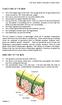 FUNCTIONS OF THE SKIN Skin is the largest organ of the body. The average adult has 18 square feet of skin which account for 16% of the total body weight. Skin acts as a physical barrier for you to the
IN THE CIVIL DIVISION OF THE HIGH COURT AT LABASA ORIGINAL JURISDICTION. CASE NUMBER: HBC 29 of 2004 BETWEEN:
 IN THE CIVIL DIVISION OF THE HIGH COURT AT LABASA ORIGINAL JURISDICTION CASE NUMBER: HBC 29 of 2004 BETWEEN: ADI NOMAI VOTIMAISIRU as administratrix in the ESTATE OF MARIKA SAULAKI PLAINTIFF AND: THE GENERAL
Wound Healing. Healing is a matter of time, but it is sometimes also a matter of opportunity. Hippocrates
 C HAPTER 9 Wound Healing Healing is a matter of time, but it is sometimes also a matter of opportunity. Hippocrates As the above quote suggests, conduct regular and systematic wound assessments, and seize
Introduction to Wound Management
 EWMA Educational Development Programme Curriculum Development Project Education Module: Introduction to Wound Management Latest revision: October 2012 ABOUT THE EWMA EDUCATIONAL DEVELOPMENT PROGRAMME The
Posterior Lumbar Decompression for Spinal Stenosis
 Posterior Lumbar Decompression for Spinal Stenosis Spinal Unit Tel: 01473 702032 or 702097 Issue 5: August 2014 Review date: July 2017 Following your recent MRI scan and consultation with your spinal surgeon
AMERICAN VENOUS FORUM
 Revised Venous Clinical Severity Score AMERICAN VENOUS FORUM Pain : 0 Mild: 1 or other discomfort (ie, aching, heaviness, fatigue, soreness, burning) origin Occasional pain or other discomfort (ie, not
Provided by the American Venous Forum: veinforum.org
 CHAPTER 17 SURGICAL THERAPY FOR DEEP VALVE INCOMPETENCE Original author: Seshadri Raju Abstracted by Gary W. Lemmon Introduction Deep vein valvular incompetence happens when the valves in the veins (tubes
Provided by the American Venous Forum: veinforum.org
 CHAPTER 1 NORMAL VENOUS CIRCULATION Original author: Frank Padberg Abstracted by Teresa L.Carman Introduction The circulatory system is responsible for circulating (moving) blood throughout the body. The
Tired legs, varicose veins
 Tired legs, varicose veins Everything you need to know What are varicose veins? Varicose veins are swollen, enlarged and twisted veins in the deep or superficial venous system of the legs, due to loss
X-Plain Psoriasis Reference Summary
 X-Plain Psoriasis Reference Summary Introduction Psoriasis is a long-lasting skin disease that causes the skin to become inflamed. Patches of thick, red skin are covered with silvery scales. It affects
Heel pain and Plantar fasciitis
 A patient s guide Heel pain and Plantar fasciitis Fred Robinson BSc FRCS FRCS(orth) Consultant Trauma & Orthopaedic Surgeon Alex Wee BSc FRCS(orth) Consultant Trauma & Orthopaedic Surgeon. What causes
A Patient s Guide to Post-Operative Physiotherapy. Following Anterior Cruciate Ligament Reconstruction of the Knee
 A Patient s Guide to Post-Operative Physiotherapy Following Anterior Cruciate Ligament Reconstruction of the Knee Introduction The anterior cruciate ligament (ACL) is one of the main supporting ligaments
.org. Herniated Disk in the Lower Back. Anatomy. Description
 Herniated Disk in the Lower Back Page ( 1 ) Sometimes called a slipped or ruptured disk, a herniated disk most often occurs in your lower back. It is one of the most common causes of low back pain, as
Person Centered Care: Walk the Talk
 Person Centered Care: Walk the Talk Integration of Nurse Practitioner (NP) Role into Extendicare Michener Hill Long Term Care (LTC) Presented by: Sandi Engi MN, NP Michener Hill Extendicare November 25