
WOUND MANAGEMENT POLICY AND PROCEDURES IN THE COMMUNITY SETTING.
|
|
|
- Crystal Stone
- 10 years ago
- Views:
Transcription
1 WOUND MANAGEMENT POLICY AND PROCEDURES IN THE COMMUNITY SETTING. NHS Walsall Community Health Integrated Governance Sub Group formally approved this policy on 10th March 2011 Please note that the Intranet version of this document is the only version that is maintained. Any printed versions should therefore be viewed as uncontrolled and may not be the most up-to-date. Document Reference Information Page 1 of 52

2 Version: Status V1 Draft Version, awaiting ratification Lead Director/Manager Lead Nurse Tissue Viability responsible Name of originator/author: Elaine Westwood Ratifying committee: Integrated Governance sub group Date ratified: 10 th March 2011 Date Policy is Effective From 10 th March 2011 Review date: March 2013 Expiry date: March 2014 Date of Equality and February 2011 Diversity Impact Assessment Date of Health Inequalities February 2011 Impact Assessment Target audience: NHS Walsall Community Health and Allied Health Care Professionals NHS Walsall linked documents Equality Strategy Records Management Policy. Infection Control Policy. Wound Management Formulary Leg Ulcer Guidelines Consent to treatment Distribution of the document Cascaded to directors/senior managers/team leaders. Information agenda item for team meetings. Available on NHS Walsall Intranet site and NHS Walsall community health internet site. Implementation of the document Document Control and Archiving Monitoring Compliance and Effectiveness Local launch of Policy within the community setting. Local training/updates. Obsolete or superseded policies will be removed from the intranet and where relevant replaced with an updated version. Previous versions will be archived in the safeguard system in accordance with the Records Management NHS Code of Practice; disposal and retention schedule. Monitoring of this document will be the responsibility of the Tissue Viability Service By means of monitoring staff competencies, attendance on training sessions CONTRIBUTION LIST Page 2 of 52

3 Key individuals involved in developing the document Name Elaine Westwood Adele Cartwright Lisa Bates Rebecca Rowley Designation Lead Nurse Tissue Viability Tissue Viability Nurse Tissue Viability Nurse Tissue Viability Nurse Circulated to the following for consultation Name/Committee/Group/ Designation All members of professional forum Multidisciplinary team Lyndsey Allen Interim Head of Community Services Caroline Bolton Healthcare Governance Facilitator David Shakespeare Head of Professional Practice and Risk Juliet Drummond Patient Quality and Governance Manager Ann Coyle Assistant Director of Provider Services Donna Chaloner Head of Adult Prevention Sweera Sandhu Head of Infection Control Version Control Summary Significant or Substantive Changes from Previous Version. Version Date Comments on Changes Author V1.0 June New policy Donna Chalenor 2004 V2.0 June Minor amendments Donna Chalenor 2007 V3.0 New Policy Development with Elaine Westwood February additional information i.e swabbing procedure Contents Page 3 of 52

4 1.0 Introduction 2.0 Purpose 3.0 Definitions 4.0 Wound Management 5.0 Assessment 6.0 Dressing Procedures 7.0 Wound Cleansing 8.0 Debridement 9.0 Exudate Management 10.0 Wound Colonisation/Infection 11.0 Dressing Choice 12.0 Patient centred and self care 13.0 Competencies/Education/Training 14.0 Monitoring compliance and effectiveness 15.0 References Appendix 1 Glossary of terms Appendix 2 Wound assessment tools Appendix 3 Socially clean dressing procedure Appendix 4 Sterile dressing procedure Appendix 5 Removal of Sutures/Staples Appendix 6 Swabbing procedure Appendix 7 Patient Information Appendix 8 Checklist for the Review and Approval of Procedural Document. Appendix 9 Equality Impact Assessment Tool and Action Plan Page 4 of 52

5 1.0 Introduction This document is intended for all health care professionals working for NHS Walsall Community Health who have a responsibility for wound management. A wound can be defined as an abnormal break in the normally intact covering of the body- the skin (Collier 2002). Wounds may be classified as Acute wounds that are healing as anticipated or chronic wounds that are failing to heal as anticipated or that have been fixed in any one stage of wound healing for a period of six weeks (Collier 2002). This document will address wound assessment, wound cleansing, dressing procedures, wound swabbing procedure, wound infection, audit, education and training. It is recognised that wound management requires a multidisciplinary approach and that this guidance does not cover every eventuality. 2.0 Purpose This policy aims to guide NHS Walsall Community Health s clinical staff on a standardised approach to wound care within the framework of holistic care. NHS Walsall Community Health recognise the need to have a clinical policy based upon current best evidence and practice to inform, guide and support staff in the management of individuals who have wounds whilst recognising that individual practitioners have their own responsibility to keep updated. The overall aim is to protect patients through the provision of a framework that supports professional practice at all levels in the treatment of wounds. 3.0 Definitions Please see Appendix 1 for Glossary of medical and nursing terms used in this policy. 4.0 Wound Management Wound healing is a complex process involving cellular and biochemical cascades which must take place in a specific sequence to enable restoration of tissue integrity and function. Wounds can happen to any individual of any age group causing pain and discomfort. The basis of wound management is to treat the individual as a whole, to achieve healing where possible and if not possible, to provide palliative care. There are many types of wounds including leg ulcers, pressure ulcers, surgical wounds, foot ulcers, burns all of which can be acute or chronic. Most wounds heal quickly and without incident. However the healing process can be delayed, if not halted, by an interruption or imbalance in the natural healing process, or by the overall physiological status of the patient. Page 5 of 52

6 5.0 Assessment. With appropriate management a wound should heal at a steady rate identifiable through regular planned assessment. Assessment should include information from different sources. It should bring together general and specific information on the patient, the skin, the circulation and the wound itself, only in this way can an accurate diagnosis be made, risk factors evaluated and effective treatment commenced. Assessment may necessitate referral to other members of the multidisciplinary team such as Tissue Viability Nurse, Clinical Nurse Specialists, Dieticians, Physiotherapists, Podiatry, Vascular Team or Dermatology. Assessment can be thought of on four levels (Morison, 1992) 1. General patient factors that could delay healing Patient assessment 2. Immediate causes of the wound and any underlying pathophysiology patient and event/environmental assessment 3. Local conditions at the wound site wound assessment 4. Potential consequences of the wound for the individual assessment of possible outcomes This should allow the practitioner to identify and record: The healing potential of the individual Factors that will help formulate a treatment plan such as the general appearance of the skin, wound pain or allergies Factors that will delay healing such as general health, nutritional status, underlying disease, medication or incontinence The cause of the wound so that further problems can be prevented, such as immobility resulting in pressure sores, venous hypertension resulting in a venous ulcer or diabetes giving rise to a neuropathic ulcer Functional and psychological factors that will result from the wound or its treatment that may delay healing The effect on carers and family 5.1 Patient assessment As part of the patient assessment, factors that may delay wound healing should be documented and if possible minimised. Patient factors that have an effect on wound healing. o Poor nutrition/malnutrition As the body has the potential to heal itself it is of utmost importance that it is provided with the raw ingredients to allow it to do so. Nutritional status has a significant effect on wound healing, therefore the Malnutrition Universal Screening Tool (MUST) should be utilised should there be any concerns about malnutrition. Page 6 of 52

7 Lack of protein reduces the amount of cell generation, vitamin C is essential for collagen synthesis: other nutrients such as Zinc have also been found to play vital roles. (Gray and Cooper 2001). o Pain Consideration should be given to pain in relation to wound management and a pain assessment undertaken in patients identified during screening. An individuals experience of pain is unique, it is complex and influenced by many factors. A systematic and rational approach to the assessment and management of pain is essential and is a specific role of the clinician that should be documented with other aspects of the assessment (NMC 2004). o Poor circulation Poor blood supply will affect the health of any wound: reducing the supply of oxygen and nutrients required for healing as well as preventing the removal of fluid and metabolites. If you suspect circulatory problems a vascular assessment should be sought. In wounds of the lower limbs Ankle Brachial Pressure Index (ABPI) should be recorded. Dependent oedema and immobility affect the circulation to the extremities. o Smoking The chemicals in cigarettes particularly nicotine, carbon monoxide and hydrogen cyanide can have a direct toxic effect on the cells necessary for healing (Krueger & Rohrick 2001). Nicotine is a vasoconstrictor that reduces nutritional blood flow to healing tissue, it also reduces macrophages, fibroblasts and proliferation of red blood cells. Nicotine increases platelet adhesiveness, increasing the risk of thrombotic microvascular occlusion and tissue ischaemia (Sherwin & Gastwirth 1990). Carbon monoxide reduces the amount of oxygen within the tissues and reduces metabolism (Jensen, Goodson & Hopf 1991). There are numerous ways in which patients can stop smoking these include patches, lozenges, gum, inhalers and tablets. The NHS provides free smoking cessation services. Please contact one call for one for more information on quitting smoking. o Drug therapy Many drugs have an effect on wound healing: Anti-inflammatory drugs suppress the initial inflammatory phase of healing, corticosteroids suppress both multiplication of fibroblasts and the immune system. Other drugs found to have a detrimental effect are anticoagulants, antineoplastic drugs and anti-prostaglandins as well as chemo and radio therapies. o Depleted Immunity Immune response from the patient can delay healing; this includes allergic response to topical applications and dressings. Page 7 of 52

8 o Age Cell replication is slower and the skin s resistance to injury decreases with age. (Enoch and Price 2004). o Obesity Adipose tissue has poor vascularity. There is a greater incidence of wound breakdown in obese patients but the reason for this is not fully known. (Mulder et al, 1998 and Melling et al, 2001). o Psychological Increases in hormone levels, particularly those related to stress have been found to have a detrimental effect on wounds and healing. (Norman, 2003). o Co-morbidities Such as diabetes or vascular disease, which effect sensation and circulation and pose very specific problems requiring expert advice by the appropriate practitioner. 5.2 Patients and event/environmental assessment In wounds such as pressure ulcers there may be an environmental cause such as poor seating or equipment condition that may have contributed to the occurrence of the wound and this should be recorded and removed where possible. The assessment should also consider: o Mechanical injuries to the wound bed through cleaning or use of inappropriate dressings such as wet to dry gauze can damage granulating tissue. (Pulman 2004). o Presence of Tumour, this could be a localised tumour causing skin problems or systemic disease. o Poor hygiene will increase risks of wound pathogens. 5.3 Wound assessment The aim of any assessment is to give a description of the wound appearance. Pressure ulcers should be graded according to the European Pressure Ulcer Advisory Panel scale (2009) Measurement forms an important part of documentation and can be achieved simply by the use of a tracing map or a wound care ruler. This information will enable the healthcare practitioner to select the correct type of dressing and allow the progress of the wound to be monitored. Wound bed preparation has become an increasingly accepted term and the TIME acronym promoted by the Wound Healing Society has been developed by an international advisory panel to offer a structured approach to the Page 8 of 52

9 implementation of wound bed preparation and the management of wounds. (Schultz et al 2003) Walsall Community Health s assessment tools are based upon the Acronym TIME as developed by the International Advisory Board. T = Tissue non viable or deficient I = Infection or Inflammation M = Moisture Imbalance E = Edge of Wound, non-advancing or undermining. Wound assessment should include: o The general appearance and anatomical site of the wound o The size of the wound o The shape of the wound o The depth of the wound o The colour of the wound o The amount, type and colour of exudate o The presence/absence of infection o Wound related pain o The condition of the surrounding skin This information should be recorded on the wound care assessment tools (Appendix 2) they can be located on the Tissue Viability web page on the intranet. A date should be set for the re-assessment. Photography of wounds (if available) should be done with the patient s written consent, and all photographs labelled and securely stored in a zipped folder. Photography consent forms/policy are available on the intranet. Wounds which appear to have a vascular cause should be treated with caution. 5.4 Wound Re-Assessment. It is essential for all health care professionals to set a deadline for reassessment of the wound; this should be a maximum period of monthly. This should be undertaken according to the individuals need, particularly if the patients condition changes. Any alteration to the treatment regime will be discussed with the patient, the healthcare professionals and the rationale for this will be documented. Page 9 of 52

10 5.5 Record Keeping. Good record keeping is an integral part of nursing and is essential to the provision of safe and effective care. You should record all details of your assessment and reviews undertaken, and provide clear evidence of ongoing care in the form of a plan of care, which should be evaluated on a regular basis. Documentation should also include details of information given about care and treatment. Record keeping NMC(2009) and NHS Walsall Records Management Policy(2009) should be adhered to. 6.0 Dressing procedures There is a requirement for a socially clean dressing procedure rather than a universal sterile procedure when treating chronic wounds healing by secondary intention e.g. pressure ulcers, leg ulcers RCN(2006/7). Sterile dressing procedure should still be utilised where the health care professionals clinical expertise identifies a need, for example within a wound care clinic, in patients presenting with acute surgical wounds or who are particularly susceptible to infection due to their general health or in patients who have extensive chronic wounds. Principles 1- The purpose of the dressing technique is to promote an environment conducive to wound healing and avoid cross infection. 2- Principles of Infection Control, (WtPCT Infection Control Guidelines, 2005) should be applied when carrying out socially clean or sterile dressing procedures. These will include Guidelines for the wearing of gloves Guidelines for hand washing Wearing of protective equipment i.e. aprons. 3- Staff to have an understanding of wound types, signs of wound infection and have the knowledge and skills to identify patients who are suitable for socially clean dressing or sterile procedure. Indications for use: Socially Clean 1- Patients with chronic wounds i.e. Wounds healing by secondary intention. 2- Where wounds are clinically infected a socially clean procedure is sufficient as long as principles of infection control are adhered to. Indications for use: sterile procedure 1- Acute wounds healing by primary or secondary intention. Page 10 of 52

11 2- Patients with chronic wounds who have increased risk of infection e.g. patients who are immuno-suppressed, arterially compromised or diabetic 3- Patients who attend a wound care clinic. 4- Patients who have grade 3 / 4 pressure ulceration. 5- Patients with Arterial leg ulceration Individual assessment of patient and wound is fundamental to identify those patients at increased risk. See Appendix 3 for socially clean dressing procedure Appendix 4 for sterile dressing procedure Appendix 5 for removal of sutures/staples. 7.0 Wound Cleansing. The aim of wound cleansing is to remove contamination with minimal pain to the patient and minimal trauma to the tissue/wound bed. Wounds should be cleaned to; Remove excess exudates Remove slough and/or necrotic tissue Remove remnants of previous dressings To facilitate accurate assessment of the wound/wound bed. For healthy wounds irrigation with a sterile solution of 0.9% sodium chloride is appropriate. For some wounds, showering or leg washing in tap water is appropriate. The irrigation fluid should be body temperature. Wound healing is optimised when wounds are kept at body temperature. If the temperature of the wound drops, mitotic activity slows down thus reducing wound healing (Miller and Dyson 1996). Care should also be taken to avoid trauma to the wound or splash back. Repeated cleansing may do more harm than good by traumatising newly produced granulation tissue, by reducing the surface area temperature of the wound and removing exudates which may have bactericidal properties. 8.0 Debridement Debridement is an accepted principal of good wound care (NICE 2001) It is the removal of devitalised dead tissue or foreign materials. Removal of dead tissue is part of the natural healing process, until the wound is clean it cannot begin the process of growing new tissue. Left alone the body will remove the dead tissue but this can take time. The presence of dead tissue can stop you Page 11 of 52

12 fully assessing a wound, delay healing and provide a focus for bacteria and infection, removal as quickly as possible is best practice. Debridement is complete when 100% of the wound bed consists of healthy granulation tissue. To achieve this several methods of debridement may be required over a period of time. A number of debridement methods exist and these include; Autolysis- using the bodies own natural capacity to break down necrotic tissue. In wound care this is encouraged by the use of dressings which promote a moist wound healing environment. Mechanical debridement- loose tissue can often be removed from the wound by gentle irrigation. Biological (Larval)- Maggot therapy Surgical debridement- this is extensive and includes debridement to bleeding tissue, this procedure is performed in the acute environment by a surgeon. Sharp debridement- using a scalpel and scissors, conservative removal of dead tissue. This is a specialist procedure and the Health Care Practitioner will be required to have undertaken a Sharp debridement course. 9.0 Exudate Management. Exudate plays a vital role in wound healing, acute wound exudate has beneficial properties; chronic wound exudate may inhibit healing (White and Cutting 2006). The volume and nature of exudate provides information about the wound and should be included in any assessment. This will include, colour, viscosity (thickness), amount and odour. A wound should be moist and not wet. Attention should be paid to preventing maceration of the peri-wound skin, and in necessary a skin protector/barrier may be used. High levels of exudate does not necessarily mean infection is present: if the fluid is of low viscosity (thin) it may be secondary to underlying oedema which may respond to elevation and/or medication. Strike through of exudates allows passage for bacteria in/out of the wound (Dealey 1999) Wound Colonisation and Infection. Many wounds will have bacteria present, as part of each wound assessment the practitioner should assess the wound for signs of actual infection. Practitioners should be aware of the factors that indicate infection and the stages of the wound infection continuum before treatment. The wound infection continuum is described by White (2002) and summarised below: Page 12 of 52

13 10.1 Colonisation. Many wounds, especially if chronic, are colonised by a variety of bacteria which may be potentially pathogenic. These colonising bacteria may exhibit no apparent harmful effect and although many wounds become colonised by a diverse range of bacteria, infection is not an inevitable consequence. Usually, colonised wounds do not require specific antimicrobial therapy. A wound covered with slough may harbour significant quantities of bacteria that can act as a potential focus for microbial spread and infection; this should be therefore removed as soon as possible. Distinguishing between colonisation and infection is important, as wounds colonised with bacteria will heal without the need for antibiotics Infection. Infections occur when micro-organisms cause damage to the body tissue either by there presence, or through the production of poisonous substances (endo and exotoxins) A positive wound swab result does not necessarily mean that the wound is infected. Signs and symptoms of an infected wound include- Erythema Oedema Increased exudate levels Offensive odour Pain Page 13 of 52

14 Pyrexia Delayed healing Discolouration Friable granulation tissue Unexpected tenderness Pocketing at the base of the wound Bridging of soft tissue and epithelium Wound breakdown Cellulitis 10.3 Wound Swabbing. Bacteriological swabs should only be taken when there is clinical evidence of infection, routine swabbing is unnecessary. Infection is not implied by the mere presence of organisms. The microbiology result must be taken into account, along with the clinical indicators for infection as described above (10.2) There are two techniques used to obtain a wound swab, either, the zig zag (z stroke) starting at the top of the wound and moving the swab in a zig zag motion across the wound whilst rotating the swab, and the Levine where the swab is rotated over a 1cm square area with sufficient pressure to expel fluid from within the wound (Kelly 2003) Swabs should not be taken from sloughy or necrotic areas of the wound as the results from these areas may be misleading, the micro organisms associated with non viable tissue may not be the organisms that are causing the infection. It is advocated that wounds are cleaned before swabs are taken, this is so that the culture isolates the wound micro organism and not the micro organisms that are associated with wound exudate (Scott and Whitney, 1999) Ideally, all wound swabs should be obtained in the morning so that they will be collected and taken to the laboratory the same day, however if this is impractical the swab may be stored in a refrigerator at 4 degrees Celsius overnight. The information on the label of a wound swab and completion of the laboratory request form needs to be accurate; failure to do this can lead to a false report. The information that is required are the patient details, exact site the wound swab is taken from, current antibiotic therapy and when started, the clinical presentation of the wound i.e. indicators of infection, duration of the symptoms and any antibiotic allergies. See appendix 6 for swabbing procedure. The Nurse must remember to obtain the swab result by accessing Fusion or liaising with the GP surgery The use of Antibiotics. Wounds satisfying the criteria specified above usually require treatment with antibiotics. Care should be taken that there is no invasive infection or sepsis. The choice of antibiotics should be based on microbial sensitivity testing whenever possible and should be modified according to any known allergy. A topical antimicrobial dressing will also be helpful in reducing surface bacteria. Page 14 of 52

15 Nurses should follow the indications for use and only utilise silver dressings for a two week period Infection control. The key measures that help prevent wound infection/colonisation include, Hand hygiene, before and after handling wounds and dressings. Wearing gloves/aprons Masks, eye protection or facial shields should be worn if appropriate to protect mucosal membranes. Using a wound dressing that is appropriate to the wound and that will promote healing. Changing the dressing when indicated and whenever the barrier effect has been impaired Disposing of waste correctly. In the home situation any clinical waste should be placed in a black bag which is securely fastened then placed in the dustbin for disposal with the household waste Dressing choice There are two different categories of dressings; Primary This is in contact with the wound bed. Secondary this is not in contact with the wound but covers the primary dressing. Generally combination primary dressing therapy is not encouraged as adverse reactions between products although rarely, have been reported (Benbow 2000). Staff should be able to discuss their rationale for the choice of dressing and justify this in the patient documentation; patient choice and acceptability must be taken into account. There should also be consideration of any known contact sensitivities/allergies. Dressings should be cost effective in relation to wear time and where possible products should be evidence based. The ideal dressing should, Maintain high humidity at the wound/dressing interface. Remove excess exudate. Allow gaseous exchange. Provides thermal insulation. Be impermeable to bacteria. Be free of particles and toxic wound contaminants. Allow removal without causing trauma to the wound. Choice of dressing, method of debridement and the optimum wound healing environment should be created using modern dressings (NICE 2001). The use of topical agents or adjunct therapies should be based on the current assessment of the wound and the NHS Walsall Community Health Wound Management Products Selection and Use Guidelines. Page 15 of 52

16 12.0 Patient centred and self care. Patient and carers should be made aware of their wounds and the potential risk and/or complications. Patient education has been shown to improve the quality, frequency and efficacy of dressing changes, compliance as well as treatment and prevention of recurrence. (Gottrup 2004). Treatment and care should take into account the patient s individual needs and preferences and carers and relatives should have the opportunity to be involved in discussions where appropriate. Patients should be encouraged to maintain their independence and attend either the GP surgery or a wound care clinic when possible. Supporting client information should be given in an appropriate format and a record of this should be made e.g. health advice, potential complications, equipment use, emergency contact details, preventative strategies etc. It may also be useful during the first visit to inform patients of any equipment that you may require during your visit so that they will be prepared. (Appendix 7) 13.0 Competencies/Education/Training. Education and training are at the cornerstone of effective wound management and should be available to all staff who undertake assessment and treatment of individuals with wounds. Educational programmes, incorporating general wound management, pressure ulcer prevention and management and leg ulcer prevention and management are available. Staff are required to undergo competency assessments following training, this training can be booked through ESR. Accredited degree level study at university is available to all staff groups when identified in the individual performance review Monitoring Compliance and Effectiveness Monitoring compliance with this policy will be the responsibility of the operational manager for Tissue Viability Service. Compliance with the policy will be monitored by ensuring that all nurses adhere to the dressing procedures and wound management guidelines outlined in the policy. A data base of nurse competencies will be recorded, and all nurses will be advised to attend a three year wound management update Audits Patient records, leg ulcer healing rates, pressure ulcer prevalence and educational audits will be performed. Audits will be monitored by the Governance Department Clinical Procedures. Clinical procedures have been developed in order to maintain a quality service. Socially clean dressing procedure Sterile dressing procedure Removal of sutures/staples Wound swabbing techniques Page 16 of 52

17 These procedures will be reviewed annually Data Collection Data will be collated in the annual report to demonstrate the number of patients referred to the service and the response rate to each referral Satisfaction surveys. The service will use patient satisfaction surveys annually to identify what patients think about the service, and also provide patients with an opportunity to constructively feedback to help with service improvement and development Complaints/Untoward incidence. Complaints and untoward incidence will be monitored monthly during the business unit meeting, appropriate action will be taken Equality Impact Assessment. NHS Walsall Community Health aims to design and implement services, policies and measures that meet the diverse needs of our service, population and workforce, ensuring that none are placed at a disadvantage over others. An Equality Impact Assessment has been undertaken and there are no adverse or positive impacts. (See appendix 9) Page 17 of 52

18 15.0 References Benbow, M. (2000). Mixing and matching dressing products, Nursing Standard Vol 14(49) 56,58,60,62 Collier, M. (2002) A ten-point assessment plan for wound management Journal of Community Nursing Vol 16 No 6 Cooper, R. A. (2002) Wound microbiology: past, present and future in the silver supplement part three: microbiology, infection, healing. British Journal of Community Nursing 7, (12), 4-6 Dealey, C. (1999). The care of wounds, 2 nd ex. Oxford: Blackwell Science. European Pressure Ulcer Advisory Panel Scale2009) Enoch, S & Price, P. (2004) Cellular, molecular and biochemical differences in the pathophysiology of healing between acute wounds, chronic wounds and wounds in the aged. Gray, D., Cooper, P. Nutrition and wound healing: what is the link? Journal of Wound Care (3) p86-89 Gottrup, F Optimizing wound treatment through health care structuring and professional education. Wound Repair Regen. 12: pp Jensen JA, Goodson WH & Hopf HW: Cigarette Smoking Decreases Tissue Oxygen. Arch Surg 1991; 126: Kelly, F. 2003, Infection control: Validity and Reliability in wound swabbing. British Journal of Nursing, 12, 16, PP Krueger JK & Rohrick RJ: Clearing the Smoke: The Scientific Rationale for Tobacco abstention with Plastic Surgery. Plastic Reconstruction Surgery 2001; 108(4): Mellings, A. et at (2001) The effects of preoperative warming on the incidence of wound infection after clean surgery: a randomised controlled trial. The Lancet 358: Miller, M. Dyson, M. (1996) The Principles of Wound Care. London: Macmillan Magazines Ltd. Morison, M. J. (1992) A colour guide to the nursing management of wounds, London: Wolfe Publishing. Page 18 of 52

19 Mulder, G. D., Brazinski, B. A., Harding, K. G. and Argen, M. S. (1998). Factors influencing wound healing. In: Leaper, D. J. and Harding, K. G. (eds) Wound biology and management, Oxford: Oxford University Press. NICE guidelines on pressure ulcer risk assessment and prevention (Guidelines B) NICE (2001) NICE (2001) Guidance on the use of debriding agents and specialist wound care clinics for difficult to heal surgical wounds. NICE London NMC (2004) Nursing and midwifery code of professional conduct. London Norma, D. (2003) The effects of stress on wound healing and leg ulceration. British Journal of Nursing 12 (21), Pulman, K. (2004) Dressings in the management of open surgical wounds. British Journal of Perioperative Nursing 14, 8, R.C.N Clinical Practice Guidelines. The Nursing Management of Leg Ulceration Schultz, G. Sibbald, G. & Falanga, V. et al (2003) Wound bed preparation: a systematic approach to wound management. Wound repair regeneration. 11 (2): p1-28 Scott, N A. and Whitney, J, D Identifying and Evaluating Wound Infection, Home Healthcare Nurse. 17. pp Sherwin MA, Gastwirth CM: Detrimental Effects of Cigarette Smoking on Lower Extremity Wound Healing. J Foot Surg Jan-Feb; 29(1): 84-7 Walsall District Guidelines (2005) Infection Control White, R. J British Journal of Community Nursing 7(12) pp 7-9 White, R. J. & Cutting, K. F. (2006) Modern exudate management: a review of wound treatments , revision 1.0 Page 19 of 52

20 Appendix 1 GLOSSARY OF TERMS ACUTE WOUND Disruption in the integrity of the skin that progresses through the healing process in a timely and uneventful manner. ADIPOSE TISSUE Type of connective tissue that contains stored fat. ANKLE BRACHIAL PRESSURE INDEX Ratio of ankle systolic pressure to the arm systolic pressure used in assessing the status of arteries of the lower extremities. ANTIBIOTICS Medication used to treat bacterial infection. ANTI COAGULANT A substance that prevents the clotting of the blood. ANTI INFLAMMATORY DRUGS Medication used to reduce inflammation. ANTIMICROBIAL Capable of destroying or inhibiting the growth of disease carrying microbes. ANTI NEOPLASTIC DRUGS Medication used to treat cancers. ANTI PROSTOGLANDINS Medication used to counteract prostaglandins (fatty acids that can act like a hormone) that can play a role in cancer development. ARTERIALLY COMPROMISED Presence of arterial disease. ARTERIAL LEG ULCERATION Caused by poor blood circulation as a result of narrowing of the arteries. ASEPTIC TECHNIQUE - Set of specific practices and procedures with the goal of minimising contamination by pathogens. BACTERIA Microscopic organisms that are unicellular and reproduce asexually. BACTERIAL BURDEN Bacteria present in a wound. BACTERICIDAL An agent that destroys bacteria. BIOCHEMICAL - Vital processes occurring in living organisms. BRIDGING / POCKETING A wound that was healing develops strips of granulation tissue at the base of the wound as opposed to the rest of the wound bed. CELLULAR Relating to or consisting of cells. CELLULITIS Spreading bacterial infection just below the skin surface. CHEMO THERAPY Cancer treatment using specific chemical agents to selectively destroy malignant cells and tissue. CHRONIC WOUND Fails to progress through an orderly and timely sequence of repair. COLLAGEN SYNTHESIS Process by which a fibrous protein (collagen) is created within connective tissue and is involved in wound repair. CO MORBIDITIES Existence of two or more diseases or conditions in the same individual at the same time. CONTAMINATION Inclusion or growth of harmful microorganisms. CORTOCOSTEROIDS Hormones formed in the adrenal gland used to reduce inflammation. CROSS INFECTION Transmission of bacteria or a communicable disease from one person to another because of a poor barrier. Page 20 of 52

21 DERMATOLOGY Branch of medicine concerned with diagnosis and treatment of the skin. DIAGNOSIS The nature of a disease, identification of an illness. DIETICIAN Health care professional with specialised training in nutrition. ENDOTOXIN Toxin produced by certain bacteria and released upon destruction of the bacterial cell wall. ERYTHEMA Bright or dark red skin adjacent to a wound. EXOTOXIN Potent toxin formed and excreted by the bacterial cell wall EXUDATE Fluid that discharges from a wound. FIBROBLAST A cell that gives rise to connective tissue. FRIABLE TISSUE Bleeding granulation tissue when gently manipulated. GRANULATING TISSUE Mass of new connective tissue and capillaries on wound bed, normally red in colour. HOLISTIC Consideration of the complete person, physically and psychologically. HORMONE Chemical substance having a regulatory effect on the activity of certain organs. HYDROGEN CYANIDE Poisonous gas or liquid used in dyes, plastics and fumigates. IMMUNE SYSTEM Integrated system that protects the body by producing an immune response. IMMUNO SUPPRESSED People whose immune response/ system is inadequate. INFLAMMATION Response of body tissues to injury characterised by pain, swelling, heat and redness. INFLAMMATORY STAGE OF WOUND HEALING Immediate on response to injury can last 2 5 days. LEG ULCER Loss of skin of the foot that takes more than 6 weeks to heal. INFECTION Invasion and multiplication of pathogenic micro organisms in the tissues or a body part. MACERATION Occurs when the surrounding skin of a wound retains too much moisture, causing softening and turns to a white colour. MACROPHAGES Help defend the body against foreign cells like bacteria. MALNUTRITION Lack of nutrition resulting from insufficient food, unbalanced diet or faulty digestion or utilization of food. METABOLISM Chemical processes occurring within a living cell or organism necessary for life. MICROBIAL A minute life form, a micro organism. MICRO ORGANISMS Organisms seen only through a microscope MITOTIC/MITOSIS Process of cell division. NECROTIC A layer or mass of dead tissue on the wound bed, normally black in colour. NICOTINE Poisonous alkaloid derived from tobacco plant. Smokers can develop an addiction. NON ADVANCING / UNDERMINING Area of tissue destruction underneath intact skin. OBESE Abnormal accumulation of body fat usually 20% or more over the individuals ideal weight. OEDEMA Excessive accumulation of watery fluid in cells or body tissue. Page 21 of 52
22 PATHOGENIC Bacteria capable of causing disease. PATHOPHYSIOLOGY Functional changes associated with or resulting from disease or injury. PERI WOUND Skin surrounding a wound. PHYSIOLOGICAL The normal functioning of a living organism. PLATELET ADHESIVENESS Adherence of platelets (blood particles that promote blood to clot) to any area with damaged blood vessels. PODIATRY Specialised field dealing with the study and care of the foot. POOR VASCULARITY Poor blood circulation. PRESSURE ULCER/SORE Areas of inflammation or open wounds that form whenever prolonged pressure is applied to skin covering bony outcrops of the body. PRIMARY INTENTION HEALING Direct healing of the wound edges without granulation tissue e.g. surgical wounds PROLIFERATION STAGE OF HEALING Begins within 24 hours of injury and can continue for up to 21 days. PSYCHOLOGICAL Emotional and behavioural characteristics of an individual. PYREXIA Abnormally high body temperature, RADIO THERAPY Use of ionizing radiation or radioactive substances to treat disease. SECONDARY INTENTION HEALING Results in inflammatory response, includes tissue loss and includes formation of granulation tissue e.g. leg ulcer. SEPSIS Bacterial infection in the bloodstream or body tissues. STERILE DRESSING PROCEDURE Wound dressing Performed using aseptic technique. SLOUGH A layer or mass of dead tissue on the wound bed, normally a yellow colour. SOCIALLY CLEAN DRESSING PROCEDURE Wound dressing performed using a clean environment. STAPLES Medical device used in surgery to close wounds SUTURES Medical device used to hold body tissues together after injury or surgery. TISSUE ISCHAEMIA Occurs when living tissue is deprived of oxygen and nutrients causing damage or death of those tissues. TISSUE VIABILITY NURSE Provides advice and support for patients with complex wounds. THROMBOTIC MICROVASCULAR OCCLUSION A blockage within a blood vessel caused by a blood clot. TUMOUR Abnormal new mass of tissue normally dependent on surrounding body structures. VASCULAR DISEASE Conditions that affect the blood vessels. VASOCONSTRICTER - Constriction of blood vessels. VENOUS HYPERTENSION Increased pressure in the veins. WOUND COLONISATION Invasion and multiplication of micro organisms in a wound. WOUND INFECTION CONTINUUM Presence of increasing numbers of bacteria in four states: contamination, colonisation, critical colonisation, infection. Page 22 of 52
23 APPENDIX 2 Page 23 of 52
24 Page 24 of 52
25 Page 25 of 52
26 Page 26 of 52
27 Page 27 of 52
28 Page 28 of 52
29 APPENDIX 3 Socially Clean Dressing Procedure Equipment Apron Alcowipe and detergent wipes Non sterile gloves x 2 pair Bandage or secondary dressing Primary dressing Clinical procedure/protective sheet Irrigation solution Blue towel or unsterile gauze ACTION 1. Explain procedure to patient. 2. Obtain verbal consent. 3. Document consent. 4. Clean all equipment used i.e. dressing trolley, couch and chair if in a clinic environment. If this equipment is not available, for example in a patient s home, then ensure a clean environment which is conducive to the procedure being performed. 5. Wash hands with liquid soap using the six steps hand washing technique. 6. Dry hands thoroughly using paper towels or a clean towel as available. RATIONALE Ensure that the patient understands the procedure and has given his/her valid consent and that this is recorded. To ensure that the environment is as clean as possible to prevent cross infection and/or contamination. Hands must be cleaned before every patient contact and before commencing preparations for dressing procedure to prevent cross infection. To prevent cross infection. 7. Put on a clean apron. To prevent cross infection. 8. Choose the optimum available environment to perform the dressing. 9. Position the patient so that the procedure can be performed easily. 10. Place sterile cleansing fluid in clean receptacle to warm in case the wound requires irrigation. To ensure the safety of both nurse and patient. To maintain the patient s comfort and dignity. Cleansing fluid should be at body temperature (37º) to prevent disruption to cell mitosis and prevent cross infection. Page 29 of 52
30 11. Prepare working surfaces with To prevent cross infection. protective sheets. 12. Put on unsterile gloves and remove all secondary dressings To prevent the risk of cross infection. and place at side of protective sheet, remove gloves (This stage to be omitted where there is no secondary dressing) 13 Wash hands (repeat 5 and 6) To prevent infection 14 Remove primary dressing using black bag, pick up soiled gloves and discarded secondary dressing and invert black bag. 15 Prepare primary and secondary dressings onto protective sheet using a non touch technique. 16 Assess wound as necessary using appropriate documentation. 17 Irrigate the wound as necessary using sterile saline. 18 Dry surrounding skin gently with blue towel or unsterile gauze. 19 Apply primary dressing to wound handle by edges only. To prevent the risk of cross infection. To keep areas of potential contamination to a minimum. To monitor progress of the wound To remove debris and/or reduce bacterial burden. To ensure wound bed cell mitosis is not disrupted. To minimise the risk of contamination to the primary dressing. 20. Apply secondary dressing if To secure primary dressing. required. 21. Discard protective sheets, waste To prevent cross infection. and protective equipment i.e. gloves, apron into black bag and dispose of as per infection control guidelines. 22. Wash scissors, if used, in warm To prevent cross infection. soapy water or clean with detergent wipes then alcowipe. 23. In clinic environment clean the To prevent cross infection. equipment/surfaces with warm soapy water or clean with detergent wipe and dry thoroughly. 24. Wash hands (repeat 5 and 6). To prevent infection 25. Complete documentation and arrange next visit/appointment. Accurate evidence that procedure has been carried out. Page 30 of 52
31 Socially Clean Dressing Procedure with leg wash Equipment Apron Alcowipe and detergent wipes Non sterile gloves x 2 pair Bandage or secondary dressing Primary dressing Clinical procedure/protective sheet Blue towel or unsterile gauze Bath thermometer Bowl and plastic liner Bath emollient if required. ACTION 1. Explain procedure to patient. 2. Obtain verbal consent. 3. Document consent. 4. Clean all equipment used i.e. dressing trolley, couch and chair if in a clinic environment. If this equipment is not available, for example in a patient s home, then ensure a clean environment which is conducive to the procedure being performed. 5. Wash hands with liquid soap using the six steps hand washing technique. 6. Dry hands thoroughly using paper towels or a clean towel as available. RATIONALE Ensure that the patient understands the procedure and has given his/her valid consent and that this is recorded. To ensure that the environment is as clean as possible to prevent cross infection and/or contamination. Hands must be cleaned before every patient contact and before commencing preparations for dressing procedure to prevent cross infection. To prevent cross infection. 7. Put on a clean apron. To prevent cross infection. 8. Choose the optimum available environment to perform the dressing. 9. Position the patient so that the procedure can be performed easily. 10. Prepare lined bowl with water at 37 degree centigrade add emollient if required. To ensure the safety of both nurse and patient. To maintain the patient s comfort and dignity. Using a disposable liner will prevent the risk of cross infection. Check temperature of water using plastic bath thermometer, ensuring water is at 37 degrees this prevents disruption to cell mitosis. Page 31 of 52
32 11. Prepare working surfaces with To prevent cross infection. protective sheets. 12. Put on unsterile gloves and To prevent infection. remove all secondary dressings and place at side of protective sheet. 13 Remove primary dressing using To prevent infection. black bag, pick up discarded secondary dressing and invert black bag. 14 Wash leg as per Walsall Leg Ulcer Clinical Guidelines, using To improve skin integrity/hydration. To reduce bacterial burden. non sterile gauze. Dry leg with blue paper towel, 15 Empty bowl of water, wash bowl To prevent infection. with soapy water and dry thoroughly, Discard soiled gloves into black bag. 16 Wash hands (repeat 5 and 6) To prevent infection 17 Prepare primary and secondary dressings onto protective sheet using non touch technique. 18 Assess wound as necessary using appropriate documentation. 19 Put on unsterile gloves and apply primary dressing to wound handle by edges only. To keep areas of potential contamination to a minimum. To monitor progress of the wound To minimise the risk of contamination to the primary dressing. 20. Apply secondary dressing. To secure primary dressing. 21. Discard protective sheets, waste To prevent cross infection. and protective equipment i.e. gloves, apron into black bag and dispose of as per infection control guidelines. 22. Wash scissors, if used, in warm To prevent cross infection. soapy water or clean with detergent wipes then alcowipe. 23. In clinic environment clean the To prevent cross infection. equipment/surfaces with warm soapy water or clean with detergent wipe and dry thoroughly. 24 Wash hands (repeat 5 and 6). To prevent infection 25. Complete documentation and arrange next visit/appointment Accurate evidence that procedure has been carried out. Page 32 of 52
33 APPENDIX 4 Sterile Dressing Procedure Equipment Apron Alcowipe and detergent wipes Non sterile gloves x 1 pair Sterile dressing pack Hampshire dressing aid Bandage or secondary dressing Primary dressing Irrigation solution Clinical procedure/protective sheet ACTION 1. Explain procedure to patient. 2. Obtain verbal consent. 3. Document consent. 4. Clean all equipment used i.e. dressing trolley, couch and chair if in a clinic environment. If this equipment is not available, for example in a patient s home, then ensure a clean environment which is conducive to the procedure being performed. 5. Wash hands with liquid soap using the six steps hand washing technique. 6. Dry hands thoroughly using paper towels or a clean towel as available. RATIONALE Ensure that the patient understands the procedure and has given his/her valid consent and that this is recorded. To ensure that the environment is as clean as possible to prevent cross infection and/or contamination. Hands must be cleaned before every patient contact and before commencing preparations for dressing procedure to prevent cross infection. To prevent cross infection. 7. Put on a clean apron. To prevent cross infection. 8. Choose the optimum available environment to perform the dressing. 9. Position the patient so that the procedure can be performed easily. Place clinical protective sheet under limb if performing leg ulcer dressing. 10. Place sterile saline in clean receptacle to warm in case the wound requires irrigation. To ensure the safety of both nurse and patient. To maintain the patient s comfort and dignity. Cleansing fluid should be at body temperature (37º) to prevent disruption to cell mitosis. Page 33 of 52
34 11. Put on unsterile gloves and remove all secondary dressings and place at side of protective sheet, remove gloves. To prevent the risk of cross infection. 12. Wash hands (repeat 5 and 6) To prevent infection 13 Open sterile dressing pack using outer edges only, open Hampshire dressing aid onto sterile field using non touch technique. 14 Prepare primary and secondary dressings onto sterile dressing field using non touch technique. 15 Remove primary dressing using bag from Hampshire dressing aid, pick up soiled gloves and discarded secondary dressing and invert bag. 16 Assess wound as necessary using appropriate documentation. 17 Put on sterile gloves and place sterile towel under wound. Irrigate the wound as necessary using sterile saline. 18 Dry surrounding skin gently with To prevent infection To keep areas of potential contamination to a minimum. To prevent the risk of cross infection. To monitor progress of the wound To remove debris/excess exudate To ensure wound bed cell mitosis is sterile gauze. not disrupted. 19 Apply primary dressing to wound handle by edges only. To minimise the risk of contamination to the primary dressing. 20. Apply secondary dressing. To secure primary dressing. 21. Discard protective sheets, waste To prevent cross infection. and protective equipment i.e. gloves, apron into bag and dispose of as per infection control guidelines. 22. Wash scissors, if used, in warm To prevent cross infection. soapy water or clean with detergent wipes then alcowipe. 23. In clinic environment clean the To prevent cross infection. equipment/surfaces with warm soapy water or clean with detergent wipe and dry thoroughly. 24. Wash hands (repeat 5 and 6) To prevent infection 25. Complete documentation and arrange next visit/appointment. Accurate evidence that procedure has been carried out. Page 34 of 52
35 Sterile Dressing Procedure with leg wash Equipment Apron Alcowipe and detergent wipes Non sterile gloves x 1 pair Hampshire dressing aid Sterile dressing pack Bandage or secondary dressing Primary dressing Clinical procedure/protective sheet Bath thermometer Bowl and plastic liner Bath emollient if required. ACTION 1. Explain procedure to patient. 2. Obtain verbal consent. 3. Document consent. 4. Clean all equipment used i.e. dressing trolley, couch and chair if in a clinic environment. If this equipment is not available, for example in a patient s home, then ensure a clean environment which is conducive to the procedure being performed. 5. Wash hands with liquid soap using the six steps hand washing technique. 6. Dry hands thoroughly using paper towels or a clean towel as available. RATIONALE Ensure that the patient understands the procedure and has given his/her valid consent and that this is recorded. To ensure that the environment is as clean as possible to prevent cross infection and/or contamination. Hands must be cleaned before every patient contact and before commencing preparations for dressing procedure to prevent cross infection. To prevent cross infection. 7. Put on a clean apron. To prevent cross infection. 8. Choose the optimum available environment to perform the dressing. 9. Position the patient so that the procedure can be performed easily, place protective sheet under leg. 10. Prepare lined bowl with water at 37 degree centigrade, add emollient if required. To ensure the safety of both nurse and patient. To maintain the patient s comfort and dignity. Using a disposable liner will prevent the risk of cross infection. Check temperature of water using plastic bath thermometer, ensuring water is Page 35 of 52
36 11. Put on unsterile gloves and remove all secondary dressings and place at side of protective sheet, remove gloves. 12. Wash hands (repeat 5 and 6). Open sterile dressing pack using outer edges only, open Hampshire dressing aid onto sterile field using non touch technique. 13 Remove primary dressing using bag from Hampshire dressing aid, pick up discarded secondary dressing and invert bag. 14 Wash leg as per Walsall Leg Ulcer Clinical Guidelines, using sterile gauze. Dry leg with sterile paper towel. 15 Empty bowl of water, wash bowl with soapy water and dry thoroughly, Discard soiled gloves into bag. To prevent infection. To prevent infection To prevent infection. To improve skin integrity/hydration. To reduce bacterial burden. To prevent infection. To prevent infection. 16 Wash hands (repeat 5 and 6) To prevent infection 17 Prepare primary and secondary dressings onto sterile field using non touch technique. 18 Assess wound as necessary using appropriate documentation. 19 Put on sterile gloves and apply primary dressing to wound handle by edges only. To keep areas of potential contamination to a minimum. To monitor progress of the wound To minimise the risk of contamination to the primary dressing. 20. Apply secondary dressing. To secure primary dressing. 21. Discard protective sheets, waste To prevent cross infection. and protective equipment i.e. gloves, apron into bag and dispose of as per infection control guidelines. 22. Wash scissors, if used, in warm To prevent cross infection. soapy water or clean with detergent wipe, then alcowipe. 23. In clinic environment clean the To prevent cross infection. equipment/surfaces with warm soapy water or clean with detergent wipe and dry thoroughly. 24 Wash hands (repeat 5 and 6). To prevent infection 25 Complete documentation and arrange next visit/appointment Accurate evidence that procedure has been carried out. Page 36 of 52
37 Equipment Staple/suture removal pack Apron Sharps bin Hampshire dressing aid Topical dressings if required Clinical procedure/protective sheet APPENDIX 5 Removal of Sutures/Staples ACTION 1. Introduce self and explain procedure. 2. Obtain verbal consent. 3. Document consent. 4. Clean all equipment used i.e. trolley, couch, chair, particularly if in a clinic environment. If this equipment is not available, for example in a patient s home, then ensure an environment conducive to the procedure being performed and the equipment remains sterile or clean. 5. Wash hands with liquid soap using the six step hand washing technique. 6. Dry hands thoroughly using paper towels or a clean towel as available. 7. Put on clean apron. 8. Choose the optimum available environment to perform the procedure. 9. Position the patient so that the procedure can be performed easily. 10 Place protective sheet underneath patient s wound. 12. Open Hampshire dressing aid use as a sterile field and place contents of staple/suture removal RATIONALE Ensure that the patient understands the procedure and gives his/her valid consent and that this is recorded. To ensure that the environment is as sterile and clean as possible to prevent cross infection and contamination. Hands must be cleaned before every patient contact before commencing preparations for aseptic technique, to prevent cross infection. Hands must be cleaned before every patient contact and before commencing preparations for aseptic technique, to prevent cross infection. Ensure the safety of both nurse and patient and maintain the patient s dignity and comfort. To reduce the risk of infection. To keep areas of potential contamination to a minimum. Page 37 of 52
38 pack onto this using non-touch technique. 13. Remove primary dressing using Hampshire dressing aid bag and invert. 14. Open any additional dressing considered necessary after having observed the wound and place on sterile field. 15. Wash hands (repeat 5 and 6) and apply sterile gloves. 16. Remove alternate sutures from the wound by lifting the knot of the suture with sterile forceps. Snip stitch close to the skin with a sterile blade. Pull suture out gently. 17. Remove alternate staples from the wound by sliding the lower bar of the staple remover with the V shaped groove under the staple at an angle of 90 degrees. Squeeze the handles of the staple removers together to open the staple. Gently pull back at each staple with the remover. By applying pressure to the handle, which bends the staple causing it to straighten, the ends of the staple can be easily removed from the skin. Repeat the process until all the staples are removed. 18. Place all sharps i.e. blade, staples and forceps into sharps box as per infection control guidelines. 19. Apply dressing to wound if required -handle by edges only. 20. Discard protective sheets, waste and protective equipment i.e. gloves, apron into bag and dispose of as per infection control guidelines. 21. Clean the equipment/surfaces with warm soapy water or clean with detergent wipes and dry thoroughly. To minimise the risk of contamination to surrounding surfaces. Prepare necessary dressings for aseptic technique. To reduce the risk of infection. To ensure that sutures/staples are removed safely and correctly. By removing alternate sutures/staples this allows the nurse to observe for signs of dehiscence of the wound. If unable to remove sutures/staples due to debris present, then utilise sterile saline and sterile dressing pack to effect removal of debris in order to remove sutures/staples. To prevent cross infection and reduce risk of sharps injury. To minimise the risk of contamination to the dressing. To prevent cross infection. To prevent cross infection. 22. Wash hands (repeat 5 and 6). To prevent infection. 23. Complete documentation and arrange next visit/appointment. Accurate evidence of procedure has been carried out. Page 38 of 52
39 APPENDIX 6 WOUND SWABBING PROCEDURE Equipment Wound swab and correct transport medium Sterile dressing pack or unsterile gauze/blue towel Apron Sterile or unsterile gloves Clinical procedure /protective sheet Irrigation solution or plastic bowl and bin liner Appropriate microbiology request form Transportation box conforming to UN3373 regulations ACTION 1 Explain the procedure to the patient. 2 Obtain verbal consent. 3 Document consent. 4 Clean all equipment used i.e. dressing trolley. If this equipment is not available, for example in a patients home then ensure an environment conducive to the procedure being performed and the equipment remains sterile or clean. 5 Wash hands with liquid soap using the six steps hand washing technique. 6 Dry hands thoroughly using paper towels or a clean towel as available. RATIONALE To ensure that the patient understands the procedure and has given his/her valid consent. To ensure that the environment is as sterile /clean as possible to prevent cross infection and/or contamination. Hands must be cleaned before every patient contact and before commencing preparations. To prevent cross infection. 7 Put on a clean apron. To prevent cross infection. 8 Choose the optimum available environment to perform the wound swab. 9 Position the patient so that the procedure can be performed easily. 10 Cleanse the wound as per local wound management policy for sterile or socially clean procedure ( see appendix 1 and 2) 11 Apply swab to wound bed, apply light pressure and rotate To ensure the safety of both nurse and patient. To maintain the patients comfort and dignity. Cleansing the wound reduces the risk of introducing extraneous micro organisms into the specimen. To ensure that organisms embedded throughout the wound Page 39 of 52
40 the swab 360 degrees starting at the top across the wound surface ( zig zag method ) or rotate over a 1cm square area with sufficient pressure to express fluid from within the wound tissue ( Levine method ) When the tip of the swab is saturated transfer to the specimen container. 13 If infection is suspected in more than one area use separate swabs for each wound/area. 14 Complete laboratory request form to include : Site and nature of wound Condition of wound/signs of infection Current antibiotic therapy or any allergies Date and time of collection Patient information. Place specimen and request form into a clear plastic wallet and seal. 16 Discard protective sheets, waste and protective equipment ie gloves, aprons and dispose of all waste as per local infection control guidelines. 17 Wash hands (repeat 5 and 6) and continue to redress wound as per wound management procedure. 19 Place specimens in a transportation box conforming to UN3373 regulations when transporting specimen from place to place. Send specimen as soon as possible to the laboratory or store in a refrigerator at 4 degree Celsius until the next specimen collection. 20 Document details in patients notes that a specimen has been taken.has been carried may be isolated. The zig zag or Levine method can be used. For larger wounds the zig zag method may be more effective, for smaller wounds the Levine method may be more appropriate. To prevent cross infection and ensure accurate results. To reduce the risk of airborne infection. To prevent cross contamination and ensure accurate results. Full information allows microbiology to make the most appropriate recommendation. To prevent cross infection. To prevent infection. To prevent cross infection. To facilitate quick analysis and dissemination of results. To prevent the micro organisms degrading at room temperature Accurate evidence that procedure out. Page 40 of 52
41 Appendix 7 Dear Patient/Carer We want to ensure that your wound heals without any complications and we are striving to promote care to the highest standards. We also want to ensure that we prevent the risk of infection and cross contamination between patients. Therefore we would be grateful if you would supply your visiting Healthcare Practitioners with liquid soap in a pump dispenser, and paper towels (such as kitchen roll) to dry their hands. The liquid soap does not need to be anti-bacterial or expensive. They will also require a work surface, close to where the dressing will be performed, to work from. i.e. A small table. Thank you for your cooperation. We know that together we can achieve better healing outcomes and a reduction in cross infection. Yours Sincerely Walsall Community Health Page 41 of 52
42 Appendix 8: Checklist for the Review and Approval of Procedural Document Title of document being reviewed: Yes/No Comments 1. Title Is the title clear and unambiguous? It should not start with the word policy. Is it clear whether the document is a guideline, policy, protocol or standard? 2. Rationale Are reasons for development of the document stated? This should be in the purpose section. 3. Development Process Is the method described in brief? This should be in the introduction or purpose. Are people involved in the development identified? Do you feel a reasonable attempt has been made to ensure relevant expertise has been used? Is there evidence of consultation with stakeholders and users? 4. Content Wound Management Policy in the Community Setting Yes Yes Yes Yes Yes Yes Yes See front page See front page See page See introductions page See contributions list page See consultation list page Is the objective of the document clear? Yes See purpose page Is the target population clear and unambiguous? Are the intended outcomes described? Are the statements clear and unambiguous? Yes Yes Yes 5. Evidence Base Is the type of evidence to support the document identified explicitly? Yes Are key references cited? Yes See references page Are the references cited in full? Yes See references page Are supporting documents referenced? Yes See references page 6. Approval Does the document identify which committee/group will approve it? Yes See metadata page Page 42 of 52
43 Title of document being reviewed: Yes/No Comments If appropriate have the joint Human Resources/staff side committee (or equivalent) approved the document? N/A 7. Dissemination and Implementation Is there an outline/plan to identify how this will be done? Does the plan include the necessary training/support to ensure compliance? 8. Document Control Does the document identify where it will be held? Have archiving arrangements for superseded documents been addressed? Yes Yes Yes Yes See internet/sabs alert See training section page WCH internet site See metadata page 9. Process to Monitor Compliance and Effectiveness Are there measurable standards or KPIs to support the monitoring of compliance with and effectiveness of the document? Is there a plan to review or audit compliance with the document? 10. Review Date Yes Yes See monitoring section page Is the review date identified? Yes See metadata page Is the frequency of review identified? If so is it acceptable? Yes See metadata page 11. Overall Responsibility for the Document Is it clear who will be responsible for coordinating the dissemination, implementation and review of the documentation? Yes author Lead Director If you are assured that the correct procedure has been followed for the consultation of this policy, sign and date it and forward to the chair of the committee for ratification. Name Elaine Westwood Date 7/1/2011 Signature Ratification Committee Ratification Committee Approval If the committee is in agreement to ratify this document, can the Chair sign and date it and forward to the \Head of Assurance Name Signature Date Page 43 of 52
44 Appendix 9 Equality Impact Assessment Tool To be completed and attached to any procedural document when submitted to the appropriate committee for consideration and approval. Title of the policy/guidance: Wound Management Policy in the Community Setting 1 Does the policy/guidance affect one group less or more favourably than another on the basis of: Yes/No Comments Race NO Ethnic origins (including gypsies and NO travellers) Nationality NO Gender NO Culture NO Religion or belief NO Sexual orientation including lesbian, NO gay and bisexual people Age NO Disability - learning disabilities, physical NO disability, sensory impairment and mental health problems 2 Is there any evidence that some NO groups are affected differently? 3 If you have identified potential N/A discrimination, are any exceptions valid, legal and/or justifiable? 4 Is the impact of the NO policy/guidance likely to be negative? (If no, please go to question 5.) If so can the impact be avoided? What alternatives are there to achieving the policy/guidance without the impact? Can we reduce the impact by taking different action? 5 Health inequalities NO 6 Please consider the following questions relating to Human Rights Act: Page 44 of 52
45 Will it affect a person s right to life? Will someone be deprived of their liberty or have their security threatened? Could this result in a person being treated in a degrading or inhuman manner? Is there a possibility that a person will be prevented from exercising their beliefs? Will anyone s private and family life be interfered with? NO NO NO NO NO If you have identified a potential discriminatory impact of this procedural document, please complete Impact Assessment Action Plan identifying the action required to avoid/reduce this impact. For advice in respect of answering the above questions, please contact the Equality and Diversity Manager.. Is further detailed impact assessment required? /No If yes, please detail how this is to be processed and by whom Details (names and roles) of staff involved in this impact assessment Name Role Date completed Outcome Elaine Westwood Lead Nurse January Tissue Viability Page 45 of 52
46 Impact Assessment Action Plan Walsall Health Inequalities Impact Assessment Screening Tool When completing a new project or making significant changes to existing services or policies, the planning process should take into account the health determinants and their effects especially on disadvantaged groups. Services and amenities should be targeted according to need. Those that are most disadvantaged should be prioritised and protected from negative health impact. This tool focuses on vulnerable groups and completing it at an early stage in the planning process will assist planners to address the issues. If several negatives are highlighted it may indicate a more detailed assessment is required. Section 1 Project Title: WOUND MANAGEMENT POLICY AND PROCEDURES IN THE COMMUNITY SETTING Date of assessment: 7 TH January 2011 What needs will the project address?(i.e. a specific group or area) THERE IS A NEED TO PROVIDE GUIDANCE TO NHS COMMUNITY STAFF WHO ARE INVOLVED IN WOUND MANAGEMENT What is the project designed to achieve? (project aims and outcomes) THIS POLICY AIMS TO GUIDE COMMUNITY STAFF ON A STANDARDISED APPROACH TO WOUND CARE WITHIN THE FRAMEWORK OF HOLISTIC CARE. THE WOUND MANAGEMENT ADVICE WILL BE EVIDENCE BASED AND UP TO DATE. Will the people who the project could potentially benefit have access problems? i.e. equality issues NO Page 46 of 52
47 Section 2 - Please describe the project s potential impact on health inequalities as appropriate Population Characteristics Accessibility - Have issues such as language, literacy and hearing/visual impairment been considered when producing information?. Have issues of location and transport, walking routes etc been considered? Potential Impact on Health Positive Negative No Ring and ride telephone numbers available. Patient given choice of wound care clinic locations. All clinics are on a local bus route. Information leaflets only available in English. change Material disadvantage, i.e. low income, no car, poor housing unemployment N/A Patients are responsible for getting to the clinics, no financial support available. Minority culture or ethnic group, (culture religion, English as a second language) Ethnic groups all catered for. Families with children (pregnant women, babies, children and teenagers) All age groups catered for regards wound care. Physical or mental frailty (Learning or physical disability, carers No restrictions for patients willing to attend the wound care clinics. Page 47 of 52
48 Gender/sexuality (Access to services, issues of prejudice) All groups catered for. Determinants of Health Understanding the factors that contribute to population health can help to plan projects so as to maximise their positive impact on health and on reducing health inequalities. A multidisciplinary approach to this exercise will help to identify relevant health determinants and how they apply to the project. Health Inequalities Impact Assessment Rapid Appraisal Title of project Wound Management Policy and Procedures in the Community Setting. Geographical area Borough wide service. Population group All. Page 48 of 52
49 Section 3 - Please consider the health determinants and the impact the project has on reducing health inequalities Health Determinants Project Positive Impact on Health Inequalities Project - Negative Impact on Health Inequalities Lifestyle diet smoking, Advice given on initial assessment, referral to exercise, drugs personal lifestyles made if appropriate for all patients choice attending the clinics. Social communityculture/religion, peer pressure, social isolation Encourages patients to attend a clinic environment, reduces social isolation. If patients are not housebound there is a requirement for them to attend a wound care clinic. Home, Education, work - housing services, amenities, schools and jobs Appointments are given around other commitments therefore no impact. Clinics operate 9am -5pm 7 days per week, 365 days per year. External environment pollution, hazardous waste, NO Economic factors- income, benefits, economic situation NO Page 49 of 52
50 Section 4 - Please list Health Impacts and potential actions to reduce health inequalities within the project Priority Health inequality Impacts identified from Previous List Action Required to Maximise Positive Impact and Minimise Negative Impact 5. Health Inequality Impact Assessment Matrix Grading System to Prioritise your Actions Action required Likely impact Timescale for achieving change High Med Low Short Med Long 1 NONE REQUIRED Page 50 of 52
51 Which Health inequalities gap target will this service/policy contribute to and how? 6. Process evaluation and Monitoring 1. Which actions are to be included in the final project plan? 2. Which actions have been rejected from the project plan and why? 3. How will you monitor the impact on health inequalities as this project progresses? Page 51 of 52
52 Completed by; Elaine Westwood Organisation; Walsall Community Health Date; 7 th January 2011 Page 52 of 52
Wound Healing Community Outreach Service
 Wound Healing Community Outreach Service Wound Management Education Plan January 2012 December 2012 Author: Michelle Gibb Nurse Practitioner Wound Management Wound Healing Community Outreach Service Institute
Aseptic Technique Policy and Procedure
 Aseptic Technique Policy and Procedure Authorising Officer Tom Cahill, Deputy Chief Executive Signature of Authorising Officer: Version: V2 Ratified By: Risk Management and Patient Safety Group Date Ratified:
Clinical Guideline for: Aseptic Technique
 Clinical Guideline for: Technique Summary This guideline provides the principles of, Non Touch, and Clean Techniques to be implemented in the hospital environment. Key Points The essential elements of
Managing cavity wounds Journal of Community Nursing March 1998 Author: Rosemary Pudner
 Managing cavity wounds Journal of Community Nursing March 1998 Author: Rosemary Pudner It has been seen in recent years, that an increasing number of patients are being discharged early into the community,
COMPLIANCE WITH THIS DOCUMENT IS MANDATORY
 COVER SHEET NAME OF DOCUMENT Wound Wound Assessment and Management TYPE OF DOCUMENT Procedure DOCUMENT NUMBER SESLHDPR/297 DATE OF PUBLICATION April 2014 RISK RATING Medium LEVEL OF EVIDENCE N/A REVIEW
Flushing and Dressing a Peripherally Inserted Central Catheter (PICC Line): a Guide for Nurses
 Flushing and Dressing a Peripherally Inserted Central Catheter (PICC Line): a Guide for Nurses Information for Nurses Introduction This information is for community nursing staffs who have been asked to
Long-term urinary catheters: prevention and control of healthcare-associated infections in primary and community care
 Long-term urinary catheters: prevention and control of healthcare-associated infections in primary and community care A NICE pathway brings together all NICE guidance, quality standards and materials to
APPLICATION OF DRY DRESSING
 G-100 APPLICATION OF DRY DRESSING PURPOSE To aid in the management of a wound with minimal drainage. To protect the wound from injury, prevent introduction of bacteria, reduce discomfort, and assist with
Summary of Recommendations
 Summary of Recommendations *LEVEL OF EVIDENCE Practice Recommendations Assessment 1.1 Conduct a history and focused physical assessment. IV 1.2 Conduct a psychosocial assessment to determine the client
University of Huddersfield Repository
 University of Huddersfield Repository Atkin, Leanne and Shirlow, K. Understanding and applying compression therapy Original Citation Atkin, Leanne and Shirlow, K. (2014) Understanding and applying compression
Wound Care: The Basics
 Wound Care: The Basics Suzann Williams-Rosenthal, RN, MSN, WOC, GNP Norma Branham, RN, MSN, WOC, GNP University of Virginia May, 2010 What Type of Wound is it? How long has it been there? Acute-generally
Hand Hygiene and Infection Control
 C Hand Hygiene and Infection Control Sirius Business Services Ltd www.siriusbusinessservices.co.uk Tel 01305 769969 [email protected] Whatever your First Aid, Fire Safety or Health & Safety
INFECTION CONTROL POLICY MANUAL
 Page 1 of 7 POLICY MANUAL Key Words: personal protective equipment, PPE, safety equipment, infection control, standard precautions Policy Applies to: All staff employed by Mercy Hospital. Credentialed
Percutaneous Nephrostomy. Care of your Nephrostomy. Department of Urology
 Percutaneous Nephrostomy Care of your Nephrostomy Department of Urology You may encounter some problems at home but these are usually easily overcome. Listed below are some questions patients commonly
Wound Classification Name That Wound Sheridan, WY June 8 th 2013
 Initial Wound Care Consult Sheridan, WY June 8 th, 2013 History Physical Examination Detailed examination of the wound Photographs Cultures Procedures TCOM ABI Debridement Management Decisions A Detailed
Critically evaluate the organization of diabetic foot ulcer services and interdisciplinary team working
 Rationale of Module Accurate nursing assessment is the key to effective diabetic foot ulcer prevention, treatment and management. A comprehensive assessment identifies ulcer aetiology and the factors which
TAKING CARE OF WOUNDS KEY FIGURE:
 Chapter 9 TAKING CARE OF WOUNDS KEY FIGURE: Gauze Wound care represents a major area of concern for the rural health provider. This chapter discusses the treatment of open wounds, with emphasis on dressing
Management of Burns. The burns patient has the same priorities as all other trauma patients.
 Management of Burns The burns patient has the same priorities as all other trauma patients. Assess: - Airway - Breathing: beware of inhalation and rapid airway compromise - Circulation: fluid replacement
Prevention and control of infection in care homes. Summary for staff
 Prevention and control of infection in care homes Summary for staff 1 DH INFORMATION READER BOX Policy Clinical Estates HR / Workforce Commissioner Development IM & T Management Provider Development Finance
A: Nursing Knowledge. Alberta Licensed Practical Nurses Competency Profile 1
 A: Nursing Knowledge Alberta Licensed Practical Nurses Competency Profile 1 Competency: A-1 Anatomy and Physiology A-1-1 A-1-2 A-1-3 A-1-4 A-1-5 A-1-6 A-1-7 A-1-8 Identify the normal structures and functions
Nursing college, Second stage Microbiology Dr.Nada Khazal K. Hendi L14: Hospital acquired infection, nosocomial infection
 L14: Hospital acquired infection, nosocomial infection Definition A hospital acquired infection, also called a nosocomial infection, is an infection that first appears between 48 hours and four days after
Spillage Waste Management
 Spillage Waste Management Patient Information Introduction This leaflet contains the answers to some questions patients and carers may have about the disposal of chemotherapy waste and the management of
FUNCTIONS OF THE SKIN
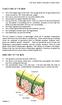 FUNCTIONS OF THE SKIN Skin is the largest organ of the body. The average adult has 18 square feet of skin which account for 16% of the total body weight. Skin acts as a physical barrier for you to the
Inflammation and Healing. Review of Normal Defenses. Review of Normal Capillary Exchange. BIO 375 Pathophysiology
 Inflammation and Healing BIO 375 Pathophysiology Review of Normal Defenses Review of Normal Capillary Exchange 1 Inflammation Inflammation is a biochemical and cellular process that occurs in vascularized
MANITOBA PATIENT SERVICE CENTRE STANDARDS
 MANITOBA PATIENT SERVICE CENTRE STANDARDS February 2015 INTRODUCTION These Standards are derived from Z316.7-12 and are approved by the Council of the College of Physicians and Surgeons of Manitoba. These
PROCEDURE FOR CATHETER AFTERCARE
 PROCEDURE FOR CATHETER AFTERCARE First Issued May 2010 Issue Version Two Purpose of Issue/Description of Change To promote safe and effective emptying of urinary drainage bags, closed drainage systems
The population of the United Kingdom is
 Wound care in five English NHS Trusts: Results of a survey KEY WORDS Ageing Infection Survey Wound Wound dressing Karen Ousey Reader Advancing Clinical Practice, School of Human and Health Sciences, University
PATIENT TEACHING GUIDE: Wound Care Handbook
 PATIENT TEACHING GUIDE: Wound Care Handbook PATIENT TEACHING GUIDE: WOUND CARE Design by Mariscal Design, Illustrations by Lysa Hawke. The Wound Care Self Care Guide was written and prepared by: Barbara
Healthcare Support Worker Induction Book
 Healthcare Support Worker Induction Book This book has been designed to give you information about your Healthcare Support Worker Induction Programme. This programme follows on from your Trust Induction
Suturing Policy for Nurses in Emergency Departments
 This is an official Northern Trust policy and should not be edited in any way Suturing Policy for Nurses in Emergency Departments Reference Number: NHSCT/12/545 Target audience: Registered Nurses Sources
call 811 to get advice from a nurse, or have someone drive the patient to a hospital Emergency Department. Patients should NOT drive themselves.
 Taking Care at Home After Surgery This checklist is to help you and your support person know what to do after you go home following your surgery. If you are given instructions verbally or in writing by
PATIENT GUIDE. Understand and care for your peripherally inserted central venous catheter (PICC). MEDICAL
 PATIENT GUIDE Understand and care for your peripherally inserted central venous catheter (PICC). MEDICAL Introduction The following information is presented as a guideline for your reference. The best
healthcare associated infection 1.2
 healthcare associated infection A C T I O N G U I D E 1.2 AUSTRALIAN SAFETY AND QUALITY GOALS FOR HEALTH CARE What are the goals? The Australian Safety and Quality Goals for Health Care set out some important
A Patient s guide to. pin site care. (Upper and lower limb external fixation) Limb Reconstruction Unit [email protected].
 A Patient s guide to pin site care (Upper and lower limb external fixation) Limb Reconstruction Unit [email protected] Introduction Before you leave hospital you will have been taught how
Individualized Care Plans Fully Developed
 Appendix Individualized Care Plans Fully Developed A Refer to Chapter 1 The Nursing Process: A Synopsis, p. 32: Two Individualized Care Plans Fully Developed; Care Plan 1 for Mr. John Walters, Care Plan
What dressing for what wound. Prudence Lennox National Clinical Leader Healthcare Rehabilitation Ltd
 What dressing for what wound Prudence Lennox National Clinical Leader Healthcare Rehabilitation Ltd Wound assessment Accurate wound assessment is a prerequisite to planning appropriate care & should adopt
RATIFIED BY NNPDG SEPTEMBER 2006 FOR REVIEW 2009
 NOTTINGHAM UNIVERSITY HOSPTIALS/RUSHCLIFFE PCT NURSING PRACTICE GUIDELINES GUIDELINES FOR CARE OF A PATIENT WITH A WOUND DRAINAGE SYSTEM CONTENTS PAGE Introduction and Types of Drains 1 Procedure for Applying
Introduction to Wound Management
 EWMA Educational Development Programme Curriculum Development Project Education Module: Introduction to Wound Management Latest revision: October 2012 ABOUT THE EWMA EDUCATIONAL DEVELOPMENT PROGRAMME The
Bed Cleaning Procedure
 This is an official Northern Trust policy and should not be edited in any way Bed Cleaning Procedure Reference Number: NHSCT/10/308 Target audience: Nursing and Midwifery Staff Sources of advice in relation
Clinical Waste Management & Sharps Injury Prevention. Clinical Skills
 Clinical Skills Clinical Waste Management and Sharps Injury Prevention Clinical Skills and Simulation Team Cardiff and Vale Waste Management Team Aims & Outcomes Aims & Outcomes The aim of this module
2.3. The management in each HCF shall be responsible for ensuring good waste management practices in their premises.
 1. PURPOSE Health-care activities lead to production of medical waste that may lead to adverse health effects. Most of this waste is not more dangerous than regular household waste. However, some types
Graduated compression hosiery (stockings)
 What is compression hosiery? Compression hosiery are elasticated stockings which give support to your legs. In graduated compression hosiery, the pressure given by the stockings is greater at the ankle
Tired, Aching Legs? Swollen Ankles? Varicose Veins?
 Tired, Aching Legs? Swollen Ankles? Varicose Veins? Healthy Legs 2006 http://healthylegs.com Page 1 Venous disorders are widespread Leg problems are widespread throughout the world, but what most people
Cytotoxic and Biotherapies Credentialing Programme Module 6
 Cytotoxic and Biotherapies Credentialing Programme Module 6 1. Safe Handling and Administration of Cytotoxic and Biotherapies 2. Waste and Spill Management At the completion of this module the RN will
Y O U R S U R G E O N S. choice of. implants F O R Y O U R S U R G E R Y
 Y O U R S U R G E O N S choice of implants F O R Y O U R S U R G E R Y Y O U R S U R G E O N S choice of implants F O R Y O U R S U R G E R Y Your Surgeon Has Chosen the C 2 a-taper Acetabular System The
Skin Care In Bladder And Bowel Dysfunction Wendy Ness Colorectal Nurse Specialist
 Skin Care In Bladder And Bowel Dysfunction Wendy Ness Colorectal Nurse Specialist Function Of The Skin Healthy skin serves several purposes it protects the internal organs physically, chemically and biologically
Provided by the American Venous Forum: veinforum.org
 CHAPTER 1 NORMAL VENOUS CIRCULATION Original author: Frank Padberg Abstracted by Teresa L.Carman Introduction The circulatory system is responsible for circulating (moving) blood throughout the body. The
Cutimed PROTECT Medical skin protection. Protect Preserve Prevent
 PROTECT Medical skin protection Protect Preserve Prevent PROTECT Ordering information PROTECT is available in foam applicators and spray bottle PROTECT REF No. Size Unit of Measure HCPCS Spray 7265300
Guideline for the Safe Handling and Administration of Subcutaneous Cyotoxic Chemotherapy for Adults in the Community Setting
 Guideline for the Safe Handling and Administration of Subcutaneous Cyotoxic Chemotherapy for Adults in the Community Setting Guideline for the Safe Handling and Administration of Subcutaneous Cyotoxic
41 Assisting with Minor Surgery
 Learning Outcomes 41.1 Define the medical assistant s role in minor surgical procedures. 41-2 CHAPTER 41 Assisting with Minor Surgery 41.2 Describe types of wounds and explain how they heal. 41.3 Describe
EAST CAROLINA UNIVERSITY INFECTION CONTROL POLICY. Methicillin-resistant Staph aureus: Management in the Outpatient Setting
 EAST CAROLINA UNIVERSITY INFECTION CONTROL POLICY Methicillin-resistant Staph aureus: Management in the Outpatient Setting Date Originated: Date Reviewed: Date Approved: Page 1 of Approved by: Department
VARICOSE VEINS. Information Leaflet. Your Health. Our Priority. VTE Ambulatory Clinic Stepping Hill Hospital
 VARICOSE VEINS Information Leaflet Your Health. Our Priority. Page 2 of 7 Varicose Veins There are no accurate figures for the number of people with varicose veins. Some studies suggest that 3 in 100 people
INFORMED CONSENT FOR SLEEVE GASTRECTOMY
 INFORMED CONSENT FOR SLEEVE GASTRECTOMY This informed-consent document has been prepared to help inform you about your Sleeve Gastrectomy including the risks and benefits, as well as alternative treatments.
Caring for a Hemovac Drain
 Caring for a Hemovac Drain 269 12. Raise side rail. Lower bed height and adjust head of bed to a comfortable position. 13. Remove additional PPE, if used. Perform hand hygiene. These promote patient safety.
Pressure Ulcer Passport
 Pressure Ulcer Passport Information for patients This is a record of the treatment you are receiving for your pressure ulcer injury. Please bring it with you to all your healthcare appointments. This will
Care for your child s Central Venous Catheter (CVC)
 Care for your child s Central Venous Catheter (CVC) This booklet is intended for general informational purposes only. You should consult your doctor for medical advice. Please call the clinic or your home
Wound Care on the Field. Objectives
 Wound Care on the Field Brittany Witte, PT, DPT Cook Children s Medical Center Objectives Name 3 different types of wounds commonly seen in sports and how to emergently provide care for them. Name all
CLINICAL PROCEDURE FOR PODIATRIC CALLUS AND CORN REDUCTION (Community Podiatrists)
 CLINICAL PROCEDURE FOR PODIATRIC CALLUS AND CORN REDUCTION (Community Podiatrists) Issue History Issue Version Purpose of Issue/Description of Change Planned Review Date 1 To provide Podiatry staff employed
Move and position individuals in accordance with their plan of care
 Move and position individuals in accordance with their plan of care Page 1 of 21 Level 2 Diploma in Health and Social Care Unit HSC 2028 Tutor Name: Akua Quao Thursday 12 th September 2013 Release Date:
Male Urethral Catheterisation Education Package
 Male Urethral Catheterisation Education Package TABLE OF CONTENTS 1. Accountability 2. Introduction 3. Types of Catheters 4. Guidelines for catheter selection 5. Patient Preparation 6. Equipment 7. Procedure
Safety FIRST: Infection Prevention Tips
 Reading Hospital Safety FIRST: Infection Prevention Tips Reading Hospital is committed to providing high quality care to our patients. Your healthcare team does many things to help prevent infections.
Quality standard Published: 11 June 2015 nice.org.uk/guidance/qs89
 Pressure ulcers Quality standard Published: 11 June 2015 nice.org.uk/guidance/qs89 NICE 2015. All rights reserved. Contents Introduction... 6 Why this quality standard is needed... 6 How this quality standard
Wound and Skin Assessment. Mary Carvalho RN, BSN, MBA Clinical Coordinator Johnson Creek Wound and Edema Center
 Wound and Skin Assessment Mary Carvalho RN, BSN, MBA Clinical Coordinator Johnson Creek Wound and Edema Center Skin The largest Organ Weighs between 6 and 8 pounds Covers over 20 square feet Thickness
How To Recover From A Surgical Wound From A Cast
 Care of Your Wounds After Amputation Surgery by Paddy Rossbach, RN Depending on the reason for your amputation and the state of your limb at the time of surgery, definitive closure of the wound may take
How to safely collect blood samples from persons suspected to be infected with highly infectious blood-borne pathogens (e.g.
 How to safely collect blood samples from persons suspected to be infected with highly infectious blood-borne pathogens (e.g. Ebola) Step 1: Before entering patient room, assemble all equipment (1 st part)
After care following insertion of a suprapubic catheter
 Other formats After care following insertion of a suprapubic catheter If you need this information in another format such as audio tape or computer disk, Braille, large print, high contrast, British Sign
Flushing and Dressing a Peripherally Inserted Central Catheter (PICC Line)
 Flushing and Dressing a Peripherally Inserted Central Catheter (PICC Line) Patient Information Introduction This booklet has been written to provide information to patients with a Peripherally Inserted
CLINICAL PROTOCOL FOR THE MANAGEMENT OF FOOT CARE FOR DIABETIC PATIENTS
 CLINICAL PROTOCOL FOR THE MANAGEMENT OF FOOT CARE FOR DIABETIC PATIENTS RATIONALE Clinical evidence suggests that there is considerable potential to improve the quality of foot care for people with diabetes.
Linen and Laundry Guidance. Infection Control
 Linen and Laundry Guidance Infection Control Version: 3 Issue date: June 2011 Review date: June 2014 Executive Lead: Approved by: Infection Control Committee Lead Author: Infection Control Team Summary:
Basal Cell Carcinoma Affecting the Eye Your Treatment Explained
 Basal Cell Carcinoma Affecting the Eye Your Treatment Explained Patient Information Introduction This booklet is designed to give you information about having a Basal Cell Carcinoma near your eye and the
Looking after your urinary catheter at home
 Looking after your urinary catheter at home Information for patients and carers Useful contacts to keep: Name and title of community nurse Single point of access (SPA) for community nursing 24 hour service
THE SAFE DISPOSAL OF CLINICAL/DOMESTIC WASTE
 Section V THE SAFE DISPOSAL OF CLINICAL/DOMESTIC WASTE The Trust is currently reviewing the requirements of the recent guidelines Health Technical Memorandum Safe Management of Healthcare Waste (HTML 07-01).
THE DISPOSAL OF HEALTHCARE WASTE BY NHS GRAMPIAN FROM ACUTE HOSPITAL WARDS
 THE DISPOSAL OF HEALTHCARE WASTE BY NHS GRAMPIAN FROM ACUTE HOSPITAL WARDS Arrangements for the Collection and Disposal of Healthcare Waste NHS Grampian provides a range of healthcare waste disposal services
APPENDIX 1: INTERDISCIPLINARY APPROACH TO PREVENTION AND MANAGEMENT OF DIABETIC FOOT COMPLICATIONS
 APPENDIX 1: INTERDISCIPLINARY APPROACH TO PREVENTION AND MANAGEMENT OF DIABETIC FOOT COMPLICATIONS Template: Regional Foot Programs should develop a list of available health professionals in the following
Looking after your urinary catheter at home. An information guide
 TO PROVIDE THE VERY BEST CARE FOR EACH PATIENT ON EVERY OCCASION Looking after your urinary catheter at home An information guide Looking after your urinary catheter at home This leaflet is provided for
Peninsula Community Health. Safe Use of Mattresses, Pressure Relieving Cushions and Pillows
 Peninsula Community Health Safe Use of Mattresses, Pressure Relieving Cushions and Pillows Title: Procedural Document Type: Reference: Safe Use of Mattresses, Pressure Relieving Cushions and Pillows Policy
PATIENT URINARY CATHETER PASSPORT
 n PATIENT URINARY CATHETER PASSPORT A guide on how to look after your Catheter NHS Hertfordshire Patient Experience Team Charter House Parkway Welwyn Garden City Hertfordshire AL8 6JL Telephone: 01707
The compatibility of INTRASITE Gel and ACTICOAT : An In-Vivo and In-Vitro assessment
 *smith&nephew The compatibility of INTRASITE Gel and ACTICOAT : An In-Vivo and In-Vitro assessment 1 Trade Marks of Smith & Nephew An In-Vivo and In-Vitro assessment of the compatibility of ACTICOAT and
Varicose Veins Operation. Patient information Leaflet
 Varicose Veins Operation Patient information Leaflet 22 nd August 2014 WHAT IS VARICOSE VEIN SURGERY (HIGH LIGATION AND MULTIPLE AVULSIONS) The operation varies from case to case, depending on where the
7/11/2011. Pressure Ulcers. Moisture-NOT Pressure. Wounds NOT Caused by Pressure
 Assessment and Documentation of Pressure Ulcers Jeri Ann Lundgren, RN, BSN, PHN, CWS, CWCN Pathway Health Services July 19, 2011 Training Objectives Describe etiologies of pressure ulcers Discuss how to
OPERATION:... Proximal tibial osteotomy Distal femoral osteotomy
 AFFIX PATIENT DETAIL STICKER HERE Forename.. Surname NHS Organisation. Responsible surgeon. Job Title Hospital Number... D.O.B.././ No special requirements OPERATION:..... Proximal tibial osteotomy Distal
Anyone who has difficulty moving can get a pressure sore. But you are more likely to get one if you:
 Patient information from the BMJ Group Pressure sores Anyone can get a pressure sore if they sit or lie still for too long without moving. People who are old or very ill are most likely to get them. Careful
X-Plain Subclavian Inserted Central Catheter (SICC Line) Reference Summary
 X-Plain Subclavian Inserted Central Catheter (SICC Line) Reference Summary Introduction A Subclavian Inserted Central Catheter, or subclavian line, is a long thin hollow tube inserted in a vein under the
PROCEDURE FOR BLOOD GLUCOSE MONITORING
 PROCEDURE FOR BLOOD GLUCOSE MONITORING Issue History Issue Version Purpose of Issue/Description of Change Planned Review Date Three To promote safe and effective blood glucose monitoring using Trust equipment
THERAPEUTIC USE OF HEAT AND COLD
 THERAPEUTIC USE OF HEAT AND COLD INTRODUCTION Heat and cold are simple and very effective therapeutic tools. They can be used locally or over the whole body, and the proper application of heat and cold
Requirements for Drug Information Centres
 FIP Pharmacy Information Section Requirements for Drug Information Centres Summary All countries should provide drug information services either independently or as part of a regional network. The service
Going home with a urinary cathether
 Going home with a urinary cathether A patient s guide 1 Your doctor has advised that you require a urinary catheter so that urine can be drained from your bladder. This leaflet provides advice to help
QUALIFICATION HANDBOOK
 QUALIFICATION HANDBOOK Level 2 Certificate in Assisting and Moving Individuals for Social Care Settings (0402-01) Level 3 Award in Inducting others in the Assisting and Moving of Individuals in Social
Advice for those affected by MRSA outside of hospital
 Advice for those affected by MRSA outside of hospital If you have MRSA this leaflet provides information and advice for managing your day-to-day life. 1 About MRSA There are lots of different types or
Administration of Medications & Fluids via a Peripheral Intravenous Cannula
 Administration of Medications & Fluids via a Peripheral Intravenous Cannula Clinical S.O.P. No.: 22.0 Compiled by: Approved by: Review date: November 2016 Administration of Medications & Fluids via S.O.P.
GUIDELINE FOR CARE OF A PATIENT WITH A NEPHROSTOMY TUBE
 GUIDELINE FOR CARE OF A PATIENT WITH A NEPHROSTOMY TUBE Reference Date approved Nov 2012 Approving Body Matrons Forum Supporting Policy/ Working in New Ways (WINW) Package Implementation date Supersedes
Guy s, King s and St Thomas Cancer Centre The Cancer Outpatient Clinic Central venous catheter: Peripherally inserted central catheter
 Guy s, King s and St Thomas Cancer Centre The Cancer Outpatient Clinic Central venous catheter: Peripherally inserted central catheter This information leaflet aims to help answer some of the questions
Central venous catheters. Care of the site 88 CVP measurement 90 Removal of CVC (non-tunnelled) 93 Care of long-term CVCs 95
 4 Central venous catheters Care of the site 88 CVP measurement 90 Removal of CVC (non-tunnelled) 93 Care of long-term CVCs 95 CARE OF THE SITE Preparation Patient Equipment/Environment Nurse Explain the
Introduction A JP Drain is a soft tube and container used to drain fluids that build up under the skin after surgery.
 JP Drain Introduction A JP Drain is a soft tube and container used to drain fluids that build up under the skin after surgery. This reference summary explains what a JP Drain is and discusses how to take
Consent for Treatment/Procedure Laparoscopic Sleeve Gastrectomy
 Patient's Name: Today's Date: / / The purpose of this document is to confirm, in the presence of witnesses, your informed request to have Surgery for obesity. You are asked to read the following document
Wound Healing. Healing is a matter of time, but it is sometimes also a matter of opportunity. Hippocrates
 C HAPTER 9 Wound Healing Healing is a matter of time, but it is sometimes also a matter of opportunity. Hippocrates As the above quote suggests, conduct regular and systematic wound assessments, and seize
URINARY CATHETER CARE
 URINARY CATHETER CARE INTRODUCTION Urinary catheter care is a very important skill, and it is a skill that many certified nursing assistants (CNAs) must know. Competence at providing urinary catheter care
CLINICAL GUIDELINE FOR CHANGING A CATHETER EXIT SITE DRESSING (I.E. MIDLINE/ CVC/ PICC/ HICKMAN) Summary. Start
 CLINICAL GUIDELINE FOR CHANGING A CATHETER EXIT SITE DRESSING (I.E. MIDLINE/ CVC/ PICC/ HICKMAN) Summary. Start 1. Assemble all your equipment before you start. 2. Explain and discuss the procedure with
To provide direction for the safe handling, administration and disposal of hazardous drugs.
 Subsection: MEDICATION Related terms: Cytotoxic Drugs, Antineoplastic Drugs Authorized by: Clinical Directors CS-04-02-01 Page 1 of 9 Date Established: October 2006 Date For Review: September 2014 Dates