
Single-Step EUS-Guided Pancreatic Pseudocyst Drainage Using a Large Channel Linear Array Echoendoscope and Cystotome: Results in 11 Patients
|
|
|
- Giles Boone
- 9 years ago
- Views:
Transcription
1 ORIGINAL ARTICLE Single-Step EUS-Guided Pancreatic Pseudocyst Drainage Using a Large Channel Linear Array Echoendoscope and Cystotome: Results in 11 Patients Sushil K Ahlawat, Aline Charabaty-Pishvaian, Patrick G Jackson, Nadim G Haddad Division of Gastroenterology, Department of Surgery, Georgetown University Hospital. Washington, DC, USA ABSTRACT Context EUS-guided transmural drainage of pancreatic pseudocyst has been reported using a linear array echoendoscope; however, placement of large 10 French stent was not feasible because of the limited diameter of the working channel. Recently linear array echoendoscopes with large working channel (3.7 to 3.8 mm) and newer accessories for pancreatic cyst puncture have become available; however, clinical data on their efficacy and safety in pancreatic pseudocyst drainage is not available. Objective To evaluate efficacy and safety of a one-step real time EUS-guided pancreatic pseudocyst drainage approach using a 3.8 mm channel linear array echoendoscope and cystotome. Design Prospective case series. Setting Tertiary care hospital endoscopy unit. Patients and interventions A total of 12 EUS-guided pancreatic pseudocyst drainage procedures were performed in 11 patients with symptomatic pancreatic pseudocyst using a 3.8 mm channel linear array echoendoscope and cystotome. Main outcome measurements Complete resolution of pancreatic pseudocyst on imaging. Results Successful puncture of pancreatic pseudocyst and placement of 1 or 2 stents (10 Fr) was successful in all patients who were considered eligible for EUS-guided pancreatic pseudocyst drainage. Overall 9 patients out of a total of 11 (82%) were managed successfully with EUS-guided pseudocyst drainage. Two recurrences were noted over a mean follow-up period of 4 months (range 3-6 months). One patient underwent successful repeat drainage and the other patient was managed with surgical cystogastrostomy because of infected cyst contents. No major complication occurred. Limitations Uncontrolled, small sample size. Conclusions A single-step approach using a large channel (3.8 mm) linear array echoendoscope and cystotome appears feasible. This approach appears safe and effective in managing selected patients with symptomatic pancreatic pseudocysts. INTRODUCTION Endoscopic transmural drainage is a widely reported treatment modality for pancreatic pseudocysts [1, 2, 3, 4, 5]. Reported outcomes with this technique are favorable. However, a major limitation has been the relatively blind approach that carries a significant risk JOP. Journal of the Pancreas Vol. 7, No. 6 - November [ISSN ] 616

2 of bleeding and perforation [1, 2]. The ideal approach for pancreatic pseudocyst puncture combines endoscopy with real time endosonography. Several authors have described successful use of radial or linear array echoendoscope for guiding transmural puncture and drainage procedures [6, 7, 8, 9, 10, 11]. EUS-guided pancreatic pseudocyst drainage traditionally involved a two-step approach [12, 13, 14, 15, 16, 17, 18]. First step was to identify an optimal puncture site with radial or linear array echoendoscope. The second step involved an exchange of echoendoscope with a duodenoscope for puncturing the identified site using a needle knife followed by placement of stent. A single-step approach using only echoendoscope (without duodenoscope) became feasible once the large channel (2.4 to 3.2 mm) linear array echoendoscope became available [6, 7, 8, 10, 11]. However, limited diameter of the working channel of linear echoendoscope prevented placement of large stents such as a10 Fr stent. Larger stents or multiple stents have been shown to improve outcomes [19]. New therapeutic large channel linear echoendoscopes have now become available from different manufacturers (Olympus, Melvile, NY, USA; Pentax, Montvale, NJ, USA). These scopes have larger (3.7 to 3.8 mm) working channel (permits 10 Fr stent delivery) and an elevator control for accessories. Additionally, newer accessories such as cystotome (Wilson Cook, Winston- Salem, NC, USA) have also become available for transmural puncture of pancreatic cysts. Cystotome is used to electrosurgically cannulate the transgastric or transduodenal wall into a pancreatic pseudocyst. We describe a simple one-step approach for pancreatic pseudocyst drainage using a 3.8 mm working channel linear array echoendoscope (Pentax, Montvale, NJ, USA) and a new accessory device cystotome (Wilson Cook, Winston-Salem, NC, USA). Clinical outcomes in 11 patients with this approach are presented. PATIENTS AND METHODS A total of 15 consecutive patients with symptomatic pancreatic pseudocysts were evaluated for EUS-guided pseudocyst drainage from August 2004 to May Four patients were considered ineligible for EUS-guided pseudocyst drainage because of the presence of a large intervening vessel, greater than 10 mm thick gastric wall or debris. Eleven patients underwent EUSguided pancreatic pseudocyst drainage. All patients were symptomatic and their pseudocyst had failed to resolve in six weeks. A total of 12 procedures were performed in 11 patients. Patient characteristics are described in Table 1. Endoscopic therapy was Table1. Patient characteristics. Patient ID Age (years) Sex Diagnosis and etiology of pancreatitis Pseudocyst size (cm) Location Number Site of drainage 1 53 Female Acute pancreatitis 10x6, 4x4 Neck, body Multiple Gastric 2 69 Female Acute biliary pancreatitis 14x14 Body, tail Single Gastric 3 47 Male Acute recurrent pancreatitis; alcohol 5x4 Head Single Duodenal 4 39 Female Chronic pancreatitis; alcohol 8.5x8.5 Head, tail Multiple Duodenal 5 48 Male Acute pancreatitis; alcohol 7x6 Body Single Gastric 6 44 Female Chronic pancreatitis; alcohol 8x4 Body Single Gastric 7 49 Male Chronic pancreatitis 5x5 Head, body Multiple Gastric 8 39 Female Post-op pancreatitis 7x5 Head Single Gastric 9 46 Female Chronic pancreatitis; alcohol 5x6 Body Single Gastric Male Chronic pancreatitis; alcohol 8x7 Body Single Gastric Female Acute biliary pancreatitis 5x6 Body Single Gastric JOP. Journal of the Pancreas Vol. 7, No. 6 - November [ISSN ] 617
![EUS-guided pancreatic pseudocyst drainage traditionally involved a two-step approach [12, 13, 14, 15, 16, 17, 18].](/docs-images/47/20998257/images/page_2.jpg "First step was to identify an optimal puncture site with radial or linear array echoendoscope.")
3 Technique of EUS-Guided Pancreatic Pseudocyst Drainage (Videoclip 1). Figure 1. a. Therapeutic linear array echoendoscope (Pentax, Montvale, NJ, USA). b. Cystotome (Wilson Cook, Winston-Salem, NC, USA). All procedures were performed in the fluoroscopy suite after obtaining an informed consent from each patient. Patients were given conscious sedation using intravenous propofol (Diprivan AstraZeneca Pharmaceuticals LP, Wilmington, DE, USA) by an anesthesiologist or a certified nurse preceded by abdominal imaging such as computerized tomography (CT) or transabdominal ultrasonography in all patients. All procedures were performed using a new large channel therapeutic linear array echoendoscope (EG-3830UT, Pentax, Montvale, NJ, USA) (Figure 1a), ultrasound processor (EUB 6500, Hitachi Medical Systems America Inc., Twinsburg, Ohio, USA) and a new accessory device cystotome (Wilson Cook, Winston-Salem, NC, USA) (Figure 1b). Therapeutic linear arrays echoendoscope has a 3.8 mm working channel that permits 10 Fr stent delivery. It has an increased 120 degree angle of view and an elevator control for accessories. The cystotome is a modified needle knife papillotome that consists of an inner wire with a needle knife tip, a 5 Fr inner catheter, and a 10 Fr outer catheter equipped with a diathermy ring at its distal tip. The proximal end of this device includes a handle with connectors for active cords and a fitting to provide for injection of contrast material. Videoclip 1. EUS-guided pancreatic pseudocyst drainage. Figure 2. a. Endosonographic view of pancreatic pseudocyst. b. Fluorscopic view showing guidewire in the pancreatic cyst. c. Cystotome outer catheter with metal ring enlarging the initial puncture site. JOP. Journal of the Pancreas Vol. 7, No. 6 - November [ISSN ] 618

4 Figure 3. Balloon dilation of cystostomy. a. Endoscopic view. b. Fluoroscopic view. practitioner under the supervision of an anesthesiologist. All patients were kept in the left lateral position during the procedure. All patients were given a broad-spectrum antibiotics during and after the procedure to reduce the risk of secondary infection. Following steps were used to perform EUSguided pseudocyst drainage. 1. Using the video endoscopic function of the therapeutic linear echoendoscope, gastroduodenoscopy was performed and the cystic lesion was identified as a bulge in the gastric or duodenal lumen. The cystic lesion was examined ultrasonographically (Figure 2a). 2. The optimal puncture site was determined using the linear scanning function. Doppler assessment of the gastric or duodenal wall at the puncture site was also obtained. Intervening vessels, gastric or duodenal wall thickness at the puncture site greater than 10 mm, and the presence of debris or organized material in the cyst were considered not suitable for EUS-guided pancreatic pseudocyst drainage. Four patients were found unsuitable out of a total of 15 that were evaluated for EUS-guided pseudocyst drainage. 3. After determination of the optimal site for puncture, pancreatic pseudocyst was punctured with cystotome using the knife tip of the inner catheter and then entered with the inner catheter. Electrocautery (ERBE generator, ERBE USA Inc., Marietta, GA, USA) was performed with needle knife settings (coag power W and autocut to W). The metal part of the inner catheter was then withdrawn leaving the Teflon catheter in the pancreatic cyst. A sample of cyst contents was then aspirated and submitted for biochemical, cytological and tumor markers analysis. A inch guidewire was passed through the inner catheter into the cyst cavity. The guidewire position was confirmed using fluoroscopy (Figure 2b.) 4. The outer 10 Fr sheath of cystotome is equipped with a diathermy ring, it was advanced through the puncture site using electrocautery (ERBE generator, ERBE USA Inc., Marietta, GA, USA) with needle knife settings (coag power W and autocut to W), thus enlarging the puncture site (Figure 2c). The cystotome was then removed leaving the guidewire in the cyst cavity. 5. The puncture site was dilated using an 8 mm dilator balloon over-the-wire (Figure 3). 6. A 10 Fr double pigtail stent was placed over-the-wire under endoscopic and fluoroscopic monitoring (Figure 4a). The puncture site and the pancreatic pseudocyst were cannulated with a guidewire using a standard papillotome (Figure 4b) and then a second double pig tail stent was placed into the cyst cavity under endoscopic and fluoroscopic control (Figure 5). Pancreatic pseudocyst was then reassessed endosonographically. JOP. Journal of the Pancreas Vol. 7, No. 6 - November [ISSN ] 619

5 1964, as revised in Tokyo 2004, as reflected in a priori approval by the review committee of our institution. STATISTICS Because of this is an uncontrolled and small sample size series, only descriptive statistics are used (men, median, range, and frequencies). RESULTS Successful puncture of pancreatic pseudocyst was performed in all eligible patients. Placement of one or two 10 Fr double pigtail stents was successful in all patients who were considered eligible for EUS-guided Figure 4. a. Fluoroscopic view showing double pig tail 10 Fr stent placed in to the pancreatic pseudocyst. b. Cannulation of cystostomy using sphincterotome and guidewire. All patients were observed for hours post procedure. A CT scan was repeated after 24 hours of the pseudocyst drainage, at twoweek follow-up, and periodically thereafter until complete resolution was confirmed on serial scans. An upper endoscopy was done to remove the stents once pancreatic pseudocyst had resolved. ETHICS An informed consent was obtained from each patient and the study protocol conforms to the ethical guidelines of the "World Medical Association Declaration of Helsinki - Ethical Principles for Medical Research Involving Human Subjects" adopted by the 18 th WMA General Assembly, Helsinki, Finland, June Figure 5 a. Endoscopic view of transgastric stents into the pancreatic pseudocyst. b. Fluoroscopic view showing transgastric stents in to the pancreatic pseudocyst. JOP. Journal of the Pancreas Vol. 7, No. 6 - November [ISSN ] 620

6 pseudocyst drainage. One patient underwent surgery (cystogastrostomy) following day after the EUS guided drainage because of complete stent migration into the pseudocyst that was noted on repeat imaging. This patient had a single 5 cm long 10 Fr double pigtail stent. Two recurrences of pseudocysts were noted over a mean follow-up period of 4 months (range 3-6 months). Both patients who had recurrence were found to have migrated stents. One patient underwent surgical cystogastrostomy because of organized cyst contents and possible pseudocyst infection. The second patient was successfully managed with EUS-guided repeat drainage of pseudocyst with a 10 Fr double pigtail stent. EUS-guided stent placement was successful in all 11 patients (Table 2); however, 2 patients required surgery (cystogastrostomy) because of stent migration and suspected infection. Overall, 9 out of 11 patients (82%) patients were successfully managed with EUS-guided pseudocyst drainage. Except one, all patients required one EUS-guided drainage procedure. The mean interval to resolution of pseudocyst or removal of stent was 4.4 months (median 3 months). No bleeding or perforation occurred over the study period. DISCUSSION Endosonography is used increasingly in the treatment of pancreatic pseudocyst [6, 7, 8, 9, 10, 11]. This technique allows the operator to locate areas of contact between the cyst and gastric or duodenal wall. The need for EUS before or during the transmural intervention has not been evaluated in controlled trials, and is a matter of controversy. However, bleeding rate up to 6-10% has been reported with transmural drainage without EUS guidance [1, 2]. EUS also enables drainage of pancreatic pseudocyst without apparent luminal bulge [20]. A time consuming and cumbersome two-step approach has been reported in the literature [12, 13, 14, 15, 16, 17, 18]. In comparison only a few case series of one-step EUSguided pancreatic pseudocyst drainage are reported [6, 7, 8, 10, 11]. Reported success rate with one-step approach varies between 50 to 100%. Largest series by Giovannini et al. [10] described 88.5% success rate with a single-step approach using a 3.2 mm channel linear array echoendoscope in placing 8.5 Fr stent or nasocystic drain. Heterogeneity in patient characteristics likely account for the difference in outcomes reported between studies. Outcomes also vary according to the experience of the endoscopist and the type of pancreatic fluid collections [21, 22]. We were successful in placing a large diameter (10 Fr) stent in all 11 patients. However, 2 patients required surgical cystogastrostomy because of stent migration into the pseudocyst and suspected infection. Our long-term success Table2. Clinical outcomes. Patient Follow-up ID (months) Complication Surgery Recurrence / repeat drainage Stent size / number 1 6 Migrated stent No Yes (3 weeks) / Yes 10 Fr / Occluded/migrated stent Yes Yes (2 weeks) / No 10 Fr / No No No 10 Fr / No No No 10 Fr / No No No 10 Fr / No No No 10 Fr / No No No 10 Fr / No No No 10 Fr / No No No 10 Fr / No Yes No 10 Fr / No No No 10 Fr / 2 JOP. Journal of the Pancreas Vol. 7, No. 6 - November [ISSN ] 621

7 rate of 82% is comparable to that reported in the literature [6, 7, 10]. Most authors have used needle knife catheter but the needle can be difficult to visualize endosonographically, and diathermy is usually required to puncture the cyst. A standard fine needle aspiration (FNA) needle is well visualized sonographically and can be used for pseudocyst puncture but the drawback of the needle is its small caliber (22 gauge) which will accept only inch guidewire. Using a 19-gauge FNA needle (Wilson Cook, Winston-Salem, NC, USA) a inch guidewire can be inserted into the pseudocyst. Recently Seifert et al. [6, 7] described a one-step instrument for EUSguided pancreatic pseudocyst stenting. The 19-gauge stainless steel puncture needle is loaded with a modified 7 Fr or 10 Fr stent and a pusher catheter. The stent is 6 cm long and has two side holes and four flaps to prevent migration. The success rate was 8/10 patients. This system is not available in the USA. Wiersema et al. [23] reported successful use of a large channel (3.7 mm) echoendoscope with an elevator in draining pancreatic pseudocyst using needle knife to puncture pseudocyst. We used cystotome to puncture pseudocyst because it has the advantage of enlarging initial point of entry by its 10 Fr outer catheter that is equipped with a diathermy ring. It makes easier to pass accessories such as a dilator catheter through the puncture site. Additionally, this device is easier to use and enables a large transmural puncture in one step. Therapeutic echoendoscope is mechanically similar to therapeutic duodenoscope and thus allows the use of accessories that have been designed for use in biliary endoscopy. Although smaller stents may be adequate for drainage of pseudocysts that do not contain debris; however, this may carry a greater risk of infection caused by premature stent clogging [2]. Placement of multiple stents will decrease the risk but repeated access to the cyst cavity can be difficult, prolongs the procedure and will not achieve the same degree of drainage provided by larger stent [19]. In our series, stent migrated in 3 patients. In all 3 patients a double pigtail stent (10 Fr diameter and 5 cm length) was placed. A number of factors may contribute to the migration of stents. Stent design is an important consideration; however, there are no comparative trials establishing the superiority of one stent design to the other in terms of migration rates (i.e. straight vs. pigtail). The size of endoscopic cystogastrostomy is another factor that may have contributed to stent migration in our patients. We dilated cystogastrostomy orifice to 8 mm using a dilator balloon; 8 mm orifice may have provided poor stent anchorage particularly when only one stent was placed. Among patients who had two stents placed, none migrated. Stent length is a consideration that may not directly influence the risk of migration but may have bearing on whether migration becomes clinically significant particularly with straight stents. However, we used only double pigtail stents. In summary, a single-step approach using a large channel (3.8 mm) therapeutic echoendoscope with an elevator is feasible because its wider working channel permits 10 Fr stent delivery without exchanging the echoendoscope with a therapeutic duodenoscope. The use of cystotome allows one-step cyst puncture and its enlargement that enables easier passage of balloon dilator catheter. EUS-guided placement of 10 Fr stent was successful in all 11 patients in our series; however, pseudocyst drainage was effective in 82% of patients. This approach appears useful in managing selected patients with symptomatic pancreatic pseudocysts. st Received August 1, Accepted September, 29 th, 2006 Keywords Cysts; Drainage; Endosonography; Pancreas; Pancreatitis Correspondence Nadim G Haddad Division of Gastroenterology Georgetown University Hospital JOP. Journal of the Pancreas Vol. 7, No. 6 - November [ISSN ] 622

8 3800 Reservoir Rd, NW Washington, DC USA Phone: Fax: [email protected] References 1. Sahel J, Bastid C, Pellat B, Schurgers P, Sarles H. Endoscopic cystoduodenostomy of cysts of chronic calcifying pancreatitis: a report of 20 cases. Pancreas 1987; 2: [PMID ] 2. Cremer M, Deviere J, Engelholm L. Endoscopic management of cysts and pseudocysts in chronic pancreatitis: long-term follow-up after 7 years of experience. Gastrointest Endosc 1989; 35:1-9. [PMID ] 3. Lehman GA. Pseudocysts. Gastrointest Endosc 1999; 49:S81-4. [PMID ] 4. Vitale GC, Lawhon JC, Larson GM, Harrell DJ, Reed DN Jr, MacLeod S. Endoscopic drainage of the pancreatic pseudocyst. Surgery 1999; 126: [PMID ] 5. Cahen D, Rauws E, Fockens P, Weverling G, Huibregtse K, Bruno M. Endoscopic drainage of pancreatic pseudocysts: long-term outcome and procedural factors associated with safe and successful treatment. Endoscopy 2005; 37: [PMID ] 6. Seifert H, Dietrich C, Schmitt T, Caspary W, Wehrmann T. Endoscopic ultrasound-guided one-step transmural drainage of cystic abdominal lesions with a large-channel echo endoscope. Endoscopy 2000; 32: [PMID ] 7. Seifert H, Faust D, Schmitt T, Dietrich C, Caspary W, Wehrmann T. Transmural drainage of cystic peripancreatic lesions with a new large-channel echoendoscope. Endoscopy 2001; 33: [PMID ] 8. Wiersema MJ. Endosonography-guided cystoduodenostomy with a therapeutic ultrasound endoscope. Gastrointest Endosc 1996; 44: [PMID ] 9. Binmoeller KF, Soehendra N. Endoscopic ultrasonography in the diagnosis and treatment of pancreatic pseudocysts. Gastrointest Endosc Clin N Am 1995; 5: [PMID ] 10. Giovannini M, Pesenti C, Rolland AL, Moutardier V, Delpero JR. Endoscopic ultrasound guided drainage of pancreatic pseudo-cyst and pancreatic abscess using a therapeutic echoendoscope. Endoscopy 2001; 33: [PMID ] 11. Giovannini M, Bernardini D, Seitz JF. Cystogastrotomy entirely performed under endosonography guidance for pancreatic pseudocyst: results in six patients. Gastrointest Endosc 1998; 48: [PMID ] 12. Chan AT, Heller SJ, Van Dam J, Carr-Locke DL, Banks PA. Endoscopic cystgastrostomy: role of endoscopic ultrasonography. Am J Gastroenterol 1996; 91: [PMID ] 13. Savides TJ, Gress F, Sherman S, Rahaman S, Lehman GA, Hawes RH. Ultrasound catheter probeendoscopic assisted endoscopic cystgastrostomy. Gastrointest Endosc 1995; 41: [PMID ] 14. Norton ID, Clain JE, Wiersema MJ, DiMagno EP, Petersen BT, Gostout CJ. Utility of ultrasonography in endoscopic drainage of pancreatic pseudocysts in selected patients. Mayo Clin Proc 2001; 76: [PMID ] 15. Gerolami R, Giovannini M, Laugier R. Endoscopic drainage of pancreatic pseudocysts guided by endosonography. Endoscopy 1997; 29: [PMID ] 16. Ardengh JC, Della Libera E, Ferrari AP. Endosonography-guided drainage of pancreatic pseudocyst without gastric or duodenal compression. Endoscopy 1998; 30:S71-2. [PMID ] 17. Fuchs M, Reimann FM, Gaebel C, Ludwig D, Stange EF. Treatment of infected pancreatic pseudocysts by endoscopic ultrasonography-guided cystogastrostomy. Endoscopy 2000; 32: [PMID ] 18. Vosoghi M, Sial S, Garrett B, Feng J, Lee T, Stabile BE, Eysselein VE. EUS-guided pancreatic pseudocyst drainage: review and experience at Harbor- UCLA Medical Center. MedGenMed 2002; 4:2. [PMID ] 19. Baron TH, Morgan DE. Current concepts: acute necrotizing pancreatitis. N Engl J Med 1999; 340: [PMID ] 20. Sriram PV, Kaffes AJ, Rao GV, Reddy DN. Endoscopic ultrasound-guided drainage of pancreatic pseudocysts complicated by portal hypertension or by intervening vessels. Endoscopy 2005; 37: [PMID ] 21. Harewood GC, Wright CA, Baron TH. Impact on patient outcomes of experience in the performance of endoscopic pancreatic fluid collection drainage. Gastrointest Endosc 2003; 58: [PMID ] 22. Baron TH, Harewood GC, Morgan DE, Yates MR. Outcome differences after endoscopic drainage of pancreatic necrosis, acute pancreatic pseudocysts, and chronic pancreatic pseudocysts. Gastrointest Endosc 2002; 56:7-17. [PMID ] JOP. Journal of the Pancreas Vol. 7, No. 6 - November [ISSN ] 623
![Endoscopic management of cysts and pseudocysts in chronic pancreatitis: long-term follow-up after 7 years of experience. Gastrointest Endosc 1989; 35:1-9. [PMID 2920879] 3. Lehman GA. Pseudocysts.](/docs-images/47/20998257/images/page_8.jpg "Gastrointest Endosc 1999; 49:S81-4. [PMID 10049456] 4. Vitale GC, Lawhon JC, Larson GM, Harrell DJ, Reed DN Jr, MacLeod S. Endoscopic drainage of the pancreatic pseudocyst. Surgery 1999; 126:616-21.")
9 23. Wiersema MJ, Baron TH, Chari ST. Endosonography-guided pseudocyst drainage with a new large-channel linear scanning echoendoscope. Gastrointest Endosc 2001; 53: [PMID ] JOP. Journal of the Pancreas Vol. 7, No. 6 - November [ISSN ] 624

Endoscopy and infection: Prevention of infection during endoscopy Treatment of infection by endoscopy. M. Arvanitakis SRBG June 2009
 Endoscopy and infection: Prevention of infection during endoscopy Treatment of infection by endoscopy M. Arvanitakis SRBG June 2009 Outline Antibiotic prophylaxis during endoscopy Upper GI endoscopy Lower
Endoscopic drainage of pancreatic pseudocysts
 ANNALS OF GASTROENTEROLOGY 2005, 18(4):445-450 Case report Endoscopic drainage of pancreatic pseudocysts E. Christoforidis, K. Bluchos, T. Tsahalis, K. Tsalis, D. Betsis SUMMARY Pancreatic pseudocysts
CPT COD1NG UPDATES Gastroenterology CPT Advisors
 2014 CPT COD1NG UPDATES Gastroenterology CPT Advisors Joel V. Brill, MD, AGA CPT Advisor Daniel C. DeMarco, MD, ACG CPT Advisor Glenn D. Littenberg, MD, ASGE CPT Advisor The American College of Gastroenterology
ERCP in Post Surgical Anatomy
 ERCP in Post Surgical Anatomy ACG Western Regional Course, 2013 John G. Lee, MD Division of Gastroenterology University of California, Irvine Medical Center Common surgical alterations Intact pancreaticobiliary
Endoscopic therapy for obesity and complications of bariatric surgery
 Endoscopic therapy for obesity and complications of bariatric surgery Jacques Devière, MD, PhD Erasme University Hospital Brussels Belgium [email protected] Obesity Affects 300 millions
Coding Companion for Radiology. A comprehensive illustrated guide to coding and reimbursement
 Coding Companion for Radiology A comprehensive illustrated guide to coding and reimbursement 2013 Contents Getting Started with Coding Companion...i Diagnostic Radiology Head/Neck...1 Chest...38 Spine/Pelvis...51
2016 Quick Reference Coding Chart
 43197 Trans nasal esophagoscopy 43198 Biospy Trans Nasal Esophagoscopy Esophagoscopy 43200 Esophagoscopy Includes collection of specimen(s) by brushing or washing, when performed. 43201 Submucosal injection
Center for Endoscopic Research & Therapeutics
 Center for Endoscopic Research & Therapeutics 5758 South Maryland Avenue (MC9028) Chicago, Illinois 60637 (773) 702-1459 www.uchospitals.edu Center for Endoscopic Research & Therapeutics To refer a patient
Plastic Stents. Established Clinical Performance BILIARY AND PANCREATIC. www.cookmedical.com MEDICAL
 Plastic Stents BILIARY AND PANCREATIC Established Clinical Performance MEDICAL www.cookmedical.com TABLE OF CONTENTS Biliary Stents Zimmon Double Pigtail Stent...1 Compass BDS Double Pigtail Stent...3
WallFlex Biliary RX Stent. Fully, Partially and Uncovered Self-Expanding Metal Stents
 WallFlex Biliary RX Stent Fully, Partially and Uncovered Self-Expanding Metal Stents WallFlex Biliary RX Stent Fully, Partially and Uncovered Self-Expanding Metal Stents The WallFlex Biliary RX Stent is
Ureteral Pig tail Stent Sets
 Ureteral Pigtail Stent Sets Steerable Ureteral Pigtail Stent Sets both ends open A pre-assembled introducer system consisting of an inner catheter (transparent) with luer lock attachment and a positioning
HELPFUL STEP-BY-STEP ILLUSTRATIONS ARE LOCATED IN THIS BOOKLET
 HELPFUL STEP-BY-STEP ILLUSTRATIONS ARE LOCATED IN THIS BOOKLET DESCRIPTION The Vet Sent Ureter comes as a sterile stent system comprised of two components: 1) the radioopaque, double pigtail multi-fenestrated
Use of stents in esophageal cancer" Hans Gerdes, M.D. Director, GI Endoscopy Unit Memorial Sloan-Kettering Cancer Center
 Use of stents in esophageal cancer" Hans Gerdes, M.D. Director, GI Endoscopy Unit Memorial Sloan-Kettering Cancer Center Features of esophageal cancer Esophageal cancer is an abnormal growth that arises
WHAT S WRONG WITH MY GALL BLADDER? GALL BLADDER POLYPS
 WHAT S WRONG WITH MY GALL BLADDER? GALL BLADDER POLYPS This is a patient information booklet providing specific practical information about gall bladder polyps in brief. Its aim is to provide the patient
Expect. Endoscopic Ultrasound Aspiration Needles. Your Patient. Your Needle. Your Preference.
 Expect Endoscopic Ultrasound Aspiration Needles Your Patient. Your Needle. Your Preference. Expect Slimline (SL) Endoscopic Ultrasound Aspiration Needles With applications for endoscopic ultrasound and
Gary M. Annuniziata, D.O., F.A.C.P. Anh T. Duong, M.D. Jonathan C. Lin, M.D., MPH. Preparation for EGD, ERCP, Peg Placement.
 Gary M. Annuniziata, D.O., F.A.C.P. Anh T. Duong, M.D. Jonathan C. Lin, M.D., MPH Phone- (760) 321-2500 Fax- (760) 321-5720 Preparation for EGD, ERCP, Peg Placement Patient Name- Procedure Date and Time-
Contraindications: Malign or benign strictures in the upper part of esophagus close to the cricopharyngeal muscle.
 Manufactured by: ELLA CS, s.r.o. Milady Horákové 504 500 06 Hradec Králové 6 Czech Republic Phone: +420 49 527 91 11 Fax: +420 49 526 56 55 E-mail: [email protected] Instructions for Use FerX-ELLA Esophageal
Magnetic Anchor for More Effective Endoscopic Mucosal Resection
 Jpn J Clin Oncol 2004;34(3)118 123 Magnetic Anchor for More Effective Endoscopic Mucosal Resection Toshiaki Kobayashi 1, Takushi Gotohda 1, Katsunori Tamakawa 2, Hirohisa Ueda 3 and Tadao Kakizoe 1 1 National
Malfunctioning PD Catheters
 Malfunctioning PD Catheters Introduction Migration reported to occur in between 5% to 35% of the implanted catheters. majority migrates to the right upper quadrant suggests that the problem bears a relationship
Endoscopic Management of Strictures and Leaks. Prepared by Aurora D. Pryor, MD Presented by Dana Portenier, MD Duke University Medical Center
 Endoscopic Management of Strictures and Leaks Prepared by Aurora D. Pryor, MD Presented by Dana Portenier, MD Duke University Medical Center What can go wrong? Bleeding (2%) Sleeve too big Angulated Too
ASGE guideline: the role of endoscopy in the diagnosis and the management of cystic lesions and inflammatory fluid collections of the pancreas
 GUIDELINE ASGE guideline: the role of endoscopy in the diagnosis and the management of cystic lesions and inflammatory fluid collections of the pancreas This is one of a series of statements discussing
Early Colonoscopy in Patients with Acute Diverticulitis Simon Bar-Meir, M.D.
 Early Colonoscopy in Patients with Acute Diverticulitis Simon Bar-Meir, M.D. Professor of Medicine Germanis Kaufman Chair of Gastroenterology Director, Dept. of Gastroenterology Chaim Sheba Medical Center,
11/10/2014. I have nothing to Disclose. Covered Stents discussed are NOT FDA approved for the indications covered in my presentation
 I have nothing to Disclose Ramsey Dallal, MD, FACS Vice Chair Department of Surgery Chief Bariatric i and Minimally i Invasive Surgery Einstein Healthcare Network Nemacolin, PA 2014 Covered Stents discussed
Bile Leaks After Laparoscopic Cholecystectomy. Kings County Hospital Center Eliana A. Soto, MD
 Bile Leaks After Laparoscopic Cholecystectomy Kings County Hospital Center Eliana A. Soto, MD Biliary Injuries during Cholecystectomy In the 1990s, high rate of biliary injury was due in part to learning
USE OF STENTS FOR UPPER GI DISASTERS. Michael Talbot. The St George Hospital, Sydney
 USE OF STENTS FOR UPPER GI DISASTERS Michael Talbot. The St George Hospital, Sydney Disclosures Educational grants by Coviden, Applied Medical, Endogastric Solutions and Allergan in the last 3 years Clinical
Cystic Neoplasms of the Pancreas: A multidisciplinary approach to the prevention and early detection of invasive pancreatic cancer.
 This lecture is drawn from the continuing medical education program Finding Hope: Prevention, Early Detection and Treatment of Pancreatic Cancer, Nov, 2011. Robert P. Jury, MD Cystic Neoplasms of the Pancreas:
Tracheal Stent System
 nt Tracheal Stent System Available sizes: 08mm x 20mm NEW 08mm x 30mm 08mmx 50 mm 08mm x 60mm 08mm x 70mm 08mm x 80mm 08mm x 90mm 10mm x 20mm NEW 10 mm x 30 mm 10 mm x 50 mm 10 mm x 60 mm 10 mm x 70 mm
The Whipple Operation for Pancreatic Cancer: Optimism vs. Reality. Franklin Wright UCHSC Department of Surgery Grand Rounds September 11, 2006
 The Whipple Operation for Pancreatic Cancer: Optimism vs. Reality Franklin Wright UCHSC Department of Surgery Grand Rounds September 11, 2006 Overview Pancreatic ductal adenocarcinoma Pancreaticoduodenectomy
Percutaneous Abscess Drainage
 Scan for mobile link. Percutaneous Abscess Drainage An abscess is an infected fluid collection within the body. Percutaneous abscess drainage uses imaging guidance to place a thin needle through the skin
Surgical Treatment of Chronic Rhinosinusitis in. Children
 Surgical Treatment of Chronic Rhinosinusitis in Children Fuad M. Baroody, M.D., F.A.C.S. Professor of Otolaryngology-Head and Neck Surgery and Pediatrics The University of Chicago Medicine and Biological
A Patient s Guide to Minimally Invasive Abdominal Aortic Aneurysm Repair
 A Patient s Guide to Minimally Invasive Abdominal Aortic Aneurysm Repair Table of Contents The AFX Endovascular AAA System............................................ 1 What is an Abdominal Aortic Aneurysm
Freka. Enteral Feeding Tube Product Range ENTERAL NUTRITION
 ENTERAL NUTRITION Freka Enteral Feeding Tube Product Range Fresenius Kabi Limited, Cestrian Court, Eastgate Way, Runcorn, Cheshire WA7 1NT tel: 01928 533533 fax: 01928 533520 email: [email protected]
When Procedural Support really matters. Navien TM A+ Intracranial Support Catheter
 When Procedural Support really matters Navien TM A+ Intracranial Support Catheter Coils / Liquid Embolics DURABLE ovalization resistance, Maintains patent lumen in tortuosity for smooth micro catheter
Allium Ureteral Stent (URS)
 Allium Ureteral Stent (URS) Instructions For Use Manufactured by Allium Ltd. DEVICE NAME: ALLIUM Ureteral Stent (URS) is intended to be inserted into the lower ureter to allow free flow of urine from the
LifeStent XL Biliary Stent System
 B05688 Rev.2/07-13 LifeStent XL Biliary Stent System Recommended Guidewire Length Table Catheter Working Length Recommended Guidewire Length 130 cm 300 cm 80 cm 260 cm 130 cm & 80 cm 160 cm & 110 cm Figure
Endoscopic Devices Product Catalog
 Endoscopic Devices Product Catalog Endoscopic Devices Your patients trust you to provide the best care. Who do you trust? With Olympus as your partner, you ll have access to high-quality endoscopic devices
Kimberly-Clark Healthcare Catalogue Digestive Health. Digestive Health
 Kimberly-Clark Healthcare Catalogue Digestive Health Digestive Health Table of Contents Table of contents Enteral Feeding...1 Gastric Access Feeding Tubes and Placement Kits...1 KIMBERLY-CLARK* MIC G*,
Endoscopic Resection for Barrett s Esophagus and Early Cancer 2014 Masters of Minimally Invasive Surgery
 Endoscopic Resection for Barrett s Esophagus and Early Cancer 2014 Masters of Minimally Invasive Surgery Matthew Hartwig, M.D. Duke Cancer Institute Case Presentation: Patient ER 51 y/o man with schizophrenia
Aspira* Peritoneal Drainage Catheter
 Aspira* Peritoneal Drainage Catheter Instructions For Use Access Systems Product Description: The Aspira* Peritoneal Drainage Catheter is a tunneled, long-term catheter used to drain accumulated fluid
PENTAX Medical i10 Series HD+ Endoscopes Ergonomic Design, Superior Function, Quality Care
 PENTAX Medical i10 Series Endoscopes Ergonomic Design, Superior Function, Quality Care PENTAX Medical i10 Series Endoscopes Raising the Standards of Clinical Acceptance Engineered and designed in partnership
Acute Abdominal Pain following Bariatric Surgery. Disclosure. Objectives 8/17/2015. I have nothing to disclose
 Acute Abdominal Pain following Bariatric Surgery Kathy J. Morris, DNP, APRN, FNP C, FAANP University of Nebraska Medical Center College of Nursing Disclosure I have nothing to disclose Objectives Pathophysiology
Long-term result of Memokath urethral sphincter stent in. spinal cord injury patients
 1 Long-term result of Memokath urethral sphincter stent in spinal cord injury patients Subramanian Vaidyanathan 1 E-mail: [email protected] Bakul M Soni 1 E-mail: [email protected]
YALE UNIVERSITY SCHOOL OF MEDICINE: SECTION OF OTOLARYNGOLOGY PATIENT INFORMATION FUNCTIONAL ENDOSCOPIC SINUS SURGERY
 YALE UNIVERSITY SCHOOL OF MEDICINE: SECTION OF OTOLARYNGOLOGY PATIENT INFORMATION FUNCTIONAL ENDOSCOPIC SINUS SURGERY What is functional endoscopic sinus surgery (FESS)? Functional endoscopic sinus surgery
By James D. Gould, MD FACS
 By James D. Gould, MD FACS BACKGROUND Balloon devices enlarge narrowed sinus ostia and outflow tracts by remodeling the surrounding bone and paranasal sinus structures. Multiple studies have demonstrated
Adverse events associated with EUS and EUS with FNA
 GUIDELINE Adverse events associated with EUS and EUS with FNA This is one of a series of statements discussing the use of GI endoscopy in common clinical situations. The Standards of Practice Committee
Ureteral Stenting and Nephrostomy
 Scan for mobile link. Ureteral Stenting and Nephrostomy Ureteral stenting and nephrostomy help restore urine flow through blocked ureters and return the kidney to normal function. Ureters are long, narrow
Clinical Privileges Profile Diagnostic Radiology. Greene Memorial Hospital
 Printed Name Clinical Privileges Profile Diagnostic Radiology Greene Memorial Hospital Privileges are covered by an exclusive contract. Practitioners who are not a party to the contract are not eligible
EUS in pediatric patients
 ORIGINAL ARTICLE: Clinical Endoscopy Tan Attila, MD, Douglas G. Adler, MD, Kristen Hilden, MS, Douglas O. Faigel, MD Portland, Oregon, Salt Lake City, Utah, USA Background: The knowledge of EUS use in
Rotation Specific Goals & Objectives: University Health Network-Princess Margaret Hospital/ Sunnybrook Breast/Melanoma
 Rotation Specific Goals & Objectives: University Health Network-Princess Margaret Hospital/ Sunnybrook Breast/Melanoma Medical Expert: Breast Rotation Specific Competencies/Objectives 1.0 Medical History
X-Plain Subclavian Inserted Central Catheter (SICC Line) Reference Summary
 X-Plain Subclavian Inserted Central Catheter (SICC Line) Reference Summary Introduction A Subclavian Inserted Central Catheter, or subclavian line, is a long thin hollow tube inserted in a vein under the
Bard LifeStar Biliary Stent System
 Bard LifeStar Biliary Stent System Instructions For Use (IFU) Bard LifeStar Biliary Stent System Delivery System Diagram B05686 Vers.1/08-11 1 Information for use Read the Bard LifeStar Biliary Stent System
Instructions for Use. Device Description The AMPLATZER Vascular Plug II is a self-expandable nitinol mesh occlusion device (see Figure 1).
 Vascular Plug II Instructions for Use Device Description The AMPLATZER Vascular Plug II is a self-expandable nitinol mesh occlusion device (see Figure 1). A B Figure 1. AMPLATZER Vascular Plug II A. Nitinol
Diagnosis and Prognosis of Pancreatic Cancer
 Main Page Risk Factors Reducing Your Risk Screening Symptoms Diagnosis Treatment Overview Chemotherapy Radiation Therapy Surgical Procedures Lifestyle Changes Managing Side Effects Talking to Your Doctor
Treatment of Maxillary Sinusitis Using the SinuSys Vent-Os Sinus Dilation System
 White PAPer Treatment of Maxillary Sinusitis Using the SinuSys Vent-Os Sinus Dilation System Jerome Hester, MD Chief Medical Officer SinuSys Corporation Palo Alto, California USA introduction Establishment
A Guide for Patients Living with a Biliary Metal Stent
 A Guide for Patients Living with a Biliary Metal Stent What is a biliary metal stent? A biliary metal stent (also known as a bile duct stent ) is a flexible metallic tube specially designed to hold your
HAVING AN ENDOSCOPIC MUCOSAL RESECTION (EMR)
 HAVING AN ENDOSCOPIC MUCOSAL RESECTION (EMR) Information Leaflet Your Health. Our Priority. Page 2 of 6 Having an EMR Previous tests have shown that you have a polyp in your large bowel (colon). Your doctor
Hands-on simulation practice for training ERCP assistants
 J Interv Gastroenterol 4:4, 94-99; October/November/December 2014; 2014 Journal of Interventional Gastroenterology Hands-on simulation practice for training ERCP assistants Joseph W. Leung 1,2, Andrew
Incidence of Incidental Thyroid Nodules on Computed Tomography (CT) Scan of the Chest Performed for Reasons Other than Thyroid Disease
 International Journal of Clinical Medicine, 2011, 2, 264-268 doi:10.4236/ijcm.2011.23042 Published Online July 2011 (http://www.scirp.org/journal/ijcm) Incidence of Incidental Thyroid Nodules on Computed
AORTOENTERIC FISTULA. Mark H. Tseng MD Brooklyn VA Hospital February 11, 2005
 AORTOENTERIC FISTULA Mark H. Tseng MD Brooklyn VA Hospital February 11, 2005 AORTOENTERIC FISTULA diagnosis and management Mark H. Tseng MD Brooklyn VA Hospital February 11, 2005 AORTOENTERIC FISTULA Aortoenteric
CHAPTER 10 Uterine Synechiae
 CHAPTER 10 Uterine Synechiae Uterine synechiae are intrauterine adhesions. They may involve small focal areas of the endometrium (Figures 10.1a e), or they can be so extensive that they obliterate the
III-701 Urinary Catheterization/Bladder Irrigation Original Date: 3/1/1977 Last Review Date: 10/28/2004
 III-701 Urinary Catheterization/Bladder Irrigation Original Date: 3/1/1977 Last Review Date: 10/28/2004 Purpose A. Allow for precise measurement of urine output. B. Collect a sterile urine specimen. C.
What is Barrett s esophagus? How does Barrett s esophagus develop?
 Barrett s Esophagus What is Barrett s esophagus? Barrett s esophagus is a pre-cancerous condition affecting the lining of the esophagus, the swallowing tube that carries foods and liquids from the mouth
Value of Ultrasound-guided Irrigation and Drainage of
 Value of Ultrasound-guided Irrigation and Drainage of Refractory Pyocysts in ADPKD 1. Daryoush Saedi M.D., Department of Radiology, Hasheminejad Kidney Center, School of Medicine, Iran University of Medical
Vascular Access. Chapter 3
 Vascular Access Chapter 3 Vascular Access Introduction Obtaining vascular access in infants and children can be difficult even under optimal conditions. Attempting emergent access in a hypotensive, struggling
Small cell lung cancer
 Small cell lung cancer Small cell lung cancer is a disease in which malignant (cancer) cells form in the tissues of the lung. The lungs are a pair of cone-shaped breathing organs that are found within
Integumentary System Individual Exercises
 Integumentary System Individual Exercises 1. A physician performs an incision and drainage of a subcutaneous abscess in his office for a particularly uncooperative established patient. How should this
Inferior Vena Cava filter and removal
 Inferior Vena Cava filter and removal What is Inferior Vena Cava Filter Placement and Removal? An inferior vena cava filter placement procedure involves an interventional radiologist (a specialist doctor)
Endoscopic gastric pouch plication - a novel endoluminal incision free approach to revisional bariatric surgery
 Endoscopic gastric pouch plication - a novel endoluminal incision free approach to revisional bariatric surgery Authors: Chiranjiv S Virk, I Michael Leitman and Elliot R Goodman. Location: Beth Israel
Renal Cysts What should I do now?
 Renal Cysts What should I do now? Dr Edmund Chiong Asst. Professor & Consultant Department of Urology National University Hospital What are renal cysts? Fluid-filled structures in the kidney that are not
Authors: Anthony N. Kalloo, MD; Lynn Norwitz, BS; Charles J. Yeo, MD
 Chronic Pancreatitis: Introduction Authors: Anthony N. Kalloo, MD; Lynn Norwitz, BS; Charles J. Yeo, MD Chronic pancreatitis is a relatively rare disorder occurring in about 20 per 100,000 population.
The digestive system. Medicine and technology. Normal structure and function Diagnostic methods Example diseases and therapies
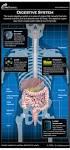 The digestive system Medicine and technology Normal structure and function Diagnostic methods Example diseases and therapies The digestive system An overview (1) Oesophagus Liver (hepar) Biliary system
Colonoscopy Data Collection Form
 Identifier: Sociodemographic Information Type: Zip Code: Gender: Height: (inches) Race: Ethnicity Inpatient Outpatient Male Female Birth Date: Weight: (pounds) American Indian (Native American) or Alaska
Endoluminal stent placement core curriculum
 Communication from the ASGE Training Committee CORE CURRICULUM Endoluminal stent placement core curriculum This is one of a series of documents prepared by the American Society for Gastrointestinal Endoscopy
Goals and Objectives for the General Surgery Rotation Resident PGY1 Hamilton Health Sciences or St. Joseph Healthcare (2 four-week rotational blocks)
 Goals and Objectives for the General Surgery Rotation Resident PGY1 Hamilton Health Sciences or St. Joseph Healthcare (2 four-week rotational blocks) Overview During the first year of their residency training
New treatment options for chronic sinusitis
 New treatment options for chronic sinusitis Balloon Sinuplasty Technology Vishram Jalukar, MD Mason City Clinic ENT & Allergy MKT01014 Rev. D Sinusitis Overview Inflammation of the sinus lining caused
NHS FORTH VALLEY Chest Drain Insertion by Seldinger Method (Pigtail drains)
 NHS FORTH VALLEY Chest Drain Insertion by Seldinger Method (Pigtail drains) Date of First Issue 12/12/2012 Approved 12/12/2012 Current Issue Date 12/12/2012 Review Date 12/12/2014 Version 1 EQIA Yes 14/12/2012
surg urin Surgery: Urinary System 1
 Surgery: Urinary System 1 This section contains information to assist providers in billing for surgical procedures related to the urinary system. Extracorporeal Shock Wave Lithotripsy Medi-Cal covers Extracorporeal
SUCTION, ASPIRATING TUBES
 162300 536204 162345 162301 (shown twice size) Yankauer Suction Tubes YANKAUER SUCTION TUBES Standard adult size. 10 mm diameter. Tip has 2 mm central opening and four 2 mm side openings. 162300 12 1/2"
Secretin Enhanced Imaging of the Pancreas
 Secretin Enhanced Imaging of the Pancreas Pablo R. Ros, MD University Hospitals Case Medical Center Case Western Reserve University SCBT-MR Boston, MA October, 2012 [email protected] Disclosures
Strategies to Reduce Catheter Use in 2014
 Strategies to Reduce Catheter Use in 2014 Timothy A. Pflederer, MD Chair, Network 10 MRB (I have no commercial affiliations or conflicts of interest to report) Fibrin Sheathing Central Venous Stenosis
Urinary tract and perineum
 9 Urinary tract and perineum Key Points 9.1 9.1 THE URINARY BLADDER URINARY RETENTION Acute retention of urine is an indication for emergency drainage of the bladder The common causes of acute retention
BOUGIES/DILATORS. Dilators
 118 507505 Pilling offers a comprehensive line of laryngeal and esophageal dilators and bougies, including designs by Drs. Jackson, Tucker, and Maloney. Dilators JACKSON LARYNGEAL DILATORS Rigid, metallic,
Talent Thoracic Stent Graft with THE Xcelerant Delivery System. Expanding the Indications for TEVAR
 Talent Thoracic with THE Xcelerant Delivery System Expanding the Indications for TEVAR Talent Thoracic Precise placement 1 Broad patient applicability 1 Excellent clinical outcomes 1, a + Xcelerant Delivery
Pancreatic Cancer. The Killer that must be discovered early. Dr Alfred Kow Wei Chieh
 Pancreatic Cancer The Killer that must be discovered early 27 th June 2015 Dr Alfred Kow Wei Chieh Consultant Department of Surgery Division of HPB Surgery & Liver Transplantation & Assistant Dean (Education)
enspire Interventional, Novel approach in Percutaneous Discectomy in Percutaneous Discectomy Samyadev Datta, MD, FRCA Center for Pain Management
 enspire Interventional, Novel approach in Percutaneous Discectomy in Percutaneous Discectomy Samyadev Datta, MD, FRCA Center for Pain Management Anatomy Intervertebral Disc: Fibrocartilaginous joint Makes
Principles of training in GI endoscopy
 Communication from the ASGE Training Committee REPORT ON TRAINING Principles of training in GI endoscopy This document, prepared by the American Society for Gastrointestinal Endoscopy Committee on Training,
INTERDISCIPLINARY CLINICAL MANUAL Practice Guideline
 INTERDISCIPLINARY CLINICAL MANUAL Practice Guideline TITLE: Insertion of a curved tip Urinary Catheter (Coude/Tiemann) NUMBER: CC 50-013 Effective Date: August 2015 Page 1 of 5 Applies To: All Preamble:
Ultrasound in Vascular Surgery. Torbjørn Dahl
 Ultrasound in Vascular Surgery Torbjørn Dahl 1 The field of vascular surgery Veins dilatation and obstruction (varicose veins and valve dysfunction) Arteries dilatation and narrowing (aneurysms and atherosclerosis)
Renovascular Hypertension
 Renovascular Hypertension Philip Stockwell, MD Assistant Professor of Medicine (Clinical) Warren Alpert School of Medicine Cardiology for the Primary Care Provider September 28, 201 Renovascular Hypertension
How to Effectively Code for Endoscopic Procedures in Gastroenterology
 How to Effectively Code for Endoscopic Procedures in Gastroenterology Ariwan Rakvit, MD Associate Professor Interim Chief, Division of Gastroenterology Texas Tech University Health Science Center All rights
Laser Procedure Note
 Laser Procedure Note Patient Name Date 1. Pre procedure diagnosis 2. Procedure and Eye Eye: 3. Pre procedure topical medications administered (and time) 4. Vital signs BP / HR Acuity OD: OS: 5. IOP: OD
Laparoscopic One Anastomosis Gastric Bypass (LOAGB) How I do it
 CENTER OF EXCELLENCE FOR THE STUDY AND OBESITY TREATMENT Laparoscopic One Anastomosis Gastric Bypass (LOAGB) How I do it Concepts and Results in a series of 11-years experience with 2,200 patients Miguel-A.
Simple Urinary Techniques to Diagnose and Treat Complex Urinary Conditions
 Simple Urinary Techniques to Diagnose and Treat Complex Urinary Conditions Jody P. Lulich, DVM,PhD, The Minnesota Urolith Center, St Paul MN 55108 USA NONSURGICAL STONE REMOVAL: VOIDING UROHYDROPROPULSION
Post-DDW OAG Course - Therapeutic Endoscopy
 Post-DDW OAG Course - Therapeutic Endoscopy June 13, 2015 Jeffrey Mosko Division of Gastroenterology St. Michael's Hospital University of Toronto [email protected] Program Name: Post-DDW OAG course CanMEDS
X-Plain Trigeminal Neuralgia Reference Summary
 X-Plain Trigeminal Neuralgia Reference Summary Introduction Trigeminal neuralgia is a condition that affects about 40,000 patients in the US every year. Its treatment mostly involves the usage of oral
Hemostasis Solutions Boston Scientific is committed to improving patient care in the management of gastrointestinal bleeding.
 Hemostasis Solutions Boston Scientific is committed to improving patient care in the management of gastrointestinal bleeding. Through innovation and continuous educational support, we offer a wide range