
Adverse events associated with EUS and EUS with FNA
|
|
|
- Mark Morrison
- 9 years ago
- Views:
Transcription
1 GUIDELINE Adverse events associated with EUS and EUS with FNA This is one of a series of statements discussing the use of GI endoscopy in common clinical situations. The Standards of Practice Committee of the American Society for Gastrointestinal Endoscopy prepared this text. In preparing this document, a search of the medical literature was performed by using PubMed. Additional references were obtained from the bibliographies of the identified articles and from recommendations of expert consultants. When few or no data exist from well-designed prospective trials, emphasis is given to results of large series and reports from recognized experts. This document is based on a critical review of the available data and expert consensus at the time that the document was drafted. Further controlled clinical studies may be needed to clarify aspects of this document. This document may be revised as necessary to account for changes in technology, new data, or other aspects of clinical practice. This document is intended to be an educational device to provide information that may assist endoscopists in providing care to patients. This document is not a rule and should not be construed as establishing a legal standard of care or as encouraging, advocating, requiring, or discouraging any particular treatment. Clinical decisions in any particular case involve a complex analysis of the patient s condition and available courses of action. Therefore, clinical considerations may lead an endoscopist to take a course of action that varies from this document. EUS and EUS-guided FNA (EUS-FNA) have emerged as accurate and safe methods for diagnosing and staging GI and select non-gi malignancies. In addition, EUS-FNA is used to aspirate fluid from cystic lesions, pseudocysts, and fluid collections for both diagnostic and therapeutic purposes. EUS-FNA is distinct from other forms of endoscopy in that it traverses the GI lumen to enter sterile spaces, organs, and lymph nodes, often in close proximity to large vascular structures. EUS uses dedicated echoendoscopes that have unique optical and mechanical properties beyond the addition of a US transducer. The incidence and types of adverse events associated with EUS differ from those seen with other endoscopic procedures and are attributable to the use of FNA. This guideline focuses on Copyright 2013 by the American Society for Gastrointestinal Endoscopy /$ the adverse events specifically associated with EUS and EUS-FNA. Adverse events associated with sedation and standard endoscopic techniques can be found in other ASGE guidelines. 1-4 MECHANICAL AND OPTICAL PROPERTIES OF ECHOENDOSCOPES The 2 main types of echoendoscopes are radial scanning and curvilinear-array (CLA) devices. Radial scanning devices contain either a rotating mechanical US transducer or a wraparound, nonrotating electronic US transducer that generates a 360-degree radial US image perpendicular to the long axis of the endoscope. CLA (sometimes referred to as linear array) echoendoscopes produce a US image in a single plane parallel to the long axis of the endoscope via an electronic US transducer. EUS-FNA is typically only performed with CLA because this allows real-time visualization of the needle during FNA. Highfrequency US miniprobes that pass through the working channel of standard videoendoscopes are also available. All currently available echoendoscopes place the US transducer at the most distal end of the device. Both radial and CLA echoendoscope transducers have a nonflexible segment just proximal to the US transducer, giving the echoendoscope a distal, rigid segment of as much as 4 cm in length. This makes the tip of echoendoscopes more rigid than that of standard endoscopes. Most echoendoscopes currently available are oblique-viewing instruments. The point of view obtained of the GI tract is akin to that obtained with a duodenoscope, so intubation and advancement of the instruments (especially in the esophagus) are semiblind maneuvers. Overall, the mechanical and optical differences in echoendoscopes make their manipulation more challenging than standard endoscopy. PERFORATION Upper GI endoscopy with a standard upper endoscope carries a risk of perforation of 0.03%. 1,5 Cervical intubation with EUS endoscopes is performed blindly, and the longer, more rigid tip has raised concern of cervical esophageal perforation, particularly in patients with Zenker s diverticulum. A prospective study of 4894 patients undergoing upper EUS found a cervical esophageal perforation rate of 0.06% (3 patients, CLA instrument used in all). 6 All patients were treated surgically and recovered. An abstract reported 2 esophageal perforations with radial EUS instru- Volume 77, No. 6 : 2013 GASTROINTESTINAL ENDOSCOPY 839

2 ments in 3006 patients (0.07%), 7 and a survey of 86 physicians regarding cervical esophageal perforation reported 16 perforations among 43,852 procedures (0.03%) with 1 death (0.002% mortality rate). 8 The majority (94%) of perforations occurred in patients older than 65 years of age, and 44% occurred in patients with a history of difficult intubation during a previous upper endoscopic procedure. Fifteen of 16 perforations (94%) occurred with a radial scanning echoendoscope. Twelve of 16 perforations (75%) were caused by trainees or staff physicians with less than 1 year of experience with upper EUS. Two of the 15 surviving patients required surgical intervention. A recent systematic review reported a perforation rate of 0.02% with EUS (2/10,941). 9 Esophageal cancer and esophageal strictures have both been independently linked to an increased incidence of esophageal perforation. 1,10,11 A malignant esophageal stricture restricts passage of the echoendoscope in 20% to 30% of EUS examinations for esophageal cancer staging. 12 This limits the endosonographer s ability to completely evaluate tumor depth and to visualize upper abdominal lymph nodes and the liver, potentially decreasing staging accuracy. 13,14 Dilation of malignant strictures carries a 0% to 24% risk of perforation Prospective studies of dilation in patients with obstructing esophageal cancer undergoing EUS examinations by experienced operators, however, have not found an association between dilation and perforation. 16,17 A thinner, tapered-tip, wire-guided, nonoptical echoendoscope (MH-908; Olympus America Corp, Melville, NY) has been shown in 30 patients to significantly increase the frequency of complete staging of otherwise obstructing malignancies without causing perforation. 18 Through-the-scope US probes are another alternative in patients with strictures In summary, limited data suggest that EUS is associated with a rate of perforation that is similar to standard endoscopy. Lack of operator experience, older patient age, and a history of difficult esophageal intubation may be risk factors for cervical esophageal perforation. Duodenal perforations have also been reported to occur during EUS examinations, but their overall incidence has not been studied. 22 No data on the incidence of perforations during EUS in the colon are available. EUS WITH FNA FNA is commonly performed to obtain tissue from masses or lymph nodes, as well as to aspirate the contents of cystic structures (eg, pancreatic cysts) for analysis. In addition, the same needles used to perform FNA can also be used to inject alcohol, corticosteroids, or anesthetic agents to achieve celiac plexus blockade (CPB) or celiac plexus neurolysis (CPN). EUS-FNA needles are available in 19-, 22-, and 25-gauge sizes. Core biopsy needles are available to obtain biopsy specimens for histopathology. Small series with a core biopsy needle indicate that when used by experienced operators, there is no increased risk of adverse events; however, there has been 1 report of an infectious adverse event after core biopsy of a mediastinal mass A systematic review of EUS-FNA adverse events found that 22-gauge needles were used in 44 of 51 articles reviewed; therefore, analysis of adverse events based on needle size could not be performed. This review also concluded that adverse event rates are highest for EUS- FNA of ascites, liver lesions, and perirectal lesions. 9 INFECTIOUS ADVERSE EVENTS Bacteremia is a rare occurrence after diagnostic endoscopy. Several early studies showed an incidence rate of approximately 0% to 8% (excluding patients with biliary obstruction at ERCP) The frequency of bacteremia as an adverse event of EUS and EUS-FNA has been prospectively studied in 4 separate trials, 1 of which included only rectal EUS These studies, which collectively include more than 350 patients, did not find a statistically significant increase in the rate of bacteremia compared with that seen at upper endoscopy, and none of the patients in whom bacteremia developed manifested clinical signs or symptoms of illness. A single case of streptococcal sepsis has been reported among a series of 327 lesions undergoing EUS- FNA. 34 This occurred in a patient undergoing FNA of a pancreatic serous cystadenoma despite prophylactic antibiotics, and the patient recovered with further antibiotic therapy. Other studies have noted febrile episodes after EUS-FNA at rates of 0.4% to 1%. 35,36 Mediastinal cysts are at risk of infection during EUS- FNA, even in the setting of prophylactic antibiotic therapy and, if infected, can lead to mediastinitis with or without sepsis. 26,37,38 There have been isolated reports of retroperitoneal abscesses after EUS-guided celiac plexus block A recent systematic review of adverse events of EUS-FNA reported 1 case of perirectal abscess among 193 patients undergoing EUS-FNA of perirectal lesions and 1 case of fatal cholangitis after EUS-FNA of a hepatic lesion. 9 A small case series of perirectal EUS reported 2 cases of pelvic abscess after EUS-FNA of cystic pelvic masses. 42 Based on these data, the risk of bacteremia after EUS- FNA is low (comparable to that of diagnostic endoscopy) 43 and prophylactic antibiotics are not recommended for FNA of solid masses and lymph nodes. Some experts recommend prophylactic antibiotics as well as 48 hours of antibiotics after EUS-FNA of the perirectal space. 44 Conversely, EUS-FNA of cystic lesions may carry an increased risk of febrile episodes and possibly sepsis; therefore, prophylactic antibiotics followed by a short postprocedure course have been recommended. Recent data, however, suggest a low rate of adverse events caused by EUS-FNA of pancreatic cysts. 45 A recent retrospective cohort study of antibiotic prophylaxis for EUS-FNA of 840 GASTROINTESTINAL ENDOSCOPY Volume 77, No. 6 :

3 pancreatic cysts identified 1 infection each in 88 patients treated with antibiotics and 178 patients given no antibiotics, as well as 3 antibiotic-related adverse events. 46 Prospective data are needed to clarify the risks and benefits of prophylactic antibiotics for EUS-FNA of pancreatic cysts. PANCREATITIS The risk of iatrogenic pancreatitis as a result of EUS- FNA arises in patients undergoing FNA of pancreatic masses, cysts, or the pancreatic duct. All of these procedures involve direct passage of the needle through pancreatic tissue. Reported rates of pancreatitis associated with pancreatic EUS-FNA range from 0% to 2%. 34,47-50 The risk of pancreatitis does not appear to be influenced by cystic versus solid masses or by the needle gauge used. One study evaluated pancreatitis specifically among 100 patients undergoing EUS-FNA (median 3.4 passes; range 2-9 passes) and found a 2% rate of pancreatitis. 50 All patients had blood samples obtained before and 2 hours after the FNA to measure amylase and lipase levels. The 2 patients in whom acute interstitial pancreatitis developed recovered with conservative therapy. A recent metaanalysis of 51 studies found a rate of EUS-FNA related pancreatitis of 0.44% (36/8246). 9 Most cases were classified as mild (75%), although 1 case of severe pancreatitis led to death. There is a single case report of pancreatic duct leak causing symptomatic ascites after EUS-FNA of a pancreatic neck lesion. 51 HEMORRHAGE Hemorrhage as an adverse event of EUS-FNA has been described in only a limited fashion. One study reported 2 episodes of clinically significant bleeding after EUS-FNA of pancreatic lesions, one of which resulted in death. 48 Mild intraluminal bleeding has been reported to occur in as many as 4% of cases. 35 One study specifically evaluated extraluminal hemorrhage in patients undergoing EUS-FNA over a 13-month period. 52 Three cases of extraluminal hemorrhage occurred among 227 patients for an overall rate of 1.3%. These occurred during aspiration of a pancreatic islet cell mass, a peritumoral lymph node in a patient with esophageal cancer, and a pancreatic cyst. In all cases, the hemorrhage was seen with US, and mechanical pressure to tamponade the hemorrhage was successfully applied with the endoscope. A prospective, controlled study specifically evaluated bleeding rates after EUS-FNA in patients taking aspirin/nonsteroidal antiinflammatory drugs and low molecular weight heparin. Compared with EUS-FNA in patients on none of these agents, bleeding was significantly more likely in patients on low molecular weight heparin (33.3% vs 3.7%, P.023). 53 A recent meta-analysis of EUS-FNA adverse events reported a bleeding rate of 0.13% (14/10,941). 9 There are no data on whether the gauge of the needle or the technique influences the risk of bleeding with EUS-FNA. BILE PERITONITIS Bile peritonitis is a rare adverse event of EUS-FNA. There is one report of bile peritonitis after EUS-FNA of a pancreatic-head mass requiring laparotomy. 54 During a study of the use of EUS-FNA to obtain bile directly from the gallbladder in an attempt to identify patients with microlithiasis, bile peritonitis developed in 2 of the first 3 patients, resulting in termination of the study. 55 EUS-FNA of solid gallbladder masses was shown to be safe in 2 small case series. 56,57 MALIGNANT SEEDING EUS-FNA frequently involves a needle advanced from the lumen across the GI tract into adjacent malignant tissue. There are 3 case reports of tumor seeding along an FNA needle path; 1 each of pancreatic cancer, melanoma (both transgastric), and malignant mediastinal lymphadenopathy (transesophageal). EUS WITH CPB/CPN EUS can be used to perform CPB or CPN as a means of achieving analgesia. The technique involves the delivery of corticosteroids (in blockade) or absolute alcohol (in neurolysis) plus a local anesthetic into the celiac plexus via EUS-guided injection with an FNA needle. Adverse events associated with this procedure include transient diarrhea (4%-15%), transient orthostasis (1%), transient increases in pain (9%), and abscess formation. 39,40 Patients should receive adequate intravenous hydration before and after the procedure to reduce the incidence of orthostasis. A large case series of 189 CPB and 31 CPN reported 1 case of asymptomatic hypotension after neurolysis, 1 case of retroperitoneal abscess after CPB, and 2 cases of severe self-limited postprocedural pain after CPB. 41 The incidence of adverse events with EUS-guided CPN is similar to adverse events associated with percutaneous CPN. Although it was postulated that the anterior approach for CPN offered by EUS would avoid the rare but highly disabling adverse event of spinal cord infarction associated with the posterior percutaneous approach, there is now a single case report of anterior spinal cord infarction with permanent paralysis after EUS-guided CPN. 58,59 Death resulting from EUS-guided CPB or CPN has not been reported. 60,61 EUS-GUIDED BILIARY AND PANCREATIC ACCESS EUS-guided pancreaticobiliary access is a relatively new technique to access biliary and pancreatic ducts via EUS- Volume 77, No. 6 : 2013 GASTROINTESTINAL ENDOSCOPY 841

4 guided needle puncture through the gastric or duodenal wall. The technique was developed as a salvage therapy when conventional ERCP fails to achieve pancreaticobiliary access, often because of altered anatomy. Small published series report success rates of 50% to 85%, with adverse event rates ranging from 10% to 16%. 62,63 CONCLUSIONS Adverse events are inherent in the performance of EUS and EUS-FNA. As these procedures assume larger roles in the management of GI and non-gi disorders, the potential for adverse events will likely increase. Knowledge of potential adverse events secondary to EUS and EUS-FNA, their expected frequency, and their associated risk factors may help to minimize their occurrence. Endoscopists are expected to carefully select patients for the appropriate intervention, be familiar with the planned procedure and available technology, and be prepared to manage any adverse events that may arise. Once an adverse event occurs, early recognition and prompt intervention may minimize the morbidity and mortality associated with that adverse event. Review of adverse events as part of a continuing quality improvement process may serve to educate endoscopists, help to reduce the risk of future adverse events, and improve the overall quality of endoscopy. DISCLOSURE The following author disclosed a financial relationship relevant to this publication: Dr Fisher, consultant to Epigenomics, Inc; Dr Hwang, consultant to U.S. Endoscopy and speaker for Novartis; Dr Pasha, research support from Capervision. The other authors disclosed no financial relationships relevant to this publication. Abbreviations: CLA, curvilinear array; CPB, celiac plexus blockade; CPN, celiac plexus neurolysis; EUS-FNA, EUS-guided FNA. REFERENCES 1. Eisen GM, Baron TH, Dominitz JA, et al. Complications of upper GI endoscopy. Gastrointest Endosc 2002;55: ASGE Standard of Practice Committee, Fisher DA, Maple JT, Ben- Menachem T, et al. Complications of colonoscopy. Gastrointest Endosc 2011;74: ASGE Standard of Practice Committee, Anderson MA, Fisher L, Jain R, et al. Complications of ERCP. Gastrointest Endosc 2012;75: ASGE Standard of Practice Committee, Lichtenstein DR, Jagannath S, Baron TH, et al. Sedation and anesthesia in GI endoscopy. Gastrointest Endosc 2008;68: Silvis SE, Nebel O, Rogers G, et al. Endoscopic complications Results of the 1974 American Society for Gastrointestinal Endoscopy Survey. JAMA 1976;235: Eloubeidi MA, Tamhane A, Lopes TL, et al. Cervical esophageal perforations at the time of endoscopic ultrasound: a prospective evaluation of frequency, outcomes, and patient management. Am J Gastroenterol 2009;104: Rathod VD, Maydeo A. How safe is endoscopic ultrasound? A retrospective analysis of complications encountered during diagnosis and interventional endosonography in a large individual series of 3006 patients from India [abstract]. Gastrointest Endosc 2002;56:AB Das A, Sivak MV Jr, Chak A. Cervical esophageal perforation during EUS: a national survey. Gastrointest Endosc 2001;53: Wang KX, Ben QW, Jin ZD, et al. Assessment of morbidity and mortality associated with EUS-guided FNA: a systematic review. Gastrointest Endosc 2011;73: Schulze S, Móller Pedersen V, Høier-Madsen K, et al. Iatrogenic perforation of the esophagus. Causes and management. Acta Chir Scand 1982; 148: Pettersson G, Larsson S, Gatzinsky P, et al. Differentiated treatment of intrathoracic oesophageal perforations. Scand J Thorac Card Surg 1981; 15: Keswani RN, Early DS, Edmundowicz SA, et al. Routine positron emission tomography does not alter nodal staging in patients undergoing EUSguided FNA for esophageal cancer. Gastrointest Endosc 2009;69: Catalano MF, Van Dam J, Sivak MV Jr. Malignant esophageal strictures: staging accuracy of endoscopic ultrasonography. Gastrointest Endosc 1995;41: Van Dam J, Rice TW, Catalano MF, et al. High-grade malignant stricture is predictive of esophageal tumor stage. Risks of endosonographic evaluation. Cancer 1993;71: Kallimanis GE, Gupta PK, al-kawas FH, et al. Endoscopic ultrasound for staging esophageal cancer, with or without dilation, is clinically important and safe. Gastrointest Endosc 1995;41: Pfau PR, Ginsberg GG, Lew RJ, et al. Esophageal dilation for endosonographic evaluation of malignant esophageal strictures is safe and effective. Am J Gastroenterol 2000;95: Wallace MB, Hawes RH, Sahai AV, et al. Dilation of malignant esophageal stenosis to allow EUS guided fine-needle aspiration: safety and effect on patient management. Gastrointest Endosc 2000;51: Mallery S, Van Dam J. Increased rate of complete EUS staging of patients with esophageal cancer using the nonoptical, wire-guided echoendoscope. Gastrointest Endosc 1999;50: Menzel J, Hoepffner N, Nottberg H, et al. Preoperative staging of esophageal carcinoma: miniprobe sonography versus conventional endoscopic ultrasound in a prospective histopathologically verified study. Endoscopy 1999;31: Fockens P, van Dullemen HM, Tytgat GN. Endosonography of stenotic esophageal carcinomas: preliminary experience with an ultra-thin, balloon-fitted ultrasound probe in four patients. Gastrointest Endosc 1994;40: Chak A, Canto M, Stevens PD, et al. Clinical applications of a new through-the-scope ultrasound probe: prospective comparison with an ultrasound endoscope. Gastrointest Endosc 1997;45: Raut CP, Grau AM, Staerkel GA, et al. Diagnostic accuracy of endoscopic ultrasound-guided fine-needle aspiration in patients with presumed pancreatic cancer. J Gastrointest Surg 2003;7:118-26; discussion Wiersema MJ, Levy MJ, Harewood GC, et al. Initial experience with EUSguided trucut needle biopsies of perigastric organs. Gastrointest Endosc 2002;56: Levy MJ, Jondal ML, Clain J, et al. Preliminary experience with an EUSguided trucut biopsy needle compared with EUS-guided FNA. Gastrointest Endosc 2003;57: Larghi A, Verna EC, Stavropoulos SN, et al. EUS-guided trucut needle biopsies in patients with solid pancreatic masses: a prospective study. Gastrointest Endosc 2004;59: Wildi SM, Hoda RS, Fickling W, et al. Diagnosis of benign cysts of the mediastinum: the role and risks of EUS and FNA. Gastrointest Endosc 2003;58: Coughlin GP, Butler RN, Alp MH, et al. Colonoscopy and bacteraemia. Gut 1977;18: Botoman VA, Surawicz CM. Bacteremia with gastrointestinal endoscopic procedures. Gastrointest Endosc 1986;32: GASTROINTESTINAL ENDOSCOPY Volume 77, No. 6 :

5 29. Baltch AL, Buhac I, Agrawal A, et al. Bacteremia after upper gastrointestinal endoscopy. Arch Intern Med 1977;137: Barawi M, Gottlieb K, Cunha B, et al. A prospective evaluation of the incidence of bacteremia associated with EUS-guided fine-needle aspiration. Gastrointest Endosc 2001;53: Levy MJ, Norton ID, Wiersema MJ, et al. Prospective risk assessment of bacteremia and other infectious complications in patients undergoing EUS-guided FNA. Gastrointest Endosc 2003;57: Janssen J, Konig K, Knop-Hammad V, et al. Frequency of bacteremia after linear EUS of the upper GI tract with and without FNA. Gastrointest Endosc 2004;59: Levy MJ, Norton ID, Clain JE, et al. Prospective study of bacteremia and complications With EUS FNA of rectal and perirectal lesions. Clin Gastroenterol Hepatol 2007;5: Williams DB, Sahai AV, Aabakken L, et al. Endoscopic ultrasound guided fine needle aspiration biopsy: a large single centre experience. Gut 1999;44: Voss M, Hammel P, Molas G, et al. Value of endoscopic ultrasound guided fine needle aspiration biopsy in the diagnosis of solid pancreatic masses. Gut 2000;46: Chang KJ, Nguyen P, Erickson RA, et al. The clinical utility of endoscopic ultrasound-guided fine-needle aspiration in the diagnosis and staging of pancreatic carcinoma. Gastrointest Endosc 1997;45: Ryan AG, Zamvar V, Roberts SA. Iatrogenic candidal infection of a mediastinal foregut cyst following endoscopic ultrasound-guided fineneedle aspiration. Endoscopy 2002;34: Diehl DL, Cheruvattath R, Facktor MA, et al. Infection after endoscopic ultrasound-guided aspiration of mediastinal cysts. Interact Cardiovasc Thorac Surg 2010;10: Gress F, Schmitt C, Sherman S, et al. Endoscopic ultrasound-guided celiac plexus block for managing abdominal pain associated with chronic pancreatitis: a prospective single center experience. Am J Gastroenterol 2001;96: Hoffman BJ. EUS-guided celiac plexus block/neurolysis. Gastrointest Endosc 2002;56(4 Suppl):S O Toole TM, Schmulewitz N. Complication rates of EUS-guided celiac plexus blockade and neurolysis: results of a large case series. Endoscopy 2009;41: Mohamadnejad M, Al-Haddad MA, Sherman S, et al. Utility of EUSguided biopsy of extramural pelvic masses. Gastrointest Endosc 2012; 75: Hirota WK, Petersen K, Baron TH, et al. Guidelines for antibiotic prophylaxis for GI endoscopy. Gastrointest Endosc 2003;58: Schwartz DA, Harewood GC, Wiersema MJ. EUS for rectal disease. Gastrointest Endosc 2002;56: Lee LS, Saltzman JR, Bounds BC, et al. EUS-guided fine needle aspiration of pancreatic cysts: a retrospective analysis of complications and their predictors. Clin Gastroenterol Hepatol 2005;3: Guarner-Argente C, Shah P, Buchner A, et al. Use of antimicrobials for EUS-guided FNA of pancreatic cysts: a retrospective, comparative analysis. Gastrointest Endosc 2011;74: O Toole D, Palazzo L, Arotcarena R, et al. Assessment of complications of EUS-guided fine-needle aspiration. Gastrointest Endosc 2001;53: Gress FG, Hawes RH, Savides TJ, et al. Endoscopic ultrasound-guided fine-needle aspiration biopsy using linear array and radial scanning endosonography. Gastrointest Endosc 1997;45: Eloubeidi MA, Chen VK, Eltoum IA, et al. Endoscopic ultrasound-guided fine needle aspiration biopsy of patients with suspected pancreatic cancer: diagnostic accuracy and acute and 30-day complications. Am J Gastroenterol 2003;98: Gress F, Michael H, Gelrud D, et al. EUS-guided fine-needle aspiration of the pancreas: evaluation of pancreatitis as a complication. Gastrointest Endosc 2002;56: Reddymasu S, Oropeza-Vail MM, Williamson S, et al Pancreatic leak after endoscopic ultrasound guided fine needle aspiration managed by transpapillary pancreatic duct stenting. JOP 2011;12: Affi A, Vazquez-Sequeiros E, Norton ID, et al. Acute extraluminal hemorrhage associated with EUS-guided fine needle aspiration: frequency and clinical significance. Gastrointest Endosc 2001;53: Kien-Fong Vu C, Chang F, Doig L, et al. A prospective control study of the safety and cellular yield of EUS-guided FNA or Trucut biopsy in patients taking aspirin, nonsteroidal anti-inflammatory drugs, or prophylactic low molecular weight heparin. Gastrointest Endosc 2006;63: Chen HY, Lee CH, Hsieh CH. Bile peritonitis after EUS-guided fine-needle aspiration. Gastrointest Endosc 2002;56: Jacobson BC, Waxman I, Parmar K, et al. Endoscopic ultrasound-guided gallbladder bile aspiration in idiopathic pancreatitis carries a significant risk of bile peritonitis. Pancreatology 2002;2: Jacobson BC, Pitman MB, Brugge WR. EUS-guided FNA for the diagnosis of gallbladder masses. Gastrointest Endosc 2003;57: Meara RS, Jhala D, Eloubeidi MA, et al. Endoscopic ultrasound-guided FNA biopsy of bile duct and gallbladder: analysis of 53 cases. Cytopathology 2006;17: Fujii L, Clain JE, Morris JM, et al. Anterior spinal cord infarction with permanent paralysis following endoscopic ultrasound celiac plexus neurolysis. Endoscopy 2012;44(Suppl 2):E Eisenberg E, Carr DB, Chalmers TC. Neurolytic celiac plexus block for treatment of cancer pain: a meta-analysis. Anesth Analg 1995;80: Levy MJ, Wiersema MJ. EUS-guided celiac plexus neurolysis and celiac plexus block. Gastrointest Endosc 2003;57: Schmulewitz N, Hawes R. EUS-guided celiac plexus neurolysis-- technique and indication. Endoscopy 2003;35:S Iwashita T, Lee JG. Endoscopic ultrasonography-guided biliary drainage: rendezvous technique. Gastrointest Endosc Clin N Am 2012;22:249-58, viii-ix. 63. Shah JN, Marson F, Weilert F, et al. Single-operator, single-session EUSguided anterograde cholangiopancreatography in failed ERCP or inaccessible papilla. Gastrointest Endosc 2012;75: Prepared by: ASGE STANDARDS OF PRACTICE COMMITTEE Dayna S. Early, MD Ruben D. Acosta, MD Vinay Chandrasekhara, MD Krishnavel V. Chathadi, MD G. Anton Decker, MD John A. Evans, MD Robert D. Fanelli, MD, SAGES Representative Deborah A. Fisher, MD Lisa Fonkalsrud, RN, SGNA Representative Joo Ha Hwang, MD Terry L. Jue, MD Mouen A. Khashab, MD Jenifer R. Lightdale, MD V. Raman Muthusamy, MD Shabana F. Pasha, MD John R. Saltzman, MD Ravi N. Sharaf, MD Amandep K. Shergill, MD Brooks D. Cash, MD (Chair) This document is a product of the Standards of Practice Committee. This document was reviewed and approved by the Governing Board of the American Society for Gastrointestinal Endoscopy. Volume 77, No. 6 : 2013 GASTROINTESTINAL ENDOSCOPY 843

Endoscopy and infection: Prevention of infection during endoscopy Treatment of infection by endoscopy. M. Arvanitakis SRBG June 2009
 Endoscopy and infection: Prevention of infection during endoscopy Treatment of infection by endoscopy M. Arvanitakis SRBG June 2009 Outline Antibiotic prophylaxis during endoscopy Upper GI endoscopy Lower
Center for Endoscopic Research & Therapeutics
 Center for Endoscopic Research & Therapeutics 5758 South Maryland Avenue (MC9028) Chicago, Illinois 60637 (773) 702-1459 www.uchospitals.edu Center for Endoscopic Research & Therapeutics To refer a patient
WHAT S WRONG WITH MY GALL BLADDER? GALL BLADDER POLYPS
 WHAT S WRONG WITH MY GALL BLADDER? GALL BLADDER POLYPS This is a patient information booklet providing specific practical information about gall bladder polyps in brief. Its aim is to provide the patient
Complications of pediatric endoscopy and colonoscopy. Informed consent. Learning objectives. Complication types. Complications (adults) 10/3/2012
 Complications of pediatric endoscopy and colonoscopy I have no financial relationships with any commercial entity to disclose Petar Mamula, M.D. The Children s Hospital of Philadelphia University of Pennsylvania
CPT COD1NG UPDATES Gastroenterology CPT Advisors
 2014 CPT COD1NG UPDATES Gastroenterology CPT Advisors Joel V. Brill, MD, AGA CPT Advisor Daniel C. DeMarco, MD, ACG CPT Advisor Glenn D. Littenberg, MD, ASGE CPT Advisor The American College of Gastroenterology
2016 Quick Reference Coding Chart
 43197 Trans nasal esophagoscopy 43198 Biospy Trans Nasal Esophagoscopy Esophagoscopy 43200 Esophagoscopy Includes collection of specimen(s) by brushing or washing, when performed. 43201 Submucosal injection
Evolution of Barrett s esophagus
 Endoscopic Treatment and Surveillance of Esophageal Cancer: GI Perspective Charles J. Lightdale, MD Columbia University New York, NY Evolution of Barrett s esophagus Squamous esophagus Chronic inflammation
Preoperative drainage is always indicated in malignant CBD strictures PRO. Horst Neuhaus Evangelisches Krankenhaus Düsseldorf, Germany
 Preoperative drainage is always indicated in malignant CBD strictures PRO Horst Neuhaus Evangelisches Krankenhaus Düsseldorf, Germany Background Jaundice is associated with high perioperative morbidity
Diagnosis and Prognosis of Pancreatic Cancer
 Main Page Risk Factors Reducing Your Risk Screening Symptoms Diagnosis Treatment Overview Chemotherapy Radiation Therapy Surgical Procedures Lifestyle Changes Managing Side Effects Talking to Your Doctor
EUS in pediatric patients
 ORIGINAL ARTICLE: Clinical Endoscopy Tan Attila, MD, Douglas G. Adler, MD, Kristen Hilden, MS, Douglas O. Faigel, MD Portland, Oregon, Salt Lake City, Utah, USA Background: The knowledge of EUS use in
Bile Leaks After Laparoscopic Cholecystectomy. Kings County Hospital Center Eliana A. Soto, MD
 Bile Leaks After Laparoscopic Cholecystectomy Kings County Hospital Center Eliana A. Soto, MD Biliary Injuries during Cholecystectomy In the 1990s, high rate of biliary injury was due in part to learning
The digestive system. Medicine and technology. Normal structure and function Diagnostic methods Example diseases and therapies
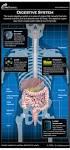 The digestive system Medicine and technology Normal structure and function Diagnostic methods Example diseases and therapies The digestive system An overview (1) Oesophagus Liver (hepar) Biliary system
Early Colonoscopy in Patients with Acute Diverticulitis Simon Bar-Meir, M.D.
 Early Colonoscopy in Patients with Acute Diverticulitis Simon Bar-Meir, M.D. Professor of Medicine Germanis Kaufman Chair of Gastroenterology Director, Dept. of Gastroenterology Chaim Sheba Medical Center,
Principles of training in GI endoscopy
 Communication from the ASGE Training Committee REPORT ON TRAINING Principles of training in GI endoscopy This document, prepared by the American Society for Gastrointestinal Endoscopy Committee on Training,
ERCP in Post Surgical Anatomy
 ERCP in Post Surgical Anatomy ACG Western Regional Course, 2013 John G. Lee, MD Division of Gastroenterology University of California, Irvine Medical Center Common surgical alterations Intact pancreaticobiliary
Single-Step EUS-Guided Pancreatic Pseudocyst Drainage Using a Large Channel Linear Array Echoendoscope and Cystotome: Results in 11 Patients
 ORIGINAL ARTICLE Single-Step EUS-Guided Pancreatic Pseudocyst Drainage Using a Large Channel Linear Array Echoendoscope and Cystotome: Results in 11 Patients Sushil K Ahlawat, Aline Charabaty-Pishvaian,
Amylase and Lipase Tests
 Amylase and Lipase Tests Also known as: Amy Formal name: Amylase Related tests: Lipase The Test The blood amylase test is ordered, often along with a lipase test, to help diagnose and monitor acute or
Captivator EMR Device
 Device Clinical Article and Abstract Summary Endoscopic Mucosal Bergman et al: EMR Training Tips Bergman et al: EMR Learning Curve ASGE: EMR & ESD Guidelines Bergman et al: Captivator EMR vs Cook Duette
Learning Luncheon 7: Endoscopic Mucosal Resection: When, Where and How?
 Endoscopic Mucosal Resection (EMR): When, Where, and Charles J. Lightdale, MD Columbia University New York, NY Endoscopic Mucosal Resection (EMR) EMR developed for removal of sessile or flat neoplasms
Use of stents in esophageal cancer" Hans Gerdes, M.D. Director, GI Endoscopy Unit Memorial Sloan-Kettering Cancer Center
 Use of stents in esophageal cancer" Hans Gerdes, M.D. Director, GI Endoscopy Unit Memorial Sloan-Kettering Cancer Center Features of esophageal cancer Esophageal cancer is an abnormal growth that arises
What is Barrett s esophagus? How does Barrett s esophagus develop?
 Barrett s Esophagus What is Barrett s esophagus? Barrett s esophagus is a pre-cancerous condition affecting the lining of the esophagus, the swallowing tube that carries foods and liquids from the mouth
PANCREATIC AND PERIAMPULLARY TUMORS: PANCREATICODUODENECTOMY. Dr. Shailesh V. Shrikhande
 PANCREATIC AND PERIAMPULLARY TUMORS: PANCREATICODUODENECTOMY Dr. Shailesh V. Shrikhande Associate Professor & Consultant Surgeon GI and HPB Surgical Oncology Tata Memorial Hospital, Mumbai INDIA HELICAL
ENDOSCOPIC ULTRASOUND (EUS)
 ENDOSCOPIC ULTRASOUND (EUS) What you need to know before your procedure Your Doctor has decided that an EUS is necessary for further evaluation and treatment of your condition. This information sheet has
11/10/2014. I have nothing to Disclose. Covered Stents discussed are NOT FDA approved for the indications covered in my presentation
 I have nothing to Disclose Ramsey Dallal, MD, FACS Vice Chair Department of Surgery Chief Bariatric i and Minimally i Invasive Surgery Einstein Healthcare Network Nemacolin, PA 2014 Covered Stents discussed
Clinical Medical Policy Department Clinical Affairs Division DESCRIPTION. Original Effective Date: June 12, 2008 Reviewed: Revised: September 20, 2013
 Endoscopic Ultrasonography (EUS) [For the list of services and procedures that need preauthorization, please refer to www.mcs.com.pr. Go to Comunicados a Proveedores, and click Cartas Circulares.] Medical
Gary M. Annuniziata, D.O., F.A.C.P. Anh T. Duong, M.D. Jonathan C. Lin, M.D., MPH. Preparation for EGD, ERCP, Peg Placement.
 Gary M. Annuniziata, D.O., F.A.C.P. Anh T. Duong, M.D. Jonathan C. Lin, M.D., MPH Phone- (760) 321-2500 Fax- (760) 321-5720 Preparation for EGD, ERCP, Peg Placement Patient Name- Procedure Date and Time-
By Anne C. Travis, M.D., M.Sc. and John R. Saltzman, M.D., FACG Brigham and Women's Hospital Harvard Medical School Boston, MA
 SMALL BOWEL BLEEDING: CAUSES, DIAGNOSIS AND TREATMENT By Anne C. Travis, M.D., M.Sc. and John R. Saltzman, M.D., FACG Brigham and Women's Hospital Harvard Medical School Boston, MA 1. What is the small
Lenox Hill Hospital Department of Surgery General Surgery Goals and Objectives
 Lenox Hill Hospital Department of Surgery General Surgery Goals and Objectives Medical Knowledge and Patient Care: Residents must demonstrate knowledge and application of the pathophysiology and epidemiology
WallFlex Biliary RX Stent. Fully, Partially and Uncovered Self-Expanding Metal Stents
 WallFlex Biliary RX Stent Fully, Partially and Uncovered Self-Expanding Metal Stents WallFlex Biliary RX Stent Fully, Partially and Uncovered Self-Expanding Metal Stents The WallFlex Biliary RX Stent is
Cystic Neoplasms of the Pancreas: A multidisciplinary approach to the prevention and early detection of invasive pancreatic cancer.
 This lecture is drawn from the continuing medical education program Finding Hope: Prevention, Early Detection and Treatment of Pancreatic Cancer, Nov, 2011. Robert P. Jury, MD Cystic Neoplasms of the Pancreas:
The Need for Accurate Lung Cancer Staging
 The Need for Accurate Lung Cancer Staging Peter Baik, DO Thoracic Surgery Cancer Treatment Centers of America Oklahoma Osteopathic Association 115th Annual Convention Financial Disclosures: None 2 Objectives
Acute Abdominal Pain following Bariatric Surgery. Disclosure. Objectives 8/17/2015. I have nothing to disclose
 Acute Abdominal Pain following Bariatric Surgery Kathy J. Morris, DNP, APRN, FNP C, FAANP University of Nebraska Medical Center College of Nursing Disclosure I have nothing to disclose Objectives Pathophysiology
Colocutaneous Fistula. Disclosures
 Colocutaneous Fistula Madhulika G. Varma MD Associate Professor Chief, Colorectal Surgery University of California, San Francisco Honoraria Applied Medical Covidien Disclosures 1 Colocutaneous Fistula
Expect. Endoscopic Ultrasound Aspiration Needles. Your Patient. Your Needle. Your Preference.
 Expect Endoscopic Ultrasound Aspiration Needles Your Patient. Your Needle. Your Preference. Expect Slimline (SL) Endoscopic Ultrasound Aspiration Needles With applications for endoscopic ultrasound and
Facing Pancreatic Surgery? Learn about minimally invasive da Vinci Surgery
 Facing Pancreatic Surgery? Learn about minimally invasive da Vinci Surgery The Condition: Pancreatitis/Pancreatic Cancer The pancreas is an organ that produces enzymes and hormones to help your body digest
AORTOENTERIC FISTULA. Mark H. Tseng MD Brooklyn VA Hospital February 11, 2005
 AORTOENTERIC FISTULA Mark H. Tseng MD Brooklyn VA Hospital February 11, 2005 AORTOENTERIC FISTULA diagnosis and management Mark H. Tseng MD Brooklyn VA Hospital February 11, 2005 AORTOENTERIC FISTULA Aortoenteric
This program is jointly provided by the New York Society for Gastrointestinal Endoscopy and Mount Sinai Beth Israel
 This program is jointly provided by the New York Society for Gastrointestinal Endoscopy and Mount Sinai Beth Israel Japan Society 333 East 47th Street (near First Avenue) 10017 COURSE DESCRIPTION The Spring
Rotation Specific Goals & Objectives: University Health Network-Princess Margaret Hospital/ Sunnybrook Breast/Melanoma
 Rotation Specific Goals & Objectives: University Health Network-Princess Margaret Hospital/ Sunnybrook Breast/Melanoma Medical Expert: Breast Rotation Specific Competencies/Objectives 1.0 Medical History
Cancer of the Pancreas
 Cancer of the Pancreas James H. North Jr., M.D., F.A.C.S. It is estimated that in 2007, 37,170 patients will be diagnosed with cancer of the pancreas and 33,370 patients will die of this disease. 1 The
BERGEN COMMUNITY COLLEGE DIAGNOSTIC MEDICAL SONOGRAPHY PROGRAM Division of Health Professions DMS 213 SYLLABUS
 BERGEN COMMUNITY COLLEGE DIAGNOSTIC MEDICAL SONOGRAPHY PROGRAM Division of Health Professions DMS 213 SYLLABUS Course Title: DMS 213 - Abdominal Sonography 2 2 lec. 3 lab. 3 credits (5 hours) Required
Pathway for the Management of Acute Gallstone Diseases
 Pathway for the Management of Acute Gallstone Diseases What s in this document? Pathways to encourage safer, faster and more cost effective management of acute gallstone (GS) disease by stratification
Carbohydrate antigen 19 9 (CA 19 9) (serum, plasma)
 Carbohydrate antigen 19 9 (CA 19 9) (serum, plasma) 1 Name and description of analyte 1.1 Name of analyte Carbohydrate antigen 19 9 (CA 19 9) 1.2 Alternative names Cancer antigen 19 9, cancer antigen GI
Nicole Kounalakis, MD
 Breast Disease: Diagnosis and Management Nicole Kounalakis, MD Assistant Professor of Surgery Goal of Breast Evaluation The goal of breast evaluation is to classify findings as: normal physiologic variations
Pancreatic Cancer. The Killer that must be discovered early. Dr Alfred Kow Wei Chieh
 Pancreatic Cancer The Killer that must be discovered early 27 th June 2015 Dr Alfred Kow Wei Chieh Consultant Department of Surgery Division of HPB Surgery & Liver Transplantation & Assistant Dean (Education)
Billing Guideline. Subject: Colorectal Cancer Screening Exams (Invasive Procedures) Effective Date: 1/1/2012 Last Update Effective: 4/16
 Subject: Colorectal Cancer Screening Exams (Invasive Procedures) Effective Date: 1/1/2012 Last Update Effective: 4/16 Billing Guideline Background Health First administers benefit packages with full coverage
Gallstone Ileus. Audrey C. Durrant,, M.D. SUNY Downstate Medical Center May 20, 2005
 Gallstone Ileus Audrey C. Durrant,, M.D. SUNY Downstate Medical Center May 20, 2005 Gallstone Ileus Diagnosis and Management Background Misnomer coined by Bartolin in 1654 Not a true ileus True mechanical
OBJECTIVES By the end of this segment, the community participant will be able to:
 Cancer 101: Cancer Diagnosis and Staging Linda U. Krebs, RN, PhD, AOCN, FAAN OCEAN Native Navigators and the Cancer Continuum (NNACC) (NCMHD R24MD002811) Cancer 101: Diagnosis & Staging (Watanabe-Galloway
UCLA Asian Liver Program
 CLA Program Update Program Faculty Myron J. Tong, PhD, MD Professor of Medicine Hepatology Director, Asian Liver Program Surgery Ronald W. Busuttil, MD, PhD Executive Chair Department of Surgery Director,
Percutaneous Abscess Drainage
 Scan for mobile link. Percutaneous Abscess Drainage An abscess is an infected fluid collection within the body. Percutaneous abscess drainage uses imaging guidance to place a thin needle through the skin
The Whipple Procedure. Sally Hodges, Ph.D.(c) Given the length and difficulty of the procedure, regardless of the diagnosis, certain
 The Whipple Procedure Sally Hodges, Ph.D.(c) Preoperative procedures Given the length and difficulty of the procedure, regardless of the diagnosis, certain assurances must occur prior to offering a patient
A Guide for Patients Living with a Biliary Metal Stent
 A Guide for Patients Living with a Biliary Metal Stent What is a biliary metal stent? A biliary metal stent (also known as a bile duct stent ) is a flexible metallic tube specially designed to hold your
Understanding. Pancreatic Cancer
 Understanding Pancreatic Cancer Understanding Pancreatic Cancer The Pancreas The pancreas is an organ that is about 6 inches long. It s located deep in your belly between your stomach and backbone. Your
SMALL CELL LUNG CANCER
 Protocol for Planning and Treatment The process to be followed in the management of: SMALL CELL LUNG CANCER Patient information given at each stage following agreed information pathway 1. DIAGNOSIS New
The degree of liver inflammation or damage (grade) Presence and extent of fatty liver or other metabolic liver diseases
 ilearning about your health Liver Biopsy www.cpmc.org/learning What is a Liver Biopsy? A liver biopsy is a procedure where a specially trained doctor (typically a hepatologist, radiologist, or gastroenterologist)
ENDOSCOPY IN GASTRIC CANCER: NEW IMAGING TECHNIQUES, NEW TREATMENT MODALITIES (EMR, ESD)
 ENDOSCOPY IN GASTRIC CANCER: NEW IMAGING TECHNIQUES, NEW TREATMENT MODALITIES (EMR, ESD) Fabrice Caillol Paoli Calmettes Institute, Marseille, France June 10th, Prague, Czech Republic EUS AND STAGING 1980:
Goals and Objectives for the General Surgery Rotation Resident PGY1 Hamilton Health Sciences or St. Joseph Healthcare (2 four-week rotational blocks)
 Goals and Objectives for the General Surgery Rotation Resident PGY1 Hamilton Health Sciences or St. Joseph Healthcare (2 four-week rotational blocks) Overview During the first year of their residency training
LYMPHOMA IN DOGS. Diagnosis/Initial evaluation. Treatment and Prognosis
 LYMPHOMA IN DOGS Lymphoma is a relatively common cancer in dogs. It is a cancer of lymphocytes (a type of white blood cell) and lymphoid tissues. Lymphoid tissue is normally present in many places in the
The Top 20 ICD-10 Documentation Issues That Cause DRG Changes
 7th Annual Association for Clinical Documentation Improvement Specialists Conference The Top 20 ICD-10 Documentation Issues That Cause DRG Changes Donna Smith, RHIA Project Manager, Consulting Services
The Role of Industry Representatives in the Endoscopy Unit
 The Role of Industry Representatives in the Endoscopy Unit Vivek Kaul, MD 1 and Douglas Faigel, MD, FASGE 2 Introduction The modern endoscopy unit is a busy workplace environment. With the patient as the
Acute abdominal conditions Key Points
 7 Acute abdominal conditions Key Points 7.1 ASSESSMENT AND DIAGNOSIS Referred abdominal pain Fore gut pain (stomach, duodenum, gall bladder) is referred to the upper abdomen Mid gut pain (small intestine,
Spine University s Guide to Vertebral Osteonecrosis (Kummel's Disease)
 Spine University s Guide to Vertebral Osteonecrosis (Kummel's Disease) 2 Introduction Kummel's disease is a collapse of the vertebrae (the bones that make up the spine). It is also called vertebral osteonecrosis.
Disease/Illness GUIDE TO ASBESTOS LUNG CANCER. What Is Asbestos Lung Cancer? www.simpsonmillar.co.uk Telephone 0844 858 3200
 GUIDE TO ASBESTOS LUNG CANCER What Is Asbestos Lung Cancer? Like tobacco smoking, exposure to asbestos can result in the development of lung cancer. Similarly, the risk of developing asbestos induced lung
To Whipple or Not to Whipple, that is the Question: Evaluating the Resectability of Pancreatic Adenocarcinoma
 August 2009 To Whipple or Not to Whipple, that is the Question: Evaluating the Resectability of Pancreatic Adenocarcinoma Christina Ramirez, Harvard Medical School Year III Gillian Lieberman, MD Agenda
Evaluation and Management of the Breast Mass. Gary Dunnington,, M.D. Department of Surgery Internal Medicine Ambulatory Conference December 4, 2003
 Evaluation and Management of the Breast Mass Gary Dunnington,, M.D. Department of Surgery Internal Medicine Ambulatory Conference December 4, 2003 Common Presentations of Breast Disease Breast Mass Abnormal
USE OF STENTS FOR UPPER GI DISASTERS. Michael Talbot. The St George Hospital, Sydney
 USE OF STENTS FOR UPPER GI DISASTERS Michael Talbot. The St George Hospital, Sydney Disclosures Educational grants by Coviden, Applied Medical, Endogastric Solutions and Allergan in the last 3 years Clinical
SOD (Sphincter of Oddi Dysfunction)
 SOD (Sphincter of Oddi Dysfunction) SOD refers to the mechanical malfunctioning of the Sphincter of Oddi, which is the valve muscle that regulates the flow of bile and pancreatic juice into the duodenum.
Optimal Management of Splenic/Portal Vein Thrombosis. David Mauchley University of Colorado
 Optimal Management of Splenic/Portal Vein Thrombosis David Mauchley University of Colorado Overview Portal Vein Thrombosis (PVT) Etiology Presentation/Clinical Aspects Diagnosis Management Cirrhotic vs.
CERVICAL MEDIASTINOSCOPY WITH BIOPSY
 INFORMED CONSENT INFORMATION ADDRESSOGRAPH DATA CERVICAL MEDIASTINOSCOPY WITH BIOPSY You have decided to have an important procedure and we appreciate your selection of UCLA Healthcare to meet your needs.
Biliary Stone Disease
 Biliary Stone Disease Delivering the best in care UHB is a no smoking Trust To see all of our current patient information leaflets please visit www.uhb.nhs.uk/patient-information-leaflets.htm You have
Post-DDW OAG Course - Therapeutic Endoscopy
 Post-DDW OAG Course - Therapeutic Endoscopy June 13, 2015 Jeffrey Mosko Division of Gastroenterology St. Michael's Hospital University of Toronto [email protected] Program Name: Post-DDW OAG course CanMEDS
GI Bleeding. Thomas S.Foster,Pharm.D. PHR 961 Integrated Therapeutics
 GI Bleeding Thomas S.Foster,Pharm.D. PHR 961 Integrated Therapeutics Overview Because GI bleeding is internal, it is possible for a person to have GI bleeding without symptoms. Important to recognize
LIVER CANCER AND TUMOURS
 LIVER CANCER AND TUMOURS LIVER CANCER AND TUMOURS Healthy Liver Cirrhotic Liver Tumour What causes liver cancer? Many factors may play a role in the development of cancer. Because the liver filters blood
Small cell lung cancer
 Small cell lung cancer Small cell lung cancer is a disease in which malignant (cancer) cells form in the tissues of the lung. The lungs are a pair of cone-shaped breathing organs that are found within
Presence and extent of fatty liver or other metabolic liver diseases
 UC San Diego Health System Patient Information Sheet: Liver Biopsy What is a Liver Biopsy? A liver biopsy is a procedure where a qualified doctor (typically a hepatologist, radiologist or gastroenterologist)
PATIENT CONSENT TO PROCEDURE - ROUX-EN-Y GASTRIC BYPASS
 As a patient you must be adequately informed about your condition and the recommended surgical procedure. Please read this document carefully and ask about anything you do not understand. Please initial
Safe and Effective Surgery for Endometriosis Including Detection and Intervention for Ovarian Cancer
 Safe and Effective Surgery for Endometriosis Including Detection and Intervention for Ovarian Cancer Camran Nezhat,, MD, FACOG, FACS Stanford University Medical Center Center for Special Minimally Invasive
United States Department of Transportation National Highway Traffic Safety Administration Paramedic: National Standard Curriculum 1
 UNIT TERMINAL OBJECTIVE 4-8 At the completion of this unit, the paramedic student will be able to integrate pathophysiologic principles and the assessment findings to formulate a field impression and implement
Breast cancer close to the nipple: Does this carry a higher risk ofaxillary node metastasesupon diagnosis?
 Breast cancer close to the nipple: Does this carry a higher risk ofaxillary node metastasesupon diagnosis? Erin I. Lewis, BUSM 2010 Cheri Nguyen, BUSM 2008 Priscilla Slanetz, M.D., MPH Al Ozonoff, Ph.d.
The Whipple Operation for Pancreatic Cancer: Optimism vs. Reality. Franklin Wright UCHSC Department of Surgery Grand Rounds September 11, 2006
 The Whipple Operation for Pancreatic Cancer: Optimism vs. Reality Franklin Wright UCHSC Department of Surgery Grand Rounds September 11, 2006 Overview Pancreatic ductal adenocarcinoma Pancreaticoduodenectomy
Pancreatic Cancer Understanding your diagnosis
 Pancreatic Cancer Understanding your diagnosis Let s Make Cancer History 1 888 939-3333 cancer.ca Pancreatic Cancer Understanding your diagnosis When you first hear that you have cancer you may feel alone
Laparoscopic Gallbladder Removal (Cholecystectomy) Patient Information from SAGES
 Laparoscopic Gallbladder Removal (Cholecystectomy) Patient Information from SAGES Gallbladder removal is one of the most commonly performed surgical procedures. Gallbladder removal surgery is usually performed
Secretin Enhanced Imaging of the Pancreas
 Secretin Enhanced Imaging of the Pancreas Pablo R. Ros, MD University Hospitals Case Medical Center Case Western Reserve University SCBT-MR Boston, MA October, 2012 [email protected] Disclosures
How to Effectively Code for Endoscopic Procedures in Gastroenterology
 How to Effectively Code for Endoscopic Procedures in Gastroenterology Ariwan Rakvit, MD Associate Professor Interim Chief, Division of Gastroenterology Texas Tech University Health Science Center All rights
CEU Update. Pancreatic Cancer
 CEU Update A semi-annual publication of the National Association for Health Professionals June 2015 Issue #0615 Pancreatic Cancer The Pancreatic Cancer Action Network, Inc. (PanCAN), established in 1999,
BACKGROUND MEDIA INFORMATION Fast facts about liver disease
 BACKGROUND MEDIA INFORMATION Fast facts about liver disease Liver, or hepatic, disease comprises a wide range of complex conditions that affect the liver. Liver diseases are extremely costly in terms of
Kidney Cancer OVERVIEW
 Kidney Cancer OVERVIEW Kidney cancer is the third most common genitourinary cancer in adults. There are approximately 54,000 new cancer cases each year in the United States, and the incidence of kidney
General Thoracic Surgery ICD9 to ICD10 Crosswalks. C34.11 Malignant neoplasm of upper lobe, right bronchus or lung
 ICD-9 Code ICD-9 Description ICD-10 Code ICD-10 Description 150.3 Malignant neoplasm of upper third of esophagus C15.3 Malignant neoplasm of upper third of esophagus 150.4 Malignant neoplasm of middle
YALE UNIVERSITY SCHOOL OF MEDICINE: SECTION OF OTOLARYNGOLOGY PATIENT INFORMATION FUNCTIONAL ENDOSCOPIC SINUS SURGERY
 YALE UNIVERSITY SCHOOL OF MEDICINE: SECTION OF OTOLARYNGOLOGY PATIENT INFORMATION FUNCTIONAL ENDOSCOPIC SINUS SURGERY What is functional endoscopic sinus surgery (FESS)? Functional endoscopic sinus surgery
Endoscopic Resection for Barrett s Esophagus and Early Cancer 2014 Masters of Minimally Invasive Surgery
 Endoscopic Resection for Barrett s Esophagus and Early Cancer 2014 Masters of Minimally Invasive Surgery Matthew Hartwig, M.D. Duke Cancer Institute Case Presentation: Patient ER 51 y/o man with schizophrenia
After the Cure: Long-Term Management of HCV Liver Disease Norah A. Terrault, MD, MPH
 After the Cure: Long-Term Management of HCV Liver Disease Norah A. Terrault, MD, MPH Professor of Medicine Department of Gastroenterology Director, Viral Hepatitis Center University of California San Francisco
Ultrasound Billing CPT Codes Summary and Notes
 Ultrasound Billing CPT Codes Summary and Notes CPT codes for ultrasound examinations are considered to be complete studies unless specified as limited studies in their code definitions. A limited study
A PATIENT S GUIDE TO ABLATION THERAPY
 A PATIENT S GUIDE TO ABLATION THERAPY THE DIVISION OF VASCULAR/INTERVENTIONAL RADIOLOGY THE ROBERT WOOD JOHNSON UNIVERSITY HOSPITAL Treatment options for patients with cancer continue to expand, providing
Hemodialysis catheter infection
 Hemodialysis catheter infection Scary facts In 2006, 82% of patients in the United States initiated dialysis via a catheter The overall likelihood of Tunneled cuffed catheters use was 35% greater in 2005