
EUS in pediatric patients
|
|
|
- Preston Dalton
- 10 years ago
- Views:
Transcription
1 ORIGINAL ARTICLE: Clinical Endoscopy Tan Attila, MD, Douglas G. Adler, MD, Kristen Hilden, MS, Douglas O. Faigel, MD Portland, Oregon, Salt Lake City, Utah, USA Background: The knowledge of EUS use in children is limited. Objective: We investigated the indications, feasibility, safety, and clinical utility of EUS in the management of pediatric GI, pancreatobiliary, and mediastinal diseases. Design: Retrospective study. Setting: Two tertiary referral university hospitals. Patients: Consecutive children age younger than 18 years referred over a 7-year period for EUS evaluation. Results: Forty EUS scans were performed in 38 children with a mean age of 13.5 years. The indications for pancreatobiliary endosonography were (n Z 10), solid pancreatic mass (n Z 7), cystic pancreatic mass (n Z 1), cyst in the setting of chronic (n Z 1), suspected annular pancreas (n Z 1), celiac plexus block (n Z 1), suspected common bile duct stone (n Z 1), abdominal pain and atrophic pancreas (n Z 1), ampullary adenoma (n Z 1), and abnormal MRCP in a patient with jaundice (n Z 1). The indications for gastric EUS were mucosal lesions (n Z 2) and subepithelial lesions (n Z 4). The indications for mediastinal endosonography were mediastinal masses/lymph nodes (n Z 5). The remaining evaluations were performed for esophageal stricture (n Z 1), unexplained abdominal pain (n Z 1), unexplained abdominal pain with celiac axis block (n Z 1), and perirectal fluid collection (n Z 1). EUS-guided FNA (EUS-FNA) was performed in 12 (30%) cases and established the correct diagnosis in 9 (75%). EUS-guided fine-needle injections for celiac axis block were performed in 2 (5%) cases. The procedure was successful in all patients, and no complications related to sedation, EUS, or EUS-FNA were encountered. Limitation: Retrospective study. Conclusion: EUS and EUS-FNA are feasible and safe and have a significant impact on the management of pediatric GI, pancreatobiliary, and mediastinal diseases. (Gastrointest Endosc 2009;70:892-8.) Since the introduction of EUS, the indications and diagnostic and therapeutic modalities as well as equipment design have been evolving. The role of EUS is well established in adult GI and pancreatobiliary diseases as well as lung cancer diagnosis and staging. 1 Because of the inadequate number of pediatric advanced diagnostic and therapeutic endoscopic procedures such as ERCP Abbreviations: ASA, American Society of Anesthesiologists; EUS-FNA, EUS-guided FNA; EUS-FNI, EUS-guided fine-needle injection; SD, standard deviation. DISCLOSURE: All authors disclosed no financial relationships relevant to this publication. Copyright ª 2009 by the American Society for Gastrointestinal Endoscopy /$36.00 doi: /j.gie and EUS to acquire and maintain proficiency for pediatric gastroenterologists, most of the advanced diagnostic and therapeutic procedures in the pediatric patients are performed by adult gastroenterologists. 2 However, the reported experience on its utility in the pediatric patient population is scant. This is because of the relatively low incidence of pancreatobiliary and GI neoplasias, presumptive limitations in the size of EUS equipment and accessories, the need for general anesthesia, and the lack of highly trained and experienced endosonographers in pediatric patients. With the refinement of techniques and advances in endosonographic design, several case reports and studies found successful use of EUS in pediatric patients. 3-8 The aim of this study was to describe clinical and demographic characteristics, indications, feasibility, safety, and impact of EUS in the pediatric patient population from 2 university hospitals. 892 GASTROINTESTINAL ENDOSCOPY Volume 70, No. 5 :

2 Attila et al MATERIALS AND METHODS Patients All EUS procedures performed from September 2001 to September 2008 at 2 tertiary referral centers (Oregon Health & Science University, Portland, Ore, and University of Utah School of Medicine, Salt Lake City, Utah) were reviewed. Patients younger than 18 years of age were identified. The demographics, EUS indications, procedural information (instruments, sedation, American Society of Anesthesiologists [ASA] classifications, duration of the procedures, findings, interventions, outcome, and complications) were retrospectively analyzed. Procedures were performed on both an inpatient and outpatient basis. Capsule summary What is already known on this topic d There are limited studies of with regard to the low incidence of pancreatobiliary and GI neoplasia, limitations in the size of EUS equipment, the need for general anesthesia, and the lack of endosonographers with experience with pediatric patients. What this study adds to our knowledge d In a retrospective study of 38 pediatric patients undergoing EUS for various indications, the procedure was successful in all with no complications related to sedation, EUS, or EUS-FNA. Equipment and procedure All EUS procedures were performed by experienced endosonographers who independently performed more than 1000 EUS procedures in adults. All procedures were performed in facilities specialized in the care of adult patients. All patients had a radial endosonographic evaluation (GF-UM160; Olympus, Melville, NY, or EG- 3630UR; Pentax of America Inc, Montvale, NJ). Curvilinear echoendoscopes were only used after radial endosonographic examination when clinically appropriate to perform EUS-guided FNA (EUS-FNA) or EUS-guided fine-needle injection (EUS-FNI) (GF-UC140P AL5; Olympus or Pentax FG36UX; Pentax of America Inc). A 19- or 22-gauge needle occluded with a stylet (Wilson Cook Inc, Winston-Salem, NC) was used for EUS-FNA and EUS-FNI. Color Doppler examination was performed before EUS-FNA or EUS-FNI to exclude interposed vascular structures. Intravenous antibiotics were only routinely administered in case of cystic lesion sampling or in patients with jaundice. Ciprofloxacin or levofloxacin were the preferred antibiotics. Prophylactic antibiotics were not administered to patients undergoing EUS-FNI. A cytopathologist was present when each EUS-FNA procedure was performed. Three different types of sedation were used: moderate (conscious) sedation, deep sedation, and general anesthesia. Fentanyl, midazolam, promethazine, and propofol were used for sedation. Sedation was administered by the endoscopist in cases of moderate sedation and by pediatric anesthesiologists or pediatric-certified registered nurse anesthetists (n Z 21) and adult anesthesiologists or adult-certified registered nurse anesthetists (n Z 19) in cases of deep sedation or general anesthesia. The type of sedation was chosen based on the patient s age, previous experience with sedation, and comorbidities. Procedures were performed with patients in the left lateral decubitus position or prone position if the procedures were combined with ERCP. RESULTS Patient population Over the 7-year period, 40 (0.6%) of 6724 EUS procedures were performed on 38 patients younger than 18 years of age. Thirty-six patients underwent 1 endosonographic evaluation. Two patients underwent 2 endosonographic evaluations; both of them had endosonographic evaluation of the pancreatobiliary system. There were 22 (57.9%) male and 16 (42.1%) female patients. Patients ages ranged from 3 to 17 years, with a mean (standard deviation [SD]) age of 13.5 (3.6) years. Anesthesia The ASA classification of each patient for every procedure was determined; 19 patients were classified as ASA 1, 15 patients were classified as ASA 2, and 6 patients were classified as ASA 3. The majority of the EUS procedures (27/40 [67.5%]) were performed with the patients under general anesthesia with endotracheal intubation. Nine EUS procedures (22.5%) were performed with the patients under deep sedation with propofol. Four EUS procedures (10%) were performed with the patients under conscious sedation with midazolam, meperidine, and/or fentanyl. Procedure information Thirty-nine upper and 1 lower EUS examinations were performed. Procedure durations were recorded in 33 cases; the average (SD) procedure duration was 40 (18) minutes. The pancreatobiliary system was endosonographically evaluated in 25 cases (62.5%) (Table 1). Indications in these patients were as follows: recurrent/chronic or suspected in 10 (40%) cases, solid pancreatic mass in 7 (17.5%) cases, cystic pancreatic mass in 1 (2.5%) case, a cyst in the setting of in 1 (2.5%) case, suspected annular pancreas in 1 (2.5%) case, celiac plexus blockade in the setting of in 1 (2.5%) case, Volume 70, No. 5 : 2009 GASTROINTESTINAL ENDOSCOPY 893
![The demographics, EUS indications, procedural information (instruments, sedation, American Society of Anesthesiologists [ASA] classifications, duration of the procedures, findings, interventions,](/docs-images/52/12424615/images/page_2.jpg "outcome, and complications) were retrospectively analyzed. Procedures were performed on both an inpatient and outpatient basis.")
3 Attila et al TABLE 1. Major EUS findings in pediatric patients Sex/age (y) Indication Size (mm) No. of FNA passes Findings Intervention Comorbidities Pancreatobiliary cases M/7 Recurrent M/16 Recurrent M/13 Recurrent M/13 Pancreatitis Periportal LN: 25 M/13 Pancreatitis, pancreatobiliary ductal dilation 4, LN Acute, no ductal dilation h/o mid-pd disruption and PD stenting, s/p distal pancreatectomy UC, s/p colectomy F/17 Recurrent F/16 Abdominal pain, suspected chronic F/17 Abdominal pain, suspected, [ amylase M/14 Suspected chronic F/13 Dilated CBD on CT, acute M/14 Pancreatic head mass LN: 9 5 Focal LN, ( )Cx UC F/16 Pancreatic mass F/11 Pancreatic head mass Pancreatitis M/15 Pancreatic mass F/11 Suspected pancreatic mass at the HOP M/14 Pancreatic mass, jaundice 3 Prominent HOP,, no mass, normal cytology 40 3 B-cell lymphoma ERCP, chemotherapy F/16 Pancreatic cystic mass 12 4 Islet cell tumor Whipple MEN M/5 Pancreatitis, enlarging pseudocyst Cyst: 30, pancreatic pseudocyst F/15 Abdominal pain, suspected annular pancreas h/o TEF, esophageal and duodenal atresia, s/p surgical repair F/17 Celiac plexus block (chronic ) Celiac axis block h/o biliary atresia, s/p OLT F/14 Suspected biliary stones CBD stones ERCP M/8 Abdominal pain, atrophic pancreas Dorsal agenesis of the pancreas (continued on next page) 894 GASTROINTESTINAL ENDOSCOPY Volume 70, No. 5 :

4 Attila et al TABLE 1 (Continued) Sex/age (y) Indication Size (mm) No. of FNA passes Findings Intervention Comorbidities M/17 Ampullary mass 20 Ampullary adenoma ERCP, ampullectomy F/16 Abnormal biliary tree on MRCP, jaundice, PSC M/10 Pancreatic head mass, jaundice Gastric cases Distal CBD narrowing, no mass 41 7 Suspicious for malignancy ERCP Whipple (LPSP) F/17 Gastric mass Gastric ulcer M/16 Prepyloric submucosal mass 20 Subepithelial cyst/mass EMR (reduplication cyst) M/16 Gastric mass 47 4 Subepithelial lesion, negative for malignancy F/15 Gastric mass 11 Subepithelial lesion, pancreatic rest M/16 Gastric polyps 15 Subepithelial lesion, pancreatic rest Surgery (lipoma) Reduplication cysts M/17 Gastric polyps 15 Mucosal polyp Polypectomy, adenocarcinoma CVIS, ring chromosome, mental retardation Mediastinal cases F/15 Mediastinal mass LN: 13 8 LN, ( )Cx M/12 Mediastinal mass LN: 29 8 LN, ( )Cx SGES, dysmorphic M/11 Mediastinal mass LN: 37 6 LN, ( )Cx F/14 Mediastinal mass 60 6 Negative for malignancy M/7 Mediastinal mass 86 9 Burkitt s lymphoma Other cases M/3 Esophageal stricture Tracheobronchial remnant M/17 Abdominal pain Thoracotomy (ganglioneuroma) Chemotherapy s/p kidney transplantation M/15 Idiopathic abdominal pain, celiac plexus block F/12 Perirectal fluid collection Perirectal abscess Pain persists h/o, History of; PD, pancreatic duct; s/p, status post; LN, lymph node; UC, ulcerative colitis; Cx, culture; HOP, head of the pancreas; MEN, multiple endocrine neoplasia; TEF, tracheoesophageal fistula; OLT, orthotrophic liver transplantation; CBD, common bile duct; LPSP, lymphoplasmocytic sclerosing ; CVIS, common variable immunodeficiency syndrome; SGES, Simpson-Golabi-Escobar syndrome. suspected common bile duct stone in 1 (2.5%) case, abdominal pain and atrophic pancreas in 1 (2.5%) case, ampullary adenoma in 1 (2.5%) case, and an abnormal MRCP in a patient with jaundice in 1 (2.5%) case. EUS criteria for chronic described by Catalano et al 9 were used. Ductal criteria include dilation of the main pancreatic duct (O3 mm), tortuous pancreatic duct, intraductal echogenic foci, echogenic ductal wall, Volume 70, No. 5 : 2009 GASTROINTESTINAL ENDOSCOPY 895

5 Attila et al TABLE 2. Comparisons of pediatric EUS series Sedation, no. (%) Study No. patients No. EUS Age (y), range (mean) NS CS DS GA Roseau et al, (12) (100) 0 Varadarajulu et al, (13) (100) Cohen et al, (12) 2 (6) 18 (56) 0 12 (38) This study (13.5) 0 4 (10) 9 (22.5) 27 (67.5) NS, No sedation; CS, conscious sedation; DS, deep sedation; GA, general anesthesia; PB, pancreatobiliary. and ectatic side branches. Parenchymal criteria include inhomogeneous echo pattern, foci of reduced echogenicity, foci of increased echogenicity, prominent interlobular septa, lobular outer gland margin, and large echo-free cavities (O5 mm). Among 10 patients who had suspected or chronic/recurrent as indication for EUS, 4 patients fulfilled endosonographic criteria for chronic, 1 patient fulfilled endosonographic criteria for acute, and 4 patients had endosonographically normal appearing pancreas. EUS confirmed the presence of a 30-mm pseudocyst in the setting of chronic. One patient with abdominal pain and increased lipase was found to have an endosonographically normal-appearing pancreas. One patient with a congenital duodenal stricture and recurrent abdominal pain was clinically suspected to have annular pancreas, but CT and magnetic resonance imaging/mrcp of the pancreas were nondiagnostic. EUS confirmed the absence of an annular pancreas. All our pediatric patients with and/ or a pancreatic mass were evaluated by blood work (immunoglobulin G4 and antinuclear antibody) and endosonographic criteria, and none had a diagnosis of autoimmune. Among 7 patients with a solid pancreatic mass on imaging, 1 patient had focal, 2 patients had chronic diffuse, and 1 patient had an endosonographically normal pancreas. One patient with a suspected mass at the head of the pancreas was found to have a prominent pancreatic head in the setting of pancreatic parenchymal changes consistent with ; EUS-FNA of the head of the pancreas did not reveal any malignancy. One patient with a 40-mm lesion was found to have a B-cell lymphoma on EUS-FNA samples, and 1 patient with a 41-mm mass at the head of the pancreas was found to have cells suspicious for malignancy on EUS-FNA samples. The last patient underwent a pancreaticoduodenectomy; histopathologic evaluation of the resected mass revealed lymphoplasmacytic sclerosing. A patient with a 12-mm cystic mass in the pancreatic head was found to have an islet cell tumor on EUS-FNA samples. This patient underwent a Whipple procedure. A patient with a 20-mm endosonographically noninvasive ampullary adenoma underwent a subsequent ampullectomy. One patient with chronic abdominal pain in the setting of chronic underwent EUS-guided celiac blockade; the patient had temporary improvement of pain lasting approximately 8 weeks. In another patient, EUS confirmed the presence of a common bile duct stone; this patient then underwent ERCP for stone retrieval. A patient with abdominal pain underwent EUS, which revealed pancreatic atrophy that was thought to represent dorsal agenesis of the pancreas. EUS confirmed distal CBD narrowing found on MRCP without any endosonographic evidence of an obstructing mass. This patient underwent ERCP; evaluation of brushing samples of the narrowed biliary segment found that they were negative for a malignancy. Evaluation of gastric lesions (masses/polyps) was the indication for EUS in 6 (15%) of 40 patients (Table 1). One of the patients who was referred for an endosonographic evaluation of a gastric mass was found to have a benign gastric ulcer. Four patients were referred for endosonographic evaluation of gastric subepithelial lesions with unremarkable findings on previous mucosal biopsy samples. The maximal diameter of these lesions ranged from 11 mm to 47 mm, with an average (SD) size of (16.25) mm. The endosonographic characteristics of 2 of these lesions were consistent with those of pancreatic rest. EUS-FNA was not performed on these 2 lesions. The endosonographic characteristics of a gastric subepithelial lesion (widest size 47 mm) were suggestive of a possible lipoma. The EUS-FNA (4 passes) of the lesion was negative for a malignancy and did not confirm a lipoma either. Therefore, this patient underwent a surgical resection; histopathological examination of the resected mass confirmed the diagnosis of lipoma. The other subepithelial prepyloric lesion (widest size 20 mm) had cystic and solid components on endosonographic evaluation. The histopathology of the lesion that was removed with the EMR technique showed a reduplication cyst. Given the fact that the base of the EMR site looked suspicious for a possible perforation, this patient was admitted to the hospital for observation. The patient did well and was discharged home in stable condition the day after the procedure. A 17-year-old male patient with common variable immunodeficiency syndrome and mental retardation was referred to us for endosonographic 896 GASTROINTESTINAL ENDOSCOPY Volume 70, No. 5 :

6 Attila et al TABLE 2 (Continued) Indications, no. (%) PB Stomach Mediastinum Esophagus Rectum Other FNA, no. (%) FNI, no. (%) 9 (39) 6 (26) 0 1 (4) 6 (26) 1 (4) (100) (20) 0 19 (59) 2 (6.5) 0 8 (25) 2 (6.5) 1 (3) 7 (22) 0 25 (62.5) 6 (15) 5 (12.5) 1 (2.5) 1 (2.5) 2 (5) 12 (30) 2 (5) evaluation of gastric polyps. Previous biopsy samples showed tubular adenoma with high-grade dysplasia. Endosonographically, the polyps (widest size 20 mm) were confined to the mucosa. The histopathology of the polyps showed adenocarcinoma. This patient underwent a gastrectomy. Mediastinal mass and lymph node evaluation was the indication for EUS in 5 (12.5%) of 40 procedures (Table 1). EUS-FNA was performed on all the mediastinal lesions. The measurement of the maximal diameter of the mediastinal lesions ranged from 13 mm to 86 mm, with an average (SD) size of 45 (28.5) mm. The EUS-FNA samples of 3 lesions showed benign lymph nodes with negative cultures. The maximal diameters of these 3 lesions were 13, 29, and 37 mm. The results of EUS-FNA of a mediastinal mass (widest size 60 mm) were negative for a malignancy. This patient subsequently underwent a thoracotomy, and the diagnosis was a ganglioneuroma. The EUS-FNA of another mediastinal mass (widest size 86 mm) showed Burkitt s lymphoma, for which chemotherapy was subsequently started. The indication of 1 procedure was esophageal stricture in a patient with congenital atresia: EUS revealed a tracheobronchial remnant. One patient who was referred for abdominal pain of unexplained underlying cause had normal findings on an endosonographic evaluation. Another patient with idiopathic abdominal pain had persistence of pain despite an EUS-FNI for celiac axis block. The only patient who had a lower EUS evaluation for perirectal fluid collection had an endosonographically confirmed perirectal abscess (Table 1). EUS-FNA was performed in 12 (30%) patients (Table 1). The diagnosis of Burkitt s lymphoma was established by EUS-FNA of a mediastinal mass, and the diagnosis of islet cell tumor and B-cell lymphoma was established by EUS- FNA of pancreatic masses. The diagnosis of malignancy was excluded in 5 patients by EUS-FNA of lymph nodes. A diagnosis of malignancy was excluded in 1 patient with a prominent pancreatic head by EUS-FNA of the head of the pancreas. In a case of a mediastinal mass and a gastric subepithelial mass, EUS-FNAs produced false-negative results. The diagnoses of ganglioneuroma and lipoma were established by thoracotomy and partial gastric resection, respectively. In a case of lymphoplasmacytic sclerosing, EUS-FNA results were falsely suspicious for a malignancy. The correct diagnosis was established after a Whipple pancreatectomy. EUS-FNA established the correct diagnosis in 9 (75%) of 12 patients and missed the correct diagnosis in 3 (25%) of 12 patients. EUS-FNI for celiac axis block was performed in 2 (5%) cases. No acute or delayed complications occurred relating to the EUS-FNA or FNI. The procedures were technically successful in all patients, and no acute or delayed complications related to sedation, EUS, EUS-FNAs, or FNIs were encountered. Only 1 patient was admitted to the hospital for observation after an endoscopic mucosal resection of a subepithelial partially cystic lesion. DISCUSSION Although the role of EUS is well established in adult GI and pancreatobiliary diseases as well as lung cancer diagnosis and staging (1), there is relatively little in the literature regarding the use of. Although the usefulness of EUS in children has been only recently appreciated, 3-8 published studies remain limited to a few patients and single-center experiences. Table 2 summarizes the comparison of the current study with the previously published series. The current study, however, illustrates the experience of 2 tertiary referral centers with the largest number of cases reported so far and evaluates various pediatric pathologies involving the GI tract, pancreatobiliary system, and mediastinum. Another unique feature of this study was that 30% of pediatric patients underwent EUS- FNA. We found that standard adult EUS equipment and accessories could be used in all patients to successfully perform procedures in children 3 years of age or older. Indications for EUS in children were similar to those for adults, but children have a much lower incidence of neoplastic diseases. Only 6 (15%) of our patients eventually had a diagnosis of a neoplasm. Disorders of the pancreatobiliary system were the primary indication in the majority of our cases (25 cases [62.5%]). This finding is in keeping with the previously published studies (Table 2). EUS supplanted Volume 70, No. 5 : 2009 GASTROINTESTINAL ENDOSCOPY 897

7 Attila et al ERCP in 21 (84%) of 25 pancreatobiliary patients. Only 4 (16%) patients subsequently underwent therapeutic ERCP. Similar to adults, diagnostic ERCP may be replaced with less-invasive techniques, including EUS, in children. 4 A common indication for gastric EUS in our patients was subepithelial lesions. Although the incidence of subepithelial lesions in the pediatric population is not known, its incidence in the general population is 0.4% in diagnostic endoscopies. 10 EUS has a unique feature of differentiating gut wall layers, the origin of subepithelial lesions, intramural vascular structures, as well as extraluminal structures. In addition, the ability to obtain a tissue diagnosis from subepithelial tumors through EUS-FNA has placed EUS in a pivotal position in the diagnostic workup of subepithelial lesions. Pediatric mediastinal masses are a heterogeneous group of asymptomatic or potentially life-threatening congenital, infectious, and neoplastic diseases. They represent a diagnostic and therapeutic challenge. Transesophageal EUS with FNA allows assessment and biopsy of posterior and middle mediastinal lesions. To our knowledge, this is the first report of experience with EUS in mediastinal diseases in pediatric patients. In our patients, all the mediastinal lesions were solid masses. EUS-FNA was performed in all the mediastinal lesions without any acute or delayed complications. Three of the solid mediastinal masses were benign lymph nodes. Two other lesions were neoplastic diseases. Although some of the pediatric EUS scans were done with the patients under intravenously administered moderate sedation, the majority of pediatric EUS scans in our series were done with the patients under general anesthesia. This is the major difference in performing EUS in children and adults. The patient s condition (ASA classification), the anticipated level of cooperation from the patient especially during EUS-FNA, the relatively longer duration of EUS procedures, the parents and patient s preference, as well as the endoscopist s personal preference are the major factors that may influence the choice of sedation during pediatric EUS procedures. However, there are no sufficient outcome data to make recommendations about the adequacy, safety, and cost of intravenously administered moderate sedation versus general anesthesia for EUS in the pediatric patient population. In conclusion, EUS and EUS-FNA are safe and have a significant impact on the management of pediatric GI, pancreatobiliary, and mediastinal diseases. EUS allows one to avoid more invasive and higher-risk procedures such as ERCP, laparoscopy, and mediastinoscopy. For the gastroenterologist performing these procedures in adults, knowledge of common congenital abnormalities of the GI and pancreaticobiliary tracts is important. The gastroenterologist endosonographer treating adults should also have close communication with colleagues in pediatric GI and surgery. Although standard-size instruments may be used even in younger children, the need for deeper levels of sedation and maintenance of a patent airway will frequently require the assistance of anesthesia services. REFERENCES 1. LeBlanc JK, DeWitt J, Sherman S. Endoscopic ultrasound: how does it aid the surgeon? Adv Surg 2007;41: Lee KK, Anderson MA, Baron TH, et al. Modifications in endoscopic practice for pediatric patients. Gastrointest Endosc 2008;67: Roseau G, Palazzo L, Dumontier I, et al. Endoscopic ultrasonography in the evaluation of pediatric digestive diseases: preliminary results. Endoscopy 1998;30: Varadarajulu S, Wilcox CM, Eloubeidi MA. Impact of EUS in the evaluation of pancreaticobiliary disorders in children. Gastrointest Endosc 2005;62: Cohen S, Kalinin M, Yaron A, et al. Endoscopic ultrasonography in pediatric patients with GI disorders. J Pediatr Gastroenterol Nutr 2008;46: Fox VL, Nurko S, Teitelbaum JE, et al. High-resolution EUS in children with eosinophilic allergic esophagitis. Gastrointest Endosc 2003;57: Nadler EP, Novikov A, Landzberg BR, et al. The use of endoscopic ultrasound in the diagnosis of solid pseudopapillary tumors of the pancreas in children. J Pediatr Surg 2002;37: Usui N, Kamata S, Kawahara H, et al. Usefulness of endoscopic ultrasonography in the diagnosis of congenital esophageal stenosis. J Pediatr Surg 2002;37: Catalano MF, Lahoti S, Geenen JE, et al. Prospective evaluation of endoscopic ultrasonography, endoscopic retrograde pancreatography, and secretin test in the diagnosis of chronic. Gastrointest Endosc 1998;48: Hedenbro JL, Ekelund M, Wetterberg P. Endoscopic diagnosis of submucosal gastric lesions. The results after routine endoscopy. Surg Endosc 1991;5:20-3. Received October 17, Accepted April 10, Current affiliations: Division of Gastroenterology and Hepatology (T.A., D.O.F.), Oregon Health & Science University, Portland, Oregon, Division of Gastroenterology and Hepatology (D.G.A., K.H.), University of Utah, Salt Lake City, Utah, USA. Reprint requests: Douglas O. Faigel, MD, Oregon Health & Science University, Physician s Pavilion, Suite 310, 3181 SW Sam Jackson Park Road, Portland, OR GASTROINTESTINAL ENDOSCOPY Volume 70, No. 5 :

Center for Endoscopic Research & Therapeutics
 Center for Endoscopic Research & Therapeutics 5758 South Maryland Avenue (MC9028) Chicago, Illinois 60637 (773) 702-1459 www.uchospitals.edu Center for Endoscopic Research & Therapeutics To refer a patient
WHAT S WRONG WITH MY GALL BLADDER? GALL BLADDER POLYPS
 WHAT S WRONG WITH MY GALL BLADDER? GALL BLADDER POLYPS This is a patient information booklet providing specific practical information about gall bladder polyps in brief. Its aim is to provide the patient
Cystic Neoplasms of the Pancreas: A multidisciplinary approach to the prevention and early detection of invasive pancreatic cancer.
 This lecture is drawn from the continuing medical education program Finding Hope: Prevention, Early Detection and Treatment of Pancreatic Cancer, Nov, 2011. Robert P. Jury, MD Cystic Neoplasms of the Pancreas:
Endoscopy and infection: Prevention of infection during endoscopy Treatment of infection by endoscopy. M. Arvanitakis SRBG June 2009
 Endoscopy and infection: Prevention of infection during endoscopy Treatment of infection by endoscopy M. Arvanitakis SRBG June 2009 Outline Antibiotic prophylaxis during endoscopy Upper GI endoscopy Lower
Captivator EMR Device
 Device Clinical Article and Abstract Summary Endoscopic Mucosal Bergman et al: EMR Training Tips Bergman et al: EMR Learning Curve ASGE: EMR & ESD Guidelines Bergman et al: Captivator EMR vs Cook Duette
CPT COD1NG UPDATES Gastroenterology CPT Advisors
 2014 CPT COD1NG UPDATES Gastroenterology CPT Advisors Joel V. Brill, MD, AGA CPT Advisor Daniel C. DeMarco, MD, ACG CPT Advisor Glenn D. Littenberg, MD, ASGE CPT Advisor The American College of Gastroenterology
Understanding. Pancreatic Cancer
 Understanding Pancreatic Cancer Understanding Pancreatic Cancer The Pancreas The pancreas is an organ that is about 6 inches long. It s located deep in your belly between your stomach and backbone. Your
The digestive system. Medicine and technology. Normal structure and function Diagnostic methods Example diseases and therapies
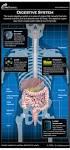 The digestive system Medicine and technology Normal structure and function Diagnostic methods Example diseases and therapies The digestive system An overview (1) Oesophagus Liver (hepar) Biliary system
Learning Luncheon 7: Endoscopic Mucosal Resection: When, Where and How?
 Endoscopic Mucosal Resection (EMR): When, Where, and Charles J. Lightdale, MD Columbia University New York, NY Endoscopic Mucosal Resection (EMR) EMR developed for removal of sessile or flat neoplasms
Colonoscopy Data Collection Form
 Identifier: Sociodemographic Information Type: Zip Code: Gender: Height: (inches) Race: Ethnicity Inpatient Outpatient Male Female Birth Date: Weight: (pounds) American Indian (Native American) or Alaska
Bile Leaks After Laparoscopic Cholecystectomy. Kings County Hospital Center Eliana A. Soto, MD
 Bile Leaks After Laparoscopic Cholecystectomy Kings County Hospital Center Eliana A. Soto, MD Biliary Injuries during Cholecystectomy In the 1990s, high rate of biliary injury was due in part to learning
Pancreatic Cancer. The Killer that must be discovered early. Dr Alfred Kow Wei Chieh
 Pancreatic Cancer The Killer that must be discovered early 27 th June 2015 Dr Alfred Kow Wei Chieh Consultant Department of Surgery Division of HPB Surgery & Liver Transplantation & Assistant Dean (Education)
PANCREATIC AND PERIAMPULLARY TUMORS: PANCREATICODUODENECTOMY. Dr. Shailesh V. Shrikhande
 PANCREATIC AND PERIAMPULLARY TUMORS: PANCREATICODUODENECTOMY Dr. Shailesh V. Shrikhande Associate Professor & Consultant Surgeon GI and HPB Surgical Oncology Tata Memorial Hospital, Mumbai INDIA HELICAL
To Whipple or Not to Whipple, that is the Question: Evaluating the Resectability of Pancreatic Adenocarcinoma
 August 2009 To Whipple or Not to Whipple, that is the Question: Evaluating the Resectability of Pancreatic Adenocarcinoma Christina Ramirez, Harvard Medical School Year III Gillian Lieberman, MD Agenda
EMR Can anyone do this?
 EMR Can anyone do this? Norio Fukami, MD University of Colorado Piecemeal resection? 1 Endoscopic mucosal resection (EMR) and Endoscopic submucosal dissection (ESD) Endoscopic removal of premalignant or
Billing Guideline. Subject: Colorectal Cancer Screening Exams (Invasive Procedures) Effective Date: 1/1/2012 Last Update Effective: 4/16
 Subject: Colorectal Cancer Screening Exams (Invasive Procedures) Effective Date: 1/1/2012 Last Update Effective: 4/16 Billing Guideline Background Health First administers benefit packages with full coverage
Acute Abdominal Pain following Bariatric Surgery. Disclosure. Objectives 8/17/2015. I have nothing to disclose
 Acute Abdominal Pain following Bariatric Surgery Kathy J. Morris, DNP, APRN, FNP C, FAANP University of Nebraska Medical Center College of Nursing Disclosure I have nothing to disclose Objectives Pathophysiology
The Whipple Operation for Pancreatic Cancer: Optimism vs. Reality. Franklin Wright UCHSC Department of Surgery Grand Rounds September 11, 2006
 The Whipple Operation for Pancreatic Cancer: Optimism vs. Reality Franklin Wright UCHSC Department of Surgery Grand Rounds September 11, 2006 Overview Pancreatic ductal adenocarcinoma Pancreaticoduodenectomy
Diagnosis and Prognosis of Pancreatic Cancer
 Main Page Risk Factors Reducing Your Risk Screening Symptoms Diagnosis Treatment Overview Chemotherapy Radiation Therapy Surgical Procedures Lifestyle Changes Managing Side Effects Talking to Your Doctor
Secretin Enhanced Imaging of the Pancreas
 Secretin Enhanced Imaging of the Pancreas Pablo R. Ros, MD University Hospitals Case Medical Center Case Western Reserve University SCBT-MR Boston, MA October, 2012 [email protected] Disclosures
Endoscopic Resection for Barrett s Esophagus and Early Cancer 2014 Masters of Minimally Invasive Surgery
 Endoscopic Resection for Barrett s Esophagus and Early Cancer 2014 Masters of Minimally Invasive Surgery Matthew Hartwig, M.D. Duke Cancer Institute Case Presentation: Patient ER 51 y/o man with schizophrenia
CHAPTER 2. Neoplasms (C00-D49) March 2014. 2014 MVP Health Care, Inc.
 Neoplasms (C00-D49) March 2014 2014 MVP Health Care, Inc. CHAPTER SPECIFIC CATEGORY CODE BLOCKS C00-C14 Malignant neoplasms of lip, oral cavity and pharynx C15-C26 Malignant neoplasms of digestive organs
Breast Ultrasound: Benign vs. Malignant Lesions
 October 25-November 19, 2004 Breast Ultrasound: Benign vs. Malignant Lesions Jill Steinkeler,, Tufts University School of Medicine IV Breast Anatomy Case Presentation-Patient 1 62 year old woman with a
These parameters cannot, at the present time, be determined by non-invasive imaging techniques.
 Endoscopic Mucosal Resection for Upper Gastrointestinal Lesions Kenneth K. Wang, M.D. Chairman, WEO Publication and Guidelines Committee Professor of Medicine, Mayo Clinic Rochester, Minnesota Upper gastrointestinal
Endoscopic Submucosal Dissection (E.S.D.) vs. Endoscopic Mucosal Resection (E.M.R.) in Colombia. Advocating E.M.R.
 Controversies in Gastroenterology Endoscopic Submucosal Dissection (E.S.D.) vs. Endoscopic Mucosal Resection (E.M.R.) in Colombia. Advocating E.M.R. Raúl Cañadas Garrido, MD. 1 1 Internist-Gastroenterologist.
Neoplasms of the LUNG and PLEURA
 Neoplasms of the LUNG and PLEURA 2015-2016 FCDS Educational Webcast Series Steven Peace, BS, CTR September 19, 2015 2015 Focus o Anatomy o SSS 2000 o MPH Rules o AJCC TNM 1 Case 1 Case Vignette HISTORY:
Evolution of Barrett s esophagus
 Endoscopic Treatment and Surveillance of Esophageal Cancer: GI Perspective Charles J. Lightdale, MD Columbia University New York, NY Evolution of Barrett s esophagus Squamous esophagus Chronic inflammation
Lenox Hill Hospital Department of Surgery General Surgery Goals and Objectives
 Lenox Hill Hospital Department of Surgery General Surgery Goals and Objectives Medical Knowledge and Patient Care: Residents must demonstrate knowledge and application of the pathophysiology and epidemiology
How to Effectively Code for Endoscopic Procedures in Gastroenterology
 How to Effectively Code for Endoscopic Procedures in Gastroenterology Ariwan Rakvit, MD Associate Professor Interim Chief, Division of Gastroenterology Texas Tech University Health Science Center All rights
Breast Cancer: from bedside and grossing room to diagnoses and beyond. Adriana Corben, M.D.
 Breast Cancer: from bedside and grossing room to diagnoses and beyond Adriana Corben, M.D. About breast anatomy Breasts are special organs that develop in women during puberty when female hormones are
David R. DeHaas, Jr. MD Sacred Heart Medical Center at RiverBend
 David R. DeHaas, Jr. MD Sacred Heart Medical Center at RiverBend 1. To review the surgical history of the Whipple procedure for periampullary tumors. 2. To review the differential diagnosis for patients
ERCP in Post Surgical Anatomy
 ERCP in Post Surgical Anatomy ACG Western Regional Course, 2013 John G. Lee, MD Division of Gastroenterology University of California, Irvine Medical Center Common surgical alterations Intact pancreaticobiliary
ESD for colorectal lesions I am in favour. Alessandro Repici, MD Digestive Endoscopy Unit IRCCS Istituto Clinico Humanitas Milano, Italy
 ESD for colorectal lesions I am in favour Alessandro Repici, MD Digestive Endoscopy Unit IRCCS Istituto Clinico Humanitas Milano, Italy Surgery for early colonic lesions 51 pts referred for lap colectomy
Cancer of the Cardia/GE Junction: Surgical Options
 Cancer of the Cardia/GE Junction: Surgical Options Michael A Smith, MD Associate Chief Thoracic Surgery Center for Thoracic Disease St Joseph s Hospital and Medical Center Phoenix, AZ Michael Smith, MD
General Rules SEER Summary Stage 2000. Objectives. What is Staging? 5/8/2014
 General Rules SEER Summary Stage 2000 Linda Mulvihill Public Health Advisor NCRA Annual Meeting May 2014 National Center for Chronic Disease Prevention and Health Promotion Division of Cancer Prevention
Complications of pediatric endoscopy and colonoscopy. Informed consent. Learning objectives. Complication types. Complications (adults) 10/3/2012
 Complications of pediatric endoscopy and colonoscopy I have no financial relationships with any commercial entity to disclose Petar Mamula, M.D. The Children s Hospital of Philadelphia University of Pennsylvania
Pancreatic Cancer Understanding your diagnosis
 Pancreatic Cancer Understanding your diagnosis Let s Make Cancer History 1 888 939-3333 cancer.ca Pancreatic Cancer Understanding your diagnosis When you first hear that you have cancer you may feel alone
The Whipple Procedure. Sally Hodges, Ph.D.(c) Given the length and difficulty of the procedure, regardless of the diagnosis, certain
 The Whipple Procedure Sally Hodges, Ph.D.(c) Preoperative procedures Given the length and difficulty of the procedure, regardless of the diagnosis, certain assurances must occur prior to offering a patient
Gary M. Annuniziata, D.O., F.A.C.P. Anh T. Duong, M.D. Jonathan C. Lin, M.D., MPH. Preparation for EGD, ERCP, Peg Placement.
 Gary M. Annuniziata, D.O., F.A.C.P. Anh T. Duong, M.D. Jonathan C. Lin, M.D., MPH Phone- (760) 321-2500 Fax- (760) 321-5720 Preparation for EGD, ERCP, Peg Placement Patient Name- Procedure Date and Time-
Early Colonoscopy in Patients with Acute Diverticulitis Simon Bar-Meir, M.D.
 Early Colonoscopy in Patients with Acute Diverticulitis Simon Bar-Meir, M.D. Professor of Medicine Germanis Kaufman Chair of Gastroenterology Director, Dept. of Gastroenterology Chaim Sheba Medical Center,
A Guide for Patients Living with a Biliary Metal Stent
 A Guide for Patients Living with a Biliary Metal Stent What is a biliary metal stent? A biliary metal stent (also known as a bile duct stent ) is a flexible metallic tube specially designed to hold your
Cancer of the Exocrine Pancreas, Ampulla of Vater and Distal Common Bile Duct Proforma
 Cancer of the Exocrine, Ampulla of Vater and Distal Coon Bile Duct Proforma Mandatory questions (i.e. protocol standards) are in bold (e.g. S1.03). Family name Given name(s) Sex Male Female Intersex/indeterminate
Use of stents in esophageal cancer" Hans Gerdes, M.D. Director, GI Endoscopy Unit Memorial Sloan-Kettering Cancer Center
 Use of stents in esophageal cancer" Hans Gerdes, M.D. Director, GI Endoscopy Unit Memorial Sloan-Kettering Cancer Center Features of esophageal cancer Esophageal cancer is an abnormal growth that arises
MU Inpatient Consult Rotation
 MU Inpatient Consult Rotation I. Description of Rotation and Educational Goal: This is a four-week rotation in which GI fellows gain exposure and acquire expertise in the evaluation and management of adult
11/10/2014. I have nothing to Disclose. Covered Stents discussed are NOT FDA approved for the indications covered in my presentation
 I have nothing to Disclose Ramsey Dallal, MD, FACS Vice Chair Department of Surgery Chief Bariatric i and Minimally i Invasive Surgery Einstein Healthcare Network Nemacolin, PA 2014 Covered Stents discussed
Cancer: Pancreatic (Adult)
 A02/S/b 2013/14 NHS STANDARD CONTRACT FOR CANCER: PANCREATIC (ADULT) SECTION B PART 1 - SERVICE SPECIFICATIONS Service Specification No. Service Commissioner Lead Provider Lead Period Date of Review A02/S/b
2016 Quick Reference Coding Chart
 43197 Trans nasal esophagoscopy 43198 Biospy Trans Nasal Esophagoscopy Esophagoscopy 43200 Esophagoscopy Includes collection of specimen(s) by brushing or washing, when performed. 43201 Submucosal injection
Contraindications: Malign or benign strictures in the upper part of esophagus close to the cricopharyngeal muscle.
 Manufactured by: ELLA CS, s.r.o. Milady Horákové 504 500 06 Hradec Králové 6 Czech Republic Phone: +420 49 527 91 11 Fax: +420 49 526 56 55 E-mail: [email protected] Instructions for Use FerX-ELLA Esophageal
Cancer of the Cervix
 Cancer of the Cervix WOMENCARE A Healthy Woman is a Powerful Woman (407) 898-1500 A woman's cervix (the opening of the uterus) is lined with cells. Cancer of the cervix occurs when those cells change,
LIVER CANCER AND TUMOURS
 LIVER CANCER AND TUMOURS LIVER CANCER AND TUMOURS Healthy Liver Cirrhotic Liver Tumour What causes liver cancer? Many factors may play a role in the development of cancer. Because the liver filters blood
Bile Duct Diseases and Problems
 Bile Duct Diseases and Problems Introduction A bile duct is a tube that carries bile between the liver and gallbladder and the intestine. Bile is a substance made by the liver that helps with digestion.
GASTROENTEROLOGY FELLOWSHIP PANCREATICOBILARY CONSULTATION SERVICE GOALS AND OBJECTIVES University of Toledo
 GASTROENTEROLOGY FELLOWSHIP PANCREATICOBILARY CONSULTATION SERVICE GOALS AND OBJECTIVES University of Toledo Educational Purpose: The Pancreaticobiliary Service at UTMC introduces the fellow to inpatient
By Anne C. Travis, M.D., M.Sc. and John R. Saltzman, M.D., FACG Brigham and Women's Hospital Harvard Medical School Boston, MA
 SMALL BOWEL BLEEDING: CAUSES, DIAGNOSIS AND TREATMENT By Anne C. Travis, M.D., M.Sc. and John R. Saltzman, M.D., FACG Brigham and Women's Hospital Harvard Medical School Boston, MA 1. What is the small
What is Barrett s esophagus? How does Barrett s esophagus develop?
 Barrett s Esophagus What is Barrett s esophagus? Barrett s esophagus is a pre-cancerous condition affecting the lining of the esophagus, the swallowing tube that carries foods and liquids from the mouth
CEU Update. Pancreatic Cancer
 CEU Update A semi-annual publication of the National Association for Health Professionals June 2015 Issue #0615 Pancreatic Cancer The Pancreatic Cancer Action Network, Inc. (PanCAN), established in 1999,
Service Definition with all Clinical Terms Service: Laprascopic Cholecystectomy Clinic (No Gallstones in bile duct)
 Service Definition with all Clinical Terms Service: Laprascopic Cholecystectomy Clinic (No Gallstones in bile duct) Section 1 Service Details Service ID: 7540540 Service Comments: Referrer Alert: Service
Medical Coverage Policy Monitored Anesthesia Care (MAC)
 Medical Coverage Policy Monitored Anesthesia Care (MAC) Device/Equipment Drug Medical Surgery Test Other Effective Date: 9/1/2004 Policy Last Updated: 1/8/2013 Prospective review is recommended/required.
A Practical Guide to Advances in Staging and Treatment of NSCLC
 A Practical Guide to Advances in Staging and Treatment of NSCLC Robert J. Korst, M.D. Director, Thoracic Surgery Medical Director, The Blumenthal Cancer Center The Valley Hospital Objectives Revised staging
The Need for Accurate Lung Cancer Staging
 The Need for Accurate Lung Cancer Staging Peter Baik, DO Thoracic Surgery Cancer Treatment Centers of America Oklahoma Osteopathic Association 115th Annual Convention Financial Disclosures: None 2 Objectives
Endoscopic Management of Strictures and Leaks. Prepared by Aurora D. Pryor, MD Presented by Dana Portenier, MD Duke University Medical Center
 Endoscopic Management of Strictures and Leaks Prepared by Aurora D. Pryor, MD Presented by Dana Portenier, MD Duke University Medical Center What can go wrong? Bleeding (2%) Sleeve too big Angulated Too
Preoperative drainage is always indicated in malignant CBD strictures PRO. Horst Neuhaus Evangelisches Krankenhaus Düsseldorf, Germany
 Preoperative drainage is always indicated in malignant CBD strictures PRO Horst Neuhaus Evangelisches Krankenhaus Düsseldorf, Germany Background Jaundice is associated with high perioperative morbidity
Post-DDW OAG Course - Therapeutic Endoscopy
 Post-DDW OAG Course - Therapeutic Endoscopy June 13, 2015 Jeffrey Mosko Division of Gastroenterology St. Michael's Hospital University of Toronto [email protected] Program Name: Post-DDW OAG course CanMEDS
Endoscopic mucosal resection for treatment of early gastric cancer
 Gut 2001;48:225 229 225 Endoscopic mucosal resection for treatment of early gastric cancer H Ono, H Kondo, T Gotoda, K Shirao, H Yamaguchi, D Saito, K Hosokawa, T Shimoda, S Yoshida Department of Endoscopy
Pancreatic Cancer Basics. Meghan McGurk, PA-C, MMSc Physician Assistant Department of Medical Oncology Yale Cancer Center
 Pancreatic Cancer Basics Meghan McGurk, PA-C, MMSc Physician Assistant Department of Medical Oncology Yale Cancer Center Case Study Mr.T is a 36 yo male who presented in the fall of 2003, at the age of
Autoimmune pancreatitis. Lars Aabakken Oslo University Hospital - Rikshospitalet Oslo, Norway
 Autoimmune pancreatitis Lars Aabakken Oslo University Hospital - Rikshospitalet Oslo, Norway Autoimmune pancreatitis Concept introduced in 1961 (Sarles) Re-invented in Japan 1995 (Yoshida) Increasingly
Guideline for the Imaging of Patients Presenting with Breast Symptoms incorporating the guideline for the use of MRI in breast cancer
 Guideline for the Imaging of Patients Presenting with Breast Symptoms incorporating the guideline for the use of MRI in breast cancer Version History Version Date Summary of Change/Process 0.1 09.01.11
Facing Pancreatic Surgery? Learn about minimally invasive da Vinci Surgery
 Facing Pancreatic Surgery? Learn about minimally invasive da Vinci Surgery The Condition: Pancreatitis/Pancreatic Cancer The pancreas is an organ that produces enzymes and hormones to help your body digest
Rotation Specific Goals & Objectives: University Health Network-Princess Margaret Hospital/ Sunnybrook Breast/Melanoma
 Rotation Specific Goals & Objectives: University Health Network-Princess Margaret Hospital/ Sunnybrook Breast/Melanoma Medical Expert: Breast Rotation Specific Competencies/Objectives 1.0 Medical History
This program is jointly provided by the New York Society for Gastrointestinal Endoscopy and Mount Sinai Beth Israel
 This program is jointly provided by the New York Society for Gastrointestinal Endoscopy and Mount Sinai Beth Israel Japan Society 333 East 47th Street (near First Avenue) 10017 COURSE DESCRIPTION The Spring
LYMPHOMA IN DOGS. Diagnosis/Initial evaluation. Treatment and Prognosis
 LYMPHOMA IN DOGS Lymphoma is a relatively common cancer in dogs. It is a cancer of lymphocytes (a type of white blood cell) and lymphoid tissues. Lymphoid tissue is normally present in many places in the
CLINICAL MANAGEMENT OF INTRADUCTAL PAPILLARY MUCINOUS NEOPLASMS OF THE PANCREAS
 1 CLINICAL MANAGEMENT OF INTRADUCTAL PAPILLARY MUCINOUS NEOPLASMS OF THE PANCREAS Carlos Fernández-del Castillo, M.D. Associate Professor of Surgery Massachusetts General Hospital Harvard Medical School,
Pediatric Gastroenterology Fellowship Pediatric Nutrition Rotation Goals and Objectives - 1 st Year
 Pediatric Nutrition Rotation Goals and Objectives - 1 st Year Goal 1: Gain experience and competency in managing common and rare gastrointestinal, liver and nutritional problems. (Competencies: patient
OBJECTIVES By the end of this segment, the community participant will be able to:
 Cancer 101: Cancer Diagnosis and Staging Linda U. Krebs, RN, PhD, AOCN, FAAN OCEAN Native Navigators and the Cancer Continuum (NNACC) (NCMHD R24MD002811) Cancer 101: Diagnosis & Staging (Watanabe-Galloway
Disease/Illness GUIDE TO ASBESTOS LUNG CANCER. What Is Asbestos Lung Cancer? www.simpsonmillar.co.uk Telephone 0844 858 3200
 GUIDE TO ASBESTOS LUNG CANCER What Is Asbestos Lung Cancer? Like tobacco smoking, exposure to asbestos can result in the development of lung cancer. Similarly, the risk of developing asbestos induced lung
Pathway for the Management of Acute Gallstone Diseases
 Pathway for the Management of Acute Gallstone Diseases What s in this document? Pathways to encourage safer, faster and more cost effective management of acute gallstone (GS) disease by stratification
Principles of training in GI endoscopy
 Communication from the ASGE Training Committee REPORT ON TRAINING Principles of training in GI endoscopy This document, prepared by the American Society for Gastrointestinal Endoscopy Committee on Training,
Evaluation and Management of the Breast Mass. Gary Dunnington,, M.D. Department of Surgery Internal Medicine Ambulatory Conference December 4, 2003
 Evaluation and Management of the Breast Mass Gary Dunnington,, M.D. Department of Surgery Internal Medicine Ambulatory Conference December 4, 2003 Common Presentations of Breast Disease Breast Mass Abnormal
Colorectal Cancer Care A Cancer Care Map for Patients
 Colorectal Cancer Care A Cancer Care Map for Patients Understanding the process of care that a patient goes through in the diagnosis and treatment of colorectal cancer in BC. Colorectal Cancer Care Map
THYROID CANCER. I. Introduction
 THYROID CANCER I. Introduction There are over 11,000 new cases of thyroid cancer each year in the US. Females are more likely to have thyroid cancer than men by a ratio of 3:1, and it is more common in
Frequently Asked Questions About Ovarian Cancer
 Media Contact: Gerri Gomez Howard Cell: 303-748-3933 [email protected] Frequently Asked Questions About Ovarian Cancer What is ovarian cancer? Ovarian cancer is a cancer that forms in tissues
A Brief Guide to Pancreatic Cancer
 A Brief Guide to Pancreatic Cancer Contributing authors; Dr. Michele Molinari MD Dr. Mark Walsh MD Dr. Ian Beauprie MD Dr. Daniel Rayson MD Elizabeth Reid P.Dt Sarah De Coutere, RN Craig s Cause Pancreatic
Carbohydrate antigen 19 9 (CA 19 9) (serum, plasma)
 Carbohydrate antigen 19 9 (CA 19 9) (serum, plasma) 1 Name and description of analyte 1.1 Name of analyte Carbohydrate antigen 19 9 (CA 19 9) 1.2 Alternative names Cancer antigen 19 9, cancer antigen GI
Chapter 6 Gastrointestinal Impairment
 Chapter 6 Gastrointestinal This chapter consists of 2 parts: Part 6.1 Diseases of the digestive system Part 6.2 Abdominal wall hernias and obesity PART 6.1: DISEASES OF THE DIGESTIVE SYSTEM Diseases of
The Role of Industry Representatives in the Endoscopy Unit
 The Role of Industry Representatives in the Endoscopy Unit Vivek Kaul, MD 1 and Douglas Faigel, MD, FASGE 2 Introduction The modern endoscopy unit is a busy workplace environment. With the patient as the
Non-Functioning Pancreatic Neuroendocrine Tumours
 Non-Functioning Pancreatic Neuroendocrine Tumours NET Patient Foundation Non-Functioning Pancreatic Neuroendocrine Tumours This booklet is intended to provide patients and their carers with information
LOWER GI ENDOSCOPIES So why is CMS yanking our chain? General Concepts for all GI Endoscopy Procedures
 LOWER GI ENDOSCOPIES We have lots of changes to lower GI coding for 2015 to talk about. Code definitions have been revised and many new codes have been added to this chapter. First the good news: All these
NP/PA Clinical Hepatology Fellowship Summary of Year-Long Curriculum
 OVERVIEW OF THE FELLOWSHIP The goal of the AASLD NP/PA Fellowship is to provide a 1-year postgraduate hepatology training program for nurse practitioners and physician assistants in a clinical outpatient
Pancreatic masses: What is there besides cancer
 Pancreatic masses: What is there besides cancer Poster No.: C-0201 Congress: ECR 2010 Type: Educational Exhibit Topic: Abdominal Viscera (Solid Organs) Authors: M. A. Portilha, C. Ruivo, I. Santiago, M.
PATIENT CONSENT TO PROCEDURE - ROUX-EN-Y GASTRIC BYPASS
 As a patient you must be adequately informed about your condition and the recommended surgical procedure. Please read this document carefully and ask about anything you do not understand. Please initial