
Bloodborne Pathogens, Infection Control
|
|
|
- Louisa Walters
- 9 years ago
- Views:
Transcription
1 Bloodborne Pathogens, Infection Control INTRODUCTION Protecting the patients and clients you care for and protecting yourself are two of your primary responsibilities when you are working as a Certified Nursing Assistant (CNA). In order to keep yourself and the people you are helping safe, you must understand the basic principles of infection control. Learning Break: The basic definition of infection control is: a system of techniques used to prevent infections and reduce the spread of infections. There will be many times during your career as a CNA when you will be caring for people with infectious diseases. Unlike some pathologies such as cancer or diabetes, infectious diseases can be transmitted from person to person. They can be spread through the air, by contact with blood or other body fluids, by touching contaminated surfaces, or by contact with infected wounds. Also, microscopic organism that can cause infection are everywhere in the environment, and they are especially plentiful in the setting of health care. In order to prevent these infections from moving to other patients, to yourself, or to the community at large, it is necessary to understand how the bacteria, viruses, and other microorganisms that cause these infections can be transmitted. It is also necessary to know how to work with people who have - or may have - a transmittable disease so that you do not become infected or infect others. OBJECTIVES When the student has finished this module, he/she will be able to: 1. Identify a basic definition of infection control. 2. Identify the two basic goals of infection control. 3. Identify the most common way microorganism are spread from person to person. 4. Identify the most important method of infection control. 5. Identify the most important rule of hand washing. 6. Identify a definition of standard precautions. 7. Identify three body fluids/secretions that can be infectious. 8. Identify an important rule of the use of disposable gloves. 9. Identify an important rule of the use of disposable medical equipment. 10. Identify a definition of universal precautions.

2 THE BASICS OF DISEASE TRANSMISSION Infectious diseases are diseases that can be spread from person to person. Infectious diseases are caused by different types of microorganisms. Microorganisms are microscopic life forms that cannot be seen and they are, literally, everywhere. (Note: bacteria and viruses are examples of common microorganisms) They live in the air, in the water, in the soil, and they live in and on our bodies. Microorganisms are found on our skin, in our lungs, in our stomachs, etc. This sounds unpleasant, but many of these microorganisms are actually very helpful. In the stomach and the gastrointestinal tract they help us digest food. In other parts of the body they help fight infection and help maintain the proper internal environment that the body needs to function. However, there are microorganisms that are not a normal part of our internal environment that can cause illness, and there are microorganisms that do normally live in/on us, but can cause illness if they are particularly strong or we are particularly vulnerable. These microorganisms that cause, or can cause illness or disease are called pathogens. Some pathogens such as the virus that causes the flu produce an illness that is relatively mild and rarely causes serious harm. Some pathogens can cause a more serious illness such as pneumonia, but pneumonia can usually be successfully treated with antibiotics. And there are pathogens such as HIV, the virus that causes AIDS. There is no cure for AIDS and no vaccine to prevent infection with HIV. But regardless of how dangerous the pathogen might be, these microorganisms are potentially dangerous because they can move from one person to another. They pathogens are communicable and contagious. They can be spread from the healthcare professional (you) to a patient, they can move from a patient to you, or they can be carried by a healthcare professional from an infected patient to other people. And even the ones that are relatively harmless such as the flu virus can be dangerous if they infect someone who is weak or vulnerable. Someone who has AIDs, someone who has cancer, or a person with diabetes may not be able to contain an infection in the way that normally healthy person would. These patients may suffer serious consequences from a simple infection. There are five basic ways an infection can spread. Some pathogens can only be spread by one of the transmission routes but some can be spread by several. Airborne transmission: Microorganisms are always living in the mouth, the nose, the lungs, and the other parts of the respiratory tract. When someone exhales, talks, sneezes, or coughs, these bacteria and viruses are attached to droplets of moisture and move from the infected person to the air. The infected droplets can move long or short distances, and they can remain suspended in the environment for quite a while or for only a short period of time: how far they move, and how long they stay suspended in the air differs with each microorganism. The risk, of course, is that a dangerous pathogen will move far enough and stay in the air long enough for it to enter the respiratory tract of someone in the area and cause harm. Chicken pox, measles, and tuberculosis are common diseases that have airborne transmission. Influenza can also be spread by airborne transmission,

3 but this method of transmission is limited to short distances: approximately three feet or so. Blood transmission: Pathogens such as hepatitis B, hepatitis C, and HIV are spread by contact with infected blood. This can happen if a healthcare worker is stuck by a needle or splashed with blood in the eyes, mouth, or nose. It can also happen if blood-contaminated medical equipment that is used for more than one patient is not properly cleaned and sterilized, or if the equipment is used improperly, e.g., if a single-use, disposable medical item is used twice. People who use IV drugs and share needles are at high risk for blood transmission of pathogens. Blood transmission can occur through the skin, but only if there is an abrasion or a cut - an entry port for the microorganism. The eyes, mouth, and nose have mucous membranes. These are much more porous than the surface of the skin and bacteria and viruses can easily pass through them and reach the circulation. Contact transmission: Contact transmission of a microorganism occurs when someone has direct contact with the infectious agent. This contact may be simple skin-to-skin contact such as touching a contaminated wound or a contaminated object. Contact transmission is one of the ways that the cold and the influenza viruses are transmitted. These viruses are expelled when an infected person breathes, coughs, or sneezes and the virus settles on objects in the environment, objects such as a computer keyboard, a doorknob, or a telephone receiver. An uninfected person will touch that object, touch her/his nose or mouth and the virus enters the respiratory tract. Other relatively common diseases that are spread through contact transmission are hepatitis A (contact with infected stool), methicillin-resistant staphylococcus aureus (commonly known as MRSA), and many microorganisms that contaminate wounds. Contact transmission of a pathogen is possible by contact with almost any infected body fluid, e.g., blood, mucous, semen: Sweat and tears are not generally considered to be a high-risk body fluids and contact transmission of a pathogen from these fluids would be very unlikely. Droplet transmission: Droplet transmission could be considered to be a mix of airborne transmission and contact transmission. Droplet transmission occurs when an infected person breathes, coughs, sneezes, or talks and small droplets that are contaminated enter the air and are breathed in by other people. Droplet transmission can also happen during medical procedures such as suctioning. Most experts feel that droplet transmission only occurs within an area of three feet from an infected person (Note: Some people feel the distance may be up to 10 feet). Diseases that can be spread by droplet transmission include influenza, mumps, and pertussis, a.k.a. whooping cough. Sexual transmission: HIV, herpes, gonorrhea, hepatitis C (possibly), syphilis, Chlamydia, and other diseases can be spread during sexual contact. These

4 contacts can be male-to-female, female-to-male, male-to-male, and female-tofemale. The sexual contact can be anal, oral, or vaginal. Learning Break: Contact transmission is easily overlooked. Viruses and bacteria live everywhere and even brief and casual contact with something that is contaminated is enough for a microorganism to move from that object or body fluid to you. And even brief and casual contact between you and someone else may be enough to spread that bacteria or virus to the patient. So, infectious pathogens are everywhere in the environment and there are many ways they can be spread. It might seem surprising then that most of us are healthy most of the time. However, for disease transmission to occur the proper conditions must be in place. Movement of a microorganism from one person is just the first step in the development of in infection For the infection to progress to the development of an infectious illness that produce signs and symptoms, the following factors have to be in place. The microorganism must be capable of causing an illness; it must be a pathogen The pathogen must be strong enough to cause an illness: it must be virulent The pathogen must be strong enough to resist the immune system There must be a sufficient number of the pathogens The pathogen must move from person-to-person: transmission mechanism There must be an entry point: airborne, blood, sexual contact, etc. The victim - commonly called the host - must be susceptible THE PROCESS OF DISEASE TRANSMISSION

5 Transmission mechanism Host susceptibility Entry point INFECTION Pathogen defense mechanisms Virulence Sufficient number of pathogens The last part of this process, the susceptibility of the host, can be complicated. The susceptibility could be inherited, or the host may have a weak immune system; for example, infants and the elderly people do not have strong immune systems, and people who have certain cancers or who have HIV/AIDS have compromised immune systems. There also some drugs that can weaken the immune system and make people who are taking these drugs susceptible to infections. This is a complicated process and certain parts of the process of how someone develops an infection can t easily be influenced. For example, host susceptibility is hard to change, limiting the strength of the pathogen can t be practically done, nor can controlling host entry points

6 However, years of experience and research have proved that the best way to prevent pathogen transmission it to practice good infection control procedures and techniques; doing so can dramatically reduce the risk of a pathogen moving from person to person. Infection control is designed to prevent infectious illnesses by disrupting/preventing airborne, blood, contact, droplet, and sexual transmission of pathogens from infected people to uninfected people or from the environment to a host. INFECTION CONTROL: STANDARD PRECAUTIONS Infection control starts with standard precautions. Standard precautions are the methods recommended by the Centers for Disease Control and Prevention (CDC) for preventing the transmission of infections. Standard precautions includes: 1) handwashing; 2) respiratory hygiene/cough etiquette; 3) safe injection practices, and; 4) the use of personal protective equipment (PPE). Each of these has specific techniques, rules, and procedures that will be discussed. But the principle that underlies all of the aspects of standard precautions, and the principle that you must remember is this: Blood and all body fluids and secretions (with the exception of sweat and tears) should always be considered potentially infectious. Of course, patient care inevitably involves the possibility of exposure to blood and body fluids and secretions. Many times you will know you are caring for a patient with an infectious disease. But it is possible that you could be in close contact with someone who has a communicable illness or a high level of a pathogen and neither you nor the patient knows. So, standard precautions are always used when delivering patient care. Infection control is extremely important. It has been estimated that each year millions of patients develop illnesses because microorganisms are spread to them from health care personnel or from the surrounding environment. Many of these healthcare-acquired infections are very serious, and the patients can suffer serious harm from them. However, it has also been recognized that these illnesses can prevented if health care personnel carefully and conscientiously follow standard methods of infection control. Infection control is simple, but it can be time consuming. Knowing and using good infection control procedures will not only protect your patients and clients and the community you live in, it will also protect you. Healthcare workers are at risk for developing infections transmitted for the patients. Learning Break: You may hear or read about the term universal precautions. Universal precautions were the infection control protocols and techniques that were used before standard precautions. They are essentially the same as standard precautions, but the standard precautions are a bit more complex and it is now the preferred term. Hand Washing

7 Hand washing has been recognized by the Centers for Disease Control and Prevention (CDC) as the most important way to prevent the spread of infection. If it is done properly, hand washing has been proven to greatly reduce the number of healthcare-acquired infections. Hand washing is not complicated, but doing it right does take a bit of time. If you are working on a busy hospital floor or a clinic, it can be tempting to save time by cutting corners when you wash your hands. It can also be tempting to cut corners with hand washing because it may seem as if spreading bacteria or viruses is something that only happens if you are handling a contaminated bandage or working with a person who has a communicable disease. But microorganisms live everywhere, and it takes very little for them to move from a contaminated surface to you, and from you to a patient. Remember: even brief, causal contact with an infected object can be enough for the pathogen to move to you and then potentially to someone else. When should you wash your hands? Follow these rules: Table I: Situations That Require Hand Washing At the beginning of the day before you start patient care. When your hands are visibly soiled. Before contact with a patient. After contact with a patient. Between contact with patients. Before and after eating. After you sneeze or cough. After contact with any body secretions such as urine, stool, blood, saliva, or mucous. After contact with surfaces that may be contaminated. Before and after putting on gloves. Before and after using the bathroom. At the end of the day. Hand washing: Soap and Water How should you wash your hands? It is not enough to simply rinse briefly and then dry off. To be effective, hand washing must be done properly. Follow these steps. The entire procedure should take seconds if done correctly. Remove all jewelry: it has been proven that microorganisms can survive under rings, watches, etc., even if you have washed your hands. Use lukewarm water and wet your hands up to the level of the wrists. Use a reasonable amount of antimicrobial soap; these are soaps that have alcohol or some other disinfecting component. Rub the soap gently for 15 seconds all over your hand. Pay particular attention to the areas between your fingers and the areas around your fingernails. Repeat for 15 seconds on the other hand. Do not rub your soapy hands under running water.

8 If you suspect that you my have gotten blood, urine, or some other body secretion under your nails or near your nails, use a scrub brush to wash these areas. Rinse under running water. Dry your hands thoroughly with disposable paper towels. Use the towel to turn the water off; do not touch the faucet with your clean hands. Discard the towel. Infectious disease professionals recommend that health care personnel keep their fingernails short. Long fingernails can puncture rubber gloves, and it is difficult to clean away microorganisms from under long fingernails. Also, there is a much greater chance for bacteria and viruses to live and thrive on the hands when fingernails are long. One thing you will learn very quickly is that during the course of a normal work day you may find yourself washing your hands dozens of times. Even if your skin is not sensitive, frequent hand washing can cause your hands to become cracked, dry, and sore. This is not only very uncomfortable, it can be a health hazard for you and the patients if the irritation reaches a point to where you have open areas on your skin. If that occurs, one of the most important defenses you have against infection - an intact skin surface - has been compromised. Cracks that can allow entry to microorganisms can easily be too small to be seen. Dry and cracked skin can be prevented. It can help to use warm - not hot - water when hand washing. Limit hand washing to 15 seconds for each hand. Gently pat your hands dry if they are chapped and sore and after you have finished, use a lubricating/moistening lotion. If you have open areas on your hands from hand washing and you are concerned that this puts you at risk, notify your immediate supervisor. You could be at risk for transmission of an infectious disease by the entry of a pathogen through the breaks in your skin. Hand washing: Alcohol-Based Hand Sanitizers Alcohol-based hand sanitizers are considered to be safe and effective for hand washing in healthcare settings. These products typically contain 62% ethyl alcohol, a substance that has been proven to be very effective in eliminating pathogens from skin. The only limitation to their use is if your hands are visibly contaminated or dirty. If that happens, you must use the soap and water technique. Follow these guidelines for using alcohol-based hand sanitizers. Put a palmful of the alcohol-based sanitizer in one hand. Rub the palms your hands together. Right palm on the back of your left hand, intertwine your fingers and rub. Left palm on the back of your right hands, intertwine your fingers and rub. Palm to palm, intertwine fingers and rub. Rub the backs of the fingers of each hand in the opposite palm. Hold the left thumb in the right hand, close your hand and rub. Hold the right thumb in the left hand, close your hand and rub.

9 The procedure should take no more than seconds. You should use alcohol-based hand sanitizers in the same situations that were listed in Table I. Learning Break: When you are washing your hands you are making them clean and removing pathogens, but hand washing does not sterilize your skin. Sterilization is a term that means complete removal of all pathogens, and this can only be done using extremely high temperature or with sterilization chemicals that would damage the skin. Medical devices that are used for surgery or that will be re-used can be sterilized: skin cannot. Respiratory Hygiene/Cough Etiquette Respiratory hygiene/cough etiquette is one of the simpler parts of standard precautions. It issued to prevent the transmission of respiratory illnesses such as influenza. Much of this information could be considered common sense Cover your nose and mouth with a tissue when coughing or sneezing. Wash your hands after coughing or sneezing. If you have used a tissue, throw it away and then wash your hands. Consider offering a simple face mask to patients who are coughing or sneezing. Someone who is coughing should sit at least three feet away from other people. Safe Injection Practices Safe injections practices are an important part of standard precautions. It is unlikely that as a CNA you would be involved in any care or procedures that involve needles or sharps. However, you should know the basics of safe injection practices because you may be asked to dispose of needles or sharps. The basics of safe injection practices are: Needles should never be recapped. Needles are single-use only; never re-use a needle, even if it is to be used with the same patient. Needles should never be bent or broken before discarding them. All needles and sharps should be properly disposed of in the appropriate containers. These containers are usually red, they are made of a hard plastic, they have a biohazard symbol on the side, and they are usually marked SHARPS. Never dispose of a needle or a sharp in the trash. Blood-borne infectious diseases such as hepatitis B, hepatitis C, and HIV can live in/on needles and sharps for several days after they have first been contaminated with blood. A contaminated needle or sharp in the trash can puncture anyone who handles the trash. If you stick yourself with a used needle or are splashed on the skin or in the eyes, mouth or nose with blood or any body fluid, notify your supervisor immediately. This cannot be emphasized strongly enough! If you suffer a needle stick or a splash contact with blood you may be at risk for becoming infected with hepatitis B, hepatitis C, or HIV. Do not try and decide by yourself if the exposure is serious or not serious. If the risk

10 of infection is high, treatment needs to be started very soon after the exposure. You must be evaluated as soon as possible by a physician. Learning Break: What is the risk of becoming infected from a needle stick or a splash with blood? The risk differs, and it depends on the pathogen, how contaminated the needle or sharp is, how deep the wound is, and several other factors. The risk of developing an infection with HIV after a needle stick is approximately 1 in 300, and the risk of developing an HIV infection after being splashed in the mouth or on an open cut is approximately 1 in Of course, as mentioned previously the risk of infection depends on many factors, and you should never try and decide for yourself if a needle stick or other exposure is/is not high-risk. Personal Protective Equipment Personal protective equipment includes disposable gloves, gowns, shoe covers, hair covers, and masks and face shields. Personal protective equipment is single-use and disposable. The rules for using PPE are as follows. Gloves do not replace the need for hand washing. Gloves should be worn if you will handle any body fluids or secretions (except sweat and tears) or any object that may be contaminated with them, or if you may be likely to handle any body fluids or secretions (except for sweat and tears) or any object that may be contaminated with them. Gloves should be worn if you will be touching mucous membranes or non-intact skin. Wearing two pairs of gloves is not necessary. If you are wearing other PPE, gloves should be put on last. Gloves are removed first if they are worn with other PPE. Wash your hand before putting on gloves. Put the gloves on by pulling them on by the bottom edge. Remove gloves by grabbing the end of one glove and peeling it off. Then with your ungloved hand, slide a finger or two between your skin and the remaining glove and peel it off without touching the outside. Wash your hands after removing gloves. Do not use the same pair of gloves to perform two different tasks. Never wear the same pair of gloves to care for two different patients. Wear a disposable gown, shoes covers, and a hair cover if there is a chance that you may be splashed with blood, urine, or other body fluids. Wear a face mask and/or eye protection if there is a chance that you may be splashed with blood or body fluids. Discard all PPE in the proper receptacles. INFECTION CONTROL: TRANSMISSION PRECAUTIONS

11 Standard precautions are the cornerstone of infection control. But certain patients need protection that goes a bit beyond standard precautions; these patients have infectious diseases that can be easily transmitted to healthcare personnel or to other patients. These special transmission precautions are airborne transmission precautions, droplet transmission precautions, and neutropenic transmission precautions. Of course, standard precautions should always be used in conjunction with these other transmission precautions. Learning Break: It is not your responsibility to determine which special transmission precautions are needed for any particular patient. A physician or an infectious disease specialist will make that determination, and the rules and procedures for the specific transmission precaution are usually prominently posted. Also, some patients may only need to be placed on airborne transmission precautions for a certain period of time. Airborne Transmission Precautions Airborne transmission precautions are used to prevent the transmission of infectious diseases that are easily spread through the air. These diseases are: 1) chicken pox (varicella); 2) herpes zoster; 3) measles (rubella); 4) smallpox, and; 5) tuberculosis. Airborne transmission precautions are needed because these diseases are spread by infected droplets that are coughed or exhaled from the lungs and respiratory tract of an infected patient. The droplets stay in the air for a relatively long time and they can travel a relatively long distance - unlike droplets that are infected with common cold or influenza viruses. Learning Break: The use of airborne transmission precautions was once called placing a patient in isolation. Airborne transmission precautions require a patient to be placed in a single room that has a special ventilation system. The door should be closed at all times. Anyone entering the room must wear special PPE that prevents inhalation of airborne droplets. This should be: 1) an N-95 mask, or; 2) a powered air-purifying respirator. It is not necessary to remember these terms, but it is important to remember that simple paper face mask is not sufficient protection. If a patient must be transported or moved, the patient should wear the required respiratory protection, as well. Droplet Transmission Precautions Droplet precautions are used if a patient is known to have or is suspected to have an infectious disease that is transmitted by coughing, sneezing, or talking. Some of these diseases are: 1) influenza; 2) mumps, and; 3) pertussis (whooping cough). These activities spread infected droplets into the air and onto surfaces in the environment. However, unlike the infected droplets from a patient who has chicken pox or tuberculosis, these droplets do not travel very far and do not remain in the air for a long time. Patients who require droplet precautions should be in a private room.

12 Respiratory/cough etiquette must be strictly observed. Anyone who is within three feet of the patient should wear a mask; a simple paper face mask is sufficient. Neutropenic Precautions Neutropenic precautions are also called reverse isolation. Patients who need neutropenic precautions are not infected and you are not at risk when you are caring for them. The people who are providing the care are the potential source of contamination. A patient who needs neutropenic precautions has a seriously compromised immune system and cannot protect herself/himself from infections. Examples of patient who need to be protected with reverse isolation would include: People who have AIDS: AIDS attacks the immune system. People who have certain types of cancers: Certain cancers such as Hodgkin s disease affect the immune system, and patients who have these cancers would need neutropenic precautions. Patients with severe burns: One of the most important protective mechanisms we have against infection is the intact skin. It acts as a physical that prevents the access of pathogens to the blood stream and organ systems. Small breaks in the skin are quickly and are not large enough to be a risk. But if large areas have been damaged, as with a patient who has many severe burns, the risk for infection is greatly increased. Patients who have had an organ transplant: Regardless of how well the organ is matched to the organ recipient, there is always a risk that the body s immune system will recognize the transplanted organ as a foreign objet and try and reject it. To prevent that from happening, organ transplant patients are given strong immune suppressing drugs, so these patients are highly susceptible to developing infections and need neutropenic precautions. A patient who needs neutropenic precautions should be placed in a private room with special ventilation. Standard precautions and respiratory hygiene/cough etiquette should be used. In addition, other precautions and PPE may be needed; each case is handled differently. SUMMARY Infection control is one of the most important aspects of your job as a CNA. Pathogens and the risk of infection are a constant presence, and to keep yourself, the patients you care for, and other staff members safe you must understand infection control techniques and practice them conscientiously. The infection control techniques discussed in this module are not complicated to learn and they are not difficult to practice. However, many studies have clearly shown that even experienced health care personnel who know how the proper way to practice infection control do not consistently do so. The reasons? First, they feel that using gloves, constant hand washing, and some of the other infection control techniques simply take

13 too much time and are inconvenient. And second, they do not accurately assess the risks of transmitting pathogens. It s true that constantly putting on and taking off gloves and washing your hands 20, 30 or more times a day takes time. But your primary responsibility as a CNA is the safety of the people you are caring for. By skipping hand washing you may be saving time that is used to provide patient care, that s true. But the time you save is not a considerable amount and although you are using that time to help someone, in effect you are putting that person, yourself and other patients at risk. Is that a reasonable trade off? As far as risk assessment, the first thing to remember is that infection control is intended to prevent the transmission of microscopic pathogens that are literally everywhere, especially in a health care setting. And these pathogens are very easily spread. It may seem that simply touching a computer keyboard or a telephone receiver for a few seconds could not be enough exposure to pick up a bacteria or a virus and move it from you to someone else, but that s not so. It is very easy to become careless and complacent about pathogen transmission - spreading germs. But once again, studies have clearly shown that it much, much easier for this happen than you would imagine. If in doubt, consider the situation to be a risk, and practice good infection control.

JAC-CEN-DEL COMMUNITY SCHOOLS BLOODBORNE PATHOGENS UNIVERSAL PRECAUTIONS A BACK TO SCHOOL TRADITION
 JAC-CEN-DEL COMMUNITY SCHOOLS BLOODBORNE PATHOGENS UNIVERSAL PRECAUTIONS A BACK TO SCHOOL TRADITION UNIVERSAL PRECAUTIONS AGAINST BLOODBORNE PATHOGENS Employees working in a school system are potentially
Safety FIRST: Infection Prevention Tips
 Reading Hospital Safety FIRST: Infection Prevention Tips Reading Hospital is committed to providing high quality care to our patients. Your healthcare team does many things to help prevent infections.
Infection control. Self-study course
 Infection control Self-study course Course objectives By the end of this course you will be able to: 1) Define a germ 2) Define the environment that a germ needs to live and grow 3) Explain the chain of
INFECTION CONTROL PRECAUTIONS
 INFECTION CONTROL PRECAUTIONS Outline Standard Precautions Droplet Precautions Contact Precautions Airborne Precautions References STANDARD PRECAUTIONS Use Standard Precautions, or the equivalent, for
MRSA. Living with. Acknowledgements. (Methicillin-Resistant Staphylococcus aureus)
 How can I keep myself healthy? Hand washing and use of an alcohol-based hand sanitizer are the primary way to prevent acquiring or transmitting bacteria. If you get a cut or scrape, wash it well with soap
Leader s Guide E4017. Bloodborne Pathogens: Always Protect Yourself
 E4017 Bloodborne Pathogens: Always Protect Yourself 1 Table of Contents Introduction 3 Video Overview.3 Video Outline.4 Preparing for and Conducting a Presentation. 7 Discussion Ideas..8 Quiz..9 Quiz Answers...11
Bloodborne Pathogens. Updated 1.21.13
 Bloodborne Pathogens Updated 1.21.13 Purpose OSHA s Blood-borne Pathogens Standard protects anyone with a job-related risk of contracting a blood-borne borne disease The standard outlines preventative
EAST CAROLINA UNIVERSITY INFECTION CONTROL POLICY. Methicillin-resistant Staph aureus: Management in the Outpatient Setting
 EAST CAROLINA UNIVERSITY INFECTION CONTROL POLICY Methicillin-resistant Staph aureus: Management in the Outpatient Setting Date Originated: Date Reviewed: Date Approved: Page 1 of Approved by: Department
Bloodborne Pathogens (BBPs) Louisiana Delta Community College
 Bloodborne Pathogens (BBPs) Louisiana Delta Community College 1 Bloodborne Pathogens Rules & Regulations Office of Risk Management (ORM) requires development of a bloodborne pathogens plan low risk employees
6.0 Infectious Diseases Policy: Student Exposure Control Plan
 6.0 Infectious Diseases Policy: Student Exposure Control Plan 6.1 PURPOSE & SCOPE This exposure control plan has been established to define the infection control program for students of Pacific University.
Ancillary Staff Training
 Ancillary Staff Training Goals of Infection Prevention Protect the patients Protect the staff Prevent spread of diseases How Does The Virus Spread Between People? Direct contact through broken skin, mouth,
Brock University Facilities Management Operating Procedures
 Subject: Bodily Fluid Clean-Up Number: FMOP 2-3 Approval: Executive Director Issue Date: 22 Sep 08 Responsibility: Manager Custodial Services Review Period: 2 Years PROCEDURES FOR BODILY FLUID CLEAN-UP
BLOOD BORNE PATHOGENS
 BLOOD BORNE PATHOGENS AIDS and other blood-borne pathogens such as Hepatitis B and C are deadly diseases that are present in today s society. All blood-borne pathogens are transmitted in blood and other
Clinic Infectious Disease Control
 Chapter 2 - Lesson 4 Clinic Infectious Disease Control Introduction Infectious and parasitic disease control is important in veterinary clinics. The main objective is to prevent the spread of infections
Moving to a hospital or skilled nursing facility
 H Moving to a hospital or skilled nursing facility What to expect when you have MRSA (Methicillin-resistant Staphylococcus aureus) A booklet for patients, residents, family members, and caregivers About
Infection Control for Health Care Providers
 Infection Control for Health Care Providers Christine Wisnom, BSN, RN Index The Infectious Disease Process -The Chain of Infection Universal/Standard Precautions -Airborne Precautions -Droplet Precautions
DO YOU WORK AROUND BLOOD OR BODY FLUIDS? Cal/OSHA s New Rules
 DO YOU WORK AROUND BLOOD OR BODY FLUIDS? Cal/OSHA s New Rules Labor Occupational Health Program University of California, Berkeley 1994 ACKNOWLEDGMENTS This booklet is a publication of the Labor Occupational
BODY SUBSTANCE ISOLATION (BSI): THE STANDARD OF CARE
 CRAIG HOSPITAL POLICY/PROCEDURE Approved: NPC, IC, MEC, P&P 05/06 Effective Date: 02/88 P&P 06/09 Attachments: Revised Date: 05/03, 04/06 Decision Tree for Isolation Precautions Comments on Specific Diseases
How can you protect yourself from infections?
 How can you protect yourself from infections? Your Infection Prevention Guide www.esrdncc.org Table of Contents Preventing an infection is an important part of your kidney care...3 Things you can do...4
Healthcare workers report that various factors contribute to poor compliance with hand hygiene. These include:
 RISKTOPICS Hand hygiene in the healthcare setting January 2013 Proper hand hygiene is the best way to keep from getting sick and prevent germs from being spread to others. For hospitals, nursing homes
33 Infection Control Techniques
 CHAPTER 33 Infection Control Techniques Learning Outcomes 33.1 Describe the medical assistant s role in infection control. 33.2 Describe methods of infection control. 33.3 Compare and contrast medical
Black Hills Healthcare System
 Black Hills Healthcare System Methicillin Resistant Staphylococcal Aureus (MRSA) Patient and Family Information What is MRSA? Staphylococcus Aureus, often referred to simply as staph, is a bacteria commonly
Bloodborne Pathogens
 Bloodborne Pathogens Learning Objectives By the end of this section, the participant should be able to: Name 3 bloodborne pathogens Identify potentially contaminated bodily fluids Describe 3 safe work
Management of Communicable Diseases In a School Setting
 Maryland State Department of Education Maryland Department of Health and Mental Hygiene Maryland State School Health Council MARYLAND STATE SCHOOL HEALTH SERVICES GUIDELINES Management of Communicable
Infection Prevention
 Infection Prevention Dear HSS Patient: The Hospital for Special Surgery is committed to patient safety and quality patient care and is proud to have achieved one of the lowest infection rates in New York
INFECTION CONTROL POLICY
 INFECTION CONTROL POLICY Infection control is the name given to a wide range of policies, procedures and techniques intended to prevent the spread of infectious diseases amongst staff and service users.
Guidance for the Selection and Use of Personal Protective Equipment (PPE) in Healthcare Settings
 Guidance for the Selection and Use of Personal Protective Equipment (PPE) in Healthcare Settings 1 : Program Goal Improve personnel safety in the healthcare environment through appropriate use of PPE.
VRE. Living with. Learning how to control the spread of Vancomycin-resistant enterococci (VRE)
 VRE Living with Learning how to control the spread of Vancomycin-resistant enterococci (VRE) CONTENTS IMPORTANT VRE is a serious infection that may become life-threatening if left untreated. If you or
What Is. Norovirus? Learning how to control the spread of norovirus. Web Sites
 Web Sites Centers for Disease Control and Prevention (CDC) http://www.cdc.gov/norovirus/index.html Your Local Health Department http://www.azdhs.gov/diro/lhliaison/countymap.htm What Is Ocument dn Norovirus?
HEPATITIS A, B, AND C
 HEPATITIS A, B, AND C INTRODUCTION Hepatitis is a medical term that means infection and inflammation of the liver, and hepatitis is caused by infection with a virus. There are seven types of hepatitis,
Blood borne Pathogens
 Blood borne Pathogens What Are Blood borne Pathogens? Blood borne pathogens are microorganisms such as viruses or bacteria that are carried in blood and can cause disease in people. Types of Blood borne
Infection Control Course
 Infection Control Course Division of Health Service Regulation Division of Public Health Center for Aide Regulation and Education Adult Care Licensure Section (2) Preface (3) Infections In Long Term Care
Bloodborne Pathogens. San Diego Unified School District Nursing & Wellness Program August 2013
 Bloodborne Pathogens San Diego Unified School District Nursing & Wellness Program August 2013 Why Another In-service?? Cal/OSHA mandates that employees with occupational exposure are informed at the time
Baseline assessment checklist for the AICG recommendations
 Baseline assessment checklist for the AICG recommendations Part 1: Baseline assessment checklist AICG recommendations Completed by: Date of completion: AICG Recommendation Y/N Comments/Actions Routine
Living with MRSA. Things to remember about living with MRSA: This is really serious. I need to do something about this now!
 Things to remember about living with MRSA: 1. Wash your hands often. 2. Take care of yourself: Eat right, exercise, quit smoking, and avoid stress. 3. Take good care of your skin. 4. Keep skin infections
Quick Reference H1N1 Flu (swine flu)
 Quick Reference H1N1 Flu (swine flu) The United States declared a public health emergency in response to the recent reports of swine flu. UMR wants to help you understand some important facts about H1N1
Learning About MRSA. 6 How is MRSA treated? 7 When should I seek medical care?
 IMPORTANT MRSA is a serious infection that can become life-threatening if left untreated. If you or someone in your family has been diagnosed with MRSA, there are steps you need to take now to avoid spreading
AORN Recommended Practices. AORN Practices. RPs Related to Environmental Services. Joan Blanchard, RN, MSS, CNOR, CIC September 10, 2008
 AORN Recommended Practices Joan Blanchard, RN, MSS, CNOR, CIC September 10, 2008 AORN Practices AORN Recommended Practices are AORN s official position on aseptic technique and technical practices. This
Tuberculosis: FAQs. What is the difference between latent TB infection and TB disease?
 Tuberculosis: FAQs What is TB disease? Tuberculosis (TB) is a disease caused by bacteria (germs) that are spread from person to person through the air. TB usually affects the lungs, but it can also affect
1) Giving patient access and control over their health information
 he HIPAA Challenge: How to protect patient privacy while providing necessary information to individuals and entities involved in the patient s care that need patient information to perform necessary services.
Use and Disposal of Sharps
 From Infection Prevention: A Reference Booklet for Health Care Providers 2001 EngenderHealth Use and Disposal of Sharps In health care settings, injuries from needles and other sharp items are the number-one
INFECTION CONTROL POLICY MANUAL
 Page 1 of 7 POLICY MANUAL Key Words: personal protective equipment, PPE, safety equipment, infection control, standard precautions Policy Applies to: All staff employed by Mercy Hospital. Credentialed
BLOODBORNE PATHOGENS IN SCHOOLS
 BLOODBORNE PATHOGENS IN SCHOOLS INTRODUCTION As sure as children fall while learning to walk, students experience cuts, bruises and other injuries. In times past, little thought was given to treatment
Hygiene and Infection. Control advice in the home
 Introduction The Infection Control Department Mid-Western Regional Hospital, Ennis, wrote this booklet with Clare Primary Community and Continuing Care and C-Diff Patients and Families Group. This booklet
Bloodborne Pathogens. Scott Anderson CCEMTP. Materials used with permission from the Oklahoma State University
 Bloodborne Pathogens Scott Anderson CCEMTP Materials used with permission from the Oklahoma State University What is a Bloodborne Pathogen? Microorganisms that are carried in the blood that can cause disease
Living healthy with MRSA
 Stamford Health System Having MRSA means what? Living healthy with MRSA Discharge information for patients and families WASHING YOUR HANDS IS THE KEY!!! Staph aureus is a bacteria that lives on your skin
C. difficile. Answers to frequently asked questions about. at the Jewish General Hospital. www.jgh.ca SIR MORTIMER B. DAVIS JEWISH GENERAL HOSPITAL
 Answers to frequently asked questions about C. difficile at the Jewish General Hospital SIR MORTIMER B. DAVIS JEWISH GENERAL HOSPITAL A McGill University Teaching Hospital www.jgh.ca 1. CLOSTRIDIUM DIFFICILE
Isolation Guidelines. VCU Health System Department of Epidemiology
 Isolation Guidelines VCU Health System Department of Epidemiology Goal of Isolation Prevent transmission of microorganisms from infected or colonized patients to other patients, hospital visitors, and
READ THIS LEAFLET VERY CAREFULLY, AND KEEP IT IN A SAFE PLACE. FLU IS SPREADING IN IRELAND, AND THIS INFORMATION IS IMPORTANT FOR YOU AND YOUR FAMILY.
 READ THIS LEAFLET VERY CAREFULLY, AND KEEP IT IN A SAFE PLACE. FLU IS SPREADING IN IRELAND, AND THIS INFORMATION IS IMPORTANT FOR YOU AND YOUR FAMILY. Information and medical advice for the public on Pandemic
WHY ARE WE HERE? OSHA BB Pathogen standard. The more you know, the better you will perform in real situations!
 WHY ARE WE HERE? OSHA BB Pathogen standard anyone whose job requires exposure to BB pathogens is required to complete training employees who are trained in CPR and first aid The more you know, the better
OCCUPATIONAL EXPOSURE TO BLOODBORNE PATHOGENS (29 CFR 1910.1030)
 I. Introduction OCCUPATIONAL EXPOSURE TO BLOODBORNE PATHOGENS (29 CFR 1910.1030) It is estimated that approximately 5.6 million workers in health care and other fields are exposed to bloodborne pathogens.
Childhood Diseases and potential risks during pregnancy: (All information available on the March of Dimes Web Site.) http://www.modimes.
 Childhood Diseases and potential risks during pregnancy: (All information available on the March of Dimes Web Site.) http://www.modimes.org/ Fifth disease (erythema infectiosum) is a common, mild, childhood
Giving safe injections
 Giving safe injections A guide for nurses and others who give injections World Health Organization International Council of Nurses The World Health Organization (WHO) defines a safe injection to be one
4. Infection control measures
 4. Infection control measures Apart from general hygienic practices and vaccination, staff of institutions should also adopt specific infection control measures against communicable diseases. The measures
Get the Facts About Tuberculosis Disease
 TB Get the Facts About Tuberculosis Disease What s Inside: Read this brochure today to learn how to protect your family and friends from TB. Then share it with people in your life. 2 Contents Get the facts,
Advice for Colleges, Universities, and Students about Ebola in West Africa For Colleges and Universities
 Advice for Colleges, Universities, and Students about Ebola in West Africa For Colleges and Universities Advice for Study Abroad, Foreign Exchange, or Other Education-related Travel Is it safe to travel
Corporate Safety Infection Prevention Employee Health
 Corporate Safety Infection Prevention Employee Health This self-directed learning module contains information you are expected to know to protect yourself, our patients, and our guests. Target Audience:
Bloodborne Pathogens Program Revised July, 5 2012
 Bloodborne Pathogens Program Revised July, 5 2012 Page 1 of 16 Table of Contents 1.0 INTRODUCTION...3 1.1 Purpose...3 1.2 Policy.3 2.0 EXPOSURE CONTROL METHODS 4 2.1 Universal Precautions.4 2.2 Engineering
Universal Precautions / Infection Control Quiz
 Universal Precautions / Infection Control Quiz *This quiz is mandatory for all Global Partner (International) Visiting Students INSTRUCTIONS: 1. Please study the educational materials. 2. After reading
C. difficile Infections
 C. difficile Infections Introduction C. difficile is a type of bacteria that can cause diarrhea and infection of the colon. This bacterium is more likely to infect patients at hospitals and other healthcare
PREVENTING THE SPREAD OF CONTAGIOUS ILLNESS
 PREVENTING THE SPREAD OF CONTAGIOUS ILLNESS This easy-to-use Leader s Guide is provided to assist in conducting a successful presentation. Featured are: INTRODUCTION: A brief description of the program
OCCUPATIONAL SAFETY AND HEALTH ADMINISTRATION (OSHA)
 OCCUPATIONAL SAFETY AND HEALTH ADMINISTRATION (OSHA) The OSHA/VOSH 1910.1030 Blood borne Pathogens Standard was issued to reduce the occupational transmission of infections caused by microorganisms sometimes
Protecting Myself from MRSA By Angela Ulferts RN, BSN
 Protecting Myself from MRSA By Angela Ulferts RN, BSN What is MRSA? MRSA stands for Methicillin-Resistant Staphylococcus Aureus. This is an infection that has been around for some time. But it has always
What is whooping cough. (pertussis)? Information and Prevention. Ocument dn
 What is whooping cough Ocument dn (pertussis)? Information and Prevention IMPORTANT Pertussis (or whooping cough) is a highly contagious infection that can cause uncontrollable, violent coughing. If you
CYTOTOXIC PRECAUTIONS A GUIDE FOR PATIENTS & FAMILIES
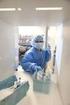 Perth and Smiths Falls District Hospital Attention: Manager, Quality 60 Cornelia Street, West Smiths Falls, Ontario K7A 2H9 CYTOTOXIC PRECAUTIONS A GUIDE FOR PATIENTS & FAMILIES This guide has been prepared
Worker Health, Hygiene, and Personal Practices. Please pass the apple from the back of the room to the front
 Worker Health, Hygiene, and Personal Practices Please pass the apple from the back of the room to the front Penn State Farm Food Safety Workshop 2011 Would you eat the apple we just passed around? How
Prevention and control of infection in care homes. Summary for staff
 Prevention and control of infection in care homes Summary for staff 1 DH INFORMATION READER BOX Policy Clinical Estates HR / Workforce Commissioner Development IM & T Management Provider Development Finance
INFLUENZA (FLU) Flu and You
 Influenza (Flu) What is the flu? The flu is an illness caused by flu viruses. The flu may make people cough and have a sore throat and fever. They may also have a runny or stuffy nose, feel tired, have
NURSING SKILLS FAIR GAME QUESTIONS
 NURSING SKILLS FAIR GAME QUESTIONS FOR UNLICENSED NURSING STAFF The questions contained in this document are intended to be used during a long-term care facility (LTCF) nursing education or skills fair
4.Infection Control. A. Introduction to Infection Control
 4.Infection Control A. Introduction to Infection Control 1. Nosocomial infections are acquired by 5-10% of hospitalized patients, resulting in increased cost of millions of dollars annually. 2. Center
Whooping Cough. The Lungs Whooping cough is an infection of the lungs and breathing tubes, both of which are parts of the respiratory system.
 Whooping Cough Introduction Whooping cough is a serious bacterial infection of the lungs and breathing tubes. It is also called pertussis. About 16 million cases of whooping cough happen worldwide each
HealthStream Regulatory Script
 HealthStream Regulatory Script Personal Protective Equipment Release Date: August 2008 HLC Version: 602 Lesson 1: Introduction Lesson 2: PPE Basics Lesson 3: Use of PPE in Healthcare Lesson 4: Gloves Lesson
Facts you should know about pandemic flu. Pandemic Flu
 Facts you should know about pandemic flu Pandemic Flu What s this brochure all about? This brochure provides information about pandemic flu. It gives the answers to 10 important questions concerning an
Training on Standard Operating Procedures for Health Care Waste Management Swaziland 12 May, 2011
 Training on Standard Operating Procedures for Health Care Waste Management Swaziland 12 May, 2011 Safe Infectious Waste Handling and Transport Objective Waste Overview Roles and Responsibilities of Waste
Roger Williams University. Bloodborne Pathogens Exposure Control Plan
 Roger Williams University Bloodborne Pathogens Exposure Control Plan Revised 12/2010 ROGER WILLIAMS UNIVERSITY BLOODBORNE PATHOGENS EXPOSURE CONTROL PLAN I. STATEMENT OF POLICY It is the policy of Roger
InfectIon PreventIon checklist for outpatient settings:
 InfectIon PreventIon checklist for outpatient settings: Minimum Expectations for Safe Care National Center for Emerging and Zoonotic Infectious Diseases Division of Healthcare Quality Promotion CS224818
OCCUPATIONAL HEALTH, DISABILITY AND LEAVE SECTOR MEASURES TO MINIMIZE EXPOSURE TO BLOODBORNE PATHOGENS AND POST-EXPOSURE PROPHYLAXIS POLICY
 UNIVERSITY OF OTTAWA OCCUPATIONAL HEALTH, DISABILITY AND LEAVE SECTOR MEASURES TO MINIMIZE EXPOSURE TO BLOODBORNE PATHOGENS AND POST-EXPOSURE PROPHYLAXIS POLICY Prepared by the Occupational Health, Disability
Swine Flu and Common Infections to Prepare For. Rochester Recreation Club for the Deaf October 15, 2009
 Swine Flu and Common Infections to Prepare For Rochester Recreation Club for the Deaf October 15, 2009 Supporters Deaf Health Community Committee Members Julia Aggas Cathie Armstrong Michael McKee Mistie
Standard Precautions. These guidelines must be implemented b y all healthcare workers. Standard Precautions version 1.0 28 th April 2009 1
 Standard Precautions These guidelines must be implemented b y all healthcare workers Standard Precautions version 1.0 28 th April 2009 1 Table of Contents Forward 3 Introduction 4 What is the rationale
Useful contacts. Call 0800 1 513 513 to hear the latest information on swine flu. England: www.nhs.uk www.direct.gov.uk/swineflu
 Useful contacts Call 0800 1 513 513 to hear the latest information on swine flu. England: www.nhs.uk www.direct.gov.uk/swineflu Scotland: www.nhs24.com Wales: www.nhsdirect.wales.nhs.uk www.wales.gov.uk/health
RSV infection. Information about RSV and how you can reduce the risk of your infant developing a severe infection.
 RSV infection Information about RSV and how you can reduce the risk of your infant developing a severe infection. What is RSV? RSV is one of the most common respiratory viruses and is spread easily. By
METHICILLIN-RESISTANT STAPHYLOCOCCUS AUREUS (MRSA) COMMUNITY ACQUIRED vs. HEALTHCARE ASSOCIATED
 METHICILLIN-RESISTANT STAPHYLOCOCCUS AUREUS (MRSA) COMMUNITY ACQUIRED vs. HEALTHCARE ASSOCIATED Recently, there have been a number of reports about methicillin-resistant Staph aureus (MRSA) infections
Hand Hygiene: Why, How & When?
 Hand Hygiene: Why, How & When? WHY? Thousands of people die every day around the world from infections acquired while receiving health care. Hands are the main pathways of germ transmission during health
Influenza Control Program. Frequently Asked Questions Wearing a Mask
 Influenza Control Program Frequently Asked Questions Wearing a Mask Influenza or the flu can be a serious contagious disease, which is spread by droplet transmission through close contact with an infected
Ambulance Service. Patient Care. and. Transportation Standards
 Ambulance Service Patient Care and Transportation Standards Ministry of Health and Long-Term Care Emergency Health Services Branch Patient Care A. General Each operator and each emergency medical attendant
EAST CAROLINA UNIVERSITY INFECTION CONTROL POLICY
 EAST CAROLINA UNIVERSITY INFECTION CONTROL POLICY Department: Adult and Pediatric HealthCare/ECU-Doctor s Park, Building #2 Date Originated: October 28, 1992 Date Reviewed: 10.28.92, 12.14.94, Date Approved:
Sanitary Food Preparation & Safe Food Handling
 70 Feeding Infants 10 Sanitary Food Preparation & Safe Food Handling Babies are more susceptible to bacteria than older children, and unsanitary food conditions can cause serious infections. General cleanliness,
Nursing college, Second stage Microbiology Dr.Nada Khazal K. Hendi L14: Hospital acquired infection, nosocomial infection
 L14: Hospital acquired infection, nosocomial infection Definition A hospital acquired infection, also called a nosocomial infection, is an infection that first appears between 48 hours and four days after
Blood-borne viruses in the workplace Guidance for employers and employees
 Blood-borne viruses in the workplace Guidance for employers and employees Is this guidance useful to me? If you are an employer or employee, self-employed or a safety representative, and involved in work
How to safely collect blood samples from persons suspected to be infected with highly infectious blood-borne pathogens (e.g.
 How to safely collect blood samples from persons suspected to be infected with highly infectious blood-borne pathogens (e.g. Ebola) Step 1: Before entering patient room, assemble all equipment (1 st part)
The State Hospital HIV / AIDS
 The State Hospital HIV / AIDS The red ribbon is the international symbol of HIV & AIDS awareness. What is HIV? HIV stands for Human Immunodeficiency Virus: H is for Human - This virus infects human beings.
Influenza Education Presentation Prepared by Peel Public Health 2014
 Influenza Education Presentation Prepared by Peel Public Health 2014 Disclaimer We are pleased to be able to offer you the use of our Influenza PowerPoint presentation for your use. Peel Public Health
CLEAN Your HandS. A Safe and Useful Guide to Proper Hand Cleaning Techniques
 CLEAN Your HandS A Safe and Useful Guide to Proper Hand Cleaning Techniques Have you CLEANED your hands? This question is heard in many homes and daycare centres throughout Canada several times a day.
Tuberculosis Exposure Control Plan for Low Risk Dental Offices
 Tuberculosis Exposure Control Plan for Low Risk Dental Offices A. BACKGROUND According to the CDC, approximately one-third of the world s population, almost two billion people, are infected with tuberculosis.
Attachment D Infection Control Policy METHODS OF IMPLEMENTATION AND CONTROL
 Attachment D Infection Control Policy METHODS OF IMPLEMENTATION AND CONTROL OSHA requires that the ECP include a schedule and method of implementation for the various requirements of the standard. The
Pneumonia. Pneumonia is an infection that makes the tiny air sacs in your lungs inflamed (swollen and sore). They then fill with liquid.
 Pneumonia Pneumonia is an infection that makes the tiny air sacs in your lungs inflamed (swollen and sore). They then fill with liquid. People with mild (not so bad) pneumonia can usually be treated at
A Safe Patient. Commonwealth Nurses Federation. Jill ILIFFE Executive Secretary. Commonwealth Nurses Federation
 A Safe Patient Jill ILIFFE Executive Secretary Commonwealth Nurses Federation INFECTION CONTROL Every patient encounter should be viewed as potentially infectious Standard Precautions 1. Hand hygiene 2.
Kean University BS Degree Program in Athletic Training BLOOD BORN PATHOGENS POLICY
 Kean University BS Degree Program in Athletic Training BLOOD BORN PATHOGENS POLICY Effective September 2, 2014 The following policy will apply to students taking classes and faculty teaching those classes