
Ski equipment-related measures to reduce knee injuries
|
|
|
- Lewis Whitehead
- 9 years ago
- Views:
Transcription
1 bfu knowledge base Ski equipment-related measures to reduce knee injuries Authors: Veit Senner, Frank I. Michel, Stefan Lehner BfU_Ski_equipment.indd 1 Berne :15

2 bfu knowledge base Ski equipment-related measures to reduce knee injuries Review of the potential for further technical improvements in recreational alpine skiing Authors: Veit Senner, Frank I. Michel, Stefan Lehner BfU_Ski_equipment.indd 3 Berne :57

3 Imprint Publisher Authors Editor Print run bfu Swiss Council for Accident Prevention PO Box 8236 CH-3001 Berne Tel Fax Can be downloaded as a PDF file: Art. no Veit Senner, Prof. Dr. Technische Universität München Frank I. Michel, Dr. Sportwiss., Dipl.-SpOec, Research Associate, bfu Stefan Lehner, Dr. Technische Universität München Othmar Brügger, MSc in Human Movement Sciences, Team Leader Sports and Home/Leisure Research, bfu W. Gassmann AG, Druck und Verlag, Längfeldweg 135, CH-2501 Biel/Bienne 1/2013/500 Printed on FSC paper bfu 2013 All rights reserved; reproduction (e.g. photocopying), storage, processing and distribution are permitted if source is quoted (q.v. suggested source quotation below) Suggested source quotation Senner V, Michel FI, Lehner S. Ski equipment-related measures to reduce knee injuries. Review of the potential for further technical improvements in recreational alpine skiing. Berne: bfu Swiss Council for Accident Prevention; bfu knowledge base. ISBN (Print) ISBN (PDF)

4 Contents I. Abstract 5 II. Introduction 7 III. Epidemiology 11 IV. Injury mechanism Considerations for possible categorisation principles Currently described injury mechanisms in recreational skiing 17 V. Technical possibilities of the SBB functional unit to reduce knee injuries Ski and binding interface Sidecut radius and ski length Bending stiffness in the rear part of the ski Ski height in the area of the binding Further design parameters that have an indirect influence on skiing safety Binding Reducing the influence of constraining forces on release behaviour Further degrees of freedom (additional release directions) Improvement in dynamic behaviour (resilience/impact tolerance) Binding adjustment Introduction of mechatronic binding concepts Ski boot Height of the upper Boot liner Boot position (frontal and transverse plane) Flexible design in the sagittal plane Other technical components Reduction of degrees of freedom The use of knee braces to prevent injuries 37 VI. Considerations regarding the strategic and operational implication 39 VII. Appendix 41 References 42 bfu knowledge base Contents 3

5

6 I. Abstract Although the total incidence of alpine skiing injuries has shown a steady downward trend over the last four decades, it is noticeable that the proportion of knee injuries did not benefit from this decline to the same extent. Switzerland thus recorded a minor increase in knee injuries and a clear increase was even recorded in the US in terms of knee injuries of severity level III up until the early 1990s. Overall, the proportion of knee injuries remains very high compared to the total incidence of injuries and continues to be the central topic for prevention in alpine skiing. To examine critically the current situation regarding knee injuries in relation to ski equipment, a complex analysis of the literature was carried out in which, alongside scientifically published scientific papers and grey literature, consideration was also given to patents as well as international standards. The overall objective of the subject literature research is to indicate the current status of research and technology in the field of ski equipment. In this respect, possible existing connections with injury mechanisms typical for recreational skiing will also be described. On this basis, technological opportunities for the prevention of knee injuries, in other words design changes to the functional unit of a ski-bindingboot (SBB), will be shown. This work thus provides a basis for discussion both for researchers and product developers, and can act as a strategy paper for people in the public health sector as well as product managers. Keywords: alpine skiing, ski, binding, boot, ACL, knee injury, injury mechanism bfu knowledge base Abstract 5

7

8 II. Introduction Although the total incidence of alpine skiing injuries has shown a steady downward trend since the late 1970s a decrease of 59% in Germany compared to the base year 1979/80 [1] and of 55% in the US since 1972 [2] it is noticeable that the proportion of knee injuries did not benefit from this decline to the same extent. Switzerland thus recorded a minor increase in knee injuries [3] and a clear increase was even recorded in the US in terms of knee injuries of severity level III up until the early 1990s [2]. The same data base shows a significant decline since the mid 1990s in severe knee sprains and it is generally accepted that this is to some extent due to an average shorter ski length since the introduction of shaped skis [4]. However, the proportion of knee injuries remains very high compared to the total incidence of injuries and continues to be the central topic for prevention in alpine skiing. Natri et al. summarized this situation in drastic terms and established a link to development in the field of ski boots and bindings [5]: However, despite advances in equipment design, modern ski bindings have not protected the knee from serious ligament trauma. At the present time, we are unaware of any binding design, settings or function that can protect both the knee and lower extremities from serious ligament sprains. No innovative change in binding design appears to be on the horizon that has the potential to reduce the risk of these severe knee injuries. [5, p. 35] Almost fifteen years later, is this statement still valid today? Are there really no solutions with the potential to reduce the risk of knee injuries in recreational alpine skiing? To answer these questions and to comprehensively analyse the current situation regarding knee injuries in relation to ski equipment, a complex analysis of the literature was carried out in which, alongside scientifically published scientific papers and grey literature, consideration was also given to patents and international standards as well as the author s longstanding expertise. At this point it should be pointed out that this review does not include alpine ski racing and professional skiing (except ski instructors). Some comprehensive research exists that analyses the epidemiology and injury mechanisms in alpine ski racing [6 14]. Although there are some similarities relating to knee injury mechanisms, the boundary conditions in a racing environment such as the equipment and physical conditions of humans are too diverse to derive reasonable crosslinks. The overall objective of the subject literature research is to indicate the current status of research and technology in the field of ski equipment. It is therefore continuing the literature review on the topic of ski binding function and knee injuries presented ten years ago by Shealy et al. [15] and the one fifteen years ago published by Finch and Kelsall [16]. In this respect, possible existing connections with typical injury mechanisms will also be described. On this basis, technological opportunities for the prevention of knee injuries, in other words design changes to the functional unit of a ski-bindingboot (SBB), will be shown. This work thus provides bfu knowledge base Introduction 7
![Switzerland thus recorded a minor increase in knee injuries [3] and a clear increase was even recorded in the US in terms of knee injuries of severity level III up until the early 1990s [2].](/docs-images/47/19913717/images/page_8.jpg "The same data base shows a significant decline since the mid 1990s in severe knee sprains and it is generally accepted that this is to some extent due to an average shorter ski length since the")
9 a basis for discussion both for researchers and product developers, and can act as a strategy paper for people in the public health sector as well as product managers. Research into the literature was conducted using the literature database PubMed, the search engine Scholar Google, the anthologies I-XVIII of the symposium Skiing Trauma and Safety by the International Society of Skiing Safety (ISSS) and the collection Volumes I IV of the Science and Skiing Congress. The PubMed literature search (without limitation of publication date) using the Medical Subject Heading (MeSH) terms skiing AND knee AND injury AND (binding OR boot OR ski) was performed in order to obtain relevant articles published in this field (n=142). Moreover, in search for additional information, all reference lists of the papers retrieved were checked manually. Patent research was carried out through esp@cenet (database of the European Patent Office), the patent database DEPATISnet.de of the German Patent and Trademark Office and using the free U.S. database Free Patents Online [17]. The present review is based on a comprehensive research report on behalf of the bfu Swiss Council for Accident Prevention [18]. This 140-page report provides more background knowledge and explains the complex relationships more thoroughly. 8 Introduction bfu knowledge base

10

11 III. Epidemiology The publication situation on the incidence of injuries in alpine skiing is extensive. Results of epidemiological studies conducted in different countries or various ski areas are generally very limited for comparability. The reasons for this are diverse [19]. A comparison of various injury studies can only show trends due to methodology problems. The following summarised general statements on knee injuries essentially sum up the status of the two most recent volumes of Skiing Trauma and Safety (STP 1510 and STP 1525), in which country-specific injury development is periodically represented [20,21]: 1. The knee is the most commonly injured body part in alpine skiing [1,4,22,23]. The share of total injury volume is between 25% [24] and 59% (data for the group of women aged 30 to 44 from Burtscher et al. [25]). A good reference value for adults is one-third (33%). 2. Different studies have shown that women have a 2.3 to 9.7 times greater risk of injury to the anterior cruciate ligament (ACL) than men [26]. In the skiing sector, the risk of women suffering a knee injury is 2 to 3 times higher compared to the risk for men. This finding is confirmed by many studies, including that by Greenwald and Toelcke [27]; Jais [28]; Ruedl, Linortner, Schranz, Fink, Schindelwig, Nachbauer [29] as well as by Ekeland and Rødven [24]. The reason for this is given as anatomical, neuromuscular [26] and hormonal differences [30]. 3. Tiredness (among women) does not appear to be a risk factor for incurring a knee injury [31]. More than 80% of all knee injuries are incurred by women during the first 3 hours of skiing. 4. Advanced age (over 55) is not a predictor for an increased risk of knee injuries (except for fractures of the tibial plateau) according to the study by Shealy, Ettlinger, Johnson [32]. Overall, this age group has a lower risk of skiing injuries than the remaining population. Although orthopaedics and traumatology have internationally uniform designations for injuries that affect the anatomical structures of the knee, these are nevertheless categorized differently sometimes. The classification shown in Figure 1 [33] below has become established in many Anglo-American and Scandinavian publications. This categorisation tries to take into account the severity of the injury and the occurrence of combined injuries. The difficulty of drawing comparisons between studies from different countries [19] is also highlighted in Table 1 [33 37] below. The substantial differences in the stated values may be the result of inconsistent definitions of the types of injury. bfu knowledge base Epidemiology 11

12 Figure 1 Widely established categorisation of knee injuries (ACL: Anterior Cruciate Ligament; MCL: Medial Collateral Ligament; LCL: Lateral Collateral Ligament) ACL Grade III Isolated ACL ACL / MCL Knee Sprains LCL Grade I & II Knee & Below MCL Grade I & II ACL / LCL MCL III ACL Twist Lower leg Bend Source: Johnson and Ettlinger [33] (with permission) Table 1 Categorisation of knee injuries (international studies). Distributed over the different categories as percentages. Knee joint ligament injuries as a percentage of all injuries; severity of the injuries (degree of severity) I, II and III as percentages of knee injuries. ACL (anterior cruciate ligament), MCL (medial collateral ligament), LCL (lateral collateral ligament) as percentages of isolated ligament injuries Author Knee joint Isolated Severity of the injury ligament injuries ligament injuries ACL MCL LCL I II III Ekeland (1995) Laporte et al. (2008) Merkur et al. (2003) Johnson et al. (2005) Source: Senner, et al. [34], Ekeland [35], Laporte, et al. [36], Merkur, et al. [37], Johnson and Ettlinger [33] 12 Epidemiology bfu knowledge base

13

14 IV. Injury mechanism 1. Considerations for possible catego- other boundary conditions, such as muscle status risation principles in the development of an injury. In many works, this remained at the level of qualitative descriptions A look at the literature on knee injuries in alpine of external characteristics [38]. In other studies, the skiing published over 30 years of worldwide re- phantom foot is described as a tibial internal search activity reveals two terms that often appear rotation in combination with valgus stress [39 41]. in the description of causal mechanisms of injury. The first of these is phantom foot as termed by Few researchers have made an effort to categorise American and knee injury mechanisms systematically and accord- Shealy, which describes the unnatural extension of ing to predefined principles of order to provide a the foot by the ski end affixed to the foot [38]. The comprehensive description. researchers Johnson, Ettlinger second term coined at the end of the 1980s was Boot-Induced Anterior Drawer, which tries to In addition to categories used to describe sports summarize the shift, caused by the ski boot, of the injuries, both Bahr et al. and Krosshaug et al. pro- lower leg towards the front of the leg relative to pose taking considerations of joint and overall the thigh (Figure 2) [38]. body biomechanics into account [42,43]. They also insist on taking both the predisposition of the in- Until now, an attempt has been made to allocate jured person (intrinsic factors) and extrinsic factors, these two concepts to an accurate and compre- such as the surrounding conditions or the equip- hensive description in kinematics, kinetics and ment, into consideration. Table 2 below was developed based on the considerations of these re- Figure 2 Boot-induced anterior drawer search groups. It presents possible approaches, associated key questions and examples of typical parameters for a systematic categorisation of knee injuries, especially for alpine skiing. The table shown here does not purport to be complete and a number of intrinsic (e.g. presence of pre-existing damage) and extrinsic factors (e.g. slope conditions) might be included as further classification criteria. For future studies, it seems meaningful to attempt to describe the knee injuries observed according to all of the above approaches and mark any missing information as such. Firstly, Source: Technische Universität München bfu knowledge base BfU_Ski_equipment.indd 17 this could help to further differentiate current in- Injury mechanism :01

15 jury typing. Secondly, this could lead to realistic boundary and initial conditions for the computer simulation of knee injuries (if-then analysis) to allow specific unfavourable condition configurations to be identified using simulations. In conclusion, it should be pointed out that it is generally difficult to give a precise description of any injury as well as allocate it to a time sequence. The reason for this is as follows: if a complex knee injury is diagnosed (e.g. unhappy triad ), the question arises as to whether it is the result of a single overstrain condition or a sequence of overstrain situations, e.g. initially an isolated rupture of the ACL with consequent loss of stability and only then followed by an overstrain of the remaining structures. In most cases, it would be difficult to assign the origin of the injury diagnosed to a clear chain of cause-and-effect. Therefore, to enable broader interpretations, use should only be made of those cases if possible where there is little uncertainty about the origin of the injury. Table 2 Possible approaches, key questions and typical parameters for a systematic categorisation of knee injuries in alpine skiing Consideration Central issue(s) Typical parameters Orthopaedically-traumatic Which knee structures are damaged to what degree? Number of injured structures; extent, appearance and location of a ruptured ligament Anatomically-biomechanical What mechanical loads appear in the knee s various structures? Tensile forces in the ACL and in the MCL; extent of the retropatellar compressive forces; force increase rates in the ligament structures Kinematic How does the lower limb move relative to the thigh bone? How do the injured person s body parts move? Energetic On what total energy is the accident event based and what energy transformations take place? Skiing load related What resultant forces and moments work on the skis? Where is the application point of the resultant force? Muscle status Which muscles are active to what extent? What form of contraction, what working method, what lengths and/or changes in length do the participating muscles indicate? Neuromuscular To what extent can muscular protective reactions caused by proprioception - occur? Are there any constraints that interfere with the neuromuscular control system? Extent of the anterior-posterior translation found; tibia rotation angle acceleration; Temporal course of the knee reflexion angle; Trajectory of the body s centre of gravity Energy transfer between the parts of the body/joints; inertia forces that occur; inner joint work Temporal course of the reactive loads (sectional loads) between the binding and the ski boot Muscle-power temporal course of the M. biceps femoris with due regard for the joint kinematics present; maximum possible tensile forces; extent of the muscular tension/co-contraction in the knee joint Extent of any muscular dysbalances; Complexity of the task of movement regulation Skiing technique What are the skiing style and technique? Extent of self-control by the skis; Position and movement of the What skiing errors and corrective measures occurred? skis relative to each other; Movement of the skis relative to certain joint axes; Extent of the edge angle; Share of drift Source: Senner, et al. [34] 16 Injury mechanism bfu knowledge base

16 2. Currently described injury mechanisms in recreational skiing The most comprehensive analysis that makes orthopaedic trauma surgery, anatomical-biomechanical and kinematic observations was presented by Freudiger and Friedrich [44]. In their research, they gathered the results from a total of 18 relevant publications and combined them with their own analysis of existing video recordings of knee injuries to form a considerable synthesis. A division into four main groups was created to which a total of 17 different injury mechanisms or load cases are allocated [44]: 1a 1b 1c 2a 2b 2c 2d 2e 2f 3a 3b 3c 3d 3e 3f 4a 4b Flexion with anterior-tibial load i Landing on the ski tail ii Backward fall iii Raising from or avoiding backward lean by quadriceps-pull Flexion with (enforced) anterior-tibial translation i Transition of sliding upper body from uphill to downhill side Hyperflexion External rotation in (hyper-)extension (upper body rotates instead of skis) External rotation + anterior-directed translation External rotation + valgus (ski tip turns outwards; body centre of gravity clearly in front of the binding) External rotation + valgus in flexion (body centre of gravity clearly in front of the binding) External rotation + valgus + anterior-directed translation (body centre of gravity clearly in front of the binding) External rotation + varus + anterior-directed translation (body centre of gravity clearly behind the binding) Internal rotation in (hyper-)extension (upper body rotates instead of ski) Internal rotation in flexion Internal rotation + varus (ski tip turns inwards; body centre of gravity clearly in front of the binding) Internal rotation + varus in flexion (body centre of gravity clearly in front of the binding) Internal rotation + valgus in (hip-below-knee) flexion (e.g. Phantom Feet ; body centre of gravity clearly behind the binding) Internal rotation + valgus + anterior-directed translation (body centre of gravity clearly behind the binding) (Hyper-)extension Hyperextension + internal rotation + varus The load cases mentioned in items 2c to 3d relate to a forward movement, while load conditions 3e to 3f relate to within a (short-term) reverse movement or leaning backwards motion with resultant stress on the rear ski part. For some of these injury mechanisms, the authors provide specific descriptions of actual accidents. Of particular interest in their analysis is the fact that, unlike other investigators, their deliberations not only consider the kinematic chain starting from the ski and going up, but also vice versa including the effect of movements of the upper body to the lower extremity. Among other things, the latter can explain why a pure moment (moment without any additional net force) can happen to a knee blocked by the ski in the snow counter bearing. bfu knowledge base Injury mechanism 17

17

18 V. Technical possibilities of the SBB functional unit to reduce knee injuries There are few sports where there is such close and complex interaction between the design of the equipment, ambient conditions and the execution of the sports movement as in alpine skiing. Today s variety of ski categories and models, which makes it difficult even for experts to gain an overview, (not least influenced by clever marketing) is a consequence of this fact. From the safety aspect, this product variety should therefore tend to be evaluated more critically because it has become more difficult for skiers to find the ski and boot material that suits their personal skiing technique, their skiing style and their preferred terrain. It is a fact that the most important physical properties of the individual components of ski, boot and binding can be described by a number of key characteristics. The properties of a ski, including those of its (partial) bending and torsional stiffness, its contact length and its impact-absorbing properties or those of the ski boot by specifying the basic forward lean angle and the stiffness of its upper. What is decisive, however, is the suitability of the product for the individual. Skiers who prefer higher speeds and larger radii, will feel more comfortable and safer with a system that absorbs impact to a greater degree. Those who like shorter and faster turns will experience the more agile and lively handling of a ski that absorbs impact to a lesser degree as being pleasant and safe. The technical possibilities for optimising the ski-binding-boot functional unit to reduce knee injuries in alpine skiing are given below. These are presented according to the following structure in Table 3. Table 3 Assessment of technical possibilities for the optimisation of the ski-binding-boot unit for the reduction of knee joint injuries in alpine skiing (recreational/mass sport) Design parameter(s) Possible intervention Influence on knee joint injuries (KJI) Ski and binding interface Sidecut radius (geometry) Reduction in sidecut radius Only proven for certain target groups Comments (e.g. adverse effects) - Less directional quality, less control - More effort may be needed Length of skis Shorten the skis Yes Influence on stability at higher speeds Bending stiffness of the rear part Predetermined breaking point Yes Currently no technical implementation so of the ski behind the binding far Height of the ski in the area of the binding State of preparation of base and edges Ski edge profile Pretension/rocker technology Mass Mass distribution Bending stiffness in general Torsional stiffness Cushioning (including vibrations) Source: Senner, et al. [34] Lower height Yes, indirectly due to the increase in lever arm for lateral forces, greater likelihood of slicing Regular inspection and maintenance Yes, indirectly due to the increase in skiing safety - Product adjusted to the skills, individual style, current slope and snow conditions - Precondition: better sales advice (ideally with a practical test with instructions) as well as ski comparison tests carried out according to scientific criteria Boot-out (sudden loss of edge grip due to contact with the ski boot at extreme edge angles) Cost bfu knowledge base Technical possibilities of the SBB functional unit to reduce knee injuries 19

19 Table 3 (continued) Assessment of technical possibilities for the optimisation of the ski-binding-boot unit for the reduction of knee joint injuries in alpine skiing (recreational/mass sport) Design parameter(s) Possible intervention Influence on knee joint injuries (KJI) Comments (e.g. adverse effects) Binding Reduction in the influence of constraining forces on release behaviour Further degrees of freedom (additional release directions) Improvement in dynamic behaviour (resetting behaviour/impact tolerance) Binding adjustments Introduction of mechatronic binding concepts according to the «Necessary retention forces» principle Correspondingly designed sliding elements and bearings Consideration for lateral forces, particularly on the inner edge towards the back of the ski Yes Conceivable, initial information available - Further research work is necessary - Mechatronic binding concept is required Horizontal release Unclarified Proven effectiveness in avoiding upper extremity injuries in frontal falls Vertical release of the toe Yes Standards need to be worked out piece/component Additional rotating release (variable Yes Solves the lever-arm problem centre of rotation) Asymmetrical twisting fall release Yes Only meaningful in association with mechatronic binding concepts due to the aspects of hyperflexion in the knee joint Introduction of a minimum standard (ISO norm) for the dynamic behaviour of the heel element Raising the release threshold at higher speeds and/or in the event of powerful impacts Integration of additional cushioning elements Periodic (annual) inspection of binding setting Graduation of Z-values for women (15%) Individualised binding settings to suit skiing style Valid and sufficiently accurate determination of the sectional strains between boot and binding Statistically supported survey of the sectional strains that typically occur with different user behaviour and different external conditions Search for detection algorithms that reliably recognise atypical load conditions and development of the control and/or release algorithms Comprehensive test phase with conventional binding as a backup solution Introduction of corresponding standardisation initiatives Yes, indirectly, because the closing of the binding among the sporting skier group thus does not apply Yes Yes Unclarified Yes Yes Yes Yes Yes Corresponding test method and nominal values must be worked out and standardisation initiatives started Almost impossible to implement with conventional mechanical binding concepts Largely exhausted in technical terms for the front part of the binding Standardisation, (legal basis for making this compulsory) Already implemented in an EN standard as an option Requires mechatronic ski binding concept and suitable algorithms to get to know the machine Still no agreement on which load components should be registered Cost pressure may require compromises - Considerable outlay - Accompanying video recording is usually necessary - A precondition is that the data records also contain a certain number of critical events, possibly injury situations - Ethical problems? Meaningful as a multi-centre study, e.g. EU project with USA, Switzerland and Norway Source: Senner, et al. [34] 20 Technical possibilities of the SBB functional unit to reduce knee injuries bfu knowledge base

20 Table 3 (continued) Assessment of technical possibilities for the optimisation of the ski-binding-boot unit for the reduction of knee joint injuries in alpine skiing (recreational/mass sport) Design parameter(s) Possible intervention Influence on knee joint injuries (KJI) Binding Introduction of mechatronic binding concepts according to the «Avoidance of excess loads on knee structures» principle Further specification of the kinematic and kinetic constraints for knee injuries Development and testing of sensor systems worn close to the body to record the kinematics of the lower extremities Possibly: valid and sufficiently precise determination of the sectional loads between boot and binding Laying down the observation parameters and their threshold values as well as the development of the control and/or release algorithms Comprehensive test phase with conventional binding as a «backup solution» Yes Yes Yes Yes Yes Comments (e.g. adverse effects) Requires systematic sensitivity studies with mathematical and/or physical knee models There are already promising approaches in the field of medical technology May not be required for the implementation of this binding concept Consideration for inevitable measurement inaccuracies Meaningful as a multi-centre study, e.g. EU project with USA, Switzerland and Norway Ski boot Height of upper Reduce No - The reduction in the height of the upper should go far enough to allow plantar flexion in the ankle - Ankle injury protection is thus forfeited Inner shoe Optimisation of fitting and comfort Unclarified Positive influence on sensorimotor system properties Canting (position/alignment of the boot/upper in the frontal plane) Yes Position of the boot in the transversal plane Flexible construction in the sagittal plane Reduction of degrees of freedom Use of knee braces for injury prevention Source: Senner, et al. [34] - Standard equipment on high-price ski boot models - Correct setting - Increase in adjustment possibility (angle amplitude) - Exorotated foot position (with respect to the longitudinal axis of the foot) Optimisation of «soft boots» (in the anterior direction) Flexible rear spoiler (in the posterior direction) No Conceivable, direct influence, by better trained regulation of movement Yes Other technical components Linking of the skis using cross-pieces Unclarified (e.g. TwinCarver, Snowrail) - Optimisation in terms of load transfer, Unclarified energy input, wearing comfort - Vision: use of active protective elements («smart materials») - Cost - Influence on knee joint kinematics (individually different) - Only limited movement amplitude possible so far (<10 ) - No physiological neutral-0 position defined so far - Constraining forces may occur at larger angle settings - Corresponding products have already been on the market (re-launch) - Only have any meaning if the ankle protection function is retained Corresponding product (Lange company) has already been on the market (re-launch) - Restricted freedom of movement - Skiing behaviour - Additional item of equipment - Discomfort - Restriction of freedom of movement (ROM/POM) bfu knowledge base Technical possibilities of the SBB functional unit to reduce knee injuries 21

21 1. Ski and binding interface Due to the major strain on them, skis must be highly flexible and fairly torsion-resistant for edge grip. To be considered smooth and to stay on track, they should absorb any deformations caused to skiers by the piste and skiing forces. They should also be as light as possible, show no sign of wear after prolonged use, and of course glide over the snow with minimum resistance. Ideally finetuning these sometimes conflicting properties requires a complex structure of materials with different properties. Nevertheless, the modification of one design parameter can result in adverse effects on another design parameter. Product variations aimed at specific target groups and their clear communication gain in importance in this respect. 1.1 Sidecut radius and ski length overload of the bone, but not to an overload of the ligamentous structures of the knee. One technical solution that can thus be derived is for a shorter length of ski, ahead of and particularly behind the binding. However, this approach is fairly theoretical because the ski then naturally loses track stability and quietness, particularly at higher speeds. The advantages of a relief effect for knee structures are thus bought most likely at the expense of increased skiing errors and, consequently, more falls. Hence the use of shorter skis depends on application and skiing style and is thus specific to the target group. One technical measure that represents a compromise in terms of skiing properties and relief effect through modifications to the ski end is described in chapter V Bending stiffness in the rear part of the ski The sidecut radius of a ski, its bending properties and the edge angle determine the swing radius and thus the forces acting on people [45]. Less sidecut can therefore reduce the forces acting on a skier. Epidemiological studies show that the introduction of carving skis has not significantly affected the total volume of injuries [22,29,46]. Perhaps, however, the risk group has shifted from beginners to professionals. Beginners benefit from shorter and livelier carving skis, which simplify the use of edges and ski turns. In the study by Jais, there are signs that ski length and not sidecut may pose a greater risk of injury for women [28]. This observation is also supported by a comparison of the incidence of injuries with skiboards and those with skis (chapter V.1.2) [47 52]. In typical skiing and fall situations, a lever arm of 70 to 100 cm in length rigidly fixed to the foot tends to lead to an From the mid-1990s, a form of short skis became established on the market under the names of skiboards or snow blades, with a ski length of less than 100 cm and a comparatively very pronounced sidecut that further developed the substantially older concept of the Bigfoot from the Kneissl company. For the current issue of knee injuries, it is of particular interest that existing epidemiological studies on skiboards [47 52] come to the very similar conclusion that this type of sports equipment drastically reduces the risk of knee injuries, even though they are generally not fitted with a release binding. Investigators relate this to the significantly shorter length behind the binding. Chapter V.1.1 already pointed out that a shortening of the skis was more of a theoretical approach. One compromise in terms of skiing characteristics and relief effect might be a release function or nominal breaking point in the rear section of the ski. 22 Technical possibilities of the SBB functional unit to reduce knee injuries bfu knowledge base
22 1.3 Ski height in the area of the binding Meanwhile, the spacers (syn. lifters ) of 10 cm or more in some instances between the ski and the binding and seen at the beginning of the carving wave have disappeared from the market. However, a slight increase in height of 1 2 cm is usual to simplify skiing on the edge [53]. Some researchers are critical of any height increase for the binding because results suggest that increases in the binding foster slicing [54] and possibly lead to increased strain on the knee [55]. Besides a certain tuning effect (optimisation of the bending line and the damping behaviour of the ski), the increases are primarily intended to prevent potential shoe-snow contact (syn. boot out ) at large edge angles. However, putting the boot in the snow is even more effectively avoided by an overall greater width in the binding area, as is already the case with many carving ski models nowadays. 1.4 Further design parameters that have an indirect influence on skiing safety The properties of alpine skis are marked by a number of physical (mechanical) aspects, including the State of preparation of the base, the edges and the ski edge profile Pre-load/rocker technology Dimensions and mass distribution Bending stiffness (in general) and torsional stiffness Impact absorption (including vibration) These parameters interact and in their entirety determine, firstly, the skis characteristics and, secondly, their suitability for different slopes and snow conditions. This also means that errors in matching a ski for suitability to a particular slope and snow situations can have a negative influence. Especially in the blade area and the tail insufficient torsional stiffness reduces the quality of edge grip and stability when skiing on the edge. The general rule is that skis with a harmonious setting, reduced bending stiffness in the blade area, less sidecut and shorter length (chapter V.1.1) are more forgiving and, for reasons of skiing safety, therefore suitable for less experienced skiers. These are in contrast to skis with sportier settings that have either a low centre width, special torsional stiffness and a strong sidecut (slalom carver) or are of a length that clearly exceeds body height, tending overall to be more rigid and have good impact-absorbing characteristics (race carvers). Overall, a soundly based evaluation of the performance characteristics of skis first requires a precise definition of the target group and the application areas, followed by and based on this, a meaningful definition and weighting of relevant properties and finally systematic testing under conditions that are as standardized as possible. Minimum requirements for conducting tests for alpine skis are defined in DIN-ISO 8783, most recently updated in The test design by Brinkmann Henrich Medien GmbH describes in detail how these standard specifications can be implemented in a practical ski test [56,57]. Determining a ski s performance characteristics and the accompanying recommendation to customers on which skis to buy thus involve injury prevention aspects. 2. Binding Until the mid-1980s, the term safety binding was still being used in ski binding manufacturers technical manuals and in the standards developed bfu knowledge base Technical possibilities of the SBB functional unit to reduce knee injuries 23
23 until then. Nowadays, this term has been replaced by the term release binding. At first glance, this insignificant change in terminology has a legal background. The term safety suggests that there is no longer any danger when a safety binding is used. Practice underscores the fact that this is not the case and consequently the concept of residual risk was coined. The reasoning behind this rather abstract formulation is that, of course, any technical system may malfunction and also fail completely. There is no generally applicable, superordinate classification for ski bindings, e.g. described in standards. ISO 8614: 1997 Ski bindings Vocabulary only defines important terms relating to bindings. The categorization shown in Figure 3 is proposed in the absence of any classification of ski bindings for alpine skiing appropriate to the status of research and technology. It first sub-divides ski bindings into those in which all functions are solved in a purely mechanical way, and into those where electrical or electronic components take over part of the binding functions or provide new functions not previously available. A ski binding must fulfil the two main functions, namely to connect the ski boot rigidly to the ski (linking) and to release it if there is an overload of the leg (load limit). For the former, the ski binding must transfer three moments and three forces, which from a mechanical standpoint makes no difference whether external loads act on the skis and the body forms the counter bearing, or whether the body, for example, because of its inertia properties, moves relative to the ski counter bearing. The following proposed categorization of mechanical ski bindings is based on the idea that, ideally, there could be a limiting function for all six load components. Although a few bindings exist in which the majority of today s ski bindings have a degree of freedom at the level of the ski surface Figure 3 Possible classification for ski bindings Alpine Ski Bindings Mechanical Concepts Mechatronic Concepts 2 degrees of freedom 4 degrees of freedom > 4 degrees of freedom Electronic component to monitor / control function Electronic component to trigger a release Intelligent (adaptive) systems Category I Category II Category III Category IV Category V Category VI Source: Senner, et al. [34] 24 Technical possibilities of the SBB functional unit to reduce knee injuries bfu knowledge base
24 Figure 4 Possible degrees of freedom for the front part of the binding Source: Marker, with permission (lateral or medial toe release, limiting the moment Mz) and a degree of freedom in the XZ plane, the plane parallel to the sagittal plane through the ski s longitudinal axis (heel release, limiting the moment My). Some of the higher prized bindings may also realize an upward or even a full diagonal release at the toe (e.g. Tyrolia and Marker concept). Although, in contrast to the heel release, no standard exists that specifies release values for the upward toe release, one statement generally applies: the more potential degrees of freedom a binding has, the better the complex load situations and therefore the combinations of the three forces and three moments are taken into account and correspondingly limited. Conversely, this statement means that, in complex load situations, only partial components of the existing load spectrum are effectively triggered and the others result in constraining forces in the connection points. With the introduction of each additional degree of freedom (put simply: release direction ), a ski binding can be described as technologically superior, which at the same time increases the risk of false releases (Figure 4). It is therefore easy to understand that it is not the design implementation of additional degrees of freedom that represents the real challenge for the engineers. Instead, a legal problem may arise from the need to establish the corresponding release table specifying the appropriate thresholds, considering human factors and external boundary conditions. This and missing initiatives by standardization committees may be the reason for the leading ski binding manufacturers seeming reluctant to create additional degrees of freedom. In contrast to this observation, a small US start-up company presented a ski binding with an additional degree of freedom (chapter V.2.2) more than five years ago but is still struggling with the release settings. If, in addition to the previously described two degrees of freedom, there is a translational release possibility in a medial or lateral direction, the number of degrees of freedom is increased by 1, and this would be a category II binding. Since a rotational degree of freedom around the x-axis and a horizontal trigger would also theoretically be conceivable, the proposed arrangement in Figure 3 also shows Category III, which has not yet been achieved. What mechatronic systems have in common is that they contain both mechanical parts and electronic components. The latter can provide comparatively simple functions, such as displaying information (category IV). In the two categories V and VI, a mechatronic trigger function is a fundamental component of the binding. As with the previously mentioned category IV, sensors must be attached to specific positions on the skier and/or the SBB system and provide a microprocessor with data. The sensor information could be very diverse in nature (for example, binding forces and moments, joint angles, activation status of certain muscles). In category V, these values serve mechatronic concepts as input parameters for an algorithm that compares the current system status as bfu knowledge base Technical possibilities of the SBB functional unit to reduce knee injuries 25
25 described with stored standard sizes and, with any deviations from prescribed limits, a control command (such as release ) is sent to the binding or a modification is made (such as lowering the release threshold ). Mechatronic links in category VI note the previously mentioned sensor data, but process it in the sense of a learning system. This would allow the behaviour of the binding to be better adapted to current external conditions. For example, in particularly aggressive and fast skiing, the release level might be corrected upwards or, for extra cautious skiers, the release could be revised downwards. If a skier s skiing style changes in the course of the day, an intelligent binding of this type would thus adjust accordingly. The two categories V and VI thus vary by the type of sensor data processing and the resultant reactions derived therefrom. While bindings in category V control the release or modification based on fixed thresholds, category VI bindings can regulate the binding s retention forces flexibly. The latter is technically much more difficult to achieve. 2.1 Reducing the influence of constraining forces on release behaviour Appropriately designed sliding elements and bearings (Figure 5): When constraining forces occur at the contact point between boot and binding, this may partially lead to significant changes in the release behaviour of bindings [58]. By means of design measures, such as the use of materials with very low friction (PTFE) at the contact points, the use of rolling bearing-guided glide plates and/or the introduction of elastic height and length heel elements can keep the extent of deviation from the standard value at an acceptable mass level. Cost pressures, to which binding manufacturers are nowadays exposed, have led on several occasions to technically somewhat more complex solutions to Figure 5 Samples for sliding elements and bearings: (a) Endless belt which eliminates friction between boot and binding for safer release function; (b) sliding elements (a) (b) Source: (a) Tyrolia, with permission; (b) Marker, with permission 26 Technical possibilities of the SBB functional unit to reduce knee injuries bfu knowledge base
26 reduce the impact of constraining forces being replaced by low-cost options that only just meet the requirements of ISO 9462:2012 for combined loads. 2.2 Further degrees of freedom (additional release directions) Taking the transverse forces into consideration, especially at the inner edge of the rear ski area: Ettlinger et al. conducted a study that aimed to clarify conditions for the development of a mechatronic ski binding with a view to preventing knee injuries [59]. To this end, researchers saw the need to connect the necessary retention forces in the binding to forces in the XY plane that occur when skiing in different situations. For the rough categorisation of the position of the force application point, Ettlinger et al. propose four quadrants. The technical solution described is based on the fact that the system detects in which of these four quadrants the force application point is located and then creates release values for the ski binding dependent on the quadrant [59]. The test results are considered tentative and require further research due to the small sample of individuals (n = 15) and the unproven validity of the measurement system. Horizontal release: When skiboards became established on the market in the mid-1990s, not only did a change in injuries become apparent but it was also noticeable that even experienced skiers had difficulties in making the changeover on first trying out this new type of equipment: as a result of the now drastically reduced length of contact in comparison to skis, far more attention had to be paid to keeping a central position (middle) with the new boards. Initially, this did not correspond to the largely automated motory programmes of experienced skiers. With dynamic displacements of the body's centre of gravity in the sagittal plane, as happens for example when entering a bump, experienced skiers, in particular, fell forwards over the embedded tip of their skiboard. As Senner, Lehner and Schaff [60] showed, these falls were linked to a clearly higher total rotational momentum in respect of the frontal axis, with the result that the fall trajectory tended to lie in the direction of the ski slope. The aforementioned study then went to prove by means of a multi-body simulation that conventional ski bindings with standard settings reacted too sluggishly in such a situation or that insufficiently high forces were created in the heel element to cause the binding to release. As an alternative, the authors simulated the same fall situation with a ski binding that could release in the direction of travel, i.e. longitudinally to the board (Figure 6) [60]. It turned out that a horizontal release can bring about a 30% reduction in the critical angular momentum in the scenario investigated. It is open to speculation whether this additional degree of freedom may also prove beneficial for conventional skis and thus contribute towards reducing the risk of knee injuries. Figure 6 Horizontal release - Ski binding that could release in the direction of travel Source: Technische Universität München bfu knowledge base Technical possibilities of the SBB functional unit to reduce knee injuries 27
27 Vertical release of the toe component (Figure 7a and c): Ski bindings with vertical elasticity of the front binding component emerged in the early 1990s. In the mid-1990s, models with cross load-dependent release of the boot toe also came onto the market. Neither then nor now are there Figure 7 Three different methods to introduce an additional degree of freedom in a backwards fall, or in extreme backwards position (a) binding; (b) boot; (c) binding and boot (a) any valid guidelines for setting this, with the result that skiers had to fend for themselves and, accordingly, gradually adjust their bindings upwards when wrongly released. The only study that looked at the development of a setting guideline for a fall backwards and made the corresponding proposals was submitted by Bally [61]. Comparative measurements of five ski binding models with reverse release function also showed that their release behaviour was not sufficiently reproducible [62,63]. Vogt et al. also reported similar results when investigating the behaviour of four ski bindings with adjustable vertical release mechanisms in the toe piece in their binding tests [58]. (b) (c) Additional rotation release (variable instantaneous centre of rotation): In this connection, intervention approaches are to solve the problem of the medial-lateral loads or the zero-lever problem. The core of this is that the moment Mz acting in the binding plane goes to zero when the force application point of the resultant of the medial and lateral side force (edge force) approaches the projection of the lower leg axis. Products (Dual Pivot Point binding by Line, Inc., market launch in 2002; Pure Lateral Release binding KneeBinding, Inc., market launch in 2008), which are or were already on the market are based on the concept of a dual pivot point and on a variable instantaneous centre of rotation (release mechanism of the heel holder in the horizontal plane). This ensures that the centre of rotation can move freely between the toe and heel. Source: Senner, et al. [34] Clear support for the Dual Pivot Point binding was provided two years later in the scientific contribution published by St-Onge et al. [64]. Using a mathematical knee model, this group of researchers calculated how, in the event of a phantom foot situation, loads of a magnitude of 600 N 28 Technical possibilities of the SBB functional unit to reduce knee injuries bfu knowledge base
28 applied 0, 150, 300, or 450 mm behind the projection of the tibial axis on the medial (inner) edge of the ski affects the load on the ACL. Using their simulation, they were able to demonstrate that the resultant loads on the ACL were reduced if the triggering axis was positioned further forward ahead of the mid-point of the boot. Once it became evident to the researchers that, alongside the phantom foot situation investigated, there are also cases of falls where a displacement of the binding s pivot point in the opposite direction, i.e. towards the back, would be advantageous. The conclusion they drew that a binding designed with a dual pivot point might help to reduce ACL injuries is consistent and logical [64]. However, three criticisms also need adding to the study by St-Onge et al. [64]. These relate to the lack of attention given to muscular components as well as to the missing explanations why a magnitude of 600 N for the lateral force and a magnitude of 4 rad/s (which equals to 230 degrees/s) for the femur rotation had been chosen. In addition, the authors give no plausible explanation as to why their simulation at bent knee angles greater than 100 (typical of the phantom foot situations investigated) now reverses the internal rotation to an external rotation and the abduction of the knee to an adduction movement. The inventor and developer of the KneeBinding, US American engineer Richard R. Howell, also cites in particular the above-mentioned computer simulation by St-Onge et al. [64] as proof of the loadreducing effect of this ski binding. Whether a lateral release can cause significant relief for the knee or not is also linked to the central question of whether the release threshold can be reduced without a significant increase in false-release risk to the extent that critical (due to the transverse forces acting transversely to the longitudinal direction) resultant varus or valgus loads can be avoided in the knee. In view of the long lower leg lever arm, this seems rather doubtful. So far, however, there is a lack of empirical evidence that these systems may reduce the risk of ACL injuries in skiing to a relevant extent although it is postulated [65,66]. Asymmetric twisting fall release: The term asymmetric twisting fall release is the idea that a ski binding, in the event of internal rotation, has different retention forces than for external rotation. After many scientific papers for the load and boundary conditions investigated found that the ACL tends to be loaded with internal rotation and tends to be relieved with external rotation, this suggests the idea of an asymmetric twisting fall release. The pioneering in vivo case study published by Freudiger et al. clearly supports the idea of asymmetric twisting fall release [67]. With a knee flexion of approx. 40, passive internal rotation caused the second highest strain of the ACL whereas external rotation relieved the ACL in all load situations measured. Lehner s results support this result and particularly with a hyperflexion of the knee [68]. But for external rotation, too, he notes a load-increasing effect of the quadriceps during hyperflexion and, in particular, in combination with an additional valgus moment [68]. From the study results, it can be deduced that an asymmetric twisting fall release, which generally provides for lower release values with internal rotation than with external rotation, would not be effective. Simple mechanical solutions are thus eliminated. Only a mechatronic approach might solve this task: this would recognize a hyperflexion and this could, in the case of an internal rotation of the tibia above a certain threshold, lower the release threshold of the binding. In contrast, in bfu knowledge base Technical possibilities of the SBB functional unit to reduce knee injuries 29
29 the case of a detected external rotation, a reduction or release would only have to take place if valgus moment and/or increased muscle activity of the quadriceps were also detected at the same time. 2.3 Improvement in dynamic behaviour (resilience/impact tolerance) Introduction of a minimum standard (ISO) for dynamic behaviour of the heel element: While DIN ISO 9465 describes a method that quantifies the resilience of the front part of the binding after a lateral shock load and prescribes limits for this, the rear part of the binding has no corresponding standard to date. The fact that there is still room for improvement measures and, in terms of design, there are also significant differences between current binding concepts, has been outlined in a study of the dynamic behaviour of the heel portion of alpine ski bindings [69,70]. This leads to the need to develop a standard based on the DIN ISO 9465 standard that also comprises adequate testing for the heel part of the binding. Raising the release threshold at higher skiing speed and/or if high-energy shock loads occur: The basis for this is a landmark study by Merino et al., which confirmed the expectation that the risk is slightly higher for false releases at higher speeds while, at low speeds, however, cruciate ligament ruptures are likelier [71]. Therefore, it makes sense to use speed as the control parameter for a mechatronic ski binding. Fitting additional impact-absorbing elements: In reference to the potential problem of false releases in mechatronic binding systems due to high frequency, but high-energy impacts, special attention should be paid to a binding s good dynamic characteristics by means of an appropriate impact-absorbing system. It has already been demonstrated that the ski bindings on the market vary greatly in their dynamic properties and, in this respect, in their damping behaviour, too [69,70,72]. It should be noted that, depending on the area of application (e.g. slalom ski versus race carver), the impact-absorbing properties should be adjusted accordingly [73]. 2.4 Binding adjustment Periodic (annual) check on the binding setting: Based on Burtscher s investigations of the correlation between the risk of knee injury and the last time that ski bindings were adjusted [25,74], combined with findings from the Austrian study Current binding settings on ski slopes in the winter season 2009/2010, there is an immediate call for ski bindings to be checked annually for proper function [75,76]. Graduation of Z-scores for women (up to 15%): Now that there is no longer any doubt in the scientific world that, compared with male skiers, women have a higher risk of suffering serious knee injuries especially to the ACL and medial collateral ligament [27,74,77], there are repeated discussions not only among those responsible on international and national standardization committees but also within the scientific community as to whether it makes sense to reduce the binding setting values for women. The reduction of retention values is directly linked to the issue of inadvertent release. Two substantial papers by Shealy et al. used the Signal Detection Theory (SDT) to explain this relationship and applied it to skiing (Figure 8) [78,79]. It would go beyond the scope of this report to explain the background of this theory; in- 30 Technical possibilities of the SBB functional unit to reduce knee injuries bfu knowledge base
30 stead, some of the conclusions derived will be analysed, providing relevant aspects for further discussion. With this aim in mind, it is necessary to go into a little more detail. 1. When considering the meaning of a Signal Detection Theory (SDT) approach, one should be aware that the two Gauss probability distributions only describe the principal curve progression. The concrete value for the overlapping d = μ1-μ2 or the width of each of the two probability functions σ1 and σ2 respectively as well as their maxima are determined by many factors not only those of the technical system (i.e. ski bindings average maintenance level, the type of skis used, the binding design) but also factors that relate to the skiing population of interest (i.e. type of skier, age and skill distribution) or other boundary conditions (i.e. average slope and snow conditions, location of the ski resorts included in the survey, type of injuries investigated, the quality of inspection) just to mention the most important ones. It is not even a given that the probability curves follow normal distribution, the only default is that their integral adds up to the value The most important parameter derived from an SDT approach is the width d which quantifies the overlapping of the two probability distributions. The determination of its true value is feasible for technical devices in a standardized environment but this still needs a lot of effort. For systems that involve human beings and situations like skiing, it seems almost impossible to derive the true value. There are several reasons for this the two major ones should be mentioned: From reports by skiers themselves, it is quite difficult to explicitly allocate accident development to the behaviour of the technical system: was a false alarm the reason for the fall that resulted in injury or had the injury oc- Figure 8 Frequency distribution for forces that occur between boot and binding during alpine skiing (probability mass function on the left) and forces that cause injuries (probability mass function on the right) d' is the strength of the signal measured in standard deviation. Source: Shealy, et al., p. 123, [Signal detection theory diagram in the context of ski-binding-boot system performance] [78] bfu knowledge base Technical possibilities of the SBB functional unit to reduce knee injuries 31
31 curred prior to a fall or was the ski released (thus correctly preventing an injury) but another injury occurred in the subsequent fall? Inadvertent releases may occur rather frequently, but as long as they do not lead to an injury (which luckily seems to be very often the case), they will not be reported. This unknown bypass effect may significantly reduce the number of false alarms in the database. 3. The study by Shealy et al. looked at mid-shaft tibia fractures but not at knee injuries [79]. As current ski bindings are developed to protect the tibia (and not the knee), it is very likely that the technical system and the occurrence of this injury type are somehow related (both in a positive and negative way). But the question remains: does it make sense to apply SDT to analyse function or malfunction of a technical system in a system environment for which it has not been designed? At least it seems questionable to transfer the calculated rates of misses and false releases to the issue of knee injuries in skiing. It should be pointed out that the authors of the aforementioned paper were aware of the inherent problems and limitations outlined above and they clearly rated their SDT as not a true SDT analysis [79, p. 5]. Nevertheless: From their application of SDT to the impressive Sugarbush database with over 6 million skier days and 17,000 injuries, it is certainly correct to draw the conclusion that the balance between the two failure modes appears to be near the optional point in relation to midshaft tibia fractures and the risk of inadvertent releases with subsequent injuries. Based on the above-mentioned considerations, the conclusion that the reduction of retention values would inevitably increase the overall risk of injury due to a higher rate of inadvertent releases cannot be supported. This rejection is further supported by taking a look at the target group, for which a potential reduction of retention values is proposed: type 1 or type 2 female skiers. These skiers do not ski fast and aggressively and therefore, for this target group, inadvertent release would certainly have less impact than for type 3 skiers. Consequently, it is very likely that (on average) inadvertent releases in that target group would have a significantly lower risk of subsequent injury. Summarizing the above, there is common agreement with the statement: As long as the risk of false releases does not increase, there is basically nothing to prevent reducing the settings. Therefore, the finding by Laporte et al. is of particular importance - according to which, in their 2006 study, there were no significant differences between men s and women s bindings in terms of the relative frequency of false releases [36]. According to the current AFNOR standard (Association Française de Normalisation) FD S52.748, women had used 15% reduced settings. It must also be pointed out that the current standard, ISO 11088, already allows individual adjustments at the skier s own risk. This modified setting can also be carried out differently by skiers for the twisting fall and frontal release. Individualised ski binding settings dependent on skiing style: This intervention option is closely related to raising the release threshold at higher speeds (chapter V.2.3). Since both the availability and precision of satellite navigation have constantly improved, a simple method of reliable speed measurement should be made possible in the foreseeable future. Here, mechatronic binding concepts could 32 Technical possibilities of the SBB functional unit to reduce knee injuries bfu knowledge base
32 again contribute to a solution. However, this requires the appropriate algorithms for machine learning. General: Numerous epidemiological studies have shown that the combination of the categories woman and over 30 years of age is a risk factor [24,27 29]. If these findings are combined, this results in the demand for a binding with release values set or lowered dependent on Gender Age Skiing speed Knee angle Knee angle acceleration Muscle condition of the m. quadriceps femoris Muscle condition of the hamstrings and/or the retention forces adapted to individual skiing style. This, again, can only be realised using mechatronic binding concepts. 5,295,704.). There is still no functioning mechatronic ski binding on the market today although ideas have emerged and concepts have long been presented. The main reason for this is the difficulty in safely distinguishing between normal and abnormal skiing conditions and thus being able to establish thresholds for the algorithm. Two fundamentally different strategies are conceivable to solve the problem (Table 4). In these two approaches, the situation of science is reflected in the beginnings of ski safety research in the 1970s: while American experts were involved at that time with travelling forces in skiing and developed the weight method, German doctors and engineers looked into tibia strengths and developed the tibia method for setting bindings [80 96]. Both methods achieved their aim at that time and led to an overall significant improvement in the safety of skiers. 2.5 Introduction of mechatronic binding concepts Since the mid-1970s, there have been patents based on electrically controlled release systems and/or propose biometric input variables for this activation (US Patent No. 3,909,028; US Patent No. At present, Salomon is working in cooperation with the American company Simbex on a mechatronic ski-binding concept. The development of this mechatronic ski binding was introduced and explained against a backdrop of the current scientific state of the art during the 18th and 19th ISSS Congress [97 100]. Table 4 Strategies and problems in the development of mechatronic binding concepts Strategy Pragmatic approach Biomechanical approach Necessary retention forces Avoidance of excess loads on knee structures Research goal Retention forces necessary for skiing without a false release Load and maximum resilience of the anatomical structure(s) Central issue What are atypical skiing forces? What are typical movement patterns that cause injuries? Problems Atypical binding forces such as, for example, those that occur when crossing a trail left by a tracked vehicle, during landings after jumps, when traversing deep snow hard slopes, during climbs, etc., must undoubtedly be recognised as not being critical. For the time being, the direct (even minimally invasive) measurement of the ligament forces in the knee does not appear to be feasible. Consequently, the ligament forces that occur must be estimated using other parameters such as, for example, joint kinematics and the external loads, possibly even the forces that occur in the leg muscles. The maximum tensile strengths of ligaments are subject to major fluctuations as well as numerous factors. As a result, the load limits can also only be estimated. Typical system errors FALSE RELEASE (no release) MISS RELEASE (inadvertent release) Source: Senner, et al. [34] bfu knowledge base Technical possibilities of the SBB functional unit to reduce knee injuries 33
33 The release algorithm of this binding, which currently has the status of a pre-series prototype, is based on the evaluation of a large number of binding strength measurements. In the measurement series conducted, force-time curves of normal skiing (for which no release was wanted) were compared with individual, critical skiing situations that lead to falls. From this comparison, Salomon derived, in several optimization loops, a deployment algorithm that could be promising. The idea behind this concept and pragmatic approach to its realization is noteworthy and should be pursued. The intervention possibilities indicated in Table 4 for introducing mechatronic binding systems subdivided according to the principle of necessary retention forces and avoid overloads on structures of the knee are also listed chronologically in the sense of a process flow and can also be seen as a prerequisite for a successful market launch and long-term acceptance. For legal reasons, binding concepts like these must correspond at least to the current state of research and technology, i.e. the mechatronic component should be implemented in addition to the mechanical component. Apart from the associated major technical challenges, bindings of this type will be noticeably more expensive. was any suspicion that it could lead to an increase in the risk of false releases. Therefore, and also because it is likely to be decisive for the acceptance of mechatronic concepts by end users, extensive field tests must demonstrate that the new approach is sufficiently robust against false release. 3. Ski boot The alpine ski boot, as it is known today, is a product that has been repeatedly optimised over many years and greatly influenced by the current skiing techniques in each case. The change from a leather upper to a plastic shell, the transition from the initially used lacing down to the buckle systems and the advent of the rear spoiler in the 1970s are seen as innovative milestones in ski boot development [101,102]. Current design changes to the upper or shell, which is usually made of thermoplastics [103], involve costly modifications to the injection moulds of all boot sizes. This is probably a major reason why manufacturers have little interest in changes to shapes and materials in view of existing cost pressures in the sporting goods hardware market. Figure 9 Injury rate in tibia and knee area ( ). The introduction of modern high boots could be a possible reason for the divergence Of course, the aspect of unwanted release while skiing or non-release in critical situations with a risk of injury also applies to mechatronic binding concepts. A defective non-functioning part of the mechatronic component in a critical injury situation is acceptable from an ethical perspective since there is a mechanical back-up system. From an ethical standpoint, however, the introduction of the mechatronic system would be critical if there Source: Senner, et al. [34], Gläser [105], Röhrl [19] 34 Technical possibilities of the SBB functional unit to reduce knee injuries bfu knowledge base
34 Nowadays, stores almost only stock boots in the classic overlap design to which, year after year, design changes have only been made to the simplest points the buckles, the liners and the colour. As a result, constant improvements have been made to the design of the liners in recent years. Figure 9 illustrates a possible connection between ski boot technology and injury locality, in which the proportion of tibia and knee injuries is shown in relation to total injury volume from 1960 to 1995 [19,104]. While development was almost consistent until 1975, the curves begin to diverge from this point and the share of knee injuries starts to rise. Market observations show that, in the mid- 1970s, there was a development in equipment that could provide at least a plausible explanation for the injury trend observed: today s standard high boots made of plastic came onto the market at that time. Compared to the leather boots used until then, these significantly stiffer and significantly higher boots appear to better protect the foot and lower leg and, in conjunction with the enhanced release bindings, result in fewer tibia and ankle injuries. Apparently, this change in technology led to a shift in injury location towards the knee. A similar trend was also recorded in North America [105]. 3.1 Height of the upper For the height of the upper, there are currently no adequate intervention possibilities that are not related to adverse effects [101,106]. A reduction in the height of the upper should be such that a plantar flexion of the ankle joint is possible. Protection against ankle injury including the Achilles tendon is thus most likely discontinued. 3.2 Boot liner Optimisation of the liners carried out in recent years affects both the fit properties (e.g. with foams deformed by body heat) as well as comfort improvements in terms of thermal insulation and microclimate (e.g. moisture-absorbent layers in the structure of the liner) [107,108]. It should be noted that such forms of adaptation are not only for comfort but also for safety. In addition to better power transmission, warm feet are a prerequisite for the sensorimotor functions to work. 3.3 Boot position (frontal and transverse plane) Frontal plane: For dynamic landing movements, it has been shown that a neutral axis of the leg as compared with a varus/valgus position of the knee reduces the possibility of a cruciate ligament rupture [ ]. Boots in the higher price ranges usually have the option of changing the lateral inclination of the upper relative to the shell in order to balance out the O- or X-leg positions (varus/valgus position of the knee). This so-called canting setting can if done correctly lead to the improved use of edges while simultaneously providing a more natural standing position on the flat-lying ski [113]. To compensate for severe valgus axis deviations, Boehm and Senner recommend increasing the amplitude of the pitch [113]. Transverse plane: The results of foot rotation in the transverse plane also exhibited kinematic effects in relation to the knee joint. However, the Soma-Tec system by Fischer used in the study could only achieve rotation of the foot bed into a natural V-position to 8 (exorotation) [113]. Since, unlike the frontal plane, no physiological neutral 0-position is bfu knowledge base Technical possibilities of the SBB functional unit to reduce knee injuries 35
35 known and, in addition, it must be assumed that, with larger angular adjustments, constraining forces will occur in alpine skiing, this approach only has low potential for the prevention of knee injuries. 3.4 Flexible design in the sagittal plane Optimisation of soft boots (towards anterior): In 2001, an innovative style of ski boots appeared, which were termed soft boots [101]. Comfort was given as a central sales argument for these comparatively very soft shoes in terms of dorsiflexion. In the course of only two years, almost all ski boot manufacturers put a soft boot on the market. The almost frantic market introduction left little time to examine meaningful issues associated with the soft boot design in more detail. Thus, the safety aspects of the boot, especially the two aspects of ankle protection and sufficient power transmission for proper binding function, were hardly taken into account. This was surprising, because guideline no. 150, established in 1980 by the International Working Group on Safety in skiing (IAS) [114] defined minimum requirements in respect of the dorsiflexion behaviour of ski boots. Additionally to this guideline, several scientific papers were published in the following years which dealt with the issue of dorsiflexion and the necessary ski boot shaft hysteresis [ ]. The aforementioned empirical study by Shealy and Miller determined the maximum voluntary dorsiflexion (mean values being 42 for both male and female, 5th percentile being 28 and 95th percentile being 56 ). However, the voluntary dorsiflexion measured under weight bearing with both flexed and extended knee was determined without fixing the foot to the ground. This should be considered when interpreting the data. Possibly some of the boot manufacturers were not (or no longer) aware of all these studies, otherwise it is inexplicable why soft boot models appeared on the market whose flexing behaviour no longer met the well specified requirements. The extent to which this reduced shaft resistance also affected the transmission of power to the rear binding part and the reliability of the frontal fall release was not investigated. The critical considerations listed should not, however, basically question the concept of soft boots, but rather point out their (unused) potential. The benefits are not only in the field of comfort, but should also be seen in terms of skiing technique and the associated better trained regulation of movement and coordination. Flexible rear spoiler (towards posterior): This approach is characterized by a targeted yield towards the posterior due to a degree of freedom in the upper of the ski boot (Figure 7b and c). From the thesis by Senner [118] and subsequent investigation with the Lange RRS ski boot, the finding indicates that a more compliant rear spoiler for jump-landings permits a reduction in tension forces in the ACL and the yielding may also produce positive muscle effects. The solution found during this study saw a targeted yielding of the rear spoiler when exceeding a certain limit moment, whereby this yielding was only a few degrees [118]. The potential benefits of such a flexible boot to reduce shear forces in the knee have been described by various authors [119,120]. However, at present there does not appear to be any empirical evidence that the flexible spoiler actually has any benefit, only theoretical analyses. These and numerous other studies show that a high level of activity in the hamstrings may reduce the 36 Technical possibilities of the SBB functional unit to reduce knee injuries bfu knowledge base
36 risk of injury, particularly for the ACL [121]. This suggests a futuristic approach that lies in a targeted neuromuscular stimulation of the biceps femoris in critical situations. 4. Other technical components 4.1 Reduction of degrees of freedom Several studies comparing alpine skiing versus snowboarding injuries clearly indicate a higher knee injury rate in alpine skiing [23, ]. Knee injuries are recognised approximately five times as much in alpine skiing as in snowboarding [23,125]. It can be deduced that the problem of the cruciate ligament injury is significantly reduced with a linking of the legs, in other words the disappearance of the degrees of freedom that exist between the two skis in normal skiing. From an injury standpoint, it is only logical to link the two skis in some form or other. Sliding devices that attempt this appeared as early as the 1980s. Currently, there are two products that were probably not originally intended to reduce injury, but rather as an alternative form of movement and which came onto the market with the intention of creating new experiences. Both the Twin Carver [126] and Snow Rails [127] (Figure 10, [128]) are based on a similar function, which can be characterized by a constant parallelism and synchronization of Figure 10 Example of a system with a reduction of degrees of freedom (Snow Rails) the two skis with respect to the edge movement. No statistically validated data is available as to whether, in fact, any gain in safety has been generated since neither Twin Carver nor Snow Rails have so far become widespread on the market. Therefore, the statement that using this variant of sliding devices incurs a significant reduction in the risk of knee injuries can only be formulated as a hypothesis. This is not least because it is not ruled out with a linking of the legs that, in the event of false release of one of the two skis (both are equipped with conventional release bindings) at least temporarily, until the release of the other, very high loads affect the remaining leg. 4.2 The use of knee braces to prevent injuries The possibility of using knee braces to achieve preventive effects in terms of reducing knee injuries is not directly connected with the SBB functional unit. However, since this issue has a technical reference and is also being currently examined by the FIS, this approach should be considered here. Spitzenpfeil et al. [129] only found inconsistent results with regard to the preventive use of knee braces based on a thematic analysis of the literature. The pilot studies they carried out [129] as well as the investigation by Sterett et al. [130] show the potential of such an approach, however. To meet the requirements of an adequate form of knee protection, the braces available must now be optimized according to the type of sport using new materials and technologies [131]. Wearing comfort and the necessary freedom of movement should not be limited in this process [131]. Source: Inventra [128] bfu knowledge base Technical possibilities of the SBB functional unit to reduce knee injuries 37
37
38 VI. Considerations regarding the strategic and operational implication The description of the technical facilities for optimizing the SBB functional unit to reduce knee injuries in alpine skiing (recreational/mass sport) is based on the differentiation by technical components as well as by the relevant design parameters. Since both the technical components and design parameters are to be seen as a functional unit and can influence each other and/or can be interdependent, a structure by mode of action is also possible such as, for example, a differentiation by degrees of freedom that can relate to both the ski (e.g. nominal breaking point ), the binding (e.g. horizontal release) and/or the boot (e.g. flexible rear spoiler). These considerations are intended to illustrate the complexity of the interaction and the associated possibilities for optimising the SBB functional unit to reduce knee injuries independent of the retention or even the improvement of the skiing/wearing properties of the individual components. The interventions described cover various approaches that can range from technical solutions, via standardization processes through to awareness raising/educational work [70,73,132]. An explicit assessment of the potential of the options described for the reduction of knee injuries has been intentionally omitted. In view of a possible implementation of individual intervention options, an assessment of this kind should not only be seen against the background of the potential for injury reduction, but should also include aspects such as effectiveness, efficiency and basic feasibility as well as monetary factors and temporal dimensions. Therefore, the potential of any intervention should not only be assessed by engineers and biomechanics. Instead, it is clear that there should be an evaluation of interventions from different areas of expertise. Interaction between trade and industry, academic fields (engineering, biomechanics, material sciences, medicine, sports science) and public institutions such as the public health sector or standardisation committees as well as media and sports organisations at national and international levels is necessary, not only for a review process, however, but also in view of possible implementation. The next step planned is to organise a separate workshop [133] during the 20 th ISSS (International Society for Safety in Skiing) Congress, which is scheduled to take place Argentina in This purpose of this platform is to prioritise and possibly operationalise the potential of the interventions described for the most holistic as possible assessment scheme by professionals from diverse areas of expertise. In addition, this step can contribute towards harmonising and/or coordinating and possibly channelling current and planned research and development activities. A platform like this also offers the possibility of knowledge transfer and future collaboration. For the possible implementation of the intervention options described, it also represents a vital prerequisite for intensive continuation of the research work on the analysis and description of the injury mechanisms. Here, consideration should also be bfu knowledge base Considerations regarding the strategic and operational implication 39
39 given to knowledge of knee injuries in other sports especially game sports [26,26,111, ]. In this context, the continuation of in-vitro studies and/or cadaver studies as well as simulation studies for determination purposes also appears indispensable. For example, the simulation studies by Lehner have indicated that major forces may already be acting on the ACL in hyperflexion although the twisting moments on the binding required for a turning fall release are far from being reached [68,138]. His investigations also showed that there are constraints in hyperflexion, which bring about an increase in tension in the ACL both in the case of an internal and an external rotation. Based on this knowledge, simple mechanical solutions with asymmetric twisting fall release must be ruled out. Instead, mechatronic binding concepts could contribute towards a solution. The knee angle and the activity of the M. quadriceps femoris might be the controlling or regulating parameters for a ski binding like this. Now that a Finnish research group at the University of Jyväskylä has succeeded in the meantime in integrating textile electrodes into special pants and thus deriving a reliable electromyogram of the large muscles of the thigh [139], the latter need not be an all too distant vision. The detection of the knee angle would also be quite possible using current micro-sensor technology [140]. Of course, quite a few investigations and, in particular, systematic applications of the knee model for the simulation of different load cases would have to be carried out on the way to achieving a concept like this (Figure 11). In addition, extensive field tests would have to prove the functionality of mechatronic binding concepts. This would also be a prerequisite for the adaptation and extension of existing standards. Figure 11 Knee model for the simulation of different load cases as a base for evaluating new solutions in the field of (mechatronic) ski bindings Source: Technische Universität München 40 Considerations regarding the strategic and operational implication bfu knowledge base
40 VII. Appendix Figure A1 The cardinal planes and axes: (a) sagittal plane, (b) horizontal (transverse) plane, and (c) frontal plane Source: Behnke [142] Figure A2 Definition of the loads and torques Figure A3 The ligaments of the knee, anterior view Source: International Organisation for Standardization [143] Source: Behnke [142] Figure A4 (a) A lateral force to the right knee places a valgus stress on the medial collateral ligament. (b) A medial force to the right knee places a varus stress on the lateral collateral ligament Source: Behnke [142] bfu knowledge base Appendix 41
41 References The present review is based on a comprehensive research report on behalf of the bfu Swiss Council for Accident Prevention. Moreover, the review is originally published in the Sports Engineering Special Issue on Winter Sports Equipment. Senner V, Michel FI, Nusser M, Lehner S, Brügger O. Technische Möglichkeiten zur Optimierung der Ski-Bindung-Schuh-Funktionseinheit zur Reduzierung von Kniegelenksverletzungen beim Alpinen Skilauf: Eine Expertise zum gegenwärtigen Stand der Technik und deren Entwicklungspotenzial. Bern: bfu Beratungsstelle für Unfallverhütung; Senner V, Michel, F.I., Lehner S, Brügger O. Technical possibilities for optimising the ski-bindingboot functional unit to reduce knee injuries in recreational alpine skiing - A review of the current state of technology and its potential for development. Submitted to Sports Engineering, [1] Schulz D. Unfälle und Verletzungen im alpinen Skisport: Zahlen und Trends 2010/2011. Düsseldorf: Auswertungsstelle für Skiunfälle, ARAG Sportversicherung; [2] Johnson RJ. Update on Injury Trends in Alpine Skiing. J ASTM Int. 2008;5(10): [3] Michel FI, Brügger O. Ausschreibung: Literaturstudium - Alpiner Skisport: Kniegelenksverletzungen beim alpinen Skifahren im Zusammenhang mit der Präventionswirkung des Schuh-Bindung- Ski-Komplexes. bfu - Beratungsstelle für Unfallverhütung; Unpublished Work. [4] Ruedl G, Webhofer M, Linortner I, Schranz A, Fink C, et al. ACL Injury Mechanisms and Related Factors in Male and Female Carving Skiers: A Retrospective Study. International journal of sports medicine. 2011;32(10): [5] Natri A, Beynnon BD, Ettlinger CF, Johnson RJ, Shealy JE. Alpine Ski Bindings and Injuries. Sports Med. 1999;28(1): [6] Bere T, Bahr R. FIS Injury Surveillance System World Cup Alpine Skiing FIS - International Ski Federation. Accessed April 17, [7] Bere T, Florenes TW, Krosshaug T, Nordsletten L, Bahr R. Events leading to anterior cruciate ligament injury in World Cup Alpine Skiing: a systematic video analysis of 20 cases. Br J Sports Med. 2011;45(16): PM: [8] Bere T, Florenes TW, Krosshaug T, Haugen P, Svandal I, Nordsletten L, Bahr R. A systematic video analysis of 69 injury cases in World Cup alpine skiing. Scand J Med Sci Sports. 2013;1 11. [9] Bere T, Mok KM, Koga H, Krosshaug T, Nordsletten L, Bahr R. Kinematics of Anterior Cruciate Ligament Ruptures in World Cup Alpine Skiing: 2 Case Reports of the Slip-Catch Mechanism. Am J Sports Med. 2013;1 7. PM: [10] Florenes TW, Bere T, Nordsletten L, Heir S, Bahr R. Injuries among male and female World Cup alpine skiers. Br J Sports Med. 2009;43(13): PM: [11] Florenes TW, Nordsletten L, Heir S, Bahr R. Injuries among World Cup ski and snowboard athletes. Scand J Med Sci Sports. 2010;1 9. [12] Florenes TW, Bere T, Bahr R. FIS Injury Surveillance System FIS - International Ski Federation. Accessed April 17, [13] Krosshaug T, Slauterbeck JR, Engebretsen L, Bahr R. Biomechanical analysis of anterior cruciate ligament injury mechanisms: three-dimensional motion reconstruction from video sequences. Scand J Med Sci Sports. 2007;17(5): [14] Spörri J, Kröll J, Blake O, Amesberger G, Müller E. A qualitative approach to determine key injury risk factors in alpine ski racing. FIS - International Ski Federation. Accessed April 17, References bfu knowledge base
42 [15] Shealy JE, Ettlinger CF, Johnson RJ. What Do We Know About Ski Injury Research that Relates Binding Function to Knee and Lower Leg Injuries. In: Johnson RJ, Lamont MK, Shealy JE, Ahlbäumer G, eds. Skiing Trauma and Safety: Fourteenth Volume. Philadelphia: ASTM International; 2003: [16] Finch CF, Kelsall HL. The Effectiveness of Ski Bindings and Their Professional Adjustment for Preventing Alpine Skiing Injuries. Sports Med. 1998;25(6): [17] FPO - Free Patent Online. Accessed November 21, [18] Senner V, Michel FI, Nusser M, Lehner S, Brügger O. Technische Möglichkeiten zur Optimierung der Ski-Bindung-Schuh-Funktionseinheit zur Reduzierung von Kniegelenksverletzungen beim Alpinen Skilauf: Eine Expertise zum gegenwärtigen Stand der Technik und deren Entwicklungspotenzial. Bern: bfu Beratungsstelle für Unfallverhütung; bfu-report [in Press]. [19] Röhrl S. Eine kritische Analyse der bestehenden Einstellrichtlinien für Skibindungen durch Statistik, Theorie und Experiment [Dissertation]. München: Ludwig-Maximilian-Universität; [20] Skiing Trauma and Safety: Seventeenth Volume. Philadelphia: ASTM International; [21] Johnson RJ, Shealy JE, Senner V. Skiing Trauma and Safety: Eighteenth Volume STP Philadelphia: ASTM International; [22] Bambach S, Kelm J, Hopp S. Skisport: Aktuelle Entwicklung - Verletzungsmuster - Prävention. Sportverletz Sportschaden. 2008;22(1): [23] Kim S, Endres NK, Johnson RJ, Ettlinger CF, Shealy JE. Snowboarding injuries: trends over time and comparisons with alpine skiing injuries. Am J Sports Med. 2012;40(4): PM: [24] Ekeland A, Rødven A. Skiing and Boarding Injuries on Norwegian Slopes during Two Winter Seasons. In: Johnson RJ, Shealy JE, Senner V, eds. Skiing Trauma and Safety: Eighteenth Volume. Philadelphia: ASTM International; 2011: [25] Burtscher M, Sommersacher R, Ruedl G, Nachbauer W. Potential Risk Factors for Knee Injuries in Alpine Skiers. J ASTM Int. 2008;6(1): [26] Hewett TE. Neuromuscular and Hormonal Factors Associated With Knee Injuries in Female Athletes. Sports Med. 2000;29(5): [27] Greenwald RM, Toelcke T. Gender Differences in Alpine Skiing Injuries: A Profile of the Knee- Injured Skier. In: Johnson RJ, Mote CD, Ekeland A, eds. Skiing Trauma and Safety: Eleventh Volume. Philadelphia: ASTM International; 1997: [28] Jais R. Verletzungen im alpinen Skisport unter Berücksichtigung der Entwicklung in der Skitechnologie [Dissertation]. München: Technische Universität; [29] Ruedl G, Linortner I, Schranz A, Fink C, Schindelwig K, Nachbauer W, Burtscher M. Distribution of injury mechanisms and related factors in ACL-injured female carving skiers. Knee Surg Sports Traumatol Arthrosc. 2009;17(11): [30] Beynnon BD, Johnson RJ, Braun S, Sargent M, Bernstein IM, Skelly JM, Vacek PM. The relationship between menstrual cycle phase and anterior cruciate ligament injury: a case-control study of recreational alpine skiers. Am J Sports Med. 2006;34(5): PM: [31] Ruedl G, Schranz A, Fink C, Pocecco E, Nachbauer W, Burtscher M. Are ACL injuries related to perceived fatigue in female skiers? J ASTM Int. 2011;7(3): DOI: /JAI [32] Shealy JE, Ettlinger CF, Johnson RJ. Aging trends in Alpine skiing. J ASTM Int. 2011;7(4): [33] Johnson RJ, Ettlinger CF. Inury trends & risk factors involving ACL injuries in alpine skiing. Keynote Lecture during the 16th International Symposium on Ski Trauma and Skiing Safety; 2005; Niigata, Japan. [34] Senner V, Michel FI, Lehner S, Brügger O. Technical possibilities for optimising the ski - binding - boot functional unit to reduce knee injuries in recreational alpine skiing - A review on the current state of technology and its potential for development. Submitted to Sports Engineering. In press [35] Ekeland A. The knees are in danger in skiing. Scand J Med Sci Sports. 1995;5(2): [36] Laporte JD, Binet MH, Fenet N, Constans D, Joubert P. Ski Bindings and Lower Leg Injuries, A Case Control Study in Flaine, J ASTM Int. 2008;6(1): [37] Merkur A, Whelan KM, Kuah D, Choo P. The Effect of Ski Shape on Injury Occurence in Downhill Skiing. In: Johnson RJ, Lamont MK, Shealy JE, Ahlbäumer G, eds. Skiing Trauma and Safety: Fourteenth Volume. Philadelphia: ASTM International; 2003: bfu knowledge base References 43
43 [38] Ettlinger CF, Johnson RJ, Shealy JE. A Method to Help Reduce the Risk of Serious Knee Sprains Incurred in Alpine Skiing. Am J Sports Med. 1995;23(5): [39] Howe J, Johnson RJ. Knee injuries in skiing. Orthop Clin North Am. 1985;16(2): PM: [40] Johnson RL, Ettlinger CF, Shealy JE. Skier Injury Trends: 1972 to In: Johnson RJ, Mote J, Ekeland A, eds. Skiing Trauma and Safety: Eleventh Volume, ASTM STP West Conshohocken: American Society for Testing and Materials.; 1997: [41] Pressman A, Johnson DH. A review of ski injuries resulting in combined injury to the anterior cruciate ligament and medial collateral ligaments. Arthroscopy. 2003;19(2): [42] Bahr R, Krosshaug T. Understanding injury mechanisms: a key component of preventing injuries in sport. Br J Sports Med. 2005;39(6): [43] Krosshaug T, Andersen TE, Olsen OEO, Myklebust G, Bahr R. Research approaches to describe the mechanisms of injuries in sport: limitations and possibilities. Br J Sports Med. 2005;39(6): [44] Freudiger S, Friedrich NF. Critical load cases for knee ligaments at skiing - an engineering approach. In: Johnson RJ, Zucco P, Shealy JE, eds. Skiing Trauma and Safety: Thirteenth Volume. Philadelphia: ASTM International; [45] MacDermid KD. The effect of sidecut radius on the dynamics of alpine skiing. Electronic Journal of Classical Mechanics and Relativity. 2005;12(21):1 8. [46] Köhne G, Kusche H, Schaller C, Gutsfeld P. Skiunfälle - Veränderungen seit Einführung des Carvingski. J Orthop Trauma. 2007;23(1): [47] Greenwald RM, Nesshoever M, Boynton MD. Ski Injury Epidemiology: A Short-Term Epidemiology Study of Injuries with Skiboards. In: Johnson RJ, Zucco P, Shealy JE, eds. Skiing Trauma and Safety: Thirteenth Volume. Philadelphia: ASTM International; 2000: [48] Greenwald RM, Nesshoever M, Boynton MD. Ski Injury Epidemiology: A Two Year Epidemiology Study of Injuries with Skiboards. In: Johnson RJ, Lamont MK, Shealy JE, Ahlbäumer G, eds. Skiing Trauma and Safety: Fourteenth Volume. Philadelphia: ASTM International; 2003: [49] Greenwald RM, Laporte JD. Effect of Age and Experience on Lower Leg Fractures in Alpine Sports. J ASTM Int. 2008;5(4):3 10. [50] Johnson RJ, Ettlinger CF, Shealy JE. Lower Extremity Injuries Involving Traditional Alpine Skis versus Short Skis with Non-release Bindings. In: Johnson RJ, Lamont MK, Shealy JE, Ahlbäumer G, eds. Skiing Trauma and Safety: Fourteenth Volume. Philadelphia: ASTM International; 2003: [51] Langran M. Skiboard Injuries - A Three-Year Comparison with Alpine Skiing. In: Johnson RJ, Shealy JE, Ahlbäumer G, eds. Skiing Trauma and Safety: Fifteenth Volume. Philadelphia: ASTM International; 2005: [52] Shealy JE, Ettlinger CF, Johnson RJ. A Two Year Study of Skiboards. In: Johnson RJ, Zucco P, Shealy JE, eds. Skiing Trauma and Safety: Thirteenth Volume. Philadelphia: ASTM International; 2000: [53] Müller E, Schwameder H. Biomechanical aspects of new techniques in alpine skiing and skijumping. J Sports Sci. 2003;21(9): [54] Vogel A. Der Alpin-Ski im Wandel der Zeit: Universalski, Carving-Ski. J Orthop Trauma. 1997;11(4): [55] Burtscher M, Nachbauer W. Injury risk of Austrian skiers and comparison of pattern of traditional and carving skiers. In: Österreichisches Kuratorium Alpine Sicherheit, ed. Sicherheit im Bergland. Innsbruck, Austria: 1999: [56] Senner V, Hinterlang M. Testkonstruktion Skimagazin Supertest Stand 13. Februar Meinerzhagen: Brinkmann Henrich Medien GmbH; [57] Tausch F. Ski-Supertest 12/13 - Unter die Lupe genommen. Skimagazin. 2012;(5): [58] Vogt W. Krafteinwirkungen auf das Kniegelenk beim alpinen Skilauf in Abhängigkeit von Skiausrüstung, Skitechnik und Skitaktik [Dissertation]. München: Technische Universität; [59] Ettlinger CF, Dodge D, Johnson RJ, Shealy JE, Sargent M. Retention Requirements for Alpine Ski Bindings. J ASTM Int. 2010;7(6): References bfu knowledge base
44 [60] Senner V, Lehner S, Schaff P. Release Binding for Skiboards? In: Johnson RJ, Lamont MK, Shealy JE, Ahlbäumer G, eds. Skiing Trauma and Safety: Fourteenth Volume. Philadelphia: ASTM International; 2003: [61] Bally A. Release Level for Backward Release. In: Mote CDJr, Johnson RJ, Hauser W, Schaff P, eds. Skiing Trauma and Safety.Tenth Volume, STP West Conshhocken, PA: American Society for Testing and Materials; 1996: [62] Senner V, Schaff P, Hauser W. Einflüsse des Ski-Schuh-Bindungssystems auf die Belastung und Kinematik der unteren Extremität beim Rückwärtssturz im alpinen Skilauf. Dtsch Z Sportmed. 1994;11/12: [63] Senner V, Schaff P, Hauser W. Influences of Ski Boot Binding System on Load Reduction and Kinematics of Lower Leg During Backward Fall: Dynamic Simulation Using an Anthropometric Dummy. In: Mote CD, ed. Skiing Trauma and Safety: Tenth Volume, ASTM STP West Conshohocken, PA: American Society for Testing and Materials; 1996: [64] St-Onge N, Chevalier Y, Hagemeister N, van de Putte M, Guise J. Effect of Ski Binding Parameters on Knee Biomechanics: A Three-Dimensional Computational Study. Med Sci Sports Exerc. 2004;36(7): [65] KneeBinding - Ski Better Ski Safer. KneeBinding. HomePage.aspx. Accessed December 13, [66] Springer-Miller J. White Paper: Knee Binding - Technical and backround information. KneeBinding Inc.; Accessed December 13, [67] Freudiger S, Vogt W, Wirz D. Relative Motion of ACL Insertion Points In Vivo: A Case Study, Including Skiing Manoeuvers. J ASTM Int. 2010;7(8): [68] Lehner S. Entwicklung und Validierung biomechanischer Computermodelle und deren Einsatz in der Sportwissenschaft [Dissertation]. Koblenz: Universität Koblenz; [69] Janko T. Dynamisches Verhalten des Fersenelements alpiner Skibindungen in Experiment und Simulation [Dissertation]. München: Technische Universität; [70] Senner V, Lehner S. Skiing Equipment: What is done towards more safety, performance and ergonomics? In: Fuss FK, Subic A, Ujihashi S, eds. The Impact of Technology on Sport II. London: Taylor and Francis Group; 2007: [71] Merino JF, Laporte JD, Joubert P. Lower leg injuries and fall mechanisms during alpine skiing practice. 17th International Symposium on Ski Trauma and Skiing Safety; 2007; Aviemore, Scotland. [72] Nachbauer W. Effects of ski stiffness on ski performance. In: Hubbard M, Metha RD, Pallis JM, eds. The Engineering of Sport 5. Sheffield: International Sports Engineering Association; 2004: [73] Senner V, Lehner S, Böhm H. Equipment development and research for more performance and safety. In: Müller E, Lindinger S, Stöggl T, eds. Science and Skiing IV. Maidenhead: Meyer & Meyer Sport (UK) Ltd.; 2009: [74] Burtscher M, Gatterer H, Flatz M, Sommersacher R, Woldrich T, et al. Effects of modern ski equipment on the overall injury rate and the pattern of injury location in Alpine skiing. Clin J Sport Med. 2008;18(4): [75] Ettlinger CF, Johnson RJ, Shealy JE. Functional and Release Characteristics of Alpine Ski Equipment. J ASTM Int. 2006;3(7): [76] Ruedl G. Aktuelle Bindungseinstellungen auf der Skipiste in der Wintersaison 2009/2010 in Serfaus/Tirol pdf. Accessed [77] Ekeland A, Sulheim S, Rodven A. Injury rates and injury types in Alpine skiing, telemarking, and snowboarding. J ASTM Int. 2005;2(5): [78] Shealy JE, Ettlinger CF. Signal Detection Theory: A Model for Evaluation Release/Retention Criteria in Alpine Ski-Binding-Boot Systems. In: Johnson RJ, ed. Skiing Trauma and Safety: Twelth Volume. Philadelphia: ASTM International; 1999: [79] Shealy JE, Ettlinger CF, Johnson RJ. Using signal detection theorie as a model to evaluate release/retention criteria in alpine skiing. In: Johnson RJ, Shealy JE, Ahlbäumer G, eds. Skiing Trauma and Safety: Fifteenth Volume. Philadelphia: ASTM International; 2005:1 12. bfu knowledge base References 45
45 [80] Asang E. Experimental biomechanics of the human leg. A basis for interpreting typical skiing injury mechanisms. Orthop Clin North Am. 1976;7(1): [81] Crawford RP, Mote CD. Ski Binding Minimum Retention Requirements. In: Johnson RJ, Mote CD, Ekeland A, eds. Skiing Trauma and Safety: Eleventh Volume. Philadelphia: ASTM International; 1997: [82] Crawford RP, Mote CD, Jr. Fuzzy Logic Control of Bioadaptive Ski Binding Release. In: Mote CD, Jr., Johnson RJ, Hauser W, Schaff P, eds. Skiing Trauma and Safety.Tenth Volume, STP West Conshhocken, PA: American Society for Testing and Materials; 1996: [83] Hauser W, Asang E. New IAS Adjustment Specification 80 Based on Tibia Method. In: Hauser W, Karlsson J, Magi M, eds. Skiing Trauma and Safety IV. München: TÜV-Bayern; 1982: [84] MacGregor D, Hull ML. A microcomputer controlled snow ski binding system - II. Release decision theories. J Biomech. 1985;18(4): [85] MacGregor D, Hull ML, Dorius LK. A microcomputer controlled snow ski binding system - I. Instrumentation and field evaluation. J Biomech. 1985;18(4): [86] Neptune R, Hull ML. A New Electromechanical Ski Binding With Release Sensitivity to Torsion and Bending Moments Transmitted by the Leg. Int J Sport Biomech. 1992;8(4): [87] Neptune R, Hull ML. A New Electromechanical Ski Binding With Release Sensitivity to Torsion and Bending Moments Transmitted by the Leg. In: Mote CD, Jr., Johnson RJ, Hauser W, Schaff P, eds. Skiing Trauma and Safety.Tenth Volume, STP West Conshohocken, PA: American Society for Testing and Materials; 1996: [88] Quinn T, Mote C. Optimal Design of an Uncoupled Six Degree of Freedom Dynamometer. Experimental Mechanics. 1990;30(1): [89] Quinn TP, Mote CD. Prediction of the loading along the leg during snow skiing. J Biomech. 1992;25(6): [90] Wunderly GS, Hull ML. A Mechanical Alpine Ski Binding with Programmable Release. In: Johnson RJ, Mote CD, Binet MH, eds. Skiing Trauma and Safety: Seventh International Symposium. Philadelphia: ASTM International; 1989: [91] Yee AG. Regression Models of Forces and Moments during Skiing [Dissertation]. Berkley: University of California; [92] Yee AG, Mote CD. Skiing Forces and Moments at the Knee and Boot Top: Boot Stiffness Effects and Modelling. In: Johnson RJ, Mote CD, Zelcer J, eds. Skiing Trauma and Safety: Ninth International Symposium. Philadelphia: ASTM International; 1993: [93] Storandt R. Systematische Untersuchung zur Verbesserung des Verletzungsschutzes im alpinen Skilauf und Konzeption eines neuen Skibindungssystems [Dissertation]. Darmstadt: Technische Hochschule Darmstadt, Fachbereich Maschinenbau; [94] Wittmann G. Biomechanische Untersuchungen zum Verletzungsschutz im Alpinen Skisport [Dissertation]. München: Technische Universität; [95] Halsted L, Hull ML. A small, low power microcomputer-based controller for snow ski bindings. In: Mote CD, Jr., Johnson RJ, eds. Skiing Trauma and Safety: Sixth International Symposium (STP 938). Philadelphia: ASTM International; 1987: [96] Wunderly G, Hull ML. A new electromechanical binding/dynamometer for actively controlled snow ski binding system. In: Mote CD, Jr., Johnson RJ, eds. Skiing Trauma and Safety: Sixth International Symposium (STP 938). Philadelphia: ASTM International; 1987: [97] Damiani L, Merino JF, Gagniere P, Greenwald RM. 6 Years of on snow binding measurements in alpine skiing. In: Scher I, Greenwald R, eds. Book of Abstracts of the 19th International Congress on Ski Trauma and Skiing Safety. Keystone, Colorado, USA: [98] Damiani L, Merino JF. Methods for on snow measurements in alpine skiing. In: Scher I, Greenwald R, eds. Book of Abstracts of the 19th International Congress on Ski Trauma and Skiing Safety. Keystone, Colorado, USA: [99] Greenwald RM, Chu JJ, Beckwith JG, Merino JF, Mansuy M,. On-snow evaluation of novel ski binding release mechanism. In: Senner V, Fastenbauer V, Böhm H, eds. ISSS 2009 Book of Abstracts. München: Department of Sport Equipment and Materials, Technische Universität München, Germany; 2009: [100] Merino JF, Damiani L, Bonnet S, Francoise H, Cado G. Three years on snow binding measurements in alpine skiing. In: Senner V, Fastenbauer V, Böhm H, eds. ISSS 2009 Book of Abstracts. 46 References bfu knowledge base
46 München: Department of Sport Equipment and Materials, Technische Universität München, Germany; 2009:36. [101] Ebert C. Beschreibung und Bewertung der Funktionalität von Sportprodukten [Dissertation]. München: Technische Universität; [102] Tausend C. Innovationen im Skirennsport [Dissertation]. München: Ludwig-Maximilian-Universität; [103] Senner V. On the Way to New Records. Kunststoffe international. 2010;(5): [104] Gläser H. Skisport und Skiunfälle. Zahlen und Trends der Saison 1995/1996. Düsseldorf: ARAG- ASU Ski; [105] Johnson RJ, Ettlinger CF, Shealy JF, Meader C. Impact of Super Sidecut Skis on the Epidemiology of Skiing Injuries. Sportverletz Sportschaden. 1997;11(4): [106] Spiecker H. Sportschuhe - Ein Ratgeber für aktive Sportler, Trainer, Lehrer, Eltern und den Fachhandel. Erlangen: Perimed Fachbuch-Verlagsgesellschaft GmbH; [107] Ebert C. Back Backe Schuhchen. DSV aktiv - Ski & Sportmagazin. 2012;(5): [108] Teudt K. Race-Skischuhe: Öfter mal was Neues. Skimagazin. 2012;(5): [109] Hewett TE, Myer GD, Ford KR, Heidt RS, Jr., Colosimo AJ, et al. Biomechanical measures of neuromuscular control and valgus loading of the knee predict anterior cruciate ligament injury risk in female athletes: a prospective study. Am J Sports Med. 2005;33(4): PM: [110] Koga H, Nakamae A, Shima Y, Iwasa J, Myklebust G, et al. Mechanisms for noncontact anterior cruciate ligament injuries: knee joint kinematics in 10 injury situations from female team handball and basketball. Am J Sports Med. 2010;38(11): PM: [111] McLean SG, Huang X, Su A, van den Bogert AJ. Sagittal plane biomechanics cannot injure the ACL during sidestep cutting. Clin Biomech. 2004;19(8): [112] Shin CS, Chaudhari AM, Andriacchi TP. The effect of isolated valgus moments on ACL strain during single-leg landing: a simulation study. J Biomech. 2009;42(3): PM: [113] Böhm H, Senner V. Effect of ski boot settings on tibio-femoral abduction and rotation during standing and simulated skiing. J Biomech. 2008;41(3): [114] Internationaler Arbeitskreis für Sicherheit im Skisport (IAS). IAS Richtlinie Skischuhe für Erwachsene. München: TÜV; [115] Bonjour F, Delouche G. Problems encountered in flex measurements on alpine ski boots. In: Johnson RJ, Mote CD, Jr., Binet MH, eds. Skiing Trauma and Safety: Seventh International Symposium ASTM STP Philadelphia: ASTM International; 1989: [116] Shealy JE, Miller DA. Dorsiflexion of the human ankle as it relates to ski boot design in downhill skiing. In: Johnson RJ, Mote CD, Jr., Binet MH, eds. Skiing Trauma and Safety: Seventh International Symposium ASTM STP Philadelphia: ASTM International; 1989: [117] Walkhoff K, Baumann CW. Alpine ski boot hysteresis characteristics interpreted for skier target groups within the current standards. In: Mote CDJr, Johnson RJ, eds. Skiing Trauma and Safety: Sixth International Symposium STP 938. Philadelphia: ASTM International; 1987: [118] Senner V. Biomechanische Methoden am Beispiel der Sportgeräteentwicklung [Dissertation]. München: Technische Universität; [119] Bally A, Boreiko M, Bonjour F, Brown CA. Modeling Forces on the Anterior Cruciate Knee Ligament During Backward Falls While Skiing. In: Johnson RJ, Mote CD, Binet MH, eds. Skiing Trauma and Safety: Seventh International Symposium. Philadelphia: ASTM International; 1989: [120] Webster JD, Brown CA. Computer Simulation of the Loads on the ACL During Backward Falls Based on an Open Kinematic Chain Model. In: Mote CD, Jr., Johnson RJ, Hauser W, Schaff P, eds. Skiing Trauma and Safety.Tenth Volume, STP West Conshohocken, PA: American Society for Testing and Materials; 1996: [121] Hewett TE, Myer GD, Ford KR, Paterno MV, Quatman CE. The 2012 ABJS Nicolas Andry Award: The sequence of prevention: a systematic approach to prevent anterior cruciate ligament injury. Clin Orthop Relat Res. 2012;470(10): [122] Davidson TM, Laliotis AT. Snowboarding injuries: a four-year study with comparison with alpine ski injuries. The Western journal of medicine. 1996;164(3): [123] Hagel BE, Meeuwisse WH, Mohtadi NGH, Fick GH. Skiing and snowboarding injuries in the children and adolescent of Southern Alberta. Clinical journal of sports medicine. 1999;9(1):9 17. [124] Hagel BE. Skiing and snowboarding injuries. Medicine and Sport Science. 2005;48: bfu knowledge base References 47
47 [125] Shealy EJ, Johnson RJ, Ettlinger CF. Review of Research Literature on Snowboarding Injuries as Might Relate to an Adjustable/Releasable Snowboard Binding. J ASTM Int. 2008;5(7):1 16. [126] Bierbrauer T. Skisport für Menschen mit neuromuskulären Defiziten - Darstellung eines Lösungsansatzes über ein innovatives Schneesportgerät (Twincarver) [Dissertation]. Frankfurt: Goethe- Universität; [127] Gertsch U, Bircher F. Investigation of the behavior of a novel synchronized ski system and comparison of the system with conventional carving skis. In: Scher I, Greenwald R, eds. 19th International Congress on Ski Trauma and Skiing Safety - Book of Abstracts [128] Inventra AG. Gertsch: Snowrails - The Synchronized Ski System. Inventra AG. Accessed April 17, [129] Spitzenpfeil P, Huber A, Waibel K. Crips - Crash recognition & injury prevention in alpine ski racing: Prevention of knee injuries in ski racing by using special designed knee braces. In: Müller E, Lindinger S, Stöggl T, Pfusterschmied J, eds. Science and Skiing - Book of abstracts. Salzburg: University of Salzburg; [130] Sterett WI, Briggs KK, Farley T, Steadman JR. Effect of functional bracing on knee injury in skiers with anterior cruciate ligament reconstruction: a prospective cohort study. Am J Sports Med. 2006;34(10): [131] Brucker PU, Spitzenpfeil P, Huber A, Waibel K, Maier W. Belastungen und Verletzungen des Kniegelenkes im Alpinen Ski-Hochleistungssport: Eine Status-quo-Analyse unter spezieller Fokussierung auf das vordere Kreuzband. Sport-Orthopädie - Sport-Traumatologie. 2011;27: [132] Senner V. Snow sports equipment: current developments for improved protection an prevention. In: Müller E, Lindinger S, Stöggl T, Pfusterschmied J, eds. Science and Skiing V: Book of Abstracts. Salzburg, Austria: Department of Sport Science and Kinesiology, University of Salzburg; 2010:7 7. [133] ISSS - International Society for Skiing Safety. About the ISSS. ISSS - International Society for Skiing Safety. Accessed June 29, [134] American Orthopaedic Society for Sports medicine. Understanding and Preventing Noncontact ACL Injuries. Champaign, IL: Human Kinetics; [135] Krosshaug T, Slauterbeck JR, Engebretsen L, Bahr R. Biomechanical analysis of anterior cruciate ligament injury mechanisms: three-dimensional motion reconstruction from video sequences. Scand J Med Sci Sports. 2007;17(5): [136] Krosshaug T, Nakamae A, Boden BP, Engebretsen L, Smith G, et al. Mechanisms of anterior cruciate ligament injury in basketball: video analysis of 39 cases. Am J Sports Med. 2007;35(3): [137] Myklebust G, Steffen K. Prevention of ACL injuries: how, when and who? Knee Surg Sports Traumatol Arthrosc. 2009;17(8): [138] Lehner S. 3D-Simulation des menschlichen Kniegelenks [Dissertation]. München: Fachhochschule; [139] Finni T, Hu M, Kettunen P, Vilavuo T, Cheng S. Measurement of EMG activity with textile electrodes embedded into clothing. Physiol Meas. 2007;28(11): [140] Senner V. Mobile Motion Tracking Services Schein oder Wirklichkeit. In: Link D, Wiemeyer J, eds. Sportinformatik trifft Sporttechnologie. Hamburg: Feldhaus, Ed. Czwalina; 2011: [141] Behnke RS. Kinetic Anatmoy. 3. Auflage. Champaign, IL: Human Kinetics; [142] International Organisation for Standardization. Alpine ski-bindings - Requirements and test methods; ISO 9462: Geneva: International Organisation for Standardization; References bfu knowledge base
48 Live safely: your bfu bfu is committed to safety by public appointment. As the Swiss Competence Centre for Accident Prevention, it conducts research in the road traffic, sport, home and leisure sectors and passes on its knowledge to individuals and specialist circles by means of advisory services, training sessions and communications. More about accident prevention at bfu All rights reserved; reproduction (e.g. photocopying), storage, processing and distribution are permitted if source is quoted (q.v. suggested source quotation). bfu Swiss Council for Accident Prevention, P.O. Box 8236, CH-3001 Berne Tel , Fax , bfu.ch,
Knee Kinematics and Kinetics
 Knee Kinematics and Kinetics Definitions: Kinematics is the study of movement without reference to forces http://www.cogsci.princeton.edu/cgi-bin/webwn2.0?stage=1&word=kinematics Kinetics is the study
LEVEL I SKATING TECHNICAL. September 2007 Page 1
 SKATING September 2007 Page 1 SKATING SKILLS The game of Ice Hockey is a fast-paced, complex, team sport, which demands quick thinking, fast reactions and special athletic skills. Skating is the most important
Pre - Operative Rehabilitation Program for Anterior Cruciate Ligament Reconstruction
 Pre - Operative Rehabilitation Program for Anterior Cruciate Ligament Reconstruction This protocol is designed to assist you with your preparation for surgery and should be followed under the direction
Copyright 2011 Casa Software Ltd. www.casaxps.com. Centre of Mass
 Centre of Mass A central theme in mathematical modelling is that of reducing complex problems to simpler, and hopefully, equivalent problems for which mathematical analysis is possible. The concept of
IDENTIFYING RISK FACTORS AND PROGRAMMING FOR INJURY PREVENTION
 ACL INJURY / RE-INJURY PREVENTION IDENTIFYING RISK FACTORS AND PROGRAMMING FOR INJURY PREVENTION JAMIE MCCARTNEY, B.Sc., CSCS MATT JORDAN, M.Sc., CSCS Strength and Conditioning, Canadian Sport Institute-Calgary
Preventing Knee Injuries in Women s Soccer
 Preventing Knee Injuries in Women s Soccer By Wayne Nelson, DC, CCRS The United States has recently seen a rapid increase in participation of young athletes with organized youth soccer leagues. As parents
www.ghadialisurgery.com
 P R E S E N T S Dr. Mufa T. Ghadiali is skilled in all aspects of General Surgery. His General Surgery Services include: General Surgery Advanced Laparoscopic Surgery Surgical Oncology Gastrointestinal
BEGINNING TERRAIN PARK SKI INSTRUCTION
 BEGINNING TERRAIN PARK SKI INSTRUCTION By Chuck Roberts PSIA Certified Level III Alpine http://www.robertsski.com [email protected] - 1 - Copyright 2004 Charles C. Roberts, Jr. All rights reserved. Printed
On Predicting Lower Leg Injuries. for the EuroNCAP Front Crash
 On Predicting Lower Leg Injuries for the EuroNCAP Front Crash Thomas Hofer, Altair Engineering GmbH Peter Karlsson, Saab Automobile AB Niclas Brännberg, Altair Engineering AB Lars Fredriksson, Altair Engineering
The Lateral Collateral Ligament Sprain. Ashley DeMarco. Pathology and Evaluation of Orthopedic Injuries I. Professor Rob Baerman
 1 The Lateral Collateral Ligament Sprain Ashley DeMarco Pathology and Evaluation of Orthopedic Injuries I Professor Rob Baerman 2 The Lateral Collateral Ligament Sprain Ashley DeMarco Throughout my research
Anterior Cruciate Ligament ruptures in Women compared to men.
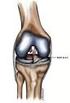 By Complete Performance Coach: Rosie Shakespeare www.completeperformance.co.nz Anterior Cruciate Ligament ruptures in Women compared to men. The anterior cruciate ligament (ACL) is found behind the kneecap
The Core of the Workout Should Be on the Ball
 The Core of the Workout Should Be on the Ball Paul J. Goodman, MS, CSCS New technology and high priced machines and equipment that claim to aid in enhancing performance have inundated the market in recent
Distribution of injury mechanisms and related factors in ACL-injured female carving skiers
 DOI 10.1007/s00167-009-0860-7 SPORTS MEDICINE Distribution of injury mechanisms and related factors in ACL-injured female carving skiers Gerhard Ruedl Æ Ingrid Linortner Æ Alois Schranz Æ Christian Fink
Passive Range of Motion Exercises
 Exercise and ALS The physical or occupational therapist will make recommendations for exercise based upon each patient s specific needs and abilities. Strengthening exercises are not generally recommended
Shoulders (free weights)
 Dumbbell Shoulder Raise Dumbbell Shoulder Raise 1) Lie back onto an incline bench (45 or less) with a DB in each hand. (You may rest each DB on the corresponding thigh.) 2) Start position: Bring the DB
REHAB 442: Advanced Kinesiology and Biomechanics INTRODUCTION - TERMS & CONCEPTS
 Rehab 442: Introduction - Page 1 REHAB 442: Advanced Kinesiology and Biomechanics INTRODUCTION - TERMS & CONCEPTS Readings: Norkin & Levangie, Chapters 1 & 2 or Oatis, Ch. 1 & 2 (don't get too bogged down
QUESTION I HAVE BEEN ASKED TO REHAB GRADE II AND III MCL INJURIES DIFFERENTLY BY DIFFERENT SURGEONS IN THE FIRST 6WEEKS FOLLOWING INJURY.
 QUESTION I HAVE BEEN ASKED TO REHAB GRADE II AND III MCL INJURIES DIFFERENTLY BY DIFFERENT SURGEONS IN THE FIRST 6WEEKS FOLLOWING INJURY. SOME ARE HINGE BRACED 0-90 DEGREES AND ASKED TO REHAB INCLUDING
Recreational Alpine Skiing: Accident Research and Injury Prevention
 Recreational Alpine Skiing: Accident Research and Injury Prevention Symposium Sports Injuries, 28.11.2013, FIFA Zurich Othmar Brügger, MSc, Teamleader Sports Research [email protected] www.bfu.ch Content
Terminology of Human Walking From North American Society for Gait and Human Movement 1993 and AAOP Gait Society 1994
 Gait Cycle: The period of time from one event (usually initial contact) of one foot to the following occurrence of the same event with the same foot. Abbreviated GC. Gait Stride: The distance from initial
9 exercises to rehab a torn ACL without surgery
 MENU Search foxnews.com Health Home Men's Health Women's Health Children's Health Alternative Medicine Diabetes Heart Health Allergies HEALTH 9 exercises to rehab a torn ACL without surgery By Julie Wilcox
HUR Rehab Line H E A L T H & F I T N E S S E Q U I P M E N T
 H E A L T H & F I T N E S S E Q U I P M E N T HUR Rehab Line HUR naturally different Contents HUR naturally different HUR SmartCard 1 HUR Rehab Line key to rehabilitation 2 SmartCard FCM Rehab Line computerized
Biomechanics of cycling - Improving performance and reducing injury through biomechanics
 Biomechanics of cycling - Improving performance and reducing injury through biomechanics Biomechanics is the science concerned with the forces that act on the human body and the effects these forces produce.
Understanding Planes and Axes of Movement
 Understanding Planes and Axes of Movement Terminology When describing the relative positions of the body parts or relationship between those parts it is advisable to use the same standard terminology.
SSE Cross Country Coaching Award Scheme
 1 SSE Cross Country Coaching Award Scheme SSE Level 2 Roller Ski Instructor Award Summary The Level 2 Instructor award is gained on successful completion of an approved Level 2 training and assessment
THE JAVELIN THROW AND THE ROLE OF SPEED IN THROWING EVENTS
 THE JAVELIN THROW AND THE ROLE OF SPEED IN THROWING EVENTS By Peter Ogiolda German coach Peter Ogiolda presents an analysis of the different phases of the javelin technique and examines the importance
What is Osteoarthritis? Who gets Osteoarthritis? What can I do when I am diagnosed with Osteoarthritis? What can my doctor do to help me?
 Knee Osteoarthritis What is Osteoarthritis? Osteoarthritis is a disease process that affects the cartilage within a joint. Cartilage exists at the surface of the ends of the bones and provides joints with
Pattern Characterization of Running and Cutting Maneuvers in Relation to Noncontact
 Pattern Characterization of Running and Cutting Maneuvers in Relation to Noncontact ACL Injury Brenna Hearn During running and cutting maneuvers, the anterior cruciate ligament (ACL) is commonly injured
Snow Sports Injuries. Gary Hooper Christchurch
 Snow Sports Injuries Gary Hooper Christchurch Major sports SKIING - 200 million participants SNOWBOARDING - 70 million participants Injury rate Injuries per thousand skier days (IPTSD) Mean Days Between
Acceleration Introduction: Objectives: Methods:
 Acceleration Introduction: Acceleration is defined as the rate of change of velocity with respect to time, thus the concepts of velocity also apply to acceleration. In the velocity-time graph, acceleration
Contact us for more info: 020 7736 8191 /
 Winter Sports Advanced Ski Exercises - Introduction The following exercises are for individuals who already have a significant level of fitness. If you are unsure as to whether they are appropriate for
ACL Reconstruction Physiotherapy advice for patients
 Oxford University Hospitals NHS Trust ACL Reconstruction Physiotherapy advice for patients Introduction This booklet is designed to provide you with advice and guidance on your rehabilitation after reconstruction
Taping for Collateral and Rotary Insufficiencies of the Knee
 Taping for Collateral and Rotary Insufficiencies of the Knee Chuck Whedon, MS, ATC, CSCS Coordinator of Athletic Training and Sports Medical Services Rowan University, Glassboro, NJ Introduction For the
Force measurement. Forces VECTORIAL ISSUES ACTION ET RÉACTION ISOSTATISM
 Force measurement Forces VECTORIAL ISSUES In classical mechanics, a force is defined as "an action capable of modifying the quantity of movement of a material point". Therefore, a force has the attributes
APPENDIX A. Sets = the completion of one consecutive grouping of repetitions of an exercise.
 Exercise Instruction Sheet Instructions: APPENDIX A Exercises are to be performed 3 times per week. Allow one rest day between each exercise day. You may divide the exercises into groups and perform them
Knee Microfracture Surgery Patient Information Leaflet
 ORTHOPAEDIC UNIT: 01-293 8687 /01-293 6602 BEACON CENTRE FOR ORTHOPAEDICS: 01-2937575 PHYSIOTHERAPY DEPARTMENT: 01-2936692 Knee Microfracture Surgery Patient Information Leaflet Table of Contents 1. Introduction
The Insall Scott Kelly Center for Orthopaedics and Sports Medicine 210 East 64th Street, 4 th Floor, New York, NY 10065
 ANTERIOR CRUCIATE LIGAMENT RECONSTRUCTION POST-OPERATIVE REHABILITATION PROTOCOL 2003 AUTOGRAFT BONE-PATELLA TENDON-BONE and ALLOGRAFT PROTOCOL PHASE I-EARLY FUNCTIONAL (WEEKS 1-2) Goals: 1. Educate re:
Rehabilitation after shoulder dislocation
 Physiotherapy Department Rehabilitation after shoulder dislocation Information for patients This information leaflet gives you advice on rehabilitation after your shoulder dislocation. It is not a substitute
This week. CENG 732 Computer Animation. Challenges in Human Modeling. Basic Arm Model
 CENG 732 Computer Animation Spring 2006-2007 Week 8 Modeling and Animating Articulated Figures: Modeling the Arm, Walking, Facial Animation This week Modeling the arm Different joint structures Walking
THE SECRET OF FREE ENERGY FROM THE PENDULUM
 THE SECRET OF FREE ENERGY FROM THE PENDULUM Jovan Marjanovic M.Sc. in Electrical Engineering e-mail: [email protected] Veljko Milkovic Research & Development Center VEMIRC May 05, 2011, Novi Sad,
ACL RECONSTRUCTION POST-OPERATIVE REHABILITATION PROGRAMME
 ACL RECONSTRUCTION POST-OPERATIVE REHABILITATION PROGRAMME ABOUT THE OPERATION The aim of your operation is to reconstruct the Anterior Cruciate Ligament (ACL) to restore knee joint stability. A graft,
Lab 8: Ballistic Pendulum
 Lab 8: Ballistic Pendulum Equipment: Ballistic pendulum apparatus, 2 meter ruler, 30 cm ruler, blank paper, carbon paper, masking tape, scale. Caution In this experiment a steel ball is projected horizontally
are you reaching your full potential...
 T h e r e s n o s u c h t h i n g a s b a d e x e r c i s e - j u s t e x e r c i s e d o n e b a d l y FIT for sport are you reaching your full potential... These tests are a series of exercises designed
Runner's Injury Prevention
 JEN DAVIS DPT Runner's Injury Prevention Jen Davis DPT Orthopedic Physical Therapy Foot Traffic 7718 SE 13th Ave Portland, OR 97202 (503) 482-7232 [email protected] www.runfastpt.com!1 THE AMAZING RUNNER
Read a chapter on Angular Kinematics
 Read a chapter on Angular Kinematics Angular Kinematics Hamill & Knutzen (Ch 9) Hay (Ch. 4), Hay & Ried (Ch. 10), Kreighbaum & Barthels (Module Ι) or Hall (Ch. 11) Reporting Angles Measurement of Angles
No Equipment Agility/Core/Strength Program for Full Body No Equip Trainer: Rick Coe
 No Equipment Agility/Core/Strength Program for Full Body No Equip Trainer: Rick Coe Introduction Program designed to be performed in a circuit. Perform exercises in sequence without rest 2-3 times. Increase
Plantar fascia. Plantar Fasciitis (pain in the heel of the foot)
 ! Plantar fascia Plantar Fasciitis (pain in the heel of the foot) Plantar Fasciitis is the most common foot problem seen in runners and is often associated with an increase in running mileage. Typically
Range of Motion Exercises
 Range of Motion Exercises Range of motion (ROM) exercises are done to preserve flexibility and mobility of the joints on which they are performed. These exercises reduce stiffness and will prevent or at
ACL INJURIES IN THE FEMALE ATHLETE
 ACL INJURIES IN THE FEMALE ATHLETE Jeffrey L. Mikutis, D.O. Surgical Director, Sports Medicine Pediatric Orthopaedic Surgeon Orthopaedic Center for Spinal & Pediatric Care, Inc. Dayton Children s Hospital
AGILITY LADDER IMPORTANT INFORMATION PLEASE READ AND KEEP DISCLAIMER
 AGILITY LADDER IMPORTANT INFORMATION PLEASE READ AND KEEP DISCLAIMER The following guidelines should be observed when using the Agility Ladder. Always consult your physician before participating in any
Knee sprains. What is a knee strain? How do knee strains occur? what you ll find in this brochure
 what you ll find in this brochure What is a knee strain? How do knee strains occur? What you should do if a knee strain occurs. What rehabilitation you should do. Example of a return to play strategy.
IMPORTANT INFORMATION - PLEASE READ. Table of Contents. Introduction. General Information
 IMPORTANT INFORMATION - PLEASE READ Introduction Congratulations! Welcome to the world of the ELLIPTICAL CROSS TRAINER. The ELLIPTICAL CROSS TRAINER is one of the finest and most comprehensive pieces of
Safe Lifting and Carrying
 PART 1 Basic Lifts Proper lifting and handling will help protect against injury and make your job easier. It takes training and practice to do it right. The following are basic steps in safe lifting and
JUNIPERO SERRA VOLLEYBALL OFF SEASON TRAINING SCHEDULE
 JUNIPERO SERRA VOLLEYBALL OFF SEASON TRAINING SCHEDULE 2007 OFF SEASON WORKOUT Our off season workout is centered around Speed, Agility & Quickness which are athletic attributes that are very trainable
KNEES A Physical Therapist s Perspective American Physical Therapy Association
 Taking Care of Your KNEES A Physical Therapist s Perspective American Physical Therapy Association Taking Care of Your Knees When the mother of the hero Achilles dipped him in the river Styx, she held
PDCA Driven-Pile Terms and Definitions
 PDCA Driven-Pile Terms and Definitions This document is available for free download at piledrivers.org. Preferred terms are descriptively defined. Potentially synonymous (but not preferred) terms are identified
Review of Last Lecture - TE
 Gait Review of Last Lecture - TE Interventions to increase flexibility Generating muscle force depends on Open chain vs. closed chain PNF Balance strategies Benefits of aerobic exercise Gait An individual
Lower Extremities. Posterior Compartment of Thighs Knee Flexors
 Lower Extremities Lower extremities are adjusted to provide locomotion but, at the same time, carry the full body weight. The lower limb movement is transferred through the hip joint and pelvis onto the
Mechanics of Balance
 Maureen McHugh Number 1 Notes on Applied Anatomy Feldenkrais Practitioner Mechanics of Balance July 2009 Balance on one foot How does the ballet dancer balance on one foot? In looking at the photo at right,
Biomechanical Analysis of the Deadlift (aka Spinal Mechanics for Lifters) Tony Leyland
 Biomechanical Analysis of the Deadlift (aka Spinal Mechanics for Lifters) Tony Leyland Mechanical terminology The three directions in which forces are applied to human tissues are compression, tension,
Prelab Exercises: Hooke's Law and the Behavior of Springs
 59 Prelab Exercises: Hooke's Law and the Behavior of Springs Study the description of the experiment that follows and answer the following questions.. (3 marks) Explain why a mass suspended vertically
Fact sheet Exercises for older adults undergoing rehabilitation
 Fact sheet Exercises for older adults undergoing rehabilitation Flexibility refers to the amount of movement possible around a joint and is necessary for normal activities of daily living such as stretching,
Locomotion Skills. Walking Running Horizontal Jump Hopping Skipping
 Locomotion Skills Walking Running Horizontal Jump Hopping Skipping Walking Progressive alternation of leading legs and continuous contact with the supporting surface. Walking cycle or Gait cycle involves
Chapter 18 Static Equilibrium
 Chapter 8 Static Equilibrium 8. Introduction Static Equilibrium... 8. Lever Law... Example 8. Lever Law... 4 8.3 Generalized Lever Law... 5 8.4 Worked Examples... 7 Example 8. Suspended Rod... 7 Example
Free Fall: Observing and Analyzing the Free Fall Motion of a Bouncing Ping-Pong Ball and Calculating the Free Fall Acceleration (Teacher s Guide)
 Free Fall: Observing and Analyzing the Free Fall Motion of a Bouncing Ping-Pong Ball and Calculating the Free Fall Acceleration (Teacher s Guide) 2012 WARD S Science v.11/12 OVERVIEW Students will measure
Introduction to Mechanical Behavior of Biological Materials
 Introduction to Mechanical Behavior of Biological Materials Ozkaya and Nordin Chapter 7, pages 127-151 Chapter 8, pages 173-194 Outline Modes of loading Internal forces and moments Stiffness of a structure
A small roller with a big effect. The mini roller for massaging, strengthening, stretching and warming up
 A small roller with a big effect The mini roller for massaging, strengthening, stretching and warming up Suva Preventative products P. O Box, 6002 Lucerne Enquiries Tel. 041 419 58 51 Orders www.suva.ch/waswo
This document fully describes the 30 Day Flexibility Challenge and allows you to keep a record of your improvements in flexibility.
 Welcome to the StretchTowel 30 Day Flexibility Challenge! You can Be More Flexible in 30 days by following our stretching program for 10 minutes a day. The best part is that you can stretch using the StretchTowel
Adult Advisor: Plantar Fasciitis. Plantar Fasciitis
 Adult Advisor: Plantar Fasciitis Page 1 of 3 Plantar Fasciitis What is plantar fasciitis? Plantar fasciitis is a painful inflammation of the bottom of the foot between the ball of the foot and the heel.
THE BENJAMIN INSTITUTE PRESENTS. Excerpt from Listen To Your Pain. Assessment & Treatment of. Low Back Pain. Ben E. Benjamin, Ph.D.
 THE BENJAMIN INSTITUTE PRESENTS Excerpt from Listen To Your Pain Assessment & Treatment of Low Back Pain A B E N J A M I N I N S T I T U T E E B O O K Ben E. Benjamin, Ph.D. 2 THERAPIST/CLIENT MANUAL The
Range of Motion. A guide for you after spinal cord injury. Spinal Cord Injury Rehabilitation Program
 Range of Motion A guide for you after spinal cord injury Spinal Cord Injury Rehabilitation Program This booklet has been written by the health care providers who provide care to people who have a spinal
Physics: Principles and Applications, 6e Giancoli Chapter 2 Describing Motion: Kinematics in One Dimension
 Physics: Principles and Applications, 6e Giancoli Chapter 2 Describing Motion: Kinematics in One Dimension Conceptual Questions 1) Suppose that an object travels from one point in space to another. Make
Biomechanics. State of equilibrium is when the sum (or net effect) of forces acting on a body equals zero
 Biomechanics Kinesiology is the science of, or study of, human motion. It brings together the fields of anatomy, physiology, biomechanics, physics and geometry relating them to human movement. Bio refers
Physics 201 Homework 8
 Physics 201 Homework 8 Feb 27, 2013 1. A ceiling fan is turned on and a net torque of 1.8 N-m is applied to the blades. 8.2 rad/s 2 The blades have a total moment of inertia of 0.22 kg-m 2. What is the
ACL Reconstruction Rehabilitation Program
 ACL Reconstruction Rehabilitation Program 1. Introduction to Rehabilitation 2. The Keys to Successful Rehabilitation 3. Stage 1 (to the end of week 1) 4. Stage 2 (to the end of week 2) 5. Stage 3 (to the
Ski on specific terrain (green, blue, black diamond, double black diamond) B Balancing Maintaining balance while in motion
 Developing Skills A ski lesson should focus on a skier s skill development through the use of various encouraging tactics which include using exercises to help a student: Reinforce key movement Ski in
Review epidemiology of knee pain. Discuss etiology and the biomechanics of knee pain utilizing current literature/evidence
 Jenny Kempf, MPT Review epidemiology of knee pain Discuss etiology and the biomechanics of knee pain utilizing current literature/evidence Review commonly seen knee injuries Discuss treatment strategies
ANKLE STRENGTHENING INTRODUCTION EXERCISES SAFETY
 ANKLE STRENGTHENING INTRODUCTION Welcome to your Ankle Strengthening exercise program. The exercises in the program are designed to improve your ankle strength, fitness, balance and dynamic control. The
INDOOR AGILITY LADDER
 INDOOR AGILITY LADDER IMPORTANT INFORMATION PLEASE READ AND KEEP DISCLAIMER The following guidelines should be observed when using the Indoor Agility Ladder. Always consult your physician before participating
PHYSICAL EXAMINATION OF THE FOOT AND ANKLE
 PHYSICAL EXAMINATION OF THE FOOT AND ANKLE Presenter Dr. Richard Coughlin AOFAS Lecture Series OBJECTIVES 1. ASSESS 2. DIAGNOSE 3. TREAT HISTORY TAKING Take a HISTORY What is the patient s chief complaint?
Introduction to Accuracy and Repeatability in Linear Motion Systems
 Introduction to accuracy and repeatability in linear motion systems By Gary Rosengren, Director of Engineering Tolomatic, Inc. About the Author Gary Rosengren is Director of Engineering at Tolomatic and
A proper warm-up is important before any athletic performance with the goal of preparing the athlete both mentally and physically for exercise and
 A proper warm-up is important before any athletic performance with the goal of preparing the athlete both mentally and physically for exercise and competition. A warm-up is designed to prepare an athlete
Lower Body Strength/Balance Exercises
 Compliments of (Medical Group Name & Phone # to be inserted here) Lower Body Strength/Balance Exercises Hip Flexion Strengthens thigh and hip muscles. Use ankle weights, if you are ready to. Stand to the
Valve Train Design and Calculation for High-Performance Engines
 Valve Train Design and Calculation for High-Performance Engines Camshaft Design System is a computing programme for the design of different types of valve trains. Starting from the related acceleration
Ankle Sprain. Information and Rehabilitation. Grade II. Grade I. Grade III
 514-412-4400, ext. 23310 2300 Tupper street, C-831, Montreal (Quebec) H3H 1P3 Ankle Sprain Information and Rehabilitation An ankle sprain is a stretch or a tear of the ligaments (bands of tissue that hold
Structural Axial, Shear and Bending Moments
 Structural Axial, Shear and Bending Moments Positive Internal Forces Acting Recall from mechanics of materials that the internal forces P (generic axial), V (shear) and M (moment) represent resultants
rarecorvettes.com, [email protected], (831) 475-4442 Pacific Time Zone
 INTRODUCTION TO WHEEL ALIGNMENT A SHORT COURSE ON WHEEL ALIGNMENT, FRONT AND REAR PREPARED FOR THE N.C.R.S. NATIONAL CONVENTION JUNE 29 TO JULY 5, 2012 by: JOE CALCAGNO, RARE CORVETTES rarecorvettes.com,
Waves: Recording Sound Waves and Sound Wave Interference (Teacher s Guide)
 Waves: Recording Sound Waves and Sound Wave Interference (Teacher s Guide) OVERVIEW Students will measure a sound wave by placing the Ward s DataHub microphone near one tuning fork A440 (f=440hz). Then
General Guidelines. Neck Stretch: Side. Neck Stretch: Forward. Shoulder Rolls. Side Stretch
 Stretching Exercises General Guidelines Perform stretching exercises at least 2 3 days per week and preferably more Hold each stretch for 15 20 seconds Relax and breathe normally Stretching is most effective
For Deep Pressure Massage
 T H E R A C A N E O W N E R S M A N U A L For Deep Pressure Massage Thera Cane is a self massager used to apply pressure to sore muscles. The unique design of the Thera Cane lets you apply deep pressure
How to increase Bat Speed & Bat Quickness / Acceleration
 How to increase Bat Speed & Bat Quickness / Acceleration What is Bat Speed? Bat Speed: Bat speed is measured in miles per hour (MPH) and considers only the highest speed of the bat head (peak velocity)
Screening Examination of the Lower Extremities BUY THIS BOOK! Lower Extremity Screening Exam
 Screening Examination of the Lower Extremities Melvyn Harrington, MD Department of Orthopaedic Surgery & Rehabilitation Loyola University Medical Center BUY THIS BOOK! Essentials of Musculoskeletal Care
Kelly Corso MS, ATC, CES, FMSC, CSST
 ACL Injury Prevention Program Kelly Corso MS, ATC, CES, FMSC, CSST What is the ACL??? The ACL or anterior cruciate ligament, attaches the front top portion of the shin bone (tibia) to the back bottom portion
Rehabilitation Guidelines for Knee Multi-ligament Repair/Reconstruction
 UW Health Sports Rehabilitation Rehabilitation Guidelines for Knee Multi-ligament Repair/Reconstruction The knee joint is comprised of an articulation of three bones: the femur (thigh bone), tibia (shin
Manual for Swinging Trapeze and Cloud Swing
 Manual for Swinging Trapeze and Cloud Swing Part 1 Swinging trapeze 1/ Technical specifications and safety 2/ Basic skills on swinging trapeze 1. Positions 1 Sit 2 Pike hang 3 Hocks hang 4 Ankle hang 2.
2 Newton s First Law of Motion Inertia
 2 Newton s First Law of Motion Inertia Conceptual Physics Instructor Manual, 11 th Edition SOLUTIONS TO CHAPTER 2 RANKING 1. C, B, A 2. C, A, B, D 3. a. B, A, C, D b. B, A, C, D 4. a. A=B=C (no force)