
DC INVERTER SPLIT SYSTEM AIR CONDITIONER
|
|
|
- Wesley Lambert
- 9 years ago
- Views:
Transcription
1 TECHNICAL & SERVICE MANUAL CSKS12NB41 & CZ18BT1U + CUKS12NK1A CSKS18NB4UW & CZ18BT1U + CUKS18NKU CSKS18NB4UW & CZ18BT1U + CUKS18NKUA DC INVERTER SPLIT SYSTEM AIR CONDITIONER Indoor Model No. Body (Panel) CSKS12NB41 (CZ18BT1U) CSKS18NB4UW (CZ18BT1U) Product Code No. Body (Panel) ( ) ( ) Outdoor Model No. Product Code No. CUKS18NKU CUKS12NK1A CUKS18NKUA Indoor Unit Outdoor Unit Body Panel CSKS12NB41 (Body) & CZ18BT1U (Panel) CSKS18NB4UW (Body) & CZ18BT1U (Panel) CUKS12NK1A Remote Controller Wired Remote Controller (Option) CUKS18NKU CUKS18NKUA REFERENCE NO. SM700879

2 SAFETY PRECAUTIONS Before doing repair work, please read the " SAFETY PRECAUTIONS" carefully and fully understand them. The precautionary items here are divided into " Warning" and " Caution" items. Items in particular which may cause death or serious injury to the service personnel if the work is not performed correctly, are included in the " Warning" table. However, even precautionary items identified as " Caution" also have the potential for serious consequences if not performed correctly. Important safety precautions are described for all items in both categories. Be sure to carefully follow all of them. Symbol Indication : This symbol indicates items to which we need to pay attention. In this triangle, a definite precautionary item is described. : This symbol indicates the item to be prohibited. In or close to this circle, a prohibited item is described. : This symbol indicates the items requiring special attention or instruction. In or close to this circle, a prohibited item is described. After doing repair work, perform a test run to confirm that there are no abnormalities. At the same time, explain the precautions in use to the user. Warning Before performing an overhaul, disconnect the power plug or power cable from the unit. Performing the work with the power supplied to the unit, may cause an electric shock. When repair work or circuit inspection that requires power supply for the air conditioner, is to be performed, do not touch the charging section. Doing so may cause an electric shock. Prohibit For the stepup capacitor attached to the electric section, perform the repair work after sufficiently discharging it. Insufficient capacitor discharge may cause an electric shock. Do not perform repair work on the electric sections with wet hands. Doing so may cause an electric shock. Do not start or stop the air conditioner by means of connecting or disconnecting the power plug. Doing so may cause an electric shock or fire. When conducting repair work only use components included in the parts list for the corresponding unit and perform the work with the appropriate tools. Incorrect or poor repair work may cause an electric shock or fire. Never modify the unit. Doing so may cause an electric shock or fire. Perform all electric work according to local applicable regulations related to electrical equipment or interior wiring regulation and make sure to use the exclusive circuit. Insufficient capacity to the electric circuit or defective arrangement results may cause an electric shock or fire. Prohibit Prohibit Prohibit Make sure to replace any power cable or lead wire showing any signs of scratch or deterioration. Failure to do so may cause an electric shock, overheating or fire. Make sure that there is no dust on or slack in the power plug and insert fully into the socket. Dust or incomplete connections may cause an electric shock or fire. Do not damage or process the power cord, as it may cause an electric shock or fire. Prohibit For the wiring between the indoor unit and outdoor unit, securely fix the specified cable onto the terminal plate. Poorly fixed wiring may cause a heat or fire. After connecting the wiring between the indoor unit and outdoor unit, attach the terminal cover securely. Incomplete attachment of the terminal cover may cause overheating or fire. 2

3 Warning If refrigerant gas blows off during the work, do not touch the refrigerant gas as it may cause frostbite. Prohibit If refrigerant gas leaks during the work, ventilate the room. If refrigerant gas catches fire, harmful gas may be generated. Do not mix any gas other than the specified refrigerant gas in the refrigerating cycle. If air or other contaminants mix with the gas, pressure will become extremely high in the refrigerating cycle, which may cause a unit breakdown." When the welded section of the compressor intake or discharge pipe is to be disconnected, perform it in a wellventilated place after sufficiently recovering the refrigerant gas. Any residue gas may jet out refrigerant or refrigerating machine oil, which may cause an injury. Prohibit When the work is to be performed in a high place (About 2 meters or more), make sure to wear a safety helmet, gloves and safety belt. Insufficient safety gear may cause a serious injury in case of a fall. When the unit is to be relocated, confirm that the new installation location has sufficient strength for the weight of the unit. Insufficient strength of the installation location and incomplete installation work may cause an injury due to the unit falling. When the remote controller batteries are replaced, dispose of the old batteries out of the reach of children. If a child swallows a battery, make sure that the child gets immediate medical attention. Caution Do not wash the air conditioner with water, as this may cause an electric shock or fire. Prohibit For the repair work in places with high humidity or moisture, make sure to ground the unit. Failure to do so may cause an electric shock. Confirm that the component attachment position, wiring condition, soldering condition and connector connection are normal. If not, it may cause overheating or fire. Confirm that the temperature around the compressor is not too high, and then perform the repair work. Failure to do so may cause a burn. Perform welding work in a place with good ventilation. If the work is performed in a poorly ventilated area, it might cause a lack of oxygen. If the installation plate or attachment frame has deteriorated due to corrosion, etc., replace it. Failure to do so may cause an injury due to the unit falling. When the cleaning is to be performed, make sure to turn off the power and pull out the plug. Touching the fan that is rotating at high speed may result in an injury. When the indoor unit is to be removed, do not place it on an incline. Doing so may cause wet furniture because water left inside may trickle down. Prohibit Do not hold the sharp end of the unit or the aluminum fins, as it may cause an injury to your hand or finger. Prohibit After repairs, make sure to measure the insulation resistance and confirm that the value is 1 Mohm or more. Any insulation error may cause an electric shock. After repairs, make sure to check the drainage of the indoor unit. Inappropriate drainage may cause wet furniture and floors due to water leakage. 3

4 Table of Contents Page SAFETY PRECAUTIONS... 2 TABLE OF CONTENTS 1. OPERATING RANGE SPECIFICATIONS 21. Unit Specifications Major Component Specifications Other Component Specifications DIMENSIONAL DATA REFRIGERANT FLOW DIAGRAM 41. Refrigerant Flow Diagram PERFORMANCE DATA 51. Temperature Charts Cooling Capacity Cooling Capacity (Low Ambient) ELECTRICAL DATA 61. Electrical Characteristics 62. Electric Wiring Diagrams 7. MAINTENANCE 71. Address Setting of the Remote Control Unit Disconnecting and Connecting Positive Connector for Outdoor Unit Disassembly Procedure FUNCTIONS 81. Operation Functions 82. Protective Functions TROUBLESHOOTING (BEFORE CALLING FOR SERVICE) 91. Precautions before Performing Inspection or Repair Method of SelfDiagnostics Checking the Indoor and Outdoor Units Trouble Diagnosis of Fan Motor Noise Malfunction and Electromagnetic Interference

5 Page 10. CHECKING ELECTRICAL COMPONENTS 101. Measurement of Insulation Resistance Checking Continuity of Fuse on PCB Ass'y REFRIGERANT R410A: SPECIAL PRECAUTIONS WHEN SERVICING UNIT 111. Characteristics of New Refrigerant R410A Checklist before Servicing Tools Specifically for R410A Tubing Installation Procedures In Case of Compressor Malfunction In Case Refrigerant is Leaking Charging Additional Refrigerant RetroFitting Existing Systems... APPENDIX A Operating Instructions... ( CSKS12NB41 & CZ18BT1U + CUKS12NK1A ) CSKS18NB4UW & CZ18BT1U + CUKS18NKU CSKS18NB4UW & CZ18BT1U + CUKS18NKUA APPENDIX B INSTALLATION INSTRUCTIONS... ( CSKS12NB41 & CZ18BT1U + CUKS12NK1A ) CSKS18NB4UW & CZ18BT1U + CUKS18NKU CSKS18NB4UW & CZ18BT1U + CUKS18NKUA A1 A2 APPENDIX C Operating Instructions (CZRD515U)... A3 APPENDIX D INSTALLATION INSTRUCTIONS (CZRD515U)... A4 5

6 1. OPERATING RANGE Models : CSKS18NB4UW & CZ18BT1U + CUKS18NKU Temperature Indoor Air Intake Temp. Outdoor Air Intake Temp. Maximum 95 F DB / 71 F WB 115 F DB Cooling Minimum 67 F DB / 57 F WB 67 F DB Models : CSKS12NB41 & CZ18BT1U + CUKS12NK1A CSKS18NB4UW & CZ18BT1U + CUKS18NKUA Temperature Indoor Air Intake Temp. Outdoor Air Intake Temp. Maximum 95 F DB / 71 F WB 115 F DB Cooling Minimum 67 F DB / 57 F WB 0 F DB 6

7 2. SPECIFICATIONS 21. Unit Specifications 211. Performance Electrical Rating Features Indoor Unit Outdoor Unit Voltage Rating CSKS18NB4UW & CZ18BT1U CUKS18NKU 230V SinglePhase 60Hz Total Capacity BTU/h kw 17, Cooling ( 4,000 to 17,500 ) ( 1.2 to 5.15 ) Sensible Capacity Latent Capacity BTU/h BTU/h 10,600 6,900 Air Circulation (Hi/Me/Lo) ft 3 /min (m 3 /h) 341 (579) / 294 (500) / 253 (430) Moisture Removal (High) Pints/h 4.89 Available Voltage Range V 187 to 253 Running Amperes Power Input A W 8.3 1,860 ( 1.2 to 8.3 ) ( 250 to 1,860 ) Power Factor % 97 EER BTU/h/W 9.41 SEER BTU/Wh 16 Compressor Locked Rotor Amperes A 17.5 Fuse or Circuit Breaker Capacity A 15 Controls / Temperature Control Microprocessor / I.C. Thermister Control Unit Wireless Remote Control Unit Timer 24Hour ON or OFF Timer, 1Hour OFF Timer Fan Speeds Indoor / Outdoor Auto and 3 steps / Auto (Hi, Me, Lo) Airflow Direction (Indoor) Horizontal Air Filter Compressor Vertical Auto Washable, AntiMold DC Twin Rotary (Inverter) Refrigerant / Amount charged at shipment Ibs (g) R410A / 2.87 (1,300) Refrigerant Control Electric Expansion Valve Operation Sound Indoor : Hi/Me/Lo Outdoor : Hi dba dba 44 / 40 / Refrigerant Tubing Connections Flare Type Max. allowable tubing length at shipment ft (m) 25 (7.5) Refrigerant Narrow tube inch (mm) 1/4 (6.35) Tube Diameter Wide tube inch (mm) 1/2 (12.7) Wired Remote Controller (Option) CZRD515U < 230V > 7

8 Indoor Unit Outdoor Unit Weight Shipping Volume CSKS18NB4UW & CZ18BT1U CUKS18NKU Dimensions & Weight (Indoor Unit) Unit Dimensions Package Dimensions Height Width Depth Height Width Depth Net Shipping inch (mm) inch (mm) inch (mm) inch (mm) inch (mm) inch (mm) Ib. (kg) Ib. (kg) cu.ft (m 3 ) Indoor Unit (CSKS18NB4UW & CZ18BT1U) 125/16 (313) 2419/32 (625) 2419/32 (625) 41.3 (18.7) Body (CSKS18NB4UW) 115/32 (283) < 230V > Individual Unit Panel (CZ18BT1U) 19/16 (40) 225/8 (575) 2419/32 (625) 225/8 (575) 1113/32 (290) 2419/32 (625) 41/8 (105) 2413/16 (630) 263/16 (665) 281/8 (714) 2611/16 (678) 35.3 (16) 6.0 (2.7) 41.9 (19) 7.7 (3.5) 4.59 (0.13) 1.65 (0.04) Dimensions & Weight (Outdoor Unit) Unit Dimensions Package Dimensions Weight Shipping Volume Height Width Depth Height Width Depth Net Shipping inch (mm) inch (mm) inch (mm) inch (mm) inch (mm) Ib. (kg) Ib. (kg) cu.ft (m 3 ) Remarks: Rating conditions are: Cooling: Indoor air temperature 80 F DB / 67 F WB Outdoor air temperature 95 F DB / 75 F WB Outdoor Unit (CUKS18NKU) inch (mm) 263/8 (670) 3421/32 (880) 117/32 (285) 2827/32 (733) 3927/32 (1,012) 1429/32 (379) 90.4 (41.0) 99.2 (45.0) 9.88 (0.28) DATA SUBJECT TO CHANGE WITHOUT NOTICE. 8

9 212. Performance Electrical Rating Features Indoor Unit Outdoor Unit Voltage Rating CSKS18NB4UW & CZ18BT1U CUKS18NKU 208V SinglePhase 60Hz Total Capacity BTU/h kw 17, Cooling ( 4,000 to 17,500 ) ( 1.2 to 5.15 ) Sensible Capacity Latent Capacity BTU/h BTU/h 10,600 6,900 Air Circulation (Hi/Me/Lo) ft 3 /min (m 3 /h) 341 (579) / 294 (500) / 253 (430) Moisture Removal (High) Pints/h 4.89 Available Voltage Range V 187 to 253 Running Amperes Power Input A W 9.1 1,860 ( 1.2 to 9.1 ) ( 250 to 1,860 ) Power Factor % 98 EER BTU/h/W 9.41 SEER BTU/Wh 16 Compressor Locked Rotor Amperes A 17.5 Fuse or Circuit Breaker Capacity A 15 Controls / Temperature Control Microprocessor / I.C. Thermister Control Unit Wireless Remote Control Unit Timer 24Hour ON or OFF Timer, 1Hour OFF Timer Fan Speeds Indoor / Outdoor Auto and 3 steps / Auto (Hi, Me, Lo) Airflow Direction (Indoor) Horizontal Air Filter Compressor Vertical Auto Washable, AntiMold DC Twin Rotary (Inverter) Refrigerant / Amount charged at shipment Ibs (g) R410A / 2.87 (1,300) Refrigerant Control Electric Expansion Valve Operation Sound Indoor : Hi/Me/Lo Outdoor : Hi dba dba 44 / 40 / Refrigerant Tubing Connections Flare Type Max. allowable tubing length at shipment ft (m) 25 (7.5) Refrigerant Narrow tube inch (mm) 1/4 (6.35) Tube Diameter Wide tube inch (mm) 1/2 (12.7) Wired Remote Controller (Option) CZRD515U < 208V > 9

10 Indoor Unit Outdoor Unit Weight Shipping Volume CSKS18NB4UW & CZ18BT1U CUKS18NKU Dimensions & Weight (Indoor Unit) Unit Dimensions Package Dimensions Height Width Depth Height Width Depth Net Shipping inch (mm) inch (mm) inch (mm) inch (mm) inch (mm) inch (mm) Ib. (kg) Ib. (kg) cu.ft (m 3 ) Indoor Unit (CSKS18NB4UW & CZ18BT1U) 125/16 (313) 2419/32 (625) 2419/32 (625) 41.3 (18.7) Body (CSKS18NB4UW) 115/32 (283) < 208V > Individual Unit Panel (CZ18BT1U) 19/16 (40) 225/8 (575) 2419/32 (625) 225/8 (575) 1113/32 (290) 2419/32 (625) 41/8 (105) 2413/16 (630) 263/16 (665) 281/8 (714) 2611/16 (678) 35.3 (16) 6.0 (2.7) 41.9 (19) 7.7 (3.5) 4.59 (0.13) 1.65 (0.04) Dimensions & Weight (Outdoor Unit) Unit Dimensions Package Dimensions Weight Shipping Volume Height Width Depth Height Width Depth Net Shipping Remarks: Rating conditions are: Cooling: Indoor air temperature Outdoor air temperature Outdoor Unit (CUKS18NKU) inch (mm) 263/8 (670) inch (mm) inch (mm) inch (mm) inch (mm) inch (mm) Ib. (kg) Ib. (kg) cu.ft (m 3 ) 80 F DB / 67 F WB 95 F DB / 75 F WB 3421/32 (880) 117/32 (285) 2827/32 (733) 3927/32 (1,012) 1429/32 (379) 90.4 (41.0) 99.2 (45.0) 9.88 (0.28) DATA SUBJECT TO CHANGE WITHOUT NOTICE. 10

11 213. Indoor Unit Outdoor Unit CSKS12NB41 & CZ18BT1U CUKS12NK1A Performance Electrical Rating Features Voltage Rating 115V SinglePhase 60Hz Total Capacity BTU/h kw 11, Cooling ( 3,000 to 11,900 ) ( 0.9 to 3.5 ) Sensible Capacity Latent Capacity BTU/h BTU/h 7,200 4,700 Air Circulation (Hi/Me/Lo) ft 3 /min (m 3 /h) 235 (399) / 206 (350) / 194 (330) Moisture Removal (High) Pints/h 4.26 Available Voltage Range V 104 to 126 Running Amperes Power Input A W ,260 ( 2.5 to 12.6 ) ( 250 to 1,260 ) Power Factor % 87 EER BTU/h/W 9.44 SEER BTU/Wh 16 Compressor Locked Rotor Amperes A 20 Fuse or Circuit Breaker Capacity A 20 Controls / Temperature Control Microprocessor / I.C. Thermister Control Unit Wireless Remote Control Unit Timer 24Hour ON or OFF Timer, 1Hour OFF Timer Fan Speeds Indoor / Outdoor Auto and 3 steps / Auto (Hi and multi steps) Airflow Direction (Indoor) Horizontal Air Filter Compressor Vertical Auto Washable, AntiMold DC Rotary (Inverter) Refrigerant / Amount charged at shipment Ibs (g) R410A / 2.43 (1,100) Refrigerant Control Electric Expansion Valve Operation Sound Indoor : Hi/Me/Lo Outdoor : Hi dba dba 34 / 32 / Refrigerant Tubing Connections Flare Type Max. allowable tubing length at shipment ft (m) 25 (7.5) Refrigerant Narrow tube inch (mm) 1/4 (6.35) Tube Diameter Wide tube inch (mm) 3/8 (9.52) Wired Remote Controller (Option) CZRD515U 11

12 Indoor Unit Outdoor Unit CSKS12NB41 & CZ18BT1U CUKS12NK1A Dimensions & Weight (Indoor Unit) Unit Dimensions Package Dimensions Weight Shipping Volume Shipping Volume Height Width Depth Height Dimensions & Weight (Outdoor Unit) Unit Dimensions Package Dimensions Weight Remarks: Rating conditions are: Cooling: Indoor air temperature Outdoor air temperature Indoor Unit (CSKS12NB41 & CZ18BT1U) inch (mm) 125/16 (313) Body (CSKS12NB41) 115/32 (283) Width inch (mm) 2413/16 (630) Depth inch (mm) 281/8 (714) Net Shipping Ib. (kg) Ib. (kg) 41.3 (18.7) 35.3 (16) 41.9 (19) cu.ft (m 3 ) 4.59 (0.13) Height Width Depth Height Width Depth Net Shipping Individual Unit Panel (CZ18BT1U) 19/16 (40) inch (mm) 2419/32 (625) 225/8 (575) 2419/32 (625) inch (mm) 2419/32 (625) 225/8 (575) 2419/32 (625) inch (mm) 1113/32 (290) 41/8 (105) 263/16 (665) 2611/16 (678) 6.0 (2.7) 7.7 (3.5) 1.65 (0.04) Outdoor Unit (CUKS12NK1A) inch (mm) 219/16 (548) inch (mm) inch (mm) inch (mm) inch (mm) inch (mm) Ib. (kg) Ib. (kg) cu.ft (m 3 ) 80 F DB / 67 F WB 95 F DB / 75 F WB 2811/32 (720) 107/16 (265) 2315/32 (596) 343/32 (866) 141/2 (368) 75.0 (34.0) 81.6 (37.0) 6.35 (0.18) DATA SUBJECT TO CHANGE WITHOUT NOTICE. 12

13 214. Performance Electrical Rating Features Indoor Unit Outdoor Unit Voltage Rating CSKS18NB4UW & CZ18BT1U CUKS18NKUA 230V SinglePhase 60Hz Total Capacity BTU/h kw 17, Cooling ( 4,000 to 17,500 ) ( 1.2 to 5.15 ) Sensible Capacity Latent Capacity BTU/h BTU/h 10,600 6,900 Air Circulation (Hi/Me/Lo) ft 3 /min (m 3 /h) 341 (579) / 294 (500) / 253 (430) Moisture Removal (High) Pints/h 4.89 Available Voltage Range V 187 to 253 Running Amperes Power Input A W 8.3 1,860 ( 1.2 to 8.3 ) ( 250 to 1,860 ) Power Factor % 97 EER BTU/h/W 9.41 SEER BTU/Wh 16 Compressor Locked Rotor Amperes A 17.5 Fuse or Circuit Breaker Capacity A 15 Controls / Temperature Control Microprocessor / I.C. Thermister Control Unit Wireless Remote Control Unit Timer 24Hour ON or OFF Timer, 1Hour OFF Timer Fan Speeds Indoor / Outdoor Auto and 3 steps / Auto (Hi and multi steps) Airflow Direction (Indoor) Horizontal Air Filter Compressor Vertical Auto Washable, AntiMold DC Twin Rotary (Inverter) Refrigerant / Amount charged at shipment Ibs (g) R410A / 2.87 (1,300) Refrigerant Control Electric Expansion Valve Operation Sound Indoor : Hi/Me/Lo Outdoor : Hi dba dba 44 / 40 / Refrigerant Tubing Connections Flare Type Max. allowable tubing length at shipment ft (m) 25 (7.5) Refrigerant Narrow tube inch (mm) 1/4 (6.35) Tube Diameter Wide tube inch (mm) 1/2 (12.7) Wired Remote Controller (Option) CZRD515U < 230V > 13

14 Indoor Unit Outdoor Unit Weight Shipping Volume CSKS18NB4UW & CZ18BT1U CUKS18NKUA Dimensions & Weight (Indoor Unit) Unit Dimensions Package Dimensions Height Width Depth Height Width Depth Net Shipping inch (mm) inch (mm) inch (mm) inch (mm) inch (mm) inch (mm) Ib. (kg) Ib. (kg) cu.ft (m 3 ) Indoor Unit (CSKS18NB4UW & CZ18BT1U) 125/16 (313) 2419/32 (625) 2419/32 (625) 41.3 (18.7) Body (CSKS18NB4UW) 115/32 (283) < 230V > Individual Unit Panel (CZ18BT1U) 19/16 (40) 225/8 (575) 2419/32 (625) 225/8 (575) 1113/32 (290) 2419/32 (625) 41/8 (105) 2413/16 (630) 263/16 (665) 281/8 (714) 2611/16 (678) 35.3 (16) 6.0 (2.7) 41.9 (19) 7.7 (3.5) 4.59 (0.13) 1.65 (0.04) Dimensions & Weight (Outdoor Unit) Unit Dimensions Package Dimensions Weight Shipping Volume Height Width Depth Height Width Depth Net Shipping Remarks: Rating conditions are: Cooling: Indoor air temperature Outdoor air temperature Outdoor Unit (CUKS18NKUA) inch (mm) 263/8 (670) inch (mm) inch (mm) inch (mm) inch (mm) inch (mm) Ib. (kg) Ib. (kg) cu.ft (m 3 ) 80 F DB / 67 F WB 95 F DB / 75 F WB 3421/32 (880) 117/32 (285) 2827/32 (733) 3927/32 (1,012) 1429/32 (379) 90.4 (41.0) 99.2 (45.0) 9.88 (0.28) DATA SUBJECT TO CHANGE WITHOUT NOTICE. 14

15 215. Performance Electrical Rating Features Indoor Unit Outdoor Unit Voltage Rating CSKS18NB4UW & CZ18BT1U CUKS18NKUA 208V SinglePhase 60Hz Total Capacity BTU/h kw 17, Cooling ( 4,000 to 17,500 ) ( 1.2 to 5.15 ) Sensible Capacity Latent Capacity BTU/h BTU/h 10,600 6,900 Air Circulation (Hi/Me/Lo) ft 3 /min (m 3 /h) 341 (579) / 294 (500) / 253 (430) Moisture Removal (High) Pints/h 4.89 Available Voltage Range V 187 to 253 Running Amperes Power Input A W 9.1 1,860 ( 1.2 to 9.1 ) ( 250 to 1,860 ) Power Factor % 98 EER BTU/h/W 9.41 SEER BTU/Wh 16 Compressor Locked Rotor Amperes A 17.5 Fuse or Circuit Breaker Capacity A 15 Controls / Temperature Control Microprocessor / I.C. Thermister Control Unit Wireless Remote Control Unit Timer 24Hour ON or OFF Timer, 1Hour OFF Timer Fan Speeds Indoor / Outdoor Auto and 3 steps / Auto (Hi and multi steps) Airflow Direction (Indoor) Horizontal Air Filter Compressor Vertical Auto Washable, AntiMold DC Twin Rotary (Inverter) Refrigerant / Amount charged at shipment Ibs (g) R410A / 2.87 (1,300) Refrigerant Control Electric Expansion Valve Operation Sound Indoor : Hi/Me/Lo Outdoor : Hi dba dba 44 / 40 / Refrigerant Tubing Connections Flare Type Max. allowable tubing length at shipment ft (m) 25 (7.5) Refrigerant Narrow tube inch (mm) 1/4 (6.35) Tube Diameter Wide tube inch (mm) 1/2 (12.7) Wired Remote Controller (Option) CZRD515U < 208V > 15

16 Indoor Unit Outdoor Unit Weight Shipping Volume CSKS18NB4UW & CZ18BT1U CUKS18NKUA Dimensions & Weight (Indoor Unit) Unit Dimensions Package Dimensions Height Width Depth Height Width Depth Net Shipping inch (mm) inch (mm) inch (mm) inch (mm) inch (mm) inch (mm) Ib. (kg) Ib. (kg) cu.ft (m 3 ) Indoor Unit (CSKS18NB4UW & CZ18BT1U) 125/16 (313) 2419/32 (625) 2419/32 (625) 41.3 (18.7) Body (CSKS18NB4UW) 115/32 (283) < 208V > Individual Unit Panel (CZ18BT1U) 19/16 (40) 225/8 (575) 2419/32 (625) 225/8 (575) 1113/32 (290) 2419/32 (625) 41/8 (105) 2413/16 (630) 263/16 (665) 281/8 (714) 2611/16 (678) 35.3 (16) 6.0 (2.7) 41.9 (19) 7.7 (3.5) 4.59 (0.13) 1.65 (0.04) Dimensions & Weight (Outdoor Unit) Unit Dimensions Package Dimensions Weight Shipping Volume Height Width Depth Height Width Depth Net Shipping Remarks: Rating conditions are: Cooling: Indoor air temperature Outdoor air temperature Outdoor Unit (CUKS18NKUA) inch (mm) 263/8 (670) inch (mm) inch (mm) inch (mm) inch (mm) inch (mm) Ib. (kg) Ib. (kg) cu.ft (m 3 ) 80 F DB / 67 F WB 95 F DB / 75 F WB 3421/32 (880) 117/32 (285) 2827/32 (733) 3927/32 (1,012) 1429/32 (379) 90.4 (41.0) 99.2 (45.0) 9.88 (0.28) DATA SUBJECT TO CHANGE WITHOUT NOTICE. 16

17 22. Major Component Specifications 221. Indoor Unit Indoor Unit (Body) CSKS12NB41 Control PCB Part No. Controls Control Circuit Fuse CBCSKS12NB4U Microprocessor 250V 3A Fan Type Q'ty... Dia. and Length inch (mm) Turbo 1... D125/8 / L53/4 (D322/L147) Fan Motor Type Model... Q'ty No. of Poles Rough Measure RPM (Cool) Rating Coil Resistance Voltage / Nominal Output (Ambient Temp. 68 F (20 C)) Safety Device Type Over Current Protection Over Heat Protection Run Capacitor Ohm Micro F VAC DC Motor SIC62FWD DC160V / 23W Internal Controller Yes Yes Drain Pump Model... Q'ty Rating Voltage, Hz Input Coil Resistance (Ambient Temp. 68 F (20 C)) Safty Device Type Open Heat Exchanger Coil Coil Rows Fins per inch Face Area W Ohm F ( C) ft 2 (m 2 ) PLD12115ST AC115V, 60Hz / 10% Thermal Fuse 293 (145) Aluminum Plate Fin / Copper Tube (0.273) DATA SUBJECT TO CHANGE WITHOUT NOTICE. Indoor Unit (Panel) CZ18BT1U Flap Motor Type Model... Q'ty Rating Coil Resistance (Ambient Temp. 77 F (25 C)) Ohm Stepping Motor MP24ZN12V... 2 DC 12V Each Pair of Terminal : 380 +/ 7% DATA SUBJECT TO CHANGE WITHOUT NOTICE. 17

18 Indoor Unit (Body) CSKS18NB4UW Control PCB Part No. Controls Control Circuit Fuse CBCSKS18NB4U Microprocessor 250V 3A Fan Type Q'ty... Dia. and Length inch (mm) Turbo 1... D125/8 / L53/4 (D322/L147) Fan Motor Type Model... Q'ty No. of Poles Rough Measure RPM (Cool) Rating Coil Resistance (Ambient Temp. 68 F (20 C)) Safety Device Type Over Current Protection Over Heat Protection Run Capacitor Voltage / Nominal Output Ohm Micro F VAC DC Motor SIC62FWD DC340V / 20W Internal Controller Yes Yes Drain Pump Model... Q'ty Rating Coil Resistance (Ambient Temp. 68 F (20 C)) Safty Device Type Open Heat Exchanger Coil Coil Rows Fins per inch Face Area Voltage, Hz Input W Ohm F ( C) ft 2 (m 2 ) PLD12230ST AC208 to 240V, 60Hz / 10% Thermal Fuse 293 (145) Aluminum Plate Fin / Copper Tube (0.273) DATA SUBJECT TO CHANGE WITHOUT NOTICE. Indoor Unit (Panel) CZ18BT1U Flap Motor Type Model... Q'ty Rating Coil Resistance (Ambient Temp. 77 F (25 C)) Ohm Stepping Motor MP24ZN12V... 2 DC 12V Each Pair of Terminal : 380 +/ 7% DATA SUBJECT TO CHANGE WITHOUT NOTICE. 18

19 222. Outdoor Unit Outdoor Unit CUKS18NKU Control PCB Part No. Controls Control Circuit Fuse Compressor Type Compressor Model / Nominal Output Compressor Oil... Amount Pints (cc) Coil Resistance (Ambient Temp. 68 F (20 C)) Ohm Safety Device CT (Peak current cutoff control) Compressor Discharge Temp. Control Operation cutoff control in abnormal ambient Temp. Overload Relay Model Operation Temp. Run Capacitor Crankcase Heater Micro F VAC CBCUKS18NKU Microprocessor 250V 25A DC Twin Rotary (Hermetic) C6RVN93H0M / 1,050W FV50S (350) R S : S T : T R : Yes Yes Yes CS7L115 Open : 239 F (115 C), Close : 203 F (95 C) Fan Type Q'ty... Dia. inch (mm) Propeller 1... D1617/32 (D420) Fan Motor Type Model... Q'ty No. of Poles Rough Measure RPM (Cool) Nominal Output Coil Resistance (Ambient Temp. 68 F (20 C)) Safety Device Type Over Current Protection Run Capacitor W Ohm Micro F VAC DC Motor SIC67FVF RED WHT : 77.5 WHT BLU : 77.5 BLU RED : 77.5 Internal Controller Yes Heat Exchanger Coil Coil Rows Fins per inch Aluminum Plate Fin / Copper Tube Face Area ft 2 (m 2 ) 5.49 (0.510) External Finish Acrylic bakedon enamel finish DATA SUBJECT TO CHANGE WITHOUT NOTICE. 19

20 Outdoor Unit CUKS12NK1A Control PCB Part No. Controls Control Circuit Fuse Compressor Type Compressor Model / Nominal Output Compressor Oil... Amount Pints (cc) Coil Resistance (Ambient Temp. 68 F (20 C)) Ohm Safety Device CT (Peak current cutoff control) Compressor Discharge Temp. Control Operation cutoff control in abnormal ambient Temp. Overload Relay Model Operation Temp. Run Capacitor Crankcase Heater Micro F VAC CBCUKS12NK1A Microprocessor 125V 25A DC Rotary (Hermetic) G4C090LU1ER / 900W FV50S (320) U V : 0.81 V W : 0.81 W U : 0.81 Yes Yes Yes CS7L115 Open : 239 F (115 C), Close : 203 F (95 C) 115V 20W Fan Type Q'ty... Dia. inch (mm) Propeller 1... D153/4 (D400) Fan Motor Type Model... Q'ty No. of Poles Rough Measure RPM (Cool) Nominal Output Coil Resistance (Ambient Temp. 68 F (20 C)) Safety Device Type Over Current Protection Run Capacitor W Ohm Micro F VAC DC Motor SIC67FVF RED WHT : 77.5 WHT BLU : 77.5 BLU RED : 77.5 Internal Controller Yes Heat Exchanger Coil Coil Rows Fins per inch Aluminum Plate Fin / Copper Tube Face Area ft 2 (m 2 ) 3.95 (0.367) External Finish Acrylic bakedon enamel finish DATA SUBJECT TO CHANGE WITHOUT NOTICE. 20

21 Outdoor Unit CUKS18NKUA Control PCB Part No. Controls Control Circuit Fuse Compressor Type Compressor Model / Nominal Output Compressor Oil... Amount Pints (cc) Coil Resistance (Ambient Temp. 68 F (20 C)) Ohm Safety Device CT (Peak current cutoff control) Compressor Discharge Temp. Control Operation cutoff control in abnormal ambient Temp. Overload Relay Model Operation Temp. Run Capacitor Crankcase Heater Micro F VAC CBCUKS18NKUA Microprocessor 250V 25A DC Twin Rotary (Hermetic) C6RVN93H0M / 1,050W FV50S (350) R S : S T : T R : Yes Yes Yes CS7L115 Open : 239 F (115 C), Close : 203 F (95 C) Fan Type Q'ty... Dia. inch (mm) Propeller 1... D1617/32 (D420) Fan Motor Type Model... Q'ty No. of Poles Rough Measure RPM (Cool) Nominal Output Coil Resistance (Ambient Temp. 68 F (20 C)) Safety Device Type Over Current Protection Run Capacitor W Ohm Micro F VAC DC Motor SIC67FVF RED WHT : 77.5 WHT BLU : 77.5 BLU RED : 77.5 Internal Controller Yes Heat Exchanger Coil Coil Rows Fins per inch Aluminum Plate Fin / Copper Tube Face Area ft 2 (m 2 ) 5.49 (0.510) External Finish Acrylic bakedon enamel finish DATA SUBJECT TO CHANGE WITHOUT NOTICE. 21
22 23. Other Component Specifications Indoor Unit CSKS12NB41 & CZ18BT1U CSKS18NB4UW & CZ18BT1U Outdoor Unit CUKS18NKU CUKS12NK1A CUKS18NKUA Indoor air temp sensor (Model:KTEC35S98) Indoor heat exchanger sensor (Model:PT2M51HS3) Compressor temp sensor (CUKS12NK1A... Model:DTNTKS274Y TH2) (CUKS18NKU, CUKS18NKUA... Model:DTNTKS293B) Resistance (k ohm) (10) (15) (20) (25) (30) (35) (40) Temperature F ( C) Resistance (k ohm) (0) (10) (20) (30) (40) (50) (60) (70) (80) (90) Temperature F ( C) Outdoor air temp sensor (CUKS12NK1A... Model:DTNTKS269B) (CUKS18NKU, CUKS18NKUA... Model:TKS295B) Outdoor heat exchanger sensor (CUKS12NK1A... Model:DTNTKS274Y TH1) (CUKS18NKU, CUKS18NKUA... Model:TKS292B) 40 Resistance (k ohm) (20)(15)(10) (5) (0) (5) (10) (15) (20) Temperature F ( C)
23 3. DIMENSIONAL DATA Indoor Unit CSKS12NB41 & CZ18BT1U CSKS18NB4UW & CZ18BT1U 13/16 (30) 23/32 225/8 (575) 65/16 611/16 419/32 125/32 125/32 815/32 115/32 (283) 225/8 (575) Less than 31/32 Less than 31/32 211/32 (534) Suspension bolt pitch /32 (625) 143/32 (358) 5 35/8 127/8 135/32 (334) 127/ /32 (625) 211/32 (534) Suspension bolt pitch 235/8 (600) Ceiling opening dimensions 711/16 13/ /8 (600) Ceiling opening dimensions Center of panel 2 A View 429/ /32 31/ Air intake Discharge outlet Refrigerant tubing (liquid tube) dia. 1/4" (flared) Refrigerant tubing (gas tube) dia. 1/2" (flared) Drain tube connection port VP20 (outer dia. 1") Power supply port Suspension bolt hole (4 1/2" x 11/8" hole) Fresh air intake duct connection port (dia. 37/8") 23/32 25/32 A The length of the suspension bolts should be selected so that there is a gap of 13/16" or the ceiling (21/32" or more below the lower surface of the main unit), as shown in the figure at right. If the suspension bolts is too long, it will contact the ceiling panel and the unit cannot be installed. 723/32 23/4 19/32 59/16 127/32 13/32 Unit : inch (mm) 23
24 Outdoor Unit CUKS12NK1A 213/16 319/ /16 15/32 ID:23/32 2ID:15/16 49/32 25/32 319/32 107/16(265) 1113/32 127/ /32 (720) 21/8 Wide tube service valve dia.3/8" (9.52) Narrow tube service valve dia.1/4" (6.35) 219/16 (548) 5/8 63/32 Unit : inch (mm) ( ) 24
25 Outdoor Unit CUKS18NKU CUKS18NKUA 2315/16 511/32 13/8 1117/32 ID:23/32 2ID:15/16 15/ /32 (880) Wide tube service valve dia.1/2" (12.70) Narrow tube service valve dia.1/4" (6.35) 23/32 43/8 25/32 617/32 263/8 (670) 117/32 (285) 127/32 135/32 217/32 113/16 3/32 523/32 213/32 Unit : inch (mm) ( ) 25
26 4. REFRIGERANT FLOW DIAGRAM 41. Refrigerant Flow Diagram Indoor Unit CSKS12NB41 & CZ18BT1U Outdoor Unit CUKS12NK1A Indoor unit Outdoor unit Wide tube O.D. 3/8" (9.52 mm) Wide tube service valve Muffler Accumulator High pressure switch H.P. Heat exchanger Heat exchanger Compressor Strainer Narrow tube Narrow tube service valve Electric expansion valve M O.D. 1/4" (6.35 mm) Muffler Cooling cycle 26
27 Indoor Unit CSKS18NB4UW & CZ18BT1U Outdoor Unit CUKS18NKU CUKS18NKUA Indoor unit Outdoor unit Wide tube O.D. 1/2" (12.7mm) Wide tube service valve Muffler Accumulator High pressure switch H.P. Heat exchanger Heat exchanger Compressor Strainer Narrow tube Narrow tube service valve Electric expansion valve M O.D. 1/4" (6.35 mm) Cooling cycle 27
28 5. PERFORMANCE DATA 51. Temperature Charts Indoor Unit CSKS12NB41 & CZ18BT1U Outdoor Unit CUKS12NK1A Cooling Characteristics (RH : 46%, Indoor fan speed : High fan) (60Hz, 115V) (1) Low pressure performance chart Low pressure at wide tube service valve psig(mpag) 131 (0.9) 102 (0.7) (2) Operating current performance chart 73 (0.5) 77 (25) 15 Lo Fan Hi Fan (30) (35) Outdoor inlet air DB temp. F( C) Lo Fan Indoor Air Temp.86 F (30 C) Hi Fan 80 F (27 C) 75 F (24 C) 104 (40) Operating current (A) F (27 C) Indoor Air Temp.86 F (30 C) 75 F (24 C) (3) Indoor discharge air performance chart Indoor discharge air temperature F( C) (20) 59 (15) 50 (10) 41 (5) 77 (25) 32 (0) 77 (25) (30) (35) Outdoor inlet air DB temp. F( C) Lo Fan Hi Fan Indoor Air Temp.86 F (30 C) 80 F (27 C) 75 F (24 C) (30) (35) Outdoor inlet air DB temp. F( C) 104 (40) 104 (40) NOTE Check each performance value in testrun mode. Electrical performance values represent a combined indoor/outdoor value. 28
29 Indoor Unit CSKS18NB4UW & CZ18BT1U Outdoor Unit CUKS18NKU or CUKS18NKUA Cooling Characteristics (RH : 46%, Indoor fan speed : High fan) (60Hz, 230V) (1) Low pressure performance chart Low pressure at wide tube service valve psig(mpag) (2) Operating current performance chart Operating current (A) 131 (0.9) 102 (0.7) 73 (0.5) 77 (25) Lo Fan Hi Fan (30) (35) Outdoor inlet air DB temp. F( C) Lo Fan Indoor Air Temp.86 F (30 C) Hi Fan 80 F (27 C) 75 F (24 C) 80 F (27 C) Indoor Air Temp.86 F (30 C) 75 F (24 C) 104 (40) (3) Indoor discharge air performance chart Indoor discharge air temperature F( C) 5 68 (20) 59 (15) 50 (10) 41 (5) 77 (25) 32 (0) 77 (25) (30) (35) Outdoor inlet air DB temp. F( C) Lo Fan Hi Fan (30) (35) Outdoor inlet air DB temp. F( C) 104 (40) Indoor Air Temp.86 F (30 C) 80 F (27 C) 75 F (24 C) 104 (40) NOTE Check each performance value in testrun mode. Electrical performance values represent a combined indoor/outdoor value. 29
30 52. Cooling Capacity Indoor Unit : CSKS12NB41 & CZ18BT1U Outdoor Unit : CUKS12NK1A Power Supply : 115V Single Phase 60Hz < Cooling Capacity > RATING CAPACITY: 11,900 BTU/h AIR FLOW RATE: 235 CFM INDOOR OUTDOOR ENT. TEMP. o F ( o C) AMBIENT TEMP. o F ( o C) WB DB (18.3) (23.9) (29.4) (35.0) (40.6) (46.1) TC 8,350 8,570 8,800 8,930 9,210 7,830 CI (22.2) SHC 6,340 6,430 6,570 6,610 6,800 6, (24.4) SHC 7,210 7,300 7,440 7,480 7,660 6,930 (15.0) 80 (26.7) SHC 8,120 8,210 8,350 8,400 8,530 7, (28.9) SHC 8,350 8,570 8,800 8,930 9,210 7, (31.1) SHC 8,350 8,570 8,800 8,930 9,210 7,830 TC 12,230 12,030 11,790 11,580 10,580 7,950 CI (22.2) SHC 7,070 6,930 6,840 6,700 6,200 4, (24.4) SHC 7,940 7,800 7,710 7,570 7,070 5,840 (17.2) 80 (26.7) SHC 8,850 8,720 8,580 8,490 7,980 6, (28.9) SHC 9,720 9,590 9,450 9,360 8,850 7, (31.1) SHC 10,590 10,450 10,360 10,230 9,720 7,950 TC 12,460 12,290 12,070 # 11,900 10,700 8,040 CI (22.2) SHC 5,790 5,700 5,610 5,520 4,970 3, (24.4) SHC 6,660 6,570 6,480 6,380 5,880 4,740 (19.4) 80 (26.7) SHC 7,570 7,480 7,390 7,300 6,750 5, (28.9) SHC 8,440 8,350 8,260 8,170 7,620 6, (31.1) SHC 9,310 9,220 9,130 9,040 8,490 7,390 TC 12,640 12,490 12,300 12,170 10,770 8,100 CI (22.2) SHC 4,460 4,420 4,330 4,280 3,690 2, (24.4) SHC 5,330 5,290 5,200 5,150 4,560 3,550 (21.7) 80 (26.7) SHC 6,250 6,200 6,110 6,060 5,470 4, (28.9) SHC 7,120 7,070 6,980 6,930 6,340 5, (31.1) SHC 7,980 7,940 7,850 7,800 7,210 6,200 TC 12,730 12,610 12,450 12,370 10,780 8,120 CI (24.4) SHC 4,050 4,010 3,960 3,920 3,370 2,450 (23.9) 80 (26.7) SHC 4,970 4,920 4,880 4,830 4,280 3, (28.9) SHC 5,840 5,790 5,740 5,700 5,150 4, (31.1) SHC 6,700 6,660 6,610 6,570 6,020 5,100 NOTE TC : Total Cooling Capacity (BTU/h) SHC : Sensible Heat Capacity (BTU/h) 1. Rating conditions (#) : Indoor Unit Entering Air Temp. 80 F (26.7 C) DB / 67 F (19.4 C) WB : Outdoor Ambient Temp. 95 F (35 C) DB 2. Above data does not take Freeze Prevention Protection during cooling operation into account. For this reason, the value may vary from the actual cooling characteristics. 3. Above data represents the value when the operation frequency of a compressor is fixed. 30
31 Indoor Unit : CSKS18NB4UW & CZ18BT1U Outdoor Unit : CUKS18NKU or CUKS18NKUA Power Supply : 230V Single Phase 60Hz < Cooling Capacity > RATING CAPACITY: 17,500 BTU/h AIR FLOW RATE: 341 CFM INDOOR OUTDOOR ENT. TEMP. o F ( o C) AMBIENT TEMP. o F ( o C) WB DB (18.3) (23.9) (29.4) (35.0) (40.6) (46.1) TC 12,260 12,550 12,830 13,060 13,460 9,520 CI (22.2) SHC 9,140 9,270 9,400 9,540 9,740 7, (24.4) SHC 10,330 10,470 10,600 10,730 10,930 9,010 (15.0) 80 (26.7) SHC 11,590 11,720 11,860 11,990 12,190 9, (28.9) SHC 12,260 12,550 12,830 13,060 13,380 9, (31.1) SHC 12,260 12,550 12,830 13,060 13,460 9,520 TC 18,110 17,790 17,400 17,000 14,080 9,650 CI (22.2) SHC 10,400 10,200 10,000 9,800 8,340 6, (24.4) SHC 11,590 11,390 11,190 11,000 9,540 7,480 (17.2) 80 (26.7) SHC 12,850 12,650 12,450 12,260 10,800 8, (28.9) SHC 14,040 13,850 13,650 13,450 11,990 9, (31.1) SHC 15,240 15,110 14,840 14,640 13,180 9,650 TC 18,510 18,220 17,860 # 17,500 14,220 9,750 CI (22.2) SHC 8,680 8,480 8,340 8,140 6,620 4, (24.4) SHC 9,870 9,740 9,540 9,340 7,880 6,020 (19.4) 80 (26.7) SHC 11,130 10,930 10,800 10,600 9,070 7, (28.9) SHC 12,320 12,190 11,990 11,790 10,330 8, (31.1) SHC 13,510 13,380 13,180 12,980 11,530 9,670 TC 18,820 18,570 18,260 17,940 14,290 9,810 CI (22.2) SHC 6,750 6,690 6,550 6,420 4,900 3, (24.4) SHC 7,950 7,880 7,750 7,610 6,090 4,430 (21.7) 80 (26.7) SHC 9,210 9,140 9,010 8,870 7,350 5, (28.9) SHC 10,470 10,330 10,200 10,070 8,540 6, (31.1) SHC 11,660 11,530 11,390 11,260 9,740 8,080 TC 19,010 18,800 18,530 18,260 14,280 9,810 CI (24.4) SHC 6,160 6,090 5,960 5,890 4,430 2,970 (23.9) 80 (26.7) SHC 7,420 7,350 7,220 7,150 5,690 4, (28.9) SHC 8,610 8,540 8,410 8,340 6,890 5, (31.1) SHC 9,800 9,740 9,670 9,540 8,080 6,620 TC : Total Cooling Capacity (BTU/h) SHC : Sensible Heat Capacity (BTU/h) NOTE 1. Rating conditions (#) : Indoor Unit Entering Air Temp. 80 F (26.7 C) DB / 67 F (19.4 C) WB : Outdoor Ambient Temp. 95 F (35 C) DB 2. Above data does not take Freeze Prevention Protection during cooling operation into account. For this reason, the value may vary from the actual cooling characteristics. 3. Above data represents the value when the operation frequency of a compressor is fixed. 31
32 53. Cooling Capacity (Low Ambient) Indoor Unit : CSKS12NB41 & CZ18BT1U Outdoor Unit : CUKS12NK1A Power Supply : 115V Single Phase 60Hz < Cooling Capacity (Low Ambient) > RATING CAPACITY: 11,900 BTU/h AIR FLOW RATE: 235 CFM INDOOR OUTDOOR ENT. TEMP. o F ( o C) AMBIENT TEMP. o F ( o C) WB DB (17.8) (15.0) (9.4) (3.9) (1.7) (7.2) (12.8) TC 9,530 9,550 9,560 9,590 9,600 9,590 9,570 CI (22.2) SHC 6,930 6,930 6,980 8,580 6,980 6,980 6, (24.4) SHC 7,800 7,800 7,850 9,450 7,850 7,850 7,850 (15.0) 80 (26.7) SHC 8,720 8,720 8,720 9,590 8,760 8,760 8, (28.9) SHC 9,530 9,550 9,560 9,590 9,600 9,590 9, (31.1) SHC 9,530 9,550 9,560 9,590 9,600 9,590 9,570 TC 9,440 9,460 9,530 9,590 9,650 9,660 9,670 CI (22.2) SHC 5,650 5,650 5,700 8,580 5,740 5,740 5, (24.4) SHC 6,520 6,520 6,570 9,450 6,610 6,610 6,660 (17.2) 80 (26.7) SHC 7,440 7,440 7,480 9,590 7,530 7,530 7, (28.9) SHC 8,300 8,300 8,350 9,590 8,400 8,400 8, (31.1) SHC 9,170 9,170 9,220 9,590 9,270 9,270 9,270 TC 9,250 9,290 9,410 9,530 9,620 9,670 9,720 CI (22.2) SHC 4,370 4,370 4,420 8,580 4,510 4,560 4, (24.4) SHC 5,240 5,240 5,290 9,450 5,380 5,420 5,420 (19.4) 80 (26.7) SHC 6,160 6,160 6,200 9,530 6,290 6,340 6, (28.9) SHC 7,020 7,020 7,070 9,530 7,160 7,210 7, (31.1) SHC 7,890 7,890 7,940 9,530 8,030 8,080 8,080 TC 8,950 9,010 9,210 9,380 9,520 9,610 9,710 CI (22.2) SHC 3,000 3,050 3,090 8,580 3,230 3,280 3, (24.4) SHC 3,870 3,920 3,960 9,380 4,100 4,140 4,140 (21.7) 80 (26.7) SHC 4,780 4,830 4,880 9,380 5,010 5,060 5, (28.9) SHC 5,650 5,700 5,740 9,380 5,880 5,930 5, (31.1) SHC 6,520 6,570 6,610 9,380 6,750 6,800 6,800 TC 8,590 8,650 8,930 9,160 9,360 9,480 9,620 CI (24.4) SHC 2,590 2,640 2,730 9,160 2,860 2,910 2,960 (23.9) 80 (26.7) SHC 3,500 3,550 3,640 9,160 3,780 3,820 3, (28.9) SHC 4,370 4,420 4,510 9,160 4,650 4,690 4, (31.1) SHC 5,240 5,290 5,380 9,160 5,520 5,560 5, NOTE TC : Total Cooling Capacity (BTU/h) SHC : Sensible Heat Capacity (BTU/h) Above data does not take Freeze Prevention Protection during cooling operation into account. For this reason, the value may vary from the actual cooling characteristics. 2. Above data represents the value when the operation frequency of a compressor is fixed. 32
33 Indoor Unit : CSKS18NB4UW & CZ18BT1U Outdoor Unit : CUKS18NKUA Power Supply : 230V Single Phase 60Hz < Cooling Capacity (Low Ambient) > RATING CAPACITY: 17,500 BTU/h AIR FLOW RATE: 341 CFM INDOOR OUTDOOR ENT. TEMP. o F ( o C) AMBIENT TEMP. o F ( o C) WB DB (17.8) (15.0) (9.4) (3.9) (1.7) (7.2) (12.8) TC 13,400 13,430 13,440 13,470 13,500 13,520 13,510 CI (22.2) SHC 9,740 9,740 9,740 11,860 9,740 9,800 9, (24.4) SHC 10,930 10,930 10,930 13,050 11,000 11,000 11,000 (15.0) 80 (26.7) SHC 12,190 12,190 12,190 13,470 12,190 12,260 12, (28.9) SHC 13,380 13,380 13,380 13,470 13,380 13,450 13, (31.1) SHC 13,400 13,430 13,440 13,470 13,500 13,520 13,510 TC 13,260 13,300 13,370 13,480 13,560 13,640 13,670 CI (22.2) SHC 7,950 7,950 7,950 11,860 8,080 8,080 8, (24.4) SHC 9,140 9,140 9,210 13,050 9,270 9,270 9,340 (17.2) 80 (26.7) SHC 10,400 10,400 10,400 13,480 10,530 10,530 10, (28.9) SHC 11,590 11,590 11,590 13,480 11,720 11,720 11, (31.1) SHC 12,790 12,790 12,850 13,480 12,920 12,980 12,980 TC 12,980 13,040 13,170 13,380 13,530 13,670 13,760 CI (22.2) SHC 6,090 6,160 6,220 11,860 6,360 6,420 6, (24.4) SHC 7,280 7,350 7,420 13,050 7,550 7,610 7,680 (19.4) 80 (26.7) SHC 8,540 8,610 8,680 13,380 8,810 8,870 8, (28.9) SHC 9,740 9,800 9,870 13,380 10,000 10,070 10, (31.1) SHC 11,000 11,000 11,060 13,380 11,190 11,260 11,330 TC 12,550 12,630 12,830 13,160 13,390 13,600 13,750 CI (22.2) SHC 4,230 4,230 4,370 11,860 4,570 4,630 4, (24.4) SHC 5,430 5,490 5,560 13,050 5,760 5,820 5,890 (21.7) 80 (26.7) SHC 6,690 6,690 6,820 13,160 7,020 7,080 7, (28.9) SHC 7,880 7,950 8,010 13,160 8,210 8,280 8, (31.1) SHC 9,070 9,140 9,210 13,160 9,400 9,470 9,540 TC 12,010 12,110 12,380 12,850 13,150 13,440 13,650 CI (24.4) SHC 3,640 3,700 3,770 12,850 4,030 4,170 4,230 (23.9) 80 (26.7) SHC 4,900 4,960 5,030 12,850 5,290 5,360 5, (28.9) SHC 6,090 6,160 6,220 12,850 6,490 6,620 6, (31.1) SHC 7,280 7,350 7,420 12,850 7,680 7,810 7,880 TC : Total Cooling Capacity (BTU/h) SHC : Sensible Heat Capacity (BTU/h) NOTE 1. Above data does not take Freeze Prevention Protection during cooling operation into account. For this reason, the value may vary from the actual cooling characteristics. 2. Above data represents the value when the operation frequency of a compressor is fixed. 33
34 6. ELECTRICAL DATA 61. Electrical Characteristics Indoor Unit CSKS12NB41 & CZ18BT1U Outdoor Unit CUKS12NK1A Cooling Performance at Rating conditions Running amp. A 0.21 Power input W 18 Rating conditions: Indoor air temperature: 80 F (26.7 C) DB / 67 F (19.4 C) WB Outdoor air temperature: 95 F (35 C) DB Indoor Unit Outdoor Unit Complete Unit Fan Motor Fan Motor + Compressor 115V Singlephase 60Hz , ,260 34
35 Indoor Unit CSKS18NB4UW & CZ18BT1U Outdoor Unit CUKS18NKU Cooling Indoor Unit Fan Motor Performance at Rating conditions Running amp. A 0.15 Power input W 22 Outdoor Unit Fan Motor + Compressor 230V Singlephase 60Hz ,838 < 230V > Complete Unit 8.3 1,860 Rating conditions: Indoor air temperature: 80 F (26.7 C) DB / 67 F (19.4 C) WB Outdoor air temperature: 95 F (35 C) DB Cooling Indoor Unit Fan Motor Performance at Rating conditions Running amp. Power input A W Rating conditions: Indoor air temperature: 80 F (26.7 C) DB / 67 F (19.4 C) WB Outdoor air temperature: 95 F (35 C) DB Outdoor Unit Fan Motor + Compressor 208V Singlephase 60Hz ,838 < 208V > Complete Unit 9.1 1,860 Indoor Unit Outdoor Unit CSKS18NB4UW & CZ18BT1U CUKS18NKUA Cooling Indoor Unit Fan Motor Performance at Rating conditions Running amp. Power input A W Rating conditions: Indoor air temperature: 80 F (26.7 C) DB / 67 F (19.4 C) WB Outdoor air temperature: 95 F (35 C) DB Outdoor Unit Fan Motor + Compressor 230V Singlephase 60Hz ,838 < 230V > Complete Unit 8.3 1,860 Cooling Indoor Unit Fan Motor Performance at Rating conditions Running amp. Power input A W Rating conditions: Indoor air temperature: 80 F (26.7 C) DB / 67 F (19.4 C) WB Outdoor air temperature: 95 F (35 C) DB Outdoor Unit Fan Motor + Compressor 208V Singlephase 60Hz ,838 < 208V > Complete Unit 9.1 1,860 35
36 62. Electric Wiring Diagrams Indoor Unit CSKS12NB41 & CZ18BT1U CSKS18NB4UW & CZ18BT1U FLOAT SWITCH TO OUTDOOR UNIT GND TERMINAL BASE FAN MOTOR FM DCM 6P (BLU) 6P (WHT) DRAIN PUMP DP DP 3P (BLU) 3P (RED) PWM/POW 7P (RED) PWM/POW 7P (RED) RC 4P (WHT) SERIAL 2P (WHT) SERIAL 2P (WHT) GRN BOX BOX IND LAMP ASSY FLAP (W) IND 7P (WHT) FLAP 5P (WHT) CONTROLLER CONTROLLER FS 3P (RED) ROOM 2P (YEL) COIL1 2P (RED) 8FA RED BLK WHT YEL BLU YEL/(RED) YEL/(RED) FERRITE CORE AC1 AC2 SI BRN RED ORG YEL PNK BLU VLT BLK WHT RED GRN/YEL WHT BLK GRN BRN RED ORG YEL PNK BLU VLT BLK BLK RED WHT THERMISTOR ROOM COIL1 1 1 FLAP (R) BLK ORG BLU BRN WHT BLK ORG BLU BRN WHT BLK WHT BRN BLU ORG BLK BLK BLK BLK 36
37 Outdoor Unit CUKS12NK1A 8FA
38 Outdoor Unit CUKS18NKU CUKS18NKUA REACTANCE WHT 2PCONNECTOR (WHT) WHT WHT WHT GRN GRN GRN 6 5 BLK POWER RELAY BLK 1 4 3PCONNECTOR (WHT) RED(PINK) RED(PINK) WHT WHT BLU BLU S R T CM w w w FERRITE CORE COMPRESSOR THERMISTOR COMPRESSOR MOTOR U V W * ELEC SYSTEM ASSY w w COMP ATH COIL/OUTDOOR BLK BLK L1 L2 E2 E1 BLK BLK OUT DOOR THERMISTOR OVERLOAD RELAY (OLR) YEL YEL COIL THERMISTOR CONTROLLER 7PCONNECTOR (WHT) DCFM WHT WHT BLK BLK RED BLU RED BLU YEL FM YEL FAN MOTOR WHT WHT 25A MV ORG RED YEL w MV0 BLK GRY 5 5 w MAGNETIC COIL w ACIN1 w ACIN2 w PCONNECTOR (RED) E SIA w BLK WHT RED WHT WHT WHT FERRITE CORE BLK WHT TERMINAL PLATE GND GND N L POWER SUPPLY TO INDOOR UNIT HIGH PRESSURE SWITCH 1 1 BLK 2 2 BLK 2PCONNECTOR (BLK) 8FA
39 7. MAINTENANCE Tab 71. Address Setting of the Remote Controller The address can be set in order to prevent interference between remote controllers when two indoor units are installed near each other. The address is normally set to "A." To set a different address, it is necessary to change the address on the second remote controller. Fig. 1 NOTE Once changed, you cannot restore the original address setting of the air conditioner. (1) Switch on the power source. (2) Break the addresssetting tab marked "A" on the second remote controller to change the address (Fig. 1). When the tab is removed, the address is automatically set to B (Fig. 2). (3) Press and hold the remote controller HIGH POWER button and 1 HR TIMER button. Then, press and hold the ACL (reset) button with a pointed object such as the tip of a pen. After 5 seconds, release ACL button first, then release HIGH POWER and 1 HR. TIMER buttons, "op1" (test run) appears, blinking in the remote controller clock display area. (4) Each time the 1 HR TIMER button is pressed, the display changes as shown below. Press this button 2 times to change the display to "op7" (address setting). (Fig. 3) Test run mode Selfdiagnostic mode Address setting mode (5) "op7" has now been selected for address setting. (6) Press the ON/OFF operation button on the remote controller. (Fig. 3) Check that the "beep" signal received sound is heard from the second indoor unit (approximately 5 times). The sound you hear is the signal that the remote controller address has been changed. (7) Finally press the remote controller ACL (reset) button to cancel the blinking "op7" display. (Fig. 3) Changing of the second remote controller address is now completed. HIGH POWER button Fig. 2 Fig. 3 ON/OFF operation button 1HR. TIMER button ACL (Reset) button ACL button 39
40 72. Disconnecting and Connecting Positive Connector for Outdoor Unit One of the two types of connectors illustrated at left is used. Their basic structure is the same for each. How to Disconnect Pull the cover upward Hold the resin connector cover, and pull the connector off. You cannot disconnect the connector by pulling the wire since it is locked inside. Always hold the cover to disconnect. (See illustration at left.) For the connector without the resin cover, push the lock in the direction of "2" while pulling it off. How to Connect In order to connect, hold the resin cover of the connector and push it in. Confirm the click sound for the inside lock. When the cover is pulled upward, the lock is released with the sequence of 1 and 2. 40
41 73. Disassembly Procedure To avoid electrical shock hazard, be sure to disconnect power before WARNING attempting to disassemble the unit. When a footstool, etc. is used for disassembling the indoor unit, be careful not to fall down. If you fall down, you might be injured seriously Remove the air intake grill. (1) Slide the 2 latches each to the corresponding arrow direction. (Fig. 1 and Fig. 2) Open downward the air intake grill located on the latch side. (2) Undo the air intake grill drop preventive hook. (Fig. 3) Undo the 2 hinges for the grill and remove the air intake grill. Latch Hinge Latch Hook Air intake grill Hinge Fig.1 Fig.2 Fig Disconnect the connectors in the control box. (1) Remove the 2 screws and remove the control box cover. (Fig. 4) (2) Disconnect the connectors CN04 (FLAP 5P), CN12 (RC 4P) and CN13 (IND 7P). (Fig. 5) CN04 Control PCboard CN13 CN12 Screw Control box cover Fig.4 Fig.5 41
42 733. Remove the ceiling panel. (1) Open the clamp (4 locations) and remove the 2 lead wires from the clamps. (Fig. 6) (2) Remove the 4 screws fixing the corner cover (at 3 locations) and indicator cover (at 1 location). (Fig. 6) (3) Press the center 1 of the cover and remove the cover with the section 2 pulled down. (Fig. 7) (4) Remove the strap (3 locations) from the hook on the ceiling panel. (Fig. 8) NOTE There is no strap on the indicator cover. (5) Remove the bolt (4 locations) with a washer and remove the ceiling panel. (Fig. 9) Indicator cover Screw Clamp Corner cover Lead wire Pull down section 2. Cover Clamp Center 1 Corner cover Screw Fig.6 Corner cover Fig.7 Bolt Strap Remove the strap from the hook. Bolt Fig.8 Fig.9 42
43 734. Remove the indoor air temperature sensor. (1) Disconnect the connector CN08 (ROOM 2P) in the control box and remove the indoor air temperature sensor. (Fig. 10) Indoor air temperature sensor CN08 Fig Remove the power box and control box. (1) Remove a screw and remove the terminal cover. (Fig. 11) (2) Remove the 2 screws and remove the power box cover. (Fig. 11) (3) Disconnect the power lines (No. 1 and No. 2) / signal line (No. 3) and ground cable from the terminals in the power box. (Fig. 12) Terminal cover Screw Screw Power box cover Fig.11 Terminal Ground cable Power lines / Signal line Fig.12 43
44 (4) Disconnect the connector CN07 (DP 2P) in the power box. (Fig. 13) Remove a screw and disconnect the ground cable. (Fig. 13) (5) Disconnect the connector CN03 (DCM 6P) in the power box. (Fig. 14) (6) Remove the 4 screws and remove the power box. (Fig. 14) (7) Disconnect the connectors CN06 (FS 3P) and CN09 (COIL1 2P) in the control box. (Fig. 15) (8) Remove the 2 screws and remove the control box. (Fig. 15) Screw Ground cable Fig.13 CN07 Screw Screw Screw Fig.14 CN03 Screw CN09 Screw Screw Fig.15 CN06 44
45 NOTE For the removal of the following components, perform any work after removing the indoor unit (main body) from the ceiling. Main body lower section Heat exchanger sensor Drain pump Float switch Turbo fan Fan motor Heat exchanger 1. Perform the work after draining the water to prevent the water leakage from the drain pan. Put a bucket, etc., under the drain cap and remove the drain cap to drain the water. (Fig. 16) 2. Refer to the installation instructions for recovery of refrigerant or removal of the power cable or tubing Remove the main body lower section. (1) Remove the 4 screws. (Fig. 16) (2) Remove the 2 screws. (Fig. 17) (3) Disconnect the connector CN03 (DCM 6P) in the power box. (Fig. 18) (4) Lift the main body lower section and remove it from the main body upper section. Screw Screw Drain cap Main body lower section Main body lower section Screw Screw Fig.16 Main body lower section Main body upper section Screw CN03 Fig.17 Fig.18 45
46 737. Remove the heat exchanger sensor. (1) Remove the heat exchanger sensor from the sensor holder. (Fig. 19) Heat exchanger sensor Holder Fig Remove the drain pump and float switch. (1) Remove the 2 screws (Fig. 20) (2) Loosen the clamp and disconnect the drain hose from the drain pump. (Fig. 20) (3) Remove the drain pump from the main body upper section. (Fig. 20) (4) Remove a nut and remove the float switch. (Fig. 21) Drain pump Screw Float switch Nut Drain hose Clamp Fig.20 Fig.21 46
47 739. Remove the turbo fan and fan motor. (1) Remove a nut and remove the turbo fan. (Fig. 22) (2) Remove the 2 screws and 3 nuts, and remove the fan motor. (Fig. 23) Turbo fan Nut Screw Nut Fan motor Fig.22 Fig Remove the heat exchanger. (1) Remove the 3 screws. (Fig. 24) (2) Remove the 3 screws. (Fig. 25) (3) Remove the heat exchanger from the main body upper section with the heat exchanger lifted. Heat exchanger Screw Screw Main body upper section Screw Fig.24 Fig.25 47
48 8. FUNCTIONS 81. Operation Functions Emergency operation Emergency operation is available when the remote controller malfunctions, has been lost, or otherwise cannot be used. To operate the system, press the OPERATION button, which is also used as the receiver, below the unit display. Each time this button is pressed, the OPERATION lamp changes color to indicate the type of operation. Select the desired type of operation. SENSOR DRY During DRY operation, the system adjusts the room temperature and fan speed according to the conditions in the room, in order to maintain a comfortable room environment. SENSOR DRY operation DRY operation is as shown in the figure below. Load COOL (GREEN) STOP (Lamp Off) COOL zone A zone The set temperature is 4 F(2 C) below the detected room temperature in the case of cooling operation. B zone Conditions are monitored at all times when the room temperature is below 59 F(15 C). DRY A The compressor operation frequency varies. The indoor fan operates with 1/f fluctuation. DRY B The compressor operates at a low operating frequency. The indoor fan operates with 1/f fluctuation. Monitor Monitoring operation takes place when the room temperature is below 59 F(15 C), or more than 5 F(3 C) below the set temperature. When the monitoring range is entered, the compressor stops, and the indoor fan operates with 1/f fluctuation. NOTE (CLxx models only) The Sensor Dry operation during the Low Ambient Cooling Mode (outside air temperature:59 F(15 C) or lower) is as follows. DRY A and DRY B The compressor operates a cycle of 3 minutes ON and 6 minutes OFF repeatedly. PAM control In order to further improve inverter performance, control is switched between PWM control at low operation speeds, and PAM control at high operation speeds, making the most effective use of power. 48
49 HIGH POWER This function acts to raise the power but keeps the AC system in the same operating mode. This function is set with the HIGH POWER button on the remote controller. (It can be set regardless of the temperature and fan speed settings.) HIGH POWER operation from remote controller The unit operates at maximum output for 30 minutes, regardless of the desired temperature. The fan speed is 1 step above "High." Frequency MAX NIGHT SETBACK When NIGHT SETBACK operation is set, the temperature and fan speed settings will be adjusted automatically to allow comfortable sleep. When NIGHT SETBACK operation is set, " mark" appears on the remote controller. The main unit display lamp also becomes dimmer. COOL and DRY modes When the night setback mode is selected, the air conditioner automatically raises the temperature setting 2 F(1 C) when 30 minutes have passed after the selection was made, and then another 2 F(1 C) after another 30 minutes have passed, regardless of the indoor temperature when night setback was selected. This enables you to save energy without sacrificing comfort. This function is convenient when gentle cooling is needed min. 5 min. Time Setting temperature 2 F(1 C) 2 F(1 C) NOTE Start End When HIGH POWER operation ends, the unit operates at low Hz for 5 minutes, regardless of the thermostat OFF conditions. When in DRY mode, operation is in the cooling zone. Press the NIGHT SETBACK button 30 min. 30 min. Time Lamp colors OPERATION lamp DRY operation COOL operation FAN operation OPERATION lamp TIMER lamp HIGH POWER lamp Orange Green Green Green Green Green Timer backup Operation stops if there are no operator controls for 25 hours or longer after unit operation switched from OFF to ON by use of ON timer operation. 49
50 82. Protective Functions Freeze prevention During COOL or DRY operation, freezing is detected and operation is stopped when the temperature of the indoor heat exchanger matches the conditions below. 1. Freezeprevention operation is engaged when the temperature of the indoor heat exchanger is below 43 F(6 C). 2. Restart after freezeprevention operation occurs when the temperature of the indoor heat exchanger reaches 46 F(8 C) or above. Indoor heat exchanger temperature F( C) 46 (8) 43 (6) 36 (2) * A a b c d a. Area: Automatic capacity control b. When the temperature drops below Point A, the operation frequency is reduced by a certain proportion. c. Area: Frequency increase is prohibited. d. When the temperature reaches Point C or above, freezing prevention is ended and control is the same as in the a area. * When the temperature drops to below 36 F(2 C) (continuously for 2 minutes or longer), the compressor stops. Once the freeze condition is detected, the air conditioner will work less than the maximum frequency until it is turned off. NOTE (CLxx models only) The Freeze Prevention Control during the Low Ambient Cooling Mode (outside air temperature:59 F(15 C) or lower) is as follows. The compressor stops when the temperature of indoor heat exchanger becomes less than 36 F(2 C). The compressor restarts when the temperature of indoor heat exchanger becomes 46 F(8 C) or higher. B C Compressor discharge temperature control This function controls the operation frequency to prevent the compressor discharge temperature from rising more than a specified temperature. Compressor discharge temperature F( C) Approx. 214 (101) Approx. 201 (94) A a b c d a. Area: Automatic capacity control. b. When the temperature rises above Point A, the operation frequency is reduced at a specified rate. c. Area: Further frequency increase is prohibited. d. When the temperature falls below Point B, prevention of a rise in frequency is released and the air conditioner operates as in a area. * The compressor will stop if the temperature of the compressor discharge exceeds 248 F(120 C) due to shortage of gas or other reason. CT (Peak current cutoff control) This function prevents the circuit breaker or fuse from operating to open the circuit. This function works when electrical current has increased due to an increase in the cooling load, or to a decrease in the power supply voltage. In these cases, operation frequency is reduced or operation is interrupted automatically to control the electrical current for operation. When the cause of the increase in electrical current is rectified, the system will resume operation in the original mode. <CSKS12NB41> Cooling Dry Peak current cutoff trips 22.5 Hz down 14.0 B (A) <CSKS18NB4UW> Cooling Dry Peak current cutoff trips 17.5 Hz down 11.0 (A) 50
51 9. TROUBLESHOOTING (BEFORE CALLING FOR SERVICE) 91. Precautions before Performing Inspection or Repair After checking the selfdiagnostics monitor, turn the power OFF before starting inspection or repair. Highcapacity electrolytic capacitors are used inside the outdoor unit controller (inverter). They retain an electrical charge (charging voltage DC 310V) even after the power is turned OFF, and some time is required for the charge to dissipate. Be careful not to touch any electrified parts before the controller LED (red) turns OFF. If the outdoor controller is normal, approximately 30 seconds will be required for the charge to dissipate. However, allow at least 5 minutes for the charge to dissipate if there is thought to be any trouble with the outdoor controller. 92. Method of SelfDiagnostics Follow the procedure below to perform detailed trouble diagnostics. NOTE < Clock display > Test run mode Selfdiagnostics mode 1: If the operation lamp blinks every 0.5 seconds immediately when the power is turned ON, there is an external ROM (OTP data) failure on the indoor circuit board, or a ROM socket insertion problem, or the ROM has not been installed. 2: The failure mode is stored in memory even when the power is not ON. Follow the procedure below to perform diagnostics. PROCEDURE After turning on power to the air conditioner, use the remote controller and follow the steps below to execute selfdiagnostics. Step 1: Press and hold the remote controller HIGH POWER button and 1 HR TIMER button. Then, press and hold the ACL (reset) button with a pointed object such as the tip of a pen. After 5 seconds, release ACL button first, then release HIGH POWER and 1 HR TIMER buttons, "op1" (test run) appears, blinking in the remote controller clock display area. Step 2: Next, press the 1 HR TIMER button once to change the display from "op1" to "op3" (selfdiagnostics). (The display continues to blink.) Step 3: Finally press the ON/OFF button to engage selfdiagnostics mode. The selfdiagnostics function utilizes the 3 indicator lamps on the main unit, in combinations of ON lamps, blinking lamps, and OFF lamps, to report the existence of sensor trouble or a protective operation. (The lamps blink or remain ON for 5 seconds, then turn OFF for 2 seconds.) Selfdiagnostics is completed when the buzzer sounds 3 short beeps. A maximum of 3 selfdiagnostics reports are displayed, for 5 seconds each, beginning with the most recent report. Following this display the lamps turn OFF. In order to view the selfdiagnostics results again, press the ON/OFF button again. The 3 lamps remain OFF if no trouble has occurred. <IMPORTANT> After selfdiagnostics is completed, be sure to press the ACL (reset) button to return to normal mode. The air conditioner will not operate if this is not done. HIGH POWER button ON/OFF operation button 1HR. TIMER button ACL (Reset) button 51
52 (1) Selfdiagnostics Lamps INDOOR UNIT OPERATION button OPERATION lamp TIMER lamp HIGH POWER lamp REMOTE CONTROL receiver Since the indications cover various units, the corresponding parts listed below may not be present in some models. INDICATION ON INDOOR UNIT... OFF... BLINKING... ON OPERATION TIMER HIGH POWER CODE DIAGNOSIS CONTENTS POSSIBLE MALFUNCTION S01 S02 S04 S05 S06 ROOM TEMP. SENSOR TROUBLE I/D HEAT EXCHANGER TEMP. SENSOR TROUBLE COMPRESSOR TEMP. SENSOR TROUBLE O/D HEAT EXCHANGER TEMP. SENSOR TROUBLE O/D AIR TEMP. SENSOR TROUBLE (1) OPEN OR SHORT CIRCUIT IN SENSOR (2) POOR CONTACT AT CONNECTOR OR OPEN CIRCUIT AT TERMINAL PRESSFIT LOCATION. (3) I/D PCB FAILURE (I/D = INDOOR) (1) OPEN OR SHORT CIRCUIT IN SENSOR (2) POOR CONTACT AT CONNECTOR OR OPEN CIRCUIT AT TERMINAL PRESSFIT LOCATION (3) O/D PCB FAILURE (O/D = OUTDOOR) S07 O/D CURRENT SENSOR ERROR O/D PCB FAILURE E01 E02 E03 E04 E05 E06 E07 E08 I/DO/D COMMUNICATION TROUBLE (SERIAL COMMUNICATION TROUBLE) HIC CIRCUIT TROUBLE POWER TR CIRCUIT TROUBLE O/D UNIT EXTERNAL ROM (1) EXTERNAL ROM DATA FAILURE (2) O/D PCB FAILURE TROUBLE (1) INSTANTANEOUS POWER STOPPAGE (2) HIC OR POWER TR FAILURE CURRENT PEAK CUT (3) O/D PCB FAILURE PAM CIRCUIT TROUBLE ACTIVE CIRCUIT TROUBLE COMPRESSOR DISCHARGE TEMP. OVERHEATING PREVENTION I/D FAN OPERATION TROUBLE 4WAY VALVE SWITCHING TROUBLE ZEROCROSS TROUBLE (1) MISWIRING (2) AC POWER FAILURE (3) BLOWN FUSE (4) POWER RELAY FAILURE (5) I/D OR O/D PCB FAILURE (6) O/D FAN MOTOR FAILURE (7) REACTOR FAILURE (8) HIGHPRESSURE SW FAILURE (9) OLR FAILURE (10) MAGNETIC COIL FAILURE (1) HIC OR POWER TR FAILURE (2) O/D FAN NOT OPERATING (3) INSTANTANEOUS POWER STOPPAGE (4) SERVICE VALVE NOT OPENED (5) O/D FAN BLOCKED (6) CONTINUOUS OVERLOAD OPERATION (7) COMPRESSOR FAILURE (8) O/D PCB FAILURE (1) O/D PCB FAILURE (2) O/D POWER VOLTAGE TROUBLE (1) ELECTRIC EXPANSION VALVE FAILURE (2) CHOKED CAPILLARY TUBE (3) INSUFFICIENT GAS (4) CONTINUOUS OVERLOAD OPERATION (5) O/D FAN NOT OPERATING (6) O/D PCB FAILURE (1) FAN MOTOR FAILURE (2) CONNECTOR CONTACT FAILURE (3) I/D PCB FAILURE (1) 4WAY VALVE FAILURE (HEAT PUMP MODEL ONLY) (2) O/D PCB FAILURE E09 E10 E11 E12 GASLOSS PREVENTION DC COMPRESSOR DRIVE CIRCUIT TROUBLE O/D DC FAN OPERATION TROUBLE O/D SYSTEM COMM FAILURE, OLR OPERATION, O/D POWER OPEN PHASE, O/D FREEZING (1) SERVICE VALVE NOT OPENED (2) INSUFFICIENT GAS (1) OPEN PHASE (2) O/D PCB FAILURE (1) FAN MOTOR FAILURE (2) CONNECTOR CONTACT FAILURE (3) O/D PCB FAILURE (1) MISWIRING (2) BLOWN FUSE (3) POWER RELAY FAILURE (4) O/D PCB FAILURE (5) COMPRESSOR FAILURE E13 FREEZINGPREVENTION OPERATION (1) I/D FAN SYSTEM TROUBLE (2) INSUFFICIENT GAS (3) OPERATION AT LOW TEMPERATURE TIMER LAMP BLINKING (3 SEC. INTERVAL) FLOAT SWICTH (FS) IS ACTIVED. (1) DRAIN PUMP FAILURE (2) FS FAILURE (3) CHOKED DRAIN HOSE
53 (2) If the selfdiagnostics function fails to operate Check the indoor unit. Is the fuse blown? Normal Replace the controller. No indicators illuminate and the indoor fan does not rotate. Check the power voltage. Blown Replace the circuit board or the fuse. 93. Checking the Indoor and Outdoor Units (1) Checking the indoor unit No. Control (2) Checking the outdoor unit Check items (unit operation) 1 Use the remote controller to operate the unit in "TEST run" mode. To determine whether the mode is currently in "TEST run" mode, check the 3 indicator lamps on the unit. If all 3 are blinking, the current mode is "TEST run." The rated voltage must be present between interunit wirings 1 and 2. Connect a 5 k ohm resistor between interunit wirings 2 and 3. When the voltage at both ends is measured, approximately 12 to 15V DC must be output and the multimeter pointer must bounce once every 8 seconds. Or instead of measuring the voltage, you can insert an LED jig and check that the LED flickers once every 8 seconds. No. If there are no problems with the above, then check the outdoor unit. For the "Test run" procedure, refer to the Appendix B "Installation Instructions". Control Check items (unit operation) 1 Apply the rated voltage between outdoor The control panel LED (red) must illuminate. unit terminals L and N. 2 Shortcircuit the outdoor unit COM terminal The compressor, fan motor and 4way valve must all turn on. to the TRUN terminal. If there are no problems with the above, then check the indoor unit. Using the TEST/TRUN terminals TRUN : Test run (compressor and fan motor turn ON). TEST/MV : Compresses time to 1/60th (accelerates operation by 60 times faster than normal). TEST/TRUN terminals (TEST)/MV TRUN COM 53
54 (3) Serial Communication Error Identification Procedure If the lamps on the main body show the following conditions after the completion of selfdiagnostics, a communication error between the indoor unit and outdoor unit might be considered. In such a case, identify the breakdown section by using the following procedure. NOTE Refer to "Method of SelfDiagnostics" for the selfdiagnostics procedure. Lamp Operation Timer High Power : Off Condition E01 : Blinking : Illuminated E12 < Before the Operation > For terminal strip short circuit work or interunit wiring removal, turn off the power to WARNING avoid an electric shock. Release the terminal strip short circuit after the completion of selfdiagnostics. CAUTION Do not perform the shortcircuit work between any other terminals except for specified ones on the specified terminal strip. If such work is performed between the incorrect terminals, the unit might be broken. < Convenient Tool for ShortCircuit Work ( for example ) > Alligator Clip Cable Alligator Clip < Check Items before Troubleshooting Serial Communication Start > After confirming that the following errors do not exist, start the "Troubleshooting Serial Communication" in "Condition: E01 and E12". 1. Mis wiring (interunit cable, etc.) 2. AC power failure 3. Blown fuse 4. Power Relay failure 5. Outdoor Fan Motor failure (defective insulation, etc.) 6. Reactor failure (defective insulation, etc.) 7. HighPressure Switch failure 8. Overload Relay failure 9. Magnetic Coil failure (defective insulation, shortcircuit, etc.) 10. Compressor failure (defective insulation, etc.) (31) Condition: E01 Troubleshooting Serial Communication V + Outdoor Unit Power Outdoor Unit Power Indoor Unit Fig. 1 Indoor Unit V + Fig. 2 Is the voltage of about DC12V or more given between the terminals 2 and 3 on the outdoor unit terminal strip (Serial Communication Line)? (Fig. 1) No 1. Turn OFF the power and wait until the power lamp (LED) of the outdoor unit controller is turned OFF. 2. Disconnect the cable from the terminal 3 on the indoor unit terminal strip. (Fig. 2) 3. Turn ON the power. Yes A ( Continued to the next page A. ) B ( Continued to the next page B. ) 54
55 ( Continued from the previous page A. ) A ( Continued from the previous page B. ) B Yes Is the voltage of about DC22V to 24V given between the terminals 2 and 3 on the indoor unit terminal strip (Serial Communication Line)? (Fig. 2) No Defect or connection error in the interunit cable Defect in the indoor unit P.C. board 1. Turn OFF the power and wait until the power lamp (LED) of the outdoor unit controller is turned OFF. 2. Shortcircuit between the terminals 2 and 3 on the outdoor unit terminal strip. (Fig. 3) 1. Turn ON the power and operate the system using the remote controller or the operation button on the indoor unit. 2. Perform the selfdiagnosis five seconds after the operation start. Outdoor Unit Indoor Unit Fig. 3 Power What is the latest selfdiagnosis result? Condition: E12 Defect in the outdoor unit P.C. board. Condition: E01 1. Turn off the power and wait until the power lamp (LED) of the outdoor unit controller is turned OFF. 2. Remove the shortcircuit between the terminals 2 and 3 on the outdoor unit terminal strip. 3. Disconnect the cable from the terminal 3 on the indoor unit terminal strip. (Fig. 4) Shortcircuit between the terminals 2 and 3 on the indoor unit terminal board. (Fig. 5) Indoor Unit Fig. 4 Outdoor Unit Power Indoor Unit Fig. 5 Outdoor Unit Power 1. Turn ON the power and operate the system using the remote controller or the operation button on the indoor unit. 2. Perform the selfdiagnosis five seconds after the operation start. What is the latest selfdiagnosis result? Condition: E12 Defect or connection error in the interunit cable Condition: E01 Defect in the indoor unit P.C. board 55
56 (32) Condition: E12 Troubleshooting Serial Communication Outdoor Unit Turn off the power and wait until the power lamp (LED) of the outdoor unit controller is turned OFF. 2. Disconnect the cable from the terminal 3 on the Outdoor unit terminal strip. (Fig. 6) 1. Turn ON the power and operate the system using the remote controller or the operation button on the indoor unit. 2. Perform the selfdiagnosis five seconds after the operation start Indoor Unit Fig. 6 Power What is the latest selfdiagnosis result? Condition: E01 Defect in the outdoor unit P.C. board Condition: E12 1. Turn off the power and wait until the power lamp (LED) of the outdoor unit controller is turned OFF. 2. Disconnect the cable from the terminal 3 on the indoor unit terminal strip. (Fig. 7) 1. Turn ON the power and operate the system using the remote controller or the operation button on the indoor unit. 2. Perform the selfdiagnosis five seconds after the operation start Indoor Unit Fig. 7 Outdoor Unit Power What is the latest selfdiagnosis result? Condition: E01 Defect in the interunit cable Condition: E12 Defect in the indoor unit P.C. board 56
57 94. Trouble Diagnosis of Fan Motor 941. Indoor Fan Motor This indoor DC fan motor contains an internal control PCB. Therefore, it is not possible to measure the coil resistance, and the following procedure should be used to check the motor. To perform diagnosis, operate the unit in cooling mode with indoor fan speed "High". Next, make sure that the indoor unit receive the signals from the remote controller when the ON/OFF operation button is pressed. Important: (A) Turn OFF the power before connecting or disconnecting the motor connectors. (B) When performing voltage measurement at the indoor controller connector for (3) in the table below, the DC motor will trip and voltage output will stop approximately 1 minute after operation is started. For this reason, to measure the voltage again, turn OFF the unit once using the remote controller, and then start the air conditioner again. [Trouble symptom 1] The fan does not stop when the unit stops. Indoor unit controller trouble. [Trouble symptom 2] The fan motor does not rotate when the unit is operating. (Diagnostic procedure) * Disconnect the motor connectors and measure the voltage at the DC motor connectors on the indoor unit controller (3 locations). Measurement location (1) VmGnd: Between pin 1 and pin 3 (2) VccGnd: Between pin 4 and pin 3 (3) VsGnd: Between pin 5 and pin 3 Normal value CSKS12NB41 CSKS18NB4UW DC 130V to 195V DC 280V to 340V DC 15V +/ 10% Fluctuation between DC 1.8V to 5.7V (Diagnostic results) All of the above measured values are normal. Fan motor trouble (Replace the motor.) Any one of the above measured values is not normal. Indoor unit controller trouble (Replace the controller.) (Reference) DC motor connector pin arrangement Pin 1: Vm (red) Pin 2: Not used Pin 3: Gnd (black) Pin 4: Vcc (white) Pin 5: Vs (yellow) Pin 6: PG (blue) [Trouble symptom 3] Motor rotates for some time (several seconds), but then quickly stops, when the indoor unit operates. (There is trouble in the system that provides feedback of motor rotation speed from the motor to the indoor unit controller.) [Trouble symptom 4] Fan motor rotation speed does not change during indoor unit operation. [Trouble symptom 5] Fan motor rotation speed varies excessively during indoor unit operation. (Remedy for symptom 3 to 5) It is not possible to identify whether the trouble is indoor unit controller trouble or motor trouble. Therefore, first replace the indoor unit controller, then (if necessary) replace the DC motor. 57
58 942. Outdoor Fan Motor This outdoor DC fan motor contains an internal control PCB. Therefore, it is not possible to measure the coil resistance, and the following procedure should be used to check the motor. Perform the trouble diagnosis by Test Run mode described on Installation Instructions. Important: (A) Turn OFF the power before connecting or disconnecting the motor connectors. (B) When performing voltage measurement at the outdoor controller connector for (3) in the table below, the DC motor will trip and voltage output will stop approximately 10 seconds after operation is started. For this reason, to measure the voltage again, first turn OFF the outdoor unit power, then, measure the voltage in Test Run mode. [Trouble symptom 1] The fan does not stop when the outdoor unit stops. Outdoor unit controller trouble [Trouble symptom 2] The fan motor does not rotate when the outdoor unit is operating. (Diagnostic procedure) * Disconnect the motor connectors and measure the voltage at the DC motor connectors on the outdoor unit controller (3 locations). Measurement location (1) VsGnd: Between pin 1 and pin 4 (2) VccGnd: Between pin 5 and pin 4 (3) VspGnd: Between pin 7 and pin 4 Normal value DC 110V or more DC 14V or more After fluctuating 4 times between DC 1.0 to 4.3V (1 sec. ON) and DC 0 V (1 sec. OFF), the DC motor trips. (Diagnostic results) All of the above measured values are normal. Fan motor trouble (Replace the motor.) Any one of the above measured values is not normal. Outdoor unit controller trouble (Replace the controller.) (Reference) DC motor connector pin arrangement Pin 1: Vs (white) Pin 2: Not used Pin 3: Not used Pin 4: Gnd (black) Pin 5: Vcc (red) Pin 6: FG (blue) Pin 7: Vsp (yellow) [Trouble symptom 3] Motor rotates for some time (several seconds), but then quickly stops, when the outdoor unit operates. (There is trouble in the system that provides feedback of motor rotation speed from the motor to the outdoor unit controller.) [Trouble symptom 4] Fan motor rotation speed does not change during outdoor unit operation. [Trouble symptom 5] Fan motor rotation speed varies excessively during outdoor unit operation. (Remedy for symptom 3 to 5) It is not possible to identify whether the trouble is outdoor unit controller trouble or motor trouble. Therefore, first replace the outdoor unit controller, then (if necessary) replace the DC motor. 58
59 95. Noise Malfunction and Electromagnetic Interference An inverter A/C operates using pulse signal control and high frequencies. Therefore, it is susceptible to the effects of external noise, and is likely to cause electromagnetic interference with nearby wireless devices. A noise filter is installed for ordinary use, preventing these problems. However, depending on the installation conditions, these effects may still occur. Please pay attention to the points listed below. (1) Noise malfunction This refers to the application of highfrequency noise to the signal wires, resulting in abnormal signal pulses and malfunction. Locations most susceptible to noise 1. Locations near broadcast stations where there are strong electromagnetic waves 2. Locations near amateur radio (short wave) stations 3. Locations near electronic sewing machines and arcwelding machines Trouble Either of the following trouble may occur. 1. The unit may stop suddenly during operation. 2. Indicator lamps may flicker. Correction (The fundamental concept is to make the system less susceptible to noise.) Insulate for noise or distance from the noise source. 1. Use shielded wires. 2. Move unit away from the noise source. (2) Electromagnetic interference This refers to noise generated by highspeed switching of the microcomputer and compressor. This noise radiates through space and returns to the electric wiring, affecting any wireless devices (televisions, radios, etc.) located nearby. Locations most susceptible to noise 1. A television or radio is located near the A/C and A/C wiring. 2. The antenna cable for a television or radio is located close to the A/C and A/C wiring. 3. Locations where television and radio signals are weak. Trouble 1. Noise appears in the television picture, or the picture is distorted. 2. Static occurs in the radio sound. Correction 1. Select a separate power source. 2. Keep the A/C and A/C wiring at least 1 meter away from wireless devices and antenna cables. 3. Change the wireless device s antenna to a highsensitivity antenna. 4. Change the antenna cable to a BS coaxial cable. 5. Use a noise filter (for the wireless device). 6. Use a signal booster. 59
60 10. CHECKING ELECTRICAL COMPONENTS 101. Measurement of Insulation Resistance The insulation is in good condition if the resistance exceeds 1M ohm. Clip Ground wire Power Supply Cord Clamp the grounding wire of power cord with the lead clip of the insulation resistance tester and measure the resistance by placing a probe on either of the two power wires. (Fig. 1) Then also measure the resistance between the grounding and other power terminals. (Fig. 1) Indoor Unit Clamp an aluminum plate fin or copper tube with the lead clip of the insulation resistance tester and measure the resistance by placing a probe on each terminal screw on the terminal plate. (Fig. 2) Note that the ground line terminal should be skipped for the check Outdoor Unit Clamp a metallic part of the unit with the lead clip of the insulation resistance tester and measure the resistance by placing a probe on each terminal screw where power supply lines are connected on the terminal plate. (Fig. 2) Probe Copper tube or metallic part Clip Fig. 1 Terminal plate Fig. 2 Insulation tester Insulation tester Probe Probe Measurement of Insulation Resistance for Electrical Parts Disconnect the lead wires of the desired electric part from terminal plate, capacitor, etc. Similarly disconnect the connector. Then measure the insulation resistance. (Figs. 3 and 4) NOTE Refer to Electric Wiring Diagram. If the probe cannot enter the poles because the hole is too narrow then use a probe with a thinner pin. Clip Copper tube or metallic part Metallic part Insulation tester Fig. 3 Probe From fan motor, compressor and other parts Clip Fig. 4 Insulation tester 60
61 102. Checking Continuity of Fuse on PCB Ass'y Fuse Remove the PCB Ass'y from the electrical component box. Then pull out the fuse from the PCB Ass'y. (Fig. 5) Check for continuity using a multimeter as shown in Fig. 6. PCB Ass'y Fig. 5 Fuse Fig. 6 61
62 11. REFRIGERANT R410A: SPECIAL PRECAUTIONS WHEN SERVICING UNIT 111. Characteristics of New Refrigerant R410A What is New Refrigerant R410A? R410A is a new refrigerant that contains two types of pseudononazeotropic refrigerant mixture. Its refrigeration capacity and energy efficiency are about the same level as the conventional refrigerant, R Components (mixing proportions) HFC32 (50%) / HFC125 (50%) Characteristics Less toxic, more chemically stable refrigerant The composition of refrigerant R410A changes whether it is in a gaseous phase or liquid phase. Thus, when there is a refrigerant leak the basic performance of the air conditioner may be degraded because of a change in composition of the remaining refrigerant. Therefore, do not add new refrigerant. Instead, recover the remaining refrigerant with the refrigerant recovery unit. Then, after evacuation, totally recharge the specified amount of refrigerant with the new refrigerant at its normal mixed composition state (in liquid phase). When refrigerant R410A is used, the composition will differ depending on whether it is in gaseous or liquid phase, and the basic performance of the air conditioner will be degraded if it is charged while the refrigerant is in gaseous state. Thus, always charge the refrigerant while it is in liquid phase. CAUTION Ethertype oil is used for compressor oil for R410Atype units, which is different from the mineral oil used for R22. Thus more attention to moisture prevention and faster replacement work compared with conventional models are required. 62
63 112. Checklist before Servicing Use a clutchtype flare tool for R410A or the conventional flare tool. Note that sizes of the resultant flares differ between these two tools. Where a conventional flare tool is used, make sure to observe A Specification (amount of extrusion) by using the flare spacer. Diameter of tube D Dia.1/4" (6.35 mm) Dia.3/8" (9.52 mm) Dia.1/2" (12.7 mm) Dia.5/8" (15.88 mm) Specification A Flare tool for R410A Conventional flare tool (for R22) 0 to " " (0 to 0.5 mm) (1.2 mm) Size of flare D D Spacer A A Flare tool for R410A Conventional flare tool (R22) Tubing precautions Refrigerant R410A is more easily affected by dust or moisture compared with R22, thus be sure to temporarily cover the ends of the tubing with caps or tape prior to installation. Never use " (0.7 mm)thick copper tubing or tubing which is less than " (0.8 mm) in thickness, since air conditioners with R410A are subject to higher pressure than those using R22 and R407C. No addition of compressor oil for R410A No additional charge of compressor oil is permitted. No use of refrigerant other than R410A Never use a refrigerant other than R410A. If refrigerant R410A is exposed to fire Through welding, etc., toxic gas may be released when R410A refrigerant is exposed to fire. Therefore, be sure to provide ample ventilation during installation work. Caution in case of R410A leak Check for possible leak points with the special leak detector for R410A. If a leak occurs inside the room, immediately provide thorough ventilation. 63
64 113. Tools Specifically for R410A For servicing, use the following tools for R410A Tool Distinction Tools specifically for R410A Tools which can be commonly used for R22, R407C, and R410A Tool Name Gauge manifold Charging hose Gas leak detector Refrigerant cylinder Charging cylinder Refrigerant recovery unit Vacuum pump with antireverse flow (*1) (Solenoid valveinstalled type, which prevents oil from flowing back into the unit when the power is off, is recommended.) Vacuum pump (*2)...can be used if the following adapter is attached. Vacuum pump adapter (reverseflow prevention adapter) (*3). (Solenoid valveinstalled adapter attached to a conventional vacuum pump.) Electronic scale for charging refrigerant Flare tool Bender Torque wrench Cutter, reamer Welding tool, nitrogen gas cylinder CAUTION The above tools specifically for R410A must not be used for R22 and R407C. Doing so will cause malfunction of the unit. For the above vacuum pump (*1, *2) and vacuum pump adapter (*3), those for R22type units can be used for R410Atype. However, they must be used exclusively for R410A and never alternately with R22 and R407C. To prevent other refrigerants (R22, R407C) from being mistakenly charged to this unit, shape and external diameter of the service port screw has been altered. <External diameter of service port> R410A : 5/16" R22, R407C : 1/4" 114. Tubing Installation Procedures When the tubes are connected, always apply HAB oil on the flare portions to improve the sealing of tubing. The following is the HAB oil generally used: Esso: ZERICE S32 NOTE For details on tubing installation procedures, refer to the installation manuals attached to the indoor unit and outdoor unit. 64
65 115. In Case of Compressor Malfunction CAUTION Should the compressor malfunction, be sure to make the switch to a replacement compressor as quickly as possible. Use only the tools indicated exclusively for R410A. See "113. Tools Specifically for R410A." Procedure for Replacing Compressor (1) Recovering refrigerant Any remaining refrigerant inside the unit should not be released to the atmosphere, but recovered using the refrigerant recovery unit for R410A. Do not reuse the recovered refrigerant, since it will contain impurities. (2) Replacing Compressor Soon after removing seals of both discharge and suction tubes of the new compressor, replace it quickly. (3) Checking for sealing Use nitrogen gas for the pressurized gas, and never use a refrigerant other than R410A. Also do not use oxygen or any flammable gas. (4) Evacuation Use a solenoid valveinstalled vacuum pump so that even if power is cut off in the middle of evacuation of air due to a power interruption, the valve will prevent the pump oil from flowing back. The equipment may be damaged if moisture remains in the tubing, thus carry out the evacuation thoroughly. When using a vacuum pump with exhaust air volume more than cu.ft./min. and ultimate vacuum pressure rate of 50 micron Hg. (1) Recover refrigerant OK (2) Replace compressor OK (3) Check for sealing OK (4) Evacuation OK (5) Recharge Standard time for evacuation Length of tubing Evacuation time Less than 33 ft. (10 m) More than 10 minutes More than 33 ft. (10 m) More than 15 minutes 65
66 (5) Recharging Be sure to charge the specified amount of refrigerant in liquid state using the service port of the wide tube service valve. The proper amount is listed on the unit's nameplate. When the entire amount cannot be charged all at once, charge gradually while operating the unit in Cooling Operation. CAUTION Never charge a large amount of liquid refrigerant at once to the unit. This may cause damage to the compressor. When charging with a refrigerant cylinder, use an electronic scale for charging refrigerant. In this case, if the volume of refrigerant in the cylinder becomes less than 20% of the fullycharged amount, the composition of the refrigerant starts to change. Thus, do not use the refrigerant if the amount in the charging cylinder is less than 20%. Also, charge the minimum necessary amount to the charging cylinder before using it to charge the air conditioning unit. Configuration and characteristics of cylinders Liquid Valve Single valve Charge liquid refrigerant with cylinder in upsidedown position. Fig. 1 Valve Example: In case of charging refrigerant to a unit requiring 1.68 lb. (0.76 Kg) using a capacity of a 22 lb. (10 Kg) cylinder, the minimum necessary amount for the cylinder is: = 6.08 lb. ( = 2.76 Kg) For the remaining refrigerant, refer to the instructions of the refrigerant manufacturer. If using a charging cylinder, transfer the specified amount of liquid refrigerant from the refrigerant cylinder to the charging cylinder. Prepare an evacuated charging cylinder beforehand. Charging cylinder Liquid Single valve (with siphon tube) Charge with cylinder in normal position. Fig. 2 NO! CAUTION To prevent the composition of R410A from changing, never bleed the refrigerant gas into the atmosphere while transferring the refrigerant. (Fig. 3) Open Liquid Refrigerant cylinder Do not use the refrigerant if the amount in the charging cylinder is less than 20%. Fig. 3 66
67 116. In Case Refrigerant is Leaking CAUTION Never attempt to charge additional refrigerant when refrigerant has been leaking from the unit. Follow the procedure described below to locate points of leaks and carry out repairs, then recharge the refrigerant. (1) Detecting Leaks Use the detector for R410A to locate refrigerant leak points. (2) Recovering refrigerant Never release the gas to the atmosphere; recover residual refrigerant using the refrigerant recovery unit for R410A, instead. Do not reuse the recovered refrigerant because its composition will have been altered. (3) Welding leaking points Confirm again that no residual refrigerant exists in the unit before starting welding. Weld securely using flux and wax for R410A. Prevent oxide film from forming inside the tubes utilizing substitution with nitrogen (N2) in the refrigerant circuit of the unit. Leave ends of tubes open during welding. (4) Checking for sealing Use nitrogen gas for the pressurized gas, and never use a refrigerant other than R410A. Also do not use oxygen or any flammable gas. (1) Detect leaks OK (2) Recover refrigerant OK (3) Weld leaking points OK (4) Check for sealing OK (5) Evacuation Use a solenoid valveinstalled vacuum pump so that even if power is cut off in the middle of evacuation of air due to a power interruption, the valve will prevent the pump oil from flowing back. The equipment may be damaged if moisture remains in the tubing, thus carry out the evacuation thoroughly. When using a vacuum pump with exhaust air volume more than cu.ft./min. and ultimate vacuum pressure rate of 50 micron Hg. Standard time for evacuation (5) Evacuation (6) Recharge OK Length of tubing Evacuation time (6) Recharging Less than 33 ft. (10 m) More than 10 minutes More than 33 ft. (10 m) More than 15 minutes Recharge unit in the same manner explained on the previous page "(5) Recharging." 67
68 117. Charging Additional Refrigerant When Tubes are Extended Observe the proper amount of refrigerant as stated in this service manual or the installation manual that came with the indoor unit. Charge additional refrigerant in liquid state only. CAUTION Never charge additional refrigerant if refrigerant is leaking from the unit. Follow instructions given in "116. In Case Refrigerant is Leaking" and completely carry out repairs. Only then should you recharge the refrigerant RetroFitting Existing Systems Use of Existing Units Never use new refrigerant R410A for existing units which use R22. This will cause the air conditioner to operate improperly and may result in a hazardous condition Use of Existing Tubing If replacing an older unit that used refrigerant R22 with a R410A unit, do not use its existing tubing. Instead, completely new tubing must be used. 68
69
70 APPENDIX A Operating Instructions CSKS12NB41 & CZ18BT1U + CUKS12NK1A CSKS18NB4UW & CZ18BT1U + CUKS18NKU CSKS18NB4UW & CZ18BT1U + CUKS18NKUA ( ) A1
71 Operating Instructions Split System Air Conditioner Model No. Indoor Units CSKS12NB41 CSKS18NB4UW Outdoor Units (For Single use) CUKS12NK1A CUKS18NKU CUKS18NKUA (For Multiple use) CU3KS19NBU CU4KS24NBU CU4KS31NBU Ceiling Panel CZ18BT1U This air conditioner uses the refrigerant R410A. Multiple use is applied for the model CSKS18NB4UW only. Single use means that only one indoor unit is connected with one outdoor unit in a oneunittooneunit configuration. Multiple use (i.e. FlexiMulti system) means that two or more indoor units are connected with one outdoor unit in a multipleunittooneunit configuration. Before operating the unit, read these operating instructions thoroughly and keep them for future reference Panasonic Corporation 1006 Kadoma, Kadoma City, Osaka, Japan CV
72 FEATURES This air conditioner is an inverter type unit that automatically adjusts capability as appropriate. Details on these functions are provided below; refer to these descriptions when using the air conditioner. Microprocessor Controlled Operation The interior compartment of the remote controller contains several features to facilitate automatic operation, easy logically displayed for easy use. Simple Onetouch Remote Controller The remote controller has several features to facilitate automatic operation. 24Hour ON or OFF Timer This timer can be set to automatically turn the unit on or off at any time within a 24 hour period. 1Hour OFF Timer This timer can be set to automatically turn off the unit at any time after one hour. Night Setback This function saves energy by controlling operation to provide a quieter operating sound than normal. Automatic and 3step Fan Speed Auto/High/Medium/Low Air Sweep Control This function moves a flap up and down in the air outlet, directing air in a sweeping motion around the room and providing comfort in every corner. Auto. Flap Control This automatically sets the flap to the optimum position during cooling and drying operation. Automatic Restart Function for Power Failure Even when power failure occurs, preset programmed operation can be reactivated once power resumes. High Power Operation The unit operates at maximum output for 30 minutes, regardless of the desired temperature. The fan speed is 1 step above High. CONTENTS Page FEATURES...2 PRODUCT INFORMATION...2 SAFETY PRECAUTIONS...2 INSTALLATION LOCATION...3 ELECTRICAL REQUIREMENTS...3 SAFETY INSTRUCTIONS...3 NAMES OF PARTS...4 USING THE REMOTE CONTROLLER...8 OPERATION WITH THE REMOTE CONTROLLER Operation Adjusting the Fan Speed Fan Only Night Setback Mode HIGH POWER Mode...10 Page SPECIAL REMARKS SETTING THE TIMER USING THE 1HOUR OFF TIMER TIPS FOR ENERGY SAVING ADJUSTING THE AIRFLOW DIRECTION OPERATION WITHOUT THE REMOTE CONTROLLER CARE AND CLEANING TROUBLESHOOTING (BEFORE CALLING FOR SERVICE). 15 OPERATING RANGE WIRED REMOTE CONTROLLER SPECIFICATIONS...16 PRODUCT INFORMATION If you have problems or questions concerning your Air Conditioner, you will need the following information. Model and serial numbers are on the nameplate on the bottom of the cabinet. Model No. Serial No. Date of purchase Dealer s address Phone number SAFETY PRECAUTIONS The following symbols used in this manual, alert you to potentially dangerous conditions to users, service personnel or the appliance: CAUTION This symbol refers to a hazard or unsafe practice which can result in severe personal injury or death. This symbol refers to a hazard or unsafe practice which can result in personal injury or product or property damage. 2
73 INSTALLATION LOCATION We recommend that this air conditioner be installed properly by qualified installation technicians in accordance with the Installation Instructions provided with the unit. Before installation, check that the voltage of the electric supply in your home or office is the same as the voltage shown on the nameplate. Avoid: To protect the air conditioner from heavy corrosion, avoid installing the outdoor unit where salty sea water can splash directly onto it or in sulphurous air near a spa. ELECTRICAL REQUIREMENTS 1. All wiring must conform to the local electrical codes. Consult your dealer or a qualified electrician for details. 2. Each unit must be properly grounded with a ground (or earth) wire or through the supply wiring. 3. Wiring must be done by a qualified electrician. NOTE Do not install this air conditioner where there are fumes or flammable gases, or in an extremely humid space such as a greenhouse. Do not install the air conditioner where excessively high heatgenerating objects are placed. Pull off the power plug from a receptacle, or switch off the breaker, or switch off the power disconnecting mean to isolate the air conditioner from the main power supply when not in use for a long time. SAFETY INSTRUCTIONS Read this Instruction Manual carefully before using this air conditioner. If you still have any difficulties or problems, consult your dealer for help. This air conditioner is designed to give you comfortable room conditions. Use this only for its intended purpose as described in this Instruction Manual. Confirm to authorized dealer or specialist on usage of specified refrigerant type. Using of refrigerant other than the specified type may cause product damage, burst and injury etc. Never touch the unit with wet hands. Never use or store gasoline or other flammable vapor or liquid near the air conditioner it is very dangerous. Do not use this appliance in a potentially explosive atmosphere. This air conditioner has no ventilator for intaking fresh air from outdoors. You must open doors or windows frequently when you use gas or oil heating appliances in the same room, which consume a lot of oxygen from the air. Otherwise there is a risk of suffocation in an extreme case. Do not swallow the battery. After removing the battery from remote controller, keep it away from the reach of children. The battery can cause death by suffocation if swallowed. When inserting the battery, make sure the polarities (+ and ) are correct. To prevent possible hazards from insulation failure, the unit must be grounded. Do not clean inside the indoor and outdoor units by users. Engage authorized dealer or specialist for cleaning. In case of malfunction of this appliance, do not repair by yourself. Contact to the sales dealer or service dealer for a repair. Refrigerant gas leakage may cause fire. For safety, be sure to turn the air conditioner off and also to disconnect the power before cleaning. Pull off the power plug from a receptacle, or switch off the breaker, or switch off the power disconnecting mean to isolate the air conditioner from the main power supply in case of emergency. Do not turn the air conditioner on and off from the power mains switch. Use the ON/OFF operation button. Do not stick anything into the air outlet of the outdoor unit. This is dangerous because the fan is rotating at high speed. Do not touch the air inlet or the sharp aluminum fins of the outdoor unit. You may get injured. Keep the fire alarm and the air outlet at least 1.5m away from the unit. Do not let children play with the air conditioner. Do not cool or heat the room too much if babies or invalids are present. Do not sit or step on the unit. You may fall down accidentally. Do not stick any object into the FAN CASE. You may be injured and the unit may be damaged. NOTICE CAUTION This device complies with part 15 of the FCC Rules. Operation is subject to the following two conditions: (1) This device may not cause harmful interference, and (2) this device must accept any interference received, including interference that may cause undesired operation. This equipment has been tested and found to comply with the limits for a Class B digital device, pursuant to part 15 of the FCC Rules. These limits are designed to provide reasonable protection against harmful interference in a residential installation. This equipment generates, uses and can radiate radio frequency energy and, if not installed and used in accordance with the instructions, may cause harmful interference to radio communications. However, there is no guarantee that interference will not occur in a particular installation. If this equipment does cause harmful interference to radio or television reception, which can be determined by turning the equipment off and on, the user is encouraged to try to correct the interference by one or more of the following measures: Reorient or relocate the receiving antenna. Increase the separation between the equipment and receiver. Connect the equipment into an outlet on a circuit different from that to which the receiver is connected. Consult the dealer or an experienced radio/tv technician for help. FCC Caution: To assure continued compliance, follow the attached installation instructions. Any changes or modifications not expressly approved by the party responsible for compliance could void the user's authority to operate this equipment. 3
74 NAMES OF PARTS UNIT DISPLAY AND OPERATION BUTTON Air Intakes INDOOR UNIT INDOOR UNIT Air Outlet (4 locations) Remote Controller OPERATION button OPERATION lamp TIMER lamp HIGH POWER lamp REMOTE CONTROL receiver Refrigerant Tubes IMPORTANT NOTE This illustration is based on the external view of a standard model. Consequently, the shape may differ from that of the air conditioner which you have selected. This air conditioner consists of an indoor unit and an outdoor unit. You can control the air conditioner with the remote controller. Air Intake Air Outlet Remote Controller Refrigerant Tubes Drain Hose Outdoor (Condensing) Unit OUTDOOR UNIT Air Outlet Air from the room is drawn into this section and passes through air filters which remove dust. Conditioned air is blown out of the air conditioner through the air outlet. Drain Hose The remote controller controls power ON/OFF, operation mode selection, temperature, fan speed, timer setting, and air sweeping. The indoor and outdoor units are connected by copper tubes through which refrigerant gas flows. Moisture in the room condenses and drains off through this hose. The outdoor unit contains the compressor, fan motor, heat exchanger coil, and other electrical components. Avoid using radio equipment such as mobile phone near (within 4 ft. (1.2 m)) the remote control receiver. Some radio equipment may cause malfunction of the unit. If the trouble happens, disconnect power and restart the air conditioner after a few minutes. REMOTE CONTROL receiver OPERATION button OPERATION lamp TIMER lamp HIGH POWER lamp NOTE This section picks up infrared signals from the remote controller (transmitter). When the remote controller cannot be used, pressing this button enables cooling operation. Each time this button is pressed, the operation mode changes cyclically. Cooling operation Stop This lamp lights when the system is in the continuous DRY (orange), COOL (green) and FAN (green) mode. This lamp lights when the system is being controlled by the timer. This lamp lights during operation in the HIGH POWER mode. The unit s display lamps are dimmed during operation in the NIGHT SETBACK mode. 4
75 REMOTE CONTROLLER (DISPLAY) Displayed when transmitting data Displayed when indoor unit sensor is in use Displayed when setting temperature Displayed when temperature is shown Displayed when setting timer Displayed when the time display is set to 12hour time. Symbols (1) Operation mode MILD DRY... COOL... (4) Timer 24hour clock with ON/OFF program Timer... ON Timer.... FAN... OFF Timer.... (2) Fan speed Automatic operation... HIGH... MEDIUM... 1hour OFF Timer.... (5) NIGHT SETBACK... (6) Confirmation of transmission... LOW... (7) Auto. flap indication... (3) Temperature setting F When set to 80 F temperature indication... Flap angle indication... Sweep indication... (8) High power operation... 5
76 REMOTE CONTROLLER Transmitter When you press the buttons on the remote controller, the mark appears in the display to transmit the setting changes to the receiver in the air conditioner. Display Information on the operating conditions is displayed while the remote controller is switched on. If the unit is turned off, FLAP setting and FAN SPEED setting are not displayed. HIGH POWER button : If this button is pressed during DRY, COOL or FAN operation, the unit operates at maximum output for 30 minutes, regardless of the desired temperature. The fan speed is 1step above HIGH. FAN SPEED selector button : The air conditioner automatically decides the fan speeds. : High fan speed : Medium fan speed : Low fan speed FLAP button Press this button either to select the setting of the airflow direction to the auto. flap in each mode or one of the six possible positions manually or to select the sweep function which moves the flap up and down automatically. : Auto flap setting: If selected in a cooling or dry operation, the flap is set at position (7) in the following chart. : The airflow direction can be set manually. (six positions) : The flap moves up and down automatically. NOTE When you press the FLAP button, the air flow direction will be changed one by one as follows. SWEEP ON TIME/OFF TIME setting buttons Advance button Return button No display: The timer does not operate. : The air conditioner starts at the set time. : The air conditioner stops at the set time. : The air conditioner stops and starts, or starts and stops, at the set times every day. For details, see SETTING THE TIMER. CANCEL button SENSOR button When you press this button (use a smalltipped object such as a ballpoint pen), the mark will appear at the display. And the room temperature is detected by the sensor which is built into the indoor unit and the air conditioner is controlled accordingly. NOTE If the remote controller is located near a heat source, such as a space heater or in direct sunlight, press the SENSOR button to switch to the sensor on the indoor unit. ADDRESS switch The address switch changes to prevent mixing of signals from remote controller s when two air conditioners are installed next to each other. Normally, the address switch is set to A. For more information, please contact the dealer where you made the purchase. Normally, the tabs on the remote controller should not be bent. Temperature display selector button This switches the temperature display between C and F. 6
77 Sensor A temperature sensor inside the remote controller senses the room temperature. ON/OFF operation button This button is for turning the air conditioner on and off. 1 HR. TIMER button (1HOUR OFF TIMER) : When you press this button, regardless of whether the unit is operating or stopping, the unit operates for one hour and then shuts down. Temperature setting buttons (TEMP.) Press the button to increase the set temperature. Press the button to reduce the set temperature. The temperature setting changes by 1 C or 2 F each time one of the TEMP. buttons is pressed. MODE selector button Use this button to select DRY, COOL or FAN mode. (DRY) : The air conditioner reduces the humidity in the room. (COOL) : The air conditioner makes the room cooler. (FAN) : The air conditioner works only as a circulation fan. NIGHT SETBACK button For details, see 4. Night Setback Mode. When you press this button in the DRY or COOL mode, the mark appears in the display, and the remote controller will automatically adjust the set temperature to save energy. CLOCK button Time display selector button This switches the time display between 24hour time and 12hour time. ACL button (ALL CLEAR) Puts the remote controller into preoperation status. Always press this button after replacing the batteries. NOTE (Cover closed) The illustration above pictures the remote controller after the cover has been opened. The remote controller sends the temperature signal to the air conditioner regularly at five minute intervals. If the signal from the remote controller stops for more than 15 minutes due to the loss of the remote controller or other trouble, the air conditioner will switch to the temperature sensor which is built into the indoor unit and control the room temperature. In these cases, the temperature around the remote controller may differ from the temperature detected at the air conditioner s position. The indoor fan runs continuously when the system is in normal operation. It does not turn off when the desired room temperature is reached. If Night Set Back mode is selected, the fan will turn off intermittently during cooling operation in order to control air flow. 7
78 USING THE REMOTE CONTROLLER HOW TO INSTALL BATTERIES HOW TO USE THE REMOTE CONTROLLER When using the remote controller, always point the unit s transmitter head directly at the air conditioner s receiver. Air Conditioner (Indoor unit) Receiver Remote Controller (Transmitter head) 1. Slide the cover in the direction indicated by the arrow and remove it. 2. Install two AAA alkaline batteries. Make sure the batteries point in the direction marked in the battery compartment. 3. Use a thin object such as the tip of a pen to press the ACL button. The batteries last about six months, depending on how much you use the remote controller. Replace the batteries when the remote controller s display fails to light, or when the remote controller cannot be used to change the air conditioner s settings. Use two fresh leakproof typeaaa alkaline batteries. In replacing batteries, follow the instructions as mentioned in the subsection HOW TO INSTALL BATTERIES. If you do not use the remote controller more than 1 month, take out the batteries. Dispose of the used batteries at the designated location in compliance with the applicable local ordinances. Information for Users on Collection and Disposal of Old Equipment and used Batteries Pb CAUTION ACL button [Information on Disposal in other Countries outside the European Union] These symbols are only valid in the European Union. If you wish to discard these items, please contact your local authorities or dealer and ask for the correct method of disposal. Note for the battery symbol (bottom two symbol examples): This symbol might be used in combination with a chemical symbol. In this case it complies with the requirement set by the Directive for the chemical involved. REMOTE CONTROLLER INSTALLATION POSITION The remote controller may be operated either from a nonfixed position or from a wallmounted position. To ensure that the air conditioner operates correctly, do not install the remote controller in the following places: In direct sunlight Behind a curtain or other places where it is covered More than 26 ft.(8 m) away from the air conditioner In the path of the air conditioner s airstream Where it may become extremely hot or cold Where it may be subject to electrical or magnetic noise Where there is an obstacle between the remote controller and air conditioner (since a check signal is sent from the remote controller every 5 minutes) MOUNTING THE REMOTE CONTROLLER Before mounting the remote controller, press the ON/OFF operation button at the mounting location to make sure that the air conditioner operates from that location. The indoor unit should make a beeping sound to indicate that it has received the signal. Remote Control Holder Mounting Screws 5/32 x 5/8" (4 x 16 mm) (included) Press Set in place To prevent loss of the remote controller, you can connect the remote controller to the holder by passing a string through the remote controller and attachment hole. To take out the remote controller, pull it forward. Rear Side Hole WHEN HOLDING THE REMOTE CONTROLLER When using the remote controller and during air conditioner operation, the transmitter on the remote controller should be pointed towards the receiver on the indoor unit. Make sure that there are no objects between the remote controller and receiver which could block the signal. 8
79 OPERATION WITH THE REMOTE CONTROLLER 1. Operation 2. Adjusting the Fan Speed STEP 2 STEP 3 A. Automatic fan speed Simply set the FAN SPEED selector button to the position. This automatically sets the best fan speed for the room temperature. B. Manual fan speed If you want to adjust fan speed manually during operation, just set the FAN SPEED selector button as desired. [,, or ] 3. Fan Only STEP 2 STEP 4 STEP 1 STEP 5 NOTE Check that the circuit breaker on the power panel is turned on. STEP 3 STEP 1 Press the setting buttons as described below and change the settings as desired. STEP 1 STEP 2 STEP 3 Press the MODE selector button and select the desired mode. For dehumidifying operation For cooling operation For fan only operation To start the air conditioner, press the ON/ OFF operation button. Press the TEMP. setting buttons to change the temperature setting to the desired temperature. Adjustable temperature range: If you want to circulate air without any temperature control, follow these steps: STEP 1 STEP 2 STEP 3 Press the MODE selector button to switch to the fan mode. Press the ON/OFF operation button. Press the FAN SPEED selector button to select the fan speed of your choice (, or ). 30 C max. 16 C min. or 86 F max. 60 F min. STEP 4 Set the FAN SPEED selector button to the setting you want. STEP 5 Press the FLAP button and set the airflow direction as desired. (Refer to ADJUSTING THE AIRFLOW DIRECTION on page 12.) To stop the air conditioner, press the ON/OFF operation button again. NOTE Choose the best position in the room for the remote controller, which also acts as the sensor for room comfort and transmits the operating instructions. Once you ve found this best position, always keep the remote controller there. This appliance has a builtin 5minute time delay circuit to ensure reliable operation. When the operation button is pressed, the compressor will start running within three minutes. In the event of power failure, the unit will stop. 9
80 4. Night Setback Mode HIGH POWER mode can be used to increase the output of the indoor unit for all operation modes. Press the HIGH POWER button while unit is operating. The mark appears in the display. To cancel, press HIGH POWER button again. When the HIGH POWER button is pressed, the unit operates at maximum output for 30 minutes, regardless of the desired temperature. The fan speed is 1 step above High. NOTE Depending on the operating conditions, the fan speed may be increased by a small amount only. SPECIAL REMARKS Night Setback Mode is used for saving energy. Press the NIGHT SETBACK button while unit is operating. The mark appears in the display. To release the night setback function, press the NIGHT SETBACK button again. In Cooling and DRY Mode: ( and ) When the night setback mode is selected, the air conditioner automatically raises the temperature setting 2 F when 30 minutes have passed after the selection was made, and then another 2 F after another 30 minutes have passed, regardless of the indoor temperature when night setback was selected. This enables you to save energy without sacrificing comfort. This function is convenient when gentle cooling is needed. Setting temperature Press the NIGHT SETBACK button 2 F 5. HIGH POWER Mode 2 F 30 min. 30 min. Time DRY ( How it works? Once the room temperature reaches the level that was set, the unit s operation frequency is changed automatically. During DRY operation, the fan speed automatically runs at lower speed for providing a comfortable breeze. DRY operation is not possible if the indoor temperature is 59 F or less. Cooling ( ) Operation ) operation Sometimes the indoor unit may not get to the set fan speed such as LOW under cool operation at very low outdoor temperatures due to the indoor unit being protected from ice or frost when combined with the outdoor unit for Low Ambient Cooling models. Power failure during operation In the event of power failure, the unit will stop. When the power is resumed, the unit will restart automatically in approximately 5 minutes by the remote controller. Clicking Sound Clicking sound is heard from the air conditioner In cooling operation, any plastic parts may shrink due to a sudden temperature change. In this event, a clicking sound may occur. This is normal, and the sound will soon disappear. Remote Controller The remote controller sends the setting condition to the air conditioner regularly at five minute intervals. SETTING THE TIMER NOTE In the descriptions below, the following settings are used for the temperature and time indicator selector button on the bottom front section of the remote controller. Temperature: F Time: AM, PM 10
81 1. How to set the present time (Example) To set to 10:30 pm. Operation 1. Press the CLOCK button once if the time indicator is not flashing. 2. Press the Advance, Return (, ) button until PM 10:30 is displayed. 3. Press the CLOCK button again. Indication The time indication alone flashes. The time can be set in 1minute increments. Holding down the button advances the time rapidly in 10minute increments. This completes the setting of the current time. Operation 1. Press the ON TIME setting button once. 2. Press the Advance, Return (, ) button until AM 7:10 is displayed. 3. Wait a few seconds, and then the setting is complete. Indication The timer indication is displayed, and the present ON time is shown. The timer indication blinks. The time can be set in 10minute increments. Holding down the button advances the time rapidly in 10minute increments. The timer indication stops blinking and the present time is displayed. 4. How to set daily ON/OFF repeat timer (Example) To start operation at 7:10 am. and stop the air conditioner at 11:00 am. 2. How to set the OFF time (Example) To stop the air conditioner at 11:00 am. 10:30 pm. Present time 7:10 am. ON 11:00 am. OFF Operation 1. Press the OFF TIME setting button once. 2. Press the Advance, Return (, ) button until AM 11:00 is displayed. 3. Wait a few seconds, and then the setting is complete. 3. How to set the ON time (Example) To start operation at 7:10 am. Indication The timer indication is displayed, and the present OFF time is shown. The timer indication blinks. The time can be set in 10minute increments. Holding down the button advances the time rapidly in 10minute increments. The timer indication stops blinking and the present time is displayed. Operation 1. Set the timer ON/OFF times as shown in 21, 2, 3 and 31, 2, 3. NOTE Indication The present time 10:30 pm. and are displayed. The ON/OFF combination timer uses the current time as the reference, and it is activated starting from whichever set time comes first. With the ON/OFF combination timer, the settings are repeated every day. You can check the timer ON/OFF times after you have set them by pressing the ON TIME and OFF TIME setting buttons. To cancel a timer program Press the CANCEL button. When either an ON or OFF timer is to be canceled, press the button corresponding to the timer whose program is to be canceled, and then press the CANCEL button. NOTE The airflow direction, fan speed and temperature setting can be changed after a timer program has been set even when the unit is stopped. Even when operation is stopped during an ON timer program, the unit will start operating when the set time is reached provided that the program is not canceled. When the ON timer and OFF timer are set to the same time, the timer operates as if it is turned off. 11
82 USING THE 1HOUR OFF TIMER 1. 1Hour OFF Timer ADJUSTING THE AIRFLOW DIRECTION The vertical airflow can be adjusted by moving the flap with the remote controller. Do not move the flap with your hands. Confirm that the remote controller has been turned on. Use the FLAP button to set either the sweep function or one of the six airflow direction settings. This function causes the unit to operate for one hour and then stop, regardless of whether the unit is on or off when this button is pressed. The indicator in the display indicates that this function is operating. Setting procedure: Regardless of whether the unit is operating or stopped, press the 1 HR. TIMER button. appears in the display. Cancellation procedure: Press the ON/OFF operation button to turn the unit off, wait for the unit to stop operating, and then press the ON/OFF operation button again. The 1Hour Timer function is now cancelled and the unit operates normally. NOTE If, while the 1Hour Timer function is operating, the 1HR. TIMER button is pressed once to cancel the function and then again, the unit continues to operate for one hour from that point in time and then stops. It is not possible to use the OFF Timer and 1Hour OFF Timer together. Whichever function is set last takes precedence. If the 1 HR. TIMER button is pressed while the TIMER OFF function operates, the OFF Timer is cancelled and the unit will stop operating one hour later. 2. Operation together with the daily ON/OFF repeat timer The 1Hour OFF Timer setting is given priority over the DAILY ON/ OFF REPEAT setting. TIPS FOR ENERGY SAVING Avoid Do not block neither the air intake nor the air outlet. It may cause less performance, and may leads to malfunctions. Do not let direct sunlight into the room. Use sunshades, blinds or curtains. If the walls and ceiling of the room are warmed by the sun, it will take longer to cool the room. Do Always try to keep the air filter clean. (Refer to CARE AND CLEANING.) A clogged filter will impair the performance of the unit. To prevent conditioned air from escaping, keep windows, doors and any other openings closed. A. Sweep function The flap starts moving up and down to deliver air over the sweep range. B. Setting the airflow manually Referring to the above illustration, use the FLAP button to set the airflow direction within the range used during the cooling or dehumidifying operation. C. Auto flap function The flap is set to the recommended position. NOTE SWEEP The flap automatically closes when the unit is off. CAUTION COOL DRY FAN Use the FLAP button on the remote controller to adjust the position of the flap. If you move the flap by hand, the flap position according to the remote controller and the actual flap position may no longer match. If this should happen, shut off the unit, wait for the flap to close, and then turn on the unit again; the flap position will now be normal again. Do not have the flap pointed down during cooling operation. Condensation may begin to form around the air vent and drip down. 12
83 OPERATION WITHOUT THE REMOTE CONTROLLER If you have lost the remote controller or it has trouble, follow the steps below. When the air conditioner is not running Each time the OPERATION button is pressed, the operation mode changes cyclically. NOTE INDOOR UNIT Cooling operation OPERATION button OPERATION lamp Stop The temperature is set to the room temperature minus 4 F during the cooling operation, and the fan speed and flap are set to Auto. CARE AND CLEANING Ceiling panel (Indoor Unit) Clean the ceiling panel of the indoor unit with a vacuum cleaner brush, or wipe it with a clean, soft cloth. If it is stained, use a clean cloth moistened with a mild liquid detergent. When cleaning it, be careful not to force the flaps out of place. CAUTION Cleaning and maintenance operations must be carried out by specially trained personnel. While working in high places, slipping or falling may result in serious injury. For safety, be sure to turn the air conditioner off and also to disconnect the power before cleaning. Do not pour water on the indoor unit to clean it. This will damage the internal components and cause an electric shock hazard. Never use solvents, or harsh chemicals when cleaning the indoor unit. Do not wipe the plastic casing using very hot water. Some metal edges and the fins are sharp and may cause injury if handled improperly; be especially careful when you clean these parts. The internal coil and other components of the outdoor unit must be cleaned every year. Consult your dealer or service center. Cleaning the flaps The air outlet flap can be removed and washed with water. Be sure to always stop operation before removing the flap. After washing with water, allow it to dry, and then remount it. CAUTION Do not move the flap with your hands. When using a footstool or the like, be careful not to let it tip over. Cleaning the main unit and Remote Controller Wipe clean using a soft, dry cloth. To remove stubborn dirt, moisten a cloth in warm water no hotter than 104 F, wring thoroughly, and then wipe. 13
84 Air filter The air filter collects dust and other particles from the air and should be cleaned once every 6 months. If the filter gets blocked, the efficiency of the air conditioner drops greatly. NOTE The frequency with which the filter should be cleaned depends on the environment in which the unit is used. How to remove the filter 1. Slide the two latches of the air intake grille with your thumbs in the direction of the arrow to open the grille. How to remove the air intake grille 1. Open the air intake grille. 2. Detach the safety cord from the frame (remember to attach it again after cleaning or maintenance). 3. Hold on the air intake grille and pull it towards you to detach the two air intake grille hinges. 4. Clean the grille gently using a soft sponge, or the like. Then dry it with care. Neutral detergent may be used to remove stubborn dirt. Then rinse thoroughly with water and dry it. Air intake grille hinge Air intake grille Latch Air intake grille hinge Ceiling panel Safety cord 2. Open the air intake grille downward. Air intake grille 3. Press the tabs on both sides of the air filter (indicated with marks on the grill) to release the filter, and then, lift and pull the filter up and out using the tabs to remove it. CAUTION When cleaning the air filter, never remove the safety cord. If it is necessary to remove it for servicing and maintenance inside, be sure to reinstall the safety cord securely (hook on the grille side) after the work. When the air intake grille has been opened, rotating parts (such as the fan), electrically charged areas, etc. will be exposed in the unit s opening. Bear in mind the dangers that these parts and areas pose, and proceed with the work carefully. Periodically check the outdoor unit to see if the air outlet or air intake is clogged with dirt or soot. Care: After a prolonged idle period Check the indoor and outdoor unit air intakes and outlets for blockage; if there is a blockage, remove it. Safety cord Air filter Care: Before a prolonged idle period Operate the fan for half a day to dry out the inside. Disconnect the power supply and also turn off the circuit breaker. Clean the air filter and replace it in its original position. Outdoor unit internal components must be checked and cleaned periodically. Contact your local dealer for this service. 4. Use a vacuum cleaner to remove light dust. If there is sticky dust on the filter, wash the filter in lukewarm, soapy water, rinse it in clean water, and dry it. 5. Insert the filter correctly again inside the grille, close the grille letting the latches slide towards the outside and fix again the latch. 14
85 TROUBLESHOOTING (BEFORE CALLING FOR SERVICE) If your air conditioner does not work properly, first check the following points before requesting service. If it still does not work properly, contact your dealer or service center. Trouble Possible Cause Remedy Air conditioner does not run at all. 1. Power failure. 1. Restore power. 2. Leakage circuit breaker tripped. 2. Contact service center. OPERATING RANGE The air conditioner is operable within the temperature ranges as listed below: For Cooling Only Models : CUKS18NKU Temperature Indoor air temperature COOLING Max. 95 F DB / 71 F WB Min. 67 F DB / 57 F WB Outdoor air temperature 115 F DB 67 F DB 3. Line voltage is too low. 4. Batteries in remote controller have run down. 3. Consult your electrician or dealer. 4. Replace batteries. For Low Ambient Cooling Models : CUKS12NK1A, CUKS18NKUA Temperature Indoor air temperature COOLING Max. 95 F DB / 71 F WB Outdoor air temperature 115 F DB OPERATION lamp blinks and air conditioner does not operate. Compressor runs but soon stops. Poor cooling performance. Trouble in system. Obstruction in front of condenser coil. (Outdoor Unit) 1. Dirty or clogged air filter. 2. Heat source or many people in room. Contact service center. Remove obstruction. 1. Clean air filter to improve airflow. 2. Eliminate heat source if possible. Min. 67 F DB / 57 F WB For Cooling Only Models : CU3KS19NBU, CU4KS24NBU, CU4KS31NBU Temperature Indoor air temperature COOLING Max. 95 F DB / 71 F WB Min. 67 F DB / 57 F WB 0 F DB Outdoor air temperature 115 F DB 14 F DB Clicking sound is heard from the air conditioner. 3. Doors and/or windows are open. 4. Obstacle near air intake or air discharge port. 5. Thermostat is set too high for cooling. In cooling operation, any plastic parts may shrink due to a sudden temperature change. In this event, a clicking sound may occur. 3. Shut them to keep the heat out. 4. Remove it to ensure good airflow. 5. Set the temperature lower. This is normal, and the sound will soon disappear. WIRED REMOTE CONTROLLER A separately sold wired remote controller (CZRD515U) used with this air conditioner is also available. If you wish to use the wired remote control function, you will need to purchase the optional wired remote controller. OPERATION lamp lights but outdoor unit will not run. TIMER lamp blinks (3 sec. interval) and air conditioner does not operate. The use of cellular phones near the air conditioner may cause disturbance to its normal operation. FLOAT SWITCH is actived. 1. Turn off the power then restart the air conditioner after a while. 2. Consult your dealer. Contact service center. 15
86 SPECIFICATIONS For Single use Model No. Power Source Cooling Capacity Heating Capacity Operation Sound Unit Dimensions (H W D) Net Weight Cooling Operation Heating Operation Outdoor (Hi) Indoor(H/M/L) Outdoor (Hi) Indoor(H/M/L) kw BTU/h kw BTU/h db(a) db(a) inch(mm) lbs.(kg) Outdoor Unit Indoor Unit CUKS12NK1A CSKS12NB41 Singlephase, 115 V, 60 Hz 3.50 [ 0.90 ~ 3.50 ] 11,900 [ 3,000 ~ 11,900 ] / /32 107/16 ( ) 75.0(34.0) 34/32/31 115/32 225/8 225/8 ( ) 35.3(16.0) For Single use Model No. Power Source Cooling Capacity Heating Capacity Operation Sound Unit Dimensions (H W D) Net Weight Cooling Operation Heating Operation Outdoor (Hi) Indoor(H/M/L) Outdoor (Hi) Indoor(H/M/L) kw BTU/h kw BTU/h db(a) db(a) inch(mm) lbs.(kg) Outdoor Unit Indoor Unit CUKS18NKU, CUKS18NKUA CSKS18NB4UW Singlephase, V, 60 Hz 5.15 [ 1.20 ~ 5.15 ] 17,500 [ 4,000 ~ 17,500 ] /8 3421/32 117/32 ( ) 90.4(41.0) 44/40/36 115/32 225/8 225/8 ( ) 35.3(16.0) Model No. Unit Dimensions (H W D) Net Weight inch(mm) lbs. (kg) Ceiling Panel CZ18BT1U 19/ / /32 ( ) 6.0(2.7) 16
87 For Multiple use Model No. Power Source Cooling Capacity Heating Capacity Operation Sound Unit Dimensions (H W D) Net Weight Cooling Operation (H/M/L) Heating Operation (H/M/L) kw BTU/h kw BTU/h db(a) db(a) inch(mm) lbs.(kg) Indoor Unit CSKS18NB4UW Singlephase, V, 60 Hz ,500 44/40/36 115/32 225/8 225/8 ( ) 35.3(16.0) For Multiple use Model No. Power Source Cooling Capacity Heating Capacity Operation Sound Unit Dimensions (H W D) Net Weight Cooling Operation (Hi) Heating Operation (Hi) kw BTU/h kw BTU/h db(a) db(a) inch(mm) lbs.(kg) CU3KS19NBU 5.50 [ 2.90 ~ 5.50 ] 18,800 [ 9,800 ~ 18,800 ] /8 357/ /32 ( ) 138.9(63.0) Outdoor Unit CU4KS24NBU Singlephase, V, 60 Hz 7.50 [ 2.90 ~ 7.50 ] 25,400 [ 9,800 ~ 25,400 ] /8 357/ /32 ( ) 138.9(63.0) CU4KS31NBU 9.00 [ 2.90 ~ 9.00 ] 30,600 [ 9,800 30,600 ] /32 357/ /32 ( ) 174.2(79.0) 17
88 APPENDIX B INSTALLATION INSTRUCTIONS CSKS12NB41 & CZ18BT1U + CUKS12NK1A CSKS18NB4UW & CZ18BT1U + CUKS18NKU CSKS18NB4UW & CZ18BT1U + CUKS18NKUA ( ) A2
89 INSTALLATION INSTRUCTIONS Split System Air Conditioner This air conditioner uses the refrigerant R410A. NOTE External diameter of service port R410A: 5/16" Contents Page Model Combinations Combine indoor and outdoor units only as listed below. Model No. Indoor Unit CSKS12NB41 Power Source: 60 Hz, singlephase, 115 V CSKS18NB4UW Power Source: 60 Hz, singlephase, 230/208 V Ceiling Panel CZ18BT1U Outdoor Unit CUKS12NK1A CUKS18NKU CUKS18NKUA IMPORTANT! Please Read Before Starting GENERAL Tools Required for Installation (not supplied) 12. Accessories Supplied with Unit 13. Optional Copper Tubing Kit 14. Type of Copper Tube and Insulation Material 15. Additional Materials Required for Installation 2. INSTALLATION SITE SELECTION Indoor Unit 22. Outdoor Unit 23. Baffle Plate for the Outdoor Unit 3. HOW TO INSTALL THE INDOOR UNIT Preparation for Suspending 32. Suspending the Indoor Unit 33. Placing the Unit Inside the Ceiling 34. Installing the Drain Piping 35. Checking the Drainage 36. How to Install the Ceiling Panel 37. Wiring Instructions 38. Recommended Wire Length and Diameter 39. Wiring Instructions for Interunit Connections 4. HOW TO INSTALL THE OUTDOOR UNIT Wiring Instructions for the Outdoor Unit 5. REFRIGERANT TUBING Use of the Flaring Method 52. Flaring Procedure with a Flare Tool 53. Caution before Connecting Tubes Tightly 54. Connecting Tubing between Indoor and Outdoor Units 55. Insulation of Refrigerant Tubing 56. Taping the Tubes 57. Finishing the Installation 6. AIR PURGING Air Purging with a Vacuum Pump (for Test Run) Basic Functions of the Service Valves Pump Down Service Valve Connections 7. REMOTE CONTROLLER INSTALLATION POSITION Mounting on a Wall 8. ADDRESS SWITCH Address Setting of the Remote Controller CV
90 IMPORTANT! Please Read Before Starting This air conditioning system meets strict safety and operating standards. As the installer or service person, it is an important part of your job to install or service the system so it operates safely and efficiently. For safe installation and troublefree operation, you must: Carefully read this instruction booklet before beginning. Follow each installation or repair step exactly as shown. Observe all local, state, and national electrical codes. Pay close attention to all warning and caution notices given in this manual. This symbol refers to a hazard or unsafe practice which can WARNING result in severe personal injury or death. This symbol refers to a hazard or unsafe practice which can CAUTION result in personal injury or product or property damage. If Necessary, Get Help These instructions are all you need for most installation sites and maintenance conditions. If you require help for a special problem, contact our sales/service outlet or your certified dealer for additional instructions. In Case of Improper Installation The manufacturer shall in no way be responsible for improper installation or maintenance service, including failure to follow the instructions in this document. SPECIAL PRECAUTIONS WARNING When Wiring ELECTRICAL SHOCK CAN CAUSE SEVERE PERSONAL INJURY OR DEATH. ONLY A QUALIFIED, EXPERIENCED ELECTRICIAN SHOULD ATTEMPT TO WIRE THIS SYSTEM. are completed or reconnected and checked. system. Carefully refer to the wiring diagram and these instructions when wiring. Improper connections and inadequate grounding can cause accidental injury or death. following local electrical codes. heating at connection points and a possible fire hazard. the unit must be grounded. When Transporting Be careful when picking up and moving the indoor and outdoor units. Get a partner to help, and bend your knees when lifting to reduce strain on your back. Sharp edges or thin aluminum fins on the air conditioner can cut your fingers. When Installing Select an installation location which is rigid and strong enough to support or hold the unit, and select a location for easy maintenance. In a Ceiling or Wall Make sure the ceiling/wall is strong enough to hold the unit s weight. It may be necessary to construct a strong wood or metal frame to provide added support. In a Room Properly insulate any tubing run inside a room to prevent sweating that can cause dripping and water damage to walls and floors. Keep the fire alarm and the air CAUTION outlet at least 1.5 m away from the unit. In Moist or Uneven Locations Use a raised concrete pad or concrete blocks to provide a solid, level foundation for the outdoor unit. This prevents water damage and abnormal vibration. In an Area with High Winds Securely anchor the outdoor unit down with bolts and a metal frame. Provide a suitable air baffle. In a Snowy Area (for Heat Pumptype Systems) Install the outdoor unit on a raised platform that is higher than drifting snow. Provide snow vents. When Connecting Refrigerant Tubing WARNING piping work do not mix air except for specified refrigerant (R410A) in refrigeration cycle. It causes capacity down, and risk of explosion and injury due to high tension inside the refrigerant cycle. cause fire. other than specified type. It may cause product damage, burst and injury etc. gas leaks during the installation. Be careful not to allow contact of the refrigerant gas with a flame as this will cause the generation of poisonous gas. 2
91 the flare and union tubes before connecting them, then tighten the nut with a torque wrench for a leakfree connection. or reinstallation, and while repairing refrigeration parts. Handle liquid refrigerant carefully as it may cause frostbite. When Servicing before opening the unit to check or repair electrical parts and wiring. parts. that no metal scraps or bits of wiring have been left inside the unit being serviced. Others CAUTION the refrigeration system. Escaped refrigerant gas, on contact with fire or heat, can produce dangerously toxic gas. gas is leaking. If escaped gas comes in contact with a stove, gas water heater, electric room heater or other heat source, it can produce dangerously toxic gas. fins of the outdoor unit. You may get injured. accidentally. You may be injured and the unit may be damaged. NOTE The illustrations are based on the typical appearance of a standard model. Consequently, the shape may differ from that of the air conditioner that you are installing. 3
92 1. General This booklet briefly outlines where and how to install the air conditioning system. Please read over the entire set of instructions for the indoor and outdoor units and make sure all accessory parts listed are with the system before beginning. 11. Tools Required for Installation (not supplied) Washer Flare insulation Insulation tape Vinyl tie 1. Standard screwdriver 2. Phillips head screwdriver 3. Knife or wire stripper 4. Tape measure 5. Carpenter s level 12. Accessories Supplied with Unit Table 1 Parts Figure 1/8"(T3) 3/16"(T5) 3/32"(T2) Q ty 8 2 set Sabre saw or key hole saw 7. Hacksaw 8. Core bits 9. Hammer 10. Drill Remarks For temporarily suspending indoor unit from ceiling For wide / narrow tube connection For wide / narrow tube / flare nut connection For flare / drain insulating connection Parts Truss head screw Drain hose Hose band Tapping screw 11. Tube cutter 12. Tube flaring tool 13. Torque wrench 14. Adjustable wrench 15. Reamer (for deburring) Figure 3/16 13/32" (5 10mm) 51/2"(L140) Trusshead Phillips 5/32 5/8" (4 16mm) Q ty Remarks For fullscale 4 installation diagram For unit & PVC tube connection For drain hose connection Drain hose insulation 13/32"(T10) 1 For drain tube connection Cushion rubber 4 Packed in the outdoor unit Remote controller Remote control holder AAA alkaline battery Fullscale installation diagram Printed on container box 5/32 15/32" Truss head screw 4 (4 12mm) Packed in the ceiling panel 4 Special screw 3/16 19/16" (5 40mm) Use M10 or 3/8" for suspension bolts. Suspension bolts and nuts (locally purchased) 13. Optional Copper Tubing Kit Copper tubing for connecting the outdoor unit to the indoor unit is available in kits which contain the narrow and wide tubing, fittings and insulation. Consult your nearest sales outlet or air conditioning workshop. 14. Type of Copper Tube and Insulation Material If you wish to purchase these materials separately from a local source, you will need: 1. Deoxidized annealed copper tube for refrigerant tubing as detailed in Table 2. Cut each tube to the appropriate lengths 1' to 1'4" (30 cm to 40 cm) to dampen vibration between units. 2. Foamed polyethylene insulation for the specified copper tubes as required to precise length of tubing. Wall thickness of the insulation should be not less than 5/16" (8 mm). 3. Use insulated copper wire for field wiring. Wire size varies with the total length of wiring. Refer to 37. Wiring Instructions for details. Table 2 Model Narrow Tube Wide Tube Outer Dia. Thickness Outer Dia. Thickness CSKS12NB41 1/4" (6.35 mm) " (0.8 mm) 3/8" (9.52 mm) " (0.8 mm) CSKS18NB4UW 1/4" (6.35 mm) " (0.8 mm) 1/2" (12.70 mm) " (0.8 mm) CAUTION Check local electrical codes and regulations before obtaining wire. Also, check any specified instructions or limitations. 4
93 15. Additional Materials Required for Installation 1. Refrigeration (armored) tape 2. Insulated staples or clamps for connecting wire (See local codes) 3. Putty 4. Refrigeration lubricant 5. Clamps or saddles to secure refrigerant tubing 2. Installation Site Selection 21. Indoor Unit AVOID: direct sunlight. nearby heat sources that may affect performance of the unit. areas where leakage of flammable gas may be expected. places where large amounts of oil mist exist. DO: WARNING To prevent abnormal heat generation and the possibility of fire, do not place obstacles, enclosures and grilles in front of or surrounding the air conditioner in a way that may block air flow. select an appropriate position from which every corner of the room can be uniformly cooled. select a location that will hold the weight of the unit. 3.3 ft. (1m) 3.3 ft. (1m) 3.3 ft. (1m) 3.3 ft. 3.3 ft. (1m) (1m) Fig. 1 Indoor unit select a location where tubing and drain hose have the shortest run to the outside. allow room for operation and maintenance as well as unrestricted air flow around the unit. (Fig. 1) install the unit within the maximum elevation difference (H) above or below the outdoor unit and within a total tubing length (L) from the outdoor unit as detailed in Table 3 and Fig. 2. Outdoor unit Tubing length (L) Fig. 2 Elevation difference (H) install the indoor unit more than 3.3' (1 m) away from any antenna or power lines or connecting wires used for television, radio, telephone, security system, or intercom. Electrical noise from any of these sources may affect operation. Table 3 CAUTION Air delivery will be degraded if the distance from the floor to the ceiling is greater than 10 ft. (3 m). Max. Allowable Tubing Limit of Tubing Limit of Elevation Required Amount of Model Length at Shipment Length (L) Difference (H) Additional Refrigerant (ft.) (ft.) (ft.) (oz./ft.)* CSKS12NB CSKS18NB4UW * If total tubing length becomes 25 to 65 ft. (Max.) or 25 to 100 ft. (Max.), charge additional refrigerant (R410A) by 0.16 or 0.27 oz./ft. No additional charge of compressor oil is necessary. For more detailed charging information, refer to the Technical & Service Manual. 5
94 22. Outdoor Unit AVOID: heat sources, exhaust fans, etc. (Fig. 3) damp, humid or uneven locations. DO: choose a place as cool as possible. choose a place that is well ventilated. install in a location where at least two sides are unobstructed, so that the flow of air at the intake port or exhaust port is not blocked, and so that sufficient space is ensured for maintenance to be carried out without trouble. In general the top also must be unobstructed. (Figs. 4a and 4b) provide a solid base (level concrete pad, concrete block, 4" 1'4" (10 40 cm) beams or equal), a minimum of 4" (10 cm) above ground level to reduce humidity and protect the unit against possible water damage and decreased service life. (Fig. 5a) install cushion rubber under unit s feet to reduce vibration and noise. (Fig. 5b) use lug bolts or equal to bolt down unit, reducing vibration and noise. install in a location where no antenna of a television or radio exists within 10' (3 m). Air intake Min. 2" (5 cm) Air intake Min. 2" (5 cm) Outdoor unit Hot air NO (CUKS12NK1A) Min. 2" (5 cm) Air discharge Fig. 3 Valve side Min. 10" (25 cm) Min. 8" (20 cm) Fig. 4a (CUKS18NKU, CUKS18NKUA) Min. 4" (10 cm) Air discharge Valve side Min. 10" (25 cm) Min. 1'4" (40 cm) Exhaust fan Heat source Obstacle above Air discharge Ground Min. 7' (2 m) Obstacle above Air discharge Min. 7' (2 m) Min. 7' (2 m) Obstacle Min. 2" (5 cm) Air intake Min. 7' (2 m) Obstacle Anchor bolts (4 pcs.) Fig. 4b Ground Min. 4" (10 cm) Air intake Air intake Min. 4" (10 cm) Concrete or equal About 1'4" (40 cm) About 4" (10 cm) Cushion rubber Fig. 5a Fig. 5b 6
95 23. Baffle Plate for the Outdoor Unit (Low Ambient Cooling models only) Air intake baffle NOTE It is recommended to use baffle plates for models CUKS12NK1A and CUKS18NKUA. The baffle plates are not normally required for the other models. When the outdoor unit is installed in a position exposed to strong wind (such as seasonal winds with low air temperature in winter), baffle plates must be installed on the outdoor unit. (Fig. 5c) This unit is designed so that the fan of the outdoor unit runs at low speed when the air conditioner is operated at low outdoor air temperatures. When the outdoor unit is exposed to strong wind, the system pressure drops because of the freeze protector. Install a pair of windbaffle plates at the front and back of the outdoor unit if it will be subject to strong wind during the winter. (Figs. 5c to 5k) Wind Back No air intake baffle required on this side. Front Wind Air discharge baffle Fig. 5c 7
96 CUKS12NK1A (1) Recommended dimensions of the baffle plates Air Intake Baffle Air Discharge Baffle N H A 2 15/64" (2 6 mm) J B H M I J K C 2 1/4" (2 6.5 mm) L G 4 1/4" (4 6.5 mm) D C E Q P G I K A E F G D B F Fig. 5d Fig. 5e For Air Intake Model CUKS12NK1A Dimensions For Air Discharge Model CUKS12NK1A Dimensions A B C D E F G H I J K N P Q (inch) 2121/32 25/32 25/32 175/ /64 19/32 23/64 19/64 173/8 25/64 529/32 25/32 25/32 (mm) A B C D E F G H I J K L M (inch) 193/32 203/ /32 529/ /32 25/32 25/32 149/16 23/4 311/32 19/32 13/8 13/8 (mm) Material to be used: Metal plate with corrosion protection treatment Plate thickness: to " (1.0 to 1.2 mm) (2) Parts required (locally purchased except for screws) Air Intake Baffle Item Q ty Remarks Baffle plate 1 Screw 5/32 15/32" (4 12 mm) tapping 2 Attached to outdoor unit Bolt 15/64 19/32 25/32" (M mm) 2 Nut 15/64" (M6) 2 Washer 2 Spring washer 2 Air Discharge Baffle Item Q ty Remarks Baffle plate 1 Bolt 15/64 13/32 19/32" (M mm) 4 Nut 15/64" (M6) 4 Washer 4 Spring washer 4 8
97 CUKS18NKUA (1) Recommended dimensions of the baffle plates Air Intake Baffle O H Air Discharge Baffle A 2 15/64" (2 6 mm) I 3 1/4" (3 6.5 mm) J B H 4 1/4" (4 6.5 mm) J K C C G E R Q L D I K A E F G F B D G Fig. 5f Fig. 5g For Air Intake Model CUKS18NKUA For Air Discharge Model CUKS18NKUA Dimensions Dimensions A B C D E F G H I J K L O Q R (inch) 2413/32 25/32 125/32 221/4 91/4 91/4 25/64 25/32 19/32 231/8 19/64 25/64 529/32 25/32 25/32 (mm) A B C D E F G H I J K (inch) 207/8 221/ /32 529/32 181/8 13/8 25/32 175/16 23/8 311/32 31/32 (mm) Material to be used: Metal plate with corrosion protection treatment Plate thickness: to " (1.0 to 1.2 mm) (2) Parts required (locally purchased except for screws) Air Intake Baffle Air Discharge Baffle Item Q ty Remarks Item Q ty Remarks Baffle plate 1 Screw 5/32 15/32" (4 12 mm) tapping 2 Attached to outdoor unit Bolt 15/64 19/32 25/32" (M mm) 3 Nut 15/64" (M6) 3 Washer 3 Baffle plate 1 Bolt 15/64 13/32 19/32" (M mm) 4 Nut 15/64" (M6) 4 Washer 4 Spring washer 4 Spring washer 3 9
98 (3) Installation procedure CUKS12NK1A 1. Air Intake Baffle (1) Left side 1. Remove the front panel from the unit. 2. Remove the panel side L, and drill 2 holes of ø1/4 inch (6.5 mm) at the prescribed position. 3. Install the windbaffle on the unit using field supply bolts and nuts. 4. Recommended bolts to be used are 15/64" (M6 ISO standard), and the recommended length of the bolts is between 19/32 25/32 inch (15 20 mm). 5. Use washers and spring washers to tightly fasten the windbaffle to the unit. 2. Air Discharge Baffle 1. Remove the panels front, side L and R from the unit and drill 4 holes of ø1/4 inch (6.5 mm) at the prescribed positions. 2. Install the windbaffle on the unit using field supply bolts and nuts. 3. Recommended bolts to be used are 15/64" (M6 ISO standard), and the recommended length of the bolts is between 13/32 19/32 inch (10 15 mm). 4. Use washers and spring washers to tightly fasten the windbaffle to the unit. (2) Right side 1. Remove the front panel from the unit. 2. Use 2 preholes on the panel side R to install the baffle plate. 3. Remove the panel side R from the unit by removing the screws. These screws are used in step 4 below. 4. Put (sandwich) the windbaffle between the unit and the panel side R, then install the windbaffle on the unit using the above screws. Be careful not to damage the screw holes. Panel side R Panel front Panel side R Panel front Panel side L Panel side L Fig. 5h Fig. 5i NOTE In order to prevent contact of the bolts and heat exchanger and other parts inside the unit, install the windbaffle using bolts from inside the unit and fasten the bolts with nuts from outside the unit. When the windbaffle is installed on the unit, the unit has higher wind resistance. In order to prevent the unit from falling over, anchor the legs of the unit using anchor bolts (or similar method). 10
99 CUKS18NKUA 1. Air Intake Baffle (1) Left side 1. Remove the top panel from the unit. 2. Remove the panel side L, and drill 3 holes of ø1/4 inch (6.5 mm) at the prescribed positions. 3. Install the windbaffle on the unit using field supply bolts and nuts. 4. Recommended bolts to be used are 15/64" (M6 ISO standard), and the recommended length of the bolts is between 19/32 25/32 inch (15 20 mm). 5. Use washers and spring washers to tightly fasten the windbaffle to the unit. 2. Air Discharge Baffle 1. Remove the panels front, top, side L and R from the unit and drill 4 holes of ø1/4 inch (6.5 mm) at the prescribed positions. 2. Install the windbaffle on the unit using field supply bolts and nuts. 3. Recommended bolts to be used are 15/64" (M6 ISO standard), and the recommended length of the bolts is between 13/32 19/32 inch (10 15 mm). 4. Use washers and spring washers to tightly fasten the windbaffle to the unit. (2) Right side 1. Remove the top panel from the unit. 2. Use 2 preholes on the panel side R to install the baffle plate. 3. Remove the panel side R from the unit by removing the screws. These screws are used in step 4 below. 4. Put (sandwich) the windbaffle between the unit and the panel side R, then install the windbaffle on the unit using the above screws. Be careful not to damage the screw holes. Panel side R Panel top Panel front Panel top Panel side R Panel front Panel side L Panel side L Fig. 5j Fig. 5k NOTE In order to prevent contact of the bolts and heat exchanger and other parts inside the unit, install the windbaffle using bolts from inside the unit and fasten the bolts with nuts from outside the unit. When the windbaffle is installed on the unit, the unit has higher wind resistance. In order to prevent the unit from falling over, anchor the legs of the unit using anchor bolts (or similar method). (4) Precautions for installation 1. Be sure not to damage painted surfaces. 2. Finish the edges of the windbaffle to avoid cuts or injury. 3. Drilling of holes must be carefully done so that no damage is caused to external or internal parts of the unit. Particular care must be taken that drill chips do not drop into the unit. 11
100 3. How to Install the Indoor Unit Holeinanchor Holeinplug Concrete Insert 31. Preparation for Suspending This unit uses a drain pump. Use a carpenter s level to check that the unit is level. 32. Suspending the Indoor Unit (1) Fix the suspension bolts securely in the ceiling using the method shown in the diagrams, by attaching them to the ceiling support structure, or by any other method that ensures that the unit will be securely and safely suspended. (Fig. 61) (2) Follow the diagram to make the holes in the ceiling. (3) Determine the pitch of the suspension bolts using the supplied fullscale installation diagram. The diagram shows the relationship between the positions of the suspension fitting, unit, and panel. (Fig. 62) 33. Placing the Unit Inside the Ceiling (1) Be sure to remove the fan protection (4pcs) for transportation before hanging up the indoor unit. (2) When placing the unit inside the ceiling, determine the pitch of the suspension bolts using the supplied fullscale installation diagram. (Fig. 63) Tubing and wiring must be laid inside the ceiling when suspending the unit. If the ceiling is already constructed, lay the tubing and wiring into position for connection to the unit before placing the unit inside the ceiling. (3) The length of suspension bolts must be appropriate for a distance between the bottom of the bolt and the bottom of the unit of more than 19/32" (15 mm) as shown in the diagram. (Fig. 63) (4) Thread the 3 hexagonal nuts (locally purchased) and 2 supplied washers onto each of the 4 suspension bolts as shown in the diagram. Use 1 nut and 1 washer for the upper side, and 2 nuts and 1 washer for the lower side, so that the unit will not fall off the suspension lugs. (Fig. 64) (5) Adjust so that the distance between the unit and the ceiling bottom is 1/2" (13 mm) to 23/32" (18 mm). Tighten the nuts on the upper side and lower side of the suspension lug. (Fig. 64) 125/32" (45mm) 419/32" (117mm) 23/32" (53mm) 125/32" (45mm) Power supply port Over 19/32" (15mm) Supplied screw Nuts and washers (used for upper and lower) Suspension bolt (M10 or 3/8") (locally purchased) Fig /8"(600mm) Ceiling opening dimensions 211/32"(534mm) Suspension bolt pitch 225/8"(575mm) 65/16" 611/16" (160mm) (170mm) Refrigerant tubing joint (narrow tube side) 1/4( 6.35mm) (flared) Fig /32"(534mm) Suspension bolt pitch 235/8"(600mm) Ceiling opening dimensions Drain tube connection port (outer dia 11/32"( 26mm)) 815/32" (215mm) 115/32"(283mm) 13/16" (30mm) Fullscale installation diagram (printed on top of container box) Fig. 63 Suspension bolt Suspension lug 1/2" 23/32" (13~18mm) Double nut Notch 1/2" 23/32" (13~18mm) 12 Fig. 64
101 34. Installing the Drain Piping (1) Prepare standard hard PVC pipe (locally purchased O.D. 11/32" (26 mm)) for the drain and use the supplied hose band to prevent water leaks. (Fig. 65) (2) To install the drain hose, first place 1 of the 2 hose bands over the unit drain port and the other hose band over the hard PVC pipe (not supplied). Then connect both ends of the supplied drain hose. (Fig. 65) (3) On the unit drain side, grasp the hose band with pliers and insert the drain hose all the way to the base. If other commercially available hose bands are used, the drain hose may become pinched or wrinkled and there is danger of water leakage. Therefore be sure to use the supplied hose bands. When sliding the hose bands, be careful to avoid scratching the drain hose. Do not use adhesive when connecting the supplied drain hose to the drain port (either on the main unit or the PVC pipe). Reasons: a) It may cause water to leak from the connection. Since the connection is slippery just after the adhesive has been applied, the pipe easily slips off. b) The pipe cannot be removed when maintenance is needed. (4) Wrap the hose with the supplied drain hose insulation and use the 4 twist ties so that the hose is insulated with no gaps. Do not bend the supplied drain hose 90 or more. The hose may slip off. NOTE Make sure the drain pipe has a downward gradient (1/100 or more) and that there are no water traps. CAUTION In cases where it is necessary to raise the height of the drain piping, the drain piping can be raised to a maximum height of 2.78 ft. (850 mm) above the bottom surface of the ceiling. Under no conditions attempt to raise it higher than 2.78 ft. (850 mm) above the bottom surface of the ceiling. Doing so will result in water leakage. (Fig. 67) Do not use natural drainage. Do not install the pipe with an upward gradient from the connection port. This will cause the drain water to flow backward and leak when the unit is not operating. (Fig. 68) Do not apply force to the piping on the unit side when connecting the drain pipe. The pipe should not be allowed to hang unsupported from its connection to the unit. Fasten the pipe to a wall, frame, or other support as close to the unit as possible. (Fig. 69) Provide insulation for any pipes that are run indoors. Twist tie (4 vinyl ties, supplied) Drain hose Drain port insulation (supplied) 3/16" 3/16" (5mm) (5mm) 15/16" 15/16" (25mm) (25mm) 51/2"(140mm) Unit CAUTION CAUTION 0 45 Hard PVC pipe (equivalent to Position to O.D. 11/32" (26mm)) fasten hose bands (locally purchased) Fig. 65 Air bleeder prohibited Fig. 66 Fig. 67 Uphill slope Fig. 68 Drain hose (supplied) 1 ft.(300mm) or less Support bracket Hose band (2 bands, supplied) Attach so that the hose band fastener is on the side of the drain port. Attach the hose bands so that each is approximately 3/16" (5 mm) to 15/16" (25 mm) from the end of the supplied drain hose. Do not install an air bleeder as this may cause water to spray from the drain pipe outlet. (Fig. 66) 2.78 ft.(850mm) or less * Length of supplied drain hose = 51/2"(140mm) 13 Fig. 69
102 35. Checking the Drainage After wiring and drain piping are completed, use the following procedure to check that the water will drain smoothly. For this, prepare a bucket and wiping cloth to catch and wipe up spilled water. Water drain Be sure to do the wiring between the units before installing the ceiling panel. (Refer to 39. Wiring Instructions for Interunit Connections) (1) Turn on the power. (Here, power refers to the power supply from the outdoor unit.) (2) Slowly pour approx. 16 ounces (500 ml) of water into the drain pan to check drainage. (Fig. 610a) (3) Remove the 2 screws from the control box cover, then open the cover. Be careful not to drop the cover at this time. (4) Disconnect the FS 3P connector (red) on the control PCB and operate the drain pump. (Fig. 610b) Check the water flow through the transparent drain pipe and see if there is any leakage. (5) When the check of drainage is complete, reconnect the FS 3P connector and remount the control cover. Over 4" (100mm) Plastic container for water intake Drain pan outlet Water (Approx. 16 ounces (500m ) ) Fig. 610a Control box Control box FLAP CAUTION The drain pump will continue to operate for a minimum of 6 minutes after the FS 3P connector is reconnected. A must be within the range of 1/2"(13mm) to 23/32"(18mm). (Fig. 611) If not within this range, malfunction or other trouble may occur. FS Fig. 610b IND RC 36. How to Install the Ceiling Panel Checking the unit position (1) Check that the ceiling hole is 235/8" (600 mm) 235/8" (600 mm) (Fig. 611) (2) Confirm that the position of the indoor unit and the ceiling as shown in the diagram. If the positions of the ceiling surface and unit do not match, air leakage, water leakage, flap operation failure, or other problems may occur. (Fig. 611) A NO Ceiling side Indoor unit Ceiling opening dimension Flap Fig. 611 Latch CAUTION Never place the panel facedown. Neither hang it vertically nor place it on top of a projecting object. Placing it facedown will damage the surface. Do not touch the flap or apply force to it. (This may cause flap malfunction.) (Fig. 612) 361. Before Installing the Ceiling Panel Fig. 612 Fig. 613 Ceiling panel Airintake grille 1 1 (1) Remove the airintake grille and air filter from the ceiling panel. a) Press on and slide the two latches of the airintake grille with your thumb in the direction shown by the arrow 1 to open the grille. (Figs. 613 and 614) b) With the airintake grille opened, remove the grille hinge from the ceiling panel by sliding it in the direction shown by the arrow 2. (Fig. 615) 14 Airintake grille hinge Fig Fig. 615
103 (2) Removing the corner cover and indicator cover a) While lightly pressing the center of the corner cover, pull up the tab for the screw hole. Use the same procedure to remove the indicator cover. (Fig. 616) Corner cover 1 Press 2 Pull up Indicator cover Fig Installing the Ceiling Panel (1) Hang the temporary latches on the inside of the ceiling panel to the receptacle on the unit to temporarily attach the ceiling panel in place. (Fig. 617) The ceiling panel must be installed in the correct direction relative to the unit. Align the REF. PIPE and DRAIN marks on the ceiling panel corner with the correct positions on the unit. (2) Align the panel installation holes and the unit screw holes. (Fig. 618) (3) Tighten the supplied special screws at the 4 panel installation locations so that the panel is attached tightly to the unit. Check that the wiring connectors are not caught between the unit and the ceiling panel. (4) Check that the panel is attached tightly to the ceiling. (Fig. 619) At this time, make sure that there are no gaps between the unit and the ceiling panel, or between the ceiling panel and the ceiling surface. If there is a gap between the panel and the ceiling, leave the ceiling panel attached and make fine adjustments to the installation height of the unit to eliminate the gap with the ceiling. Temporary latch Ceiling panel Special screws Fig. 617 Fig. 618 Temporary latches Refrigerant tubing joint Drainage check REF.PIPE mark Indoor unit Panel installation hole (4 locations) DRAIN mark Do not allow gaps CAUTION Ceiling surface Fig. 619 Ceiling panel If the screws are not sufficiently tightened, trouble such as that shown in the figure below may occur. Be sure to tighten the screws securely. If a gap remains between the ceiling surface and the ceiling panel even after the screws are tightened, adjust the height of the unit again. The height of the unit can be adjusted from the ceiling panel corner hole, with the ceiling panel attached, to an extent that does not affect the unit levelness, the drain hose, or other elements. Air leakage Air leakage from ceiling surface Staining Condensation, water leakage Adjust so that there are no gaps. Fig
104 363. Wiring the Ceiling Panel and the Indicator (1) Remove the 2 screws from the control box cover, then open Drain pipe side the cover. Be careful that the cover does not fall. (2) Connect the 5P FLAP wiring connector from the ceiling Control box panel to the connector on the control PCB in the control box. (Fig. 621) Refrigerant tube side (3) Connect the 7P IND and 4P RC wiring connector from the indicator to the connectors on the control PCB in the control Indicator cover Power box box. (Fig. 621) As to how to attach the indicator cover, refer to Fig.623. (4) Be sure to use the clamps to fasten the connector wires in place. (Fig. 621) Fig. 622 (5) Tighten the 2 cover screws to Ceiling panel Indoor unit close the cover. 5P FLAP wiring connector Indicator 7P IND and 4P RC wiring connector Check that the wiring Clamps connectors are not caught between the electrical 5P 4P component box and the cover. If the indicator connector is not securely connected, the remote controller signal will not be received. 5P FLAP wiring connector 7P If the connectors are not connected, the auto flap will not operate. Be sure to connect them securely. Indicator 7P IND and 4P RC wiring connector Control box * Pass the wiring connectors through the clamps to fasten them in place, as shown in the figure How to Attach the Corner Cover and AirIntake Grille A. Attaching the corner cover (1) Check that the safety strap from the corner cover is fastened to the ceiling panel pin, as shown in the figure. (Fig. 623) (2) Use the supplied screws to attach the corner cover to the ceiling panel. B. Attaching the airintake grille To install the airintake grille, follow the steps for 361. Before Installing the Ceiling Panel in the reverse order. By rotating the airintake grille, it is possible to attach the grille onto the ceiling panel from any of 4 directions. (Fig. 625) When attaching the airintake grille, be careful that the flap and the indicator wiring do not become caught. Be sure to attach the safety cord that prevents the airintake grille from dropping off to the ceiling panel unit as shown in Fig Hole for ceiling panel hook Hook that prevents the grille from dropping 16 Fig. 621 Place the corner cover so that the 3 tabs fit into the holes in the ceiling panel. Then fasten it in place with the supplied screws. Fig. 623 Fig. 624 Fig. 625 Pin Can be installed rotated 90 FLAP IND RC * The grille can be installed with these hinges facing in any of 4 directions.
105 365. Checking After Installation Check that there are no gaps between the unit and the ceiling panel, or between the ceiling panel and the ceiling surface. Gaps may cause water leakage and condensation. Check that the wiring is securely connected. If it is not securely connected, the auto flap will not operate. In addition, water leakage and condensation may occur When Removing the Ceiling Panel for Servicing When removing the ceiling panel for servicing, remove the airintake grille and air filter, disconnect the flap and the indicator wiring connectors inside the control box, and then remove the 4 mounting screws Adjusting the Auto Flap The airdirection flap on the ceiling panel outlet can be adjusted as follows. Adjust the flap to the desired angle using the remote controller. The flap also has an automatic airsweeping mechanism. NOTE Never attempt to move the flap by hand. Proper air flow depends on the location of the air conditioner, the layout of the room and furniture, etc. If cooling or heating seems inadequate, try changing the direction of the air flow. 37. Wiring Instructions General precautions on wiring (1) Before wiring, confirm the rated voltage of the unit as shown on its nameplate, then carry out the wiring closely following the wiring diagram. (2) Provide a power outlet to be used exclusively for each unit, with a power supply disconnect and circuit breaker for overcurrent protection provided in the exclusive line. (3) To prevent possible hazards due to insulation failure, the unit must be grounded. (4) Each wiring connection must be done tightly and in accordance with the wiring system diagram. Wrong wiring may cause the unit to misoperate or become damaged. (5) Do not allow wiring to touch the refrigerant tubing, compressor, or any moving parts of the fan. (6) Unauthorized changes in the internal wiring can be very dangerous. The manufacturer will accept no responsibility for any damage or misoperation that occurs as a result of such unauthorized changes. 38. Recommended Wire Length and Diameter Regulations on wiring diameter differ from locality to locality. For field wiring requirements, please refer to your local electrical codes. Carefully observe these regulations when carrying out the installation. Table 4 lists recommended wire lengths and diameters for power supply systems. NOTE Refer to the wiring system diagram (Fig. 7a or Fig. 7b) for the meaning of (A), (B) and (C) in Table 4. Refer to your local codes or in the absence of local codes see the National Electric Code: ANSI/NFPA70. 17
106 Table 4 CrossSectional (A)+(B) (A) Power Supply Wiring Length (ft) (C) Control Area (AWG) (B) Power Line Length (ft) Line Length (ft) Model (#14) (#12) (#14) Fuse or Circuit Breaker Capacity CUKS12NK1A 131 (Max.) 230 (Max.) 65 (Max.) 20A CUKS18NKU, CUKS18NKUA 131 (Max.) 230 (Max.) 100 (Max.) 15A #... AWG (American Wire Gauge) WARNING Be sure to comply with local codes on running the wire from the indoor unit to the outdoor unit (size of wire and wiring method, etc.). Each wire must be firmly connected. No wire should be allowed to touch refrigerant tubing, the compressor, or any moving part. WARNING To avoid the risk of electric shock, each air conditioner unit must be grounded. For the installation of a grounding device, please observe local electrical codes. Grounding is necessary, especially for units using inverter circuits, in order to release charged electricity and electrical noise caused by high tension. Otherwise, electrical shock may occur. Place a dedicated ground more than 7' (2 m) away from other grounds and do not have it shared with other electric appliances. INDOOR UNIT Terminal * (CUKS12NK1A) Disconnect switch Field supply (C) 115V 115V 115V Grounding line Fig. 7a (B) (B) OUTDOOR UNIT Terminal (CUKS18NKU, CUKS18NKUA) INDOOR UNIT Terminal WIRING SYSTEM DIAGRAM * Disconnect switch Field supply (C) 230/208V 230/208V 230/208V Grounding line (B) (B) OUTDOOR UNIT Terminal (A) Power supply Single phase 115V 60HZ L N Grounding line (A) Power supply Single phase 230/208V 60HZ L 1 L 2 CAUTION Be sure to connect the power supply line to the outdoor unit as shown in the wiring diagram. The indoor unit draws its power from the outdoor unit. Do not run wiring for antenna, signal, or power lines of television, radio, stereo, telephone, security system, or intercom any closer than 3'3" (1 m) from the power cable and wires between the indoor and outdoor units. Electrical noise may affect the operation. * NOTE A disconnect switch may be required by national or local codes. CAUTION Fig. 7b Always comply with national and local code requirements. Grounding line 18
107 39. Wiring Instructions for Interunit Connections (1) Remove the 1 screw from the terminal cover, then open the cover. Be careful that the cover does not fall. (2) Remove the 3 screws from the power box cover, then open the cover. Be careful that the cover does not fall. (3) Use the screw to securely fasten the ground wire from the outdoor unit in place. (4) Remove the transparent plastic cover from the 3P terminal plate (5) While viewing the wiring diagram, connect the interunit and power supply line to terminals 1, 2 and 3 on the 3P terminal plate. (6) Remount the transparent plastic cover onto the 3P terminal plate. (7) Be sure to use the clamping strap to fasten the wires in place. (8) Tighten the screws to remount the terminal and the power box cover. WARNING Loose wiring may cause the terminal to overheat or result in unit malfunction. A fire hazard may also exist. Therefore, be sure all wiring is tightly connected. Power wiring (Locally purchased) Clamping strap Earth screw Inter unit (Conduit) Fig. 8 When connecting each power wire to the corresponding terminal, follow the instructions How to connect wiring to the terminal and fasten the wire securely tight with the fixing screw of the terminal plate. How to connect wiring to the terminal a) For Indoor Unit (1) Cut the wire end with a cutting pliers, then strip the insulation to expose the wire about 9/32" (7 mm). See the label (Fig. 9) near the terminal plate. (2) Using a screwdriver, loosen the terminal screw on the terminal plate. (3) Insert the wire and tighten the terminal screw completely using a screwdriver. STRIP SIZE 9/32" (7 mm) (ACTUAL SIZE) Fig. 9 b) For Outdoor Unit For solid core wiring (or Fcable) (1) Cut the wire end with a cutting pliers, then strip the insulation to expose the solid wire about 15/16" (25 mm). (Fig. 10) (2) Using a screwdriver, remove the terminal screw(s) on the terminal plate. (3) Using the pliers, bend the solid wire to form a loop suitable for the terminal screw. Strip 15/16" (25 mm) Solid wire Insulation Fig. 10 Loop (4) Shape the loop wire properly, place it on the terminal plate and fix it securely with the removed terminal screw using a screwdriver. 19
108 For stranded wiring (1) Cut the wire end with a cutting pliers, then strip the insulation to expose the stranded wiring about 3/8" (10 mm) and tightly twist the wire ends. (Figs. 11 and 12) (2) Using a screwdriver, remove the terminal screw(s) on the terminal plate. (3) Using a ring connector fastener or pliers, securely clamp each stripped wire end with a ring connector. (Fig. 11) (4) Place the ring connector wire, and replace and tighten the removed terminal screw using a screwdriver. (Fig. 13) Strip 3/8" (10 mm) Stranded wire Ring connector Twist wire ends Wire Special washer Screw Ring connector Terminal plate Wire Screw and special washer Ring connector Fig. 11 Fig. 12 Fig How to Install the Outdoor Unit First refer to Section 2. Installation Site Selection. 41. Wiring Instructions for the Outdoor Unit Lock nut Cabinet Regulations on wire size differ from locality to locality. For field wiring requirements, please refer to your local electrical codes. Make sure that the installation fully complies with all local and national regulations. (1) Remove access panel C. (Fig. 14) Terminal block (2) Connect the interunit and power supply line according to the drawing on the panel side. (3) Be sure to size each wire allowing approx. 4" (10 cm) longer than the required length for wiring. Store excess wiring inside the cabinet. (4) When connections are completed, check that all connections are correct as shown in the wiring system diagram on panel side. Conduit plate (5) Be sure to ground the unit according to your local codes. Fig. 14 Plug Inter unit (Conduit) Power supply (Conduit) Access panel C 20
109 5. Refrigerant Tubing Deburring 51. Use of the Flaring Method Many of the conventional split system air conditioners employ the flaring method to connect refrigerant tubes which run between indoor and outdoor units. In this method, the copper tubes are flared at each end and connected with flare nuts. 52. Flaring Procedure with a Flare Tool Before After (1) Cut the copper tube to the required length with a tube cutter. It is recommended to cut approx. 12" to 20" (30 to 50 cm) longer than the tubing length you estimate. (2) Remove burrs at the end of the copper tube with a tube reamer or file. This process is important and should be done carefully to make a good flare. (Fig. 15) NOTE When reaming, hold the tube end downward and be sure that no copper scraps fall into the tube. (Fig. 16) Fig. 15 Fig. 16 Copper tubing Reamer (3) Remove the flare nut from the unit and be sure to mount it on the copper tube. (4) Make a flare at the end of copper tube with a flare tool.* (Figs. 17 and 18) (*Use RIDGID or equivalent.) A good flare should have the following characteristics: NOTE inside surface is glossy and smooth. edge is smooth. tapered sides are of uniform length. 53. Caution before Connecting Tubes Tightly If the special R410A flare tool is used: 0 to " (0 to 0.5 mm) If the previous flare tool (clutchtype) is used: Adjust so that the amount of tube protrusion is as shown in the figure. Fig. 17 Flare nut " (1.2 mm) Copper tubing a) Be sure to apply a sealing cap or waterproof tape to prevent dust or water from getting into the tubes before they are used. b) Be sure to apply refrigerant lubricant to the matching surfaces of the flare and union before connecting them together. This is effective for reducing gas leaks. (Fig. 19) c) For proper connection, align the union tube and flare tube straight with each other, then screw in the flare nut lightly at first to obtain a smooth match. (Fig. 20) Flare tool Fig. 18 Apply refrigerant lubricant here and here Fig Union Flare nut Fig. 20
110 54. Connecting Tubing between Indoor and Outdoor Units a) Tightly connect the indoor side refrigerant tubing extended from the wall with the outdoor side tubing. (Fig. 21) b) To fasten the flare nuts, apply specified torque as: Indoor unit Torque wrench Spanner Table 5 Tube Dia. Nut Tightening Torque 1/4" (6.35 mm) 21/32" (17 mm) Approx lbs in ( kgf cm) 3/8" (9.52 mm) 7/8" (22 mm) Approx lbs in ( kgf cm) Fig. 21 Outdoor unit Insulation 1/2" (12.70 mm) 11/32" (26 mm) Approx lbs in ( kgf cm) 5/8" (15.88 mm) 15/32" (29 mm) Approx lbs in ( kgf cm) 55. Insulation of Refrigerant Tubing Min. 5/16" (8 mm) Thickness: min. 5/16" (8 mm) IMPORTANT To prevent heat loss and wet floors due to dripping of condensation, both tubes must be well insulated with a proper insulation material. The thickness of the insulation should be a minimum 5/16" (8 mm). (Fig. 22) Fig. 22 Insulation tape (supplied) Flare insulation (3/16"(T5, supplied) ) Flare insulation (1/8"(T3, supplied) ) Tube insulation (not supplied) Taping the flare nuts Wind the insulation tape around the flare nuts at the tube connections. Secondly cover up the tubing connections with the flare insulation (1/8" (T3, supplied)). Then wind the other flare insulation (3/16" (T5, supplied)). Finally, fasten the insulation at both ends with the supplied vinyl ties. (Fig. 23) Flare nut Vinyl tie (supplied) Drain hose insulation and vinyl tie (supplied) Fig. 23 Drain pipe and insulation (not supplied) Refrigerant tubing and insulation (not supplied) Insulation material The material used for insulation must have good insulation characteristics, be easy to use, be age resistant, and must not easily absorb moisture. Drain hose and hose band (supplied) Insulation tape (supplied) Vinyl tie (supplied) Flare insulation (supplied) CAUTION After a tube has been insulated, never try to bend it into a narrow curve because it can cause the tube to break or crack. The procedure used for installing the insulation for both wide and narrow tubes are the same. Fig. 24 Never grasp the drain or refrigerant connecting outlets when moving the unit. 22
111 56. Taping the Tubes (1) At this time, the 2 refrigerant tubes (and electrical wire if local codes permit) should be taped together with armoring tape. The drain hose may also be included and taped together as 1 bundle with the tubing. (2) Wrap the armoring tape from the bottom of the outdoor unit to the top of the tubing where it enters the wall. As you wrap the tubing, overlap half of each previous tape turn. (Fig. 25) (3) Clamp the tubing bundle to wall, using 1 clamp approx. every 47" (120 cm). NOTE Do not wind the armoring tape too tightly, since this will decrease the heat insulation effect. Also, be sure the condensation drain hose splits away from the bundle and drips clear of the unit and the tubing. 57. Finishing the Installation After finishing insulating and taping over the tubing, use sealing putty to seal off the hole in the wall to prevent rain and draft from entering. (Fig. 26) 6. Air Purging Air and moisture remaining in the refrigerant system have undesirable effects as indicated below. Therefore, they must be purged completely. pressure in the system rises operating current rises cooling (or heating) efficiency drops moisture in the air may freeze and block capillary tubing water may lead to corrosion of parts in the refrigerant system Fig. 25 Clamp Insulated tubes Drain hose Apply putty here Tubing Fig. 26 Indoor unit Outdoor unit Air Purging with a Vacuum Pump (for Test Run) (1) Check that each tube (both narrow and wide tubes) between the indoor and outdoor units have been properly connected and all wiring for the test run has been completed. Note that both narrow and wide tube service valves on the outdoor unit are kept closed at this stage. (2) Using an adjustable wrench or box wrench, remove the valve caps from the service valve on both narrow and wide tubes. (3) Connect a vacuum pump and a manifold valve (with pressure gauges) to the service port on the wide tube service valve. (Fig. 27) CAUTION CAUTION 23 Pressure gauge The service port on the wide tube service valve uses a Schrader core valve to access the refrigerant system. The valve core is similar to those used in automobile tires. Therefore, be sure to use a vacuum hose connector which has a pushpin inside. Be sure to use a manifold valve for air purging. If it is not available, use a stop valve (field supply) for this purpose. The Hi knob of the manifold valve must always be kept closed. Manifold valve (Exclusively for R410A) Lo Hi Vacuum pump Fig. 27 Charging hose (Exclusively for R410A) Vacuum pump adapter (Exclusively for R410A) (with reverse flow prevention)
112 (4) With the Lo knob of the manifold valve open, run the vacuum pump. The operation time for the vacuum pump varies with tubing length and the capacity of the pump. The following table shows the amount of time for evacuation: Table 6 Required time for evacuation when 26.4 gal/h (100 liter/h) vacuum pump is used If tubing length is If tubing length is less than 33 ft. (10 m) more than 33 ft. (10 m) 10 min. or more 15 min. or more (5) With the vacuum pump still running, close the Lo knob of the manifold valve. Then stop the vacuum pump. (6) With the hex wrench, turn the valve stem on the narrow tube service valve counterclockwise by 90 degrees (1/4 turn) for 10 seconds, and then turn the stem clockwise to close it again. (Fig. 28) NOTE To prevent other refrigerants from being mistakenly charged to units which use R410A, the size of the charge port on the service valve is different from the one for other refrigerant types. For servicing such as recharging, the specified charging hose, manifold and vacuum pump adapter (with reverse flow prevention) for R410A must be used. NOTE The required time in Table 6 is calculated based on the assumption that the ideal (or target) vacuum condition is around psi (10 mmhg abs.). 90 (1/4 turn) Narrow tube Hex wrench CAUTION Be sure to completely insert the hex wrench before attempting to turn the valve. Wide tube (7) Leak test all joints at the tubing (both indoor and outdoors) with soapy water. Bubbles indicate a leak. Tighten the joint more when leaks, then check if there is no leak. Be sure to wipe off the soap with a clean cloth. (8) With the hex wrench, turn the wide tube service valve stem counterclockwise to fully open the valve. Valve cap Vacuum hose to manifold valve Fig. 28 (9) Turn the narrow tube service valve stem counterclockwise to fully open the valve. (10) Loosen the vacuum hose connected to the wide tube service port slightly to release the pressure. Then, remove the hose. CAUTION This may cause the refrigerant gas to leak. In order to avoid this, take off the hose quickly. (11) Fasten the valve cap on the wide tube service port securely with an adjustable wrench or box wrench. Next, mount the valve cap on the service valve and tighten it to 170 lbs in (200 kgf cm) with a torque wrench. This process is very important to prevent gas from leaking from the system. (12) Test run the air conditioner. (See next page.) (13) While the air conditioner is running, apply liquid soap to check for any gas leaks around the service valves or caps. (14) If there is no leakage, stop the air conditioner. (15) Wipe off the soap on the tubing. This completes air purging with a vacuum pump and the air conditioner is ready for actual operation. 24
113 How to Test Run the Air Conditioner After turning on the power of the air conditioner, use the remote controller and follow the steps below to conduct the test run. (1) Set the remote controller in Test Run mode. (Fig. 29) a)press and hold the HIGH POWER button and the 1HR. TIMER button. b)then press and hold the ACL (Reset) button with a pointed object such as the tip of a pen. After 5 seconds, release the ACL button first. c) Then release the HIGH POWER and 1HR. TIMER buttons. d) appears and op1 blinking in the remote controller clock display area. (Fig. 30) (2) Start Cooling mode test run by pressing the ON/OFF operation button of the remote controller. (Fig. 29) with the 3 indicator lamps (OPERATION lamp, TIMER lamp, and HIGH POWER lamp) on the main unit blinking. (Fig. 31) operation, and cool air will start to be felt. Cooling mode test run is unaffected by the room temperature. (3) Press the ON/OFF operation button of the remote controller again to stop the test run. (Fig. 29) (4) Finally press the ACL (Reset) button of the remote controller to release it from Test Run mode to return to normal mode. (Fig. 29) controller clock display area. NOTE Troubleshooting: In the event that the green OPERATION lamp is blinking upon powering up the system, an error condition exists. In this case, refer to the selfdiagnostics procedure which can be seen by opening the airintake grille. IMPORTANT HIGH POWER button Fig. 29 Fig. 30 ON/OFF operation button 1HR. TIMER button ACL (Reset) button After the test run is completed, be sure to press the ACL (Reset) button to return to normal mode. The air conditioner will not operate correctly if this is not done. OPERATION button OPERATION lamp TIMER lamp HIGH POWER lamp REMOTE CONTROL receiver Fig
114 Basic Functions of the Service Valves The basic functions of the service valves are given in Table 7 below. Table 7 Action Narrow Tube Service Valve (2Way) Wide Tube Service Valve (3Way) CLOSED Oring Valve cap Stem Shipping Operating and test running the air conditioner Fully OPEN Fully OPEN Measuring pressure and gas charging * CLOSED Air purging with a vacuum pump * * The service port on the wide tube service valve uses a Schrader core valve to access the refrigerant system. Therefore, be sure to use a hose connector which has a pushpin inside. (Fig. 32) CAUTION Close Hose with pushpin Service valve When opening or closing the service valve stem, use the hex wrench. Be sure to fully seat the wrench before turning the valve. Pump Down Pump down means collecting all refrigerant gas in the system back into the outdoor unit without losing any of the gas. Pump down is used when the unit is to be moved or before servicing the refrigerant circuit. Pump Down Procedure Open Fig. 33 Hex wrench Be sure to carry out pump down with the unit in Cooling mode. (1) Connect the Lo side charging hose of the manifold valve to the service port on the wide tube service valve. PUSH Fig. 32 NOTE External diameter of service port R410A: 5/16" (2) Using a hex wrench, turn the narrow tube service valve clockwise all the way to close the service valve. (Be sure to confirm that the wide tube service valve is fully open.) (3) Press the operation button and start cooling operation. (4) When the low pressure gauge reading falls to 14.2 to 7.1 psi (1 to 0.5 kg/cm 2 ), fully close the wide tube valve stem. Then quickly stop the unit. (5) Disconnect all gauges and hoses, and replace the valve caps as they were before. 26
115 Service Valve Connections a) Temporary connection: Screw in 3 5 turns by hand. (Fig. 34) b) To fasten the flare nuts, apply specified torque as Table 8 and Fig. 35. Table 8 Tube Dia. Nut Tightening Torque Fig. 34 1/4" (6.35 mm) 21/32" (17 mm) Approx lbs in ( kgf cm) 3/8" (9.52 mm) 7/8" (22 mm) Approx lbs in ( kgf cm) 1/2" (12.70 mm) 11/32" (26 mm) Approx lbs in ( kgf cm) 5/8" (15.88 mm) 15/32" (29 mm) Approx lbs in ( kgf cm) 7. Remote Controller Installation Position The remote controller can be operated from either a nonfixed position or a wallmounted position. To ensure that the air conditioner operates correctly, do not install the remote controller in the following places: In direct sunlight Behind a curtain or other place where it is covered More than 26' (8 m) away from the air conditioner In the path of the air conditioner s airstream Where it may become extremely hot or cold Where it may be subject to electrical or magnetic interference Where there is an obstacle between the remote controller and the air conditioner (since a check signal is sent from the remote controller every 5 minutes) 71. Mounting on a Wall Before mounting the remote controller, press the ON/OFF operation button at the mounting location to make sure that the air conditioner operates from that location. The indoor unit should make a beeping sound to indicate that it has received the signal. Remote control holder CAUTION Rear side Fig. 35 Torque wrench Be sure to tighten the flare nut using the prescribed torque. If the nut is overtightened, refrigerant leakage may occur. Press Set in place Hole Mounting screws 5/32 5/8" (4 16 mm) (included) To prevent loss of the remote controller, you can connect the remote controller to the holder by passing a string through the remote controller and attachment hole. To take out the remote controller, pull it forward. Fig
116 8. Address Switch 81. Address Setting of the Remote Controller The address can be set in order to prevent interference between remote controllers when 2 indoor units are installed near each other. The address is normally set to A. To set a different address, it is necessary to change the address on the second remote controller. Tab NOTE Once changed, you cannot restore the original address setting of the air conditioner. (1) Switch on the power source. (2) Break the addresssetting tab marked A on the second remote controller to change the address (Fig. 37). When the tab is removed, the address is automatically set to B (Fig. 38). (3) Press and hold the remote controller HIGH POWER button and 1HR. TIMER button. Then, press and hold the ACL (Reset) button with a pointed object such as the tip of a pen. After 5 seconds, release the ACL button first, then release the HIGH POWER and 1HR. TIMER buttons. op1 (Test Run) appears, blinking in the remote controller clock display area. (4) Each time the 1HR. TIMER button is pressed, the display changes as shown below. Press this button 2 times to change the display to op7 (Address setting). (Fig. 39) Fig. 37 Fig. 38 ACL button Test run mode Selfdiagnostic mode Address setting mode (5) op7 has now been selected for address setting. (6) Press the ON/OFF operation button on the remote controller. (Fig. 39) Check that the beep signalreceived sound is heard from the second indoor unit (approximately 5 times). The sound you hear is the signal that the remote controller address has been changed. (7) Finally press the remote controller ACL (Reset) button to cancel the blinking op7 display. (Fig. 39) Changing of the second remote controller address is now completed. HIGH POWER button ON/OFF operation button 1HR. TIMER button ACL (Reset) button Fig
117
118 APPENDIX C Operating Instructions CZRD515U ( ) A3
119 Operating Instructions Wired Remote Controller Model No. CZRD515U This wired remote controller is designed for both the COOL/DRY/HEAT Model and COOL/DRY Model indoor unit. Once the wired remote controller is connected, the wireless remote controller cannot be used. Before operating the unit, read these operating instructions thoroughly and keep them for future reference. Panasonic Corporation 1006 Kadoma, Kadoma City, Osaka, Japan CV
120 FEATURES Microprocessor Controlled Operation The interior compartment of the remote controller contains several features to facilitate automatic operation, easy logically displayed for easy use. 24Hour ON or OFF Timer This timer can be set to automatically turn the unit on or off at any time within a 24 hour period. 1Hour OFF Timer This timer can be set to automatically turn off the unit at any time after one hour. Night Setback This function saves energy by controlling operation to provide a quieter operating sound than normal. Automatic and 3step Fan Speed Auto/High/Medium/Low Air Sweep Control This function moves a flap up and down in the air outlet, directing air in a sweeping motion around the room and providing comfort in every corner. Automatic Restart Function for Power Failure Even when power failure occurs, preset programmed operation can be reactivated once power resumes. Automatic Switching between Cooling and Heating This unit automatically switches between cooling operation and heating operation according to the difference between the room temperature and the temperature setting. (This function is available only for Single use of COOL/DRY/ HEAT Model.) Hot Start Heating System Right from the start, the air is warm and comfortable. This system prevents any cold blasts at the beginning while the heat pump is warming up, or even defrosting. (This function is available only for COOL/DRY/HEAT Model.) NOTE Since the wired remote controller is designed to be commonly used for various air conditioners, some of the functions of the wireless remote controller supplied with the indoor unit cannot be used. Single use means that only one indoor unit is connected with one outdoor unit in a oneunittooneunit configuration. Multiple use (i.e. FlexiMulti system) means that two or more indoor units are connected with one outdoor unit in a multipleunittooneunit configuration. CONTENTS Page FEATURES... 2 PRODUCT INFORMATION... 2 SAFETY PRECAUTIONS... 2 INSTALLATION LOCATION... 3 ELECTRICAL REQUIREMENTS... 3 SAFETY INSTRUCTIONS... 3 REMOTE CONTROLLER... 4 OPERATION WITH THE REMOTE CONTROLLER Automatic Operation (only for COOL/DRY/HEAT Model) Manual Operation Adjusting the Fan Speed Fan Only Night Setback Mode... 8 SPECIAL REMARKS... 8 SETTING THE TIMER... 9 USING THE 1HOUR OFF TIMER ADJUSTING THE AIRFLOW DIRECTION PRODUCT INFORMATION If you have problems or questions concerning your wired remote controller, you will need the following information. Model No. Date of purchase Dealer s address Phone number SAFETY PRECAUTIONS The following symbols used in this manual, alert you to potentially dangerous conditions to users, service personnel or the appliance: CAUTION This symbol refers to a hazard or unsafe practice which can result in severe personal injury or death. This symbol refers to a hazard or unsafe practice which can result in personal injury or product or property damage. 2
121 INSTALLATION LOCATION We recommend that this wired remote controller be installed properly by qualified installation technicians in accordance with the Installation Instructions provided with the unit. Avoid: To protect the air conditioner from heavy corrosion, avoid installing the outdoor unit where salty sea water can splash directly onto it or in sulphurous air near a spa. ELECTRICAL REQUIREMENTS 1. All wiring must conform to the local electrical codes. Consult your dealer or a qualified electrician for details. 2. Each unit must be properly grounded with a ground (or earth) wire or through the supply wiring. 3. Wiring must be done by a qualified electrician. NOTE Do not install this wired remote controller where there are fumes or flammable gases, or in an extremely humid space such as a greenhouse. Do not install the wired remote controller where excessively high heatgenerating objects are placed. Pull off the power plug from a receptacle, or switch off the breaker, or switch off the power disconnecting mean to isolate the air conditioner from the main power supply when not in use for a long time. SAFETY INSTRUCTIONS Read this Instruction Manual carefully before using this air conditioner. If you still have any difficulties or problems, consult your dealer for help. This air conditioner is designed to give you comfortable room conditions. Use this only for its intended purpose as described in this Instruction Manual. Confirm to authorized dealer or specialist on usage of specified refrigerant type. Using of refrigerant other than the specified type may cause product damage, burst and injury etc. Never touch the unit with wet hands. Never use or store gasoline or other flammable vapor or liquid near the air conditioner it is very dangerous. Do not use this appliance in a potentially explosive atmosphere. This air conditioner has no ventilator for intaking fresh air from outdoors. You must open doors or windows frequently when you use gas or oil heating appliances in the same room, which consume a lot of oxygen from the air. Otherwise there is a risk of suffocation in an extreme case. Do not swallow the battery. After removing the battery from remote controller, keep it away from the reach of children. The battery can cause death by suffocation if swallowed. To prevent possible hazards from insulation failure, the unit must be grounded. Do not clean inside the indoor and outdoor units by users. Engage authorized dealer or specialist for cleaning. In case of malfunction of this appliance, do not repair by yourself. Contact to the sales dealer or service dealer for a repair. Refrigerant gas leakage may cause fire. For safety, be sure to turn the air conditioner off and also to disconnect the power before cleaning. Pull off the power plug from a receptacle, or switch off the breaker, or switch off the power disconnecting mean to isolate the air conditioner from the main power supply in case of emergency. Do not turn the air conditioner on and off from the power mains switch. Use the ON/OFF operation button. Do not stick anything into the air outlet of the outdoor unit. This is dangerous because the fan is rotating at high speed. Do not touch the air inlet or the sharp aluminum fins of the outdoor unit. You may get injured. Keep the fire alarm and the air outlet at least 1.5m away from the unit. Do not let children play with the air conditioner. Do not cool or heat the room too much if babies or invalids are present. Do not sit or step on the unit. You may fall down accidentally. Do not stick any object into the FAN CASE. You may be injured and the unit may be damaged. NOTICE CAUTION This device complies with part 15 of the FCC Rules. Operation is subject to the following two conditions: (1) This device may not cause harmful interference, and (2) this device must accept any interference received, including interference that may cause undesired operation. This equipment has been tested and found to comply with the limits for a Class B digital device, pursuant to part 15 of the FCC Rules. These limits are designed to provide reasonable protection against harmful interference in a residential installation. This equipment generates, uses and can radiate radio frequency energy and, if not installed and used in accordance with the instructions, may cause harmful interference to radio communications. However, there is no guarantee that interference will not occur in a particular installation. If this equipment does cause harmful interference to radio or television reception, which can be determined by turning the equipment off and on, the user is encouraged to try to correct the interference by one or more of the following measures: Reorient or relocate the receiving antenna. Increase the separation between the equipment and receiver. Connect the equipment into an outlet on a circuit different from that to which the receiver is connected. Consult the dealer or an experienced radio/tv technician for help. FCC Caution: To assure continued compliance, follow the attached installation instructions. Any changes or modifications not expressly approved by the party responsible for compliance could void the user's authority to operate this equipment. 3
122 REMOTE CONTROLLER NOTE The descriptions on the AUTO ( ) or HEAT ( ) operation mode are only for the COOL/DRY/HEAT Model, and not for the COOL/DRY Model. Display Information on the operating conditions is displayed while the remote controller is switched on. If the unit is turned off, only the mode that was set previously is still displayed. Temperature setting buttons (TEMP.) Press the button to increase the set temperature. Press the button to reduce the set temperature. The temperature setting changes by 2 F each time one of the TEMP. buttons is pressed. FAN SPEED selector button : The air conditioner automatically decides the fan speeds. : High fan speed : Medium fan speed : Low fan speed NIGHT SETBACK button For details, see 5. Night Setback Mode. When you press this button in the HEAT, DRY or COOL mode, the mark appears in the display, and the remote controller will automatically adjust the set temperature to save energy. FLAP button Press this button either to select the setting of the airflow direction to one of the six possible positions manually or to select the sweep function which moves the flap up and down automatically. : The airflow direction can be set manually. (six positions) : The flap moves up and down automatically. NOTE When you press the FLAP button, the air flow direction will be changed one by one as follows. SWEEP Timer and Present Time setting buttons First, press the SET button to select the mode (ON, OFF and Present Time settings) you want. Each time you press the HH button, the hours advance by one. (PM0, PM1...PM11, AM0, AM1...AM11) Each time you press the MM button, the minutes advance by one when setting Present Time and by ten when setting ON and OFF Time. SET button For details, see SETTING THE TIMER. Press this button to select the mode you want to program. ACL button (ALL CLEAR) When you press the ACL button while the operation button is ON, all settings are cleared. Press the ACL button if the air conditioner is not operating correctly. 4
123 ON/OFF operation button This button is for turning the air conditioner on and off. MODE selector button Use this button to select AUTO, HEAT, DRY, COOL or FAN mode. (AUTO) : When this setting is selected, the air conditioner calculates the difference between the thermostat setting and the room temperature and automatically switches to the COOL or HEAT mode as appropriate. (This function is available only for Single use of COOL/DRY/ HEAT Model.) (HEAT) : The air conditioner makes the room warmer. (DRY) : The air conditioner reduces the humidity in the room. (COOL) : The air conditioner makes the room cooler. (FAN) : The air conditioner works only as a circulation fan except for Multiple use of COOL/DRY/ HEAT Model. 1 HR. TIMER button (1HOUR OFF TIMER) : When you press this button, regardless of whether the unit is operating or stopping, the unit operates for one hour and then shuts down. TIMER SELECT button No display : The timer does not operate. : The air conditioner starts at the set time. : The air conditioner stops at the set time. : The air conditioner stops and starts, or starts and stops, at the set times every day. Sensor A temperature sensor inside the remote controller senses the room temperature. SENSOR button When you press this button (use a smalltipped object such as a ballpoint pen), the mark will disappear at the display. And the room temperature is detected by the sensor which is built into the remote controller and the air conditioner is controlled accordingly. NOTE If the remote controller is located near a heat source, such as a space heater or in direct sunlight, press the SENSOR button to switch to the sensor on the indoor unit. NOTE The indoor fan runs continuously when the system is in normal operation. It does not turn off when the desired room temperature is reached. If Night Set Back mode is selected, the fan will turn off intermittently during cooling operation in order to control air flow. 5
124 REMOTE CONTROLLER (DISPLAY) Displayed when indoor unit sensor is in use Displayed when operating NIGHT SETBACK mode Displayed when setting temperature Displayed when temperature is shown Displayed when setting timer Symbols (1) Operation mode AUTO... (only for COOL/DRY/HEAT Model) HEAT... (only for COOL/DRY/HEAT Model) MILD DRY... COOL... (3) Temperature setting F... When set to 80 F temperature indication... (4) Timer 24hour clock with ON/OFF program Timer... ON Timer.... FAN... (2) Fan speed Automatic operation... OFF Timer.... 1hour OFF Timer.... HIGH... (5) NIGHT SETBACK... MEDIUM... (6) Flap angle indication... LOW... Sweep indication... 6
125 OPERATION WITH THE REMOTE CONTROLLER 1. Automatic Operation (only for COOL/DRY/HEAT Model) Single use This unit automatically switches between cooling operation and heating operation according to the difference between the room temperature and the temperature setting. Multiple use The air conditioner calculates the difference between the thermostat setting and room temperature, and automatically determines the mode to operate under cooling or heating. Then, the air conditioner continuously operates under the mode selected at initial operation. 2. Manual Operation STEP 4 STEP 2 STEP 3 STEP 1 STEP 5 NOTE NOTE Check that the circuit breaker on the power panel is turned on. Once mode is selected and the unit is preset by following the steps below, you can have the air conditioner automatically bring the room to the desired temperature simply by pressing the ON/OFF operation button. STEP 1 Press the MODE selector button to. STEP 2 Press the ON/OFF operation button. STEP 2 STEP 1 To stop the air conditioner, press the ON/OFF operation button again. To change the temperature setting; press the temperature setting buttons and change the setting to the desired temperature. NOTE NOTE Check that the circuit breaker on the power panel is turned on. If the automatic operation settings of the unit do not meet your needs, press the setting buttons as described below and change the settings as desired. STEP 1 STEP 2 STEP 3 STEP 4 Press the MODE selector button and select the desired mode. For heating operation For dehumidifying operation For cooling operation For fan only operation (No Fan mode in Multiple use of COOL/DRY/HEAT Model) To start the air conditioner, press the ON/ OFF operation button. Press the TEMP. setting buttons to change the temperature setting to the desired temperature. Adjustable temperature range: 86 F max. 60 F min. Set the FAN SPEED selector button to the setting you want. STEP 5 Press the FLAP button and set the airflow direction as desired. (Refer to ADJUSTING THE AIRFLOW DIRECTION on page 10.) To stop the air conditioner, press the ON/OFF operation button again. Choose the best position in the room for the remote controller, which also acts as the sensor for room comfort and transmits the operating instructions. Once you ve found this best position, always keep the remote controller there. This appliance has a builtin 5minute time delay circuit to ensure reliable operation. When the operation button is pressed, the compressor will start running within three minutes. In the event of power failure, the unit will stop. The display on the remote controller shows the setting temperature and not the room temperature. When multiple indoor units are used and units in other rooms are already operating, they will be operating with the same mode as the operating indoor units. (only for Multiple use of COOL/DRY/HEAT Model) 7
126 3. Adjusting the Fan Speed A. Automatic fan speed Simply set the FAN SPEED selector button to the position. This automatically sets the best fan speed for the room temperature. B. Manual fan speed If you want to adjust fan speed manually during operation, just set the FAN SPEED selector button as desired. [,, or ] 4. Fan Only A. In Cooling and DRY Mode: ( and ) When the night setback mode is selected, the air conditioner automatically raises the temperature setting 2 F when 30 minutes have passed after the selection was made, and then another 2 F after another 30 minutes have passed, regardless of the indoor temperature when night setback was selected. This enables you to save energy without sacrificing comfort. This function is convenient when gentle cooling is needed. Setting temperature 2 F 2 F STEP 2 Press the NIGHT SETBACK button 30 min. 30 min. Time STEP 3 If you want to circulate air without any temperature control, follow these steps: STEP 1 STEP 2 Press the MODE selector button to switch to the fan mode. Press the ON/OFF operation button. STEP 1 B. In Heating Mode: ( ) (only for COOL/DRY/HEAT Model) When the night setback mode is selected, the air conditioner automatically lowers the temperature setting 4 F when 30 minutes have passed after the selection was made, and then another 4 F after another 30 minutes have passed, regardless of the indoor temperature when night setback was selected. This enables you to save energy without sacrificing comfort. This function is convenient when gentle heating is needed. Setting temperature 4 F 4 F NOTE STEP 3 Press the FAN SPEED selector button to select the fan speed of your choice (, or ). There is no FAN only function in Multiple use of COOL/DRY/HEAT Model. Press the NIGHT SETBACK button 30 min. 30 min. Time 5. Night Setback Mode SPECIAL REMARKS Power failure during operation In the event of power failure, the unit will stop. When the power is resumed within 8 hours, the unit will restart automatically in approximately five minutes, or 15 minutes in Multiple use of COOL/ DRY/HEAT Model on AUTO mode by the remote controller. Remote Controller The remote controller sends the setting condition to the air conditioner regularly at five minute intervals. Remote Controller Display If the display malfunctions, press the ACL button. This resets the remote controller back to the initial settings. Make the settings again. Night Setback Mode is used for saving energy. Press the NIGHT SETBACK button while unit is operating. The mark appears in the display. To release the night setback function, press the NIGHT SETBACK button again. 8
127 SETTING THE TIMER 3. How to set the ON time (Example) To start operation at 7:10 am. ON TIME Present time 1. How to set the present time (Example) To set to 9:10 pm. Operation Indication 1. Press the SET button once. The timer indication alone flashes and the previous settime is only displayed. 2. Press the HH button until AM 7 is displayed. Press the MM button until 10 is displayed. 3. Press the TIMER SELECT button once to set ON time. The display will change automatically back to show the present time after about 10 sec. The present time and displayed. are Operation 1. Press the SET button three times. 2. Press the HH button until PM 9 is displayed. Press the MM button until 10 is displayed. Indication The time indication alone flashes. The display will flash for 10 sec. and automatically stop flashing except for the : symbol. To cancel the setting, press the TIMER SELECT button three times. 4. How to set daily ON/OFF repeat timer (Example) To start operation at 7:10 am. and stop the air conditioner at 11:30 pm. 2. How to set the OFF time (Example) To stop the air conditioner at 11:30 pm. Present time OFF TIME OFF TIME Present time ON TIME Programmed daily ON / OFF Operation Indication 1. Press the SET button twice. The timer indication alone flashes and the previous settime is only displayed. 2. Press the HH button until PM 11 is displayed. Press the MM button until 30 is displayed. 3. Press the TIMER SELECT button twice to set OFF time. The display will change automatically back to show the present time after about 10 sec. The present time and displayed. To cancel the setting, press the TIMER SELECT button twice. are 9:10 pm. Present time Operation Set the timer ON/OFF times as shown in 2 and 3. To cancel the setting, press the TIMER SELECT button once. NOTE You can check the timer ON/OFF times after you have set them by pressing the SET button. 5. Backup function 7:10 am. ON 11:30 pm. OFF Indication The present time PM 9:10 and are displayed. Even if the main power supply to the unit is turned off, the remote controller will store the previous settings in its internal memory for up to 8 hours. If the power is not turned back on within 8 hours, the previous settings will be lost. In this case, the mode settings must be reset by the user. 9
128 USING THE 1HOUR OFF TIMER 1. 1Hour OFF Timer ADJUSTING THE AIRFLOW DIRECTION The vertical airflow can be adjusted by moving the flap with the remote controller. Do not move the flap with your hands. Confirm that the remote controller has been turned on. Use the FLAP button to set either the sweep function or one of the six airflow direction settings. This function causes the unit to operate for one hour and then stop, regardless of whether the unit is on or off when this button is pressed. The indicator in the display indicates that this function is operating. Setting procedure: Regardless of whether the unit is operating or stopped, press the 1 HR. TIMER button. appears in the display. Cancellation procedure: Press the ON/OFF operation button to turn the unit off, wait for the unit to stop operating, and then press the ON/OFF operation button again. The 1Hour Timer function is now cancelled and the unit operates normally. NOTE A. Sweep function The flap starts moving up and down to deliver air over the sweep range. B. Setting the airflow manually Referring to the above illustration, use the FLAP button to set the airflow direction within the range used during the heating, cooling, or dehumidifying operation. COOL DRY FAN SWEEP SWEEP HEAT If, while the 1Hour Timer function is operating, the 1HR. TIMER button is pressed once to cancel the function and then again, the unit continues to operate for one hour from that point in time and then stops. It is not possible to use the OFF Timer and 1Hour OFF Timer together. Whichever function is set last takes precedence. If the 1 HR. TIMER button is pressed while the TIMER OFF function operates, the OFF Timer is cancelled and the unit will stop operating one hour later. 2. Operation together with the daily ON/OFF repeat timer The 1Hour OFF Timer setting is given priority over the DAILY ON/ OFF REPEAT setting. NOTE The flap automatically closes when the unit is off. During the heating operation, the fan speed will be very low and the flap will be in the horizontal position (position ) until the air being blown out of the unit begins to warm. Once the air warms up, the flap position and fan speed change to the settings specified with the remote controller. CAUTION Use the FLAP button on the remote controller to adjust the position of the flap. If you move the flap by hand, the flap position according to the remote controller and the actual flap position may no longer match. If this should happen, shut off the unit, wait for the flap to close, and then turn on the unit again; the flap position will now be normal again. Do not have the flap pointed down during cooling operation. Condensation may begin to form around the air vent and drip down. 10
129
130 APPENDIX D INSTALLATION INSTRUCTIONS CZRD515U ( ) A4
131 INSTALLATION INSTRUCTIONS Wired Remote Controller IMPORTANT In order to install this wired remote controller onto a wallmounted model, the connection kit (CZRC515U or CZRC515UA), which must be purchased separately, is required. Once the wired remote controller is connected, the wireless remote controller cannot be used. Parts supplied with the remote controller See Table 1. Remote controller installation guidelines Mount the remote controller 3.3 to 4.9 ft. (1 to 1.5 meters) off the floor where it can sense the average temperature of the room. Installation location Do not mount the remote controller in a place exposed to direct sunlight or where it is exposed to outside air such as near a window. Do not mount the remote controller behind a curtain or other object so that it is separated from the air circulation of the room. Mount the remote controller inside the room being air conditioned. Table 1 Parts Wired remote controller Machine screws Tapping screws Spacers Figure 5/32 15/16" (4 25mm) 5/32 15/16" (4 25mm) Q'ty Parts Wire harness Instruction manual Installation Instructions Figure 26.2 ft. (8m) Q'ty Switching the room temperature sensor Room temperature sensors are separately incorporated in both the indoor unit and the remote controller. Either sensor can be used to sense the room temperature. The indoor unit sensor is usually used. If you wish the remote controller to sense the room temperature, press the SENSOR button with a ballpoint pen or tool with a small tip. (Refer to Fig. 9 on page 4 to locate the SENSOR button.) How to install the remote controller IMPORTANT The remote controller is set to Cool/Dry/Heat model at the time of shipment from the factory. If the purchased air conditioner is a COOL/DRY model, follow the instructions on the label and change the switch on the reverse side of the remote controller unit to Cool/Dry model. (Fig. 1) The remote controller is also set to Single at the time of shipment from the factory. For multiple use, set the switch on the reverse side of the remote controller unit to Multi. (Fig. 1) After all work is completed, if any switches have been changed, then be sure to press the ACL (Reset) button. (Refer to Fig. 9 on page 4 to locate the ACL (Reset) button.) Fig CV
132 A. Installing with inwall junction box (1) Install the junction box (locally purchased) into the wall. (Figs. 2a and 3) (2) Pass the wire harness through the junction box and conduit. (Fig. 3) (3) Insert a flathead screwdriver into the 5 tab locations and disconnect the back plate of the remote controller by lifting up slightly. (Fig. 2b) The tabs are thin; take care not to chip them. (4) Pass the wire harness connector through the cord opening on the back plate of the remote controller. Use nippers or a similar tool to cut out the slots for the remote controller back plate screws. Insert the spacers and use the machine screws to install the remote controller back plate. (Fig. 3) (5) Insert the connector into the PCB of the remote controller unit, and wrap the wire harness around the hook. (Fig. 4) (6) Store the excess wire harness inside the junction box, then hook the remote controller unit onto the top of the back plate and install the remote controller unit. (7) To remove the remote controller unit after it has been installed, insert a flathead screwdriver into the slot on the bottom of the case and turn it. (Fig. 5) B. Installing directly onto the wall (1) Insert a flathead screwdriver into the 5 tab locations and disconnect the back plate of the remote controller by lifting up slightly. (Fig. 2b) The tabs are thin; take care not to chip them. (2) Use tapping screws to directly fasten the remote controller back plate onto the wall. (Fig. 6) (3) Insert the connector into the PCB of the remote controller unit, and wrap the wire harness around the hook. (Fig. 4) (4) Use nippers or a similar tool to cut out the slot on the top of the remote controller unit. Pass the wire harness through the slot, then hook the remote controller unit onto the top of the back plate and install the remote controller unit. (5) In order to conceal the exposed wiring, use a wire cover (locally purchased) or similar means. NOTE Inwall junction box (locally purchased) 23/8" (60mm) Wire harness PCB 39/32" (83.5mm) 43/16" (106mm) Fig. 2a Inwall junction box Fig. 4 Opening Machine screws Remote controller Hook Connector Fig. 3 Back plate Fig. 2b from the indoor unit Fig. 5 Wall Spacers Slot Tab Back plate When installing the remote controller back plate, be sure that it is flat and straight. Do not overtighten the installation screws. Wire harness Cut out Install the remote controller away from all sources of electrical noise. Install a noise filter or take other appropriate action if electrical noise affects the power supply circuit of the unit. Tapping screws Back plate Wall Remote controller Fig. 6 2
133 How to wire the remote controller (1) Turn OFF the power and remove the ceiling panel airintake grille. (Refer to 361 Before Installing the Ceiling Panel in the Installation Instructions supplied with the indoor unit.) (2) Remove the 3 power box cover screws and 2 control box cover screws, then remove both covers. At this time, take care not to drop the covers. (Fig. 7) (3) Disconnect the 7P (IND) terminal and 4P (RC) terminal of the 7P IND and 4P RC wiring connectors and the 5P terminal of the 5P FLAP wiring connector from the control box PCB connectors (IND, RC, FLAP). Disconnect each wiring connector from the clamp that fastens it. (Fig. 7) (4) Remove the ceiling panel. (To remove the ceiling panel, follow the steps for 36 How to Install the Ceiling Panel in the reverse order. Refer to the Installation Instructions supplied with the indoor unit.) Ceiling panel Indicator 5P FLAP wiring connector Indicator Fig. 7 Fig. 8a 7P IND and 4P RC wiring connector Power box cover 7P IND and 4P RC wiring connector Control box cover Ceiling panel 5P FLAP wiring connector 7P IND and 4P RC wiring connector Clamps Wire harness Remote controller 5P FLAP wiring connector FLAP RC IND 7P 4P Control PCB Putty Indicator Wire harness Terminal cover Wire harness Clamping strap Fig. 8 Fig. 8b (5) Remove the terminal cover screws, then remove the cover. At this time, take care not to drop the cover. (Fig. 8) (6) Pull in the wire harness from the remote controller as shown in Fig. 8b. Remove the putty before wiring. After wiring, make sure to restore the putty. (7) Insert the wire harness 4P terminal into the control box PCB connector (RC). (Fig. 8a) (8) Install the terminal cover. Then install the ceiling panel. (Refer to 36 How to Install the Ceiling Panel in the Installation Instructions supplied with the indoor unit.) (9) Insert only the 7P (IND) terminal of the 7P IND and 4P RC wiring connector into the connector (IND) on the control box PCB. Store the 4P terminal inside the control box. (Fig. 8a) (10) Next, insert the 5P terminal of the 5P FLAP wiring connector into the connector (FLAP) on the control box PCB. (Fig. 8a) (11) When the connections are completed, fasten the wire harness and each wiring connector with the clamps. (12) Install the power box cover and control box cover. (13) Install the airintake grille. (Refer to 36 How to Install the Ceiling Panel in the Installation Instructions supplied with the indoor unit.) 3
134 How to Test Run the Air Conditioner After turning on the power of the air conditioner, use the remote controller and follow the steps below to conduct the test run. (1) Set the remote controller in Test Run mode. (Fig. 9) a)press and hold the NIGHT SETBACK button and the 1HR. TIMER button. b)then press and hold the ACL (Reset) button with a pointed object such as the tip of a pen. After 5 seconds, release the ACL button first. c) Then release the NIGHT SETBACK and 1HR. TIMER buttons. d) appears and op1 blinking in the remote controller clock display area. (Fig. 10) (2) Start Cooling mode test run by pressing the ON/OFF operation button of the remote controller. (Fig. 9) This starts the fan producing uncooled forced air with the 3 indicator lamps (OPERATION lamp, TIMER lamp, and HIGH POWER lamp) on the main unit blinking. (Fig. 11) After 3 minutes, the system shifts into cooling operation, and cool air will start to be felt. Cooling mode test run is unaffected by the room temperature. (3) Press the ON/OFF operation button of the remote controller again to stop the test run. (Fig. 9) (4) Finally press the ACL (Reset) button of the remote controller to release it from Test Run mode to return to normal mode. (Fig. 9) and op1 will disappear from the remote controller clock display area. NOTE Troubleshooting: In the event that the green OPERATION lamp is blinking upon powering up the system, an error condition exists. In this case, refer to the selfdiagnostics procedure which can be seen by opening the airintake grille. IMPORTANT After the test run is completed, be sure to press the ACL (Reset) button to return to normal mode. The air conditioner will not operate correctly if this is not done. ACL (Reset) button SENSOR button Fig. 9 Fig. 10 OPERATION button OPERATION lamp TIMER lamp HIGH POWER lamp REMOTE CONTROL receiver Fig. 11 ON/OFF operation button NIGHT SETBACK button 1 HR.TIMER button WI10110 Printed in China 4
135
136 DC11110
DC INVERTER SPLIT SYSTEM AIR CONDITIONER
 TECHNICAL & SERVICE MANUAL CSKE1NB41 & CZ18BT1U + CUKE1NK1 CSKE18NB4UW & CZ18BT1U + CUKE18NKU DC INVERTER SPLIT SYSTEM AIR CONDITIONER Indoor Model No. Body (Panel) CSKE1NB41 (CZ18BT1U) CSKE18NB4UW (CZ18BT1U)
DC INVERTER SPLIT SYSTEM AIR CONDITIONER
 TECHNICAL & SERVICE MANUAL CSKS1NB41 & CZ18BT1U + CUKS1NK1A CSKS18NB4UW & CZ18BT1U + CUKS18NKU CSKS18NB4UW & CZ18BT1U + CUKS18NKUA DC INVERTER SPLIT SYSTEM AIR CONDITIONER Indoor Model No. Body (Panel)
DC INVERTER SPLIT SYSTEM AIR CONDITIONER
 AIR CONDITIONER TECHNICAL & SERVICE MANUAL CS-KS30NKU + CU-KS30NKUA CS-KS36NKU + CU-KS36NKUA DC INVERTER SPLIT SYSTEM AIR CONDITIONER Indoor Model No. CS-KS30NKU CS-KS36NKU Product Code No. 852 360 86
DC INVERTER MULTI-SYSTEM AIR CONDITIONER
 TECHNICAL & SERVICE MANUAL OUTDOOR UNIT : CM97 CM7 CM7 FILE NO. Destination: North America DC INVERTER MULTI-SYSTEM AIR CONDITIONER Capacity at 0V 9,700 BTU/h,00 BTU/h 0,600 BTU/h Outdoor Model No. CM97
DC INVERTER MULTI-SYSTEM AIR CONDITIONER
 TECHNICAL & SERVICE MANUAL OUTDOOR UNIT : AEMI0AH AEMIAHB AEMIAH AEMI0AH FILE NO. Destination: Europe DC INVERTER MULTI-SYSTEM AIR CONDITIONER Capacity.0k.k.k.0k Outdoor Model No. AEMI0AH AEMIAHB AEMIAH
DC INVERTER MULTI-SYSTEM AIR CONDITIONER
 AIR CONDITIONER AIR CONDITIONER TECHNICAL & SERVICE MANUAL INDOOR UNIT : CS-MKE7NKU CS-MKE9NKU CS-MKE12NKU CS-MKE18NKU CS-MKE24NKU DC INVERTER MULTI-SYSTEM AIR CONDITIONER Capacity 7,500BTU / h 9,000BTU
TECHNICAL & SERVICE MANUAL SPLIT SYSTEM AIR CONDITIONER + SAP C181MA + SAP C181GA + SAP C181BA + SAP C241MA + SAP C241BA FILE NO.
 TECHNICAL & SERVICE MANUAL SAP K161GJA SAP K181GJA SAP K181MBA SAP K241GJA SAP K241MBA + SAP C161GA + SAP C161JA + SAP C181GA + SAP C181JA + SAP C181MA + SAP C181BA + SAP C241GA + SAP C241JA + SAP C241MA
TECHNICAL DATA & SERVICE MANUAL SPLIT SYSTEM AIR CONDITIONER INDOOR UNIT: AW52AL AW64AL AW52AL 387030095 AW64AL 0.8180.463.0 07/05
 TECHNICAL DATA & SERVICE MANUAL INDOOR UNIT: AW52AL AW64AL SPLIT SYSTEM AIR CONDITIONER Model No. Product Code No. AW52AL 387030095 AW64AL 387030096 0.8180.463.0 07/05 IMPORTANT! Please read before installation
SERVICE MANUAL SPLIT SYSTEM ROOM AIR CONDITIONER SHARP CORPORATION SHARP CORPORATION CONTENTS
 SERVICE MANUAL SPLIT SYSTEM ROOM AIR CONDITIONER INDOOR UNIT AH-129 AH-MP14 OUTDOOR UNIT AU-129 AU-MP14 CONTENTS SPECIFICATIONS...2 EXTERNAL DIMENSIONS...4 WIRING DIAGRAMS...5 ELECTRICAL PARTS...6 MICROCOMPUTER
DC INVERTER SPLIT SYSTEM AIR CONDITIONER
 AIR CONDITIONER TECHNICAL & SERVICE MANUAL SAP-KRV96EHDS + SAP-CRV96EHDS SAP-KRV126EHDS + SAP-CRV126EHDS FILE NO. Destination: Europe DC INVERTER SPLIT SYSTEM AIR CONDITIONER Indoor Model No. SAP-KRV96EHDS
DC INVERTER SPLIT SYSTEM AIR CONDITIONER
 TECHNICAL & SERVICE MANUAL SAP-KRV9AEH + SAP-CRV9AEH SAP-KRV12AEH + SAP-CRV12AEH FILE NO. Destination: Europe DC INVERTER SPLIT SYSTEM AIR CONDITIONER Indoor Model No. SAP-KRV9AEH SAP-KRV12AEH Product
TECHNICAL & SERVICE MANUAL WINDOW TYPE AIR CONDITIONER SA 79G SA 99G FILE NO. SA 79G SA 99G REFERENCE NO. SM700402
 TECHNICAL & SERVICE MANUAL SA 79G SA 99G FILE NO. WINDOW TYPE AIR CONDITIONER Model No. Product Code No. Destination SA-79G-A 1 851 005 18 General (50Hz) & Europe SA-99G-A 1 851 005 19 SA 79G SA 99G REFERENCE
technical data air conditioning systems RXS20-25-35E (single phase) FBQ-B8V1-B8V3B Split Heat Pump Condensing Units Split Sky Air
 technical data RXS20-25-35E FBQ-B8V-B8V3B (single phase) Split Heat Pump Condensing Units air conditioning systems Split Sky Air Outdoor Units R-40A RXS-E2VB Split Sky Air Outdoor Units Features O u t
SERVICE MANUAL OUTDOOR UNIT. No. OBH590 REVISED EDITION-B. Models HFC
 SPLIT-TYPE AIR CONDITIONERS Revision B: MUZ-EF25/35/42/50VE - E2 and MUZ-EF25/35VEH - E2 have been added. Please void OBH590 REVISED EDITION-A. OUTDOOR UNIT SERVICE MANUAL HFC utilized R410A. OBH590 REVISED
DC INVERTER SPLIT SYSTEM AIR CONDITIONER
 AIR CONDITIONER TECHNICAL & SERVICE MANUAL SAP-KRV96EH + SAP-CRV96EH SAP-KRV126EH + SAP-CRV126EH FILE NO. Destination: Europe DC INVERTER SPLIT SYSTEM AIR CONDITIONER Indoor Model No. SAP-KRV96EH SAP-KRV126EH
USER S MANUAL HSC-24A
 AIRREX AIR CONDITIONER USER S MANUAL HSC-24A Thank you for purchasing an AIRREX AIR CONDITIONER. BEFORE operation please read this user s manual carefully. Keep this manual readily available. It is ESSENTIAL
DC INVERTER SPLIT SYSTEM AIR CONDITIONER
 AIR CONDITIONER TECHNICAL & SERVICE MANUAL SAP-KRV93EH + SAP-CRV93EH SAP-KRV123EH + SAP-CRV123EH FILE NO. Destination: Europe DC INVERTER SPLIT SYSTEM AIR CONDITIONER Indoor Model No. Product Code No.
HP switch LP switch Discharge thermo Comp. Surface thermo
 1 Specifications Zubadan Model Name PUHZ-SHW80VHA PUHZ-SHW11VHA PUHZ-SHW11YHA Power supply (phase, cycle, voltage) 1φ, V, Hz 1φ, V, Hz 3φ, 0V, Hz Max. current A 9.5 35.0 13.0 Breaker size A 3 16 Outer
DC INVERTER MULTI-SYSTEM AIR CONDITIONER
 TECHNICAL & SERVICE MANUAL OUTDOOR UNIT : SAP-CMRVEH SAP-CMRV9EH SAP-CMRV9EH SAP-CMRVEH SAP-CMRVEH FILE NO. Destination: Europe Northern Europe DC INVERTER MULTI-SYSTEM AIR CONDITIONER Capacity.0k.6k.6k
Si10-417_C. Pocket Manual. Service Diagnosis SPLIT & MULTI
 Pocket Manual Service Diagnosis SPLIT & MULTI Service Diagnosis SPLIT & MULTI 1. Troubleshooting with LED...5 1.1 Indoor Unit... 5 1.2 Outdoor Unit... 10 2. Troubleshooting by Symptoms...11 2.1 Air conditioner
Operating Instructions Split System Air Conditioner
 Operating Instructions Split System Air Conditioner Model No. Indoor Unit Type Indoor Unit Type Nominal Capacity 26 36 F2 Low Silhouette Ducted S-26PF2U6 S-36PF2U6 Connectable outdoor unit lineup This
14. Troubleshooting Guide
 14. Guide 14.1 Refrigeration Cycle System In order to diagnose malfunctions, ensure the air conditioner is free from electrical problems before inspecting the refrigeration cycle. Such problems include
SERVICE MANUAL MUZ-GE25VA - E1 MUZ-GE25VAH - E1 MUZ-GE35VA - E1 MUZ-GE35VAH - E1 MUZ-GE42VA - E1 MUZ-GE42VAH - E1 MUZ-GE50VA - E1 MUZ-GE50VAH - E1
 SPLIT-TYPE AIR CONDITIONERS Revision A: MUZ-GE42/50VA(H) - E1 has been added. Please void OBH516. OUTDOOR UNIT SERVICE MANUAL HFC utilized R410A. OBH516 REVISED EDITION-A Models MUZ-GE25VA - E1 MUZ-GE25VAH
Air Conditioners Technical Data
 Air Conditioners Technical Data O u t d o o r U n i t E E D E N 2-0 0 RX-JV Outdoor Unit RX-JV TABLE OF CONTENTS RX-JV Features............................................................. 2 2 Specifications.......................................................
SERVICE INSTRUCTION R410A. WALL MOUNTEDtype INVERTER SPLIT TYPE ROOM AIR CONDITIONER. Models Indoor unit Outdoor unit
 SERVICE INSTRUCTION SPLIT TYPE ROOM AIR CONDITIONER WALL MOUNTEDtype INVERTER Models Indoor unit Outdoor unit ASYG07LECA ASYG09LECA ASYG12LECA ASYG14LECA AOYG07LEC AOYG09LEC AOYG12LEC AOYG14LEC R410A CONTENTS
New Deluxe Wall Mounted Heat Pump Series EXTERIOS
 New Deluxe Wall Mounted Heat Pump Series EXTERIOS May 2013 New Deluxe Wall Mounted Heat Pump Series Panasonic Adding New Air Conditioner Lineup Setting Another Mile Stone in the US Ductless Split History
york air-conditioning products Residential & VRF News 2015
 york air-conditioning products Residential & VRF News 2015 york air-conditioning products Catalogue Content Split Systems Pag. High wall High Efficiency Inverter YWHJZH 09 to 24 K 6 High wall Inverter
Service manual. Website: www.andico.com.au CAUTION - BEFORE SERVICING THE UNIT, READ THE SAFETY - PRECAUTIONS IN THIS MANUAL.
 Website: www.andico.com.au Service manual CAUTION - BEFORE SERVICING THE UNIT, READ THE SAFETY - PRECAUTIONS IN THIS MANUAL. - ONLY FOR AUTHORISED SERVICE PERSONNEL. MODELS: MPK1-09CR-QB8 MPK1-12ER-QB6
AIR-CONDITIONER SPLIT TYPE
 FILE NO. A08-016 SERVICE MANUAL AIR-CONDITIONER SPLIT TYPE RAS-M10PKVP-E, RAS-M13PKVP-E, RAS-M16PKVP-E, RAS-M18PKVP-E / RAS-M10PKVP-ND, RAS-M13PKVP-ND, RAS-M16PKVP-ND, RAS-M18PKVP-ND / RAS-3M26GAV-E1,
SERVICE MANUAL MUZ-GE09NA MUZ-GE12NA MUZ-GE15NA MUZ-GE18NA MUZ-GE24NA MUY-GE09NA MUY-GE12NA MUY-GE15NA MUY-GE18NA MUY-GE24NA OUTDOOR UNIT
 SPLIT-TYPE AIR CONDITIONERS Revision B: Descriptions regarding the outdoor fan motor have been corrected. Please void OBH549 REVISED EDITION-A. OUTDOOR UNIT SERVICE MANUAL HFC utilized R410A. OBH549 REVISED
Split-type Air-Conditioner INSTALLATION MANUAL CONTENTS FOR INSTALLER MXZ-3A30NA MXZ-4A36NA ATTENTION. English. Français. Español
 Split-type Air-Conditioner MXZ-3A30NA MXZ-4A36NA INSTALLATION MANUAL Refer to the installation manual of each indoor unit for indoor unit installation. English Français Español ATTENTION This manual mentions
SERVICE MANUAL. Room Air Conditioner Multi Split type Outdoor unit /R410A DC Inverter/
 SERVICE MANUAL Room Air Conditioner Multi Split type Outdoor unit /R410A DC Inverter/ FS2MI-147HFD FS2MI-187HFD FS3MI-217HFD FS3MI-277HFD FS4MI-277HFD FS4MI-367HFD FS5MI-367HFD NOTE: Before servicing the
Portable Air Conditioner
 Portable Air Conditioner Owner's Manual Model:3 in 1 12,000 Btu/h Series 3 Please read this owner s manual carefully before operation and retain it for future reference. CONTENTS 1. SUMMARY...1 2. PORTABLE
PANASONIC TROUBLE SHOOTING GUIDE
 A General Guide To Room Style Products Pipework Pipe sizes and lengths should be as the relevant Technical Guide Both lines should be insulated No line accessories or oil traps should be fitted In cooling
SiBE12-625. D-Series / E-Series. [Applied Models] Inverter Multi : Cooling Only Inverter Multi : Heat Pump
![SiBE12-625. D-Series / E-Series. [Applied Models] Inverter Multi : Cooling Only Inverter Multi : Heat Pump](/thumbs/24/2925602.jpg "SiBE12-625. D-Series / E-Series. [Applied Models] Inverter Multi : Cooling Only Inverter Multi : Heat Pump") SiBE12-625 D-Series / E-Series [Applied Models] Inverter Multi : Cooling Only Inverter Multi : Heat Pump SUPER MULTI NX D-Series / E-Series Cooling Only Indoor Unit FTKS20D3VMW FTKS20CAVMB FDKS25CAVMB
SiBE12-625 D-Series / E-Series [Applied Models] Inverter Multi : Cooling Only Inverter Multi : Heat Pump SUPER MULTI NX D-Series / E-Series Cooling Only Indoor Unit FTKS20D3VMW FTKS20CAVMB FDKS25CAVMB
SiUS041111. Service Manual. Inverter Pair Wall Mounted Type K-Series. [Applied Models] Inverter Pair : Cooling Only Inverter Pair : Heat Pump
![SiUS041111. Service Manual. Inverter Pair Wall Mounted Type K-Series. [Applied Models] Inverter Pair : Cooling Only Inverter Pair : Heat Pump](/thumbs/27/9681492.jpg "SiUS041111. Service Manual. Inverter Pair Wall Mounted Type K-Series. [Applied Models] Inverter Pair : Cooling Only Inverter Pair : Heat Pump") Service Manual Inverter Pair Wall Mounted Type K-Series [Applied Models] Inverter Pair : Cooling Only Inverter Pair : Heat Pump Inverter Pair Wall Mounted Type K-Series Cooling Only Indoor Unit FTXN09KEVJU
Service Manual Inverter Pair Wall Mounted Type K-Series [Applied Models] Inverter Pair : Cooling Only Inverter Pair : Heat Pump Inverter Pair Wall Mounted Type K-Series Cooling Only Indoor Unit FTXN09KEVJU
SERVICE MANUAL OUTDOOR UNIT MUZ-A09NA,- 1,- U1,- U2 MUZ-A12NA,- U1 MUZ-A15NA,- U1 MUZ-A17NA,- U1 MUY-A15NA MUY-A17NA MUY-A24NA,- 1,- U1,- U2
 SPLIT-TYPE AIR CONDITIONERS Revision E: MUZ-GA24NA and MUY-GA24NA have been added. Please void OB451 REVISED EDITION-D. OUTDOOR UNIT SERVICE MANUAL HFC utilized R410A. OB451 REVISED EDITION-E Models MUZ-A09NA,-
SERVICE INSTRUCTION R410A. SPLIT TYPE ROOM AIR CONDITIONER Universal Floor / Ceiling Duct / Cassette Wall Mounted / Floor type INVERTER MULTI
 SERVICE INSTRUCTION SPLIT TYPE ROOM AIR CONDITIONER Universal Floor / Ceiling Duct / Cassette Wall Mounted / Floor type INVERTER MULTI R410A Models Indoor unit Outdoor unit AB*14LBAJ AB*18LBAJ AB*F14LAT
AIR CONDITIONER INSTALLATION MANUAL
 INSTALLATION MANUAL AIR CONDITIONER Please read this installation manual completely before installing the product. Installation work must be performed in accordance with the national wiring standards by
SERVICE MANUAL. Room Air Conditioner Multi Split Wall-Mounted Type Indoor. FSAI-Pro-91AE2 FSAI-Pro-121AE2 FSAIF-Pro-181AE2
 SERVICE MANUAL Room Air Conditioner Multi Split Wall-Mounted Type Indoor FSAI-Pro-91AE2 FSAI-Pro-121AE2 FSAIF-Pro-181AE2 NOTE: Before servicing the unit, please read this at first. Always contact with
Appendix - Controllers 179
 Version: 200703 Appendix - Controllers 179 -3- -4- -5- -6- -7- -8- 2. Specifications 2.1 Specifications for inverter units item Model AB182ACERA Function cooling heating Capacity kw 5.01.8--5.8 5.22.0---6.2
Instruction manual for Firstline FCS12000CH
 Instruction manual for Firstline FCS12000CH Contents Introduction... 2 Safety Awareness... 3 Safety Awareness... 4 Name of Parts... 5 Name of Parts... 6 Remote Controller Preparation... 7 Operation of
LG Air Conditioning - Universal Split Fault Codes Sheet. Universal Split Systems
 Universal Split Systems If there is a fault on any LG Universal unit, a two digit number will appear on the remote controllers led display. If the unit does not have a remote controller the fault will
Failure code manual. content
 Failure code manual content 一 wall split AC series 2 二 floor standing AC series. 4 三 portable AC series.. 5 四 dehumidifer 6 五 DC inverter single split series...7 六 DC inverter multi-split series 10 1 一
LG Air Conditioning Multi F(DX) Fault Codes Sheet. Multi Split Units
 Multi Split Units If there is a fault on any LG Multi unit, an Error mark is indicated on the display window of the indoor unit, wired-remote controller, and LED s of outdoor unit control board. A two
SERVICE INSTRUCTION R410A. WALL MOUNTEDtype SPLIT TYPE ROOM AIR CONDITIONER INVERTER. Models Indoor unit Outdoor unit AOU 9RLFW AOU12RLFW AOU15RLS
 SERVICE INSTRUCTION SPLIT TYPE ROOM AIR CONDITIONER WALL MOUNTEDtype INVERTER Models Indoor unit Outdoor unit ASU 9RLF ASURLF ASU5RLS AOU 9RLFW AOURLFW AOU5RLS R40A CONTENTS. DESCRIPTION OF EACH CONTROL
Indoor coil is too warm in cooling mode or too cold in heating mode. Reversing valve or coil thermistor is faulty
 Codes Room Air Conditioner range: Indoor unit alarm s If timer lamp flashes for 1 second on, 1 second off, this indicates pre heating on the coil during heating mode and is not an error. If timer lamp
SERVICE MANUAL MUZ-FE09NA MUZ-FE12NA MUZ-FE18NA OUTDOOR UNIT. No. OBH543 REVISED EDITION-A. Models HFC
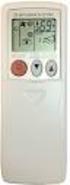 SPLIT-TYPE AIR CONDITIONERS Revision A: MUZ-FE18NA has been added. Please void OBH543. OUTDOOR UNIT SERVICE MANUAL HFC utilized R410A. OBH543 REVISED EDITION-A Models MUZ-FE09NA MUZ-FE12NA MUZ-FE18NA Indoor
SiUS091133. Service Manual. Inverter Pair FTXS-L Series FDXS-L Series. [Applied Models] Inverter Pair : Cooling Only Inverter Pair : Heat Pump
![SiUS091133. Service Manual. Inverter Pair FTXS-L Series FDXS-L Series. [Applied Models] Inverter Pair : Cooling Only Inverter Pair : Heat Pump](/thumbs/31/15338881.jpg "SiUS091133. Service Manual. Inverter Pair FTXS-L Series FDXS-L Series. [Applied Models] Inverter Pair : Cooling Only Inverter Pair : Heat Pump") Service Manual Inverter Pair FTXS-L Series FDXS-L Series [Applied Models] Inverter Pair : Cooling Only Inverter Pair : Heat Pump Inverter Pair FTXS-L Series FDXS-L Series Cooling Only Indoor Unit FTXS30LVJU
Service Manual Inverter Pair FTXS-L Series FDXS-L Series [Applied Models] Inverter Pair : Cooling Only Inverter Pair : Heat Pump Inverter Pair FTXS-L Series FDXS-L Series Cooling Only Indoor Unit FTXS30LVJU
R22. K Control. Indoor Unit. Nomenclature. Compatibility PL H 3 G K H B. Unit style Heat Pump Horse Power
 R22. K Control. Indoor Unit. Nomenclature. PL H 3 G K H B Compatibility Unit style Heat Pump Horse Power Control Boost Heaters R22. K Control. Outdoor Unit. Nomenclature. PU H 3 Y K A Compatibility Outdoor
Air Conditioners. Technical Data. Wall Mounted Unit. www.daikin.eu RX-JV/GV
 Air Conditioners Technical Data Wall Mounted Unit www.daikin.eu RX-JV/GV Air Conditioners Technical Data Wall Mounted Unit www.daikin.eu RX-JV/GV TABLE OF CONTENTS RX-JV/GV 1 Features.............................................................
CONTENTS 1. IMPORTANT NOTICE 2 2. TECHNICAL SPECIFICATION 3 3. OPERATION DETAILS 4 4. ELECTRICAL SCHEMATIC DIAGRAM 13 5. EXPLOSION VIEW 16 6
 TCL WALL MOUNTED SPLIT-TYPE AIR CONDITIONERS SERVICE MANUAL No.TE080528 Models KFTHP-12 KFTHP-18 KFTHP-24 CONTENTS 1. IMPORTANT NOTICE 2 2. TECHNICAL SPECIFICATION 3 3. OPERATION DETAILS 4 4. ELECTRICAL
NewAir AC-10000E, AC-10000H Portable Air Conditioner Owner s Manual PLEASE READ AND SAVE THESE INSTRUCTIONS
 NewAir AC-10000E, AC-10000H Portable Air Conditioner Owner s Manual PLEASE READ AND SAVE THESE INSTRUCTIONS BEFORE USE GENERAL SAFETY INSTRUCTIONS: ALWAYS OPERATE THE UNIT IN AN UPRIGHT POSITION AND PLACE
OPTIONAL SLENDER REMOTE CONTROL
 DAIKIN ROOM AIR CONDITIONER Operation Manual OPTIONAL SLENDER REMOTE CONTROL BRC944A2B READ BEFORE OPERATION Safety Precautions...2 Names of Functions of Parts...4 Preparation before Operation...5 OPERATION
Operating Instructions Air Conditioner
 F566272 Operating Instructions Air Conditioner CS-C18FFH CS-C28FFH CU-C18FFH CU-C28FFH ENGLISH Before operating the unit, read these operating instructions thoroughly and keep them for future reference.
Air Conditioner Water Heater - A Product of HotSpot Energy LLC
 Air Conditioner Water Heater - A Product of HotSpot Energy LLC PLEASE READ THIS BEFORE YOU INSTALL THE UNIT 1. This air conditioner must be installed and/or repaired by a qualified technician. If you perform
REFRIGERATED TYPE COMPRESSED AIR DRYERS INSTRUCTION MANUAL. For Sales & Service please contact:
 7610.478.16 8/99 INSTRUCTION MANUAL Models 8005, 8010, 8015 For Sales & Service please contact: CENTRAIR Air Systems & Supplies Phone: 705-722-5747 Fax: 705-722-5458 Email: [email protected] Website: www.centrair.ca
CS-XE9EKE CU-XE9EKE CS-XE12EKE CU-XE12EKE
 Order No. MAC0512111C8 Air Conditioner CS-XE9EKE CU-XE9EKE CS-XE12EKE CU-XE12EKE TABLE OF CONTENTS PAGE 1 Safety Precautions----------------------------------------------- 3 2 Specifications -----------------------------------------------------
CONTENTS 1. IMPORTANT NOTICE 2 2. TECHNICAL SPECIFICATION 3 3. OPERATION DETAILS 4 4. WIRING DIAGRAM 11 5. EXPLOSION VIEW 12 6.
 TCL WALL MOUNTED SPLIT-TYPE AIR CONDITIONERS SERVICE MANUAL No.TE051220 Models TAC-09CHSA/GI TAC-12CHSA/GI CONTENTS 1. IMPORTANT NOTICE 2 2. TECHNICAL SPECIFICATION 3 3. OPERATION DETAILS 4 4. WIRING DIAGRAM
REGULINE 600VA / 1000VA REGULATOR USER MANUAL
 REGULINE 600VA / 1000VA REGULATOR USER MANUAL TUNÇMATİK REGULINE SERIES AUTOMATIC VOLTAGE REGULATOR Models: REGULINE 600VA / REGULINE 1000VA Principle of Operation Automatic Voltage Regulators regulate
CU-2E15LBE CU-2E18LBE CU-3E18LBE CU-4E23LBE
 Order No. PHAAM1003090C3 Outdoor Unit CU-2E15LBE CU-2E18LBE CU-3E18LBE CU-4E23LBE Air Conditioner Please file and use this manual together with the service manual for Model No. CS-E7LKEW CU-E7LKE CS-E7LKEW
USER S MANUAL FH052EAV1 FH070EAV1. System Air Conditioner (Cooling and Heating) ENGLISH ESPAÑOL FRANÇAIS ITALIANO PORTUGUÊS DEUTSCH E HNIKA
 USER S MANUAL FH052EAV1 FH070EAV1 E HNIKA PORTUGUÊS ENGLISH ESPAÑOL ITALIANO DEUTSCH FRANÇAIS System Air Conditioner (Cooling and Heating) E S F I P D G DB98-29263A(1) Safety Precautions Register your
Multi System. 16 SEER, Inverter System. 9,000 to 18,000 BTU/Hr. Single Split
 Multi System 16 SEER, Inverter System 9,000 to 18,000 BTU/Hr Single Split 4MXW8-A 4TXM6-A March2013 42 Warnings and Cautions Warnings and Cautions. Notice that warnings and cautions appear at appropriate
HEATER, AIR CONDITIONING AND VENTILATION
 55-1 GROUP 55 HEATER, AIR CONDITIONING AND VENTILATION CONTENTS GENERAL DESCRIPTION 55-2 HEATER AND AIR CONDITIONING SYSTEM 55-4 HEATER CONTROL 55-6 A/C-ECU 55-7 A/C COMPRESSOR 55-9 CONDENSER 55-9 DUCT
Operating Instructions Air Conditioner
 P07-T10130 Operating Instructions Air Conditioner Indoor Unit CS-F24DD1E5 CS-F28DD1E5 CS-F34DD1E5 CS-F43DD1E5 CS-F50DD1E5 Outdoor Unit Inverter Model (HBE5 Series) CU-YL24HBE5 CU-YL28HBE5 CU-YL34HBE5 CU-YL43HBE5
Use and Care Manual. Model CPA12KH AIR CONDITIONER
 Use and Care Manual Model CPA12KH AIR CONDITIONER Introduction Thank you for choosing this air conditioner to provide you and your family with all of the "Home Comfort" requirements for your home, cottage
Split Type Room Air Conditioner. KSWM units
 OWNER S MANUAL Split Type Room Air Conditioner KSWM units Please read the operating instructions and safety precautions carefully and thoroughly before installing and operating your room air conditioner.
Model: AC-S13CG x 2. Model No: AC-S13CGx2.doc Version 1.0
 Air Conditioner Service Manual 2 3 Model: AC-S13CG x 2 3 Content Technical specification.. 4 Performance curve.5 Outline & dimension of indoor unit..10 Outline & dimension of outdoor unit 11 Exploded view
ENGLISH INSTRUCTION & INSTALLATION MANUAL DUCTLESS MINI SPLIT AIR CONDITIONING SYSTEMS
 ENGLISH INSTRUCTION & INSTALLATION MANUAL DUCTLESS MINI SPLIT AIR CONDITIONING SYSTEMS Céliera Corporation. All rights reserved. Unauthorized duplication, reproduction prohibited. CONTENTS SAFETY PRECAUTIONS...
OWNER S MANUAL VMH 09/12/18/27/36 InverterFlex
 OWNER S MANUAL VMH 09/12/18/27/36 InverterFlex Version C Single, Dual, Tri or Quad Zone Ductless Mini-Split System Heat Controller, Inc. 1900 Wellworth Ave. Jackson, MI 49203 (517)787-2100 www.heatcontroller.com
Heating, Ventilation, Air Conditioning and Refrigeration (HVACR)
 Heating, Ventilation, Air Conditioning and Refrigeration (HVACR) I. Demonstrate safety skills in typical HVACR work situations to NATE Core Installer Knowledge Areas for Technician Excellence for Safety
NewAir AC-10100E / AC-10100H Portable Air Conditioner Owner s Manual PLEASE READ AND SAVE THESE INSTRUCTIONS
 NewAir AC-10100E / AC-10100H Portable Air Conditioner Owner s Manual PLEASE READ AND SAVE THESE INSTRUCTIONS ELECTRICAL SAFETY This appliance is for indoor use only. Always turn off the unit and unplug
MAC-120HE-01 Air-Cooled Chiller
 MAC-120HE-01 Air-Cooled Chiller 10 Ton / 120,000 BTUH Air-Cooled Chiller 208/230-1-50/60 1 HVAC Guide Specifications Air-Cooled Liquid Chiller Nominal Size: 10 Tons Multiaqua Model Number: MAC-120HE-01
OPERATION MANUAL. Total Heat Exchanger HRV (Heat Reclaim Ventilation) (Ceiling mounted duct type)
 OPERATION MANUAL (Ceiling mounted duct type) VAM50FB VAM500FB VAM650FB VAM800FB VAM000FB VAM500FB VAM000FB 8 7 6 9 5 7 5 0 6 8 6 9 0 5 5 7 7 6 7 A A B B 5 6 5 6 7 VAM50F VAM800F VAM500F VAM500F VAM000F
CS-CE9NKE CS-CE12NKE CU-CE9NKE CU-CE12NKE TABLE OF CONTENTS WARNING
 Order No: PAPAMY1207094CE Indoor Unit CS-CE9NKE CS-CE12NKE Outdoor Unit CU-CE9NKE CU-CE12NKE WARNING This service information is designed for experienced repair technicians only and is not designed for
SPLIT WALL MOUNTED TYPE AIR CONDITIONERS OWNER'S MANUAL
 SPLIT WALL MOUNTED TYPE AIR CONDITIONERS OWNER'S MANUAL Thank you for choosing our Air Conditioner. Please read this OWNER'S MANUAL carefully prior to use and keep it for further reference. CONTENTS Contents
How To Use A Power Supply Unit (Upu)
 BRAVER UPS (Uninterruptible Power System) User s Manual Safety CAUTION! This UPS utilizes voltages that may be hazardous. Do not attempt to disassemble the unit. The unit contains no user replaceable parts.
Portable Evaporative Air Cooler. OWNER S MANUAL Read and save these instructions before use. Model: CL30XC
 Portable Evaporative Air Cooler OWNER S MANUAL Read and save these instructions before use Model: CL30XC Power rating: 250 Watts Voltage rating: 230 Volt, 50Hz Made in P.R.C. QUICK START GUIDE Fill with
DESIGN & TECHNICAL MANUAL
 AIR CONDITIONER Wall Mounted type DESIGN & TECHNICAL MANUAL INDOOR AS G07LECA AS G09LECA AS G12LECA AS G14LECA OUTDOOR AO G07LEC AO G09LEC AO G12LEC AO G14LEC 1. INDOOR UNIT : AS G07LECA AS G09LECA AS
SERVICE MANUAL FOR 6535 SERIES TWO TON HIGH EFFICIENCY PACKAGED HEAT PUMPS
 SERVICE MANUAL FOR 6535 SERIES TWO TON HIGH EFFICIENCY PACKAGED HEAT PUMPS TABLE OF CONTENTS 1. Warnings...2 2. Accessibility Of Appliance...3 3. Unit Dimensions And Specifications...3 4. Unit Specifications
SERVICE Manual AIR CONDITIONER AWH090ZE0K. 1. Precautions. 2. Product Specifications. 3. Installation and Operating Instructions
 ROOM AIR CONDITIONER AWH090ZE0K SERVICE Manual AIR CONDITIONER CONTENTS 1. Precautions 2. Product Specifications 3. Installation and Operating Instructions 4. Disassembly and Reassembly 5. Troubleshooting
NO-FROST CUSTOMER SUPPORT INFORMATION INFORMATION ON THE NO-FROST TECHNOLOGY WHITE GOODS
 INFORMATION INFORMATION ON THE TECHNOLOGY The -Frost refrigerators are different from the other static refrigerators in terms of their operational system. In normal refrigerators, in the freezing section,the
01-3 0000-00 6810-20 AIR CONDITIONING SYSTEM 1. FFH SPECIFICATION AIR CONDITIONING SYSTEM RODIUS 2004.09
 0000-00 01-3 6810-20 1. FFH SPECIFICATION 01-4 0000-00 2. SYSTEM LAYOUT AND COMPONENTS 0000-00 01-5 01-6 0000-00 3. FFH GENERAL INFORMATION The system is to increase the coolant temperature quickly by
Please read this owner s Manual carefully before operating the unit. - Cooling - Heating - Dehumidifying - Fan
 Please read this owner s Manual carefully before operating the unit. - Cooling - Heating - Dehumidifying - Fan TABLE OF CONTENTS INTRODUCTION 2 IMPORTANT SAFEGUARDS...2 PACKAGE CONTAINS..2 NAMES OF PARTS.3
USER S MANUAL. Duct Type Series. Free Joint Multi Air Conditioner (Cooling and Heating) FUEA Series E S F I P D G DB98-29565A(1) ENGLISH ESPAÑOL
 USER S MANUAL Duct Type Series MH MH FEEA Series FUEA Series ENGLISH ESPAÑOL PORTUGUÊS E HNIKA DEUTSCH ITALIANO FRANÇAIS Free Joint Multi Air Conditioner (Cooling and Heating) E S F I P D G DB98-29565A(1)
PORTABLE AIR CONDITIONER
 VERY IMPORTANT! MODEL: GDC-AC9RW / GDC-AC9RCS GDC-AC9RCW / GDC-AC12RW GDC-AC12RB / GDC-AC12RCB GDC-AC12RCW INSTRUCTIONS FOR USE PORTABLE AIR CONDITIONER Do not install and use your portable air conditioner
User s Manual AURORA 1.2K/2.2K
 User s Manual AURORA 1.2K/2.2K Uninterruptible Power System Safety CAUTION This UPS utilizes voltages that may be hazardous. Do not attempt to disassemble the unit. The unit contains no user serviceable
Max primary circuit temperature 90ºC Max primary circuit temp. 90ºC Max secondary circuit temperature 45ºC Max secondary circuit temp.
 EGLISH 1 Product description exchanger equipped with an electronic control unit and circulation pump for the primary circuit. All Aqua-Mex variants can be ordered with an interior coil of either titanium
TECHNICAL DATA & SERVICE MANUAL
 TECHNICAL DATA & SERVICE MANUAL REVE 247C (I) Cooling only model REVE 237R (I) Heat pump model 0.8180.501.1 11 / 2007 Table of contents Page A SPECIFICATIONS 1) Unit specifications 3 2) Major Component
E2 Series Electric Furnaces
 E2 Series Electric Furnaces Service Manual Table of Contents Electrical Requirements... 10 Codes, Specifications Requirements... 10 Connection Supply Service Wires... 10 Furnace Sequence of Operation...
Dehumidifier Users manual. For Models: DH45S DH65S
 Dehumidifier Users manual For Models: DH45S DH65S 950-0062-revD Jan. 9 2007 FORWARD The appearance of the units that you purchase might be slightly different from the ones described in the Manual, but
Portable Air Conditioner. OWNER S MANUAL Read these instructions before use. Model: MM14CHCSCS
 Portable Air Conditioner OWNER S MANUAL Read these instructions before use Model: MM14CHCSCS Voltage rating: 120V~60Hz Power rating : 1400W(Cooling) Power rating : 1350W(Heating) Customer Support : 1-800-474-21477
Technical Service Manual. Version One
 [Gree Central Air Conditioner] Technical Service Manual Ducted type unit 2.3KW-16KW Version One GREE ELECTRIC APPLIANCES.INC.OF ZHUHAI - 1 - FG Series wind pipe blowing air-conditioning unit Section One:
COLOR VIDEO DOOR PHONE CDV-71BE/D
 COLOR VIDEO DOOR PHONE CDV-71BE/D 513-11, Sangdaewon-dong, Jungwon-gu, Seongnam-si, Gyeonggi-do, Korea Int l Business Dept. : Tel.; +82-31-7393-540~550 Fax.; +82-31-745-2133 Web site : www.commax.com Printed
sip Sanyo Modbus Guide Technical Specification Pinouts, Cable Connections & Wiring Issue 2: February 2009 Synapsys Solutions Ltd, all rights reserved
 Sanyo Section : Section : Section : Section : Section : sip Modbus Guide Configuration Modbus Table Technical Specification Pinouts, Cable Connections & Wiring Alarm Fault Codes Issue : February 009 Section
AIR CONDITIONER (SPLIT TYPE)
 OWNER S MANUAL AIR CONDITIONER (SPLIT TYPE) For general public use ENGLISH EN Indoor Unit RAS-07PKVP-E RAS-10PKVP-E RAS-13PKVP-E RAS-16PKVP-E RAS-18PKVP-E RAS-07PKVP-ND RAS-10PKVP-ND RAS-13PKVP-ND RAS-16PKVP-ND
Quest 105, Dry155, and 205 Dual
 Quest 105, Dry155, and 205 Dual Read and Save These Instructions This manual is provided to acquaint you with the dehumidifier so that installation, operation and maintenance can proceed successfully.
USER INSTRUCTIONS FOR GET PORTABLE 12k BTU AIR CONDITIONER MODEL No. GPACU12HR
 USER INSTRUCTIONS FOR GET PORTABLE 12k BTU AIR CONDITIONER MODEL No. GPACU12HR CONTENTS Introduction Safety Notes Identification of parts Installation instructions Operation instructions Maintenance Troubleshooting
Daker DK 1, 2, 3 kva. Manuel d installation Installation manual. Part. LE05334AC-07/13-01 GF
 Daker DK 1, 2, 3 kva Manuel d installation Installation manual Part. LE05334AC-07/13-01 GF Daker DK 1, 2, 3 kva Index 1 Introduction 24 2 Conditions of use 24 3 LCD Panel 25 4 Installation 28 5 UPS communicator
Operating Instructions Split System Air Conditioner
 Operating Instructions Split System Air Conditioner * Shows U1 type Model No. Indoor Units Type Indoor Unit Type 26 36 42 Remarks U1 4-Way Cassette S-26PU1U6 S-36PU1U6 S-42PU1U6 with Wired Remote Controller: