
OBJECTIVE EVALUATION OF FUNCTIONAL ANKLE INSTABILITY AND BALANCE EXERCISE TREATMENT. Copyright 2014
|
|
|
- Janis Watson
- 9 years ago
- Views:
Transcription
1 OBJECTIVE EVALUATION OF FUNCTIONAL ANKLE INSTABILITY AND BALANCE EXERCISE TREATMENT By Copyright 2014 Tarang Kumar Jain D.P.T., University of Kansas Medical Center, 2012 B.P.T., MGM Medical College, DAVV University, Indore, INDIA, 2003 Submitted to the graduate degree program in Rehabilitation Science and the Graduate Faculty of the University of Kansas in partial fulfillment of the requirements for the degree of Doctor of Philosophy Wen Liu, Ph.D. (Chairperson) Janice K. Loudon, PT, Ph.D. Patricia M. Kluding, PT, Ph.D. Marcio Santos, PT, Ph.D. Jianghua (Wendy) He, Ph.D. Date of Defense: July 11, 2014

2 The Dissertation Committee for Tarang Kumar Jain certifies that this is the approved version of the following dissertation: OBJECTIVE EVALUATION OF FUNCTIONAL ANKLE INSTABILITY AND BALANCE EXERCISE TREATMENT Chairperson: Wen Liu, Ph.D. Date approved: July 17, 2014 ii

3 Abstract Lateral ankle inversion sprains occur frequently in sports that mostly concern young, physically active individuals. It constitutes between 15%-75% of all sports-related injuries, and mainly occurs in high-risk sports like team handball, basketball, soccer, or volleyball. Although the majority of patients recover completely after their first acute injury, disabling symptoms of pain and swelling, feelings of instability, and recurrent sprains continue to affect 15% - 60% of people at 12 months after an acute ankle sprain despite treatment. Functional ankle instability (FAI) is a poorly defined entity but commonly used to describe patients who sustain multiple ankle injuries with slight or no external provocation and have a subjective feeling of ankle giving way. There have been conflicting results reported in literature regarding the role of suggested etiological factors of FAI including deficit in joint proprioception, strength, and stiffness (laxity). Diagnosis of FAI has been mainly relied on a subjective reporting, so is the assessment of FAI treatments. In spite of controversies regarding FAI factors, balance training has been widely used in sports medicine clinics for patients with FAI. Most of past studies reported its effect for FAI, but strong evidence with definitive result is still missing. Furthermore, the mechanism that explains the effect of balance training on FAI is still unclear. Addressing this question was the purpose of this study. Chapter 2 utilized the sudden ankle inversion test to gain insight in the dynamics of early response of the human body. These experiments were performed to understand whether or not human neuromuscular action can significantly influence a body s response. Fifteen healthy individuals were evaluated and our results demonstrated that the unloading response recorded during the sudden ankle inversion was primarily dominated by the mechanical events. This study showed that during sudden ankle inversion, earlier response may not be due to human reaction iii

4 and late response should be considered to understand the functional behavior of the unloading reaction. Recently, it was suggested that altered threshold to the unloading reaction may be behind ankle giving way episodes in patients with ankle instability. Therefore, we wanted to duplicate this finding in individuals with FAI during sudden ankle inversion test and examine the effects of a four-week balance training program on unloading reactions in individuals with FAI (Chapter 3). Twenty four recreationally active individuals with unilateral FAI were evaluated for unloading reactions on the involved and uninvolved limbs using a sudden ankle inversion test. In seven out of twenty-four subjects, we observed a drastic reaction (hyper-reactivity) in that they were unable to maintain upright standing position when a combination of dynamic ankle stretching and nociceptive stimuli was applied on their affected ankles. The subjects were then randomized to either a control or intervention group. Subjects in the intervention group were trained on the affected limb with static and dynamic components using a Biodex balance stability system for 4-weeks. The control group received no intervention. Only the subjects in the intervention group demonstrated reduced ground reaction forces during the involved with stim condition when compared to the control group. This result suggested that balance training may desensitize the hyper-reactivity to unloading reaction in FAI subjects, suggesting a possible mechanism for reducing the ankle giving way episodes. The next logical step to better understand the effect of balance training was to investigate on how the balance training affects the subjective self-reported ankle instability. Therefore, Chapter 4 sought to find the effect of balance training on perceived disability in individuals with chronic ankle instability (CAI) and determine predictive factors that can explain CAI or the effect of balance training in individuals with CAI. The results demonstrated that balance training iv

5 can lead to significant improvement in the self-assessed disability. However, the recorded pathological factors demonstrated a limited role in explaining the improvement in self-assessed disability. These results provide evidence that proprioception in ankle inversion, peroneal muscle strength, and inversion/eversion stiffness and neutral zone may not fully explain CAI or the beneficial effects of balance training and additional measures should be assessed for a more comprehensive understanding of balance training in CAI. Other factors, such as impaired proprioception and increased ankle joint laxity, have been shown to be present in individuals with ankle instability. Therefore, Chapter 5 and 6 sought to investigate the effect of balance training on ankle joint position sense and mechanical characteristics of the ankle in these individuals. Our results demonstrated that the balance training program utilized in this study significantly reduced the mean replication errors on the involved limb following intervention at both 15 and 30 of ankle inversion. However, balance training was found to be ineffective in altering the mechanical characteristics of the ankle. In summary, this dissertation work provides evidence that balance training is effective in patients with FAI, however a further study with more sample size and additional outcome measures is required to better understand the mechanism of balance training in these individuals. The findings of this work have implications for research/rehabilitation of not only individuals with FAI but also in individuals with functional joint instability, such as functional knee instability which shares many common symptoms with FAI. v

6 Acknowledgements This dissertation not only represents my dedication to becoming an independent research investigator, it is a milestone of my work performed at University of Kansas Medical Center (KUMC) and specifically within the Neuromuscular Laboratory. This dissertation is a result of many experiences I have encountered at KUMC and I would like to take this opportunity to thank all of the people who contributed to this project and supported me along the way. First and foremost I wish to thank my chair and advisor, Wen Liu, Ph.D. director of the Neuromuscular Laboratory for his ceaseless guidance, patience, and encouragement. This project would not have been possible without his guidance and support. His faith in me as a doctoral student motivated me throughout my time at KUMC. Dr. Liu supported me not only by providing a research assistantship over almost seven years but also guided me in various research projects. I thank him for continually challenging me to achieve new heights as an individual, scholar, and researcher. I am deeply indebted to him for instilling in me a commitment towards science, allowing the scientific freedom, and for being patient as I improved my scientific writing skills. His enthusiasm and spirit of inquiry have been a motivating force throughout my doctoral studies that I will most definitely carry with me in my future endeavors. I would like to thank my committee members: Janice Loudon, PT, Ph.D., Patricia Kluding, PT, Ph.D., Marcio Santos, PT, Ph.D., and Jianghua (Wendy) He, Ph.D. for all of their time, suggestions, and constructive criticisms in helping me accomplish this dissertation. I am very grateful to Irina Smirnova, Ph.D. for her continued guidance and encouragement throughout my work. I appreciate her commitment to her job as a program director and providing support to international students in every way possible. She has been instrumental in pushing me to do my vi

7 best, and for supporting me through the entire process. She has been an inspiration on how to make things 'perfect'. The faculty members, administrative staff, and D.P.T. students at the Department of Physical Therapy and Rehabilitation Science (PTRS) have also been crucial to the completion of this project. I praise the enormous amount of help and guidance I have received while working on different courses, teaching assignments, and research projects. Also, I sincerely appreciate the time that Lisa Stehno-Bittel, PT, Ph.D. spent on reviewing my career goals and recommending strategies for achieving them. Your advice was very helpful and gave me a new perspective on available opportunities. Additional thanks are due to the many people and communities at KUMC that have so enriched my time here and expanded my horizons far beyond the lab. I am deeply thankful to past and present fellow students in the Ph.D. program for their friendship and collegiality. Their support throughout my time at the KUMC was crucial to my success and I am thankful for all I have learned from them and for making my experience memorable. I d like to acknowledge former/present members in the Neuromuscular laboratory as well as the other labs in the PTRS Dept.; their advice and encouragement will always be appreciated. I would like to thank Gurpreet Singh, PT, Fahed Mehyar, PT, and other members of the Clinical Orthopedic Rehabilitation Research laboratory. Through our long conversations, I have learned a lot not only about different cultures around the world but also about myself. I thank Saddam Kanaan, PT, Ph.D. for being a good friend and for always having the patience to listen to my concerns. My sincere thanks to Zaid Mansour, much of my experimental work would not have been completed without his assistance. A special acknowledgement goes to my lab mate of many years: Clayton Wauneka, your help in every aspect of my research was imperative in completion vii

8 of this project. Thank you so much for your wonderful friendship, countless hours of work writing programs, editing my documents, and general support. I would not have accomplished much on my work without your willingness to share your immense technical expertise. I wish to express gratitude to the National Institute of Arthritis and Musculoskeletal and Skin Diseases and Kansas Partners in Progress, Inc. for providing the financial support for this work. I would also like to extend a special thanks to the Department of Health, Sport, and Exercise Sciences and Sara Wilson, Ph.D. of the Department of Mechanical Engineering at the University of Kansas for their help in recruiting as well as allowing me to use their lab space for training the research subjects. I owe a very special thanks to my mother, father, sister, and other family members for their endless love, support, and encouragement throughout my journey in life. They let me dream big and helped me achieve those goals that I set for myself. They have always supported me in all my endeavors and I am truly grateful for their love and support. I would like to thank all my friends who have supported me through these years and made this time enjoyable and pleasurable. I could not have done this without them. Last and certainly not least, I must also thank the individuals who volunteered to participate in this project (perhaps against their better judgment) and allowed me to learn from them. This work is dedicated to you. viii

9 Table of Contents Abstract... iii Acknowledgements... vi Table of Contents... ix List of Tables... xii List of Figures... xiv CHAPTER 1 - Introduction Epidemiology of Ankle Sprain Functional Anatomy of the Ankle Joint Complex Anatomy and biomechanics of the talocrural joint Anatomy and biomechanics of the subtalar joint Anatomy and biomechanics of the distal tibiofibular joint Muscles of the lower leg Innervation of the ankle joint Mechanism of Injury for Lateral Ankle Sprain Incidence and Risk Factors for Ankle Sprains Chronic Ankle Instability Mechanical Ankle Instability Ligament laxity Arthrokinematic impairments Synovial and degenerative joint changes Functional Ankle Instability Impaired proprioception Peroneal muscle strength Impaired postural control Impaired neuromuscular control (peroneal response time) Flexion Reflex Self-reported Functional Ankle Instability Measures Balance Training as an Intervention for Ankle Instability Significance of Present Work Specific Aims and Statement of Hypothesis ix

10 CHAPTER 2 - Unloading reaction during sudden ankle inversion in healthy adults Abstract Introduction Method Results Discussion CHAPTER 3 - The effect of balance training on unloading reactions during sudden ankle inversion in individuals with functional ankle instability Abstract Introduction Methods Results Discussion Conclusion CHAPTER 4 - Contributing factors to balance training in individuals with chronic ankle instability Abstract Introduction Methods Results Discussion Conclusion CHAPTER 5 - Effect of 4-week balance training program on ankle joint position sense in individuals with functional ankle instability Abstract Introduction Methods Results Discussion Conclusion CHAPTER 6 - Ankle joint stiffness and balance training in subjects with unilateral chronic ankle instability x

11 6.1 Abstract Introduction Methods Results Discussion Conclusion CHAPTER 7 - Conclusion Summary of Findings Clinical Implications Limitations Future Directions Conclusions REFERENCES APPENDIX xi

12 List of Tables Chapter 1 Introduction Table 1.1 Balance training and postural control (Literature Review) 45 Table 1.2 Balance training and muscle reaction time (Literature Review) 52 Table 1.3 Balance training and ankle strength (Literature Review) 53 Table 1.4 Balance training and ankle joint proprioception (Literature Review) 55 Table 1.5 Balance training and ankle joint laxity (Literature Review) 57 Chapter 2 Unloading reaction during sudden ankle inversion in healthy adults Table 2.1 Processed group data (mean ± S.D.) from the SAI experiment 75 Chapter 3 The effect of balance training on unloading reactions during sudden ankle inversion in individuals with functional ankle instability Table 3.1 Balance Training Program 97 Table 3.2 The comparison of the magnitude of the unloading reactions 98 Chapter 4 Contributing factors to balance training in individuals with chronic ankle instability Table 4.1 Balance Training Program 122 Table 4.2 Measurement categories and outcome measures collected in the 123 study Table 4.3 Subject demographics 124 Table 4.4 Table 4.5 Table 4.6 Regression analysis identifying measures most associated with chronic ankle instability Regression analysis identifying measures that can explain the effect of balance training in individuals with chronic ankle instability Regression analysis identifying measures associated with individuals in the control group at 4 weeks xii

13 Chapter 5 Effect of 4-week balance training program on ankle joint position sense in individuals with functional ankle instability Table 5.1 Balance Training Program 148 Table 5.2 Subject demographics 149 Table 5.3 Mean replication error in degrees at baseline and post-intervention 150 Chapter 6 Ankle joint stiffness and balance training in subjects with unilateral chronic ankle instability Table 6.1 Balance Training Program 171 Table 6.2 Subject demographics 172 Table 6.3 Dependent variables at baseline for all subjects in the study 173 Table 6.4 Group comparison of the difference in normalized dependent variables at post-intervention 174 xiii

14 List of Figures Chapter 1 Introduction Figure 1.1 Talocrural and talocalcaneonavicular axes of motion 5 Figure 1.2 Lateral ligaments of the ankle joint 6 Figure 1.3 Subtalar joint s axis of rotation 7 Figure 1.4 Diagram showing the lateral drift of the subtalar joint axis 13 Figure 1.5 Potential mechanical and functional insufficiencies associated with 19 chronic ankle instability Figure 1.6 Schematic illustration of a progressive model for rehabilitation 44 Figure 1.7 Overview of the study design 62 Chapter 2 Unloading reaction during sudden ankle inversion in healthy adults Figure 2.1 Illustration of the experimental setup 76 Figure 2.2 The time-force curves recorded from a subject 77 Figure 2.3 The vertical force curves of the inverting and supporting legs recorded from a subject and corresponding two chair tests 78 Chapter 3 The effect of balance training on unloading reactions during sudden ankle inversion in individuals with functional ankle instability Figure 3.1 Illustration of the experimental setup 99 Figure 3.2 Illustration of balance training setup 100 Figure 3.3 Flow of subjects through the phases of randomized control trial 101 Figure 3.4 Figure 3.5 The mean ± S.E. of the vertical force variations (VFV) during the four conditions. The group mean ± S.E. of the vertical force variations (VFV) during the four conditions for the intervention group at baseline and postintervention Chapter 4 Contributing factors to balance training in individuals with chronic ankle instability Figure 4.1 Illustration of Biodex dynamometer and balance training setup 128 xiv

15 Figure 4.2 Flow of subjects through the phases of randomized control trial 129 Figure 4.3 The mean ± S.D. of the CAIT questionnaire score for the intervention and control group at baseline and post-intervention 130 Chapter 5 Effect of 4-week balance training program on ankle joint position sense in individuals with functional ankle instability Figure 5.1 Illustration of Biodex dynamometer and balance training setup 151 Figure 5.2 Flow of subjects through the phases of randomized control trial 152 Figure 5.3 The group mean (S.E.M.) of the reduction in replication error in degrees for both involved and uninvolved limbs at 15 and 30 of ankle inversion following balance training intervention 153 Chapter 6 Ankle joint stiffness and balance training in subjects with unilateral chronic ankle instability Figure 6.1 Flow of subjects through the phases of randomized control trial 175 Figure 6.2 Illustration of Biodex dynamometer and balance training setup 176 Figure 6.3 Figure 6.4 An illustration of stiffness and neutral zone measurement on an angular displacement-moment curve The group data for relative inversion stiffness (A) and inversion neutral zone (B) of the involved side xv

16 CHAPTER 1 Introduction 1

17 1.1 Epidemiology of Ankle Sprain Ankle joint is one of the most injured joint in athletes and people participating in sports [113, 192], representing 15% 20% of all sports injuries [38] and contributing to 22% of visits to the emergency rooms [40]. Approximately 85% of these ankle injuries are due to an inversion injury involving lateral ligament damage [109]. The most common mechanism of injury for ankle inversion sprains is considered to be a combination of forced hyper-inversion and plantar flexion [332, 364]. It is estimated that half of the general population has at least one ankle sprain during life [339] and as many as 55% of them do not seek injury treatment from a health care professional [167]. In the United States alone, approximately 1 in 10,000 people sprain their ankle [431]. This figure amounts to an estimated 23,000 27,000 ankle sprains per day [22, 228]. The costs associated with treating these many number of sprains are staggering, as treatment and rehabilitation of these lateral ankle sprains is estimated to be $2 billion a year [34]. Ankle sprains account for up to one-sixth of all time lost from sports [135]. The average duration of temporary unemployment as a result of a severe ankle sprain was found to be 29 (±33) days [16]. Lateral ankle inversion sprains occur frequently in sports that mostly concern young, physically active individuals, [19, 190] constituting between 15%-75% of all sports-related injuries, and mainly occurring in the so-called high-risk sports like team handball, basketball, soccer, or volleyball, which are characterized by a high level of jumping and cutting movements [108, 135, 290, 361]. Activity limitations may even occur with walking and up to 72% of people are unable to return to their previous level of activity [35, 248, 416, 451]. Furthermore, an initial ankle sprain leads to high rate of injury recurrence (as high as 80% in high-risk sports) due to alterations in stress distribution causing long term disability and degeneration [37, 185, 345, 446, 449]. Recent research has indicated that patients with acute and recurrent ankle joint trauma may show early development of ankle joint osteoarthritis by a decade when compared to patients with 2
![The most common mechanism of injury for ankle inversion sprains is considered to be a combination of forced hyper-inversion and plantar flexion [332, 364].](/docs-images/44/17253697/images/page_17.jpg "It is estimated that half of the general population has at least one ankle sprain during life [339] and as many as 55% of them do not seek injury treatment from a health care professional [167].")
18 primary ankle joint osteoarthritis [387]. Additionally, patients with ankle instability [12] and ankle osteoarthritis [132, 243, 387, 415] have been reported to score either equal or lower selfreported disability scores when compared to patients with other chronic diseases. Therefore, ankle joint sprains and their associated sequelae not only negatively impact an individual s health and perceived quality of life but also represent a large healthcare burden. 1.2 Functional Anatomy of the Ankle Joint Complex The ankle joint complex is a sophisticated musculoskeletal arrangement that allows force transmission between the lower limb and the ground, facilitating stable ambulation and posture [72, 453]. The ankle joint complex comprises of three major articulations: the talocrural joint, the subtalar joint, and the distal tibiofibular syndesmosis [166]. The coordinated movement of these three articulations allows the ankle joint to absorb the body impact forces during various weightbearing activities and at the same time allows foot to function as a flexible shock-absorber on uneven surfaces [337]. The stability of the ankle joint is mainly provided by the bony congruity of the articular surfaces, the joint capsule as well as ligamentous support, and the musculotendinous structures surrounding the ankle complex [167] Anatomy and biomechanics of the talocrural joint The talocrural joint (mortise) is formed by the articulations between the dome of the talus, the medial malleolus, the tibial plafond, and the lateral malleolus [98, 167, 288, 360, 424]. The talocrural joint is a uniaxial modified hinge joint with the axis of rotation that passes through the medial and lateral malleoli. In the frontal plane, the axis of rotation is slightly anterior as it passes through the tibia and slightly posterior as it passes through the fibula. The oblique axis of rotation at the talocrural joint mainly allows the movement in the sagittal plane (plantarflexion 3

19 dorsiflexion), with small amount of transverse (internal/external rotation) and frontal plane motion (inversion eversion) occurring about the oblique axis of rotation (Figure 1.1) [288]. The shape of the talus and the axis of rotation at the talocrural joint allow talus to glide posteriorly and externally rotate in relation to mortise during dorsiflexion and glide anteriorly and internally rotate during plantarflexion [417]. The talocrural joint is maximally stable in the closed-pack position of dorsiflexion [167, 285] and injury-prone in the open-pack position (loose) of plantarflexion [285]. Also, the fibula extends further to the lateral malleolus than the tibia does to the medial malleolus, allowing for larger range on inversion than eversion and thus more inversion sprains [159]. The stability of the talocrural joint in weight bearing is provided by the congruent articular surfaces, while in non-weight bearing, the ligaments appear to provide the majority of the stability [425]. The ligamentous support to the talocrural joint is provided by joint capsule and several main ligaments, namely the anterior talofibular ligament (ATFL), the calcaneofibular ligament (CFL), and the posterior talofibular ligament (PTFL) on the lateral aspect (Figure 1.2) and the deltoid ligament on the medial aspect of the ankle [139, 167, 183, 386]. Research studies have reported that the ligaments on the lateral aspect of the ankle are collectively weaker than the deltoid ligament [320]. The ATFL is the most frequently injured ligament at the ankle and is most observed injury in the emergency room [38, 39, 231]. The CFL is injured about 50-75% of the time and PTFL is only injured about 10% of the time [114]. The ATFL is an intracapsular structure and primarily functions to resist anterior displacement and internal rotation of the talus in plantarflexion [98, 139, 320]. Among the lateral ligaments, the ATFL is the weakest as it exhibits the lowest maximal load and energy to failure values under tensile stress as compared to CFL and PTFL [15]. The CFL is an extra-articular structure covered by peroneal tendons and 4
![internally rotate during plantarflexion [417].](/docs-images/44/17253697/images/page_19.jpg "The talocrural joint is maximally stable in the closed-pack position of dorsiflexion [167, 285] and injury-prone in the open-pack position (loose) of plantarflexion [285].")
20 often reinforced by talocalcaneal ligaments [139]. The CFL restricts excessive supination of both talocrural and subtalar joints [320]. The PTFL is the strongest of the lateral ligament complex [386] and resists both inversion and internal rotation of the talocrural joint during weight bearing [139, 425]. Figure 1.1: Talocrural and talocalcaneonavicular axes of motion. Adapted from Dutton,
![The PTFL is the strongest of the lateral ligament complex [386] and resists both inversion and](/docs-images/44/17253697/images/page_20.jpg "internal rotation of the talocrural joint during weight bearing [139, 425]. Figure 1.")
21 Figure 1.2: Lateral ligaments of the ankle joint. Adapted from Dutton, Anatomy and biomechanics of the subtalar joint The subtalar (talocalcaneal) joint is formed by the articulations between the talus and the calcaneus [98, 167, 171, 324, 360, 372, 424]. The subtalar joint is a synovial, bicondylar compound joint consisting of two separate, modified ovoid surfaces with their own joint cavities and allows the motion of pronation and supination [98, 167, 324]. The subtalar joint is divided into two joints; anterior (talocalcaneonavicular) and posterior compartments separated from each other by the sinus tarsi and canalis tarsi [167, 324, 372]. The anterior subtalar joint is formed from the head of the talus, the anterior-superior-facets, the sustentaculum tali of the calcaneus, and the concave proximal surface of the tarsal navicular [372]. The posterior subtalar joint is formed between the inferior posterior facet of the talus and the superior posterior facet of the calcaneus [372]. The anterior and posterior joints share a common axis of rotation with anterior joint having medial and higher center of rotation than the posterior joint [350]. This arrangement of the subtalar joint accentuates its oblique axis of rotation in the sagittal and transverse planes with 42 o upward tilt and 23 o medial angulation from the perpendicular axis of the foot (Figure 6
22 1.3) [424] and produces simultaneous movement in sagittal, frontal, and transverse planes to cause pronation and supination of the foot [72]. Pronation primarily incorporates the cardinal plane motions of eversion, external rotation, and dorsiflexion, while supination primarily involves inversion, internal rotation, and plantarflexion during non-weight bearing position [424]. The stability to the subtalar joint is provided by the CFL, the cervical ligament, the interosseous ligament, the lateral talocalcaneal ligament, the fibulotalocalcaneal ligament (ligament of Rouviere), and the extensor retinaculum [160]. Studies have reported greater strain in the cervical ligament following the complete disruption of the CFL [291] and subtalar joint injury to occur in as many as 80% of the patients during an initial ankle sprain injury [313]. The increased supination moment (associated with excessive inversion and internal rotation of the rearfoot coupled with external rotation of the lower leg) in the closed kinetic chain activities is suggested to be the primary injury mechanism of an ankle sprain [89, 109, 131]. Figure 1.3: Subtalar joint s axis of rotation. Transverse plane (A) and sagittal plane (B). Adapted from Stiehl,
23 1.2.3 Anatomy and biomechanics of the distal tibiofibular joint The distal tibiofibular joint is a formed by the articulations between the concave tibial surface and a convex or plane surface on the medial distal end of the fibula [98, 167, 276, 424]. This joint is a fibrous joint (syndesmosis), except for about 1 mm of the inferior portion, which is covered in hyaline cartilage [98, 276]. Integrity of the distal tibiofibular joint is critical to provide stability for the talus at the talocrural joint [98, 167]. The syndesmosis allows limited movement between the two bones; however, the accessory gliding motions at this joint are required to maintain normal mechanics of the ankle complex [167, 417]. The movements at the distal tibiofibular joint consist of involuntary anterioposterior glide and slight spreading of the mortise of the talocrural joint [276, 417]. Coupled motions occur with the superior tibiofibular joint with fibula gliding superiorly during dorsiflexion and inferiorly during plantarflexion [417]. The distal tibiofibular joint is maximally stable in dorsiflexion that results in the greatest talar contact and lowest average pressure [276, 338]. The stability to the distal tibiofibular joint is provided by four ligaments, collectively known as the syndesmotic ligaments. These include the inferior interosseous ligament (primary stabilizer), the anterior inferior tibiofibular ligament, the posterior inferior tibiofibular ligament, and the inferior transverse ligament [98, 276]. The ligaments of the distal tibiofibular joint are thought to be more commonly injured than the ATFL [445]. Injury to the ankle syndesmosis often occurs as a result of forced external rotation of the foot or during internal rotation of the tibia on the planted foot [186, 276]. The injury to the syndesmotic ligaments of the distal tibiofibular joint results in high (syndesmotic) ankle sprain [167, 317]. 8
24 1.2.4 Muscles of the lower leg Musculotendinous units that cross the ankle joint complex afford dynamic protection to the joint by generating stiffness during various activities [148, 167]. The extrinsic muscles of the lower leg can be divided into anterior, posterior superficial, posterior deep, and lateral compartments [98, 324]. The anterior compartment of the leg contains the dorsiflexors (extensors) of the foot. The muscles of the anterior compartment include tibialis anterior (dorsiflexion and inversion of ankle), extensor digitorum longus (extends lateral four digits and dorsiflexes ankle), extensor hallucis longus (extends great toe and dorsiflexes ankle), and peroneus tertius (dorsiflexes ankle and aids in foot inversion) [98, 324]. These muscles are active during walking, helping with clearing the forefoot off the ground by contacting concentrically during the swing phase and lowering the forefoot to the ground by contracting eccentrically after heel strike during the stance phase [372]. All muscles of the anterior compartment are innervated by the deep peroneal nerve and supplied by the anterior tibial artery [324]. The posterior superficial compartment of the leg contains the calf muscles that plantarflex the foot, necessary for walking in an upright bipedal stance, running, and jumping via push off [324]. The muscles of the posterior superficial compartment include the gastrocnemius (plantarflexes ankle and flexes leg at the knee joint), soleus (plantarflexes ankle independent of knee position), and the plantaris muscle (plantarflexes ankle) [98, 324]. All muscles of both the superficial and deep posterior compartments are innervated by the tibial nerve and supplied by the posterior tibial artery and the fibular artery [324]. The posterior deep compartment of the leg contains the flexors of the foot that provide dynamic stability to the lateral ankle complex by contracting eccentrically during forced 9
25 supination of the rearfoot [324]. The muscles of the posterior deep compartment include the tibialis posterior (plantarflexes ankle and inverts foot), flexor digitorum longus (flexes lateral four digits, plantarflexes ankle, and supports longitudinal arch of the foot), and flexor hallucis longus (flexes great toe at all joints, weak plantarflexor, and supports medial longitudinal arch of the foot) [324]. All muscles of the deep posterior compartment are innervated by the tibial nerve and supplied by the posterior tibial artery and the fibular artery [324]. The lateral compartment of the leg contains the evertors of the foot that are integral to the control of supination of the rearfoot and help protect against lateral ankle sprains [13, 324]. The muscles of the lateral compartment include the peroneus longus (everts foot and weakly plantarflexes ankle) and peroneus brevis muscle (everts foot and weakly plantarflexes ankle) [324]. All muscles of the lateral compartment are innervated by the superficial peroneal nerve and supplied by the perforating branches of the anterior tibial artery superiorly and the perforating branches of the peroneal artery inferiorly [324] Innervation of the ankle joint The sensory innervation of the ankle joint is supplied by the tibial, superficial peroneal, deep peroneal, sural, and saphenous nerves [133, 312]. The posterior tibial nerve runs down on the medial border of the Achilles tendon reaching the tibiotalocalcaneal canal (medial aspect) where it branches into lateral and medial plantar nerves that collectively innervate the plantar aspect of the foot in addition to the lateral aspect of the ankle joint [312]. The common peroneal nerve branches into the superficial peroneal nerve (previously known as the musculocutaneous nerve) as it passes behind the head of the fibula [133]. The superficial peroneal nerve then descends on the anterolateral aspect of the lower leg dividing into the medial and the 10
26 intermediate dorsal cutaneous nerves of the foot, providing cutaneous sensibility to the lateral ankle [312]. The other branch of the common peroneal nerve the deep peroneal nerve descends to the ankle passing through the anterior tarsal tunnel where it divides in two deep principal branches, lateral and medial, on the dorsal aspect of the foot [312]. The deep peroneal nerve innervates the anterior, lateral (joint capsule and ATFL), and posterior aspect of the ankle joint. The sural nerve runs down on the posterolateral aspect of the Achilles tendon and at level just below the lateral malleolus, divides into two branches with one innervating the calcaneus (lateral calcaneal branch) and the other one to the lateral border of the foot (dorsolateral cutaneous nerve) [312]. The distal saphenous nerve provides cutaneous innervation of the medial side of the ankle, periosteum of the medial malleolus and joint capsule, and distally to the base of the great toe [63]. The pain sensation of the sinus tarsi area (location of the lateral ligaments) is principally provided by the lateral branch of the deep peroneal nerve followed by the superficial peroneal nerve [84]. The electrical stimulations described in the following chapters were administered anterolateral to the lateral malleolus, the innervations to which comes primarily from the superficial peroneal nerve. 1.3 Mechanism of Injury for Lateral Ankle Sprain Ankle sprains commonly occur in the so-called high-risk sports like team handball, basketball, soccer, or volleyball, which are characterized by a high level of jumping and cutting movements [108, 135, 290, 361]. The most common mechanism for a lateral ankle sprain is the forced inversion or supination of the foot complex during landing on an unstable or uneven surface [2, 22, 228, 468]. Excessive inversion and supination of the ankle joint is limited by the lateral joint capsule, the lateral ligament complex of the talocrural joint, and the ligaments supporting the subtalar, and distal and proximal tibiofibular joints. If the supporting structures 11
27 are overloaded (strained) beyond their tensile strength, disruption in their fibrous integrity occurs leading to dysfunction of one or more joints in the ankle complex [17, 109]. This injury mechanism may also lead to lesions (overstretching) of the sensory nerves (branches of the sural and superficial peroneal nerves) or the peroneus tendons [448]. A lateral ankle sprain occurs when there is ankle inversion accompanied with an internal twisting of the foot or when there is plantarflexion with an adducted and inverted subtalar joint [386, 452]. An external rotation of the lower leg in respect to the ankle joint soon after the initial contact of the rearfoot can also cause a lateral ankle sprain [167]. Stormont and coworkers [425] suggested that joint stability is established by bony congruency during weight bearing. They observed that most of the ankle sprains occurred during the systematic loading and unloading, but not while the ankle joint was already loaded. Konradsen et al. [255] reported that prior to landing, the body must rely on ligamentous and musculotendinous sources of stability rather than the bony congruency. Since the ligamentous and musculotendinous structures are not as strong as bony structures, lateral ankle sprains frequently occur during landing. The ATFL is reported to be most often injured when landing during plantarflexion; however when the landing is done during dorsiflexion, the calcaneofibular ligament is often injured [28]. Andersen et al. [9] in their video analysis of the ankle sprain injury mechanisms in football players, identified two primary mechanisms: (1) Landing with the ankle in a vulnerable inverted position due to laterally directed force on the medial aspect of the leg by an opponent, either before or at a foot strike; (2) Forced plantarflexion due to landing on the opponent s foot when attempting to shoot or clear the ball. Fuller [131] described that most ankle sprains are caused by increased supination moment at the subtalar joint, which occurs as a result of the position and the magnitude of the vertically 12
28 projected ground reaction force at initial foot contact. If the center of pressure lies medial to the subtalar joint axis, a greater supination moment from the vertical ground reaction force can be achieved when compared to a foot that has center of pressure lie lateral to the subtalar joint axis (Figure 1.4). The increased supination moment may result in sudden explosive ankle supination (excessive inversion and internal rotation of the rearfoot) during closed kinetic chain activities and if the movement is beyond physiologic limits, a lateral ankle sprain may occur. In other study, Inman [424] reported great variability in the subtalar joint axis alignment across individuals and suggested that a foot with a laterally deviated subtalar joint axis would have greater area on the medial side of the joint axis. This lateral deviation would increase the likelihood of medial placement of center of pressure in relation to the subtalar joint axis and thus longer supination arm. If the magnitude of the supination moment exceeds the counterbalancing pronation moment, excessive inversion and internal rotation of the rearfoot may occur, leading to lateral ligament injuries [131]. Figure 1.4: Diagram showing the lateral drift of the subtalar joint axis from (a) neutral to (e) plantarflexion and inversion, increasing the risk of injury. Adapted from Tropp,
29 In a computational forward dynamic stimulation study, Wright and colleagues [474] reported that increased plantarflexion at initial contact may increase the likelihood of encountering a lateral ankle sprain. Some studies have also suggested strong association between limited ankle joint dorsiflexion and lower extremity overuse injuries [222, 289]. Using a biomechanical model, Konradsen & Magnusson [250] suggested a connection between a defect in ankle position sense and an increased risk of recurrent lateral ankle sprains. They reported that in a healthy individual, an inversion error greater than 7 degrees would drop the lateral border of the foot by 5 mm and engage the ground during late swing phase. For a rotational error of approximately 8 degrees, it was calculated that placement error would occur for once for every 1000,000 steps prior to heel strike [251]. Foot contact at the later stage of the swing phase may result in tripping, causing possible sprain of the ankle joint. Angle replication errors are usually increased after an initial sprain, so theoretically for a injured patient who has 100% greater replication error, a small difference in angle replication errors may increase the placement error to once for every 1000 steps prior to heel strike [247]. Another etiology that has been proposed for lateral ankle sprain is the delayed reaction time of the peroneal muscles during a rapid inversion event [116, 210, 255, 443]. Numerous research groups have reported peroneal muscles reaction time to be 50 ms or more [97, 112, 194, 196, 251, 253, 443] which is not quick enough to oppose the ankle supination motion that is initiated around 40 ms when landing from a jump [13]. It has been proposed that if the peroneal muscles are to protect against an unexpected inversion of the foot, preparatory pre-activation of the peroneal muscles before the foot contact is necessary [255]. Additionally, researchers have suggested that the peroneal muscles may not be strong enough to withstand a body-weight load acting with a lever arm longer than 3 to 4 cm and if shear force is added, torque around the ankle 14
30 increases [435]. Ashton-Miller and colleagues [13] further reported that a force of one body weight located more than 3.4 cm medial to the midline of the near-maximally inverted foot would result in forced inversion injury despite maximal evertor muscle force. 1.4 Incidence and Risk Factors for Ankle Sprains The successful rehabilitation of a lateral ankle sprain is often difficult because of unknown risk factors that lead to high injury recurrence rate [386, 463]. Several studies have tried to identify the incidence [95, 117] and risk factors associated with ankle sprains [22, 23, 33, 34, 73, 117, 122, 182, 298, 442, 462, 464, 465], but a review of literature reveals conflicting results. Ankle is one of the most injured joints in the body. Fong et al. [117] in their systemic review on ankle injury and ankle sprain found ankle to be most commonly injured body site in 24 of 70 included sports and ankle sprain to be a major ankle injury in 33 of 43 sports. Ankle ligament sprains are reported to be the most common injury for college athletes in the United States [192]. Recently in a meta-analysis of 181 prospective epidemiological studies, Doherty et al. [95] found lateral ankle sprains to be the most common type of ankle sprain. They noted a higher incidence of ankle sprain in females compared with males (13.6 vs 6.94 per 1,000 exposures), in children compared with adolescents (2.85 vs 1.94 per 1,000 exposures) and adolescents compared with adults (1.94 vs 0.72 per 1,000 exposures). The sport category with the highest incidence of ankle sprain was indoor/court sports, with a cumulative incidence rate of 7 per 1,000 exposures or 1.37 per 1,000 athlete exposures and 4.9 per 1,000 hours. Risk factors for an ankle sprain injury are commonly classified as intrinsic (those from within the body) and extrinsic (those from outside the body) [466]. Various studies have 15
31 investigated anthropometrical characteristics, foot type and size, ankle and foot laxity, range of motion, history of previous ankle sprain, functional motor performances, ankle joint position sense, isokinetic ankle muscle strength, lower leg alignment, balance and postural control, and muscle reaction time with conflicting results. Of all the variables studied, the literature has consistently indicated the history of previous ankle sprain as the greatest predictor of an ankle sprain [167]. Barker et al. [21] reported that a previous sprain history, a foot size with increased width, an increased ankle eversion to inversion strength, plantarflexion strength and ratio between dorsiflexion and plantarflexion strength, and limb dominance could increase the ankle sprain injury risk. The foot type, indication of ankle instability, and high general joint laxity were not identified to be risk factors. They also suggested that among external risk factors, increased exercise intensity can lead to increased injury risk whereas the use of orthosis in players with previous sprain history could help in decreasing the risk for an ankle sprain injury. Beynnon and colleagues [33] found little agreement in the literature and reported that gender, generalized joint laxity and anatomical foot type were not risk factors for ankle sprain injury. In contrast to this finding, Morrison and Kaminski [327] noted that increased foot width, cavovarus deformity, and increased calcaneal eversion range of motion could increase chances of sustaining a lateral ankle sprain injury. In 2005, Willems et al. [464, 465] investigated the intrinsic risk factors separately for males and females. The intrinsic risk factors for males included slower running speed, reduced cardiorespiratory endurance, decreased balance, reduced dorsiflexion muscle strength, decreased dorsiflexion range, less coordination ability, and faster reaction of the tibialis anterior and gastrocnemius muscles. For females, they concluded that a reduced passive joint inversion position sense, a higher extension range of motion at the first metatarsophalangeal joint, and a 16
32 decreased coordination of postural control were the major risk factors. Some recent studies have also identified reduced ankle dorsiflexion range [73], posteriorly positioned fibula [111], decreased single leg balance [433], being overweight [442], and no stretching before exercise [300] as other major intrinsic factors for ankle sprains. 1.5 Chronic Ankle Instability In mid-1960 s, Freeman [124] identified that injuries to the lateral ligament of the ankle often lead to an ankle instability. The development of repetitive ankle sprains and persistent symptoms after injury has been termed chronic ankle instability (CAI) [167]. Freeman [126] attributed the clinical symptoms of CAI to deafferentation of the lateral ligaments, or tearing of the ligament neural structures, resulting in decreased proprioceptive input from the joint. Typical symptoms include pain during activity [343, 484], impaired performance during functional tasks [90, 344], diminished neuromuscular control [174, 375, 439, 447], impaired joint position sense [246, 463], recurrent ankle sprains [17], feeling of giving way [124, 270, 436], muscle weakness [225, 463] and perceived difficulties with activities of daily living (ADLs) and sportspecific skills [156]. CAI can not only limit activity [42, 43] but may lead to an increased risk of osteoarthritis and articular degeneration at the ankle [162, 353, 430, 446]. CAI is a poorly defined entity but commonly used to describe patients who sustain multiple ankle injuries with slight or no external provocation and have a subjective feeling of ankle joint instability and ankle giving way for a minimum of 1 year post-initial sprain [80]. Two contributing factors to CAI are mechanical ankle instability (MAI) and functional ankle instability (FAI) [124, 167, 365, 440]. Hertel [167] proposed that recurrent sprains may occur when both MAI and FAI are present. There are, however, numerous insufficiencies that lead to 17
33 each type of instability (Figure 1.5). Mechanical insufficiencies include pathologic laxity [32, 36, 111, 171, 270, 384, 440], impaired arthrokinematics [162, 167], and synovial and degenerative changes [167]. Functional insufficiencies include impaired proprioception [31, 41, 115, 120, 126, 134, 138, 145, 150, 202, 219, 220, 230, 250, 251, 266, 270, 294, 362, 363, , 393, 463, 479], altered neuromuscular control [174, 375, 439, 447], strength deficits [19, 22, 32, 39, 164, 224, 226, 270, 328, 354, 384, 434, 438, 461, 463], and diminished postural control [31, 92, 120, 124, 157, 167, 209, 221, 254, 267, 384, 437]. Although MAI and FAI may occur in isolation, researchers have hypothesized that combinations of the two most likely contribute to CAI [42, 167, 440, 444, 461]. Recently, Hiller and coworkers [178] attempted to refine the Hertel CAI model [167] with the new model, suggesting as many as 7 subgroups of individuals with CAI that would likely provide better homogeneity in describing the pathology. Though these models recognize the multi-factorial nature of FAI, but fail to provide better understanding of the mechanism behind ankle giving way episodes in patients with ankle instability. The diagnosis of CAI is often made by imaging [144], arthroscopy [184], and subjective functional scoring scales such as the Ankle Instability Instrument (AII) [92], Ankle Joint Functional Assessment Tool (AJFAT) [382], Chronic Ankle Instability Scale (CAIS) [104], Cumberland Ankle Instability Tool (CAIT) [181], Foot and Ankle Ability Measure (FAAM) [293], Foot and Ankle Instability Questionnaire (FAIQ) [202], Foot and Ankle Outcome Score (FAOS) [373], and recently proposed Identification of Functional Ankle Instability (IdFAI) [412]. 18
34 Figure 1.5: Potential mechanical and functional insufficiencies associated with chronic ankle instability. Adapted from Hertel, Mechanical Ankle Instability Mechanical instability of the ankle is generally considered to be present when the ankle joint motion is beyond the normal expected physiological or accessory range of motion [80, 167, 232, 351]. Mechanical ankle instability has been defined as excessive inversion laxity of the rear foot or excessive anterior laxity of the talocrural joint as assessed by using instrumented (arthrometry or stress radiography) or manual stress testing [80, 167]. Hertel [167] believes that anatomical changes following an initial ankle sprain leads to insufficiencies in the joint stability and function, which predisposes the ankle to recurrent episodes of instability. The changes associated with mechanical ankle instability may include pathological ligament laxity [32, 36, 111, 171, 198, 203, 270, 280, 384, 440], impaired arthrokinematics [162, 200, 201, 206, 267, 454, 455], and synovial and degenerative changes [87, 88, 116, 184]. 19
35 Ligament laxity Ankle joint stability is provided by both active and passive components. While the active stability is derived from active or reflex mediated muscle contraction, the passive stability of the ankle joint complex is provided by the static ligamentous restraints, congruency of the articular surfaces and other connective tissues [167, 280, 411]. The lateral side of the ankle complex is stabilized primarily by three ligaments anterior talofibular ligament (ATFL), calcaneofibular ligament (CFL), and posterior talofibular ligament (PTFL) [139, 167, 183, 386]. The function of ATFL is to restraint plantarflexion and inversion motion and since most of the lateral ankle sprains occur during a jump or placing a foot in a plantarflexed and inverted position [22, 228, 468], the ATFL is the most commonly injured ligament during a lateral ankle sprain [38, 39, 231]. Renstrom [364] reported that an isolated tear of ATFL occur in approximately 80% of all lateral ankle sprains and combined tear of ATFL and CFL occur in other 20%. Injury to one or more of the lateral ligaments and less than optimal healing of the injured tissues often result in residual talocrural and subtalar joint laxity [167]. Several studies have investigated talocrural joint laxity in patients with CAI [66], however conflicting results have been reported in the literature. While some authors reported an increased mechanical laxity [70, 171, 198, 206, 270, 285] others did not report increase in laxity [36, 126, 280, 383, 440]. On average, more studies have reported greater laxity being present in unstable ankles than in those without symptoms of ankle instability; however, it has also become clear that hypomobility may be as much of a concern as hypermobility [205]. Similarly, some authors have reported hypermobility at the subtalar joint [171, 234, 285, 475] while others reported of hypomobility at the subtalar joint after a lateral ankle sprain [85]. The inconclusive 20
36 evidence reported in the literature could be due to the use of varied assessment methods in quantifying and diagnosing the talocrural and subtalar joint laxity. Some studies have also questioned the reliability and validity of the methods and tests used to measure mechanical joint laxity [128, 161, 257, 428, 429]. These findings could also suggest that mechanical instability is not present in all patients with CAI and the observed residual symptoms may result from impaired neuromuscular control. Clinical assessment of the mechanical ankle joint laxity typically involves manual examination techniques such as the anterior drawer, talar tilt, and inversion-eversion stress tests [171, 237, 428]. However, the subjectivity in differentiating the degree of lateral ligament stability make manual stress tests inaccurate for diagnosing specific ligament involvement [130]. In addition, researchers have questioned the reliability and usefulness of stress radiographs despite its use in numerous ankle-ligament injury studies [161]. Siegler et al., in 1996, described a six-degrees-of-freedom instrumented linkage for measuring the flexibility characteristics of the ankle joint complex in vivo [410]. Since then ankle arthrometer has been used in many studies for the diagnosis of ankle mechanical instability. An ankle arthrometer is a reliable and valid diagnostic tool [203, 257] and provides an objective assessment of the load-displacement characteristics of the joint within physiological range at a lower cost [237, 280]. However, one of the disadvantages with the arthrometry test is the inability to control involuntary muscle contractions that may affect the measurement outcome [237]. Another issue is the fixation of the arthrometer across the joint. A tight fixation of the arthrometer is required in order to minimize soft-tissue motion, but too tight fixation can result in pain and will be intolerable to the patient. On other hand, if the fixation is too loose, true bone-to-bone motion cannot be measured due to excessive soft-tissue motion [263]. 21
37 Researchers have often relied on the quantity of motion and the amount of resistance at the extreme of passive physiological motion to determine the flexibility characteristics of the ankle joint. Increased joint flexibility or the decrease in passive stiffness has been suggested to represent mechanical laxity indicating a weakness in passive joint restraints [355]. Previous in vivo studies have indicated that there is higher reliability in assessing the amount of resistance at the extreme of passive physiological motion than assessing range of motion [411]. These results indicate that ligament laxity can be indirectly evaluated through the measurement of the passive joint stiffness (a measure of resistance to stretch). The average load-displacement characteristics (moment relative to angular displacement) can be used to demonstrate the neutral zone and nonlinear behavior of the passive resistance with increasing range of motion. In this study, we will be measuring load-displacement characteristics to evaluate ankle joint stiffness at baseline and post-intervention Arthrokinematic impairments Many in vitro studies have found significant increase in the ankle joint laxity following sectioning of the lateral collateral ligaments [240, 241, 411]. In agreement with the in vitro studies, in vivo studies have indicated the presence of ankle joint hypermobility and increased accessory motion following an acute lateral ankle sprain [198, 199, 203]. The increased accessory motion at the joint leads to enlargement of the neutral zone of a joint [347, 348], which further strains the injured ligaments. The early loading and frequent straining may lead to subsequent effusion from the soft tissue damage [177], delayed collagen fibers healing, and alterations in the crimp pattern of the ligaments (ligament elongation) during the healing process [292] that may result in the change of talocrural joint s axis of rotation to become more anterior or posterior in the frontal plane [198]. Some studies have also indicated fibular positional faults 22
38 following a lateral ankle sprain [201, 235, 295, 401, 459]. If the axis of rotation shifts anteriorly, posterior gliding of the talus may be limited resulting in decreased dorsiflexion range of motion and thus joint hypomobility [85]. Alternatively, joint hypomobility can result from the scar tissue formation causing disruption in the fibrous structure of the ligament following a injury [62, 110, 256, 469]. Additionally, Hertel [166] believes that injury to ligamentous structures can also lead to alteration of the mechanoreceptors, joint capsule, golgi tendon organs and muscle spindles. Altered input may affect the output in both the affected and healthy ankle [273] leading to changes in the neuromuscular system, altered muscle recruitment patterns and joint arthrokinematics Synovial and degenerative joint changes Injury to the lateral ligament complex of the ankle has been shown to cause inflammation and hypertrophy of the synovium in the talocrural and posterior subtalar joint capsule [87]. DiGiovanni et al. [87] reported the presence of 15 different associate injuries in the 61 patients with CAI and they identified peroneal tenosynovitis (77%), anterolateral impingement lesion (67%), attenuated peroneal retinaculum (54%), and ankle synovitis (49%) in their patients during surgery. Komenda and Ferkel [245] also reported that 93% of their patients with ankle instability had intra-articular abnormalities, including loose bodies 22%, synovitis (70%), talus osteochondral lesions (17%), ossicles (26%), osteophytes (11%), adhesions (15%), and chondromalacia (22%). Studies have also indicated that repetitive bouts of ankle instability can lead to ankle osteoarthritis [146, 162, 184, 282, 446], sinus tarsi syndrome and subtalar joint instability [353], and osteochondral defect of the talar dome [430]. 23
39 1.5.2 Functional Ankle Instability Past studies have suggested that the mechanical instability alone cannot independently explain the ongoing residual symptoms in patients after an initial ankle sprain [78]. The severity of the initial injury does not always correlate with the severity of the residual symptoms [125]. Researchers agree that some pathological process distinct from the MAI is present in these patients and the phenomenon of recurrent persistent symptoms in the absence of aberrant mechanical laxity has been termed as functional ankle instability (FAI) [80]. O Donoghue [226] categorized FAI as once a sprain, always a sprain. Wilkerson et al. [461] described this enigmatic nature of FAI, in which no relationship between the method of initial treatment and the prolonged residual symptoms is apparent. In contrast to MAI, there is no universally accepted definition or inclusion criteria for FAI [246]. Frequent/recurrent ankle sprain and episodes of, or the reporting of, feelings of ankle giving way are the most commonly described symptoms to define FAI in research and clinical literature [80]. Recently, attempts have been made to devise operational definitions related to ankle joint sprain and its subsequent sequelae, as well as provide standards for patient/participant selection criteria focused on CAI [80, 140]. FAI was first described by Freeman in 1965 [126] as a condition of recurrent ankle sprain and/or ongoing episodes of ankle giving way. Freeman proposed that FAI can be attributed to damage to the afferent receptors of the joint after a sprain injury. Such damage can result in proprioceptive deficits that consequently lead to an increased incidence of the ankle giving way into hyper-supination because of an inadequate peroneal muscle response to the aberrant ankle positioning. This theory was challenged in 1990s by the reports that failed to consistently show deficits in measures of proprioception or postural control after anesthetizing the lateral ankle ligaments [254, 368]. Since then several causal factors of FAI have been suggested to explain 24
40 why this condition develops in high percentage of patients. The functional insufficiencies have been attributed to impaired proprioception [31, 41, 115, 120, 126, 134, 138, 145, 150, 202, 219, 220, 230, 250, 251, 266, 270, 294, 362, 363, , 393, 463, 479], strength deficits [19, 22, 32, 39, 164, 224, 226, 270, 328, 354, 384, 434, 438, 461, 463], altered neuromuscular control [174, 375, 439, 447], and diminished postural control [31, 92, 120, 124, 157, 167, 209, 221, 254, 267, 384, 437]. However, there have been conflicting results reported in the literature regarding the role of each suggested etiological factor of FAI and none of those factors can definitely explain why and how the recurrent sense of ankle giving way occurs. In the present study, FAI was defined as a situation whereby a subject reported at least one major ankle inversion sprain that left the limb unable to bear weight, followed by self-reported ongoing ankle giving way episodes, and at least one episode in the last 6 months and/or recurrent sprains during functional activities with one sprain in the last 12 months Impaired proprioception The term proprioception was first used by Sherrington in 1906 [53], who coined the term from the Latin (re)ceptus (the art of receiving) and propius (one s own). Proprioception is generally defined as the ability to assess a respective limb s position without the assistance of vision. Lephart et al. [272] defined proprioception as a specialized variation of the sensory modality that encompasses the sensation of joint movement (kinesthesia) and joint position (joint position sense). Proprioception system is governed by both central and peripheral mechanisms that are mainly obtained from mechanoreceptors upon detection of joint displacements or perturbations [14]. Michelson and Hutchins [315] believe that two levels of proprioception exist: conscious (voluntary) and unconscious (reflexive). The conscious aspect of proprioception is thought to be involved in controlling activities of daily living and during sports whereas 25
41 unconscious aspect is thought to be involved in maintaining joint stability [367] and postural stability [20] through complex responsive neural muscle activation [315]. Freeman et al. [126] hypothesized that following a lateral ankle sprain, ligamentous tissue may heal effectively but mechanoreceptor disruption within the lateral ligaments and talocrural joint capsule can lead to articular partial deafferentation, causing impaired proprioception. This impairment may affect the stabilization of the foot, leaving it functionally unstable, i.e. with a tendency to give way that may further lead to faulty ankle joint positioning and increase in probability of injuring the joint. Since then, proprioceptive deficiency following ankle sprain has been the focus of many studies that tried to identify the cause of FAI but conflicting results have been reported regarding the effect of ankle sprain on the proprioceptive sensation of the ankle. Afferent proprioceptive deficit with ankle instability has been typically assessed by measuring kinesthesia and replication of joint position sense [168]. Operationally, kinesthesia is defined as the ability to detect the onset of passively imposed joint movements in a given plane and direction [134, 362] or to actively discriminate the onset or cessation of movement [202] and joint position sense is defined as the ability to reproduce a predetermined joint angle either actively or passively [281, 423]. The results of the investigations measuring both kinesthesia and joint position sense in patients with ankle instability have been inconclusive. While some studies reported deficits in kinesthesia [120, 134, 247, 251, 270, 363], active joint position sense [41, 163, 250, 251, 333, 479], and passive joint position sense [41, 129, 251, 268, 478], other studies failed to identify deficits in kinesthesia [75, 202, 362], active joint position sense [45, 91, 145, 218, 268, 463], and passive joint position sense [45, 129, 145, 281, 393, 463]. The inconclusive evidence has been mainly attributed to variation in measurement methods, subject population, and inclusion criteria when investigating patients with ankle instability [80, 423]. Current 26
42 evidence suggests that anesthetizing the lateral ligaments of the ankle has very little effect on the ankle joint proprioception as afferent feedback from the skin, joint, and muscular receptors may compensate the proprioceptive deficit in the ankle [115, 254, 315]. Further, Hertel [168] believes that current methods for measuring proprioception rely on conscious supraspinal perception of peripheral somatosensory information and thus, it is not possible to conclusively determine if the deficits represent peripheral afferent dysfunction, central nervous system alterations at the spinal or supraspinal levels, or both Peroneal muscle strength The dynamic stabilization of the ankle joint during high-load dynamic activities such as running, cutting, and high landing is mainly provided by co-contraction of the muscles surrounding the joint [225]. Muscular co-contraction, particularly eccentric muscular control, has been suggested to minimize the ground reaction forces on the ankle-foot complex and efficiently dissipate the forces across surrounding ligamentous and articular structures [55, 82, 102]. Considering that the main mechanism for incurring an inversion sprain involves forced plantarflexion and inversion [2, 22, 228, 468], an imbalance in muscular co-contraction as a result of strength deficits can lead to excessive stress on the surrounding joint tissues [225]. Researchers have proposed that mechanical damage to the peroneal tendons [233] and changes in alpha motorneuron pool excitability because of the arthrogenic muscle inhibition [193] may be the physiological mechanisms behind muscle strength deficits after an ankle sprain. Munn et al. [328] suggested that deficits in evertor strength can reduce the ability of the peroneal muscles in resisting inversion moment during dynamic activities, predisposing an athlete to injury. Recent research work has also suggested that deficits in invertor strength may also lead repeated episodes of recurrent inversion sprains and development of FAI [460]. 27
43 The first incidence of evertor muscle weakness following an ankle sprain was reported in 1955 [39]. Since then, ankle muscle strength has been extensively studied in patients with ankle instability with more focus on the strength in evertor and invertor muscles [32, 36, 39, 124, 164, 165, 226, 270, 271, 308, 334, 354, 356, 381, 385, 393, 405, 421, 422, 434, 461, 463, 477] and less on the strength in plantarflexor and dorsiflexor muscles [123, 143, 308, 331, 334]. However, the evidence supporting the muscle weakness in patients with ankle instability is inconclusive. While some studies have suggested isometric evertor deficit [393], concentric evertor deficit [39, 124, 164, 354, 381, 421, 422, 434, 463] and eccentric evertor deficit [164, 463, 477], other studies have failed to support the theory that evertor weakness exists in patients with ankle instability [32, 36, 165, 226, 270, 271, 308, 328, 334, 356, 385, 405, 461]. The growing body of research also indicates that patients with ankle instability may exhibit inversion strength deficit [164, 328, 385, 461]. In addition to deficits in evertor/invertor muscle strength, recent studies have identified plantarflexor/dorsiflexor [123, 204, 331, 334] and hip extension/abduction muscle weakness [127, 204, 335] in patients with ankle instability. The reason for the discrepancies is not clear, but Arnold et al. [11] in their review attributed the inconsistent results to variation in velocities used to test the ankle strength (slow vs. fast), contraction mode (concentric vs. eccentric), and methodological limitations in form of small sample size of the previous studies. Further, it has been suggested that the lack of endurance in the evertors [54, 78] and timing of the evertor muscle activity during functional activities [81, 461] may be of greater importance than peroneal muscle strength deficit in development of ankle instability Impaired postural control An individual requires integration of afferent (somatosensory, visual, and vestibular) and appropriate efferent responses to develop postural control strategies in an effort to maintain 28
44 balance [167]. Impairment in any component of the afferent or efferent controls may result in diminished postural control. This indicates that deficient postural control may not be a specific symptom in itself but a manifestation of impairment somewhere else in the neuromuscular system. Freeman [124] and Freeman et al. [126] initially hypothesized that damaged sensorimotor pathways following a lateral ankle sprain may lead to proprioceptive deficit, diminished postural reflex responses, and single-leg balance deficits. However, this theory has been challenged in past 20 years. Several studies have detected postural deficits in both the injured and uninjured legs in subjects with ankle instability [10, 179, 329, 457]. Also, Pintsaar et al. [352] demonstrated that subjects with ankle instability tend to use more of less efficient hip-strategy and less of ankle strategy while trying to maintain single-leg balance. Hip-strategy may lead to increased ankle inversion due to creation of large shear forces with the ground, thus leading to ankle giving way in patients with ankle instability [136]. These findings indicate that changes in the central neural control in the presence of joint dysfunction lead to the postural alterations in subjects with ankle instability [167]. The evidence of centrally mediated changes in postural control in subjects with ankle instability is further demonstrated by bilateral balance impairments [457], altered proximal muscle activation patterns [49], hip musculature strength deficits [127, 204], bilateral hamstring inhibition [402], altered motor control during gait and jump tests [54, 56, 81, 82, 142, 322], and crossover effect with rehabilitation [157]. Clinicians and researchers have utilized both non-instrumented [94, 120, 126, 134, 180, 271] and instrumented [18, 204, 268, 302, 440, 479] static single-leg balance tests to assess ankle instability. Non-instrumented tests measure postural control by using subjective measures such as number of touchdowns of the other leg while balancing or simple observation on which leg 29
45 appeared to be more unstable. Instrumented measurements provide objective evaluation and quantification of the postural control and often include measures of center of pressure and center of gravity such as center of pressure excursion length, root mean square velocity of center of pressure, area of center of pressure excursions, sway index, etc. [10, 457]. While many studies have suggested impaired static balance in subjects with ankle instability, some studies have also suggested that the balance deficits are not associated with FAI [303, 366]. However, recent systemic reviews [10, 179, 329, 457] clearly suggest that impaired static postural balance exists in patients with chronic ankle instability but impairment may not be evident when subjects are tested on a stable surface with eyes open [179]. Therefore, challenging tests of postural stability should be utilized to identify deficits associated with balance in patients with ankle instability [179]. Recently, several studies have used more dynamic measures such as the star excursion balance test (SEBT) [142, 157, 169, 173, 344], time-to-stabilization (TTS) [45, 46, 375, 377], and dynamic postural stability index [458, 459]. The review of literature on studies that used dynamic measures indicate that subjects with ankle instability exhibit diminished dynamic postural control and the dynamic stability tests can be used to differentiate subjects with ankle instability from healthy controls [179] Impaired neuromuscular control (peroneal response time) Riemann and Lephart [367] have defined neuromuscular control as the unconscious activation of dynamic restraints occurring in preparation for and in response to joint motion and loading for the purpose of maintaining and restoring functional joint stability. Freeman [124] suggested that damage to the mechanoreceptors in the joint capsule and lateral ligaments (articular deafferentation) often cause proprioceptive deficit and its reflex, producing delayed 30
46 and diminished reflex response in the evertor muscles during potential injury events, which can further lead to impaired postural control and recurrent lateral sprains [460]. Since then, several studies have investigated this hypothesis by recording peroneal muscle reflex to unexpected ankle inversion perturbations during various static and dynamic activities [79, 151, 311]. Studies have utilized various reflex measurements such as peroneal reaction time [24, 27, 47, 65, 103, 105, 106, 112, 148, 210, 212, 223, 229, , 255, 264, 277, 283, 289, 321, 325, 330, 346, 409, 443, 444, 467], reflex amplitude [148, 330], and electromechanical delay [277, 323, 325], however, the results have been inconclusive. Some studies support the Freeman s hypothesis [47, 229, 252, 255, 283, 444], while others do not agree with it [24, 103, 112, 210, 223, 443]. The inconsistent findings in the literature has been attributed to lack of homogeneous criteria in identifying subjects between studies, methodological consistencies in regard to the inversion perturbation, and inconsistency in recording the quantity/severity of initial ankle sprain in subjects with ankle instability [443]. It has been proposed that during an activity, dynamic and static restraints work together via closed-loop control (reactive or feedback), open-loop control (preparatory or feed-forward), and voluntary mechanisms to maintain joint stability and prevent injury [151]. Previous research has suggested that articular deafferentation and a subsequent decrease in reflex stabilization of the ankle joint may not be the main physiological mechanism behind the development of functional instability. Konradsen et al. [254] investigated the peroneal reflex reaction time to sudden ankle inversion before and after regional block of the ankle and foot and found that the peroneal reaction time was not altered (80 ms before and 83 ms under anesthesia). This finding indicated that in the absence of proprioceptive information, the response to the sudden inversion was mediated by receptors in the muscle/ tendon system surrounding the ankle joint. These 31
47 results were further supported by the findings of Hertel et al. [175] and Riemann et al. [368]. Also, the role of muscle reflexive activation has been seriously challenged by experiments showing that ankle evertor muscles were less likely to be activated quick enough (176 ms after onset of platform movement) to prevent ankle sprain injury under a sudden ankle inversion test [13, 255]. Healthy subjects have been shown to demonstrate 80 ms to reach 30 degrees [255] or about 110 ms to reach 50 degrees of ankle inversion [444] during a sudden ankle inversion test. This finding suggested that reflex responses may be too slow to prevent an inverted ankle sprain and preparatory activity (open-loop control) must be present to maintain joint stability during potential injury events. Hopkins et al. [194] evaluated reflex responses during gait and found quicker response time during walking when compared to quiet standing. In other study, Gruneberg et al. [148] measured reflex responses during landing on inverting and non-inverting surfaces, finding an increase in peroneal muscle response amplitude during landing on inverting surface. Quicker response time during walking and increased peroneal muscle response amplitude during landing on an inverting surface suggested a contribution of preprogrammed muscle peroneal activation (pre-activation). Studies that tried to measure landing kinematics in patients with ankle instability [54, 56, 82] found no deficit in the post-landing reactive muscle activity but instead found reduced peroneal muscle activation prior to contact with the ground. In addition, Delahunt et al. [82] found reduced pre-initial peroneal muscle activity to coincide with increased inverted position prior to contact with the ground and earlier peak ground reaction force. These findings indicate that a decrease or disorganization of peroneal muscle pre-activation (feed-forward control) could lead to an inappropriate weight acceptance with altered kinetics during the 32
48 landing, leaving the ankle joint vulnerable to re-injury when an unexpected contact occurs with the ground [191]. Past studies have also suggested that traction placed on the deep and superficial peroneal nerves during hypersupination may lead to slowed nerve conduction velocity [27]. At 5 weeks post-injury, Kleinrensink et al. [242] found slowed nerve conduction velocity in deep and superficial peroneal nerves of patients with lateral ankle sprain when compared to control group but failed to found any difference between the injured and uninjured limbs. Arthrogenic muscle inhibition [195, 309, 330, 402] and altered muscle recruitment pattern of the hip muscles [24, 48, 49] have also been demonstrated in individuals with history of recurrent lateral ankle sprains. Lastly, Tropp [435] suggested that the peroneal muscles may not be strong enough to withstand a body-weight load acting with a lever arm longer than 3 to 4 cm and if shear force is added, torque around the ankle increases. Ashton-Miller and colleagues [13] further reported that the vertical ground reaction force of one body weight located more than 3.4 ± 1.1 cm medial to the midline of the 15 degree inverted foot would result in forced inversion injury despite maximal evertor muscle force. Santos et al. [391] conducted a series of experiment suggesting that, in order to reduce the vertical load during a potential injury event, subjects with ankle instability may use flexion reflexes, also known as unloading reactions. In their experiments, unloading reactions were characterized by simultaneous movement of the body downwards and a shift of body weight towards the non-stimulated foot, indicating a potential strategy that may help reduce the risk of ankle sprain injuries. 33
49 1.6 Flexion Reflex In 1910, Sherrington [407] extensively studied the lower limb reflexes in animal models and observed that animals, in response to nociceptive stimulation of the skin receptors, responded with a characteristic ipsilateral limb flexion associated with a contralateral limb extension. He believed this rapid withdrawal movement of the limb to be a protective mechanism against possible limb damage and named this whole reflex pattern as the flexion reflex. In the literature, flexion reflex has also been named as the flexor reflex or withdrawal reflex [8] and is believed to be a polysynaptic and multisegmental spinal reflex that induces a complex flexion synergy of the stimulated limb [390]. Since Sherrington s early description of flexion reflex function as to withdraw the limb from contact with injurious agents [407], researchers have found flexion reflex to be more complex and in addition to its protective function, believe flexion reflex to be a part of more complex motor function. Flexion reflex is considered to be a product of various sensory afferents, spinal circuits, and supraspinal modulatory pathways [390]. Flexion reflex is shown to be evoked by different afferent fibers, called flexor reflex afferents (FRAs) [149, 287, 397]. The different afferent fibers include cutaneous mechanoreceptors, cutaneous nociceptors, group II, III and IV muscle afferents, and joint afferents [77, 379, 390]. These multisensory afferents converge onto common interneurons in the spinal cord [5]. This interneuronal network (wide dynamic range neurons) allows for both the spatial and temporal integration of all the available information [397] and ensures fast regulation and production of appropriate withdrawal reflex [213, 214]. Schouenborg et al. [400] believe that the production of appropriate withdrawal reflex depends on the afferent input and the motor context. For example, after afferent fibers have gathered and relayed the information from the stimulation site to the interneuronal network, the interneuronal network would generate the 34
50 response by activating the muscles in such a way that stimulated site is withdrawn from the potentially injurious stimulation. Recently, researchers have shown that in humans, distal muscles have smaller receptive field and proximal muscles have large receptive field in the interneuronal network [418]. This shows that there is a spinal modular organization in the interneuronal network and the stimulation of particular sites will activate only those modules best positioned to withdraw the limb from the potential injury source [61]. In addition to channeling information from variety of converging segmental and descending systems, FRAs interneuronal network or circuitry is modulated by several supraspinal structures, such as the cerebral cortex, cerebellum, basal ganglia, and brainstem [397]. In addition to nocifensive function, recent findings have linked flexion reflex to locomotor, movement, and postural activities [8, 52, 99, 101, 216, 217, 286, 287, 378, 380, 398, 419, 481]. Researchers have attributed this dual function of flexion reflex to the fact that the interneuronal network (wide dynamic range neurons) mediating the withdrawal reflex is, itself, modulated by the transmission of descending motor commands to the target motor neurons [67, 215, 390]. Numerous studies have observed flexion reflex to be a more flexible reflex as opposed to its early description by Sherrington and suggest that the pattern of the flexion reflexes are stimuli site dependent (e.g. tibialis, plantar, or digital foot nerves) [61, 153, 310, 399], stimuli intensity dependent (e.g. noxious vs. non-noxious) [6, 25, 68, 101, 419], body posture dependent (e.g. sitting, standing, gait, cycling) [6, 8, 244, 297, 349, 378, 389, 419], task dependent (e.g. phasic locomotor vs. tonic maintained) [100, 227, 278], and gait phase dependent (e.g., swing vs. stance) [6, 86, 101, 316, 419, 476, ]. It has been shown that the muscles recruited to withdraw the limb from a noxious stimulus depend on the stimulation site. Depending on the stimulation site, the flexion reflex is 35
51 organized to produce the most appropriate withdrawal movement [61]. For example, stimulation of the tibial nerve provokes a response characterized by flexion of the hip and knee joint along with dorsiflexion of the ankle [310] whereas peroneal nerve stimulation provokes flexion of the hip and knee joint along with plantarflexion of the ankle instead of dorsiflexion. This suggests that flexion reflex involves coordinated avoidance response by activating muscles at multiple joint levels. A lower intensity (tactile non noxious ) stimulation may initiate or facilitate withdrawal from an irritating stimulus, but may not sufficiently activate the muscles to cause a movement [154]. Higher intensity (nociceptive) stimulation can provoke facilitation or contraction of the flexor muscles and inhibition of the extensor muscles in the stimulated limb (reciprocal inhibition) [260, 310, 407]. If the stimulation is high enough, flexion response can be accompanied by a response in the contralateral side causing facilitation or contraction of the extensor muscles and inhibition of the flexor muscles [407]. Sherrington [407] called it a crossed-extension reflex and suggested that this reflex may be a more effective way of withdrawing limb from a noxious stimuli while preserving the balance. As previously mentioned, FRAs interneuronal network is believed to control posture and locomotion [286, 287]. Changes in body positions have been shown to modulate the flexion reflex [244, 349]. For instance, Rossi and Decchi [378] observed that the size of the flexion reflex during a standing position is affected by posture, balance, limb load, and pre-contraction level of the muscles. Further, they identified smaller tibialis anterior and large soleus reflexes when the sole of the subjects feet were stimulated while standing (limbs supporting the body). In other words, they found that during symmetrical standing, the subjects in the study loaded the unstimulated foot and unloaded their stimulated foot without removing the stimulated foot from the ground. However, in the sitting position, Anderson et al. [7] found that subjects in their study 36
52 consistently withdrew their feet from the nociceptive stimulation applied to the sole of the foot. Anderson and colleagues [6] confirmed this finding and suggested that in contrast to sitting posture, the ankle extensors play a dominant role in the withdrawal pattern during the standing posture. The stronger soleus muscle reflex compared to the weaker tibialis anterior muscle reflex demonstrated that unloading of the limb by ankle plantarflexion was the dominant reaction. The unloading of the limb was characterized by the simultaneous decrease in vertical ground reaction forces under the stimulated foot and increase in vertical ground reaction forces under the contralateral non-stimulated foot. Past studies have suggested that, in the event of instability created by the unloading of the withdrawing limb, maintaining balance is given the primary importance, even though this may mean prolonged exposure to the nociceptive stimuli. While studying the relationship between the flexion reflex and preparatory balance adjustments prior to voluntary movement, McIlroy et al. [299] and Bent et al. [30] observed a significant delay in the limb withdrawal among their subjects while they tried to stabilize prior to the instability. Similarly, flexion reflex pattern is dependent on the behavioral context during walking [481]. The maintenance of balance is vital and modulation of the flexion reflex ensures appropriate withdrawal, at times even resulting in the reflex reversal. For example, if an individual suddenly encounters the obstacle during the swing phase, the receptors on the dorsum of the foot may be activated, eliciting a rapid flexor response superimposed on the pre-programmed flexion. The intensity of the corrective response, in such a scenario, will depend on the point in the step cycle at which the individual encounters the obstacle [121]. However, the response will be opposite if the individual is in the stance phase. In order to maintain the balance, inhibition of flexion reflex and facilitation of extension movement may be useful (phase-dependent reflex reversal) [319, 419, 482]. Based on these 37
53 observations, it can be speculated that during a potential injury event such as ankle sprain, an individual may utilize flexion reflex to preserve both the ankle structures and postural balance [392]. Since individuals with ankle instability are thought to have deficits in the afferent pathway, they may present with decreased sensory input, impaired descending inhibitory control, and/or increased sensitivity to the spinal reflex loop, resulting in lack of appropriate use of flexion reflex. After peripheral damage, a causal relationship between a prolonged increase in the excitability of dorsal horn neurons (wind-up phenomenon) and the hyperexcitability of the spinal cord nociceptive neurons has been reported by past studies [388, 470]. Woolf [470] defined this relationship as central sensitization and may involve a possible alteration of the central modulatory inhibitory pathways leading to a persistent enhancement of pain sensitivity following low-intensity or nociceptive inputs from undamaged tissues [396]. Past studies have also indicated that peripheral neurons in pain pathway may also be sensitized [471] in patients with ankle instability who often present with chronic synovial inflammation [184, 245]. When the ankle is stretched, superficial and deep mechanical and nociceptive receptors in the lateral portion of the ankle send signals to spinal cord and/or upper command centers [84, 315]. The summation of these afferents inputs, when reaching a threshold, triggers a drastic response in order to unload the excessively stretched ankle. Patients with previous severe ankle sprain injuries may alter their triggering threshold leading to a drastic reaction under a mild sudden ankle stretch. Very recently, Santos et al. [391] suggested that altered threshold to the unloading reaction may be behind ankle giving way episodes in patients with ankle instability. Santos et al. [392] used a combination of nociceptive electrical stimuli and a supinated ankle position to 38
54 mimic the feeling of pain and static stretch; and observed a significant increase in unloading reaction in the supinated ankle position compared to a neutral position. The findings pointed to a model in which the unloading reaction presented as simultaneous whole body downward movement and weight shift to the non-stimulated foot. In a follow up study, Santos et al. [391] compared a group of subjects with functional ankle instability (FAI) to a healthy control group and found a hyper-reactivity to unloading reaction in FAI ankles. Individuals with FAI reacted consistently stronger and faster than the controls indicating the hypersensitivity in unloading reaction due to previous ankle injuries. However, the FAI ankles showed a relatively small unloading reaction, i.e. 38N in vertical force variation and 3.4º in flexion angle variation, which were, through significantly greater than the healthy ankles, far less than that in a drastic reaction observed during the ankle giving way. Furthermore, the testing was done in a static standing posture and changes from control to FAI subjects were in the linear range. Such a linear increase proved the existence of a hyper-reactivity in individuals with FAI, but not necessarily provided the evidence that the hyper-reactivity to unloading reaction was the cause of the ankle giving way. Therefore, testing in more dynamic condition is needed to further establish hyper-reactivity to unloading reaction in patients with ankle instability. 1.7 Self-reported Functional Ankle Instability Measures Past research studies have defined ankle instability in a variety of ways. Delahunt et al. [80] believes that a lack of universally accepted inclusion criteria has contributed significantly towards the heterogeneous presentation of the ankle instability population and conflicting results in the literature. Recently, the International Ankle Consortium issued a position statement on establishing the operational definitions pertaining to ankle joint sprain and a standard selection criteria for patients with chronic ankle instability, with the goal of improving the understanding 39
55 of chronic ankle instability and enhancing external validity of the findings in chronic ankle instability population [140]. In the absence of globally agreed test to diagnose an ankle instability, past studies have relied on some form of a self-reported ankle instability questionnaire to establish the ankle instability status. Several assessment questionnaires have been proposed for measuring ankle disorders but not all scales are capable of detecting changes associated with ankle instability. Since chronic ankle instability is primarily classified based on symptoms, the assessment questionnaires used for classifying patients for ankle instability should be reliable and accurate. A number of reports have suggested a use of ankle instability specific self-report questionnaires to detect clinically significant changes and identify homogeneous population of ankle instability patients [96, 413]. The most common self-assessment questionnaires that have been used in ankle instability research are: Ankle Instability Instrument (AII) [92], Ankle Joint Functional Assessment Tool (AJFAT) [382], Chronic Ankle Instability Scale (CAIS) [104], Cumberland Ankle Instability Tool (CAIT) [181], Foot and Ankle Ability Measure (FAAM) [293], Foot and Ankle Instability Questionnaire (FAIQ) [202], Foot and Ankle Outcome Score (FAOS) [373], and Identification of Functional Ankle Instability (IdFAI) [412]. The Cumberland Ankle Instability Tool (CAIT) is a simple, reliable, and valid questionnaire for discriminating and measuring the severity of FAI [181, 182]. At the time of initiation of this study, other functional ankle instability specific questionnaires required comparison with the contralateral ankle to assess FAI. CAIT questionnaire was developed to be independent of reference to other ankle. CAIT reliably determines subjects with functional ankle instability and identify different grades of severity of the instability. The ability of the CAIT to discriminate between subjects with and without functional ankle instability renders it useful in 40
56 both clinical and research settings [182]. Clinically, the CAIT is a useful tool for assessing the severity of functional ankle instability, measuring treatment outcome, and monitoring progress. In research, the CAIT enables more homogenous subject groups to be identified, objectively defined, and compared. Since its development by Hiller in 2006 [181], the CAIT questionnaire has been widely used in research studies to assess and quantify self-assessed disability/function [12, 44, 74, 83, 152, 279, 318, 326, 406, 408, 472]. The CAIT questionnaire has been recently translated into two more languages [71, 76] and has been found to be a significant predictor of ankle instability [96]. The CAIT questionnaire is composed of 9 questions rating the functional status, severity and ability in FAI subjects [181]. The questions have their emphasis on the history of ankle instability, severity of initial ankle sprain, frequency and severity of giving way episodes and functional instability of the ankle during activities of daily living and several different physical tasks. The score obtained on the CAIT questionnaire ranges from 0 to 30 with higher score indicating higher stability. The CAIT questionnaire has been reported to have excellent testretest reliability with an interclass correlation coefficient of 0.96 [181], strong validity with an acceptable correlation of 0.76 between the CAIT and visual analogue scale [181], sensitivity and specificity of 0.56 and 0.86 [96]. The cutoff score of 27 (indicative of ankle instability) was suggested by the original study [181] but some studies have suggested that lower cutoff score ( 24) should be used for ankle instability inclusion criteria [140, 394, 406]. Wright et al. [473] recently suggested that optimal cutoff score of 25 can be used without sacrificing the good clinimetric properties of the CAIT questionnaire. 41
57 1.8 Balance Training as an Intervention for Ankle Instability After an acute lateral ankle sprain, the emphasis is to preserve mechanical stability or protect the damaged ligaments from stresses that can compromise repair at the anatomical site of injury. The immediate physiologic events associated with lateral ankle sprain are pain, swelling, and loss of function due to tissue injury [85]. Therefore, initial management of lateral ankle sprain traditionally involves rest, ice, compression, and elevation (RICE) and immobilization to manage pain, control inflammation, and protect the joint. However in case of ankle sprains, an early relief of sign and symptoms does not indicate optimal ligament healing [249]. An adequate time and protection of the ankle joint after an acute sprain should be allowed to maximize collagen deposition, tissue healing at near-optimal length, and improve tensile strength of the damaged ligament before exposing the joint to the greater demands [85]. An inadequate healing of the injured tissues can lead to mechanical maladaptation, deficits in sensorimotor control, recurrent injury and decreases in global function [305]. As discussed in the earlier sections, the evidence suggests that ankle instability is a multifactorial pathology. Several researchers have proposed that management of ankle ligament should involve a comprehensive rehabilitation plan addressing the phases of healing from the initial phase up to return to full participation or neuromuscular control (Figure 1.6) [170]. Based on this rationale, balance training is widely used during the early and late stages of rehabilitation for lateral ankle sprains and ankle instability. In the literature, balance training has also been referred as sensorimotor training [208], neuromuscular training [58], or proprioceptive training [20]. The balance training interventions are thought to restore and correct the feedforward and feedback neuromuscular control alternations associated with ankle sprains or ankle instability [273]. Taube et al. [426], in their review, discussed that balance training interventions 42
58 may lead to neural adaptations at multiple sites within the central nervous system. They suggested that balance training interventions take advantage of the incredible plasticity of the sensorimotor system, particularly the spinal, corticospinal and cortical pathways and enhances one s ability to make adjustments to expected or unexpected perturbations. A number of recent systemic reviews demonstrated that exercises as well as neuromuscular and balance training improves multiple deficits in subjects with acute lateral ankle sprain [304, 456], and reduces risk of recurrent ankle sprains [304, 427]. Balance training interventions have also been suggested to be generally effective in decreasing the incidence of ankle giving way episodes, reducing recurrent sprain, and improving subjective perception and functionality in subjects with ankle instability [191, 207, 208, 284, 357]. Postural control is the most common investigated factor in the studies that have tried to identify the effect of balance training in subjects with ankle stability (Table 1.1). Few studies have also investigated the effect of balance training on muscle reaction time (Table 1.2), ankle strength (Table 1.3), and ankle joint proprioception (Table 1.4). Only one study investigated the effect of balance training on ligament laxity (Table 1.5). Based on the review of the previous studies, it can be said that the quality of studies were low and most of the studies didn t have a long-term follow-up. Also, the heterogeneity of the various rehabilitation programs used in previous studies make it difficult to identify effective components of the programs. Furthermore, the relationship between the improved clinical outcomes and perception of increased ankle stability in subjects with ankle instability is unclear [31, 59, 157, 189, 382]. The deficits in above-mentioned factors (reduced postural control, prolonged muscular reaction time, muscle weakness, proprioception deficits, and joint laxity) do not provide an explanation for the ankle giving way phenomenon. Santos et al. [391] demonstrated the existence of a hyper- 43
59 reactivity to unloading reaction in subjects with FAI and it is possible that balance training desensitizes this hyper-reactivity to unloading reaction in these subjects, thus reducing the ankle giving way episodes in subjects with FAI. A study is needed to examine whether balance training can desensitize the hyper-reactive motor control system in subjects with FAI. Figure 1.6: Schematic illustration of a progressive model for rehabilitation. Adapted from Hertel & Denegar,
60 Table 1.1: Balance training and postural control (Literature Review) Study (year) Design Training/Intervention Frequency/Duration Akhbari et al. (2007) [1] Pre-/post-intervention n = 16 subjects with unilateral FAI Biodex stability exercise program 3 x/wk for 12 min (4- wk) Outcome measures and assessment Balance assessment: bilateral stance (Biodex Stability System ) Results Significant in balance measures after training Ben Moussa Zouita et al. (2013) [26] Controlled group pre-/postintervention n = 16 (non-injured = 8, FAI = 8) 2 groups: Non-inured group: tested before and after 8-wk period FAI group: 8-wk exercise program on and off the balance board (14 exercises) 3 x/wk for min (8-wk) Postural sway: single leg stance on the Balance Master system and force plate FAI group showed significant in the rate of oscillation of center of gravity in unipodal support 45 Bernier & Perrin (1998) [31] Controlled group pre-/postintervention n = 45 subjects with FAI (control = 14, sham = 14, experimental = 17) 3 groups: Control group: asked to refrain from strengthening or balance activities for 6- wk Sham group: sham e-stim to peroneals Experimental group: 6-wk of balance and coordination training 3 x/wk for 10 min (6- wk) Postural sway: single leg stance on force plate (Chattex Balance system, Chattanooga Group Inc.) Balance assessment: modified equilibrium score for M/L and A/P sway Experimental group showed significant in balance but not on sway index Cloak et al. (2013) [64] Controlled group pre-/postintervention n = 33 subjects with unilateral FAI (control = 11, wobble-board = 11, vibration and wobbleboard = 11) 3 groups: Control group: tested before and after 6- wk period Wobble-board group: 6-wk of progressive rehabilitation program using a wobble board 2 x/wk (6-wk) Postural sway: single leg stance on RSscan pressure mat Modified SEBT: reach in anterior, posterior medial, and posterior lateral directions Single-leg triple hop: distance Combined vibration and wobbleboard training group showed significant in all the outcome measures when compared to wobble-board training group Vibration and wobble-board group: 6-wk of progressive rehabilitation program using a wobble board, with the addition of vibration stimulus Eils & Rosenbaum (2001) [107] Controlled group pre-/postintervention n = 20 subjects with CAI (control = 10 (17 ankles), 2 groups: Control group: tested before and after 6- wk period 1 x/wk (6-wk) Postural sway: single leg stance on force plate (Kistler force plate) Postural sway improved in both the exercise and control groups. The exercise group showed significant in mediolateral direction and control group
61 Study (year) Design Training/Intervention Frequency/Duration exercise = 20 (31 ankles)) Exercise group: 6-wk of progressive exercise program (12 neuromuscular exercises) Outcome measures and assessment Results improved significantly in anterioposterior direction Gauffin et al. (1988) [137] Pre-/post-intervention n = 10 subjects with FAI Ankle disk training program 5 x/wk for 10 min (8- wk) Postural sway: Stabilometry Bilateral in postural sway and significant postural correction following ankle disk training Hale et al. (2007) [157] Controlled group pre-/postintervention n = 48 subjects (healthy = 19, CAI-control = 13, CAIrehab = 16) 3 groups: Healthy group: tested before and after 4- wk period CAI-control: tested before and after 4-wk period CAI-rehab: 4-wk of progressive rehabilitation program using range of motion, strengthening, and neuromuscular exercises with functional tasks 5 x/wk for 30 min (4-wk) Home program and 6 supervised laboratory visits Postural sway: single leg stance on force plate (AMTI Accusway force plate) SEBT reach distances FADI and FADI-Sport No significant postural sway differences were noted at pre- /post-intervention CAI-rehab group showed in SEBT reach on the involved limb, FADI, and FADI-Sport at 4-wk than other groups 46 Hale et al. (2014) [155] Controlled group pre-/postintervention n = 34 subjects with unilateral CAI (control = 17, rehabilitation = 17) 2 groups: Control group: tested before and after 4- wk period Rehabilitation group: 4-wk of exercise program on the stable ankle 2 x/wk (4-wk) SEBT reach distances Balance error scoring system FADI and FADI-Sport Rehabilitation group showed in FADI-Sport and posteromedial and anterior SEBT reach on the involved limb at post-intervention Bilateral in balance may occur as a result of training on the stable ankle Han et al. (2009) [158] Controlled group pre-/postintervention n = 40 subjects (healthy = 20, CAI = 20) 4 groups: Healthy-control: tested before and after 4- wk period Healthy-exercise: 4-wk of progressive resistance exercise program using elastic tubing 3 x/wk (4-wk) Balance assessment: single leg stance on force plate (AMTI Accusway force plate) At 4-wk, balance significantly in subjects that performed elastic resistance exercises Balance improvements were retained 4-wk after training CAI-control: tested before and after 4-wk period CAI-exercise: 4-wk of progressive resistance exercise program using elastic tubing
62 Study (year) Design Training/Intervention Frequency/Duration Hess et al. (2001) [176] Controlled group pre-/postintervention n = 20 subjects with unilateral FAI (control = 17, experimental = 17) 2 groups: Control group: asked to refrain from participating in new training programs or treatments for 4-wk Experimental group: 4-wk of agility training program using ABC agility ladder 3 x/wk for 20 min (4-wk) Outcome measures and assessment Postural sway: single leg stance on force plate (Chattex Balance system, Chattanooga Group Inc.) Results No significant postural sway differences were noted at pre- /post-intervention Høiness et al. (2003) [188] Controlled group pre-/postintervention n = 19 subjects with unilateral MAI (control = 9, test = 10) 2 groups: Control pedal group: 6-wk of high intensity training program using unidirectional bicycle pedal Test pedal group: 6-wk of high intensity training program using bi-directional bicycle pedal 3 x/wk for 45 min (6-wk) Postural sway: single leg stance on force plate (Chattex Balance system, Chattanooga Group Inc.) Karlsson functional score Figure-of-eight running time Test pedal group showed significant in single leg stance speed and Karlsson functional score with reduced figure-of-eight running time 47 Holme et al. (1999) [189] Prospective study No baseline assessment n = 92 subjects with recent sprains (control = 46, treatment = 46) 2 groups: Control group: standard emergency-room information Treatment group: 6-wk of physical therapy with an emphasis on balance training 3 x/wk for 60 min (6-wk) Postural sway: single leg stance on force plate (AMTI force plate) Significant difference in postural sway was observed between affected and unaffected leg at 6-wk but not at 4 months No significant difference in postural sway was observed between groups at either 6-wk or 4 months Huang et al. (2014) [197] Controlled group pre-/postintervention n = 30 subjects with unilateral FAI (control = 10, plyometric = 10, plyometric-balance = 10) 3 groups: Control group: tested before and after 6- wk period Plyometric training group: 6-week plyometric-training program 6-wk Postural sway: single leg stance on force plate At 6-wk, postural sway in the medial-lateral direction and sway area occurred in the plyometric- and integrated training groups Plyometric-balance (integrated) training group: 6-week integrated plyometric and balance training program Kidgell et al. (2007) [238] Controlled group pre-/postintervention n = 20 subjects with FAI (control = 7, dura-disc = 7, 3 groups: Control group (C): instructed to maintain their daily activities for 6-wk 3 x/wk (6-wk) Postural sway: single leg stance on force plate After 6-wk training, there was a significant in postural sway in the both DT and MT training groups but no significant difference detected for
63 Study (year) Design Training/Intervention Frequency/Duration mini-trampoline = 6) Dura-disc training group (DT): progressive balance training on dura-disc Mini-trampoline training group (MT): progressive balance training on minitrampoline Outcome measures and assessment Results improvements between the MT and DT groups Lee & Lin (2008) [269] Prospective study n = 20 subjects with unilateral FAI 12-wk progressive balance training exercises on the biomechanical ankle platform system (BAPS) 3 x/wk for 20 min (12-wk) Postural sway: single leg stance on force plate (Advanced Mechanical Technologies Inc.) Postural stability showed significant after a 12-wk BAPS training program Matsusaka et al. (2001) [294] Pre-/post-intervention n = 22 subjects with unilateral CAI (group 1 = 11, group 2 = 11) 2 groups: Group 1: ankle disc training with adhesive tape applied around the ankle joint Group 2: ankle disc training without adhesive tape 5 x/wk for 10 min (10-wk) Postural sway: Stabilometry (ANIMA G-5500 force plate) Postural sway showed significant after 4 w-wk in Group 1 and within normal range after 6-wk of training Group 2 failed to show any significant improvement till 6-wk and were not within normal range until after 8-wk of training 48 McKeon et al. (2008) [306] Controlled group pre-/postintervention n = 31 subjects with unilateral CAI (control = 15, balance training = 16) 2 groups: Control group: instructed to maintain their daily activities for 4-wk Balance training group: 4-wk progressive balance training program 3 x/wk for 20 min (4-wk) Balance assessment: single leg stance on force plate (AMTI Accusway plus force plate) SEBT reach distances FADI and FADI-Sport 4-wk of balance training significantly static and dynamic postural control along with improvement in self-reported function McKeon et al. (2009) [307] Controlled group pre-/postintervention n = 29 subjects with CAI (control = 15, balance training = 16) 2 groups: Control group: instructed to maintain their daily activities for 4-wk Balance training group: 4-wk progressive balance training program 3 x/wk for 20 min (4-wk) Gait analysis: kinematic data collection (VICON Motion Systems Inc.) 4-wk of balance training significantly the stability of shank/rearfoot coupling Michell et al. (2006) [314] Pre-/post-intervention n = 32 subjects (group 1 = 16, group 2 = 16) 2 groups: Group 1 (EFBT): Exercise sandals functional balance training (8 stable and 8 unstable subjects) 3 x/wk (8-wk) Postural sway: single leg stance on force plate (Bertec Corp.) Postural stability improved in both the groups Group 2 (SFBT): Shoe functional balance training (8 stable and 8 unstable subjects)
64 Results Study (year) Design Training/Intervention Frequency/Duration Outcome measures and assessment O'Driscoll et al. (2011) [342] Case report, pre-/postintervention 6-wk progressive dynamic neuromuscular training program 5 x/wk (6-wk) Ankle joint kinetics (AMTI force plate) and kinematics (3 CODA mpx1 motion analysis units) during walking and drop landing CAIT Score Following 6-wk training, ground reaction force and angle of ankle joint plantarflexion at point of initial contact during walking and landing indicating less vulnerability to ankle sprain SEBT reach distances CAIT and SEBT scores at 6-wk Pintsaar et al. (1996) [352] Pre-/post-intervention n = 48 subjects (group A = 12, group B = 15, group C = 11) 3 groups: Group A: Healthy subjects Group B: subjects with FAI who underwent 8-wk of coordination training program using ankle-disk 3 5 x/wk (8-wk) Postural sway: Stabilometry (Equitest, Neurocom International Inc.) 8-wk balance training program restored the ankle strategy from hip strategy No significant difference between the effect of shoe and brace and shoe alone Group C: subjects with MAI who used ankle brace for 6-wks 49 Powers et al. (2004) [359] Controlled group pre-/postintervention n = 38 subjects with unilateral FAI 4 groups: Control group (C): asked to refrain from any formal training Strength training group (S): 6-wk of strength training in plantarflexion, dorsiflexion, inversion, and eversion using Thera-Band 3 x/wk (6-wk) Postural sway: single leg stance on force plate (Bertec Corp.) Muscle fatigue: median power frequency of the EMG signal (Myopac EMG system) No significant effects of the strength or proprioception were observed on measures of static balance and muscle fatigue Proprioception training group (P): 6-wk of proprioception training that included Tband kicks Strength + proprioception training group (B): combination of both S and P training protocols Ross & Guskiewicz (2006) [376] Controlled group pre-/postintervention n = 60 subjects (control = 20, coordination = 20, stimulus = 20) 3 groups: Control group: tested before and after 6- wk period (10 stable and 10 unstable subjects) Conventional coordination training group 5 x/wk for 10 min (6-wk) Postural sway: dynamic stabilization on force plate (Bertec Corp.) No significant difference between the control and the training groups At 6-wk, both training groups showed significant in dynamic postural instabilities
65 Results Study (year) Design Training/Intervention Frequency/Duration (CCT): 6-wk of single leg coordination exercises (10 stable and 10 unstable subjects) Outcome measures and assessment Stochastic resonance stimulation coordination training group: 6-wk of single leg coordination exercises with stimulation around the ankle (10 stable and 10 unstable subjects) Ross et al. (2007) [374] Controlled group pre-/postintervention n = 60 subjects (control = 20, coordination = 20, stimulus = 20) 3 groups: Control group: tested before and after 6- wk period (10 stable and 10 unstable subjects) Conventional coordination training group (CCT): 6-wk of single leg coordination exercises (10 stable and 10 unstable subjects) 5 x/wk for 10 min (6-wk) Postural sway: single leg stance on force plate (Bertec Corp.) At 6-wk, no significant difference between the control and the CCT group 6-wk of coordination training with stochastic resonance stimulation postural stability 50 Stochastic resonance stimulation coordination training group: 6-wk of single leg coordination exercises with stimulation around the ankle (10 stable and 10 unstable subjects) Rozzi et al. (1999) [382] Controlled group pre-/postintervention n = 26 subjects (nonimpaired = 13, experimental = 13) 2 groups: Both non-impaired and experimental group participated in static and dynamic balance training program 3 x/wk (4-wk) Balance assessment: single leg static balance (Biodex Stability System ) AJFAT questionnaire At 4-wk,both groups showed balance ability and AJFAT scores Schaefer et al. (2012) [395] Controlled group pre-/postintervention n = 36 subjects with CAI (control = 11, balancesham = 12, treatment = 13) 3 groups: Control no GISTM group (DBT/C): 4- wk of dynamic balance training DBT and a sham GISTM treatment group (DBT/GISTM-S): 4-wk of dynamic balance training and either GISTM or sham treatment (2 x/wk for 8 minutes prior to DBT) 3 x/wk for 20 min (4-wk) SEBT reach distances Ankle range of motion in 4 directions FAAM and FAAM-Sport Visual analogue scale: pain At 4-wk, subjects improved dynamic postural control, range of motion, pain, and disability regardless of group membership, with largest effect found in the DBT/GISTM group Both treatments group (DBT/GISTM): 4-
66 A/P: anterior-posterior, BAPS: biomechanical ankle platform system, AJFAT: Ankle Joint Functional Assessment Tool, CAI: chronic ankle instability, CAIT: Cumberland Ankle Instability Tool, DBT: dynamic balance training, EMG: Electromyography, FAAM: Foot and Ankle Ability Measure, FADI: Foot and Ankle Disability Index, FAI: functional ankle instability, GISTM: Graston instrument assisted soft tissue mobilization; MAI: mechanical ankle instability, M/L: medial-lateral, SEBT: star excursion balance test Results Study (year) Design Training/Intervention Frequency/Duration wk of dynamic balance training and GISTM treatment Outcome measures and assessment Sefton et al. (2011) [404] Controlled group pre-/postintervention n = 21 subjects (healthy = 9, experimental = 12) 2 groups: Healthy control group: tested before and after 6-wk period Experimental group: 6-wk of progressive balance training program 3 x/wk for 15 min (6-wk) SEBT reach distances Postural sway: single leg stance on force plate (Bertec Corp.) Motor neuron pool excitability: soleus H-reflex (BIOPAC EMG system) Balance training improved dynamic balance, motor neuron pool excitability Hmax/Mmax ratio and single limb presynaptic inhibition. No improvement in static balance was found with 6- wk balance training program 51
67 Table 1.2: Balance training and muscle reaction time (Literature Review) Study (year) Design Training intervention Frequency/Duration Akhbari et al. (2007) [1] Pre-/post-intervention n = 16 subjects with unilateral FAI Biodex stability exercise program 3 x/wk for 12 min (4- wk) Outcome measures and assessment Muscle reaction time: reaction after simulated ankle sprain on a tilt platform Results Significant in muscle onset and peak latency for the peroneals and tibialis anterior muscle at 4-wk Clark & Burden (2005) [60] Controlled group pre-/postintervention n = 15 subjects with FAI (control = 9, exercise = 10) 2 groups: Control group: tested before and after 4- wk period Exercise group: 4-wk of wobble-board exercise program 3 x/wk for 10 min (4- wk) Muscle reaction time: reaction after simulated ankle sprain on a tilt platform AJFAT questionnaire Significant in perception of ankle stability over the course of the exercise program Significant in muscle onset latency for the peroneal longus and tibialis anterior muscles at 4-wk 52 Eils & Rosenbaum (2001) [107] Controlled group pre-/postintervention n = 20 subjects with CAI (control = 10 (17 ankles), exercise = 20 (31 ankles)) 2 groups: Control group: tested before and after 6- wk period Exercise group: 6-wk of progressive exercise program (12 neuromuscular exercises) 1 x/wk (6-wk) Muscle reaction time: reaction after simulated ankle sprain on a tilt platform Exercise group showed significant change of peroneal muscles reaction time at 6-wk AJFAT: Ankle Joint Functional Assessment Tool, CAI: chronic ankle instability, FAI: functional ankle instability
68 Table 1.3: Balance training and ankle strength (Literature Review) Study (year) Design Training intervention Frequency/Duration Ben Moussa Zouita et al. (2013) [26] Docherty et al. (1998) [93] Controlled group pre-/postintervention n = 16 (non-injured = 8, FAI = 8) Controlled group pre-/postintervention n = 20 subjects with unilateral FAI (control = 10, training = 10) 2 groups: Non-inured group: tested before and after 8-wk period FAI group: 8-wk exercise program on and off the balance board (14 exercises) 2 groups: Control group: asked to refrain from strengthening or other treatments for 6- wk Training group: 6-wk of progressive strength training program using elastic tubing 3 x/wk for min (8-wk) 3 x/wk for 10 min (6- wk) Outcome measures and assessment Isokinetic strength: peak dorsiplantar flexion torque on isokinetic dynamometer Isometric strength: peak dorsiflexion and eversion torque using handheld dynamometer (MicroFET2) Results FAI group showed significant in maximal strength, in acceleration and deceleration of plantarflexors at 8-wk Ankle-strengthening exercises peak dorsiflexor and evertor isometric strength 53 Høiness et al. (2003) [188] Controlled group pre-/postintervention n = 19 subjects with unilateral MAI (control = 9, test = 10) 2 groups: Control pedal group: 6-wk of high intensity training program using unidirectional bicycle pedal Test pedal group: 6-wk of high intensity training program using bi-directional bicycle pedal 3 x/wk for 45 min (6-wk) Isokinetic strength: Eversion peak torque and range of motion (Cybex Norm isokinetic dynamometer) Karlsson functional score Figure-of-eight running time Test pedal group showed significant in peak eversion isokinetic torque and Karlsson functional score with reduced figure-of-eight running time Holme et al. (1999) [189] Prospective study No baseline assessment n = 92 subjects with recent sprains (control = 46, treatment = 46) 2 groups: Control group: standard emergency-room information Treatment group: 6-wk of physical therapy with an emphasis on balance training 3 x/wk for 60 min (6-wk) Isometric strength: peak eversion torque for dorsiflexion, plantarflexion, inversion, and eversion (Cybex 6000 isokinetic dynamometer) No significant difference in isometric strength was observed between groups at either 6-wk or 4 months Kaminski et al. (2003) [224] Controlled group pre-/postintervention n = 30 subjects with FAI 4 groups: Control group (C): asked to refrain from any formal training 3 x/wk (6-wk) Isokinetic strength: eversion to inversion isokinetic strength ratio (Kin Com 125 isokinetic dynamometer) No significant differences were observed in average and peak eversion to inversion ratios at 6- wk Strength training group (S): 6-wk of strength training in plantarflexion, dorsiflexion, inversion, and eversion using
69 Results Study (year) Design Training intervention Frequency/Duration Thera-Band Outcome measures and assessment Proprioception training group (P): 6-wk of proprioception training that included Tband kicks Strength + proprioception training group (B): combination of both S and P training protocols Smith et al. (2012) [414] Controlled group pre-/postintervention n = 20 subjects with FAI (control = 10, training = 10) 2 groups: Control group: tested before and after 6- wk period Training group: 6-wk of strength training exercises using Thera-Band or MAE 3 x/wk (6-wk) Isometric strength: inversion and eversion (load cell; Sensotec Inc.) Force sense: 20% and 30% of maximal voluntary isometric contraction (load cell; Sensotec Inc.) Training group showed inversion and eversion strength but not the force sense when compared to the control group at post-intervention FAI: functional ankle instability, MAE: multiaxial ankle exerciser, MAI: mechanical ankle instability 54
70 Table 1.4: Balance training and ankle joint proprioception (Literature Review) Study (year) Design Training intervention Frequency/Duration Bernier & Perrin (1998) [31] Controlled group pre-/postintervention n = 45 subjects with FAI (control = 14, sham = 14, experimental = 17) 3 groups: Control group: asked to refrain from strengthening or balance activities for 6- wk Sham group: sham e-stim to peroneals Experimental group: 6-wk of balance and coordination training 3 x/wk for 10 min (6- wk) Outcome measures and assessment Joint position sense: active and passive repositioning (Kin Com II dynamometer) Results No significant differences in joint position sense at pre-/postintervention 55 Docherty et al. (1998) [93] Eils & Rosenbaum (2001) [107] Controlled group pre-/postintervention n = 20 subjects with unilateral FAI (control = 10, training = 10) Controlled group pre-/postintervention n = 20 subjects with CAI (control = 10 (17 ankles), exercise = 20 (31 ankles)) 2 groups: Control group: asked to refrain from strengthening or other treatments for 6- wk Training group: 6-wk of progressive strength training program using elastic tubing 2 groups: Control group: tested before and after 6- wk period Exercise group: 6-wk of progressive exercise program (12 neuromuscular exercises) 3 x/wk for 10 min (6- wk) Joint position sense: active repositioning (custom built electronic goniometer) 1 x/wk (6-wk) Joint position sense: passive repositioning (custom built footplate) Ankle-strengthening exercises inversion, dorsiflexion, and plantarflexion joint position sense Exercise group showed significant in joint position sense at 6-wk Holme et al. (1999) [189] Prospective study No baseline assessment n = 92 subjects with recent sprains (control = 46, treatment = 46) 2 groups: Control group: standard emergency-room information Treatment group: 6-wk of physical therapy with an emphasis on balance training 3 x/wk for 60 min (6-wk) Joint position sense: active repositioning (electrical tensiometer) No significant difference in joint position sense was observed between groups at either 6-wk or 4 months Kynsburg et al. (2006) [262] Controlled group pre-/postintervention n = 20 subjects with unilateral CAI (control = 2 groups: Control group: tested at baseline twice to establish the reliability of the measurement method 3 x/wk for 45 min (6- wk) Joint position sense: reproduction of joint position on 11 different slope amplitudes in four directions using slope-box test 6-wk proprioception rehabilitation program can be effective in improving the impaired joint position sense function
71 Results Study (year) Design Training intervention Frequency/Duration 10, training = 10) Training group: 6-wk of progressive single-limb static and dynamic exercises Outcome measures and assessment Lee & Lin (2008) [269] Prospective study n = 20 subjects with unilateral FAI 12-wk progressive balance training exercises on the biomechanical ankle platform system (BAPS) 3 x/wk for 20 min (12-wk) Joint position sense: active and passive repositioning (Biodex 3 dynamometer) Significant in absolute error from the pre-selected ankle angle at 12-wk Sefton et al. (2011) [404] Controlled group pre-/postintervention n = 21 subjects (healthy = 9, experimental = 12) 2 groups: Healthy control group: tested before and after 6-wk period Experimental group: 6-wk of progressive balance training program 3 x/wk for 15 min (6-wk) Joint position sense: active repositioning (Biodex 3 dynamometer) Balance training improved inversion joint position sense but not the plantarflexion joint position sense BAPS: biomechanical ankle platform system, CAI: chronic ankle instability, FAI: functional ankle instability, MAI: mechanical ankle instability, 56
72 Table 1.5: Balance training and ankle joint laxity (Literature Review) Study (year) Design Training intervention Frequency/Duration McKeon et al. (2009) [307] Controlled group pre-/postintervention n = 29 subjects with CAI (control = 15, balance training = 16) 2 groups: Control group: instructed to maintain their daily activities for 4-wk Balance training group: 4-wk progressive balance training program 3 x/wk for 20 min (4-wk) Outcome measures and assessment Ligament laxity and stiffness using portable ankle arthrometer (Blue Ray Research Inc.) Results 4-wk of balance training significantly the stability of shank/rearfoot coupling No significant change in ligament laxity observed in either groups CAI: chronic ankle instability 57
73 1.9 Significance of Present Work The residual symptoms associated with ankle instability have a potential to decrease individual s participation in sports/physical activities [451] and lead to development of ankle osteoarthritis [162, 184, 185]. Although research on CAI/FAI and awareness of its impact on the public health and healthcare systems has grown substantively in the last 4 decades, no significant inroads have been made at preventing or treating the associated sequelae. As reported in the literature review, there have been conflicting results reported in the past regarding the role of suggested etiological factors of FAI including deficit in joint proprioception, strength, and laxity. Diagnosis of FAI has been mainly relied on a subjective reporting, so is the assessment of FAI treatments [172, 246]. In spite of controversies regarding FAI factors, balance training has been widely used in sports medicine clinics for patients with FAI. Most of past studies reported its effect for FAI, but strong evidence with definitive result is still missing. Furthermore, the mechanism that explains the effect of balance training on FAI is still unclear [157]. Therefore, scientific exploration of the effects of balance training and underlying mechanism on ankle functional stability based on objective assessment is required to support its utilization in sports medicine clinics. The neurophysiologic mechanism underlying FAI has not been fully understood since the conceptualization of FAI. Recently, Santos et al. [391, 392] demonstrated that unloading reaction can potentially be utilized as a protective strategy and patients with FAI showed hyper-reactivity to unloading reaction on their injured ankles. The proposed study, built on the above finding, will be the first to address the effect of balance training on the change in unloading reaction behavior after balance training program. Because this study utilizes impairment based measure (unloading reaction tests), it may be possible to identify the mechanism underlying improvements in FAI 58
74 patients following balance training. This may lead us to better understand the effect of balance training on FAI and determine its scope and limitation in patients with FAI. The proposed study will help in developing an objective measure to determine the effectiveness of balance training on FAI based on the hyper-reactivity model, and may generate strong evidence with definitive results for its effectiveness. We will explore the feasibility of a future study, in which we will use results of the proposed study to further classify individuals with FAI based on impairments or treatment response that may lead to more efficient conservative treatment. The results of the proposed study may help researchers and clinicians to develop more focused and effective diagnostic tools and treatment approaches for FAI in the future. Our model may also impact the research fields of functional joint instability, such as functional knee instability which shares many common symptoms with FAI Specific Aims and Statement of Hypothesis The primary purpose of this presented work was to determine the effect of a balance training intervention on the hyper-reactivity to unloading reaction, joint proprioception, peroneal muscle weakness, and laxity of the ankle with FAI using quantitative biomechanical and neuromuscular measurements. Our central hypothesis was that subjects with unilateral FAI will show greater unloading reaction in response to dynamic stretching and nociceptive stimulation, compared to their unaffected ankles. We also hypothesized that balance training will desensitize the hyper-reactivity to unloading reaction in trained FAI subjects in comparison to FAI subjects without training. We formulated this hypothesis on the basis of preliminary data [392] suggesting that patients with ankle giving way demonstrate increased body weight unloading after electrical stimulation in comparison to a group of healthy subjects without previous ankle injuries. Our rationale for this project was that understanding the mechanism of balance training 59
75 on FAI is the key for determining the scope and limitation of its effectiveness. This study may help to further reveal insight of the multi-factorial nature of FAI and lead to developments of an accurate prediction model for responsive subgroup of patients with FAI to balance training. The specific aims and the respective hypotheses of this study are as follows: Specific Aim #1: To investigate the effect of balance training on unloading reactions in an involved ankle in individuals with unilateral FAI. (Chapter 3) Hypothesis: Intervention FAI group will demonstrate a significant decline in unloading reaction following balance training while FAI control group will not show a significant decline in unloading reaction without training. A combination of sudden foot drop and nociceptive stimulation of the ankle will be used in subject testing. Additional comparisons will be made between FAI ankles and the unaffected ankles in the same subjects, and in FAI ankles between tests of the combined foot drop and nociceptive stimulation and either foot drop only or nociceptive stimulation only. Those additional comparisons may further confirm that the hyperreactivity can cause ankle giving way. The unloading reaction was measured using the magnitude of the vertical force variation (VFV) during sudden ankle inversion tests. Specific Aim #2: To investigate the effect of balance training on perceived disability through Cumberland ankle instability tool (CAIT) questionnaire scores in individuals with unilateral FAI. (Chapter 4) Secondary Hypothesis 1: Experimental FAI group will demonstrate a significant improvement in the CAIT questionnaire score after the balance training Secondary Hypothesis 2: Following balance training, there will be a significant correlation between the change in CAIT questionnaire score and change in the unloading reaction, ankle 60
76 stiffness, isometric and isokinetic evertor muscle strength and proprioception (joint position sense) measures in the intervention group. Exploratory Aim #3: To investigate the effect of balance training on ankle stiffness, isometric and isokinetic evertor muscle strength and proprioception (joint position sense) measures in individuals with unilateral FAI. (Chapters 5 and 6) To achieve the above mentioned aims, we proposed a 6 week prospective, randomized, single-blinded study of balance training program in individuals with FAI, prescribed over a 4 week time period (Figure 1.7). Subjects with unilateral FAI were randomly assigned to either intervention or control group with 13 subjects in each group. All testing took place at the Neuromuscular research laboratory, Department of Physical Therapy and Rehabilitation Science at the University of Kansas Medical Center. All subjects were evaluated for unloading reactions on the involved and uninvolved limbs using a sudden ankle inversion test. In order to simultaneously examine the effect of other FAI factors ankle stiffness, evertor muscle strength, and proprioception (joint position sense) were measured on both ankles using Biodex isokinetic dynamometer. In addition, all subjects were asked to complete the modified CAIT questionnaire. Then the subjects were randomly assigned to either the intervention group or control group. Subjects in the intervention group completed a 4-week balance training program using an unstable platform, while subjects in the control group were not trained. The unloading reaction test, ankle inversion stiffness, evertor muscle strength, and proprioception (joint position sense) were again repeated at 4-week post -intervention. Subjects completed the CAIT questionnaire at week 6 to conclude the study. 61
77 Baseline assessments (Week 0) Informed consent and HIPAA Demographic Variables CAIT questionnaire Unloading Reaction test, Ankle flexibility, Ankle strength, Ankle proprioception Randomization Intervention Group Balance training (4weeks): 3 days per week No training Control Group Post-intervention assessments (Week 4) Ankle flexibility, Ankle strength, Ankle proprioception Unloading Reaction test Post-intervention assessments (Week 6) CAIT questionnaire Figure 1.6: Overview of the study design 62
78 CHAPTER 2 Unloading reaction during sudden ankle inversion in healthy adults Tarang Kumar Jain, Clayton Wauneka, Wen Liu Gait & Posture, 39(1), (PMID: ) 63
79 2.1 Abstract The purpose of this research study was to determine the dynamics of early human response from sudden ankle inversion (30 0 tilt). Changes in vertical ground reaction forces (GRFs) following trapdoor release in a group of healthy subjects were compared to those from the similar experiments using a chair with two U shaped steel legs and matched weights of the human subjects. The experiments with the chair were further repeated with additional foam paddings at their bases to introduce visco-elastic properties to legs of the chair. Following the trapdoor release a decrease in the vertical ground reaction force under the inverting leg and subsequent increase in the supporting leg were observed in both human and chair experiments. The short onset of changes in vertical GRFs in our experiments indicate that the dynamic features of early response following trapdoor release are primarily due to mechanical events and may not be significantly affected by the neuromuscular reaction of human subjects. Keywords: Ankle sprain; Sudden ankle inversion; Unloading reaction; Neuromuscular reaction; Mechanics 2.2 Introduction Ankle sprain is the most common injury for sports participants, representing 15-20% of all sports injuries [38]. Among them 15%-60% may suffer from residual ankle symptoms: pain, swelling, giving way or feelings of instability, and recurrent sprains despite treatment [228]. Sudden ankle inversion tests (SAI) from a standing position have been often used to understand neurophysiologic mechanisms behind ankle giving way. Several authors studied control of the ankle during SAI by examining muscle electromyography (EMG) [4, 59, 107, 148, 180, 252, 255, 443, 444]. Specifically, the onset of EMG signals recorded from peroneal longus muscle was considered an index of human response. Although EMG signals provide onset and amplitude 64
80 of muscular activation, it is difficult to correlate EMG signals directly with muscle forces since the muscle length and velocity of change in length are not constant during a dynamic task. It is difficult to predict the body response during SAI based solely on EMG measurements. In order to examine the dynamics of human reaction during SAI through an examination of changes in ground reaction forces (GRFs) under each foot, we developed a trapdoor device that provided sudden inversion on one ankle of a standing subject and record the GRFs underneath each foot. In a group of healthy subjects tested, we observed a significant weight shifting from the inverting foot to the supporting foot immediately after the trapdoor release. Our first impression was that such a weight shift might fit a model of a reduced vertical GRF on the inverting foot due to muscular reaction. However, the onset of such weight shifting took less than 20 milliseconds. No human neuromuscular system can generate force in such a short time frame unless the action is pre-planned. In our experiments, the pre-planned action was not possible as the trapdoor was released randomly to decrease anticipatory actions. Based on the short onset, we speculated that the body weight itself might be an important factor for the shift of weight during the early phase of SAI. We performed additional trapdoor experiments by substituting the human subject with a two-legged chair upon which a matching weight of a human subject was fixed. The purpose of these SAI experiments was to examine whether the short onset of weight shifting was primarily a mechanical event. To account for possible damping effect of soft tissue in the lower limbs of the subjects, the experiment was repeated with additional foam padding wrapped around the footing of the chair. Here, we report the results of two sets of experiments, i.e. healthy adults and a chair with or without padding. Our purpose was to gain insight of the dynamics of early response of the 65
81 human body during SAI. These experiments may help to understand whether or not human neuromuscular action can significantly influence a body s response. 2.3 Method Human subjects A total of 15 healthy adults (14 males, 1 female, age = 29.9 ± 6.2 years, height = ± 7.4 cm, weight = ± kgs) volunteered for this study. Inclusion criteria were ages between 18 and 45 years and participation in recreational/competitive sports. The subjects were excluded if they had injury to lower extremities within last 12 months, history of severe lateral ankle sprain, joint disease or fracture in the lower extremities, vestibular deficits, insulindependent diabetes, or any systemic disease that might interfere with sensory input or muscle function in the lower extremities. Prior to testing, all subjects signed an informed consent approved by the Institutional Review Board Instrumentation A customized trapdoor with a tilting platform was built for SAI testing (Figure 2.1A). The trapdoor was held in a level position by a deadbolt which, when released, allowed the tilt platform to rotate 30 before hitting a mechanical stop. A potentiometer was attached to the pivot joint of the tilt platform to measure the angular rotation. The tilting platform provided rubber straps to secure the subject s foot to avoid the lifting of the foot during the experiment. The trapdoor and the stable platform were each positioned and secured over separate force plates, and were equal in weight and height. 66
82 The vertical GRFs from both feet were measured using two force plates (AMTI Measurements Group, Watertown, MA, USA). The signals from these force plates were sampled at a frequency of 100 Hz Experimental procedure The subjects were familiarized with the equipment and testing procedures prior to testing. During testing, subjects stood with the left foot on a level stable platform and the right foot centered over the pivoting joint of the tilting platform. Subjects were instructed to stand still with eyes open, arms relaxed at their sides, and feet bare, parallel, and shoulder-width apart. The subjects wore a safety harness attached to the ceiling. To minimize anticipation the onset of trapdoor release was randomized and loud music on noise cancelling headphones was used. The subjects were instructed to maintain equal weight distribution on both feet. Subjects received five trials of SAI with 30 rotation on the tilting platform Additional chair experiments A chair with two U shaped steel legs was used in additional experiments (Figure 2.1B). The purpose of these experiments was to determine whether an object with equal weight and two limbs might show similar early dynamic response as those of their human counterparts during SAI. Foam padding was wrapped around the footing of each chair leg for some experiments in order to increase visco-elastic properties of the system. It was, however, not intended to precisely mimic the characteristics of human soft tissue. Five different weights were utilized during the chair experiments to match the weight of five subjects randomly chosen (5 males, age = 33 ± 7.5 years, height = ± 4.7 cm, weight = ± 7.2 kgs). Chair tests, with matched weights, were repeated three times with padding (PAD) and without the padding (NPD). 67
83 2.3.5 Data processing and analysis A MATLAB (Mathworks Inc.) program was developed to process the recorded data. The program synchronized the data of the GRFs with angle of the tilting platform (Figure 2.2). The time intervals from the onset of trapdoor release to the onset of vertical GRF change (T A and T B ) and peak GRF (T C and T D ) were determined for the supporting limb and inverting limb, respectively. The onset of GRF change was defined as the beginning of a continuous change (either an increase or a decrease) in the vertical GRF. The GRF response of the supporting and inverting limbs was quantified using the vertical force variation (VFV). The VFV from each foot was defined as the force difference between the baseline GRF and the vertical GRF at any time point of interest. Thus, the peak VFV (P C or P D ) is the difference between the vertical GRF values at the onset of force change and at peak GRF for each foot. 2.4 Results The 30 rotation of the trapdoor from the onset to the impact with the mechanical stop took 85.8 ±17.2 ms for experiments in 15 subjects and 75.1 ±6.7 ms for experiments in the weighted chair. The maximum velocity of the trapdoor rotation was /s in 15 subjects and /s in the weighted chair. The onset of changes in vertical GRF with respect to trapdoor release occurred early on with mean T B values for the human and chair experiments being -7.0±4.6 ms and -37.6±9.2 ms, respectively (Table 2.1). Similarly, mean T A value were 18.7±7.2 ms and -27.4±9.4 ms. The negative values of T A and T B were probably due to a fact that force sensors that detected the 68
84 change in GRF were more sensitive than the potentiometer that detected release of the trapdoor. The former were able to pick up small change in force while the corresponding motion signal recorded from the potentiometer at the beginning of trapdoor rotation appeared less clear. In processing data of the onset of trapdoor release we skipped 2-3 noisy data points to keep the consistency that accounted for about ms of time at a sampling frequency of 100Hz. The inverting foot achieved peak vertical force earlier than the impact of trapdoor to the mechanical stop in 15 human subjects (T D = 69.3±14.8 ms), chair with padding (T D = 58.0±64.3 ms), and chair without padding (T D = 33.2±27.6 ms) (TABLE 2.1). The supporting foot reached the peak vertical force much later than the impact of trapdoor, ranging from 107.5±7.0 ms in chair without padding to 140.8±11.7 ms in 15 subjects. A careful examination of figure 2.3 revealed that the increase in vertical GRF under the supported foot was quite small before the trapdoor impact (Figure 2.3). The impact of trapdoor led to a significant increase in the supporting limb s vertical GRF in human experiments as well as chair experiments. The VFV in the inverting foot was negative (P D ), and the VFV in the supporting foot (P C ) was positive, indicating unloading of weight at one side and loading at the other side, respectively. The VFV magnitudes were normalized as the percentage of body weight. The magnitude of VFV was greater in the supporting foot (P C = 1.40±0.22%) than the inverting foot (P D = 0.98±0.09%) in 15 subjects (TABLE 2.1). Similar trends were observed in the 5 subjects (Pc = 1.41±0.27%; P D = 0.93±0.08%), chair with padding (Pc = 1.23±0.23%; P D = 1.14±0.10%), and chair without padding (Pc = 2.06±0.18%; P D = 1.18±0.05%). The magnitude of VFV was greatest in the supporting leg for chair without padding. 69
85 2.5 Discussion Our data from the healthy subjects showed a quick decrease in vertical GRF under the inverting foot and subsequently increase under the supporting foot after trapdoor release (Figure 2.3). In a previous study, we reported a pattern of weight shifting from the stimulated foot to the non-stimulated foot when nociceptive electrical stimulation was applied to an ankle during double-limb standing [392]. Did the early change in vertical GRFs after trapdoor release in the current experiment represent a similar reflexive human reaction? The answer for this question is clearly a No because of a key observation. The onset (-7.0±4.6 ms) of vertical GRF decrease under the inverting foot was too quick to be explained by any human spinal reflex. The transmission time for a spinal reflex ranges from 32 to 72 ms [265]. If not due to a reflexive human response, there must be a different explanation. Unlike our previous study where standing platforms were stationary, the current experiments involved a sudden trapdoor release. One possible explanation could be that the quick change in vertical GRF occurred primarily due to movement of the body mass after trapdoor release and subsequent collision with the mechanical stop. This explanation was supported by an observation that the onset of GRF decrease under the inverting side occurred within 30 ms in both human and chair experiments. Furthermore, our results indicated that the increase in the GRF under the supporting foot was primarily caused by the trapdoor impact. Although the basic patterns of early changes in vertical GRFs were similar, there were some differences noticed between the human and chair experiments. (1) The onset of peak vertical force (T D ) under the inverting foot in human experiments was later than that in chair experiments regardless of the padding condition. This observation indicated that muscle force against ankle supination in the human subjects might reduce the load on the trapdoor and therefore slow down its rotation after trapdoor release. (2) When comparing the peak of VFV 70
86 under the supporting foot, Pc in chair experiments without padding was greater than that in human experiments, but smaller in experiments with padding. The Pc reflected primarily the impact between the trapdoor and mechanical stop. Our finding indicates that general mechanical weight shifting by itself can generate a similar amount of Pc as human subjects, depending on the damping of the system. The damping in the lower limb of human subjects can decrease if muscle stiffness increases which would result in increased peak impact force. The main objective of our study was to find out whether human reaction under sudden ankle stretching may influence the dynamics of body response and therefore, reduce the risk of ankle injury. Previous studies suggested that peroneal muscle reflexive activation or preactivation of the ankle evertor muscles might be feasible in avoiding an ankle sprain [13, 255]. The role of muscle reflexive activation has been seriously challenged by experiments showing that ankle evertor muscles were less likely to be activated quick enough to prevent ankle sprain injury under a SAI [103, 112, 443]. Our results supported the notion that muscle reflex was unable to effectively influence the weight shifting to supporting foot under a SAI, even though the activation of peroneal muscle may slightly reduce the velocity of ankle supination. However, peroneal muscle pre-activation may help to prevent risky positioning of the ankle during landing. Therefore, it is advised to be cautious regarding the interpretation of our results. Our experimental device and set up allowed us to examine the changes in GRFs under each limb. Many of the previous studies have measured muscle EMG in an attempt to understand the control strategy of SAI in both healthy and FAI subjects [59, 103, 107, 112, 148, 180, 223, 252, 255, 283, 443, 444]. EMG is useful in determining the onset of activity of individual muscle after SAI, but unable to explain functional role of the activated muscle. For instance, early activation of the peroneus longus was once speculated to prevent ankle inversion during 71
87 SAI [14]. In our study, however, there was no clear indication of stopped ankle inversion during testing. Rather, it was clearly indicated that the early unloading/loading reaction after trapdoor release was primarily due to a series of mechanical events. The trapdoor tilting angle and angular speed used in our study were comparable to those used in past studies. We chose the trapdoor-tilting angle of 30º based on safety concerns for the subjects. This angle is within the range of angles (20-50 ) reported in past studies [107, 229, 252, 255, 283]. The time duration of trapdoor rotation in our study was comparable with those reported by Konradsen et al. [255] (80ms) and Isakov et al. [211] (60-80ms), but shorter than the 110ms reported by Vaes et al. [444]. The difference in the time duration between this study and that by Vaes et al. can be attributed to either the difference in the total angles of trapdoor rotation or the position of foot placement with respect to the axis of rotation of the trapdoor. The maximum rotational speed of 448 /s is less than 559 /s reported by Kristianslund et al. (2011) [259] and 632 /s reported by Fong et al. (2009) [118] during the side step cutting task. Past studies have demonstrated that the maximal angular velocity of the ankle inversion varies with the tasks, for example, 595 /s during jumping on the tilting surface [148], 403 /s during walking tasks [336], 377 /s during 30 trapdoor tilt [483], and /s during 50 trapdoor drop [105]. Our results were close to that reported in past studies during walking or trapdoor tilting. The differences in the maximal inversion speed may be explained by the different impact forces on the involved foot during various tasks [441]. One limitation of this study was the accuracy of the test in simulating a real ankle sprain. In actuality, ankle sprains commonly occur when body weight is distributed disproportionately onto the spraining ankle, and when the individual is in motion, rather than standing in the testing position. In our experiments, we intended to study ankle sprain injury as well as ankle giving 72
88 way. Many episodes of ankle giving way occur during walking; either stepping on an uneven surface or making a turn. We tested our subjects in bipodal rather than unipodal stance because it is close to the situation under which some ankle giving way episodes occur. Furthermore, unipodal stance is associated with large variations in postural control and angular velocity of the ankle [50, 119]. It would be very difficult to maintain the consistency in our experiments in terms of onset time and angular velocity, if we were to use unipodal stance. Tests using trapdoor protocol may, to some extent, approximate the ankle giving way scenarios when they occur during stepping on a stone or landing on another s foot. However, a trapdoor experiment may not be a good representative model for other types of ankle giving ways that occur during cutting maneuver or landing with a supinated foot. Another limitation of the current study was that chair had rigid legs and a narrow contact surface with the floor, while human subjects had multiple joints in lower extremity and much wider contact area with the platform surfaces. Those may contribute to the difference in response recorded during our experiments. Nevertheless, the chair experiments allowed us to examine the dynamic response from two major mechanical events: release of one leg on a trapdoor and the subsequent consequence collision. The results from the current study indicated that humans may not be able to significantly alter features of unloading response following ankle inversion in trapdoor experiments. In our previous study, we investigated the modulation of unloading reaction and found greater response when the ankle was in a supinated position compared to neutral position [392]. However, in that study, the subjects were tested while standing on the supinated surface and there was no trapdoor involved. Therefore the unloading in our previous work was basically due to human reaction. The magnitude of unloading reaction in our previous study was much smaller compared to the unloading due to mechanical events recorded in the current study. In other words, the unloading due to mechanical events primarily dominated the response recorded in the current study. Future 73
89 studies may include testing healthy subjects with nociceptive stimulation, 3D motion tracking system, and EMG in order to understand more about the motor control and functional behavior of the unloading reaction. Future studies should also include subjects with functional ankle instability (FAI) for comparison with healthy subjects. Conflict of interest statement No financial or personal relationships exist between any of the authors with other people or organizations that could inappropriately influence this work. 74
90 5 weights of chair (No padding) Variable Definition Mean ± S.D. Mean ± S.D. Mean ± S.D. Mean ± S.D. Table 2.1: Processed group data (mean ± S.D.) from the SAI experiment 15 subjects 5 subjects (matched in chair experiments) 5 weights of chair (with padding) T A Time from onset of platform tilting to onset of vertical force increase (supporting foot) 18.7±7.2 ms 18.8±7.0 ms -15.6±10.5 ms -27.4±9.4 ms 75 T B Time from onset of platform tilting to onset of vertical force decrease (inverting foot) -7.0±4.6 ms -7.6±2.6 ms -26.5±8.2 ms -37.6±9.2 ms T C Time from onset of platform tilting to peak vertical force (supporting foot) 140.8±11.7 ms 138.4±5.5 ms 118.6±21.2 ms 107.5±7.0 ms T D Time from onset of platform tilting to peak vertical force (inverting foot) 69.3±14.8 ms 67.6±15.9 ms 58.0± 64.3 ms 33.2±27.6 ms P C Peak VFV (supporting foot) 1.40±0.22% 1.41±0.27% 1.23±0.23% 2.06±0.18% P D Peak VFV (inverting foot) 0.98±0.09% 0.93±0.09% 1.14±0.10% 1.18±0.05% ms milliseconds
91 Trapdoor tilt platform Level platform Pin Stop Block A Force Plate 2 Force Plate 1 Ground W Trapdoor tilt platform Level platform Pin Stop Block B Force Plate 2 Force Plate 1 Ground Figure 2.1: Illustration of the experimental setup. The two force plates were positioned at the floor level. The tilt platform was held in a level position by a deadbolt which, when released, allowed the platform to rotate 30 to simulate SAI before hitting a mechanical stop. 76
92 1 2 C Body weight (%) A D Supporting Leg Leg on the tilt platform 0.2 B Time (ms) Figure 2.2: The time-force curves recorded from a subject indicates changes in vertical force during SAI on the supporting leg (solid line) and inverting leg (dotted line). Two vertical lines mark the onset (dashed line 1) and the end (dashed line 2) of tilt platform rotation. Four arrows point to the onset of vertical force change in supporting leg (A), onset of vertical force change in inverting leg (B), peak vertical force in supporting leg (C), and peak vertical force in inverting leg (D). 77
93 Body weight (%) Healthy Fz1 NPD Fz1 PAD Fz1 Healthy Fz2 NPD Fz2 PAD Fz Time Time (ms) Figure 2.3: The vertical force curves of the inverting and supporting legs recorded from a subject and corresponding two chair tests. The peak value of the chair test was greater (no padding) or smaller (with padding) than the subject s data. Fz1 represents the VFV in the supporting leg while Fz2 represents the VFV in the inverting leg. 78
94 CHAPTER 3 The effect of balance training on unloading reactions during sudden ankle inversion in individuals with functional ankle instability Tarang Kumar Jain, Clayton Wauneka, Wen Liu (Manuscript in preparation, to be submitted to Foot & Ankle International) 79
95 3.1 Abstract Background: Past studies have suggested hyper-reactivity to unloading reaction as a factor behind ankle giving way episodes in individuals with functional ankle instability (FAI). This study was conducted to further explore unloading reaction during sudden ankle inversion tests in individuals with FAI and determine if a 4-week balance training intervention can affect the unloading reaction in individuals with FAI. Methods: Twenty-four recreationally active subjects with unilateral FAI were evaluated for unloading reactions on the involved and uninvolved limbs using a sudden ankle inversion test. The subjects were randomized to either a control or intervention group. Subjects in the intervention group were trained on the affected limb with static and dynamic components using a Biodex balance stability system for 4-weeks. The control group received no intervention. Twenty-two subjects completed the study requirements. The ground reaction forces of the supported limb and the limb receiving sudden ankle inversion were quantified using the vertical force variation (VFV). Results: With the available sample size, no significant differences were detected in the magnitude of the unloading reactions among four conditions: (1) Involved no stim, (2) Involved with stim, (3) Uninvolved no stim, and (4) Uninvolved with stim at baseline. Only seven subjects demonstrated drastic reaction (hyper-reactivity) to the unloading reaction during testing in the involved with stim condition. Following intervention, the intervention group demonstrated significant reduction in the mean VFV magnitude during the involved with stim condition (F (1, 20) = 5.12, p = 0.035, η 2 = 0.204) from baseline to the post-intervention following a balance training intervention. The control group did not show significant reduction in the mean VFV magnitude for any of the testing conditions. 80
96 Conclusion: This study suggests that some individuals with FAI may show hyper reactivity to unloading reaction during a potential injury event. Balance training may desensitize the hyperreactivity to unloading reaction in FAI subjects, suggesting a possible mechanism for reducing the ankle giving way episodes. Level of evidence: Randomized controlled clinical trial; Level of evidence, 1. Keywords: Functional ankle instability; Sudden ankle inversion; Unloading reactions; Flexion reflexes; Electrical stimulation; Balance training. 81
97 3.2 Introduction Functional ankle instability (FAI) is defined as a condition whereby an individual reports feelings of ankle joint instability and/or frequent episodes of ankle giving way [80]. The neurophysiological mechanisms causing FAI is unknown, but FAI is considered to be a heterogeneous clinical issue that involves multiple factors such as impaired proprioception, neuromuscular control, postural control, and strength [167]. Clinicians and researchers have considered frequent episodes of ankle giving way as the strongest characteristic in defining ankle instability. During functional activities such as walking or running, individuals with ankle instability often report episodes of uncontrollable sensation of instability or rolling over their ankle (ankle giving way) while making initial contact with the ground. However, none of the proposed factors clearly explain how or why an ankle giving way episode does not result in an acute lateral ankle sprain for an individual with FAI. Some studies have suggested that ankle sprain injuries may be prevented by reflexive activation and pre-activation of the peroneal muscles [13, 255]. Recently, Santos et al. [392] demonstrated that during a potential injury event, individuals may utilize flexion reflexes, also known as unloading reactions, to reduce the vertical load on the supinated foot and thus reduce the risk of ankle sprain injuries. These unloading reactions were characterized by simultaneous movement of the body downwards and a shift of body weight towards the non-stimulated foot. Santos et al. [391] further compared a group of individuals with FAI to a healthy control group and found a hyper-reactivity to unloading reaction in FAI ankles under a normal static ankle stretch. The findings suggested that altered threshold to the unloading reaction in individuals with FAI may lead to frequent ankle giving way episodes under mild or moderate levels of ankle stretching, which usually causes no tissue damage. The ankles of the FAI group showed 82
98 relatively small unloading reactions which were significantly greater than the healthy ankles. However, the unloading reactions were far less than that in a drastic reaction observed during the ankle giving way. Furthermore, the testing was done in a static standing posture and changes from control to FAI subjects were in the linear range. Such a linear increase proved the existence of a hyper-reactivity in individuals with FAI, but not necessarily provided the evidence that the hyper-reactivity to unloading reaction was the cause of the ankle giving way. Hyper-reactivity to unloading reaction can be attributed to either a central or peripheral mechanism. After peripheral damage, a causal relationship between a prolonged increase in the excitability of dorsal horn neurons (wind-up phenomenon) and the hyperexcitability of the spinal cord nociceptive neurons has been reported [388, 470]. Woolf [470] defined this relationship as central sensitization and may involve a possible alteration of the central modulatory inhibitory pathways leading to a persistent enhancement of pain sensitivity following low-intensity or nociceptive inputs from undamaged tissues [396]. Past studies have also indicated that peripheral neurons in pain pathway may be sensitized [471] in individuals with ankle instability who often present chronic synovial inflammation [184, 245]. When the ankle is stretched, superficial and deep mechanical and nociceptive receptors in the lateral portion of the ankle send signals to spinal cord and/or upper command centers [84, 315]. The summation of these afferents inputs, when reaching a threshold, triggers a drastic response in order to unload the excessively stretched ankle. Patients with previous severe ankle sprain injuries may alter their triggering threshold leading to a drastic reaction under a mild sudden ankle stretch. Balance training on unstable board has been shown to be an effective modality in reducing ankle giving way episodes [60, 157, 382] and ankle re-injury [304, 427] in individuals with ankle instability. The determination of recurrent ankle sprain or giving way 83
99 sensation in past studies was done by questionnaires at the end of the program and/or at follow up. It is possible that balance training reduces the ankle giving way episodes by desensitizing the hyper-reactivity to unloading reactions in individuals with FAI, however evidence is needed to support this hypothesis. Therefore, the purpose of the present study was to 1) test the sensitivity of unloading reactions in individuals with FAI under a combined sensation of dynamic stretch and nociceptive stimuli, and 2) examine the effects of a four-week balance training program on unloading reactions in individuals with FAI. We hypothesized that individuals with FAI would show increased magnitude of unloading reaction on the involved ankle under a combined sensation of dynamic stretch and nociceptive stimuli when compared to the uninvolved ankle. Further, it was hypothesized that after balance training, the intervention FAI group would demonstrate a significantly greater decline in unloading reaction following balance training than the control FAI group without balance training. 3.3 Methods Human subjects A total of 26 recreationally active individuals with FAI volunteered for this study. All the subjects were recruited from the local university campuses and prior to participation in the study, signed an informed consent approved by the Institutional Review Board. FAI was defined as at least one major ankle inversion sprain that left the limb unable to bear weight, followed by selfreported ongoing ankle giving way episodes, and at least one episode in the last 6 months and/or recurrent sprains during functional activities with one sprain in the last 12 months. Inclusion criteria for participating in the study were ages between 18 and 45 years, active range of ankle joint motion of 35 or more of inversion/eversion and 20 or more of 84
100 plantarflexion, presented at least four weeks after a unilateral ankle inversion sprain (>grade II) but within one year prior to study enrollment, self-reported ongoing ankle giving way and/or recurrent sprains during functional activities, and participation in recreational/competitive sports for at least 2 hours/week. The subjects were excluded if they had severe ankle pain and swelling, ankle surgery, gross limitation in ankle motion or inversion range of motion, lower extremity injury other than lateral ankle sprain in past 12-weeks, current enrollment in formal rehabilitation program, history of insulin-dependent diabetes, any systemic disease that might interfere with sensory input or muscle function of the lower extremity, or any joint disease or surgery in the legs. Following determination of the eligibility criteria and screening through the self-reported disability/function questionnaire - Cumberland ankle instability tool (CAIT), subjects were randomized into 2 groups (intervention and control) using a random allocation sequence list. Evaluators were unaware of the subject group assignment and subjects were also instructed to avoid mentioning details about their study to evaluators Instrumentation The vertical ground reaction force (GRF) under each foot was measured using two force plates (AMTI Measurements Group, Watertown, MA, USA). The signals from these force plates were sampled at a frequency of 200 Hz and filtered with a Butterworth filter (band-stop 20 Hz). Two Optotrak Certus motion analysis units (Northern Digital, Waterloo, Ontario, Canada) were used to record three-dimensional movement at the ankle, knee, and hip joints of both limbs using a lab-established protocol [392]. An electrical stimulation device (S88K square pulse stimulator, Grass Telefactor, West Warwick, RI, USA) with an isolation unit (model SIU5, Grass Telefactor, West Warwick, RI, USA) was used to generate 25ms of continuous rectangular pulses of 3ms 85
101 duration that was delivered to the skin at a frequency of 200 Hz (5 6 pulses). The electrical stimuli were delivered by two surface electrodes (3x3 cm) placed at the lateral aspect of the tested ankle, below and anterior to the lateral malleolus. A customized trapdoor with a tilting platform was built for unloading reaction testing (Figure 3.1). The trapdoor was held in a level position by a deadbolt which, when released, allowed the tilt platform to rotate 30 before hitting a mechanical stop. A potentiometer was attached to the pivot joint of the tilt platform to measure the angle. The tilting platform provided rubber straps to secure the subject s foot to avoid the lifting of the foot during the experiment. The trapdoor and the stable platform were each positioned and secured over separate force plates, and were equal in weight and height Experimental procedure The subjects were familiarized with the equipment and testing procedures prior to testing. The subjects were tested for unloading reaction under both feet on two testing days separated by at least 3 days to minimize the potential habituation to nociceptive stimuli. On each testing day, the subject s maximally tolerable pain threshold was first determined on the tested ankle by gradually increasing the intensity of electrical stimuli until the subject reported the maximally tolerable pain sensation. The pain measured using a 1-10 visual analogue scale (VAS) rating scale. During the unloading reaction test, subjects were instructed to stand still on the trapdoor tilt platform and maintain equal weight distribution on both feet. As a safety measure, subjects wore a safety harness that was supported by the ceiling. The safety harness was tightened as subjects approached 40º of knee flexion to allow some slack for downward body motion during the test. Without warning, the trapdoor was released via remote triggering. To minimize 86
102 anticipation the onset of the trapdoor release was randomized and loud music on noise cancelling headphones was used. The subjects first received five trials of the trapdoor drop test without nociceptive stimulation ( no stim ), followed by five trials of the combined trapdoor drop test and nociceptive stimulation ( with stim ). The nociceptive stimuli were delivered to the tested ankle at a level of 20% above the tolerable pain threshold when the trapdoor reached an angle of degrees. Each trial was separated by an interval of 2 minutes. Thus, each subject was tested for unloading reactions under both feet under two conditions on two separate days: (1) Involved no stim, (2) Involved with stim, (3) Uninvolved no stim, and (4) Uninvolved with stim. The subjects were repeatedly given instructions to maintain equal weight distribution on both feet during the unloading reaction test. Prior to drop of the trapdoor, the equal weight distribution under each foot was monitored on the computer screen in order to minimize the variations in onset time and angular velocity of the ankle. In addition to the quantitative data of ground reaction force and joint motions, each trial was video-recorded for later evaluation of the subjects response Data processing and analysis A MATLAB (Mathworks Inc.) program was developed to process the recorded data. The program synchronized the data of the ground reaction forces (GRF) with angle of the tilting platform, electrical stimuli delivered, and the motion measurement system. The time intervals from the onset of trapdoor release to the onset of vertical GRF change and peak GRF were determined for each foot. The onset of GRF change was defined as the beginning of a continuous change (either an increase or a decrease) in the vertical GRF. 87
103 The GRF response of the supporting and inverting limbs was quantified using the vertical force variation (VFV). The VFV from each foot was defined as the force difference between the baseline GRF and the vertical GRF within a second time window after the trapdoor release. Thus, the peak VFV is the difference between the vertical GRF values at the onset of force change and at peak GRF for each foot. To examine the habituation in response to platform tilt, the combined VFV values from both the force plates in the first trial were compared with the averaged value of the combined VFV values from last four trials in each condition Balance Training Program The Biodex Balance Stability System (BSS) (Biodex, Inc., Shirley, New York) was utilized to provide balance training to the subjects in this study. The BSS has a circular balance platform that provides up to 20 of surface tilt in a 360 range of motion and the platform can move in the anterior posterior and medial - lateral axes simultaneously (Figure 3.2). The BSS also has built in software (Biodex, Version 3.01, Biodex, Inc.) that allows control of the platform s stability level based on the amount of tilt allowed. The platform stability ranges from level 1 to 12, with level 1 representing the least stable setting and level 12 as the most stable setting. Visual feedback of the subject s sway is provided via a monitor mounted on the BSS. Subjects in the control group received weekly communication with researchers and provided information on their daily exercise/sport activities. The subjects in the intervention group performed the balance training program for three days per week for 4-weeks, each session lasting approximately 20 minutes. Training included single limb standing in the presence of a physical therapist, similar to a protocol used by Rozzi et al. [382] (Table 3.1). Subjects were trained on the affected limb using both static and dynamic balance components. Subjects were 88
104 instructed to stand barefoot on the injured ankle and maintain the same body position at all stability levels. For the static balance training, subjects performed balance training at both high (stability level 6) and low (stability level 2) resistance-to-platform-tilt levels. The stability level 6 represented a fairly stable platform surface while level 2 represented an unstable platform surface. During each training session, subjects stood on the involved limb and the unsupported limb was held in a comfortable position so as not to contact the involved limb or the BSS platform. Subjects were instructed to focus on the visual feedback screen in front of them and to maintain the cursor at the center of the screen by adjusting their balance as needed. Subjects performed three 30-second repetitions of static balancing at both stability levels. During the dynamic balance training the subjects were instructed to actively move the platform and maintain it within a specified range while focusing on the visual feedback screen on the BSS monitor. Subjects were required to actively tilt the platform in both uni-planar (anterior/posterior and medial/lateral) and multi-planar (clockwise and counterclockwise) directions while staying within the boundaries defined by a circular path on the device s visual feedback screen. Subjects performed 3 sets of 6 repetitions for both anterior/posterior and medial/lateral tilts and 1 set of 10 circle repetitions in both clockwise and counterclockwise circular movements Statistical Analysis The primary outcome measure was the mean VFV magnitude at baseline and postintervention. Means, standard error of means, and 95% confidence interval were calculated. Paired t-tests were used for within-subject comparisons for the VFV magnitude and habituation effects at the baseline. To analyze the effect of balance training, the mean VFV magnitude under 89
105 the stimulated foot were recorded (dependent variable) and compared using repeated measure ANOVA with the within factor with repeated measures being side (involved versus uninvolved), stimulation (no stim versus with stim), time (baseline versus post-intervention) and the between factor being group (intervention versus control). The interactions between the factors were also examined. A significance level of p 0.05 was considered for all analyses (SPSS v20; IBM Inc, Armonk, NY). 3.4 Results Twenty-six out of ninety-eight screened subjects satisfied all eligibility criteria, agreed to participate, and were randomized to either the control (n = 13) or intervention (n = 13) group. A flow diagram of subject recruitment and retention is provided in Figure 3.3. Two subjects did not complete the study, one in the control group and the other in the intervention group. Data from two subjects in control group were lost due to technical errors during subject testing. Final analysis was performed on 12 intervention subjects (age, 33.8 ± 6.4 years; 33% male; weight, 75.5 ± 13.8 kg; height, ± 5.9 cm) and 10 control subjects (age, 34.1 ± 9.2 years; 33% male; weight, 76.1 ± 15.3 kg; height, ± 10.9 cm). Baseline demographics between groups were not statistically different (p > 0.05). No subject reported any adverse event during the study period. The negative VFV values under the stimulated foot represented unloading reactions for subjects in both the groups. At baseline, the magnitude of the unloading reactions increased progressively in the following order: (1) Uninvolved no stim (54.48 N), (2) Involved no stim (57.57 N) (3) Uninvolved with stim (61.93 N), and (4) Involved with stim ( N) (Figure 3.4). The time to peak VFV on the stimulated foot demonstrated similar values under the four testing conditions. With the number of subjects available (n = 24), the VFV magnitude and time 90
106 to peak VFV were not significantly different between the four conditions (p > 0.05). No habituation effect was detected for any of the tested conditions. Based on the video recordings during the testing, seven subjects (mean ± SD age, 38.3 ± 6.6 years; 2 males; weight, 82.0 ± 15.1 kg; height, ± 7.5 cm) were identified to have drastic response (hyper-reactivity) to the unloading reaction test. During the trapdoor drop test, these seven subjects were unable to maintain an upright standing position and unloaded their body weight to the safety harness. The mean magnitude of the unloading reactions in these seven subjects was greatest during the involved with stim condition ( N) when compared to involved no stim ( N), uninvolved with stim ( N), and uninvolved no stim (94.59 N) conditions (Table 3.2). The time to peak VFV was similar during the four testing conditions. At baseline, no statistically significant differences were detected in the mean VFV magnitude and latency between subjects in the intervention and control group. A repeated measure ANOVA failed to reveal any significant interactions for group, time, side, and stimulation for mean VFV magnitude (F (1, 20) = 1.61, p = 0.219, η 2 = 0.074). Follow up univariate tests revealed significant reduction in the mean VFV magnitude during the involved with stim condition (F (1, 20) = 5.12, p = 0.035, η 2 = 0.204) from baseline to the postintervention in the intervention group (Figure 3.5). At post-intervention, the control group did not show significant reduction in the mean VFV magnitude for any of the testing conditions (p > 0.05). The time to peak VFV on the stimulated foot failed to show any significant difference within or between groups for any of the testing conditions. 91
107 3.5 Discussion The major finding of this study is that the individuals with FAI demonstrate increased magnitude of unloading reactions on the involved ankle under a combined sensation of dynamic stretch and nociceptive stimuli when compared to uninvolved ankle. However, the VFV magnitude was not significantly different between the four testing conditions. Also, not all subjects showed drastic reaction in our experiment. In seven out of twenty-four subjects, we observed a drastic reaction (hyper-reactivity) in that they were unable to maintain upright standing position when a combination of dynamic ankle stretching and nociceptive stimuli was applied on their affected ankles. The results of the present study further showed that the 4-week balance training program was effective in reducing the mean VFV magnitude during the involved with stim condition in the intervention FAI group when compared to the control FAI group without balance training. This result suggested that balance training may desensitize the hyper-reactivity to unloading reaction in some FAI subjects, suggesting a possible mechanism for reducing the ankle giving way episodes. The subjects in this study demonstrated augmented unloading reactions during testing in the involved with stim condition followed by uninvolved with stim, involved no stim, and uninvolved no stim condition. The magnitude of unloading reactions in the four testing conditions were found to be significantly stronger than the unloading reactions reported by Santos et al. [393]. The increased unloading reactions found in the present study could be due to the body posture in which the subjects were tested. In contrast to Santos et al. study [393] that evaluated subjects in the static standing posture with foot in supination, the present study evaluated subjects during sudden ankle inversion on a customized trapdoor with a tilting platform. The sudden ankle inversion allowed us to test unloading reactions during dynamic ankle stretching and simulate an ankle sprain scenario. Past studies have indicated that unloading 92
108 reactions can be modulated by supraspinal centers depending on the task and behavioral context [51, 481]. It is possible that the intensity of the unloading reactions is up modulated by the supraspinal centers in response to the nociceptive stimulation [420]. Therefore, an increased unloading reaction observed in the four testing conditions may be the result of enhanced supraspinal descending regulation. When we compared the unloading reactions, no significant differences in the magnitude of unloading reactions were found between the four testing conditions. The non-significance in VFV magnitude between the testing conditions could be due to the set-up of the safety harness before the trapdoor drop trials. The subjects in the study wore the safety harness as a precaution against potential injury that allowed certain amount of downward body motion during the test. One may speculate that subjects may have demonstrated enhanced unloading reactions if they were allowed to go further downwards without a limitation provided by the safety harness. Also, the subjects in this study showed large variability in the unloading response during the four testing conditions. We tried to minimize variability during the unloading reaction test by asking subjects to maintain equal weight distribution on both feet and thus reduce the effect of load variation on reflex responses [50]. It may be that subjects evaluated in this study perceived the risk of ankle sprain differently between the four testing conditions and therefore, reacted with different intensities of the unloading response. Although the VFV magnitude did not differ significantly between the four testing conditions, some subjects demonstrated drastic reaction (hyper-reactivity) to the unloading reaction when a combination of dynamic ankle stretching and nociceptive stimuli was applied on their affected ankles (involved with stim condition). The video recording during the testing revealed that these subjects were unable to maintain control of upright standing position and 93
109 unloaded their body weight to the safety harness. Previous studies that studied unloading reactions have indicated that in healthy individuals, hierarchy of postural control is prioritized [29]. During a potential injury event, the flexor reflex is suggested to be modulated in such a way that the primary importance is given to preservation of balance while ensuring an appropriate withdrawal. It appears that in individuals with FAI, modulation of the flexion reflex is affected resulting in impaired descending inhibitory control and/or increased sensitivity to the spinal reflex loop and thus, lack of appropriate use of the unloading reaction. To our knowledge, this is the first study to show ankle giving way episode being duplicated in a laboratory setting without harming the subjects. However, not all subjects showed the drastic reaction (hyper-reactivity). The drastic reaction (hyper-reactivity) in these subjects may not have occurred because the intensity of ankle stretching or nociceptive stimuli did not reach individual threshold for triggering a drastic reaction. It is also possible that some individuals with FAI might not have hyper-reactivity to unloading reaction. Nevertheless, the drastic reactions observed in the involved with stim trials indicated a unique reaction pattern in some individuals with FAI. A future study with a large sample size, a trapdoor-tilting angle greater than 30º, and higher nociceptive stimuli may help us to better understand the pathophysiology of unloading reactions in individuals with FAI. Future studies may also consider evaluating unloading reactions during more dynamic activities such as walking. Following four weeks of balance training, the FAI intervention group demonstrated a significant reduction in the mean VFV magnitude during the involved with stim condition when compared to the control group that did not receive balance training. This result suggested that balance training may desensitize the hyper-reactivity to unloading reaction in some FAI subjects, thereby reducing the ankle giving way episodes. The balance training interventions 94
110 have been suggested to restore and correct the feed-forward and feedback neuromuscular control alternations associated with ankle sprains or ankle instability [273]. Taube et al. [426] suggested that balance training may lead to neural adaptations at multiple sites within the central nervous system, particularly the spinal, corticospinal and cortical pathways and enhance one s ability to make adjustments to expected or unexpected perturbations. Specifically, balance training can improve postural stability by reducing spinal reflex excitability through increase in the supraspinal-induced presynaptic inhibition of Ia afferents and shifting movement control from cortical to more subcortical and cerebellar structures [147, 426]. Future research is needed to explore the Hmax/Mmax ratios during unloading reactions and further understand the contribution of central or peripheral mechanisms to unloading reactions in individuals with FAI Limitations One of the limitations of the current study was that the design of the study did not help us determine whether or not the differences we observed in unloading reactions were present in the subjects before FAI developed. The other limitation of the study was a relatively small sample size. On the basis of results presented in the Santos et al. study [391], a sample size of 14 subjects per group would have provided us with 80% power to detect a clinically meaningful difference in VFV magnitude. In addition, EMG activity of the proximal and distal muscles was not recorded from the involved and uninvolved leg. The measurement of muscle activation at multiple lower extremity joints would have helped us to understand the control strategy during an unloading reaction in individuals with FAI. Further, a follow-up visit was not performed to examine long term effects of balance training on FAI. Follow-up assessments should be conducted to investigate the effect of balance training on the giving way phenomenon due to change in hyper-reactivity at a short and a long term follow-up. 95
111 3.5.2 Clinical significance The current study demonstrated that some individuals with FAI may use unloading reaction as a possible strategy to protect against an ankle sprain. Ankle giving way is the body s natural response to protect against possible limb damage however, a hyper-reactive response could cause unwanted body movement that may lead to damage in other areas of the body when participating in sports. The understanding of functional joint instability, in particular, joint giving way episodes has always been a challenge for clinicians and researchers. Similar joint giving way episodes have been reported in the knee joint after an ACL injury [236] or PCL injury [69]. The results of this study may lead to better understanding of human functional joint instability and help determine the role played by the central nervous system in switching a reactive response during a potential injury event. The results of the present study further suggest that balance training may reduce the ankle giving way episodes in individuals with ankle instability by altering the triggering threshold to unloading reactions. 3.6 Conclusion In conclusion, this study further confirmed that some individuals with FAI may use unloading reaction as a protective strategy during a potential injury event. However, the subjects demonstrated large variability in their unloading reactions indicating that all individuals with FAI may not have hyper-reactivity to unloading reaction. The 4-week balance training program was effective in reducing the mean VFV magnitude during the involved with stim condition in the intervention FAI group when compared to the control group that did not receive balance training. 96
112 Table 3.1: Balance Training Program (A/P anterior and posterior; M/L medial and lateral; CW clockwise; CCW counter clockwise) Balancing Component Activity Stability level Number of sets Duration Number of repetitions Static Single-leg stand Single-leg stand Dynamic A/P tilting M/L tilting CW circular movement CCW circular movement
113 Table 3.2 The comparison of the magnitude of the unloading reactions in subjects that showed a drastic response (hyper-reactivity) to rest of the subjects in the study for the four testing conditions Testing conditions Drastic response (n=7) Other response (n=17) Involved with stim ± ±23.7 Involved no stim ± ±20.8 Uninvolved with stim ± ±29.8 Uninvolved no stim 94.59± ±28.5 NOTE. Vertical force variation values are in Newton (mean ± S.D.) 98
114 Trapdoor tilt platform Level platform Pin Stop Block Force Plate 2 Force Plate 1 Ground Figure 3.1: Illustration of the experimental setup. The two force plates were positioned at the floor level. The tilt platform was held in a level position by a deadbolt which, when released, allowed the platform to rotate 30 to simulate sudden ankle sprain before hitting a mechanical stop. 99
115 Figure 3.2: Illustration of balance training setup. Static and dynamic balance exercises were performed using Biodex Balance Stability System. 100
116 Enrollment Assessed for eligibility (n = 98) Randomized (n = 26) Excluded (n = 72) Not meeting inclusion criteria (n = 44) Declined to participate (n = 28) Allocation Allocated to intervention group (n = 13) Balance training for 4 weeks Allocated to control group (n = 13) Follow-up Discontinued (n = 1) Death in family Discontinued (n = 1) Knee surgery Missing data (n = 2) Analysis Analyzed (n = 12) Analyzed (n = 10) Figure 3.3: Flow of subjects through the phases of randomized control trial. 101
117 Figure 3.4: The mean ± S.E. of the vertical force variations (VFV) during the four conditions. No significant differences were present in the magnitude of the unloading reactions among four conditions: (1) Involved no stim, (2) Involved with stim, (3) Uninvolved no stim, and (4) Uninvolved with stim. 102
118 Figure 3.5: The group mean ± S.E. of the vertical force variations (VFV) during the four conditions for the intervention group at baseline and post-intervention. A significant reduction in the mean VFV magnitude was observed in the involved with stim condition from baseline to post-intervention in the intervention group. 103
119 CHAPTER 4 Contributing factors to balance training in individuals with chronic ankle instability Tarang Kumar Jain, Clayton Wauneka, Wen Liu (Manuscript in preparation) 104
120 4.1 Abstract Purpose/Hypothesis: Chronic ankle instability (CAI) is used to describe a condition with recurrent ankle sprains and/or ongoing episodes of ankle giving way for a minimum of 1 year post-initial sprain. Although balance training is often the first choice of treatment in people with CAI, no study to date has discriminated the effect of balance training on important pathological factors that are suggested to be associated with CAI. Therefore, we conducted an exploratory study to find predictive factors that can explain CAI and the effect of balance training in individuals with CAI. Number of Individuals: Twenty-four individuals with unilateral CAI were randomly assigned to either the intervention (age, 33.5 ± 6.6 years, 57% male, weight, 77.1 ± 13.2 kg; height, ± 6.1 cm) or control group (n=11, 35.1 ± 9.3 years years, 167.5±10.7 cm). Materials/Methods: Individuals in the intervention group underwent a monitored 4-week balance training program (3 days/week) on their affected limb using static and dynamic balance components. Individuals in the control group received weekly communication with researchers and provided information on their daily exercise/sport activities. Measures of mechanical and functional ankle instability were taken on the affected limb of each subject. Individuals reported self-perceived ankle instability using Cumberland ankle instability tool questionnaire (CAIT) and had measures of joint position sense at 15 and 30 of ankle inversion, isometric and isokinetic peroneal muscle strength, and inversion/eversion stiffness and neutral zone taken at baseline and post-intervention by a blind evaluator in a neuromuscular research laboratory setting. Linear regression analysis and partial correlations were used to examine the group differences and relation between variables. 105
121 Results: Based on the side-to-side differences for each dependent variable in all individuals, only isokinetic strength (r 2 change= 0.40) was significantly predictive of CAI (p < 0.01). The individuals in the intervention group showed significant improvement in their CAIT score (p < 0.01) following balance training but none of the measured factors could significantly explain this improvement in the CAIT score. When combined, all measured factors could only explain 27% of the variance in the CAIT score improvement. Conclusions: Balance training can lead to significant improvement in the self-assessed disability (CAIT score). However, the recorded pathological factors demonstrated a limited role in explaining the improvement in CAIT score. These results provide evidence that proprioception in ankle inversion, peroneal muscle strength, and inversion/eversion stiffness and neutral zone may not fully explain CAI or the beneficial effects of balance training and additional measures should be assessed for a more comprehensive understanding of balance training in CAI. The limitation of the current study is the limited number of subjects assessed and outcome variables recorded. Clinical Relevance: The study elucidates the value of a balance training program in people with CAI and indicates that additional measures must be recorded to assist in the development of evidence-supported balance training programs for people with CAI. Key words: functional ankle instability, balance training, regression analysis 106
122 4.2 Introduction Lateral ankle sprain is a very common injury that occurs frequently in physically active individuals [192]. Earlier reports have suggested that up to 40% to 70% of people develop residual symptoms within 3 years following the initial acute ankle sprain [3, 300, 450]. The development of repetitive ankle sprains and persistent symptoms has been termed chronic ankle instability (CAI) [167]. CAI is a poorly defined entity but commonly used to describe individuals who sustain multiple ankle injuries with slight or no external provocation and have a subjective feeling of ankle joint instability and ankle giving way for a minimum of 1 year post-initial sprain [80]. CAI is a heterogeneous multifactorial condition and attributed to mechanical ankle instability (MAI), functional ankle instability (FAI), or a combination of both [124, 167, 440]. Evidence from peer-reviewed literature suggests that some individuals may present with either mechanical instability or functional instability and some individuals may have both mechanical and functional ankle instabilities [179]. CAI has been linked to an increased risk of ankle osteoarthritis [162, 245, 446], which was seen in 78% of patients with longstanding CAI [282, 358]. Despite plethora of research on this potential public health problem in the past 50 years, neurophysiological mechanisms leading to CAI are not fully understood. Recently, Hertel [168] proposed a paradigm of CAI, where a number of adaptations and impairments in the mechanical and/or sensorimotor system cause a cascade of events, ultimately leading to ankle instability. Most of the previous research studies have focused on either identifying specific mechanical or functional insufficiencies or evaluating treatment effects on individual factors following an intervention (univariate approach) rather than investigating combination of insufficiencies that contribute to CAI (multivariate approach). There have been very few studies that have investigated the combination of deficits in individuals with CAI [204, 107
123 205, 393]. Hubbard et al. [205] reported that functional and mechanical ankle instability are not completely dichotomous and should be assessed together in individuals with CAI. Using the discriminant function analysis, Hubbard et al. [204] suggested that both mechanical (anterior and inversion laxity) and functional (plantarflexion to dorsiflexion strength, dynamic balance) insufficiencies significantly contribute to the etiology of CAI. Santos and Liu [393] agreed with the above mentioned findings and stated that individuals with CAI demonstrate different combinations of mechanical and functional deficits. The findings clearly indicate that more research is needed to identify factors that are most associated with CAI and further unravel the underlying mechanisms of CAI. In spite of controversies regarding etiological factors for CAI, balance training is widely used during early and late stages of rehabilitation for ankle instability [304]. Balance training interventions have been shown to be generally effective in decreasing the incidence of ankle giving way episodes, reducing recurrent sprain, and improving subjective perception and functionality in subjects with ankle instability [284, 357]. However, the relationship between the improved clinical outcomes and perception of increased ankle stability in subjects with ankle instability is unclear [157, 189, 382]. Therefore, the objective of this exploratory study were to 1) examine ankle joint laxity, isometric and isokinetic ankle strength, and ankle joint position sense is individuals with CAI and to identify which of these measures were most associated with CAI, 2) investigate the effect of 4-week balance training on subjective self-reported ankle instability score using Cumberland ankle instability tool (CAIT) questionnaire in individuals with FAI, and 3) examine differences in the previously mentioned measures following the 4-week balance training program and determine factors that can explain the effect of balance training in individuals with CAI. The identification of major objective measures may help 108
124 researchers/clinicians to understand underlying mechanism of CAI and develop more focused and effective diagnostic tools and treatment approaches for CAI in the future. 4.3 Methods Subjects A total of 26 recreationally active individuals with FAI were recruited from the local university campuses over a 3-year period. They all signed an informed consent approved from the institution s human research committee before commencement of the data collection. In this study, subjects were considered to have chronic ankle instability if they reported ankle giving way episodes and/or recurrent sprains during functional activities for a minimum of 12 months post-initial sprain. All subjects in the study were diagnosed with either a grade 2 or 3 initial lateral ankle sprain by their physician. This investigation was a secondary analysis of data collected as part of a study evaluating the effects of 4-week of balance training in individuals with CAI. The data originally collected to study the within-group and between-group differences will be reported elsewhere. For individuals with FAI, inclusion criteria include: (1) ages years, (2) at least four weeks but not beyond one year after an unilateral ankle sprain (>grade II), (3) ongoing ankle giving way incidence during functional activities, (4) active in exercise at least 2 hour per week, and (5) being able to complete the tests. Exclusion criteria include: (1) severe ankle pain and swelling, (2) ankle surgery, (3) gross limitation in ankle motion or inversion range of motion (<15º), (4) lower extremity injury other than ankle sprain in past 12 weeks, (5) current enrollment in formal rehabilitation program, (6) history of insulin-dependent diabetes, (7) any systemic disease that might interfere with sensory input or muscle function of the lower 109
125 extremity, (8) any joint disease or surgery in the lower extremity, or (9) any previous experience of intolerance to electrical stimulation. In addition, all individuals were screened by a licensed physical therapist. All individuals completed the self-reported disability/function questionnaire - Cumberland ankle instability tool (CAIT) to gauge the amount of self-reported disability [181]. The CAIT is a simple, reliable, and valid questionnaire for discriminating and measuring the severity of FAI [181, 182]. The CAIT questionnaire is composed of 9 questions rating the functional status, severity and ability in individuals with FAI [181]. Following the completion of baseline tests, individuals were randomized into 2 groups (intervention and control) using a random allocation sequence list. The individual group assignment was concealed to the evaluators and individuals were asked to avoid mentioning details about their group to the evaluators Instrumentation The ankle joint laxity, isometric and isokinetic ankle evertor strength, and ankle joint position sense were quantitatively assessed using a Biodex dynamometer (Biodex Medical systems Inc, Shirley, NY) using the protocols from a previous study completed in our laboratory [393]. Briefly, for all tests, the individuals were placed in the same position (Figure 4.1A) and tested bilaterally in a random order. The individuals were secured in a dynamometer chair with harnesses across the lap and trunk to limit compensatory total body movements. The tested knee was flexed at approximately 30 degrees and ankle positioned at degrees in plantar flexion and 0 degrees in inversion/eversion. Dynamometer and chair adjustments were made to align the midline of the tested foot with the midline of the patella, with the entire length of the tibial crest approximating a horizontal orientation. The talocrural joint axis (except during the isokinetic ankle evertor test) was aligned with the axis of the dynamometer. The hindfoot was held in a 110
126 posterior heel cup with a strap around the talar head while dorsal straps secured the forefoot and toes. All tests were performed barefoot Experimental procedure The individuals were familiarized with the equipment and testing procedures prior to testing. Data was collected during two sessions for both limbs at baseline and 4-weeks except the CAIT questionnaire score that was collected at baseline and 6-weeks. All the measurement categories and outcome variables collected in this study are listed in the Table 4.2. A MATLAB (Mathworks Inc.) program was developed to process the recorded data. For passive ankle stiffness and neutral zone in inversion and eversion testing, a full range of ankle inversion motion was determined for each subject on the Biodex apparatus, based on the individuals subjective sensation of the maximum inversion and eversion movement. The dynamometer then passively rotated the ankle at an angular velocity of 5 degrees per second to the maximum attainable range of motion. With the individual s ankle and leg totally relaxed, the apparatus passively moved the subject s ankle 6 times toward the end of inversion range of motion and back to the neutral position while the joint torque was measured. The passive motion was repeated for a total of six maximum attainable full range movements. The recorded loaddisplacement curve from the last 5 cycles was processed to obtain two key variables: neutral zone and stiffness of the curve. The neutral zone in inversion and eversion direction was measured as a range between the neutral joint position to the position where a 10% deviation of load occurred in either direction, respectively. The stiffness was measured as the slope of a linear fitting line to loading portion of the load-displacement curve between the end of neutral zone and the maximum of the curve. 111
127 The isometric torque of the ankle evertor muscles was tested in 20 of ankle plantar flexion and inversion. The starting position for this testing was with individual s foot in end of range inversion. The individuals was instructed to perform the maximal contraction 3 times toward the lateral direction (eversion), concentrating on using the lateral muscles of the leg and avoiding using thigh and hip muscles. The isometric peak evertor torque was calculated as the average value of 3 trials using a customized MATLAB program that allowed us to use a 1- second moving window to find the highest mean value of torques across torque data recorded over a 5-second period for each trial. To measure the isometric torque of the ankle evertor muscles, the dynamometer moved the ankle at velocity of 120 degrees per second for concentric contractions. The starting position for this testing was with individual s foot in end of range inversion. The subtalar joint was positioned in neutral with the axis of the dynamometer aligned to transect the sagittal axis of this joint. The individuals were instructed to make 3 maximal contractions at their own pace. For measuring the isokinetic peak evertor torque, a 1-second moving window was used to find the highest mean value of torques across torque data recorded for each trial. The values of 3 trials were then averaged. Ankle proprioception (joint position sense) was measured for each 15 and 30 of ankle inversion position. For ankle proprioception testing, the individuals were blinded and have their ankle moved passively from a neutral position to 1 of the 2 test positions: 15 and 30 degrees of ankle inversion. Once the individual s ankle was placed on the testing position, the individual was asked to concentrate on that ankle position for 10 seconds. The subject then moved the tested ankle back to the neutral position. The dynamometer then passively moved the ankle through complete inversion and eversion range of motion at 5 o /second angular speed. The 112
128 individuals were instructed to push a handheld stop button to record the ankle position when they sensed they had reached the same predefined angle of inversion. The same procedure was repeated 3 times for both ankles. Angular displacement was recorded as the error in degrees between the reference angle and the repositioned angle by the subject. The mean of the three trials for each tested position was calculated to determine an average absolute error at both 15 and 30 of ankle inversion Balance Training Program The Biodex Balance Stability System (BSS) (Biodex, Inc., Shirley, New York) was utilized to provide balance training to the subjects in this study. The BSS has a circular balance platform that provides up to 20 of surface tilt in a 360 range of motion and the platform can move in the anterior posterior and medial - lateral axes simultaneously (Figure 4.1B). The BSS also has built in software (Biodex, Version 3.01, Biodex, Inc.) that allows control of the platform s stability level based on the amount of tilt allowed. The platform stability ranges from level 1 to 12, with level 1 representing the least stable setting and level 12 as the most stable setting. Visual feedback of the subject s sway is provided via a monitor mounted on the BSS. Subjects in the control group received weekly communication with researchers and provided information on their daily exercise/sport activities. The subjects in the intervention group performed the balance training program for three days per week for 4-weeks, each session lasting approximately 20 minutes. Training included single limb standing in the presence of a physical therapist, similar to a protocol used by Rozzi et al. [382] (Table 4.1). Subjects were trained on the affected limb using both static and dynamic balance components. Subjects were instructed to stand barefoot on the injured ankle and maintain the same body position at all stability levels. 113
129 For the static balance training, subjects performed balance training at both high (stability level 6) and low (stability level 2) resistance-to-platform-tilt levels. The stability level 6 represented a fairly stable platform surface while level 2 represented an unstable platform surface. During each training session, subjects stood on the involved limb and the unsupported limb was held in a comfortable position so as not to contact the involved limb or the BSS platform. Subjects were instructed to focus on the visual feedback screen in front of them and to maintain the cursor at the center of the screen by adjusting their balance as needed. Subjects performed three 30-second repetitions of static balancing at both stability levels. During the dynamic balance training the subjects were instructed to actively move the platform and maintain it within a specified range while focusing on the visual feedback screen on the BSS monitor. Subjects were required to actively tilt the platform in both uni-planar (anterior/posterior and medial/lateral) and multi-planar (clockwise and counterclockwise) directions while staying within the boundaries defined by a circular path on the device s visual feedback screen. Subjects performed 3 sets of 6 repetitions for both anterior/posterior and medial/lateral tilts and 1 set of 10 circle repetitions in both clockwise and counterclockwise circular movements Statistical Analysis The primary outcome variables were the CAIT questionnaire score and ankle joint laxity, isometric and isokinetic ankle evertor strength, and ankle joint position sense evaluated on the involved and contralateral uninvolved ankle at baseline and post-intervention (Table 4.2). At baseline, a series of regression analyses were performed on the side-to-side differences for each outcome variable. Standardized canonical function coefficients and a structural matrix were used to investigate the contribution of each individual measure and identify the variables that were 114
130 most associated with FAI. To analyze the effect of balance training, two tailed paired t-test was used for compare CAIT questionnaire scores between the baseline and post-intervention for both groups (intervention and control). To predict the effect of balance training in individuals with FAI, first we evaluated the change in values for each outcome variable from baseline. Then we entered the changed scores for each variable in a series of regression analyses for each group separately. A significance level of p 0.05 was considered for all analyses (SPSS v20; IBM Inc, Armonk, NY). 4.4 Results Twenty-six out of ninety-eight screened subjects satisfied all eligibility criteria, agreed to participate, and were randomized to either the control (n = 13) or intervention (n = 13) group. A flow diagram of subject recruitment and retention is provided in Figure 4.2. Two subjects did not complete the study, one in the control group and the other in the intervention group. We also lost data for ankle stiffness and neutral zone measurements from two subjects due to technical errors during subject testing. Final analysis was performed on 11 control subjects (age, 35.1 ± 9.3 years, 37% male, weight, 76.0 ± 14.6 kg; height, ± 10.7 cm) and 11 intervention subjects (age, 33.5 ± 6.6 years, 57% male, weight, 77.1 ± 13.2 kg; height, ± 6.1 cm) (Table 4.3). Baseline demographics between groups were not statistically different (p > 0.05). In addition, the CAIT questionnaire score was not significantly different between the groups. No adverse events were reported during the study period. At baseline, the 8 outcome variables that were entered into the regression analysis as a group explained 54.2% of FAI group membership. Only one variable, isokinetic ankle evertor strength (R 2 change = 0.401) was identified as being statistically significant in the predictive 115
131 model (p < 0.01) (Table 4.4). The subjects in the intervention group showed significant improvement in CAIT questionnaire score (12.7 ± 2.3 vs ± 2.5, p < 0.01) following balance training (Figure 4.3) but none of the measured variables could significantly explain this improvement in the CAIT questionnaire score. When combined, all measured variables could only explain 27% of the variance in the CAIT questionnaire score improvement (Table 4.5). The subjects in the control group failed to show significant change in CAIT questionnaire score (14.2 ± 4.4 vs ± 4.7, p = 0.279) and five variables were identified as statistically significant in the predictive model. These five variables (proprioception at 30 degrees of ankle inversion, isometric ankle evertor strength, isokinetic ankle evertor strength, inversion stiffness, and inversion neutral zone) explained 93.4% of the variance in the CAIT questionnaire scores (Table 4.6). 4.5 Discussion The purposes of this exploratory study were to find predictive factors that can explain CAI and the effect of 4-week balance training in individuals with CAI. The results of this study indicate that out of eight outcome variables studied in individuals with CAI, only isokinetic ankle evertor strength was significant and explained 40% of variance in CAI. The 4-week balance training program utilized in this study produced significant improvement in the selfassessed disability (CAIT score). However, the recorded pathological factors demonstrated a limited role in explaining the improvement in CAIT score. These results provide evidence that proprioception in ankle inversion, evertor muscle strength, and inversion/eversion stiffness and neutral zone may not fully explain CAI or the beneficial effects of balance training. Multiple studies examining individuals with CAI have found deficits in the proprioception in ankle inversion, evertor muscle strength, and ankle stiffness [208, 329]. In this 116
132 study, we chose the outcome variables that have been frequently evaluated in the literature to represent the above mentioned deficits [341]. In addition, we also evaluated the ankle joint neutral zone in inversion and eversion movement to better understand the load-displacement characteristics in our subject population. Past studies have used varied selection criteria to recruit individuals with CAI, making the comparisons difficult across studies [80]. The individuals in this study were recruited using a consistent set of inclusion criteria based on their history of recurrent sprains/instability following a ankle sprain and responses to CAIT self-reported disability/function questionnaire. The subjects in our study averaged 13.5 points out of 30 points on the CAIT questionnaire indicating a status of severe symptoms. Also, the sample subjects recruited in previous studies were recruited mostly from the active, young university students whereas the average age of the subjects in the present study was 34.3 years that would be comparatively less active than the university students. In the present study, a regression analysis revealed that the combined measurements of proprioception in ankle inversion, evertor muscle strength, and inversion/eversion stiffness and neutral zone accounted for 55.4% of variance in individuals with CAI. Of the eight outcome variables measured, only isokinetic ankle evertor ankle strength was significant and explained 40% of variance in CAI. The results obtained in this study are different from the results reported by Hubbard et al. [204] in which the authors calculated side-to-side differences and found both mechanical (inversion laxity) and functional (plantarflexion to dorsiflexion strength, dynamic balance) deficits to be significant and contribute approximately 38% of variance between CAI and healthy subjects. The difference in results between our study and Hubbard et al. study [204] could be attributed to the different study population and methods used to collect the outcome variables in the two studies. For instance, ankle stiffness/laxity in the present study was measured through Biodex dynamometer compared to ankle arthrometer in the Hubbard et al. 117
133 study. Also, the isokinetic strength testing in the present study was performed at 120 degrees/second as opposed to 30 degrees/second in the Hubbard et al. study. Irrespective of the results, approximately 60% of the variance observed in the CAI individuals remains unexplained. There are many mechanical and functional insufficiencies that may lead to CAI, and we were not able to study all of them for logistical reasons. Recently, Sefton et al. [403] evaluated several sensorimotor deficits including measures of motorneuron pool excitability in individuals with CAI and were able to classify over 86% of the CAI participants. These results suggest that individuals with CAI should be evaluated for sensorimotor function in addition to conventional mechanical and functional measures for proper initial management and rehabilitation. The 4-week balance training program utilized in this study produced significant improvement in the self-assessed disability (CAIT score). This result is consistent with the previous studies that have used subjective questioning of the subjects regarding ankle functional ability following a balance training program [157, 306, 382]. Although the present study used CAIT questionnaire as opposed to foot and ankle disability index (FADI), foot and ankle disability index sport (FADI Sport), and ankle joint functional assessment tool (AJFAT) used in the previous studies, the results indicate that functional rehabilitation improves self-reported outcomes in those with CAI. While the individuals in the intervention group demonstrated significant improvement in the CAIT questionnaire score from baseline, the average improvement was not enough to cross the established cutoff score of 24 [472]. Past studies have reported that 4 8 weeks of wobble board training is effective for improving the perceived stability in individuals with CAI [31, 382], however it is not clear whether the individuals in those studies were cured of CAI. It may be that if we had continued the balance training program for couple more weeks, the individuals in the intervention group may have crossed the established cutoff score of 24. In order to better understand the disability status following a 118
134 treatment intervention, future studies should confirm the effects of balance training on selfreported ankle instability with a validated ankle instability specific questionnaire using the associated cutoff score. Interestingly, the improvement observed in the CAIT questionnaire score following balance training was not explained significantly by any of the measured outcome variables. When combined, all measured variables could only explain 27% of the variance in the CAIT questionnaire score improvement. The balance training in the current study utilized a dynamic balance task in addition to static balance during a single limb stance. The dynamic balance component was added in the program to improve functional variability and train subjects for activities more closely related to the activities of daily living. For instance, the dynamic balance component of the training program required individuals to progress through more complex tasks and thus continuously challenge the sensorimotor system. The visual feedback on the errors committed during the training tasks may have encouraged individuals to employ different components of the sensorimotor system and correct errors during the training tasks. Therefore, it is possible that the training program utilized in our study had a greater influence on the supraspinal control [404, 432]. Future intervention studies should focus on understanding the relationship between the altered peripheral factors and central motor planning/execution in response to treatment. The failure to find an explanation for the improvement in the CAIT questionnaire score among the variables recorded suggests that additional measures should have been assessed to better understand the effect of balance training intervention on CAI. The control group, in contrast to the intervention group, failed to demonstrate any significant improvement in the self-assessed disability (CAIT score). Surprisingly, the regression analysis indicated that five variables proprioception at 30 degrees of ankle inversion, isometric 119
135 ankle evertor strength, isokinetic ankle evertor strength, inversion stiffness, and inversion neutral zone explained 93.4% of the variance in CAI in the control group individuals. The reasons for finding such a high association of these variables with CAI in these individuals are not immediately clear. All of the individuals that were recruited in the study were active in recreational sports. Although the individuals in the control group did not perform balance training, they provided information on their daily exercise/sport activities on a weekly basis. When the severity of the ankle instability and activity levels were compared between the individuals in the intervention and control group, no significant difference in the activity levels could be established. This result may be potentially due to natural progression of insufficiencies or abnormal ankle mechanics in these individuals. An alternate explanation may be that this cohort of individuals may have returned to higher activity levels quickly after injury and thus preventing the proper healing of the ligaments. This result further illustrates that CAI is complex ankle pathology and further research with large sample size is needed to understand the relationship between various proposed insufficiencies and CAI. The present study has many limitations. Although we tried to recruit homogeneous sample of individuals, this study had a small sample size and therefore the results presented in this study should be interpreted with caution. The other limitation of the study was that only 1 variable for each measurement category was investigated. For instance, ankle proprioception was assessed using passive joint position sense only. This measurement may not represent the complete spectrum of ankle joint proprioception. Earlier studies have suggested that joint position sense and kinesthetic sense represent different aspects of proprioception and may be processed differently [296]. As a consequence, the joint position sense and movement sense may have separate lines of information and following an injury, one aspect of the proprioceptive acuity may be affected but not the other. In this study, the possibility of a placebo effect should 120
136 also be considered. It is possible that the balance training exercises or the regular contact with a therapist may have resulted in subjective reports of improvement. While it would be beneficial to have a control group that participated in a sham treatment, developing such a treatment with exercises may not be feasible. Further, the design of the study did not allow us to ascertain if the insufficiencies measured in this study were present before the initial injury or occurred after the individuals developed CAI. 4.6 Conclusion The results of this exploratory study indicate that balance training can lead to significant improvement in the self-assessed disability. However, the recorded pathological factors demonstrated a limited role in explaining the improvement in CAIT score. These results provide evidence that proprioception in ankle inversion, peroneal muscle strength, and inversion/eversion stiffness and neutral zone may not fully explain FAI or the beneficial effects of balance training and additional measures should be assessed for a more comprehensive understanding of balance training in FAI. 121
137 Table 4.1: Balance Training Program (A/P anterior and posterior; M/L medial and lateral; CW clockwise; CCW counter clockwise) Balancing Component Activity Stability level Number of sets Duration Number of repetitions Static Single-leg stand Single-leg stand Dynamic A/P tilting M/L tilting CW circular movement CCW circular movement
138 Table 4.2: Measurement categories and outcome measures collected in the study Measurement Category Self-reported ankle instability Outcome variables CAIT questionnaire score Inversion stiffness (N.m/degree) Ankle joint laxity Eversion stiffness (N.m/degree) Inversion neutral zone (degrees) Eversion neutral zone (degrees) Isometric ankle evertor strength Isokinetic ankle evertor strength Ankle proprioception Peak torque during ankle eversion (N.m) Peak torque during ankle eversion (N.m) Mean replication error at 15 degrees of ankle inversion (degrees) Mean replication error at 30 degrees of ankle inversion (degrees) 123
139 Table 4.3: Subject demographics Intervention Group (n = 11) Control Group (n = 11) Age, years 33.5± ±9.3 Gender, Male/Female 4/7 3/8 Height, cm 172.7± ±10.7 Mass, kg 77.1± ±14.6 CAIT questionnaire score 12.7± ±4.4 Reports an episode of rehabilitation following ankle sprain, % Time since last ankle giving-way, months 4.5± ±2.1 Abbreviations: CAIT, Cumberland Ankle Instability Tool. Values are mean ± standard deviation unless otherwise indicated. 124
140 Table 4.4: Regression analysis identifying measures most associated with chronic ankle instability Canonical Correlation R Square R Square Change Variables Removed All entered Eversion stiffness Proprioception at 15 degrees of ankle inversion Inversion stiffness Inversion neutral zone Proprioception at 30 degrees of ankle inversion Isometric ankle evertor strength Eversion neutral zone * Isokinetic ankle evertor strength * Statistically significant in the predictive model. The variable offering the least relationship to the ankle instability was removed from the regression analysis. Eight separate analyses were repeated until the single most predictive variable was identified with the R square change scores. 125
141 Table 4.5: Regression analysis identifying measures that can explain the effect of balance training in individuals with chronic ankle instability Canonical Correlation R Square R Square Change Variables Removed All entered Eversion neutral zone Inversion stiffness Isokinetic ankle evertor strength Proprioception at 30 degrees of ankle inversion Inversion neutral zone Isometric ankle evertor strength Eversion neutral zone Proprioception at 15 degrees of ankle inversion The variable offering the least relationship to the ankle instability was removed from the regression analysis. Eight separate analyses were repeated until the single most predictive variable was identified with the R square change scores. 126
142 Table 4.6: Regression analysis identifying measures associated with individuals in the control group at 4 weeks Canonical Correlation R Square R Square Change Variables Removed All entered Eversion neutral zone Proprioception at 15 degrees of ankle inversion Eversion neutral zone * Proprioception at 30 degrees of ankle inversion Isometric ankle evertor strength Isokinetic ankle evertor strength Inversion stiffness Inversion neutral zone * Statistically significant in the predictive model. The variable offering the least relationship to the ankle instability was removed from the regression analysis. Eight separate analyses were repeated until the single most predictive variable was identified with the R square change scores. 127
143 Figure 4.1A Figure 4.1B Figure 4.1: Illustration of Biodex dynamometer and balance training setup. Figure 4.2A Ankle joint laxity, ankle strength, and ankle proprioception were measured using Biodex dynamometer. Figure 4.2B Static and dynamic balance exercises were performed using Biodex Balance Stability system. 128
144 Enrollment Assessed for eligibility (n = 98) Randomized (n = 26) Excluded (n = 72) Not meeting inclusion criteria (n = 44) Declined to participate (n = 28) Allocation Allocated to intervention group (n = 13) Balance training for 4 weeks Allocated to control group (n = 13) Follow-up Discontinued (n = 1) Death in family Missing data (n = 1) Discontinued (n = 1) Knee surgery Missing data (n = 1) Analysis Analyzed (n = 11) Analyzed (n = 11) Figure 4.2: Flow of subjects through the phases of randomized control trial. 129
145 Figure 4.3: The mean ± S.D. of the CAIT questionnaire score for the intervention and control group at baseline and post-intervention. A significant improvement in the mean CAIT questionnaire score was observed from baseline to post-intervention in the intervention group. 130
146 CHAPTER 5 Effect of 4-week balance training program on ankle joint position sense in individuals with functional ankle instability Tarang Kumar Jain, Clayton Wauneka, Sara E. Wilson, Wen Liu (Manuscript in revision, American Journal of Sports Medicine) 131
147 5.1 Abstract Background: Balance training is often the first choice of treatment in patients with functional ankle instability (FAI); however the effect of balance training on ankle proprioception is under debate. Purpose: We investigated the effect of 4-week balance training on ankle joint position sense using position-reposition test in subjects with FAI. Study Design: Randomized controlled clinical trial; Level of evidence, 1. Methods: Twenty-four recreationally active subjects with unilateral FAI were randomized to either a control (n = 12, 34.6 ± 9.04 years) or intervention (n = 12, 33.8 ± 6.4 years) group. Subjects in the intervention group were trained on the affected limb with static and dynamic components using a Biodex balance stability system. The passive ankle joint position sense at 15 and 30 of ankle inversion on the involved and uninvolved limbs was measured at baseline and post-intervention using a dynamometer. Mean replication errors (MRE) were compared between baseline and post-intervention using repeated measures mixed model analysis of variance (ANOVA). Results: At baseline, significant side-to-side difference in the MRE for all subjects was observed only at 30 of ankle inversion (4.1 ± 2.6 vs. 2.5 ± 2.0), P = 0.03, 95% CI [0.170, 3.024]). Only the intervention group showed significant reduction in MRE on the involved limb following intervention at both 15 (1.9 ± 1.4, P = 0.008, 95% CI [-5.376, ]) and 30 (1.4 ± 1.2, P = 0.001, 95% CI [-4.531, ]) of ankle inversion. At post-intervention, reduction in MRE in the involved limb was significantly greater in the intervention group than control group at 30 of ankle inversion (P = 0.002). 132
148 Conclusions: Significant side-to-side difference in the MRE was observed at 30 of ankle inversion. The balance training was effective in improving the deficit of ankle joint position sense in subjects with functional ankle instability. Clinical Relevance: The static and dynamic balance training exercises should be a part of the rehabilitation program for subjects with FAI. Keywords: functional ankle instability; proprioception; joint position sense; balance training. 133
149 5.2 Introduction Lateral ankle sprain is a common injury that affects athletes worldwide. The condition of recurrent lateral ankle sprains and/or ongoing episodes of ankle giving way after lateral ankle sprain injury is commonly termed functional ankle instability [126]. Inconsistent results have been reported regarding the influence of potential FAI factors including ankle joint laxity, proprioceptive deficiencies, peroneal muscle weakness, and the increased muscle response time [393]. Ankle proprioception has an integral role in balancing during functional activities and has been the focus of studies that tried to identify the cause of recurrent lateral ankle sprains [31, 41, 115, 126, 138, 145, 219, 250, 393]. First described by Sherrington in 1906, proprioception is a complex sense of the position of body segments that relies on afferent information from a variety of receptors in joints, muscles, and tendons. Proprioception is measured by assessing the joint position (joint position sense), joint movement (kinesthesia), and force sense [273]. Freeman [126] theorized that trauma to mechanoreceptors in lateral ligaments produce a proprioceptive deficit in the ankle. The proprioceptive deficit from the mechanoreceptors may lead to errors in sensing the ankle joint position and increase the probability of re-injury. Subsequent research has reported conflicting results regarding the effect of lateral ankle sprain on proprioceptive sensation of the ankle. Inversion position assessment evaluated on the sprained ankles showed significant increase in the mean replication error in some studies [31, 41, 138, 219, 250] while other studies showed no difference in ability to detect joint positionreposition sense between healthy and FAI subjects. Gross [145] tested individuals with unilateral lateral ankle sprain and found no significant difference in the replication of ankle joint position between injured and uninjured ankles. Feuerbach et al. [115] examined the effect of anesthesia of two lateral ankle ligaments (anterior talofibular and calcaneofibular) on ankle joint proprioception. They found that without visual feedback, subjects showed no significant 134
150 difference in the error of matching joint position between the non-anesthetized and anesthetized conditions. The combined results of Gross and Fuerbach et al. suggest that previously observed decreases in detecting joint position sense (JPS) in sprained ankles may be related to other factors than the damaged ankle ligaments. Balance training is widely used in individuals with FAI and has been shown to reduce the frequency of lateral ankle sprains [60, 189, 304]. The rationale behind balance training exercises is that they may improve both the local and central effects on the sensorimotor system. However, most of these studies have focused on the identification of postural control deficits in subjects with FAI rather than trying to understand the mechanism of balance training on etiological factors of FAI [157]. Few studies have studied the effect of balance training on joint position sense. Eils and Rosenbaum [107] reported improvement in joint position sense in injured ankles in subjects with FAI after balance training whereas Bernier and Perrin [31] reported no difference in joint position sense in injured ankle after their multi-station exercise program. The difference in results could be attributed to lack of homogeneity, different training programs, or different testing methods. Ashton-Miller and colleagues [14] suggested that studies should be conducted to investigate the effect of balance training on proprioception utilizing methods that do not involve motor tasks. Conflicting results among previous studies and the need for more studies that investigate the role of balance training on etiological factors such as sense of proprioception in FAI prompted this study. The purpose of this study was to examine the effect of 4-week balance training intervention on the ankle joint proprioception sense using joint position-reposition test in subjects with unilateral FAI. We hypothesized that ankle joint proprioception sense using joint 135
151 position-reposition test in subjects with unilateral FAI would show significant improvement following four weeks of balance training. 5.3 Methods Experimental Design and Participants This research was a randomized, single-blinded, parallel-group study of balance training program in subjects with FAI. Twenty-six recreationally active individuals with FAI were recruited in this study over a 3-year period. FAI was defined as at least one major ankle inversion sprain that left the limb unable to bear weight, followed by self-reported ongoing ankle giving way episodes, and at least one episode in the last 6 months and/or recurrent sprains during functional activities with one sprain in the last 12 months. To be included in the study, subjects had to be between 18 and 45 years of age, have an active range of ankle joint motion of at least 35 of the inversion/eversion and 20 of plantarflexion, presented at least four weeks after an unilateral ankle inversion sprain (>grade II) but within one year prior to study enrollment, self-reported ongoing ankle giving way and/or recurrent sprains during functional activities, and be active in exercise for at least 2 hours/week. Potential participants were excluded if they exhibited any of the following criteria: (1) severe ankle pain and swelling, (2) ankle surgery, (3) gross limitation in ankle motion or inversion range of motion, (4) lower extremity injury other than lateral ankle sprain in past 12-weeks, (5) current enrollment in formal rehabilitation program, (6) history of insulin-dependent diabetes, (7) any systemic disease that might interfere with sensory input or muscle function of the lower extremity, or (8) any joint disease or surgery in the legs. Prior to participation, all subjects signed an informed consent approved by the institutional review board. 136
152 Following initial screening, subjects were randomized into 2 groups (intervention and control) using a random allocation sequence list. Evaluators were unaware of the subject group assignment and subjects were also instructed to avoid mentioning details about their study to evaluators Instrumentation and Procedure All subjects underwent an ankle proprioception positioning-repositioning test on both ankles in a random order on two different days separated by approximately 3 days. Ankle joint proprioception during inversion was assessed using the Biodex System 3 dynamometer (Biodex Medical Systems Inc, Shirley, NY). The dynamometer chair was tilted back at 70. Subject was stabilized and secured with harnesses across the lap and trunk while sitting on the chair. The knee was flexed at approximately 30 and the ankle was set at 20 of plantarflexion. A position of 20 of plantarflexion was chosen because measurement reliability has been shown to be higher in this position compared to neutral [275] and most of inversion lateral ankle sprains occur at plantarflexion position.[13] Adjustments were made to align the midline of the foot with the midline of the patella, with the entire length of the tibial crest approximating a horizontal orientation. The calf of the tested leg was secured on a 40 cm high platform by hook and loop straps according to the manufacturer s guidelines. The subject s talocrural joint axis was aligned with the axis of the dynamometer with the foot held in a posterior heel cup with a strap around the talar head and the forefoot and toes being secured through a dorsal strap (Figure 5.1A). Passive ankle joint position sense was tested with subject blindfolded during ankle repositioning test. The maximal inversion and eversion range was determined by having each subject actively move the foot to a maximum position of inversion and eversion. The subjects were allowed to practice three passive repetitions of ankle inversion at 10 followed by a 1 137
153 minute rest. The test protocol followed with three trials for each 15 and 30 of ankle inversion position (randomly determined). The test position was maintained for 10 seconds while the subject was instructed to concentrate on the position of the foot. The foot was then repositioned back to the neutral position. While the subject relaxed the ankle joint, the dynamometer moved the subject s foot through complete inversion and eversion range of motion at 5 o /second angular speed. The subject was then instructed to stop the device using a handheld stop button when they sensed they had reached the same predefined angle of inversion. Angular displacement was recorded as the error in degrees between the reference angle and the repositioned angle by the subject. The mean of the three trials for each tested position was calculated to determine an average absolute error at both 15 and 30 of ankle inversion Balance Training Program The balance training was performed using a commercially available device, the Biodex Balance Stability System (BSS) (Biodex, Inc., Shirley, New York). The BSS consists of a movable circular balance platform that provides up to 20 of surface tilt in a 360 range of motion and can move in the anterior posterior and medial - lateral axes simultaneously (Figure 5.1B). The BSS also has built in software (Biodex, Version 3.01, Biodex, Inc.) that allows control of the platform s stability level based on the amount of tilt allowed. The platform stability ranges from level 1 to 12, with level 1 representing the least stable setting and level 12 as the most stable setting. The amount of tilt allowed by the balance platform is determined by the level setting. Visual feedback of the subject s sway is provided via a monitor mounted on the BSS. Subjects in the control group received weekly communication with researchers and provided information on their daily exercise/sport activities. The subjects in the intervention 138
154 group performed the balance training program for three days per week for 4-weeks, each session lasting approximately 20 minutes. Training included single limb standing in the presence of a physical therapist, similar to a protocol used by Rozzi et al. [382] (Table 5.1). Subjects were trained on the affected limb using both static and dynamic balance components. Subjects were instructed to stand barefoot on the injured ankle and maintain same body position at all stability levels. For the static balance training, subjects performed balance training at both high (stability level 6) and low (stability level 2) resistance-to-platform-tilt levels. The stability levels 6 represented a fairly stable platform surface while level 2 represented an unstable platform surface. During each training session, subjects stood on the involved limb with both arms across their chest and with the unsupported limb held in a comfortable position so as not to contact the involved limb or the BSS platform. Subjects were instructed to focus on the visual feedback screen in front of them and to maintain the cursor at the center of the screen by adjusting their balance as needed. Subjects performed three 30-second repetitions of static balancing at both stability levels. During the dynamic balance training the subjects were instructed to actively move the platform and maintain it within a specified range while focusing on the visual feedback screen on the BSS monitor. Subjects were required to actively tilt the platform in both uni-planar (anterior/posterior and medial/lateral) and multi-planar (clockwise and counterclockwise) directions while staying within the boundaries defined by a circular path on the device s visual feedback screen. Subjects performed 3 sets of 6 repetitions for both anterior/posterior and medial/lateral tilts and 1 set of 10 circle repetitions in both clockwise and counterclockwise circular movements. 139
155 5.4.4 Statistical Analysis The primary outcome measure was the mean replication error in degrees at 15 and 30 of ankle inversion pre and post-intervention. Means, standard deviation, and 95% confidence interval were calculated. The Kolmogorov-Smirnov test showed a normal distribution of the quantitative data. The mean errors in degrees while reproducing 15 and 30 of ankle inversion were recorded (dependent variables) and compared using 2x2x2 repeated measure mixed model analysis of variance with the within factor with repeated measures being side (involved, uninvolved), time (baseline and post-intervention) and the between factor being group (intervention, control). Follow-up analysis was performed to assess the effect of side, time, and group on each dependent variable. A significance level of p 0.05 was considered for all analyses. 5.4 Results Twenty-six out of ninety-eight screened subjects with chronic inversion lateral ankle sprain satisfied all eligibility criteria, agreed to participate, and were randomized to either the control (n = 13) or intervention (n = 13) group. A flow diagram of subject recruitment and retention is provided in Figure 5.2. Two subjects did not complete the study, one in the control group and the other in the intervention group. Baseline demographics between groups were not statistically different (p > 0.05) (Table 5.2). No patient reported any adverse event during the study period. A 2x2x2 repeated measures mixed model ANOVA revealed a significant interaction for group, time, and side for mean replication error at 30 of ankle inversion (F(1, 22) = 17.15, p < 140
156 0.01, η 2 = 0.438). Follow up univariate tests revealed significant main effects for side. There was significantly more replication error at 30 of ankle inversion (F (1, 22) = 11.85, p=0.002, η 2 = 0.350) on the involved ankle when compared to the uninvolved ankle. Significant differences were also observed in the replication error at 30 of ankle inversion (F (1, 22) = 5.12, p = 0.034, η 2 = 0.189) between baseline and post-intervention in the experimental group (Table 5.3, Figure 5.3). There was no significant interaction found between group, time, and side for mean replication error at 15 of ankle inversion (F (1, 22) = 0.020, p = 0.888, η 2 =.001). However, follow-up univariate F tests revealed significant reduction in the replication error at 15 of ankle inversion (F (1, 22) = 12.67, p = 0.002, η 2 = 0.366) between baseline and post-intervention. 5.5 Discussion Balance training has been recommended for patients with FAI and constitutes an integral component in the rehabilitation [304], however, there is limited evidence of its efficacy on measures of sensorimotor function [208, 340]. At present, there is no consensus on the optimal balance training program in patients with FAI and the effect of balance training intervention on ankle joint proprioception sense. The current study was a response to the need for further research to assess whether balance training programs can affect the proprioceptive deficits as a mediating pathway in reducing symptoms and recurrent lateral ankle sprains [239]. At baseline, subjects in both the groups demonstrated significant side-to-side difference in the joint position sense deficit at 30 of ankle inversion. At 15 alone, involved limb demonstrated greater deficit in joint position sense when compared to uninvolved limb but failed to achieve significance. This result indicates that subjects with ankle instability may show proprioception deficits only during activities that require higher angles and not during activities 141
157 that require lower angles. Previous literature examining the evidence of joint position sense deficits in subjects with FAI shows inconsistent results. While some studies have demonstrated side-to-side deficits in joint position sense [250, 333], others report no deficit in joint position sense between the involved and uninvolved ankle [129, 393]. There are many possible reasons for the inconsistent results, including the sensitivity of the measures chosen. Various measurement angles and methods have been utilized to assess deficit in joint position sense in previous studies. Our testing method is consistent with the provided recommendations with the exception of passive repositioning in our study. In a recent systematic review, McKeon et al. [301] concluded that mean absolute error is the most consistent data reduction method with moderate pooled effect size. Based on their review, to optimize the sensitivity of detecting joint position sense deficits between-groups of subjects with FAI the study protocol must include active repositioning starting from neutral position and moving into plantarflexion or inversion at a rate of less than 5 /second. By definition, proprioception is a purely afferent sensory modality [14] therefore, we considered a passive repositioning method to be most appropriate for examining deficit in joint position sense. Also during active repositioning tests, the amount of active muscle contraction in individuals may differ that may result in inconsistent muscle stiffness and ligament mechanoreceptors stimulation. Proprioception is considered vital in programming for neuromuscular control required to elicit precise joint movements and muscle reflex, thus contributing to the dynamic joint stability during daily activities [273]. Damage to the mechanoreceptors in lateral ligaments of the ankle is commonly implicated for loss of joint proprioception sense. The disruption in the sensorimotor system could lead to difficulty in producing precise coordinated ankle joint movement, deficient invertor muscle performance, or delay in peroneal muscle reflex. Using a biomechanical model, Konradsen & Magnusson [250] suggested a connection between a defect in ankle position sense 142
158 and an increased risk of recurrent lateral ankle sprains. They reported that an inversion error greater than 7 degrees would drop the lateral border of the foot by 5mm and engage the ground during late swing phase. Foot contact at the later stage of the swing phase may result in tripping, causing possible sprain of the ankle joint. This suggests that any treatment that may improve ankle joint proprioception may also contribute to reduce the risk of recurrent lateral ankle sprains. The results of our study indicate that the 4-week balance training program utilized in our study was effective in reducing the MRE on the involved limb while reproducing both 15 and 30 of ankle inversion. The uninvolved limb in the intervention group and the involved and uninvolved limbs in the control group failed to show reduction in MRE made at both 15 and 30 of ankle inversion, as expected, since these limbs were not subjected to the training. The improvement in the involved limb in the intervention group suggests that balance activities may improve sensorimotor deficits, specifically joint position sense deficit, found in subjects with FAI. Improved ankle proprioception may, in turn, result in better ankle joint protection strategies, balance reactions and reduction in the risk of recurrent lateral ankle sprains. However, joint position sense in the present study was recorded at a rate of 5 /second implying that balance training may be useful in preventing injury during slow or possibly moderate paced tasks. The effect of balance training in preventing injury during rapid tasks or under time critical situations remains unclear. Our results are consistent with previous studies [107, 269, 404] but are not in agreement with the findings of Bernier and Perrin [31] and Holme et al. [189]. Bernier and Perrin [31] studied the effect of balance and coordination training on postural sway and joint position sense for inversion and eversion (active and passive) before and after a 6-week exercise program. They reported improvement in some measures of postural sway but could not attribute the same effect to joint position sense. They found improvement in joint position sense for both the intervention 143
159 and control groups following 6-weeks of training and attributed these results due to a learning effect of repeated testing. They reported no significant differences between groups at 6-weeks. The lack of improvement in joint position sense could be attributed to duration of the training period. Even though the training program lasted for duration of 6-weeks, subjects in their study performed exercises for 3 times per week for 10 minutes and the training sessions may have been too short to bring about neurophysiological changes in the system. Holme et al. [189] looked at the effect of early, supervised rehabilitation program on the ability to reproduce joint angles and reported no difference in the joint position sense between the control and intervention group as well as the injured and non-injured ankle when measured 6-weeks and 4-months after the injury. However, the authors didn t report the baseline data for joint position sense which could have been different between the groups and therefore, it is difficult to assess the effect of rehabilitation program utilized in their study. In a recent review, Hupperets et al. [208] reported that improvement in joint position sense following sensorimotor training were caused by a learning process of repeated testing and not due to training. The results of our study contradict Hupperets et al. [208] findings and the dissimilar improvements found in both groups demonstrated that improvement in joint position sense following balance training occurred due to training. The subjects in our study performed the balance training program for three days per week for 4-weeks during single limb standing. This training period, although shorter in duration than the contemporary balance training programs, produced significant reduction in the mean absolute angle error on the involved limb while reproducing both 15 and 30 of ankle inversion. Balance training programs for subjects with FAI have been generally prescribed for 1 to 5 sessions per week for 4 to 10-weeks [340]. Since the Rozzi et al. study [382], 4-week of balance training programs in subjects with FAI have been utilized in various studies and have been demonstrated to significantly improve self-reported function, postural control, muscle onset latency, and 144
160 balance in subjects with FAI [60, 157, 306]. In light of reported findings, we believed that the 4- week balance training program utilized in our study would be sufficient to provide a high degree of stimulation and activity to the ankle area. The balance training program utilized in our study included proprioception, stabilization, and weight shifting exercises. Subjects were trained on the involved limb using both static and dynamic balance components. The underlying neural mechanisms involved with improved joint position sense following balance training are complex and difficult to verify. Ashton-Miller and colleagues [14] provided a comprehensive review on proprioceptive exercises and suggested some of the possible neurophysiological adaptations for better sensorimotor control in response to proprioceptive exercises. It is possible that balance training optimizes the residual muscle spindle and joint mechanoreceptor function and thus improve joint position sense [315]. Michelson et al. [315] suggested that mechanoreceptor-mediated joint proprioception may act by influencing muscle length or tension or by both these mechanisms. Subjects in our intervention group demonstrated significant improvement in joint position sense at 30 of ankle inversion on the involved limb when compared to the control group. This can possibly be explained by increased balancing activity near the end range due to training at different stability levels. Alternatively, balance training may help compensate proprioceptive deficits by altering the sensory threshold of the peripheral mechanoreceptors [208]. Mechanoreceptors do not regenerate but there have been several reports that suggest that existing mechanoreceptors can be re-innervated when circumstances are favorable. Further, training might optimize the function and threshold of other sensory receptors such as those in the joint capsule or surrounding muscletendon unit [187]. Balance training may also cause changes in the muscle morphology such as change in muscle cross sectional area, myofibril size and/or ligament structure, thus contributing 145
161 to increased sensory input [208]. This is an area of investigation that needs further research and an enhanced understanding is needed to develop more effective proprioceptive exercises. A criticism of our study is that we used a single measurement for investigating proprioception, which may not completely represent the deficits in proprioception. Our findings relate only to passive joint position sense and should not be generalized to joint movement sense (kinesthesia) or force sense. It is possible that sense of position, force, and movement rely on different afferent pathways and therefore only one of these pathways is affected. Follow-up assessments should be conducted to investigate the beneficial effects of balance training on joint position sense. We utilized 5 /second for detecting joint position sense deficit in our study, which is far slower than the angular velocity associated with the lateral ankle sprain. Further, we assessed the joint position sense in a non-weight bearing seated position on the Biodex chair, which does not replicate the position and posture during which lateral ankle sprains occur. Even though we found balance training to be effective in improving deficits in inversion position sense, we still do not know whether these improvements can be translated to time-critical situations or maintained for longer period of time. Future studies should focus on studying joint position sense during challenging, weight bearing conditions using kinematic analysis. 5.6 Conclusion The findings of this study advocate the use of static and dynamic balance training exercise program as part of the rehabilitation for individuals with FAI. Results demonstrated that the program significantly reduced the mean replication errors on the involved limb following intervention at both 15 and 30 of ankle inversion. Proprioceptive assessments by themselves do not present immediate clinical relevance and should supplement quantitative and functional 146
162 assessments to provide a complete clinical picture. Further research is needed to identify if these improvements can be demonstrated in functional positions during which lateral ankle sprains occur. 147
163 Table 5.1: Balance Training Program Balancing Component Activity Stability level Number of sets Duration Number of repetitions Static Single-leg stand Single-leg stand Dynamic A/P tilting M/L tilting CW circular movement CCW circular movement Abbreviations: A/P anterior and posterior; M/L medial and lateral; CW clockwise; CCW counter clockwise 148
164 Table 5.2: Subject demographics Intervention Group (n = 12) Control Group (n = 12) Age, y 33.8 (6.4) 34.6 (9.0) Gender, M/F 4/8 3/9 Height, cm (5.9) (10.7) Mass, kg 75.5 (13.8) 75.3 (14.1) CAIT questionnaire score 13.4 (3.2) 13.9 (4.3) Reports an episode of rehabilitation following ankle sprain, % Time since last ankle giving-way, mo 4.6 (1.9) 4.3 (2.1) Abbreviations: CAIT, Cumberland Ankle Instability Tool. Values are mean (standard deviation) unless otherwise indicated. 149
165 Table 5.3: Mean replication error in degrees at baseline and post-intervention Timeline Extremity Angle of ankle inversion Baseline Involved limb Uninvolved limb Post- Involved Intervention limb Uninvolved limb Control Group Mean (S.D.) Intervention Group Mean (S.D.) Mean difference between groups Mean (S.E.M.) p value 95% confidence interval of the difference Lower Higher 15 degrees 3.4 (3.1) 5.1 (3.8) -1.7 (1.4) degrees 3.7 (3.0) 4.5 (2.3) -0.8 (1.1) degrees 2.6 (2.7) 3.6 (3.2) -1.0 (1.2) degrees 2.7 (2.3) 2.2 (1.6) -0.6 (0.8) degrees 2.1 (1.1) 1.9 (1.4) 0.2 (0.5) degrees 5.6 (3.9) 1.4 (1.2) 4.1 (1.2) degrees 2.4 (1.2) 1.7 (1.7) 0.6 (0.6) degrees 2.0 (2.9) 2.7 (1.5) -0.7 (1.0)
166 Figure 5.1A Proprioception testing using Biodex Dynamometer Figure 5.1B Balance training using Biodex Balance Stability System Figure 5.1: Illustration of proprioception testing and balance training setup. Figure 5.1A Proprioception testing using Biodex dynamometer. Figure 5.1B Balance training using Biodex Balance Stability system. 151
167 Enrollment Assessed for eligibility (n = 98) Randomized (n = 26) Excluded (n = 72) Not meeting inclusion criteria (n = 44) Declined to participate (n = 28) Allocation Allocated to intervention group (n = 13) Balance training for 4 weeks (n = 12) Allocated to control group (n = 13) Follow-up Discontinued (n = 1) Death in family Discontinued (n = 1) Knee surgery Analysis Analyzed (n = 12) Analyzed (n = 12) Figure 5.2: Flow of subjects through the phases of randomized control trial 152
168 Figure 5.3: The group mean (S.E.M.) of the reduction in replication error in degrees for both involved and uninvolved limbs at 15 and 30 of ankle inversion following balance training intervention. The asterisks symbol (*) denotes significant differences between groups. 153
169 CHAPTER 6 Ankle joint stiffness and balance training in subjects with unilateral chronic ankle instability Tarang Kumar Jain, Clayton Wauneka, Wen Liu (Manuscript in preparation; to be submitted to Foot & Ankle International) 154
170 6.1 Abstract Background: Balance training has been shown to be effective in preventing ankle sprain recurrences in subjects with chronic ankle instability (CAI) but the biomechanical and/or neurophysiological pathways underlying the clinical outcomes are still unknown. This study was conducted to determine if a 4-week balance training intervention can alter the mechanical characteristics in ankles with CAI. Methods: Twenty-two recreationally active subjects with unilateral CAI were randomized to either a control (n = 11, 35.1 ± 9.3 years) or intervention (n = 11, 33.5 ± 6.6 years) group. Subjects in the intervention group were trained on the affected limb with static and dynamic components using a Biodex balance stability system for 4-weeks. The ankle joint stiffness and neutral zone in inversion and eversion directions on the involved and uninvolved limbs was measured at baseline and post-intervention using a dynamometer. Results: At baseline, the mean values of the inversion stiffness (0.69 ± 0.37 Nm/degree) in the involved ankle was significantly lower (p < 0.011, 95% CI [0.563, 0.544]) than that of uninvolved contralateral ankle (0.99 ± 0.41 Nm/degree). With the available sample size, the eversion stiffness, inversion neutral zone, and eversion neutral zone were not found to be significantly different between the involved and uninvolved contralateral ankles. The 4-week balance training intervention failed to show any significant effect on the passive ankle stiffness and neutral zones in inversion and eversion. Conclusion: Decreased inversion stiffness in the involved chronic unstable ankle was found in comparison to uninvolved contralateral ankle. The 4-week balance training program intervention was ineffective in altering the mechanical characteristics of ankles with CAI. 155
171 Level of evidence: Randomized controlled clinical trial; Level of evidence, 1. Keywords: Chronic ankle instability; Mechanical joint laxity; Ankle joint stiffness; Rehabilitation. 156
172 6.2 Introduction Lateral ankle sprain is one of the most frequent sports-related injuries, accounting for up to 60% of all athletic injuries [192]. The development of repetitive ankle sprains and persistent residual symptoms such as repeated episodes of ankle giving way, pain, weakness, loss of function, and feeling of ankle instability after injury has been termed chronic ankle instability (CAI) [167]. CAI can be caused by either mechanical ankle instability (MAI), functional ankle instability (FAI), or both. Mechanical instability has been defined as ankle movement beyond the physiologic limit of the ankle s range of motion [167] and is frequently quantified through the measurement of joint flexibility. During an ankle sprain, ligaments supporting the ankle joint are stretched beyond their physiological limits, resulting in damage to the fibrous integrity of the ligaments including the anterior talofibular ligament (ATFL) and/or calaneofibular ligament (CFL) [364]. The damage and incomplete healing of the lateral ligaments of the ankle can lead to increased amount of accessory movement at the joint causing an enlargement of the neutral zone and an abnormal pattern of joint movement [347, 348]. The neutral zone is defined as the area of the joint where accessory movement is available without ligamentous lengthening [347, 348]. The signs and symptoms of initial injury often resolve with time but mechanical joint laxity may last longer leading to residual symptoms. Researchers have often relied on the quantity of motion and the amount of resistance at the extreme of passive physiological motion to determine the flexibility characteristics of the ankle joint. Previous in vivo studies have indicated that there is higher reliability in assessing the amount of resistance at the extreme of passive physiological motion than assessing range of motion [411]. These results indicate that ligament laxity can be indirectly evaluated through the measurement of the passive joint stiffness (a measure of resistance to stretch). The average load-displacement characteristics (moment relative to angular 157
173 displacement) can be used to demonstrate the neutral zone and non-linear behavior of the passive resistance with increasing range of motion. In the past, several researchers have reported increased mechanical joint laxity to be associated with CAI [66]. Recently, Hubbard et al. [204] also identified mechanical laxity to be the largest predictor in the development of CAI, explaining 31.3% of the variance in individuals with CAI. However, many researchers have also demonstrated that there is no one-to-one association between the ankle joint laxity and CAI [126, 251, 257, 280, 437]. Konradsen et al [251] showed that ankle joint laxity was not associated with a proprioceptive sensory deficit or reduction in muscle strength when compared with the injuries that did not resulted in ankle laxity. Furthermore, many patients with functional ankle instability did not show any sign of the ankle joint laxity using various diagnostic methods [257, 280, 437]. The issue of mechanical instability in CAI remains inconclusive due to inconsistent findings in the literature. For instance, Kovaleski et al. [257] measured the maximum passive inversion range of motion and peak passive resistive torque in a group of patients with functional ankle instability and found the two variables to be not significantly different between involved and uninvolved ankles. Balance training has been shown to be effective in preventing ankle sprain recurrences in patients with CAI but the biomechanical and/or neurophysiological pathways underlying the clinical outcomes are still unknown [208]. Balance training is routinely used in clinical practice for sprained ankles, however to our knowledge, only one study has examined the effects of balance training intervention on flexibility characteristics of the ankle joint in patients with CAI [307]. The study reported no change in joint stiffness after balance training, but did not examine the neutral zone. Therefore, the specific aims of the present study were to compare the flexibility/stiffness and neutral zone between the involved ankle with CAI and contralateral 158
174 uninvolved ankle, and to determine whether the mechanical characteristics in ankles with CAI can be altered through 4-week balance training intervention. 6.3 Methods Experimental Design and Participants The present project was a randomized, single-blinded study of balance training program in subjects with FAI. Twenty-six (19 females, 7 males) recreationally active individuals with a history of unilateral FAI (age, 34.2 ± 7.7 years, weight, 75.3 ± 13.6 kg; height, 170 ± 8.8cm) were recruited between March 2010 and August 2013 via flyers, electronic mail, and from the local university employees (Figure 6.1). In this study, subjects were considered to have chronic ankle instability if they reported ankle giving way episodes and/or recurrent sprains during functional activities for a minimum of 12 months post-initial sprain. All subjects in the study were diagnosed with either a grade 2 or 3 initial lateral ankle sprain by their physician. On further questioning, subjects confirmed that the lateral ankle sprains they experienced were from a plantar-flexion/inversion-type movement. Before enrolling in the study, potential subjects were screened through the self-reported disability/function questionnaire - Cumberland ankle instability tool (CAIT). Subjects were included in the study if they were between 18 and 45 years of age, had an active range of ankle joint motion of at least 35 degrees of the inversion/eversion and 20 degrees of plantar flexion, presented at least four weeks after an unilateral ankle inversion sprain (>grade II), self-reported ongoing ankle giving way incidence during functional activities, and active in exercise for at least 2 hours per week. Subjects were excluded if they exhibited any of the following criteria: (1) severe ankle pain and swelling, (2) ankle surgery, (3) gross limitation in ankle motion or 159
175 inversion range of motion, (4) lower extremity injury other than ankle sprain in past 12 weeks, (5) current enrollment in formal rehabilitation program, (6) history of insulin-dependent diabetes, (7) any systemic disease that might interfere with sensory input or muscle function of the lower extremity, or (8) any joint disease or surgery in the legs. Prior to participation, all subjects signed an informed consent approved by the Institutional Review Board at the University. Following initial screening, subjects were randomized into 2 groups (intervention and control) using a random allocation sequence list created by a computerized random number generator. Subjects varied in number of ankle sprains, giving-way episodes, self-reported disability/function questionnaire, treatment history, and time since last ankle giving-way episode (Table 6.1). The examiners were unaware of the subject group assignment and subjects were also instructed to avoid mentioning details about their study to examiners Instrumentation and Procedure Ankle joint stiffness and neutral zone in inversion and eversion were assessed using a Biodex System 3 dynamometer (Biodex Medical Systems Inc, Shirley, NY). The dynamometer chair was oriented at 90 degrees and tilted back at 70 degrees. Subject was stabilized and secured with harnesses across the lap and trunk while sitting on the chair. The knee was flexed at approximately 30 degrees and the ankle was set at 20 degrees of plantar flexion. This testing position was chosen because measurement reliability has been shown to be higher in this position compared to neutral [274] and may permit better isolation of the ankle capsuloligamentous structures [258]. Adjustments were made to align the midline of the foot with the midline of the patella, with the entire length of the tibial crest approximating a horizontal orientation. The calf of the tested leg was secured on a 40 cm high platform by hook and loop straps according to the manufacturer s guidelines. The subject s talocrural joint axis was aligned with the axis of the 160
176 dynamometer with the foot held in a posterior heel cup with a strap around the talar head and the forefoot and toes being secured through a dorsal strap (Figure 6.2A). Similar methods for determination of passive stiffness with high reliability measurements (ICC [2, 1] = ) have been reported in the literature [36, 57]. All subjects underwent an ankle stiffness test on both ankles in a random order on two different days separated by approximately 3 days. Prior to the passive ankle stiffness testing, a full range of inversion and eversion movement with the ankle at 20 degrees of plantar flexion was determined for each subject based on the subject s subjective sensation of the maximum attainable movement. The maximum attainable range was determined by asking the subjects to move their ankle voluntarily to maximal eversion to establish the mechanical eversion stop and to inversion to establish the mechanical inversion stop. Once the maximum attainable inversioneversion range was determined, the dynamometer was calibrated for each subject according to the available range of motion. During the test, the subject s ankle was positioned in a neutral position of the inversion/eversion and 20 degrees of plantar flexion. The dynamometer then passively rotated the ankle at an angular velocity of 5 degrees per second to the maximum attainable range of motion. The subjects were instructed to relax their ankles and legs and allow their ankle to be moved as far as they can tolerate. The resistive torque during the passive inversion and eversion motion through this maximum attainable range of motion was recorded. The passive motion was repeated for a total of six maximum attainable full range movements. The recorded load-displacement curve was processed to obtain two key variables: neutral zone and stiffness of the curve. The neutral zone in inversion and eversion direction was measured as a range between the neutral joint position to the position where a 10% deviation of load occurred in either direction, respectively (Figure 6.3). The stiffness was measured as the 161
177 slope of a linear fitting line to loading portion of the load-displacement curve between the end of neutral zone and the maximum of the curve. Stiffness data was further normalized to calculate the normalized stiffness of the involved ankle in inversion (INS %) and eversion (EVS %) using the formula [(S involved S uninvolved ) / S uninvolved ] x 100, where S is the stiffness in newton-meter/degree. Similarly, neutral zone data was normalized to calculate the normalized neutral zone of the involved ankle in inversion (INNZ %) and eversion (EVNZ %) using the formula [(D involved D uninvolved ) / D uninvolved ] x 100, where D is the neutral zone in degrees. The difference in the normalized values for each dependent variable between the baseline and post-intervention was also calculated to assess the effect of balance training Balance Training Program The balance training was performed using a commercially available device, the Biodex Balance Stability System (BSS) (Biodex, Inc., Shirley, New York). The BSS consists of a circular balance platform that provides up to 20 of surface tilt in a 360 range of motion and can move in the anterior posterior and medial - lateral axes simultaneously (Figure 6.2B). The BSS also has built in software (Biodex, Version 3.01, Biodex, Inc.) that allows control of the platform s stability level based on the amount of tilt allowed. The platform stability ranges from level 1 to 12, with level 1 representing the least stable setting and level 12 as the most stable setting. The amount of tilt allowed by the balance platform is determined by the level setting. Visual feedback of the subject s sway is provided via a monitor mounted on the BSS. The subjects in the intervention group performed the balance training program for three days per week for 4 weeks, each session lasting approximately 20 minutes. Training included 162
178 single limb standing in the presence of a physical therapist, similar to a protocol used by Rozzi et al. [382] (Table 6.1). Subjects were trained on the affected limb using both static and dynamic balance components. During training on both static and dynamic balance components, subjects were instructed to stand barefoot and maintain the same body position at all stability levels. For the static balance training, subjects performed balance training at both high (stability level 6) and low (stability level 2) resistance-to-platform-tilt levels. The stability levels 6 represented a fairly stable platform surface while level 2 represented an unstable platform surface. During each training session, subjects stood on the involved limb and the unsupported limb was held in a comfortable position so as not to contact the involved limb or the BSS platform. Subjects were instructed to focus on the visual feedback screen in front of them and to maintain the cursor at the center of the screen by adjusting their balance as needed. Subjects performed three 30-second repetitions of static balancing at both stability levels. During the dynamic balance training the subjects were instructed to actively move the platform and maintain it within a specified range while focusing on the visual feedback screen on the BSS monitor. Subjects were required to actively tilt the platform in both uni-planar (anterior/posterior and medial/lateral) and multi-planar (clockwise and counterclockwise) directions while staying within the boundaries defined by a circular path on the device s visual feedback screen. Subjects performed 3 sets of 6 repetitions for both anterior/posterior and medial/lateral tilts and 1 set of 10 circle repetitions in both clockwise and counterclockwise circular movements. 163
179 6.4.4 Statistical Analysis Paired Student t-test corrected for α-inflation by the Bonferroni procedure was used to compare each dependent variable (inversion stiffness, eversion stiffness, inversion neutral zone, and eversion neutral zone) between the involved and uninvolved ankle of all subjects at the baseline. Another independent Student t-test corrected for α-inflation by the Bonferroni procedure was performed to compare the difference in the normalized values for each dependent variable (INS %, EVS %, INNZ %, and EVNZ %) between the baseline and post-intervention for the independent variable of groups (intervention and control) to assess the effect of balance training. A value of p < was used as the threshold for statistical significance for all outcome measures (SPSS v20; IBM Inc, Armonk, NY). 6.4 Results Ninety-eight potential subjects with chronic inversion ankle sprain were screened for eligibility. Twenty-six subjects satisfied all eligibility criteria, signed an informed consent to participate, and were randomized to either the control or intervention group. A flow diagram of subject recruitment and retention is provided in Figure 6.1. Two subjects did not complete the study, with one in the control group and the other in intervention group. We also lost data from two subjects due to technical errors during subject testing. Final analysis was performed on 11 control subjects (age, 35.1 ± 9.3 years, 37% male, weight, 76.0 ± 14.6 kg; height, ± 10.7 cm) and 11 intervention subjects (age, 33.5 ± 6.6 years, 57% male, weight, 77.1 ± 13.2 kg; height, ± 6.1 cm) (Table 6.2). Baseline demographics between groups were not statistically different (p > 0.05). No adverse events were reported during the study period. 164
180 At baseline, the mean values of the inversion stiffness (0.69 ± 0.37 Nm/degree) was significantly lower (p = 0.011, 95% CI [0.563, 0.544]) than that of uninvolved contralateral sides (0.99 ± 0.41 Nm/degree) (Table 6.3). With the available sample size, the inversion neutral zone (16.7 ± 7.7 degrees) of the involved ankles was not significantly different (p = 0.69) from that of uninvolved contralateral sides (17.5 ± 7.6 degrees), even though the mean value is slightly lower. In addition, no significant difference was observed for eversion stiffness and eversion neutral zone between the involved ankles and uninvolved contralateral side. We further examined the distribution of normalized inversion stiffness and inversion neutral zone in all subjects at baseline. Approximately 77% of individuals in this study presented with decreased inversion stiffness. The inversion stiffness decreased in the majority of the involved ankles compared to the uninvolved ankles within subjects, shown as the negative values in the percentage difference (Figure 6.4A). However, there were still some involved ankles that showed the opposite. The inversion neutral zone was found increased in only about half of the involved ankles compared to the uninvolved ankles (Figure 6.4B). For group comparisons, the normalized values for each dependent variable were calculated and compared. At baseline, the normalized values for each dependent variable between groups were not statistically different (p > 0.05). Following 4-week balance training, the changes in the normalized values for each dependent variable between the baseline and postintervention was calculated. No significant differences were observed between two groups in changes of the normalized values of the inversion stiffness, eversion stiffness, inversion neutral zone, and eversion neutral zone (Table 6.4). 165
181 6.5 Discussion The primary finding of this study was that the involved ankle with CAI demonstrated decreased inversion stiffness when compared to the contralateral uninvolved ankle. No difference in the neutral zones between the involved and contralateral uninvolved ankles was found. The 4-week balance training intervention failed to show any significant effect on the passive stiffness and neutral zone measured in this study. This study was unique in that it examined the effect of balance training on mechanical characteristics in the ankles with CAI. The results presented in this paper are a portion of the study results and the results on other measurements will be reported later. Several investigators have investigated ankle joint laxity in patients with CAI [66], and conflicting results have been reported in the literature. The result of the present study is in agreement with studies that have reported increased inversion laxity in subjects with CAI [198, 204, 206, 270, 280, 285]. Approximately 77% of individuals in our study presented with decreased inversion stiffness which were more than the percentage of subjects with mechanical instability reported in previous studies (from 2.5% to 45%) [39, 261, 280, 421] (Figure 6.4A). This observation may be explained in part by differences in subject selection criteria used in the present study. In the past, varied criteria has been used to define CAI and hence different studies may have included non-homogeneous cohorts [141]. We recruited study subjects using a consistent set of inclusion criteria based on their history of recurrent sprains/instability following ankle sprain and responses to CAIT self-reported disability/function questionnaire. The subjects in our study averaged 13.5 points out of 30 points on the CAIT questionnaire indicating a status of severe symptoms. Also, the sample subjects recruited in previous studies were recruited 166
182 mostly from the active, young university students whereas the average age of the subjects in the present study was 34.3 years that would be comparatively less active than the university students. The inversion stiffness in the involved ankles of subjects in the present study showed a large variability (Figure 6.4), which may be the result of various pathological alterations in the ankle joint after sprain injury. The passive stability of the human ankle joint complex is determined by the congruity of the articular surfaces and ligamentous restraints whereas the dynamic stabilization is provided by the musculotendinous structures [167]. Lateral ankle sprains commonly occur in a forced plantar flexion and inversion position of the ankle during landing on an uneven surface. An ankle sprain may lead to tear, laxity, or weakness of one or more ligamentous restraints, which may lead to decreased static joint stability, recurrent ankle sprains, and limitations in function [166]. Persistent laxity or decreased stiffness after an ankle sprain may be caused by alteration in the fibrous nature and crimp pattern of the ligaments during the healing process [292]. McKay et al. reported that nearly 55% of individuals who sprain their ankle do not seek treatment and that may partially explain why in some individuals the ligaments of the ankle may not heal appropriately [300]. Also, early return to activity or insufficient ligamentous tissue healing can result in improper alignment of the collagen fibers along the principle axis of stress experienced by the ligaments that may lead to increased laxity of the joint [292]. On the contrary, some researchers have proposed that immobilization during the healing process may lead to scar tissue formation that may result in decreased load capacity of the ligament and alterations in sensorimotor system [168, 199]. The presence of scar tissue/adhesions in the ligament or joint capsule may decrease the arthrokinematic accessory motions of the joint [110, 469] and thus contribute to decreased flexibility or increased stiffness of the joint. Increased peroneal muscle tone, mediated through the gamma motor neuron system has also been hypothesized to explain the stiffness of the ankle joint in some subjects [201]. 167
183 Extensive future research is required to further examine the influence of the above-mentioned conditions on mechanical characteristics of the joint. To the best of our knowledge, only one study reported laxity values using a similar device under comparable testing conditions [36]. Direct comparison of the stiffness data measured in our study (average value of the slope of loading portion of the load-displacement curve) with laxity values reported in their study is impossible, as they reported only peak passive resistance torque and maximum inversion range of motion. Our method of measuring the mechanical characteristics, namely inversion-eversion stiffness and neutral zone for the ankle joint in subjects with CAI is similar in principle to those reported in the literature [57, 203, 258, 263, 280]. The load-displacement curve of the ankle joints measured in past studies as well as the present study has demonstrated a non-linear pattern. We identified and measured the low-loading range on the load-displacement curve and referred to it as the neutral zone, dividing it further into inversion and eversion neutral zone in respective directions of ankle motion (Figure 6.3). Our sample population failed to show any difference in the either neutral zones between the involved and contralateral uninvolved ankles. The enlargement and restriction in the inversion and eversion neutral zones was seen in roughly equal number of subjects, thereby failing to show any differences between the involved and contralateral uninvolved ankles (Figure 6.4B). There were some subjects who did not demonstrate enlarged neutral zones but showed increased joint stiffness. Such phenomenon may be the result of capsular adhesions which leads to restricted neutral zone, and ligamentous laxity which cause a decrease in joint stiffness [201]. The influence of ligament laxity, capsular adhesions, or adaptations in arthrokinematics on the neutral zone cannot be precisely determined in the present study. Future research needs to further investigate the relationship between ligamentous and capsular contributions toward ankle joint stiffness. 168
184 In the present study, the 4-week balance training failed to show any significant effect on the passive stiffness or neutral zone between groups. This result is consistent with the finding of McKeon et al., which was the only past study that examined the effect of balance training on ligamentous laxity and stiffness of the ankle [307]. McKeon and colleagues reported no changes in laxity measures in those who underwent balance training. They suggested that the improvement in coordinative control of the shank and rearfoot during gait following balance training were due to the functional changes within the sensorimotor system rather than local changes at the ankle. Traditionally, taping and bracing have been used to improve stability and prevent recurrent ankle injury in patients with CAI. The beneficial effects of ankle taping have been attributed to enhanced proprioception and mechanical restriction, but there is no indication of restoring ligamentous stability [479]. The present study has several possible limitations. The testing of ankle flexibility characteristics in this study is limited to inversion/eversion without anterior drawer testing. It is therefore limited in terms of representing the status of the ATFL in ankles with chronic CAI. Measurements of fibular position, hypo- or hypermobility of the ankle, gender differences, and muscle activation during the testing were not recorded and could have been the limiting factors in this study. During testing, the leg and ankle were supported and the subjects were instructed to relax their leg muscles. Based on our testing method, we also cannot determine ligamentous and capsular contributions toward ankle joint stiffness which may be possibly measured with indwelling strain transducers. Relatively small sample size in this study limited the statistical power of our analyses and could lead to a type II statistical error. 169
185 6.6 Conclusion We evaluated the effect of balance training on mechanical characteristics in the ankles with CAI. Our results were in agreement with previously published studies that have reported decreased inversion stiffness in the involved ankle with CAI when compared to the contralateral uninvolved ankle. In addition, no difference in the neutral zones between the involved and contralateral uninvolved ankles was found. The 4-week balance training program failed to show any significant effect on the passive stiffness and neutral zone measured in the relatively small sample size of this study. Further research with additional stiffness measures along with functional tests, larger sample size, and progressive balance training exercises is needed to identify if the mechanical characteristics of chronic unstable ankles can be altered. 170
186 Table 6.1: Balance Training Program (A/P anterior and posterior; M/L medial and lateral; CW clockwise; CCW counter clockwise) Balancing Component Activity Stability level Number of sets Duration Number of repetitions Static Single-leg stand Single-leg stand Dynamic A/P tilting M/L tilting CW circular movement CCW circular movement
187 Table 6.2: Subject demographics Intervention Group (n = 11) Control Group (n = 11) Age, years 33.5± ±9.3 Gender, Male/Female 4/7 3/8 Height, cm 172.7± ±10.7 Mass, kg 77.1± ±14.6 CAIT questionnaire score 12.7± ±4.4 Reports an episode of rehabilitation following ankle sprain, % Time since last ankle giving-way, months 4.5± ±2.1 Abbreviations: CAIT, Cumberland Ankle Instability Tool. Values are mean ± standard deviation unless otherwise indicated. 172
188 Table 6.3: Dependent variables at baseline for all subjects in the study All subjects (n = 22) Variables Involved Ankle Uninvolved Ankle p-value Inversion stiffness (Nm/degree) 0.69± ± Eversion stiffness (Nm/degree) 0.91± ± Inversion neutral zone, (degree) 16.7± ± Eversion neutral zone (degree) 12.6± ± NOTE. Values are mean ± standard deviation 173
189 Table 6.4: Group comparison of the difference in normalized dependent variables at post-intervention Variables Intervention Control Group p-value Group (n = 11) (n = 11) Change in normalized inversion stiffness, Nm/degree -0.09± ± Change in normalized eversion stiffness, Nm/degree 0.36± ± Change in normalized inversion neutral angle, degrees -2.59± ± Change in normalized eversion neutral angle, degrees -3.7± ± NOTE. Values are mean ± std. error 174
190 Enrollment Assessed for eligibility (n = 98) Randomized (n = 26) Excluded (n = 72) Not meeting inclusion criteria (n = 44) Allocation Allocated to intervention group (n = 13) Allocated to control group (n = 13) Follow-up Discontinued (n = 1) Death in family Discontinued (n = 1) Knee surgery Analysis Analyzed (n = 11) Analyzed (n = 11) Figure 6.1: Flow of subjects through the phases of randomized control trial. 175
191 Figure 6.2A Figure 6.2B Figure 6.2: Illustration of stiffness testing and balance training setup. (A) Stiffness testing using Biodex dynamometer and (B) Balance training using Biodex Balance Stability system. 176
192 3 2 EVERSION Loading 1 Eversion Neutral zone Torque (N-m) 0-1 Unloading Unloading -2-3 Neutral zone Inversion Neutral zone Loading INVERSION Anatomical Position (deg) Figure 6.3: An illustration of stiffness and neutral zone measurement on an angular displacement-moment curve obtained from one subject. 177
193 Figure 6.4: The group data for relative inversion stiffness (A) and inversion neutral zone (B) of the involved side. The relative values were calculated by subtracting the values of the uninvolved side from the values of the involved side. 178
194 CHAPTER 7 Conclusion 179
195 7.1 Summary of Findings Chapter 2. Unloading reaction during sudden ankle inversion in healthy adults The purpose of this study was to gain insight of the dynamics of early response of the human body during sudden ankle inversion. These experiments were performed to understand whether or not human neuromuscular action can significantly influence a body s response. Our results demonstrated that the healthy subjects showed a quick decrease in vertical ground reaction forces under the inverting foot and subsequent increase under the supporting foot after trapdoor release. On comparison with the chair experiments, the results indicated that humans may not be able to significantly alter features of unloading response following ankle inversion in trapdoor experiments. The unloading response recorded during the sudden ankle inversion was primarily dominated by the mechanical events. This body of work suggested that during sudden ankle inversion, earlier response may not be due to human reaction and late response should be considered to understand the functional behavior of the unloading reaction Chapter 3. The effect of balance training on unloading reactions during sudden ankle inversion in individuals with functional ankle instability While many studies have shown balance training to be an effective modality in reducing ankle giving way episodes and ankle re-injury in individuals with FAI, the neurophysiologic mechanism through which it works remains unclear. Recently, Santos et al. [391] suggested that altered threshold to the unloading reaction may be behind ankle giving way episodes in patients with ankle instability. Therefore, the purpose of this chapter was to test the sensitivity of unloading reactions in individuals with FAI during sudden ankle inversion and examine the 180
196 effects of a four-week balance training program on unloading reactions in individuals with FAI. The result of this work provides the first evidence that individuals with FAI demonstrate increased magnitude of unloading reactions on the involved ankle when compared to uninvolved ankle during sudden ankle inversion. In addition to these results, the 4-week balance training program was found to be effective in reducing the mean magnitude of ground reaction forces during the involved with stim condition in the intervention FAI group when compared to the control FAI group without balance training. This result suggested that balance training may desensitize the hyper-reactivity to unloading reaction in some FAI subjects, suggesting a possible mechanism for reducing the ankle giving way episodes Chapter 4. Contributing factors to balance training in individuals with chronic ankle instability The next logical step to better understand the effect of balance training was to investigate on how the balance training affects the subjective self-reported ankle instability. Therefore, we conducted an exploratory study to find the effect of balance training on perceived disability in individuals with CAI and determine predictive factors that can explain CAI or the effect of balance training in individuals with CAI. The results demonstrated that balance training can lead to significant improvement in the self-assessed disability (CAIT score). However, the recorded pathological factors demonstrated a limited role in explaining the improvement in CAIT score. These results provide evidence that proprioception in ankle inversion, peroneal muscle strength, and inversion/eversion stiffness and neutral zone may not fully explain CAI or the beneficial effects of balance training and additional measures should be assessed for a more comprehensive understanding of balance training in CAI. 181
197 7.1.4 Chapter 5. Effect of 4-week balance training program on ankle joint position sense in individuals with functional ankle instability The purpose of this work was to investigate the effect of 4-week balance training on ankle joint position sense using position-reposition test in subjects with FAI. This body of work was prompted by the conflicting results among previous studies that investigated the effect of balance training on joint position sense in individuals with FAI. Our results demonstrated that the balance training program utilized in this study significantly reduced the mean replication errors on the involved limb following intervention at both 15 and 30 of ankle inversion. This work demonstrates that proprioception sense can be affected by balance training and adds to the growing consensus that dynamic balance training exercises should be a part of the rehabilitation program for individuals with FAI Chapter 6. Ankle joint stiffness and balance training in subjects with unilateral chronic ankle instability In addition to the functional measures, we also wanted to investigate the effect of balance training on the mechanical characteristics of the ankle in individuals with chronic ankle instability. Although the results indicated that individuals with chronic ankle instability may have decreased inversion stiffness in their involved ankle, balance training may be ineffective in altering the mechanical characteristics of the ankle. 182
198 7.2 Clinical Implications Past studies have suggested that some individuals with FAI may use unloading reaction as a possible strategy to protect against an ankle sprain. Ankle giving way is the body s natural response to protect against possible limb damage however, a hyper-reactive response could cause unwanted body movement that may lead to damage in other areas of the body when participating in sports. The understanding of functional joint instability, in particular, joint giving way episodes has always been a challenge for clinicians and researchers. Similar joint giving way episodes have been reported in the knee joint after an ACL injury [236] or PCL injury [69]. The results of this study may lead to better understanding of human functional joint instability and help determine the role played by the central nervous system in switching a reactive response during a potential injury event. The results of the present study further suggest that balance training may reduce the ankle giving way episodes in individuals with ankle instability by altering the triggering threshold to unloading reactions. Furthermore, this finding may impact the research fields of functional joint instability, such as functional knee instability which shares many common symptoms with FAI. The findings of this study indicated the multi-factorial nature of ankle instability and illustrate the challenges that the clinicians face in treating this complex ankle pathology. In this study, only isokinetic ankle evertor strength was found to be significant in predicting 40% of variance in CAI and the other 60% of the variance remained unexplained. This finding suggests that individuals with CAI should be evaluated for sensorimotor function in addition to conventional mechanical and functional measures for proper initial management and rehabilitation. This study further emphasizes the use of balance training in individuals with 183
199 CAI/FAI as balance training was found to significantly improve the self-assessed disability (CAIT score). However, the recorded pathological factors demonstrated a limited role in explaining the improvement in CAIT score, suggesting that clinicians should record additional measures for a more comprehensive understanding of balance training in these individuals. The finding of this study that proprioception can be improved following 4-weeks of balance training suggests that training leads to some neurophysiological adaptations that allows for better sensorimotor control in response to proprioceptive exercises. However, the underlying neural mechanisms involved with improved joint position sense following balance training are complex and difficult to verify. Balance training may help compensate proprioceptive deficits by either altering the sensory threshold of the peripheral mechanoreceptors or optimizing the function and threshold of other sensory receptors such as those in the joint capsule or surrounding muscle-tendon unit. Balance training may also cause changes in the muscle morphology such as change in muscle cross sectional area, myofibril size and/or ligament structure, thus contributing to increased sensory input. The 4-week balance training program failed to show any significant effect on the evertor muscle strength and ankle stiffness (passive stiffness and neutral zone) measured in the relatively small sample size of this study. This finding suggests that clinicians may use other treatment strategies than balance training to affect evertor muscle strength and ankle stiffness. For instance, clinicians may use targeted invertor/evertor muscle strength exercises to improve muscle strength around the ankle or use different mobilization techniques if the goal is to conservatively improve the ankle stiffness. 184
200 7.3 Limitations limitations. The results of the present study should be viewed in the consideration of several Study Design One of the limitations of the current study was that the design of the study did not help us determine whether or not the differences we observed in the dependent variables were present in the subjects before the initial injury or after the FAI developed. There may have been the adaptations in the ankle joint such as strength of adjacent muscles, and specific joint characteristics, such as geometry that may have affected our findings. However, we tried to minimize the effect of these factors by randomly allocating the subjects to the intervention or control group Small Sample Size Other major limitation of the current study was that the limited sample size. Sample size estimation was based on the results presented in the Santos et al. study [391], which demonstrated that the magnitude of VFV was significantly greater for the FAI subjects ( ± N) than for subjects in the control group ( ± N). For our study, we assumed that an average of -15N change in VFV magnitude is clinically meaningful. Since the control group was not supposed to undergo balance training program, the expected VFV magnitude change for this group was expected to be zero. Assuming that the variance in the change of VFV magnitude is about half of the variance in baseline (SD 14N, half of the SD of FAI subjects in 185
201 the previous study), and an equal variance of VFV magnitude change for both experimental and control groups, 14 subjects per group would have provided us with 80% power to detect the clinically meaningful difference in VFV magnitude (-15N vs. 0N) using two sample t-test with alpha level of However, we could not recruit the required 14 subjects per group secondary to strict inclusion criteria that was set for this study. We tried to advertise this study in the nearby sports medicine clinics and university campuses and were able to assess in total of ninety-six potential subjects but only found twenty-six willing subjects (13 per group) to volunteer for the study Limited Outcome Measures In addition to limited sample size, this study was also limited by relatively few outcome variables recorded in the subjects. There are many mechanical and functional insufficiencies that may lead to CAI, and we were not able to study all of them for logistical reasons. Although, we collected kinematic data through Optotrak certus motion analysis system for all the subjects in the study, we were not able to process the data in time for this report. We will process the kinematic data and use the results to supplement the ground reaction force data (VFV) presented in Chapter 3. Similarly, we also collected the electromyography data (EMG) for all subjects in the study. We lost the EMG data in nearly 40% of the subjects due to device malfunction. The recordings of the EMG activity in the proximal and distal muscles from the involved and uninvolved leg would have helped us to understand the control strategy during an unloading reaction in individuals with FAI. 186
202 The other limitation of the study was that only one variable for each measurement category was investigated. For instance, ankle proprioception was assessed using passive joint position sense only. This measurement may not represent the complete spectrum of ankle joint proprioception. Earlier studies have suggested that joint position sense and kinesthetic sense represent different aspects of proprioception and may be processed differently [296]. As a consequence, the joint position sense and movement sense may have separate lines of information and following an injury, one aspect of the proprioceptive acuity may be affected but not the other. Further, we assessed the joint position sense in a non-weight bearing seated position on the Biodex chair, which does not replicate the position and posture during which lateral ankle sprains occur. Even though we found balance training to be effective in improving deficits in inversion position sense, we still do not know whether these improvements can be translated to time-critical situations. In this study, the possibility of a placebo effect should also be considered when examining the improvements in the self-reported disability questionnaire. Although we did have a control group, the control group did not participate in balance training program and, therefore, it is possible that some of the effects noted may be related to a placebo effect. It is possible that the balance training exercises or the regular contact with a therapist may have resulted in subjective reports of improvement. While it would be beneficial to have a control group that participated in a sham treatment, developing such a treatment with exercises may not be feasible. 187
203 7.3.4 Trapdoor Design The design of the trapdoor used in this study could have affected our ability in simulating a real ankle sprain. In actuality, ankle sprains commonly occur when body weight is distributed disproportionately onto the spraining ankle, and when the individual is in motion, rather than standing in the testing position. In our experiments, we intended to study ankle sprain injury as well as ankle giving way. Many episodes of ankle giving way occur during walking; either stepping on an uneven surface or making a turn. We tested our subjects in bipodal rather than unipodal stance because it is close to the situation under which some ankle giving way episodes occur. Furthermore, unipodal stance is associated with large variations in postural control and angular velocity of the ankle [50, 119]. It would be very difficult to maintain the consistency in our experiments in terms of onset time and angular velocity, if we were to use unipodal stance. Tests using trapdoor protocol may, to some extent, approximate the ankle giving way scenarios when they occur during stepping on a stone or landing on another s foot. However, a trapdoor experiment may not be a good representative model for other types of ankle giving ways that occur during cutting maneuver or landing with a supinated foot Short-or Long-term Follow up This study would have been better if we had followed our subjects at some further time interval (3 months or 1 year). It would have been interesting to see if the subjects retained the effect of balance training at a later time interval. From the personal communication with subjects, most of the subjects suggested that they could feel better control of their ankle after the balance training program. Some subjects further commented that they felt good control over their 188
204 ankle for first couple of months but were back to their initial stage after 3 months of the termination of the balance training program. The short-or long-term follow up of our subjects would have provided us with the better measure of our balance training program and helped us in developing more evidence-based balance training program. 7.4 Future Directions This is the first study that showed ankle giving way episode being duplicated in a laboratory setting without harming the subjects. However, not all subjects showed the drastic reaction (hyper-reactivity). Future studies are needed to determine why some individuals with ankle instability demonstrate unloading reactions while others fail to do so. In this study, we also found balance training to be effective in modulating the unloading reaction behavior in subjects that underwent balance training. We speculate that, in these individuals, balance training was able restore and correct either of the feed-forward or feedback neuromuscular control alternations associated with ankle sprains or ankle instability [273]. Furthermore, as evidenced by the literature review in the introduction chapter, there are many factors/variables that may influence CAI/FAI. Thus, we propose several extensions of this body of work to address these questions Relationship between peripheral and central factors Previous studies have reported that the hyper-reactivity to unloading reaction may be because of a central or peripheral mechanism. In individuals with CAI, it is possible that peripheral neurons associated with pain pathway may be sensitized. Since the patients recruited 189
205 in this study did not have ankle pain or visible swelling at the time of experiments, therefore it is unlikely that peripheral mechanism was the cause of their hyper-reactivity. However on careful palpation, the presence of localized, pitting edema around the sinus tarsi was observed in some individuals. Past studies have found the dynamic stability of the ankle to be compromised secondary to induced edema from the injected solutions [330]. However, it is not clear whether the presence of localized, pitting edema can alter the sensorimotor response in individuals with CAI. For instance, it is possible that the presence of this small pocket of fluid around the sinus tarsi area may lead to altered firing patterns of the surrounding muscles and as a compensatory mechanism lead to either anterior or caudal displacement of fibula [199]. Therefore, further research on the interplay between the altered peripheral factors and central motor planning and execution resulting in instability is warranted Evaluation of unloading reactions at higher trapdoor tilt angle In the literature, investigators have used different drop angles ranging from 20º to 50º. There has been so far no standard drop angle for this type of testing. We chose a mid-range angle, i.e. a 30º drop. For a subject standing on the trapdoor, the 30º rotation of the tilt platform generates an ankle supination at 30º, which is a combination of ankle plantarflexion, inversion, and internal rotation. This ankle supination may involve somewhere 15-20º degree of the ankle inversion depending on standing position of the individual. Although most of the subjects in the current study demonstrated higher unloading reactions on the involved limb in response to sudden ankle inversion, not all subjects showed the drastic reaction (hyper-reactivity). The drastic reaction (hyper-reactivity) in these subjects may not have occurred because the intensity of ankle stretching or nociceptive stimuli did not reach 190
206 individual threshold for triggering a drastic reaction. Future studies may study unloading reactions at higher trapdoor angle to elicit such responses in individuals with ankle instability Evaluation of unloading reactions during walking One of the major criticisms for sudden ankle inversion testing is that this model fails to account for dynamic muscle activity response and loading characteristics that occur during active gait. Therefore, some previous researchers have proposed that walking model may be a more functional or real life approach for evaluating subjects with ankle instability [194]. For this purpose, a trapdoor mechanism can be incorporated into a runway and unloading reactions, using similar protocol as in this study, can be recorded during walking Comparison of unloading reactions between copers and non-copers The individuals that appear to have successfully coped with the damage caused by the initial acute ankle sprain are often referred to as copers. Recently, some researchers have argued that research with ankle instability may benefit by utilization of coper group for comparison rather than using a control group that has never been exposed to the injury (healthy individuals). The evaluation of unloading reactions in copers and comparing it with non copers would further aid in understanding an underlying physiological mechanism of FAI Application of unloading reaction paradigm to functional joint instability of the knee joint As mentioned earlier, the understanding of functional joint instability, in particular, joint giving way episodes has always been a challenge for clinicians and researchers. Similar joint 191
207 giving way episodes have been reported in the knee joint after an ACL injury [236] or PCL injury [69]. The unloading reaction paradigm using similar methodology presented in this study can be applied to better understand the knee joint instability and help determine the role played by the central nervous system in switching a reactive response during a potential injury event Assessment of additional sensorimotor measures to further understand unloading reactions Previous studies have speculated that balance training leads to neural adaptations at multiple sites within the central nervous system, particularly the spinal, corticospinal and cortical pathways and enhances one s ability to make adjustments to expected or unexpected perturbations. Specifically, balance training has been shown to improve postural stability by reducing spinal reflex excitability through increase in the supraspinal-induced presynaptic inhibition of Ia afferents and shifting movement control from cortical to more subcortical and cerebellar structures [147, 426]. Therefore, future research may benefit from exploring additional sensorimotor measures such as Hmax/Mmax ratios during unloading reactions and further understand the contribution of central or peripheral mechanisms to unloading reactions in individuals with FAI Investigating the unloading reactions following balance training on the uninvolved ankle It is well documented that balance training on the involved ankle can lead to bilateral improvements in lower extremity function and postural control [168]. Recently, Hale et al. [155] demonstrated that training the uninvolved ankle may result in improvements in balance and lower extremity function in the involved ankle. Therefore, it would be interesting to see if 192
208 balance training on the uninvolved ankle can lead to decline in unloading reactions on the involved ankle during sudden ankle inversion or walking Investigating the effect of different exercise programs on unloading reactions Though the effectiveness of 4 8 weeks of balance training on perceived stability and postural control has been well documented, there is still some controversy as to the length of the training program (2, 4, 6, 8, and 12 weeks) required for adaptations to occur. Future investigations can study training protocols of varied frequency, intensity or duration to detect the changes in unloading reactions on the involved ankle in individuals with FAI. 7.5 Conclusions The body of work presented in this dissertation extends the current literature related to functional ankle instability and examines the effect of balance training on unloading reactions in subjects with functional ankle instability. The limited knowledge about the mechanism of balance training in patients with FAI led us to develop this study. The findings of this work extends the preliminary work done in our lab that suggested that patients with ankle giving way demonstrate increased body weight unloading after electrical stimulation in comparison to a group of healthy subjects without previous ankle injuries. This is the first study that demonstrates the effect of balance training on the change in unloading reaction behavior following a balance training program. Furthermore, the results demonstrate that balance training can lead to significant improvement in the self-assessed disability. However, the recorded pathological factors demonstrated a limited role in explaining the improvement in self-assessed 193
209 disability. Overall, the presented work provides concurrent evidence that balance training is effective in patients with FAI, however a further study with more sample size and additional outcome measures is required to better understand the mechanism of balance training in these individuals. The findings of this work have implications for research/rehabilitation of not only individuals with FAI but also in individuals with functional joint instability, such as functional knee instability which shares many common symptoms with FAI. 194
210 REFERENCES 1. Akhbari, B., et al., A 4-week biodex stability exercise program improved ankle musculature onset, peak latency and balance measures in functionally unstable ankles. Physical Therapy in Sport, (3): p Almquist, G., The pathomechanics and diagnosis of inversion injuries to the lateral ligaments of the ankle. Am. J. Sports Med, (2): p Anandacoomarasamy, A. and L. Barnsley, Long term outcomes of inversion ankle injuries. Br J Sports Med, (3): p. e14; discussion e Andersen, O., et al., Foot-sole reflex receptive fields for human withdrawal reflexes in symmetrical standing position. Exp Brain Res, (4): p Andersen, O.K., et al., Interaction between cutaneous and muscle afferent activity in polysynaptic reflex pathways: a human experimental study. Pain, (1): p Andersen, O.K., et al., Foot-sole reflex receptive fields for human withdrawal reflexes in symmetrical standing position. Exp Brain Res, (4): p Andersen, O.K., F.A. Sonnenborg, and L. Arendt-Nielsen, Modular organization of human leg withdrawal reflexes elicited by electrical stimulation of the foot sole. Muscle Nerve, (11): p Andersen, O.K., F.A. Sonnenborg, and L. Arendt-Nielsen, Reflex receptive fields for human withdrawal reflexes elicited by non-painful and painful electrical stimulation of the foot sole. Clinical Neurophysiology, (4): p Andersen, T.E., et al., Video analysis of the mechanisms for ankle injuries in football. Am J Sports Med, (1 Suppl): p. 69S-79S. 10. Arnold, B.L., et al., Ankle instability is associated with balance impairments: a metaanalysis. Med Sci Sports Exerc, (5): p Arnold, B.L., et al., Concentric evertor strength differences and functional ankle instability: a meta-analysis. J Athl Train, (6): p Arnold, B.L., C.J. Wright, and S.E. Ross, Functional ankle instability and health-related quality of life. J Athl Train, (6): p Ashton-Miller, J.A., et al., What best protects the inverted weightbearing ankle against further inversion? Evertor muscle strength compares favorably with shoe height, athletic tape, and three orthoses. Am J Sports Med, (6): p Ashton-Miller, J.A., et al., Can proprioception really be improved by exercises? Knee Surg Sports Traumatol Arthrosc, (3): p Attarian, D.E., et al., A biomechanical study of human lateral ankle ligaments and autogenous reconstructive grafts. Am J Sports Med, (6): p Audenaert, A., et al., Evaluation and economic impact analysis of different treatment options for ankle distortions in occupational accidents. J Eval Clin Pract, (5): p Bahr, R., et al., Incidence and mechanisms of acute ankle inversion injuries in volleyball. A retrospective cohort study. Am J Sports Med, (5): p Baier, M. and T. Hopf, Ankle orthoses effect on single-limb standing balance in athletes with functional ankle instability. Arch Phys Med Rehabil, (8): p Balduini, F.C. and J. Tetzlaff, Historical perspectives on injuries of the ligaments of the ankle. Clin Sports Med, (1): p
211 20. Baltaci, G. and H.W. Kohl, Does proprioceptive training during knee and ankle rehabilitation improve outcome? Physical therapy reviews, (1): p Barker, H.B., B.D. Beynnon, and P.A. Renstrom, Ankle injury risk factors in sports. Sports Med, (2): p Baumhauer, J.F., et al., A prospective study of ankle injury risk factors. Am J Sports Med, (5): p Baumhauer, J.F., et al., Test-retest reliability of ankle injury risk factors. Am J Sports Med, (5): p Beckman, S.M. and T.S. Buchanan, Ankle inversion injury and hypermobility: effect on hip and ankle muscle electromyography onset latency. Arch Phys Med Rehabil, (12): p Belanger, M. and A.E. Patla, Corrective responses to perturbation applied during walking in humans. Neurosci Lett, (3): p Ben Moussa Zouita, A., et al., The effect of 8-weeks proprioceptive exercise program in postural sway and isokinetic strength of ankle sprains of Tunisian athletes. Ann Phys Rehabil Med, (9-10): p Benesch, S., et al., Reliability of peroneal reaction time measurements. Clin Biomech (Bristol, Avon), (1): p Bennett, W.F., Lateral ankle sprains. Part I: Anatomy, biomechanics, diagnosis, and natural history. Orthop Rev, (5): p Bent, L.R., et al., Medio-lateral balance adjustments preceding reflexive limb withdrawal are modified by postural demands. Brain Res, (1-2): p Bent, L.R., et al., Medio-lateral balance adjustments preceding reflexive limb withdrawal are modified by postural demands. Brain Research, (1-2): p Bernier, J.N. and D.H. Perrin, Effect of coordination training on proprioception of the functionally unstable ankle. J Orthop Sports Phys Ther, (4): p Bernier, J.N., D.H. Perrin, and A. Rijke, Effect of unilateral functional instability of the ankle on postural sway and inversion and eversion strength. J Athl Train, (3): p Beynnon, B.D., D.F. Murphy, and D.M. Alosa, Predictive Factors for Lateral Ankle Sprains: A Literature Review. J Athl Train, (4): p Beynnon, B.D., et al., Ankle ligament injury risk factors: a prospective study of college athletes. J Orthop Res, (2): p Birmingham, T.B., et al., Peak passive resistive torque at maximum inversion range of motion in subjects with recurrent ankle invesion sprains. Journal Orhopaedics of Sports and Physical Therapy, (5): p Birmingham, T.B., et al., Peak passive resistive torque at maximum inversion range of motion in subjects with recurrent ankle inversion sprains. J Orthop Sports Phys Ther, (5): p Bischof, J.E., et al., In vivo cartilage contact strains in patients with lateral ankle instability. J Biomech, (13): p Boruta, P.M., et al., Acute lateral ankle ligament injuries: a literature review. Foot Ankle, (2): p Bosien, W.R., O.S. Staples, and S.W. Russell, Residual disability following acute ankle sprains. J Bone Joint Surg Am, A(6): p
212 40. Boyce, S.H. and M.A. Quigley, Review of sports injuries presenting to an accident and emergency department. Emerg Med J, (6): p Boyle, J. and V. Negus, Joint position sense in the recurrently sprained ankle. Aust J Physiother, (3): p Brand, R.L., H.M. Black, and J.S. Cox, The natural history of inadequately treated ankle sprain. Am J Sports Med, (6): p Braun, B.L., Effects of ankle sprain in a general clinic population 6 to 18 months after medical evaluation. Arch Fam Med, (2): p Brown, C., B. Bowser, and K.J. Simpson, Movement variability during single leg jump landings in individuals with and without chronic ankle instability. Clin Biomech (Bristol, Avon), (1): p Brown, C., et al., Assessing functional ankle instability with joint position sense, time to stabilization, and electromyography. Journal of Sport Rehabilitation, (2): p Brown, C.N. and R. Mynark, Balance deficits in recreational athletes with chronic ankle instability. J Athl Train, (3): p Brunt, D., et al., Postural responses to lateral perturbation in healthy subjects and ankle sprain patients. Med Sci Sports Exerc, (2): p Bullock-Saxton, J.E., Local sensation changes and altered hip muscle function following severe ankle sprain. Phys Ther, (1): p ; discussion Bullock-Saxton, J.E., V. Janda, and M.I. Bullock, The influence of ankle sprain injury on muscle activation during hip extension. Int J Sports Med, (6): p Burdet, C. and P. Rougier, Analysis of center-of-pressure data during unipedal and bipedal standing using fractional Brownian motion modeling. J Appl Biomech, (1): p Burke, D., H.G. Dickson, and N.F. Skuse, Task-dependent changes in the responses to low-threshold cutaneous afferent volleys in the human lower limb. J Physiol, : p Burke, R.E., The use of state-dependent modulation of spinal reflexes as a tool to investigate the organization of spinal interneurons. Experimental Brain Research, (3): p Burke, R.E., Sir Charles Sherrington's the integrative action of the nervous system: a centenary appreciation. Brain, (Pt 4): p Caulfield, B., et al., Altered ankle-muscle activation during jump landing in participants with functional instability of the ankle joint. Journal of Sport Rehabilitation, (3): p Caulfield, B. and M. Garrett, Changes in ground reaction force during jump landing in subjects with functional instability of the ankle joint. Clin Biomech (Bristol, Avon), (6): p Caulfield, B.M. and M. Garrett, Functional instability of the ankle: differences in patterns of ankle and knee movement prior to and post landing in a single leg jump. Int J Sports Med, (1): p Chesworth, B.M. and A.A. Vandervoort, Age and passive ankle stiffness in healthy women. Phys Ther, (3): p Clanton, T. and S.S. Lin, Limited evidence supports neuromuscular training for chronic lateral ankle instability. J Bone Joint Surg Am, (4): p
213 59. Clark, V., Burden, AM, A 4-week wobble board exercise programme improved muscle onset latency and perceived stability in individuals with a functionally unstable ankle. Phys Ther in Sport, : p Clark, V.M. and A.M. Burden, A 4-week wobble board exercise programme improved muscle onset latency and perceived stability in individuals with a functionally unstable ankle. Physical Therapy in Sport, (4): p Clarke, R.W. and J. Harris, The organization of motor responses to noxious stimuli. Brain Res Brain Res Rev, (2): p Clayton, M.L., J.S. Miles, and M. Abdulla, Experimental investigations of ligamentous healing. Clin Orthop Relat Res, : p Clendenen, S.R. and J.L. Whalen, Saphenous nerve innervation of the medial ankle. Local Reg Anesth, : p Cloak, R., et al., Six-week combined vibration and wobble board training on balance and stability in footballers with functional ankle instability. Clin J Sport Med, (5): p Cordova, M.L., et al., Cryotherapy and ankle bracing effects on peroneus longus response during sudden inversion. J Electromyogr Kinesiol, (2): p Cordova, M.L., J.M. Sefton, and T.J. Hubbard, Mechanical joint laxity associated with chronic ankle instability: a systematic review. Sports Health, (6): p Craig, A.D., Pain mechanisms: labeled lines versus convergence in central processing. Annu Rev Neurosci, : p Crenna, P. and C. Frigo, Evidence of phase-dependent nociceptive reflexes during locomotion in man. Exp Neurol, (2): p Cross, M.J. and J.F. Powell, Long-term followup of posterior cruciate ligament rupture: a study of 116 cases. Am J Sports Med, (4): p Croy, T., et al., Differences in lateral ankle laxity measured via stress ultrasonography in individuals with chronic ankle instability, ankle sprain copers, and healthy individuals. J Orthop Sports Phys Ther, (7): p Cruz-Diaz, D., et al., Cross-cultural adaptation and validation of the Spanish version of the Cumberland Ankle Instability Tool (CAIT): an instrument to assess unilateral chronic ankle instability. Clin Rheumatol, (1): p Dawe, E.J.C. and J. Davis, (vi) Anatomy and biomechanics of the foot and ankle. Orthopaedics and Trauma, (4): p de Noronha, M., et al., Intrinsic predictive factors for ankle sprain in active university students: a prospective study. Scand J Med Sci Sports, (5): p De Noronha, M., et al., Relationship between functional ankle instability and postural control. journal of orthopaedic & sports physical therapy, (12): p de Noronha, M., et al., Loss of proprioception or motor control is not related to functional ankle instability: an observational study. Aust J Physiother, (3): p De Noronha, M., et al., Cross-cultural adaptation of the Brazilian-Portuguese version of the Cumberland Ankle Instability Tool (CAIT). Disabil Rehabil, (26): p Decchi, B., et al., Spinal reflex pattern to foot nociceptive simulation in standing humans. Electromyography and Motor Control-Electroencephalography and Clinical Neurophysiology, (6): p
214 78. Delahunt, E., Neuromuscular contributions to functional instability of the ankle joint. Journal of Bodywork and Movement Therapies, (3): p Delahunt, E., Peroneal reflex contribution to the development of functional instability of the ankle joint. Physical Therapy in Sport, (2): p Delahunt, E., et al., Inclusion criteria when investigating insufficiencies in chronic ankle instability. Med Sci Sports Exerc, (11): p Delahunt, E., K. Monaghan, and B. Caulfield, Altered neuromuscular control and ankle joint kinematics during walking in subjects with functional instability of the ankle joint. Am J Sports Med, (12): p Delahunt, E., K. Monaghan, and B. Caulfield, Changes in lower limb kinematics, kinetics, and muscle activity in subjects with functional instability of the ankle joint during a single leg drop jump. J Orthop Res, (10): p Delahunt, E., J. O'Driscoll, and K. Moran, Effects of taping and exercise on ankle joint movement in subjects with chronic ankle instability: a preliminary investigation. Arch Phys Med Rehabil, (8): p Dellon, A.L., Denervation of the sinus tarsi for chronic post-traumatic lateral ankle pain. Orthopedics, (8): p Denegar, C.R. and S.J. Miller, 3rd, Can Chronic Ankle Instability Be Prevented? Rethinking Management of Lateral Ankle Sprains. J Athl Train, (4): p Deserres, S.J., J.F. Yang, and S.K. Patrick, Mechanism for Reflex Reversal during Walking in Human Tibialis Anterior Muscle Revealed by Single Motor Unit Recording. Journal of Physiology-London, (1): p DiGiovanni, B.F., et al., Associated injuries found in chronic lateral ankle instability. Foot Ankle Int, (10): p DiGiovanni, B.F., G. Partal, and J.F. Baumhauer, Acute ankle injury and chronic lateral instability in the athlete. Clin Sports Med, (1): p. 1-19, v. 89. DiGiovanni, C.W. and A. Brodsky, Current concepts: lateral ankle instability. Foot Ankle Int, (10): p Docherty, C.L., et al., Functional-Performance Deficits in Volunteers With Functional Ankle Instability. J Athl Train, (1): p Docherty, C.L., B.L. Arnold, and S. Hurwitz, Contralateral force sense deficits are related to the presence of functional ankle instability. J Orthop Res, (7): p Docherty, C.L., et al., Development and reliability of the ankle instability instrument. J Athl Train, (2): p Docherty, C.L., J.H. Moore, and B.L. Arnold, Effects of strength training on strength development and joint position sense in functionally unstable ankles. J Athl Train, (4): p Docherty, C.L., T.C. Valovich McLeod, and S.J. Shultz, Postural control deficits in participants with functional ankle instability as measured by the balance error scoring system. Clin J Sport Med, (3): p Doherty, C., et al., The incidence and prevalence of ankle sprain injury: a systematic review and meta-analysis of prospective epidemiological studies. Sports Med, (1): p Donahue, M., J. Simon, and C.L. Docherty, Critical review of self-reported functional ankle instability measures. Foot Ankle Int, (12): p
215 97. Dufek, J.S. and B.T. Bates, Biomechanical factors associated with injury during landing in jump sports. Sports Med, (5): p Dutton, M., Dutton's Orthopaedic Examination Evaluation and Intervention, Third Edition. 2012: McGraw-Hill Education. 99. Duysens, J., et al., Phase-dependent reversal of reflexly induced movements during human gait. Exp Brain Res, (2): p Duysens, J., et al., Increased Amplitude of Cutaneous Reflexes during Human Running as Compared to Standing. Brain Research, (2): p Duysens, J., et al., Gating and reversal of reflexes in ankle muscles during human walking. Exp Brain Res, (2): p Dvir, Z., Isokinetics: Muscle Testing, Interpretation, and Clinical Applications. 2004: Churchill Livingstone Ebig, M., et al., The effect of sudden inversion stress on EMG activity of the peroneal and tibialis anterior muscles in the chronically unstable ankle. J Orthop Sports Phys Ther, (2): p Eechaute, C., P. Vaes, and W. Duquet, The chronic ankle instability scale: clinimetric properties of a multidimensional, patient-assessed instrument. Phys Ther Sport, (2): p Eechaute, C., et al., Test-retest reliability of sudden ankle inversion measurements in subjects with healthy ankle joints. J Athl Train, (1): p Eechaute, C., et al., Reliability and discriminative validity of sudden ankle inversion measurements in patients with chronic ankle instability. Gait Posture, (1): p Eils, E. and D. Rosenbaum, A multi-station proprioceptive exercise program in patients with ankle instability. Med Sci Sports Exerc, (12): p Ekstrand, J., J. Gillquist, and S.O. Liljedahl, Prevention of soccer injuries. Supervision by doctor and physiotherapist. Am J Sports Med, (3): p Ekstrand, J. and H. Tropp, The incidence of ankle sprains in soccer. Foot Ankle, (1): p Enneking, W.F. and M. Horowitz, The intra-articular effects of immobilization on the human knee. J Bone Joint Surg Am, (5): p Eren, O.T., et al., The role of a posteriorly positioned fibula in ankle sprain. Am J Sports Med, (6): p Fernandes, N., G.T. Allison, and D. Hopper, Peroneal latency in normal and injured ankles at varying angles of perturbation. Clin Orthop Relat Res, 2000(375): p Fernandez, W.G., E.E. Yard, and R.D. Comstock, Epidemiology of lower extremity injuries among U.S. high school athletes. Acad Emerg Med, (7): p Ferran, N.A. and N. Maffulli, Epidemiology of sprains of the lateral ankle ligament complex. Foot Ankle Clin, (3): p Feuerbach, J.W., et al., Effect of an ankle orthosis and ankle ligament anesthesia on ankle joint proprioception. Am J Sports Med, (2): p Fong, D.T., et al., Understanding acute ankle ligamentous sprain injury in sports. Sports Med Arthrosc Rehabil Ther Technol, (1): p Fong, D.T., et al., A systematic review on ankle injury and ankle sprain in sports. Sports Med, (1): p
216 118. Fong, D.T., et al., Biomechanics of supination ankle sprain: a case report of an accidental injury event in the laboratory. Am J Sports Med, (4): p Forestier, N. and R. Terrier, Peroneal reaction time measurement in unipodal stance for two different destabilization axes. Clin Biomech (Bristol, Avon), (7): p Forkin, D.M., et al., Evaluation of kinesthetic deficits indicative of balance control in gymnasts with unilateral chronic ankle sprains. J Orthop Sports Phys Ther, (4): p Forssberg, H., S. Grillner, and S. Rossignol, Phasic gain control of reflexes from the dorsum of the paw during spinal locomotion. Brain Res, (1): p Fousekis, K., E. Tsepis, and G. Vagenas, Intrinsic risk factors of noncontact ankle sprains in soccer: a prospective study on 100 professional players. Am J Sports Med, (8): p Fox, J., et al., Eccentric plantar-flexor torque deficits in participants with functional ankle instability. J Athl Train, (1): p Freeman, M.A., Instability of the foot after injuries to the lateral ligament of the ankle. J Bone Joint Surg Br, (4): p Freeman, M.A., Treatment of ruptures of the lateral ligament of the ankle. J Bone Joint Surg Br, (4): p Freeman, M.A., M.R. Dean, and I.W. Hanham, The etiology and prevention of functional instability of the foot. J Bone Joint Surg Br, (4): p Friel, K., et al., Ipsilateral hip abductor weakness after inversion ankle sprain. J Athl Train, (1): p Frost, S.C. and A. Amendola, Is stress radiography necessary in the diagnosis of acute or chronic ankle instability? Clin J Sport Med, (1): p Fu, A.S. and C.W. Hui-Chan, Ankle joint proprioception and postural control in basketball players with bilateral ankle sprains. Am J Sports Med, (8): p Fujii, T., et al., The manual stress test may not be sufficient to differentiate ankle ligament injuries. Clinical Biomechanics, (8): p Fuller, E.A., Center of pressure and its theoretical relationship to foot pathology. J Am Podiatr Med Assoc, (6): p Gage, H., et al., The relative health related quality of life of veterans with Parkinson's disease. J Neurol Neurosurg Psychiatry, (2): p Gardner, E. and D.J. Gray, The innervation of the joints of the foot. Anat Rec, (2): p Garn, S.N. and R.A. Newton, Kinesthetic awareness in subjects with multiple ankle sprains. Phys Ther, (11): p Garrick, J.G., The frequency of injury, mechanism of injury, and epidemiology of ankle sprains. Am J Sports Med, (6): p Gauffin, H., Knee and ankle kinesiology and joint instability [dissertation]. 1991, Linkoping University: Linkoping Gauffin, H., H. Tropp, and P. Odenrick, Effect of ankle disk training on postural control in patients with functional instability of the ankle joint. Int J Sports Med, (2): p Glencross, D. and E. Thornton, Position sense following joint injury. J Sports Med Phys Fitness, (1): p
217 139. Golano, P., et al., Anatomy of the ankle ligaments: a pictorial essay. Knee Surg Sports Traumatol Arthrosc, (5): p Gribble, P.A., et al., Selection Criteria for Patients With Chronic Ankle Instability in Controlled Research: A Position Statement of the International Ankle Consortium. Journal of Orthopaedic & Sports Physical Therapy, (8): p Gribble, P.A., et al., Selection criteria for patients with chronic ankle instability in controlled research: a position statement of the international ankle consortium. J Orthop Sports Phys Ther, (8): p Gribble, P.A., J. Hertel, and C.R. Denegar, Chronic ankle instability and fatigue create proximal joint alterations during performance of the Star Excursion Balance Test. Int J Sports Med, (3): p Gribble, P.A. and R.H. Robinson, An examination of ankle, knee, and hip torque production in individuals with chronic ankle instability. J Strength Cond Res, (2): p Griffith, J.F. and J. Brockwell, Diagnosis and imaging of ankle instability. Foot Ankle Clin, (3): p Gross, M.T., Effects of recurrent lateral ankle sprains on active and passive judgements of joint position. Phys Ther, (10): p Gross, P. and B. Marti, Risk of degenerative ankle joint disease in volleyball players: study of former elite athletes. Int J Sports Med, (1): p Gruber, M., et al., Training-specific adaptations of H- and stretch reflexes in human soleus muscle. J Mot Behav, (1): p Gruneberg, C., P.H. Nieuwenhuijzen, and J. Duysens, Reflex responses in the lower leg following landing impact on an inverting and non-inverting platform. J Physiol, (Pt 3): p Guieu, R. and G. Serratrice, Identifying the afferents involved in movement-induced pain alleviation in man. Brain, ( Pt 4): p Guskiewicz, K.M. and D.H. Perrin, Effect of orthotics on postural sway following inversion ankle sprain. J Orthop Sports Phys Ther, (5): p Gutierrez, G.M., T.W. Kaminski, and A.T. Douex, Neuromuscular control and ankle instability. PM R, (4): p Gutierrez, G.M., et al., Examining neuromuscular control during landings on a supinating platform in persons with and without ankle instability. Am J Sports Med, (1): p Hagbarth, K.E., Excitatory and inhibitory skin areas for flexor and extensor motoneurons. Acta Physiol Scand Suppl, (94): p Hagbarth, K.E., Spinal withdrawal reflexes in the human lower limbs. J Neurol Neurosurg Psychiatry, (3): p Hale, S.A., et al., Bilateral improvements in lower extremity function after unilateral balance training in individuals with chronic ankle instability. J Athl Train, (2): p Hale, S.A. and J. Hertel, Reliability and Sensitivity of the Foot and Ankle Disability Index in Subjects With Chronic Ankle Instability. J Athl Train, (1): p Hale, S.A., J. Hertel, and L.C. Olmsted-Kramer, The effect of a 4-week comprehensive rehabilitation program on postural control and lower extremity function in individuals with chronic ankle instability. J Orthop Sports Phys Ther, (6): p
218 158. Han, K., M.D. Ricard, and G.W. Fellingham, Effects of a 4-week exercise program on balance using elastic tubing as a perturbation force for individuals with a history of ankle sprains. J Orthop Sports Phys Ther, (4): p Harmon, K.G., The ankle examination. Prim Care, (4): p , x Harper, M.C., The lateral ligamentous support of the subtalar joint. Foot Ankle, (6): p Harper, M.C., Stress radiographs in the diagnosis of lateral instability of the ankle and hindfoot. Foot Ankle, (8): p Harrington, K.D., Degenerative arthritis of the ankle secondary to long-standing lateral ligament instability. J Bone Joint Surg Am, (3): p Hartsell, H.D. and S.J. Spaulding, Effectiveness of external orthotic support on passive soft tissue resistance of the chronically unstable ankle. Foot Ankle Int, (3): p Hartsell, H.D. and S.J. Spaulding, Eccentric/concentric ratios at selected velocities for the invertor and evertor muscles of the chronically unstable ankle. Br J Sports Med, (4): p Heitman, R.J., J. Kovaleski, and L. Gurchiek, Isokinetic eccentric strength of the ankle evertors after injury. Percept Mot Skills, (1): p Hertel, J., Functional instability following lateral ankle sprain. Sports Med, (5): p Hertel, J., Functional Anatomy, Pathomechanics, and Pathophysiology of Lateral Ankle Instability. J Athl Train, (4): p Hertel, J., Sensorimotor deficits with ankle sprains and chronic ankle instability. Clin Sports Med, (3): p , vii Hertel, J., et al., Simplifying the star excursion balance test: analyses of subjects with and without chronic ankle instability. J Orthop Sports Phys Ther, (3): p Hertel, J. and C.R. Denegar, A rehabilitation paradigm for restoring neuromuscular control following athletic injury. Athl Ther Today, (5): p Hertel, J., et al., Talocrural and subtalar joint instability after lateral ankle sprain. Med Sci Sports Exerc, (11): p Hertel, J. and T.W. Kaminski, Second international ankle symposium summary statement. J Orthop Sports Phys Ther, (5): p. A Hertel, J., S.J. Miller, and C.R. Denegar, Intratester and intertester reliability during the Star Excursion Balance Tests. Journal of Sport Rehabilitation, (2): p Hertel, J. and L.C. Olmsted-Kramer, Deficits in time-to-boundary measures of postural control with chronic ankle instability. Gait Posture, (1): p Hertel, J.N. and K.M. Guskiewicz, Effect of lateral ankle joint anesthesia on center of balance, postural sway, and joint position sense. Journal of Sport Rehabilitation, (2): p Hess, D.M., et al., Effect of a 4-week agility-training program on postural sway in the functionally unstable ankle. Journal of Sport Rehabilitation, (1): p Hetherington, B., Lateral Ligament Strains of the Ankle, Do They Exist? Man Ther, (5): p Hiller, C.E., S.L. Kilbreath, and K.M. Refshauge, Chronic ankle instability: evolution of the model. J Athl Train, (2): p
219 179. Hiller, C.E., et al., Characteristics of people with recurrent ankle sprains: a systematic review with meta-analysis. Br J Sports Med, (8): p Hiller, C.E., K.M. Refshauge, and D.J. Beard, Sensorimotor control is impaired in dancers with functional ankle instability. Am J Sports Med, (1): p Hiller, C.E., et al., The Cumberland ankle instability tool: a report of validity and reliability testing. Arch Phys Med Rehabil, (9): p Hiller, C.E., et al., Intrinsic predictors of lateral ankle sprain in adolescent dancers: a prospective cohort study. Clin J Sport Med, (1): p Hintermann, B., Biomechanics of the unstable ankle joint and clinical implications. Med Sci Sports Exerc, (7 Suppl): p. S Hintermann, B., A. Boss, and D. Schafer, Arthroscopic findings in patients with chronic ankle instability. Am J Sports Med, (3): p Hirose, K., et al., Lateral ligament injury of the ankle and associated articular cartilage degeneration in the talocrural joint: anatomic study using elderly cadavers. J Orthop Sci, (1): p Hockenbury, R.T. and G.J. Sammarco, Evaluation and treatment of ankle sprains: clinical recommendations for a positive outcome. Phys Sportsmed, (2): p Hogervorst, T. and R.A. Brand, Mechanoreceptors in joint function. J Bone Joint Surg Am, (9): p Hoiness, P., T. Glott, and F. Ingjer, High-intensity training with a bi-directional bicycle pedal improves performance in mechanically unstable ankles--a prospective randomized study of 19 subjects. Scand J Med Sci Sports, (4): p Holme, E., et al., The effect of supervised rehabilitation on strength, postural sway, position sense and re-injury risk after acute ankle ligament sprain. Scand J Med Sci Sports, (2): p Holmer, P., et al., Epidemiology of sprains in the lateral ankle and foot. Foot Ankle Int, (2): p Holmes, A. and E. Delahunt, Treatment of common deficits associated with chronic ankle instability. Sports Med, (3): p Hootman, J.M., R. Dick, and J. Agel, Epidemiology of collegiate injuries for 15 sports: summary and recommendations for injury prevention initiatives. J Athl Train, (2): p Hopkins, J.T. and C.D. Ingersoll, Arthrogenic muscle inhibition: a limiting factor in joint rehabilitation. / Inhibition des muscles arthrogeniques: un facteur limitant la reeducation physique de l'articulation. Journal of Sport Rehabilitation, (2): p Hopkins, J.T., T. McLoda, and S. McCaw, Muscle activation following sudden ankle inversion during standing and walking. Eur J Appl Physiol, (4): p Hopkins, J.T. and R. Palmieri, Effects of ankle joint effusion on lower leg function. Clin J Sport Med, (1): p Hopper, D., et al., Reliability of the peroneal latency in normal ankles. Clin Orthop Relat Res, 1998(350): p Huang, P.Y., et al., Lower extremity biomechanics in athletes with ankle instability after a 6-week integrated training program. J Athl Train, (2): p Hubbard, T.J., Ligament laxity following inversion injury with and without chronic ankle instability. Foot Ankle Int, (3): p
220 199. Hubbard, T.J. and J. Hertel, Mechanical contributions to chronic lateral ankle instability. Sports Med, (3): p Hubbard, T.J. and J. Hertel, Anterior positional fault of the fibula after sub-acute lateral ankle sprains. Man Ther, (1): p Hubbard, T.J., J. Hertel, and P. Sherbondy, Fibular position in individuals with selfreported chronic ankle instability. J Orthop Sports Phys Ther, (1): p Hubbard, T.J. and T.W. Kaminski, Kinesthesia Is Not Affected by Functional Ankle Instability Status. J Athl Train, (4): p Hubbard, T.J., et al., Quantitative assessment of mechanical laxity in the functionally unstable ankle. Med Sci Sports Exerc, (5): p Hubbard, T.J., et al., Contributing factors to chronic ankle instability. Foot Ankle Int, (3): p Hubbard, T.J., et al., Correlations among multiple measures of functional and mechanical instability in subjects with chronic ankle instability. J Athl Train, (3): p Hubbard, T.J., et al., Anterior posterior mobility of the talus in subjects with chronic ankle instability. Physical Therapy in Sport, (3): p Hughes, T. and P. Rochester, The effects of proprioceptive exercise and taping on proprioception in subjects with functional ankle instability: a review of the literature. Phys Ther Sport, (3): p Hupperets, M.D., E.A. Verhagen, and W. van Mechelen, Effect of sensorimotor training on morphological, neurophysiological and functional characteristics of the ankle: a critical review. Sports Med, (7): p Isakov, E. and J. Mizrahi, Is balance impaired by recurrent sprained ankle? Br J Sports Med, (1): p Isakov, E., et al., Response of the peroneal muscles to sudden inversion of the ankle during standing. Int J Sport Biomech, (2): p Isakov E, M.J., Solzi P, Susak L, Lotem L, Response of the peroneal muscles to sudden inversion of the ankle during standing. J Sport Biomech, 1986(2): p Jackson, N.D., G.M. Gutierrez, and T. Kaminski, The effect of fatigue and habituation on the stretch reflex of the ankle musculature. J Electromyogr Kinesiol, (1): p Jankowska, E., Interneuronal relay in spinal pathways from proprioceptors. Prog Neurobiol, (4): p Jankowska, E., Spinal interneuronal systems: identification, multifunctional character and reconfigurations in mammals. J Physiol, (Pt 1): p Jankowska, E. and I. Hammar, Spinal interneurones; how can studies in animals contribute to the understanding of spinal interneuronal systems in man? Brain Research Reviews, (1-3): p Jankowska, E., et al., The effect of DOPA on the spinal cord. 5. Reciprocal organization of pathways transmitting excitatory action to alpha motoneurones of flexors and extensors. Acta Physiol Scand, (3): p Jankowska, E., et al., The effect of DOPA on the spinal cord. 6. Half-centre organization of interneurones transmitting effects from the flexor reflex afferents. Acta Physiol Scand, (3): p
221 218. Jerosch, J. and M. Bischof, Proprioceptive capabilities of the ankle in stable and unstable joints. Sports Exercise and Injury, : p Jerosch, J., et al., The influence of orthoses on the proprioception of the ankle joint. Knee Surg Sports Traumatol Arthrosc, (1): p Jerosch, J., et al., Is prophylactic bracing of the ankle cost effective? Orthopedics, (5): p Jerosch, J., L. Thorwesten, and T. Frebel, [Effect of external stabilizing agents of the ankle joint on sports motor capacities in one legged jumping]. Sportverletz Sportschaden, (1): p Johanson, M.A., et al., Heel lifts and the stance phase of gait in subjects with limited ankle dorsiflexion. J Athl Train, (2): p Johnson, M.B. and C.L. Johnson, Electromyographic response of peroneal muscles in surgical and nonsurgical injured ankles during sudden inversion. J Orthop Sports Phys Ther, (3): p Kaminski, T.W., et al., Effect of strength and proprioception training on eversion to inversion strength ratios in subjects with unilateral functional ankle instability. Br J Sports Med, (5): p ; discussion Kaminski, T.W. and H.D. Hartsell, Factors Contributing to Chronic Ankle Instability: A Strength Perspective. J Athl Train, (4): p Kaminski, T.W., D.H. Perrin, and B.M. Gansneder, Eversion strength analysis of uninjured and functionally unstable ankles. J Athl Train, (3): p Kanda, K. and H. Sato, Reflex responses of human thigh muscles to non-noxious sural stimulation during stepping. Brain Res, (1-2): p Kannus P, R.P., Current concepts review: treatment for acute tears of the lateral ligaments of the ankle. J Bone Joint Surg Am, : p Karlsson, J. and G.O. Andreasson, The effect of external ankle support in chronic lateral ankle joint instability. An electromyographic study. Am J Sports Med, (3): p Karlsson, J., B.I. Eriksson, and P.A. Renstrom, Subtalar ankle instability. A review. Sports Med, (5): p Karlsson, J. and O. Lansinger, Lateral instability of the ankle joint. Clin Orthop Relat Res, 1992(276): p Karlsson, J. and O. Lansinger, Chronic lateral instability of the ankle in athletes. Sports Med, (5): p Karlsson, J. and P. Wiger, Longitudinal Split of the Peroneus Brevis Tendon and Lateral Ankle Instability: Treatment of Concomitant Lesions. J Athl Train, (4): p Kato, T., The diagnosis and treatment of instability of the subtalar joint. J Bone Joint Surg Br, (3): p Kavanagh, J., Is there a positional fault at the inferior tibiofibular joint in patients with acute or chronic ankle sprains compared to normals? Man Ther, (1): p Kennedy, J.C., I.J. Alexander, and K.C. Hayes, Nerve supply of the human knee and its functional importance. Am J Sports Med, (6): p Kerkhoffs, G.M., et al., An instrumented, dynamic test for anterior laxity of the ankle joint complex. J Biomech, (12): p
222 238. Kidgell, D.J., et al., Effect of six weeks of dura disc and mini-trampoline balance training on postural sway in athletes with functional ankle instability. J Strength Cond Res, (2): p Kiers, H., et al., Ankle proprioception is not targeted by exercises on an unstable surface. Eur J Appl Physiol, (4): p Kjaersgaard-Andersen, P., et al., Instability of the hindfoot after lesion of the lateral ankle ligaments: investigations of the anterior drawer and adduction maneuvers in autopsy specimens. Clin Orthop Relat Res, 1991(266): p Kjaersgaard-Andersen, P., J.O. Wethelund, and S. Nielsen, Lateral talocalcaneal instability following section of the calcaneofibular ligament: a kinesiologic study. Foot Ankle, (6): p Kleinrensink, G.J., et al., Lowered motor conduction velocity of the peroneal nerve after inversion trauma. Med Sci Sports Exerc, (7): p Knight, E.L., et al., The association between mental health, physical function, and hemodialysis mortality. Kidney Int, (5): p Knikou, M. and W.Z. Rymer, Static and dynamic changes in body orientation modulate spinal reflex excitability in humans. Exp Brain Res, (4): p Komenda, G.A. and R.D. Ferkel, Arthroscopic findings associated with the unstable ankle. Foot Ankle Int, (11): p Konradsen, L., Factors Contributing to Chronic Ankle Instability: Kinesthesia and Joint Position Sense. J Athl Train, (4): p Konradsen, L., Sensori-motor control of the uninjured and injured human ankle. J Electromyogr Kinesiol, (3): p Konradsen, L., et al., Seven years follow-up after ankle inversion trauma. Scand J Med Sci Sports, (3): p Konradsen, L., P. Holmer, and L. Sondergaard, Early mobilizing treatment for grade III ankle ligament injuries. Foot Ankle, (2): p Konradsen, L. and P. Magnusson, Increased inversion angle replication error in functional ankle instability. Knee Surg Sports Traumatol Arthrosc, (4): p Konradsen, L., S. Olesen, and H.M. Hansen, Ankle sensorimotor control and eversion strength after acute ankle inversion injuries. Am J Sports Med, (1): p Konradsen, L. and J.B. Ravn, Ankle instability caused by prolonged peroneal reaction time. Acta Orthop Scand, (5): p Konradsen, L. and J.B. Ravn, Prolonged peroneal reaction time in ankle instability. Int J Sports Med, (3): p Konradsen, L., J.B. Ravn, and A.I. Sorensen, Proprioception at the ankle: the effect of anaesthetic blockade of ligament receptors. J Bone Joint Surg Br, (3): p Konradsen, L., M. Voigt, and C. Hojsgaard, Ankle inversion injuries. The role of the dynamic defense mechanism. Am J Sports Med, (1): p Korkala, O., M. Rusanen, and M. Gronblad, Healing of experimental ligament rupture: findings by scanning electron microscopy. Arch Orthop Trauma Surg, (3): p Kovaleski, J.E., et al., Instrumented measurement of anteroposterior and inversioneversion laxity of the normal ankle joint complex. Foot Ankle Int, (12): p
223 258. Kovaleski, J.E., et al., Knee and ankle position, anterior drawer laxity, and stiffness of the ankle complex. J Athl Train, (3): p Kristianslund, E., R. Bahr, and T. Krosshaug, Kinematics and kinetics of an accidental lateral ankle sprain. J Biomech, (14): p Kugelberg, E., K. Eklund, and L. Grimby, An electromyographic study of the nociceptive reflexes of the lower limb. Mechanism of the plantar responses. Brain, (3): p Kulenovic, E., [Nonoperative approach to injuries of the lateral collateral ligament of the ankle joint]. Med Arh, (3-4): p Kynsburg, A., et al., Changes in joint position sense after conservatively treated chronic lateral ankle instability. Knee Surg Sports Traumatol Arthrosc, (12): p Lapointe, S.J., et al., Changes in the flexibility characteristics of the ankle complex due to damage to the lateral collateral ligaments: an in vitro and in vivo study. J Orthop Res, (3): p Larsen, E. and P.M. Lund, Peroneal muscle function in chronically unstable ankles. A prospective preoperative and postoperative electromyographic study. Clin Orthop Relat Res, 1991(272): p Latash, M.L., Neurophysiological basis of movement. 1998, Champaign, IL: Human Kinetics Leanderson, J., et al., Proprioception in classical ballet dancers. A prospective study of the influence of an ankle sprain on proprioception in the ankle joint. Am J Sports Med, (3): p Leanderson, J., A. Wykman, and E. Eriksson, Ankle sprain and postural sway in basketball players. Knee Surg Sports Traumatol Arthrosc, (3-4): p Lee, A., W. Lin, and C. Huang, Impaired proprioception and poor static postural control in subjects with functional instability of the ankle. J Exerc Sci Fit, (2): p Lee, A.J. and W.H. Lin, Twelve-week biomechanical ankle platform system training on postural stability and ankle proprioception in subjects with unilateral functional ankle instability. Clin Biomech (Bristol, Avon), (8): p Lentell, G., et al., The contributions of proprioceptive deficits, muscle function, and anatomic laxity to functional instability of the ankle. J Orthop Sports Phys Ther, (4): p Lentell, G.L., L.L. Katzman, and M.R. Walters, The relationship between muscle function and ankle stability. Journal of Orthopaedic & Sports Physical Therapy, (12): p Lephart, S.M., et al., Proprioception following anterior cruciate ligament reconstruction. J Sport Rehabil, (3) Lephart, S.M., et al., The role of proprioception in the management and rehabilitation of athletic injuries. Am J Sports Med, (1): p Leslie, M., Zachazewski J., and Browne P., Reliability of isokinetic torque values for ankle invertors and evertors. J Orthop Sports Phys Ther., : p Leslie, M., J.E. Zachazewski, and P. Browne, Reliability of isokinetic torque values for ankle-invertors and evertors. J Orthop Sports Phys Ther, (12): p
224 276. Lin, C.F., M.L. Gross, and P. Weinhold, Ankle syndesmosis injuries: anatomy, biomechanics, mechanism of injury, and clinical guidelines for diagnosis and intervention. J Orthop Sports Phys Ther, (6): p Linford, C.W., et al., Effects of neuromuscular training on the reaction time and electromechanical delay of the peroneus longus muscle. Arch Phys Med Rehabil, (3): p Lisin, V.V., S.I. Frankstein, and M.B. Rechtmann, The influence of locomotion on flexor reflex of the hind limb in cat and man. Exp Neurol, (1): p Liu, K., et al., Examining the diagnostic accuracy of dynamic postural stability measures in differentiating among ankle instability status. Clin Biomech (Bristol, Avon), (2): p Liu, W., S. Siegler, and L. Techner, Quantitative measurement of ankle passive flexibility using an arthrometer on sprained ankles. Clin Biomech (Bristol, Avon), (3): p Liu, Y.W., S. Jeng, and A.J.Y. Lee, The influence of ankle sprains on proprioception. J Exerc Sci Fit, : p Lofvenberg, R., J. Karrholm, and B. Lund, The outcome of nonoperated patients with chronic lateral instability of the ankle: a 20-year follow-up study. Foot Ankle Int, (4): p Lofvenberg, R., et al., Prolonged reaction time in patients with chronic lateral instability of the ankle. Am J Sports Med, (4): p Loudon, J.K., et al., The effectiveness of active exercise as an intervention for functional ankle instability: A systematic review. Sports Medicine, (7): p Louwerens, J.W., et al., Stress radiography of the talocrural and subtalar joints. Foot Ankle Int, (3): p Lundberg, A., Convergence of excitatory and inhibitory action on interneurones in the spinal cord. UCLA Forum Med Sci, : p Lundberg, A., Multisensory control of spinal reflex pathways. Prog Brain Res, : p Lundberg, A., et al., Kinematics of the ankle/foot complex: plantarflexion and dorsiflexion. Foot & Ankle International, (4): p Lynch, S.A., et al., Electromyographic latency changes in the ankle musculature during inversion moments. Am J Sports Med, (3): p Maehlum, S. and O.A. Daljord, Football injuries in Oslo: a one-year study. Br J Sports Med, (3): p Martin, L.P., et al., Elongation behavior of calcaneofibular and cervical ligaments during inversion loads applied in an open kinetic chain. Foot & Ankle International, (4): p Martin, R.B., D.B. Burr, and N.A. Sharkey, Skeletal tissue mechanics. 1998, New York: Springer. xiv, 392 p Martin, R.L., et al., Evidence of validity for the Foot and Ankle Ability Measure (FAAM). Foot Ankle Int, (11): p Matsusaka, N., et al., Effect of ankle disk training combined with tactile stimulation to the leg and foot on functional instability of the ankle. Am J Sports Med, (1): p
225 295. Mavi, A., et al., The fibular incisura of the tibia with recurrent sprained ankle on magnetic resonance imaging. Saudi Med J, (7): p McCloskey, D.I., Differences between the senses of movement and position shown by the effects of loading and vibration of muscles in man. Brain Res, : p McCrea, D.A., Spinal circuitry of sensorimotor control of locomotion. J Physiol, (Pt 1): p McHugh, M.P., et al., Risk factors for noncontact ankle sprains in high school athletes: the role of hip strength and balance ability. Am J Sports Med, (3): p McIlroy, W.E., et al., Preparatory balance adjustments precede withdrawal response to noxious stimulation in standing humans. Neurosci Lett, (3): p McKay, G.D., et al., Ankle injuries in basketball: injury rate and risk factors. Br J Sports Med, (2): p McKeon, J.M. and P.O. McKeon, Evaluation of joint position recognition measurement variables associated with chronic ankle instability: a meta-analysis. J Athl Train, (4): p McKeon, P.O. and J. Hertel, Spatiotemporal postural control deficits are present in those with chronic ankle instability. Bmc Musculoskeletal Disorders, (1): p McKeon, P.O. and J. Hertel, Systematic review of postural control and lateral ankle instability, part I: Can deficits be detected with instrumented testing? Journal of Athletic Training, (3): p McKeon, P.O. and J. Hertel, Systematic review of postural control and lateral ankle instability, part II: is balance training clinically effective? J Athl Train, (3): p McKeon, P.O., T.J. Hubbard-Turner, and E.A. Wikstrom, Consequences of ankle inversion trauma: a novel recognition and treatment paradigm. An International Perspective on Topics in Sports Medicine and Sports Injury. Rijeka, Croatia: InTech, McKeon, P.O., et al., Balance training improves function and postural control in those with chronic ankle instability. Med Sci Sports Exerc, (10): p McKeon, P.O., et al., Effects of balance training on gait parameters in patients with chronic ankle instability: a randomized controlled trial. Clin Rehabil, (7): p McKnight, C.M. and C.W. Armstrong, The role of ankle strength in functional ankle instability. Journal of Sport Rehabilitation, (1): p McVey, E.D., et al., Arthrogenic muscle inhibition in the leg muscles of subjects exhibiting functional ankle instability. Foot Ankle Int, (12): p Meinck, H.M., B. Piesiurstrehlow, and W. Koehler, Some Principles of Flexor Reflex Generation in Human Leg Muscles. Electroencephalography and Clinical Neurophysiology, (2): p Menacho, M.D., et al., The peroneus reaction time during sudden inversion test: Systematic review. Journal of Electromyography and Kinesiology, (4): p Mentzel, M., et al., Ankle joint denervation. Part 1: Anatomy the sensory innervation of the ankle joint. Foot and Ankle Surgery, (1): p Meyer, J.M., et al., The subtalar sprain. A roentgenographic study. Clin Orthop Relat Res, 1988(226): p
226 314. Michell, T.B., et al., Functional balance training, with or without exercise sandals, for subjects with stable or unstable ankles. J Athl Train, (4): p Michelson, J.D. and C. Hutchins, Mechanoreceptors in human ankle ligaments. J Bone Joint Surg Br, (2): p Mileva, K., D.A. Green, and D.L. Turner, Neuromuscular and biomechanical coupling in human cycling: modulation of cutaneous reflex responses to sural nerve stimulation. Exp Brain Res, (4): p Miller, C.D., et al., DELTOID AND SYNDESMOSIS LIGAMENT INJURY OF THE ANKLE WITHOUT FRACTURE. American Journal of Sports Medicine, (6): p Miller, H., et al., Role of external prophylactic support in restricting accessory ankle motion after exercise. Foot Ankle Int, (10): p Miller, S., J.B. Ruit, and F.G. Van der Meche, Reversal of sign of long spinal reflexes dependent on the phase of the step cycle in the high decerebrate cat. Brain Res, (3): p Milner, C.E. and R.W. Soames, Anatomy of the collateral ligaments of the human ankle joint. Foot Ankle Int, (11): p Mitchell, A., et al., Biomechanics of ankle instability. Part 1: Reaction time to simulated ankle sprain. Med Sci Sports Exerc, (8): p Monaghan, K., E. Delahunt, and B. Caulfield, Ankle function during gait in patients with chronic ankle instability compared to controls. Clin Biomech (Bristol, Avon), (2): p Moore, B.D., et al., The differential effects of fatigue on reflex response timing and amplitude in males and females. J Electromyogr Kinesiol, (5): p Moore, K.L., Clinically Oriented Anatomy. 3rd ed. 1999, Baltimore (MD): Williams & Wilkins Mora, I., S. Quinteiro-Blondin, and C. Perot, Electromechanical assessment of ankle stability. Eur J Appl Physiol, (6): p Morrison, K.E., et al., Plantar pressure during running in subjects with chronic ankle instability. Foot Ankle Int, (11): p Morrison, K.E. and T.W. Kaminski, Foot characteristics in association with inversion ankle injury. J Athl Train, (1): p Munn, J., et al., Eccentric muscle strength in functional ankle instability. Med Sci Sports Exerc, (2): p Munn, J., S.J. Sullivan, and A.G. Schneiders, Evidence of sensorimotor deficits in functional ankle instability: a systematic review with meta-analysis. J Sci Med Sport, (1): p Myers, J.B., et al., Effect of peripheral afferent alteration of the lateral ankle ligaments on dynamic stability. Am J Sports Med, (4): p Naicker, M., et al., Poor peak dorsiflexor torque associated with incidence of ankle injury in elite field female hockey players. J Sci Med Sport, (6): p Nakasa, T., et al., Evaluation of anterior talofibular ligament lesion using 3-dimensional computed tomography. J Comput Assist Tomogr, (3): p Nakasa, T., et al., The deficit of joint position sense in the chronic unstable ankle as measured by inversion angle replication error. Arch Orthop Trauma Surg, (5): p
227 334. Negahban, H., et al., The eccentric torque production capacity of the ankle, knee, and hip muscle groups in patients with unilateral chronic ankle instability. Asian J Sports Med, (2): p Nicholas, J.A., A.M. Strizak, and G. Veras, A study of thigh muscle weakness in different pathological states of the lower extremity. Am J Sports Med, (6): p Nieuwenhuijzen, P.H., C. Gruneberg, and J. Duysens, Mechanically induced ankle inversion during human walking and jumping. J Neurosci Methods, (2): p Nigg, B.M., The role of impact forces and foot pronation: a new paradigm. Clin J Sport Med, (1): p Nordin, M. and V.H. Frankel, Basic biomechanics of the musculoskeletal system. 4th ed. 2012, Philadelphia (PA): Lippincott Williams & Wilkins Nyska, M., et al., Dynamic force distribution during level walking under the feet of patients with chronic ankle instability. Br J Sports Med, (6): p O'Driscoll, J. and E. Delahunt, Neuromuscular training to enhance sensorimotor and functional deficits in subjects with chronic ankle instability: A systematic review and best evidence synthesis. Sports Med Arthrosc Rehabil Ther Technol, : p O'Driscoll, J. and E. Delahunt, Neuromuscular training to enhance sensorimotor and functional deficits in subjects with chronic ankle instability: A systematic review and best evidence synthesis. Sports Med Arthrosc Rehabil Ther Technol, (1): p O'Driscoll, J., F. Kerin, and E. Delahunt, Effect of a 6-week dynamic neuromuscular training programme on ankle joint function: A Case report. Sports Med Arthrosc Rehabil Ther Technol, (1): p Ogilvie-Harris, D.J., M.K. Gilbart, and K. Chorney, Chronic pain following ankle sprains in athletes: the role of arthroscopic surgery. Arthroscopy, (5): p Olmsted, L.C., et al., Efficacy of the Star Excursion Balance Tests in Detecting Reach Deficits in Subjects With Chronic Ankle Instability. J Athl Train, (4): p Omori, G., et al., The effect of an ankle brace on the 3-dimensional kinematics and tibiotalar contact condition for lateral ankle sprains. Knee Surg Sports Traumatol Arthrosc, (5): p Osborne, M.D., et al., The effect of ankle disk training on muscle reaction time in subjects with a history of ankle sprain. Am J Sports Med, (5): p Panjabi, M.M., The stabilizing system of the spine. Part I. Function, dysfunction, adaptation, and enhancement. J Spinal Disord, (4): p ; discussion Panjabi, M.M., The stabilizing system of the spine. Part II. Neutral zone and instability hypothesis. J Spinal Disord, (4): p ; discussion Paquet, N., F. Tam, and C.W. Hui-Chan, Functional modulation of the human flexion and crossed extension reflexes by body position. Neurosci Lett, (3): p Perry, J., Anatomy and biomechanics of the hindfoot. Clin Orthop Relat Res, 1983(177): p Peters, J.W., S.G. Trevino, and P.A. Renstrom, Chronic lateral ankle instability. Foot Ankle, (3): p Pintsaar, A., J. Brynhildsen, and H. Tropp, Postural corrections after standardised perturbations of single limb stance: effect of training and orthotic devices in patients with ankle instability. Br J Sports Med, (2): p
228 353. Pisani, G., P.C. Pisani, and E. Parino, Sinus tarsi syndrome and subtalar joint instability. Clin Podiatr Med Surg, (1): p , vii Pontaga, I., Ankle joint evertor-invertor muscle torque ratio decrease due to recurrent lateral ligament sprains. Clin Biomech (Bristol, Avon), (7): p Pope, M.H. and M. Panjabi, Biomechanical definitions of spinal instability. Spine (Phila Pa 1976), (3): p Porter, G.K., Jr., et al., An Examination of the Stretch-Shortening Cycle of the Dorsiflexors and Evertors in Uninjured and Functionally Unstable Ankles. J Athl Train, (4): p Postle, K., D. Pak, and T.O. Smith, Effectiveness of proprioceptive exercises for ankle ligament injury in adults: a systematic literature and meta-analysis. Man Ther, (4): p Povacz, P., et al., A randomized, prospective study of operative and non-operative treatment of injuries of the fibular collateral ligaments of the ankle. J Bone Joint Surg Am, (3): p Powers, M.E., et al., Six weeks of strength and proprioception training does not affect muscle fatigue and static balance in functional ankle instability. Journal of Sport Rehabilitation, (3) Prentice, W., Rehabilitation Techniques in Sports Medicine. 5, illustrated ed. 2010: McGraw-Hill Education Quinn, K., et al., Interventions for preventing ankle ligament injuries. Cochrane Database Syst Rev, 2000(2): p. CD Refshauge, K.M., S.L. Kilbreath, and J. Raymond, The effect of recurrent ankle inversion sprain and taping on proprioception at the ankle. Med Sci Sports Exerc, (1): p Refshauge, K.M., S.L. Kilbreath, and J. Raymond, Deficits in detection of inversion and eversion movements among subjects with recurrent ankle sprains. J Orthop Sports Phys Ther, (4): p ; discussion Renstrom, P.A. and L. Konradsen, Ankle ligament injuries. Br J Sports Med, (1): p Richie, D.H., Jr., Functional instability of the ankle and the role of neuromuscular control: a comprehensive review. J Foot Ankle Surg, (4): p Riemann, B.L., Is There a Link Between Chronic Ankle Instability and Postural Instability? J Athl Train, (4): p Riemann, B.L. and S.M. Lephart, The sensorimotor system, part I: the physiologic basis of functional joint stability. J Athl Train, (1): p Riemann, B.L., et al., Effect of lateral ankle ligament anesthesia on single-leg stance stability. Med Sci Sports Exerc, (3): p Robbins, S., Altered ankle joint proprioception in subjects suffering recurrent ankle sprains. Med Sci Sports Exerc, (6): p ; author reply Robbins, S. and E. Waked, Factors associated with ankle injuries. Preventive measures. Sports Med, (1): p Robbins, S., E. Waked, and R. Rappel, Ankle taping improves proprioception before and after exercise in young men. Br J Sports Med, (4): p Rockar, P.A., Jr., The subtalar joint: anatomy and joint motion. J Orthop Sports Phys Ther, (6): p
229 373. Roos, E.M., S. Brandsson, and J. Karlsson, Validation of the foot and ankle outcome score for ankle ligament reconstruction. Foot Ankle Int, (10): p Ross, S.E., et al., Enhanced balance associated with coordination training with stochastic resonance stimulation in subjects with functional ankle instability: an experimental trial. J Neuroeng Rehabil, : p Ross, S.E. and K.M. Guskiewicz, Examination of static and dynamic postural stability in individuals with functionally stable and unstable ankles. Clin J Sport Med, (6): p Ross, S.E. and K.M. Guskiewicz, Effect of coordination training with and without stochastic resonance stimulation on dynamic postural stability of subjects with functional ankle instability and subjects with stable ankles. Clin J Sport Med, (4): p Ross, S.E., K.M. Guskiewicz, and B. Yu, Single-leg jump-landing stabilization times in subjects with functionally unstable ankles. J Athl Train, (4): p Rossi, A. and B. Decchi, Flexibility of lower limb reflex responses to painful cutaneous stimulation in standing humans: evidence of load-dependent modulation. J Physiol, ( Pt 2)(2): p Rossi, A., A. Zalaffi, and B. Decchi, Interaction of nociceptive and non-nociceptive cutaneous afferents from foot sole in common reflex pathways to tibialis anterior motoneurones in humans. Brain Res, (1-2): p Rossignol, S. and R. Dubuc, Spinal pattern generation. Curr Opin Neurobiol, (6): p Rottigni, S.A. and D. Hopper, Peroneal muscle weakness in female basketballers following chronic ankle sprain. Australian Journal of Physiotherapy, (4): p Rozzi, S.L., et al., Balance training for persons with functionally unstable ankles. J Orthop Sports Phys Ther, (8): p Ryan, L., Mechanical stability, muscle strength and proprioception in the functionally unstable ankle. Australian Journal of Physiotherapy, : p Ryan, L., Mechanical stability, muscle strength, and proprioception in the functionally unstable ankle. Aust J Physiother 1994( 40): p Ryan, L., Mechanical stability, muscle strength, and proprioception in the functionally unstable ankle. Aust J Physiother, 1994(40): p Safran, M.R., et al., Lateral ankle sprains: a comprehensive review: part 1: etiology, pathoanatomy, histopathogenesis, and diagnosis. Med Sci Sports Exerc, (7 Suppl): p. S Saltzman, C.L., et al., Impact of comorbidities on the measurement of health in patients with ankle osteoarthritis. J Bone Joint Surg Am, (11): p Samad, T.A., et al., Interleukin-1beta-mediated induction of Cox-2 in the CNS contributes to inflammatory pain hypersensitivity. Nature, (6827): p Sandrini, G., et al., The nociceptive flexion reflex as a tool for exploring pain controlsystems in headache and other pain syndromes. Cephalalgia, (1): p Sandrini, G., et al., The lower limb flexion reflex in humans. Prog Neurobiol, (6): p Santos, M.J., H. Liu, and W. Liu, Unloading reactions in functional ankle instability. Gait Posture, (4): p
230 392. Santos, M.J. and W. Liu, Unloading reaction to electrical stimulation at neutral and supinated ankle positions. Gait Posture, (1): p Santos, M.J. and W. Liu, Possible factors related to functional ankle instability. J Orthop Sports Phys Ther, (3): p Sawkins, K., et al., The placebo effect of ankle taping in ankle instability. Med Sci Sports Exerc, (5): p Schaefer, J.L. and M.A. Sandrey, Effects of a 4-week dynamic-balance-training program supplemented with Graston instrument-assisted soft-tissue mobilization for chronic ankle instability. J Sport Rehabil, (4): p Scholz, J., et al., Blocking caspase activity prevents transsynaptic neuronal apoptosis and the loss of inhibition in lamina II of the dorsal horn after peripheral nerve injury. J Neurosci, (32): p Schomburg, E.D., Spinal Sensorimotor Systems and Their Supraspinal Control. Neuroscience Research, (4): p Schomburg, E.D. and H. Steffens, Comparative analysis of L-DOPA actions on nociceptive and non-nociceptive spinal reflex pathways in the cat. Neurosci Res, (4): p Schouenborg, J., Modular organisation and spinal somatosensory imprinting. Brain Res Brain Res Rev, (1-3): p Schouenborg, J., H.R. Weng, and H. Holmberg, Modular Organization of Spinal Nociceptive Reflexes - a New Hypothesis. News in Physiological Sciences, : p Scranton, P.E., Jr., J.E. McDermott, and J.V. Rogers, The relationship between chronic ankle instability and variations in mortise anatomy and impingement spurs. Foot Ankle Int, (8): p Sedory, E.J., et al., Arthrogenic muscle response of the quadriceps and hamstrings with chronic ankle instability. J Athl Train, (3): p Sefton, J.M., et al., Sensorimotor function as a predictor of chronic ankle instability. Clinical Biomechanics, (5): p Sefton, J.M., et al., Six weeks of balance training improves sensorimotor function in individuals with chronic ankle instability. J Orthop Sports Phys Ther, (2): p Sekir, U., et al., Effect of isokinetic training on strength, functionality and proprioception in athletes with functional ankle instability. Knee Surg Sports Traumatol Arthrosc, (5): p Sesma, A.R., et al., Effect of foot orthotics on single- and double-limb dynamic balance tasks in patients with chronic ankle instability. Foot Ankle Spec, (6): p Sherrington, C.S., Flexion-reflex of the limb, crossed extension-reflex, and reflex stepping and standing. J Physiol, (1-2): p Shields, C.A., et al., Effect of elastic taping on postural control deficits in subjects with healthy ankles, copers, and individuals with functional ankle instability. Foot Ankle Int, (10): p Shima, N., A. Maeda, and K. Hirohashi, Delayed latency of peroneal reflex to sudden inversion with ankle taping or bracing. Int J Sports Med, (6): p Siegler, S., et al., A six-degrees-of-freedom instrumented linkage for measuring the flexibility characteristics of the ankle joint complex. J Biomech, (7): p
231 411. Siegler, S., et al., Technique for in vivo measurement of the three-dimensional kinematics and laxity characteristics of the ankle joint complex. J Orthop Res, (3): p Simon, J., M. Donahue, and C. Docherty, Development of the Identification of Functional Ankle Instability (IdFAI). Foot Ankle Int, (9): p Simon, J., M. Donahue, and C.L. Docherty, Critical review of self-reported functional ankle instability measures: A follow up. Phys Ther Sport, Smith, B.I., et al., Ankle strength and force sense after a progressive, 6-week strengthtraining program in people with functional ankle instability. J Athl Train, (3): p Sneed, N.V., et al., Evaluation of 3 quality of life measurement tools in patients with chronic heart failure. Heart Lung, (5): p Snyder, A.R., et al., Using disablement models and clinical outcomes assessment to enable evidence-based athletic training practice, part I: disablement models. J Athl Train, (4): p Soavi, R., et al., The mobility of the proximal tibio-fibular joint. A roentgen stereophotogrammetric analysis on six cadaver specimens. Foot & Ankle International, (4): p Sonnenborg, F.A., et al., Withdrawal reflex organisation to electrical stimulation of the dorsal foot in humans. Exp Brain Res, (3): p Spaich, E.G., L. Arendt-Nielsen, and O.K. Andersen, Modulation of lower limb withdrawal reflexes during gait: a topographical study. J Neurophysiol, (1): p Spaich, E.G., et al., Withdrawal reflex responses evoked by repetitive painful stimulation delivered on the sole of the foot during late stance: site, phase, and frequency modulation. Exp Brain Res, (3): p Staples, O.S., Result study of ruptures of lateral ligaments of the ankle. Clin Orthop Relat Res, : p Staples, O.S., Ruptures of the fibular collateral ligaments of the ankle. Result study of immediate surgical treatment. J Bone Joint Surg Am, (1): p Stefanini, L. and R. Marks, Proprioception And Recurrent Ankle Inversion Injuries-A Narrative Review. New Zealand Journal of Physiotherapy, (1): p Stiehl, J.B. and V.T. Inman, Inman's Joints of the Ankle. 2, illustrated ed. 1991, Baltimore (MD): Williams & Wilkins Stormont, D.M., et al., Stability of the loaded ankle. Relation between articular restraint and primary and secondary static restraints. Am J Sports Med, (5): p Taube, W., M. Gruber, and A. Gollhofer, Spinal and supraspinal adaptations associated with balance training and their functional relevance. Acta Physiol (Oxf), (2): p Thacker, S.B., et al., The prevention of ankle sprains in sports. A systematic review of the literature. Am J Sports Med, (6): p Tohyama, H., et al., Biomechanical analysis of the ankle anterior drawer test for anterior talofibular ligament injuries. J Orthop Res, (4): p Tohyama, H., et al., Anterior drawer test for acute anterior talofibular ligament injuries of the ankle. How much load should be applied during the test? Am J Sports Med, (2): p
232 430. Tol, J.L., et al., Treatment strategies in osteochondral defects of the talar dome: a systematic review. Foot Ankle Int, (2): p Trevino, S.G., P. Davis, and P.J. Hecht, Management of acute and chronic lateral ligament injuries of the ankle. Orthop Clin North Am, (1): p Trimble, M.H. and D.M. Koceja, Modulation of the triceps surae H-reflex with training. Int J Neurosci, (3-4): p Trojian, T.H. and D.B. McKeag, Single leg balance test to identify risk of ankle sprains. Br J Sports Med, (7): p ; discussion Tropp, H., Pronator muscle weakness in functional instability of the ankle joint. Int J Sports Med, (5): p Tropp, H., Commentary: Functional Ankle Instability Revisited. J Athl Train, (4): p Tropp, H., C. Askling, and J. Gillquist, Prevention of ankle sprains. Am J Sports Med, (4): p Tropp, H., J. Ekstrand, and J. Gillquist, Factors affecting stabilometry recordings of single limb stance. Am J Sports Med, (3): p Tropp, H., J. Ekstrand, and J. Gillquist, Stabilometry in functional instability of the ankle and its value in predicting injury. Med Sci Sports Exerc, (1): p Tropp, H. and P. Odenrick, Postural control in single-limb stance. J Orthop Res, (6): p Tropp, H., P. Odenrick, and J. Gillquist, Stabilometry recordings in functional and mechanical instability of the ankle joint. Int J Sports Med, (3): p Ty Hopkins, J., T. McLoda, and S. McCaw, Muscle activation following sudden ankle inversion during standing and walking. Eur J Appl Physiol, (4): p Tyler, T.F., et al., Risk factors for noncontact ankle sprains in high school football players: the role of previous ankle sprains and body mass index. Am J Sports Med, (3): p Vaes, P., W. Duquet, and B. Van Gheluwe, Peroneal Reaction Times and Eversion Motor Response in Healthy and Unstable Ankles. J Athl Train, (4): p Vaes, P., B. Van Gheluwe, and W. Duquet, Control of acceleration during sudden ankle supination in people with unstable ankles. J Orthop Sports Phys Ther, (12): p Vaes, P.H., et al., Static and dynamic roentgenographic analysis of ankle stability in braced and nonbraced stable and functionally unstable ankles. Am J Sports Med, (5): p Valderrabano, V., et al., Ligamentous posttraumatic ankle osteoarthritis. Am J Sports Med, (4): p van Cingel, R.E., et al., Repeated ankle sprains and delayed neuromuscular response: acceleration time parameters. J Orthop Sports Phys Ther, (2): p van den Hoogenband, C.R., et al., Clinical diagnosis, arthrography, stress examination and surgical findings after inversion trauma of the ankle. Arch Orthop Trauma Surg, (2): p van Dijk, C.N., P.M. Bossuyt, and R.K. Marti, Medial ankle pain after lateral ligament rupture. J Bone Joint Surg Br, (4): p van Rijn, R.M., et al., What is the clinical course of acute ankle sprains? A systematic literature review. Am J Med, (4): p e6. 217
233 451. Verhagen, R.A., G. de Keizer, and C.N. van Dijk, Long-term follow-up of inversion trauma of the ankle. Arch Orthop Trauma Surg, (2): p Vitale, T.D. and L.M. Fallat, Lateral ankle sprains: evaluation and treatment. J Foot Surg, (3): p Wedmore, I.S., et al., Pain management in the wilderness and operational setting. Emerg Med Clin North Am, (2): p , xi-xii Wiesler, E.R., et al., Ankle flexibility and injury patterns in dancers. Am J Sports Med, (6): p Wikstrom, E.A. and T.J. Hubbard, Talar positional fault in persons with chronic ankle instability. Arch Phys Med Rehabil, (8): p Wikstrom, E.A., et al., Balance capabilities after lateral ankle trauma and intervention: a meta-analysis. Med Sci Sports Exerc, (6): p Wikstrom, E.A., et al., Bilateral balance impairments after lateral ankle trauma: a systematic review and meta-analysis. Gait Posture, (4): p Wikstrom, E.A., et al., Dynamic postural stability deficits in subjects with self-reported ankle instability. Med Sci Sports Exerc, (3): p Wikstrom, E.A., et al., Dynamic postural control but not mechanical stability differs among those with and without chronic ankle instability. Scand J Med Sci Sports, (1): p. e Wilkerson, G.B. and A.J. Nitz, Dynamic ankle stability: mechanical and neuromuscular interrelationships. J Sport Rehabil, (1): p Wilkerson, G.B., J.J. Pinerola, and R.W. Caturano, Invertor vs. evertor peak torque and power deficiencies associated with lateral ankle ligament injury. J Orthop Sports Phys Ther, (2): p Willems, T., et al., Relationship between gait biomechanics and inversion sprains: a prospective study of risk factors. Gait Posture, (4): p Willems, T., et al., Proprioception and Muscle Strength in Subjects With a History of Ankle Sprains and Chronic Instability. J Athl Train, (4): p Willems, T.M., et al., Intrinsic risk factors for inversion ankle sprains in male subjects: a prospective study. Am J Sports Med, (3): p Willems, T.M., et al., Intrinsic risk factors for inversion ankle sprains in females--a prospective study. Scand J Med Sci Sports, (5): p Williams, J., Aetiological classification of injuries in sportsmen. Br J Sports Med, (4): p Wilson, E.L. and M.L. Madigan, Effects of fatigue and gender on peroneal reflexes elicited by sudden ankle inversion. J Electromyogr Kinesiol, (2): p Wolfe, M.W., et al., Management of ankle sprains. Am Fam Physician, (1): p Woo, S.L., et al., Connective tissue response to immobility. Correlative study of biomechanical and biochemical measurements of normal and immobilized rabbit knees. Arthritis Rheum, (3): p Woolf, C.J., Evidence for a central component of post-injury pain hypersensitivity. Nature, (5944): p Woolf, C.J. and M.W. Salter, Neuronal plasticity: increasing the gain in pain. Science, (5472): p
234 472. Wright, C.J., et al., Clinical examination results in individuals with functional ankle instability and ankle-sprain copers. J Athl Train, (5): p Wright, C.J., et al., Recalibration and validation of the Cumberland Ankle Instability Tool cutoff score for individuals with Chronic Ankle Instability. Arch Phys Med Rehabil, 2014(0) Wright, I.C., et al., The influence of foot positioning on ankle sprains. J Biomech, (5): p Yamamoto, H., et al., Subtalar instability following lateral ligament injuries of the ankle. Injury, (4): p Yang, J.F. and R.B. Stein, Phase-dependent reflex reversal in human leg muscles during walking. J Neurophysiol, (5): p Yildiz, Y., et al., Peak and end range eccentric evertor/concentric invertor muscle strength ratios in chronically unstable ankles: comparison with healthy individuals. J Sports Sci Med, (3): p Yokoyama, S., et al., Position-specific deficit of joint position sense in ankles with chronic functional instability. J Sports Sci Med, (4): p You, S.H., K.P. Granata, and L.K. Bunker, Effects of circumferential ankle pressure on ankle proprioception, stiffness, and postural stability: a preliminary investigation. J Orthop Sports Phys Ther, (8): p Zehr, E.P., T. Komiyama, and R.B. Stein, Cutaneous reflexes during human gait: electromyographic and kinematic responses to electrical stimulation. J Neurophysiol, (6): p Zehr, E.P. and R.B. Stein, What functions do reflexes serve during human locomotion? Progress in Neurobiology, (2): p Zehr, E.P., R.B. Stein, and T. Komiyama, Function of sural nerve reflexes during human walking. Journal of Physiology-London, (1): p Zhang, S., et al., Efficacy of an ankle brace with a subtalar locking system in inversion control in dynamic movements. J Orthop Sports Phys Ther, (12): p Zimmer, T.J., Chronic and recurrent ankle sprains. Clin Sports Med, (3): p
235 APPENDIX 220
236 APPENDIX - A: THE CAIT QUESTIONNAIRE Please tick the ONE statement in EACH question that BEST describes your affected ankle. 1. I have pain in my ankle LEFT RIGHT SCORE Never 5 During sport 4 Running on uneven surfaces 3 Running on level surfaces 2 Walking on uneven surfaces 1 Walking on level surfaces 0 2. My ankle feels UNSTABLE Never 4 Sometimes during sport (not every time) 3 Frequently during sport (every time) 2 Sometimes during daily activity 1 Frequently during daily activity 0 3. When I make SHARP turns, my ankle feels UNSTABLE Never 3 Sometimes when running 2 Often when running 1 When walking 0 4. When going down the stairs, my ankle feels UNSTABLE Never 3 If I go fast 2 Occasionally 1 Always 0 5. My ankle feels UNSTABLE when standing on ONE leg Never 2 On the ball of my foot 1 With my foot flat 0 6. My ankle feels UNSTABLE when Never 3 I hop from side to side 2 I hop on the spot 1 When I jump 0 221
237 7. My ankle feels UNSTABLE when LEFT RIGHT SCORE Never 4 I run on uneven surfaces 3 I jog on uneven surfaces 2 I walk on uneven surfaces 1 I walk on a flat surface 0 8. TYPICALLY, when I start to roll over (or twist ) on my ankle, I can stop it Immediately 3 Often 2 Sometimes 1 Never 0 I have never rolled over on my ankle 3 9. After a TYPICAL incident of my ankle rolling over or giving way, my ankle returns to normal Almost immediately 3 Less than one day days 1 More than 2 days 0 I have never rolled over on my ankle 3 NOTE. The scoring scale is on the right. The scoring system is not visible on the subject s version. 222
238 APPENDIX - B: PERSONAL INFORMATION FORM Name Sport(s) Age Sex Weight Height Frequency of sports: Date of Birth Dominant Extremity: Home Address Phone # City State Zip In the past year, have you had an illness or disorder that: Yes No required you to stay in the hospital? Yes No required an operation? Yes No required a visit to the emergency room? Yes No required a visit to your family physician? Comments: In the past year, have you suffered an injury to your: Yes Yes Yes Yes No head/ neck? No spine and low back? No lower extremity (hip, knee, lower leg, ankle, foot)? No upper extremity (shoulder, elbow, wrist, hand)? Comments: Yes No Do you take any medications on a regular, continuing, or seasonal basis? Name(s): Dosage(s): Subject s Signature Date 223
239 Ankle Sprain History Date, time of first injury and activity during which it occurred: Since 1 st injury: # of ankle sprains # of giving way: total (in past 1 month in past 3 months in past 6 months ) [ + -- ] Able to bear weight immediately after the injury [ + -- ] Rapid onset of swelling after injury [ + -- ] Presence of ecchymosis in the anterolateral aspect during the injury [ + -- ] Audible sound or a sensation of popping, snapping, or cracking Type of injury (circle one): inversion, eversion, dorsiflexion, plantarflexion, unknown (Right Left ) Ankle Sprain [Grade: I II III ] Treatment: Rest: Crutches: Ice Compression: Ace Wrap Elevation: NSAID s: Posterior Splint: Referral: Physical Therapy: Orthopedic Referral: Pulses: [ + -- ] Tibialis posterior; [ + -- ] Dorsalis pedis. Sensory Test: [ + -- ] Sural n.; [ + -- ] Peroneal n. Skin: [ + -- ] Ecchymosis; [ + -- ] Swelling (mild - moderate - severe) [ + -- ] Weight Bearing: [+ -- ] limp Tenderness: ROM: Movement Right side Left side Plantarflexion: Dorsiflexion: Inversion: Eversion: 224
240 [ + -- ] Anterior Drawer Sign (tests anterior talofibular ligament, anterior capsule, and calcaneofibular band) [ + -- ] Inversion (Talar Tilt) Test (tests calcaneofibular ligament). [ + -- ] Eversion Test [ + -- ] Transverse Test (tests inferior tibiofibular ligament and interosseous membrane or with a fracture) [ + -- ] Fibular Compression ( Squeeze ) Test [ + -- ] Thompson s (Squeeze Calf) Test 225
241 FAI Subject Gender Age (years) Leg Dominance Injured Side Intervention Group # of ankle sprains Grade # of giving way episodes Time since last giving way (months) CAIT Score Anterior Drawer Test FAI01 Female 43 Right Right 3 2 > Negative FAI02 Female 28 Right Left 2 2 > Negative FAI03 Male 37 Left Right 2 2 > Negative FAI08 Male 33 Right Left 4 2 > Negative FAI12 Female 38 Right Left >5 3 > Negative FAI14 Male 43 Right Right >4 3 > Negative FAI15 Female 36 Left Right >5 3 > Negative FAI16 Male 24 Right Right 4 2 > Positive FAI18 Female 33 Left Right 5 2 > Negative FAI20 Female 24 Right Right >5 2 > Negative FAI24 Female 30 Left Left Positive FAI25 Female 36 Right Right 2 3 > Negative APPENDIX - C: SUBJECT DEMOGRAPHICS 226
242 227 FAI Subject Gender Age (years) Leg Dominance Injured Side Control Group # of ankle sprains Grade # of giving way episodes Time since last giving way (months) CAIT Score Anterior Drawer Test FAI04 Female 41 Right Right 4 3 > Negative FAI05 Female 45 Right Left 5 2 > Negative FAI06 Female 39 Right Right 2 3 > Negative FAI07 Female 42 Right Right 2 2 >5 3 7 Negative FAI09 Male 27 Right Right >20 3 > Negative FAI10 Male 41 Right Right >5 3 > Negative FAI11 Female 24 Right Left >5 3 > Negative FAI13 Female 40 Right Right >3 2 > Negative FAI17 Female 43 Right Right 2 2 > Negative FAI19 Male 26 Right Right >15 2 > Negative FAI21 Female 25 Right Right >10 2 > Positive FAI22 Male 38 Right Left Negative FAI23 Male 19 Right Left Negative FAI26 Female 29 Right Left Negative
243 APPENDIX - D: SUBJECTS RAW DATA 228
244 229
245 230
246 231
247 232
248 233
249 234
Syndesmosis Injuries
 Syndesmosis Injuries Dr. Alex Rabinovich Outline Anatomy Injury types and classification Treatment options Nonoperative vs. Operative Indications for operative Operative technique Postoperative management
Rehabilitation Guidelines for Lateral Ankle Reconstruction
 UW HEALTH SPORTS REHABILITATION Rehabilitation Guidelines for Lateral Ankle Reconstruction The ankle is a very complex joint. There are actually three joints that make up the ankle complex: the tibiotalar
George E. Quill, Jr., M.D. Louisville Orthopaedic Clinic Louisville, KY
 George E. Quill, Jr., M.D. Louisville Orthopaedic Clinic Louisville, KY The Ankle Sprain That Won t Get Better With springtime in Louisville upon us, the primary care physician and the orthopaedist alike
PHYSICAL EXAMINATION OF THE FOOT AND ANKLE
 PHYSICAL EXAMINATION OF THE FOOT AND ANKLE Presenter Dr. Richard Coughlin AOFAS Lecture Series OBJECTIVES 1. ASSESS 2. DIAGNOSE 3. TREAT HISTORY TAKING Take a HISTORY What is the patient s chief complaint?
AOBP with thanks to: Dawn Dillinger, DO Kyle Bodley, DO
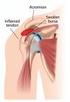 AOBP with thanks to: Dawn Dillinger, DO Kyle Bodley, DO Common maneuvers in some sports that can increase risk for injury Jumping Pivoting while running Sudden stopping while running Maneuvering a ball
The Ankle Sprain That Won t Get Better. By: George E. Quill, Jr., M.D. With springtime in Louisville upon us, the primary care physician and the
 The Ankle Sprain That Won t Get Better By: George E. Quill, Jr., M.D. With springtime in Louisville upon us, the primary care physician and the orthopaedist alike can expect to see more than his or her
Chapter 5. Objectives. Normal Ankle Range of Motion. Lateral Ankle Sprains. Lateral Ankle Sprains. Assessment of Lateral Ankle Sprains
 Objectives Chapter 5 Assessment of Ankle & Lower Leg Injuries Review the following components of injury assessment related to the ankle and lower leg Stress tests Special tests Normal Ankle Range of Motion
Ankle Sports injuries. Ben Yates
 Ankle Sports injuries Ben Yates Common Extra-articular Conditions Lateral collateral ligament sprains (grades 1,2,3) Functional instability Mechanical instability Achilles tendonopathy (Achillodynia) superficial
Posttraumatic medial ankle instability
 Posttraumatic medial ankle instability Alexej Barg, Markus Knupp, Beat Hintermann Orthopaedic Department University Hospital of Basel, Switzerland Clinic of Orthopaedic Surgery, Kantonsspital Baselland
Structure & Function of the Ankle and Foot. A complicated model of simplicity that you really think little about until you have a problem with one.
 Structure & Function of the Ankle and Foot A complicated model of simplicity that you really think little about until you have a problem with one. The Foot and Ankle Terminology Plantar flexion Dorsi flexion
Sports Injuries of the Foot and Ankle. Dr. Travis Kieckbusch August 7, 2014
 Sports Injuries of the Foot and Ankle Dr. Travis Kieckbusch August 7, 2014 Foot and Ankle Injuries in Athletes Lateral ankle sprains Syndesmosis sprains high ankle sprain Achilles tendon injuries Lisfranc
5/13/2015. NATA Position Statements. Implementing the NATA Position Statement Recommendations for Ankle Sprain Rehab: An Evidence-Based Approach
 Implementing the NATA Position Statement Recommendations for Ankle Sprain Rehab: An Evidence-Based Approach Thomas W. Kaminski, PhD, ATC, FNATA, FACSM, RC Fellow Professor/Director of Athletic Training
QUESTION I HAVE BEEN ASKED TO REHAB GRADE II AND III MCL INJURIES DIFFERENTLY BY DIFFERENT SURGEONS IN THE FIRST 6WEEKS FOLLOWING INJURY.
 QUESTION I HAVE BEEN ASKED TO REHAB GRADE II AND III MCL INJURIES DIFFERENTLY BY DIFFERENT SURGEONS IN THE FIRST 6WEEKS FOLLOWING INJURY. SOME ARE HINGE BRACED 0-90 DEGREES AND ASKED TO REHAB INCLUDING
PATHOLOGIC GAIT -- MUSCULOSKELETAL. Focal Weakness. Ankle Dorsiflexion Weakness COMMON GAIT ABNORMALITIES
 Pathological Gait I: Musculoskeletal - 1 PATHOLOGIC GAIT -- MUSCULOSKELETAL Normal walking is the standard against which pathology is measured Efficiency is often reduced in pathology COMMON GAIT ABNORMALITIES
Semmelweis University Department of Traumatology Dr. Gál Tamás
 Semmelweis University Department of Traumatology Dr. Gál Tamás Anatomy Ankle injuries DIRECT INDIRECT Vertical Compression (Tibia plafond Pilon) AO 43-A,B,C Suppination (adduction + inversion) AO 44-A
Anatomic Percutaneous Ankle Reconstruction of Lateral Ligaments (A Percutaneous Anti ROLL)
 Anatomic Percutaneous Ankle Reconstruction of Lateral Ligaments (A Percutaneous Anti ROLL) Mark Glazebrook James Stone Masato Takao Stephane Guillo Introduction Ankle stabilization is required when a patient
CHRONIC HEEL PAIN AN ESSAY. Submitted For Fulfillment Of Master Degree in Orthopedic Surgery. Ahmed Ali Mohammed El Sayed M.B.B.ch
 CHRONIC HEEL PAIN AN ESSAY Submitted For Fulfillment Of Master Degree in Orthopedic Surgery BY Ahmed Ali Mohammed El Sayed M.B.B.ch Under Supervision Of Prof. Dr. AHMED AMIN GALAL Professor of Orthopedic
Ankle Injury/Sprains in Youth Soccer Players Elite Soccer Community Organization (ESCO) November 14, 2013
 Ankle Injury/Sprains in Youth Soccer Players Elite Soccer Community Organization (ESCO) November 14, 2013 Jeffrey R. Baker, DPM, FACFAS Weil Foot and Ankle Institute Des Plaines, IL Ankle Injury/Sprains
Field Evaluation and Management of Non-Battle Related Knee and Ankle Injuries by the ATP in the
 Field Evaluation and Management of Non-Battle Related Knee and Ankle Injuries by the ATP in the JF Rick Hammesfahr, MD Editor s Note: Part Three consists of ankle injury evaluation and taping. Part Two
International Standards for the Classification of Spinal Cord Injury Motor Exam Guide
 C5 Elbow Flexors Biceps Brachii, Brachialis Patient Position: The shoulder is in neutral rotation, neutral flexion/extension, and adducted. The elbow is fully extended, with the forearm in full supination.
Preventing Knee Injuries in Women s Soccer
 Preventing Knee Injuries in Women s Soccer By Wayne Nelson, DC, CCRS The United States has recently seen a rapid increase in participation of young athletes with organized youth soccer leagues. As parents
Acute Ankle Injuries, Part 1: Office Evaluation and Management
 t June 08, 2009 Each acute ankle injury commonly seen in the office has associated with it a mechanism by which it can be injured, trademark symptoms that the patient experiences during the injury, and
A compressive dressing that you apply around your ankle, and
 Ankle Injuries & Treatment The easiest way to remember this is: R.I.C.E. Each of these letters stands for: Rest. Rest your ankle. Do not place weight on it if it is very tender. Avoid walking long distances.
Ligamentous and Tendon Injuries About the Ankle
 Ligamentous and Tendon Injuries About the Ankle Dec. 8, 2004 Brecht & Watnik 2004, OTA Presentations Krause 2003, Miller s Review Course Mizel et al 2004, ICL 53 OKU Foot & Ankle 3 Outline Anatomy Sprains
Malleolar fractures Anna Ekman, Lena Brauer
 Malleolar fractures Anna Ekman, Lena Brauer How to use this handout? The left column is the information as given during the lecture. The column at the right gives you space to make personal notes. Learning
Clinical Integration of Osteopathic Manipulative Medicine
 Clinical Integration of Osteopathic Manipulative Medicine Family Medicine / Emergency Medicine / Orthopedic: Ankle sprain Author: Joe Lau OMS-IV, Theodore Flaum, DO Introduction: Ankle sprain, a.k.a. sprained
Foot and Ankle Injuries in the Adolescent Athlete
 Foot and Ankle Injuries in the Adolescent Athlete Kevin Latz, MD Children s Mercy Hospital Center for Sports Medicine Foot and Ankle Injuries Very common Influenced by the unique properties of growth plates
Pre - Operative Rehabilitation Program for Anterior Cruciate Ligament Reconstruction
 Pre - Operative Rehabilitation Program for Anterior Cruciate Ligament Reconstruction This protocol is designed to assist you with your preparation for surgery and should be followed under the direction
Functional Anatomy and Lower Extremity Biomechanics
 Functional Anatomy and Lower Extremity Biomechanics Eric Folmar, MPT, OCS Functional Lower Extremity Biomechanics The science of foot, ankle, knee and hip biomechanics and their relationships and interactions
Lower Leg and Ankle Injuries. Ankle Injuries. Ankle Anatomy. Jon DeBord, PT, MS, ATC, SCS. Rehab Summit 2008. Most common injury in sports.
 Lower Leg and Ankle Injuries Jon DeBord, PT, MS, ATC, SCS Rehab Summit 2008 Ankle Injuries Most common injury in sports 38-45% of all sportsrelated injuries 86% are sprains Mechanism Forceful inversion
The Five Most Common Pathomechanical Foot Types (Rearfoot varus, forefoot varus, equinus, plantarflexed first ray, forefoot valgus)
 The Five Most Common Pathomechanical Foot Types (Rearfoot varus, forefoot varus, equinus, plantarflexed first ray, forefoot valgus) Pathomechanical foot types usually refer to structural deformities that
November 2012 Case Study. Authors: Kyle Nagle, MD, MPH; Karl Fry, PT, DPT, OCS; David Bernhardt, MD
 CC: Right foot pain November 2012 Case Study Authors: Kyle Nagle, MD, MPH; Karl Fry, PT, DPT, OCS; David Bernhardt, MD HPI: A 17 year old female cross country runner presents with right foot pain. At a
The WalkOn Range. Dynamic Lower Leg Orthoses. NeW. Information for physicians, orthotists and physiotherapists
 The WalkOn Range Dynamic Lower Leg Orthoses NeW Information for physicians, orthotists and physiotherapists One Range Many Different Applications The WalkOn product range allows you to address the specific
Arches. Foot Injuries. Medial Longitudinal Arch. Lateral Longitudinal Arch. Transverse Arch. Arch Strains
 Arches Foot Injuries Three arches in the foot: 1) Lateral longitudinal arch 2) Medial longitudinal arch 3) Transverse arch These arches are maintained and supported by the wedging of the interlocking tarsal
OS TRIGONUM SYNDROME. Incidence: 10% unilateral and 2% bilateral in general population 1. Bilateral occurs in 50% of os trigonum population 4.
 OS TRIGONUM SYNDROME Incidence: 10% unilateral and 2% bilateral in general population 1. Bilateral occurs in 50% of os trigonum population 4. Mechanism of Injury: Os trigonum syndrome occurs due to repetitive,
.org. Ankle Fractures (Broken Ankle) Anatomy
 Ankle Fractures (Broken Ankle) Page ( 1 ) A broken ankle is also known as an ankle fracture. This means that one or more of the bones that make up the ankle joint are broken. A fractured ankle can range
Common Foot & Ankle Sports Injuries
 Common Foot & Ankle Sports Injuries Symptoms Related to Abnormal Foot Biomechanics & their Differential Diagnosis Daniel Pang BSc (Hon) P&O, Cped Certified Pedorthist (USA) Only 10% of foot having structure
8 Ankle sprain. 8.1 Introduction. 8.2 Anatomy. OrthopaedicsOne Articles. Contents
 8 Ankle sprain Contents Introduction Anatomy Clinical Presentation Pathogenesis Classification (Staging) Imaging Conservative Treatment Operative Treatment Postoperative Care Outcome Complications Controversy
Outline. The Agony of the Foot: Disclosure. Plantar Fasciitis. Top 5 Foot and Ankle Problems in Primary Care. Daniel Thuillier, M.D.
 The Agony of the Foot: Top 5 Foot and Ankle Problems in Primary Care Daniel Thuillier, M.D. Assistant Professor of Clinical Orthopaedics University of California San Francisco Plantar Fasciitis Achilles
Over-Supination and Peroneal Tendinosis
 Over-Supination and Peroneal Tendinosis Dani Martínez November 2013 Chicago, IL 1 Abstract This paper assesses the use of Pilates to decrease over-supination in the forefoot and thus alleviate associated
Clinical Analysis of Foot Problems
 Clinical Analysis of Foot Problems by Karen S. Seale, M.D. Introduction Orthotists are vital members of the foot care team. Their expertise and special interests in materials and biomechanics add a unique
Plantar fascia. Plantar Fasciitis (pain in the heel of the foot)
 ! Plantar fascia Plantar Fasciitis (pain in the heel of the foot) Plantar Fasciitis is the most common foot problem seen in runners and is often associated with an increase in running mileage. Typically
Screening Examination of the Lower Extremities BUY THIS BOOK! Lower Extremity Screening Exam
 Screening Examination of the Lower Extremities Melvyn Harrington, MD Department of Orthopaedic Surgery & Rehabilitation Loyola University Medical Center BUY THIS BOOK! Essentials of Musculoskeletal Care
Common foot and ankle ballet injuries
 Common foot and ankle ballet injuries The instrument through which dance speaks is also the instrument through which life is lived... the human body Martha Graham, 1979 How Can We Help You? Physical therapy
Structure and Function of the Hip
 Structure and Function of the Hip Objectives Identify the bones and bony landmarks of the hip and pelvis Identify and describe the supporting structures of the hip joint Describe the kinematics of the
Runner's Injury Prevention
 JEN DAVIS DPT Runner's Injury Prevention Jen Davis DPT Orthopedic Physical Therapy Foot Traffic 7718 SE 13th Ave Portland, OR 97202 (503) 482-7232 [email protected] www.runfastpt.com!1 THE AMAZING RUNNER
Foot and Ankle Conditioning Program. Purpose of Program
 Prepared for: Prepared by: OrthoInfo Purpose of Program After an injury or surgery, an exercise conditioning program will help you return to daily activities and enjoy a more active, healthy lifestyle.
CHAPTER 58 Ankle and Foot
 CHAPTER 58 Ankle and Foot Riyad B. Abu-Laban and Nicholas G.W. Rose To him whose feet hurt, everything hurts. Socrates The ankle and foot are highly evolved structures designed to support the body s weight
Lower Extremities. Posterior Compartment of Thighs Knee Flexors
 Lower Extremities Lower extremities are adjusted to provide locomotion but, at the same time, carry the full body weight. The lower limb movement is transferred through the hip joint and pelvis onto the
Integra. Subtalar MBA and bioblock Implant SURGICAL TECHNIQUE
 Integra Subtalar MBA and bioblock Implant SURGICAL TECHNIQUE Table of contents Introduction Description... 2 Indications... 2 Contraindications... 2 Surgical Technique Step 1: Incision and Dissection...3
The Land of Os: Accessory Ossicles of the Foot
 The Land of Os: Accessory Ossicles of the Foot Susan Cross, Anshul Rastogi, Rosy Jalan; Dept of Radiology, Barts Health NHS Trust, London, UK Contact: [email protected] Pictorial review Abstract
Clinical Movement Analysis to Identify Muscle Imbalances and Guide Exercise
 CLINICAL EVALUATION & TESTING Darin A. Padua, PhD, ATC, Column Editor Clinical Movement Analysis to Identify Muscle Imbalances and Guide Exercise Christopher J. Hirth, MS, ATC, PT, PES University of rth
BodyZone Physiotherapy for Ankle Welcome to BodyZone Physiotherapy's patient resource about ankle sprain and instability.
 BodyZone Physiotherapy for Ankle Welcome to BodyZone Physiotherapy's patient resource about ankle sprain and instability. An ankle sprain is a common injury and usually results when the ankle is twisted,
INJURIES OF THE HAND AND WRIST By Derya Dincer, M.D.
 05/05/2007 INJURIES OF THE HAND AND WRIST By Derya Dincer, M.D. Hand injuries, especially the fractures of metacarpals and phalanges, are the most common fractures in the skeletal system. Hand injuries
Rehabilitation after ACL Reconstruction: From the OR to the Playing Field. Mark V. Paterno PT, PhD, MBA, SCS, ATC
 Objectives Rehabilitation after ACL Reconstruction: From the OR to the Playing Field Mark V. Paterno PT, PhD, MBA, SCS, ATC Coordinator of Orthopaedic and Sports Physical Therapy Cincinnati Children s
Lateral Ankle Instability Repair using TWINFIX Ti 3.5 mm Suture Anchors
 *smith&nephew ANKLE TECHNIQUE GUIDE Lateral Ankle Instability Repair using TWINFIX Ti 3.5 mm Suture Anchors Prepared in Consultation with: James Calder, MD KNEE HIP SHOULDER EXTREMITIES Lateral Ankle Instability
Review epidemiology of knee pain. Discuss etiology and the biomechanics of knee pain utilizing current literature/evidence
 Jenny Kempf, MPT Review epidemiology of knee pain Discuss etiology and the biomechanics of knee pain utilizing current literature/evidence Review commonly seen knee injuries Discuss treatment strategies
Podo Pediatrics Identifying Biomechanical Pathologies
 Podo Pediatrics Identifying Biomechanical Pathologies David Lee, D.P.M., D. A.B.P.S. Purpose Identification of mechanical foot and ankle conditions Base treatments Knowing when to refer to a podiatrist
Knowing about your Ankle Sprain
 Knowing about your Ankle Sprain Knowing about ankle sprain Ankle sprain is a common injury amongst sports such as netball, basketball, rugby and soccer. Sprains can also happen with everyday activities
Patellofemoral Joint: Superior Glide of the Patella
 Patellofemoral Joint: Superior Glide of the Patella Purpose: To increase knee extension. Precautions: Do not compress the patella against the femoral condyles. Do not force the knee into hyperextension
2002 Functional Design Systems
 1. Proprioceptive sensitivity has to do with not being too sensitive but being sensitive enough. 2. The hammies have a lot to do with all three planes of function. 3. In upright function, knee flexion
Terminology of Human Walking From North American Society for Gait and Human Movement 1993 and AAOP Gait Society 1994
 Gait Cycle: The period of time from one event (usually initial contact) of one foot to the following occurrence of the same event with the same foot. Abbreviated GC. Gait Stride: The distance from initial
Ergonomics Monitor Training Manual
 Table of contents I. Introduction Ergonomics Monitor Training Manual II. Definition of Common Injuries Common Hand & Wrist Injuries Common Neck & Back Injuries Common Shoulder & Elbow Injuries III. Ergonomics
Review of Last Lecture - TE
 Gait Review of Last Lecture - TE Interventions to increase flexibility Generating muscle force depends on Open chain vs. closed chain PNF Balance strategies Benefits of aerobic exercise Gait An individual
RX: Custom Thermoplastic AFO Compliance Documentation
 RX: Custom Thermoplastic AFO Compliance Documentation Doctor Name: Phone: Patient Name: HICN: DOB: Indicate Quality ARIZONA THERMOPLASTIC ARTICULATED AFO, DORSI-ASSIST CROW L4631 A bivalved custom molded
REHAB 442: Advanced Kinesiology and Biomechanics INTRODUCTION - TERMS & CONCEPTS
 Rehab 442: Introduction - Page 1 REHAB 442: Advanced Kinesiology and Biomechanics INTRODUCTION - TERMS & CONCEPTS Readings: Norkin & Levangie, Chapters 1 & 2 or Oatis, Ch. 1 & 2 (don't get too bogged down
PROTOCOLS FOR INJURIES TO THE FOOT AND ANKLE
 PROTOCOLS FOR INJURIES TO THE FOOT AND ANKLE I. DIGITAL FRACTURES A. Background Digital fractures commonly occur in the workplace and are usually the result of a crush injury from a falling object, or
ChondroCelect Rehabilitation Program
 ChondroCelect Rehabilitation Program Rehabilitation differs depending on the type and site of the lesion and the patient personal profile. Grouping of the lesions and patient profiles is helpful to ensure
The Knee Internal derangement of the knee (IDK) The Knee. The Knee Anatomy of the anteromedial aspect. The Knee
 Orthopedics and Neurology James J. Lehman, DC, MBA, FACO University of Bridgeport College of Chiropractic Internal derangement of the knee (IDK) This a common provisional diagnosis for any patient with
Ankle Block. Indications The ankle block is suitable for the following: Orthopedic and podiatry surgical procedures of the distal foot.
 Ankle Block The ankle block is a common peripheral nerve block. It is useful for procedures of the foot and toes, as long as a tourniquet is not required above the ankle. It is a safe and effective technique.
By Agnes Tan (PT) I-Sports Rehab Centre Island Hospital
 By Agnes Tan (PT) I-Sports Rehab Centre Island Hospital Physiotherapy Provides aids to people Deals with abrasion and dysfunction (muscles, joints, bones) To control and repair maximum movement potentials
Definition: A joint or articulation is a place in the body where two bones come together.
 Definition: A joint or articulation is a place in the body where two bones come together. CLASSES OF JOINTS. 1. Joints are classified according to how the bones are held together. 2. The three types of
Osteopathic Principles applied to Sports Medicine. Mark Rogers, DO, MA
 Osteopathic Principles applied to Sports Medicine Mark Rogers, DO, MA 199 Incorporating Osteopathic Principles Into Your Practice 17 th Annual VCU Sports Medicine Update in Primary Care December 2011 Mark
12. Physical Therapy (PT)
 1 2. P H Y S I C A L T H E R A P Y ( P T ) 12. Physical Therapy (PT) Clinical presentation Interventions Precautions Activity guidelines Swimming Generally, physical therapy (PT) promotes health with a
LEG, ANKLE AND FOOT INJURIES. Evaluation and Treatment of Leg, Ankle and Foot Injuries. Jeff Roberts, MD, CAQSM
 LEG, ANKLE AND FOOT INJURIES Evaluation and Treatment of Leg, Ankle and Foot Injuries Jeff Roberts, MD, CAQSM 159 Leg, Ankle, and Foot Injuries in Athletes Jeff Roberts MD CAQSM Objectives Leg Stress Fracture
Pattern Characterization of Running and Cutting Maneuvers in Relation to Noncontact
 Pattern Characterization of Running and Cutting Maneuvers in Relation to Noncontact ACL Injury Brenna Hearn During running and cutting maneuvers, the anterior cruciate ligament (ACL) is commonly injured
Flat foot and lower back pain
 Flat foot and lower back pain Dr James Tang, MBA, BDS, LDS RCS General Dental Practitioner, NASM Corrective Exercise Specialist with special interest in postural dysfunction & lower back problems, Level
The Forefoot Valgus Foot-Type Joe Fox, MS, LAT June 10, 2014
 The Forefoot Valgus Foot-Type Joe Fox, MS, LAT June 10, 2014 Introduction BS Kinesiology Exercise Science and Athletic Training, University of Wisconsin-Madison MS in Exercise Science Athletic Training,
and Integrative Medicine Therapies
 ANKLE INJURY MECHANISMS and Integrative Medicine Therapies By Anne J. Yatco, BS, MFA, and Kenneth Alvin Solomon, PhD, PE Abstract Scope of Paper A preliminary examination of the anatomy of the ankle, as
Rehabilitation of Ankle and Foot Injuries in Athletes
 Rehabilitation of Ankle and Foot Injuries in Athletes Lisa Chinn, MS, ATC, Jay Hertel, PhD, ATC* KEYWORDS Achilles Tendinosis Ankle sprain Plantar fasciitis Therapeutic exercise Turf toe The foot and ankle
Mary LaBarre, PT, DPT,ATRIC
 Aquatic Therapy and the ACL Current Concepts on Prevention and Rehab Mary LaBarre, PT, DPT,ATRIC Anterior Cruciate Ligament (ACL) tears are a common knee injury in athletic rehab. Each year, approximately
ACL INJURIES IN THE FEMALE ATHLETE
 ACL INJURIES IN THE FEMALE ATHLETE Jeffrey L. Mikutis, D.O. Surgical Director, Sports Medicine Pediatric Orthopaedic Surgeon Orthopaedic Center for Spinal & Pediatric Care, Inc. Dayton Children s Hospital
www.ghadialisurgery.com
 P R E S E N T S Dr. Mufa T. Ghadiali is skilled in all aspects of General Surgery. His General Surgery Services include: General Surgery Advanced Laparoscopic Surgery Surgical Oncology Gastrointestinal
Ankle ligament injuries
 ARTIGO DE REVISÃO Ankle ligament injuries Per A.F.H. Renström, M.D., Ph.D. 1 and Scott A. Lynch, M.D. 2 ABSTRACT Acute ankle ligament sprains are common injuries. The majority of these occur during athletic
Foot and Ankle Complaints
 Foot and Ankle Complaints INTRODUCTION Anatomy and Function Foot Ankle Common complaints Common diagnoses FOOT AND ANKLE ANATOMY 26 bones and 2 sesamoids Forefoot Metatarsals phalanges Midfoot 5 tarsals
Case Studies: Treatment of 2nd Degree Ankle Sprains Using Modalities Including Kinesio-Tape
 Case Studies: Treatment of 2nd Degree Ankle Sprains Using Modalities Including Kinesio-Tape University of Hawaii Athletic Department, Athletic Trainer KTA Instructor Jayson M. Goo protocols. Ankle sprains
The Rehabilitation Team
 Considerations in Designing a Rehab Program Philosophy of Sports Medicine Healing Process Pathomechanics of Injury Psychological Aspects Goals of Rehab Chapter 1 Group effort The Rehabilitation Team AEP/Athletic
Ankle sprains are common injuries that affect
 Journal of Athletic Training 2013;48(4):528 545 doi: 10.4085/1062-6050-48.4.02 Ó by the National Athletic Trainers Association, Inc www.natajournals.org position statement National Athletic Trainers Association
CERVICAL DISC HERNIATION
 CERVICAL DISC HERNIATION Most frequent at C 5/6 level but also occur at C 6 7 & to a lesser extent at C4 5 & other levels In relatively younger persons soft disk protrusion is more common than hard disk
Prevention & Management of ACL Injury. Ian Horsley PhD, MCSP Lee Herrington PhD, MCSP
 Prevention & Management of ACL Injury Ian Horsley PhD, MCSP Lee Herrington PhD, MCSP ACL injury ACL injury 30/100,000, 40% sports injuries (NHS) Limited statistics in UK related to sport Rugby Union 2002-2004
Gait. Maturation of Gait Beginning ambulation ( Infant s gait ) Upper Limb. Lower Limb
 Gait Terminology Gait Cycle : from foot strike to foot strike Gait Phase : stance (60%) : swing (40%) Velocity : horizontal speed along progression Cadence : no. of steps per unit time Step length : distance
THE PREVENTION AND REHABILITATION OF SPORTS INJURIES THE PREVENTION AND REHABILITATION OF SPORTS INJURIES. NO, there isn t.
 THE PREVENTION AND REHABILITATION OF SPORTS INJURIES VILMOS DANI M.D. Department of Family Medicine Faculty of Medicine, Semmelweis University Budapest, Hungay GIZELLA PERÉNYI M.D. Department of Rehabilitation