
5/13/2015. NATA Position Statements. Implementing the NATA Position Statement Recommendations for Ankle Sprain Rehab: An Evidence-Based Approach
|
|
|
- Malcolm Conley
- 9 years ago
- Views:
Transcription


1 Implementing the NATA Position Statement Recommendations for Ankle Sprain Rehab: An Evidence-Based Approach Thomas W. Kaminski, PhD, ATC, FNATA, FACSM, RC Fellow Professor/Director of Athletic Training Education University of Delaware Maryland Athletic Trainers Association 2015 Annual Business Meeting and Symposium May 15-16, 2015 Towson University NATA Position Statements The purpose of a Position Statement is to declare the official NATA position on an approved topic based on current literature and practice. ion-statements The Writing Team Co-Chairs Jay Hertel, PhD, ATC University of Virginia Tom Kaminski, PhD, ATC University of Delaware Hard Copy Release July 2013! On-line release - g/sites/default/files /ankle-sprains.pdf Members Ned Amendola, MD University of Iowa Carrie Docherty, PhD, ATC Indiana University Mike Dolan, MA, ATC Canisius College Ty Hopkins, PhD, ATC Brigham Young University Eric Nussbaum, MEd, ATC Freehold Regional HS (NJ) Wendy Poppy, MA, PT, ATC Indiana University Doug Richie, DPM California School of Podiatric Samuel Merritt University Epidemiology Ankle sprains are extremely common in: Sport and exercise Military training Occupational injuries General population 1.6 million physician visits annually for ankle sprains in the US (AAOS, 1999) Annual aggregate medical costs of 2 billion dollars in US (Soboroff, Clin Orthop,1984) Epidemiology Recurrence rates >70% in basketball (Yeung et al, BJSM, 1994) 55-72% report residual symptoms 6 months post-injury (Braun, Arch Fam Med, 1999) 74% reported at least one residual symptoms at 2 years post-injury 47% reported perceived instability and more than one symptom Also rated lower general health quality of life (SF-36) compared to those with upper extremity injuries (Anandacoomarasamy & Barnsley, BJSM, 2005) 1
2 Epidemiology Most common predisposition to an ankle sprain is the history of a previous sprain (Beynnon et al, J Athletic Training, 2002) 55% of ankle sprains are not treated by a health care professional (McKay et al, BJSM, 2001) Relationship between ankle sprain history and development of osteoarthritis (Valderrabano et al, AJSM, 2006) Mechanism of an Acute Ankle Sprain Supination of the rearfoot coupled with external rotation of the lower leg Plantar flexion Inversion Internal Rotation More plantar flexion increases likelihood of a sprain (Wright et al, J Biomech, 2000) Mechanism of Injury Consequences of an Acute Ankle Sprain Most commonly injured structures in 547 patients with soft tissue injuries due to an acutely twisted ankle Presented to emergency room or occupational medicine clinic Injury based on pain at site of structure Anterior Talofibular Lig. (83%) Calcaneofibular Lig. (67%) Posterior Talofibular Lig. (34%) Deltoid Lig. (32%) Ankle joint capsule (32%) Dorsum of foot (20%) Sinus tarsi (16%) Peroneals (15% Bifurcate Lig. (8%) Syndesmosis (6%) Most common clinical presentations ATFL + CFL = 34% ATFL + CFL + PTFL = 31% ATFL only = 16% Other = 14% PTFL only = 2% CFL only = 1% Most common primary diagnoses Grade 1 sprain = 71% Other = 15% Grade 2 sprain = 10% Grade 3 sprain = 3% Syndesmotic sprain = 1% Fallet et al, J Foot Ankle Surg, 1998 A Public Health Issue? The Impact of Osteoarthritis: Implications for Research. Buckwalter, Joseph A MD; Saltzman, Charles MD; Brown, Thomas PHD October 2004 Cost of initial treatment and followup rehabilitation Strong link with an increased risk for osteoarthritis and articular degeneration Recommendations The purpose of this position statement is to present recommendations for certified athletic trainers and other allied health professionals in the conservative management and prevention of ankle sprains in athletes. Our recommendations will be reinforced by relevant scholarly evidence currently available in peer-reviewed publications and graded according to the Evidence Category Taxonomy (SORT) Evidence Based Scale. 2


3 Recommendations from Five (5) Different Categories What is Evidence-Based Practice Return-to-Play Considerations Prevention Special Considerations Current State of AT Practice Evidence Categories SORT Taxonomy Best Research Clinical Experience Patient Values ** EBP Quiz? Evidence Categories Made Simple Level of Evidence SORT Grade Clinical Practice Recommendation Implementing the Position Statement Recommendations A B C Based on consistent and good evidence Based on inconsistent or limited-quality evidence Based on consensus or usual practice No brainer! You should be doing this in clinical practice Should probably include in our clinical practice! Flip a coin --- it is up to you to decide! ** EBP Quiz? 3
4 1. Patient history including mechanism of injury and past injuries, clinician observation, and palpation can provide important insights into the anatomical structures that may be injured, but not the severity of injury, in a patient suspected of having an ankle sprain. 2. Assessment of active, passive, and resistive range of motion about the ankle can provide insight into injury to ligaments, muscles, tendons, and nerves. 3. Special tests to assess for injury to the lateral ankle ligaments such as the anterior drawer and inversion talar tilt tests performed soon after injury and before joint effusion has accumulated may have better diagnostic accuracy than tests performed after effusion has occurred. 4. Special tests such as the anterior drawer and inversion talar tilt test have more diagnostic accuracy 5 days after injury than they do at 2 days post injury. 5. Clinicians must be vigilant in assessing for associated lesions, both local and distant to the talocrural joint that may accompany ankle sprains. 6. Special tests for high ankle sprains, such as the Squeeze test, Cotton test, external rotation test, and fibular translation tests, should be performed to assess for injury to the anterior inferior tibiofibular ligament. 7. The Ottawa Ankle Rules are a valid clinical tool to determine the need for radiographs of the acutely injured ankle or midfoot. =2VrLItZGKNs 4
5 8. Stress radiography is an unreliable tool to detect acute ligamentous disruption after ankle sprain. 9. Magnetic resonance imaging is a reliable technique to detect acute tears of the anterior talofibular ligament and calcaneofibular ligament after acute injury. 10. Osteochondral lesions of the talus can be accurately detected by both magnetic resonance imaging and computerized tomography. 11. Ultrasound has a useful, but lower accuracy and sensitivity to detect acute lateral ankle ligamentous injury compared to magnetic resonance imaging. 12. Arthrogram and tenogram are less accurate than magnetic resonance imaging and computerized tomography especially when performed 48 hours after lateral ligamentous injury. Evidence Category: B 13. Magnetic resonance imaging has a high sensitivity, specificity and accuracy to determine level of injury to the ankle syndesmotic ligaments after acute injury. 14. Cryotherapy should be applied to acute ankle sprains to reduce pain, diminish swelling formation and reduce secondary injury. 15. Compression should be applied to acute ankle sprains to minimize swelling formation. 16. Acute ankle sprains should be elevated to curb swelling formation. 17. Non-steroidal anti-inflammatory drugs, administered orally or topically reduce pain, swelling and improve short-term function following ankle sprains. 5


6 Did This 2012 JAT Article Make You Stop and Think About Current Ankle Sprain Management? The Future of Acute Ankle Sprain Treatment Intervention? Early mobilization and functional rehabilitation is more effective over immobilization in the management of Grade I and II ankle sprains. 19. Electrical stimulation can be used as an adjunct to diminish swelling formation during the acute phase of injury. watch?v=rmusbxtu_wm m/watch?v=fp9sxr5i1au 20. Clinicians should refrain from thermotherapy during the acute and sub-acute phase of injury due to lack of evidence and potential to exacerbate the injury. 21. Cryokinetics can be used to reduce pain and thereby allow early rehabilitative exercises. ** EBP Quiz? 22. Rehabilitation should include comprehensive rangeof-motion, flexibility, and strengthening of the surrounding musculature. 23. Balance training should be included throughout rehabilitation, and follow-up management of ankle sprains to reduce re-injury rates. 6
7 24. Joint mobilizations should be utilized to increase ankle dorsiflexion and improve function. Return-to-Play Considerations 25. Patients perception of function should be included in any return-to-play decision making. This information can be obtained through an array of self-report questionnaires that have been developed for patients with lateral ankle sprains Return-to-Play Considerations Return-to-Play Considerations 26. Functional performance testing should be a component of the return-to-play decision making. Specifically, during functional hopping tests, the injured limb should perform at the level of least 80% of the uninjured limb to return to sport specific tasks. GCet0Ll0 27. Athletes with a history of previous ankle sprains should wear prophylactic ankle support in the form of ankle taping or bracing for all practices and games. Prevention 28. Both lace-up and semi-rigid ankle braces and traditional ankle taping have been shown to be effective in both preventing ankle injuries and reducing the rate of reoccurrence in athletic populations. Prevention 29. Clinicians working with athletes should perform a multi-intervention prevention program, lasting at least 3 months, focused on balance and neuromuscular control to reduce the risk of ankle injury. Athletes with a history of ankle injury may benefit more from this type of training. ** EBP Quiz? ** EBP Quiz? 7

8 Prevention Prevention 30. Leg muscle (evertor, invertor, dorsiflexor, and plantar flexor) and hip extensor and abductor strength may be considered as an ankle injury prevention strategy. 31. Clinicians should consider assessing dorsiflexion range of motion in at-risk athletes. If dorsiflexion range of motion is limited, clinicians should incorporate techniques to enhance arthrokinematic and osteokinematic motion for possible prevention of ankle injury. Syndesmotic Ankle Sprains 32. Syndesmotic ankle sprains (aka high ankle sprains ) are characterized by symptoms proximal to the talocrural joint including prolonged pain, functional disability, and the deposition of heterotopic ossification. Evaluation should include notation of proximal tenderness, clinical testing, functional evaluation, and radiographic findings and/or evidence of injury on MRI. Syndesmotic Ankle Sprains 33. Syndesmotic ankle sprains should be treated more conservatively than lateral ankle sprains with acute management involving immobilization (non-weight bearing, walking boot, casting, or bracing) for a time period sufficient to allow healing and functional return. Syndesmotic Ankle Sprains 34. Syndesmotic ankle sprains that exhibit widening of the ankle mortise greater then 2mm or joint incongruity on standard x-ray or stress radiograph should be considered for surgical fixation. Chronic Ankle Instability 35. Clinicians should be aware of characteristics that define chronic ankle instability. Several instruments (The Foot and Ankle Ability Measure (FAAM), Ankle Instability Instrument (AII), and Cumberland Ankle Instability Tool (CAIT)) may be utilized to help identify patients with CAI and quantify the severity of the condition. 8


9 Chronic Ankle Instability Chronic Ankle Instability 36. Mechanical and functional deficits should be identified in patients with CAI. These deficits include, but are not limited to, increased laxity, impaired dorsiflexion range of motion (DFROM), deficient leg and hip strength, diminished postural control, and impaired movement strategies. Evidence Category: C 37. Intervention strategies should be utilized to address specific deficits in patients with CAI. Manual therapy techniques used to restore normal arthrokinematic motion may be beneficial to help restore DFROM. Strategies that focus on balance, strength, and dynamic movements with changes in direction may be effective in reducing the risk of recurrent ankle sprains in patients with functional deficits. International Ankle Consortium Recommendations Conclusions/Clinical Implications The recommendations contained in this emerging statement are designed to serve as best practices The position statement has been endorsed by the NATA and its Board of Directors Helpful Resources Helpful Resources Section I Risk and Risk Reduction of Ankle Sprains Section II Section III Treatment and Rehabilitation Section IV Surgical Considerations 9

10 Evidence-Based Medicine Glossary Here is a useful web site at the Centre for Evidence-Based Medicine (Toronto) that will help you to navigate through the plethora of terms associated with EBM! Today s lecture can be viewed at the following URL address: Thank You! 10
George E. Quill, Jr., M.D. Louisville Orthopaedic Clinic Louisville, KY
 George E. Quill, Jr., M.D. Louisville Orthopaedic Clinic Louisville, KY The Ankle Sprain That Won t Get Better With springtime in Louisville upon us, the primary care physician and the orthopaedist alike
Sports Injuries of the Foot and Ankle. Dr. Travis Kieckbusch August 7, 2014
 Sports Injuries of the Foot and Ankle Dr. Travis Kieckbusch August 7, 2014 Foot and Ankle Injuries in Athletes Lateral ankle sprains Syndesmosis sprains high ankle sprain Achilles tendon injuries Lisfranc
Ankle sprains are common injuries that affect
 Journal of Athletic Training 2013;48(4):528 545 doi: 10.4085/1062-6050-48.4.02 Ó by the National Athletic Trainers Association, Inc www.natajournals.org position statement National Athletic Trainers Association
Ankle Injury/Sprains in Youth Soccer Players Elite Soccer Community Organization (ESCO) November 14, 2013
 Ankle Injury/Sprains in Youth Soccer Players Elite Soccer Community Organization (ESCO) November 14, 2013 Jeffrey R. Baker, DPM, FACFAS Weil Foot and Ankle Institute Des Plaines, IL Ankle Injury/Sprains
The Ankle Sprain That Won t Get Better. By: George E. Quill, Jr., M.D. With springtime in Louisville upon us, the primary care physician and the
 The Ankle Sprain That Won t Get Better By: George E. Quill, Jr., M.D. With springtime in Louisville upon us, the primary care physician and the orthopaedist alike can expect to see more than his or her
Ankle Sports injuries. Ben Yates
 Ankle Sports injuries Ben Yates Common Extra-articular Conditions Lateral collateral ligament sprains (grades 1,2,3) Functional instability Mechanical instability Achilles tendonopathy (Achillodynia) superficial
Foot and Ankle Injuries in the Adolescent Athlete
 Foot and Ankle Injuries in the Adolescent Athlete Kevin Latz, MD Children s Mercy Hospital Center for Sports Medicine Foot and Ankle Injuries Very common Influenced by the unique properties of growth plates
Chapter 5. Objectives. Normal Ankle Range of Motion. Lateral Ankle Sprains. Lateral Ankle Sprains. Assessment of Lateral Ankle Sprains
 Objectives Chapter 5 Assessment of Ankle & Lower Leg Injuries Review the following components of injury assessment related to the ankle and lower leg Stress tests Special tests Normal Ankle Range of Motion
Rehabilitation Guidelines for Lateral Ankle Reconstruction
 UW HEALTH SPORTS REHABILITATION Rehabilitation Guidelines for Lateral Ankle Reconstruction The ankle is a very complex joint. There are actually three joints that make up the ankle complex: the tibiotalar
Syndesmosis Injuries
 Syndesmosis Injuries Dr. Alex Rabinovich Outline Anatomy Injury types and classification Treatment options Nonoperative vs. Operative Indications for operative Operative technique Postoperative management
8 Ankle sprain. 8.1 Introduction. 8.2 Anatomy. OrthopaedicsOne Articles. Contents
 8 Ankle sprain Contents Introduction Anatomy Clinical Presentation Pathogenesis Classification (Staging) Imaging Conservative Treatment Operative Treatment Postoperative Care Outcome Complications Controversy
A compressive dressing that you apply around your ankle, and
 Ankle Injuries & Treatment The easiest way to remember this is: R.I.C.E. Each of these letters stands for: Rest. Rest your ankle. Do not place weight on it if it is very tender. Avoid walking long distances.
AOBP with thanks to: Dawn Dillinger, DO Kyle Bodley, DO
 AOBP with thanks to: Dawn Dillinger, DO Kyle Bodley, DO Common maneuvers in some sports that can increase risk for injury Jumping Pivoting while running Sudden stopping while running Maneuvering a ball
.org. Ankle Fractures (Broken Ankle) Anatomy
 Ankle Fractures (Broken Ankle) Page ( 1 ) A broken ankle is also known as an ankle fracture. This means that one or more of the bones that make up the ankle joint are broken. A fractured ankle can range
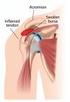
Rotator Cuff Pathophysiology. treatment program that will effectively treat it. The tricky part about the shoulder is that it is a ball and
 Rotator Cuff Pathophysiology Shoulder injuries occur to most people at least once in their life. This highly mobile and versatile joint is one of the most common reasons people visit their health care
Acute Ankle Injuries, Part 1: Office Evaluation and Management
 t June 08, 2009 Each acute ankle injury commonly seen in the office has associated with it a mechanism by which it can be injured, trademark symptoms that the patient experiences during the injury, and
Outline. The Agony of the Foot: Disclosure. Plantar Fasciitis. Top 5 Foot and Ankle Problems in Primary Care. Daniel Thuillier, M.D.
 The Agony of the Foot: Top 5 Foot and Ankle Problems in Primary Care Daniel Thuillier, M.D. Assistant Professor of Clinical Orthopaedics University of California San Francisco Plantar Fasciitis Achilles
.org. Lisfranc (Midfoot) Injury. Anatomy. Description
 Lisfranc (Midfoot) Injury Page ( 1 ) Lisfranc (midfoot) injuries result if bones in the midfoot are broken or ligaments that support the midfoot are torn. The severity of the injury can vary from simple
Lower Leg and Ankle Injuries. Ankle Injuries. Ankle Anatomy. Jon DeBord, PT, MS, ATC, SCS. Rehab Summit 2008. Most common injury in sports.
 Lower Leg and Ankle Injuries Jon DeBord, PT, MS, ATC, SCS Rehab Summit 2008 Ankle Injuries Most common injury in sports 38-45% of all sportsrelated injuries 86% are sprains Mechanism Forceful inversion
QUESTION I HAVE BEEN ASKED TO REHAB GRADE II AND III MCL INJURIES DIFFERENTLY BY DIFFERENT SURGEONS IN THE FIRST 6WEEKS FOLLOWING INJURY.
 QUESTION I HAVE BEEN ASKED TO REHAB GRADE II AND III MCL INJURIES DIFFERENTLY BY DIFFERENT SURGEONS IN THE FIRST 6WEEKS FOLLOWING INJURY. SOME ARE HINGE BRACED 0-90 DEGREES AND ASKED TO REHAB INCLUDING
Malleolar fractures Anna Ekman, Lena Brauer
 Malleolar fractures Anna Ekman, Lena Brauer How to use this handout? The left column is the information as given during the lecture. The column at the right gives you space to make personal notes. Learning
Field Evaluation and Management of Non-Battle Related Knee and Ankle Injuries by the ATP in the
 Field Evaluation and Management of Non-Battle Related Knee and Ankle Injuries by the ATP in the JF Rick Hammesfahr, MD Editor s Note: Part Three consists of ankle injury evaluation and taping. Part Two
Knowing about your Ankle Sprain
 Knowing about your Ankle Sprain Knowing about ankle sprain Ankle sprain is a common injury amongst sports such as netball, basketball, rugby and soccer. Sprains can also happen with everyday activities
BodyZone Physiotherapy for Ankle Welcome to BodyZone Physiotherapy's patient resource about ankle sprain and instability.
 BodyZone Physiotherapy for Ankle Welcome to BodyZone Physiotherapy's patient resource about ankle sprain and instability. An ankle sprain is a common injury and usually results when the ankle is twisted,
Semmelweis University Department of Traumatology Dr. Gál Tamás
 Semmelweis University Department of Traumatology Dr. Gál Tamás Anatomy Ankle injuries DIRECT INDIRECT Vertical Compression (Tibia plafond Pilon) AO 43-A,B,C Suppination (adduction + inversion) AO 44-A
Common foot and ankle ballet injuries
 Common foot and ankle ballet injuries The instrument through which dance speaks is also the instrument through which life is lived... the human body Martha Graham, 1979 How Can We Help You? Physical therapy
.org. Posterior Tibial Tendon Dysfunction. Anatomy. Cause. Symptoms
 Posterior Tibial Tendon Dysfunction Page ( 1 ) Posterior tibial tendon dysfunction is one of the most common problems of the foot and ankle. It occurs when the posterior tibial tendon becomes inflamed
OS TRIGONUM SYNDROME. Incidence: 10% unilateral and 2% bilateral in general population 1. Bilateral occurs in 50% of os trigonum population 4.
 OS TRIGONUM SYNDROME Incidence: 10% unilateral and 2% bilateral in general population 1. Bilateral occurs in 50% of os trigonum population 4. Mechanism of Injury: Os trigonum syndrome occurs due to repetitive,
INJURIES OF THE HAND AND WRIST By Derya Dincer, M.D.
 05/05/2007 INJURIES OF THE HAND AND WRIST By Derya Dincer, M.D. Hand injuries, especially the fractures of metacarpals and phalanges, are the most common fractures in the skeletal system. Hand injuries
SCRIPT NUMBER 82 SPRAINED ANKLE (TWO SPEAKERS)
 SCRIPT NUMBER 82 SPRAINED ANKLE (TWO SPEAKERS) PROGRAM NAME: HEALTH NUGGETS PROGRAM TITLE: SPRAINED ANKLE PROGRAM NUMBER: 82 SUBJECT: PATHOLOGY, CAUSES, DIAGNOSIS, TREATMENT, PREVENTION OF SPRAINED ANKLES
Case Studies: Treatment of 2nd Degree Ankle Sprains Using Modalities Including Kinesio-Tape
 Case Studies: Treatment of 2nd Degree Ankle Sprains Using Modalities Including Kinesio-Tape University of Hawaii Athletic Department, Athletic Trainer KTA Instructor Jayson M. Goo protocols. Ankle sprains
PROTOCOLS FOR INJURIES TO THE FOOT AND ANKLE
 PROTOCOLS FOR INJURIES TO THE FOOT AND ANKLE I. DIGITAL FRACTURES A. Background Digital fractures commonly occur in the workplace and are usually the result of a crush injury from a falling object, or
OBJECTIVE EVALUATION OF FUNCTIONAL ANKLE INSTABILITY AND BALANCE EXERCISE TREATMENT. Copyright 2014
 OBJECTIVE EVALUATION OF FUNCTIONAL ANKLE INSTABILITY AND BALANCE EXERCISE TREATMENT By Copyright 2014 Tarang Kumar Jain D.P.T., University of Kansas Medical Center, 2012 B.P.T., MGM Medical College, DAVV
Posttraumatic medial ankle instability
 Posttraumatic medial ankle instability Alexej Barg, Markus Knupp, Beat Hintermann Orthopaedic Department University Hospital of Basel, Switzerland Clinic of Orthopaedic Surgery, Kantonsspital Baselland
November 2012 Case Study. Authors: Kyle Nagle, MD, MPH; Karl Fry, PT, DPT, OCS; David Bernhardt, MD
 CC: Right foot pain November 2012 Case Study Authors: Kyle Nagle, MD, MPH; Karl Fry, PT, DPT, OCS; David Bernhardt, MD HPI: A 17 year old female cross country runner presents with right foot pain. At a
Ankle ligament injuries
 ARTIGO DE REVISÃO Ankle ligament injuries Per A.F.H. Renström, M.D., Ph.D. 1 and Scott A. Lynch, M.D. 2 ABSTRACT Acute ankle ligament sprains are common injuries. The majority of these occur during athletic
4/13/2016. Injury Rate (%) Common Foot and Ankle Injuries in the Football Player Surgery or Not. Common Injuries. Common Injuries
 Injury Rate (%) Common Foot and Ankle Injuries in the Football Player Surgery or Not Ankle Foot Collegiate 12 3 High School 18 3 Youth 15 4 Daniel Murawski, MD April 22, 2016 1 2 Common Injuries Lateral
Why Brace?...2. Tape or Brace?...3. Types of Ankle Braces...4. Ankle Bracing Tips...7
 Table of Contents Why Brace?...2 Tape or Brace?...3 Types of Ankle Braces...4 Ankle Bracing Tips...7 References 1. Amoroso PJ, Ryan J, Bickley B, Leitschuh P, Taylor D, Jones B. Braced for impact: reducing
Syndesmotic Injuries in Athletes
 23 Syndesmotic Injuries in Athletes Jeffrey R. Thormeyer, James P. Leonard and Mark Hutchinson Department of Orthopaedic Surgery, University of Illinois, Chicago, USA 1. Introduction Ankle injuries are
SHOULDER INSTABILITY IN PATIENTS WITH EDS
 EDNF 2012 CONFERENCE LIVING WITH EDS SHOULDER INSTABILITY IN PATIENTS WITH EDS Keith Kenter, MD Associate Professor Sports Medicine & Shoulder Reconstruction Director, Orthopaedic Residency Program Department
Clinical Integration of Osteopathic Manipulative Medicine
 Clinical Integration of Osteopathic Manipulative Medicine Family Medicine / Emergency Medicine / Orthopedic: Ankle sprain Author: Joe Lau OMS-IV, Theodore Flaum, DO Introduction: Ankle sprain, a.k.a. sprained
Platelet-Rich Plasma Rehabilitation Guidelines
 UW Health Sports Rehabilitation Platelet-Rich Plasma Rehabilitation Guidelines What is Tendinopathy? Tendons are strong bands of connective tissue comprised primarily of a substance called collagen. Mechanically,
Mary LaBarre, PT, DPT,ATRIC
 Aquatic Therapy and the ACL Current Concepts on Prevention and Rehab Mary LaBarre, PT, DPT,ATRIC Anterior Cruciate Ligament (ACL) tears are a common knee injury in athletic rehab. Each year, approximately
The Lateral Collateral Ligament Sprain. Ashley DeMarco. Pathology and Evaluation of Orthopedic Injuries I. Professor Rob Baerman
 1 The Lateral Collateral Ligament Sprain Ashley DeMarco Pathology and Evaluation of Orthopedic Injuries I Professor Rob Baerman 2 The Lateral Collateral Ligament Sprain Ashley DeMarco Throughout my research
Evaluation and Treatment of Ankle Syndesmosis Injuries
 55 Evaluation and Treatment of Ankle Syndesmosis Injuries David A. Porter, MD, PhD Abstract Athletes sustain ankle syndesmosis injuries far less frequently than they do lateral ankle sprains; however,
Lateral Ankle Instability Repair using TWINFIX Ti 3.5 mm Suture Anchors
 *smith&nephew ANKLE TECHNIQUE GUIDE Lateral Ankle Instability Repair using TWINFIX Ti 3.5 mm Suture Anchors Prepared in Consultation with: James Calder, MD KNEE HIP SHOULDER EXTREMITIES Lateral Ankle Instability
Screening Examination of the Lower Extremities BUY THIS BOOK! Lower Extremity Screening Exam
 Screening Examination of the Lower Extremities Melvyn Harrington, MD Department of Orthopaedic Surgery & Rehabilitation Loyola University Medical Center BUY THIS BOOK! Essentials of Musculoskeletal Care
Rehabilitation after ACL Reconstruction: From the OR to the Playing Field. Mark V. Paterno PT, PhD, MBA, SCS, ATC
 Objectives Rehabilitation after ACL Reconstruction: From the OR to the Playing Field Mark V. Paterno PT, PhD, MBA, SCS, ATC Coordinator of Orthopaedic and Sports Physical Therapy Cincinnati Children s
Preventing Knee Injuries in Women s Soccer
 Preventing Knee Injuries in Women s Soccer By Wayne Nelson, DC, CCRS The United States has recently seen a rapid increase in participation of young athletes with organized youth soccer leagues. As parents
.org. Tennis Elbow (Lateral Epicondylitis) Anatomy. Cause
 Tennis Elbow (Lateral Epicondylitis) Page ( 1 ) Tennis elbow, or lateral epicondylitis, is a painful condition of the elbow caused by overuse. Not surprisingly, playing tennis or other racquet sports can
CHAPTER 58 Ankle and Foot
 CHAPTER 58 Ankle and Foot Riyad B. Abu-Laban and Nicholas G.W. Rose To him whose feet hurt, everything hurts. Socrates The ankle and foot are highly evolved structures designed to support the body s weight
1 of 6 1/22/2015 10:06 AM
 1 of 6 1/22/2015 10:06 AM 2 of 6 1/22/2015 10:06 AM This cross-section view of the shoulder socket shows a typical SLAP tear. Injuries to the superior labrum can be caused by acute trauma or by repetitive
Rehabilitation Guidelines for Meniscal Repair
 UW Health Sports Rehabilitation Rehabilitation Guidelines for Meniscal Repair There are two types of cartilage in the knee, articular cartilage and cartilage. Articular cartilage is made up of collagen,
Radial Head Fracture Repair and Rehabilitation
 1 Radial Head Fracture Repair and Rehabilitation Surgical Indications and Considerations Anatomical Considerations: The elbow is a complex joint due to its intricate functional anatomy. The ulna, radius
OUTPATIENT PHYSICAL AND OCCUPATIONAL THERAPY PROTOCOL GUIDELINES
 OUTPATIENT PHYSICAL AND OCCUPATIONAL THERAPY PROTOCOL GUIDELINES General Therapy Guidelines 1. Therapy evaluations must be provided by licensed physical and/or occupational therapists. Therapy evaluations
Objectives Learn the anatomy of the foot. Identify key terms associated with plantar fasciitis. Determine the causes of plantar fasciitis and understa
 Plantar Fasciitis Objectives Learn the anatomy of the foot. Identify key terms associated with plantar fasciitis. Determine the causes of plantar fasciitis and understand why it occurs. Recognize the injury
Physician Assistant Post Graduate Orthopaedic Surgery Fellowship Program. Watauga Orthopaedics
 Physician Assistant Post Graduate Orthopaedic Surgery Fellowship Program Watauga Orthopaedics Physician Assistant Post-Graduate Fellowship Program in Orthopaedic Surgery Required Texts: 1. Backache Macnab,
Patellofemoral Joint: Superior Glide of the Patella
 Patellofemoral Joint: Superior Glide of the Patella Purpose: To increase knee extension. Precautions: Do not compress the patella against the femoral condyles. Do not force the knee into hyperextension
Patellofemoral/Chondromalacia Protocol
 Patellofemoral/Chondromalacia Protocol Anatomy and Biomechanics The knee is composed of two joints, the tibiofemoral and the patellofemoral. The patellofemoral joint is made up of the patella (knee cap)
Frequently Asked Questions following Anterior Cruciate Ligament Reconstruction Surgery 1
 Frequently Asked Questions following Anterior Cruciate Ligament Reconstruction Surgery 1 Will my knee be normal after surgery and recovery? Unfortunately, even with an ACL reconstructive procedure, it
CLINICAL PRACTICE GUIDELINES FOR MANAGEMENT OF LOW BACK PAIN
 CLINICAL PRACTICE GUIDELINES FOR MANAGEMENT OF LOW BACK PAIN Low back pain is very common, up to 90+% of people are affected by back pain at some time in their lives. Most often back pain is benign and
REHABILITATION OF TENDON AND LIGAMENT INJURIES
 REHABILITATION OF TENDON AND LIGAMENT INJURIES Carol Gillis, DVM, PhD, DACVSMR Equine Ultrasound & Rehabilitation [email protected] www.equineultrasound.com 803-522-1700 The first step to healing
Predislocation syndrome
 Predislocation syndrome Sky Ridge Medical Center, Aspen Building Pre-dislocation syndrome, capsulitis, and metatarsalgia are all similar problems usually at the ball of the foot near the second and third
Hip Bursitis/Tendinitis
 Hip Bursitis/Tendinitis Anatomy and Biomechanics The hip is a ball and socket joint that occurs between the head of the femur (ball) and the acetabulum of the pelvis (socket). It is protected by several
Hamstring Apophyseal Injuries in Adolescent Athletes
 Hamstring Apophyseal Injuries in Adolescent Athletes Kyle Nagle, MD MPH University of Colorado Department of Orthopedics Children s Hospital Colorado Orthopedics Institute June 14, 2014 Disclosures I have
Abstract Objective: To review the mechanism, surgical procedures, and rehabilitation techniques used with an athlete suffering from chronic anterior
 Abstract Objective: To review the mechanism, surgical procedures, and rehabilitation techniques used with an athlete suffering from chronic anterior glenohumeral instability and glenoid labral tear. Background:
Biceps Tenodesis Protocol
 Department of Rehabilitation Services Physical Therapy The intent of this protocol is to provide the clinician with a guideline of the postoperative rehabilitation course of a patient that has undergone
RX: Custom Thermoplastic AFO Compliance Documentation
 RX: Custom Thermoplastic AFO Compliance Documentation Doctor Name: Phone: Patient Name: HICN: DOB: Indicate Quality ARIZONA THERMOPLASTIC ARTICULATED AFO, DORSI-ASSIST CROW L4631 A bivalved custom molded
Self Management Program. Ankle Sprains. Improving Care. Improving Business.
 Ankle Sprains Improving Care. Improving Business. What is an ankle sprain? Ligaments attach to the ankle bones and allow for normal movement and help prevent too much motion within the joint. Ankle sprains
A Patient s Guide to Shoulder Pain
 A Patient s Guide to Shoulder Pain Part 2 Evaluating the Patient James T. Mazzara, M.D. Shoulder and Elbow Surgery Sports Medicine Occupational Orthopedics Patient Education Disclaimer This presentation
Shoulder Injuries. Why Bother? QAS Injury Prevalence. Screening Injury 29.2% 12 month cumulative injury prevalence. Dr Simon Locke
 Shoulder Injuries Dr Simon Locke Why Bother? Are shoulder and upper limb injuries common? Some anatomy What, where, what sports? How do they happen? Treatment, advances? QAS Injury Prevalence Screening
Ankle Fractures - OrthoInfo - AAOS. Copyright 2007 American Academy of Orthopaedic Surgeons. Ankle Fractures
 Copyright 2007 American Academy of Orthopaedic Surgeons Ankle Fractures "I broke my ankle." A broken ankle is also known as an ankle "fracture." This means that one or more of the bones that make up the
Common Orthopedic Injuries in Children
 Common Orthopedic Injuries in Children Wendy L. Wright, MS, APRN, FNP, FAANP, FAAN Adult/Family Nurse Practitioner Owner Wright & Associates Family Healthcare @ Amherst and @ Concord, NH Owner Partners
Rehabilitation Guidelines for Posterior Cruciate Ligament Reconstruction
 UW Health Sports Rehabilitation Rehabilitation Guidelines for Posterior Cruciate Ligament Reconstruction The knee has three joints--the patellofemoral joint (knee cap), the tibiofemoral joint and the tibiofibular
Clinical practice guidelines for physical therapy in patients with chronic ankle sprain
 Clinical practice guidelines for physical therapy in patients with chronic ankle sprain RA de Bie PT PhD I, MAMB Heemskerk PT II, AF Lenssen PT MSc III, SR van Moorsel PT IV, G Rondhuis PT V, DJ Stomp
Foot and Ankle Conditioning Program. Purpose of Program
 Prepared for: Prepared by: OrthoInfo Purpose of Program After an injury or surgery, an exercise conditioning program will help you return to daily activities and enjoy a more active, healthy lifestyle.
Evaluating Knee Pain
 Evaluating Knee Pain Matthew T. Boes, M.D. Raleigh Orthopaedic Clinic September 24, 2011 Introduction Approach to patient with knee pain / injury History Examination Radiographs Guidelines for additional
Temple Physical Therapy
 Temple Physical Therapy A General Overview of Common Neck Injuries For current information on Temple Physical Therapy related news and for a healthy and safe return to work, sport and recreation Like Us
A Patient s Guide to Diffuse Idiopathic Skeletal Hyperostosis (DISH)
 A Patient s Guide to Diffuse Idiopathic Skeletal Hyperostosis (DISH) Introduction Diffuse Idiopathic Skeletal Hyperostosis (DISH) is a phenomenon that more commonly affects older males. It is associated
Plantar fascia. Plantar Fasciitis (pain in the heel of the foot)
 ! Plantar fascia Plantar Fasciitis (pain in the heel of the foot) Plantar Fasciitis is the most common foot problem seen in runners and is often associated with an increase in running mileage. Typically
By Agnes Tan (PT) I-Sports Rehab Centre Island Hospital
 By Agnes Tan (PT) I-Sports Rehab Centre Island Hospital Physiotherapy Provides aids to people Deals with abrasion and dysfunction (muscles, joints, bones) To control and repair maximum movement potentials
Rehabilitation Guidelines for Achilles Tendon Repair
 UW HEALTH SPORTS REHABILITATION Rehabilitation Guidelines for Achilles Tendon Repair The Achilles tendon is the strongest and thickest tendon in the body. It attaches the calf muscles (soleus and gastrocnemius)
 Low Back Pain Mansour Dib MD Physical Medicine and Rehabilitation Pain generators Disc Posterior elements Sacro-iliac joint Education - Spine Positioning Neutral Extension Flexion Disc disease Discogenic
Calcaneus (Heel Bone) Fractures
 Copyright 2010 American Academy of Orthopaedic Surgeons Calcaneus (Heel Bone) Fractures Fractures of the heel bone, or calcaneus, can be disabling injuries. They most often occur during high-energy collisions
Brian P. McKeon MD Jason D. Rand, PA-C, PT Patient Information Sheet: Anterior Cruciate Ligament
 Brian P. McKeon MD Jason D. Rand, PA-C, PT Patient Information Sheet: Anterior Cruciate Ligament The anterior cruciate ligament or ACL is one of the major ligaments located in the knee joint. This ligament
Achilles Tendon Repair Surgery Post-operative Instructions Phase One: The First Week After Surgery
 Amon T. Ferry, MD Orthopedic Surgery Sports Medicine Achilles Tendon Repair Surgery Post-operative Instructions Phase One: The First Week After Surgery Amon T. Ferry, MD Orthopedic Surgery / Sports Medicine
Ligamentous and Tendon Injuries About the Ankle
 Ligamentous and Tendon Injuries About the Ankle Dec. 8, 2004 Brecht & Watnik 2004, OTA Presentations Krause 2003, Miller s Review Course Mizel et al 2004, ICL 53 OKU Foot & Ankle 3 Outline Anatomy Sprains
ACUTE AVULSION FRACTURE OF THE ANTERIOR SUPERIOR ILIAC SPINE IN A HIGH SCHOOL TRACK AND FIELD ATHLETE
 ACUTE AVULSION FRACTURE OF THE ANTERIOR SUPERIOR ILIAC SPINE IN A HIGH SCHOOL TRACK AND FIELD ATHLETE Christopher Mings, LAT, ATC University of Central Florida Alumnus & Florida Gulf Coast University Graduate
Elbow Injuries and Disorders
 Elbow Injuries and Disorders Introduction Your elbow joint is made up of bone, cartilage, ligaments and fluid. Muscles and tendons help the elbow joint move. There are many injuries and disorders that
Evidenced-Based Clinical Review: Laterally-Based Ankle and Hindfoot Pain
 28 Osteopathic Family Physician (2014)5, 28-32 Osteopathic Family Physician, Volume 6, No. 5, September/October 2014 Evidenced-Based Clinical Review: Laterally-Based Ankle and Hindfoot Pain Joseph N. Daniel,