
INSTRUCTION MANUAL ENGLISH GERMAN FRENCH ITALIAN JAPANESE
|
|
|
- Maria Dixon
- 10 years ago
- Views:
Transcription
1 INSTRUCTION MANUAL ENGLISH GERMAN FRENCH ITALIAN JAPANESE

2 Content Packaging contents ENGLISH Packaging contents... 3 Charger... 4 Connections... 5 Introduction... 6 Power Source... 7 Battery Connection... 8 Main Screen... 9 Keys Charging Charge settings Charging the battery Discharge Discharge settings Discharging the battery Cycling Storage charge mode Advanced Charger Settings Data View Troubleshooting Warnings Warranty Specifications Package Contents Deans charge leads Balancing harness XH type 2mm gold plug balancing adapter ENGLISH 2 3

3 Charger Connections ENGLISH ENGLISH Power supply connection Charger with two LiPo batteries connected Power supply 12-25VDC 2. Temperature probe port 1 3. Balancing adapter port 1 4. Charge output 1 5. Charge output 2 6. Balancing adapter port 2 7. Temperature probe port 2 Twin Spec Panel: - Decrease (-) - Increase (+) - Enter - Menu - Channel 2S LiPo battery with Deans and XH connectors 2S LiPo battery with 4mm and 2mm gold tubes connectors 4 5

4 Introduction Power Source ENGLISH Thank you for choosing Team Orion s Advantage Twin Spec charger. This charger can independently and simultaneously charge or discharge two batteries. The charger allows charge currents of up to 20A and discharge currents of up to 10A. It is designed to charge and discharge NiMH, NiCd, LiPo and LiFe batteries in the most efficient way possible. Its design is based on Team Orion s world championship winning battery technology. Connect the charger to a stable 10-25VDC power source, respecting the polarities, red is positive (+) and black is negative (-). Make sure the power source is able to supply enough power and voltage to charge the battery at the desired charge rate. For higher voltage batteries a 25VDC power supply is required to achieve high charge rates. The charger automatically detects the supply voltage and adjusts the maximum charge rate accordingly. ENGLISH We have included a special storage charge function to partially recharge your batteries prior to storage, which increases their lifespan. The charger also features 15 user memory profiles so that different settings for different battery packs can be stored. We have pre-programmed several of the memories to suit the most popular battery types. The charger is equipped with an integrated balancer and XH type balancing harnesses for 2S to 6S batteries. A special 2mm gold plug balancing harness system is included to charge car racing batteries which are only equipped with tubes. Please read the instructions carefully to ensure that you receive maximum performance and reliability. Picture shows Race Spec charger 6 7

5 Battery Connection Main Screen ENGLISH The charge is equipped with two charge outputs, nr.1 on the left side of the charger and nr.2 on the right side of the charger. The connections are similar for both sides. After a short welcome screen, the main screen is displayed. The charger is in charge mode by default. The main screen is used to display and adjust the battery parameters. ENGLISH Connect the battery leads to the battery, respecting the polarities, red is positive (+), black is negative (-). To use balancing, connect the LiPo or LiFe battery balancing connector using the balancing harness or the special 2mm gold plug adapter (respecting the color codes) Memory profile 2. Battery type 3. Charge, storage, cycle or discharge mode 4. Number of cells 5. Channel 6. Battery capacity 7. Charging current 8. Delta peak setting or balancing ON/OFF (depending on the type of battery selected) 2S LiPo battery with Deans and HX connectors 2S LiPo battery with 4mm and 2mm gold tubes connectors 8 9

6 Keys Charging ENGLISH The charger is equipped with 5 keys to use and adjust the various functions. Select the memory profile referring to the battery type you wish to charge. If no compatible settings are available, you will have to make your own settings. ENGLISH DECREASE - key: Changes function mode Changes data display Decreases the value of the selected setting To make your own settings, press the ENTER key to enter setup mode. Select the memory profile to use, the battery type, the number of cells, the cell s capacity, the charge rate (1C by default) and depending on the battery type, the delta-peak value or if you wish to use balancing or not (only for LiPo/LiFe). INCREASE + key: Changes function mode Changes data display Increases the value of the selected setting ENTER key: Start and stop selected function Validate a modification Once the proper settings are made, press the ENTER key until the battery check and then the charge screen appear. Your battery is now charging and the charge will be automatically interrupted once the battery is full. Charge settings Follow this procedure to modify the charge settings to meet the battery requirements. From the main screen, use + or - to select charge mode (indicated by Charge). MENU key: Selects function mode, charger settings or data display. CHANNEL (CH) key: Selects the charge output, left (1) or right (2) Warning! If you are not familiar with charging batteries, read these instructions carefully. You must use the proper settings to charge your batteries in a safe and reliable way. Using incorrect settings can result in damage to personal property and be harmful to people. Always follow the manufacturer s charge recommendations. Note: make sure you are adjusting the settings for the correct channel you wish to use

7 ENGLISH Every memory profile contains settings for each type of battery compatible with the charger. The new settings will be automatically saved to the memory profile which is actually in use. Use settings compatible with your battery, always follow the battery manufacturer s indications. LiPo/LiFe battery charge screen Select and modify the settings by pressing the ENTER key to navigate between the parameters followed by the + and keys to change the value of the parameter. To exit the setup mode, you can press the MENU key once or the ENTER key until you have navigated through all the parameters. Warning! If you press the ENTER key too long, the charge will start with the actual settings. Available settings: 1. Memory profile selection, from 1 to Battery type selection, NiCd, NiMH, LiPo or LiFe. 3. Number of cells setting, from 1 to 16 for NiCd/NiMH and 1 to 6 for LiPo/LiFe. 4. Battery capacity setting, from 200 to 9900mAh. The charge current is automatically set accordingly (1C charge). As an extra safety measure when charging a NiMH or NiCd battery, the charger will stop charging when the pre-adjusted capacity is reached, whether the battery is fully charged or not. 5. Charge current setting (1C by default). From 0.2 to 20A depending on battery type and power supply. 6. Balancing function switch (LiPo/LiFe) or delta-peak value selection (NiMH/NiCd). This setting switches cell balancing ON or OFF or adjusts the delta-peak value (1-20mV/cell). Charge Current The charge current is automatically adjusted according to the capacity setting but can also be modified by the user. A higher charge current will charge your battery faster, but it can also overheat and damage the battery. Only modify this setting if you are an experienced user. The maximum possible charge current is calculated using various factors such as battery type, power supply and parameters in advanced settings. The default maximum charger power is 250W for each channel and up to 350W for a single channel after using the power share. ENGLISH

8 ENGLISH Delta-peak adjustment During charge, the voltage increases until the battery is full. When the battery is full the voltage begins to drop. The delta-peak system measures this drop in voltage and interrupts the charge once the preset value has been reached. A certain amount of overcharge is usually required to ensure the highest performance from the cells. A higher value will overcharge your batteries more and a lower value will overcharge them less. Usually NiCd batteries require a higher value (10mV-20mV/cell) and NiMH batteries require a lower value (0mV-10mV/cell). It is recommended to use the lowest value that will allow your battery to fully charge without false peaking (premature delta-peak cutoff). This setting is greatly influenced by the quality of the battery you are charging, its age and its wear level. Charging the battery After you have selected the right parameters and connected the battery, press and hold the ENTER key. The battery check will be displayed. If the battery is properly connected and functional the charge screen will be displayed. ENGLISH Balancing Cell balancing equalizes the voltage of cells within LiPo and LiFe batteries, ensuring optimal charge, performance and safety. Balancing can take a long time to complete if the level of unbalance is high. High levels of unbalance may indicate a defective battery. If balancing is switched on, the balancing connectors must be connected. JST-XH type adapters are supplied (other types are available separately) to charge standard LiPo batteries. Special charge leads are supplied for balancing 2S and 3S batteries that use 2mm gold connectors for balancing. If balancing is switched off and the battery voltage is not within certain thresholds, an error message will be displayed. In this case, check the battery or use balancing. While charging NiMH/NiCd batteries, the charge might be interrupted before the battery is fully charged (battery warm to the touch if it is charged). If this is the case you may restart the charge process again or try using a higher delta-peak value. With LiPo or LiFe batteries, if the voltage is too low, the charger will perform a slow charge to increase the voltage of the cells inside the battery before starting the fast charge. Cell balancing will only take place at the end of the fast charge; cell balancing can take a long time to complete depending on the battery status. During the charge, using the + and keys, you can display various data about the charger and battery. Please refer to screen overview sheet for more information. By pressing the ENTER key you can modify the charge current during the charge. Note: We recommend always using balancing. Only disable balancing if you understand the underlying risks and you are certain the battery is fully functional. Note: Depending on the conditions of use, the charger thermal protection might activate so that the charger can cool down. After a brief interruption the charge will resume and continue normally

9 ENGLISH The charge will be interrupted when any one of these conditions is met: The automatic delta-peak cut-off system activates The charged capacity reaches the preset value (for NiMH/NiCd) The charger software has determined that the LiPo/LiFe battery is full or charged according to the preset values. Discharge The charger is equipped with a discharge function to discharge your batteries. This allows you for example to check their actual performance. You can adjust different discharge rates and discharge end voltages to fine-tune this function to your requirements. Make sure you use discharge settings which are compatible with your batteries. ENGLISH At the end of the charge, the BATTERY CHARGE COMPLETE message will appear. Discharge settings Note: make sure you are adjusting the settings for the correct channel you wish to use. Press the ENTER key to display the final charge data. By pressing the + and keys you can display various information about the charger and battery. Please refer to screen overview sheet for more information. Follow this procedure to modify the discharge settings from the main screen, use the + or - keys to select discharge mode from the main screen (indicated by DISCHARGE ). The charger will display the default settings for the selected type of battery. Make sure you use settings that are compatible with you battery. Charge end data LiPo/LiFe Press the ENTER key again to return to the main charge screen Note : if you have adjusted a trickle charge current, the charger will trickle charge your NiMh/NiCd battery. This charge will be interrupted after 20 minutes or when you return to the main charge screen. Select and modify the settings by pressing the ENTER key to navigate between the parameters followed by the + and keys to change the value of the parameter. To exit the setup mode, you can press the MENU key once or the ENTER key until you have navigated through all the parameters. Warning! If you press the ENTER key too long, the discharge will start with the actual settings

10 ENGLISH Available settings: 1. Discharge current selection, 0.2A to 10A, 50W maximum per channel. 2. Discharge cut-off voltage selection, the range is V/cell for NiCd/NiMH, 3-4.2V/cell for LiPo and V/cell for LiFe. Discharging the battery Note: Depending on the conditions of use, the charger thermal protection might activate so that the charger can cool down. After a brief interruption the discharge will resume and continue normally. At the end of the discharge cycle, the BATTERY DISCHARGE COMPLETE message will appear. ENGLISH After you have selected the right parameters to discharge your battery, press and hold the ENTER key. The battery check will be displayed. If the battery is properly connected and functional the discharge screen will be displayed. The charger will discharge the batteries down to the preset cutoff value. By pressing the ENTER key you can modify the discharge current during the discharge. During the discharge, using the + and keys, you can display various data about the charger and battery. Please refer to screen overview sheet for more information. After discharge it is recommended to recharge LiPo and LiFe batteries as they can be damaged if stored empty. Press the ENTER key to display the final discharge data. By pressing the + and keys you can display various information about the charger and battery. Please refer to screen overview sheet for more information. Discharge capacity A battery discharge capacity indicates the storage capacity of a battery. A battery with a higher discharge capacity will give more effective run-time than a battery with a lower discharge capacity (if tested and used in the same conditions). By comparing the result of the discharge with the original rated capacity of the battery, you can determine it s current wear status. Average discharge voltage A battery average discharge voltage indicates the power output of the battery at a determined discharge rate. A battery with a higher value will be more powerful than a battery with a lower value (if tested and used in the same conditions)

11 Cycling ENGLISH Internal resistance A battery internal resistance is an indicator of the battery performance. In general, a battery with a lower value will be more powerful than a similar battery with a higher value (if tested and used in the same conditions). You cannot compare batteries using different chemistries. The cycle mode is used to do automatic charge->discharge or discharge->charge cycles to your batteries. Cycling is useful for checking batteries status and regenerating batteries which have been stored for a certain period of time. The charger uses the actual charge and discharge settings. Make sure that these settings are compatible with the battery you wish to cycle. ENGLISH Press the ENTER key again to return to the main discharge screen. From the main screen, use the + or - keys to select the cycle mode from the main screen (indicated by CYCLE MODE ). Select and modify the settings by pressing the ENTER key to navigate between the parameters followed by the + and keys to change the value of the parameter. To exit the setup mode, you can press the MENU key once or the ENTER key until you have navigated through all the parameters. Cycling uses the current charge and discharge settings. Available settings: 1. Charge/discharge or discharge/charge cycle 2. Number of cycles selection, from 1 to 15 Warning! If you press the ENTER key too long, the cycling will start with the actual settings. After you have selected the cycling mode, press and hold the ENTER key. The battery check will be displayed

12 ENGLISH Depending on the type of cycle you have selected, the charge or discharge screen will be displayed. Press the ENTER key to display the final cycle data. By pressing the + and keys you can display various information about the charger and battery. Please refer to screen overview sheet for more information. ENGLISH Charge screen Discharge screen By pressing the ENTER key you can modify the charge/discharge current during the charge/ discharge. During the charge/discharge, using the + and keys, you can display various data about the charger and battery. Please refer to screen overview sheet for more information. After discharge It is recommended to recharge LiPo and LiFe batteries as they can be damaged if stored empty. Cycle end data screen Press the ENTER key to go back to the cycle screen. Once the cycle is complete, the CYCLE COMPLETE message is displayed. Note: depending on the conditions of use, the charger thermal protection might activate so that the charger can cool down. After a brief interruption the charge or discharge will resume and continue normally

13 Storage charge mode ENGLISH The special storage mode will discharge/charge your batteries so that they are in optimal state for storage. Doing this will minimize the risk of cell damage due to deep discharge if the batteries are stored for a long period of time. From the main screen, use the + or - keys to select the storage mode from the main screen (indicated by STORAGE ). Charge screen Discharge screen By pressing the ENTER key you can modify the charge/discharge current during the charge/ discharge. During the charge/discharge, using the + and keys, you can display various data about the charger and battery. Please refer to screen overview sheet for more information. ENGLISH The charge and discharge settings of the actual memory profile will be used, make sure that the settings are compatible with the battery. At the end of the storage charge, the BATTERY STORAGE COMPLETE message will appear. Press and hold the ENTER key. The battery check will be displayed. If the battery is properly connected and functional, the storage charge or discharge will start. If the selected battery type is NiMH or NiCd, the battery will be discharged, then recharged to 50% of the selected capacity. If the selected battery type is LiPo or LiFe, the battery will be charged/discharged and balanced to 3.85V/cell for LiPo and 3.3V/cell for LiFe. Press the ENTER key to display the final storage data. By pressing the + and keys you can display various information about the charger and battery. Please refer to screen overview sheet for more information. Press the ENTER key to go back to the main storage screen. Note: depending on the conditions of use, the thermal protection might activate so that the charger can cool down. After a brief interruption the charge/discharge will resume and continue normally

14 ENGLISH Advanced Charger Settings By pressing the MENU key, you switch between the function, setting and data view modes. Select the setting data screen. Use the + and keys to switch between the different parameters. To modify a parameter, press ENTER and use the + and - keys to change it s value. All of these settings are independent for each charge output (excepted for the power settings). Power sharing This function allows you to adjust the power output for each channel. A higher power output is useful to achieve higher charge currents with batteries with higher voltage. The output power is adjusted by moving the cursor to the right or left, depending on the channel for which you want to increase the output. The default setting is 50/50 (250W channel) and you can adjust it up to 90/10 or 10/90, in this case the channel with 10% will have 150W of charge power and the one with 90% will have of 350W charge power. In any case the total charge power is 500W in total (if the power supply allows it). ENGLISH Trickle charge Trickle charge is a low power slow charge that maintains NIMH/NiCd batteries at peak voltage and/or charge maximal capacity inside the battery. The trickle charge current can be set from 0mA (OFF) to 500mA. Use a lower value for lower capacity batteries and a higher value for higher capacity batteries. The trickle charge activates at the end of the charge in charge mode, when the battery charge complete message is displayed. The trickle charge is interrupted after 20 minutes or when you return to the main charge screen. The trickle charge function does not work with LiPo and LiFe batteries. Charge end voltage This setting allows you to specify a different charge end voltage to fine tune the charge process. It can also be used for to make sure that the voltage does not exceed the maximum charge voltage imposed by certain race organizations (for example the 8.40V limit for 2S LiPo). The range is V/cell for LiPo, V/cell for LiFe, 1 2V/cell for NiMH/NiCd. Power supply voltage This setting is used to adjust the voltage at which the low input voltage warning will set off, the range is 10 12V. Power supply current The charger s software adjusts the maximum charge power according to this setting, the range is 5 40A. Adjusting this to the actual output power of your power supply will allow you to know exactly what the maximum charge current is for your batteries. Cycle pause time This setting defines the amount of time the charger pauses between cycles. Longer pauses allow the battery to cool between the cycles. The range is 0 60 minutes

15 ENGLISH Charge capacity limit This setting defines how much of the user adjusted capacity the charger will charge into the battery. This can be useful for partially charging batteries or to prevent overcharge. The range is % of adjusted capacity. Data View By pressing the MENU key, you switch between the function, setting and data view modes. Press the MENU key so that the data view screen is displayed. The display shows the values for the actual charge output only. ENGLISH Safety Timer This setting defines the maximum amount of time that any of the charger s function can last. This safety feature can help prevent overcharge or over discharge. The range is minutes. Temperature cut-off This setting adjusts the charge end temperature for batteries (temperature probe available separately). In some conditions, it can be useful to use this charge mode to obtain optimal charge for NiMh/NiCd batteries. The range is degrees Celsius. Key beep This setting sets the key beep tone on or off. Key beep duration This setting sets the duration of the beep tone when the current task is completed. The settings are OFF, 5sec, 15sec, 30sec and ON. The tone will stop when the time is over, if the setting is ON then the tone will continue until you press the ENTER key. Use the + and keys to switch between the different readings. Battery internal resistance Battery internal resistance is an indicator of the battery performance. In general, a battery with a lower value will be more powerful (if tested in the same conditions). You cannot compare batteries using different chemistries. Charge end values (from the charge mode) This screen displays the charge end data. Total charge time, charged capacity and end voltage. Discharge end values (from the discharge mode) This screen displays the discharge end data. Total discharge time, discharged capacity and end voltage. Cycle end values (if you enter data view from the cycle screen) This screen displays the cycle end data. charged and discharged capacity. By pressing ENTER and using the + and keys you can cycle through the various cycles results. Press MENU to exit

16 ENGLISH Storage Charge end values (if you enter data view from the storage screen) This screen displays the storage end data. Total charged and discharged capacity. Peak voltage Displays the peak voltage reached by the battery during the last task. Troubleshooting The charger can display error messages when certain types of problems are detected. In any case when an error occurs, check the connections, power supply, battery and settings. ENGLISH Discharge average voltage Displays the average voltage of the battery during the last discharge. Individual cell voltage Displays the battery individual cell voltage at the end of the last task. This indicates a power supply problem. Check that the power source is providing proper voltage to the charger (10-25VDC) and that is it powerful enough. Also check the power supply settings in advanced settings. Input voltage Indicated the actual input voltage from the power supply. Output voltage Indicates the actual voltage of the battery connected to the charge output. Internal temperature Indicates the actual charger s internal temperature. Battery temperature Indicates the actual battery temperature (using optional temperature probe). Indicates a malfunction with your battery. Check that your battery pack is properly connected and functional. Indicates a connection problem with your battery. Check that the battery is connected and functional

17 Warnings ENGLISH This indicates that the selected number of cells is incorrect. Check the battery and settings. This indicates a connection problem or a malfunction with your battery during charge or discharge. Check that your battery pack is properly connected and functional. This indicates that the wrong battery type is selected. Check the battery and settings. Always setup the charger parameters according to your batteries manufacturer specifications. This charger is only designed to charge LiPo or LiFe batteries with 1 to 6 cells and NiMH or NiCd batteries with 1 to 16 cells. Never leave the charger unsupervised while it is powered on. Never let children operate the charger without supervision from an adult. Use the charger in a well ventilated area, away from people and electrically conductive or inflammable materials. The charger and batteries can become hot during use. Take great care before handling them. If the battery has suspicious reactions during the charge or discharge, such as overheating, venting or leaking, immediately disconnect the battery and store it in a safe location, away from people and inflammable materials. ENGLISH This indicates a problem with the balancing connector. Check that the balancing connector is properly connected. Indicates that the charger is overheating. Wait for the charger to cool down and resume function, modify your settings (lower charge or discharge amps) or relocate, ventilate the charger to improve cooling

18 Warranty Specifications ENGLISH Team Orion guarantees this product to be free from manufacturing and workmanship defects. The warranty does not cover incorrect installation, components worn by use, or any other problem resulting from incorrect use or handling of the product. No liability will be accepted for any damage resulting from the use of this product. By the act of connecting and operating this product, the user accepts all resulting liability. Is considered incorrect use: Failure to follow instructions. Improper use of the product (abusive use, out of spec, etc.). Failure to adapt settings for proper function (improper connections, wrong gearing, installation, setup, etc.). Overload, overheating (desoldering, melting, etc.). Running in inadequate conditions (damage or rust from rain, humidity, etc.). Improper maintenance (presence of dirt, etc.). Disassembly, modification by the user (modifying original connectors, wires, components, etc.). Mechanical damage due to external causes. Microprocessor controlled dual-output charger for NiMh/NiCd/LiPo/LiFe batteries Input voltage 10-25V DC (25V necessary for high current high voltage battery charging) For 1-16 cells NiMh/NiCd 1S - 6S LiPo/LiFe Charge current 0.2A 20A Charge power 2x250W, 350W max per output, 500W total Integrated balancer with 300mA balance current (one for each output) Discharge current 0.2A 10A (50W max per output) Adjustable discharge cut-off voltage V/cell NiMh/NiCd, 3-4.2V/cell LiPo, V/cell LiFe Adjustable delta-peak 1mV 20mV/cell Adjustable trickle current 0mA 500mA Adjustable peak voltage, 1.6-2V/cell NiMh/NiCd, V/cell LiPo, 3-3.8V/cell LiFe Adjustable charge power output W/channel (500W max total) Adjustable low voltage input alarm 10-12V Adjustable input current 5-40A Adjustable cycle pause time 0-60min Adjustable charge capacity limit % Adjustable safety timer min Adjustable max charge temperature (optional) 10 65C Adjustable beep tones Cycling mode Storage charge mode ENGLISH

19 Notes ENGLISH 15 memory profiles for battery settings Charge and discharge data storage for later review Blue backlit LCD display Size 160x160x60mm Weight 1 175g ENGLISH Package Contents Twin Spec charger 2x JST-XH 2S-6S balance adapters 2x Deans charge leads with 2mm balancing adapters for 2S and 3S batteries Instruction manual

20 Inhalt Packungsinhalt DEUTSCH Packungsinhalt Das Ladegerät Anschlüsse Einleitung Anschluss an die Stromquelle Anschluss eines Akkus Hauptmenu Bedienfelder Laden Lade-Einstellungen Den Akku laden Entladen Entlade-Einstellungen Den Akku entladen Formatierungsmodus Formatierungs-Einstellungen Lagerungsfunktion Zusatzfunktionen Data View Fehlersuche Warnungen Garantie Technische Daten Deans Ladekabel XH-Balancing Adapter Balancing-Adapter mit 2mm Goldstecker DEUTSCH

21 Das Ladegerät Anschlüsse DEUTSCH DEUTSCH Anschluss der Stromquelle Anschluss von zwei LiPo-Akkus Anschluss für Stromquelle 12-25VDC 2. Anschluss Temperatursonde 1 3. Anschluss Balancing-Adapter 1 4. Ladeausgang 1 5. Ladeausgang 2 6. Anschluss Balancing-Adapter 2 7. Anschluss Temperatursonde 2 Twin Spec Panel: - Verringern (-) - Vergrössern (+) - Enter - Menu - Ladeausgang (CH) Anschluss eines 2S Akkus mit Deans und XH Steckern Anschluss eines 2S Akkus mit 4mm und 2mm Goldsteckern
22 Einleitung Anschluss an die Stromquelle DEUTSCH Vielen Dank für die Wahl des Team Orion Advantage Twin Spec Ladegeräts! Dieses Ladegerät ladet zwei Akkus gleichzeitig und voneinander unabhängig. Möglich sind Ladeströme von bis zu 20A und Entladeströme von bis zu 10A. Das Gerät ladet Akkus des Typs NiMH, NiCd, LiPo und LiFe effizient und sicher. Design und Technik basieren auf Team Orion s Weltmeister Akku- Technologie. Der Twin Spec ist mit einer Storage-Ladefunktion ausgestattet. Diese Lademethode bereitet den Akku mit einer Teilladung optimal für die Lagerung vor und verlängert so die Lebensdauer des Akkus. Der Lader ist mit 15 Speicherplätzen ausgestattet, die es erlauben, verschiedene Einstellungen zu speichern. Für die wichtigsten Akku-Typen haben wir Speicherplätze vorprogrammiert. Verbinden Sie das Ladegerät mit einer stabilisierten 10-25V DC Stromquelle (Netzgerät, Autobatterie etc.). Sorgen Sie dafür, dass die Stromquelle genug Leistung abgibt, um die erforderlichen Ladeströme zu erreichen. Für Akkus mit hoher Spannungslage ist eine 25VDC Spannungsquelle erforderlich, um hohe Ladeströme zu erreichen. Das Ladegerät erkennt die Spannungsquelle automatisch und legt die maximale Laderate entsprechend fest. DEUTSCH Für LiPo- und LiFe-Akkus ist der Twin Spec Lader mit einem XH-Adapteranschluss für 2S bis 6S Akkus ausgestattet. Für Rennakkus mit Gold-Tubes liegt ein Kabel mit 2mm Goldstecker bei. Bitte lesen Sie diese Anleitung sorgfältig durch, um Ihr Gerät optimal und sicher zu nutzen. Picture shows Race Spec charger
23 Anschluss eines Akkus Hauptmenu DEUTSCH Der Twin Spec ist mit zwei Ladeausgängen ausgestattet, Nr. 1 auf der linken und Nr. 2 auf der rechten Seite. Verwendet werden für beide Ausgänge die gleichen Anschlusskabel. Verbinden Sie die Ladekabel mit dem Ladegerät. Beachten Sie die Polarität (rot-positiv/schwarznegativ). Verbinden Sie den Balancer-Anschluss Ihres LiPo oder LiFe Akkus mit dem Balancer- Anschluss. Für Renn-Akkus mit 2mm Balancer-Anschluss liegt ein entsprechendes, blaues Kabel bei. Nach einem Begrüssungsbildschirm erscheint das Hauptmenu. Der Lader befindet sich im Lade- Modus. Das Hauptmenu enthält die folgenden Parameter: Speicherposition 2. Akku-Typ 3. Modus (Laden, Entladen oder Lagern) 4. Anzahl Zellen 5. Ladeausgang 6. Kapazität 7. Ladestrom 8. Delta Peak- oder Balancer-Einstellung ON/OFF (abhängig vom gewählten Akku-Typ) DEUTSCH Anschluss eines 2S Akkus mit Deans und HX Steckern Anschluss eines 2S Akkus mit 4mm und 2mm Goldsteckern Pictures show Race Spec charger
24 Bedienfelder Laden Der Lader ist mit fünf Tasten ausgestattet, um die verschiedenen Einstellungen vornehmen zu können. Wählen Sie das gewünschte Speicherprofil für den Akku-Typ, den Sie laden möchten. Wenn keine passenden Einstellungen vorhanden sind, können Sie Ihr eigenes Speicherprofil erstellen. DEUTSCH Verkleinern - Taste: Vermindert den gewählten Wert Vergrössern + Taste: Erhöht den gewählten Wert ENTER Taste: Zum nächsten Parameter wechseln, aktuelle Funktion starten/stoppen, zurück zum Hauptmenu Hierzu drücken Sie ENTER, um zum Setup-Modus zu gelangen. Wählen Sie den Speicherplatz, den Akku-Typ, die Anzahl Zellen, die Kapazität, die Laderate (1C ist Standard) und - abhängig vom verwendeten Akku-Typ - den Delta-Peak Wert oder bestimmen Sie, ob Sie den Balancer verwenden möchten oder nicht (nur für LiPo/LiFe Akkus mit Balancer-Anschluss). Sobald Sie die korrekten Einstellungen vorgenommen haben, drücken Sie ENTER bis der Bildschirm BATTERY CHECK und anschliessen das Lademenu angezeigt werden. Ihr Akku wird nun geladen und die Ladung wird automatisch unterbrochen, wenn der Akku voll ist. DEUTSCH MENU Taste: Ändert den Akku-Typ (NiMH/NiCd/LiPo/LiFe) CHANNEL (CH) Taste: Wählt den Ladeausgang (1-links/ 2-rechts)
25 DEUTSCH Lade-Einstellungen Achtung: Wenn Sie mit dem Laden von Akkus nicht vertraut sind, lesen Sie die folgenden Beschreibungen sorgfältig durch. Um die Akkus sicher und verlässlich laden zu können, sollten Sie die richtigen Einstellungen verwenden. Falsche Einstellungen können das Umfeld beschädigen und Personen verletzen. Befolgen Sie immer die Lade-Anweisungen des Akku-Herstellers. Folgen Sie diesen Anweisungen, um die Ladeeinstellungen Ihrem Akku anzupassen. Drücken Sie im Hauptmenu + oder - um den Lademodus zu wählen (CHARGE). LiPo/LiFe Lademenu Achtung: Versichern Sie sich, dass Sie die Einstellungen des korrekten Ladeausgangs verändern. Jedes Speicherprofil enthält Einstellungen für jeden kompatiblen Akku-Typ. Die neuen Einstellungen werden automatisch ins aktuelle Speicherprofil gespeichert. Verwenden Sie nur Einstellungen, die mit Ihrem Akku kompatibel sind. Befolgen Sie die Anweisungen des Akku-Herstellers. Wählen und verändern SIe die Einstellungen, indem Sie mit ENTER einen Wert auswählen und diesen mit den + und - Tasten vergrössern oder verringern. Um den Setupmodus zu verlassen, drücken Sie einmal die MENU-Taste oder ENTER, nachdem Sie alle Einstellungen vorgenommen haben. Achtung: Wenn Sie die ENTER Taste zu lange drücken, startet die Ladung mit den aktuellen Einstellungen. Einstellungen: 1. Speicherplatz-Auswahl, von 1 zu Akku-Typ: NiCd, NiMH, LiPo oder LiFe 3. Anzahl Zellen, von 1 bis 16 für NiCd/NiMH und 1 bis 6 für LiPo/LiFe 4. Kapazität, von 200 bis 9900mAh. Der Ladestrom wird automatisch auf 1C eingestellt. Als Sicherheitsvorkehrung ladet das Gerät nur bis zur Kapazität, die Sie hier festlegen, unabhängig davon, ob der Akku voll geladen ist oder nicht. 5. Ladestrom: von 0.2 bis 20A, je nach Akku-Typ und Stromquelle 6. Balancer/Delta Peak: schalten Sie den Balancer ein/aus (LiPo/LiFe) und legen Sie die Delta Peak Abschaltspannung für NiMH/NiCd Akkus fest (1-20mV/Zelle). Ladestrom Der Ladestrom wird automatisch im Verhältnis zur gewählten Kapazität des Akkus gewählt. Ein höherer Ladestrom wird den Akku schneller laden, dieser kann jedoch überhitzen und bei zu hohem Strom Schaden nehmen. Ändern Sie diese Einstellung deshalb nur, wenn Sie ein erfahrener Anwender sind. Der maximal mögliche Ladestrom ist abhängig von Akku-Typ, Stromquelle und den Ladeeinstellungen. Die maximale Ladeleistung liegt bei 250W pro Ladeausgang bei Gebrauch von beiden Ausgängen und 350W auf einem Ausgang, wenn nur ein Ausgang eingesetzt wird.. DEUTSCH
26 DEUTSCH Delta Peak Einstellung Während der Ladung steigt die Spannung eines NiCd/NiMH Akkus. Sobald der Akku voll ist, beginnt die Spannung zu sinken. Das Delta Peak System misst diesen Spannungsabfall und unterbricht die Ladung, wenn die Abfall so gross ist, wie der eingestellte Delta Peak Wert im Ladegerät. Für beste Leistungswerte ist es meist angebracht, den Akku leicht zu überladen. Ein hoher Delta Peak Wert überlädt den Akku mehr, ein tieferer überlädt ihn weniger. Normalerweise benötigen NiCd Akkus einen höheren Wert (10mV-20mV/Zelle) und NiMH Akkus einen tieferen Wert (0mV-10mV/Zelle) Wir empfehlen, den Akku mit dem tiefst möglichen Delta Peak Wert zu laden, ohne zu früh abzuschalten (wenn der Wert zu tief ist, kann eine normale Spannungsschwankung während der Ladung fälschlicherweise als Lade-Ende interpretiert werden). Der Delta Peak Wert hängt von der Qualität der Zelle, deren Alter und Abnützung ab. Balancing Balancing ist das Abgleichen der Zellspannung zweier oder mehrerer Zellen eines LiPo oder LiFe Akkus. Dieser Vorgang optimiert die Ladung, die Leistung und erhöht die Sicherheit. Das Balancing kann viel Zeit in Anspruch nehmen, wenn die Zellspannungen sehr unterschiedlich sind. Wenn das Balancing eingeschaltet ist, muss das Balancing-Kabel angeschlossen sein.jst-xh Adapter für standard LiPo/LiFe Akkus werden mitgeliefert (andere Typen sind separat erhältlich). Auch spezielle Balancing-Kabel für 2S und 3S Akkus mit 2mm Goldstecker-Anschluss sind enthalten. Wenn das Balancing ausgeschaltet ist und die Akkuspannung nicht in einem bestimmten Spannungsbereich liegt, erscheint eine Fehlermeldung. Prüfen Sie dann den Akku oder verwenden Sie Balancing. Achtung: Wir empfehlen, die Balancing-Funktion bei LiPo/LiFe Akkus IMMER zu verwenden. Schalten Sie die Funktion nur aus, wenn Sie die Risiken kennen und der Akku in gutem Zustand ist. Den Akku laden Wenn Sie die korrekten Einstellungen vorgenommen und den Akku angeschlossen haben, drücken und halten Sie die ENTER bis der Battery Check Bildschirm erscheint. Wenn der Akku funktionstüchtig ist, erscheint das Lade-Menu. Bei NiMH/NiCd Akkus kann die Ladung unterbrochen werden, bevor die Ladung vollständig ist (der Akku sollte leicht warm werden, wenn er vollgeladen ist). Wenn dies der Fall ist, starten Sie die Ladung erneut und verwenden Sie gegebenfalls einen höheren Delta Peak Wert. Wenn die Spannung eines LiPo oder LiFe Akkus zu tief ist, wird das Ladegerät zuerst eine Langsamladung starten, um die Spannung zu erhöhen. Erst danach beginnt die Schnellladung. Das Balancen wird erst am Ende der Schnellladung vorgenommen; dieser Vorgang kann viel Zeit in Anspruch nehmen, wenn die Zellen in sehr unbalanciertem Zustand sind. Während der Ladung können Sie mit den + und - Tasten diverse Daten über den Vorgang und den Akku abfragen. Beachten Sie das Zusatzblatt Screen Overview für mehr Informationen. Mit der Enter Taste können Sie während der Ladung den Ladestrom verändern Bemerkung: Je nach äusseren Bedingungen kann der Lader den Hitzeschutz einschalten, damit er abkühlen kann. Nach einem kurzen Unterbruch wird der laufende Vorgang wieder fortgesetzt. DEUTSCH
27 Das Ladegerät unterbricht die Ladung, sobald eine der folgenden Bedingungen erfüllt ist: Entladen DEUTSCH die automatische Delta Peak Abschaltung wird aktiviert die maximale Kapazität wird erreicht (bei NiMH/NiCd Akkus) die Ladesoftware hat die Volladung der LiPo/LiFe Zellen erkannt Der Twin Spec ist mit einer Entladefunktion ausgestattet. Damit kann der Zustand eines Akkus geprüft werden. Sie können den Entladestrom und die Entladeschlussspannung verändern, um den Vorgang an Ihre Bedürfnisse anzupassen. Verwenden Sie nur Einstellungen, die mit Ihrem Akku kompatibel sind. DEUTSCH Am Ende der Ladung erscheint die Meldung BATTERY CHARGE COMPLETE Entlade-Einstellungen Drücken Sie ENTER, um die Ladedaten anzuzeigen. Mit den + und - Tasten können Sie diverse zusätzliche Daten über die Ladung und den Akku abfragen. Finden Sie mehr Informationen hierzu auf dem Zusatzblatt Screen Overview. Folgen Sie diesen Anweisungen, um die Entladeeinstellungen Ihrem Akku anzupassen. Drücken Sie im Hauptmenu + oder - um den Entlademodus zu wählen (DISCHARGE). Achtung: Versichern Sie sich, dass Sie die Einstellungen des korrekten Ladeausgangs verändern. Lade-Enddaten bei LiPo/LiFe Der Lader zeigt die Standard-Einstellungen für den entsprechenden Akku-Typ an. Drücken Sie die ENTER Taste erneut, um zum Hauptmenu zurückzukehren. Note : Wenn Sie eine Erhaltungsladung aktiviert haben, wird sie jetzt bei NiMH/NiCd Akkus aktiv. Diese Ladung wird nach 20 Minuten unterbrochen, oder wenn Sie zum Hauptmenu zurückkehren. Wählen und verändern SIe die Einstellungen, indem Sie mit ENTER einen Wert auswählen und diesen mit den + und - Tasten vergrössern oder verringern. Um den Setupmodus zu verlassen, drücken Sie einmal die MENU-Taste oder ENTER, nachdem Sie alle Einstellungen vorgenommen haben. Wenn Sie die ENTER Taste zu lange drücken, startet die Ladung mit den aktuellen Einstellungen
28 DEUTSCH Verfügbare Einstellungen: 1. Entladestrom: 0.2A bis 10A, maximal 50W pro Ladeausgang 2. Entladeschlussspannung: V/Zelle für NiCd/NiMH, 3-4.2V/Zelle für LiPo und V/Zelle für LiFe. Den Akku entladen Wenn Sie die korrekten Einstellungen vorgenommen und den Akku angeschlossen haben, drücken und halten Sie die ENTER bis der Battery Check Bildschirm erscheint. Wenn der Akku funktionstüchtig ist, erscheint das Entlade-Menu. Der Akku wird bis Erreichen der Abschaltspannung entladen. Mit der ENTER Taste können Sie während dem Vorgang den Entladestrom verändern. Mit den + und - Tasten können Sie während der Entladung diverse Daten über den Entladevorgang und den Akku abfragen. Finden Sie mehr Informationen hierzu auf dem Zusatzblatt Screen Overview. Wir empfehlen, LiPo und LiFe Akkus nach der Entladung zu laden, da diese Akkus beschädigt werden können, wenn sie leer gelagert werden. Bemerkung: Je nach äusseren Bedingungen kann der Lader den Hitzeschutz einschalten, damit er abkühlen kann. Nach einem kurzen Unterbruch wird der laufende Vorgang wieder fortgesetzt. Drücken Sie ENTER, um die Entladeenddaten anzuzeigen. Mit den + und - Tasten können Sie diverse weitere Daten über den Entladevorgang und den Akku abfragen. Finden Sie mehr Informationen hierzu auf dem Zusatzblatt Screen Overview. Entladene Kapazität Die entladene Kapazität entspricht der Kapazität die der Akku speichern kann. Ein Akku mit einem höheren Wert ermöglicht längere Fahrzeiten als ein Akku mit einem tieferen Wert (unter gleichen Bedingungen getestet). Durchschnitts-Entladespannung Die Durchschnitts-Entladespannung gibt Aufschluss über die Leistungsabgabe eines Akkus bei einem bestimmten Entladestrom. Ein Akku mit einem höheren Wert ist leistungsfähiger als ein Akku mit einem tieferen Wert (unter gleichen Bedingungen getestet). Innenwiderstand Der Innenwiderstand eines Akkus ist ein Hinweis auf seine Leistung. Generell ist ein Akku mit einem tieferen Innenwiderstand leistungsfähiger als ein Akku mit einem höheren Innenwiderstand (unter gleichen Bedingungen getestet). Innenwiderstände verschiedener Akku-Typen zu vergleichen ist jedoch nicht sinnvoll. Drücken Sie ENTER, um zum Entlade-Menu zu gelangen Am Ende der Entladung erscheint die Meldung BATTERY DISCHARGE COMPLETE DEUTSCH
29 DEUTSCH Formatierungsmodus Der Twin Spec ist mit einer Funktion ausgestattet, die das automatische Laden->Entladen oder Entladen->Laden erlaubt. Mit dieser Funktion kann der Zustand eines Akkus geprüft und verbessert werden. Dies ist vor allem bei Akkus hilfreich, die für lange Zeit gelagert worden sind. Der Lader verwendet die Lade- und Entladeeinstellungen, die sich im aktuellen Speicherprofil befinden. Stellen Sie sicher, dass diese korrekt sind. Formatierungs-Einstellungen Wenn Sie die korrekten Einstellungen vorgenommen und den Akku angeschlossen haben, drücken und halten Sie die ENTER bis der Battery Check Bildschirm erscheint. Je nach gewähltem Modus wird der Lade- oder der Entladebildschirm angezeigt. DEUTSCH Wählen Sie im Hauptmenu mit + und - den Formatierungsmodus ( CYCLE MODE ). Wählen und verändern SIe die Einstellungen, indem Sie mit ENTER einen Wert auswählen und diesen mit den + und - Tasten vergrössern oder verringern. Um den Setupmodus zu verlassen, drücken Sie einmal die MENU-Taste oder ENTER, nachdem Sie alle Einstellungen vorgenommen haben. Lade-Bildschirm Entlade-Bildschirm Mit der ENTER Taste können Sie während dem Vorgang den Lade-/Entladestrom anpassen. Mit den + und - Tasten können zudem zusätzliche Informationen abgefragt werden. Finden Sie mehr Informationen hierzu auf dem Zusatzblatt Screen Overview. Nach abgeschlossenem Vorgang erscheint CYCLE COMPLETE : Wenn Sie die ENTER Taste zu lange drücken, startet die Ladung mit den aktuellen Einstellungen. Der Lader verwendet die aktuellen Lade- und Entladeeinstellungen. Ende der Ladung->Entladung Ende der Entladung->Ladung Verfügbare Einstellungen: 1. Laden->Entladen oder Entladen->Laden 2. Anzahl Vorgänge, von 1 bis 15 Bemerkung: Je nach äusseren Bedingungen kann der Lader den Hitzeschutz einschalten, damit er abkühlen kann. Nach einem kurzen Unterbruch wird der laufende Vorgang wieder fortgesetzt
30 DEUTSCH Drücken Sie ENTER, um die entsprechenden Ladeenddaten anzuzeigen. Mit den + und - Tasten können Sie weitere Daten über den Lade-/Entladevorgang und den Akku abfragen. Finden Sie mehr Informationen hierzu auf dem Zusatzblatt Screen Overview. Enddaten Formatierung Drücken Sie ENTER, um zum Formatierungs-Menu zu gelangen. Lagerungsfunktion Die Lagerungsfunktion entlädt Ihren Akku zuerst und lädt ihn anschliessend so auf, dass er optimal für die Lagerung vorbereitet ist. So kann das Risiko einer Beschädigung der Zellen bei der längeren Lagerung verringert werden. Wählen Sie im Hauptmenu mit + und - den Lagerungsmodus ( STORAGE ). Dieser Modus entlädt und/oder lädt Ihre Akkus so auf, dass sie optimal für die Lagerung vorbereitet sind. So kann das Risiko einer Beschädigung der Zellen bei der längeren Lagerung verringert werden. DEUTSCH Der Lader verwendet die Lade- und Entladeeinstellungen, die sich im aktuellen Speicherprofil verwenden. Stellen Sie sicher, dass diese korrekt sind. Drücken und halten Sie die ENTER bis der Battery Check Bildschirm erscheint. Wenn der Akku korrekt angeschlossen und funktionstüchtig ist, startet die Lagerungsfunktion. NiMH und NiCd Akkus werden zuerst entladen und dann bis zu einer Kapazität von 50% geladen. LiPo und LiFe Akkus werden geladen, mit der Balancer-Funktion behandelt (bis zu 3.85V/Zelle für LiPo und 3.3V/Zelle für LiFe). Wenn die Spannung über 3.85V bzw. 3.3V/Zelle liegt, stoppt der Vorgang, da genug Energie im Akku gespeichert ist, um diesen sicher zu lagern
31 Zusatzfunktionen DEUTSCH Lade-Bildschirm Entlade-Bildschirm Mit der ENTER Taste können Sie während dem Vorgang den Lade-/Entladestrom verändern. Am Ende des Vorgangs erscheint die Meldung BATTERY STORAGE COMPLETE. Drücken Sie ENTER, um die entsprechenden Ladeenddaten anzuzeigen. Mit den + und - Tasten können Sie weitere Daten über den Lade-/Entladevorgang und den Akku abfragen. Finden Sie mehr Informationen hierzu auf dem Zusatzblatt Screen Overview. Drücken Sie ENTER, um zum Lagerungs-Menu zu gelangen. Bemerkung: Je nach äusseren Bedingungen kann der Lader den Hitzeschutz einschalten, damit er abkühlen kann. Nach einem kurzen Unterbruch wird der laufende Vorgang wieder fortgesetzt. Drücken Sie die MENU Taste, um zwischen den Funktions-, Einstellungs- und Data View -Modi zu wählen. Wählen Sie Setting Data. Wählen Sie mit den + und - Tasten den gewünschten Parameter. Wählen Sie ihn mit ENTER aus und verändern Sie den Wert mit den + und - Tasten. Bestätigen Sie mit ENTER. Die folgenden Einstellungen (ausser Stromquelle) können für beide Ladeausgänge unabhängig vorgenommen werden. Erhaltungsladung Die Erhaltungsladung ist die langsame Ladung am Ende des Ladevorgangs, um die maximale Volladung eines NiMH/NiCd Akkus zu erreichen oder die Spannungslage möglichst hoch zu halten. Der Ladestrom kann von 0mA (aus) bis 500mA eingestellt werden. Verwenden Sie einen kleinen Wert für Akkus mit kleiner Kapzität und einen hohen Wert für Akkus mit hoher Kapazität. Die Erhaltungsladung schaltet sich am Ende der Ladung ein, wenn Battery Charge Complete auf dem Display erscheint. Sie wird nach 20 Minuten unterbrochen oder wenn Sie zum Hauptmenu wechseln. Die Erhaltungladung ist bei LiPo und LiFe Akkus nicht anwendbar. Ladeschlussspannung Diese Einstellung erlaubt Ihnen, eine andere Ladeschlussspannung festzulegen, um den Ladevorgang zu optimieren. Diese Einstellung kann auch dazu verwendet werden, die maximale Ladespannung einzuhalten, die bei Rennveranstaltungen vorgeschrieben werden kann (z.b. 8.40V für 2S LiPo Akkus). Werte von V/Zelle für LiPo-, V/Zelle für LiFe-, 1 2V/ Zelle für NiMH/ NiCd-Akkus sind möglich. DEUTSCH
32 DEUTSCH Power Sharing Das Power Sharing erlaubt es, die Leistung jedes Ladeausgangs einzustellen. Ein höherer Wert erlaubt höhere Ladeströme für Akkus mit hoher Spannung. Die Leistungsverteilung wird mit dem Cursor vorgenommen. Er kann nach links und rechts geschoben werden, um dem einen oder anderen Ladeausgang mehr Leistung zuzuteilen. Der Standard-Wert liegt bei 50/50 (250W pro Ausgang) und kann bis zu 90/10 oder 10/90 verändert werden. Mit dieser Einstellung hat der eine Kanal 10% oder 150W und der andere Ausgang 90%, was 350W entspricht. Die Gesamtleistung liegt bei maximal 500W, falls die Stromquelle diese Leistung abgeben kann. Spannung der Stromquelle Stellen Sie hier ein, bei welchem Spannungslimit ein Alarmton erklingen soll (10-12V). Strom der Stromquelle Die Software des Ladegeräts entnimmt dieser Einstellung den maximalen Ladestrom, der zwischen 5 und 40A liegen kann. Stellen Sie hier die maximale Stromabgabe Ihrer Stromquelle ein, um jederzeit die exakte, höchstmögliche Stromstärke zur Ladung Ihrer Akkus ablesen zu können. Pause zwischen Ladevorgängen Beim Formatierungsladen wird der Akku automatisch geladen/entladen. Um den Akku zwischen den Vorgängen abkühlen zu lassen, kann hier eine Pause zwischen 0 und 60 Minuten festgelegt werden. Sicherheits-Timer Diese Einstellung definiert, wie lange die verschiedenen Vorgänge (laden, entladen etc) maximal dauern dürfen. Diese Sicherheitseinstellung verhindert ein Überladen oder Tiefentladen eines Akkus. Möglich sind Werte zwischen 10 und 250 Minuten. discharge. The range is minutes. Temperaturabschaltung Definieren Sie hier die Temperatur, bei der das Gerät die Ladung unterbrechen soll (Temperatursonde ist separat erhältlich). Beim Laden von NiMH/NiCd-Akkus kann diese Abschaltmethode sinnvoll sein. Möglich sind Werte zwischen 10 und 65 Grad Celsius. Tastentöne Schalten Sie die Tastentöne ein/aus. Bestätigungs-Ton Diese Einstellung definiert die Länge des Tons, der ertönt, wenn ein Vorgang abgeschlossen ist. Mögliche Werte: OFF, 5s, 15s, 30s und ON. Der Ton stoppt nach Ablauf der angegebenen Zeit. Bei ON erklingt er so lange, bis ENTER gedrückt wird. DEUTSCH Lademaximum Mit diesem Wert kann definiert werden, wie viel der vom Benutzer angegebenen Akku-Kapazität, tatsächlich geladen werden soll. So kann ein Überladen verhindert oder der Akku nur teilweise geladen werden. Werte von % sind möglich
33 Data View Lagerungsladung-Endwerte (bei Lagerungs-Modus) Angabe von geladener und entladener Kapazität. DEUTSCH Drücken Sie die MENU Taste, um zwischen den Funktions-, Einstellungs- und Data View -Modi zu wählen. Wählen Sie Data View. Es werden nur die Werte des aktuellen Ladeausgangs angezeigt. Verwenden Sie die + und - Tasten, um zwischen den Angaben zu wechseln. Innenwiderstand Der Innenwiderstand eines Akkus ist ein Hinweis auf seine Leistungsfähigkeit. Generell hat ein Akku mit tieferem Wert mehr Leistung (unter gleichen Bedingungen). Akkus mit unterschiedlicher Chemie können nicht verglichen werden. Lade-Endwerte (bei Lademodus) Angabe von totaler Ladezeit, geladener Kapazität und Ladeschlusspannung. Entlade-Endwerte (bei Entlademodus) Angabe von totaler Entladezeit, entladener Kapazität und Entladeschlussspannung. Formatierungs-Endwerte (beim Formatierungsmodus) Angabe von geladener und entladener Kapazität. Mit drücken von ENTER und dem Gebrauch von + und - können die einzelnen Formatierungsdurchgänge abgefragt werden. Drücken Sie MENU um die Anzeige zu beenden. Spannungs-Peak Anzeige der Maximalspannung des Akkus beim letzten Vorgang. Entlade-Durchschnittsspannung Anzeige der durchschnittlichen Spannung des Akkus während der letzten Entladung. Individuelle Zellspannung Anzeige der individuellen Zellspannung beim Ende des letzten Vorgangs. Eingangsspannung Anzeige der aktuellen Spannung der Stromquelle. Ausgangsspannung Anzeige der Spannung des Akkus, der sich am Ladeausgang befindet. Interne Temperatur Anzeige der aktuellen, internen Temperatur des Ladegeräts. Akku Temperatur Anzeige der aktuellen Temperatur des Akkus (bei Verwendung der Temperatursonde.) DEUTSCH
34 Fehlersuche DEUTSCH Das Ladegerät zeigt im Falle von Störungen eine Fehlermeldung an. Überprüfen Sie in jedem Fall die Anschlüsse, die Stromquelle, Ihren Akku und die verwendeten Einstellungen. Zeigt ein Problem mit der Stromquelle an. Überprüfen Sie, ob diese eine Spannung von 10-25V abgibt und ob sie genug leistungsfähig ist. Die Anzahl Zellen ist nicht korrekt. Überprüfen Sie den Akku und die Einstellungen. Zeigt ein Problem mit dem Anschluss des Akkus oder mit dem Akku an. Überprüfen Sie den Anschluss des Akkus und dessen Funktion. DEUTSCH Der falsche Akku-Typ ist ausgewählt. Überprüfen Sie den Akku und die Einstellungen. Zeigt ein Problem mit Ihrem Akku an oder mit falschen Lade-/Entlade-Einstellungen. Überprüfen Sie den Akku und die Einstellungen. Ein Problem mit dem Balancer-Kabel liegt vor. Überprüfen Sie den korrekten Anschluss. Zeigt ein Problem mit dem Anschluss des Akkus oder mit dem Akku an. Überprüfen Sie den Anschluss des Akkus und dessen Funktion. Der Lader ist zu warm. Warten Sie, bis er abkühlt. Verwenden Sie gegebenfalls andere Einstellungen (tieferer Lade-/Entladestrom) oder laden Sie an einem kühleren Ort bzw. belüften Sie den Lader besser
35 Warnungen Garantie DEUTSCH Vergewissern Sie sich, dass Sie die Anweisungen des Akku-Herstellers befolgen. Dieser Lader lädt nur Akkus des Typs NiMH und NiCd mit 1 bis 16 Zellen sowie LiPo und LiFe Akkus mit 1 bis 6 Zellen. Lassen Sie den Lader nie unbeaufsichtigt, wenn er eingeschaltet ist. Kinder müssen bei der Bedienung des Geräts immer von einer erwachsenen Person betreut werden. Laden Sie nur in einem gut belüfteten Bereich, mit Abstand zu Personen und leitfähigen oder entflammbaren Materialien. Das Ladegerät und die Akkus können bei der Ladung warm werden; beachten Sie dies während und nach der Ladung. Wenn der Akku während der Ladung auffällige Reaktionen zeigt (Überhitzen, Überdruck), entfernen Sie den Akku sofort und lagern Sie ihn abseits von Menschen und entflammbaren Materialien. Team Orion garantiert, dass dieses Produkt frei ist von Herstellungsfehlern. Die Garantie deckt keine Beschädigung durch falsche Installation, Schäden durch Gebrauchsabnützung oder andere Probleme durch nicht korrekte Bedienung oder nicht korrekten Gebrauch des Geräts. Team Orion trägt keine Verantwortung für Schäden, die durch den Gebrauch dieses Geräts entstehen. Mit dem Gebrauch dieses Geräts übernimmt der Benutzer jegliche Verantwortung. Nicht korrekte Bedienung sind: Nichbefolgen der Anleitung Unsachgemässer Einsatz des Produkts Gebrauch falsche Einstellungen Überladung, Überhitzen Gebrauch in nicht adäquater Umgebung (Regen, Hitze etc.) Demontieren und Abändern des Geräts (Ändern der Originalanschlüsse, Kabel, Komponenten etc.) Mechanische Schäden durch äussere Einwirkung DEUTSCH
36 DEUTSCH Technische Daten Mikroprozessor-gesteuertes Ladegerät mit zwei Ausgängen, für NiMH/NiCd/LiPo/LiFe Akkus Eingangsspannung 10-25V DC (25V notwendig für Akkus mit hoher Nennspannung) Für 1-16 Zellen NiMh/NiCd und 1S - 6S LiPo/LiFe Ladestrom 0.2A 20A Ladeleistung 2x250W (max. 350W pro Ausgang), 500W total Integrierter Balancer mit 300mA Stromstärke (ein Balancer pro Ausgang) Entladestrom 0.2A 10A (max. 50W pro Ausgang) Einstellbare Entladeschlussspannung V/Zelle NiMh/NiCd, 3-4.2V/Zelle LiPo, V/cell LiFe Einstellbarer Delta-Peak Wert von 1mV 20mV/Zelle Einstellbare Erhaltungsladung 0mA 500mA Einstellbare Höchstspannung 1.6-2V/Zelle NiMH/NiCd, V/Zelle LiPo, 3-3.8V/Zelle LiFe Einstellbare Ladeleistung W/Ausgang (max. 500W) Einstellbares Spannungsminimum der Stromquelle von 10-12V Einstellbare Eingangsstromstärke von 5-40A Einstellbare Formatierungspause von 0-60min Einstellbares Kapazitäts-Ladelimit % Einstellbarer Sicherheitstimer von min Einstellbare maximale Ladetemperatur (optional) von 10 65C Einstellbare Tastentöne Formatierungsladung Lagerungsmodus 15 Speicherprofile Speichert die Lade- und Entladedaten Blau hintergrundbeleuchtetes LCD-Display Abmessungen: 160x160x60mm Gewicht: 1 175g Verpackungsinhalt Twin Spec Ladegerät 2x JST-XH 2S-6S Balancing Adapter 2x Deans Ladekabel mit 2mm Balancing Adapter für 2S und 3S Akkus Bedienungsanleitung mit Menu-Übersicht DEUTSCH
37 Contenu Contenu de la boîte FRANCAIS Contenu de la boîte Chargeur Connexions Introduction Alimentation Connection des batteries Ecran principale Touches Charge Charge settings Charge Décharge Paramètres de décharge Décharge de la batterie Cyclage Charge partielle Réglages avancés Affichage des données Dépannage Mises en garde Garantie Specifications Contenu de la boîte Câble de charge Deans Adaptateur d équilibrage type XH Adaptateur prise d équilibrage dorée 2mm FRANCAIS
38 Chargeur Connexions FRANCAIS FRANCAIS Connection alimentation Chargeur avec 2 batteries LiPo raccordées Alimentation 12-25VDC 2. Connecteur sonde de température 1 3. Connecteur équilibrage 1 4. Sortie de charge 1 5. Sortie de charge 2 6. Connecteur équilibrage 2 7. Connecteur sonde de température 2 Twin Spec Panel: - Decrease (-) - Increase (+) - Enter - Menu - Channel Connection batterie LiPo 2S avec fiches Deans et XH Connection batterie LiPo 2S avec fiches dorées 4mm et 2mm
39 Introduction Alimentation FRANCAIS Nous vous remercions d avoir choisi le chargeur Team Orion Advantage Twin Spec. Ce chargeur permet de recharger ou de décharger simultanément deux batteries de manière individuelle. Il permet de courants de charge jusqu à 20A et des courants de décharge jusqu à 10A. Il est conçu pour charger les batteries NiMh, NiCd, LiPo et LiFe de la façon la plus efficace qui soit. Son concept est basé sur la technologie Team Orion championne du monde. Une fonction de charge partielle permet de recharger partiellement vos batteries avant le stockage afin d allonger leur durée de vie. Le chargeur est aussi équipé de 15 mémoires modifiables qui sont préprogrammées pour les types de batteries les plus courants. Sont fournis également des câbles de charge équipes fiches d équilibrage dorées 2mm pour accus 2S et 3S ainsi que des adaptateurs d équilibrage type XH pour batteries 2S à 6S. Raccordez le chargeur a une alimentation stabilisée 10-25VDC en respectant les polarités, le rouge est le positif (+) et le noir le négatif (-). Assurez-vous que l alimentation est suffisamment puissante pour fournir la tension et le courant nécessaire pour effectuer le type de charge désiré. Pour charger des batteries avec une tension plus élevée, il est nécessaire d utiliser une alimentation 25VDC. Le chargeur détecte la tension d alimentation et ajuste le courant de charge maximum en conséquence. FRANCAIS Veuillez lire attentivement ces instructions afin de garantir un fonctionnement sûr et efficace du chargeur. Picture shows Race Spec charger
40 Connection des batteries Ecran principal FRANCAIS Le chargeur est équipé de deux sorties de charge, n.1 du côté gauche du chargeur et n.2 du côté droit du chargeur. Les branchements sont similaires pour les deux côtés. Branchez les câbles de charge a la batterie, en respectant les polarités le rouge est le positif (+) et le noir le négatif (-). Pour utiliser l équilibrage, raccordez la fiche d équilibrage de la batterie LiPo ou LiFe a l aide de l adaptateur ou des fiche dorées 2mm (en respectant les couleurs). Apres l écran de démarrage, l écran principal s affiche. Par défaut, le chargeur est en mode charge. L écran principal sert à afficher et régler les paramètres de la batterie Mémoire 2. Type de batterie 3. Mode charge, charge partielle, cycle ou décharge 4. Nombre d éléments 5. Sortie de charge 6. Capacité de la batterie 7. Courant de charge 8. Réglage du delta-peak ou équilibrage activé/désactivé (selon le type de batterie) FRANCAIS Connection batterie LiPo 2S avec fiches Deans et XH Connection batterie LiPo 2S avec fiches dorées 4mm et 2mm
41 Touches Charge Le chargeur est équipé de 5 touches pour utiliser et ajuster les diverses fonctions. Sélectionnez la mémoire se référant au type de batterie que vous désirez charger. Si aucun réglage compatible n existe, il faudra faire vos propres réglages. FRANCAIS Touche MENU : Sélectionne le mode fonctionnement, réglages avancés ou affichage des données. Touche CANAL (CH) : Sélectionne la sortie de charge, gauche (1) ou droite (2). Touche DIMINUER - : Change la fonction Change les données affichées Diminue la valeur du paramètre actuel Pour effectuer des réglages, appuyez sur la touche ENTER. Sélectionnez la mémoire, le type de batterie, le nombre d éléments, la capacité de la batterie, le courant de charge (1C par défaut) et selon le type de batterie, le delta-peak ou si vous désirez activer l équilibrage ou non (seulement LiPo/LiFe avec connecteur d équilibrage). Une fois les réglages effectués, pressez la touche ENTER jusqu à ce que le contrôle de la batterie puis l écran de charge apparaissent. La charge est en cours et sera automatiquement interrompue une fois que la batterie est chargée. Modification des paramètres de charge FRANCAIS 80 Touche AUGMENTER + : Change la fonction Change les données affichées Augmente la valeur du paramètre actuel Touche ENTER : Démarrer et interrompre la fonction actuelle Valider une modification Suivez cette procédure afin de modifier les paramètres de charge, depuis l écran principal, utilisez les touches + ou pour sélectionner le mode charge (indiqué par CHARGE). Attention! Si vous n êtes pas familier avec la charge de batteries, lisez attentivement ces instructions. Il est impératif d utiliser des réglages appropriés afin de garantir une charge fonctionnelle et sûre des batteries. Des réglages inappropriés peuvent provoquer des dommages matériels ou corporels. Suivez toujours les recommandations de charge du fabricant des batteries. 81
42 FRANCAIS Note : assurez-vous que vous modifiez les réglages pour le bon canal. Chaque mémoire contient des réglages pour chaque type de batterie compatible avec le chargeur. Les modifications seront automatiquement sauvées dans la mémoire actuellement utilisée. Utilisez des réglages compatibles avec votre batterie, suivez toujours les indications du fabricant de la batterie. Paramètres modifiables : 1. Sélection de la mémoire, de 1 à Sélection du type de batterie, NiMh, NiCd, LiPo ou LiFe. 3. Sélection du nombre d éléments, de 1 à 16 éléments NiCd/NiMh et de 1 à 6 éléments LiPo/LiFe. 4. Sélection de la capacité de la batterie, de 200 à 9900mAh. Par mesure de sécurité, lorsque vous chargez une batterie NiMh ou NiCd, la charge est automatiquement interrompue une fois que la capacité atteint la valeur préréglée, que la batterie soit réellement pleine ou non. 5. Sélection du courant de charge (1C par défaut). De 0.2 à 20A, selon le type de batterie et le type d alimentation. 6. Activation ou désactivation de l équilibrage (LiPo/LiFe) ou réglage du delta-peak (NiMh/NiCd) de 1 à 20mV/élément. FRANCAIS Ecran de charge batterie LiPo/LiFe Sélectionnez et modifiez les réglages en utilisant la touche ENTER pour naviguer entre les différents réglages et les touches + et pour modifier la valeur des paramètres. Vous pouvez quitter le mode réglage en pressant une fois sur la touche MENU ou sur la touche ENTER jusqu à ce que vous ayez navigué entre tous les réglages. Attention! Si vous pressez trop longuement la touche ENTER, la charge démarrera avec les réglages actuels. Courant de charge Le courant de charge est automatiquement adapté en relation avec le réglage de capacité. Un courant de charge plus élevé charge la batterie plus rapidement, mais il peut aussi la faire surchauffer et l endommager. Ne modifiez ce paramètre que si vous êtes un utilisateur expérimenté. Le courant de charge maximum est calculé en utilisant plusieurs facteurs, tels que type de batterie, alimentation et réglages avancés. Par défaut la puissance de charge maximale est de 250W par canal et 350W max sur un canal en utilisant la fonction power share
43 FRANCAIS Réglage delta-peak Pendant la charge, la tension augmente jusqu à ce que la batterie soit pleine. Une fois que la batterie est pleine, la tension chute. Le système delta-peak mesure cette chute de tension et interrompt la charge lorsqu elle atteint la valeur préréglée. Une certaine surcharge des batteries est nécessaire afin de garantir des bonnes performances. Une valeur de delta-peak élevée surcharge plus les batteries et une valeur faible les surcharge moins. Les batteries NiCd nécessitent des valeurs plus élevées (10-20mV) et les batteries NiMh des valeurs plus faibles (0-10mV). Il est recommandé d utiliser la valeur la plus faible possible sans que la charge ne soit interrompue intempestivement. La qualité et l état d usure des batteries peuvent fortement influer sur le réglage. Equilibrage L équilibrage équilibre la tension des éléments des batteries LiPo et LiFe. L équilibrage garantit une charge et des performances optimales de la part de la batterie tout en augmentant la sécurité. L équilibrage rallonge le temps de charge si les éléments sont déséquilibrés. Il faut obligatoirement raccorder les connecteurs d équilibrage lorsque l équilibrage est activé. Des adaptateurs JST-XH (autres types disponibles séparément) sont fournis, ainsi que des câbles de charge spécifiques pour les batteries équipées de connecteur d équilibrage dorés 2mm. Désactivez l équilibrage uniquement si vous en connaissez les risques sous-jacents ainsi que les désavantages. Charge Une fois les bons paramètres sélectionnés et la batterie raccordée, pressez et maintenez la touche ENTER, l écran de contrôle de la batterie s affiche. Si la batterie est bien connectée et fonctionnelle, l écran de charge s affiche. Avec les batteries NiMh/NiCd, la charge peut s interrompre prématurément avant que la batterie ne soit complètement chargée (batterie chaude au toucher). Dans ce cas vous pouvez relancer la charge ou utiliser une valeur de delta-peak plus élevée. Avec les batteries LiPo ou LiFe, si la tension de la batterie est trop faible, le chargeur effectuera une charge lente avant de passer en mode charge rapide. L équilibrage des éléments est effectué en fin de charge, selon l état de la batterie, celui-ci peut durer longtemps. En pressant la touche ENTER, vous pouvez modifier le courant de charge. Pendant la charge, en pressant les touches + et -, vous pouvez afficher diverses informations concernant l état de la batterie et du chargeur. Référez-vous à la page annexe pour plus d informations. FRANCAIS Attention! Désactivez l équilibrage uniquement si vous en connaissez les risques sous-jacents ainsi que les désavantages. Note : selon les conditions d utilisation, la protection thermique du chargeur peut s activer afin que le chargeur puisse se refroidir. Dès qu une température de fonctionnement optimale est atteinte, le chargeur résume automatiquement la fonction en cours
44 FRANCAIS La charge est automatiquement interrompue par l un de ces paramètres: activation du système automatique delta-peak la capacité chargée atteint la capacité préréglée (seul NiMh/NiCd) le programme détermine que la batterie LiPo/LiFe est pleine Décharge Le chargeur possède une fonction décharge qui permet de décharger vos batteries, ce qui permet par exemple, d évaluer leurs performances. Vous pouvez sélectionner le courant de décharge et la tension de coupure afin d ajuster cette fonction à vos besoins. Assurez-vous que les réglages sont compatibles avec votre batterie. Paramètres de décharge Note : assurez-vous que vous modifiez les réglages pour le bon canal. FRANCAIS En fin de charge, le message BATTERY CHARGE COMPLETE est affiché à l écran. Pressez la touche ENTER pour afficher les données de fin de charge. En pressant les touches + et -, vous pouvez afficher diverses informations concernant l état de la batterie et du chargeur. Référez-vous à la page annexe pour plus d informations. Suivez cette procédure afin de modifier les paramètres de décharge, depuis l écran principal utilisez les touches + ou pour sélectionner le mode décharge (indiqué par DISCHARGE). Le chargeur affiche les réglages par défaut pour le type de batterie sélectionné. Assurez-vous que les réglages sont compatibles avec la batterie. Pressez la touche ENTER pour retourner à l écran de charge. 86 Données en fin de charge LiPo/LiFe Sélectionnez et modifiez les réglages en utilisant la touche ENTER pour naviguer entre les différents réglages et les touches + et pour modifier la valeur des paramètres. Vous pouvez quitter le mode réglage en pressant une fois sur la touche MENU ou sur la touche ENTER jusqu à ce que vous ayez navigué entre tous les réglages. Attention! Si vous pressez trop longuement la touche ENTER, la décharge démarrera avec les réglages actuels. 87
45 Paramètres modifiables : 1. Sélection du courant de décharge, 0.2A à 10A, 50W maximum. 2. Sélection de la tension de coupure de décharge, V/él. NiMh/NiCd, 3-4.2V/él. LiPo et V/él. LiFe. Note : selon les conditions d utilisation, la protection thermique du chargeur peut s activer afin que le chargeur puisse se refroidir. Dès qu une température de fonctionnement optimale est atteinte, le chargeur résume automatiquement la fonction en cours. FRANCAIS Décharge de la batterie Une fois les bons paramètres sélectionnés, pressez et maintenez la touche ENTER. L écran de contrôle de la batterie s affiche. Si la batterie est bien connectée et fonctionnelle, l écran de décharge s affiche. A la fin de la décharge, le message BATTERY DISCHARGE COMPLETE est affiché à l écran. Pressez la touche ENTER pour afficher les données de fin de décharge. En pressant les touches + et -, vous pouvez afficher diverses informations concernant l état de la batterie et du chargeur. Référez-vous à la page annexe pour plus d informations. FRANCAIS Le chargeur décharge les batteries jusqu à la tension de coupure. En pressant la touche ENTER pendant la décharge, vous pouvez modifier le courant de décharge. Pendant la décharge, en pressant les touches + et -, vous pouvez afficher diverses informations concernant l état de la batterie et du chargeur. Référez-vous à la page annexe pour plus d informations. Il est recommandé de recharger immédiatement les batteries LiPo et LiFe après la décharge. Capacité en décharge La capacité en décharge de la batterie indique sa capacité de stockage. Une batterie avec une capacité plus élevée aura une autonomie majeure par rapport à une batterie avec une capacité plus faible (pour autant que le test et l utilisation soient faits dans les mêmes conditions). Tension moyenne en décharge La tension moyenne en décharge de la batterie indique sa puissance avec un courant de décharge déterminé. Une batterie avec une tension moyenne plus élevée aura plus de puissance par rapport à une batterie avec une tension moyenne plus faible (pour autant que le test et l utilisation soient faits dans les mêmes conditions)
46 FRANCAIS Résistance interne La résistance interne de la batterie indique renseigne sur ses performances. En général, une batterie avec une résistance interne plus faible sera plus performante qu une batterie avec une résistance interne plus élevée (pour autant que le test et l utilisation soient faits dans les mêmes conditions). Pressez la touche ENTER pour retourner à l écran de décharge. Cyclage Le cyclage est utilisé pour effectuer des cycles de charge-décharge ou décharge-charge sur vos batteries. Le cyclage permet de vérifier l état des batteries et de régénérer les batteries qui ont été stockées pendant un certain temps. Le chargeur utilise les réglages de charge et de décharge actuels, assurez-vous que ces paramètres sont compatibles avec la batterie. Depuis l écran principal utilisez les touches + ou pour sélectionner le mode cycle (indiqué par «CYCLE MODE»). Sélectionnez et modifiez les réglages en utilisant la touche ENTER pour naviguer entre les différents réglages et les touches + et pour modifier la valeur des paramètres. Vous pouvez quitter le mode réglage en pressant une fois sur la touche MENU ou sur la touche ENTER jusqu à ce que vous ayez navigué entre tous les réglages. FRANCAIS Réglages disponibles : 1. Charge/discharge or discharge/charge cycle 2. Number of cycles selection, from 1 to 15 Attention! si vous pressez trop longuement la touche ENTER, la décharge démarrera avec les réglages actuels. Une fois les bons paramètres sélectionnés et la batterie raccordée, pressez et maintenez la touche ENTER, l écran de contrôle de la batterie s affiche
47 Selon le type de cycle sélectionné, l écran de charge ou décharge s affiche. Pressez la touche ENTER pour afficher les données de fin de cyclage. En pressant les touches + et -, vous pouvez afficher diverses informations concernant l état de la batterie et du chargeur. Référez-vous à la page annexe pour plus d informations. FRANCAIS Ecran de charge Ecran de décharge En pressant la touche ENTER pendant la charge/décharge, vous pouvez modifier le courant de charge/décharge. Pendant la charge/décharge, en pressant les touches + et -, vous pouvez afficher diverses informations concernant l état de la batterie et du chargeur. Référez-vous à la page annexe pour plus d informations. Après une décharge, il est vivement recommandé de recharger les batteries LiPo et LiFe car elles peuvent s endommager si elles sont stockées déchargées. Données en fin de cyclage Pressez la touche ENTER pour retourner à l écran principal du mode cycle. FRANCAIS Une fois le cycle terminé, le message «CYCLE COMPLETE» est affiché à l écran. Note : selon les conditions d utilisation, la protection thermique du chargeur peut s activer afin que le chargeur puisse se refroidir. Dès qu une température de fonctionnement optimale est atteinte, le chargeur résume automatiquement la fonction en cours
48 Charge partielle FRANCAIS Le mode de charge partielle décharge/recharge vos batteries afin qu elles soient en conditions optimales pour le stockage. Ceci permet de diminuer les risques de dommages dus à une décharge trop profonde lors d un stockage prolongé. Depuis l écran principal utilisez les touches + ou pour sélectionner le mode charge partielle (indiqué par STORAGE). Le chargeur utilise les réglages de la mémoire actuellement sélectionnée, assurez-vous que les paramètres sont compatibles avec la batterie. Pressez et maintenez la touche ENTER, l écran de contrôle de la batterie s affiche. Ecran de charge Ecran de décharge En pressant la touche ENTER pendant la charge/décharge, vous pouvez modifier le courant de charge/décharge. Pendant la charge/décharge, en pressant les touches + et -, vous pouvez afficher diverses informations concernant l état de la batterie et du chargeur. Référez-vous à la page annexe pour plus d informations. A la fin de la charge partielle, le message BATTERY STORAGE COMPLETE est affiché à l écran. Pressez la touche ENTER pour afficher les données de fin de décharge. En pressant les touches + et -, vous pouvez afficher diverses informations concernant l état de la batterie et du chargeur. Référez-vous à la page annexe pour plus d informations. FRANCAIS Si la batterie est bien connectée et fonctionnelle, la charge partielle commence. Si le type de batterie sélectionné est NiMh ou NiCd, la batterie sera déchargée puis rechargée à 50% de la capacité préréglée. Avec les batteries LiPo ou LiFe, la batterie sera chargée/déchargée à 3.85V/él. LiPo et 3.35V/ él. LiFe. Pressez la touche ENTER pour retourner à l écran principal de la charge partielle. Note : selon les conditions d utilisation, la protection thermique du chargeur peut s activer afin que le chargeur puisse se refroidir Dès qu une température de fonctionnement optimale est atteinte, le chargeur résume automatiquement la fonction en cours
49 FRANCAIS Réglages avancés A l aide de la touche MENU, vous pouvez naviguer entre l écran de fonction, l écran des réglages avancés et l écran d affichage des données. Sélectionnez l écran des réglages avancés. Utilisez les touches + et pour naviguer entre les divers paramètres. Pour modifier un paramètre, sélectionnez-le avec la touche ENTER, puis utilisez les touches + et pour modifier sa valeur. Ces réglages sont indépendants pour chaque sortie de charge et chaque mémoire (sauf les réglages de puissance). Trickle charge (charge de maintien) Charge de maintien qui permet de maintenir les batteries NiMh/NiCd à une tension maximum ou de le charger au maximum. Le courant de maintien est paramétrable de 0mA (OFF) à 500mA, utilisez un valeur faible pour les batteries de faible capacité et une valeur plus élevée pour les batteries de haute capacité. La charge de maintien est active à la fin du mode charge, lorsque l écran «battery charge complete» est affiché. La charge s interrompt après 20 minutes ou lorsque vous revenez à l écran principal. Cette fonction n est pas active avec les batteries LiPo/LiFe. Power sharing (partage de la puissance) Permet d ajuster la puissance de charge de sorties de charge. Une puissance majeure permet d obtenir un courant de charge plus élevé, spécialement avec les batteries ayant une tension élevée. Le réglage s effectue en déplaçant le curseur vers la gauche ou la droite, selon le canal pour lequel on veut augmenter la puissance de charge. Le réglage par défaut est 50/50 (250W par canal) et vous pouvez ajuster jusqu à 90/10 ou 10/90, dans ce cas le canal avec 10% aura une puissance de charge de 150W et le canal avec 90% aura une puissance de charge de 350W. Dans tous les cas, la puissance de charge totale est de 500W (si l alimentation le permet). Power supply voltage (tension d alimentation) Ce paramètre défini le seuil en dessous duquel un message d erreur averti que la tension d alimentation est trop faible, réglable de 10 à 12V. Power supply current (courant de sortie de l alimentation) Le chargeur défini le courant de charge maximal en relation avec ce paramètre, réglable de 5 à 40A. En réglant ce paramètre, vous connaîtrez le courant de charge maximal possible pour vos batteries. FRANCAIS Charge end voltage (tension finale de charge) Correspond à la tension maximale de la batterie en fin de charge. Ce paramètre permet de peaufiner la charge en s assurant que la tension de la batterie n excède pas une certaine limite (ex. limitation 8.40V pour LiPo 2S). Les limites sont V/él. LiPo, V/él. LiFe, 1.6-2V/él. NiMh/NiCd. Cycle pause time (temps de pause entre les cycles) Ce paramètre permet de définir un temps de pause entre les cycles en mode cyclage, permettant aux batteries de se refroidir. Réglable de 0 à 60 minutes
50 FRANCAIS Charge capacity limit (limite de capacité de charge) Ce paramètre défini la quantité d énergie maximum chargée dans la batterie, de 10 à 150% de la capacité préréglée par l utilisateur. Safety timer (minuterie de sécurité) Ce paramètre défini la durée maximum de quelconque fonction du chargeur. Ce système peut permettre d éviter le surcharges ou surdécharges de la batterie. Réglable de 10 à 250 minutes. Temperature cut-off (contrôle de la température) Ce paramètre défini la température maximale de charge des batteries (sonde de température disponible séparément). Dans certaines conditions d utilisation, cette fonction peut être utilisée pour obtenir une charge optimale des batteries NiMh/NiCd. Réglable de 10 à 65C. Affichage des données A l aide de la touche MENU, vous pouvez naviguer entre l écran de fonction, l écran des réglages avancés et l écran d affichage des données. Sélectionnez l écran d affichage des données. L écran affiche les données relatives à la sortie actuellement sélectionnée. Utilisez les touches + et pour naviguer entre les diverses données. Battery internal resistance (résistance interne) Cette donnée indique la résistance interne de la batterie. En général, une batterie avec une résistance plus faible serai plus puissante (pour autant que le test soit effectué de la même façon). On ne peut pas comparer des batteries utilisant des chimies différentes. FRANCAIS Key beep (signal acoustique) Ce paramètre active ou désactive le signal acoustique lorsque l on presse les touches. Key beep duration (durée du signal accoustique) Ce paramètre défini la durée du signal acoustique émit lorsque le chargeur à terminé une tâche. Réglages, OFF, 5sec, 15sec, 30sec et ON. Charge end values (données en fin de charge) Cet écran affiche le données en fin de charge, temps de charge, capacité chargée et tension en fin de charge. Discharge end values (données en fin de décharge) Cet écran affiche le données en fin de décharge, temps de décharge, capacité déchargée et tension en fin de décharge. 98 Cycle end values (données en fin de cycle) Cet écran affiche le données en fin de décharge, temps de décharge, capacité déchargée et tension en fin de décharge. En pressant la touche ENTER et en utilisant les touches + et vous pouvez afficher les données pour les différents cycles accomplis, pressez MENU pour sortir. 99
51 Storage charge end values (données en fin de charge partielle) Cet écran affiche les données en fin de charge partielle, la capacité chargée et déchargée. Peak voltage (tension de pointe) Indique la tension de pointe atteinte par la batterie. Dépannage Le charger peut afficher des messages d erreur lorsque certains défauts sont détectés. Dans tous les cas, vérifiez l alimentation, la batterie et les réglages. FRANCAIS Discharge average voltage (tension moyenne de décharge) Indique la tension moyenne de décharge de la batterie. Input voltage (tension d alimentation) Indique la tension d alimentation du chargeur. Ceci indique un problème d alimentation. Vérifiez que votre alimentation fourni un courant entre 10 et 25V et qu elle est suffisamment puissante. FRANCAIS Output voltage (tension en sortie) Indique la tension actuelle de la batterie branchée sur la sortie. Internal temperature (température interne du chargeur) Indique la température à l intérieur du chargeur. Ceci indique un défaut de la batterie ou des réglages erronés. Vérifiez la batterie et les réglages. Battery temperature (température de la batterie) Indique la température de la batterie (avec sonde de température optionnelle). Ceci indique un problème de connexion avec la batterie au démarrage de la charge ou la décharge. Vérifiez que la batterie est bien raccordée et fonctionnelle
52 Mises en garde FRANCAIS Ceci indique un problème avec le nombre d élément sélectionné dans les réglages. Vérifiez que le nombre est en rapport avec la batterie. Ceci indique un problème de connexion avec la batterie pendant la charge ou la décharge. Vérifiez que la batterie est bien raccordée et fonctionnelle. Ceci indique une erreur avec le type de batterie sélectionné. Vérifiez la batterie et les réglages. Réglez toujours les paramètres du chargeur en suivant les recommandations du fabricant. Ce chargeur est conçu pour charger uniquement des batteries d accumulateurs NiMH/NiCd de 1 à 16 éléments et LiPo/LiFe de 1 à 6 éléments. Lorsqu il est en fonction, ne laissez jamais le chargeur sans supervision. Ne laissez pas les enfants utiliser le chargeur sans la supervision d un adulte. Utilisez le chargeur uniquement dans un endroit bien ventilé, à l écart des personnes et des matières conductrices d électricité ou inflammables. Le chargeur et les batteries peuvent chauffer pendant l utilisation. Faites attention lorsque vous les manipulez. Si la batterie réagit de façon anormale pendant la charge ou la décharge, tel que suréchauffement, fuite de gaz ou de liquide, déconnectez immédiatement la batterie du chargeur et stockez la dans un endroit sûr, à l écart des personnes et des matériaux inflammables. FRANCAIS Ceci indique un problème avec le connecteur d équilibrage. Vérifiez que le connecteur d équilibrage est bien raccordé. Ceci indique que le chargeur surchauffe. Attendez que le chargeur refroidisse et qu il résume automatiquement la fonction en cours. Vous pouvez aussi diminuer le courant de charge ou de décharge, relocaliser le chargeur ou améliorer sa ventilation
53 Garantie Specifications FRANCAIS Team Orion garanti que ce produit ne comporte pas de défauts de fabrication. Cette garantie n est pas valable lors d une mauvaise utilisation, d usure due à l utilisation ou tout autre problème résultant d une utilisation ou d une manipulation inappropriée du produit. Aucune responsabilité ne sera assumée pour un quelconque dommage résultant de l utilisation du produit. Du fait de connecter et d utiliser ce produit, l utilisateur accepte toutes les responsabilités découlant de son utilisation. Sont considérés comme mauvaise utilisation: Ne pas suivre les instructions. Utilisation inadaptée (abus, utilisation extrême, etc.) : Réglages inadaptés (mauvaises connexions, rapport inadapté, mauvaise installation, etc.). Surcharge, surchauffe (éléments dessoudés, brûlés, etc.). Conditions d utilisation inappropriées (humidité, pluie, etc.). Mauvais entretien (présence de saleté, etc.). Démontage, modifications par l utilisateur (modification des connecteurs, câbles, composants, etc.). Dommage dus aux chocs Chargeur double sortie géré par microprocesseur pour batteries NiMh/NiCd/LiPo/LiFe Alimentation 10-25V DC (25V nécessaires pour charge rapide de batteries de tension élevée) Pour 1-16 él. NiMh/NiCd, 1S - 6S LiPo/LiFe Courant de charge 0.2A 20A Puissance de charge 2x250W, 350W max par sortie, 500W au total Balanceur intégré avec courant d équilibrage 300mA (un par sortie) Tension max en charge réglable, 1.6-2V/él. NiMh/NiCd, V/él. LiPo, 3-3.8V/él. LiFe Courant de décharge 0.2A 10A (50W max par sortie) Tension de coupure en décharge réglable V/él. NiMh/NiCd, 3-4.2V/él. LiPo, V/ él. LiFe Delta-peak réglable 1mV 20mV/él. Courant de maintien réglable 0mA 500mA Alarme basse tension d alimentation réglable 10-12V Courant d alimentation réglable 5-40A Temps de pause entre les cycles réglable 0-60min Limite de capacité de charge réglable % Minuterie de sécurité réglable min Température max en charge réglable (optionnel) 10 65C Signaux acoustiques réglables Mode cyclage Mode charge partielle 15 mémoires pour les paramètres de charge FRANCAIS
54 Notes Mémorisation des données de charge et de décharge Affichage LCD retro éclairé bleu Dimensions 160x160x60mm Poids 1 175g FRANCAIS Contenu de la boîte Chargeur Twin Spec 2x adaptateurs d équilibrage JST-XH 2S-6S 2x câble de charge Deans avec adaptateurs d équilibrage 2mm pour batteries 2S et 3S Mode d emploi FRANCAIS
55 Indice Contenuto imballaggio ITALIANO Contenuto imballaggio Caricabatteria Collegamenti Introduzione Collegamento alimentazione Collegamento della batteria Menu principale Tasti Carica Parametri di carica Carica della batteria Scarica Impostazione dei parametri di scarica Scarica della batteria Ciclaggio Carica parziale Impostazioni Avvanzate Visualizzazione dati Segnalazione difetti Avvertenze Garanzia Specifiche tecniche Contenuto della scatola Cavo di carica Deans Adattatore di bilanciamento tipo XH Adattatore di bilanciamento dorato 2mm ITALIANO
56 Caricabatteria Collegamenti ITALIANO Connessione alimentatione Caricabatterie con 2 batterie LiPo collegate ITALIANO Alimentazione 12-25VDC 2. Connettore sonda di temperatura 1 3. Connettore di bilanciamento 1 4. Uscita di carica 1 5. Uscita di carica 2 6. Connettore di bilanciamento 2 7. Connettore sonda di temperatura 1 Twin Spec Panel: - Tasto diminuire (-) - Tasto aumentare (+) - Tasto enter - Tasto menu - Tasto uscita (CH) Connessione batteria LiPo 2S con spine Deans e XH Connessione batteria LiPo 2S con spine dorate 4mm e 2mm
57 Introduzione Collegamento alimentazione ITALIANO La ringraziamo per avere scelto il caricabatterie Team Orion Advantage Twin Spec. Questo caricabatterie è dotato delle ultime tecnologie per la carica e permette di caricare o scaricare due batterie NiMh, NiCd, LiPo e LiFe simultaneamente con correnti fino a 20A per la carica e 10A per la scarica. Una funzione di carica parziale permette di ricaricare parzialmente le batterie che non saranno utilizzate per un periodo prolungato, in modo tale da limitare i rischi di danni dovuti all auto scarica. Il caricabatterie possiede anche 15 memorie modificabili che sono programmate per i tipi di batterie più diffusi. Sono forniti anche due adattatori di equilibraggio tipo XH per batterie da 2S a 6S e 2 cavi di carica con spina di bilanciamento 2mm per batterie 2S e 3S. Collegate il caricabatterie a un alimentazione 10-25VDC rispettando le polarità, il rosso è il polo positivo (+) e il nero quello negativo (-). Assicuratevi che l alimentazione sia capace di fornire abbastanza energia per caricare la batteria con le impostazioni desiderate. Per le batterie con un voltaggio elevato, e necessario avere un alimentazione 25V se si vuole adoperare correnti di carica elevate. ITALIANO Vi preghiamo di leggere attentamente le istruzioni per sfruttare al meglio il vostro caricabatterie. Picture shows Race Spec charger
58 Collegamento della batteria Menu principale ITALIANO Il caricabatterie e provvisto di due uscite di carica, la n 1 a sinistra e la n 2 a destra. I collegamenti sono similari per entrambe le uscite. Collegate la batteria al caricabatterie rispettando le polarità. Il rosso + e il positivo e il nero e il negativo. Per il bilanciamento delle batterie LiPo/LiFe, dovete collegare o i cavetti con spina da 2mm (rispettando il colore) o il connettore di bilanciamento. Quando si accende il caricabatterie, viene visualizzato il menu principale. Il menu principale permette di visualizzare ed impostare i parametri della batteria Memoria 2. Tipo di batteria 3. Modo di funzionamento, carica, carica parziale, ciclo o scarica 4. Numero di celle 5. Uscita di carica 6. Capacità della batteria 7. Corrente di carica 8. Impostazione del delta-peak o attivazione/disattivazione del bilanciamento (a seconda del tipo di batteria) ITALIANO Connessione batteria LiPo 2S con spine Deans e XH Connessione batteria LiPo 2S con spine dorate 4mm e 2mm
59 Tasti Carica Il caricabatterie è provvisto di 5 tasti che permettono di utilizzare e impostare le varie funzioni. Selezionate la memoria che si riferisce al tipo di batteria che desiderate caricare. Se non esistono impostazioni compatibili con la vostra batteria, dovete fare le impostazioni necessarie. ITALIANO Tasto MENU: Seleziona il modo funzionamento, impostazioni avanzate o visualizzazione dei dati TASTO CANALE (CH) Seleziona l uscita di carica, sinistra (1) o destra (2) TASTO DIMINUIRE: Cambia la funzione Cambia i dati visualizzati Diminuisce il valore del parametro attuale Per eseguire le impostazioni, premete sul tasto ENTER, selezionate la memoria, il tipo di batteria, il numero di celle, la capacità della batteria, la corrente di carica (1C predefinito) e a seconda del tipo di batteria, il delta-peak o se desiderate utilizzare l equilibraggio (solo per LiPo/LiFe con connettore di bilanciamento). Una volta che avete selezionato le impostazioni, premete il tasto ENTER finché il menu di controllo e poi il menu di carica vengono visualizzati. Il caricabatterie sta caricando la batteria e la ricarica sarà automaticamente interrotta quando la batteria sarà carica. Parametri di carica ITALIANO 116 TASTO AUMENTARE Cambia la funzione Cambia i dati visualizzati Aumenta il valore del parametro attuale TASTO ENTER Iniziare o interrompere la funzione attuale Confermare una modificazione Selezionate la memoria che si riferisce al tipo di batteria che desiderate caricare. Se non esistono impostazioni compatibili con la vostra batteria, dovete fare le impostazioni necessarie. Attenzione! Se non siete pratici della carica delle batterie, leggete attentamente queste istruzioni. E necessario utilizzare impostazioni adeguate per garantire una ricarica affidabile e sicura delle batterie. Impostazioni scorrette possono provocare danni a cose o a persone. Seguite sempre le istruzioni di ricarica del produttore della batteria
60 ITALIANO Nota: assicuratevi che state eseguendo le impostazioni per il canale corretto. Seguite questa procedura per impostare i parametri di ricarica. Dal menu principale, utilizzate il tasto + o per selezionare il modo di carica (indicato da CHARGE). Menu carica LiPo/LiFe Ogni memoria contiene impostazioni per ogni tipo di batteria compatibile con il caricabatterie. Le nuove impostazioni sono automaticamente memorizzate nella memoria ora selezionata. Adoperate impostazioni compatibili con la batteria, seguendo le indicazioni del produttore. Attenzione! se premete il tasto ENTER troppo al lungo, la carica inizierà con le impostazioni attuali. Impostazioni disponibili: 1. Selezione della memoria, da 1 a Selezione del tipo di batteria, NiMh, NiCd, LiPo o LiFe. 3. Selezione del numero di celle, da 1 a 16 celle NiCd/NiMh e da 1 a 6 celle LiPo/LiFe. 4. Selezione della capacità, da 200mAh a 9900mAh. Per motivi di sicurezza, quando si ricarica una batteria NiMh/NiCd, la carica è automaticamente interrotta quando la capacità caricata raggiunge il valore impostato. Che la batteria sia effettivamente carica o no. 5. Selezione della corrente di carica, da 0,2 a 20A (1C predefinito), 6. Attivazione o disattivazione del bilanciamento (LiPo/LiFe) o impostazione del valore di delta-peak (NiMh/NiCd) da 1mV a 20mV/cella. Corrente di carica La corrente di carica è automaticamente adattata alla capacità impostata. Una corrente di ricarica più elevata carica la batteria più rapidamente, ma può anche surriscaldarla e danneggiarla. Non modificate questo parametro se non siete esperti. La corrente di carica massima è calcolata utilizzando vari parametri, come tipo di batteria, alimentazione e impostazioni avanzate. La potenza standard e di 250W per uscita, e 350W su un canale adoperando la funzione power share. ITALIANO
61 Delta-peak Durante la carica, il voltaggio della batteria aumenta finché sia carica. Quando la batteria è carica, il voltaggio inizia a scendere. Il sistema delta-peak misura questo calo di voltaggio e interrompe la carica quando il valore raggiunge quello impostato. Una certa sovraccarica è necessaria per garantire prestazioni ottimali. Un valore di delta-peak più elevato sovraccarica di più la batteria e un valore più basso la sovraccarica di meno. Le batterie NiCd necessitano di un valore più elevato (10-20mV) e le batterie NiMh di un valore minore (0-10mV). E consigliabile utilizzare il valore il più basso possibile che permette una carica senza interruzioni. La qualità e il livello di usura della batteria, possono influire in modo notevole su questa impostazione. Carica della batteria Una volta eseguite le impostazioni e con la batteria collegata, premete il tasto ENTER, il menu di controllo viene visualizzato. Se la batteria è funzionante e collegata correttamente, il menu di ricarica è visualizzato. ITALIANO Bilanciamento Il bilanciamento permette di equilibrare il voltaggio degli elementi contenuti nelle batterie LiPo e LiFe, garantendo prestazioni e sicurezza ottimali. Il bilanciamento allunga notevolmente il tempo di carica se le celle sono squilibrate. E obbligatorio collegare i connettori di bilanciamento se il bilanciamento è attivato. Il caricabatterie e provvisto di due adattatori JST-XH e di cavi di carica specifici per le batterie con connettore di bilanciamento da 2mm. Disattivate il bilanciamento unicamente se siete consapevoli delle conseguenze. Con le batterie tipo NiMh/NiCd, la carica può interrompersi prima che la batteria sia carica interamente (lievemente calda). In tale caso, si può riavviare la carica o utilizzare un valore di delta-peak più elevato. Con le batterie LiPo/LiFe, se il voltaggio della batteria e troppo basso, il caricabatteria esegue una carica lenta prima della carica rapida. Premendo il tasto ENTER, si può modificare la corrente di carica ad ogni momento. Premendo i tasti + e si possono visualizzare varie informazioni sullo schermo. Riferitevi al foglio annesso per più informazioni. ITALIANO Nota: a secondo le condizioni d uso, la protezione termica potrebbe attivarsi per permettere al caricabatterie di raffreddarsi. Una volta che la temperatura diventa ottimale, il caricabatterie riprende automaticamente la funzione in corso
62 La carica è automaticamente interrotta tramite uno di questi parametri: attivazione del sistema automatico delta-peak la capacità caricata raggiunge quella impostata (solo per NiMh/NiCd) il programma determina che la batteria LiPo/LiFe è carica Scarica Il caricabatterie e provvisto di una funzione di scarica che permette di scaricare le vostre batterie, per esempio per valutare le loro prestazioni. Potete impostare la corrente di scarica e il voltaggio di fine scaricare per impostare questa funzione a secondo delle vostre necessità. Assicuratevi che le impostazioni sono compatibili con la vostra batteria. Impostazione dei parametri di scarica ITALIANO Alla fine della carica, il schermo visualizza BATTERY CHARGE COMPLETE. Premete il tasto ENTER per visualizzare i dati finali di carica. Premendo i tasti + e potete visualizzare varie informazioni concernendo la batteria e il caricabatterie. Riferitevi al foglio annesso per più informazioni. Nota: assicuratevi che state eseguendo le impostazioni per il canale corretto. Seguite questa procedura per impostare i parametri di scarica. Dal menu principale, utilizzate il tasto + o per selezionare il menu di scarica (indicato da DISCHARGE). Il menu visualizza le impostazioni predefinite per il tipo di batteria selezionato. Assicuratevi che le impostazioni sono compatibili con la vostra batteria. ITALIANO Dati di carica LiPo/LiFe Premete il tasto ENTER per visualizzare il menu di carica. Selezionate e modificate le impostazioni premendo il tasto ENTER per selezionare i vari parametri e i tasti + e per modificarne il valore. Potete uscire dal modo impostazione premendo il tasto ENTER finche avete navigato fra tutti I parametri o premendo sul tasto MENU. Attenzione! se premete il tasto ENTER troppo al lungo, la carica inizierà con le impostazioni attuali
63 Impostazioni disponibili: 1. Selezione della corrente di scarica, 0.2A a 10A, 50W max. 2. Selezione del voltaggio di fine scarica, V/cella NiMh/NiCd, 3-4.2V/cella LiPo, V/ cella LiFe. Nota: secondo le condizioni d uso, la protezione termica può attivarsi per permettere al caricabatterie di raffreddarsi. Una volta che la temperatura diventa ottimale, il caricabatterie riprende automaticamente la funzione in corso. Scarica della batteria Alla fine della scarica, il schermo visualizza BAT- TERY DISCHARGE COMPLETE. ITALIANO Una volta eseguita l impostazione e con la batteria collegata, premete il tasto ENTER, il menu di controllo viene visualizzato. Se la batteria è funzionante e collegata correttamente, il menu di scarica viene visualizzato. Premete il tasto ENTER per visualizzare i dati finali di carica. Premendo i tasti + e potete visualizzare varie informazioni concernendo la batteria e il caricabatterie. Riferitevi al foglio annesso per più informazioni. ITALIANO Il caricabatterie scarica la batteria fino al voltaggio di fine scarica. Premendo il tasto ENTER, si può modificare la corrente di carica ad ogni momento. Premendo i tasti + e si possono visualizzare varie informazioni sullo schermo. Riferitevi al foglio annesso per più informazioni. Si consiglia di ricaricare le batterie LiPo e LiFe dopo la scarica. Capacità in scarica La capacità in scarica indica la capacità della batteria ad immagazzinare energia. Una batteria con una capacità più elevata avrà un autonomia maggiore rispetto ad una batteria con una capacità minore. Voltaggio medio in scarica Il voltaggio medio in scarica indica la potenza della batteria con una determinata corrente. Una batteria con un voltaggio maggiore sarà più potente che un batteria con un voltaggio minore (pertanto che siano analizzate e utilizzate nello stesso modo)
64 Resistenza interna La resistenza interna da un indicazione sulle prestazioni di una batteria. Una batteria con una resistenza minore sarà più potente di una batteria con un voltaggio minore (pertanto che siano analizzate e utilizzate nello stesso modo). Ciclaggio Il ciclaggio permette di compiere automaticamente un ciclo di carica->scarica o un ciclo di scarica-> carica della batteria. Il ciclaggio permette di controllare lo stato delle batterie e anche di rigenerarle se sono state ferme per un certo tempo. ITALIANO Premete il tasto ENTER per visualizzare il menu di scarica. Il caricabatterie utilizza le impostazioni di carica e di scarica della memoria ora selezionata. Assicuratevi che le impostazioni sono compatibili con la batteria. Dallo schermo principale, utilizzate il tasto + o per selezionare il modo ciclaggio (indicato da CYCLE MODE). Selezionate e modificate le impostazioni premendo il tasto ENTER per selezionare i vari parametri e i tasti + e per modificarne il valore. Potete uscire dal modo impostazione premendo il tasto ENTER finche avete navigato fra tutti I parametri o premendo sul tasto MENU. ITALIANO Impostazioni disponibili: 1. Selezione ciclo carica-scarica o scarica-carica. 2. Selezione del voltaggio di fine scarica, V/cella NiMh/NiCd, 3-4.2V/cella LiPo, V/cella LiFe. Attenzione! se premete il tasto ENTER troppo al lungo, la carica inizierà con le impostazioni attuali. Una volta eseguita la selezione e con la batteria collegata, premete il tasto ENTER, il menu di controllo viene visualizzata
65 Se la batteria è funzionante e collegata correttamente, e secondo il tipo di ciclo selezionato, il menu carica o scarica è visualizzato Premete il tasto ENTER per visualizzare i dati finali del ciclaggio. Premendo i tasti + e potete visualizzare varie informazioni concernendo la batteria e il caricabatterie. Riferitevi al foglio annesso per più informazioni. ITALIANO Schermata carica Schermata scarica Premendo il tasto ENTER, si può modificare la corrente di carica o scarica ad ogni momento. Premendo i tasti + e si possono visualizzare varie informazioni sullo schermo. Riferitevi al foglio annesso per più informazioni. Si consiglia di ricaricare le batterie LiPo e LiFe dopo la scarica. Schermata ciclaggio Premete il tasto ENTER per visualizzare il menu del modo ciclaggio. ITALIANO A la fine della scarica, il schermo visualizza CYCLE COMPLETE. Nota: secondo le condizioni d uso, la protezione termica può attivarsi per permettere al caricabatterie di raffreddarsi. Una volta che la temperatura diventa ottimale, il caricabatterie riprende automaticamente la funzione in corso
66 Carica parziale La carica parziale scarica e/o carica le vostre batterie per evitare che si deteriorino se non sono utilizzate per un certo periodo. Schermata carica Schermata scarica Dal menu principale, utilizzate il tasto + o per selezionare il modo carica parziale. Premendo il tasto ENTER, si può modificare la corrente di carica o scarica ad ogni momento. Premendo i tasti + e si possono visualizzare varie informazioni sullo schermo. Riferitevi al foglio annesso per più informazioni. ITALIANO Il caricabatterie adopera le impostazioni di carica e di scarica della memoria ora selezionata. Assicuratevi che le impostazioni sono compatibili con la batteria. Premete il tasto ENTER, il schermo di controllo viene visualizzato. Alla fine della carica parziale, la schermata visualizza BATTERY STORAGE COMPLETE. Premete il tasto ENTER per visualizzare i dati finali del ciclaggio. Premendo i tasti + e potete visualizzare varie informazioni concernendo la batteria e il caricabatterie. Riferitevi al foglio annesso per più informazioni. ITALIANO Se la batteria è funzionante e collegata correttamente, la carica parziale inizia. Se la batteria è del tipo NiMh o NiCd, la batteria è scaricata e poi caricata al 50% della capacità impostata. Con le batterie tipo LiPo e LiFe, la batteria viene caricata a 3,85V/cella LiPo e 3,35V/cella LiFe. Premete il tasto ENTER per visualizzare la schermata di carica parziale. Nota: a secondo delle condizioni d uso, la protezione termica può attivarsi per permettere al caricabatterie di raffreddarsi. Una volta che la temperatura diventa ottimale, il caricabatterie riprende automaticamente la funzione in corso
67 ITALIANO Impostazioni Avvanzate Tramite il tasto MENU, potete navigare fra la schermata di funzione, la schermata di impostazioni avanzate e la schermata di visualizzazione dei dati. Selezionate la schermata delle impostazioni avanzate. Selezionate e modificate le impostazioni premendo il tasto ENTER per selezionare i vari parametri e i tasti + e per modificarne il valore. Queste impostazioni sono valide unicamente per il canale e la memoria ora selezionati (tranne le impostazioni di potenza). Trickle charge (carica lenta) Carica lenta che permette alle batterie NiMh/NiCd di mantenersi ad un voltaggio ottimale o di caricarsi interamente. La corrente e impostabile da 0mA (OFF) a 500mA, adoperate un valore basso per le batterie di bassa capacita e un valore alto per le batterie di alta capacita. La carica lenta funziona e attiva dopo la fine della carica normale quando viene visualizzato il schermo battery charge complete. La carica e interrotta dopo 20 minuti o quando si torna al schermo principale. Questa funzione non e attiva con le batterie LiPo/LiFe. Charge end voltage (voltaggio finale di carica) Corrisponde al voltaggio massimo che la batteria può raggiungere alla fine della carica. Questo permette di avere una carica precisa che assicura che non siano certi sorpassati limiti (come il limite 8.40V per LiPo 2S). I limiti sono V/cella LiPo, V/cella LiFe, 1.6-2V/cella NiMh/NiCd. Power Sharing (condivisione della potenza) Questa funzione permette di impostare la potenza delle uscite di carica. Con più potenza si ha una corrente di carica più alta, specialmente con le batterie di voltaggio elevato. L impostazione si fa spostando verso la destra o la sinistra a secondo del canale al quale si vuole aggiungere potenza. L impostazione di fabbrica e di 50/50 (250W per canale) e si può andare fino a 10/90 o 90/10, in questo caso il canale con 10% a 150W di potenza e quello con 90% a 350W. La potenza massima e di 500W in totale. Power supply voltage (voltaggio d alimentazione) Questa impostazione definisce la soglia del voltaggio d alimentazione sotto la quale un messaggio d errore viene visualizzato, impostabile da 10 à 12V. Power supply current (corrente uscita del alimentazione) Il caricabatterie definisce la corrente di carica massima utilizzando questo parametro, impostabile da 5 a 40A. Impostando questo parametro, potrete conoscere la corrente di carica massima possibile. Cycle pause time (tempo di pausa fra i cicli) Questa impostazione definisce il tempo di pausa fra i cicli nel modo ciclaggio. Impostabile fra 0 e 60 minuti. Charge capacity limit (limite di capacità di carica) Questa impostazione definisce la quantità massima di energia caricata nella batteria. Impostabile da 10 a 150% della capacita impostata del utente. ITALIANO
68 ITALIANO Safety timer (minuteria di securita) Questa impostazione definisce la durata massima di qualunque funzione del caricabatterie. Impostabile da 10 a 250 minuti. Temperature cut-off (controllo della temperatura) Questa impostazione definisce la temperatura massima che può raggiungere la batteria alla fine della carica (sonda di temperatura venduta separatamente). In certe condizioni questo permette di avere una carica ottimale delle batterie NiMh/NiCd. Impostabile da 10 a 65 C. Key beep (segnale acustico) Attiva o disattiva il segnale acustico quando viene premuto uno dei tasti. Visualizzazione dati Tramite il tasto MENU, potete navigare fra la schermata di funzione, la schermata di impostazioni avanzate e la schermata di visualizzazione dei dati. Selezionate la schermata di visualizzazione dei dati. Il schermo visualizza i dati per il canale attualmente selezionato. Navigate fra i vari dati premendo i tasti + e. Battery internal resistance (resistenza interna della batteria) La resistenza interna da un indicazione sulle prestazioni di una batteria. Una batteria con una resistenza minore sarà più potente di una batteria con un voltaggio minore (pertanto che siano analizzate e utilizzate nello stesso modo). ITALIANO Key beep duration (durata segnale acustico) Questo parametro definisce la durata del segnale acustico quando viene compiuta una funziona. Impostazioni, OFF, 5sec, 15sec e ON. Charge end values (dati in fine di carica) Questo schermo visualizza i dati di fine di carica, tempo di carica, capacita caricata e voltaggio finale. Discharge end values (dati in fine di scarica) Questo schermo visualizza i dati di fine di scarica, tempo di scarica, capacita scaricata e voltaggio finale. Cycle end values (dati in fine di ciclo) Questo schermo visualizza i dati di fine di carica, tempo di carica, capacita caricata e voltaggio finale. Premendo il tasto ENTER e tramite i tasti + e -, potete visualizzare i dati per i vari cicli compiuti, premete il tasto MENU per tornare indietro
69 Storage charge end values (dati in fine di carica parziale) Questo schermo visualizza i dati di fine di carica parziale, capacita caricata e capacita scaricata. Il caricabatterie visualizza dei messaggi d errore: Segnalazione difetti Peak voltage (voltaggio in punta) Indica il voltaggio massimo raggiunto dalla batteria. ITALIANO Discharge average voltage (voltaggio medio in scarica) Indica il voltaggio di scarica medio della batteria. Input voltage (voltaggio alimentazione) Indica la tensione d alimentazione del caricabatterie. Indica un problema con l alimentazione. Verificate che l alimentazione fornisce un voltaggio di 10-25V e che è abbastanza potente. ITALIANO Output voltage (voltaggio in uscita) Indica il voltaggio attuale della batteria collegata all uscita. Internal temperature (temperatura interna) Indica la temperatura interna del caricabatterie. Battery temperature (temperatura batteria) Indica la temperatura della batteria (tramite sonda opzionale). Indica un problema con la batteria o con le impostazioni. Verificate la batteria e le impostazioni. Indica un problema di collegamento con la batteria. Verificate la batteria. Indica un problema con l impostazione del numero di celle. Verficate la batteria e le impostazioni
70 Avvertenze ITALIANO Indica un problema di collegamento con la batteria durante la carica o la scarica. Verificate la batteria. Indica un problema con le impostazioni. Verificate la batteria e le impostazioni. Indica un problema di collegamento con il connettore di bilanciamento della batteria. Verificate la batteria. Usate sempre le impostazioni raccomandate dal produttore delle batterie. Questo caricabatterie può caricare unicamente batterie NiMH/NiCd da 1 a 16 celle e LiPo/LiFe da 1 a 6 celle. Non lasciate il caricabatterie senza sorveglianza quando è in funzione. Non lasciate bambini ad utilizzare il caricabatterie senza la sorveglianza di un adulto. Utilizzate il caricabatterie in un posto ben ventilato, lontano da persone e da materiali infiammabili. Il caricabatterie e le batterie possono diventare calde durante l utilizzo. Siate attenti quando toccate il caricabatterie o le batterie. Se la batteria ha delle reazioni anomale durante la carica o la scarica, come surriscaldamento, sfiato di gas o perdita di liquido, scollegate immediatamente la batterie e conservatela in un posto sicuro, lontano da persone e da materiali infiammabili. ITALIANO Indica che il caricabatterie si sta surriscaldando. Una volta che la temperatura ottimale è raggiunta, il caricabatterie riprende automaticamente la funzione in corso. Per evitare questo problema, spostate il caricabatteria, diminuite la corrente di carica o di scarica o migliorate la ventilazione
71 Garanzia Specifiche tecniche ITALIANO Team Orion garantisce che questo prodotto è privo di diffetti nel materiale e nell assemblaggio. La garanzia non copre danni dovuti ad un installazione sbagliata ed all utilizzo di componenti o qualunque altro danno dovuto a un uso scorretto del prodotto. Team Orion non accetta alcuna responsabilità per qualunque danno inerente all utilizzo di questo prodotto. Utilizzando questo prodotto, l utente si fa automaticamente carico della piena responsabilità. E considerato come uso scorretto: Non seguire le istruzioni Utilizzo scorretto del prodotto Non utilizzare le impostazioni consigliate (impostazioni, collegamento, montaggio, etc.) Sovracarica, surriscaldamento (dissaldamento, bruciatura, etc.) Utilizzo in condizioni inadeguate (polvere, umidita, pioggia, etc.) insufficiente manutenzione Smontaggio, modifica del prodotto dall utente (modificae dei connettori originali, cavi, etc.) Guasti meccanici dovuti a cause esterne. Caricabatterie doppia uscita gestito da microprocessore per batterie NiMh/NiCd/LiPo/LiFe Alimentazione 10-25V DC (25V necessari per carica rapida di batterie con voltaggio elevato) Per 1-16 celle NiMh/NiCd, 1S - 6S LiPo/LiFe Corrente di carica 0.2A 20A Potenza di carica 2x250W, 350W max per uscita, 500W totale Bilanciatore integrato con corrente di equilibraggio di 300mA (per uscita) Voltaggio max di carica impostabile 1.6-2V/cella NiMh/NiCd, V/cella LiPo, 3-3.8V/ cella LiFe Corrente di scarica A (50W max per uscita) Voltaggio di fine di scarica impostabile V/cella NiMh/NiCd, 3-4.2V/cella LiPo, V/ cella LiFe Delta-peak impostabile 1mV 20mV/cella Carica lenta impostabile 0mA 500mA Alarme voltaggio di alimentazione basso impostabile 10-12V Corrente di alimentazione impostabile 5-40A Tempo di pausa ciclaggio impostabile 0-60min Limite di capacità di carica impostabile % Minuteria di securita impostabile min Temperatura max in carica impostabile (opzionale) 10 65C Segnali acustici impostabili Modo cilcaggio Modo carica parziale ITALIANO
72 Note 15 memorie per i parametri di carica Memorizzazione dei dati di carica e di scarica Schermo LCD retroilluminato blu Dimensioni 160x160x60mm Peso 1 175g Contenuto della scatola ITALIANO Caricabatterie Twin Spec 2x adattatori di bilanciamento JST-XH 2S-6S 2x cavi di carica Deans con spine di bilanciamento 2mm per batterie 2S e 3S Istruzioni ITALIANO
73 目 次 パッケージ 内 容 JAPANESE パッケージ 内 容 充 電 器 各 部 名 称 接 続 はじめに 電 源 バッテリーの 接 続 メイン 画 面 キー 充 電 モード 充 電 設 定 充 電 放 電 放 電 設 定 放 電 サイクルモード ストレージ 充 電 アドバンスドチャージャーセッティング データ 表 示 画 面 トラブルシューティング 警 告 保 証 仕 様 パッケージ 内 容 Deans charge leads Balancing harness XH type 2mm gold plug balancing adapter JAPANESE
74 充 電 器 各 部 名 称 接 続 JAPANESE Power supply connection Charger with two LiPo batteries connected JAPANESE Power supply 12-25VDC 2. Temperature probe port 1 3. Balancing adapter port 1 4. Charge output 1 5. Charge output 2 6. Balancing adapter port 2 7. Temperature probe port 2 Twin Spec Panel: - Decrease (-) - Increase (+) - Enter - Menu - Channel 2S LiPo battery with Deans and XH connectors 2S LiPo battery with 4mm and 2mm gold tubes connectors
75 はじめに 電 源 JAPANESE ティームオリオン アドバンテージ ツインスペック チャージャーをお 買 い 上 げいただきありがとうござ います この 充 電 器 は2 本 のバッテリーを 独 立 して 又 は 同 時 に 充 電 及 び 放 電 する 事 が 可 能 です 最 大 充 電 電 流 は20A 最 大 放 電 電 流 は10Aまでを 許 容 範 囲 と しています 本 製 品 は ティームオリオンが 世 界 選 手 権 優 勝 で 培 った 技 術 により ニッケル 水 素 (NiMH) ニカド(NiCd) リポ(LiPo) リフェ(LiFe)バッテ リーを 可 能 な 限 り 効 率 の 良 い 方 法 で 充 電 及 び 放 電 す るよう 設 計 されています 本 製 品 はストレージ 充 電 機 能 を 備 えます この 機 能 は NiMH NiCd LiPo LiFeバッテリーを 途 中 まで 充 電 し 保 管 に 最 適 な 状 態 にコンディション を 整 えます これにより バッテリーの 寿 命 を 大 幅 に 延 ばすことが 可 能 です また 15 種 類 のユ ーザー 充 電 設 定 をメモリープロファイルに 記 憶 でき 複 数 の 種 類 のバッテリーに 対 する 充 電 設 定 を 簡 単 に 切 り 替 えることができます 標 準 的 なバッテリーに 対 する 設 定 をあらかじめ 工 場 出 荷 時 に 記 憶 してあり 購 入 後 すぐにご 使 用 いただけます LiPoおよびLiFeバッテリーのバランス 充 電 用 に2mmのバランシングコネクターと2Sから6Sまでのバッテリーに 対 応 するXHコネクタータイプの バランシングボードを 備 えます 充 電 器 をDC 10~25Vの 安 定 した 電 源 ( 安 定 化 電 源 な ど)に 接 続 します 電 源 の 極 性 について 赤 がプラス (+) 黒 がマイナス(-)です ご 使 用 になる 電 源 が バッテリーを 充 電 するのに 十 分 な 電 力 を 供 給 できるこ とをお 確 かめください 必 要 な 電 力 は 充 電 するバッテ リーの 充 電 終 了 時 の 電 圧 と 充 電 電 流 を 掛 けることで 算 出 できます 例 えば 2S LiPoバッテリーを10Aで 充 電 する 場 合 8.4V 10A = 84Wの 電 力 が 必 要 となりま す 高 い 電 圧 のバッテリーを 充 電 する 場 合 高 い 充 電 レー トを 得 る 為 DC 25Vの 電 源 が 必 要 になります 本 充 電 器 は 供 給 される 電 圧 を 自 動 認 識 し 充 電 レートを 自 動 で 調 整 します JAPANESE 安 全 にご 使 用 いただくため ご 使 用 前 にこの 取 扱 説 明 書 を 良 くお 読 みください Picture shows Race Spec charger
76 バッテリーの 接 続 メイン 画 面 JAPANESE 本 充 電 器 は 左 右 に1 箇 所 づつ 充 電 ポートを 装 備 しています 充 電 コードの 接 続 方 法 は 左 右 で 同 様 です バッテリー 接 続 用 のコードを 極 性 を 良 く 確 かめてからバッテリーに 接 続 します 赤 がプラス(+) 黒 がマイナス(-)です コードは 絶 対 にショートしないように 取 り 扱 ってください コードが ショートするとバッテリーが 破 裂 する 恐 れがあります バランシングする 場 合 は LiPo 又 はLiFeバッテリーをバランシングボード 又 は2mmのバランシング コネクターに 接 続 して 下 さい 充 電 器 の 電 源 を 入 れると 短 時 間 ウェルカム 画 面 が 表 示 された 後 メイン 画 面 が 表 示 されます こ のとき 充 電 器 は 充 電 モードとなっています 充 電 モードのメイン 画 面 では 充 電 設 定 のパラメー ターを 表 示 および 操 作 することができます メモリープロファイル( 記 憶 領 域 ) 2. バッテリータイプ 3. 充 電 ストレージ 充 電 サイクル 放 電 モード 4. セル 数 バッテリー 容 量 7. 充 電 電 流 8. デルタピーク 設 定 あるいはバランシングのON/OFF ( 選 択 したバッテリータイプによる) JAPANESE この 充 電 器 には5 個 のキーが 備 わり 様 々な 機 能 を 設 定 す ることができます 2S LiPo battery with Deans and HX connectors 2S LiPo battery with 4mm and 2mm gold tubes connectors
77 キー 充 電 モード この 充 電 器 には4 個 のキーが 備 わり 様 々な 機 能 を 設 定 することができます 充 電 するバッテリーの 種 類 に 適 合 する 充 電 設 定 をもつメモリープロファイルを 選 択 します 適 し た 設 定 が 見 つからない 場 合 は 新 たに 設 定 を 行 う 必 要 があります JAPANESE BATT TYPEキー: バッテリーの 種 類 (NiMH/NiCd/LiPo/LiFe)を 変 更 しま す 減 少 (-)キー: 選 択 したパラメーターの 値 を 減 らします 機 能 モードを 変 更 します 増 加 (+)キー: 選 択 したパラメーターの 値 を 増 やします 機 能 モードを 変 更 します ENTERキー: パラメーターの 保 存 機 能 の 開 始 停 止 メイン 画 面 への 移 行 を 行 います 設 定 を 行 うにはENTERキーを 押 し 設 定 モードに 入 ります 設 定 を 記 憶 するメモリープロファイル 番 号 バッテリー 種 別 セル 数 セルの 容 量 充 電 電 流 ( 初 期 値 は1C) また バッテリーの 種 類 に よってはデルタピーク 値 (NiMH/NiCdのみ)あるいはバランシングの 有 無 (LiPo/LiFeでバランシング コネクターを 使 用 する 場 合 のみ)を 設 定 します 設 定 が 完 了 したらバッテリーチェック 画 面 が 表 示 されるまでENTERキーを 長 押 しします その 後 充 電 画 面 が 表 示 され 充 電 がスタートします バッテリーが 満 充 電 になると 自 動 的 に 充 電 は 終 了 し ます 充 電 設 定 次 の 手 順 に 従 い 充 電 するバッテリーに 必 要 な 設 定 を 行 います メイン 画 面 で + キーあるい は - キーを 使 用 して 充 電 モードを 選 択 します (CHARGEと 表 示 されます ). 警 告!:バッテリーの 充 電 に 慣 れていない 方 はこの 取 扱 い 説 明 書 を 良 くお 読 みください バッ テリーを 安 全 に 確 実 に 充 電 するには 適 切 な 設 定 を 使 用 する 必 要 があります 不 適 切 な 設 定 を 使 用 した 場 合 は 家 財 や 人 体 に 損 害 を 与 える 恐 れがあります 必 ずバッテリーメーカーが 推 奨 す る 設 定 に 従 ってください JAPANESE ご 注 意 :ご 使 用 になる 左 右 の 充 電 ポートを 正 しく 選 択 して 下 さい
78 JAPANESE 各 メモリープロファイルではバッテリータイプ 毎 に 異 なる 設 定 を 記 憶 することができます 設 定 を 変 更 すると 選 択 されているメモリープロファイルに 自 動 的 に 保 存 されます バッテリーメーカーの 指 示 に 必 ず 従 い バッテリーに 適 合 する 設 定 を 使 用 してください LiPo/LiFe battery charge screen ENTERキーにより 設 定 するパラメーターを 選 択 し + あるいは - キーを 使 用 し 各 パラメー タの 設 定 を 行 います 設 定 モードを 終 了 するにはMENUキーを1 度 押 すか ENTERキーを 押 し 続 け 全 てのパラメーターを 一 巡 して 下 さい ご 注 意!ENTERキーを 長 押 しした 場 合 その 時 点 での 設 定 で 充 電 が 開 始 されます 設 定 項 目 : 1. 1~15 番 までの 保 存 プロファイルの 選 択 します 2. バッテリー 種 別 の 選 択 NiCd(ニカド) NiMH(ニッケル 水 素 ) LiPo(リポ) LiFe(リフェ)か ら 選 択 します 3. セル 数 の 設 定 NiCd/NiMHの 場 合 は1~16 LiPo/LiFeの 場 合 は1~6の 値 で 設 定 します 4. バッテリーの 容 量 (200~9900mAh)を 設 定 します 充 電 電 流 は 自 動 的 にセットされます(1C 充 電 ) 安 全 のため NiCdおよびNiMHバッテリーの 場 合 は 充 電 容 量 がここで 設 定 したバッテリー 容 量 に 達 すると100% 満 充 電 かどうかに 関 わらず 充 電 を 終 了 します 5. 充 電 電 流 の 設 定 ( 初 期 状 態 では1C)します バッテリーの 種 類 及 び 電 源 の 種 類 に 応 じて 充 電 電 流 を 設 定 します (0.2~20A) 6. デルタピーク 値 (セルあたり1~20mV)の 設 定 (NiMHおよびNiCdバッテリーのみ) あるいはバラ ンシング 充 電 のON/OFFの 設 定 (LiPoおよびLiFeバッテリーのみ)を 行 ってください 充 電 電 流 充 電 電 流 はバッテリー 容 量 設 定 に 合 わせて 自 動 的 に 変 化 します 充 電 電 流 を 大 きくすると 充 電 が 速 く 進 みますがバッテリーの 温 度 が 上 がりダメージを 与 える 恐 れがあります 十 分 に 経 験 のある 場 合 のみこの 設 定 を 変 更 してください 最 大 充 電 電 流 は 様 々な 要 因 から 計 算 されます 例 えば バッテリー 種 別 電 源 種 別 と 事 前 に 設 定 したパラメーター 等 です 初 期 状 態 の 充 電 器 の 最 大 電 力 は 左 右 各 々の 充 電 ポートあたり250Wで す また 電 力 配 分 の 設 定 で1 充 電 ポートあたり350Wまで 増 加 出 来 ます JAPANESE
79 デルタピーク 設 定 充 電 中 NiMHおよびNiMHバッテリーの 電 圧 はバッテリーが 満 充 電 になるまで 上 昇 します バッテ リーが 満 充 電 になるとバッテリーの 電 圧 が 降 下 を 始 めます デルタピーク 検 出 機 能 により 電 圧 の 降 下 が 検 出 され その 値 があらかじめ 設 定 したデルタピーク 設 定 値 に 達 すると 充 電 を 終 了 し ます セルの 性 能 を 最 大 限 に 引 き 出 すためには 通 常 ある 程 度 の 過 充 電 が 必 要 とされます 高 い デルタピーク 設 定 値 ではより 過 充 電 が 進 み 低 い 値 ではあまり 進 みません 一 般 的 にNiCdバッテ リーでは 高 い 設 定 値 (セルあたり10mV~20mV)が 必 要 で NiMHバッテリーでは 低 い 値 (セルあたり 1mV~10mV)が 必 要 とされます デルタピークの 誤 検 出 ( 充 電 の 早 期 終 了 )をしない 範 囲 でできるだ け 低 い 値 を 設 定 することを 推 奨 します また この 設 定 はバッテリーの 品 質 や 使 用 期 間 損 耗 度 により 大 きく 影 響 を 受 けます 充 電 各 パラメーターの 適 切 な 設 定 が 完 了 したら バ ッテリーを 接 続 します 次 にENTERキーを 長 押 し してください バッテリーチェック 画 面 が 表 示 されます バッテリーが 正 しく 接 続 されていて 正 常 であれば 充 電 画 面 が 表 示 されます JAPANESE バランシング バランシングによりLiPoおよびLiFeバッテリーの 全 てのセルが 平 均 化 されます バランシングに よりバッテリーの 充 電 状 態 性 能 安 全 性 を 最 大 限 に 高 めることが 可 能 となります セル 間 の 電 圧 差 が 大 きい 場 合 バランシングに 掛 かる 時 間 は 長 くなります また バランシングに 長 時 間 要 する 場 合 はバッテリー 不 良 の 可 能 性 が 有 ります バランシングをONにする 場 合 はバランシングコネクターを 接 続 する 必 要 があります バランシ ングをOFFにする 場 合 は 接 続 する 必 要 はありません 充 電 器 には2つの2mmバランシングポートお よびバランシングボードを 接 続 するためのポートが 装 備 されています バランシングコネクタ ーにはいくつかの 種 類 があり 適 切 なバランシングボードあるいは 変 換 ハーネスを 使 用 する 必 要 があります 本 充 電 器 にはJST-XHタイプのバランシングボードと2mmゴールドプラグのバラン シングコードが 標 準 付 属 します ご 注 意 : 常 時 バランシングを 行 う 事 を 推 奨 します バランシングを 使 用 しない 場 合 のリスクと 不 利 益 を 良 く 理 解 した 上 でバランス 機 能 をOFFにしてください NiMH/NiCdバッテリーの 充 電 中 はバッテリーが 満 充 電 になる 前 に 充 電 が 終 了 する 場 合 があります ( 満 充 電 であればバッテリーは 暖 かくなっているはずです) この 場 合 はデルタピーク 設 定 を 一 段 階 高 く 設 定 し もう 一 度 充 電 操 作 を 行 ってください LiPo/LiFeバッテリーの 電 圧 が 低 すぎる 場 合 急 速 充 電 を 開 始 する 前 にバッテリーの 電 圧 を 高 め るための 低 速 充 電 を 行 います バランシングは 急 速 充 電 の 後 でのみ 行 われます セル 間 の 電 圧 差 が 大 きい 場 合 はバランシングが 終 了 するまでの 時 間 が 長 くなる 場 合 があります 充 電 中 に + あるいは - キーを 押 して 充 電 器 及 びバッテリーの 様 々なデータをディスプレ イに 表 示 する 事 が 出 来 ます 詳 細 はスクリーンの 概 要 ページを 参 照 して 下 さい また 充 電 中 にENTERキーを 押 す 事 で 充 電 電 流 を 変 更 する 事 が 可 能 です 注 意 : 使 用 状 況 により 充 電 器 の 温 度 プロテクターが 動 作 し クールダウンを 行 うことがありま すが 短 時 間 の 中 断 のあと 充 電 は 正 常 に 再 開 します JAPANESE
80 次 の 条 件 のどれかが 満 たされると 充 電 は 終 了 します デルタピーク 検 出 によるカットオフが 動 作 した 場 合 充 電 容 量 が 設 定 値 に 達 した 場 合 (NiMH/NiCdのみ) 充 電 器 のソフトウェアがLiPo/LiFeバッテリーの 満 充 電 を 判 定 した 場 合 又 は 事 前 に 設 定 した 電 圧 に 達 した 事 を 判 定 した 場 合 放 電 本 充 電 器 は 放 電 機 能 を 備 えています この 機 能 によりお 手 持 ちのバッテリーの 放 電 特 性 をチェッ クする 事 が 可 能 です 放 電 レートと 放 電 終 了 電 圧 を 調 整 する 事 でご 希 望 に 適 した 放 電 機 能 に 調 整 する 事 が 可 能 です 必 ずお 手 持 ちのバッテリーに 適 した 放 電 設 定 を 行 ってください 放 電 設 定 充 電 が 終 了 すると BATTERY CHARGE COMPLETE と 表 示 されます ご 注 意 : 必 ず 左 右 のご 使 用 になる 充 電 ポートについて 設 定 を 行 ってください JAPANESE 充 電 終 了 後 にENTERキーを 押 すと 最 終 充 電 データを 表 示 します + あるいは - キーを 押 し て 充 電 器 及 びバッテリーの 様 々なデータをディスプレイに 表 示 する 事 が 出 来 ます 詳 細 はスクリ ーンの 概 要 ページを 参 照 して 下 さい 次 の 手 順 に 従 い メイン 画 面 から 放 電 設 定 を 変 更 します + あるいは - キーを 押 してメ イン 画 面 から 放 電 モードを 選 択 します (DISCHARGEと 表 示 されます) 選 択 したバッテリー 用 の 初 期 設 定 が 表 示 されま す 必 要 に 応 じ 設 定 を 変 更 してください JAPANESE ENTERキーをもう 一 度 押 すと メイン 画 面 に 戻 ります ご 注 意 :トリクル 充 電 設 定 の 電 流 値 を0mA(OFFの 状 態 )から 変 更 した 場 合 充 電 器 は 更 にNiMh/NiCd バッテリーに 対 して 最 大 20 分 間 トリクル 充 電 を 行 い 終 了 します また 充 電 モードのメイン 画 面 に 戻 る 操 作 を 行 った 場 合 にトリクル 充 電 は 終 了 します ENTERキーにより 設 定 するパラメーターを 選 択 し + あるいは - キーを 使 用 し 各 パラメー タの 設 定 を 行 います 設 定 モードを 終 了 するにはMENUキーを1 度 押 すか ENTERキーを 押 し 続 け 全 てのパラメーターを 一 巡 して 下 さい ご 注 意!ENTERキーを 長 押 しした 場 合 その 時 点 での 設 定 で 放 電 が 開 始 されます
81 設 定 可 能 な 項 目 : 1. 放 電 電 流 の 設 定 (0.2Aから10Aまで ただし 左 右 の1ポートに 対 し 最 大 50Wまで) 2. 放 電 カットオフ 電 圧 の 設 定 設 定 範 囲 はNiCd/NiMHの 場 合 は V/セル LiPoの 場 合 は 3-4.2V/セル LiFeの 場 合 は V/セルとなります 注 意 : 使 用 状 況 により 充 電 器 の 温 度 プロテクターが 動 作 し クールダウンを 行 うことがありま すが 短 時 間 の 中 断 のあと 充 電 は 正 常 に 再 開 します 放 電 放 電 が 終 了 すると BATTERY DISCHARGE COMPLETE メッセージが 表 示 されます JAPANESE 放 電 の 設 定 が 完 了 したらENTERキーを 長 押 しし てください バッテリーチェック 画 面 が 表 示 さ れます バッテリーが 正 しく 接 続 されていて 正 常 であれ ば 放 電 画 面 が 表 示 されます カットオフ 電 圧 に 到 達 するまで 放 電 が 行 われます 放 電 中 にENTERキーを 押 す 事 で 放 電 電 流 を 変 更 する 事 が 出 来 ます 放 電 中 に + あるいは - キーを 押 して 充 電 器 及 びバッテリーの 様 々なデータをディスプレ イに 表 示 する 事 が 出 来 ます 詳 細 はスクリーンの 概 要 ページを 参 照 して 下 さい LiPoおよびLiFeバッテリーの 場 合 放 電 後 に 再 充 電 することをおすすめします 空 の 状 態 で 保 管 するとバッテリーを 傷 める 場 合 があります 放 電 終 了 後 にENTERキーを 押 すと 最 終 充 電 デー タを 表 示 します + あるいは - キーを 押 して 充 電 器 及 びバッテリーの 様 々なデータを ディスプレイに 表 示 する 事 が 出 来 ます 詳 細 は スクリーンの 概 要 ページを 参 照 して 下 さい 放 電 容 量 とは 放 電 容 量 とはバッテリーが 蓄 えることのできる 電 気 エネルギーの 量 で より 高 い 放 電 容 量 を 持 つ バッテリーほど 走 行 時 間 が 長 くなります ( 同 条 件 で 比 較 した 場 合 ) 平 均 放 電 電 圧 とは 平 均 放 電 電 圧 とはある 特 定 の 放 電 電 流 におけるバッテリーの 出 力 を 示 します より 高 い 平 均 放 電 電 圧 を 持 つバッテリーほどパワフルです ( 同 条 件 で 比 較 した 場 合 ) JAPANESE
82 サイクルモード 内 部 抵 抗 とは バッテリーの 内 部 抵 抗 はバッテリーの 性 能 を 示 します 一 般 的 に より 低 い 内 部 抵 抗 を 持 つバッ テリーほど 同 等 のバッテリーで 高 い 内 部 抵 抗 を 持 つものよりパワフルです ( 同 条 件 で 比 較 し た 場 合 ) バッテリーの 種 類 が 異 なる 場 合 はこの 値 で 性 能 を 比 較 することはできません サイクルモードでは 自 動 的 に 充 電 放 電 あるいは 放 電 充 電 サイクルを 実 行 します この 機 能 により バッテリーの 性 能 を 確 認 したり 長 期 保 管 していたバッテリーを 活 性 化 したりすること ができます サイクルモードでは 充 電 モードおよび 放 電 モードで 選 択 されている 設 定 が 使 用 され ます これらの 設 定 がバッテリーと 適 合 していることをご 確 認 ください ENTERキーを 押 すと 放 電 モードのメイン 画 面 に 戻 ります JAPANESE メイン 画 面 で + あるいは - キーを 押 してサイクルモードを 選 択 します (CYCLE MODE と 表 示 されます) ENTERキーにより 設 定 するパラメーターを 選 択 し + あるいは - キーを 使 用 し 各 パラメ ータの 設 定 を 行 います 設 定 モードを 終 了 するにはMENUキーを1 度 押 すか ENTERキーを 押 し 続 け 全 てのパラメーターを 一 巡 して 下 さい サイクルモードでは 充 電 モードおよび 放 電 モードで 現 在 選 択 されている 設 定 が 使 用 されます JAPANESE 設 定 可 能 な 項 目 : 1. 充 電 放 電 又 は 放 電 充 電 のサイクルの 選 択 2. サイクル 回 数 の 設 定 1~15サイクルまで 設 定 可 能 ご 注 意!ENTERキーを 長 押 しした 場 合 そ の 時 点 での 設 定 でサイクルモードが 開 始 されます 設 定 が 完 了 したらバッテリーを 接 続 しENTERキーを 長 押 しします バッテリーチェック 画 面 が 表 示 されます
83 選 択 したサイクルにより 充 電 あるいは 放 電 画 面 が 表 示 されます サイクル 後 にENTERキーを 押 すと 最 終 サイクルデータを 表 示 します + あるいは - キーを 押 して 充 電 器 及 びバッテリーの 様 々なデータをディスプレイに 表 示 する 事 が 出 来 ます 詳 細 はス クリーンの 概 要 ページを 参 照 して 下 さい Charge screen Discharge screen JAPANESE 充 放 電 中 にENTERキーを 押 す 事 で 放 電 電 流 又 は 放 電 電 流 を 変 更 する 事 が 出 来 ます 充 放 電 中 に + あるいは - キーを 押 して 充 電 器 及 びバッテリーの 様 々なデータをディス プレイに 表 示 する 事 が 出 来 ます 詳 細 はスクリーンの 概 要 ページを 参 照 して 下 さい LiPoおよびLiFeバッテリーの 充 電 放 電 サイクルのあとで 長 期 保 管 するとバッテリーを 傷 める 場 合 がありますので 再 充 電 することをおすすめします Cycle end data screen ENTERキーを 押 すとサイクルモードのメイン 画 面 に 戻 ります JAPANESE サイクルが 終 了 すると CYCLE COMPLETE と 表 示 されます 注 意 : 使 用 状 況 により 充 電 器 の 温 度 プロテクターが 動 作 し クールダウンを 行 うことがありま すが 短 時 間 の 中 断 のあと 充 放 電 は 正 常 に 再 開 します
84 ストレージ 充 電 メイン 画 面 で + あるいは - キーを 押 し ストレージモードを 選 択 します (STORAGEと 表 示 されます )このストレージモードではNiCd/NiMH/LiPo/LiFeバッテリーを 放 電 または 充 電 し 保 管 に 最 適 の 状 態 にします これにより 長 期 保 管 による 過 放 電 によるダメージのリスクを 低 減 します Charge screen Discharge screen 充 電 及 び 放 電 設 定 は 現 在 選 択 されているメモリープロフ ァイルのものが 使 用 されますので バッテリーに 適 した 設 定 であることをご 確 認 ください 充 放 電 中 にENTERキーを 押 す 事 で 放 電 電 流 又 は 放 電 電 流 を 変 更 する 事 が 出 来 ます 充 放 電 中 に + あるいは - キーを 押 して 充 電 器 及 びバッテリーの 様 々なデータをディス プレイに 表 示 する 事 が 出 来 ます 詳 細 はスクリーンの 概 要 ページを 参 照 して 下 さい JAPANESE The charge and discharge settings of the actual memory profile will be used, make sure that the settings are compatible with the battery. ENTERキーを 長 押 しするとバッテリーチェック 画 面 が 表 示 されます バッテリーが 正 しく 接 続 されていて 正 常 であればストレージ 充 電 がスタートします バッテリー 種 別 がNiMHあるいはNiCdの 場 合 はまず 放 電 を 行 い その 後 設 定 した 容 量 の50%まで 再 充 電 します LiPoあるいはLiFeバッテリーの 場 合 は 各 セルの 電 圧 が3.85V(LiPo)あるいは3.3V(LiFe)になるま で 充 電 バランシングが 行 われます 各 セルの 電 圧 が 上 記 の 電 圧 を 上 回 っている 場 合 は 保 管 に 充 分 なエネルギーが 蓄 積 されているためストレージ 充 電 開 始 後 すぐに 終 了 します ストレージが 終 了 すると STORAGE COMPLETE と 表 示 されます ストレージ 後 にENTERキーを 押 すと 最 終 ストレージデータを 表 示 します + あるいは - キ ーを 押 して 充 電 器 及 びバッテリーの 様 々なデータをディスプレイに 表 示 する 事 が 出 来 ます 詳 細 はスクリーンの 概 要 ページを 参 照 して 下 さい ENTERキーを 押 すとストレージモードのメイン 画 面 に 戻 ります 注 意 : 使 用 状 況 により 充 電 器 の 温 度 プロテクターが 動 作 し クールダウンを 行 うことがあります が 短 時 間 の 中 断 のあと 充 放 電 は 正 常 に 再 開 します JAPANESE
85 アドバンスドチャージャーセッティング MENUキーを 押 して 充 電 器 設 定 モード 又 はデータ 表 示 モードを 切 り 替 え 充 電 器 設 定 モードを 選 択 します + あるいは - キーを 押 して 設 定 するパラメータを 切 り 替 えます パラメータの 値 を 変 更 するにはENTERキーを 押 し + あるいは - キーで 値 を 変 更 します 注 意 :これらの 設 定 は 個 々の 充 電 ポート 及 び 個 々のメモリーに 対 して 独 立 して 行 えます ( 電 力 配 分 設 定 を 除 く) 電 力 配 分 の 設 定 この 設 定 機 能 では 左 右 の 充 電 ポートに 対 して 電 力 の 配 分 を 調 節 出 来 ます 高 い 電 力 があれば 電 圧 の 高 いバッテリーを 大 電 流 で 充 電 する 事 が 出 来 ます 電 力 配 分 の 調 整 は 電 力 を 高 くしたいど ちらかのポートに 合 わせてカーソルを 左 右 に 移 動 する 事 で 調 整 出 来 ます 初 期 状 態 の 設 定 では50% 対 50%( 各 々250Wづつ)の 配 分 になっており 最 大 90% 対 10%または10% 対 90%まで 調 節 可 能 です この 場 合 10%の 充 電 ポートには150Wの 電 力 が 与 えられ もう 一 方 の90%の 充 電 ポートには350Wの 電 力 が 与 えられます どの 様 な 配 分 の 割 合 でも 合 計 の 電 力 は 最 大 500Wまでとなります( 電 源 の 能 力 によ ってそれ 以 下 となる 場 合 が 有 ります ) JAPANESE トリクル 充 電 の 設 定 トリクル 充 電 とは 小 電 流 による 低 速 充 電 の 機 能 です 主 に 最 大 電 圧 状 態 又 は 満 充 電 状 態 のNiMh/ NiCdバッテリーに 行 います トリクル 充 電 の 電 流 は0mA(OFF 状 態 )から200mAまでの 範 囲 で 設 定 出 来 ます 容 量 の 小 さいバッテリーには 小 電 流 で 容 量 の 大 きいバッテリーにはより 大 きな 電 流 でト リクル 充 電 して 下 さい トリクル 充 電 の 所 要 時 間 は20 分 間 で 通 常 充 電 が 終 了 した 後 にのみ 行 わ れます(battery charge completeと 表 示 された 後 です) また 充 電 モードのメイン 画 面 に 戻 る 操 作 を 行 った 場 合 トリクル 充 電 は 終 了 します なおトリクル 充 電 機 能 はLiPo/LiFeバッテリーを 使 用 した 場 合 は 作 動 しません 充 電 終 了 電 圧 の 設 定 この 設 定 機 能 では 充 電 終 了 電 圧 を 様 々に 変 更 する 事 が 出 来 ます この 機 能 によりレースにおけるレギュレーションで 定 められた 最 大 電 圧 をオーバーしないよう 調 整 が 可 能 です ( 例 :2SのLiPoでは8.4Vが 許 容 最 大 値 です) 設 定 出 来 る 電 圧 の 範 囲 : V/セル(LiPo) V/セル(LiFe) 1-2V/セル(NiMh/NiCd) 電 源 の 低 電 圧 警 告 設 定 この 設 定 では 入 力 電 源 に 対 し 低 電 圧 警 告 を 発 生 する 電 圧 の 値 を 設 定 します 設 定 範 囲 は10から12V です 電 源 の 電 流 設 定 この 設 定 に 従 って 充 電 器 のソフトウエアは 最 大 の 充 電 電 流 を 調 節 します 調 節 範 囲 は5から40A です お 手 持 ちの 電 源 に 対 してこの 設 定 を 行 う 事 で 充 電 時 の 最 大 電 流 が 決 まります サイクル 休 止 時 間 の 設 定 この 設 定 は 充 電 器 がサイクル 充 電 の 間 で 休 止 する 時 の 量 を 定 めます より 長 い 休 止 は バッテ リーをサイクル 充 電 の 間 で 冷 却 させます 調 節 範 囲 は 0から 60 分 です JAPANESE
86 JAPANESE 充 電 容 量 限 界 の 設 定 この 設 定 はユーザーが 設 定 した 容 量 をどれだけ 充 電 器 がバッテリーに 充 電 出 来 るかを 明 らかにし ます この 設 定 は 部 分 的 なバッテリーの 充 電 や 過 充 電 を 防 ぐ 事 に 役 立 ちます 調 節 範 囲 は10か ら150%です セーフティータイマーの 設 定 この 設 定 では 充 電 器 の 各 機 能 が 動 作 を 継 続 する 最 大 の 時 間 を 決 めることが 出 来 ます 過 充 電 過 放 電 を 防 ぐ 事 に 役 立 ちます 調 節 範 囲 は10から250 分 です 温 度 によるカットオフ 設 定 この 設 定 ではバッテリーの 充 電 終 了 温 度 を 設 定 出 来 ます( 別 売 りの 温 度 センサーが 必 要 です No.ORI30158) NiMh/NiCdバッテリーにおいて 最 適 な 充 電 を 行 う 事 に 役 立 ちます データ 表 示 画 面 MNUEキーを 押 し データ 表 示 画 面 を 選 択 します 選 択 されている 現 在 の 出 力 のパラメータ 値 が 表 示 されます + あるいは - キーで 下 記 のデータを 表 示 出 来 ます 内 部 抵 抗 バッテリーの 内 部 抵 抗 はバッテリーの 性 能 を 示 します 一 般 的 に より 低 い 内 部 抵 抗 を 持 つバッ テリーほど 同 等 のバッテリーで 高 い 内 部 抵 抗 を 持 つものよりパワフルです ( 同 条 件 で 比 較 し た 場 合 ) バッテリーの 種 類 が 異 なる 場 合 はこの 値 で 性 能 を 比 較 することはできません 充 電 終 了 データ( 充 電 モード 時 ) 充 電 終 了 時 の 総 充 電 時 間 充 電 容 量 及 び 終 了 電 圧 を 表 示 します JAPANESE キー 操 作 音 の 設 定 この 設 定 ではキー 操 作 音 のON/OFFを 切 替 る 事 が 出 来 ます 放 電 終 了 データ( 放 電 モード 時 ) 放 電 終 了 時 の 総 放 電 時 間 放 電 容 量 及 び 終 了 電 圧 を 表 示 します ビープ 音 の 時 間 設 定 この 設 定 では 選 択 されている 機 能 が 完 了 した 際 のビープ 音 の 長 さを 設 定 出 来 ます 設 定 の 出 来 る 長 さはOFF 5 秒 15 秒 30 秒 とONです 設 定 した 時 間 が 経 過 するとビープ 音 は 止 まります ON に 設 定 した 場 合 はENTERキーが 押 されるまでビープ 音 がなり 続 けます サイクル 充 電 終 了 データ(サイクル 充 電 画 面 からデータ 表 示 画 面 に 入 る) サイクル 充 電 終 了 時 の 充 電 容 量 及 び 放 電 容 量 を 表 示 ENTERキーを 押 し + あるいは - キ ーで 様 々な 結 果 を 参 照 する 事 が 出 来 ます MENUキーを 押 して 終 了 します
87 ストレージ 充 電 終 了 データ(ストレージ 充 電 画 面 からデータ 表 示 画 面 に 入 る) ストレージ 充 電 終 了 時 の 充 電 容 量 及 び 放 電 容 量 を 表 示 最 大 電 圧 最 新 の 充 電 時 に 達 した 最 大 電 圧 の 表 示 トラブルシューティング 充 電 器 が 何 らかの 問 題 を 検 出 するとエラーメッセージを 表 示 する 場 合 があります エラーが 発 生 したときはまず 接 続 電 源 バッテリーおよび 設 定 を 確 認 してください JAPANESE 平 均 放 電 電 圧 の 表 示 最 新 の 放 電 時 の 平 均 放 電 電 圧 の 表 示 個 々のセルにおける 電 圧 の 表 示 最 新 の 充 電 時 終 了 時 の 個 々のセルの 電 圧 を 表 示 入 力 電 圧 電 源 の 現 在 の 入 力 電 圧 を 表 示 このメッセージは 電 源 の 問 題 を 示 します 電 源 が 適 切 な 電 圧 (DC 10~15V)を 供 給 していることお よび 充 分 な 電 流 供 給 能 力 を 持 っていることをお 確 かめください JAPANESE 出 力 電 圧 充 電 器 に 接 続 されたバッテリーの 電 圧 の 表 示 このメッセージはバッテリーの 問 題 あるいは 不 適 切 な 充 放 電 設 定 を 示 します バッテリーと 設 定 をお 確 かめください 内 部 温 度 充 電 器 内 部 の 温 度 の 表 示 バッテリー 温 度 バッテリーの 温 度 を 表 示 します(オプションの 温 度 センサーが 必 要 ですNo.ORI30158) このメッセージは 充 放 電 開 始 時 のバッテリーの 接 続 に 関 する 問 題 を 示 します バッテリーが 正 しく 接 続 され ていて 正 常 であることをお 確 かめください
88 警 告 JAPANESE このメッセージはセル 数 の 設 定 が 正 しくないことを 示 します バッテリーと 設 定 を 確 認 してください このメッセージは 充 放 電 中 に 接 続 に 関 する 問 題 やバッ テリーの 故 障 が 発 生 したことを 示 します バッテリー が 正 しく 接 続 されていて 正 常 であることをお 確 かめく ださい このメッセージは 不 適 切 なバッテリータイプが 選 択 さ れていることを 示 します バッテリーと 設 定 をお 確 か めください 必 ずバッテリーメーカーの 仕 様 に 従 って 充 電 器 を 設 定 してください この 充 電 器 は1から6セルのLiPo/LiFeバッテリーおよび1から16セルのNiMH/NiCd バッテリーのみを 充 電 するよう 設 計 されています 充 電 器 の 電 源 を 入 れているときはそばを 離 れないでください お 子 様 が 充 電 器 を 操 作 するときは 必 ず 大 人 の 方 が 付 き 添 ってください 風 通 しが 良 く 他 の 人 々 導 電 性 の 物 体 可 燃 性 の 物 体 から 離 れた 場 所 で 充 電 器 を 使 用 して ください 使 用 中 は 充 電 器 およびバッテリーが 熱 を 持 ちます 取 扱 いに 充 分 ご 注 意 ください 充 放 電 中 にバッテリーに 過 熱 ガス 漏 れ 液 漏 れなどの 症 状 が 発 生 した 場 合 は 直 ちにバッテ リーを 取 り 外 し 他 の 人 々や 可 燃 物 のない 安 全 な 場 所 に 保 管 してください JAPANESE このメッセージはバランシングコネクターに 関 する 問 題 を 示 します バランシングコネクターが 正 しく 接 続 されていることをお 確 かめください このメッセージは 充 電 器 がオーバーヒートしているこ とを 示 します 充 電 器 が 冷 えて 動 作 するのを 待 ってく ださい また 設 定 の 変 更 ( 充 放 電 電 流 を 下 げる)や 設 置 場 所 の 変 更 風 通 しを 良 くするなどして 充 電 器 の 冷 却 状 況 を 改 善 してください
89 保 証 仕 様 JAPANESE ティームオリオンは 本 製 品 に 製 造 上 の 欠 陥 がないことを 保 証 します この 保 証 は 不 適 切 な 取 り 付 け 使 用 に 伴 う 損 耗 あるいは 不 適 切 な 使 用 方 法 や 取 り 扱 いによる 問 題 については 適 用 されませ ん この 製 品 の 使 用 により 発 生 するあらゆる 損 失 に 対 する 責 任 は 負 いません この 製 品 の 接 続 お よび 使 用 開 始 により 使 用 者 がすべての 責 任 を 負 うことを 受 け 入 れたものとします 下 記 の 場 合 は 不 適 切 な 使 用 とみなされます 取 扱 説 明 書 に 従 わない 場 合 不 適 切 な 使 用 ( 手 荒 に 扱 う 仕 様 外 の 使 用 方 法 など) 適 切 な 動 作 を 妨 げる 設 定 ( 不 適 切 な 接 続 方 法 取 り 付 け 設 定 など) 過 負 荷 過 熱 (ハンダ 部 品 の 溶 融 など) 不 適 切 な 環 境 での 使 用 ( 雨 湿 気 などによるダメージあるいは 錆 など) メンテナンス 不 良 ( 埃 など) お 客 様 による 分 解 改 造 (コネクター 配 線 部 品 の 改 造 など) 外 的 要 因 による 機 械 的 損 傷 マイクロプロセッサー 制 御 によるデュアル 出 力 充 電 器 (NiMh/NiCd/LiPo/LiFeバッテリー 対 応 ) 入 力 電 圧 DC 10~25V( 大 電 圧 大 電 流 バッテリーにはDC25Vが 必 須 です) 対 応 バッテリー NiMH/NiCd 1~16セル LiPo/LiFe 1S~6S 充 電 電 流 可 変 0.2~20A 充 電 電 力 250W 2 充 電 ポート 各 々 最 大 350Wまで 調 節 可 能 合 計 最 大 500Wまで バランサー 300mAhのバランサーを 各 充 電 ポートに 内 臓 放 電 電 流 可 変 0.2~10A ( 各 ポートにつき 最 大 50W) 放 電 カットオフ 電 圧 可 変 0.1~1.2V/セル NiMh/NiCd 3~4.2V/セル LiPo 2.5~3.7V/セル LiFe デルタピーク 可 変 1~20mV/セル トリクル 電 流 可 変 0~500mAh 充 電 終 了 電 圧 可 変 1.6~2V/セル NiMh/NiCd 3.2~4.25V/セル LiPo 3~3.8V/セル LiFe 充 電 電 力 可 変 各 充 電 ポートにつき150~350Wまで 調 節 可 能 合 計 最 大 500Wまで 低 電 圧 警 告 10~12Vの 範 囲 で 警 告 発 生 電 圧 を 調 整 可 能 入 力 電 流 可 変 5~40A サイクル 充 電 休 止 時 間 可 変 0~60 分 充 電 容 量 限 界 可 変 10~150% セーフティータイマー 可 変 10~250 分 充 電 最 大 温 度 可 変 10~65 度 (オプション) キー 操 作 音 可 変 サイクル 充 電 可 能 JAPANESE
90 メモ ストレージ 充 電 可 能 設 定 記 憶 領 域 15 個 ディスプレイ 青 色 LCD 寸 法 160x160x60mm 重 量 1,175g パッケージ 内 容 JAPANESE アドバンテージ ツインスペックチャージャー JST-XH 2S-6S バランスアダプター 2 個 スーパープラグ 付 コード 2 本 2mmゴールドプラグ 付 バランスアダプター 2 本 (2S 及 び3Sバッ テリー 用 ) 取 扱 説 明 書 ( 本 書 ) JAPANESE
91 Team Orion
50W AC/DC Charger. 100-240VAC power input connector 12VDC power input connector. Temperature probe/usb connector
 50W AC/DC Charger 100-240VAC power input connector 12VDC power input connector Temperature probe/usb connector 2 nvision Multi Chemistry High-End Charger 50W AC/DC Charger Keypad Backlit LCD Balancing
INSTRUCTION MANUAL ENGLISH GERMAN FRENCH JAPANESE
 INSTRUCTION MANUAL ENGLISH GERMAN FRENCH JAPANESE Clubman LiPo Edition Overview BALANCING PORT Overview SLPB BALANCING PORTS CONNECTION TO BATTERY ENTER + INCREASE - DECREASE 2 CONNECTION TO POWER SUPPLY
Quick Start Guide UTM 110/120
 Quick Start Guide UTM 110/120 Sophos Access Points Sophos Access Points 1. Preparation Before you begin, please confirm that you have a working Internet connection & make sure you have the following items
Search Engines Chapter 2 Architecture. 14.4.2011 Felix Naumann
 Search Engines Chapter 2 Architecture 14.4.2011 Felix Naumann Overview 2 Basic Building Blocks Indexing Text Acquisition Text Transformation Index Creation Querying User Interaction Ranking Evaluation
How To Connect A Webadmin To A Powerpoint 2.2.2 (Utm) From A Usb To A Usb (Net) Or Ipa (Netlan) Device (Netbook) From Your Computer Or Ipam (Netnet
 Quick Start Guide UTM 220/320/425/525/625 Sophos Access Points Sophos Access Points Before you begin, please confirm that you have a working Internet connection and make sure you have the following items
(51) Int Cl.: G10L 15/26 (2006.01)
 (19) TEPZZ Z 8B_T (11) EP 2 023 338 B1 (12) EUROPEAN PATENT SPECIFICATION (4) Date of publication and mention of the grant of the patent: 28.0.14 Bulletin 14/22 (1) Int Cl.: GL /26 (06.01) (21) Application
Diese Liste wird präsentiert von. Netheweb.de
 Diese Liste wird präsentiert von Netheweb.de Die Liste enthält 1000 Do-Follow Blogs, die zum Linkbuilding genutzt werden können, es kann sein, dass verkürzte URL s nicht korrekt weiter geleitet werden.
645 Vocal Element for KombiSIGN 71
 645 Vocal Element for KombiSIGN 71 NEW 102 db high output vocal element with excellent tone and sound quality Plays customer-specific audio files (signal tones, music and spoken text) Easy transfer of
QUICK START BALANCE AUDIO INTERFACE QUICK START DÉMARRAGE RAPIDE KURZANLEITUNG
 QUICK START BALANCE AUDIO INTERFACE QUICK START DÉMARRAGE RAPIDE KURZANLEITUNG Quick Start Guide by Fredrik Hylvander The information in this document is subject to change without notice and does not represent
LEARNING AGREEMENT FOR STUDIES
 LEARNING AGREEMENT FOR STUDIES The Student Last name (s) First name (s) Date of birth Nationality 1 Sex [M/F] Academic year 20../20.. Study cycle EQF level 6 Subject area, Code Phone E-mail 0421 The Sending
LITHIUM BALANCE CHARGER
 LITHIUM BALANCE CHARGER A Microprocessor controlled, high-performance charger for NiCd/NiMH/LiPo/Pb batteries with an integral individual voltage balancer (LiPo only) Operating Manual Please read this
SAP Sourcing/CLM Webcast Query & User/Contact Maintenance Web Service
 SAP Sourcing/CLM Webcast Query & User/Contact Maintenance Web Service Vikram Shanmugasundaram / SAP Sourcing/CLM Center of Excellence Ed Dunne / SAP Sourcing/CLM Product Management November 2015 SAP Sourcing
Data Sheet. Ihr Spezialist für Mess- und Prüfgeräte
 Ihr Spezialist für Mess- und Prüfgeräte Keysight Technologies Interface Modules and Adapters for PXIe and AXIe Systems Remote PC PCIe Host Desktop Adapters for PXIe and AXIe Systems M9048A, M9048B & M9049A
8800 Series 100-240VAC PSU XCM88PS1
 8800 Series 100-240VAC PSU XCM88PS1 Hardware Installation Guide 350 East Plumeria Drive San Jose, CA 95134 USA February 2011 201-13472-02 1.0 2011 NETGEAR, Inc. All rights reserved. No part of this publication
wdali Remote Datasheet DALI RF Remote Control Wireless DALI control unit with 12 programmable momentary switches
 wdali Remote Datasheet DALI RF Remote Control Wireless DALI control unit with 12 programmable momentary switches Art. Nr. 86459534-W (white) Art. Nr. 86459534-B (black) wdali Remote wdali Remote DALI RF
QAS DEBUG - User und Computer
 QAS DEBUG - User und Computer Inhalt Computer Status vastool status Benutzer Login vastool list user vastool nss getpwnam vastool user checkaccess kinit su
INSRUCTION MANUAL AND GUARANTEE POLICY
 INSRUCTION MANUAL AND GUARANTEE POLICY FRACTOMETER II made in Germany by: IML- Instrumenta Mechanik Labor GmbH Großer Stadtacker 2 69168 Wiesloch Germany Phone: (+49) 6222 / 6797-0 Fax: (+49) 6222-6797-
Upgrading Your Skills to MCSA Windows Server 2012 MOC 20417
 Upgrading Your Skills to MCSA Windows Server 2012 MOC 20417 In dieser Schulung lernen Sie neue Features und Funktionalitäten in Windows Server 2012 in Bezug auf das Management, die Netzwerkinfrastruktur,
1Copyright 2013, Oracle and/or its affiliates. All rights reserved.
 1Copyright 2013, Oracle and/or its affiliates. All rights reserved. The following is intended to outline our general product direction. It is intended for information purposes only, and may not be incorporated
APPLICATION SETUP DOCUMENT
 APPLICATION SETUP DOCUMENT HeiTek Software Development GmbH Add-Ons Oracle Application Change Layout in Receiving Personalisation Example Ref Prepared by HeiTek Software Development GmbH Author: : Georg
SPICE auf der Überholspur. Vergleich von ISO (TR) 15504 und Automotive SPICE
 SPICE auf der Überholspur Vergleich von ISO (TR) 15504 und Automotive SPICE Historie Software Process Improvement and Capability determination 1994 1995 ISO 15504 Draft SPICE wird als Projekt der ISO zur
IAC-BOX Network Integration. IAC-BOX Network Integration IACBOX.COM. Version 2.0.1 English 24.07.2014
 IAC-BOX Network Integration Version 2.0.1 English 24.07.2014 In this HOWTO the basic network infrastructure of the IAC-BOX is described. IAC-BOX Network Integration TITLE Contents Contents... 1 1. Hints...
Colour splash. Explore the possibilities. Advertising / Werbemittel
 Colour splash Explore the possibilities Advertising / Werbemittel Feature Highlights TOM Exclusive Das erste Elektronik-Feuerzeug mit integriertem Profiltiefenmesser The first electronic lighter with integrated
Overlander RC-6S Pro User s Manual
 Overlander RC-6S Pro User s Manual A Digital Programmable Balancing Charger/Discharger/Cycler. http://www.overlander.com 1 Contents. Page No. Introduction. 1 Specification. 1 Special Features. 1 Charger
INTRODUCTION INTRODUCTION
 B6AC TABLE OF CONTENTS INTRODUCTION...1 SPECIAL FEATURES...2 SPECIFICATIONS...5 LITHIUM POLYMER BALANCE CHARGE PROGRAM CONNECTION DIAGRAM...6 WARNING AND SAFETY NOTES...7 PROGRAM FLOW CHART...12 INITIAL
Implementing Data Models and Reports with Microsoft SQL Server
 Implementing Data Models and Reports with Microsoft SQL Server Dauer: 5 Tage Kursnummer: M20466 Überblick: Business Intelligence (BI) wird für Unternehmen von verschiedenen Größen aufgrund des dadurch
SAP GLOBAL DIVERSITY POLICY
 SAP GLOBAL DIVERSITY POLICY Date 29.8.2006 1 TABLE OF CONTENTS Cover Sheet... 2 PREFACE... 3 1 DEFINITION... 4 2 OBJECTIVES AND SCOPE... 4 2.1 KEY TARGETS FOR DIVERSITY AT SAP... 5 2.2 COMPLIANCE/SANCTIONS...
Heterogeneous ABAP System Copy Technical Overview
 Heterogeneous ABAP System Copy Technical Overview Boris Zarske SAP Product Management December 2015 Public Goal of this presentation Even if heterogeneous system copies must only be performed by certified
Update to V10. Automic Support: Best Practices Josef Scharl. Please ask your questions here http://innovate.automic.com/q&a Event code 6262
 Update to V10 Automic Support: Best Practices Josef Scharl Please ask your questions here http://innovate.automic.com/q&a Event code 6262 Agenda Update to Automation Engine Version 10 Innovations in Version
Vergleich der Versionen von Kapitel 1 des EU-GMP-Leitfaden (Oktober 2012) 01 July 2008 18 November 2009 31 Januar 2013 Kommentar Maas & Peither
 Chapter 1 Quality Management Chapter 1 Quality Management System Chapter 1 Pharmaceutical Quality System Principle The holder of a Manufacturing Authorisation must manufacture medicinal products so as
AP GERMAN LANGUAGE AND CULTURE EXAM 2015 SCORING GUIDELINES
 AP GERMAN LANGUAGE AND CULTURE EXAM 2015 SCORING GUIDELINES Identical to Scoring Guidelines used for French, Italian, and Spanish Language and Culture Exams Interpersonal Writing: E-mail Reply 5: STRONG
TIn 1: Lecture 3: Lernziele. Lecture 3 The Belly of the Architect. Basic internal components of the 8086. Pointers and data storage in memory
 Mitglied der Zürcher Fachhochschule TIn 1: Lecture 3 The Belly of the Architect. Lecture 3: Lernziele Basic internal components of the 8086 Pointers and data storage in memory Architektur 8086 Besteht
TECHNISCHE INFORMATION NR. SI36-053 SERVICE INFORMATION NO. SI36-053
 Diamond Aircraft Industries G.m.b.H N.A. Otto-Straße 5 A-2700 Wiener Neustadt Austria DAI SI36-053 Page 1 of 2 9-Dec-2008 FT TECHNISCHE INFORMATION NR. SI36-053 Hinweis: Technische Informationen werden
Bei Fragen zu dieser Änderung wenden Sie sich bitte an Ihren Kundenbetreuer, der Ihnen gerne weiterhilft.
 FIL Investment Management (Luxembourg) S.A. 2a rue Albert Borschette, L-1246 B.P. 2174, L-1021 Luxembourg Tél: +352 250 404 1 Fax: +352 26 38 39 38 R.C.S. Luxembourg B 88635 Dezember 2014 Wichtige Ankündigung:
Developments in the Austrian Surveying Education
 Gert STEINKELLNER, Austria Key words: University Curriculum, Advanced Technical College, Civil Engineer, Assistant Surveyor. ABSTRACT In Austria was a substantial change of surveying education during the
Customer Surveys with SAP Contact Center
 Customer Surveys with SAP Contact Center SAP Contact Center software version 7 SAP Contact Center Product Management 2014 Public Agenda Automated post-call survey Agent-driven surveys / information collection
Voraussetzungen/ Prerequisites *for English see below*
 English Programme im akademischen Jahr 2013/2014 English Programme in the Academic Year 2013/2014 *for English see below* Im akademischen Jahr 2013/2014 freuen wir uns Ihnen erneut ein Programm mit englischsprachigen
Mark Scheme. German GERM1. (Specification 2660) Unit 1: Listening, Reading and Writing. General Certificate of Education (A-level) June 2011
 Version.0: 06 General Certificate of Education (A-level) June 20 German GERM (Specification 2660) Unit : Listening, Reading and Writing Mark Scheme Mark schemes are prepared by the Principal Examiner and
SAP Product Road Map SAP Mobile Documents
 SAP Product Road Map SAP Mobile Documents Legal disclaimer The information in this presentation is confidential and proprietary to SAP and may not be disclosed without the permission of SAP. This presentation
MAKING MODERN LIVING POSSIBLE. Installation Instructions VLT MCD 100 Soft Starter the single speed drive
 MAKING MOERN LIVING POSSIBLE Installation Instructions VLT MC 100 Soft Starter the single speed drive MC 100-001 Montering - Mounting - Montage Mål - imensions - Abmessungen Forbindelse - Wiring - Verbindung
FOR TEACHERS ONLY The University of the State of New York
 FOR TEACHERS ONLY The University of the State of New York REGENTS HIGH SCHOOL EXAMINATION G COMPREHENSIVE EXAMINATION IN GERMAN Friday, June 15, 2007 1:15 to 4:15 p.m., only SCORING KEY Updated information
Vorläufiges English Programme im akademischen Jahr 2015/2016 Preliminary English Programme in the Academic Year 2015/2016 *for English see below*
 Vorläufiges English Programme im akademischen Jahr 2015/2016 Preliminary English Programme in the Academic Year 2015/2016 *for English see below* Im akademischen Jahr 2015/2016 freuen wir uns Ihnen erneut
Vorläufiges English Programme im akademischen Jahr 2015/2016 Preliminary English Programme in the Academic Year 2015/2016 *for English see below*
 Vorläufiges English Programme im akademischen Jahr 2015/2016 Preliminary English Programme in the Academic Year 2015/2016 *for English see below* Im akademischen Jahr 2015/2016 freuen wir uns Ihnen erneut
Multipurpsoe Business Partner Certificates Guideline for the Business Partner
 Multipurpsoe Business Partner Certificates Guideline for the Business Partner 15.05.2013 Guideline for the Business Partner, V1.3 Document Status Document details Siemens Topic Project name Document type
It is also possible to combine courses from the English and the German programme, which is of course available for everyone!
 English Programme im akademischen Jahr 2015/2016 English Programme in the Academic Year 2015/2016 *for English see below* Im akademischen Jahr 2015/2016 freuen wir uns Ihnen erneut ein Programm mit englischsprachigen
Mit einem Auge auf den mathema/schen Horizont: Was der Lehrer braucht für die Zukun= seiner Schüler
 Mit einem Auge auf den mathema/schen Horizont: Was der Lehrer braucht für die Zukun= seiner Schüler Deborah Löwenberg Ball und Hyman Bass University of Michigan U.S.A. 43. Jahrestagung für DidakEk der
CPU SHB210 BIOS Versionen V14.x
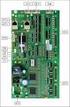 CPU SHB210 BIOS Versionen V14.x 2 BIOS V 14.x Version V 1.0 Stand 05.07.2013 r Pa Bearbeitung/Illustrationen Pa Warenzeichen Alle verwendeten Produktnamen und Warenzeichen sind Eigentum ihrer jeweiligen
Software / FileMaker / Plug-Ins Mailit 6 for FileMaker 10-13
 Software / FileMaker / Plug-Ins Mailit 6 for FileMaker 10-13 Seite 1 / 5 Mailit 6 for FileMaker 10-13 The Ultimate Email Plug-In Integrate full email capability into your FileMaker 10-13 solutions with
Dokumentation über die Übernahme von. "GS-R-3" (The Management System for Facilities and Activities) "Sicherheitskriterien für Kernkraftwerke"
 Dokumentation über die Übernahme von "GS-R-3" () in die "Sicherheitskriterien für Kernkraftwerke" REVISION D APRIL 2009 1. INTRODUCTION BACKGROUND 1.1 This Safety Requirements publication defines the requirements
FSW-0508TX FSW-0808TX
 FSW-0508TX FSW-0808TX 5/8-Port 10/100Mbps Switch Quick Installation Guide English Deutsch Slovenian Ver. 2.00-0609 Package Contents GB One 5/8-Port 10/100Mbps Ethernet Switch One AC Power Adapter One Quick
Coffee Break German. Lesson 09. Study Notes. Coffee Break German: Lesson 09 - Notes page 1 of 17
 Coffee Break German Lesson 09 Study Notes Coffee Break German: Lesson 09 - Notes page 1 of 17 LESSON NOTES ICH SPRECHE EIN BISSCHEN DEUTSCH In this lesson you will learn how to deal with language problems
HYPERION EOS0606i-B USER S MANUAL Visit for the newest manuals and news
 HYPERION EOS0606i-B USER S MANUAL Visit http://media.hyperion.hk/dn/eos for the newest manuals and news EOS 0606i Special Features (rev B ) *Powerful, yet compact and portable with wide support for battery
CobraNet TM User s Manual
 CobraNet TM User s Manual 19201 Cook Street, Foothill Ranch, CA 92610-3501 USA Phone: (949) 588-9997 Fax: (949) 588-9514 Email: [email protected] Web: www.renkus-heinz.com CobraNet TM is a registered
LS1024B / LS2024B/ LS3024B. Solar Charge Controller USER MANUAL
 EPSOLAR LS1024B / LS2024B/ LS3024B Solar Charge Controller USER MANUAL Thank you very much for selecting our product! This manual offers important information and suggestions with respect to installation,
TRIOMA Interface USB Skif-Volvo, Range-Rover, Land-Rover
 TRIOMA Interface USB Skif-Volvo, Range-Rover, Land-Rover 1. Features ans options. for MOST Cars: Volvo XC90 / S40 / V50 (2002-2012) Volvo XC70 / S80 (2007-2011) Land Rover Freelander 2 (2006-2012) Range
www.infoplc.net Application example AC500 Scalable PLC for Individual Automation Communication between AC500 and KNX network abb
 Application example www.infoplc.net AC500 Scalable PLC for Individual Automation Communication between AC500 and KNX network abb Content www.infoplc.net 1 Disclaimer...2 1.1 For customers domiciled outside
Information Systems 2
 Information Systems 2 Prof. Dr. Dr. L. Schmidt-Thieme MSc. André Busche Übung 9 0. Allerlei 1. Übung 2. Hands on some things 2.1 Saxon 2.2 Corba 28.06.10 2/ 0. Allerlei 1. Übung 2. Hands on some things
7-INCHES TFT LCD TOUCH CREEN
 USER S MANUAL 7-INCHES TFT LCD TOUCH CREEN USER S MANUAL VL1 V.AL5.1 1 INDEX NO CONTENT PAGE 1 Features 3 2 Specification 4 3 Installation 5~8 4 Video Control Keys 9 5 Video Remote Controller Function
FAILURE TO FOLLOW THESE WARNINGS CAN BE CONSIDERED NEGLI- GENCE BY THE OPERATOR AND MAY NEGATE ANY CLAIMS FOR DAM- AGES INCURRED.
 INSTRUCTION MANUAL Table of contents Introduction Introduction... 3 Parts Layout... 4 Specifications and Charger Layout... 5 Features... 6 Warnings and Safety Notes... 9 Power Supply Connections... 12
Building an Architecture Model 1. 1. Entwerfen Sie mit AxiomSys ein Kontextdiagramm, das folgendermaßen aussieht:
 Building an Architecture Model 1 1. Entwerfen Sie mit AxiomSys ein Kontextdiagramm, das folgendermaßen aussieht: Wie Ihnen aus der vergangenen Lehrveranstaltung bekannt ist, bedeuten Sterne neben den Bezeichnungen,
Transfers of securities to The Royal Bank of Scotland plc pursuant to Part VII of the UK Financial Services and Markets Act 2000 RBS plc
 Transfers of securities to The Royal Bank of Scotland plc pursuant to Part VII of the UK Financial Services and Markets Act 2000 On 6 February 2010, ABN AMRO Bank N.V. (registered with the Dutch Chamber
1. Wenn der Spieler/die Spielerin noch keine IPIN hat, bitte auf den Button Register drücken
 Welcome to IPIN The ipin (International Player Identification Number) is brought to you by the International Tennis Federation, the world governing body of tennis. All players who wish to compete in ITF
A: Ein ganz normaler Prozess B: Best Practices in BPMN 1.x. ITAB / IT Architekturbüro Rüdiger Molle März 2009
 A: Ein ganz normaler Prozess B: Best Practices in BPMN 1.x ITAB / IT Architekturbüro Rüdiger Molle März 2009 März 2009 I T A B 2 Lessons learned Beschreibung eines GP durch das Business läßt Fragen der
English Programme im akademischen Jahr 2014/2015 English Programme in the Academic Year 2014/2015 *for English see below*
 English Programme im akademischen Jahr 2014/2015 English Programme in the Academic Year 2014/2015 *for English see below* Im akademischen Jahr 2014/2015 freuen wir uns Ihnen erneut ein Programm mit englischsprachigen
You motor now is ready to run. Wires Connection: Installing the Controller: Normal start up:
 Dear customer, Thanks for purchase of our Brushless Motor Controller. This is a new generation of sensorless speed controllers, with latest humanize software design, especially for ALL types of brushless
SENSORED BRUSHLESS MOTOR & SPEED CONTROLLER COMBOS
 SENSORED BRUSHLESS MOTOR & SPEED CONTROLLER COMBOS OPERATING INSTRUCTIONS Please keep for future reference Thank you for purchasing this Exceed brushless motor and speed controller combo. We are sure you
It is strongly recommended to completely read this manual before use! Damage resulting from misuse or modification will void your warranty.
 INSTRUCTION MANUAL The Onyx 100 charger is perfect for entry-level electric car or boat modelers who want automatic peak detection charger for NiCd and NiMH batteries, and that will accept AC or DC input
Erfolgreiche Zusammenarbeit:
 Erfolgreiche Zusammenarbeit: Agile Manager, Application Lifecycle Management und HP Quality Center Thomas Köppner, Technical Consultant, HP HP Agile Manager im Zusammenspiel mit HP Quality Center 2 Thomas
Technical documentation skill centre. Skill Centre. Documentation. solar thermal. photovoltaic. Written by Manfred Haider 1 / 13
 Skill Centre Documentation solar thermal photovoltaic Written by Manfred Haider 1 / 13 Version of this document Version Date Autor Modification '1.00 19.06.12 Manfred Haider New document '1.01 26.06.12
STUDENT HANDBOOK M.A./MBA (USA)
 Content Program Goal... 2 Management Project... 2 Competence Development... 2 Program Facts & Degrees... 2 Awarded Credits, Workload & Duration... 3 Starting Dates... 3 Target Group & Admission Requirements...
Satzgliedstellung. Regel #4: Adverbien: Die Satzgliedstellung verändert sich nicht, wenn eine adverbiale Bestimmung vorausgeht.
 Satzgliedstellung Aussagen Die feste Satzgliedstellung im englischen Aussagesatz ist: Subjekt Prädikat Objekt (S P O) Bsp. Meg drinks tea. S P O wird im Hauptsatz auch dann beibehalten, wenn ein Nebensatz
Cloud Performance Group 1. Cloud@Night Event. 14. Januar 2016 / Matthias Gessenay ([email protected])
 1 Cloud@Night Event 14. Januar 2016 / Matthias Gessenay ([email protected]) 2 Agenda SharePoint ABC Project Server ABC What s new in O365 4 SharePoint 2016 ABC A Access App-Support
GCE EXAMINERS' REPORTS. GERMAN AS/Advanced
 GCE EXAMINERS' REPORTS GERMAN AS/Advanced JANUARY 2012 Statistical Information This booklet contains summary details for each unit: number entered; maximum mark available; mean mark achieved; grade ranges.
Kapitel 2 Unternehmensarchitektur III
 Kapitel 2 Unternehmensarchitektur III Software Architecture, Quality, and Testing FS 2015 Prof. Dr. Jana Köhler [email protected] IT Strategie Entwicklung "Foundation for Execution" "Because experts
Making SAP s User Experience Strategy Reality Nis Boy Naeve, Andreas Hauser SAP SE SESSION CODE: UX204
 Making SAP s User Experience Strategy Reality Nis Boy Naeve, Andreas Hauser SAP SE SESSION CODE: UX204 Disclaimer This presentation outlines our general product direction and should not be relied on in
Microsoft Certified IT Professional (MCITP) MCTS: Windows 7, Configuration (070-680)
 Microsoft Office Specialist Office 2010 Specialist Expert Master Eines dieser Examen/One of these exams: Eines dieser Examen/One of these exams: Pflichtexamen/Compulsory exam: Word Core (Exam 077-881)
Successful Collaboration in Agile Software Development Teams
 Successful Collaboration in Agile Software Development Teams Martin Kropp, Magdalena Mateescu University of Applied Sciences Northwestern Switzerland School of Engineering & School of Applied Psychology
CONTENTS. 1. Reventon ESC Features. Page1. 2. Specifications.. Page1. 3. ESC s indicating LEDs.. Page5. 4. Wiring Diagram. Page5
 CONTENTS V2.1 Created on Nov 5 th 2013 1. Reventon ESC Features. Page1 2. Specifications.. Page1 3. ESC s indicating LEDs.. Page5 4. Wiring Diagram. Page5 5. Throttle Range Setting/Calibration.. Page6
USER MANUAL. EZRUN Series Brushless Speed Controller EZRUN-150A-PRO
 USER MANUAL EZRUN Series Brushless Speed Controller EZRUN-150A-PRO User Manual of EZRUN-150A-PRO Brushless ESC HW-SM405ENG-20130809 Page - 1 - Declaration Thanks for purchasing our Electronic Speed Controller
PowerLab 6. User s Guide. For firmware ver. Starting at 1.05
 PowerLab 6 User s Guide For firmware ver. Starting at 1.05 2011, 2013, 2014 FMA,Inc. Updated: 09/02/2014 Contents Contents... 2 About PowerLab 6... 5 Using PowerLab 6... 7 Quick reference... 7 Set Smart
O D B C / R O C K E T ( B S 2 0 0 0 / O S D ) V 5. 0 F O R S E S A M / S Q L D A T E : F E B R U A R Y 2 0 0 8 *2 R E L E A S E N O T I C E
 O D B C / R O C K E T ( B S 2 0 0 0 / O S D ) V 5. 0 F O R S E S A M / S Q L D A T E : F E B R U A R Y 2 0 0 8 *2 R E L E A S E N O T I C E RELEASE NOTICE ODBC/ROCKET (BS2000/OSD) V 5.0 1 General.......................
SHENZHEN JUNSI ELECTRONIC CO.,LTD
 Cell Voltage Monitor&Logger USER S MANUAL SHENZHEN JUNSI ELECTRONIC CO.,LTD Thank you for purchasing the. Please read the entire User s Manual completely and attentively as it contains a wide variety of
Open Text Social Media. Actual Status, Strategy and Roadmap
 Open Text Social Media Actual Status, Strategy and Roadmap Lars Onasch (Product Marketing) Bernfried Howe (Product Management) Martin Schwanke (Global Service) February 23, 2010 Slide 1 Copyright Open
MODERN MATHEMATICS International Summer School for Students Participation Agreement
 Participation Agreement Phone: +49.421.200-3210 Fax: +49.421.200-493210 [email protected] Participant (henceforth called the participant ) Address Date of Birth Emergency Contact (close family
CORPORATE DESIGN MANUAL English 5/2015
 CORPORATE DESIGN MANUAL English 5/2015 CONTENT Corporate Design Manual Introduction and contact 3 1 Name and logo 4 2 Label 6 3 Fonts 10 4 Colours 11 2 INTRODUCTION Introduction This corporate design manual
How To Analyse A Flugzeugflugfl\U00Fcgels In 3D Cda
 cfd analyse eines flugzeugflügels bei mach 7 Zum Start der Entwicklung unseres Entwurfswerkzeuges werden wir die Ergebnisse des Workshops Speculative Patterns aus dem Entwurfsprojekt 51,9 N mit der Software
Certificate SAP INTEGRATION CERTIFICATION
 Certificate SAP INTEGRATION CERTIFICATION SAP SE hereby confirms that the interface software MCC SR2015 for the product MCC SR2015 of the MEIERHOFER AG. has been certified for integration with SAP ECC
I Textarbeit. Text 1. I never leave my horse
 BEJ Musterprüfung Englisch (11020) 1 I Textarbeit Text 1 I never leave my horse 1 5 10 15 20 Police officers in Ireland don t carry guns. But they often ride through Dublin on horses. Julie Folan is a
Operating manual SHEV-USB-100 BA-SHEV-USB-100-10-E. BA-SHEV-USB-100-10-E Date: 2009-11-24 Edition: Rev. 01/11.2009 www.simon-rwa.de info@simon-rwa.
 BA--10-E BA--10-E Operating manual Copyright by SIMON RWA Systeme GmbH Subject to technical modifications and errors. BA--10-E Date: 2009-11-24 Table of contents 1. Table of contents 1. Table of contents...2
IPC-610. Industrial PC Chassis
 IPC-610 Industrial PC Chassis Copyright Notice This document is copyrighted, September 1998, by Advantech Co., Ltd. All rights are reserved. Advantech Co., Ltd. reserves the right to make improvements
User s Manual Before using the inverter, you need to read and save the safety instructions.
 User s Manual Before using the inverter, you need to read and save the safety instructions. STI SERIES (STI200, STI300, STI500, STI700, STI1000) Power Frequency Pure Sine Wave Inverter The information
AP WORLD LANGUAGE AND CULTURE EXAMS 2012 SCORING GUIDELINES
 AP WORLD LANGUAGE AND CULTURE EXAMS 2012 SCORING GUIDELINES Interpersonal Writing: E-mail Reply 5: STRONG performance in Interpersonal Writing Maintains the exchange with a response that is clearly appropriate
Determination of the intervals of periodic inspections for composite pressure receptacles
 EN Determination of the intervals of periodic inspections for composite pressure receptacles executed by the competent authority according to RID/ADR/IMDG-Code 4.1.4.1 P 200 (8), also including IATA-Dangerous