
Glossary of Osteopathic Terminology
|
|
|
- Easter Webb
- 10 years ago
- Views:
Transcription
1 Glossary of Osteopathic Terminology Revised November 2011 Prepared by the Educational Council on Osteopathic Principles (ECOP) of the American Association of Colleges of Osteopathic Medicine (AACOM). Sebastian Kaulitzki - Fotolia.com

2 A print version of the 2009 Glossary of Osteopathic Terminology is available at Copies of the Glossary are available for $15 each. For larger orders: 1 10 copies: $15 each copies: $12 each 50 and up: $9 each Payment may be sent by check or money order to: Publications Orders American Association of Colleges of Osteopathic Medicine Office of Communications and Marketing 5550 Friendship Blvd. Suite 310 Chevy Chase, MD Please note Glossary on your check or money order. Copyright No part of this publication may be reproduced or transmitted in any form or by any means electronic or mechanical, including photocopying, recording, or by any information storage and retrieval system, without permission in writing from the publisher: American Association of Colleges of Osteopathic Medicine 5550 Friendship Blvd. Suite 310 Chevy Chase, MD 20815

3 Glossary of Osteopathic Terminology The Glossary of Osteopathic Terminology is developed and revised by the Educational Council on Osteopathic Principles of the American Association of Colleges of Osteopathic Medicine, Chairman: Kevin Treffer, DO of KCUMB. The Glossary Committee is chaired by Walter Ehrenfeuchter, DO, of GA-PCOM, and staffed by Tyler Cymet, DO. Any comments or suggestions should be sent to AACOM Staff Representative Tyler Cymet, DO, at 5550 Friendship Boulevard, Suite 310, Chevy Chase, Maryland 20815; The Glossary first appeared in the Journal of the American Osteopathic Association (JAOA 80: ) in April of The 1995 version of the Glossary of Osteopathic Terminology was also published in the textbook, Foundations for Osteopathic Medicine, Ward RC (ed.) (1997) pp : Williams & Wilkins, Baltimore, MD, and in Foundations for Osteopathic Medicine, Ward RC (ed.) (2003) pp : Williams & Wilkins, Baltimore, MD. The most current and revised version is available on the AACOM website at in PDF format. It is also available on the AOA website at The October 2011 Glossary review was performed by Doug Weston, DO, Bradley Klock, DO, David Eland, DO, David Harden, DO, David Mason, DO, Eric Gish, DO, Evan Nicholas, DO, Greg Thompson, DO, Harriet Shaw, DO, Heather Ferrill, DO, James Kribs, DO, Jan Hendryx, DO, John Glover, DO, John Jones, DO, MEd, Karen Snider, DO, Kendi Hensel, DO, Kevin Treffer, DO, Kurt Heinking, DO, Laura Griffin, DO, Lisa DeStefano, DO, Mark Sandhouse, DO, Melicien Tettambel, DO, Michael Seffinger, DO, Millicent Channel, DO, Paul Rennie, DO, Tom Fotopoulos, DO, Walt Ehrenfeuchter, DO, Chair of Glossary Committee, William Morris, DO, and Wolfgang Gilliar, DO. Glossary of Osteopathic Terminology,

4 This page intentionally left blank.

5 Purpose: The purpose of this osteopathic glossary is to present important and frequently used words, terms and phrases that are unique to or with special significance to the osteopathic profession. It is not meant to replace a dictionary. The glossary offers the consensus of a large segment of the osteopathic profession and serves to standardize terminology. The ECOP Glossary Review Committee specifically seeks to include those definitions that are uniquely osteopathic in their origin or common usage, distinctive in the osteopathic usage of a common word, and/or important in describing OPP/OMT. This glossary should be useful to students of osteopathic medicine and helpful to authors and other professionals in understanding and making proper use of osteopathic vocabulary. Methods are described as being direct, indirect or combined. Osteopathic manipulative treatment systems are complete systems of diagnosis and treatment such as high velocity low amplitude (HVLA), muscle energy and osteopathy in the cranial field. Techniques are those methods used within a treatment system such as lumbar rolls, rib-raising, etc. The five models used in discussion of osteopathic patient care are 1) respiratory-circulatory, 2) biomechanical-structural, 3) metabolic-nutritional, 4) neurological and 5)behavioralbiopsychosocial. The seven care modalities in osteopathic manual medicine are 1) counterstrain, 2) high velocity, low amplitude (HVLA), 3) lymphatic, 4) muscle energy (ME), 5) myofascial release, 6) osteopathy in the cranial field, and 7) soft tissue. Definitions are included from: Dorland s Medical Dictionary, 29th edition, 2000 The William & Wilkins Company, Baltimore, MD Foundations for Osteopathic Medicine, 2nd edition, 2003 Ward, Robert, ed. Lippincott Williams & Wilkins, Philadelphia, PA Stedman s Medical Dictionary, 27th edition, 2000 W.B. Saunders Company, Philadelphia, PA Rehabilitation Medicine, Principles and Practices, 1st edition, 1988 DeLisa, Joel A., ed. J.B. Lippincott, Philadelphia, PA Glossary of Osteopathic Terminology,

6 accessory joint motions lumbosacral lordotic a. A accessory joint motions: See secondary joint motion. accessory movements: Movements used to potentiate, accentuate, or compensate for an impairment in a physiologic motion (e.g., the movements needed to move a paralyzed limb). accommodation: A self-reversing and nonpersistent adaptation. active motion: See motion, active. acute somatic dysfunction: See somatic dysfunction, acute. angle between the superior surface of the second lumbar vertebra and the inferior surface of the fifth lumbar vertebra; best measured from a standing lateral x-ray film. (Fig. 1) allopathy: A therapeutic system in which a disease is treated by producing a second condition that is incompatible with or antagonistic to the first. (Stedman s) allopath, allopathic physician: 1. A term originated by Samuel Hahnemann, MD, to distinguish homeopaths from physicians practicing traditional/ orthodox medicine. 2. In common usage, a general term used to differentiate MDs (medical doctors) from other schools of medicine. See allopathy, osteopathic physician. anatomical barrier: See barrier (motion barrier). angle: Ferguson a., See angle, lumbosacral. lumbosacral a., represents the angle of the lumbosacral junction as measured by the inclination of the superior surface of the first sacral vertebra to the horizontal (this is actually a sacral angle); usually measured from standing lateral x-ray films; also known as Ferguson s angle. (Fig. 2) lumbosacral lordotic a., an objective quantification of lumbar lordosis typically determined by measuring the angle between the superior surface of the second lumbar vertebra and the superior surface of the first sacral segment; best measured from a standing lateral x-ray film. (Fig. 3) lumbolumbar lordotic a., an objective quantification of lumbar lordosis typically determined by measuring the 6 American Association of Colleges of Osteopathic Medicine

7 anterior component ASIS (anterior superior iliac spine) compression test anterior iliac rotation: See ilium, somatic dysfunction of, anterior (forward) innominate (iliac) rotation. anterior nutation, See nutation. anterior rib: See rib somatic dysfunction, inhalation rib dysfunction. ART: See TART. articular pillar: 1. Refers to the columnar arrangement of the articular portions of the cervical vertebrae. 2. Those parts of the lateral arches of the cervical vertebrae that contain a superior and inferior articular facet. articulation: 1. The place of union or junction between two or more bones of the skeleton. 2. The active or passive process of moving a joint through its permitted anatomic range of motion. See also osteopathic manipulative treatment, articulatory treatment (ART) system. articulatory pop: The sound made when cavitation occurs in a joint. See also cavitation. anterior component: A positional descriptor used to identify the side of reference when rotation of a vertebra has occurred; in a condition of right rotation, the left side is the anterior component; usually refers to the less prominent transverse process; See also posterior component. anterior compression test: See ASIS (anterior superior iliac spine) compression test. articulatory technique: See also technique. See osteopathic manipulative treatment, articulatory treatment (ART) system. ASIS (anterior superior iliac spine) compression test: 1. A test for lateralization of somatic dysfunction of the sacrum, innominate or pubic symphysis. 2. Application of a force through the ASIS into one of the pelvic axes to assess the mechanics of the pelvis. See also sacral motion, axis of (Fig. 4, p. 8). Glossary of Osteopathic Terminology,

8 asymmetry barrier (motion barrier): elastic b. B backward bending: Opposite of forward bending. See extension. backward bending test: 1. This test discriminates between forward and backward sacral torsion/rotation. 2. This test discriminates between unilateral sacral flexion and unilateral sacral extension. backward torsion: See sacrum, somatic dysfunctions of, backward torsions. asymmetry: Absence of symmetry of position or motion; dissimilarity in corresponding parts or organs on opposite sides of the body that are normally alike; of particular use when describing position or motion alteration resulting from somatic dysfunction. NB: This term is part of the TART acronym for an osteopathic somatic dysfunction. axis: 1. An imaginary line about which motion occurs. 2. The second cervical vertebra. 3. One component of an axis system. axis of rib motion: See rib motion, axis. axis of sacral motion: See sacral motion, axis of. balanced ligamentous tension technique: See osteopathic manipulative treatment, balanced ligamentous tension. See also osteopathic manipulative treatment, ligamentous articular strain. barrier (motion barrier): The limit to motion; in defining barriers, the palpatory end-feel characteristics are useful. (Fig. 5) anatomic b., the limit of motion imposed by anatomic structure; the limit of passive motion. elastic b., the range between the physiologic and anatomic barrier of motion in which passive ligamentous stretching occurs before tissue disruption. axoplasmic flow: See axoplasmic transport. axoplasmic transport: The antegrade movement of substances from the nerve cell along the axon toward the terminals, and the retrograde movement from the terminals toward the nerve cell. 8 American Association of Colleges of Osteopathic Medicine

9 barrier (motion barrier): pathologic b. bucket handle rib motion pathologic b., a restriction of joint motion associated with pathologic change of tissues (example: osteophytes). See also barrier, restrictive b. physiologic b., the limit of active motion. restrictive b., a functional limit that abnormally diminishes the normal physiologic range. batwing deformity: See transitional vertebrae, sacralization. bind: Palpable resistance to motion of an articulation or tissue. Synonym: resistance. Antonyms: ease, compliance, resilience. biomechanics: Mechanical principles applied to the study of biological functions; the application of mechanical laws to living structures; the study and knowledge of biological function from an application of mechanical principles. body unity: One of the basic tenets of the osteopathic philosophy; the human being is a dynamic unit of function; See also osteopathic philosophy. bogginess: A tissue texture abnormality characterized principally by a palpable sense of sponginess in the tissue, interpreted as resulting from congestion due to increased fluid content. bucket handle rib motion: See rib motion, bucket handle. Glossary of Osteopathic Terminology,

10 caliper rib motion C caliper rib motion: See rib motion, caliper rib motion. caudad: Toward the tail or inferiorly. caught in inhalation: See rib somatic dysfunction, inhaled rib. caught in exhalation: See rib somatic dysfunction, exhaled rib. cavitation: The formation of small vapor and gas bubbles within fluid caused by local reduction in pressure. This phenomenon is believed to produce an audible pop in certain forms of OMT. cephalad: Toward the head. cephalad pubic dysfunction: See pubic bone, somatic dysfunctions of, superior pubic shear. cerebrospinal fluid, fluctuation of: A description of the hypothesized action of cerebrospinal fluid with regard to the craniosacral mechanism. cervicolumbar reflex: See reflex, cervicolumbar r. Chapman reflex: 1. A system of reflex points that present as predictable anterior and posterior fascial tissue texture abnormalities (plaque-like changes or stringiness of the involved tissues) assumed to be reflections of visceral dysfunction or pathology. 2. Originally used by Frank Chapman, DO, and described by Charles Owens, DO. chronic somatic dysfunction: See somatic dysfunction, chronic. contraction: circumduction: 1. The circular movement of a limb. 2. The rotary movement by which a structure is made to describe a cone, the apex of the cone being a fixed point (e.g., the circular movement of the shoulder). C-NMM/OMM: 1. Certification in Neuromusculoskeletal Medicine and Osteopathic Manipulative Medicine. A certification granted by the American Osteopathic Association through the American Osteopathic Board of NMM & OMM since combined technique: See osteopathic manipulative treatment, combined method. common compensatory pattern: See fascial patterns, common compensatory pattern. compensatory fascial pattern: See fascial patterns. complete motor asymmetry: Asymmetry of palpatory responses to all regional motion inputs including rotation, translation and active respiration. compliance: 1. The ease with which a tissue may be deformed. 2. Direction of ease in motion testing. compression: 1. Somatic dysfunction in which two structures are forced together. 2. A force that approximates two structures. conditioned reflex: See reflex, conditioned r. contraction: Shortening and/or development of tension in muscle. 10 American Association of Colleges of Osteopathic Medicine

11 contraction: concentric c. concentric c., contraction of muscle resulting in approximation of attachments. eccentric c., lengthening of muscle during contraction due to an external force. isokinetic c., 1. A concentric contraction against resistance in which the angular change of joint motion is at the same rate. 2. The counterforce is less than the patient force. isolytic c., 1. A form of eccentric contraction designed to break adhesions using an operator-induced force to lengthen the muscle. 2. The counterforce is greater than the patient force. isometric c., 1. Change in the tension of a muscle without approximation of muscle origin and insertion. 2. Operator force equal to patient force. isotonic c., 1. A form of concentric contraction in which a constant force is applied. 2. Operator force less than patient force. contracted muscle: The physiologic response to a neuromuscular excitation. See also contractured muscle. contractured muscle: histological change substituting non-contractile tissue for muscle tissue, which prevents the muscle from reaching normal relaxed length. See also contracted muscle. core link: The connection of the spinal dura mater from the occiput at the foramen magnum to the sacrum. It coordinates the synchronous motion of these two structures. coronal plane: See plane, frontal. costal dysfunction: See rib, dysfunction. C-SPOMM counternutation: Posterior movement of the sacral base around a transverse axis in relation to the ilia. See also nutation. counterstrain technique: See osteopathic manipulative treatment, counterstrain. cranial manipulation: See osteopathic manipulative treatment, cranial manipulation. cranial rhythmic impulse (CRI): 1. A palpable, rhythmic fluctuation believed to be synchronous with the primary respiratory mechanism. 2. Term coined by John Woods, DO, and Rachel Woods, DO. cranial technique: See osteopathic manipulative treatment, osteopathy in the cranial field. See also primary respiratory mechanism. craniosacral manipulation: See osteopathic manipulative treatment, osteopathy in the cranial field. craniosacral mechanism: 1. A term used to refer to the anatomical connection between the occiput and the sacrum by the spinal dura mater. 2. A term coined by William G. Sutherland, DO. See also extension, sacral extension, flexion, and primary respiratory mechanism. C-SPOMM Certification, Special Proficiency in Osteopathic Manipulative Medicine: Replaced by C-NMM/OMM in See also C-NMM OMM. Glossary of Osteopathic Terminology,

12 creep creep: The capacity of fascia and other tissue to lengthen when subjected to a constant tension load resulting in less resistance to a second load application. CV-4: See osteopathic manipulative treatment, CV-4. D Dalrymple treatment: See osteopathic manipulative treatment, pedal pump. decompensation: A dysfunctional, persistent pattern, in some cases reversible, resulting when homeostatic mechanisms are partially or totally overwhelmed. depressed rib: See rib somatic dysfunction, exhalation rib dysfunction. dermatome: 1. The area of skin supplied by cutaneous branches from a single spinal nerve. (Neighboring dermatomes may overlap.) 2. Cutis plate; the dorsolateral part of an embryonic somite. (Fig. 6 and Fig. 7) diagnostic palpation: See palpatory diagnosis. diagonal axis: See sacral, oblique axis, diagonal. direct method (technique): See osteopathic manipulative treatment, direct treatment. DO: 1. Doctor of Osteopathy (graduate of a school accredited by the American Osteopathic Association Commission on Osteopathic College Accreditation [COCA]). 2. Doctor of Osteopathic elastic deformation Medicine (graduate of a school accredited by the American Osteopathic Association-COCA). 3. Diplomate in Osteopathy (the first degree granted by American School of Osteopathy). 4. Diplomate of Osteopathy, a degree granted by some schools of osteopathy outside the United States (not accredited by the American Osteopathic Association-COCA). E ease: Relative palpable freedom of motion of an articulation or tissue. Synonyms: compliance, resilience. Antonyms: bind, resistance. easy normal: See neutral, definition number 2. -ed: A suffix describing status, position, or condition (e.g., extended, flexed, rotated, restricted). ECOP: Educational Council on Osteopathic Principles A component group of the American Association of Colleges of Osteopathic Medicine (AACOM). The council is composed of one representative from each osteopathic medical school, who oversees the teaching of osteopathic principles and practice, including osteopathic manipulative treatment, at each institution. effleurage: Stroking movement used to move fluids. elastic deformation: Any recoverable deformation. See also plastic deformation. 12 American Association of Colleges of Osteopathic Medicine

13 elasticity enthesitis elasticity: Ability of a strained body or tissue to recover its original shape after deformation. See also plasticity and viscosity. elevated rib: See rib somatic dysfunction, inhalation rib dysfunction. See also rib motion, exhalation rib restriction. end feel: Perceived quality of motion as an anatomic or physiologic restrictive barrier is approached. enthesitis: 1. Traumatic disease occurring at the insertion of muscles where recurring concentration of muscle stress provokes inflammation with a strong tendency toward fibrosis and calcification Glossary of Osteopathic Terminology,

14 ERS (Stedman s). 2. Inflammation of the muscular or tendinous attachment to bone (Dorland s). ERS: A descriptor of spinal somatic dysfunction used to denote a combination extended (E), rotated (R), and sidebent (S) vertebral position. ERS left, somatic dysfunction in which the vertebral unit is extended, rotated and sidebent left; usually preceded by a designation of the vertebral unit(s) involved (e.g., T5 ERS left or T5 ERLSL). ERS right, somatic dysfunction in which the vertebral unit is extended, rotated and sidebent right; usually preceded by a designation of the vertebral unit(s) involved (e.g., C3-5 ERS right or C3-5 ERRSR). exaggeration method: See osteopathic manipulative treatment, exaggeration method. exaggeration technique: See osteopathic manipulative treatment, exaggeration technique. exhalation rib dysfunction: See rib somatic dysfunction, exhalation rib dysfunction. exhalation rib restriction: See rib somatic dysfunction, inhaled rib dysfunction. exhalation strain: See rib somatic dysfunction, exhalation rib dysfunction. exhaled rib: (Archaic) using positional (static) diagnosis. See rib somatic dysfunction, exhalation rib dysfunction. extension: 1. Accepted universal term for backward motion of the spine in the FAAO sagittal plane about a transverse axis; in a vertebral unit when the superior part moves backward. 2. In extremities, it is the straightening of a curve or angle (biomechanics). 3. Archaic Separation of the ends of a curve in a spinal region. regional extension, historically, the straightening in the sagittal plane of a spinal region; also called Fryette s regional extension. (Fig. 9) sacral extension, 1. Posterior movement of the base of the sacrum in relation to the ilia (Fig. 10). See also flexion, sacral flexion. 2. In Osteopathy in the cranial field, the sacral base moves antero-inferiorly as the sphenobasilar synchondrosis (SBS) descends and flattens during the exhalation phase of the primary respiratory mechanism. (Fig. 8) extrinsic corrective forces: Treatment forces external to the patient that may include operator effort, effect of gravity, mechanical tables, etc. See also intrinsic corrective forces. F FAAO: 1. Fellow of American Academy of Osteopathy. 2. This fellowship is an earned post-doctoral degree conferred by the American Academy of Osteopathy. Those who earn the FAAO degree must have demonstrated their commitment to osteopathic principles and practice through teaching, writing, and professional service, performed at the highest level of professional and ethical standards. 14 American Association of Colleges of Osteopathic Medicine

15 facet asymmetry facet asymmetry: Configuration in which the structure, position and/or motion of the facets are not equal bilaterally. See also facet symmetry and tropism, facet. fascial patterns: uncompensated fascial pattern of the body described by Zink and Neidner. (Fig. 11) facet symmetry: Configuration in which the structure, position and/or motion of the facets are equal bilaterally. See also facet asymmetry and symmetry. facilitated positional release: See osteopathic manipulative treatment, facilitated positional release. facilitated segment: See spinal facilitation. facilitation: See spinal facilitation. fascial patterns: 1. Systems for classifying and recording the preferred directions of fascial motion throughout the body. 2. Based on the observations of J. Gordon Zink, DO, and W. Neidner, DO. common compensatory pattern (CCP), the specific finding of alternating fascial motion preference at transitional regions uncommon compensatory pattern, the finding of alternating fascial motion preference in the direction opposite that of the common compensatory pattern described by Zink and Neidner. (Fig. 12) uncompensated fascial pattern, the finding of fascial preferences that do not demonstrate alternating patterns of Glossary of Osteopathic Terminology,

16 fascial release technique flexion: regional flexion findings at transitional regions. Because they occur following stress or trauma, they tend to be symptomatic. fascial release technique: See osteopathic manipulative treatment, myofascial release. fascial unwinding: See osteopathic manipulative treatment, fascial unwinding. regional flexion, historically, is the approximation of the ends of a curve in the sagittal plane of the spine; also called Fryette s regional flexion. See flexion. (Fig. 14) Ferguson angle: See angle, lumbosacral. flexion: 1. Accepted universal term for forward motion of the spine, in its sagittal plane about a transverse axis, where the superior part moves forward. 2. In the extremities, it is the approximation of a curve or angle (biomechanics). 3. In Osteopathy in the cranial field, flexion is said to occur when the sacral base moves postero-superiorly as the sphenobasilar synchondrosis (SBS) ascends and angulates during the inhalation phase of the primary respiratory mechanism. (Fig. 13) 4. Approximation of the ends of a curve in a spinal region; also called Fryette s regional flexion. See flexion, regional flexion. 16 American Association of Colleges of Osteopathic Medicine

17 flexion: sacral flexion sacral flexion, anterior movement of sacral base in relation to the ilia. (Fig. 15) See also extension, sacral extension. functional method forward torsions: See sacrum, somatic dysfunctions of, forward torsions. FRS: A descriptor of spinal somatic dysfunction used to denote a combination flexed (F), rotated (R), and sidebent (S) vertebral position. FRS left, somatic dysfunction in which the vertebral unit is flexed, rotated and sidebent left; usually preceded by a designation of the vertebral unit(s) involved (e.g., T5 FRS left or T5 FRLSL). FRS right, somatic dysfunction in which the vertebral unit is flexed, rotated and sidebent right; usually preceded by a designation of the vertebral unit(s) involved (e.g., C3-5 FRS right or C3-5 FRRSR). frontal plane: See plane, coronal. flexion left: See sidebending. flexion right: See sidebending. flexion tests: Tests for iliosacral or sacroiliac somatic dysfunction. seated flexion test, a screening test that determines the side of sacroiliac somatic dysfunction (motion of the sacrum on the ilium). standing flexion test, a screening test that determines the side of iliosacral somatic dysfunction (motion of ilium on the sacrum). forward bending: Reciprocal of backward bending. See flexion. Fryette laws: See physiologic motion of the spine. Fryette principles: See physiologic motion of the spine. Fryette regional extension: See extension, regional extension. Fryette regional flexion: See flexion, regional flexion. FSR: A descriptor of spinal somatic dysfunction used to denote a combination flexed (F), sidebent (S), and rotated (R) vertebral position. See FRS. functional method: See osteopathic manipulative treatment, functional method. Glossary of Osteopathic Terminology,

18 functional technique functional technique: See osteopathic manipulative treatment, functional method. G homeostasis high velocity/low amplitude technique (HVLA): See osteopathic manipulative treatment, high velocity/low amplitude technique (HVLA). gait: a forward translation of the body s center of gravity by bipedal locomotion. (DeLisa) Galbreath treatment: See osteopathic manipulative treatment, mandibular drainage. gravitational line: Viewing the patient from the side, an imaginary line in a coronal plane which, in the theoretical ideal posture, starts slightly anterior to the lateral malleolus, passes across the lateral condyle of the knee, the greater trochanter, through the lateral head of the humerus at the tip of the shoulder to the external auditory meatus; if this were a plane through the body, it would intersect the middle of the third lumbar vertebra and the anterior one third of the sacrum. It is used to evaluate the A-P (anterior-posterior) curves of the spine. See also mid-malleolar line. (Fig. 16) H habituation: Decreased physiologic response to repeated stimulation. health: Adaptive and optimal attainment of physical, mental, emotional, spiritual and environmental well-being. hepatic pump: See osteopathic manipulative treatment, hepatic pump. hip bone: See innominate. See also innominate, somatic dysfunctions of. homeostasis: 1. Maintenance of static or constant conditions in the internal environment. 2. The level of well-being of an individual maintained by internal physiologic harmony that is the result of a relatively stable state or equilibrium among the interdependent body functions. 18 American Association of Colleges of Osteopathic Medicine

19 homeostatic mechanism homeostatic mechanism: A system of control activated by negative feedback (Dorland s). Hoover technique: See osteopathic manipulative treatment, Hoover technique. hysteresis: During the loading and unloading of connective tissue, the restoration of the final length of the tissue occurs at a rate and to an extent less than during deformation (loading). These differences represent energy loss in the connective tissue system. This difference in viscoelastic behavior (and energy loss) is known as hysteresis (or stress-strain ). (Foundations, 3rd Edition, page 701) hypertonicity: A condition of excessive resting tone of skeletal muscle characterized by increased resistance of the muscle to passive stretching. I ILA: Inferior lateral angle of the sacrum. See sacrum, inferior lateral angle of. ilia: The plural of ilium. See ilium. ilial compression test: See ASIS compression test. ilial rocking test: See ASIS compression test. iliosacral motion: Motion of one innominate (ilium) with respect to the sacrum. Iliosacral motion is part of pelvic motion during the gait cycle. iliosacral dysfunction: See innominate somatic dysfunctions. innominate ilium: the expansive superior portion of the innominate (hip bone or os coxae). indirect method: See osteopathic manipulative treatment, indirect method. inferior ilium: See innominate, somatic dysfunctions of, inferior innominate shear. inferior lateral angle (ILA) of the sacrum: See sacrum, inferior lateral angle. inferior pubis: See pubic bone, somatic dysfunctions of, inferior pubic shear. inferior transverse axis: See sacral movement axis, inferior transverse axis. inhalation rib: See rib somatic dysfunction, inhalation rib dysfunction. inhalation rib restriction: See rib somatic dysfunction, exhaled rib dysfunction. inhalation strain: See rib somatic dysfunction, inhalation rib dysfunction. inhibition: See osteopathic manipulative treatment, inhibitory pressure technique. inhibitory pressure technique: See osteopathic manipulative treatment, inhibitory pressure technique. innominate: The Innominate bone is a large, irregularly shaped bone that consists of three parts: ilium, ischium and pubis, which meet at the acetabulum, the cupshaped cavity for the head of the femur at the hip (femoroacetabular) joint. Also called the os coxae, hip bone or pelvic bone. Glossary of Osteopathic Terminology,

20 innominate rotation innominate rotation: outflared innominate innominate rotation: Rotational motion of one innominate bone relative to the sacrum on the inferior transverse axis. innominate somatic dysfunctions: Anterior innominate rotation, a somatic dysfunction in which the anterior superior iliac spine (ASIS) is anterior and inferior to the contralateral landmark. The innominate (os coxae) moves more freely in an anterior and inferior direction, and is restricted from movement in a posterior and superior direction. (Fig. 17) inflared innominate, a somatic dysfunction of the innominate (os coxae) resulting in medial positioning of the anterior superior iliac spine (ASIS). The innominate moves more freely in a medial direction, and is restricted from movement in a lateral direction. (Fig. 19) downslipped innominate, See inferior innominate shear. inferior innominate shear, a somatic dysfunction in which the anterior superior iliac spine (ASIS) and posterior superior iliac spines (PSIS) are inferior to the contralateral landmarks. The innominate (os coxae) moves more freely in an inferior direction, and is restricted from movement in a superior direction. (Fig. 18) outflared innominate, a somatic dysfunction of the innominate (os coxae) resulting in lateral positioning of the anterior superior iliac spine (ASIS). 20 American Association of Colleges of Osteopathic Medicine

21 innominate rotation: posterior innominate rotation The innominate moves more freely in a lateral direction, and is restricted from movement in a medial direction. (Fig. 20) intrinsic corrective forces superior innominate shear, a somatic dysfunction in which the anterior superior iliac spine (ASIS) and posterior superior iliac spines (PSIS) are superior to the contralateral landmarks. The innominate (os coxae) moves more freely in a superior direction, and is restricted from movement in an inferior direction. (Fig. 22) posterior innominate rotation, a somatic dysfunction in which the anterior superior iliac spine (ASIS) is posterior and superior to the contralateral landmarks. The innominate (os coxae) moves more freely in a posterior and superior direction, and is restricted from movement in an anterior and inferior direction. (Fig. 21) upslipped innominate, See superior innominate shear. integrated neuromusculoskeletal release: See osteopathic manipulative treatment, integrated neuromusculoskeletal release. intersegmental motion: Designates relative motion taking place between two adjacent vertebral segments or within a vertebral unit that is described as the upper vertebral segment moving on the lower. intrinsic corrective forces: Voluntary or involuntary forces from within the patient that assist in the manipulative treatment process. See also extrinsic corrective forces. Glossary of Osteopathic Terminology,
22 isokinetic exercise law: Head l. isokinetic exercise: Exercise using a constant speed of movement of the body part. isolytic contraction: See contraction, isolytic c. isometric contraction: See contraction, isometric c. isotonic contraction: See contraction, isotonic c. J Jones technique: See osteopathic manipulative treatment, counterstrain. junctional region: See transitional region. K key lesion: See Somatic dysfunction, primary somatic dysfunction. kinesthesia: The sense by which muscular motion, weight, position, etc. are perceived. kinesthetic: Pertaining to kinesthesia. kinetics: The body of knowledge that deals with the effects of forces that produce or modify body motion. klapping: Striking the skin with cupped palms to produce vibrations with the intention of loosening material in the lumen of hollow tubes or sacs within the body, particularly the lungs. kneading: A soft tissue technique that utilizes an intermittent force applied perpendicular to the long axis of the muscle. kyphoscoliosis: A spinal curve pattern combining kyphosis and scoliosis. See also kyphosis. See also scoliosis. kyphosis: 1. The exaggerated (pathologic) A-P curve of the thoracic spine with concavity anteriorly. 2. Abnormally increased convexity in the curvature of the thoracic spine as viewed from the side (Dorland s). kyphotic: Pertaining to or characterized by kyphosis. L lateral flexed vertebral body: See sidebent. lateral flexion: Also called lateroflexion. See sidebending. lateral masses (of the atlas): The most bulky and solid parts of the atlas that support the weight of the head. lateroflexion: See sidebending. law: Fryette l. of motion, See physiologic motion of the spine. Head l., when a painful stimulus is applied to a body part of low sensitivity (e.g., viscus) that is in close central connection with a point of higher sensitivity (e.g., soma), the pain is felt at the point of higher sensitivity rather than at the point where the stimulus was applied. 22 American Association of Colleges of Osteopathic Medicine
23 law: Lovett Lovett l., An observed association between the superior and inferior vertebrae, which are paired two by two. The cervical and superior thoracic biomechanics act in a synchronous manner with the lumbar and inferior thoracic biomechanics. For example, if C1 is in a right posterior positional lesion, L5 also moves into a right posterior position. In this case, L5 is the Lovett partner of C1. The treatment of L5 helps to stabilize C1 and the skull by changing the lines of gravity (French usage). Sherrington l., 1. Every posterior spinal nerve root supplies a specific region of the skin, although fibers from adjacent spinal segments may invade such a region. 2. When a muscle receives a nerve impulse to contract, its antagonist receives, simultaneously, an impulse to relax. (These are only two of Sherrington s contributions to neurophysiology; these are the ones most relevant to osteopathic principles.) Wolff l., every change in form and function of a bone, or in its function alone, is followed by certain definite changes in its internal architecture, and secondary alterations in its external conformations (Stedman s, 25th ed.); (e.g., bone is laid down along lines of stress). lesion (osteopathic): Archaic term used to describe somatic dysfunction. See somatic dysfunction. ligamentous: l. articular strain, any somatic dysfunction resulting in abnormal ligamentous tension or strain. See also lordotic osteopathic manipulative treatment, ligamentous articular strain technique. l. articular strain technique, See osteopathic manipulative treatment, ligamentous articular strain technique. l. strain, motion and/or positional asymmetry associated with elastic deformation of connective tissue (fascia, ligament, membrane). See strain and ligamentous articular strain. line of gravity: See gravitational line. linkage: See somatic dysfunction, linkage. liver pump: See osteopathic manipulative treatment, hepatic pump. localization: 1. In manipulative technique, the precise positioning of the patient and vector application of forces required to produce a desired result. 2. The reference of a sensation to a particular locality in the body. longitudinal axis: See sacral, sacral motion axis, longitudinal axis. lordosis: 1. The anterior convexity in the curvature of the lumbar and cervical spine as viewed from the side. The term is used to refer to abnormally increased curvature (hollow back, saddle back, sway back) and to the normal curvature (normal lordosis). (Dorland s). 2. Hollow back or saddle back; an abnormal extension deformity; anteroposterior curvature of the spine, generally lumbar with the convexity looking anteriorly (Stedman s). lordotic: Pertaining to or characterized by lordosis. Glossary of Osteopathic Terminology,
24 lumbarization lumbarization: See transitional vertebrae, lumbarization. lumbolumbar lordotic angle: See angle, lumbolumbar lordotic. lumbosacral angle: See angle, lumbosacral. lumbosacral lordotic angle: See angle, lumbosacral lordotic. lumbosacral spring test: See spring test. lymphatic pumps: See osteopathic manipulative treatment, lymphatic pump. See also osteopathic manipulative treatment, pedal pump. See also osteopathic manipulative treatment, thoracic pump. lymphatic treatment: Techniques used to optimize function of the lymphatic system. See osteopathic manipulative treatment, lymphatic pump. See also osteopathic manipulative treatment, pedal pump. See also osteopathic manipulative treatment, thoracic pump. M mandibular drainage technique: See osteopathic manipulative treatment, mandibular drainage technique. manipulation: Therapeutic application of manual force. See also technique. See also osteopathic manipulative treatment. manual medicine: The skillful use of the hands to diagnose and treat structural and functional abnormalities in various tissues and organs throughout the body, including bones, joints, muscles and other soft tissues as an integral part of mid-malleolar line complete medical care. 1. This term originated from the German Manuelle Medizin (manual medicine) and has been used interchangeably with the term manipulation. 2. This term is not identical to manual therapy, which has been used by non-physician practitioners (e.g., physical therapists). massage: Therapeutic friction, stroking, and kneading of the body. See also osteopathic manipulative treatment, soft tissue treatment. membranous articular strain: Any cranial somatic dysfunction resulting in abnormal dural membrane tensions. membranous balance: The ideal physiologic state of harmonious equilibrium in the tension of the dura mater of the brain and spinal cord. mesenteric lift: See osteopathic manipulative treatment, mesenteric release technique. mesenteric release technique: See osteopathic manipulative treatment, mesenteric release technique. middle transverse axis: See sacral motion axis, middle transverse axis (postural). mid-heel line: A vertical line used as a reference in standing anteroposterior (A-P) x-rays and postural evaluation, passing equidistant between the heels. mid-gravitational line: See gravitational line. mid-malleolar line: A vertical line passing through the lateral malleolus, used as a point of reference in standing lateral x-rays and postural evaluation. See also gravitational line. 24 American Association of Colleges of Osteopathic Medicine
25 mirror-image motion asymmetries mirror-image motion asymmetries: A grouping of primary and secondary sites of somatic dysfunction describing a three-segment complex fundamental to dysfunction in a mobile system. Each adjacent segment, above and below the primary locus, demonstrates opposing asymmetries to that locus. For example, if the primary locus resists rotation right, the segments above and below resist rotation left. mobile point: In counterstrain, the final position of treatment at which tenderness is no longer elicited by palpation of the tender point. mobile segment: A term in functional methods to describe a bony structure with its articular surfaces and adnexal tissues (neuromuscular and connective) for segmental motion which affects movement, stabilizes position and allows coordinated participation in passive movement. mobile system: An osteopathic construct associated with functional methods in which the body as a whole is viewed as a centrally integrated system in which all of the individual elements (e.g., mobile segments) have coordinated and specific motion characteristics. See also osteopathic manipulative treatment, functional method. mobile unit: See mobile segment. models of osteopathic care: Five models that articulate how an osteopathic practitioner seeks to influence a patient s physiological processes. structural model, the goal of the structural model is biomechanical models of osteopathic care: neurologic model adjustment and the mobilization of joints. This model also seeks to address problems in the myofascial connective tissues, as well as in the bony and soft tissues, to remove restrictive forces and enhance motion. This is accomplished by the use of a wide range of osteopathic manipulative techniques such as high velocity-low amplitude, muscle energy, counterstrain, myofascial release, ligamentous articular techniques and functional techniques. respiratory-circulatory model, the goal of the respiratory-circulatory model is to improve all of the diaphragm restrictions in the body. Diaphragms are considered to be transverse restrictors of motion, venous and lymphatic drainage and cerebrospinal fluid. The techniques used in this model are osteopathy in the cranial field, ligamentous articular strain, myofascial release and lymphatic pump techniques. metabolic model, the goal of the metabolic model is to enhance the selfregulatory and self-healing mechanisms, to foster energy conservation by balancing the body s energy expenditure and exchange, and to enhance immune system function, endocrine function and organ function. The osteopathic considerations in this area are not manipulative in nature except for the use of lymphatic pump techniques. Nutritional counseling, diet and exercise advice are the most common approaches to balancing the body through this model. neurologic model, the goal of the neurologic model is to attain autonomic balance and address neural reflex activity, remove facilitated segments, decrease afferent nerve signals Glossary of Osteopathic Terminology,
26 models of osteopathic care: neurologic model and relieve pain. The osteopathic manipulative techniques used to influence this area of patient health include counterstrain and Chapman reflex points. behavioral model, the goal of this model is to improve the biological, psychological and social components of the health spectrum. This includes emotional balancing and compensatory mechanisms. Reproductive processes and behavioral adaption are also included under this model. motion: 1. A change of position (rotation and/or translation) with respect to a fixed system; 2. An act or process of a body changing position in terms of direction, course and velocity. active m., movement produced voluntarily by the patient. inherent m., spontaneous motion of every cell, organ, system and their component units within the body. m. barrier, See barrier (motion barrier). passive m., motion induced by the osteopathic practitioner while the patient remains passive or relaxed. physiologic m., changes in position of body structures within the normal range. See also physiologic motion of the spine. myofascial technique: See osteopathic manipulative treatment, myofascial technique. neutral myofascial trigger point: See trigger point. myogenic tonus: 1. Tonic contraction of muscle dependent on some property of the muscle itself or of its intrinsic nerve cells. 2. Contraction of a muscle caused by intrinsic properties of the muscle or by its intrinsic innervation (Stedman s). myotome: 1. All muscles derived from one somite and innervated by one segmental spinal nerve. 2. That part of the somite that develops into skeletal muscle (Stedman s). N neurotrophicity: See neurotrophy. neurotrophy: The nutrition and maintenance of tissues as regulated by direct innervation. neutral: 1. The range of sagittal plane spinal positioning in which the first principle of physiologic motion of the spine applies. See also physiologic motion of the spine. 2. The point of balance of an articular surface from which all the motions physiologic to that articulation may take place. (Fig. 23) muscle energy technique: See osteopathic manipulative treatment, muscle energy. myofascial release technique: See osteopathic manipulative treatment, myofascial release. 26 American Association of Colleges of Osteopathic Medicine
27 NMM-OMM osteopath nutation: Nodding forward; anterior movement of the sacral base around a transverse axis in relation to the ilia. O oblique axis: See sacral motion axis, oblique (diagonal). OMM: See osteopathic manipulative medicine. OMTh: See osteopathic manipulative therapy. OMT: See osteopathic manipulative treatment. NMM-OMM: Osteopathic neuromusculoskeletal medicine. Certification is granted by the American Osteopathic Association through the American Osteopathic Board of Neuromusculoskeletal Medicine. First granted in non-neutral: The range of sagittal plane spinal positioning in which the second principle of physiologic motion of the spine applies. See also extension. See also flexion. See also physiologic motion of the spine. normalization: The therapeutic use of anatomic and physiologic mechanisms to facilitate the body s response toward homeostasis and improved health. NSR: A descriptor of spinal somatic dysfunction used to denote a combination neutral (N), sidebent (S), and rotated (R) vertebral position; similar descriptors may involve flexed (F) and extended (E) position. ONM: See NMM-OMM. OP&P: Osteopathic principles and practice. See also osteopathic philosophy. Archaic. OPP: Osteopathic principles and practice. See also osteopathic philosophy. os coxae: See innominate. osteopath: 1. A person who has achieved the nationally recognized academic and professional standards within her or his country to independently practice diagnosis and treatment based upon the principles of osteopathic philosophy. Individual countries establish the national academic and professional standards for osteopaths practicing within their countries (International usage). 2. Considered by the American Osteopathic Association to be an archaic term when applied to graduates of U.S. schools. Glossary of Osteopathic Terminology,
28 osteopathic lesion (osteopathic lesion complex) osteopathic lesion (osteopathic lesion complex): Archaic term used to describe somatic dysfunction. See somatic dysfunction. osteopathic manipulative medicine (OMM): The application of osteopathic philosophy, structural diagnosis and use of OMT in the diagnosis and management of the patient. osteopathic manipulative therapy (OMTh): The therapeutic application of manually guided forces by an osteopath (nonphysician) to improve physiological function and homeostasis that has been altered by somatic dysfunction. osteopathic manipulative treatment (OMT): The therapeutic application of manually guided forces by an osteopathic physician (U.S. usage) to improve physiologic function and/or support homeostasis that has been altered by somatic dysfunction. OMT employs a variety of techniques including: active method, technique in which the person voluntarily performs an osteopathic practitioner-directed motion. articulatory treatment, (Archaic). See osteopathic manipulative treatment, articulatory treatment system. articulatory (ART), a low velocity/ moderate to high amplitude technique where a joint is carried through its full motion with the therapeutic goal of increased range of movement. The activating force is either a repetitive springing motion or repetitive concentric movement of the joint through the restrictive barrier. OMT: counterstrain (CS) balanced ligamentous tension (BLT), 1. According to Sutherland s model, all the joints in the body are balanced ligamentous articular mechanisms. The ligaments provide proprioceptive information that guides the muscle response for positioning the joint, and the ligaments themselves guide the motion of the articular components. (Foundations) 2. First described in Osteopathic Technique of William G. Sutherland, that was published in the 1949 Year Book of Academy of Applied Osteopathy. See also ligamentous articular strain. Chapman reflex, See Chapman reflex. combined method, 1. A treatment strategy where the initial movements are indirect; as the technique is completed the movements change to direct forces. 2. A manipulative sequence involving two or more different osteopathic manipulative treatment systems (e.g., Spencer technique combined with muscle energy technique). 3. A concept described by Paul Kimberly, DO. combined treatment, (Archaic). See osteopathic manipulative treatment, combined method. compression of the fourth ventricle (CV-4), a cranial technique in which the lateral angles of the occipital squama are manually approximated slightly exaggerating the posterior convexity of the occiput and taking the cranium into sustained extension. counterstrain (CS), 1. A system of diagnosis and treatment that considers the dysfunction to be a continuing, inappropriate strain reflex, which is 28 American Association of Colleges of Osteopathic Medicine
29 OMT: cranial treatment (CR) inhibited by applying a position of mild strain in the direction exactly opposite to that of the reflex; this is accomplished by specific directed positioning about the point of tenderness to achieve the desired therapeutic response. 2. Australian and French use: Jones technique, (correction spontaneous by position), spontaneous release by position. 3. Developed by Lawrence Jones, DO in 1955 (originally Spontaneous Release by Positioning, later termed strain-counterstrain ). cranial treatment (CR), See primary respiratory mechanism. See osteopathy in the cranial field. CV-4, abbreviation for compression of the fourth ventricle. See osteopathic manipulative treatment, compression of the fourth ventricle. Dalrymple treatment, See osteopathic manipulative treatment, pedal pump. direct method (D/DIR), an osteopathic treatment strategy by which the restrictive barrier is engaged and a final activating force is applied to correct somatic dysfunction. exaggeration method, an osteopathic treatment strategy by which the dysfunctional component is carried away from the restrictive barrier and beyond the range of voluntary motion to a point of palpably increased tension. exaggeration technique, an indirect procedure that involves carrying the dysfunctional part away from the restrictive barrier, then applying a high velocity/low amplitude force in the same direction. OMT: functional method facilitated oscillatory release technique (FOR), 1. A technique intended to normalize neuromuscular function by applying a manual oscillatory force, which may be combined with any other ligamentous or myofascial technique. 2. A refinement of a long-standing use of oscillatory force in osteopathic diagnosis and treatment as published in early osteopathic literature. 3. A technique developed by Zachary Comeaux, DO. facilitated positional release (FPR), a system of indirect myofascial release treatment. The component region of the body is placed into a neutral position, diminishing tissue and joint tension in all planes, and an activating force (compression or torsion) is added. 2. A technique developed by Stanley Schiowitz, DO. fascial release treatment, See osteopathic manipulative treatment, myofascial release. fascial unwinding, a manual technique involving constant feedback to the osteopathic practitioner who is passively moving a portion of the patient s body in response to the sensation of movement. Its forces are localized using the sensations of ease and bind over wider regions. functional method, an indirect treatment approach that involves finding the dynamic balance point and one of the following: applying an indirect guiding force, holding the position or adding compression to exaggerate position and allow for spontaneous readjustment. The osteopathic practitioner guides the manipulative procedure while the dysfunctional area is being palpated in Glossary of Osteopathic Terminology,
30 OMT: Galbreath treatment order to obtain a continuous feedback of the physiologic response to induced motion. The osteopathic practitioner guides the dysfunctional part so as to create a decreasing sense of tissue resistance (increased compliance). Galbreath treatment, See osteopathic manipulative treatment, mandibular drainage. hepatic pump, rhythmic compression applied over the liver for purposes of increasing blood flow through the liver and enhancing bile and lymphatic drainage from the liver. high velocity/low amplitude technique (HVLA), an osteopathic technique employing a rapid, therapeutic force of brief duration that travels a short distance within the anatomic range of motion of a joint, and that engages the restrictive barrier in one or more planes of motion to elicit release of restriction. Also known as thrust technique. Hoover technique, 1. A form of functional method. 2. Developed by H.V. Hoover, DO. See also osteopathic manipulative treatment, functional technique. indirect method (I/IND), a manipulative technique where the restrictive barrier is disengaged and the dysfunctional body part is moved away from the restrictive barrier until tissue tension is equal in one or all planes and directions. inhibitory pressure technique, the application of steady pressure to soft tissues to reduce reflex activity and produce relaxation. OMT: mesenteric release technique (mesenteric lift) integrated neuromusculoskeletal release (INR), a treatment system in which combined procedures are designed to stretch and reflexly release patterned soft tissue and joint-related restrictions. Both direct and indirect methods are used interactively. Jones technique, See osteopathic manipulative treatment, counterstrain. ligamentous articular strain technique (LAS), 1. A manipulative technique in which the goal of treatment is to balance the tension in opposing ligaments where there is abnormal tension present. 2. A set of myofascial release techniques described by Howard Lippincott, DO, and Rebecca Lippincott, DO. 3. Title of reference work by Conrad Speece, DO, and William Thomas Crow, DO. liver pump, See hepatic pump. lymphatic pump, 1. A term used to describe the impact of intrathoracic pressure changes on lymphatic flow. This was the name originally given to the thoracic pump technique before the more extensive physiologic effects of the technique were recognized. 2. A term coined by C. Earl Miller, DO. mandibular drainage technique, soft tissue manipulative technique using passively induced jaw motion to effect increased drainage of middle ear structures via the eustachian tube and lymphatics. mesenteric release technique (mesenteric lift), technique in which tension is taken off the attachment of the root of the mesentery to the posterior body wall. Simultaneously, the 30 American Association of Colleges of Osteopathic Medicine
31 OMT: muscle energy OMT: progressive inhibition of neuromuscular structures (PINS) abdominal contents are compressed to enhance venous and lymphatic drainage from the bowel. muscle energy, a form of osteopathic manipulative diagnosis and treatment in which the patient s muscles are actively used on request, from a precisely controlled position, in a specific direction, and against a distinctly executed physician counterforce. First described in 1948 by Fred Mitchell, Sr, DO. myofascial release (MFR), a system of diagnosis and treatment first described by Andrew Taylor Still and his early students, which engages continual palpatory feedback to achieve release of myofascial tissues. direct MFR, a myofascial tissue restrictive barrier is engaged for the myofascial tissues and the tissue is loaded with a constant force until tissue release occurs. indirect MFR, the dysfunctional tissues are guided along the path of least resistance until free movement is achieved. myofascial technique, any technique directed at the muscles and fascia. See also osteopathic manipulative treatment, myofascial release. See also osteopathic manipulative treatment, soft tissue technique. myotension, a system of diagnosis and treatment that uses muscular contractions and relaxations under resistance of the osteopathic practitioner to relax, strengthen or stretch muscles, or mobilize joints. Osteopathy in the Cranial Field (OCF), 1. A system of diagnosis and treatment by an osteopathic practitioner using the primary respiratory mechanism and balanced membranous tension. See also primary respiratory mechanism. 2. Refers to the system of diagnosis and treatment first described by William G. Sutherland, DO. 3. Title of reference work by Harold Magoun, Sr, DO. passive method, based on techniques in which the patient refrains from voluntary muscle contraction. pedal pump, a venous and lymphatic drainage technique applied through the lower extremities; also called the pedal fascial pump or Dalrymple treatment. percussion vibrator technique, 1. A manipulative technique involving the specific application of mechanical vibratory force to treat somatic dysfunction. 2. An osteopathic manipulative technique developed by Robert Fulford, DO. positional technique, a direct segmental technique in which a combination of leverage, patient ventilatory movements and a fulcrum are used to achieve mobilization of the dysfunctional segment. May be combined with springing or thrust technique. progressive inhibition of neuromuscular structures (PINS), 1. A system of diagnosis and treatment in which the osteopathic practitioner locates two related points and sequentially applies inhibitory pressure along a series of related points. 2. Developed by Dennis Dowling, DO. Glossary of Osteopathic Terminology,
32 OMT: range of motion technique range of motion technique, active or passive movement of a body part to its physiologic or anatomic limit in any or all planes of motion. soft tissue (ST), A system of diagnosis and treatment directed toward tissues other than skeletal or arthrodial elements. soft tissue technique, a direct technique that usually involves lateral stretching, linear stretching, deep pressure, traction and/or separation of muscle origin and insertion while monitoring tissue response and motion changes by palpation. Also called myofascial treatment. Spencer technique, a series of direct manipulative procedures to prevent or decrease soft tissue restrictions about the shoulder. See also osteopathic manipulative treatment (OMT), articulatory treatment (ART). splenic pump technique, rhythmic compression applied over the spleen for the purpose of enhancing the patient s immune response. See also osteopathic manipulative treatment (OMT), lymphatic pump. spontaneous release by positioning, See osteopathic manipulative treatment, counterstrain. springing technique, a low velocity/ moderate amplitude technique where the restrictive barrier is engaged repeatedly to produce an increased freedom of motion. See also osteopathic manipulative treatment, articulatory treatment system. OMT: ventral techniques Still Technique, 1. Characterized as a specific, non-repetitive articulatory method that is indirect, then direct. 2. Attributed to A.T. Still. 3. A term coined by Richard Van Buskirk, DO, PhD. Strain-Counterstrain, 1. An osteopathic system of diagnosis and indirect treatment in which the patient s somatic dysfunction, diagnosed by (an) associated myofascial tenderpoint(s), is treated by using a passive position, resulting in spontaneous tissue release and at least 70 percent decrease in tenderness. 2. Developed by Lawrence H. Jones, DO, in See osteopathic treatments, counterstrain. thoracic pump, 1. A technique that consists of intermittent compression of the thoracic cage. 2. Developed by C. Earl Miller, DO. thrust technique (HVLA), See osteopathic manipulative treatment, high velocity/low amplitude technique (HVLA). toggle technique, short lever technique using compression and shearing forces. traction technique, a procedure of high or low amplitude in which the parts are stretched or separated along a longitudinal axis with continuous or intermittent force. v-spread, technique using forces transmitted across the diameter of the skull to accomplish sutural gapping. ventral techniques, See osteopathic manipulative treatment, visceral manipulation. 32 American Association of Colleges of Osteopathic Medicine
33 OMT: visceral manipulation (VIS) visceral manipulation (VIS), a system of diagnosis and treatment directed to the viscera to improve physiologic function. Typically, the viscera are moved toward their fascial attachments to a point of fascial balance. Also called ventral techniques. Osteopathic Medicine: The preferred term for a complete system of medical care practiced by physicians with an unlimited license that is represented by a philosophy that combines the needs of the patient with the current practice of medicine, surgery and obstetrics. Emphasizes the interrelationship between structure and function, and has an appreciation of the body s ability to heal itself. osteopathic musculoskeletal evaluation: The osteopathic musculoskeletal evaluation provides information regarding the health of the patient. Utilizing the concepts of body unity, self-regulation and structure-function interrelationships, the osteopathic physician uses data from the musculoskeletal evaluation to assess the patient s status and develop a treatment plan. (AOA House of Delegates) osteopathic philosophy: a concept of health care supported by expanding scientific knowledge that embraces the concept of the unity of the living organism s structure (anatomy) and function (physiology). Osteopathic philosophy emphasizes the following principles: 1. The human being is a dynamic unit of function. 2. The body possesses self-regulatory mechanisms that are self-healing in nature. 3. Structure and function are interrelated at all levels. 4. Rational treatment is based on these principles. osteopathy osteopathic physician: A person with full unlimited medical practice rights who has achieved the nationally recognized academic and professional standards within his or her country to practice diagnosis and treatment based upon the principles of osteopathic philosophy. Individual countries establish the national academic and professional standards for osteopathic physicians practicing within their countries. osteopathic postural examination: The part of the osteopathic musculoskeletal examination that focuses on the static and dynamic responses of the body to gravity while in the erect position. osteopathic practitioner: Refers to an osteopath, an osteopathic physician or an allopathic physician who has been trained in osteopathic principles, practices and philosophy. osteopathic structural examination: The examination of a patient by an osteopathic practitioner with emphasis on the neuromusculoskeletal system including palpatory diagnosis for somatic dysfunction and viscerosomatic change within the context of total patient care. The examination is concerned with finding somatic dysfunction in all parts of the body, and is performed with the patient in multiple positions to provide static and dynamic evaluation. osteopathy: Archaic usage. No longer a preferred term in the United States. See Osteopathic Medicine. Glossary of Osteopathic Terminology,
34 palpation P palpation: The application of the fingers to the surface of the skin or other tissues, using varying amounts of pressure, to selectively determine the condition of the parts beneath. palpatory diagnosis: A term used by osteopathic practitioners to denote the process of palpating the patient to evaluate the structure and function of the neuromusculoskeletal and visceral systems. pelvic sideshift pelvic index (PI): Represents a ratio of the measurements determined from postural radiograph: One (y) beginning from a vertical line originating at the sacral promontory to the intersection with the horizontal line from the anteriorsuperior position of the pubic bone. The second measurement (x) is along this same horizontal line. Normal values are age-related and increase in subjects with sagittal plane postural decompensation. Pelvic index (PI) equals x/y. (Fig. 24) palpatory skills: Sensory skills used in performing palpatory diagnosis and osteopathic manipulative treatment. passive method: See osteopathic manipulative treatment, passive method. passive motion: See motion, passive motion. patient cooperation: Voluntary movement by the patient (on instruction from the osteopathic practitioner) to assist in the palpatory diagnosis and treatment process. pedal pump: See osteopathic manipulative treatment, pedal pump. pelvic bone: See hip bone. pelvic declination (pelvic unleveling): Pelvic rotation about an anteriorposterior (A-P) axis. Pelvic girdle dysfunction: See pelvic somatic dysfunction. pelvic rotation: Movement of the entire pelvis in a relatively horizontal plane about a vertical (longitudinal) axis. pelvic sideshift: Deviation of the pelvis to the right or left of the central vertical axis as translation occurs along the horizontal (z) axis. Usually observed in the standing position. 34 American Association of Colleges of Osteopathic Medicine
35 pelvic somatic dysfunctions physiologic motion of the spine: III pelvic somatic dysfunctions: a group of somatic dysfunctions involving the sacrum and innominates. See sacral somatic dysfunction and innominate somatic dysfunction. pelvic tilt: Pelvic rotation about a transverse (horizontal) axis (forward or backward tilt) or about an anterior-posterior axis (right or left side tilt). pelvis: Within the context of structural diagnosis, the pelvis is made up of the right and left innominates, (hip bone or os coxae) the sacrum and coccyx. percussion vibrator technique: See osteopathic manipulative treatment, percussion vibrator technique. pétrissage: Deep kneading or squeezing action to express swelling. physiologic barrier: See barrier, physiologic barrier. physiologic motion: See motion, physiologic motion. physiologic motion of the spine: The three major principles of physiologic motion are: I. When the thoracic and lumbar spine are in a neutral position (easy normal; See neutral Fig. 23, p. 27), the coupled motions of sidebending and rotation for a group of vertebrae are such that sidebending and rotation occur in opposite directions (with rotation occurring toward the convexity). (Fig. 25). See somatic dysfunction, type I s.d. II. When the thoracic and lumbar spine are sufficiently forward or backward bent (non-neutral), the coupled motions of sidebending and rotation in a single vertebral unit occur in the same direction. (Fig. 26, p. 36) See somatic dysfunction, type II, s.d. III. 1. Initiating motion of a vertebral segment in any plane of motion will modify the movement of that segment in other planes of motion. 2. Principles I and II of thoracic and lumbar spinal motion described by Harrison H. Fryette, DO (1918), Principle III was described by C.R. Nelson, DO (1948). See rotation. See also rotation of vertebra. Glossary of Osteopathic Terminology,
36 plane positional technique plane: A flat surface determined by the position of three points in space. Any of a number of imaginary surfaces passing through the body and dividing it into segments. (Fig. 27) AP plane, See plane, sagittal plane. coronal plane (frontal plane), a plane passing longitudinally through the body from one side to the other, and dividing the body into anterior and posterior portions. frontal plane, See plane, coronal plane. horizontal plane, See plane, transverse plane. sagittal plane, a plane passing longitudinally through the body from front to back and dividing it into right and left portions. The median or midsagittal plane divides the body into approximately equal right and left portions. transverse plane (horizontal plane), a plane passing horizontally through the body perpendicular to the sagittal and frontal planes, dividing the body into upper and lower portions. plastic deformation: A non-recoverable deformation. See also elastic deformation. plasticity: Ability to retain a shape attained by deformation. See also elasticity. See also viscosity. positional technique: See osteopathic manipulative treatment, positional technique. 36 American Association of Colleges of Osteopathic Medicine
37 posterior component posterior component: A positional descriptor used to identify the side of reference when rotation of a vertebral segment has occurred. In a condition of right rotation, the right side is the posterior component. It usually refers to a prominent vertebral transverse process. See also anterior component. posterior nutation: See counternutation. post-isometric relaxation: Immediately following an isometric contraction, the neuromuscular apparatus is in a refractory state during which enhanced passive stretching may be performed. The osteopathic practitioner may take up the myofascial slack during the relaxed refractory period. postural axis: See sacral motion axis, postural axis. postural balance: A condition of optimal distribution of body mass in relation to gravity. postural decompensation: Distribution of body mass away from ideal when postural homeostatic mechanisms are overwhelmed. It occurs in all cardinal planes, but is classified by the major plane(s) affected. See planes of the body (Fig. 27). coronal plane p. d., causes scoliotic changes. horizontal plane p. d., may cause postural changes where part or all of the body rotates to the right or left. When viewed from the right or left sides, alignment appears asymmetrical. primary respiratory mechanism sagittal plane p. d., causes kyphotic and/ or lordotic changes. postural imbalance: A condition in which ideal body mass distribution is not achieved. primary machinery of life: 1. The neuromusculoskeletal system. A term used to denote that body parts act together to transmit and modify force and motion through which man acts out his life. This integration is achieved via the central nervous system acting in response to continued sensory input from the internal and external environment. 2. A term coined by I.M. Korr, PhD. primary respiratory mechanism: 1. A conceptual model that describes a process involving five interactive, involuntary functions: (1). The inherent motility of the brain and spinal cord. (2). Fluctuation of the cerebrospinal fluid. (3). Mobility of the intracranial and intraspinal membranes. (4). Articular mobility of the cranial bones. (5). Mobility of the sacrum between the ilia (pelvic bones) that is interdependent with the motion at the sphenobasilar synchondrosis. This mechanism refers to the presumed inherent (primordial) driving mechanism of internal respiration as opposed to the cycle of diaphragmatic respiration (inhalation and exhalation). It further refers to the innate interconnected movement of every tissue and structure of the body. Optimal health promotes optimal function and the inherent function of this interdependent movement can be negatively altered by trauma, disease states or other pathology. Glossary of Osteopathic Terminology,
38 primary respiratory mechanism: primary 2. This mechanism was first described by William G. Sutherland, DO, in 1939 in his self-published volume, The Cranial Bowl. The mechanism is thought to affect cellular respiration and other body processes. In the original definition, the following descriptions were given: primary, because it is directly concerned with the internal tissue respiration of the central nervous system. respiratory, because it further concerns the physiological function of the interchange of fluids necessary for normal metabolism and biochemistry, not only of the central nervous system, but also of all body cells. mechanism, because all the constituent parts work together as a unit carrying out this fundamental physiology. See also osteopathic manipulative treatment (OMT), osteopathy in the cranial field. prime mover: A muscle primarily responsible for causing a specific joint action. progressive inhibition of neuromuscular structures (PINS): See osteopathic manipulative treatment, Progressive Inhibition of Neuromuscular Structures. prolotherapy: See sclerotherapy. pronation: In relation to the anatomical position, as applied to the hand, rotation of the forearm in such a way that the palmar surface turns backward (internal rotation) in relationship to the anatomical position. Applied to the foot: a combination of eversion and abduction movements taking place in the tarsal and metatarsal joints, resulting in lowering pubic bone, somatic dysfunctions of of the medial margin of the foot. See also supination. prone: Lying face downward (Dorland s). psoas syndrome: A painful low back condition characterized by hypertonicity of psoas musculature. The syndrome consists of a constellation of typically related signs and symptoms: typical posture, flexion at the hip and sidebending of the lumbar spine to the side of the most hypertonic psoas muscle. typical gait, Trendelenburg gait. typical pain pattern, low back pain frequently accompanied by pain on the lateral aspect of the lower extremity extending no lower than the knee. typical associated somatic dysfunctions, as a long restrictor muscle, psoas hypertonicity is frequently associated with flexed dysfunctions of the upper lumbars, extended dysfunction of L5, and variable sacral and innominate dysfunctions. Tender points typically are found in the ipsilateral iliacus and contralateral piriformis muscles. pubic bone, somatic dysfunctions of: anterior pubic shear, a somatic dysfunction in which one pubic bone is displaced anteriorly with relation to its normal mate. inferior pubic shear, a somatic dysfunction in which one pubic bone is displaced inferiorly with relation to its normal mate. (Fig. 28) 38 American Association of Colleges of Osteopathic Medicine
39 pubic bone, somatic dysfunctions of: posterior pubic shear pump handle rib motion is frequently seen in women following childbirth. (Fig. 30) posterior pubic shear, a somatic dysfunction in which one pubic bone is displaced posteriorly with relation to its normal mate. pubic abduction, See pubic gapping. pubic adduction, See pubic compression. superior pubic shear, a somatic dysfunction in which one pubic bone is displaced superiorly with relation to its normal mate. (Fig. 31) pubic compression (pubic adduction), a somatic dysfunction in which the pubic bones are forced toward each other at the pubic symphysis. This dysfunction is characterized by tenderness to palpation over the pubic symphysis, lack of apparent asymmetry, but associated with restricted motion of the pelvic ring. (Fig. 29) pubic symphysis, somatic dysfunctions of: See pubic bone, somatic dysfunctions of. pump handle rib motion: See rib motion, pump handle motion. pubic gapping (pubic abduction), a somatic dysfunction in which the pubic bones are pulled away from each other at the pubic symphysis. This dysfunction Glossary of Osteopathic Terminology,
40 range of motion technique R range of motion technique: See osteopathic manipulative treatment, range of motion technique. reciprocal inhibition: The inhibition of antagonist muscles when the agonist is stimulated. See also laws, Sherrington s. reciprocal tension membrane: The intracranial and spinal dural membrane including the falx cerebri, falx cerebelli, tentorium and spinal dura. red reflex: See reflex, red r. reflex: An involuntary nervous system response to a sensory input. The sum total of any particular involuntary activity. See also Chapman reflexes. cephalogyric reflex, See oculocephalogyric r. cervicolumbar r., automatic contraction of the lumbar paravertebral muscles in response to contraction of postural muscles in the neck. conditioned r., one that does not occur naturally in the organism or system, but that is developed by regular association of some physiological function with a related outside event. myotatic r., tonic contraction of the muscles in response to a stretching force, due to stimulation of muscle receptors (e.g., deep tendon reflex). regenerative injection therapy (RIT) oculocephalogyric r., (oculogyric reflex, cephalogyric reflex), automatic movement of the head that leads or accompanies movement of the eyes. oculogyric reflex, See oculocephalogyric r. red r., 1. The erythematous biochemical reaction (reactive hyperemia) of the skin in an area that has been stimulated mechanically by friction. The reflex is greater in degree and duration in an area of acute somatic dysfunction as compared to an area of chronic somatic dysfunction. It is a reflection of the segmentally related sympathicotonia commonly observed in the paraspinal area. 2. A red glow reflected from the fundus of the eye when a light is cast upon the retina. somatosomatic r., localized somatic stimuli producing patterns of reflex response in segmentally related somatic structures. somatovisceral r., localized somatic stimulation producing patterns of reflex response in segmentally related visceral structures. viscerosomatic r., localized visceral stimuli producing patterns of reflex response in segmentally related somatic structures. viscerovisceral r., localized visceral stimuli producing patterns of reflex response in segmentally related visceral structures. regenerative injection therapy (RIT): See sclerotherapy. 40 American Association of Colleges of Osteopathic Medicine
41 region region: 1. An anatomical division of the body defined either by natural, functional or arbitrary boundaries. 2. Body areas for the diagnosis and coding of somatic dysfunction as defined in the International Classification of Diseases (currently ICD-9 CM) using the codes: somatic dysfunction, head somatic dysfunction, cervical somatic dysfunction, thoracic somatic dysfunction, lumbar somatic dysfunction, sacrum somatic dysfunction, pelvis somatic dysfunction, lower extremity somatic dysfunction, upper extremity somatic dysfunction, rib cage somatic dysfunction, abdomen/ other See also transitional region. rib motion: bucket handle motion restriction: A resistance or impediment to movement. For joint restriction, See barrier (motion barrier). NB: This term is part of the TART acronym for an osteopathic somatic dysfunction. retrolisthesis: Posterior displacement of one vertebra relative to the one immediately below. rib lesion: (Archaic) See rib somatic dysfunction. rib motion: axis of rib motion, an imaginary line through the costotransverse and the costovertebral articulations of the rib. anteroposterior rib axis, (Fig. 32) See also bucket handle rib motion. regional extension: See extension, regional extension. regional motor inputs: Motion initiated by an osteopathic practitioner through body contact and vector input that produces a specific response at each segment in the mobile system. resilience: Property of returning to the former shape or size after mechanical distortion. See also elasticity. See also plasticity. respiratory axis of the sacrum: See sacral motion axis, superior transverse axis. respiratory cooperation: An osteopathic practitioner-directed inhalation and/ or exhalation by the patient to assist the manipulative treatment process. bucket handle motion, movement of the ribs during respiration such that with inhalation, the lateral aspect of the rib moves cephalad resulting in an increase of transverse diameter of the thorax. This type of rib motion is predominantly Glossary of Osteopathic Terminology,
42 rib motion: caliper rib motion found in lower ribs, increasing in motion from the upper to the lower ribs. (Fig. 33) See also rib motion, axis of. See also rib motion, pump handle. rib motion: transverse rib axis decreasing in motion from the upper to the lower ribs. (Fig. 34) See rib motion, axis of. See also rib motion, bucket handle motion. caliper rib motion, rib motion of ribs 11 and 12 characterized by single joint motion; analogous to internal and external rotation. exhalation rib restriction, involves a rib or group of ribs that first stops moving during exhalation. The key rib is the bottom rib in the group. See also rib somatic dysfunction, inhalation rib dysfunction. transverse rib axis, (Fig. 35) See rib motion, pump handle rib motion inhalation. See also rib motion, inhalation rib restriction. See also rib motion, exhalation rib restriction. inhalation rib restriction, involves a rib or group of ribs that first stops moving during inhalation. The key rib is the top rib in the group. See also rib somatic dysfunction, exhalation rib dysfunction. pump handle motion, movement of the ribs during respiration such that with inhalation the anterior aspect of the rib moves cephalad and causes an increase in the anteroposterior diameter of the thorax. This type of rib motion is found predominantly in the upper ribs, 42 American Association of Colleges of Osteopathic Medicine
43 rib somatic dysfunction rib somatic dysfunction: A somatic dysfunction in which movement or position of one or several ribs is altered or disrupted. For example, an elevated rib is one held in a position of inhalation such that motion toward inhalation is freer, and motion toward exhalation is restricted. A depressed rib is one held in a position of exhalation such that motion toward exhalation is freer and there is a restriction in inhalation. See also rib motion, inhalation rib restriction. See also rib motion, exhalation rib restriction. rule of threes (usually in relation to the innominate bones). rotation of vertebra, movement about the anatomical vertical axis (y axis) of a vertebra; named by the motion of a midpoint on the anterior-superior surface of the vertebral body. (Fig. 36) exhaled rib dysfunction, 1. Somatic dysfunction characterized by a rib being held in a position of exhalation such that motion toward exhalation is more free and motion toward inhalation is restricted. Synonyms: caught in exhalation, exhalation rib dysfunction, inhalation rib restriction, depressed rib. 2. An anterior rib tender point in counterstrain. See also rib motion, inhalation rib restriction. inhaled rib dysfunction, a somatic dysfunction characterized by a rib being held in a position of inhalation such that motion toward inhalation is more free and motion toward exhalation is restricted. Synonyms: caught in inhalation, inhalation rib dysfunction, exhalation rib restriction, elevated rib. ropiness: A tissue texture abnormality characterized by a cord-like feeling. See also tissue texture abnormality. rotation: Motion about an axis. rotation dysfunction of the sacrum, See sacrum, somatic dysfunctions of. rotation of sacrum, movement of the sacrum about a vertical (y) axis rule of threes: A method to locate the approximate position of the transverse process (TP) of a thoracic segment by using the location of the spinous process (SP) of that same vertebra. The relationship is as follows: T1 to T3, TP is at the same level as tip of the SP T4 to T6, TP is one half vertebral level above the tip of the SP T7 to T9, TP is one full vertebral level above the tip of the SP T10, TP is one full vertebral level above the tip of the SP T11, TP is one half vertebral level above the tip of the SP T12, TP is at the same level as tip of the SP. Glossary of Osteopathic Terminology,
44 sacral base S sacral base: 1. In osteopathic palpation, the uppermost posterior portion of the sacrum. 2. The most cephalad portion of the first sacral segment (Gray s Anatomy). sacral movement axis: middle transverse axis (postural) auricular surface of the sacrum and ilia, and represents the axis for movement of the ilia on the sacrum. 2. A term described by Fred Mitchell, Sr, DO. (Fig. 37) sacral base anterior: See sacrum, somatic dysfunctions of, bilateral sacral flexion. sacral base declination (unleveling): With the patient in a standing or seated position, any deviation of the sacral base from the horizontal in a coronal plane. Generally, the rotation of the sacrum about an anterior-posterior axis. sacral base posterior: See sacrum, somatic dysfunctions of, bilateral sacral flexion. sacral base unleveling: See sacral base declination. sacralization: See transitional vertebrae, sacralization. longitudinal axis, the hypothetical axis formed at the line of intersection of the midsagittal plane and a coronal plane, See sacral motion axis, vertical (y) axis longitudinal. (Fig. 38) sacral movement axis: Superior transverse axis (respiratory), 1. The hypothetical transverse axis about which the sacrum moves during the respiratory cycle. It passes from side to side posterior to the attachment of the dura at the level of the second sacral segment. (Fig. 37, Fig. 38) anterior-posterior (x) axis, axis formed at the line of intersection of a sagittal and transverse plane. inferior transverse axis (innominate), 1. The hypothetical functional axis of sacral motion that passes from side to side on a line through the inferior middle transverse axis (postural), 1. The hypothetical functional axis of sacral nutation/counternutation in the standing position, passing horizontally through the anterior aspect of the sacrum 44 American Association of Colleges of Osteopathic Medicine
45 sacral movement axis: oblique axis (diagonal) at the level of the second sacral segment. 2. A term described by Fred Mitchell, Sr., DO. (Fig. 37) oblique axis (diagonal), 1. a hypothetical functional axis from the superior area of a sacroiliac articulation to the contralateral inferior sacroiliac articulation. It is designated as right or left relevant to its superior point of origin. 2. A term described by Fred Mitchell, Sr., DO. (Fig. 38) sacral torsion sacral sulcus: A depression just medial to the posterior superior iliac spine (PSIS) as a result of the spatial relationship of the PSIS to the dorsal aspect of the sacrum. (Fig. 39, Fig. 40, p. 46) postural axis, See sacrum, middle transverse axis (postural). (Fig. 37) respiratory axis, See sacrum, superior transverse axis (respiratory). (Fig. 37) superior transverse axis (respiratory), 1. The hypothetical transverse axis about which the sacrum moves during the respiratory cycle. It passes from side to side through the articular processes posterior to the point of attachment of the dura at the level of the second sacral segment. Involuntary sacral motion occurs as part of the craniosacral mechanism, and is believed to occur about this axis. 2. A term described by Fred Mitchell, Sr., DO. (Fig. 37) transverse (z) axes, axes formed by intersection of the coronal and transverse planes about which nutation/ counternutation occurs. (Fig. 37) vertical (y) axis (longitudinal), the axis formed by the intersection of the sagittal and coronal planes. (Fig. 38) sacral somatic dysfunction: See sacrum, somatic dysfunctions of. sacral torsion: 1. A physiologic function occurring in the sacrum during ambulation and forward bending. 2. A sacral somatic dysfunction around an oblique axis in which a torque occurs between the sacrum and innominates. The L5 vertebra rotates in the opposite direction of the sacrum. 3. If the L5 does not rotate opposite to the sacrum, L5 is termed maladapted. 4. Other terms for this maladaption include: rotations about an oblique axis, anterior or posterior sacrum and a torsion with a non-compensated L5 (Archaic use). See also sacrum, somatic dysfunctions of. Glossary of Osteopathic Terminology,
46 sacroiliac motion sacrum, somatic dysfunctions of: anterior translated sacrum sacroiliac motion: Motion of the sacrum in relationship to the innominate(s) (ilium/ ilia). sacrum, inferior lateral angle (ILA) of: The point on the lateral surface of the sacrum where it curves medially to the body of the fifth sacral vertebrae (Gray s Anatomy). (Fig. 39, p. 45, Fig. 40) anterior translated sacrum, a sacral somatic dysfunction in which the entire sacrum has moved anteriorly (forward) between the ilia. Anterior motion is freer, and the posterior motion is restricted. (Fig. 42) sacrum, somatic dysfunctions of: Any of a group of somatic dysfunctions involving the sacrum. These may be the result of restriction of normal physiologic motion or trauma to the sacrum. See also TART anterior sacrum, a positional term based on the Strachan model referring to sacral somatic dysfunction in which the sacral base has rotated anterior and sidebent to the side opposite the rotation. The upper limb (pole) of the SI joint has restricted motion and is named for the side on which forward rotation had occurred. Tissue texture changes are found at the deep sulcus. (The motion characteristics of L5 are not described.) (Fig. 41) 46 American Association of Colleges of Osteopathic Medicine
47 sacrum, somatic dysfunctions of: backward torsions backward torsions, 1. A backward sacral torsion is a physiologic rotation of the sacrum around an oblique axis such that the side of the sacral base contralateral to the named axis rotates posteriorly. L5 rotates in the direction opposite to the rotation of the sacral base. 2. Referred to as non-neutral sacral somatic dysfunctions (Archaic use). 3. A term by Fred Mitchell, Sr., DO, that describes the backward torsion as being non-physiologic in terms of the walking cycle. left on left (forward) sacral torsion bilateral sacral flexion (sacral base anterior), 1. A sacral somatic dysfunction that involves rotation of the sacrum about a middle transverse axis such that the sacral base has moved anteriorly between the pelvic bones. Forward movement of the sacral base is freer, backward movement is restricted and both sulci are deep. 2. The reverse of bilateral sacral extension. (Fig 44) bilateral sacral extension (sacral base posterior), 1. A sacral somatic dysfunction that involves rotation of the sacrum about a middle transverse axis such that the sacral base has moved posteriorly relative to the pelvic bones. Backward movement of the sacral base is freer, forward movement is restricted and both sulci are shallow. 2. The reverse of bilateral sacral flexion. (Fig 43) forward torsions, 1. Forward torsion is a physiologic rotation of the sacrum around an oblique axis such that the side of the sacral base contralateral to the named axis glides anteriorly and produces a deep sulcus. L5 rotates in the direction opposite to the rotation of the sacral base. 2. Referred to as neutral sacral somatic dysfunctions (Archaic use). 3. A group of somatic dysfunctions described by Fred Mitchell, Sr., DO, based on the motion cycle of walking. left on left (forward) sacral torsion, refers to left rotation torsion around a left oblique axis. (Fig. 45, p. 48) See also sacral torsion. Glossary of Osteopathic Terminology,
48 left on right (backward) sacral torsion right on left (backward) sacral torsion posterior sacrum, a positional term based on the Strachan model referring to a sacral somatic dysfunction in which the sacral base has rotated posterior and sidebent to the side opposite to the rotation. The dysfunction is named for the side on which the posterior rotation occurs. The tissue texture changes are found at the lower pole on the side of rotation. (Foundations). (The motion characteristics of L5 are not described.) (Fig. 47) left on right (backward) sacral torsion, refers to left rotation around a right oblique axis. Findings: The left superior sacral sulcus is posterior or shallow, and the right ILA is anterior or deep. There is a positive seated flexion test on the left. L5 is non-neutral S R R R. Left superior sacral sulcus will be restricted when springing. The lumbosacral spring test is positive, and the sphinx test is positive. (Fig. 46) See sacral torsion. right on left (backward) sacral torsion, refers to right rotation on a left oblique axis. Findings: The right superior sacral sulcus is posterior or shallow, and the left ILA is anterior or deep. The seated flexion test is positive on the right. L5 is nonneutral S L R L. The right superior sacral sulcus is restricted when springing. The lumbosacral spring test is positive. The sphinx test is positive. (Fig. 48) See sacral torsion. 48 American Association of Colleges of Osteopathic Medicine
49 posterior translated sacrum sacral shear posterior translated sacrum, a sacral somatic dysfunction in which the entire sacrum has moved posteriorly (backward) between the ilia. Posterior motion is freer, and anterior motion is restricted. (Fig. 49) rotated dysfunction of the sacrum, a sacral somatic dysfunction in which the sacrum has rotated about an axis approximating the longitudinal (y) axis. Motion is freer in the direction that rotation has occurred, and is restricted in the opposite direction. (Fig. 51) right on right (forward) torsion, refers to a right rotation about a right oblique axis. (Fig. 50) See sacral torsion. sacral shear, See sacrum, somatic dysfunctions of, unilateral sacral flexion and sacrum, somatic dysfunctions of, unilateral sacral extension. Glossary of Osteopathic Terminology,
50 unilateral sacral extension unilateral sacral extension, See sacrum, somatic dysfunctions of, sacral shear. (Fig. 52) screen scaphocephaly: Also called scaphoid head or hatchet head, it is a transverse compression of the cranium with a resultant mid-sagittal ridge. scaphoid head: See also scaphocephaly. unilateral sacral flexion, See sacrum, somatic dysfunctions of, sacral shear. (Fig. 53) sagittal plane: See plane, sagittal plane. scan: An intermediate detailed examination of specific body regions that have been identified by findings emerging from the initial examination. sclerotherapy: 1. Treatment involving injection of a proliferant solution at the osseous-ligamentous junction. 2. Treatment involving injection of irritating substances into weakened connective tissue areas such as fascia, varicose veins, hemorrhoids, esophageal varices, or weakened ligaments. The intended body s response to the irritant is fibrous proliferation with shortening/ strengthening of the tissues injected. sclerotome: 1. The pattern of innervation of structures derived from embryonal mesenchyme (joint capsule, ligament and bone). 2. The area of bone innervated by a single spinal segment. 3. The group of mesenchymal cells emerging from the ventromedial part of a mesodermal somite and migrating toward the notochord. Sclerotomal cells from adjacent somites become merged in inter-somatically located masses that are the primordia of the centra of the vertebrae. (Fig. 54) sclerotomal pain: Deep, dull achy pain associated with tissues derived from a common sclerotome. (Fig. 54) scoliosis: 1. Pathological or functional lateral curvature of the spine. 2. An appreciable lateral deviation in the normally straight vertical line of the spine (Dorland s). (Fig. 55, p. 52) screen: The initial general somatic examination to determine signs of 50 American Association of Colleges of Osteopathic Medicine
51 secondary joint motion segmental diagnosis somatic dysfunction in various regions of the body. See also scan. secondary joint motion: Involuntary or passive motion of a joint. Also called accessory joint motion. segment: 1. A portion of a larger body or structure set off by natural or arbitrarily established boundaries, often equated with spinal segment. 2. To describe a single vertebrae or a vertebral segment corresponding to the sites of origin of rootlets of individual spinal nerves. 3. A portion of the spinal cord. segmental diagnosis: The final stage of the spinal somatic examination in which the nature of the somatic dysfunction is detailed at a segmental level. See also scan. See also screen. Glossary of Osteopathic Terminology,
52 segmental dysfunction skin drag central nervous system (CNS) response to repeated sensory stimulation that generally follows habituation. shear: An action or force causing or tending to cause two contiguous parts of an articulation to slide relative to each other in a direction parallel to their plane of contact. See also pubic bone, somatic dysfunctions of. See also innominates, somatic dysfunctions of, inferior innominate shear. See also innominates, somatic dysfunction of, superior innominate shear. See also sacrum, somatic dysfunctions of, sacral shear. Sherrington law: See law, Sherrington. segmental dysfunction: Dysfunction in a mobile system located at explicit segmental mobile units. Palpable characteristics of a dysfunctional segment are those associated with somatic dysfunction. (See also STAR, TART and ART) Responses to regional motor inputs at the dysfunctional segment support the concepts of complete motor asymmetry and mirrorimage motion asymmetries. sidebending: Movement in a coronal (frontal) plane about an anteriorposterior (x) axis. Also called lateral flexion, lateroflexion, or flexion right (or left). sidebent: The position of any one or several vertebral bodies after sidebending has occurred. (Fig. 56) See also sidebending. segmental mobile unit: A unit of the human movement system consisting of a bone, with articular surfaces for movement, as well as the adnexal tissues that create movement, allow movement and establish position under motor control. segmental motion: Movement within a vertebral unit described by displacement of a point at the anterior-superior aspect of the superior vertebral body with respect to the segment below. sensitization: Hypothetically, a shortlived (minutes or hours) increase in skin drag: Sense of resistance to light traction applied to the skin. Related to the degree of moisture and degree of sympathetic nervous system activity. 52 American Association of Colleges of Osteopathic Medicine
53 soft tissue (ST) soft tissue (ST): See osteopathic manipulative treatment, soft tissue. soft tissue technique: See osteopathic manipulative treatment, soft tissue technique. somatic dysfunction: Impaired or altered function of related components of the somatic (body framework) system: skeletal, arthrodial and myofascial structures, and their related vascular, lymphatic, and neural elements. Somatic dysfunction is treatable using osteopathic manipulative treatment. The positional and motion aspects of somatic dysfunction are best described using at least one of three parameters: 1). The position of a body part as determined by palpation and referenced to its adjacent defined structure, 2). The directions in which motion is freer, and 3). The directions in which motion is restricted. See also TART. See also STAR. acute s. d., immediate or short-term impairment or altered function of related components of the somatic (body framework) system. Characterized in early stages by vasodilation, edema, tenderness, pain and tissue contraction. Diagnosed by history and palpatory assessment of tenderness, asymmetry of motion and relative position, restriction of motion and tissue texture change (TART). See also TART. chronic s. d., impairment or altered function of related components of the somatic (body framework) system. It is characterized by tenderness, itching, fibrosis, paresthesias and tissue contraction. Identified by TART. See also TART. somatovisceral reflex linkage, dysfunctional segmental behavior where a single vertebra and an adjacent rib respond to the same regional motion tests with identical asymmetric behaviors (rather than opposing behaviors). This suggests visceral reflex inputs. primary s. d., 1. The somatic dysfunction that maintains a total pattern of dysfunction, including other secondary dysfunctions. 2. The initial or first somatic dysfunction to appear temporally. secondary s. d., somatic dysfunction arising either from mechanical or neurophysiologic response subsequent to or as a consequence of other etiologies. type I s. d., a group curve of thoracic and/or lumbar vertebrae in which the freedoms of motion are in neutral with sidebending and rotation in opposite directions with maximum rotation at the apex (rotation occurs toward the convexity of the curve) based upon the Principles of Fryette. type II s. d., thoracic or lumbar somatic dysfunction of a single vertebral unit in which the vertebra is significantly flexed or extended with sidebending and rotation in the same direction (rotation occurs into the concavity of the curve) based upon the Principles of Fryette. somatogenic: That which is produced by activity, reaction and change originating in the musculoskeletal system. somatosomatic reflex: See reflex, somatosomatic r. somatovisceral reflex: See reflex, somatovisceral r. Glossary of Osteopathic Terminology,
54 spasm sphenobasilar synchondrosis (symphysis), somatic dysfunctions of: lateral strain spasm: (compare with hypertonicity) a sudden, violent, involuntary contraction of a muscle or group of muscles, attended by pain and interference with function, producing involuntary movement and distortion (Dorland s). Spencer technique: See osteopathic manipulative treatment, Spencer technique. SBS flexion, sphenoid and occiput have rotated in opposite directions around parallel transverse axes; the basiocciput and basisphenoid are both superior in SBS flexion with an increase in the dorsal convexity between these two bones. (Fig. 58) sphenobasilar synchondrosis (symphysis), somatic dysfunctions of: Any of a group of somatic dysfunctions involving primarily the inter-relationship between the basilar portion of the sphenoid (basisphenoid) and the basilar portion of the occiput (basiocciput). The abbreviation, SBS, is often used in reporting the following somatic dysfunctions: SBS compression, somatic dysfunction in which the basisphenoid and basiocciput are held forced together significantly limiting SBS motion. SBS extension, sphenoid and occiput have rotated in opposite directions around parallel transverse axes; the basiocciput and basisphenoid are both inferior in SBS extension with a decrease in the dorsal convexity between these two bones. (Fig. 57) lateral strain, sphenoid and occiput have rotated in the same direction around parallel vertical axes. Lateral strains of the SBS are named for the position of the basisphenoid, right or left. (Fig. 59) 54 American Association of Colleges of Osteopathic Medicine
55 sidebending-rotation sidebending-rotation, sphenoid and occiput have rotated in opposite directions around parallel vertical axes and rotate in the same direction around an anterior-posterior A-P axis. SBS sidebending-rotations are named for the convexity, right or left. (Fig. 60) splenic pump technique vertical strain, sphenoid and occiput have rotated in the same direction around parallel transverse axes. Vertical strains of the SBS are named for the position of the basisphenoid, superior or inferior. (Fig. 62) torsion, sphenoid and occiput have rotated in opposite directions around an anterior-posterior (A-P) axis. SBS torsions are named for the high greater wing of the sphenoid, right or left. (Fig. 61) spinal facilitation: 1. The maintenance of a pool of neurons (e.g., premotor neurons, motor neurons or preganglionic sympathetic neurons in one or more segments of the spinal cord) in a state of partial or subthreshold excitation; in this state, less afferent stimulation is required to trigger the discharge of impulses. 2. A theory regarding the neurophysiological mechanisms underlying the neuronal activity associated with somatic dysfunction. 3. Facilitation may be due to sustained increase in afferent input, aberrant patterns of afferent input, or changes within the affected neurons themselves or their chemical environment. Once established, facilitation can be sustained by normal central nervous system (CNS) activity. splenic pump technique: See osteopathic manipulative treatment, splenic pump technique. Glossary of Osteopathic Terminology,
56 spontaneous release by positioning spontaneous release by positioning: See osteopathic manipulative treatment, counterstrain. sprain: Stretching injuries of ligamentous tissue (compare with strain). First degree: microtrauma; second degree: partial tear; third degree: complete disruption. springing technique: See osteopathic manipulative treatment, springing technique. See also osteopathic manipulative treatment, articulatory treatment system. sphinx test: See backward bending test. spring test: 1. A test used to differentiate between backward or forward sacral torsions/rotations. 2. A test used to differentiate bilateral sacral extension and bilateral sacral flexion. 3. A test used to differentiate unilateral sacral extension and unilateral sacral flexion. STAR: A mnemonic for four diagnostic criteria of somatic dysfunction: sensitivity changes, tissue texture abnormality, asymmetry and alteration of the quality and quantity of range of motion. static contraction: See contraction, isometric contraction. Still, MD, DO: Andrew Taylor. Founder of osteopathy; First announced the tenets of osteopathy on June 22, 1874, established the American School of Osteopathy in 1892 at Kirksville, MO. still point: 1. A term used to identify and describe the temporary cessation of the rhythmic motion of the primary respiratory mechanism. It may occur during osteopathic manipulative superior pubic shear treatment when a point of balanced membranous or ligamentous tension is achieved. 2. A term used by William G. Sutherland, DO. Still Technique: See osteopathic manipulative treatment, Still Technique. strain: 1. Stretching injuries of muscle tissue. 2. Distortion with deformation of tissue. See also ligamentous strain. Strachan model: See sacrum, somatic dysfunctions of, anterior sacrum. See sacrum, somatic dysfunctions of, posterior sacrum. Strain-Counterstrain : See osteopathic manipulative treatment, counterstrain. stretching: Separation of the origin and insertion of a muscle and/or attachments of fascia and ligaments. stringiness: A palpable tissue texture abnormality characterized by fine or stringlike myofascial structures. structural examination: See osteopathic structural examination. subluxation: 1. A partial or incomplete dislocation. 2. A term describing an abnormal anatomical position of a joint which exceeds the normal physiologic limit, but does not exceed the joint s anatomical limit. superior (upslipped) innominate: See innominate, somatic dysfunctions of, superior innominate shear. superior pubic shear: See pubic bone, somatic dysfunctions of. See also symphyseal shear. (Fig. 31, p. 39) 56 American Association of Colleges of Osteopathic Medicine
57 superior transverse axis superior transverse axis: See sacral motion axis, superior transverse axis (respiratory) and (z) axis. supination: 1. Beginning in anatomical position, applied to the hand, the act of turning the palm forward (anteriorly) or upward, performed by lateral external rotation of the forearm. 2. Applied to the foot, it generally applies to movements (adduction and inversion) resulting in raising of the medial margin of the foot, hence of the longitudinal arch. A compound motion of plantar flexion, adduction and inversion. See also pronation. supine: Lying with the face upward (Dorland s). symmetry: The similar arrangement in form and relationships of parts around a common axis, or on each side of a plane of the body (Dorland s). Sutherland fulcrum: A shifting suspension fulcrum of the reciprocal tension membrane located along the straight sinus at the junction of the falx cerebri and tentorium cerebelli. See also reciprocal tension membrane. See also osteopathic manipulative treatment, Osteopathy in the Cranial Field (OCF). symphyseal shear: The resultant of an action or force causing or tending to cause the two parts of the symphysis to slide relative to each other in a direction parallel to their plane of contact. It is usually found in an inferior/superior direction but is occasionally found to be in an anterior/posterior direction. (Fig. 28, p. 39, Fig. 31, p. 39) T tenderpoints tapotement: Striking the belly of a muscle with the hypothenar edge of the open hand in rapid succession in an attempt to increase its tone and arterial perfusion. TART: A mnemonic for four diagnostic criteria of somatic dysfunction: tissue texture abnormality, asymmetry, restriction of motion and tenderness, any one of which must be present for the diagnosis. technic: See technique. technique: Methods, procedures and details of a mechanical process or surgical operation (Dorland s). See also osteopathic manipulative treatment. tenderness: 1. Discomfort or pain elicited by the osteopathic practitioner through palpation. 2. A state of unusual sensitivity to touch or pressure (Dorland s). NB: This term is part of the TART acronym for an osteopathic somatic dysfunction. tender points: Small, hypersensitive points in the myofascial tissues of the body that do not have a pattern of pain radiation. These points are a manifestation of somatic dysfunction and are used as diagnostic criteria and for monitoring treatment. See also tenderpoints, trigger point. tenderpoints: A system of myofascial tender points used for the counterstrain system for the diagnosis and treatment of somatic dysfunction originally described by Lawrence Jones, DO, FAAO. See also osteopathic manipulative treatment, counterstrain. Glossary of Osteopathic Terminology,
58 thoracic aperture (superior) thoracic aperture (superior): See thoracic inlet. thoracic inlet: 1. The functional thoracic inlet consists of T1-4 vertebrae, ribs 1 and 2 plus their costicartilages, and the manubrium of the sternum. See fascial patterns. 2. The anatomical thoracic inlet consists of T1 vertebra, the first ribs and their costal cartilages, and the superior end of the manubrium. thoracic pump: See osteopathic manipulative treatment, thoracic pump. thrust technique: See osteopathic manipulative treatment, thrust technique. See also osteopathic manipulative treatment, high velocity/low amplitude technique (HVLA). tissue texture abnormality (TTA): A palpable change in tissues from skin to periarticular structures that represents any combination of the following signs: vasodilation, edema, flaccidity, hypertonicity, contracture, fibrosis, as well as the following symptoms: itching, pain, tenderness, paresthesias. Types of TTA s include: bogginess, thickening, stringiness, ropiness, firmness (hardening), increased/decreased temperature and increased/decreased moisture. NB: This term is part of the TART acronym for an osteopathic somatic dysfunction. toggle technique: See osteopathic manipulative treatment, toggle technique. tonus: The slight continuous contraction of muscle, which in skeletal muscles, aids in the maintenance of posture and in the return of blood to the heart (Dorland s). transitional vertebrae: lumbarization torsion: 1. A motion or state where one end of a part is twisted about a longitudinal axis while the opposite end is held fast or turned in the opposite direction. 2. A physiologic motion pattern about an anteroposterior axis of the sphenobasilar symphysis/ synchondrosis. See also sphenobasilar synchondrosis (symphysis), somatic dysfunctions of, torsion. torsion, sacral: See sacral torsion. See also sacrum, somatic dysfunctions of, sacral torsions. traction: A linear force acting to draw structures apart. traction technique: See osteopathic manipulative treatment, traction technique. transitional region: Areas of the axial skeleton where structure changes significantly lead to functional changes; transitional areas commonly include the following: occipitocervical region (OA), typically the OA-AA-C2 region is described. cervicothoracic region (CT), typically C7-T1. thoracolumbar region (TL), typically T10-L1. lumbosacral region (LS), typically L5-S1. transitional vertebrae: A congenital anomaly of a vertebra in which it develops characteristic(s) of the adjoining structure or region. lumbarization, a transitional segment in which the first sacral segment becomes 58 American Association of Colleges of Osteopathic Medicine
59 transitional vertebrae: sacralization like an additional lumbar vertebra articulating with the second sacral segment. sacralization, 1. Incomplete separation and differentiation of the fifth lumbar vertebra (L5) such that it takes on characteristics of a sacral vertebra. 2. When transverse processes of the fifth lumbar (L5) are atypically large, causing pseudoarthrosis with the sacrum and/or ilia(um), referred to as batwing deformity, if bilateral. translation: Motion along an axis. translatory motion: See motion, translatory motion. transverse axis of sacrum: See sacral, sacral movement axis, transverse (z) axis. (Fig. 37, p. 44) transverse process: Projects laterally from the region of each pedicle. The pedicle connects the posterior elements to the vertebral body. (Fig. 63) treatment, osteopathic manipulative techniques transverse rib axis: See (Fig. 35, p. 42). See also rib motion, pump handle rib motion. (Fig. 34, p. 42) Traube-Herring-Mayer wave: An oscillation that has been measured in association with blood pressure, heart rate, cardiac contractility, pulmonary blood flow, cerebral blood flow and movement of the cerebrospinal fluid, and peripheral blood flow including venous volume and thermal regulation. This wholebody phenomenon, which exhibits a rate typically slightly less than and independent of respiration, bears a striking resemblance to the primary respiratory mechanism. Travell trigger point: See trigger point. treatment, active: (Archaic). See osteopathic manipulative treatment, active method. treatment, osteopathic manipulative techniques: See osteopathic manipulative treatment. Glossary of Osteopathic Terminology,
60 Trendelenburg test Trendelenburg test: The patient, with back to the examiner, is told to lift first one foot and then the other. The position and movements of the gluteal fold are watched. When standing on the affected limb the gluteal fold on the sound side falls instead of rising. Seen in poliomyelitis, un-united fracture of the femoral neck, coxa vara and congenital dislocations. trigger point (myofascial trigger point): 1. A small hypersensitive site that, when stimulated, consistently produces a reflex mechanism that gives rise to referred pain and/or other manifestations in a consistent reference zone that is consistent from person to person. 2. These points were most extensively and systematically documented by Janet Travell, MD, and David Simons, MD. trophic: Pertaining to nutrition, especially in the cellular environment (e.g., trophic function a nutritional function). trophicity: 1. A nutritional function or relation. 2. The natural tendency to replenish the body stores that have been depleted. trophotropic: Concerned with or pertaining to the natural tendency for maintenance and/or restoration of nutritional stores. vertebral unit type II somatic dysfunction: See somatic dysfunction, type II s.d. See also physiologic motion of the spine. U uncommon compensatory pattern: See fascial patterns, uncommon compensatory pattern. uncompensated fascial pattern: See fascial patterns, uncompensated fascial pattern. V v-spread: See osteopathic manipulative treatment, v-spread. velocity: The instantaneous rate of motion in a given direction. ventral technique: See osteopathic manipulative treatment, visceral manipulation. vertebral unit: Two adjacent vertebrae with their associated intervertebral disk, arthrodial, ligamentous, muscular, vascular, lymphatic and neural elements. (Fig. 64) -tropic: A word termination denoting turning toward, changing or tendency to change. tropism, facet: Unequal size and/or facing of the zygapophyseal joints of a vertebra. See also facet asymmetry. type I somatic dysfunction: See somatic dysfunction, type I s.d. See also physiologic motion of the spine. 60 American Association of Colleges of Osteopathic Medicine
61 visceral dysfunction weight-bearing line of L3 visceral dysfunction: Impaired or altered mobility or motility of the visceral system and related fascial, neurological, vascular, skeletal and lymphatic elements. visceral manipulation: See osteopathic manipulative treatment, visceral manipulation. viscerosomatic reflex: See reflex, viscerosomatic r. viscerovisceral reflex: See reflex, viscerovisceral r. viscosity: 1. A measurement of the rate of deformation of any material under load. 2. The capability possessed by a solid of yielding continually under stress. See also elasticity. See also plasticity. W weight-bearing line of L3: See gravitational line. (Fig. 16, p. 18) vertical axis: See sacral motion axis, vertical (y) axis (longitudinal). Glossary of Osteopathic Terminology,
62 Appendix - Abbreviations AA: Atlanto-Axial ART: Articulatory treatment AIIS: Anterior Inferior Iliac Spines ASIS: Anterior Superior Iliac Spines BLT: Balanced ligamentous tension treatment C: Cervical Co: Coccygeal Cr: Cranial CR: Osteopathy in the cranial field CRI: Cranial Rhythmic Impulse CS: Counterstrain treatment CT: Cervico-Thoracic CV-4: Compression of the 4th Ventricle technique D: Direct treatment DIR: Direct treatment DO: Doctor of Osteopathic Medicine or Diplomat in Osteopathy E: Extended ERS: Extended/Rotated/Sidebent F: Flexed FAAO: Fellow of the American Academy of Osteopathy FOR: Facilitated oscillatory release treatment FPR: Facilitated positional release treatment FRS: Flexed/Rotated/Sidebent HVLA: high velocity/low amplitude treatment I: Indirect treatment ILA: Inferior Lateral Angle IND: Indirect treatment INR: Integrated neuromusculoskeletal release treatment JTP: Jones Tenderpoint L: Left or Lumbar LAS: Ligamentous articular strain treatment LS: Lumbo-Sacral ME: Muscle energy treatment MFR: Myofascial release treatment MTrP: Myofascial Trigger Point N: Neutral NMM-OMM: Neuromusculoskeletal medicine & Osteopathic manipulative medicine 62 American Association of Colleges of Osteopathic Medicine
63 NRS: Neutral/Rotated/Sidebent OA: Occipito-Atlantal OCF: Osteopathy in the cranial field OMM: Osteopathic manipulative medicine OMT: Osteopathic manipulative treatment OPP: Osteopathic Principles & Practice PINS: Progressive inhibition of neuromuscular structures PSIS: Posterior Superior Iliac Spines R: Right or Rotated or Rib S: Sidebent or Sacrum SBS: Sphenobasilar Synchondrosis SD: Somatic dysfunction ST: Soft tissue treatment STAR: Sensitivity / Tissue Texture Changes/ Asymmetry / Restriction of motion T: Thoracic TART: Tenderness / Asymmetry / Restriction of motion / Tissue texture change TL: Thoraco-Lumbar TP: Tenderpoint TrP: Travell Trigger Point TTA: Tissue Texture Abnormality VIS: Visceral manipulative treatment Glossary of Osteopathic Terminology,
64 About AACOM Mission The American Association of Colleges of Osteopathic Medicine promotes excellence in osteopathic medical education, in research and in service, and fosters innovation and quality among osteopathic medical colleges to improve the health of the American public. Vision The American Association of Colleges of Osteopathic Medicine (AACOM) is recognized as the international leader of osteopathic medical education (OME) and an international leader of medical education. Through the colleges of osteopathic medicine and its Councils, AACOM coordinates the role of OME in the U.S. health care system and promotes and fosters excellence throughout medical education. Osteopathic medical education develops physicians through a continuum of education that is based upon osteopathic philosophy and practice and the training of physicians who are highly qualified in the knowledge, skills, and temperament to lead and participate in the delivery of health care in the 21st Century. OME consists of knowledge-based learning communities that are innovative in their advanced use of technology for collaboration, communication and the delivery of outcome-based curriculum. AACOM supports the use of an open electronic forum for facilitating communication and knowledge management. By promoting community-oriented and learner-centered medical education, and a preventive medicine perspective, osteopathic medical education programs train physicians to provide high-quality health care to meet the public s changing health care needs. The AACOM office is positioned to assume a leadership role in promoting continuous quality improvement of osteopathic medical education. AACOM facilitates the development of medical educators and administrators. It is internationally recognized as a primary resource for innovative teaching techniques and methodologies; for advances in curriculum design and evaluation strategies; for enhanced teaching tools; and for highlighting best practices in the delivery of education in Osteopathic Principles and Practice. It promotes and facilitates clinical, basic science, health care services, and medical education research and its dissemination, promotes the training of researchers, and identifies sources of research and other grant and contract funding. AACOM sponsors internationally recognized meetings on osteopathic medical education and research. The AACOM office is the national leader in the processing of applications for colleges of osteopathic medicine, and in enhancing the OME applicant pool. AACOM maintains collaborative relationships with other organizations that serve a complementary purpose. AACOM is recognized as the primary source of useful data concerning OME and facilitates data-based decision making. It is the major resource of OME information and analysis for government policymakers and other entities, and an advocate on behalf of the colleges of osteopathic medicine Friendship Blvd., Suite 310 Chevy Chase, Maryland American Association of Colleges of Osteopathic Medicine
Anatomy and Pathomechanics of the Sacrum and Pelvis. Charles R. Thompson Head Athletic Trainer Princeton University
 Anatomy and Pathomechanics of the Sacrum and Pelvis Charles R. Thompson Head Athletic Trainer Princeton University Simplify Everything There are actually only three bones: Two innominates, one sacrum.
Breakout 2 - OMT for the Lumbar Spine and Sacrum Gretta A. Gross, DO
 Breakout 2 - OMT for the Lumbar Spine and Sacrum Gretta A. Gross, DO Osteopathic Diagnosis and Treatment of the Lumbar Spine and Sacrum Gretta A. Gross, DO, MMedEd, FACOFP DOME/PD Houston Healthcare Family
Muscle Energy Technique. Applied to the Shoulder
 Muscle Energy Technique Applied to the Shoulder MUSCLE ENERGY Theory Muscle energy technique is a manual therapy procedure which involves the voluntary contraction of a muscle in a precisely controlled
Human Anatomy & Physiology
 PowerPoint Lecture Slides prepared by Barbara Heard, Atlantic Cape Community College Ninth Edition Human Anatomy & Physiology C H A P T E R 7 The Skeleton: Part B Annie Leibovitz/Contact Press Images Vertebral
Spine Anatomy and Spine General The purpose of the spine is to help us stand and sit straight, move, and provide protection to the spinal cord.
 Spine Anatomy and Spine General The purpose of the spine is to help us stand and sit straight, move, and provide protection to the spinal cord. Normal List Kyphosis The human spine has 7 Cervical vertebra
SPINE. Postural Malalignments 4/9/2015. Cervical Spine Evaluation. Thoracic Spine Evaluation. Observations. Assess position of head and neck
 SPINE Observations Body type Postural alignments and asymmetries should be observed from all views Assess height differences between anatomical landmarks Figure 25-9 Figure 25-10 Figure 25-11 & 12 Postural
Treatment of Sacroiliac Joint Dysfunction. Movement of sacrum on ilium
 Treatment of Sacroiliac Joint Dysfunction Movement of sacrum on ilium Sacroiliac Joint Axes Superior Middle Inferior Right Oblique Left Oblique Sacroiliac Joint Movement Nutation: : Anterior nutation or
CHA SERIES. Key Chiropractic Concepts for the CHA. Ontario Chiropractic Association. Treatment That Stands Up.
 CHA SERIES Key Chiropractic Concepts for the CHA AGENDA Welcome & Introductions About Chiropractic Terminology ABOUT CHIROPRACTIC You will get lots of questions about the profession & chiropractic care
Ilio-Sacral Diagnosis and Treatment, Part Two
 Ilio-Sacral Diagnosis and Treatment, Part Two by Marc Heller, DC Let's continue exploring the ilio-sacral (IS) joint. I'll start with flares, which are rotations in the transverse plane. Next, I'll cover
Lectures of Human Anatomy
 Lectures of Human Anatomy Vertebral Column-I By DR. ABDEL-MONEM AWAD HEGAZY M.B. with honor 1983, Dipl."Gynecology and Obstetrics "1989, Master "Anatomy and Embryology" 1994, M.D. "Anatomy and Embryology"
Anatomy of the Spine. Figure 1. (left) The spine has three natural curves that form an S-shape; strong muscles keep our spine in alignment.
 1 2 Anatomy of the Spine Overview The spine is made of 33 individual bony vertebrae stacked one on top of the other. This spinal column provides the main support for your body, allowing you to stand upright,
MET: Posterior (backward) Rotation of the Innominate Bone.
 MET: Posterior (backward) Rotation of the Innominate Bone. Purpose: To reduce an anterior rotation of the innominate bone at the SI joint. To increase posterior (backward) rotation of the SI joint. Precautions:
Evaluation and Treatment of Sacral Somatic Dysfunction
 Evaluation and Treatment of Sacral Somatic Dysfunction Diagnosis and Treatment of Sacral Somatic Dysfunction, with Indirect,Direct and HVLA Techniques (Counterstrain and Muscle Energy) F. P Wedel, D.O.
Introduction. I. Objectives. II. Introduction. A. To become familiar with the terms of direction and location.
 E X E R C I S E Introduction I. Objectives A. To become familiar with the terms of direction and location. B. To become familiar with different types of planes and sections. C. To learn the names and locations
Vertebral anatomy study guide. Human Structure Summer 2015. Prepared by Daniel Schmitt, Angel Zeininger, and Karyne Rabey.
 Vertebral anatomy study guide. Human Structure Summer 2015 Prepared by Daniel Schmitt, Angel Zeininger, and Karyne Rabey. 1. Plan of Action: In this guide you will learn to identify these structures: Cervical
Movement in the human body occurs at joint
 Biomechanics of The Spine Richard A. Banton, DPT, OCS, CMPT, ATC Movement in the human body occurs at joint surfaces; movement occurs with bones; movement of muscles moves the bones; coordinated movements
Osteopathic Manipulative Treatment is a distinct and separate procedure,
 The Science of Medicine The Art of Caring The Power of Touch The purpose of this letter is to request reconsideration of your denial of the Evaluation and Management service (with the -25 modifier) when
Spine Biomechanics, Intervertebral Disc &LBP
 Spine Biomechanics, Intervertebral Disc &LBP Spine Cervical Spine Seven vertebrae C 1-71 More flexible Supports the head Wide range of motion Rotation to left and right Flexion Up and down Peripheral
BIOL 4260 Human Evolu3onary Anatomy Lecture 5: Bone Development & Trunk Anatomy. Lecture 2: Fossil Record
 BIOL 4260 Human Evolu3onary Anatomy Lecture 5: Bone Development & Trunk Anatomy Lecture 2: Fossil Record Segmentation Cyclic genescreate segme ntation clock for somite production Final #s 4 occipital 8
Lumbar Spine Anatomy. eorthopod.com 228 West Main St., Suite D Missoula, MT 59802-4345 Phone: 406-721-3072 Fax: 406-721-2619 info@eorthopod.
 A Patient s Guide to Lumbar Spine Anatomy 228 West Main St., Suite D Missoula, MT 59802-4345 Phone: 406-721-3072 Fax: 406-721-2619 [email protected] DISCLAIMER: The information in this booklet is compiled
Determining the Posture, Shape and Mobility of the Spine
 Determining the Posture, Shape and Mobility of the Spine The World of Biomechanics Assessment of the Mobility Function Using a special Triple Cervical marker set comprising miniature ultrasound transmitters,
Definition: A joint or articulation is a place in the body where two bones come together.
 Definition: A joint or articulation is a place in the body where two bones come together. CLASSES OF JOINTS. 1. Joints are classified according to how the bones are held together. 2. The three types of
Structure and Function of the Hip
 Structure and Function of the Hip Objectives Identify the bones and bony landmarks of the hip and pelvis Identify and describe the supporting structures of the hip joint Describe the kinematics of the
The Essential Lower Back Exam
 STFM National Convention 2011 New Orleans The Essential Lower Back Exam Judith A. Furlong, M.D., Cathee McGonigle, D.O. & Rob Rutherford, MD Objectives Brief review of the anatomy of the back, (hip and
Skeletal System. Axial Skeleton: Vertebral Column and Ribs
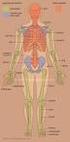 Skeletal System Axial Skeleton: Vertebral Column and Ribs Functions Regions Cervical Thoracic Lumbar Sacral Primary & secondary curvatures There are three major functions of the vertebral column. First,
Active Isolated Stretching: The Mattes Method
 Active Isolated Stretching: The Mattes Method Active Isolated Stretching began to develop in 1970. What began as an attempt to find specific techniques to alleviate pain and improve everyday performance
ITEC Level 5 Certificate in Sports Massage Therapy Unit 460 Provide Complex Massage Techniques for Sports Massage
 ITEC Level 5 Certificate in Sports Massage Therapy Unit 460 Provide Complex Massage Techniques for Sports Massage Recommended Learning Hours GLH 85 Credit Value 18 QCF Qualification Reference Number J/506/9016
CHAPTER 9 BODY ORGANIZATION
 CHAPTER 9 BODY ORGANIZATION Objectives Identify the meaning of 10 or more terms relating to the organization of the body Describe the properties of life Describe the function for the structures of the
Stretching the Low Back THERAPIST ASSISTED AND CLIENT SELF-CARE STRETCHES FOR THE LUMBOSACRAL SPINE
 EXPERT CONTENT by Joseph E. Muscolino photos by Yanik Chauvin body mechanics THE ESSENCE OF MOST MANUAL THERAPIES, and certainly clinical orthopedic massage therapy, is to loosen taut soft tissues, thereby
MD 2016. Back Muscles & Movements Applied Anatomy. A/Prof Chris Briggs Anatomy & Neuroscience
 MD 2016 Back Muscles & Movements Applied Anatomy A/Prof Chris Briggs Anatomy & Neuroscience WARNING This material has been provided to you pursuant to section 49 of the Copyright Act 1968 (the Act) for
The One-Leg Standing Test and the Active Straight Leg Raise Test: A Clinical Interpretation of Two Tests of Load Transfer through the Pelvic Girdle
 Diane Lee BSR, FCAMT, CGIMS Published in the Orthopaedic Division Review 2005 I read with interest and some concern the discussion in the last issue of the Orthopaedic Division Review on evidence based
Basic techniques of pulmonary physical therapy (I) 100/04/24
 Basic techniques of pulmonary physical therapy (I) 100/04/24 Evaluation of breathing function Chart review History Chest X ray Blood test Observation/palpation Chest mobility Shape of chest wall Accessory
A Patient s Guide to Diffuse Idiopathic Skeletal Hyperostosis (DISH)
 A Patient s Guide to Diffuse Idiopathic Skeletal Hyperostosis (DISH) Introduction Diffuse Idiopathic Skeletal Hyperostosis (DISH) is a phenomenon that more commonly affects older males. It is associated
THE LUMBAR SPINE (BACK)
 THE LUMBAR SPINE (BACK) At a glance Chronic back pain, especially in the area of the lumbar spine (lower back), is a widespread condition. It can be assumed that 75 % of all people have it sometimes or
Lumbar Back Pain in Young Athletes
 Lumbar Back Pain in Young Athletes MS CAQ in Sports Medicine Blair Orthopedics Altoona, PA OMED 2012 San Diego CA AOASM Tuesday October 9 th 1:00pm Lumbar Back Pain in Learning ObjecKves Epidemiology Anatomy
Thoracic Spine Anatomy
 A Patient s Guide to Thoracic Spine Anatomy 228 West Main, Suite C Missoula, MT 59802 Phone: [email protected] DISCLAIMER: The information in this booklet is compiled from a variety of sources.
Integrated Manual Therapy & Orthopedic Massage For Low Back Pain, Hip Pain, and Sciatica
 Integrated Manual Therapy & Orthopedic Massage For Low Back Pain, Hip Pain, and Sciatica Assessment Protocols Treatment Protocols Treatment Protocols Corrective Exercises By Author & International Lecturer
ANATOMY & PHYSIOLOGY ONLINE COURSE - SESSION 2 ORGANIZATION OF THE BODY
 ANATOMY & PHYSIOLOGY ONLINE COURSE - SESSION 2 ORGANIZATION OF THE BODY Human beings are arguably the most complex organisms on this planet. Imagine billions of microscopic parts, each with its own identity,
Divisions of the Skeletal System
 OpenStax-CNX module: m46344 1 Divisions of the Skeletal System OpenStax College This work is produced by OpenStax-CNX and licensed under the Creative Commons Attribution License 3.0 By the end of this
Spinal Anatomy. * MedX research contends that the lumbar region really starts at T-11, based upon the attributes of the vertebra.
 Spinal Anatomy Overview Neck and back pain, especially pain in the lower back, is one of the most common health problems in adults. Fortunately, most back and neck pain is temporary, resulting from short-term
Specific Chiropractic Assessment of the NMS System. Concepts in Spinal Manipulative Therapy. Self-Serving Resource. More Self-Serving Resources
 Annual Chiropractic Educational Symposium (ACES) D'Youville Chiropractic Department 10-Year Anniversary Celebration Concepts in Spinal Manipulative Therapy Compiled and Presented by: Tom Bergmann, DC,
I tro r duct c io i n t o Exercise Technique
 Introduction to Exercise Technique Is Exercise Technique Important? It is the actual technique used for a resistance training exercise that determines; The precise movement pattern the body will be attempting
CHAPTER 3: BACK & ABDOMINAL STRETCHES. Standing Quad Stretch Athletic Edge - www.athleticedge.biz - (650) 815-6552
 CHAPTER : BACK & ABDOMINAL STRETCHES Standing Quad Stretch ) Stand and grasp right ankle with same hand, use a wall or chair to Lower maintain Back balance with left hand. Maintain an upright Stretches
The Science Behind MAT
 The Science Behind MAT Muscle Activation Techniques (MAT) is a system designed to evaluate and treat muscular imbalances, I will expand on the process of evaluation in response and the use of isometrics
Reflex Physiology. Dr. Ali Ebneshahidi. 2009 Ebneshahidi
 Reflex Physiology Dr. Ali Ebneshahidi Reflex Physiology Reflexes are automatic, subconscious response to changes within or outside the body. a. Reflexes maintain homeostasis (autonomic reflexes) heart
First Year. PT7040- Clinical Skills and Examination II
 First Year Summer PT7010 Anatomical Dissection for Physical Therapists This is a dissection-based, radiographic anatomical study of the spine, lower extremity, and upper extremity as related to physical
Manual Therapy for the Upper and Lower Quadrant: What Do I Need to Know? Objectives
 Manual Therapy for the Upper and Lower Quadrant: What Do I Need to Know? Objectives 1. Describe the current best evidence for manual therapy in the management of a variety of disorders. 2. Recognize subgroups
Therapeutic Canine Massage
 Meet our Certified Canine Massage Therapist, Stevi Quick After years of competitive grooming and handling several breeds in conformation, I became interested in training and competing with my dogs in the
Temporo-Mandibular Joint Complex Exercise Suggestions
 Temporo-Mandibular Joint Complex Exercise Suggestions I. Exercise Generalizations: A. Patients with post-traumatic TMJ problems or with recent-onset dysfunction that is largely posture-related will generally
Anatomy and Terminology of the Spine. Bones of the Spine (Vertebrae)
 Anatomy and Terminology of the Spine The spine, also called the spinal column, vertebral column or backbone, consists of bones, intervertebral discs, ligaments, and joints. In addition, the spine serves
Cervical Spondylotic Myelopathy Associated with Kyphosis or Sagittal Sigmoid Alignment: Outcome after Anterior or Posterior Decompression
 Cervical Spondylotic Myelopathy Associated with Kyphosis or Sagittal Sigmoid Alignment: Outcome after Anterior or Posterior Decompression 1 Journal of Neurosurgery: Spine November 2009, Volume 11, pp.
Chiropractic Medicine and Chronic Pain Hands-on Demonstration. Tom Arnold, DC, APC, DAAMLP UNM Pain Center & Private Practice Albuquerque, New Mexico
 Chiropractic Medicine and Chronic Pain Hands-on Demonstration Tom Arnold, DC, APC, DAAMLP UNM Pain Center & Private Practice Albuquerque, New Mexico No disclosures Presentation Objectives At the conclusion
Study on Structural Behaviour of Human Vertebral Column Using Staad.Pro
 Study on Structural Behaviour of Human Vertebral Column Using Staad.Pro Healtheephan alexis. S Post graduate student, Government College of Technology, Coimbatore 641 013 [email protected] ABSTRACT
NETWORK FITNESS FACTS THE HIP
 NETWORK FITNESS FACTS THE HIP The Hip Joint ANATOMY OF THE HIP The hip bones are divided into 5 areas, which are: Image: www.health.com/health/static/hw/media/medical/hw/ hwkb17_042.jpg The hip joint is
Nervous System: Spinal Cord and Spinal Nerves (Chapter 13) Lecture Materials for Amy Warenda Czura, Ph.D. Suffolk County Community College
 Nervous System: Spinal Cord and Spinal Nerves (Chapter 13) Lecture Materials for Amy Warenda Czura, Ph.D. Suffolk County Community College Primary Sources for figures and content: Eastern Campus Marieb,
Athletic/Sports Massage
 CHAPTER18 Athletic/Sports Massage COMPLETION: In the space(s) provided, write the word(s) that correctly complete(s) each statement. 1. The 1972 Olympic gold medalist who was known as the flying Finn and
An Introduction to Anatomy and Physiology
 An Introduction to Anatomy and Physiology Objectives Define anatomy and physiology Identify the levels of organization in organisms from simplest to most complex Identify the organ systems of the human
THE BENJAMIN INSTITUTE PRESENTS. Excerpt from Listen To Your Pain. Assessment & Treatment of. Low Back Pain. Ben E. Benjamin, Ph.D.
 THE BENJAMIN INSTITUTE PRESENTS Excerpt from Listen To Your Pain Assessment & Treatment of Low Back Pain A B E N J A M I N I N S T I T U T E E B O O K Ben E. Benjamin, Ph.D. 2 THERAPIST/CLIENT MANUAL The
Anatomy and Physiology for Exercise and Health Level 3
 Anatomy and Physiology for Exercise and Health Level 3 A/600/9051 Mock Paper There are 25 questions within this paper To achieve a pass you will need to score 18 out of 25 marks All questions are multiple
Protrusions and slipped discs as phenomena originated by compression A new approach with the global non-compensated muscular stretching
 Protrusions and slipped discs as phenomena originated by compression A new approach with the global non-compensated muscular stretching Authors: prof. Daniele RAGGI Degree in Sport Science, Physiotherapist,
American Osteopathic Academy of Sports Medicine James McCrossin MS ATC, CSCS Philadelphia Flyers April 23 rd, 2015
 American Osteopathic Academy of Sports Medicine James McCrossin MS ATC, CSCS Philadelphia Flyers April 23 rd, 2015 Coming together is a beginning; keeping together is progress; working together is success.
Laerdal' Human Anatomy Manual The Skeleton
 Human Anatomy Manual The Skeleton Laerdal Texas P.O. Box 38.226 EM. 116 Gatesville,Texas U.S.A.76528 U.S.A.1-800-433-5539 IntemationaI1-254-865-7221 24 Hour Fax 254-865-8011 ~ Laerdal' TABLE OF CONTENTS
Case Studies Updated 10.24.11
 S O L U T I O N S Case Studies Updated 10.24.11 Hill DT Solutions Cervical Decompression Case Study An 18-year-old male involved in a motor vehicle accident in which his SUV was totaled suffering from
AOBP with thanks to: Dawn Dillinger, DO Kyle Bodley, DO
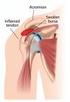 AOBP with thanks to: Dawn Dillinger, DO Kyle Bodley, DO Common maneuvers in some sports that can increase risk for injury Jumping Pivoting while running Sudden stopping while running Maneuvering a ball
Screening Examination of the Lower Extremities BUY THIS BOOK! Lower Extremity Screening Exam
 Screening Examination of the Lower Extremities Melvyn Harrington, MD Department of Orthopaedic Surgery & Rehabilitation Loyola University Medical Center BUY THIS BOOK! Essentials of Musculoskeletal Care
The Rehabilitation Team
 Considerations in Designing a Rehab Program Philosophy of Sports Medicine Healing Process Pathomechanics of Injury Psychological Aspects Goals of Rehab Chapter 1 Group effort The Rehabilitation Team AEP/Athletic
Dr. Enas Elsayed. Brunnstrom Approach
 Brunnstrom Approach Learning Objectives: By the end of this lab, the student will be able to: 1. Demonstrate different reflexes including stimulus and muscle tone response. 2. Demonstrate how to evoke
Osteopathic Principles applied to Sports Medicine. Mark Rogers, DO, MA
 Osteopathic Principles applied to Sports Medicine Mark Rogers, DO, MA 199 Incorporating Osteopathic Principles Into Your Practice 17 th Annual VCU Sports Medicine Update in Primary Care December 2011 Mark
Chapter 12 The Trunk and Spinal Column
 Chapter 12 The Trunk and Spinal Column Manual of Structural Kinesiology R.T. Floyd, EdD, ATC, CSCS Vertebral Abdominal 24 31 most column complex some intricate & complex articulating vertebrae do pairs
Injury Prevention for the Back and Neck
 Injury Prevention for the Back and Neck www.csmr.org We have created this brochure to provide you with information regarding: Common Causes of Back and Neck Injuries and Pain Tips for Avoiding Neck and
Self-mobilization methods
 Self-mobilization methods 5 Muscle energy techniques, as outlined in previous chapters, provide us with an excellent series of methods for relaxation and stretching of specific tight, shortened, contracted
Degenerative Changes of the Cervical Spine
 Anatomical Demonstration of Cervical Degeneration 1 Anatomical Demonstration: Degenerative Changes of the Cervical Spine 20 Slides of anatomical specimens, Xrays and MRIs By: William J. Ruch, D.C. Copyright
Cervical Whiplash: Considerations in the Rehabilitation of Cervical Myofascial Injury. Canadian Family Physician
 Cervical Whiplash: Considerations in the Rehabilitation of Cervical Myofascial Injury 1 Canadian Family Physician Volume 32, September 1986 Arthur Ameis, MD Dr. Ames practices physical medicine and rehabilitation,
.org. Fractures of the Thoracic and Lumbar Spine. Cause. Description
 Fractures of the Thoracic and Lumbar Spine Page ( 1 ) Spinal fractures can vary widely in severity. While some fractures are very serious injuries that require emergency treatment, other fractures can
Low Back Injury in the Industrial Athlete: An Anatomic Approach
 Low Back Injury in the Industrial Athlete: An Anatomic Approach Earl J. Craig, M.D. Assistant Professor Indiana University School of Medicine Department of Physical Medicine and Rehabilitation Epidemiology
UNIT 1 BODY PLAN AND ORGANIZATION LECTURE
 UNIT 1 BODY PLAN AND ORGANIZATION LECTURE 1.03 CONTRAST THE SCIENCES OF ANATOMY AND PHYSIOLOGY A. Anatomy Anatomy is the scientific study of structures and the relationship of.. structures to each other.
Lower Back Pain An Educational Guide
 Lower Back Pain An Educational Guide A publication from the Center of Pain Medicine and Physiatric Rehabilitation 2002 Medical Parkway Ste 150 1630 Main St Ste 215 Annapolis, MD 21401 Chester, MD 21619
IMPAIRMENT RATING 5 TH EDITION MODULE II
 IMPAIRMENT RATING 5 TH EDITION MODULE II THE SPINE AND ALTERATION OF MOTION SEGMENT INTEGRITY (AOMSI) PRESENTED BY: RONALD J. WELLIKOFF, D.C., FACC, FICC In conjuction with: The chapter on the spine includes
Rotator Cuff Pathophysiology. treatment program that will effectively treat it. The tricky part about the shoulder is that it is a ball and
 Rotator Cuff Pathophysiology Shoulder injuries occur to most people at least once in their life. This highly mobile and versatile joint is one of the most common reasons people visit their health care
CHAPTER V SACROILIAC JOINT & PELVIS
 CHAPTER V SACROILIAC JOINT & PELVIS Chapter V: Sacroiliac Joint & Pelvis Note to Reader 151 Chapter Organization 152 Part I: Clinical Implications of Anatomy & Physiology 153 Anatomical Structures & Landmarks
Chapter 9 The Hip Joint and Pelvic Girdle
 Copyright The McGraw-Hill Companies, Inc. Reprinted by permission. The Hip Joint and Pelvic Girdle Chapter 9 The Hip Joint and Pelvic Girdle Structural Kinesiology R.T. Floyd, Ed.D, ATC, CSCS Hip joint
Head Position and Impact Direction in Whiplash Injuries: Associations with MRI-Verified Lesions of Ligaments and Membranes in the Upper Cervical Spine
 Head Position and Impact Direction in Whiplash Injuries: Associations with MRI-Verified Lesions of Ligaments and Membranes in the Upper Cervical Spine 1 Journal of Neurotrauma Volume 22, Number 11, November
What Are the Health Benefits Associated with Strength Training?
 Strength Training Program Necessary Basic information to obtain results. -- Most of the information contained in this handout is based on information gathered, researched, and presented by the National
PELVIS. 2007 Lippincott Williams & Wilkins S59 BONE: PELVIS (6) Location: Pelvic ring (61)
 PELVIS BONE: PELVIS (6) Location: Pelvic ring (61) Types: A. Lesion sparing (or with no displacement of) posterior arch (61-A) B. Incomplete disruption of posterior arch, partially stable (61-B) C. Complete
Program of Study: Bachelor of Science in Athletic Training
 Program of Study: Bachelor of Science Training Program Description Athletic training, as defined by the National Athletic Trainer s Association, is practiced by athletic trainers, health care professionals
Thoracic Spine Mobility Deficits
 Thoracic Spine Mobility Deficits ICD-9-CM: 847.1 thoracic sprain ICF codes: Activities and Participation Domain code: d4105 Bending (Tilting the back downward or to the side, at the torso, such as in bowling
Integrated Low Back Examination
 Integrated Low Back Examination William Thomas, DO, VCOM PPC/OMM Internal Medicine, Pediatrics and Sports Medicine October 2015 Special thanks and appreciation to Mark Rogers, DO Objectives Utilize history
Chapter 13. The Nature of Somatic Reflexes
 Chapter 13 The Nature of Somatic Reflexes Nature of Reflexes (1 of 3) A reflex is an involuntary responses initiated by a sensory input resulting in a change in a gland or muscle tissue occur without our
The Lumbosacral Dura and Sciatic Nerve Tension: Treatable Components of Discogenic Pain
 The Lumbosacral Dura and Sciatic Nerve Tension: Treatable Components of Discogenic Pain The first several articles in this miniseries addressed, among other things, some of the structures that can contribute
LABORATORY EXERCISE 12 BONE STRUCTURE AND CLASSIFICATION
 LABORATORY EXERCISE 12 BONE STRUCTURE AND CLASSIFICATION FIG. 12.1 1. Articular cartilage (hyaline cartilage) 6. Periosteum 2. Spongy bone (red marrow) 7. Proximal epiphysis 3. Medullary cavity 8. Diaphysis
Evaluation and Treatment of Spine Fractures. Lara C. Portmann, MSN, ACNP-BC
 Evaluation and Treatment of Spine Fractures Lara C. Portmann, MSN, ACNP-BC Nurse Practitioner, Neurosurgery, Trauma Services, Intermountain Medical Center; Salt Lake City, Utah Objectives: Identify the
Mechanics of the Human Spine Lifting and Spinal Compression
 Mechanics of the Human Spine Lifting and Spinal Compression Hamill and Knutzen: Chapter 7 Nordin and Frankel: Ch. 10 by Margareta Lindh Hall: Ch. 9 (more muscle anatomy detail than required) Low Back Pain
Vivian Gonzalez Gillian Lieberman, MD. January 2002. Lumbar Spine Trauma. Vivian Gonzalez, Harvard Medical School Year III Gillian Lieberman, MD
 January 2002 Lumbar Spine Trauma Vivian Gonzalez, Harvard Medical School Year III Agenda Anatomy and Biomechanics of Lumbar Spine Three-Column Concept Classification of Fractures Our Patient Imaging Modalities
Turnout for Dancers: Hip Anatomy and Factors Affecting Turnout
 Hip Anatomy and Factors Affecting Turnout by the International Association for Dance Medicine and Science www.danceeducation.org Introduction Turnout describes the position of the legs, used in many forms
PATHOLOGIC GAIT -- MUSCULOSKELETAL. Focal Weakness. Ankle Dorsiflexion Weakness COMMON GAIT ABNORMALITIES
 Pathological Gait I: Musculoskeletal - 1 PATHOLOGIC GAIT -- MUSCULOSKELETAL Normal walking is the standard against which pathology is measured Efficiency is often reduced in pathology COMMON GAIT ABNORMALITIES
Knee Kinematics and Kinetics
 Knee Kinematics and Kinetics Definitions: Kinematics is the study of movement without reference to forces http://www.cogsci.princeton.edu/cgi-bin/webwn2.0?stage=1&word=kinematics Kinetics is the study
Instability concept. Symposium- Cervical Spine. Barcelona, February 2014
 Instability concept Guillem Saló Bru, MD, Phd AOSpine Principles Symposium- Cervical Spine Orthopaedic Depatment. Spine Unit. Hospital del Mar. Barcelona. Associated Professor UAB Barcelona, February 2014
A comparative study of cervical hysteresis characteristics after various osteopathic manipulative treatment (OMT) modalities
 Journal of Bodywork & Movement Therapies (2013) 17, 89e94 Available online at www.sciencedirect.com journal homepage: www.elsevier.com/jbmt A comparative study of cervical hysteresis characteristics after