
How the Camel got his Hump
|
|
|
- Ann Crawford
- 9 years ago
- Views:
Transcription
1 How the Camel got his Hump The story This is an adaptation of a famous Rudyard Kipling story which explains how the camel got his hump. The story is set in Arabia, when the world was new and camels did not have humps. The first day of the new world was Monday, and the animals had to work hard to help their friend Man. Horse carried Man on his back, Dog fetched wood for him and Ox ploughed fields for him. But Camel was lazy and he just stayed in the desert, slept in the sand and ate leaves. When the other animals talked to him, he just opened one eye said, Humph. The animals were upset because they thought it was unfair that they worked hard but Camel did nothing. Horse decided to go and see Camel on his own and make him work. When Horse went and told Camel that he was lazy and that he just wanted to stay in the desert and sleep and eat leaves, Camel did not care. When Horse told Camel that he had to carry Man on his back, Camel just said, Humph! Horse left Camel and went to Man to complain about Camel, but Man only thanked Horse and said he would give it some thought. But nothing happened. On Tuesday, Dog went to see Camel and he tried to make him work. But again Camel just said Humph! Dog went to Man just as Horse had done the day before. But Man gave the same reply to Dog. And nothing happened. On Wednesday, it was Ox s turn. He tried to make Camel work but got the same reply. So Ox went to see Man, who also gave the same reply. On Thursday, Man went to Horse, Dog and Ox and told them they must work harder because Camel was lazy. So Horse had to carry Man a long way to town, Dog had to fetch lots of wood, and Ox had to plough three big fields. That evening the animals were very tired and angry, so they visited Camel and complained, but Camel just said, Humph! Then Dog had the idea of calling on the Djinn of the Deserts, who could do anything. Certainly he would help them. When they called his name, the Djinn appeared from a white cloud, with a swish-swoosh sound and a big bang. The animals told him their problem with Camel, and the Djinn agreed it was unfair and went to see him. The white cloud took the Djinn away with a loud Bang. The Djinn found Camel next to a pool looking at his own reflection in the water. The Djinn sat down, closed his eyes and thought hard. After a long time, he told Camel to turn his head and look at his back. When Camel looked, he saw a hump on his back. The Djinn told Camel that he must work for Man like the other animals. He explained that there was food in the hump so Camel would not have to stop working in order to eat leaves. When Camel complained that it was not fair, the Djinn told him it was fair and that he must work now. Then the Djinn disappeared. On Friday, Camel had to carry man on his back, pull heavy trees in a cart and plough fields. He worked very hard and had no time to eat leaves. Later that evening, Man told him he could eat some leaves and sleep. The Djinn of the Desert made Camel work at last. Today, Camel still has his hump and he still says Humph! 1
2 Introducing the book The cover l Hold up the cover. Read the book s title to and with the class. l Point to the camel. Ask What sort of animal is this? Elicit from the class anything they already know about camels. What is on his back? (a hump). l Talk about the picture. Ask the class to describe the camel. Ask Where is the camel? (in the desert). What else is in the picture? (two trees, lots of sand and the sun). What do you know about the desert? (very hot and dry). l Ask What do you think the story is going to be about? The title page l Ask the children to turn to the title page. Hold up your own book and point to the picture. Ask What other animals are in the picture? (a horse, an ox and a dog). Are they happy? l Ask What is the camel doing? (lying down and looking at his hump). l Ask What do you think the story is going to be about now? l Explain that the story is a classic (famous) tale (story) by Rudyard Kipling. Point to his name. Explain that the story has been adapted (made simpler) by another writer. Point to her name. The contents page l Ask the children to turn to the contents page. Explain that the Contents list tells us what is in the book. l Ask How many chapters are there? Point out that before Chapter 1 (on page 3) they will get some important information before the story begins. l Read the chapter titles to and with the class. Briefly explain any unfamiliar words. Explain that Humph! is a noise someone makes when they are not interested in what another person tells them. Make the noise and ask the children to repeat it after you. Explain that ph sounds like f. Explain that Djinn is a name. Ask the children what page each chapter starts on. 2
3 l Point out that at the end of the book there is a poem (on pages 42 43) and some facts about working animals (beginning on page 44). l Read the chapter titles again and ask questions about them to stimulate the children s interest, for example: Chapter 1: Show the title page again. Ask Who do you think says Humph! Chapter 5: Ask Why do you think the animals are angry? Chapter 7: Ask Why do you think the hump is magic? l Tell the children to do the related activity on page 1 of their Workbook. You can play the audio download of the story at any time you choose. See younglearners 3
4 Chapter 1 Humph! Pages 3 to 6 sand true world point out the an and and hiding inside the ue sounds like the o in do other words with the same or sound include work, worry, word Passive vocabulary hard leaves Active vocabulary carry in the past tense the y changes to i before adding ed change desert Djinn hump live Monday new the g here, and also in the word magic (see Chapter 7), is a soft g, pronounced like j the s in this word sounds like z Arabic word for genie. In this story, it is the genie s name the mp is a common letter pattern, for example bump, dump, jump the i here has a short sound, unlike the adjective live the o is pronounced like a short u (rhymes with sun) some other ew words include dew, few, grew, stew, crew, threw and drew Before reading l Pre-teach the active vocabulary (see Teacher s Notes Introduction page 13 and the Glossary on page 34). Use the notes in the table to discuss any interesting features of the words. l Ask the children to do the activity on page 2 of their Workbook to practise the new vocabulary. l Read the title on page 3. Tell the children to look at the picture. Ask Who do you think the old man is? What can he do? What do you think he is going to do in the story? l Read the title of Chapter 1. Tell the children to look at the picture on page 4. Ask Who is on the horse s back? (a man). What can the horse do for the man? (carry him to places). Where does the man live? (in the desert). Is life there easy? l Tell the children to look at the picture at the top of page 5. Ask What is the dog doing? What is the man doing? How does the dog feel? What time of day is it? How do you know? l Tell the children to look at the picture at the bottom of page 5. Ask What is the ox doing? What is the man doing? How does the ox feel? What time of day is it? How do you know? page 6. Ask What is the camel doing? What is in his mouth? (a leaf). What is different about the camel in this picture? (no hump). How does he feel? 4
5 During reading l Read page 3 and the chapter expressively to the class (or play the audio download). Do not stop to explain anything or to ask questions. Ensure the children are following in their books. l Choose whichever of the following options is most appropriate for your class: Read page 3 and the chapter again and encourage the class to read it with you. Read page 3 and the chapter again, a paragraph at a time, and ask the class (or individuals) to read each paragraph aloud after you. Do not read again yourself. Ask groups or individuals to read the chapter aloud, a paragraph at a time. l Read (or play) page 3 and the chapter again, a paragraph at a time. Explain the meaning and pronunciation of the words listed as passive vocabulary (and any other unfamiliar words). l Discuss how the pictures can help the reader guess the meaning of the text. Stage 1 comprehension (literal) Ask the questions orally, or set them as a written activity. You can also ask the children to do the activity on page 3 of their Workbook. 1 Where did the camel live? 2 Was the world new or old at this time? 3 What colour was the sand when it was new? 4 Camel did not have a. 5 Who changed camel s back? 6 How long did it take for the change to happen? 7 What day was the first day of the new world? 8 Who did the animals work for? 9 Which animal carried Man on his back? 10 Which animal fetched wood for man? 11 What did Ox do for Man? 12 Which animal did not want to work for Man? 13 Why did Camel not want to work? 14 Where did Camel want to stay? 15 Where did Camel want to sleep? 16 What did Camel want to eat? 17 Did Camel open both of his eyes when the other animals came to see him? 18 What did Camel say when the other animals came to see him? 19 Did he say anything more to the other animals? l Ask the children to find examples of exclamations in the chapter. Draw attention to the punctuation. Read each one aloud, and draw attention to how your tone of voice changes. l Point out how the animal s names and Man begin with capital letters. l Ask the children to find and read aloud examples of words containing ee ; ea ; oo ; ow. l Finally, ask individuals to re-read short sections of the text aloud. Encourage them to read expressively and with appropriate intonation. (You might like to ask children to play the role of particular characters and read their parts.) After reading Stage 2 comprehension (extension) Ask these questions orally, or set them as a written activity for the more able. Answers will vary. Encourage the children to give reasons for their suggestions, and accept any answer they can justify. 5
6 1 How do you know that the Djinn of the Deserts uses magic? 2 Do you think camels look strange without humps? 3 How do you know that the animals wanted to work hard to help Man? 4 On Monday, which animal helped Man first? Second? Last? 5 Did Man talk to the animals? 6 Did Man like the animals? 7 Was Camel a friend of Man and the other animals? 8 What were the most important things in Camel s life? 9 Why do you think the other animals came to see Camel? 10 Why did Camel open only one eye when the other animals came to him? 11 Why do you think Camel said, Humph! to the other animals? 12 Why do you think Camel is always sitting? 13 How do you think the other animals feel about Camel? 14 How do you think Camel s life is going to change? l Ask Why were Horse, Dog and Ox Man s first friends when the world was new? What do you know about these animals? l Elicit from the class anything they know about the desert. Do they know which animals live in the desert and why? Do they think horses, dogs and oxen live in the desert today? l Ask the children to think about how they would feel if they worked hard all day while another child sat and did nothing. What do they think Horse, Dog and Ox said to each other about Camel? l If appropriate, try some Extension Activities (see Teacher s Notes Introduction page 19). l Ask What do you think will happen next? What will Horse, Dog and Ox do about lazy Camel? l Write some words from the chapter on the board and ask the children to find any smaller words hiding inside each longer word (for example, Monday). l Ask the children what word is hiding inside humph (hump). Discuss why camels have got humps on their backs. You may have to explain that they store food in the hump. l Remind the children that the story will explain how camels got their humps. Ask Can you guess how? 6
7 Chapter 2 Horse Pages 7 to 10 Active vocabulary back words that end in ck have a hard k sound fair friend just lazy meeting nothing Passive vocabulary stay rhymes with hair, chair, pair remember the i which is silent rhymes with must and means only the a is a long vowel sound the two e s are having a meeting a compound word made from two smaller words and joined together: no + thing Before reading l Pre-teach the active vocabulary (see Teacher s Notes Introduction page 13 and the Glossary on page 34). Use the notes in the table to discuss any interesting features of the words. l Ask the children to do the activity on page 4 of their Workbook to practise the new vocabulary. l Ask the class to recall what happened in the previous chapter. l Read the title of Chapter 2. Ask What do you think the chapter is going to be about? What do you think horse is going to do? page 7. Ask What are the animals doing? Where do you think horse is going? How does he look? What do you think Ox is saying to Horse? pages 8 and 9. Ask Who is Horse with? Why does Horse have something on his back? You might want to introduce the word saddle. Ask What is Camel doing? Has Camel got a hump on his back? What do you think Horse is saying to Camel? page 10. Ask Where is Horse now? What are Horse and Man near? Ask the class to describe Man. Ask What do you think Man is saying to Horse? What do you think Horse is looking at? How does Horse feel? During reading l Read the chapter to and with the class. Follow the same procedure as you did for Chapter 1 (see page 5) to help the children read and understand the text. Use the audio download, if you wish. l Read the chapter expressively to the class (or play the audio download). Do not stop to explain anything or to ask questions. Ensure the children are following in their books. 7
8 l Choose whichever of the following options is most appropriate for your class: Read the chapter again and encourage the class to read it with you. Read the chapter again, a paragraph at a time, and ask the class (or individuals) to read each paragraph aloud after you. Do not read again yourself. Ask groups or individuals to read the chapter aloud, a paragraph at a time. l Read (or play) the chapter again, a paragraph at a time. Explain the meaning and pronunciation of the words listed as passive vocabulary (and any other unfamiliar words). l Discuss how the pictures can help the reader guess the meaning of the text. Stage 1 comprehension (literal) Ask the questions orally, or set them as a written activity. You can also ask the children to do the activity on page 5 of their Workbook. 1 Who had a meeting? 2 Who said, It s not fair! We do all the work.? 3 What didn t Camel want to do? 4 What did Dog say that Camel just wanted to do? 5 Did Horse think Ox and Dog were right about Camel? 6 What did Horse say he would do? 7 When Horse said Hello, Camel, what did Camel say? 8 What did Horse tell Camel? 9 Why did Horse say, Look at me.? 10 What did Horse want Camel to do? 11 What did Camel say? 12 Where did Horse go next? 13 What did Horse talk to Man about? 14 What did Horse tell Man about Camel? 15 What did Horse tell Man about Dog and Ox? 16 How did Horse feel? 17 What did Man say to Horse? l Ask the children to find examples of animals speaking in the text. Draw attention to the speech marks and discuss how they are used. Ask Which words go inside the speech marks? l Point out the word just on page 7. Read the two sentences and demonstrate how you emphasise the word. Ask children to find sentences with the word just in them on pages 8, 9 and 10 and read them aloud. Discuss how this modifies the meaning of the verbs it precedes. l Ask children to find and read aloud sentences with the word will in them. Point out the verb form that follows will. l Finally, ask individuals to re-read short sections of the text aloud. Encourage them to read expressively and with appropriate intonation. (You might like to ask children to play the role of particular characters and read their parts.) After reading Stage 2 comprehension (extension) Ask these questions orally, or set them as a written activity for the more able. Answers will vary. Encourage the children to give reasons for their suggestions, and accept any answer they can justify. 1 How do you think Ox and Dog felt when they had a meeting with Horse? 2 What was Horse s plan? 3 Did the Camel want to be friends with the other animals and Man? 8
9 4 Do you think Camel was happy in the desert? 5 Was there much food in the desert for Camel to eat? 6 Why did Camel sleep a lot? 7 Why didn t Camel want to talk to Horse? 8 How did Horse feel when he went to see Man? 9 Do you think Man wanted Camel to work for him? 10 What did Horse want Man to say? 11 Do you think Horse was happy when he left Man? 12 What do you think Horse is going to tell Ox and Dog? l Discuss the idea of fairness. Relate this to the story. Draw attention to the verbs for the jobs that each animal does. Ask What does Camel do? l Talk about the kinds of jobs Camel could do for Man. Talk about the way Man uses the animals and whether it is fair. l Discuss the sentence I will make him work. Explain what it means to make somebody do something. Ask What do your parents make you do? l If appropriate, try some Extension Activities (see Teacher s Notes Introduction page 19). 9
10 Chapter 3 Dog Pages 11 to 14 Active vocabulary fetch tch is a common consonant cluster ending, as in itch, ditch, witch first sleep stay Tuesday want wood ir, er and ur spellings can sound very similar; other ir words include bird, girl, skirt, shirt, thirsty, third double ee words have a long e sound rhymes with day, lay, play, stay, way days of the week always begin with a capital letter the words an and ant are hiding inside the words wood and would are homophones (they are pronounced the same but have different meanings) Passive reading that was all Before reading l Pre-teach the active vocabulary (see Teacher s Notes Introduction page 13 and the Glossary on page 34). Use the notes in the table to discuss any interesting features of the words. l Ask the children to do the activity on page 6 of their Workbook to practise the new vocabulary. l Ask the class to recall what happened in the previous chapter. l Read the title of Chapter 3. Ask What do you think the chapter is going to be about? What do you think Dog is going to do? page 11. Ask Where do you think Dog is going? How does he look? How do you think Ox is feeling? pages 12 and 13. Ask Who is Dog with? What did Dog bring with him? (wood). Ask the children to locate the picture in Chapter 1 where they saw wood (at the top of page 5). Ask What does Dog do for Man? What do you think Dog is going to say to Camel? page 14. Ask Where is Dog now? What is in front of Dog? Ask the class to compare the picture on page 14 with the picture on page 10. Ask What do you think Dog is saying to Man? What do you think Man will say? During reading l Read the chapter to and with the class. Follow the same procedure as you did for Chapter 1 (see page 5) to help the children read and understand the text. Use the audio download, if you wish. 10
11 l Choose whichever of the following options is most appropriate for your class: Read the chapter again and encourage the class to read it with you. Read the chapter again, a paragraph at a time, and ask the class (or individuals) to read each paragraph aloud after you. Do not read again yourself. Ask groups or individuals to read the chapter aloud, a paragraph at a time. l Read (or play) the chapter again, a paragraph at a time. Explain the meaning and pronunciation of the words listed as passive vocabulary (and any other unfamiliar words). l Discuss how the pictures can help the reader guess the meaning of the text. Stage 1 comprehension (literal) Ask the questions orally, or set them as a written activity. You can also ask the children to do the activity on page 7 of their Workbook. 1 What day was it? 2 What did Dog say to Horse and Ox? 3 What did Camel say when Dog said Hello to him? 4 What did Dog say to Camel? 5 Did Dog use the same words that Horse used? 6 What did Dog tell Camel about Man? 7 What did Camel say? 8 Why did Dog want Camel to see Man? 9 Why did Camel just say, Humph!? 10 Why did Dog go to see Man without Camel? 11 What did Man hear for the second time? 12 What did Man say to Dog? l Ask the children to find some full stops in the text. Discuss their purpose. Remind children that they are like red traffic lights they tell you to stop! Read a few sentences again to demonstrate. Discuss what other punctuation marks may be used to end a sentence (question or exclamation marks). l Discuss the meaning of the verb come in Come on, Camel! and Come with me. and Come to see Man. Explain that come on is used to encourage someone to make an effort to do something; come with me is inviting someone to join you; come + verb is used to encourage someone to join you in doing something. l Ask the children what word they see inside the word humph (hump). Elicit ideas about why this may be important to the story. l Ask the children to find and read any words that end in y (Tuesday, lazy, stay). Point out that when y is preceded by an a, it sounds like long a. But when it is preceded by a z, it sounds like e. Ask children to think of words that rhyme with day. l Finally, ask individuals to re-read short sections of the text aloud. Encourage them to read expressively and with appropriate intonation. (You might like to ask children to play the role of particular characters and read their parts.) After reading Stage 2 comprehension (extension) Ask these questions orally, or set them as a written activity for the more able. Answers will vary. Encourage the children to give reasons for their suggestions, and accept any answer they can justify. 11
12 1 What made Dog decide to go and see Camel? 2 Why did Dog think he would be able to make Camel work? 3 Do you think Camel listened to Dog? 4 Did Dog say anything to make Camel want to work for Man? 5 Why do you think Camel does not want to work with the other animals? 6 Why do you think Camel just says, Humph! and that s all. 7 How did Dog feel when he went to see Man? 8 Which words did Dog use to say that Camel does not work? 9 Which words did Dog use to say that Camel s only word is Humph! 10 Which words show that Man is polite? 11 What are the only words Man says and why does he say them? l Ask the children what gestures Dog might have used when he said, Come on, Camel! (Beckon with your arm and a wave of your hand towards you.) Ask what gesture he might have used when he said, Come with me. (Beckon with your finger.) l If appropriate, try some Extension Activities (see Teacher s Notes Introduction page 19). l Ask What do you think will happen in the next chapter? l Discuss who in the story is polite and who is not. Ask children to think of more polite ways for Dog to talk to Camel. Discuss whether politeness would have made a difference to Camel. l Write the word fetch on the board and read it aloud. Discuss the meaning of fetch (to go and get something and bring it back). Ask the children if they can think of other words that end in tch (catch, watch, witch, match, itch) and write them under fetch. l Write the word first on the board. Discuss why it was the first Tuesday (when the world was new). Ask Who went to see Camel first? What is the title of the first chapter? On what page do we see Man for the first time? 12
13 Chapter 4 Ox Pages 15 to 18 Active vocabulary eat Point out that dogs like to eat meat field leaves plough talk think remind class of the rule for i before e except after c plural of leaf; change the f to v and add es words ending in ough do not all sound alike; here it sounds like ow remember silent l the word ink is hidden in think; we cannot see the words that we think! Wednesday this looks like a three-syllable word but it has only two syllables; the d is silent Passive vocabulary Come on! Before reading l Pre-teach the active vocabulary (see Teacher s Notes Introduction page 13 and the Glossary on page 34). Use the notes in the table to discuss any interesting features of the words. l Ask the children to do the activity on page 8 of their Workbook to practise the new vocabulary. l Ask the class to recall what happened in the previous chapter. l Read the title of Chapter 4. Ask What do you think the chapter is going to be about? What do you think Ox is going to do? page 15. Ask Where do you think Ox is going? How does he look? How do you think Horse and Dog feel? How do you think Ox feels? pages 16 and 17. Ask What is different about Camel in this picture? What did Ox bring? (plough). Ask What does Ox do for Man? What do you think Ox is going to say to Camel? Will Camel go with Ox? page 18. Ask Where is Ox now? What is in front of him? Ask the class to compare the picture on page 18 with the picture on page 14. Ask What do you think Ox is saying to Man? What do you think Man will say? During reading l Read the chapter to and with the class. Follow the same procedure as you did for Chapter 1 (see page 5) to help the children read and understand the text. Use the audio download, if you wish. l Read the chapter expressively to the class (or play the audio download). Do not stop to explain anything or to ask questions. Ensure the children are following in their books. 13
14 l Choose whichever of the following options is most appropriate for your class: Read the chapter again and encourage the class to read it with you. Read the chapter again, a paragraph at a time, and ask the class (or individuals) to read each paragraph aloud after you. Do not read again yourself. Ask groups or individuals to read the chapter aloud, a paragraph at a time. l Read (or play) the chapter again, a paragraph at a time. Explain the meaning and pronunciation of the words listed as passive vocabulary (and any other unfamiliar words). l Discuss how the pictures can help the reader guess the meaning of the text. Stage 1 comprehension (literal) Ask the questions orally, or set them as a written activity. You can also ask the children to do the activity on page 9 of their Workbook. 1 What day was it? 2 Did Ox have a new and different plan? 3 Did Camel say anything new and different? 4 Did Camel feel sorry for Ox? 5 What was Camel doing? 6 Did Ox want Camel to stay in the desert and sleep? 7 Did Ox speak politely to Camel? 8 Was Camel more interested in working for Man? 9 Did Ox make Camel work? 10 What did Man hear from Ox that was new and different? l Tell the children to find sentences that are repeated a lot in the chapter. Discuss why Horse, Dog and Ox all say the same thing to Camel and to Man. l Ask the children to find words and read any verbs which show movement, such as go, sleep, eat. Ask them to find as many of each as they can. l Point out the verbs carry, fetch and plough. Ask Who carries what? Who fetches what? Who ploughs what? Then point to an individual and say You are Horse. What do you do? Point and ask the same question for Dog and Ox. Make sure children understand the change in the verb for first person and third person singular. l Ask the children what Camel has got in his mouth on page 16. (a leaf). Write it on the board. Point out the sentence You just want to sleep and eat leaves. Write leaves next to leaf. Explain the change in the plural noun form for words ending in f. l Finally, ask individuals to re-read short sections of the text aloud. Encourage them to read expressively and with appropriate intonation. (You might like to ask children to play the role of particular characters and read their parts.) After reading Stage 2 comprehension (extension) Ask these questions orally, or set them as a written activity for the more able. Answers will vary. Encourage the children to give reasons for their suggestions, and accept any answer they can justify. 1 Do you think that Ox knew what Horse and Dog had said when they saw Camel? 2 Do you think Ox really thought that he could make Camel work? 14
15 3 Do you think that real animals think about being fair? 4 Why do you think Man did not go to see Camel and make him work? 5 Will the Camel work for Man, do you think? l Discuss noises that various animals make, for example lions roar, snakes hiss, elephants trumpet, camels growl, etc. Ask the children to take turns making animal noises and let the rest of the class call out the animal s name. l Point out that camels can live without water for a week or more, and they can live without food for several months. Discuss how this makes them good workers in the desert. l Ask What does the repetition in the story tell us about Horse, Dog, Ox and Man when the world was new? l Ask Why do you think, Horse, Dog, Ox, Camel and Man do not have names? l If appropriate, try some Extension Activities (see Teacher s Notes Introduction page 19). l Ask What do you think will happen in the next chapter? 15
16 Chapter 5 The animals are angry Pages 19 to 22 Active vocabulary angry hungry and angry end in ngry animals hard lots of Thursday tired town work this word has three syllables hard has two meanings not soft; a lot. Here, to work hard means to work a lot a common expression meaning many or much ur sounds like er this word looks like a verb, but it works like an adjective rhymes with brown, clown, down, frown change k to d and m to make new words Before reading l Pre-teach the active vocabulary (see Teacher s Notes Introduction page 13 and the Glossary on page 34). Use the notes in the table to discuss any interesting features of the words. l Ask the children to do the activity on page 10 of their Workbook to practise the new vocabulary. l Ask the class to recall what happened in the previous chapter. l Read the title of Chapter 5. Ask What do you think the chapter is going to be about? What do you think the animals are going to do? page 19. Ask What do you think Man is saying? How does he look? How do you think Horse, Dog and Ox feel? page 20. Ask Who is Man talking to? What do you think he is saying? l Tell the children to look at the pictures on page 21. Ask What are the animals doing? page 22. Ask Where are the animals now? What are they saying to Camel? Has anything changed? During reading l Read the chapter to and with the class. Follow the same procedure as you did for Chapter 1 (see page 5) to help the children read and understand the text. Use the audio download, if you wish. Stage 1 comprehension (literal) Ask the questions orally, or set them as a written activity. You can also ask the children to do the activity on page 11 of their Workbook. Passive vocabulary a long way 16
17 1 What did Man tell the animals about Camel? 2 What did Man tell Horse that he must do? 3 Where did Man want Horse to carry him? 4 Did Man tell Dog that he was lazy? 5 What did Man want Dog to fetch? 6 What did Man want Ox to do on Thursday? 7 Which animal carried Man to town on Thursday? 8 How much wood did Dog fetch on Thursday? 9 Did Ox plough three small fields? 10 How far did Horse carry Man? 11 How did the animals feel in the evening? 12 Who did they go to see? 13 What did Horse tell Camel? 14 What was Camel s answer? l Find the word Thursday in the text. Ask the class how many small words they can find within it (day, say, sat, hat). l Discuss the meaning of You work hard every day. But you must work harder. l Ask the children to find and read sentences with the word must in them. Discuss the meaning of each sentence. l Finally, ask individuals to re-read short sections of the text aloud. Encourage them to read expressively and with appropriate intonation. (You might like to ask children to play the role of particular characters and read their parts.) After reading Stage 2 comprehension (extension) Ask these questions orally, or set them as a written activity for the more able. Answers will vary. Encourage the children to give reasons for their suggestions, and accept any answer they can justify. 1 Why did Man want the animals to work harder? 2 Did Man want his animal friends to be angry? 3 How do you think the animals felt when Man told them to work harder? 4 Who was more unfair, Man or Camel? Why? 5 Did Man want the animals to find a better way to make Camel work? 6 What did the animals learn about working for Man? 7 Why did the tired, angry animals go to Camel again? 8 Were you surprised that the Camel just said Humph!? Do you think the animals were? l Write the verbs carry, fetch, plough on the board and read them aloud. Add ed to the end of each to change them to past tense. Explain that it is necessary to change y to i before adding ed. Ask the children to write some sentences that use these verbs correctly. l Play a word changing game, starting with hard. Tell the children to change a letter to make a new word, as many times as possible, for example, hard, card, care, came, same etc. l Write angry under lazy on the board, and write tired in a separate column next to lazy. Elicit other adjectives that end in y (happy, hungry, naughty, easy, tidy) and in ed (bored, frightened, puzzled, interested) and write them in two columns. Elicit oral sentences using the adjectives correctly. l If appropriate, try some Extension Activities (see Teacher s Notes Introduction page 19). l Ask What do you think will happen in the next chapter? 17
18 Chapter 6 The Djinn of the Deserts Pages 23 to 26 sound water change the s to f, p, r and w to make new words contains two syllables say the word slowly and ask the children to clap the syllables as you say them Passive vocabulary must swish-swoosh Active vocabulary anything a compound word: any + thing appear bang call cloud heard idea laugh pool to come into view a loud noise like a door slamming. Ask what other things go bang! discuss other words that end in all (ball, fall, hall, mall) the ou sounds like ow as in cow past tense of the verb hear point out that this small word has three syllables gh sounds like f in this word and in cough, rough, tough rhymes with fool, tool (but not wool) Before reading l Pre-teach the active vocabulary (see Teacher s Notes Introduction page 13 and the Glossary on page 34). Use the notes in the table to discuss any interesting features of the words. l Ask the children to do the activity on page 12 of their Workbook to practise the new vocabulary. l Ask the class to recall what happened in the previous chapter. l Read the title of Chapter 6. Discuss what the chapter might be about. page 23. Point out that there is a cloud around the Djinn s head. Discuss with the class why this might be. Ask How do the animals feel? l Tell the children to look at the pictures on pages 24 and 25. Ask the children to describe the Djinn. Ask What is he sitting on? Where is he? What can he do that Man cannot do? page 26. Ask What do you think Camel is doing? How does the Djinn feel? What else do you see in the picture? Where is Camel sitting? 18
19 During reading l Read the chapter to and with the class. Follow the same procedure as you did for Chapter 1 (see page 5) to help the children read and understand the text. Use the audio download, if you wish. Stage 1 comprehension (literal) Ask the questions orally, or set them as a written activity. You can also ask the children to do the activity on page 13 of their Workbook. 1 What did Horse say about Man? 2 What won t Man do? 3 Who had an idea? 4 What was Dog s idea? 5 What can the Djinn do? 6 Who did Dog say will help them? 7 What did the animals see after they called the Djinn of the Deserts? 8 What did they hear first? 9 What did they hear next? 10 Who appeared from the white cloud? 11 Who did horse say is their lazy friend? 12 What did Ox ask the Djinn? 13 Did Djinn think it was fair? 14 What did the Djinn say he would do? 15 Did the animals see a bang and hear a white cloud as the Djinn left? 16 What did Camel see in the pool of water? 17 When Camel saw his face, what did it make him do? 18 What did the Djinn tell Camel? 19 Did Camel talk to the Djinn? l Ask the class to find and read any words in the chapter that have the following consonant blends: cl, sw, gh, wh. Explain that gh in plough is silent, but gh in laugh sounds like f. l Explain that the word swish-swoosh and bang are examples of words that are onomatopoeiac a sound word. Other such words are plop, crash, splash. Ask the class with what they associate with these words. l Find and read some examples of compound sentences in the chapter and discuss how each sentence is really made from two sentences joined together with the conjunction and. For example: They saw a white cloud and they heard a swish-swoosh sound. l Play the word changing game with the class. Write the word heard on the board. Alter the spelling to make some new words, and ask the class to read each one. l Finally, ask individuals to re-read short sections of the text aloud. Encourage them to read expressively and with appropriate intonation. (You might like to ask children to play the role of particular characters and read their parts.) After reading Stage 2 comprehension (extension) Ask these questions orally, or set them as a written activity for the more able. Answers will vary. Encourage the children to give reasons for their suggestions, and accept any answer they can justify. 1 Why didn t Man try to make Camel work? 2 How is the Djinn of the Desert different from Man? 3 How old do you think the Djinn is? 19
20 4 Why was the Djinn happy to help the animals? 5 How long do you think it took the Djinn to go places? 6 How do you think Camel felt when the Djinn told him that all animals must help Man? 7 Do you agree with the Djinn? 8 What do you think Horse, Ox and Dog will say to the Djinn when they see him again? 9 Will Camel be happy working for Man? 10 Will Man make Camel work hard? l Explain that won t is a contraction of will not. Point out that the apostrophe replaces the o in not. Ask the children to find and read sentences in the chapter with won t in them. l Ask the children to find and read aloud words with oo in them (good, swoosh, wood, look, pool). Make sure they know which words rhyme (good wood). l If appropriate, try some Extension Activities (see Teacher s Notes Introduction page 19). l Ask What do you think will happen in the next chapter? 20
21 Chapter 7 The magic hump Pages 27 to 30 Active vocabulary close point out that in the story the Camel and the Djinn close their eyes. Ask children to say what other parts of their body they can close (mouth, ears) food magic next to turn Passive vocabulary a long time have time we put food in our open mouths this word has two open mouths inside it! the g sounds like j and the word has two syllables point out that next is next to to use magic and tell the letter t that you (u) are (r) n! Before reading l Pre-teach the active vocabulary (see Teacher s Notes Introduction page 13 and the Glossary on page 34). Use the notes in the table to discuss any interesting features of the words. l Ask the children to do the activity on page 14 of their Workbook to practise the new vocabulary. l Ask the class to recall what happened in the previous chapter. l Read the title of Chapter 7. Discuss what the chapter might be about. page 27. Ask What has changed? Does Camel look happy? pages 28 and 29. Ask the children to describe the Djinn. Ask What do you think he is saying? What is Camel thinking? page 30. Ask What do you think the Djinn is doing? How does the Djinn feel? During reading l Read the chapter to and with the class. Follow the same procedure as you did for Chapter 1 (see page 5) to help the children read and understand the text. Use the audio download, if you wish. Stage 1 comprehension (literal) Ask the questions orally, or set them as a written activity. You can also ask the children to do the activity on page 15 of their Workbook. 1 Where did the Djinn sit down? 2 Did he open or close his eyes? 3 How long did he sit there? 4 What did Camel want to know? 5 What was the Djinn doing? 21
22 6 Why did the Djinn want Camel to turn his head? 7 For how many days did Camel do nothing? 8 How will the hump help Camel? 9 What did the Djinn tell Camel he won t have time to do? 10 Was Camel happy about his new hump? 11 What did the Djinn tell Camel to do? 12 What noises did Camel hear when the Djinn left? l Read the title and discuss why the hump is magic. l Ask the children to find and read words for parts of the body (eyes, head, back, face). Discuss how the Djinn changed Camel s body. l Find and read the sentence Join the other animals. Discuss with the class what this means. l Find the sentences in the chapter that have words in italic. Read the sentences aloud as a class and discuss the use of italic for emphasis. l Finally, ask individuals to re-read short sections of the text aloud. Encourage them to read expressively and with appropriate intonation. (You might like to ask children to play the role of particular characters and read their parts.) After reading 1 Why did the Djinn sit for a long time with his eyes closed? Was it necessary? 2 How did the Djinn get the idea of putting a hump on Camel s back? 3 Why did the Djinn call it a hump? 4 Do you think the Djinn was fair to Camel? 5 How did Camel feel about no longer having time to do the things he likes? 6 For the first time in the story, Camel does not say Humph! Why? 7 What do you think Camel did when the Djinn left? l Write food and good on the board. Ask What is the same about these words? Read both words and point out how they are pronounced differently, despite their common spelling. l Write these words on the board: see, sit, say, hear, is. Ask the children to find the past tense of these verbs in the chapter and read them aloud. l Ask Would you like a hump on your back to store food? Why (not)? l Write hump on the board and say it aloud. Erase the h and write l. Ask the children to say it. Do the same with d, p, pl. l If appropriate, try some Extension Activities (see Teacher s Notes Introduction page 19). l Ask What do you think will happen in the next chapter? Stage 2 comprehension (extension) Ask these questions orally, or set them as a written activity for the more able. Answers will vary. Encourage the children to give reasons for their suggestions, and accept any answer they can justify. 22
23 Chapter 8 Camel carries Man Pages 31 to 33 Active vocabulary across a preposition Friday long sea today tomorrow Friday is the fifth day of the week and both start with f rhymes with song the words sea and see are homophones contrast pronunciation of today and Tuesday useful for teaching how to divide words into syllables: to / mor / row Passive vocabulary (no new passive vocabulary) Before reading l Pre-teach the active vocabulary (see Teacher s Notes Introduction page 13 and the Glossary on page 34). Use the notes in the table to discuss any interesting features of the words. l Ask the children to do the activity on page 16 of their Workbook to practise the new vocabulary. l Ask the class to recall what happened in the previous chapter. l Read the title of Chapter 8. Discuss what the chapter might be about. page 31. Ask What is Camel doing? Is it morning or evening? page 32. Ask What do you see in the picture? How far do you think Camel has carried Man? page 33. Ask Where are Camel and Man now? What do you think Man is saying to Camel? During reading l Read the chapter to and with the class. Follow the same procedure as you did for Chapter 1 (see page 5) to help the children read and understand the text. Use the audio download, if you wish. Stage 1 comprehension (literal) Ask the questions orally, or set them as a written activity. You can also ask the children to do the activity on page 17 of their Workbook. 1 What day of the week did Camel start to work for Man? 2 How did Camel feel? 3 Why did Camel go to see Man? 4 Was Man happy that Camel came? 5 Where did Man want to go? 23
24 6 Was it far to the sea? 7 Why did Man want to see the sea? 8 How long did Man look at the sea? 9 What did Man want to do after he stopped looking at the sea? 10 Did Camel eat leaves before he carried Man back across the desert? Why (not)? 11 How did Camel feel in the evening? 12 What did Man say about tomorrow? 13 Why did Camel say Humph!? l Read the title and discuss why Camel carries Man. l Ask the children to find and read sentences with the word long in them. Discuss the meaning. l Discuss what Man means when he says, The world is new, Camel. And the sea is new. I just wanted to look at it. l Ask the class to find and read all the prepositions in the chapter, page by page. l Ask the children to find the words that mean the opposite of sad, bad, short, old. l Write sea on the board. Elicit words that rhyme with sea. l Discuss homophones (words that sound the same but are spelled differently). Ask the children to spell the homophones for sea, blew, fare, sew, son, threw. Write them on the board and practise the pronunciation. l Finally, ask individuals to re-read short sections of the text aloud. Encourage them to read expressively and with appropriate intonation. (You might like to ask children to play the role of particular characters and read their parts.) After reading Stage 2 comprehension (extension) Ask these questions orally, or set them as a written activity for the more able. Answers will vary. Encourage the children to give reasons for their suggestions, and accept any answer they can justify. 1 Do you think Camel had to go look for Man? Why (not)? 2 What do you think Camel thought about when he carried Man across the desert? 3 Was Camel a better animal than Horse for carrying Man a long way? Why (not)? 4 Do you think Man knew what the sea looked like before he went there? Why? 5 Do you think Man wanted to live near the sea? 6 How do you think Camel felt at the end of his first day of working for Man? 7 Do you think Horse was able to go across the desert and back in one day? 8 Do you think a camel can fetch wood better than a dog? 9 Do you think Camel will like working for Man? 10 Will Man need Horse, Ox and Dog to work for him now? l Ask How do you think Man felt when he saw the sea for the first time? What do you think he thought about? l Discuss how working for Man might make Camel s life a better life for him. Ask Will Camel become friends with Man? Will Camel be stronger and healthier? Do you think Camel is happy about his hump now? 24
25 l Write on the board sea, water and pond. Ask What is the same about these words? Discuss the difference between a sea and a pond. Encourage the children to think of other words about water (rain, ocean, puddle, river, etc) and to discuss meanings. l Point out the ea in eat and leaves. Ask the children to find another word in the chapter with ea (sea). Write sea on the board and say it aloud. Add the following letters to the end of sea to make new words, and ask the class to read them aloud: l, m, s. t. l If appropriate, try some Extension Activities (see Teacher s Notes Introduction page 19). l Ask What do you think will happen in the next chapter? 25
26 Chapter 9 Camel fetches wood Pages 34 to 36 Active vocabulary cart another ar word like hard cut down dark forest home pull Saturday a phrasal verb meaning to make something fall to the ground by cutting it opposite of light find the hidden words within: for, rest, or the o is a long o sound rhymes with full; Camel will pull a cart full of wood sixth day of the week; with three syllables Passive vocabulary (no new passive vocabulary) Before reading l Pre-teach the active vocabulary (see Teacher s Notes Introduction page 13 and the Glossary on page 34). Use the notes in the table to discuss any interesting features of the words. l Ask the children to do the activity on page 18 of their Workbook to practise the new vocabulary. l Ask the class to recall what happened in the previous chapter. l Read the title of Chapter 9. Discuss what the chapter might be about. page 34. Ask What is Man doing? Is it morning or evening? page 35. Ask What do you see in the picture? What has Man got in his hand? (You might want to introduce the word axe.) page 36. Ask Where are Camel and Man now? What do you think Man is saying to Camel? During reading l Read the chapter to and with the class. Follow the same procedure as you did for Chapter 1 (see page 5) to help the children read and understand the text. Use the audio download, if you wish. Stage 1 comprehension (literal) Ask the questions orally, or set them as a written activity. You can also ask the children to do the activity on page 19 of their Workbook. 1 What day of the week did Camel and Man fetch wood? 2 What is camel going to pull? 3 Why did they need a cart? 4 What will man do with the axe in his hand? 26
27 5 Where did Man and Camel go? 6 Was it light in the forest? 7 What did Man do with the trees after he cut them down? 8 Where did Camel go with the cart full of wood? 9 What did Camel do after he took the wood home? 10 Did Camel eat leaves before he went back to the forest? Why (not)? 11 How did Camel feel in the evening? 12 What did Man say about tomorrow? 13 Why did Camel say Humph!? l Read the title and discuss how Camel fetches wood with Man. l Ask the children to find and read sentences with the word pull in them. Discuss the meaning. Ask What other animals can pull a cart? l Ask the class to find words with four letters and to say how many syllables they have. l Ask the class to say the names of the days of the week. Play a game to see who can answer these questions the fastest: Which is the third day of the week? Which is the first? etc. l Write cut on the board. Elicit words that rhyme with cut (but, hut, nut, what). Point out that it looks like put but has a different sound. l Finally, ask individuals to re-read short sections of the text aloud. Encourage them to read expressively and with appropriate intonation. After reading Stage 2 comprehension (extension) Ask these questions orally, or set them as a written activity for the more able. Answers will vary. Encourage the children to give reasons for their suggestions, and accept any answer they can justify. 1 Do you think Camel wants to go back to his old life? Why (not)? 2 What do you think Man likes about Camel s work? 3 Why is the forest dark? 4 Did Camel do his work well? 5 Why can camels fetch more wood than dogs? 6 What does Man want Camel to do the next day? 6 Where do you think Horse, Ox and Dog are now? l Discuss how Man s life has changed in the first week of the new world. What has he learned? l Ask the children to change these singular nouns to plurals: leaf, shelf, loaf, wolf, half. l Write on the board fetch, cut down, pull, put. Ask the class for the past tense spelling of these verbs. Write them on the board. Discuss regular and irregular verb endings in the past tense. l If appropriate, try some Extension Activities (see Teacher s Notes Introduction page 19). l Ask What do you think will happen in the next chapter? 27
28 Chapter 10 Camel ploughs fields Pages 37 to 41 plough (see Chapter 4) pull (see Chapter 9) water (see Chapter 6) wood (see Chapter 3) Passive vocabulary (no new passive vocabulary) Before reading l Pre-teach the active vocabulary (see Teacher s Notes Introduction page 13 and the Glossary on page 34). Use the notes in the table to discuss any interesting features of the words. l Ask the children to do the activity on page 20 of their Workbook to practise the new vocabulary. l Ask the class to recall what happened in the previous chapter. l Read the title of Chapter 10. Ask How many fields do you think Camel is going to plough? page 37. Ask Whose work is Camel going to do today? page 38. Ask What is Camel pulling? page 39. Ask What has Camel finished doing? What do you think Man is saying to Camel? What is Camel eating? Active vocabulary carry (see Chapter 1) desert (see Chapter 1) field (see Chapter 4) food (see Chapter 7) friend (see Chapter 2) hump (see Chapter 1) During reading l Read the chapter to and with the class. Follow the same procedure as you did for Chapter 1 (see page 5) to help the children read and understand the text. Use the audio download, if you wish. 28
29 Stage 1 comprehension (literal) Ask the questions orally, or set them as a written activity. You can also ask the children to do the activity on page 21 of their Workbook. 1 What day did Camel go to plough the fields? 2 Did Camel push or pull the plough? 3 Did Camel plough two fields or three fields? 4 Did Camel want to do more work in the evening? Why (not)? 5 Was Man happy with Camel s hard work? 6 What did Camel do on Friday, Saturday and Sunday? 7 Will Camel eat leaves first or sleep first? 8 What did Camel say to Man? 9 Who made Camel work? 10 Does Camel still work for man today? 11 What kind of work does Camel still do today? 12 Does Camel still have his humps? 13 Does he still say That s not fair! or Humph!? l Read the title and discuss how Camel, who is only one animal, is doing the work of three. Ask Is this fair? l Ask the children to find and read words with p in them. Discuss how the p changes its sound when it is followed by h. Explain that the letter p is often followed by l as in plough. Ask the children to think of more words that begin with pl. l Ask the class to find the words up and down, up and down. Ask individuals to explain what this means. l Ask the class to look at page 39. Ask Who is taller, Man or Camel? Who is shorter? Who can work harder? Who can walk for a longer time? l Ask the class to find the word still in the chapter. Discuss the meaning. l Finally, ask individuals to re-read short sections of the text aloud. Encourage them to read expressively and with appropriate intonation. (You might like to ask children to play the role of particular characters and read their parts.) After reading Stage 2 comprehension (extension) Ask these questions orally, or set them as a written activity for the more able. Answers will vary. Encourage the children to give reasons for their suggestions, and accept any answer they can justify. 1 Do you think Camel feels angry when he is working? Why (not)? 2 Do you think Camel wants to see Horse, Ox and Dog again, or is he happy without them? 3 Do you think Camel is happy that the Djinn gave him a hump? 4 Did the Djinn make Man s life easier? 5 Where do Camels live and work today? 6 Would you like to be a camel? Why (not)? l Ask the children to change these singular nouns to plurals: leaf, shelf, loaf, wolf, half. l Write on the board fetch, cut down, pull, put. Ask the class for the past tense spelling of these verbs. Write them on the board. Discuss regular and irregular verb endings in the past tense. l Write several words from the text on the board, for example man, plough, pull, very, sleep, etc. Ask the class to think of another word that rhymes with each. l You might like to tell the children that plough is the British English spelling and that plow is the American English spelling. l If appropriate, try some Extension Activities (see Teacher s Notes Introduction page 19). 29
30 The Camel s Lament Pages 42 and 43 During reading l Read the entire poem to the class. l Read it again, stopping to explain any unfamiliar vocabulary. Vocabulary notes despair to lose all hope doze another word meaning to sleep snooze to sleep Before reading l Read the poem s title. Explain the meaning of lament (an expression of disappointment or sadness). Ask the children why they think the camel has a sad story to tell? l Tell the children to look at the pictures on pages 42 and 43. Give them a couple of minutes to look carefully at the pictures. Hold up your book so that the children can see it. Point to each animal and ask What animal is this? If they cannot tell you, give them the name of the animal. Ask what they know about each animal. l Ask the children what the dog has in his mouth and what the birds are eating. l Ask where the cat, puppies and pony are sleeping. (You might need to tell them the word stable.) Ask where the frog is sleeping. Ask where a camel sleeps. l Ask Can you ride on a giraffe? On an ox? On a rabbit? On a fox? On a camel? l Ask about the shape of a snake, worm, alligator and lizard. Ask the children to describe the shape of the camel. l Ask the class to read the poem together. l Ask individuals to read two lines each and ask another individual to read the seventh line of each stanza. After reading l Ask questions to check the children s understanding. l Ask children to give (and explain) their opinions of the poem. l Ask about features of the poem the name of the poet, the words that rhyme, the verse structure, (pairs of rhyming words and rhyming lines). 30
31 Working animals Pages l Ask Which facts did you find most interesting? Why? l Visit the wspa website and find more interesting facts. Before reading l Ask Which animal in the story worked harder than the others? l Discuss what work Horse, Ox and Dog could do for Man. Ask Do horses, oxen and dogs work for man today? What do they do? During reading l Read the information text. Explain any unfamiliar vocabulary as you do so. l Draw attention to the accompanying pictures to clarify the meaning of the text. l Ask individuals to read sections of the text. After reading l Discuss which of the facts the class already knew. 31
32 After reading the book These questions are intended for oral use in class, but you may ask children for written responses if you feel it is appropriate. There are written after-reading activities (a book review and character profiles) on pages 22 to 24 of the Workbook. Response to the story l Ask Did you like the story? Why? Why not? Did you think it was interesting, or boring? Was it exciting, or too predictable? Which part of the story did you like best? What did you think of the ending? l Talk about the way each chapter ended in a thrilling way. Look back at some of the chapter endings together. Ask Did this make you want to read on? Talk about how this technique is used elsewhere, such as in TV soaps, where episodes often end with an unresolved drama. l Ask Did you like the author s style? Do you think she wrote well? Did she use exciting words? Characters l Ask the children about the main story characters. Did you like Horse? What did he do? What did he say? Ask how the characters behaved. What did you think of the Djinn in Chapter 7? (See the activity on page 24 of the Workbook.) Plot l Encourage the class to re-tell the basic story in their own words. (See the activity on page 22 of the Workbook.) Moral issues and themes l Use any of these themes from the story as a basis for a class discussion: Fairness: Ask Was it fair of Camel not to want to work for Man when the world was new? Was Man fair when he made the other animals work harder? Laziness: Ask Why did the Djinn help Horse, Ox and Dog to make Camel work? Talk about what happened to Camel as a result of his laziness. Kindness: The Djinn saw that the animals were unhappy and so he helped them. Talk about the importance of helping others. Hard work is rewarded: Ask What did Camel have time for after a day of hard work? Discuss whether Camel appreciated his leaves and his sleep after a day of hard work. Vocabulary l Pick one or more words from the active vocabulary list for each chapter. Ask the children if they can remember the meanings of all the words. Settings l Ask Where did the story take place? Go through the book with the class and ask them to identify each of the story settings. 32
33 Follow-up ideas Composing a story sequel The story is a good model on which to develop other similar stories for example How the Giraffe Got its Long Neck; How the Hyena Got its Laugh; How the Zebra Got its Stripes. Select one of these titles (or one of your own, or the class s) and brainstorm ideas with the class to make up your own class story. It can be oral, or written. Sounds The Djinn of the Deserts gave Camel a hump because he always said, Humph! Think of animal sounds (dog woof; horse neigh; cow moo) and choose one animal and its sound to illustrate what the Djinn would give this animal. Say for example, the Djinn might give a dog a woof. What would a woof look like? What would it be for? Ask the children to choose an animal, draw a picture of it and describe it to the class. Fetch-a-word The dog in the story had to fetch wood, and later Camel had to fetch wood with a cart. Why not play a game of Fetch? Write active vocabulary words on cards or pieces of paper and spread them out on a table. Ask individuals to fetch the word that means (give a definition), for example: Fetch the word for something you see in the sky. The child has to go to the table and bring the word (cloud) back to you. If the child fetches the wrong word, he has to take it back and ask a friend to help him fetch the right word. Alphabetical animals Challenge the class to think of a different animal for each letter of the alphabet (ant, bear, cat, dog, etc.)the letters u and x are difficult, so either omit them or allow unicorn and x-ray fish. Art Ask each child to draw an animal that they would like to have work for them. They can give the animal extra limbs or wings, longer legs or a neck, etc. They can show their picture to the class and describe what this animal would do for them and how. Drama Encourage the children to act out the story. Give individuals a role to play, then ask them to mime their character s actions as you read the story or play the audio download. Topic work Discuss why the Djinn of the Desert thought that Camel deserved a hump. Follow this with a discussion about how laziness is never rewarded. Encourage the children to think of other stories which have lazy characters and discuss what happens to them. Vocabulary groups There are four distinctive vocabulary groups in the story which you can practise with them. They are: days: Monday, Tuesday, Wednesday, Thursday, Friday, Saturday, Sunday, today, tomorrow animals: camel, horse, dog, ox (plural: oxen) verbs for work: carry, fetch, plough, work, cut down, pull geography: desert, sand, world, wood, field, cloud, pool, water, sea, forest 33
34 Glossary of vocabulary The glossary below includes explanations for all the active and passive vocabulary introduced in How the Camel got his Hump. Active vocabulary items are shown in italic print. a long time many weeks, months or years a long way far across from one side to the other angry very annoyed animals any living thing that is not a human, a plant, an insect, a bird or a fish anything the opposite of something, for example I didn t see anything in the grass appear to arrive somewhere back the part of the body opposite the chest bang a short loud noise, for example the sound of a door closing with a lot of force call to speak loudly, or to shout to someone who is not near you carry to hold someone or something using your hands, arms or body and take them somewhere cart a vehicle with four wheels that is pulled by an ox and is used for carrying things change to become different, or to make someone or something different close to shut cloud a large amount of smoke, dust, steam etc in the air Come on! come with me cut down to cut through a tree to make it fall to the ground dark not light desert a large area of land with few plants and little water and where the weather is always dry Djinn an imaginary spirit with magic powers in ancient Middle Eastern stories eat to put food into your mouth and swallow it end the place that is furthest away from the centre of an object fair if a situation is fair, everyone is treated equally fetch to go and get something field an area of land for growing food first in the place counted as number one food the things that people or animals eat forest a large area of land covered by trees Friday the day after Thursday and before Saturday friend someone you know well and like, but who is not in your family hard involving a lot of effort have time to not be too busy to do something heard realised someone or something was making a sound home the place where you live hump a large round part on the back of a camel idea something you think of just only laugh to make the noise with your voice that shows you think something is funny lazy not willing to work or do anything that needs effort leave to go away from a place leaves the plural of leaf live to have your home in a particular place long opposite of short lots of a large number magic having mysterious powers meeting when people come together to talk about something important Monday the day after Sunday and before Tuesday must used for saying that it is necessary or important to do something new not old; recently made next to very close to someone or something nothing not anything past going near someone or something while you are on your way to another place plough a machine used on farms for turning over the earth pool a small area of water pull to move something along behind you sand what you walk on in the desert or on a beach Saturday the day after Friday and before Sunday sea the large area of salt water sleep to close your eyes to rest and stop thinking at night sound a noise stay to not leave the place where you are swish-swoosh a quiet sound talk speak that was all nothing more think a word or idea comes into your mind Thursday the day before Friday and after Wednesday tired needing to rest or sleep today this day tomorrow on the day after today town a place with many houses where people live true not false; real Tuesday the day before Wednesday and after Monday turn to move your head or body so you can look behind you want to feel you would like to have or do something water we drink this to live; it falls from the sky as rain Wednesday the day before Thursday and after Tuesday wood the largest part of trees; used to make chairs and tables work to do something that needs to be done that is often not easy world the place where we all live 34
35 The Wonderful World of Words Name Date Book Title Chapter Word Meaning 35
36 Macmillan Education Between Towns Road, Oxford OX4 3PP A division of Macmillan Publishers Limited Companies and representatives throughout the world Student Book text copyright Gill Munton 2010 Student Book design and illustration copyright Macmillan Publishers Limited 2010 Teacher s Notes designed by Zed Student Book designed by Anthony Godber Student Book illustrated by Chris Petty Student Book cover design by Linda Reed and Associates Student Book cover illustration by Chris Petty The authors and publishers would like to thank the following for permission to reproduce their photographs: Alamy/Arco Images, Alamy/Sally and Richard Greenhill, Alamy/Juniors Bildarchiv, Corbis/Pennie Tweedie, Getty/Altrendo Images, Photolibrary/Digital Vision, Rex Features, Rex Features/Michael Friedel, Rex Features/Jo Giordano, The Pigeon Archive 2007/Richard Davies and Ståle Eriksen. Although we have tried to trace and contact copyright holders before publication, in some cases this has not been possible. If contacted we will be pleased to rectify any errors or omissions at the earliest opportunity. 36
PUSD High Frequency Word List
 PUSD High Frequency Word List For Reading and Spelling Grades K-5 High Frequency or instant words are important because: 1. You can t read a sentence or a paragraph without knowing at least the most common.
Aladdin. The story. Aladdin
 Aladdin The story This tale from the Middle East was collected with other Middle Eastern stories and published as One Thousand and One Nights. This story was set in a Chinese city but the people were Muslim.
Ali Baba and the Forty Thieves
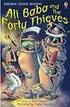 Ali Baba and the Forty Thieves The story Ali Baba, a poor woodcutter, had a rich brother, Kasim, who never shared any of his money with his brother. Instead, he treated Ali Baba, his wife and son badly.
Fry Phrases Set 1. TeacherHelpForParents.com help for all areas of your child s education
 Set 1 The people Write it down By the water Who will make it? You and I What will they do? He called me. We had their dog. What did they say? When would you go? No way A number of people One or two How
California Treasures High-Frequency Words Scope and Sequence K-3
 California Treasures High-Frequency Words Scope and Sequence K-3 Words were selected using the following established frequency lists: (1) Dolch 220 (2) Fry 100 (3) American Heritage Top 150 Words in English
Phonics. High Frequency Words P.008. Objective The student will read high frequency words.
 P.008 Jumping Words Objective The student will read high frequency words. Materials High frequency words (P.HFW.005 - P.HFW.064) Choose target words. Checkerboard and checkers (Activity Master P.008.AM1a
1. Listen to your teacher read the vocabulary words.
 Lesson 6 Literature Link 1. Listen to your teacher read the vocabulary words. Vocabulary Tilda Tennessee troublemaker chicken visitors special invited outwit enough bridle saddle reins different comfortable
Fiction: Poetry. Classic Poems. Contemporary Poems. Example. Key Point. Example
 Reading - Comprehension Fiction: Poetry Read classic and contemporary poems Recognise riddles and rhymes Recognise tongue twisters Classic Poems A poem expresses an emotion or an idea. Rhyme is when words
KINDGERGARTEN. Listen to a story for a particular reason
 KINDGERGARTEN READING FOUNDATIONAL SKILLS Print Concepts Follow words from left to right in a text Follow words from top to bottom in a text Know when to turn the page in a book Show spaces between words
Kino, Juana and Coyotito
 1 Kino, Juana and Coyotito K ino woke up early in the morning. The stars were still shining in the sky. The cockerels were beginning to crow 1 and the pigs were looking for something to eat. Outside the
Plants That Eat Bugs, Level H LANGUAGE AND LITERARY FEATURES SENTENCE COMPLEXITY
 YOU WILL NEED Take-Home Book, Little Wolf s New Home magnetic letters: s, e, e, d, f, r, t, h, w, p, l, g, n word bags highlighter tape NEW BOOK Plants That Eat Bugs, Level H REREADING Little Wolf s New
First Grade Spelling 3-1. First Grade Spelling. 1. an 2. at 3. can 4. cat 5. had 6. man 7. I 8. and 9. the 10. a. Dictation Sentences:
 First Grade Spelling Dear Parents, Beginning this week, the first graders will be starting their spelling program. Each Monday, or the beginning of the week, they will be given a pre-test on 10 words that
4. Go over an unknown/difficult vocabulary with the class.
 Workbook-linked lesson plans and materials Elac WRITING A DIARY ENTRY: TASK 2 Note: You do not have to use all or even any of the activities outlined here. Below are some ideas which you may find useful
Five Pronunciation Games for Brazil
 Five Pronunciation Games for Brazil Mark Hancock with Ricardo Sili I presented a workshop called 'Pronunciation Games for Brazil' with Ricardo Sili at the 13th BRAZ-TESOL National Convention. This article
That spring, the sun shone every day. I was lonely at first in
 1 Tom and Daisy That spring, the sun shone every day. I was lonely at first in the East. But I felt that this was the real beginning of my life. I walked in the fresh air. I bought books. I worked hard.
VCOP. Vocabulary, Connectives, Openers and Punctuation - Helping your child with V.C.O.P at home
 Vocabulary, Connectives, Openers and Punctuation - VCOP Helping your child with V.C.O.P at home Throughout the school, the children are involved in activities that help them to gain more knowledge about
SEPTEMBER Unit 1 Page Learning Goals 1 Short a 2 b 3-5 blends 6-7 c as in cat 8-11 t 12-13 p
 The McRuffy Kindergarten Reading/Phonics year- long program is divided into 4 units and 180 pages of reading/phonics instruction. Pages and learning goals covered are noted below: SEPTEMBER Unit 1 1 Short
How To Read A Book
 Sun, Cloud, Stone The story Sam is a stone cutter. It is hot and tiring work. One day, his boss, Jim, tries to make Sam work faster. Sam looks at the sun and sees how strong it is. He wishes that he could
Parable of The Prodigal Son
 Parable of The Prodigal Son Teacher Pep Talk: Children need to know that they are loved unconditionally. In fact, we all need to know it! In the Parable of the Prodigal Son, Jesus assures us that God will
English lesson plans for Grade 1
 English lesson plans for Grade 1 Lessons in this section 1.1 Vocabulary, listening and speaking: parts of the body and can 26 1.2 Vocabulary, listening and speaking: colours and parts of the body 29 1.3
School clubs are fun!
 UNIT School clubs Reading School clubs are fun! to: Anna from: Candy subject: Choir Hi Anna, I went to Choir after school today. It was really good. We sang some very funny songs. Mrs Hall helps us and
AR State PIRC/ Center for Effective Parenting
 Helping Young Children Learn to Read What Parents Can Do Reading is one of the basic building blocks for your child s learning and school success. It is a skill on which most other learning is built. Children
Transitional Plan Levels J-M Based on 20-minute lesson each day. Prompts for Guided Reading
 Next Step in Guided Reading K-2 Emergent & Early Plan levels A-I Transitional Plan Levels J-M Based on 20-minute lesson each day Based on 20-minute lesson each day Day 1 Day 2 Day 1 Day 2 Day 3 Sight word
A Note to Parents. 1. As you study the list, vary the order of the words.
 A Note to Parents This Wordbook contains all the sight words we will be studying throughout the year plus some additional enrichment words. Your child should spend some time each week studying this Wordbook
Year 3 Grammar Guide. For Children and Parents MARCHWOOD JUNIOR SCHOOL
 MARCHWOOD JUNIOR SCHOOL Year 3 Grammar Guide For Children and Parents A guide to the key grammar skills and understanding that your child will be learning this year with examples and practice questions
1. 2. 3. 4. 5. 6. 7. 8.
 arm horn core oar Pick a word from the box to match each picture. Write the word on the line. artist bark garden roar score short start store stork storm 1. 2. 3. 4. 5. 6. 7. 8. Pick a word that is the
Pupil SPAG Card 1. Terminology for pupils. I Can Date Word
 Pupil SPAG Card 1 1 I know about regular plural noun endings s or es and what they mean (for example, dog, dogs; wish, wishes) 2 I know the regular endings that can be added to verbs (e.g. helping, helped,
GRADE 4 English Language Arts Proofreading: Lesson 5
 GRADE 4 English Language Arts Proofreading: Lesson 5 Read aloud to the students the material that is printed in boldface type inside the boxes. Information in regular type inside the boxes and all information
EMILY WANTS SIX STARS. EMMA DREW SEVEN FOOTBALLS. MATHEW BOUGHT EIGHT BOTTLES. ANDREW HAS NINE BANANAS.
 SENTENCE MATRIX INTRODUCTION Matrix One EMILY WANTS SIX STARS. EMMA DREW SEVEN FOOTBALLS. MATHEW BOUGHT EIGHT BOTTLES. ANDREW HAS NINE BANANAS. The table above is a 4 x 4 matrix to be used for presenting
Reading aloud to a child
 Reading aloud to a child Festivals and celebrations: introduction Me and my culture: festivals and celebrations Contents Festivals and celebrations: teachers notes Festivals and celebrations: classroom
Monday Simple Sentence
 Monday Simple Sentence Definition: A simple sentence is exactly what it sounds like, simple. It has a tensed verb (past or present), a subject, and expresses a complete thought. A simple sentence is also
Fry s Sight Word Phrases
 The people Write it down By the water Who will make it? You and I What will they do? He called me. We had their dog. What did they say? When would you go? No way A number of people One or two How long
Grade 8 English Language Arts 90 Reading and Responding, Lesson 9
 GRADE 8 English Language Arts Reading and Responding: Lesson 9 Read aloud to the students the material that is printed in boldface type inside the boxes. Information in regular type inside the boxes and
THE FORGIVING FATHER
 BOOK 1, PART 3, LESSON 4 THE FORGIVING FATHER THE BIBLE: Luke 15:11-32 THEME: We can discover what Jesus wants us to do and be by hearing the parables Jesus told. PREPARING FOR THE LESSON MAIN IDEA: Jesus
Jack and the Beanstalk
 Teacher Edition Jack and the Beanstalk Retold by Jack Hastings Illustrated by Steve Axelsen alphakids Published edition Eleanor Curtain Publishing 2004 Text Elizabeth Golding Photographs Eleanor Curtain
GED Language Arts, Writing Lesson 1: Noun Overview Worksheet
 CLN Televised Courses Nina Beegle, Instructor Lesson 1: Noun Overview Worksheet NOUNS: DEFINITION A NOUN can be a person, a place, a thing, or an idea. EXAMPLES: man, children, store, a dream There are
On Your Marks: Under-5s Day 2 Jesus heals Bartimaeus Mark 10: 46-52
 On Your Marks: Under-5s Day 2 Jesus heals Bartimaeus Mark 10: 46-52 Simple Story An enlarged copy of the 'Bart' picture on A4 card; three extra faces (available as a web download: Day 2 resource sheets
Grammar Unit: Pronouns
 Name: Miss Phillips Period: Grammar Unit: Pronouns Unit Objectives: 1. Students will identify personal, indefinite, and possessive pronouns and recognize antecedents of pronouns. 2. Students will demonstrate
Keep your English up to date 4. Teacher s pack Lesson plan and student worksheets with answers. Facebook
 Keep your English up to date 4 Teacher s pack Lesson plan and student worksheets with answers British Broadcasting Corporation 2008 Lesson Plan: Teacher's notes CONTENTS 1. Level, topic, language, aims,
Speaking for IELTS. About Speaking for IELTS. Vocabulary. Grammar. Pronunciation. Exam technique. English for Exams.
 About Collins series has been designed to be easy to use, whether by learners studying at home on their own or in a classroom with a teacher: Instructions are easy to follow Exercises are carefully arranged
LITTLE RED RIDING-HOOD
 LITTLE RED RIDING-HOOD Little Red Riding-Hood Mother Bird Wolf CAST OF CHARACTERS SETTINGS Little Red Riding-Hood s Home The Wood Grandmother s House Mr. Miller Grandmother Wood Choppers Scene I. At Red
GESE Initial steps. Guide for teachers, Grades 1 3. GESE Grade 1 Introduction
 GESE Initial steps Guide for teachers, Grades 1 3 GESE Grade 1 Introduction cover photos: left and right Martin Dalton, middle Speak! Learning Centre Contents Contents What is Trinity College London?...3
Phonics. Phonics is recommended as the first strategy that children should be taught in helping them to read.
 Phonics What is phonics? There has been a huge shift in the last few years in how we teach reading in UK schools. This is having a big impact and helping many children learn to read and spell. Phonics
1 Grammar in the Real World
 U NIT 31 Adjectives and Adverbs Making a Good Impression 1 Grammar in the Real World A Do you know how to give a presentation? What do you do to prepare? Read the article How many of your ideas are in
REPORTED SPEECH. Reported speech is used to retell or report what other person has actually said. It is a very usual function in everyday language.
 REPORTED SPEECH USE Reported speech is used to retell or report what other person has actually said. It is a very usual function in everyday language. STRUCTURE Formal aspects We can find different ways
All Saints (or All Hallows) Celebration
 All Saints (or All Hallows) Celebration Bible base: Mark 10:46 52 Aim: To present an alternative focus to the Hallowe en events that dominate this time of year. Note to leaders Our focus this week will
Lerninhalte ALFONS Lernwelt Englisch 5. Klasse
 Seite 1 Turmzimmer 1: Numbers, Alphabet & Pronunciation 1. Alphabet 7. Rhyme Time (Hard) 2. Learning Words (E-D) 8. Hidden Words 3. Rhyming Numbers 9. Can You Calculate? ( /:) 4. Dictation (Easy) 10. Hangman
Subject Pronouns. Memorize the subject pronouns. Say them from memory to someone. Write a subject pronoun to replace the underlined words.
 Lesson 2 Subject Pronouns You know that pronouns take the place of nouns. Subject pronouns replace nouns that are used as subjects in a sentence. They usually come before the verb. Susan climbed the tree.
Tommy Tales. the Jungle BOOK 28
 E W E B O O K S Tommy Tales are downloadable and printable books only available on the Internet from the following Web sites: www.learningpage.com www.readinga-z.com BOOK 28 Tommy in the Jungle E W E B
UNIVERSITA' DEGLI STUDI DI URBINO CARLO BO ACCERTAMENTO DI LINGUA INGLESE: LIVELLO B2
 UNIVERSITA' DEGLI STUDI DI URBINO CARLO BO ACCERTAMENTO DI LINGUA INGLESE: LIVELLO B2 Cognome/Nome... N. Matr... Dottorato di appartenenza... Data... Firma... READING 1 Read the text and tick ( ) A, B,
7.5 Emphatic Verb Tense
 Chapter 7 Verb Usage 211 7.5 Emphatic Verb Tense The emphatic tenses of a verb are used to add emphasis. In addition, the emphatic tense can be used with the word not in negative sentences and to form
Scope and Sequence Skills Strand Grade 1
 The Skills strand of the Core Knowledge Language Arts program teaches students the decoding skills needed for (future) independent reading. Each Skills lesson begins with a warm-up, reviewing previously
Year 1 reading expectations (New Curriculum) Year 1 writing expectations (New Curriculum)
 Year 1 reading expectations Year 1 writing expectations Responds speedily with the correct sound to graphemes (letters or groups of letters) for all 40+ phonemes, including, where applicable, alternative
Introduction. 1 st Reason. Extension of 1 st reason. Elaboration of 1 st reason. 2nd Reason. Extension of 2nd reason. Elaboration of 2nd reason
 A special person is someone who listens to me, makes me laugh and buys me nice presents. Do you have anyone in your life that does those things? I do, and her name is Lucy. Let me tell you more about why
ENGLISH LANGUAGE - SCHEMES OF WORK. For Children Aged 8 to 12
 1 ENGLISH LANGUAGE - SCHEMES OF WORK For Children Aged 8 to 12 English Language Lessons Structure Time Approx. 90 minutes 1. Remind class of last topic area explored and relate to current topic. 2. Discuss
 Marty's Big Mistake A short story about character by Wes Fessler Marty mouse was walking home from school one sunny day. A rock was on the sidewalk, which he kicked along the way. The rock would bounce
Advice for Class Teachers. Moderating pupils reading at P 4 NC Level 1
 Advice for Class Teachers Moderating pupils reading at P 4 NC Level 1 Exemplars of writing at P Scales and into National Curriculum levels. The purpose of this document is to provide guidance for class
THE CONTEST BETWEEN THE SUN AND THE WIND. Outcome: Students will learn about Aesop and Aesop s fables.
 Outcome: Students will learn about Aesop and Aesop s fables. World map or globe Sun Graphic Organizer worksheet Blackboard or Whiteboard Unlined paper Lined paper Markers or pastels Optional: Cleveland,
Year 3 Reading optional SAT mark scheme 2003
 Year 3 Reading optional SAT mark scheme 2003 1. The Sand Horse Multiple choice questions 1 7. Award for each correctly identified option. Do not award a mark if a child has circled more than one option.
Mrs. LaBorde s. Words Their Way. Spelling Homework Guide. (Please keep this all year to help with spelling homework!!!)
 Mrs. LaBorde s Words Their Way Homework Guide (Please keep this all year to help with spelling homework!!!) ABOUT WORDS THEIR WAY Words Their Way is a new approach to teaching spelling that allows students
Useful classroom language for Elementary students. (Fluorescent) light
 Useful classroom language for Elementary students Classroom objects it is useful to know the words for Stationery Board pens (= board markers) Rubber (= eraser) Automatic pencil Lever arch file Sellotape
The Story Of The Three Bears
 presents The Story Of The Three Bears From "English Fairy Tales" by Flora Annie Steel Illustrations by Arthur Rackham - 1 - nce upon a time there were three Bears, who lived together in a house of their
Class 3. Early Reading Assessment
 Class 3. Early Reading Assessment 1. Phonemic Awareness: Initial Sound Segmentation Assess child s phonemic awareness: the knowledge that words are made of sounds put together. Assess ability to identify
Character Traits. Teacher Talk
 Character Traits Teacher Talk What: (What are character traits, emotions and motives?): Characters are the people or animals in a story. When looking at characters, notice details about how they look,
WORDS THEIR WAY. Thursday- FREE CHOICE: See the attached page with Free Choice options and assist your child in completing this activity.
 WORDS THEIR WAY Dear Parents, Your child will be bringing home a collection of spelling words weekly that have been introduced in class. Each night of the week, your child is expected to do a different
Young Learners English
 University of Cambridge ESOL Examinations Young Learners English Starters Information for Candidates Information for candidates YLE Starters Dear Parent Thank you for encouraging your child to learn English
Progression in each phase for Letters & Sounds:
 Burford School Marlow Bottom Marlow Buckinghamshire SL7 3PQ T: 01628 486655 F: 01628 898103 E: [email protected] W: www.burfordschool.co.uk Headteacher: Karol Whittington M.A., B.Ed. Hons Progression
Tapescript. B Listen and write the words. C Help the baby spider. Draw a red line. D Help the baby frog. Listen and draw a green line.
 Unit 1 Hello! Topics animals, colours, numbers Functions following instructions, spelling and writing Grammar questions (What s? What are? What colour?), demonstratives (this/these), imperatives Vocabulary
EKOLA Junior High School Bilingual Programme Entrance Test (1h15) Sample Paper. Result:
 EKOLA Junior High School Bilingual Programme Entrance Test (1h15) Sample Paper Name: Result: Task 1 Which notice says what? For questions 1 5, match the correct letter A H. 1. You do not have to pay extra
There are a number of avenues of work that would be useful preparation for pupils viewing the film. These could include:
 Teachers Notes The study guide aims to complement and extend the pleasure that pupils will derive from seeing 'Rudyard Kipling's The Jungle Book' while at the same time meeting some of the requirements
To download the script for the listening go to: http://www.teachingenglish.org.uk/sites/teacheng/files/learning-stylesaudioscript.
 Learning styles Topic: Idioms Aims: - To apply listening skills to an audio extract of non-native speakers - To raise awareness of personal learning styles - To provide concrete learning aids to enable
LESSON TITLE: Jesus is the Way, the Truth, and the Life
 Devotion NT271 CHILDREN S DEVOTIONS FOR THE WEEK OF: LESSON TITLE: Jesus is the Way, the Truth, and the Life THEME: We can always trust Jesus. SCRIPTURE: John 14:1-6 Dear Parents Welcome to Bible Time
5 Free Techniques for Better English Pronunciation
 5 Free Techniques for Better English Pronunciation Enhancing Communication Skills Enhancing Performance Judy Ravin, President The Accent Reduction Institute, LLC 410 N. 4th Ave. Ann Arbor, MI. 48104 734-665-2915
Tips for Teaching. Word Recognition
 Word Recognition Background Before children can begin to read they need to understand the relationships between a symbol or a combination of symbols and the sound, or sounds, they represent. The ability
Dorset Early Years Team. Children learning English as an additional language (EAL)
 Children learning English as an additional language (EAL) Many children in early years settings will have a home language other than English. Practitioners should value this linguistic diversity and provide
Fun Learning Activities for Mentors and Tutors
 Fun Learning Activities for Mentors and Tutors Mentors can best support children s academic development by having fun learning activities prepared to engage in if the child needs a change in academic/tutoring
BIBLE LESSON # 18 1.
 BIBLE LESSON 1. Jacob was on a long journey going to his father's home. Jacob had his wives and children with him and he had many cows and donkeys and sheep and camels as well. Jacob's twin brother Esau,
Teaching English FAL Grades 1 to 3
 T hing Engliish First A Teach Addittionaal Lan nguaage Gradess 1 3 Teaching English FAL Grades 1 to 3 Strategies for teaching reading and phonics, using the CAPS Contents: 1 Introduction to the Foundation
Grade 1 National Reading Vocabulary Developed by TampaReads - ReadingKey.com/TampaReads.com
 Grade 1 National Reading Vocabulary Developed by TampaReads - ReadingKey.com/TampaReads.com The 340 reading vocabulary words in this 1st Grade reading list have been carefully selected as words which Grade
Lesson Plan Template + ++ +++++
 Lesson Plan Template + ++ +++++ Title : Goldilocks and the Three Bears: A Fairy Tale Author : Linda New Levine Proficiency level X Beginning X Intermediate X Advanced Grade level K-2 Skills _X Reading
Contents. Appendix 1: Pairs Of Text For Spot The Difference 28. Appendix 2: Activity Glossary 32
 Contents Introduction 3 1. Loop Games Lesson: English / Big Writing 4 2. Spot The Difference Lesson: English / Big Writing 6 3. Sea Monsters Lesson: English / Big Writing / Science / Fiction / Geography
Helping your child with Reading
 Helping your child with Reading Some ways that you can support. Getting Started Sharing books - We teach phonics to help our children learn to read and write and in order to do this successfully they need
Alphabetic Knowledge / Exploring with Letters
 Alphabetic Knowledge / Exploring with Letters Reading Goal 67: demonstrate awareness of the alphabetic principle Reads books with repetitive sounds and/or pronounces words deliberately and slowly when
LEVEL 5-1 - New Headway Intermediate
 LEVEL 5-1 - New Headway Intermediate SKILLS-BASED SPEAKING Students should be able to GRAMMAR VOCABULARY PRONUNCIATION LISTENING WRITING TOPICS: Exploring the World Unit 1 PG 6-13 ask and answer questions
1) To take a picture is fun. It is fun to take a picture. it To master English grammar is difficult. It is difficult to master English grammar.
 3 1) To take a picture is fun. It is fun to take a picture. it To master English grammar is difficult. It is difficult to master English grammar. English grammar is diffcult to master. 2) My dream is to
Transportation: Week 2 of 2
 The Minnesota Literacy Council created this curriculum with funding from the MN Department of Education. We invite you to adapt it for your own classrooms. Beginning Level (CASAS reading scores of 181-200)
A PRAYER IN THE GARDEN
 BOOK 3, PART I, LESSON 4 A PRAYER IN THE GARDEN THE BIBLE: Luke 22:39-53, Mark 14:32-50 THEME: We remember that Jesus taught about love and showed love in everything he did. During Lent and Easter we remember
Lesson Plan #2. Performance Objective(s): Given a worksheet of 12 sentences, the 2 nd grade students will identify the action verb 9 out of 12 times.
 Lesson Plan #2 Lesson: Action Verb Lesson with Book, Game, and Video Length: 45 minutes Age or Grade Level Intended: 2 nd Grade Source: Taken from www.lessonsnips.com and Emily Gallmeyer Academic Standard(s):
Young Learners English
 University of Cambridge ESOL Examinations Young Learners English Movers Information for Candidates Information for candidates YLE Movers Dear Parent Thank you for encouraging your child to learn English
Unit 2 Title: Word Work Grade Level: Kindergarten Timeframe: 6 Weeks
 Unit 2 Title: Grade Level: Kindergarten Timeframe: 6 Weeks Unit Overview: This unit of word work will focus on the student s ability to produce the primary letter sounds of consonants and some vowels;
Monitoring for Meaning
 Monitoring for Meaning Grades 3-5 eeee Wwh Monitoring comprehension is above all engagement. When readers monitor their thinking, they have an inner conversation with the text. They listen to the voice
Female Child s date of birth: Last name: State/ Province: Home telephone number:
 60 Ages & Stages Questionnaires 57 months 0 days through 66 months 0 days Month Questionnaire Please provide the following information. Use black or blue ink only and print legibly when completing this
Self-Acceptance. A Frog Thing by E. Drachman (2005) California: Kidwick Books LLC. ISBN 0-9703809-3-3. Grade Level: Third grade
 Self-Acceptance A Frog Thing by E. Drachman (2005) California: Kidwick Books LLC. ISBN 0-9703809-3-3 This Book Kit was planned by Lindsay N. Graham Grade Level: Third grade Characteristic Trait: Self Acceptance
English Appendix 2: Vocabulary, grammar and punctuation
 English Appendix 2: Vocabulary, grammar and punctuation The grammar of our first language is learnt naturally and implicitly through interactions with other speakers and from reading. Explicit knowledge
CAMBRIDGE FIRST CERTIFICATE Listening and Speaking NEW EDITION. Sue O Connell with Louise Hashemi
 CAMBRIDGE FIRST CERTIFICATE SKILLS Series Editor: Sue O Connell CAMBRIDGE FIRST CERTIFICATE Listening and Speaking NEW EDITION Sue O Connell with Louise Hashemi PUBLISHED BY THE PRESS SYNDICATE OF THE
One Day. Helen Naylor. ... Level 2. Series editor: Philip Prowse. Cambridge University Press 978-0-521-71422-8 - One Day.
 Cambridge English Readers... Level 2 Series editor: Philip Prowse One Day cambridge university press Cambridge, New York, Melbourne, Madrid, Cape Town, Singapore, São Paulo, Delhi Cambridge University
English Language Arts Book 3
 English Language Arts Grade 4 Sample Test 2005 Name TIPS FOR TAKING THE SAMPLE TEST Here are some suggestions to help you do your best: Be sure to read carefully all the directions in the test book. Plan
What makes a good friend?
 What makes a good friend? Cross Curriculum links: En1 3a-e; 4a, b, c En3 1b, 12 PSHCE 4a, c Learning Outcomes: What you need: Understand that there are different kinds of friendship Consider how we might
Nancy Fetzer s Word Masters to Movie Scripts Free Download
 Nancy Fetzer s Word Masters to Movie Scripts Free Download Nancy Fetzer s Literacy Connections Phone (951) 698-9556 FAX (951) 698-7616 www.nancyfetzer.com Language Development Across the Curriculum Word