
Pain Management: Trigeminal Neuralgia
|
|
|
- Ada Dina Osborne
- 10 years ago
- Views:
Transcription
1 Clinical Review Article Pain Management: Trigeminal Neuralgia Meraj N. Siddiqui, MD Shazia Siddiqui, MD J. Sudharma Ranasinghe, MD Fred A. Furgang, MD The International Association for the Study of Pain defines trigeminal neuralgia as sudden, recurrent, severe pain in the distribution of one or more of the branches of the fifth cranial nerve. 1 Although compression of the nerve root is the most common reported cause of the disorder, most cases are idiopathic. The pain can be triggered by talking, brushing teeth, touching the face, chewing, or swallowing. An episode generally lasts only a few seconds, but several episodes may follow each other in quick succession. Episodes can occur at various times throughout a given day and can occur relatively frequently for a period of days to months. However, pain-free periods may also last for several months or possibly years. This article reviews anatomic considerations relevant to the trigeminal nerve and characteristics of trigeminal neuralgia. The diagnosis and treatment of this disorder are also discussed. HISTORICAL PERSPECTIVE Trigeminal neuralgia has long been recognized in the medical literature; in fact, it was described as early as the first century AD in the writings of Aretaeus. 2 It was later discussed by Johannes Bausch in Nicolas Andre, in 1756, used the term tic douloureux ( painful spasm ) to describe the disorder. 3 Fothergill provided a vivid description of trigeminal neuralgia in Early treatments included bloodletting and the application of bandages containing arsenic, mercury, hemlock, cobra and bee venom, and other poisons. 3 ANATOMIC AND FUNCTIONAL CONSIDERATIONS The trigeminal nerve is the largest sensory cranial nerve. It also contains some motor fibers. There is a trigeminal nerve on either side of the head. The principal function of the nerve is to carry information relating to light touch, temperature, pain, and propioception from the face and head to the brain. Sensory Fibers The sensory fibers arise from the gasserian ganglion (lying near the petrous part of the temporal bone in the dura matter), pass backward, enter the pons, and divide into upper and lower roots. The upper roots end in the principal or superior sensory nucleus and locus caeruleus. The lower roots descend through the pons and medulla and terminate in the spinal tract nucleus, which consists of subnucleus caudalis, subnucleus interpolaris, and subnucleus oralis. The subnucleus caudalis serves as the principal brainstem relay site for orofacial pain, and the superior sensory nucleus and subnucleus oralis are sites relaying orofacial tactile information. Cutaneous nociceptive neurons predominate in laminae I, II, V, and VI of the spinal cord. Electrophysiologic studies indicate that many of the nociceptive neurons in these laminae of the spinal dorsal horn have axons that project directly to the thalamus via the spinothalamic tract. 4 Likewise, nociceptive neurons in each part of the trigeminal brainstem complex have axons that project directly or indirectly (via the reticular formation) to the thalamus. Neurons similar to the dorsal horn nociceptive neurons (ie, with axons extending to the thalamus) are found in the subnucleus caudalis; the subnucleus caudalis has many features in common with the spinal dorsal horn, including its layered appearance and cell types. The response properties of cutaneous nociceptive neurons have been classified into 2 main groups: (1) high-threshold or nociceptive-specific neurons, which respond exclusively to noxious tactile stimuli such as a pinch or heat; and (2) wide dynamic-range neurons, which are excited by noxious and non-noxious tactile stimuli. Many nociceptive neurons in the subnucleus caudalis not only respond to noxious stimulation of the Dr. M. Siddiqui is a Fellow, Pain Management, and Dr. S. Siddiqui is a Resident, Anesthesiology, Jackson Memorial Medical Center and University of Miami, Miami, FL. Dr. Ranasinghe is an Assistant Professor of Anesthesiology, University of Miami, and the Director of Obstetric Anesthesia Research, Jackson Memorial Medical Center, Miami, FL. Dr. Furgang is an Assistant Professor of Anesthesiology, University of Miami, and the Director, Pain Management Training Program, Jackson Memorial Medial Center, Miami, FL. 64 Hospital Physician January

2 orofacial tissues (including tooth pulp) but also can be excited by noxious mechanical or chemical stimulation of the temporomandibular joint, dura mater, and afferent nerves of the jaw, tongue, and neck muscles. Low-threshold mechanoreceptive neurons do not respond to noxious tactile stimuli; they are activated by light tactile stimuli applied to skin, mucosa, or teeth. These neurons are found mostly in laminae III and IV of the spinal cord and are similar to neurons in the superior sensory nucleus. Motor Fibers The motor fibers arise from superior and inferior nuclei. The motor fibers arising from the superior nucleus, also called mesocephalic roots, join with the motor fibers arising from the lower nucleus, and together they form the motor part of the trigeminal nerve. This part of the nerve joins with the sensory root as it emerges from the side of the pons. Principal Divisions of the Trigeminal Nerve There are 3 main branches to the trigeminal nerve. The ophthalmic nerve (V 1 ) is the smallest division, containing only sensory fibers. It supplies branches to the cornea, ciliary body, iris, lacrimal gland, conjunctiva, skin of the eyelid, eyebrows, forehead, and nose. The maxillary nerve (V 2 ) is intermediate in size and is also sensory in nature. It supplies branches to the side of the nose, upper eyelid, and upper lip. The mandibular nerve (V 3 ) is the largest branch and contains both sensory and motor fibers. It supplies branches to the teeth, gums, skin of the temporal region, lower lip, lower part of the face, and muscles of mastication. Pain is usually referred to a main division of the trigeminal nerve, but in some cases, it may be felt over the distribution of more than one division. For example, pain associated with dental caries of the mandible may be felt in the ear. Pain associated with ulcers of the tongue may be experienced over the temporal fossa and ears. EPIDEMIOLOGY Trigeminal neuralgia is rare and thus statistical data regarding it scant. Early literature suggested a strong preponderance in women; however, current data indicate that only approximately 60% of patients with trigeminal neuralgia are female. 3 The annual incidence for women is approximately 5.9 cases per 100,000 women; for men, it is approximately 3.4 cases per 100,000 men. 5 Incidence increases with age. Although peak onset occurs between age 50 and 70 years, the disorder can also occur in children. The youngest child reported to have trigeminal neuralgia was approximately age 12 months 6 ; other children between age 3 and 11 years have also experienced the condition. 6 No known racial or ethnic risk factors exist. Patients with multiple sclerosis may develop trigeminal neuralgia as a secondary symptom. However, this occurrence is relatively rare, involving only approximately 1% of patients with multiple sclerosis. 7 ETIOLOGY Although several hypotheses have been put forth, the causes of trigeminal neuralgia have not been fully explained in the literature. For most patients, the cause is unknown. 8,9 The most common reported cause of trigeminal neuralgia is compression of the nerve root Mechanical compression of the trigeminal nerve can occur as the nerve leaves the pons and traverses the subarachnoid space toward Meckel s cave. Most commonly, the nerve is compressed by a major artery, usually the superior cerebellar artery. When pain is felt in the second or third division of the trigeminal nerve, the usual finding is compression of the rostral and anterior portion of the nerve by the superior cerebellar artery; if the pain is felt in the distribution of the ophthalmic division, the usual finding is compression of the nerve by the anterior inferior cerebellar artery. Moreover, it has been postulated that compression of the trigeminal nerve by tumors and other blood vessels can lead to the disorder However, tumors, veins, and arteriovenous malformations are rarely involved in compression. Also, damage to the myelin sheath can cause trigeminal pain. This type of damage typically occurs in connection with multiple sclerosis. 17,18 Normally, different nerves transmit different sensations (eg, pain, heat). The myelin sheath of the nerves isolates the nerves from each other. If the myelin sheath is damaged, different signals blend together, and thus, the brain may interpret the sensation caused by a light touch as pain. Because demyelination plaques are common findings on autopsy of patients with multiple sclerosis even of those who did not have trigeminal neuralgia questions have been raised as to whether damage to the myelin sheath is a cause or an incidental finding in patients with trigeminal neuralgia and multiple sclerosis. Traumatic accidents, unsuccessful dental work, and various infections can damage the trigeminal nerve. It is hypothesized that trigeminal neuralgia is caused by foci of abscesses and bone resorption with irritation of the trigeminal nerve in the maxilla or mandible. The varicella virus, which causes herpes zoster, can sometimes also cause intense pain in the trigeminal area that is particularly difficult to treat. Hospital Physician January

3 PATHOGENESIS Several theories exist explaining the pathogenesis of trigeminal neuralgia; however none of the theories explain the process completely. Theories regarding pathogenesis may ultimately be classified as either central or peripheral. 3 Central theories are based on the similarity of trigeminal neuralgia to focal epilepsy and emphasize the role of deafferentation (secondary to compression of the trigeminal roots or ganglion) in the genesis of neural hyperactivity. Peripheral theories note that changes in peripheral axons and myelin may lead to altered nerve sensitivity to chemical and mechanical stimuli. Calvin concluded that both central and peripheral mechanisms are required to produce clinical trigeminal neuralgia. 19 For example, if compression occurs at the root entry zone (ie, the area where the nerve enters the pontine brain stem), the pressure on the nerve may cause a breakdown of myelin, resulting in abnormal depolarization, ectopic impulses, and pain. Fromm proposed that the process begins with a peripheral nerve lesion, which then leads to central synaptic changes; the response of the central synapses to altered peripheral events set the stage for trigeminal neuralgia. 20 Patients with multiple sclerosis who also have trigeminal neuralgia often have demyelination in the roots of the trigeminal nerve, as seen during surgery or at autopsy. Some of these patients may also have compression of the gasserian ganglion by small blood vessels. CLINICAL FEATURES With respect to classic trigeminal neuralgia, the pain occurs in short spasmodic episodes, often described as being similar to electric shocks. A typical attack lasts only a few seconds. However, subsequent attacks can follow within minutes. At its worst, the pain is completely paralyzing. It usually seems very localized within the area of the trigeminal nerve and does not radiate into other areas. The pain almost always affects only one side of the face. The area of the face affected reflects the branch of the trigeminal nerve that is involved. Trigger points, or areas of the face that with light pressure will trigger a pain attack, are a characteristic feature of trigeminal neuralgia. Such points may be located on the lips, on the side of the jaw, underneath the eye, in the eyelid, or anywhere the trigeminal nerve reaches. There are several activities that can trigger an attack. Eating can become almost impossible, and loss of weight is common among those with the disorder. Shaving, applying makeup, and even talking can become difficult. In some cases, even a gust of wind can be enough to start an attack. An attack can also start without provocation. Even without treatment, there can be periods of remission when pain is completely absent. These periods which can last days, weeks, months, or even years are unpredictable. However, without medical treatment, the pain usually returns. Many patients with trigeminal neuralgia have symptoms that do not conform to those of classic trigeminal neuralgia. In addition to stabbing, shock-like pain, many patients experience pain that they describe as throbbing, burning, crushing, or pulsating. For some, there is no remission from the pain. These atypical forms of trigeminal neuralgia are often very difficult to treat. DIAGNOSIS No medical test exists that can be used to clearly diagnose all cases of trigeminal neuralgia. 21 However, establishing the diagnosis is usually not difficult, especially in cases of classic trigeminal neuralgia in which the symptoms are clear and distinct. A thorough medical examination should be performed, and a history of symptoms should be obtained. Medical tests should be performed to rule out any serious medical problems; these tests can include computed tomographic (CT) and magnetic resonance imaging (MRI) scans. Conventional MRI scans used to rule out the presence of a brain tumor or multiple sclerosis as a cause of a patient s facial pain are not, however, adequate to observe the trigeminal nerve or an associated blood vessel. Fortunately, an improved form of magnetic resonance neuroimaging now makes it possible to observe both the nerve and associated blood vessels. The technique, called 3-D volume acquisition, is performed with contrast injection and uses thin cuts (ie, 0.8 mm) without gaps. This technique is similar to MRI angiography and venography. 22 The trigeminal nerve is easily observed in the axial plane when the MRI series is centered at the midpoint of the fourth ventricle. To ensure adequate evaluation, the nerve should be observed on 3 adjacent cuts. Early studies indicate that when an offending vessel is present, it will be detected 80% of the time 2 ; with continued technologic improvements, this percentage should increase. TREATMENT Initially, administration of anticonvulsant drugs was the treatment of choice for trigeminal neuralgia. There are now a variety of other effective treatments, both pharmacologic and surgical. However, none of them is a cure. In our experience, there are several factors that can affect a treatment plan, including the patient s age (child vs adult), life expectancy, associated medical and psychiatric conditions, compliance with medical therapy, 66 Hospital Physician January

4 Table 1. Pharmacologic Treatments for Trigeminal Neuralgia Medication Mechanisms of Action Dosage Common Adverse Effects Carbamazepine Slows recovery rate of voltage-gated 200 to 1200 mg daily Nausea, drowsiness, fatigue, sodium channels, modulates activated in 2 divided doses dizziness, memory probcalcium channel activity, and activates lems, diplopia, nystagmus, descending inhibitory modulation system liver dysfunction, and hematosuppression (rare) Phenytoin Possibly promotes sodium efflux from 300 to 500 mg daily Nystagmus, ataxia, slurred neurons speech, decreased coordination, mental confusion Oxcarbazepine Same as carbamazepine 300 to 1800 mg daily Decreased blood sodium in 2 divided doses level, dizziness, fatigue, headache, tremors, drowsiness, diminished concentration, diplopia, and stammering Lamotrigine Decreases repetitive firing of sodium 100 to 150 mg daily Sleepiness, dizziness, channels by slowing the recovery in 2 divided doses; headache, vertigo, rash, rate of voltage-gated channels starting dosage, 25 mg Stevens- Johnson syndrome every other day for 6 to 8 days, with the dosage increased 25 to 50 mg every 1 to 2 weeks Gabapentin Mechanism unknown but possibly 1200 to 3600 mg daily Fatigue, somnolence, dizziincludes blockage of voltage-gated in 3 or 4 divided doses ness, ataxia, nystagmus, calcium channels by binding to and tremor α 2 / subunit Topiramate Voltage-gated sodium channel blockage; 200 to 300 mg daily Fatigue, nervousness, tremor, potentiation of γ-aminobutyric acid in 2 divided doses weight loss, and difficulty activation receptor by nonbenzodiaze- with concentration/attention pine, nonbarbiturate mechanisms; blockage of α-amino-3-hydroxy-5-methyl- 4-isoxazolepropionic acid (AMPA)/kainate glutamate receptors; inhibition of highvoltage activated calcium channels; and inhibition of types II and IV carbonic anhydrase and tolerability of adverse effects of drugs. Invasive procedures are usually reserved for those patients who are unable to obtain relief with medical management or who experience unacceptable adverse effects from the use of pharmacologic agents. Table 1 lists several pharmacologic treatments and their mechanisms of action, dosages, and adverse effects. Pharmacologic Treatments Carbamazepine. Traditionally, carbamazepine, an anticonvulsant medication, has been used as a first-line drug for the treatment of trigeminal neuralgia. 23 In fact, some clinicians believe that if orofacial pain does not respond to carbamazepine, then it is not trigeminal neuralgia pain. (We, however, do not endorse this concept.) Carbamazepine use can lead to intolerable adverse effects involving the central nervous system. Adverse effects can include drowsiness, fatigue or extreme exhaustion, dizziness, nausea, and nystagmus. Problems with memory, vision (eg, diplopia), and other mental activities may occur. Also, patients taking the medication may develop liver dysfunction and, rarely, hematosuppression. 24 The nausea can often be partly controlled by taking the drug at mealtime. Diplopia and dizziness can be minimized with the use of a long-acting formulation of the drug (eg, Carbatrol, Tegretol XR). Hospital Physician January

5 Phenytoin. Phenytoin is the second treatment of choice for trigeminal neuralgia. If pain relief is not obtained after reaching adequate serum levels for 3 weeks, the drug should be discontinued because higher doses may lead to toxicity. The short-term efficacy rate is 60%; the efficacy rate decreases to 30% after 2 years. Phenytoin is difficult to dose at high levels (eg, a single loading dose of 1000 mg) because the zero-order kinetics are reached at these high concentrations. Even a small increase beyond the dose at which zero-order kinetics are achieved may result in a large increase in serum drug concentration. The usual dose is 300 to 500 mg per day. Oxcarbazepine. Oxcarbazepine is also an anticonvulsant drug. It is a 10-keto analogue of carbamazepine and is at least as effective. It has fewer drug interactions and causes the release of fewer catabolic enzymes than does carbamazepine. Only drug molecules free of catabolic enzymes will have therapeutic effects. Lamotrigine. Lamotrigine is a relatively new anticonvulsant drug used in the treatment of partial and generalized seizures. Recent studies show lamotrigine treatment provided pain relief in patients with otherwise treatment-resistant trigeminal neuralgia, especially in those whose pain was not controlled by or who could not tolerate carbamazepine. 25,26 Lamotrigine appears to have few serious adverse effects; the most common adverse effects are sleepiness, dizziness, headache, vertigo, and rash. Stevens-Johnson syndrome can occur in 1 in 10,000 patients taking lamotrigine. 27 Long-term studies have not yet been performed. Gabapentin. Gabapentin is becoming increasingly popular as a treatment option for trigeminal neuralgia and has a relatively benign adverse-effect profile. In one study, 6 of 7 patients with multiple sclerosis and trigeminal neuralgia became free of pain, and the other patient experienced substantial relief. These effects were maintained for the year the patients were studied. 28 In another study, low-dose gabapentin proved effective when used as an adjunct to lamotrigine or carbamazepine in 11 patients with multiple sclerosis and trigeminal neuralgia. 29 The usual dose is 1200 to 3600 mg daily. Topiramate. Topiramate is the newest drug to be evaluated for the treatment of trigeminal neuralgia. In one study, patients with multiple sclerosis and trigeminal neuralgia that was refractory to combination therapy with a variety of conventional treatments all became free of pain with topiramate therapy. 30 Doses ranged from 200 to 300 mg per day. One patient continued concomitant treatment with carbamazepine, but the other 4 patients were able to discontinue all other medications taken for trigeminal neuralgia. Pain relief was maintained at the 6-month follow-up period. 30 Surgical Treatments Surgical procedures are aimed at either destroying parts of nerve fibers or decompressing the trigeminal nerve to relieve pain. Percutaneous radiofrequency thermocoagulation of the gasserian ganglion involves using a high-frequency current to precisely heat tissue, so that A-delta and C-fiber nociceptors are preferentially destroyed. Under fluoroscopic guidance, an insulated needle is passed through the foramen ovale next to the gasserian ganglion, and the technique is then performed. 31,32 The initial efficacy is approximately 90%, with 80% of tested patients remaining free of pain at 1 year and 50% remaining pain free at 5 years. 32 Risks include numbness, paresthesia, and anesthesia dolorosa. Corneal anesthesia may develop after lesioning of the ophthalmic division. Percutaneous destructive procedures are appropriate for the elderly and for those with poor medical conditions. Microvascular decompression (MVD) of the posterior fossa is performed to relieve compression of the trigeminal nerve. The junction of the trigeminal nerve with the pons is explored during the procedure Using microscopic techniques, blood vessels and tumors are identified and removed from direct contact with the nerve. The superior cerebellar, posterior inferior cerebellar, vertebral, and anterior inferior cerebellar arteries (or their small branches) are separated from the trigeminal nerve by a piece of Dacron fabric. Efficacy is reported to be 85% initially, and 80% at 5 years. 36 A review of the literature shows that the risk for perioperative mortality, serious morbidity (eg, stroke, hemorrhage, venous occlusion, myocardial infarction, hydrocephalus), permanent hearing loss, and facial palsy is higher after MVD than after percutaneous procedures. 37 The risks for these complications are higher still in patients who have an ecstatic (atherosclerotic) and a tortuous vertebrobasilar arterial tree. Although MVD is highly successful in treating the pain of trigeminal neuralgia and carries a relatively low risk of pain recurrence, dysthesia, corneal analgesia, and trigeminal motor weakness, one should not overlook the perioperative risks associated with this or any surgical procedure, especially in the elderly. Percutaneous microcompression of the gasserian ganglion involves passing a fine balloon catheter through the foramen ovale. Inflation of the balloon produces an ischemic or mechanical destruction of cells in the ganglion. 38 Of the surgical techniques, balloon compression is associated with the highest risk for postoperative motor trigeminal weakness. Balloon compression is the best 68 Hospital Physician January

6 choice for patients who have ophthalmic nerve pain and who are not candidates for MVD. In gamma knife irradiation, the radiation is aimed at the proximal nerve and root entry zone in the pons. 39,40 The gamma knife projects 201 very fine beams of gamma rays (generated by radioactive cobalt) through the skull and brain. The dose of radiation along any one beam is too small to effect any change by itself, but when all 201 beams intersect, a very high dose of radiation can be administered with little or no radiation to surrounding tissue. 41 Gamma knife irradiation has been shown to affect abnormal ephaptic transmission but not normal axonal conduction. Other surgical techniques include glycerol injection behind the ganglion, which destroys small and large myelinated and unmyelinated fibers. Under fluoroscopic guidance, glycerol is injected into the cistern of Meckle s cave. All available surgical procedures for trigeminal neuralgia have advantages and disadvantages. Unfortunately, although surgical treatment may initially be successful, trigeminal neuralgia may recur. When this happens, it is advisable to retry medical therapy, because drugs that were previously ineffective may become effective later. Alternative Treatments Proparacaine is a local anesthetic agent that anesthetizes the eye and possibly the nerves around it. Some uncontrolled studies have shown that anesthetic eye drops containing proparacaine can give short-term relief from some instances of trigeminal neuralgia pain. 42 The treatment is usually effective if the pain is in the distribution of the ophthalmic division of the trigeminal nerve. Another study suggests that the treatment is almost certainly ineffective for the pain of classic trigeminal neuralgia. 43 Although otherwise relatively harmless, proparacaine can damage the eye if used extensively; thus, it cannot be considered a long-term treatment. Capsaicin is not considered a standard treatment for trigeminal neuralgia; however, one article indicated that it may be effective for this condition. 44 The article alleges that using capsaicin to treat traumatic injury to the trigeminal nerve can result in significant, longterm pain reduction. Laser treatment has also been used experimentally for trigeminal neuralgia. In a study, human subjects received irradiation of the skin overlying peripheral nerves with a helium-neon laser for 20 seconds to each selected site. This treatment was accompanied by irradiation of the skin overlying painful facial areas for 30 to 90 seconds. Control subjects received placebo treatment. Laser or placebo therapy was repeated 3 times weekly for 10 weeks. Subjects in the experimental group exhibited a statistically significant reduction in the intensity and frequency of painful episodes. 45 CONCLUSION Trigeminal neuralgia has long been recognized by medical professionals. However, it is still an enigmatic disorder, and its management remains controversial. Future multicenter, randomized, controlled trials may help establish curative therapies. HP REFERENCES 1. Merskey H, Bogduk N, International Association for the Study of Pain. Task for on Taxonomy. Classification of chronic pain. 2nd ed. Seattle: IASP Press; Mäkelä J. Trigeminal neuralgia. Available at facial-neuralgia.org/conditions/tn.html. Accessed 2 May Loeser D. Cranial neuralgia. In: Loeser JD, Bonica JJ, editors. Bonica s management of pain. 3rd ed. Philadelphia: Lippincott Williams & Wilkins; 2001: Termon GW, Bonica JJ. Spinal mechanism and their modulation. In: Loeser JD, Bonica JJ, editors. Bonica s management of pain. 3rd ed. Philadelphia: Lippincott Williams & Wilkins; 2001: Katusic S, Beard CM, Bergstralh E, Kurland LT. Incidence and clinical features of trigeminal neuralgia, Rochester, Minnesota, Ann Neurol 1990;27: Weigel G. Kids with TN: it s rare but possible. Available at Accessed 2 May Lazar ML, Kirkpatrick JB. Trigeminal neuralgia and multiple sclerosis; demonstration of the plaque in an operative case. Neurosurgery 1979;5: Ziccardi VB, Braun TW, Ochs MW. Trigeminal neuralgia: review of etiologies and treatments. Compendium 1993;14:1256, ; quiz Zakrzewska JM. Trigeminal neuralgia. Prim Dent Care 1997;4(1): Turp JC, Gobetti JP. Trigeminal neuralgia an update. Compend Contin Educ Dent 2000 Apr;21:279 82, 284, passim; quiz Miles J, Eldridge P. Trigeminal neuralgia. Br J Neurosurg 1998;12: Moller AR. Vascular compression of cranial nerves: II: pathophysiology. Neurol Res 1999;21: Grachev IuV. [Pathogenetic mechanisms and clinical peculiarities of trigeminal facial pain.] [Article in Russian.] Zh Nevrol Psikhiatr Im S S Korsakova 1999;99: Adams CB. Trigeminal neuralgia: pathogenesis and treatment. Br J Neurosurg 1997;11: Fischoff DK, Sirois D. Painful trigeminal neuropathy caused by severe mandibular resorption and nerve compression in a patient with systemic sclerosis: case report Hospital Physician January

7 and literature review. Oral Surg Oral Med Oral Pathol Oral Radiol Endod 2000;90: Boerman RH, Maassen EM, Joosten J, et al. Trigeminal neuropathy secondary to perineural invasion of head and neck carcinomas. Neurology 1999;53: Hartmann M, Rottach KG, Wohlgemuth WA, Pfadenhauer K. Trigeminal neuralgia triggered by auditory stimuli in multiple sclerosis. Arch Neurol 1999;56: Chemaly D, Lefrancois A, Perusse R. Oral and maxillofacial manifestations of multiple sclerosis. J Can Dent Assoc 2000;66: Calvin WH, Loeser JD, Howe JF. A neurophysiological theory for the pain mechanism of tic douloureux. Pain 1977;3: Fromm GH, Chattha AS, Terrence CF, Glass JD. Role of inhibitory mechanism in trigeminal neuralgia. Neurology 1981;31: Meinck HM. [Neuralgic neuropathies complex pathogenesis and therapy. Trigeminal neuralgia neuralgic shoulder amyotrophy post-herpetic neuralgia.] [Article in German.] Fortschr Med 1999;117: Arbab AS, Nishiyama Y, Aoki S, et al. Simultaneous display of MRA and MPR in detecting vascular compression for trigeminal neuralgia or hemifacial spasm: comparison with oblique sagittal views of MRI. Eur Radiol 2000;10: Perkin GD. Trigeminal Neuralgia. Current treatment options in neurology. Curr Treat Options Neurol 1999;1: Spina E, Pisani F, Perucca E. Clinically significant pharmacokinetic drug interactions with carbamazepine. An update. Clin Pharmacokinet 1996 Sep;31: McCleane GJ. Lamotrigine in the management of neuropathic pain: a review of the literature. Clin J Pain 2000; 16: Leandri M., Lundardi G, Inglese M, et al. Lamotrigine in trigeminal neuralgia secondary to multiple sclerosis. J Neurol 2000;247: Lamictal [warning letter]. Philadelphia: GlaxoSmithKline; Khan OA. Gabapentin relieves trigeminal neuralgia in multiple sclerosis patients. Neurology 1998;51: Solaro C, Messmer Uccelli M, Uccelli A, et al. Low-dose gabapentin combined with either lamotrigine or carbamazepine can be useful therapies for trigeminal neuralgia in multiple sclerosis. Eur Neurol 2000;44: Zvartau-Hind M, Din MU, Giliani A, et al. Topiramate relieves refractory trigeminal neuralgia in MS patients. Neurology 2000;55: Kanpolat Y, Savas A, Bekar A, Berk C. Percutaneous controlled radiofrequency trigeminal rhizotomy for the treatment of idiopathic trigeminal neuralgia: 25-year experience with 1,600 patients. Neurosurgery 2001;48: Lunsford LD, Young RF. Radiosurgery for trigeminal neuralgia. Surg Neurol 2000;54: Chang JW, Chang JH, Park YG, Chung SS. Microvascular decompression in trigeminal neuralgia: a correlation of three-dimensional time-of-flight magnetic resonance angiography and surgical findings. Stereotact Funct Neurosurg 2000;74: Fujimaki T, Kirino T. Combined transhorizontalsupracerebellar approach for microvascular decompression of trigeminal neuralgia. Br J Neurosurg 2000; 14: Sun Z, Li P, Zhao Y. [Repeat operations for recurrent trigeminal neuralgia after microvascular decompression.] [Article in Chinese.] Lin Chuang Er Bi Yan Hou Ke Za Zhi 1998;12: Mauskop A. Head pain. In: Ashburn MA, Rice LJ, editors. The management of pain. Philadelphia: Churchill Livingstone; 1998: Bonicalzi V, Canavero S. Role of microvascular decompression in trigeminal neuralgia. Lancet 2000;355: Natarajan M. Percutaneous trigeminal ganglion balloon compression: experience in 40 patients. Neurol India 2000;48: Pollock BE, Fote RL, Stafford SL, et al. Results of repeated gamma knife radiosurgery for medically unresponsive trigeminal neuralgia. J Neurosurg 2000;93 Suppl 3: Brisman R. Gamma knife radiosurgery for primary management for trigeminal neuralgia. J Neurosurg 2000;93 Suppl 3: Nicol B Regine WF, Courey C, et al. Gamma knife radiosurgery using 90 Gy for trigeminal neuralgia. J Neurosurg 2000; 93 Suppl 3: Flach AJ. Trigeminal neuralgia relieved by optical anesthesia. JAMA 1991;266: Zavon MR, Fichte CM. Trigeminal neuralgia relieved by ophthalmic anesthetic. JAMA 1991;265: Austin PA. Capsaicin/trigeminal neuralgia. Science/ health abstracts 1992;11(5). Available at tagnet.org/abstracts/v11n5.htm. Accessed 2 May Walker J. Relief from chronic pain by low power laser irradiation. Neurosci Lett 1983;43: Copyright 2003 by Turner White Communications Inc., Wayne, PA. All rights reserved. 70 Hospital Physician January

Trigeminal Neuralgia. U.S. DEPARTMENT OF HEALTH AND HUMAN SERVICES Public Health Service National Institutes of Health
 Trigeminal Neuralgia U.S. DEPARTMENT OF HEALTH AND HUMAN SERVICES Public Health Service National Institutes of Health Trigeminal Neuralgia What is trigeminal neuralgia? Trigeminal neuralgia (TN), also
TRIGEMINAL NEURALGIA PAIN SOCIETY OF THE PHILIPPINES PAI N S OCIETY OF I A S P PHILIPPINE CHAPTER
 TRIGEMIAL EURALGIA PAI SOCIET OF THE PHILIPPIES PAI S OCIET OF THE 19 87 I A S P PHILIPPIE CHAPTER PHILIPP IE S Pain Society of the Philippines Suite 513 MAB St. Luke's Medical Center 279 E. Rodriguez
X-Plain Trigeminal Neuralgia Reference Summary
 X-Plain Trigeminal Neuralgia Reference Summary Introduction Trigeminal neuralgia is a condition that affects about 40,000 patients in the US every year. Its treatment mostly involves the usage of oral
Management of Trigeminal Neuralagia- An Update
 Review Article Management of Trigeminal Neuralagia- An Update Vinayak.G Naik 1, Rakshit Vijay Sinai Khandeparker 1, Hunny Jain 2, Vikas Berwal 3, Savant Kiran 1 Department of Oral And Maxillofacial Surgery,
HEADACHES AND THE THIRD OCCIPITAL NERVE
 HEADACHES AND THE THIRD OCCIPITAL NERVE Edward Babigumira M.D. FAAPMR. Interventional Pain Management, Lincoln. B. Pain Clinic, Ltd. Diplomate ABPMR. Board Certified Pain Medicine No disclosures Disclosure
Brain Cancer. This reference summary will help you understand how brain tumors are diagnosed and what options are available to treat them.
 Brain Cancer Introduction Brain tumors are not rare. Thousands of people are diagnosed every year with tumors of the brain and the rest of the nervous system. The diagnosis and treatment of brain tumors
UBC Pain Medicine Residency Program: CanMEDS Goals and Objectives of the Neurology Rotation
 UBC Pain Medicine Residency Program: CanMEDS Goals and Objectives of the Neurology Rotation Goals of the Program To acquire the knowledge and skills necessary to assess and provide a management plan for
Anatomy: The sella is a depression in the sphenoid bone that makes up part of the skull base located behind the eye sockets.
 Pituitary Tumor Your doctor thinks you may have a pituitary tumor. Pituitary tumors are benign (non-cancerous) overgrowth of cells that make up the pituitary gland (the master gland that regulates other
Clinical Neurology and Neurosurgery
 Clinical Neurology and Neurosurgery 114 (2012) 361 365 Contents lists available at SciVerse ScienceDirect Clinical Neurology and Neurosurgery journa l h omepage: www.elsevier.com/locate/clineuro Clinicopathological
Toothaches of Non-dental Origin
 Toothaches of Non-dental Origin This brochure is produced by the American Academy of Orofacial Pain The American Academy of Orofacial Pain is an organization of health care professionals dedicated to alleviating
Webinar title: Know Your Options for Treating Severe Spasticity
 Webinar title: Know Your Options for Treating Severe Spasticity Presented by: Dr. Gerald Bilsky, Physiatrist Medical Director of Outpatient Services and Associate Medical Director of Acquired Brain Injury
What You Should Know About Cerebral Aneurysms
 What You Should Know About Cerebral Aneurysms From the Cerebrovascular Imaging and Interventions Committee of the American Heart Association Cardiovascular Radiology Council Randall T. Higashida, M.D.,
Mellen Center Approaches: Pain in Multiple Sclerosis
 Cleveland Clinic Mellen Center for Multiple Sclerosis Treatment and Research 216.444.8600 Mellen Center Approaches: Pain in Multiple Sclerosis How often do MS patients have pain? The point prevalence of
Vision Health: Conditions, Disorders & Treatments NEUROOPTHALMOLOGY
 Vision Health: Conditions, Disorders & Treatments NEUROOPTHALMOLOGY Neuroophthalmology focuses on conditions caused by brain or systemic abnormalities that result in visual disturbances, among other symptoms.
What Is an Arteriovenous Malformation (AVM)?
 What Is an Arteriovenous Malformation (AVM)? From the Cerebrovascular Imaging and Intervention Committee of the American Heart Association Cardiovascular Council Randall T. Higashida, M.D., Chair 1 What
What is Glioblastoma? How is GBM classified according to the WHO Grading System? What risk factors pertain to GBM?
 GBM (English) What is Glioblastoma? Glioblastoma or glioblastoma multiforme is one of the most common brain tumors accounting for approximately 12 to 15 percent of all brain tumors. The name of the tumor
Cervicogenic Headache: A Review of Diagnostic and Treatment Strategies
 Cervicogenic Headache: A Review of Diagnostic and Treatment Strategies 1 Journal of the American Osteopathic Association April 2005, Vol. 105, No. 4 supplement, pp. 16-22 David M. Biondi, DO FROM ABSTRACT:
F r e q u e n t l y A s k e d Q u e s t i o n s
 Myasthenia Gravis Q: What is myasthenia gravis (MG)? A: Myasthenia gravis (meye-uhss- THEEN-ee-uh GRAV uhss) (MG) is an autoimmune disease that weakens the muscles. The name comes from Greek and Latin
Chapter 7: The Nervous System
 Chapter 7: The Nervous System I. Organization of the Nervous System Objectives: List the general functions of the nervous system Explain the structural and functional classifications of the nervous system
MULTIPLE SCLEROSIS. Mary Beth Rensberger, RN, BSN, MPH Author
 MULTIPLE SCLEROSIS Mary Beth Rensberger, RN, BSN, MPH Author All rights reserved. Purchasers of this module are permitted to reproduce the forms contained herein for their individual internal use only.
Multifocal Motor Neuropathy. Jonathan Katz, MD Richard Lewis, MD
 Multifocal Motor Neuropathy Jonathan Katz, MD Richard Lewis, MD What is Multifocal Motor Neuropathy? Multifocal Motor Neuropathy (MMN) is a rare condition in which multiple motor nerves are attacked by
 CAMBRIDGE UNIVERSITY CENTRE FOR BRAIN REPAIR A layman's account of our scientific objectives What is Brain Damage? Many forms of trauma and disease affect the nervous system to produce permanent neurological
The clinical efficacy and safety of stereotactic radiosurgery (gamma knife) in the treatment of trigeminal neuralgia
 J.N.W. Lim 1* L. Ayiku 2 The clinical efficacy and safety of stereotactic radiosurgery (gamma knife) in the treatment of trigeminal neuralgia 1 Nuffield Institute for Health, University of Leeds 2 School
Neurology Clerkship Learning Objectives
 Neurology Clerkship Learning Objectives Clinical skills Perform a neurological screening examination of the cranial nerves, motor system, reflexes, and sensory system under the observation and guidance
CHPN Review Course Pain Management Part 1 Hospice and Palliative Nurses Association
 CHPN Review Course Pain Management Part 1 Disclosures Bonnie Morgan has no real or perceived conflicts of interest that relate to this presentation. Copyright 2015 by the. HPNA has the exclusive rights
THE SPINAL CORD AND THE INFLUENCE OF ITS DAMAGE ON THE HUMAN BODY
 THE SPINAL CORD AND THE INFLUENCE OF ITS DAMAGE ON THE HUMAN BODY THE SPINAL CORD. A part of the Central Nervous System The nervous system is a vast network of cells, which carry information in the form
![Bell s Palsy ]]> <![CDATA[Bell's Palsy]]>](/thumbs/27/10105461.jpg "Bell s Palsy ]]> <![CDATA[Bell's Palsy]]>")
Guideline for the Management of Acute Peripheral Facial nerve palsy. Bells Palsy in Children
 Guideline for the Management of Acute Peripheral Facial nerve palsy Definition Bells Palsy in Children Bell palsy is an acute, idiopathic unilateral lower motor neurone facial nerve palsy that is not associated
Parts of the Brain. Chapter 1
 Chapter 1 Parts of the Brain Living creatures are made up of cells. Groups of cells, similar in appearance and with the same function, form tissue. The brain is a soft mass of supportive tissues and nerve
Natural Modality in the Treatment of Primary Headaches. William S. Mihin, D.C. Catharine Helms, M.S. Michelle M. Anderson, M.S.N., F.N.P.
 Natural Modality in the Treatment of Primary Headaches William S. Mihin, D.C. Catharine Helms, M.S. Michelle M. Anderson, M.S.N., F.N.P. Abstract Headaches are both a prevalent and disabling condition.
Brain Tumor Treatment
 Scan for mobile link. Brain Tumor Treatment Brain Tumors Overview A brain tumor is a group of abnormal cells that grows in or around the brain. Tumors can directly destroy healthy brain cells. They can
Brain Tumor Center. A Team Approach to Treating Brain Tumors
 Brain Tumor Center A Team Approach to Treating Brain Tumors Introducing Our Brain Tumor Center Making an appointment with the Brain Tumor Center at the Center for Advanced Medicine is the important first
Anesthesiology Pain Medicine
 KOWSAR Anesth Pain. 2012;1(4):257-261. DOI: 10.5812/AAPM.3493 Anesthesiology Pain Medicine www.anesthpain.com Pulsed Radiofrequency Treatment for Trigeminal Neuralgia Nicholas Hai Liang Chua 1*, Willy
National MS Society Information Sourcebook www.nationalmssociety.org/sourcebook
 National MS Society Information Sourcebook www.nationalmssociety.org/sourcebook Chemotherapy The literal meaning of the term chemotherapy is to treat with a chemical agent, but the term generally refers
http://images.tutorvista.com/content/control5coordination/human5brain.jpeg!! 387
 http://images.tutorvista.com/content/control5coordination/human5brain.jpeg!! 387! 388! http://my.fresnounified.org/personal/lygonza/gonzalez/neuron/neuron5synapse%20communication.png!! http://www.urbanchildinstitute.org/sites/all/files/databooks/2011/ch15fg25communication5between5neurons.jpg!!
A SAFE, NON-INVASIVE TREATMENT OPTION: GAMMA KNIFE PERFEXION
 A SAFE, NON-INVASIVE TREATMENT OPTION: GAMMA KNIFE PERFEXION Not actually a knife, the Gamma Knife Perfexion is an advanced radiosurgery device which uses extremely precise beams of radiation to treat
Thyroid Eye Disease. Anatomy: There are 6 muscles that move your eye.
 Thyroid Eye Disease Your doctor thinks you have thyroid orbitopathy. This is an autoimmune condition where your body's immune system is producing factors that stimulate enlargement of the muscles that
Management of spinal cord compression
 Management of spinal cord compression (SUMMARY) Main points a) On diagnosis, all patients should receive dexamethasone 10mg IV one dose, then 4mg every 6h. then switched to oral dose and tapered as tolerated
What Every Nurse Practitioner Should Know About Recognizing and Treating Trigeminal Neuralgia
 What Nurse Practitioners Should Know About Recognizing and Treating Trigeminal Neuralgia Robert E. Salsameda, MPA, MSN, RN, NP-C, CRNFA, CNRN Neurosurgical Nurse Practitioner MemorialCare Medical Group:
FastTest. You ve read the book... ... now test yourself
 FastTest You ve read the book...... now test yourself To ensure you have learned the key points that will improve your patient care, read the authors questions below. The answers will refer you back to
Case Report Atypical Trigeminal Neuralgia Secondary to Meningioma
 Case Reports in Dentistry Volume 2015, Article ID 462569, 4 pages http://dx.doi.org/10.1155/2015/462569 Case Report Atypical Trigeminal Neuralgia Secondary to Meningioma Premeshwar Niwant, 1 Mukta Motwani,
Trauma Insurance Claims Seminar Invitation
 Trauma Insurance Claims Seminar Invitation Introduction Since the development of Trauma Insurance in Australia in the 1980s, the product has evolved at a great pace. Some of the challenges faced by claims
Neurofibromatosis Type 2: Information for Patients & Families by Mia MacCollin, M.D., Catherine Bove, R.N. Ed. & M. Priscilla Short, M.D.
 Neurofibromatosis Type 2: Information for Patients & Families by Mia MacCollin, M.D., Catherine Bove, R.N. Ed. & M. Priscilla Short, M.D. Neurofibromatosis Type 2 is a rare genetic disease, which causes
Laser Treatment Policy
 Laser Treatment Policy Pursuant to federal law 21 CFR 812.2(c)7 and 812.3(b), physician(s) at this pain center may advise and use unapproved laser s on patients under one or more of the following conditions:
Background. Physiotherapy Management
 Mr. Alex Wong, Senior physiotherapist, QEH Mr. Barry Ma, Physiotherapist, QEH Background Trigeminal neuralgia is a neuropathic pain syndrome that affects the trigeminal or 5 th cranial nerve, one of the
Treatments for Major Depression. Drug Treatments The two (2) classes of drugs that are typical antidepressants are:
 Treatments for Major Depression Drug Treatments The two (2) classes of drugs that are typical antidepressants are: 1. 2. These 2 classes of drugs increase the amount of monoamine neurotransmitters through
Barbara St. Marie, PhD Candidate Nurse Practitioner Supervisor Pain and Palliative Care Fairview Ridges Hospital Minneapolis, MN
 Barbara St. Marie, PhD Candidate Nurse Practitioner Supervisor Pain and Palliative Care Fairview Ridges Hospital Minneapolis, MN Pain Physiology Objectives: Explain how pain is transmitted through the
What is Multiple Sclerosis? Gener al information
 What is Multiple Sclerosis? Gener al information Kim, diagnosed in 1986 What is MS? Multiple sclerosis (or MS) is a chronic, often disabling disease that attacks the central nervous system (brain and spinal
TRIGEMINAL NEURALGIA TREATMENT CENTER OF VIRGINIA A Patient s Guide to Understanding of TN
 TRIGEMINAL NEURALGIA TREATMENT CENTER OF VIRGINIA A Patient s Guide to Understanding of TN Trigeminal Glycerol Rhizolysis (TGR-TN) Microvascular Decompression (MVD-TN) Gamma Knife Treatment A GUIDE TO
Paraneoplastic Antibodies in Clinical Practice. Mohammed El lahawi New Cross Hospital Wolverhampton
 Paraneoplastic Antibodies in Clinical Practice Mohammed El lahawi New Cross Hospital Wolverhampton 1 Effects of Neoplasm Direct mass ( pressure ) effect Metastasis effect Remote effect 2 The Nervous System
At the intersection of innovation and medical insight, patients find the new standard for excellence in neurosurgery.
 G A M M A K N I F E R A D I O S U R G E R Y At the intersection of innovation and medical insight, patients find the new standard for excellence in neurosurgery. The Miami Neuroscience Center is a new,
HEADACHE. as. MUDr. Rudolf Černý, CSc. doc. MUDr. Petr Marusič, Ph.D.
 HEADACHE as. MUDr. Rudolf Černý, CSc. doc. MUDr. Petr Marusič, Ph.D. Dpt. of Neurology Charles University in Prague, 2nd Faculty of Medicine Motol University Hospital History of headache 1200 years B.C.
Mellen Center Approaches: Pain in Multiple Sclerosis
 Cleveland Clinic Mellen Center for Multiple Sclerosis Treatment and Research 216.444.8600 Mellen Center Approaches: Pain in Multiple Sclerosis Q: How often do MS patients have pain? A: Pooled overall pain
Guide to Critical Illness Definitions For guidance purposes only
 LIFE PROTECTION Guide to Critical Illness Definitions For guidance purposes only Lift art drawn by LoBianco Studios 5/99 About this booklet This booklet has been produced for guidance purposes only. Please
Sinus Headache vs. Migraine
 Sinus Headache vs. Migraine John M. DelGaudio, MD, FACS Professor and Vice Chair Chief of Rhinology and Sinus Surgery Department of Otolaryngology Emory University School of Medicine 1 Sinus Headache Problems
Facial Pain: Comparison of Treatments advanced level
 Facial Pain: Comparison of Treatments advanced level Overview Several disorders that cause facial pain can be successfully treated by neurosurgical procedures. It is important to accurately diagnose the
Gamma Knife Surgery for Trigeminal Neuralgia: Outcomes and Prognostic Factors. Jason Sheehan, MD, PhD, Hung-Chuan Pan, MD,
 1 Gamma Knife Surgery for Trigeminal Neuralgia: Outcomes and Prognostic Factors Jason Sheehan, MD, PhD, Hung-Chuan Pan, MD, Matei Stroila, PhD, Ladislau Steiner, MD, PhD Lars Leksell Center for Gamma Surgery
Temple Physical Therapy
 Temple Physical Therapy A General Overview of Common Neck Injuries For current information on Temple Physical Therapy related news and for a healthy and safe return to work, sport and recreation Like Us
Pain Syndromes Acute Neck and Back Pain with or without arm or leg pain Chronic Neck and Back Pain with or without arm or leg pain
 Pain Syndromes The most common and best understood type of pain is acute pain. Acute pain will result when tissue is injured by trauma, surgery, illness, or infection. This type of pain is generally understood
Management in the pre-hospital setting
 Management in the pre-hospital setting Inflammation of the joints Two main types: Osteoarthritis - cartilage loss from wear and tear Rheumatoid arthritis - autoimmune disorder Affects all age groups,
The Trigeminal and Facial Nerves The Facial and Blink
 The Trigeminal and Facial Nerves The Facial and Blink Introduction We commonly perform nerve conduction studies on three cranial nerves. Two of these, the trigeminal nerve (CN V) and the facial nerve (CN
Module 1: The Somato-Motor System: Tendon Tap reflex
 Module 1: The Somato-Motor System: Tendon Tap reflex Module Objectives: 1. Describe the anatomic pathway of a tendon tap reflex. 2. Explain how a tendon tap reflex assessment assists in diagnosis of a
Integration and Coordination of the Human Body. Nervous System
 I. General Info Integration and Coordination of the Human Body A. Both the and system are responsible for maintaining 1. Homeostasis is the process by which organisms keep internal conditions despite changes
Which injectable medication should I take for relapsing-remitting multiple sclerosis?
 Which injectable medication should I take for relapsing-remitting multiple sclerosis? A decision aid to discuss options with your doctor This decision aid is for you if you: Have multiple sclerosis Have
Understanding. Multiple Sclerosis. Tim, diagnosed in 2004.
 Understanding Multiple Sclerosis Tim, diagnosed in 2004. What Is Multiple Sclerosis? Multiple sclerosis (MS) is a neurologic disorder that affects the central nervous system (CNS). The CNS includes the
POST-TEST Pain Resource Professional Training Program University of Wisconsin Hospital & Clinics
 POST-TEST University of Wisconsin Hospital & Clinics True/False/Don't Know - Circle the correct answer T F D 1. Changes in vital signs are reliable indicators of pain severity. T F D 2. Because of an underdeveloped
A Definition of Multiple Sclerosis
 English 182 READING PRACTICE by Alyx Meltzer, Spring 2009 Vocabulary Preview (see bolded, underlined words) gait: (n) a particular way of walking transient: (adj) temporary; synonym = transitory remission:
Trigeminal neuralgia Pathophysiology and treatment
 Acta neurol. belg., 2001, 101, 20-25 Trigeminal neuralgia Pathophysiology and treatment A. JOFFROY, M. LEVIVIER and N. MASSAGER Dept. of Neurosurgery, Erasmus Hospital, University of Brussels (ULB), Brussels,
Biology Slide 1 of 38
 Biology 1 of 38 2 of 38 35-2 The Nervous System What are the functions of the nervous system? 3 of 38 35-2 The Nervous System 1. Nervous system: a. controls and coordinates functions throughout the body
Functions of the Brain
 Objectives 0 Participants will be able to identify 4 characteristics of a healthy brain. 0 Participants will be able to state the functions of the brain. 0 Participants will be able to identify 3 types
Cervical Spondylosis (Arthritis of the Neck)
 Copyright 2009 American Academy of Orthopaedic Surgeons Cervical Spondylosis (Arthritis of the Neck) Neck pain is extremely common. It can be caused by many things, and is most often related to getting
Angela Wilkin May 2013
 Angela Wilkin May 2013 Upper Motor Neuron v Lower Motor Neuron Lesions UMN Lesion LMN Lesion Forehead usually unaffected (bilateral innervation) Forehead affected Contralateral side Ipsilateral side Often
MALAYSIAN DENTAL JOURNAL
 Malaysian Dental Journal (2012) Volume 34 Issue 1 MALAYSIAN DENTAL JOURNAL A Retrospective Study of the Clinical Characteristics of Malaysian Trigeminal Neuralgia (TGN) Patients seen at the Oral Medicine
become a mainstay in the management of this painful condition.
 J Neurosurg 96:527 531, 2002 Predictors of outcome in surgically managed patients with typical and atypical trigeminal neuralgia: comparison of results following microvascular decompression ELIZABETH C.
Optic Neuritis. The optic nerve fibers are coated with myelin to help them conduct the electrical signals back to your brain.
 Optic Neuritis Your doctor thinks that you have had an episode of optic neuritis. This is the most common cause of sudden visual loss in a young patient. It is often associated with discomfort in or around
STEREOTACTIC RADIOSURGERY COMMISSIONING POLICY
 STEREOTACTIC RADIOSURGERY COMMISSIONING POLICY Release Version 3.1 Date: 21 st September 2006 Author: Owner: Client: Ian Langfield, Service Group Commissioner, HCW Ian Langfield, Service Group Commissioner,
Diagram 2(i): Structure of the Neuron
 Diagram 2(i): Structure of the Neuron Generally speaking, we can divide the nervous system into different parts, according to location and function. So far we have mentioned the central nervous system
Spinal Cord Stimulation (SCS) Therapy: Fact Sheet
 Spinal Cord Stimulation (SCS) Therapy: Fact Sheet What is SCS Therapy? Spinal cord stimulation (SCS) may be a life-changing 1 surgical option for patients to control their chronic neuropathic pain and
Gamma Knife Radiosurgery for Trigeminal Neuralgia A Review
 Gamma Knife Radiosurgery for Trigeminal Neuralgia A Review Edward A Monaco III, 1 Hideyuki Kano, 2 Ali Kooshkabadi 1 and L Dade Lunsford 3 1. Resident; 2. Research Assistant Professor; 3. Professor, Department
OHTAC Recommendation
 OHTAC Recommendation Multiple Sclerosis and Chronic Cerebrospinal Venous Insufficiency Presented to the Ontario Health Technology Advisory Committee in May 2010 May 2010 Issue Background A review on the
*A discrete, hypersensitive nodule within tight band of muscle or fascia that present with classic pattern of pain referral that does not follow
 A patient presents with c/o cervical spine pain and chronic headaches that radiates across the top of his head. He also experiences frequent bouts of nausea, dizziness and indigestion. The patient also
The Furcal nerve. Ronald L L Collins,MB,BS(UWI),FRCS(Edin.),FICS (Fort Lee Surgical Center, Fort Lee,NJ)
 The Furcal nerve. Ronald L L Collins,MB,BS(UWI),FRCS(Edin.),FICS (Fort Lee Surgical Center, Fort Lee,NJ) The furcal nerve is regarded as an anomalous nerve root, and has been found with significant frequency
Clinically isolated syndrome (CIS)
 Clinically isolated syndrome (CIS) Spirella Building, Letchworth, SG6 4ET 01462 476700 www.mstrust.org.uk reg charity no. 1088353 We hope you find the information in this factsheet helpful. If you would
Headaches + Facial pain
 Headaches + Facial pain Introduction: Each of us experienced sporadically/ chronically headache 40% worldwide population suffers with severe, disabling headache at least annually Common ailment Presenting
www.backandspinefl.com Back and Spine Center 509 Riverside Dr., Suite 203 Stuart, FL 34994 Phone: (772) 288-5862
 Non-Profit ORG. U.S. Postage PAID West Palm BCH. FL. PERMIT NO. 4709 www.backandspinefl.com Back and Spine Center 509 Riverside Dr., Suite 203 Stuart, FL 34994 Phone: (772) 288-5862 The evolution of neurosurgery
Herniated Cervical Disc
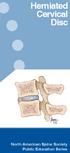 Herniated Cervical Disc North American Spine Society Public Education Series What Is a Herniated Disc? The backbone, or spine, is composed of a series of connected bones called vertebrae. The vertebrae
Natalizumab (Tysabri)
 Natalizumab (Tysabri) Spirella Building, Letchworth, SG6 4ET 01462 476700 www.mstrust.org.uk reg charity no. 1088353 Natalizumab (Tysabri) Date of issue: July 2010 Review date: July 2011 Contents Section
Muscular Dystrophy and Multiple Sclerosis. ultimately lead to the crippling of the muscular system, there are many differences between these
 Battles 1 Becky Battles Instructor s Name English 1013 21 November 2006 Muscular Dystrophy and Multiple Sclerosis Although muscular dystrophy and multiple sclerosis are both progressive diseases that ultimately
Whiplash and Whiplash- Associated Disorders
 Whiplash and Whiplash- Associated Disorders North American Spine Society Public Education Series What Is Whiplash? The term whiplash might be confusing because it describes both a mechanism of injury and
Thymus Cancer. This reference summary will help you better understand what thymus cancer is and what treatment options are available.
 Thymus Cancer Introduction Thymus cancer is a rare cancer. It starts in the small organ that lies in the upper chest under the breastbone. The thymus makes white blood cells that protect the body against
TMJ. Problems. Certain headaches and pain in. the ear, jaw, neck, tooth, and. sinus can be the result of a. temporomandibular joint (TMJ)
 DIVISION OF ORAL AND MAXILLOFACIAL SURGERY TMJ Problems Certain headaches and pain in the ear, jaw, neck, tooth, and sinus can be the result of a temporomandibular joint (TMJ) problem. People with TMJ
Brain & Mind. Bicester Community College Science Department
 B6 Brain & Mind B6 Key Questions How do animals respond to changes in their environment? How is information passed through the nervous system? What can we learn through conditioning? How do humans develop
Neurovascular Orofacial Pain. Orofacial pain of potential neurovascular origin may mimic odontogenic pain to the extent that
 Neurovascular Orofacial Pain Introduction Orofacial pain of potential neurovascular origin may mimic odontogenic pain to the extent that a large population of patients with migraine and trigeminal autonomic
Chiari malformations
 A fact sheet for patients and carers Chiari malformations This fact sheet provides information on Chiari malformations. It focuses on Chiari malformations in adults. Our fact sheets are designed as general
BOTOX Injection (Onabotulinumtoxin A) for Migraine Headaches [Preauthorization Required]
![BOTOX Injection (Onabotulinumtoxin A) for Migraine Headaches [Preauthorization Required]](/thumbs/29/13417512.jpg "BOTOX Injection (Onabotulinumtoxin A) for Migraine Headaches [Preauthorization Required]") BOTOX Injection (Onabotulinumtoxin A) for Migraine Headaches [Preauthorization Required] Medical Policy: MP-RX-01-11 Original Effective Date: March 24, 2011 Reviewed: Revised: This policy applies to products
BOTOX Injection (Onabotulinumtoxin A) for Migraine Headaches [Preauthorization Required] Medical Policy: MP-RX-01-11 Original Effective Date: March 24, 2011 Reviewed: Revised: This policy applies to products
Long-Term Outcome of Trigeminal Nerve Injuries Related to Dental Treatment
 DENTOALVEOLAR SURGERY J Oral Maxillofac Surg 69:2284-2288, 2011 Long-Term Outcome of Trigeminal Nerve Injuries Related to Dental Treatment M. Anthony Pogrel, DDS, MD, FACS, FRCS,* Ryan Jergensen, DDS,
CNS DEMYLINATING DISORDERS
 CNS DEMYLINATING DISORDERS Multiple sclerosis A Dutch saint named Lidwina, who died in 1433, may have been one of the first known MS patients. After she fell while ice skating, she developed symptoms such
06/06/2012. The Impact of Multiple Sclerosis in the Pacific Northwest. James Bowen, MD. Swedish Neuroscience Institute
 The Impact of Multiple Sclerosis in the Pacific Northwest James Bowen, MD Multiple Sclerosis Center Multiple Sclerosis Center Swedish Neuroscience Institute 1 2 Motor Symptoms of MS Weakness Spasticity
Intrathecal Baclofen for CNS Spasticity
 Intrathecal Baclofen for CNS Spasticity Last Review Date: November 13, 2015 Number: MG.MM.ME.31bC5 Medical Guideline Disclaimer Property of EmblemHealth. All rights reserved. The treating physician or