
HemoClip: Guidelines & Atlas
|
|
|
- Maude Weaver
- 10 years ago
- Views:
Transcription
1 HemoClip: Guidelines & Atlas Cases presented by: Dennis M. Jensen, MD, CURE DDRC, UCLA & VA Medical Centers, and David Geffen School of Medicine at UCLA 1 Epi Injection and Hemoclipping of Chronic Gastric Ulcer (GU) with Non-Bleeding Visible Vessel (NBVV) 2 Injection-Hemoclipping of a Bleeding Gastric Ulcer (GU) 3 4 UGI Case Epi Injection & Hemoclipping of 2 Bleeding Mallory Weiss Tears UGI Case Doppler Probe, Injection & Hemoclipping of Giant Duodenal Ulcer (DU) 5 UGI Case Hemoclipping of Polypectomy Sites Colon Case Sigmoid TIC with NBVV (pulsatile), Doppler Ultrasound Probe (DUP), Hemostasis (Epi Inj + clipping) & Tattoos Colon Case Injection-Hemoclip of Focal Ischemic Ulcer with Recurrent Inpatient Hematochezia Colon Case Spurting Rectal Ulcer: Hemostasis with Injection-Hemoclipping

2 Case 1: Epi Injection and Hemoclipping of Chronic Gastric Ulcer (GU) with Non-Bleeding Visible Vessel (NBVV) Case presented by: Dennis M. Jensen, MD, CURE DDRC, UCLA & VA Medical Centers, and David Geffen School of Medicine at UCLA 72-year-old Asian American male with melena and syncope at home. His co-morbidities are coronary artery disease, hypertension and osteoporosis. He is on aspirin (ASA, acetylsalicylic acid) 325 mg/d and Actinal and drinks 3-6 beers a day. Nasogastric (NG) tube had dark clots. The hemoglobin (Hgb) was 14, but dropped from 9.3 to 8.6 in ER. After resuscitation and transfusion of 2 units of red blood cells (RBCs), the patient had an emergency endoscopy. Our differential diagnosis included peptic ulcer disorder (PUD), gastric cancer or less likely varices (related to the heavy drinking) b 2b 3b Based upon visual criteria, only the non-bleeding visible vessel (NBVV) (in the 9 o clock position) would be treated endoscopically. There was a flat spot (in the 3 o clock position) across from the NBVV. However, based upon endoscopic doppler ultrasound probe (DUP), there was superficial arterial blood flow, running between the NBVV and spot about 10 mm apart in the ulcer base. Therefore, the endoscopist should treat the NBVV, the spot, and the artery in between with endoscopic hemostasis (Figures 1-3). Since the DUP probe was positive for an arterial signal under both the NBVV and the flat spot and also between them, endoscopic treatment of all three areas was indicated. Combination injection and hemoclipping were performed. This is illustrated starting on the top left of the figure and moving left to right, showing the stigmata of recent hemorrhage (SRH) and the epinephrine injection b 5b 6b Endoscopic treatment was done with combination injection of dilute (1:20,000 in saline) and hemoclipping (Resolution Clip, BSC). After DUP, 4 injections (1cc/injection) of dilute epinephrine were placed directly under and between the spot and NBVV. Then the hemoclipping was performed, as shown in Figures 4-6. Three hemoclips (HC) were successfully

3 Resolution Clip Case 7 placed in the ulcer base, one on each SRH and 1 in between. The ulcer base was fibrotic. Afterward, the DUP was repeated and was negative for underlying blood flow beneath the spot, NBVV, and between them. Biopsies were taken of the antrum and midbody greater curvature for Helicobacter (H) pylori. This patient was treated with a proton pump inhibitors (PPI) twice a day after discharge from the hospital. He was restarted on 81 mg/day of aspirin for coronary prophylaxis 4 days after his bleed. His H. pylori status was negative by rapid urease test, Giemsa stain, and serology. He had no further UGI hemorrhage and returned for an outpatient endoscopy 5 weeks after the index EGD (and hemostasis). His ulcer was healed and there was a long linear ulcer scar (Figure 7). There was an appearance of chronic gastritis which was confirmed by biopsy (Figure 8). The recommendation was made for the patient to stay on PPI twice a day orally as long as he remained on aspirin. A low dose of aspirin (81 mg) was recommended. These were to prevent ulcer recurrence and rebleeding. 8 Q&A with Dr. Jensen Why did you decide to treat? A: Patient had a high clinical risk of ulcer rebleeding based on comorbidities, ulcer size (large), and presence of 2 stigmata of hemorrhage (NBVV & spot). DUP also revealed an artery coursing between the spot and NBVV with blood flow. Why did you inject first? A: Dilute epinephrine reduces blood flow & iatrogenic bleeding caused by touching the NBVV, spot, or artery in between during hemoclipping. Once injected, why clip? A: Epinephrine provides only temporary reduction in arterial blood flow in such patients and not permanent hemostasis. Hemoclipping or thermal coagulation can coapt the underlying artery and provide definitive hemostasis. How do you clip? A: Grasp tissue in the ulcer base and on each side of the stigmata for visible vessels and in addition on top of the arterial bleeding point first, if present. For chronic ulcers try to place as firmly & deep as possible across the stigmata. Where do you start injecting and where do you place the clip and why? A: Pre-inject around stigmata about 0.5 1cc / injection x2-3. Place hemoclips (HC) close to (1-2 mm away) but on each side of the non-bleeding stigmata (to occlude the underlying artery) in ulcer base to firmly grasp it. For active arterial bleeding after pre-injection with dilute epinephrine (1:20,000 in saline), first place a clip on top of the bleeding point to stop the bleeding and then one just adjacent (1-3 mm away) on an angle to occlude the underlying artery (as shown in the figure). Or use multipolar electrocoagulation (MPEC) directly & firmly on NBVV. (see Figures 9-11 below) How do you know when you are done clipping and no further treatment is needed? A: 1.) Stigmata and ulcer base are firmly grasped or well coagulated; there is no bleeding 2.) With Doppler probe (if available) underlying blood flow is halted. How do you measure success? A: No rebleeding clinically. No complications. Is there any follow-up necessary following clipping a NBVV? A: No. EGD in 6-8 weeks in gastric ulcer (GU) to document healing & exclude cancer with biopsies. How do you recognize NBVV? A: As a discrete small (< 5mm usually), raised, smooth protuberance in an ulcer crater. Distinct from a spot which is flat & from a clot that is amorphous & larger (> 6mm). Why is it important to treat? A: Rebleed rates of NBVV average risk patients on usual medical therapy are 40-50% & for high risk patients are 50-60%. Endoscopic treatments significantly reduce rebleeding. Different Grades? If yes, would you treat each differently? A: No, different grades of NBVV, only higher risk of rebleeding based on ulcer characteristics (deep or size > 2cm) & clinical risk factors. Colors vary from red to black to translucent Case 1: Epi Injection and Hemoclipping of Chronic Gastric Ulcer (GU) with Non-Bleeding Visible Vessel (NBVV)

4 Case 2: Injection-Hemoclipping of a Bleeding Gastric Ulcer (GU) Case presented by: Dennis M. Jensen, MD, CURE DDRC, UCLA & VA Medical Centers, and David Geffen School of Medicine at UCLA 23-year-old white male with a previous heart transplant 4 years ago was hospitalized 5 days ago for congestive heart failure, organ rejection, and chronic renal insufficiency. He developed inpatient melena & a hemoglobin (Hgb) drop of 4 gms. His hypotension was treated with pressors to support his blood pressure. A nasogastric (NG) lavage showed coffee grounds. He was transfused 4 units of red blood cells (URBC) and the GI consult service was called. This patient was on immunosuppressants and hemodialysis and had several severe comorbid conditions, in spite of his young age. These were poor prognostic features as was his inpatient start of UGI hemorrhage. As the cause of the bleeding, we suspected a silent peptic ulcer, rather than infectious ulcer, Mallory Weiss tear, or malignancy. He was not on a PPI before hospital admission. After resuscitation with a total of 6 units of red blood cells (URBC s) and platelets (2 packs), an emergency EGD was performed b 2b 3b 4b Fresh red blood was found in the antrum on emergency EGD (Figure 1). With target jet irrigation, pulsatile arterial bleeding was seen from the base of a pre-pyloric gastric ulcer (Figures 2-3). This was initially treated with epinephrine injection (1:20,000 in saline) in 4 quadrants (1 cc/injection) around the bleeding point (Figures 3-4). This controlled the arterial bleeding and allowed us to visualize the large chronic ulcer (Figure 4) b 6b 7b 8b With the large pre-pyloric ulcer not actively bleeding, our goals were first to hemoclip (Resolution Clip) the focal area that had arterial bleeding before the epinephrine injection (Figures 5 and 6), and then to appose the sides (or close the ulcer crater). Refer to Figures 7-8 for the closure of the ulcer. In order to orient a hemoclip on the bleeding point and other hemoclips (HC) across the ulcer, opening and closing of them and repositioning were required. Subsequently biopsies were taken of the antrum and mid-body greater curvature for H. pylori rapid urease testing and histopathology.

5 Resolution Clip Case Follow-up This high risk patient was treated with high dose IV proton pump inhibitors (PPI) (bolus and infusion) for 72 hours. He then continued on oral PPI. After conscious sedation wore off, his diet was advanced to full liquids for 24 hours and then a regular diet. His H. pylori biopsies were negative and there was no rebleeding. The ulcer was documented to heal at 6 weeks on a repeat endoscopy. Q&A with Dr. Jensen Why did you inject first? A: We injected epinephrine first to slow down the arterial bleeding in order to see better and be able to apply the hemoclip to the bleeding artery. Visualization of the bleeding point is critical for accurately targeting hemostasis of non-variceal bleeders. Once injected, why clip? A: Epi injection only provides temporary hemostasis particularly for ulcers with spurting arterial bleeding. Some vasoconstriction and tamponade are provided by the epi injection but this is temporary. Permanent hemostasis of ulcers with major stigmata of hemorrhage requires coaption of the underlying artery either by hemoclipping or thermal techniques. Meta analyses have shown that either hemoclipping or thermal coagulation of major stigmata of ulcer hemorrhage is superior to epi alone. How do you know when you are done? A: You know when you are done when the bleeding has stopped and the hemoclip or clips are firmly attached to the tissue around the bleeding point. If you have a Doppler ultrasound probe available, an additional confirmation of hemostasis is that the underlying blood flow is absent. Is there any follow-up necessary? A: Clinical follow-up is always necessary. In patients with gastric ulcers, we always perform an endoscopy in 6 to 8 weeks after a course of PPIs to document healing. In patients with duodenal ulcers (DUs) we usually only do an endoscopy in case of rebleeding and do not routinely perform an endoscopy at 6 to 8 weeks to document DU healing. How do you clip? A: Placement of the clip across the bleeding point is very similar to placement of the clip across the non-bleeding visible vessel (NBVV). We know when the clip is in the right place because all of the bleeding stops. If it doesn t then you need to reposition the clip or put another one on (Figures 9-11) Case 2: Injection-Hemoclipping of a Bleeding Gastric Ulcer (GU)

6 Case 3: UGI Case Epi Injection & Hemoclipping of 2 Bleeding Mallory Weiss Tears Case presented by: Dennis M. Jensen, MD, CURE DDRC, UCLA & VA Medical Centers, and David Geffen School of Medicine at UCLA 37-year-old white male with severe upper GI bleed (UGIB) presented to the ER with melena and hematemisis. He had bright red blood (BRB) through a nasogastric (NG) tube & hypotension. He had a history of chronic alcoholism and a blood alcohol level of He was tremulous but still oriented in ER. His lab profile showed hemoglobin (Hgb) of 6, international normalized ratio (INR) of 1.2, platelet 97,000, liver function tests (LFT) were normal except the transaminases were in the 80 s. The patient was resuscitated with IV fluids. He was sedated and because of deteriorating mental status was entubated, & transferred to the ICU. Octreotide & proton pump inhibitor (PPI) boluses plus infusions were given. The NG tube aspirate became coffee grounds. He then had an urgent EGD in ICU b 2b 3b The initial differential diagnosis included esophageal or gastric varices, ulcers, or Mallory Weiss tears. The severity of the UGI bleeding and acuity was not characteristic of portal hypertensive gastropathy in this patient with mild coagulopathies. On emergency endoscopy, there were no esophageal varices (Figure 1), but two bleeding Mallory Weiss (MW) tears were present. One was longer at the gastroesophageal junction (GEJ), and in the 3 o clock position. The other was shorter, oozing, and was in the 7 o clock position. A moderate sized hiatal hernia (HH) was present. The oozing bleeding (Figure 2) cleared with target irrigation, but recurred. Therefore, for the longer MW tear, pre-injection was performed with low dose epinephrine (1:20,000) along the edge of this tear (Figure 3).

7 Resolution Clip Case b 5b 6b For the longer tear, 3 hemoclips (Resolution Clips) were placed from the distal portion of the MW tear to the proximal portion to close it (Figures 4-5). This controlled the bleeding. The shorter second MW tear was closed with 2 hemoclips (HC), which controlled the bleeding (Figure 6). Follow-up The patient was placed on anti-emetics and PPI s twice a day IV. As soon as he was extubated, he received a soft diet and oral PPI twice a day. He had no further bleeding and did not have a second endoscopy. Q&A with Dr. Jensen Why would you treat this stigmata? A: Bleeding Mallory Weiss Tears (MWT) (2 in this case) were associated with portal hypertension (but no varices), severe bleeding, and thrombocytopenia. Combination epinephrine injection (to reduce bleeding) & hemoclips (HC) were used to treat both MWT. Why inject first? A: To reduce active bleeding (to see better) and to reduce any bleeding that can be induced from hemoclip (HC) contact to the MWT s. If there is good visualization of the lesion and only oozing bleeding, then epinephrine pre-injection is usually unnecessary. Is there any medical therapy necessary? A: Anti-emetics may reduce further vomiting and PPIs may accelerate healing of the MWT. An NG tube should be avoided. Soft diet should be considered for at least 72 hours. If the patient is anemic he can be discharged on oral iron. How do you clip, and how do you know when you are done? A: In the case of a long Mallory Weiss tear, hemoclip distal to proximal on MWT to zipper it closed as this will control bleeding and possibly facilitate healing (Figures 7-9) Case 3: UGI Case Epi Injection & Hemoclipping of 2 Bleeding Mallory Weiss Tears

8 Case 4: UGI Case Doppler Probe, Injection & Hemoclipping of Giant Duodenal Ulcer (DU) Case presented by: Dennis M. Jensen, MD, CURE DDRC, UCLA & VA Medical Centers, and David Geffen School of Medicine at UCLA 73-year-old Chinese male with severe in-patient start of melena. His hemoglobin (Hgb) dropped from 11.5 to 7.6 while on the hospital ward. Nasogastric (NG) tube aspirate was negative by the medical resident. He had chronic renal failure (on hemodialysis), a severe rash (thought to be possibly paraneoplastic), weight loss, & pneumonia b 2b 3b For adherent clots on ulcer bases, it is necessary to shave these down with a snare to find out what stigma is underneath (Figure 1). By definition adherent clots cannot be washed off with target irrigation. Pre-injection with epinephrine markedly reduces induced bleeding. In this case doppler ultrasound probe (DUP) was positive (+) before Epi injection, indicating arterial blood flow under the clot (Figure 2). One cannot target treatment of an ulcer with adherent clot without identifying the underlying stigma (usually a non-bleeding visible vessel (NBVV) as in this case). Pre-injection; snare guillotining to shave the clot down without pulling it off; and if necessary repeat Epi injection is safe (Figures 3-4). This patient had positive DUP before and a NBVV (Figure 5) after clot removal b 5b 6b This patient had a DUP + (Figure 2) before clot removal indicating arterial blood flow. After clot removal by the cold guillotining technique (using a rotatable snare), a NBVV was found (Figure 5) and the DUP for underlying arterial blood flow was still positive. Therefore, 2 hemoclips (Resolution Clips) were used across the NBVV. This obliterated the underlying blood flow (Figure 6). Biopsies of the antrum and mid-body greater curvature were done for H.p.

9 Resolution Clip Case This high risk patient was placed on proton pump inhibitors (PPI) IV (80 mg bolus and 8 mg/hr infusion) x 72 hours and then orally with PPI twice a day. He was treated with triple therapy for H. pylori infection. Ulcer bleeding did not recur. No neoplasm was found and he has remained on PPI and off aspirin and NSAIDs. Q&A with Dr. Jensen How do you remove an adherent clot without severe bleeding? A: Use Pre-injection with epinephrine. Then with a rotatable snare we guillotine the clot in sections in order to shave it down without pulling it off the underlying vessel (Figures 7-10). During the process, if any bleeding occurs, repeat injection of Epi is safe and effective. After shaving down the pedicle of the clot to less then 3 or 4 mm, this pedicle or the underlying stigma which is usually a NBVV can be seen and treated with hemoclipping or other techniques (Figure 11). Blind clipping or coagulation of moderate or large sized clots does not reach the underlying vessel or seal it, so it is often unsuccessful. We have found this combination of endoscopic therapy along with medical therapy to be very effective. It reduces the rebleeding rate down to less then 5% as compared to over 30% with other endo techniques (Jensen adherent clot Gastro article 2002 volume 123:407). Why, where and how do you clip? A: Rebleed rates of NBVV with underlying arterial blood flow are high. Combination therapies (such as Epi & hemoclips (HC) or multipolar electrocoagulation (MPEC)) reduce rebleed rates. How do you know when you are done? A: 1.) Visual: Firm grasp of NBVV with hemoclips (HC) (or flat & good coagulation with MPEC) 2.) DUP: Recheck & blood flow absent (vs. positive DUP before) Adherent clot-resistant to target irrigation Guillotining top half of adherent clot Delivery of clot tip into post-bulbar duodenum Guillotining last half of adherent clot (Leaving a 3-4 mm pedicle) Hemoclipping clot pedicle Case 4: UGI Case Doppler Probe, Injection & Hemoclipping of Giant Duodenal Ulcer (DU)

10 Case 5: UGI Case Hemoclipping of Polypectomy Sites Case presented by: Dennis M. Jensen, MD, CURE DDRC, UCLA & VA Medical Centers, and David Geffen School of Medicine at UCLA 52-year-old white male with history more than 10 years ago of both liver & renal transplants. Both organs are failing. He is awaiting retransplant of both. He is on hemodialysis and lives in a neighboring state. While hospitalized for reevaluation he developed hematemisis and melena. His hemoglobin (Hgb) was 11, platelets 27,000, INR 1.6 and creatinine is 5.0. Because of the concern of malignancy while on long term immunosuppressants, a CT scan was done. It revealed an antral polyp & thickened antral folds which may represent lymphoma. He also has diabetes mellitus, weight loss, anemia, liver & renal failure. He had an elective endoscopy b 2b 3b 4b Multiple, multilobulated pre-pyloric sessile polyps were found. These appeared benign. These were friable and oozed with water irrigation or contact (Figures 1-2). A rotatable snare was utilized for piecemeal polypectomy after pre-injection (to raise the polyps off the submucosa with a saline, methylene blue mixture (Figures 3-4)). The blue submucosa is evident after such treatment (Figure 4) b 6b 7b 8b Hemoclips (Resolution Clips) were utilized to zipper the edges together (Figures 5-8). This required multiple hemoclips (HC) on each post-polypectomy induced ulcer (PPIU) to close them. The histopathology was benign (hyperplastic polyps without dysplasia or vascular ectasia). This patient received oral proton pump inhibitors (PPI s) for 48 hours before the EGD and polypectomies. He continued on PPI s twice a day for 5 weeks and did not have rebleeding during 60 days of GI follow-up. This is particularly noteworthy given his severe intrinsic coagulopathies. He awaits both liver and kidney transplantations.

11 Resolution Clip Case Q&A with Dr. Jensen Why is it important to clip post polypectomy? A: This patient has severe intrinsic coagulopathies, (high INR & very low platelet count) not reversible and related to his end stage renal disease & liver failure. He has a very high risk of delayed bleeding after gastric polypectomies. How do you know where to start and when you are done? A: Start at edge of PPIU and zipper closed with clips. PPIU closure is the goal and control of bleeding, if there is any. How do you measure success? A: No further rebleeding during follow-up and if feasible, documentation of post-polypectomy induced ulcer (PPIU) healing. How common are these cases? A: For the stomach, polyps are less common in US populations then polyps in the colon. However, in aging populations or those with transplantation and organ failure, coagulopathies are very common and delayed bleeding is of concern. Case 5: UGI Case Hemoclipping of Polypectomy Sites

12 Case 6: Colon Case Sigmoid TIC with NBVV (pulsatile), Doppler Ultrasound Probe (DUP), Hemostasis (Epi Inj + clipping) & Tattoos Case presented by: Dennis M. Jensen, MD, CURE DDRC, UCLA & VA Medical Centers, and David Geffen School of Medicine at UCLA A 73-year-old African American female with polymyositis (on steroids), diabetes mellitus, obesity, & arthritis was admitted by her rheumatologist with painless hematochezia. Her hemoglobin (Hgb) fell from 13.5 to 10 with IV fluids & she had normal coagulation tests. There was no hypotension, melena or abdominal pain. A nasogastric (NG) tube was placed & removed after bile was suctioned. A private GI saw the patient and ordered a colon prep of 4L of Golytely. Later that afternoon, he performed a colonoscopy which showed clots, blood & fluid throughout the colon and rectum, extensive diverticulosis without stigmata & large internal hemorrhoids. That night, the hematochezia recurred and the Hgb dropped below 9.0. The GI hemostasis team was called to see the patient as a second opinion. The patient received 2 units of packed red blood cells (RBCs). She had an NG tube placed & received 7L of Golytely until the rectal effluent was clear of all clots and blood. An urgent colonoscopy was performed b 2b 3b 4b In about 50% of definitive diverticular hemorrhage cases (i.e. when major stigmata are found on urgent colonoscopy), the stigma is in the base of the diverticulum. In this case, a pulsative non-bleeding visible vessel (NBVV) was found (Figure 1) along the course of the artery in the base of the diverticulum. It was interrogated with a Doppler ultrasound probe (DUP) (Figure 2) and arterial blood flow just underneath the NBVV and adjacent to it (for 3-4 mm on each side along the artery) was detected. The colonoscope shaft and the diverticulum with the NBVV were then rotated 90 degrees counterclockwise so that the artery in the base of the diverticulum was in the vertical position (oriented 12 o clock to 6 o clock) to facilitate treatment with accessories that come out in the 5 o clock position through the Olympus colonoscope suction channel. Then, two 1 cc epinephrine injections (1:20,000 in saline) were used around the NBVV in the base of the diverticulum and 3-4 mm along the artery on either side of the NBVV (Figure 3). These formed a bleb which raised up the base (Figures 2-3). Then the first hemoclip (Resolution Clip) was placed on the NBVV (Figure 4). The vasoconstrictive effects (purplish) are noted (Figures 3-4) b 6b 7b 8b Subsequently two other hemoclips (HC) were placed in the base of the diverticulum, one on either side of the NBVV along the artery (Figures 5-6). Upon repeat DUP, no blood flow was detected (Figure 7). India ink (Spot) tattooing was used in three adjacent areas around the diverticulum to mark it, in case of rebleeding or the need for surgical resection (Figure 8). The patient resumed a full liquid diet and her regular medications. She started her regular diet and activities within 24 hours and daily fiber. She has had no bleeding or complications and has been followed for three years, without recurrence of diverticular bleeding.

13 Resolution Clip Case Q&A with Dr. Jensen Why did you use two modalities? A: Combination treatment with epinephrine injection (1:20,000) [x 2, injections of 1cc each] & hemoclips (HC) was used. The epi injection prevents bleeding induced from the HC touching the NBVV, which was pulsatile & had underlying arterial flow documented. Why do you prefer hemoclipping in the base of a diverticulum for a stigmata rather then using thermal coagulation which is faster? 9 Why was it important to clip? A: Injection & HC [or multipolar electrocoagulation (MPEC)] are necessary for coaptive coagulation of the underlying artery & prevention of short & long term diverticular rebleeding. Epi alone does not cause definitive hemostasis of definitive diverticular hemorrhage (Figure 10). How did you determine where to place the first clip and the last clip? A: The first HC was placed on the stigmata the NBVV. Because of a positive (+) DUP (for blood flow) underneath and on either side of the NBVV at about 3-4 mm, 2 additional HC were placed (Figure 11). Were the clips successful and how did you measure success? A: 1.) NBVV clipped. 2.) Artery in base of HC with + DUP (& superficial blood flow) clipped. 3.) DUP (negative) after treatment (Figure 12). 4.) No rebleeding either within 30 days, or in this case for three years, without recurrence of diverticular bleeding. A: This diagram of a colon diverticulum shows the penetrating vessels in the anatomy of the diverticulum including the base with a NBVV (Figures 9 & 13). The base has a thin mucosa, sub-mucosa with an artery and the serosa but no muscle there. The potential risks of thermal cautery are transmural injury, post-coagulation syndrome, and perforation often delayed. However, epi and clipping have not been associated with such injury. Hemoclipping is an important advance as approximately half of the stigmata of diverticulur hemorrhage are found at the base of the diverticulum and can now be safely treated (Figures 14 & 15). The other half are found at the neck of the diverticulum and it is safe to use either thermal coagulation or hemoclipping for those b 11b 12b Case 6: Colon Case Sigmoid TIC with NBVV (pulsatile), Doppler Ultrasound Probe (DUP), Hemostasis (Epi Inj + clipping) & Tattoos

14 Case 7: Colon Case Injection-Hemoclip of Focal Ischemic Ulcer with Recurrent Inpatient Hematochezia Case presented by: Dennis M. Jensen, MD, CURE DDRC, UCLA & VA Medical Centers, and David Geffen School of Medicine at UCLA 77-year-old African American male had severe inpatient hematochezia. He was hospitalized for 2 weeks with a urinary tract infection, chronic obstructive pulmonary disease (COPD), sepsis, diabetes melletus, hypotension & myocardial infarction (non-q wave MI) and dementia. Heparin (as deep vein thrombophlybitis phropholaxis) caused thrombocytopenia, down to 80,000. Therefore Lovenox Drug was started. He developed bright red blood per rectum, hypotension, & and the Hgb decreased from 10 to 6. After 4 units of red blood cells (RBCs), his hemoglobin (Hgb) was 9 and his platelets were 90,000 & INR 1.3. He was evaluated by the GI hemostasis team and was prepped for an urgent colonoscopy in the ICU b 2b 3b He had a non-bleeding visible vessel (NBVV) on the large right colon ischemic ulcer that appeared to be healing (Figures 1 & 3). A Doppler Probe was used to irrigate the NBVV and there was arterial blood flow underneath (Figure 2) b 5b 6b Clips were placed across the NBVV until it was well and firmly grasped (Figures 4-6). You know when you are done upon visualization and no bleeding with target water jet irrigation (Figure 5). Firm grasp of NBVV and tissue adjacent in ulcer are other visual cues. If available, a Doppler probe can be used to recheck the underlying blood flow to ensure that it is negative, after hemoclips (HC).

15 hemoclip Case The patient had no further bleeding but remained off anticoagulants. Focal bleeding ulcers with ischemic colitis are unusual but when found are a good indication for hemoclipping if that is thought to be the site of hemorrhage. The reason for this is that hemoclips (HC) do not cause significant tissue damage yet are able to grasp the underlying artery and reduce the chance of rebleeding. Q&A with Dr. Jensen Was the patient reversed prior to treatment? If so, why? A: Heparin was stopped but the patent still had a platelet count of 90,000. There are no reversal agents for Lovenox Drug or routine tests (like partial thromboplastin time (PTT)) to monitor Lovenox Drug effect. In this case no fresh frozen plasma was given nor platelets. Why did you inject first? A: Dilute epinephrine reduces blood flow & iatrogenic bleeding caused by touching the NBVV, spot, or artery during hemoclipping. Once injected, why clip? A: Epinephrine provides only temporary reduction in arterial blood flow in such patients and not permanent hemostasis. Hemoclipping or thermal coagulation can coapt the underlying artery and provide definitive hemostasis. How do you clip? A: Grasp tissue in the ulcer base and the stigmata. For chronic ulcers try to place as firmly & deep as possible across the stigmata. (see Figures 7-9 below) Where do you start and why? A: Pre-inject around stigmata about 0.5 1cc / injection x2-3. Place HC across stigmata to firmly grasp it or multipolar electrocoagulation (MPEC) directly & firmly on NBVV. How do you know when you are done clipping and no further treatment is needed? A: 1.) Stigmata and ulcer base are firmly grasped or well coagulated; there is no bleeding 2.) With Doppler probe (if available) underlying blood flow is halted. How do you measure success? A: No rebleeding clinically. No complications. Is there any follow-up necessary following clipping a NBVV? A: No, unless the patient rebleeds. How do you recognize NBVV? A: As a discrete small (< 5mm usually), raised, smooth protuberance in an ulcer crater. Distinct from a spot which is flat & from a clot that is amorphous & larger (> 6mm). Why is it important to treat? A: Rebleed rates of NBVV s in the colon for average risk patients are 40-50% & for high risk patients are 50-60%. Endoscopic treatments significantly reduce rebleeding. Did anticoagulant medications aggravate the situation? A: Anticoagulants may have contributed to inpatient bleeding and rebleeding (severe hematochezia) & worsened severity of bleeding Case 7: Colon Case Injection-Hemoclip of Focal Ischemic Ulcer with Recurrent Inpatient Hematochezia

16 Case 8: Colon Case Spurting Rectal Ulcer: Hemostasis with Injection-Hemoclipping Case presented by: Dennis M. Jensen, MD, CURE DDRC, UCLA & VA Medical Centers, and David Geffen School of Medicine at UCLA 52-year-old Hispanic man with end stage liver disease (ESLD) secondary to alcohol. He had ascites, encephalopathy, chronic renal failure on dialysis. He was evaluated for a liver transplant. He developed very severe inpatient hematochezia with shock. His hemoglobin (Hgb) decreased acutely from 11 to 5; His platelet count was 45,000, international normal ratio (INR) 2.5, PTT 60. He was transfused 12 units of red blood cells (RBC), 8 units of fresh frozen plasma (FFP), and 4 platelet pacs within 24 hrs. An emergency abdominal angiogram was performed but did not demonstrate a bleeding site. The patient was subsequently evaluated by the CURE/UCLA GI Hemostasis Team who recommended urgent colonoscopy after cleansing the colon with Golytely purge via a nasogastric (NG) tube. Continued transfusions of RBCs, platelets, and FFP were recommended, because of ongoing severe hematochezia and severe intrinsic coagulopathies. After metaclopramide (10 mg IV, repeated every 6 hours), the patient received a liter of purge every minutes overnight. He still had some bright red bloods (BRB) in the morning in spite of 12 liters of Golytely over 8 hours. Nevertheless, an urgent colonoscopy at the bedside was performed b 2b 3b On retroflexion examination in the rectum during urgent colonoscopy, active bleeding was found (Figure 1). The blood and clots extended all the way to the splenic flexure on urgent colonoscopy, but no other lesions (such as diverticulosis) were seen. Proximal to the splenic flexure, no lesions, polyps, or blood was seen. Thereafter, efforts were focused on the rectum to identify a bleeding site. Suctioning, target irrigation, and examinations in the end-on and retroflexed positions were utilized to identify a clot on a solitary rectal ulcer with pulsatile arterial bleeding (Figure 2-3). This was injected with epinephrine (1:20,000 in saline) in 4 quadrants around adherent clot (Figure 3). This markedly reduced bleeding, so that with target irrigation, a focal ulcer with an adherent clot was localized.

17 Resolution Clip Case b 5b 6b The small adherent clot with oozing (that had been injected with epinephrine) was first hemoclipped (Resolution Clip) in the end-on position (Figure 4). Subsequently, 2 more hemoclips (HC) were placed (Figure 5-6). Because of continued oozing (related to severe intrinsic coagulopathies), 2 more epinephrine injections were made (Figure 6). Follow-up With further fresh frozen plasma (FFP) to reduce the INR below 2, there was no further hematochezia. He later received a liver transplant and had no further rectal bleeding. Q&A with Dr. Jensen Why did you clip? A: In this patient with severe intrinsic coagulopathies, combination therapy (Injection + Hemoclipping) was necessary to control arterial bleeding from a rectal ulcer (RU). Hemoclipping was chosen instead of thermal coagulation because hemoclipping causes little or no tissue damage whereas thermal coagulation does and may increase the likelihood of RU rebleeding. RU closure was also possible with hemoclipping in this case & this may have accelerated healing and helped prevent rebleeding. How did you know when you were successful? A: First arterial bleeding was observed to stop after hemoclipping & more Epi injection underneath hemoclips (HC) for tamponade (Figure 6). Some oozing continued, but stopped with more fresh frozen plasma (FFP) & better correction of INR (to < 1.7) & transfusion of platelets (> 50,000). Another indication was that the patient did not rebleed. How did you clip? Why did you select the locations that you clipped? A: See figure sequence 4-6 above. We first placed a hemoclip on the site of active arterial bleeding, after epinephrine injection was used to slow the bleeding (Figures 4 & 5). Because of continued bleeding in this patient, hemoclips (HC) were also placed on either side of the bleeding site to try to stop active bleeding (Figure 5). To finally stop the bleeding further epi injections and tamponade with the epinephrine solution were required. Case 8: Colon Case Spurting Rectal Ulcer: Hemostasis with Injection-Hemoclipping

18 DENNIS M. JENSEN, MD Professor of Medicine David Geffen School of Medicine at University of California, Los Angeles Associate Director, Center for Ulcer Research and Education Digestive Diseases Research Center (CURE DDRC) Los Angeles, California Dennis M. Jensen, M.D., earned his medical degree at the University of Washington Medical School in Seattle. He completed a medical internship and first-year medical residency at University of Oregon and Affiliated Hospitals. He served in the US Army Medical Corps as a Preventive Medicine Staff Officer. Then he completed a second-year medical residency at Wadsworth Veterans Administration (VA) Hospital in Los Angeles, and a fellowship in gastroenterology through a joint program of UCLA and Wadsworth VA Hospitals. He has been on the faculty at these institutions and a member of CURE DDRC since completion of his GI fellowship training. Dr. Jensen is currently Professor of Medicine at the David Geffen School of Medicine at the University of California, Los Angeles (UCLA). He is also Associate Director of the Center for Ulcer Research and Education (CURE) Digestive Diseases Research Center and Key Investigator at CURE. In addition, he is a full-time staff physician in the Division of Digestive Diseases at the UCLA Center for the Health Sciences, where he is also Director of the Gastrointestinal Endoscopy Section. He is also a part-time staff physician in the GI Section of the VA Greater Los Angeles Healthcare Center. He directs the CURE Hemostasis Research Group which performs research, teaching, and patient care at UCLA and the West LA VA Hospitals. Dr. Jensen s research includes multicenter, prospective and randomized controlled trials in endoscopic hemostasis and secondary prevention of gastrointestinal hemorrhage; GI outcomes and health services studies; and endoscopic technology assessment research. He has been the principal investigator (PI) or co-investigator on multiple studies jointly funded by the National Institutes of Health (NIH) and the National Institute of Diabetes and Digestive and Kidney Diseases (NIDDK). Also, he currently receives VA funding (Merit Review grant) and has received other research funding from the VA, Department of Defense, American Society for Gastrointestinal Endoscopy (ASGE), and industry. He has been a member of the VA Merit Review Board and the NIH Reviewers Reserve for special study sections, review of K awards, and site visits of proposals concerning gastrointestinal endoscopy, randomized controlled trials, GI technology, and clinical and outcomes research studies. Dr. Jensen has published more than 215 peer-reviewed papers, case reports, chapters, books, and reviews. Dr. Jensen sits on several editorial boards and is a regular reviewer for such peer-reviewed journals as the New England Journal of Medicine, Annals of Internal Medicine, JAMA, Gastroenterology, American Journal of Gastroenterology, Gastrointestinal Endoscopy, and Endoscopy. Dr. Jensen has successfully mentored many young clinical, outcomes, and endoscopy investigators for research and career development for over 30 years. Many of his trainees are full-time faculty or clinical faculty of academic medical centers. He is the PI and director of an NIH Training grant for gastroenterology and has funding of an NIH K24 grant for mentoring and clinical research. He has received both local and national awards as a distinguished lecturer, educator, and clinical researcher.

19 Resolution is a registered trademark of Boston Scientific Corporation or its affiliates. All other trademarks are property of their respective owner. The procedures and patient care expressed or depicted in these cases are those of the physician and do not necessarily reflect the opinions, policies or recommendations of Boston Scientific Corporation or any of its employees. For further information and detailed instructions on the use of Boston Scientific Corporation s products, please refer to the Instructions for Use included with Boston Scientific s product packages. All cited trademarks are the property of their respective owners. CAUTION: The law restricts these devices to sale by or on the order of a physician. Indications, contraindications, warnings and instructions for use can be found in the product labelling supplied with each device. Information for the use only in countries with applicable health authority product registrations. RCS Nanterre B Boston Scientific Corporation or its affiliates. All rights reserved. ENDO AB June 2013

Endoscopic Doppler in the Management of Upper and Lower GI Bleeding: Case Studies & Atlas
 Endoscopic Doppler in the Management of Upper and Lower GI Bleeding: Case Studies & Atlas Presented By: Dennis M. Jensen, MD Professor of Medicine David Geffen School of Medicine at UCLA Associate Director,
GI Bleed. Steven Lichtenstein, D.O. Chief, Division of Gastroenterology Mercy Health System. Director, Endoscopy/GI Lab Mercy Fitzgerald Hospital
 October 3, 2015 GI Bleed Steven Lichtenstein, D.O. Chief, Division of Gastroenterology Mercy Health System Director, Endoscopy/GI Lab Mercy Fitzgerald Hospital Clinical Associate Professor of Medicine
Gastrointestinal Bleeding
 Gastrointestinal Bleeding Introduction Gastrointestinal bleeding is a symptom of many diseases rather than a disease itself. A number of different conditions can cause gastrointestinal bleeding. Some causes
Endoscopic Treatment of Bleeding Peptic Ulcers Panagiotis Katsinelos, MD, PhD
 Endoscopic Treatment of Bleeding Peptic Ulcers Panagiotis Katsinelos, MD, PhD Department of Endoscopy and Motility Unit G. Gennimatas General Hospital of Thessaloniki Endoscopic diagnosis for UGI bleeding
GI Bleeding. Thomas S.Foster,Pharm.D. PHR 961 Integrated Therapeutics
 GI Bleeding Thomas S.Foster,Pharm.D. PHR 961 Integrated Therapeutics Overview Because GI bleeding is internal, it is possible for a person to have GI bleeding without symptoms. Important to recognize
UGI Tract Hemorrhage. GI Tract Emergencies. UGI Hemorrhage. David D. Markowitz, MD. UGI tract hemorrhage Comorbid disease
 UGI Tract Hemorrhage GI Tract Emergencies GI Hemorrhage David D. Markowitz, MD Associate Professor of Clinical Medicine Columbia University, College of Physicians & Surgeons Non variceal UGI hemorrhage
Hemostasis Solutions Boston Scientific is committed to improving patient care in the management of gastrointestinal bleeding.
 Hemostasis Solutions Boston Scientific is committed to improving patient care in the management of gastrointestinal bleeding. Through innovation and continuous educational support, we offer a wide range
understanding GI bleeding
 understanding GI bleeding a consumer education brochure American College of Gastroenterology 4900B South 31st Street, Arlington, VA 22206 703-820-7400 www.acg.gi.org American College of Gastroenterology
How to Effectively Code for Endoscopic Procedures in Gastroenterology
 How to Effectively Code for Endoscopic Procedures in Gastroenterology Ariwan Rakvit, MD Associate Professor Interim Chief, Division of Gastroenterology Texas Tech University Health Science Center All rights
The Captivator II Snares are the first line of stiff and rounded snares available in multiple sizes with both a hot and cold snaring indication.
 Captivator II Single-Use Snares The Captivator II Snares are the first line of stiff and rounded snares available in multiple sizes with both a hot and cold snaring indication. The Captivator II Snare
Captivator II. Single-Use Snares
 Captivator II Single-Use Snares Captivator II Snares are the first line of stiff and rounded snares available in multiple sizes with both a hot and cold snaring indication. The Captivator II Snare line
Endoscopic Management of Acute Lower Gastrointestinal Bleeding
 American Journal of Gastroenterology ISSN 0002-9270 C 2008 by Am. Coll. of Gastroenterology doi: 10.1111/j.1572-0241.2008.02075.x Published by Blackwell Publishing THE EXPERT S CORNER Endoscopic Management
The digestive system. Medicine and technology. Normal structure and function Diagnostic methods Example diseases and therapies
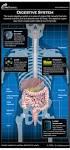 The digestive system Medicine and technology Normal structure and function Diagnostic methods Example diseases and therapies The digestive system An overview (1) Oesophagus Liver (hepar) Biliary system
Early Colonoscopy in Patients with Acute Diverticulitis Simon Bar-Meir, M.D.
 Early Colonoscopy in Patients with Acute Diverticulitis Simon Bar-Meir, M.D. Professor of Medicine Germanis Kaufman Chair of Gastroenterology Director, Dept. of Gastroenterology Chaim Sheba Medical Center,
Colonoscopy Data Collection Form
 Identifier: Sociodemographic Information Type: Zip Code: Gender: Height: (inches) Race: Ethnicity Inpatient Outpatient Male Female Birth Date: Weight: (pounds) American Indian (Native American) or Alaska
Post-DDW OAG Course - Therapeutic Endoscopy
 Post-DDW OAG Course - Therapeutic Endoscopy June 13, 2015 Jeffrey Mosko Division of Gastroenterology St. Michael's Hospital University of Toronto [email protected] Program Name: Post-DDW OAG course CanMEDS
Peptic Ulcer. Anatomy The stomach is a hollow organ. It is located in the upper abdomen, under the ribs.
 Peptic Ulcer Introduction A peptic ulcer is a sore in the lining of your stomach or duodenum. The duodenum is the first part of your small intestine. Peptic ulcers may also develop in the esophagus. Nearly
Surgical Management of GI Bleeding. VA Case Presentation. 0-24 hours 9/18/2012
 Surgical Management of GI Bleeding Peter C. Wu, M.D. Associate Professor of Surgery Section of Surgical Oncology University of Washington Director, Cancer Telemedicine Program VA Puget Sound VA Case Presentation
TEST QUESTIONS GASTROINTESTINAL BLEEDING
 TEST QUESTIONS GASTROINTESTINAL BLEEDING QUESTION 1. The most frequent cause of UGI bleeding is: A. Esophageal varices B. Peptic ulcer disease C. Angiomata D. Mallory Weiss tear E. Gastritis The recommended
By Anne C. Travis, M.D., M.Sc. and John R. Saltzman, M.D., FACG Brigham and Women's Hospital Harvard Medical School Boston, MA
 SMALL BOWEL BLEEDING: CAUSES, DIAGNOSIS AND TREATMENT By Anne C. Travis, M.D., M.Sc. and John R. Saltzman, M.D., FACG Brigham and Women's Hospital Harvard Medical School Boston, MA 1. What is the small
Laparoscopic Colectomy. What do I need to know about my laparoscopic colorectal surgery?
 Laparoscopic Colectomy What do I need to know about my laparoscopic colorectal surgery? Traditionally, colon & rectal surgery requires a large, abdominal and/or pelvic incision, which often requires a
New Anticoagulants and GI bleeding
 New Anticoagulants and GI bleeding DR DANNY MYERS MD FRCP(C) CLINICAL ASSISTANT PROFESSOR OF MEDICINE, UBC Conflicts of Interest None I am unbiased in the use of NOAC s vs Warfarin based on risk benefit
Informed Consent for Laparoscopic Vertical Sleeve Gastrectomy. Patient Name
 Informed Consent for Laparoscopic Vertical Sleeve Gastrectomy Patient Name Please read this form carefully and ask about anything you may not understand. I consent to have a laparoscopic Vertical Sleeve
Billing Guideline. Subject: Colorectal Cancer Screening Exams (Invasive Procedures) Effective Date: 1/1/2012 Last Update Effective: 4/16
 Subject: Colorectal Cancer Screening Exams (Invasive Procedures) Effective Date: 1/1/2012 Last Update Effective: 4/16 Billing Guideline Background Health First administers benefit packages with full coverage
ENDOSCOPIC ULTRASOUND (EUS)
 ENDOSCOPIC ULTRASOUND (EUS) What you need to know before your procedure Your Doctor has decided that an EUS is necessary for further evaluation and treatment of your condition. This information sheet has
Laparoscopic Surgery of the Colon and Rectum (Large Intestine) A Simple Guide to Help Answer Your Questions
 Laparoscopic Surgery of the Colon and Rectum (Large Intestine) A Simple Guide to Help Answer Your Questions What are the Colon and Rectum? The colon and rectum together make up the large intestine. After
INTRAPERITONEAL HYPERTHERMIC CHEMOTHERAPY (IPHC) FOR PERITONEAL CARCINOMATOSIS AND MALIGNANT ASCITES. INFORMATION FOR PATIENTS AND FAMILY MEMBERS
 INTRAPERITONEAL HYPERTHERMIC CHEMOTHERAPY (IPHC) FOR PERITONEAL CARCINOMATOSIS AND MALIGNANT ASCITES. INFORMATION FOR PATIENTS AND FAMILY MEMBERS Description of Treatment A major difficulty in treating
Recommendations: Other Supportive Therapy of Severe Sepsis*
 Recommendations: Other Supportive Therapy of Severe Sepsis* K. Blood Product Administration 1. Once tissue hypoperfusion has resolved and in the absence of extenuating circumstances, such as myocardial
Acute abdominal conditions Key Points
 7 Acute abdominal conditions Key Points 7.1 ASSESSMENT AND DIAGNOSIS Referred abdominal pain Fore gut pain (stomach, duodenum, gall bladder) is referred to the upper abdomen Mid gut pain (small intestine,
DVT/PE Management with Rivaroxaban (Xarelto)
 DVT/PE Management with Rivaroxaban (Xarelto) Rivaroxaban is FDA approved for the acute treatment of DVT and PE and reduction in risk of recurrence of DVT and PE. FDA approved indications: Non valvular
Urinary Diversion: Ileovesicostomy/Ileal Loop/Colon Loop
 Urinary Diversion: Ileovesicostomy/Ileal Loop/Colon Loop Why do I need this surgery? A urinary diversion is a surgical procedure that is performed to allow urine to safely pass from the kidneys into a
LOWER GASTROINTESTINAL BLEEDING GED/05/08
 LOWER GASTROINTESTINAL BLEEDING GED/05/08 LOWER GI-BLEEDING SEARCH FOR SOURCES Epidemiological prerequisites and differential diagnosis Techniques for detection of bleeding sources Practical approach GED/05/44
The degree of liver inflammation or damage (grade) Presence and extent of fatty liver or other metabolic liver diseases
 ilearning about your health Liver Biopsy www.cpmc.org/learning What is a Liver Biopsy? A liver biopsy is a procedure where a specially trained doctor (typically a hepatologist, radiologist, or gastroenterologist)
Undergoing an Oesophageal Endoscopic Resection (ER)
 Contact Information If you have an enquiry about your appointment time/date please contact the Booking Office on 0300 422 6350. For medication enquiries please call 0300 422 8232, this is an answer machine
These parameters cannot, at the present time, be determined by non-invasive imaging techniques.
 Endoscopic Mucosal Resection for Upper Gastrointestinal Lesions Kenneth K. Wang, M.D. Chairman, WEO Publication and Guidelines Committee Professor of Medicine, Mayo Clinic Rochester, Minnesota Upper gastrointestinal
National Digestive Diseases Information Clearinghouse
 Gastritis National Digestive Diseases Information Clearinghouse U.S. Department of Health and Human Services NATIONAL INSTITUTES OF HEALTH What is gastritis? Gastritis is a condition in which the stomach
ACG Clinical Guideline: Management of Patients With Acute Lower Gastrointestinal Bleeding
 PRACTICE GUIDELINES nature publishing group 1 ACG Clinical Guideline: Management of Patients With Acute Lower Gastrointestinal Bleeding Lisa L. Strate, MD, MPH, FACG1 and Ian M. Gralnek, MD, MSHS2 This
Patients who fail to bring a driver/someone to stay with them for the night will have their procedure cancelled immediately.
 Preparing for your Colonoscopy You must have someone and/or a driver accompany you and stay with you for 24 hours after your procedure. Patients who fail to bring a driver/someone to stay with them for
Inhibit terminal acid secretion from parietal cells by blocking H + /K + - ATPase pump
 Chris J. Taylor, Pharm.D., BCPS Clinical Pharmacist Phoenix VA Health Care System Review pharmacology of PPIs Discuss possible association between PPI use and development of the following: Pneumonia (community-acquired
Upper Endoscopy (EGD)
 Upper Endoscopy (EGD) Appointment Information: Patient Name: MRN: Physician Name: Location: _ For information on Directions, please visit: http://www.brighamandwomens.org/general/directions/directions.aspx
Figure 2: Recurrent chest pain of suspected esophageal origin
 Figure 2: Recurrent chest pain of suspected esophageal origin 1 patient with chest pain of suspected esophageal origin 2 history and physical exam. suggestive of n-esophageal etiology? 3 evaluate and treat
PHC4 35 Diseases, Procedures, and Medical Conditions for which Laboratory Data is Required Effective 10/1/2015
 PHC4 35 Diseases, Procedures, and Medical Conditions for which Laboratory Data is Required Effective 10/1/2015 Laboratory data is to be submitted for discharges in the following conditions: 1. Heart Attack
Acute Abdominal Pain following Bariatric Surgery. Disclosure. Objectives 8/17/2015. I have nothing to disclose
 Acute Abdominal Pain following Bariatric Surgery Kathy J. Morris, DNP, APRN, FNP C, FAANP University of Nebraska Medical Center College of Nursing Disclosure I have nothing to disclose Objectives Pathophysiology
Awareness of the inappropriate use of GI prophylaxis and its cost. Adverse effects of proton pump inhibitor
 Understand the indication for stress ulcer/gi prophylaxis Awareness of the inappropriate use of GI prophylaxis and its cost Adverse effects of proton pump inhibitor A. 65yo w/ HTN and ESRD on HD p/w left
Endo Conference: Large Polypectomy & EMR
 Endo Conference: Large Polypectomy & EMR Dr. Whang Feb 3, 2015 VOGELGRAM: genetic pathway of colorectal cancer & genes affected by point mutations Outline I. Baseline Colonoscopy II. Colon Polyps III.
MCHENRY WESTERN LAKE COUNTY EMS SYSTEM OPTIONAL CE ADVANCED LEVEL (EMTP, PHRN, ECRN) August 2013. Anticoagulants
 MCHENRY WESTERN LAKE COUNTY EMS SYSTEM OPTIONAL CE ADVANCED LEVEL (EMTP, PHRN, ECRN) August 2013 Anticoagulants Anticoagulants are agents that prevent the formation of blood clots. Before we can talk about
Please read the instructions 6 days before your colonoscopy.
 979-776-8440 Please read the instructions 6 days before your colonoscopy. COLONOSCOPY MIRALAX PREP SIX DAYS BEFORE THE COLONOSCOPY - Stop iron medications 6 days before your colonoscopy. - Stop taking
A Guide for Patients Living with a Biliary Metal Stent
 A Guide for Patients Living with a Biliary Metal Stent What is a biliary metal stent? A biliary metal stent (also known as a bile duct stent ) is a flexible metallic tube specially designed to hold your
Learning Luncheon 7: Endoscopic Mucosal Resection: When, Where and How?
 Endoscopic Mucosal Resection (EMR): When, Where, and Charles J. Lightdale, MD Columbia University New York, NY Endoscopic Mucosal Resection (EMR) EMR developed for removal of sessile or flat neoplasms
What You Should Know About Cerebral Aneurysms
 What You Should Know About Cerebral Aneurysms From the Cerebrovascular Imaging and Interventions Committee of the American Heart Association Cardiovascular Radiology Council Randall T. Higashida, M.D.,
PATIENT CONSENT TO PROCEDURE - ROUX-EN-Y GASTRIC BYPASS
 As a patient you must be adequately informed about your condition and the recommended surgical procedure. Please read this document carefully and ask about anything you do not understand. Please initial
Gastrointestinal bleeding
 Gastrointestinal bleeding..is the reason in 2 % of all admissions to hospital 85.000 cases/year in the US. The incidence of urgent upper GI bleeding: 145/100.000 inhabitant/year in Hungary ( Nagy Gy. MBA
Prescriber Guide. 20mg. 15mg. Simply Protecting More Patients. Simply Protecting More Patients
 Prescriber Guide 20mg Simply Protecting More Patients 15mg Simply Protecting More Patients 1 Dear Doctor, This prescriber guide was produced by Bayer Israel in cooperation with the Ministry of Health as
Physician and other health professional services
 O n l i n e A p p e n d i x e s 4 Physician and other health professional services 4-A O n l i n e A p p e n d i x Access to physician and other health professional services 4 a1 Access to physician care
HAVING AN ENDOSCOPIC MUCOSAL RESECTION (EMR)
 HAVING AN ENDOSCOPIC MUCOSAL RESECTION (EMR) Information Leaflet Your Health. Our Priority. Page 2 of 6 Having an EMR Previous tests have shown that you have a polyp in your large bowel (colon). Your doctor
Heart transplantation
 Heart transplantation A patient s guide 1 Heart transplantation Heart transplantation has the potential to significantly improve the length and quality of life for patients with severe heart failure.
Preoperative Laboratory and Diagnostic Studies
 Preoperative Laboratory and Diagnostic Studies Preoperative Labratorey and Diagnostic Studies The concept of standardized testing in all presurgical patients regardless of age or medical condition is no
Patient information on endoscopic mucosal resection (EMR) (Endoscopic removal of polyps) Your questions answered
 Patient information on endoscopic mucosal resection (EMR) (Endoscopic removal of polyps) Your questions answered Page 1 of 7 Contents What is a colonic polyp Page 3 What is an endoscopic mucosal resection
Having an Endoscopic Mucosal Resection (EMR)
 Having an Endoscopic Mucosal Resection (EMR) Patient Information Author ID: N Prasad Leaflet Number: End 011 Name of Leaflet: Having an Endoscopic Mucosal Resection (EMR) Date Produced: March 2014 Review
UCLA Asian Liver Program
 CLA Program Update Program Faculty Myron J. Tong, PhD, MD Professor of Medicine Hepatology Director, Asian Liver Program Surgery Ronald W. Busuttil, MD, PhD Executive Chair Department of Surgery Director,
Planning: Patient Goals and Expected Outcomes The patient will: Remain free of unusual bleeding Maintain effective tissue perfusion Implementation
 Obtain complete heath history including allergies, drug history and possible drug Assess baseline coagulation studies and CBC Assess for history of bleeding disorders, GI bleeding, cerebral bleed, recent
GASTRO-INTESTINAL BLEEDING
 Introduction Site of Bleeding History Physical Examination Laboratory Tests Investigation Treatment References Introduction Gastrointestinal bleeding is an uncommon but important sign in paediatric patients.
ABThera Open Abdomen Negative Pressure Therapy for Active Abdominal Therapy. Case Series
 ABThera Open Abdomen Negative Pressure Therapy for Active Abdominal Therapy Case Series Summary of Cases: USER EXPERIENCE The ABThera OA NPT system was found by surgeons to be a convenient and effective
Dabigatran (Pradaxa) Guidelines
 Dabigatran (Pradaxa) Guidelines Dabigatran is a new anticoagulant for reducing the risk of stroke in patients with atrial fibrillation. Dabigatran is a direct thrombin inhibitor, similar to warfarin, without
HOW I DO IT Approach to lower gastrointestinal bleeding
 HOW I DO IT Approach to lower gastrointestinal AUTHORSHIP How I do it: Roque Sáenz MD Eduardo Valdivieso MD, MSc The Latin-American Advanced Gastrointestinal Endoscopy Training Center Clínica Alemana,
Enoxaparin for long term anticoagulation in patients unsuitable for oral anticoagulants
 Enoxaparin for long term anticoagulation in patients unsuitable for oral anticoagulants Traffic light classification- Amber 2 Information sheet for Primary Care Prescribers Relevant Licensed Indications
PERIPHERAL STEM CELL TRANSPLANT INTRODUCTION
 PERIPHERAL STEM CELL TRANSPLANT INTRODUCTION This booklet was designed to help you and the important people in your life understand the treatment of high dose chemotherapy with stem cell support: a procedure
Chapter 6 Gastrointestinal Impairment
 Chapter 6 Gastrointestinal This chapter consists of 2 parts: Part 6.1 Diseases of the digestive system Part 6.2 Abdominal wall hernias and obesity PART 6.1: DISEASES OF THE DIGESTIVE SYSTEM Diseases of
Captivator EMR Device
 Device Clinical Article and Abstract Summary Endoscopic Mucosal Bergman et al: EMR Training Tips Bergman et al: EMR Learning Curve ASGE: EMR & ESD Guidelines Bergman et al: Captivator EMR vs Cook Duette
Informed Consent for Laparoscopic Roux en Y Gastric Bypass. Patient Name
 Informed Consent for Laparoscopic Roux en Y Gastric Bypass Patient Name Please read this form carefully and ask about anything you may not understand. I consent to have a laparoscopic Roux en Y Gastric
Gastrointestinal bleeding: the management of acute upper gastrointestinal bleeding
 Gastrointestinal bleeding: the management of acute upper gastrointestinal bleeding NICE guideline Draft for consultation, December 2011 If you wish to comment on this version of the guideline, please be
SIGN. Management of acute upper and lower gastrointestinal bleeding. September 2008. A national clinical guideline
 SIGN Scottish Intercollegiate Guidelines Network Help us to improve SIGN guidelines - click here to complete our survey 105 Management of acute upper and lower gastrointestinal bleeding A national clinical
Colon Polyps. What I need to know about. National Digestive Diseases Information Clearinghouse NATIONAL INSTITUTES OF HEALTH
 What I need to know about Colon Polyps U.S. Department of Health and Human Services NATIONAL INSTITUTES OF HEALTH National Digestive Diseases Information Clearinghouse What I need to know about Colon
June 11, 2015 Tim Halterman
 June 11, 2015 Tim Halterman Defini&on Histologic change + loss of liver function Derives from Greek word kirrhos meaning yellow, tawny First named by Rene Laennec in 1819 Laennec s cirrhosis=alcoholic
MANAGING ANEMIA. When You Have Kidney Disease or Kidney Failure. www.kidney.org
 MANAGING ANEMIA When You Have Kidney Disease or Kidney Failure www.kidney.org About the Information in this Booklet Did you know that the National Kidney Foundation (NKF) offers guidelines and commentaries
Direct Current Therapy for Treatment of Hemorrhoids
 Direct Current Therapy for Treatment of Hemorrhoids [For the list of services and procedures that need preauthorization, please refer to www.mcs.com.pr Go to Comunicados a Proveedores, and click Cartas
ARTHROSCOPIC HIP SURGERY
 ARTHROSCOPIC HIP SURGERY Hip Arthroscopy is a relatively simple procedure whereby common disorders of the hip can be diagnosed and treated using keyhole surgery. Some conditions, which previously were
Upper Gastrointestinal Tract KNH 406
 Upper Gastrointestinal Tract KNH 406 Upper GI A&P GI tract long tube ~ 15 ft. Upper GI mouth, pharynx, esophagus, stomach Accessory organs pancreas, biliary system, liver Four basic functions: motility,
Stroke: Major Public Health Burden. Stroke: Major Public Health Burden. Stroke: Major Public Health Burden 5/21/2012
 Faculty Prevention Sharon Ewer, RN, BSN, CNRN Stroke Program Coordinator Baptist Health Montgomery, Alabama Satellite Conference and Live Webcast Monday, May 21, 2012 2:00 4:00 p.m. Central Time Produced
Abnormal Uterine Bleeding FAQ Sheet
 Abnormal Uterine Bleeding FAQ Sheet What is abnormal uterine bleeding? Under normal circumstances, a woman's uterus sheds a limited amount of blood during each menstrual period. Bleeding that occurs between
Acute Myeloid Leukemia
 Acute Myeloid Leukemia Introduction Leukemia is cancer of the white blood cells. The increased number of these cells leads to overcrowding of healthy blood cells. As a result, the healthy cells are not
Case Presentation: Diminutive polyps. Siwan Thomas-Gibson St. Marks Hospital London UK
 Case Presentation: Diminutive polyps Siwan Thomas-Gibson St. Marks Hospital London UK Case History 65 year old gentleman Bowel cancer screening FOBT positive No bowel symptoms No family history Smoker
Complications of pediatric endoscopy and colonoscopy. Informed consent. Learning objectives. Complication types. Complications (adults) 10/3/2012
 Complications of pediatric endoscopy and colonoscopy I have no financial relationships with any commercial entity to disclose Petar Mamula, M.D. The Children s Hospital of Philadelphia University of Pennsylvania
Guide to Abdominal or Gastroenterological Surgery Claims
 What are the steps towards abdominal surgery? Investigation and Diagnosis It is very important that all necessary tests are undertaken to investigate the patient s symptoms appropriately and an accurate
Patient Information Form Pain Management Center at Phoebe
 Patient Information Form Pain Management Center at Phoebe Please complete the following form, so that we may facilitate your visit Occupation: or (circle) Retired, Disabled Homemaker, Full time student
Understanding. Pancreatic Cancer
 Understanding Pancreatic Cancer Understanding Pancreatic Cancer The Pancreas The pancreas is an organ that is about 6 inches long. It s located deep in your belly between your stomach and backbone. Your
Neuroendocrine Tumors
 Neuroendocrine Tumors Neuroendocrine tumors arise from cells that release a hormone in response to a signal from the nervous system. Neuro refers to the nervous system. Endocrine refers to the hormones.
Combined epinephrine and bipolar probe coagulation vs. bipolar probe coagulation alone for bleeding peptic ulcer: a randomized, controlled trial
 Combined epinephrine and bipolar probe coagulation vs. bipolar probe coagulation alone for bleeding peptic ulcer: a randomized, controlled trial Maria Antonia Bianco, MD, Gianluca Rotondano, MD, Riccardo
LOWER GI ENDOSCOPIES So why is CMS yanking our chain? General Concepts for all GI Endoscopy Procedures
 LOWER GI ENDOSCOPIES We have lots of changes to lower GI coding for 2015 to talk about. Code definitions have been revised and many new codes have been added to this chapter. First the good news: All these
Stopping Anti-platelet Agents: Will You Cause a Stroke?
 Stopping Anti-platelet Agents: Will You Cause a Stroke? Glenn M. Eisen MD,MPH The Oregon Clinic-West Hills GI Clinical Professor of Medicine, OHSU Thanks for staying. 1 Don t cause a stroke Objective(s)