
Surgical Management of GI Bleeding. VA Case Presentation hours 9/18/2012
|
|
|
- Madlyn Davidson
- 10 years ago
- Views:
Transcription
1 Surgical Management of GI Bleeding Peter C. Wu, M.D. Associate Professor of Surgery Section of Surgical Oncology University of Washington Director, Cancer Telemedicine Program VA Puget Sound VA Case Presentation 79 yo male admitted with several episodes of hematochezia, initial SBP 80s normalized with saline boluses in ED PMH CAD s/p MI and cardiac stent 87, paroxysmal afib, prostate CA s/p brachytherapy, hypothyroidism Meds Plavix, ASA, Synthroid, Lovastatin, Lisinopril, Terzosin, NTG SL PE - unremarkable 0-24 hours Admitted to ICU Overnight Hct drop 31.5 to 22.9 with 3 mediumsized bloody BM Transfused 4U PRBC, Hct 28.6 Tagged RBC scan negative GI consult EGD small gastric erosions, no active bleeding Golytely prep for planned colonoscopy Continues to pass liquid maroon stools Hct falls to

2 24-48 hours Colonoscopy large amount of blood/clot throughout colon, more red blood in cecum, right-sided diverticulosis Transfused 5U PRBC, Hct 27.1 Surgery consult Continues to pass BRBPR Hct falls to 19.6 Transfused 6U PRBC, Hct 20.1 Repeat tagged RBC positive RLQ Selective visceral angiography active bleeding from proximal jejunal artery not amenable to embolization Emergent Laparotomy Microcatheter left in place at site of jejunal bleeding Methylene blue injected into the microcatheter Pan-diverticulosis of the entire small bowel concentrated in proximal jejunum Segmental jejunal resection performed Acute GI Bleeding > 300,000 U.S. admissions per year Over $1,000,000,000 annually Ligament of Trietz determines UGIB vs LGIB Hemorrhagic shock - mortality reaches 30% Surgery plays adjunctive role Surgical intervention in only 3 15% cases Fallah MA, et al. Med Clin North Am, 84(5):1183, 2000 Peter DJ, et al. Emerg Med Clin North Am, 17(1):239,

3 GI Bleed Pearls 10-15% patients presenting with acute severe hematochezia have UGI source 5 10% of patient with negative NGT lavage w/ duodenal ulcer Young patient with hemoatochezia think Meckel s diverticulum (Meckel s scan) If surgery required, pre-operative localization is crucial 29% mortality rate with blind subtotal colectomy With localization, recurrent bleeding seen in < 4% pts What s Changed for Management of GI Bleeds? Advances in GI endoscopy Discovery of the role of h. pylori Better acid suppression drugs Liver transplant Interventional radiology Diagnostic & Therapeutic Options for GI Bleeding 3

4 Small Bowel Series Low yield in patients with obscure bleeding Dx Crohn s disease and large ulcers Technetium-labeled RBC Bleeding Scan Bleeding beyond ligament of Trietz Detect bleeding > 0.1 ml/min Intravascular half-life 24 hrs Fails to localize bleeding in 85% patients Poor localization for surgery Selective Visceral Angiography Detect bleeding 0.5 ml/min Massive bleeding, yield only 50 72% Bleeding slows or stops, yield drops below 25% Very low yield for small bowel angiodysplasias 4

5 Capsule Endoscopy Diagnostic, not therapeutic 8-hr test Risk of retained capsule False-negative rate Double Balloon Push Enteroscopy Targeted small bowel intervention biopsy, injection, tattoo, ablation Aid surgical planning for obscure GI bleeding Distribution of Patients Admitted for LGIB 5

6 Suspected LGIB Workup Exclude upper GI source Anoscopy/Proctoscopy Colonoscopy Accuracy 70-92%, therapeutic 17-39% Radionuclide scintigraphy Diagnostic accuracy 39 52% Localizing accuracy 83 95% Delayed studies provide little information Mesenteric angiography Localization 57 72% Reduced operative mortality from 37 50% to 9 14% Initial Management ABCs (airway, breathing, circulation) Bilateral 16-gauge upper extremity peripheral IV Poiseuille law flow rate proportional to 4 th power of radius and inversely related to length 3-for-1 rule to restore lost plasma volume 3 ml crystalloid for each ml blood loss Foley catheter is mandatory to monitor renal perfusion NGT lavage Rectal exam with anoscopy Technique NGT/Gastric Lavage Nonbloody, bilious aspirate suggests LGIB source Fresh blood or coffee-ground aspirate dx UGIB Clear, nonbilious aspirate is NONDIAGNOSTIC Miss duodenal source of bleeding Gastric lavage with ml saline Duodenal bulb Assess ongoing hemorrhage ASGE study* 16% patients with clear NGT aspirate had active UGI source of bleeding at endoscopy * Silverstein FE, et al. GI Endosc, 27(2):80,

7 Lab Studies Check and monitor hemoglobin level Crossmatch 2 6 units PRBC depending on level of active bleeding Platelet count < 50K with active bleeding requires transfusions of platelets and FFP to replete lost clotting factors PT/INR/LFTs to r/o advanced liver disease Electrolytes/renal function DDAVP, conjugated estrogens Hemorrhagic Shock Classification Advanced Trauma Life Support, American College of Surgeons Based on 70-kg adult CLASS 1 CLASS 2 CLASS 3 CLASS 4 Pulse rate (bpm) < 100 > 100 > 120 > 140 Blood pressure Normal Normal Decreased Decreased Respiratory rate Normal > 40 Urine output, ml/hr Normal Decreased Decreased None CNS/Mental Status Anxious Anxious Confused Lethargic Blood Loss, ml > 2000 Blood Loss, % blood vol % % % > 40% Impact of Transfusion on Surgery and Mortality Number of Units Transfused Need for surgery Mortality Rate 0 4 % 4 % % 14 % % 28 % > 5 57 % 43 % Larson G, et al. Surgery, 100(4):765,

8 Evidence Supports Performing Early Endoscopy Early endoscopy within first 24 hrs of acute GIB Decreased hospital stay Decreased rate recurrent bleeding Decreased need for surgery ~ 50% reduction in mortality rates Cooper GS, et al. GI Endosc, 49(2):145, 1999 Yavorski RT, et al. Am J Gastroenterol, 90(4):568, 1995 Selection of Patients for Early Discharge After Acute UGIB VARIABLE AGE SCORE < Scoring system for predicting rebleeding and mortality UK audit of 2531 pts admitted for UGIB Based on endoscopic and clinical criteria > 79 2 SHOCK NONE 0 TACHYCARDIA 1 HYPOTENSION 2 COMORBIDITY NONE 0 CAD, CHF, OTHER MAJOR COMORBIDITY 1 RENAL FAILURE, LIVER FAILURE, MALIGNANCY 2 DIAGNOSIS MALLORY WEISS TEAR OR NO LESION OBSERVED 0 ALL OTHER DX 1 MALIGNANT LESION 2 STIGMATA OF RECENT HEMORRHAGE NONE OR SPOT IN ULCER BASE 0 BLOOD IN GI TRACT, CLOT, VISIBLE VESSEL IN ULCER BASE 2 Rockall TA, et al. Lancet, 347:1138, 1996 Selection of Patients for Early Discharge After Acute UGIB Scoring system for predicting rebleeding and mortality Endoscopic Findings Clinical Findings Low Risk High Risk Low Risk Discharge ICU High Risk Floor or ICU ICU SCORE REBLEEDING MORTALITY 0 5 % 0 % 1 3 % 0 % 2 5 % 1 % 3 12 % 2 % 4 14 % 4 % 5 17 % 8 % 6 30 % 15 % 7 40 % 20 % >8 48 % 39 % Rockall TA, et al. Lancet, 347:1138,

9 Causes of Lower GI Bleed Diverticulosis Rebleeding rate One year: 9% Two-year: 10% Three year: 19% Four-year: 25% Longstreth. Am J Gastroenterol, 92:419, 1997 McGuire HH. Ann Surg, 220:653, 1994 Angiodysplasia 2 4 % of UGI bleeds (6 % of LGIB) Abnormal dilation of mucosal and submucosal vessels Cherry spots dilated thin-walled vascular channels, < 5 mm Most commonly involve stomach and duodenum 15% massive bleed Most subacute and 90% stop > 25% rebleed Endoscopic methods highly successful Angiography with catheter-directed vasopressin or selective embolization (angio confirmed vs blind embo) Combined estrogen-progestagen therapy Stabile BE, et al. Gastroenterol Clin North Am, 29(1):189,

10 Etiology of Angiodysplasia Chronic obstruction of submucosal veins Ectasias of submucosal vessels Dilation of mucosal vessels Develop small arteriovenous shunts Bowel Resection with Intraoperative Enteroscopy and Transillumination Less Common Causes Inflammatory bowel disease Neoplasm Ischemic colitis Radiation proctitis Varices 10

11 Less Common Causes Inflammatory bowel disease Neoplasm Ischemic colitis Radiation proctitis Varices Less Common Causes Inflammatory bowel disease Neoplasm Ischemic colitis Radiation proctitis Varices Less Common Causes Inflammatory bowel disease Neoplasm Ischemic colitis Radiation proctitis Varices 11

12 Less Common Causes Inflammatory bowel disease Neoplasm Ischemic colitis Radiation proctitis Varices Indications for Surgery with GI Hemorrhage Persistent hypotension Failure of medical therapy and endoscopic hemostasis Coexisting condition (perforation, obstruction, malignancy) Transfusion requirements 4 units blood over initial 24 hrs 10 units blood Recurrent hospitalization Operative Therapies Intraoperative localization Colonoscopy EGD Enteroscopy Bowel clamping Mid-transverse colostomy Ostomy if hypotensive or unstable 12

13 Outcome of Blind vs Directed Resection Blind Directed Milewski, et al. Ann R Coll Surg Engl, 71:256, 1989 Indications for Surgical Consultation for GI Bleeding Co-existing surgical condition (eg. perforation, obstruction, cancer) Severe abdominal pain and/or tenderness Recent GI surgery Massive, life-threatening bleed and hemodynamic instability Failure to respond to endoscopic tx Inability to perform endoscopy (prior surgery, anatomic abnormality) High-risk endoscopic criteria for rebleeding Esophageal varices Mesenteric vasculopathy Aorto-enteric fistula Diminishing Role of Surgery in the Management of GI Bleed Creates Dilemma in Surgical Education 13

GI Bleed. Steven Lichtenstein, D.O. Chief, Division of Gastroenterology Mercy Health System. Director, Endoscopy/GI Lab Mercy Fitzgerald Hospital
 October 3, 2015 GI Bleed Steven Lichtenstein, D.O. Chief, Division of Gastroenterology Mercy Health System Director, Endoscopy/GI Lab Mercy Fitzgerald Hospital Clinical Associate Professor of Medicine
UGI Tract Hemorrhage. GI Tract Emergencies. UGI Hemorrhage. David D. Markowitz, MD. UGI tract hemorrhage Comorbid disease
 UGI Tract Hemorrhage GI Tract Emergencies GI Hemorrhage David D. Markowitz, MD Associate Professor of Clinical Medicine Columbia University, College of Physicians & Surgeons Non variceal UGI hemorrhage
Gastrointestinal Bleeding
 Gastrointestinal Bleeding Introduction Gastrointestinal bleeding is a symptom of many diseases rather than a disease itself. A number of different conditions can cause gastrointestinal bleeding. Some causes
Gastrointestinal bleeding
 Gastrointestinal bleeding..is the reason in 2 % of all admissions to hospital 85.000 cases/year in the US. The incidence of urgent upper GI bleeding: 145/100.000 inhabitant/year in Hungary ( Nagy Gy. MBA
GI Bleeding. Thomas S.Foster,Pharm.D. PHR 961 Integrated Therapeutics
 GI Bleeding Thomas S.Foster,Pharm.D. PHR 961 Integrated Therapeutics Overview Because GI bleeding is internal, it is possible for a person to have GI bleeding without symptoms. Important to recognize
LOWER GASTROINTESTINAL BLEEDING GED/05/08
 LOWER GASTROINTESTINAL BLEEDING GED/05/08 LOWER GI-BLEEDING SEARCH FOR SOURCES Epidemiological prerequisites and differential diagnosis Techniques for detection of bleeding sources Practical approach GED/05/44
By Anne C. Travis, M.D., M.Sc. and John R. Saltzman, M.D., FACG Brigham and Women's Hospital Harvard Medical School Boston, MA
 SMALL BOWEL BLEEDING: CAUSES, DIAGNOSIS AND TREATMENT By Anne C. Travis, M.D., M.Sc. and John R. Saltzman, M.D., FACG Brigham and Women's Hospital Harvard Medical School Boston, MA 1. What is the small
AORTOENTERIC FISTULA. Mark H. Tseng MD Brooklyn VA Hospital February 11, 2005
 AORTOENTERIC FISTULA Mark H. Tseng MD Brooklyn VA Hospital February 11, 2005 AORTOENTERIC FISTULA diagnosis and management Mark H. Tseng MD Brooklyn VA Hospital February 11, 2005 AORTOENTERIC FISTULA Aortoenteric
Acute Abdominal Pain following Bariatric Surgery. Disclosure. Objectives 8/17/2015. I have nothing to disclose
 Acute Abdominal Pain following Bariatric Surgery Kathy J. Morris, DNP, APRN, FNP C, FAANP University of Nebraska Medical Center College of Nursing Disclosure I have nothing to disclose Objectives Pathophysiology
Vikram S. Kumar Gillian Lieberman, MD. September 2002. Lower GI Bleeds. Vikram Sheel Kumar, Harvard Medical School Year III Gillian Lieberman, MD
 September 2002 Lower GI Bleeds Vikram Sheel Kumar, Harvard Medical School Year III Index Case maroon/bright red: think lower GI bleed Mr. X, 78 years old, presents w/ maroon stool and eighteen hours of
How to Effectively Code for Endoscopic Procedures in Gastroenterology
 How to Effectively Code for Endoscopic Procedures in Gastroenterology Ariwan Rakvit, MD Associate Professor Interim Chief, Division of Gastroenterology Texas Tech University Health Science Center All rights
HOW I DO IT Approach to lower gastrointestinal bleeding
 HOW I DO IT Approach to lower gastrointestinal AUTHORSHIP How I do it: Roque Sáenz MD Eduardo Valdivieso MD, MSc The Latin-American Advanced Gastrointestinal Endoscopy Training Center Clínica Alemana,
New Anticoagulants and GI bleeding
 New Anticoagulants and GI bleeding DR DANNY MYERS MD FRCP(C) CLINICAL ASSISTANT PROFESSOR OF MEDICINE, UBC Conflicts of Interest None I am unbiased in the use of NOAC s vs Warfarin based on risk benefit
Endoscopic Treatment of Bleeding Peptic Ulcers Panagiotis Katsinelos, MD, PhD
 Endoscopic Treatment of Bleeding Peptic Ulcers Panagiotis Katsinelos, MD, PhD Department of Endoscopy and Motility Unit G. Gennimatas General Hospital of Thessaloniki Endoscopic diagnosis for UGI bleeding
SIGN. Management of acute upper and lower gastrointestinal bleeding. September 2008. A national clinical guideline
 SIGN Scottish Intercollegiate Guidelines Network Help us to improve SIGN guidelines - click here to complete our survey 105 Management of acute upper and lower gastrointestinal bleeding A national clinical
Endoscopic Management of Acute Lower Gastrointestinal Bleeding
 American Journal of Gastroenterology ISSN 0002-9270 C 2008 by Am. Coll. of Gastroenterology doi: 10.1111/j.1572-0241.2008.02075.x Published by Blackwell Publishing THE EXPERT S CORNER Endoscopic Management
Lower Gastrointestinal Bleeding Author: Burt Cagir, MD, FACS; Chief Editor: Julian Katz, MD
 Lower Gastrointestinal Bleeding Author: Burt Cagir, MD, FACS; Chief Editor: Julian Katz, MD Reprinted with permission from Emedicine.com New users to emedicine.com will be required to register for free
Acute Gastrointestinal Bleeding
 EMERGENCY MEDICINE BOARD REVIEW MANUAL PUBLISHING STAFF PRESIDENT, PUBLISHER Bruce M. White EXECUTIVE EDITOR Debra Dreger SENIOR EDITOR Bobbie Lewis EDITOR Robert Litchkofski ASSISTANT EDITOR Melissa Frederick
TEST QUESTIONS GASTROINTESTINAL BLEEDING
 TEST QUESTIONS GASTROINTESTINAL BLEEDING QUESTION 1. The most frequent cause of UGI bleeding is: A. Esophageal varices B. Peptic ulcer disease C. Angiomata D. Mallory Weiss tear E. Gastritis The recommended
The digestive system. Medicine and technology. Normal structure and function Diagnostic methods Example diseases and therapies
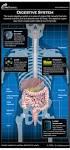 The digestive system Medicine and technology Normal structure and function Diagnostic methods Example diseases and therapies The digestive system An overview (1) Oesophagus Liver (hepar) Biliary system
2016 Quick Reference Coding Chart
 43197 Trans nasal esophagoscopy 43198 Biospy Trans Nasal Esophagoscopy Esophagoscopy 43200 Esophagoscopy Includes collection of specimen(s) by brushing or washing, when performed. 43201 Submucosal injection
Emergencies in Post- Bariatric Surgery Patients
 Emergencies in Post- Patients Disclosures Dr. Birnbaumer has no financial disclosures Diane M. Birnbaumer, M.D., FACEP Professor of Medicine University of California, Los Angeles Senior Clinical Educator
Endoscopy and infection: Prevention of infection during endoscopy Treatment of infection by endoscopy. M. Arvanitakis SRBG June 2009
 Endoscopy and infection: Prevention of infection during endoscopy Treatment of infection by endoscopy M. Arvanitakis SRBG June 2009 Outline Antibiotic prophylaxis during endoscopy Upper GI endoscopy Lower
Gastrointestinal bleeding: the management of acute upper gastrointestinal bleeding
 Gastrointestinal bleeding: the management of acute upper gastrointestinal bleeding NICE guideline Draft for consultation, December 2011 If you wish to comment on this version of the guideline, please be
Billing Diagnosis & Billing in Endoscopy
 Billing Diagnosis & Billing in Endoscopy Luis S. Marsano,MD Professor of Medicine Division of Gastroenterology, Hepatology and Nutrition University of Louisville and Louisville VAMC 2014 Billing Diagnosis
Billing Guideline. Subject: Colorectal Cancer Screening Exams (Invasive Procedures) Effective Date: 1/1/2012 Last Update Effective: 4/16
 Subject: Colorectal Cancer Screening Exams (Invasive Procedures) Effective Date: 1/1/2012 Last Update Effective: 4/16 Billing Guideline Background Health First administers benefit packages with full coverage
GASTRO-INTESTINAL BLEEDING
 Introduction Site of Bleeding History Physical Examination Laboratory Tests Investigation Treatment References Introduction Gastrointestinal bleeding is an uncommon but important sign in paediatric patients.
HemoClip: Guidelines & Atlas
 HemoClip: Guidelines & Atlas Cases presented by: Dennis M. Jensen, MD, CURE DDRC, UCLA & VA Medical Centers, and David Geffen School of Medicine at UCLA 1 Epi Injection and Hemoclipping of Chronic Gastric
Damage Control in Abdominal Trauma
 Damage Control in Abdominal Trauma Steven Stylianos, MD Surgeon-in-Chief, Morgan Stanley Children s Hospital Rudolph Schullinger Professor of Surgery, Columbia University College of Physicians & Surgeons
SARASOTA MEMORIAL HOSPITAL BLOOD COMPONENT CRITERIA AND INDICATIONS SCREENING GUIDELINES
 SARASOTA MEMORIAL HOSPITAL BLOOD COMPONENT CRITERIA AND INDICATIONS SCREENING GUIDELINES TABLE OF CONTENTS SUBJECT PAGE ADULT CRITERIA Red Blood Cells/Autologous 2 Washed Red Blood Cells 2 Cryoprecipitate
Learning Luncheon 7: Endoscopic Mucosal Resection: When, Where and How?
 Endoscopic Mucosal Resection (EMR): When, Where, and Charles J. Lightdale, MD Columbia University New York, NY Endoscopic Mucosal Resection (EMR) EMR developed for removal of sessile or flat neoplasms
Clinical Governance Development Committee October 2007 Dr Foster RTM Alerts Progress Report
 Clinical Governance Development Committee October 2007 Dr Foster RTM Alerts Progress Report 1. Background Information 1.1. Initial review of the tool in November 2006, and subsequent queries in January
Colonoscopy Data Collection Form
 Identifier: Sociodemographic Information Type: Zip Code: Gender: Height: (inches) Race: Ethnicity Inpatient Outpatient Male Female Birth Date: Weight: (pounds) American Indian (Native American) or Alaska
11/10/2014. I have nothing to Disclose. Covered Stents discussed are NOT FDA approved for the indications covered in my presentation
 I have nothing to Disclose Ramsey Dallal, MD, FACS Vice Chair Department of Surgery Chief Bariatric i and Minimally i Invasive Surgery Einstein Healthcare Network Nemacolin, PA 2014 Covered Stents discussed
Tranexamic Acid. Tranexamic Acid. Overview. Blood Conservation Strategies. Blood Conservation Strategies. Blood Conservation Strategies
 Overview Where We Use It And Why Andreas Antoniou, M.D., M.Sc. Department of Anesthesia and Perioperative Medicine University of Western Ontario November 14 th, 2009 Hemostasis Fibrinolysis Aprotinin and
Gastrointestinal Bleeding in the Cancer Patient
 Gastrointestinal Bleeding in the Cancer Patient Jonathan P.Yarris, MD a, Craig R.Warden, MD, MPH b, * KEYWORDS Gastrointestinal bleeding Cancer Chemotherapy Radiation therapy Endoscopy Gastrointestinal
Lenox Hill Hospital Department of Surgery General Surgery Goals and Objectives
 Lenox Hill Hospital Department of Surgery General Surgery Goals and Objectives Medical Knowledge and Patient Care: Residents must demonstrate knowledge and application of the pathophysiology and epidemiology
LOWER GI ENDOSCOPIES So why is CMS yanking our chain? General Concepts for all GI Endoscopy Procedures
 LOWER GI ENDOSCOPIES We have lots of changes to lower GI coding for 2015 to talk about. Code definitions have been revised and many new codes have been added to this chapter. First the good news: All these
Surgical & Nutritional Complications of Bariatric Surgery: What Every GI Doc Needs to Know Brian R. Smith, MD, FACS Associate Clinical Professor of
 Surgical & Nutritional Complications of Bariatric Surgery: What Every GI Doc Needs to Know Brian R. Smith, MD, FACS Associate Clinical Professor of Surgery & Associate Residency Program Director UC Irvine
Gastrointestinal (GI) bleeding
 Gastrointestinal (GI) bleeding Somchai Leelakusolvong, M.D. Div of Gastroenterology, Dept of Medicine, Siriraj Endoscopy Center e-mail address: [email protected] 07-07-2010 RCPT อ ตรด ตถ GI Bleeding
Chapter 6. Hemorrhage Control UNDER FIRE KEEP YOUR HEAD DOWN
 Hemorrhage Control Chapter 6 Hemorrhage Control The hemorrhage that take[s] place when a main artery is divided is usually so rapid and so copious that the wounded man dies before help can reach him. Colonel
Pediatric Upper GI Series New Patient
 Pediatric Upper GI Series New Patient Upper GI Series Thought to be malrotation, no evidence of midgut volvulus Needed to repeat UGI Series WHY? Repeat UGI Series Repeat UGI Series Repeat UGI Series No
Acute abdominal conditions Key Points
 7 Acute abdominal conditions Key Points 7.1 ASSESSMENT AND DIAGNOSIS Referred abdominal pain Fore gut pain (stomach, duodenum, gall bladder) is referred to the upper abdomen Mid gut pain (small intestine,
Guide to Abdominal or Gastroenterological Surgery Claims
 What are the steps towards abdominal surgery? Investigation and Diagnosis It is very important that all necessary tests are undertaken to investigate the patient s symptoms appropriately and an accurate
ESD for colorectal lesions I am in favour. Alessandro Repici, MD Digestive Endoscopy Unit IRCCS Istituto Clinico Humanitas Milano, Italy
 ESD for colorectal lesions I am in favour Alessandro Repici, MD Digestive Endoscopy Unit IRCCS Istituto Clinico Humanitas Milano, Italy Surgery for early colonic lesions 51 pts referred for lap colectomy
ACG Clinical Guideline: Management of Patients With Acute Lower Gastrointestinal Bleeding
 PRACTICE GUIDELINES nature publishing group 1 ACG Clinical Guideline: Management of Patients With Acute Lower Gastrointestinal Bleeding Lisa L. Strate, MD, MPH, FACG1 and Ian M. Gralnek, MD, MSHS2 This
Planning: Patient Goals and Expected Outcomes The patient will: Remain free of unusual bleeding Maintain effective tissue perfusion Implementation
 Obtain complete heath history including allergies, drug history and possible drug Assess baseline coagulation studies and CBC Assess for history of bleeding disorders, GI bleeding, cerebral bleed, recent
PATIENT CONSENT TO PROCEDURE - ROUX-EN-Y GASTRIC BYPASS
 As a patient you must be adequately informed about your condition and the recommended surgical procedure. Please read this document carefully and ask about anything you do not understand. Please initial
Demographics. MBSAQIP Case Number: IDN: ACS NSQIP Case Number:
 Demographics *LMRN: *DOB: / / *Gender: Male Female *Race: White Native Hawaiian/Other Pacific Islander Black or African American Asian American Indian or Alaska Native Unknown *Hispanic Ethnicity: Unknown
Endoscopic Doppler in the Management of Upper and Lower GI Bleeding: Case Studies & Atlas
 Endoscopic Doppler in the Management of Upper and Lower GI Bleeding: Case Studies & Atlas Presented By: Dennis M. Jensen, MD Professor of Medicine David Geffen School of Medicine at UCLA Associate Director,
Atrial Fibrillation Management Across the Spectrum of Illness
 Disclosures Atrial Fibrillation Management Across the Spectrum of Illness NONE Barbara Birriel, MSN, ACNP-BC, FCCM The Pennsylvania State University Objectives AF Discuss the pathophysiology, diagnosis,
Open the Flood Gates Urinary Obstruction and Kidney Stones. Dr. Jeffrey Rosenberg Dr. Emilio Lastarria Dr. Richard Kasulke
 Open the Flood Gates Urinary Obstruction and Kidney Stones Dr. Jeffrey Rosenberg Dr. Emilio Lastarria Dr. Richard Kasulke Nephrology vs. Urology Nephrologist a physician who has been trained in the diagnosis
Early Warning Scores (EWS) Clinical Sessions 2011 By Bhavin Doshi
 Early Warning Scores (EWS) Clinical Sessions 2011 By Bhavin Doshi What is EWS? After qualifying, junior doctors are expected to distinguish between the moderately sick patients who can be managed in the
Complications of pediatric endoscopy and colonoscopy. Informed consent. Learning objectives. Complication types. Complications (adults) 10/3/2012
 Complications of pediatric endoscopy and colonoscopy I have no financial relationships with any commercial entity to disclose Petar Mamula, M.D. The Children s Hospital of Philadelphia University of Pennsylvania
Types of Bariatric Procedures. Tejal Brahmbhatt, MD General Surgery Teaching Conference April 18, 2012
 Types of Bariatric Procedures Tejal Brahmbhatt, MD General Surgery Teaching Conference April 18, 2012 A Brief History of Bariatric Surgery First seen in pts with short bowel syndrome weight loss First
Dieulafoy s Lesion, a Rare Cause of Lower Gastrointestinal Hemorrhage
 Case Report Dieulafoy s Lesion, a Rare Cause of Lower Gastrointestinal Hemorrhage Samy K. Metyas, MD Vimesh K. Mithani, MD Patrick Tempera, MD Lower gastrointestinal (LGI) bleeding is a frequent and sometimes
Optimal Management of Splenic/Portal Vein Thrombosis. David Mauchley University of Colorado
 Optimal Management of Splenic/Portal Vein Thrombosis David Mauchley University of Colorado Overview Portal Vein Thrombosis (PVT) Etiology Presentation/Clinical Aspects Diagnosis Management Cirrhotic vs.
Endoscopic therapy for obesity and complications of bariatric surgery
 Endoscopic therapy for obesity and complications of bariatric surgery Jacques Devière, MD, PhD Erasme University Hospital Brussels Belgium [email protected] Obesity Affects 300 millions
Plumbing 101:! TXA and EMS! Jay H. Reich, MD FACEP! EMS Medical Director! City of Kansas City, Missouri/Kansas City Fire Department!
 Plumbing 101:! TXA and EMS! Jay H. Reich, MD FACEP! EMS Medical Director! City of Kansas City, Missouri/Kansas City Fire Department! EMS Section Chief! Department of Emergency Medicine! University of Missouri-Kansas
How To Treat A Heart Attack
 13 Resuscitation and preparation for anaesthesia and surgery Key Points 13.1 MANAGEMENT OF EMERGENCIES AND CARDIOPULMONARY RESUSCITATION ESSENTIAL HEALTH TECHNOLOGIES The emergency measures that are familiar
Center for Endoscopic Research & Therapeutics
 Center for Endoscopic Research & Therapeutics 5758 South Maryland Avenue (MC9028) Chicago, Illinois 60637 (773) 702-1459 www.uchospitals.edu Center for Endoscopic Research & Therapeutics To refer a patient
Surveillance for Hepatocellular Carcinoma
 Surveillance for Hepatocellular Carcinoma Marion G. Peters, MD John V. Carbone, MD, Endowed Chair Professor of Medicine Chief of Hepatology Research University of California San Francisco Recorded on April
Evolution of Barrett s esophagus
 Endoscopic Treatment and Surveillance of Esophageal Cancer: GI Perspective Charles J. Lightdale, MD Columbia University New York, NY Evolution of Barrett s esophagus Squamous esophagus Chronic inflammation
Post-DDW OAG Course - Therapeutic Endoscopy
 Post-DDW OAG Course - Therapeutic Endoscopy June 13, 2015 Jeffrey Mosko Division of Gastroenterology St. Michael's Hospital University of Toronto [email protected] Program Name: Post-DDW OAG course CanMEDS
Clinical question: what is the role of colonoscopy in the diagnosis of ischemic colitis?
 Clinical question: what is the role of colonoscopy in the diagnosis of ischemic colitis? Filtered resources,, which appraise the quality of studies and often make recommendations for practice, include
Colocutaneous Fistula. Disclosures
 Colocutaneous Fistula Madhulika G. Varma MD Associate Professor Chief, Colorectal Surgery University of California, San Francisco Honoraria Applied Medical Covidien Disclosures 1 Colocutaneous Fistula
2015 Medicare Physician Fee Schedule Putting the Pieces Together for GI Colleen M. Schmitt, MD, MHA, FASGE ASGE President
 2015 Medicare Physician Fee Schedule Putting the Pieces Together for GI Colleen M. Schmitt, MD, MHA, FASGE ASGE President Glenn D. Littenberg, MD, MACP Chair, ASGE Practice Management Committee and CPT
Catheter Embolization and YOU
 Catheter Embolization and YOU What is catheter embolization? Embolization therapy is a minimally invasive (non-surgical) treatment that occludes or blocks one or more blood vessels or vascular channels
Chapter 16. Learning Objectives. Learning Objectives 9/11/2012. Shock. Explain difference between compensated and uncompensated shock
 Chapter 16 Shock Learning Objectives Explain difference between compensated and uncompensated shock Differentiate among 5 causes and types of shock: Hypovolemic Cardiogenic Neurogenic Septic Anaphylactic
ABThera Open Abdomen Negative Pressure Therapy for Active Abdominal Therapy. Case Series
 ABThera Open Abdomen Negative Pressure Therapy for Active Abdominal Therapy Case Series Summary of Cases: USER EXPERIENCE The ABThera OA NPT system was found by surgeons to be a convenient and effective
Non-coronary Brachytherapy
 Non-coronary Brachytherapy I. Policy University Health Alliance (UHA) will reimburse for non-coronary brachytherapy when it is determined to be medically necessary and when it meets the medical criteria
Renovascular Hypertension
 Renovascular Hypertension Philip Stockwell, MD Assistant Professor of Medicine (Clinical) Warren Alpert School of Medicine Cardiology for the Primary Care Provider September 28, 201 Renovascular Hypertension
Understanding Laparoscopic Colorectal Surgery
 Understanding Laparoscopic Colorectal Surgery University Colon & Rectal Surgery A Problem with Your Colon Your doctor has told you that you have a colon problem. Now you ve learned that surgery is needed
EMR Can anyone do this?
 EMR Can anyone do this? Norio Fukami, MD University of Colorado Piecemeal resection? 1 Endoscopic mucosal resection (EMR) and Endoscopic submucosal dissection (ESD) Endoscopic removal of premalignant or
Capsule Endoscopy (Camera Pill)
 Last Review Date: May 27, 2016 Number: MG.MM.RA.05iC Medical Guideline Disclaimer Property of EmblemHealth. All rights reserved. The treating physician or primary care provider must submit to EmblemHealth
CPT COD1NG UPDATES Gastroenterology CPT Advisors
 2014 CPT COD1NG UPDATES Gastroenterology CPT Advisors Joel V. Brill, MD, AGA CPT Advisor Daniel C. DeMarco, MD, ACG CPT Advisor Glenn D. Littenberg, MD, ASGE CPT Advisor The American College of Gastroenterology
Urinary Diversion: Ileovesicostomy/Ileal Loop/Colon Loop
 Urinary Diversion: Ileovesicostomy/Ileal Loop/Colon Loop Why do I need this surgery? A urinary diversion is a surgical procedure that is performed to allow urine to safely pass from the kidneys into a
Endoscopic Resection for Barrett s Esophagus and Early Cancer 2014 Masters of Minimally Invasive Surgery
 Endoscopic Resection for Barrett s Esophagus and Early Cancer 2014 Masters of Minimally Invasive Surgery Matthew Hartwig, M.D. Duke Cancer Institute Case Presentation: Patient ER 51 y/o man with schizophrenia
The Whipple Procedure. Sally Hodges, Ph.D.(c) Given the length and difficulty of the procedure, regardless of the diagnosis, certain
 The Whipple Procedure Sally Hodges, Ph.D.(c) Preoperative procedures Given the length and difficulty of the procedure, regardless of the diagnosis, certain assurances must occur prior to offering a patient