
Combined epinephrine and bipolar probe coagulation vs. bipolar probe coagulation alone for bleeding peptic ulcer: a randomized, controlled trial
|
|
|
- Sydney May
- 10 years ago
- Views:
Transcription
1 Combined epinephrine and bipolar probe coagulation vs. bipolar probe coagulation alone for bleeding peptic ulcer: a randomized, controlled trial Maria Antonia Bianco, MD, Gianluca Rotondano, MD, Riccardo Marmo, MD, Roberto Piscopo, MD, Luigi Orsini, MD, Livio Cipolletta, MD Torre del Greco, Italy Background: Endoscopic treatment with combined modalities is considered standard of care for patients with high-risk peptic ulcer bleeding. This study compared epinephrine injection plus bipolar probe coagulation with bipolar probe coagulation alone in patients with high-risk peptic ulcer bleeding. Methods: Patients with endoscopically confirmed peptic ulcer bleeding (active or visible vessel) seen from January 2000 through December 2002 were prospectively randomized to two groups. The study group (n = 58) had epinephrine injection followed by bipolar coagulation; the control group (n = 56) was treated by bipolar coagulation alone. The primary outcomes assessed were the rate of initial hemostasis and the rate of recurrent bleeding. Secondary outcomes were the following: need for surgical intervention to control bleeding, transfusion requirements, length of hospital stay (in days), and 30-day mortality. Results: The rate of initial hemostasis was significantly higher in the combination therapy group (p = 0.02; absolute risk reduction 31.6%: 95% CI [5.4, 57.7]). There was no significant difference between the two treatment groups with respect to all other outcomes measures, except that significantly fewer units of blood were transfused in the combination therapy group (p = 0.006). Conclusions: In patients with active peptic ulcer bleeding, epinephrine injection plus bipolar coagulation achieved significantly higher rate of initial hemostasis. All other outcome measures were similar with either treatment in patients with non-bleeding stigmata. (Gastrointest Endosc 2004;60:910-5.) Upper-GI bleeding is a common and potentially life-threatening event; about 100 of 100,000 adults are hospitalized annually with such bleeding. 1,2 Peptic ulcer hemorrhage is the most common cause of severe upper-gi bleeding. 1 Such bleeding ceases spontaneously in 70% to 80% of patients, but further bleeding in the remaining 20% to 30% may be catastrophic. 3 Endoscopic treatment reduces the morbidity and the mortality associated with peptic ulcer bleeding and is significantly better than conservative management for the control of active bleeding and prevention of recurrent hemorrhage. 4 Injection therapy is undoubtedly the most popular method, because it is effective, easy to administer, Received May 12, For revision July 8, Accepted September 2, Current affiliation: U.O.C di Gastroenterologia, Ospedale Maresca, Torre del Greco, Italy. Presented in part as a poster during the Digestive Diseases Week, May 19-23, 2002, San Francisco, California (Gastrointest Endosc 2002;55:AB178). Reprint requests: Livio Cipolletta, MD, Via S.Domenico al Vomero 24, I-80126, Naples, Italy Copyright Ó 2004 by the American Society for Gastrointestinal Endoscopy /$30.00 PII: S (04) widely available, and relatively inexpensive. Clinical trials have found dilute epinephrine to be an effective agent and that the addition of a sclerosant agent or alcohol provides no incremental benefit and is associated with serious side effects. 5,6 Moreover, injection therapy also halts or slows active bleeding so that other therapeutic methods also can be applied. Endoscopic thermal coagulation was introduced as the initial endoscopic hemostatic treatment more than 20 years ago. Contact probes offer good coaptive coagulation (sealing of vessel by combined pressure and heat) and target irrigation. Bipolar and heat probe coagulation have been shown to be more effective than injection therapy alone for the control of active bleeding and for the prevention of recurrent bleeding from visible vessels. 7,8 Injection combined with thermal probe coagulation appears to be superior to injection therapy alone in high-risk patients, 9-13 but the therapeutic clinical gain over thermal monotherapy may not be substantial. The primary objective of this study was to test the null hypothesis: that there was no difference in hemostatic rates between combination treatment (injection plus bipolar coagulation) vs. bipolar coagulation alone in patients with clinically severe ulcer hemorrhage. The secondary objective was to 910 GASTROINTESTINAL ENDOSCOPY VOLUME 60, NO. 6, 2004

2 Bleeding peptic ulcers: epinephrine and bipolar probe vs. bipolar probe coagulation M Bianco, G Rotondano, R Marmo, et al. compare clinical outcomes, such as the requirement for blood transfusion, recurrent bleeding, surgery, mortality, and length of hospital stay, between the two treatment groups. PATIENTS AND METHODS Patients All patients hospitalized for upper-gi bleeding and those who bleed after admission for unrelated disorders were considered for study entry. Inclusion criteria were the following: (1) hematemesis, melena, hematochezia, or a bloody nasogastric aspirate; (2) hemodynamic instability (systolic blood pressure <100 mm Hg, pulse rate >100 beats per minute, or orthostatic change in systolic blood pressure >20 mm Hg or pulse rate >20 beats per minute); (3) transfusion of two or more units of blood within 12 hours or a decrease in hematocrit of greater than 6% in 12 hours; and (4) endoscopy within 24 hours of admission that revealed a gastric or duodenal ulcer with an actively bleeding vessel (spurting or oozing) or a non-bleeding visible vessel (defined as a raised, rounded, smoothsurfaced plug). Adherent clots were mechanically removed with a snare to expose the underlying ulcer crater. A Rockall score 14 was calculated for each patient after the index endoscopy to estimate the prognostic significance of the bleeding event. Exclusion criteria were the following: (1) age less than 18 years, (2) pregnancy, (3) inability or unwillingness to consent to participation in the study, (4) anticoagulation therapy, (5) severe coagulopathy (prothrombin time $18 seconds), (6) known severe chronic liver disease, (7) advanced malignancy, and (7) identification of two or more potential bleeding lesions. Randomization Written consent for participation in the study was obtained, either from the patient or, in some cases, from a close relative. The protocol was reviewed and approved by the institutional review board of our hospital. Endoscopy was undertaken after resuscitation. Patients were randomly assigned at endoscopy to bipolar probe coagulation alone or epinephrine injection followed by bipolar coagulation by using computer-generated randomization sequences in blocks of 25 with concealed allocation. Patients were stratified for active bleeding and visible vessel. Endoscopic therapy Endoscopy was performed with a forward-viewing therapeutic endoscope (1T130 or 1T140; Olympus Optical Co., Ltd. Tokyo, Japan). All procedures were performed by experienced endoscopists (>15 years experience with GI bleeding) with particular skill in the two procedures under evaluation. Bipolar electrocoagulation was performed with a 7F probe (Injector-Gold Probe; Microvasive Endoscopy, Boston Scientific Corp., Natick, Mass.). The probe was applied as forcefully as possible to the bleeding site or the visible vessel and the immediately surrounding area (setting W); energy was delivered in 10-second pulses. Injection was performed before thermocoagulation by using either the 25-gauge retracting needle inside the Injector-Gold Probe or a separate 23-gauge disposable injector needle (DVI-23-MH; Cook Ireland Ltd., Cork, Ireland) Boluses of 1 to 2 ml of a 1:10,000 solution of epinephrine were injected to a maximum of 30 ml. Injections were placed in the 4 quadrants surrounding the bleeding site or the vessel, and then into the bleeding site or the vessel directly. Follow-up After the endoscopic procedure, all patients were treated with omeprazole (40 mg intravenously every 12 hours). Subsequent clinical management decisions were left to the attending physician or surgeon. The patients, those caring for the them, and personnel collecting data were blinded to the type of treatment each patient received. The endoscopist who performed the endoscopic treatment did not participate in the further care of the patient. In all patients, two biopsy specimens were taken from the gastric antrum and body to assess for Helicobacter pylori infection. If appropriate, patients were treated with a 7-day course of amoxicillin (1000 mg twice a day) and clarithromicin (500 mg twice a day) plus a proton pump inhibitor. The primary goals of the trial were the following: (1) to compare the ability of the two endoscopic treatments to achieve initial hemostasis (defined as cessation of active bleeding or coagulative necrosis with flattening of the visible vessel or cavitation effect) and (2) to compare the rate of recurrent bleeding between the two treatment groups. Secondary objectives were to compare the length of hospital stay, the number of units of blood transfused, the need for surgical intervention, and the 30-day mortality between the two groups. Definitive hemostasis was defined as no endoscopic evidence of bleeding during 5 minutes of observation after therapy and maximal water irrigation for 10 seconds. If any further hemorrhage occurred, the initial procedure was repeated until no further bleeding was evident. If hemorrhage persisted during the initial endoscopy despite therapy, patients in both groups were treated by epinephrine injection followed by further electrocoagulation with the 10F probe; they were referred for surgery if bleeding was not controlled after 15 minutes of endoscopic treatment. Vital signs and the nasogastric tube aspirate were monitored hourly. Hb concentration was monitored every 6 hours for the first 48 hours and then at 12 and 24 hours thereafter. Recurrent bleeding was defined as fresh hematemesis or melena or both, together with shock, or a decrease in Hb concentration of at least 2 g/dl in 24 hours. Recurrent bleeding was diagnosed by the attending clinicians, who made all management decisions but who had no knowledge of whether the patient had received combination therapy or thermal therapy alone. If there was any clinical suspicion of recurrent bleeding, endoscopy was performed immediately. Patients with any VOLUME 60, NO. 6, 2004 GASTROINTESTINAL ENDOSCOPY 911

3 M Bianco, G Rotondano, R Marmo, et al. Bleeding peptic ulcers: epinephrine and bipolar probe vs. bipolar probe coagulation Table 1. Clinical variables at study entry Gold Probe n=56 Combined n=58 Figure 1. Trial design. SRH, Stigmata of recent haemorrhage. recurrent bleeding were re-treated by using the same method as at randomization. Two treatment sessions were permitted before endoscopic therapy was considered to have failed. Endoscopic treatment was considered successful if there was no further bleeding, or if recurrent hemorrhage was controlled endoscopically, up to the time of discharge. Surgery was considered for patients with persistent bleeding (treatment failure) and for those with recurrent bleeding that could not be stopped endoscopically (retreatment failure). After discharge, patients were followed by the trial monitor, either by out-patient interview or by telephone contact 30 days after the initial episode of bleeding. Statistical methods The trial was designed to have an 80% power to detect a difference in hemostasis rates of 5% and 15% at the 5% level of significance. A hemostatic rate for combination therapy of 95% was assumed; the hemostatic rate was assumed to be 15% lower for bipolar electrocoagulation alone. It was calculated that 60 patients would be required in each study arm. Data were analyzed by using a statistical software package (SPSS/PC version 7.1; M. J. Norusis, Chicago, Ill.). The efficacy of treatments was analyzed on an intention-to-treat basis. Summary statistics for quantitative data are given as mean (standard deviation [SD]). Differences in proportions were analyzed by using the chisquare test with the YatesÕ correction or the Fisher exact test. Baseline characteristics of the treatment groups, which were quantitative, were compared with a t test. Length of hospital stay was compared by using the t test after logarithmic transformation. Blood transfusion requirements were compared by using the Wilcoxon rank sum test. A p value <0.05 was regarded as significant. It is recognized that there was multiple testing of outcome data arising from individual patients. However, there was no instance where statistical significance was removed if the results for hemostatic rates are taken as the main findings (not subject to correction); the method of Bonferroni was used for all secondary results. Age (y) 59 (6) 58 (5) Male gender 42 (75%) 46 (79%) Hematocrit at admission 27% 24% Systolic blood pressure (mm Hg) 109 (5) 111 (3) Heart rate (beats/min) 112 (3) 116 (3) Rockall score 7 (2) 6 (3) Hb (g/dl) 8.8 (2.1) 8.0 (1.8) No. units transfused 1.6 (0.3) 2.2 (0.5) Previous NSAID intake 31 (55%) 35 (60%) Helicobacter pylori positive 34 (79%) 33 (73%) Active bleeding 19 (34%) 19 (33%) Non-bleeding visible vessel 37 (66%) 39 (67%) Size of ulcer (range in mm) 11 (8-14) 12 (8-18) Gastric/duodenal ulcer 15/41 14/44 p is not significant for all comparisons. Values are numbers (percentage) expressed as mean (standard deviation). NSAID, Non-steroidal anti-inflammatory drug. RESULTS A total of 345 patients met the clinical entry criteria and had an ulcer as the source of bleeding. Of these, 231 patients were excluded because of the presence of minor stigmata of hemorrhage in the ulcer base (134 clean base, 97 flat pigmented spot). A flat spot was exposed after removal of an adherent clot in 9 cases. The remaining 114 patients had either active bleeding (n = 38) or a visible vessel (n = 76). Of these, a major stigmata of hemorrhage was exposed after mechanical removal of an adherent clot in 24 patients (9 oozing, 15 visible vessel) (Fig. 1). The 114 high-risk patients were randomized to receive bipolar electrocoagulation alone (n = 56) or combination therapy with epinephrine injection plus bipolar electrocoagulation (n = 58). There was no significant difference in the baseline characteristics for the two groups (Table 1). The results after treatment are shown in Table 2 for all patients. A mean of 12 (3) ml of epinephrine solution was injected per patient. Hemostasis was achieved at initial endoscopy in 13 of 19 (68.4%) patients with active bleeding treated by bipolar coagulation alone and in 19 of 19 (100%) actively bleeding patients treated with combination therapy (absolute risk reduction [ARR] 31.6%: 95% CI [5.4, 57.7]; p = 0.02). Overall, bleeding recurred in 13 patients (8 who had bipolar coagulation alone and 5 treated by combination therapy); the difference between the two groups was not significant (ARR 5.7%: 95% CI [ÿ6, 17], p > 0.50). Among patients with active bleeding, recurrent bleeding was numerically more common in the group 912 GASTROINTESTINAL ENDOSCOPY VOLUME 60, NO. 6, 2004

4 Bleeding peptic ulcers: epinephrine and bipolar probe vs. bipolar probe coagulation M Bianco, G Rotondano, R Marmo, et al. Table 2. Outcomes of endoscopic treatments Gold Probe n = 56 COMBINED n = 58 ARR 95% CI RRR 95% CI NNT 95% CI Hemostasis in AB 13/19 (68.4)* 19/19 (100) 31.6 (5.4, 57.7) 46 (16, 77) 3 (2, 18) Recurrent bleeding 8/56 (14.3) 5/58 (8.2) 5.7 (ÿ6, 17) 40 (ÿ42, 100) AB 3/13 (23) 1/19 (5.2) 17.8 (ÿ13.7, 49.3) NBVV 5/37 (13.5) 4/39 (10.2) 5 (ÿ7, 2) Surgery 4/56 (7.1) 1/58 (1.8) 5.4 (ÿ2.1, 12.9) 76 (ÿ30, 100) AB 2/19 (10.5) 0/19 (0) NBVV 2/37 (5.4) 1/39 (2.5) Death 3/56 (5.3) 1/58 (1.7) 3.7 (ÿ3, 10.5) 69 (ÿ57, 100) AB 1/19 (5.2) 1/19 (5.2) NBVV 2/37 (5.4) 0/39 (0) Median units of blood transfused (range) 3 (0-8)y 1 (0-16) Median hospital stay in d (range) 8 (7-34) 7 (4-20) Values are number (percentage). Combined, Injection epinephrine 1 Gold Probe; ARR, absolute risk reduction, i.e., the absolute difference between the event rate in controls and experimental; RRR, relative risk reduction, i.e., the proportional reduction of the event vs. the control rate (control event rate experimental event rate/control event rate); NNT, number needed to treat, i.e., the number of patients to treat with the experimental procedure so that at least one avoids the event investigated (e.g., recurrent bleeding) (NNT is a measure of therapeutic gain and is the reciprocal of ARR [1/ARR]; AB, patients with actively bleeding ulcers; NBVV, patients with nonbleeding visible vessels at the ulcer base. * p = 0.02 Gold Probe vs. combined injection 1 Gold Probe. yp = Gold Probe vs. combined injection 1 Gold Probe. treated by bipolar coagulation alone, but the difference was not statistically significant (ARR 17.8%: 95% CI [ÿ13.7, 49.3], p > 0.50). For the patients with a non-bleeding visible vessel, the rate of recurrent bleeding was similar between the two groups (ARR 3.3%: 95% CI [ÿ8, 32]; p > 0.50). Twelve of the 13 patients with recurrent bleeding had some form of subsequent intervention, either endoscopic alone (multipolar group, 6; combined group, 4) or surgical (multipolar group, 1; combined group, 1). The remaining patient with recurrent bleeding was in the group treated by bipolar therapy alone and died before additional procedures could be performed. The number of units of blood transfused after treatment was significantly greater in the group treated by bipolar coagulation alone (p = 0.006), but the differences in length of hospital stay and mortality were not significant. Three of the 4 patients who died had recurrent bleeding. One patient (combined group) had recurrent bleeding that was treated endoscopically but died because of a combination of recurrent GI bleeding, end-stage chronic obstructive pulmonary disease, and sepsis. A second patient, who had been randomized to bipolar coagulation alone, with underlying coronary artery disease had recurrent bleeding and a subsequent cardiac arrest ascribed to myocardial infarction. The third patient, also randomized to bipolar coagulation alone, had no further bleeding after a second endoscopic treatment but later died as a result of multiorgan failure. No patient was lost to follow-up. There was no procedure-related perforation or procedure-related death. Both treatments were similar with respect to induction of bleeding from an initially non-bleeding lesion (37.8% vs. 41%; absolute risk increase 3.2%: 95% CI [ÿ27.8, 21.2], p > 0.50). DISCUSSION Despite the effectiveness of endoscopic monotherapies for peptic ulcer bleeding, further or recurrent bleeding occurs in about 15% to 25% of cases. 15 Thus, attempts have been made to improve the results of monotherapy by combining it with another modality. There are no hard data to demonstrate that a combination of injection therapies or injection plus hemoclip application is superior to either treatment alone. 11,12,16,17 By contrast, available data for the combination of epinephrine injection and a thermal method show a consistent trend in favor of combined treatment. 10,11 The rationale for the combined approach is the different modes of arterial hemostasis of the two methods: epinephrine activates the intrinsic arterial coagulation cascade, causes vasoconstriction, and facilitates clotting; a thermal probe tamponades the artery, coaptively coagulates the tissue, activates arterial coagulation, and causes edema that helps to compress the artery. In a large series, Chung et al., 9 showed that heat probe coagulation after epinephrine injection decreased the need for emergency surgery and blood transfusion, and reduced the length of hospital stay for patients with spurting hemorrhage. In the study by Lin et al., 10 bipolar coagulation after epinephrine injection was better VOLUME 60, NO. 6, 2004 GASTROINTESTINAL ENDOSCOPY 913

5 M Bianco, G Rotondano, R Marmo, et al. Bleeding peptic ulcers: epinephrine and bipolar probe vs. bipolar probe coagulation than epinephrine injection alone in reducing the rate of recurrent bleeding. Wong et al. 13 confirmed the excellent performance of epinephrine injection plus heat probe coagulation in series of 1144 patients who required endoscopic treatment; the rate of hemostasis was a remarkable 98.6%, with a rate of recurrent bleeding of only 8.2%. A meta-analysis of 16 studies that included 1673 patients provided evidence that the addition of a second endoscopic treatment modality after epinephrine injection improved outcomes for patients with high-risk bleeding ulcers, with further reductions in the rate of recurrent bleeding (odds ratio [OR] 0.53: 95% CI [0.40, 0.69]), need for emergency surgery (OR 0.64: 95% CI [0.46, 0.90]), and mortality (OR 0.51: 95% CI [0.31, 0.84]). 18 For combined endoscopic therapy, the results obtained with contact vs. non-contact probes 19 and smaller (7F) vs. larger (10F) probes 20 appear to be essentially equivalent. Comparative data for combination therapy vs. thermal methods alone are scarce. Given that thermal methods are highly effective, the therapeutic gain of combined therapy compared with thermal monotherapy may be of lesser clinical relevance. In patients with actively bleeding ulcers, Jensen et al. 21,22 found a significantly higher rate of initial hemostasis with combination therapy compared with bipolar coagulation alone. For high-risk patients and non-bleeding vessels, those with nonbleeding vessels, rates of recurrent bleeding and surgery were similarly low with either bipolar coagulation or combination therapy. In a multicenter randomized trial, Church et al. 23 compared heat probe coagulation plus thrombin injection with heat probe coagulation plus placebo in patients with severe peptic ulcer bleeding. In this study, coaptive coagulation plus injection of thrombin did not confer any additional benefit, regardless of whether bleeding was active or if non-bleeding stigmata were present. The present prospective randomized trial was specifically designed to test the hypothesis that there is a difference in outcomes for patients treated by thermal contact monotherapy or epinephrine injection combined with thermal coagulation. The results demonstrate a beneficial effect of combined therapy in achieving primary hemostasis in the subgroup of patients with active ulcer bleeding (ARR 31.6%, number needed to treat of 3). With respect to recurrent bleeding, both treatments were equally effective. There was a trend toward a lower rate of recurrent bleeding in the combination therapy arm in the subgroup of patients who initially had an actively bleeding ulcer. The actual values were small (3/13 and 1/19), and the 18% difference did not reach statistical significance, likely because of a beta error. In the post-hoc analysis, 59 patients with active peptic ulcer bleeding would have to be randomized to each group to demonstrate a statistically significant difference between the two treatment methods. No significant difference was found between the two treatment groups in terms of need for surgery or mortality. Consistent with the results of previous laboratory 24 and human studies, 10 the present study confirms the effectiveness, the ease of use, and the safety of the Injector-Gold Probe. All necessary functions are combined in this device: irrigation, injection, and coagulation. There was no difference in treatment-related complications between combined therapy and bipolar coagulation alone. The most frequent negative outcome encountered was precipitation of bleeding from a non-bleeding lesion. The calculated number needed to harm for this negative outcome was 31: 95% CI [ÿ3.6, 5]); i.e., for every 31 patients treated with combination therapy, one patient will suffer an exacerbation or a precipitation of hemorrhage that would not have occurred with bipolar coagulation alone. In conclusion, the combination of injection and bipolar coagulation achieved a significantly higher rate of initial hemostasis and tended to decrease the rate of recurrent bleeding in patients with active arterial bleeding compared with bipolar coagulation alone. Patients with spurting bleeding, therefore, may be the subgroup most likely to benefit from combined endoscopic therapy. REFERENCES 1. Longstreth GF. Epidemiology of hospitalization for acute upper gastrointestinal hemorrhage: a population-based study. Am J Gastroenterol 1995;90: Rockall TA, Logan RF, Devlin HB, Northfield TC. Incidence of and mortality from acute upper gastrointestinal haemorrhage in the United Kingdom. BMJ 1995;311: NIH Consensus Conference. Therapeutic endoscopy and bleeding ulcers. JAMA 1989;262: Cook DJ, Guyatt GH, Salena BJ, Laine LA. Endoscopic therapy for acute nonvariceal upper gastrointestinal hemorrhage: a meta-analysis. Gastroenterology 1992;102: Lau JY, Leung JW. Injection therapy for bleeding peptic ulcers. Gastrointest Endosc Clin North Am 1997;7: Church NI, Palmer KR. Injection therapy for endoscopic hemostasis. Baillieres Best Pract Res Clin Gastroenterol 2000;14: Kumar P, Fleischer DE. Thermal therapy for gastrointestinal bleeding. Gastrointest Endosc Clin North Am 1997;7: Chung SCS, Lau JYW, Rutgeerts P, Fennerty MB. Thermal coagulation for nonvariceal bleeding. Endoscopy 2002;34: Chung SS, Lau JY, Sung JJ, Chan AC, Lai CW, Ng EK, et al. Randomised comparison between adrenaline injection alone 914 GASTROINTESTINAL ENDOSCOPY VOLUME 60, NO. 6, 2004

6 Bleeding peptic ulcers: epinephrine and bipolar probe vs. bipolar probe coagulation M Bianco, G Rotondano, R Marmo, et al. and adrenaline injection plus heat probe treatment for actively bleeding ulcers. BMJ 1997;314: Lin HJ, Tseng GY, Perng CL, Lee FY, Chang FY, Lee SD. Comparison of adrenaline injection and bipolar electrocoagulation for the arrest of peptic ulcer bleeding. Gut 1999;44: Machicado GA, Jensen DM. Thermal probes alone or with epinephrine for the endoscopic hemostasis of ulcer hemorrhage. Baillieres Best Pract Res Clin Gastroenterol 2000;14: Hiele M, Rutgeerts P. Combination therapies for the endoscopic treatment of gastrointestinal bleeding. Baillieres Best Pract Res Clin Gastroenterol 2000;14: Wong SK, Yu LM, Lau JY, Lam YH, Chan AC, Ng EK, et al. Prediction of therapeutic failure after adrenaline injection plus heater probe treatment in patients with bleeding peptic ulcer. Gut 2002;50: Rockall TA, Logan RF, Devlin HB, Northfield TC. Risk assessment after acute upper gastrointestinal haemorrhage. Gut 1996;38: Jensen DM. Management of severe ulcer bleeding. N Engl J Med 1999;340: Chung IK, Ham JS, Kim HS, Park SH, Lee MH, Kim SJ. Comparison of the hemostatic efficacy of the endoscopic hemoclip method with hypertonic saline-epinephrine injection and a combination of the two for the management of bleeding peptic ulcers. Gastrointest Endosc 1999;49: Buffoli F, Graffeo M, Nicosia F, Gentile C, Cesari P, Rolfi F, et al. Peptic ulcer bleeding: comparison of two hemostatic procedures. Am J Gastroenterol 2001;96: Calvet X, Vergara M, Brullet E, Gisbert JP, Campo R. Addition of a second endoscopic treatment following epinephrine injection improves outcome in high-risk bleeding ulcers. Gastroenterology 2004;126: Chau CH, Siu WT, Law BK, Tang CN, Kwok SY, Luk YW, et al. Randomized controlled trial comparing epinephrine injection plus heat probe coagulation versus epinephrine injection plus argon plasma coagulation for bleeding peptic ulcers. Gastrointest Endosc 2003;57: Paspatis GA, Charoniti I, Papanikolaou N, Vardas E, Chlouverakis G. A prospective randomized comparison of 10-Fr vs. 7-Fr bipolar probes in combination with adrenaline injection for bleeding peptic ulcers. Am J Gastroenterol 2003; 98: Jensen DM, Smith J, Savides TJ, Kovacs TO, Jutabha R, Gralnek IM, et al. Randomized controlled study of combination epinephrine injection and Gold Probe compared to Gold Probe alone for hemostasis of actively bleeding peptic ulcers [abstract]. Gastrointest Endosc 2000;51:AB Jensen DM, Kovacs TO, Jutabha R, Gralnek IM, Machicado GA, Savides TJ, et al. Randomized controlled study of combination epinephrine injection and Gold Probe compared to Gold Probe alone for prevention of rebleeding from ulcers with non-bleding visible vessels [abstract]. Gastrointest Endosc 2000;51:AB130 AB Church NI, Dallal HJ, Masson J, Mowat NA, Johnston DA, Radin E, et al. A randomized trial comparing heater probe plus thrombin with heater probe plus placebo for bleeding peptic ulcer. Gastroenterology 2003;125: Jutabha R, Jensen DM, Machicado G, Hirabayashi K. Randomized controlled studies of injection Gold Probes compared with monotherapies for hemostasis of bleeding canine gastric ulcers. Gastrointest Endosc 1998;48: VOLUME 60, NO. 6, 2004 GASTROINTESTINAL ENDOSCOPY 915

Endoscopic Treatment of Bleeding Peptic Ulcers Panagiotis Katsinelos, MD, PhD
 Endoscopic Treatment of Bleeding Peptic Ulcers Panagiotis Katsinelos, MD, PhD Department of Endoscopy and Motility Unit G. Gennimatas General Hospital of Thessaloniki Endoscopic diagnosis for UGI bleeding
Optimal injection volume of epinephrine for endoscopic treatment of peptic ulcer bleeding
 PO Box 2345, Beijing 100023, China World J Gastroenterol 2006 May 21; 12(19): 3108-3113 World Journal of Gastroenterology ISSN 1007-9327 [email protected] 2006 The WJG Press. All rights reserved. RAPID COMMUNICATION
American Journal of Gastroenterology ISSN 0002-9270
 American Journal of Gastroenterology ISSN 0002-9270 C 2006 by Am. Coll. of Gastroenterology doi: 10.1111/j.1572-0241.2006.00399.x Published by Blackwell Publishing Role of Intravenous Omeprazole in Patients
GI Bleed. Steven Lichtenstein, D.O. Chief, Division of Gastroenterology Mercy Health System. Director, Endoscopy/GI Lab Mercy Fitzgerald Hospital
 October 3, 2015 GI Bleed Steven Lichtenstein, D.O. Chief, Division of Gastroenterology Mercy Health System Director, Endoscopy/GI Lab Mercy Fitzgerald Hospital Clinical Associate Professor of Medicine
Endoscopic Doppler in the Management of Upper and Lower GI Bleeding: Case Studies & Atlas
 Endoscopic Doppler in the Management of Upper and Lower GI Bleeding: Case Studies & Atlas Presented By: Dennis M. Jensen, MD Professor of Medicine David Geffen School of Medicine at UCLA Associate Director,
SIGN. Management of acute upper and lower gastrointestinal bleeding. September 2008. A national clinical guideline
 SIGN Scottish Intercollegiate Guidelines Network Help us to improve SIGN guidelines - click here to complete our survey 105 Management of acute upper and lower gastrointestinal bleeding A national clinical
HemoClip: Guidelines & Atlas
 HemoClip: Guidelines & Atlas Cases presented by: Dennis M. Jensen, MD, CURE DDRC, UCLA & VA Medical Centers, and David Geffen School of Medicine at UCLA 1 Epi Injection and Hemoclipping of Chronic Gastric
Articles Presented. Journal Presentation. Dr Albert Lo. Dr Albert Lo
 * This presentation is prepared by the author in one s personal capacity for the purpose of academic exchange and does not represent the views of his/her organisations on the topic discussed. Journal Presentation
Systolic Blood Pressure Intervention Trial (SPRINT) Principal Results
 Systolic Blood Pressure Intervention Trial (SPRINT) Principal Results Paul K. Whelton, MB, MD, MSc Chair, SPRINT Steering Committee Tulane University School of Public Health and Tropical Medicine, and
Gastrointestinal bleeding: the management of acute upper gastrointestinal bleeding
 Gastrointestinal bleeding: the management of acute upper gastrointestinal bleeding NICE guideline Draft for consultation, December 2011 If you wish to comment on this version of the guideline, please be
THE INTERNET STROKE CENTER PRESENTATIONS AND DISCUSSIONS ON STROKE MANAGEMENT
 THE INTERNET STROKE CENTER PRESENTATIONS AND DISCUSSIONS ON STROKE MANAGEMENT Stroke Prevention in Atrial Fibrillation Gregory Albers, M.D. Director Stanford Stroke Center Professor of Neurology and Neurological
Hemostasis Solutions Boston Scientific is committed to improving patient care in the management of gastrointestinal bleeding.
 Hemostasis Solutions Boston Scientific is committed to improving patient care in the management of gastrointestinal bleeding. Through innovation and continuous educational support, we offer a wide range
Dual Antiplatelet Therapy. Stephen Monroe, MD FACC Chattanooga Heart Institute
 Dual Antiplatelet Therapy Stephen Monroe, MD FACC Chattanooga Heart Institute Scope of Talk Identify the antiplatelet drugs and their mechanisms of action Review dual antiplatelet therapy in: The medical
New Oral Anticoagulants
 New Oral Anticoagulants Tracy Minichiello, MD Associate Professor of Medicine Chief, San FranciscoVA Anticoagulation and Thrombosis Service Ansell, J. Hematology Copyright 2010 American Society of Hematology.
New Anticoagulants and GI bleeding
 New Anticoagulants and GI bleeding DR DANNY MYERS MD FRCP(C) CLINICAL ASSISTANT PROFESSOR OF MEDICINE, UBC Conflicts of Interest None I am unbiased in the use of NOAC s vs Warfarin based on risk benefit
Summary and general discussion
 Chapter 7 Summary and general discussion Summary and general discussion In this thesis, treatment of vitamin K antagonist-associated bleed with prothrombin complex concentrate was addressed. In this we
DUAL ANTIPLATELET THERAPY. Dr Robert S Mvungi, MD(Dar), Mmed (Wits) FCP(SA), Cert.Cardio(SA) Phy Tanzania Cardiac Society Dar es Salaam Tanzania
 DUAL ANTIPLATELET THERAPY Dr Robert S Mvungi, MD(Dar), Mmed (Wits) FCP(SA), Cert.Cardio(SA) Phy Tanzania Cardiac Society Dar es Salaam Tanzania DUAL ANTIPLATELET THERAPY (DAPT) Dual antiplatelet regimen
The Initial and 24 h (After the Patient Rehabilitation) Deficit of Arterial Blood Gases as Predictors of Patients Outcome
 Biomedical & Pharmacology Journal Vol. 6(2), 259-264 (2013) The Initial and 24 h (After the Patient Rehabilitation) Deficit of Arterial Blood Gases as Predictors of Patients Outcome Vadod Norouzi 1, Ali
Endoscopic Management of Acute Lower Gastrointestinal Bleeding
 American Journal of Gastroenterology ISSN 0002-9270 C 2008 by Am. Coll. of Gastroenterology doi: 10.1111/j.1572-0241.2008.02075.x Published by Blackwell Publishing THE EXPERT S CORNER Endoscopic Management
Clinical Study Synopsis
 Clinical Study Synopsis This Clinical Study Synopsis is provided for patients and healthcare professionals to increase the transparency of Bayer's clinical research. This document is not intended to replace
Evolution of Barrett s esophagus
 Endoscopic Treatment and Surveillance of Esophageal Cancer: GI Perspective Charles J. Lightdale, MD Columbia University New York, NY Evolution of Barrett s esophagus Squamous esophagus Chronic inflammation
Management and Prevention of Upper GI Bleeding
 Management and Prevention of Upper GI Bleeding By Jiwon Kim, Pharm.D., BCPS, FCSHP Reviewed by Clarence Chant, Pharm.D., FCSHP, FCCP, BCPS; and Steven E. Pass, Pharm.D., FCCP, FCCM, BCPS Learning Objectives
The author has no disclosures
 Mary Bradbury, PharmD, BCPS Clinical Pharmacy Specialist, Cardiac Surgery September 18, 2012 [email protected] This presentation will discuss unlabeled and investigational use of products The author
NnEeWw DdEeVvEeLlOoPpMmEeNnTtSs IiıNn OoRrAaLl AaNnTtIiıCcOoAaGgUuLlAaTtIiıOoNn AaNnDd RrEeVvEeRrSsAaLl
 NnEeWw DdEeVvEeLlOoPpMmEeNnTtSs IiıNn OoRrAaLl AaNnTtIiıCcOoAaGgUuLlAaTtIiıOoNn AaNnDd RrEeVvEeRrSsAaLl Mikele Wissing, RN June 2014 Introduction until recently, was the unrivaled medication for treatment
Long term anticoagulant therapy in patients with atrial fibrillation at high risk of stroke: a new scenario after RE-LY trial
 Long term anticoagulant therapy in patients with atrial fibrillation at high risk of stroke: a new scenario after RE-LY trial Camillo Autore Università di Roma Sapienza II Facoltà di Medicina e Chirurgia
Direct Current Therapy for Treatment of Hemorrhoids
 Direct Current Therapy for Treatment of Hemorrhoids [For the list of services and procedures that need preauthorization, please refer to www.mcs.com.pr Go to Comunicados a Proveedores, and click Cartas
Gruppo di lavoro: Malattie Tromboemboliche
 Gruppo di lavoro: Malattie Tromboemboliche 2381 Soluble Recombinant Thrombomodulin Ameliorates Hematological Malignancy-Induced Disseminated Intravascular Coagulation More Promptly Than Conventional Anticoagulant
Aktuelle Literatur aus der Notfallmedizin
 05.02.2014 Aktuelle Literatur aus der Notfallmedizin prä- und innerklinisch Aktuelle Publikationen aus 2012 / 2013 PubMed hits zu emergency medicine 12,599 Abstract OBJECTIVES: Current American Heart
1/12/2016. What s in a name? What s in a name? NO.Anti-Coagulation. DOACs in clinical practice. Practical aspects of using
 What s in a name? Practical aspects of using DOACs (Direct Oral Anticoagulants) James L. Sebastian, MD, MACP Professor of Medicine (GIM) Medical College of Wisconsin February 5, 2016 DOAC NOAC NOAC ODI
Rivaroxaban for acute coronary syndromes
 Northern Treatment Advisory Group Rivaroxaban for acute coronary syndromes Lead author: Nancy Kane Regional Drug & Therapeutics Centre (Newcastle) May 2014 2014 Summary Current long-term management following
If several different trials are mentioned in one publication, the data of each should be extracted in a separate data extraction form.
 General Remarks This template of a data extraction form is intended to help you to start developing your own data extraction form, it certainly has to be adapted to your specific question. Delete unnecessary
Sponsor. Novartis Generic Drug Name. Vildagliptin. Therapeutic Area of Trial. Type 2 diabetes. Approved Indication. Investigational.
 Clinical Trial Results Database Page 1 Sponsor Novartis Generic Drug Name Vildagliptin Therapeutic Area of Trial Type 2 diabetes Approved Indication Investigational Study Number CLAF237A2386 Title A single-center,
A. Ketorolac*** B. Naproxen C. Ibuprofen D. Celecoxib
 1. A man, 66 years of age, with a history of knee osteoarthritis (OA) is experiencing increasing pain at rest and with physical activity. He also has a history of depression and coronary artery disease.
New Anticoagulants: When and Why Should I Use Them? Disclosures
 Winship Cancer Institute of Emory University New Anticoagulants: When and Why Should I Use Them? Christine L. Kempton, MD, MSc Associate Professor of Pediatrics and Hematology and Medical Oncology Hemophilia
Clinical Study Synopsis
 Clinical Study Synopsis This Clinical Study Synopsis is provided for patients and healthcare professionals to increase the transparency of Bayer's clinical research. This document is not intended to replace
What are confidence intervals and p-values?
 What is...? series Second edition Statistics Supported by sanofi-aventis What are confidence intervals and p-values? Huw TO Davies PhD Professor of Health Care Policy and Management, University of St Andrews
STROKE PREVENTION IN ATRIAL FIBRILLATION. TARGET AUDIENCE: All Canadian health care professionals. OBJECTIVE: ABBREVIATIONS: BACKGROUND:
 STROKE PREVENTION IN ATRIAL FIBRILLATION TARGET AUDIENCE: All Canadian health care professionals. OBJECTIVE: To guide clinicians in the selection of antithrombotic therapy for the secondary prevention
New Treatments for Stroke Prevention in Atrial Fibrillation. John C. Andrefsky, MD, FAHA NEOMED Internal Medicine Review course May 5 th, 2013
 New Treatments for Stroke Prevention in Atrial Fibrillation John C. Andrefsky, MD, FAHA NEOMED Internal Medicine Review course May 5 th, 2013 Classification Paroxysmal atrial fibrillation (AF) Last < 7
DERBYSHIRE JOINT AREA PRESCRIBING COMMITTEE (JAPC) MANAGEMENT of Atrial Fibrillation (AF)
 DERBYSHIRE JOINT AREA PRESCRIBING COMMITTEE (JAPC) MANAGEMENT of Atrial Fibrillation (AF) Key priorities Identification and diagnosis Treatment for persistent AF Treatment for permanent AF Antithrombotic
Clinical Study Synopsis
 Clinical Study Synopsis This Clinical Study Synopsis is provided for patients and healthcare professionals to increase the transparency of Bayer's clinical research. This document is not intended to replace
Background. t 1/2 of 3.7 4.7 days allows once-daily dosing (1.5 mg) with consistent serum concentration 2,3 No interaction with CYP3A4 inhibitors 4
 Abstract No. 4501 Tivozanib versus sorafenib as initial targeted therapy for patients with advanced renal cell carcinoma: Results from a Phase III randomized, open-label, multicenter trial R. Motzer, D.
Guide to Biostatistics
 MedPage Tools Guide to Biostatistics Study Designs Here is a compilation of important epidemiologic and common biostatistical terms used in medical research. You can use it as a reference guide when reading
The digestive system. Medicine and technology. Normal structure and function Diagnostic methods Example diseases and therapies
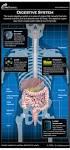 The digestive system Medicine and technology Normal structure and function Diagnostic methods Example diseases and therapies The digestive system An overview (1) Oesophagus Liver (hepar) Biliary system
ESCMID Online Lecture Library. by author
 Do statins improve outcomes of patients with sepsis and pneumonia? Jordi Carratalà Department of Infectious Diseases Statins for sepsis & community-acquired pneumonia Sepsis and CAP are major healthcare
This clinical study synopsis is provided in line with Boehringer Ingelheim s Policy on Transparency and Publication of Clinical Study Data.
 abcd Clinical Study for Public Disclosure This clinical study synopsis is provided in line with s Policy on Transparency and Publication of Clinical Study Data. The synopsis which is part of the clinical
Preservation and Incorporation of Valuable Endoscopic Innovations (PIVI)
 Preservation and Incorporation of Valuable Endoscopic Innovations (PIVI) The American Society for Gastrointestinal Endoscopy PIVI on Endoscopic Bariatric Procedures (short form) Please see related White
Measure #257 (NQF 1519): Statin Therapy at Discharge after Lower Extremity Bypass (LEB) National Quality Strategy Domain: Effective Clinical Care
 Measure #257 (NQF 1519): Statin Therapy at Discharge after Lower Extremity Bypass (LEB) National Quality Strategy Domain: Effective Clinical Care 2016 PQRS OPTIONS FOR INDIVIDUAL MEASURES: REGISTRY ONLY
Medical Direction and Practices Board WHITE PAPER
 Medical Direction and Practices Board WHITE PAPER Use of Pressors in Pre-Hospital Medicine: Proper Indication and State of the Science Regarding Proper Choice of Pressor BACKGROUND Shock is caused by a
CLINICAL PRACTICE GUIDELINES
 CLINICAL PRACTICE GUIDELINES April 2003 MOH/P/PAK/ (GU) MANAGEMENT OF NON-VARICEAL UPPER GASTROINTESTINAL BLEEDING MINISTRY OF HEALTH MALAYSIAN SOCIETY ACADEMY OF MEDICINE, MALAYSIA OF MALAYS IA GASTROENTEROLOGY
Outcome of Drug Counseling of Outpatients in Chronic Obstructive Pulmonary Disease Clinic at Thawangpha Hospital
 Mahidol University Journal of Pharmaceutical Sciences 008; 35(14): 81. Original Article Outcome of Drug Counseling of Outpatients in Chronic Obstructive Pulmonary Disease Clinic at Thawangpha Hospital
Gastrointestinal (GI) bleeding
 Gastrointestinal (GI) bleeding Somchai Leelakusolvong, M.D. Div of Gastroenterology, Dept of Medicine, Siriraj Endoscopy Center e-mail address: [email protected] 07-07-2010 RCPT อ ตรด ตถ GI Bleeding
DCCT and EDIC: The Diabetes Control and Complications Trial and Follow-up Study
 DCCT and EDIC: The Diabetes Control and Complications Trial and Follow-up Study National Diabetes Information Clearinghouse U.S. Department of Health and Human Services NATIONAL INSTITUTES OF HEALTH What
Recommendations: Other Supportive Therapy of Severe Sepsis*
 Recommendations: Other Supportive Therapy of Severe Sepsis* K. Blood Product Administration 1. Once tissue hypoperfusion has resolved and in the absence of extenuating circumstances, such as myocardial
Riociguat Clinical Trial Program
 Riociguat Clinical Trial Program Riociguat (BAY 63-2521) is an oral agent being investigated as a new approach to treat chronic thromboembolic pulmonary hypertension (CTEPH) and pulmonary arterial hypertension
Efficacy, safety and preference study of a insulin pen PDS290 vs. a Novo Nordisk marketed insulin pen in diabetics
 Efficacy, safety and preference study of a insulin pen PDS290 vs. a Novo Nordisk marketed insulin pen in diabetics This trial is conducted in the United States of America (USA). The aim of this clinical
ACG Clinical Guideline: Management of Patients With Acute Lower Gastrointestinal Bleeding
 PRACTICE GUIDELINES nature publishing group 1 ACG Clinical Guideline: Management of Patients With Acute Lower Gastrointestinal Bleeding Lisa L. Strate, MD, MPH, FACG1 and Ian M. Gralnek, MD, MSHS2 This
on behalf of the AUGMENT-HF Investigators
 One Year Follow-Up Results from AUGMENT-HF: A Multicenter Randomized Controlled Clinical Trial of the Efficacy of Left Ventricular Augmentation with Algisyl-LVR in the Treatment of Heart Failure* Douglas
Investor News. Not intended for U.S. and UK media
 Investor News Not intended for U.S. and UK media Bayer AG Investor Relations 51368 Leverkusen Germany www.investor.bayer.com Bayer s Xarelto (Rivaroxaban) Approved for the Treatment of Pulmonary Embolism
Novel Anticoagulation Agents DISCLOSURES. Objectives ATRIAL FIBRILLATION TRIALS. NOAC Comparison 6/12/2015
 Novel Anticoagulation Agents DISCLOSURES James W. Haynes, MD Department of Family Medicine Univ of TN Health Science Center (Chattanooga) Objectives Understand mechanism of action behind the NOAC agents
Duration of Dual Antiplatelet Therapy After Coronary Stenting
 Duration of Dual Antiplatelet Therapy After Coronary Stenting C. DEAN KATSAMAKIS, DO, FACC, FSCAI INTERVENTIONAL CARDIOLOGIST ADVOCATE LUTHERAN GENERAL HOSPITAL INTRODUCTION Coronary artery stents are
ESD for colorectal lesions I am in favour. Alessandro Repici, MD Digestive Endoscopy Unit IRCCS Istituto Clinico Humanitas Milano, Italy
 ESD for colorectal lesions I am in favour Alessandro Repici, MD Digestive Endoscopy Unit IRCCS Istituto Clinico Humanitas Milano, Italy Surgery for early colonic lesions 51 pts referred for lap colectomy
Kevin Saunders MD CCFP Rivergrove Medical Clinic Wellness Institute @ SOGH April 17 2013
 Kevin Saunders MD CCFP Rivergrove Medical Clinic Wellness Institute @ SOGH April 17 2013 Family physician with Rivergrove Medical Clinic Practice in the north end since 1985 Medical Director of the Wellness
FOR THE PREVENTION OF ATRIAL FIBRILLATION RELATED STROKE
 www.bpac.org.nz keyword: warfarinaspirin FOR THE PREVENTION OF ATRIAL FIBRILLATION RELATED STROKE Key Concepts In atrial fibrillation (AF) warfarin is more effective than aspirin for stroke prevention.
New Oral Anticoagulants Increase Risk for Gastrointestinal Bleeding - A Systematic Review and Meta-Analysis
 New Oral Anticoagulants Increase Risk for Gastrointestinal Bleeding - A Systematic Review and Meta-Analysis Holster IL, Valkhoff VE, Kuipers EJ, Tjwa ET Departments of Gastroenterology and Hepatology,
AORTOENTERIC FISTULA. Mark H. Tseng MD Brooklyn VA Hospital February 11, 2005
 AORTOENTERIC FISTULA Mark H. Tseng MD Brooklyn VA Hospital February 11, 2005 AORTOENTERIC FISTULA diagnosis and management Mark H. Tseng MD Brooklyn VA Hospital February 11, 2005 AORTOENTERIC FISTULA Aortoenteric
Sponsor Novartis. Generic Drug Name Secukinumab. Therapeutic Area of Trial Psoriasis. Approved Indication investigational
 Clinical Trial Results Database Page 2 Sponsor Novartis Generic Drug Name Secukinumab Therapeutic Area of Trial Psoriasis Approved Indication investigational Clinical Trial Results Database Page 3 Study
Apixaban Plus Mono vs. Dual Antiplatelet Therapy in Acute Coronary Syndromes: Insights from the APPRAISE-2 Trial
 Apixaban Plus Mono vs. Dual Antiplatelet Therapy in Acute Coronary Syndromes: Insights from the APPRAISE-2 Trial Connie N. Hess, MD, MHS, Stefan James, MD, PhD, Renato D. Lopes, MD, PhD, Daniel M. Wojdyla,
Endoscopy and infection: Prevention of infection during endoscopy Treatment of infection by endoscopy. M. Arvanitakis SRBG June 2009
 Endoscopy and infection: Prevention of infection during endoscopy Treatment of infection by endoscopy M. Arvanitakis SRBG June 2009 Outline Antibiotic prophylaxis during endoscopy Upper GI endoscopy Lower
GI Bleeding. Thomas S.Foster,Pharm.D. PHR 961 Integrated Therapeutics
 GI Bleeding Thomas S.Foster,Pharm.D. PHR 961 Integrated Therapeutics Overview Because GI bleeding is internal, it is possible for a person to have GI bleeding without symptoms. Important to recognize
4/9/2015. Risk Stratify Our Patients. Stroke Risk in AF: CHADS2 Scoring system JAMA 2001; 285: 2864-71
 Anticoagulation in the 21 st Century Adam Karpman, D.O. Saint Francis Medical Center/Oklahoma State University Medical Center Disclosures: None Atrial Fibrillation Most common arrhythmia in clinical practice.
Atrial Fibrillation, Chronic - Antithrombotic Treatment - OBSOLETE
 Atrial Fibrillation, Chronic - Antithrombotic Treatment - OBSOLETE Clinical practice guidelines serve as an educational reference, and do not supersede the clinical judgment of the treating physician with
Peptic Ulcer. Anatomy The stomach is a hollow organ. It is located in the upper abdomen, under the ribs.
 Peptic Ulcer Introduction A peptic ulcer is a sore in the lining of your stomach or duodenum. The duodenum is the first part of your small intestine. Peptic ulcers may also develop in the esophagus. Nearly
Gastrointestinal Bleeding
 Gastrointestinal Bleeding Introduction Gastrointestinal bleeding is a symptom of many diseases rather than a disease itself. A number of different conditions can cause gastrointestinal bleeding. Some causes
Barriers to Healthcare Services for People with Mental Disorders. Cardiovascular disorders and diabetes in people with severe mental illness
 Barriers to Healthcare Services for People with Mental Disorders Cardiovascular disorders and diabetes in people with severe mental illness Dr. med. J. Cordes LVR- Klinikum Düsseldorf Kliniken der Heinrich-Heine-Universität
Cilostazol versus Clopidogrel after Coronary Stenting
 Cilostazol versus Clopidogrel after Coronary Stenting Seong-Wook Park, MD, PhD, FACC Division of Cardiology, Asan Medical Center University of Ulsan College of Medicine Seoul, Korea AMC, 2004 Background
Critical Appraisal of Article on Therapy
 Critical Appraisal of Article on Therapy What question did the study ask? Guide Are the results Valid 1. Was the assignment of patients to treatments randomized? And was the randomization list concealed?
PHARMACOLOGICAL Stroke Prevention in Atrial Fibrillation STROKE RISK ASSESSMENT SCORES Vs. BLEEDING RISK ASSESSMENT SCORES.
 PHARMACOLOGICAL Stroke Prevention in Atrial Fibrillation STROKE RISK ASSESSMENT SCORES Vs. BLEEDING RISK ASSESSMENT SCORES. Hossam Bahy, MD (1992 2012), 19 tools have been identified 11 stroke scores 1
University of Ulsan College of Medicine, Asan Medical Center on behalf of the REAL-LATE and the ZEST-LATE trial
 Duration of Dual Antiplatelet Therapy After Drug-Eluting Stent Implantation A Pooled Analysis of the REAL-LATE and the ZEST-LATE Trial Seung-Jung Park MD PhD Seung-Jung Park, MD, PhD, University of Ulsan
Anticoagulation before and after cardioversion; which and for how long
 Anticoagulation before and after cardioversion; which and for how long Sameh Samir, MD Cardiovascular medicine dept. Tanta faculty of medicine Atrial fibrillation goals of management Identify and treat
Guidance for Industry Diabetes Mellitus Evaluating Cardiovascular Risk in New Antidiabetic Therapies to Treat Type 2 Diabetes
 Guidance for Industry Diabetes Mellitus Evaluating Cardiovascular Risk in New Antidiabetic Therapies to Treat Type 2 Diabetes U.S. Department of Health and Human Services Food and Drug Administration Center
Adding IV Amiodarone to the EMS Algorithm for Cardiac Arrest Due to VF/Pulseless VT
 Adding IV Amiodarone to the EMS Algorithm for Cardiac Arrest Due to VF/Pulseless VT Introduction Before the year 2000, the traditional antiarrhythmic agents (lidocaine, bretylium, magnesium sulfate, procainamide,
Chapter 6. Hemorrhage Control UNDER FIRE KEEP YOUR HEAD DOWN
 Hemorrhage Control Chapter 6 Hemorrhage Control The hemorrhage that take[s] place when a main artery is divided is usually so rapid and so copious that the wounded man dies before help can reach him. Colonel
Tranexamic Acid. Tranexamic Acid. Overview. Blood Conservation Strategies. Blood Conservation Strategies. Blood Conservation Strategies
 Overview Where We Use It And Why Andreas Antoniou, M.D., M.Sc. Department of Anesthesia and Perioperative Medicine University of Western Ontario November 14 th, 2009 Hemostasis Fibrinolysis Aprotinin and