
Chapter 4. Carbohydrates: Bountiful Sources of Energy and Nutrients
|
|
|
- Rosamond Allen
- 10 years ago
- Views:
Transcription
1 hapter 4 arbohydrates: Bountiful Sources of Energy and Nutrients

2 hapter Objectives After reading this chapter, you will be able to: 1. Describe the difference between simple and complex carbohydrates, pp Describe the difference between alpha and beta bonds, and discuss how these bonds are related to the digestion of fiber and lactose intolerance, p ompare and contrast soluble and insoluble fibers, pp Discuss how carbohydrates are digested and absorbed by the body, pp List four functions of carbohydrates in the body, pp Define the Acceptable Macronutrient Distribution Range for carbohydrates, the Adequate Intake for fiber, and the recommended intake of added sugars, pp Identify the potential health risks associated with diets high in simple sugars, pp List five foods that are good sources of carbohydrates, pp Identify at least three alternative sweeteners, pp Describe type 1 and type 2 diabetes, and discuss how diabetes differs from hypoglycemia, pp Test Yourself True or False? 1. The terms carbohydrate and sugar mean the same thing. T or F 2. Diets high in sugar cause tooth decay, diabetes, and obesity. T or F 3. arbohydrates are the primary fuel source for our brain and body tissues. T or F 4. Diabetes is a preventable disease. T or F 5. Alternative sweeteners, such as aspartame, are safe for us to consume. T or F Test Yourself answers are given after the hapter Summary section. 3

3 4 What s the Difference Between Simple and omplex arbohydrates? Ben Parker has decided it is finally time to see his doctor. e has been waking several times each night to urinate and has a hard time driving more than 1 hour before he has to stop and find a restroom. e is 62 years old and has been told by his doctor that he has an enlarged prostate, which could cause changes in how often he feels the need to urinate. owever, he thinks something else is to blame, because he is also experiencing blurred vision and almost constant fatigue. After reading an article on type 2 diabetes in a magazine, he begins to suspect that he could have this disease. Although he is scared of the possibility, he is also committed to doing whatever he can to live a long life so he can spend time with his children and grandchildren. When he phones his doctor s office and describes his symptoms, the admitting nurse schedules him for an appointment the next day. As he hangs up the phone, he catches the fragrance of his wife s wonderful sweet rolls just coming from the oven and wonders whether he will have to give up the foods he loves. Will he have to use those awful sugar substitutes, or take medications, or, even worse, give himself injections? e takes a deep breath to calm himself: he ll just have to wait and see what the morning brings. In this chapter, we explore the differences between simple and complex carbohydrates and learn why some carbohydrates are better than others. We also learn how the human body breaks down carbohydrates and uses them to maintain our health and to fuel our activity and exercise. Because carbohydrate metabolism sometimes goes wrong, we ll also discuss its relationship to some common health disorders, including type 2 diabetes. What Are arbohydrates? In our bodies, glucose is the preferred source of energy for the brain. carbohydrate One of the three macronutrients, a compound made up of carbon, hydrogen, and oxygen that is derived from plants and provides energy. glucose The most abundant sugar molecule, a monosaccharide generally found in combination with other sugars; the preferred source of energy for the brain and an important source of energy for all cells. photosynthesis Process by which plants use sunlight to fuel a chemical reaction that combines carbon and water into glucose, which is then stored in their cells. simple carbohydrate ommonly called sugar; a monosaccharide or disaccharide such as glucose. monosaccharide The simplest of carbohydrates. onsists of one sugar molecule, the most common form of which is glucose. disaccharide A carbohydrate compound consisting of two sugar molecules joined together. As we mentioned in hapter 1, carbohydrates are one of the three macronutrients. As such, they are an important energy source for the entire body and are the preferred energy source for nerve cells, including those of the brain. We will say more about their functions later in this chapter. The term carbohydrate literally means hydrated carbon. You know that water ( 2 O) is made of hydrogen and oxygen and that when something is said to be hydrated, it contains water. Thus, the chemical abbreviation for carbohydrate (O) indicates the atoms it contains: carbon, hydrogen, and oxygen. We obtain carbohydrates predominantly from plant foods such as fruits, vegetables, and grains. Plants make the most abundant form of carbohydrate, called glucose, through a process called photosynthesis. During photosynthesis, the green pigment of plants, called chlorophyll, absorbs sunlight, which provides the energy needed to fuel the manufacture of glucose. As shown in Figure 4.1, water absorbed from the earth by the roots of plants combines with carbon dioxide present in the leaves to produce the carbohydrate glucose. Plants continually store glucose and use it to support their own growth. Then, when we eat plant foods, our bodies digest, absorb, and use the stored glucose. What s the Difference Between Simple and omplex arbohydrates? arbohydrates can be classified as simple or complex. Simple carbohydrates contain either one or two molecules, whereas complex carbohydrates contain hundreds to thousands of molecules. Simple arbohydrates Include Monosaccharides and Disaccharides Simple carbohydrates are commonly referred to as sugars. Four of these sugars are called monosaccharides because they consist of a single sugar molecule (mono, meaning one, and saccharide, meaning sugar ). The other three sugars are disaccharides, which consist of two molecules of sugar joined together (di, meaning two ).

4 hapter 4 arbohydrates: Bountiful Sources of Energy and Nutrients 5 Energy from Sun arbon dioxide from air Glucose stored in plant Water Figure 4.1 Plants make carbohydrates through the process of photosynthesis. Water, carbon dioxide, and energy from the Sun are combined to produce glucose. Glucose, Fructose, Galactose, and Ribose Are Monosaccharides Glucose, fructose, and galactose are the three most common monosaccharides in our diet. Each of these monosaccharides contains 6 carbon atoms, 12 hydrogen atoms, and 6 oxygen atoms (Figure 4.2). Very slight differences in the structure of the molecules in these three monosaccharides cause major differences in their level of sweetness. Monosaccharides O 2 O O O O O Glucose Fructose Galactose Most abundant sugar molecule in our diet; good energy source 2 O O O O O O 2 O Sweetest natural sugar; found in fruit, high-fructose corn syrup O 2 O O O O O Does not occur alone in foods; binds with glucose to form lactose Figure 4.2 The three most common monosaccharides. Notice that all three monosaccharides contain identical atoms: 6 carbon, 12 hydrogen, and 6 oxygen. It is only the arrangement of these atoms that differs.

5 6 What s the Difference Between Simple and omplex arbohydrates? fructose The sweetest natural sugar; a monosaccharide that occurs in fruits and vegetables; also called levulose, or fruit sugar. galactose A monosaccharide that joins with glucose to create lactose, one of the three most common disaccharides. ribose A five-carbon monosaccharide that is located in the genetic material of cells. lactose Also called milk sugar, a disaccharide consisting of one glucose molecule and one galactose molecule; found in milk, including human breast milk. Given what you ve just learned about how plants manufacture glucose, it probably won t surprise you to discover that glucose is the most abundant monosaccharide found in our diets and in our bodies. Glucose does not generally occur by itself in foods but attaches to other sugars to form disaccharides and complex carbohydrates. In our bodies, glucose is the preferred source of energy for the brain, and it is a very important source of energy for all cells. Fructose, the sweetest natural sugar, occurs naturally in fruits and vegetables. Fructose is also called levulose, or fruit sugar. In many processed foods, it is a component of highfructose corn syrup. This syrup is made from corn and is used to sweeten soft drinks, desserts, candies, and jellies. Galactose does not occur alone in foods. It joins with glucose to create lactose, one of the three most common disaccharides. Ribose is a five-carbon monosaccharide. Very little ribose is found in our diets; our bodies produce ribose from the foods we eat, and ribose is contained in the genetic material of our cells. This makes sense when you think about the names of the genetic materials in our cells: deoxyribonucleic acid (DNA) and ribonucleic acid (RNA). Lactose, Maltose, and Sucrose Are Disaccharides The three most common disaccharides found in foods are lactose, maltose, and sucrose (Figure 4.3). Lactose (also called milk sugar) consists of one glucose molecule and one galactose molecule. Interestingly, human breast milk has a higher amount of lactose than cow s milk, which makes human breast milk taste sweeter. Monosaccharides Disaccharides 2 O 2 O 2 O 2 O O O O O Galactose O + O O O O Glucose O 2 O O O O O O Lactose O O O O Glucose + galactose: also called milk sugar 2 O 2 O 2 O 2 O O O O O O + O O O O O 2 O O O O O O O O O O Glucose + glucose: maltose molecules join in food to form starch molecules; by-product of fermentation process Glucose Glucose Maltose O 2 O O O O O + 2 O O O O O 2 O O 2 O O 2 O O O O O 2 O O O O 2 O O Glucose + fructose: found in sugarcane, sugar beets, and honey Glucose Fructose Sucrose Figure 4.3 Galactose, glucose, and fructose join together in different combinations to make the disaccharides lactose, maltose, and sucrose.

6 hapter 4 arbohydrates: Bountiful Sources of Energy and Nutrients 7 Forms of Sugars ommonly Used in Foods Brown sugar A highly refined sweetener made up of approximately 99% sucrose and produced by adding to white table sugar either molasses or burnt table sugar for coloring and flavor. oncentrated fruit juice sweetener A form of sweetener made with concentrated fruit juice, commonly pear juice. onfectioner s sugar A highly refined, finely ground white sugar; also referred to as powdered sugar. orn sweeteners A general term for any sweetener made with corn starch. orn syrup A syrup produced by the partial hydrolysis of cornstarch. Dextrose An alternative term for glucose. Fructose A monosaccharide that occurs in fruits and vegetables. Also called levulose, or fruit sugar. Galactose A monosaccharide that joins with glucose to create lactose. Glucose The most abundant monosaccharide; it is the preferred source of energy for the brain and an important source of energy for all cells. Granulated sugar Another term for white sugar, or table sugar. igh-fructose corn syrup A type of corn syrup in which part of the sucrose is converted to fructose, making it sweeter than sucrose or regular corn syrup; most high-fructose corn syrup contains 42% to 55% fructose. oney A sweet, sticky liquid sweetener made by bees from the nectar of flowers; contains glucose and fructose. Invert sugar A sugar created by heating a sucrose syrup with a small amount of acid. Inverting sucrose results in its breakdown into glucose and fructose, which reduces the size of the sugar crystals. Due to its smooth texture, it is used in making candies such as fondant and some syrups. Lactose A disaccharide formed by one molecule of glucose and one molecule of galactose. Occurs naturally in milk and other dairy products. Levulose Another term for fructose, or fruit sugar. Maltose A disaccharide consisting of two molecules of glucose. Does not generally occur independently in foods but results as a by-product of digestion. Also called malt sugar. Mannitol A type of sugar alcohol. Maple sugar A sugar made by boiling maple syrup. Molasses A thick brown syrup that is separated from raw sugar during manufacturing. It is considered the least refined form of sucrose. Natural sweeteners A general term used for any naturally occurring sweeteners such as sucrose, honey, and raw sugar. Raw sugar The sugar that results from the processing of sugar beets or sugarcane. It is approximately 96% to 98% sucrose. True raw sugar contains impurities and is not stable in storage; the raw sugar available to consumers has been purified to yield an edible sugar. Sorbitol A type of sugar alcohol. Turbinado sugar The form of raw sugar that is purified and safe for human consumption. Sold as Sugar in the Raw in the United States. White sugar Another name for sucrose, or table sugar. Xylitol A type of sugar alcohol. Maltose (also called malt sugar) consists of two molecules of glucose. It does not generally occur by itself in foods but rather is bound together with other molecules. As our bodies break these larger molecules down, maltose results as a by-product. Maltose is also the sugar that results from fermentation during the production of beer and liquor products. Fermentation is the anaerobic process in which an agent, such as yeast, causes an organic substance to break down into simpler substances and results in the production of adenosine triphosphate (ATP). Thus, maltose is formed during the anaerobic breakdown of sugar into alcohol. ontrary to popular belief, very little maltose remains in alcoholic beverages after the fermentation process; thus, alcoholic beverages are not good sources of carbohydrate. Sucrose is composed of one glucose molecule and one fructose molecule. Because sucrose contains fructose, it is sweeter than lactose or maltose. Sucrose provides much of the sweet taste found in honey, maple syrup, fruits, and vegetables. Table sugar, brown sugar, powdered sugar, and many other products are made by refining the sucrose found in sugarcane and sugar beets. (See the ighlight box above to learn more about the different forms of sucrose and other sugars commonly used in foods.) Are naturally occurring forms of sucrose more healthful than manufactured forms? The Nutrition Myth or Fact? box on the following page investigates the common belief that honey is more nutritious than table sugar. maltose A disaccharide consisting of two molecules of glucose; does not generally occur independently in foods but results as a by-product of digestion; also called malt sugar. fermentation The anaerobic process in which an agent causes an organic substance to break down into simpler substances and results in the production of ATP. sucrose A disaccharide composed of one glucose molecule and one fructose molecule; sweeter than lactose or maltose.

7 8 What s the Difference Between Simple and omplex arbohydrates? oney Is More Nutritious Than Table Sugar Your client, Tiffany, is dedicated to eating healthful foods. She works hard to avoid sucrose and to eat foods that contain honey, molasses, or raw sugar. Like many people, Tiffany believes these sweeteners are more natural and nutritious than refined table sugar. ow can you help Tiffany sort sugar fact from fiction? Remember that sucrose consists of one glucose molecule and one fructose molecule joined together. From a chemical perspective, honey is almost identical to sucrose, as honey also contains glucose and fructose molecules in almost equal amounts. owever, enzymes in bees honey stomachs separate some of the glucose and fructose molecules, resulting in honey looking and tasting slightly different from sucrose. As you may know, bees store honey in combs and fan it with their wings to reduce its moisture content. This also alters the appearance and texture of honey. oney does not contain any more nutrients than sucrose, so it is not a more healthful choice than sucrose. In fact, per tablespoon, honey has more calories (or energy) than table sugar. This is because the crystals in table sugar take up more space on a spoon than the liquid form of honey, so a tablespoon contains less sugar. owever, some people argue that honey is sweeter, so you use less. It is important to note that honey commonly contains bacteria that can cause fatal food poisoning in infants. The more mature digestive system of older children and adults is immune to the effects of these bacteria, but babies younger than 12 months should never be given honey. Are raw sugar and molasses more healthful than table sugar? Actually, the raw sugar available in the United States is not really raw and not any more healthful than table sugar. Truly raw sugar is made up of the first crystals obtained when sugar is processed. Sugar in this form contains dirt, parts of insects, and other byproducts that make it illegal to sell in the United States. The raw sugar products in American stores have actually gone through more than half of the same steps in the refining process used to make table sugar. Molasses is the syrup that remains when sucrose is made from sugarcane. Molasses is darker and less sweet than table sugar. It does contain some iron, but this iron does not occur naturally. It is a contaminant from the machines that process the sugarcane; although it is a contaminant, the iron is safe for human consumption. oney does not contain any more nutrients than sucrose. Table 4.1 compares the nutrient content of white sugar, honey, molasses, and raw sugar. As you can see, none of them contain many nutrients that are important for health. This is why highly sweetened products are referred to as empty calories. Table 4.1 Nutrient omparison of One Tablespoon of Four Different Sugars Table Blackstrap Raw Sugar oney Molasses Sugar Energy (kcal) arbohydrate (g) Fat (g) Protein (g) Fiber (g) Vitamin (mg) Vitamin A (IU) Thiamin (mg) Riboflavin (mg) Folate (µg) alcium (mg) Iron (mg) Sodium (mg) Potassium (mg) Source: U.S. Department of Agriculture, Agricultural Research Service USDA National Nutrient Database for Standard Reference, Release 17. Available at

8 hapter 4 arbohydrates: Bountiful Sources of Energy and Nutrients 9 O 2 O O O O 2 O O O O 2 O Sucrose O Alpha bond O (a) 2 O 2 O O O O O O O O Lactose O Beta bond O (b) Figure 4.4 The two monosaccharides that compose a disaccharide are attached by either an (a) alpha bond or (b) beta bond between oxygen and one carbon of each monosaccharide. The two monosaccharides that compose a disaccharide are attached by a bond between oxygen and one carbon on each of the monosaccharides (Figure 4.4). Two forms of this bond occur in nature: an alpha bond and a beta bond. As you can see in Figure 4.4a, sucrose is produced by an alpha bond joining a glucose molecule and a fructose molecule. The disaccharide maltose is also produced by an alpha bond. In contrast, lactose is produced by a beta bond joining a glucose molecule and a galactose molecule (see Figure 4.4b). Alpha bonds are easily digestible by humans, whereas beta bonds are very difficult to digest and may be nondigestible in many cases. As you will learn later in this chapter, many people do not possess enough of the enzyme lactase that is needed to break the beta bond present in lactose, which causes the condition referred to as lactose intolerance. Beta bonds are also present in high-fiber foods, leading to our inability to digest most forms of fiber. alpha bond A type of chemical bond that can be digested by enzymes found in the human intestine. beta bond A type of chemical bond that cannot be digested by enzymes found in the human intestine. Recap arbohydrates contain carbon, hydrogen, and oxygen. Simple carbohydrates include monosaccharides and disaccharides. Glucose, fructose, galactose, and ribose are monosaccharides; lactose, maltose, and sucrose are disaccharides. In disaccharides, two monosaccharides are linked together with either an alpha bond or a beta bond. Alpha bonds are easily digestible by humans, whereas beta bonds are not easily digestible. omplex arbohydrates Include Oligosaccharides and Polysaccharides omplex carbohydrates, the second major type of carbohydrate, generally consist of long chains of glucose molecules. Technically, any carbohydrates with three or more monosaccharides are considered complex carbohydrates. There is currently a trend in materials written for the general public to avoid referring to the carbohydrates found in foods as complex or simple; instead, recommendations such as the Dietary Guidelines for Americans (2005) emphasize eating fiber-rich carbohydrates such as fruits, vegetables, and whole grains, as these foods are known to contribute to good health. 1 Keep in mind that not complex carbohydrate A nutrient compound consisting of long chains of glucose molecules, such as starch, glycogen, and fiber.

9 10 What s the Difference Between Simple and omplex arbohydrates? oligosaccharides omplex carbohydrates that contain 3 to 10 monosaccharides. raffinose An oligosaccharide composed of galactose, glucose, and fructose. Also called melitose, it is found in beans, cabbage, broccoli, and other vegetables. stachyose An oligosaccharide composed of two galactose molecules, a glucose molecule, and a fructose molecule. Found in the hinese artichoke and various beans and legumes. polysaccharide A complex carbohydrate consisting of long chains of glucose. starch A polysaccharide stored in plants; the storage form of glucose in plants. Tubers, such as these sweet potatoes, are excellent food sources of starch. all complex carbohydrate foods are fiber-rich, and there are some simple carbohydrate foods (such as fruit) that contain fiber; thus, the terms complex carbohydrates and fiber-rich carbohydrates are not synonymous. Oligosaccharides are carbohydrates that contain 3 to 10 monosaccharides (oligo, meaning few ). Two of the most common oligosaccharides found in our diets include raffinose and stachyose. Raffinose is also called melitose, and it is composed of galactose, glucose, and fructose. It is commonly found in beans, cabbage, brussels sprouts, broccoli, other vegetables, and whole grains. Stachyose is composed of two galactose molecules, a glucose molecule, and a fructose molecule. It is found in the tubers of the hinese artichoke and in soybeans and many other beans and legumes. Raffinose and stachyose are part of the raffinose family of oligosaccharides (RFO), and they are derivatives of sucrose. 2 umans do not possess the enzyme needed to break down these RFOs. Thus, these carbohydrates pass into the large intestine undigested. Once they reach the large intestine, they are fermented by bacteria that produce gases such as carbon dioxide, methane, and hydrogen. The product Beano contains the enzyme alpha-galactosidase; this is the enzyme needed to break down the RFOs in the intestinal tract. Thus, this product can help to reduce the intestinal gas caused by eating beans and various vegetables. Most polysaccharides generally consist of hundreds to thousands of glucose molecules (poly, meaning many ), although oligosaccharides are also classified as polysaccharides. 2 The polysaccharides include starch, glycogen, and most fibers (Figure 4.5). Starch Is a Polysaccharide Stored in Plants Plants store glucose not as single molecules but as polysaccharides in the form of starch. The two forms of starch are amylose and amylopectin (see Figure 4.5). Amylose is a straight chain of glucose molecules, whereas amylopectin is highly branched. Both forms of starch are found in starch-containing foods. The more open-branched structure of amylopectin increases its surface area and thus its exposure to digestive enzymes, resulting in it being more rapidly digested than amylose, which in turn results in amylopectin raising blood glucose more quickly than amylose. Excellent food sources of starch include grains (wheat, rice, corn, oats, and barley), legumes (peas, beans, and lentils), and tubers (potatoes and yams). Our cells cannot use the complex starch molecules exactly as they occur in plants. Instead, the body must break them down into the monosaccharide glucose, from which we can then fuel our energy needs. Our bodies easily digest most starches, in which alpha bonds link the numerous glucose units; however, starches linked by beta bonds are largely indigestible and are called resistant. Polysaccharides Amylose Amylopectin Starch Glycogen Fiber Storage form of glucose in plants; food sources include grains, legumes, and tubers Storage form of glucose in animals; stored in liver and muscles Forms the support structures of leaves, stems, and plants Figure 4.5 Polysaccharides, also referred to as complex carbohydrates, include starch, glycogen, and fiber.

10 hapter 4 arbohydrates: Bountiful Sources of Energy and Nutrients 11 Technically, resistant starch is classified as a type of fiber. When our intestinal bacteria ferment resistant starch, a short-chain fatty acid called butyrate is produced. onsuming resistant starch may be beneficial: some research suggests that butyrate reduces the risk of cancer. 3 Legumes contain more resistant starch than do grains, fruits, or vegetables. This quality, plus their high protein and fiber content, makes legumes a healthful food. Glycogen Is a Polysaccharide Stored by Animals Glycogen is the storage form of glucose for animals, including humans. After an animal is slaughtered, most of the glycogen is broken down by enzymes found in animal tissues. Thus, very little glycogen exists in meat. As plants contain no glycogen, you can see that glycogen is not a dietary source of carbohydrate. We can very quickly break down the glycogen stored in the body into glucose when we need it for energy. We store glycogen in our muscles and liver; the storage and use of glycogen are discussed in more detail on page 14. Fiber Is a Polysaccharide That Gives Plants Their Structure There are currently a number of definitions of fiber. Recently, the Food and Nutrition Board of the Institute of Medicine has proposed three distinctions: dietary fiber, functional fiber, and total fiber. 2 Dietary fiber is the difficult to digest or nondigestible parts of plants that form the support structures of leaves, stems, and seeds (see Figure 4.5). In a sense, you can think of dietary fiber as the plant s skeleton. Dietary fiber occurs naturally. In contrast, functional fiber is difficult to digest or nondigestible forms of carbohydrates that are extracted from plants or manufactured in a laboratory and have known health benefits. Functional fiber is added to foods and is the form found in fiber supplements. Total fiber is the sum of dietary fiber and functional fiber. urrently, food labels only include a listing of dietary fiber and do not include functional fiber. Fiber can also be classified according to its chemical properties as soluble or insoluble. Soluble fibers are those that dissolve in water. These types of fibers are also viscous, forming a gel when dissolved in water, and they are fermentable, or easily digested by bacteria in the colon. Soluble fibers are typically found in citrus fruits, berries, oat products, and beans and are associated with reducing the risks for cardiovascular disease and type 2 diabetes by lowering blood cholesterol and blood glucose levels. The exact mechanism by which soluble fibers decrease blood cholesterol is not known. It is suggested that soluble fibers may reduce the absorption of dietary cholesterol from the intestine, which would directly lower blood cholesterol. They may also reduce the absorption of bile acids from the intestine, which would force the liver to synthesize more cholesterol to meet the need for bile acids. Increased synthesis would require the removal of more cholesterol from the blood and thereby indirectly reduce blood cholesterol levels. Soluble fibers are known to decrease the absorption of dietary fat and carbohydrate, which could decrease blood lipid concentrations in general and also decrease blood glucose levels. Examples of soluble fibers include the following: glycogen A polysaccharide stored in animals; the storage form of glucose in animals. dietary fiber The nondigestible carbohydrate parts of plants that form the support structures of leaves, stems, and seeds. functional fiber The nondigestible forms of carbohydrate that are extracted from plants or manufactured in the laboratory and have known health benefits. total fiber The sum of dietary fiber and functional fiber. soluble fibers Fibers that dissolve in water. viscous Term referring to a gel-like consistency; viscous fibers form a gel when dissolved in water. Pectins contain chains of galacturonic acid and other monosaccharides. Pectins are found in the cell walls and intracellular tissues of many fruits and berries. They can be isolated and used to thicken foods such as jams and yogurts. Gums contain galactose, glucuronic acid, and other monosaccharides. Gums are a diverse group of polysaccharides that are viscous. They are typically isolated from seeds and are used as thickening, gelling, and stabilizing agents. Guar gum and gum arabic are common gums used as food additives. Mucilages are similar to gums and contain galactose, mannose, and other monosaccharides. Two examples include psyllium and carrageenan. Psyllium is the husk of psyllium seeds, which are also known as plantago or flea seeds. arrageenan comes from seaweed. Mucilages are used as food stabilizers. The husks of psyllium seeds are classified as mucilages, a type of soluble fiber.

11 12 ow Do Our Bodies Break Down arbohydrates? insoluble fibers Fibers that do not dissolve in water. Insoluble fibers are those that do not typically dissolve in water. These fibers are usually nonviscous and typically cannot be fermented by bacteria in the colon. Insoluble fibers are generally found in whole grains such as wheat, rye, and brown rice and are also found in many vegetables. These fibers are not associated with reducing cholesterol levels but are known for promoting regular bowel movements and alleviating constipation and reducing the risk for diverticulosis (discussed later in this chapter). Examples of insoluble fibers include the following: Lignins are noncarbohydrate forms of fiber. Lignins are found in the woody parts of plant cell walls and are found in carrots and in the seeds of fruits and berries. Lignins are also found in brans (or the outer husk of grains such as wheat, oats, and rye) and other whole grains. ellulose is the main structural component of plant cell walls. ellulose is a chain of glucose units similar to amylose, but unlike amylose, cellulose contains beta bonds that are nondigestible by humans. ellulose is found in whole grains, fruits, vegetables, and legumes. It can also be extracted from wood pulp or cotton, and it is added to foods as an agent for anticaking, thickening, and texturizing of foods. emicelluloses contain glucose, mannose, galacturonic acid, and other monosaccharides. emicelluloses are found in plant cell walls and they surround cellulose. They are the primary component of cereal fibers and are found in whole grains and vegetables. Although many hemicelluloses are insoluble, some are also classified as soluble. As you can see from these definitions of fiber, good food sources include oat and wheat brans, oats, wheat, rye, barley, brown rice, seeds, legumes, fruits, and vegetables. Examples of functional fiber sources you might see on nutrition labels include cellulose, guar gum, pectin, and psyllium. Like starch, fiber consists of long polysaccharide chains. But the beta bonds that connect fiber molecules are not easily broken by the body. This means that most fibers pass through the digestive system without being broken down and absorbed, so they contribute little energy to our diet. owever, fiber offers many other health benefits, as we will see shortly (pages 21 22). Recap omplex carbohydrates include oligosaccharides and polysaccharides. They include raffinose, stachyose, starch, glycogen, and fiber. Raffinose and stachyose are oligosaccharides found in beans and certain vegetables. Starch is the storage form of glucose in plants, whereas glycogen is the storage form of glucose in animals. Fiber forms the support structures of plants; it is difficult for the body to digest fiber. ow Do Our Bodies Break Down arbohydrates? Because glucose is the form of sugar that our bodies use for energy, the primary goal of carbohydrate digestion is to break down polysaccharides and disaccharides into monosaccharides that can then be converted to glucose. hapter 3 provided an overview of digestion of the three types of macronutrients, as well as vitamins and minerals. ere, we focus specifically and in more detail on the digestion and absorption of carbohydrates. Figure 4.6 provides a visual tour of carbohydrate digestion.

12 hapter 4 arbohydrates: Bountiful Sources of Energy and Nutrients 13 Monosaccharides travel to liver in bloodstream, then to cells to provide energy Excess glucose is stored as glycogen in liver 5 Liver Salivary glands Esophagus 1 2 Mouth Stomach hewing stimulates secretion of saliva from salivary glands Salivary amylase breaks down starch into shorter polysaccharides and maltose Salivary amylase is destroyed by acids No digestion takes place in the stomach Some carbohydrates pass into large intestine undigested Bacteria ferment some undigested carbohydrate Remaining fiber is excreted in feces 6 Large intestine 3 4 Pancreas Small intestine Pancreatic amylase is secreted into small intestine Pancreatic amylase breaks down remaining starch into maltose Specific enzymes (maltase, sucrase, lactase) in small intestine break down disaccharides into monosaccharides All monosaccharides are absorbed by small intestine and enter bloodstream Figure 4.6 A review of carbohydrate digestion and absorption. Digestion Breaks Down Most arbohydrates into Monosaccharides arbohydrate digestion begins in the mouth (Figure 4.6,step 1). As you saw in hapter 3, the starch in the foods you eat mixes with your saliva during chewing. Saliva contains an enzyme called salivary amylase, which breaks down starch into smaller particles and eventually into the disaccharide maltose. The next time you eat a piece of bread, notice that you can actually taste it becoming sweeter; this indicates the breakdown of starch into maltose. Disaccharides are not digested in the mouth. As the bolus of food leaves the mouth and enters the stomach, all digestion of carbohydrates ceases. This is because the acid in the stomach inactivates the salivary amylase enzyme (Figure 4.6,step 2). The majority of carbohydrate digestion occurs in the small intestine. As the contents of the stomach enter the small intestine, an enzyme called pancreatic amylase is secreted by the pancreas into the small intestine (Figure 4.6,step 3). Pancreatic amylase continues to digest any remaining starch into maltose. Additional enzymes found in the microvilli of the mucosal cells that line the intestinal tract work to break down disaccharides into monosaccharides. Maltose is broken down into glucose by the enzyme maltase. Sucrose is broken down into glucose and fructose by the enzyme sucrase. The enzyme lactase breaks down lactose into glucose and galactose (Figure 4.6,step 4). Enzyme names are identifiable by the suffix -ase. Once digestion of carbohydrates is complete, all monosaccharides are then absorbed into the mucosal cells lining the small intestine, where they pass through and enter into the bloodstream. Glucose and galactose are absorbed across the enterocytes via active transport using a carrier protein saturated with sodium. This process requires energy from the breakdown of ATP. Fructose is absorbed via facilitated diffusion and therefore requires no energy. (Refer back to hapter 3 for a description of these transport processes.) The absorption of fructose takes longer than that of glucose or galactose. This slower absorption salivary amylase An enzyme in saliva that breaks starch into smaller particles and eventually into the disaccharide maltose. pancreatic amylase An enzyme secreted by the pancreas into the small intestine that digests any remaining starch into maltose. maltase A digestive enzyme that breaks maltose into glucose. sucrase A digestive enzyme that breaks sucrose into glucose and fructose. lactase A digestive enzyme that breaks lactose into glucose and galactose.

13 14 ow Do Our Bodies Break Down arbohydrates? rate means that fructose stays in the small intestine longer and draws water into the intestines via osmosis. This not only results in a smaller rise in blood glucose when consuming fructose, but it can also lead to diarrhea. The Liver onverts Most Nonglucose Monosaccharides into Glucose Once the monosaccharides enter the bloodstream, they travel to the liver, where fructose and galactose are converted to glucose (Figure 4.6,step 5). If needed immediately for energy, the liver releases glucose into the bloodstream where it can travel to the cells to provide energy. If there is no immediate demand by the body for glucose, it is stored as glycogen in our liver and muscles. Enzymes in liver and muscle cells combine glucose molecules to form glycogen (an anabolic, or building, process) and break glycogen into glucose (a catabolic, or destructive, process), depending on the body s energy needs. On average, the liver can store 70 g (or 280 kcal) of glycogen, and the muscles can normally store about 120 g (or 480 kcal) of glycogen. Between meals, our bodies draw on liver glycogen reserves to maintain blood glucose levels and support the needs of our cells, including those of our brain, spinal cord, and red blood cells (Figure 4.7). The glycogen stored in our muscles continually provides energy to the muscles, particularly during intense exercise. Endurance athletes can increase their storage of muscle glycogen from two to four times the normal amount through a process called glycogen, or carbohydrate, loading (see hapter 14). Any excess glucose is stored as glycogen in the liver and muscles and saved for such future energy needs as exercise. Once the carbohydrate storage capacity of the liver and muscles is reached, any excess glucose can be stored as fat in adipose tissue. Fiber Is Excreted from the Large Intestine As previously mentioned, humans do not possess enzymes in the small intestine that can break down fiber. Thus, fiber passes through the small intestine undigested and enters the large intestine, or colon. There, bacteria ferment some previously undigested carbohydrates, Dietary carbohydrates from stomach delivered to small intestine Blood levels of glucose maintained for brain and other body cells Small intestine Liver Muscle Glucose and other monosaccharides transported to liver Glucose Glycogen Glycogen Glucose transported to muscle Glucose Energy Figure 4.7 Glucose is stored as glycogen in both liver and muscle. The glycogen stored in the liver maintains blood glucose between meals; muscle glycogen provides immediate energy to the muscle during exercise.

14 Recap hapter 4 arbohydrates: Bountiful Sources of Energy and Nutrients 15 causing the production of gases such as hydrogen, methane, and sulfur and a few shortchain fatty acids such as acetic acid, butyric acid, and propionic acid. The cells of the large intestine use these short-chain fatty acids for energy. It is estimated that fermented fibers yield about 1.5 to 2.5 kcal/g. 2 This is less than the 4 kcal/g provided by carbohydrates that are digested and absorbed in the small intestine; the discrepancy is due to the fact that fermentation of the fibers in the colon is an anaerobic process, which yields less energy than the aerobic digestive process of other carbohydrates. Obviously, the fibers that remain totally undigested contribute no energy to our bodies. Fiber remaining in the colon adds bulk to our stools and is excreted in feces (Figure 4.6,step 6). In this way, fiber assists in maintaining bowel regularity. The health benefits of fiber are discussed later in this chapter (pages 21 22). arbohydrate digestion starts in the mouth and continues in the small intestine. Glucose and other monosaccharides are absorbed into the bloodstream and travel to the liver, where nonglucose monosaccharides are converted to glucose. Glucose is either used by the cells for energy, converted to glycogen and stored in the liver and muscles for later use, or stored as fat in adipose tissue. A Variety of ormones Regulate Blood Glucose Levels Our bodies regulate blood glucose levels within a fairly narrow range to provide adequate glucose to the brain and other cells. A number of hormones, including insulin, glucagon, epinephrine, norepinephrine, cortisol, and growth hormone, assist the body with maintaining blood glucose. When we eat a meal, our blood glucose level rises. But glucose in our blood cannot help the nerves, muscles, and other tissues to function unless it can cross into their cells. Glucose molecules are too large to cross the cell membranes of our tissues independently. To get in, glucose needs assistance from the hormone insulin, which is secreted by the beta cells of the pancreas (Figure 4.8a). Insulin is transported in the blood to the cells of tissues throughout the body, where it stimulates special carrier proteins, called glucose transporters, located in cells. The arrival of insulin at the cell membrane stimulates glucose transporters to travel to the surface of the cell, where they assist in transporting glucose across the cell membrane and into the cell. Insulin can thus be thought of as a key that opens the gates of the cell membrane and carries the glucose into the cell interior, where it can be used for energy. Insulin also stimulates the liver and muscles to take up glucose and store it as glycogen. When you have not eaten for some period of time, your blood glucose level declines. This decrease in blood glucose stimulates the alpha cells of the pancreas to secrete another hormone, glucagon (Figure 4.8b). Glucagon acts in an opposite way to insulin: it causes the liver to convert its stored glycogen into glucose, which is then secreted into the bloodstream and transported to the cells for energy. Glucagon also assists in the breakdown of body proteins to amino acids so the liver can stimulate gluconeogenesis, or the production of new glucose from amino acids. Epinephrine, norepinephrine, cortisol, and growth hormone are additional hormones that work to increase blood glucose. Epinephrine and norepinephrine are secreted by the adrenal glands and nerve endings when blood glucose levels are low. They act to increase glycogen breakdown in the liver, resulting in a subsequent increase in the release of glucose into the bloodstream. They also increase gluconeogenesis. These two hormones are also responsible for our fight or flight reaction to danger; they are released when we need a burst of energy to respond quickly. ortisol and growth hormone are secreted by the adrenal glands to act upon liver, muscle, and adipose tissue. ortisol increases gluconeogenesis and decreases the use of glucose by muscles and other body organs. Growth hormone decreases glucose insulin ormone secreted by the beta cells of the pancreas in response to increased blood levels of glucose; facilitates uptake of glucose by body cells. glucagon ormone secreted by the alpha cells of the pancreas in response to decreased blood levels of glucose; causes breakdown of liver stores of glycogen into glucose.

15 16 ow Do Our Bodies Break Down arbohydrates? Pancreas Insulin secreted by pancreas enters bloodstream Blood glucose Blood vessel Insulin stimulates glucose transport into cell Glucose in blood enters cells Tissue cell membrane (a) Glucose transporter (gate closed) Tissue cell Glucose transporter (gate opened) Pancreas Glucagon secreted by pancreas enters bloodstream Blood vessel Glucagon stimulates glycogen breakdown Glucose is secreted into bloodstream and transported to cells Liver cell membrane (b) Liver cell Glycogen Glucose Figure 4.8 Regulation of blood glucose by the hormones insulin and glucagon. (a) When blood glucose levels increase after a meal, the pancreas secretes insulin. Insulin opens gates in the cell membranes of body tissues to allow the passage of glucose into the cell. (b) When blood glucose levels are low, the pancreas secretes glucagon. Glucagon enters liver cells, where it stimulates the breakdown of stored glycogen into glucose. This glucose is then released into the bloodstream. uptake by the muscles, increases our mobilization and use of fatty acids stored in our adipose tissue, and also increases the liver s output of glucose. Normally, the effects of these hormones balance each other to maintain blood glucose within a healthy range. If this balance is altered, it can lead to health conditions such as diabetes (page 35) or hypoglycemia (page 39).

16 Recap hapter 4 arbohydrates: Bountiful Sources of Energy and Nutrients 17 Various hormones, including insulin, glucagon, epinephrine, norepinephrine, cortisol, and growth hormone, are involved in regulating blood glucose. Insulin lowers blood glucose levels by facilitating the entry of glucose into cells. Glucagon, epinephrine, norepinephrine, cortisol, and growth hormone raise blood glucose levels by stimulating gluconeogenesis, increasing the breakdown of glycogen stored in the liver, increasing glucose output by the liver, and decreasing the amount of glucose used by the muscles and other organs. The Glycemic Index Shows ow Foods Affect Our Blood Glucose Levels The glycemic index refers to the potential of foods to raise blood glucose levels. Foods with a high glycemic index cause a sudden surge in blood glucose. This in turn triggers a large increase in insulin, which may be followed by a dramatic fall in blood glucose. Foods with a low glycemic index cause low to moderate fluctuations in blood glucose. When foods are assigned a glycemic index value, they are often compared with the glycemic effect of pure glucose or white bread. The glycemic index of a food is not always easy to predict. Figure 4.9 ranks certain foods according to their glycemic index. Do any of these rankings surprise you? Most people assume that foods containing simple sugars have a higher glycemic index than starches, but this is not always the case. For instance, compare the glycemic index for apples and instant potatoes. Although instant potatoes are a starchy food, they have a glycemic index value of 83, while the value for an apple is only 36! The type of carbohydrate, the way the food is prepared, and its fat and fiber content can all affect how quickly the body absorbs it. It is important to note that we eat most of our foods combined into a meal. In this case, the glycemic index of the total meal becomes more important than the ranking of each food. The glycemic load of a food is the amount of carbohydrate it contains multiplied by the glycemic index of that particular carbohydrate. The glycemic load is thought by some nutrition experts to be a better indicator of the effect of a food on a person s glucose response, as it factors in both the glycemic index and the total grams of carbohydrate of the food that is consumed. For instance, carrots are recognized as a vegetable having a relatively high glycemic index of about 68; however, the glycemic load of carrots is only 3. 4 This is because there is very little total carbohydrate in a serving of carrots. The low glycemic load of carrots means that it is unlikely to cause a significant rise in glucose and insulin. Why do we care about the glycemic index and glycemic load? Foods or meals with a lower glycemic load are a better choice for someone with diabetes, for instance, because they will not trigger dramatic fluctuations in blood glucose. They may also reduce the risk of heart disease and colon cancer because they generally contain more fiber, and it is known that fiber helps decrease fat levels in the blood. Recent studies have shown that people who eat lower glycemic index diets have higher levels of high-density lipoprotein, or DL (a healthful blood lipid), and lower levels of low-density lipoprotein, or LDL (a blood lipid associated with increased risk for heart disease), and their blood glucose values are more likely to be normal. 5 7 Diets with a low glycemic index and low glycemic load are also associated with a reduced risk for prostate cancer. 8 The easiest way to eat lower glycemic index and glycemic load foods and meals without having to look up their values is to consume foods such as beans and lentils, fresh vegetables, and whole wheat bread. Despite some encouraging research findings, the glycemic index and glycemic load remain controversial. Many nutrition researchers feel that the evidence supporting their health benefits is weak and that we do not know enough about the impact of low glycemic index/load foods on long-term health. In addition, many believe the concepts of the glycemic index/load are too complex for people to apply to their daily lives. Other glycemic index Rating of the potential of foods to raise blood glucose and insulin levels. glycemic load The amount of carbohydrate in a food multiplied by the glycemic index of the carbohydrate. An apple (36) has a much lower glycemic index than a serving of jelly beans (78).

17 18 Why Do We Need arbohydrates? Glucose Instant mashed potatoes Rice Krispies White bread White rice Food Sweet potato Orange juice Brown rice Whole grain rye bread Orange All-Bran cereal Kidney beans Glycemic index Figure 4.9 Glycemic index values for various foods as compared to pure glucose. (Values derived from Foster-Powell, K., S.. A. olt, and J.. Brand-Miller International table of glycemic index and glycemic load values. Am. J. lin. Nutr. 76:5 56.) researchers insist that helping people to choose foods with a lower glycemic index/load is critical to the prevention and treatment of many chronic diseases. Until this controversy is resolved, people are encouraged to eat a variety of fiber-rich and less processed carbohydrates because we know these forms of carbohydrates are lower in glycemic load and they also contain a multitude of important nutrients. Recap The glycemic index is a value that indicates the potential of foods to raise blood glucose and insulin levels. The glycemic load is the amount of carbohydrate in a food multiplied by the glycemic index of the carbohydrate in that food. Foods with a high glycemic index/load cause sudden large increases in blood glucose and insulin, whereas foods with a low glycemic index/load cause low to moderate fluctuations in blood glucose. Diets with a low glycemic index/load are associated with a reduced risk for chronic diseases such as cardiovascular disease, type 2 diabetes, and prostate cancer. Why Do We Need arbohydrates? Our red blood cells can use only glucose and other monosaccharides, and our brain and other nervous tissues primarily rely on glucose. This is why you get tired, irritable, and shaky when you have not eaten for a prolonged period of time. We have seen that carbohydrates are an important energy source for our bodies. Let s now learn more about this and discuss other functions of carbohydrates. arbohydrates Provide Energy arbohydrates, an excellent source of energy for all our cells, provide 4 kcal of energy per gram. Some of our cells can also use lipids and even protein for energy if necessary. owever, our red blood cells can use only glucose, and our brain and other nervous tissues

18 hapter 4 arbohydrates: Bountiful Sources of Energy and Nutrients 19 Many popular diets claim that current carbohydrate recommendations are much higher than we really need. primarily rely on glucose. This is why you get tired, irritable, and shaky when you have not eaten carbohydrates for a prolonged period of time. arbohydrates Fuel Daily Activity Many popular diets such as Dr. Atkins New Diet Revolution and the Sugar Busters plan are based on the idea that our bodies actually prefer to use dietary fats and/or protein for energy. They claim that current carbohydrate recommendations are much higher than we really need. In reality, the body relies mostly on both carbohydrates and fats for energy. In fact, as shown in Figure 4.10, our bodies always use some combination of carbohydrates and fats to fuel daily activities. Percent (%) contribution to total energy % 87.5% Light 45% 55% Moderate 67% 33% Intense arbohydrate Fat Exercise intensity Figure 4.10 Amounts of carbohydrate and fat used during light, moderate, and intense exercise. (Adapted from Romijn, J. A., E. F. oyle, L. S. Sidossis, A. Gastaldelli, J. F. orowitz, E. Endert, and R. R. Wolfe Regulation of endogenous fat and carbohydrate metabolism in relation to exercise intensity and duration. Am. J. Physiol. 265 (Endocrinol. Metab. 28):E380 E391.)

19 20 Why Do We Need arbohydrates? Fats are the predominant energy source used by our bodies at rest and during lowintensity activities such as sitting, standing, and walking. Even during rest, however, our brain cells and red blood cells still rely on glucose. When we exercise at relatively high intensities, whether jogging or performing any other activity that causes us to breathe harder and sweat, we begin to use more glucose than fat. ketosis The process by which the breakdown of fat during fasting states results in the production of ketones. ketones Substances produced during the breakdown of fat when carbohydrate intake is insufficient to meet energy needs. Provide an alternative energy source for the brain when glucose levels are low. arbohydrates Fuel Exercise When we exercise, whether running, briskly walking, bicycling, or performing any other activity that causes us to breathe harder and sweat, we begin to use more glucose than lipids. Whereas lipid breakdown is a slow process and requires oxygen, we can break down glucose very quickly either with or without oxygen. Even during very intense exercise, when less oxygen is available, we can still break down glucose very quickly for energy. That s why when you are exercising at maximal effort, carbohydrates are providing 100% of the energy your body requires. If you are physically active, it is important to eat enough carbohydrates to provide energy for your brain, red blood cells, and muscles. In hapter 14, we discuss in more detail the carbohydrate recommendations for active people. In general, if you do not eat enough carbohydrate to support regular exercise, your body will have to rely on fat and protein as alternative energy sources. When your carbohydrate intake is insufficient, body protein is used for energy (the consequences of which are discussed beginning on page 21). In addition, you will have to reduce your amount and intensity of exercise so that you can rely more on fat for energy. One advantage of becoming highly trained for endurance-type events such as marathons and triathlons is that our muscles are able to store more glycogen, which provides us with additional glucose we can use during exercise. (See hapter 14 for more information on how exercise improves our use and storage of carbohydrates.) If you or one of your clients are trying to lose weight, you may be wondering whether exercising at a lower intensity will result in more stored fat being burned for energy. This is a question that researchers are still trying to answer. Weight loss studies show that, to lose weight and keep it off, it is important to exercise daily. A low-intensity activity such as walking is generally recommended because it is easy to do and can be done for longer periods of time than high-intensity exercise, which can result in the expenditure of more energy, and we know that fat stores provide much of the energy we need for walking. owever, a study of highly trained athletes found that they actually lost more body fat when they performed very high intensity exercise! 9 Although the exact mechanism for this fat loss is unknown, the researchers speculated that very high intensity exercise activated enzymes that increased the metabolism of fat, leading to a reduction in body fat. Based on the evidence currently available, there is no magic formula for weight loss. It is likely that people who combine aerobic-type exercises, such as walking, jogging, or bicycling, with strength-building exercises will be more successful in losing weight and keeping it off. It is important to find activities we can do every day. The current recommendations for health suggest that people perform at least 30 minutes of activity daily; but for weight loss, it is more effective to be physically active for at least 60 to 90 minutes each day. 1,2 We can help our bodies stay active and healthy by eating the proper balance of carbohydrate, fat, and protein. (For more information on weight loss, see hapter 13.) Low arbohydrate Intake an Lead to Ketoacidosis When we do not eat enough carbohydrates, the body must find other sources of energy. Although most of our tissues can use body fat and protein for energy, our brains cannot. Thus, when our carbohydrate intake is inadequate, our body seeks an alternative source of fuel for the brain and begins to break down stored fat via a process that differs from normal fat oxidation. This process, called ketosis, produces an alternative fuel called ketones. Thus, although our brains cannot use the breakdown products of complete fat oxidation for fuel, they can use the alternative form of ketones during times of inadequate carbohydrate availability. The metabolic process of ketosis is discussed in more detail in hapter 7.

20 hapter 4 arbohydrates: Bountiful Sources of Energy and Nutrients 21 Ketosis is an important mechanism for providing energy to the brain during situations of fasting, low carbohydrate intake, or vigorous exercise. 10 owever, ketones also suppress appetite and cause dehydration and acetone breath (the breath smells like nail polish remover). If inadequate carbohydrate intake continues for an extended period of time, the body will produce excessive amounts of ketones. Because many ketones are acids, high ketone levels cause the blood to become very acidic, leading to a condition called ketoacidosis. The high acidity of the blood interferes with basic body functions, causes the loss of lean body mass, and damages many body tissues. People with untreated diabetes are at high risk for ketoacidosis. This increased risk is not necessarily due to their low carbohydrate intake but to the fact that the glucose circulating in the blood is not transported into the cells because of a lack of insulin or insensitivity to the effects of insulin. Ketoacidosis can lead to coma and even death in individuals with untreated diabetes. (See pages for further details about diabetes.) arbohydrates Spare Protein If the diet does not provide enough carbohydrate, the body will make its own glucose from protein. This involves breaking down the proteins in blood and tissues into amino acids, then converting them to glucose. This process is called gluconeogenesis (or generating new glucose ). When our body uses proteins for energy, the amino acids from these proteins cannot be used to make new cells, repair tissue damage, support our immune system, or perform any of their other functions. During periods of starvation or when eating a diet that is very low in carbohydrate, our body will take amino acids from the blood first, and then from other tissues like muscles, heart, liver, and kidneys. Using amino acids in this manner over a prolonged period of time can cause serious, possibly irreversible, damage to these organs. (See hapter 6 for more details on using protein for energy.) ketoacidosis A condition in which excessive ketones are present in the blood, causing the blood to become very acidic, which alters basic body functions and damages tissues. Untreated ketoacidosis can be fatal. This condition is found in individuals with untreated diabetes mellitus. gluconeogenesis The generation of glucose from the breakdown of proteins into amino acids. Recap arbohydrates are an important energy source at rest and during exercise and provide 4 kcal of energy per gram. arbohydrates are necessary in the diet to spare body protein and prevent ketosis. Fiber-Rich arbohydrates ave ealth Benefits The relationship between carbohydrates, heart disease, and obesity is the subject of considerable controversy. Proponents of low-carbohydrate diets claim that eating carbohydrates, not fat, makes you overweight. owever, anyone who consumes extra calories, whether in the form of sugar, starch, protein, or fat, may eventually become obese. Studies indicate that overweight people tend to eat higher amounts of energy, including both sugar and fat, and they are not physically active enough to expend this extra energy. Thus, weight gain occurs. Fat is more energy-dense than carbohydrate: it contains 9 kcal/g, whereas carbohydrate contains only 4 kcal/g. Thus, gram for gram, fat is more than twice as energy dense as carbohydrate. In fact, eating carbohydrates that are high in fiber and other nutrients has been shown to reduce the overall risk for obesity, heart disease, and type 2 diabetes. Thus, not all carbohydrates are bad, and a small amount of simple carbohydrate can be included in a healthful diet. People who are very active and need more calories can eat more simple carbohydrate, whereas those who are older, less active, or overweight should focus on consuming more fiber-rich and less processed carbohydrates.

21 22 Why Do We Need arbohydrates? Brown rice is a good source of dietary fiber. Fiber-Rich arbohydrates elp Us Stay ealthy Although we cannot digest fiber, it is still an important substance in our diet. Research indicates that it helps us stay healthy and may play a role in preventing many digestive and chronic diseases. The potential benefits of fiber consumption include the following: May reduce the risk of colon cancer. Although there is still some controversy surrounding this issue, many researchers believe that fiber binds cancer-causing substances and speeds their elimination from the colon. owever, recent studies of colon cancer and fiber have shown that their relationship is not as strong as previously thought. May help prevent hemorrhoids, constipation, and other intestinal problems by keeping our stools moist and soft. Fiber gives gut muscles something to push on and makes it easier to eliminate stools. Reduces the risk of diverticulosis, a condition that is caused in part by trying to eliminate small, hard stools. A great deal of pressure must be generated in the large intestine to pass hard stools. This increased pressure weakens intestinal walls, causing them to bulge outward and form pockets (Figure 4.11). Feces and fibrous materials can get trapped in these pockets, which become infected and inflamed. This is a painful condition that must be treated with antibiotics or surgery. May reduce the risk of heart disease by delaying or blocking the absorption of dietary cholesterol into the bloodstream. In addition, when soluble fibers are digested, bacteria in the colon produce short-chain fatty acids that may lower the production of low-density lipoprotein to healthful levels in our bodies. May enhance weight loss, as eating a high-fiber diet causes a person to feel more full. Fiber absorbs water, expands in our intestine, and slows the movement of food through the upper part of the digestive tract. People who eat a fiber-rich diet tend to eat fewer fatty and sugary foods and thus may consume less energy overall. May lower the risk of type 2 diabetes. In slowing digestion, fiber also slows the release of glucose into the blood. It thereby improves the body s regulation of insulin production and blood glucose levels. Recap Fiber-rich carbohydrates such as whole grains, fruits, and vegetables contain various nutrients that can reduce the risk for obesity, heart disease, and diabetes. Fiber may reduce the risk for colon cancer, may help prevent hemorrhoids, constipation, and diverticulosis, reduce the risk of heart disease, and assist with weight loss. Diverticula olon (large intestine) Wall of colon Feces Inflamed diverticulum Figure 4.11 Diverticulosis occurs when bulging pockets form in the wall of the colon. These pockets become infected and inflamed, demanding proper treatment.
22 ow Much arbohydrate Should We Eat? hapter 4 arbohydrates: Bountiful Sources of Energy and Nutrients 23 arbohydrates are an important part of a balanced, healthy diet. The Recommended Dietary Allowance (RDA) for carbohydrate is based on the amount of glucose our brain uses. 2 The current RDA for carbohydrate for adults 19 years of age and older is 130 g of carbohydrate per day. It is important to emphasize that this RDA does not cover the amount of carbohydrate needed to support daily activities; it only covers the amount of carbohydrate needed to supply adequate glucose to the brain. As introduced in hapter 1, carbohydrates and the other macronutrients have been assigned an Acceptable Macronutrient Distribution Range (AMDR). This is the range of intake associated with a decreased risk of chronic diseases. The AMDR for carbohydrates is 45% to 65% of total energy intake. Table 4.2 compares the carbohydrate recommendations from the Institute of Medicine with the Dietary Guidelines for Americans related to carbohydrate-containing foods. 1,2 As you can see, the Institute of Medicine provides specific numeric recommendations, whereas the Dietary Guidelines for Americans are general suggestions about eating fiber-rich carbohydrate foods. 1 Most health agencies agree that most of the carbohydrates you eat each day should be high in fiber, or whole-grain, and unprocessed. As recommended in MyPyramid, eating half your grains as whole-grains and eating the suggested amounts of fruits and vegetables each day will ensure that you get enough fiber-rich carbohydrates in your diet. Keep in mind that fruits are predominantly composed of simple sugars and contain little or no starch. They are healthful food choices, however, as they are good sources of vitamins, some minerals, and fiber. Recap The RDA for carbohydrate is 130 g per day; this amount is only sufficient to supply adequate glucose to the brain. The AMDR for carbohydrate is 45% to 65% of total energy intake. Most Americans Eat Too Much Simple arbohydrate The average carbohydrate intake per person in the United States is approximately 50%. For some people, almost half of this amount consists of simple sugars. Where does all this sugar come from? Some sugar comes from healthful food sources, such as fruit and milk. owever, much of our simple sugar intake comes from added sugars. Added sugars are defined as sugars and syrups that are added to foods during processing or preparation. 2 The added sugars Sugars and syrups that are added to food during processing or preparation. Table 4.2 Dietary Recommendations for arbohydrates Institute of Medicine Recommendations 1 Recommended Dietary Allowance (RDA) for adults 19 years of age and older is 130 g of carbohydrate per day. The Acceptable Macronutrient Distribution Range (AMDR) for carbohydrate is 45 65% of total daily energy intake. Added sugar intake should be 25% or less of total energy intake each day. Dietary Guidelines for Americans 2 hoose fiber-rich fruits, vegetables, and whole grains often. hoose and prepare foods and beverages with little added sugars or caloric sweeteners, such as amounts suggested by the USDA Food Guide and the DAS Eating Plan. Reduce the incidence of dental caries by practicing good oral hygiene and consuming sugar- and starch-containing foods and beverages less frequently. 1 Institute of Medicine, Food and Nutrition Board Dietary Reference Intakes for Energy, arbohydrates, Fiber, Fat, Protein and Amino Acids (Macronutrients). Washington, D: The National Academy of Sciences. 2 U.S. Department of ealth and uman Services and U.S. Department of Agriculture Dietary Guidelines for Americans, 2005, 6th ed. Washington, D: U.S. Government Printing Office.
23 24 ow Much arbohydrate Should We Eat? most common source of added sugars in the U.S. diet is sweetened soft drinks; we drink an average of 40 gallons per person each year. onsider that one 12-oz sugared cola contains 38.5 g of sugar, or almost 10 teaspoons. If you drink the average amount, you are consuming more than 16,420 g of sugar (about 267 cups) each year! Other common sources of added sugars include cookies, cakes, pies, fruit drinks, fruit punches, and candy. In addition, a surprising number of processed foods you may not think of as sweet actually contain a significant amount of added sugar, including many brands of peanut butter and flavored rice mixes. Added sugars are not chemically different from naturally occurring sugars. owever, foods and beverages with added sugars have lower levels of vitamins and minerals than foods that naturally contain simple sugars. With these Foods with added sugars, like candy, have lower levels of nutrient limitations in mind, it is recommended that our vitamins, minerals, and fiber than foods that naturally contain diets contain 25% or less of our total energy from added simple sugars. sugars. People who are very physically active have a higher daily energy expenditure and therefore are able to consume relatively more added sugars, whereas smaller or less active people should consume relatively less. Simple arbohydrates Are Blamed for Many ealth Problems Why do simple carbohydrates have such a bad reputation? First, they are known to contribute to tooth decay. Second, they have been identified as a possible cause of hyperactivity in children. Third, many researchers believe that eating a lot of simple carbohydrates increases the levels of unhealthful lipids in our blood, increasing our risk for heart disease. igh intakes of simple carbohydrates have also been blamed for causing diabetes and obesity. Let s now learn the truth about these accusations related to simple carbohydrates. avity Gum disease Bone Enamel Dentin Pulp cavity Blood vessels Nerve Figure 4.12 Eating simple carbohydrates can cause an increase in cavities and gum disease. This is because bacteria in the mouth consume simple carbohydrates present on the teeth and gums and produce acids, which eat away at these tissues. Sugar auses Tooth Decay Simple carbohydrates do play a role in dental problems because the bacteria that cause tooth decay thrive on them. These bacteria produce acids that eat away at tooth enamel and can eventually cause cavities and gum disease (Figure 4.12). Eating sticky foods that adhere to teeth such as caramels, crackers, sugary cereals, and licorice and sipping sweetened beverages over a period of time increase the risk of tooth decay. This means that people shouldn t slowly sip soda or juice and that babies should not be put to sleep with a bottle unless it contains water. As we have seen, even breast milk contains sugar, which can slowly drip onto the baby s gums. As a result, infants should not routinely be allowed to fall asleep at the breast. To reduce your risk for tooth decay, brush your teeth after each meal and especially after drinking sugary drinks and eating candy. Drinking fluoridated water and using a fluoride toothpaste also will help protect your teeth. There Is No Link Between Sugar and yperactivity in hildren Although many people believe that eating sugar causes hyperactivity and other behavioral problems in children, there is little scientific evidence to support this claim. Some children actually become less active shortly after a high-sugar meal! owever, it is important to emphasize that most studies of sugar and children s behavior have only looked at the effects of sugar a few hours after ingestion. We know very little about the long-term effects of sugar intake on the behavior of children. Behavioral and learning problems are complex issues, most likely caused by a multitude of factors. Because of this complexity, the Institute of Medicine has stated that overall, there currently does not appear to be enough evidence that eating too much sugar causes hyperactivity or other behavioral problems in children. 2 Thus, they have not set a Tolerable Upper Intake Level for sugar.
24 hapter 4 arbohydrates: Bountiful Sources of Energy and Nutrients 25 igh Sugar Intake an Lead to Unhealthful Levels of Blood Lipids There is research evidence suggesting that consuming a diet high in simple sugars, particularly fructose, can lead to unhealthful changes in blood lipids. You will learn more about blood lipids (including cholesterol and lipoproteins) in hapter 5. Briefly, higher intakes of simple sugars are associated with increases in triglycerides (lipids in our blood) and LDLs, which are commonly referred to as bad cholesterol. At the same time, high simple sugar intake appears to decrease our DLs, which are protective and are often referred to as good cholesterol. 2,11 These changes are of concern, as increased levels of triglycerides and LDL and decreased levels of DL are known risk factors for heart disease. owever, there is not enough scientific evidence at the present time to state with confidence that eating a diet high in simple sugars causes heart disease. Based on our current knowledge, it is prudent for a person at risk for heart disease to eat a diet low in simple sugars. Because high-fructose corn syrup is a component of many processed foods, careful label reading is advised. igh Sugar Intake Does Not ause Diabetes but May ontribute to Obesity There is no scientific evidence that eating a diet high in sugar causes diabetes. In fact, studies examining the relationship between sugar intake and type 2 diabetes report either no association between sugar intake and diabetes or a decreased risk of diabetes with increased sugar intake. 12,13 owever, people who have diabetes need to moderate their intake of sugar and closely monitor their blood glucose levels. To date, there is no evidence to convincingly prove that sugar intake causes obesity; however, a recent study found that overweight children consumed more sugared soft drinks than did children of normal weight. 14 Another study found that for every extra sugared soft drink consumed by a child per day, the risk of obesity increases by 60%. 15 We do know that if you consume more energy than you expend, you will gain weight. It makes intuitive sense that people who consume extra energy from high-sugar foods are at risk for obesity, just as people who consume extra energy from fat or protein gain weight. In addition to the increased potential for obesity, another major concern about high-sugar diets is that they tend to be low in nutrient density. Although we cannot state with certainty that consuming a high-sugar diet (which tends to be high in energy and low in nutrients) causes obesity, it is important to optimize your intake of nutrient-dense foods and limit added sugars. In many people, the intake of high-sugar foods may replace more nutritious foods. The relationship between sugared soft drinks and obesity is highly controversial and discussed in more detail in the Nutrition Debate on page 46. Recap Added sugars are sugars and syrups added to foods during processing or preparation. Our intake of added sugars should be 25% or less of our total energy intake each day. Sugar contributes to tooth decay but does not appear to cause hyperactivity in children. igher intakes of simple sugars are associated with increases in triglycerides and low-density lipoproteins. Diets high in sugar do not cause diabetes. The relationship between added sugars and obesity is controversial. Most Americans Eat Too Few Fiber-Rich arbohydrates Do you get enough fiber-rich carbohydrates each day? If you are like most people in the United States, you eat only about two servings of fruits or vegetables each day; this is far below the recommended amount. Do you eat whole-grains and legumes every day? Many people eat plenty of breads, pastas, and cereals, but most do not consistently choose whole-grain products. As we explained earlier, whole-grain foods have a lower glycemic index than simple carbohydrates; thus, they prompt a more gradual release of insulin and result in less severe fluctuations in both insulin and glucose. Whole-grain
25 26 ow Much arbohydrate Should We Eat? Whole-grain bread Enriched white bread Unenriched white bread Iron 83% 21% Zinc 36% 36% Fiber 24% 24% Niacin 98% 2% Folate 100% 64% Thiamin 100% 26% Figure 4.13 Nutrients in whole-grain, enriched white, and unenriched white breads. The percentages of each nutrient reported for enriched white bread and unenriched white bread indicate the amount they contain as compared to the amount contained in whole-grain bread. foods also provide more nutrients and fiber than foods made with enriched flour (Figure 4.13). Table 4.3 defines terms commonly used on nutrition labels for breads and cereals. Read the label for the breads you eat does it list whole-wheat flour or just wheat flour? Although most labels for breads and cereals list wheat flour as the first ingredient, this term actually refers to enriched white flour, which is made when wheat flour is processed. Don t be fooled becoming an educated consumer will help you select whole grains instead of processed foods. Whole-grain foods provide more nutrients and fiber than foods made with enriched flour. We Need at Least 25 Grams of Fiber Daily ow much fiber do we need? The Adequate Intake for fiber is 25 g per day for women and 38 g per day for men, or 14 g of fiber for every 1,000 kcal per day that a person eats. Most people in the United States eat only 12 to 18 g of fiber each day, getting only half of the fiber they need. 2 Although fiber supplements are available, it is best to get fiber from food because foods contain additional nutrients such as vitamins and minerals. Eating the amounts of whole grains, vegetables, fruits, nuts, and legumes recommended in MyPyramid will ensure that you eat adequate fiber. Table 4.4 lists some common foods and their fiber content. Think about how you can use this information to help clients design a diet that includes adequate fiber. It is important to drink plenty of fluid as you increase your fiber intake, as fiber binds with water to soften stools. Inadequate fluid intake with a high-fiber diet can actually result in hard, dry stools that are difficult to pass through the colon. At least eight 8-oz glasses of fluid each day are commonly recommended.
26 hapter 4 arbohydrates: Bountiful Sources of Energy and Nutrients 27 Table 4.3 Term Terms Used to Describe Grains and ereals on Nutrition Labels Definition Brown bread Enriched (or fortified) flour or grain Refined flour or grain Stone ground Unbleached flour Wheat flour White flour Whole-grain flour Whole-wheat flour Bread that may or may not be made using whole-grain flour. Many brown breads are made with white flour with brown (caramel) coloring added. Enriching or fortifying grains involves adding nutrients back to refined foods. In order to use this term in the United States, a minimum amount of iron, folate, niacin, thiamin, and riboflavin must be added. Other nutrients can also be added. Refining involves removing the coarse parts of food products; refined wheat flour is flour in which all but the internal part of the kernel has been removed. Refined sugar is made by removing the outer portions of sugar beets or sugarcane. Refers to a milling process in which limestone is used to grind any grain. Stone ground does not mean that bread is made with whole grain, as refined flour can be stone ground. Flour that has been refined but not bleached; it is very similar to refined white flour in texture and nutritional value. Any flour made from wheat; includes white flour, unbleached flour, and whole-wheat flour. Flour that has been bleached and refined. All-purpose flour, cake flour, and enriched baking flour are all types of white flour. A grain that is not refined; whole grains are milled in their complete form, with only the husk removed. An unrefined, whole-grain flour made from whole wheat kernels. an you eat too much fiber? Excessive fiber consumption can lead to problems such as intestinal gas, bloating, and constipation. Because fiber binds with water, it causes the body to eliminate more water in the feces, so a very high fiber diet could result in dehydration. Because fiber binds many vitamins and minerals, a high-fiber diet can reduce our absorption of important nutrients such as iron, zinc, and calcium. In children, some elderly, the chronically ill, and other at-risk populations, extreme fiber intake can even lead to malnutrition they feel full before they have eaten enough to provide adequate energy and nutrients. So whereas some societies are accustomed to a very high fiber diet, most people in the United States find it difficult to tolerate more than 50 g of fiber per day, as they experience intestinal gas, bloating, and constipation. Nutri-ase annah Last night, my mom made angel hair pasta. That s my favorite, and I ate a big bowl with lots of butter and cheese but no sauce. I don t like sauce! My mom said I did such a good job on my supper that I could have a popsicle for dessert. But today in school my science teacher said we shouldn t eat a lot of pasta, because that s kind of the same thing as eating a bunch of sugar. I don t get it. I mean, angel hair doesn t taste anything like sugar! Was the advice that annah s science teacher gave her sound? ow would you explain to annah, in ways that she could understand, what happens to the foods she eats, and why some foods that seem very different really aren t? Suppose you learned that annah drank a glass of apple juice with her dinner and had no vegetables. What might you propose to her mother about her food choices?
27 28 ow Much arbohydrate Should We Eat? Table 4.4 Food Fiber ontent of ommon Foods Fiber ontent (g) Breads/ereals Bagel, 1 each plain, in. diameter 2 French bread, 1 each slice ( in.) 2 White bread, 1 slice 1 Pumpernickel bread, 1 each slice ( in.) 2 Whole-wheat bread, 1 slice 2 Oatmeal, quick, 1 cup 4 heerios, 1 cup 1 orn flakes, cup 1 Lucky harms, 1 cup 1 Fruits and Juices Apple, 1 each (2 3 4-in. diameter with peel) 3 Apple juice, 1 cup <1 Blackberries, 1 cup 6 Banana, 1 each (medium) 2 Orange, 1 each (2 7 8-in. diameter, peeled) 3 Orange juice, 1 cup, from concentrate <1 Pear, 1 each (medium with skin) 5 Strawberries, fresh, whole, 1 cup 2 Vegetables Asparagus, cooked, 6 spears 2 Broccoli, raw, chopped, 1 cup 3 Broccoli, cooked, chopped, 1 cup 5 abbage, raw, chopped, 1 cup 1 ollard greens, cooked, 1 2 cup 2 orn, canned, whole kernel, 1 2 cup 6 Kale, cooked, 1 2 cup 1 Lettuce, iceberg, shredded, 1 cup 1 Legumes Black beans, cooked, 1 2 cup 7 Lima beans, cooked, 1 2 cup 7 Navy beans, cooked, 1 2 cup 8 Kidney beans, cooked, 1 2 cup 8 Lentils, cooked, 1 2 cup 5 Note: The Adequate Intake for fiber is 25 g per day for women and 38 g per day for men. Source: U.S. Department of Agriculture, Agricultural Research Service USDA National Nutrient Database for Standard Reference, Release 17. Available at gov/fnic/foodcomp. Shopper s Guide: unting for Fiber-Rich arbohydrates Table 4.5 compares the food and fiber content of two diets, one high in fiber-rich carbohydrates and the other high in simple carbohydrates. ere are some hints for selecting healthful carbohydrate sources: Select breads and cereals that are made with whole grains such as wheat, oats, barley, and rye (make sure the label says whole before the word grain). hoose foods that have at least 2 or 3 g of fiber per serving. Buy fresh fruits and vegetables whenever possible. When appropriate, eat foods such as potatoes, apples, and pears with the skin left on, as much of the fiber and nutrients are located in the skin. Frozen vegetables and fruits can be a healthful alternative when fresh produce is not available. heck frozen selections to make sure there is no extra sugar or salt added.
28 hapter 4 arbohydrates: Bountiful Sources of Energy and Nutrients 29 Table 4.5 omparison of Two igh-arbohydrate Diets Fiber-Rich arbohydrate Diet igh Simple arbohydrate Diet Nutrient Analysis Nutrient Analysis 2,150 kcal 4,012 kcal 60% of energy from carbohydrates 60% of energy from carbohydrates 22% of energy from fat 25% of energy from fat 18% of energy from protein 15% of energy from protein 38 g of dietary fiber 18.5 g of dietary fiber Breakfast Breakfast cups heerios cups Froot Loops cereal 1 cup skim milk 1 cup skim milk 2 slices whole-wheat toast with 1 tbsp. 2 slices white bread, toasted with 1 tbsp. light margarine light margarine 1 medium banana 8 fl. oz fresh orange juice 8 fl. oz fresh orange juice Lunch Lunch 8 fl. oz low-fat blueberry yogurt McDonald s Quarter Pounder 1 sandwich Tuna sandwich (2 slices whole-wheat 1 large order French fries bread; 1 4 cup tuna packed in water, 16 fl. oz cola beverage drained; 1 tsp. Dijon mustard; 2 tsp. low- 30 jelly beans calorie mayonnaise) 2 carrots, raw, with peel 1 cup raw cauliflower 1 tbsp. peppercorn ranch salad dressing (for dipping vegetables) (No Snack) Snack 1 cinnamon raisin bagel (3 1 2-in. diameter) 2 tbsp. cream cheese 8 fl. oz low-fat strawberry yogurt Dinner Dinner 1 2 chicken breast, roasted 1 whole chicken breast, roasted 1 cup brown rice, cooked 2 cups mixed green salad 1 cup cooked broccoli 2 tbsp. ranch salad dressing Spinach salad (1 cup chopped spinach, 1 serving macaroni and cheese 1 whole egg white, 2 slices turkey 12 fl. oz cola beverage bacon, 3 cherry tomatoes, and 2 tbsp. heesecake ( 1 9 of cake) creamy bacon salad dressing) 2 baked apples (no added sugar) (No snack) Late-Night Snack 2 cups gelatin dessert (cherry flavored) 3 raspberry oatmeal no-fat cookies Note: Diets were analyzed using Food Processor Version 7.21 (ESA Research, Salem, OR). Be careful when buying canned fruits and vegetables, as many are high in sodium and added sugar. Foods that are packed in their own juice are more healthful than those packed in syrup. Eat legumes frequently, every day if possible. anned or fresh beans, peas, and lentils are excellent sources of fiber-rich carbohydrates, vitamins, and minerals. Add them to soups, casseroles, and other recipes it is an easy way to eat more of them. If you are trying to consume less sodium, rinse canned beans to remove extra salt or choose low-sodium alternatives. Try the Nutrition Label Activity (pages 30 31) to learn how to recognize various carbohydrates on food labels. Armed with this knowledge, you are now ready to make more healthful food choices. Frozen vegetables and fruits can be a healthful alternative when fresh produce is not available.
29 30 What s the Story on Alternative Sweeteners? Recognizing arbohydrates on the Label Figure 4.14 shows labels for two breakfast cereals. The cereal on the left (a) is processed and sweetened, whereas the one on the right (b) is a whole-grain product with no added sugar. heck the center of each label to locate the amount of total carbohydrate. For the sweetened cereal, the total carbohydrate is 26 g. For the whole-grain cereal, the total carbohydrate is almost the same, 27 g for a smaller serving size. Look at the information listed as subgroups under Total arbohydrate. The label for the sweetened cereal lists all types of carbohydrates in the cereal: dietary fiber, sugars, and other carbohydrate (which refers to starches). Notice that this cereal contains 13 g of sugar half of its total carbohydrates but only 1 g of dietary fiber. The label for the whole-grain cereal lists dietary fiber. In contrast to the sweetened cereal, this product contains 4 g of fiber and only 1 g of sugar! Notice that on this label there is no amount listed for starches (or other carbohydrates). In this case, the amount of starch is the difference between the total carbohydrate and the sum of dietary fiber and sugars, or 27 g 5 g 22 g of starch. Now look at the percent values listed to the right of the Total arbohydrate section. For both cereals (without milk), their percent contribution to daily carbohydrate is 9%. This does not mean that 9% of the calories in these cereals comes from carbohydrates. Instead, this percentage refers to the Daily Values listed at the bottom of each label. For a person who eats 2,000 calories, the recommended amount of carbohydrate each day is 300 g. One serving of each cereal contains 2627 g, which is about 9% of 300 g. To calculate the percent of calories that comes from carbohydrate, do the following: a. alculate the calories in the cereal that come from carbohydrate. Multiply the total grams of carbohydrate per serving by the energy value of carbohydrate: 26 g of carbohydrate 4 kcal/g 104 kcal from carbohydrate b. alculate the percent of calories in the cereal that come from carbohydrate. Divide the kcal from carbohydrate by the total calories for each serving: (104 kcal/120 kcal) % calories from carbohydrate Which cereal should you choose? heck the ingredients for the sweetened cereal. Remember that the ingredients are listed in the order from highest to lowest amount. The second and third ingredients listed are sugar and brown sugar, and the corn and oat flours are not whole-grain flours. Now look at the ingredients for the other cereal it contains whole-grain oats. Although the sweetened product is enriched with more B vitamins, iron, and zinc, the whole-grain cereal packs 4 g of fiber per serving and contains no added sugars. Overall, it is a more healthful choice. Recap The Adequate Intake for fiber is 25 g per day for women and 38 g per day for men. Most Americans only eat half of the fiber they need each day. Foods high in fiber and complex carbohydrates include whole grains and cereals, fruits, and vegetables. The more processed the food, the fewer fiber-rich carbohydrates it contains. What s the Story on Alternative Sweeteners? nutritive sweeteners Sweeteners such as sucrose, fructose, honey, and brown sugar that contribute calories (or energy). Most of us love sweets but want to avoid the extra calories and tooth decay that go along with eating simple sugars. Remember that all carbohydrates, including simple and complex (or fiber-rich), contain 4 kcal of energy per gram. Because sweeteners such as sucrose, fructose, honey, and brown sugar contribute calories (or energy), they are called nutritive sweeteners. Other nutritive sweeteners include the sugar alcohols such as mannitol, sorbitol, isomalt, and xylitol. Popular in sugar-free gums, mints, and diabetic candies, sugar alcohols are less sweet than sucrose (Figure 4.15). Foods with sugar alcohols have health benefits that foods made with sugars do not have, such as a reduced glycemic response and decreased risk of dental caries. Also, because sugar alcohols are absorbed slowly and incompletely from the intestine, they provide less energy than sugar, usually 2 to 3 kcal of
30 hapter 4 arbohydrates: Bountiful Sources of Energy and Nutrients 31 Nutrition Facts Serving Size: 3/4 cup (30g) Servings Per Package: About 14 Amount Per Serving alories alories from Fat Total Fat 1.5g* Saturated Fat 0g Polyunsaturated Fat 0g Monounsaturated Fat 0.5g holesterol 0mg Sodium 220mg Potassium 40mg Total arbohydrate 26g Dietary Fiber 1g Sugars 13g Other arbohydrate 12g Protein 1g Vitamin A Vitamin alcium Iron Thiamin Riboflavin Niacin Vitamin B6 Folate Zinc ereal With 1/2 up ereal Skim Milk % Daily Value** * Amount in cereal. One-half cup skim milk contributes an additional 65mg sodium, 6g total carbohydrate (6g sugars), and 4g protein. ** Percent Daily Values are based on a 2,000 calorie diet. Your daily values may be higher or lower depending on your calorie needs: alories 2,000 2,500 Total Fat Sat. Fat holesterol Sodium Potassium Total arbohydrate Dietary fiber Less than Less than Less than Less than 2% 0% 0% 9% 1% 9% 3% 0% 0% 0% 25% 25% 25% 25% 25% 25% 25% 65g 20g 300mg 2,400mg 3,500mg 300g 25g 2% 0% 1% 12% 7% 11% 3% 4% 2% 15% 25% 25% 35% 25% 25% 25% 25% 80g 25g 300mg 2,400mg 3,500mg 375g 30g alories per gram: 2,500 Fat 9 arbohydrate 4 Protein 4 INGREDIENTS: orn Flour, Sugar, Brown Sugar, Partially ydrogenated Vegetable Oil (Soybean and ottonseed), Oat Flour, Salt, Sodium itrate (a flavoring agent), Flavor added [Natural & Artificial Flavor, Strawberry Juice oncentrate, Malic Acid (a flavoring agent)], Niacinamide (Niacin), Zinc Oxide, Reduced Iron, Red 40, Yellow 5, Red 3, Yellow 6, Pyridoxine ydrochloride (Vitamin B6), Riboflavin (Vitamin B2), Thiamin Mononitrate (Vitamin B1), Folic Acid (Folate) and Blue 1. (b) Nutrition Facts Serving Size: 1/2 cup dry (40g) Servings Per ontainer: 13 Amount Per Serving alories alories from Fat Total Fat 3g Saturated Fat 0.5g Polyunsaturated Fat 1g Monounsaturated Fat 1g holesterol 0mg Sodium 0mg Total arbohydrate 27g Dietary Fiber 4g Soluble Fiber 2g Insoluble Fiber 2g Sugars 1g Protein 5g % Daily Value* Vitamin A 0% Vitamin 0% alcium 0% Iron 10% * Percent Daily Values are based on a 2,000 calorie diet. Your daily values may be higher or lower depending on your calorie needs: Total Fat Sat. Fat holesterol Sodium Total arbohydrate Dietary fiber alories Less than Less than Less than Less than 2,000 65g 20g 300mg 2,400mg 300g 25g 2, % 2% 0% 0% 9% 15% 80g 25g 300mg 2,400mg 375g 30g INGREDIENTS: 100% Natural Whole Grain Rolled Oats. (a) Figure 4.14 Labels for two breakfast cereals: (a) processed and sweetened cereal; (b) whole-grain cereal with no sugar added.
31 32 What s the Story on Alternative Sweeteners? 13,000 7,000 13,000 times greater Multiple of sweetness relative to sucrose Sucrose 0.8 times greater Sugar Alcohols 175 times greater 200 times greater Acesulfame-K Aspartame 300 times greater Saccharin 600 times greater Sucralose Neotame Sucrose versus alternative sweeteners Figure 4.15 Relative sweetness of alternative sweeteners as compared to sucrose. (Values derived from International Food Information ouncil. Nutrition. Sugars & lowcalorie sweeteners. Available at May 2004, accessed June 2005.) energy per gram. owever, because they are not completely absorbed from the intestine, they can attract water into the large intestine and cause diarrhea. non-nutritive sweeteners Also called alternative sweeteners; manufactured sweeteners that provide little or no energy. Acceptable Daily Intake (ADI) An estimate made by the Food and Drug Administration of the amount of a non-nutritive sweetener that someone can consume each day over a lifetime without adverse effects. Alternative Sweeteners Are Non-nutritive A number of other products have been developed to sweeten foods without promoting tooth decay and weight gain. As these products provide little or no energy, they are called non-nutritive, or alternative, sweeteners. Limited Use of Alternative Sweeteners Is Not armful ontrary to popular belief, alternative sweeteners have been determined as safe for adults, children, and individuals with diabetes. Women who are pregnant should discuss the use of alternative sweeteners with their health care provider. In general, it appears safe for pregnant women to consume alternative sweeteners in amounts within the Food and Drug Administration (FDA) guidelines. 16 The Acceptable Daily Intake (ADI) is an estimate made by the FDA of the amount of a sweetener that someone can consume each day over a
32 hapter 4 arbohydrates: Bountiful Sources of Energy and Nutrients 33 Table 4.6 Sweetener Acceptable Daily Intake (ADI) Levels of Alternative Sweeteners as Set By the Food and Drug Administration (FDA) ADI (mg per kg body weight per day) Saccharin 5 Acesulfame-K 15 Aspartame 50 Sucralose 5 Neotame 2 lifetime without adverse effects. The estimates are based on studies conducted on laboratory animals, and they include a 100-fold safety factor. Table 4.6 lists the ADI of alternative sweeteners as set by the FDA. It is important to emphasize that actual intake by humans is typically well below the ADI. The major alternative sweeteners available on the market today are saccharin, acesulfame-k, aspartame, sucralose, and neotame. Saccharin Discovered in the late 1800s, saccharin is about 300 times sweeter than sucrose (see Figure 4.15). Evidence to suggest that saccharin may cause bladder tumors in rats surfaced in the 1970s. Although subsequent research with humans did not support this finding, the FDA felt it was prudent to ban the sweetener. The saccharin ban met with tremendous pressure from consumers and the food industry, so the U.S. government placed a moratorium on the ban. This moratorium has kept saccharin available for public consumption. More than 20 years of scientific research has shown that saccharin is not related to bladder cancer in humans. Based on this evidence, in May 2000 the National Toxicology Program of the U.S. government removed saccharin from its list of products that may cause cancer. Saccharin is used in foods and beverages and sold as a tabletop sweetener. Saccharin is sold as Sweet n Low (also known as the pink packet ) in the United States. Acesulfame-K Acesulfame-K (or acesulfame potassium) is marketed under the names Sunette and Sweet One. It is a calorie-free sweetener that is 175 times sweeter than sugar. It is used to sweeten gums, candies, beverages, instant tea, coffee, gelatins, and puddings. The taste of acesulfame-k does not change when it is heated, so it can be used in cooking. The body does not metabolize acesulfame-k, so it is excreted unchanged by the kidneys. Aspartame Aspartame, also called Equal ( the blue packet ) and NutraSweet, is one of the most popular alternative sweeteners currently found in foods and beverages. Aspartame is composed of two amino acids: phenylalanine and aspartic acid. When these amino acids are separate, one is bitter and the other has no flavor but joined together, they make a substance that is 200 times sweeter than sucrose. Although aspartame contains 4 kcal of energy per gram, it is so sweet that only small amounts are necessary, thus it ends up contributing little or no energy. Because aspartame is made from amino acids, its taste is destroyed with heat because the dipeptide bonds that bind the two amino acids are destroyed when heated (see hapter 6); thus, it cannot be used in cooking. A significant amount of research has been done to test the safety of aspartame. Although a number of false claims have been published, especially on the Internet, there is no scientific evidence to support the claim that aspartame causes brain tumors, Alzheimer disease, or nerve disorders. Table 4.7 shows how many servings of aspartame-sweetened foods have to be consumed to exceed the ADI. Although eating less than the ADI is considered safe, note that ontrary to recent reports claiming severe health consequences related to consumption of alternative sweeteners, major health agencies have determined that these products are safe for us to consume.
33 34 What s the Story on Alternative Sweeteners? Table 4.7 The Amount of Food that a 50-Pound hild and a 150-Pound Adult Would ave to onsume Each Day to Exceed the ADI For Aspartame Food 50-lb hild 150-lb Adult 12 fl. oz carbonated soft drink fl. oz powdered soft drink fl. oz gelatin dessert Packets of tabletop sweetener Source: Adapted from International Food Information ouncil Foundation Everything You Need To Know About Aspartame. Available at. brochures/aspartamebroch.cfm. children who consume many powdered drinks, diet sodas, and other aspartame-flavored products could potentially exceed this amount. Drinks sweetened with aspartame are extremely popular among children and teenagers, but they are very low in nutritional value and should not replace more healthful beverages such as milk, water, and fruit juice. There are some people who should not consume aspartame at all: those with the disease phenylketonuria (PKU). This is a genetic disorder that prevents the breakdown of the amino acid phenylalanine. Because the person with PKU cannot metabolize phenylalanine, it builds up to toxic levels in the tissues of the body and causes irreversible brain damage. In the United States, all newborn babies are tested for PKU; those who have it are placed on a phenylalanine-limited diet. Some foods that are important sources of protein and other nutrients for growing children, such as meats and milk, contain phenylalanine. Thus, it is critical that children with PKU not waste what little phenylalanine they can consume on nutrient-poor products sweetened with aspartame. Sucralose The FDA has recently approved the use of sucralose as an alternative sweetener. It is marketed under the brand name Splenda and is known as the yellow packet. It is made from sucrose, but chlorine atoms are substituted for the hydrogen and oxygen normally found in sucrose, and it passes through the digestive tract unchanged, without contributing any energy. It is 600 times sweeter than sucrose and is stable when heated, so it can be used in cooking. It has been approved for use in many foods, including chewing gum, salad dressings, beverages, gelatin and pudding products, canned fruits, frozen dairy desserts, and baked goods. Safety studies have not shown sucralose to cause cancer or to have other adverse health effects. Neotame The FDA has recently approved neotame as another alternative sweetener that is available for U.S. consumers. Neotame has also been approved for use in Australia and New Zealand. It is made and marketed by the same company that produces aspartame. Neotame is a derivative of the dipeptide that contains the two amino acids aspartic acid and phenylalanine. It is 7,000 to 13,000 times sweeter than sucrose and 30 to 40 times sweeter than aspartame. It can be used in many foods such as beverages, dairy products, frozen desserts, baked goods, and gums. It is safe for children and people with phenylketonuria (the amount of phenylalanine in neotame is not high enough to build to toxic levels) and diabetes, and it does not cause tooth decay or cancer. Neotame is heat stable and can be used in cooking and baking. (To learn more about neotame, go to Other Alternative Sweeteners Two additional alternative sweeteners that are awaiting FDA approval in the United States are alitame and D-tagatose. Alitame is composed of two amino acids, but unlike aspartame it remains stable when heated. D-tagatose is made from lactose. Its sweetness is equal to that of sucrose, but it contributes only half the energy.
34 hapter 4 arbohydrates: Bountiful Sources of Energy and Nutrients 35 Nutri-ase Nadia I used to depend on diet soda to keep my weight down. Especially at work,whenever my energy lagged and I got that urge to snack, I d head off to the soda machine for my calorie-free fix. Since I learned I was pregnant, I ve been buying a carton of milk or a yogurt instead, but I keep wondering: could my diet-soda habit have harmed my baby in those first few weeks before I knew I was pregnant? heck out a can of calorie-free soda. Which of the sweeteners just discussed does it contain and how much? If Nadia had been drinking three cans of your favorite soda each day during her early pregnancy, do you think she should be concerned about the possibility of harm to her fetus? Why or why not? Recap Alternative sweeteners can be used in place of sugar to sweeten foods. Most of these products do not promote tooth decay and contribute little or no energy. The alternative sweeteners approved for use in the United States are considered safe when eaten in amounts less than the acceptable daily intake. What Disorders Are Related to arbohydrate Metabolism? ealth conditions that affect the body s ability to absorb and/or use carbohydrates include diabetes, hypoglycemia, and lactose intolerance. Diabetes: Impaired Regulation of Glucose yperglycemia is the term referring to higher than normal levels of blood glucose. Diabetes is a chronic disease in which the body can no longer regulate glucose within normal limits, and blood glucose levels become dangerously high. It is imperative to detect and treat the disease as soon as possible because excessive fluctuations in glucose injure tissues throughout the body. If not controlled, diabetes can lead to blindness, seizures, kidney failure, nerve disease, amputations, stroke, and heart disease. As mentioned earlier in this chapter, uncontrolled diabetes can also lead to the excessive production of ketones, or ketoacidosis, which may result in coma and death. Diabetes is the sixth leading cause of death in the United States. 17 Approximately 16 million people in the United States 6% of the total population are diagnosed with diabetes. It is speculated that another 5 million people have diabetes but do not know it. Figure 4.16 shows the percentage of adults with diabetes from various ethnic groups in the United States. 18 As you can see, diabetes is more common in African Americans, ispanic or Latino Americans, and American Indians and Alaska Natives. There are two main forms of diabetes, type 1 and type 2. Some women develop a third form, gestational diabetes, during pregnancy; we will discuss this in more detail in hapter 17. In Type 1 Diabetes, the Body Does Not Produce Enough Insulin Approximately 10% of people with diabetes have type 1 diabetes, in which the body cannot produce enough insulin. Type 1 diabetes was once commonly referred to as juvenile-onset diabetes or insulin-dependent diabetes mellitus (IDDM). When people with type 1 diabetes hyperglycemia A condition in which blood glucose levels are higher than normal. diabetes A chronic disease in which the body can no longer regulate glucose. type 1 diabetes Disorder in which the body cannot produce enough insulin.
35 36 What Disorders Are Related to arbohydrate Metabolism? 20 Percent (%) of adults with type 2 diabetes % 11.4% 8.2% 14.9% 0 aucasian African Americans ispanic/ Latino American Indian/ Alaska Native Race/ethnicity Figure 4.16 The percent of adults from various ethnic and racial groups with type 2 diabetes. (Values derived from the National Diabetes Information learinghouse (NDI) National Diabetes Statistics. National Institutes of ealth (NI) Publication No Available at eat a meal and their blood glucose rises, the pancreas is unable to secrete insulin in response. Glucose levels soar, and the body tries to expel the excess glucose by excreting it in the urine. In fact, the medical term for the disease is diabetes mellitus (from the Greek diabainein, to pass through, and Latin mellitus, sweetened with honey ), and frequent urination is one of its warning signs (see Table 4.8 for other symptoms). If blood glucose levels are not controlled, a person with type 1 diabetes will become confused and lethargic and have trouble breathing. This is because the brain is not getting enough glucose to properly function. As discussed earlier, uncontrolled diabetes can lead to ketoacidosis; left untreated, the ultimate result is coma and death. Table 4.8 Symptoms of Type 1 and Type 2 Diabetes Type 1 Diabetes Type 2 Diabetes 1 Frequent urination Unusual thirst Extreme hunger Unusual weight loss Extreme fatigue Irritability Any of the type 1 symptoms Frequent infections Blurred vision uts/bruises that are slow to heal Tingling/numbness in the hands or feet Recurring skin, gum, or bladder infections 1 Some people with type 2 diabetes experience no symptoms. Source: Adapted from the American Diabetes Association. Diabetes Symptoms. Available at
36 hapter 4 arbohydrates: Bountiful Sources of Energy and Nutrients 37 Living with Diabetes Vincent is a young man who was diagnosed with type 1 diabetes when he was 10 years old. At first, Vincent and his family were frightened by the disease and found it difficult to adapt their lifestyles to provide a safe and health-promoting environment for Vincent. For example, Vincent s mother felt frustrated because her son could no longer eat the cakes, pies, and other sweets she had always enjoyed baking for her family, and his sister found herself watching over her brother s meals and snacks, running to her parents whenever she feared that he was about to eat something that would harm him. Within a few months, though, Vincent s mother learned to adapt her recipes and cooking techniques to produce a variety of foods that Vincent could enjoy, and the entire family learned to allow Vincent the responsibility for his food choices and his health. Vincent is now a college sophomore and has been living with diabetes for 9 years, but what he still hates most about the disease is that food is always a major issue. Vincent is smart and a good student, but if his blood glucose declines, he has trouble concentrating. e has to eat three nutritious meals a day on a regular schedule and needs to limit his snacks unless his blood sugar is low. When his friends eat candy, chips, or other snacks, he can t join them. In general, he knows these dietary changes are very healthful, but sometimes he wishes he could eat like all of his friends. On the other hand, he cannot skip a meal, even if he isn t hungry. It is also important for Vincent to stay on a regular schedule for exercise and sleep. Vincent must test his blood sugar many times each day. e has to prick his fingers to do this, and they get tender and develop calluses. During his first few years with diabetes, he had to give himself two to four shots of insulin each day. e learned to measure the insulin into a syringe, and he had to monitor where the shots were injected because each insulin shot should be given in a different place on his body to avoid damaging the skin and underlying tissue. Technological advances now offer easier alternatives than a needle and syringe. Vincent uses an insulin infusion pump, which looks like a small pager and delivers insulin into the body through a long, thin tube in very small amounts throughout the day. One of Vincent s friends also has diabetes but can t use a pump; instead, he uses an insulin pen, which includes a needle and a cartridge of insulin. Now that Vincent uses the insulin pump, he can choose to eat more of the foods he loves and deliver his insulin accordingly. Although diabetes is challenging, it does not prevent Vincent from playing soccer and basketball almost every day. In fact, he knows that people with diabetes should be active. As long as he takes his insulin regularly, keeps an eye on his blood sugar, drinks plenty of water, and eats when he should, he knows that he can play sports and do most of the things he wants to do. There are numerous professional and Olympic athletes and other famous people who have diabetes, showing that this disease should not prevent Vincent from leading a healthful life and realizing his dreams. urrently, there is no cure for type 1 diabetes. owever, there are many new treatments and potential cures being researched. The FDA has approved several devices that measure blood glucose without pricking the finger. Some of them can read glucose levels through the skin, and others insert a small needle into the body to monitor glucose continually. Tests are also being conducted on insulin nasal sprays and inhalers. Advances in genetic engineering may soon make it possible to transplant healthy beta cells into the pancreas of virtually anyone with type 1 diabetes, so that the normal cells will secrete insulin. Vincent looks forward to seeing major changes in the treatment of diabetes in the next few years. The cause of type 1 diabetes is unknown, but it may be an autoimmune disease. This means that the body s immune system attacks and destroys its own tissues, in this case the beta cells of the pancreas. Most cases of type 1 diabetes are diagnosed in adolescents around 10 to 14 years of age, although the disease can appear in infants, young children, and adults. It has a genetic link, so siblings and children of those with type 1 diabetes are at greater risk. 19 The only treatment for type 1 diabetes is daily insulin injections. Insulin is a hormone composed of protein, so it would be digested in the intestine if taken as a pill. Individuals with type 1 diabetes must monitor their blood glucose levels closely, using a glucometer, and administer injections of insulin several times a day to maintain their blood glucose levels in a healthful range (Figure 4.17). The accompanying ighlight box describes how one young man with type 1 diabetes stays healthy. In Type 2 Diabetes, ells Become Less Responsive to Insulin In type 2 diabetes, body cells become resistant, or less responsive to insulin. Type 2 diabetes used to be referred to as non-insulin-dependent diabetes mellitus (NIDDM). This type of diabetes develops progressively, meaning that the biological changes resulting in the disease occur over a long period of time. type 2 diabetes Progressive disorder in which body cells become less responsive to insulin.
37 38 What Disorders Are Related to arbohydrate Metabolism? Risk Factors for Type 2 Diabetes Age older than 45 years Family history of diabetes Overweight or obesity Physically inactive lifestyle Low DL cholesterol (the good cholesterol) or high triglycerides (fat in the blood) ertain racial and ethnic groups (e.g., African Americans, Latinos, Asian and Pacific Islanders, American Indians, and Alaska Natives) Women who had gestational diabetes or who have had a baby weighing 9 lbs or more at birth Adapted from the American Diabetes Association, Diabetes Risk Test. Available at Figure 4.17 Monitoring blood glucose requires pricking the fingers several times each day and measuring the blood using a glucometer. Jerry Garcia, a member of the Grateful Dead, had type 2 diabetes. Obesity is an important trigger for a cascade of changes that eventually result in the disorder. It is estimated that 80% to 90% of the people with type 2 diabetes are overweight or obese. Specifically, the cells of many obese people are less responsive to insulin, exhibiting a condition called insulin insensitivity (or insulin resistance). The pancreas attempts to compensate for this insensitivity by secreting more insulin. Over time, a person who is insulin insensitive will have to circulate very high levels of insulin to use glucose for energy. Eventually, the pancreas becomes incapable of secreting these excessive amounts, and the beta cells stop producing the hormone altogether. Thus, blood glucose levels may be elevated in a person with type 2 diabetes either 1) because of insulin insensitivity, 2) because the pancreas can no longer secrete enough insulin, or 3) because the pancreas has entirely stopped insulin production. There are many risk factors for type 2 diabetes. Genetics plays a role, so relatives of people with type 2 diabetes are at increased risk (see the ighlight: Risk Factors for Type 2 Diabetes). Obesity and physical inactivity also increase the risk. A cluster of risk factors referred to as the metabolic syndrome is also known to increase the risk for type 2 diabetes. The criteria for metabolic syndrome include having a waist circumference 88 cm (or 25 in.) for women and 102 cm (or 40 in.) for men, fasting triglyceride levels 150 mg/dl, DL levels <50 mg/dl for women and <40 mg/dl for men, systolic blood pressure 130 mmg, diastolic blood pressure 85 mmg, and fasting glucose levels 110 mg/dl. 20 Type 2 diabetes is thought to have become an epidemic in the United States because of a combination of our poor eating habits, sedentary lifestyles, increased obesity, and an aging population. Most cases of type 2 diabetes develop after age 45, and almost 20% of Americans 65 years of age and older have diabetes. Once commonly known as adult-onset diabetes, type 2 diabetes in children was virtually unheard of until recently. Unfortunately, the disease is increasing dramatically among children and adolescents, posing serious health consequences for them and their future children. 17 Type 2 diabetes can be treated in a variety of ways. Weight loss, healthful eating patterns, and regular exercise can control symptoms in some people. More severe cases may require oral medications that work in a variety of ways. Examples of these oral medications include Metformin (Glucophage), which reduces glucose output by the liver Acarbose (Precose), which slows the absorption of carbohydrates from the intestines Repaglinide (Prandin), which increases the rate of insulin output by the pancreas Rosiglitazone (Avandia), which increases insulin sensitivity of cells Glipizide (Glucotrol), which increases the amount of insulin produced by the pancreas Some people may also take combinations of these oral medications to treat their diabetes symptoms. People with type 2 diabetes who can no longer secrete enough insulin must take daily injections of insulin just like people with type 1 diabetes. owever, people with type 2 diabetes who must take insulin are not reclassified as having type 1 diabetes, as the mechanisms causing type 2 diabetes are different from those of type 1. Because people with type 1 diabetes must inject insulin to survive, and some people with type 2 diabetes
38 hapter 4 arbohydrates: Bountiful Sources of Energy and Nutrients 39 may need to inject insulin, these two types of diabetes are no longer referred to as either insulin-dependent or non-insulin-dependent diabetes. Recap Diabetes is a disease that results in dangerously high levels of blood glucose. Type 1 diabetes typically appears at a young age; the pancreas cannot secrete sufficient insulin, so insulin injections are required. Type 2 diabetes develops over time and may be triggered by obesity: body cells are no longer sensitive to the effects of insulin or the pancreas no longer secretes sufficient insulin for bodily needs. Supplemental insulin may or may not be needed to treat type 2 diabetes. Diabetes increases the risk of dangerous complications such as heart disease, blindness, kidney disease, and amputations. Lifestyle hoices an elp ontrol or Prevent Diabetes In general, people with diabetes should follow many of the same healthy food guidelines recommended for those without diabetes. One difference is that people with diabetes may need to eat less carbohydrate and slightly more fat or protein to help regulate their blood glucose levels. arbohydrates are still an important part of the diet, but nutritional recommendations must be developed separately based on individual responses to foods. In addition, people with diabetes who drink alcoholic beverages can experience hypoglycemia. The symptoms of alcohol intoxication and hypoglycemia are very similar. The person with diabetes and his or her companions may confuse these conditions; this can result in a potentially life-threatening situation. It is recommended that people with diabetes who choose to drink alcoholic beverages do so only in moderation and drink alcohol with meals to avoid hypoglycemia. In some cases, people with diabetes should avoid alcohol completely, such as when they have a history of alcoholism or problem drinking or if they cannot maintain healthy control of their blood glucose when alcoholic beverages are consumed. Although there is no cure for type 2 diabetes, many cases could be prevented or onset delayed. We cannot control our family history, but we can eat a balanced diet, exercise regularly, and maintain an appropriate body weight. Studies show that losing only 10 to 30 lbs can reduce or eliminate the symptoms of type 2 diabetes. 21 In addition, moderate daily exercise may prevent the onset of type 2 diabetes more effectively than dietary changes alone. 22 By selecting plenty of whole grains, fruits, legumes, and vegetables and by staying active and maintaining a healthful body weight, a person s risk for diabetes should remain low. Recap Lifestyle plays an important role in controlling diabetes. Many cases of type 2 diabetes could be prevented or delayed with a balanced diet, regular exercise, and achieving and/or maintaining a healthful body weight. ypoglycemia: Low Blood Glucose In hypoglycemia, fasting blood sugar falls to lower-than-normal levels, or less than 60 mg/dl (Figure 4.18). One cause of hypoglycemia is excessive production of insulin, which lowers blood glucose too far. People with diabetes can develop hypoglycemia if they inject too much insulin or when they exercise and fail to eat enough carbohydrates. Two types of hypoglycemia can develop in people who do not have diabetes: reactive and fasting. Reactive hypoglycemia occurs when the pancreas secretes too much insulin after a high-carbohydrate meal. The symptoms of reactive hypoglycemia usually appear about 1 to 3 hours after the meal and include nervousness, shakiness, anxiety, sweating, irritability, headache, weakness, and rapid or irregular heartbeat. Although many people believe they experience these symptoms, true reactive hypoglycemia is rare. A person diagnosed with hypoglycemia A condition marked by blood glucose levels that are below normal fasting levels.
39 40 What Disorders Are Related to arbohydrate Metabolism? Blood glucose Normal ypoglycemia Eat meal Time 2 hours Figure 4.18 hanges in blood glucose after a meal for people with hypoglycemia and without hypoglycemia (normal). the condition must eat smaller meals more frequently to level out blood insulin and glucose levels. Fasting hypoglycemia occurs when the body continues to produce too much insulin, even when someone has not eaten. This condition is usually secondary to another disorder such as cancer, liver infection, alcohol-induced liver disease, or a tumor in the pancreas. Recap ypoglycemia refers to lower-than-normal blood glucose levels. Reactive hypoglycemia occurs when the pancreas secretes too much insulin after a highcarbohydrate meal. Fasting hypoglycemia occurs when the body continues to produce too much insulin even when someone has not eaten. lactose intolerance A disorder in which the body does not produce sufficient lactase enzyme and therefore cannot digest foods that contain lactose, such as cow s milk. Milk products, such as ice cream, are hard to digest for people who are lactose intolerant. Lactose Intolerance: Inability to Digest Lactose Sometimes our bodies do not produce enough of the enzymes necessary to break down carbohydrates before they reach the colon. A common example is lactose intolerance, in which the body does not produce sufficient amounts of the enzyme lactase in the small intestine and therefore cannot digest foods containing lactose. Lactose intolerance should not be confused with a milk allergy. People who are allergic to milk experience an immune reaction to the proteins found in cow s milk. Symptoms of milk allergy include skin reactions such as hives and rashes; intestinal distress such as nausea, vomiting, cramping, and diarrhea; and respiratory symptoms such as wheezing, runny nose, and itchy and watery eyes. In severe cases, anaphylactic shock can occur. Symptoms of lactose intolerance include intestinal gas, bloating, cramping, nausea, diarrhea, and discomfort. Although some infants are born with lactose intolerance, it is more common to see lactase enzyme activity decrease after 2 years of age. In fact, it is estimated that up to 70% of the world s adult population lose some ability to digest lactose as they age. In the United States, lactose intolerance is more common in Native American, Asian, ispanic, and African-American adults than in aucasians. Not everyone experiences lactose intolerance to the same extent. Some people can digest small amounts of dairy products, whereas others cannot tolerate any. Suarez and colleagues found that many people who reported being lactose intolerant were able to consume multiple small servings of dairy products without symptoms, which enabled them
40 hapter 4 arbohydrates: Bountiful Sources of Energy and Nutrients 41 to meet their calcium requirements. 23 Thus, it is not necessary for them to avoid all dairy products; they may simply need to eat smaller amounts and experiment to find foods that do not cause intestinal distress. It is important that people with lactose intolerance, regardless of age, find foods that can supply enough calcium for normal growth, development, and maintenance of bones. Many can tolerate specially formulated milk products that are low in lactose, whereas others take pills or use drops that contain the lactase enzyme when they eat dairy products. alcium-fortified soy milk and orange juice are excellent substitutes for cow s milk. Some lactose-intolerant people can also digest yogurt and aged cheese, as the bacteria or molds used to ferment these products break down the lactose during processing. ow can you tell if you are lactose intolerant? Many people discover that they have problems digesting dairy products by trial and error. Because intestinal gas, bloating, and diarrhea may indicate other health problems, too, you should consult a physician to determine the cause. Tests for lactose intolerance include drinking a lactose-rich liquid and testing blood glucose levels over a 2-hour period. If you do not produce the normal amount of glucose, you are unable to digest the lactose present. Another test involves measuring hydrogen levels in the breath, as lactose-intolerant people breathe out more hydrogen when they drink a beverage that contains lactose. Recap Lactose intolerance results from the inability to digest lactose due to insufficient amounts of lactase. Symptoms include intestinal gas, bloating, cramping, diarrhea, and nausea. Lactose intolerance commonly occurs in non-aucausian populations. The extent of lactose intolerance varies from mild to severe. hapter Summary arbohydrates contain carbon, hydrogen, and oxygen. Plants make the carbohydrate glucose during photosynthesis. Simple sugars include mono- and disaccharides. The three primary monosaccharides are glucose, fructose, and galactose. Ribose is a five-carbon monosaccharide of which very little is found in our diets. Our bodies produce ribose from the foods we eat, and ribose is contained in the genetic material of our cells. Two monosaccharides joined together are called disaccharides. Glucose and fructose join to make sucrose; glucose and glucose join to make maltose; and glucose and galactose join to make lactose. The two monosaccharides that compose a disaccharide are attached by a bond between oxygen and one carbon on each of the monosaccharides. There are two forms of this bond: alpha bonds are easily digestible by humans, whereas beta bonds are very difficult to digest. Oligosaccharides are complex carbohydrates that contain 3 to 10 monosaccharides. Starches are polysaccharides, and they are the storage form of glucose in plants. Glycogen is the storage form of glucose in humans. Glycogen is stored in the liver and in muscles. Liver glycogen provides glucose to help us maintain blood sugar levels, whereas muscle glycogen is used for energy during exercise.
41 42 hapter Summary Dietary fiber is the nondigestible parts of plants, whereas functional fiber is nondigestible forms of carbohydrate extracted from plants or manufactured in the laboratory. Fiber may reduce the risk of many diseases and digestive illnesses. arbohydrate digestion starts in the mouth, where chewing and an enzyme called salivary amylase start breaking down the carbohydrates in food. Digestion continues in the small intestine. Specific enzymes are secreted to break starches into smaller mono- and disaccharides. As disaccharides pass through the intestinal cells, they are digested into monosaccharides. Glucose and other monosaccharides are absorbed into the bloodstream and travel to the liver, where all molecules are converted to glucose. Glucose is transported in the bloodstream to the cells, where it is either used for energy, stored in the liver or muscle as glycogen, or stored as fat in adipose tissue. Insulin is secreted when blood glucose increases sufficiently, and it assists with the transport of glucose into cells. Glucagon, epinephrine, norepinephrine, cortisol, and growth hormone are secreted when blood glucose levels are low, and they assist with the conversion of glycogen to glucose, with gluconeogenesis, and with reducing the use of glucose by muscles and other organs. The glycemic index and the glycemic load are values that indicate how much a food increases glucose levels. igh glycemic foods can trigger detrimental increases in blood glucose for people with diabetes. The usefulness of the glycemic index and the glycemic load for making dietary recommendations is controversial. All cells can use glucose for energy. The red blood cells, brain, and central nervous system prefer to use glucose exclusively. Using glucose for energy helps spare body proteins, and glucose is an important fuel for the body during exercise. Exercising regularly trains our muscles to become more efficient at using both glucose and fat for energy. Fiber helps us maintain the healthy elimination of waste products. Eating adequate fiber may reduce the risk of colon cancer, type 2 diabetes, obesity, heart disease, hemorrhoids, and diverticulosis. The Acceptable Macronutrient Distribution Range for carbohydrate is 45% to 65% of total energy intake. Our diets should contain less than 25% of total energy from added sugars. igh added-sugar intake can cause tooth decay, elevate triglyceride and low-density lipoprotein levels in the blood, and contribute to obesity but does not appear to cause hyperactivity in children. The Adequate Intake for fiber is 25 g per day for women and 38 g per day for men, or 14 g of fiber for every 1,000 kcal of energy consumed. Foods high in fiber-rich carbohydrates include whole grains and cereals, fruits, and vegetables. Eating 6 to 11 servings of breads/grains and 5 to 9 servings of fruits and vegetables helps ensure that you meet your fiber-rich carbohydrate goals. Alternative sweeteners are added to some foods because they sweeten foods without promoting tooth decay and add little or no calories to foods. Saccharin, acesulfame-k, aspartame, sucralose, and neotame are examples of alternative sweeteners used in foods and beverages. All alternative sweeteners approved for use in the United States are believed to be safe when eaten at levels at or below the Acceptable Daily Intake levels defined by the FDA. Diabetes is caused by insufficient insulin or by the cells becoming resistant or insensitive to insulin. Diabetes causes dangerously high blood glucose levels. There are two primary types of diabetes: type 1 and type 2. Lower-than-normal blood glucose levels is defined as hypoglycemia. There are two types: reactive and fasting. Reactive occurs when too much insulin is secreted after a high-carbohydrate meal; fasting occurs when blood glucose drops even though no food has been eaten. Lactose intolerance results from an insufficient amount of the lactase enzyme. Symptoms include intestinal gas, bloating, cramping, diarrhea, and discomfort.
42 hapter 4 arbohydrates: Bountiful Sources of Energy and Nutrients 43 Test Yourself Answers 1. False. The term carbohydrate refers to both simple and complex carbohydrates. The term sugar refers to the simple carbohydrates: monosaccharides and disaccharides. 2. False. Diets high in sugar do cause tooth decay. Whether high sugar diets cause obesity is still controversial. There is no evidence that diets high in sugar cause diabetes. 3. True. Our brains rely almost exclusively on glucose for energy, and our body tissues use glucose for energy both at rest and during exercise. 4. False. Type 1 diabetes is an inherited disorder that is usually diagnosed in childhood or early adolescence. Type 2 diabetes is typically triggered by obesity and can be prevented or delayed by exercising and maintaining a healthful weight; however, it develops more frequently in people with close relatives who also have the disease. 5. True. ontrary to recent reports claiming severe health consequences related to consumption of alternative sweeteners, major health agencies have determined that these products are safe for most of us to consume in limited quantities. Review Questions 1. The glycemic index rates a. the acceptable amount of alternative sweeteners to consume in 1 day. b. the potential of foods to raise blood glucose and insulin levels. c. the risk of a given food for causing diabetes. d. the ratio of soluble to insoluble fiber in a complex carbohydrate. 2. arbohydrates contain a. carbon, nitrogen, and water. b. carbonic acid and a sugar alcohol. c. hydrated sugar. d. carbon, hydrogen, and oxygen. 3. The most common source of added sugar in the American diet is a. table sugar. b. white flour. c. alcohol. d. sweetened soft drinks. 4. Glucose, fructose, and galactose are a. monosaccharides. b. disaccharides. c. polysaccharides. d. complex carbohydrates. 5. Aspartame should not be consumed by people who have a. phenylketonuria. b. type 1 diabetes. c. lactose intolerance. d. diverticulosis. 6. True or false? Sugar alcohols are non-nutritive sweeteners. 7. True or false? Insulin and glucagon are both pancreatic hormones. 8. True or false? A person with lactose intolerance is allergic to milk. 9. True or false? Plants store glucose as fiber. 10. True or false? Salivary amylase breaks down starches into galactose. 11. Describe the role of insulin in regulating blood glucose levels. 12. Identify at least four ways in which fiber helps us maintain a healthy digestive system. 13. Your niece Lilly is 6 years old and is learning about the MyPyramid in her first-grade class. She points out the grains group on the left side of the pyramid and proudly lists representative food choices: crackers, pancakes, bagels, and spaghetti. Explain to Lilly, in words she could understand, the difference between fiber-rich carbohydrates and highly processed carbohydrates and why fiber-rich carbohydrates are more healthful food choices. 14. When Ben Parker (from the chapter-opening scenario) returns from his doctor s appointment with the news that he has been diagnosed with type 2 diabetes and must lose weight, his wife looks skeptical. I thought that diabetes runs in families, she says. No one in your family has diabetes, and your whole family is
43 44 Web Links overweight! So how come your doctor thinks losing weight will solve your problems? Defend the statement that obesity can trigger type 2 diabetes. 15. reate a table listing molecular composition and food sources of each of the following carbohydrates: glucose, fructose, lactose, and sucrose. See For Yourself Visit your local grocery store with a notebook and pen. As you walk through the various departments and aisles, randomly select a total of 20 packaged food items and read their labels. Include as wide a variety of food products as possible, and make sure to include at least four products specifically marketed to children. Write down the name of each product and the grams of sugar in one serving. alculate the number of teaspoons of sugar in one serving by dividing the total grams of sugar by four. Now write FS beside any items on your list that contain high-fructose corn syrup. In what products on your list does the amount of sugar surprise you? In what products did you expect to find high-fructose corn syrup? In what products was the highfructose corn syrup a surprise? Share your findings in class. As a group, what products on your lists surprised you the most? Web Links American Dietetic Association Visit this Web site to learn more about diabetes, low- and high-carbohydrate diets, and general healthful eating habits. International Food Information ouncil Foundation (IFI) Search this site to find out more about sugars and low-calorie sweeteners. American Dental Association Go to this site to learn more about tooth decay as well as other oral health topics. National Institute of Dental and raniofacial Research (NIDR) Find out more about recent oral and dental health discoveries, and obtain statistics and data on the status of dental health in the United States. American Diabetes Association Find out more about the nutritional needs of people living with diabetes. National Institute of Diabetes and Digestive and Kidney Diseases (NIDDK) Learn more about diabetes including treatment, complications, U.S. statistics, clinical trials, and recent research. Neotame An industry Web site that provides information about neotame, including a detailed scientific overview of the product, its availability around the world, and related news articles.
44 hapter 4 arbohydrates: Bountiful Sources of Energy and Nutrients 45 References 1. U.S. Department of ealth and uman Services and U.S. Department of Agriculture Dietary Guidelines for Americans, 2005, 6th ed. Washington, D: U.S. Government Printing Office. 2. Institute of Medicine, Food and Nutritition Board Dietary Reference Intakes for Energy, arbohydrates, Fiber, Fat, Protein and Amino Acids (Macronutrients). Washington, D: The National Academy of Sciences. 3. Topping, D. L., and P. M. lifton Short-chain fatty acids and human colonic function: roles of resistant starch and nonstarch polysaccharides. Physiol. Rev. 81: Foster-Powell K., S.. A. olt, and J.. Brand-Miller International table of glycemic index and glycemic load values: Am. J. lin. Nutr. 76: Liu, S., J. E. Manson, M. J. Stampfer, M. D. olmes, F. B. u, S. E. ankinson, and W.. Willett Dietary glycemic load assessed by food-frequency questionnaire in relation to plasma high-density-lipoprotein cholesterol and fasting plasma triacylglycerols in postmenopausal women. Am. J. lin. Nutr. 73: Sloth B., I. Krog-Mikkelsen, A. Flint, I. Tetens, I. Björck, S. Vinoy,. Elmståhl, A. Astrup, V. Lang, and A. Raben No difference in body weight decrease between a low-glycemic-index and a high-glycemic-index diet but reduced LDL cholesterol after 10-wk ad libitum intake of the low-glycemic-index diet. Am. J.lin.Nutr. 80: Buyken, A. E., M. Toeller, G. eitkamp, G. Karamanos, B. Rottiers, R. Muggeo, and M. Fuller Glycemic index in the diet of European outpatients with type 1 diabetes: relations to glycated hemoglobin and serum lipids. Am. J. lin. Nutr. 73: Augustin L. S. A.,. Galeone, L. Dal Maso,. Pelucchi, V. Ramazzotti, D. J. A. Jenkins, M. Montella, R. Talamini, E. Negri, S. Franceschi, and. La Vecchia Glycemic index, glycemic load and risk of prostate cancer. Int. J. ancer 112: Tremblay, A., J. A. Simoneau, and. Bouchard Impact of exercise intensity on body fatness and skeletal muscle metabolism. Metabolism 43: Pan, J. W., D. L. Rothman, K. L. Behar, D. T. Stein, and. P. etherington uman brain ß-hydroxybutyrate and lactate increase in fasting-induced ketosis. J. ereb. Blood Flow Metab. 20: oward, B. V., and J. Wylie-Rosett Sugar and cardiovascular disease. A statement for healthcare professionals from the ommittee on Nutrition of the ouncil on Nutrition, Physical Activity, and Metabolism of the American eart Association. irculation 106: Meyer, K. A., L.. Kushi, D. R. Jacobs, J. Slavin, T. A. Sellers, and A. R. Folsom arbohydrates, dietary fiber, and incidence of type 2 diabetes in older women. Am. J.lin. Nutr. 71: olditz, G. A., J. E. Manson, M. J. Stampfer, B. Rosner, W.. Willett, and F. E. Speizer Diet and risk of clinical diabetes in women. Am. J.lin.Nutr. 55: Troiano, R. P., R. R. Briefel, M. D. arroll, and K. Bialostosky Energy and fat intakes of children and adolescents in the United States: Data from the National ealth and Nutrition Examination Surveys. Am.J.lin. Nutr. 72:1343S 1353S. 15. Ludwig, D. S., K. E. Peterson, and S. L. Gortmaker Relation between consumption of sugar-sweetened drinks and childhood obesity: a prospective, observational analysis. Lancet 357: Duffy, V. B., and G.. Anderson Use of nutritive and nonnutritive sweeteners Position of the ADA. J. Am. Diet. Assoc. 98: enters for Disease ontrol and Prevention (D) National Diabetes Fact Sheet. United States, Available at National Diabetes Information learinghouse (NDI) National Diabetes Statistics. National Institutes of ealth Publication No Available at American Diabetes Association The Genetics of Diabetes. Available at Expert Panel on Detection, Evaluation, and Treatment of igh Blood holesterol in Adults Executive Summary of the Third Report of the National holesterol Education Program (NEP) Expert Panel on Detection, Evaluation, and Treatment of igh Blood holesterol in Adults (Adult Treatment Panel III). JAMA 285: American ollege of Sports Medicine (ASM) Position Stand: Exercise and type 2 diabetes. Med. Sci. Sports Exerc. 32: Pan, X.-P., G.-W. Li, Y.-. u, J. X. Wang, W. Y. Yang, Z. X. An, Z. X. u, J. Lin, J. Z. Xiao,. B. ao, P. A. Liu, X. G. Jiang, Y. Y. Jiang, J. P Wang,. Zheng,. Zhang, P.. Bennett, and B. V. oward Effects of diet and exercise in preventing NIDDM in people with impaired glucose tolerance. Diabetes are 20: Suarez, F. L., J. Adshead, J. K. Furne, and M. D. Levitt Lactose maldigestion is not an impediment to the intake of 1500 mg calcium daily as dairy products. Am.J.lin. Nutr. 68: Troiano, R. P., K. M. Flegal, R. J. Kuczmarski, S. M. ampbell, and. L. Johnson Overweight prevalence and trends for children and adolescents. The National ealth and Nutrition Examination Surveys, Arch. Pediatr. Adolesc. Med. 149: Belluck, P hildren s life expectancy being cut short by obesity. New York Times. 17 March:A Wilkinson E.., S. J. Mickle, and J. D. Goldman Trends in food and nutrient intakes by children in the United States. Family Econ. Nutr. Rev. 14: arnack, L., J. Stang, and M. Story Soft drink consumption among U.S. children and adolescents: nutritional consequences. J. Am. Diet. Assoc. 99: Nestle, M Food Politics: ow the Food Industry Influences Nutrition and ealth. Berkeley, A: University of alifornia Press. 29. Atkins, R Dr.Atkins New Diet Revolution. New York: M. Evans & ompany, Inc.
45 Nutrition Almost every day in the news, we see headlines about obesity: More Americans Overweight, The Fattening of America s hildren, Obesity is a National Epidemic! These headlines accurately reflect the state of weight in the United States. Over the past 30 years, obesity rates have increased dramatically for both adults and children. Obesity has become public health enemy number one, as many chronic diseases such as type 2 diabetes, heart disease, high blood pressure, and arthritis go hand-in-hand with obesity. Of particular concern are the rising obesity rates in children. It is estimated that the rate of overweight in children has increased 100% since the mid-1970s, while the rate of obesity in children has increased 50% over this same time period. 24 Why should we concern ourselves with fighting obesity in children? First, it is well established that the treatment of existing obesity is extremely challenging, and our greatest hope of combating this disease is through prevention. Most agree that prevention should start with children at a very early age. Second, approximately 30% of children who are obese will remain obese as adults, suffering all of the health problems that accompany this disease. Young children are now experiencing type 2 diabetes, high blood pressure, and high cholesterol at increasingly younger ages, only compounding the devastating effects of these illnesses as they get older. Third, a study recently published in The New England Journal of Medicine suggests that, for the first time in two centuries, children s life expectancy may be as much as 5 years shorter than that of their parents because of the rising prevalence and severity of childhood obesity. 25 We have reached the point where serious action must immediately be taken to curb the already growing crisis. ow can we prevent obesity? This is a difficult question to answer. One way is to better understand the factors that contribute to obesity and then take actions to alter these factors. We know of many factors that contribute to overweight and obesity. These include genetic influences, lack of adequate physical activity both in school and outside of school, and eating foods that are high in fat, added sugar, and energy. Although it is easy to blame our genetics, genes cannot be held entirely responsible for the rapid Debate an Reducing Sugar Intake Be the Answer to Obesity? rise in obesity that has occurred over the past 30 years. Our genetic make-up takes thousands of years to change; thus, humans who lived 50 or 100 years ago have essentially the same genetic make-up as humans who live now. The fact that obesity rates have risen so dramatically in recent years illustrates that we need to look more closely at how our lifestyles have changed over this same period to truly understand the factors causing obesity. One factor that has recently come to the forefront of nutrition research and policymaking is the contribution of added sugars to overweight and obesity in children. As discussed earlier in this chapter, there is still much disagreement about whether added sugar does cause, and how much it might contribute to, obesity. Many health professionals are beginning to draw attention to the potential role of added sugars, specifically sugared soft drinks, in rising obesity rates. Recent studies of soft drink consumption in children show that girls and boys ages 6 to 11 years drank about twice as many soft drinks in 1998 as compared to 1977, and consumption of milk over this same time period dropped by about 30%. 26 Equally alarming is the finding that onefourth of a group of adolescents studied were heavy consumers of sugared soft drinks, drinking at least 26 oz of soft drinks each day. This intake is equivalent to about 340 extra calories each day, and these individuals consumed more calories from all foods than other adolescents and drank less It is estimated that the rate of overweight in children has increased 100% since the mid-1970s. 46
46 hapter 4 arbohydrates: Bountiful Sources of Energy and Nutrients 47 nutritious beverages such as milk and fruit juice. 27 A recent report found that for each extra sugared soft drink that children drink each day, the risk of obesity increases by 60%. 15 Another harmful effect of soft drinks is their effect on bone density: the phosphorus available in some sodas, whether sugared or diet, binds with calcium, causing it to be drawn out of the bones. This is especially harmful during childhood and adolescence, when bones are still growing. With all of this alarming information, you would expect dramatic changes in soft drink consumption around the country. owever, this is not the case. Powerful influences are at work to not only maintain but increase soft drink consumption around the world. Dr. Marion Nestle highlights these influences in her book Food Politics: ow the Food Industry Influences Nutrition and ealth. 28 Some of these influences include Large increases in advertising by soft drink companies, with an emphasis on targeting young children. Exclusive contracts between soft drink companies and schools, providing much needed revenues to inadequate school budgets. The competition between soft drinks and other foods high in added sugar with healthful foods served at schools, with children preferring high sugar foods to those served through school nutrition programs. The allegations brought against schools and the soft drink industry are strong. Many people feel that our schools have sold out our children s health for the sake of sports arenas and new buildings. School food service programs are expected to be self-supporting, and they cannot compete against soft drinks, chips, and candy; thus, food service programs claim that school support of soft drinks and other junk foods undermines their programs, and, in turn, our children s health. In an effort to survive, many school food service programs have responded by serving more à la carte items, which include foods that are higher in fat, sugar, and calories than regulated school meals. Soft drink companies are under attack for pushing non-nutritious foods onto children. They are also accused of putting profits and brand loyalty ahead of our children s health. Both schools and soft drink companies are quick to defend themselves. As adequate funding for public schools is no longer provided by state and federal governments, schools are desperate to find sources of substantial revenue to provide materials and programs to children. Thus, school administrators feel justified in accepting lucrative contracts from soft drink companies to support educational efforts. Soft drink companies argue that soft drinks and other snack foods can be part of a healthful diet and that there is no evidence to prove that soft drinks cause obesity. In a capitalistic society, they believe that they have every right to maximize profits. This debate is growing wider and more heated every day. ealth professionals, concerned citizens, and government officials are now pitting themselves against school administrators, soft drink companies, and other government officials. Many people who oppose the sales of soft drinks and other junk foods in schools are asking for more stringent governmental controls over what can be served and sold on school grounds. Those in favor of soft drink and junk food sales in schools are fighting for even less stringent controls. Lawsuits initiated by both sides are becoming commonplace. This issue is extremely complex, and no easy solution is in sight. ow do you feel about it? Should reducing soft drink consumption be up to individuals? Should schools and our government play a central role in controlling the types of foods served in schools? Should soft drink companies be allowed to pay large sums of money to schools in exchange for exclusive beverage contracts? Is there even enough evidence to suggest that soft drinks and other foods high in added sugars are linked with obesity? As this controversy grows, it is more likely that all citizens will be asked to take a stand on this issue.
Sugars, Starches, and Fibers Are All Carbohydrates
 Sugars, Starches, and Fibers Are All Carbohydrates What are carbohydrates? Today's food advertisements call them carbs, but they are not all the same. They are a group of compounds that have some similarities
T F T F in childr T F
 T F T F in childr T F 108 Plant-derived energy nutrients 3 mon. 123 124. 110 Glucose is the preferred source of energy for the brain. What As noted earlier (in Chapter 1), carbohydrates are one of the
HIGH FIBER DIET. (Article - Web Site) August 20, 2003
 HIGH FIBER DIET (Article - Web Site) August 20, 2003 Dietary fiber, found mainly in fruits, vegetables, whole grains and legumes, is probably best known for its ability to prevent or relieve constipation.
Digestive System Why is digestion important? How is food digested? Physical Digestion and Movement
 Digestive System The digestive system is made up of the digestive tract a series of hollow organs joined in a long, twisting tube from the mouth to the anus and other organs that help the body break down
Nutrients: Carbohydrates, Proteins, and Fats. Chapter 5 Lesson 2
 Nutrients: Carbohydrates, Proteins, and Fats Chapter 5 Lesson 2 Carbohydrates Definition- the starches and sugars found in foods. Carbohydrates are the body s preferred source of energy providing four
How To Eat Healthily
 Pierce College Putman/NUTR& 101 Unit 04 Practice Exam: Carbohydrates 1. Which is not a monosaccharide? a. lactose b. glucose c. fructose d. galactose 2. Used for immediate energy in the body: a. carbohydrates
1. Essay: The Digestive and Absorption Processes of Macronutrients
 Jenny Kim Professor Rosario Nutrition: Macronutrients Project June 26, 2014 1. Essay: The Digestive and Absorption Processes of Macronutrients Whenever we eat, the foods we ingest in our bodies undergo
Getting Enough Fiber In Your Diet Does Not Have To Be Like This!
 Getting Enough Fiber In Your Diet Does Not Have To Be Like This! What is Fiber? Fiber is indigestible carbohydrate found in plant foods, such as fruits, vegetables, and grain products. Your body cannot
chapter 5 Carbohydrates
 part two The Energy-Yielding Nutrients and Alcohol chapter 5 Carbohydrates Chapter utline Carbohydrates An Introduction Structures and Functions of Simple Carbohydrates Monosaccharides: Glucose, Fructose,
How To Get Healthy
 Dietary Fiber and Alcohol Nana Gletsu Miller, PhD Fall 2-13 Dietary Fiber It is the complex carbohydrate in plants that can not be broken down by human digestive enzymes Sources Grains Fruits and Vegetables
Here's how to include more fiber in your diet.
 July 1, 2012 Welcome to our first newsletter which will address the issue of fiber in your diet. If you are not regular or are having difficulty going to the bathroom then you should consider eating more
10.1 The function of Digestion pg. 402
 10.1 The function of Digestion pg. 402 Macromolecules and Living Systems The body is made up of more than 60 % water. The water is found in the cells cytoplasm, the interstitial fluid and the blood (5
Chapter 49 - Nutrients and the Digestive System I. Nutrients (chemical substances necessary for organisms to grow and function properly)
 Chapter 49 - Nutrients and the Digestive System I. Nutrients (chemical substances necessary for organisms to grow and function properly) 6 basic nutrients - 4 food groups (milk, meat, fruit and vegetable,
Chapter 25: Metabolism and Nutrition
 Chapter 25: Metabolism and Nutrition Chapter Objectives INTRODUCTION 1. Generalize the way in which nutrients are processed through the three major metabolic fates in order to perform various energetic
Dietary Fiber and Alcohol. Nana Gletsu Miller, PhD Spring 2014
 Dietary Fiber and Alcohol Nana Gletsu Miller, PhD Spring 2014 Dietary Fiber It is the complex carbohydrate in plants that can not be broken down by human digestive enzymes Sources Grains Fruits and Vegetables
1. The diagram below represents a biological process
 1. The diagram below represents a biological process 5. The chart below indicates the elements contained in four different molecules and the number of atoms of each element in those molecules. Which set
Digestive System Functions
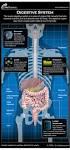 Digestive System Functions A. Gastrointestinal Processes 1. Ingestion: placing food in mouth (voluntary) 2. Propulsion: moving food through GI tract a. Peristalsis: alternating waves of contraction and
Nutritional Glossary. Index of Contents
 Nutritional Glossary This glossary provides nutrition information about the nutrients commonly found in fruits, vegetables, and other plant foods Each glossary definition has a long and a short version.
A Beginner s Guide to Carbohydrate Counting
 A Beginner s Guide to Carbohydrate Counting This slide show explains: What foods contain carbohydrates How much of these foods you can eat Where to look up the carb content of foods Pia has a Bachelors
What impacts blood glucose levels?
 What you eat and how much you eat has an impact on your blood glucose levels. Your blood glucose level reflects how well your diabetes is controlled. There are many aspects to eating for target BG (Blood
Digestive System Module 7: Chemical Digestion and Absorption: A Closer Look
 OpenStax-CNX module: m49457 1 Digestive System Module 7: Chemical Digestion and Absorption: A Closer Look Donna Browne Based on Chemical Digestion and Absorption: A Closer Look by OpenStax This work is
Digestive System Notes
 Digestive System Notes Structure Function Relation Mouth cavity Mechanical digestion by teeth; chemical digestion of starch by saliva. Salivary glands Three pairs of glands which secrete saliva containing
Level 3. Applying the Principles of Nutrition to a Physical Activity Programme Level 3
 MULTIPLE CHOICE QUESTION PAPER Paper number APNU3.0 Please insert this reference number in the appropriate boxes on your candidate answer sheet Title MOCK PAPER Time allocation 50 minutes Level 3 Applying
Dietary Fiber. Soluble fiber is fiber that partially dissolves in water. Insoluble fiber does not dissolve in water.
 Dietary Fiber Introduction Fiber is a substance in plants. Dietary fiber is the kind of fiber you get from the foods you eat. Fiber is an important part of a healthy diet. Fiber helps get rid of excess
Organic Compounds. Essential Questions: What is Organic? What are the 4 major Organic Compounds? How are they made? What are they used for?
 Organic Compounds Essential Questions: What is Organic? What are the 4 major Organic Compounds? How are they made? What are they used for? Aristotle: Francesco Redi: What do we already know? Spontaneous
High blood sugars caused by steroids
 High blood sugars caused by steroids Your blood sugars are high because you are taking a medication called steroids. Steroids are used to: decrease swelling decrease the natural response of your immune
1. (U4C1L4:G9) T or F: The human body is composed of 60 to 70 percent water. 2. (U4C1L4:G13) Another name for fiber in a diet is.
 Cadet Name: Date: 1. (U4C1L4:G9) T or F: The human body is composed of 60 to 70 percent water. A) True B) False 2. (U4C1L4:G13) Another name for fiber in a diet is. A) vegetables B) laxative C) fruit D)
BIOLOGICAL MOLECULES OF LIFE
 BIOLOGICAL MOLECULES OF LIFE C A R B O H Y D R A T E S, L I P I D S, P R O T E I N S, A N D N U C L E I C A C I D S The Academic Support Center @ Daytona State College (Science 115, Page 1 of 29) Carbon
Topic 4: Digestion and Nutrition
 Topic 4: Digestion and Nutrition THE CONTENTS OF FOOD Food contains nutrients: Nutrients include: 1. 2. 3. 4. 5. Nutrients must be small enough to enter our cells. If they are too large they must be digested
The Digestive System. You are what you eat!
 The Digestive System You are what you eat! Try to label the diagram (PENCIL!!) What is Digestion? Digestion: the breakdown of large macromolecules (proteins, fats, carbohydrates) into smaller molecules
Biochemistry of Cells
 Biochemistry of Cells 1 Carbon-based Molecules Although a cell is mostly water, the rest of the cell consists mostly of carbon-based molecules Organic chemistry is the study of carbon compounds Carbon
Blood Sugar & Glycaemic Index
 Nutrition Blood Sugar & Glycaemic Index Lesley Loizou The human body is designed to run on carbohydrates (CHO). While we can use protein and fat for energy, the easiest and most smoke-free fuel is carbohydrate.
X-Plain Hypoglycemia Reference Summary
 X-Plain Hypoglycemia Reference Summary Introduction Hypoglycemia is a condition that causes blood sugar level to drop dangerously low. It mostly shows up in diabetic patients who take insulin. When recognized
Special organ structures and functions conduct these tasks through the successive parts of the overall system.
 Chapter 5 Digestion, Absorption, and Metabolism Chapter 5 Lesson 5.1 Key Concepts Through a balanced system of mechanical and chemical digestion, food is broken down into smaller substances and the nutrients
Carbon-organic Compounds
 Elements in Cells The living substance of cells is made up of cytoplasm and the structures within it. About 96% of cytoplasm and its included structures are composed of the elements carbon, hydrogen, oxygen,
The Human Digestive System
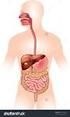 The Human Digestive System Name: Section: Date: Page 1 of 10 Page 2 of 10 Page 3 of 10 Page 4 of 10 Page 5 of 10 Page 6 of 10 Putting it All Together Digestive Enzymes Page 7 of 10 Page 8 of 10 Page 9
NUTRIENTS: THEIR INTERACTIONS
 NUTRIENTS: THEIR INTERACTIONS TEACHER S GUIDE INTRODUCTION This Teacher s Guide provides information to help you get the most out of Nutrients: Their Interactions. The contents in this guide will allow
Nonalcoholic Fatty Liver Disease. Dietary and Lifestyle Guidelines
 Nonalcoholic Fatty Liver Disease Dietary and Lifestyle Guidelines Risk factors for NAFLD Typically, but not always seen in patients who are overweight. May have Diabetes and or insulin resistance high
7 Answers to end-of-chapter questions
 7 Answers to end-of-chapter questions Multiple choice questions 1 B 2 B 3 A 4 B 5 A 6 D 7 C 8 C 9 B 10 B Structured questions 11 a i Maintenance of a constant internal environment within set limits i Concentration
FIBER IN YOUR DIET WHAT IS FIBER?
 FIBER IN YOUR DIET WHAT IS FIBER? Fiber is the portion of plant foods that our bodies cannot absorb or digest. Fiber is found primarily in fruits, vegetables, legumes, and whole grains. There is no fiber
An Essential Part of a Healthy Diet. Soluble vs Insoluble Fibre. Are You Getting Enough Fibre? Health Benefits of a High-Fibre Diet 4
 An Essential Part of a Healthy Diet Eat more fibre. You have probably heard it before. But do you know why fibre is so good for your health? Dietary fibre comes from the portion of plants that is not digested
THE DIGESTIVE SYSTEM
 THE DIGESTIVE SYSTEM What is digestion? Digestion is the process of breaking down food so that it's small enough to be absorbed and used by the body for energy or in other bodily functions. Digestion involves
Regulation of Metabolism. By Dr. Carmen Rexach Physiology Mt San Antonio College
 Regulation of Metabolism By Dr. Carmen Rexach Physiology Mt San Antonio College Energy Constant need in living cells Measured in kcal carbohydrates and proteins = 4kcal/g Fats = 9kcal/g Most diets are
Triglycerides: Frequently Asked Questions
 Triglycerides: Frequently Asked Questions Why are triglycerides important? The amount of triglycerides (or blood fats) in blood are one important barometer of metabolic health; high levels are associated
CHEMISTRY AND BIOLOGICAL ROLE OF CARBOHYDRATES IN THE BODY-1
 CHEMISTRY AND BIOLOGICAL ROLE OF CARBOHYDRATES IN THE BODY-1 Chiral centers: Asymmetric carbons, i.e carbon atom with four different substituents Enantiomers : Mirror images Stereoisomers MONOSACCHARIDE
The chemical reactions inside cells are controlled by enzymes. Cells may be specialised to carry out a particular function.
 12.1 What are animals and plants built from? All living things are made up of cells. The structures of different types of cells are related to their functions. to relate the structure of different types
pathway that involves taking in heat from the environment at each step. C.
 Study Island Cell Energy Keystone Review 1. Cells obtain energy by either capturing light energy through photosynthesis or by breaking down carbohydrates through cellular respiration. In both photosynthesis
Pediatrics. Specialty Courses for Medical Assistants
 Pediatrics Specialty Courses for Medical Assistants 7007 College Boulevard, Suite 385 Overland Park, Kansas 66211 www.ncctinc.com t: 800.875.4404 f: 913.498.1243 Pediatrics Specialty Certificate Course
How To Understand The Human Body
 Introduction to Biology and Chemistry Outline I. Introduction to biology A. Definition of biology - Biology is the study of life. B. Characteristics of Life 1. Form and size are characteristic. e.g. A
Biological molecules:
 Biological molecules: All are organic (based on carbon). Monomers vs. polymers: Monomers refer to the subunits that, when polymerized, make up a larger polymer. Monomers may function on their own in some
Fibe. Fiber and water work together in bowel regulation. Be sure to drink eight to ten (8 ounce) glasses of
 r Fibe An important part of a healthy diet is eating a variety of fiber-rich foods, including whole-grain breads and cereals, fruits and vegetables, beans and nuts. Fiber is an important part of your diet.
The Excretory and Digestive Systems
 The Excretory and Digestive Systems 38.2 The Process of Digestion Organs of the Digestive System The digestive system includes the: Mouth Pharynx Esophagus Stomach Small and large intestine. Other structures
How To Understand The Chemistry Of Organic Molecules
 CHAPTER 3 THE CHEMISTRY OF ORGANIC MOLECULES 3.1 Organic Molecules The chemistry of carbon accounts for the diversity of organic molecules found in living things. Carbon has six electrons, four of which
1. Which substances in the small intestine of humans serve to increase the surface area for absorption?
 Digestion Review 1. Which substances in the small intestine of humans serve to increase the surface area for absorption? (a.) intestinal glands (b.) villi (c.) pseudopodia (d.) cilia (e.) flagella 2. The
Fiber. What is fiber? Fiber is a part of plant food. There are two types of fiber:
 Fiber An important part of a healthy diet is eating fiber-rich foods. This handout will explain what fiber is, where it s found, and how to increase the amount of fiber in your diet. What is fiber? Fiber
Getting Energy from Food Your Digestive System
 9 Getting Energy from Food Your Digestive System The Digestive System You know how your body gets the oxygen it needs. But how do your body s cells get the nutrients they need? Nutrients come from the
Carbohydrate Counting for Patients with Diabetes. Lauren Dorman, MS RD CDE Registered Dietitian & Certified Diabetes Educator
 Carbohydrate Counting for Patients with Diabetes Lauren Dorman, MS RD CDE Registered Dietitian & Certified Diabetes Educator Program Purpose To increase knowledge of carbohydrate counting skills for nurses
Part One. Nutrition and Diet
 Part One R Nutrition and Diet 1 R Carbohydrates: Sugar, Starch and Dietary Fiber Carbohydrates often get a bad rap they make you fat, they cause diabetes, they trigger hyperactivity in children. However,
Unit B Understanding Animal Body Systems. Lesson 1 Understanding Animal Digestion
 Unit B Understanding Animal Body Systems Lesson 1 Understanding Animal Digestion 1 Terms Absorption Amino acids Anus Avian Bile Cecum Chyme Crop Cud Digestion Digestive system Enzymes Eructated Feces Gizzard
Food Groups To Encourage. chapter OVERVIEW
 23 chapter 5 Food Groups To Encourage OVERVIEW Increased intakes of fruits, vegetables, whole grains, and fat free or low fat milk and milk products are likely to have important health benefits for most
The Structure and Function of Macromolecules: Carbohydrates, Lipids & Phospholipids
 The Structure and Function of Macromolecules: Carbohydrates, Lipids & Phospholipids The FOUR Classes of Large Biomolecules All living things are made up of four classes of large biological molecules: Carbohydrates
February 2006. 23 Best Foods for Athletes
 23 Best Foods for Athletes February 2006 1. Beans Legumes a. Excellent source of fiber (important for keeping blood sugar and cholesterol levels under control). b. High in protein and a good source of
How to Increase Volume in Your Meals
 How to Increase Volume in Your Meals By adding certain types of food to your diet and drinking more water, you can actually increase the amount of food you eat, while staying within your fat gram and calorie
What Does A Healthy Body Need
 What Does A Healthy Body Need Michelle Brezinski Michelle Brezinski has studied Fitness and Nutrition at Simon Fraser University and has received a Herbology Diploma from Dominion College. As a Health
Food Allergy Gluten & Diabetes Dr Gary Deed Mediwell 314 Old Cleveland Road Coorparoo 4151 3421 7488
 Food Allergy Gluten & Diabetes Dr Gary Deed Mediwell 314 Old Cleveland Road Coorparoo 4151 3421 7488 SUMMARY Type 1 diabetes Onset common in Children Insulin requiring Immune origins with attack on the
Digestive System Lecture 5 Winter 2014
 Digestive System Lecture 5 Winter 2014 This lecture tells the story of the Flow of Matter from Food to Cells. The pictures are only there to help you visualize structures don t worry about names of structures
2. Which type of macromolecule contains high-energy bonds and is used for long-term energy storage?
 Energy Transport Study Island 1. During the process of photosynthesis, plants use energy from the Sun to convert carbon dioxide and water into glucose and oxygen. These products are, in turn, used by the
Cellular Energy. 1. Photosynthesis is carried out by which of the following?
 Cellular Energy 1. Photosynthesis is carried out by which of the following? A. plants, but not animals B. animals, but not plants C. bacteria, but neither animals nor plants D. all living organisms 2.
Gas in the Digestive Tract
 Altru HEALTH SYSTEM Gas in the Digestive Tract What is gas? Everyone has gas and eliminates it by burping or passing it through the rectum. However, many people think they have too much gas when they really
Carbohydrate Counting and Diabetes
 What I need to know about Carbohydrate Counting and Diabetes National Diabetes Information Clearinghouse What I need to know about Carbohydrate Counting and Diabetes Contents What is carbohydrate counting?...
2) Herewith the 2nd question in our Q&A series with Ria Catsicas about 'Nutrition and Diabetes':
 DIABETES Q&A WITH RIA CATSICAS 1) Today is World Diabetes Day! We ve been chatting to clinical dietitian and nutrition consultant Ria Catsicas about nutrition and diabetes. Ria is a specialist in the practice
FIBER FACTS. Straight Talk About Dietary Fiber
 F FIBER FACTS Straight Talk About Dietary Fiber WHAT IS DIETARY FIBER? HOW CAN I INCREASE MY FIBER INTAKE? WHO NEEDS TO INCREASE DIETARY FIBER? HOW WILL INCREASED FIBER BENEFIT YOU? WHEN SHOULD A FIBER
Background (cont) World Health Organisation (WHO) and IDF predict that this number will increase to more than 1,3 million in the next 25 years.
 Diabetes Overview Background What is diabetes Non-modifiable risk factors Modifiable risk factors Common symptoms of diabetes Early diagnosis and management of diabetes Non-medical management of diabetes
Nutritional Guidelines for Roux-en-Y, Sleeve Gastrectomy and Duodenal Switch. Gastric Restrictive Procedures. Phase III Regular Consistency
 Nutritional Guidelines for Roux-en-Y, Sleeve Gastrectomy and Duodenal Switch Gastric Restrictive Procedures Phase III Regular Consistency The University of Chicago Hospitals Center for the Surgical Treatment
DIGESTION is the physical and
 Digestion DIGESTION is the physical and chemical breakdown of feeds as they pass through the gastrointestinal tract. The structures of the gastrointestinal tract include the mouth, the esophagus, the stomach,
Bulking Up Fiber's Healthful Reputation
 Bulking Up Fiber's Healthful Reputation by Ruth Papazian More Benefits of 'Roughage' Are Discovered Because it causes gas, bloating, and other uncomfortable side effects, fiber may be the Rodney Dangerfield
PHOTOSYNTHESIS AND CELLULAR RESPIRATION
 reflect Wind turbines shown in the photo on the right are large structures with blades that move in response to air movement. When the wind blows, the blades rotate. This motion generates energy that is
SUGAR SMARTS. Introduction. Preparation. Suggested Recipes. Key Concepts
 SUGAR SMARTS Introduction This lesson uses health concerns around diabetes to introduce a discussion of sugar in our diets. Depending on your audience, you may want to talk about diabetes more generally
Chapter 48. Nutrients in Food. Carbohydrates, Proteins, and Lipids. Carbohydrates, Proteins, and Lipids, continued
 Carbohydrates, Proteins, and Lipids The three nutrients needed by the body in the greatest amounts are carbohydrates, proteins, and lipids. Nutrients in Food All of these nutrients are called organic compounds,
MULTIPLE CHOICE. Choose the one alternative that best completes the statement or answers the question.
 Ch23_PT MULTIPLE CHOICE. Choose the one alternative that best completes the statement or answers the question. 1) All of the following statements concerning digestion are correct except A) The major physical
Introduction. Pathogenesis of type 2 diabetes
 Introduction Type 2 diabetes mellitus (t2dm) is the most prevalent form of diabetes worldwide. It is characterised by high fasting and high postprandial blood glucose concentrations (hyperglycemia). Chronic
Using the Nutrition Facts Label
 Using the Nutrition Facts Label A How-To Guide for Older Adults Inside Why Nutrition Matters For You...1 At-A-Glance: The Nutrition Facts Label...2 3 Key Areas of Importance...4 Your Guide To a Healthy
Topic 3.0 Healthy human function depends on a variety of interacting and reacting systems
 Topic 3.0 Healthy human function depends on a variety of interacting and reacting systems Organ Systems Organ systems must have the ability to to changes within and outside of your body to maintain life
10.2 The Human Digestive System pg. 411
 10.2 The Human Digestive System pg. 411 The human digestive system is made up of a group of organs working together. The digestive tract is made up of the mouth, esophagus, stomach, small intestine, and
Maintaining Nutrition as We Age
 SS-207-06 For more information, visit the Ohio Department of Aging web site at: http://www.goldenbuckeye.com and Ohio State University Extension s Aging in Ohio web site at: http://www.hec.ohio-state.edu/famlife/aging
Chapter 3 Molecules of Cells
 Bio 100 Molecules of cells 1 Chapter 3 Molecules of Cells Compounds containing carbon are called organic compounds Molecules such as methane that are only composed of carbon and hydrogen are called hydrocarbons
Nutrition Recommendations and Interventions for Diabetes
 Nutrition Recommendations and Interventions for Diabetes S U P P L E M E N T Medical nutrition therapy (MNT) is important in preventing diabetes, managing existing diabetes, and preventing, or at least
TRACKS Lesson Plan. Fiber Fill Up On Fiber! Grade: 9-12
 TRACKS Lesson Plan Fiber Fill Up On Fiber! Grade: 9-12 I. Nutrition Education Objective: Goal 1: Students will comprehend concepts consistent with USDA guidance related to eating and physical activity
Steroid Induced Diabetes
 What is high blood sugar (hyperglycemia)? Hyperglycemia is a high level of sugar in the blood. Blood sugar is also called glucose. Some people are unable to process the sugar that is found in food and
Chapter 17 Digestive System. Alimentary Canal. Movements of the Tube
 Chapter 17 Digestive System Functions of Digestive System ingestion mechanical digestion chemical digestion propulsion absorption defecation Consists of the alimentary canal and accessory organs 1 Alimentary
Chapter 2. The Chemistry of Life Worksheets
 Chapter 2 The Chemistry of Life Worksheets (Opening image courtesy of David Iberri, http://en.wikipedia.org/wiki/file:camkii.png, and under the Creative Commons license CC-BY-SA 3.0.) Lesson 2.1: Matter
Sugars, Starches, and Fiber. Case Study
 c04.qxd 8/13/09 2:31 PM Page 114 4 arbohydrates: Sugars, Starches, and Fiber ase Study Shamara s enthusiam for her low-carbohydrate diet was flagging, and the 15 pounds she had recently lost was slowly
Medical Physiology Z.H.Al-Zubaydi
 Lec.13 Medical Physiology Z.H.Al-Zubaydi Functions of the Digestive System The major functions of the digestive tract include the following six processes, summarized in Figure 1: 1. Ingestion Food must
Get It Right. Answers. Chapter 1: The Science of Life. A biologist studies all living things.
 Discover Biology 'N' Level Science Chapter 1 Chapter 1: The Science of Life A biologist studies all living things. In order to carry out the scientific method, we need to ask questions. Discover Biology
Development of a Glycemic Index Database for Dietary Assessment. Sally F. Schakel, Rebecca Schauer, John H. Himes, Lisa Harnack, Nancy Van Heel
 Development of a Glycemic Index Database for Dietary Assessment Sally F. Schakel, Rebecca Schauer, John H. Himes, Lisa Harnack, Nancy Van Heel What is glycemic index? Applies only to carbohydrate foods.
Elements & Macromolecules in Organisms
 Name: Date: Per: Table # Elements & Macromolecules in rganisms Most common elements in living things are carbon, hydrogen, nitrogen, and oxygen. These four elements constitute about 95% of your body weight.
SOLID FATS AND ADDED SUGARS (SoFAS) Know the Limits
 COOPERATIVE EXTENSION SERVICE UNIVERSITY OF KENTUCKY COLLEGE OF AGRICULTURE, LEXINGTON, KY, 40546 NEP-207B SOLID FATS AND ADDED SUGARS (SoFAS) Know the Limits The U.S. Department of Agriculture s Dietary