
Cone Penetration Testing A Historic Perspective
|
|
|
- Mariah Goodman
- 10 years ago
- Views:
Transcription
1 3 rd International Symposium on Cone Penetration Testing, Las Vegas, Nevada, USA Cone Penetration Testing A Historic Perspective K.R. Massarsch Geo Risk & Vibration AB, Bromma, Sweden ABSTRACT: Penetration testing is a relatively recent geotechnical field investigation method, but which has become very popular during the past four decades. A historic overview of penetration testing methods is given, with emphasis on the development of cone penetration testing. The European Symposium on Penetration Testing, ESOPT I, held in 1974, was the platform, which initiated many positive developments, such as harmonization and standardization of penetration testing equipment and methods. The role of ISSMGE Technical Committees in this development is described, in particular the efforts by ISSMGE TC16/TC102 in organizing international symposia and conferences. The results of efforts to standardize penetration testing are presented. An effort was made to review the contents of papers published at symposia held during the past 40 years to detect major trends in testing and application of test results. 1 INTRODUCTION The 3 rd International Symposium on Cone Penetration Testing, CPT 14 is being held almost on the day forty years after the first European Symposium on Penetration Testing, ESOPT (ESOPT I) in Stockholm, Sweden, I was secretary of ESOPT I and have been asked to present my thoughts about the developments in cone penetration testing following the first conference. I have accepted this invitation with the reservation that I would not be able to provide a complete documentation of the many aspects of penetration testing that have taken place. Instead, I focus on a historic overview of the developments in terms of methods and equipment since This can help to explain the impressive progress, which has led to the impressive state of knowledge and the wide scope of practical application of penetration testing today. A review of recent developments in geotechnical and foundation engineering clearly shows that cone penetration testing (CPT) has indeed become one of the most widely used geotechnical investigation methods. Examples are different types of pressuremeter, the dilatometer, and geophysical methods. Some of the reasons are: - testing method and equipment are relatively easily standardized, - the test provides a continuous soil profile, compared to other, intermittent, tests, - different types of sensors can be incorporated in the same probe, - the method is relatively fast and therefore less expensive than most other in-situ methods, - the rapid development in electronic engineering has facilitated quick and efficient data acquisition and evaluation of large data volumes, and the concerted effort by researchers and geotechnical practitioners from different 97

2 countries has helped to develop design concepts which can be used for the solution of many types of geotechnical, geo-environmental and earthquake-related problems. However, it is important to recognize that also other in-situ methods have become available and are widely used today. Examples are different types of pressuremeters, the dilatometer and geophysical methods. Looking back at the developments over a time period of 40 years in a relatively young engineering discipline, such as geotechnical engineering, is fascinating. At the end of the 1960s, many of the engineering challenges of today did not exist or were just emerging. Heavy structures were either founded on rock or hard soil or supported by piles. The number and size of land reclamation projects was still small and their planning, design, and execution was often based on relatively unsophisticated concepts. Geotechnical earthquake engineering was emerging and offshore engineering was still in its infancy. The use of electronic equipment on a construction site was an exception and restricted to scientific projects. Data recording was often manual, by reading dial gages. Also the accuracy and reliability of field measurements was low and their quality depended to a large degree on the skills of the site crew. A factor, which limited the development of equipment and the application of penetration testing results in practice, was the variability of methods and equipment used in different parts of the world. Various types of in-situ tests had been developed, often in specific regions, and design tools based on local experience, which limited their wider application. In Europe, different types of static and dynamic penetrometers were used while the Standard Penetration Test (SPT) dominated outside Europe. A main reason for arranging an international symposium on penetration testing was to assemble experts in penetration testing from Europe and a selected number of other countries for exchange of information and discussion of future needs of harmonization. Without the vision of a group of outstanding geotechnical engineers most of them no longer active who recognized the need of information exchange, the rapid progress in CPT accomplished during the past 40 years would not have been possible. This report is an attempt to pay tribute to their important contributions. 2 EARLY DEVELOPMENTS OF PENETRATION TESTING In ancient times, it was common practice to locate temples and tombs in areas that were known to have stable ground conditions, where there was no need for extensive investigations. For instance, the greatest construction challenges in Egypt were associated with excavations in rock, such as the excavation of tombs and the building of pyramids and temples. About 2000 years ago, the Chinese installed boreholes - sometimes to depths of several hundred meters - and retrieved soil and rock samples to examine ground conditions. However, the most important progress in construction and foundation methods was achieved by the military. Military campaigns required sound knowledge of construction and foundation engineering, such as the construction of roads, bridges, aqueducts or fortifications. However, most of the construction work was carried out on a trial and error basis. About one millennium ago, the Vikings, who lived primarily along shores and coast lines in Scandinavia, were often confronted with difficult ground conditions and developed therefore extensive knowledge on how to build roads, fortifications and harbors on very soft, compressible ground. Engineering knowledge was important when combating neighbors or invading other countries, usually by attacking from the sea. Therefore, it is not surprising that Vikings used piling and soil reinforcement - such as bundles of wood - for strengthening paths and roads across wet terrain. Their superior engineering knowledge was an important advantage for successfully conquering foreign lands. Penetration testing is a relatively new soil investigation method, compared to boring, excavation and visual site inspection. Comprehensive reviews of the history of site investigations have been published by for instance, Sanglerat (1972) and Broms and Flodin (1988). The first known, documented use of penetrometers for engineering applications was in the 14 th century when the German military engineer, Konrad Kyeser ( ?) began to write books on military and mechanical arts: A medieval con- 98

3 cept of ordered practices or skills. He showed examples of screw-type tools to test materials and probably also the ground, (Cambefort, 1955). Leonardo da Vinci ( ) sketched a screw type implement which may be advanced into the ground by means of turning the lever. However, this screw was most likely never used during the lifetime of Leonardo da Vinci. Little evidence of the practical application of sounding tools can be found until the end of the 17 th century. A ram sounding device was invented in Germany by Nicolaus Goldmann ( ) as described by Broms & Flodin (1988): Hereto on the site at each place, a pointed rod can be driven, and one can notice the penetration depth for each blow, and in this manner one can find differences in the subsoil, according to a translation from German by H. Zweck (1969). This is most likely the forerunner of the light German penetrometer, re-invented in the mid 1930s. Also in the 18 th century, Germany dominated the development of new soil exploration tools. In Central Europe, with relatively favorable (hard) ground conditions, engineers worked mainly with auger tools. In France, different sounding devices were used to determine ground conditions. H. Gauthier ( ) described the practical application of penetrometers for construction of bridges and fortifications. In northern European countries with many deep deposits of loose or soft soil, however, the simpler rod penetration concept was applied. During the 19 th century, several handbooks were published in Europe, mainly in Germany, which included chapters on soil, rock and foundation engineering (Grundbau). The continental philosophy of building on firm ground prevailed in many countries. Sounding rods (Sondiereisen or Visitireisen) were described for the first time in detail in Handbuch der Tiefbohrkunde by the German engineer Tecklenburg (1885/86). The sounding rod had a maximum length of approximately 4 m and was provided at the bottom with a point and an eye at the top for a wooden cross bar, intended for the withdrawal of the rod. In England, different types of soil investigation tools were used. For the construction of the Westminster bridge, Charles Labelye, a naturalized Swiss engineer and architect, was employed. He used drill rods to obtain information on the nature and consistency of the soil, determined by the resistance to the penetration of the boring rod. Vibrations in the rod, and the noise it gave, was used to decide whether the bore was in mud, sand, clay, or gravel. Telford used sounding rods in connection with the construction of the Caledonian Canal in England in In North America, wash borings was for a long time the most commonly used drilling method. A remarkable penetration testing campaign was carried out in Canada in 1872 in connection with the construction of the Intercolonial Railway. A major problem was the construction of bridges, several of them technically challenging, such as a railway bridge crossing the Miramachi River in New Brunswick. The chief engineer was Sir Stanford Fleming (inventor of the Standard Time Zones) who pioneered engineering techniques, including soil sampling and the prestressing of piers. Fleming suspected that earlier investigations at the bridge sites were incorrect. He proposed a new soil investigation method where a steel rod was pushed down into the soil and the required force was measured (Legget & Peck, 1973). The friction along the rod was eliminated by a 125 mm diameter steel casing. The rod used for the testing had a diameter of 75 mm and the end was blunt. The rod was loaded axially using weights. The time of loading was varied. This was probably the first application of a static penetrometer. In Scandinavia, several handbooks, based mainly on the work by Tecklenburg, were widely used for military engineering projects. In the 1890s, almost everyone in charge of site investigations chose his own penetration testing method. In very soft soils, sounding rods were employed to investigate for instance areas where landslides had occurred. Rods were pushed into the ground, to depths of 10 to 12 m, often without reaching firm bottom. Svensson (1899), a Swedish railway engineer, was dissatisfied that the strength and the bearing capacity of soils could not be predicted quantitatively. He suggested that the penetration resistance should be measured more systematically and be expressed in terms of the number of men required to push down the rod. Grad 0 was used to indicate when the rod sunk by its own weight; Grade 1 when one man was required; Grad 2 when two man were required etc. Half-grades were also used. Ernst Wendel (1900), at the time head of the Harbour and River Works in Gothenburg, proposed to replace square sounding rods by a new type of needle probe, composed of several short pipe sections 99

4 which were connected using in-side couplings in order to achieve a smooth outside surface, shown on a drawing from Instead of expressing the soil resistance in terms of number of men, Wendel proposed to drive down the probe using a weight, which was dropped from a predetermined height, and to measure the penetration for each blow. 3 EMERGENCE OF MODERN PENETRATION TESTING Although different types of penetration tests and sounding tools had been used during the past centuries, excavation and soil boring was the dominant method of soil investigation in Europe. However, at approximately the beginning of the 20 th century, modern penetration testing methods started to develop in Central and Northern Europe where soft and loose soil deposits were encountered in connection with the development of the transportation infrastructures, such as railways, harbors, and roads. 3.1 Dynamic Penetration Test Measuring the driving resistance of a steel rod, being rammed into the ground, has long been taken as an indication of the bearing capacity of the soil, and of piles. As mentioned above, Goldmann was probably the first to use the ram penetration method in Germany. The rod was driven down by a sledge hammer and the penetration for each blow was measured. However, the contribution by Goldmann was forgotten until the last half of the 19 th century (Broms and Flodin 1988). Records of the Swedish National Archives show that a ram penetration test was carried out in 1880 for a construction project in Stockholm. The main objective of the test was to determine the required length of piles to be driven into an esker. In 1910, penetration tests were again employed in the same area, using square (25 x 25 mm) steel rods, being driven by a 60 kg hammer which was probably made of wood. The stroke was 0.6 m. Penetration depth was recorded every 10 cm, and varied typically between 30 and 140 blows/10 cm. The simplicity of the equipment and of the testing method was probably the reason why the dynamic penetrometer became the most widely use testing method. During the early 20 th century in Germany, a light dynamic penetrometer was developed by Künzel (1936), known as Künzel Prüfstab. A hammer (5 kg, later increased to 10 kg) with a drop height of 50 cm was used to drive steel rods (16 to 20 mm) into the ground. The penetration for every 10 blows (originally, the number of blows to drive the penetrometer a certain depth, 10 cm) was recorded. The results were presented graphically, Fig. 1. Later, the penetrometer was provided with a conical point with a diameter of 35.6 mm. If needed, the friction along the rod could be reduced by a casing. The light penetrometer was standardized in Germany in This method is the forerunner of the modern light dynamic penetrometer and has become very popular in certain parts of Central Europe. The first heavy dynamic penetrometer was developed in Sweden around 1935 by the company Borros and patented in A heavy dynamic penetrometer was also developed in the USSR in 1950 (Broms & Flodin (1988). A hammer with a mass of 60 kg and a height of fall of 0.8 m was used to drive a steel rod, provided with a 74 mm diameter cone. The number of blows required to advance the penetrometer was counted. Heavy dynamic penetrometers were also developed and used in France, Germany and other countries. 3.2 Swedish Weight Sounding At the end of the 19 th century, an important development in geotechnical engineering took place when a commission consisting of geologists and engineers was appointed by the Swedish State Railways to investigate the cause of a number of embankment failures and landslides. 100

5 a) Light Dynamic Penetrometer b) Examples of light and heavy dynamic penetrometer Figure 1. Dynamic penetration testing in Germany around 1960, Zweck (1969) The committee constituted itself as the State Railways Geotechnical Commission and worked between 1914 and In 1917, the Commission published its first report with the title Soil investigations for Railways, with John Olsson, secretary of the Commission, as its main author. Wolmar Fellenius was a member of the Commission from its start and chairman from In 1911, he signed a drawing which shows a penetrometer consisting of 1.0 m long solid steel rods, 19 mm in diameter with outside couplings and a 0.8 m long lower rod which was provided with a twisted screw point, 0.20 m in length, Fig. 2a. A drawing in the handbook by the secretary of the Commission, John Olsson (1915), describes the use of the weight sounding procedure: The rod is first pressed down by the force of one man and the penetration depth recorded, then by two men and the depth recorded. After that the 90 kg weight is fastened to the handle (total mass about 100 kg), the rod is rotated and the penetration for each 25 turns (sic: half-turns) is recorded. It is further pointed out that an experienced person can obtain additional information about the character of the soil from the noise and the penetration resistance. The final report by the Commission from the first publication ever to use the word geotechnical - is regarded a milestone in modern geotechnical engineering, where the weight sounding method was described in detail. The single 90 kg weight of the penetrometer had been replaced by cast iron plates, with a total mass of 100 kg. The load was adjusted in order to keep the penetration speed constant, about 20 mm/s. The penetrometer was rotated when the rod stopped at the maximum applied load (100 kg). The penetration every 25 half-turns was then measured and recorded. The test was stopped at 100 half-turns when the penetration speed was approximately 10 to 20 mm. Refusal was checked by striking the penetrometer a few times with a sledge hammer. The type of soil layer penetrated by the point was determined from the noise generated by the twisted screw point. Figure 2b shows the performance of the weight sounding test in accordance with the instructions by the geotechnical commission. The engineer (the man to the right) touches the top of the sounding rod in order to detect rod vibrations when the sounding point penetrates 101

6 from soft clay to sandy layers, as this information was considered important for assessing drainage conditions. a) Screw point of the weight sounding penetrometer b) Illustration of the weight sounding method (~1925) Figure 2. Illustration of the weight sounding method around 1925 The Commission stated that the main purpose of weight sounding was to determine the strength and thickness of different soil layers. Also, embankments that had failed were investigated by the new, standardized method. Weight sounding was also used to determine the bearing capacity of piles in sand and gravel. The work of the Commission was of also of importance in the other Nordic countries with similar geotechnical conditions and foundation problems. 3.3 Standard Penetration Test The Standard Penetration Test (SPT) can be traced back to around 1902, when Colonel Charles R. Gow in Boston began making exploratory borings using 1-inch diameter drive samplers. The sampler was driven by a 50 kg hammer into the bottom of the borehole, Fig. 3. Mohr (1940), one of Gow s engineers, then working at Raymond Concrete Pile Company, developed a slightly larger diameter split spoon drive sampler and recorded the number of blows per foot of penetration on an 18 inch deep sample, using a 140 lb. hammer dropped from 30 inches height. Karl Terzaghi and Arthur Casagrande supported adoption of the split-spoon sampling procedure through the auspices of ASCE s Committee on Sampling and Testing of the Soil Mechanics and Foundations Division of ASCE, formed in 1938 (Rogers 2006). The work of this committee was carried out at Harvard by Juul Hvorslev (1940) when writing The Present Status of the Art of Obtaining Undisturbed Samples of Soils. The SPT gradually replaced 102

7 the samples obtained from wash borings which were used almost exclusively at that time for the classification of soils. Figure 3. Original Gow Pipe sampler, introduced around 1902, utilizing 1-inch diameter drill rod and 1-inch diameter pipe with a beveled cutting tip, after Hvorslev (1949). Terzaghi s concept of using standard blow counts to estimate soil properties was not utilized until 1947, when he, in collaboration with H. Mohr, developed correlations between allowable bearing stress and blow counts (N-numbers) for sands. Later that year Terzaghi christened the 2-inch Gow sampler the Standard Penetration Test, in a presentation titled Recent trends in subsoil exploration, which he delivered at the 7 th Conference on Soil Mechanics and Foundation Engineering at the University of Texas. The first published SPT correlations appeared in the textbook Soil Mechanics in Engineering Practice (First Ed.), Terzaghi and Peck (1948). The original split spoon sampler was gradually improved and provided with a ball valve just above the sampling spoon to prevent loss of the sample during the retrieval. The Standard Penetration Test was used increasingly for the design of both deep and shallow foundations and spread rapidly after the publication of Soil Mechanics in Engineering Practice. 3.4 Cone Penetration Test The concept to determine the strength of soils by pushing or dropping a cone into the soil was developed early. This method was used by John Olsson in 1915 to determine the undrained shear strength of very soft clay, (Massarsch & Fellenius, 2012). A pocket penetrometer was later developed by the Danish State Railroads in 1931, which is based on the principle of the fall cone test. A predecessor of the mechanical cone penetrometer was the wash point penetrometer where a conical point with 70 mm diameter, attached to the lower end of a 50 mm diameter heavy wash pipe, is pushed 103

8 into the soil, Terzaghi & Peck (1948). A 75 mm diameter casing eliminated the skin friction resistance along the wash pipe. The force required to push the penetrometer 250 mm into the soil, using a hydraulic jack, was measured. Water jets were then turned on so that the casing could be driven down to the level of the cone. After the water had been turned off, the point was forced down an additional 250 mm and the corresponding force was measured. This penetrometer has not been used widely, probably because of the difficulty to operate the equipment. The Dutch cone penetrometer was initially developed around 1930 by Pieter Barentsen, a civil engineer at the Department of Civil Works (Rijkswaterstaat) in the Netherlands (Barentsen, 1936). He invented a way to measure accurately the resistance of the soil reacting on the conical tip. He inserted an inner rod into the sounding tube and pushed with this inner rod manually on the interior part of the conical tip. The soil resistance was read out by means of a hydraulic measuring head provided with a pressure gauge, Fig. 4. a) Mechanical cone testing around 1950 b) Begemann mechanical cone with friction sleeve Figure 4. Early Dutch mechanical penetrometer, from History of Cone Penetration Testing - Gouda Geo- Equipment BV. The purpose of penetration testing at the time was to determine the thickness and bearing capacity of approximately 4 m thick hydraulic fill near the town of Vlaardingen. The 10 cm 2 cone with a 60 degree apex angle was pushed down by two men and the penetration resistance was read on a manometer. A hand-operated cone penetrometer was first built by Goudsche Machinefabriek, Holland. Because the maximum force to push down the inner rod had to be delivered by the weight of the operator (approx. 80 kg), the maximum measurable cone resistance was often not sufficient to advance the penetrometer, which limited the application of the apparatus. In 1935, under the supervision of T.K. Huizinga, then director of Delft Laboratory of Soil Mechanics (LGM), the first deep cone penetration test with a pushing force of 10 tons was performed, as described by Platema (1948). The original cone penetrometer involved simple mechanical measurement of the total penetration resistance required to push a tool with a 104

9 conical tip into the soil. Different methods were employed to separate the total measured resistance into components generated by the conical tip (the tip friction) and friction generated by the rod string. In 1950, a jacket cone was developed by J. Vermeiden to avoid measuring errors that could occur when sand entered the cavity between the rods. However, this sleeve affected the measured penetration resistance, particularly in clay. Static penetration testing equipment was also developed and used in other European countries. A cone penetrometer was developed at the Belgian Geotechnical Institute by DeBeer (1945). It was provided with a fixed cone and the total skin friction resistance was measured separately. The first mechanical cone penetrometer in the USSR was developed in 1953, with a maximum capacity of 100 kn (Broms & Flodin 1988). In the early 1950s, another significant development was the SGI cone penetrometer, which was mounted on a vehicle. It was invented by Kjellmann and Kallstenius at the Swedish Geotechnical Institute. The penetrometer had a conical point with either 25 mm or 40 mm diameter. A special feature of this penetrometer was that the rod could be rotated as the point was pushed into the soil. From the torque measurement it was possible to separate the point resistance from the skin friction. This separation was done automatically by the machine. A significant advancement of the static cone penetrometer by Begemann was to measure the skin friction resistance every 0.2 m with a separate friction sleeve located just above the cone (Begemann, 1965). He published graphs enabling the frictional load capacity for different sorts of piles to be deduced from the measured local friction resistance. Figure 4b shows the mechanical friction cone introduced by Begemann (1953). The first experimental electric cone penetrometer dates back to the end of World War II in Germany, (Broms & Flodin, 1988); followed by prototypes developed by the Rotterdam civil servant Bakker and LGM, Delft, in Fugro was first to introduce the electric cone in 1965 for routine soil investigation. In the mid 1970s, following research with pore pressure measurements in Norway, USA, and Sweden, standard electric penetrometers were equipped with sensors to measure the pore pressure during the penetration of the cone (Torstensson, 1975, Wissa et al., 1975). The Piezocone could measure in addition to the cone resistance and the sleeve friction also the pore pressure. The equipment was further developed by Fugro and other manufacturers. In Sweden, Torstensson (1975) was first to carry out a so-called dissipation test. From measured changes in pore pressure during a pause in the CPT test, it became possible to calculate the permeability of fine-grained soils. Inclinometers were incorporated in modern penetrometers to detect deviation of the penetration path from the vertical direction. Campanella and Robertson (1984) integrated a small velocity seismometer into an electronic cone penetrometer. The cone penetration test is briefly stopped to conduct seismic down-hole tests at specific depths. Today, the seismic cone penetration test can be provided with one, or an array of seismic sensors. Performing seismic down-hole measurements during a penetration test is much quicker and less expensive that standard cross-hole tests or down-hole tests. 3.5 Full Flow Penetrometers In 1940 Walter Kjellman and Torsten Kallstenius at the Swedish Geotechnical Institute, invented a pullout device, the Iskymeter (Massarsch & Fellenius, 2012). The method is based on the umbrella principle as shown in Fig. 5. The Iskymeter concept - although relatively little used today - is an ingenious apparatus which consists of two wings, which can be retracted to form a penetrometer. The Iskymeter is pushed in the ground by a rod and the penetration resistance can be measured, providing approximate information on soil density. Once the maximum penetration depth has been reached, the Iskymeter probe is expanded and the pulling resistance is measured continuously, providing a measure of the undrained shear strength and soil stratification. The pushing rod is withdrawn and then the wire, which has very 105

10 low skin friction, is used to pull out the device. An advantage of the system is that pulling the Iskymeter does not require anchoring. a) Principle of the Iskymeter b) Iskymeter demonstrated at ESOPT I, Figure 5. Pull-out penetration test Iskymeter, developed at the Swedish Geotechnical Institute in early 1940s. The Iskymeter can be seen as the forerunner of full flow penetrometers (Stewart and Randolph 1991). Two such devices, the T-Bar and the Spherical Ball, have been developed. The T-bar penetrometer was first introduced at the University of Western Australia. It consists of a short cylindrical bar measuring 250 mm in length and 40 mm in diameter. The ball cone is 163 mm in diameter. Both devices are attached at right angles to penetrometer rods, just below a calibrated load cell. The T-bar and the ball cone are pushed into the soil at the same rate as a conventional cone penetrometer, and the penetration resistance is measured using the cone-tip load cell. Full flow penetrometers attempt to combine the advantages of the cone penetration test and the in-situ vane shear tests. The in-situ vertical stress is equilibrated across the T-bar and thus there is essentially no correction for the ambient stress level to be included. Also included in the shaft of modern full flow penetrometers is an inclinometer to indicate any deviation from the vertical during insertion. The device can also incorporate pore water pressure transducers. Full flow penetrometers have gained acceptance in the offshore industry and their use for other applications has increased recently. 106

11 3.6 Column Penetration Testing In Sweden, a common method for quality control of lime/cement columns, since the 1970 s, is the Column Penetration Test (in Swedish called KPS). The test is carried out by pushing a probe with two wings through the center of the column with a speed of 20 mm/s, Fig. 6a. a) Image of KPS probe b) Sketch of pull-out column penetration probe Figure 6. Column penetration test by penetrometer with two-bladed vanes. The probe is pushed down the center of the column about one to two weeks after column construction. The width of the wings is less than the column diameter (normally 100 mm). The method can normally be used on columns with a maximum length of 8 m and with unconfined compressive strength < 300 kpa. In the case of longer columns the probe may deviate into the soil outside of the column. The penetration depth can be extended by pre-boring a vertical hole in the center of the column. By the use of preboring, the KPS can be used for columns with maximum unconfined compressive strength of 600 kpa to 700 kpa to a depth of 20 m to 25 m. It is possible to carry out a reverse column penetration test, similar to the Iskymeter, where the uniformity of the column can be determined along its whole length, Fig. 6b. In this test, a probe, fitted with vanes equal to those used in the column penetration test, is attached to a wire placed below the bottom of the column while it is being constructed. The wire, having a strength of at least 150 kn, runs through the whole column up to the ground surface. The strength of the column is obtained by measuring the resistance obtained when drawing the probe up to the ground surface. The idea is to obtain a mean value of the shear strength for the larger part of the cross section. KPS is a frequently used method in Sweden and other Nordic countries for lime-cement columns, constructed by dry deep mixing. 3.7 Environmental and Multiple Penetrometers Extensive research during the past decade, especially in the area of geo-environmental engineering, has led to the development of new, sophisticated penetrometers. Different types of sensors can be incorpo- 107

12 rated in the probe, for example laser-type and fiber-optical sensors, high-resolution ground-penetrating radar antennas and integrated opto-electronic chemical sensors. It is interesting to note that the cone penetrometer has evolved from a relatively simple, standardized geotechnical investigation tool into a multi-purpose testing instrument. The cone penetrometer has the potential of becoming a multi-purpose instrument, which offers new areas of application for geo-environmental investigations, Table 1. Type Dielectric constant Laser induced fluorescence (LIF) Magnetometer Redox Potential Description of Method Table 1. Sensors incorporated in CPT Dielectric constant is very sensitive to contamination, used in combination with CPT Fluorescence emission can detect hydrocarbons, sensor mounted behind the tip of CPT CPT with a tri-axial magnetometer, used to attempt to ensure that tests, boreholes, and piles, do not encounter unexploded ordnance (UXB). The magnetometer in the cone detects ferrous materials of 50 kg or larger within a radius of up to about 2 m distance from the probe depending on the material, orientation and soil conditions. Measures organic exchange capacity Used in combination with CPT for identification of acids and inorganic substances Optical Vision Image of penetrated material, from borehole or mounted in CPT tip 4 EUROPEAN SYMPOSIUM ON PENETRATION TESTING, ESOPT The (first) European Symposium on Penetration Testing, ESOPT I, was held at the Royal Institute of Technology (KTH) in Stockholm, Sweden from June 5-7, The symposium was organized by the Swedish Geotechnical Society (SGF). Conference chairman was Prof. Bengt B. Broms, then director of the Swedish Geotechnical Institute and professor at KTH. All European national geotechnical societies were invited to take part in the symposium, as well as a few societies from outside of Europe, with special interests in penetration testing. The response to the invitation was overwhelming and it was necessary to restrict the number of participants (originally estimated to be 80), primarily because of the limited facilities. The number of participants exceeded 200. A total number of 136 papers from 28 countries were submitted to the symposium. The Organizing Committee believed that it would be valuable to have - as background material primarily for the group discussions - a description of the different penetrometers and the test procedures utilized in various countries, of the methods used in the interpretation of the test results and the need of standardization of different testing methods. National reports were prepared by 19 European countries and 8 countries from outside Europe. All national reports followed the same outline: - geological background, - description of penetrometers used in each country, - test procedures, - interpretation and evaluation of test results, and - needs of future developments including standardization. In this way, it was possible to obtain a comprehensive picture of the status of penetration testing at that time. State-of-theart reports were presented at the symposium by four general reporters, representing Scandinavia, Central and Western Europe, Eastern Europe, and countries outside of Europe. The division into four groups was made primarily because equipment and testing procedures used in the interpretation of the test results differed between the various regions. The group discussions were considered an important part of the symposium. The following topics were chosen and divided into five discussion groups: 1) Planning of site investigations 2) Standardization of penetrometers and future cooperation in Europe 3) Future de- 108

13 velopments 4) Interpretation of static penetration tests 5) Interpretation of dynamic penetration tests. The results from the group discussions were presented on the last day of the symposium in connection with the panel discussion. An important objective of ESOPT I was to promote the needs in standardization of different penetration testing methods. Therefore, participating countries were invited to present their national standards or guidelines on penetration testing and/or to comment on existing standards used elsewhere. Contributions from 21 countries were received. General Reports, summaries of the group discussions and a listing of national standards were documented in Vol. 2:1. Accepted papers were published after the conference in Vol. 2:2. The ESOPT I proceedings are available from the CPT 14 conference website, thanks to the generosity of the Swedish Geotechnical Society (SGF). A field demonstration of penetrometers used in different parts of the world was arranged on the second day of the symposium, Fig. 7. Manufacturers of penetrometers, consulting and soil boring firms were invited to take part. An area with variable soil conditions close to the conference venue had been selected for the field demonstration. Investigations by the Swedish weight and ram sounding methods and standard penetration tests were carried out within the area in advance, as well as soil sampling. An exhibition on penetration testing was arranged just outside the conference hall. Research organizations, soil consultants and contractors had an opportunity to present new designs, examples of application of penetration testing and test results from soil investigations. Site of field demonstration Penetration testing in action Bengt B. Broms (right) E. DeBeer (left) 109

14 K. Senneseth and N. Janbu E. debeer, M. Fukuoka and A. Vesic Figure 7. Field demonstration and participants at ESOPT I in Stockholm. (Photos K. Rainer Massarsch). In hindsight, ESOPT I was a milestone in the development of penetration testing, and in particular that of cone penetration testing. For the first time, a comprehensive document became available which illustrated the practical application of different types of penetration tests. The information provided in the ESOPT proceedings formed the basis for harmonization of interpretation methods and future standardization. 5 EVOLUTION OF MODERN CONE PENETRATION TESTING 5.1 The Role of ISSMFE/ISSMGE The International Society for Soil Mechanics and Foundation Engineering (ISSMFE), through its technical committees, has played an important role in promoting and developing the application of cone penetration testing. At the 4 th International Conference on Soil Mechanics and Foundation Engineering in London in 1957 an ISSMGE Subcommittee on penetration testing was created for the purpose of studying static and dynamic penetration tests with a view to their standardization. At that time, it was not possible to reach an agreement within the committee on suitable standards for the different tests, particularly the standard penetration test (SPT). In Paris in 1961, Prof. M. Vargas, Brazil, then the chairman of the Subcommittee on penetration testing, reported that the SPT, as it was used at that time, was far from being a standard method and that the procedure to carry out the test varied between different countries. However, the Subcommittee felt that there was a real need for standardization of penetration testing methods and equipment, but could not agree on any recommendations. The work of the Subcommittee was summarized in three reports. It was suggested that efforts should continue on a regional basis. Subsequently, a European Subcommittee on Penetration Testing was appointed at the 6 th International Conference in Montreal in 1965 with Dr. H. Zweck of Germany, as chairman with the task to investigate the possibility of standardizing penetration testing methods commonly used in Europe. In order to initiate and to stimulate the work on standardization and because of the rapid development of penetration testing during the past years, Prof. B. B. Broms, then chairman of the national Swedish Committee on Penetration Testing, offered to arrange a European symposium on penetration testing in Stockholm. The proposal was discussed with Professor de Beer, Belgium, at that time ISSMFE Vice President for Europe, during a visit to Stockholm in The proposed plan was approved with minor modifications and the (first) European Symposium on Penetration Testing (ESOPT-I) was held in 110

15 Stockholm in The stated aims of ESOPT I were: to document the use of penetration tests in soil investigations in different countries, to outline areas where further research is desirable, to stimulate the standardization of commonly used penetration testing methods, and to provide guidelines for future developments. 5.2 Emergence of Cone Penetration Testing from 1974 Since the first European Symposium on Penetration Testing, ESOPT I in 1974, major changes have taken place in civil and geotechnical engineering. Advanced numerical tools, such as Finite Element Analyses and other numerical methods have found increasing use in research but also for the solution of engineering problems. The reliability of numerical analyses depends to a large degree on the quality of chosen input parameters. Cone penetration testing (CPT) is one of several geotechnical investigation methods, which can provide information about strength and deformation parameters of soils, especially in soils which cannot be sampled or are difficult to sample. In the early 1970s cone penetrometers were rarely used in engineering practice in North America. During the early 1980s and thereafter, their use grew rapidly and spread to many new areas of application. New areas of CPT application emerged for the assessment of earthquake engineering problems (liquefaction susceptibility) and especially in offshore engineering. It is interesting to note that the first application of penetrometers in space engineering was reported to ESOPT I by Mitchell & Houston (1974). On an international scale, penetration testing and in particular the CPT started to play a central role in the planning, execution, and supervision of very large land reclamation projects, required for the construction of new airports, harbors, or industrial and residential facilities. During the past decade, cone penetrometers, provided with new types of sensors, have become increasingly important in environmental engineering. This development has only started and further progress can be expected in the years to come. Table 2 lists a range of areas where cone penetration testing is used today. Table 2. Application of cone penetration testing in different technical disciplines (in alphabetical order). Archaeological investigations Earthquake engineering Environmental engineering Forensic studies Foundation engineering Land reclamation and ground improvement Military operations and transportation Mining and exploration Offshore and marine engineering Soil conservation and water regulation Space engineering Tunneling 111

16 5.3 ISSMGE Technical Committees Until 2006, ISSMGE sponsored two technical committees, focusing on geotechnical and geophysical site characterization: TC 102, Ground Property Characterization from In-Situ Test - formerly TC 16 In- Situ Testing and TC 10, Geophysical Site Characterization. In 2006, ISSMGE transferred seismic and geophysical methods to TC 102/TC 16, with the task to cover all aspects of geotechnical and geophysical site characterization (GSC). The present chairman of TC 102 (up to September, 2013) is Prof. Paul Mayne, USA and Vice Chairman is Prof. Antonio Viana da Fonseca, Portugal. TC Secretary is Roberto Quental Coutinho, Brazil. The objectives of TC 102 are to provide the geotechnical engineer (designer, contractor, owner or authority) - based on the results of field investigations - with sufficiently detailed information in order to plan, design, construct and operate structures on or below the ground. Site characterization has become one of the most important and rapidly developing areas of geotechnical engineering. One of the most important accomplishments of the ISSMGE Technical Committees is the organization and successful implementation of symposia, workshops, and conferences. TC 102 also operates a website where up-todate information is made available to the professions. 5.4 The James K. Mitchell Lecture Series A special series of keynote lectures were established by TC 102/TC 16 circa 2002 in the name of Professor James K. Mitchell (Univ. of California Berkeley and Virginia Tech) who was an early leader in the research areas of in-situ testing and site characterization, as well as other geotechnical topics involving ground modification, geo-environmental concerns, micromechanics, geochemistry, and soil behavior. TC 102 chooses a special lecturer every 2 years and the keynote address is presented at a major conference or symposium. The technical paper is published along with the proceedings. Including CPT 14, there have been six JKM Lectures, as summarized in Table 3. Table 3. List of James K. Mitchell Keynote Lecturers Year Lecturer Conference Presentation 2004 Hai-Sui Yu, Univ. of Nottingham, UK ISC-2 (2004), Porto, Portugal 2006 Paul W. Mayne, Georgia Inst. Technology, USA GeoShanghai (2006), China 2008 Dick Campanella, Univ. British Columbia, Canada ISC-3 (2008), Taipei, Taiwan 2010 Tom Lunne, Norwegian Geotech. Inst., Norway CPT'10, Huntington Beach, USA 2012 Peter K. Robertson, Gregg Drilling, USA ISC-4 (2012), Pernambuco, Brazil 2014 Michele Jamiolkowski, Professor Emeritus, Technical University of Torino, Italy CPT 14, Las Vegas, USA 6 STANDARDIZATION OF PENETRATION TESTING METHODS International, regional and national standards and reference procedures have been developed with respect to penetration testing in general, and cone penetration testing in particular. This section summarizes the most widely used standards, prepared by International Society for Soil Mechanics and Geotechnical Engineering (ISSMGE), American standards institute (ASTM International) and the International Organization for Standardization (ISO) in cooperation with the European Committee for Standardization (CEN). 112

17 6.1 ISSMFE/ISSMGE Reference Procedures on Penetration Testing Following the discussions and reports at the European Symposium on Penetration Testing in Stockholm in 1974, the European Subcommittee on Penetration Testing submitted its final report at the 9 th ICSMFE in Tokyo in The report also included reference procedures for the following penetration testing methods: Cone Penetration Testing (CPT), Standard Penetration Test (SPT), Dynamic Probing (DP) and Weight Sounding (WST). The proposal was approved by the ISSMFE Council with the recommendation that these recommendations should also be used outside Europe. At the 10 th ICSMFE in Stockholm in 1981, the Committee repeated its recommendation that Papers to international conferences or journals should include results from at least one recommended standard penetration testing method. The Subcommittee also recommended Comparison between the different recommended standard penetration methods should be made in different soils to facilitate the evaluation of soil characteristics from different penetration testes. Work on developing reference procedures for penetration testing continued within Technical Committee, TC 16 and the results were presented in Report of the ISSMFE Technical Committee on Penetration Testing of Soils - TC 16, with International Reference Test Procedures (IRTP) for: CPT - SPT - DP - WST. The following reference test procedures were published in the Proceedings of the International Symposium on Penetration Testing ISOPT 1, held in 1988: Cone penetration test (CPT): International reference test procedure. De Beer, E.E,. Goelen, E., Heynen, W.J. & Joustra, K. International symposium on penetration testing, 1, ISOPT-1, Orlando, March Proceedings, Vol. 1, 1988, pp Standard penetration test (SPT): International reference test procedure. Decourt, L, Muromachi, T, Nixon, I.K., Schmertmann, J.H., Thorburn, S., & Zolkov, E. International symposium on penetration testing, 1, ISOPT-1, Orlando, March Proceedings, Vol. 1, 1988, pp Dynamic probing (DP): International reference test procedure. Stefanoff, G, Sanglerat, G., Bergdahl, U., & Melzer, K.J. International symposium on penetration testing, 1, ISOPT-1, Orlando, March Proceedings, Vol. 1, 1988, pp Weight sounding test, (WST): International reference test procedure Bergdahl, U, Broms, BB, Muromachi, International symposium on penetration testing, 1, ISOPT-1, Orlando, March Proceedings, Vol. 1, 1988, pp The IRTP for the CPT was updated to include CPTU by TC16 in 1999 and published in the Proceedings of 12 th European Conf. on Soil Mechanics and Geotechnical Engineering, Amsterdam. TC 16 also produced reports on the Pressuremeter in 1998 (ISC 98) and the DMT in 2001 (exist in, 2001). As a supplement to the Reference test procedure for cone penetration testing, ISSMGE Technical Committee 10, Geophysical Testing in Geotechnical Engineering prepared Guidelines for execution of the seismic cone downhole test to measure shear wave velocity (SCPT). The document was presented at the 16 th ICSMGE in Osaka in 2005, Butcher et al. (2005) but never officially published. Therefore, this document has been included in the proceedings of CPT 14. It provides guidance to practitioners and procurers on downhole seismic wave measurement using a seismic cone penetrometer. This guideline is a supplement to the International Reference Test Procedure (IRTP) for the electric Cone Penetration Test (CPT) and the Cone Penetration Test with Pore pressure (CPTU). The guideline therefore follows and should be used with the CPT IRTP. 6.2 Standards in United States of America In the United States, the American Society for Testing and Materials (ASTM) has prepared standards for different types of penetration tests. The following standards apply to cone penetration testing: 113

18 ASTM, 2004, Standard Method of Deep Quasi-Static Cone and Friction-Cone Penetration Tests of Soil; ASTM Standard D 3441, ASTM International, West Conshohocken, PA, 7 pp., and ASTM, 2012, Standard Test Method for Performing Electronic Friction Cone and Piezocone Penetration Testing of Soils. ASTM D-5778, ASTM International, West Conshohocken, PA. 6.3 ISO and CEN Standards (Eurocodes) The International Organization for Standardization (ISO) has prepared standards in cooperation with the European Committee for Standardization (CEN). CEN members are bound to comply with the CEN/CENELEC Internal Regulations, which stipulate the conditions for giving this European Standard the status of a national standard without any alteration. European Standard are published in three official versions (English, French and German). The following countries are CEN members: Austria, Belgium, Bulgaria, Cyprus, Czech Republic, Denmark, Estonia, Finland, France, Germany, Greece, Hungary, Iceland, Ireland, Italy, Latvia, Lithuania, Luxembourg, Malta, Netherlands, Norway, Poland, Portugal, Romania, Slovakia, Slovenia, Spain, Sweden, Switzerland, the Former Yugoslav Republic of Macedonia, Turkey and United Kingdom. The first Eurocode 7 Working Group, in charge of drafting a European standard on geotechnical design, was created in It was composed of representatives of the National Societies for Geotechnical Engineering of the 10 countries forming the European Community at that time. A model code for Eurocode 7 was submitted to the European Commission in 1987 it was not actually published. This had just one part. The next stage was the ENV, or trial, stage published by CEN, and it had 3 parts. The ENV version of Part 1 was published by CEN in 1994 and the ENV versions of Parts 2 and 3 were published by CEN in Details are given by Orr (2008), The Story of Eurocode 7 in Spirit of Krebs Ovesen Session Challenges in geotechnical engineering. During the conversion phase, the two documents were merged into the single document called Eurocode 7 Geotechnical design - Part 2: Ground investigation and testing. The formal positive vote was obtained in May 2006 and the document was published in March Eurocode 7, Part 2: deals with laboratory and field testing. It gives the essential requirements for the equipment and test procedures, for the reporting and the presentation of results, for their interpretation and, finally, for the derivation of values of geotechnical parameters for the design. It complements the requirements of Part 1 in order to ensure a safe and economic geotechnical design. Eurocode 7 Part 2 includes the following Sections: Section 1 General Section 2 Planning of ground investigations Section 3 Soil and rock sampling and groundwater measurements Section 4 Field tests in soils and rocks Section 5 Laboratory tests on soils and rocks Section 6 Ground investigation report Eurocode, Part 2 includes the following field testing procedures: cone penetration tests, CPT(U); pressuremeter tests, PMT; rock dilatometer tests, RDT; standard penetration tests, SPT; dynamic penetration tests, DPT; weight sounding tests, WST; field vane tests, FVT; flat dilatometer tests, DMT and plate loading tests, PLT. The following CEN/ISO standards are relevant for cone penetration testing: EN ISO :2009. Geotechnical investigation and testing - Field testing - Part 12: Mechanical cone penetration test and EN ISO :2012. Geotechnical investigation and testing - Field testing - Part 1: Electrical cone and piezocone penetration test. The standard on CPT deals with equipment requirements, the execution of and reporting on electrical cone and piezocone penetration tests as part of geotechnical investigation and testing according to EN 114

19 and EN Within the electrical cone and piezocone penetration test, two subcategories of the cone penetration test are considered: electrical cone penetration test (CPT), which includes measurement of cone resistance and sleeve friction and piezocone test (CPTU), which is a cone penetration test with the additional measurement of pore pressure. The CPTU is performed like a CPT with the measurement of the pore pressure at one or several locations on the penetrometer surface. EN ISO :2012 specifies the following features: - type of cone penetration test; - application class; - penetration length or penetration depth; - elevation of the ground surface or the underwater ground surface at the location of the cone penetration tests with reference to a datum; - location of the cone penetration test relative to a reproducible fixed location reference point; - pore pressure dissipation tests. 7 CONFERENCES ON PENETRATION TESTING A large number of conferences, symposia, meetings and workshops have been held since ESOPT I, in addition to larger ISSMGE international and regional conferences. Table 4 lists conferences and symposia, held since 1974, where cone penetration testing was the main focus. These meetings addressed different aspects of cone penetration testing, but had often a broader scope than cone penetration testing. In the Reference section of this paper, a comprehensive listing of conferences and symposia, covering different aspects of penetration testing and site characterization, is given. In the following section, papers submitted to five international symposia/conferences on penetration testing since 1974 have been compiled in a database and evaluated with the objective of discerning trends and developments during the past 40 years: European symposium on penetration testing, ESOPT I European symposium on penetration testing, ESOPT II International symposium on penetration testing, ISOPT Symposium on Cone Penetration Testing, CPT nd International Symposium on Cone Penetration Testing, CPT Table 4. International Conferences and Symposia addressing penetration testing held since For details, see the Reference section of this paper. Title Location Year Reference European symposium on penetration testing, ESOPT I Cone penetration testing and experience European symposium on penetration testing, ESOPT II International symposium on penetration testing, ISOPT-1 Seminar on cone and pressuremeter testing Pressuremeter, cone penetrometer, and dilatometer for foundation design Stockholm, Sweden 1974 June Swedish Geotechnical Society. St. Louis, Missouri, USA Amsterdam, Netherlands Orlando, Florida, USA 1981 October 26-30, 1981, ASCE national convention May 1982, Dutch Geotechnical Society March Sydney, Australia 1989 June 2, 1989 University of Sydney. College Station, Texas, USA 1992 August 17-18, Texas A&M University. Symposium on Cone Penetration Test- Linköping, Sweden 1995 October 4-5, 1995, Sweden, Swedish Ge- 115

20 ing, CPT 95 International Conference on Site Characterization, ISC-1 2 nd International Conference on Site Characterization, ISC-2 4 th International Symposium on Deformation Characteristics of Geomaterials IS-Atlanta rd International Conference On Site Characterization, ISC-3 2 nd International Symposium on Cone Penetration Testing, CPT 10 4 th International Site Characterization, ISC-4 3rd International Symposium on Cone Penetration Testing, CPT 14 otechnical Society. Atlanta, USA 1998 April 19-21, 1998, ISSMGE TC 16. Porto, Portugal 2004 September 19-22, 2004, ISSMGE TC 16 and TC 10, Portugal. Atlanta, USA 2008 September 22-24, 2008, Georgia Institute of Technology, USA. Taipei, Taiwan 2008 Taiwan 1-4 April, Huntington, California, USA 2010 May 9 11, 2010, California. Pernambuco, Brazil 2012 September 18-21, 2012, Brazil. Las Vegas, USA 2014 May 12-14, 2014, Nevada, USA. All written contributions to these events have been classified as shown in Tables 5, 6 and 7, respectively. Table 5. Categories of Site Investigation Methods 1. CPT Cone Penetration Testing, including piezocone and seismic cone 2. DPT Dynamic penetration test 3. SPT Standard Penetration Test 4. WST Swedish Weight Sounding 5. PT General Other types of penetration tests, percussion, rotary etc. 6. SI General Site investigation methods general, including pressuremeter and dilatometer 7. Other Other in-situ methods (percussive, rotary methods) All papers published were characterized according to their main topics according to the following groups, shown in Table 6. Table 6. Topics of Papers Comparison Equipment Execution Future General Reports Standardization Comparison between different penetration testing methods Development and use of penetration testing equipment Execution of penetration tests Future development in penetration testing General topics of penetration testing and in-situ testing Regional or national reports, state-of-art reports and summary of discussions etc. Standardization of penetration testing 116

21 In order to evaluate trends with respect to the application of penetration testing, and cone penetration testing in particular, all published papers were classified according to the following types of applications, shown in Table 7. Table 7. Geotechnical Application of Penetration Testing Methods Classification Clay Environmental Hard soil Interpretation Laboratory Piles Pore pressure Properties Sand Seismic Soil classification Strength and deformation properties of fine-grained soils Solution of environmental problems Penetration testing in hard soil and soft rock Interpretation of results from penetration testing Laboratory investigations and correlation with model tests Assessment of liquefaction problems, seismic response etc. Pore pressure during penetration testing Soil properties - general Strength and deformation properties of sand Seismic testing and liquefaction problems 7.1 First European Symposium on Penetration Testing, ESOPT In the proceedings of ESOPT I, 136 papers from 28 countries were published, as shown in Figure 8. For clarification reference is made to Tables 5, 6 and 7. It is interesting to note the relatively even distribution of submissions, with the largest number of papers from France, Sweden and the USA. Figure 9 shows the distribution of papers addressing different penetration testing methods. The dominating topics were cone penetration testing and the comparison of different types of penetration tests (PT). The category Other included the pressuremeter tests. 117
22 Figure 8. Countries and number of papers published in the proceedings of ESOPT I, Stockholm, Total number of published papers: 136. Figure 9. Number of papers discussing different penetration testing methods, ESOPT I, Stockholm. 118
23 Figure 10. Number of papers addressing different applications of penetration testing, ESOPT I, Stockholm. Figure 10 shows the topics covered by the papers. As the objective of ESOPT I was to compile national and state-of-practice reports, this category dominates. The second largest number of papers addressed the interpretation of results from penetration testing. The third largest number of papers referred to the execution of penetration testing. 7.2 European Symposium on Penetration Testing, ESOPT II The total number of papers submitted to ESOPT II was 128, coming from 29 countries, cf. Fig. 11. As the symposium was held in the Netherlands, contributions from this country dominate. The second largest number of contributions came from the UK (a significant increase from ESOPT), followed by the USA and France, respectively. The types of penetration testing methods covered by the papers in the proceedings are shown in Figure 12. Again, it is not surprising that the number of papers on cone penetration testing dominate. Similarly to ESOPT I, this symposium covered all types of penetration tests. The second largest number of papers addressed the comparison of different types of penetration tests (PT). Papers on pressuremeter tests are included in the group (Other). The subject Determination of soil properties dominated the application of penetration testing, followed by a comparison of between different types of penetration tests, and the use for pile foundations. Again, determination of strength properties of clay by penetration tests was a popular subject. 119
24 Figure 11. Countries and number of papers published in the proceedings of ESOPT II. Total number of published papers: 128. Figure 12. Number of papers discussing different penetration testing methods, ESOPT II. 120
25 Figure 13. Number of papers addressing different applications of penetration testing, ESOPT II. 7.3 International Symposium on Penetration Testing, ISOPT-1 The International Symposium on Penetration Testing, ISOPT-1 was held in held in the United States of America in A total of 111 papers from 31 countries were included in the proceedings. The largest number of contributions came from the host country, followed by Canada, Japan and the Netherlands. Figure 15 shows the number of papers for different penetration testing and site investigation methods. As the main subject of the symposium was explicitly cone penetration testing, it is not surprising that the largest number of papers belonged to this category. The second largest group of papers addressed the comparison of different types of penetration tests. It is interesting to note the increase of papers on the dilatometer (DMT), which is not a genuine penetration test. This category has been included in the comparison as the DMT is often compared with penetration tests. Figure 16 displays the distribution of how penetration tests have been applied. The largest number of papers covered the determination of soil properties, followed by questions related to data interpretation. Again, the third largest number of papers addressed the determination of properties in clay. Note that not a single paper was concerned with geo-environmental problems. 121
26 Figure 14. Countries and number of papers published in the proceedings of ISOPT-1. Total number of published papers: 111. Figure 15. Number of papers discussing different penetration testing methods, ISOPT
27 Figure 16. Number of papers addressing different applications of penetration testing, ISOPT Symposium on Cone Penetration Testing, CPT 95 CPT 95 was again held in Sweden, more than 20 years after ESOPT I. The scope of the conference was specifically devoted to cone penetration testing. A record number of 151 papers from 45 countries were received, as shown in Fig. 17. The proceedings of CPT 95 are available from the CPT 14 website. The USA had by then become the leading contributor of papers to the symposium with 30, followed by a group of countries: Canada, Denmark, Japan, Russia, Sweden and the United Kingdom. Figure 18 shows the distribution of papers addressing different penetration testing and site investigation methods. Of course, CPT dominated with more than 120 contributions. The second largest group (PT) covered different aspects of penetration testing, and in particular the comparison of CPT and other site investigation methods. Figure 19 shows the distribution of papers addressing different applications of penetration testing. As one important aspect of CPT 95 was to document the progress of cone penetration testing since ESOPT I, emphasis was on national and regional reports. The second most important topic of papers was the determination of soil properties, followed by the developments of new equipment. Another popular topic was the interpretation of CPT data with respect to soil properties. 123
28 Figure 17. Countries and number of papers published in the proceedings of CPT 95. Total number of published papers: 151. Figure 18. Number of papers discussing different penetration testing methods, CPT
29 Figure 19. Number of papers addressing different applications of penetration testing, CPT nd International Symposium on Cone Penetration Testing, CPT 10 The most recent symposium on cone penetration testing, CPT 10 was held in Huntington Beach, California in 2010, fifteen years after CPT 95. The total number of papers was 140, submitted from 31 countries, cf. Figure 20. Again, the largest number of papers was from the USA (41). Then follow papers from a large number of countries from different parts of the world, including Australia, Brazil, Canada, Italy, Korea (!) and Turkey. Figure 21 shows the distribution of papers addressing different types of penetrometers. Naturally, the largest number of papers was related to cone penetration testing, followed by a comparison between different types of penetration testing methods and the use of penetrometers in site investigation. Figure 22 shows the distribution of papers addressing different applications of penetration testing. Due to the fact that the symposium attempted to compile national and regional developments, the largest number of papers falls into the category Reports. Again, the determination of soil properties from CPT is the second largest category, followed by description and new developments of equipment. 125
30 Figure 20. Countries and number of papers published in the proceedings of CPT 10. Total number of published papers: 140. Figure 21. Number of papers discussing different penetration testing methods, CPT
31 Figure 22. Number of papers addressing different applications of penetration testing, CPT TRENDS IN CPT APPLICATIONS DURING THE PAST 40 YEARS The contents of papers published over a period of 40 years have been reviewed in the previous section. The papers were classified according to Tables 6 and 7. As the first two symposia (ESOPT I and ESOPT II) covered all types of penetration tests, it is not surprising that the number of papers related to CPT was initially comparatively low and increased with time. However, from the previous section, a clear trend can be seen regarding the increasing interest in symposia on penetration testing, with 100 to 150 papers submitted to the respective events. The compilation of subjects of papers submitted to the symposia over the past 40 years can only give an approximate picture of the actual developments. The interest in the use of penetration tests for site investigation has steadily increased, which is not reflected in this summary. Also, other in-situ tests for site investigation, such as the pressuremeter, the dilatometer and geophysical tests, play an important role in geotechnical engineering, a fact which is not reflected in this summary. However, some interesting trends in the geotechnical industry can be detected. Figure 23 illustrates the trend of different topics covered over the past 40 years. The largest number of papers addressed general trends (Reports) with an aim to document regional and national developments. Clearly, there appears to be a need for updated reviews of the state-of-practice of penetration testing, and cone penetration testing in particular, while the need for comparison between different types of penetration testing methods appears to have declined. There is an increasing interest in the development of new types of CPT equipment while the number of papers regarding the execution of penetration tests has decreased, most likely due to the introduction of standardized methods. 127
32 Figure 23. Topics of Papers (Table 6) since ESOPT Stockholm, Figure 24 shows the distribution of papers on different topics related to penetration testing. While initially, focus has been on the interpretation of CPT and other penetration testing methods, the largest interest appears to be on the determination of soil properties. Also, there has been a steady interest in soil classification and the determination of the properties of clay soils. Another topic of great interest over the past 40 years has been the application of penetration tests with respect to the design of piles. The number of papers addressing seismic problems (liquefaction) has also increased. It should be pointed out that an increasing number of papers has been related to geotechnical offshore engineering, but it has been difficult to isolate this specific trend. 9 FUTURE TRENDS After having presented the historic developments of penetration testing and describing the major trends over the past 40 years, it is tempting also to look ahead and try to identify future trends. However, considering the many unforeseen developments in the past, it becomes increasingly difficult to make any predictions. Still, an attempt will be made to identify future trends in penetration testing, being aware that these will not stand the test of time and probably will miss several new important aspects. Assessing future developments is of course made from a personal perspective. Future trends will be divided into four main categories: equipment and execution of penetration testing; interpretation of test data; standardization; communication and information exchange. 128
33 Figure 24. Geotechnical Application of Penetration Testing Methods (Table 7) since ESOPT Stockholm, Equipment and Execution of Penetration Testing If the past trend of equipment development and test execution continues, it is likely that cone penetrometers will become multi-purpose instruments applied to testing in different technical disciplines, c.f. Table 2, for which new types of sensors will be incorporated. One example is the measurement of sound during penetration testing (Villet et al., 1981, Tringale & Mitchell, 1982 and Massarsch, 1986). When initially introduced in the mid 1970s, the volume of recorded data was too large to take advantage of the high resolution of sound recordings (thousands of values per second/cm). Today, it is possible to record and store large quantities of various acoustic signals (amplitude, frequency etc.) and to correlate these with other parameters, soil type and/or soil properties. Full-flow penetrometers and push-pull type methods, such as the Iskymeter, have a potential for combined penetration and extraction testing. This trend has started within the offshore industry but may well spread to other areas of application. Another positive trend, which is expected to continue, is the use of multiple testing methods, incorporated into one device. The seismic CPT (SCPT) is an example of such an application, where - in the same test location deformation properties of soils can be determined by different methods. It is also likely that the rapid development in the electronic industry will have a profound impact on penetration testing equipment. The accuracy of sensors is expected to increase and electronic equipment will become more rugged and suitable for site applications. Also the cost of electronic components, such as pressure or acoustic sensors, will decrease, making equipment more affordable. For instance, the price of accelerometers has fallen dramatically with the incorporation of seismic sensors in the automotive industry (air bags) and the installation of accelerometers in computers and hand-held communication devices. To leave a sensor in the ground may become cheaper than recovering it, as is already the case in seismic testing. This development may become even more important for field monitoring. 129
34 The sensitivity of sensors and thus the accuracy of measured data will continue to improve, making measurements possible also in difficult site conditions, independent of background noise or disturbance. It is also envisaged that the transmission of measured data from the sensor (e.g. incorporated in the cone tip) to the crew on the ground, and from there to any office world-wide, will make measured data instantly available to experts located anywhere. Sensors may become increasingly intelligent, becoming able to identify between multiple measured signals. The accuracy of sensors and thus that of measured data will be enhanced, making measurements possible also in difficult site conditions, deep below sea level or in urban areas, independent of background noise or disturbance. 9.2 Interpretation of Test Data Past trends suggest that the interest in the interpretation of penetration test date will continue. The popularity of penetration testing will depend on its ability to relate measured data either to soil parameters (stiffness, strength etc.) or directly to the performance of the ground (soil compaction) or geotechnical structures (pile capacity etc.). Another likely trend will be the development of knowledge bases for different penetration testing methods, incorporating also probabilistic data interpretation models. Expert systems, which are widely used in other scientific areas, have not yet made a major impact on geotechnical engineering. The comparison of results from different penetration testing methods will offer new possibilities for data interpretation and assessment of geotechnical parameters. The computing power of even small hand-held devices will continue to increase, making it possible to treat and evaluate large data quantities rapidly and to correlate these with other soil data. 9.3 Standardization The most commonly used penetration testing methods have been standardized, for instance in the CEN standards. Similar, though slightly different, standards or guidelines are used elsewhere. There is a continued need for integrating the different types of penetration tests (equipment specifications and test execution). With the incorporation of new sensors in the cone penetrometer and the introduction of new measuring systems, there will be a need for future standardization or harmonization. 9.4 Communication and Information Exchange It is interesting to note that at the time of ESOPT I (1974), the facsimile machine (fax) did not yet exist! With the introduction of the fax, it became possible to transmit drawings and sketches. Even more important developments were the introduction of cellular phones and the PC. The internet and access to the World Wide Web - have fundamentally changed the ways of social and professional communication. At CPT 95, all submitted abstracts and papers were published on a password-protected website and the contents made accessible to symposium participants. Although in its infancy, the symposium website made it possible to discuss with the authors the contents of papers in advance of the symposium. One session of CPT 95 was devoted to the demonstration of how the internet could be used in the future for engineering applications. But even the most visionary person could not have envisaged the actual developments which have taken place during the past 20 years. Following CPT 95, a research project was started at the Royal Institute of Technology (KTH) with the objective of publishing a book on pile installation methods on the internet. Due to the instant success of this (now perceived as) relatively simple web application, Geoforum.com was started ( into which PileInfo was incorporated. One of the most comprehensive geotechnical information systems is SGI Line ( developed and operated by the Swedish Geotechnical Institute (SGI). 130
35 An important issue, recognized by the ISSMGE, is copyright to published information. ISSMGE has adopted a policy whereby the author gives exclusive publishing rights but retains copyright. This will allow the author to post publications on his website. Recognizing the importance of free information dissemination, several personal websites (google for example: either Campanella; Fellenius; Mayne; In situ GeoLinks; or Robertson, etc.) and public websites provide free access to published information (papers, reports etc.). ISSMGE and other professional organizations publish technical articles which are accessible free of charge, such as SGI Line or the GeoEngineer: International Journal of Geoengineering Case Histories. ISSMGE Technical Committees and others are offering short courses (Webinars) on the internet, which can be a powerful tool of information dissemination, especially in countries where access to higher education still is limited. In spite of the increasing number of communication channels, it is obvious that the need for personal meetings and direct exchange of information and opinion will remain an important aspect of professional interaction. Participation of individuals in workshops, symposia or conferences will remain one of the most important aspects of scientific and social communication. 10 ACKNOWLEDGEMENTS This paper was prepared upon request by the organizing committee of CPT 14. I wish to thank Dr. Peter K. Robertson for encouraging me to take on the challenge to prepare a historic overview of penetration testing. An effort was made to compile background information in order to present an overview of developments within the area of penetration testing, and in particular of cone penetration testing. This work would not have been possible without the support of many individuals and organizations. Dr. Bengt Fellenius has made valuable contributions. Dr. Trevor Orr has carefully reviewed the manuscript and provided many useful comments. His help is acknowledged with gratitude. Prof. Bengt B. Broms convinced this author about the importance of becoming actively involved in the planning and organization of ESOPT in His vision and encouragement in connection with the planning and implementation of ESOPT I has been of great importance for the success of the symposium and the future of penetration testing. CPT 95 was organized on behalf of the Swedish Geotechnical Society (SGF) with the support of the Nordic sister societies from Denmark, Finland, Iceland and Norway. CPT 95 became an important milestone in the development, application and information dissemination of cone penetration testing. CPT 95 was organized at the emergence of new fields of CPT applications, such as the use of the CPT for environmental testing and the routine use of the CPT in seismic and earthquake engineering. The contributions by Mr. Bengt Rydell, symposium co-chairman and Mr. Gunnar Westerberg, symposium secretary, were important for the success of the symposium. Over a long time period, the Swedish Geotechnical Institute (SGI) and in particular the SGI Library/ Information Service Department have assisted with the compilation of geotechnical information for this paper. SGI prepared also SGI Varia 441, a compilation of literature on cone penetration testing, covering the period 1974 to This document, which has been made freely available, contains 782 CPT literature references. The generous support by Ingrid Gårlin and Anders Salomonsson is gratefully acknowledged. 131
36 REFERENCES Conferences (in chronological order) European symposium on penetration testing, ESOPT. Proceedings of the European Symposium on Penetration Testing ESOPT, Stockholm, June 5-7, 1974, Volumes 1, 2:1 & 2:2, National Swedish Building Research, 1975, 259 p. (also at Symposium on site exploration in soft ground using in situ techniques. Proceedings of a symposium on site exploration in soft ground using in situ techniques held May 1-3, 1978 at Alexandria, Virginia sponsored by Dept. of Transportation, Federal Highway Administration and American Society of Civil Engineers, Report no. FHWA-TS Editors: Delon Hampton and Estelle Greenfield. 248 p. European symposium on penetration testing, ESOPT II. Proceedings of the Second European Symposium on Penetration Testing, ESOPT II, Amsterdam, May 1982, Netherlands, E.H. De Leeuw (Editor). 39 th Canadian Geotechnical Conference, In situ testing and field behavior. In Situ Testing and Field Behaviour: Preprint Volume, August 27-30, 1986, Château Laurier Hotel, Ottawa, Ontario, Ottawa Geotechnical Group, 420 p. Calibration of in situ tests in laboratory and field. Two day seminar at NGI, Oslo, January International symposium on penetration testing, ISOPT-1. Orlando, 20-24, March Proceedings, Vol Ed. deruiter, J., A.A. Balkema, Vol 1., 596 p; Vol p. Penetration Testing in the UK Geotechnology Conference. Organized by the Institution of Civil Engineers, held in Birmingham, 6-8 July Proceedings, Thomas Telford, 1989, 370 p. Seminar on cone and pressuremeter testing. Sydney, June 2, 1989, University of Sydney. Civil and Mining Engineering, Centre for Geotechnical Research, 1989, 66 /20/ p. Pressuremeter, cone penetrometer, and dilatometer for foundation design. College Station, Texas, August, 17-18, Proceedings Texas A&M University. Symposium on Cone Penetration Testing, CPT 95. Proceedings, International Symposium on Penetration Testing, Linköping, Sweden. October 4-5, Swedish Geotechnical Society, Report 3:95. 3 Volumes. (also at International Conference on Site Characterization. ISC-1. Proceedings of the First International Conference on Site Characterization, ISC'98, Atlanta, Georgia, USA, April Editors: Paul W. Mayne, Peter K. Robertson A.A. Balkema, Jan 1, Building sites p. International Conference on In-Situ Measurement of Soil Properties & Case Histories [In-Situ 2001]. Bali,Indonesia, May 21-24, nd International Conference on Site Characterization. ISC-2. Geotechnical and Geophysical Site Characterization. Proceedings of the Second International Conference on Site Characterization, ISC-2, Porto, Portugal, September 19-22, Millpress Editors: Viana Da Fonseca, A., Mayne, P.W. September p. Third International Conference on Site Characterization (ISC-3), Taipei, April 1-4, Editors: An-Bin Huang, Paul W. Mayne th Baltic Geotech Conference Geotechnics in Maritime Engineering. Proceedings of the 11th Baltic Sea Geotechnical Conference on Geotechnics in Maritime Engineering, Gdansk, Poland, September 2008, 2 Volumes. 4 th International Symposium on Deformation Characteristics of Geomaterials. Proceedings Fourth International Symposium on Deformation Characteristics of Geomaterials, IS Atlanta 2008, September 2008, Atlanta, Georgia, USA. Editors: Susan E. Burns, Paul W. Mayne, J. Carlos Santamarina. 2 nd International Symposium on Cone Penetration Testing. CPT 10. Huntington Beach, CA, May 9-11, Conference Proceedings. Editors: Peter K. Robertson, Paul W. Mayne. ( 4 th International Site Characterization. ISC-4. Proceedings ISC-4: The fourth international conference on site characterization. Organized by ISSMGE TC In-Situ Testing and the Brazilian Society for Soil Mechanics and Geotechnical Engineering (ABMS). Editor(s): Roberto Quental Coutinho and Paul W. Mayne. Published: September 06, CRC Press, Taylor & Francis Group, London UK - A Balkema Book p. 3 rd International Symposium on Cone Penetration Testing. CPT 14. Las Vegas, Nevada, May 12-14, Conference Proceedings. Editors: Peter K. Robertson, Kelly, L. Cabal. ( 132
37 Publications Barentsen, P Short description of field testing method with cone shaped sounding apparatus. In Proceedings 1st International Conference on Soil Mechanics and Foundation Engineering, Cam- bridge, Mass, 1, B/3: Begemann, H.K Improved method of determining resistance to adhesion by sounding through a loose sleeve placed behind the cone. Proc. 3rd ICSMFE, Vol. I, pp Begemann, H.K.S The friction jacket cone as an aid in determining the soil profile. Proceedings 6 th International Conference on Soil Mechanics and Foundation Engineering, Montreal, Vol. 1, pp Broms, B.B. & Flodin, N History of soil penetration testing. International symposium on penetration testing, ISOPT 1, Orlando, March Proceedings, Vol. 1, pp Butcher, A. P., Campanella, R.G., Kaynia, A.M. and Massarsch, K. R Seismic cone downhole procedure to measure shear wave velocity - a guideline prepared by ISSMGE TC10: Geophysical Testing in Geotechnical Engineering. XVI th Internl. Conference on Soil Mechanics and Geotechnical Engineering, Osaka, also ISSMGE News, 5 p. Cambefort, H Forages et Sondages: leur employ dans les Traveaux Publics (Boring and sounding: their use in public works). Editions Eyrolles, Paris. 422 p. Campanella, R.G. & Robertson, P.K., A Seismic Cone Penetrometer to Measure Engineering Properties of Soil, 54 th Annual International Meeting and Exposition of the Society of Exploration Geophysics, Atlanta, Georgia, Dec EN (2007) EN (2007) (English): Eurocode 7: Geotechnical design - Part 2: Ground investigation and testing. The European Union Per Regulation 305/2011, Directive 98/34/EC, Directive 2004/18/EC]. Hvorslev, H.J The Present Status of the Art of Obtaining Undisturbed Samples of Soils: Soil Mechanics Series No.14: Graduate School of Engineering, Harvard University, Cambridge, MA, 88 p. Hvorslev, H.J Subsurface Exploration and Sampling of Soils for Civil Engineering Purposes. Waterways Experiment Station, Committee on Sampling and Testing, Soil Mechanics and Foundations Division, American Society of Civil Engineers: U.S. Corps of Engineers Waterways Experiment Station, Vicksburg, MS. Vicksburg, Miss. 465 p. ISSMFE TC Report of the ISSMFE Technical Committee on Penetration Testing of Soils - TC 16, with Reference Test Procedures for: CPT - SPT - DP - WST. Ed.: Bergdahl, U. Swedish Geotechnical Institute, SGI. Information 7, 1989, 49 p. ISSMGE TC 16, International Reference Test Procedure for the CPT and CPTU, Proceedings of 12 th European Conf. on Soil Mechanics and Geotechnical Engineering, Amsterdam. 30 p. Kallstenius, T Development of two modern continuous sounding methods. Proceedings 5 th International Conference on Soil Mechanics and Foundation Engineering, Paris, Vol. 1, pp Künzel, E Der Prüfstab, ein einfaches Mittel zur Bodenprüfung (The Test Rod, a simple tool for soil testing). Zehn lehrreiche Beispiele der Bodenprüfung 15 Möglichkeiten weiterer Anwendung. Bauwelt No. 14, p Labelye, C A short account of the Methods made use of in Laying the Foundation of the Piles of Westminster Bridge. London. Legget, R.F. & Peckover, F.L Foundation Performance of a 100-year Olf Bridge. Canadian Geotechnical Journal, 10(3) Massarsch, K.R Acoustic Penetration Testing, Fourth International Seminar: Soil Investigation Methods, NTI, Singapore, Proceedings, pp Massarsch, K. R. & Fellenius, B. H Early Swedish Contributions to Geotechnical Engineering. ASCE GeoInstitute Geo-Congress Oakland March 25-29, 2012, Full-scale Testing in Foundation Design, State of the Art and Practice in Geotechnical Engineering, ASCE, Reston, VA, M. H. Hussein, K. R. Massarsch, G. E. Likins, and R.D. Holtz, Eds., Geotechnical Special Publication 227, pp Mitchell, J.K. & Houston,W.N Static penetration testing on the moon. European symposium on penetration testing, ESOPT, Stockholm, June Proceedings, Vol. 2:2, pp Mohr, H.A. 1940, Exploration of Soil Conditions and Sampling Operations. Bull 269, Graduate School of Engng, Harvard University 133
38 Ohlsson, J Banlära. Järnvägars byggnad och underhåll (Railway construction rules. Construction and maintenance of railways). Swedish Railways. Stockholm (2 volumes). Orr. T The Story of Eurocode 7 in Spirit of Krebs Ovesen Session Challenges in geotechnical engineering Bulletin 23, Danish Geotechnical Society, November 2008, pp Platema, G Construction and Method of Operating a New Deep Sounding Apparatus. Proceedings of the 2 nd Int. Conference on Soil Mechanics and Foundation Engineering, Rotterdam, Vol. 1, pp Randolph, M.F. & Stewart, D.P T-bar penetration testing in soft clay. ASCE Journal of Geotechnical Engineering (120) 1, pp Rogers, J.D Environmental & Engineering Geoscience, Vol. XII, No. 2, May 2006, pp Swedish Geotechnical Institute, SGI Literature on Cone Penetration Testing, SGI Varia 441. Linköping p Sanglerat, G The penetrometer and soil exploration. Elsevier, Amsterdam, 464 pp. Stewart, D. P., and Randolph, M. F. (1991). A new site investigation tool for the centrifuge. Proc., Int. Conf. Centrifuge 1991, H.Y. Ko, ed., A.A. Balkema, Rotterdam, The Netherlands, Svensson, M Beteckningssätt för lös mark å undersökningsprofiler. (Notation for loose soil of investigated profiles). Teknisk Tidskrift Byggnadskonst, Vol. 29, No. 3, pp Tecklenburg, T.H Handbuch der Tiefbohrkunde (Handbook on Deep Boring Technology). Bd Verlag von W&S Loewenthal. 6 Bd. Terzaghi, K. & Peck, R.B Soil Mechanics in Engineering Practice. John Wiley & Sons. New York, N.Y. 566 p. Torstensson, B.A Pore pressure sounding instrument. Proceedings ASCE Specialty Conference on In-Situ Measurement of Soil Properties. Vol. 2. Raleigh, pp Tringale, P.T. & Mitchell, J.K Acoustic cone penetrometer for site investigations. European symposium on penetration testing, 2, ESOPT, Amsterdam, May Proceedings, Vol. 2, pp Villet, W.C.B., Mitchell, J.K. & Tringale, P.T Acoustic emissions generated during the quasi-static cone penetration of soils. ASTM Special Technical Publication 1981, nr 750, pp Wissa, A.E.Z., Martin, R.T. & Garlanger, J.E The piezometer probe. In Proceedings of ASCE Specialty Conference on In-Situ Measurement of Soil Properties. Raleigh, N.C.,Vol.1, pp Zweck, H Baugrunduntersuchungen durch Sonden. Ramm-, Druck- und Flügelsonden. (Construction site investigations by Sounding. Ram-, Push- Wingsounding). Bauingenieurpraxis. Berlin, München. Wilhelm Ernst u. Sohn, Heft p. 134
INSITU TESTS! Shear Vanes! Shear Vanes! Shear Vane Test! Sensitive Soils! Insitu testing is used for two reasons:!
 In-situ Testing! Insitu Testing! Insitu testing is used for two reasons:! To allow the determination of shear strength or penetration resistance or permeability of soils that would be difficult or impossible
CHAPTER 1 INTRODUCTION
 CHAPTER 1 INTRODUCTION 1.1 Introduction The design and construction of foundations require a good knowledge of the mechanical behaviour of soils and of their spatial variability. Such information can be
Geotechnical Measurements and Explorations Prof. Nihar Ranjan Patra Department of Civil Engineering Indian Institute of Technology, Kanpur
 Geotechnical Measurements and Explorations Prof. Nihar Ranjan Patra Department of Civil Engineering Indian Institute of Technology, Kanpur Lecture No. # 13 (Refer Slide Time: 00:18) So last class, it was
Site Investigation. Some unsung heroes of Civil Engineering. buried right under your feet. 4. Need good knowledge of the soil conditions
 This is an attempt to create a stand alone self learning module on site investigation. Fasten your seat belts. Sit back, relax and enjoy. 1 2 Site Investigation Some unsung heroes of Civil Engineering
Module 1 : Site Exploration and Geotechnical Investigation. Lecture 4 : In-situ tests [ Section 4.1: Penetrometer Tests ] Objectives
![Module 1 : Site Exploration and Geotechnical Investigation. Lecture 4 : In-situ tests [ Section 4.1: Penetrometer Tests ] Objectives](/thumbs/26/8734290.jpg "Module 1 : Site Exploration and Geotechnical Investigation. Lecture 4 : In-situ tests [ Section 4.1: Penetrometer Tests ] Objectives") Lecture 4 : In-situ tests [ Section 4.1: Penetrometer Tests ] Objectives In this section you will learn the following Penetrometer Tests Standard penetration test Static cone penetration test Dynamic cone
Lecture 4 : In-situ tests [ Section 4.1: Penetrometer Tests ] Objectives In this section you will learn the following Penetrometer Tests Standard penetration test Static cone penetration test Dynamic cone
INDIRECT METHODS SOUNDING OR PENETRATION TESTS. Dr. K. M. Kouzer, Associate Professor in Civil Engineering, GEC Kozhikode
 INDIRECT METHODS SOUNDING OR PENETRATION TESTS STANDARD PENETRATION TEST (SPT) Reference can be made to IS 2131 1981 for details on SPT. It is a field edtest to estimate e the penetration e resistance
Cone Penetration Testing in Geotechnical Practice. Tom Lunne Peter K. Robertson John J.M. Powell
 Cone Penetration Testing in Geotechnical Practice Tom Lunne Peter K. Robertson John J.M. Powell BLACKIE ACADEMIC & PROFESSIONAL An Imprint of Chapman & Hall London Weinheim New York Tokyo Melbourne Madras
Eurocode 7 - Geotechnical design - Part 2 Ground investigation and testing
 Brussels, 18-20 February 2008 Dissemination of information workshop 1 Eurocode 7 - Geotechnical design - Part 2 Ground investigation and testing Dr.-Ing. Bernd Schuppener, Federal Waterways Engineering
By D. P. StewarP and M. F. Randolph z
 T-BAR PENETRATION TESTING IN SOFT CLAY By D. P. StewarP and M. F. Randolph z ABSTRACT: A t-bar penetration test for soft clay that can be performed with existing cone penetration test (CPT) equipment is
c. Borehole Shear Test (BST): BST is performed according to the instructions published by Handy Geotechnical Instruments, Inc.
 Design Manual Chapter 6 - Geotechnical 6B - Subsurface Exploration Program 6B-2 Testing A. General Information Several testing methods can be used to measure soil engineering properties. The advantages,
Numerical Simulation of CPT Tip Resistance in Layered Soil
 Numerical Simulation of CPT Tip Resistance in Layered Soil M.M. Ahmadi, Assistant Professor, [email protected] Dept. of Civil Engineering, Sharif University of Technology, Tehran, Iran Abstract The paper
SPECIFICATION FOR DYNAMIC CONSOLIDATION / DYNAMIC REPLACEMENT
 SPECIFICATION FOR DYNAMIC CONSOLIDATION / DYNAMIC REPLACEMENT 1.0 SOIL IMPROVEMENT 1.1 General Soil Investigation Information are provided in Part B1 annex as a guide to the Contractor for his consideration
NUMERICAL MODELLING OF PIEZOCONE PENETRATION IN CLAY
 NUMERICAL MODELLING OF PIEZOCONE PENETRATION IN CLAY Ilaria Giusti University of Pisa [email protected] Andrew J. Whittle Massachusetts Institute of Technology [email protected] Abstract This paper
Standard Test Method for Mechanical Cone Penetration Tests of Soil 1
 Designation: D 3441 98 AMERICAN SOCIETY FOR TESTING AND MATERIALS 100 Barr Harbor Dr., West Conshohocken, PA 19428 Reprinted from the Annual Book of ASTM Standards. Copyright ASTM Standard Test Method
CIVL451. Soil Exploration and Characterization
 CIVL451 Soil Exploration and Characterization 1 Definition The process of determining the layers of natural soil deposits that will underlie a proposed structure and their physical properties is generally
A study on the Effect of Distorted Sampler Shoe on Standard Penetration Test Result in Cohesionless soil
 ISSN: 319-53 (An ISO 39: 00 Certified Organization) A study on the Effect of Distorted Sampler Shoe on Standard Penetration Test Result in Cohesionless soil Utpal Kumar Das Associate Professor, Department
Using Combination of SPT, DMT and CPT to Estimate Geotechnical Model for a Special Project in Turkey
 Using Combination of SPT, DMT and CPT to Estimate Geotechnical Model for a Special Project in Turkey Figen Orhun Onal GE, M.Sc., Site Works Manager, Zemin Etud ve Tasarım A.Ş., Istanbul, [email protected]
1 Mobilisation and demobilisation 1 Deep boring sum 2 Cone penetration tests sum 3 Miscellenous tests sum
 Malaysian Civil Engineering Standard Method of Measurement (MyCESMM) CLASS D: SITE INVESTIGATION WORK Measurement covered under other classes: Excavation not carried out for the purpose of soil investigation
KWANG SING ENGINEERING PTE LTD
 KWANG SING ENGINEERING PTE LTD 1. INTRODUCTION This report represents the soil investigation works at Aljunied Road / Geylang East Central. The objective of the soil investigation is to obtain soil parameters
TECHNICAL REPORT ON SCALA DYNAMIC CONE PENETROMETER IRREGULARITY
 TECHNICAL REPORT ON SCALA DYNAMIC CONE PENETROMETER IRREGULARITY CETANZ Technical Report TR 1 Author(s) SJ Anderson, Geotechnics Ltd Report Date First Issue May 2010 Report Revision Date September 2011
NOTES on the STANDARD PENETRATION TEST
 GE 441 Advanced Engineering Geology & Geotechnics Spring 2004 NOTES on the STANDARD PENETRATION TEST Origins of the Standard Penetration Test Around 1902 Colonel Charles R. Gow, owner of the Gow Construction
Measurement of Soil Parameters by Using Penetrometer Needle Apparatus
 Vol.3, Issue.1, Jan-Feb. 2013 pp-284-290 ISSN: 2249-6645 Measurement of Soil Parameters by Using Penetrometer Needle Apparatus Mahmoud M. Abu zeid, 1 Amr M. Radwan, 2 Emad A. Osman, 3 Ahmed M.Abu-bakr,
Caltrans Geotechnical Manual
 Cone Penetration Test The cone penetration test (CPT) is an in-situ sounding that pushes an electronic penetrometer into soil and records multiple measurements continuously with depth. Compared with rotary
Cone Penetration Testing (CPT) Michael Bailey, P.G. U.S. Army Corps of Engineers, Savannah District
 Cone Penetration Testing (CPT) Michael Bailey, P.G. U.S. Army Corps of Engineers, Savannah District Recommended publications ASTM D 5778-07 Standard Test Method for Electronic Friction Cone and Piezocone
International Journal of Scientific & Engineering Research, Volume 4, Issue 9, September-2013 409 ISSN 2229-5518
 International Journal of Scientific & Engineering Research, Volume 4, Issue 9, September-2013 409 Estimation of Undrained Shear Strength of Soil using Cone Penetration Test By Nwobasi, Paul Awo Department
Cone Penetration Test (CPT)
 Cone Penetration Test (CPT) The cone penetration test, or CPT in short, is a soil testing method which will provide a great deal of high quality information. In the Cone Penetration Test (CPT), a cone
Geotechnical Testing Methods II
 Geotechnical Testing Methods II Ajanta Sachan Assistant Professor Civil Engineering IIT Gandhinagar FIELD TESTING 2 1 Field Test (In-situ Test) When it is difficult to obtain undisturbed samples. In case
Anirudhan I.V. Geotechnical Solutions, Chennai
 Anirudhan I.V. Geotechnical Solutions, Chennai Often inadequate In some cases, excess In some cases, disoriented Bad investigation Once in a while good ones Depends on one type of investigation, often
CEEN 162 - Geotechnical Engineering Laboratory Session 7 - Direct Shear and Unconfined Compression Tests
 PURPOSE: The parameters of the shear strength relationship provide a means of evaluating the load carrying capacity of soils, stability of slopes, and pile capacity. The direct shear test is one of the
Multiple parameters with one Cone Penetration Test. by Mark Woollard
 Multiple parameters with one Cone Penetration Test by Mark Woollard Subjects introduction MW introduction APB introduction CPT portfolio APB onshore CPT equipment near shore CPT equipment offshore CPT
How To Design A Foundation
 The Islamic university - Gaza Faculty of Engineering Civil Engineering Department CHAPTER (2) SITE INVESTIGATION Instructor : Dr. Jehad Hamad Definition The process of determining the layers of natural
Fellenius, B. H., and Eslami, A.
 Page SOIL PROFILE INTERPRETED FROM CPTu DATA Fellenius, B. H., and Eslami, A. Fellenius, B. H., and Eslami, A., 2000. Soil profile interpreted from CPTu data. Year 2000 Geotechnics Geotechnical Engineering
hs2 Ground A non-technical guide
 hs2 Ground Investigations A non-technical guide Contents HS2 ground investigations 1 Essential Q&A 2 2 In-ground investigation techniques 9 2.1 Cable percussion borehole 10 2.2 Rotary core borehole 12
DYNAMIC CONE PENETRATION TEST INSTRUCTIONAL MANUAL GEOTECHANICAL
 DYNAMIC CONE PENETRATION TEST INSTRUCTIONAL MANUAL GEOTECHANICAL J. P. Scientific Instruments 7, Civil Lines, Roorkee-247667 DYNAMIC CONE PENETRATION TEST CONTENTS: PAGE NO. 1.0 INTRODUCTION 03 2.0 PROBLEM
2009 Japan-Russia Energy and Environment Dialogue in Niigata S2-6 TANAKA ERINA
 Importance of the Site Investigation for Development of Methane Hydrate Hokkaido University Hiroyuki Tanaka Civil Engineer My Background Site Investigation Soil Parameters for Design Very Soft Clay and
A Ground Improvement Update from TerraSystems
 TERRANOTES A Ground Improvement Update from TerraSystems SOIL MODULUS AFTER GROUND IMPROVEMENT Evaluation of ground improvement is accomplished using a variety of methods, from simple elevation surveys
Penetration rate effects on cone resistance measured in a calibration chamber
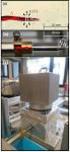 Penetration rate effects on cone resistance measured in a calibration chamber K. Kim Professional Service Industries, Inc, Houston, TX, USA M. Prezzi & R. Salgado Purdue University, West Lafayette, IN,
CPTWD (Cone Penetration Test While Drilling) a new method for deep geotechnical surveys
 CPTWD (Cone Penetration Test While Drilling) a new method for deep geotechnical surveys Authors : Massimo Sacchetto-Engineer-: S P G drilling company -Adria (Ro) Italy Kjell Elmgren Engineer ENVI Environmental
An Automatic Kunzelstab Penetration Test
 An Automatic Kunzelstab Penetration Test Yongyuth Sirisriphet 1, Kitidech Santichaianant 2 1 Graduated student: Faculty of Industrial Education in and Technology. King Mongkut's University of Technology
Numerical Analysis of Texas Cone Penetration Test
 International Journal of Applied Science and Technology Vol. 2 No. 3; March 2012 Numerical Analysis of Texas Cone Penetration Test Nutan Palla Project Engineer, Tolunay-Wong Engineers, Inc. 10710 S Sam
Soil Classification Through Penetration Tests
 Pak. J. Engg. & Appl. Sci. Vol. 9, Jul., 2011 (p. 76-86) Soil Classification Through Penetration Tests A. H. Khan, A. Akbar, K. Farooq, N. M. Khan, M. Aziz and H. Mujtaba Department of Civil Engineering,
METHOD OF STATEMENT FOR STATIC LOADING TEST
 Compression Test, METHOD OF STATEMENT FOR STATIC LOADING TEST Tension Test and Lateral Test According to the American Standards ASTM D1143 07, ASTM D3689 07, ASTM D3966 07 and Euro Codes EC7 Table of Contents
Figure 2.31. CPT Equipment
 Soil tests (1) In-situ test In order to sound the strength of the soils in Las Colinas Mountain, portable cone penetration tests (Japan Geotechnical Society, 1995) were performed at three points C1-C3
CARLOS FERNANDEZ TADEO & ASOCIADOS, S.L. Range of Services
 1 CARLOS FERNANDEZ TADEO & ASOCIADOS, S.L. Range of Services Pile and deep foundations testing Geotechnical testing equipment supplier Geotechnical software supplier Geotechnical consulting Web page: www.fernandeztadeo.com
NOTES on the CONE PENETROMETER TEST
 GE 441 Advanced Engineering Geology & Geotechnics Spring 2004 Introduction NOTES on the CONE PENETROMETER TEST The standardized cone-penetrometer test (CPT) involves pushing a 1.41-inch diameter 55 o to
How To Prepare A Geotechnical Study For A Trunk Sewer Project In Lincoln, Nebraska
 APPENDIX B Geotechnical Engineering Report GEOTECHNICAL ENGINEERING REPORT Preliminary Geotechnical Study Upper Southeast Salt Creek Sanitary Trunk Sewer Lincoln Wastewater System Lincoln, Nebraska PREPARED
Cone penetration testing, CPTu
 1 Cone penetration testing, CPTu Preface Our company is Environmental Mechanics AB or short Envi. A Swedish company developing, producing and marketing systems for cone penetration testing (also known
Toe Bearing Capacity of Piles from Cone Penetration Test (CPT) Data
 Toe Bearing Capacity of Piles from Cone Penetration Test (CPT) Data Abolfazl Eslami University of Ottawa, Civil Engineering Department PREPRINT International Symposium on Cone Penetrometer Testing, CPT
GLOSSARY OF TERMINOLOGY
 GLOSSARY OF TERMINOLOGY AUTHORIZED PILE LENGTHS - (a.k.a. Authorized Pile Lengths letter) Official letter stating Engineer's recommended length of concrete piles to be cast for construction of foundation.
Soil behaviour type from the CPT: an update
 Soil behaviour type from the CPT: an update P.K. Robertson Gregg Drilling & Testing Inc., Signal Hill, California, USA ABSTRACT: An initial application of CPT results is to evaluate soil type and soil
Use and Application of Piezocone Penetration Testing in Presumpscot Formation
 Use and Application of Piezocone Penetration Testing in Presumpscot Formation Craig W. Coolidge, P.E. Summit Geoengineering Services, Rockland, Maine ABSTRACT: This paper examines the advantages and limitations
The physical survey is that part of site investigation which aims to determine the physical properties of the ground. These are required:
 Chapter 9 In situ testing INTRODUCTION The physical survey is that part of site investigation which aims to determine the physical properties of the ground. These are required: 1. to classify the soil
USE OF CONE PENETRATION TEST IN PILE DESIGN
 PERIODICA POLYTECHNICA SER. CIV. ENG. VOL. 47, NO. 2, PP. 189 197 (23) USE OF CONE PENETRATION TEST IN PILE DESIGN András MAHLER Department of Geotechnics Budapest University of Technology and Economics
Improvement in physical properties for ground treated with rapid impact compaction
 International Journal of the Physical Sciences Vol. 6(22), pp. 5133-5140, 2 October 2011 Available online at http://www.academicjournals.org/ijps ISSN 1992-1950 2011 Academic Journals Full Length Research
Fugro monitoring services. If you can t measure it, you can t improve it : Lord Kelvin (1824-1907)
 Fugro monitoring services If you can t measure it, you can t improve it : Lord Kelvin (1824-1907) Local presence and global integration Fugro N.V. Onshore Geotechnics Ralf Trapphoff Onshore Geotechnics
CHAPTER 9 SOIL EXPLORATION 9.1 INTRODUCTION
 CHAPTER 9 SOIL EXPLORATION 9.1 INTRODUCTION The stability of the foundation of a building, a bridge, an embankment or any other structure built on soil depends on the strength and compressibility characteristics
QUESTION TO AUDIENCE
 Site investigation some aspects of EN1997 Part 2 David Norbury David Norbury Limited BGA Symposium Eurocode 7 Today and Tomorrow, Cambridge, England, March 2011 QUESTION TO AUDIENCE How many of you have
ODOT/OSU collaboration on the development of CPT Capabilities for use in Ohio Transportation Projects
 CPT Cone Penetration Testing ODOT/OSU collaboration on the development of CPT Capabilities for use in Ohio Transportation Projects Presented by: Jason Ross, Staff Engineer, BBC&M Engineering, Inc. Kirk
product manual HS-4210 HS-4210_MAN_09.08 Digital Static Cone Penetrometer
 HS-4210_MAN_09.08 product manual HS-4210 Digital Static Cone Penetrometer Introduction This Manual covers the measurement of bearing capacity using the Humboldt Digital Static Cone Penetrometer (DSCP).
COMPENDIUM OF INDIAN STANDARDS ON SOIL ENGINEERING PART 2
 (PREVIEW) SP 36 (Part 2) : 1988 COMPENDIUM OF INDIAN STANDARDS ON SOIL ENGINEERING PART 2 IS 1893 : 1979 (Reaffirmed 1987) CODE OF PRACTICE FOR SUBSURFACE INVESTIGATION FOR FOUNDATIONS 1.1 This code deals
ASSESSMENT OF SHEAR WAVE VELOCITY FROM INDIRECT INSITU TESTS
 Proceedings of Indian Geotechnical Conference IGC-2014 December 18-20, 2014, Kakinada, India ASSESSMENT OF SHEAR WAVE VELOCITY FROM INDIRECT INSITU TESTS Kant, L., M. Tech Student, Department of Earthquake
TECHNICAL NOTE: SI 01 SPECIFIC REQUIREMENTS FOR THE ACCREDITATION OF INSPECTION BODIES FOR SITE INVESTIGATION
 ACCREDITATION SCHEME FOR INSPECTION BODIES TECHNICAL NOTE: SI 01 SPECIFIC REQUIREMENTS FOR THE ACCREDITATION OF INSPECTION BODIES FOR SITE INVESTIGATION Technical Note SI 01: 3 February 2016 The SAC Accreditation
Pavements should be well drained both during and upon completion of construction. Water should not be allowed to pond on or near pavement surfaces.
 Project No. 208-8719 January, 2009 Ref: 2-8719BR Anthony Hudson - Broadscale Geotechnical Investigation - Proposed Commercial Development - 52 Old Pacific Highway, Pimpama Page 32 iii) Pavements should
Comparison of Continuous Dynamic Probing with the Standard Penetration Test for Highly Weathered Limestone of Eastern Sudan
 Comparison of Continuous Dynamic Probing with the Standard Penetration Test for Highly Weathered Limestone of Eastern Sudan Prof. Dr. Khairul Anuar Kassim Deputy Dean, Research and Graduate Studies, Faculty
GEOTECHNICAL ENGINEERING II. Subject Code : 06CV64 Internal Assessment Marks : 25 PART A UNIT 1
 GEOTECHNICAL ENGINEERING II Subject Code : 06CV64 Internal Assessment Marks : 25 PART A UNIT 1 1. SUBSURFACE EXPLORATION 1.1 Importance, Exploration Program 1.2 Methods of exploration, Boring, Sounding
SUPPLEMENTAL TECHNICAL SPECIFICATIONS BI-DIRECTIONAL STATIC LOAD TESTING OF DRILLED SHAFTS
 July 14, 2015 1.0 GENERAL BI-DIRECTIONAL STATIC LOAD TESTING OF DRILLED SHAFTS This work shall consist of furnishing all materials, equipment, labor, and incidentals necessary for conducting bi-directional
CPTic_CSM8. A spreadsheet tool for identifying soil types and layering from CPTU data using the I c method. USER S MANUAL. J. A.
 CPTic_CSM8 A spreadsheet tool for identifying soil types and layering from CPTU data using the I c method. USER S MANUAL J. A. Knappett (2012) This user s manual and its associated spreadsheet ( CPTic_CSM8.xls
New construction Repairing failed or old foundations Retrofit foundations Permanent battered piers Machinery/equipment foundations
 from New construction foundations don t have to be a headache. The CHANCE Helical Pier Foundation System gives you the performance of concrete without the drawbacks and liabilities of driven piles and
In Situ Subsurface Characterization
 27 In Situ Subsurface Characterization J. David Frost Georgia Institute of Technology Susan E. Burns Georgia Institute of Technology 27.1 Introduction 27.2 Subsurface Characterization Methodology 27.3
GUIDE TO CONE PENETRATION TESTING
 GUIDE TO CONE PENETRATION TESTING www.greggdrilling.com Engineering Units Multiples Micro (μ) = 10-6 Milli (m) = 10-3 Kilo (k) = 10 +3 Mega (M) = 10 +6 Imperial Units SI Units Length feet (ft) meter (m)
Standard penetration test (SPT)
 Standard penetration test (SPT) Evolution of SPT Test methods and standards Influence of ground conditions on penetration resistance SPT energy measurement and corrections for SPT Use of SPT results Profiling
FINAL REPORT ON SOIL INVESTIGATION
 FINAL REPORT ON SOIL INVESTIGATION FOR PROPOSED CONSTRUCTION AT SS-6B AREA AT HPCL VISAKH REFINERY VISAKHAPATNAM ANDHRA PRADESH J.J. ASSOCIATES(VISAKHAPATNAM) AETP(P) LIMITED #11-6-3, RockDale Layout,
PREDICTING THE HYDRAULIC CONDUCTIVITY OF MAKASSAR MARINE CLAY USING FIELD PENETRATION TEST (CPTU) RESULTS
 Proceedings of the Sixth International Conference on Asian and Pacific Coasts (APAC 2011) December 14 16, 2011, Hong Kong, China PREDICTING THE HYDRAULIC CONDUCTIVITY OF MAKASSAR MARINE CLAY USING FIELD
Lymon C. Reese & Associates LCR&A Consulting Services Tests of Piles Under Axial Load
 Lymon C. Reese & Associates LCR&A Consulting Services Tests of Piles Under Axial Load Nature of Services The company has a long history of performance of tests of piles and pile groups under a variety
STP883-EB/Nov. 1985. Subject Index
 STP883-EB/Nov. 1985 Subject Index A Aas in-situ tests, 209-210 Analytical model technique, 432, 438 Andersen's procedure, 342, 345,349-351 Arabian Gulf soils, 413 ASCE conference, 41 ASTM Standards D 422:385
Equivalent CPT Method for Calculating Shallow Foundation Settlements in the Piedmont Residual Soils Based on the DMT Constrained Modulus Approach.
 Equivalent CPT Method for Calculating Shallow Foundation Settlements in the Piedmont Residual Soils Based on the DMT Constrained Modulus Approach. Paul W. Mayne, PhD, P.E., Professor, Geosystems Engineering
CPT AND CPTu DATA FOR SOIL PROFILE INTERPRETATION: REVIEW OF METHODS AND A PROPOSED NEW APPROACH *
 Iranian Journal of Science & Technology, Transaction B, Vol. 28, No. B Printed in Islamic Republic of Iran, 2004 Shiraz University CPT AND CPTu DATA FOR SOIL PROFILE INTERPRETATION: REVIEW OF METHODS AND
Geotechnical Standards Eurocodes. An update
 Geotechnical Standards Eurocodes. An update Professor Ltd Sussex University EUROCOE 7 (EN 1997) Part 1 published. 2004 National Annex published 2007 Part 2 published Mar 2007 National Annex published 2010
Geotechnical Investigation using Standard Penetration Test (SPT) in Rangamati, Bandarban and Khagrachari Towns
 1. Introduction 1.1 Scope of Work The Asian Disaster Preparedness Centre (ADPC) is implementing the project Seismic Hazard and Vulnerability Mapping for Rangamati, Bandarban and Khagrachari Municipality.
Chapter 4 SUBSURFACE INVESTIGATION GUIDELINES
 Chapter 4 SUBSURFACE INVESTIGATION GUIDELINES Final SCDOT GEOTECHNICAL DESIGN MANUAL August 2008 Table of Contents Section Page 4.1 Introduction...4-1 4.2 Subsurface Investigation...4-2 4.2.1 Preliminary
BEARING CAPACITY AND SETTLEMENT RESPONSE OF RAFT FOUNDATION ON SAND USING STANDARD PENETRATION TEST METHOD
 SENRA Academic Publishers, British Columbia Vol., No. 1, pp. 27-2774, February 20 Online ISSN: 0-353; Print ISSN: 17-7 BEARING CAPACITY AND SETTLEMENT RESPONSE OF RAFT FOUNDATION ON SAND USING STANDARD
INTERNATIONAL JOURNAL OF CIVIL AND STRUCTURAL ENGINEERING Volume 3, No 3, 2013
 INTERNATIONAL JOURNAL OF CIVIL AND STRUCTURAL ENGINEERING Volume 3, No 3, 2013 Copyright by the authors - Licensee IPA- Under Creative Commons license 3.0 Research article ISSN 0976 4399 Reliability of
GEOTECHNICAL DESIGN MANUAL
 GEOTECHNICAL DESIGN MANUAL CHAPTER 4 GEOTECHNICAL FIELD INVESTIGATION NYSDOT Geotechnical Page 4-1 December 10, 2013 (Intentionally left blank) NYSDOT Geotechnical Page 4-2 December 10, 2013 Table of Contents
Fundamentals of CONE PENETROMETER TEST (CPT) SOUNDINGS. J. David Rogers, Ph.D., P.E., R.G.
 Fundamentals of CONE PENETROMETER TEST (CPT) SOUNDINGS J. David Rogers, Ph.D., P.E., R.G. Cone Penetration Test CPT soundings can be very effective in site characterization, especially sites with discrete
NEW DEVELOPMENTS AND IMPORTANT CONSIDERATIONS FOR STANDARD PENETRATION TESTING FOR LIQUEFACTION EVALUATIONS. Jeffrey A Farrar M.S.
 NEW DEVELOPMENTS AND IMPORTANT CONSIDERATIONS FOR STANDARD PENETRATION TESTING FOR LIQUEFACTION EVALUATIONS Jeffrey A Farrar M.S., P E 1 ABSTRACT Standard Penetration Tests (SPT) are often used for evaluating
Dynamic Load Testing of Helical Piles
 Dynamic Load Testing of Helical Piles ANNUAL KANSAS CITY SPECIALTY SEMINAR 2014 JANUARY 10, 2014 Jorge Beim JWB Consulting LLC Pile Dynamics, Inc. Main Topics Brief description of the Dynamic Load Test
GUIDE TO CONE PENETRATION TESTING
 GUIDE TO CONE PENETRATION TESTING www.greggdrilling.com Engineering Units Multiples Micro (μ) = 10-6 Milli (m) = 10-3 Kilo (k) = 10 +3 Mega (M) = 10 +6 Imperial Units SI Units Length feet (ft) meter (m)
Step 11 Static Load Testing
 Step 11 Static Load Testing Test loading is the most definitive method of determining load capacity of a pile. Testing a pile to failure provides valuable information to the design engineer and is recommended
Design, Testing and Automated Monitoring of ACIP Piles in Residual Soils
 Design, Testing and Automated Monitoring of ACIP Piles in Residual Soils Stephen W. Lacz 1, M. ASCE, P.E. and Richard C. Wells 2, F. ASCE, P.E. 1 Senior Professional, Trigon Kleinfelder, Inc., 313 Gallimore
ON THE INTERPRETATION OF SEISMIC CONE PENETRATION TEST (SCPT) RESULTS
 Studia Geotechnica et Mechanica, Vol. XXXV, No. 4, 213 DOI: 1.2478/sgem-213-33 ON THE INTERPRETATION OF SEISMIC CONE PENETRATION TEST (SCPT) RESULTS IRENA BAGIŃSKA Wrocław University of Technology, Faculty
Field tests using an instrumented model pipe pile in sand
 Field tests using an instrumented model pipe pile in sand D. Igoe University College Dublin K. Gavin University College Dublin B. O Kelly Trinity College Dublin Reference: Igoe D., Gavin K., and O'Kelly
Penetrometer testing in residual soils from granitic rocks in the South of Portugal
 Penetrometer testing in residual soils from granitic rocks in the South of Portugal Isabel M. R. Duarte Department of Geosciences, University of Évora; Research Centre Industrial Minerals and Clays António
Electronic Soil Test Logging. Strategic Advantage or Unnecessary Headache?
 1 Electronic Soil Test Logging Strategic Advantage or Unnecessary Headache? 2 The Plan 3 4 What is it? Digitally Recording Soil Test Data Why? 5 6 Traditional Work Flow Field Digital Entry Sample Review
CPTs EXECUTED IN DIFFICULT CONDITIONS USING CPTWD (CONE PENETRATION TEST WHILE DRILLING) AND ITS FUTURE DEVELOPMENTS
 CPTs EXECUTED IN DIFFICULT CONDITIONS USING CPTWD (CONE PENETRATION TEST WHILE DRILLING) AND ITS FUTURE DEVELOPMENTS M.Sacchetto A.Trevisan S.P.G. s.r.l. via dell artigianato 24 45011 Adria (Ro) Italy
HAULBOWLINE, CORK STATIC CONE PENETRATION TESTS FACTUAL REPORT
 HAULBOWLINE, CORK STATIC CONE PENETRATION TESTS FACTUAL REPORT CONE PENETRATION TESTS Cone resistance Local friction Porewater pressure Dissipations REPORT NO: RRM CONTRACT NO: GLOVER SITE INVESTIGATIONS
Module5: Site investigation using in situ testing
 Module5: Site investigation using in situ testing Topics: Introduction Penetration testing 1. Standard penetration test 2. Cone penetration test Strength and compressibility testing 1. Field vane shear
Soil Behavior Type using the DMT
 Soil Behavior Type using the DMT Peter K. Robertson Gregg Drilling & Testing Inc., Signal Hill, CA, USA. E-mail: [email protected] Keywords: Soil Behavior Type, CPT, DMT ABSTRACT: The most promising
ALLOWABLE LOADS ON A SINGLE PILE
 C H A P T E R 5 ALLOWABLE LOADS ON A SINGLE PILE Section I. BASICS 5-1. Considerations. For safe, economical pile foundations in military construction, it is necessary to determine the allowable load capacity
Geotechnical Investigation Reports and Foundation Recommendations - Scope for Improvement - Examples
 Geotechnical Investigation Reports and Foundation Recommendations - Scope for Improvement - Examples Prof. V.S.Raju (Formerly: Director, IIT Delhi & Professor and Dean, IIT Madras) Email: [email protected]
SERVICES 2015 ISO 18001
 SERVICES 2015 A family business with a solid foundation of experience, we handle all aspects of site investigation.... Phase 1 Environmental Studies Phase 2 Intrusive Investigations Phase 3 Remediation