
Improving Paediatric TB Care in Tajikistan
|
|
|
- Grace Atkins
- 10 years ago
- Views:
Transcription
1 Wendy Marijnissen Improving Paediatric TB Care in Tajikistan November 2013 Ministry of Health Tajikistan

2

3 Content Executive Summary Introduction The global burden of childhood TB Growing numbers of drug-resistant TB The challenge of diagnosing and treating childhood TB TB in Central Asia Political commitment to tackle TB in Tajikistan Paediatric TB Care in Central Asia The family TB care programme Programme activities A new paediatric TB guideline Early and appropriate diagnosis New diagnostic tools: sputum induction and GeneXpert Sputum induction Rapid drug sensitivity testing with GeneXpert Determining the drug resistance pattern through contact history Scaling up active case finding Growth assessment Early treatment comprehensive clinical management Paediatric drug compounding Side effect monitoring & management TB/HIV co-morbidity Supporting the child s development - adherence and family support Psycho-social adherence support for children and their families Need for education - return to school and therapeutic play programme Relieving children of prolonged hospitalization Conclusions and recommendations...13 References List of abbreviations... 14

4 Executive Summary Context Children as the most vulnerable patient group have been neglected for too long in tuberculosis (TB) treatment globally. Estimates for paediatric TB indicate it accounts for 10-15% of all tuberculosis cases in the 22 highest-burden countries and worldwide kills at least 130,000 children each year. Furthermore the numbers of children infected with drugresistant (DR) forms of TB are rising. The primary reasons for this serious neglect are that both diagnosis and treatment of TB in children are particularly difficult as appropriate diagnostic tools for children are lacking and no paediatric drug formulations are commercially available. Furthermore adherence to a long and burdensome TB treatment, especially in the case of drug-resistant TB, is strenuous for the child and the family. The paediatric TB care programme To demonstrate the provision of comprehensive TB care for children is feasible and that TB and especially DR-TB can be successfully diagnosed and ultimately cured, the Tajik Ministry of Health (MoH) and Médecins Sans Frontières (MSF) began a comprehensive paediatric TB care programme in Rationale and intention of the report This report outlines the comprehensive model of paediatric TB care and presents the project experience in Tajikistan. Based on this experience it draws some conclusions and proposes some recommendations for scaling up paediatric TB care in the Central Asian and Eastern European region. It is intended to share experiences and lessons learned, highlight shortfalls and signpost opportunities to improve paediatric TB care and fully include children in National TB Programmes. Lessons from the paediatric TB programme so far indicate that: To treat childhood TB effectively, a comprehensive treatment model is needed that includes the treatment of both DR and drug-sensitive (DS) TB and considers the entire family. Childhood TB needs to be diagnosed appropriately as early as possible, applying new diagnostic tools such as sputum induction, a rapid drug sensitivity test (DST) with GeneXpert as well as contact tracing. Early and comprehensive treatment needs to be provided that includes the compounding of paediatric drug formulations, systematic monitoring of side effects and their effective management, nutritional support and management of co-morbidities. The child and family need support to adhere to treatment and to minimise the negative impact that TB as a long term disease can have on a child s development. This includes psycho-social adherence support, a return to school as soon as a child is sputum negative, a shortening of the hospitalization phase and preferably ambulatory care. Together MoH, MSF and TB partners in Tajikistan will continue to search for and develop better approaches to diagnose and treat TB in children. Wendy Marijnissen 4

5 1. Introduction 1.1 The global burden of childhood TB Tuberculosis in children 1 is a global problem that has been neglected for too long. Where the disease is endemic, tuberculosis is a major but often unrecognized cause of disease and death among children. 2 In 2011 there were an estimated 8.7 million incident cases of TB worldwide, of which 0.5 million were children, around 6% of the total number of worldwide incident cases. 3 Estimates for paediatric TB indicate it accounts for 10-15% of all tuberculosis cases in the 22 highest-burden countries and worldwide kills at least 130,000 children each year. 4 Clearly the number of paediatric cases is noteworthy and there is a pressing need to ensure children receive the special diagnostics and care required. Despite these estimated figures, it can be assumed that paediatric TB numbers have so far been underreported and underestimated. Cases of childhood TB are not reported separately by all countries and in 2012, the World Health Organisation (WHO) included estimates of numbers of TB cases and deaths among children in the Global TB Report for the first time Growing numbers of drug-resistant TB This picture is worryingly reflected for multidrug-resistant (MDR) and extensively drug-resistant (XDR) TB. In 2008, 3.6% of incident tuberculosis cases globally were MDR or XDR-TB 6 suggesting there would have been a similar burden of drug-resistant TB among children. 7 The numbers of children infected with drug-resistant forms of TB are rising The challenge of diagnosing and treating childhood TB Case detection rates are low, not least due to the difficulties of diagnosing TB in children. One reason why TB in children is often under-diagnosed and why this vulnerable group has been neglected so far 9 is that the diagnosis is more difficult than in adults. Children produce less sputum, often do not have large bacillary loads and the rate for extrapulmonary TB is higher than in adults. Therefore sometimes it is not feasible to confirm the diagnosis of TB with micro-biological proof. Treatment is challenging since no paediatric drug formulations are currently commercially available and with a long and burdensome disease, especially in the case of DR-TB when treatment can take up to two years, adherence to treatment is arduous for patients and their families. Added to this, the consequences of a lengthy, debilitating illness can have a severe impact on the child s development and so undoubtedly now is the time to ensure that paediatric TB management receives the attention it deserves. As paediatric TB is usually acquired from an infectious adult contact, the epidemiology of childhood TB reflects the success or failure of a TB programme TB in Central Asia TB is a serious public health threat in the Central Asian region. WHO estimates of the general TB burden in the region for 2012 put the disease prevalence at a range from 99 to 217 per 100,000 population. 11 The reported incidence rate ranges from 75 to 141 new cases per 100,000 population in The Global TB report 2013 puts the case detection rate in the region for TB in the whole population at 66-81%. 13 Unfortunately, children were not included in TB reports globally prior to In the absence of this data it is impossible to know the case detection rate for children, which may be considerably lower given the challenges with diagnosing paediatric TB. From 2014 however, Tajikistan will adopt the latest WHO TB definitions and reporting standards that include improved reporting of childhood TB cases. As in all countries of the region, of major concern is the high rate of MDR-TB infection. A national drug resistance survey conducted in Tajikistan between 2010 and 2011, estimated average MDR-TB rates for new cases at about 13% and about 54% for retreatment cases in the country Political commitment to tackle TB in Tajikistan The Government of Tajikistan (GoT) has acknowledged that TB is a public health threat in the country. It is a signatory to the Berlin and Beijing Declarations on Tuberculosis 2007 and 2009, where it acknowledges that the region has: a high proportion of unfavorable treatment outcomes resulting from poor implementation of internationally accepted TB control strategies and that the use of currently available quality-controlled diagnostics and appropriate evidence-based treatment strategies needs to be further strengthened. 15 Nevertheless, the GoT has been taking consistent measures to tackle TB, including: The third national programme ( ) to tackle TB effectively is currently being implemented. Law on TB care issued in , that includes measures for the social protection of TB patients and TB health care workers. In 2012 the Republican TB hospital in Machiton, with support from the German Development Bank, was fully reconstructed and equipped with modern diagnostic instruments. It is now the national centre for TB treatment, lung diseases and TB surgery, hosts the national reference lab and will become a training centre for TB treatment. Two regional TB hospitals and a district TB hospital opened recently, all three of which NTP Tajikistan reports as including paediatric TB wards. 5

6 A plan of activities including the gradual increase of financing of TB services was drawn up after the President of Tajikistan, Emomali Rahmon, visited the national centre of TB treatment and the Khatlon regional TB hospital. The Tajikistan national TB programme (NTP) began implementation of MDR-TB treatment in 2009 with support from key partners. However, due to limited resources including a shortage of drugs, children were not considered such a public health priority as they are very often not as infectious as adults and children with drug-resistant TB were not receiving treatment Programme activities In total 46 DR paediatric patients are receiving treatment in the country. 17 MSF provides treatment to 39 DR patients, including adult household contacts, 32 of which are MDR-TB and seven XDR-TB infected. The breakdown of the age-groups of DR-TB patients is illustrated below. Diagram 1: DR-TB cases by age in the MoH/MSF paediatric TB programme as at October Following the commitment to and inception of the MoH/MSF comprehensive paediatric TB programme in 2011, Tajikistan is gradually becoming a forerunner in the systematic diagnosis and treatment of the specialised needs of both DR and drug sensitive (DS) TB in children. 1.3 Paediatric TB Care in Tajikistan > 18 years: 23% < 5 years: 13% The family TB care programme To demonstrate the provision of comprehensive TB care for children is feasible, that TB and especially DR-TB can be successfully diagnosed and ultimately cured, the Tajik Ministry of Health and MSF began a comprehensive paediatric TB care programme in years: 41% 5-14 years: 23% The family TB care programme aims at improving diagnosis and treatment of DS and DR-TB in children and their families. As children are most likely infected by family members, a holistic treatment approach to the entire family is essential - treating the child alone is redundant. Treatment of adults therefore is crucial to the success of the child s treatment and it is necessary to treat a household contact if not already in the NTP. Taking a systematic approach to tackling paediatric TB appropriately, the programme comprises three key components: 1. Early and appropriate diagnosis that includes New diagnostic methods: sputum induction and DST with GeneXpert Contact tracing Scale up of active case finding activities 2. Early and comprehensive treatment Empiric treatment Paediatric drug compounding Systematic monitoring of side effects and their effective management Management of co-morbidities Nutritional support 3. Adherence support for children and their families Psycho-social care for patients and family/caregivers Community- and home-based care An early return to school and provision of education Patients are treated in TB hospitals in Dushanbe as well as through a community-based approach. Currently 33 DR patients are being provided treatment at home, or through an ambulatory model of care, with DOT-nurses or trained volunteers observing drug intake and treatment monitoring. 838 children diagnosed with DS-TB commenced treatment with the NTP in 2011, 599 in 2012 and 568 in Currently of these DS patients 83 are followed up by MSF A new paediatric TB guideline The 2011 Tajikistan MoH paediatric TB guideline does make reference to MDR-TB. However given the notable differences between children and adult patients, especially in diagnosis with the problem of obtaining biological proof, a new guideline that combines the latest developments and best practice in paediatric DS and DR-TB care was developed by MSF, together with technical input from NTP, WHO and TB partners in Tajikistan. 6

7 This guideline is currently combined with the existing 2011 guideline and is undergoing the process for adoption by MoH, including development of the supporting Prikaz (national law). Based on this and together with TB service provider partners, MSF provides training and technical support to MoH medical staff on paediatric DS and DR-TB diagnosis and treatment in the project locations. 2. Early and appropriate diagnosis To prevent the spread of TB and make treatment easier a diagnosis should be made as early as possible. This is why a cornerstone of the family TB programme is the introduction of new diagnostic methods and access to diagnostic services for all TB suspect children in the project areas. Though the process is challenging, children can be confidently diagnosed with a combination of careful analysis of the clinical symptoms and history, contact tracing and tools such as sputum induction and GeneXpert, x-ray and Mantoux test. 2.1 New diagnostic tools: sputum induction and GeneXpert Sputum induction The main obstacle to a diagnosis of TB in children is the difficulty of obtaining a specimen for drug sensitivity testing. Even if a good sputum sample can be provided it will be negative in up to 50% of cases as children very often have a low bacillary load. Sputum induction has been shown to be an effective and safe procedure, even in very young children and is safe to use on babies as young as one month old. To maintain the best measures of infection control, the procedure is conducted in a separate sputum induction room away from the patients area. The yield of one induced sputum specimen is comparable to three gastric lavages, but it does not provide the ultimate solution. MoH and MSF continue to search for better methods to obtain specimens from this special patient group, but it is critical that development and trials of other approaches continue. It is essential that health staff are well trained and skilled to carry out on sputum induction, including proper handling and cleaning of equipment and how to maintain good infection control in the sputum induction room. The risk for the patient is minimal and possible side effects can be managed easily, with the procedure usually performed by trained nurses Rapid drug sensitivity testing with GeneXpert GeneXpert is the crucial diagnostic accompaniment to sputum induction. With sensitivity better than smear microscopy, albeit not as accurate as culture, it has the ability to detect resistance A medical nurse performs nasopharyngeal aspiration on a 2-year-old boy, suspected of having MDR-TB. for the most powerful first line drug rifampicin and therefore can indicate MDR-TB. The introduction of GeneXpert has cut the diagnosis time for drug-resistance from a maximum of 42 days to just two hours, making it an essential tool in effective and timely diagnosis and enables to start treatment as early as possible. For example, having GeneXpert situated in a new biosafety level II lab in the same compound as the hospital and the sputum induction room enabled the project to take a baby of only a few months old through the diagnostic process in a single day. Furthermore, this supports improved infection control, as it allows for immediate patient segregation and thereby reduces the risk for DS patients of becoming infected with a DR strain. MSF advocates for a DST to be conducted for every child TB suspect if it is possible to obtain sputum. 2.2 Determining the drug resistance pattern through contact history Given the problems of obtaining biological proof of TB in children, the inclusion of contact tracing in diagnosis is crucial and empiric treatment needs to be considered. Especially in settings with a high DR-TB prevalence, a careful analysis of Wendy Marijnissen 7

8 contact history is vital and the likely adult source case needs to be identified. 19 It is then virtually certain that the child has the same DST pattern as the index case, since most children with DR-TB have been infected by an infectious adult, and should be treated accordingly. 20 In the project location in Kulob zone, MSF together with local community nurses and feldshers from policlinics and rural health posts, have been visiting the patient s families to determine whether any family members are infected with DS or DR-TB. 2.3 Scaling up active case finding In the paediatric TB hospital in Dushanbe all patients are screened for DR-TB. However, waiting until patients present to the clinic is insufficient to tackle the scale of the TB problem effectively and active case finding is a way to identify many more (paediatric) TB suspects. In Kulob zone MoH and MSF conducted contact tracing with 20 family households and found 16 TB suspects among 30 under five year old children. Besides screening family households in areas with high TB prevalence, active case finding of TB suspect children should be conducted among population groups that have a high risk of contracting TB such as among street children, in orphanages, schools, HIV clinics or sanatoriums. MoH Tajikistan is convinced that contact tracing and active case finding needs to be scaled up urgently and should be done systematically at the primary health care level in policlinics and with the involvement of GPs, paediatricians and the extensive network of community nurses and feldshers in more rural areas of Tajikistan. TB A family disease Daler, 7 years old and his brother Abdul, 4 years old, live with their family in a remote mountain village. Daler is infected with MDR-TB, Abdul with a drug-sensitive strain. Their mother, Malika is also infected with MDR-TB. When Malika first was referred to the TB hospital in Dushanbe the NTP conducted contact tracing within the family and found that her two children were also infected, as well as Malika s sister and her two children. All of them are now enrolled in the MoH/MSF family TB programme and on TB treatment. But TB has taken a toll on the family, seven family members, among them Malika s brother died undiagnosed and untreated. After a few months in hospital Malika and her children were able to return home and are now continuing their treatment with home-based care. In the family s village there is no health care post that could provide the directly observed treatment (DOT). Their neighbour Sajodat volunteered to ensure the daily observed drug intake for them, and was trained by the paediatric TB programme to provide care and support to the family. She receives refresher trainings regularly when the project s nurse and counsellor make monitoring visits. We visit the family once a month to support them especially in dealing with the often burdensome side effects. We also bring a monthly food parcel for the family to support the treatment and children s development with additional nutrition, tells Soro, one of the project s adherence counsellors. (All patient s names are changed in this story.) Diagram 2: Contact Tracing and Active Case Finding DIAGNOSTICS FOR CASE FINDING PURPOSES CONTACT TRACING FOR CASE DIAGNOSTIC & TREATMENT PURPOSES Contact tracing in families of child or adult TB patients Active case finding in families and communities of child/ adult TB patients Suspect TB children Contact tracing with household members to identify existing DR-TB patterns that informs diagnosis & treatment of child Outcome: find more children with suspected TB Outcome: Treatment of family DR-TB patients to ensure a holistic response 8

9 Weight (kg) Wendy Marijnissen The child s weight is recorded at every follow-up visit Growth assessment When conducting contact tracing, anthropomorphic indicators wasting and stunting - are some of the most reliable signs to suspect TB in children along with malnutrition. Growth assessment is also crucial in order to determine if the current TB drug regimen for the child patient is effective a failure to thrive during treatment indicates a wrong combination of drugs. As a result in the Tajik paediatric TB programme the child s weight is recorded on a growth chart at every follow up visit to help assess the success of the current TB treatment regimen. Good nutrition is an integral part of a successful paediatric TB treatment and programme. TB can be a cause of chronic malnutrition, having a negative impact on the future child development. Children with MDR-TB usually require nutritional support. 21 This is being provided in the paediatric TB programme, providing monthly food packages to families in need and therapeutic food to severely malnourished children. A WHO example of an established growth chart showing weigh-for-age for boys 5-10 years is shown below Weight-for-age BOYS 5 to 10 years (z-scores) Months Years Age (completed months and years) WHO Reference 9

10 3. Early treatment comprehensive clinical management Despite the difficulties, when started promptly the outcome of TB treatment in children is generally good, even in those that are young and immune-compromised. 22 Children in general tolerate TB drugs well and seem to have fewer side effects than adults, treatment principles are the same as for adults. A regular follow-up of the patient is crucial for a successful cure. 3.1 Paediatric drug compounding Another area of neglect in childhood TB has been paediatric drug formulations, which are commercially unavailable and no clear guidelines for child friendly compounding of medication have been in place so far. A key challenge remains delivering the exact dosing of the drugs based on the child s weight. In the Tajik paediatric TB programme a tailored approach with child appropriate drug dosages, compounded according to the children s weight is applied. Treatment should be individual to every child, with regimens applied as per recommendations in the NTP approved MSF paediatric guidelines. 23 In order to obtain tailored doses and formulations MSF has developed a compounding guideline and implemented the compounding of child-friendly syrups from quality controlled and approved second line medication, using a commercially available syrup as a liquid vehicle. The drug compounding is carried out in a commercial pharmacy in Dushanbe according to the drug compounding protocol that has been developed for second and third line drugs. MSF provides second line and side effect drugs for patients in the family TB care project, with patients weighing below 30 Kgs receiving the appropriate drugs as a syrup-formulation. A severe side effect is hearing loss that can be caused by injectables. It can have an even more disastrous impact for children s developments than it has in adults as it can influence the ability to learn to speak resulting in the child becoming mute. Hearing loss is more difficult to monitor in children than in adults since they do not necessarily notice hearing loss, so a regular performance of audiometry is a vital component of side effect management. 3.3 TB/HIV co-morbidity HIV-infected children are extremely vulnerable to develop severe forms of TB following recent exposure and infection. 24 If a child suffers from TB/HIV co-morbidity, antiretroviral (ARV) treatment in concert with treatment for the TB infection is a necessity. It is recommended that for every paediatric TB suspect an HIV test is conducted, voluntary counselling and testing (VCT) offered and the test result disclosed to the patient, caregiver and treating TB doctor. The patient needs to start on ARV treatment, accompanied by HIV adherence support as early as possible meaning good communication and cooperation between TB and HIV services must be in place. In the paediatric TB programme every child is tested for HIV and if the patient is positive, MSF advocates for an ARV treatment therapy intervention. Meanwhile health education about HIV, counselling and adherence support for HIV positive patients and their families is provided alongside the adherence support for TB. 3.2 Side effect monitoring & management The debilitating side effects of highly toxic TB drugs are a prime factor impacting on patient adherence to treatment. To support a successful treatment outcome side effects such as nausea, joint pain and deafness need to be managed and there must be systematic monitoring of these in place. It is crucial that the treating doctor or nurse is trained on drug usage, dosage and storage, follow up of the patient and documentation of side effects. MSF provides child-friendly dosages of quality drugs for side effect management to all patients in the project and is implementing a system of side effect management that includes a frequent monitoring and follow up as well as psycho-social support for the patients and their caregivers. In the paediatric TB programme side effect medication is being distributed to policlinics and community nurses involved in the treatment of ambulatory patients. Compounding of a child-friendly syrup from second line TB drugs. Margret Thieme 10

11 4. Supporting the child s development - adherence and family support Mijgona - The first successfully treated MDR-TB patient from the paediatric TB programme Some parents don t believe in the treatment but if you don t let them treat your child, they ll die in your house. Mijgona s mother is no doubt relieved to see her now 18 year old daughter healthy again after 22 months of TB treatment. My daughter was very sick, she lost so much weight and was coughing blood. Mijgona was one of the first patients enrolled in the family TB progamme. I was diagnosed with TB in policlinic nr. 8, says Mijgona. I felt very weak then. The TB drugs helped me a lot, I felt better and better every day. She was in hospital for four and a half months, and then moved to home based care. In the beginning of the treatment she suffered from various side effects nausea, headaches, gastric ulcer and her legs and knees hurt a lot. Terry Porshild, Mental Health Officer from the paediatric TB programme, recalls that taking the pills every day over the course of nearly two years was often difficult for Mijgona, but through councelling she was able to endure and keep going. The book of the Tajik poet Rudaki, the councellors gave me to read helped me a lot. It has a lot of songs in it, stories about life, the motherland, respect for the people it cheered me up. Every day, Mijgona took her drugs from the policlinic and once sputum negative, went back to school as she completed her treatment. But it was her family that was her strongest resource; My mother was my biggest support she helped me and she worried a lot she was with me every day. Unfortunately being a household contact infected with MDR-TB, her older brother is also enrolled in the family TB programme. For Mijgona though, the treatment is behind her: I m very happy now, I feel very good, I can breathe easily again. I want to learn English now and become a flight attendant or translator, Mijgona beams as she speaks. She has decided to lend much needed and valuable peer support, speaking about her long struggle but successfully cured disease. At a celebration for her successful treatment at the paediatric TB hospital in Dushanbe, she gave a speech to the other children encouraging them to stick to their challenging treatment. (Mijgona and her mother gave permission for their real names and photograph to be used.) Wendy Marijnissen The diagnosis and treatment of TB has a tremendous effect on children. They contract a long term and severe disease in a period of their life of most rapid development. Such seriously ill children suffer detriments to their physical, social and emotional wellbeing in the absence of appropriate support. This is particularly pronounced in a hospital setting, when children may be faced for long periods with minimal stimulation, separation from their families, considerable distance from familiar environments and missing large parts of their schooling. At the same time, the diagnosis - often heralds a heavy burden for the family, especially an MDR-TB treatment that can last up to two years. This is why a significant component of the paediatric TB programme has been establishing a system of psychosocial support for the child patients and their families that includes assistance through motivational, psychological and social support. Nurses delivering the paediatric TB programme have begun training in basic counselling, child development and behaviour management. 4.1 Psycho-social adherence support for children and their families The child s family plays an integral role in supporting their daughter or son in a long and arduous treatment. The central role of the family has been studied for other life threatening and long-term diseases such as cancer. 25 Children lack the emotional resources to cope with the disease on their own and rely heavily on practical and emotional support from their caretakers. Any child would struggle with physical and mental shocks that come with a diagnosis and treatment of TB and family members are the greatest potential source of support and strength. 26 At the same time parents too struggle with the child s diagnosis and burdensome treatment and are also in need of support. Therefore in the family TB programme, adherence support counsellors provide regular ongoing support to parents and their children in their best endeavours to adhere to treatment, giving them the best chance of a successful treatment outcome. These counsellors educate parents on how they can manage the child s side effects, teach breathing and relaxation techniques, provide education on TB and infection control and make sure the family understands the consequences of a decision not to take TB medication anymore. Adherence counsellors also establish and maintain links between the child and the family when children are hospitalized and help plan a smooth transition from hospital to ambulatory care for the patient. 11

12 4.2 Need for education - return to school and therapeutic play programme For school-aged children and especially for adolescents it is vital to be close to their peer-group, to be among friends for their wellbeing and to help develop appropriate social skills. School is an important normalizing factor, providing much needed structure, social contacts and the opportunity to gain the necessary skills for life. A study on the importance of education for children with cancer showed that adolescents who returned to school were less socially isolated and happier. 27 After having converted to sputum negative, children on TB treatment can go back to school again and should do so in order to maintain contact with their peers and progress in their development. The project s adherence counsellors motivate children to go back to school and educate school directors that sputum negative children do not create any risk of infection for other children. Adherence counsellors also provide education and child development stimulating activities in the project s hospitals. Within the scope of the therapeutic play programme activities such as drawing, reading, handcraft and knitting, health education through stories and plays and ongoing literacy support are offered. For children that are still sputum positive or bed-bound, individual boxes of memory and dexterity enhancing toys and games are supplied. To increase the chance of activities outside, a new playground is being built on the hospital compound of the paediatric TB care hospital in Dushanbe. Wendy Marijnissen I went to school Seventeen months ago, 16 year old Takhmina was diagnosed with MDR-TB and for eight months she couldn t go to school. She lives in a small apartment in Dushanbe with her mother, her older sister and her nephew. When I couldn t go to school I was very sad and worried a lot. I wanted to study, I like to go to school very much. Shamsia [the project s adherence support councellor] helped me a lot during this difficult time. Shamsia convinced the school director that since Takhmina was not infectious anymore, she should return to school. Every day after school Takhmina goes to the policlinic (health care centre) to get her drugs from a DOT-nurse. She takes 12 drugs every day - they are difficult to swallow, but Takhmina is doing her best. In the afternoon she is tired and usually only has the energy to tries to go for a walk in the park, do her homework and watch TV. Nevertheless, Takhmina s mother stresses that her daughter is doing very well now in class and will sit her final exams this year. For Takhmina, the future holds hope: After finishing my treatment, I want to become a medical doctor; that has been my dream since childhood. (Patient s name is changed.) 4.3 Relieving children of prolonged hospitalization Children need to be close to their family- they are the only ones who can truly give them the emotional support they need to cope with the disease. Children with TB are presently hospitalized for many months, away from their families and without the possibility to go to school or kindergarden. Experiences from the paediatric TB programme show that parents usually lack the resources to be close to their children in hospital. As they do not possess the emotional resources of adults, separation from family members in particular can provoke anxiety in a child 28 and especially for a protracted disease such as DR-TB, therefore, a return to home and commencement of ambulatory care as early as possible is preferable. Moreover staying in a hospital environment without proper infection control creates the risk for cross-infection with different strains of TB. With a lack of drug sensitivity testing before admission and the attendant separation of patients, hospitalization is a notable risk factor for acquiring MDR-TB. In addition ambulatory care also helps reduce the pressure on hospitals capacity where there are no MDR-TB wards. 12

13 5. Conclusions and recommendations The experience from the Family TB Care Programme has shown that provision of high quality DR and DS-TB diagnosis and treatment for children is feasible in Tajikistan and therefore potentially in other countries in the region. To treat childhood TB effectively, a comprehensive treatment model for the whole family is needed. The learnings of this programme experience suggest the following three key recommendations: 1. Early and appropriate diagnosis To prevent the spreading of TB and make treatment easier, childhood TB needs to be diagnosed appropriately as early as possible. Biological proof is the ideal indicator and should be sought, so every TB suspected child should have access to a good DST. The new diagnostic tools of sputum induction and GeneXpert have added much capability to this process, but there is still a long way to go to resolve the challenges of diagnosing TB in children. If it is not possible to obtain biological proof, empiric treatment and contact tracing must be employed. Scale up of active case finding activities: A proper case finding strategy at policlinic level should be put in place. The cohort of children currently on TB treatment needs to be reviewed and DS testing undergone in all cases. In case of diagnosis with DR TB, patients need to be transferred to the DR-TB treatment regimen. 2. Early and comprehensive treatment Paediatric drug compounding: In order to obtain child friendly, tailored doses and formulations the compounding of paediatric drug TB drug formulations is recommended. Side effect monitoring and management: To improve adherence, free of charge side effect drugs need to be provided to the patients and a systematic approach to monitoring of patient s symptoms and treatment progress needs to be implemented. TB/HIV co-infection: For every TB suspect an HIV test needs to be conducted, VCT offered and the test result disclosed to the patient, parents and treating TB doctor. The patient needs to commence ARV treatment, accompanied by HIV adherence support. Good communication and cooperation between TB and HIV services must exist. Nutritional support should be included in paediatric TB care, especially for DR-TB infected children. 3. Appropriate patient and family support Psycho-social care for patients and family/caregivers: A system of psycho-social adherence support should be put in place with (DOT-)nurses trained to provide adherence support. Community-based care and schooling: A prolonged hospitalization needs to be avoided and ambulatory treatment as early as possible favored in order to avoid negative impact on the child s development. Non-infectious children should go back to school again so that they can continue their education. Children cannot be neglected in the treatment of TB. Since paediatric TB is an indicator for the current control of TB in the general population, and also acts as a future reservoir for TB disease, new approaches to paediatric TB care should be integrated into every TB project and National TB programme. MoH Tajikistan and MSF have made significant progress towards recognizing and addressing the multifaceted challenges that childhood TB presents. The experiences to date have provided a rich source of learnings about what works and what needs much more investment and effort to get right. Together however MoH, MSF and TB partners in Tajikistan will continue to search for and develop better solutions to diagnose and treat TB in children. Wendy Marijnissen 13

14 References 1 In the MSF Paediatric TB Programme children are patients below the age of 18 years. WHO figures for paediatric TB comprise children below the age of 15 years. 19 Schaaf, H. Simon, Marais Ben J. Management of multidrug-resistant tuberculosis in children: a survival guide for paediatricians, in Paediatric Respiratory Reviews 12 (2011) Perez-Velez, Carlos M., Marais, Ben J. Tuberculosis in Children. The New England Journal of Medicine 2012, 367; 4. 3 World Health Organization. Global Tuberculosis Report WHO Geneva. 4 World Health Organization. Global tuberculosis control epidemiology, strategy, financing. WHO, Geneva, Available at html. 20 Schaaf, H. Simon, Marais Ben J. Management of multidrug-resistant tuberculosis in children: a survival guide for paediatricians, in Paediatric Respiratory Reviews 12 (2011) Schaaf, H. Simon, Marais Ben J. Management of multidrug-resistant tuberculosis in children: a survival guide for paediatricians, in Paediatric Respiratory Reviews 12 (2011) MSF Access Campaign. Out Of The Dark: Meeting the Needs of Children with TB, MSF/Campaign for Access to Essential Medicines 2011, Geneva. 5 World Health Organization. Global Tuberculosis Report WHO Geneva. 6 World Health Organizations. Multidrug and extensively drug-resistant TB (M/ XDR-TB): Global report on surveillance and response. Geneva: WHO, Perez-Velez, Carlos M., Marais, Ben J. Tuberculosis in Children. The New England Journal of Medicine 2012, 367; 4. 8 MSF Access Campaign. Out Of The Dark: Meeting the Needs of Children with TB, MSF/Campaign for Access to Essential Medicines 2011, Geneva. 9 Perez-Velez, Carlos M., Marais, Ben J. Tuberculosis in Children. The New England Journal of Medicine 2012, 367; Zar, Heather J.; Pai, Madhukar. Childhood Tuberculosis a new era. Paediatric Respiratory Reviews 12 (2011) For the five Central Asian Republics Kazakhstan, Kyrgyzstan, Uzbekistan, Tajikistan, Turkmenistan, in World Health Organization. Global Tuberculosis Report WHO Geneva. 12 World Health Organization. Global Tuberculosis Report WHO Geneva. 13 World Health Organization. Global Tuberculosis Report WHO Geneva. 14 According to data from Gauting Supranational Reference Laboratory and Project Hope, National Drug Resistance Survey Tajikistan 2012, Presented at the Round Table on the DR Survey Tajikistan 2012, Dushanbe. 15 The Berlin Declaration on Tuberculosis Available at data/assets/pdf_file/0008/68183/ E90833.pdf. 16 Law of the Republic of Tajikistan on Tuberculosis from 22 December 2006, Nr National TB Programme Tajikistan 2013, unpublished figures. 18 National TB Programme Tajikistan 2013, unpublished figures. 23 Ministry of Health Tajikistan/MSF 2013: A practical guide to the diagnosis and treatment of drug susceptible and drug resistant Tuberculosis in children and adolescents in Tajikistan, unpublished in November Marais BJ, Rabie H., Cotton M.F. TB and HIV in Children Advances in Prevention and Management, in Paediatric Respiratory Reviews 12 (2011) Kurtz, Brian P., Abrams, Annah N. Psychiatric Aspects of Pediatric Cancer, in Pediatric Clinics of North America 58 (2011) Kurtz, Brian P., Abrams, Annah N. Psychiatric Aspects of Pediatric Cancer, in Pediatric Clinics of North America 58 (2011) Searle NS, Askins M, Bleyer WA. Homebound schooling is the least favorable option for continued education of adolescent cancer patients: A preliminary report. Med Pediatr Oncol 2003; 40 (6): Kurtz, Brian P., Abrams, Annah N. Psychiatric Aspects of Pediatric Cancer, in Pediatric Clinics of North America 58 (2011) MSF Access Campaign. Out Of The Dark: Meeting the Needs of Children with TB, MSF/Campaign for Access to Essential Medicines 2011, Geneva. List of abbreviations ARV - antiretroviral DOT Directly Observed Treatment DR-TB drug resistant tuberculosis DS-TB drug sensitive tuberculosis DST drug susceptibility testing GoT Government of Tajikistan HIV - Human immunodeficiency virus MDR-TB multidrug resistant tuberculosis MoH Ministry of Health MSF - Medecins Sans Frontieres NTP National Tuberculosis Programme TB tuberculosis VCT - Voluntary Councelling and Testing WHO World Health Organisation XDR-TB extensively drug resistant tuberculosis 14

15 Médecins Sans Frontières (MSF) is a non-governmental, independent medical organisation that aims to provide medical and humanitarian aid for people in crisis situations. MSF observes strict neutrality and impartiality and is founded on the principles of medical ethics. Important for MSF is the proximity to its patients and it is currently working in about 70 countries all over the world. MSF has been involved in the diagnosis and treatment of tuberculosis (TB) in the former Soviet Union countries for more than a decade. MSF s current projects in Central Asia and Eastern Europe: Armenia MSF began supporting the Armenian health authorities in 2005 in response to the drug-resistant TB (DR-TB) epidemic in the country. As of 2013, more than 1000 DR-TB patients have been treated. Through MSF support the detection, diagnosis and treatment of DR-TB has improved significantly. MSF is also supporting DR-TB care in the Republic of Nagorno-Karabagh and started supporting the National TB programme (NTP) to introduce three new drugs for extensively drug-resistant TB (XDR-TB) treatment. One of the drugs was introduced through a compassionate use programme, which is potentially lifesaving for individual patients left with no other treatment option. Russian Federation MSF has been working in the Russian Federation since the early 1990s. Over the years, MSF has run programmes in Moscow, Saint Petersburg, the Kemerovo region, Chechnya, Ingushetia and Dagestan - today the organization is still active in Chechnya. Together with the Chechen Ministry of Health, MSF has rebuilt the republic s system for laboratory diagnostics, set up DOT-corners throughout the republic, established infection control measures in TB facilities and organised a system for providing psychosocial and adherence support for patients. MSF strongly promotes ambulatory care from day one for the treatment of TB in Chechnya. In addition to a GeneXpert machine, the lab in Grozny is equipped with a BACTEC machine, enabling it to conduct a DST for first line drugs within two weeks; samples for second line DST are routinely referred to the Central TB Research Institute lab in Moscow. Georgia/Abkhazia MSF has been working in Georgia and the autonomous republic of Abkhazia since 1999 to support the local health authorities in tackling the TB public health crisis. In 2013, MSF in collaboration with the Georgian NTP is preparing a clinical trial for new anti-tb drugs. In Abkhazia, MSF continues to provide essential support for the fight against DR-TB while gradually handing over its activities to the local health authorities until July Kyrgyzstan A recent MSF paper reports that the incidence of TB among prisoners in Kyrgyzstan is estimated to be 20 to 30 times higher than among the general population and mortality rates can be up to 60 times higher. Working in collaboration with the MoH, the prison authorities and the International Committee of the Red Cross, MSF began providing TB care in detention centres in In addition, MSF opened a project in the civilian sector in the Kara-Suu district of Osh in This project is currently treating 142 patients with MDR- and XDR-TB, nearly 80 percent of whom are treated on an ambulatory basis. Tajikistan In 2011, MSF and the MoH in Tajikistan started a paediatric TB programme to address the global neglect in paediatric TB care and improve diagnostics and treatment of TB in children in the country and beyond. In this holistic approach, children as well as their family members are being treated. The programme promotes the use of sputum induction, a rapid DST for every child with suspected TB, the scale up of contact tracing activities and paediatric drug compounding. Ukraine TB, including drug-resistant TB, is one of the major public health problems in Ukraine today. Prisoners and ex-prisoners are considered particularly vulnerable groups, with many having a history of injecting drug use and a consequently higher risk of HIV infection. The reported levels of TB-HIV co-infection among prisoners and the high risk of DR-TB have led MSF to work in the country s penitentiary system, where the provision of services for DR-TB care is limited. In January 2011, in partnership with the Ukrainian MoH and the State Penitentiary Department of Ukraine, MSF opened a new project in Donetsk. Uzbekistan In Karakalpakstan, an autonomous republic in Uzbekistan s north, MSF in close collaboration with the MoH Uzbekistan and MoH Karakalpakstan has rolled out treatment for TB in a number of districts in response to a high DR-TB prevalence in the area. MSF is currently working in ten rayons (districts) of Karakalpakstan, diagnosing and treating patients with drug sensitive (DS) TB and DR-TB. By the end of August 2013, a total of 865 DR-TB patients and 768 DS patients were receiving treatment in the joint MoH/MSF programme and recently a new nine months treatment regimen commenced in two of the rayons. MSF together with the MoH have started working together in the national HIV programme to improve diagnosis and treatment of HIV in the country. 15

16 Impressum Published by: Médecins Sans Frontières Contact for information: Tel.: +49 (0) Fax: +49 (0) Internet:

TUBERCULOSIS CONTROL INDIA
 TUBERCULOSIS CONTROL INDIA In terms of population coverage, India now has the second largest DOTS (Directly Observed Treatment, Short course) programme in the world. However, India's DOTS programme is
Tuberculosis OUR MISSION THE OPPORTUNITY
 Tuberculosis OUR MISSION Guided by the belief that every life has equal value, the Bill & Melinda Gates Foundation works to help all people lead healthy, productive lives. Our Global Health Program is
TB preventive therapy in children. Introduction
 TB preventive therapy in children H S Schaaf Department of Paediatrics and Child Health, and Desmond Tutu TB Centre Stellenbosch University, and Tygerberg Children s Hospital Introduction Children are
Management of a child failing first line TB treatment.
 Management of a child failing first line TB treatment. Robert Gie Desmond Tutu Tuberculosis Centre Department of Paediatric and Child Health Stellenbosch University South Africa. Tygerberg Hospital Complex
Tuberculosis in Myanmar Progress, Plans and Challenges
 Tuberculosis in Myanmar Progress, Plans and Challenges Myanmar is one of the world s 22 high tuberculosis (TB) burden countries, with a TB prevalence rate three times higher than the global average and
TREATING DRUG-SENSITIVE TB IN INDIA: IMPLEMENTATION OF DAILY THERAPY WITH FIXED DOSE COMBINATIONS
 TREATING DRUG-SENSITIVE TB IN INDIA: IMPLEMENTATION OF DAILY THERAPY WITH FIXED DOSE COMBINATIONS Policy brief, March 2015 Tuberculosis (TB), a communicable disease that affects 9 million people worldwide,
General Information on Tuberculosis
 General Information on Tuberculosis ON THE MOVE AGAINST TUBERCULOSIS: Transforming the fi ght towards elimination World TB Day 2011 SAARC Tuberculosis & HIV/AIDS Centre GPO Box No 9517, Kathmandu, Nepal
Yes, Tuberculosis is a serious problem all over the world. Between 6 and 10 million in South Africa are infected by the TB germ.
 What is TB? Do many people get tuberculosis (TB)? Yes, Tuberculosis is a serious problem all over the world. Between 6 and 10 million in South Africa are infected by the TB germ. It is infectious, so it
TB Prevention, Diagnosis and Treatment. Accelerating advocacy on TB/HIV 15th July, Vienna
 TB Prevention, Diagnosis and Treatment Accelerating advocacy on TB/HIV 15th July, Vienna Diagnosis Microscopy of specially stained sputum is the main test for diagnosing TB (1 2 days) TB bacilli seen in
Tuberculosis. TB the disease, its treatment and prevention
 Tuberculosis TB the disease, its treatment and prevention Tuberculosis TB (tuberculosis) is an infectious disease that usually affects the lungs, although it can affect any part of the body. About 150
Referral Guidelines for TB/HIV co-management. (First Edition)
 Referral Guidelines for TB/HIV co-management (First Edition) Government of Lesotho April 2011 1 REFERRAL GUIDELINES FOR TB/HIV CO-MANAGEMENT INTRODUCTION Many TB patients are infected with HIV. Many people
e-tb Manager: A Comprehensive Web-Based Tool for Programmatic Management
 e-tb Manager: A Comprehensive Web-Based Tool for Programmatic Management of TB and Drug-Resistant TB Management Sciences for Health Facts about TB* TB is contagious and airborne; each untreated person
Drug-resistant Tuberculosis
 page 1/6 Scientific Facts on Drug-resistant Tuberculosis Source document: WHO (2008) Summary & Details: GreenFacts Context - Tuberculosis (TB) is an infectious disease that affects a growing number of
Tuberculosis and HIV/AIDS Co-Infection: Epidemiology and Public Health Challenges
 Tuberculosis and HIV/AIDS Co-Infection: Epidemiology and Public Health Challenges John B. Kaneene, DVM, MPH, PhD University Distinguished Professor of Epidemiology Director, Center for Comparative Epidemiology
TUBERCULOSIS the disease, its treatment and prevention. mmunisation
 TUBERCULOSIS the disease, its treatment and prevention mmunisation TB (tuberculosis) is an infectious disease that usually affects the lungs, although it can affect almost any part of the body. About
TB CARE EARLY DETECTION AND PREVENTION OF TUBERCULOSIS (TB) IN CHILDREN. Risk factors in children acquiring TB:
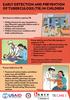 EARLY DETECTION AND PREVENTION OF TUBERCULOSIS (TB) IN CHILDREN Risk factors in children acquiring TB: Children living in the same household as a lung TB patient (especially children under 5) Children
Aim of Presentation. The Role of the Nurse in HIV Care. Global Epidemic 7/24/09
 Aim of Presentation The Role of the Nurse in HIV Care Eileen Nixon HIV Nurse Consultant Brighton and Sussex University Hospitals Overview of key issues that affect people with HIV Identify the role of
U.S. DEPARTMENT OF HEALTH AND HUMAN SERVICES Public Health Service Centers for Disease Control and Prevention
 U.S. DEPARTMENT OF HEALTH AND HUMAN SERVICES Public Health Service Centers for Disease Control and Prevention National Center for HIV, STD, and TB Prevention Division of Tuberculosis Elimination Public
FOREWORD. Member States in 2014 places patients and communities at the heart of the response. Here is an introduction to the End TB Strategy.
 FOREWORD We stand at a crossroads as the United Nations move from the 2015 Millennium Development Goals (MDGs) to the Sustainable Development Goals (SDGs) for 2030. Integral to this transition, the world
PROPOSAL by Bangladesh, Barbados Bolivia, and Suriname. Prize Fund for Development of Low-Cost Rapid Diagnostic Test for Tuberculosis. Date: 09.04.
 PROPOSAL by Bangladesh, Barbados Bolivia, and Suriname Prize Fund for Development of Low-Cost Rapid Diagnostic Test for Tuberculosis Executive Summary Date: 09.04.15 The governments of Bangladesh, Barbados,
GUIDELINES FOR TUBERCULOSIS PREVENTIVE THERAPY AMONG HIV INFECTED INDIVIDUALS IN SOUTH AFRICA
 GUIDELINES FOR TUBERCULOSIS PREVENTIVE THERAPY AMONG HIV INFECTED INDIVIDUALS IN SOUTH AFRICA 2010 1 TB prophylaxis GUIDELINES FOR TUBERCULOSIS PREVENTIVE THERAPY AMONG HIV INFECTED INDIVIDUALS Background
MODULE THREE TB Treatment. Treatment Action Group TB/HIV Advocacy Toolkit
 MODULE THREE TB Treatment Treatment Action Group TB/HIV Advocacy Toolkit 1 Topics to be covered TB treatment fundamentals Treatment of TB infection and disease TB treatment research Advocacy issues 2 Section
Clinical Trials. Clinical trials the basics
 Clinical Trials Clinical Trials This brochure is for people making decisions about cancer treatment. You may be thinking about a clinical trial for you or your child but need to know more before you decide.
In Tanzania, ARVs were introduced free-of-charge by the government in 2004 and, by July 2008, almost 170,000 people were receiving the drugs.
 ANTIRETROVIRAL TREATMENT What is ART and ARV? ART is a short form for Antiretroviral Therapy (or Treatment). Antiretroviral therapy is a treatment consisting of a combination of drugs which work against
The Role of the Health Service Administrator in TB Control. National Tuberculosis Control Programme
 The Role of the Health Service Administrator in TB Control Goal/Objectives of NTP Mandate: To provide leadership for the health sector response to combat Tuberculosis in Ghana. Goal: To reduce the burden
Content. Introduction: Health in Zimbabwe. PSM Zimbabwe. Pag 3. Pag 4. Zimbabwe s Response: Key Achievements. Pag 5
 Content Introduction: Health in Zimbabwe Zimbabwe s Response: Key Achievements Strengthening the Procurement and Supply Chain in Zimbabwe Identification of Needs Central Storage and Distribution: The National
Management of Tuberculosis: Indian Guidelines
 Chapter 105 Management of Tuberculosis: Indian Guidelines Kuldeep Singh Sachdeva INTRODUCTION Tuberculosis (TB) is an infectious disease caused predominantly by Mycobacterium tuberculosis and among the
MANAGEMENT OF TUBERCULOSIS IN PRISONS: Guidance for prison healthcare teams
 MANAGEMENT OF TUBERCULOSIS IN PRISONS: Guidance for prison healthcare teams Document control Title Type Author/s Management of tuberculosis in prisons: Guidance for prison healthcare teams Operational
HIV/AIDS policy. Introduction
 HIV/AIDS policy Introduction The International Federation of Red Cross and Red Crescent Societies (International Federation) has a long tradition of working in the area of health and care. National Red
Chapter 1 Overview of Tuberculosis Epidemiology in the United States
 Chapter 1 Overview of Tuberculosis Epidemiology in the United States Table of Contents Chapter Objectives.... 1 Progress Toward TB Elimination in the United States.... 3 TB Disease Trends in the United
No. prev. doc.: 9392/08 SAN 77 DENLEG 48 VETER 5 Subject: EMPLOYMENT, SOCIAL POLICY, HEALTH AND CONSUMER AFFAIRS COUNCIL MEETING ON 9 AND 10 JUNE 2008
 COUNCIL OF THE EUROPEAN UNION Brussels, 22 May 2008 9637/08 SAN 88 DENLEG 52 VETER 7 NOTE from: Committee of Permanent Representatives (Part 1) to: Council No. prev. doc.: 9392/08 SAN 77 DENLEG 48 VETER
Antiretroviral therapy for HIV infection in infants and children: Towards universal access
 Antiretroviral therapy for HIV infection in infants and children: Towards universal access Executive summary of recommendations Preliminary version for program planning 2010 Executive summary Tremendous
Pediatric Latent TB Diagnosis and Treatment
 Date Updated: April 2015 Guidelines Reviewed: 1. CDC Latent TB Guidelines 2. Harborview Pediatric Clinic Latent TB Management, 2010 3. Pediatric Associates Latent TB Guidelines, 2013 4. Seattle Children
Global Update on HIV Treatment 2013: Results, Impact and Opportunities
 June 2013 Global Update on HIV Treatment 2013: Results, Impact and Opportunities WHO/UNAIDS/UNICEF v2 Outline Results: Progress towards Global Targets - Antiretroviral treatment - Prevention of mother-to-child
BASIC INFORMATION ABOUT HIV, HEPATITIS B and C, and TUBERCULOSIS Adapted from the CDC
 BASIC INFORMATION ABOUT HIV, HEPATITIS B and C, and TUBERCULOSIS Adapted from the CDC HIV What are HIV and AIDS? HIV stands for Human Immunodeficiency Virus. This is the virus that causes AIDS. HIV is
NOTICE OF PUBLIC HEARING REGARDING PROPOSED CHANGES IN HEALTH CARE SERVICES PROVIDED BY FRESNO COUNTY
 NOTICE IS HEREBY GIVEN that a public hearing will commence on Tuesday, September 23, 2008, at 9:00 a.m. (subject to continuance on that date of the hearing) at the Fresno County Board of Supervisors Chambers,
Clinical description 2 Laboratory test for diagnosis 3. Incubation period 4 Mode of transmission 4 Period of communicability 4
 Tuberculosis Contents Epidemiology in New Zealand 2 Case definition 2 Clinical description 2 Laboratory test for diagnosis 3 Case classification 3 Spread of infection 4 Incubation period 4 Mode of transmission
cambodia Maternal, Newborn AND Child Health and Nutrition
 cambodia Maternal, Newborn AND Child Health and Nutrition situation Between 2000 and 2010, Cambodia has made significant progress in improving the health of its children. The infant mortality rate has
DRUGS? NO THANKS! What are some of the leading factors that cause you to. become interested in experimenting with illegal drugs?
 DRUGS? NO THANKS! What are some of the leading factors that cause you to become interested in experimenting with illegal drugs? It is easily available: During adolescence, you are trying to figure out
Tuberculosis: FAQs. What is the difference between latent TB infection and TB disease?
 Tuberculosis: FAQs What is TB disease? Tuberculosis (TB) is a disease caused by bacteria (germs) that are spread from person to person through the air. TB usually affects the lungs, but it can also affect
FOCUSING RESOURCES ON EFFECTIVE SCHOOL HEALTH:
 FOCUSING RESOURCES ON EFFECTIVE SCHOOL HEALTH: a FRESH Start to Enhancing the Quality and Equity of Education. World Education Forum 2000, Final Report To achieve our goal of Education For All, we the
Childhood Tuberculosis Some Basic Issues. Jeffrey R. Starke, M.D. Baylor College of Medicine
 Childhood Tuberculosis Some Basic Issues Jeffrey R. Starke, M.D. Baylor College of Medicine TUBERCULOSIS IS A SOCIAL DISEASE WITH MEDICAL IMPLICATIONS THE GREAT PARADOX OF TUBERCULOSIS A CAUTIONARY TALE
PART III COUNSELING ON TB
 PART III COUNSELING ON TB Objectives: By the end of Part III of the training, the participants will: Understand the Cough-to-Cure Pathway and be able to successfully apply the three phases of counseling
Clinical Trials: Improving the Care of People Living With Cancer
 CLINICAL TRIALS Clinical Trials: Improving the Care of People Living With Cancer Presented by Mary McCabe, RN, MA Memorial Sloan-Kettering Cancer Center Carolyn Messner, DSW CancerCare Learn about: Stages
Tuberculosis in children in Europe -the ptbnet
 Tuberculosis in children in Europe -the ptbnet Beate Kampmann FRCPCH PhD A/Professor in Paediatric Infection & Immunity Consultant Paediatrician Imperial College London, UK and Institute of Infectious
Frequently Asked Questions (FAQs)
 Frequently Asked Questions (FAQs) Research Rationale 1. What does PrEP stand for? There is scientific evidence that antiretroviral (anti-hiv) medications may be able to play an important role in reducing
drug treatment in england: the road to recovery
 The use of illegal drugs in England is declining; people who need help to overcome drug dependency are getting it quicker; and more are completing their treatment and recovering drug treatment in ENGlaND:
IV. Counseling Cue Cards. ICAP International Center for AIDS Care and Treatment Mailman School of Public Health Columbia University
 IV. Counseling Cue Cards ICAP International Center for AIDS Care and Treatment Mailman School of Public Health Columbia University How to Use These Counseling Cue Cards ABOUT THE CUE CARDS This set of
Tuberculosis Prevention and Control Protocol, 2008
 Tuberculosis Prevention and Control Protocol, 2008 Preamble The Ontario Public Health Standards (OPHS) are published by the Minister of Health and Long- Term Care under the authority of the Health Protection
ACCESS TO AFFORDABLE TREATMENT FOR HIV/AIDS: THE ISSUES
 ACCESS TO AFFORDABLE TREATMENT FOR HIV/AIDS: THE ISSUES AIDS Law Unit Legal Assistance Centre July, 2002 INTRODUCTION Although there is currently no cure for HIV/Aids, treatment has, however, been developed
Protocol for the Control of Tuberculosis
 Protocol QH-HSDPTL-040-1:2015 Effective Date: 11 November 2015 Review Date: 11 November 2018 Supersedes: Protocol QH-HSDPTL-040-1:2013 QH-HSDPTL-040-2:2013 QH-HSDPTL-040-3:2013 Health Service Directive
Promoting Adherence to HIV Antiretroviral Therapy
 Promoting Adherence to HIV Antiretroviral Therapy New York State Department of Health AIDS Institute INTRODUCTION Adherence to treatment is an essential component of HIV care. Currently available antiretroviral
Course Description. SEMESTER I Fundamental Concepts of Substance Abuse MODULE OBJECTIVES
 Course Description SEMESTER I Fundamental Concepts of Substance Abuse MODULE OBJECTIVES At the end of this course participants will be able to: Define and distinguish between substance use, abuse and dependence
Age In London TB is more common in younger adults aged 15-44 years and peaks in the 25-34 age group (3).
 4. TUBERCULOSIS INTRODUCTION Tuberculosis (TB) is an infectious, notifiable disease (meaning there is a requirement by law to report it to government authorities) caused by the bacterium Mycobacterium
X-Plain Pediatric Tuberculosis Reference Summary
 X-Plain Pediatric Tuberculosis Reference Summary Introduction Tuberculosis, or TB, is a bacterial infection that causes more deaths in the world than any other infectious disease. When a child gets TB,
Paediatrica Indonesiana. Limitations of the Indonesian Pediatric Tuberculosis Scoring System in the context of child contact investigation
 Paediatrica Indonesiana VOLUME 51 November NUMBER 6 Original Article Limitations of the Indonesian Pediatric Tuberculosis Scoring System in the context of child contact investigation Rina Triasih 1,2,
Treatment of tuberculosis. guidelines. Fourth edition
 Treatment of tuberculosis guidelines Fourth edition Treatment of tuberculosis Guidelines Fourth edition WHO Library Cataloguing-in-Publication Data: Treatment of tuberculosis: guidelines 4th ed. WHO/HTM/TB/2009.420
PROJECT ARK CASE STUDY: EXPANDING PEER ROLES TO PROVIDE TREATMENT AND ADHERENCE SUPPORT IN A UNIVERSITY HOSPITAL SETTING ST.
 CASE STUDY: EXPANDING PEER ROLES TO PROVIDE TREATMENT AND ADHERENCE SUPPORT IN A UNIVERSITY HOSPITAL SETTING PROJECT ARK Main goals addressed by peer program: Capacity-building activities: Peer program
SIXTY-SEVENTH WORLD HEALTH ASSEMBLY. Agenda item 12.3 24 May 2014. Hepatitis
 SIXTY-SEVENTH WORLD HEALTH ASSEMBLY WHA67.6 Agenda item 12.3 24 May 2014 Hepatitis The Sixty-seventh World Health Assembly, Having considered the report on hepatitis; 1 Reaffirming resolution WHA63.18,
INTEGRATED CLINICAL SYSTEMS MANAGEMENT QUALITY IMPROVEMENT OF CARE OF PLWHA
 INTEGRATED CLINICAL SYSTEMS MANAGEMENT QUALITY IMPROVEMENT OF CARE OF PLWHA Dr.Henry Sunpath SAHIVSOC CONFERENCE CAPE TOWN 25/09/14 Why -PHC re-engineering? The health system needs to find its focus Outwards
Costs of inpatient treatment for multi-drug resistant tuberculosis in South Africa
 Costs of inpatient treatment for multi-drug resistant tuberculosis in South Africa Kathryn Schnippel 1, Sydney Rosen 1,2, Kate Shearer 1, Neil Martinson 3,4, Lawrence Long 1, Ian Sanne 1,2, Ebrahim Variava
The Basics of Drug Resistance:
 CONTACT: Lisa Rossi +1-412-641-8940 +1-412- 916-3315 (mobile) [email protected] The Basics of Drug Resistance: QUESTIONS AND ANSWERS HIV Drug Resistance and ARV-Based Prevention 1. What is drug resistance?
Canines and Childhood Cancer
 Canines and Childhood Cancer Examining the Effects of Therapy Dogs with Childhood Cancer Patients and their Families Updated Executive Summary I n 2010, American Humane Association and Zoetis (formerly
Tuberculosis and You A Guide to Tuberculosis Treatment and Services
 Tuberculosis and You A Guide to Tuberculosis Treatment and Services Tuberculosis (TB) is a serious disease that can damage the lungs or other parts of the body like the brain, kidneys or spine. There are
Revised National Tuberculosis Control Programme (RNTCP) Dr. NAVPREET
 Revised National Tuberculosis Control Programme (RNTCP) Dr. NAVPREET Assistant Prof., Deptt. of Community Medicine GMCH Chandigarh Problem Statement of TB in India India accounts for nearly 1/4 th of global
The National Survey of Children s Health 2011-2012 The Child
 The National Survey of Children s 11-12 The Child The National Survey of Children s measures children s health status, their health care, and their activities in and outside of school. Taken together,
Maria Dalbey RN. BSN, MA, MBA March 17 th, 2015
 Maria Dalbey RN. BSN, MA, MBA March 17 th, 2015 2 Objectives Participants will be able to : Understand the Pathogenesis of Tuberculosis (TB) Identify the Goals of Public Health for TB Identify Hierarchy
No. prev. doc.: 8770/08 SAN 64 Subject: EMPLOYMENT, SOCIAL POLICY, HEALTH AND CONSUMER AFFAIRS COUNCIL MEETING ON 9 AND 10 JUNE 2008
 COUNCIL OF THE EUROPEAN UNION Brussels, 22 May 2008 9636/08 SAN 87 NOTE from: Committee of Permanent Representatives (Part 1) to: Council No. prev. doc.: 8770/08 SAN 64 Subject: EMPLOYMENT, SOCIAL POLICY,
The Integrated Management of Paediatric AIDS Care and Treatment (IMPACT) Approach in Zimbabwe
 The Integrated Management of Paediatric AIDS Care and Treatment (IMPACT) Approach in Zimbabwe Working to Improve ART Access for Zimbabwe s Children Dr. Farai Charasika Director of Programs World Education,
Frequently asked questions about whooping cough (pertussis)
 Frequently asked questions about whooping cough (pertussis) About whooping cough What is whooping cough? Whooping cough is a highly contagious illness caused by bacteria. It mainly affects the respiratory
1. Requirements for early detection, diagnosis and treatment. Preliminary considerations
 EUROPEAN GUIDELINES FOR CANCER PATIENTS RIGHTS Edited by the ECL s European network on patients' and health professionals rights and duties Athens, 16 th October 2004 Preliminary considerations A diagnosis
Get the Facts About. Disease
 Get the Facts About TB TUBERCULOSIS Disease What s Inside: 3 PAGE Get the facts, then get the cure 4 PAGE 9 PAGE 12 PAGE Learn how TB is spread Treatment for TB disease Talking to family and friends about
Diagnostic Network & Treatment Strengthening Strategies in USAID-Priority Countries
 Diagnostic Network & Treatment Strengthening Strategies in USAID-Priority Countries Amy Piatek (on behalf of) USAID/Global Health Bureau Washington DC April 29, 2015 The United States Government Lantos-Hyde
Tuberculosis Exposure Control Plan for Low Risk Dental Offices
 Tuberculosis Exposure Control Plan for Low Risk Dental Offices A. BACKGROUND According to the CDC, approximately one-third of the world s population, almost two billion people, are infected with tuberculosis.
Patient Education CONTENTS. Introduction... 12.2
 CONTENTS Introduction... 12.2 Purpose... 12.2 General Guidelines... 12.3 Language and Comprehension Barriers... 12.4 Education Topics... 12.5 Medical Diagnosis... 12.5 Contact Investigation... 12.6 Isolation...
 You can get more information about TB from the following: Local Public Health Nurse Community Clinic Nurse Communicable Disease Control Nurse Your Family or Community Doctor Your Infection Control Practitioner
Village Care of New York. N e t w o r k o f. AIDS Services. Village Care of New York. We re here for you.
 Village Care of New York N e t w o r k o f AIDS Services Village Care of New York We re here for you. Village Care of New York Village Care of New York is a community-based, not-for-profit organization
Dublin Declaration. on Partnership to fight HIV/AIDS in Europe and Central Asia
 Dublin Declaration on Partnership to fight HIV/AIDS in Europe and Central Asia Against the background of the global emergency of the HIV/AIDS epidemic with 40 million people worldwide living with HIV/AIDS,
WHO/UNICEF JOINT STATEMENT
 WHO/UNICEF JOINT STATEMENT CLINICAL MANAGEMENT OF ACUTE DIARRHOEA Two recent advances in managing diarrhoeal disease newly formulated oral rehydration salts (ORS) containing lower concentrations of glucose
Chapter 8 Community Tuberculosis Control
 Chapter 8 Community Tuberculosis Control Table of Contents Chapter Objectives.... 227 Introduction.... 229 Roles and Responsibilities of the Public Health Sector Providers.... 229 Roles and Responsibilities
Health, history and hard choices: Funding dilemmas in a fast-changing world
 Health, history and hard choices: Funding dilemmas in a fast-changing world Thomson Prentice Global Health Histories Health and Philanthropy: Leveraging change University of Indiana, August 2006 An embarrassment
TUBERCULOSIS (TB) SCREENING GUIDELINES FOR RESIDENTIAL FACILITIES AND DRUG
 TUBERCULOSIS (TB) SCREENING GUIDELINES FOR RESIDENTIAL FACILITIES AND DRUG Tx CENTERS Tuberculosis Control Program Health and Human Services Agency San Diego County INTRODUCTION Reducing TB disease requires
SPECIALTY CASE MANAGEMENT
 SPECIALTY CASE MANAGEMENT Our Specialty Case Management programs boost ROI and empower members to make informed decisions and work with their physicians to better manage their health. KEPRO is Effectively
VII. IMPACT ON THE HEALTH SECTOR
 VII. IMPACT ON THE HEALTH SECTOR The HIV/AIDS epidemic has posed and will continue to pose tremendous challenges to the health systems of the developing countries, especially in the most severely affected
You. guide to tuberculosis treatment and services
 Adapted from TB and You: A Guide to Tuberculosis Treatment and Services with permission from Division of Public Health TB Control Program State of North Carolina Department of Health and Human Services