
Indications for Insulin Initiation. Starting Insulin Step 1 - Preparation. Starting Insulin Step 2
|
|
|
- Bennett Wheeler
- 10 years ago
- Views:
Transcription
1 Indications for Insulin Initiation Patient Information Starting Insulin Step 1 - Preparation Physician Information Starting Insulin Step 2 Primarily fasting/pre-meal hyperglycemia +/- post-meal hyperglycemia Preference for fewer injections Consistent daily routine Unwilling to self monitor BG Limited cognitive function Limited healthcare support Option A Basal +/- Bolus Testing & Insulin Adjustment Short-Term Follow-up Long-Term Follow-up Stop TZDs 1 4 wks 3 months Option B Pre-mixed Insulin Testing & Insulin Adjustment Short-Term Follow-up Long-Term Follow-up

2 Insulin Initiation Insulin may be used at almost any stage of diabetes In primary care, consider insulin if: Using 2 or more oral glucose lowering agents at or near maximal doses Diet, activity and medication have been reviewed and modified to minimize contributing factors AND A1C persistently > 8% (> 3 6 months) or A1C > 9% and hyperglycemic Sx (wt. loss, polyuria, polydipsia) or A1C > 11% or glucometer readings > 15.0 (one or more times)

3 Preparation to Starting Insulin Optimize diet and activity Diet Handout Activity Handout Determine glucose pattern Prescribe and teach glucometer Glucometer Handout Test 2 3 times per day for 2 4 weeks o Before and 2 hours after different meals each day Glucose targets o Fasting, pre meal and bedtime: 4 7 mmol/l o 2 hour post meals: 5 10 mmol/l

4 OPTION A Basal added to Oral Agents Stop any TZDs Continue other oral agents initially (until glucose control improves with insulin) Start insulin NPH (Humulin N, Novolin NPH )] least expensive, reasonable first choice for most T2DM Glargine (Lantus ) less nocturnal hypoglycemia, for patients who are prone to hypoglycemia, special authority form required Detemir (Levemir ) less nocturnal hypoglycemia, for patients who are prone to hypoglycemia, less weight gain, not covered by Pharmacare A 1 Basal + Bolus Titration with Meals Starting dose: 5 10 units OD at bedtime Test glucose 1 2x per day: before breakfast and bedtime Increase basal insulin by 2 units every 3 5 days until fasting glucose is in target (FBG 4 7 mmol/l)

5 OPTION A 1 Bolus Insulin with Meals Regular (Humulin R, Toronto ) Lower cost Should be given minutes before a meal Reasonable first choice for patients with consistent lifestyle, who do not require flexibility in their diet/activity Rapid (Aspart [Novorapid ], Lispro [Humalog ], Glulisine [Apidra ]) Greater cost Must be given within minutes before meal (may be given during or immediately after meal in some cases) Better choice for patients who desire flexibility in their diet and activity Titration Start with 4 6 units before largest meal Increase by 1 unit every 2 3 days until 2 hr post meal glucose is in target (< 10.0, or < 8.0 if A1C not in target)

6 OPTION A Testing & Insulin Adjustment Basal +/ Bolus Insulin Basal Insulin Test glucose 1 2 per day: before breakfast and bedtime Increase basal insulin by 2 units every 3 5 days until fasting glucose in target Bolus insulin with meal(s) Test glucose 2 hours after meal(s) Increase bolus insulin by 1 2 units every 3 5 days until PPG < 10.0 mmol/l (or < 8.0 mmol/l if A1C still evlevated)

7 OPTION A Short Term Follow up After 1 4 weeks: Basal Insulin Fasting glucose still elevated continue to increase dose FBG in target no further increase, A1C in 3 months Post meal glucose Bolus insulin with meal(s) 2 hour post meal(s) glucose > 10 increase bolus insulin by 1 2 units every 3 5 days until PPG < 10.0 mmol/l (or < 8.0 mmol/l if A1C still elevated)

8 OPTION A Long Term Follow up After 3 months: Review A1C and glucose records after 3 months If A1C above target, consider intensifying insulin Basal Insulin and oral agents If FBG in target, consider adding bolus insulin with meal(s) Bolus insulin with meal(s) If post prandial glucose still elevated, consider increasing bolus doses or refer to endocrinology/internal medicine

9 OPTION B Pre mixed Insulin Pre mixed insulins Human Premix (30/70, 50/50, 40/60) Analogue Premix (Novomix 30, Mix 25, Mix 50 ) Titration Start with major meals at 0.3u/kg/day divided doses Split dose 50/50 or 70/30, depending on largest meal Titrate dose for glucose covered by NPH acb insulin target acs glucose acs insulin target FBG Increase 2 units every 2 3 days until target reached

10 OPTION B Testing & Insulin Adjustment Pre mixed Insulin Pre mixed insulins BID Test glucose 2 per day: acbreakfast and acsupper Increase pre mixed insulin by 2 units every 3 5 days until pre meal glucose in target

11 OPTION B Short Term Follow up After 1 4 weeks: Pre mixed Insulin BID Pre breakfast glucose elevated increase supper insulin Pre supper glucose elevated increase breakfast insulin & avoid afternoon snacking

12 OPTION B Long Term Follow up After 3 months: Review A1C and glucose records after 3 months If A1C above target, consider intensifying insulin Pre mixed Insulin BID Review diet and activity (more consistency, avoid simple carbs especially at lunch) Consider switching to Basal/Bolus (depends on patient)

13 Insulin Initiation Physician Package Insulin & Supplies Prescription Instructions for Starting & Adjusting Basal Insulin Instructions for Adding & Adjusting Bolus Insulin Insulin Start Check List Insulin Therapeutic Considerations Diabetes Patient Patient Care Flow Sheet Insulin Initiation & Teaching in the Office Instructions for Starting & Adjusting Pre-mix Insulin Estimated Blood Glucose Levels Antidiabetic & Adjunctive Agents for use in DM II Antidiabetic Drugs Tips When Discussing Insulin Therapy Initial Regimen Selection Insulin Starting Doses Tips for Insulin Dose Adjustment VCH & FH Trained Pharmacists RACE Contact Information

14 Dr. Address FOR ADDRESS DATE 1) Insulin Type (Pen with cartridges) Sig: Use as directed by physician Mitte: month(s) supply Repeats 2) Pen Nano Needles (#) 3) Diabetic Test Strips/Lancets (#) MD

15 Insulin Initiation and Teaching in the Physician s Office The time for each of these visits will depend upon patient comfort with starting insulin and educational level, other issues that may need to be dealt with in the same visit and the physician s time frame (availability and preferred process). Visit #1: 5 20 minutes Discuss rationale of need for insulin, potential barriers to be overcome Encourage home blood glucose testing for 2 4 weeks before next appointment and provide glucose log book and other educational materials if necessary (e.g. dealing with barriers) Visit #2: 5 20 minutes Review blood glucose log book Discuss use of oral anti diabetic agents if need to be adjusted Review any barriers and answer any concerns Discuss how insulin works Write a prescription for insulin and supplies (needles, lancets, test strips) which will be brought to the next appointment consider recommending viewing of youtube video on injecting insulin Visit #3: minutes Review any questions Demonstrate/teach use of insulin pen and be sure to watch patient inject themselves at least once Provide handouts on sites for injection, recognizing and dealing with hypoglycemia, diet advice, etc. Complete and provide the patient instruction sheet outlining insulin dosing and adjustments by patient based on blood glucose readings Suggest resources CDA website, Nurses line (811) Visit #4: one week later, 5 20 minutes Review injection technique, injection sites, any problems Review blood glucose log book Advise re: any further insulin dosing adjustments Discuss safety issues hypoglycemia, driving, illness, travel provide handouts as needed Visits #5 and ongoing Review blood glucose log book, any problems encountered, safety issues, etc. Follow up labs A1c, etc.

16 Starting Basal (Background) Insulin Instructions for Starting and Adjusting Basal (Long acting background) Insulin Inject units of (type) insulin at (time) every day Continue taking your other diabetes medication(s) as prescribed unless you have been told by your doctor to change the dose or stop them. Monitoring Your Blood Sugar It is important to regularly test your blood sugar while your insulin treatment is being started or changed. Blood sugar checks help you and your doctor adjust your insulin or medication if needed. Write down the results, along with any changes in activity or food in your log book and bring it to your next appointment. This information helps us improve your diabetes control. Test your blood sugar: Before breakfast (fasting) every day (lunch, dinner, bedtime) every day(s) Be aware of your blood sugar targets. Unless otherwise instructed, try to aim for the target outlined below. Basal blood sugar target: Before breakfast (fasting) mmol/l (usually 4.0 to 7.0 mmol/l) Adjusting Your Basal Insulin Dose Increase your insulin dose by unit(s) every day(s) until you reach your target fasting blood sugar Do not increase your insulin once your fasting blood sugar is less than mmol/l (usually < 7.0 mmol/l) If your fasting blood sugar is less than mmol/l (usually < 4.0 mmol/l) on more than one occasion, reduce your basal insulin dose by units (usually 2 4 units, or by 10%). Low Blood Sugar (Insulin Reaction) Insulin can sometimes cause low blood sugars (hypoglycemia). A low blood sugar can happen if you take too much insulin, increase your physical activity (exercise) more than usual, or if you don t eat on time or eat less. It is important that you and your family and/or close friends know how to recognize and treat a low blood sugar Symptoms of low blood sugar can include: dizziness, heart racing, feeling warm, sweating, intense hunger If you think your blood sugar is low, check it and record the blood sugar in your log book Treat a low blood sugar by following the instructions in your handout titled Insulin Reaction (hypoglycemia) If your blood sugar does not improve within minutes, call your doctor or the Nurse line (811) If you are having low blood sugar reactions more than once per week, call your doctor to review your insulin Other Instructions:

17 Instructions for Starting and Adjusting Pre Mixed insulin Starting Pre Mixed Insulin Continue taking your other medications as prescribed, unless instructed by your doctor Try to keep your meals and activity (exercise) generally the same (consistent) every day Avoid large carbohydrate meals at lunch (unless you are also taking insulin at lunch) Inject (type) insulin minutes before: Monitoring Your Blood Sugar Breakfast units ( Lunch units) Dinner (Supper) units It is important to regularly test your blood sugar while your insulin treatment is being started or changed. Blood sugar tests help you and your doctor adjust your insulin or medication if needed. Write down the results, along with any changes in activity or food in your log book and bring it to your next appointment. This information helps us improve your diabetes control. Your blood sugar tells your whether your PREVIOUS (last) insulin dose was correct e.g. the breakfast blood sugar tells you whether your dinnertime insulin dose was correct the dinnertime blood sugar tells you whether your breakfast (or lunch) insulin dose was correct Test your blood sugar (check one or more): Immediately before giving your bolus insulin/meal every day Immediately before (breakfast, lunch, dinner, bed) every day(s) Be aware of your blood sugar targets. Unless otherwise instructed, try to aim for the targets outlined below. Blood sugar targets (Pre mixed insulin): Before meals mmol/l (usually 4.0 to 7.0 mmol/l) Adjusting Your Pre Mixed Insulin Doses Increase your pre mixed insulin dose by unit(s) every day(s) until you reach your target If your blood sugar is less than mmol/l (usually < 4.0 mmol/l) dose on more than one occasion, reduce your PREVIOUS (last) insulin dose by units (2 4 units, or by 10 20%). e.g. if your early morning (before breakfast) blood sugar is low, reduce your dinnertime insulin and vice versa Low Blood Sugar (Insulin Reaction) Insulin can sometimes cause low blood sugars (hypoglycemia). A low blood sugar can happen if you take too much insulin, increase your physical activity (exercise) more than usual, or if you don t eat on time or eat less. It is important that you and your family and/or close friends know how to recognize and treat a low blood sugar Symptoms of low blood sugar can include: dizziness, heart racing, feeling warm, sweating, intense hunger If you think your blood sugar is low, check it and record the blood sugar in your log book Treat a low blood sugar by following the instructions in your handout titled Insulin Reaction (hypoglycemia) If your blood sugar does not improve within minutes, call your doctor or the Nurse line (811) If you are having low blood sugar reactions more than once per week, call your doctor to review your insulin

18 Starting Bolus Insulin Instructions for Adding and Adjusting Bolus (short acting, mealtime) Insulin Continue taking your basal (background) insulin and other medications as prescribed, unless instructed by your doctor Inject (type) insulin minutes before: Breakfast Lunch Dinner (Supper) units units units Monitoring Your Blood Sugar It is important to regularly test your blood sugar while your insulin treatment is being started or changed. Blood sugar tests help you and your doctor adjust your insulin or medication if needed. Write down the results, along with any changes in activity or food in your log book and bring it to your next appointment. This information helps us improve your diabetes control. Test your blood sugar (check one or more): Immediately before giving your bolus insulin/meal 2 hours after giving your bolus insulin/meal every days Immediately before the NEXT meal after your bolus insulin/meal (or bedtime for dinner bolus) Be aware of your blood sugar targets. Unless otherwise instructed, try to aim for the targets outlined below. Bolus blood sugar targets: 2 hours after meal Before NEXT meal (or bedtime) mmol/l (usually 5.0 to 10.0 mmol/l) mmol/l (usually 4.0 to 7.0 mmol/l) Adjusting Your Bolus Insulin Dose Increase your bolus insulin dose by unit(s) every day(s) until you reach your target If your blood sugar is less than mmol/l (usually < 4.0 mmol/l) within 2 3 hours after giving bolus dose (on more than one occasion), reduce your bolus insulin dose by units (1 2 units, or by 10%). Low Blood Sugar (Insulin Reaction) Insulin can sometimes cause low blood sugars (hypoglycemia). A low blood sugar can happen if you take too much insulin, increase your physical activity (exercise) more than usual, or if you don t eat on time or eat less. It is important that you and your family and/or close friends know how to recognize and treat a low blood sugar Symptoms of low blood sugar can include: dizziness, heart racing, feeling warm, sweating, intense hunger If you think your blood sugar is low, check it and record the blood sugar in your log book Treat a low blood sugar by following the instructions in your handout titled Insulin Reaction (hypoglycemia) If your blood sugar does not improve within minutes, call your doctor or the Nurse line (811) If you are having low blood sugar reactions more than once per week, call your doctor to review your insulin Other Instructions:

19 Estimated Blood Glucose Levels Hbg A1c MBG* Hbg A1c MBG* Hbg A1c MBG* *Estimated MBL in mmol/l = (Hgb A1c * 185) 4.8

20 Insulin Start Check List Check Topic Comment Physician Order Insulin Oral Agents Prescription for Patient Assess for cognitive impairment Teach patient Return demonstration Injection sites Storage of insulin Hypoglycemia Driving HBGM Book Follow up appointment Insulin type, dose, time, route * While a nurse may make a recommendation to the physician regarding insulin type and dose, a physicians order is always required (CRNBC) Order to include directions on oral agents: Stop/Continue Include insulin; pen tips/syringes; (blood glucose monitoring supplies) Some extended benefit plans require this. Provide Supply List Clock test : takes 2 minutes; applicable to all languages; may need assistance from home care, family Use PERK handout Provide written materials Reevaluate diet to see if snacks are needed CDA Guidelines Provide written directions Assessment to include: Reassess injection technique and answer questions Assess blood glucose levels Teach insulin dose titration Arrange follow up: telephone Next visit to office; include lab req.

21 Appendix C: Antidiabetic Agents and Adjunctive Agents for Use in Type 2 DM Class Dosage Cost Biguanides metformin (Glucophage, generic ) 250 or 500 mg PO BID to max g/day (850 mg TID or 5 X 500 mg in divided doses) $0.86/day (3x500 mg) G: $0.39/day (3x500 mg) metformin extended-release (Glumetza ) 1000 mg PO daily with evening meal, by 500 mg weekly to max 2000 mg/day $1.73/day (1500 mg) Insulin secretagogues sulfonylureas gliclazide (Diamicron, Diamicron MR, generic) θ mg PO BID gliclazide MR: mg daily with breakfast $0.80/day (2x80 mg) G: $0.60/day (2x80 mg) gliclazide MR: $0.15/day (1x30 mg) glimepiride (Amaryl, generic) 1-8 mg PO daily $0.87/day (1x1 mg) G: $0.52/day (1x1 mg) glyburide (Diabeta, Euglucon, generic ) 5-10 mg PO daily or 2.5 mg BID $0.25/day (1x5 mg) G: $0.07/day (1x5 mg) chlorpropamide and tolbutamide are available, but rarely used Insulin secretagogues - meglitinides nateglinide (Starlix ) mg PO TID 1-30 min. before meals $1.73/day (3x120 mg) repaglinide (GlucoNorm ) 0.5 mg PO TID to 4 mg QID 1-30 min. before meals $0.99/day (3x2 mg) Insulins See Appendix D Alpha-glucosidase inhibitor acarbose (Glucobay ) 100 mg PO daily slowly titrating to 100 mg TID $0.83/day (3x50 mg) taken at beginning of meals Insulin sensitizers (TZDs) pioglitazone (Actos, generic) θ mg PO daily $3.37/ day (1x30 mg) rosiglitazone (Avandia ) θ 2-8 mg PO daily or 4 mg BID (max daily dose 4 mg when combined with sulfonylurea) $2.31/day (1x4 mg) Combination formulation rosiglitazone & metformin (Avandamet ) θ rosiglitazone & glimepiride (Avandaryl ) 2 mg/500 mg PO BID with meals, max 8 mg/ day of rosi or 2500 mg/day of metformin 4 mg/1mg or 4 mg/2 mg PO daily with meal, max 4 mg/ day rosi and 4 mg/day glimepiride $2.48/day (2x2 mg/500 mg) $3.18/day (1x4 mg/1 mg) sitagliptin & metformin (Janumet ) 50 mg/500 mg PO BID, max 100 mg sitagliptan 2000 mg metformin/day $3.25/day (2 tablets of any strength) DPP-4 inhibitor (incretin enhancer) sitagliptin (Januvia ) 100 mg PO daily $3.00/day (1x100 mg) saxagliptin (Onglyza ) 5 mg PO daily $2.84/day (1x5 mg) Incretin mimetic (GLP-1) liraglutide (Victoza ) 0.6 mg subcut once daily x 1 week then 1.2 mg subcut once daily, max 1.8 mg once daily. $ 5.25 (1x1.2 mg) plus $0.40 per needle Dosage ranges based on expert opinion and the ecps. Lower dosage range is usual starting dose. Abbreviations: G = generics; min. = minutes; MR = modified release; rosi = rosiglitazone PharmaCare coverage and prices as of December 2009 (subject to revision): = regular coverage, = partial coverage, θ = restricted coverage, special authority required, = no coverage, = in Canada, rosiglitazone containing products are indicated as last line oral anti-diabetic agents for patients with type 2 diabetes mellitus. Note new safety and prescribing restrictions: pdf. Also check Health Canada s MedEffect website for the latest advisories and warnings: Note: Physicians should refer to the most recent edition of the Compendium of Pharmaceuticals and Specialties for product monographs and detailed prescribing information. References: e-cps [Internet]. Ottawa (ON): Canadian Pharmacists Association; c2009 [cited 2009 Jun 19]. Health Canada MedEffect Website BRITISH COLUMBIA MEDICAL ASSOCIATION Guidelines & Protocols Advisory Committee
22 Appendix D: Insulin Therapeutic Considerations and Availability Therapeutic Considerations Type 1 diabetes: choice. 1. Basal insulin: insulin NPH once or twice daily as first line in addition to bolus insulin. If severe hypoglycemia try long-acting insulin analogues (glargine once daily, detemir once daily or bid). 2. Bolus insulin: either regular human insulin or rapid-acting insulin analogues bid or tid with meals as first line. a. regular human insulin if cost is an issue. b. rapid-acting insulin analogues if: - significant hypoglycemia with regular human insulin, - concern for hypoglycemia. Type 2 diabetes: 2-4 kg) relative to sulfonylureas and metformin. insulin. 1. Basal insulin: consider adding bedtime insulin NPH as first line to daytime oral antidiabetic. - Starting dose: 10 units basal insulin at qhs, increase by 1 unit/day until achieving FPG 5.5 mmol/l. long-acting insulin analogues. 2. Bolus insulin: consider intensive insulin with regular human insulin if basal insulin regimen fails to attain glycemic targets. - If severe hypoglycemia to regular human insulin try rapid-acting insulin analogue. Insulin type/action Trade names Approx. price per ml (=100 IU of insulin) O L S A S A L Fast-acting (clear): Onset h. Peak 2-4 h. Duration 5-8 h. Rapid-acting analogue (clear): Onset min. Peak min. Duration 4-5 h. Intermediate-acting (cloudy): Onset 1-3 h. Peak 5-8 h. Duration up to 18 h. Extended long-acting analogue (clear): Onset 90 min. Duration 24 h insulin human) ge Toronto (insulin human) TM (insulin glulisine) (insulin lispro) (insulin aspart) -N (insulin isophane) = $3.36 insulin isophane) (insulin glargine) (insulin detemir) P E M I X Premixed (cloudy): A single vial contains a fixed ratio of insulin (% rapid- or fast-acting to % intermediate-acting insulin) Mix25 TM Mix 50 TM (30/70) ge (30/70, 40/60, 50/50) TM 30 Abbreviations: Approx. = approximate Cartr = Cartridge (for reusable pens); DPen = Disposable pens with cartridge Cost of syringes (used with vials) and needles (used with pens) is approximately equal. PharmaCare coverage and prices as of December 2009 (coverage subject to revision, manufacturer s price subject to wholesale and retail mark-up): = regular coverage; = partial coverage = restricted coverage, special authority required; = non benefit. BRITISH COLUMBIA MEDICAL ASSOCIATION Guidelines & Protocols Advisory Committee
23 Understand Your Treatment... and Live a Healthy Life! Class Drug Brand name Commercial Risk of (non-exhaustive list) presentation hypoglycemia Extended release Biguanides metformin Glumetza No Amino acid derivate (insulin secretagogues) Dipeptidyl peptidase-4 inhibitors (incretin pathway) Dipeptidyl peptidase-4 inhibitors (incretin pathway) Dipeptidyl peptidase-4 inhibitors and biguanides Meglitinides (insulin secretagogues) Sulfonylureas (insulin secretagogues) Sulfonylureas (insulin secretagogues) Sulfonylureas (insulin secretagogues) Sulfonylureas Modified release Diamicron MR Yes (insulin secretagogues) Gliclazide 30 mg Thiazolidinediones Pioglitazone Actos No Thiazolidinediones Rosiglitazone Avandia No Biguanides Metformin Glucophage No 500 mg 850 mg Alpha-glucosidase inhibitors Sitagliptin and metformin 500 mg 1000 mg Nateglinide Starlix Yes 60 mg 120 mg Sitagliptin Januvia No 100 mg Saxagliptin Onglyza No 5 mg Janumet * 50/500 mg 50/850 mg 50 mg 100 mg Repaglinide GlucoNorm Yes 0,5 mg 1 mg 2 mg Glyburide Diaßeta Yes 2,5 mg 5 mg 80 mg 50/1000 mg Acarbose Glucobay No Glimepiride Amaryl Yes 1 mg 2 mg 4 mg Gliclazide Diamicron Yes 15 mg 2 mg 30 mg 4 mg 45 mg 8 mg No Thiazolidinediones and biguanides Rosiglitazone and metformin Avandamet 2/500 mg 2/1000 mg No 4/500 mg 4/1000 mg Thiazolidinediones and sulfonylureas Rosiglitazone and glimepiride Avandaryl 4 mg/1 mg 4 mg/2 mg 4 mg/4 mg Yes Analogs of GLP-1 (incretin pathway) Liraglutide * The commercial presentation is real size to the exception of Janumet, reduced to 75%. *References : Diabetes Day-Care Unit, CHUM Hôtel-Dieu, Understand Your Diabetes and Live a Healthy Life! New Edition Montreal : Rogers Media. Realisation : Diabetes Day-Care Unit, CHUM Hôtel-Dieu, Montréal- Françoise Desrochers, nurse clinician, diabetes educator, CHUM. Victoza (with needles novofine 6-8 mm) 0,6 mg 1,2 mg 1,8 mg THIS DOCUMENT WAS PRODUCED THANKS TO AN UNRESTRICTED GRANT FROM Isabelle Schmidt, graphist / Marcel La Haye, photographer. 2 nd edition 2010/08/04 No Name of patient Date : My treatment Dose (mg) Signature Licence number REP NR
24 Understand Your Treatment... and Live a Healthy Life! Pen-injectors Insulins Needles (suggested by companies) HumaPen Luxura HD Humalog (lispro) BD Ultra-Fine needles 4 mm HumaPen Luxura Humulin R sanofi-aventis Canada Inc Novo Nordisk Canada Inc. Eli Lilly Canada Inc. HumaPen Memoir Humulin N KwikPen TM (disposable) (available fall 2010) Humalog KwikPen TM (disposable) Humalog Mix25 KwikPen TM (disposable) Humalog Mix50 KwikPen TM (disposable) Novolin-Pen Junior NovoPen 4 NovoPen Echo Apidra SoloSTAR (disposable) Lantus SoloSTAR (disposable) ClikSTAR Humulin N Humulin 30/70 Humalog Mix25 Humalog Mix50 NovoRapid (aspart) Novolin ge Toronto Novolin ge NPH Novolin ge 30/70 Novolin ge 40/60 Novolin ge 50/50 NovoMix 30 Levemir (detemir) Apidra (glulisine) Lantus (glargine) 5 mm 8 mm 12 mm novofine needles 6 mm 8 mm 12 mm SoloSTAR and ClikSTAR pen-injectors are compatible with most needles available in Canada except novofine. sanofi-aventis recommends the use of BD Ultra-Fine needles. *References : Diabetes Day-Care Unit, CHUM Hôtel-Dieu, Understand Your Diabetes and Live a Healthy Life! New Edition Montreal: Rogers Media. THIS DOCUMENT WAS PRODUCED THANKS TO AN UNRESTRICTED GRANT FROM Others : Note : Check the product monograph for the type of needle that can be used with the pen-injector selected. Realisation : Diabetes Day-Care Unit, CHUM Hôtel-Dieu, Montréal- Françoise Desrochers, nurse clinician, diabetes educator, CHUM. Isabelle Schmidt, graphist / Marcel La Haye, photographer. 2 nd edition 2010/08/04 Name of patient Date : My treatment (units of insulin injected) Signature Licence number REP NR
25 NAME OF PATIENT RISK FACTORS AND CO-MORBID CONDITIONS Obesity (Measure BMI and waist circumference annually) DATE HEIGHT (cm) BMI TARGET (kg/m 2 ) Normal: Overwt: Obese: 30 DIABETES PATIENT CARE FLOW SHEET DATE This Flow Sheet is based on the Guideline, Diabetes Care Web site: CARE OBJECTIVES WAIST CIRC. Male (cm) Caucasian 94 Asian 90 Female (cm) Caucasian 80 Asian 80 SEX M Renal (microalbuminuria) ACR (Target: M: <2.0; F: <2.8) Smoker Alcohol (assess/discuss) F DIABETES Hypertension (Target: 130/80) Dyslipidemia CVD T1 T2 Guidelines & Protocols Advisory Committee DATE OF BIRTH BRITISH COLUMBIA MEDICAL ASSOCIATION AGE AT DIAGNOSIS SELF MANAGEMENT (Discuss with patient) Refer to diabetic team/educator Weight management diet/nutrition Exercise: 2.5 hrs wk Smoking cessation: Quit Now Phone toll free in BC: Glucose meter lab comparison within 20% Patient care plan and resource sheet VISITS (3 TO 6 MONTHS) DATE BP WEIGHT RECENT A 1 C NOTES (E.G. HYPOGLYCEMIA, GOALS, CLINICAL STATUS) Lbs Kg TARGET: 7% DM MEDICATION NOTES BASELINE (Note allergies, side effects & contraindications) *Consider low dose ASA and ACEI/ARB as indicated NO CHANGE NO CHANGE NO CHANGE NO CHANGE NO CHANGE NO CHANGE NO CHANGE NO CHANGE REMINDERS: REVIEW BLOOD GLUCOSE RECORDS Target premeal 4-7 mmol/l; 2 h postmeal 5-10 mmo/l LABORATORY ANNUALLY (OR AS INDICATED) SCREEN FOR DIABETIC COMPLICATIONS NEPHROPATHY (yearly if high risk, q2y if mod. risk) RENAL DATE ACR egfr NEUROPATHY Check feet for lesions & sensation (128 Hz tuning fork/10g monofilament) Check for pain, erectile dysfunction and GI symptoms DATE DATE RETINOPATHY Annual Eye Exam: DATE NAME OF OPTHALMOLOGIST/OPTOMETRIST DATE TARGETS M: < 2.0 > 60 F: < 2.8 LIPIDS LIPIDS UKPDS 10-YR RISK OTHER NOTES Commonly overlooked conditions: cataracts carpal tunnel/tendon problems dental problems DATE TC LDL TC/HDL ApoB % VACCINATIONS Annual Flu: Pneumovax: DATE DATE DATE DESIRABLE < 3.5 < 5.0 < 2.5 < 4.0 < 1.05 < 0.85 MOD 10-19% HIGH 20% HLTH/BCMA /09/13 BILLING CODE: DIAGNOSTIC CODE: 250 BILLING: DATE DATE
26 Many people with type 2 diabetes need insulin therapy. A variety of regimens are available. Here are some tips when discussing insulin therapy: Discuss insulin early to change negative perceptions (e.g., how diabetes changes over time; insulin therapy as a normal part of treatment progression). To encourage patient buy in, it may be more strategic initially to begin with a regimen that will be the most acceptable to the patient even if it may not be the clinician s first choice (e.g., pre mixed instead of basal bolus regimen) Provide information on benefits (e.g., more natural versus pills, dosing flexibility). Consider suggesting a trial (e.g., for one month). Compare the relative ease of using newer insulin devices (e.g., pen, smaller needle) versus syringe or vial. Ensure patient is comfortable with loading and working a pen (or syringe). Link patient to community support (e.g., Certified Diabetes Educator [CDE] for education on injections and monitoring; nutrition and physical activity counselling). Show support ask about and address concerns Consider initiating insulin if: Oral agents alone are not enough to achieve glycemic control or Presence of symptomatic hyperglycemia with metabolic decompensation or A1C at diagnosis is > 9%. Timely adjustments to and/or additions of antihyperglycemic agents should be made to attain target A1C within 6 to 12 months Standard target blood glucose (BG) goals for type 2 diabetes: Before meals 4 to 7 mmol/l Two (2) hours after meals 5 to 10 mmol/l (5 to 8 mmol/l, if A1C targets are not being met) A1C < 7% (Less stringent A1C goals are appropriate for some individuals ) Consider age of patient, prognosis, level of glycemic control, duration of diabetes, presence of diabetes complications or comorbidities, risk for and ability to perceive hypoglycemia. Two step process to insulin therapy: 1. Select an initial regimen and starting dose (See next pages). 2. Make adjustments.
27 Select Initial Regimen Three Primary Insulin Regimens: Background (basal) insulin* (added to oral agents) Consider as Initial Regimen if Patient: Is feeling overwhelmed; is fearful of injections Has mostly elevated fasting BG Key message: NPH recommended as first line. Premixed insulin* Background (basal) and mealtime (bolus) insulin* Is opposed to more than 2 injections a day; has consistent mealtimes and food intake Has elevated fasting and/or post meal BG Desires tight control and a flexible schedule Has elevated fasting and/or post meal BG Key message: Basal: NPH recommended as first line. Bolus: Regular insulin suggested as first line. BG blood glucose
28 Select a Starting Dose Type of Regimen Dosing Examples Background (basal) insulin (added to oral agents) Start with one dose at bedtime Premixed insulin* Start with 2 doses: before breakfast and before supper Background (basal) and mealtime (bolus) insulin Calculate background and mealtime doses Initially, mealtime insulin dose is divided evenly between meals Starting dose: 5 to 10 units (0.1 to 0.2 units/kg/daily) Starting dose: 5 to 10 units twice daily (0.1 to 0.2 units/kg twice daily) Calculate TDI dose as 0.3 to 0.5 units/kg, then distribute as follows: 40% TDI as basal insulin at bedtime 20% TDI as bolus insulin prior to each meal Starting dose 10 units at bedtime Increase dose by 1 unit every 1 night until FBG = 4 to 7 mmol/l 10 units ac breakfast 10 units ac supper Increase breakfast dose by 1 unit every 1 day until pre supper BG = 4 to 7 mmol/l Increase supper dose by 1 unit every 1 day until FBG = 4 to 7 mmol/l For an 80 kg person: TDI = 0.5 units/kg = 0.5 x 80 TDI = 40 units Basal insulin = 40% of TDI = 40% x 40 units Basal insulin = 16 units Bolus insulin = 60% of TDI = 60% x 40 units Bolus = 24 units = 8 units with each meal TDI Total Daily Insulin
29 Tips for Insulin Dose Adjustment: Fix the lows first and highs later. Once the lows are gone, rebound hyperglycemia is often eliminated. Adjust insulin dose by 5% to 10% per week or 1 or 2 units at a time to prevent hypoglycemia. Adjust one insulin at a time. Begin with the insulin that will correct the first problem blood glucose of the day. If unexplained morning hyperglycemia is occurring, determine the cause before adjusting therapy. Ask the patient to check his or her blood glucose at 3:00 a.m. for several nights: If blood glucose is less than 4 mmol/l, this suggests a Somogyi Effect (unrecognized nocturnal hypoglycemia that the patient sleeps through, resulting in rebound hyperglycemia). If blood glucose is above 4 mmol/l, this suggests the Dawn Phenomenon (fasting hyperglycemia due to growth hormone being released in the early hours of the morning) or an insufficient overnight dose of insulin. 9 Nightmares, restless sleep, headache on waking, and wet pillow or sheets may be signs of sleeping through an episode of hypoglycemia. Postprandial targets are helpful when assessing the bolus (meal) insulin. Assessing postprandial glucose control provides information to determine which insulin needs adjusting (the bolus or the basal insulin). The goal is to achieve postprandial glucose levels of 5 to 10 mmol/l without lows between meals. Sliding Scale Insulin: This practice is generally discouraged. Consider using a basal/bolus and supplemental (correction) insulin regimen. It is difficult to obtain optimal control without occasional, mild episodes of hypoglycemia.
30 Trained Pharmacists store # Pharmacy Address City Phone trained pharmacists 1 Safeway KING GEORGE HIGHWAY Surrey Albert, Peter, Selena 42 Safeway 4440 HASTINGS STREET Burnaby Linda, Theresa 44 Safeway 6564 EAST HASTINGS STREET Burnaby Tona 47 Safeway TH AVENUE Surrey Virginia 62 Safeway ND STREET Surrey Shirley 76 Safeway 1033 AUSTIN ROAD Coquitlam Elsie, Munira 84 Safeway 3410 KINGSWAY Vancouver Adeline 88 Safeway S. FRASER WAY Abbottsford Sharon, Tricia 99 Safeway Yale Road Chilliwack Trish 109 Safeway TH AVENUE Surrey Dominica 110 Safeway WEST 41ST AVE Vancouver Elaine, Chee 122 Safeway 8555 GRANVILLE STREET Vancouver Josephine 142 Safeway LOUGHEED HIGHWAY Mission Iya, Margrete 148 Safeway 5235 KINGSWAY Burnaby Denny, Winnie 161 Safeway NO. 3 ROAD Richmond Julia, Lucia, June 165 Safeway FRASER HWY Langley/Aldergrove Fady, Heather 193 Safeway LUCKAKUCK WAY Chilliwack Helen, Brian 198 Safeway LOUGHEED HWY Maple Ridge Angie, Elaine, Adela Delta Prescriptions STREET Delta Michael Millman. Michael Tellis Howe Street Pharmacy 1070 HOWE STREET Vancouver Mona Kwong Surlang Medicine Center FRASER HWY Surrey Bob Sangha and Rasha Khalil London Drugs South Fraser Way Abbottsford (604) All provide teaching London Drugs 70 Kingsway Avenue Burnaby (604) All provide teaching London Drugs Lougheed Hwy Burnaby (604) All provide teaching London Drugs Austin Avenue Burnaby (604) All provide teaching London Drugs 7280 Market Crossing Burnaby (604) All provide teaching London Drugs Luckakuck Way Chilliwack (604) All provide teaching London Drugs Barnet Highway Coquitlam (604) All provide teaching
31 London Drugs th Street Delta (604) All provide teaching London Drugs th Avenue Delta (604) All provide teaching London Drugs th Ave. Langley (604) All provide teaching London Drugs Lougheed Hwy Maple Ridge (604) All provide teaching London Drugs London Avenue Mission (604) All provide teaching London Drugs 555 6th Street New Westminster (604) All provide teaching London Drugs 2032 Lonsdale Ave North Vancouver (604) All provide teaching London Drugs 5971 No.3 Road Richmond (604) All provide teaching London Drugs Steveston Hwy Richmond (604) All provide teaching London Drugs # th Ave. South Surrey (778) All provide teaching London Drugs th Avenue South Surrey (604) All provide teaching London Drugs th Avenue Surrey/Cloverdale (604) All provide teaching London Drugs 2340 Guildford Town Centre Surrey (604) All provide teaching London Drugs King George Boulevard Surrey (604) All provide teaching London Drugs 5639 Victoria Drive Vancouver (604) All provide teaching London Drugs 2230 West Broadway Vancouver (604) All provide teaching London Drugs 1650 Davie Street Vancouver (604) All provide teaching London Drugs 2585 East Hastings St. Vancouver (604) All provide teaching London Drugs 710 Granville St. Vancouver (604) All provide teaching London Drugs # Abbott Street Vancouver (604) All provide teaching London Drugs 2091 W 42nd Avenue Vancouver (604) All provide teaching London Drugs 1187 Robson Street Vancouver (604) All provide teaching London Drugs 3328 Kingsway Avenue Vancouver (604) All provide teaching London Drugs 525 West Broadway Vancouver (604) All provide teaching London Drugs 875 Park Royal North West Vancouver (604) All provide teaching *All London Drugs locations have CDE pharmacist on staff **Safeway store numbers in bold have CDE pharmacists that work there. **Safeway has both CDE pharmacists and pharmacists that can initiate insulin. **At Safeway a CDE designation does not mean that the person can initiate insulin. **There are many CDE certified health professionals who do not initiate insulin. ***Pharmasave and OverWaitea do not provide this service but would like to get involved
32 Pharmacies Providing Teaching for Insulin Initiation Responses from a Survey of Lower Mainland Pharmacies General Summary Shopper s was contacted twice and communicated that they would a list but have not done so to date. Pharmasave was contacted and they do not provide this service although they would be interested in doing so. The SaveOn, OverWaitea Food Group is also interested and have CDEs on staff but do not provide this service. They are in the process of training about 40 of their pharmacists on insulin initiation. There are many independent pharmacies that have not been contacted. It would seem that pharmacists are willing to provide this service if there is a demand for it. London Drugs The London Drugs pharmacists did not fill out a survey. They have one RN that does the diabetes teaching for the organization and she responded to the survey on behalf of the pharmacists. See response below. All London Drugs CDE Pharmacists are trained to provide 1:1 insulin initiation for customers. Internally each year they offer an insulin training session to be sure that everyone has the opportunity to keep their skills up to date. They focus on insulin dosing, adjustments, etc. Depending on their experience and location (as the demand does vary by location) the average CDE probably has experience doing this with customers. In BC they are able to offer consultations in; Korean, Mandarin, Chinese, Punjabi, and Gujrathi. They book a minimum of an hour for an insulin initiation. Depending on the patient need, an insulin follow up appointment is 30 minutes to 1 hour duration. A typical insulin initiation appointment history, labs, Medications (orals, OTC ) BG monitoring; pattern analysis, meter control check (QC), targets, technique, download insulin; action, device training/ injection technique, sites, storage, diabetes ID and adjustment (per physician) hypoglycemia; treatment, preparedness, and signs and symptoms sharps disposal nutrition/ meal planning (if needs identified or other risk factors as celiac, gestational, pediatric, gastroporesis, etc. then referred to a RDN) sick day management As the above is a lot to cover in an hour, the CDE prioritizes and follows up at the next appointment. Other discussion topics include; physical exercise, lifestyle issues, pathophysiology, complications, foot care, travel. 1
33 Communication to the physician and referrals to other health care providers are encouraged. A letter or copy of the appointment notes (with patient permission) is shared with the referring physician. Smokers are referred to their smoking cessation program. Currently they have 16 CDE Pharmacists in BC. 7 more BC pharmacists have written the CDE exam last month. Every London Drugs location is covered with a CDE Pharmacist. Here is the current breakdown in the Lower Mainland 2 4 Fraser Valley 6 Vancouver/ Lower Mainland They use a carbohydrate counting handout and have also developed literature for patients living with diabetes which is based on the sheet developed by VGH (with VGH permission). The patient education pieces include; screening form, glucose monitoring log book (also translated into Punjabi and Chinese), exercise log book, injection rotation chart, diabetes prevention booklet, nutritional screening sheet, consultation record, patient care record, personal care plan. Howe Street Pharmacy This service in provided in half an hour first appointment away from the dispensary in a private setting. They do not have a checklist to make sure all information is covered and they do not provide an information package to the patient. They provide a follow up face to face check in service. They have done three insulin starts at this pharmacy and charge no fee to patients for this service. This service is available at all hours. For a new patient they can set up an appointment within a day but they really haven t advertised this service widely. There is no obligation for a patient to buy supplies at the pharmacy if they get this teaching and there is no charge. This pharmacy would provide a consultation note back to referring physician. Surlang Pharmacy This service in provided in half an hour first appointment away from the dispensary in a private setting. They do have a checklist to make sure all information is covered and they do provide an information package to the patient. They provide a follow up via telephone or in person every 4 to 6 weeks as required. They have done 25 insulin starts at this pharmacy. The barriers they cited for the pharmacy were around acceptance of patients and referring physicians. Referrals by physicians are not enough to promote patient adherence to attend teaching. They also said that patient understanding of the teaching and different types of insulin was a barrier. This service is available Monday to Friday 9:30 to 5:30pm and Saturday 9:30 to 4pm. They update their patient information weekly. For a new patient they can set up an appointment within two days by physician ing or calling pharmacy. There is an obligation for patient to buy supplies if they get this teaching and if they don t buy the supplies there is $50 charge for teaching. This pharmacy would provide a consultation note back to referring physician regarding insulin via fax. Delta Prescriptions They will teach and initiate a patient on insulin upon physician request or referral. This patient must have their prescriptions filled at our store and be a patient otherwise our team will not be involved. Typical 1 st appointment is 30 min, with a follow up by phone or in person over the next several days to ensure there are
34 no technique problems and blood glucose readingss are in line. This is done in an office located upstairs from our store very private and no distractions. They do not have a checklist, but feel they are thorough. Follow up as mentioned. 5 7 patients have been started on insulin. The only real challenge is to make the patient understand that they will only provide this service and followups as long as there is an agreement for all prescription to be filled at that pharmacy. Most of the time there is a certain amount of fear involved with the injection itself, the procedure, the worry about low blood glucose readings, and the stigma of being on the needle. With gentle persuasion they are able to allay these fears and let the patient understand they will ultimately feel better. They are ready to train patients during our regular working hours, by appointment. Usually e we need to see the patient the same day as the request or as soon as possible, so all we need is a phone call. There is no additional charge at this time for this service. Once the patient is trained, they will call the physician or write a memo detailing what was done in the appointment and report to the physician regarding the progress. Safeway Safeway did not fill out a survey. See information below. Safeway could not determine how many insulin starts they have done amongst the group as they are not tracking this information. They have three CDE pharmacists in the Lower Mainland currently that do insulin starts. Below indicates the learning that takes place at their sessions for their internal training of their pharmacists. The points that are covered include: Hypo/Hyperglycemia Insulin pens from the various companies Sick days, travel etc as well as oral medications Starting someone on insulin: what dose to start them at How the use of insulin in type 2 diabetics would be of benefit on the long term Review guidelines, titration regimens Counseling points, tips and tricks, how many units to start with and how to increase Initiating insulin regimen Benefits of the different types of insulin, practice with pen and injection Review of medications, description of insulin regimens, and recommendation for patients How to give instructions and counsel recently diagnosed patients who need insulin Dose adjustment according to insulin use and timing Insulin dosing 3
35 RACE RAPID ACCESS TO CONSULTATIVE EXPERTISE RACE means timely telephone advice from specialists for family practitioners, Community Specialists or Housestaff, all in one phone call. Monday to Friday Local Calls: Toll Free: Speak to a: Nephrologist Heart Failure Specialist Cardiologist Respirologist Endocrinologist Cardiovascular Risk & Lipid Management Specialist General Internist Psychiatrist Geriatrician Gastroenterologist Provincial Services Include: Chronic Pain Rheumatology RACE provides: Timely guidance and advice regarding assessment, management and treatment of patients Assistance with plan of care Learning opportunity educational and practical advice Enhanced ability to manage the patient in your office Calls returned within 2 hours and commonly within an hour CME credit through Linking Learning to Practice RACE does not provide: Appointment booking Arranging transfer Arranging for laboratory or diagnostic investigations Informing the referring physician of results of diagnostic investigations Arranging a hospital bed. Unanswered Calls? If you call the RACE line and do not receive a call back within 2 hours call the number below. All unanswered calls will be followed up. For questions or feedback related to RACE, call: , extension or [email protected] This work is made possible through a partnership between the Shared Care Committee and Providence Health Care in collaboration with Vancouver Coastal Health
36 Insulin Initiation Patient Package Sick Day Management Type 2 Diabetes Estimated Blood Glucose Levels Supply List Thinking About Insulin? Blood sugar Log Sheet Site Rotation Chart Exercise for People with Diabetes Dietary Guidelines when Using Rapid Acting Insulin Benefits of Using Low Glycemic Index Foods High Blood Sugar Low Blood Sugar Carbohydrate Counting Menu Ideas Medic Alert Membership Assistance General Instructions for Using an Insulin Pen Insulin Recommendation Patient Sheet Diabetes & Driving
37 Sick Day Management for Type 2 Diabetes Living Well with Your Health Conditions A bad cold, the flu or a serious injury can make your blood glucose too high. People not usually taking insulin may need to take insulin when they are sick. On the other hand when you take diabetes medication (pills and/or insulin) and cannot eat your usual foods, your blood glucose may go too low. Follow these guidelines to help you stay out of hospital. Sick Day Management for Type 2 Diabetes Be prepared before you get sick, ask your pharmacist how you can test for ketones if you do become sick. Continue to take you diabetes medication (pills or insulin) as usual. Continue to follow your meal plan. If you are unable to eat your usual foods, try to follow the Foods for Sick Days ideas in the next section. Drink plenty of sugar-free fluids such as water, weak or caffeine-free tea and sugarfree pop. Try to drink at least 8 to 10 cups of fluids each day. If you test your blood glucose, test 4 times each day (before meals and before bed) If your blood glucose is greater than 20 mmol/l for more than 8 hours you need to test your urine or blood for ketones. See your doctor today or go to emergency for help if any one of the following occurs: Your blood glucose is greater than 20 mmol/l for more than 8 hours and your urine ketones are moderate to large or blood ketones are 1.5 mmol/l or higher. You take diabetes pills and/or insulin and are unable to eat or drink due to vomiting. You are unable to eat or drink due to vomiting for longer than 24 hours. You have diarrhea lasting longer than 24 hours. June 2009 Fraser Health Diabetes Education
38 Sick Day Management for Type 2 Diabetes What may happen when your blood glucose is high: You may become dehydrated. Dehydration can cause an increase in blood glucose and may lead to shock and coma. Food for Sick Days Drink plenty of sugar-free fluids such as water, weak or caffeine-free tea, sugar-free pop, Crystal light or broth. Try to drink 8 to 10 cups of fluid per day. Continue to eat your usual foods as much as possible. If you are not able to eat your usual foods, have one of the following every 1 to 2 hours, even if your blood glucose is high. (Each of these servings contain about 15 grams of carbohydrate.) ½ cup (125 ml) fruit juice ½ cup (125 ml) regular pop (not sugar-free) 1 cup (250 ml) Gatorade ½ cup (125 ml) regular Jell-O 1 twin popsicle 1 cup (250 ml) milk ½ cup (125 ml) ice cream, custard or pudding 6 soda crackers 1 slice toast with margarine/butter/jam ½ cup (125 ml) applesauce ½ cup (125 ml) milk shake or liquid meal replacement 2
39 Estimated Blood Glucose Levels Hbg A1c MBG* Hbg A1c MBG* Hbg A1c MBG* *Estimated MBL in mmol/l = (Hgb A1c * 185) 4.8
40
41 PATIENT HANDOUT 1 Please feel free to copy this page Thinking About Insulin? You and your doctor might be thinking about starting insulin to treat your type 2 diabetes. This patient handout aims to address some of the questions or concerns you might have about using insulin. Are you concerned with pain from insulin injection? Are you worried that starting insulin means that you didn t follow your treatment plan properly? Have you heard that insulin can cause weight gain? The pain is minimal with thinner, smaller needles. Insulin pens cause even less pain than syringes. Diabetes is a disease that progresses no matter how well you follow your treatment plan. Good control will help prevent complications but most patients with type 2 diabetes will eventually need to take insulin because their own bodies make less of it over time. With diet and exercise, you can help to prevent weight gain. If you re already taking a diabetes drug called metformin, it can reduce weight gain caused by insulin. Severe hypoglycemia is rare in type 2 diabetes. Do you worry about hypoglycemia (low blood sugar reactions)? Are you concerned that taking insulin will upset your daily routine? Do you believe that insulin will decrease your quality of life? Do you think insulin will lead to diabetic complications? Are you worried that you will be treated differently by friends and family? Do you want a more natural alternative therapy? Monitoring your glucose levels on a regular basis can help you to recognize and treat hypoglycemia. Ask your doctor for the patient handout, How to Handle Hypoglycemia. When hypoglycemia occurs at night, a newer type of long-acting insulin (called insulin glargine or insulin detemir) can help to reduce these episodes. You might find that taking insulin will be less intrusive on your day than other drug regimens that are far more complex. Some delivery systems, like insulin pens, are simple to carry around and easy to use, no matter where you are. Taking insulin will improve blood sugar control, giving you more energy, help you to sleep better, and improve your overall well-being. By better controlling blood sugar, insulin actually reduces the chance of developing complications from diabetes. Educate your friends and family by offering reading materials on diabetes. You can also put them in touch with support groups. Ask your nurse, doctor or diabetes educator for more information. Insulin is the most natural therapy for diabetes. It is replacing the hormone that you do not make enough of. Adapted from: McCulloch DK. General principles of insulin therapy in diabetes mellitus. UpToDate 2009; 17.1.; LeRoith D, Levetan CS, Hirsch IB, Riddle MC. Type 2 diabetes: the role of basal insulin therapy. J Fam Pract 2004; 53(3): The Foundation for Medical Practice Education, February
42 PATIENT HANDOUT 3 Please feel free to copy this page Name: Blood Sugar Log Sheet Date Wake Up (Before breakfast) Before Lunch Afternoon Before Dinner Bedtime (Before snack) Have you checked your feet today? Take a close look for cuts, blisters, sores, swelling, redness or sore toenails every day. The Foundation for Medical Practice Education, February
43 Site Rotation Chart Please consult with your doctor, diabetes educator or pharmacist when considering appropriate needle length, injection site and injection technique to determine the best practices for your insulin delivery. Rate of insulin absorption varies between injection areas Upper Arms Medium rate The abdomen is the best area for insulin absorption. Avoid injecting within two inches of your belly button. Abdomen Fastest and most consistent rate Thighs and Buttocks Slowest rate The upper arms are the next best area for insulin absorption. This site is harder to reach, which makes it more difficult to inject yourself correctly. Amount and speed of absorption may differ between areas, which may affect your glycemic levels. Remain within one area (e.g. abdomen) as much as possible. Follow a site rotation pattern to avoid injecting the same site too often. The outer thighs and buttocks do not absorb insulin quickly. Exercise may change the rate of absorption. Speak with your Health Care professional prior to using this site. Obtaining Blood Drop for Blood Sugar Monitoring Choose a finger or thumb to poke Use a different site each time Use only the outside edges of finger tips or thumb Use both sides of one finger or thumb then move to next
44 Exercise for people with diabetes Before starting an exercise program, have your heart feet, and eyes checked by your physician. Check blood sugar levels before and after the activity. Best time to exercise is a short while after meals. Avoid strenuous exercise when blood sugar is > 14 mmol/l, especially if ketones are present. Have water and fast acting sugar available (juice box, glucose tabs, pop, candies). Adjust insulin or have a snack as required, taking into consideration: o Kind of activity you do o Length of time doing the activity o Blood sugar before starting Inject insulin in abdomen or limb not used for activity Avoid swimming or taking long hikes alone If you cannot eat before an intense exercise, take simple sugars that are quickly absorbed (i.e. 125 ml regular pop). Have a snack during the exercise (10 15 g of rapidly absorbed sugar) every 20 to 30 minutes. Tell friends, family and coaches about symptoms and treatment of hypoglycemia. Wear an ID bracelet. The following gives general guidelines for food replacement for extra exercise. Only you will know how strenuous you will be exercising. Adjust the guidelines as necessary. Extra Exercise Light activity Longer than usual walk Shopping Bowling Moderate activity Brisk walking Washing floors Vacuuming Gardening Biking for pleasure Strenuous activity Hockey Tennis Swimming Running Skiing Extra food Eat an extra starch choice for the whole period. Eat 1 extra fruit and vegetables for ½ hour of extra exercise, or 1 starch for an extra hour. Consider adding protein to starch e.g., ½ meat sandwich. Eat 1 2 extra fruit and vegetables ½ hour before exercise. If exercise continues longer than ½ hour, eat an extra fruit and vegetables for every ½ hour. If glucose level before exercise is <7, consider adding 1 protein and one starch ½ hour before exercise, such as ½ meat sandwich.
45 What are the benefits of using low GI foods? stable blood sugar) meal or snack Helpful Tips: Introduce low GI foods gradually - include at least one low GI food at each meal and monitor their effects on make an intermediate GI meal. based only on the GI value. High GI foods are still good sources of energy. Monitor the amount of carbohydrates eaten at each meal and snack. blood glucose levels too high the best way to see if you are eating the right amount of type of carbohydrate to two hours after meals meal and snack. Low GI Menu Suggestions See below for meal suggestion and the brief GI index reference guide. Breakfast Add some low fat milk or yogurt and fruit to kick start the day. Lunch Break vegetables offer quick lunch solutions all year round. with tuna, salmon, lean meat or chicken; add lettuce, Supper suggestions potatoes. Snacktime! To keep your energy up between meals, try the following nutritious snacks: Resources: See or the handbook that was delivered to households throughout the province or call Canadian Diabetes Association at or call toll free Guide for healthy eating tips, available in multiple languages. See Guide for tips on healthy eating and lifestyle. For assistance to quit smoking, see or materials. Your family doctor may refer you to a local Diabetes Education Clinic. These clinics have courses and information to help you manage your diabetes. In addition to your family physician, in some parts of the province there are a number of other professionals who may assist you in the management of diabetes (A Diabetes Team). provide a referral if necessary.
46 Breads Low GI Foods (55 or less) These give a slow rise in blood glucose levels A brief Glycemic Index (GI) reference guide Medium GI Foods (56-69) These give a medium rise in blood glucose levels High GI Foods (70+) These give a quick rise in blood glucose levels Cereals Grains Starchy vegetables Other Legumes Adapted from: Practice-Based Learning Programs. Diabetes Type 2: What s New? for Medical Practice Education Patient Handout, How to Handle Hypoglycemia, p18.
47 Dietary guidelines for patients using rapid acting insulin Breakfast Lunch Supper HS (bedtime) rapid Acting (RA) rapid Acting (RA) rapid Acting (RA) NPH Timing of meals Meals must be eaten right away after the injection. If needed, you may also inject the insulin within 15 minutes before or after the meals. Try to eat meals 4 6 hours apart. If the interval between meals exceeds 6 hours, a small amount of extra rapid acting insulin may be needed until the next meal, ideal with a small snack. If the interval between meals is always greater than 6 hours, your physicians can add a small dose of NPH insulin to your rapid acting insulin dose before breakfast to avoid an elevated blood sugar before supper time, or prescribe another type of rapid insulin. The meal plan Each meal should include 1 2 protein choices. If the amount of protein eaten is 2 3 ounces above the recommended portion in your meal plan, you may experience a high blood sugar 4 hours after the meal. Meals high in fat (e.g. hamburger and French fries) or fiber (e.g. chick pea salad) are digested more slowly and may cause a hypoglycemic reaction shortly after the meal. If this occurs, the next time you each such food, take your insulin after the meal or take half the dose before and half the dose after the meals. There is no need for snacks between meals or at bedtime if you are using only rapid acting insulin as your meal insulin. If a bedtime snack is eaten, you may need 1 2 units of rapid acting insulin to be mixed with your bedtime N insulin to avoid high blood sugar soon after the snack. Blood sugar levels Hypoglycemic reactions between meals should be treated with _grams of carbohydrate every _ minutes. Once the blood sugar is above 4 mmol/l, you may need to take a protein and starch snack if the next meal is more than 1 hour away. If blood sugar is less than 4 mmol/l before a meal: o Treat the hypoglycemia as described above. o Take insulin based on the low blood sugar result, according to a sliding scale prescribed by your physician. o Eat your meal right after the insulin injection. If your blood sugar before a meal is between 4 6mmol/L, take your insulin with the mean right after it. Exercise Exercise preferable 2 6 hours after an injection. Try to avoid exercising during the times of peak effect of the insulin (i.e., 1 2 hours after injection) or reduce the insulin dose at the meal preceding the exercise, as recommended by your physician.
48
49
50 Hypoglycemia (Low Blood Glucose) When you take insulin or some types of Type 2 medications (see page 24) your blood glucose may drop below 4.0 mmol/l. This is called hypoglycemia. Check with your diabetes health care team to see if you need to be concerned about hypoglycemia. Hypoglycemia can happen quickly and is associated with warning symptoms. You may feel: shaky & weak sweaty anxious hungry nauseous tired dizzy confused You may have: a rapid pulse difficulty concentrating tingling vision changes difficulty speaking a headache Treatment of Hypoglycemia It is very important to treat hypoglycemia quickly! Most people can use the Take 15 - Wait 15 rule to treat occasional mild hypoglycemia. If you have your meter and can test your blood glucose levels: If your blood glucose level is less than 4.0 mmol/l, you need to take one of the following 15 grams of fast acting carbohydrate (glucose): 15 grams of glucose in the form of glucose tablets (3 to 5 tablets: check label) 175 ml (¾ cup) of juice 175 ml (¾ cup) regular soft drink (containing sugar) 15 ml (3 teaspoons) or 3 packets of table sugar 15 ml (1 tablespoon) of honey 6 Life Savers (15 grams) (Note: If you take acarbose (Glucobay ) you must use glucose or dextrose tablets. If not available, 1 tablespoon of honey or 1½ cups (375 ml) milk can be used) Wait 15 minutes. Test your blood glucose again. If it is still less than 4.0 mmol/l, take another 15 grams of fast acting carbohydrate from the list. Wait 15 minutes and test your blood again. If your blood glucose is still less than 4.0 mmol/l on the third test, have someone take you to the nearest emergency department and tell the triage nurse that you have diabetes. DO NOT DRIVE IF YOUR BLOOD GLUCOSE LEVEL IS LESS THAN 4.0 mmol/l! If your blood glucose level goes back up into your target range, do not take any more of the items on the list. If you are not going to eat your meal within 1 hour after having hypoglycemia, eat a snack (e.g. cheese and crackers, 1/2 peanut butter sandwich) right away, and then your meal at the usual time.
51 Carbohydrate Counting Why count carbohydrates? Carbohydrates or carbs are the sugars and starches in your foods which make you blood sugar go up. Carbohydrate counting is a way to plan your meals and snacks. Eating the right amount of carbohydrate, spread evenly over the day, will help you with your blood sugar levels. How much carbohydrate? The amount of carbohydrate you need will vary depending on how much food you need to maintain a healthy weight. Most people need between carbohydrate choices per day. An active person may need more. You may want to try the following guidelines: WOMEN grams per meal (3-4 carb choices) grams per snack (1-2 carb choices) Carb choices include: Grains and Starches Fruits and some vegetables Milk and Alternatives Added sugars MEN grams per meal (4-5 carb choices) grams per snack (1-2 carb choices) Diabetes Clinic Gordon and Leslie Diamond Health Care Centre th 2775 Laurel Street Vancouver BC V5Z 1C6 Tel:
52 Where are the carbohydrates? 1. Use these food lists: Each of the following is equivalent to 1 choice or 15 grams of carbohydrate GRAINS and STARCHES FRUITS VEGETABLES 1 slice of bread ¼ large bagel ½ pita bread 6 tortilla or roti 1/3 cup cooked rice ½ cup cooked pasta or barley ½ cup cooked cereal ¾ cup dry cereal 1 cup (250ml) soup ½ small or ½ cup potato ½ cup corn ½ cup cooked beans, lentils, split peas MILK and ALTERNATIVES 1 cup milk or buttermilk 1 cup plain or diet yogurt (fruit yogurts read label) 1 cup plain soy milk (if sweetened read label) 1 small ( fist-full ) fresh fruit (orange, apple, pear, peach) 1 small or ½ large banana ½ cup canned fruit 1 cup berries or melon 2 medium kiwis or plums 4 apricots ¼ cup dried fruit ½ cup fruit juice OTHER CHOICES 1 Tbsp sugar, syrup, jam or honey ½ cup regular soft drink 4 arrowroot cookies 2 cream filled cookies 3 cups popcorn ½ cup canned peas or corn ¾ cup fresh or frozen peas, parsnip 1 cup squash or pumpkin ¾ cup tomato sauce *** Most other vegetables are very low in carbohydrate and high in nutrients and fibre Items such as coffee, tea, diet soft drinks,herbs spices, vinegar, mustard and other condiments contain very little carbohydrate.
53 2. How to read a food label Find the Serving Size. (How does it compare to your portion?) Find the Carbohydrate in one serving. (Fibre and sugar are included in this number.) Subtract the Fibre from the total. (Fibre does not raise your blood sugar.) In this example: 36 g - 6 g = 30 g of available Carbohydrate Nutrition Facts Per 90 g serving (2 slices) Amount Calories 170 % Daily Value Fat 2.7 g 4 % Saturated 0.5 g 5 % + Trans 0 g Cholesterol 0 mg Sodium 200 mg 8 % Carbohydrates 36 g 13 % Fibre 6 g 24 % Sugars 3 g Protein 8 g Vitamin A 1 % Vitamin C 0 % Calcium 2 % Iron 16 % What are my blood sugar goals? BEFORE meals: 4-7 mmol 2 hr AFTER meals: Less than 10 mmol Ideally, your blood sugar should go up only 2-3 mmol after your meal. If your blood sugar is within these targets Keep up the good work! Note: If your sugars are going too high after meals consider the following: Ensure your meals are balanced by including some protein and fat Are you eating too many carbohydrates? Do I need to switch to foods with a lower Glycemic index? (course grain breads, porridge, All Bran, Bran Buds, pasta, converted rice, legumes) Talk with your doctor about changing medications
54 Menu Ideas: Menu #1 Breakfast Food Item # Carb Choices Grams of Carb Hot cereal 1 c/250ml 2 30 Milk 1% 1 c/250ml 1 15 Raisins ¼ c/60ml 1 15 Tea or coffee, black 0 0 Totals: 4 60g Menu #2 Sandwich Lunch Food Item # Carb Choices Grams of Carb Bread, Whole Grain, 2 slices 2 30 Sliced Turkey 2 oz/60 g 0 0 Margarine 1 tsp/5 ml 0 0 Carrot Sticks ½ c/125 ml 0 0 Grapes, green ½ c/125 ml 1 15 Milk, 1% 1 c/250 ml 1 15 Totals: 4 60g Menu #3 Spaghetti Dinner Food Item # Carb Choices Grams of Carb Spaghetti 1½ c/375 ml 3 45 Tomato Sauce ¾ c/185 ml 1 15 Lean Meatballs 2½ oz/75 g 0 0 Mixed green salad 1 c/250 ml 0 0 Oil and vinegar Salad Dressing 1 tbsp/15 ml 0 0 Blueberries 1 c/250 ml 1 15 Totals: 5 75g For more copies, go online at or [email protected] and quote Catalogue No. FB.819.C37 Vancouver Coastal Health, January 2010 The information in this document is intended solely for the person to whom it was given by the health care team.
55 1. Get Ready General Instructions for using an Insulin Pen Pull pen cap off Attach needle to pen Remove both needle caps 2. Safety Test Turn dial on end of pen to 2 units Point needle upwards Push button on end of pen you should see a few drops of insulin Dial should return to 0 3. Your Dose Turn dial on end of pen to your dose 4. Inject Poke needle into injection site Push down on button dial should return to 0 Wait 10 seconds Pull needle out 5. Finish Using large outside needle cap, remove needle from pen and discard into sharps container Note: Some pens are prefilled with insulin and are disposable when empty. Other pens are refillable with a fresh penfill of insulin. Please read manufacturers directions for inserting a new penfill.
56 Membership Assistance Program The Membership Assistance Program provides partial subsidy for a Standard MedicAlert membership for Canadians in financial need, who may benefit from a MedicAlert membership. Individuals eligible for the Membership Assistance Program will be enrolled as a Standard member and may be required to re-qualify on an annual basis. Membership includes: a stainless steel bracelet or necklet, wallet card, electronic health record stored on the MedicAlert secure database and comprehensive 24-hour protection through the MedicAlert Emergency Hotline. If you are currently enrolled as an Advantage member your membership will be converted to a Standard membership. The following information is required to review and approve your application for membership assistance. Please complete Sections A through E and sign before submitting. If you have any questions, please contact MedicAlert at Section A Personal Information Are you, or have you ever been a MedicAlert member? No Yes, MedicAlert ID # First Name: Last Name: Mr. Mrs. Ms. Dr. Communications: English French Date of Birth: (month, day, year) / / Gender: M F Mailing Address: Apt. City: Prov./Terr. Postal Code Tel: ( ) Alternate Tel: ( ) ext: Parent/Guardian Information If new member is a minor or an adult in the care of a guardian, please specify name of parent/guardian responsible for keeping the member record up to date. Name: Relationship: Address: City Prov. Postal Code: Tel: ( ) Alternate Tel: ( ) Emergency Medical Contacts Physician 1: Specialty: Tel:( ) ext: Fax: ( ) Pager: ( ) Address: City: Prov./Terr. Postal Code: Physician 2: Specialty: Tel:( ) ext: Fax: ( ) Pager: ( ) Address: City: Prov./Terr. Postal Code: Personal Emergency Contacts (non-medical) 1. Name: Relationship Tel: ( ) Bus. Tel: ( ) Cell: ( ) 2. Name: Relationship Tel: ( ) Bus. Tel: ( ) Cell: ( ) Section B To be eligible for Membership Assistance, this Section must be completed and signed by one of the following referrals: Referred by: Physician Nurse Social Worker Pharmacist Referral Name: Address: Phone Number: ( ) I, have sufficient knowledge about the applicant and his/her circumstances and health condition to recommend a subsidized MedicAlert membership on the basis of financial need. Referral Signature: Date: MAAE-02 03/10
57 Section C Medical Information Note: Standard medical terminology and abbreviations will be used. Engraving English French Medical Conditions: Allergies: All Current Medications: (dosage not required) Devices/Implants: Special Needs: Section D Identification Products I100-A I101-B I102 Sizing: Chain link bracelets come in half inch increments. Measure your wrist snugly and MedicAlert will add additional links for comfort. Bracelet/Necklet Code # Size Section E I100-A I101-B I102 Please note: Necklets are not recommended for children under the age of 10. MedicAlert reserves the right to verify the information provided and may request additional supporting documentation. The Membership Assistance Program provides a partial subsidy of the Standard MedicAlert Membership valued at approximately $ We encourage a minimum contribution of $39 to cover a portion of the membership fee; however, any contribution would be greatly appreciated. In support of this membership application, a cheque in the amount of $ is enclosed. Member Statement Membership with the Canadian MedicAlert Foundation ("MedicAlert") is conditional on an individual s acceptance of the following terms and conditions (the "Member Statement"). I ACKNOWLEDGE and agree that: on my becoming a member, MedicAlert will create and maintain, an electronic member record ( File ) containing personal and personal health information that I provide or arrange to have provided to MedicAlert (together my Personal Information ), which File will be identified by my name and held at 2005 Sheppard Avenue East, Suite 800, Toronto, Ontario M5J 5B4 and will provide me with: i) a custom engraved MedicAlert bracelet, necklet or watch; ii) the 24-hour MedicAlert Emergency Hotline service; iii) a MedicAlert membership card and iv) secure web based access to my File (collectively the Services ); MedicAlert will use and disclose my Personal Information for the purposes of providing and administering the Services, including without limitation, providing my Personal Information to emergency responders and other health professionals (collectively Responders ) who contact MedicAlert, may transfer my Personal Information to third party service providers retained by MedicAlert to assist it in administering or providing the Services where necessary for the provision of the Services, and will allow MedicAlert Foundation International, which operates in the USA, access to my File for the purpose of providing the MedicAlert Emergency Hotline; I will advise MedicAlert promptly of any error on my File, MedicAlert bracelet, necklet or watch or membership card, update my File information at least once per year and pay any and all service fees associated with my membership on or before the renewal date of my membership and I understand that if I do not pay applicable service fees or have not updated my File, MedicAlert will stop providing me with regular Services MedicAlert or Responders may contact the emergency contacts I have provided for or with information about me in case of an emergency and MedicAlert will accept information about my health from emergency contacts and guardians listed in my File, provided the contacts and guardians know my member number; full name, date of birth, and address, but will not disclose my Personal Information unless I have instructed otherwise; MedicAlert, its officers, directors, employees and representatives, will not be liable for any claims, actions, damages, losses or consequences of any kind arising out of or in connection with any errors or omissions in my Personal Information (regardless of whether such information is provided by me or by a third party); MedicAlert may use aggregate health information, which is not in a form that identifies me or any other individual, for research projects or studies of interest to the health care community; and unless I have checked the applicable box below, I will receive by or any other method of communication chosen by MedicAlert, informational mailings such as the MedicAlert newsletter and information on charitable works, programs and services that may be of interest to me ( Informational Mailings ); Do not send me Informational Mailings Send me Informational Mailings by ordinary post only. I UNDERSTAND that I may obtain a copy of MedicAlert s privacy policy, more information about its privacy practices and information about accessing or correcting my Personal Information on MedicAlert s website at or by calling MedicAlert s Chief Privacy Officer at Signature Name (print) Phone Number ( ) Relationship to member self parent guardian other (Specify) If not the member, I have the authority to bind the member. Date
58 Recommendation for Before Breakfast 1. Check blood glucose and record level 2. Take insulin 3. Eat Breakfast Before Lunch 1. Check blood glucose and record level 2. Take insulin 3. Eat Lunch Before Dinner 1. Check blood glucose and record level 2. Take insulin 3. Eat Dinner Before Bed 1. Check blood glucose and record level 2. Take insulin 3. Eat snack
59 Diabetes and Driving I have diabetes. Can I keep driving? Most likely. In consultation with your doctor, a decision will be made as to whether you are medically fit to drive. In assessing the suitability of people with diabetes to drive, medical evaluations document any complications and assess blood glucose (BG) control, including the frequency and severity of any hypoglycemic incidents. Diabetes and its complications can affect driving performance due to: impaired sensory or motor function diabetic eye disease (retinopathy) nerve damage (neuropathy) kidney disease (nephropathy) cardiovascular disease (CVD) peripheral vascular disease and stroke incidents of hypoglycemia. Motor vehicle licensing authorities can require licensed drivers to be examined for their medical fitness to drive. You should not have difficulty obtaining and maintaining an operator s license if you: properly manage your diabetes, are able to recognize and treat the early symptoms of hypoglycemia, and do not have complications that may interfere with your ability to drive. Driving and Low Blood Sugar Ensure your blood sugar is at a safe level before you drive. Low blood sugars while driving make you an unsafe driver. If you feel low, stop driving. Treat symptoms of low blood sugar right away. 1. Check your blood sugar before driving 2. If your blood sugar is between 4.0 and 5.0 mmol/l you should have a snack containing carbohydrate before your start driving. 3. Treat low blood sugar immediately. You must wait at least minutes after treating your low blood sugar before you can drive. DO NOT drive if your blood sugar level is below 5.0mmol/L. Carry fast acting sugar with you and in your vehicle at all times. Do I have to report diabetes to the motor vehicle licensing authority? Yes. As a rule, anyone applying for a driver s license must disclose to the motor vehicle licensing authority any disease or disability which may interfere with the safe operation of a motor vehicle. Is my doctor required to report that I have diabetes to the motor vehicle licensing authority? Most likely. In most jurisdictions, your doctor is required to report anyone he or she considers unfit to drive. For example, with regard to diabetes, this could include someone who is newly diagnosed and just beginning to use insulin, someone who is not recognizing the early symptoms of
60 hypoglycemia (unawareness), someone who has just experienced a severe hypoglycemic reaction, or someone who is not managing diabetes responsibly. Can the motor vehicle licensing authority suspend my license? Yes. It has the power to issue and to suspend your driver s license. Your license may be suspended as a result of an accident caused by a hypoglycemic reaction or if your doctor reports a change in your medical condition that may affect your ability to safely operate a motor vehicle. The Medical Review Section of the licensing authority reviews each case to determine whether a license will be reinstated. The Medical Review Section will request a report from a diabetes specialist as well as records of self monitoring blood glucose readings for a specific period of time. Other reports or documents may also be required. What is the National Safety Code for Motor Carriers? The National Safety Code for Motor Carriers sets minimum performance and safety standards for drivers, including medical standards. The Code creates uniform standards across Canada, so that a driver licensed in one province/territory is considered licensed in all provinces/territories. Medical standards for drivers were developed by medical advisors and provincial and territorial motor vehicle licensing authority administrators. What is the Canadian Medical Association s Physicians Guide to Determining Medical Fitness to Drive? This handbook was created to assist physicians in determining whether their patients are medically fit to drive. Section 7.2, Diabetes Mellitus, was prepared in consultation with the Canadian Diabetes Association. The complete guide can be found on the Canadian Medical Association website. I want to apply for a commercial licence. Can I drive in Canada? In the United States? Canadians with diabetes using insulin can apply for a commercial license. Motor vehicle licensing authorities require a greater level of medical fitness for drivers operating passenger vehicles (buses/commercial vans), trucks and emergency vehicles. Commercial drivers spend more time driving and often under more adverse conditions than private drivers. Canadians with diabetes using insulin can be licensed to drive a commercial vehicle in Canada. The Canada/US Medical Reciprocity Agreement (effective March 1999) recognizes the similarity between Canadian and American medical standards and provides for reciprocal arrangements on medical fitness requirements for Canadian and American drivers of commercial vehicles. However, Canadian drivers who have diabetes requiring insulin, have monocular vision, are hearing impaired or have epilepsy requiring anticonvulsive medication are not permitted to drive in the United States. What is the Canadian Diabetes Association s position on diabetes and driving and licensing? The Canadian Diabetes Association believes people with diabetes should be assessed for a driver s license on an individual basis.
Approximate Cost Reference List i for Antihyperglycemic Agents
 Alpha Glucosidase Inhibitor Acarbose (Glucobay ) Biguanides Metformin (Glucophage, generic) Metformin ER (Glumetza ) Approximate Cost Reference List i for Antihyperglycemic Agents Incretin Agents - DPP-4
A Simplified Approach to Initiating Insulin. 4. Not meeting glycemic goals with oral hypoglycemic agents or
 A Simplified Approach to Initiating Insulin When to Start Insulin: 1. Fasting plasma glucose (FPG) levels >250 mg/dl or 2. Glycated hemoglobin (A1C) >10% or 3. Random plasma glucose consistently >300 mg/dl
INSULIN INTENSIFICATION: Taking Care to the Next Level
 INSULIN INTENSIFICATION: Taking Care to the Next Level By J. Robin Conway M.D., Diabetes Clinic, Smiths Falls, ON www.diabetesclinic.ca Type 2 Diabetes is an increasing problem in our society, due largely
Insulin Initiation and Intensification
 Insulin Initiation and Intensification ANDREW S. RHINEHART, MD, FACP, CDE MEDICAL DIRECTOR AND DIABETOLOGIST JOHNSTON MEMORIAL DIABETES CARE CENTER Objectives Understand the pharmacodynamics and pharmacokinetics
Therapy Insulin Practical guide to Health Care Providers Quick Reference F Diabetes Mellitus in Type 2
 Ministry of Health, Malaysia 2010 First published March 2011 Perkhidmatan Diabetes dan Endokrinologi Kementerian Kesihatan Malaysia Practical guide to Insulin Therapy in Type 2 Diabetes Mellitus Quick
10/30/2012. Anita King, DNP, RN, FNP, CDE, FAADE Clinical Associate Professor University of South Alabama Mobile, Alabama
 Faculty Medications for Diabetes Satellite Conference and Live Webcast Wednesday, November 7, 2012 2:00 4:00 p.m. Central Time Anita King, DNP, RN, FNP, CDE, FAADE Clinical Associate Professor University
Diabetes: When To Treat With Insulin and Treatment Goals
 Diabetes: When To Treat With Insulin and Treatment Goals Lanita. S. White, Pharm.D. Director, UAMS 12 th Street Health and Wellness Center Assistant Professor of Pharmacy Practice, UAMS College of Pharmacy
Glycaemic Control in Adults with Type 1 Diabetes
 Glycaemic Control in Adults with Type 1 Diabetes Aim(s) and objective(s) This document aims to provide guidance on good clinical practice in managing glycaemic control in adult patients with Type 1 Diabetes
Insulin pen start checklist
 Insulin pen start checklist Topic Instruction Date & Initials 1. Cognitive Assessment 2. Insulin Delivery loading appropriate mixing priming shot dialing up dose delivery of insulin 3. Insulin type/action
Diabetes Fundamentals
 Diabetes Fundamentals Prevalence of Diabetes in the U.S. Undiagnosed 10.7% of all people 20+ 23.1% of all people 60+ (12.2 million) Slide provided by Roche Diagnostics Sources: ADA, WHO statistics Prevalence
Medicines for Type 2 Diabetes A Review of the Research for Adults
 Medicines for Type 2 Diabetes A Review of the Research for Adults Is This Information Right for Me? Yes, if: Your doctor or health care provider has told you that you have type 2 diabetes and have high
Intensifying Insulin Therapy
 Intensifying Insulin Therapy Rick Hess, PharmD, CDE, BC-ADM Associate Professor Gatton College of Pharmacy, Department of Pharmacy Practice East Tennessee State University Johnson City, Tennessee Learning
Presented By: Dr. Nadira Husein
 Presented By: Dr. Nadira Husein I have no conflict of interest Disclosures I have received honoraria/educational grants from the following: Novo Nordisk, Eli Lilly, sanofi-aventis, Novartis, Astra Zeneca,
A new insulin order form should be completed for subsequent changes to type of insulin and/or frequency of administration
 of nurse A new insulin order form should be completed for subsequent changes to type of insulin and/or frequency of administration 1. Check times for point of care meter blood glucose testing. Pre-Breakfast
Comparing Medications for Adults With Type 2 Diabetes Focus of Research for Clinicians
 Clinician Research Summary Diabetes Type 2 Diabetes Comparing Medications for Adults With Type 2 Diabetes Focus of Research for Clinicians A systematic review of 166 clinical studies published between
Add: 2 nd generation sulfonylurea or glinide or Add DPP-4 inhibitor Start or intensify insulin therapy if HbA1c goals not achieved with the above
 Guidelines for Type Diabetes - Diagnosis Fasting Plasma Glucose (confirm results if borderline) HbAIC Normal FPG < 00 < 5.5 Impaired Fasting Glucose (IFG) 00 to < 5.7%-.5% Diabetes Mellitus (or random
Insulin switch & Algorithms Rotorua GP CME June 2011. Kingsley Nirmalaraj FRACP Endocrinologist BOPDHB
 Insulin switch & Algorithms Rotorua GP CME June 2011 Kingsley Nirmalaraj FRACP Endocrinologist BOPDHB Goal of workshop Insulin switching make the necessary move Ensure participants are confident with Recognising
Resident s Guide to Inpatient Diabetes
 Resident s Guide to Inpatient Diabetes 1. All patients with diabetes of ANY TYPE, regardless of reason for admission, must have a Hemoglobin A1C documented in the medical record within 24 hours of admission
Type 2 Diabetes Medicines: What You Need to Know
 Type 2 Diabetes Medicines: What You Need to Know Managing diabetes is complex because many hormones and body processes are at work controlling blood sugar (glucose). Medicines for diabetes include oral
Mary Bruskewitz APN, MS, RN, BC-ADM Clinical Nurse Specialist Diabetes
 Mary Bruskewitz APN, MS, RN, BC-ADM Clinical Nurse Specialist Diabetes Objectives Pathophysiology of Diabetes Acute & Chronic Complications Managing acute emergencies Case examples 11/24/2014 UWHealth
Let s Talk About Meters and Meds. Adapted for Upstate Medical University by: Kristi Shaver, BS, RN, CDE, MS-CNS Student (2014) January 2014
 Let s Talk About Meters and Meds Adapted for Upstate Medical University by: Kristi Shaver, BS, RN, CDE, MS-CNS Student (2014) January 2014 How to monitor diabetes control: Hemoglobin A 1 C, or just A 1
DM Management in Elderly- What are the glucose targets?
 DM Management in Elderly- What are the glucose targets? AFSHAN ZAHEDI, BASC, MD, FRCP(C) ENDOCRINOLOGY WOMEN S COLLEGE HOSPITAL ASSISTANT PROFESSOR OF MEDICINE UNIVERSITY OF TORONTO NOVEMBER 2, 2011 Disclosures
Workshop A Tara Kadis
 Workshop A Tara Kadis Considerations/barriers in decision making about insulin verses GLP-1 use in people with type 2 diabetes Which Insulin regimes should we consider? Diabetes is a progressive multi-system
Diabetes and the Elimination of Sliding Scale Insulin. Date: April 30 th 2013. Presenter: Derek Sanders, D.Ph.
 Diabetes and the Elimination of Sliding Scale Insulin Date: April 30 th 2013 Presenter: Derek Sanders, D.Ph. Background Information Epidemiology and Risk Factors Diabetes Its Definition and Its Impact
Pills for Type 2 Diabetes. A Guide for Adults
 Pills for Type 2 Diabetes A Guide for Adults December 2007 Fast Facts on Diabetes Pills n Different kinds of diabetes pills work in different ways to control blood sugar (blood glucose). n All the diabetes
FYI: (Acceptable range for blood glucose usually 70-110 mg/dl. know your institutions policy.)
 How Insulin Works: Each type of insulin has an onset, a peak, and a duration time. Onset is the length of time before insulin reaches the bloodstream and begins lowering blood Peak is the time during which
Information for Patients
 Information for Patients Guidance for Diabetic Persons having bowel preparation for a flexible sigmoidoscopy or a colonoscopy or a combined gastroscopy and colonoscopy This guidance is provided to assist
CLASS OBJECTIVES. Describe the history of insulin discovery List types of insulin Define indications and dosages Review case studies
 Insulins CLASS OBJECTIVES Describe the history of insulin discovery List types of insulin Define indications and dosages Review case studies INVENTION OF INSULIN 1921 The first stills used to make insulin
Treatment Approaches to Diabetes
 Treatment Approaches to Diabetes Dr. Sarah Swofford, MD, MSPH & Marilee Bomar, GCNS, CDE Quick Overview Lifestyle Oral meds Injectables not insulin Insulin Summary 1 Lifestyle & DM Getting to the point
Type 2 diabetes Definition
 Type 2 diabetes Definition Type 2 diabetes is a lifelong (chronic) disease in which there are high levels of sugar (glucose) in the blood. Type 2 diabetes is the most common form of diabetes. Causes Diabetes
Insulin/Diabetes Calculations
 Insulin/Diabetes Calculations Dr. Aipoalani St Lukes Endocrinology Goals Describe various calculations for insulin dosing Understand importance of the total daily dose (TDD) of insulin Be able to calculate
INPATIENT DIABETES MANAGEMENT Robert J. Rushakoff, MD Professor of Medicine Director, Inpatient Diabetes University of California, San Francisco
 INPATIENT DIABETES MANAGEMENT Robert J. Rushakoff, MD Professor of Medicine Director, Inpatient Diabetes University of California, San Francisco CLINICAL RECOGNITION Background: Appropriate inpatient glycemic
INSULIN TREATMENT FOR TYPE 2 DIABETES MANAGEMENT
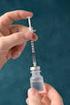 INSULIN TREATMENT FOR TYPE 2 DIABETES MANAGEMENT APIRADEE SRIWIJITKAMOL DIVISION OF ENDOCRINOLOGY AND METABOLISM DEPARTMENT OF MEDICINE FACULTY OF MEDICINE SIRIRAJ HOSPITOL QUESTION 1 1. ท านเคยเป นแพทย
SUBJECT: DIABETES MEDICATION MANAGEMENT PROTOCOLS
 SUBJECT: DIABETES MEDICATION MANAGEMENT PROTOCOLS PURPOSE To establish a process that will enable Certified Diabetes Educators (CDE) and/or staff with Board Certification in Advanced Diabetes Management
Intensive Insulin Therapy in Diabetes Management
 Intensive Insulin Therapy in Diabetes Management Lillian F. Lien, MD Medical Director, Duke Inpatient Diabetes Management Assistant Professor of Medicine Division of Endocrinology, Metabolism, & Nutrition
Diabetes Mellitus 1. Chapter 43. Diabetes Mellitus, Self-Assessment Questions
 Diabetes Mellitus 1 Chapter 43. Diabetes Mellitus, Self-Assessment Questions 1. A 46-year-old man presents for his annual physical. He states that he has been going to the bathroom more frequently than
Initiation and Adjustment of Insulin Regimens for Type 2 Diabetes
 PL Detail-Document #300128 This Detail-Document accompanies the related article published in PHARMACIST S LETTER / PRESCRIBER S LETTER January 2014 Initiation and Adjustment of Insulin Regimens for Type
Antihyperglycemic Agents Comparison Chart
 Parameter Metformin Sulfonylureas Meglitinides Glitazones (TZD s) Mechanism of Action Efficacy (A1c Reduction) Hepatic glucose output Peripheral glucose uptake by enhancing insulin action insulin secretion
Oral Therapy for Type 2 Diabetes
 Oral Therapy for Type 2 Diabetes Diabetes pills can help to manage your blood sugar. These pills are not insulin. They work to manage your blood sugar in several ways. You may be given a combination of
Insulin: Breaking Barriers Enhancing Therapies. Jerry Meece, RPh, FACA, CDE [email protected]
 Insulin: Breaking Barriers Enhancing Therapies Jerry Meece, RPh, FACA, CDE [email protected] Questions To Address Who are candidates for insulin? When do we start insulin? How do the different types of
Premixed Insulin for Type 2 Diabetes. a gu i d e f o r a d u lt s
 Premixed Insulin for Type 2 Diabetes a gu i d e f o r a d u lt s March 2009 What This Guide Covers / 2 Type 2 Diabetes / 3 Learning About Blood Sugar / 4 Learning About Insulin / 5 Comparing Medicines
INSULINThere are. T y p e 1 T y p e 2. many different insulins for
 T y p e 1 T y p e 2 INSULINThere are many different insulins for Characteristics The three characteristics of insulin are: Onset. The length of time before insulin reaches the bloodstream and begins lowering
Guideline for Insulin Therapeutic Review in patients with Type 2 Diabetes
 Diabetes Sans Frontières Guideline for Insulin Therapeutic Review in patients with Type 2 Diabetes 1. Introduction This guideline has been developed in order to support practices to undertake insulin therapeutic
BASAL BOLUS INSULIN FOR MEDICAL- SURGICAL INPATIENTS
 BASAL BOLUS INSULIN FOR MEDICAL- SURGICAL INPATIENTS C O N T A C T D I A B E T E S S E R V I C E S F O R M O R E I N F O R M A T I O N 8 4 7-9 1 7-6 9 0 7 THIS SLIDE PRESENTATION WAS PREPARED BY SUE DROGOS,
Fundamentals of Diabetes Care Module 5, Lesson 1
 Module 5, Lesson 1 Fundamentals of Diabetes Care Module 5: Taking Medications Healthy Eating Being Active Monitoring Taking Medication Problem Solving Healthy Coping Reducing Risks Foundations For Control
Insulin onset, peak and duration of action
 Insulin onset, peak and duration of action Insulin was first discovered in the early 190 s. Before then, diabetes could not be treated. Insulin was then taken from cow and pig pancreases, but nearly all
Changing to Basal Bolus Insulin Regimen
 Changing to Basal Bolus Insulin Regimen What is a basal bolus insulin regimen? Basal insulin (Lantus) is injected once per day and ensures there is insulin in the body at all times. Bolus insulin (NovoRapid/Humalog)
Antidiabetic Drugs. Mosby items and derived items 2011, 2007, 2004 by Mosby, Inc., an affiliate of Elsevier Inc.
 Antidiabetic Drugs Mosby items and derived items 2011, 2007, 2004 by Mosby, Inc., an affiliate of Elsevier Inc. Diabetes Mellitus Two types Type 1 Type 2 Type 1 Diabetes Mellitus Lack of insulin production
A guidebook for people with diabetes
 A guidebook for people with diabetes This booklet is designed to supplement, not replace, your doctor s advice. Please consult your doctor if you have any questions about what you read. You ll learn how
Medicines Used to Treat Type 2 Diabetes
 Goodman Diabetes Service Medicines Used to Treat Type 2 Diabetes People who have type 2 diabetes may need to take medicine to help lower their blood glucose, in addition to being active & choosing healthy
How To Treat Diabetes
 Overview of Diabetes Medications Marie Frazzitta DNP, FNP c, CDE, MBA Senior Director of Disease Management North Shore LIJ Health Systems Normal Glucose Metabolism Insulin is produced by beta cells in
Medications for Diabetes
 AGS Diab Med Brochure 4/18/03 3:43 PM Page 1 Medications for Diabetes An Older Adult s Guide to Safe Use of Diabetes Medications THE AGS FOUNDATION FOR HEALTH IN AGING AGS Diab Med Brochure 4/18/03 3:43
SHORT CLINICAL GUIDELINE SCOPE
 NATIONAL INSTITUTE FOR HEALTH AND CLINICAL EXCELLENCE SHORT CLINICAL GUIDELINE SCOPE 1 Guideline title Type 2 diabetes: newer agents for blood glucose control in type 2 diabetes 1.1 Short title Type 2
Diabetes Treatments: Options for Insulin Delivery. Bonnie Pepon, RN, BSN, CDE Certified Diabetes Educator Conemaugh Diabetes Institute
 Diabetes Treatments: Options for Insulin Delivery Bonnie Pepon, RN, BSN, CDE Certified Diabetes Educator Conemaugh Diabetes Institute Diabetes 21 million people in the U.S. have diabetes $132 billion each
Diabetes Mellitus Type 2
 Diabetes Mellitus Type 2 What is it? Diabetes is a common health problem in the U.S. and the world. In diabetes, the body does not use the food it digests well. It is hard for the body to use carbohydrates
Diabetes Medications. Minal Patel, PharmD, BCPS
 Diabetes Medications Minal Patel, PharmD, BCPS Objectives Examine advantages and disadvantages of oral anti-hyperglycemic medications Describe the differences between different classes of insulin Explore
Insulin: A Practice Update. Department of Nursing Staff Development Elizabeth Borgelt, MS, RN
 Insulin: A Practice Update Department of Nursing Staff Development Elizabeth Borgelt, MS, RN Learning Outcome The learner will be able to identify the different types of insulins available, their actions,
ADJUSTING INSULIN DOSES CONFLICTS OF INTEREST
 ADJUSTING INSULIN DOSES CONFLICTS OF INTEREST Vahid Mahabadi, MD Research grants from Sanofi and Amylin Pharmaceutical Companies Mayer B. Davidson, MD Advisory Board Sanofi Pharmaceutical Company Chief
DIABETES MEDICATION-ORAL AGENTS AND OTHER HYPOGLYCEMIC AGENTS
 Section Two DIABETES MEDICATION-ORAL AGENTS AND OTHER HYPOGLYCEMIC AGENTS This section will: Describe oral agents (pills) are specific for treating type 2 diabetes. Describe other hypoglycemic agents used
The basal plus strategy. Denis Raccah, MD, PhD Professor of Medicine University Hospital Sainte Marguerite Marseille FRANCE
 The basal plus strategy Denis Raccah, MD, PhD Professor of Medicine University Hospital Sainte Marguerite Marseille FRANCE ADA/EASD guidelines recommend use of basal insulin as early as the second step
Insulin T Y P E 1 T Y P E 2
 T Y P E 1 T Y P E 2 INSULIN There are many different insulins for many different situations and lifestyles. This section should help you and your doctor decide which insulin or insulins are best for you.
Diabetes: Medications
 Diabetes: Medications Presented by: APS Healthcare Southwestern PA Health Care Quality Unit (APS HCQU) May 2008 sh Disclaimer Information or education provided by the HCQU is not intended to replace medical
My Doctor Says I Need to Take Diabetes Pills and Insulin... What Do I Do Now? BD Getting Started. Combination Therapy
 My Doctor Says I Need to Take Diabetes Pills and Insulin... What Do I Do Now? BD Getting Started Combination Therapy How Can Combination Therapy Help My Type 2 Diabetes? When you have type 2 diabetes,
User guide Basal-bolus Insulin Dosing Chart: Adult
 Contacts and further information Local contact Clinical pharmacy or visiting pharmacy Diabetes education service Director of Medical Services Visiting or local endocrinologist or diabetes physician For
Diabetes, Type 2. RelayClinical Patient Education Sample Topic Diabetes, Type 2. What is type 2 diabetes? How does it occur?
 What is type 2 diabetes? Type 2 diabetes is a disorder that happens when your body does not make enough insulin or is unable to use its own insulin properly. The inability to use insulin is called insulin
isophane human insulin (prb) A Guide to Starting Humulin I
 isophane human insulin (prb) A Guide to Starting Humulin I This leaflet is intended only for those individuals who have been prescribed Humulin I. It is intended to be used in addition to the Patient Information
Prior Authorization Guideline
 Prior Authorization Guideline Guideline: PC - Apidra, Levemir Therapeutic Class: Hormones and Synthetic Substitutes Therapeutic Sub-Class: Antidiabetic Agents Client: CA, CO, NV, OK, OR, WA and AZ Approval
TYPE 2 DIABETES SEQUENTIAL INSULIN STRATEGIES
 TYPE 2 DIABETES SEQUENTIAL INSULIN STRATEGIES Non-insulin regimes Basal insulin only (usually with oral agents) Number of injections 1 Regimen complexity Low Basal insulin +1 meal-time rapidacting insulin
Anti-Diabetic Agents. Chapter. Charles Ruchalski, PharmD, BCPS. Drug Class: Biguanides. Introduction. Metformin
 Chapter Anti-Diabetic Agents 2 Charles Ruchalski, PharmD, BCPS Drug Class: Biguanides The biguanide metformin is the drug of choice as initial therapy for a newly diagnosed patient with type 2 diabetes
Introduction to Insulin. Your guide to taking insulin
 Introduction to Insulin Your guide to taking insulin Introduction Insulin helps control the level of blood glucose in the body. Everyone with type 1 diabetes must take insulin, and many people with type
TYPE 2 DIABETES IN CHILDREN DIAGNOSIS AND THERAPY. Ines Guttmann- Bauman MD Clinical Associate Professor, Division of Pediatric Endocrinology, OHSU
 TYPE 2 DIABETES IN CHILDREN DIAGNOSIS AND THERAPY Ines Guttmann- Bauman MD Clinical Associate Professor, Division of Pediatric Endocrinology, OHSU Objectives: 1. To discuss epidemiology and presentation
Initiating & titrating insulin & switching in General Practice Workshop 1
 Initiating & titrating insulin & switching in General Practice Workshop 1 Workshop goal To make participants comfortable in the timely initiation and titration of insulin Progression of Type 2 Diabetes
Types of insulin and How to Use Them
 Diabetes and Insulin Pumps Amy S. Pullen Pharm.D ISHP Spring Meeting April 2012 Objectives Describe the different types of insulin used in diabetes Identify the types of insulin that are compatible with
Lead Clinician(S) (DATE) Approved by Diabetes Directorate on: Approved by Medicines Safety Group on: This guideline should not be used after end of:
 Guideline for members of the diabetes team and dietetic department for advising on insulin dose adjustment and teaching the skills of insulin dose adjustment to adults with type 1 or type 2 diabetes mellitus
Primary Care Type 2 Diabetes Update
 Primary Care Type 2 Diabetes Update May 16, 2014 Presented by: Barb Risnes APRN, BC-ADM, CDE Objectives: Discuss strategies to address common type 2 diabetes patient management challenges Review new pharmacological
UW MEDICINE PATIENT EDUCATION. Using Insulin. Basic facts about insulin and self-injection. What is insulin? How does diabetes affect the body?
 UW MEDICINE PATIENT EDUCATION Using Insulin Basic facts about insulin and self-injection This handout explains what insulin is, the different types of insulin, how to store it, how to give an injection
Algorithms for Glycemic Management of Type 2 Diabetes
 KENTUCKY DIABETES NETWORK, INC. Algorithms for Glycemic Management of Type 2 Diabetes The Diabetes Care Algorithms for Type 2 Diabetes included within this document are taken from the American Association
Guidelines for Education and Training
 Aim These protocols aim to provide the necessary guidance to enable insulin to be initiated safely and effectively Objectives 1. To provide the suggested procedure for the initiation of insulin for people
DIABETES - INSULIN INITIATION - BACKGROUND INFORMATION (1)
 DIABETES - INSULIN INITIATION - BACKGROUND INFORMATION (1) KEY PRINCIPLES Many patients with Type 2 diabetes will require insulin therapy. In the UKPDS over 50% of patients by 6 years required additional
Challenges in Glycemic Control in Adult and Geriatric Patients. Denyse Gallagher, APRN-BC, CDE Endocrinology Nurse Practitioner
 Challenges in Glycemic Control in Adult and Geriatric Patients Denyse Gallagher, APRN-BC, CDE Endocrinology Nurse Practitioner Provide an overview of diabetes prevalence; discuss challenges and barriers
Blood Glucose Management
 Blood Glucose Management What Influences Blood Sugar Levels? There are three main things that influence your blood sugar: Nutrition Exercise Medication What Influences Blood Sugar Levels? NUTRITION 4 Meal
Making Clinical Sense of Diabetes Medications. Types of Diabetes. Pathophysiology. Beta Cell Function & Glucagon
 Making Clinical Sense of Diabetes Medications Kathy Reily, RD, CDE Prince William Hospital Diabetes Program Coordinator Virginia Dietetic Association April 4, 2011 Types of Diabetes Type 1 DM = Beta Cell
CME Test for AMDA Clinical Practice Guideline. Diabetes Mellitus
 CME Test for AMDA Clinical Practice Guideline Diabetes Mellitus Part I: 1. Which one of the following statements about type 2 diabetes is not accurate? a. Diabetics are at increased risk of experiencing
Health Professional s. Guide to INSULIN PUMP THERAPY
 Health Professional s Guide to INSULIN PUMP THERAPY Table of Contents Introduction Presenting Insulin Pump Therapy to Your Patients When Your Patient Chooses the Pump Estimates for Starting Insulin Pump
Onset Peak Duration Comments
 Rapid- Acting 5-15 minutes 0.5-3 hours 3-5 hours Meal should be available before administering, ideally taking within 10 minutes of eating). Good in refrigerator (36-46 F) until expiration date. Protect
Starting Insulin. Disclosures. Starting Insulin. Ronnie Aronson MD, FRCPC, FACE Executive Director, LMC Endocrinology Centres
 Starting Insulin Ronnie Aronson MD, FRCPC, FACE Executive Director, LMC Endocrinology Centres Disclosures Scientific Consultant Abbott, AstraZeneca, GSK, Merck, Sanofi-Aventis, Janssen- Ortho, Servier
Diabetes Self Management Training Insulin Pump Follow Up
 701 East Marshall Street, West Chester, PA 19380 www.chestercountyhospital.org 610.431.5000 Diabetes Self Management Training Insulin Pump Follow Up Patient Name: Visit Date: Time: To prepare for your
Managing the Hospitalized Patient on Insulin: Care Transition. Catie Prinzing MSN, APRN, CNS
 Managing the Hospitalized Patient on Insulin: Care Transition Catie Prinzing MSN, APRN, CNS Diabetes and Hospitalization People with DM are hospitalized 3x more frequently than patients without diabetes
A Guide to Starting. Humalog Mix25
 A Guide to Starting Humalog Mix25 This booklet is intended only for those individuals who have been prescribed Humalog Mix 25. It is intended to be used in addition to the Patient Information Leaflet (PIL)
Treatment of Type 2 Diabetes
 Improving Patient Care through Evidence Treatment of Type 2 Diabetes This information is based on a comprehensive review of the evidence for best practices in the treatment of type 2 diabetes and is sponsored
human insulin (prb) 30% soluble insulin 70% isophane insulin A Guide to Starting Humulin M3
 human insulin (prb) 30% soluble insulin 70% isophane insulin A Guide to Starting Humulin M3 This booklet is intended only for those who have been Prescribed Humulin M3. It is intended to be used in addition
Antidiabetic Agents. Chapter. Biguanides
 ajt/shutterstock, Inc. Chapter 2 Antidiabetic Agents Charles Ruchalski, PharmD, BCPS Biguanides Introduction For newly diagnosed patients with type 2 diabetes, the biguanide metformin is the drug of choice