
Comparing Medications for Adults With Type 2 Diabetes Focus of Research for Clinicians
|
|
|
- Ariel Gilmore
- 9 years ago
- Views:
Transcription
1 Clinician Research Summary Diabetes Type 2 Diabetes Comparing Medications for Adults With Type 2 Diabetes Focus of Research for Clinicians A systematic review of 166 clinical studies published between January 1966 and April 2010 examined the comparative effectiveness, benefits, and adverse effects of available monotherapy and two-drug combinations of medications for adults with type 2 diabetes (see list on page 2). The review did not cover treatment of type 1 diabetes or gestational diabetes nor does it review evidence regarding the effectiveness of diet, exercise, and weight loss. The full report, listing all studies, is available at effectivehealthcare.ahrq.gov/diabetesmeds.cfm. This summary, based on the full report of research evidence, is provided to inform discussions with patients of options and to assist in decisionmaking along with consideration of a patient s values and preferences. However, reviews of evidence should not be construed to represent clinical recommendations or guidelines. Background Information The management of hyperglycemia is an important focus of treatment to achieve improved macrovascular and microvascular outcomes in patients with type 2 diabetes. Controlling blood-glucose levels often requires several strategies, including weight loss if needed, dietary control, increased physical activity, and antidiabetic medications. 1 Treatment regimens include single drugs and combinations of drugs from different classes. Choosing among the available medications requires consideration of benefits, adverse effects, mechanism of action, and cost. In 2007, the Agency for Healthcare Research and Quality published its first systematic review on the comparative effectiveness of oral medications for type 2 diabetes. The 2011 update includes newer medications and two-drug combinations. Conclusion Evidence on the comparative effectiveness of antidiabetic medications for long-term macrovascular and microvascular outcomes is limited. However, evidence is available on intermediate outcomes. Many antidiabetic medications given as monotherapy work equally well to lower blood glucose. Two-drug combinations decrease hemoglobin A1c (HbA1c) further. Most agents (except metformin [MET] and glucagonlike peptide-1 [GLP-1] receptor agonists) are associated with increases in weight. The risk of mild to moderate hypoglycemia varies it is highest for second-generation sulfonylureas (SU) and is increased for some two-drug combinations over monotherapy. MET may cause gastrointestinal (GI) upset. A United States Food and Drug Administration (FDA) warning indicates that thiazolidinediones (TZD) are associated with increased risks for cardiac failure, cardiovascular events, hip and nonhip fractures, and other risks in some patients. Tables 1, 2, and 3 summarize evidence about benefits, adverse events, and long-term benefits. 1 American Diabetes Association; European Association for the Study of Diabetes Clinical Bottom Line (Detailed comparisons: Tables 1 3) Glycemic Control (HbA1c) On average, many of the single agents reduce HbA1c levels by 1 percentage point ( to ). On average, two-drug combination therapies reduce HbA1c about 1 percentage point more than monotherapies ( to ). Some two-drug combinations are equally effective ( ) and others, though less studied, show promise ( ). Weight MET monotherapy was associated with less weight gain when compared with other monotherapies or two-drug combinations ( to ). When compared to second-generation sulfonylureas (SUs), GLP-1 receptor agonists were associated with less weight gain ( ). The combination MET/SU was associated with less weight gain than were two-drug combinations with TZDs ( ). Some newer agents in two-drug combinations show promise for lower levels of weight gain ( ). Risk of Adverse Effects SUs and meglitinides (MEG) are more likely to cause mild to moderate hypoglycemia than monotherapy with MET, TZD, or a dipeptidyl peptidase-4 (DPP-4) inhibitor ( to ). When compared to MET monotherapy, two-drug combinations with MET increase the risk of mild to moderate hypoglycemia, except for MET/DPP-4 inhibitor combinations ( ). MET is associated with more GI adverse events when compared with other single agents ( to ). TZDs are associated with a higher risk of congestive heart failure when compared with SUs ( ). (See FDA Alerts for TZDs on page 5.) TZDs alone or in combination are associated with a higher risk of hip and nonhip fractures when compared with other agents ( ). FDA warnings indicate that TZDs are associated with increased risks for cardiac failure, cardiovascular events, fractures, and other risks. (See FDA Alerts for TZDs on page 5.) Strength of Evidence High: There are consistent results from good-quality studies. Further research is very unlikely to change the conclusions. Moderate: Findings are supported, but further research could change the conclusions. Low: There are very few studies, or existing studies are flawed. Insufficient: Evidence either is unavailable or does not permit estimation of an effect.

2 Type 2 Diabetes Medications Studied by Class With Abbreviations Class Generic Name Brand Name Biguanides Metformin (MET) Glucophage, Glucophage XR Glimepiride Amaryl Second-generation sulfonylureas (SU) Glipizide Glucotrol, Glucotrol XL, GITS Glyburide Diabeta, Micronase, Glynase Prestab Meglitinides (MEG) Repaglinide (Rep) Nateglinide Prandin Starlix Thiazolidinediones (TZD) Pioglitazone (Pio) Rosiglitazone (RSG) Actos Avandia Dipeptidyl peptidase-4 (DPP-4) inhibitors Sitagliptin Saxagliptin Januvia Onglyza Glucagon-like peptide-1 (GLP-1) receptor agonists Exenatide injection Liraglutide injection Byetta Victoza NPH insulin Humulin N, Novolin N Insulin detemir Levemir Insulin glargine Lantus Insulin 70% NPH: 30% Regular Humulin 70/30, Novolin 70/30 50% lispro protamine suspension: 50% lispro Humalog Mix50/50 75% lispro protamine suspension: 25% lispro Humalog Mix75/25 70% aspart protamine suspension: 30% aspart NovoLog Mix 70/30 2

3 Clinical Outcomes Table 1: Benefits (Findings followed by evidence on specific comparisons.) Monotherapy Versus Monotherapy HbA1c Monotherapy with MET, SU, TZD, or Rep reduced HbA1c levels by about 1 percent: MET versus SU SU versus TZD Pio versus RSG MET versus TZD SU versus Rep MET lowers HbA1c 0.4% better than do DPP-4 inhibitors. From the 2007 report, many oral diabetes medications (TZD, SU, and Rep) increased weight by 1 5 kg; however, MET did not increase weight in placebo-controlled trials. to Weight MET maintained or decreased weight when compared with other monotherapies, as shown below: MET versus TZD, -2.6 kg MET versus SU, -2.7 kg MET versus DPP-4 inhibitor, -1.4 kg GLP-1 receptor agonists were associated with less weight gain, by -2.5 kg, when compared with SUs. SU and MEG had similar effects on body weight. LDL MET was associated with lower LDL levels when compared with: SU, by mg/dl RSG, by mg/dl Pio, by mg/dl DPP-4 inhibitors, by -5.9 mg/dl HDL Pio was associated with higher HDL levels when compared with: MET, by 3.2 mg/dl RSG, by 2.3 mg/dl SU, by 4.3 mg/dl MET was associated with HDL levels similar to those of: SUs RSG MET was associated with lower TG levels when compared with: RSG, by -27 mg/dl SU, by -8.6 mg/dl TG Pio was associated with lower levels of TG by mg/dl when compared with MET. TG levels for SU and MEG were similar. Monotherapy Versus Combination Therapy HbA1c Two-drug combination therapies were more effective than monotherapy, reducing HbA1c by an additional 1 percent. MET versus MET/SU MET versus MET/TZD MET versus MET/DPP-4 inhibitors Weight MET had a more favorable effect on weight when compared with these combination therapies: MET/TZD, by -2.2 kg MET/SU, by -2.3 kg LDL MET/RSG was associated with higher levels of LDL, by 14.5 mg/dl, when compared with MET. HDL When compared with MET monotherapy: MET/RSG was associated with higher HDL levels by 2.8 mg/dl. MET/DPP-4 inhibitor was associated with similar levels of HDL. MET/Pio was associated with higher levels of HDL. TG MET was associated with lower TG levels, by mg/dl, when compared with MET/RSG. (Continued on next page.) 3

4 Combination Therapy Versus Combination Therapy (Continued from previous page.) MET/SU and MET/TZD were associated with similar HbA1c levels. HbA1c Several other combinations had similar efficacy at reducing HbA1c: MET/TZD versus MET/Rep MET/TZD versus MET/sitagliptin MET/TZD versus MET/GLP-1 receptor agonist MET/SU versus MET/DPP-4 inhibitor MET/GLP-1 receptor agonist versus MET/basal insulin MET/SU had a more favorable effect on weight when compared with these combinations: TZD/SU, by -3.2 kg MET/TZD, by -0.9 kg Weight MET/GLP-1 receptor agonists had a more favorable effect on weight, by about -1.9 to kg, when compared with the following combinations: MET/SU MET/TZD MET/basal insulin MET/DPP-4 inhibitor MET/DPP-4 inhibitors had a more favorable effect on weight, by about -1.5 to -2.5 kg, when compared with: MET/TZD MET/SU LDL HDL TG MET/SU was associated with lower levels of LDL, by about mg/dl, when compared with MET/RSG. When compared with the combination of MET/SU: MET/Pio was associated with 5-mg/dL higher levels of HDL. MET/RSG was associated with 2.7-mg/dL higher levels of HDL. SU/Pio was associated with higher levels of HDL. When compared with the combination of MET/SU: MET/Pio was associated with lower levels of TG. MET/RSG was associated with similar levels of TG. DPP-4 inhibitors = dipeptidyl peptidase-4 inhibitors; GLP-1 receptor agonists = glucagon-like peptide 1 receptor agonists; HbA1c = hemoglobin A1c; HDL = high-density lipoprotein; LDL = low-density lipoprotein; MEG = meglitinides; MET = metformin; Pio = pioglitazone; Rep = repaglinide; RSG = rosiglitazone; SU = second-generation sulfonylureas; TG = triglycerides; TZD = thiazolidinediones. Clinical Outcomes Table 2: Adverse Events (Findings followed by evidence on specific comparisons.) Monotherapy Versus Monotherapy Mild to moderate hypoglycemia The risk of mild to moderate hypoglycemia for SU alone was: 4.6-fold higher than MET 3.9-fold higher than TZD higher than with DPP-4 inhibitors When compared with MET monotherapy: MEG was associated with a 3-fold increase in hypoglycemia TZD was associated with a similar risk of hypoglycemia GI adverse events Liver injury Hip/nonhip fractures MET was associated with more GI adverse events than were: TZD SU DPP-4 inhibitors TZDs and SUs were associated with similar rates of GI adverse events. Rates of liver injury for TZDs were low (range, 0% to 0.9%) and were similar to: SUs (range, 0% to 1%) MET (range, 0.8% to 2.2%) TZDs were associated with higher rates of bone fractures when compared with MET. (Continued on next page.) 4

5 Clinical Outcomes Table 2: Adverse Events (Findings followed by evidence on specific comparisons.) Monotherapy Versus Monotherapy (Continued from previous page.) CHF (see FDA alert below) Severe lactic acidosis Rates of CHF were higher for TZDs than for: SUs There were no long-term trials that provided a robust assessment of the comparative safety of the DPP-4 inhibitors and GLP-1 receptor agonists with respect to the risk of heart failure. While the risk of severe lactic acidosis was low for MET, SU, and MET/SU, individuals with significant renal, liver, or cardiovascular disease were excluded from the studies. Monotherapy Versus Combination Therapy Mild to moderate hypoglycemia GI adverse events Hip/nonhip fractures When compared with MET monotherapy: MET/SU was associated with an increased risk. MET/TZD was associated with an increased risk. MET/DPP-4 inhibitor was associated with a similar risk. If the dose of MET was higher in the monotherapy arm than in the combination component, MET monotherapy was associated with more GI adverse events than these combinations: MET/SU MET/TZD MET/TZD was associated with higher rates of bone fractures than was MET. Combination Therapy Versus Combination Therapy Mild to moderate hypoglycemia GI adverse events Hip/nonhip fractures MET/SU was associated with higher levels of hypoglycemia than were these combinations: MET/TZD MET/GLP-1 receptor agonist (liraglutide) MET/basal insulin combinations were associated with lower rates of hypoglycemia than were MET/premixed insulin combinations. MET/SU was associated with more GI adverse events than was SU/TZD. Combination therapy with a TZD was associated with higher rates of bone fractures than was MET/SU. CHF = congestive heart failure; DPP-4 inhibitors = dipeptidyl peptidase-4 inhibitors; GI = gastrointestinal; GLP-1 receptor agonists = glucagon-like peptide 1 receptor agonists; HbA1c = hemoglobin A1c; HDL = high-density lipoprotein; LDL = low-density lipoprotein; MEG = meglitinides; MET = metformin; Pio = pioglitazone; Rep = repaglinide; RSG = rosiglitazone; SU = second-generation sulfonylureas; TG = triglycerides; TZD = thiazolidinediones. FDA Alerts for TZDs According to FDA boxed warnings, TZDs may cause or exacerbate CHF in some patients and are contraindicated in patients with serious or severe heart failure. In 2010, the FDA placed additional prescribing restrictions on rosiglitazone use for type 2 diabetes in response to data that suggested an elevated risk of cardiovascular events, including myocardial infarction and stroke. In 2011, the FDA released a Safety Announcement that the use of pioglitazone for more than one year may be associated with an increased risk of bladder cancer (for more information visit Gaps in Knowledge Studies are needed to address the efficacy of treatments for hyperglycemia in patients with type 2 diabetes who have varying levels of underlying cardiovascular and renal disease, who come from different ethnic groups, or who have variant forms of type 2 diabetes. Additional comparative studies are needed, including comparisons of newer medications, combinations with basal or premixed insulin and MET or other oral agents, and additional two-drug combinations. Sufficient data on event rates are needed to analyze major clinically important outcomes, adverse events, and long-term complications of type 2 diabetes. 5

6 Clinical Outcomes Table 3: Long-Term Benefits (Findings followed by evidence on specific comparisons.) Studies examining long-term benefits were limited. Only low levels of evidence were available for long-term outcomes (except as noted below for Pio, which may provide benefit for renal function), making it difficult to draw conclusions. Monotherapy Versus Monotherapy MET was associated with a lower risk of all-cause mortality when compared with SU. All-cause mortality There was insufficient evidence for all other comparisons, including: DPP-4 inhibitor comparisons RSG versus Pio combinations Oral agent/insulin combinations GLP-1 receptor agonist comparisons All other combination therapy comparisons MET was associated with a slightly lower risk of cardiovascular mortality when compared with SU. Cardiovascular mortality MET was associated with rates of cardiovascular mortality similar to those of TZDs. Cardiovascular and cerebrovascular morbidity MET versus TZD was inconclusive. Nephropathy Pio lowered the albumin-to-creatinine ratio better than MET, likely indicating less nephropathy. Retinopathy Evidence was insufficient for all comparisons. Monotherapy Versus Combination Therapy Cardiovascular mortality MET alone was slightly favored over MET/RSG. Evidence was insufficient for all other comparisons. Cardiovascular and cerebrovascular morbidity MET alone was favored over MET/RSG for risk of fatal and nonfatal ischemic heart disease. Evidence was insufficient for all other comparisons. Combination Therapy Versus Combination Therapy Cardiovascular mortality Evidence was insufficient for all comparisons of combination therapies. Cardiovascular and cerebrovascular morbidity Evidence was insufficient for all comparisons of combination therapies. The abbreviations used in this table are defined at the bottom of Table 2. 6

7 Average Wholesale Prices for Diabetes Medicines Drug Type Price for 1-Month Supply Generic Brand Dose Generic Brand Biguanides 500 mg once a day $25 $ mg twice a day $50 $ mg three times a day $75 $105 Glucophage 850 mg once a day $40 $ mg twice a day $80 $115 Metformin 850 mg three times a day $120 $175 1,000 mg once a day $45 $70 1,000 mg twice a day $90 $ mg once a day $25 $35 Glucophage XR 1,000 mg once a day $50 $70 1,500 mg once a day $75 $105 2,000 mg once a day $100 $140 Second-Generation Sulfonylureas 1 mg once a day $15 $20 Glimepiride Amaryl 2 mg once a day $25 $35 4 mg once a day $40 $60 8 mg once a day $80 $120 5 mg once a day $15 $25 10 mg once a day $25 $40 Glucotrol 10 mg twice a day $50 $80 Glipizide 20 mg twice a day $100 $160 Glucotrol XL 5 mg once a day $15 $25 20 mg once a day $65 $ mg twice a day $40 $45 Diabeta, Micronase 5 mg once a day $30 $40 Glyburide 5 mg twice a day $60 $ mg once a day $9 $30 Glynase PresTab 3 mg once a day $18 $45 6 mg twice a day $72 $145 Meglitinides 0.5 mg three times a day NA $255 Repaglinide Prandin 1 mg three times a day NA $255 4 mg three times a day NA $505 Nateglinide Starlix 60 mg three times a day NA $ mg three times a day NA $200 Thiazolidinediones 15 mg once a day NA $180 Pioglitazone Actos 30 mg once a day NA $ mg once a day NA $300 (Continued on next page.) 7

8 Average Wholesale Prices for Diabetes Medicines (Continued from previous page.) Drug Type Price for 1-Month Supply Generic Brand Dose Generic Brand Dipeptidyl Peptidase-4 (DPP-4) Inhibitors Sitagliptin Januvia 100 mg once a day NA $230 Saxagliptin Onglyza 2.5 mg 5 mg once a day NA $220 Glucagon-Like Peptide-1 (GLP-1) Receptor Agonists Exenatide Byetta Injection of 5 mcg twice a day NA $300 Injection of 10 mcg twice a day NA $330 Injection of 0.6 mg once a day NA $160 Liraglutide Victoza Injection of 1.2 mg once a day NA $315 Injection of 1.8 mg once a day NA $470 These prices are the Federal median price for generic medicines and the average wholesale price for brand name medicines rounded to the next $5. These prices come from Red Book: Pharmacy s Fundamental Reference, 2011 Edition. XR/XL = extended release NA = not available as a generic What To Discuss With Your Patients Establishing a goal for HbA1c and strategies to help accomplish that goal, including weight loss, exercise, and consistent use of medication. Strategies to increase adherence, including creating a medication schedule, addressing the costs of medications, and reporting adverse effects in a timely manner. The need for regular glucose testing and routine blood tests for HbA1c. What side effects to expect from the chosen medicines, and when to contact you if side effects occur. Resource for Patients Medicines for Type 2 Diabetes, A Review of the Research for Adults is a companion to this clinician research summary. It can help people talk to their health care professionals about medications for type 2 diabetes. It provides information about: Types of diabetes medications. The benefits and risks of medications. Costs of medications. Ordering Information For electronic copies of Medicines for Type 2 Diabetes, A Review of the Research foradults, this clinician research summary, and the full systematic review, visit gov/diabetesmeds.cfm. To order free print copies, call the AHRQ Publications Clearinghouse at Source The information in this summary is based on Oral Diabetes Medications for Adults With Type 2 Diabetes: An Update, Comparative Effectiveness Review No. 27, prepared by the Johns Hopkins University Evidence-based Practice Center under Contract No. for the Agency for Healthcare Research and Quality, March AHRQ Publication No. 11-EHC038-EF. Available at: diabetesmeds.cfm. This summary was prepared by the John M. Eisenberg Center for Clinical Decisions and Communications Science at Baylor College of Medicine, Houston, TX. AHRQ Pub. No. 11-EHC038-3 June 2011

Medicines for Type 2 Diabetes A Review of the Research for Adults
 Medicines for Type 2 Diabetes A Review of the Research for Adults Is This Information Right for Me? Yes, if: Your doctor or health care provider has told you that you have type 2 diabetes and have high
Type 2 Diabetes Medicines: What You Need to Know
 Type 2 Diabetes Medicines: What You Need to Know Managing diabetes is complex because many hormones and body processes are at work controlling blood sugar (glucose). Medicines for diabetes include oral
Pills for Type 2 Diabetes. A Guide for Adults
 Pills for Type 2 Diabetes A Guide for Adults December 2007 Fast Facts on Diabetes Pills n Different kinds of diabetes pills work in different ways to control blood sugar (blood glucose). n All the diabetes
10/30/2012. Anita King, DNP, RN, FNP, CDE, FAADE Clinical Associate Professor University of South Alabama Mobile, Alabama
 Faculty Medications for Diabetes Satellite Conference and Live Webcast Wednesday, November 7, 2012 2:00 4:00 p.m. Central Time Anita King, DNP, RN, FNP, CDE, FAADE Clinical Associate Professor University
How To Treat Diabetes
 Overview of Diabetes Medications Marie Frazzitta DNP, FNP c, CDE, MBA Senior Director of Disease Management North Shore LIJ Health Systems Normal Glucose Metabolism Insulin is produced by beta cells in
Add: 2 nd generation sulfonylurea or glinide or Add DPP-4 inhibitor Start or intensify insulin therapy if HbA1c goals not achieved with the above
 Guidelines for Type Diabetes - Diagnosis Fasting Plasma Glucose (confirm results if borderline) HbAIC Normal FPG < 00 < 5.5 Impaired Fasting Glucose (IFG) 00 to < 5.7%-.5% Diabetes Mellitus (or random
Approximate Cost Reference List i for Antihyperglycemic Agents
 Alpha Glucosidase Inhibitor Acarbose (Glucobay ) Biguanides Metformin (Glucophage, generic) Metformin ER (Glumetza ) Approximate Cost Reference List i for Antihyperglycemic Agents Incretin Agents - DPP-4
Treatment of Type 2 Diabetes
 Improving Patient Care through Evidence Treatment of Type 2 Diabetes This information is based on a comprehensive review of the evidence for best practices in the treatment of type 2 diabetes and is sponsored
FYI: (Acceptable range for blood glucose usually 70-110 mg/dl. know your institutions policy.)
 How Insulin Works: Each type of insulin has an onset, a peak, and a duration time. Onset is the length of time before insulin reaches the bloodstream and begins lowering blood Peak is the time during which
Antidiabetic Drugs. Mosby items and derived items 2011, 2007, 2004 by Mosby, Inc., an affiliate of Elsevier Inc.
 Antidiabetic Drugs Mosby items and derived items 2011, 2007, 2004 by Mosby, Inc., an affiliate of Elsevier Inc. Diabetes Mellitus Two types Type 1 Type 2 Type 1 Diabetes Mellitus Lack of insulin production
Diabetes Medications. Minal Patel, PharmD, BCPS
 Diabetes Medications Minal Patel, PharmD, BCPS Objectives Examine advantages and disadvantages of oral anti-hyperglycemic medications Describe the differences between different classes of insulin Explore
Medicines Used to Treat Type 2 Diabetes
 Goodman Diabetes Service Medicines Used to Treat Type 2 Diabetes People who have type 2 diabetes may need to take medicine to help lower their blood glucose, in addition to being active & choosing healthy
Anti-Diabetic Agents. Chapter. Charles Ruchalski, PharmD, BCPS. Drug Class: Biguanides. Introduction. Metformin
 Chapter Anti-Diabetic Agents 2 Charles Ruchalski, PharmD, BCPS Drug Class: Biguanides The biguanide metformin is the drug of choice as initial therapy for a newly diagnosed patient with type 2 diabetes
Noninsulin Diabetes Medications Summary Chart Medications marked with an asterisk (*) can cause hypoglycemia MED GROUP DESCRIPTOR
 Noninsulin Diabetes Medications Summary Chart Medications marked with an asterisk (*) can cause MED GROUP DESCRIPTOR INSULIN SECRETAGOGUES Sulfonylureas* GLYBURIDE* (Diabeta) (Micronase) MICRONIZED GLYBURIDE*
Harmony Clinical Trial Medical Media Factsheet
 Overview Harmony is the global Phase III clinical trial program for Tanzeum (albiglutide), a product developed by GSK for the treatment of type 2 diabetes. The comprehensive program comprised eight individual
SHORT CLINICAL GUIDELINE SCOPE
 NATIONAL INSTITUTE FOR HEALTH AND CLINICAL EXCELLENCE SHORT CLINICAL GUIDELINE SCOPE 1 Guideline title Type 2 diabetes: newer agents for blood glucose control in type 2 diabetes 1.1 Short title Type 2
Diabetes: Medications
 Diabetes: Medications Presented by: APS Healthcare Southwestern PA Health Care Quality Unit (APS HCQU) May 2008 sh Disclaimer Information or education provided by the HCQU is not intended to replace medical
Comparative Review of Oral Hypoglycemic Agents in Adults
 SECTION 18.5 Comparative Review of Oral Hypoglycemic Agents in Adults Harinder Chahal For WHO Secretariat Table of Contents Acronyms:... 3 I. Background and Rationale for the review:... 4 II. Medications
Acarbose INITIAL: 25 mg PO TID ($45) Miglitol INITIAL: 25 mg PO TID ($145)
 PL Detail-Document #310601 This PL Detail-Document gives subscribers additional insight related to the Recommendations published in PHARMACIST S LETTER / PRESCRIBER S LETTER June 2015 Drugs for Type 2
Fundamentals of Diabetes Care Module 5, Lesson 1
 Module 5, Lesson 1 Fundamentals of Diabetes Care Module 5: Taking Medications Healthy Eating Being Active Monitoring Taking Medication Problem Solving Healthy Coping Reducing Risks Foundations For Control
CASE A1 Hypoglycemia in an Elderly T2DM Patient with Heart Failure
 Hypoglycemia in an Elderly T2DM Patient with Heart Failure 1 I would like to introduce you to Sophie, an elderly patient with long-standing type 2 diabetes, who has a history of heart failure, a common
Medications for Diabetes
 AGS Diab Med Brochure 4/18/03 3:43 PM Page 1 Medications for Diabetes An Older Adult s Guide to Safe Use of Diabetes Medications THE AGS FOUNDATION FOR HEALTH IN AGING AGS Diab Med Brochure 4/18/03 3:43
Making Clinical Sense of Diabetes Medications. Types of Diabetes. Pathophysiology. Beta Cell Function & Glucagon
 Making Clinical Sense of Diabetes Medications Kathy Reily, RD, CDE Prince William Hospital Diabetes Program Coordinator Virginia Dietetic Association April 4, 2011 Types of Diabetes Type 1 DM = Beta Cell
Antihyperglycemic Agents Comparison Chart
 Parameter Metformin Sulfonylureas Meglitinides Glitazones (TZD s) Mechanism of Action Efficacy (A1c Reduction) Hepatic glucose output Peripheral glucose uptake by enhancing insulin action insulin secretion
Mary Bruskewitz APN, MS, RN, BC-ADM Clinical Nurse Specialist Diabetes
 Mary Bruskewitz APN, MS, RN, BC-ADM Clinical Nurse Specialist Diabetes Objectives Pathophysiology of Diabetes Acute & Chronic Complications Managing acute emergencies Case examples 11/24/2014 UWHealth
How To Know If A Diabetic Drug Works
 Comparative Effectiveness Review Number 8 Comparative Effectiveness and Safety of Oral Diabetes Medications for Adults With Type 2 Diabetes This report is based on research conducted by The Johns Hopkins
Pharmaceutical Management of Diabetes Mellitus
 1 Pharmaceutical Management of Diabetes Mellitus Diabetes Mellitus (cont d) Signs and symptoms 2 Elevated fasting blood glucose (higher than 126 mg/dl) or a hemoglobin A1C (A1C) level greater than or equal
Management of Clients with Diabetes Mellitus
 Management of Clients with Diabetes Mellitus Black, J.M. & Hawks, J.H. (2005) Chapters 47, (pp 1243-1288) 1288) Baptist Health School of Nursing NSG 4037: Adult Nursing III Carole Mackey, MNSc,, RN, PNP
Diabetes Update Lanita S. Shaverd, Pharm.D. Director, UAMS 12 th Street Health and Wellness Center Assistant Professor, UAMS College of Pharmacy
 Objectives Review oral medications used for the treatment of diabetes Explain how to effectively combine oral diabetes medications for optimal results Discuss insulins and non-insulin injectable diabetes
Diabetes Mellitus 1. Chapter 43. Diabetes Mellitus, Self-Assessment Questions
 Diabetes Mellitus 1 Chapter 43. Diabetes Mellitus, Self-Assessment Questions 1. A 46-year-old man presents for his annual physical. He states that he has been going to the bathroom more frequently than
Antidiabetic Agents. Chapter. Biguanides
 ajt/shutterstock, Inc. Chapter 2 Antidiabetic Agents Charles Ruchalski, PharmD, BCPS Biguanides Introduction For newly diagnosed patients with type 2 diabetes, the biguanide metformin is the drug of choice
Diabetes Mellitus Pharmacology Review
 Diabetes Mellitus Pharmacology Review Hien T. Nguyen, Pharm.D., BCPS Clinical Pharmacist Specialist AtlantiCare Regional Medical Center E-Mail: [email protected] Objectives 1. Review the epidemiology
Diabetes Treatments: Options for Insulin Delivery. Bonnie Pepon, RN, BSN, CDE Certified Diabetes Educator Conemaugh Diabetes Institute
 Diabetes Treatments: Options for Insulin Delivery Bonnie Pepon, RN, BSN, CDE Certified Diabetes Educator Conemaugh Diabetes Institute Diabetes 21 million people in the U.S. have diabetes $132 billion each
Guidelines for Type 2 Diabetes Diagnosis
 Guidelines for Type 2 Diabetes Diagnosis Fasting Plasma Glucose (in asymptomatic individuals, repeat measurement to confirm the test) Normal FPG < 100 2-hr OGTT < 140 HbA1C < 5.5% Impaired Fasting Glucose
Targeting the Kidney. Renal Glucose Transport 11/4/2015. Non insulin Agents Available IBITORS. Chao EC, et al. Nat Rev Drug Discovery. 2010;9:551 559.
 SGLT-2i and DPP-IVi in the Management of Diabetes Mellitus Type 2 Abel Alfonso, D.O., F.A.C.E. Endocrinologist November 5, 2015 DIABETES: CURRENT RATES AND PROJECTIONS CDC Press Release 2010: 1 in 3 adults
DIABETES EDUCATION. *Read package insert each time you refill your medications in case there is new information SULFONYLUREAS
 DIABETES EDUCATION *Read package insert each time you refill your medications in case there is new information SULFONYLUREAS ACTION: Sulfonylureas stimulate the pancreas to make more insulin (pancreas
DIABETES MEDICATION-ORAL AGENTS AND OTHER HYPOGLYCEMIC AGENTS
 Section Two DIABETES MEDICATION-ORAL AGENTS AND OTHER HYPOGLYCEMIC AGENTS This section will: Describe oral agents (pills) are specific for treating type 2 diabetes. Describe other hypoglycemic agents used
TREATMENT STRATEGIES FOR MANAGING TYPE 2 DIABETES MELLITUS. Friday, August 16, 13
 TREATMENT STRATEGIES FOR MANAGING TYPE 2 DIABETES MELLITUS 1 Heather Healy, FNP-BC Martha Shelver, CS, ACNP-BC Saint Alphonsus Regional Medical Center 2 OBJECTIVES 3 Review the current management algorithms
Effective pharmacological treatment regimens for diabetes usually require
 Medications Used in Diabetes in Patients Presenting for Anesthesia By Gabrielle O Connor, M.D., M.Sc., CCD, MRCP, FACP Dr. Gabrielle O Connor, a board certified endocrinologist who graduated from University
INSULIN INTENSIFICATION: Taking Care to the Next Level
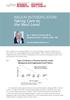 INSULIN INTENSIFICATION: Taking Care to the Next Level By J. Robin Conway M.D., Diabetes Clinic, Smiths Falls, ON www.diabetesclinic.ca Type 2 Diabetes is an increasing problem in our society, due largely
Diabetes Medications at the End of Life. Goals and Objectives. Diabetes. Type 2 Diabetes Mellitus. Types of Diabetes
 Diabetes Medications at the End of Life Paul J. Schmidt Jr., R.Ph., M.S. Clinical Supervisor HospiScript Services [email protected] Goals and Objectives Describe the Current Impact of Diabetes Mellitus
Premixed Insulin for Type 2 Diabetes. a gu i d e f o r a d u lt s
 Premixed Insulin for Type 2 Diabetes a gu i d e f o r a d u lt s March 2009 What This Guide Covers / 2 Type 2 Diabetes / 3 Learning About Blood Sugar / 4 Learning About Insulin / 5 Comparing Medicines
CADTH Optimal Use Report
 Canadian Agency for Drugs and Technologies in Health Agence canadienne des médicaments et des technologies de la santé CADTH Optimal Use Report Volume 3, Issue 1A July 2013 Second-Line Pharmacotherapy
New Non-Insulin Therapies for Type 2 Diabetes Mellitus
 New Non-Insulin Therapies for Type 2 Diabetes Mellitus Ally P.H. Prebtani Associate Professor of Medicine Internal Medicine, Endocrinology & Metabolism McMaster University Canada Disclosure Relationships
SUBJECT: DIABETES MEDICATION MANAGEMENT PROTOCOLS
 SUBJECT: DIABETES MEDICATION MANAGEMENT PROTOCOLS PURPOSE To establish a process that will enable Certified Diabetes Educators (CDE) and/or staff with Board Certification in Advanced Diabetes Management
There seem to be inconsistencies regarding diabetic management in
 Society of Ambulatory Anesthesia (SAMBA) Consensus Statement on Perioperative Blood Glucose Management in Diabetic Patients Undergoing Ambulatory Surgery Review of the consensus statement and additional
Type 2 Diabetes Medications: SGLT2 Inhibitors
 Type 2 Diabetes Medications: SGLT2 Inhibitors SGLT2 inhibitors are a class of type 2 diabetes medications used along with diet and exercise to lower blood glucose How are they taken? SGLT2 inhibitors is
Oral Therapy for Type 2 Diabetes
 Oral Therapy for Type 2 Diabetes Diabetes pills can help to manage your blood sugar. These pills are not insulin. They work to manage your blood sugar in several ways. You may be given a combination of
International Journal of Pharmacy and Pharmaceutical Sciences
 International Journal of Pharmacy and Pharmaceutical Sciences Vol 2, Suppl 1, 2010 DIABETES MELLITUS TYPE II: REVIEW OF ORAL TREATMENT OPTIONS Review Article Rana Ibrahim Lecturer in Pharmacy Practice/
A Simplified Approach to Initiating Insulin. 4. Not meeting glycemic goals with oral hypoglycemic agents or
 A Simplified Approach to Initiating Insulin When to Start Insulin: 1. Fasting plasma glucose (FPG) levels >250 mg/dl or 2. Glycated hemoglobin (A1C) >10% or 3. Random plasma glucose consistently >300 mg/dl
we have to keep up. Timothy S. Reid, M.D. Mercy Diabetes Center Janesville, WI Entity Activity Financial Consideration Comments
 Timothy S. Reid, M.D. Mercy Diabetes Center Janesville, WI Entity Activity Financial Consideration Comments Novo Nordisk Speaker/Consultant Speaker Fees/Honoraria Sanofi-Aventis Speaker/Consultant Speaker
Treatment Approaches to Diabetes
 Treatment Approaches to Diabetes Dr. Sarah Swofford, MD, MSPH & Marilee Bomar, GCNS, CDE Quick Overview Lifestyle Oral meds Injectables not insulin Insulin Summary 1 Lifestyle & DM Getting to the point
Second- and Third-Line Approaches for Type 2 Diabetes Workgroup: Topic Brief
 Second- and Third-Line Approaches for Type 2 Diabetes Workgroup: Topic Brief March 7, 2016 Session Objective: The objective of this workshop is to assess the value of undertaking comparative effectiveness
Newer Anticoagulants and Newer Diabetic Drug Classes. Nicole N. Nguyen, PharmD Senior Clinical Pharmacist Health Care Services August 21, 2013
 Newer Anticoagulants and Newer Diabetic Drug Classes Nicole N. Nguyen, PharmD Senior Clinical Pharmacist Health Care Services August 21, 2013 Apixaban Newer Anticoagulants Dabigatran etexilate Rivaroxaban
Novel Trial Designs in T2D to Satisfy Regulatory Requirements for CV Safety
 Novel Trial Designs in T2D to Satisfy Regulatory Requirements for CV Safety Anders Svensson MD, PhD Head of Global Clinical Development Metabolism, F Hoffmann LaRoche Ltd. Basel, Switzerland Overview of
Diabetes, Type 2. RelayClinical Patient Education Sample Topic Diabetes, Type 2. What is type 2 diabetes? How does it occur?
 What is type 2 diabetes? Type 2 diabetes is a disorder that happens when your body does not make enough insulin or is unable to use its own insulin properly. The inability to use insulin is called insulin
Chapter 4 Type 2 Diabetes
 Chapter 4 Type 2 Diabetes (previously referred to as adult onset diabetes or non-insulin dependent diabetes) H. Peter Chase, MD Cindy Cain, RN, CDE Philip Zeitler, MD This is the most common type of diabetes
linagliptin, 5mg film-coated tablet (Trajenta ) SMC No. (746/11) Boehringer Ingelheim / Eli Lilly and Company Ltd
 linagliptin, 5mg film-coated tablet (Trajenta ) SMC No. (746/11) Boehringer Ingelheim / Eli Lilly and Company Ltd 09 December 2011 The Scottish Medicines Consortium (SMC) has completed its assessment of
Diabetes Fundamentals
 Diabetes Fundamentals Prevalence of Diabetes in the U.S. Undiagnosed 10.7% of all people 20+ 23.1% of all people 60+ (12.2 million) Slide provided by Roche Diagnostics Sources: ADA, WHO statistics Prevalence
INSULIN TREATMENT FOR TYPE 2 DIABETES MANAGEMENT
 INSULIN TREATMENT FOR TYPE 2 DIABETES MANAGEMENT APIRADEE SRIWIJITKAMOL DIVISION OF ENDOCRINOLOGY AND METABOLISM DEPARTMENT OF MEDICINE FACULTY OF MEDICINE SIRIRAJ HOSPITOL QUESTION 1 1. ท านเคยเป นแพทย
MANAGEMENT OF TYPE 2 DIABETES: REVIEW OF DRUG THERAPY
 MANAGEMENT OF TYPE 2 DIABETES: REVIEW OF DRUG THERAPY AND THE ROLE OF THE PHARMACIST NINA BEMBEN, PHARMD MARY LYNN MCPHERSON, PAHRMD, MA, BCPS, CDE ZEMEN HABTEMARIAM, STUDENT PHARMACIST MANAGEMENT OF TYPE
Diabetes: When To Treat With Insulin and Treatment Goals
 Diabetes: When To Treat With Insulin and Treatment Goals Lanita. S. White, Pharm.D. Director, UAMS 12 th Street Health and Wellness Center Assistant Professor of Pharmacy Practice, UAMS College of Pharmacy
Trends in Prescribing of Drugs for Type 2 Diabetes in General Practice in England (Chart 1) Other intermediate and long-acting insulins
 Type 2 Diabetes Type 2 diabetes is the most common form of diabetes, accounting for 90 95% of cases. 1 Charts 1 and 2 reflect the effect of increasing prevalence on prescribing and costs of products used
Primary Care Type 2 Diabetes Update
 Primary Care Type 2 Diabetes Update May 16, 2014 Presented by: Barb Risnes APRN, BC-ADM, CDE Objectives: Discuss strategies to address common type 2 diabetes patient management challenges Review new pharmacological
trends in the treatment of Diabetes type 2 - New classes of antidiabetic drugs. IAIM, 2015; 2(4): 223-
 Review Article Pharmacological trends in the treatment of Diabetes type 2 - New classes of antidiabetic Silvia Mihailova 1*, Antoaneta Tsvetkova 1, Anna Todorova 2 1 Assistant Pharmacist, Education and
Update on the management of Type 2 Diabetes
 Update on the management of Type 2 Diabetes Mona Nasrallah M.D Assistant Professor, Endocrinology American University of Beirut 10 th Annual Family Medicine Conference October 14,2011 Global Prevalence
Drug Class Review. Newer Diabetes Medications and Combinations
 Drug Class Review Newer Diabetes Medications and Combinations Final Streamlined Update 1 Report June 2014 The purpose of Drug Effectiveness Review Project reports is to make available information regarding
CASE B1. Newly Diagnosed T2DM in Patient with Prior MI
 Newly Diagnosed T2DM in Patient with Prior MI 1 Our case involves a gentleman with acute myocardial infarction who is newly discovered to have type 2 diabetes. 2 One question is whether anti-hyperglycemic
Diabetes: Beyond the D50. Leslie Huntington, BS, Paramedic Mobile Training Unit Oregon OHA-EMS and Trauma Systems
 Diabetes: Beyond the D50 Leslie Huntington, BS, Paramedic Mobile Training Unit Oregon OHA-EMS and Trauma Systems The EMS View of Diabetes Management BG low? Give some form of sugar. Hero! BG somewhere
Cardiovascular Effects of Drugs to Treat Diabetes
 Cardiovascular Effects of Drugs to Treat Diabetes Steven E. Nissen MD Chairman, Department of Cardiovascular Medicine Cleveland Clinic Disclosure Consulting: Many pharmaceutical companies Clinical Trials:
CME Test for AMDA Clinical Practice Guideline. Diabetes Mellitus
 CME Test for AMDA Clinical Practice Guideline Diabetes Mellitus Part I: 1. Which one of the following statements about type 2 diabetes is not accurate? a. Diabetics are at increased risk of experiencing
Diabetes and the Elimination of Sliding Scale Insulin. Date: April 30 th 2013. Presenter: Derek Sanders, D.Ph.
 Diabetes and the Elimination of Sliding Scale Insulin Date: April 30 th 2013 Presenter: Derek Sanders, D.Ph. Background Information Epidemiology and Risk Factors Diabetes Its Definition and Its Impact
Let s Talk About Meters and Meds. Adapted for Upstate Medical University by: Kristi Shaver, BS, RN, CDE, MS-CNS Student (2014) January 2014
 Let s Talk About Meters and Meds Adapted for Upstate Medical University by: Kristi Shaver, BS, RN, CDE, MS-CNS Student (2014) January 2014 How to monitor diabetes control: Hemoglobin A 1 C, or just A 1
Pharmacological Glycaemic Control in Type 2 Diabetes
 Pharmacological Glycaemic Control in Type 2 Diabetes Aim(s) and Objective(s) This guideline aims to offer advice on the pharmacological management for those who require measures beyond diet and exercise
Type 2 Diabetes. Aims and Objectives. What did you consider? Case Study One: Miss S. Which to choose?!?! Modes of Action
 Aims and Objectives This session will outline the increasing complexities of diabetes care, and the factors that differentiate the combinations of therapy, allowing individualisation of diabetes treatment.
Insulin Initiation and Intensification
 Insulin Initiation and Intensification ANDREW S. RHINEHART, MD, FACP, CDE MEDICAL DIRECTOR AND DIABETOLOGIST JOHNSTON MEMORIAL DIABETES CARE CENTER Objectives Understand the pharmacodynamics and pharmacokinetics
Diabetes Mellitus Type 2
 Diabetes Mellitus Type 2 What is it? Diabetes is a common health problem in the U.S. and the world. In diabetes, the body does not use the food it digests well. It is hard for the body to use carbohydrates