
ANESTHETIC EMERGENCIES & ACCIDENTS LYON LEE, DVM PHD DACVA
|
|
|
- Eleanore Stokes
- 10 years ago
- Views:
Transcription
1 Human Errors ANESTHETIC EMERGENCIES & ACCIDENTS LYON LEE, DVM PHD DACVA Miscalculation of the drug dose; getting one decimal wrong can mean ten times of overdose that may induce severe toxic effect Mislabeling of the syringe, misfiling to a wrong vaporizer etc. may constitute severe hazard Equipment failure or misused devices; most notably delivery of hypoxic mixture to the patient Exercise precautions to avoid human induced medical mishaps Bradycardia As a general rule, for heart rates < 60 beats per min in dogs, and < 25 beats per min in adult horses Cause Deep anesthesia (inhalant anesthetic overdose) Increased vagal tone (in brachycephalic breed, opioid medication etc.) Parasympathetic stimulation (distend bladder, manipulation of the viscera, oculocardiac reflex etc.) Reduced cardiac output Arrhythmias (danger to progress to worse arrhythmias, e.g. complete cardiac arrest, if not corrected timely) Identify cause and address it Dog and cat: o Atropine 0.02 ~ 0.04 mg/kg IV o Glycopyrrolate ~ 0.01 mg/kg IV o If no response to above treatment, then consider giving isoproterenol 0.5 mcg/kg or epinephrine 0.02 mg/kg IV bolus (or CRI at a lower dose to effect) Anesthetic Emergencies 1 of 8 Veterinary Surgery I, VMED 7412

2 Tachycardia Cause Light anesthesia Drug induced/iatrogenic; atropine, glycopyrrolate Hypotension-reflex tachycardia Hypercapnia induced sympathetic drive Increases myocardial oxygen consumption; may lead to arrhythmias Less time for the blood volume to fill the heart, so lead to reduced stroke volume (cardiac output) Deepen anesthesia if too light Usually none if drug-induced sinus tachycardia Treat hypotension (with fluids or inotropic agents) Treat respiratory acidosis For severe sinus tachycardia, consider beta-adrenergic blockers; propranolol (0.02~0.06 mg/kg), or esmolol (0.25~0.5 mg/kg) slow IV Hypotension Causes Anesthetic overdose Hypovolemia due to intra-operative bleeding or peri-operative fluid deficit Inadequate tissue perfusion, particularly important for vital organs such as brain, heart, kidneys, lungs and liver (and muscles for horses to prevent post-anesthetic myopathy) Lighten anesthetic depth Fluid therapy Provide injectables (e.g., opoids, benzodiazpeines, ketamine, propofol, systemic local anesthetics etc.) to reduce volatile anesthetic requirements Positive inotropes (dopamine, dobutamine, ephedrine) Anesthetic Emergencies 2 of 8 Veterinary Surgery I, VMED 7412

3 Premature Ventricular Contractions (PVC's or VPC's) Cause Usually acidemia, hypoxia or hypercapnia Pain Myocardial contusion from trauma, usually peak at 24 hours following the accident Gastric dilitation/volvulus (GDV) syndrome in dogs - peak frequency occurs following surgery Sympathetic imbalance Drug induced thiopental (bigeminy), halothane (decrease arrhythmogenic threshold) May lead to ventricular fibrillation, if not corrected timely Correct causes o Respiratory acidosis - ventilate o Metabolic acidosis - NaHCO 3 o Switch to isoflurane or sevoflurane from halothane o Hypoxia Increase O 2 fraction Decrease shunt fraction Increase ventilation Decrease dead space Correct diffusion impairment Drug therapy o Lidocaine: 1~2 mg/kg IV bolus, up to 8 mg/kg (4 mg/kg in cats). o If not responsive, then Procaineamide: 5 ~ 10 mg/kg slow IV or beta-adrenergic blockers such as propranolol (0.02 ~ 0.06 mg/kg), or esmolol (0.25 ~ 0.5 mg/kg) slow IV Perivascular Injection Causes Displaced catheter, no use of catheter for drug administration, leaky vessels Use of irritant agents such as thiopental or guaifenesin (guaicol glycerine ether; GGE) Causes pain, abscesses, necrosis, thrombosis Best to administer drugs always using catheters to avoid accidental perivascular injection Dilute with saline Subcutaneous lidocaine Subcutaneous steroid (water soluble) Pressure bandage application Anesthetic Emergencies 3 of 8 Veterinary Surgery I, VMED 7412

4 Brachycephalic s Anatomical handicaps Stenotic nares Elongated soft palate Everted laryngeal ventricles Hypoplastic trachea-select several sizes of endotracheal tubes, select smaller size ET tube than non-brachycephalic dogs Large thick tongue Goals Rapid, smooth induction, i.e. Use propofol or thiopental etc. Pre-oxygenate using a face mask prior to anesthetic induction Quick, smooth recovery Avoid drugs with known vomiting reflex such as xylazine and morphine Avoid excessive premedication Leave endotracheal tube in as long as possible during recovery Observe recovery, pay attention to upper airway obstruction Cardiac Arrest Common Causes Deficiency of oxygen is the ultimate cause of all cardiac arrests. Respiratory failure Acid-base disturbances Electrolyte imbalances Autonomic imbalances Hypothermia Air embolism Toxicity Anaphylactic reactions Drug overdose~ Cardiac disease, arrhythmias Signs of cardiac arrest Absence of a pulse or a palpable or audible heart beat Apnea Loss of consciousness Loss of corneal ocular reflexes Eyes are fixed, wide open Pupils are dilated and unresponsive to light Basic cardiac life support (BCLS) Aim is to deliver oxygen to the lungs by artificial ventilation, and then transport the oxygen to body tissues by external cardiac compression Advanced cardiac life support (ACLS) Restoring spontaneous breathing and circulation and sustaining them Anesthetic Emergencies 4 of 8 Veterinary Surgery I, VMED 7412

5 Rules of ABCDE CPR Airway Breathing Circulation Drugs ECG Airway (A) Establish a patent (secure) airway as quickly as possible Clear the airway of any obstructions (excessive mucus, tongue, foreign objects). Perform endotracheal intubation with a cuffed endotracheal tube. If this is not an available option, consider transtracheal catheter ventilation (using a 14g needle or over-the-needle intravenous catheter with a 3mm endotracheal tube connector connected to O 2 line or a Bain Circuit) or complete tracheostomy using a tracheostomy tube set. Breathing (B) Attach endotracheal tube to a source of 100% oxygen (preferable to room air, if possible). Administer 6 ~12 breaths/minute. Ratios of one breath per 5 chest compression are used when simultaneously performing chest compression. The amount of gas volume is 10 ~ 20 ml/kg at a peak inspiratory airway pressure of 20 ~ 25 cm H 2 O Inspiratory time is approximately set at 1.5 seconds and I:E ratio approximately 1:2~3. A continuous flow of 100% oxygen at 50~150ml/kg/min administered though endotracheal tube or a cannula inserted transtracheally. Although not as efficient, mouth-to nose ventilation is performed when endotracheal tube and respiratory assist device is not available, and could be life-saving. Circulation (C) - Cardiac compression Place the patient in lateral recumbency on a firm surface and compressing the chest at a rate of 80 ~ 120 compressions per minute, devoting equal time to compression and relaxation. Compress the heart in small animals (<10 kg) from both sides, taking advantage of the cardiac pump mechanism of establishing cardiac output. In larger animals (>10 kg), compress over the junction of the dorsal and middle third of the 5~7 th intercostal space, relying on the thoracic pump mechanism for generating cardiac output. Compress the chest to depress the chest wall by 30%. The duration of compression (cardiac systole) should be at least 50% of the total compression-relaxation cycle to produce maximal flow. Release the pressure completely during relaxation to allow cardiac filling. Blood flow generated by cardiac compression will temporarily sustain cerebral and myocardial viability only if oxygenation is adequate. However, cerebral blood flow is less than one-fifth normal and coronary flow even less during external compression. Complications, which may arise from external compression, include sternal and rib fractures, blunt traumatic damage to intrathoracic and intraabdominal viscera and pneumothorax. Anesthetic Emergencies 5 of 8 Veterinary Surgery I, VMED 7412

6 Mechanisms of blood flow during external chest compression Controversial. Two theories predominate. They probably both operate. o Cardiac pump theory. External chest compression squeezes the heart between the thoracic walls, forcing blood into the aorta. Blood flow depends on the rate and o pattern of compression. Thoracic pump theory. Phasic changes in intrathoracic pressure result in venous inflow into the thorax and forward flow into the aorta. A prolonged compression time (50-60% of the cycle) favors flow produced by changes in intrathoracic pressure. Application of an alternating counter pressure to the abdomen to increase caudal vascular resistance and divert blood to more vital tissues may be effective. This is accomplished by alternating abdominal and cardiac compressions. Open-chest Cardiac Massage Opening the chest for direct cardiac massage is indicated if external compressions are ineffective in producing a palpable femoral pulse after a maximum of 5 to 10 minutes. This is often required in cases where it is difficult to generate significant intrathoracic pressure fluctuations. Such cases include patients with pneumothorax, hemothorax, flail chest, severe obesity, poor thoracic wall compliance (bulldogs), and diaphragmatic hernia. To perform a left-sided thoracotomy for open-chest CPR, make a left sided incision at approximately the fifth or sixth intercostal space, from just below the origin of the ribs dorsally to just above the sternum ventrally. The coat is clipped only in long-haired breeds, just enough to see the rib space. Use Mayo scissors to penetrate the pleura. Insert retractors to spread the ribs and expose the thoracic cavity. A pericardiotomy is usually recommended. The heart is grasped and massage begins. Massage is performed in a rhythmical manner, with compressions originating at the apex and extending to the base. The resuscitator should feel the heart enlarge as the chambers fill. Despite some clear theoretical advantages, there seems considerable reluctance of performing emergency thoracotomy so as to perform internal cardiac compression because of lack of supporting evidence of increased chance of survival. Drugs (D) administration Recognize and treat arrhythmias Rationale for drug administration Epinephrine o o Benefits are mainly due to its alpha-adrenergic actions. It increases arterial wall tone and total peripheral resistance. This allows better intrathoracic arterial flow by reducing the tendency of vessels to collapse from the pressure induced by chest compressions. o Epinephrine also increases diastolic pressure which is important for myocardial perfusion, and renders the fibrillating heart more apt to defibrillate. o It also diverts blood flow away from non-vital, towards vital tissues. o Dose of epinephrine is between 0.02 mg/kg to 0.2 mg/kg. Repeat this dose each 3 to 5 minutes if needed. Anesthetic Emergencies 6 of 8 Veterinary Surgery I, VMED 7412

7 Sodium bicarbonate o Administered when a metabolic acidosis has developed or is strongly suspected (indicated by the patient s history) or if resuscitation has proceeded for longer than 20 minutes. o The dose is approximately 0.5~1 meq/kg for each 10 minutes of arrest. o Venous blood gases are most indicative of bicarbonate needs. o Bicarbonate therapy is currently controversial, with concern that overzealous use may induce hyperosmolality, hypernatremia, paradoxical intracellular acidosis, and iatrogenic alkalosis. (see Acid Base Physiology and Anesthesia lecture). Alkalosis lowers the serum potassium levels and shifts the oxygen-hemoglobin dissociation curve, impairing oxygen delivery to the tissues. o The carbon dioxide generated may cause respiratory acidemia in the presence of inadequate ventilation and also intracellular acidosis. Therefore, bicarbonate therapy is recommended only when specifically indicated. Calcium salts o No longer recommended since their administration is associated with a poorer survival rate and accelerated development of irreversible neuronal damage. They may be given if specifically indicated e.g. hypocalcemia or hyperkalemia. Glucose containing fluid solutions o Hyperglycemia has also been associated with a poorer survival rate and higher incidence of neuronal dysfunction. The use of glucose-containing solutions is therefore relatively contraindicated unless specifically indicated. Intravenous fluids o Given at 10 to 20 ml/kg to offset peripheral vasodilation not corrected by alphaadrenergic agents. Rapid rates of fluid administration are not indicated unless severe hypovolemia exists. Routes of drug administration Central venous catheters (jugular) provide a more rapid onset of drug effect compared with drug administration through peripheral catheters. If peripheral sites are used, external cardiac massage must effectively establish circulation if the drug is to reach the heart. Remember the brain-arm circulating time is approximately 30 seconds with normal cardiac output. Cardiac compression less than this duration is less effective and will impede the delivery of the drug from injection site to the heart (target organ). Administration of drugs (epinephrine, atropine, lidocaine) into the tracheal tube lumen allows prompt absorption across the tracheal mucosa and serves as a useful alternate route for drug administration. This is usually done using 2-3 ml of saline as diluent for the drug administered into the lumen of endotracheal tube, followed by 2-3 large breaths with artificial ventilation to promote dispersion of the drug within the pulmonary tree. Double or triple the IV dose when given in this route. Intracardiac administration of epinephrine is rarely indicated and in fact discouraged. It may be used when the chest is already open. Other routes which permit rapid uptake of drugs include the intraosseous and sublingual routes. Anesthetic Emergencies 7 of 8 Veterinary Surgery I, VMED 7412

8 Electrocardiography (E) Electrocardiographically, there are three forms of cardiac arrest 1. Asystole (the flat liner) is absence of any electrical activity. Initial pharmacologic therapy of choice is epinephrine at a dose of 0.02 to 0.2 mg/kg. 2. Ventricular fibrillation (the hay wire) Appears as completely chaotic, irregular, bizarre deflections. There are two types of fibrillation: o Coarse (with large oscillations) o Fine (small oscillations). There are no recognizable P or QRS waves. The treatment is to defibrillate with DC current. o Apply adequate amount of electrode gel at the center of one paddle and rub the paddles together o Turn the defibrillator on o Select energy level: External 50 to 100 wattsec (J) (<10kg), 100 to 400 wattsec (>10 kg) Internal 5 to 15 wattsec (<10 kg), 20 to 80 wattsec (>10kg) The internal dose is approximately 1/10th the external dose. o Charge the defibrillator o Position paddles: beware of burn and human personal injury o o Fire the defibrillator If ineffective, repeat defibrillation. If still no effect, particularly with fine fibrillation, epinephrine may be given to raise the fibrillation threshold. Lidocaine and sodium bicarbonate may then be tried if fibrillations are still present Although not as effective, chemical cardioversion of ventricular fibrillation in the absence of mechanical defibrillator can be carried out with a mixture of 1.0 meq potassium/kg and 6.0 mg acetylcholine/kg by intravenous injection. 3. Electromechanical dissociation (the normal wave form) Is present when there is a recordable electrocardiogram but no effective cardiac output This form of cardiac arrest carries a fairly poor prognosis. Some success has been reported with administration of dopamine (5~10 mcg/kg/min) and also dexamethasone (2 mg/kg). Postresucitation Life Support This is the most difficult part of the resuscitation. Post-resuscitation cardiac arrest frequently occurs. All patients resuscitated should be placed in an intensive care unit for monitoring and support therapy. Postresuscitation therapy Re-arrest frequently occurs and resuscitation will be necessary Inotropic support (e.g. dopamine at 5~10 mcg/kg min intravenous infusion) to maintain blood pressure Aim is to optimize cerebral perfusion and oxygen delivery (maintain normotension, moderate hypoventilation to PCO 2 of 30 ~ 35 mm Hg, maintain normal intracranial pressure with diuretics and corticosteroids, oxygen therapy) and control the cerebral metabolic demand for oxygen (suppress seizures). Barbiturates and hypothermia have not been shown to be useful under these circumstances. Neuroprotective drugs such as free radical scavengers (DMSO, desferoxamine) and calcium channel blockers are, at this time, of experimental value only and result in poor to variable responses. Close monitoring at least for further 24 hours is strongly recommended after successful CPR. Anesthetic Emergencies 8 of 8 Veterinary Surgery I, VMED 7412

RESPONDING TO ANESTHETIC COMPLICATIONS
 RESPONDING TO ANESTHETIC COMPLICATIONS General anesthesia poses minimal risk to most patients when performed by a capable anesthetist using appropriate protocols and proper monitoring. However, it is vitally
Update on Small Animal Cardiopulmonary Resuscitation (CPR)- is anything new?
 Update on Small Animal Cardiopulmonary Resuscitation (CPR)- is anything new? DVM, DACVA Objective: Update on the new Small animal guidelines for CPR and a discussion of the 2012 Reassessment Campaign on
ACLS PHARMACOLOGY 2011 Guidelines
 ACLS PHARMACOLOGY 2011 Guidelines ADENOSINE Narrow complex tachycardias or wide complex tachycardias that may be supraventricular in nature. It is effective in treating 90% of the reentry arrhythmias.
Crash Cart Drugs Drugs used in CPR. Dr. Layla Borham Professor of Clinical Pharmacology Umm Al Qura University
 Crash Cart Drugs Drugs used in CPR Dr. Layla Borham Professor of Clinical Pharmacology Umm Al Qura University Introduction A list of the drugs kept in the crash carts. This list has been approved by the
ACLS PRE-TEST ANNOTATED ANSWER KEY
 ACLS PRE-TEST ANNOTATED ANSWER KEY June, 2011 Question 1: Question 2: There is no pulse with this rhythm. Question 3: Question 4: Question 5: Question 6: Question 7: Question 8: Question 9: Question 10:
Cardiac Arrest Pediatric Ventricular Fibrillation / Pulseless Ventricular Tachycardia Protocol revised October 2008
 Cardiac Arrest Pediatric Ventricular Fibrillation / Pulseless Ventricular Tachycardia Protocol revised October 2008 Preamble In contrast to cardiac arrest in adults, cardiopulmonary arrest in pediatric
If you do not wish to print the entire pre-test you may print Page 2 only to write your answers, score your test, and turn in to your instructor.
 This is a SAMPLE of the pretest you can access with your AHA PALS Course Manual at Heart.org/Eccstudent using your personal code that comes with your PALS Course Manual The American Heart Association strongly
ACLS Cardiac Arrest Algorithm Neumar, R. W. et al. Circulation 2010;122:S729-S767
 ACLS Cardiac Arrest Algorithm Neumar, R. W. et al. Circulation 2010;122:S729-S767 Copyright 2010 American Heart Association ACLS Cardiac Arrest Circular Algorithm Neumar, R. W. et al. Circulation 2010;122:S729-S767
ANNE ARUNDEL MEDICAL CENTER CRITICAL CARE MEDICATION MANUAL DEPARTMENT OF NURSING AND PHARMACY. Guidelines for Use of Intravenous Isoproterenol
 ANNE ARUNDEL MEDICAL CENTER CRITICAL CARE MEDICATION MANUAL DEPARTMENT OF NURSING AND PHARMACY Guidelines for Use of Intravenous Isoproterenol Major Indications Status Asthmaticus As a last resort for
Cardiac Arrest VF/Pulseless VT Learning Station Checklist
 Cardiac Arrest VF/Pulseless VT Learning Station Checklist VF/VT 00 American Heart Association Adult Cardiac Arrest Shout for Help/Activate Emergency Response Epinephrine every - min Amiodarone Start CPR
Cardiac Arrest - Ventricular Fibrillation / Pulseless Ventricular Tachycardia Protocol revised October 2008
 Cardiac Arrest - Ventricular Fibrillation / Pulseless Ventricular Tachycardia Protocol revised October 2008 Preamble Survival from cardiorespiratory arrest for patients who present with ventricular fibrillation
Pediatric Pharmacotherapy A Monthly Newsletter for Health Care Professionals Children s Medical Center at the University of Virginia
 Pediatric Pharmacotherapy A Monthly Newsletter for Health Care Professionals Children s Medical Center at the University of Virginia Volume 2 Number 12 December 1996 Medications for Neonatal and Pediatric
Official Online ACLS Exam
 \ Official Online ACLS Exam Please fill out this form before you take the exam. Name : Email : Phone : 1. Hypovolemia initially produces which arrhythmia? A. PEA B. Sinus tachycardia C. Symptomatic bradyarrhythmia
ACLS Study Guide BLS Overview CAB
 ACLS Study Guide The ACLS Provider exam is 50-mutiple choice questions. Passing score is 84%. Student may miss 8 questions. For students taking ACLS for the first time or renewing students with a current
E C C. American Heart Association. Advanced Cardiovascular Life Support. Written Precourse Self-Assessment. May 2011. 2011 American Heart Association
 E C C American Heart Association Advanced Cardiovascular Life Support Written Precourse Self-Assessment May 2011 2011 American Heart Association 2011 ACLS Written Precourse Self-Assessment 1. Ten minutes
Community Ambulance Service of Minot ALS Standing Orders Legend
 Legend Indicates General Information and Guidelines Indicates Procedures Indicates Medication Administration Indicates Referral to Other Protocol Indicates Referral to Online Medical Direction Pediatric
table of contents drug reference
 table of contents drug reference ADULT DRUG REFERENCE...155 161 PEDIATRIC DRUG REFERENCE...162 164 PEDIATRIC WEIGHT-BASED DOSING CHARTS...165 180 Adenosine...165 Amiodarone...166 Atropine...167 Defibrillation...168
Present : PGY 王 淳 峻 Supervisor: F1 王 德 皓 991109
 Present : PGY 王 淳 峻 Supervisor: F1 王 德 皓 991109 Interventions to prevent cardiac arrest + Airway management + Ventilation support + Treatment of bradyarrhythmias & Tachyarrhythmias Treat cardiac arrest
American Heart Association ACLS Pre-Course Self Assessment Dec., 2006. ECG Analysis. Name the following rhythms from the list below:
 American Heart Association ACLS Pre-Course Self Assessment Dec., 2006 ECG Analysis This pre-test is exactly the same as the pretest on the ACLS Provider manual CD. This paper version can be completed in
Oxygen - update April 2009 OXG
 PRESENTATION Oxygen (O 2 ) is a gas provided in compressed form in a cylinder. It is also available in liquid form, in a system adapted for ambulance use. It is fed via a regulator and flow meter to the
How To Treat A Heart Attack
 13 Resuscitation and preparation for anaesthesia and surgery Key Points 13.1 MANAGEMENT OF EMERGENCIES AND CARDIOPULMONARY RESUSCITATION ESSENTIAL HEALTH TECHNOLOGIES The emergency measures that are familiar
PHENYLEPHRINE HYDROCHLORIDE INJECTION USP
 PRESCRIBING INFORMATION PHENYLEPHRINE HYDROCHLORIDE INJECTION USP 10 mg/ml Sandoz Canada Inc. Date of Preparation: September 1992 145 Jules-Léger Date of Revision : January 13, 2011 Boucherville, QC, Canada
Oxygen Therapy. Oxygen therapy quick guide V3 July 2012.
 PRESENTATION Oxygen (O 2 ) is a gas provided in a compressed form in a cylinder. It is also available in a liquid form. It is fed via a regulator and flow meter to the patient by means of plastic tubing
E C C. American Heart Association. Advanced Cardiovascular Life Support. Written Exams. May 2011
 E C C American Heart Association Advanced Cardiovascular Life Support Written Exams Contents: Exam Memo Student Answer Sheet Version A Exam Version A Answer Key Version A Reference Sheet Version B Exam
Cardiac Arrest: General Considerations
 Andrea Gabrielli, MD, FCCM Cardiac Arrest: General Considerations Cardiopulmonary resuscitation (CPR) is described as a series of assessments and interventions performed during a variety of acute medical
Chapter 16. Learning Objectives. Learning Objectives 9/11/2012. Shock. Explain difference between compensated and uncompensated shock
 Chapter 16 Shock Learning Objectives Explain difference between compensated and uncompensated shock Differentiate among 5 causes and types of shock: Hypovolemic Cardiogenic Neurogenic Septic Anaphylactic
Inotropes/Vasoactive Agents Hina N. Patel, Pharm.D., BCPS Cathy Lawson, Pharm.D., BCPS
 Inotropes/Vasoactive Agents Hina N. Patel, Pharm.D., BCPS Cathy Lawson, Pharm.D., BCPS 1. Definition -an agent that affects the contractility of the heart -may be positive (increases contractility) or
Medical Direction and Practices Board WHITE PAPER
 Medical Direction and Practices Board WHITE PAPER Use of Pressors in Pre-Hospital Medicine: Proper Indication and State of the Science Regarding Proper Choice of Pressor BACKGROUND Shock is caused by a
Oxygenation. Chapter 21. Anatomy and Physiology of Breathing. Anatomy and Physiology of Breathing*
 Oxygenation Chapter 21 Anatomy and Physiology of Breathing Inspiration ~ breathing in Expiration ~ breathing out Ventilation ~ Movement of air in & out of the lungs Respiration ~ exchange of O2 & carbon
Cardiopulmonary Resuscitation
 Cardiopulmonary Resuscitation Jonathan E. Palmer, V.M.D. Author s address: Graham French Neonatal Section, Connelly Intensive Care Unit, New Bolton Center, University of Pennsylvania, 382 West Street Rd.,
Emergency Medical Services Advanced Level Competency Checklist
 Emergency Services Advanced Level Competency Checklist EMS Service: Current License in State of Nebraska: # (Copy of license kept in file at station) Date of joining EMS Service: EMS Service Member Name:
The management of cardiac arrest
 CHAPTER 6 The management of cardiac arrest LEARNING OBJECTIVES In this chapter you will learn: How to assess the cardiac arrest rhythm and perform advanced life support 6.1. INTRODUCTION Cardiac arrest
Neonatal Reference Guide
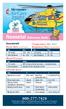 Operated by REACH Air Medical Services Assessment Heart Rate (beats/min.) Age Rate
NEEDLE THORACENTESIS Pneumothorax / Hemothorax
 NEEDLE THORACENTESIS Pneumothorax / Hemothorax By: Steven Jones, NREMT-P Pneumothorax Pneumothorax is a collection of air or gas in the pleural space of the lung, causing the lung to collapse. Pneumothorax
Emergency Fluid Therapy in Companion Animals
 Emergency Fluid Therapy in Companion Animals Paul Pitney BVSc [email protected] The administration of appropriate types and quantities of intravenous fluids is the cornerstone of emergency therapy
ACLS Provider Manual Comparison Sheet Based on 2010 AHA Guidelines for CPR and ECC. BLS Changes
 ACLS Provider Manual Comparison Sheet Based on 2010 AHA Guidelines for CPR and ECC CPR Chest compressions, Airway, Breathing (C-A-B) BLS Changes New Old Rationale New science indicates the following order:
Bier Block (Intravenous Regional Anesthesia)
 Bier Block (Intravenous Regional Anesthesia) History August Bier introduced this block in 1908. Early methods included the use of two separate tourniquets and procaine was the local anesthetic of choice.
Adult Drug Reference. Dopamine Drip Chart. Pediatric Drug Reference. Pediatric Drug Dosage Charts DRUG REFERENCES
 Adult Drug Reference Dopamine Drip Chart Pediatric Drug Reference Pediatric Drug Dosage Charts DRUG REFERENCES ADULT DRUG REFERENCE Drug Indication Adult Dosage Precautions / Comments ADENOSINE Paroxysmal
404 Section 5 Shock and Resuscitation. Scene Size-up. Primary Assessment. History Taking
 404 Section 5 and Resuscitation Scene Size-up Scene Safety Mechanism of Injury (MOI)/ Nature of Illness (NOI) Ensure scene safety and address hazards. Standard precautions should include a minimum of gloves
New resuscitation science and American Heart Association treatment guidelines were released October 28, 2010!
 ACLS Study Guide 2010 Bulletin: New resuscitation science and American Heart Association treatment guidelines were released October 28, 2010! The new AHA Handbook of Emergency Cardiac Care (ECC) contains
Management of Adult Cardiac Arrest
 73991_CH27_page68-73.qxd 6/6/11 3:54 PM Page 68 27.68 Section 5 Medical Guidelines for Performing a 12-Lead ECG The only way to learn how to obtain a 12-lead ECG is to practice with the equipment itself.
F.E.E.A. FONDATION EUROPEENNE D'ENSEIGNEMENT EN ANESTHESIOLOGIE FOUNDATION FOR EUROPEAN EDUCATION IN ANAESTHESIOLOGY
 créée sous le Patronage de l'union Européenne Detailed plan of the program of six courses 1. RESPIRATORY 1. ESPIRATORY AND THORAX 1.1 Physics and principles of measurement 1.1.1 Physical laws 1.1.2 Vaporizers
American Heart Association. Pediatric Advanced Life Support. Written Precourse Self-Assessment. Questions and Answer Key for Students.
 E C C American Heart Association Pediatric Advanced Life Support Written Precourse Self-Assessment Questions and Answer Key for Students January 2012 PALS Written 2011 Precourse Self-Assessment ECG Rhythm
Acute heart failure may be de novo or it may be a decompensation of chronic heart failure.
 Management of Acute Left Ventricular Failure Acute left ventricular failure presents as pulmonary oedema due to increased pressure in the pulmonary capillaries. It is important to realise though that left
Equine Cardiovascular Disease
 Equine Cardiovascular Disease 3 rd most common cause of poor performance in athletic horses (after musculoskeletal and respiratory) Cardiac abnormalities are rare Clinical Signs: Poor performance/exercise
ACID- BASE and ELECTROLYTE BALANCE. MGHS School of EMT-Paramedic Program 2011
 ACID- BASE and ELECTROLYTE BALANCE MGHS School of EMT-Paramedic Program 2011 ACID- BASE BALANCE Ions balance themselves like a see-saw. Solutions turn into acids when concentration of hydrogen ions rises
Target groups: Paramedics, nurses, respiratory therapists, physicians, and others who manage respiratory emergencies.
 Overview Estimated scenario time: 10 15 minutes Estimated debriefing time: 10 minutes Target groups: Paramedics, nurses, respiratory therapists, physicians, and others who manage respiratory emergencies.
2015 Interim Resources for HeartCode ACLS
 2015 Interim Resources for HeartCode ACLS Original Release: November 25, 2015 Starting in 2016, new versions of American Heart Association online courses will be released to reflect the changes published
Levels of Critical Care for Adult Patients
 LEVELS OF CARE 1 Levels of Critical Care for Adult Patients STANDARDS AND GUIDELINES LEVELS OF CARE 2 Intensive Care Society 2009 All rights reserved. No reproduction, copy or transmission of this publication
Cerebral blood flow (CBF) is dependent on a number of factors that can broadly be divided into:
 Cerebral Blood Flow and Intracranial Pressure Dr Lisa Hill, SpR Anaesthesia, Royal Oldham Hospital, UK. Email [email protected] Dr Carl Gwinnutt, Consultant Neuroanaesthetist, Hope Hospital, UK. The
Neonatal Reference Guide
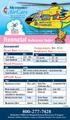 Operated by REACH Air Medical Services Assessment Heart Rate (beats/min.) Rate
X-Plain Subclavian Inserted Central Catheter (SICC Line) Reference Summary
 X-Plain Subclavian Inserted Central Catheter (SICC Line) Reference Summary Introduction A Subclavian Inserted Central Catheter, or subclavian line, is a long thin hollow tube inserted in a vein under the
ROC CONTINUOUS CHEST COMPRESSIONS STUDY (CCC): MEDICAL CARDIAC ARREST MEDICAL DIRECTIVE
 ROC CONTINUOUS CHEST COMPRESSIONS STUDY (CCC): MEDICAL CARDIAC ARREST MEDICAL DIRECTIVE An Advanced Care Paramedic will provide the treatment based on the randomization scheme and as prescribed in this
PEDIATRIC TREATMENT GUIDELINES
 P1 Pediatric Patient Care P2 Cardiac Arrest Initial Care and CPR P3 Neonatal Resuscitation P4 Ventricular Fibrillation / Ventricular Tachycardia P5 PEA / Asystole P6 Symptomatic Bradycardia P7 Tachycardia
www.cprtrainingfast.com
 ADVANCED CARDIAC LIFE SUPPORT (ACLS) RECERTIFICATION EXAMINATION 1. Ten minutes after an 85 year old woman collapses, paramedics arrive and start CPR for the first time. The monitor shows fine (low amplitude)
AMERICAN HEART ASSOCIATION 2010 ACLS GUIDELINES: WHAT EVERY CLINICIAN NEEDS TO KNOW
 AMERICAN HEART ASSOCIATION 2010 ACLS GUIDELINES: WHAT EVERY CLINICIAN NEEDS TO KNOW Joseph Heidenreich, MD Texas A&M Health Science Center Scott & White Memorial Hospital Scott & White Memorial Hospital
What Are Arrhythmias?
 What Are Arrhythmias? Many people have questions about what the word arrhythmia means, and arrhythmias can be a difficult subject to understand. The text below should give you a better understanding of
The heart then repolarises (or refills) in time for the next stimulus and contraction.
 Atrial Fibrillation BRIEFLY, HOW DOES THE HEART PUMP? The heart has four chambers. The upper chambers are called atria. One chamber is called an atrium, and the lower chambers are called ventricles. In
2015 Interim Resources for BLS
 2015 Interim Resources for BLS Original Release: November 25, 2015 Starting in 2016, new versions of American Heart Association online courses will be released to reflect the changes published in the 2015
Levophed Norepinephrine Bitartrate Injection, USP
 Levophed Norepinephrine Bitartrate Injection, USP R x only DESCRIPTION Norepinephrine (sometimes referred to as l-arterenol/levarterenol or l-norepinephrine) is a sympathomimetic amine which differs from
Wilson County Emergency Management Agency Protocol Manual Protocols
 Asystole No pulse or respirations Confirm cardiac rhythm with combo pads or electrodes Record in two leads to confirm Asystole and to rule out fine V-Fib. Basic assessment and management (up to your scope
If you do not wish to print the entire pre-test you may print Page 2 only to write your answers, score your test, and turn in to your instructor.
 This is a SAMPLE of the pretest you can access with your AHA PALS Course Manual at Heart.org/Eccstudent using your personal code that comes with your PALS Course Manual The American Heart Association strongly
Cardiac and Pulmonary Issues in the Elite Athlete. Keep Your Edge Hockey Sports Medicine 2015 Toronto August 28-30 2015
 Cardiac and Pulmonary Issues in the Elite Athlete Keep Your Edge Hockey Sports Medicine 2015 Toronto August 28-30 2015 THORACIC EMERGENCIES Hockey related thoracic trauma is blunt Injury to the boney
Normal Sinus Rhythm. Sinus Bradycardia. Sinus Tachycardia. Rhythm ECG Characteristics Example (NSR) & consistent. & consistent.
 Normal Sinus Rhythm (NSR) Rate: 60-100 per minute Rhythm: R- R = P waves: Upright, similar P-R: 0.12-0.20 second & consistent P:qRs: 1P:1qRs Sinus Tachycardia Exercise Hypovolemia Medications Fever Hypoxia
ANZCOR Guideline 12.4 Medications and Fluids in Paediatric Advanced Life Support
 ANZCOR Guideline 12. Medications and Fluids in Paediatric Advanced Life Support Who does this guideline apply to? This guideline applies to infants and children. Summary Who is the audience for this guideline?
It is recommended that the reader review each medical directive presented in this presentation along with the actual PCP Core medical directive.
 It is recommended that the reader review each medical directive presented in this presentation along with the actual PCP Core medical directive. This presentation will highlight the changes and any new
!!! BOLUS DOSE IV. Use 5-10 mcg IV boluses STD ADRENALINE INFUSION. Use IM adrenaline in advance of IV dosing!
 ADRENALINE IVI BOLUS IV Open a vial of 1:1000 ADRENALINE 1 mg /ml Add 1 ml to 9 ml N/Saline = 1mg adrenaline in 10 ml (or 100 mcg/ml) Add 1 ml 1:10,000 to 9 ml N/Saline = 100 mcg adrenaline in 10 ml (or
10. An infant with a history of vomiting and diarrhea arrives by ambulance. During your primary assessment the infant responds only to painful stimula
 1. You are called to help resuscitate an infant with severe symptomatic bradycardia associated with respiratory distress. The bradycardia persists despite establishment of an effective airway, oxygenation,
IU Health ACLS Study Guide
 IU Health ACLS Study Guide Preparing for your upcoming ACLS Class REVISED SEPTEMBER 2011 ON APRIL 1, 2011 WE BEGAN TEACHING THE 2010 AHA GUIDELINES. WE HIGHLY RECOMMEND REVIEWING THE NEW ALGORYHMS FOUND
PALS Interim Study Guide
 PALS Interim Study Guide 2006 Bulletin: New resuscitation science and American Heart Association treatment guidelines were released November 28, 2005! The new AHA Handbook of Emergency Cardiac Care (ECC)
PROCEDURAL SEDATION/ANALGESIA NCBON Position Statement for RN Practice
 PROCEDURAL SEDATION/ANALGESIA NCBON Position Statement for RN Practice P.O. BOX 2129 Raleigh, NC 27602 (919) 782-3211 FAX (919) 781-9461 Nurse Aide II Registry (919) 782-7499 www.ncbon.com Issue: Administration
Patient Care Services Policy & Procedure Title: No. 8720-0059
 Page: 1 of 8 I. SCOPE: This policy applies to Saint Francis Hospital, its employees, medical staff, contractors, patients and visitors regardless of service location or category of patient. This policy
Reading Assignment: Tasks for the Veterinary Assistant, pages 467-473, Appendix L, O and P
 Patient Monitoring Reading Assignment: Tasks for the Veterinary Assistant, pages 467-473, Appendix L, O and P Patient monitoring during surgery is an extremely important task that is commonly the responsibility
Procedure 17: Cardiopulmonary Resuscitation
 Cardiopulmonary Resuscitation 349 Procedure 17: Cardiopulmonary Resuscitation Introduction Cardiopulmonary arrest (CPA) occurs when a patient s heart and lungs stop functioning. In children, CPA usually
8 Peri-arrest arrhythmias
 8 Peri-arrest arrhythmias Introduction Cardiac arrhythmias are relatively common in the peri-arrest period. They are common in the setting of acute myocardial infarction and may precipitate ventricular
Department of Emergency and Disaster Medicine Medical University of LODZ
 Electrotherapy in emergency states Department of Emergency and Disaster Medicine Medical University of LODZ defibrillation defibrillation The purpous of defibrillation is to deliver a randomly timed high-energy
*Reflex withdrawal from a painful stimulus is NOT considered a purposeful response.
 Analgesia and Moderate Sedation This Nebraska Board of Nursing advisory opinion is issued in accordance with Nebraska Revised Statute (NRS) 71-1,132.11(2). As such, this advisory opinion is for informational
PREPARATIONS: Adrenaline 1mg in 1ml (1:1000) Adrenaline 100micrograms in 1ml (1:10,000)
 ADRENALINE Acute hypotension Via a CENTRAL venous line Initially 100-300 nanograms/kg/minute 0.1-0.3 microgram/kg/minute adjusted according to response up to a maximum of 1.5 micrograms/kg/minute. Increase
Septic Shock: Pharmacologic Agents for Hemodynamic Support. Nathan E Cope, PharmD PGY2 Critical Care Pharmacy Resident
 Septic Shock: Pharmacologic Agents for Hemodynamic Support Nathan E Cope, PharmD PGY2 Critical Care Pharmacy Resident Objectives Define septic shock and briefly review pathophysiology Outline receptor
Alabama Medications. Christopher J. Colvin January 2010
 Alabama Medications Christopher J. Colvin p January 2010 Activated Charcoal Used to absorb toxins ingested before they can be absorbed in the GI system. Contraindicated in AMS patients who cannot control
HOWS AND WHYS OF CRI ANALGESIA IN SMALL ANIMALS Luisito S. Pablo, DVM, MS, Diplomate ACVA University of Florida, Gainesville, Florida
 HOWS AND WHYS OF CRI ANALGESIA IN SMALL ANIMALS Luisito S. Pablo, DVM, MS, Diplomate ACVA University of Florida, Gainesville, Florida Management of severe pain in small animals continues to be a challenge
Anatomy and Physiology: Understanding the Importance of CPR
 Anatomy and Physiology: Understanding the Importance of CPR Overview This document gives you more information about the body s structure (anatomy) and function (physiology). This information will help
Pediatric Airway Management
 Pediatric Airway Management Dec 2003 Dr. Shapiro I., PICU Adult Chain of Survival EMS CPR ALS Early Defibrillation Pediatric Chain of Survival Prevention CPR EMS ALS Out-of-Hospital Cardiac Arrest SIDS
Local Anaesthetic Systemic Toxicity. Dr Thomas Engelhardt, MD, PhD, FRCA Royal Aberdeen Children s Hospital, Scotland
 Local Anaesthetic Systemic Toxicity Dr Thomas Engelhardt, MD, PhD, FRCA Royal Aberdeen Children s Hospital, Scotland Conflict of interest None Overview Local anesthetic systemic toxicity (LAST) Background
Traumatic Cardiac Tamponade. Shane KF Seal 19 November 2003 POS
 Traumatic Cardiac Tamponade Shane KF Seal 19 November 2003 POS Objectives Definition Pathophysiology Diagnosis Treatment Cardiac Tamponade The decompensated phase of cardiac compression resulting from
IACUC Guideline LARGE ANIMAL FORMULARY
 The intention behind the development of a University of Pennsylvania IACUC-endorsed drug formulary for the larger species used in biomedical research was to provide guidance for anesthetic and analgesic
Regions Hospital Delineation of Privileges Emergency Medicine
 Regions Hospital Delineation of Emergency Medicine Applicant s Name: Last First M. Instructions: Place a check-mark where indicated for each core group you are requesting. Review education and basic formal
Milwaukee School of Engineering [email protected]. Case Study: Factors that Affect Blood Pressure Instructor Version
 Case Study: Factors that Affect Blood Pressure Instructor Version Goal This activity (case study and its associated questions) is designed to be a student-centered learning activity relating to the factors
MEDICATIONS USED IN ADULT CODE BLUE EMERGENCIES. Source: ACLS Provider Manual. American Heart Association. 2001, 2002. Updated 2003.
 MEDICATIONS USED IN ADULT CODE BLUE EMERGENCIES Source: ACLS Provider Manual. American Heart Association. 2001, 2002. Updated 2003. 1 ET Administration Atropine o First drug for symptomatic sinus bradycardia
Purpose To guide registered nurses who may manage clients experiencing sudden or unexpected life-threatening cardiac emergencies.
 Emergency Cardiac Care: Decision Support Tool #1 RN-Initiated Emergency Cardiac Care Without Cardiac Monitoring/Manual Defibrillator or Emergency Cardiac Drugs Decision support tools are evidence-based
NORTH WALES CRITICAL CARE NETWORK
 NORTH WALES CRITICAL CARE NETWORK LEVELS OF CRITICAL CARE FOR ADULT PATIENTS Throughout the work of the North Wales Critical Care Network reference to Levels of Care for the critically ill are frequently
Equine Sedation, Anesthesia and Analgesia
 Equine Sedation, Anesthesia and Analgesia Janyce Seahorn, DACVAA, DACVIM-LA, DACVECC Lexington Equine Surgery and Sports Medicine Equine Veterinary Specialists Georgetown, KY The need for equine field
CH CONSCIOUS SEDATION
 Summary: CH CONSCIOUS SEDATION It is the policy of Carondelet Health that moderate conscious sedation of patients will be undertaken with appropriate evaluation and monitoring. Effective Date: 9/4/04 Revision
Vtial sign #1: PULSE. Vital Signs: Assessment and Interpretation. Factors that influence pulse rate: Importance of Vital Signs
 Vital Signs: Assessment and Interpretation Elma I. LeDoux, MD, FACP, FACC Associate Professor of Medicine Vtial sign #1: PULSE Reflects heart rate (resting 60-90/min) Should be strong and regular Use 2
Influence of ph Most local anesthetics are weak bases.
 Local anesthetics The agent must depress nerve conduction. The agent must have both lipophilic and hydrophilic properties to be effective by parenteral injection. Structure-activity relationships The typical
Arrest. What s a Nurse to do?
 Benzo s, Blockers, Coma & Cardiac Arrest What s a Nurse to do? Objectives Review of ACLS Algorithms for Cardiac Arrest Management Discuss the toxicology of Beta Blocker Poisoning Describe the clinical
Jeopardy Topics: THE CLOT STOPS HERE (anticoagulants) SUGAR, SUGAR, HOW D YOU GET SO HIGH (insulins)
 Jeopardy Topics: THE CLOT STOPS HERE (anticoagulants) SUGAR, SUGAR, HOW D YOU GET SO HIGH (insulins) I HEAR YA KNOCKING BUT YOU CAN T COME IN (electrolytes) TAKE MY BREATH AWAY (Opiates-morphine) OUT WITH
EMBARGOED FOR RELEASE
 Systems of Care and Continuous Quality Improvement Universal elements of a system of care have been identified to provide stakeholders with a common framework with which to assemble an integrated resuscitation