
CHAPTER VI SUMMARY, FINDINGS, CONCLUSIONS, IMPLICATION, LIMITATION AND RECOMMENDATIONS
|
|
|
- Charles Stokes
- 10 years ago
- Views:
Transcription
1 Summary CHAPTER VI SUMMARY, FINDINGS, CONCLUSIONS, IMPLICATION, LIMITATION AND RECOMMENDATIONS This chapter deals with the summary of the study its findings and conclusion. The implementation of the structured teaching programme is to strengthen the knowledge and practice of diabetes type 2, patients to create the desirable attitude, to prevent diabetes complication. Summary of the study The primary aim of the study was to Assess the Effectiveness of Structured Teaching Programme on Lifestyle Modification of Diabetes Type 2, patients of the study: 1. To determine the pre-test knowledge and practice of the subjects on diabetes life style modification 2. To administer structured teaching programme on lifestyle modification of diabetes subjects. 3. To assess the post-test knowledge and practice of subjects on diabetes lifestyle modification. 150

2 Summary 4. To find out the effectiveness of structured teaching programme on diabetes lifestyle Modification. 5. To find out correlation between knowledge and practice of diabetes subjects. 6. To know the association between pre-test and post-test knowledge and practice scores with the selected socio-demographic variables of the subjects. The study attempted to examine the following research Hypotheses H 1 : There will be significant difference in the level of knowledge, and practice score of diabetes patients on life style modification, before and after administration of structured teaching programme. H 2 : There will be significant association between knowledge of life style modifications of diabetes patients with their selected socio demographic variables. H 3 : There will be significant association between practices on lifestyle modifications of diabetes patients with their selected demographic variables. The conceptual frame work adopted for the study is based on Rosenstock S et,al. integrated health belief model. Developed by Rosenstock IM (1966). The model was furthered by Baker and colleagues in Model consists of individual perception, modifying factors and likelihood of taking action, and provides comprehensive systematic, ongoing frame work 151

3 Summary The study was conducted in Kempegowda Institute of Medical Sciences Hospital, Bangalore. The sample size consists of 500 diabetes type 2 patients. The convenient sampling technique method was used to select the samples. Review of literature was organized as follows: Life style modification in management of diabetes mellitus. Diabetes lifestyle modification educational programme. Diabetes and knowledge of diabetes. Monitoring blood glucose. Diabetes diet. Diabetes and medication practice. Diabetes and exercise. Diabetes and foot care practice. Diabetes and recognizing complication. The research approach selected for the study was the evaluating approach. The research design included Pre-test and post-test. Independent variable in the study was structured teaching programme and dependent variables were knowledge and practice scores. The tool developed and used for data collection was structured interview schedule on diabetes type 2 life style modifications Part I: Socio-demographic Profile (consists of 24 items). 152

4 Summary Part II: Structured interview Schedule (consist of 64 items). For these 64 Items, 64 was the maximum score. Each question had 4 options, out of which one option was appropriate; each correct answer got one score and wrong answer got a zero score Part III: Structured interview schedule on diabetes life style knowledge on practice (consist of 87 items). For these 87 Items, 87 was the maximum score. Each question has two options (yes or no) each correct answer had one score and wrong answer had zero score. The steps involved in the development of instruments were preparation of blue print, construction of items/statements on diabetes patient lifestyle modification, Pre-testing and testing for reliability and validity. validity of the tool validity of the tool was established after consulting experts in nursing, the guide and co guide, the statistician, the research advisory committee members and diabetologists. Reliability of the tool The reliability of the tool was established by taking 50 type 2 diabetes patients. Split half method, using Brown prophecy formula was adopted. The reliability r for the 153

5 Summary knowledge tool was found to be 0, 9382, (p < 0.001) and reliability of the practice tool was found to be ( p< 0.001) which was statistically significant and thus the tool was found to be reliable for the study. Pre-testing of the tool Pre-testing of the tool was done on a sample of 50 type 2 diabetes patients who were similar in characteristics to those of the Subjects under study, to check the clarity of the items, their feasibility and practicability. Selecting and Developing structured Teaching programme Effort was made to develop structured teaching programme, based on life style modification of diabetes patient s knowledge and practice A pilot study was conducted. The sample of the pilot study is not included for the main study. The result revealed that the structured teaching programme on lifestyle modification was effective in gaining of knowledge and modified practice of diabetes patients as well as revealed that the study is feasible to conduct. Administration of Structured teaching programme Structured teaching programme was administered, for those patients who participated in the Pre-test. 154

6 Summary Post-test On 7 th day of the administration of structured teaching programme, post-test was conducted, on diabetes life style modification, knowledge of the disease and diabetes lifestyle practice. Data collection was completed for 550 clients in the Pre-test, but in the post-test there were 50 dropouts reducing the post-test completion number to 500 subjects. The significant findings of the study. Demographic Characteristics of Subjects It is observed that majority of Subjects found in the age group of years, majority of the Subjects (76 %) were males, 93.2% were found to be married, and majority of Subjects (37.8%) had education up to SSLC. Majority (73.6%) of Subjects belonged to Hinduism compared to 17.4% to Islam and 9% to Christianity. Higher Subjects (73.2%) belong to nuclear family, majority (82%) found to be of urban back ground and higher Subjects having family income of 5,000-9,000.Data indicates the duration of diabetes ranged between 1-5 years. 84% of Subjects were advised oral hypoglycemic agents compared to insulin injection. The duration of hospitalization varied from 1-5 days (61.8%) further 11.8% of Subjects had undergone eye test after diagnosis. Result indicated that 19.2% Subjects had a smoking habit; hypertension was the most common co morbid condition (35.6%) as compared to other diseases such as eye (30.8 %) renal (16.6%), neuritis (16.4 %) and cardiac conditions,(15. 4%). 155

7 Summary Respondent s knowledge of mean score on diabetes lifestyle modification (DLSM) It is evident from the result that the Pre-test knowledge mean score found to be as compared to post-test mean score of Further the enhancement of mean knowledge score was found to be However, the statistical paired t test indicate the enhancement of knowledge and was found to be highly significant (t= 95.60*, p < 0.01) revealing the effectiveness of structured teaching programme on diabetes lifestyle modification. Domain wise Pre-test and post-test knowledge mean score on DLSM Domain wise Pre-test overall knowledge mean score was found to be The highest mean knowledge of Subjects was found in the domain of diabetes knowledge34.6 followed by diabetes and medication (31.6), foot care (30.4), diet (28.6), exercise (27.8), and less in the domain of monitoring blood glucose level (24.6). Domain wise post-test overall knowledge mean score was found to be 71.9; the highest post-test knowledge mean score was found in the domain of foot care (75.5), followed by exercise (74.0), medication (72.1), diet (70.6), diabetes knowledge (70.2) and relatively less knowledge was observed in the domain of monitoring blood glucose level (68.1). The enhancement of knowledge mean score on different domains was found between 35.6 in diabetes knowledge domain and 46.2 in diabetes and exercise domain. Further statistical analysis revealed that the difference in pre and post-test knowledge was 156

8 Summary statistically significant at 1 percent level on all the knowledge domains under study (p < 0.01) Subjects practice mean score for diabetes life style modification. It is evident from the result that the Pre-test practice mean score was found to be compared to post-test mean score of However, the enhancement of practice score was found to be The paired t test reveals the enhancement practice mean score was found to be significant( t= **, p< 0.01) indicating the effectiveness of structured teaching programme on diabetes life style modification. Domain wise Pre-test and post-test practice mean score on DLSM Domain wise practice mean score in Pre-test noticed highest in diabetes knowledge, 47.3, followed by diet 47.2 and hypoglycemia 46.0, the less practice mean identified in the domain of medication was 33.6 and foot care was Domain wise Post-test overall practice mean score found to be highest in the domain of hypoglycemia (80.5) followed by diet (75.4) management of complication (73.2) and exercise (71.0). However, the less practice scores noticed in the domain of driving and traveling, eye care and sick day management 68.7 and monitoring blood glucose level

9 Summary The Enhancement of practice mean score in different domains was found between 37.6 in management of complication and 22.3 in diabetes practice. The statistical analysis revealed that the enhancement in the practice scores was found to be highly significant for all the practice domains under study (P< 0.01). Association between knowledge and selected demographical variables Data depict association between age and knowledge level of Subjects, indicating the effect of age on knowledge level indicating younger the age, better is the knowledge. Duration of diabetes had above median practice indicating higher the duration of diabetes mellitus better is the knowledge level in both Pre-test and post-test found to be significant (p < 0.01). Gender has no impact on knowledge. Education and knowledge level were found to be significant. Higher the education level better is the knowledge. The association between income and knowledge level was found to be non significant in both Pre-test indicating no impact of income on knowledge level (p>0.05) Residence and knowledge were found to be non significant, Type of family and knowledge level, extended family background found with above median knowledge, Smoking habit and knowledge level reveals non significant in post-test (p >0.05). Alcohol consumption and knowledge level of Subjects was tested and a highly significant association (p< 0.01) between alcohol consumption and knowledge level in both pre and post-test was noted. 158

10 Summary Association between practice and selected demographical variables Age and practice level of Subjects: The test reveals the existence of significant association (p<0.01) in Pre-test and non significant association in post-test (p> 0.05) younger the age less the practice. Association between duration of diabetes mellitus and practice level in both Pre-test and post-test was found to be highly significant (p< 0.01) indicating higher the duration of diabetes mellitus better is the practice. Slightly higher male Subjects (56.1%) had below median practice compared to female Subjects (38.1%).Further 48.9% females compared to 53.3% of males had above median practice in post-test, indicating gender has impact on practice. Association between income and practice indicating the higher the income, better is the practice level (p< 0.01). Association between type of residence and practice was found to be significant in Pre-test (p< 0.01) and non significant in post-test (p>0.01) on DLSM. Result shows that extended family background found with above median practice, indicating wide difference in the practice from pre to post-test. Association between alcohol consumption and practice level of Subjects: The statistical test implies the existence of non significant association between alcohol consumption and practice level in Pre-test (p > 0.05) and highly significant in post-test (p< 0.01). It can be summarized that the enhancement of knowledge was found to be statistically significant (p<0.01) revealing the effectiveness of structured teaching programme on diabetes life style modification. Thus, younger the age, extended family, higher education status, higher the income, urban back ground, non smokers, non 159

11 Summary consumers of alcohol possess better knowledge on diabetes lifestyle modification, in post-test The practice level of Subjects on diabetes life style modification found to be lesser than median in Pre-test. The practice score ranged between 32.6 % to 47.3% as compared to 66.9% to 80.5% in the post-test. Among different domains the enhancement of mean practice level was found to be statistically significant (p< 0.01) revealing the effectiveness of structured teaching programme on diabetes life style modification, thus.older the age, longer the duration, female Subjects. Higher education, higher the income, extended family and non alcohol consumption possess better practice in post-test. The result indicated that there was a positive correlation between knowledge and practice (r=0.461) and this was statistically significant (p< 0.01). Thus indicating that, an increase in the knowledge will bring an increase in the practice level, meaning that more the knowledge the better is the practice. Conclusions The study was conducted to assess the effectiveness of structured teaching programme on lifestyle modification of diabetes patients, in Kempegowda Institute of Medical Sciences Hospital and Research Institute, Bangalore. In the present study 500 diabetes type 2 were selected using convenience sampling methods. The aim of the present study is to assess the existing knowledge and practice of diabetes type 2 patients regarding life style modification, and to provide structured 160

12 Summary teaching programme on life style modification and assess the effectiveness of a structured teaching programme. The study revealed that diabetes type 2 patients had below median knowledge level on diabetes life style modification. Diabetes type2 patients showed interest in learning diabetes life style modification in different domains of life style, with their demographic variable The analysis of the findings indicated that, structured teaching programme is an effective means to increase the knowledge and practice of diabetes s type 2 patients on life style modification as the computed t test was significant at 1% level of significant. It is evident from the result that the Pre-test knowledge found to be below median compared to post-test above median; further the Pre-test practice was found to be below median compared to post-test that was above median. However enhancement of knowledge and practice found to be highly significant, revealing the effectiveness of teaching programme on diabetes life style modification. The result of the study will enable the nurse / health care providers to utilize the structured teaching programme to the diabetes type 2 patients in the hospital and in the community settings as on additional intervention in preventing diabetes related complications by improving the knowledge and practice of diabetes patients on life style modification. Structured teaching programme is one of the effective teaching methods in imparting the knowledge and practice on lifestyle modification of diabetes patients. Nurses play a vital role by creating awareness among the diabetes patients and their care giver to opt for quality services 161

13 Summary The findings of the study have following implications. Nursing implication Nurses are working in all clinical areas, it is often the nurse who initially assesses, implements and coordinates care for diabetes patents in all settings. Nurses educate the diabetes patients for adapting to a healthier life style in order to improve self care abilities. Nurses play a vital role by creating awareness among the diabetes patients and their care giver to opt for quality services. This gives opportunities and time to the nurses to accomplish evidence based practice to fulfill their demands which will help them to achieve quality care. Quality nursing care can be attained successfully by conducting clinical nursing research and developing theories which can be included in the curriculum of nursing education, thus nursing practice is strengthened. The investigator is of the opinion that knowledge and practice of life style modification will bring about awareness among diabetes patients. With advancement in Nursing and medical field nurses are occupying the Diabetic Specialist role and providing education, counseling to diabetic patients. Nursing Education Conduct nursing short term courses on diabetes life style modification Arrange in service education for nurses working in clinical areas on diabetes life style modification 162

14 Summary Include life style modification teaching in nursing education by including it in nursing syllabus. Curriculum should be designed to educate the student nurses to educate diabetes patients on life style modification. Develop hand book for nurses on diabetes life style modification Nursing Practice Structured teaching programme on diabetes life style modification should be made an ongoing continuing education in inpatient and out patient department Assisting patient on understanding importance of life style modification showing example of complicated patients condition. There should be a printed self instructional module available in different language which provides the patients with the necessary information about diabetes life style modification. Information obtained from this study implicates that all nurses in health care setting to provide life style modification information for patients and family with history of diabetes mellitus towards the prevention of its life threatening complications. 163

15 Summary Nursing administration The administrator should arrange continuing education programme for nursing personnel working in clinical areas regarding diabetes life style modification. Plan and conduct nursing conferences, seminars, and workshops and also provide opportunity for the nurses to participate in the same, related to diabetes life style modification Administrator should plan for diabetes anonymous self help group like alcoholic anonymous group. Here the patients can interact with each other, discuss their problems and way to over come in health care set up. Provide information about the non governmental organization and other agencies which will financially support the patient for diabetes care. Nursing research Evidence based nursing practice could be achieved by conducting clinical nursing research. This study explored that diabetes patient needs lifestyle modification education in different domains. The study implicates that the research is required in different domains such as diabetes diet, exercise, medication, blood glucose monitoring, and foot care, eye care, which help us to maintain the standard of care and prevent diabetes related complications. 164

16 Summary Limitations The study is limited to the patients diagnosed with type 2 diabetes mellitus admitted at Kempegowda Institute of Medical Sciences Hospital and Research Center. The period of data collection was limited to one time, if this would have been increased to multiple time, it would have enhanced the opportunity for investigator to obtain further data. The close ended type of questionnaires administered, limits the views and expressions of the patients. There were many implicit factors that would have influenced the knowledge and practice, either positively or negatively. Taking in to consideration the sample size(500) the knowledge on practice level has been studied since it was not possible to make observation on practice aspect of subject which is one of the limitation of the study Since the design used for the study pre experimental with one group pre and post test which is one of the limitation because of absence of control group. Recommendations The further studies are directed on the basis of the present study A similar study can be replicated on a subject with different demographic characteristics in different settings. A comparative study can be done on rural and urban patients Each domain wise diabetes lifestyle modification can be conducted. Study can be conducted with larger sample 165

17 Summary Different teaching strategy can be developed like simulation, including all domains of diabetes and its complications Counseling programme based on Diabetes life style modification can be developed. 166

18 INDIVIDUAL PRECEPTION PERCEIVED SUSCEPTIBILITY OF DISEASE [DIABETES] SOCIO-DEMOGRAPHIC FACTORS Age Gender Religion Education Income Residence Type of family MODIFYING FACTORS PSYCHOLOGICAL VARIABLES Food habits Smoking, alcohol consumption Social class Peer group DIABETES TYPE 2 PATIENTS WITH PERCEIVED SEVERITY OF ILL HEALTH CONDITION. LIKELIHOOD OF TAKING ACTION ASSESSMENT OF DIABETES LIFE STYLE MODIFICATION [PRE-TEST] ADMINISTRATION OF STP PERCEIVED BENEFIT Moderately Adequate Knowledge and Practice CUES TO ACTION Mass media campaign Advice from others Illness of family member News paper. Magazine STRUCTURAL VARIABLE Type of medication Duration of diabetes History of hospitalization Monitoring Blood Glucose ASSESSMENT OF POST-TEST PERCEIVED BARRIER Inadequate Knowledge and Practice Key: in the study.not in the study MODIFIED ROSENSTOCK ET AL INTEGRATED HEALTH BELIEF MODEL 20
![LIKELIHOOD OF TAKING ACTION ASSESSMENT OF DIABETES LIFE STYLE MODIFICATION [PRE-TEST] ADMINISTRATION OF STP PERCEIVED BENEFIT Moderately Adequate Knowledge and Practice CUES TO ACTION Mass media](/docs-images/42/2966923/images/page_18.jpg "campaign Advice from others Illness of family member News paper.")
19 Structured teaching programme (STP) Topic : Diabetes life style modifications Group : Diabetes type 2 patients Place: Kempegowda Institute Medical Science Hospital And Research Center, Bangalore. Method of teaching: r discussion Medium of instruction: English and Kannada Teaching aids: Black board, over head projector, and chart Time: 1 hour. General objectives: At the end of the teaching programme diabetes type 2 patients acquire knowledge and knowledge on practice in positive directions. Specific objectives at the end of structured teaching programme: The diabetes patients will be able to: 1. Enumerate the meaning and its knowledge of diabetes. 2. Explain life style modification in managing of diabetes mellitus. 3. Discuss diagnosis criteria. 4. Discuss causes, signs and symptoms of diabetes. 5. Classify the type of diabetes. 6. Discuss knowledge on diabetes. 7. State the diabetes types and monitoring of glucose. 8. Discuss diabetes and diet. 9. Describe diabetes and exercise. 10. Discuss diabetes and foot care. 11. Discuss diabetes and medication 11. Discuss the hypoglycemia States diabetes and how to recognize complications.

20 S.NO Time 00:00 00:01 Specific Explain Life style Modification in managing diabetes mellitus Introduction: In India, the level of awareness about diabetes and its consequences remains pathetically low. For many people, diabetes means it is just an increase in blood sugar level, which has to be controlled by a sugar free diet and some medications. Not many are aware of the serious complications of the disease, if not treated properly and at the right stage. Diabetes can affect eye sight and lead to renal failure, heart attack, gangrene and amputations. An understanding of the level of public awareness is helpful for health educators to plan for future programs. You can lead an absolute healthy active and fulfilling life as fruitful as any normal person, if you are willing to learn, understand and monitor diabetes. Lifestyle modification: Lifestyle modification means adopting that can control diabetic complications. These include: Diabetes knowledge Diabetes and monitoring of blood glucose level Diabetes and diet Diabetes and exercise Diabetes and foot care Diabetes and use of medications Diabetes and hypoglycemia Teaching learning Introduce the topics

21 Diabetes and travelling or driving Diabetes and eye care Diabetes and sick day management Diabetes and recognizing complications. 00:05 Enumerate diabetes and its knowledge DIABETES KNOWLEDGE: Diabetes Mellitus Diabetes mellitus means an increase in the blood glucose level, which is characterized by hyperglycemia. It is caused by an absolute or relative insulin deficiency, resulting from metabolic disorders. It happens due to the malfunction of a gland called pancreas in the body, which is responsible for secreting insulin. 00:06 Classify Types of Diabetes Explain Risk factors Types of Diabetes: There are several types of diabetes mellitus. They may differ in its cause, clinical manifestations or the treatment. The major types of diabetes are: Type- 1 Previously referred to as Insulin Dependent Diabetes Mellitus (IDDM). Type- 2 Previously referred to as Non Insulin Dependent Diabetes Mellitus (NIDDM). Type- 3 Gestational Diabetes Mellitus (GDM). Type- 4 Diabetes Mellitus associated with other conditions or Syndromes. Type- 2 Diabetes: Type- 2 diabetes results from the insulin resistance with an insulin secretary defect, occurs most commonly in people older than 30 years, who are obese especially with family history of diabetes, are at risk. Risk factors Family history of diabetes mellitus (parents, siblings with diabetes mellitus).
22 00:09 Obesity Physical inactivity Race, ethnicity and age 00:10 00:12 Explain Common signs and Symptoms Of diabetes List the diagnosis criteria Common Signs and Symptoms Tiredness, general weakness both physical and mental Increased hunger (poly phagia) Increased thirst and dryness of mouth (poly dypsia) Frequent urination (poly urea) Loss of weight, even if one eats more. Blurred vision Pain and aches in the body and limbs Slow healing of wounds and recurrent skin infections Numbness and tingling of fingers specially in toes Loss of sexual drive and impotence Diagnosis The patient with diabetes may or may not show the symptoms. Diagnosis is established with the following: Diagnosis of diabetes is made with an increased elevation of fasting blood sugar (FBS) of more than 110mg/dl Diagnosis of diabetes is made with an increased elevation of post prandial blood glucose of more than 140mg/dl In a non diabetic, the fasting glucose levels are less than 110mg/dl, when in a diabetic has more than 126mg/dl and in a non diabetic the post meal glucose level is less than 140mg/dl, where as in a diabetic it is more than 200mg/dl. Testing of blood glucose can be done by Laboratories Doctors/nurse Patients (by self) using test strips and meters
23 Frequency of blood glucose testing determines by diabetologist, not by family members or others non medical person. 00:14 Advantage of self monitoring of blood glucose It allows blood glucose level to be easily estimated at any time of the day or night, which enables the patient and doctor to get a clear idea about the fluctuations in blood sugar Self monitoring helps to improve the degree of control Self monitoring of blood glucose helps in the reassurance for appropriate therapy Factors Goals FBS 110 mg/dl PPBS 140 mg/dl 00:15 Discuss the diabetes diet DIABETES AND DIET A healthy person when taking meals, pancreas release insulin, depending on amount of food he has taken that helps to maintain blood sugar level in the body. Some times secretion of insulin is varied in diabetic person so has to maintain near normal blood sugar level, one has to restrict diet and follow a strictly diabetic diet. Diet is the most important aspect of treatment of diabetes. The diet should be similar to the patient s usual diet and that of his family. The old idea that rice should not be taken by diabetic and only wheat or ragi should be used is not correct. All cereals, whether it is rice, ragi, cholam or jawar contain about 70% of starch. The type of cereal taken is not important; it is only the quantity that matters.
24 The aim of nutrition in diabetes is to give a balanced diet and help in preventing long term complications. While planning diet it is not the restriction of particular food but to select proper food which is palatable and accepted. Diabetic client should follow diabetes menu plan evenly spread for 24hours. Calories are calculated after knowing the body built and weight of the person. Fat should be cut down while considering the calories. Minimum fiber requirement for 1000 cal/ day is 20-30gram. Fiber rich food is very good for controlling diabetes and reduces cholesterol, which includes whole cereals and pulses like Bengal gram, green gram and green leafy vegetables. Vegetarian diet is good for diabetes because it is cholesterol poor, rich in fiber and low in fat. This reduces risk of cardiovascular diseases. Vegetables that can be taken in an unlimited amount are, Ash guard, Bitter gourd, Beans, Cuber, Cauliflower, Cluster beans, Capsi, Coriander leaves, Curry leaves, Drumsticks etc. Foods/ vegetables/ fruits, which are having high glycemic value should be avoided, like potatoes, banana, mangoes, beetroots etc. Diabetic client should avoid fats, and fatty products like ghee, butter, cheese etc. Eating food lower in fat decreases the risk for heart and kidney diseases.
25 Sugar free food which include, any unsweetened food. Normal salt intake is allowed except in hypertensive person. Restriction of alcohol is particularly important. If the individual is eating normal well balanced diet, there is no need for supplements of vitamins and minerals. 00:18 Wrong eating habit is the root cause for complication of diabetes; goal is to change your food habits, maintain a less fat, less sodium, less calories and more fiber diet. Daily Carbohydrates, Fats and Proteins recommendations: Recommendations 1000 Cal/day (obese) 15% of total calories as protein 55-60% of calories as CHO 25-30% of calories as fat 1500 Cal/ day (medium built) 2000 Cal/ day (thin built) 38gm/ day 56gm/ day 75gm/ day gm/ day 28-33gm/ day gm/ day 42-50gm/ day gm/ day 56-67gm/ day Variations in Diabetic Diet Ask your doctor/ dietician to develop a meal plan for you, which need not to be repetitive, monotonous or boring. A number of variations (food exchange) can be brought to the diet as per your nutritional requirements for individual likings. Food Exchanges: Food exchanges are food equivalents defined to facilitate an
26 early variation in diet. Food can be divided into the following major groups called food exchanges. A single unit of exchange within the group has the same calorie value and can therefore be interchanged. 00:20 00:23 Seven Food Exchange Limits: Cereal exchange Pulse exchange Vegetable exchange Fruit exchange Milk exchange Meet/ fish/ poultry exchange Fat exchange Measures Used One medium size cup 150ml/ gm One table spoon 15ml/ gm One tea spoon 5ml/ gm Add 45 calories for every tea spoon fat used. (1cup cooked rice is equal to 2 slice bread in exchange list). Sample Menu for 1000 Calories (Ideal Diabetic Diet) Heavy built- 1000calories Breakfast 1cup Tea with 1tsp milk (no sugar) 2 slice of bread or 1 chapattis 2 medium idlis Mid Morning 2 small pieces apple or 1 / 2 orange 2 pieces of plain biscuits Lunch 1 chapatti 1 / 2 cup cooked rice 1cup green vegetables 1 glass butter milk
27 Evening Snacks 1 cup Tea with 1tsp milk (no sugar) 1slice bread or 2 plain biscuits Dinner 1 cup vegetables, 2 chapattis 1 cup vegetable salad Bed Time 1 cup butter milk 00:25 Sample Menu For Medium Built 1500 Calories Break Fast 1cup Tea with 1tsp milk (no sugar) 2 slice of bread or 1 chapattis 2 eggs white boiled (3days in a week) Mid Morning 3 small pieces apple or 1 orange 1 / 2 vegetable sandwich or 2 digestive biscuits Lunch 1 small chapatti 1cup cooked rice 1cup vegetables cooked or 1 fish 100gm or 1 chicken leg 1 glass butter milk 1 cup vegetable salad Evening Snacks 1 cup Tea with 1tsp milk (no sugar) 1slice bread 1 / 2 sandwich Dinner
28 00:27 2 small chapattis 1 / 2 cup lentil 1 cup vegetable salad 1 glass butter milk Bed Time 1 / 2 sandwich or 2 digestive or plain biscuits Sample Menu For Thin Built 2000 Calories Break Fast 1cup Tea with 1tsp milk (no sugar) 1cup low fat milk or 2 slice of bread or 1 chapatti 2 eggs white boiled (3days in a week) Mid Morning 4 small pieces apple or 1 orange or 2 slice bread or 1 vegetable sandwich Lunch 2 small chapattis 1cup cooked rice 1cup vegetables cooked, 1 cup vegetable salad or 1 fish 100gm or 1 chicken leg 1 glass butter milk Evening Snacks 1 cup Tea with 1tsp milk (no sugar) 2slice bread Dinner 2 small chapattis 1 / 2 cup vegetable cooked 1 / 2 cup lentil 1 cup vegetable salad 1 glass butter milk Bed Time 1cup low fat milk 2 slices bread
29 4 digestive or plain biscuits Measurement Used 1cup = 150ml 1tbsp = 15gms 1tsp = 5gms For vegetarians, exchange of eggs and chicken legs will be substituted by protein diet using cereals (use germinated cereals). Use 1 / 2 liter milk a day (which includes milk in coffee or tea). It is better to adopt vegetarian diet, occasionally use non vegetarian diet. Use more fiber content diet and green leafy vegetables. 00:29 Describe diabetes and exercise Diabetes and Exercise Sweat it out make a regular exercise a life long habit. Choose any physical activity that you enjoy i.e. walking, jogging and aerobics and so on. Work out for about minutes every day. Manage stress through regular physical. Exercise is important in the management of diabetes because it helps to reduce blood glucose level, burns calories, improves the response to diabetic drugs (oral drugs and insulin) and helps to maintain a feeling of well being. 00:30 Guidelines For Exercise Before starting an exercise all diabetics should be evaluated by diabetologist/ doctor. Diabetics should walk briskly/ jog for a minimum of 30 min, and if possible continue up to 45 min to 1 hour (morning walk is useful). Begin and end each session with a warm up 5-10
30 00:31 00:32 min and cool down 5-10 min period respectively. Diabetics should avoid exercise when blood glucose level is above 250mg/ dl. Drink sufficient fluids before and after exercise to prevent dehydration. Diabetics should avoid exercise, immediately after heavy meal. Precautions Always carry diabetic identity card Carry sugar, glucose or candy with you Drink plenty of fluids to avoid dehydration Patients who have bleeding in their eyes should avoid strenuous exercises. Proper walking shoes should be worn Monitor feet closely for blisters before and after exercise. Pain is a warning sign, if pain or cramps continues, seek medical advice. If any chest pain or discomfort develops immediately stop the exercise. Moderate to heavy exercise should not be advised in people with uncontrolled diabetes. Do not exercise on empty stomach. Benefits Of Exercise The benefits of walking are tremendous in addition to weight control. Walking helps to control cholesterol level, releases endorphins, boosts energy level. Reduces weight, improves blood sugar control
31 Reduces dose of medications, improves quality of life, Improves blood circulation and strengthen the heart Lower blood pressure Increases HDL (Good cholesterol) Decreases LDL (Bad cholesterol) 00:33 Discuss diabetes and foot care Diabetes and Foot Care Diabetics are prone to develop foot ulcer because of decreased and poor circulation. This can cause loss of sensation and delayed healing. Foot care is important to increase circulation. Foot Care Advices Examine both feet carefully every day for injuries such as blisters, cuts, bruises or infections. Use a mirror to look at the bottom of the feet. It is important to keep feet clean. Wash with soap and warm water (never use hot water). Dry carefully, especially in between toes. If your feet are too dry, apply mild cream/ lotion like Vaseline or olive oil except between toes. Do not walk with bare foot, even at home or on sandy places or near water sources. Do not smoke because it decreases the blood circulation and also in diabetes this may cause vascular diseases, which results in amputation of feet due to necrosis. Wear comfortable shoes, avoid wearing slippers or sandals.
32 00:37 00:40 Discuss diabetes and foot care Explain diabetes and use of medications Wear proper fitting socks, preferably cotton. Examine your shoes every day for foreign objects (stones, pins etc.), which may injure your feet and also Observe your feet for new lesions (redness, ulcers etc.). Trim toe nails regularly straight----- not too short and preferably after washing, when the nails are soft. Do not cut or remove calluses by yourself, report to physician. If your feet are cold, wear socks. Do not apply hot water bottles or heating pads Report to physician for any injuries such as wound or thorn prick, fungal infection, ingrown nails or swelling. Do not apply medicines to an open wound, but cover with clean dressing cloth or pad. Dangerous sign to look out in the foot are any change in color like red, blue or brown, pain, strange smell without injury, or swelling of the feet or leg. Intensified Foot Care It should be ensured to those with Poor hygiene Signs and symptoms of neuropathy (burning sensation) Evidence of peripheral vascular disease. Neuropathy or significant retinopathy Foot deformities and chronic orthopedics or rheumatic disorders Each person with diabetes should be educated on the foot care. Foot care is important for diabetics and preventive measures are available. You can prevent foot problem, if you follow above foot care advices. Diabetes and use of Medications
33 Diet and exercises are not enough to curb high blood sugar. Anti diabetic drugs or medicines taken orally in the form of tablets that helps to reduce blood sugar level. Some tablets work by stimulating the pancreas to increase Insulin production. When the pancreas cannot produce insulin any more, tablets become ineffective and these patients require insulin for control of their diabetes. Some oral anti diabetic drugs work at all level to help insulin to enter the cell. There are also a few which slow the absorption of glucose in the body. The dosage, time and type of drug, all these decisions are best made by your doctor. 00:41 Who Needs Insulin Injection Person with Type- 1 diabetes are dependent on insulin injection as their pancreas is unable to produce insulin. In Type-2 diabetes, there may be periods (during illness, surgery or pregnancy), when oral tablets cannot be taken treatment has to be temporarily replaced by insulin treatment. In addition many patients with Type 2 diabetes do much better on a daily insulin injection, especially when tablets are no longer effective. The decision about whether you require injection insulin or oral tablets is best made by your doctor. Types of insulin, action of insulin, strength of insulin, these decisions are best made by your doctor. Guidelines The action of anti diabetic drugs is to lower the blood glucose level Area suitable for self administration of insulin injection is
34 thighs, lower abdomen, and outer aspect of arms. Self changing time and dose of diabetic medications can lead to serious complications Store insulin in a refrigerator at the recommended temperature of 2-8 o c. If you cannot store your insulin in a refrigerator, keep it in a cool and dark place. Don t use insulin that has been frozen. Keep insulin out of the range of sunlight Insulin vial in use may be kept at room temperature (2-5 o c), up to one month. Insulin exhibiting white flakes, a granular deposit, or a brownish color should not be used. Irrespective of the strength (40 IU/ml or 100 IU/ml), your daily dose in IU remains the same. The best way to avoid confusion is to use the correct syringe (40 IU/ml or 100 IU/ml) Preserving an open insulin vial in a glass full of cold water is advisable when refrigerator is not available. 00:42 Discuss hypoglycemia Diabetes and Hypoglycemia Hypoglycemic reaction is the result of an abnormally low glucose level in the blood. Low blood sugar can be dangerous if neglected. So it is important to recognize the symptoms and treat them promptly. Causes Errors in insulin or oral hypoglycemic drugs dose/ schedule/ administration of overdose of insulin or anti diabetic tablets. Missed, delayed or inadequate meal Unusual exertion or too much exercise Illness
35 Incorrect timings of insulin, tablet and meals Excess alcohol intake 00:43 Symptoms Symptoms of low blood sugar reaction may differ from person to person and also in the same person from episode to episode. Common Symptoms Excess hunger Sweating Shivering Palpitations (rapid heart beat) Weakness Nervousness Tremors Giddiness Blurred vision Change in behavior or mental status, when the reaction becomes severe, these symptoms are followed by blackouts and fainting. Treatment If the reaction is mild and the person is conscious and alert, any food or drink that is readily available should be given immediately. Don t worry about exceeding your caloric allowance at that time. Use sugar or glucose if the reaction is very severe. If the person is drowsy or unresponsive, consult the doctor immediately and arrange to administer concentrated glucose or report to the nearest medical care center. Prevention Awareness regarding relationships between food, exercise
36 and anti diabetes treatment is very important. The four major meals for the day i.e., breakfast, lunch, evening snacks and dinner are compulsory and you should stick to the timings for meals and your medications as strictly as possible. Intermediately food like butter milk, tomato juice, clear soup and salads should be taken in between the meals. You should reduce the dosage of your medication once you start getting low sugar symptoms or if the urine and blood sugar tests are normal. You can consult your doctor for dose of drug any time if you have doubt. For those on insulin, remember that, there is usually an explanation for insulin reaction. If the reaction occurs, do not omit any dose of insulin without being told to do so by the doctor. Take extra food for extra exercise. Always carry emergency supplies of sweets, glucose or sugar with you. Regular check up of blood sugar is very important as per the doctors instruction Always carry your diabetic card when you go out of your home. 00:45 Explain diabetic driving And travelling. Diabetic, Driving and Travelling Travel Tips Many people with diabetes travel a lot. It is necessary to prepare and to take some extra steps to guarantee a more relaxed and safe trip. Carry and wear your diabetes identity card Stay as close as you can to your usual meals, exercise and medications routine. Keep medication, insulin, syringes and blood testing equipment handy. Always carry extra supplies Protect insulin and strips from extreme heat or cold Keep food and some form of fast acting sugar in hand.
37 Meals may be delayed for reasons you cannot control. Plan ahead for changes in meal time. Plan times for testing your blood sugar. Ask your doctor about medicine for possible vomiting or Diarrhea. Find out how and where to obtain emergency medical help when you are traveling. Driving Must mention diabetes while applying for a driving license. Needs special examination by diabetologist and ophthalmologist Need to carry simple carbohydrate food Need to stop driving when feeling dizzy or tired. Need to do blood glucose monitoring before long trip Need yearly eye examination 00:46 Discuss diabetes And eye care Diabetes and Eye Care Diabetes can cause blindness Eye care is important when you have diabetes, because it is the third most important cause of blindness Serious eye problems often develop without warning symptoms Blurring of vision is often the only symptom when blood sugar is high Consistent high blood sugar causes severe loss of vision. Visual Disturbance in Diabetes Blurred vision Double vision
38 Cloudy vision Curtain like shadows in the eye Red irritated eyes Painful pressure in the eye 00:47 Diabetic Retinopathy Patient with hypertension is at greater risk of developing diabetic retinopathy. Attention should also be given to other eye diseases such as cataract and glaucoma. Eye assessments should be performed once in a year, once retinopathy is detected, refer to ophthalmologist for further treatment. To prevent retinopathy and visual loss, prompt glycemic control in all diabetic individuals is a must. Important tips You should keep your blood sugar and blood pressure as close to normal as you can. Inform your eye doctor that you have diabetes. If you have sudden loss of vision contact your doctor immediately. The examination must be made on a dilated pupil, by instilling eye drops. Do not drive for three hours after eye exam. Attend regular annual eye checks. If you are pregnant and have diabetes consult an eye doctor during the first three months.
39 00:48 Diabetes and Sick day management Diabetes and Sick Day Management Call doctor if you have An obvious infection Illness lasting for more than 2days Vomiting or diarrhoea for more than 8hours Blood sugar over 400mg/dl in two consecutive tests Feeling very ill or experiencing pain Extreme fatigue, shortness of breath or dizziness Remember to test your blood sugar level, review insulin/ oral drug requirements and take appropriate action by consulting your doctor. Food for Sick Day If you are too sick to follow your meal plan try to replace the carbohydrate with liquids or soft foods. Small frequent feedings may be easier to tolerate. Try to drink 4 ounces of clear liquids such as tea, apple juice or diet soda every hour. avoid spicy foods Never omit your drug [oral or insulin], you may require additional oral hypoglycemic pills. Test your blood sugar every 4 hours Things to Remember People with diabetes get cold, allergies and upset just like others. If you are taking medicine for that contact doctor before hand. Read the label of the medication carefully before taking it. 00:50 State Diabetes and Recognizing complication Diabetes and Recognizing Complications When patient complains of any disturbance during examination, take doctors advice to seek expert opinion. The following complications should be referred to appropriate specialty.
40 Diabetic Retinopathy Patients with hypertension are at greater risk of developing diabetic retinopathy. Attention should also be given to other eye diseases such as cataract and glaucoma. Assessment should be done once in every year. Once such problems are detected they should be referred to ophthalmologist for further treatment. 00:52 Diabetic Nephropathy Diabetic nephropathy is a major cause of death among people with diabetes. It leads to end stage of renal disease, requiring dialysis or renal transplantation. This complications may be prevented and progression can be slowed by strict glycemic control and strict treatment for hypertension. Management People with diabetes should have their urine tested for protein at initial assessment and periodically at annual reviews. After laboratory confirmation of protein urea, refer the patient to nephrologists. Ensure optimal glycemic control. Neuropathy It is common in all patients with diabetes and may be detected soon after the onset of the disease. History and physical examination should be done at least annually. Referral to the specialist is indicated. Blood glucose control and drug treatment may be indicated, if you want to follow strict blood sugar control in order to prevent diabetes complications. Diabetic Keto Acidosis Diabetic ketoacidosis is potentially lethal condition.. However the
41 00:54 majority of cases can be prevented by avoiding high blood glucose level and building up of fat breakdown products in blood Signs and Symptoms Polydypsia, Polyphagia, hypothermia, abdominal pain and muscle cramps Drowsiness in severe cases, coma with above symptoms Refer to the nearest medical service immediately. Points to Remember You can lead an absolutely healthy, active and fulfilling life as productive as that of any normal person if you are willing to learn, understand and manage diabetes. You are the key person in the control of your disease. The physician and others can merely play a supportive or as advisory role. Proper management includes not only taking treatment but also regular assessment of the treatment. Performing regular tests and keeping a meticulous record of the findings is very important. You should keep your blood sugar and blood pressure as close to normal as you can. Diabetic client should follow diabetes menu plan, evenly spread for 24 hours. Vegetables/ fruits having high glycemic index should be avoided like potatoes, banana, mango, beetroot, sweet pumpkins etc. To sweat out make a regular exercise a life long habit. Diabetes should walk (brisk walking), jog for minimum of 30minutes and if possible continue up to 45minutes to 1 hour. You can prevent foot problems if you follow foot care
42 00:56 advices. Examine both feet carefully every day for injuries such as blisters, cuts, bruises or infections A hypoglycemic reaction is the result of an abnormally low glucose level in the blood. Low blood sugar can be dangerous if neglected. So it is important to recognize the symptoms and treat them promptly. Always carry glucose, sugar or any sweets with you to Manage hypoglycemia immediately. Remember always to carry your diabetes identity card with you whenever you go out, which could save your life. Diabetics are 25 times more prone to blindness. Diabetics must have their eye checked once in every six months. Save your eye sight, take action, attend regular eye check up The examination must be made on a dilated pupil, Do not drive for three hours of eye exam, as dilated pupil affects the sight. Balanced food, regular exercises, and medications, save you from complications. Eat three meals a day with two healthy snacks, rather than only having once or two large meals. Avoid smoking and alcohol. Action of anti diabetes drugs lowers the blood glucose level. Continue taking insulin when ill. If you cannot eat, take a liquid diet. Contact your doctor. Always keep one extra vial of insulin with you. While travelling ensure that you carry an adequate supply of insulin or oral drugs with you. Check blood pressure often. Monitoring blood pressure can halt damage to the arteries in the kidney.
43 If you are pregnant and have diabetes consult an eye specialist. Keep your date with the doctor, go for regular check up. 00:60 Conclusion Diabetes mellitus is a chronic condition, but people with diabetes can lead a full life while keeping their diabetes under control. Life style modification is an essential component of any diabetes management plan. Awareness about the disease can improve attitudes and well being. Life style modifications are the opportunities for the Diabetics to take charge of their health. Therefore, it is important to learn as much as possible about diabetes and to take an active role in making decisions about health care and treatment. So far we have seen the major benefits regarding the lifestyle modification in diabetes and how to manage diabetes to lead a life as close to normal as possible
CHAPTER V DISCUSSION. normal life provided they keep their diabetes under control. Life style modifications
 CHAPTER V DISCUSSION Background Diabetes mellitus is a chronic condition but people with diabetes can lead a normal life provided they keep their diabetes under control. Life style modifications (LSM)
Background (cont) World Health Organisation (WHO) and IDF predict that this number will increase to more than 1,3 million in the next 25 years.
 Diabetes Overview Background What is diabetes Non-modifiable risk factors Modifiable risk factors Common symptoms of diabetes Early diagnosis and management of diabetes Non-medical management of diabetes
The Family Library. Understanding Diabetes
 The Family Library Understanding Diabetes What is Diabetes? Diabetes is caused when the body has a problem in making or using insulin. Insulin is a hormone secreted by the pancreas and is needed for the
X-Plain Diabetes - Introduction Reference Summary
 X-Plain Diabetes - Introduction Reference Summary Introduction Diabetes is a disease that affects millions of Americans every year. Your doctor may have informed you that you have diabetes. Although there
DIABETES MELLITUS. By Tracey Steenkamp Biokineticist at the Institute for Sport Research, University of Pretoria
 DIABETES MELLITUS By Tracey Steenkamp Biokineticist at the Institute for Sport Research, University of Pretoria What is Diabetes Diabetes Mellitus (commonly referred to as diabetes ) is a chronic medical
Diabetes. Patient Education. What you need to know. Diabetes Facts. Improving Health Through Education. What is Diabetes?
 Diabetes What you need to know Diabetes Facts More than 3 million Canadians have diabetes (Canadian Diabetes Association, 2009). It is the 4th leading cause of death in the world (CDA, 2009). Patient Education
Type 2 Diabetes. Increase of diabetic complications as HAIC increases
 Type 2 Diabetes Diabetes is a disease of too much sugar (glucose) in the blood. Type 2 diabetes is caused by insulin resistance of the cells and abnormal insulin production by the pancreas. Insulin is
Insulin is a hormone produced by the pancreas to control blood sugar. Diabetes can be caused by too little insulin, resistance to insulin, or both.
 Diabetes Definition Diabetes is a chronic (lifelong) disease marked by high levels of sugar in the blood. Causes Insulin is a hormone produced by the pancreas to control blood sugar. Diabetes can be caused
Medical Assistant s Diabetes Survey
 Medical Assistant s Diabetes Survey Instructions: Circle one answer for each question. Thank-you. Basic Knowledge 1. Risk factors for developing Type 2 diabetes include: a. Family members with diabetes
HOW TO CARE FOR A PATIENT WITH DIABETES
 HOW TO CARE FOR A PATIENT WITH DIABETES INTRODUCTION Diabetes is one of the most common diseases in the United States, and diabetes is a disease that affects the way the body handles blood sugar. Approximately
High blood sugars caused by steroids
 High blood sugars caused by steroids Your blood sugars are high because you are taking a medication called steroids. Steroids are used to: decrease swelling decrease the natural response of your immune
Management of Diabetes
 Management of Diabetes Blood Glucose Monitoring MANAGEMENT OF DIABETES Once someone is told they have diabetes, they are usually asked to check their blood glucose at home with a home blood glucose meter
Diabetes Fundamentals
 Diabetes Fundamentals Prevalence of Diabetes in the U.S. Undiagnosed 10.7% of all people 20+ 23.1% of all people 60+ (12.2 million) Slide provided by Roche Diagnostics Sources: ADA, WHO statistics Prevalence
TERMS FOR UNDERSTANDING YOUR TYPE 2 DIABETES. Definitions for Common Terms Related to Type 2 Diabetes
 TERMS FOR UNDERSTANDING YOUR TYPE 2 DIABETES Definitions for Common Terms Related to Type 2 Diabetes TYPE 2 DIABETES AND BLOOD SUGAR 1-3 This list of terms may help you beter understand type 2 diabetes,
Post-Transplant Diabetes: What Every Patient Needs to Know
 Post-Transplant Diabetes: What Every Patient Needs to Know International Transplant Nurses Society What is Diabetes? Diabetes is an illness that effects how your body makes and uses a hormone called insulin.
written by Harvard Medical School Insulin Therapy Managing Your Diabetes www.patientedu.org
 written by Harvard Medical School Insulin Therapy Managing Your Diabetes www.patientedu.org What Is Insulin? The cells of your body need energy and one source of energy is sugar in your blood. Insulin
DIABETIC EDUCATION MODULE ONE GENERAL OVERVIEW OF TREATMENT AND SAFETY
 DIABETIC EDUCATION MODULE ONE GENERAL OVERVIEW OF TREATMENT AND SAFETY First Edition September 17, 1997 Kevin King R.N., B.S., C.C.R.N. Gregg Kunder R.N., B.S.N., C.C.T.C. 77-120 CHS UCLA Medical Center
Take Charge of Your Diabetes
 Take Charge of Your Diabetes A Reinforcement Booklet for People With Diabetes Purpose and Acknowledgments This simplified and shortened overview of CDC s 1997 publication, Take Charge of Your Diabetes,
DIABETES A chronic, debilitating and often deadly disease A global epidemic Diabetes in Africa
 DIABETES A chronic, debilitating and often deadly disease Diabetes is a chronic condition that arises when the pancreas does not produce enough insulin, or when the body cannot effectively use the insulin
Type 2 diabetes Definition
 Type 2 diabetes Definition Type 2 diabetes is a lifelong (chronic) disease in which there are high levels of sugar (glucose) in the blood. Type 2 diabetes is the most common form of diabetes. Causes Diabetes
Causes, incidence, and risk factors
 Causes, incidence, and risk factors Insulin is a hormone produced by the pancreas to control blood sugar. Diabetes can be caused by too little insulin, resistance to insulin, or both. To understand diabetes,
Diabetes Hypoglycemia/Hyperglycemia Reaction
 Diabetes Hypoglycemia/Hyperglycemia Reaction Hypoglycemic Reaction (Insulin Shock) A. Hypoglycemic reactions (insulin reactions) should be treated according to current nursing and medical recommendations.
Preventing Type 2 Diabetes and Its Complications
 What is Diabetes? Preventing Type 2 Diabetes and Its Complications Diabetes is a chronic medical condition resulting in high blood sugar (glucose) levels in the blood. High blood sugar over years may cause
Blood Glucose Management
 Blood Glucose Management What Influences Blood Sugar Levels? There are three main things that influence your blood sugar: Nutrition Exercise Medication What Influences Blood Sugar Levels? NUTRITION 4 Meal
PowerPoint Lecture Outlines prepared by Dr. Lana Zinger, QCC CUNY. 12a. FOCUS ON Your Risk for Diabetes. Copyright 2011 Pearson Education, Inc.
 PowerPoint Lecture Outlines prepared by Dr. Lana Zinger, QCC CUNY 12a FOCUS ON Your Risk for Diabetes Your Risk for Diabetes! Since 1980,Diabetes has increased by 50 %. Diabetes has increased by 70 percent
Borgess Diabetes Center PATIENT REGISTRATION/DEMOGRAPHICS
 Borgess Diabetes Center PATIENT REGISTRATION/DEMOGRAPHICS Please complete the following form by filling in the blanks or by circling the answer provided. Last Name: First Name M.I. Address: City, State,
Diabetes Mellitus: Type 1
 Diabetes Mellitus: Type 1 What is type 1 diabetes mellitus? Type 1 diabetes is a disorder that happens when your body produces little or no insulin. The lack of insulin causes the level of sugar in your
Maintaining Nutrition as We Age
 SS-207-06 For more information, visit the Ohio Department of Aging web site at: http://www.goldenbuckeye.com and Ohio State University Extension s Aging in Ohio web site at: http://www.hec.ohio-state.edu/famlife/aging
Understanding Diabetes
 Understanding Diabetes Diabetes is a disease in which a person s blood glucose (blood sugar) is too high. When you eat, some of the food is broken down into a type of sugar called glucose, which is the
Type 2 Diabetes. What is diabetes? Understanding blood glucose and insulin. What is Type 2 diabetes? Page 1 of 5
 Page 1 of 5 Type 2 Diabetes Type 2 diabetes occurs mainly in people aged over 40. The 'first-line' treatment is diet, weight control and physical activity. If the blood glucose level remains high despite
Welcome to Diabetes Education! Why Should I Take Control of My Diabetes?
 Welcome to Diabetes Education! Why Should I Take Control of My Diabetes? NEEDS and BENEFITS of SELF-MANAGEMENT You make choices about your life and health Controlling diabetes needs every day decisions
N E B R A S K A JAIL BULLETIN NUMBER 102 OCTOBER 1993
 N E B R A S K A JAIL BULLETIN NUMBER 102 OCTOBER 1993 The Jail Bulletin is a monthly feature of the Crime Commission Update. The Bulletin may be used as a supplement to your jail in-service training program
Nutrition. Type 2 Diabetes: A Growing Challenge in the Healthcare Setting NAME OF STUDENT
 1 Nutrition Type 2 Diabetes: A Growing Challenge in the Healthcare Setting NAME OF STUDENT 2 Type 2 Diabetes: A Growing Challenge in the Healthcare Setting Introduction and background of type 2 diabetes:
This information explains the advice about type 2 diabetes in adults that is set out in NICE guideline NG28.
 Information for the public Published: 2 December 2015 nice.org.uk About this information NICE guidelines provide advice on the care and support that should be offered to people who use health and care
What is Type 2 Diabetes?
 Type 2 Diabetes What is Type 2 Diabetes? Diabetes is a condition where there is too much glucose in the blood. Our pancreas produces a hormone called insulin. Insulin works to regulate our blood glucose
Understanding Diabetes
 Patient Education Understanding Diabetes This handout describes diabetes, the complications related to the disease, and how you can prevent these complications. Blood Sugar Control Diabetes is a disease
Humulin (HU-mu-lin) R
 1 PATIENT INFORMATION Humulin (HU-mu-lin) R Regular U-500 (Concentrated) insulin human injection, USP (rdna origin) Read the Patient Information that comes with Humulin R U-500 before you start taking
Type 1 Diabetes. Pennington Nutrition Series. Overview. About Insulin
 Pennington Nutrition Series Healthier lives through education in nutrition and preventive medicine Pub No. 32 Type 1 Diabetes Overview Type 1 Diabetes (DM) is usually diagnosed in children and young adults.
Understanding Diabetes
 Understanding Diabetes What is diabetes? Diabetes is a condition where there is too much glucose (a type of sugar) in your blood. Your blood glucose level is regulated with the help of insulin, a hormone
Sick Day Management for People with Type 2 Diabetes Using Insulin
 Sick Day Management for People with Type 2 Diabetes Using Insulin When you are sick, controlling your blood sugar (glucose) can be a challenge. Nausea, vomiting, illness and changes in eating will affect
Type 1 diabetes Definition
 Type 1 diabetes Definition Type 1 diabetes is a chronic (lifelong) disease that occurs when the pancreas does not produce enough insulin to properly control blood sugar levels. Causes There are several
DIABETES CARE. Advice. Blood Pressure. Cholesterol. Diabetes control. Eyes. Feet. Guardian Drugs
 DIABETES CARE What happens if you follow the Alphabet Strategy? As patients reach their targets, the chances of developing serious complications of diabetes will be reduced! 1 Stroke Eye disease Heart
Markham Stouffville Hospital
 Markham Stouffville Hospital Adult Diabetes Education Frequently Asked Questions What is diabetes? Diabetes is a disease in which blood glucose levels are above normal. Most of the food we eat is turned
Diabetes Mellitus Type 2
 Diabetes Mellitus Type 2 What is it? Diabetes is a common health problem in the U.S. and the world. In diabetes, the body does not use the food it digests well. It is hard for the body to use carbohydrates
Statistics of Type 2 Diabetes
 Statistics of Type 2 Diabetes Of the 17 million Americans with diabetes, 90 percent to 95 percent have type 2 diabetes. Of these, half are unaware they have the disease. People with type 2 diabetes often
Diabetes Brief. Pre diabetes occurs when glucose levels are elevated in the blood, but are not as high as someone who has diabetes.
 Diabetes Brief What is Diabetes? Diabetes mellitus is a disease of abnormal carbohydrate metabolism in which the level of blood glucose, or blood sugar, is above normal. The disease occurs when the body
You may continue to use your old manuals by writing in the detailed changes below:
 STANFORD PATIENT EDUCATION RESEARCH CENTER: CHANGES TO THE DSMP LEADER MANUAL (2012 version to the 2015 version) Stanford has corrected the DSMP manuals with the new ADA guidelines. Call- out icons and
Type 2 Diabetes Type 2 Diabetes
 Pennington Nutrition Series Healthier lives through education in nutrition and preventive medicine Pub No. 33 Type 2 is the most common form of diabetes. In this form, the body does not produce enough
THE PRAKASAM DISTRICT DIABETES PREVENTION PROGRAM. Booklet on Diabetes. Supported by World Diabetes Foundation
 THE PRAKASAM DISTRICT DIABETES PREVENTION PROGRAM Booklet on Diabetes Supported by World Diabetes Foundation Implemented by International Center for Advancement of Rural Eye Care (ICARE) L V Prasad Eye
Myth vs. Reality: Diabetes Related
 Myth: Only medication can control my diabetes. Reality: Lifestyle changes such as good nutrition, increased physical activity, weight loss and limiting alcohol/cigarette consumption can have a positive
Eating Well with Diabetes. Cassie Vanderwall UW Health Nutrition Registered Dietitian Certified Personal Trainer Certified Diabetes Educator
 Eating Well with Diabetes Cassie Vanderwall UW Health Nutrition Registered Dietitian Certified Personal Trainer Certified Diabetes Educator Outline What is Diabetes? Diabetes Self-Management Eating Well
Eating Guidelines for Diabetes
 Eating Guidleines Chronic Nutrition Fact Sheets Introduction If you have both diabetes and Chronic (CKD), it may seem that the diabetes and kidney diets don t fit well together. However, with careful planning,
Hypoglycemia and Diabetes
 My Doctor Says I Should Avoid Low Blood Glucose Reactions... How Can I Prevent Them? BD Getting Started Hypoglycemia and Diabetes What You Should Know About Low Blood Glucose Reactions If you are taking
Blood Sugar Log. Breakfast (daily) Before Lunch Before Dinner Bedtime
 Blood Sugar Log Date Before Breakfast (daily) Before Lunch Before Dinner Bedtime DIABETES MANAGEMENT (HEMOGLOBIN A1c) Your Hemoglobin A1c is the blood test that tells your doctor how well you are managing
X-Plain Hypoglycemia Reference Summary
 X-Plain Hypoglycemia Reference Summary Introduction Hypoglycemia is a condition that causes blood sugar level to drop dangerously low. It mostly shows up in diabetic patients who take insulin. When recognized
Nonalcoholic Fatty Liver Disease. Dietary and Lifestyle Guidelines
 Nonalcoholic Fatty Liver Disease Dietary and Lifestyle Guidelines Risk factors for NAFLD Typically, but not always seen in patients who are overweight. May have Diabetes and or insulin resistance high
Living With Congestive Heart Failure
 Living With Congestive Heart Failure Information for patients and their families Patient information developed by EPICORE Centre, Division of Cardiology, University of Alberta The REACT study: supported
Facts About Peripheral Arterial Disease (P.A.D.)
 Facts About Peripheral Arterial Disease (P.A.D.) One in every 20 Americans over the age of 50 has P.A.D., a condition that raises the risk for heart attack and stroke. Peripheral arterial disease, or P.A.D.,
Diabetes. 2. Types. Permafold Topics. What You Need To Know. One test used to diagnose diabetes is a fasting blood glucose test.
 1. What Is Diabetes? Diabetes is often called having too much sugar. It is too much sugar (glucose) in the blood and not enough in the body s cells. Glucose needs to get into the cells to be used for energy.
UNDERSTANDING AND LEARNING ABOUT STUDENT HEALTH
 Teacher Workshop Curriculum UNDERSTANDING AND LEARNING ABOUT STUDENT HEALTH Written by Meg Sullivan, MD with help from Marina Catallozzi, MD, Pam Haller MDiv, MPH, and Erica Gibson, MD UNDERSTANDING AND
Cardiac Rehabilitation
 Cardiac Rehabilitation Introduction Experiencing heart disease should be the beginning of a new, healthier lifestyle. Cardiac rehabilitation helps you in two ways. First, it helps your heart recover through
Carbohydrate Counting for Patients with Diabetes. Lauren Dorman, MS RD CDE Registered Dietitian & Certified Diabetes Educator
 Carbohydrate Counting for Patients with Diabetes Lauren Dorman, MS RD CDE Registered Dietitian & Certified Diabetes Educator Program Purpose To increase knowledge of carbohydrate counting skills for nurses
Take Control of Your Health and Reduce Your Cancer Risk
 Take Control of Your Health and Reduce Your Cancer Risk Creation of this material was made possible in part by a pioneering grant from CBCC-USA. Distributed by India Cancer Initiative Take Control of
How To Care For A Sick Person
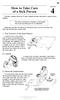 39 How to Take Care of a Sick Person Sickness weakens the body. To gain strength and get well quickly, special care is needed. Medicines are often not necessary. But good care is always important. The
HUMULIN R REGULAR INSULIN HUMAN INJECTION, USP (rdna ORIGIN) 100 UNITS PER ML (U-100)
 1 PATIENT INFORMATION HUMULIN R REGULAR INSULIN HUMAN INJECTION, USP (rdna ORIGIN) 100 UNITS PER ML (U-100) WARNINGS Do not share your syringes with other people, even if the needle has been changed. You
Self-care guide for people with diabetes
 Self-care guide for people with diabetes English Version Supported by an unrestricted grant from 1 When the diagnosis is diabetes..................03 What is diabetes?............................04 What
gestational diabetes my pregnancy, my baby, and me
 gestational diabetes my pregnancy, my baby, and me What is Gestational Diabetes? Gestational diabetes occurs when your body cannot make adequate use of sugar in the blood. It is first found during pregnancy.
Starting insulin for people with type 2 diabetes
 Starting insulin for people with type 2 diabetes What you need to know Contents Page Why do I need insulin? 3 What does insulin do? 4 Why are there different types of insulin? 4 How do I take insulin?
4 Steps to Control Your Diabetes for Life
 4 Steps to Control Your Diabetes for Life Contents Step 1: Learn about diabetes... 6 Step 2: Know your diabetes ABCs... 12 Step 3: Manage your diabetes... 16 Step 4: Get routine care... 22 Notes... 26
Presentation Prepared By: Jessica Rivers, BASc., PTS
 Presentation Prepared By: Jessica Rivers, BASc., PTS Presentation Outline Why should we care about our eating habits? Why is nutrition so important as we age? How do we know if we are eating healthy? What
Diabetes. Emergency Checklists. From A Child in Your Care Has Diabetes. A Collection of Information. Copyright 2005 by Elisa Hendel, M.Ed.
 Diabetes Emergency Checklists From A Child in Your Care Has Diabetes. A Collection of Information. Copyright 2005 by Elisa Hendel, M.Ed. Hyperglycemia High Blood Sugar * Hyperglycemia occurs when the blood
N HUMAN Novo Nordisk Patient Information for Novolin N
 N HUMAN Novo Nordisk Patient Information for Novolin N NOVOLIN N (NO-voe-lin) NPH, Human Insulin Isophane Suspension Injection (recombinant DNA origin) 100 units/ml Important: Know your insulin. Do not
Beating insulin resistance through lifestyle changes
 Beating insulin resistance through lifestyle changes This information is relevant to people at risk for type 2 diabetes, those who already have type 2 diabetes, pre- diabetes, polycystic ovary syndrome
Steroid Induced Diabetes
 What is high blood sugar (hyperglycemia)? Hyperglycemia is a high level of sugar in the blood. Blood sugar is also called glucose. Some people are unable to process the sugar that is found in food and
isophane human insulin (prb) A Guide to Starting Humulin I
 isophane human insulin (prb) A Guide to Starting Humulin I This leaflet is intended only for those individuals who have been prescribed Humulin I. It is intended to be used in addition to the Patient Information
Participant Guide Adopt a healthy lifestyle: prevent or better manage type 2 diabetes
 HealthSelectSM Lose and Win Session 13 of Texas Pre-diabetes & type II diabetes Participant Guide Adopt a healthy lifestyle: prevent or better manage type 2 diabetes Chances are that you know someone that
How does Diabetes Effect the Feet
 How does Diabetes Effect the Feet What Skin Changes May Occur? Diabetes can cause changes in the skin of your foot. At times your foot may become very dry. The skin may peel and crack. The problem is that
Feeling Better, Living Healthier With Diabetes
 Feeling Better, Living Healthier With Diabetes A guide for self management 761 S. Nelson Ave. Wilmington, Ohio 45177 (937) 382-9307 www.cmhregional.com What is Diabetes? Those who have diabetes are often
CONGESTIVE HEART FAILURE PATIENT TEACHING
 CONGESTIVE HEART FAILURE PATIENT TEACHING What is Heart Failure? Congestive Heart Failure occurs when the heart loses its ability to pump enough blood to meet the body s needs. Because the heart is not
How to Get and Stay Healthy with Diabetes
 How to Get and Stay Healthy with Diabetes Target Audience: People with diabetes Objectives: Participants will be able to: 1. Recognize and treat high and low blood glucose levels. 2. Better control wide
Healthy at Heart FEELING GOOD. Reduce Your CV Risk. It s Not Just Your Body. It s Your Outlook, Too. Issue 3
 Issue 3 Healthy at Heart Reduce Your CV Risk FEELING GOOD It s Not Just Your Body. It s Your Outlook, Too. Inside: Tips for staying active and feeling good all over Speak to your healthcare provider before
TrialNet Natural History Study of the Development of Type 1 Diabetes: A Pathway to Prevention
 TrialNet Natural History Study of the Development of Type 1 Diabetes: A Pathway to Prevention Type 1 Diabetes TrialNet Researchers in this study are part of a larger group called Type 1 Diabetes TrialNet.
Diabetes Insulin Pump Health Care Plan District Nurse Phone: 262-560-2104 District Nurse Fax: 262-560-2106
 EMPOW ERING A COMMUNITY OF LEARNERS AND LEADERS Diabetes Insulin Pump Health Care Plan District Nurse Phone: 262-560-2104 District Nurse Fax: 262-560-2106 Student DOB School Grade Doctor Phone School Year
Kansas Behavioral Health Risk Bulletin
 Kansas Behavioral Health Risk Bulletin Kansas Department of Health and Environment November 7, 1995 Bureau of Chronic Disease and Health Promotion Vol. 1 No. 12 Diabetes Mellitus in Kansas Diabetes mellitus
Preventing & Managing Complications of Diabetes
 Preventing & Managing Complications of Diabetes Target Audience: Persons with diabetes and family members Objectives: Participants will be able to: 1. identify the complications associated with diabetes
Nutrition and Chronic Kidney Disease
 Nutrition and Chronic Kidney Disease I have been told I have early kidney failure. What does this mean? What can I expect? This means that your kidneys are not doing as good a job as they should to help
Medication Guide. SYMLIN (SĬM-lĭn) (pramlintide acetate) injection
 Page 1 Medication Guide SYMLIN (SĬM-lĭn) (pramlintide acetate) injection Read the Medication Guide and the Patient Instructions for Use that come with your SYMLIN product before you start using it and
Starting insulin treatment for people with type 2 diabetes. What you need to know
 Starting insulin treatment for people with type 2 diabetes What you need to know Contents Information 3 Any questions? 3 Glossary of terms 3 Why do I need insulin? 4 What does insulin do? 5 Why are there
Screening Tests for Gestational Diabetes
 Screening Tests for Gestational Diabetes 50 Gram glucose challenge test If you choose to be screened for gestational diabetes, you may have one of several different tests. The most commonly used screening
Guidance for self administration of insulin injections
 Guidance for self administration of insulin injections You have been recommended to give yourself insulin by injection during your pregnancy. The diabetes specialist midwife has already shown you how to
Diabetes 101. Lifestyle Recommendations to Manage Diabetes. Cassie Vanderwall. Licensed, Registered Dietitian Certified Personal Trainer
 Diabetes 101 Lifestyle Recommendations to Manage Diabetes Cassie Vanderwall Licensed, Registered Dietitian Certified Personal Trainer Diabetes 101- Outline What is Diabetes? What can I do to control Diabetes?
Your Cholesterol Lowering Guide
 1 Your Cholesterol Lowering Guide Cholesterol plays a vital role in the day-to-day functioning of your body. However, too much cholesterol in the blood can affect your heart health. The good news is that
Am I at Risk for type 2 Diabetes? Taking Steps to Lower the Risk of Getting Diabetes NATIONAL DIABETES INFORMATION CLEARINGHOUSE
 NATIONAL DIABETES INFORMATION CLEARINGHOUSE Am I at Risk for type 2 Diabetes? Taking Steps to Lower the Risk of Getting Diabetes U.S. Department of Health and Human Services National Institutes of Health
Getting the Big Picture
 About Diabetes This health information is being provided for general educational purposes only. Your health care provider is the single best source of information regarding your health. Please consult
Heat Illnesses. Common Heat Rash Sites
 Heat Illnesses Introduction Heat illnesses happen when the body becomes too hot and cannot cool itself. There are several different types of heat-related illnesses. This includes heat cramps, heat exhaustion,