
How to Get and Stay Healthy with Diabetes
|
|
|
- Abigayle Cannon
- 10 years ago
- Views:
Transcription
1 How to Get and Stay Healthy with Diabetes Target Audience: People with diabetes Objectives: Participants will be able to: 1. Recognize and treat high and low blood glucose levels. 2. Better control wide swings in blood glucose values. 3. Instruct co-workers on the symptoms and treatment of high and low blood glucose levels. Time Required: Approximately 30 minutes; for a 15-minute presentation, discuss only hypoglycemia (low blood glucose) Equipment: Laptop or overhead projector and screen, flip chart and marker Teaching Tools (optional): Various blood glucose monitors (you can get a monitor from a diabetic supply store, from a manufacturer of diabetes supplies) and diabetes identification options Handouts: Tips for Helping You Feel Better & Stay Healthy (handout) Recommended Lab Tests & Exams for People with Diabetes (handout) Medicines for People with Diabetes (handout) When Your Blood Glucose is too High or Too Low (handout) When You Are Sick (handout) Women and Diabetes (handout) The following additional handouts can be found at Your Guide to Diabetes, Chapter 2: Taking Care of Your Diabetes Every Day Your Guide to Diabetes, Chapter 4: Why Taking Care of Your Diabetes is Important Your Guide to Diabetes, Chapter 5: Taking Care of Your Diabetes When You re at School, Work, Away from Home Lesson Plan All of us have highs and lows in our lives. We have highs and lows in our careers, our moods, our energy levels, and with our families. With diabetes a person may have a new kind of high and low the highs and lows of blood glucose (sugar) levels. Although new diabetes tools have helped diabetes control, it is still hard to maintain near normal blood glucose levels. Because you are at work for most of your waking hours, being able to detect and treat high and low blood glucose levels is vital for your safety and well-being. Your co-workers will also want to know about these two conditions, so they can assist you if you ever need help. First, let s start with high blood glucose. Can anyone tell me the medical term for a high blood glucose level? (Participants answer.)

2 Show slide Hyperglycemia That s right. The medical term for high blood glucose is HYPERglycemia. That s a big word, but it s easy to understand once you know what each part means. Hyper means high and glycemia means sugar in the blood. Can anyone tell me why hyperglycemia occurs? (Participants answer.) Show slide Reasons Hyperglycemia Can Occur Those are some good answers. Hyperglycemia usually occurs because: 1. You took either too much or too little diabetes medicine, or you took it at the wrong time, or it was out-of-date. 2. You increased your eating. 3. You became less active. 4. You were under stress. 5. You were ill. Symptoms vary from person to person and may be hard to detect. When you have hyperglycemia what symptoms do you notice? (Participants answer.) Show slide Common Signs of Hyperglycemia Sounds like many of you have had hyperglycemia. The common symptoms are extreme thirst, a frequent need to urinate, blurry vision, feeling tired for no reason, or just feeling strange. Very rarely will a person with type 2 diabetes develop a condition called ketosis. Show slide Ketosis This condition occurs when glucose cannot be used for energy because there is little or no insulin in the body. This causes fat to be broken down into substances called ketones, which can be used as fuel. Although ketones can keep the body working for a while, they cause a chemical imbalance that in the long run can be dangerous. Show slide Signs of Ketosis Ketosis occurs mainly in those who have type 1 diabetes. Ketosis is a very serious condition that requires immediate medical attention. Its symptoms include lack of appetite, upset stomach, a fruity breath odor, difficulty breathing, extreme thirst, dry mouth, frequent urination, flushed skin, blurry vision, fever, and drowsiness. The urine can be tested to see if ketones are present. What is the best way to know if your blood glucose is too high or low? (Participants answer.) Exactly the best way to know is to test your blood with a blood glucose meter. Show variety of blood glucose meters

3 Blood glucose meters are now so small and light that they can be carried in the pocket or purse and used almost anywhere. If you do not check regularly, your diabetes control will be like driving down the road with your windshield covered with mud. You won t know where you are going and very soon you will end up where you don t want to be. When your blood glucose is high, what can you do to lower it? (Participants answer.) Show slide Ways to Treat Hyperglycemia Since you have type 2 diabetes and make some insulin, taking a walk can help lower it. If you take insulin, your medical team may have shown you how to take extra insulin. High blood glucose can lead to dehydration, so drinking more water is also smart. If the blood glucose value is over 350 two times in a row, and you have unsuccessfully tried to lower it, call your medical team for help. High blood glucose readings occur occasionally for everyone with diabetes. The real concern is when the blood glucose is high too often. Frequent high blood glucose levels increase risk for diabetic complications, such as heart disease, kidney failure, stroke, amputation, painful nerve damage, and vision loss. The other problem is a low blood glucose level. What is the medical term for this condition? (Participants answer.) That s right. It is HYPOglycemia. Hypo- means low or under. This is only a problem with type 2 diabetes if you take diabetes medication. Have any of you had this happen? Do you know what tends to cause it? (Participants answer.) Show slide Hypoglycemia Hypoglycemia is usually caused by taking too much diabetes medicine and not eating enough food, and/or being more active than usual. Drinking alcohol on an empty stomach can also cause blood glucose levels to drop. Show slide Reasons Hypoglycemia Can Occur If you have had hypoglycemia, what symptoms did you have? (Participants answer.) Show slide Signs of Mild Hypoglycemia Common symptoms of mild hypoglycemia are shakiness, heart palpitations, sweating, chills, clamminess, nervousness, anxiety, rapid heartbeat, dizziness, and hunger. Show slide Signs of More Serious Hypoglycemia If hypoglycemia is severe you may also experience headache, irritability, mood changes, blurred vision, drowsiness, nightmares, nausea, confusion, inability to pay attention, and tingling and numbness of the tongue and lips. Again, different people seem to have different symptoms. If the symptoms go untreated, a loss of consciousness may occur. Because this is possible, you need to always wear diabetes identification that is easily visible.

4 Show diabetes ID options If you experience any of these symptoms and you take diabetes medicine, test your blood glucose. If it is under 70, treat yourself by the RULE OF 15. Consume 15 grams of quickacting carbohydrate (the nutrient that affects the blood glucose the most) then wait 15 minutes. Test again. If the blood glucose is still less than 70, treat with another 15 grams of carbohydrate. Repeat as needed. Distribute and review handout Examples of Treatments for Hypoglycemia You may be tempted to eat more than 15 grams of carbohydrate at a time because you feel so bad, but don t. If you overeat, you may suffer rebound hyperglycemia. This means that your blood glucose will go too high because you ate too much carbohydrate. If you cannot for some reason test your blood, treat yourself as if you have hypoglycemia. You do not want the symptoms to get worse. Most people experience these symptoms only if the blood sugar is less than 70, but some people will also feel bad if their blood glucose is very high and then starts rapidly dropping to normal. The best way to know whether you need to treat for hypoglycemia is to test. If it is not truly low, then wait. You will feel better once your liver releases some stored glucose. If you eat when your blood glucose is not really low, you will just add extra calories and raise your blood glucose even more. Of course, it is always easier to prevent hyper- or hypoglycemia. What do you think would help prevent these conditions? (Write down options listed by participants on flip chart.) Add to flip chart any of these risk factors that are not mentioned. Possible options the audience may mention: 1. More frequent testing and keeping detailed records on medication and food; activity that may affect blood glucose levels, especially when ill or under stress. 2. Regular meals with controlled portions. 3. Regular activity taken at regular times. 4. Talking with a pharmacist or doctor about dosage, storage, administration, and potential blood glucose side effects of any drug, whether prescription or over-the-counter. 5. Alcohol use only with doctor s permission and only in limited amounts with food. Anyone who has diabetes wants to avoid hyper- and hypoglycemia. Even if you can t avoid these conditions completely, they may occur less often if you work with your medical team and keep records of what tends to make them worse or better. Distribute handout Doing Your Level Best: When Your Blood Sugar Is Too High or Too Low Distribute handout Fighting Diabetes Complications For more information on hypoglycemia visit:

5 National Diabetes Education Program Materials Steps to Control Your Diabetes. For Life.* Also available in these languages: Cambodian, Chinese, Gujarati, Hindi, Hmong, Indonesian, Japanese, Korean, Laotian, Samoan, Spanish, Tagalog, Thai, Tongan, Vietnamese The Facts About Diabetes: America s Seventh Leading Cause of Death Five Facts About Diabetes Other resources Take Charge of Your Diabetes

Management of Diabetes
 Management of Diabetes Blood Glucose Monitoring MANAGEMENT OF DIABETES Once someone is told they have diabetes, they are usually asked to check their blood glucose at home with a home blood glucose meter
Blood Glucose Management
 Blood Glucose Management What Influences Blood Sugar Levels? There are three main things that influence your blood sugar: Nutrition Exercise Medication What Influences Blood Sugar Levels? NUTRITION 4 Meal
The Family Library. Understanding Diabetes
 The Family Library Understanding Diabetes What is Diabetes? Diabetes is caused when the body has a problem in making or using insulin. Insulin is a hormone secreted by the pancreas and is needed for the
DIABETIC EDUCATION MODULE ONE GENERAL OVERVIEW OF TREATMENT AND SAFETY
 DIABETIC EDUCATION MODULE ONE GENERAL OVERVIEW OF TREATMENT AND SAFETY First Edition September 17, 1997 Kevin King R.N., B.S., C.C.R.N. Gregg Kunder R.N., B.S.N., C.C.T.C. 77-120 CHS UCLA Medical Center
N E B R A S K A JAIL BULLETIN NUMBER 102 OCTOBER 1993
 N E B R A S K A JAIL BULLETIN NUMBER 102 OCTOBER 1993 The Jail Bulletin is a monthly feature of the Crime Commission Update. The Bulletin may be used as a supplement to your jail in-service training program
High blood sugars caused by steroids
 High blood sugars caused by steroids Your blood sugars are high because you are taking a medication called steroids. Steroids are used to: decrease swelling decrease the natural response of your immune
Type 2 diabetes Definition
 Type 2 diabetes Definition Type 2 diabetes is a lifelong (chronic) disease in which there are high levels of sugar (glucose) in the blood. Type 2 diabetes is the most common form of diabetes. Causes Diabetes
Insulin is a hormone produced by the pancreas to control blood sugar. Diabetes can be caused by too little insulin, resistance to insulin, or both.
 Diabetes Definition Diabetes is a chronic (lifelong) disease marked by high levels of sugar in the blood. Causes Insulin is a hormone produced by the pancreas to control blood sugar. Diabetes can be caused
Diabetes Fundamentals
 Diabetes Fundamentals Prevalence of Diabetes in the U.S. Undiagnosed 10.7% of all people 20+ 23.1% of all people 60+ (12.2 million) Slide provided by Roche Diagnostics Sources: ADA, WHO statistics Prevalence
HUMULIN R REGULAR INSULIN HUMAN INJECTION, USP (rdna ORIGIN) 100 UNITS PER ML (U-100)
 1 PATIENT INFORMATION HUMULIN R REGULAR INSULIN HUMAN INJECTION, USP (rdna ORIGIN) 100 UNITS PER ML (U-100) WARNINGS Do not share your syringes with other people, even if the needle has been changed. You
X-Plain Diabetes - Introduction Reference Summary
 X-Plain Diabetes - Introduction Reference Summary Introduction Diabetes is a disease that affects millions of Americans every year. Your doctor may have informed you that you have diabetes. Although there
Causes, incidence, and risk factors
 Causes, incidence, and risk factors Insulin is a hormone produced by the pancreas to control blood sugar. Diabetes can be caused by too little insulin, resistance to insulin, or both. To understand diabetes,
Type 2 Diabetes Type 2 Diabetes
 Pennington Nutrition Series Healthier lives through education in nutrition and preventive medicine Pub No. 33 Type 2 is the most common form of diabetes. In this form, the body does not produce enough
Diabetes. Patient Education. What you need to know. Diabetes Facts. Improving Health Through Education. What is Diabetes?
 Diabetes What you need to know Diabetes Facts More than 3 million Canadians have diabetes (Canadian Diabetes Association, 2009). It is the 4th leading cause of death in the world (CDA, 2009). Patient Education
UNDERSTANDING AND LEARNING ABOUT STUDENT HEALTH
 Teacher Workshop Curriculum UNDERSTANDING AND LEARNING ABOUT STUDENT HEALTH Written by Meg Sullivan, MD with help from Marina Catallozzi, MD, Pam Haller MDiv, MPH, and Erica Gibson, MD UNDERSTANDING AND
Diabetes. Emergency Checklists. From A Child in Your Care Has Diabetes. A Collection of Information. Copyright 2005 by Elisa Hendel, M.Ed.
 Diabetes Emergency Checklists From A Child in Your Care Has Diabetes. A Collection of Information. Copyright 2005 by Elisa Hendel, M.Ed. Hyperglycemia High Blood Sugar * Hyperglycemia occurs when the blood
Steroid Induced Diabetes
 What is high blood sugar (hyperglycemia)? Hyperglycemia is a high level of sugar in the blood. Blood sugar is also called glucose. Some people are unable to process the sugar that is found in food and
Getting the Big Picture
 About Diabetes This health information is being provided for general educational purposes only. Your health care provider is the single best source of information regarding your health. Please consult
See, Think, and Act! Diabetes
 See, Think, and Act! Diabetes California After School Resource Center (CASRC) Administered for the California Department of Education (C.D.E.) Hello. My name is Joan Edelstein. I am a health trainer for
Myths About Type 2 Diabetes and Insulin
 About Diabetes This health information is being provided for general educational purposes only. Your health care provider is the single best source of information regarding your health. Please consult
N HUMAN Novo Nordisk Patient Information for Novolin N
 N HUMAN Novo Nordisk Patient Information for Novolin N NOVOLIN N (NO-voe-lin) NPH, Human Insulin Isophane Suspension Injection (recombinant DNA origin) 100 units/ml Important: Know your insulin. Do not
MEDICATION GUIDE KOMBIGLYZE XR (kom-be-glyze X-R) (saxagliptin and metformin HCl extended-release) tablets
 MEDICATION GUIDE KOMBIGLYZE XR (kom-be-glyze X-R) (saxagliptin and metformin HCl extended-release) tablets Read this Medication Guide carefully before you start taking KOMBIGLYZE XR and each time you get
Feeling Better, Living Healthier With Diabetes
 Feeling Better, Living Healthier With Diabetes A guide for self management 761 S. Nelson Ave. Wilmington, Ohio 45177 (937) 382-9307 www.cmhregional.com What is Diabetes? Those who have diabetes are often
X-Plain Hypoglycemia Reference Summary
 X-Plain Hypoglycemia Reference Summary Introduction Hypoglycemia is a condition that causes blood sugar level to drop dangerously low. It mostly shows up in diabetic patients who take insulin. When recognized
Hypoglycemia and Diabetes
 My Doctor Says I Should Avoid Low Blood Glucose Reactions... How Can I Prevent Them? BD Getting Started Hypoglycemia and Diabetes What You Should Know About Low Blood Glucose Reactions If you are taking
Starting insulin for people with type 2 diabetes
 Starting insulin for people with type 2 diabetes What you need to know Contents Page Why do I need insulin? 3 What does insulin do? 4 Why are there different types of insulin? 4 How do I take insulin?
Reintegration. Recovery. Medication-Assisted Treatment for Alcohol Dependence. Reintegration. Resilience
 Reintegration Recovery Medication-Assisted Treatment for Alcohol Dependence Reintegration Resilience 02 How do you free yourself from the stress and risks of alcohol dependence? Most people cannot do it
ALCOHOL. 1300 136 588 ndss.com.au AND TYPE 1 DIABETES
 ALCOHOL AND TYPE 1 DIABETES 1300 136 588 ndss.com.au The National Diabetes Services Scheme (NDSS) is an initiative of the Australian Government administered by Diabetes Australia. Contents Topic Page Introduction
UNDERSTANDING BLOOD SUGAR
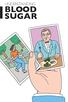 UNDERSTANDING BLOOD SUGAR The best way to stay healthy with diabetes is to control the level of sugar in your blood. The medical word for sugar in the blood or blood sugar is glucose. Your goal is to keep
HOW TO CARE FOR A PATIENT WITH DIABETES
 HOW TO CARE FOR A PATIENT WITH DIABETES INTRODUCTION Diabetes is one of the most common diseases in the United States, and diabetes is a disease that affects the way the body handles blood sugar. Approximately
MEDICATION GUIDE ACTOPLUS MET (ak-tō-plus-met) (pioglitazone hydrochloride and metformin hydrochloride) tablets
 MEDICATION GUIDE (ak-tō-plus-met) (pioglitazone hydrochloride and metformin hydrochloride) tablets Read this Medication Guide carefully before you start taking and each time you get a refill. There may
MEDGUIDE SECTION. What is the most important information I should know about SEROQUEL? SEROQUEL may cause serious side effects, including:
 MEDGUIDE SECTION Medication Guide SEROQUEL (SER-oh-kwell) (quetiapine fumarate) Tablets Read this Medication Guide before you start taking SEROQUEL and each time you get a refill. There may be new information.
Get the Facts About. Disease
 Get the Facts About TB TUBERCULOSIS Disease What s Inside: 3 PAGE Get the facts, then get the cure 4 PAGE 9 PAGE 12 PAGE Learn how TB is spread Treatment for TB disease Talking to family and friends about
Starting insulin treatment for people with type 2 diabetes. What you need to know
 Starting insulin treatment for people with type 2 diabetes What you need to know Contents Information 3 Any questions? 3 Glossary of terms 3 Why do I need insulin? 4 What does insulin do? 5 Why are there
Humulin (HU-mu-lin) R
 1 PATIENT INFORMATION Humulin (HU-mu-lin) R Regular U-500 (Concentrated) insulin human injection, USP (rdna origin) Read the Patient Information that comes with Humulin R U-500 before you start taking
Take Charge of Your Diabetes
 Take Charge of Your Diabetes A Reinforcement Booklet for People With Diabetes Purpose and Acknowledgments This simplified and shortened overview of CDC s 1997 publication, Take Charge of Your Diabetes,
Diabetes Hypoglycemia/Hyperglycemia Reaction
 Diabetes Hypoglycemia/Hyperglycemia Reaction Hypoglycemic Reaction (Insulin Shock) A. Hypoglycemic reactions (insulin reactions) should be treated according to current nursing and medical recommendations.
Welcome to Diabetes Education! Why Should I Take Control of My Diabetes?
 Welcome to Diabetes Education! Why Should I Take Control of My Diabetes? NEEDS and BENEFITS of SELF-MANAGEMENT You make choices about your life and health Controlling diabetes needs every day decisions
Low Blood Sugar. What is low blood sugar? What else is low blood sugar called? Why does low blood sugar occur?
 Low Blood Sugar What is low blood sugar? Low blood sugar means there is not enough glucose (sugar) in the body. Glucose is the major fuel needed to feed the body's cells. A normal glucose level will vary
Type 1 Diabetes. Pennington Nutrition Series. Overview. About Insulin
 Pennington Nutrition Series Healthier lives through education in nutrition and preventive medicine Pub No. 32 Type 1 Diabetes Overview Type 1 Diabetes (DM) is usually diagnosed in children and young adults.
Understanding Diabetes
 Patient Education Understanding Diabetes This handout describes diabetes, the complications related to the disease, and how you can prevent these complications. Blood Sugar Control Diabetes is a disease
Type 1 diabetes Definition
 Type 1 diabetes Definition Type 1 diabetes is a chronic (lifelong) disease that occurs when the pancreas does not produce enough insulin to properly control blood sugar levels. Causes There are several
Section 504 Plan (pg 1 of 8)
 Section 504 Plan (pg 1 of 8) of Birth School Today s Section 504 Plan for: Disability: Diabetes School Year: Grade: Homeroom Teacher: Bus Number: Background Objectives The student has type diabetes. Diabetes
Diabetes Mellitus Type 2
 Diabetes Mellitus Type 2 What is it? Diabetes is a common health problem in the U.S. and the world. In diabetes, the body does not use the food it digests well. It is hard for the body to use carbohydrates
DIAB-1144149-0015 04/15 Copyright 2015 Merck Sharp & Dohme Corp., a subsidiary of Merck & Co., Inc. All rights reserved.
 THE FACTS ABOUT FASTING DURING RAMADAN An Educational Program FOR people WITH TYPE 2 DIABETES 1 Introduction 2 Preparing for Ramadan Ramadan; one of the five pillars of Islam Fasting is an important spiritual
Managing Diabetes in the Athletic Population
 Managing Diabetes in the Athletic Population Michael Prybicien, LA, ATC, CSCS, CES, PES Athletic Trainer, Passaic High School Overlook Medical Center & Adjunct Faculty, William Paterson University Dedicated
2. What Should Advocates Know About Diabetes? O
 2. What Should Advocates Know About Diabetes? O ften a school district s failure to properly address the needs of a student with diabetes is due not to bad faith, but to ignorance or a lack of accurate
BLOOD KETONE TESTING
 BLOOD KETONE TESTING Information Leaflet Your Health. Our Priority. Page 2 of 5 What are ketones? Maintaining good blood glucose control is important. When there is not enough insulin in the body, or when
Diabetes Mellitus: Type 1
 Diabetes Mellitus: Type 1 What is type 1 diabetes mellitus? Type 1 diabetes is a disorder that happens when your body produces little or no insulin. The lack of insulin causes the level of sugar in your
SCHOOL DISTRICT #43 (COQUITLAM) MEDICAL ALERT FORMS FORM(S) MUST BE COMPLETED AT THE START OF EACH SCHOOL YEAR
 SCHOOL DISTRICT #43 (COQUITLAM) MEDICAL ALERT FORMS FORM(S) MUST BE COMPLETED AT THE START OF EACH SCHOOL YEAR Please read instructions below carefully. Feel free to contact your school if you need any
High Blood Sugar. Printable Materials
 Printable Materials Activity Card #1 Symptoms of High Blood Sugar or Pre-Diabetes Symptoms People often don t know they have high blood sugar or pre-diabetes. There are no symptoms and pre-diabetes can
Medical Assistant s Diabetes Survey
 Medical Assistant s Diabetes Survey Instructions: Circle one answer for each question. Thank-you. Basic Knowledge 1. Risk factors for developing Type 2 diabetes include: a. Family members with diabetes
Get the Facts About Tuberculosis Disease
 TB Get the Facts About Tuberculosis Disease What s Inside: Read this brochure today to learn how to protect your family and friends from TB. Then share it with people in your life. 2 Contents Get the facts,
Diabetes Insulin Pump Health Care Plan District Nurse Phone: 262-560-2104 District Nurse Fax: 262-560-2106
 EMPOW ERING A COMMUNITY OF LEARNERS AND LEADERS Diabetes Insulin Pump Health Care Plan District Nurse Phone: 262-560-2104 District Nurse Fax: 262-560-2106 Student DOB School Grade Doctor Phone School Year
Type 2 Diabetes. What is diabetes? Understanding blood glucose and insulin. What is Type 2 diabetes? Page 1 of 5
 Page 1 of 5 Type 2 Diabetes Type 2 diabetes occurs mainly in people aged over 40. The 'first-line' treatment is diet, weight control and physical activity. If the blood glucose level remains high despite
Ketones & diabetes; Reduce your risk!
 Ketones & diabetes; Reduce your risk! Booklet includes Sick Day Wallet Card Ketones 101 Do I really need to know this? by Helen Jones RN, MSN, CSE YES! The word Ketone is important for you to know if you
Diabetes means you have too much sugar in
 WHAT IS DIABETES? Diabetes means you have too much sugar in your blood. The medical word for sugar in the blood or blood sugar is glucose, but most people just say sugar. Your body changes most of the
Medication Guide. SYMLIN (SĬM-lĭn) (pramlintide acetate) injection
 Page 1 Medication Guide SYMLIN (SĬM-lĭn) (pramlintide acetate) injection Read the Medication Guide and the Patient Instructions for Use that come with your SYMLIN product before you start using it and
Sick Day Management of Adults with Type 2 Diabetes. CONSUMER RESOURCE December 2014
 Sick Day Management of Adults with Type 2 Diabetes CONSUMER RESOURCE December 2014 Acknowledgement The 2014 Sick Day Management of Adults with Type 2 Diabetes Consumer resource is develop based on the
Am I at Risk for type 2 Diabetes? Taking Steps to Lower the Risk of Getting Diabetes NATIONAL DIABETES INFORMATION CLEARINGHOUSE
 NATIONAL DIABETES INFORMATION CLEARINGHOUSE Am I at Risk for type 2 Diabetes? Taking Steps to Lower the Risk of Getting Diabetes U.S. Department of Health and Human Services National Institutes of Health
Section 5: Type 2 Diabetes
 SECTION OVERVIEW Definition and Symptoms Blood Glucose Monitoring Healthy Eating Physical Activity Oral Medication Insulin Sharps Disposal Definition and Symptoms Type 2 diabetes is occurring more frequently
Diabetes and exercise
 Diabetes and exercise Summary Symptoms of hypoglycaemia are caused by low blood sugar. Hypoglycaemia can occur if you take your diabetes medication and then do not eat enough or exercise more than usual.
DIABETES CARE. Advice. Blood Pressure. Cholesterol. Diabetes control. Eyes. Feet. Guardian Drugs
 DIABETES CARE What happens if you follow the Alphabet Strategy? As patients reach their targets, the chances of developing serious complications of diabetes will be reduced! 1 Stroke Eye disease Heart
Diab.etes Me.dic.al-Ma-nage-me-n-t -P-la-n -.
 Date of Plan: Diab.etes Me.dic.al-Ma-nage-me-n-t -P-la-n -. Effective Dates: WJ Student's Name: Date of Birth:,-..,,;... Date of Diabetes Diagnosis: Grade: Homeroom Teacher: Physical Condition: 0 Diabetes
LESSON TWO: COMPARE AND CONTRAST TYPE 1 AND TYPE 2 DIABETES
 LESSON TWO: COMPARE AND CONTRAST TYPE 1 AND TYPE 2 DIABETES FOCUS: Students will be given information on the two major types of diabetes, and they will analyze how the two types compare and contrast. OBJECTIVES:
Learn about Diabetes. Your Guide to Diabetes: Type 1 and Type 2. You can learn how to take care of your diabetes.
 Learn about Diabetes You can learn how to take care of your diabetes and prevent some of the serious problems diabetes can cause. The more you know, the better you can manage your diabetes. Share this
Medicines To Treat Alcohol Use Disorder A Review of the Research for Adults
 Medicines To Treat Alcohol Use Disorder A Review of the Research for Adults Is This Information Right for Me? Yes, this information is right for you if: Your doctor* said you have alcohol use disorder
Post-Transplant Diabetes: What Every Patient Needs to Know
 Post-Transplant Diabetes: What Every Patient Needs to Know International Transplant Nurses Society What is Diabetes? Diabetes is an illness that effects how your body makes and uses a hormone called insulin.
1 2 INFORMATION FOR THE PATIENT 3 10 ml Vial (1000 Units per vial)
 1 1 2 INFORMATION FOR THE PATIENT 3 10 ml Vial (1000 Units per vial) 4 HUMULIN N 5 NPH 6 HUMAN INSULIN (rdna ORIGIN) 7 ISOPHANE SUSPENSION 8 100 UNITS PER ML (U-100) 9 WARNINGS 10 THIS LILLY HUMAN INSULIN
Anchor Bay School District Diabetic Medical Care Plan. Student Name Date Grade Teacher
 Rev: 4/2009 Anchor Bay School District Diabetic Medical Care Plan Place Child s Picture Here Student Name Date Grade Teacher Emergency Contact information (Please list in order to be called) #1 Parent
You may continue to use your old manuals by writing in the detailed changes below:
 STANFORD PATIENT EDUCATION RESEARCH CENTER: CHANGES TO THE DSMP LEADER MANUAL (2012 version to the 2015 version) Stanford has corrected the DSMP manuals with the new ADA guidelines. Call- out icons and
Type 2 Diabetes. Type 1 Diabetes. What is Diabetes? Diabetes during Pregnancy Very Thirsty Very Tired
 FCD2-006 BINGO GAME To Prepare bingo game:!copy Picture Cards with pictures on one side and corresponding words on the other.!cut Bingo Cards apart, duplicate if you have more than ten players.!cut apart
Green Brook Township School District DIABETES- Insulin Pump IHP/IEHP
 Green Brook Township School District DIABETES- Insulin Pump IHP/IEHP 1. Personal Information: I. STUDENT INFORMATION NAME: Grade HR.- Teacher: Address Home Phone #: Birth date Bus: # N/A Gender Male Female
written by Harvard Medical School Insulin Therapy Managing Your Diabetes www.patientedu.org
 written by Harvard Medical School Insulin Therapy Managing Your Diabetes www.patientedu.org What Is Insulin? The cells of your body need energy and one source of energy is sugar in your blood. Insulin
Myth vs. Reality: Diabetes Related
 Myth: Only medication can control my diabetes. Reality: Lifestyle changes such as good nutrition, increased physical activity, weight loss and limiting alcohol/cigarette consumption can have a positive
Background (cont) World Health Organisation (WHO) and IDF predict that this number will increase to more than 1,3 million in the next 25 years.
 Diabetes Overview Background What is diabetes Non-modifiable risk factors Modifiable risk factors Common symptoms of diabetes Early diagnosis and management of diabetes Non-medical management of diabetes
Diabetes. 2. Types. Permafold Topics. What You Need To Know. One test used to diagnose diabetes is a fasting blood glucose test.
 1. What Is Diabetes? Diabetes is often called having too much sugar. It is too much sugar (glucose) in the blood and not enough in the body s cells. Glucose needs to get into the cells to be used for energy.
MEDICATION GUIDE SYLATRON (SY-LA-TRON) (Peginterferon alfa-2b)
 MEDICATION GUIDE SYLATRON (SY-LA-TRON) (Peginterferon alfa-2b) Read this Medication Guide before you start taking SYLATRON, and each time you get a refill. There may be new information. This Medication
My Sick Day Plan for Type 1 Diabetes on an Insulin Pump
 My Sick Day Plan for Type 1 Diabetes on an Insulin Pump When you are sick, your blood sugar levels may be harder to keep under control. Your blood sugar may go too high or too low. Use this guide to help
Blood Sugar Testing. Bayer Health Facts
 Blood Sugar Testing Bayer Health Facts What is Blood Sugar Testing? A blood sugar test tells you how much sugar is in your blood at the moment it is tested. Blood sugar is also called blood glucose. One
Understanding Diabetes
 Understanding Diabetes What is diabetes? Diabetes is a condition where there is too much glucose (a type of sugar) in your blood. Your blood glucose level is regulated with the help of insulin, a hormone
Medication Guide LATUDA (luh-too-duh) (lurasidone hydrochloride) Tablets
 Medication Guide LATUDA (luh-too-duh) (lurasidone hydrochloride) Tablets What is the most important information I should know about LATUDA? LATUDA may cause serious side effects, including: 1. Increased
Preventing & Managing Complications of Diabetes
 Preventing & Managing Complications of Diabetes Target Audience: Persons with diabetes and family members Objectives: Participants will be able to: 1. identify the complications associated with diabetes
Tuberculosis and You A Guide to Tuberculosis Treatment and Services
 Tuberculosis and You A Guide to Tuberculosis Treatment and Services Tuberculosis (TB) is a serious disease that can damage the lungs or other parts of the body like the brain, kidneys or spine. There are
INFLUENZA (FLU) Flu and You
 Influenza (Flu) What is the flu? The flu is an illness caused by flu viruses. The flu may make people cough and have a sore throat and fever. They may also have a runny or stuffy nose, feel tired, have
Understanding Diabetes
 Understanding Diabetes Diabetes is a disease in which a person s blood glucose (blood sugar) is too high. When you eat, some of the food is broken down into a type of sugar called glucose, which is the
A Student s Guide to Considering Medication for Depression or Anxiety
 A Student s Guide to Considering Medication for Depression or Anxiety Real answers to your most important questions!! University!of!Missouri Kansas!City! Counseling!&!Testing!Center! 4825!Troost,!Suite!206!
VA/DoD Clinical Practice Guideline for Management of Diabetes TOOLKIT
 VA/DoD Clinical Practice Guideline for Management of Diabetes TOOLKIT VA/DoD Clinical Practice Guideline for Management of Diabetes TOOLKIT For the Provider/Educator Teaching Tips Consider patient readiness
Markham Stouffville Hospital
 Markham Stouffville Hospital Adult Diabetes Education Frequently Asked Questions What is diabetes? Diabetes is a disease in which blood glucose levels are above normal. Most of the food we eat is turned
Sick Day Management for People with Type 2 Diabetes Using Insulin
 Sick Day Management for People with Type 2 Diabetes Using Insulin When you are sick, controlling your blood sugar (glucose) can be a challenge. Nausea, vomiting, illness and changes in eating will affect
Fainting - Syncope. This reference summary explains fainting. It discusses the causes and treatment options for the condition.
 Fainting - Syncope Introduction Fainting, also known as syncope, is a temporary loss of consciousness. It is caused by a drop in blood flow to the brain. You may feel dizzy, lightheaded or nauseous before