
Consequences of stunting
|
|
|
- Lionel Elliott
- 10 years ago
- Views:
Transcription
1

2 Table 1: Stunting in children under 5 years of age, based on WHO Child Growth Standards Children <5 years Number stunted Percentage stunted in millions in millions Africa Eastern Middle Northern Southern Western Asia Eastern South-central Southeastern Western Latin America & the Caribbean Caribbean Central America South America All developing countries Source: Black et al, Asia, as shown in table 1. Ninety percent of the overall global burden of child stunting is attributable to 36 countries. Stunting is found at many levels in society. In Bangladesh, for example, stunting in children less than 5 years of age was found in one-fourth of the richest households. 4 In developing countries, stunting is more prevalent than underweight (low weight-for-age, 20 percent) or wasting (low weight-for-height, 10 percent), possibly because height gain is even more sensitive to dietary quality than is weight gain. A problem that has early beginnings and long-term consequences During fetal life and the first two years after birth, nutritional requirements to support rapid growth and development are very high. Average height-for-age z-scores are already low at birth (below 0, the standard score or population average) in several regions and decline sharply during the first 24 months of life, but they show no further decline or any improvement thereafter, 5 as illustrated in figure 1. Maternal anemia, tobacco use, and indoor air pollution can restrict fetal growth and result in low birth weight. Diets of poor nutritional quality during pregnancy, infancy, and early childhood lead to inadequate nutrient intake. Frequent infections during the first 2 years of life also contribute to the high risk of becoming stunted during this period. Children who are stunted usually grow up to be stunted adults. 6 An opportunity exists to make up some of the height deficit during adolescence because stunted children often experience a delay in skeletal maturation, which lengthens the total period of time for growth in height. However, the potential for substantially reducing the height deficit during adolescence is limited because the maturational delays are usually shorter than 2 years. 6 Moreover, adolescents who enter this period stunted are often living under the same adverse nutritional, socio-economic, and environmental conditions that triggered stunting when they were young children. Consequences of stunting Childhood stunting is related to longterm consequences in two ways: As a direct cause of short adult height and sub-optimal function later in life As a key marker of the underlying processes in early life that lead to poor growth and other adverse outcomes Scientific understanding of stunting as a direct cause of adverse consequences is incomplete, in part because most of the evidence comes from observational studies. Nonetheless, there is growing evidence of the connections between slow growth in height in early life and impaired health and educational and economic performance later in life. The Maternal and Child Undernutrition Study Group a reviewed cohort studies from five low- and middle-income countries: Brazil, Guatemala, India, the Philippines, and South Africa. The studies involved long-term follow-up of children into late adolescence and adulthood. The Study Group concluded that small size at birth and childhood stunting were linked with short adult stature, reduced lean body mass, less schooling, diminished intellectual functioning, reduced earnings, and lower birth a) The Study Group included 24 members from universities, research institutes, and international and development agencies. Findings were published in The Lancet series on maternal and child undernutrition. 2

3 A&T Technical Brief Issue 2, September 2010 weight of infants born to women who themselves had been stunted as children. 7 Recent evidence also indicates that children born to women who are stunted are at greater risk of dying than children of mothers with normal height. 8 The links between stunting and health, educational, and economic outcomes are discussed below and illustrated in figure 2 on page 4. Stunting has long-term negative consequences on health, including for future generations. The health risks associated with stunting begin in the womb and continue through life, often passing to the next generation. As noted in Repositioning Nutrition as Central to Development, Babies born to underweight or stunted women are themselves likely to be underweight or stunted. In this way, undernutrition passes from one generation to another as a grim inheritance. 10 Maternal stunting increases the risk of negative fetal, newborn, and child outcomes. A woman who is less than 145 cm or 4 7 is considered to be stunted. Her condition presents risks to the survival, health, and development of her offspring. Effects of intrauterine growth restriction. Maternal stunting can restrict uterine blood flow and growth of the uterus, placenta, and fetus. Intrauterine growth restriction (IUGR) is associated with many adverse fetal and neonatal outcomes. 3, 11,12 During pregnancy, IUGR may lead to chronic fetal distress or fetal death. If born alive, the growth-restricted infant is at higher risk for serious medical complications. 3 Infants with IUGR often suffer from delayed neurological and intellectual development, and their deficit in height generally persists to adulthood. Figure 1: Timing of growth faltering: Mean height for age z-scores by age for 54 studies, relative to the WHO standard Z-scores (WHO) Source: Victora et al., Effects of obstructed labor. Maternal stunting is consistently associated with an elevated risk of perinatal mortality (stillbirths and deaths during the first 7 days after birth), 13 mostly related to obstructed labor resulting from a narrower pelvis in short women. In a hospitalbased study in Nigeria, obstructed labor accounted for 53 percent of perinatal mortality. 14 Perinatal mortality from obstructed labor is largely the result of birth asphyxia. Mothers with height shorter than 145 cm are more likely to have an infant with birth asphyxia. 15 Globally, birth asphyxia accounts for 23 percent of the 4 million neonatal deaths each year. 16 An estimated 1 million children who survive birth asphyxia live with chronic neuro-developmental disorders, including cerebral palsy, mental retardation, and learning disabilities. 17 In a recent analysis of 109 Demographic and Health Surveys conducted between 1991 and 2008 in 54 countries, children under 5 years of age who were born to the shortest mothers (< 145 Age (months) cm) had a 40 percent increased risk of mortality after adjusting for multiple factors. 8 Although the percentage of mothers shorter than 145 cm is low in most countries, the analysis showed an elevated risk of child mortality with each lower category of maternal height, compared to mothers > 160 cm in height. b The effect of maternal stunting on child mortality was comparable to the effect of having no education or being in the poorest 20 percent of households. The likely explanations for this finding include an elevated risk of perinatal death, for the reasons explained above, as well as longer-term effects of IUGR on child nutrition and immune function that increase the risk of child mortality. Stunting negatively affects maternal and adult health. As mentioned above, short maternal stature increases the risk of disparity in size between the baby s head and the mother s pelvis. Due to this disproportion, short mothers are less likely to have a successful spontaneous vaginal delivery, 18,19 which increases the risk of maternal mortality and short- b) Adjusted Relative Risk of 1.06, 1.13, 1.23, and 1.40 for the height categories of , , , and < 145 cm, respectively. 3

4 and long-term disability. If timely referral to a well-equipped hospital occurs, a cesarean section can be performed, but even a cesarean section carries potential risks of complications that can jeopardize maternal and newborn health. Failure to deliver by cesarean section in time may lead to more serious consequences of obstructed labor. These consequences can include injury to the birth passage, postpartum hemorrhage, rupture of the uterus, genital sepsis, or fistula leading to urinary dribbling or incontinence. In the worst case scenario, obstructed labor can lead to maternal death, mostly due to ruptured uterus or puerperal sepsis. The percentage of maternal mortality attributable to obstructed labor is 4 percent in Africa, 9 percent in Asia, and 13 percent in Latin America and the Caribbean. 20 Mothers who survive but have long-term disability due to complications such as fistula experience social, economic, emotional, and psychological consequences that have an enormous impact on maternal health and well-being. 21 Growth restriction in early life is linked not only to short adult height, but also to certain metabolic disorders and chronic diseases in adulthood. Data from the Maternal and Child Undernutrition Study Group 7 indicate that lower birth weight (which is strongly correlated with birth length) and undernutrition in childhood are risk factors for high glucose concentrations, blood pressure, and harmful lipid profiles in adulthood, after adjusting for adult height and body-mass-index. The developmental origins of health and disease hypothesis posits that the intrauterine and early postnatal environment can modify expression of the fetal genome and lead to life-long alterations in metabolic, Figure 2: Potential causal pathways for long term consequences of stunting Poor sanitation and hygiene, poor knowledge and care practices, poor health care Undernutrition during pregnancy Source: adapted from Grantham-McGregor et al., endocrine, and cardiovascular function. In this case, it is likely that the process of stunting is harmful, and not necessarily short stature itself. Stunting limits educational and economic performance. Stunting is strongly linked to the ability to learn and contribute to national economic development. Less schooling and diminished cognitive development. The process of becoming stunted, due to restricted nutrient supply and/or frequent infections, is likely a common cause of both short stature and Poverty Child nutritional deficiency Child infection Poor fetal growth Stunting Cognitive impairment Chronic fetal distress Intrauterine fetal death Birth asphyxia Increased neonatal mortality and morbidity Reduced adult stature Narrower pelvis in short women Feto-pelvic disproportion Obstructed labor Increased maternal mortality and morbidity Poor school achievement Reduced adult earnings structural and functional damage to the brain, resulting in delay in the development of cognitive functions as well as permanent cognitive impairments. 22 The Maternal and Child Undernutrition Study Group, using the same pooled cohort mentioned above, found that being stunted at 24 months was associated with a reduction in schooling of 0.9 year, an older age at school enrollment, and a 16 percent increased risk of failing at least one grade in school, after controlling for confounding variables such as sex, socioeconomic status, and maternal schooling. 23 4

5 A&T Technical Brief Issue 2, September 2010 Evidence from other developing countries also indicates that being stunted between 12 and 36 months of age is associated with poorer cognitive performance and lower school achievement in middle childhood. 9 The most convincing evidence on this question comes from long-term followup studies of randomized trials such as a large-scale nutritional supplementation trial carried out in Guatemala between 1969 and 1977 (box 1), the only one of the five cohort studies examined by the Maternal and Child Undernutrition Study Group that used an experimental design. This trial demonstrated that a nutrition intervention that increased height gain in early life also resulted in significant improvement on several tests of intellectual functioning at years of age and on reading comprehension and intelligence score at years of age. Babies born to underweight or stunted women are themselves likely to be underweight or stunted. In this way, undernutrition passes from one generation to another as a grim inheritance. 10 Lower economic productivity and income. Short stature has been linked to lower economic productivity. For example, in a large cross-sectional study in Brazil, a 1 percent increase in height was associated with a 2.4 percent increase in wages. 27 Taller men and women earned more even after controlling for education and other indicators of health such as body mass index, per capita energy intake, and per capita protein intake. Again, the most convincing evidence comes from longterm follow-up studies of randomized trials such as the Guatemala nutritional supplementation trial (box 1). In the Guatemala trial, wages earned by men years of age who had received the nutritious supplement during the first 2 years of life and were taller as a result were 46 percent higher than among men in the control villages. Policy and program implications The evidence described above has contributed to the growing scientific consensus that tackling childhood stunting is a high priority for reducing the global burden of disease and fostering economic development of low-income countries. 10 The most effective interventions are preventive and comprehensive. Strategies to prevent stunting include: Box 1. Long-term outcomes of a large-scale nutritional supplementation trial in Guatemala From the Institute of Nutrition of Central America and Panama (INCAP) conducted a large supplementary feeding trial 24 in four rural Guatemalan villages. The study involved pregnant and lactating women and their children from birth to 7 years of age. From , follow-up studies tracked the original population. 25 The intervention: The trial included two sets of matched villages. One village in each set was randomly selected to receive either a high-protein (6.4 g/100ml), high-energy (91 kcal/100ml) supplement called Atole or a nonprotein low-energy (33 kcal/100ml) supplement called Fresco. 25,26 Dry skim milk was the predominant source of energy and protein in Atole. From October 1971 until the end of the intervention in1977, both supplements were fortified with several micronutrients (iron, fluoride, thiamine, riboflavin, niacin, ascorbic acid, and vitamin A) in equal concentrations by volume. 26 Fresco was given as a control for social interaction associated with attending the feeding center, which might have influenced certain outcomes such as cognitive development. Key findings from the trial and followup studies: Children in the Atole villages had greater growth in height than those in Fresco villages when the supplement was given during the first 3 years of life; there was no impact on height of supplementation given after 3 years of age. During adolescence, children from Atole villages were taller, had greater lean body mass, and scored higher on learning tests than children from Fresco villages. Adults years of age who were given Atole before 3 years of age had higher reading and intelligence scores (men and women), years of schooling (women only), and wages (men only) than those who were given Fresco as children. The infants born to women who were given Atole when they were children had higher birth weight, height, and head circumference than infants of women given Fresco, but there were no differences in measures of fatness. Conclusions: Supplementation with highquality fortified food in early life has sizeable effects on human capital formation and economic productivity in adulthood, as well as on growth of future generations. To read more on the study, click here. 5

6 Reducing intrauterine growth restriction by improving maternal nutrition and reducing maternal anemia, tobacco use, and indoor air pollution Supporting women to practice 6 months of exclusive breastfeeding (breastmilk only) Improving complementary feeding practices and dietary quality Decreasing infections, particularly diarrhea, through effective disease control inverventions Planning for healthy timing and spacing between pregnancies with a minimum interval of at least 24 months between a live birth and attempting the next pregnancy Priority must be given to the following actions: Raise awareness of the problem. Several key messages need to be communicated and tailored to different audiences. For example: Stunting reflects poor nutrition of women, infants, and children. Stunting that persists beyond two years of age is often permanent. Reducing stunting is important for achievement of the Millennium Development Goals. Universal primary education, eradication of poverty, reduction of mortality, and improved maternal health are among the Millennium Development Goals. Efforts to prevent stunting can contribute to achievement of these goals through enhanced cognitive development, school achievement, higher wages earned in adulthood, and better health and survival outcomes. Raise awareness that children throughout the world can achieve their growth potential. Evidence does not support the common assumption that children in certain ethnic and racial groups are naturally short. When young children are nurtured in healthy environments and their caregivers follow recommended health, nutrition, and care practices, their average growth patterns are very similar regardless of race or ethnicity. The WHO Multicenter Growth Reference Study demonstrated that the average height of children from birth to 5 years of age in populations with high socio-economic status that followed recommended feeding practices for infants and young children was nearly identical in Brazil, Ghana, India, Norway, Oman, and the United States. 28 Although there may be some population-level differences in expected height of adults, which may or may not be genetic, such differences generally do not become apparent until adolescence or later. Focus on the critical window of opportunity and interventions with demonstrated impact on linear growth. Interventions during pregnancy and the first 2 years of life that aim at preventing stunting can be much more effective than those that target children once they have become undernourished. Children 6-24 months of age are most vulnerable to malnutrition and infection. This is the time when they can benefit greatly from nutrition interventions. Nutrition counseling in food secure settings and counseling plus provision of fortified foods or supplements in food insecure settings can reduce stunting. 29 Interventions selected to improve complementary feeding should be tailored to the context and include a careful assessment of feeding practices and locally available foods. Include measurements of height, not just weight. Policymakers should be encouraged to use stunting as an indicator of overall child health and nutrition, rather than monioring only underweight, and this should be reflected in program evaluation. Stunting as an indicator is particularly important as the nutrition transition toward greater overweight accelerates in many developing countries, which can lead to populations with low rates of underweight but persistently high rates of stunting. Support innovation and research. Much needs to be learned about how to implement successful programs that promote optimal growth and development at an affordable cost. Further research is needed to better understand the pathways by which prevention of stunting can have long-term effects on a variety of outcomes. The follow-up studies in Guatemala demonstrate that a nutritional intervention in early life that improves linear growth also has sizeable effects on human capital formation and economic productivity in adulthood, as well as on growth of future generations. Additional follow-up studies of trials in Africa and Asia would strengthen the case for a global strategy directed at early intervention. Alive & Thrive, launched with a grant from the Bill & Melinda Gates Foundation, is an initiative to improve infant and young child feeding in Bangladesh, Ethiopia, and Viet Nam and inform policies and programs around the world. For more information visit our website: 6

7 A&T Technical Brief Issue 2, September 2010 References 1. Golden MH. Proposed recommended nutrient densities for moderately malnourished children. Food Nutr Bull 2009 Sep;30(3 Suppl):S Frongillo EA, Jr. Symposium: Causes and Etiology of Stunting. Introduction. J Nutr 1999 Feb;129(2S Suppl):529S-30S. 3. Black RE, Allen LH, Bhutta ZA, Caulfield LE, de Onis M, Ezzati M, et al. Maternal and child undernutrition: global and regional exposures and health consequences. Lancet 2008 Jan 19;371(9608): National Institute of Population Research and Training (NIPORT), Mitra and Associates, and Macro International Bangladesh Demographic and Health Survey Dhaka, Bangladesh and Calverton, Maryland, USA: NIPORT, Mitra and Associates, and Macro International. 5. Victora CG, de Onis M, Hallal PC, Blössner M, Shrimpton R. Worldwide timing of growth faltering: revisiting implications for interventions using the World Health Organization growth standards. Pediatrics 2010 March; 125(3):e Martorell R, Khan LK, Schroeder DG. Reversibility of stunting: epidemiological findings in children from developing countries. Eur J Clin Nutr 1994 Feb;48 Suppl 1:S Victora CG, Adair L, Fall C, Hallal PC, Martorell R, Richter L, et al. Maternal and child undernutrition: consequences for adult health and human capital. Lancet 2008 Jan 26;371(9609): Ozaltin E, Hill K, Subramanian SV. Association of maternal stature with offspring mortality, underweight, and stunting in low- to middle-income countries. JAMA 2010 Apr 21;303(15): Grantham-McGregor S, Cheung YB, Cueto S, Glewwe P, Richter L, Strupp B. Developmental potential in the first 5 years for children in developing countries. Lancet 2007 Jan 6;369(9555): World Bank. Repositioning nutrition as central to development: a strategy for large scale action. Washington DC: The International Bank for Reconstruction and Development/The World Bank; Kramer MS. Determinants of low birth weight: methodological assessment and meta-analysis. Bull World Health Organ 1987;65(5): Kramer MS, Olivier M, McLean FH, Willis DM, Usher RH. Impact of intrauterine growth retardation and body proportionality on fetal and neonatal outcome. Pediatrics 1990 Nov;86(5): Lawn JE, Lee AC, Kinney M, Sibley L, Carlo WA, Paul VK, et al. Two million intrapartum-related stillbirths and neonatal deaths: where, why, and what can be done? Int J Gynaecol Obstet 2009 Oct;107 Suppl 1:S5-18, S World Health Organization. World Health Report Geneva, Switzerland: World Health Organization; Available at: en/index.html; Kwawukume EY, Ghosh TS, Wilson JB. Maternal height as a predictor of vaginal delivery. Int J Gynaecol Obstet 1993;41(1): Merchant KM, Villar J, Kestler E. Maternal height and newborn size relative to risk of intrapartum caesarean delivery and perinatal distress. BJOG 2001 Jul;108(7): Khan KS, Wojdyla D, Say L, Gulmezoglu AM, Van Look PFA. WHO analysis of causes of maternal deaths: a systematic review. Lancet 2006;367: Ahmed S, Holtz SA. Social and economic consequences of obstetric fistula: Life changed forever? International Journal of Gynecology & Obstetrics 2007;99(Supplement 1):S10-S Kar B, Rao S, Chandramouli B. Cognitive development in children with chronic protein energy malnutrition. Behavioral and Brain Functions 2008;4(1): Martorell R, Horta BL, Adair LS, Stein AD, Richter L, Fall CH, et al. Weight gain in the first two years of life is an important predictor of schooling outcomes in pooled analyses from five birth cohorts from low- and middleincome countries. J Nutr 2010 Feb;140(2): Martorell R. Overview of long-term nutrition intervention studies in Guatemala, Food Nutr Bull 1992;14(3): Ramirez-Zea M, Melgar P, Rivera JA. INCAP Oriente longitudinal study: 40 years of history and legacy. J Nutr 2010 Feb;140(2): Martorell R, Habicht JP, Rivera JA. History and design of the INCAP longitudinal study ( ) and its follow-up ( ). J Nutr 1995 Apr;125(4 Suppl):1027S-41S. 27. Thomas D, Strauss J. Health and wages: evidence on men and women in urban Brazil. J Econom 1997;77: WHO Multicentre Growth Reference Study Group. Assessment of differences in linear growth among populations in the WHO Multicentre Growth Reference Study. Acta Paediatrica Supplement 2006 Apr;450: Dewey KG, Adu-Afarwuah S. Systematic review of the efficacy and effectiveness of complementary feeding interventions in developing countries. Maternal and Child Nutrition 2008;4(suppl 1): Omole-Ohosni A, Ashimi AO. Obstructed labour -- a six year review in Aminu Kano teaching Hospital, Kano, Nigeria. Nigerian Medical Practitioner 2007;51(4). 15. Lee AC, Darmstadt GL, Khatry SK, LeClerq SC, Shrestha SR, Christian P. Maternal-fetal disproportion and birth asphyxia in rural Sarlahi, Nepal. Arch Pediatr Adolesc Med 2009 Jul;163(7): Lawn JE, Cousens S, Zupan J, Lancet Neonatal Survival Steering T. 4 million neonatal deaths: when? Where? Why? Lancet 2005 Mar 5-11;365(9462):

Objectives. What is undernutrition? What is undernutrition? What does undernutrition look like?
 Objectives Basics Jean-Pierre Habicht, MD, PhD Professor Division of Nutritional Sciences Cornell University Types and causes Determinants Consequences Global occurrence and progress Way forward What is
The Influence of Infant Health on Adult Chronic Disease
 The Influence of Infant Health on Adult Chronic Disease Womb to Tomb Dr Clare MacVicar Introduction Many diseases in adulthood are related to growth patterns during early life Maternal nutrition important
THE LIFE CYCLE OF MALNUTRITION
 THE LIFE CYCLE OF MALNUTRITION By: STUART GILLESPIE RAFAEL FLORES From IFPRI 1999-2000 INTERNATIONAL FOOD POLICY RESEARCH INSTITUTE 2033 K. STREET WASHINGTON, DC 20006-1002 2000 THE LIFE CYCLE Malnutrition
cambodia Maternal, Newborn AND Child Health and Nutrition
 cambodia Maternal, Newborn AND Child Health and Nutrition situation Between 2000 and 2010, Cambodia has made significant progress in improving the health of its children. The infant mortality rate has
Health for learning: the Care for Child Development package
 Health for learning: the Care for Child Development package Charlotte Sigurdson Christiansen, Technical Officer, Chiara Servili, Technical Officer, Tarun Dua, Medical Officer, and Bernadette Daelmans,
Child and Maternal Nutrition in Bangladesh
 Child and Maternal Nutrition in Bangladesh KEY STATISTICS Nutrition % of the population Malnutrition, in children (birth to 59 months) Wasting (weight-for-height) 17.4 2 Stunting (height-for-age) 43.2
Testimony of Henry B. Perry, MD, PhD, MPH Senior Associate, Department of International Health, Johns Hopkins Bloomberg School of Public Health
 Testimony of Henry B. Perry, MD, PhD, MPH Senior Associate, Department of International Health, Johns Hopkins Bloomberg School of Public Health Congressional Hearing: The First One Thousand Days of Life
Early Childhood Development: Global Priorities and National Development
 Early Childhood Development: Global Priorities and National Development Early Childhood Development for nation building in Jamaica: Retrospective and Prospective, March 25-26, 2013 Susan Walker, PhD Child
The National Survey of Children s Health 2011-2012 The Child
 The National Survey of Children s 11-12 The Child The National Survey of Children s measures children s health status, their health care, and their activities in and outside of school. Taken together,
Maternal and Child Undernutrition 1 Maternal and child undernutrition: global and regional exposures and health consequences
 Maternal and Child Undernutrition 1 Maternal and child undernutrition: global and regional exposures and health consequences Robert E Black, Lindsay H Allen, Zulfiqar A Bhutta, Laura E Caulfield, Mercedes
Malnutrition in Zambia. Quick wins for government in 12-18 months. For The Attention of His Excellency The President of Zambia Mr. Edgar Chagwa Lungu
 Malnutrition in Zambia. Quick wins for government in 12-18 months For The Attention of His Excellency The President of Zambia Mr. Edgar Chagwa Lungu A Zambia Where every mother and child is assured of
IFPRI logo here. Addressing the Underlying Social Causes of Nutrition in India Reflections from an economist
 IFPRI logo here Addressing the Underlying Social Causes of Nutrition in India Reflections from an economist The 2013 Lancet Nutrition Series estimated that scaling up 10 proven effective nutrition specific
QDoes breastfeeding affect the mother s nutritional status?
 Breastfeeding and Maternal Nutrition Frequently Asked Questions (FAQ) FAQ SHEET 4 From the LINKAGES Project Updated July 2004 FAQ Sheet is a series of publications of Frequently Asked Questions on topics
TRACKING PROGRESS ON CHILD AND MATERNAL NUTRITION. A survival and development priority
 TRACKING PROGRESS ON CHILD AND MATERNAL NUTRITION A survival and development priority United Nations Children s Fund (UNICEF) November 29 Permission to reproduce any part of this publication is required.
Guideline: Nutritional care and support for patients with tuberculosis
 Guideline: Nutritional care and support for patients with tuberculosis /NMH/NHD/EPG/3.2 Executive Summary i Acknowledgements This guideline was coordinated by Dr Maria del Carmen Casanovas and Dr Knut
STRATEGIC IMPACT EVALUATION FUND (SIEF)
 IMPACT EVALUATION CLUSTER NOTE: EARLY CHILDHOOD NUTRITION, HEALTH AND DEVELOPMENT I. Background. The early childhood period is a time of rapid growth and development across four domains: physical, cognitive,
Promoting Family Planning
 Promoting Family Planning INTRODUCTION Voluntary family planning has been widely adopted throughout the world. More than half of all couples in the developing world now use a modern method of contraception
Vitamin A Deficiency: Counting the Cost in Women s Lives
 TECHNICAL BRIEF Vitamin A Deficiency: Counting the Cost in Women s Lives Amy L. Rice, PhD INTRODUCTION Over half a million women around the world die each year from conditions related to pregnancy and
Each year, millions of women, newborns,
 POPULATION REFERENCE BUREAU P o l i c y P e r s p e c t i v e s o n N e w b o r n H e a l t h March 2006 SAVING NEWBORN LIVES The Maternal Newborn Child Health Continuum of Care: A Collective Effort to
IMPROVING CHILD NUTRITION. The achievable imperative for global progress
 IMPROVING CHILD NUTRITION The achievable imperative for global progress United Nations Children s Fund (UNICEF) April 2013 Permission is required to reproduce any part of this publication. Permission will
Module 10: The Roles of Families, Community and the Health Care System in Prevention and Care for Women with Obstetric Fistula
 Prevention and Recognition of Obstetric Fistula Training Package Module 10: The Roles of Families, Community and the Health Care System in Prevention and Care for Women with Obstetric Fistula The Obstetric
Epidemiology 521. Epidemiology of Maternal and Child Health Problems. Winter / Spring, 2010
 Extended MPH Degree Program School of Public Health Department of Epidemiology University of Washington Epidemiology 521 Epidemiology of Maternal and Child Health Problems Winter / Spring, 2010 Instructor:
On behalf of the Association of Maternal and Child Health Programs (AMCHP), I am
 Christopher Kus, M.D., M.P.H. Association of Maternal and Child Health Programs, Public Witness Testimony House Labor, Health and Human Services and Education Appropriations Subcommittee March 13, 2013
Preconception care: Maximizing the gains for maternal and child health
 POLICY BRIEF WHO/FWC/MCA/13.02 Preconception care: Maximizing the gains for maternal and child health A new WHO report shows that preconception care has a positive impact on maternal and child health outcomes
Economic Development in Ethiopia
 Economic Development in Ethiopia Ethiopia has one of the world s fastest growing economies During the past four-year implementation period of the GTP Ethiopian economy has shown a 10.1 per cent growth
Cerebral palsy, neonatal death and stillbirth rates Victoria, 1973-1999
 Cerebral Palsy: Aetiology, Associated Problems and Management Lecture for FRACP candidates July 2010 Definitions and prevalence Risk factors and aetiology Associated problems Management options Cerebral
Delaying First Pregnancy
 Delaying First Pregnancy Introduction The age at which a woman has her first pregnancy affects the health and life of a mother and her baby. While pregnancy can present health risks at any age, delaying
SRI LANKA SRI LANKA 187
 SRI LANKA 187 List of Country Indicators Selected Demographic Indicators Selected demographic indicators Child Mortality and Nutritional Status Neonatal, infant and under-five mortality rates: trends Distribution
Thank you, Dr. Fan, for that kind introduction.
 Remarks by Dr. Chris Elias, President, Global Development Programs, Bill and Melinda Gates Foundation, at the Second Global Conference on Biofortification March 31, 2014 Kigali, Rwanda Thank you, Dr. Fan,
Part 4 Burden of disease: DALYs
 Part Burden of disease:. Broad cause composition 0 5. The age distribution of burden of disease 6. Leading causes of burden of disease 7. The disease and injury burden for women 6 8. The growing burden
Maternal and Neonatal Health in Bangladesh
 Maternal and Neonatal Health in Bangladesh KEY STATISTICS Basic data Maternal mortality ratio (deaths per 100,000 births) 320* Neonatal mortality rate (deaths per 1,000 births) 37 Births for women aged
Important facts to remember
 Important facts to remember If you re pregnant or trying to get pregnant, or if you know someone who is, there are several important points to remember: See a healthcare professional regularly. Get plenty
What women can do to optimise their health during pregnancy and that of their baby Claire Roberts
 Periconception Planning to Protect Pregnancy and Infant Health 2015 What women can do to optimise their health during pregnancy and that of their baby Claire Roberts Pregnancy Complications Preterm Birth
Second International Conference on Nutrition. Rome, 19-21 November 2014. Conference Outcome Document: Rome Declaration on Nutrition
 October 2014 ICN2 2014/2 Second International Conference on Nutrition Rome, 19-21 November 2014 Conference Outcome Document: Rome Declaration on Nutrition Welcoming the participation of Heads of State
Nutrition Promotion. Present Status, Activities and Interventions. 1. Control of Protein Energy Malnutrition (PEM)
 Nutrition Promotion The National Nutrition Centre (NNC) of the Department of Health has implemented Nutrition program area under National Health Plan covers two broad areas namely: Nutrition and Household
pissn: 0976 3325 eissn: 2229 6816
 ORIGINAL ARTICLE KNOWLEDGE, ATTITUDE AND PRACTICE OF POSTNATAL MOTHERS FOR EARLY INITIATION OF BREAST FEEDING IN THE OBSTETRIC WARDS OF A TERTIARY CARE HOSPITAL OF VADODARA CITY Bhatt Shwetal 1, Parikh
NATIONAL BABY FACTS. Infants, Toddlers, and Their Families in the United States THE BASICS ABOUT INFANTS AND TODDLERS
 NATIONAL BABY FACTS Infants, Toddlers, and Their Families in the United States T he facts about infants and toddlers in the United States tell us an important story of what it s like to be a very young
Cerebral Palsy An Expensive Enigma
 Cerebral Palsy An Expensive Enigma Rhona Mahony National Maternity Hospital A group of permanent disorders of the development of movement and posture, causing activity limitation that are not attributed
Module 1: Major Public Health Nutrition Issues Today
 Module 1: Major Public Health Nutrition Issues Today 1 Looking Ahead: The Global Challenges As the world becomes more connected, the nature of disease will also become globalized Some of the products and
Hunger and Poverty: Definitions and Distinctions
 Hunger and Poverty: Definitions and Distinctions The Hunger Project 5 Union Square West New York, NY 10003 www.thp.org Hunger and poverty are powerful but familiar terms. Everyone knows what they mean,
Dimensions of Global Health
 Dimensions of Global Health James Plumb MD, MPH Francis Barchi MS, MBE DFCM - September - 2010 Global Health - Jefferson Global Health Working Group Inventory of current activities Courses Certificate
Progress and prospects
 Ending CHILD MARRIAGE Progress and prospects UNICEF/BANA213-182/Kiron The current situation Worldwide, more than 7 million women alive today were married before their 18th birthday. More than one in three
The Role of International Law in Reducing Maternal Mortality
 The Role of International Law in Reducing Maternal Mortality K. Madison Burnett * Safe motherhood is a human rights issue The death of a woman during pregnancy or childbirth is not only a health issue
PUBLIC HEALTH IMPROVEMENT PARTNERSHIP
 PUBLIC HEALTH IMPROVEMENT PARTNERSHIP PUBLIC HEALTH ACTIVITIES & SERVICES INVENTORY TECHNICAL NOTES HEALTHY FAMILY DEVELOPMENT Nurse-Family Partnership Nurse-Family Partnership is a voluntary program of
Social Marketing and Breastfeeding
 Global Journal of Management and Business Studies. ISSN 2248-9878 Volume 3, Number 3 (2013), pp. 303-308 Research India Publications http://www.ripublication.com/gjmbs.htm Social Marketing and Breastfeeding
GROWTH AND DEVELOPMENT
 Open Access Research Journal Medical and Health Science Journal, MHSJ www.pradec.eu ISSN: 1804-1884 (Print) 1805-5014 (Online) Volume 8, 2011, pp. 16-20 GROWTH AND DEVELOPMENT OF CHILDREN WITH HIV/AIDS
Genetic Aspects of Mental Retardation and Developmental Disabilities
 Prepared by: Chahira Kozma, MD Associate Professor of Pediatrics Medical Director/DCHRP [email protected] [email protected] Genetic Aspects of Mental Retardation and Developmental Disabilities
PERINATAL NUTRITION. Nutrition during pregnancy and lactation. Nutrition during infancy.
 PERINATAL NUTRITION Nutrition during pregnancy and lactation Nutrition during infancy. Rama Bhat, MD. Department of Pediatrics, University of Illinois Hospital Chicago, Illinois. Nutrition During Pregnancy
Child Health and Nutrition (MIH-G04) Spring 2010
 UNIVERSITY OF TAMPERE MEDICAL SCHOOL MASTER S DEGREE PROGRAMME IN HEALTH SCIENCES (INTERNATIONAL HEALTH) Course description draft version made on 15.12.2009 Subsequent modifications are possible. Child
Girls education the facts
 Education for All Global Monitoring Report Fact Sheet October 2013 Girls education the facts Millions of girls around the world are still being denied an education PRIMARY SCHOOL: There are still 31 million
From Neurons to Neighborhoods: The Science of Early Childhood Development
 From Neurons to Neighborhoods: The Science of Early Childhood Development By Jack P. Shonkoff, MD This chapter explains the work of the Committee on Integrating the Science of Early Childhood Development
Rwanda 2000. Nutrition of Young Children and Mothers. l Office National de la Population U.S. Agency for International Development ORC Macro
 TWONGERE UMUSARURO TUBYARE TURERE DUHARANIRE IMIBEREHO MYIZA Y'ABATURAGE Nutrition of Young Children and Mothers Rwanda 2000 l Office National de la Population U.S. Agency for International Development
Unsafe abortion incidence and mortality
 Information sheet Information sheet Unsafe abortion incidence and mortality Global and regional levels in 08 and trends during 990 08 Unsafe abortion is defined by the World Health Organization (WHO) as
Shutterstock TACstock
 Shutterstock TACstock 10 Introduction Since 2000, the IDF Diabetes Atlas has detailed the extent of diabetes and this seventh edition shows how it is impacting every country, every age group and every
Nutrition and Health Challenges for India and Possible Solutions
 Nutrition and Health Challenges for India and Possible Solutions Soumya Swaminathan, MD, FNASc, FASc, FAMS Director-General, Indian Council of Medical Research, New Delhi A significant part of a nation
Orthopaedic Issues in Adults with CP: If I Knew Then, What I Know Now
 Orthopaedic Issues in Adults with CP: If I Knew Then, What I Know Now Laura L. Tosi, MD Director, Bone Health Program Children s National Medical Center Washington, DC Epidemiology 87-93% of children born
GLOBAL HEALTH RISKS. Mortality and burden of disease attributable to selected major risks
 GLOBAL HEALTH RISKS Mortality and burden of disease attributable to selected major risks GLOBAL HEALTH RISKS Mortality and burden of disease attributable to selected major risks World Health Organization
Maj Alison Baum. R3, Nellis FMR
 Maj Alison Baum R3, Nellis FMR What are some of your thoughts about birth plans? http://www.youtube.com/watch?v=hh62v0c xf04 Labor: Pain management wishes Doulas Episiotomy Intermittent fetal monitoring
Income is the most common measure
 Income Goal A healthy standard of living for all Income is the most common measure of socioeconomic status, and a strong predictor of the health of an individual or community. When assessing the health
A8b. Resuscitation of a Term Infant with Meconium Staining. Session Summary. Session Objectives. References
 A8b Resuscitation of a Term Infant with Meconium Staining Karen Wright, PhD, NNP-BC Assistant Professor and Coordinator, Neonatal Nurse Practitioner Program Dept. of Women, Children, and Family Nursing,
World Health Day Diabetes and RMNCAH in Africa: R for Reproductive Health
 World Health Day Diabetes and RMNCAH in Africa: R for Reproductive Health Managing diabetes and reproductive health in developing contexts. The 2016 World Health Day theme to scale up prevention, strengthen
Pregnant and Parenting Youth in Foster Care in Washington State: Comparison to Other Teens and Young Women who Gave Birth
 January 2014 RDA Report 11.202 Olympia, Washington Pregnant and Parenting in Care in Washington State: Comparison to Other and Women who Gave Birth Laurie Cawthon, MD, MPH Barbara Lucenko, PhD Peter Woodcox,
INFANT FEEDING AND CHILDREN S AND WOMEN S NUTRITIONAL STATUS 11.1 BREASTFEEDING
 INFANT FEEDING AND CHILDREN S AND WOMEN S NUTRITIONAL STATUS Nutritional deficiencies have been found to contribute to the high rates of disability, morbidity, and mortality in Nigeria, especially among
Violence Assessment and Follow-up In Public Health Data Sets
 Violence Assessment and Follow-up In Public Health Data Sets Background Summer, 2012 This project was initiated to explore existing data on assessment of violence in the lives of women seeking services
NUTR& 101 General Nutrition
 NUTR& 101 General Nutrition Instructor: Jill Emigh Email Address: [email protected] Phone: (509) 527-4558 Course Description (taken from the WWCC catalog) The study of food and nutrients and the application
Health, history and hard choices: Funding dilemmas in a fast-changing world
 Health, history and hard choices: Funding dilemmas in a fast-changing world Thomson Prentice Global Health Histories Health and Philanthropy: Leveraging change University of Indiana, August 2006 An embarrassment
Nutritional problems. Age-related diseases Functional impairments Drug-induced nutritional deficiencies
 Nutritional problems Age-related diseases Functional impairments Drug-induced nutritional deficiencies Protein energy Vitamins Fibre Water Malnutrition >Deficiencies Obesity Hypervitaminosis >Excesses
Food costing in BC 2013. October 2014
 October 2014 Food costing in BC 2013 Sufficient, safe and nutritious food is critical to the health and well-being of the British Columbian population, which is why Provincial Health Services Authority
Racial and Ethnic Disparities in Maternal Mortality in the United States
 Racial and Ethnic Disparities in Maternal Mortality in the United States KYRIAKOS S. MARKIDES, PHD UNIVERSITY OF TEXAS MEDICAL BRANCH GALVESTON, TEXAS PRESENTED AT THE HOWARD TAYLOR INTERNATIONAL SYMPOSIUM
Child Survival and Equity: A Global Overview
 Child Survival and Equity: A Global Overview Abdelmajid Tibouti, Ph.D. Senior Adviser UNICEF New York Consultation on Equity in Access to Quality Health Care For Women and Children 7 11 April 2008 Halong
Nutrition for Family Living
 Susan Nitzke, Nutrition Specialist; [email protected] Sherry Tanumihardjo, Nutrition Specialist; [email protected] Amy Rettammel, Outreach Specialist; [email protected] Betsy Kelley,
Babies After SCOPE: Evaluating the Longitudinal Impact using Neurological and Nutritional Endpoints
 Babies After SCOPE: Evaluating the Longitudinal Impact using Neurological and Nutritional Endpoints Dept of Paediatrics and Child Health, UCC Dept of Obstetrics and Gynaecology, UCC Dept of Food and Nutritional
Incorporating Life Course, Social Determinants, and Health Equity into California s MCAH Programs
 Incorporating Life Course, Social Determinants, and Health Equity into California s MCAH Programs Shabbir Ahmad, DVM, MS, PhD Maternal, Child and Adolescent Health Program Center for Family Health California
Who Is Involved in Your Care?
 Patient Education Page 3 Pregnancy and Giving Birth Who Is Involved in Your Care? Our goal is to surround you and your family with a safe environment for the birth of your baby. We look forward to providing
Influences on Birth Defects
 Influences on Birth Defects FACTS About 150,000 babies are born each year with birth defects. The parents of one out of every 28 babies receive the frightening news that their baby has a birth defect There
Preventable mortality and morbidity of children under 5 years of age as a human rights concern
 Preventable mortality and morbidity of children under 5 years of age as a human rights concern 1. Has your government developed a national policy/strategy/action plan aimed at reducing mortality and morbidity
A Guide for Hospitals and Health Care Providers Perinatal Substance Use: Promoting Healthy Outcomes
 A Guide for Hospitals and Health Care Providers Perinatal Substance Use: Promoting Healthy Outcomes Virginia Legal Requirements and Health Care Practice Implications Perinatal Care To promote healthy maternal
35-40% of GBS disease occurs in the elderly or in adults with chronic medical conditions.
 What is Group B Strep (GBS)? Group B Streptococcus (GBS) is a type of bacteria that is found in the lower intestine of 10-35% of all healthy adults and in the vagina and/or lower intestine of 10-35% of
Epidemiology, trends in use of Cesarean section
 February, 2010 Source Michelangelo Epidemiology, trends in use of Cesarean section Siri Vangen National Resource Centre for Women s Health, Department of Obstetric and Gynaecology, Oslo University Hospital
Why is prematurity a concern?
 Prematurity What is prematurity? A baby born before 37 weeks of pregnancy is considered premature. Approximately 12% of all babies are born prematurely. Terms that refer to premature babies are preterm
Youth and health risks
 SIXTY-FOURTH WORLD HEALTH ASSEMBLY A64/25 Provisional agenda item 13.16 28 April 2011 Youth and health risks Report by the Secretariat HEALTH STATUS OF YOUNG PEOPLE 1. There are various definitions of
PUBLIC HEALTH AND NUTRITION SECTOR OVERVIEW AND STRATEGIC APPROACH
 PUBLIC HEALTH AND NUTRITION SECTOR OVERVIEW AND STRATEGIC APPROACH Niger Cassandra Nelson/Mercy Corps An Overview The current state of global health presents a unique challenge. While there are many advances
Type 1 Diabetes ( Juvenile Diabetes)
 Type 1 Diabetes W ( Juvenile Diabetes) hat is Type 1 Diabetes? Type 1 diabetes, also known as juvenile-onset diabetes, is one of the three main forms of diabetes affecting millions of people worldwide.
Helping Children Get Started Right: The Benefits of Early Childhood Intervention
 Helping Children Get Started Right: The Benefits of Early Childhood Intervention By Craig Ramey R amey s Abecedarian Project compared infants from low-income families who were randomly assigned to a high-quality
Baby Steps To A Healthy Pregnancy
 Preconception Middlesex-London Health Unit 50 King Street, London, ON N6A 5L7 519-663-5317 Published 2015. Copyright of the Middlesex London Health Unit. All rights reserved. Baby Steps To A Healthy Pregnancy
Nutrient Reference Values for Australia and New Zealand
 Nutrient Reference Values for Australia and New Zealand Questions and Answers 1. What are Nutrient Reference Values? The Nutrient Reference Values outline the levels of intake of essential nutrients considered,
INDICATOR REGION WORLD
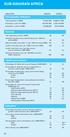 SUB-SAHARAN AFRICA INDICATOR REGION WORLD Demographic indicators Total population (2005) 713,457,000 6,449,371,000 Population under 18 (2005) 361,301,000 2,183,143,000 Population under 5 (2005) 119,555,000
Home visits for the newborn child: a strategy to improve survival
 WHO/UNICEF Joint Statement Home visits for the newborn child: a strategy to improve survival Every year, about 3.7 million babies die in the first four weeks of life (2004 estimates). Most of these newborns
Launch the Forum, create a web site, and begin a list of stakeholder groups. organizations, and academic institutions
 CONCEPT NOTE Forum on Investing in Young Children Globally An activity of the Board on Children, Youth, and Families and Board on Global Health at Institute of Medicine and National Research Council of
Pregnancy and Substance Abuse
 Pregnancy and Substance Abuse Introduction When you are pregnant, you are not just "eating for two." You also breathe and drink for two, so it is important to carefully consider what you put into your
Obesity Verses Malnutrition: Opposites or Two Peas from the Same Pod Kim McWhorter 5-16-05
 Obesity 1 Obesity Verses Malnutrition: Opposites or Two Peas from the Same Pod Kim McWhorter 5-16-05 Obesity Verses Malnutrition: Opposites or Two Peas from the Same Pod The existence of obesity in areas