
Many insects feed and make their homes in
|
|
|
- Antonia Pitts
- 9 years ago
- Views:
Transcription
1 B Wood-boring Insects of Trees and Shrubs Bastiaan M. Drees, John A. Jackman and Michael E. Merchant* Many insects feed and make their homes in the bark, trunks and branches of shade trees and shrubs in Texas. Insect borers belong to several different insect groups including a variety of beetles, moths and horntail wasps. Most insect borers are attracted to weakened, damaged, dying or dead plants. These are referred to as secondary invaders because they attack only after a plant has been weakened by another stress. Secondary invaders are a symptom of other problems with the health of the tree or shrub, but may contribute to its decline. Secondary invaders include species from groups already mentioned, but also may include termites, carpenter bees and carpenter ants. Many other insects live in dying or dead trees, including natural enemies (predators and parasites) of the insect borers, sap or fungi feeders, or species which merely use the spaces provided by the tunnels and galleries as living quarters. Wood-boring insects that attack healthy trees and shrubs are called primary invaders. Primary invaders may eventually kill trees. Damage Borer infestations often go unnoticed until plants or parts of plants begin to die or show external signs of damage. Wood-boring insects often produce sawdust-like frass (excrement). Their holes are normally round, oval or semicircular and are found in a random pattern on the plant. Woodpecker damage is sometimes confused with that of woodboring beetles; however, woodpecker damage will not produce frass. One woodpecker, the yellow-bellied sapsucker, produces square holes in rows around a trunk or branch. (See photo on page 5.) *Professor and Extension Entomologist; Professor and Extension Entomologist; and Assistant Professor and Extension Urban Entomologist, The Texas A&M University System. Borers tunnel in the inner bark layer (cambium), which transports nutrients and water to the leaves. When the cambium layer is completely girdled the plant eventually dies above or beyond the damage site. Partial girdling reduces plant growth and vigor above the site of attack. On occasion, tunneling makes the tree weak, causing limbs and branches to fall. Borer damage can severely affect the quality of lumber and can make trees susceptible to disease. Wood-boring Insects Long-horned beetles or round-headed borers (Coleoptera: Cerambycidae) Adults are called long-horned beetles because their antennae are occasionally longer than their bodies. Larvae tunnel underneath bark and into the heartwood. The tunnels are oval to almost round in cross section because of the round shape of the larvae (see Fig. 2). Larvae of some species are legless, but most have three pairs of small legs on the first three segments behind the head capsule. While tunneling, larvae continually pack their tunnels with excrement (frass), which looks like compressed wood fibers, or push frass out of the holes they produce. This excrement, along with the sap exuded by the plant in response to the damage, is often visible on the outside of infested trunks or branches. Many species of beetles belong to this group, but most are secondary invaders. Some examples of long-horned beetles are described below. Locust borer (Megacyllene robiniae) adults are medium-sized (3/4 inch long) long-horned beetles frequently found feeding on goldenrod or other flowers in the fall. They are dark brown to black with distinctive gold-yellow markings. Larvae hatch from eggs laid in bark crevices. Visible symptoms of infestation are wet spots and frass on the bark of black locusts. Later, larvae tunnel

2 into the inner bark and construct cells in which they spend the winter months. In a year the larvae are fully grown and about an inch in length. Cottonwood borer (Plectrodera scalator) is frequently found on cottonwood, poplar or willow trees. Adult beetles are large (1 1 /4 inches long) with an attractive black and whitish-yellow pattern. They are active from May through August. The larvae (1.75 to 2 inches long) tunnel at the base of the trunk or below ground level. They require about 2 years to develop. Red-headed ash borer (Neoclytus acuminatus) is one of the most common wood-boring beetles. It has a narrow body with a reddish thorax and light brown wing covers marked with four yellow lines on each. The yellow lines are slanted downward toward the middle, giving the appearance of a V across the back. The antennae are rather short and the long legs are thin and fragile. Red-headed ash borers feed in many species of wood including ash, oak, elm and even grapes. Adults can be found on dead log piles and frequently emerge from firewood. Red oak borer (Enaphalodes rufulus) attacks oak and maple trees and can be a serious pest in nurseries. The reddish-brown adults ( 5 /8 to 1 1 /8 Figure 1. Long-horned beetles or roundheaded borers: locust borer (left); cottonwood borer (center); and red-headed ash borer (right). inches long) lay eggs individually in bark crevices during July and August. Larvae tunnel under the bark and into the heartwood. Infested sites can be recognized by the frass around the buckled bark near the gallery entrance. Larvae often tunnel completely around the trunk or branches they infest, producing noticeable scars or girdling. Red oak borers feed for more than a year before pupating in chambers tunnelled into the heartwood. Damage kills limbs or terminals and increases the risk from secondary invaders and diseases. Twig girdler (Oncideres species) damage occurs primarily from egg laying. This insect attacks pecan, mimosa, chinaberry and huisache. The grayish-brown adults (1 1 /16 inch long) girdle limbs during the fall (late August through mid- November) by chewing a V-shaped groove entirely around twigs, branches or terminals. Eggs are inserted into the bark on the girdled part of the branch away from the tree. Girdled limbs eventually break and fall to the ground, particularly during high winds and storms. Damage can disfigure a young tree and leads to secondary branching, particularly if the terminal is attacked. Larvae reach up to 7 /8 inch long and are unable to develop in healthy sapwood. Removing the girdled twigs and branches from the ground during winter and spring and destroying them can reduce the population of these insects. Twig and branch pruners (Elaphidionoides and Agrilus species) produce damage superficially similar to that of twig girdlers on elm, hackberry, hickory, maple, oak, pecan, persimmon, redbud, sweetgum and other trees. In these species, however, it is the larvae that girdle twigs and branches underneath the bark. The surface of the severed end of the twig is smooth. The insect usually severs branches where small twigs branch from the main, girdled branch. Red oak borer larvae girdle main trunks and branches during the second year of larval development. Female twig girdler beetles chew a V-shaped groove entirely around twigs, branches or terminals. (Photo by M. E. Rice) Twig and branch pruner larvae girdle from underneath the bark. 2

3 Metallic wood-boring beetles (or flatheaded borers) (Coleoptera: Buprestidae) Adult beetles are flattened, hard-bodied and boat-shaped with short antennae. These are beautiful beetles with distinctive metallic colors (green, blue, bronze, copper). Larvae are cream-colored and legless with widened, flattened body segments just behind the heads. Consequently, when these larvae tunnel beneath bark or into the sapwood they produce oval or flattened tunnels in cross section (Fig. 2). Galleries are often winding and packed with frass. Tunneling can girdle trunks and branches. Many species of flat-headed borers occur in the state. Most are secondary invaders. Figure 2. Larvae of round-headed borer (left) and flat-headed borer (right) with cross sections of tunnels (above). Examples of flat-headed borers include the bronze birch borer (Agrilus anxius), uncommon in Texas because of the lack of host trees; Agrilus species found on oak and raspberry (A. bilineatus and A. ruficollis, respectively); flat-headed appletree borer (Chrysobothris femorata) and a closely related species that attacks recently transplanted or stressed shade, pecan and fruit trees. occurs in the Texas panhandle, but is infrequently encountered in other parts of Texas. Other members of this group are described below. Figure 4. Bark or engraver beetles: Southern pine beetle (left); Ips engraver beetle (center) and Asian ambrosia beetle (right). Southern pine beetle (Dendroctonus frontalis) is a primary pest of southern pine forests. Adult beetles are active during warmer months (when temperatures are above 58 degrees F), and disperse widely to injured, weakened or stressed trees in the spring. Seven or more generations may be completed within a year. When abundant, they can attack healthy trees. Larvae tunnel beneath the bark producing tunnels or galleries in patterns resembling the letter S (Fig. 5). This tunnelling quickly disrupts the cambium layer, girdling the tree. Infested trees can have numerous masses of resin called "pitch tubes" on the tree trunk. Needles of newly attacked trees turn reddish-brown 1 to 2 months after infestation during the summer, and up to 3 months afterward in the winter. Removal and destruction of infested trees may prevent healthy trees in the vicinity from being attacked. Figure 3. Metallic wood-boring beetles or flat-headed borer adults: Agrillus bilineatus (left); flat-headed appletree borer (right). Bark beetles (Coleoptera: Scolytidae) Beetles in this group tunnel below the bark of trees and/or into the wood. Adult beetles are small and reddish-brown to black. Larvae are creamcolored grubs without legs. One member of this group, the European elm bark beetle (Scolytus multistriatus), is the carrier of Dutch elm disease. It "Pitch tubes" are commonly seen on the trunks of pines attacked by pine bark beetles. 3

4 Ips engravers (Ips. spp.) are often mistaken for the southern pine bark beetle because their appearance and damage are similar. Their gallery patterns tend to be more parallel to each other, however (Fig. 5). Ips usually attack weakened trees only. Recently felled wood should be covered with plastic to prevent Ips beetle infestation. The black turpentine beetle, Dendroctonus tenebrans, is another species attacking pines. Figure 5. Left to right: "S"-shaped egg galleries of the Southern pine beetle; "Y"- or "H"-shaped egg galleries of the Ips engraver beetles. Protrusions of compressed wood dust signal attack by the Asian ambrosia beetle. Shothole borers (Scolytus rugulosus) are secondary pests of common fruit trees (peach and plum), wild plums and occasionally ash, elms and hawthorne. Beetles tunnel through the bark and make small holes in the bark crevices. Asian ambrosia beetle (Xylosandrus crassiusculus) is a newly introduced species that attacks healthy, stressed or freshly cut elm, pecan, peach, Prunus species, oak, sweetgum and other trees in east Texas. Tiny (2 to 3 millimeters long), dark reddish-brown adult female beetles tunnel into twigs, branches or small tree trunks, excavating a system of tunnels in the wood or pith in which they lay eggs. They also introduce a fungus on which the larvae feed. Visible damage includes wilted leaves on infested branches and protrusions of compressed wood dust from numerous small holes, resembling toothpicks pointing outward. Dead and dying areas of bark (cankers) can form at the damage site, eventually girdling the tree and killing it. There are several generations per year. Chemical control of this species has been generally unsuccessful. Native ambrosia beetles are also called shot-hole or pine-hole borers. These species have similar biologies but rarely attack healthy, vigorous trees. Weevils (Coleoptera: Curculionidae) Adult weevils have a characteristic snout that bears the chewing mouthparts (Fig. 6). Larvae are legless and cream-colored, and generally feed in cells or hollowed out cavities underneath the bark rather than in galleries or tunnels as do bark beetles. Virginia pine plantings in Texas have suffered extensive damage from the deodar weevil, Pissodes nemorensis. These weevils attack the trunks during the winter, where young trees are in poor planting sites. Several weevil species attack the bases and roots of woody ornamental plants. Figure 6. Deodar weevil larva, pupa and adult. Wood-boring caterpillars (Lepidoptera) These insects are the immature stages of several kinds of moths. Caterpillars can be easily identified by their false legs (prolegs) with tiny rows of hooks on the undersides of some of the abdominal segments (Fig. 7). Adult moths are rarely seen except when reared from the host plants or collected in blacklight traps. Several kinds of moth larvae tunnel into woody ornamental plants: Carpenterworms (Prionoxystus robinae) are large larvae that tunnel through the trunks of oak, elm, black locust, willow, ash, boxelder, poplar, 4

5 cottonwood, Chinese tallow and fruit trees such as pear and cherry. These larvae develop over 2 or 3 years, initially feeding underneath the bark but later tunnelling into the heartwood. Outward signs of attack include piles of sawdust and excrement, particularly in cracks and crevices. Carpenterworms may enter and exit the trunk of the tree several times during their development. Several closely related species with similar life cycles also occur in Texas, but may develop in other host trees. Adult moths, which emerge in the spring, are rather large with spotted wings. Peach tree borer (Synanthedon exitiosa) is one of the most important insect pests of peach and plum. Adult peach tree borer moths mate and lay their eggs on the trunks of peach and plum (Prunus species) trees during August and September. These daytime fliers are one of several species often called clear-wing moths, and they look superficially like wasps (Fig. 7). Larvae hatch from eggs in about 10 days and tunnel beneath the bark for 10 to 11 months before emerging from the base of the trunk. Infected trees exhibit dieback, yellowing of leaves, stunted growth and possible death if larvae girdle the trunk near the soil line (from 10 inches above the ground to 3 inches below the ground). After emerging, they drop to the soil to pupate at the base of the tree. Affected trees can be identified by masses of sap around damage sites at the base of the trunk. Infestations can kill scaffolding limbs or entire trees. Figure 7. Clear-wing moth and underside of larva showing true legs (right) and false legs (prolegs) bearing tiny rows of hooks (crochets). Other species of clear-wing moths are: 1) the lilac or ash borer (Podosesia syringae), which has its adult flight period during the spring and early summer; 2) the dogwood borer (Synanthedon scitula); and 3) the lesser peach tree borer (Synanthedon pictipes). Other caterpillar pests that occur in Texas include: the southern pine coneworm (Dioryctria amatella), which tunnels around the bases of Virginia pine trunks; Euzophera ostricolorella, a root collar borer that infests potted magnolia; and the American plum borer (Euzophera semifuneralis), which invades damaged or improperly pruned branches on a wide variety of woody ornamentals. Figure 8. Southern pine coneworm larva (top), pupa (middle) and adult (bottom). Managing Wood-boring Insects Prevention Since most wood-boring insects are considered secondary invaders, the first line of defense against infestation is to keep plants healthy. Proper care of trees and shrubs discourages many borer pests and helps infested plants survive. Good sap flow from healthy, vigorously growing trees, for example, defends the plant from damage by many borer pests. Good horticultural practices include: Selecting well adapted species of trees and shrubs that are not commonly attacked by wood borers in your area. Arizona ash, birch, cottonwood, locust, soft maple, flowering stone fruits (such as peaches and plums), slash pines (in west Texas), willow and poplar are especially prone to borer attack. Choosing and preparing a good planting site to avoid plant stress, freeze damage, sun scald and wind burn. Minimizing plant stress and stimulating growth by using proper watering and fertilization practices. Avoiding injury to tree trunks from lawn mowers, weed trimmers or construction. 5

6 Promptly caring for wounded or broken plant parts using pruning or wound paint during all but the coldest months of the year. Properly thinning and pruning during colder months. Removing and destroying infested, dying or dead plants or plant parts, including fallen limbs. Wrapping tree trunks and limbs with quarterinch hardware cloth spaced about 1 1 /2 inches from the tree s surface where woodpecker damage is likely. Sapsucker damage appears as square holes in a tree trunk. Wrapping trunks to prevent borer attack is ineffective and may, under certain conditions, increase the rate of infestation. Using plastic trunk protectors to help prevent injury from lawn mowers and weed trimmers is a good idea. Non-chemical control for infested plants Once trees and shrubs are infested, non chemical options for borer control are limited. One option is to remove and destroy heavily infested or injured plants. Also, inspect damage sites closely to determine if the larvae can be extracted from the plant with a pocket knife, wire or other suitable tool. Chemical control It is important to remember that stressed, unhealthy trees can be attacked repeatedly and will need repeated applications of insecticide indefinitely. In most cases this is neither economically nor environmentally justified. When chemical treatments are used, efforts always should be made to improve overall tree health. Insecticide products registered for borer control are listed in Tables 1 and 2. Most of these products are applied as sprays to the trunks and branches, and are non-systemic, residual insecticides (e.g., bendiocarb, carbaryl,, endosulfan, esfenvalerate, fluvalinate, lindane, methoxychlor, cyfluthrin, bifenthrin, permethrin, sumithion). While these products do not kill larvae that have already penetrated the sapwood or heartwood, they will kill adults and larvae tunneling through the treated bark layer. This is primarily a preventive treatment. Some products (those containing paradichlorobenzene and ethylene dichloride) act as fumigants to repel egg-laying adults or kill accessible larvae. Systemic insecticides applied to the soil are ineffective for borer control and few are registered for this purpose. Trunk injection products (containing abamectin, acephate, dicrotophos, imidaclaprid and oxydemeton-methyl) are registered for treatment of some borers. These products are reported to work by delivering insecticides into the cambium and phloem tissues where borers feed. Data supporting the effective use of these products has not been produced in Texas. Several factors should be considered when using insecticides to control insect borers: 1. Time your treatments to match adult activity. The life cycles of some insect borers are well known in Texas. Knowing when adults lay their eggs is critical, as insecticides are most effective if applied when adults are emerging and eggs are hatching. For the peachtree borer, a single surface application of a contact insecticide in late August or early September can prevent infestations on Prunus species. For most beetles, the adult egg-laying period is either very long or unknown. Surface treatments are effective for only a 3- to 10- week period. Therefore, regular re-treatment of susceptible plant parts is needed for effective control. 2. Be sure coverage is complete and minimize drift. Effective treatment for borers requires that all surfaces of trunks and branches be covered (see Fig. 9). Only in a few instances (such as for peachtree borer) is treatment of only the base of the tree trunk sufficient to protect the tree. Complete coverage may be difficult on large trees and may result in drift to non-target areas. To minimize drift, spray only on days when wind is less than 6 to 7 miles per hour. When making 6

7 Thin bark areas in crotch areas where limbs meet trunk Sun scald damage Bird damage Broken branches Fresh pruning wounds Part of tree normally sprayed to prevent borer entry Mower or string trimmer damage LY FOLLOW THE INSTRUCTIONS ON THE CON- TAINER LABEL. Proper disposal of leftover pesticides and empty or used containers is an essential step in safe pesticide use. Suggested pesticides must be registered and labeled for use by the Environmental Protection Agency and the Texas Department of Agriculture. The status of pesticide label clearances is subject to change and may have changed since this publication was printed. County Extension agents and appropriate specialists are advised of changes as they occur. References (Available from the Texas Agricultural Extension Service) L-1826 Carpenter Bees L-1783 Carpenter Ants L-1784 Structural-Infesting Wood-Boring Beetles Figure 9. Sites where borers are most likely to enter a tree. The shaded areas are the most critical sites for treatment to prevent borer entry. applications, always wear proper protective clothing (long-sleeved shirt, hat, and eye protection as described on the product label) to avoid contact with the pesticide. 3. Treat susceptible plants. Treatment of highly valued landscape trees or vulnerable plants may be justified. Newly transplanted trees and shrubs are naturally stressed and may need treatment, especially when borers are known to attack newly planted trees in the area. Firewood Adult wood borers sometimes emerge from firewood stored indoors. While most of these insects are not considered harmful, old house borer and powderpost beetles will attack seasoned, dry wood inside the home (see Extension publication L-1784, Structure-Infesting Wood-Boring Beetles ). Treating firewood with insecticide is both ineffective and potentially dangerous to the homeowner. Wood should be stored outdoors away from the house until just before use. If firewood is infested with borers it can be treated by wrapping it in a tarp and allowing sunlight to heat it. Stacking wood layers in alternate directions will help it dry and reduce areas that can harbor insects. Policy Statement for Making Chemical Control Suggestions The user is always responsible for the effects of pesticide residues, as well as problems that could arise from drift or movement of the pesticide to neighboring areas. ALWAYS READ AND CAREFUL- Table 1 lists generic or approved common names for insecticides. These ingredients may be found in a large number of products, whereas trade names are used by specific manufacturers or distributors of these insecticides. For convenience, examples of some of the most commonly available trade names for these generic ingredients are given below. Table 1. Generic product names and trade names. Generic Trade acephate Orthene bendiocarb Turcam bifenthrin Talstar carbaryl Sevin Dursban cyfluthrin Tempo endosulfan Thiodan permethrin Astro, Specracide Bug Stop sumithion Pestroy abamectin Abacide acephate Acecap dicrotophos Inject-a-cide B imidaclaprid Imicide oxydemeton-methyl Inject-a-cide 7

8 Table 2. Insecticides registered for treatment of insect borers. Pest Insecticide Wood-destroying beetles (unspecified) Bark beetles (unspecified) bark and engraver or Ips beetles carbaryl,, lindane, permethrin ambrosia beetle (black) turpentine beetle, lindane, permethrin (native, European) elm bark beetle carbaryl,, permethrin (southern) pine bark beetle, lindane shothole borers Wood-boring beetles long-horned borer beetles or round-headed borers (unspecified), lindane cottonwood borer locust borer (red) oak borer twig girdlers lindane metallic wood borer or flat-headed borers (unspecified) apple tree borer bronze birch borer, permethrin two-lined chestnut borer twig borers bifenthrin Weevils (unspecified) pales weevil bendiocarb,, sumithion pitch-eating weevils Caterpillars, clear-wing moths (unspecified) American plum borer ash borer, permethrin dogwood borer, lindane lesser peachtree borer, permethrin lilac borer, lindane oak borer peachtree borer carbaryl,, lindane peach twig borer rhododendron borer, lindane, permethrin Miscellaneous wood-infesting insect pests carpenter ants, cyfluthrin carpenter bees NOTE: This list is a compilation of numerous insecticide product labels. Any one product s label may not contain mention of the specific pest or pests, even when it contains the active ingredient mentioned in this table. The USER is responsible for obtaining the product with label directions that lists the pest and the proper use site to address the problem at hand. Refer to product labels for use rates, application frequency and list of ornamental plants that can be sprayed using products containing the insecticides listed above. Some insecticides listed are for use by commercial pest control operators only. Acknowledgement The authors are grateful to R. N. Coulson, L. Dreesen, P. J. Hamman, S. Richter, D. Gouge, M. Muegge and A. Knutson for reviewing this publication. The information given herein is for educational purposes only. Reference to commercial products or trade names is made with the understanding that no discrimination is intended and no endorsement by the Texas Agricultural Extension Service is implied. Produced by Agricultural Communications, The Texas A&M University System Extension publications can be found on the Web at: Educational programs of the Texas Agricultural Extension Service are open to all people without regard to race, color, sex, disability, religion, age or national origin. Issued in furtherance of Cooperative Extension Work in Agriculture and Home Economics, Acts of Congress of May 8, 1914, as amended, and June 30, 1914, in cooperation with the United States Department of Agriculture. Chester P. Fehlis, Deputy Director, Texas Agricultural Extension Service, The Texas A&M University System. 10M, Revision ENT, HORT 4-6 & 4-7

Insects That Kill Trees. Diane G. Alston Extension Entomologist Utah State University 2004 Professional Tree Care Workshops
 Insects That Kill Trees Diane G. Alston Extension Entomologist Utah State University 2004 Professional Tree Care Workshops Topics Introduction websites, IPM strategies Ips bark beetles Tree borers flatheaded,
Many insects feed and make their homes
 B-5086 01-08 Wood-boring Insects of Trees and Shrubs Bastiaan M. Drees, John A. Jackman and Michael E. Merchant* Many insects feed and make their homes in the bark, trunks and branches of shade trees and
A DISCOVERY REGARDING THE DEATH OF ASH TREES IN THE PLYMOUTH AREA
 A DISCOVERY REGARDING THE DEATH OF ASH TREES IN THE PLYMOUTH AREA As you are probably aware, we have seen a significant amount of dying ash trees in the Plymouth, Canton, Northville area. This prompted
Why Fruit Trees Die D. B. Meador, Extension Specialist (retired) University of Illinois
 Why Fruit Trees Die D. B. Meador, Extension Specialist (retired) University of Illinois Occasionally, fruit trees decline and often die. Diseases affecting the leaves, fruit, and twigs of fruit trees usually
Symptoms Include: Stippled, bronzed or bleached appearance of leaves
 Common Tree Pests & Diseases Of Central Texas Lara Schuman City of Austin Urban Forestry Program Stress and Trees City life can be stressful, and trees feel stress too. Common urban tree issues include:
Wood Boring Beetles O & T Guide [O-#10]
![Wood Boring Beetles O & T Guide [O-#10]](/thumbs/40/21007459.jpg "Wood Boring Beetles O & T Guide [O-#10]") Wood Boring Beetles O & T Guide [O-#10] Carol A. Sutherland Extension and State Entomologist Cooperative Extension Service College of Agriculture and Home Economics October 2006 Besides bark beetles (separate
Wood Boring Beetles O & T Guide [O-#10] Carol A. Sutherland Extension and State Entomologist Cooperative Extension Service College of Agriculture and Home Economics October 2006 Besides bark beetles (separate
Pests of Woody Ornamental Plants An Online Resource for IPM Information
 Title: Pests of Woody Ornamental Plants An Online Resource for IPM Information Project Leaders: Shari Romar, Lead Writer; Gary Couch, Technical Advisor, NYS IPM Program; Jody Gangloff-Kaufmann, Project
Susan Donaldson, Water Quality Education Specialist Steven J. Seybold, Research Biochemist
 FACT SHEET 98-40 Susan Donaldson, Water Quality Education Specialist Steven J. Seybold, Research Biochemist Introduction Trees in the Lake Tahoe Basin and the Sierra Nevada are turning brown and dying.
Major Insects of Apple, Peach and Pear Trees in the Home Orchard
 Major Insects of Apple, Peach and Pear Trees in the Home Orchard Henry W. Hogmire West Virginia University Tree Fruit Research and Education Center Kearneysville, WV Apple Pests Plum Curculio Beetle (snout
Report to Lake Shastina Property Owners Association on Dead and Dying Trees Around Zen Mountain
 Report to Lake Shastina Property Owners Association on Dead and Dying Trees Around Zen Mountain by John Kessler, CA Registered Professional Forester #2494 Issue of Concern Residents of Lake Shastina have
Guide to the identification of Wood-boring insects
 Guide to the identification of Wood-boring insects Safeguard Chemicals Ltd., Redkiln Close, Horsham, West Sussex, United Kingdom. RH13 5QL. Tel: 01403 210204 www.safeguardchem.com Introduction This guide
Black Turpentine Beetle
 Forest Pest Leaflet 12 Black Turpentine Beetle R. H. Smith 1 and R. E. Lee III 2 The black turpentine beetle, Dendroctonus terebrans (Oliv.), has caused extensive losses throughout the pine belt in the
TREE NOTES. CALIFORNIA DEPARTMENT OF FORESTRY AND FIRE PROTECTION Arnold Schwarzenegger Governor State of California. Dale T.
 TREE NOTES CALIFORNIA DEPARTMENT OF FORESTRY AND FIRE PROTECTION Arnold Schwarzenegger Governor State of California Dale T. Geldert Director NUMBER: 30 February 2005 Mike Chrisman Secretary for Resources
Questions and Answers about the Emerald Ash Borer in Colorado
 Questions and Answers about the Emerald Ash Borer in Colorado What is the emerald ash borer? The emerald ash borer is a type of beetle that develops under the bark of ash trees. Its scientific name is
Tree Integrated Pest Management. Dan Nortman Virginia Cooperative Extension, York County
 Tree Integrated Pest Management Dan Nortman Virginia Cooperative Extension, York County IPM Refresher Definition: The use of a combination of appropriate pest control tactics to reduce pest population
Structural Pest Control Learning Objectives
 Category 7C: Structural Pest Control (Wood-Destroying Pests) Structural Pest Control Learning Objectives After studying this section, you should be able to: Describe the most common wood destroying pest
Karen J. English Graphic and Web Designer. Please click the thumbnails on the following pages to view larger versions of the images.
 Karen J. English Graphic and Web Designer Please click the thumbnails on the following pages to view larger versions of the images. graphic design: small pieces graphic design: large pieces web design
Advanced Intelligence Report Tree & Shrub Insect Control: Protecting Trees from Emerald Ash Borer
 Advanced Intelligence Report Treating For Emerald Ash Borer With Bayer Advanced Tree and Shrub Insect Control Soil Drench Dr. Bruce Stewart, Bayer Advanced Consumer Products Emerald Ash Borer (EAB) is
The Basics of Tree Pruning
 The Basics of Tree Pruning By John Ball, Forest Health Specialist and Aaron Kiesz, Urban and Community Forestry Specialist Until the end of the 19 th century, trees were not a common sight in many parts
Hard Decisions Ahead With Ash Trees
 Hard Decisions Ahead With Ash Trees By: Stanton Gill, Extension Specialist in IPM and Entomology for Greenhouses and Nurseries Central Maryland Research and Education Center University of Maryland Protect
Diagnosing Disorders of Trees
 148 Appendix A Diagnosing Disorders of Trees Diagnosing tree problems can be difficult. Symptoms and signs can be subtle or only visible using special techniques, important information can be missing,
Tree Talk. Customer Care. www.lipower.org
 Customer Care Tree Talk Did you know that trees can help improve your safety and electric reliability? This booklet will help you select the best trees for your home, and provide tips about their maintenance
Forest Insect Pests and Diseases
 Forest Insect Pests and Diseases Forest insect pests The forest is home to an abundant diversity of organisms, including insects. The study of forest insects is called forest entomology. Many insects play
Proper Pruning For Tree Health and Defensible Space
 Proper Pruning For Tree Health and Defensible Space NFP Training for Lone Peak Conservation Center, May 4, 2005 Maggie Shao, Community Forestry Program Coordinator Reasons for Pruning Safety - involves
EB1814. A Key to Identification of Pacific Northwest Wood-destroying Pests Based on Wood Damage
 EB1814 A Key to Identification of Pacific Northwest Wood-destroying Pests Based on Wood Damage 1 By Art Antonelli, Ph.D., Washington State University Extension entomologist, WSU Puyallup Research and Extension
Pruning Mature Trees. Reasons for Pruning
 Pruning Mature Trees Pruning is the most common tree maintenance procedure. Although forest trees grow quite well with only nature's pruning, landscape trees require a higher level of care to maintain
Cloud Mountain Farm Center 6906 Goodwin Rd., Everson, WA 98247 (360)966-5859 voice, (360)966-0921 fax, www.cloudmountainfarmcenter.
 Disease and Pest Management in the Home Orchard Fruit trees have been grown in home orchards for centuries. The goal of many gardeners today is to have fresh fruit from their own trees with a minimum of
Pest Check. Subterranean Termite Swarming Season. Kimberly Schofield Program Specialist- IPM [email protected]
 Kimberly Schofield Program Specialist- IPM [email protected] Pest Check Subterranean Termite Swarming Season For one subterranean termite genus, Reticultermes, the months of February through May means
Care of Mature Backyard Apple Trees
 Education Center and Info Line practical solutions to everyday questions Toll free Info Line 1-877-398-4769 M-F 9 AM - 2 PM Care of Mature Backyard Apple Trees Introduction Backyard apple trees can be
Construction Damage to Trees
 Construction Damage to Trees When a building site is cleared, several large, well-established trees are often left to enhance the aesthetic value of the property. However, within about 2-8 years after
Carpenter Ants and Control in Homes
 Page 1 of 6 Carpenter Ants and Control in Homes Introduction Fact Sheet No. 31 Revised May 2000 Dr. Jay B Karren, Extension Entomologist Alan H. Roe, Insect Diagnostician Carpenter ants are members of
Why hire an arborist?
 Why hire an arborist? Spring is fast approaching and that means gardens to attend and flowers to plant, but what about your trees? Now is the best time to hire an arborist to maintain your trees before
Pruning Fruit Trees. Develop strong tree structure. This should begin when trees are planted and continue each year thereafter.
 Agriculture and Natural Resources Pruning Fruit Trees Extension Horticulture Arkansas Is Our Campus Visit our web site at: http://www.uaex.edu Fruit trees should be pruned every year to maintain their
What you need to know about the management of. the Emerald Ash. Borer (EAB) Guidelines for hiring tree care services to manage urban trees
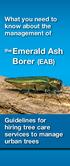 What you need to know about the management of the Emerald Ash Borer (EAB) Guidelines for hiring tree care services to manage urban trees What is an Emerald Ash Borer? This booklet has been designed for
Life Cycle of a Butterfly
 Name: Date: Life Cycle of a Butterfly Life cycle refers to the stages of development, growth and reproduction that a living thing goes through. The butterfly's life cycle is made up of four stages: egg,
Helping Trees Recover From Stress
 Helping Trees Recover From Stress INTRODUCTION Trees are the dominant component in the natural and managed landscape in New England. For the most part, trees in forests thrive and, typically, live more
Two Main Precautions Before You Begin Working
 Pruning Mango Trees Roy Beckford, Ag/Natural Resources Agent, UF/IFAS Lee County Two Main Precautions Before You Begin Working 1. Mango peel and sap contain urushiol, the chemical in poison ivy and poison
Maintaining Cactus and Succulents
 Maintaining Cactus and Succulents Master Gardener Education February 22, 2011 Jack Kelly University of Arizona College of Agriculture and Life Sciences Pima County Cooperative Extension Tucson, Arizona
The Alfalfa Weevil in Utah
 Page 1 of 5 The Alfalfa Weevil in Utah Fact Sheet No. 58 January 1989 Edward W. Evans Extension Entomologist Introduction The alfalfa weevil is a major pest throughout Utah. It is a beetle with one generation
Wildfire Damage Assessment for the 2011 Southeast Complex Fires
 Wildfire Damage Assessment for the 2011 Southeast Complex Fires Chip Bates & Mark McClure, Forest Health Management Background: On March 24, 2011, multiple wildfires began across southeast Georgia. Strong,
Alaska Forest Pest Control Supplemental Information. Category Twelve
 Alaska Forest Pest Control Supplemental Information Category Twelve In general, applicators who apply pesticides to property other than their own, or act as a pesticide consultant must obtain certification
A Visual Guide to Detecting Emerald Ash Borer Damage
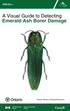 cfs.nrcan.gc.ca A Visual Guide to Detecting Emerald Ash Borer Damage Ontario Ministry of Natural Resources Library and Archives Canada Cataloguing in Publication A visual guide to detecting emerald ash
H-GAC Debris Workshop 2: Mitigating Your Hazards Handout 1 Public Outreach Debris Mitigation Strategies
 H-GAC Debris Workshop 2: Mitigating Your Hazards Handout 1 Public Outreach Debris Mitigation Strategies This handout provides examples of debris mitigation initiatives for the public that communities have
Fertilizer, Weed Control, Grubs, and General Application Questions
 Lawn Care FAQ s Fertilizer, Weed Control, Grubs, and General Application Questions Why do we have so many weeds? Dandelions in particular, weeds in general, do not seem concerned about how long lawn has
Cherokee Chief Plena Rubra Fragrant Cloud
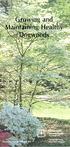 INTRODUCTION The natural range of dogwoods extends from Maine to the Gulf of Mexico. The trees color cities and countrysides white with dazzling displays in the early spring. Although they are most spectacular
Objectives. EAB Symptoms 8/18/14. Emerald Ash Borer: A Threat to Colorado s Community Forests. 1- to 2-Year Life Cycle.
 8/18/14 Emerald Ash Borer: A Threat to Colorado s Community Forests Objectives Introduce EAB Pest origins and biology Current impacts Threat to Colorado Keith Wood Community Forestry Program Manager Colorado
Tree Diversity Activity
 Tree Diversity Activity A Classroom Activity from The National Arbor Day Foundation You and your class may have participated recently in the Vote for America s National Tree, an historic opportunity for
APHIS-PPQPPQ Center for Plant Health, Science and Technology Buzzards Bay, MA
 Scott Myers, Entomologist USDA-APHIS APHIS-PPQPPQ Center for Plant Health, Science and Technology Buzzards Bay, MA Background USDA Animal and Plant Health Inspection Service (APHIS) Plant Protection and
Asian Longhorned Beetle Control Program
 United States Department of Agriculture Animal and Plant Health Inspection Service Asian Longhorned Beetle Control Program Environmental Assessment, December 1996 United States Department of Agriculture
-Why should I try to control emerald ash borer? 1. -I have treated my ash trees in the past for borers. Wasn't this for the emerald ash borer?...
 Control Options for Emerald Ash Borer in Colorado Introduction Some Common Questions Related to the Control of Emerald Ash Borer -Why should I try to control emerald ash borer? 1 -I have treated my ash
Carpenter ants. Identification. Ant or termite? Jeff Hahn, Colleen Cannon, and Mark Ascerno Reviewed 2008
 Carpenter ants Jeff Hahn, Colleen Cannon, and Mark Ascerno Reviewed 2008 Identification Carpenter ants are among the largest ants in Minnesota. There are several species of carpenter ants that may be found
Tree Landscape Planting
 City of Pierre Tree Landscape Planting The value of Woody Plant Landscaping Locally Adapted Species List Tips for Successful Planting Pierre Ordinances Public Needs to Know Community Tree Statistics: Trees
Identification and Prevention of Frost or Freeze Damage By Linda Reddick, Kingman Area Master Gardener
 KINGMAN IS GROWING! COLUMN Identification and Prevention of Frost or Freeze Damage By Linda Reddick, Kingman Area Master Gardener Again this year we have been experiencing some very cold weather, with
INTEGRATED PEST MANAGEMENT SYSTEM FOR KENNESAW STATE UNIVERSITY
 INTEGRATED PEST MANAGEMENT SYSTEM FOR KENNESAW STATE UNIVERSITY KENNESAW, GEORGIA PREPARED JANUARY 1997 REVISED NOVEMBER 2006 TABLE OF CONTENTS Introduction and Principles of Integrated Pest Management
honey bee By Henry Touray
 honey bee By Henry Touray Introduction For my project I have chosen to research Bees. I chose to find out about the bee because bees have been in the news lately. Lots of hives have died out and scientists
Tree Trimming Tips and Tricks
 Tree Trimming Tips and Tricks Start with Professionals Mistakes can be costly for you and your tree. Professionals who know about trees can help you get started with the right tree in the right place.
1 ASIAN LONGHORNED BEETLE OUTBREAK
 1 THE REGIONAL MUNICIPALITY OF YORK REPORT NO. 10 OF THE REGIONAL COMMISSIONER OF TRANSPORTATION AND WORKS For Consideration by The Council of The Regional Municipality of York on October 16, 2003 1 ASIAN
Trees and Reliable Electric Service. Answers to Questions About Tree Pruning and Electric Power. We re connected to you by more than power lines.
 Trees and Reliable Electric Service Answers to Questions About Tree Pruning and Electric Power We re connected to you by more than power lines. How is Line Clearance Done? Pepco s tree contractor will
Systemic Insecticide Technology for Tree Care
 Systemic Insecticide Technology for Tree Care Dan Herms Department of Entomology The Ohio State University Ohio Agricultural Research and Development Center Wooster [email protected] Landscapes are diverse
Black Dotted Brown Moth
 Athens-Clarke County Community Tree Program Black Dotted Brown Moth Athens is experiencing its fourth year of significant infestation by the black dotted brown moth (Cissusa spadix). The caterpillar of
Vegetation Management. for Distribution Lines
 Vegetation Management for Distribution Lines Working Hand in Hand with Nature Trees contacting power lines and other electric facilities are the major cause of electric service interruptions, especially
Proper Pruning Basic Techniques and Tips. 2012 ECCFC Rocky Ford, CO
 Proper Pruning Basic Techniques and Tips 2012 ECCFC Rocky Ford, CO 1 The Pro-Active Pruner! Plan BEFORE Planting Select the Right Tree For the Right Place Begin pruning trees while they are young Common
Guide to Healthy Trees
 Guide to Healthy Trees Al and Bri Seaton Front cover image: This magnifi cent tree is located on our property in Mansfi eld, Victoria. A few years ago it was suffering severely from drought, erosion and
ANNUAL TREE & SHRUB Insect Control with SYSTEMAXX
 ANNUAL TREE & SHRUB Insect Control with SYSTEMAXX this concentrate dissolves in water allowing the insecticide to move through the root zone. once in the roots, the insecticide moves up through the tree
When you buy a high-quality tree, plant it correctly, and treat it properly, you and your tree will benefit greatly in many ways for many years.
 Buying High-Quality Trees When you buy a high-quality tree, plant it correctly, and treat it properly, you and your tree will benefit greatly in many ways for many years. When you buy a low-quality tree,
runing & Orchard Renewal
 P runing & Orchard Renewal Richard G. St-Pierre, Ph.D. (January 2006) The Basics Of Pruning & Orchard Renewal Pruning is defined as the art and science of cutting away a portion of a plant to improve its
The Termite Problem in Utah
 BULLETIN OF THE UNIVERSITY OF UTAH Volume 30 December 27, 1939 No. 8 The Termite Problem in Utah B Y DON M. REES and ARDEN R. GAUFIN Department of Biology, University of Utah BIOLOGICAL SERIES, Vol. V,
TREE & SHRUB Insect Control
 TREE & SHRUB Insect Control this concentrate quickly dissolves in water allowing the insecticide to move through the soil into the root zone. once in the roots, the insecticide moves up through the tree
CITRUS PRUNING. control, fruit production and size control
 CITRUS PRUNING Pruning techniques for tree health pest Pruning techniques for tree health, pest control, fruit production and size control Tree Shapes Citrus trees are generally pruned to a central leader
OAK TREE DISEASES Anthracnose Oak Leaf Blister Actinopelte Leafspot Spot Anthracnose
 OAK TREE DISEASES Anthracnose (fungus Gloeosporium sp.): Anthracnose is more common on white oak group (Bur Oak, Over Cup Oak, White Oak and Post Oak) than on the other more common oaks. The disease is
Alaska Industrial, Institutional, Structural, and Health Related Pest Control Supplemental Information. Category Seven
 Alaska Industrial, Institutional, Structural, and Health Related Pest Control Supplemental Information Category Seven In general, applicators who apply pesticides to property other than their own, or act
A REVIEW OF PEST CONTROL IN AVOCADOS
 California Avocado Society 1979 Yearbook 63: 58-65 A REVIEW OF PEST CONTROL IN AVOCADOS C. Don Gustafson Farm Advisor, Cooperative Extension Service, University of California, San Diego County. Introduction
Management of the Giant Northern Termite
 Agnote Management of the Giant Northern Termite (Mastotermes darwiniensis) B. M. Thistleton, M. J. Neal and E. S. C. Smith, Plant Industries, Darwin No: I58 July 2013 INTRODUCTION Termites are small, secretive
Tree and forest restoration following wildfire
 Peter F. Kolb (PhD) MSU Extension Forestry Specialist Adj. Assistant Professor Forest Ecology School of Forestry, University of Montana, Missoula, MT 59808 Tel. (406) 243-4705, e-mail: [email protected]
Insect Scouting and Diagnosis. Frank A. Hale, Ph.D. Professor Entomology & Plant Pathology
 Insect Scouting and Diagnosis Frank A. Hale, Ph.D. Professor Entomology & Plant Pathology Understanding the Pests to Manage the Pest Life cycle (what life stages are susceptible to control measures?) What
After the Storm: Caring for Your Trees
 Montana State University Extension Service Peter Kolb (PhD) MSU Extension Forestry Specialist School of Forestry, University of Montana,Missoula, MT 59812 Tel. (406) 243-4705; e-mail: [email protected]
Asian Longhorned Beetle infestations have been found in North America. What is being done to stop ALB?
 Asian Longhorned Beetle infestations have been found in North America. What is being done to stop ALB? 1 Steps to Eradicate ALB from North America: 1) The USDA regulates the import of wood packing material,
Spruce problem diagnosis for yard trees
 Spruce problem diagnosis for yard trees KEY Effect on tree Kills tree Other damage No damage Size of tree Seedling Sapling to pole Pole and larger By Jana Albers and Mike Albers, DNR-Forestry URL = http://files.dnr.state.mn.us/assistance/backyard/treecare/forest_health/whitesprucediagnosis.pdf
Tree Insect Problems: Scale, Aphids & Borers
 Tree Insect Problems: Scale, Aphids & Borers Diane Alston Entomologist, Utah State University Utah Pest Control & Lawncare Association Convention February 10-11, 2014 Karen Gail Miller Conference Center,
Oak Trees BASIC GROWING REQUIREMENTS FOR YOUR
 They are beautiful in their peace, They are wise in their silence. They will stand after we are dust. They teach us, and we tend them. G.A. MacDunelmor BASIC GROWING REQUIREMENTS FOR YOUR Oak Trees The
Infestations of the spotted
 Archival copy. For current information, see the OSU Extension Catalog: https://catalog.extension.oregonstate.edu/em8991 A New Pest Attacking Healthy Ripening Fruit in Oregon Spotted wing Drosophila: Drosophila
Macadamia problem solver & bug identifier
 Macadamia problem solver & bug identifier Reprint information current in 2003 REPRINT INFORMATION PLEASE READ! For updated information please call 13 25 23 or visit the website www.deedi.qld.gov.au This
Pruning Landscape Trees
 HO-45 Pruning Landscape Trees Flowering and shade trees in the landscape require periodic pruning to control size and shape, to correct undesirable growth, and to remove low-hanging or damaged branches.
Managing Black Walnut
 Managing Black Walnut Mel Baughman Professor Emeritus University of Minnesota Lenny Farlee Extension Forester Purdue University Why Grow Black Walnut? Wood Products Rich, brown color Novelty items Lumber
GENERAL WATERING & CARE GUIDE
 GENERAL WATERING & CARE GUIDE Between 30-60 percent of water applied to lawns and gardens is never absorbed by the plants. Water is often wasted because it is applied too quickly and runs off, evaporates
Post-Wildfire Clean-Up and Response in Houston Toad Habitat Best Management Practices
 Post-Wildfire Clean-Up and Response in Houston Toad Habitat Best Management Practices Purpose The purpose of this document is to provide guidance and recommendations for minimizing potential impacts to