
Many insects feed and make their homes
|
|
|
- Georgiana Taylor
- 10 years ago
- Views:
Transcription
1 B Wood-boring Insects of Trees and Shrubs Bastiaan M. Drees, John A. Jackman and Michael E. Merchant* Many insects feed and make their homes in the bark, trunks and branches of shade trees and shrubs in Texas. Insect borers belong to several different insect groups including a variety of beetles, moths and horntail wasps. Most insect borers are attracted to weakened, damaged, dying or dead plants. These are referred to as secondary invaders because they attack only after a plant has been weakened by another stress. Secondary invaders are a symptom of other problems with the health of the tree or shrub, but may contribute to its decline. Secondary invaders include species from groups already mentioned, but also may include termites, carpenter bees and carpenter ants. Many other insects live in dying or dead trees, including natural enemies (predators and parasites) of the insect borers, sap or fungi feeders, or species which merely use the spaces provided by the tunnels and galleries as living quarters. Wood-boring insects that attack healthy trees and shrubs are called primary invaders. Primary invaders may eventually kill trees. Damage Borer infestations often go unnoticed until plants or parts of plants begin to die or show external signs of damage. Wood-boring insects often produce sawdust-like frass (excrement). Their holes are normally round, oval or semicircular and are found in a random pattern on the plant. Woodpecker damage is sometimes confused with that of wood-boring beetles; however, woodpecker damage will not produce frass. One woodpecker, the yellow-bellied sapsucker, *Professor and Extension Entomologist; Professor and Extension Entomologist; and Professor and Extension Urban Entomologist, The Texas A&M University System. produces square holes in rows around a trunk or branch. (See photo on page 6.) Borers tunnel in the inner bark layer (cambium), which transports nutrients and water to the leaves. When the cambium layer is completely girdled the plant eventually dies above or beyond the damage site. Partial girdling reduces plant growth and vigor above the site of attack. On occasion, tunneling makes the tree weak, causing limbs and branches to fall. Borer damage can severely affect the quality of lumber and can make trees susceptible to disease. Wood-boring Insects Long-horned beetles or round-headed borers (Coleoptera: Cerambycidae) Adults are called long-horned beetles (Fig. 1) because their antennae are occasionally longer than their bodies. Larvae tunnel underneath bark and into the heartwood. The tunnels are oval to almost round in cross section because of the round shape of the larvae (Fig. 2). Larvae of some species are legless, but most have three pairs of small legs on the first three segments behind the head capsule. While tunneling, larvae continually pack their tunnels with excrement (frass), which looks like compressed wood fibers, or push frass out of the holes they produce. This excrement, along with the sap exuded by the plant in response to the damage, is often visible on the outside of infested trunks or branches. Many species of beetles belong to this group, but most are secondary invaders. Some examples of long-horned beetles are described below. Locust borer (Megacyllene robiniae) adults are medium-sized ( 3 4 inch long) long-horned beetles frequently found feeding on goldenrod or other flowers in the fall. They are dark brown to black with distinctive gold-yellow markings. Larvae hatch from eggs laid in bark crevices. Visible symptoms of infestation are wet spots

2 and frass on the bark of black locusts. Later, larvae tunnel into the inner bark and construct cells in which they spend the winter months. In a year the larvae are fully grown and about an inch in length. Cottonwood borer (Plectrodera scalator) is frequently found on cottonwood, poplar or willow trees. Adult beetles are large (1 1 4 inches long) with an attractive black and whitish-yellow pattern. They are active from May through August. The larvae (1.75 to 2 inches long) tunnel at the base of the trunk or below ground level. They require about 2 years to develop. Red-headed ash borer (Neoclytus acuminatus) is one of the most common wood-boring beetles. It has a narrow body with a reddish thorax and light brown wing covers marked with four yellow lines on each. The yellow lines are slanted downward toward the middle, giving the appearance of a V across the back. The antennae are rather short and the long legs are thin and fragile. Redheaded ash borers feed in many species of wood including ash, oak, elm and even grapes. Adults can be found on dead log piles and frequently emerge from firewood. Red oak borer (Enaphalodes rufulus) attacks oak Figure 1. Long-horned beetles or roundheaded borers: locust borer (left); cottonwood borer (center); and red-headed ash borer (right). and maple trees and can be a serious pest in nurseries. The reddish-brown adults ( 5 8 to inches long) lay eggs individually in bark crevices during July and August. Larvae tunnel under the bark and into the heartwood. Infested sites can be recognized by the frass around the buckled bark near the gallery entrance. Larvae often tunnel completely around the trunk or branches they infest, producing noticeable scars or girdling. Red oak borers feed for more than a year before pupating in chambers tunnelled into the heartwood. Damage kills limbs or terminals and increases the risk from secondary invaders and diseases. Twig girdler (Oncideres species) damage occurs primarily from egg laying. This insect attacks pecan, mimosa, chinaberry and huisache. The grayish-brown adults ( inch long) girdle limbs during the fall (late August through mid- November) by chewing a V-shaped groove entirely around twigs, branches or terminals. Eggs are inserted into the bark on the girdled part of the branch away from the tree. Girdled limbs eventually break and fall to the ground, particularly during high winds and storms. Damage can disfigure a young tree and leads to secondary branching, particularly if the terminal is attacked. Larvae reach up to 7 8 inch long and are unable to develop in healthy sapwood. Removing the girdled twigs and branches from the ground during winter and spring and destroying them can reduce the population of these insects. Twig and branch pruners (Elaphidionoides and Agrilus species) produce damage superficially similar to that of twig girdlers on elm, hackberry, hickory, maple, oak, pecan, persimmon, redbud, sweetgum and other trees. In these species, however, it is the larvae that girdle twigs and branches underneath the bark. The surface of the severed end of the twig is smooth. The insect usually severs branches where small twigs branch from the main, girdled branch. Red oak borer larvae girdle main trunks and branches during the second year of larval development. Female twig girdler beetles chew a V-shaped groove entirely around twigs, branches or terminals. (Photo by M. E. Rice) Twig and branch pruner larvae girdle from underneath the bark. 2

3 Metallic wood-boring beetles (or flat-headed borers) (Coleoptera: Buprestidae) Adult beetles are flattened, hard-bodied and boatshaped with short antennae. These are beautiful beetles with distinctive metallic colors (green, blue, bronze, copper). Larvae are cream-colored and legless with widened, flattened body segments just behind the heads. Consequently, when these larvae tunnel beneath bark or into the sapwood they produce oval or flattened tunnels in cross section (Fig. 2). Galleries are often winding and packed with frass. Tunneling can girdle trunks and branches. Many species of flat-headed borers occur in the state. Most are secondary invaders. Examples of flat-headed borers include the bronze birch borer (Agrilus anxius), uncommon in Texas because of the lack of host trees; Agrilus species found on oak and raspberry (A. bilineatus and A. ruficollis, respectively); flat-headed appletree borer (Chrysobothris femorata) and a closely related species that attacks recently transplanted or stressed shade, pecan and fruit trees. Bark beetles (Coleoptera: Curculionidae) Beetles in this group tunnel below the bark of trees and/or into the wood. Adult beetles are small and reddish-brown to black. Larvae are creamcolored grubs without legs. One member of this group, the European elm bark beetle (Scolytus multistriatus), is the carrier of Dutch elm disease. It occurs in the Texas Panhandle, but is infrequently encountered in other parts of Texas. Other members of this group are described below. Southern pine beetle (Dendroctonus frontalis) is a primary pest of southern pine forests. Adult beetles are active during warmer months (when temperatures are above 58 degrees F), and disperse widely to injured, weakened or stressed trees in the spring. Seven or more generations may be completed within a year. When abundant, they can attack healthy trees. Larvae tunnel beneath the bark producing tunnels or galleries in patterns resembling the letter S (Fig. 5). This tunnelling quickly disrupts the cambium layer, girdling the tree. Infested trees can have numerous masses of resin called "pitch tubes" on the tree trunk. Needles of newly attacked trees turn reddishbrown 1 to 2 months after infestation during the summer, and up to 3 months afterward in the Figure 3. Metallic wood-boring beetles or flat-headed borer adults: Agrillus bilineatus (left); flat-headed appletree borer (right). Figure 4. Bark or engraver beetles: Southern pine beetle (left); Ips engraver beetle (center) and granulate ambrosia beetle (right). Figure 2. Larvae of round-headed borer (left) and flat-headed borer (right) with cross sections of tunnels (above). "Pitch tubes" are commonly seen on the trunks of pines attacked by pine bark beetles. 3

4 winter. Removal and destruction of infested trees may prevent healthy trees in the vicinity from being attacked. Ips engravers (Ips. spp.) are often mistaken for the southern pine bark beetle because their appearance and damage are similar. Their gallery patterns tend to be more parallel to each other, however (Fig. 5). Ips usually attack weakened trees only. Recently felled wood should be covered with plastic to prevent Ips beetle infestation. The black turpentine beetle, Dendroctonus tenebrans, is another species attacking pines. Shothole borers (Scolytus rugulosus) are secondary pests of common fruit trees (peach and plum), wild plums and occasionally ash, elms and hawthorne. These bark beetles tunnel through the bark and make small holes in the bark crevices. Granulate ambrosia beetle (Xylosandrus crassiusculus) is a newly introduced species that attacks healthy, stressed or freshly cut elm, pecan, peach, Prunus species, oak, sweetgum and other trees in east Texas. Tiny (2 to 3 millimeters long), dark reddish-brown adult female beetles tunnel into twigs, branches or small tree trunks, excavating a system of tunnels in the wood or pith in which they lay eggs. They also introduce a fungus on which the larvae feed. Visible damage includes wilted leaves on infested branches and protrusions of compressed wood dust from numerous small holes, resembling toothpicks pointing outward. Dead and dying areas of bark (cankers) can form at the damage site, eventually girdling the tree and killing it. There are several generations per year. Chemical control of this species has been generally unsuccessful. Native ambrosia beetles are also called shot-hole or pine-hole borers. These species have similar biologies but rarely attack healthy, vigorous trees. Weevils (Coleoptera: Curculionidae) Adult weevils have a characteristic snout that bears the chewing mouthparts (Fig. 6). Larvae are legless and cream-colored, and generally feed in cells or hollowed out cavities underneath the bark rather than in galleries or tunnels as do bark beetles. Virginia pine plantings in Texas have suffered extensive damage from the deodar weevil, Pissodes nemorensis. These weevils attack the trunks during the winter, where young trees are in poor planting sites. Several weevil species attack the bases and roots of woody ornamental plants. Wood-boring caterpillars (Lepidoptera) These insects are the immature stages of several kinds of moths. Caterpillars can be easily identified by their false legs (prolegs) with tiny rows of Protrusions of compressed wood dust signal attack by the granulate ambrosia beetle. Figure 5. Left to right: "S"-shaped egg galleries of the Southern pine beetle; "Y"- or "H"-shaped egg galleries of the Ips engraver beetles. Figure 6. Deodar weevil larva, pupa and adult. 4

5 hooks on the undersides of some of the abdominal segments (Fig. 7). Adult moths are rarely seen except when reared from the host plants or collected in blacklight traps. Several kinds of moth larvae tunnel into woody ornamental plants: Carpenterworms (Prionoxystus robinae) are large larvae that tunnel through the trunks of oak, elm, black locust, willow, ash, boxelder, poplar, cottonwood, Chinese tallow and fruit trees such as pear and cherry. These larvae develop over 2 or 3 years, initially feeding underneath the bark but later tunnelling into the heartwood. Outward signs of attack include piles of sawdust and excrement, particularly in cracks and crevices. Carpenterworms may enter and exit the trunk of the tree several times during their development. Several closely related species with similar life cycles also occur in Texas, but may develop in other host trees. Adult moths, which emerge in the spring, are rather large with spotted wings. Peach tree borer (Synanthedon exitiosa) is one of the most important insect pests of peach and plum. Adult peach tree borer moths mate and lay their eggs on the trunks of peach and plum (Prunus species) trees during August and September. These daytime fliers are one of several species often called clear-wing moths, and they look superficially like wasps (Fig. 7). Larvae hatch from eggs in about 10 days and tunnel beneath the bark for 10 to 11 months before emerging from the base of the trunk. Infected trees exhibit dieback, yellowing of leaves, stunted growth and possible death if larvae girdle the trunk near the soil line (from 10 inches above the ground to 3 inches below the ground). After emerging, they drop to the soil to pupate at the base of the tree. Affected trees can be identified by masses of sap around damage sites at the base of the trunk. Infestations can kill scaffolding limbs or entire trees. Other species of clearwing moths are: 1) the lilac or ash borer (Podosesia syringae), which has its adult flight period during the spring and early summer; 2) the dogwood borer (Synanthedon scitula); and 3) the lesser peach tree borer (Synanthedon pictipes). Other caterpillar pests that occur in Texas include: the southern pine coneworm (Dioryctria amatella), which tunnels around the bases of Virginia pine trunks (Fig. 8); Euzophera ostricolorella, a root collar borer that infests potted magnolia; and the American plum borer (Euzophera semifuneralis), which invades damaged or improperly pruned branches on a wide variety of woody ornamentals. Managing Wood-boring Insects Prevention Since most wood-boring insects are considered secondary invaders, the first line of defense against infestation is to keep plants healthy. Proper care of trees and shrubs discourages many borer pests and helps infested plants survive. Good sap flow from healthy, vigorously growing trees, for example, defends the plant from damage by many borer pests. Good horticultural practices include: Selecting well adapted species of trees and shrubs that are not commonly attacked by wood borers in your area. Arizona ash, birch, cottonwood, locust, soft maple, flowering stone fruits (such as peaches and plums), slash pines (in west Texas), willow and poplar are especially prone to borer attack. Figure 7. Clear-wing moth and underside of larva showing true legs (right) and false legs (prolegs) bearing tiny rows of hooks (crochets). Figure 8. Southern pine coneworm larva (top), pupa (middle) and adult (bottom). 5

6 Choosing and preparing a good planting site to avoid plant stress, freeze damage, sun scald and wind burn. Minimizing plant stress and stimulating growth by using proper watering and fertilization practices. Avoiding injury to tree trunks from lawn mowers, weed trimmers or construction. Promptly caring for wounded or broken plant parts using pruning or wound paint during all but the coldest months of the year. Properly thinning and pruning during colder months. Removing and destroying infested, dying or dead plants or plant parts, including fallen limbs. Wrapping tree trunks and limbs with quarterinch hardware cloth spaced about inches from the tree s surface where woodpecker damage is likely. Wrapping trunks to prevent borer attack is ineffective and may, under certain conditions, increase the rate of infestation. Using plastic trunk protectors to help prevent injury from lawn mowers and weed trimmers is a good idea. Non-chemical control for infested plants Once trees and shrubs are infested, non-chemical options for borer control are limited. One option is to remove and destroy heavily infested or injured plants. Also, inspect damage sites closely to deter- mine if the larvae can be extracted from the plant with a pocket knife, wire or other suitable tool. Chemical control Because stressed, unhealthy trees are more susceptible to insect attack, maintaining overall tree health is vital in reducing the risk of wood-boring insect infestations and limiting the need for costly and environmentally damaging insecticides. Older trees and those damaged by drought or other environmental stress also will not benefit from control efforts. Table 1 lists some insecticides registered by the Environmental Protection Agency (EPA) for woodboring insect control on trees and shrubs. Some of these products are for professional or commercial use only and not available at retail outlets. In addition, the product labels specify where the product is to be used, such as nurseries or landscapes, and which pest or pest category it targets. Choose products according to the labeled restrictions. Do not use insecticides on fruit or nut trees unless specifically labeled for them. Some products sold mainly through specialty stores may require the purchaser to have a Texas Department of Agriculture pesticide applicator s license. Application timing and method also may be specified on the label. Some products are preventive only; others are to be used during the target pest s adult flight periods. Bark sprays target egg-laying females or the adult stages emerging from the host plant. They also may kill small larvae. Bark sprays Figure 9. Sites where borers are most likely to enter a tree. The shaded areas are the most critical sites for treatment to prevent borer entry. Sapsucker damage appears as square holes in a tree trunk. 6

7 Table 1. Examples of current insecticides and products registered for insect borers of trees and shrubs. See product labels or Appendix 1 for more specific listings of use sites, user descriptions and insect species or groups. Insecticide class Trunk sprays carbamate Active ingredient carbaryl Trade name Sevin Brand 4F Carbaryl Insecticide GardenTech Sevin Ready To Use Bug Killer organophosphate chlorpyrifos Dursban 50W pyrethroid pyrethroid bifenthrin permethrin OnyxPro Insecticide Talstar P Professional Insecticide Ortho Bug-B-Gone MAX Lawn & Garden Insect Killer Concentrate Astro Insecticide Bonide Borer-Miner Killer Concentrate Bonide Total Pest Control Concentrate Outdoor Formula spinosyns spinosad Ferti. lome Borer, Bagworm, Tent Caterpillar & Leafminer Spray Soil drenches neonicotinoid imidacloprid Marathon 60 WP Bayer Advanced 12 Month Tree & Shrub Insect Control Discus Nursery Insecticide neonicotinoid dinotefuran Spectracide Tree & Shrub + Fertilizer Concentrate Tree injection products organophosphate acephate Acecap 97 Systemic Insecticide Tree Implants Acejet Systemic insecticide for Micro-Infusion organophosphate dicrotophos Inject-A-Cide B organophosphate oxydemeton methyl neonicotinoid imidacloprid Mauget Inject-A-Cide IMAjet Systemic Insecticide Mauget Imicide Systemic Injecticide for tree injection use in ready to use capsules generally use residual insecticides such as carbaryl or pyrethroid insecticides such as bifenthrin or permethrin. Only a few products are effective on larvae tunneling beneath the bark, such as that of the flatheaded borer beetles. These systemic products usually are applied as soil drenches so the insecticide can be absorbed by the roots or injected into the trunk; the insecticide imidacloprid is applied as either a soil drench or a trunk injection. Dinotefuran also may provide some control of wood-boring beetles. Retail sale of diazinon, chlorpyrifos (Dursban ) and endosulfan (Thiodan ) products have been discontinued. Diazinon and lindane are no longer available for insect control and chlorpyrifos is available only for use in commercial nurseries. Products containing these ingredients may still be used according to label directions if you first contact the manufacturer to ascertain that usage is allowed. Otherwise they should be disposed of using directions provided by city, county or state pesticide authorities. Only a few products for controlling wood-boring insects are available at retail stores. Occasionally these products containers have labels that are taped to the container and cannot be read before purchase. The products names may indicate target pests, such as Fertilome Borer, Bagworm, Tent Caterpillar & Leafminer Spray, but the actual label has use directions for only the peach twig borer (a caterpillar of a clearwing moth species) on fruit trees. In other cases, lists of pests on products that are available only to commercial applicators are more extensive than those on products available to homeowners, such as those containing the pyrethroid insecticides, bifenthrin and permethrin. 7

8 Know pesticide regulations. Insecticide use is regulated by the Environmental Protection Agency s Federal Insecticide, Fungicide, and Rodenticide Act (FIFRA: fifra.pdf) and Texas Department of Agriculture. The law mandates that pesticides be used according to label directions with a few exemptions: An user can use an insecticide for pests not listed on the product label as long as the use site is listed. Section 2(ee) of FIFRA (page 13) allows for the use of any registered pesticide against any target pest not specified on the labeling if the application is to the crop, animal, or site specified on the labeling... Thus, if a particular insect borer is not listed on a product labeled for use on trees and shrubs but others are listed, or other products include mention of those pests, that product may be used to try to control the unlisted pest. Some products claiming insect control now being sold may not be registered by the EPA because of an exemption described in Section 25 (b) (on page 89 and on the Web site Only those pesticides registered by the EPA are listed in this publication. Both of these sections are also discussed further at the Web site: regulating/labels/label_review_faq.htm#pesticide. Firewood Adult wood borers sometimes emerge from firewood stored indoors. While most of these insects are not considered harmful, old house borer and powderpost beetles will attack seasoned, dry wood inside the home (see the Texas AgriLife Extension Service publication E-394, Structure-Infesting Wood-Boring Beetles ). Treating firewood with insecticide is both ineffective and potentially dangerous to the homeowner. Wood should be stored outdoors away from the house until just before use. If firewood is infested with borers it can be treated by wrapping it in a tarp and allowing sunlight to heat it. Stacking wood layers in alternate directions will help it dry and reduce areas that can harbor insects. Firewood can spread exotic wood-borer species. Do not transport firewood to new areas, such as out-of-state camp grounds. Obtain campfire wood locally for use on such occasions. Policy Statement for Making Chemical Control Suggestions All pesticides are potentially hazardous to people and the environment. Pesticide users are legally required to read and carefully follow all directions and safety precautions on the container label. The user is always responsible for the effects of pesticide residues, as well as problems that could arise from drift or movement of the pesticide to neighboring areas. Label instructions are subject to change, so read the label carefully before buying or using any pesticide. Proper disposal of leftover pesticides and empty or used containers is an essential step in safe pesticide use. Never pour leftover pesticides down a drain. Regardless of the information provided in an Extension publication, always follow the product s label. When in doubt about any instructions, contact the pesticide seller or the manufacturer listed on the label. Store all pesticides in their original, labeled containers and keep them out of the reach of children. Suggested pesticides must be registered and labeled for use by the Environmental Protection Agency and the Texas Department of Agriculture. The status of pesticide label clearances is subject to change and may have changed since this publication was printed. County Extension agents and appropriate specialists are advised of changes as they occur. References (Available from the Texas AgriLife Extension Service) L-1826, Carpenter Bees E-412, Carpenter Ants E-394, Structure-Infesting Wood-Boring Beetles Table 1 lists generic or approved common names for insecticides. These ingredients may be found in a large number of products, whereas trade names are used by specific manufacturers or distributors of these insecticides. For convenience, examples of some of the most commonly available trade names for these generic ingredients are given on page 7. 8

9 Appendix Summary of information obtained from product labels for treatment of wood-boring insects of trees and shrubs currently registered by the Environmental Protection Agency. Read and carefully follow directions provided on the actual product label. Trunk sprays Carbaryl, a carbamate insecticide Sevin Brand 4F Carbaryl Insecticide (43.0 percent carbaryl): Caution. For agricultural or commercial use only. In forested areas such as non-urban forests, tree plantations, Christmas tree farms, parks and rural shelter belts, and for rangeland trees, for treating cypress tip moth, locust borer, Nantucket pine tip moth, olive ash borer and pitch pine tip moth, apply 1 quart of product per acre; as a preventive treatment only, for elm bark and Ips engraver beetles apply as a trunk spray a 2 percent solution (5 fluid ounces per gallon) per acre no more than two times per year. On pecans for twig girdler, apply 2 to 5 quarts of product per acre. On peaches, plums, prunes and nectarines, apply 2 to 3 quarts of product per acre for lesser peachtree borer or peach twig borer. Observe bee caution. Repeat applications as necessary up to a total of three times per year per crop but not more often than once every 7 days. For lesser peachtree borer, thoroughly spray the limbs and tree trunks at weekly intervals during moth flight. Also see the product labels for rates of other formulations: Sevin Brand 80S, 80WSP and XLR Plus Carbaryl Insecticides. GardenTech Sevin Ready To Use Bug Killer (0.126 percent carbaryl): Caution. For trees including shade trees and those in shelter belts, plantations, parks and recreational areas, and for ornamentals including roses and wooded shrubs; for treating European pine shoot moth, locust borer, Nantucket pine tip moth, ash borer, pitch pine tip moth and subtropical pine tip moth. Where pests appear, direct the spray toward the upper and lower leaf surfaces and small trunks, stems and twigs to the point of runoff. Repeat as necessary up to a total of four times for trees and six times for ornamentals and shrubs but not more often than once every 7 days. On fruit trees including peaches and plum, for treating lesser peachtree borer and peach twig borer. Do not apply within 3 days of harvest. Chlorpyrifos, an organophosphate insecticide Dursban 50W (50.0 percent chlorpyrifos): Danger. For use by certified applicators or people under their direct supervision; this product may be used only on ornamentals grown in nurseries and to treat evergreens, shade and flowering trees, and nonbearing fruit trees infested with: Weevils such as blackvine, cranberry, yellow poplar and pine reproduction weevils, use 1 pound per 100 gallons; Borers, including clearwing moths such as ash, dogwood, lesser peachtree, lilac, oak, peachtree, rhododendron borers; metallic wood borers such as bronze birch, flatheaded appletree and twolined chestnut borers; longhorned borer beetles such as cottonwood, locust, red oak borers, pales weevil adults and Zimmerman pine moth: Use 2 pounds per 100 gallons, spraying trunks and lower limbs of trees and shrubs when adults begin to emerge for borers, and for peachtree borers spraying flowering trees and shrubs on the genus Prunus as a trunk spray before newly hatched larvae enter trees and thoroughly wet all bark areas from ground level to scaffold limbs; Pales and northern pine weevils, use 6 pounds per 100 gallons applied as a cut stump spray or drench; Other beetles such as ambrosia, Anobiidae, black turpentine, European elm bark, mountain pine, native elm bark and southern pine beetles: Use 16 pounds per 100 gallons, to achieve a preventive treatment by spraying the main trunk of trees in the early spring or when the threat of attack exists from nearby infested trees or to achieve remedial treatments spraying the main trunk of infested trees or logs when damage occurs but before beetles begin to emerge; Weevils such as northern pine, pitch eating weevils: Use 32 pounds per 100 gallons for pine seedlings, treating immediately after transplanting to thoroughly wet the foliage and stems to the point of runoff, not using more than 6 gallons of spray dilution per acre. Bifenthrin, a pyrethroid insecticide OnyxPro Insecticide (23.4 percent bifenthrin): Warning. For commercial nonfood use in interiorscapes and on outdoor ornamentals, Christmas trees, nurseries, golf courses and other listed sites. Use as trunk sprays to ornamental trees including Christmas trees to control bark beetles and boring beetles, not applying more than 12.8 fluid ounces (0.2 pounds of active ingredient) of this product to trees per acre using spray volumes as directed on the product label and spraying until the bark is thoroughly wetted. Use specifically for: Dendroctonus bark beetles such as mountain pine beetle, southern pine beetle, and black turpentine beetle and engraver (Ips Species) beetles at fluid ounces per 100 gallons, applying to the trunk of the tree with a 9

10 hydraulic sprayer in the early spring or before adult flight and tree infestation, applying the spray directly to the main trunk from the base of the tree to at least halfway into the live crown; Other bark beetles such as ambrosia beetles, elm bark beetles and metallic wood borers at fluid ounces per 100 gallons, spraying mixture to the trunk, scaffolding and limbs of the tree with a hydraulic sprayer in the early spring or before beetle flight and tree infestation; Clearwing moth borers such as ash borer, banded ash clearwing, dogwood borer, lesser peachtree borer, lilac borer, oak borer, peachtree borer, rhododendron borer and coleopteran borers such as bronze birch borer and flatheaded appletree borer use 6.4 to 12.8 fluid ounces per 100 gallons, spraying the branches and trunks prior to adult emergence. Talstar P Professional Insecticide (7.9 percent bifenthrin): Caution. For use outdoors on residential, institutional, public, commercial and industrial buildings, greenhouses, lawns, ornamentals, parks, recreational areas and other listed sites. For ornamentals and trees including but not limited to trees and shrubs, greenhouses and interiorscapes, to control: Beetles including twig borers and weevils, use 10.8 to 21.7 fluid ounces per 100 gallons, treating trunks, stems and twigs in addition to plant foliage; Pine shoot beetle adults use 21.7 to 43.5 fluid ounces per 100 gallons. Ortho Bug-B-Gone MAX Lawn & Garden Insect Killer Concentrate (0.3 percent bifenthrin): Caution. For use on shrubs and small, nonbearing trees for northern pine weevil, pine shoot weevil and Zimmerman pine moth, and on fruit trees for peachtree borer and lesser peachtree borer. Permethrin, a pyrethroid insecticide Astro Insecticide (36.8 percent permethrin): Caution. For use on ornamental trees and shrubs around buildings, parks, recreational areas and other listed sites, such as ornamental greenhouse, interiorscapes and plantscapes, lawns, trees and shrubs. On ornamental trees, for: Clearwing moth borers such as banded ash clearwing, dogwood borer, lesser peachtree borer, lilac borer, oak borer, peachtree borer and rhododendron borer: Use 1 to 2 quarts per gallon; Bark beetles such as Dendroctonus sp., Ips species, elm bark beetles, mountain pine beetle, pine engravers, turpentine beetles and white pine beetle: Use 2 to 5 quarts per gallon; Coleopteran borers such as bronze birch borer and flatheaded appletree borer: Use 2 to 5 quarts per 100 gallons; Maximum residual control of all the insects listed above, use 5.35 quarts per 100 gallons. Apply to the lower branches and trunks prior to adult emergence, which varies according to pest species, host tree, environmental conditions and geographical location. Thorough coverage of bark is required for control; Nantucket pine tip moth, coneworms and seedbugs, use 4 to 8 fluid ounces per 100 gallons. Use 5 to 10 gallons of finished spray per tree for coneworms and seedbugs. Begin application when the adults appear. Repeat applications may be made on 5- to 7-day intervals as needed; On noncommercially grown peach trees, for lesser peachtree borer and peach twig borer use 1 /4 to 3 /4 teaspoon per gallon for 436 square feet. Do not harvest fruit within 14 days after application. Do not apply more than 3 3 /4 teaspoon per 436 square feet per year. Bonide Borer-Miner Killer Concentrate (2.50 percent permethrin): Caution. Protects fruits, nuts, trees, shrubs, roses, flowers and vegetables from borers, leafminers and other listed insects. For pine beetles use 1 fluid ounce in 1 gallon water applied as a thorough spray, wetting the leaves and branches to dripping point. Spray in late afternoon or evening, when temperature ranges from 50 to 75 degrees F and when there is little or no wind. Spray at the first sign of insects. Repeat as necessary; use at intervals or 4 to 8 days. Do not exceed 16 applications per season. For peach tree borers (lesser peachtree, peach twig) apply 2 fluid ounces in 1 gallon water when insects appear. Wet the plants to dripping point. Do not apply within 7 days of harvest. Do not make more than eight applications per year. Bonide Total Pest Control Concentrate Outdoor Formula (13.30 percent permethrin): Warning. For ornamental trees around the home, use sufficient spray to obtain full coverage of all foliage. Avoid heavy wetting. Use to control pine moths and pine beetles. On peaches to control lesser peachtree borer and peach twig borer: Use 2 3 /4 teaspoons per 5 quarts water. Apply when insects appear. Do not apply within 7 days of harvest. Do not make more than eight applications per season. Spinosad, a spinosyns insecticide Ferti. lome Borer, Bagworm, Tent Caterpillar & Leafminer Spray (0.5 percent spinosad): Caution. For use on fruiting, tuberous and leafy vegetables, stone fruits, apple and citrus trees, ornamentals and 10

11 lawns: Use 2.0 fluid ounces per gallon for peach twig borer (a caterpillar of a clearwing moth species) on fruit trees only. Soil drenches Dinotefuran, a neonicotinoid insecticide Spectracide Tree and Shrub Insect Control + Fertilizer Concentrate (0.43 percent dinotefuran): Caution. Available to homeowners through retail outlets for roundheaded borers apply 3 fluid ounces per inch of tree circumference or 9 fluid ounces per foot of shrub height. Note: For professional use, see label for Safari. Imidacloprid, a neonicotinoid insecticide Marathon 60 WP (60 percent imidacloprid): Caution. For systemic control on ornamentals in greenhouses, nurseries and interior plantscapes as a soil injection for flatheaded borers including bronze birch and alder borers to trees at a rate of 20 grams per 8 to 16 inches of cumulative trunk diameter or to shrubs at a rate of 20 grams per 8 to 16 feet of cumulative shrub height applied as a soil injection or soil drench as directed on the product label. Also Marathon II (21.4 percent imidacloprid), using different rate. Bayer Advanced 12 Month Tree & Shrub Insect Control (1.47 percent imidacloprid): Caution. For flatheaded borers including bronze birch and alder borers apply to the soil as a drench to trees at 1 ounce per inch of distance around the trunk and to shrubs at 3 ounces per foot of height. Discus Nursery Insecticide (0.70 percent cyfluthrin plus 2.94 percent imidacloprid): Caution. For ornamentals, nonbearing fruit and nut trees, and in field and container nurseries. Use as a drench and soil injection application for shrubs, evergreens and trees including nonbearing fruit and nut trees. For flathead borers including bronze birch and alder borers, use 3.4 to 5.6 fluid ounces per 1,000 square feet. Use at the high rate for borer control and with high populations. Application to heavily infested trees may not prevent the eventual loss of the trees because of existing pest damage and tree stress. Note: Cypermethrin is a pyrethroid contact insecticide and will not move into the tree systemically. Tree injection products Acephate Acecap 97 Systemic Insecticide Tree Implants (97 percent acephate): Caution. For ornamental trees with a trunk diameter of 3 inches or larger for treatment of borers. For small trees and shrubs with trunk diameters of 1.5 to 3 inches see the label for Mini Acecap 97. Acejet Systemic insecticide for Micro-Infusion (97.4 percent acephate): Caution. Micro-Injectable and Micro-Infusable Insecticide for use with the Arborjet Injection Systems to manage of specific insect pests of trees and landscape ornamentals, including conifers, Christmas tree and deciduous tree farms, seed orchards and plantations, and forest trees, shrubs, evergreens and conifers, and trees in Christmas tree plantations and palms in forest areas including nonurban forests, tree plantations, seed orchards, parks, rural shelter belts, rangeland and woodlands including conifers. For treatment of carpenterworm, clearwing borers, cottonwood twig borer, Nantucket pine tip moth, pine coneworm, pine tip moth, buprestid borers including bronze birch borer, flatheaded borers, longhorned borers including red oak borer, and root weevil adults including black vine weevil. Do not treat trees that are moisture stressed or suffering from herbicide damage. Do not inject trees within 2 weeks of any other spray or soil chemical treatment. Dicrotophos Inject-A-Cide B (82 percent dicrotophos): Danger. Contains Bidrin, for internal treatment by microinjection for systemic suppression of certain insects on ornamental trees. Not for use on trees for sale or other commercial use, for commercial seed production, for the production of timber or wood products, or for research purposes. For dogwood twig borer and sycamore borer (American plum borer) on oaks and sycamore, and for lesser peachtree borer on flowering stone fruit (noncrop). Oxydemeton methyl Mauget Inject-A-Cide (50 percent oxydemeton methyl): Danger. Internal treatment by microinjection for systemic suppression of certain insects on ornamental trees. Treatment limited by tree species to treatment of bark beetles on cedar, cypress, juniper and pine; engraver beetles; red and black turpentine beetles; and Nantucket pine tip moth on Douglas fir and pine. Imidacloprid IMAjet Systemic Insecticide (5.0 percent imidacloprid): Warning. Microinjectable systemic insecticide for use with Arbojet Injection System in the management of specific insect pests of forests, trees, landscape ornamentals, palms and interior plantscapes (trees, shrubs and evergreens), palms in forest areas including nonurban forests, tree plantations, Christmas tree farms, parks, rural shelter belts, rangelands and woodlands including those with conifers. For treatment of buprestid borers including bronze birch borer, flatheaded borers, longhorned borers and pine tip moth larvae. 11

12 Mauget Imicide Systemic Injecticide for tree injection use in ready to use capsules (10.0 percent imidacloprid): Caution. Injection into trees more than 2 inches in diameter that will not produce food within a year after treatment: Use as directed for black vine weevil larvae, bronze birch borer, cottonwood longhorned borer, flatheaded borers including alder and birch borer, pine tip moth larvae and other listed pests. Also see Mauget Imicide Hp for use in loadable injectors. Acknowledgement R. N. Coulson, L. Dreesen, P. J. Hammon and S. Richter reviewed the initial manuscript published in March 1994, and S. Ludwig, B. Ree and C. Bogran reviewed this revision. The information given herein is for educational purposes only. Reference to commercial products or trade names is made with the understanding that no discrimination is intended and no endorsement by the Texas AgriLife Extension Service is implied. Produced by Agricultural Communications, The Texas A&M University System Extension publications can be found on the Web at: Visit Texas AgriLife Extension Service at Educational programs conducted by Texas AgriLife Extension Service serve people of all ages regardless of socioeconomic level, race, color, sex, religion, handicap or national origin. Issued in furtherance of Cooperative Extension Work in Agriculture and Home Economics, Acts of Congress of May 8, 1914, as amended, and June 30, 1914, in cooperation with the United States Department of Agriculture. Edward G. Smith, Director, Texas AgriLife Extension Service, The Texas A&M University System. 500 copies, Revision 12

Insects That Kill Trees. Diane G. Alston Extension Entomologist Utah State University 2004 Professional Tree Care Workshops
 Insects That Kill Trees Diane G. Alston Extension Entomologist Utah State University 2004 Professional Tree Care Workshops Topics Introduction websites, IPM strategies Ips bark beetles Tree borers flatheaded,
Many insects feed and make their homes in
 B-5086 8-99 Wood-boring Insects of Trees and Shrubs Bastiaan M. Drees, John A. Jackman and Michael E. Merchant* Many insects feed and make their homes in the bark, trunks and branches of shade trees and
A DISCOVERY REGARDING THE DEATH OF ASH TREES IN THE PLYMOUTH AREA
 A DISCOVERY REGARDING THE DEATH OF ASH TREES IN THE PLYMOUTH AREA As you are probably aware, we have seen a significant amount of dying ash trees in the Plymouth, Canton, Northville area. This prompted
Symptoms Include: Stippled, bronzed or bleached appearance of leaves
 Common Tree Pests & Diseases Of Central Texas Lara Schuman City of Austin Urban Forestry Program Stress and Trees City life can be stressful, and trees feel stress too. Common urban tree issues include:
Advanced Intelligence Report Tree & Shrub Insect Control: Protecting Trees from Emerald Ash Borer
 Advanced Intelligence Report Treating For Emerald Ash Borer With Bayer Advanced Tree and Shrub Insect Control Soil Drench Dr. Bruce Stewart, Bayer Advanced Consumer Products Emerald Ash Borer (EAB) is
Hard Decisions Ahead With Ash Trees
 Hard Decisions Ahead With Ash Trees By: Stanton Gill, Extension Specialist in IPM and Entomology for Greenhouses and Nurseries Central Maryland Research and Education Center University of Maryland Protect
Why Fruit Trees Die D. B. Meador, Extension Specialist (retired) University of Illinois
 Why Fruit Trees Die D. B. Meador, Extension Specialist (retired) University of Illinois Occasionally, fruit trees decline and often die. Diseases affecting the leaves, fruit, and twigs of fruit trees usually
TREE NOTES. CALIFORNIA DEPARTMENT OF FORESTRY AND FIRE PROTECTION Arnold Schwarzenegger Governor State of California. Dale T.
 TREE NOTES CALIFORNIA DEPARTMENT OF FORESTRY AND FIRE PROTECTION Arnold Schwarzenegger Governor State of California Dale T. Geldert Director NUMBER: 30 February 2005 Mike Chrisman Secretary for Resources
Report to Lake Shastina Property Owners Association on Dead and Dying Trees Around Zen Mountain
 Report to Lake Shastina Property Owners Association on Dead and Dying Trees Around Zen Mountain by John Kessler, CA Registered Professional Forester #2494 Issue of Concern Residents of Lake Shastina have
Pests of Woody Ornamental Plants An Online Resource for IPM Information
 Title: Pests of Woody Ornamental Plants An Online Resource for IPM Information Project Leaders: Shari Romar, Lead Writer; Gary Couch, Technical Advisor, NYS IPM Program; Jody Gangloff-Kaufmann, Project
Susan Donaldson, Water Quality Education Specialist Steven J. Seybold, Research Biochemist
 FACT SHEET 98-40 Susan Donaldson, Water Quality Education Specialist Steven J. Seybold, Research Biochemist Introduction Trees in the Lake Tahoe Basin and the Sierra Nevada are turning brown and dying.
Major Insects of Apple, Peach and Pear Trees in the Home Orchard
 Major Insects of Apple, Peach and Pear Trees in the Home Orchard Henry W. Hogmire West Virginia University Tree Fruit Research and Education Center Kearneysville, WV Apple Pests Plum Curculio Beetle (snout
EPA Reg. No. 33657-16-59639 (Except California and New York)
 Supplemental Label EPA Reg. No. 33657-16-59639 (Except California and New York) SAFARI 20 SG INSECTICIDE FOR UPDATED ORNAMENTAL PLANT APPLICATIONS AND TRUNK SPRAY IN TREES AND LARGE SHRUBS DIRECTIONS FOR
Tree Integrated Pest Management. Dan Nortman Virginia Cooperative Extension, York County
 Tree Integrated Pest Management Dan Nortman Virginia Cooperative Extension, York County IPM Refresher Definition: The use of a combination of appropriate pest control tactics to reduce pest population
Diagnosing Disorders of Trees
 148 Appendix A Diagnosing Disorders of Trees Diagnosing tree problems can be difficult. Symptoms and signs can be subtle or only visible using special techniques, important information can be missing,
Questions and Answers about the Emerald Ash Borer in Colorado
 Questions and Answers about the Emerald Ash Borer in Colorado What is the emerald ash borer? The emerald ash borer is a type of beetle that develops under the bark of ash trees. Its scientific name is
Karen J. English Graphic and Web Designer. Please click the thumbnails on the following pages to view larger versions of the images.
 Karen J. English Graphic and Web Designer Please click the thumbnails on the following pages to view larger versions of the images. graphic design: small pieces graphic design: large pieces web design
The Basics of Tree Pruning
 The Basics of Tree Pruning By John Ball, Forest Health Specialist and Aaron Kiesz, Urban and Community Forestry Specialist Until the end of the 19 th century, trees were not a common sight in many parts
Alaska Forest Pest Control Supplemental Information. Category Twelve
 Alaska Forest Pest Control Supplemental Information Category Twelve In general, applicators who apply pesticides to property other than their own, or act as a pesticide consultant must obtain certification
Systemic. Granules. Insect Control. Protects against damaging insects for up to 8 weeks CAUTION. Root Weevils. Birch Leaf Miner.
 Systemic Granules Insect Control Protects against damaging insects for up to 8 weeks Root Weevils Birch Leaf Miner Beetles Internal insect protection won t wash off with rain or water For use outdoors
Wood Boring Beetles O & T Guide [O-#10]
![Wood Boring Beetles O & T Guide [O-#10]](/thumbs/40/21007459.jpg "Wood Boring Beetles O & T Guide [O-#10]") Wood Boring Beetles O & T Guide [O-#10] Carol A. Sutherland Extension and State Entomologist Cooperative Extension Service College of Agriculture and Home Economics October 2006 Besides bark beetles (separate
Wood Boring Beetles O & T Guide [O-#10] Carol A. Sutherland Extension and State Entomologist Cooperative Extension Service College of Agriculture and Home Economics October 2006 Besides bark beetles (separate
ANNUAL TREE & SHRUB Insect Control with SYSTEMAXX
 ANNUAL TREE & SHRUB Insect Control with SYSTEMAXX this concentrate dissolves in water allowing the insecticide to move through the root zone. once in the roots, the insecticide moves up through the tree
TREE & SHRUB Insect Control
 TREE & SHRUB Insect Control this concentrate quickly dissolves in water allowing the insecticide to move through the soil into the root zone. once in the roots, the insecticide moves up through the tree
-Why should I try to control emerald ash borer? 1. -I have treated my ash trees in the past for borers. Wasn't this for the emerald ash borer?...
 Control Options for Emerald Ash Borer in Colorado Introduction Some Common Questions Related to the Control of Emerald Ash Borer -Why should I try to control emerald ash borer? 1 -I have treated my ash
What you need to know about the management of. the Emerald Ash. Borer (EAB) Guidelines for hiring tree care services to manage urban trees
 What you need to know about the management of the Emerald Ash Borer (EAB) Guidelines for hiring tree care services to manage urban trees What is an Emerald Ash Borer? This booklet has been designed for
Care of Mature Backyard Apple Trees
 Education Center and Info Line practical solutions to everyday questions Toll free Info Line 1-877-398-4769 M-F 9 AM - 2 PM Care of Mature Backyard Apple Trees Introduction Backyard apple trees can be
Tree Talk. Customer Care. www.lipower.org
 Customer Care Tree Talk Did you know that trees can help improve your safety and electric reliability? This booklet will help you select the best trees for your home, and provide tips about their maintenance
Cloud Mountain Farm Center 6906 Goodwin Rd., Everson, WA 98247 (360)966-5859 voice, (360)966-0921 fax, www.cloudmountainfarmcenter.
 Disease and Pest Management in the Home Orchard Fruit trees have been grown in home orchards for centuries. The goal of many gardeners today is to have fresh fruit from their own trees with a minimum of
Pruning Mature Trees. Reasons for Pruning
 Pruning Mature Trees Pruning is the most common tree maintenance procedure. Although forest trees grow quite well with only nature's pruning, landscape trees require a higher level of care to maintain
Black Turpentine Beetle
 Forest Pest Leaflet 12 Black Turpentine Beetle R. H. Smith 1 and R. E. Lee III 2 The black turpentine beetle, Dendroctonus terebrans (Oliv.), has caused extensive losses throughout the pine belt in the
Pruning Fruit Trees. Develop strong tree structure. This should begin when trees are planted and continue each year thereafter.
 Agriculture and Natural Resources Pruning Fruit Trees Extension Horticulture Arkansas Is Our Campus Visit our web site at: http://www.uaex.edu Fruit trees should be pruned every year to maintain their
Why hire an arborist?
 Why hire an arborist? Spring is fast approaching and that means gardens to attend and flowers to plant, but what about your trees? Now is the best time to hire an arborist to maintain your trees before
Wildfire Damage Assessment for the 2011 Southeast Complex Fires
 Wildfire Damage Assessment for the 2011 Southeast Complex Fires Chip Bates & Mark McClure, Forest Health Management Background: On March 24, 2011, multiple wildfires began across southeast Georgia. Strong,
ANNUAL TREE & SHRUB Insect Control with SYSTEMAXX
 ANNUAL TREE & SHRUB Insect Control with SYSTEMAXX This concentrate dissolves in water allowing the insecticide to move through the root zone. Once in the roots, the insecticide moves up through the tree
Forest Insect Pests and Diseases
 Forest Insect Pests and Diseases Forest insect pests The forest is home to an abundant diversity of organisms, including insects. The study of forest insects is called forest entomology. Many insects play
Construction Damage to Trees
 Construction Damage to Trees When a building site is cleared, several large, well-established trees are often left to enhance the aesthetic value of the property. However, within about 2-8 years after
Systemic Insecticide Technology for Tree Care
 Systemic Insecticide Technology for Tree Care Dan Herms Department of Entomology The Ohio State University Ohio Agricultural Research and Development Center Wooster [email protected] Landscapes are diverse
A Visual Guide to Detecting Emerald Ash Borer Damage
 cfs.nrcan.gc.ca A Visual Guide to Detecting Emerald Ash Borer Damage Ontario Ministry of Natural Resources Library and Archives Canada Cataloguing in Publication A visual guide to detecting emerald ash
GENERAL WATERING & CARE GUIDE
 GENERAL WATERING & CARE GUIDE Between 30-60 percent of water applied to lawns and gardens is never absorbed by the plants. Water is often wasted because it is applied too quickly and runs off, evaporates
Tree Trimming Tips and Tricks
 Tree Trimming Tips and Tricks Start with Professionals Mistakes can be costly for you and your tree. Professionals who know about trees can help you get started with the right tree in the right place.
Pest Check. Subterranean Termite Swarming Season. Kimberly Schofield Program Specialist- IPM [email protected]
 Kimberly Schofield Program Specialist- IPM [email protected] Pest Check Subterranean Termite Swarming Season For one subterranean termite genus, Reticultermes, the months of February through May means
Disease and Insect Management in the Home Orchard
 North Carolina Cooperative Extension Service NC STATE UNIVERSITY Buncombe County Center North Carolina Cooperative Extension 94 Coxe Avenue Asheville, NC 2 NC 8801-3620 (828) 255-5522 FAX (828) 255-5202
runing & Orchard Renewal
 P runing & Orchard Renewal Richard G. St-Pierre, Ph.D. (January 2006) The Basics Of Pruning & Orchard Renewal Pruning is defined as the art and science of cutting away a portion of a plant to improve its
Management of the Giant Northern Termite
 Agnote Management of the Giant Northern Termite (Mastotermes darwiniensis) B. M. Thistleton, M. J. Neal and E. S. C. Smith, Plant Industries, Darwin No: I58 July 2013 INTRODUCTION Termites are small, secretive
The Alfalfa Weevil in Utah
 Page 1 of 5 The Alfalfa Weevil in Utah Fact Sheet No. 58 January 1989 Edward W. Evans Extension Entomologist Introduction The alfalfa weevil is a major pest throughout Utah. It is a beetle with one generation
Guide to the identification of Wood-boring insects
 Guide to the identification of Wood-boring insects Safeguard Chemicals Ltd., Redkiln Close, Horsham, West Sussex, United Kingdom. RH13 5QL. Tel: 01403 210204 www.safeguardchem.com Introduction This guide
Two Main Precautions Before You Begin Working
 Pruning Mango Trees Roy Beckford, Ag/Natural Resources Agent, UF/IFAS Lee County Two Main Precautions Before You Begin Working 1. Mango peel and sap contain urushiol, the chemical in poison ivy and poison
Helping Trees Recover From Stress
 Helping Trees Recover From Stress INTRODUCTION Trees are the dominant component in the natural and managed landscape in New England. For the most part, trees in forests thrive and, typically, live more
DEVELOPMENT GUIDELINES OAK TREES CARE AND MAINTENANCE
 DEVELOPMENT GUIDELINES OAK TREES CARE AND MAINTENANCE This guide will offer basic information for the preservation and maintenance of oak trees as a part of an overall landscape use. Unfortunately, oak
INTEGRATED PEST MANAGEMENT SYSTEM FOR KENNESAW STATE UNIVERSITY
 INTEGRATED PEST MANAGEMENT SYSTEM FOR KENNESAW STATE UNIVERSITY KENNESAW, GEORGIA PREPARED JANUARY 1997 REVISED NOVEMBER 2006 TABLE OF CONTENTS Introduction and Principles of Integrated Pest Management
Insect Scouting and Diagnosis. Frank A. Hale, Ph.D. Professor Entomology & Plant Pathology
 Insect Scouting and Diagnosis Frank A. Hale, Ph.D. Professor Entomology & Plant Pathology Understanding the Pests to Manage the Pest Life cycle (what life stages are susceptible to control measures?) What
Integrated Pest Management
 Chapter 2 Integrated Pest Management In This Chapter Keywords After learning the information in this chapter, you will be able to: 1. Define Integrated Pest Management (IPM). 2. List and describe the 5
Identification and Prevention of Frost or Freeze Damage By Linda Reddick, Kingman Area Master Gardener
 KINGMAN IS GROWING! COLUMN Identification and Prevention of Frost or Freeze Damage By Linda Reddick, Kingman Area Master Gardener Again this year we have been experiencing some very cold weather, with
Carpenter Ants and Control in Homes
 Page 1 of 6 Carpenter Ants and Control in Homes Introduction Fact Sheet No. 31 Revised May 2000 Dr. Jay B Karren, Extension Entomologist Alan H. Roe, Insect Diagnostician Carpenter ants are members of
Christmas Trees Pseudotsuga menziesil (Douglas-fir), Abies grandis (Grand fir), Abies procera
 Christmas Trees Pseudotsuga menziesil (Douglas-fir), Abies grandis (Grand fir), Abies procera (Noble fir) (Pinaceae) Fast Facts: Acres in Washington: 25,000 acres Number of growers: 300 Value of Production
Tree Insect Problems: Scale, Aphids & Borers
 Tree Insect Problems: Scale, Aphids & Borers Diane Alston Entomologist, Utah State University Utah Pest Control & Lawncare Association Convention February 10-11, 2014 Karen Gail Miller Conference Center,
Tree and forest restoration following wildfire
 Peter F. Kolb (PhD) MSU Extension Forestry Specialist Adj. Assistant Professor Forest Ecology School of Forestry, University of Montana, Missoula, MT 59808 Tel. (406) 243-4705, e-mail: [email protected]
Best Lawns News. Late Spring 2014 Edition Virginia Cooperative Extension Prince William Unit. Featured in This Issue
 Best Lawns News Late Spring 2014 Edition Virginia Cooperative Extension Prince William Unit Featured in This Issue Stilt Grass 2 National Arboretum s Grass Roots Exhibit 4 Grub Control 5 All content was
Tree Landscape Planting
 City of Pierre Tree Landscape Planting The value of Woody Plant Landscaping Locally Adapted Species List Tips for Successful Planting Pierre Ordinances Public Needs to Know Community Tree Statistics: Trees
Proper Pruning For Tree Health and Defensible Space
 Proper Pruning For Tree Health and Defensible Space NFP Training for Lone Peak Conservation Center, May 4, 2005 Maggie Shao, Community Forestry Program Coordinator Reasons for Pruning Safety - involves
1 ASIAN LONGHORNED BEETLE OUTBREAK
 1 THE REGIONAL MUNICIPALITY OF YORK REPORT NO. 10 OF THE REGIONAL COMMISSIONER OF TRANSPORTATION AND WORKS For Consideration by The Council of The Regional Municipality of York on October 16, 2003 1 ASIAN
Hop Pest Control. H. E. Morrison. jpf^vrsiolnrru; - «ibntoj."' «- '',orto JUN 6 I-JJ3
 Hop Pest Control H. E. Morrison its of jpf^vrsiolnrru; - «th ' s ibntoj."' «- '',orto JUN 6 I-JJ3 Agricultural Experiment Station Oregon State College Corvallis Circular of Information 589 May 1958 Hop
Post-Wildfire Clean-Up and Response in Houston Toad Habitat Best Management Practices
 Post-Wildfire Clean-Up and Response in Houston Toad Habitat Best Management Practices Purpose The purpose of this document is to provide guidance and recommendations for minimizing potential impacts to
Fertilizer, Weed Control, Grubs, and General Application Questions
 Lawn Care FAQ s Fertilizer, Weed Control, Grubs, and General Application Questions Why do we have so many weeds? Dandelions in particular, weeds in general, do not seem concerned about how long lawn has
Cherokee Chief Plena Rubra Fragrant Cloud
 INTRODUCTION The natural range of dogwoods extends from Maine to the Gulf of Mexico. The trees color cities and countrysides white with dazzling displays in the early spring. Although they are most spectacular
Organic Control Methods of Almond Insect Pest
 Big Tree Organic Field Day Turlock, CA, April 2nd, 2009 Organic Control Methods of Almond Insect Pest David Doll Farm Advisor UCCE Merced County Overview Organic Control Methods of Control of common pests
Black Dotted Brown Moth
 Athens-Clarke County Community Tree Program Black Dotted Brown Moth Athens is experiencing its fourth year of significant infestation by the black dotted brown moth (Cissusa spadix). The caterpillar of
Apricot Tree Prunus armeniaca
 Apricot Tree Prunus armeniaca Up to 25-30 tall x 15-20 wide or partial shade 10 degrees F. General: The Apricot Tree is a subspecies of the peach and dates back 3,000 years to northeastern China. Apricots
Are My. Pine Trees. Ready To Thin?
 Are My Pine Trees Ready To Thin? ARE MY PINE TREES READY TO THIN? One question private forest landowners ask most frequently is, Are my pine trees ready to thin? There is no definite answer to this question,
Virginia Gardener http://www.hort.vt.edu/envirohort
 The Virginia Gardener http://www.hort.vt.edu/envirohort Name Help Sheets: Things Plants Need There are certain things that every living thing needs in order to live and grow. Just like you, plants need
Homeowner Trees and Ornamentals
 Homeowner Trees Ornamentals Control Recommendations for 2011 Homeowner Trees Ornamentals: Control ARBORVITAE CEDAR icide INSECT Bagworms General : See ANR-191, "Controlling Bagworms on Ornamentals. Homeowners
Pesticides for use on Mangoes
 Pesticides for use on Mangoes Brian Thistleton, DPIFM and Scott Spencer, Landmark Talk Outline Insecticide issues Types Registration Labels Off label use Withholding periods Problems with insecticides
Asian Longhorned Beetle Control Program
 United States Department of Agriculture Animal and Plant Health Inspection Service Asian Longhorned Beetle Control Program Environmental Assessment, December 1996 United States Department of Agriculture
Proper Pruning Basic Techniques and Tips. 2012 ECCFC Rocky Ford, CO
 Proper Pruning Basic Techniques and Tips 2012 ECCFC Rocky Ford, CO 1 The Pro-Active Pruner! Plan BEFORE Planting Select the Right Tree For the Right Place Begin pruning trees while they are young Common
Public Utility District #1 of Jefferson County Vegetation Clearance Policy And Specifications
 Jefferson County PUD Company Policy Policy No. Date: Public Utility District #1 of Jefferson County Vegetation Clearance Policy And Specifications Purpose The purpose of this policy statement and these
Spruce problem diagnosis for yard trees
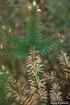 Spruce problem diagnosis for yard trees KEY Effect on tree Kills tree Other damage No damage Size of tree Seedling Sapling to pole Pole and larger By Jana Albers and Mike Albers, DNR-Forestry URL = http://files.dnr.state.mn.us/assistance/backyard/treecare/forest_health/whitesprucediagnosis.pdf
After the Storm: Caring for Your Trees
 Montana State University Extension Service Peter Kolb (PhD) MSU Extension Forestry Specialist School of Forestry, University of Montana,Missoula, MT 59812 Tel. (406) 243-4705; e-mail: [email protected]
Propagation and Care of Leyland Cypress as Christmas Trees
 Propagation and Care of Leyland Cypress as Christmas Trees Orville M. Lindstrom 1, David J. Moorhead 2, and Glen W. Kent 3 1 Associate Professor-Horticulture Research, Georgia Station. 2 Associate Professor,
This leaflet gives advice on sensible precautions to help avoid the problem and the first steps to take if damage still occurs.
 PROTECTING YOUR HOME FROM SUBSIDENCE DAMAGE The shortage of rain experienced by much of the country during recent years has caused an increase in the amount of damage to buildings by subsidence. In extreme
Ten Easy Ways to Kill a Tree
 DIVISION OF AGRICULTURE RESEARCH & EXTENSION University of Arkansas System Agriculture and Natural Resources FSA5011 Ten Easy Ways to Kill a Tree (And How to Avoid Them) H. Christoph Stuhlinger University
Oak Trees BASIC GROWING REQUIREMENTS FOR YOUR
 They are beautiful in their peace, They are wise in their silence. They will stand after we are dust. They teach us, and we tend them. G.A. MacDunelmor BASIC GROWING REQUIREMENTS FOR YOUR Oak Trees The
INSECT MANAGEMENT (Roberts & McPherson)
 INSECT MANAGEMENT (Roberts & McPherson) A number of insect pests are capable of severely damaging soybeans. However, it is important to realize that soybeans can withstand considerable insect damage at
Vegetation Management. for Distribution Lines
 Vegetation Management for Distribution Lines Working Hand in Hand with Nature Trees contacting power lines and other electric facilities are the major cause of electric service interruptions, especially
Trees and Reliable Electric Service. Answers to Questions About Tree Pruning and Electric Power. We re connected to you by more than power lines.
 Trees and Reliable Electric Service Answers to Questions About Tree Pruning and Electric Power We re connected to you by more than power lines. How is Line Clearance Done? Pepco s tree contractor will
The Termite Problem in Utah
 BULLETIN OF THE UNIVERSITY OF UTAH Volume 30 December 27, 1939 No. 8 The Termite Problem in Utah B Y DON M. REES and ARDEN R. GAUFIN Department of Biology, University of Utah BIOLOGICAL SERIES, Vol. V,
Tree Care Guide. W.A. Industries: 3655 N. Southport Ave., Chicago, IL 60613 (888) 333-9352 www.megagro.com
 Tree Care Guide Think of the tree you just purchased as a lifetime investment and considering many tree species live for many decades, they are a wonderful legacy. How well your tree, and investment, grows
CITRUS PRUNING. control, fruit production and size control
 CITRUS PRUNING Pruning techniques for tree health pest Pruning techniques for tree health, pest control, fruit production and size control Tree Shapes Citrus trees are generally pruned to a central leader
APHIS-PPQPPQ Center for Plant Health, Science and Technology Buzzards Bay, MA
 Scott Myers, Entomologist USDA-APHIS APHIS-PPQPPQ Center for Plant Health, Science and Technology Buzzards Bay, MA Background USDA Animal and Plant Health Inspection Service (APHIS) Plant Protection and