
Evaluation and Treatment of Neonatal Hyperbilirubinemia
|
|
|
- Osborne Miller
- 9 years ago
- Views:
Transcription
1 Evaluation and Treatment of Neonatal Hyperbilirubinemia KAREN E. MUCHOWSKI, MD, Naval Hospital Camp Pendleton Family Medicine Residency Program, Camp Pendleton, California Although neonatal jaundice is common, acute bilirubin encephalopathy and kernicterus (i.e., chronic bilirubin encephalopathy) are rare. Universal screening for neonatal hyperbilirubinemia is controversial. The American Academy of Pediatrics recommends universal screening with bilirubin levels or targeted screening based on risk factors. However, the U.S. Preventive Services Task Force and the American Academy of Family Physicians found insufficient evidence that screening improves outcomes. Universal screening may also increase rates of phototherapy, sometimes inappropriately. Younger gestational age and exclusive breastfeeding are the strongest risk factors for the development of hyperbilirubinemia. Infants who appear jaundiced should be evaluated by a risk score or by measurement of total serum or transcutaneous bilirubin. Phototherapy is an effective treatment for hyperbilirubinemia, but the number needed to treat varies widely depending on sex, gestational age, and time since delivery. If indicated, phototherapy should be initiated based on gestational age and risk factors. Exchange transfusion leads to complications in about 5% of treated infants and has a mortality rate of three or four per 1, infants. Infants who breastfeed exclusively particularly those who consume inadequate calories are at increased risk of hyperbilirubinemia. However, interrupting breastfeeding for the treatment of jaundice increases the risk of early discontinuation of breastfeeding. Encouragement from health care professionals is important to promote breastfeeding in these situations. (Am Fam Physician. 214;89(11): Copyright 214 American Academy of Family Physicians.) ILLUSTRATION BY TODD BUCK CME This clinical content conforms to AAFP criteria for continuing medical education (CME). See CME Quiz Questions on page 855. Author disclosure: No relevant financial affiliations. See related editorial at afp/21/815/p336.html. Patient information: A handout on this topic is available at familydoctor.org/ familydoctor/en/diseasesconditions/jaundice.html. Neonatal jaundice affects up to 84% of term newborns 1 and is the most common cause of hospital readmission in the neonatal period. 2 Severe hyperbilirubinemia (total serum bilirubin [TSB] level of more than 2 mg per dl [342.1 µmol per L]) occurs in less than 2% of term infants and can lead to kernicterus (i.e., chronic bilirubin encephalopathy) and permanent neurodevelopmental delay. 2 Therefore, it is important to systematically evaluate all infants for hyperbilirubinemia. Acute bilirubin encephalopathy develops in one in 1, infants and presents with hypertonia, arching, retrocollis, opisthotonos, fever, and high-pitched cry. 2 Data on progression of acute bilirubin encephalopathy to kernicterus are limited, but one study found that 95% of infants with acute bilirubin encephalopathy had full resolution of symptoms, and 5% had evidence of kernicterus by the time of discharge. 3 Kernicterus develops in one in 1, infants and manifests as athetoid cerebral palsy, auditory dysfunction, dental dysplasia, paralysis of upward gaze, and variable intellectual disability. Risk factors for the development of severe hyperbilirubinemia include cephalhematoma or significant bruising, early gestational age, exclusive breastfeeding (especially unsuccessful breastfeeding and/ or weight loss of 8% to 1%), isoimmune or other hemolytic anemia, and a sibling with a history of neonatal jaundice. 4 In addition to hyperbilirubinemia, earlier gestational age, hemolysis, sepsis, and low birth weight are associated with the development of bilirubin encephalopathy. One study found that less June Downloaded 1, 214 from Volume the American 89, Number Family Physician 11 website at Copyright 214 American Academy of Family American Physicians. Family For the Physician private, noncommercial use of one individual user of the website. All other rights reserved. Contact [email protected] for copyright questions and/or permission 873 requests.

2 SORT: KEY RECOMMENDATIONS FOR PRACTICE Clinical recommendation Phototherapy decreases the incidence of severe hyperbilirubinemia in newborns. Phototherapy decreases the need for exchange transfusion in newborns with severe hyperbilirubinemia. Interrupting breastfeeding in an infant with jaundice decreases the chances of successful breastfeeding. Evidence rating C 5 B 3, 26 B 28 than 5% of healthy term infants with a TSB level greater than 3 mg per dl (513.1 µmol per L) developed acute bilirubin encephalopathy or kernicterus. 3 What Are the Current Recommendations on Screening for Hyperbilirubinemia? The American Academy of Pediatrics recommends universal screening with TSB or transcutaneous bilirubin (TcB) levels, or targeted screening based on risk factors. 5 Universal TSB/TcB screening can accurately identify infants whose TSB level is likely to exceed the 95th percentile for age. 6,7 Some studies have found that the use of risk scores is as accurate as universal screening for predicting hyperbilirubinemia. 8,9 A combination of universal screening and risk factor scoring seems to be the most effective method for identifying infants at risk of hyperbilirubinemia. 1,7 A sample risk score is listed in Table 1. 9 Although screening can identify infants whose TSB level will likely exceed the 95th percentile, the U.S. Preventive Services Task Force and the American Academy of Family Physicians found insufficient evidence that screening for hyperbilirubinemia is associated with improved clinical outcomes. 1,11 Screening will identify infants earlier who require phototherapy, but there is no evidence that phototherapy or exchange transfusion decreases the risk of bilirubin encephalopathy. 12 Universal screening increases phototherapy rates, possibly inappropriately. A large retrospective study of infants in hospitals that used universal TSB/TcB screening found that their rates of phototherapy were more than twice those of hospitals without universal screening (9.1% vs. 4.2%; P <.1), and that only 56% of the infants who received phototherapy had a TSB level in the References A = consistent, good-quality patient-oriented evidence; B = inconsistent or limitedquality patient-oriented evidence; C = consensus, disease-oriented evidence, usual practice, expert opinion, or case series. For information about the SORT evidence rating system, go to recommended range for phototherapy. 13 However, screening decreases rates of readmission for hyperbilirubinemia. 14 The cost of universal TSB/TcB screening to prevent one case of kernicterus is estimated to be $5.7 million to $9.1 million. 15 How Should Infants with Jaundice Be Evaluated? Visual inspection is not an accurate method to determine bilirubin levels and often misses severe hyperbilirubinemia. 16 All infants who appear jaundiced should be evaluated with a risk score or TSB/TcB measurement. The bilirubin level should be interpreted according to the infants age in hours (Figure 1 5 and Figure 2 17 ). Further testing may be indicated depending on the infant s risk. Multiple studies have shown that TcB has a linear correlation with TSB at lower levels, but less so at higher levels. 4 The American Academy of Pediatrics recommends the following laboratory tests for all infants with jaundice who require phototherapy: neonatal blood type, direct antibody titer or Coombs test, complete blood count and smear, and direct/conjugated bilirubin level. However, a Table 1. Risk Score for Neonatal Hyperbilirubinemia Variable Birth weight: 2, to 2,5 g (4 lb, 7 oz to 5 lb, 8 oz) 2,51 to 3, g (5 lb, 8 oz to 6 lb, 1 oz) 3 3,1 to 3,5 g (6 lb, 1 oz to 7 lb, 11 oz) 6 3,51 to 4, g (7 lb, 11 oz to 8 lb, 13 oz) 9 4,1 to 4,5 g (8 lb, 13 oz to 9 lb, 15 oz) 12 4,51 to 5, g (9 lb, 15 oz to 11 lb, 1 oz) 15 Oxytocin (Pitocin) used during delivery 4 Vacuum-assisted delivery 4 Breast and bottle feeding 4 Exclusive breastfeeding 5 Gestational age < 38 weeks 5 Score NOTE: A total score of 8 or more suggests an increased risk of hyperbilirubinemia; total serum bilirubin or transcutaneous bilirubin level should be obtained. Adapted with permission from Keren R, Bhutani VK, Luan X, Nihtianova S, Cnaan A, Schwartz JS. Identifying newborns at risk of significant hyperbilirubinaemia: a comparison of two recommended approaches. Arch Dis Child. 25;9(4): American Family Physician Volume 89, Number 11 June 1, 214

3 Risk Assessment for Hyperbilirubinemia Using TSB Neonatal Hyperbilirubinemia TSB (mg per dl) High-risk zone High intermediate-risk zone Low intermediate-risk zone 6 Low-risk zone Postnatal age (hours) 95th percentile Figure 1. Total serum bilirubin (TSB) nomogram for designation of risk in 2,84 well newborns delivered at 36 or more weeks gestation with birth weight of at least 2, g (4 lb, 7 oz), or those delivered at 35 or more weeks gestation with birth weight of at least 2,5 g (5 lb, 8 oz), based on hour-specific TSB values. The TSB level was obtained before discharge, and the zone in which it fell predicted the likelihood of a subsequent bilirubin level exceeding the 95th percentile (high-risk zone). This nomogram should not be used to represent the natural history of neonatal hyperbilirubinemia. Adapted with permission from American Academy of Pediatrics Subcommittee on Hyperbilirubinemia. Management of hyperbilirubinemia in the newborn infant 35 or more weeks of gestation [published correction appears in Pediatrics. 24;114(4):1138]. Pediatrics. 24;114(1):31. Risk Assessment for Hyperbilirubinemia Using TcB TcB (mg per dl) High-risk zone Intermediate-risk zone Low-risk zone Postnatal age (hours) Minimal-risk demarcator track Figure 2. Transcutaneous bilirubin (TcB) nomogram for assessing the risk of subsequent significant hyperbilirubinemia in healthy term and near-term newborns. The high-risk zone is defined by the track of TcB values with positive likelihood ratio greater than 1, and the low-risk zone by the track of TcB values with negative likelihood ratio less than.1. The minimal-risk demarcator track (negative likelihood ratio = ) is also presented. The nomogram was developed using 1,382 TcB measurements from 2,39 neonates with gestational ages of at least 35 weeks and birth weights of at least 2, g (4 lb, 7 oz). Adapted with permission from Varvarigou A, Fouzas S, Skylogianni E, Mantagou L, Bougioukou D, Mantagos S. Transcutaneous bilirubin nomogram for prediction of significant neonatal hyperbilirubinemia. Pediatrics. 29;124(4):156. µmol per L retrospective review of 282 infants who had phototherapy and a full laboratory workup found that 88.3% had normal test results. 18 Of those with abnormal results, 45% began phototherapy less than 48 hours after delivery. They also had elevated TSB levels after the initiation of phototherapy, whereas all infants with normal results had an appropriate decrease in TSB levels once phototherapy was started. These data suggest that additional tests may be necessary only if jaundice occurs in the first 48 hours of life in an infant who meets the requirements for phototherapy, or if the infant is not responding appropriately to phototherapy. How Effective Is Treatment for Hyperbilirubinemia, and What Are the Adverse Effects? PHOTOTHERAPY Absorption of light through the skin converts unconjugated bilirubin into bilirubin photoproducts that are excreted in the stool and urine. The American Academy of Pediatrics has published guidelines for initiating phototherapy (Figure 3). 5 Infants who were delivered at a younger gestational age or who are otherwise sick have lower thresholds for the initiation of phototherapy. The rate of decline of the TSB level after initiation of phototherapy is variable, but a 6% to 2% decrease is expected. 5 In term infants without hemolysis, phototherapy can continue until the TSB level reaches 13 to 14 mg per dl (222.4 to µmol per L). Infants do not need to be kept in the hospital to check for rebound hyperbilirubinemia, which is rare. 19,2 Although there is no standard protocol for phototherapy, principles include appropriate light wavelength and irradiance, and maximization of exposed body surface area. Blue to green light with wavelengths of 46 to 49 nm is the most effective in converting unconjugated bilirubin. This is considered intensive phototherapy. Infants should be naked except for their diapers to maximize the body surface area exposed to light. Types of phototherapy lights include conventional (halogen or fluorescent), light-emitting diode (LED), and fiber optic. LED and conventional lights are equally effective, with no difference June 1, 214 Volume 89, Number 11 American Family Physician 875

4 Guidelines for Phototherapy in Hospitalized Term and Near-Term Newborns TSB (mg per dl) Birth 24 h 48 h 72 h 96 h 5 days 6 days 7 days Age Lower-risk infants ( 38 weeks gestation and well) Medium-risk infants ( 38 weeks gestation with risk factors, or 35 to 37 6 /7 weeks gestation and well) Higher-risk infants (35 to 37 6 /7 weeks gestation with risk factors) Use TSB. Do not subtract direct reacting or conjugated bilirubin. Risk factors include isoimmune hemolytic disease, glucose-6-phosphate dehydrogenase deficiency, asphyxia, significant lethargy, temperature instability, sepsis, acidosis, or albumin < 3. g per dl (3 g per L, if measured). For well infants delivered at 35 to 37 6 /7 weeks gestation, TSB levels for intervention can be adjusted around the medium-risk line. Intervention at lower TSB levels is an option for infants delivered closer to 35 weeks gestation, and at higher TSB levels for those delivered closer to 37 6 /7 weeks. Conventional phototherapy in the hospital or at home is an option for infants with TSB levels 2 to 3 mg per dl (35 to 5 mmol per L) less than those shown, but home phototherapy should not be used in any infant with risk factors. Figure 3. Guidelines for phototherapy in hospitalized infants delivered at 35 or more weeks gestation. (TSB = total serum bilirubin.) NOTE: The guidelines are based on limited evidence, and the levels shown are approximations. The guidelines refer to the use of intensive phototherapy, which should be used when the TSB level exceeds the line indicated for each category. Infants are designated as higher risk because of the potential negative effects of the conditions listed on albumin binding of bilirubin, the blood brain barrier, and the susceptibility of the brain cells to damage by bilirubin. Intensive phototherapy implies irradiance in the blue-green spectrum (wavelengths of approximately 43 to 49 nm) of at least 3 µw per cm 2 per nm (measured at the infant s skin directly below the center of the phototherapy unit) and delivered to as much of the infant s surface area as possible. Note that irradiance measured below the center of the light source is much greater than that measured at the periphery. Measurements should be made with a radiometer specified by the manufacturer of the phototherapy system. See Appendix 2 in the original guideline 5 for additional information on measuring the dose of phototherapy, a description of intensive phototherapy, and of light sources used. If TSB levels approach or exceed the exchange transfusion line (see Figure 4 in the original guideline 5 ), the sides of the bassinet, incubator, or warmer should be lined with aluminum foil or white material. This will increase the surface area of the infant exposed and increase the effectiveness of phototherapy. If the TSB level does not decrease or continues to increase in an infant who is receiving intensive phototherapy, this strongly suggests the presence of hemolysis. Infants who receive phototherapy and have an elevated direct-reacting or conjugated bilirubin level (cholestatic jaundice) may develop bronze baby syndrome. Adapted with permission from American Academy of Pediatrics Subcommittee on Hyperbilirubinemia. Management of hyperbilirubinemia in the newborn infant 35 or more weeks of gestation [published correction appears in Pediatrics. 24;114(4):1138]. Pediatrics. 24;114(1): µmol per L in duration of phototherapy, rate of decline of the TSB level, or treatment failure. 21 Standard fiber optic lights (used in home biliblankets) are not as effective as conventional lights except in preterm infants. 22 However, double fiber optic lights are as effective as single conventional lights in term infants. No studies have compared home phototherapy with hospital phototherapy. Older studies found that phototherapy results in an absolute risk reduction of 1% to 17% for preventing a TSB level greater than 2 mg per dl (number needed to treat = 5 to 1) 5 and is 84% effective in preventing exchange transfusion. 23 More recent evidence shows that the number needed to treat varies widely and is dependent on gestational age, sex, and age in hours. 23 For example, 14 neonates need to be treated with phototherapy to prevent one exchange transfusion in a boy younger than 24 hours who was delivered at 35 weeks gestation, but 2,176 need to be treated to prevent one in a girl older than 72 hours who was delivered at 4 weeks gestation. Phototherapy has short- and long-term adverse effects (Table 2). 5,22,24-27 It requires physical separation of the mother and infant, blood draws, and in some cases, prolonged hospitalization. These can be emotionally distressing to parents. Studies have found that parents of infants with significant jaundice report more separation difficulties and are more likely to bring their children in for sick visits than parents of infants with similar health status. 28,29 A large cohort study found that there was a higher rate of visits to subspecialists and illness visits to primary care physicians during the first 6 days of life in children who had received phototherapy (relative risk = 1.7; 95% confidence interval, 1.5 to 1.1). 3 EXCHANGE TRANSFUSION Although phototherapy is effective in the treatment of hyperbilirubinemia, exchange transfusion is occasionally indicated. A nomogram for exchange transfusion based on TSB levels is available. 5 Exchange transfusion should be performed in infants with TSB levels in the range indicated by the 876 American Family Physician Volume 89, Number 11 June 1, 214

5 Table 2. Adverse Effects of Neonatal Phototherapy Short-term Diarrhea Interference with maternal infant bonding Intestinal hypermotility Temperature instability Long-term Increased risk of childhood asthma (odds ratio = 1.4) Increased risk of type 1 diabetes mellitus (odds ratio = 3.79) Information from references 5, 22, and 24 through 27. nomogram, with TSB levels of 25 mg per dl (427.6 µmol per L) or greater, and with jaundice and signs of acute bilirubin encephalopathy. 5 Mortality within six hours of exchange transfusion in term infants without hemolysis is three or four per 1, infants. 6 About 5% of infants who undergo exchange transfusion have blood-related or cardiorespiratory complications, metabolic derangements, or complications from central line placement. 5 Should Breastfeeding Be Modified for Infants with Jaundice? Breastfed infants are three times more likely to have a TSB level greater than 12 mg per dl (25.3 µmol per L) and six times more likely to have a level greater than 15 mg per dl (256.6 µmol per L). 31 The exact mechanism for breastfeeding-related jaundice is unknown, but may involve decreased caloric intake, inhibition of hepatic bilirubin excretion, and increased intestinal bilirubin resorption. One study compared neonates who were exclusively breastfed with those who received supplemental formula if they had significant weight loss, and others who were formula fed. 32 The results suggest that caloric deprivation not necessarily breastfeeding increases the risk of hyperbilirubinemia. Increasing the frequency of breastfeeding decreases the likelihood of significant hyperbilirubinemia. 5 Signs of adequate intake in breastfed infants include four to six thoroughly wet diapers per day, three to four stools per day by the fourth day of life, and a transition to seedy, mustard-colored stools by the third or fourth day of life. 5 Breastfeeding women whose infants have jaundice are at increased risk of early cessation of breastfeeding. A study of 29 infants found that twice as many mothers of infants with jaundice stopped breastfeeding at one month compared with those whose infants did not have jaundice (number needed to harm = 4). 28 Infants whose breastfeeding was interrupted for treatment of jaundice were more likely to not be breastfed at one month of age (number needed to harm = 4). Another study found that maternal interaction with health care professionals (e.g., breastfeeding orders, encouragement) was the strongest predictor of breastfeeding continuation for infants with jaundice. 33 The American Academy of Pediatrics recommends promoting breastfeeding for infants with jaundice, assessing for the adequacy of breastfeeding, and increasing the frequency to eight to 12 times per day. 5 Supplementation with formula may be considered if the infant s intake is inadequate, weight loss is excessive, the infant appears dehydrated, or the jaundice is severe. Phototherapy should be interrupted for breastfeeding unless the infant s bilirubin levels are approaching those that require exchange transfusion. Are There Long-Term Neuro developmental Sequelae from Hyperbilirubinemia? A prospective case-control study of 146 term and nearterm infants with TSB levels greater than 25 mg per dl found no differences in cognitive scores, abnormal results on neurologic examinations, or neurologic diagnoses at two years of age. 34 However, children who had a positive direct antibody titer had lower cognitive scores (average decrease in IQ score = 7). A large prospective cohort study of children delivered at 35 weeks gestation or later compared those with TSB levels greater than 13.5 mg per dl (23.9 µmol per L) with those who have levels less than 13.5 mg per dl. 35 At two years follow-up, there were no significant differences in rates of cerebral palsy, deafness, developmental delay, or visual abnormalities. The cohort with TSB levels greater than 19 mg per dl (325. µmol per L) had an increased risk of attention deficit disorder (relative risk = 1.9; 95% confidence interval, 1.1 to 3.3). Four high-quality studies with follow-up of 6.5 to 17 years showed no relationship between hyperbilirubinemia and lower IQ scores. 5 Data Sources: Ovid Medline, the Cochrane Database of Systematic Reviews, Essential Evidence Plus, the U.S. Preventive Services Task Force, and the Canadian Task Force on Preventive Health Care were searched using the key terms neonatal hyperbilirubinemia, neonatal jaundice, maternal experience, and breastfeeding and jaundice. Search dates: January 212 to February 214. The author thanks Larry Moore, librarian at Naval Hospital Camp Pendleton, Calif., for his assistance with research. The views expressed in this article are those of the author and do not necessarily reflect the official policy of the Department of the Navy, Department of Defense, or the U.S. government. June 1, 214 Volume 89, Number 11 American Family Physician 877

6 The Author KAREN E. MUCHOWSKI, MD, FAAFP, is a faculty member in the Family Medicine Residency Program at Naval Hospital Camp Pendleton, Calif. Address correspondence to Karen E. Muchowski, MD, FAAFP, Naval Hospital Camp Pendleton, 2 Mercy Circle, Camp Pendleton, CA 9255 ( [email protected]). Reprints are not available from the author. REFERENCES 1. Bhutani VK, Stark AR, Lazzeroni LC, et al.; Initial Clinical Testing Evaluation and Risk Assessment for Universal Screening for Hyperbilirubinemia Screening Group. Predischarge screening for severe neonatal hyperbilirubinemia identifies infants who need phototherapy. J Pediatr. 213;162(3): Sgro M, Campbell D, Shah V. Incidence and causes of severe neonatal hyperbilirubinemia in Canada. CMAJ. 26;175(6): Gamaleldin R, Iskander I, Seoud I, et al. Risk factors for neurotoxicity in newborns with severe neonatal hyperbilirubinemia. Pediatrics. 211;128(4):e925-e Maisels MJ, Bhutani VK, Bogen D, Newman TB, Stark AR, Watchko JF. Hyperbilirubinemia in the newborn infant > or = 35 weeks gestation: an update with clarifications. Pediatrics. 29;124(4): American Academy of Pediatrics Subcommittee on Hyperbilirubinemia. Management of hyperbilirubinemia in the newborn infant 35 or more weeks of gestation [published correction appears in Pediatrics. 24;114(4):1138]. Pediatrics. 24;114(1): Ip S, Chung M, Kulig J, et al.; American Academy of Pediatrics Subcommittee on Hyperbilirubinemia. An evidence-based review of important issues concerning neonatal hyperbilirubinemia. Pediatrics. 24; 114(1):e13-e Maisels MJ, Deridder JM, Kring EA, Balasubramaniam M. Routine transcutaneous bilirubin measurements combined with clinical risk factors improve the prediction of subsequent hyperbilirubinemia. J Perinatol. 29;29(9): Keren R, Luan X, Friedman S, Saddlemire S, Cnaan A, Bhutani VK. A comparison of alternative risk-assessment strategies for predicting significant neonatal hyperbilirubinemia in term and near-term infants. Pediatrics. 28;121(1):e17-e Keren R, Bhutani VK, Luan X, Nihtianova S, Cnaan A, Schwartz JS. Identifying newborns at risk of significant hyperbilirubinaemia: a comparison of two recommended approaches. Arch Dis Child. 25;9(4): U.S. Preventive Services Task Force. Screening of infants for hyperbilirubinemia to prevent chronic bilirubin encephalopathy: U.S. Preventive Services Task Force recommendation statement. Pediatrics. 29;124(4): American Academy of Family Physicians. Clinical recommendations: hyperbilirubinemia, infants. Accessed March 1, Trikalinos TA, Chung M, Lau J, Ip S. Systematic review of screening for bilirubin encephalopathy in neonates. Pediatrics. 29;124(4): Kuzniewicz MW, Escobar GJ, Newman TB. Impact of universal bilirubin screening on severe hyperbilirubinemia and phototherapy use. Pediatrics. 29;124(4): Petersen JR, Okorodudu AO, Mohammad AA, Fernando A, Shattuck KE. Association of transcutaneous bilirubin testing in hospital with decreased readmission rate for hyperbilirubinemia. Clin Chem. 25; 51(3): Suresh GK, Clark RE. Cost-effectiveness of strategies that are intended to prevent kernicterus in newborn infants. Pediatrics. 24;114(4): Barrington KJ, Sankaran K; Canadian Paediatric Society; Fetus and Newborn Committee. Guidelines for detection, management and prevention of hyperbilirubinemia in term and late preterm newborn infants. Accessed January 2, Varvarigou A, Fouzas S, Skylogianni E, Mantagou L, Bougioukou D, Mantagos S. Transcutaneous bilirubin nomogram for prediction of significant neonatal hyperbilirubinemia. Pediatrics. 29;124(4): Besser I, Perry ZH, Mesner O, Zmora E, Toker A. Yield of recommended blood tests for neonates requiring phototherapy for hyperbilirubinemia. Isr Med Assoc J. 21;12(4): Maisels MJ, Kring E. Rebound in serum bilirubin level following intensive phototherapy. Arch Pediatr Adolesc Med. 22;156(7): Al-Saedi SA. Rebound hyperbilirubinemia in term infants after phototherapy. Saudi Med J. 22;23(11): Kumar P, Chawla D, Deorari A. Light-emitting diode phototherapy for unconjugated hyperbilirubinaemia in neonates. Cochrane Database Syst Rev. 211;(12):CD Akobeng AK. Neonatal jaundice. Clin Evid Concise. 24;12: Newman TB, Kuzniewicz MW, Liljestrand P, Wi S, McCulloch C, Escobar GJ. Numbers needed to treat with phototherapy according to American Academy of Pediatrics guidelines. Pediatrics. 29;123(5): Aspberg S, Dahlquist G, Kahan T, Källén B. Confirmed association between neonatal phototherapy or neonatal icterus and risk of childhood asthma. Pediatr Allergy Immunol. 21;21(4 pt 2):e733-e Dahlquist G, Kallen B. Indications that phototherapy is a risk factor for insulin-dependent diabetes. Diabetes Care. 23;26(1): Matichard E, Le Hénanff A, Sanders A, Leguyadec J, Crickx B, Descamps V. Effect of neonatal phototherapy on melanocytic nevus count in children. Arch Dermatol. 26;142(12): Bauer J, Büttner P, Luther H, Wircker TS, Möhrle M, Garbe C. Blue light phototherapy of neonatal jaundice does not increase the risk for melanocytic nevus development. Arch Dermatol. 24;14(4): Kemper K, Forsyth B, McCarthy P. Jaundice, terminating breast-feeding, and the vulnerable child. Pediatrics. 1989;84(5): Brethauer M, Carey L. Maternal experience with neonatal jaundice. MCN Am J Matern Child Nurs. 21;35(1): Usatin D, Liljestrand P, Kuzniewicz MW, Escobar GJ, Newman TB. Effect of neonatal jaundice and phototherapy on the frequency of first-year outpatient visits. Pediatrics. 21;125(4): Gourley GR. Breast-feeding, neonatal jaundice and kernicterus. Semin Neonatol. 22;7(2): Bertini G, Dani C, Tronchin M, Rubaltelli FF. Is breastfeeding really favoring early neonatal jaundice? Pediatrics. 21;17(3):E Willis SK, Hannon PR, Scrimshaw SC. The impact of the maternal experience with a jaundiced newborn on the breastfeeding relationship. J Fam Pract. 22;51(5): Newman TB, Liljestrand P, Jeremy RJ, et al.; Jaundice and Infant Feeding Study Team. Outcomes among newborns with total serum bilirubin levels of 25 mg per deciliter or more. N Engl J Med. 26;354(18): Jangaard KA, Fell DB, Dodds L, Allen AC. Outcomes in a population of healthy term and near-term infants with serum bilirubin levels of > or = 325 micromol/l (> or = 19 mg/dl) who were born in Nova Scotia, Canada, between 1994 and 2. Pediatrics. 28;122(1): American Family Physician Volume 89, Number 11 June 1, 214

Hyperbilirubinemia in the Newborn Infant 35 Weeks Gestation: An Update With Clarifications
 COMMENTARY Hyperbilirubinemia in the Newborn Infant 35 Weeks Gestation: An Update With Clarifications AUTHORS: M. Jeffrey Maisels, MB, BCh, DSc, a Vinod K. Bhutani, MD, b Debra Bogen, MD, c Thomas B. Newman,
D-94164-2013. Gentle for the newborn, efficient for you. DRÄGER JAUNDICE METER JM-105
 D-94164-2013 Gentle for the newborn, efficient for you. DRÄGER JAUNDICE METER JM-105 2 Assessing jaundice risk without the trauma D-94313-2013 D-7346-2009 While neonatal jaundice or hyperbilirubinemia
Clinical guideline Published: 19 May 2010 nice.org.uk/guidance/cg98
 Jaundice in newborn babies under 28 days Clinical guideline Published: 19 May 2010 nice.org.uk/guidance/cg98 NICE 2010. All rights reserved. Last updated May 2016 Your responsibility The recommendations
Jaundice in the Newborns
 Jaundice in the Newborns Satish Mishra, Ramesh Agarwal, Ashok K Deorari, Vinod K Paul Division of Neonatology, Department of Pediatrics All India Institute of Medical Sciences Ansari Nagar, New Delhi 110029
The National Survey of Children s Health 2011-2012 The Child
 The National Survey of Children s 11-12 The Child The National Survey of Children s measures children s health status, their health care, and their activities in and outside of school. Taken together,
Sample Usage Protocol Jaundice Meter JM-105
 D-94164-2013 Sample Usage Protocol Jaundice Meter JM-105 This Sample Usage Protocol is provided as a template for creating a facility or department-specific protocol for using the Dräger Jaundice Meter
Neonatal Jaundice for Infants 35 Weeks Gestational Age v.3
 Neonatal Jaundice for Infants 35 Weeks Gestational Age v.3 Approval & Citation Explanation of Evidence Ratings Summary of Version Changes Inclusion Criteria Previously healthy Age 14 days Born at 35 wks
Why is prematurity a concern?
 Prematurity What is prematurity? A baby born before 37 weeks of pregnancy is considered premature. Approximately 12% of all babies are born prematurely. Terms that refer to premature babies are preterm
Suggested BiliChek Usage Protocol
 Suggested BiliChek Usage Protocol I. Subject: BiliChek Non-Invasive Bilirubin Analyzer II. Purpose: To outline and define the use of the BiliChek Non-Invasive Bilirubin Analyzer in the hospital setting
Breastfeeding. Clinical Case Studies. Residency Curriculum
 Teaching Tool Clinical Case Studies These clinical cases highlight common breastfeeding issues and concerns that your residents will encounter. You can use them during grand rounds, noon lecture, journal
Perinatal Symposium--2012
 Perinatal Symposium--2012 Neonatal Jaundice: When Do the Light Bulbs Go On? Theodore R. Thompson, MD Professor of Pediatrics Division of Neonatology University of Minnesota Medical School I have no financial
Quality-Based Procedures Clinical Handbook for Hyperbilirubinemia in Term and Late Pre-Term Infants ( 35 weeks)
 Quality-Based Procedures Clinical Handbook for Hyperbilirubinemia in Term and Late Pre-Term Infants ( 35 weeks) Provincial Council for Maternal & Child Health & Ministry of Health and Long-Term Care September
Prediction of the development of neonatal hyperbilirubinemia by increased umbilical cord blood bilirubin
 Prediction of the development of neonatal hyperbilirubinemia by increased umbilical cord blood bilirubin Author(s): Amar Taksande, Krishna Vilhekar, Manish Jain, Preeti Zade, Suchita Atkari, Sherin Verkey
Breastfeeding. Nursing Education
 Breastfeeding AWHONN supports breastfeeding as the optimal method of infant nutrition. AWHONN believes that women should be encouraged to breastfeed and receive instruction and support from the entire
Effect of White Plastic Cover around the Phototherapy Unit on Hyperbilirubinemia in Full Term Neonates
 Original Article Iran J Pediatr Apr 213; Vol 23 (No 2), Pp: 143148 Effect of White Plastic Cover around the Phototherapy Unit on Hyperbilirubinemia in Full Term Neonates Homa Babaei* 1, MD; AliAsghar Alipour
Krystal Revai, MD, FAAP. Written Testimony. Breastfeeding as Primary Obesity Prevention. Obesity Prevention Initiative Act Public Hearings
 Written Testimony Breastfeeding as Primary Obesity Prevention Obesity Prevention Initiative Act Public Hearings on behalf of the ILLINOIS CHAPTER, AMERICAN ACADEMY OF PEDIATRICS Submitted March 15, 2010
D-39740-2011. Next-generation LED phototherapy NanoBlu 500
 D-39740-2011 Next-generation LED phototherapy NanoBlu 500 02 Is there a powerful phototherapy device that s really compact? D-3534-2011 03 BETTER TREaTMENTS SuPPoRT BETTER outcomes The effective treatment
Premature Infant Care
 Premature Infant Care Introduction A premature baby is born before the 37th week of pregnancy. Premature babies are also called preemies. Premature babies may have health problems because their organs
Transcutaneous Bilirubinometer
 Transcutaneous Bilirubinometer Neonatal jaundice occurs in nearly 70% of term and 80% of preterm babies. Management of jaundiced neonates often requires measurement of total serum bilirubin (TSB). Total
American Academy of Pediatrics Section on Breastfeeding. Ten Steps to Support Parents Choice to Breastfeed Their Baby
 American Academy of Pediatrics Section on Breastfeeding 1 2 3 4 5 6 7 8 9 10 Ten Steps to Support Parents Choice to Breastfeed Their Baby This practice enthusiastically supports parents plans to breastfeed
Parents Guide To Primary Congenital Hypothyroidism
 Parents Guide To Primary Congenital Hypothyroidism California Department of Health Services Genetic Disease Branch www.dhs.ca.gov/gdb To Parents: California State Law requires that all babies have the
Supporting Breastfeeding and Lactation: The Primary Care Pediatrician s Guide to Getting Paid
 Supporting Breastfeeding and Lactation: The Primary Care Pediatrician s Guide to Getting Paid Breastfeeding support can often be quite time-intensive initially but pays off in a healthier patient population.
New Estimates of the Economic Benefits of Newborn Screening for Congenital Hypothyroidism in the US
 The findings and conclusions in this presentation have not been formally disseminated by the Centers for Disease Control and Prevention and should not be construed to represent any agency determination
NEONATAL CLINICAL PRACTICE GUIDELINE
 NEONATAL CLINICAL PRACTICE GUIDELINE Title: Routine Screening of Neonates Approval Date: January 2015 Approved by: Neonatal Patient Care Teams, HSC & SBH Child Health Standards Committee Pages: 1 of 6
Feeding The Late Preterm Infant
 Feeding The Late Preterm Infant Richard J. Schanler, M.D. Neonatal-Perinatal Medicine, Schneider Children s Hospital at North Shore, Manhasset, NY and Albert Einstein College of Medicine, Bronx, NY October
The sensitive marker for glomerular filtration rate (GFR) Estimation of GFR from Serum Cystatin C:
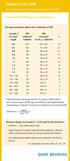 The sensitive marker for glomerular filtration rate (GFR) Estimation of GFR from Serum Cystatin C: The good correlation allows close estimation of GFR Cystatin C GFR GFR in serum estimated* measured* n
NHS FORTH VALLEY Guidelines for Hepatitis B Vaccination in High Risk Groups
 NHS FORTH VALLEY Guidelines for Hepatitis B Vaccination in High Risk Groups Approved 01/04/2012 Version 1.0 Date of First Issue 01/04/2012 Review Date 01/02/2014 Date of Issue 01/04/2012 EQIA Yes Author
 GUIDELINES FOR HOSPITALS WITH NEONATAL INTENSIVE CARE SERVICE : REGULATION 4 OF THE PRIVATE HOSPITALS AND MEDICAL CLINICS REGULATIONS [CAP 248, Rg 1] I Introduction 1. These Guidelines serve as a guide
A Parent s Guide to Understanding Congenital Hypothyroidism. Children s of Alabama Department of Pediatric Endocrinology
 A Parent s Guide to Understanding Congenital Hypothyroidism Children s of Alabama Department of Pediatric Endocrinology How did you get here? Every baby born in the state of Alabama is required by law
BENEFITS OF BREASTFEEDING
 BENEFITS OF BREASTFEEDING There are many benefits to breastfeeding. Even if you are able to do it for only a short time, your baby's immune system can benefit from breast milk. Here are many other benefits
Cord Blood Erythropoietin and Markers of Fetal Hypoxia
 July 21, 2011 By NeedsFixing [1] To investigating the relationship between cord blood erythropoietin and clinical markers of fetal hypoxia. Abstract Objective: To investigating the relationship between
Babies After SCOPE: Evaluating the Longitudinal Impact using Neurological and Nutritional Endpoints
 Babies After SCOPE: Evaluating the Longitudinal Impact using Neurological and Nutritional Endpoints Dept of Paediatrics and Child Health, UCC Dept of Obstetrics and Gynaecology, UCC Dept of Food and Nutritional
Zika Virus. Fred A. Lopez, MD, MACP Richard Vial Professor Department of Medicine Section of Infectious Diseases
 Zika Virus Fred A. Lopez, MD, MACP Richard Vial Professor Department of Medicine Section of Infectious Diseases What is the incubation period for Zika virus infection? Unknown but likely to be several
Neonatal hyperbilirubinemia,
 COVER ARTICLE Hyperbilirubinemia in the Term Newborn MEREDITH L. PORTER, CPT, MC, USA, and BETH L. DENNIS, MAJ, MC, USA Dewitt Army Community Hospital, Fort Belvoir, Virginia Hyperbilirubinemia is one
2. Incidence, prevalence and duration of breastfeeding
 2. Incidence, prevalence and duration of breastfeeding Key Findings Mothers in the UK are breastfeeding their babies for longer with one in three mothers still breastfeeding at six months in 2010 compared
2016 CODING FOR FETAL ALCOHOL SPECTRUM DISORDERS
 2016 CODING FOR FETAL ALCOHOL SPECTRUM DISORDERS Listed below are the most commonly used codes applicable to FASD patient care. Code Description ICD-10-CM Primary Diagnosis P04.3 Newborn (suspected to
Section IX Special Needs & Case Management
 Section IX Special Needs & Case Management Special Needs and Case Management 179 Integrated Care Management/Complex Case Management The Case Management/Care Coordination (CM/CC) program is a population-based
CAROLINE S STORY. A real case demonstrating the unfairness of damage caps.
 CAROLINE S STORY A real case demonstrating the unfairness of damage caps. Caroline s Story Little Caroline was born pre-term and was at an increased risk of developing high levels of bilirubin. Her medical
Summary of the risk management plan (RMP) for Aripiprazole Pharmathen (aripiprazole)
 EMA/303592/2015 Summary of the risk management plan (RMP) for Aripiprazole Pharmathen (aripiprazole) This is a summary of the risk management plan (RMP) for Aripiprazole Pharmathen, which details the measures
ECG may be indicated for patients with cardiovascular risk factors
 eappendix A. Summary for Preoperative ECG American College of Cardiology/ American Heart Association, 2007 A1 2002 A2 European Society of Cardiology and European Society of Anaesthesiology, 2009 A3 Improvement,
Routine care of a newborn baby
 Routine care of a newborn baby Slide NC-l,2 Introduction All mothers need help, support, and advice in the first few days after delivery to ensure proper care of their newly born babies. The care and help
William Atkinson, MD, MPH Hepatitis B Vaccine Issues June 16, 2016
 William Atkinson, MD, MPH Hepatitis B Vaccine Issues June 16, 2016 Advisory Committee on Immunization Practices (ACIP) The recommendations to be discussed are primarily those of the ACIP composed of 15
PREVENTIVE HEALTHCARE GUIDELINES INTRODUCTION
 PREVENTIVE HEALTHCARE GUIDELINES INTRODUCTION Health Plan of Nevada and Sierra Health and Life suggest that health plan members get certain screening tests, exams and shots to stay healthy. This document
On behalf of the Association of Maternal and Child Health Programs (AMCHP), I am
 Christopher Kus, M.D., M.P.H. Association of Maternal and Child Health Programs, Public Witness Testimony House Labor, Health and Human Services and Education Appropriations Subcommittee March 13, 2013
ORANGE COUNTY CARE COORDINATION COLLABORATIVE FOR KIDS
 ORANGE COUNTY CARE COORDINATION COLLABORATIVE FOR KIDS Trend Report June 2013 Prepared by: Lisa Burke, MS Burke Consulting Rebecca Hernandez, MSEd Help Me Grow Orange County Support for OC C3 for Kids
Populations With Lower Rates of Breastfeeding. Background Information
 Populations With Lower Rates of Breastfeeding Background Information Revised July 2014 Benefits of Breastfeeding Breastfeeding is the natural way to feed a baby, providing a wide range of benefits to the
Delayed Cord Clamping
 ICEA Position Paper Delayed Cord Clamping Position The International Childbirth Education Association recognizes that the first minutes after birth are crucial to both mother and newborn. Optimal care
Bilirubin (serum, plasma)
 Bilirubin (serum, plasma) 1 Analyte 1.1 Name of analyte Bilirubin 1.2 Alternative names None 1.3 NLMC code 1.4 Description of analyte Bilirubin is a linear tetrapyrrole (MW 585 Da), the final product of
Objectives. What is undernutrition? What is undernutrition? What does undernutrition look like?
 Objectives Basics Jean-Pierre Habicht, MD, PhD Professor Division of Nutritional Sciences Cornell University Types and causes Determinants Consequences Global occurrence and progress Way forward What is
Caring for your baby in the NICU: feeding
 C1 At birth, all newborns need a great deal of energy and nutrients from food to help their bodies grow, and to adjust to life outside the womb. Babies who are born early (premature) and/or with a very
EXECUTIVE SUMMARY OF JOINT COMMITTEE ON INFANT HEARING YEAR 2007 POSITION STATEMENT. Intervention Programs
 EXECUTIVE SUMMARY OF JOINT COMMITTEE ON INFANT HEARING YEAR 2007 POSITION STATEMENT Principles and Guidelines for Early Hearing Detection and Intervention Programs The Joint Committee on Infant Hearing
150 7,114,974 75.8 -53-3.2 -3.6 -2.9. making progress
 Per 1 LB African Region Maternal and Perinatal Health Profile Department of Maternal, Newborn, Child and Adolescent Health (MCA/WHO) Demographics and Information System Health status indicators - Maternal
117 4,904,773 -67-4.7 -5.5 -3.9. making progress
 Per 1 LB Eastern Mediterranean Region Maternal and Perinatal Health Profile Department of Maternal, Newborn, Child and Adolescent Health (MCA/WHO) Demographics and Information System Health status indicators
Chemistry. All the three compounds are Naphthoquinone derivatives
 VITAMIN K History Existence first suggested by Henrik Dam in 1929 - Observed : Hemorrhagic disease of cattle fed on synthetic diets 1939 : Dam & co-workers isolated Vitamin K from the plant Alfalfa Edward
25-hydroxyvitamin D: from bone and mineral to general health marker
 DIABETES 25 OH Vitamin D TOTAL Assay 25-hydroxyvitamin D: from bone and mineral to general health marker FOR OUTSIDE THE US AND CANADA ONLY Vitamin D Receptors Brain Heart Breast Colon Pancreas Prostate
The Influence of Infant Health on Adult Chronic Disease
 The Influence of Infant Health on Adult Chronic Disease Womb to Tomb Dr Clare MacVicar Introduction Many diseases in adulthood are related to growth patterns during early life Maternal nutrition important
35-40% of GBS disease occurs in the elderly or in adults with chronic medical conditions.
 What is Group B Strep (GBS)? Group B Streptococcus (GBS) is a type of bacteria that is found in the lower intestine of 10-35% of all healthy adults and in the vagina and/or lower intestine of 10-35% of
Epilepsy 101: Getting Started
 American Epilepsy Society 1 Epilepsy 101 for nurses has been developed by the American Epilepsy Society to prepare professional nurses to understand the general issues, concerns and needs of people with
NEONATAL ABSTINENCE SYNDROME AND SCORING SYSTEM
 VIDANT MEDICAL CENTER PATIENT CARE _ SUBJECT: Abstinence Scoring NUMBER: A-1 PAGE: 1 OF: 5 _ NEONATAL ABSTINENCE SYNDROME AND SCORING SYSTEM POLICY: A thorough evaluation of the infant is required in order
PERINATAL NUTRITION. Nutrition during pregnancy and lactation. Nutrition during infancy.
 PERINATAL NUTRITION Nutrition during pregnancy and lactation Nutrition during infancy. Rama Bhat, MD. Department of Pediatrics, University of Illinois Hospital Chicago, Illinois. Nutrition During Pregnancy
Resource Document 6: Tetanus Immunization. I. Introduction
 Resource Document 6: Tetanus Immunization I. Introduction Attention must be directed to adequate tetanus prophylaxis in the multiply injured patient, particularly if open-extremity trauma is present. The
Food costing in BC 2013. October 2014
 October 2014 Food costing in BC 2013 Sufficient, safe and nutritious food is critical to the health and well-being of the British Columbian population, which is why Provincial Health Services Authority
Pregnancy and Tuberculosis. Information for clinicians
 Pregnancy and Tuberculosis Information for clinicians When to suspect Tuberculosis (TB)? Who is at risk of TB during pregnancy? Recent research suggests that new mothers are at an increased risk of TB
Copyright 2015 Maureen Shogan. Not to be reproduced without permission in writing from above. [email protected]
 Nourishing the Neonate Phoenix, AZ 10/8/15 Meeting 2016 TJC Perinatal Core Measure for Exclusive Breastfeeding Perinatal Core Measure PC 05 ANY Percentage of US children breastfeed Exclusive Neonatal Clinical
FURTHER EXPERIENCE WITH SUBCUTANEOUS IMMUNOGLOBULIN THERAPY IN CHILDREN WITH PRIMARY IMMUNE DEFICIENCIES
 FURTHER EXPERIENCE WITH SUBCUTANEOUS IMMUNOGLOBULIN THERAPY IN CHILDREN WITH PRIMARY IMMUNE DEFICIENCIES Dr Alison Jones Great Ormond Street Hospital for Children NHS Trust London WC1N 3JH United Kingdom
SUPPORT OF BREASTFEEDING FAMILIES IN NICU THE WOMEN S HOSPITAL AT JACKSON MEMORIAL
 SUPPORT OF BREASTFEEDING FAMILIES IN NICU THE WOMEN S HOSPITAL AT JACKSON MEMORIAL OBJECTIVES To verbalize the benefits of breast milk for preterm and critical ill infants To recognize how to assist mother
Feeding in Infants with Complex Congenital Heart Disease. Rachel Torok, MD Southeastern Pediatric Cardiology Society Conference September 6, 2014
 Feeding in Infants with Complex Congenital Heart Disease Rachel Torok, MD Southeastern Pediatric Cardiology Society Conference September 6, 2014 Objectives Discuss common feeding issues in patients with
NICU Level of Care Criteria
 Introduction The NICU Criteria were developed to assist in the authorization for various levels of Neonatal Intensive Care Unit (NICU), as well as assistance in determining the appropriate level of care.
MANA Home Birth Data 2004-2009: Consumer Considerations
 MANA Home Birth Data 2004-2009: Consumer Considerations By: Lauren Korfine, PhD U.S. maternity care costs continue to rise without evidence of improving outcomes for women or babies. The cesarean section
Hypoglycemia in the Newborn
 Hypoglycemia in the Newborn Shankar Narayan, Rajiv Aggarwal, Ashok K Deorari, Vinod K Paul Division of Neonatology, Department of Pediatrics All India Institute of Medical Sciences Ansari Nagar, New Delhi
Breastfeeding. Cultural Case Studies. Residency Curriculum
 Teaching Tool Cultural Case Studies These cultural cases are designed to help the residents understand cultural effectiveness as it relates to breastfeeding. You can use them during grand rounds, noon
cambodia Maternal, Newborn AND Child Health and Nutrition
 cambodia Maternal, Newborn AND Child Health and Nutrition situation Between 2000 and 2010, Cambodia has made significant progress in improving the health of its children. The infant mortality rate has
FAILURE TO THRIVE DR. IBRAHIM AL AYED
 FAILURE TO THRIVE DR. IBRAHIM AL AYED Q1: What factors influence / control growth? Q2: How to know that a child is not growing normally? Q3: What causes failure to thrive? How to classify it? Q4: What
68 3,676,893 86.7 -49-2.9 -3.2 -2.5. making progress
 Per 1 LB African Region Maternal and Perinatal Health Profile Department of Maternal, Newborn, Child and Adolescent Health (MCA/WHO) Demographics and Information System Health status indicators Maternal
Substance Use Guideline 4B PERINATAL OPIOID EXPOSURE, CARE OF THE NEWBORN
 British Columbia Reproductive Care Program Substance Use Guideline 4B PERINATAL OPIOID EXPOSURE, CARE OF THE NEWBORN INTRODUCTION During the antenatal period, the opportunity exists for the primary care
BREASTFEEDING; HOW? January 14 HELEN BORG, INFANT FEEDING MIDWIFE MATER DEI HOSPITAL
 BREASTFEEDING; HOW? January 14 HELEN BORG, INFANT FEEDING MIDWIFE MATER DEI HOSPITAL 1 THE IMMIGRANT MOTHER- BABY DYAD Challenges to Breastfeeding and Bonding Lack of Information How to enhance milk supply
Estimated New Cases of Leukemia, Lymphoma, Myeloma 2014
 ABOUT BLOOD CANCERS Leukemia, Hodgkin lymphoma (HL), non-hodgkin lymphoma (NHL), myeloma, myelodysplastic syndromes (MDS) and myeloproliferative neoplasms (MPNs) are types of cancer that can affect the
Vaccination against pertussis (whooping cough) - the replacement of Repevax with Boostrix -IPV an update for registered healthcare practitioners
 Vaccination against pertussis (whooping cough) - the replacement of Repevax with Boostrix -IPV an update for registered healthcare practitioners Questions and Answers May 2014 Health Protection Scotland
A8b. Resuscitation of a Term Infant with Meconium Staining. Session Summary. Session Objectives. References
 A8b Resuscitation of a Term Infant with Meconium Staining Karen Wright, PhD, NNP-BC Assistant Professor and Coordinator, Neonatal Nurse Practitioner Program Dept. of Women, Children, and Family Nursing,
66% Breastfeeding. Early initiation of breastfeeding (within one hour of birth) Exclusive breastfeeding rate (4-5 months)
 56% Early initiation of breastfeeding (within one hour of birth) 29% Exclusive breastfeeding rate (4-5 months) 66% Timely complementary feeding rate (6-9 months) Egypt Demographic and Health Survey 2008
New York State Ten Steps to a Breastfeeding Friendly Practice Implementation Guide June 2014
 Ten Steps to a Breastfeeding Friendly Practice 1. Develop and maintain a written breastfeeding friendly office policy. 2. Train all staff to promote, support and protect breastfeeding and breastfeeding
ASSESSMENT AND MANAGEMENT OF NEONATAL JAUNDICE IN THE FIRST TWO WEEKS OF LIFE NEONATAL CLINICAL GUIDELINE
 ASSESSMENT AND MANAGEMENT OF NEONATAL JAUNDICE IN THE FIRST TWO WEEKS OF LIFE NEONATAL CLINICAL GUIDELINE Contents 2.1. Background 2.2. Communication and Consent 2.3. Recognition of significant Jaundice
Supplementary online appendix
 Supplementary online appendix 1 Table A1: Five-state sample: Data summary Year AZ CA MD NJ NY Total 1991 0 1,430 0 0 0 1,430 1992 0 1,428 0 0 0 1,428 1993 0 1,346 0 0 0 1,346 1994 0 1,410 0 0 0 1,410 1995
ELSO RECOMMENDATIONS FOR FOLLOW-UP FOR ECMO PATIENTS. I. Overview 1. II. Pre-discharge Evaluation 4. III. 4-6 Month Evaluation 5
 ELSO RECOMMENDATIONS FOR FOLLOW-UP FOR ECMO PATIENTS TABLE OF CONTENTS I. Overview 1 II. Pre-discharge Evaluation 4 III. 4-6 Month Evaluation 5 IV. 1 Year Evaluation 5 V. 2 Year Evaluation 5 VI. 3 Year
MANAGEMENT OF DIRECT ANTIGLOBULIN TEST (DAT) POSITIVE INFANTS NEONATAL CLINICAL GUIDELINE
 MANAGEMENT OF DIRECT ANTIGLOBULIN TEST (DAT) POSITIVE INFANTS NEONATAL CLINICAL GUIDELINE 1. Aim/Purpose of this Guideline 1.1. To provide monitoring and treatment guidance for medical and nursing staff
Crohn's disease and pregnancy.
 Gut, 1984, 25, 52-56 Crohn's disease and pregnancy. R KHOSLA, C P WILLOUGHBY, AND D P JEWELL From the Gastroenterology Unit, Radcliffe Infirmary, Oxford SUMMARY Infertility and the outcome of pregnancy
Doppler Ultrasound in the Management of Fetal Growth Restriction Chukwuma I. Onyeije, M.D. Atlanta Perinatal Associates
 Doppler Ultrasound in the Management of Fetal Growth Restriction Chukwuma I. Onyeije, M.D. Atlanta Perinatal Associates 1 For your convenience a copy of this lecture is available for review and download
THE INTERNET STROKE CENTER PRESENTATIONS AND DISCUSSIONS ON STROKE MANAGEMENT
 THE INTERNET STROKE CENTER PRESENTATIONS AND DISCUSSIONS ON STROKE MANAGEMENT Stroke Prevention in Atrial Fibrillation Gregory Albers, M.D. Director Stanford Stroke Center Professor of Neurology and Neurological
Haemolytic disease of the newborn. 09.06.2016 Burak Salgin
 Haemolytic disease of the newborn 09.06.2016 Burak Salgin Innovation and excellence in health and care Addenbrooke s Hospital I Rosie Hospital Haemolytic disease of the newborn......used to be synonymous