
New African Curculionidae
|
|
|
- Evangeline Anderson
- 9 years ago
- Views:
Transcription
1 Ent. Arb. Mus. Frey 9, New African Curculionidae By Sir Guy A. K. Marshall In a small collection of African Curculionidae, mostly collected in West Africa by Dr. Bechyne, kindly submitted to me by Dr. E. Haaf, of the Museum G. Frey, Tutzing, I have found a number of new species, a few of which are described below. Unless otherwise indicated the types of these are all contained in the Museum Frey, with whose consent cotypes have been retained for the British Museum (Nat. Hist.), and for this I offer my grateful thanks. I must also expiess my thanks to Mrs. C. A. O'Brien for the excellent drawings of the new species which she has executed. Subfamily Brachyderinae Acherdus gen. n. H e a d exserted, subconical, with a deep median Stria ascending to the Vertex, not constricted behind the eyes, which are nearly flat, the frons as wide as the dorsal area of the rostrum, the temples about four-fifths the length of the eye. R o s t r u m stout, about as long as broad, somewhat widened apically; the dorsal area quite flat transversely, the lateral areas vertical, so that the scrobes are visible from above at the apex; epistome triangulär, the obtuse lateral margins forming an acute angle; mentum with two long setae and two short ones between them; mandibles with a sharp median tooth. Antennae with the scape nearly straight, shortly exceeding the eye, squamose; funicle with joint 1 longer than 2, the rest bead-like. Prothorax subcylindrical, not constricted, the base truncate and immarginate, the apical margin obliquely truncate laterally. S c u - t e 1 1 u m small but distinct. E 1 y t r a pyriform, widest much behind the middle, the base jointly truncate and distinctly marginate, the Shoulders very narrow and obsolescent, with ten Striae but the tenth abbreviated. Legs with the femora clavate and having a small sharp tooth; the tibiae nearly straight, the front pair gently curved dorsally, strongly mucronate, and very finely denticulate beneath, the hind pair with the corbels bare and rather narrowly enclosed; the tarsal claws connate. Stern um with the procoxae much nearer to the front of the prosternum, the gular margin

2 708 Marshall: New African Curculionidae truncate; mesepisterna reaching the base of the elytra; the metasternum much shorter than the mesoeoxae, the metepisternum narrow and free throughout, the metacoxae not quite reaching the elytra. Venter with the intercoxal process ogival and narrower than a coxa; ventrite 2 as long as in the middle. Genotype Acherdus pictus sp. n. In Dr. van Emden Classification (Ann. Mag. N. H. (11) XI, 1944, p.503) this genus will fall in the tribe Cneorhinini, next to the Mexican genus Mestorus Schh. which differs i n t e r a 1 i a in having no carina or constriction at the base of the elytra and no trace of Shoulders. The genotype bears a marked superficial resemblance to some species of the African genus Ischnomias Fst. (Dermatodini). Acherdus pictus sp. n. (Fig. 1) (5 9. Derm piceous, the underside clothed entirely with dense pale green scales; head and rostrum above brown with scattered grey or coppery scales; pronotum brown; elytra brown with the following markings of metallic green; a broad lateral stripe from Stria 8 to the margin extending from base to apex, adjoining this from the base to the middle (sometimes interrupted) another stripe between Striae 4 (or 5) and 8, which emits a branch at the middle inwards as far as Stria 2, and nearly the whole of the declivity green except interval 1 and the apical margin, which are coppery grey. Head broad, narrowing gradually from base to apex, longitudinally convex, with a compfete median Stria, densely squamose;the frons flat transversely, higher than the eyes, the dorsal margins of the rostrum being continued on the head so as to form a ridge above each eye. Rostrum about as long as broad, widening gradually from base to apex; the dorsal area flat transversely, parallel-sided, with its margins sharply angulate because the lateral areas fall vertically; the scrobes very deep, sharply defined and bare. Prothorax subcylindrical, a little Fig. 1: Acherdus (g. n.) pictus sp. n. 9 longer than broad, feebly rounded laterally, widest at the middle, the gently arcuate apex only slightly narrower than the base; the dorsum set with large

3 Ent. Arb. Mus. Frey 9, flat subcontiguous granules densely covered with brown scales and very short suberect spatulate setae. E 1 y t r a pear-shaped, widest a two-thirds from the base, with a narrow constriction close behind the raised truncate basal margin, the apices jointly rounded; the impressed Striae with deep punctures that are separated by their own widths but often partly obscured by the scales; the broad intervals slightly convex, of equal height, fmely rugulose beneath the scales, with a row of short subrecumbent scale-like setae. Legs with dense grey scales, often with a coppery reflection, but the bases of the femora bright green. L e n g t h mm. Kamerun: Kumba, 2 $, 2 9, 15. XL (type); Bombe, 7 6, 17. XL 1955; Lake Barombi, 1 6, 1 2, 27. XL 1955 (Bechyne). Subfamily Otiorhynchinae Amphitmetus vigil sp. n. (Fig. 2) 6 2- Derm black, sparsely but evenly covered with small grey scales, which are usually rather denser on the declivity. H e a d broad, the Vertex with oblique carinulae converging in front, the frons with coarse close punctures (mostly concealed by scales) and a deep longitudinal median fovea; eyes unusually prominent, more than a semicircle, highest behind the middle. Rostrum nearly as long as broad, narrowing somewhatfrom the base to the antennae and dilated at the genae; the dorsum almost flat on the basal half, coarsely punctate, with a low median carina that is divided by a longitudinal Stria; the interantennal area occupied by the ill-defined, shallowly depressed epistome, which is coarsely punctate, its apical margin deeply sinuate with the lateral angles projecting sharply forwards. Antennae stout, black; the scape with dense grey scales and stiff suberect black setae; the funicle with joint 1 a little longer than 2. Prothorax much broader than long (5 : 7), moderately roun- Fig. 2: Amphitmetus ded laterally, widest at about the middle, vigil sp. n. 2 the apex narrower than the base; the dor-

4 710 Marshall: New African Curculionidae sum more convex transversely than in the other secies of the genus, closely set with flattened granules, often with a faintly impressed median line and a very shallow impression in the middle of the base, without distinguishable setae. E 1 y t r a ovate, broader in the 9, widest at the Shoulders and acuminate at the apex, the base jointly truncate; the shallow Striae with deep punctures that are separated in the rows by transverse ridges that are as high as or higher than the intervals and often link up laterally with the similar ridges in the other Striae, thus forming irregulär transverse carinae. Legs red-brown, the knees blackish, with sparse grey scales. L e n g t h 8-10 mm. Belgian Congo: Kivu, Uvira, 3 6, 3 2, on cotton, III (J. N. Vrydagh). Type in the Royal Congo Museum. Various species have been assigned to this genus in the past which have since been transferred to Antispyris Mshl. (1935) in the Peritelini. The only species that I can at present regard as true Amphitmetus are transversus Klb. (1898), the genotype, brevicornis Hust. (1934), burgeoni Hust. (1934), kivuensis Hust. (1934), oblongus Hust. (1923), and sylvicola Hust. (1934), but there are several other species described by Hustache in this genus that are still unknown to me, some of which may really belong to it. From all of these A. vigil differs in its stouter build and much more prominent eyes. The nearest species is perhaps transversus, which differs in its longer prothorax with larger granules; the setae on the scape are much broader and lancetlike; and the elytra are more produced behind, with fewer and much coarser transverse ridges. Amphitmetus ornatus sp. n. (Fig. 3) (5 9. Derm rather shiny black or piceous, with Spots of metallic scales; head with more or less subquadrate green patches on each side, level of Stria green scaling beneath; prothorax with two large the prosternum green up to the 9 on the elytra; elytra with a narrow irregulär stripe of very small round noncontiguous black scales on the intervals, and a number of widely scattered variable spots formed of much larger overlapping green or coppery scales, which are more numerous on the sides and declivity in the 9; the underside with green scales on the sternum, along the basal margins of ventrites 1 and 2, and at the sides of the other ventrites. Head without any transverse depression behind the eyes, shiny, with fine separated punctures and sparse semi-transparent scales (mostly

5 Ent. Arb. Mus. Frey 9, abraded) and very short subrecumbent dark setae; the frons a little wider than the dorsal area of the rostrum, nearly flat, with a large deep elongate median fovea; eyes very convex, almost semicircular, highest at the middle. Rostrum as long as broad (?) or a little longer (<3), very slightly widening from the base to the antennae and broadly dilated at the genae; the dorsal area parallel-sided as far as the scrobes, nearly flat, with a very low median costa divided longitudinally by a fine shallow Stria, the lateral margins obtusely subcostate, the intervening area very shallowly punctate; a low transverse ridge between the scrobes; the interantennal area with a not very well defined epistome. Antennae stout, black; the scape without obvious scales but with numerous long stiff erect black setae; the funicle with joint 2 a little longer than 1. Pro thorax transverse (4 : 5,?) or slightly broader than long (7 : 8, (5), gently rounded laterally, nearly parallel-sided in the basal half, more rapidly narrowed in front, widest at the middle; the dorsum very convex transversely, without any median flattening, but with a rounded impression in each of the four green patches, with nu- Fig. 3: Amphitmetus ornatus * merous small punctures and usually some sp. n. o _ larger ones, and transversely rugulose, especially on the basal half; the dark areas without scales, the sparse setae microscopic. E 1 y t r a broadly ovate, strongly rounded laterally, widest at about one-fourth from the base, very rapidly acuminate behind, especially in the 9, jointly truncate at the base; the broad shallow Striae with large deep round punctures, the septa between which are bare of scales and on the basal half of the dorsal Striae tend to become low shiny rounded bosses; the intervals narrow and irregulär, with a stripe of very small black scales and an irregulär row of very short recumbent setae, which are less perceptible in the 6 except on the declivity. Legs redbrown to piceous, the femora aciculate, with stout recumbent setae and no scales except a few green ones on the Upper and lower edges of the posterior pairs, L e n g t h 9-11 mm. and also sometimes on the tarsi.

6 712 Marshall: New African Curculionidae Kamerun: Bamenda, 2 (5,1$, XII (Bechyne). Differs from all previously described species of Amphitmetus by the complete absenoe of granules on the pronotum and by the markings of metallic scales. Subfamily Tanyrhynchinae Haptomerus confusus sp. n. (Fig. 4) (5?. Derm piceous to red-brown, with sparse small pale green or eoppery scales; the prothorax with an ill-defined broad lateral stripe of denser scales; the elytra with somewhat denser stripes on intervals 3 and 7. Head subconical, compressed in front so that the width across the eyes is equal to that of the base of the rostrum, the space between the eyes being about equal to the width of the middle of the scape, the temples compressed into a narrow ridge bearing a fine median carina with a shallow Stria on each side of it; the declivous lateral areas flat, smooth and impunctate, the apical area broad, with a broad median carina; the scrobes running straight and narrow almost about as long as the eyes. Rostrum comparatively stout, curved, parallel-sided from base to apex; the dorsal area behind the antennae strongly Anten- to the lower margin of the eyes. nae red-brown, with joint 1 of the funicle much longer than 2. Prothorax transverse (3 : 4), strongly rounded laterally, widest at the middle, not constricted at the apex, which is much narrower than the truncate base; the dorsum very convex longitudinally, rather steeply declivous behind, with numerous, much flattened small granules and sparse short appressed setae. rather narrowly ovate ( c5 ) Elytra or much broader (2), widest at one-third, truncate at the base, without Striae, the small close punctures being much confused. Legs red-brown, with sparse small narrow scales; sinuate on the apical half beneath. L e n g t h mm. Fig. 4: Haptomerus confusus sp. n. (5 the front tibiae rather deeply

7 Ent. Arb. Mus, Frey 9, Kamerun: Bamenda, 2 (5,3$, XII (Bechyne). Readily distinguished from all the previousfy described speeies by the irregularly punctate elytra. Subfamily Erirhininae Echinocnemus mollis sp. n. (5 Derm black, with dense scales; head and rostmm dark brown above, with a few pale scales above the eyes; pronotum brown with broad ill-defined lateral grey stripes, but sometimes entirely light brown or grey; elytra with dense soft grey scales and a median brown stripe extending to Stria 3 from the base of the middle, but quite undefined and often suffused with grey. Head with the frons narrower than the base of the rostrum. Rostrum stout, similar in the two sexes, about as long as the pronotum, very gradually widening apically, gently curved and densely squamose throughout; scrobes oblique, passing beneath the base of the rostrum, the apical half visible from above; the scales on the genae much longer and narrower than those above the scrobe. Antennae red-brown, the funicle with joint 1 as long as 2-4, 3-7 strongly transverse, gradually widening distally. Prothorax a little shorter than broad (5 : 6), moderately rounded laterally, widest at the middle, with a narrow apical constriction that is continued shallowly across the disk; the postocular lobes feeble, the front margin of the prosternum moderately sinuate; the dorsum with the dense shallow punctures concealed by the scaling, the setae very short, and recumbent. scale-like Elytra oblong-ovate, the base transversely truncate, the apical area not produced, the subapical impressions very shallow; the fine Striae with the punctures hidden, the intervals slightly convex, densely squamose and with a row of very short scale-like whitish subrecumbent setae. Legs with dense grey scales; the front femora of the S without any fringes; the front tibiae not incurved apically and about straight on the lower edge; the tarsi narrow with joint 3 neither longer nor broader than 2. Length mm. Bechuanaland: Nafa, 3 6, 4 2, XII (Zumpt). Nearly allied to E. femoralis Mshl. (1950), from Senegal, which differs in the following particulars: the rostrum with the scales on the genae similar to those above the scrobes; the prothorax widest close to the apex and much more convex transversely on the disk; the elytra jointly sinuate at the base, the apical area more produced backwards, and the setae short and more scale-like; the femora of the 6 with a fringe of erect scales beneath.

8 714 Marshall: New African Curculionidae Subfamily Ulomascinae Cratopechus freyi sp. n. (Fig. 5) (5. Derm varying from piceous to flavous throughout; the head and rostrum bare above, the prothorax with a few rather stiff short erect setae along the sides, the elytra with very minute sparse appressed pale setae, and numerous long soft erect pale hairs on all the tibiae and tarsi and along the inner (or anterior) face of the inflated front femora; all these hairs and setae liable to be more or less coimpletely abraded. Head much longer than broad (3 : 2), the temples longer than the eye with a shallow lateral sinuation behind the middle; the dorsum quite smooth and flat, almost impunctate, the frons of about equal width in front and behind, with a small median fovea. Rostrum much longer than Fig. 5: Cratopechus freyi sp. n. $ a) head of ; $. broad including the mandibles (3 2), widening with the sides straight from : the base to the genae; the dorsum flat, with fine uneven punctures and a median sulcus that is very deep in front and becomes very shallow behind, the apical area rather abruptly lower than the disk; the lower surface with numerous long erect hairs. Antennae inserted at about the middle of the rostrum; the scape curved, somewhat compressed in the basal half and

9 Ent. Arb. Mus. Frey 9, gradually clavate apically; joint 1 of the funicle a little longer than 2 + 3, 2 much longer than broad, the rest transverse. Prothorax transverse, widest near the base, narrowing in a curve to the truncate apex, the basal margin broadly arcuate, the basal angles rounded; the dorsum flat, smooth, with only a few sparse punctures and a broad deep median suleus, few short stiff erect setae near the lateral margins. and a Scutellum rather large, transverse, with a few minute punctures, the hind margin broadly arcuate. E 1 y t r a broad, oblong-ovate, slightly wider behind the middle, wider at the base than the prothorax, the basal angles projecting very slightly and obtusely forwards, without any humeral or posterior calli; the broad shallow Striae with almost obsolescent punctures, 6 and 7 uniting and ceasing at about one-third frorn the apex; intervals 2 and 4 flat, the others narrowly subcarinate, finely shagreened, with very inconspicuous sparse dark appressed pubescence, which becomes paler and more evident at the apex. Legs with the posterior pairs of femora compressed and elliptical, with a large excision at the apex beneath, the inner angle of which forms a rectangular tooth; the front femora much longer, greatly inflated, obovate, flat beneath, convex above, with sparse minute punctures, the inner (or anterior) margin with two small teeth and with a complete fringe of very long soft erect hairs; the tibiae, tarsi and pygidium with similar long hairs which are often largely abraded. 9. Differs from the 6 in having the rostrum (without the mandibles) wider at the apex, with the dorsal apical area less steeply declivous, and the long narrow projecting mandibles nearly three times as long and meeting only at their apices; the legs have no long fringes of hairs, nor are there such hairs beneath the rostrum. L e n g t h mm. Kamerun: Bamenda, 51 6, 70?, 6. XII (Bechyne). Nearly allied to Cratopechus gedyei Mshl. (1930) from Kenya, which differs as follows: - C. gedyei 6 has a shorter head and rostrum without a median suleus, the temple being longer than an eye, and the frons widening behind; the rostrum is less dilated apically; and the front femora have only one tooth. Subfamily Alcidodinae AIcidodes fulvocinetus sp. n. (Fig. 6) 6 9- Derm black, not very shiny, bare, except for several bands formed of dense short recumbent setae that are dusted with fulvous powder; pronotum with a fulvous band in the basal angles extending from the lateral

10 716 Marshall: New African Curculionidae margin of the elytra inwards until level with Stria 4 or 3 and sometimes continuing obliquely forwards to near the apical margin; elytra with an oblique curved band from the scutellum to Stria 8 at one-third from the base and a common transverse band at two-thirds from the base interrupted at the suture but reaching Stria 9; underside with a broad fulvous stripe along the sides of the meso- and metasternum and a band in front of the front coxae. H e a d with small close shallow punctures and a small frontal fovea. Rostrum of the 6 a little longer than the pronotum, parallel-sided in the basal half then rapidly widening to the apex, with small close shallow punctures throughout which are more or less confluent longitudinally, with sometimes a fine faint median carina near the base and rarely a short Stria between the antennae; rostrum of the $ much longer than the pronotum (11 : 7), more shiny and with much finer shallower punctures. Antennae with the two basal joints of the funicle subequal, 3-6 transverse, 7 as long as 2 but much thicker, subconical and pubescent. Prothorax transverse (4 : 5), widest at the base, narrowing with a slight curve to the distinct broad tubulär apical constriction, which does not continue dorsally, the postocular lobes rather weak; the dorsum very convex transversely with small close even punctures which become rugulose and confluent on the pleurae. Scutellum not enclosed, small, subquadrate, almost impunctate. Elytra a little broader at the oblique Shoulders than the base of the prothorax and narrowing very slightly from there to two-thirds, the apices jointly rounded; the shallow Striae containing oblong separated punctures that become much smaller and shallower behind; the intervals much broader than the Striae, flat, transversely rugulose towards the base and smoother behind, especially in the $. Legs rather long and slender, with very short sparse pale setae; the femora rugosely wrinkled, the front pair with several denticles beyond the large tooth; front tibiae with an obtuse triangulär in the middle. Fig. 6: Alcidodes fulvocinctus sp. n. (5

11 Ent. Arb. Mus. Frey 9, L e n g t h mm. Kamerun: Bamenda, 9 6, 3 2, XII (Bechyne). Belongs to the group of Alcidodes antennalis Fst. and rhomboidalis Fst, but in both these species the bands on the elytra unite laterally, whereas in fulvocinctus they are widely separated at the sides; further, in the two previous species the apioal constriction of the prothorax is mucli more shallow and the punctures on the disk are closer and subreticulate; the derm of the elytra is and not transversely wrinkled. red-brown and the intervals are simply punctate Subfamily Ithyporinae Palaeocorynus atrovatus sp. n. (Fig. 7) (5 $. Derm black, with dense light brown scales irregularly mixed with sparse grey and dark brown scales; pronotum with two small dark spots on the front margin and two larger ones on the disk; scutellum yellowish whithe; elytra with a large common eggshaped black patch on the declivity, not reaching the apex and extending laterally to Stria 3, and a small elongate dark spot on the suture before the middle. H e a d densely squamose, invaded shortly by the rostral carina and with a small median fovea. R o s t r u m (?) with three punctate and squamose Striae on each side on the basal third, the part beyond the antennae (inserted behind the middle) bare and entirely impunctate; rostuum of the & with the Striae extending to the antennae at the middle. Antennae with the two basal joints of the funicle equal and short, the rest bead-like. Prothorax as long as broad, moderately rounded laterally, not constricted apically, the arcuate apical margin narrower than the very shallowly bisinuate base; the dorsum convex longitudinally, highest at the middle, with a narrow bare median carina Fig. 7: Palaeocorynus atrovatus from the apex to one-fourth from the base, the sp. n. (5 dense shallow punctures hidden by the large ovate scales, without setae. Scutellum round, with dense overlapping yellowish white scales. Elytra comparatively narrow, a little wider than

12 718 Marshall: New African Curculionidae the base of the prothorax, parallel-sided from the Shoulders to the declivity; the uneven Striae showing through the scales, but the large punctures concealed, the rugose intervals with a row of bare shiny granules, each bearing a broad suberect oblong seta. Legs with the hind femora gradually widening from the base to the tooth, not much compressed and without an external carina, only shortly exceeding the elytra, the tooth not denticulate. L e n g t h mm. French Guinea: Dalaba, 1200 m., 2 6,39, VI (Bechyne). Much resembles P. nigrosignatus Duviv., but the latter has the posterior black patch on the elytra oblong, not ovate; the hind femora much exceed the elytra and are more compressed at the base, and the tooth is denticulate; the elytra are smoother, narrower at the Shoulders, and interval 3 has a granulär elevation at the base. Subfamily Zygopinae Cyllophorus politus sp. n. (Fig. 8) 6 $. Denn shiny black, with markings formed by subcontiguous long narrow white scales; the head with very small separated white scales below the eyes and a small dense white patch between the backs of the eyes on the frons; prothorax with subcontiguous scales over the whole pleurae up to the lateral margins of the dorsum; scutellum with dense white scales; elytra with the following markings formed of narrow separated scales: a large subquadrate Spot at the base between Striae 1 and 4, a spot at the base of interval 6, the entire apical half of the lateral area between Striae 5 and 10, which area emits a branch from its base to Stria 3 and also an irregulär band right across the elytra on the declivity; the whole underside with denser similar scales, except for a broad median area down the venter which is bare. R o s t r u m almost similar in the two sexes, closely punctate from the base nearly to the antennae (inserted at middle in $, or a little beyond it in (5), with a smooth median stripe that is very narrow at the base and rapidly widens in front and a fine sublateral carina from base to antennae; the anterior part of the rostrum with fine sparse punctures. Antennae red-brown, the funicle with joint 1 longer than 2, 2-4 longer than broad, 5-7 as long as broad. Prothorax transverse, rapidly narrowing from the base to the very shallow tubulär apical constriction, with the sides nearly straight, and a very feeble postocular lobe; the dorsum gently convex longitudinally, with very small shallow separated punctures and an indistinct smooth median stripe. Scutellum round or ovate, with dense

13 Ent. Arb. Mus. Frey 9, white scales. E 1 y t r a subtriangular, very slightly longer than broad, wider at the Shoulders than the base of the prothorax, separately rounded at the apex; the dorsum with its outline nearly continuous with that of the pronotum, the deep narrow Striae Fig. 8: Cyllophorus politus sp. n. (5 with shallow catenulate punctures, the broad flat intervals quite smooth and impunctate on the bare parts, interval 1 on the right elytron being nearly twice as wide as that on the left. Legs redbrown, with short narrow non-contiguous recumbent white scales; Single femora with a sharp tooth and a strong external carina, the hind pair shortly exceeding the elytra; the tibiae straight. Venter of the (3 with a very deep broad bare cavity on ventrite 5. L e n g t h mm. French Guinea: Region Kindia, Damakanya, 10 <J, 10?, IV-V (type); Mt. Gangan, 500 m., 1?, 1951; N'Zerekoro, 1?, XII (S. H. Olsen); Of the species of Cyllophorus known to me, this comes nearest to angustus Hust. (1928) which is narrower, with much longer hind femora, the outlines of the pronotum and elytra are not continuous, for they both slope down at the base, the rostrum is densely punctate and opaque throughout, and the intervals on the elytra are rugulose. Acatus bechynei sp. n. (Fig. 9) Subfamily Menemachinae 6. Derm piceous, with dense short narrow mixed grey and brown scales; the pronotum with a large subpentagonal area of fulvous scales occupying the greater part of the disk; elytra with the mixed grey and brown scales generally distributed and an ill-defined common whitish V-shaped marking running from the Shoulders to the suture behind the middle, the basal part being diffused, and the suture with a line of fulvous scales from Nimba, Vaanzou, 1 6, VI (M. Lamotte). the base to the middle of the declivity, but interrupted by the apex of the V. H e a d with the frons less than half the width of the large eye. Rostrum stout, nearly as long as the pronotum, moderately curved, narrowing

14 720 Marshall: New African Curculionidae from base to the antennae then widening to the apex and somewhat compressed at the base, the coarse subconfluent punctures largely hidden by the elongate recumbent scales. Antennae inserted beyond the middle of the rostrum, red-brown, with only a few pale setae; the funicle with joint 1 much longer than 2, 3 longer than broad, the rest transverse and widening distally. Prothorax transverse (4:5), widest at the base, narrowing with a curve to the shallow tubulär apical constriction, the apex truncate, much narrower than the deeply bisinuate base; the dorsum almost flat on the basal twothirds of the fulvous area, with a low obtuse elevation on each side where the surface slopes down to the apical constriction; small granules can be seen through the long narrow transverse fulvous scales, the apices of which meet in the middle line to form a low ridge, and the scales are erect on the low sublateral elevations; similarly on the apical margin the scales converge into a low peak. Scutel- 1 u m round, with sparse short scales. E 1 y - t r a subtriangular, much wider at the Shoulders than the base of the prothorax, widest Fig. 9: Acatus bechynei at a little behind the Shoulders, then narro- sp. n. <J wing with a slight curve to the jointly rounded apex, with the posterior calli very prominent; the dorsum with the fine Striae indicated through the scales but no punctures visible, the discal triangle formed by the V-shaped mark flat and not depressed at the suture, the surface sloping rather rapidly outside of the triangle; the intervals densely rugulose, without setae. Legs red-brown, with dense long pale scales, the front tibiae with a large triangulär tooth on the inner edge at one-third from the apex. L e n g t h 4.5 mm. French Guinea: Foufa Djallon, Dalaba, 1200 m., 2 6, VI (Bechyne). Closely resembling the only other known species, Acatus rhombicus Mshl. (1930), which has broader elytra with the sutural region depressed at the base; the frons broader and the eyes much smaller; the pronotum has no obtuse sublateral elevations and is front tibiae have no tooth on the inner edge. much less declivous in front; the

New Species of Leaf Beetles (Coleoptera, Chrysomelidae) from China: VI
 ISSN 0013-8738, Entomological Review, 2006, Vol. 86, No. 6, pp. 662 669. Pleiades Publishing, Inc., 2006. Original Russian Text I.K. Lopatin, 2006, published in Entomologicheskoe Obozrenie, 2006, Vol.
Stanislav Jákl. Geologická 1218, CZ- Praha 5-Hlubočepy, Czech Republic e-mail: [email protected]
 Studies and Reports Taxonomical Series 10 (2): 453-464, 2014 Contribution to knowledge of Cosmiomorpha (Microcosmiomorpha) Mikšič, 1977 (Coleoptera: Scarabaeidae: Cetoniinae: Goliathini) with descriptions
A new species of Halystus from Socotra Island (Coleoptera: Curculionidae: Scolytinae: Polygraphini)
 ACTA ENTOMOLOGICA MUSEI NATIONALIS PRAGAE Published 17.xii.2012 Volume 52 (supplementum 2), pp. 511 516 ISSN 0374-1036 A new species of Halystus from Socotra Island (Coleoptera: Curculionidae: Scolytinae:
ISOPERLA UMPQUA A NEW SPECIES OF WESTERN NEARCTIC STONEFLY (PLECOPTERA: ISOPERLINAE)
 Szczytko, S.W. and K.W. Stewart. 2013. Isoperla umpqua, a new species of western Nearctic stonefly (Plecoptera: Isoperlinae). http://zoobank.org/ urn:lsid:zoobank.org:pub:2dca0e5d-15be-4f6b-af64-3ac7aa19b1f4
The Monochamini (Cerambycidae) of the Ethiopian
 Ent. Arb. Mus. Frey 10, 1959 415 The Monochamini (Cerambycidae) of the Ethiopian Faunistic Region III. Oxyhammus and Relatives by Lawrence S. Dillon and Elizabeth S. Dillon The generic complexes of Oxylamia
New species of the genera Lebia Latreille and Aristolebia Bates from Indonesia (Coleoptera: Carabidae: Lebiini) 1
 Stuttgarter Beiträge zur Naturkunde A, Neue Serie 3: 111 121; Stuttgart, 30.IV.2010. 111 New species of the genera Lebia Latreille and Aristolebia Bates from Indonesia (Coleoptera: Carabidae: Lebiini)
A TAXONOMIC TREATMENT OF THE SPECIES OF ORTHOGONIUS MACLEAY (COLEOPTERA: CARABIDAE: ORTHOGONIINI) OF SINGAPORE
 THE RAFFLES BULLETIN OF ZOOLOGY 2007 THE RAFFLES BULLETIN OF ZOOLOGY 2007 55(2): 261 266 Date of Publication: 31 Aug.2007 National University of Singapore A TAXONOMIC TREATMENT OF THE SPECIES OF ORTHOGONIUS
Revision of African Parandrinae (Coleoptera, Cerambycidae)
 University of Nebraska - Lincoln DigitalCommons@University of Nebraska - Lincoln Insecta Mundi Center for Systematic Entomology, Gainesville, Florida 8-24-2012 Revision of African Parandrinae (Coleoptera,
A new species of Ohilimia Strand, 1911 from New Guinea (Araneae: Salticidae)
 Genus Vol. 21(4): 625-629 Wrocław, 27 XII 2010 A new species of Ohilimia Strand, 1911 from New Guinea (Araneae: Salticidae) Joanna Gardzińska 1 & Barbara Patoleta 2 Katedra Zoologii, Uniwersytet Przyrodniczo-Humanistyczny
ZOOLOGISCHE MEDEDELINGEN
 ZOOLOGISCHE MEDEDELINGEN UITGEGEVEN DOOR HET RIJKSMUSEUM VAN NATUURLIJKE HISTORIE TE LEIDEN (MINISTERIE VAN CULTUUR, RECREATIE EN MAATSCHAPPELIJK WERK) Deel 56 no. 1 15 augustus 1980 T H E GENUS ODONTOFROGGATIA
THREE NEW SPECIES OF MYRABOLIA REITTER (COLEOPTERA: CUCUJOIDEA: MYRABOLIIDAE)
 A N N A L E S Z O O L O G I C I (Warszawa), 2011, 61(2): 367-374 THREE NEW SPECIES OF MYRABOLIA REITTER (COLEOPTERA: CUCUJOIDEA: MYRABOLIIDAE) KAROL SZAWARYN 1 and WIOLETTA TOMASZEWSKA 2 Museum and Institute
ON TWO NEW SPECIES OF THE GENUS ACANTHOCHONDRIA OAKLEY (CRUSTACEA COPEPODA) FOUND IN JAPAN
 ON TWO NEW SPECIES OF THE GENUS ACANTHOCHONDRIA OAKLEY (CRUSTACEA COPEPODA) FOUND IN JAPAN by SUEO M. SHIINO Faculty of Fisheries, Prefectural University of Mie, Tsu, Japan Acanthochondria Oakley is a
MAURIZIO BIONDI and PAOLA D ALESSANDRO
 Eur. J. Entomol. 105: 719 736, 2008 http://www.eje.cz/scripts/viewabstract.php?abstract=1390 ISSN 1210-5759 (print), 1802-8829 (online) Taxonomical revision of the Longitarsus capensis species-group: An
A NEW GENUS OF THE SPIDER SUBFAMILY GNAPHOSINA E FROM THE VIRGIN ISLANDS (ARANEAE, GNAPHOSIDAE ) Norman I. Platnick and Mohammad U.
 Platnick, N. I., and M. U. Shadab. 1977. A new genus of the spider subfamily Gnaphosinae from th e Virgin Islands (Araneae, Gnaphosidae). J. Arachnol. 3 :191-194. A NEW GENUS OF THE SPIDER SUBFAMILY GNAPHOSINA
On the Scaphidiidae (Coleoptera) of Chile
 Ent. Arb. Mus. Frey 31/32, 1983 161 On the Scaphidiidae (Coleoptera) of Chile By Ivan Löbl Geneva Abstract The Chilian Scaphidiidae are reviewed. Eight species, all belonging to the genus Baeocera Erichson,
ON A NEW SPECIES OF DENISONIA (REPTILIA, SERPENTES) FROM NEW GUINEA
 ON A NEW SPECIES OF DENISONIA (REPTILIA, SERPENTES) FROM NEW GUINEA by L. D. BRONGERSMA and M. S. KNAAP-VAN MEEUWEN Until now the Elapid genus Denisonia had not been recorded from New Guinea, and this
CONTRIBUTION TO THE KNOWLEDGE OF DERMESTIDAE (COLEOPTERA) FROM CHILE CONTRIBUCIÓN AL CONOCIMIENTO DE LOS DERMESTIDAE (COLEOPTERA) DE CHILE
 Rev. Chilena Ent. 2012, 37: 17-21 CONTRIBUTION TO THE KNOWLEDGE OF DERMESTIDAE (COLEOPTERA) FROM CHILE CONTRIBUCIÓN AL CONOCIMIENTO DE LOS DERMESTIDAE (COLEOPTERA) DE CHILE Jiří Háva 1 and Jaime Solervicens
Description of a new Omophron Latreille, 1802 species from Madagascar (Coleoptera: Carabidae: Omophronini)
 Baltic J. Coleopterol. 10(1) 2010 ISSN 1407-8619 Description of a new Omophron Latreille, 1802 species from Madagascar (Coleoptera: Carabidae: Omophronini) Uldis Valainis Valainis U. 2010. Description
A revision of the Aphthona gracilis species group (Coleoptera: Chrysomelidae) A.S. Konstantinov
 Труды Русского энтомологического общества. С.-Петербург, 2006. Т. 77: 178 188. Proceedings of the Russian Entomological Society. St. Petersburg, 2006. Vol. 77: 178 188. A revision of the Aphthona gracilis
New Mites in the Family Caeculidae
 BULLETIN OF THE U N IV E R SIT Y OF UTAH Vol. 35 March 15, 1945 No. 17 New Mites in the Family Caeculidae B Y STANLEY M ULAIK BIOLOGICAL SERIES, Vol. VIII, No. 6 PUBLISHED BY THE UNIVERSITY OF UTAH SALT
Article. Abstract. Introduction ALBERTO BALLERIO 1, BRUCE D. GILL 2 & VASILY V. GREBENNIKOV 2
 Zootaxa 2892: 1 24 (2011) www.mapress.com/zootaxa/ Copyright 2011 Magnolia Press Article ISSN 1175-5326 (print edition) ZOOTAXA ISSN 1175-5334 (online edition) Illustrated overview and identification key
The Genus Austroleptis from South Chile and Patagonia (Diptera, Rhagionidae)
 Title The Genus Austroleptis from (Diptera, Rhagionidae) South C Author(s) NAGATOMI, Akira; NAGATOMI, Hisako Citation 南 海 研 紀 要, 8(2): 139-156 Issue Date 1988-02-29 URL http://hdl.handle.net/10232/15696
floridanum Banks, the only species of the genus previously
 1944] Three Species o[ Coleosoma ]rom Florida 51 THREE SPECIES OF COLEOSOMA FROM FLORIDA (ARANE/E; THERIDIID.E) x BY ELIZABETH B. BRYANT Among material recently sent the Museum of Comparative Zoology by
A new species of Myrmarachne from Kenya (Araneae: Salticidae)
 Genus Vol. 13 (3): 409-415 Wroc³aw, 30 IX 2002 A new species of Myrmarachne from Kenya (Araneae: Salticidae) WANDA WESO OWSKA 1 and KATHRYN SALM 2 1 Zoological Institute, Wroc³aw University, Sienkiewicza
HYDROPHILIDAE: I. Check list and key to Palearctic and Oriental genera of aquatic Hydrophilidae (Coleoptera)
 JÄCII & Jl (eels.): Water Beetles of China Vol. Ill 3S3-395 Wien, April 2003 HYDROPHILIDAE: I. Check list and key to Palearctic and Oriental genera of aquatic Hydrophilidae (Coleoptera) A. KOMAREK Abstract
IDENTIFICATION OF ADULT CORIXIDS 25
 IDENTIFICATION OF ADULT CORIXIDS 25 THE IDENTIFICATION OF BRITISH ADULT SPECIMENS OF SIGARA LATERALIS (LEACH), SIGARA CONCINNA (FIEBER), CALLICORIXA PRAEUSTA (FIEBER) AND CALLICORIXA WOLLASTONI (DOUGLAS
New species and subspecies of Octavius from South Africa, with a key and additional distribution records (Coleoptera: Staphylinidae: Euaesthetinae)
 ACTA ENTOMOLOGICA MUSEI NATIONALIS PRAGAE Published 30.iv.2014 Volume 54(1), pp. 195 231 ISSN 0374-1036 http://zoobank.org/urn:lsid:zoobank.org:pub:d94600bd-1221-47b6-9c70-ba8c82b74cec New species and
A new click beetle genus from the Chilean Central Andes: Bohartina (Coleoptera, Elateridae, Elaterinae)
 A new click beetle genus from the Chilean Central Andes: Bohartina (Coleoptera, Elateridae, Elaterinae) Elizabeth T. Arias Essig Museum of Entomology, University of California, Berkeley, 210 Wellman Hall.
A review of Hippeutister Reichensperger with new species from California and Costa Rica (Coleoptera: Histeridae: Hetaeriinae)
 Zootaxa 1895: 39 52 (2008) www.mapress.com/zootaxa/ Copyright 2008 Magnolia Press ISSN 1175-5326 (print edition) ZOOTAXA ISSN 1175-5334 (online edition) A review of Hippeutister Reichensperger with new
New species of Cerambycinae (Coleoptera, Cerambycidae) from South America
 INSECTA MUNDI A Journal of World Insect Systematics 0115 New species of Cerambycinae (Coleoptera, Cerambycidae) from South America Maria Helena M. Galileo Museu de Ciências Naturais, Fundação Zoobotânica
FIELD RECOGNITION OF THE LARVAE OF NATIVE COCCINELLIDAE, COMMON TO THE POTATO FIELDS OF AROOSTOOK COUNTY
 FIELD RECOGNITION OF THE LARVAE OF NATIVE COCCINELLIDAE, COMMON TO THE POTATO FIELDS OF AROOSTOOK COUNTY R. H. Storch Department of Entomolgy, University of Maine TECHNICAL BULLETIN 43 MAINE AGRICULTURAL
A new araneid genus from the Galapagos Islands (Araneae: Araneidae)
 A new araneid genus from the Galapagos Islands (Araneae: Araneidae) Herbert W. Levi ABSTRACT Contrib. Nat. Hist. 12: 893 898. A new araneid, Galaporella thaleri sp. nov., similar to species of the genus
TAXONOMIC (DICHOTOMOUS) KEYS
 TAXONOMIC (DICHOTOMOUS) KEYS One method of classifying and identifying objects includes using a taxonomic key, sometimes called a dichotomous key. A taxonomic key looks at the similarities and differences
OLIGOSITA AMERIGANA ASHMEAD SPECIES NOVA, A NEW CHAL- CIDOID OF THE FAMILY TRICHOGRAMMIDAE FROM ILLINOIS.
 106 PSYCHE [October OLIGOSITA AMERIGANA ASHMEAD SPECIES NOVA, A NEW CHAL- CIDOID OF THE FAMILY TRICHOGRAMMIDAE FROM ILLINOIS. BY A. A. GIRAULT UNIVERSITY OF ILLINOIS. I xve been requested to draw up the
Insect identification sheet
 information leaflet Insect identification sheet To enable you to identify the insect you have in your home, we have provided some identification sheets. These depict the most common pest species that you
A REVIEW OF THE ANTHOPHORA-SPECIES OF EGYPT
 Prof. Dr. H. PRIESNER A REVIEW OF THE ANTHOPHORA-SPECIES OF EGYPT [Hymenoptera : Apidae] A HEVIEW OF THE ANTHOPHORA-SPECIES OF EGYPT (Hymenoptera : Apidae] by Prof. Dr. H. PRIESNER INTRODUCTION Owing
How to Age Golden Eagles
 ADVANCES IN BIRD IDENTIFICATION How to Age Golden Eagles Techniques for Birds Observed in Flight Hawk identification has advanced considerably in recent years. With the arrival of new field guides, new
AUSTRALIAN MUSEUM SCIENTIFIC PUBLICATIONS
 AUSTRALIAN MUSEUM SCIENTIFIC PUBLICATIONS Bayly, I. A. E., 1971. A new species of Kelleria (Copepoda: Cyclopoida) from brackish water in Victoria. Records of the Australian Museum 28(6): 111 116. [27 September
Description of a new Pygopleurus species (Col.: Glaphyridae), with a list of recorded species of the genera Pygopleurus and Eulasia from Iran
 Journal of Entomological Society of Iran 2007, 26(2), 1-6 1 Description of a new Pygopleurus species (Col.: Glaphyridae), with a list of recorded species of the genera Pygopleurus and Eulasia from Iran
specimen, a practically complete cranium, was found by the author's
 Article 56.9,33N XLI.- PRELIMINARY DIAGNOSIS OF AN APPARENTLY NEW FAMILY OF INSECTIVORES. BY H. E. ANTHONY. PLATE XXIII. In July, 1916, while searching for remains of fossil mammals in Porto Rico, in accordance
Determine Your Body Type and Size Body Proportion Length of Body Sections
 Determine Your Body Type and Size Body Proportion Length of Body Sections Proportion - Torso to Legs Are you longer in the torso or legs? Height in inches Torso vs. Legs Top half in inches Bottom half
Article. http://dx.doi.org/10.11646/zootaxa.3841.1.7 http://zoobank.org/urn:lsid:zoobank.org:pub:6fb24193-a0db-4494-8c2c-f7591e614e9c
 Zootaxa 3841 (1): 127 134 www.mapress.com/zootaxa/ Copyright 2014 Magnolia Press Article http://dx.doi.org/10.11646/zootaxa.3841.1.7 http://zoobank.org/urn:lsid:zoobank.org:pub:6fb24193-a0db-4494-8c2c-f7591e614e9c
A new species of tiger beetle from Hong Kong Protocollyris ngaungakshani Wiesner, 2012 P. 2-3
 Insect News Hong Kong Entomological Society Newsletter Protocollyris ngaungakshani Wiesner, 2012 Photo by Vor YIU A new species of tiger beetle from Hong Kong Protocollyris ngaungakshani Wiesner, 2012
Description of three new species of Helconichia Sharkey & Wharton (Hymenoptera: Braconidae: Ichneutinae) with a revised key to all species
 Zootaxa 1502: 45 53 (2007) www.mapress.com/zootaxa/ Copyright 2007 Magnolia Press ISSN 1175-5326 (print edition) ZOOTAXA ISSN 1175-5334 (online edition) Description of three new species of Helconichia
Chec List Journal of species lists and distribution
 Check List 8(5): 889 893, 2012 2012 Check List and Authors ISSN 1809-127X (available at www.checklist.org.br) Chec List Journal of species lists and distribution N o t e s on Geogra p h i c Distribution
SPECIES DESCRIPTION Picture
 SPECIES DESCRIPTION Picture German Cockroach Cockroach egg case & nymphs 12-15mm (Adult Stage)Mid to dark brown body. Lighter area with 2 dark bars behind head. Wings. Very long antennae. Young are smaller
Part 4. Development of raptor chicks. Raptors: a field guide for surveys and monitoring 281
 Part 4 Development of raptor chicks Raptors: a field guide for surveys and monitoring 281 Development of raptor chicks The photographs in this part of the book illustrate the development of nestlings for
THREE NEW AGAMID LIZARDS FROM WESTERN AUSTRALIA
 Rec. West. Aust. Mus. 1981,8 (4) THREE NEW AGAMID LIZARDS FROM WESTERN AUSTRALIA G.M. STORR* ABSTRACT Three recently discovered species are described as new: Tympanocryptis aurita from east Kimberley,
POCKET IDENTIFICATION GUIDE
 The Pennsylvania Native Bee Survey Citizen Scientist Pollinator Monitoring Guide POCKET IDENTIFICATION GUIDE Leo Donovall/Pennsylvania Department of Agriculture Bees vs. Wasps vs. Flies Bees Usually Very
Valley fold 1/4 at the left side, again creasing only at the edge, and unfold. Valley fold, connecting the tops of the angle bisectors, and unfold.
 Triceratops by Jerry Harris 1. Begin with a square, white side up, with the vertical diagonal precreased. A square of 10" results in a model of approximately 5.8" long and 1.67" tall at the hip. 2. 3.
SCOTTISH TERRIER. FEDERATION CYNOLOGIQUE INTERNATIONALE (AISBL) SECRETARIAT GENERAL: 13, Place Albert 1 er B 6530 Thuin (Belgique) 10.01.
 FEDERATION CYNOLOGIQUE INTERNATIONALE (AISBL) SECRETARIAT GENERAL: 13, Place Albert 1 er B 6530 Thuin (Belgique) 10.01.2011/EN FCI-Standard N 73 SCOTTISH TERRIER M.Davidson, illustr. NKU Picture Library
A Key to the Empoasca Solana Complex with Descriptions of New Species
 The Ohio State University Knowledge Bank kb.osu.edu Ohio Journal of Science (Ohio Academy of Science) Ohio Journal of Science: Volume 60, Issue 5 (September, 1960) 1960-09 A Key to the Empoasca Solana
Scanners and How to Use Them
 Written by Jonathan Sachs Copyright 1996-1999 Digital Light & Color Introduction A scanner is a device that converts images to a digital file you can use with your computer. There are many different types
DEVELOPMENT AND GROWTH OF THE MANDIBLE
 2012-2013 ORAL BIOLOGY DEVELOPMENT AND GROWTH OF THE MANDIBLE Ass. Prof. Dr. Heba M. Elsabaa Development and Growth of the Mandible DEVELOPMENT OF THE MANDIBLE The Mandible Is the largest and strongest
Attribution Guide. Variety 1 Small Head; straight line of curls at back of head. Large Head; interrupted line of curls at back of head
 Classic Head Quarter Eagles The Coinage Act of 1834 reduced the standard weight of gold coins to promote coinage and circulation of the coins, previously valued at more than face value. The specifications
How To Identify A Byrrhidae Beetle
 Quoderno di Srudi e Nolizie di Storio Nolurole dello Romogno Quad. Studi Nat. Romagna, 17 suppl.: 55-61, giugno 2003 lssn 1123-6787 Roberto Fabbri & Hong-zhangZhou- THR.EE NEW SPECIES OF THE GENUS BYRRIIUS
TWO NEW FRESHWATER SPECIES OF THE GENUS JESOGAMMARUS (CRUSTACEA: AMPHIPODA: ANISOGAMMARIDAE) FROM CHINA
 THE RAFFLES BULLETIN OF ZOOLOGY 2004 THE RAFFLES BULLETIN OF ZOOLOGY 2004 52(2): 455-466 National University of Singapore TWO NEW FRESHWATER SPECIES OF THE GENUS JESOGAMMARUS (CRUSTACEA: AMPHIPODA: ANISOGAMMARIDAE)
download Biodiversity Heritage Library, http://www.biodiversitylibrary.org/ 302 Balfour-Browne: Dr. Jan Bechyne expedition to French Guinea, 1951.
 302 Balfour-Browne: Dr. Jan Bechyne expedition to French Guinea, 1951. Dr. Jan Bechyne expedition to French Guinea, 1951. HYDROPHILIDAE by J. Balfour-Browne 1 am greatly indebted to Dr. Jan Bechyne for
FINNISH SPITZ. FEDERATION CYNOLOGIQUE INTERNATIONALE (AISBL) SECRETARIAT GENERAL: 13, Place Albert 1 er B 6530 Thuin (Belgique) 27.05.
 27.05.2015/ EN FEDERATION CYNOLOGIQUE INTERNATIONALE (AISBL) SECRETARIAT GENERAL: 13, Place Albert 1 er B 6530 Thuin (Belgique) FCI-Standard N 49 FINNISH SPITZ (Suomenpystykorva) 2 TRANSLATION: Finnish
AP Physics B Ch. 23 and Ch. 24 Geometric Optics and Wave Nature of Light
 AP Physics B Ch. 23 and Ch. 24 Geometric Optics and Wave Nature of Light Name: Period: Date: MULTIPLE CHOICE. Choose the one alternative that best completes the statement or answers the question. 1) Reflection,
FORENSIC ANTHROPOLOGY NOTES
 FORENSIC ANTHROPOLOGY NOTES Forensic Anthropology = the examinations of human skeletal remains for law enforcement agencies to determine the identity of unidentified bones. Questions asked: 1. Are the
A new genus of Philorheithridae (Trichoptera) from Madagascar
 Zootaxa 1825: 18 28 (2008) www.mapress.com/zootaxa/ Copyright 2008 Magnolia Press ISSN 1175-5326 (print edition) ZOOTAXA ISSN 1175-5334 (online edition) A new genus of Philorheithridae (Trichoptera) from
Freehand Sketching. Sections
 3 Freehand Sketching Sections 3.1 Why Freehand Sketches? 3.2 Freehand Sketching Fundamentals 3.3 Basic Freehand Sketching 3.4 Advanced Freehand Sketching Key Terms Objectives Explain why freehand sketching
A new genus and species of Tricorythidae (Ephemeroptera : Pannota) from Madagascar
 Annls Limnol. 31 (3) 1995 : 179-183 A new genus and species of Tricorythidae (Ephemeroptera : Pannota) from Madagascar W.P. McCafferty 1 T.-Q. Wang 1 Keywords : Tricorythidae, Madagascar, Provonshaka,
Advanced MakeUp Tips by Kathy Whittington
 Advanced MakeUp Tips by Kathy Whittington Applying Eye Shadow Eyes are the windows to your soul. The right make up can add to the beauty of your eyes if you know how to accent the positive and minimize
A NEW LARGE-FLOWERED ODONTOGLOSSUM (ORCHIDACEAE: ONCIDIINAE) FROM THE CUSCO REGION IN PERU
 LANKESTERIANA 13(3): 395 399. 2014. A NEW LARGE-FLOWERED ODONTOGLOSSUM (ORCHIDACEAE: ONCIDIINAE) FROM THE CUSCO REGION IN PERU Stig Dalström 1,3 & Saul Ruíz Pérez 2 1 2304 Ringling Boulevard, unit 119,
Descriptions of two new species of Gyrocarisa (Trichoptera: Petrothrincidae)
 Zootaxa : 15 20 (2005) www.mapress.com/zootaxa/ Copyright 2005 Magnolia Press ISSN 1175-5326 (print edition) ZOOTAXA ISSN 1175-5334 (online edition) Descriptions of two new species of Gyrocarisa (Trichoptera:
A new stick insect from Costa Rica (Phasmatodea, Pseudophasmatidae, Xerosomatinae)
 Bulletin de la Société entomologique de France, 118 (4), 2013 : 503-508. A new stick insect from Costa Rica (Phasmatodea, Pseudophasmatidae, Xerosomatinae) by Yannick Bellanger* & Oskar Conle** * La Ville
ME 111: Engineering Drawing
 ME 111: Engineering Drawing Lecture # 14 (10/10/2011) Development of Surfaces http://www.iitg.ernet.in/arindam.dey/me111.htm http://www.iitg.ernet.in/rkbc/me111.htm http://shilloi.iitg.ernet.in/~psr/ Indian
When looking for a diamond, keep in mind that if a diamond is cut poorly, it affects the brilliance; the number of facets a stone has
 Diamond Buying Guide We have created a tutorial to provide you with the guidance you need when purchasing diamond jewelry. By developing your knowledge of diamonds, you will find shopping for and making
SPIXIANA 32 2 231 253 München, November 2009 ISSN 0341 8391
 SPIXIANA 32 2 231 253 München, November 2009 ISSN 0341 8391 New and rare species of the pseudomorphine genera Sphallomorpha Westwood, Adelotopus Hope, and Pseudomorpha Kirby mainly from far Northern Territory,
Invasive Tree Species
 Invasive Tree Species A Contents Invasive Tree Species................. 1 Removal Permit Process.............. 2 Mitigation......................... 3 Identification Guide: Norway maple - Acer platanoides............
Reptiles and Amphibians of Curaçao
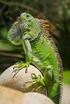 33 Reptiles and Amphibians of Curaçao BY Dr. Nelly de Rooij (With 2 Figures). The Zoological Museum of Amsterdam received some collections of reptiles from Curaçao made by Dr. J. BOEKE in 1905, by Dr.
CHAPTER 10 RESTS AND PREPARATIONS. 4. Serve as a reference point for evaluating the fit of the framework to the teeth.
 CHAPTER 10 RESTS AND DEFINITIONS A REST is any rigid part of an RPD framework which contacts a properly prepared surface of a tooth. A REST PREPARATION or REST SEAT is any portion of a tooth or restoration
Chapter 17: Light and Image Formation
 Chapter 17: Light and Image Formation 1. When light enters a medium with a higher index of refraction it is A. absorbed. B. bent away from the normal. C. bent towards from the normal. D. continues in the
Lab 5 Overview of the Skeleton: Classification and Structure of Bones and Cartilages Exercise 9 The Axial Skeleton Exercise 10
 Lab 5 Overview of the Skeleton: Classification and Structure of Bones and Cartilages Exercise 9 The Axial Skeleton Exercise 10 Overview of the Skeleton Locate the important cartilages in the human skeleton
JACK RUSSELL TERRIER
 05.12.2012 / EN FEDERATION CYNOLOGIQUE INTERNATIONALE (AISBL) SECRETARIAT GENERAL: 13, Place Albert 1 er B 6530 Thuin (Belgique) FCI-Standard N 345 JACK RUSSELL TERRIER SMOOTH COATED VARIETY BROKEN COATED
Alignement of a ring cavity laser
 Alignement of a ring cavity laser 1 Introduction This manual describes a procedure to align the cavity of our Ti:Sapphire ring laser and its injection with an Argon-Ion pump laser beam. The setup is shown
ZOOLOGISCHE MEDEDELINGEN
 ZOOLOGISCHE MEDEDELINGEN UITGEGEVEN DOOR HET RIJKSMUSEUM VAN NATUURLIJKE HISTORIE TE LEIDEN (MINISTERIE VAN CULTUUR, RECREATIE EN MAATSCHAPPELIJK WERK) Deel 48 no. 21 15 november 1974 ARADIDAE IN THE RIJKSMUSEUM
Surgical Art. Formulaic Drawing Method. DRAWING WORKSHOP Learning to sketch for patient notes
 DRAWING WORKSHOP Learning to sketch for patient notes Surgical Art Formulaic Drawing Method Formulaic figure drawing systems involve using abstract rhythms and interlocking shapes to construct the human
United States Army Air Corps Painting Practices During World War II
 United States Army Air Corps Painting Practices During World War II The United States Army Air Corps, and later Army Air Force, utilized two different sets of color standards regulating colors at the beginning
CHEM 107. Hair handout. Basic Structure of Hair. 3-22-05 and 3-24-05
 CHEM 107 Hair handout. 3-22-05 and 3-24-05 Basic Structure of Hair A hair can be defined as a slender, thread-like outgrowth from a follicle in the skin of mammals. Composed mainly of keratin, it has three
SHEEP EYE DISSECTION PROCEDURES
 SHEEP EYE DISSECTION PROCEDURES The anatomy of the human eye can be better shown and understood by the actual dissection of an eye. One eye of choice for dissection, that closely resembles the human eye,
The purpose of major case prints is to record all friction ridge detail
 Chapter 12 Major Case Prints The purpose of major case prints is to record all friction ridge detail so that complete and accurate finger and palm print comparisons can be completed. This includes the
ACTA ENTOMOLOGICA MUSEI NATIONALIS PRAGAE
 ACTA ENTOMOLOGICA MUSEI NATIONALIS PRAGAE Published 30.iv.2014 Volume 54(1), pp. 315 336 ISSN 0374-1036 http://zoobank.org/urn:lsid:zoobank.org:pub:3802fc29-4434-4a8a-8741-08489f09a9c5 Taxonomy of the
New neotropical species of the genus Holotrochus and the new
 ... download Biodiversity Heritage Library, http://www.biodiversitylibrary.org/ Ent. Arb. Mus. Frey 35/36, 1987 81 New neotropical species of the genus Holotrochus and the new genus Mimotrochus (Coleoptera,
THE GENUS LACCOBIUS IN MELANESIA (COLEOPTERA: HYDROPHILIDAE) 1
 Pacific Insects Vol. 22, no. 3-4: 385-400 17 December 1980 1980 by the Bishop Museum THE GENUS LACCOBIUS IN MELANESIA (COLEOPTERA: HYDROPHILIDAE) 1 By Elio Gentili 2 Abstract. Laccobius is represented
Snakes of Massachusetts
 Snakes of Massachusetts Of the roughly 3,000 known species of snake found worldwide, only 15% are considered dangerous to humans. Luckily here in Massachusetts we only have two types of dangerous venomous
A new species of Fissiphalliidae from Brazilian Amazon Rain Forest (Arachnida: Opiliones)
 Zootaxa : 1 6 (2004) www.mapress.com/zootaxa/ Copyright 2004 Magnolia Press ISSN 1175-5326 (print edition) ISSN 1175-5334 (online edition) A new species of Fissiphalliidae from Brazilian Amazon Rain Forest
Review of the Haliplidae of Myanmar with description of Haliplus volpei (Coleoptera)
 Review of the Haliplidae of Myanmar with description of Haliplus volpei (Coleoptera) Bernhard J. van Vondel The present knowledge about the Haliplidae from Myanmar (Burma) is reviewed. Six species are
A New Species of the Genus Synersaga Gozmány (Lepidoptera, Lecithoceridae) From China
 A New Species of the Genus Synersaga Gozmány (Lepidoptera, Lecithoceridae) From China Author(s): Hai-Ming Xu, Hou-Shuai Wang and Min Wang Source: Florida Entomologist, 97(1):262-265. Published By: Florida