
Heart murmurs in puppies and kittens
|
|
|
- Katherine Sullivan
- 9 years ago
- Views:
Transcription
1 Heart murmurs in puppies and kittens Nicole Van Israël DVM CertSAM CertVC DipECVIM-CA (Cardiology) MSc MRCVS EUROPEAN SPECIALIST IN VETERINARY CARDIOLOGY, ANIMAL CARDIOPULMONARY CONSULTANCY (ACAPULCO), RUE WINAMPLANCHE 752, 4910 THEUX, BELGIUM. UK VET - VOLUME 10 No 6 JULY 2005 The practitioner should be familiar with the common cardiac malformations, its associated clinical signs, the repercussions for breeding and the possibilities of curative or palliative treatment. Thorough auscultation is a good screening tool and should be performed at the animal s first presentation to the veterinarian (primary vaccination or earlier), and repeated at every representation. Innocent murmurs should be differentiated from pathological murmurs. Accurate assessment may require Doppler echocardiography and referral to a veterinary specialist in cardiology. dysplasia. Male English Bulldogs appear to have a higher prevalence of pulmonic stenosis. Breed Knowledge of the breed is very important because a genetic basis is suspected for many of the cardiac malformations.the frequency of congenital heart disease is greater in purebred than in mongrel dogs. A list with breed predispositions can be be downloaded from This is the first article of a series of three written to help the veterinarian in judging the importance and the longterm implications when a murmur is detected in a young animal. However, one has to remember that thoracic auscultation is only a piece of the puzzle, and that the observations should be correlated with the history and the findings of a full physical examination. SIGNALMENT Age Innocent murmurs are most common in puppies less than 16 weeks old. Kittens can have innocent, dynamic murmurs for a much longer time, like adult cats. These innocent murmurs are always systolic (decrescendo), located over the left heart base, and should never exceed a grade 3/6. In puppies they should have disappeared by the age of 3.5 months. The continuous murmur of a patent ductus arteriosus (PDA) should have disappeared by the age of 5 days. However, a persistent left-to-right shunting defect might not manifest before a couple of weeks after birth because of the declining pulmonary vascular resistance for 1-2 months after birth. Some murmurs might increase in severity with age due to growth (e.g. stenotic lesions).a progression of clinical signs with age is expected in animals with severe malformations. Gender A sex predisposition has not well been established in dogs. Exceptions include PDA (females outnumber males by 3/1), and the possible male predominance in tricuspid HISTORY Family history The prevalence of congenital heart disease differs between breeds and countries and often within regions of a given country. This indicates the importance of regional gene pools in the aetiology of congenital heart disease. Clinical signs Most animals with incidental detection of a heart murmur at young age (vaccination, pre-neutering) will not have any clinical signs. In affected animals the clinical signs can vary. Stunted growth is a common finding. Other clinical signs will often only show at the time of cardiac decompensation. These include decreased exercise (play) tolerance, shortness of breath, syncope, cyanosis (differential cyanosis in case of R-L PDA: cranial mucous membranes are pink, caudal mucous membranes are cyanosed because the brachycephalic trunk leaves the aorta before the PDA shunt reaches it), abdominal distension, hind limb weakness and cough. PHYSICAL EXAMINATION Head Examination of the head includes oral inspection for accuracy of age (teething), mucous membrane colour (pink, pale, dark red, cyanosis) and capillary refill time. Neck The jugular veins should be inspected carefully in any case SMALL ANIMAL CARDIOLOGY 1

2 of suspected cardiac disease.this might warrant clipping or wetting of the hair. Patients with overt right heart failure may have obviously distended jugular veins. The hepatojugular reflex might accentuate the presence of subtle heart failure. Pulsating jugular veins can be seen with decreased right ventricular compliance as in severe right ventricular hypertrophy or with severe tricuspid regurgitation. Pulsation can also be seen with atrioventricular dissociation (3rd degree AV-block) because the atria contract against a closed AV-valve (canon a-waves). Thorax The thorax should always be palpated for deformities, for the strength and location of the precordial impulse (best felt in the region of the left apex), and the presence of a thrill. Feeling a strong apex beat does not mean a strongly contracting heart. The apex beat is not the heart striking against the thoracic wall but the tension generated by the myocardium.this wall tension is calculated by multiplying the left ventricular chamber pressure by the left ventricular chamber diameter. Consequently a dog with a dilated ventricle will have a stronger apex beat. A thrill is a vibrating feeling created by turbulence within the heart through the chest wall and best felt in the region of the heart murmur. In dogs with severe aortic stenosis the pulse often peaks later into systole (pulsus tardus et parvus). Dogs with mitral regurgitation might have a brisk pulse because the left ventricle ejects blood at a higher velocity and the ejection time is shortened. Pulse deficits are often associated with tachyarrhythmias (ventricular and supraventricular) because the left ventricle has not enough time to fill. The temperature of the extremities should always be compared with the rest of the body. If they are colder it might suggest poor cardiac output and/or peripheral vasoconstriction. The presence of peripheral oedema is very uncommon in small animals but can occur with right-sided conjestive heart failure. THORACIC AUSCULTATION Thoracic auscultation should be performed in a systematic fashion. Failure to do so will result in mis- or non-diagnosis. Principles of thoracic auscultation The modern stethoscopes Auscultation is accomplished with the binaural stethoscope first introduced by George Cammann in Stethoscopes vary in quality of design and of sound transmission. The best instrument is the one that fits the ears comfortably (Fig. 1) and transmits both normal and abnormal heart and lung sounds clearly. Abdomen The abdomen should be inspected for the presence of free fluid or organomegaly. Right heart failure commonly produces ascites in dogs and the aspirated fluid can be a transudate, a modified transudate or even a chylous effusion. Extremities The femoral pulse, which represents the systolic blood pressure (BP) minus the diastolic pressure (=pulse pressure), might be altered in strength or formation. A weak pulse (decrease in pulse pressure) indicates a decreased stroke volume (e.g. myocardial failure, severe aortic stenosis, severe pulmonic stenosis), lowering of the systemic peripheral vascular resistance, or increased arterial compliance. A bounding pulse (increase in pulse pressure) is observed with an increase in systolic BP, a decrease in diastolic BP (e.g. aortic insufficiency), or a combination of both (PDA). Fig. 1: The stethoscope tips should fit the ears comfortably and be angled rostrally. There seems to be no major difference between single and double tubing (although in theory double tubing should be better). The tubing should be as short as possible, not compromising your personal comfort. The chest piece should accentuate high (diaphragm) or low frequency (bell, Fig. 2) vibrations (S3 and S4). Diaphragm size (Fig. 3) should be adapted depending on the size of the animal. Small diaphragms (paediatric or neonate) are extremely useful for determining the point of maximum intensity and to avoid interfering noises. 2 SMALL ANIMAL CARDIOLOGY

3 pitched than the second heart sound. The major audible portion of S1 is associated with closure of mitral and tricuspid valves and is best heard over that area.the sound is not generated by the valve cusps slapping together but rather by the sudden acceleration and deceleration of blood and tensing of the valve apparatus. Other elements that contribute to S1 are vibrations due to early ventricular muscle contraction, opening of the semilunar valves at the end of isovolumetric contraction, and vibrations related to rapid early acceleration of blood in the ventricles. Fig. 2: : The bell accentuates low frequency vibrations (S3 and S4) and lung sounds. Second heart sound (S2): This sound is of higher frequency and shorter duration (60 ms) than the first heart sound, and is best heard over the pulmonic and aortic valves. Vibrations contributing to S2 are produced by early muscular relaxation, blood vibration in the great vessels and opening of the AV valves. S2 occurs at the end of ventricular systole, near the end of the T-wave on ECG and correspond to closure of the aortic (first) and pulmonic valves. Fig. 3: The diaphragm accentuates high frequency sounds and its size should be adapted depending on the size of the animal. Electronic stethoscopes will become more practical in the future as frequency shifting will permit accentuation or attenuation of particular band frequencies. Normal rhythm Normal rhythms in young dogs include sinus rhythm (a regular rhythm) and sinus arrhythmia (regular irregular rhythm). In cats only a regular sinus rhythm is normal (unless they are asleep when a sinus arrhythmia can be noticed). Sinus arrhythmia is due to high vagal tone and is most commonly observed in brachycephalic breeds. It is represented by alternating periods of slower (expiration) and more rapid (inspiration) heart rates, which are usually, but not always, related to respiration. The intensity of S1 and S2 will vary with sinus arrhythmia. Areas of auscultation Traditional areas of auscultation include the heart apex and heart base at both sides of the chest (left and right). More experienced auscultators will try to narrow these areas down to mitral, tricuspid, aortic and pulmonic valve areas. Psychoacoustics The human ear does not hear all sounds of equal intensity with equal ease, and the threshold of audibility differs from person to person upon individual hearing ability. Higher volume (in an exponential way) is required for low frequency noise to be heard. A quiet environment is required for successful auscultation. This includes internal (harsh lung sounds, upper airway noise) and external noise. Variations in intensity and rhythm of heart sounds First heart sound (S1): The first heart sound is loudest in young, thin animals and in those with high sympathetic tone, tachycardia, systemic hypertension, or anaemia. The first heart sound can be diminished in intensity in obese animals or when there is obscuring for other reasons (pleural and pericardial effusions, diaphragmatic or pericardial hernia). Decreased myocardial contractility or prolonged P-R intervals can also give diminished S1 sounds. Cardiac auscultation Normal heart sounds First heart sound (S1): S1 occurs at the onset of ventricular systole. S1 is louder, longer (80 ms) and lower Splitting of S1 can be heard with asynchronous valve closure (3rd degree AV block) or conditions that delay either mitral or tricuspid valve closure (mitral and tricuspid stenosis, bundle branch blocks, ectopic beats). SMALL ANIMAL CARDIOLOGY 3

4 Second heart sound (S2): Physiological audible splitting of S2 is sometimes heard in healthy large breed dogs on inspiration. Pathological splitting of S2 is caused by asynchronous closure of aortic and pulmonic valves. This can be heard with pulmonary hypertension (varying with respiration), atrial septal defects (fixed) and bundle branch blocks. Third heart sound (S3): The third heart sound is of low frequency and is generated by rapid ventricular filling. It is not auscultable in most healthy dogs. The intensity is determined by the rapidity of early diastolic filling, the pressure in the atrium, and the distensibility of the ventricle during early diastole. Murmurs represent sounds of longer duration than the normal heart sounds. They are generated from turbulent blood flow created by abnormal communications between cardiac chambers or through insufficient valves or stenotic in/outflow tracts, or by alterations in blood viscosity. Timing and intensity profile a. Systolic (Fig. 4): A murmur is called holosystolic when S1 and S2 can still clearly be distinguished. A murmur is called pansystolic when S1 and S2 cannot be distinguished. However, there is in the current literature a lot of disagreement about this terminology and both terms are interchanged. Pan and holo are both Greek terms for the whole of. Loud S3 often implies myocardial failure (e.g. in dogs dilated cardiomyopathy) or increased left ventricular stiffness (e.g. cats with hypertrophic cardiomyopathy). Fourth heart sound (S4): The fourth heart sound is produced by atrial systole. Vibrations initiated by forceful ejection of the blood into an already distended or noncompliant ventricle will generate a low-pitched, low frequency heart sound. Gallops: A gallop rhythm is a sequence of three sounds consisting of S1 and S2 combined with S3 and/or S4. In the dog, they often indicate advanced myocardial disease or heart failure. In the cat they are indicators of the presence of reduced compliance of the left ventricle (S3), as seen with hypertrophic and restrictive cardiomyopathy, and/or increased left atrial pressures (S4). They are classified as protodiastolic (S3), presystolic (S4), or as summation gallops (fusion of S3 and S4). Fig. 4: Murmur timing and profile. PLATEAU MURMURS 1. Atrioventricular valve regurgitation: Mitral and tricuspid dysplasia Mitral regurgitation associated with the volume overload of a Patent Ductus Arteriosus AV-canal defects in cats 2. Left-to-right shunting ventricular septal defects Abnormal rhythms: The intensity of S1 and S2 will vary with most arrhythmias. These alterations are produced by variations in the location of the valves and by the different degrees of filling of the ventricles. Premature heart beats are heard as early low intensity heart sounds followed by a pause.they are often associated with a pulse pressure variation or deficit. It is impossible to differentiate by the means of auscultation only if the beats are ventricular or supraventricular in origin. EJECTION MURMURS (DECRESCENDO AND CRESCENDO-DECRESCENDO) 1. Aortic: obstructive (fixed or dynamic) (aortic stenosis) increased flow (anaemia, stress, fever) (physiological murmur) 2. Pulmonic: obstructive (Pulmonic stenosis) increased flow (ASD, large VSD, as a part of Tetralogy of Fallot) Supraventricular and ventricular tachycardias are characterised by bursts of rapid beats that usually cease abruptly. Differentiation by auscultation only is impossible and electrocardiography is warranted to differentiate them. UK VET - Online Descriptive characteristics of cardiac murmurs 4 SMALL ANIMAL CARDIOLOGY

5 b. Diastolic (very uncommon) (Fig. 5) at the left side of the heart will be best heard in this area. The murmurs of mitral regurgitation often radiate to the left atrial area, slightly dorsal and caudal to the left ventricular area. Fig. 5: Murmur timing and profile. EARLY DIASTOLIC MURMUR 1. Aortic regurgitation 2. Pulmonic regurgitation (rarely audible, except after balloon dilation of the valve) Fig. 7: Murmur timing and profile. MID-DIASTOLIC MURMUR 1. Mitral stenosis 2. Tricuspid stenosis 3. Cor triatriatum sinister c. Continuous (Fig. 6) Fig. 8: Areas of auscultation. The aortic area consists of the traditional aortic valve area on the left side at the level of the mid-heart to heart base. It also includes another area on the right cranial thorax and sometimes the murmur of aortic stenosis is louder on the right hand side. Fig. 6: Murmur timing and profile. 1. Patent Ductus Arteriosus (99%) 2. Aorticopulmonary window 3. A-V shunts in the thorax d. To and fro (Fig. 7) 1. VSD with aortic insufficiency 2. Aortic stenosis with significant aortic regurgitation 3. Pulmonic stenosis and significant pulmonic regurgitation The murmur of aortic insufficiency is usually best heard in the area of the traditional aortic valve area on the left side at the level of the mid-heart to heart base often radiating to the left heart apex. The pulmonic area consists of the traditional pulmonic valve area cranially at the left heart base but also includes a corresponding area on the right cranial thorax. The murmurs of pulmonic stenosis and pulmonic insufficiency are usually best heard in the pulmonic area on the left, as is the pulmonic component of the second heart sound. Point of maximal intensity (PMI) and radiation (Fig. 8) The left ventricular area is centred at the cardiac apex. This is a good location to hear mitral murmurs (regurgitation and stenosis). Also gallop sounds generated The murmur of a PDA is best heard at the left heart base area and it can be very localised in the animal s axilla. However most continuous murmurs are loud (90% grade 4 and louder) and radiate to the right side of the chest. SMALL ANIMAL CARDIOLOGY 5

6 The murmurs of a ventricular septal defect (and tricuspid stenosis) are usually best heard in the right ventricular area, as are gallops generated in the right side of the heart. The right atrial area, located dorsal to the right ventricular area, is where the murmur of tricuspid regurgitation is best heard. In cats, the sternum often plays the role of an acoustic enhancer and murmurs can be heard best over the sternum (Fig. 9). Fig. 9: The sternum plays the role of an acoustic enhancer in cats. Loudness: Murmurs are currently graded from I to VI. I: very soft and is only detected in a quiet room after prolonged auscultation II: faint but easily heard III: moderately loud IV: very loud but no associated thrill V: same as grade 4 in loudness but with associated thrill VI: can be heard with the stethoscope removed from the chest wall valve, due to right ventricular volume overload. No exact correlation between heart murmur grade and severity has been established in patent ductus arteriosus, although low frequency continuous murmurs are more frequently associated with small ducti. Tricuspid dysplasia can create quite variable murmurs in intensity, with sometimes complete absence in case of a large defect creating severe laminar, but non-audible, tricuspid regurgitation. The pathological murmurs are most commonly secondary to congenital heart disease, but one has to be aware that some of the acquired conditions, although rare, can occur at a very young age (for example hypertrophic cardiomyopathy in Maine Coon kittens, dilated cardiomyopathy in Great Dane pups, arrhythmogenic right ventricular cardiomyopathy in Boxer pups). On the other hand, some of the rare congenital heart malformations (e.g. reverse shunts) might not be associated with a heart murmur, but the rest of the clinical examination will indicate the presence of heart disease. Accurate assessment may require Doppler echocardiography and referral to a specialist in veterinary cardiology. FURTHER READING AND REFERENCES COTE E., MANNING A. M., EMERSON D., LASTE N. J., MALAKOFF R. L., HARPSTER N. K. (2004) Assessment of the prevalence of heart murmurs in overtly healthy cats. J Am Vet Med Assoc. Aug 1: 225 (3): FOX, SISSON, MOISE (2000) Textbook of canine and feline cardiology (WB Saunders). KITTLESON and KIENLE (1998) Small Animal Cardiovascular Medicine (Mosby). KVART C. and HÄGGSTRÖM J. (2002) Cardiac auscultation and phonocardiography in dogs, horses and cats. TK I Uppsala AB. RISHNIW M., THOMAS W. P. (2002) Dynamic right ventricular outflow obstruction: a new cause of systolic murmurs in cats. J Vet Intern Med. Sep- Oct;16(5): Illustrations Nicole Van Israël. PHONOCARDIOGRAPHY Phonocardiography is the graphic recording of heart sounds and murmurs. Ideally an ECG should be recorded simultaneously to identify the timing in the cardiac cycle, but if S1 is clearly distinguishable it can be used as the beginning of systole. Examples are illustrated in Figs REMARKS AND CONCLUSIONS If a murmur is auscultated in a young animal it can be physiological or pathological. Although the intensity of a heart murmur is not directly correlated with the severity of a lesion, in certain diseases as mitral dysplasia (except for the musical murmurs), aortic and pulmonic stenosis a rough correlation exists. However in other diseases such as ventricular septal defects the louder the murmur the smaller the defect. Small atrial septal defects are not associated with a heart murmur, whereas large ASD s often create an ejection murmur at the level of the pulmonic 6 SMALL ANIMAL CARDIOLOGY

7 CONTINUING PROFESSIONAL DEVELOPMENT SPONSORED BY PFIZER ANIMAL HEALTH These multiple choice questions are based on the above text. Readers are invited to answer the questions as part of the RCVS CPD remote learning program. Answers appear on page 99. In the editorial panel s view, the percentage scored, should reflect the appropriate proportion of the total time spent reading the article, which can then be recorded on the RCVS CPD recording form. 1. What is the most likely differential diagnosis if a continuous murmur is detected at the left heart base in a puppy: a. Subaortic stenosis b. Pulmonic stenosis c. Patent Ductus arteriosus d. Ventricular septal defect e. Mitral dysplasia 2. What is the most likely diagnosis if a grade V systolic murmur is heard and felt at the right hemithorax in a cat: a. Subaortic stenosis b. Pulmonic stenosis c. Patent Ductus arteriosus d. Ventricular septal defect e. Mitral dysplasia 3. What is the most likely differential diagnosis if a systolic murmur with point of maximal intensity at the right hemithorax is detected in a puppy: a. Tricuspid dysplasia b. Pulmonic stenosis c. Patent Ductus arteriosus d. Ventricular septal defect e. Mitral dysplasia 4. What differentiates a murmur grade IV from a murmur grade V/VI a. Grade V is much louder than grade IV and can be heard with the stethoscope of the chest wall b. The difference can only be heard by experienced examiners c. Grade IV and V are both loud murmurs but grade V is associated with a thrill d. The animal with a grade V murmur shows clinical signs of heart failure e. Only phonocardiography can differentiate both SMALL ANIMAL CARDIOLOGY 7

Heart Sounds & Murmurs
 Cardiovascular Physiology Heart Sounds & Murmurs Dr. Abeer A. Al-Masri MBBS, MSc, PhD Associate Professor Consultant Cardiovascular Physiologist Faculty of Medicine, KSU Detected over anterior chest wall
Heart Murmurs. Outline. Basic Pathophysiology
 Heart Murmurs David Leder Outline I. Basic Pathophysiology II. Describing murmurs III. Systolic murmurs IV. Diastolic murmurs V. Continuous murmurs VI. Summary Basic Pathophysiology Murmurs = Math Q =
Patient Possible differentials Recommended diagnostics Puppy or kitten with a soft systolic murmur
 Cardiac Auscultation 101 Terri DeFrancesco, DVM, DACVIM (Cardiology), DACVECC Associate Professor in Cardiology and Critical Care NC State University College of Veterinary Medicine Email: [email protected]
Auscultation of the Heart
 Review of Clinical Signs uscultation of the Heart Series Editor: Bernard Karnath, MD Bernard Karnath, MD William Thornton, MD uscultation of the heart can provide clues to the diagnosis of many cardiac
Common types of congenital heart defects
 Common types of congenital heart defects Congenital heart defects are abnormalities that develop before birth. They can occur in the heart's chambers, valves or blood vessels. A baby may be born with only
Note: The left and right sides of the heart must pump exactly the same volume of blood when averaged over a period of time
 page 1 HEART AS A PUMP A. Functional Anatomy of the Heart 1. Two pumps, arranged in series a. right heart: receives blood from the systemic circulation (via the great veins and vena cava) and pumps blood
Practical class 3 THE HEART
 Practical class 3 THE HEART OBJECTIVES By the time you have completed this assignment and any necessary further reading or study you should be able to:- 1. Describe the fibrous pericardium and serous pericardium,
Exchange solutes and water with cells of the body
 Chapter 8 Heart and Blood Vessels Three Types of Blood Vessels Transport Blood Arteries Carry blood away from the heart Transport blood under high pressure Capillaries Exchange solutes and water with cells
Dynamic Auscultation of Heart Sounds and Murmurs. Acknowledgement. Disclosures Real or Potential Conflicts of Interest
 Dynamic Auscultation of Heart Sounds and Murmurs W. Lane Edwards, Jr., MSN, ARNP, ANP Hospitalist Group of Southwest Florida Affiliate Professor of Nursing, University of Alaska at Anchorage Acknowledgement
The heart then repolarises (or refills) in time for the next stimulus and contraction.
 Atrial Fibrillation BRIEFLY, HOW DOES THE HEART PUMP? The heart has four chambers. The upper chambers are called atria. One chamber is called an atrium, and the lower chambers are called ventricles. In
Section Four: Pulmonary Artery Waveform Interpretation
 Section Four: Pulmonary Artery Waveform Interpretation All hemodynamic pressures and waveforms are generated by pressure changes in the heart caused by myocardial contraction (systole) and relaxation/filling
How To Understand What You Know
 Heart Disorders Glossary ABG (Arterial Blood Gas) Test: A test that measures how much oxygen and carbon dioxide are in the blood. Anemia: A condition in which there are low levels of red blood cells in
Facts about Congenital Heart Defects
 Facts about Congenital Heart Defects Joseph A. Sweatlock, Ph.D., DABT New Jersey Department of Health Early Identification & Monitoring Program Congenital heart defects are conditions that are present
Workshop B: Essentials of Neonatal Cardiology and CHD Anthony C. Chang, MD, MBA, MPH CARDIAC INTENSIVE CARE
 SHUNT LESIONS NEONATAL : CONGENITAL CARDIAC MALFORMATIONS AND CARDIAC SURGERY ANTHONY C. CHANG, MD, MBA, MPH CHILDREN S HOSPITAL OF ORANGE COUNTY ATRIAL SEPTAL DEFECT LEFT TO RIGHT SHUNT INCREASED PULMONARY
SAM, Student Auscultation Manikin
 SAM, Student Auscultation Manikin Product: SAM, Student Auscultation Manikin Cat. No.: 718-9007 Price: (Call for latest pricing) 281-488-5901 or 1-800-364-5901 in US and Canada; Email: [email protected]
The P Wave: Indicator of Atrial Enlargement
 Marquette University e-publications@marquette Physician Assistant Studies Faculty Research and Publications Health Sciences, College of 8-12-2010 The P Wave: Indicator of Atrial Enlargement Patrick Loftis
Anatomy Review. Heart Murmurs. Surface Topography of the Heart 7/19/2011. The Base of the Heart and Erb s Point
 James A Mathey PA C, MPA CAPA WORKSHOP 2010 Heart Murmurs Anatomy Review 4 Classic Auscultatory Areas: Aortic 2ICS R SB Pulmonic 2ICS L SB Tricuspid 4 th L Lower SB Mitral 5ICS MCL Surface Topography of
Normal & Abnormal Intracardiac. Lancashire & South Cumbria Cardiac Network
 Normal & Abnormal Intracardiac Pressures Lancashire & South Cumbria Cardiac Network Principle Pressures recorded from catheter tip Electrical transducer - wheatstone bridge mechanical to electrical waveform
Heart Sounds and Murmurs. Objectives. Valves. Wright, 2012 1
 Heart Sounds and Murmurs Wendy L. Wright, MS, RN, ARNP, FNP, FAANP Family Nurse Practitioner Owner Wright & Associates Family Healthcare Partner Partners in Healthcare Education 1 Objectives Upon completion
Heart murmurs and heart disease
 Heart murmurs and heart disease VETERINARY GUIDE 11 The heart is a muscle that pumps blood around the body, providing it with oxygen and nutrients. It is made up of four separate chambers an atrium and
Chapter 2 Cardiac Interpretation of Pediatric Chest X-Ray
 Chapter 2 Cardiac Interpretation of Pediatric Chest X-Ray Ra-id Abdulla and Douglas M. Luxenberg Key Facts The cardiac silhouette occupies 50 55% of the chest width on an anterior posterior chest X-ray
Question 1: Interpret the rhythm strip above (comment on regularity, rate, P wave, PR interval and QRS)?
 It is your first month on your NICU rotation and you are prerounding on your patients. The nurse takes you aside and says she s been seeing something funny on the cardiac monitor. You walk to the bedside
Normal Intracardiac Pressures. Lancashire & South Cumbria Cardiac Network
 Normal Intracardiac Pressures Lancashire & South Cumbria Cardiac Network Principle Pressures recorded from catheter tip Electrical transducer - wheatstone bridge mechanical to electrical waveform display
Heart and Vascular System Practice Questions
 Heart and Vascular System Practice Questions Student: 1. The pulmonary veins are unusual as veins because they are transporting. A. oxygenated blood B. de-oxygenated blood C. high fat blood D. nutrient-rich
Heart Disease: Diagnosis & Treatment
 How I Treat Cardiology Peer Reviewed Heart Disease: Diagnosis & Treatment Amara Estrada, DVM, DACVIM (Cardiology) University of Florida Background Clinical heart disease is the stage of disease when a
HEART HEALTH WEEK 3 SUPPLEMENT. A Beginner s Guide to Cardiovascular Disease HEART FAILURE. Relatively mild, symptoms with intense exercise
 WEEK 3 SUPPLEMENT HEART HEALTH A Beginner s Guide to Cardiovascular Disease HEART FAILURE Heart failure can be defined as the failing (insufficiency) of the heart as a mechanical pump due to either acute
Acute heart failure may be de novo or it may be a decompensation of chronic heart failure.
 Management of Acute Left Ventricular Failure Acute left ventricular failure presents as pulmonary oedema due to increased pressure in the pulmonary capillaries. It is important to realise though that left
HEART MURMURS THROUGHOUT CHILDHOOD
 HEART MURMURS THROUGHOUT CHILDHOOD Frances R. Zappalla, D.O. Nemours Cardiac Center A.I. du Pont Hospital for Children Wilmington, DE Definition: HEART MURMURS An extra abnormal heart sound usually detected
Electrocardiography Review and the Normal EKG Response to Exercise
 Electrocardiography Review and the Normal EKG Response to Exercise Cardiac Anatomy Electrical Pathways in the Heart Which valves are the a-v valves? Closure of the a-v valves is associated with which heart
Questions FOETAL CIRCULATION ANAESTHESIA TUTORIAL OF THE WEEK 91 18 TH MAY 2008
 FOETAL CIRCULATION ANAESTHESIA TUTORIAL OF THE WEEK 91 18 TH MAY 2008 Dr. S. Mathieu, Specialist Registrar in Anaesthesia Dr. D. J. Dalgleish, Consultant Anaesthetist Royal Bournemouth and Christchurch
ONLINE VETERINARY CONFERENCE 2009
 A Case Based Approach to Cardio-Respiratory Medicine Dr Richard Woolley BVetMed Dip. ECVIM/CA (Cardiology) MRCVS Introduction A cardiac murmur is a common finding on routine physical examination in general
Doc, I Am Fine, But I Have A Cardiac Condition
 Doc, I Am Fine, But I Have A Cardiac Condition Nevine Mahmoud, MD John Ludtke, MD Maj, USAFR, MC, FS RAM Class 2014 Wright State University Boonshoft School of Medicine Division of Aerospace Medicine Dayton,
5. Management of rheumatic heart disease
 5. Management of rheumatic heart disease The fundamental goal in the long-term management of RHD is to prevent ARF recurrences, and therefore, prevent the progression of RHD, and in many cases allow for
Potential Causes of Sudden Cardiac Arrest in Children
 Potential Causes of Sudden Cardiac Arrest in Children Project S.A.V.E. When sudden death occurs in children, adolescents and younger adults, heart abnormalities are likely causes. These conditions are
Cardiovascular Assessment
 Cardiovascular Assessment A Home study Course Offered by Nurses Research Publications P.O. Box 480 Hayward CA 94543-0480 Office: 510-888-9070 Fax: 510-537-3434 No unauthorized duplication photocopying
Fellow TEE Review Workshop Hemodynamic Calculations 2013. Director, Intraoperative TEE Program. Johns Hopkins School of Medicine
 Fellow TEE Review Workshop Hemodynamic Calculations 2013 Mary Beth Brady, MD, FASE Director, Intraoperative TEE Program Johns Hopkins School of Medicine At the conclusion of the workshop, the participants
Cardiovascular Pathophysiology:
 Cardiovascular Pathophysiology: Right to Left Shunts aka Cyanotic Lesions Ismee A. Williams, MD, MS [email protected] Pediatric Cardiology What is Cyanosis? Bluish discoloration of skin that occurs when
Distance Learning Program Anatomy of the Human Heart/Pig Heart Dissection Middle School/ High School
 Distance Learning Program Anatomy of the Human Heart/Pig Heart Dissection Middle School/ High School This guide is for middle and high school students participating in AIMS Anatomy of the Human Heart and
Circulatory System Review
 Circulatory System Review 1. Draw a table to describe the similarities and differences between arteries and veins? Anatomy Direction of blood flow: Oxygen concentration: Arteries Thick, elastic smooth
Chapter 20: The Cardiovascular System: The Heart
 Chapter 20: The Cardiovascular System: The Heart Chapter Objectives ANATOMY OF THE HEART 1. Describe the location and orientation of the heart within the thorax and mediastinal cavity. 2. Describe the
Congenital heart defects
 CONGENITAL ANOMALY REGISTER & INFORMATION SERVICE COFRESTR ANOMALEDDAU CYNHENID Congenital heart defects Cardiovascular defects are by far the commonest major group of congenital anomalies. Development
Equine Cardiovascular Disease
 Equine Cardiovascular Disease 3 rd most common cause of poor performance in athletic horses (after musculoskeletal and respiratory) Cardiac abnormalities are rare Clinical Signs: Poor performance/exercise
Electrocardiography I Laboratory
 Introduction The body relies on the heart to circulate blood throughout the body. The heart is responsible for pumping oxygenated blood from the lungs out to the body through the arteries and also circulating
HISTORY. Questions: 1. What diagnosis is suggested by this history? 2. How do you explain her symptoms during pregnancy?
 HISTORY 33-year-old woman. CHIEF COMPLAINT: months duration. Dyspnea, fatigue and nocturnal wheezing of six PRESENT ILLNESS: At ages 5 and 9, she had migratory arthritis. At age 29, in the third trimester
How To Treat Heart Valve Disease
 The Valve Clinic at Baptist Health Madisonville The Valve Clinic at Baptist Health Madisonville Welcome to the Baptist Health Madisonville Valve Clinic at the Jack L. Hamman Heart & Vascular Center. We
HEART MURMURS: INNOCENT OR GUILTY?
 HEART MURMURS: INNOCENT OR GUILTY? William A. Lutin, MD, PhD Section of Pediatric Cardiology Georgia Regents University Augusta, GA ([email protected]) DISCLOSURES I have no relevant financial relationships
HEART MURMURS. Information Leaflet. Your Health. Our Priority.
 HEART MURMURS Information Leaflet Your Health. Our Priority. Page 2 of 5 What is a heart murmur? The first important thing to note is that a heart murmur is not a diagnosis or an illness and it does not
UW MEDICINE PATIENT EDUCATION. Aortic Stenosis. What is heart valve disease? What is aortic stenosis?
 UW MEDICINE PATIENT EDUCATION Aortic Stenosis Causes, symptoms, diagnosis, and treatment This handout describes aortic stenosis, a narrowing of the aortic valve in your heart. It also explains how this
What is echo? CHAPTER 1 1.1 BASIC NOTIONS. Ultrasound production and detection
 What is echo? CHAPTER 1 1.1 BASIC NOTIONS Echocardiography (echo) the use of ultrasound to examine the heart is a safe, powerful, non-invasive and painless technique. Echo is easy to understand as many
Functions of Blood System. Blood Cells
 Functions of Blood System Transport: to and from tissue cells Nutrients to cells: amino acids, glucose, vitamins, minerals, lipids (as lipoproteins). Oxygen: by red blood corpuscles (oxyhaemoglobin - 4
Objectives. The ECG in Pulmonary and Congenital Heart Disease. Lead II P-Wave Amplitude during COPD Exacerbation and after Treatment (50 pts.
 The ECG in Pulmonary and Congenital Heart Disease Gabriel Gregoratos, MD Objectives Review the pathophysiology and ECG signs of pulmonary dysfunction Review the ECG findings in patients with: COPD (chronic
Electrodes placed on the body s surface can detect electrical activity, APPLIED ANATOMY AND PHYSIOLOGY. Circulatory system
 4 READING AND INTERPRETING THE ELECTROCARDIOGRAM Electrodes placed on the body s surface can detect electrical activity, which occurs in the heart. The recording of these electrical events comprises an
CTA OF THE EXTRACORONARY HEART
 CTA OF THE EXTRACORONARY HEART Charles White MD Director of Thoracic Imaging Department of Radiology University of Maryland NO DISCLOSURES [email protected] CARDIAC CASE DISTRIBUTION Coronary CTA 30% ED chest
Starling s Law Regulation of Myocardial Performance Intrinsic Regulation of Myocardial Performance
 Regulation of Myocardial Performance Intrinsic Regulation of Myocardial Performance Just as the heart can initiate its own beat in the absence of any nervous or hormonal control, so also can the myocardium
Cardiovascular Physiology
 Cardiovascular Physiology Heart Physiology for the heart to work properly contraction and relaxation of chambers must be coordinated cardiac muscle tissue differs from smooth and skeletal muscle tissues
020 // Congenital Heart Disease
 020 // Congenital Heart Disease CONTENTS 188 Basics 188 Atrial Septal Defect (ASD) 191 Patent Foramen Ovale (PFO) 192 Ventricular Septal Defects (VSD) 194 Patent Ductus Arteriosus (PDA) 195 Coronary Fistulas
Universal Fetal Cardiac Ultrasound At the Heart of Newborn Well-being
 Universal Fetal Cardiac Ultrasound At the Heart of Newborn Well-being Optimizes detection of congenital heart disease (chd) in the general low risk obstetrical population Daniel J. Cohen, M.D. [email protected]
HYPERTROPHIC CARDIOMYOPATHY
 HYPERTROPHIC CARDIOMYOPATHY Most often diagnosed during infancy or adolescence, hypertrophic cardiomyopathy (HCM) is the second most common form of heart muscle disease, is usually genetically transmitted,
Anatomi & Fysiologi 060301. The cardiovascular system (chapter 20) The circulation system transports; What the heart can do;
 The cardiovascular system consists of; The cardiovascular system (chapter 20) Principles of Anatomy & Physiology 2009 Blood 2 separate pumps (heart) Many blood vessels with varying diameter and elasticity
How To Treat A Single Ventricle And Fontan
 COACH Columbus Ohio Adult Congenital Heart Disease Program The Heart Center at Nationwide Children s Hospital & The Ohio State University Single Ventricle Defects Normal Heart Structure The heart normally
Reading Assignment: Tasks for the Veterinary Assistant, pages 467-473, Appendix L, O and P
 Patient Monitoring Reading Assignment: Tasks for the Veterinary Assistant, pages 467-473, Appendix L, O and P Patient monitoring during surgery is an extremely important task that is commonly the responsibility
Lecture Outline. Cardiovascular Physiology. Cardiovascular System Function. Functional Anatomy of the Heart
 Lecture Outline Cardiovascular Physiology Cardiac Output Controls & Blood Pressure Cardiovascular System Function Functional components of the cardiovascular system: Heart Blood Vessels Blood General functions
Detection of Heart Diseases by Mathematical Artificial Intelligence Algorithm Using Phonocardiogram Signals
 International Journal of Innovation and Applied Studies ISSN 2028-9324 Vol. 3 No. 1 May 2013, pp. 145-150 2013 Innovative Space of Scientific Research Journals http://www.issr-journals.org/ijias/ Detection
The pulse Tamás Fenyvesi
 The pulse Tamás Fenyvesi FT 3rd Dept.Med 1 The pulse has been studied for centuries Informations gained: 1. frequency, regularity 2. patency of peripheral arteries 3. characteristics of the arterial pressure
Tachyarrhythmias (fast heart rhythms)
 Patient information factsheet Tachyarrhythmias (fast heart rhythms) The normal electrical system of the heart The heart has its own electrical conduction system. The conduction system sends signals throughout
Heart Failure EXERCISES. Ⅰ. True or false questions (mark for true question, mark for false question. If it is false, correct it.
 Heart Failure EXERCISES Ⅰ. True or false questions (mark for true question, mark for false question. If it is false, correct it. ) 1. Heart rate increase is a kind of economic compensation, which should
Vascular System The heart can be thought of 2 separate pumps from the right ventricle, blood is pumped at a low pressure to the lungs and then back
 Vascular System The heart can be thought of 2 separate pumps from the right ventricle, blood is pumped at a low pressure to the lungs and then back to the left atria from the left ventricle, blood is pumped
Vtial sign #1: PULSE. Vital Signs: Assessment and Interpretation. Factors that influence pulse rate: Importance of Vital Signs
 Vital Signs: Assessment and Interpretation Elma I. LeDoux, MD, FACP, FACC Associate Professor of Medicine Vtial sign #1: PULSE Reflects heart rate (resting 60-90/min) Should be strong and regular Use 2
NEONATAL & PEDIATRIC ECG BASICS RHYTHM INTERPRETATION
 NEONATAL & PEDIATRIC ECG BASICS & RHYTHM INTERPRETATION VIKAS KOHLI MD FAAP FACC SENIOR CONSULATANT PEDIATRIC CARDIOLOGY APOLLO HOSPITAL MOB: 9891362233 ECG FAX LINE: 011-26941746 THE BASICS: GRAPH PAPER
Blood vessels. transport blood throughout the body
 Circulatory System Parts and Organs Blood vessels transport blood throughout the body Arteries blood vessels that carry blood AWAY from the heart Pulmonary arteries carry the deoxygenated blood from heart
How to get insurance companies to work with you
 Paying for Quality ACHD Care How to get insurance companies to work with you Christy Sillman, RN, MSN ACHD nurse coordinator Inpatient ACHD Nurse Educator The Adult Congenital Heart Program Stanford Lucile
the basics Perfect Heart Institue, Piyavate Hospital
 ECG INTERPRETATION: the basics Damrong Sukitpunyaroj MD Damrong Sukitpunyaroj, MD Perfect Heart Institue, Piyavate Hospital Overview Conduction Pathways Systematic Interpretation Common abnormalities in
The Newborn With a Congenital Disorder. Chapter 14. Copyright 2008 Wolters Kluwer Health Lippincott Williams & Wilkins
 The Newborn With a Congenital Disorder Chapter 14 Congenital Anomalies or Malformations May be caused by genetic or environmental factors Approximately 2% to 3% of all infants born have a major malformation
The Pattern of Congenital Heart Disease among Neonates Referred for Echocardiography
 Bahrain Medical Bulletin, Vol. 36, No. 2, June 2014 ABSTRACT The Pattern of Congenital Heart Disease among Neonates Referred for Echocardiography Hussain Al Khawahur, MD* Hussain Al Sowaiket, MD** Thuria
Adult Cardiac Surgery ICD9 to ICD10 Crosswalks
 164.1 Malignant neoplasm of heart C38.0 Malignant neoplasm of heart 164.1 Malignant neoplasm of heart C45.2 Mesothelioma of pericardium 198.89 Secondary malignant neoplasm of other specified sites C79.89
Cardiology Fact Sheet. ACVIM Fact Sheet: Myxomatous Mitral Valve Degeneration
 Cardiology Fact Sheet ACVIM Fact Sheet: Myxomatous Mitral Valve Degeneration Overview Myxomatous mitral valve degeneration (MMVD) is the most common acquired type of heart disease and new murmurs in older
Chest Pain in Young Athletes. Christopher Davis, MD, PhD Pediatric Cardiology Rady Children s Hospital San Diego cdavis@rchsd.
 Chest Pain in Young Athletes Christopher Davis, MD, PhD Pediatric Cardiology Rady Children s Hospital San Diego [email protected] 858-966-5855 None Disclosures Chest Pain: the good news and the bad news:
INTRODUCTORY GUIDE TO IDENTIFYING ECG IRREGULARITIES
 INTRODUCTORY GUIDE TO IDENTIFYING ECG IRREGULARITIES NOTICE: This is an introductory guide for a user to understand basic ECG tracings and parameters. The guide will allow user to identify some of the
Cardiology Fellowship Manual. Goals & Objectives -Cardiac Imaging- 1 Page
 Cardiology Fellowship Manual Goals & Objectives -Cardiac Imaging- 1 Page 2015-2016 UNIV. OF NEBRASKA CHILDREN S HOSPITAL & MEDICAL CENTER DIVISION OF CARDIOLOGY FELLOWSHIP PROGRAM CARDIAC IMAGING ROTATION
The physiology of cardiac auscultation
 Pediatr Clin N Am 51 (2004) 1515 1535 The physiology of cardiac auscultation Andrew N. Pelech, MD Division of Pediatric Cardiology, Medical College of Wisconsin, 8701 Watertown Plank Road Milwaukee, WI
Understanding your child s heart Atrial septal defect
 Understanding your child s heart Atrial septal defect About this factsheet This factsheet is for the parents of babies and children who have an atrial septal defect (ASD). It explains, what an atrial septal
Palpitations & AF. Richard Grocott Mason Consultant Cardiologist THH NHS Foundation Trust & Royal Brompton & Harefield NHS Foundation Trust
 Palpitations & AF Richard Grocott Mason Consultant Cardiologist THH NHS Foundation Trust & Royal Brompton & Harefield NHS Foundation Trust Palpitations Frequent symptom Less than 50% associated with arrhythmia
Dr Richard Telford. Introduction
 Dr Richard Telford Valvular Heart Disease 1. You visit a patient who is due to have an orthopaedic procedure. He tells you he gets occasional chest pain and shortness of breath on exertion. You notice
Electrocardiogram and Heart Sounds
 Electrocardiogram and Heart Sounds An introduction to the recording and analysis of electrocardiograms, and the sounds of the heart. Written by Staff of ADInstruments Introduction The beating of the heart
FVMA 2015: Diagnosis and Management of Pericardial Disease PERICARDIAL EFFUSION Pathophysiology of Cardiac Tamponade
 FVMA 2015: Diagnosis and Management of Pericardial Disease Jonathan A. Abbott, DVM, Dipl. ACVIM (Cardiology) VA-MD College of Veterinary Medicine Virginia Tech, Blacksburg, Virginia Pericardial disease
THE HEART Dr. Ali Ebneshahidi
 THE HEART Dr. Ali Ebneshahidi Functions is of the heart & blood vessels 1. The heart is an essential pumping organ in the cardiovascular system where the right heart pumps deoxygenated blood (returned
Traumatic Cardiac Tamponade. Shane KF Seal 19 November 2003 POS
 Traumatic Cardiac Tamponade Shane KF Seal 19 November 2003 POS Objectives Definition Pathophysiology Diagnosis Treatment Cardiac Tamponade The decompensated phase of cardiac compression resulting from
RACE I Rapid Assessment by Cardiac Echo. Intensive Care Training Program Radboud University Medical Centre NIjmegen
 RACE I Rapid Assessment by Cardiac Echo Intensive Care Training Program Radboud University Medical Centre NIjmegen RACE Goal-directed study with specific questions Excludes Doppler ultrasound Perform 50
Acquired Heart Disease: Prevention and Treatment
 Acquired Heart Disease: Prevention and Treatment Prevention and Treatment Sharon L. Roble, MD Assistant Professor Adult Congenital Heart Program The Ohio State University/Nationwide Children s Hospital
THE MARY ALLEN ENGLE, MD (1922-2008) PAPERS
 MEDICAL CENTER ARCHIVES OF NEWYORK-PRESBYTERIAN/WEILL CORNELL 1300 York Avenue # 34 New York, NY 10065 Finding Aid To THE MARY ALLEN ENGLE, MD (1922-2008) PAPERS Dates of Papers: 1948-1991 52.5 Linear
Requirements for Provision of Outreach Paediatric Cardiology Service
 Requirements for Provision of Outreach Paediatric Cardiology Service Dr Shakeel A Qureshi, Consultant Paediatric Cardiologist, Evelina Children s Hospital, London, UK On behalf of British Congenital Cardiac
1p36 and the Heart. John Lynn Jefferies, MD, MPH, FACC, FAHA
 1p36 and the Heart John Lynn Jefferies, MD, MPH, FACC, FAHA Director, Advanced Heart Failure and Cardiomyopathy Services Associate Professor, Pediatric Cardiology and Adult Cardiovascular Diseases Associate
The EasySense unit can detect that the Smart Q Heart Rate Sensor is connected and the range it is set to.
 Heart Rate Sensor Heart Rate Sensor (Product No PC-3147) Pulse rate Range: 0 to 200 bpm Resolution: 1 bpm Waveform Range: -2000 to 2000 mv Resolution: 1 mv Introduction The Smart Q Heart Rate Sensor monitors
Blood Pressure. Blood Pressure (mm Hg) pressure exerted by blood against arterial walls. Blood Pressure. Blood Pressure
 Blood Pressure Blood Pressure (mm Hg) pressure exerted by blood against arterial walls Systolic pressure exerted on arteries during systole Diastolic pressure in arteries during diastole 120/80 Borderline
Diagnosis Code Crosswalk : ICD-9-CM to ICD-10-CM Cardiac Rhythm and Heart Failure Diagnoses
 Diagnosis Code Crosswalk : to 402.01 Hypertensive heart disease, malignant, with heart failure 402.11 Hypertensive heart disease, benign, with heart failure 402.91 Hypertensive heart disease, unspecified,
Blood Vessels and Circulation
 13 Blood Vessels and Circulation FOCUS: Blood flows from the heart through the arterial blood vessels to capillaries, and from capillaries back to the heart through veins. The pulmonary circulation transports
The E-Scope Electronic Stethoscope Catalog of Products April 25, 2012
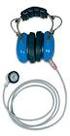 The E-Scope Electronic Stethoscope Catalog of Products April 25, 2012 Cardionics, 910 Bay Star Blvd., Webster, Texas 77598 USA Telephone: 281-488-5901 Toll-free USA & Canada 1-800-364-5901 Web: www.cardionics.com