
Recommended Alternatives to Ash Trees for Michigan's Lower Peninsula
|
|
|
- Erica Morrison
- 9 years ago
- Views:
Transcription
1 Extension Bulletin E-2925 Revised, January 2006 Recommended Alternatives to Ash Trees for Michigan's Lower Peninsula Bert Cregg and Robert Schutzki Michigan State University Department of Horticulture and Department of Forestry MICHIGAN STATE U N I V E R S I T Y EXTENSION Emerald Ash Borer This guide gives suggestions for species that should be considered in situations where a homeowner, landscaper, or urban forester may have planted an ash in the past. General species characteristics, mature form and size, and other noteworthy characteristics are given; all are hardy to at least zone 5. Diversity of species is also important. Look around you, and plant a variety trees. Autumn blaze Freeman maple Acer x freemanii Height: ft. Spread: ft Prefers moist soil but is drought tolerant. Fast growing. Shape: oval-rounded. Foliage has excellent orange-red fall color. None serious. Cultivars: Marmo, Sienna Glen Trident maple Acer buergeranum Height: ft. Spread: ft. 5b or 6a-8a. Prefers full sun. Adapted to urban conditions. Moderate salt tolerance. Tolerates moderate drought. ph: Shape: round. Mottled bark, shedding with age; dense, dark green leaves turning orange to red in the fall. Introduced from China. None serious. Hedge maple Acer campestre Height: ft. Spread: ft. 5a-8b. Sun to partial shade. Tolerates drought. Moderate salt tolerance. ph: Adapted to compaction, severe pruning. characteristics: Shape: round. Excellent residential use under utility lines. Easily transplanted in spring or fall. Cultivars: Queen Elizabeth (more upright, vigorous [zone 6b-7b]); Schichtel s Upright (5b-8b). Introduced from Europe, Near East and Africa. Occasional problems with verticillium wilt. Miyabe maple Acer miyabei Height: ft. Spread: ft Moist, well-drained soil. ph: adaptable. Shape: rounded. None serious. Cultivars: State Street fast growing, upright oval habit, dark green leaves with yellow fall color, corky bark. 1

2 Norway maple Acer platanoides Height: ft. Spread: ft Prefers moist soils and will tolerate clay (but not wet) soil. ph: very adaptable. Shape: rounded. Foliage is dark green with occasionally good yellow fall color. Verticillium wilt and anthracnose. Cultivars: Crimson King reddish purple foliage; Columnare narrow oval habit (20-ft. spread); Summershade fast growing, heat resistant; Easy Street narrow oval. Red maple Acer rubrum Height: ft. 3b-9a. Moist soils necessary; flood tolerance of specific cultivars is listed below. Salt sensitive. ph: (chlorosis occurs at high ph). Shape: round, upright. Good fall color. Leafhopper and borers. Cultivars: Autumn Flame (early, low flood tolerance, persistent red fall color, zone 3b); Northwood (low flood tolerance, good orange-red fall color, zone 3b); October Glory (intermediate flood tolerance, excellent red fall color, zone 5a); Red Skin (large, thick foliage, early reddish maroon fall color, rare, zone 4); Red Sunset. Transplant in spring, high flood tolerance, specify own-rooted graft incompatibility can be a problem. Redpointe pyramidal with dominant central leader. Sugar maple Acer saccharum Height: ft. Spread: ft Prefers moist, well-drained soil. ph: neutral to slightly acidic. Shape: oval to rounded. Good fall color of yellow, orange or red. Insects/disease factors: verticillium wilt, leaf scorch. Cultivars: Crescendo dark green foliage with good orange-red fall color, heat and drought tolerant; Green Mountain thick, dark green leaves that resist leaf scorch, yellow fall color; Legacy thick and glossy dark green leaves, drought tolerant, yellow-orange fall color. Shantung maple Acer truncatum Height: ft. Spread: ft. 5a-7b (species is variable; hybrid cultivars, zone 5). Requires moist, well-drained site; tolerates moderate drought. Moderate salt tolerance. ph: Resistant to leaf scorch. Shape: round. Dark green, glossy leaves with early fall color of yellow-orange to bright red. Cultivars: Hybrids of A. platanoides are Norwegian Sunset (upright round, orange-red to red fall color, more heat and drought tolerant than A. platanoides) and Pacific Sunset (upright oval, finer branched and earlier red fall color than Norwegian Sunset ). None serious. 2

3 Horse chestnut Aesculus hippocasteana Height: 50 ft. -75 ft. Spread: 40 ft. -70 ft Prefers moist, welldrained soils. Shape: rounded. Other: showy white flowers in mid-may. Leaf scorch can occur under hot/dry conditions in late summer. Cultivars: Baumanii more showy with longer lasting flowers and seedless. Upright European hornbeam Carpinus betulus Fastigiata Height: 35 ft. Spread: 25 ft. 5a-7a. Tolerates drought, heavy soil. Salt sensitive. ph: Shape: narrow when young, becoming oval; narrow branching angles. Canker, leaf spot and twig blight can occur if the tree is stressed. Additional: Transplant in spring; somewhat slow to establish from bare root. American hornbeam Carpinus caroliniana Height: ft. Spread: ft. 3b-9a. Prefers moist soil but will tolerate some intermittent drought. ph: Prefers shaded, moist soils. Shape: round, spreading. Muscled bark, good orange-red fall color, clumps or single stem. Relatively pest and disease free, requires little maintenance, though damage by ice storms can be a problem. Cankers can occur with specimens of southern origin, so it is important to know the source of the tree. Additional: Transplant in spring; somewhat slow to establish. Native to Michigan and eastern United States. Hackberry Celtis occidentalis Height: ft. Spread: 30 ft. 3b-8b. Tolerates drought. Salt sensitive. ph: Tolerates light shade, wind, heat. Shape: pyramidal when young; open, irregular when mature, with dark green, leathery leaves. Witch s broom and insect galls (aesthetic but not life-threatening problems). Cultivars: Prairie Pride (rapid, compact grower; thick, leathery foliage). Additional: Transplant in spring; somewhat slow to establish. 3

4 Katsura tree Cercidiphyllum japonicum Height: 40 ft. Spread: 40 ft. 5a-9a. Requires evenly moist soils; not drought tolerant. ph: Does not tolerate compaction or heavy soils; tolerates light shade. Protected site best. Shape: upright, pyramidal when young, becoming rounded with age. New leaves are bright red when unfolding; good yellow fall color; dry leaves have caramel scent; clump or single stem. None serious. Yellowwood Cladrastis kentukea Height: 30 ft. Spread: 40 ft. Zone 4b-8a. Best in moist, well- drained soils; not drought tolerant. ph: Shape: round. Bright green foliage; showy, fragrant flowers in late spring. None. Additional: Prune only in summer profuse bleeding will occur at other times of the year. Specify single leader can be weak-wooded with poor crotch angles that split out as the trees grow older. Transplant in spring. Turkish filbert Corylus colurna Height: ft. Spread: ft Drought tolerant once established. ph: adaptable. Shape: broad pyramidal, maintains formal shape. Other: attractive dark green foliage. None serious. Additional: This is a low-maintenance but attractive species that is quite underused. Hardy rubber tree Eucommia ulmoides Height: ft. Spread: 45 ft. 5b-8.2. Tolerates drought; intolerant of poor drainage. ph: Tolerates heat; needs full sun. Shape: round, wide, spreading with ascending branches. Glossy green foliage. None. Additional: Transplants easily in spring or fall. 4

5 Gingko Gingko biloba Height: ft. Spread: Variable, depending on cultivar. 4b- 8b. Tolerates drought. Moderate salt tolerance. ph: Shape: irregular when young, becoming pyramidal with age. Yellow fall color. Cultivars: Autumn Gold (symmetrical, broad, outstanding fall color); Lakeview ; and Princeton Sentry (very narrow upright); Presidential Gold (broadly oval, well branched). Additional: Specify male trees because of noxious fruit smell (all cultivars are male). Transplant in spring or fall. None serious. Thornless honeylocust Gleditsia triacanthos inermis Height: ft. Spread: 40 ft. 4b- 9a. Tolerates wet and dry sites. High salt tolerance. ph: Shape: Open, spreading. Overplanting has encouraged severe insect problems in many areas (honeylocust plant bug, spider mite, borer, webworm). Cultivars: Shademaster (high, vase-shaped canopy, essentially fruitless); Skyline (upright, pyramidal, strong central leader, good fall color); Northern Acclaim (most cold hardy, good form). Additional: Transplants easily in spring. Inermis refers to the thornless selection. Kentucky coffee tree Gymnocladus dioicus Height: ft. Spread: ft. 3b-8. Drought tolerant after establishment. Shape: oval crown with irregular branching. Foliage is dark green with compound leaves; can sometimes have a good yellow fall color. None serious. Cultivars: Prairie Titan nice branching habit and bluegreen summer foliage. Espresso seedless, good form. Sweetgum Liquidambar styraciflua Height: ft. Spread: ft. 5b-9a. Tolerates intermittent flooding, moderate drought. ph: Best on moist, sunny sites. Shape: pyramidal when young, becoming round with age. Excellent fall color. Fruit litter may be objectionable. None serious. Cultivars: Moraine (most cold hardy, zone 4b, bright red fall color); Rotundaloba (fruitless, not as hardy); Worplesdon (orange-red fall color, broadly pyramidal to oval). Additional: Northern seed source recommended. Transplant in spring. Iron chlorosis can occur. 5

6 Tulip tree Liriodendron tulipifera Height: ft. Spread: ft. 5a- 9a. Requires evenly moist soils but does not tolerate poor drainage. Needs adequate space. Salt sensitive. ph: Shape: broad pyramidal. Yellow fall color. Somewhat weak-wooded. Occasional problems with leaf scorch, canker, and verticillium wilt. Additional: Transplant in spring. Northern seed source recommended. Dawn redwood Metasequoia glyptostroboides Height: ft. Spread: 25 ft. 5b-9a. Requires moist sites, will not tolerate dry sites. Salt sensitive. ph: Shape: pyramidal. Lower branches need to be removed for streetside use. Fast growing. Relatively trouble free, though Japanese beetle can be a nuisance. Additional: Transplant in spring or fall. Amur maackia Maackia amurensis Height: ft. Spread: 30 ft. Zone 4-7. Moist, well-drained soil. Shape: rounded. White flowers in June; copper-brown, peeling, attractive bark. None serious. Tupelo Nyssa sylvatica Height: 35 ft. Spread: 20 ft. 5a- 9a. Tolerates wet sites, intermittent drought. Relatively salt tolerant. ph: Shape: pyramidal. Bright red fall color. None. Additional: Difficult to transplant use small sizes, balled and burlapped only. Slow to recover from transplanting. Transplant in spring. 6

7 American hophornbeam Ostrya virginiana Height: 40 ft. Spread: 25 ft. 3b- 9a. Prefers moist soil but will tolerate moderately dry soils once established. Very salt sensitive. ph: Tolerates light shade. Shape: upright oval. Foliage is dark green; fall color is yellow. Slow growing. None. Additional: Slow to recover from transplanting. Transplant in spring. Amur corktree Phellodendron amurense Height: ft. Spread: ft. 3b-7. Drought and pollution tolerant. Shape: broad, rounded. Yellow to bronze-yellow fall color. Ridged, corky bark in old age. None serious. Cultivars: Eye Stopper His Majesty Macho London planetree Platanus x acerifolia Height: 50 ft. Spread: 40 ft. Zone 5b-9a. Tolerates wet and intermittently flooded sites; drought tolerant. Salt tolerant. ph: Shape: pyramidal when young, becoming open, spreading with age. Medium green foliage, exfoliating bark. Overplanting has encouraged disease and insect problems in New York City. 'Liberty' resistant to anthracnose and powdery mildew; 'Bloodgood' moderately resistant. Cankerstain may be a problem. Cultivars: Bloodgood (maple-green foliage; tolerates severe pruning; rapid grower); Liberty. Additional: Transplant in spring or fall. Common chokecherry Prunus virginiana Height: ft. Spread: ft Tolerant of moist and dry sites. characteristics: Shape: rounded. White flowers in early May, red fruit that ripen to a dark purple. Black knot. Cultivars: Schubert and Canada Red foliage emerges green but changes to a reddish purple for the remainder of the growing season; pyramidal habit. 7

8 Callery pear Pyrus calleryana Height: 50 ft. Spread: 30 ft. Zone 5-8. Tolerant of moist and dry sites. characteristics: Shape: formal rounded pyramidal. Foliage is glossy dark green; good red to purplish fall color. White flowers in late April or early May. Fire blight. Cultivars: Aristocrat wider shape, yellow to red fall color; Red spire pyramidal habit, yellow fall color; Chanticleer oval to narrow oval. Swamp white oak Quercus bicolor Height: 45 ft. Spread: 45 ft. 4a-8b. Tolerates temporary flooding, wet soils and somewhat dry soils. Salt sensitive. ph: characteristics: Shape: broad oval with round top. Foliage is green with wavy margins. None serious. Variable susceptibility to iron chlorosis. Sawtooth oak Quercus acutissima Height: 40 ft. Spread: 40 ft. 5b or 6a-9a. Tolerates moderately dry soils. Moderate salt tolerance. ph: Good growth rate in moist sites. Shape: rounded. Foliage is dark green, glossy. Fall color is yellow. Reasonably pest free; preferred by orange-striped oakworm. Northern pin oak Quercus ellipsoidalis Height: ft. Spread: 50 ft. Zone 4-6. Prefers moist, well-drained soil but tolerates wet and dry conditions. ph: neutral to slightly acidic. characteristics: Shape: pyramidal. Can have nice fall color. Stem and leaf galls. Additional: Does not have the chlorosis problems that occur in pin oak. 8

9 Shingle oak Quercus imbricaria Height: 50 ft. Spread: 40 ft. Zone 5a-9a. Prefers moist soil but will tolerate intermittent drought. ph: characteristics: Shape: broadly oval. Foliage is dark green, glossy. Fall color is yellowish to rusty red. Anthracnose, canker, powdery mildew, rust, wilt, galls, scales, borers, miners, etc., may be a problem. Additional: Slow to recover from transplanting. Transplants well in spring. Bur oak Quercus macrocarpa Height: 55 ft. Spread: 45 ft. 3a- 9a. Tolerates drought and intermittent flooding. ph: Shape: broadly oval, irregular and open. Foliage is dark green. Fall color is yellow to yellow-brown. Corky bark. Susceptible to anthracnose, intermediate preference by orange-striped oakworm but generally not seriously affected. Additional: Slow growing, massive tree needs adequate space. Transplant small sizes in spring. Chinkapin oak Quercus muehlenbergii Height: 45 ft. Spread: 45 ft. 5a-8b. Tolerates moderate drought. ph: Extremely tolerant of alkaline soil. characteristics: Shape: rounded, open. Foliage is lustrous dark green. Fall color is yellow to yellow-brown. None serious. Additional: Transplant in spring. Japanese pagodatree Sophora japonica Height: ft. Spread: ft. Zone 5b-9a. Tolerates drought. Salt tolerant. ph: Shape: dense, round. Attractive cream-colored flowers in late July. 'Regent' resistant to leafhoppers, twig dieback and stem canker in colder zones. Cultivars: Princeton Upright (upright); Regent (rapid growth, profuse flowering, resistant to leaf chewers). Additional: Fixes own nitrogen. Transplant in spring or fall. Somewhat weak wooded. 9

10 Linden or Basswood Tilia americana Height: ft. Spread: ft. 3a-8a. Requires moist, well-drained sites but will tolerate intermittent drought once established. Salt sensitive. ph: Shape: narrow to broad pyramidal, depending on cultivar. Foliage is light green to dark green, depending on cultivar. Fragrant flowers in June. Very susceptible to Japanese beetles; mites, aphids, borers, leaf miners and scale may also be problematic. Cultivars: Boulevard (narrowly pyramidal, hardy to zone 3); Legend (broadly pyramidal, zone 4, medium green); Redmond (pyramidal, light green foliage). Additional: Transplant in spring or fall. Little-leaf linden Tilia cordata Height: ft. Spread: ft. Zone 3b-7. Prefers moist, well-drained soil. Pollution tolerant. Shape: rounded and densely branched. Yellowish, fragrant flowers that emerge in late June. Insects/disease factors: Japanese beetle, aphids, scab and linden mite. Cultivars: Greenspire single leader and nice branching form; June Bride more formal habit and greater flowering; Harvest Gold very hardy, bright yellow fall color. Silver linden Tilia tomentosa Height: ft. Spread: ft. Zone 3b-7. Prefers moist, well-drained soils but is somewhat drought and heat tolerant. Shape: upright oval. Glassy dark green leaves that are silvery underneath. Yellowish white, fragrant flowers in early July. Same as little-leaf linden but less susceptible. Cultivars: Green Mountain fast growing, better drought and heat tolerance; Sterling broad pyramidal habit, resistant to Japanese beetle. 10

11 Elm hybrids Ulmus spp. Height: ft. Spread: ft. varies. Tolerates intermittent flooding and drought once established. ph: Shape: upright vase. Cultivars: Cultivars reportedly resistant to Dutch elm disease: Hybrids: Accolade Commendation Frontier Homestead New Horizon Triumph American: Valley Forge Princeton Jefferson Japanese zelkova Zelkova serrata Height: ft. Spread: ft. Zone 5. Prefers moist, well-drained soil but is drought tolerant. ph: adaptable. Shape: vaseshaped. Foliage has rusty orange fall color. Flaky, attractive bark. None serious. Cultivars: Green Vase fast growing, nice branching habit, good fall color. Thanks also to Keith Warren of J. Frank Schmidt & Son Company for his expertise in developing this publication. 11

12 Z O N E M A P Average coldest winter temperature. 4a 4b 5a 5b 6a 6b 3b 4a 4b 5a 5b 6a 6b -30 to -35ºF -25 to -30ºF -20 to -25ºF -15 to -20ºF -10 to -15ºF -5 to -10ºF -0 to -5ºF MICHIGAN STATE U N I V E R S I T Y EXTENSION MSU is an affirmative-action, equal-opportunity institution. Michigan State University Extension programs and materials are open to all without regard to race, color, national origin, gender, religion, age, disability, political beliefs, sexual orientation, marital status, or family status. Issued in furtherance of Extension work in agriculture and home economics, acts of May 8 and June 30, 1914, in cooperation with the U.S. Department of Agriculture. Thomas G. Coon, Extension director, Michigan State University, E. Lansing, MI This information is for educational purposes only. References to commercial products or trade names do not imply endorsement by MSU Extension or bias against those not mentioned. This bulletin becomes public property upon publication and may be printed verbatim with credit to MSU. Reprinting cannot be used to endorse or advertise a commercial product or company. 12

New York City Approved Street Trees
 LARGE TREES: Mature height greater than 50 feet tall Acer rubrum Red Maple 'Red Sunset' Aesculus hippocastanum Horsechestnut White May flowers 'Baumanni' Aesculus octandra Yellow Buckeye Yellow May Betula
Anthracnose on Dogwoods and Other Trees
 Anthracnose on Dogwoods and Other Trees Several cultural practices are recommended for control. Healthy trees can fight off the infection. To reduce stress, apply 3-4 inches of mulch around the base of
Updated: 5/31/2016. Acer, 'MAPLE' Acer Rubrum 'Armstrong Red' 2.0" 1 $255. Acer Rubrum 'Armstrong Red' 2.5" $280
 Acer, 'MAPLE' Acer Rubrum 'Armstrong Red' 2.0" 1 $255 Acer Rubrum 'Armstrong Red' 2.5" $280 Acer Rubrum 'Armstrong Red' 3.5" 4 $355 Acer Rubrum 'Armstrong Red' 4.0" 3 $400 Acer X Freemanii ' Autumn Blaze"'
Bacterial Leaf Scorch
 PPFS-OR-W-12 Plant Pathology Fact Sheet Bacterial Leaf Scorch by John Hartman Introduction Bacterial leaf scorch has devastated many landscape and shade trees in Kentucky s urban forests in recent years.
PLANTING UNDER OR AROUND POWERLINES & ELECTRICAL EQUIPMENT
 PLANTING UNDER OR AROUND POWERLINES & ELECTRICAL EQUIPMENT TABLE OF CONTENTS INTRODUCTION.............................................. 3 DEFINING THE RISK.......................................... 4 ELECTRICAL
Cercis Ruby Falls. www.planthaven.com. Origin: Redbud breeding program at NCSU Species: Cercis canadensis Protection Status: US PPAF
 Cercis Ruby Falls Origin: Redbud breeding program at NCSU Protection Status: US PPAF Key Features Unique weeping habit. Full crown of foliage at the top. Large heart shaped purple leaves. Attractive reddish-purple
Dichotomous Keys for the Arboretum Walk. Plant List
 1 Dichotomous Keys for the Arboretum Walk Plant List Common name 1. Pin oak 2. Sweet gum 3. Red maple 4. Bur oak 5. River birch 6. Black cherry 7. Tulip poplar 8. Kentucky coffeetree 9. Catalpa 10. Honeylocust
Japanese Maples. Fall 2015 List
 Japanese Maples Fall 2015 List Japanese maples (Acer palmatum) and their relatives offer a large group of plants that can be adapted to almost any garden style and situation. In fact, a wonderful garden
Tree Landscape Planting
 City of Pierre Tree Landscape Planting The value of Woody Plant Landscaping Locally Adapted Species List Tips for Successful Planting Pierre Ordinances Public Needs to Know Community Tree Statistics: Trees
Symptoms Include: Stippled, bronzed or bleached appearance of leaves
 Common Tree Pests & Diseases Of Central Texas Lara Schuman City of Austin Urban Forestry Program Stress and Trees City life can be stressful, and trees feel stress too. Common urban tree issues include:
The Basics of Tree Pruning
 The Basics of Tree Pruning By John Ball, Forest Health Specialist and Aaron Kiesz, Urban and Community Forestry Specialist Until the end of the 19 th century, trees were not a common sight in many parts
Why Fruit Trees Die D. B. Meador, Extension Specialist (retired) University of Illinois
 Why Fruit Trees Die D. B. Meador, Extension Specialist (retired) University of Illinois Occasionally, fruit trees decline and often die. Diseases affecting the leaves, fruit, and twigs of fruit trees usually
Tree Diversity Activity
 Tree Diversity Activity A Classroom Activity from The National Arbor Day Foundation You and your class may have participated recently in the Vote for America s National Tree, an historic opportunity for
Tree Integrated Pest Management. Dan Nortman Virginia Cooperative Extension, York County
 Tree Integrated Pest Management Dan Nortman Virginia Cooperative Extension, York County IPM Refresher Definition: The use of a combination of appropriate pest control tactics to reduce pest population
Tree Talk. Customer Care. www.lipower.org
 Customer Care Tree Talk Did you know that trees can help improve your safety and electric reliability? This booklet will help you select the best trees for your home, and provide tips about their maintenance
Invasive Tree Species
 Invasive Tree Species A Contents Invasive Tree Species................. 1 Removal Permit Process.............. 2 Mitigation......................... 3 Identification Guide: Norway maple - Acer platanoides............
Planting and Tree Care for Roxborough Park. Keith Worley, Forester ISA Certified Arborist
 Planting and Tree Care for Roxborough Park Keith Worley, Forester ISA Certified Arborist Where We Live: High elevation at the edge of Mountains and Plains. Harsh climates with: High winds. Drought periods
Diagnosing Disorders of Trees
 148 Appendix A Diagnosing Disorders of Trees Diagnosing tree problems can be difficult. Symptoms and signs can be subtle or only visible using special techniques, important information can be missing,
ARTICLE 25 REGULATION OF THE PLANNING, MAINTENANCE, AND REMOVAL OF TREES, SHRUBS, AND OTHER PLANTS
 ARTICLE 25 REGULATION OF THE PLANNING, MAINTENANCE, AND REMOVAL OF TREES, SHRUBS, AND OTHER PLANTS SECTION 1: DEFINITIONS PARK TREES: Park Trees are herein defined as trees, shrubs, bushes, and all other
Managing Black Walnut
 Managing Black Walnut Mel Baughman Professor Emeritus University of Minnesota Lenny Farlee Extension Forester Purdue University Why Grow Black Walnut? Wood Products Rich, brown color Novelty items Lumber
DEVELOPMENT GUIDELINES OAK TREES CARE AND MAINTENANCE
 DEVELOPMENT GUIDELINES OAK TREES CARE AND MAINTENANCE This guide will offer basic information for the preservation and maintenance of oak trees as a part of an overall landscape use. Unfortunately, oak
Planting Them and Other Problems in. g Gloucester
 TREES Planting Them and Other Problems in g Gloucester Reported in 2008 2009 Reported in 2008 2009 Jim Newton Master Gardener & Peninsula Tree Steward Intern 10:00 A.M. In Library What is a Master Gardener
Trees help us experience connections with our natural heritage and with our most deeply held spiritual and cultural values.
 REASONS FOR PLANTING TREES Shade from trees cools hot streets and parking lots and drive ways. Cities are "heat islands" that are 5-9 degrees hotter than surrounding areas. Trees and shrubs add beauty
Greenprint Tree Guide FOR THE GREATER SACRAMENTO REGION
 Greenprint Tree Guide FOR THE GREATER SACRAMENTO REGION The Sacramento Tree Foundation is leading the campaign to plant 5 million trees in our region. Greenprint is our initiative for making it happen.
Maintaining Cactus and Succulents
 Maintaining Cactus and Succulents Master Gardener Education February 22, 2011 Jack Kelly University of Arizona College of Agriculture and Life Sciences Pima County Cooperative Extension Tucson, Arizona
Identifying Pennsylvania Trees. Pennsylvania Forest Stewardship Program
 Identifying Pennsylvania Trees Pennsylvania Forest Stewardship Program Tree Identification In this presentation you will learn to identify trees using the Summer Key to Pennsylvania Trees. Trees can be
runing & Orchard Renewal
 P runing & Orchard Renewal Richard G. St-Pierre, Ph.D. (January 2006) The Basics Of Pruning & Orchard Renewal Pruning is defined as the art and science of cutting away a portion of a plant to improve its
WHAT IS WRONG WITH MY LAWN?
 WHAT IS WRONG WITH MY LAWN? Lawn problems can occur in small areas or larger patches and entire lawns can be affected. Sometimes the problems are due to poor growing conditions, improper lawn care practices,
Care of Mature Backyard Apple Trees
 Education Center and Info Line practical solutions to everyday questions Toll free Info Line 1-877-398-4769 M-F 9 AM - 2 PM Care of Mature Backyard Apple Trees Introduction Backyard apple trees can be
CITY OF SNOHOMISH Snohomish, Washington ORDINANCE 1917. Dedicated to David Zander
 CITY OF SNOHOMISH Snohomish, Washington ORDINANCE 1917 Dedicated to David Zander AN ORDINANCE OF THE CITY OF SNOHOMISH, WASHINGTON AMENDING SNOHOMISH MUNICIPAL CODE SECTIONS 14.31.020(C), 14.31.120, 14.41.030(C),
Cotinus coggygria. Cotoneaster sp. Shrubs
 Cotinus coggygria Common Name: Smoke Bush Family: Anacardiaceae Characteristics of plant: A large shrub/small tree which grows to 15 with bluish-green foliage that turns red in fall. Flowers appear as
Extension SP656. Shade and Flood Tolerance of Trees
 Extension SP656 Shade and Flood Tolerance of Trees Wayne K. Clatterbuck, Associate Professor Forestry, Wildlife & Fisheries Most trees have very specific requirements for how much sunlight or shade that
GENERAL WATERING & CARE GUIDE
 GENERAL WATERING & CARE GUIDE Between 30-60 percent of water applied to lawns and gardens is never absorbed by the plants. Water is often wasted because it is applied too quickly and runs off, evaporates
Why hire an arborist?
 Why hire an arborist? Spring is fast approaching and that means gardens to attend and flowers to plant, but what about your trees? Now is the best time to hire an arborist to maintain your trees before
Two Main Precautions Before You Begin Working
 Pruning Mango Trees Roy Beckford, Ag/Natural Resources Agent, UF/IFAS Lee County Two Main Precautions Before You Begin Working 1. Mango peel and sap contain urushiol, the chemical in poison ivy and poison
Growing Balaton - Horticultural Considerations
 Growing Balaton - Horticultural Considerations Amy Iezzoni Dept. of Horticulture Michigan State University Jim Nugent District Horticulturist MSU Extension The fruit industry in Michigan has generations
Pruning Fruit Trees. Develop strong tree structure. This should begin when trees are planted and continue each year thereafter.
 Agriculture and Natural Resources Pruning Fruit Trees Extension Horticulture Arkansas Is Our Campus Visit our web site at: http://www.uaex.edu Fruit trees should be pruned every year to maintain their
Fastigiate trees: fools gold or a winning strategy? Article in essentialarb Issue 13
 Fastigiate trees: fools gold or a winning strategy? Article in essentialarb Issue 13 BTC/17/2004 Under the ever-increasing pressure for economic growth and better living conditions in the UK, the new battleground
Wildfire Damage Assessment for the 2011 Southeast Complex Fires
 Wildfire Damage Assessment for the 2011 Southeast Complex Fires Chip Bates & Mark McClure, Forest Health Management Background: On March 24, 2011, multiple wildfires began across southeast Georgia. Strong,
University of California Cooperative Extension Master Gardeners The Backyard Orchard Fruit Cultivation Guide
 Strawberries (Short day: Chandler ; Day neutral: Fern ) Blueberries (Low chill: O Neal, Misty, Sunshine Blue ) Boysenberries ( Boysen, Olallie ) Raspberries ( Bababerry ) Bareroot and 6 packs in fall to
As closely related members of the rose family,
 E-612 2-13 Texas Fruit and Nut Production lums, Nectarines, Apricots Cherries, Almonds and Prunus hybrids Larry Stein, Jim Kamas, and Monte Nesbitt Extension Fruit Specialists, The Texas A&M University
Oak Trees BASIC GROWING REQUIREMENTS FOR YOUR
 They are beautiful in their peace, They are wise in their silence. They will stand after we are dust. They teach us, and we tend them. G.A. MacDunelmor BASIC GROWING REQUIREMENTS FOR YOUR Oak Trees The
Pruning Trees. Center for Landscape and Urban Horticulture. University of California Cooperative Extension Central Coast & South Region
 University of California Cooperative Extension Central Coast & South Region Center for Landscape and Urban Horticulture Pruning Trees Pruning Trees at Planting Landscape trees should not be pruned at planting
Tree and forest restoration following wildfire
 Peter F. Kolb (PhD) MSU Extension Forestry Specialist Adj. Assistant Professor Forest Ecology School of Forestry, University of Montana, Missoula, MT 59808 Tel. (406) 243-4705, e-mail: [email protected]
Apricot Tree Prunus armeniaca
 Apricot Tree Prunus armeniaca Up to 25-30 tall x 15-20 wide or partial shade 10 degrees F. General: The Apricot Tree is a subspecies of the peach and dates back 3,000 years to northeastern China. Apricots
Pruning Mature Trees. Reasons for Pruning
 Pruning Mature Trees Pruning is the most common tree maintenance procedure. Although forest trees grow quite well with only nature's pruning, landscape trees require a higher level of care to maintain
Crabapple Information Chart
 Page 1 Malus Adams Adams Crabapple Deep pink buds open to single pink blooms. This reliable performer has symmetrical form. 20 20 Dense, rounded Green with reddish tint in spring Deep pink buds open to
A DISCOVERY REGARDING THE DEATH OF ASH TREES IN THE PLYMOUTH AREA
 A DISCOVERY REGARDING THE DEATH OF ASH TREES IN THE PLYMOUTH AREA As you are probably aware, we have seen a significant amount of dying ash trees in the Plymouth, Canton, Northville area. This prompted
Identification and Prevention of Frost or Freeze Damage By Linda Reddick, Kingman Area Master Gardener
 KINGMAN IS GROWING! COLUMN Identification and Prevention of Frost or Freeze Damage By Linda Reddick, Kingman Area Master Gardener Again this year we have been experiencing some very cold weather, with
Pineapples. Ian Hewett Horticultural Marketing Inspectorate United Kingdom. Version - October 2011
 Pineapples Ian Hewett Horticultural Marketing Inspectorate United Kingdom Version - October 2011 1 Definition Of Produce This Standard applies to pineapples of varieties (cultivars) grown from Ananascomosus(L).
H-GAC Debris Workshop 2: Mitigating Your Hazards Handout 1 Public Outreach Debris Mitigation Strategies
 H-GAC Debris Workshop 2: Mitigating Your Hazards Handout 1 Public Outreach Debris Mitigation Strategies This handout provides examples of debris mitigation initiatives for the public that communities have
2011 Needles and Leaves Nursery Plant Availability
 2011 Needles and Leaves Nursery Plant Availability BOTANICAL NAME EVERGREENS - Arborvitae Dark Green Arborvitae 8' w/h 10' w/h Emerald Green Arborvitae 4' w/h 5' w/h 6' w/h 7' w/h Globe Arborvitae 6' w/h
Guide to Healthy Trees
 Guide to Healthy Trees Al and Bri Seaton Front cover image: This magnifi cent tree is located on our property in Mansfi eld, Victoria. A few years ago it was suffering severely from drought, erosion and
Florida Native Plant Society
 Florida Native Plant Society Native Plant Owners Manual Asclepias humistrata Sandhill Milkweed Mark Hutchinson For Your Information All date and seasonal references are applicable to the eastern panhandle
Growing Cocoa Beans. Growing Region
 Growing Cocoa Beans All chocolate begins with cocoa beans, the fruit of the cacao tree (also called a cocoa tree). Scientists know that the cacao tree originated somewhere in South or Central America.
NUTRIENT DISORDERS IN TREE FRUITS
 PNW 121E NUTRIENT DISORDERS IN TREE FRUITS A Pacific Northwest Extension Publication Washington Idaho Oregon NUTRIENT DISORDERS IN TREE FRUITS By Nels R. Benson, Soil Scientist and Horticulturist (retired),
Helping Trees Recover From Stress
 Helping Trees Recover From Stress INTRODUCTION Trees are the dominant component in the natural and managed landscape in New England. For the most part, trees in forests thrive and, typically, live more
How To Plan A Buffer Zone
 Backyard Buffers Protecting Habitat and Water Quality What is a buffer? A buffer (also called a riparian buffer area or zone) is the strip of natural vegetation along the bank of a stream, lake or other
SHADE AND ORNAMENTAL TREES
 ACER SHADE AND ORNAMENTAL TREES A. x freemanii Bailston Matador Maple (40 x 40 ) Rate 1-2. Deeper red fall color than Autumn Blaze and more consistent colors than Sienna Glen. Very adaptable tree. (Zone
Proper Pruning Basic Techniques and Tips. 2012 ECCFC Rocky Ford, CO
 Proper Pruning Basic Techniques and Tips 2012 ECCFC Rocky Ford, CO 1 The Pro-Active Pruner! Plan BEFORE Planting Select the Right Tree For the Right Place Begin pruning trees while they are young Common
Shearing Recommendations
 Shearing Recommendations North Central Regional Extension Publication No. 310 for Christmas Tree Producers Over the past several years, Christmas tree production has become a significant industry in much
Ligustrum, Privet Ligustrum japonicum
 Ligustrum, Privet Ligustrum japonicum http://edis.ifas.ufl.edu/mg022 Propagation L. japonicum Ligustrum are propagated by softwood cuttings taken in spring, or 5 10 cm semihardwood cuttings with a heel
City of Bellingham Tree Planting Guide
 City of Bellingham Tree Planting Guide This guide provides you with resources for planting trees in the city. Using the right tree in the right place, and maintaining it correctly will provide healthy,
Tree Trimming Tips and Tricks
 Tree Trimming Tips and Tricks Start with Professionals Mistakes can be costly for you and your tree. Professionals who know about trees can help you get started with the right tree in the right place.
Pruning and Care of Young and Mature Trees
 Pruning and Care of Young and Mature Trees How to Make a Proper Pruning Cut Safety & Visibility Tips for Hiring An Arborist Common Tree Diseases Portland Parks & Recreation City Nature Urban Forestry 10910
Strawberry Leaf Spot
 Strawberry Leaf Spot Cathy Heidenreich and Bill Turechek Introduction - Leaf spot is one of the most common and widespread diseases of strawberry. Mycosphaerella fragariae is also the cause of black seed
Maintaining a Healthy Lawn
 Maintaining a Healthy Lawn in Western Oregon A.M. VanDerZanden and T. Cook EC 1521 Reprinted February 2001 $1.50 The typical home lawn is an evolving ecosystem that gets more complex each year. At first,
Urban and Community Forestry Agriculture & Natural Resources TIMELY INFORMATION Post Storm Tree Assessment; Guide to evaluating trees
 Urban and Community Forestry Agriculture & Natural Resources TIMELY INFORMATION Post Storm Tree Assessment; Guide to evaluating trees Post Storm Assessment: To assess trees in the aftermath of storms it
Pruning Landscape Trees
 HO-45 Pruning Landscape Trees Flowering and shade trees in the landscape require periodic pruning to control size and shape, to correct undesirable growth, and to remove low-hanging or damaged branches.
2008 Bulletproof Perennials for the Redding Area
 2008 Bulletproof Perennials for the Redding Area Easy to grow plants with great foliage, form, and blooms LISA ENDICOTT, Horticulture Manager KAREN McGRATH, Landscaper Designer Aloe striatula (HARDY ALOE)
Pruning Deciduous Trees
 Pruning Deciduous Trees By Robert S. Logan, Extension Forestry Specialist, and Steven B. Laursen, former Natural Resources Specialist MontGuide Nearly any question the homeowner may have about trees, especially
Grade 4 Title: My Name is Magnolia Whittney McCray
 Grade 4 Title: My Name is Magnolia Whittney McCray Student Learning Objective(s): The students will understand why Magnolias are a type of evergreen. The students will create a story based on the information
Cherokee Chief Plena Rubra Fragrant Cloud
 INTRODUCTION The natural range of dogwoods extends from Maine to the Gulf of Mexico. The trees color cities and countrysides white with dazzling displays in the early spring. Although they are most spectacular
Tree Maintenance Guide. Tips on Proper Tree Selection, Planting, and Pruning
 Tree Maintenance Guide Tips on Proper Tree Selection, Planting, and Pruning To Our Customers, We re fortunate to live in an area where trees enhance our surroundings. In addition to heightening the aesthetic
A Visual Guide to Detecting Emerald Ash Borer Damage
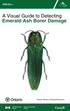 cfs.nrcan.gc.ca A Visual Guide to Detecting Emerald Ash Borer Damage Ontario Ministry of Natural Resources Library and Archives Canada Cataloguing in Publication A visual guide to detecting emerald ash
Tree Care Guide. W.A. Industries: 3655 N. Southport Ave., Chicago, IL 60613 (888) 333-9352 www.megagro.com
 Tree Care Guide Think of the tree you just purchased as a lifetime investment and considering many tree species live for many decades, they are a wonderful legacy. How well your tree, and investment, grows
Propagation and Care of Leyland Cypress as Christmas Trees
 Propagation and Care of Leyland Cypress as Christmas Trees Orville M. Lindstrom 1, David J. Moorhead 2, and Glen W. Kent 3 1 Associate Professor-Horticulture Research, Georgia Station. 2 Associate Professor,
TREES FOR WESTMINSTER
 TREES FOR WESTMINSTER In this section you ll find a list of tree species and cultivated varieties (cultivars). Additional comments on each tree are provided concerning the previously discussed considerations
CITRUS PRUNING. control, fruit production and size control
 CITRUS PRUNING Pruning techniques for tree health pest Pruning techniques for tree health, pest control, fruit production and size control Tree Shapes Citrus trees are generally pruned to a central leader
KINGMAN IS GROWING! Column
 KINGMAN IS GROWING! Column Protect Plants When Temperatures Drop By Charlee Ware, Kingman Area Master Gardener Fortunately for us, we had three extra weeks of warm fall weather. In most years, that 32-degree
PREVENTING PEST DAMAGE IN HOME LAWNS
 PREVENTING PEST DAMAGE IN HOME LAWNS Quick Tips Summary Use mixed grass seeds rather than a single variety Fertilize with composted organics or slow-acting synthetic products Keep soil at ph 5.8 6.5 Keep
Vegetation Management. for Distribution Lines
 Vegetation Management for Distribution Lines Working Hand in Hand with Nature Trees contacting power lines and other electric facilities are the major cause of electric service interruptions, especially
Part 1: Knowing how to identify the problem. Author: Damon Polta, Friendly Aquaponics Farm Manager. For free distribution.
 Diseases, Deficiencies, and Toxicities in Plants Part 1: Knowing how to identify the problem. Author: Damon Polta, Friendly Aquaponics Farm Manager. For free distribution. Diseases Beet Western Yellow
Central Oregon Climate and how it relates to gardening
 Central Oregon Climate and how it relates to gardening Garden Note #1 Amy Jo Detweiler Horticulture Faculty Rev. July 2009 Behind the beauty of the High Desert landscape lies many factors that create challenges
2002 URBAN FOREST CANOPY & LAND USE IN PORTLAND S HOLLYWOOD DISTRICT. Final Report. Michael Lackner, B.A. Geography, 2003
 2002 URBAN FOREST CANOPY & LAND USE IN PORTLAND S HOLLYWOOD DISTRICT Final Report by Michael Lackner, B.A. Geography, 2003 February 2004 - page 1 of 17 - TABLE OF CONTENTS Abstract 3 Introduction 4 Study
TREES OF PURDUE UNIVERSITY. A walking tour of the diversity of trees found on the West Lafayette campus
 TREES OF PURDUE UNIVERSITY T he walking tour outlined here consists of three trails. Each trail is designed to show the diversity of trees on Purdue s West Lafayette campus. This brochure details the significance
SELL CUT FLOWERS FROM PERENNIAL SUMMER-FLOWERING BULBS Andy Hankins Extension Specialist-Alternative Agriculture, Virginia State University
 SELL CUT FLOWERS FROM PERENNIAL SUMMER-FLOWERING BULBS Andy Hankins Extension Specialist-Alternative Agriculture, Virginia State University Commercial producers of field-grown flower cut flowers generally
1 Allen, J.A. 1877. History of the American Bison, Bison Americanus. Washington, D.C.: U.S. Geological Survey.
 Over 1,700 trees representing more than 90 species comprise the Bucknell University Arboretum, an arboreal legacy representing over 150 years of wise stewardship and management. Trees representing 73 species
Tree factsheet images at pages 3, 4, 5
 Forest Ecology and Forest Management Group Tree factsheet images at pages 3, 4, 5 Prunus serotina Ehrh. taxonomy author, year Ehrhart 1783 synonym - Family Rosaceae Eng. Name Black Cherry, Wild Cherry
Determining the Age and Benefits of a Tree
 Grades: 6-8 Illinois State Science Standards: Determining the Age and Benefits of a Tree 11.A.3a Formulate hypotheses that can be tested by collecting data. 11.A.3c Collect and record data accurately using
Diagnosing Problems of Roses in the Landscape
 ARIZONA COOP E R AT I V E E TENSION AZ1528 September 2010 Diagnosing Problems of Roses in the Landscape Desert Southwest gardeners are fortunate to have fewer insect and disease problems on roses than