
Council for Responsible Nutrition
|
|
|
- Nickolas Sanders
- 9 years ago
- Views:
Transcription
1 WHITE PAPER Long Chain Omega-3 Fatty Acids in Human Health HEART HEALTH: The Role of Eicosapentaenoic, Docosahexaenoic, & Alpha-Linolenic Acids (EPA, DHA, and ALA) Council for Responsible Nutrition. White Paper: Long Chain Omega-3 Fatty Acids in Human Health, Washington DC, 2005:1-6.

2 Summary: Increased intakes of all three of the main omega -3 f a t t y a i d s alpha - linolenic acid (ALA), eicosapantaenoic acid (EPA ) a n d docosahexaenoic acid (DHA) have been shown to have m u l t i p l e health benefits. The strongest evidence for cardiovascular benefit is related to increased intakes of EPA and DHA. The U.S. Food and Drug Administration (FDA) has permitted a qualified health claim for foods and dietary supplements containing EPA and DHA, saying: Supportive but not conclusive research shows that consumption of EPA and DHA omega -3 fatty acids may reduce the risk of coronary heart disease. (FDA 2004 a,b). Reviews of the evidence for cardiovascular benefit of omega-3 fatty acids FDA reviewed the clinical data supporting cardiovascular benefits of EPA and DHA in 2000 when considering a qualified health claim. FDA noted that four randomized, controlled, clinical intervention trials conducted in populations with CHD or high risk factors for CHD found substantial benefits (GISSI 1999, von Schacky 1999, Singh 1997, Burr 1994). All four studies reported significant reductions in CHD risk with increased consumption of omega-3 fatty acids, predominantly EPA and DHA, with one study also noting ALA. The largest study, the GISSI trial, conducted in patients who had survived a recent myocardial infarction (MI), reported a 15 percent decrease in relative risk of CHD (defined as death, non-fatal MI, and non-fatal stroke) in the intervention group that consumed mg/d of ethyl esters of EPA and DHA (FDA 2000). On the basis of these studies, FDA permitted a qualified health claim for dietary supplements containing EPA and DHA. In 2004, FDA again reviewed the data on cardiovascular benefits of EPA and DHA, especially recent observational studies relevant to dietary intakes of EPA and DHA from conventional foods. These included data from two large prospective cohorts, the Nurses Health Study (Hu 2002) and the Physicians Health Study (Albert 1998, Albert 2002). On the basis of these studies, FDA extended the omega-3 qualified health claim to include conventional foods that are sources of EPA and DHA (FDA 2004 a,b). The Agency for Healthcare Research and Quality (AHRQ), a division of the U.S. Department of Health and Human Services, also recently reviewed the evidence on omega-3s and cardiovascular disease, at the request of the National Institutes of Health (NIH) Office of Dietary Supplements (ODS). The report concluded: Overall, the evidence from the primary and secondary prevention studies supports the hypothesis that consumption of omega-3 fatty acids (EPA, DHA, ALA), fish, and fish oil reduces all-cause mortality and various CVD outcomes such as sudden death, cardiac death (coronary or MI death), and MI, although the evidence is strongest for fish or fish oil. (ARHQ 2004). The American Heart Association s Nutrition Committee issued a statement on fish, omega-3s and heart disease in 2002 and concluded that omega-3 fatty acids have been shown in epidemiological and clinical trials to reduce the 2

3 incidence of CVD. Large-scale epidemiological studies suggest that individuals at risk for CHD benefit from the consumption of plant-and marine-derived omega-3 fatty acids, although the ideal intakes presently are unclear. Evidence from prospective secondary prevention studies suggests that EPA and DHA supplementation ranging from 0.5 to 1.8 g/d (either as fatty fish or supplements) significantly reduces subsequent cardiac and all-cause mortality. For alphalinolenic acid, total intakes of about 1.5 to 3 g/d seem to be beneficial. (AHA 2002). Dietary intakes and dietary recommendations For heart health, the public has been urged for many decades to reduce consumption of saturated fats and replace them with unsaturated fats. Saturated fats are the solid fats that can be seen in many meat products, such as beef, pork, poultry and some plants such as coconut, palm fruit and palm kernel oil. Seed oils like cottonseed also have relatively high levels of saturated fat. In contrast, unsaturated fats are fluid at room temperature. They include monounsaturated fats (also known as omega-9 or oleic acid) that are present in olive oil, and the polyunsaturated fatty acids (PUFAs) present in many grains, nuts, plant oils, and fish. PUFAs fall into two classes, the omega-6 and the omega-3 fatty acids. The names indicate the chemical structure of these fatty acids, which have their first unsaturated bond (double bond) at carbon number 6 or carbon number 3, respectively, from the end of the chain. The parent fatty acid for both classes is the 18-carbon fatty acid, called linoleic acid (LA) for the omega-6 series and alpha-linolenic acid (ALA) for the omega- 3 series. These are the two essential fatty acids, in nutritional terms, because they cannot be made by the body but must be obtained from food sources. These can be elongated by human, animal and marine life metabolism to produce longer-chain fatty acids such as arachidonic acid (ARA) in the omega-6 series or EPA and DHA in the omega-3 series (Figure 1). The Institute of Medicine states ALA is not known to have any specific functions other than to serve as a precursor for synthesis of EPA and DHA. (IOM 2002). However, the conversion of ALA to EPA and DHA occurs only at a very low rate (Emken 1994, Pawlosky 2001). Such conversion will not be sufficient to produce the levels of EPA and DHA believed to have heart health benefits. The optimal approach to ensuring optimum intakes of omega-3 fatty acids for heart health is to directly increase consumption of EPA and DHA via frequent fish consumption or supplementation. Note however, that women of childbearing age should follow FDA guidelines on fish consumption to limit exposure to environmental contaminants. Omega-6 PUFAs are present in the most commonly consumed oils, including cottonseed, corn oil, soybean and peanut oil. In contrast, the major source of omega-3 fatty acids is dietary intake of fish, fish oil, vegetable oils (principally canola and soybean), some nuts including walnuts, and dietary supplements (ARHQ 2004). ALA is also found in abundance in flaxseed oil. In North American diets, omega-6 PUFAs make up 89 percent of the total consumption of polyunsaturated fatty acids, while 3

4 omega-3 PUFAs make up only about 9 percent. Because omega-6 PUFAs are consumed in such relatively large quantities, maintaining a sufficient intake of omega-3 fatty acids is particularly important since many of the body s physiologic properties depend upon their availability and metabolism. (ARHQ 2004). Many experts have recommended that Western industrialized nations should significantly reduce overall omega-6 PUFA intake and increase omega-9 and omega-3 PUFA intake in order to improve cardiovascular health and brain function (Simopoulos 2000). Long Chain Polyunsaturated Acid Metabolism Linoleic LA n-6 18:2 Plants Algae ENZYMES 6-Desaturase Gamma-linolenic 18:3 18:4 Elongase n-3 Alpha-Linolenic ALA 18:3 20:3 20:4 5-Desaturase Arachidonic 20:4 Elongase 22:5 Eicosapentaenoic EPA 22:4 22:5 24:5 22:5 4-Desaturase 22:6 24:6 Docosapentaenoic Docosahexaenoic DHA Figure 1. The metabolism of Alpha Linolenic Acid (ALA) to the longer chain fatty acids, Eicosapentaenoic Acid (EPA) and Docosahexaenoic Acid (DHA). According to the Institute of Medicine report on Dietary Reference Intakes for macronutrients, the omega-3 fatty acids play an important role as structural membrane lipids, particularly in nerve tissue and the retina. (IOM 2002). ALA cannot be synthesized in the human body, and the lack of it results in clinical symptoms including neurological abnormalities and poor growth. Therefore, ALA is considered to be essential in the diet. ALA can be elongated to EPA and DHA, whose metabolic products have been shown to have beneficial effects in preventing coronary heart disease, arrhythmias, and thrombosis. (IOM 2002). Specifically, EPA and DHA and their byproducts are metabolic regulators that tend to reduce inflammation, prevent heart arrhythmias, reduce platelet aggregation, dilate the blood vessels, and lower blood triglyceride levels (ARHQ 2004). The Institute of Medicine has established an Adequate Intake level of 1.1 to 1.6 g/d for ALA. Median population intake of ALA, as shown by a 24-hour 4

5 recall in NHANES III, was only 0.9 g/d, so increased intakes would be desirable. In the same NHANES III data, the median intakes of EPA and DHA were zero, since only about 25 percent of the population consumed any EPA or DHA on the survey day. Mean intakes of EPA and DHA were only 40 and 70 mg/d, respectively (ARHQ 2004), suggesting that a significant increase in intake is needed to meet recommended levels for heart health. The Institute of Medicine did not establish an Adequate Intake level for EPA and DHA. However, a number of other countries (Canada, Sweden, United Kingdom, Australia, and Japan) have made dietary recommendations for omega-3 fatty acids, and these typically suggest 0.3 to 0.5 g/d of EPA and DHA (AHA 2002). The American Heart Association recommends two fish meals a week to provide this level of intake. The Dietary Guidelines for Americans issued in January 2005 echo this advice (Dietary Guidelines 2005). However, typical North Americans consume very little fish. For those whose diets fall short, dietary supplements of EPA and DHA would be highly beneficial in optimizing intakes for heart health. The American Heart Association notes that, for secondary prevention, higher levels of EPA and DHA ranging from 0.5 to 1.8 g/d have been shown to reduce cardiac and all-cause mortality, and that intakes of ALA in the range of 1.5 to 3 g/d appear to be beneficial (AHA 2002). For most people, dietary changes plus supplementation will be required to reach protective levels of intake for EPA and DHA. Conclusion Omega-3 polyunsaturated fatty acids are important to overall health and have a special role to play in promoting heart health, especially the very long chain fatty acids EPA and DHA. Dietary intakes are typically very low. Frequent fish consumption or supplementation with EPA and DHA are the best ways to achieve a protective intake level of about 0.5 g/d. 5

6 References: AHA American Heart Association Scientific Statement: Fish consumption, fish oil, omega-3 fatty acids, and cardiovascular disease. Circulation 2002; 106: Albert CM, Hennekens CH, O Donnell CJ, et al. Fish consumption and risk of sudden cardiac death. JAMA 1998; 279: Albert CM, Campos H, Stampfer MJ, et al. Blood levels of long-chain n-3 fatty acids and the risk of sudden death. NEJM 2002; 346: ARHQ Agency for Healthcare Research and Quality, Evidence Report Number 94. Effects of omega-3 fatty acids on cardiovascular disease. March Available from ARHQ website. Burr ML, Sweetham PM, Fehily AM. Letters to the Editor. Diet and reinfarction. European Heart Journal 1994;15: Dietary Guidelines for Americans report of the Dietary Guidelines Advisory Committee. Chapter 4, Fats. Available from the Dietary Guidelines website. Emken EA, Adlof RO, Gulley RM. Dietary linoleic acid influences desaturation and acetylation of deuterium-labeled linoleic and linolenic acids in young adult males. Biochim Biophys Acta 1994; 1213: FDA Letter regarding dietary supplement health claim for omega-3 fatty acids and coronary heart disease, October 31, Available from FDA website. FDA 2004 (a). Letter responding to health claim petition dated June 23, 2003 (Wellness petition): Omega-3 fatty acids and reduced risk of coronary heart disease. Available from FDA website. FDA 2004 (b). Letter responding to health claim petition dated November 3, 2003 (Martek petition): Omega-3 fatty acids and reduced risk of coronary heart disease. Available from FDA website. GISSI Prevenzione Investigators (Gruppo Italiano per lo Studio della Sopravivenza nell Infarto miocardico). Dietary supplementation with n-3 polyunsaturated fatty acids and vitamin E after myocardial infarction: results of the GISSI-prevenzione trial. Lancet 1999; 66: Hu FB, Bronner L, Willett WC, et al. Fish and omega-3 fatty acid intake and risk of coronary heart disease in women. JAMA 2002; 288: IOM Institute of Medicine: Dietary reference intakes for energy, carbohydrate, fiber, fat, fatty acids, cholesterol, protein and amino acids. The National Academies Press, Washington, D.C., Pawlosky RJ, Hibbeln JR, Novotny JA, Salem N Jr. Physiological compartmental analysis of alphalinolenic acid metabolism in adult humans. J Lipid Res 2001; 42: Simopoulos AP, Leaf A, Salem N Jr. Workshop statement on the essentiality of and recommended dietary intakes for omega-6 and omega-3 fatty acids. Prostaglandins, leukotrienes and essential fatty acids 2000; 63: Singh RB, Niaz MA, Sharma JP, et al. Randomized, double-blind, placebo-controlled trial of fish oil and mustard oil in patients with suspected acute myocardial infarction. Cardiovascular Drugs and Therapy 1997; 11: von Schacky C, Angerer P, Kothny W, et al. The effect of dietary omega-3 fatty acids on coronary atherosclerosis - A randomized double-blind, placebo-controlled trial. Annals of Internal Medicine 1999; 130: /05

OMEGA 3 REPORT. Source: www.omega-3-forum.com and www.myfoodforhealth.com
 OMEGA 3 REPORT Source: www.omega-3-forum.com and www.myfoodforhealth.com BACKGROUND INFORMATION AURI has received several requests for technical assistance related to omega 3 and omega 6 fatty acids and
Why are Carlson FISH OILS (and Calamari Oils) important for me?
 The Eskimo Paradox Years ago, scientists were perplexed with the healthy arteries of the Greenland Inuit (Eskimo) population. Although their diet was rich in fatty foods such as salmon, whale, and seal
Functional Foods Fact Sheet: Omega-3 Fatty Acids
 IFIC.org > Publications > Fact Sheets > Functional Foods Fact Sheet: Omega-3 Fatty Acids Functional Foods Fact Sheet: Omega-3 Fatty Acids February 2005 Background Research suggests that not all fats are
The Holman Omega 3 Test Report www.omega3test.com
 Date: 3/31/11 ID: 11387 Patient: Ben Bishop Sample Date: 3/22/11 The Holman Omega 3 Test Report www.omega3test.com Select Key Omega 3 and Omega 6 Fatty Acids Result () Typical USA (Control) () Percent
The Holman Omega 3 Test Report www.omega3test.com
 Date: 11/21/11 ID: 1285801 Patient: Andrea Crocker Sample Date: 10/17/11 The Holman Omega 3 Test Report www.omega3test.com Select Key Omega 3 and Omega 6 Fatty Acids Result () Typical USA (Control) ()
I The THREE types of LIPIDS
 LECTURE OUTLINE Chapter 5 The Lipids: Fats, Oils, Phospholipids and Sterols I The THREE types of LIPIDS A. Triglycerides (fats & oils)- the MAJOR type of lipid in food and humans. 1. 2 parts of triglyceridesa)
Margarines and Heart Disease. Do they protect?
 Margarines and Heart Disease Do they protect? Heart disease Several studies, including our own link margarine consumption with heart disease. Probably related to trans fatty acids elevate LDL cholesterol
What a re r Lipids? What a re r Fatty y Ac A ids?
 2010 - Beef Cattle In-Service Training Inclusion of Lipids into Beef Cattle Diets Reinaldo F. Cooke, Ph. D. Oregon State University EOARC, Burns What are Lipids? Organic compounds Plant and animal compounds
Let s Talk Oils and Fats!
 Lesson Overview Lesson Participants: School Nutrition Assistants/Technicians, School Nutrition Managers, Child and Adult Care Food Program Staff, Teachers Type of Lesson: Short, face-to-face training session
Carlson Cod Liver Oil contains the important omega-3s, DHA & EPA.
 CodBrochure135L_Layout 1 7/19/13 10:34 AM Page 3 has been awarded the prestigious Superior Taste Award by the International Taste & Quality Institute in Europe for their Carlson Cod Liver Oil products.
Diet and Arthritis. Dr Áine O Connor Nutrition Scientist. British Nutrition Foundation. 2011 The British Nutrition Foundation
 Diet and Arthritis Dr Áine O Connor Nutrition Scientist British Nutrition Foundation Outline Background What is arthritis? What are the common forms? Body weight and arthritis Diet and arthritis Nutrients
Restore and Maintain treatment protocol
 Restore and Maintain treatment protocol Combating inflammation through the modulation of eicosanoids Inflammation Inflammation is the normal response of a tissue to injury and can be triggered by a number
Nutrients: Carbohydrates, Proteins, and Fats. Chapter 5 Lesson 2
 Nutrients: Carbohydrates, Proteins, and Fats Chapter 5 Lesson 2 Carbohydrates Definition- the starches and sugars found in foods. Carbohydrates are the body s preferred source of energy providing four
Lipids. There are 2 types of lipids; those that contain the structural component of a fatty acid; and
 Lipids Lipids are biomolecules that contain fatty acids or a steroid nucleus. soluble in organic solvents, but not in water. named for the Greek word lipos, which means fat. extracted from cells using
Recommended Daily Fat Intake
 Recommended Daily Fat Intake Total calories per day Saturated fat in grams Total fat in grams 1,600 18 or less 53 2,000 1 20 or less 65 2,200 24 or less 73 2,500 1 25 or less 80 2,800 31 or less 93 Read
Fats, Oils, and Other Lipids
 Chapter 5 Fats, Oils, and Other Lipids Slide Show developed by: Richard C. Krejci, Ph.D. Professor of Public Health Columbia College 9.30.15 Objectives for Chapter 5 1. Describe the three classifications
Omega-3 Supplements: An Introduction
 Omega-3 Supplements: An Introduction Omega-3 fatty acids are a group of polyunsaturated fatty acids that are important for a number of functions in the body. They are found in foods such as fatty fish
Cholesterol and Triglycerides What You Should Know
 Cholesterol and Triglycerides What You Should Know Michael T. McDermott MD Professor of Medicine Endocrinology Practice Director Division of Endocrinology, Metabolism and Diabetes University of Colorado
Foods with a high fat quality are essential for healthy diets. Dr. H. Zevenbergen Unilever Research&Development
 Foods with a high fat quality are essential for healthy diets Dr. H. Zevenbergen Unilever Research&Development Agenda Main dietary sources of fat Basic technology and production of oils, margarines and
Dietary Guidance Statements An Industry Perspective
 Dietary Guidance Statements An Industry Perspective Douglas Balentine Director of Nutrition Unilever June 8, 2010 Outline Consumer Understanding Claims on Food Packaging Dietary Guidance Food and Health
Omega-3 Fish Oil: The Role of EPA and DHA in Human Health
 Event Type Home Study Webcast freece Expiration Date 8/30/2013 ACPE Expiration Date 8/30/2015 Credits 1 Contact Hour Target Audience Nurses, Pharmacists, Pharmacy Technicians Program Overview The benefits
Η δίαιτα στην πρόληψη του αγγειακού εγκεφαλικού επεισοδίου
 ΠΡΟΓΡΑΜΜΑ ΜΕΤΑΠΤΥΧΙΑΚΩΝ ΣΠΟΥΔΩΝ «Η ΔΙΑΤΡΟΦΗ ΣΤΗΝ ΥΓΕΙΑ ΚΑΙ ΣΤΗ ΝΟΣΟ» Η δίαιτα στην πρόληψη του αγγειακού εγκεφαλικού επεισοδίου Γεώργιος Ντάιος Παθολογική Κλινική Πανεπιστημίου Θεσσαλίας Stroke Statistics
FATS AND OILS: CHOOSE SENSIBLY
 FATS AND OILS: CHOOSE SENSIBLY The information explosion in the science of nutrition very often creates the impression that available information is contradictory. Consequently, it is no longer easy to
Pediatrics. Specialty Courses for Medical Assistants
 Pediatrics Specialty Courses for Medical Assistants 7007 College Boulevard, Suite 385 Overland Park, Kansas 66211 www.ncctinc.com t: 800.875.4404 f: 913.498.1243 Pediatrics Specialty Certificate Course
MARINOL ENHANCING EVERYDAY HEALTH WITH THE ESSENTIAL BENEFITS OF OMEGA-3 EPA/DHA
 MARINOL ENHANCING EVERYDAY HEALTH WITH THE ESSENTIAL BENEFITS OF OMEGA-3 EPA/DHA OMEGA-3 ABSOLUTELY ESSENTIAL People are increasingly looking for food products and ingredients that will help them live
Fat Facts That Can Help Your Heart. Most Common Risk Factors for Heart Disease
 Fat Facts That Can Help Your Heart Sally Barclay, MS RD LD Nutrition Clinic for Employee Wellness Most Common Risk Factors for Heart Disease High LDL (bad) cholesterol Smoking Low HDL (good) cholesterol
Health Maintenance: Controlling Cholesterol
 Sacramento Heart & Vascular Medical Associates February 18, 2012 500 University Ave. Sacramento, CA 95825 Page 1 What is cholesterol? Cholesterol is a fatty substance. It has both good and bad effects
Triglycerides: Frequently Asked Questions
 Triglycerides: Frequently Asked Questions Why are triglycerides important? The amount of triglycerides (or blood fats) in blood are one important barometer of metabolic health; high levels are associated
Essential Source Omega-3
 Product Sales Training Guide Essential Source Omega-3 Dietary Supplement The Essential Source Omega-3 Product Sales Training Guide has been created to assist you in understanding the product s intended
GENERAL HEART DISEASE KNOW THE FACTS
 GENERAL HEART DISEASE KNOW THE FACTS WHAT IS Heart disease is a broad term meaning any disease affecting the heart. It is commonly used to refer to coronary heart disease (CHD), a more specific term to
Appendix: Description of the DIETRON model
 Appendix: Description of the DIETRON model Much of the description of the DIETRON model that appears in this appendix is taken from an earlier publication outlining the development of the model (Scarborough
Why Take a High Concentrate Fish Oil?
 MedOmega Fish Oil 2800: Balanced, high-concentrate fish oil rich in omega-3 s DHA and EPA Our bodies require DHA and EPA for optimal health. DHA and EPA are recognized in today s scientific research as
Eating Healthy for Your Heart. Kelly Cardamone, MS, RD, CDE, CDN
 Eating Healthy for Your Heart Kelly Cardamone, MS, RD, CDE, CDN Do You Know? According to the Centers for Disease Control and Prevention, 70% of all deaths in the United States are due to chronic diseases.
An introduction to the biochemistry of diet.
 An introduction to the biochemistry of diet. SEPA BioScience Montana Module 3 Introduction: The following provides a basic introduction to the biochemistry of three major nutritional components of your
Section C. Diet, Food Production, and Public Health
 This work is licensed under a Creative Commons Attribution-NonCommercial-ShareAlike License. Your use of this material constitutes acceptance of that license and the conditions of use of materials on this
FATTY ACIDS IN DERMATOLOGY
 1 FATTY ACIDS IN DERMATOLOGY 2 FATTY ACIDS IN DERMATOLOGY Table of Contents I. PUFA AND EFA : WHO ARE THEY? WHERE DO THEY COME FROM?... 5 II. MAIN ROLES OF EFA... 7 A. Structural role... 7 1. Intercellular
NEW YORK CITY DEPARTMENT OF HEALTH AND MENTAL HYGIENE. Control Your Cholesterol: Keep Your Heart Healthy
 V O L U M E 5, N U M B E R 8 V O L U M E 5, N U M B E R 8 Health Bulletin NEW YORK CITY DEPARTMENT OF HEALTH AND MENTAL HYGIENE #42 in a series of Health Bulletins on issues of pressing interest to all
HEALTH BENEFITS. Omega-3 Fish Oil
 HEALTH BENEFITS Omega-3 Fish Oil Omega-3 fatty acids are essential polyunsaturated fats. They cannot be manufactured by the body and therefore must be consumed through food or supplements. Three types
Nutritional Glossary. Index of Contents
 Nutritional Glossary This glossary provides nutrition information about the nutrients commonly found in fruits, vegetables, and other plant foods Each glossary definition has a long and a short version.
Proposed FDA Rule To Ban Partially Hydrogenated (PHO) Oils. Johari Minal [email protected]
 Proposed FDA Rule To Ban Partially Hydrogenated (PHO) Oils Johari Minal [email protected] Outline Chronology of events The harmful effects of trans fats The alternatives Background 1957 Fred Kummerow
Disclosure of Relationships
 American Society of Hypertension, Inc. (ASH) Disclosure of Relationships Over the past 12 months Nothing to disclose regarding information pertaining to this presentation Matthew J Sorrentino MD Hypertension
Nutrient Reference Values for Australia and New Zealand
 Nutrient Reference Values for Australia and New Zealand Questions and Answers 1. What are Nutrient Reference Values? The Nutrient Reference Values outline the levels of intake of essential nutrients considered,
Nutrition and Parkinson s Disease: Can food have an impact? Sarah Zangerle, RD, CD Registered Dietitian Froedtert Memorial Lutheran Hospital
 Nutrition and Parkinson s Disease: Can food have an impact? Sarah Zangerle, RD, CD Registered Dietitian Froedtert Memorial Lutheran Hospital Importance of Nutrition & Parkinson s Disease Good nutrition
Town of Needham Trans Fat Ban
 Town of Needham Trans Fat Ban Presented by: Jen Tuttelman, MS, RD, LDN Tara Gurge, R.S., C.E.H.T., M.S. The Needham Health Department June 5, 2009 9:00-10:00 am Agenda Welcome and Introductions Trans Fat
Sinclair Community College, Division of Allied Health Technologies
 Sinclair Community College, Division of Allied Health Technologies Health Promotion for Community Health Workers Cardiovascular disease, stroke, and cancer Class #5 High Blood Cholesterol (date) Course
Elevated Cholesterol and Homocysteine
 Elevated Cholesterol and Homocysteine The evidence linking inflammation of the blood vessels and heart disease/hardening of the arteries is well documented. There is considerable debate about the role
Comprehensive Fatty Acids Panel - Serum
 Date of Collection: 2/11/2011 Patient Age: 48 Time of Collection: 03:20 PM Sex: F Print Date: 2/25/2015 Common Name Lipid Name Patient Result Units Omega-3 Polyunsaturated Series 1 alpha-linolenic Acid
Fatty Acids carboxylic acids
 Triglycerides (TG) should actually be called triacylglycerols (TAG). TG or TAG are molecules with a glycerol (a carbohydrate) backbone to which are attached three acyl groups. They represent a concentrated
Trans Fats Lessons Learned
 Trans Fats Lessons Learned Karen Omichinski, B.H.Ec.,., RD, CDE North Eastman Health Association CDEN Workshop February 9, 2007 Trans Fats: Outline Chemistry History Health Risks of Industrial Trans Fats
Supplementation Omega Eye
 OMEGA-3... Supplementation Omega Eye IN PARTNERSHIP WITH Contents... 3. Introduction 4. The omega-3 story 6. What are omega-3, EPA and DHA 7. How does omega-3 work 8. The manufacturing process 10. Omega
CHOLESTEROL 101: WHAT YOU NEED TO KNOW TO KEEP YOUR HEART HEALTHY. By: Camille Quiles, PharmD., RPh.
 CHOLESTEROL 101: WHAT YOU NEED TO KNOW TO KEEP YOUR HEART HEALTHY By: Camille Quiles, PharmD., RPh. WHAT IS CHOLESTEROL? CHOLESTEROL Waxy, fat-like substance found in all cells of the body Your body uses
Nutrition Requirements
 Who is responsible for setting nutrition requirements in the UK? In the UK we have a set of Dietary Reference Values (DRVs). DRVs are a series of estimates of the energy and nutritional requirements of
Primary Care Management of Women with Hyperlipidemia. Julie Marfell, DNP, BC, FNP, Chairperson, Department of Family Nursing
 Primary Care Management of Women with Hyperlipidemia Julie Marfell, DNP, BC, FNP, Chairperson, Department of Family Nursing Objectives: Define dyslipidemia in women Discuss the investigation process leading
Are You Afraid of Fat?
 Omega Fatty Acids Are You Afraid of Fat? Many people are! Have you ever purchased the low or no fat version of a food? Did you know that fat is simply replaced by sugar in these products? Examples: Low
The role of palm oil in a sustainable dairy industry
 Richard Kirkland September 2011 The role of palm oil in a sustainable dairy industry This is the final article in the series looking at issues relating to the sustainability and use of palm oil in the
Using the Nutrition Facts Label
 Using the Nutrition Facts Label A How-To Guide for Older Adults Inside Why Nutrition Matters For You...1 At-A-Glance: The Nutrition Facts Label...2 3 Key Areas of Importance...4 Your Guide To a Healthy
Cholesterol made simple!
 Cholesterol made simple! Cholesterol is the biggest risk factor for heart disease and also increases your risk of stroke and circulatory disease - Heart UK The Cholesterol Charity What is Cholesterol and
NEWS LETTER #1 Clair Thunes, PhD (916)248-8987 [email protected] www.summit-equine.com
 NEWS LETTER #1 Clair Thunes, PhD (916)248-8987 [email protected] www.summit-equine.com As we look outside our windows many of us are seeing the emergence of Spring a welcome relief to the drudgery
A COMPARATIVE STUDY OF THE FATTY ACID COMPOSITION OF FORTY MARGARINES AVAILABLE IN SOUTH AFRICA
 1 A COMPARATIVE STUDY OF THE FATTY ACID COMPOSITION OF FORTY MARGARINES AVAILABLE IN SOUTH AFRICA Dr Carl Albrecht Head of Research Cancer Association of South Africa (CANSA) e-mail: [email protected]
Mediterranean diet: Choose this hearthealthy
 MayoClinic.com reprints This single copy is for your personal, noncommercial use only. For permission to reprint multiple copies or to order presentation-ready copies for distribution, use the reprints
DCCT and EDIC: The Diabetes Control and Complications Trial and Follow-up Study
 DCCT and EDIC: The Diabetes Control and Complications Trial and Follow-up Study National Diabetes Information Clearinghouse U.S. Department of Health and Human Services NATIONAL INSTITUTES OF HEALTH What
MINTO PREVENTION & REHABILITATION CENTRE CENTRE DE PREVENTION ET DE READAPTATION MINTO. Counting Fat Grams. About This Kit
 MINTO PREVENTION & REHABILITATION CENTRE CENTRE DE PREVENTION ET DE READAPTATION MINTO Counting Fat Grams About This Kit In previous kits you have learned Foods to Choose and Foods to Decrease/Avoid for
Blood clot in atheroma. help make vitamin D and hormones, like oestrogen and testosterone, in your body.
 CHOLESTEROL This factsheet explains what cholesterol is and why too much cholesterol in your blood is harmful. It also provides information regarding cholesterol testing and tips to help reduce your blood
The Mediterranean Diet (Monterey Style)
 The Mediterranean Diet (Monterey Style) The use of the typical American Heart Association-recommended low-fat, highcarbohydrate diet did not adequately meet the needs of our lipid clinic. Problems and
1. (U4C1L4:G9) T or F: The human body is composed of 60 to 70 percent water. 2. (U4C1L4:G13) Another name for fiber in a diet is.
 Cadet Name: Date: 1. (U4C1L4:G9) T or F: The human body is composed of 60 to 70 percent water. A) True B) False 2. (U4C1L4:G13) Another name for fiber in a diet is. A) vegetables B) laxative C) fruit D)
Supplements, Vitamin D, Omega-3 Fatty Acids, and Co-Enzyme Q10: What Really Works?
 Supplements, Vitamin D, Omega-3 Fatty Acids, and Co-Enzyme Q10: What Really Works? DAVID P. GOWMAN, D.O. S E C T I O N CHIEF, CARDIOLOGY P R O G R A M D I R E C T O R, CARDIOLOGY F E L L O W S H I P B
Eating Well with Diabetes. Cassie Vanderwall UW Health Nutrition Registered Dietitian Certified Personal Trainer Certified Diabetes Educator
 Eating Well with Diabetes Cassie Vanderwall UW Health Nutrition Registered Dietitian Certified Personal Trainer Certified Diabetes Educator Outline What is Diabetes? Diabetes Self-Management Eating Well
Heart healthy diet: 8 steps to prevent heart disease
 Heart healthy diet: 8 steps to prevent heart disease Changing your eating habits can be tough. Start with these eight strategies to kick start your way toward a heart healthy diet. By Mayo Clinic Staff
OMEGA-3 FISH OIL The perfect complement to chiropractic care
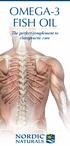 OMEGA-3 FISH OIL The perfect complement to chiropractic care WHAT ARE OMEGA-3S? Omega-3s are essential fatty acids nutrients that are required for optimal health but cannot be produced by our bodies, and
CORPORATE HEALTH LOWERING YOUR CHOLESTEROL & BLOOD PRESSURE
 CORPORATE HEALTH LOWERING YOUR CHOLESTEROL & BLOOD PRESSURE What is Cholesterol? What s wrong with having high cholesterol? Major risk factor for cardiovascular disease Higher the cholesterol higher the
Overview. Nutritional Aspects of Primary Biliary Cirrhosis. How does the liver affect nutritional status?
 Overview Nutritional Aspects of Primary Biliary Cirrhosis Tracy Burch, RD, CNSD Kovler Organ Transplant Center Northwestern Memorial Hospital Importance of nutrition therapy in PBC Incidence and pertinence
It is important to know that some types of fats, like saturated and trans fat, can raise blood cholesterol levels.
 Healthy Eating You are what you eat! So before you even shop for food, it is important to become a well informed, smart food consumer and have a basic understanding of what a heart healthy diet looks like.
Nutrition Information from My Plate Guidelines
 Nutrition Information from My Plate Guidelines Note: This information was compiled from the website: http://www.choosemyplate.gov/ for participants in the 4-H Food Prep Contest 1/12/16. The information
SOYBEAN OIL INNOVATIONS
 SOYBEAN OIL INNOVATIONS Superior Functionality Improved Nutrition Trans Fat Solutions 5TH EDITION Commodity Soybean Oil Delivers One of the world s most widely used edible oils. Almost all margarine and
Will the cholesterol in my diet raise my blood cholesterol?
 Healthy eating for your heart What does heart healthy eating mean to me? Heart healthy eating is an important part of a healthy lifestyle. Heart healthy eating, along with regular physical activity and
CHEM 121. Chapter 19, Name: Date:
 CHEM 121. Chapter 19, Name: Date: 1. A lipid is any substance of biochemical origin that is A) soluble in water but insoluble in nonpolar solvents B) insoluble in both water and nonpolar solvents C) insoluble
Types of Cooking Fats and Oils - Smoking Points of Fats and Oils
 Types of Cooking Fats and s - Smoking Points of Fats and s Not all fats are the same. Following are some basics on the various types of fats to help you make sense of what is best for your own body. Saturated
The Structure and Function of Macromolecules: Carbohydrates, Lipids & Phospholipids
 The Structure and Function of Macromolecules: Carbohydrates, Lipids & Phospholipids The FOUR Classes of Large Biomolecules All living things are made up of four classes of large biological molecules: Carbohydrates
Introduction To The Zone
 Introduction To The Zone Why Do We Gain Weight, Get Sick, and Age Faster? Overview of Anti- Inflammatory Nutrition Unique Roles For Each Dietary Intervention Zone Diet Reduction of insulin resistance Omega-3
3.5% 3.0% 3.0% 2.4% Prevalence 2.0% 1.5% 1.0% 0.5% 0.0%
 S What is Heart Failure? 1,2,3 Heart failure, sometimes called congestive heart failure, develops over many years and results when the heart muscle struggles to supply the required oxygen-rich blood to
Food Sources of Omega-3 Fats
 Food Sources of Omega-3 Fats Information about Omega-3 Fats Omega-3 fats have many functions in our body and are important for good health. There are three kinds of omega-3 fats: o ALA (alpha-linolenic
Mediterranean diet: A heart-healthy eating plan Source: mayoclinic.org/mediterranean-diet
 Mediterranean diet: A heart-healthy eating plan Source: mayoclinic.org/mediterranean-diet The heart-healthy Mediterranean is a healthy eating plan based on typical foods and recipes of Mediterranean-style
Omega-3 Fatty Acid Products
 Omega-3 Fatty Acid Products Policy Number: 5.01.563 Last Review: 7/2016 Origination: 6/2014 Next Review: 7/2017 Policy Blue Cross and Blue Shield of Kansas City (Blue KC) will provide coverage for the
Acne vulgaris, mental health and omega-3 fatty acids. Lipids in Health and Disease. October 13, 2008
 Acne vulgaris, mental health and omega-3 fatty acids 1 Lipids in Health and Disease October 13, 2008 Mark G Rubin, Katherine Kim, Alan C Logan FROM ABSTRACT Acne vulgaris is a common skin condition, one
Auteur(s) : Gerrit VAN DUIJN, TUSCC/Unilever Research, Olivier van Noortlaan 120, 3133 AT Vlaardingen, The Netherlands.
 Technical aspects of trans reduction in margarines Technical aspects of trans reduction in margarines Oléagineux, Corps Gras, Lipides. Volume 7, Numéro 1, 95-8, Janvier - Février 2000, Dossier : actes