
The Impact of Probiotics on the Gastrointestinal Physiology
|
|
|
- Claire Anabel Berry
- 9 years ago
- Views:
Transcription
1 3 The Impact of Probiotics on the Gastrointestinal Physiology Erdal Matur and Evren Eraslan Department of Physiology, Faculty of Veterinary Medicine, University of Istanbul, Avcilar, Istanbul Turkey 1. Introduction Researches concerning probiotics were initiated by a Russian scientist named Elie Metchnikoff. He emphasized the importance of Lactobacillus species and fermented milk products present in the gastrointestinal tract for a healthy and long life. The term "probiotics" was first introduced in 1953 by Werner Kollath, and he defined probiotics as microbially derived factors that stimulate the growth of other microorganisms. Afterwards, the term probiotics was defined by Roy Fuller in 1989 as a live microbial feed supplement which beneficially affects the host by improving its intestinal microbial balance. Fuller's definition emphasizes the requirement of viability for probiotics and introduces the aspect of a beneficial effect on the host. Although, this definition has been widely used by the entire scientific world, according to the currently adopted definition by FAO/WHO, probiotics are: "Live microorganisms confer a health benefit on the host when administered in adequate amounts (FAO/WHO, 2001). The most frequently used probiotic microorganisms are Lactobacillus and Bifidobacterium species. However, there are also much more bacteria and some yeast species used as probiotic. Bacteria and yeast species, which are used commonly as probiotic, are listed by Heyman & Menard (2002) as below. Lactobacillus species: L. acidophilus, L. rhamnosus, L. gasseri, L. reuteri, L. bulgaricus, L plantarum, L. johnsonii, L. paracasei, L. casei, L. salivarius, L. lactis. Bifidobacterium species: B. bifidum, B. longum, B. breve, B. infantis, B. lactis, B. adolescentis. Other species: Streptococcus thermophilus, Escherichia coli, Bacillus cereus, Clostridium butyricum, Enterococcus faecalis, Enterococcus faecium. Yeast: Saccharomyces boulardii, Saccharomyces cerevisiae, VSL#3 (four strains of lactobacilli, three strains of bifidobacteria, one strain of Streptococcus salivarius sp. thermophilus). There is a mutual interaction between intestinal cells and microorganisms present in the gastrointestinal tract. Commensal microorganisms in the gastrointestinal tract have multidirectional effects on digestion, absorption and barrier function, secretory functions, or postnatal maturation of intestinal mucosa. Furthermore, it has been known that they change gene expression in intestinal cells (Hooper et al., 2001). The changes in the function of intestinal tract (e.g. the increase of motility, or disruption of carbohydrate digestion) also affect bacteria population and colonization.

2 52 New Advances in the Basic and Clinical Gastroenterology Probiotics are widely used for the promotion and improvement of health in humans and in animal species. Probiotics have been used as a biologically active substance in a large extend of pathologic conditions ranging from antibiotic-associated or travelers diarrhea, irritable bowel syndrome (IBS), and lactose intolerance to dental caries, ulcers due to Helicobacter pylori, hepatic encephalopathy, intestinal motility disorders and neonatal necrotizing enterocolitis (Deshpande et al., 2011). It has been used as a growth, or production performance promoter in poultry species or farm animals. There are also numerous scientific reports about the interaction between probiotics and immune system. On the other hand, the effects of probiotics on digestive physiology and intestinal tract morphology have not been documented sufficiently. Therefore, the objective of this chapter is to assess the effects of probiotics on gastrointestinal physiology and morphology in human and animal models. The effects of probiotics on digestive and absorptive function of the intestine, expression of brush border enzymes and nutrient transport systems have been investigated in this chapter. The relationship between probiotics and gut motility or transit time of gastrointestinal content has also been highlighted. The effects of probiotics on morphological characteristics and the proliferation capacity of crypt and villus epithelium have been focused and in addition, the effects of probiotic on enteric nervous system have been evaluated. Finally, impact of the probiotics on the physical and functional barrier of gastrointestinal tract has been evaluated in this chapter. 2. The effects of probiotics on intestinal morphology and cell proliferation To investigate the effects of microorganisms on the development of digestive tract, generally animal models are used. Because, obtaining and examining intestinal mucosal samples of people are technically more difficult. The morphological parameters such as length of villi, depth of crypt, villi/crypt proportion, and surface area of villi are used to investigate the effects of microorganisms on intestinal morphology and cell proliferation. The height of villi and the depth of crypt are considered as the indicators of intestinal functions. In the comparative studies conducted on germ free and conventional animals it has been determined that microorganisms located to digestive tract during the postnatal period caused to decreased villi length and increased crypt depth in conventional animals i.e. in pig (Willing & Van Kessel, 2007), in rat (Ishikawa et al., 1999) and in birds (Furuse & Okumura, 1994). However, it has been also reported that there is no difference between germ-free and conventional animals regarding development of villi (Sharma et al., 1995). It has been determined that length of villi is higher in gnotobiotic animal models as in germ-free animals compared to conventional animals (Herich et al., 2004). The effects of probiotics have been investigated by inoculating probiotics to germ free animals or supplementing conventional animals with probiotics. 2.1 Villus height Willing & Van Kessel (2007) have reported that villus height was increased in gnotobiotic piglets inoculated Lactobacillus fermentum (monoassociated with Lactobacillus fermentum) and Di Giancamillo et al. (2008) also has reported increase in villus height in piglets supplemented with Pediococcus acidilactici. Yang et al. (2009) have investigated intestinal tract morphology of mice supplemented orally high, low and moderate doses of Bifidobacterium adolescentis BBMN23 and Bifidobacterium adolescentis BBMN68 after 2 and 4

3 The Impact of Probiotics on the Gastrointestinal Physiology 53 weeks of application. Villus height was longer in low dose group compared to those of controls, but moderate and high doses did not affect it after two weeks. However after 4 weeks, villus height increased in all groups supplemented with probiotic. Similarly villus height increase has been reported in studies conducted on birds as an animal model (Samli et al., 2007; Awad et al., 2010). Effects of the probiotic on villus height may change depending on the species of microorganism or probiotic. For example, villus height in duodenum and ileum increased but did not changed in jejunum of broiler chicks supplemented with Pediococcus acidlactici as probiotic (Taheri et al., 2010). On the other hand Günal et al. (2006) reported that villus height of jejunum and ileum increased in broiler chicks applied multi-microbe probiotic product. Segmental differences were also found in comparative studies conducted on germ free and conventional animals. Shirkey et al. (2006) have reported that villus height was the longest in jejunum of pigs supplemented with Lactobacillus fermentum. On the other hand Shurson et al. (1990) reported that germ-free pigs had longer ileal and duodenal villi, but shorter jejunal villi compared with their conventional counterparts. Saccharomyces boulardii is one of the yeast that has been using as probiotic. It has been determined that there was no significance change in villus height or crypt depth of intestinal biopsy samples obtained from volunteers who were supplemented with Saccharomyces boulardii for 14 days (Buts et al., 2002). However, another yeast species (Saccharomyces cerevisiae) was reported to increased villus height of ileum in birds (Zhang et al., 2005). Meslin and Sacquet (1984) who investigated microvilli on the surface of enterocytes reported that the microvilli were significantly shorter in all small intestinal regions when the micro flora was present. The decrease in microvillus length (due to the presence of micro flora) in germ free rat, was 5% in the duodenum, 9% in the jejunum and 18% in the ileum. Because increased villus height leads to increased surface area at the same time, digestion and absorption of disaccharides and dipeptides are promoted. In addition, it was indicated that longer villi are correlated with activation of cell mitosis (Samanya & Yamauchy, 2002). 2.2 Crypt depth The data related to effects of probiotics on crypt depth are inconsistent. Probably there are variations depending on the species, the dose or the application of used probiotic. Yang et al. (2009) have reported that crypt depth decreased in mice supplemented with moderate and high doses of probiotic (Bifidobacterium adolescentis BBMN23) for 2 weeks, but on the contrary it was increased in low dose probiotic supplemented group compared to controls. However after 4 weeks of application, increased crypt depth has been reported in moderate and high doses groups. Willing & Van Kessel (2007) have reported that crypt depth was increased in piglets inoculated with Lactobacillus fermentum (monoassociated with Lactobacillus fermentum) compared to conventional animals. Similarly, increased crypt depth in duodenum, jejunum and ileum of chicks supplemented with Bacillus subtilis has been found (Pelicano et al., 2005). Scharek et al. (2005) have reported that there was no significant change in the crypt depth in proximal jejunum of pigs supplemented with Enterococcus faecium 68. Similarly, it has been stated that crypt depth didn t change in duodenum, but decreased in ileum of broiler chicks supplemented with Lactobacillus sp (Awad et al., 2009). In addition, it has been reported that crypt depth was not changed in broiler chicks supplemented with Saccharomyces cerevisiae

4 54 New Advances in the Basic and Clinical Gastroenterology yeast (Zhang et al., 2005). Increased crypt depth indicates that both mucosal secretion (Chiou et al., 1996) and cell turnover are high (Yason et al., 1987). 2.3 Villus height/crypt depth ratio In studies conducted on germ free animals it has been determined that the villus height/crypt depth ratio is higher in germ free animals than conventional animals (Heneghan et al., 1984). Awad et al. (2010) have reported that villus height to crypt depth ratio increased in duodenum and ileum of chicks supplemented with Lactobacillus sp. Similarly, supplementation of multi-microbe probiotic product has been reported to cause increased villus height to crypt depth ratio in duodenum and ileum (Kim et al., 2011). It has been indicated that, increased villus height to crypt depth ratio are directly correlated with an increased epithelial turnover (Fan et al., 1997). Therefore, it may be concluded that bacteria used as probiotic positively affect development of intestinal epithelia. 2.4 Villus surface area The effects of probiotics on villus surface area may change depending on the segment which bacteria colonized. For example, jejunum villus surface area increased, but duodenum or ileum surface area did not affected in chicks supplemented with probiotic containing Lactobacillus acidophilus, Lactobacillus casei, Bifidobacterium bifidum, and Enterococcus faecium species (Smirnov et al., 2005). Similarly Samanya and Yamauchy (2002) have reported that Bacillus subtilis natto increased villus surface dose dependently but this increase varied between different segments. Increased surface area allows for increased intestinal absorptive area. Increased absorptive area is useful because digested nutrients pass into the villi through diffusion, so effectiveness of diffusion increases. 2.5 Cell proliferation, migration and turnover Proliferation, migration, number and apoptosis of cells in intestinal tract are affected by secreted molecules or fermented products of microorganisms in digestive tract. It has been determined that cell count and mitotic index in intestinal villus and crypt was higher in gnotobiotic rats mono-associated with Lactobacillus rhamnousus GG compared to germ-free or conventional animals (Banasaz et al., 2002). Probiotics both increase cells in intestinal mucosa and affect the migration of cells in crypt to the tip of villus. Canonici et al. (2011) have revealed by in vitro and in vivo studies that Saccharomyces boulardii accelerates migration of intestinal enterocytes through crypt-villus axis by activating 2 1 integrin collagen receptor. Because of this effect, Saccharomyces boulardii accelerates the repair of intestinal epithelium damage. Results related to the effects of probiotics on the proliferation of intestinal epithelium cells are controversial. Mogilner et al. (2007) have reported that Lactobacillus GG did not affect proliferation of enterocytes in rats with short bowel syndrome. Similarly, it has been reported that Saccharomyces boulardii did not affect proliferation of enterocytes (Canonici et al., 2011). However Ichikawa et al. (1999) have suggested that Clostridium butyricum and Lactobacillus casei had tropic effect on digestive tract by enhancing proliferation of intestinal epithelial cells. It has been reported that probiotics increased the production of short-chain

5 The Impact of Probiotics on the Gastrointestinal Physiology 55 fatty acids (SCFA) (Sakata et al., 1999). Investigators have suggested that proliferative effects of probiotics on intestinal epithelial cells are based on the probiotic induced increased SCFA production. In the same way, Di Giancamillo et al. (2008) have reported that enterocyte proliferation increased in piglets supplemented with Pediococcus acidilactici. Mogilner et al. (2007) have reported that there was a decrease in enterocyte death via apoptosis in rats with short bowel syndrome supplemented with Lactobacillus GG. It has been suggested that bacteria used as probiotic affect functions and counts of the goblet cells in intestinal mucosa other than enterocytes. Because the mucus secreted by goblet cells is one of the factors composing intestinal barrier, it has significance on the prevention of pathogen invasion in digestive tract. Gauffin Cano et al. (2002) reported an increase in the number of goblet cells after the administration of the probiotic strain Lactobacillus casei CRL 431 in a malnourished mouse model. In addition there is ample evidence that intestinal microbiota affect goblet cell dynamics, including mucus secretion and composition either directly by the secretion of bioactive factors or indirectly by the activation of host immune cells (Sharma et al., 1995). 3. The effect of probiotics on the motility of the gastrointestinal tract Either gastrointestinal motility or the kinetic of its content is one of the most important variations providing gastrointestinal tract s comfort. The changes in motility can make symptoms varying from constipation to diarrhea come into being (Ohashi & Ushida, 2009). The interest to probiotics, due to their motility regulatory effects, is rising in functional gastrointestinal disorders. The influence of microorganisms on intestinal motility was reported for the first time by Abraham and Bishop. These researchers observed that both small and large intestinal transit time and gastric emptying decreased in germ-free animals (Abraham & Bishop, 1967). Husebye et al. (1994) detected that phase-3 intervals in migrating motor complex (MMC) in germ-free animals were extended. In addition, they noticed that the motility became normal when specific pathogen free bacteria were inoculated in these animals intestines. They also noticed that the motility of intestines became normal when probiotics were inoculated instead of doing so with commensal bacteria. Actually gastrointestinal motility and microorganisms in the tracts are mutually influencing each other. The presence or the absence of the motility affects microorganisms colonization and also the motility is being altered in case the microorganisms are lacking. Both migrating motor complex in stomach and the one way peristaltic movements in small intestine influence the colonization in the area (Quigley, 2011). Thus the decrease of intestinal motility causes small intestinal bacterial overgrowth (SIBO). In addition to commensal bacteria in gastrointestinal tract, those used as probiotic were also detected to be influencing the motility (Williams et al., 2010). Diverse researches related to the subject in both human and animal models were conducted. Massi et al. (2006), observed in vitro the influence of probiotics on motility in ileum and proximal colon segments isolated from guinea pigs. They realized that Lactobacillus and cytoplasmic extract obtained from Bifidobacterium caused a contraction in ileum and a relaxation in proximal colon. They claimed that the extract mentioned above does not exert its effect via muscarinic receptors

6 56 New Advances in the Basic and Clinical Gastroenterology since its effect was not inhibited by atropine. Yet, its mechanism is not fully elucidated so far (Waller et al., 2011). The motility-probiotic relationship in humans was both in healthy individuals and in case of different diseases evaluated despite of technical difficulties. Indrio et al. (2008) who observed the connection between gastric emptying and the probiotics determined that gastric emptying time in infants being given Lactobacillus reuteri was significantly rapid compared to those in placebo group. Cherbut et al. (1997) noticed that the motility of terminal colon rises while sleeping in humans supplemented with Lactobacillus casei. Marteau et al. (2002) reported Bifidobacterium lactus strain DN to reduce colonic transit time in healthy female individuals. Waller et al. (2011) explained that whole gut transit time (WGTT) decreased in a dose-dependent manner in male and females obtaining different doses of Bifidobacterium lactis HN019 during 14 days. Indrio et al. (2009) observing electrical activity that forms motility reported that the percentage of propagation (the electric activity turning into peristaltic movement) was higher in infants to which Lactobacillus reuteri was given compared to those in placebo group. Lots of diseases such as irritable bowel syndrome (IBS) causing gastrointestinal dysfunction, also influence digestive tract motility or its motor activity. Probiotics are used in treatment of motoric function disorders seen in such diseases post infective periods. For example post infective period hyper contractility was observed to be present in digestive tract of mice infected with Trchinella spiralis. It has been observed that the hyper contractility in mice given Lactobacillus paracasei NCC2461 specifically weakened (Verdu et al., 2004). In the same way delayed gastric emptying was observed in mice infected via Helicobacter pylori. Gastric functions were detected to be normalized in the same mice following probiotic treatment with Lactobacillus rhamnosus R0011 and Lactobacillus helvaticus R0052 (Verdu et al., 2008). Agrawal et al. (2009) reported that both colonic and orocecal transit were accelerated when fermented milk product containing Bifidobactreium lactis DN were given to patients suffering from irritable bowel syndrome presented with abdominal distension and constipation and also that this was making the case symptoms influences to be diminished. Intestinal transit time was detected to be lengthened in diseases representing with digestive tract functional disorders such as IBS. Even the mechanism that lies beneath is not fully elucidated; it was estimated to be related to the imbalance in intestinal micro flora due to the illness itself. The effects of probiotics on intestinal tract are being influenced by diverse factors. The motility in intestinal tract was acclaimed to be possibly specific to the type of the probiotic used (Husebye et al., 2001). Either the physiologic situation of the human or the animal is another factor affecting the motility. For example it was detected that in elderly people, Bifidobacterium DN reduces oro-fecal transit time while the same bacteria accelerates only colonic transit time in healthy volunteers. In addition, its effects in males were established to differ from that in females (Meance et al., 2001). 3.1 The mechanism of action The mechanism lying beneath the effects of probiotics on motility are not fully elucidated. Yet the probable influence mechanisms can be divided into three headlines; 1) Products

7 The Impact of Probiotics on the Gastrointestinal Physiology 57 secreted by bacteria or final products formed at the end of fermentation 2) Influence of microorganisms on intestinal neuroendocrine factors 3) Influence of mediators secreted due to gastrointestinal tract s immune reaction (Barbara et al., 2005). The stimulation of colonic motility via the rise of fecal bacterial mass, the stimulated cholecystokinin and deconjugated or dehydroxylated bile salts is considered to be a part of other mechanisms. Some probiotics such as Bifidiobacteium lactis HN019 stimulate the production of lactic acid bacteria in the environment. As a consequence of lactic acid bacteria production, WGTT time decreases while peristaltic accelerates owing to the reduction of the intestinal content ph (Salminen et al., 1997). A high number of gas occurring due to the digestion of indigested carbohydrates by colonic microbiota influences intestinal motility. Yet different influences may occur in motility related to the gas type formed. For example, when methane producing bacteria in intestinal flora multiplies, compared to the effects of those releasing hydrogen, intestinal transit time increases, motor activity is directly inhibited, and on the contrary non propulsive and segmental contractions increase (Pimentel et al., 2006). Short chain fatty acid (SCFA) appearing as an outcome of carbohydrate or lipid fermentation by probiotics is one of the most important final products influencing gastrointestinal motility. Cherbut et al. (1997) observing the influence of SCFA on motility detected that SCFA showed contractile activity via enteric cholinergic reflex in low concentrations (0.1 to 10 mmol/l). Nevertheless this was also detected to be a temporary effect. SCFA in high concentrations (100 mmol/l) was observed to inhibit colonic contraction (Sakata, 1987). McManus et al. (2002) reported that SCFA inhibits peristaltic activity while it stimulates the tonic activity in the large intestine of dogs. It exerts this effect by influencing Ca +2 influx to gastrointestinal smooth muscle cells. Besides colonic motility SCFA was also determined to influence upper part of digestive tract, to cause relaxation in both lower esophageal sphincter and proximal stomach and also it decreases gastric emptying time. It was explained that it showed this effect via hormonal way with the use of polypeptide YY (Labayen et al., 2001). In addition, probiotics affect the motility in an indirect way by influencing some inflammatory mediators expression occurring during the disease that alters gastrointestinal tract functions. For example, Lactobacillus paracasei weaken the hyper contractility rising in the post infective period of diseases by increasing the expression of COX-2 being one of the inflammatory mediators (Verdu et al., 2004). Mediators such as TGF- and prostaglandin E(2) released during gastrointestinal diseases damage both enteric nervous system and interstitial cells of cajal. Disorders in the motility occur since the neuronal structures mentioned above regulate intestinal tract motility. Probiotics given in post infective period normalize the motility as they accelerate the healing of damaged cells in enteric nervous system (Indrio et al., 2008). 4. Effects of probiotics on pancreatic digestive enzymes There is only limited research on the effects of probiotics on pancreatic digestive enzymes such as amylase, lipase, trypsin, chymotrypsin, although there are few publication related to effects of probiotics on mucosal digestive enzymes. The relation between microorganisms of intestinal tract and pancreatic enzymes has been investigated in some studies using germ

8 58 New Advances in the Basic and Clinical Gastroenterology free animals. It has been indicated that the bacterial status altered preferentially the exocrine pancreatic function. The specific activities of amylase, trypsin and carboxypeptidase-a were lower in germ-free than in conventional rats (Lhoste et al., 1996). How microorganisms in digestive tract affect secretion of pancreatic enzymes has not been determined. However hormones which stimulate enzyme secretion in pancreas such as enteroglucagon, gastrin or pancreatic polypeptide have been reported to be lower in germ-free animals compared to conventional animals (Goodlad et al., 1989). Decreased pancreatic enzymes in germ-free animals may be explained by this report. Moreover the cecal micro flora may also affect the pancreas via its metabolites. In fact, SCFA can stimulate amylase release from the rat pancreas directly (Ohbo et al., 1996). Matur et al. (2007) have been reported that chymotrypsin levels decreased but amylase, lipase and trypsin levels did not changed in pancreas of broiler chicks which were supplemented with Enterrococcius facium NCIMB In addition, intestinal tract enzyme activities were reported to be lower in animals supplemented with probiotics than those of control animals in the same study. The researchers have suggested that the relevant probiotics may affect the biosynthesis of pancreatic enzymes or their secretion to small intestines, although the mechanism underlying this effect has not been fully elucidated yet. Microorganisms in digestive tract may also affect digestive enzyme activities indirectly. Drouault et al. (2002) have reported that Lactobacillus lactis produces lipase and this lipase ameliorated steatorrhea in pigs fed on high lipid meal. 4.1 Probiotic application in diseases related to digestive enzyme deficiencies Sucrase deficiency, also known as sucrase-isomaltase deficiency, is the most common disaccharidase deficiency in human. It is a genetic disorder and causes to malabsorption of sucrose in diet and consequently to accumulation of hydrogen in the colon, swelling, diarrhea and abdominal cramps (Rolfe, 2000). Saccharomyces cerevisiae expresses significant sucrase and some isomaltase activity, and it has been proposed to improve malabsorption in patients with sucrase-isomaltase deficiency (Harms et al., 1987). Similarly Treem et al. (1993) have reported that the liquid preparation which is a by-product of the manufacture of baker's yeast reduced breath hydrogen excretion in patients with congenital sucraseisomaltase deficiency that were given a sucrose load and allowed most patients to consume a sucrose-containing diet. 4.2 Lactase deficiency Lactase insufficiency means that the concentration of the lactose cleaving enzyme - galactosidase, also called lactase, in the brush border membrane of the mucosa of the small intestine is too small. Lactase deficiency is a very common condition characterized with lactose malabsorption in the intestinal mucosa. High concentrations of lactase enzyme are physiologically present in neonates. In the post weaning period, an irreversible reduction of its activity occurs in human (Montalto et al., 2006), and in mammalian animal species (Batchelor et al., 2011). Secondary lactase deficiency can be seen any condition that damages the small intestinal epithelial cells or significantly increases the gastrointestinal transit time. Thus, secondary hypolactasia is transient and reversible (Montalto et al., 2006).

9 The Impact of Probiotics on the Gastrointestinal Physiology 59 It has been observed that patients with lactose maldigestion had higher lactose tolerance when eating fermented dairy products such as yogurt and could easily digest them compared to milk. There are two mechanisms lying beneath this situation. First, - galactosidase is released from bacteria in yogurt after digested by bile acids. Second, delaying gastric emptying and slowing intestinal transit times prolong the action of residual -galactosidase in the small intestine and decrease the osmotic load of the lactose (Marteau et al., 2001). Ojetti et al. (2010) were investigated hydrogen breath excretion and gastrointestinal symptoms as indicators of lactose intolerance in patients. They have reported that hydrogen excretion decreased and clinical symptoms improved in the group given Lactobacillus reuteri compared to those of placebo group. De Vrese et al. (2001) tested whether live bacteria in the fermented or non-fermented milk product are a prerequisite for enhanced lactose cleavage by microbial -galactosidase. They found that lactose digestion in lactose malabsorbers and gastrointestinal well-being can be significantly improved if a milk product contains active microbial -galactosidase. The bacteria need not to be alive but intact cell walls are required to act as a mechanical protection of the enzyme during gastric passage. 5. The effect of probiotics on the absorptive function of the intestine 5.1 Sodium and chloride absorptions It has been determined that two carrier proteins play a role in the sodium absorption; sodium hydrogen exchanger-2 (NHE-2) and NHE-3 which are the members of solute carrier family-9 (SLC9) (Malakooti et al., 2011). While NHE-2 is expressed mostly in colon, NHE-3 is expressed mainly in ileum (Dudeja et al., 1996). The carrier proteins down regulated in adenoma (DRA) and putative anion transporter-1 (PAT-1) from SLC26 gene family have a role in chloride absorption. While PAT-1 is mainly expressed in small intestines, DRA is more expressed in colon than small intestines (Wang et al., 2002). Probiotics such as Lactobacillus are used as a treatment support in diseases especially characterized by fluid loss in children. It has been determined that probiotics reduce sodium chloride and fluid loss in these diseases (Raheja et al., 2010). Furthermore it has been reported that Saccharomyces boulardii increases chloride net absorption from jejunum and descending colon in vitro (Krammer & Karbash, 1993). To investigate the molecular mechanisms underlying the effects of probiotics on electrolyte and water absorption from intestinal tract, some in vivo and in vitro studies have been carried on. Human colon adenocarcinoma cell (Caco-2) has been used extensively as a model cell in vitro experiments subjected intestinal epithelium. Borthakur et al. (2008) reported that DRA activity increased in Caco-2 cells after short term Lactobacillus acidophilus application and this will cause chloride absorption eventually. Lactobacillus acidophilus was reported to cause this effect by increasing DRA expression in apical membranes of epithelial cells. However, it has been determined that total DRA amount in the cell did not changed, only DRA expression on the surface increased and this effect was caused via phosphatidylinositol 3-kinase pathway. It has been also considered that some soluble substances secreted by Lactobacillus acidophilus revealed this effect. Bacteria present in the intestines are consistently interacting with epithelial cells. Therefore, it has been determined that, while Lactobacillus acidophilus increase DRA mrna expression

10 60 New Advances in the Basic and Clinical Gastroenterology in epithelial cells of colon by transcriptional mechanisms, it is not effective in jejunum and ileum during its long-term applications. DRA is primary chloride transporter in colon, therefore significance of probiotics in chloride and water absorption has been proved (Binder & Mehta, 1989; Raheja et al., 2009). There is a limited knowledge on the molecular mechanisms underlying the effects of probiotics on sodium absorption. It is well known that probiotics produce short chain fatty acids. The short chain fatty acids increase the expression of NHE-3 which plays a main role in the absorption of sodium from ileum (Kiela et al., 2007). 5.2 Na + -coupled glucose absorption Glucose is absorbed from intestinal brush border membrane by mainly sodium-dependent glucose co-transporters 1 (SGLT-1) and glucose transporter 2 (GLUT-2) (Shimizu et al., 2000). Absorption rate of the intestinal glucose depends on the SGLT-1 affinity and density in the membrane. High affinity SGLT-1 is primary transporter for glucose absorption. It has been reported that sodium coupled glucose absorption increased in small intestines of pigs treated with Saccharomyces boulardii or Bacillus cereus var. toyoi (Breves et al., 2000). It has been also determined that Enterococcus faecium NCIMB used as a probiotic caused an increase in intestinal transport and barrier function and glucose absorption (Lodeman et al., 2006). Similarly, sodium coupled D-glucose absorption increase has been reported in rats orally applied Saccharomyces boulardii (Buts et al., 1999). The mechanism underlying the sodium coupled glucose absorption increasing effect of probiotics in intestinal epithelium cells has not been fully defined. However it has been suggested that specific and non-specific mechanisms may be effective. It may be a nonspecific reason such as an increase in the absorptive surface or in affinity of transporters to substrates due to probiotics. On the other hand Rooj et al. (2010) have reported that supernatant obtained from lactobacilli increased the glucose transport in Caco-2 cells nongenomically and undefined metabolites produced by the probiotic caused this effect. This researchers have suggested that the metabolites produced by the probiotic cause to expression of cytosolic transporters in brush border membranes of enterocytes or to activation of transporters which were already in the membrane. Although it has been suggested that probiotics affect intestinal glucose transport by nongenomic responses, SGLT-1 expression increases in rats applied Saccharomyces boulardii (Buts, 2009). Therefore, it is considered that the probiotics may be effective by changing gene expression via transcriptional or post translational mechanisms. 5.3 Calcium absorption It has been reported that probiotics increase the calcium absorption from intestinal tract. However mechanisms underlying the increasing absorption are not fully elucidated and more than one mechanism may be considered (Gilman et al., 2006). Fermentation products occurred as a result of probiotics activity may increase the absorption surface by accelerating proliferation in enterocytes (Scholz-Ahrens at al., 2007). Furthermore short chained fatty acids and the other products produced by the bacteria decrease the ph of intestines microenvironment. Therefore, calcium solubility increases and this may be related to increased calcium absorption (Gilman et al., 2006; Scholz-Ahrens at al., 2007). Tang et al.

11 The Impact of Probiotics on the Gastrointestinal Physiology 61 (2007) reported that fermenting calcium-fortified soymilk with some Lactobacillus species can potentially enhance the calcium bioavailability. Brassart & Yey (1998) have determined that 7 Lactobacillus species, which were tested in vitro, increased the transepithelial calcium transport in Caco-2 monolayer cells. Gilman & Cashman (2006) have reported that the transepithelial calcium transport did not change in Caco-2 monolayer cells treated by Lactobacillus salivatorius (UCC 118) and Bifidobacterium infantis (UCC 35624), however UCC 118 increased calcium uptake after 24 hours. Although the differences between the results of these studies have not exactly clarified, it has been suggested that the differences may be due to the different adheration of used bacteria to epithelial cells (Gilman & Cashman, 2006). Intestinal calcium absorption increasing effect of probiotics may be also related to increased expression of calcium channels in intestinal mucosa. Vinderola et al. (2007) observed that supernatant from milk fermented by Lactobacillus helveticus R389 enhanced expression of TRPV6 channels in the duodenum. Enhanced expression Ca +2 channels indicate an improved capacity for dietary Ca +2 uptake. 5.4 The effects of probiotics on cholesterol absorption Cholesterol entered the body via food or re-absorbed from the bile secretion to the blood, is primary factor for heart and vascular diseases. Hypercholesterolemia is one of the most significant risk factor for the cardio-vascular diseases. It has been determined that various probiotic species decrease the serum cholesterol levels in human (Larkin et al., 2009), experimental animals (Park et al., 2007) or farm animals (Özcan et al., 2003; Strompfova et al., 2006). However hypocholesterolemic effect of probiotics depends on the species of the bacteria. This hypocholesterolemic effect has been suggested to be caused by more than one mechanism. For example lactic acid bacteria exert hypocholesterolemic effect by assimilating endogenous or exogenous originated cholesterol in intestinal tract or deconjugating bile acids (Gilliland et al., 1990). In addition, it has been reported that cholesterol and free bile acids bound to the cellular surface of microorganism or co-precipitate with free bile acids by probiotics (Guo & Zhang, 2010). The recent researches have revealed that probiotics affect gene expression of carrier proteins which are responsible for cholesterol absorption. The protein called Niemann-Pick C1-like 1 (NPC1L1) which is abundantly expressed on the surface of enterocytes, plays a key role on the absorption of cholesterol from intestines. Reduction or inhibition of expression levels of this protein leads to a decrease in plasma cholesterol levels. The probiotic Lactobacillus acidophilus (American type culture collection) ATCC 4356 reduced NPCIL-1 gene expression and inhibited the cellular uptake of micellar cholesterol in Caco-2 cells. Soluble effector molecules secreted by ATCC 4356 were shown to be responsible for the decrease in NPC1L- 1. Furthermore, ATCC 4356 mediated this effect partly through the liver X receptors (LXR) (Huang & Zheng, 2010). 6. Probiotics and enteric nervous system Enteric nervous system (ENS), which is located in the wall of the digestive tract, is a neural network called as second brain that is consisted of sensory neurons, motor neurons, inter neurons and glial cells. It regulates complicated reflexes, motility and secretory functions of digestive tract. Although it is connected to central nervous system, ENS can regulate the

12 62 New Advances in the Basic and Clinical Gastroenterology function of its target organ without input from the central nervous system (CNS) (Gershon, 2005). There is a mutual communication between CNS and microorganisms in the digestive tract. The central nervous system affects microorganisms by chancing motility, secretion, and permeability of digestive tract or via various mediators that are secreted by neuro-endocrine cells (Barbara et al., 2005). Microorganisms in the digestive tract affect functions of ENS and CNS via direct or indirect mechanisms. Microorganisms both affect development of sensory and motor neurons and induce plasticity. Microorganisms in intestines communicate with nervous system via epithelial cells, various receptors or cells in lamina propria. Enterochromaffin cells play a key role in this communication. They function such as a transducer and provide a link between intestinal lumen and ENS (Indrio & Neu, 2011). Effects of microorganisms in intestinal tract on nervous system occur via more than one mechanism. They affect development of sensory and motor neurons in gut by secreted substances or fermented products. For example SCFA, which is a fermented product of microorganisms in digestive tract, may affect motor activity in digestive tract (Soret et al., 2010). Furthermore, certain mediators secreted by immune cells which are activated by microorganisms in intestinal tract are effective on the regulation of ENS. Because, enteric neurons have receptors which are responsive to immune cells secreted mediators. For example, secretion of substances such as histamine, interleukin-6, leukotrienes, 5- hydroxytryptamine, platelet activating factor, mast cell proteases, adenosine, interleukin-1, prostaglandins as a result of stimulation of mast cells affect functions of ENS by connecting to the receptors on the neurons of ENS (Wood, 2007). Bacteria including probiotics can be considered as a chemical factory producing biologically active substance such as neurotransmitters and neuromodulators (Wang et al., 2010). It has been determined that Lactobacillus and Bifidobacterium produce GABA, Escherichia, Bacillus and Saccharomyces produce norepinephrine, Candida, Streptococcus, Escherichia and Enterococcus produce serotonin, Bacillus produce dopamine, Lactobacillus produce acetylcholine (Lyt, 2011). It has been determined that Lactobacillus reuteri increases the excitability of myenteric AH cells in rats by inhibiting calcium dependent potassium channels (Kunze et al., 2009). The same researches have also reported that activity of ENS was inhibited as a result of the effect of Lactobacillus reuteri on AH cells (Whang et al., 2010). Because ENS depresses intestines motility, inhibition of ENS causes an increase in motility. Probiotics reveal their effects by changing neuro-chemical characteristics of enteric neurons. Kamm et al. (2004) have reported that the numbers of neurons containing calbidin, which is a multiple calcium binding protein, decreased in jejunum of pigs supplemented with Sacharomyces boulardii. Similarly Giancamillo et al. (2010) have reported that the density of galaninergic and calcitonin gene-related peptide (CGRP) positive neurons increased in submucosal plexus of ileum of Pediococcus acidilactici treated pigs. Galanin is effective on peristaltic activity, secretion, blood flow and eating behaviors, and CGRP is effective on the modulation of sensory functions and the regulation of activity of smooth muscle. Furthermore, the same researchers have determined that density of glial cells in ileums inner and outer sub mucosal plexus was increased in Pediococcus acidilactici treated pigs.

13 The Impact of Probiotics on the Gastrointestinal Physiology 63 Probiotics have been used in the treatments of neuromotoric and sensory functional disorders of digestive tract since their effects on ENS have been revealed. For example, it has been reported that functional disorders such as delayed gastric emptying, increased visceral perception and abnormal feeding pattern which occurs in mice due to Helikobacter infection, were treated by supplementation of Lactobacillus rhamnosus R0011 and Lactobacillus helveticus R0052 (Verdu et al., 2008). Probiotics in digestive tract affect central nervous system by both ENS and parasympathetic fibers that innervates digestive tract. However this effect is probably species specific. For example, Lactobacillus reuteri changes mrna expressions of GABA A and GABA B receptors in central nervous system. The changes in these receptors have found to be related with anxious and depressive-like behaviors (Cryan & O Mahony, 2011). Similarly it has been reported that Bifidobacterium longum has anxiolytic effect and decreases the excitability of ENS (Bercik et al., 2011). 7. The effect of probiotics on the intestinal barrier functions Intestinal barrier is a morphologic and physiologic structure placed between tissues and intestinal lumen which is known as external environment and it ensures continuing of events such as absorption and secretion between them. Intestinal lumen consists of microclimate on epithelial cells and lamina propria under epithelium. It regulates nutrients absorption, water and ion fluxes, and represents the first defensive barrier against toxins and enteric pathogens. Intestinal barrier consists of internal and external layers; the internal layer includes intestinal epithelial cells and tight junctions (TJ), the external layer includes bacteria and a mucus layer (Catalioto et al., 2011). The intestinal epithelium is formed by a monolayer epithelial cells, the spaces between epithelial cells is sealed by tight junctions. Tight junctions are specific structures comprised of transmembrane proteins. Microclimate consists of unstirred water layer, glycocalyx, and mucus layer. Lamina propria is a layer existed under epithelial cells. In this layer there are cells of innate and acquired immunity secreting immunoglobulins and cytokines which are substantial for intestinal barrier. Proper intestinal barrier function is essential for maintaining optimal health and balance throughout the body. The epithelium of the intestinal mucosa prevents the passage of commensal and pathogenic microorganisms. Therefore, it is the first line of defense against luminal antigens and toxins. An impairment of this intestinal barrier is critical for pathogenesis of several diseases such as inflammatory bowel disease, celiac disease (Chichlowski et al., 2008) and atopic dermatitis (Rosenfeldt et al., 2004). Development of physical and functional intestinal barrier begins during embryonic period. In human, enterocytes appear in intestinal mucosa at 8 th weeks, and TJ appear at 10 th weeks of pregnancy. Functional immune barrier becomes functional after the formation of panet cells at 12 th weeks. In this period, panet cells produce antimicrobial defensins and lysozymes. Mucins, which start to be expressed at 6.5 th weeks of pregnancy and increase in time, constitute functional barrier. Although the development of intestinal barrier begins at prenatal period, it continues through postnatal period (Patel & Lin, 2010). Because, intestinal barrier is not yet fully developed in preterm infants, aberrant inflammatory and apoptotic responses to bacteria may occur. When premature infants

14 64 New Advances in the Basic and Clinical Gastroenterology treated with probiotics, bacteria used as probiotic easily pass lamina propria and trigger immune reaction there. It has been determined by in vivo and in vitro studies that probiotics strengthen intestinal barrier. This effect occurs through species specific various mechanisms. These mechanisms are the inhibition of apoptosis of epithelial cells, the regulation of TJ proteins expression and the distribution, prevention of attachments of pathogens to mucosa, and the regulation of mucus secretion. 7.1 Tight junction protein expression The intestinal bacteria or probiotics change the expression and distribution of TJ proteins (Mennigen & Bruewe, 2009). Several studies investigated the effects of different probiotics on TJ protein expression and distribution under pathological conditions. Occludin is an integral plasma-membrane protein located at the TJs. Zonula occludens-1 (ZO-1) is a peripheral membrane protein and it is found to be associated with the cytoplasmic surfaces of TJs (Gottardi et al., 1996). Probiotic bacteria Streptococcus thermophilus and Lactobacillus acidophilus prevent the reduction in phosphorylation of occludin and zonula occludens-1 (ZO-1) caused by enteroinvasive Escherichia coli (EIEC) infection (Resta-Lenert & Barrett, 2003). Re-distribution of ZO-1 protein has been observed after epithelial cells were treated by a pathologic bacterium Salmonella dublin. However, treatment of epithelial cells with multi-microbe probiotic product VSL#3 prevented the redistribution of ZO-1 (Ng et al., 2009). 7.2 Epithelial adherence and pathogen exclusion Many intestinal bacteria can adhere to the outer mucus layer to form a biofilm on their surface (Guarner & Malageda, 2003). This is an important mechanism for intestinal barrier. Three different situations in favor of the host and against pathogens should be considered. One of them is exclusion of pathogens by probiotics competitively. The second is the prevention of pathogen adhesion. And the third is displacement of adhered pathogen. Sherman et al. (2005) have reported that Lactobacillus rhamnosus and acidophilus could adhere to intestinal epithelial cells in vitro and pre-treatment of these probiotic strains reduced the binding of EPEC and EHEC. Additionally, Lactobacillus strains can directly compete with other pathogens, such as Salmonella species, for binding sites on human mucins or Caco-2 cell surfaces. It has been observed that the mentioned probiotics can also displace bound pathogens, although more slowly and to a lesser extent (Lee et al., 2003). There is a competition between pathogens and probiotics for sources of nutrients as well as a competition for adherence to mucosa or displacement from mucosa. This competition is useful for exclusion of pathogens and for strengthening intestinal barrier. 7.3 Mucus secretion It has been reported by in vivo and in vitro studies that certain bacteria contribute to strengthen mucosal barrier by increasing mucus secretion. Mattar et al. (2002) reported that Lactobacillus casei GG increased mucin expression in the human intestinal cell lines Caco-2 (MUC2) and HT29 (MUC2 and MUC3), thus blocking pathogenic Escherichia coli invasion and adherence. Additionally, Otte & Podolsky (2004) observed that VSL#3 increased

15 The Impact of Probiotics on the Gastrointestinal Physiology 65 expression of MUC2, MUC3 in HT29 cells. Probiotics induce this mucus expression increasing effect by modifying gene expressions. For example, it has been observed that MUC2 and MUC3 mrna expressions were increased after incubation of epithelial cells with Lactobacillus plantarum 299v (Mack et al., 1999). Similarly Caballero-Franco et al. (2007) have reported that basal luminal mucin content increased by 60% in Wistar rats that were orally administered the probiotic mixture VSL#3 on a daily basis for seven days. In addition, they exposed isolated rat colonic loops to the VSL#3 probiotic formula, which significantly stimulated colonic mucin (MUC) secretion and MUC2 gene. Probiotics also contributes to strengthening of intestinal barrier with some mechanisms other than above mentioned ones. For example, Polyphosphate (poly-p) is produced by probiotics and it is a bioactive molecule that induced cytoprotective heat shock protein through activation of the integrin p38 mitogen-activated protein kinase pathway, and it prevents oxidant-induced intestinal barrier weakening. Furthermore, poly-p ameliorated epithelial injury (Segawa et al., 2011). It has been reported that multi-microbe probiotic product VSL#3 normalized monolayer permeability and conductance in stimulated tissues, thus strengthened barrier integrity (Madsen et al., 2001). It has been determined that Lactobacillus rhamnousus GG prevented cytokine induced apoptosis in young adult mouse colon cell model (YAMC) and human colonic epithelial carcinoma cell line (HT29) (Yan & Polk, 2002). 8. References Abrams, G.D. & Bishop, I.E. (1967). Effect of the normal microbial flora on gastrointestinal motility. Proc Soc Exp Biol Med, Vol. 126, pp. ( ). Agrawal, A., Houghton, L.A., Morris, J., Reilly, B., Guyonnet, D., Goupil Feuillerat, N., Schlumberger, A., Jakob, S. & Whorwell, PJ. (2009). Clinical trial: the effects of a fermented milk product containing Bifidobacterium lactis DN on abdominal distension and gastrointestinal transit in irritable bowel syndrome with constipation. Aliment Pharmacol Ther, Vol. 29, No. 1, pp. ( ). Awad, W.A., Ghareeb, K. & Böhm, J. (2010). Effect of addition of a probiotic micro-organism to broiler diet on intestinal mucosal architecture and electrophysiological parameters. J Anim Physiol Anim Nutr, Vol. 94, No. 4, pp. (486-94). Awad, W.A., Ghareeb, K., Abdel-Raheem, S. & Böhm, J. (2009). Effects of dietary inclusion of probiotic and synbiotic on growth performance, organ weights, and intestinal histomorphology of broiler chickens. Poult Sci, Vol. 88, No. 1, pp. (49-56). Banasaz, M., Norin, E., Holma, R. & Midtvedt, T. (2002). Increased enterocyte production in gnotobiotic rats mono-associated with Lactobacillus rhamnosus GG. Appl Environ Microbiol, Vol. 68, No. 6, pp.( ). Barbara, G., Stanghellini, V., Brandi, G., Cremon, C., Di Nardo, G., De Giorgio, R. & Corinaldesi, R. (2005). Interactions between commensal bacteria and gut sensorimotor function in health and disease. Am J Gastroenterol, Vol. 100, No. 11, pp. (2560-8). Batchelor, D.J., Al-Rammahi, M., Moran, A.W., Brand, J.G., Li, X., Haskins, M., German, A.J. & Shirazi-Beechey, S.P. (2011). Sodium/glucose cotransporter-1, sweet receptor, and disaccharidase expression in the intestine of the domestic dog and cat: two

16 66 New Advances in the Basic and Clinical Gastroenterology species of different dietary habit. Am J Physiol Regul Integr Comp Physiol, Vol. 300, No. 1, pp. (67 75). Bercik, P., Park, A.J., Sinclair, D., Khoshdel, A., Lu, J., Huang, X., Deng, Y., Blennerhassett, P.A., Fahnestock, M., Moine, D., Berger, B., Huizinga, J.D., Kunze, W., McLean, P.G., Bergonzelli, G.E., Collins, S.M. & Verdu, E.F. (2011). The anxiolytic effect of Bifidobacterium longum NCC3001 involves vagal pathways for gut-brain communication. Neurogastroenterol Motil, doi: /j x. Binder, H.J. & Mehta, P. (1989). Short-chain fatty acids stimulate active sodium and chloride absorption in vitro in the rat distal colon. Gastroenterology, Vol. 96, pp. ( ). Borthakur, A., Gill, R.K., Tyagi, S., Koutsouris, A., Alrefai, W.A., Hecht, G.A., Ramaswamy, K. & Dudeja, P.K. (2008). The Probiotic Lactobacillus acidophilus Stimulates Chloride/ Hydroxyl Exchange Activity in Human Intestinal Epithelial Cells. J Nutr, Vol. 138, No. 7, pp. ( ). Brassart, D. & Vey, E. (1998). Patient Cooperation Treaty. WO99/ Breves, G., Faul, K., Schröder, B., Holst, H., Caspary, W.F. & Stein, J. (2000). Application of the colon-simulation technique for studying the effects of Saccharomyces boulardii on basic parameters of porcine cecal microbial metabolism disturbed by clindamycin. Digestion. Vol 61, No. 3, pp. ( ). Buts, J.P. (2009). Twenty-Five Years of Research on Saccharomyces boulardii Trophic Effects: Updates and Perspectives. Digestive Diseases and Sciences,Vol. 54, No. 1, pp. (15-18). Buts, J.P., De Keyser, N., Marandi, S., Hermans, D., Sokal, E.M., Chae, Y.H., Lambotte, L., Chanteux, H. & Tulkens, P.M. (1999). Saccharomyces boulardii upgrades cellular adaptation after proximal enterectomy in rats. Gut, Vol. 45, No. 1, pp. (89-96). Buts, J.P., De Keyser, N., Stilmant, C., Sokal, E. & Marandi, S. (2002). Saccharomyces boulardii enhances N-terminal peptide hydrolysis in suckling rat small intestine by endoluminal release of a zinc-binding metalloprotease. Pediatr Res, Vol. 51, No. 4, pp. (528-34). Caballero-Franco, C., Keller, K., De Simone, C. & Chadee, K. (2007). The VSL#3 probiotic formula induces mucin gene expression and secretion in colonic epithelial cells. Am J Physiol Gastrointest Liver Physiol, Vol. 292, No. 1, pp. (G ). Canonici, A., Siret, C., Pellegrino, E., Pontier-Bres, R., Pouyet, L., Montero, M.P., Colin, C., Czerucka, D., Rigot, V. & André, F. (2011). Saccharomyces boulardii improves intestinal cell restitution through activation of the 2 1 integrin collagen receptor. PLoS One, Vol. 31, No. 6(3), pp. (e18427). Catalioto, R.M., Maggi, C.A. & Giuliani, S. (2011). Intestinal epithelial barrier dysfunction in disease and possible therapeutical interventions. Curr Med Chem, Vol. 18, No. 3, pp. ( ). Cherbut, C., Aube, A.C., Blottiere, H.M. & Galmiche, J.P. (1997). Effects of short-chain fatty acids on gastrointestinal motility. Scandinavian journal of gastroenterology, Vol. 222, pp. (58 61). Chichlowski, M. & Hale, L.P. (2008). Bacterial-mucosal interactions in inflammatory bowel disease--an alliance gone bad. Am J Physiol Gastrointest Liver Physiol, Vol. 662, No. 295, pp. (G1139-G1149). Chiou, P.W.S., Lu, T.W. Hsu, J.C. & Yu, B. (1996). Effect of different sources of fiber on the intestinal morphology of domestic geese. Asian Australas. Journal of Animal Science, Vol. 4, pp. ( ).

17 The Impact of Probiotics on the Gastrointestinal Physiology 67 Cryan, J.F. & O'Mahony, S.M. (2011). The microbiome-gut-brain axis: from bowel to behavior. Neurogastroenterol Motil, Vol. 23, No. 3, pp. (187-92). de Vrese, M., Stegelmann, A., Richter, B., Fenselau, S., Laue, C. & Schrezenmeir, J. (2001). Probiotics--compensation for lactase insufficiency. Am J Clin Nutr, Vol. 73, No. 2 Suppl, pp. (421S-429S). Deshpande, G., Rao, S. & Patole, S. (2011). Progress in the field of probiotics: year Current Opınıon in Gastroenterology, Vol. 27, No.1, pp. (13-18). Di Giancamillo, A., Vitari, F., Savoini, G., Bontempo, V., Bersani, C., Dell'Orto, V. & Domeneghini, C. (2008). Effects of orally administered probiotic Pediococcus acidilactici on the small and large intestine of weaning piglets. A qualitative and quantitative micro-anatomical study. Histol Histopathol, Vol. 23, No. 6, pp. (651-64). Dİ Giancamillo, A., Vitari, F., Bosi, G., Savoini, G. & Domeneghini, C. (2010). The chemical code of porcine enteric neurons and the number of enteric glial cells are altered by dietary probiotics. Neurogastroenterol Motil, Vol. 22, No. 9, pp. (e271-8). Drouault, S., Juste, C., Marteau, P., Renault, P. & Corthier, G. (2002). Oral treatment with Lactococcus lactis expressing Staphylococcus hyicus lipase enhances lipid digestion in pigs with induced pancreatic insufficiency. Appl Environ Microbiol, Vol. 68, No. 6, pp. (3166-8). Dudeja, P.K., Rao, D.D., Syed, I., Joshi, V., Dahdal, R.Y., Gardner, C., Risk, M.C., Schmidt, L., Bavishi, D. & Kim, K. E. (1996). Intestinal distribution of human Na+/H+ exchanger isoforms NHE-1, NHE-2, and NHE-3 mrna. Am. J. Physiol, Vol. 271, pp. (G483 G493). Fan, Y.K., Croom, J., Christensen, V.L., Black, B.L., Bird, A.R., Daniel, L.R., Mcbride, B.W. & Eisen, E.J. (1997). Jejunal glucose uptake and oxygen consumption in turkey poults selected for rapid growth. Poult Sci, Vol. 76, No. 12, pp. ( ). FAO/WHO (2001). Report of a Joint FAO/WHO Expert Consultation on Evaluation of Health and Nutritional Properties of Probiotics in Food Including Powder Milk with Live Lactic Acid Bacteria, (October 2001). Furuse, M. & Okumura, J. (1994). Nutritional and physiological characteristics in germ-free chickens. Comp Biochem Physiol A Physiol. Vol. 109, No.3, pp. (547-56). Gauffin, C.P., Agüero, G. & Perdigon, G. (2002). Adjuvant effects of Lactobacillus casei added to a renutrition diet in a malnourished mouse model. Biocell, Vol. 26, No. 1, pp. (35-48). Gershon, M.D. (2005). Nerves, reflexes, and the enteric nervous system: pathogenesis of the irritable bowel syndrome. Journal of Clinical Gastroenterology, Vol. 39, pp. (S184 S193). Gilliland, S.E. & Walker, D.K. (1990). Factors to consider when selecting a culture of Lactobacillus acidophilus as a dietary adjunct to produce a hypocholesterolemic effect in humans. J Dairy Sci, Vol. 73, No. 4, pp. (905 11). Gilman, J. & Cashman, K.D. (2006). The effect of probiotic bacteria on transepithelial calcium transport and calcium uptake in human intestinal-like Caco-2 cells. Curr Issues Intest Microbiol, Vol. 7, No. 1, pp. (1-5). Goodlad, R.A., Ratcliffe, B., Fordham, J.P., Ghatei, M.A., Domin, J., Bloom, S.R. & Wright, N.A. (1996). Influence of caecal microflora and of two dietary protein levels on the adaptation of the exocrine pancreas: comparative study in germ-free and conventional rats. Br J Nutr, Vol. 75, No. 3, pp. (433-44).

18 68 New Advances in the Basic and Clinical Gastroenterology Gottardi, C.J., Arpin, M., Fanning, A.S. & Louvard, D. (1996). The junction-associated protein, zonula occludens-1, localizes to the nucleus before the maturation and during the remodeling of cell-cell contacts. Proc Natl Acad Sci U S A, Vol. 93, No. 20, pp. ( ). Guarner, F. & Malagelada, J.R. (2003). Gut flora in healt and disease. Lancet, Vol. 361, pp. ( ). Gunal, M., Yayli, G., Kaya, O., Karahan N. & Sulak, O. (2006). The Effects of Antibiotic Growth Promoter, Probiotic or Organic Acid Supplementation on Performance, Intestinal Microflora and Tissue of Broilers. International Journal of Poultry Science, Vol. 5, No. 2, pp. ( ). Guo, C. & Zhang, L. (2010). Cholesterol-lowering effects of probiotics--a review. Wei Sheng Wu Xue Bao, Vol. 50, No. 12, pp. (590-9). Harms, H.K., Bertele-Harms, R.M. & Bruer-Kleis, D. (1987). Enzyme-substitution therapy with the yeast Saccharomyces cerevisiae in congenital sucrase-isomaltase deficiency. N Engl J Med, Vol. 316, No. 21, pp. (1306-9). Heneghan, J.B. (1984). Physiology of the alimentary tract, In: The Germ-free Animal in Biomedical Research, ME Coates & BE Gustafsson, pp. ( ), Laboratory Animals Lt, London. Herich, R., Levkut, M., Bomba, A., Gancarcíková, S. & Nemcová, R. (2004). Differences in the development of the small intestine between gnotobiotic and conventionally bred piglets. Berl Munch Tierarztl Wochenschr, Vol.117, No. 1-2, pp. (46-51). Heyman, M. & Ménard, S. (2002). Probiotic microorganisms: how they affect intestinal Pathophysiology. Cellular and Molecular Lıfe Scıences, Vol. 59, pp. (1-15). Hooper, L.V. & Gordon J.I. (2001). Commensal Host-Bacterial Relationships in the Gut. Science, Vol. 292, No. 5519, pp. ( ). Huang, Y. & Zheng, Y. (2010). The probiotic Lactobacillus acidophilus reduces cholesterol absorption through the down-regulation of Niemann-Pick C1-like 1 in Caco-2 cells. Br J Nutr, Vol. 103,No. 4, pp. ( ). Husebye, E., Hellström, P.M. & Midtvedt, T. (1994). Intestinal microflora stimulates myoelectric activity of rat small intestine by promoting cyclic initiation and aboral propagation of migrating myoelectric complex. Dig Dis Sci, Vol. 39, No. 5, pp. (946-56). Husebye, E., Hellström, P.M., Sundler, F., Chen, J. & Midtvedt, T. (2001). Influence of microbial species on small intestinal myoelectric activity and transit in germ-free rats. Am J Physiol Gastrointest Liver Physiol, Vol. 280, No. 3, pp. (G368-80). Ichikawa, H., Kuroiwa, T., Inagaki, A., Shineha, R., Nishihira, T., Satomi, S. & Sakata, T. (1999). Probiotic bacteria stimulate gut epithelial cell proliferation in rat. Digestıve Diseases and Sciences, Vol. 44, No. 10, pp. ( ). Indrio, F. & Neu, J. (2011). The intestinal microbiome of infants and the use of probiotics. Curr Opin Pediatr, Vol. 23, No. 2, pp. (145-50). Indrio, F., Riezzo, G., Raimondi, F., Bisceglia, M. & Francavilla, R. (2008). The Effects of Probiotics on Feeding Tolerance, Bowel Habits, and Gastrointestinal Motility in Preterm Newborns. J Pediatr, Vol. 152, pp. ( ). Indrio, F., Riezzo, G., Raimondi, F., Bisceglia, M., Cavallo, L. & Francavilla, R. (2009). Effects of probiotic and prebiotic on gastrointestinal motility in newborns. Physiol Pharmacol, Vol. 60 (Suppl 6), pp. (27-31).

19 The Impact of Probiotics on the Gastrointestinal Physiology 69 Kamm, K., Hoppe, S., Breves, G., Schröder, B. & Schemann, M. (2004). Effects of the probiotic yeast Saccharomyces boulardii on the neurochemistry of myenteric neurones in pig jejunum. Neurogastroenterol Motil, Vol.16, No.1, pp. (53-60). Kiela, P.R., Kuscuoglu, N., Midura, A.J., Midura-Kiela, M.T., Larmonier, C.B., Lipko, M. & Ghishan, F.K. (2007). Molecular mechanism of rat NHE3 gene promoter regulation by sodium butyrate. Am J Physiol Cell Physiol, Vol. 293, No. 1, pp. (C64-74). Kim, J.S., Ingale, S.L., Kim, Y.W., Kim, K.H., Sen, S., Ryu, M.H., Lohakare, J.D., Kwon, I.K. & Chae, B.J. (2011). Effect of supplementation of multi-microbe probiotic product on growth performance, apparent digestibility, cecal microbiota and small intestinal morphology of broilers. J Anim Physiol Anim Nutr (Berl), doi: /j x. Krammer, M. & Karbach, U. (1993). Antidiarrheal action of the yeast Saccharomyces boulardii in the rat small and large intestine by stimulating chloride absorption. Zeitschrift fur Gastroenterologie, Vol. 31(Suppl 4), pp. (73 77). Kunze, W.A., Mao, Y.K., Wang, B., Huizinga, J.D., Ma, X., Forsythe, P. & Bienenstock, J. (2009). Lactobacillus reuteri enhances excitability of colonic AH neurons by inhibiting calcium-dependent potassium channel opening. J Cell Mol Med, Vol. 13, No. 8B, pp. ( ). Labayen, I., Forga, L., González, A., Lenoir-Wijnkoop, I., Nutr, R. & Martínez, J.A. (2001). Relationship between lactose digestion, gastrointestinal transit time and symptoms in lactose malabsorbers after dairy consumption. Aliment Pharmacol Ther, Vol. 15, No. 4, pp. (543-9). Larkin, T.A., Astheimer, L.B. & Price, W.E. (2009). Dietary combination of soy with a probiotic or prebiotic food significantly reduces total and LDL cholesterol in mildly hypercholesterolaemic subjects. Eur J Clin Nutr, Vol. 63, No. 2, pp. (238-45). Lee, Y.K., Puong, K.Y., Ouwehand, A.C. & Salminen, S. (2003). Displacement of bacterial 819 pathogens from mucus and Caco-2 cell surface by lactobacilli. J Med Microbiol, Vol. 52(Pt 10), pp. ( ). Lhoste, E.F., Catala, I., Fiszlewicz, M., Gueugneau, A.M., Popot, F., Vaissade, P., Corring, T. & Szylit, O. (1996). Influence of caecal microflora and of two dietary protein levels on the adaptation of the exocrine pancreas: comparative study in germ-free and conventional rats. Br J Nutr, Vol. 75, No. 3, pp. (433-44). Lodemann, U., Hübener, K., Jansen, N. & Martens, H. (2006). Effects of Enterococcus faecium NCIMB as probiotic supplement on intestinal transport and barrier function of piglets. Arch Anim Nutr, Vol. 60, No. 1, pp. (35-48). Lyt, M. (2011). Probiotics function mechanistically as delivery vehicles for neuroactive compounds: Microbial endocrinology in the design and use of probiotics. Bioessays, Vol. 33, pp. ( ). Mack, D.R., Michail, S., Wei, S., McDougall, L. & Hollingsworth, M.A. (1999). Probiotics inhibit enteropathogenic E. coli adherence in vitro by inducing intestinal mucin gene expression. Am J Physiol, Vol. 276(4 Pt 1), pp. (G ). Madsen, K., Cornish, A., Soper, P., McKaigney, C., Jijon, H., Yachimec, C., Doyle, J., Jewell, L. & De Simone, C. (2001). Probiotic bacteria enhance murine and human intestinal ephitelial barrier function. Gastroenterology, Vol. 121, No. 3, pp. ( ). Malakooti, J., Saksena, S., Gill, K.R. & Dudeja, P.K. (2011). Transcriptional regulation of the intestinal luminal Na+ and Cl transporter. Biochem J, Vol. (435), pp. ( ).

20 70 New Advances in the Basic and Clinical Gastroenterology Marteau, P., Cuillerier, E., Meance, S., Gerhardt, M.F., Myara, A., Bouvier, M., Bouley, C., Tondu, F., Bommelaer, G. & Grimaud, J.C. (2002). Bifidobacterium animalis strain DN shortens the colonic transit time in healthy women: a double-blind, randomized, controlled study. Aliment Pharmacol Ther, Vol. 16, No. 3, pp. (587-93). Marteau, P.R., de Vrese, M., Cellier, C.J. & Schrezenmeir, J. (2001). Protection from gastrointestinal diseases with the use of probiotics. Am J Clin Nutr, Vol. 73(2 Suppl), pp. (430S-436S). Massi, M., Ioan, P., Budriesi, R., Chiarini, A., Vitali, B., Lammers, K.M., Gionchetti, P., Campieri, M., Lembo, A. & Brigidi, P. (2006). Effects of probiotic bacteria on gastrointestinal motility in guinea-pig isolated tissue. World J Gastroenterol, Vol. 12, No. 37, pp. ( ). Mattar, A.F., Teitelbaum, D.H., Drongowski, R.A., Yongyi, F., Harmon, C.M. & Coran, A.G. (2002). Probiotics up-regulate MUC-2 mucin gene expression in a Caco-2 cellculture model. Pediatr Surg Int, Vol. 18, pp. ( ). Matur, E., Cotelioglu, U., Arslan, M., Ergül, E., Akyazi, I. & Eraslan E. (2007): The effects of Enterococcus faecium NCIMB10415 on the development of pancreas and small intestine and on activity of pancreatic digestive enzymes in broiler chickens. Archiv Für Geflugelkunde, Vol. 71, pp. ( ). Mcmanus, C.M., Michel, K.E., Simon, D.M. & Washabau, R.J. (2002). Effect of short-chain fatty acids on contraction of smooth muscle in the canine colon. Am J Vet Res, Vol. 63, No. 2, pp. ( ). Meance, S., Cayuela, C., Turchet, P., Raimondi, A., Lucas, C. & Antoine, J.M. (2001). A fermented milk with a bifidobacterium probiotic strain DN shortened orofecal gut transit time in elderly. Microb Ecol Health Dis, Vol. 13, pp. (217 22). Mennigen, R. & Bruewe, M. (2009). Effect of Probiotics on Intestinal Barrier Function Molecular Structure and Function of the Tight Junction. Ann NY Acad Sci, Vol. 1165, pp. ( ). Meslin, J.C. & Sacquet, E. (1984).Effects of microflora on the dimensions of enterocyte microvilli in the rat. Reprod Nutr Dev, Vol. 24, No. 3, pp. ( ). Mogilner, J.G., Srugo, I., Lurie, M., Shaoul, R., Coran, A.G., Shiloni, E. & Sukhotnik, I. (2007). Effect of probiotics on intestinal regrowth and bacterial translocation after massive small bowel resection in a rat. J Pediatr Surg, Vol. 42, No. 8, pp. ( ). Montalto, M., Curigliano, V., Santoro, L., Vastola, M., Cammarota, G., Manna, R., Gasbarrini, A. & Gasbarrini, G. (2006). Management and treatment of lactose malabsorption. World J Gastroenterol, Vol. 12, No. 2, (187-91). Ng, S.C., Hart, A.L., Kamm, M.A., Stagg, A.J. & Knight, S.C. (2009). Mechanisms of action of probiotic: Recent Advances. İmflamatuar Bowel disease, Vol. 15, No. 2, pp. (300-10). Ohashi, Y. & Ushida, K. (2009). Health-beneficial effects of probiotics: Its mode of action. Animal Science journal, Vol. 80, pp. ( ). Ohbo, M., Katoh, K. & Sasaki, Y. (1996). Effects of saturated fatty acids on amylase release from exocrine pancreatic segments of sheep, rats, hamsters, field voles and mice. J Comp Physiol B, Vol.166, No.5, pp ( ). Ojetti,V.G., Gigante, M., Gabrielli, M.E., Ainora, A., Mannocci, E.C., Lauritano, G. & Gasbarrini, A. (2010). The effect of oral supplementation with Lactobacillus reuteri or tilactase in lactose intolerant patients: randomized trial. Eur Rev Med Pharmacol Sci, Vol. 14, No. 3, pp. ( ).

21 The Impact of Probiotics on the Gastrointestinal Physiology 71 Otte, J.M. & Podolsky, D.K. (2004). Functional modulation of enterocytes by gram-positive and gram-negative microorganisms. Am J Physiol Gastrointest Liver Physiol, Vol. 286, pp. (G613 G626). Özcan, M., Arslan, M., Matur, E., Çötelioğlu, Ü., Akyazi İ., & Eraslan. E. (2003). The Effects of Enterococcus faecium Cernelle 68 (SF 68) on Output Properties and Some Hematological Parameters In Broilers. Medycyna Wet, Vol. 59, pp. ( ). Park, Y.H., Kim, J.G., Shin, Y.W., Kim, S.H. & Whang, K.Y. (2007). Effect of dietary inclusion of Lactobacillus acidophilus ATCC on cholesterol metabolism in rats. J Microbiol Biotechnol, Vol. 17, No. 4, pp. (655-62). Patel, R.M. & Lin, P.W. (2010). Developmental biology of gut-probiotic interaction. Gut microbes, Vol. 1, No. 3, pp. ( ). Pelicano, E.R.L., Souza, P.A., Souza, H.B.A., Figueiredo, D.F., Boiago, M.M., Carvalho, S.R. & Bordon, V.F. (2005). Intestinal Mucosa Development in Broiler Chickens Fed Natural Growth Promoters. Brazilian Journal of Poultry Science, Vol. 7, No. 4, pp. ( ). Pimentel, M., Lin, H.C., Enayati, P., van den Burg, B., Lee, H.R., Chen, J.H., Park, S., Kong, Y. & Conklin, J. (2006). Methane, a gas produced by enteric bacteria, slows intestinal transit and augments small intestinal contractile activity. Am J Physiol Gastrointest Liver Physiol, Vol. 290, No. 6, pp. (G ). Quigley, E.M. (2011). Gut microbiota and the role of probiotics in therapy. Curr Opin Pharmacol, Vol. 11, pp. (1-11). Raheja, G., Borthakur, A., Singh, V., Gill, R.K., Alrefai, W.A., Malakooti, J., Ramaswamy, K. & Dudeja, P.K. (2010). Mechanisms underlying upregulation of intestinal electrolyte absorption by probiotics. Genes Nutr, Vol. 5 (Suppl 1), pp. (S25 S100). Raheja, G., Singh, V., Ma, K., Boumendjel, R., Borthakur, A., Gill, R.K., Saksena, S., Alrefai, W.A., Ramaswamy, K. & Dudeja, P.K. (2010). Lactobacillus acidophilus stimulates the expression of SLC26A3 via a transcriptional mechanism. Am J Physiol Gastrointest Liver Physiol, Vol. 298, No. 3, pp. (G ). Resta-Lenert, S. & Barrett, K.E. (2003). Live probiotics protect intestinal epithelial cells from the effects of infection with enteroinvasive Escherichia coli (EIEC). Gut, Vol. 52, pp. ( ). Rolfe, R.D. (2000). The role of probiotic cultures in the control of gastrointestinal health. J Nutr, Vol. 130(2S Suppl), pp. (396S-402S). Rooj, A.K., Kimura, Y. & Buddington, R.K. (2010). Metabolites produced by probiotic Lactobacilli rapidly increase glucose uptake by Caco-2 cells. BMC Microbiol, 10:16. Rosenfeldt, V., Benfeldt, E., Valerius, H.N., Pærregaard, A. & Michaelsen, K.F. (2004). Effect of probiotics on gastrointestinal symptoms and small intestinal permeability in children with atopic dermatitis. J Pediatr, Vol. 145, No. 5, pp. (612-6). Sakata, T. (1987). Stimulatory effect of short-chain fatty acids on epithelial cell proliferation in the rat intestine: a possible explanation for trophic effects of fermentable fibre, gut microbes and luminal trophic factors. Br J Nutr, Vol. 58, No.1, pp. (95-103). Sakata, T., Kojima, T., Fujieda, M., Miyakozawa, M., Takahashi, M. & Ushida K. (1999). Probiotic preparations dose-dependently increase net production rates of organic acids and decrease that of ammonia by pig cecal bacteria in batch culture. Dig Dis Sci, Vol. 44, No. 7, pp. ( ).
22 72 New Advances in the Basic and Clinical Gastroenterology Salminen, S. & Salminen, E. (1997). Lactulose, lactic acid bacteria, intestinal microecology and mucosal protection. Scand J Gastroenterol Suppl, Vol. 222, pp. (45-8). Samanya, M. & Yamauchi, K.E. (2002). Histological alterations of intestinal villi in chickens fed dried Bacillus subtilis var. natto. Comp Biochem Physiol A Mol Integr Physiol, Vol. 133, No. 1, pp. (95-104). Samli, H.E., Senkoylu, N., Koc, F., Kanter, M. & Agma, A. (2007). Effects of Enterococcus faecium and dried whey on broiler performance, gut histomorphology and intestinal microbiota. Arch Anim Nutr, Vol. 61, No. 1, pp. (42-9). Scharek, L., Guth, J., Reiter, K., Weyrauch, K.D., Taras, D., Schwerk, P., Schierack, P., Schmidt, M.F., Wieler, L.H. & Tedin, K. (2005). Influence of a probiotic Enterococcus faecium strain on development of the immune system of sows and piglets. Vet Immunol Immunopathol, Vol. 105, No. 1-2, pp. (151-61). Scholz-Ahrens, K. E., Ade, P., Marten, B., Weber, P., Timm, W., Aςil, Y., Glüer, C.C. & Schrezenmeir, J. (2007). Prebiotics, Probiotics, and Synbiotics Affect Mineral Absorption, Bone Mineral Content, and Bone Structure. J Nutr, Vol. 137, pp. (838S- 846S). Segawa, S., Fujiya, M., Konishi, H., Ueno, N., Kobayashi, N., Shigyo, T., & Kohgo, Y. (2011). Probiotic-derived polyphosphate enhances the epithelial barrier function and maintains intestinal homeostasis through integrin-p 38 MAPK pathway. PLoS One, Vol. 6, No. 8, pp. (e23278). Sharma, R., Schumacher, U., Ronaasen, V. & Coates, M. (1995). Rat intestinal mucosal responses to a microbial flora and different diets. Gut, Vol. 36, pp. ( ). Sherman, P.M., Johnson-Henry, K.C., Yeung, H.P., Ngo, P.S.C., Goulet, J. & Tompkins, T.A. (2005). Probiotics reduce enterohemorrhagic Escherichia coli O157:H7-and enteropathogenic E. coli O127:H6-induced changes in polarized T84 epithelial cell monolayers by reducing bacterial adhesion and cytoskeletal rearrangements. Infect Immun, Vol. 73, pp. ( ). Shimizu, M., Kobayashi, Y., Suzuki, M., Satsu, H. & Miyamoto, Y. (2000). Regulation of intestinal glucose transport by tea catechins. Biofactors, Vol. 13, No. 1-4, pp. (61-5). Shirkey, T.W., Siggers, R.H., Goldade, B.G., Marshall, J.K., Drew, M.D., Laarveld, B. & Van Kessel, A.G. (2006). Effects of commensal bacteria on intestinal morphology and expression of proinflammatory cytokines in the gnotobiotic pig. Exp Biol Med (Maywood), Vol. 231, No. 8, pp. ( ). Shurson, G.C., Ku, P.K., Waxler, G.L., Yokoyama, M.T. & Miller, E.R. (1990). Physiological relationships between microbiological status and dietary copper levels in the pig. J Anim Sci, Vol. 68,No. 4, pp. ( ). Smirnov, A., Perez, R., Amit-Romach, E., Sklan, D. & Uni, Z. (2005). Mucin dynamics and microbial populations in chicken small intestine are changed by dietary probiotic and antibiotic growth promoter supplementation. J Nutr, Vol. 135, No. 2, pp. (187-92). Soret, R., Chevalier, J., De Coppet, P., Poupeau, G., Derkinderen, P., Segain, J.P. & Neunlist, M. (2010). Short-chain fatty acids regulate the enteric neurons and control gastrointestinal motility in rats. Gastroenterology, Vol. 138, No. 5, pp. ( ). Strompfova, V., Marcináková, M., Simonová, M., Gancarcíková, S., Jonecová, Z., Sciranková, L., Koscová, J., Buleca, V., Cobanová, K. & Lauková, A. (2006). Enterococcus
23 The Impact of Probiotics on the Gastrointestinal Physiology 73 faecium EK13--an enterocin a-producing strain with probiotic character and its effect in piglets. Anaerobe, Vol. 12, No. 5-6, pp. (242-8). Taheri, H.R., Moravej, H., Malakzadegan, A., Tabandeh, F., Zaghari, M., Shivazad, M. & Adibmoradi, M. (2010). Efficacy of Pediococcus acidlactici-based probiotic intestinal Coliforms and villus height, serum cholesterol level and performance of broiler. African Journal of Biotechnology, Vol. 9, No. 44, pp. ( ). Tang, A.L., Shah, N.P., Wilcox, G., Walker, K.Z., Stojanovska, L. (2007). Fermentation of Calcium-Fortified Soymilk with Lactobacillus: Effects on Calcium Solubility, Isoflavone Conversion, and Production of Organic Acids. Journal of Food Science, Vol. 72, No. 9, pp. (M431 M436). Treem, W.R., Ahsan, N., Sullivan, B., Rossi, T., Holmes, R., Fitzgerald, J., Proujansky, R., Hyams, J. (1993). Evaluation of liquid yeast-derived sucrase enzyme replacement in patients with sucrase-isomaltase deficiency. Gastroenterology, Vol. 105, No. 4, pp. (1061-8). Verdu, E.F., Bercík, P., Bergonzelli, G.E., Huang, X.X., Blennerhasset, P., Rochat, F., Fiaux, M., Mansourian, R., Corthésy-Theulaz, I. & Collins, S.M. (2004). Lactobacillus paracasei normalizes muscle hypercontractility in a murine model of postinfective gut dysfunction. Gastroenterology, Vol. 127, No. 3, pp. (826-37). Verdu, E.F., Bercik, P., Huang, X.X., Lu, J., Al-Mutawaly, N., Sakai, H., Tompkins, T.A., Croitoru, K., Tsuchida, E., Perdue, M. & Collins, S.M. (2008). The role of luminal factors in the recovery of gastric function and behavioral changes after chronic Helicobacter pylori infection. Am J Physiol Gastrointest Liver Physiol, Vol. 295, No. 4, pp. (G664-70). Vinderola, G., Matar, C. & Perdigón, G. (2007). Milk fermentation products of L. helveticus R389 activate calcineurin as a signal to promote gut mucosal immunity. BMC Immunology, 8:19. Waller, P.A., Gopal, P.K., Leyer, G.J., Ouwehand, A.C., Reifer, C., Stewart, M.E. & Miller, L.E. (2011). Dose-response effect of Bifidobacterium lactis HN019 on whole gut transit time and functional gastrointestinal symptoms in adults. Scand J Gastroenterol, Vol. 46, No. 9, pp. ( ). Wang, B., Mao, Y.K., Diorio, C., Pasyk, M., Wu, R.Y., Bienenstock, J. & Kunze, W.A. (2010). Luminal administration ex vivo of a live Lactobacillus species moderates mouse jejunal motility within minutes FASEB J, Vol. 24, No. 10, pp. ( ). Wang, B., Mao, Y.K., Diorio, C., Wang, L., Huizinga, J.D., Bienenstock, J. & Kunze, W. (2010). Lactobacillus reuteri ingestion and IK(Ca) channel blockade have similar effects on rat colon motility and myenteric neurones. Neurogastroenterol Motil, Vol. 22, No. 1, pp. (98-107). Wang, Z., Petrovic, S., Mann, E. and Soleimani, M. (2002) Identification of an apical Cl /HCO3 exchanger in the small intestine. Am J Physiol Gastrointest Liver Physiol, Vol. 282, pp. (G573 G579). Williams, M.D., Ha, C.Y. & Ciorba, M.A. (2010). Probiotics as therapy in gastroenterology: a study of physician opinions and recommendations. Clin Gastroenterol, Vol. 44, No. 9, pp. (631-6). Willing, B.P. & Van Kessel, A.G. (2007). Enterocyte proliferation and apoptosis in the caudal small intestine is influenced by the composition of colonizing commensal bacteria
24 74 New Advances in the Basic and Clinical Gastroenterology in the neonatal gnotobiotic pig. Journal Of Anımal Scıence, Vol. 85, No. 12, pp ( ). Wood, J.D. (2007). Effects of Bacteria on the Enteric Nervous System: Implications for the Irritable Bowel Syndrome. Journal of Clinical Gastroenterology, Vol. 41, No. 1, pp. (S7- S19). Yan, F. & Polk, D.B. (2002). Probiotic bacterium prevents cytokine-induced apoptosis in intestinal epithelial cells. J Biol Chem, Vol. 277, No. 52, pp. ( ). Yang, H., Liu, A., Zhang, M., Ibrahim, S.A., Pang, Z., Leng, X. & Ren, F. (2009). Oral administration of live Bifidobacterium substrains isolated from centenarians enhances intestinal function in mice. Curr Microbiol, Vol. 59, No. 4, pp. ( ). Yason, C.V., Summers, B.A. & Schat, K.A. (1987). Pathogenesis of rotavirus infection in various age groups of chickens and turkeys: pathology. American Journal of Veterinary Research, Vol. 6, pp. (927 93). Zhang, A.W., Lee, B.D., Lee, S.K., Lee, K.W., An, G.H., Song, K.B. & Lee, C.H. (2005). Effects of yeast (Saccharomyces cerevisiae) cell components on growth performance, meat quality, and ileal mucosa development of broiler chicks. Poult Sci, Vol. 84, No. 7, pp. ( ).
25 New Advances in the Basic and Clinical Gastroenterology Edited by Prof. Tomasz Brzozowski ISBN Hard cover, 546 pages Publisher InTech Published online 18, April, 2012 Published in print edition April, 2012 The purpose of this book was to present the integrative, basic and clinical approaches based on recent developments in the field of gastroenterology. The most important advances in the pathophysiology and treatment of gastrointestinal disorders are discussed including; gastroesophageal reflux disease (GERD), peptic ulcer disease, irritable bowel disease (IBD), NSAIDs-induced gastroenteropathy and pancreatitis. Special focus was addressed to microbial aspects in the gut including recent achievements in the understanding of function of probiotic bacteria, their interaction with gastrointestinal epithelium and usefulness in the treatment of human disorders. We hope that this book will provide relevant new information useful to clinicians and basic scientists as well as to medical students, all looking for new advancements in the field of gastroenterology. How to reference In order to correctly reference this scholarly work, feel free to copy and paste the following: Erdal Matur and Evren Eraslan (2012). The Impact of Probiotics on the Gastrointestinal Physiology, New Advances in the Basic and Clinical Gastroenterology, Prof. Tomasz Brzozowski (Ed.), ISBN: , InTech, Available from: InTech Europe University Campus STeP Ri Slavka Krautzeka 83/A Rijeka, Croatia Phone: +385 (51) Fax: +385 (51) InTech China Unit 405, Office Block, Hotel Equatorial Shanghai No.65, Yan An Road (West), Shanghai, , China Phone: Fax:
Symptomspesifikke probiotikum. Linda Mulder, MSc. Vårseminaret 2014
 Linda Mulder, MSc. Vårseminaret 2014 Content Background on probiotics Intestinal microbiota & health on 3 levels Indication-specific probiotics Strain-specific characteristics Monostrain vs. multispecies
SMALL AND LARGE INTESTINE SECRETIONS
 SMALL AND LARGE INTESTINE SECRETIONS Objectives At the end of lecture student should be able to know, Digestive system Digestive system secretions Small intestine Component of small intestine Intestinal
GI TRACT ORGANS ACCESSORY ORGANS
 Digestive System GI TRACT ORGANS Oral cavity Oropharynx Esophagus Stomach Small intestine Large Intestine Anus ACCESSORY ORGANS Salivary glands Pancreas Liver Gall bladder GI TRACT LAYERS Mucosa Submucosa
Probiotics for the Treatment of Adult Gastrointestinal Disorders
 Probiotics for the Treatment of Adult Gastrointestinal Disorders Darren M. Brenner, M.D. Division of Gastroenterology Northwestern University, Feinberg School of Medicine Chicago, Illinois What are Probiotics?
Digestive System Functions
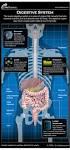 Digestive System Functions A. Gastrointestinal Processes 1. Ingestion: placing food in mouth (voluntary) 2. Propulsion: moving food through GI tract a. Peristalsis: alternating waves of contraction and
Digestion, Absorption. How & where?
 Digestion, Absorption How & where? What happens to food? Three processes Digestion Absorption Elimination Where do they occur? GI tract Overview of Digestion GI tract Gastrointestinal (GI) tract: series
Special organ structures and functions conduct these tasks through the successive parts of the overall system.
 Chapter 5 Digestion, Absorption, and Metabolism Chapter 5 Lesson 5.1 Key Concepts Through a balanced system of mechanical and chemical digestion, food is broken down into smaller substances and the nutrients
10.2 The Human Digestive System pg. 411
 10.2 The Human Digestive System pg. 411 The human digestive system is made up of a group of organs working together. The digestive tract is made up of the mouth, esophagus, stomach, small intestine, and
Medical Physiology Z.H.Al-Zubaydi
 Lec.13 Medical Physiology Z.H.Al-Zubaydi Functions of the Digestive System The major functions of the digestive tract include the following six processes, summarized in Figure 1: 1. Ingestion Food must
Physiology of Digestive system II
 Small Intestine Physiology of Digestive system II Motility of small intestine: Distention of the Small Intestine Elicits Mixing Contractions Called Segmentation Contractions. These are concentric contractions
THE DIGESTIVE SYSTEM
 THE DIGESTIVE SYSTEM What is digestion? Digestion is the process of breaking down food so that it's small enough to be absorbed and used by the body for energy or in other bodily functions. Digestion involves
Digestive System Module 7: Chemical Digestion and Absorption: A Closer Look
 OpenStax-CNX module: m49457 1 Digestive System Module 7: Chemical Digestion and Absorption: A Closer Look Donna Browne Based on Chemical Digestion and Absorption: A Closer Look by OpenStax This work is
The Vertebrate (mostly human) Digestive System
 The Vertebrate (mostly human) Digestive System Mouth - mastication, lubrication, digestion Pharynx and Esophagus - swallowing Stomach - some digestion Small intestine - most digestion and absorption Large
Digestion, Absorption. How & where?
 Digestion, Absorption How & where? What happens to food? Three processes Digestion Absorption Elimination Where do they occur? GI tract Overview of Digestion GI tract Gastrointestinal (GI) tract: series
Absorption of Drugs. Transport of a drug from the GI tract
 Absorption of Drugs Absorption is the transfer of a drug from its site of administration to the bloodstream. The rate and efficiency of absorption depend on the route of administration. For IV delivery,
The Digestive System. You are what you eat!
 The Digestive System You are what you eat! Try to label the diagram (PENCIL!!) What is Digestion? Digestion: the breakdown of large macromolecules (proteins, fats, carbohydrates) into smaller molecules
Small & Large Intestines
 Small & Large Intestines Small Intestine: principal site for digestion of food and absorption of the products of digestion Large Intestine: reabsorption of water and elimination of undigested food and
Functions of the GI Tract. Chapter 18. Functions of the GI Tract (continued)
 Functions of the GI Tract Chapter 18 The Digestive System Motility: Movement of of food through the GI tract. Ingestion: Taking food into the mouth. Mastication: Chewing the food and mixing it with saliva.
Migrene og mikroflora. Linda Mulder, MSc. Vårseminaret 2014
 Migrene og mikroflora Linda Mulder, MSc. Vårseminaret 2014 Contents Introduction to migraine Introduction to intestinal barrier The role of the intestine & microbiota in migraine Finding the best probiotic
Digestive system Review
 Digestive system Review 1. Distinguish between chemical digestion and mechanical digestion. The physical breakdown of food begins in the mouth with two types of processes. The mouth is a complex structure
THE DIGESTIVE SYSTEM Secretion Graphics are used with permission of: Pearson Education Inc., publishing as Benjamin Cummings (http://www.aw-bc.
 THE DIGESTIVE SYSTEM Secretion Graphics are used with permission of: Pearson Education Inc., publishing as Benjamin Cummings (http://www.aw-bc.com) Page 1: Title Page Digestive system secretion involves
PROBIOTICS. what they are and what they can do for you. A patient s guide from your doctor and
 PROBIOTICS what they are and what they can do for you A patient s guide from your doctor and Probiotics Products containing probiotics have flooded the market in recent years. As more people seek natural
Chapter 49 - Nutrients and the Digestive System I. Nutrients (chemical substances necessary for organisms to grow and function properly)
 Chapter 49 - Nutrients and the Digestive System I. Nutrients (chemical substances necessary for organisms to grow and function properly) 6 basic nutrients - 4 food groups (milk, meat, fruit and vegetable,
Digestive System Notes
 Digestive System Notes Structure Function Relation Mouth cavity Mechanical digestion by teeth; chemical digestion of starch by saliva. Salivary glands Three pairs of glands which secrete saliva containing
Chapter 48. Nutrients in Food. Carbohydrates, Proteins, and Lipids. Carbohydrates, Proteins, and Lipids, continued
 Carbohydrates, Proteins, and Lipids The three nutrients needed by the body in the greatest amounts are carbohydrates, proteins, and lipids. Nutrients in Food All of these nutrients are called organic compounds,
THE GI TRACT IS A CONTINUOUS MULTILAYERED TUBE EXTENDING FROM THE MOUTH TO THE ANUS THAT IS SUPPORTED AND PARTIALLY COVERED BY THE PERITONEUM.
 THE GI TRACT IS A CONTINUOUS MULTILAYERED TUBE EXTENDING FROM THE MOUTH TO THE ANUS THAT IS SUPPORTED AND PARTIALLY COVERED BY THE PERITONEUM. OVERVIEW OF THE DIGESTIVE SYSTEM Two groups of organs compose
h. Large intestine 3
 (1) General features (a) Large intestine is last organ of digestive tract proper divided into 3 or 4 regions cecum appendix in humans colon rectum 1 b) No villi lumenal epithelium has microvilli This brush
HYDROLYSATES IN EASY TO DIGEST FORMULAS
 This information is intended for industrial customers only and not intended for consumers HYDROLYSATES IN EASY TO DIGEST FORMULAS In vitro evaluation of digestion kinetics Copyright of FrieslandCampina
Learning Objectives. Introduction to Medical Careers. Vocabulary: Chapter 16 FACTS. Functions. Organs. Digestive System Chapter 16
 Learning Objectives Introduction to Medical Careers Digestive System Chapter 16 Define at least 10 terms relating to the digestive Describe the four functions of the digestive Identify different structures
Chapter 15 Digestive System.
 Chapter 15 Digestive System. I. The Gastrointestinal Tract. a. The digestive system mechanically and chemically breaks down food into molecules that can be absorbed into the bloodstream or lymph. Residues
Chapter 17 Digestive System. Alimentary Canal. Movements of the Tube
 Chapter 17 Digestive System Functions of Digestive System ingestion mechanical digestion chemical digestion propulsion absorption defecation Consists of the alimentary canal and accessory organs 1 Alimentary
Pathophysiology of Diarrhea
 1. Pathophysiology of Diarrhea 2. Case Presentation Page - 1 3. Diarrhea is the too rapid evacuation of too fluid sto... 4. The Amazing Intestines helsenet.info Page - 2 5. : Slide 5 6. Diarrhea helsenet.info
Lab 18 The Digestive System
 Lab 18 The Digestive System Laboratory Objectives Identify on a diagram, model or cadaver the parts of the digestive system and accessory organs. Describe the general histology of the digestive system.
The Human Digestive System
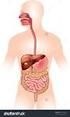 The Human Digestive System Name: Section: Date: Page 1 of 10 Page 2 of 10 Page 3 of 10 Page 4 of 10 Page 5 of 10 Page 6 of 10 Putting it All Together Digestive Enzymes Page 7 of 10 Page 8 of 10 Page 9
1. Give the name and functions of the structure labeled A on the diagram. 2. Give the name and functions of the structure labeled B on the diagram.
 2013 ANATOMY & PHYSIOLOGY Sample Tournament Station A: Use the diagram in answering Questions 1-5. 1. Give the name and functions of the structure labeled A on the diagram. 2. Give the name and functions
2012 Anatomy & Physiology C Division. National Competition-Science
 2012 Anatomy & Physiology C Division National Competition-Science Olympiad 1. The alimentary canal includes 8 different parts and 4 accessory organs. Name 5 parts from the alimentary canal and 3 accessory
Digestive system. Dr. Carmen E. Rexach Physiology Mt San Antonio College
 Digestive system Dr. Carmen E. Rexach Physiology Mt San Antonio College Functions Motility ingestion mastication deglutition peristalsis Secretion exocrine endocrine Digestion Absorption Tunics Innervation
D.U.C. Assist. Lec. Faculty of Dentistry General Physiology Ihsan Dhari. The Autonomic Nervous System
 The Autonomic Nervous System The portion of the nervous system that controls most visceral functions of the body is called the autonomic nervous system. This system helps to control arterial pressure,
Carbohydrate Digestion and Absorption NASPGHAN Physiology Series. Christine Waasdorp Hurtado, MD, MSCS, FAAP Christine.Waasdorp@childrenscolorado.
 Carbohydrate Digestion and Absorption NASPGHAN Physiology Series Christine Waasdorp Hurtado, MD, MSCS, FAAP [email protected] Expert Reviewers: Richard Grand, MD and Jeremiah Levine,
Each gland has at least one duct that takes saliva to the oral cavity.
 kufa university Physiology College of Nursing first year student Ass. Lect :- Hisham Qassem M. Lecture No :-3 The Digestive System Digestive system consists of: 1. Gastrointestinal Tract (GIT). 2. Accessory
Digestion. What we ll cover. Main stages of digestion. Digestion: A Closer Look. A Tour of the Human Digestive System. Mechanical digestion
 Digestion What we ll cover What are the digestive system structures and their functions? Where does carbohydrate, protein and fat digestion and absorption occur? What are the 3 accessory organs of digestion?
Final report of the BgVV Working Group "Probiotic Microorganism Cultures in Food" October 1999
 Final report of the BgVV Working Group "Probiotic Microorganism Cultures in Food" 1. Introduction October 1999 At the initiative of the Group of Experts for Food Hygiene and Veterinary Medicine (Arbeitskreis
Care and Problems of the Digestive System. Chapter 18 Lesson 2
 Care and Problems of the Digestive System Chapter 18 Lesson 2 Care of the Digestive System Good eating habits are the best way to avoid or minimize digestive system problems. Eat a variety of foods Avoid
Eating, pooping, and peeing THE DIGESTIVE SYSTEM
 THE DIGESTIVE SYSTEM Ingested food is not technically in the body until it is absorbed so it needs to be: Mechanically and chemically reduced Transported by the blood to the cells Large portions are not
CHAPTER 5.1 5.2: Plasma Membrane Structure
 CHAPTER 5.1 5.2: Plasma Membrane Structure 1. Describe the structure of a phospholipid molecule. Be sure to describe their behavior in relationship to water. 2. What happens when a collection of phospholipids
B12 & Cobalamin. Learning objectives
 Learning objectives B12 & Cobalamin Define vitamins Classify fat soluble and water soluble vitamins. Study chemical structure and biological active coenzyme form of vitamin B12. List the dietary sources
Hormones & Chemical Signaling
 Hormones & Chemical Signaling Part 2 modulation of signal pathways and hormone classification & function How are these pathways controlled? Receptors are proteins! Subject to Specificity of binding Competition
Digestive System Why is digestion important? How is food digested? Physical Digestion and Movement
 Digestive System The digestive system is made up of the digestive tract a series of hollow organs joined in a long, twisting tube from the mouth to the anus and other organs that help the body break down
Chapter 24: DIGESTIVE SYSTEM
 Chapter 24: DIGESTIVE SYSTEM I. OVERVIEW A. Gross anatomy (Fig. 24.1) and functions (Table 24.1) B. "You are what you eat." 1. The problem: Ingestion (eating) is not the same as absorption. 2. The solution:
Current and Future Applications of Probiotic Science
 Current and Future Applications of Probiotic Science Patricia L Hibberd, MD, PhD Chief, Division of Global Health Department of Pediatrics Massachusetts General Hospital, Boston Disclosures Probiotics
The Excretory and Digestive Systems
 The Excretory and Digestive Systems 38.2 The Process of Digestion Organs of the Digestive System The digestive system includes the: Mouth Pharynx Esophagus Stomach Small and large intestine. Other structures
Digestive System Digestive Tract
 Digestive System Digestive Tract Dept. of Histology and Embryology 周 莉 教 授 Introduction of digestive system * a long tube extending from the mouth to the anus, and associated with glands. * its main function:
DIGESTION is the physical and
 Digestion DIGESTION is the physical and chemical breakdown of feeds as they pass through the gastrointestinal tract. The structures of the gastrointestinal tract include the mouth, the esophagus, the stomach,
1. gustatory cells: Surface cells in the throat and on the taste buds in the mouth that transmit
 Chapter 3 Digestion and Absorption Key Terms 1. gustatory cells: Surface cells in the throat and on the taste buds in the mouth that transmit taste information. 2. absorption: The movement of substances
The Digestive System
 The Digestive System Digestive Structures Mouth including teeth and tongue Esophagus Stomach Small intestine Large intestine Accessory structures - salivary glands, liver, gallbladder, & pancreas Digestive
23.4 Digestive System
 23.4 Digestive System The Pancreas & Pancreatic Regulation Regulation of Bile Secretions The Small Intestine The Large Intestine Pancreas Location Mostly retroperitoneal Deep to greater curvature of stomach
Human Anatomy & Physiology I with Dr. Hubley. Practice Exam 1
 Human Anatomy & Physiology I with Dr. Hubley Practice Exam 1 1. Which definition is the best definition of the term gross anatomy? a. The study of cells. b. The study of tissues. c. The study of structures
Problems of the Digestive System
 The American College of Obstetricians and Gynecologists f AQ FREQUENTLY ASKED QUESTIONS FAQ120 WOMEN S HEALTH Problems of the Digestive System What are some common digestive problems? What is constipation?
AP Biology. What do animals need to live? Animal Nutrition. Nutritional requirements. How do animals get their food? Different diets; different lives
 Animal Nutrition What do animals need to live? Animals make energy using: food food oxygen Animals build bodies using: food for raw materials amino acids, sugars, fats, nucleotides O 2 ATP energy for synthesis
Controlling intestinal microflora with BioHealth, MicroHealth and LactoHealth. Below illustration shows clearly the effects of unbalanced microflora
 Controlling intestinal microflora with BioHealth, MicroHealth and LactoHealth Probiotics are products aimed at delivering living bacterial cells to the guts ecosystem of humans and other animals, whereas
Frequently Asked Questions: Ai-Detox
 What is Ai-Detox? Frequently Asked Questions: Ai-Detox Ai-Detox is a Chinese herbal medicinal formula, produced using state of the art biotechnology, which ensures the utmost standards in quality and safety.
Breath Hydrogen Tests
 Breath Hydrogen Tests Breath hydrogen tests are very useful to help plan a low FODMAP diet. The tests have been around for many years - decades, in fact. However they were not regularly used in routine
North Bergen School District Benchmarks
 Grade: 10,11, and 12 Subject: Anatomy and Physiology First Marking Period Define anatomy and physiology, and describe various subspecialties of each discipline. Describe the five basic functions of living
Antidiarrheal Drugs. Causes of Diarrhea. Antidiarrheal Drugs
 Antidiarrheal Diarrhea Diarrhea is not a disease, but a symptom of some other problem characterized by either more frequent bowel movement and/or the consistency of the stool is softer and sometimes watery
Topic 4: Digestion and Nutrition
 Topic 4: Digestion and Nutrition THE CONTENTS OF FOOD Food contains nutrients: Nutrients include: 1. 2. 3. 4. 5. Nutrients must be small enough to enter our cells. If they are too large they must be digested
Questions on The Nervous System and Gas Exchange
 Name: Questions on The Nervous System and Gas Exchange Directions: The following questions are taken from previous IB Final Papers on Topics 6.4 (Gas Exchange) and 6.5 (Nerves, hormones and homeostasis).
Divisions of Digestive System. Organs of the Alimentary Canal. Anatomy of the Digestive System: Organs of the Alimentary Canal. CHAPTER 14 p.
 Divisions of Digestive System Anatomy of the Digestive System: Organs of the Alimentary Canal CHAPTER 14 p. 412-423 1. Alimentary Canal or Gastrointestinal Tract (GI)-digests and absorbs food coiled hollow
1. Which substances in the small intestine of humans serve to increase the surface area for absorption?
 Digestion Review 1. Which substances in the small intestine of humans serve to increase the surface area for absorption? (a.) intestinal glands (b.) villi (c.) pseudopodia (d.) cilia (e.) flagella 2. The
LAB 3: DIGESTION OF ORGANIC MACROMOLECULES
 LAB 3: DIGESTION OF ORGANIC MACROMOLECULES INTRODUCTION Enzymes are a special class of proteins that lower the activation energy of biological reactions. These biological catalysts change the rate of chemical
Introduction. Pathogenesis of type 2 diabetes
 Introduction Type 2 diabetes mellitus (t2dm) is the most prevalent form of diabetes worldwide. It is characterised by high fasting and high postprandial blood glucose concentrations (hyperglycemia). Chronic
10. T and B cells are types of a. endocrine cells. c. lymphocytes. b. platelets. d. complement cells.
 Virus and Immune System Review Directions: Write your answers on a separate piece of paper. 1. Why does a cut in the skin threaten the body s nonspecific defenses against disease? a. If a cut bleeds, disease-fighting
Liver, Gallbladder, Exocrine Pancreas KNH 406
 Liver, Gallbladder, Exocrine Pancreas KNH 406 2007 Thomson - Wadsworth LIVER Anatomy - functions With disease blood flow becomes obstructed Bile All bile drains into common hepatic duct Liver Bile complex
1. Essay: The Digestive and Absorption Processes of Macronutrients
 Jenny Kim Professor Rosario Nutrition: Macronutrients Project June 26, 2014 1. Essay: The Digestive and Absorption Processes of Macronutrients Whenever we eat, the foods we ingest in our bodies undergo
Effect of feeding Bacillus-based probiotic on growth performance and health of broilers. Dr. Girish Channarayapatna Evonik Industries, Singapore
 Effect of feeding Bacillus-based probiotic on growth performance and health of broilers Dr. Girish Channarayapatna Evonik Industries, Singapore Significance of gut Barrier to ingested chemicals, feed contaminants
5. Secretion: release of water, acids. Enzymes, buffers by digestive tract.
 Digestive System CH-16 Lecture topics Functions of the digestive system: p. 488. 1. Ingestion: Taking food in 2. Propulsion: movement of food thru alimentary canal p.490. voluntary: swalloing : skeletal
8. Be able to label a diagram of an earthworm. Know the function of each of the major parts of the earthworm.
 Review for Unit Test: The Digestive System 1. Know the meaning of these terms: heterotrophs digestion peristalsis microvilli autotrophs chemical digestion chyme lacteal intracellular digestion mechanical
DRUGS FOR GLUCOSE MANAGEMENT AND DIABETES
 Page 1 DRUGS FOR GLUCOSE MANAGEMENT AND DIABETES Drugs to know are: Actrapid HM Humulin R, L, U Penmix SUNALI MEHTA The three principal hormones produced by the pancreas are: Insulin: nutrient metabolism:
The Digestive System. Chapter 15
 The Digestive System Chapter 15 Introduction Digestion refers to the mechanical and chemical breakdown of food so the nutrients can be absorbed by cells Carried out by the digestive system Consists of
Digestion in the small and Large Intestines
 9.5 Digestion in the small and Large Intestines Do some foods keep you feeling full for a long time? Do you ever feel that after eating certain foods, you are hungry again in a short time? Some foods stay
Upper Gastrointestinal Tract KNH 406
 Upper Gastrointestinal Tract KNH 406 Upper GI A&P GI tract long tube ~ 15 ft. Upper GI mouth, pharynx, esophagus, stomach Accessory organs pancreas, biliary system, liver Four basic functions: motility,
10.1 The function of Digestion pg. 402
 10.1 The function of Digestion pg. 402 Macromolecules and Living Systems The body is made up of more than 60 % water. The water is found in the cells cytoplasm, the interstitial fluid and the blood (5
Omega-3 fatty acids improve the diagnosis-related clinical outcome. Critical Care Medicine April 2006;34(4):972-9
 Omega-3 fatty acids improve the diagnosis-related clinical outcome 1 Critical Care Medicine April 2006;34(4):972-9 Volume 34(4), April 2006, pp 972-979 Heller, Axel R. MD, PhD; Rössler, Susann; Litz, Rainer
Digestive System AKA. GI System. Overview. GI Process Process Includes. G-I Tract Alimentary Canal
 Digestive System AKA G-I Tract Alimentary Canal Overview GI System Consists of Mouth, pharynx, esophagus, stomach, small intestine, large intestine, anus About 30 in length Accessory Organs Teeth, tongue,
The Digestive System. Chapter 14. The Digestive System and Body Metabolism. Metabolism. Organs of the Digestive System. Digestion.
 Chapter 14 The Digestive System The Digestive System and Body Metabolism Digestion of ingested food of nutrients into the blood Metabolism Production of Constructive and degradative cellular activities
CELL MEMBRANES, TRANSPORT, and COMMUNICATION. Teacher Packet
 AP * BIOLOGY CELL MEMBRANES, TRANSPORT, and COMMUNICATION Teacher Packet AP* is a trademark of the College Entrance Examination Board. The College Entrance Examination Board was not involved in the production
General Protein Metabolism
 General Protein Metabolism Protein Digestion Dietary proteins are very large complex molecules that cannot be absorbed from the intestine. To be absorbed, dietary proteins must be digested to small simple
Sweet-taste receptors, glucose absorption and insulin release: Are LCS nutritionally active?
 Sweet-taste receptors, glucose absorption and insulin release: Are LCS nutritionally active? Samuel V. Molinary, Ph.D. Consultant, Scientific & Regulatory Affairs ILSI/NA April 6, 2011 Washington, DC Why
The Digestive System. Chapter 16. Introduction. Histological Organization. Overview of Digestive System. Movement and Mixing of Digestive Materials
 The Digestive System Chapter 16 Introduction Structure of the digestive system A tube that extends from mouth to anus Accessory organs are attached Functions include Ingestion Movement Digestion Absorption
Absorption and Transport of Nutrients
 Page1 Digestion Food travels from mouth esophagus stomach small intestine colon rectum anus. Food mixes with digestive juices, moving it through the digestive tract Large molecules of food are broken into
7 Reasons You Can t Eat the Foods You Love!
 Dr. Susan Plank s Report: 7 Reasons You Can t Eat the Foods You Love! Betsy Coltrain sat feeling miserable on the couch. She had just finished eating dinner and began to feel the uncomfortable fullness,
How To Understand The Human Body
 Introduction to Biology and Chemistry Outline I. Introduction to biology A. Definition of biology - Biology is the study of life. B. Characteristics of Life 1. Form and size are characteristic. e.g. A
Supplemental Material CBE Life Sciences Education. Su et al.
 Supplemental Material CBE Life Sciences Education Su et al. APPENDIX Human Body's Immune System Test This test consists of 31 questions, with only 1 answer to be selected for each question. Please select
Nutritional Intervention for IBS
 Nutritional Intervention for IBS Bette Bischoff, Fourth Year Medical Student, University of Kansas Medical Center Background Prior to medical school when I was a practicing dietician, I had the privilege
FELINE IBD: PATHOPHYSIOLOGY, TREATMENT GOALS, & CLIENT COMMUNICATION
 FELINE IBD: PATHOPHYSIOLOGY, TREATMENT GOALS, & CLIENT COMMUNICATION Kara M. Burns, MS, MEd, LVT President, Academy of Veterinary Nutrition Technicians Diarrhea and vomiting is a common complaint from
Section 7-3 Cell Boundaries
 Note: For the past several years, I ve been puzzling how to integrate new discoveries on the nature of water movement through cell membranes into Chapter 7. The Section below is a draft of my first efforts
Probiotics for Gut Health
 Probiotics for Gut Health Peter Cartwright MSc MA Human Microbiota Specialist, Probiotics International Ltd. It is widely accepted that probiotics (beneficial microbes) improve the health of the intestine,
Chapter 16: Innate Immunity
 Chapter 16: Innate Immunity 1. Overview of Innate Immunity 2. Inflammation & Phagocytosis 3. Antimicrobial Substances 1. Overview of Innate Immunity The Body s Defenses The body has 2 types of defense
Overview. Nutritional Aspects of Primary Biliary Cirrhosis. How does the liver affect nutritional status?
 Overview Nutritional Aspects of Primary Biliary Cirrhosis Tracy Burch, RD, CNSD Kovler Organ Transplant Center Northwestern Memorial Hospital Importance of nutrition therapy in PBC Incidence and pertinence
SEER Training Modules
 http://training.seer.cancer.gov/anatomy/digestive/ WiRED International wishes to thank the National Cancer Institute for use of this information. SEER Training Modules Introduction to the Digestive System