
Twenty-five Pests You Don t Want in Your Garden
|
|
|
- Mark Young
- 5 years ago
- Views:
From this document you will learn the answers to the following questions:
What is the main plant used for Pest Pest Sheet Aphid?
What is the origin of the Pest Sheet 1 Aphids Many species?
How many Squash Bug are there?
Transcription
1 Twenty-five Pests You Don t Want in Your Garden Prepared by the PA IPM Program J. Kenneth Long, Jr. PA IPM Program Assistant (717) [email protected]

2 Pest Pest Sheet Aphid 1 Asparagus Beetle 2 Bean Leaf Beetle 3 Cabbage Looper 4 Cabbage Maggot 5 Colorado Potato Beetle 6 Corn Earworm (Tomato Fruitworm) 7 Cutworm 8 Diamondback Moth 9 European Corn Borer 10 Flea Beetle 11 Imported Cabbageworm 12 Japanese Beetle 13 Mexican Bean Beetle 14 Northern Corn Rootworm 15 Potato Leafhopper 16 Slug 17 Spotted Cucumber Beetle (Southern Corn Rootworm) 18 Squash Bug 19 Squash Vine Borer 20 Stink Bug 21 Striped Cucumber Beetle 22 Tarnished Plant Bug 23 Tomato Hornworm 24 Wireworm 25

3 PA IPM Program Pest Sheet 1 Aphids Many species (Homoptera: Aphididae) (Origin: Native) Adults: About 1 / 8 long; soft-bodied; light to dark green; may be winged or wingless. Cornicles, paired tubular structures on abdomen, are helpful in identification. Nymph: Daughters are born alive containing partly formed daughters inside their bodies. (See life history below). Soybean Aphids Primary Host: Many vegetable crops. Damage: Adults and immatures suck sap from plants, reducing vigor and growth of plant. Produce honeydew (sticky liquid) on which a black fungus can grow. Management: Hide under leaves. Because of small size, hidden behavior and rapid reproduction, populations can become very large before they are noticed. Biocontrols: Several natural enemies such as lady beetles and lacewings feed on them. Several parasitoids lay eggs within aphids, killing them as the nymphs develop. Eggs: Laid in protected places only near the end of the growing season. Life History: Females lay eggs near the end of the growing season in protected places on host plants. In spring, plump stem mothers emerge from these eggs, and give live birth to daughters, and they give birth to more daughters, all without mating. At the end of the growing season, males are produced, and females born at the same time have eggs rather than live young in them. Mating occurs, the eggs are fertilized and overwintering eggs are again laid in protected areas on the plants. Cultural Controls: Avoid high nitrogen levels in plants (enhances aphid reproduction) by using less soluble forms of nitrogen. Physical Controls: Proper pruning and washing aphids off with a strong stream of water can help. Chemical Controls: Contact your local Penn State County Extension Agent for more information Asian Lady Beetle feeding on Aphids Page designed by J. Kenneth Long, Jr., PA IPM Program; Photo credits: Soybean aphids: David W. Ragsdale, U of Minn, Asian Lady Beetle feeding on aphids: Marlin E. Rice, Iowa State University,

4 PA IPM Program Pest Sheet 2 Asparagus Beetle Crioceris asparagi (L.) (Coleoptera: Chrysomelidae) (Origin: European) Adults: ¼ long; with bluish head, reddish neck, and creamy yellow spots with red borders on the wings. (Adult spotted asparagus beetles are larger, reddish orange with black antennae, eyes and undersides and 6 black spots on each wing.) Adult Asparagus Beetle Primary Host: Asparagus Damage: Adults feed on tips of shoots as soon as they push through the ground, causing scars and browning of tips. Adults and larvae feed on stem and leaf surfaces. Larvae excrete black fluid that stains plants. Management: Regular cutting helps reduce damage. Biocontrols: A tiny ( 1 / 8 ) metallic green wasp, Tetrastichus asparagi, parasitizes asparagus beetle eggs. Cultural Controls: Control volunteer plants to help reduce damage. Destroying crop residue eliminates overwintering sites for the adults. Pupae: Located in the soil below the asparagus plants. Larvae: 3 / 8 long; soft-bodied, gray with black heads. Eggs: Black (Spotted asparagus beetle s are yellowish-green.) Life History: Overwinter as adults in any suitable shelter like loose tree bark or hollow stems of old asparagus plants. About the time of first asparagus cutting, they make their way to the young shoots and lay eggs on them. The larvae feed about 2 weeks before dropping to the soil to pupate. There are 2 generations each year. The active beetles often drop to the ground if disturbed. Physical Controls: Hand picking is best in small patches. In summer, brushing the plants with a broom to knock off the larvae will help. Control during summer and fall may eliminate the problem for the next year. Chemical Controls: Contact your local Penn State County Extension Agent for more info. Asparagus Beetle Larva Page designed by J. Kenneth Long, Jr., PA IPM Program; Photo credits: Asparagus Beetle Adult: Clemson University USDA Cooperative Extension Slide Series, Asparagus Beetle Larva: Clemson University USDA Cooperative Extension Slide Series,

5 PA IPM Program Pest Sheet 3 Bean Leaf Beetle Cerotoma trifurcata (Förster) (Coleoptera: Chrysomelidae) (Origin: Native) Adults: About ¼ long; varies in color from light yellow to tan to green or even red when mature. Each wing cover may have 4 black spots and there is a black triangle behind the head. Adult Bean Leaf Beetle Primary Host: Beans, peas, soybeans. Damage: Larvae feed on roots, nodules, and underground portions of the stem. Adults feed on stems of seedlings and chew round holes in leaves and damage pods. Management: 2 or 3 beetles per plant and 30% defoliation usually justifies treatment. Biocontrols: Many different parasitoids and predators attack bean leaf beetles. The most common parasitoid is the tachinid fly, Calatoria diabroticae, which attacks the adult beetle. Cultural Controls: An early planting of soybeans may serve as a trap crop if the number of overwintering adults is high. Chemical Controls: Contact your local Penn State County Extension Agent for more information. Pupae: Whitish in color and about 1 / 6 long. Found in small earthen cell in the soil. Adults emerge in about a week. Larvae: Slender and white, about 1 / 3 long, with a black head and anal plate and short legs near the head. (Resembles corn rootworm larva). It spends this entire stage feeding underground until pupation. Eggs: Lemon-shaped; reddish-orange in color and less than 1 / 32 long. Laid about 1 deep in soil in clusters at the base of plants. Hatch within 2-3 weeks depending on temperature. Life History: Overwinters in wooded areas, leaf litter and weeds. Migrate to bean fields to feed and lay eggs. Eggs hatch in 6-15 days. Larvae feed on soybean root hairs and nodules until pupation. 2 nd generation adults emerge and feed on soybean foliage. Page designed by J. Kenneth Long, Jr., PA IPM Program; Photo credits: Bean Leaf Beetle Adult: Marlin E. Rice, Iowa State University,

6 PA IPM Program Pest Sheet 4 Cabbage Looper Trichoplusia ni (Hübner) (Lepidoptera: Noctuidae) (Origin:?) Adults: Forewings mottled gray-brown in color with silvery white spots. Hindwings are brown at base and near the edge. Wingspan is about 1 3 / 8 in extent. Pupae: White, thin, fragile cocoon on underside of foliage, in plant debris, or in soil clods. Cabbage Looper Adult Primary Host: Cabbage, cauliflower, broccoli, Brussels sprouts, radish, mustard, kale, lettuce, celery, spinach, beets, peas, potato, tomato. Damage: Caterpillars eat large irregular holes in leaves and into heads, causing stunted growth, failure of heads to form, or make produce unmarketable. Management: Usually more serious in the fall. Should be controlled when small because large loopers are difficult to control. Biocontrols: The tachinid fly, Voria ruralis, is the dominant cause of cabbage looper death. Larvae: Light green. When crawling, make a characteristic loop in the middle of their body. Eggs: Yellowish white or greenish, usually laid singly on underside of mature leaves. Life History: Cabbage loopers overwinter as pupae attached to host plants and other nearby objects. The adults emerge in the spring and lay several hundred eggs singly on the upper surfaces of host plant leaves. Larval development may be completed in two weeks if weather is favorable, and the cabbage looper can have three or more generations per year in the northern United States. Cultural Controls: Plant resistant varieties such as Mammoth Red Rock or Chieftan Savoy. Physical Controls: Hand picking works for small patches. Cover plants with a floating row cover to keep adults from laying eggs on plants. Cabbage Looper Larva Page designed by J. Kenneth Long, Jr., PA IPM Program; Photo credits: Cabbage Looper Adult: John L. Capinera, University of Florida, Cabbage Looper Larva: R.J. Reynolds Tobacco Company Slide Set, R.J. Reynolds Tobacco Company,

7 PA IPM Program Pest Sheet 5 Cabbage Maggot Delia radicum (L.) (Diptera: Anthomyiidae) (Origin: Native) Adults: ¼ long gray body with 3 black longitudinal stripes on thorax and 1 black stripe along top of abdomen. Resemble small house flies. Pupae: About ¼ long and brown. Adult Cabbage Maggot Primary Host: Crucifers. Damage: Larvae tunnel into roots of small plants causing plants to appear sickly, off color or stunted, and may cause plant to die. Cabbage maggot injury is favored by cool, wet conditions. Management: Plowing under crop residues after harvest will destroy many pupae. Biocontrols: Ground beetles and nematodes may help control maggots. Cultural Controls: High levels of organic matter may increase the attractiveness of the field to cabbage maggot flies. Larvae: Small, legless, white maggots, reaching maximum length of about ¼. Eggs: Oval shaped, bone white and very small. Usually on plant or soil near the stem. Life History: Overwinter as pupae in the soil. Flies emerge from soil in late April or early May, feed on pollen and nectar, and lay white eggs at bases of newly set plants. Larvae from this generation tunnel in the roots of small plants, causing plants to become stunted. When mature, maggots pupate in roots or surrounding soil. Disk or rototill 2 weeks before planting to destroy the pupae. Physical Controls: Cover plants with floating row cover to keep adult flies from laying eggs on plants. Cabbage Maggot Larva Page designed by J. Kenneth Long, Jr., PA IPM Program; Photo credits: Cabbage Maggot Adult and Larva: Agriculture and Forestry Information Centre:

8 PA IPM Program Pest Sheet 6 Colorado Potato Beetle Leptinotarsa decemlineata (Say) (Coleoptera: Chrysomelidae) (Origin: Central America, Mexico, Caribbean) Adults: About 3 / 8 in length; oval shaped. Cream colored with 10 black stripes on the back. Pupae: Located in soil. Colorado Potato Beetle Adult Primary Host: Potato, tomato, eggplant, pepper. Damage: Adults and larvae feed on leaves and terminals, causing reduced growth or death of plant. Management: Needed primarily during flowering for potatoes. Biocontrols: A lady beetle (Coleomagilla maculata), and a predaceous stinkbug feed on the eggs. Larvae: Early stages are crimson with black legs and 2 rows of black spots on sides of body. Later stages are orange and appear bloated and humpbacked. Eggs: Deposited in orange clusters of oval-shaped eggs under leaves. Life History: Overwintering adults emerge in late May, begin to feed and mate. Eggs laid in June hatching in about 1 week. 2 weeks later, mature larvae drop to ground and pupate. A week later, adults emerge and begin the 2nd generation. New adults in late July or August may feed a few days then begin winter hibernation in the ground. Cultural Controls: Crop rotation prevents overwintering beetles from emerging directly in the fields. Till in fall to reduce damage. Physical Controls: Mulches and trenches, and hand picking and row covers are effective. Chemical Controls: Contact your local Penn State County Extension Agent for more information. Colorado Potato Beetle Larva Page designed by J. Kenneth Long, Jr., PA IPM Program; Photo credits: Colorado Potato Beetle adult: USDA Image Gallery, Colorado Potato Beetle larva: Kansas State University, Department of Entomology:

9 PA IPM Program Pest Sheet 7 Corn Earworm (Tomato Fruitworm) Helicoverpa zea (Boddie) (Lepidoptera: Noctuidae) (Origin: Native) Adults: Buff colored; with irregular spots and markings on wings. About 1½ wingspan. Pupae: Initially a shiny reddish brown, it becomes dark brown when adult emergence approaches. Corn Earworm Adult Primary Host: Corn, tomato, beans, peppers, eggplant, tobacco. Damage: Larvae feed on marketable portion of each vegetable crop it attacks, often making them unmarketable. Usually enter corn ears through the tip. Management: Monitor with pheromone traps. Biocontrols: Several predators and parasites, including ladybird beetles, lacewings, predatory bugs, and parasitic flies and wasps attack earworm eggs and larvae Larvae: Light green to tan or other colors, with light and dark stripes running lengthwise on body. Head capsule is light brown. Eggs: Preferred site for laying is fresh corn silks. Life History: Females prefer to lay eggs on corn or tomato plants, usually near flowers or terminal leaflets. After hatching, larvae quickly begin to bore deeply into the fruit, contaminating it with feces. Larvae prefer green fruit and seldom enter ripe fruit. Cultural Controls: Cut off the tips of damaged sweet corn ears or plant extra tomatoes or beans. Physical Controls: Mineral oil can be applied to the corn silk to prevent egg laying. Chemical Controls: Contact your local Penn State County Extension Agent for more information. Corn Earworm Pupa with Parasite Page designed by J. Kenneth Long, Jr., PA IPM Program; Photo credits: Corn Earworm adult: Steve L. Brown, The University of Georgia, Corn Earworm Pupa with parasite: USDA Image Gallery,

10 PA IPM Program Pest Sheet 8 Cutworms Several species (Lepidoptera: Noctuidae) (Origin: Native or exotic) Adults: Large moths (1½ wingspan). Most cutworm moths are brownish with some wing markings. Black Cutworm Adult Primary Host: Many vegetable crops. Damage: Feed at night and can cut small plants off at the soil surface. On older plants, treatment should not be necessary. Some cutworms climb and feed on all plant parts. Management: Blacklight or pheromone traps can be used for monitoring. If seedlings are cut off at soil level, cutworms should be suspected. Biocontrols: Birds, insect predators such as ground beetles, and hymenopteran parasitoids feed on cutworms. Larvae: Smooth skinned, dull brownish caterpillars up to 1½ in length, that curl into a C-shape when disturbed. Normally found on or just below the soil surface or on lower parts of plants. Start feeding in early spring. Eat at night. Pupae: Found in the soil for most species. Eggs: Laid mostly on broad-leaved weed stems and leaves. Life History: Many Overwinter as pupae in the soil or as adult moths. Eggs are deposited early in spring. Several cutworms have more than one generation per year. Larvae hide in the soil during the day and move to the soil surface at night where they cut off plants just above the soil surface, causing the plants to die. Cultural Controls: Fields with many winter annual weeds should be worked at least days before transplanting seedlings. Transplant seedlings when large enough to withstand a little damage. Physical Controls: Paper collars or other barriers placed around seedlings will protect them from cutworm attack. Cutworm Larva showing damage Page designed by J. Kenneth Long, Jr., PA IPM Program; Photo credits: Black Cutworm adult: Marlin E. Rice, Iowa State University, Cutworm larvae showing damage: University of Georgia Archives, The University of Georgia,

11 PA IPM Program Pest Sheet 9 Diamondback Moth Plutella xylostella (L.) (Lepidoptera: Pyralidae) (Origin: Europe) Adults: About 3 / 8 long; gray or brownish color with 3 pale triangular markings along the inner margin of wings. At rest, the triangles form 3 diamond shapes along the middle of the wings. Adult Diamondback Moth Primary Host: Cabbage, cauliflower, broccoli, Brussels sprouts, radish, mustard, kale. Damage: Larvae eat many small holes on underside of leaves, giving plant a shot-hole appearance. Management: Caterpillars are detected by visual observation of the plant. Adults can be detected with pheromone traps. Biocontrols: Several hymenopterous parasitoids will attack the caterpillars. Cultural Controls: Plant resistant varieties of crops. Pupae: White silk mesh cocoon formed on surface of leaf or in litter under the plant; about 3 / 8 long. Larvae: About 3 / 8 long; light brown to dark green in color. Usually found on the undersides of leaves. Eggs: Tiny, yellow, laid under leaves near veins. Life History: The life cycle can be completed in two weeks to a month depending on temperatures. Upon hatching from the eggs, larvae tunnel into the leaves mining them for about a week. They then exit through the underside and feed externally. When disturbed, the larvae drop on a silken thread, and later climb back onto the leaf. Physical Controls: Moths overwinter in the field, so destroying or plowing under crop debris is recommended. Diamondback Moth Larva Page designed by J. Kenneth Long, Jr., PA IPM Program; Photo credits: Diamondback Moth adult: Archives of the IPM Program at NY State Ag Experiment Station, Corn Diamondback Moth larva: USDA Image Gallery,

12 PA IPM Program Pest Sheet 10 European Corn Borer Ostrinia nubilalis (Hübner) (Lepidoptera: Pyralidae) (Origin: Europe) Adults: Yellowish buff to light tan with dark zigzag marks across wings. Wing spread ¾- 1. Pupae: Remains inside host plant; smooth, light to dark brown in color; 1 / 3-5 / 8 in length. European Corn Borer Adults Primary Host: Corn, peppers and beans. Damage: Larvae feed on foliage and ears of corn, bore inside pepper fruit, and feed on or bore into bean pods. Management: Monitor with black light or pheromone traps. Biocontrols: Trichogramma ostriniae parasitize egg masses of the European Corn Borer. Cultural Controls: Choose hybrid with tolerance to corn borers. Shred or bury old stalks to kill over-wintering larvae. Larvae: Dirty white, smooth skin with many dark spots over sides and top of body; hairless; with dark head. Eggs: Glued to underside of leaves in clusters of 12 or more resembling overlapping fish scales. Life History: 1 st generation larvae overwinter in stalks of host plant, transform into pupae in late April to early June. Adults emerge and lay eggs mid-may to mid-june. Larvae chew holes in leaves, then into stalk, where they pupate. 2 nd generation moths emerge in late July to late August. Larvae complete growth before cold weather and winter in plants. Physical Controls: Keep weedy field edges and fence rows clipped to avoid a harbor for the moths. European Corn Borer Larva Page designed by J. Kenneth Long, Jr., PA IPM Program; Photo credits: European Corn Borer adult: Marlin E. Rice, Iowa State University, European Corn Borer Larva: Penn State University,

13 PA IPM Program Pest Sheet 11 Flea Beetles Many species (Coleoptera: Chrysomelidae) (Origin: Native and Exotic) Adults: Small, shiny beetles with back legs enlarged for jumping like fleas when disturbed. Corn Flea Beetle: 1 / 16, strips the green top layer from leaves, leaving irregular brown or grey lines. Can transmit bacterium of Stewart s wilt. Potato Flea Beetle: small, 1 / 16 long, black. Adult Flea Beetle Primary Host: Many vegetable crops. Eggplant is especially vulnerable to attack. Damage: Chew small holes in leaves, giving the leaf a shot hole appearance. Management: Focus on protecting the youngest plants from attack. Biocontrols: None known to be effective. Cultural Controls: Weed control in and around planting sites deprive larvae of food sources; remove crop debris to eliminate overwintering sites; delayed planting may avoid peak populations; rotation of crops. Striped Flea Beetle: 1 / 12, pale stripe on each wing. Larvae: Usually feed on roots of host plant. Life History: For most species, adults overwinter underground or beneath plant debris. During April and May, they become active, mate and lay eggs. Eggs typically hatch in 10 days. Larval and pupal development take place during the summer. New adults emerge and feed during late summer and fall before seeking overwintering sites. Physical Controls: Row covers can protect seedlings. Flea Beetle Damage Page designed by J. Kenneth Long, Jr., PA IPM Program; Photo credits: Flea Beetle adult: Hariet Hinz & Ester Gerber, CABI Biosciences, Flea Beetle damage: Kansas State University, Department of Entomology:

14 PA IPM Program Pest Sheet 12 Imported Cabbageworm Pieris rapae (L.) (Lepidoptera: Pieridae) (Origin: Europe) Adults: Common white butterfly with black spots and wing tips. The female has 2 spots on each forewing, while the male has 1. Pupae: Sharply angled chrysalis is gray, green, or brown, attached to lower leaf surface by silken loop. Imported Cabbageworm Adult Primary Host: Cabbage, cauliflower, broccoli, Brussels sprouts, radish, mustard, kale, lettuce. Damage: Caterpillars eat large irregular holes in leaves and into heads, causing stunted growth, failure of heads to form, or make produce unmarketable. Management: Masses of wet, greenish-brown excrement deep among leaves is characteristic of this pest. Larvae: Velvet-like green larva has a faint yellow stripe down its back, and a row of faint yellow spots on each side. Eggs: Tiny, pale yellow, bullet-shaped. Life History: Overwinter as pupae attached to host plant debris. Adults emerge early in spring. Soon after mating, eggs are deposited singly on host plants. Larvae are commonly found on under-sides of leaves, and bore into the center of the head as they grow. When mature, a chrysalis is formed. There may be several generations in a year. Biocontrols: Several hymenopterous parasitoids attack the caterpillars as well as virus and bacterial diseases. Cultural Controls: Resistant cabbage varieties should be planted. Row covers prevent egg laying. Physical Controls: Handpick larvae and eggs. Imported Cabbageworm Larva Page designed by J. Kenneth Long, Jr., PA IPM Program; Photo credits: Imported Cabbageworm adult: James Castner, University of Florida/IFAS, March 2000: Imported Cabbageworm larva: USDA Image Gallery, Clemson University USDA Cooperative Extension Slide Series,

15 PA IPM Program Pest Sheet 13 Japanese Beetle Popilia japonica Newman (Coleoptera: Scarabaeidae) (Origin: Asia) Adults: About 3 / 8 long; metallic green and bronze in color with a row of white tufts on each side of body. Pupae: First cream-colored, becoming light reddish-brown with age. About ½ long. Larvae: Common C-shaped white grubs found in lawns, turf or cultivated fields. Japanese Beetles Adult Primary Host: Many vegetables, fruits, field crops, ornamentals, turfgrass. Damage: Larvae (grubs) feed on roots of turfgrass and other plants. Adults feed on leaves, flowers, and fruits of many plants. Management: Adults are not effectively controlled with scented traps. Eggs: Tiny white eggs are deposited in the soil where they hatch. Life History: Grubs overwinter about 8 below the soil surface, moving up when the surface temperature reaches 60. Pupation begins in June, with adults emerging through July, feeding and mating. The female burrows into the soil to lay eggs about 2-4 deep, where they hatch into grubs which begin feeding on roots and organic material. As winter approaches, the grubs burrow deeper to overwinter. Biocontrols: Bacterial Milky Disease is effective given enough time, and a parasitic nematode is effective. Cultural Controls: Dry soil inhibits development of eggs and 1 st stage grubs. Don t irrigate during that time. Physical Controls: Hand picking. Pheromone traps may attract more beetles than they control, causing increased plant damage. Japanese Beetle Larva (Grub) Page designed by J. Kenneth Long, Jr., PA IPM Program; Photo credits: Japanese Beetle adult and grub: Marlin E. Rice, Iowa State University,

16 PA IPM Program Pest Sheet 14 Mexican Bean Beetle Epilachna varivestris Mulsant (Coleoptera: Coccinellidae) (Origin: Central America, Mexico, Caribbean) Adults: Round shaped and copper colored with 16 spots on its back. About 5 / 16 long and ¼ wide. Pupae: About ¼ long, yellowish, with traces of spiny larval skin attached. Larvae: Yellow, oval, covered with branched spines. 7 / 16 long when full grown. Mexican Bean Beetle Adult Primary Host: Beans, soybeans. Damage: Larvae and adults feed on undersurface of leaves giving them a lacy appearance. May also attack pods when abundant. Management: One beetle per plant or 30% defoliation justify use of pesticide. Biocontrols: Naturally occurring predators may help reduce numbers. Eggs: Oval, yellow, laid in clusters on underside of bean leaf. Life History: Eggs are laid from late spring through early fall and hatch in 5-14 days. Young larvae feed on underside of leaves and older larvae eat through the leaves leaving only the veins. Pupae are attached to undersides of leaves of beans or nearby weeds and develop in about 10 days. Adults live 4-6 weeks during the active season, and late season adults hibernate in woodland areas or where crops have not been plowed under. Cultural Controls: Delayed planting may reduce beetle populations. Physical Controls: Hand picking works for small plots. Heavy rains help knock off adults and larvae from plants. Spined Soldier Bug feeding on Mexican Bean Beetle Larva Page designed by J. Kenneth Long, Jr., PA IPM Program; Photo credits: Mexican Bean Beetle adult: Clemson University USDA Cooperative Extension Slide Series, Spined Soldier Bug feeding on Mexican Bean Beetle larva: USDA Image Gallery,

17 PA IPM Program Pest Sheet 15 Northern Corn Rootworm Diabrotica barberi Smith & Lawrence (Coleoptera: Chrysomelidae) (Origin: Native) Adults: About ¼ long; solid yellowishgreen in color. Good flyers. Northern Corn Rootworm Adult Primary Host: Corn. Damage: Adults feed on pollen, corn silks, leaves and exposed corn kernels. Larvae tunnel into roots, often pruning them back to the crown, causing stunting and lower yields. Plants with badly damaged roots often topple over during storms. Management: Monitor about mid-august for adult beetles on tips of corn ears. 200 or more per 100 plants may cause loss in the same field next year. Biocontrols: No effective ones are commercially available. Western Corn Rootworm: males are mostly black on the wing covers while females are striped with yellow under the abdomen. (Striped Cucumber Beetles have a black abdomen). Pupae: In the soil; white, with no protective covering. Larvae: White and slender; only found underground feeding on corn roots. Eggs: Deposited in soil near the base of corn plants. Life History: Overwinter as eggs in the soil. They hatch about mid-june. The tiny rootworms immediately begin searching for corn roots to feed on. Pupae develop about mid-july, with adults emerging in late July. Only 1 generation is produced per year. Cultural Controls: Plant corn more than 5 days after rootworm egg hatch to prevent larval feeding. Physical Controls: Crop rotation can effectively prevent infestation. Rootworms are seldom a problem in sandy soils. Corn Rootworm Larva Page designed by J. Kenneth Long, Jr., PA IPM Program; Photo credits: Northern Corn Rootworm adult: Marlin E. Rice, Iowa State University, Corn Rootworm larvae, USDA Image,

18 PA IPM Program Pest Sheet 16 Potato Leafhopper Empoasca fabae (Harris) (Homoptera: Cicadellidae) (Origin: Native) Adults: Tiny (about 1 / 8 long); wedgeshaped, yellow-green insects which fly, jump or run sideways when disturbed. Wings are held roof-like over the body. Nymph: Smaller versions of the adults, but wingless, and walk sideways. Potato Leafhopper Nymph and Adult Primary Host: Many vegetable crops. Damage: Characteristic wedge-shaped yellow area at leaf tip ( hopperburn ). Damage may spread over many entire leaves. Stunted plants and reduced yields may result. Management: Monitor by net sweeping beginning in early June. Biocontrols: Several predators, parasites and fungal pathogens attack Potato Leafhoppers. Eggs: Laid singly within the petioles and veins on undersurfaces of host plants. Hatch in about 10 days. Life History: Does not overwinter in Pennsylvania. Adults are blown up from the south in late May and early June. Once they arrive, females deposit 1-6 eggs daily in plant stems. The total period from egg to reproductive maturity is about 28 days under favorable conditions. There can be several overlapping generations during the growing season. Both nymphs and adults inject saliva into plants as they feed. They can remain active until killed by fall frosts. Cultural Controls: Vigorously growing plants more easily withstand feeding damage. Crops near alfalfa fields tend to suffer more damage especially after the alfalfa is cut. Physical Controls: Floating row covers can keep Potato Leafhoppers off plants. Potato Leafhopper size Page designed by J. Kenneth Long, Jr., PA IPM Program; Photo credits: Potato Leafhopper: Marlin E. Rice, Iowa State University, Potato Leafhopper size: Penn State University,

19 PA IPM Program Pest Sheet 17 Slugs Many species (Mollusca: Gastropoda) (Origin: many European) Description: Slugs are not insects, but are legless mollusks, like snails without shells. Adults: Soft-bodied; grayish or mottled slimy mollusks that may reach up to 4 long. Have 2 pairs of retractable tentacles with eye spots on the tips of the longer. Immatures: Resemble small adult slugs. Field Slug Primary Host: Many vegetables. Damage: Slugs make ragged holes in leaves beginning with lower leaves. Leaves may appear shredded. Silvery slime trails are telltale signs of slugs or snails. Management: More of a problem in cool, wet weather. Several days of warm, sunny weather may reduce the problem. Biocontrols: Toads, some beetles and their larvae, parasitic flies and birds are natural enemies of slugs, but are not very dependable. Cultural Controls: Eliminate hiding places. Remove rotting boards and debris. Keep gardens weeded and grass cut short. Eggs: Colorless, gelatinous appearance, round to oval in shape. Life History: Overwinter in the egg or adult stage, depending on the species. Juvenile slugs hatch from eggs as soon as soil warms in the spring. Each slug possesses both male and female organs, and produces clumps of eggs laid in crevices in the soil, under debris, or other protected locations. Prefer dark, moist areas like under boards, rotting mulches, trash, etc. and feed at night. They feed by rasping the leaf tissue, leaving a ragged shredded appearance to the leaf. Slugs move on their bellies and leave a silver-colored slimy trail wherever they travel. Physical Controls: Small pans or canning lids sunk into the ground and filled with a mixture of yeast and water may attract and drown slugs. Trap them by laying boards between garden rows and collect them in the morning. Slug Eggs Page designed by J. Kenneth Long, Jr., PA IPM Program; Photo credits: Field Slug: Marlin E. Rice, Iowa State University, Slug eggs: David J. Shetlar, Ohio State University:

20 PA IPM Program Pest Sheet 18 Spotted Cucumber Beetle (Southern Corn Rootworm) Diabrotica undecimpunctata howardi Barber (Coleoptera: Chrysomelidae) (Origin: Native) Adults: Greenish-yellow with 12 black spots on wing covers. About 1 / 5 long. Pupae: White pupae are in the soil near the base of the plants on which the larvae fed. Spotted Cucumber Beetle Adult Primary Host: Cucurbits (cucumbers, melons, squash, gourds, pumpkins, watermelons), Corn. Damage: Adults feed on leaves and blossoms. Feeding on young seedlings can result in stunting or death of the plant. Can transmit a bacterium that causes bacterial wilt. Larvae feed on roots. Management: Biocontrols: No effective ones are commercially available. Larvae: White larvae that remain in the ground feeding on roots of the host plants. Eggs: Orange-yellow, laid around the base of host plants, often below the soil surface. Life History: Overwinter as adults on edges of fields or in woods under litter or other plant debris and appear as plants are set. Feed extensively on leaves and stems in early season. Eggs hatch in 5-8 days into white worm-like larvae that feed on roots. In days, they pupate underground. Later, the adults that will overwinter emerge from the ground and feed on cucumbers and melons. Cultural Controls: Plant corn more than 5 days after rootworm egg hatch to prevent larval feeding. Physical Controls: Crop rotation can effectively prevent infestation. Floating row covers can protect from the adults. Spotted Cucumber Beetle Larvae Page designed by J. Kenneth Long, Jr., PA IPM Program; Photo credits: Spotted Cucumber Beetle adult: Clemson University USDA Cooperative Extension Slide Series, Spotted Cucumber Beetle larva, USDA Image Gallery,

21 PA IPM Program Pest Sheet 19 Squash Bug Anasa tristis (DeGeer) (Hemiptera: Coreidae) (Origin: Native?) Adults: Flat-backed bugs about 5 / 8 long. Dark gray-white body with black legs and antennae. When crushed give off an unpleasant odor. Squash Bug Adult and Eggs Primary Host: Serious pest of squash, melons, pumpkins, and cucumbers. Damage: Nymphs and adults suck plant juices causing leaves to wilt and die. Both will feed on developing fruit. Management: Monitor to prevent population build-up. Wilted plants should be examined for squash bugs. Biological Controls: A parasitoid fly (Trichopoda pennipes) lays eggs in the female, feeding on her inner parts. Nymphs: 5 nymphal stages take about 33 days to develop. Young nymphs have a red head, antennae, thorax and legs, and a green abdomen. With age, they darken and develop black legs and antennae. Eggs: Oval shaped and yellowish-brown. Deposited in clusters of 4-40 eggs in rows. Life History: Overwintering adults emerge in late June, feed and mate and begin laying eggs in about 10 days. Eggs hatch in about 1 2 weeks and develop into adults in about 4-6 weeks. There is no pupa stage, with each nymphal stage looking more like the adult. There is only one generation a year. Adults overwinter in protected areas. Cultural Controls: Mow field edges and remove debris after harvest from around the field to kill overwintering squash bugs. Physical Controls: Placing old boards in the field before cool nights often attract the bugs. Early the next morning they can be captured and eliminated. Squash Bug Nymph Page designed by J. Kenneth Long, Jr., PA IPM Program; Photo credits: Squash Bug adult: Penn State University, Squash Bug nymph: John Capinera, University of Florida, creatures.ifas.ufl.edu/veg/leaf/squash_bug.htm.
22 PA IPM Program Pest Sheet 20 Squash Vine Borer Melittia cucurbitae (Harris) (Lepidoptera: Sesiidae) (Origin: Native) Adults: A clear-winged moth that looks like a wasp with metallic olive-brown wings and a red-orange body. Wing spread is 1¼. Pupae: Cocoons are formed in the soil for overwintering. Adult Squash Vine Borer Primary Host: Squash, zucchini, pumpkins and gourds. Butternut squash is less susceptible to damage. Damage: Larvae bore into the vine, causing a sudden wilting of a vine or an entire plant. Management: One of the 1 st signs of infestation is yellow pellets of frass on the soil surface near the plant base. Biocontrols: No commercially effective ones are available. Cultural Controls: Rotate crops and till to destroy overwintering insects. Vines should always be destroyed following harvest to prevent late caterpillars from completing their development. Larvae: 1 long white grub-like caterpillar that enters the vine and feeds, pushing out masses of greenish-brown sawdust-like frass. Eggs: Reddish-brown eggs are laid on the vines when the vines begin to run. Life History: Overwinter as pupae inside tough silk-lined cocoons in the soil. Adult moths emerge in late June. Moths fly during the warm part of the day and lay eggs on the stems near the soil surface. Eggs hatch in about 10 days and the tiny borers enter the stems, hollowing out the stems. Toward the end of the season when vines become woody and less succulent, the borers may attack the fruit. Borers leave the plant in August and September, when mature and enter the soil to form their overwintering cocoons. Physical Controls: Protect plants with row covers when vines begin to run. Cut open borer entry holes in the stem with a knife; then remove the larva and pack moist earth around the stem. Squash Vine Borer Larva Page designed by J. Kenneth Long, Jr., PA IPM Program; Photo credits: Squash Vine Borer adult and larva: Ric Bessin, University of Kentucky,
23 PA IPM Program Pest Sheet 21 Stink Bugs Several species (Hemiptera: Pentatomidae) (Origin: Native or Exotic) Adults: Flattened, shield-shaped bug with piercing mouthparts. A triangular-shaped plate partially covers its wings. Most species feed on plants, but a few species are predatory. Adult Green Stink Bug Primary Hosts: Tomatoes, Soybeans Damage: Stink bugs damage soybeans by piercing pods and sucking fluid from the developing beans causing the pods to form hardened, knotty spots or to drop from plants, or seeds to be smaller, shriveled, and/or discolored. Tomatoes are damaged by developing hard, white spots just under the skin where stink bugs have fed. Management: Soybeans can be scouted by sweep net sampling. Nymph: Resemble wingless adults but are frequently marked with different colors and lack the triangular plate. Eggs: Clusters of barrel-shaped eggs. Life History: Overwintering adults become active in late spring, laying eggs which hatch into nymphs. As nymphs grow, they increase in size and become more like the adult until wings have developed in the last stage. Both adults and nymphs suck juices from the host plants, causing damage. Biocontrols: A Tachinid fly attacks stink bugs. Cultural Controls: Avoid planting near brambles. Stink bug populations build up in berries and migrate to nearby gardens. Physical Controls: Remove crop debris to eliminate overwintering sites. Green Stink Bug Nymph Page designed by J. Kenneth Long, Jr., PA IPM Program; Photo credits: Adult and nymph stink bugs: Marlin E Rice, Iowa State University,
24 PA IPM Program Pest Sheet 22 Striped Cucumber Beetle Acalymma vittata (F.) (Coleoptera: Chrysomelidae) (Origin: Native) Adults: About 1 / 3 long; black head; yellowish body; 3 stripes on back; black abdomen. (Western Corn Rootworm has yellow abdomen). Pupae: White pupae are underground. Larvae: White, worm-like, with a dark head and tip of abdomen, and feed on roots; about 1 / 3 long. Striped Cucumber Beetle Adult Primary Host: Cucurbits (cucumbers, melons, squash, gourds, pumpkins, watermelons). Damage: Larvae feed on roots and underground stems. Adults may destroy newly emerged plants. On older plants, they feed on leaves, shoots, stems, flowers and fruits. Adults transmit a bacterium that causes bacterial wilt. Management: Biocontrols: No effective ones are commercially available. Cultural Controls: Protecting plants with row covers before bloom will prevent beetle feeding and disease transmission. Eggs: Yellow, oval eggs laid in soil around host plants. Life History: Overwinter as adults on edges of fields or in woods under litter or other plant debris and appear as plants are set. Feed extensively on leaves and stems in early season. Eggs hatch in 5-8 days into white worm-like larvae that feed on roots. In days, they pupate underground. Adult feeding may transmit the bacterium of bacterial wilt. Cantaloupes are very susceptible to this disease. Once the plant is infected, there is no control and the plant will die. Physical Controls: Yellow sticky traps about 2 above ground level may be useful when used with a bait like Eugenol. Striped Cucumber Beetle Larva Page designed by J. Kenneth Long, Jr., PA IPM Program; Photo credits: Striped Cucumber Beetle adult: USDA Image Gallery, Striped Cucumber Beetle larva: UFL image:
25 PA IPM Program Pest Sheet 23 Tarnished Plant Bug Lygus lineolaris (Palisot de Beauvois) (Hemiptera: Miridae) (Origin: Native) Adults: Less than ¼ long; yellowish-brown head, reddish-brown wings with some black markings. Nymph: Newly hatched are yellowish-green. As they grow, they develop yellow, green or black spots. Resemble adults without wings. Tarnished Plant Bug Adult Primary Host: Beets, chard, celery, beans, potatoes, cabbage, cauliflower, turnips, salsify, cucumbers. Damage: Suck plant juices and may inject toxic saliva into plant. Leaves may become deformed, stems and petioles may be scarred and discolored, or the buds and developing fruit may be dwarfed and pitted. Management: Damage symptoms include leaf ragging, brown, discolored tissue, premature bud drop, cat-facing and other symptoms. Biocontrols: Several parasites are known, but the egg parasite and nymphal parasites are the most effective. Eggs: Tiny, laid on plant surfaces, often in leaf petioles. The top of the egg where it meets the plant surface is flattened and has an opening through which the nymph emerges. Life History: Overwintering adults can be found in dead weeds, leaf litter, under tree bark and other protected places. They become active in spring and feed on newly developing buds and shoots. Eggs are usually deposited singly and hatch in 7-10 days. The nymphs develop into adults in about 3-4 weeks. There are 4 or 5 overlapping broods each year. These are one of the most damaging of the true bugs and are known to transmit plant diseases. Cultural Controls: Removal of weed hosts can help reduce damage. Physical Controls: Destroy favorable overwintering sites to reduce damage. Tarnished Plant Bug Nymph Page designed by J. Kenneth Long, Jr., PA IPM Program; Photo credits: Tarnished Plant Bugs: USDA Image Gallery,
26 PA IPM Program Pest Sheet 24 Tomato Hornworm Manduca quinquemaculata (Haworth) (Lepidoptera: Sphingidae) (Origin: Native) Adults: Brown or gray mottled with white. Hindwings have distinct dark zigzag stripes running diagonally. Wing spread is more than 4. Pupae: Brown, hard-shelled, spindle-shaped and about 2 long. Found in the soil. Tomato Hornworm Adult Primary Host: Tomatoes, potatoes, peppers, eggplants. Damage: Tomato hornworm and close relative, the tobacco hornworm eat large amounts of green foliage. Management: Easily detected by presence of droppings resembling those produced by rabbits. Biocontrols: Parasites that pupate on hornworm s body kills many of them. Do not destroy hornworms with small white cocoons on them. These are cocoons of parasites of the hornworms. Larvae: Up to 3-4 in length, usually bluegreen, have a tail or horn on 2 nd to last segment and have 7-8 white stripes running diagonally along side of body. Eggs: Spherical greenish-yellow, laid on leaf undersides. Life History: Overwinters as pupae in the ground. In June or July, adults emerge, mate and lay eggs on the underside of leaves. Within a week, larvae hatch and begin feeding. Toward the end of August, the larvae drop to the ground, burrow in and pupate. There is one generation per year. Cultural Controls: Fall plowing destroys many pupae. Physical Controls: plants. Hand pick larvae from Tomato Hornworm Larva Page designed by J. Kenneth Long, Jr., PA IPM Program; Photo credits: Tomato Hornworm adult: R.J. Reynolds Tobacco Company Slide Set, R.J. Reynolds Tobacco Company, Tomato Hornworm larva: Robert L. Anderson, USDA Forest Service,
27 PA IPM Program Pest Sheet 25 Wireworms Many genera and species (Origin: Native and Exotic) Adults: Called click beetles, usually brown in color with streamlined bodies, tapering toward the rear. The joint between the thorax and abdomen is flexible enabling them to click, flipping up into the air to flip over when placed on their backs. Wireworm (Click Beetle) Adult Primary Host: Many vegetable crops and sod. Damage: Feed on seeds and seedlings of corn, beans and peas causing wilting and often death of the plant. Feed on root crops, reducing marketability. Management: Can be detected with baits (untreated grain or potato) buried underground before planting. Dig up after 10 days and search for wireworms. More than 1 per bait station can result in economic damage and treatment will be necessary. Biocontrols: Predatory ground beetles and a fungus disease may help control them. Pupae: Found in cells in the ground in late summer or fall. Larvae: Slender, smooth, hard-bodied, wirelike; chestnut-brown; ¾-1½ long. Eggs: Females lay them mainly around grass roots. Life History: Overwinter as larval or adult stages in the ground. In early spring the adults become active. Adults can live months spending most of the time in the soil. Wireworms can remain in the larval stage 3-7 years, depending on species. These are mainly pests in fields that have been in sod for many years. Serious infestations are usually localized to a single field or portions of a field. Cultural Controls: May be a problem if the field had been in sod or fallow the year before. Crop rotation may avoid infestation. Physical Controls: Cultivate at regular intervals to make it hard for larvae to develop and to reduce egg-laying. Wireworm Larva Page designed by J. Kenneth Long, Jr., PA IPM Program; Photo credits: Click Beetle: Marlin E. Rice, Iowa State University, Wireworm larva: Ric Bessin, University of Kentucky,
Vegetable Insects VEGETABLE INSECT IDENTIFICATION. Ricky E. Foster and John L. Obermeyer, Extension Entomologists
 Vegetable Insects PURDUE EXTENSION E-65-W Department of Entomology VEGETABLE INSECT IDENTIFICATION Ricky E. Foster and John L. Obermeyer, Extension Entomologists GENERAL FEEDERS APHIDS Many genera and
Pest Control in Home Vegetable Gardens WSU EXTENSION MANUAL EM009
 Pest Control in Home Vegetable Gardens WSU EXTENSION MANUAL EM009 PEST CONTROL IN HOME VEGETABLE GARDENS A.L. Antonelli, Washington State University Extension Entomologist These control measures for common
Insect Management in the Home Vegetable Garden
 Insect Management in the Home Vegetable Garden Insects are part of any garden. Beneficial insects pollinate plants, destroy pests, or improve the soil by scavenging and burrowing. Some insects cause problems
INSECT MANAGEMENT (Roberts & McPherson)
 INSECT MANAGEMENT (Roberts & McPherson) A number of insect pests are capable of severely damaging soybeans. However, it is important to realize that soybeans can withstand considerable insect damage at
Guidelines for Harvesting Vegetables
 Guidelines for Harvesting Vegetables From Cornell Cooperative Extension, Chemung County More gardening information at www.gardening.cornell.edu Knowing when to harvest your vegetables is as important as
Major Insects of Apple, Peach and Pear Trees in the Home Orchard
 Major Insects of Apple, Peach and Pear Trees in the Home Orchard Henry W. Hogmire West Virginia University Tree Fruit Research and Education Center Kearneysville, WV Apple Pests Plum Curculio Beetle (snout
The Alfalfa Weevil in Utah
 Page 1 of 5 The Alfalfa Weevil in Utah Fact Sheet No. 58 January 1989 Edward W. Evans Extension Entomologist Introduction The alfalfa weevil is a major pest throughout Utah. It is a beetle with one generation
Enterprise Guide for Southern Maryland: Growing Broccoli
 1 Fact Sheet 450 Enterprise Guide for Southern Maryland: Growing Broccoli Broccoli is a popular vegetable in both fresh and frozen forms and has become a common vegetable in salad bars. Recently it has
Irish potatoes are one of America s most
 E-511 11-10 Easy Gardening Joseph Masabni, Assistant Professor and Extension Horticulturist, The Texas A&M University System Irish potatoes are one of America s most popular vegetables the average American
Pests of Woody Ornamental Plants An Online Resource for IPM Information
 Title: Pests of Woody Ornamental Plants An Online Resource for IPM Information Project Leaders: Shari Romar, Lead Writer; Gary Couch, Technical Advisor, NYS IPM Program; Jody Gangloff-Kaufmann, Project
ALFALFA INSECTS: AN OVERVIEW OF CUTWORMS, ALFALFA WEEVIL, AND APHIDS. Steven E. Salisbury 1 ABSTRACT
 ALFALFA INSECTS: AN OVERVIEW OF CUTWORMS, ALFALFA WEEVIL, AND APHIDS Steven E. Salisbury 1 ABSTRACT Insect pests present a significant threat to alfalfa production. There are several alfalfa insect pests
Cloud Mountain Farm Center 6906 Goodwin Rd., Everson, WA 98247 (360)966-5859 voice, (360)966-0921 fax, www.cloudmountainfarmcenter.
 Disease and Pest Management in the Home Orchard Fruit trees have been grown in home orchards for centuries. The goal of many gardeners today is to have fresh fruit from their own trees with a minimum of
University of Hawaii at Manoa, College of Tropical Agriculture and Human Resources
 University of Hawaii at Manoa, College of Tropical Agriculture and Human Resources J. Sugano, J. Uyeda, S. Fukuda, K. Wang, M. Kawate, C. Tamaru, B. Fox, and T. Radovich College of Tropical Agriculture
Insect identification sheet
 information leaflet Insect identification sheet To enable you to identify the insect you have in your home, we have provided some identification sheets. These depict the most common pest species that you
Horticulture Information Leaflet 33-E
 Department of Horticultural Science Horticulture Information Leaflet 33-E Revised 9/93 -- Author Reviewed 8/97 VEGETABLE CROP IRRIGATION Douglas C. Sanders, Extension Horticultural Specialist Distributed
Deficiency Symptoms in Vegetable Plants (Corrective Treatments Per 30ʼ-long Row)
 Deficiency Symptoms in Vegetable Plants (Corrective Treatments Per 30ʼ-long Row) BORON (1-2 ounces Borax) General Symptoms Rosette Crown terminal buds; Death of terminal buds; leaves are an off-green color;
Hop Pest Control. H. E. Morrison. jpf^vrsiolnrru; - «ibntoj."' «- '',orto JUN 6 I-JJ3
 Hop Pest Control H. E. Morrison its of jpf^vrsiolnrru; - «th ' s ibntoj."' «- '',orto JUN 6 I-JJ3 Agricultural Experiment Station Oregon State College Corvallis Circular of Information 589 May 1958 Hop
INTEGRATED PEST MANAGEMENT
 C 1 H A P TE R INTEGRATED PEST MANAGEMENT LEARNING OBJECTIVES After completely studying this chapter, you should: Be able to define integrated pest management. Understand the importance of an economic
Life Cycle of a Butterfly
 Name: Date: Life Cycle of a Butterfly Life cycle refers to the stages of development, growth and reproduction that a living thing goes through. The butterfly's life cycle is made up of four stages: egg,
SPECIES DESCRIPTION Picture
 SPECIES DESCRIPTION Picture German Cockroach Cockroach egg case & nymphs 12-15mm (Adult Stage)Mid to dark brown body. Lighter area with 2 dark bars behind head. Wings. Very long antennae. Young are smaller
WHAT IS WRONG WITH MY LAWN?
 WHAT IS WRONG WITH MY LAWN? Lawn problems can occur in small areas or larger patches and entire lawns can be affected. Sometimes the problems are due to poor growing conditions, improper lawn care practices,
Why Fruit Trees Die D. B. Meador, Extension Specialist (retired) University of Illinois
 Why Fruit Trees Die D. B. Meador, Extension Specialist (retired) University of Illinois Occasionally, fruit trees decline and often die. Diseases affecting the leaves, fruit, and twigs of fruit trees usually
Part 1: Knowing how to identify the problem. Author: Damon Polta, Friendly Aquaponics Farm Manager. For free distribution.
 Diseases, Deficiencies, and Toxicities in Plants Part 1: Knowing how to identify the problem. Author: Damon Polta, Friendly Aquaponics Farm Manager. For free distribution. Diseases Beet Western Yellow
Tomatoes and Eggplants
 54 Vegetables Tomatoes and Eggplants Spacing Staked tomatoes: Rows: 3 4 feet apart Plants: 15 24 inches apart in the row Unstaked tomatoes: Rows: 2 3 feet apart Plants: 3 5 feet apart in the row Eggplant:
Organic Control Methods of Almond Insect Pest
 Big Tree Organic Field Day Turlock, CA, April 2nd, 2009 Organic Control Methods of Almond Insect Pest David Doll Farm Advisor UCCE Merced County Overview Organic Control Methods of Control of common pests
Insect Pests of Pecan. Will Hudson Extension Entomologist
 Insect Pests of Pecan Will Hudson Extension Entomologist How important is nut drop to production? Pecan trees typically lose 75% of the pecans between nut set and shell hardening even when protected from
Harvesting and Preparing Vegetables for Exhibit
 Harvesting and Preparing Vegetables for Exhibit Reviewed by Dr. Ronald Smith Extension Horticulturist Raymond Wagner Retired 4 H Youth Specialist Robert G. Askew Retired Extension Horticulturist Formatted
Consumer Horticulture
 Purdue Extension Consumer Horticulture Container and Raised Bed Gardening HORT-186-W Purdue Extension Consumer Horticulture Indiana Vegetable Planting Calendar Michael N. Dana and B. Rosie Lerner HO-186-W
You Can Control Garden Insects
 $6.00 PB595 You Can Control Garden Insects Table of Contents Insect Infestations...3 Insect Reproduction, Growth and Development...3 Soil Insects...4 Early-Season Insect Pests...6 Insect Pests Infesting
PEST MANAGEMENT (CSP Enhancements) January 2006 Enhancement Activity Task Sheet
 Reduced risks to ground and surface water quality Lower costs by limiting chemical applications to only when necessary To learn more about Integrated Pest Management go to the following website: http://extension.usu.edu/files/gardpubs/ipm01.pdf
Report to Lake Shastina Property Owners Association on Dead and Dying Trees Around Zen Mountain
 Report to Lake Shastina Property Owners Association on Dead and Dying Trees Around Zen Mountain by John Kessler, CA Registered Professional Forester #2494 Issue of Concern Residents of Lake Shastina have
Grain Sorghum Insect Control
 Agriculture and Natural Resources FSA2066 Grain Sorghum Insect Control Glenn E. Studebaker Extension Entomologist Gus Lorenz Associate Department Head Extension Entomologist Scott Akin Extension Entomologist
Virginia Gardener http://www.hort.vt.edu/envirohort
 The Virginia Gardener http://www.hort.vt.edu/envirohort Name Help Sheets: Things Plants Need There are certain things that every living thing needs in order to live and grow. Just like you, plants need
A Visual Guide to Detecting Emerald Ash Borer Damage
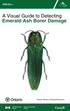 cfs.nrcan.gc.ca A Visual Guide to Detecting Emerald Ash Borer Damage Ontario Ministry of Natural Resources Library and Archives Canada Cataloguing in Publication A visual guide to detecting emerald ash
A REVIEW OF PEST CONTROL IN AVOCADOS
 California Avocado Society 1979 Yearbook 63: 58-65 A REVIEW OF PEST CONTROL IN AVOCADOS C. Don Gustafson Farm Advisor, Cooperative Extension Service, University of California, San Diego County. Introduction
Scarab Beetles and White Grubs
 Scarab Beetles and White Grubs O & T Guide [T-#08] Carol A. Sutherland Extension and State Entomologist Cooperative Extension Service College of Agriculture and Home Economics October 2006 Probably the
A DISCOVERY REGARDING THE DEATH OF ASH TREES IN THE PLYMOUTH AREA
 A DISCOVERY REGARDING THE DEATH OF ASH TREES IN THE PLYMOUTH AREA As you are probably aware, we have seen a significant amount of dying ash trees in the Plymouth, Canton, Northville area. This prompted
Chapter 7. Insect Pest Management
 Chapter 7 Insect Pest Management Gerald Brust This chapter is divided into three main sections. The first section is an overview of insect pest management and discusses a systems approach to it. What can
Pests of Deciduous Trees and Shrubs
 Pests of Deciduous Trees and Shrubs 1 Introduction Managing common insects, weeds, plant diseases and certain animal pests found in the backyard can be a challenge. However, there are a number of ways
Strawberry Anthracnose
 Strawberry Anthracnose Bill Turechek and Cathy Heidenreich Introduction - The term anthracnose is a general term used to describe plant diseases. Strawberry anthracnose refers to several diseases of strawberry
Tree Integrated Pest Management. Dan Nortman Virginia Cooperative Extension, York County
 Tree Integrated Pest Management Dan Nortman Virginia Cooperative Extension, York County IPM Refresher Definition: The use of a combination of appropriate pest control tactics to reduce pest population
What is a pest? How Insects Become Pests. How do insects become pests? Problems with Pesticides. What is most commonly used to control insect pests?
 What is a pest? How Insects Become Pests How do insects become pests? Introduction outside of native range Becomes disease vector Plant or animal (inclu. human) disease vector Host shift in native insect
Grasshopper and Bean Leaf Beetle
 FS 905 Economic Thresholds in Soybeans Grasshopper and Bean Leaf Beetle Michael A. Catangui, Ph.D. Extension entomologist & assistant professor Plant Science Department South Dakota State University Economic
Strawberry Leaf Spot
 Strawberry Leaf Spot Cathy Heidenreich and Bill Turechek Introduction - Leaf spot is one of the most common and widespread diseases of strawberry. Mycosphaerella fragariae is also the cause of black seed
Vegetable Planting Guide For Eastern North Carolina
 North Carolina Cooperative Extension Service NC STATE UNIVERSITY Vegetable Guide For Eastern North Carolina Getting Started There is much to consider when planning a vegetable garden. When is the right
12. INSECT PEST AND DISEASE MANAGEMENT
 12. INSECT PEST AND DISEASE MANAGEMENT Conservation farming promotes a diversity of insect life, influences pest populations and also favours many beneficial insects. The beneficial insects which act as
Integrated Pest Management
 Integrated Pest Management Science and Language Arts Brief Description: This lesson will focus all of the information the students have learned about pests in the other insect lessons in a decision-making
Gardening for Food & Fun 2014
 Gardening for Food & Fun 2014 Pest Control Decisions For Your Vegetable Garden Jeff White University of Illinois Extension Winnebago County Master Gardener Gardening for Food and Fun 03/01/2014 What Is
Karen J. English Graphic and Web Designer. Please click the thumbnails on the following pages to view larger versions of the images.
 Karen J. English Graphic and Web Designer Please click the thumbnails on the following pages to view larger versions of the images. graphic design: small pieces graphic design: large pieces web design
Insect Life Cycle LEVELED READER BOOK LA. www.readinga-z.com. Visit www.readinga-z.com for thousands of books and materials.
 Insect Life Cycle A Reading A Z Level L Leveled Book Word Count: 607 LEVELED READER BOOK LA Written by Chuck Garofano Visit www.readinga-z.com for thousands of books and materials. www.readinga-z.com Photo
Life Cycle - Butterflies & Moths
 Life Cycle - Butterflies & Moths butterfly goes through four stages in its life. All animals A change as they grow and mature but butterflies and moths undergo the biggest change of all. Butterfly Pupa
Symptoms Include: Stippled, bronzed or bleached appearance of leaves
 Common Tree Pests & Diseases Of Central Texas Lara Schuman City of Austin Urban Forestry Program Stress and Trees City life can be stressful, and trees feel stress too. Common urban tree issues include:
BIOLOGICAL CONTROL OF INSECT PESTS IN WHEAT
 BIOLOGICAL CONTROL OF INSECT PESTS IN WHEAT Allen Knutson, Extension entomologist; Emory P. Boring, III Extension entomologist; G. J. Michels Jr. Associate professor of Entomology, Texas AgriLife Extension
Pest Check. Subterranean Termite Swarming Season. Kimberly Schofield Program Specialist- IPM [email protected]
 Kimberly Schofield Program Specialist- IPM [email protected] Pest Check Subterranean Termite Swarming Season For one subterranean termite genus, Reticultermes, the months of February through May means
Scouting and Thresholds for Blueberry Pests and Diseases
 Scouting and Thresholds for Blueberry Pests and Diseases This field guide is intended to be used as a tool to aid in sampling and decision-making for managing key insect, mite, and disease pests in blueberry
Tomato Year-Round IPM Program ANNUAL CHECKLIST (Reviewed 12/12)
 Tomato Year-Round IPM Program ANNUAL CHECKLIST (Reviewed 12/12) These practices are recommended for a monitoring-based IPM program that reduces water quality problems related to pesticide use. Track your
PEST IDENTIFICATION. PMA 4570/6228 Lab 1 July 3 2014
 PEST IDENTIFICATION PMA 4570/6228 Lab 1 July 3 2014 Steps towards a successful IPM program 1. Correct identification 2. Monitoring 3. Economic thresholds 4. Choice of optimum pest control option Pests
Cucumber (Cucumis sativus)
 Cucumber (Cucumis sativus) Recommended Varieties Pickling Liberty Hybrid Saladin County Fair 83 Pickle Bush (compact, suitable for containers) Pot Luck (container only) Slicing Dasher 11 Sweet Success
PEST AND DISEASE MANAGEMENT
 PEST AND DISEASE MANAGEMENT Introduction The damage caused by many pests can often be tolerated in a school garden. Some pests can be controlled without chemicals by washing plants with a forceful spray
2016 Soybean Insect Control Recommendations
 2016 Soybean Insect Control Recommendations Introduction Many different insects can be found on soybeans in Tennessee. Some are detrimental, while others are beneficial. The most economical and effective
Insect Life Cycle. www.readinga-z.com. Visit www.readinga-z.com for thousands of books and materials.
 Insect Life Cycle A Reading A Z Level L Leveled Reader Word Count: 607 LEVELED READER L Written by Chuck Garofano Visit www.readinga-z.com for thousands of books and materials. www.readinga-z.com Photo
Managing Insect Pests
 13 Managing Insect Pests Kevin Steffey Department of Crop Sciences [email protected] Mike Gray Department of Crop Sciences [email protected] Technically, an insect pest of crops is any species that
Onion & Leek Planting Guide
 Onion & Leek Planting Guide Important Remove plants from box immediately. Do not put in soil or water before planting. Keep cool and dry until you can plant. Follow the instructions inside for best results.
Picture Tour: Dry Beans Diseases
 Picture Tour: Dry Beans Diseases Saginaw Valley Research and Extension Center agbioresearch.msu.edu 1 Images of: Blight Root rot White mold Common Mosaic virus Leaf spot Rust Anthracnose BLIGHT Common
Identification and Prevention of Frost or Freeze Damage By Linda Reddick, Kingman Area Master Gardener
 KINGMAN IS GROWING! COLUMN Identification and Prevention of Frost or Freeze Damage By Linda Reddick, Kingman Area Master Gardener Again this year we have been experiencing some very cold weather, with
Fertilizer, Weed Control, Grubs, and General Application Questions
 Lawn Care FAQ s Fertilizer, Weed Control, Grubs, and General Application Questions Why do we have so many weeds? Dandelions in particular, weeds in general, do not seem concerned about how long lawn has
This lesson is part of a larger, comprehensive school garden guide called Minnesota School Gardens: A Guide to Gardening and Plant Science developed
 This lesson is part of a larger, comprehensive school garden guide called Minnesota School Gardens: A Guide to Gardening and Plant Science developed by Minnesota Agriculture in the Classroom in 2013. The
Best Lawns News. Late Spring 2014 Edition Virginia Cooperative Extension Prince William Unit. Featured in This Issue
 Best Lawns News Late Spring 2014 Edition Virginia Cooperative Extension Prince William Unit Featured in This Issue Stilt Grass 2 National Arboretum s Grass Roots Exhibit 4 Grub Control 5 All content was
Promoting Pollination Farming for Native Bees
 Promoting Pollination Farming for Native Bees Overview Pollination, the transfer of pollen grains to fertilize the ovules of flowers to produce seeds and fruits, is essential to agriculture and natural
Susan Donaldson, Water Quality Education Specialist Steven J. Seybold, Research Biochemist
 FACT SHEET 98-40 Susan Donaldson, Water Quality Education Specialist Steven J. Seybold, Research Biochemist Introduction Trees in the Lake Tahoe Basin and the Sierra Nevada are turning brown and dying.
DESIGNING A SCHOOL GARDEN. Sandy McGroarty, An Taisce Green-Schools
 DESIGNING A SCHOOL GARDEN Sandy McGroarty, An Taisce Green-Schools Designing the Garden Why do you want a garden? Ornamental Edible Forest Garden Outdoor Classroom Biodiversity Maintenance over the Summer
SQUARE FOOT GARDENING. An Educational Class Presented by Harvest Farm Community Garden March 2010
 SQUARE FOOT GARDENING An Educational Class Presented by Harvest Farm Community Garden March 2010 All New Square Foot Gardening: Grow More in Less Space! By Mel Bartholomew www.squarefootgardening.com It
Worksheets. (Caterpillars of Singapore s Butterflies) Worksheet Title Recommended level. Adaptations of the caterpillar defence mechanism
 Worksheets (Caterpillars of Singapore s Butterflies) Worksheet Title Recommended level 1 Life cycle of a butterfly P3 2 Am I an insect? P3 3 4 Adaptations of the caterpillar defence mechanism The butterfly
What is Integrated Pest Management?
 SLIDE 1: This is Steve Johnson, University of Maine Cooperative Extension, bringing you information on Integrated Pest Management. It is possible to receive a Maine Board of Pesticides Control recertification
RIPPLE Africa Step by Step Fruit Tree planting Guide
 RIPPLE Africa Step by Step Fruit Tree planting Guide NOTES ON FRUIT PRODUCTION Aim and Objective The aim and objective of RIPPLE Africa as an organisation is to make Nkhata Bay District one of the leading
Integrated Pest Management (IPM)
 Integrated Pest Management (IPM) in crops and pastures Integrated Pest Management (IPM) means using a combination of biological, cultural and chemical control methods to manage pest problems. The term
Structural Pest Control Learning Objectives
 Category 7C: Structural Pest Control (Wood-Destroying Pests) Structural Pest Control Learning Objectives After studying this section, you should be able to: Describe the most common wood destroying pest
Insects That Kill Trees. Diane G. Alston Extension Entomologist Utah State University 2004 Professional Tree Care Workshops
 Insects That Kill Trees Diane G. Alston Extension Entomologist Utah State University 2004 Professional Tree Care Workshops Topics Introduction websites, IPM strategies Ips bark beetles Tree borers flatheaded,
Llewellyn's Moon Sign Book
 PLANTING BY THE MOON "Shine on, Shine on harvest moon" is the song lyric which Texans can sing most of the year because of the long production period. Most growers ignore the phases of the moon when the
Chemical versus Biological Control of Sugarcane. By Abid Hussain Matiari Sugar Mills Ltd.
 Chemical versus Biological Control of Sugarcane By Abid Hussain Matiari Sugar Mills Ltd. Sugarcane It is an important cash crop, Pakistan is the fifth largest cane producing country. However, its yield
Class Insecta - The insects
 A Introduction 1. Very species rich 2. Characteristics a. 3 pairs of legs b. 2 pairs of wings (most) except flies (1 pair of wings - Diptera) B. Distribution 1. All habitats except saltwater - replaced
2 nd Grade Science Unit B: Life Sciences Chapter 3: Plants and Animals in Their Environment Lesson 1: How are plants and animals like their parents?
 2 nd Grade Science Unit B: Life Sciences Chapter 3: Plants and Animals in Their Environment Lesson 1: How are plants and animals like their parents? offspring Offspring are young plants and animals. Offspring
Macadamia problem solver & bug identifier
 Macadamia problem solver & bug identifier Reprint information current in 2003 REPRINT INFORMATION PLEASE READ! For updated information please call 13 25 23 or visit the website www.deedi.qld.gov.au This
Unit 4 Lesson 1: A Pest by Any Other Name
 Focus Areas: Pest Control: Biological; Environmental Science, Language Arts Focus Skills: critical thinking, conducting research, observing, graphing, interpreting data Objectives To explore human attitudes
Wild About... Frogs and Frogspawn
 a Wild About... Rutland County Council Nature notes Frogs belong to a group of animals called amphibians, which also includes newts and toads. Amphibians live both on land and in water. Water is needed
Who Eats What in the Woods?
 Who Eats What in the Woods? Developed with teachers at Tolworth Junior School in Kingston upon Thames in 2000. The webaddress for this activity is; Last updated 26th February 2008 This activity has now
o d Propagation and Moon Planting Fact Sheet
 o d Propagation and Moon Planting Fact Sheet Propagation Propagation is actually quite simple and requires very little effort on your part. Most seeds are ready to go, complete with all the nutrients and
Managing Armyworms in Pastures and Hayfields
 DIVISION OF AGRICULTURE RESEARCH & EXTENSION University of Arkansas System Agriculture and Natural Resources Managing Armyworms in Pastures and Hayfields FSA7083 Kelly Loftin Introduction (Spodoptera ornithogalli)
Wilt diseases of tomatoes can be caused
 A l a b a m a A & M a n d A u b u r n U n i v e r s i t i e s Wilt Diseases of Tomatoes ANR-0797 Wilt diseases of tomatoes can be caused by fungal, bacterial, viral, and nematode pathogens, as well as
Materials For each student (or group of students): Caterpillar data sheets Pencil For teacher: Chart paper Markers
 Insects! Concepts Life cycles and metamorphosis are common to all insects. Butterflies, like most insects, go through complete metamorphosis involving four distinct phases egg, caterpillar (larva), chrysalis
4.5 CSA Crop Planning
 4.5 CSA Crop Planning Lecture Outline 3 Exercise 5 Appendices 1. Calculating Weekly and Seasonal Harvest Goals 9 2. Calculating the Number of Plants Per Sowing 11 Required to Meet Harvest Goals 3. Determining
Alternative Pesticide Management for the Lawn and Garden
 Alternative Pesticide Management for the Lawn and Garden XCM-221 A pest-free lawn and garden may sound ideal, but is it really? Maintaining the perfect urban landscape may result in a reliance on pesticides
Pineapples. Ian Hewett Horticultural Marketing Inspectorate United Kingdom. Version - October 2011
 Pineapples Ian Hewett Horticultural Marketing Inspectorate United Kingdom Version - October 2011 1 Definition Of Produce This Standard applies to pineapples of varieties (cultivars) grown from Ananascomosus(L).