
Introduction. Planned surgical procedures
|
|
|
- Scott Little
- 9 years ago
- Views:
Transcription
1 Guidelines for the perioperative management of patients with implantable pacemakers or implantable cardioverter defibrillators, where the use of surgical diathermy/electrocautery is anticipated. Introduction The provision of implantable pacemakers and implantable cardioverter defibrillators (ICDs) to treat heart problems is increasing and as a consequence more patients with these devices are likely to present for elective or emergency surgery. The use of surgical diathermy/electrocautery can give rise to electrical interference and this can present additional risks when used in patients implanted with pacemakers and ICDs. Energy can also be induced into heart lead systems causing tissue heating at lead tips through high frequency current. Therefore, appropriate precautions need to be considered. Manufacturers of implantable pacemakers and ICDs either contraindicate the use of surgical diathermy/electrocautery, or give strong warnings against its use especially the monopolar mode of operation. There may however be situations where the risk/benefit analysis favours the use of surgical diathermy/electrocautery, particularly in emergency situations. Wherever possible, surgical diathermy/electrocautery should be avoided with these devices. However, where surgical diathermy/electrocautery is deemed essential, the use of bipolar surgical diathermy/electrocautery should first be considered bearing in mind that even in this mode a possibility for interference remains. This document is intended to provide guidance when patients with these devices need to undergo surgical intervention and has been prepared at the request of the MHRA s Committee on the Safety of Devices (CSD) and in consultation with Heart Rhythm UK (HRUK). Planned surgical procedures Patient screening Since all surgical procedures (except emergency) are planned in advance, the identification of patients having these devices should be effected through routine pre-admission screening. Although pre-admission forms may request patients to declare if they have a pacemaker/icd, this should be independently verified. Recording pacemaker/icd details When a pacemaker/icd is identified it should be clearly recorded in patient notes and marked for the attention of key clinical and surgical staff (surgeon, anaesthetist, cardiologist etc). Patients with these devices are usually provided with a registration card or passport recording details of the device and its manufacturer. Where possible the following key information should be noted for future reference: device manufacturer, model number, serial number implanting hospital, follow-up hospital date of implant reason for implant (e.g. heart block etc)

2 Clarification of indication for device implant and device status In advance of the surgical procedure, the patient s pacemaker/icd follow-up clinic should be contacted to confirm their cardiac condition and to determine in particular: indication for device implant extent of any heart failure degree of pacemaker dependency implant complexity (bradycardia support, arrhythmia control, cardiac resynchronisation therapy) if the device is at or approaching replacement phase if the device is subject to a manufacturer or regulatory agency safety advisory notice if the device is part of a clinical investigation where restrictions may apply Considering additional perioperative support Prior to surgery the anaesthetist and surgeon involved should discuss the implications of the patient having an implanted pacemaker/icd. Where surgical diathermy/electrocautery cannot be avoided, the surgical team should contact the patient s cardiac follow-up centre for advice. Where the surgical procedure is remote from the pacemaker/icd and the device has been checked and verified within the last three months (especially battery condition), risk of malfunction will be minimal. However, where the procedure will be close to the implant and where the use of surgical diathermy/electrocautery is likely, then risk of malfunction is increased. Consequently, the patient s follow-up clinic should be contacted to advise to what extent support may be required from a cardiac pacing/icd physiologist before, during and/or after the surgical procedure to: confirm the correct functioning of the pacemaker/icd and to check the condition of the battery and leads etc prior to surgery advise if adjustments to sensing/pacing parameters are required (the majority of devices will not require changes prior to or after surgery) programme an ICD prior to surgery to a monitor only mode to prevent inappropriate therapy/shock delivery, in the event of accidental sensing of electrical interference programme a pacemaker to avoid or minimise inappropriate inhibition, or high rate pacing through the tracking of electrical interference, where there is a degree of pacemaker dependency programme rate response function to off in those devices that use the minute ventilation method of physiological pacing programme the implant s sleep mode to OFF if late surgery is planned confirm device functionality on completion of surgery. Perioperative management pacemakers/icds March /5

3 During surgery At the time of surgery the following should be considered when surgical diathermy/electrocautery is to be used on patients having an implantable pacemaker/icd: availability of cardio-pulmonary resuscitation, temporary external/transvenous pacing, and external defibrillation equipment availability of appropriate cardiac personnel monitoring the patient s ECG from the outset of surgery and before the induction of anaesthesia if using an ECG monitor which has a paced mode, give careful consideration to whether the use of this mode would be advantageous or not. (In the unlikely event of pacing pulses failing to capture the heart, an ECG monitor set to paced mode may misinterpret the pacing spikes as the patient s QRS complexes and incorrectly display a heart rate when the patient is actually in asystole) use of an alternative method of detecting a patient s pulse such as an arterial line or pulse oximeter (as a minimum) where detectable pacemaker inhibition occurs, the surgeon should be informed immediately and diathermy either used intermittently or discontinued where the use of monopolar diathermy/electrocautery is unavoidable > limit its use to short bursts > ensure that the return electrode is anatomically positioned so that the current pathway between the diathermy electrode and return electrode is as far away from the pacemaker/defibrillator (and leads) as possible where either monopolar or bipolar diathermy/electrocautery is used > ensure that cables attached to diathermy/electrocautery equipment are kept well away from the site of implant > consider alternative external/transvenous pacing where pacing from the implant is significantly affected during the use of diathermy/electrocautery for patients where the ICD is deactivated and where access to the anterior chest wall will interfere with surgery (or the sterile field), consider connecting the patient to an external defibrillator using remote pads. Emergency procedures Wherever possible, the steps outlined above (see During surgery) should be followed when handling emergency cases. Where it is not possible for the pacemaker/icd to be checked before surgery then device function should checked as soon as feasible post-operatively. Ensure that cardio-pulmonary resuscitation, temporary external/transvenous pacing, and external defibrillation equipment are available. For patients with ICDs, consideration may be given to positioning a clinical magnet over the implant site to inhibit inappropriate shock delivery through noise detection. However, it should be noted that: inhibition of shock delivery will only be effective during magnet placement and that this should be secured to the patient for the duration of surgery using Micropore tape (or equivalent) any subsequent VT/VF will need to be treated using external defibrillation equipment, Perioperative management pacemakers/icds March /5

4 shock delivery can not be inhibited for those ICDs where the clinician has programmed the device not to respond to an external magnet where a magnet has been applied the ICD must be checked post operatively to determine therapy delivery status. For patients with pacemakers, securing a magnet over the pacemaker implant site will not necessarily guarantee asynchronous (non-sensing) pacing. Magnet response may vary between manufacturers models and according to particular programmed settings. Clinical magnets for this application may be made available from the local cardiac pacing centre. If an ICD is deactivated, consider connecting the patient to an external defibrillator using remote pads if access to the anterior chest wall will interfere with surgery or the sterile field. In the event of a prolonged, life-threatening arrhythmia, conventional advanced life support procedures should be followed. Some pacemakers are programmed to allow a lower intrinsic or paced rate during the patient s sleeping period (night rate). This mode is initiated automatically at the time set by the patient s clinician and a reduction in paced rate may therefore be observed in patients undergoing night surgery. Appropriate heart rate can be restored via temporary external/transvenous overdrive pacing. About implantable pacemakers and cardioverter defibrillators Pacemakers/ICDs are highly sophisticated electronic medical implants which monitor and respond to very small electrical signals sensed within the heart. Although some pacemakers treat bradycardia, some are also able to treat heart arrhythmias through particular methods of pacing. Pacemakers are now available to provide corrective resynchronisation of left and right sides of the heart. Early implantable cardioverter defibrillators were designed to mainly treat arrhythmias such as ventricular tachycardia or ventricular fibrillation through pacing and shock delivery but now incorporate complex pacing functions. Both pacemakers and cardioverter defibrillators have been designed with a high degree of tolerance to electrical and magnetic interference fields and special filtering components have been incorporated to minimise the effects of these. A problem may arise, however, if the energy level of a nearby field is very high, or has a frequency component that is close to cardiac range. Interference generated by monopolar surgical diathermy/electrocautery can be sufficient to temporarily inhibit pacemaker output, or may give rise to a temporary increase in pacing rate. The release of substantial energy may also cause devices to enter a safety mode of operation with subsequent restricted function. Also if the energy field is close, programmed parameters may be reset to the manufacturer s default settings, thereby losing patient settings programmed by the clinician. Where a device s internal power source has significantly depleted to a point where device replacement is needed, such interference can cause the device to stop functioning completely. In ICDs there is a possibility that the interference signal may be misinterpreted as ventricular tachycardia or ventricular fibrillation causing inappropriate initiation of therapy. Where a pacemaker (or an ICD with a pacing function) uses an impedance-based rateresponsive pacing function (e.g. minute ventilation), then signals from physiological/cardiac monitoring equipment can be sensed by the implant resulting in inappropriate high rate pacing. Temporarily programming the device to a non-rate response mode will prevent this. Perioperative management pacemakers/icds March /5

5 Alternatively, a monitoring device that does not employ thoracic impedance measurements could be used. Pacemakers and ICDs have a magnetic switch which will respond to a magnet when positioned over the implant site. The nature of the response to magnet placement will depend upon how the device is currently programmed by the clinician. For some pacemakers, placing a magnet over the device may result in asynchronous pacing, whilst in others a period of device diagnostics is initiated after which pacing is resumed. For ICDs, placing a magnet over the device can inhibit delivery of shock therapy but only where the device is programmed to respond in this way. Placing a magnet over an implantable pacemaker or cardioverter defibrillator will therefore not necessarily modify or suspend therapy. Further information about magnet status should be confirmed by the patient s follow-up/implanting centre. This information together with the document below is intended to provide guidance when patients with implantable pacemaker and cardioverter defibrillators need to undergo surgical intervention and has been prepared at the request of MHRA s Committee on the Safety of Devices (CSD) and in consultation with Heart Rhythm UK (HRUK). Perioperative management pacemakers/icds March /5

Guidelines for deactivating implantable cardioverter defibrillators (ICDs) in people nearing the end of their life
 Guidelines for deactivating implantable cardioverter defibrillators (ICDs) in people nearing the end of their life 1 March 2013 Guidelines for deactivating implantable cardioverter defibrillators (ICDs)
Guidelines for Perioperative Management of Pacemakers and Defibrillators
 Guidelines for Perioperative Management of Pacemakers and Defibrillators Developed By: Deborah Wolbrette, MD, Medical Director, Electrophysiology Lab, Dept of Cardiology Kane High, MD, Department of Anesthesiology
Management of Pacing Wires After Cardiac Surgery
 Management of Pacing Wires After Cardiac Surgery David E. Lizotte, Jr. PA C, MPAS, FAPACVS President, Association of Physician Assistants in Cardiovascular Surgery Conflicts: None Indications 2008 Journal
What Are Arrhythmias?
 What Are Arrhythmias? Many people have questions about what the word arrhythmia means, and arrhythmias can be a difficult subject to understand. The text below should give you a better understanding of
CCAD Training Manual. Cardiac Rhythm Management (CRM)
 CCAD Training Manual Cardiac Rhythm Management (CRM) Version 1.0 A D Cunningham 19/3/2008 Introduction This manual is intended to assist users of the Notes Client version of the CCAD Cardiac Rhythm Management
UCSF Anesthesia Resident Pearls: Cardiac Implantable Electronic Devices: Pacemakers and ICDs Table of Contents
 UCSF Anesthesia Resident Pearls: Cardiac Implantable Electronic Devices: Pacemakers and ICDs Table of Contents Page 1 Intro Indications for Pacers and ICDs Page 2 Differentiating between Pacers and ICDs
Pacemaker Counter and Histogram Operation and Interpretation. Percentage of total count. Figure 2. Detailed ALTRUA Paced and Sensed Event Counters
 A Closer Look SUMMARY This article provides information regarding the operation and interpretation of Event Counters and Histograms available in ALTRUA, INSIGNIA, PULSAR MAX II, and DISCOVERY II pacemakers.
STANDARDS FOR IMPLANTATION AND FOLLOW-UP OF CARDIAC RHYTHM MANAGEMENT DEVICES IN ADULTS January 2013
 1. INTRODUCTION STANDARDS FOR IMPLANTATION AND FOLLOW-UP OF CARDIAC RHYTHM MANAGEMENT DEVICES IN ADULTS January 2013 This document replaces the previous Heart Rhythm UK documents Clinical Guidance by Consensus
Basics of Pacing. Ruth Hickling, RN-BSN Tasha Conley, RN-BSN
 Basics of Pacing Ruth Hickling, RN-BSN Tasha Conley, RN-BSN The Cardiac Conduction System Cardiac Conduction System Review Normal Conduction Conduction QRS QRS Complex Complex RR PP ST ST segment segment
Heart Rhythm UK. Standards for Implantation and Follow-up of Cardiac Rhythm Management Devices HRUK, February 2011
 Heart Rhythm UK Standards for Implantation and Follow-up of Cardiac Rhythm Management Devices HRUK, February 2011 1) Introduction 2) Definitions 3) Treatment indications 4) Requirements for performing
IMAGEREADY MR CONDITIONAL DEFIBRILLATION SYSTEM
 MRI TECHNICAL GUIDE IMAGEREADY MR CONDITIONAL DEFIBRILLATION SYSTEM REF D000, D002, D010, D012, D020, D022, D044, D046, D050, D052, D140, D142, D150, D152, D174, D176, G058, G148, G158, G179, 0265, 0266,
Christopher M. Wright, MD, MBA Pioneer Cardiovascular Consultants Tempe, Arizona
 Christopher M. Wright, MD, MBA Pioneer Cardiovascular Consultants Tempe, Arizona Areas to be covered Historical, current, and future treatments for various cardiovascular disease: Atherosclerosis (Coronary
Sign up to receive ATOTW weekly - email [email protected]
 PACEMAKERS & IMPLANTABLE CARDIOVERTER-DEFIBRILLATORS (ICDs) - PART 2 - ANAESTHESIA ANAESTHESIA TUTORIAL OF THE WEEK 300 2 nd DECEMBER 2013 Dr. Md. Rajib Pervez, Trainee in Anaesthesiology, Bangladesh Medical
Risk Management for Medical Devices
 Risk Management for Medical Devices CĂLIN CORCIOVĂ, MARIUS TURNEA, RADU CIORAP Department Biomedical Science Faculty of Medical Bioengineering, Grigore T. Popa University of Medicine and Pharmacy - Iasi
SW012. Installation software for the Right Ventricular Lead Integrity Alert feature. Reference Manual
 Installation software for the Right Ventricular Lead Integrity Alert feature Reference Manual Caution: Federal law (USA) restricts this device to sale by or on the order of a physician. The following list
«Δυσλειτουργία βηματοδότη. Πως μπορούμε να την εκτιμήσουμε στο ιατρείο.» Koσσυβάκης Χάρης Καρδιολογικό Τμήμα Γ.Ν.Α. «Γ. ΓΕΝΝΗΜΑΤΑΣ
 «Δυσλειτουργία βηματοδότη. Πως μπορούμε να την εκτιμήσουμε στο ιατρείο.» Koσσυβάκης Χάρης Καρδιολογικό Τμήμα Γ.Ν.Α. «Γ. ΓΕΝΝΗΜΑΤΑΣ Diagnostic tools History: symptoms, physical examination 12 leads ECG,
Automatic External Defibrillators
 Last Review Date: May 27, 2016 Number: MG.MM.DM.10dC2 Medical Guideline Disclaimer Property of EmblemHealth. All rights reserved. The treating physician or primary care provider must submit to EmblemHealth
CLINICIAN MANUAL. LATITUDE Patient Management System
 CLINICIAN MANUAL LATITUDE Patient Management System CAUTION: Federal law restricts this device to sale by or on the order of a physician trained or experienced in device implant and follow-up procedures.
Worldwide Experience with S-ICD: Early results from the EFFORTLESS Registry
 Worldwide Experience with S-ICD: Early results from the EFFORTLESS Registry Results published in European Heart Journal (March 2014) Pier D. Lambiase, Craig Barr, Dominic A.M.J. Theuns, Reinoud Knops,
Heart of America Medical Center EMR, EMT, EMT-Intermediate & AEMT Protocols
 USE OF THE LUCAS DEVICE TO PROVIDE EXTERNAL CHEST COMPRESSIONS IN PATIENTS SUFFERING CARDIAC ARREST Purpose This procedure describes the appropriate methods to apply, operate, and discontinue the LUCAS
REMOTE CARE ALERT MANAGEMENT REFERENCE GUIDE Managing Merlin.net
 REMOTE CARE ALERT MANAGEMENT REFERENCE GUIDE Managing Merlin.net Patient Care Network (PCN) Alerts Merlin.net PCN offers a powerful range of alert capabilities to give your practice the control, flexibility
MRI Case Study MRI Cervical Spine
 MRI Case Study MRI Cervical Spine Jewish Hospital Louisville, KY The Revo MRI SureScan pacing system is MR Conditional designed to allow patients to undergo MRI under the specified conditions for use.
Vagus Nerve Stimulation (VNS)
 Vagus Nerve Stimulation (VNS) Your doctor has suggested Vagus Nerve Stimulation (VNS) as an extra treatment to reduce the number of seizures you or your child has as well as how long they last. Either
Special Topics in Security and Privacy of Medical Information. Reminders. Medical device security. Sujata Garera
 Special Topics in Security and Privacy of Medical Information Sujata Garera Reminders Assignment due today Project part 1 due on next Tuesday Assignment 2 will be online today evening 2nd Discussion session
HOW TO USE THE LIFEPAK 1000 DEFIBRILLATOR 3
 3 How to Use the LIFEPAK 1000 Defibrillator HOW TO USE THE LIFEPAK 1000 DEFIBRILLATOR 3 This section provides an overview of information and instructions for using the LIFEPAK 1000 defibrillator. Modes
Purpose: To outline the care of patients with permanent or temporary pacemakers.
 University of Kentucky / UK HealthCare Policy and Procedure Policy # NR08-03 Title/Description: Care of Patients with Pacemakers Purpose: To outline the care of patients with permanent or temporary pacemakers.
Dual Chamber Temporary Pacemaker
 5388 Dual Chamber Temporary Pacemaker Technical Manual Caution: Federal Law (USA) restricts this device to sale by c or on the order of a physician. 0123 MODEL 5388 0 Technical Manual 0 Dual Chamber Temporary
Special Topics in Security and Privacy of Medical Information. Reminders. Last lecture: Recap. Sujata Garera. Project part 1 submission
 Special Topics in Security and Privacy of Medical Information Sujata Garera Reminders Project part 1 submission Assignment 2 is online Last lecture: Recap Medical Telemetry Infrastructure Devices capturing
MRI SureScan Pacing System
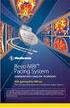 MRI SureScan Pacing System Step-by-step Instructions For A Successful MRI Scan Timothy S. E. Albert, MD Medical Director Advanced Diagnostic Imaging Center Monterey, CA Lisa L. Hungate, BS, RN clinical
Vagus Nerve Stimulator (VNS)
 Directorate of Children s Services Vagus Nerve Stimulator (VNS) Information booklet for parents/carers This is an information booklet for families and carers of young people who have, or are considering
Purpose To guide registered nurses who may manage clients experiencing sudden or unexpected life-threatening cardiac emergencies.
 Emergency Cardiac Care: Decision Support Tool #1 RN-Initiated Emergency Cardiac Care Without Cardiac Monitoring/Manual Defibrillator or Emergency Cardiac Drugs Decision support tools are evidence-based
LATITUDE NXT 4.0 Quick Reference Guide
 LATITUDE NXT 4.0 Quick Reference Guide LATITUDE NXT is compatible with Boston Scientific s most advanced pacemaker and defibrillator families 1, and now also with the EMBLEM sub-cutaneous defibrillator.
Living with Your Pacemaker
 Brief Statement Additional Device Information An implantable pacemaker system relieves symptoms of heart rhythm disturbances. They do this by restoring normal heart rates. A normal heart rate provides
Michael Hartman, CRNA, DNP, MSN, BSN, BA
 Michael Hartman, CRNA, DNP, MSN, BSN, BA Intrinsic Conduction Automaticity-cardiac cells ability to spontaneously depolarize and initiate impulse Depolarization-cardiac cells go to a+ intracellular and
Atrial Fibrillation and Cardiac Device Therapy RAKESH LATCHAMSETTY, MD DIVISION OF ELECTROPHYSIOLOGY UNIVERSITY OF MICHIGAN HOSPITAL ANN ARBOR, MI
 Atrial Fibrillation and Cardiac Device Therapy RAKESH LATCHAMSETTY, MD DIVISION OF ELECTROPHYSIOLOGY UNIVERSITY OF MICHIGAN HOSPITAL ANN ARBOR, MI Outline Atrial Fibrillation What is it? What are the associated
Pacemakers 12/04. Pacemakers. 1. What is a pacemaker?
 Pacemakers 12/04 1-What is a pacemaker? 2- What does intrinsic mean? 3- How exactly do pacemakers work on the heart? 4- What are the parts of a pacemaker? 5- Are there different kinds of pacemakers? 6-
Papworth Hospital NHS Foundation Trust
 Papworth Hospital NHS Foundation Trust About Papworth Hospital Papworth Hospital is the UK s largest provider of specialist cardiothoracic services including cardiology, respiratory medicine and cardiothoracic
CENTRAL MONITORING AUTHORITY for CARDIOLOGY at EU LEVEL
 Outline of Cardiology Training Chapter 6 Article 1 CENTRAL MONITORING AUTHORITY for CARDIOLOGY at EU LEVEL 1.1. The central monitoring authority for the specialty will be the European Board for the Specialty
19.109 AUTOMATED EXTERNAL DEFIBRILLATOR
 19.109 AUTOMATED EXTERNAL DEFIBRILLATOR References: American Heart Association Healthcare Provider (CPR/AED) Ohio Revised Code Chapter 2305.235 Immunity of Person Involved with Providing Automated External
COVERAGE GUIDANCE: ABLATION FOR ATRIAL FIBRILLATION
 COVERAGE GUIDANCE: ABLATION FOR ATRIAL FIBRILLATION Question: How should the EGBS Coverage Guidance regarding ablation for atrial fibrillation be applied to the Prioritized List? Question source: Evidence
Reimbursement Information For Electrophysiology and Arrhythmia Service Procedures 1
 GE Healthcare Information For Electrophysiology and Arrhythmia Procedures 1 2011 Update www.gehealthcare.com/reimbursement This overview addresses coding, coverage, and payment for electrophysiology procedures
Cardiac Arrest Pediatric Ventricular Fibrillation / Pulseless Ventricular Tachycardia Protocol revised October 2008
 Cardiac Arrest Pediatric Ventricular Fibrillation / Pulseless Ventricular Tachycardia Protocol revised October 2008 Preamble In contrast to cardiac arrest in adults, cardiopulmonary arrest in pediatric
Tachyarrhythmias (fast heart rhythms)
 Patient information factsheet Tachyarrhythmias (fast heart rhythms) The normal electrical system of the heart The heart has its own electrical conduction system. The conduction system sends signals throughout
The science of medicine. The compassion to heal.
 A PATIENT S GUIDE TO ELECTROPHYSIOLOGY STUDIES OF THE HEART The science of medicine. The compassion to heal. This teaching booklet is designed to introduce you to electrophysiology studies of the heart.
EMS SKILL CARDIAC EMERGENCY: AUTOMATED EXTERNAL DEFIBRILLATION (AED)
 EMS SKILL CARDIAC EMERGENCY: AUTOMATED EXTERNAL DEFIBRILLATION (AED) PERFORMANCE OBJECTIVE Demonstrate competency in assessing signs of cardiopulmonary arrest and performing defibrillation using a semi-automated
Michigan Adult Cardiac Protocols CARDIAC ARREST GENERAL. Date: May 31, 2012 Page 1 of 5
 Date: May 31, 2012 Page 1 of 5 Cardiac Arrest General This protocol should be followed for all adult cardiac arrests. Medical cardiac arrest patients undergoing attempted resuscitation should not be transported
LIFEPAK 15 MONITOR/DEFIBRILLATOR
 LIFEPAK 15 MONITOR/DEFIBRILLATOR Setup Options This document describes how to enter Setup mode and change operating settings in the LIFEPAK 15 monitor/defibrillator. Defining Setup Options Setup mode
R Series Quick Reference Guide
 R Series Quick Reference Guide 2010 ZOLL Medical Corporation. All rights reserved. CPR Index, OneStep, R Series, Real CPR Help, See-Thru CPR, statpadz, and ZOLL are trademarks or registered trademarks
BASIC STANDARDS FOR RESIDENCY TRAINING IN CARDIOLOGY
 BASIC STANDARDS FOR RESIDENCY TRAINING IN CARDIOLOGY American Osteopathic Association and the American College of Osteopathic Internists Specific Requirements For Osteopathic Subspecialty Training In Cardiology
Critical Care Therapy and Respiratory Care Section
 Critical Care Therapy and Respiratory Care Section Category: Clinical Section: Special Procedures Title: Transport of Critically Ill Patients Policy #: 05 Revised: 04/00 1.0 DESCRIPTION 1.1 Definition:
the basics Perfect Heart Institue, Piyavate Hospital
 ECG INTERPRETATION: the basics Damrong Sukitpunyaroj MD Damrong Sukitpunyaroj, MD Perfect Heart Institue, Piyavate Hospital Overview Conduction Pathways Systematic Interpretation Common abnormalities in
TABLE OF CONTENTS. 1. Preamble 1.1. Purpose 1.2. Consensus document definition
 The Heart Rhythm Society (HRS)/American Society of Anesthesiologists (ASA) Expert Consensus Statement on the Perioperative Management of Patients with Implantable Defibrillators, Pacemakers and Arrhythmia
The new generation in ECG interpretation
 The new generation in ECG interpretation Philips DXL ECG Algorithm, Release PH100B The Philips DXL ECG Algorithm, developed by the Advanced Algorithm Research Center, uses sophisticated analytical methods
ACLS Provider Manual Comparison Sheet Based on 2010 AHA Guidelines for CPR and ECC. BLS Changes
 ACLS Provider Manual Comparison Sheet Based on 2010 AHA Guidelines for CPR and ECC CPR Chest compressions, Airway, Breathing (C-A-B) BLS Changes New Old Rationale New science indicates the following order:
UnitedHealthcare, UnitedHealthcare of the River Valley and Neighborhood Health Partnership Cardiology Notification and Prior Authorization Program:
 UnitedHealthcare, UnitedHealthcare of the River Valley and Neighborhood Health Partnership Cardiology Notification and Prior Authorization Program: Electrophysiology Implant Code Classification Table The
1 Meet Your AliveCor Heart Monitor
 GETTING STARTED HOW TO RECORD YOUR FIRST ECG 1 Meet Your AliveCor Heart Monitor UNPACK Take your AliveCor out of the box. The device is already connected to an attachment plate that can adhere to the back
Crash Cart Drugs Drugs used in CPR. Dr. Layla Borham Professor of Clinical Pharmacology Umm Al Qura University
 Crash Cart Drugs Drugs used in CPR Dr. Layla Borham Professor of Clinical Pharmacology Umm Al Qura University Introduction A list of the drugs kept in the crash carts. This list has been approved by the
Inpatient Guidelines: Insulin Infusion Pump Management
 Inpatient Guidelines: Insulin Infusion Pump Management Developed by the Statewide Diabetes Clinical Network Steering Committee July 2012 Clinical Access and Redesign Unit Table of Contents Purpose...4
PACEMAKERS AND ANTITACHYCARDIA DEVICES WILLIAM BATSFORD, M.D.
 CHAPTER 26 PACEMAKERS AND ANTITACHYCARDIA DEVICES WILLIAM BATSFORD, M.D. INTRODUCTION The heart s natural pacemaker is an electrical timing device that controls the rate of the heart s muscular contractions,
ICD/S-ICD patient information
 ICD/S-ICD patient information Promoting better understanding, diagnosis, treatment and quality of life for those affected by heart rhythm disorders (cardiac arrhythmias) www.heartrhythmcharity.org.uk Registered
Versione obsoleta. Non utilizzare. Verouderde versie. Niet gebruiken. Föråldrad version. Använd ej. Versão obsoleta. Não utilize.
 Q-TECH PROGRAMMER A COMPONENT OF THE S-ICD SYSTEM USER S MANUAL 2020EU Copyright 2013 Cameron Health, Inc., San Clemente, CA USA. All rights reserved. Limited Software License and Equipment Use. S-ICD,
Medical Procedures and EMI Precautions
 Medical Procedures and EMI Precautions for MR Conditional Cardiac Implantable Electronic Devices Manual for Health Care Professionals 0123 The following list includes trademarks or registered trademarks
Treatments to Restore Normal Rhythm
 Treatments to Restore Normal Rhythm In many instances when AF causes significant symptoms or is negatively impacting a patient's health, the major goal of treatment is to restore normal rhythm and prevent
PHENYLEPHRINE HYDROCHLORIDE INJECTION USP
 PRESCRIBING INFORMATION PHENYLEPHRINE HYDROCHLORIDE INJECTION USP 10 mg/ml Sandoz Canada Inc. Date of Preparation: September 1992 145 Jules-Léger Date of Revision : January 13, 2011 Boucherville, QC, Canada
INSERTABLE CARDIAC MONITORING SYSTEM. UNLOCK the ANSWER. Your heart and long-term monitoring
 INSERTABLE CARDIAC MONITORING SYSTEM UNLOCK the ANSWER Your heart and long-term monitoring UNLOCK the ANSWER Irregular heartbeats can be related to a variety of conditions, including unexplained fainting,
Patient Information Sheet Electrophysiological study
 Patient Information Sheet Electrophysiological study Your doctor has recommended performing an electrophysiological study (also called EPS). EPS is a diagnostic procedure designed to test and evaluate
Remote Monitoring of Cardiac Implantable Electrical Devices (CIEDs)
 Remote Monitoring of Cardiac Implantable Electrical Devices (CIEDs) Changing the face of enhanced self-management and improved coordinated healthcare K Fan, CKC Tsui, KL Au, RTC Ng, CYS Chung, KW Lai,
VIVA QUAD XT CRT-D DTBA1QQ
 VIVA QUAD XT CRT-D DTBA1QQ Digital implantable cardioverter defibrillator with cardiac resynchronization therapy (DDE-DDDR) PhysioCurve Design, AdaptivCRT Algorithm, CardioSync Optimization, VectorExpress
CLINICIAN MANUAL. LATITUDE NXT Patient Management System
 CLINICIAN MANUAL LATITUDE NXT Patient Management System CAUTION: Federal (USA) law restricts this device to distribution and use by or on the lawful order of a physician. Table of Contents INTRODUCTION:
CareLink Network. Clinic Setup Guide WORKFLOWS. FAQs
 INTRODUCTION CareLink Network Clinic Setup Guide All patient and clinical data displayed on the screenshots are fictitious and for demonstration purposes only. Introduction INTRODUCTION Transforming cardiac
Electrophysiology Heart Study - EPS -
 Electrophysiology Heart Study - EPS - What is an EPS? EPS is short for ElectroPhysiology heart Study. This procedure looks at the electrical system of your heart. An EPS will show if you have a heart rhythm
What Can I Do about Atrial Fibrillation (AF)?
 Additional Device Information 9529 Reveal XT Insertable Cardiac Monitor The Reveal XT Insertable Cardiac Monitor is an implantable patientactivated and automatically activated monitoring system that records
Cardiac Arrest - Ventricular Fibrillation / Pulseless Ventricular Tachycardia Protocol revised October 2008
 Cardiac Arrest - Ventricular Fibrillation / Pulseless Ventricular Tachycardia Protocol revised October 2008 Preamble Survival from cardiorespiratory arrest for patients who present with ventricular fibrillation
Catheter Ablation. A Guided Approach for Treating Atrial Arrhythmias
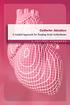 Catheter Ablation A Guided Approach for Treating Atrial Arrhythmias A P A T I E N T H A N D B O O K This brochure will provide an overview of atrial arrhythmias (heart rhythm problems affecting the upper
Atrioventricular (AV) node ablation
 Patient information factsheet Atrioventricular (AV) node ablation The normal electrical system of the heart The heart has its own electrical conduction system. The conduction system sends signals throughout
NATIONAL COMPETENCY SKILL STANDARDS FOR PERFORMING AN ELECTROENCEPHALOGRAM
 NATIONAL COMPETENCY SKILL STANDARDS FOR PERFORMING AN ELECTROENCEPHALOGRAM Electroencephalographic (EEG) providers practice in accordance with the facility policy and procedure manual which details every
Arrhythmia Monitoring Algorithm
 Arrhythmia Monitoring Algorithm Application Note Introduction The ST/AR (ST and Arrhythmia) algorithm is an ECG algorithm that the HeartStart MRx and XL+ monitor/defibrillators utilize for basic and cardiotach
Implementation Manual for the Colorado Surgical Site Checklist
 Implementation Manual for the Colorado Surgical Site Checklist Additional Information or Questions: Crystal Berumen, MSPH Director of Patient Safety Initiatives Colorado Hospital Association 7335 E. Orchard
Operating Instructions
 Operating Instructions Vision 5L Digital Holter Recorder Document Number: 010-1646-00 Revision: H Bothell, Washington 98021-8969 (608)-764-1919 Caution: U.S. Federal law restricts this device to sale by
PRO-CPR. 2015 Guidelines: PALS Algorithm Overview. (Non-AHA supplementary precourse material)
 PRO-CPR 2015 Guidelines: PALS Algorithm Overview (Non-AHA supplementary precourse material) Please reference Circulation (from our website), the ECC Handbook, or the 2015 ACLS Course Manual for correct
Emergency Insertion of Temporary Trans-venous Pacing Catheter in ICU
 TARGET AUDIENCE Junior Medical Staff Critical Care Trained ICU Nurses PURPOSE This document is intended as a basic guide to managing patients who require insertion of Temporary Trans-venous Cardiac Pacing
 Epimed Would Like To Congratulate The 20th Annual Budapest Conference The New Shape of Pain Relief SmalleST. ThiNNeST. CoNTouRed design. Precision Novi is the world s smallest, thinnest 16 contact primary
2015 Interim Resources for BLS
 2015 Interim Resources for BLS Original Release: November 25, 2015 Starting in 2016, new versions of American Heart Association online courses will be released to reflect the changes published in the 2015
Surgeons Role in Atrial Fibrillation
 Atrial Fibrillation Surgeons Role in Atrial Fibrillation Steven J Feldhaus, MD, FACS 2015 Cardiac Symposium September 18, 2015 Stages of Atrial Fibrillation Paroxysmal (Intermittent) Persistent (Continuous)
New CPT Codes for Cardiac Device Monitoring SIDE-BY-SIDE COMPARISON 2008-2009
 New CPT Codes for Cardiac Device Monitoring SIDE-BY-SIDE COMPARISON 2008-2009 Effective January 1, 2009 NEW CPT 1 CODES FOR CARDIAC DEVICE MONITORING Twenty-three new CPT codes for Cardiac Device Monitoring
ONC Project Drives Results with High- Value, Consumer- Friendly Data. [Font: Verdana Size 30]
![ONC Project Drives Results with High- Value, Consumer- Friendly Data. [Font: Verdana Size 30]](/thumbs/24/4294868.jpg "ONC Project Drives Results with High- Value, Consumer- Friendly Data. [Font: Verdana Size 30]") ONC Project Drives Results with High- Value, Consumer- Friendly Data [Font: Verdana Size 30] Implantable Cardioverter-Defibrillators: High Value Data Why implantable cardioverter-defibrillators (ICDs)?
ONC Project Drives Results with High- Value, Consumer- Friendly Data [Font: Verdana Size 30] Implantable Cardioverter-Defibrillators: High Value Data Why implantable cardioverter-defibrillators (ICDs)?
DEPARTMENT OF HEALTH AND HUMAN SERVICES Centers for Medicare & Medicaid Services
 DEPARTMENT OF HEALTH AND HUMAN SERVICES Centers for Medicare & Medicaid Services NEW product from the Medicare Learning Network (MLN) Provider Compliance Tips for Computed Tomography (CT) Scans Podcast,
Critical Care Billing and Coding. Date: February 2015 Presented by: Part B Provider Outreach & Education (POE)
 Critical Care Billing and Coding Date: February 2015 Presented by: Part B Provider Outreach & Education (POE) Workshop Protocol Cannot register with WebEx using mobile device Must use desktop or laptop
(Organization s Name)
 2 1 6 W A K E M A N P L A C E B R O O K L Y N, N E W Y O R K 1 1 2 2 0 W W W. A F O R U M F O R L I F E. O R G P H O N E 7 1 8 7 5 9 9 0 1 3 F A X 4 3 7 4 9 7 4 0 2 9 In association with the PROPOSAL FIRST
Cardiac Arrest: General Considerations
 Andrea Gabrielli, MD, FCCM Cardiac Arrest: General Considerations Cardiopulmonary resuscitation (CPR) is described as a series of assessments and interventions performed during a variety of acute medical
Pacers use a 5-letter code: first 3 letters most important
 PACEMAKERS 2 Pacemakers: Nomenclature Pacers use a 5-letter code: first 3 letters most important t First Letter: Chamber Paced A= Atrium V= Ventricle D= Dual (A+V) 2nd Letter: Chamber Sensed A= Atrium
Specific Basic Standards for Osteopathic Fellowship Training in Cardiology
 Specific Basic Standards for Osteopathic Fellowship Training in Cardiology American Osteopathic Association and American College of Osteopathic Internists BOT 07/2006 Rev. BOT 03/2009 Rev. BOT 07/2011
Update on Small Animal Cardiopulmonary Resuscitation (CPR)- is anything new?
 Update on Small Animal Cardiopulmonary Resuscitation (CPR)- is anything new? DVM, DACVA Objective: Update on the new Small animal guidelines for CPR and a discussion of the 2012 Reassessment Campaign on
Recommendations for the perioperative management of patients with cardiac implantable electronic devices
 REVIEW ARTICLE 13 Pre-, intra- and postoperative issues and management of pacemaker and defibrillator carriers in the setting of electrocautery Recommendations for the perioperative management of patients
Ch. 138 CARDIAC CATHETERIZATION SERVICES 28 138.1 CHAPTER 138. CARDIAC CATHETERIZATION SERVICES GENERAL PROVISIONS
 Ch. 138 CARDIAC CATHETERIZATION SERVICES 28 138.1 CHAPTER 138. CARDIAC CATHETERIZATION SERVICES Sec. 138.1 Principle. 138.2. Definitions. GENERAL PROVISIONS PROGRAM, SERVICE, PERSONNEL AND AGREEMENT REQUIREMENTS
THE ACADEMY OF MEDICINE OF MALAYSIA January 2005 CREDENTIALING REQUIREMENTS FOR THE SPECIALITY OF CARDIOLOGY
 THE ACADEMY OF MEDICINE OF MALAYSIA January 2005 CREDENTIALING REQUIREMENTS FOR THE SPECIALITY OF CARDIOLOGY 1 Contents 1. 2. 3. Introduction, Aims, Objectives and Terms of Reference Cardiology Advisory