
CK30/CK40 INSTRUCTIONS CULTURE MICROSCOPE
|
|
|
- Aleesha Mathews
- 9 years ago
- Views:
Transcription
1 INSTRUCTIONS CK30/CK40 CULTURE MICROSCOPE This instruction manual is for the Olympus Culture Microscope Model CK30/CK40. To ensure the safety, obtain optimum performance, and to familiarize yourself fully with the use of this microscope, we recommend that you study this manual thoroughly before operating the microscope. Retain this instruction manual in an easily accessible place near the work desk for future reference. A X

2 The CK30 and CK40 Culture Microscopes have different system configurations. The differences are shown in the table below. CK30 CK40 Observation tube Built-in binocular tube Interchangeable* Stage plate Interchangeable** CK40-RFL reflected light fluorescence attachment Not mountable Mountable * The CH3-BI45 binocular tube, CH3-TR45 trinocular tube, and CK40-TBI Tilting binocular tube are all mountable. The CK40-EPA eyepoint adjuster can also be used, but not in combination with the CK40- TBI. The only usable intermediate observation tube is the CK40-EPA. Relief phase contrast observation is not available when the CK40-EPA is used. ** In addition to the standard stage plate, you can mount the CK40-CPG glass stage plate or IX-CP50 stage plate ( 50). Only 20X-or-less objectives should be used with the CK40-CPG. SAFETY PRECAUTIONS Fig. 1 ³ ² 1. Install the microscope on a stable, horizontal table. Make sure the table is sturdy enough to support the microscope s weight. (Weight: CK30 approx. 8 kg (17.6 lb); CK40 approx. 8.6 kg (18.9 lb)) 2. When transporting the microscope, always hold the lower side of the observation tube and the illumination unit support ². 3. If a culture solution or water is spilled on the stage, objective or observation tube, unplug the power cord and dry it off immediately. Failure to do so could cause equipment failure. 4. The surface of the lamp socket ³ on the lamp housing support can get extremely hot. Make sure you leave sufficient space around the lamp socket, especially above it, to dissipate heat. (Fig. 1) 5. To avoid potential shock hazards and burns when replacing the bulb, make sure the main switch is set to \ (OFF), the power cord is unplugged from the outlet, and that the lamp and the area around the lamp socket have cooled sufficiently. (Fig. 2) Applicable bulb Halogen bulb, 6V 30WHAL (Philips 5761) Fig Be sure to use an Olympus-specified power cord. Safety and performance cannot be guaranteed otherwise. 7. Be sure to ground the unit. The designated electrical safety standard cannot be guaranteed otherwise. i

3 Safety Symbols The following symbols are found on the microscope. Study the meaning of the symbols, and always use the equipment in the safest possible manner. Symbol Explanation Indicates that the surface becomes hot, and should not be touched with bare hands. Before use, carefully read the instruction manual. Improper use could result in personal injury and/or damage to the equipment. l \ Indicates that the main switch is ON. Indicates that the main switch is OFF. Warnings Warning indications are placed where special precautions are required when handling and using the unit. Warning indication position Lamp socket [Warning against high temperature] 1 Getting Ready 1. A microscope is a precision instrument. Handle it with care and avoid subjecting it to sudden or severe impacts. 2. Do not expose the unit to direct sunlight, high temperature and humidity, dust or vibrations. (For operating conditions, refer to 8. Specifications on page 26.) 3. Use the tension adjustment ring to adjust the tension of the coarse adjustment knob. 4. Use a flat-head screwdriver to set the voltage selector on the rear panel of the microscope body to the required voltage. }The selector is factory preset to the high-voltage side ( V or V). ii

4 2 Maintenance and Storage 1. Clean all glass components by wiping gently with gauze. To remove fingerprints or oil smudges, wipe with gauze slightly moistened with a mixture of ether (70%) and alcohol (30%). # Do not use a mixture of ether (70%) and alcohol (30%) to clean the lower lens (made of optical plastic) of the eyepiece (NCWHK10X) because such solvents cloud the lens. If dust adheres to the lens, blow it off or wipe it away gently with a dry cloth. Since solvents such as ether and alcohol are highly flammable, they must be handled carefully. Be sure to keep these chemicals away from open flames or potential sources of electrical sparks for example, electrical equipment that is being switched on or off. Also remember to always use these chemicals only in a wellventilated room. 2. Many parts of the exterior are made of plastic. Wipe the unit with a clean cloth only. Do not use organic solvents to clean non-optical components. If smudges are difficult to remove, wipe them with a soft cloth slightly moistened with a diluted neutral detergent. 3. Be careful not to spill any liquid such as a culture solution on the unit. If you do spill anything, immediately set the main switch to (OFF) and unplug the power cord. Then wipe away any liquid on the objectives or under the objectives. 4. If no objectives are mounted, be sure to cover the objective mounting threaded holes on the revolving nosepiece to prevent dust and spilled culture solution from getting on the lenses inside. 5. Never disassemble any part of the unit. Doing so could cause malfunctions or reduced performance. 6. When the unit is not in use, keep it covered with a dust cover. Make sure the lamp socket is cool before covering the unit. 7. Using a device that radiates ultraviolet light such as a germicidal lamp near the unit may discolor (yellow) parts of the unit s surface. The amount of discoloration depends on the radiation intensity of the ultraviolet light and the distance between the unit and radiation source. When not using the unit, cover it with the dust cover. We recommend that you also cover the unit with an impermeable sheet. 3 Caution If the equipment is used in a manner not specified by this manual, the safety of the user may be imperiled. In addition, the equipment may also be damaged. Always use the equipment as outlined in this instruction manual. The following symbols are used to set off text in this instruction manual. : Indicates that failure to follow the instructions in the warning could result in bodily harm to the user and/or damage to equipment (including objects in the vicinity of the equipment). # : Indicates that failure to follow the instructions could result in damage to equipment. } : Indicates commentary (for ease of operation and maintenance). iii

5 CK30/CK40 1 NOMENCLATURE 1 2 ASSEMBLY Assembly Diagram Detailed Assembly Procedure CONTROLS 9 4 SUMMARY OF OBSERVATION PROCEDURES 11 5 USING THE CONTROLS Microscope Body Stage Observation Tube Illumination Unit Objectives PHASE CONTRAST OBSERVATION 19 7 PHOTOMICROGRAPHY 23 8 SPECIFICATIONS 25 9 TROUBLESHOOTING GUIDE 27 PROPER SELECTION OF THE POWER SUPPLY CORD...30

6 1 NOMENCLATURE CK30 Lamp socket U-LS30-3 Objective For observation: EDAch4X EDAch10X LWDCDAch20X # A dedicated objective is required for ordinary phase contrast observation and relief phase contrast observation. (See page 19.) Illumination unit support (stationary) Eyepiece NCWHK10X WHK10X WHK15X Binocular tube (stationary) Phase contrast slider Pre-centered Ph slider: CK40-SLP Centering Ph slider: CK40-SL RP slider: CK40-RPSL Ultra-long working distance condenser Microscope body CK30-F Stage (stationary) Stage extension plate: CK2-SS Mechanical stage: CK40-MVR Revolving nosepiece (stationary) Quadruple revolving nosepiece 1

7 CK30/CK40 CK40 Lamp socket U-LS30-3 Objective For observation: EDAch4X EDAch10X LWDCDAch20X # A dedicated objective is required for ordinary phase contrast observation and relief phase contrast observation. Illumination unit support (stationary) Eyepiece NCWHK10X WHK10X WHK15X Observation tube Binocular tube: CH3-BI45 Trinocular tube: CH3-TR45 Tilting binocular tube: CK40-TBI Phase contrast slider Ph precentering slider: CK40-SLP Ph centering slider: CK40-SL RP slider: CK40-RPSL * Ultra-long working distance condenser Eyepoint adjuster CK40-EPA # Cannot be combined with the CK40-TBI. Microscope body CK40-F Stage (stationary) Stage extension plate: CK2-SS Mechanical stage: CK40-MVR Revolving nosepiece (stationary) Quadruple revolving nosepiece Stage plate Standard stage plate Glass stage plate: CK40-CPG Stage plate ( 50): IX-CP50 * Relief phase contrast observation is not possible with the CK40-EPA. 2

8 ASSEMBLY 2-1 Assembly Diagram The diagram below shows the assembly sequence for the various modules. The numbers indicate the order of assembly. # When assembling the equipment, make sure that all parts are free of dust and dirt. Avoid scratching any parts or glass surfaces. # Keep the provided Allen wrench on hand. You will need it when replacing the modules. Halogen bulb 6V 30W HAL Lamp socket U-LS30-3 Filter Filter holder Transmitted illumination unit Eyepiece NCWHK10X WHK10X WHK15X Observation tube CH3-BI45 CH3-TR45 CK40-TBI Stage plate Standard stage plate CK40-CPG IX-CP50 Objective Required tool Power cord Allen wrench 3 * Can also be mounted on the left side. However, the mechanical stage cannot be mounted in the same position as the stage extension plate. ** The CK30 is provided with stationary binocular tube. ***The CK30 is not provided with a stage plate. Microscope body CK30-F CK40-F Stage extension plate CK2-SS Mechanical stage CK40-MVR

9 CK30/CK Detailed Assembly Procedure 1 Mounting and Replacing the Bulb (Fig. 3) ² }Use only the specified Philips 5761 halogen bulb, 6 V 30 W HAL. To prevent reduced bulb life or cracking, do not touch the bulb with bare hands. If fingerprints are accidentally left on the bulb, wipe the bulb with a soft cloth. 1. Hold the bulb with gauze or other protective material and insert the ³ bulb pins ² into the lamp socket s pin holes ³ as far as they will go. # Insert the bulb gently. Squeezing too hard will damage the bulb. Fig. 3 Bulb replacement during use or after use: The bulb and the lamp socket surfaces and vicinity will be extremely hot during use and right after use. Set the main switch to \ (OFF) and disconnect the power cord from the wall outlet. Then allow the old bulb, lamp housing and vicinity to cool before replacing the bulb. 2 Installing the Transmitted Illumination Unit (Fig. 4) ² ³ 1. While aligning the indicator groove ² on the transmitted illumination unit with the notch ³ on the lamp housing support s brace, insert the illumination unit gently into the support s brace. 2. Turn the illumination unit 90 clockwise so that AS on the filter ƒ holder faces directly to the front. Then tighten the clamping screw ƒ using the Allen wrench provided with the microscope body to fix it securely. Fig. 4 ³ 3 Installing the Lamp Socket (Fig. 5) ² 1. Connect the plug with the socket pin ². Then, while aligning the guide pins ³ with the condenser s guide holes, push the lamp socket gently onto the Illumination unit. Fig. 5 4

10 4 Mounting the Objectives (Fig. 6 & 7) #First raise the revolving nosepiece slightly to remove the transportation pad on the nosepiece s base. }Keep the transportation pad in a safe place. You will need it when the equipment is sent for repair or transported to another location. 1. Turn the coarse adjustment knob towards the back until the revolving ² Fig. 6 nosepiece is set at its lower limit. (Fig. 6) 2. Screw the objective with the lowest magnification into the revolving nosepiece from the left side. Then turn the nosepiece clockwise and mount the remaining objectives in order of magnification from low to high. }Mounting the objectives this way makes it easier to change magnification. }With the CK40, the objectives can be mounted through the opening on the stage. #Clean the objectives periodically. The objective tips on a culture microscope are susceptible to dust. #Be sure to cover any unused threaded holes with the objective cap ² to prevent dirt and dust from getting inside. (Fig. 7) Fig. 7 5 Mounting the Stage Extension Plate/Mechanical Stage (Fig. 8) }The stage extension plate can be mounted on the left or right side of the stage to expand the stage surface. However, the stage extension plate and mechanical plate cannot be used simultaneously on the same side. Fig. 8 Mounting the CK2-SS Stage Extension Plate Screw the clamping screws into the stage extension plate and then into the plain stage from above on the right side or from below on the left side. Tighten them with a coin or similar tool until the plate is securely attached. Mounting the CK40-MVR Mechanical Stage }This can also be mounted on either the left or right side of the stage. Mount it in the same way as the stage extension plate. 5

11 CK30/CK40 ² 6 Mounting the Stage Plate (CK40 Only) (Fig. 9) Fit the standard stage plate into the opening on the stage. #Turn the standard stage plate so that the notch ² faces to the front for easy confirmation of an objective tip. When using the glass stage plate, set it in the direction so that its product code inscription CK40-CPG can be read from the front. Fig. 9 7 Mounting the Observation Tube (CK40 Only) (Fig. 10 & 11) Fig. 10 Fig. 11 ² ³ Mounting the CH3-BI45/CH3-TR45 1. Loosen the observation tube clamping knob. (Fig. 10) 2. Insert the circular dovetail at the bottom of the observation tube into the mount opening on the microscope body. Adjust the observation tube until the binocular eyepieces face directly to the front, and then tighten the clamping thumbscrew. (Fig. 10) Mounting the CK40-TBI 1. Loosen the observation tube clamping knob as much as possible without it coming off. (Fig. 11) 2. Carefully insert the relay lens tube ³ of the CK40-TBI ² into the observation tube mount opening. (Fig. 11) 3. Insert the circular dovetail at the bottom of the CK40-TBI ² into the mount opening on the microscope body. Adjust the observation tube until the binocular eyepieces face directly to the front, and then tighten the clamping knob. (Fig. 11) # Do not mount the observation tube on the microscope body at an extremely oblique angle. If you do, the observation tube s dovetail could hit the relay lens tube and damage it. # Use in combination the CK40-TBI ² and relay lens tube ³ from the same package. 6

12 8 Mounting the Eyepieces (Fig. 12) Insert the eyepiece into the eyepiece sleeve ² on the observation tube. ² Fig. 12 ² Fig Mounting the Filter (Fig. 13 & 14) Let the filter cool down sufficiently before replacing the filter. Remove the filter holder and mount the required filter ². #Push the filter down to the bottom as shown in Fig. 14 so that it does not tilt. If the filter is inclined or is not pushed down to the bottom, it may fall off the filter mount. }Filters can be stacked in the filter holder. You can mount as many as you like, as long as the total thickness does not exceed 11 mm. Correct Incorrect Fig. 14 7

13 CK30/CK40 10 Connecting the Lamp Cord Plug and Power Cord (Figs. 15 & 16) ³ ƒ ² Fig. 15 Fig. 16 Do not subject the power cord to excessive force. Cables and cords are more susceptible to damage when bent or twisted. Make sure the main switch is set to \ (OFF) before connecting the power cord. (Fig. 15) 1. Connect the lamp cord plug securely to the connector ² on the rear of the microscope body. (Fig. 15) Do not connect anything other than the lamp cord plug to the connector ². Doing so will cause equipment failure. Always use the power cord provided by Olympus. If no power cord is provided, please select the proper power cord by referring to the section PROPER SELECTION OF THE POWER SUPPLY CORD at the end of this instruction manual. 2. Be sure to set the input voltage selector ³ to the required voltage. Input voltage is factory-set to V or V. 3. Insert the power cord plug securely into the connector ƒ. (Fig. 15) 4. Insert the power cord plug securely into the wall outlet. (Fig. 16) Connect the power cord correctly and ensure that the ground terminal of the power supply and that of the wall outlet are properly connected. If the equipment is not grounded, Olympus can no longer warrant the electrical safety and performance of the equipment. 8

14 CONTROLS CK30 Filter holder Phase contrast slider Diopter adjustment ring Aperture iris diaphragm lever Interpupillary distance scale Brightness adjustment control Slider centering lever storage holes Fine adjustment knob Coarse adjustment knob Coarse tension adjustment ring Main switch 9

15 CK30/CK40 CK40 Filter holder Phase contrast slider Aperture iris diaphragm lever Knurled sliding grips Diopter adjustment ring Interpupillary distance scale Standard stage plate Brightness adjustment control Slider centering lever storage holes Fine adjustment knob Coarse adjustment knob Coarse tension adjustment ring Main switch 10

16 SUMMARY OF OBSERVATION PROCEDURES ² 1. Set the main switch to I (ON) and turn the brightness adjustment control ² to obtain appropriate light intensity. (Page 12) ³ 2. When using the CK40, push in the light path selector ³ on the trinocular tube to set the light path at 100% for binocular observation. (Page 15) 3. Place a specimen on the stage. (Page 13) 4. Turn the revolving nosepiece to bring the 10X objective into the light path. Be sure to turn the revolving nosepiece until it clicks. 5. Adjust the interpupillar distance of the eyepieces. (Page 14) 6. Adjust the diopters of both eyepieces. (Page 15) 7. Bring the required objective into the light path and focus on the specimen. 8. When using the 40X objective provided with the correction collar, set the scale on the correction collar according to the thickness of the vessel bottom. (Page 18) }When performing phase contrast observation, refer to page 19 and subsequent pages for details. 9. When observing an undyed specimen with brightfield, stop down the aperture iris diaphragm. In phase contrast observation, set the aperture wide-open. 10. Bring the required filter into the light path. (Page 17) In brightfield observation, use the LBD filter. In phase contrast observation, use the IF550 green filter as required. }When taking photographs, use of an infrared (IR) filter is recommended. 11

17 USING THE CONTROLS CK30/CK Microscope Body 1 Turning on the Light Source (Fig. 17) Set the main switch on the side panel of the microscope body to I (ON). Fig Adjusting the Brightness Adjustment Control (Fig. 18) Turn the brightness adjustment control clockwise to raise the voltage and increase the light intensity. Turn it counterclockwise to lower the voltage and decrease the light intensity. }The service life of the bulb can be extended by using the bulb at a lower voltage. Fig Adjusting the Tension of the Coarse Adjustment Knob (Fig. 19) # Be sure to use the coarse tension adjustment ring to adjust the tension of the coarse adjustment knob. How to adjust the tension Fig. 19 Turn the coarse tension adjustment ring with your fingers or using a flat-head screwdriver. When the ring is turned in the direction of the arrow, tension of the coarse adjustment knob increases. Turning the ring in the opposite direction decreases the tension. If the revolving nosepiece descends on its own or if the specimen gets out of focus quickly even when brought into focus using the fine adjustment knob, it means that the tension of the coarse adjustment knob is too low. Turn the ring in the direction of the arrow to increase the tension. 12

18 5-2 Stage 1 Placing the Specimen (Fig. 20 & 21) Put the specimen in the center of the stage. #When the specimen is placed on slide glass, turn it over so that the cover glass faces the objective. When using a 35 mm petri dish Fig. 20 }When the standard stage plate is mounted on the CK40, the 35 mm petri dish can be mounted directly on the stage. 1. When using the CK30, put the provided 35 mm petri dish holder on the stage and mount the 35 mm petri dish on the opening in the center. 2. To move the petri dish, slide the entire holder. Using the mechanical stage ² ³ Fig. 21 ƒ 1. When using an 96-well or 24-well micro-titre plate, extend the specimen holder to directly hold the micro-titre plate. (Fig. 21) 2. To hold any other type of plate, combine one of the following provided holders with the mechanical stage: Terasaki holder ³ (AB4488) for Terasaki plate Petri dish holder (AD0675) for 35 petri dish Slide glass holder ƒ (AB4489) for slide glass 54 petri dish 3. Turn the transverse feeding ring and longitudinal feeding ring to move the specimen to the required position (stroke: 120 mm width, 78 mm length). 2 Moving the Specimen Turn the feeding rings on the mechanical stage or move the specimen directly by hand to the required position. # Be careful when changing objectives. When objectives are switched after observing the specimen with an objective with short working distance, the objective may interfere with the stage plate or petri dish holder. }When using the CK40, the IX-CP50 stage insert plate ( 50) has a wide range of use without interference. 13

19 CK30/CK Observation Tube 1 Adjusting the Interpupillary Distance (Figs ) When using the CK30 While looking through the eyepieces, move both eyepieces until the left and right fields of view coincide fully. (Fig. 22) Make sure the two dots are horizontal. (Fig. 23) Fig. 22 }Use the lines inscribed on the pivot to make the dots horizontal. The dots can be set anywhere between the inscribed interpupillary distances 50, 60, 70 and 75 as long as they are horizontal. (Fig. 23) }Make a note of the interpupillary distance for easy readjustment in the next observation. Fig. 23 ² When using the CK40 þ Binocular tube and tilting binocular tube ý Follow the procedure in When using the CK30. þ Trinocular tube ý 1. While looking through the eyepieces, slide the knurled sliding grips until the left and right fields of view fully coincide. (Fig. 24) }The knurled sliding grips are coupled with the interpupillary distance scale ². Make a note of the interpupillary distance for easy readjustment in the next observation. (Fig. 24) Fig

20 2 Adjusting the Diopter (Figs. 25 & 26) When using the CK30 1. While looking through the left eyepiece with your left eye, turn the coarse and fine adjustment knobs to bring the specimen into focus. 2. While looking through the right eyepiece with your right eye, turn only the diopter adjustment ring to focus on the specimen. (Fig. 25) Fig. 25 When using the CK40 ² þ Binocular tube and tilting binocular tube ý 1. While looking through the right eyepiece with your right eye, turn the coarse and fine adjustment knobs to bring the specimen into focus. 2. While looking through the left eyepiece with your left eye, turn only the diopter adjustment ring ² to focus on the specimen. (Fig. 26) Fig. 26 þ Trinocular tube ý Follow the procedure in Binocular tube and tilting binocular tube. 3 Selecting the Light Path for the Observation Tube (CH3-TR45 Only) (Fig. 27) }Move the light path selector to select the required light path. }For normal observation, push in the light path selector. For video and photomicrography, pull out the selector. Fig. 27 Light path selector Intensity ratio Application Pushed in 100% for binocular Observation of dark eyepieces specimens Pulled out 20% for binocular eyepieces, 80% for Video/photomicro graphy Observation of bright specimens, and Video/ photomicrography 15 # After extended exposure, ambient light in the room will enter through the observation tube and the eyepieces and may produce ghost images or flare. To block this extraneous light, dim the room or cap the eyepiece or the focusing telescope.

21 CK30/CK Fig Adjusting the Tilt (CK40-TBI Only) (Fig. 28) }The height and angle of the binocular tube can be adjusted to any position, giving you more freedom to find a comfortable observation posture. Hold the binocular assembly with both hands and move it up or down until the tube is tilted in a way that you find comfortable and facilitates easy observation. # Do not attempt to force the binocular assembly past the upper or lower stop positions. Applying excessive force could destroy the mechanism. # When using the CK40-TBI tilting binocular tube, the CK40-EPA eyepoint adjuster cannot be used. # The connectable eyepiece is the NCWHK10X only. Combination with any other eyepiece will result in insufficient illumination at the periphery of the viewing field. Fig Using the Eyepoint Adjuster (CK40 Only) (Fig. 29) #The CK40-TBI tilting binocular tube cannot be used with the CK40-EPA. Only the CK40-EPA eyepoint adjuster can be used as an intermediate observation tube. }Mount the CK40-EPA eyepoint adjuster between the observation tube and mount opening on the microscope body to raise the eyepoint by 32 mm. The observation tube magnification is set at 1X by the built-in correction lens; therefore, no magnification correction is required. #The eyepoint adjuster cannot be used for relief phase contrast observation. 16
22 5-4 Illumination Unit 1 Using the Filter }Use filters as needed to increase the accuracy of observation and photomicrography. The LBD filter is especially recommended for observation and photomicrography since it achieves more neutral colors. }Filters can be stacked in the filter holder. (Maximum thickness: 11 mm) Filter IF550 ND6, ND25 LBD IR cut filter (for CK40) Purpose Monochrome contrast filter (green) Light intensity adjustment filter (transmittance: 6%/25%) Color temperature conversion filter (for observation/photomicrography) For exposure time compensation in photomicrography Aperture iris diaphragm image Objective pupil Fig % 30 20% 2 Aperture Iris Diaphragm (Fig. 30) } The aperture iris diaphragm determines the numerical aperture of the illumination system in brightfield observation. It enables you to adjust the depth of focus, contrast and resolution according to your requirements. To confirm the aperture iris diaphragm, remove the eyepiece when necessary (and insert the CT-5 if you have one). Then look into the eyepiece sleeve; you will see the field of view as shown in Fig. 30. Now adjust the aperture iris diaphragm lever as required. In general, when observing a dyed specimen, set the condenser aperture iris diaphragm to 70 80% of the N.A. of the objective in use. However, when observing a culture specimen since it is not dyed set the aperture iris diaphragm lever to. 3 Removing the Condenser Lens (Fig. 31) }To provide more operation space, turn the condensor s lower section clockwise (when viewed from above) and remove it. When you do this, however, keep in mind that proper illumination cannot be achieved. Remove the condenser lens only when using a large culture vessel. Fig
23 CK30/CK Objectives Fig Setting the Correction Collar (Fig. 32) A culture microscope is designed to observe specimens contained in vessels of various bottom thicknesses. In order to achieve optimum objective performance of the culture microscope, the high N. A. objectives are provided with a correction collar. (Available on the LWDCDPlan40XPL-6 only.) The correction collar is effective with a vessel bottom from 0 to 2 mm thickness. 1. If the thickness of the vessel bottom is known: Match the correction collar to the thickness of the vessel bottom using the collar scale provided. 2. If the thickness of the vessel bottom is unknown: The optimum position for the correction collar can be obtained from the image resolution. If a satisfactorily sharp image is not obtained after focus adjustment, rotate the correction collar to the right and left so that you can compare the images at both sides. Reset the collar to the better image, then starting from this position, further rotate the collar to the right and left until both images can be obtained for comparison. By repeating this procedure several times, you will find best position for the correction collar. Refocus after rotating the correction collar. 18
24 PHASE CONTRAST OBSERVATION The following three units are available for phase contrast observation. Mount a slider onto the microscope and replace the objectives with phase-contrast-compatible objectives. Model name Description Compatible objectives Ph precentering slider CK40-SLP The light annuli are precentered, so no adjustment is required. (For 4X, for 10X/20X/40X & empty) The empty opening can be used as a filter holder. SPlan4XPL-6 DAch10XPL-6 LWDCDAch20XPL-6 LWDCDPlan40XFPL-6 Ph centering slider CK40-SL The light annulus has to be centered. (For 4X, for 10X/20X & empty) The empty opening can accommodate the CK2- RS40 light annulus for the 40X objective or can be used as a filter holder. SPlan4XPL-6 DAch10XPL-6 LWDCDAch20XPL-6 LWDCDPlan40XPL-6 RP slider CK40-RPSL The relief slit has to be centered. (For 4X, for 10X/20X & empty) The empty opening can accommodate the CK40-RPS40 relief annuls for the 40X objective. SPlan4XRP DAch10XRP LWDCDAch20XRP LWDCDPlan40XRP #During relief phase contrast observation using the RP slider, part of the field of view may get dark when the lamp voltage is lowered. This happens because the viewing field s brightness is affected by fluorescent light from the ceiling. Should this happen, turn off the room light or raise the lamp voltage of the unit. When a 10X objective is used, the edges of the field of view may become dark. 19
25 CK30/CK40 1 Names of Parts Phase Slider Ph precentering slider CK40-SLP # Mountable 40X objective: LWDCDPlan 40XFPL-6 only. For 4X Empty For 10X, 20X & 40X Ph centering slider CK40-SL # Mountable 40X objective: LWDCDPlan 40XPL-6 only. For 10X & 20X Light annulus for the 40X objective CK2-RS40 For 4X Relief PC Slider Centering levers RP Slider RP slider CK40-RPSL For 10X & 20X Relief annuls for the 40X objective CK40-RPS40 For 4X Centering levers 20
26 2 Mounting the Light Annulus for the 40X Objective (Fig. 33) Fig. 33 ² }When observing with the 40X objective, you must use a light annulus exclusively designed for the phase contrast slider you are using. The CK2-RS40 must be mounted on the CK40-SL and the CK40-RPS40 on the CK40-RPSL. Hold the 40X light annulus face up (printed side up) and fit it into the empty opening ². #In relief phase contrast observation the direction of the specimen shadow varies depending on the opening direction of the relief slit. When mounting the CK40-RPS40, mount it in the direction shown in the figure on page 20 so that it is aligned with the 4X and 10X/ 20X relief slits. ² 3 Mounting the Phase Slider (Fig. 34) 1. Hold the phase slider face up (printed side up) with the finger hold on the right, and insert it into the illumination unit slot. 2. When performing phase contrast observation, always set the aperture iris diaphragm lever ² to \ (wide-open). Fig
27 CK30/CK40 4 Centering the Light Annulus or Relief Slit (Figs. 35 & 36) ² ² CK40-SL CK40-RPSL Fig. 35 ³ Fig. 36 # The CK40-SLP does not need to be centered. 1. Place a specimen on the stage and bring it into focus. 2. Replace the objective in the sleeve which does not have a diopter adjustment ring with the CT-5 centering telescope. 3. Make sure the magnification of the objective in the light path matches that of the light annulus on the phase slider or that of the relief slit on the RP slider. 4. While looking into the centering telescope, turn the knurled dial to focus on the phase annulus ² of the objective corresponding to the light annulus or relief slit. (Fig. 35) 5. Insert the centering levers into the two centering tapped holes ³ on the phase slider or RP slider. Tighten and loosen the centering levers until the light annulus or relief slit is superimposed on the phase annulus ². (Figs. 35 & 36) 6. Repeat these steps to adjust the other objectives. Keep in mind, however, that 10X and 20X objectives share the same light annulus with the CK40- SL and CK40-RPSL. Put an uncentered objective into the light path to make absolutely sure the light annulus or relief slit is not deviating from the phase annulus ². If there is any deviation, perform the centering procedure again. # Optimum performance cannot be achieved if the light annulus or relief slit is not properly centered, # Ghost images of the light annulus or relief slit may sometimes emerge. If this happens, superimpose the brightest image with the phase annulus. # When a thick specimen is moved or replaced, the light annulus or relief slit and the phase annulus may deviate. This can reduce image contrast. If this happens, repeat Steps 1 5 for readjustment. # The centering procedure may have to be repeated in order to get the best possible contrast if a specimen slide or the bottom surface of a culture vessel is not flat. Center the light annulus or relief slit using objectives in the order of lower to higher magnifications. 22
28 PHOTOMICROGRAPHY 7-1 Connecting to the Phtomicrographic Systems OM camera back C-mount Video camera Video adapter MTV-3 Photomicrographic system PM-10M Photomicro adapter L MOM-L Automatic photomicrographic system PM-30 Automatic photomicrographic system PM20 Automatic exposure photomicrographic system PM-10AK Photo eyepiece NFK NFK photo eyepiece adapter PM-ADF Trinocular tube CH3-TR45 Microscope body CK40 }Use the CH-TR45 trinocular tube when performing photomicrography. # Use the 45HA heat absorbing filter when using the PM10, PM20, or PM30 photomicrogtraphic system. # Pay attention to the design and weight of a CCD camera when selecting one to use with this system. Stability and ease of observation can be interfered with by inappropriate cameras. 1 Selecting the Light Path Pull out he light path selector to choose the photomicrographic light path. For details, refer to 3 Selecting the Light Path for the Observation head in 5-3 Observation head on page
29 CK30/CK40 Camera Unit Fig. 37 ² ³ 2 Mounting the Camera Unit (Fig. 37) 1. Loosen the clamping screw ² of the PM-ADF NFK photo eyepiece adapter. 2. Attach the adapter to the CH3-TR45 trinocular tube ³ and tighten the screw ². 3. Insert 3.3X or 5X NFK photo eyepiece into the adapter. 4. Mount the camera unit directly on the adapter. Make sure the viewfinder on the camera unit faces sideways. If it faces to the front, the eyepieces will get in your way when you try to look into the camera unit s viewfinder. If the viewfinder of the PM30 faces sideways, it will interfere with the connection cable. To avoid this, mount the PM30 on the adapter at about a 30 angle with respect to the eyepieces. When using the OM camera back Mount the MOM-L photomicro adapter onto the OM camera back in the same way as you would an interchangeable lens. Use the 3.3X or 5X NFK photo eyepiece. Look into the viewfinder on the camera back to focus on the specimen. Photomicrographic magnification = Objective magnification X Photo eyepiece magnification. # When taking microscopic pictures with an SLR camera back, mirrorlockup shock occurs. To minimize the camera-shake associated with this shock, select a longer exposure time to obtain clearer pictures. If it is not possible to select a longer exposure time, use the ND filter to reduce the light intensity. 3 Focusing Focusing is not coupled between the observation tube s eyepiece and the film surface. Be sure to use the camera unit s viewfinder to focus on the specimen when taking a photograph. For details, refer to the camera unit s instruction manual. 4 Color Temperature Adjustment }When taking color pictures using daylight type film, follow the procedures below. 1. Mount the 45LBD-2N color temperature conversion filter in the filter holder. 2. Turn the brightness adjustment control to set it at its maximum position. Illumination close to daylight will be obtained. 24
30 SPECIFICATIONS Item CK30 Specifications CK40 1. Optical system LB optical system (finite-corrected system) 2. Illumination 6 V 30 W HAL high-intensity halogen bulb Philips 5761 (Average service life: Approx. 100 hrs. when used as directed) Output rating: 6 V 30 VA Input rating: 100V area 100/ V 0.6 A, 50/60 Hz 200V area 220/ V 0.3 A, 50/60 Hz 3. Focusing Vertical movement of revolving nosepiece (stage is fixed) Coarse/fine adjustment knobs (provided with tension adjustment mechanism) Stroke (from focal point on stage surface): 7 mm upward and 2 mm downward 4. Revolving nosepiece Quadruple 5. Observation tube Binocular tube CH3-BI45 Trinocular tube CH3-TR45 Tilting binocular tube CK40-TBI Equivalent of CH3-BI45 incorporated in microscope body Tube inclination: 45 Interpupillary distance adjustment: mm Tube inclination: 45 Interpupillary distance adjustment: mm Tube inclination: Interpupillary distance adjustment: mm NCWHK10X objective can only be used 6. Eyepiece NCWHK10X Field of view no. 18 WHK10X Field of view no. 20 WHK15X Field of view no Objectives For brightfield EDAch4X EDAch10X LWDCDAch20X N. A W.D mm N. A W.D. 6.3 mm N. A W.D. 5.4 mm For phase contrast For relief phase contrast SPlan4XPL-6 DAch10XPL-6 LWDCDAch20XPL-6 LWDCDPlan40XPL-6 LWDCDPlan40XFPL-6 SPlan4XRP DAch10XRP LWDCDAch20XRP LWDCDPlan40XRP N. A W.D mm N. A W.D mm N. A W.D. 5.4 mm N. A W.D mm with correction collar N. A W.D mm N. A W.D mm N. A W.D mm N. A W.D. 5.4 mm N. A W.D mm 25
31 CK30/CK40 Item CK30 Specifications CK40 8. Stage Stage dimensions: 160 (W) X 250 (D) mm Stage extension plate dimensions: 70 (W) X 180 (D) mm Provided with ø35 mm petri dish holder (CK30 only) 9. Mechanical stage Traversing area: 120 (X) X 78 (Y) mm; coaxial low drive control knobs on right or left side of plain stage; provided with 3 culture vessel holder 10. Condenser Ultra-long-working distance condenser N.A. 0.3, W.D. 72 mm; detachable 11. Dimensions and weight 236 (W) X 469 (D) X 476 (H) mm 8 kg (17.6 lb) 236 (W) X 371 (D) X 476 (H) mm 8.6 kg (18.9 lb) 12. Operating environment Indoor use Altitude : Max. 2,000 m Ambient temperature: 5 C to 40 C (41 F to 104 F) Maximum relative humidity: 80% for temperatures up to 31 C (88 F) decreasing linearly through 70% at 34 C (93 F), 60% at 37 C (99 F), to 50% relative humidity at 40 C (104 F) Main supply voltage fluctuations not to exceed ±10% of nominal voltage Pollution Degree: 2 (in accordance with IEC664) Installation/Overvoltage Category: II (in accordance with IEC664) 26
32 9 TROUBLESHOOTING GUIDE Under certain conditions, performance of this unit may be adversely affected by factors other than defects. If problems occur, please review the following list and take remedial action as needed. If you cannot solve the problem after checking the entire list, please contact your local Olympus representative for assistance. Trouble Cause Remedy Page 1. Optical System a) Although the illumination is on, the field of view is dark. The socket pin is not connected to the illumination unit. Connect it securely. 4 The bulb is burned out. Replace it with a new one. 4 The brightness adjustment control is set too low. Set it to the appropriate position. 12 Too many filters are stacked in the filter. Reduce them to the minimum required number. 17 The mounted lamp is not the one specified. Use the specified 6 V, 30 W halogen lamp. 4 The input voltage selector is not set at the required position. Set it according to the line voltage. 8 b) The edges of the field of view are shaded, or the field of view brightness is uneven. The revolving nosepiece is not clicked into position. The filter is stopped halfway. Turn the nosepiece slightly until it clicks into position. Push it in all the way The phase slider is not installed properly. Move the slider until it clicks into position. c) Dust and smudges are noticeable in the field of view. The specimen is dirty. The eyepiece is dirty. Replace it with a clean specimen. Clean the eyepiece. iii d) The image appears shiny. The aperture iris diaphragm is stopped down. Open the aperture iris diaphragm. 17 e) Resolution problems Images are not sharp. Contrast is wrong. Image details lack definition. The objective is not correctly positioned in the light path. The aperture iris diaphragm is opened or stopped down too much. Turn the nosepiece slightly until it clicks into position. Adjust the aperture properly You are using an objective with a correction collar that has not been adjusted. While focusing on the specimen, turn the collar until the image looks best. 18 The condenser lens, objective, eyepiece, or specimen vessel is dirty. Clean it. iii The thickness of the specimen slide or the bottom of the culture vessel exceeds 2 mm. Use one with a bottom thickness of 2 mm or less. You are using a brightfield objective. Use a phase contrast objective. 19, 25 The light annulus of the condenser does not match the phase annulus of the objective. Use a light annulus that matches the phase annulus of objective
33 CK30/CK40 Trouble Cause Remedy Page e) Resolution problems Images are not sharp. Contrast is wrong. Image details lack definition. The light annulus and phase annulus are not centered. The objective is not compatible with phase contrast observation. When using the CK40-SL or CK40-RPSL center them correctly. Use one compatible with phase contrast observation When the edge of the culture vessel is viewed, the phase annulus and light annulus deviate from one another. Move the vessel until phase contrast effect is achieved. Also remove the slider and set the aperture iris diaphragm lever to. 17 f ) The image is partially out of focus. The objective is not correctly positioned in the light path. Turn the nosepiece slightly until it clicks into position. 11 The specimen is not correctly placed on the stage. Put it on the stage correctly. 13 The optical performance of the culture vessel is poor (e.g., surface regularity). Use one with good surface regularity. 2. Electric System a) The bulb flickers and the light intensity is unstable. The line voltage fluctuates. The bulb is almost burned out. Use a voltage stabilizer. Replace it with a new one. 4 The power cord is not connected securely. Connect it securely Focusing a) The coarse adjustment knob is too diffcult to turn. The coarse tension adjustment ring has been tightened too much. Loosen it appropriately. 12 b) The image goes out of focus during observation. The coarse tension adjustment ring has been loosened too much. Tighten it appropriately Observation Tube a) The fields of view of the left and right eyepieces do not match. The interpupillary distance is not correctly adjusted. The diopter is not corrected. Adjust it correctly. Correct the diopter according to your eyesight You are not accustomed to binocular vision. Do not try to gaze at the specimen right after looking into the eyepieces. Instead, look at the entire field of view. Or take your eyes away from the eyepieces briefly and look at something else, then look into the eyepieces again. 28
34 5. Photomicrography Trouble Cause Remedy Page a) The picture is out of focus. You are using the OM camera with the shutter speed set faster than 1/2 sec. b) The edges are blurred. You are using an achromatic objective. This type of objective cannot bring edges into sharp focus. Use the ND filter and select a slower shutter speed. Use a Plan objective when necessary. 24 c) The viewfinder image does not look sharp. The correction collar of the LWDCDPlan 40XPL-6 is not adjusted. Adjust the correction collar according to the thickness of the vessel bottom. 18 d) A room window or fluorescent lamp was also shot. Stray light entered through the eyepieces or the camera s viewfinder. Cap both eyepieces and the camera s viewfinder. 29
35 CK30/CK40 PROPER SELECTION OF THE POWER SUPPLY CORD If no power supply cord is provided, please select the proper power supply cord for the equipment by referring to Specifications and Certified Cord below: CAUTION: In case you use a non-approved power supply cord for Olympus products, Olympus can no longer warrant the electrical safety of the equipment. Specifications Voltage Rating Current Rating Temperature Rating Length Fittings Configuration 125V AC (for V AC area) or, 250V AC (for V AC area) 6A minimum 60 C minimum 3.05 m maximum Grounding type attachment plug cap. Opposite terminates in molded-on IEC configuration appliance coupling. Table 1 Certified Cord A power supply cord should be certified by one of the agencies listed in Table 1, or comprised of cordage marked with an agency marking per Table 1 or marked per Table 2. The fittings are to be marked with at least one of agencies listed in Table 1. In case you are unable to buy locally in your country the power supply cord which is approved by one of the agencies mentioned in Table 1, please use replacements approved by any other equivalent and authorized agencies in your country. Country Agency Certification Mark Country Agency Certification Mark Argentina IRAM Italy IMQ Australia SAA Japan MITI Austria ÖVE Netherlands KEMA Belgium CEBEC Norway NEMKO Canada CSA Spain AEE Denmark DEMKO Sweden SEMKO Finland FEI Switzerland SEV France UTE United Kingdom ASTA BSI Germany VDE U.S.A. UL Ireland NSAI 30
36 Table 2 HAR Flexible Cord APPROVAL ORGANIZATIONS AND CORDAGE HARMONIZATION MARKING METHODS Approval Organization Printed or Embossed Harmonization Marking (May be located on jacket or insulation of internal wiring) Alternative Marking Utilizing Black-Red-Yellow Thread (Length of color section in mm) Black Red Yellow Comite Electrotechnique Belge (CEBEC) CEBEC <HAR> Verband Deutscher Elektrotechniker (VDE) e.v. Prüfstelle <VDE> <HAR> Union Technique de l Electricite (UTE) USE <HAR> Instituto Italiano del Marchio di Qualita (IMQ) IEMMEQU <HAR> British Approvals Service for Electric Cables (BASEC) BASEC <HAR> N.V. KEMA KEMA-KEUR <HAR> SEMKO AB Svenska Elektriska Materielkontrollanstalter SEMKO <HAR> Österreichischer Verband für Elektrotechnik (ÖVE) <ÖVE> <HAR> Danmarks Elektriske Materialkontroll (DEMKO) <DEMKO> <HAR> National Standards Authority of Ireland (NSAI) <NSAI> <HAR> Norges Elektriske Materiellkontroll (NEMKO) NEMKO <HAR> Asociacion Electrotecnica Y Electronica Espanola (AEE) <UNED> <HAR> Hellenic Organization for Standardization (ELOT) ELOT <HAR> Instituto Portages da Qualidade (IPQ) np <HAR> Schweizerischer Elektro Technischer Verein (SEV) SEV <HAR> Elektriska Inspektoratet SETI <HAR> Underwriters Laboratories Inc. (UL) Canadian Standards Association (CSA) SV, SVT, SJ or SJT, 3 X 18AWG SV, SVT, SJ or SJT, 3 X 18AWG This device complies with the requirements of both directive 89/336/EEC concerning electromagnetic compatibility and directive 73/23/EEC concerning low voltage. The CE marking indicates compliance with the above directives. 31
37 MEMO
38 MEMO
39 2-43-2,Hatagaya, Shibuya-ku, Tokyo, Japan Postfach , 20034, Hamburg, Germany 2 Corporate Center Drive, Melville, NY , U.S.A. 491B River Valley Road, #12-01/04 Valley Point Office Tower, Singapore Honduras Street, London EC1Y OTX, United Kingdom. 104 Ferntree Gully Road, Oakleigh, Victoria, 3166, Australia This publication is printed on recycled paper. Printed in Japan M 030
CX21 INSTRUCTIONS EDUCATION MICROSCOPE IVD
 INSTRUCTIONS CX21 EDUCATION MICROSCOPE This instruction manual is for the Olympus Education Microscopes Model CX21. To ensure the safety, obtain optimum performance and to familiarize yourself fully with
A new advance in routine inspections INVERTED MICROSCOPE CKX41/CKX31
 A new advance in routine inspections INVERTED MICROSCOPE CKX41/CKX31 Phase contrast Relief contrast Incorporation of advanced UIS2 optics ensures the highest level of clarity for cell checking applications.
18-270mm F/3.5-6.3 Di II VC PZD for Canon, Nikon (Model B008) 18-270mm F/3.5-6.3 Di II PZD for Sony (Model B008)
 R 18-270mm F/3.5-6.3 Di II VC PZD for Canon, Nikon (Model B008) 18-270mm F/3.5-6.3 Di II PZD for Sony (Model B008) Thank you for purchasing the Tamron lens as the latest addition to your photographic equipment.
National Optical & Scientific Instruments Inc. 11113 Landmark 35 Drive San Antonio, Texas 78233 Phone (210) 590-9010 Fax (210) 590-1104
 National Optical & Scientific Instruments Inc. 11113 Landmark 35 Drive San Antonio, Texas 78233 Phone (210) 590-9010 Fax (210) 590-1104 INSTRUCTIONS FOR MODELS 156, 156-S, 157 COMPOUND BIOLOGICAL MICROSCOPES
MT-30 & MT-90 Series. Advanced Academic Microscopes/ Advanced Academic Polarizing Microscope INSTRUCTION MANUAL
 Introduction With your purchase of an MT-30/MT-90 series type microscope you have chosen for a quality product. The MT-30/MT-90 series type microscopes are developed for use at schools and laboratories.
National Optical & Scientific Instruments Inc. 11113 Landmark 35 Drive San Antonio, Texas 78233 Phone (210) 590-9010 Fax (210) 590-1104
 National Optical & Scientific Instruments Inc. 11113 Landmark 35 Drive San Antonio, Texas 78233 Phone (210) 590-9010 Fax (210) 590-1104 INSTRUCTIONS FOR MODELS 106, 106-L 107, 107-L 108, 108-L 109-L ELEMENTARY
TS-E24mm f/3.5l TS-E45mm f/2.8 TS-E90mm f/2.8 Instructions
 TS-E24mm f/3.5l TS-E45mm f/2.8 TS-E90mm f/2.8 ENG Instructions Thank you for purchasing a Canon product. Canon s TS-E lenses are tilt-shift lenses designed for EOS cameras. The tilt-shift mechanism enables
FLUORESCENT UV- RING LIGHT OPERATING INSTRUCTION
 FLUORESCENT UV- RING LIGHT OPERATING INSTRUCTION Caution! UV-radiation of this device is in the range of UV-A (320-400 nm). Direct exposure to eyes shall therefore be avoided. UV protection glasses shall
Chapter 1 Parts C. Robert Bagnell, Jr., Ph.D., 2012
 Chapter 1 Parts C. Robert Bagnell, Jr., Ph.D., 2012 Figure 1.1 illustrates the parts of an upright compound microscope and indicates the terminology that I use in these notes. Figure 1.1. Parts of a Compound
OPERATING INSTRUCTIONS XJL 101/101A REFLECTED LIGHT METALLURGICAL MICROSCOPE
 OPERATING INSTRUCTIONS XJL 0/0A REFLECTED LIGHT METALLURGICAL MICROSCOPE M.R.C.LTD. OFFICES: HAHYSTADRUT 84, HOLON 58394 P.O.B. 684, TEL-AVIV 606, ISRAEL TEL: 97-3-559305,97-3-55955 FAX: 97-3-559459 www.mrclab.com
SP AF 300mm F/2.8 LD [IF] for Canon (Model 360EE)
![SP AF 300mm F/2.8 LD [IF] for Canon (Model 360EE)](/thumbs/40/21493790.jpg "SP AF 300mm F/2.8 LD [IF] for Canon (Model 360EE)") SP AF 300mm F/2.8 LD [IF] for Canon (Model 360EE) We greatly appreciate your purchase of this Tamron lens. The Tamron SP AF 300mm F/2.8 LD [IF] is a fast telephoto lens developed for Canon AF single-reflex
SP AF 300mm F/2.8 LD [IF] for Canon (Model 360EE) We greatly appreciate your purchase of this Tamron lens. The Tamron SP AF 300mm F/2.8 LD [IF] is a fast telephoto lens developed for Canon AF single-reflex
Care and Use of the Compound Microscope
 Revised Fall 2011 Care and Use of the Compound Microscope Objectives After completing this lab students should be able to 1. properly clean and carry a compound and dissecting microscope. 2. focus a specimen
National Optical & Scientific Instrument Inc. 11113 Landmark 35 Drive San Antonio, Texas 78233 Phone (210) 590-9010 Fax (210) 590-1104
 National Optical & Scientific Instrument Inc. 11113 Landmark 35 Drive San Antonio, Texas 78233 Phone (210) 590-9010 Fax (210) 590-1104 INSTRUCTIONS FOR STEREOSCOPIC MICROSCOPES MODEL NUMBERS 400 400TL
AF 70~300 mm F/4-5.6 Di LD Macro 1:2 (Model A17)
 AF 70~300 mm F/4-5.6 Di LD Macro 1:2 (Model A17) Thank you for purchasing the Tamron lens as the latest addition to your photographic equipment. Di II lens (Digitally Integrated) series are designed for
Name Class Date Laboratory Investigation 4B Chapter 4: Cell Structure
 Name Class Date Laboratory Investigation 4B Chapter 4: Cell Structure The Microscope: A Tool of the Scientist You may refer to pages 66-67, 72-73 in your textbook for a general discussion of microscopes.
Radiant Temperature Sensor TY7321
 AB-5361-U Specifications/Instructions Radiant Temperature TY7321 General TY7321 Radiant Temperature s are designed to measure infrared radiation from perimeter windows and walls and provide a proportional
SP AF 90mm F/2.8 Di Macro 1:1 (Model 272E)
 SP AF 90mm F/2.8 Di Macro 1:1 (Model 272E) Thank you for purchasing this Tamron lens as the latest addition to your photographic equipment. Before using your new lens, please read the contents of this
SP AF 17~50 mm F/2.8 XR Di-II LD Aspherical [IF] (Model A16)
![SP AF 17~50 mm F/2.8 XR Di-II LD Aspherical [IF] (Model A16)](/thumbs/40/20837175.jpg "SP AF 17~50 mm F/2.8 XR Di-II LD Aspherical [IF] (Model A16)") SP AF 17~50 mm F/2.8 XR Di-II LD Aspherical [IF] (Model A16) Thank you for purchasing the Tamron lens as the latest addition to your photographic equipment. Di II lens (Digitally Intigrated) series are
SP AF 17~50 mm F/2.8 XR Di-II LD Aspherical [IF] (Model A16) Thank you for purchasing the Tamron lens as the latest addition to your photographic equipment. Di II lens (Digitally Intigrated) series are
MAINTENANCE & TROUBLESHOOTING
 MAINTENANCE & TROUBLESHOOTING This section describes how to: clean the lens clean the fan intake filter replace the projection lamp replace the batteries in the remote control use the Kensington lock feature
ClearView+ User Manual
 ClearView+ ClearView+ User Manual Rev. 2.0, December 2005 All rights, in particular the rights of reproduction as well as translation, are reserved. No parts of this manual may be copied, in any form whatsoever,
EF70-300mm f/4-5.6 IS USM
 EF70-300mm f/4-5.6 IS USM ENG Instruction Thank you for purchasing a Canon product. Dedicated to EOS cameras, the Canon EF70-300mm f/4-5.6 IS USM lens is a highperformance telephoto zoom lens equipped
VISM Evolution Scope Series
 1 VISM Evolution Scope Series Congratulations on the purchase of your New VISM Evolution (EVO) Series Scope! The EVO Series of Scopes give you many great high end features and various magnification ranges
National Optical & Scientific Instruments Inc. 11113 Landmark 35 Drive San Antonio, Texas 78233 Phone (210) 590-9010 Fax (210) 590-1104
 National Optical & Scientific Instruments Inc. 11113 Landmark 35 Drive San Antonio, Texas 78233 Phone (210) 590-9010 Fax (210) 590-1104 INSTRUCTIONS FOR MODELS 130, 131, 132, 138 & 139 COMPOUND MICROSCOPES
EF-S18-135mm f/3.5-5.6 IS
 EF-S18-135mm f/3.5-5.6 IS ENG Instruction Thank you for purchasing a Canon product. The Canon EF-S18-135mm f/3.5-5.6 IS lens is a high-performance high-magnification zoom lens equipped with an Image Stabilizer,
EF-S18-55mm f/3.5-5.6 IS II COPY ENG. Instruction
 EF-S18-55mm f/3.5-5.6 IS II ENG Instruction Thank you for purchasing a Canon product. The Canon EF-S18-55mm f/3.5-5.6 IS II lens is a high-performance standard zoom lens developed for digital SLRs compatible
VISM CQB Scope Series
 1 VISM CQB Scope Series Congratulations on the purchase of your new VISM CQB Scope! The CQB Series of Scopes give you many great options so you can choose the scope that best fits your needs. Backed by
M A R C O. CP-670 AUTOMATIC CHART PROJECTOR Instruction Manual
 M A R C O CP-670 AUTOMATIC CHART PROJECTOR Instruction Manual CONTENTS GENERAL DESCRIPTION............... 1 INSTALLATION...................... 2 Mounting the Projector Positioning the Projector Positioning
Operator s Maintenance Manual STEINER BINOCULARS. Military ruggedness and precision 07/03
 Operator s Maintenance Manual STEINER BINOCULARS Military ruggedness and precision 07/03 W arning! When using the binocular, never point it directly at the sun. The heat generated by the focused rays of
ISO9001 ISO14001. Environmentally-friendly product All optical components in CX41 microscope use lead-free eco-glass.
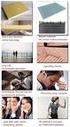 Specifications Item Optical system Illumination CX41 UIS2 (Universal Infinity-corrected) optical system Built-in transmitted Koehler illuminator 6V30W halogen bulb 100-120V/220-240Vg 0.85/0.45A 50/60Hz
4.3-inch Back-Up Camera
 TM 4.-inch Back-Up Camera Model No.: PKC0BU4 Owner s Manual and Warranty Information Read these instructions completely before using this product. Retain this Owner s Manual for future reference. INTRODUCTION
MACRO PHOTO LENS. MP-E 65mm f/2.8 1-5 ENG. Instruction
 MACRO PHOTO LENS MP-E 65mm f/2.8 1-5 ENG Instruction Thank you for purchasing a Canon product. Canon Macro Photo Lens MP-E 65mm f/2.8 1-5 is a high-magnification macro lens that can magnify the subject
Features: Mounting the Optic
 MICRO GREEN DOT with INTEGRATED RED LASER The Patented Micro Green Dot with Integrated Red Laser is a compact optical system packed with many features. The Green Dot is designed as the primary targeting
OPERATOR S MANUAL 18 VOLT, 1 HOUR CHARGER
 OPERATOR S MANUAL 18 VOLT, 1 HOUR CHARGER P110 Your battery charger has been engineered and manufactured to Ryobi s high standard for dependability, ease of operation, and operator safety. When properly
Day / Night IR Color Camera User Manual V2.1.0
 Day / Night IR Color Camera User Manual V2.1.0 1 Thank you for purchasing our product. If there is any question or request, please do not hesitate to contact dealer. This manual is applicable to DS-2CC102P(N)-IR1(IR3)(IR5),
MAINTENANCE & TROUBLESHOOTING
 MAINTENANCE & TROUBLESHOOTING This section describes how to: clean the lens replace the projection lamp replace the batteries in the remote use the security lock feature troubleshoot the projector Cleaning
Table of Contents. www.hunterfan.com. What to Expect with. Preparation. Tools Needed. Wiring. Hanging the Fan. Blades. Motor Housing.
 www.hunterfan.com Table of Contents What to Expect with Your Installation 30 inches Hanging the Fan Wiring 8 Maintenance, Operation & Cleaning Light Kit 13??? 14 1 9 Troubleshooting 11 5 Blades Motor Housing
PlaneWave CDK Telescope Instructions CDK12.5, 17, 20 and 24
 PlaneWave CDK Telescope Instructions CDK12.5, 17, 20 and 24 V112712 1 Collimation and Secondary Spacing Procedure The CDK optical design has four optical elements shown in Figure 1. The primary mirror
SECURITY CAMERA INSTRUCTION MANUAL ENGLISH VERSION 1.0 LBC5451. www.lorextechnology.com
 SECURITY CAMERA INSTRUCTION MANUAL ENGLISH VERSION 1.0 LBC5451 www.lorextechnology.com Contents 1x Camera and mounting stand 1x Power adapter 1x Mounting kit 1x Allen key 1x Screw cap 1x 60 ft. (18m)
TEC APO140. This telescope is closer to optical perfection more than any instrument I have ever used before. R.Renzi, Italy.
 140 manuals 2013_110 manuals 1/13/2013 10:40 PM Page 1 TEC APO140 This telescope is closer to optical perfection more than any instrument I have ever used before. R.Renzi, Italy. OWNER S MANUAL 2013 140
EF70-200mm F2.8L IS USM. Instruction
 EF70-200mm F2.8L IS USM Instruction Thank you for purchasing a Canon USM lens. The Canon EF 70-200mm f/2.8l IS USM is a high-performance, telephoto zoom lens dedicated to Canon EOS cameras. It is equipped
Operating Instructions Bedienungsanleitung Mode d emploi
 Operating Instructions Bedienungsanleitung Mode d emploi DW 400 www.bron-kobold.com Operating instructions DW 400 Before use Please read all the information contained in these operating instructions carefully.
EF24-105mm f/4l IS USM
 EF24-105mm f/4l IS USM ENG Instruction Thank you for purchasing a Canon product. The Canon EF24-105mm f/4l IS USM lens is a high-performance standard zoom lens developed for EOS cameras. It is equipped
Electric Kettle. Model: SK-1717 INSTRUCTIONS MANUAL
 Electric Kettle Model: SK-1717 INSTRUCTIONS MANUAL Thank you for your purchase. Please read this Instruction Manual thoroughly before use and keep in a safe place for future reference. READ ALL INSTRUCTIONS
Dome Camera with IR Night Vision
 Dome Camera with IR Night Vision Instruction Manual VER.:1.0, NO.: R040687/2 Thank you for purchasing our product. Before installing this camera, please read this instruction manual carefully to ensure
EF-S55-250mm f/4-5.6 IS STM COPY ENG. Instructions
 EF-S55-250mm f/4-5.6 IS STM ENG Instructions Thank you for purchasing a Canon product. The Canon EF-S55-250mm f/4-5.6 IS STM is a high-performance telephoto zoom lens that makes movie shooting comfortable.
USER INSTRUCTIONS FOR 10 LITRE PORTABLE DEHUMIDIFIER MODEL NO. DHMD102
 USER INSTRUCTIONS FOR 10 LITRE PORTABLE DEHUMIDIFIER MODEL NO. DHMD102 THANK YOU FOR CHOOSING YOUR NEW DEHUMIDIFIER. BEFORE USING THE UNIT READ THESE INSTRUCTIONS FULLY AND RETAIN THEM FOR FUTURE REFERENCE
16/32 Channel 1U Rack Mount CCTV Power Supply
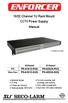 16/32 Channel 1U Rack Mount CCTV Power Supply Manual PH-A3224-GUQ Shown 16-Channel 32-Channel PTC PH-A1612-PUQ PH-A3224-PUQ Glass Fuse PH-A1612-GUQ PH-A3224-GUQ Industrial design 12 Amp 3 Amps per channel
aseries A13B Mini Bullet Camera User Manual
 aseries A13B Mini Bullet Camera User Manual Thank you for purchasing our product. If there are any questions, or requests, please do not hesitate to contact the dealer. This manual applies to the MicroView
24 Wide Screen LED Monitor with HDMI
 24 Wide Screen LED Monitor with HDMI USER MANUAL L24LE11B_MANUAL_EN_R1 Please read this manual carefully before using, and keep it for future reference. TABLE OF CONTENTS GETTING STARTED Monitor Stand
EF70-300mm f/4-5.6l IS USM
 EF70-300mm f/4-5.6l IS USM ENG Instruction Thank you for purchasing a Canon product. Dedicated to EOS cameras, the Canon EF70-300mm f/4-5.6l IS USM lens is a highperformance telephoto zoom lens equipped
Care and Handling of Your VAIO Computer
 Care and Handling of Your VAIO Computer Proper Handling Use your computer on a clean dry, stable surface. Use only specified peripheral equipment and interface cables or you may experience problems. When
Single Lens Reflex (SLR) Camera
 690 Single Lens Reflex (SLR) Camera User Guide 690 Single Lens Reflex (SLR) Camera User Guide Contents IMPORTANT SAFEGUARDS: FCC Notice 1 Camera Features 1 Camera Parts 1 Opening the Camera 2 Closing the
Video surveillance camera Installation Guide
 Video surveillance camera Installation Guide TV7085 TV7086 TV7087 TV7088 14 1. Preface Dear Customer, Thank you for purchasing this Eyseo digital surveillance camera. You made the right decision in choosing
OLYMPUS SYSTEM MICROSCOPE. Model BHT OLYMPUS
 OLYMPUS SYSTEM MICROSCOPE Model BHT OLYMPUS This instruction manual has been written for the use of the Olympus System Microscope Model BHT. It is recommended that you read the manual carefully in order
INFRARED QUARTZ WALL HEATER
 INFRARED QUARTZ WALL HEATER MODEL NO: IQ2000 PART NO: 6939004 MOUNTING & OPERATION INSTRUCTIONS GC0715 INTRODUCTION Thank you for purchasing this CLARKE Infrared Wall Heater. Before attempting to use this
Be careful not to scratch or hit front edge of the side viewing micro prisms onto hard objects!
 Instructions Manual Flexia BGA Inspection Systems This manual describes how to use Flexia BGA Inspection System Optilia Instruments 1 AB Contents 1. Safety and maintenance Instructions 3 2. About Flexia
Operation Manual. 150 Watt Halogen Light Source for Endoscopy Model # s ESS-150, ESS-150A ESS-220, ESS-220A
 Operation Manual 150 Watt Halogen Light Source for Endoscopy Model # s ESS-150, ESS-150A ESS-220, ESS-220A Endoscopy Support Services, Inc. Croton River Executive Park Route 22, Bldg. 3 Brewster, NY 10509
MICROSCOPY. To demonstrate skill in the proper utilization of a light microscope.
 MICROSCOPY I. OBJECTIVES To demonstrate skill in the proper utilization of a light microscope. To demonstrate skill in the use of ocular and stage micrometers for measurements of cell size. To recognize
THE COMPOUND MICROSCOPE
 THE COMPOUND MICROSCOPE In microbiology, the microscope plays an important role in allowing us to see tiny objects that are normally invisible to the naked eye. It is essential for students to learn how
POWER ROCKER SWITCH UL, CSA, VDE, TÜV, ÖVE, KEMA, SEMKO, NEMKO, DEMKO, FIMKO, SEV UL, CSA, VDE, TÜV, SEMKO, NEMKO, DEMKO, FIMKO, SEV, KEMA, ÖVE
 POWER ROCKER SWITCH SWITCHES AJ8 switch standard actuator AJ8 switch Wide actuator RoHS Directive compatibility information http://www.nais-e.com/ FEATURES 1. Power rocker switches for safety requirements.
OLYMPUS STUDENT MICROSCOPES IINSTRUCTION MANUAL I CBA& CBB MODELS
 OLYMPUS STUDENT MICROSCOPES IINSTRUCTION MANUAL I MODELS CBA& CBB Scanned by J. G. McHone. 8 Nov 09 for personal use only. not for sale This instruction manual has been prepared for the Olympus Student
Lunette 2 Series. Curved Fixed Frame Projection Screen. User s Guide
 Lunette 2 Series Curved Fixed Frame Projection Screen User s Guide Important Safety and Warning Precautions Please follow these instructions carefully to ensure proper maintenance and safety with your
OWNER S MANUAL Table Tennis Table Patent Pending
 OWNER S MANUAL Table Tennis Table Patent Pending Be sure to write your model number and serial number here for future reference. You can find these numbers printed on the bottom of the table. MODEL # T8179
Service Guide. Gateway M275
 Service Guide Gateway M275 Contents Replacing Gateway M275 Components.................................... 1 Identifying the convertible tablet PC model...................................... 2 Identifying
INSTALLATION INSTRUCTIONS
 INSTALLATION INSTRUCTIONS VOLT LED Edge-Lit Flat Panel VFP-22 and VFP-24 Series Help Hotline: 1-813-978-3700 Mon-Fri 8am-8pm Sat-Sun 10am - 6pm (EST) Specifications and product details subject to change
Compound microscope (Hund)
 1 2 3 4 5 6 7 8 9 10 11 12 13 14 Compound microscope (Hund) 15 16 17 18 19 20 1) Eyepieces (magnifies 10x), one with diopter adjustment, 2) Interp[upillary adjustment, 3) Head, 4) Revolving nosepiece,
IMPORTANT SAFETY INSTRUCTIONS WARNING READ AND SAVE THESE OPERATING AND SAFETY INSTRUCTIONS BEFORE USING THIS HEATER.
 THERMAWAVE CERAMIC HEATER Model HZ-850 Series Model HZ-860 Series IMPORTANT SAFETY INSTRUCTIONS WARNING READ AND SAVE THESE OPERATING AND SAFETY INSTRUCTIONS BEFORE USING THIS HEATER. Warning Failure to
The Vortex Spitfire 1x Prism Scope
 REPLACE image The Vortex Spitfire 1x Prism Scope Perfect for the AR platform, the Vortex Spitfire 1x prism scope combines a compact, prism-based design with the intuitive, glass-etched DRT (Dual Ring Tactical)
Achat 115MA full-range speaker. user manual
 Achat 115MA full-range speaker user manual Musikhaus Thomann Thomann GmbH Hans-Thomann-Straße 1 96138 Burgebrach Germany Telephone: +49 (0) 9546 9223-0 E-mail: [email protected] Internet: www.thomann.de
Infrared Viewers. Manual
 Infrared Viewers Manual Contents Introduction 3 How it works 3 IR viewer in comparison with a CCD camera 4 Visualization of infrared laser beam in mid-air 4 Power Density 5 Spectral sensitivity 6 Operation
TRIMBLE TX5 3D LASER SCANNER QUICK START GUIDE
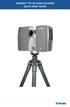 TRIMBLE TX5 3D LASER SCANNER QUICK START GUIDE Equipment 1 8 9 5 6 7 4 3 2 The TX5 laser scanner ships with the following equipment: 1 Scanner transport and carry case 6 USB memory card reader 2 AC power
758 Heavy-duty Ratchet Guy Wire Cutter
 INSTRUCTION MANUAL 758 Heavy-duty Ratchet Guy Wire Cutter Read and understand all of the instructions and safety information in this manual before operating or servicing this tool. Register this product
Infrarot-Bewegungsmelder IP44
 Infrarot-Bewegungsmelder IP44 infrared motion sensors IP44 ODA (weiß) slim ODA (schwarz) slim 95174 96000 ODA (weiß) ODA (schwarz) 95175 96001 Betriebsanleitung User s Manual User s Manual infrared motion
WSD130 SOLDERING STATION
 NOTES S2032ACH 8/98 Rev. 11/01 WSD130 SOLDERING STATION 1. Power Switch 2. Digital Display 3. UP Button 4. DOWN Button 5. Optical Regulator, Right 6. Connection for Soldering Iron, Right 7. Selection Switch
LED MOTION ACTIVATED FLOOD LIGHT
 Utilitech & UT Design are registered trademarks of LF, LLC. All Rights Reserved. ITEM #0611551, #0611550 LED MOTION ACTIVATED FLOOD LIGHT MODEL #SE1036-BP2-02LF0-U, SE1036-WH3-02LF0-U Français p. 10 Español
Light Source User Guide
 Light Source User Guide Compact DMX Light Source Models covered by this manual: UFO 150 CDMXG Glass, DMX - 240V UFO 150 CDMXP Plastic, DMX - 240V Universal Fibre Optics Issue 2 Revised: 23092013 Universal
IMPORTANT INSTRUCTIONS & OPERATING MANUAL. Houston 50 Inch Electric Wall Mounted Fireplace Black / White
 IMPORTANT INSTRUCTIONS & OPERATING MANUAL Houston 50 Inch Electric Wall Mounted Fireplace Black / White Model Number:MFE5050BK Model Number:MFE5050WH Read these instructions carefully before attempting
Installation and use of Millett Tactical TRS-1 and TRS-2 scopes TRS-1 TRS-2. Before starting, make sure firearm is UNLOADED!!
 I N S T R U C T I O N a n d O P E R A T I O N TRS-1 TRS-2 Tactical Rifle scope Installation and use of Millett Tactical TRS-1 and TRS-2 scopes TRS-1 TRS-2 Before starting, make sure firearm is UNLOADED!!
5W LED Energy Saver PIR Bulkhead
 5W LED Energy Saver PIR Bulkhead Model: LED88PIR Black I n s t a l l a t i o n & Ope r a t i n g I n s t r u c t i o n s 1. General information: The unit utilises passive infrared technology to detect
LED Security Spotlight User Manual
 MOT ION-TR ACKING LED Security Spotlight User Manual www.jascoproducts.com 1-800-654-8483 2 TABLE OF CONTENTS Parts List 3 Questions? Missing Parts? 4 Installation (Wall mount) 6-9 Installation (Eave mount)
Meaco 30L and Meaco 40L dehumidifier instruction manual
 Meaco 30L and Meaco 40L dehumidifier instruction manual Please read this instruction manual before using the dehumidifier and keep safe for future reference SAFETY INSTRUCTIONS PLEASE READ ALL INSTRUCTIONS
Power supply unit Model: PAC-SC50KUA
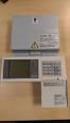 Building Air Conditioning Control System Power supply unit Model: PAC-SC50KUA Installation Manual Contents 1. Safety precautions... 1 2. Product feature... 2 1. Specification... 2 2. Appearance... 2 3.
Detector transparent with Color Inserts. FAA 500 TR P Trim Ring transparent with Color Inserts. FCA 500 / FCA 500 E Detector Bases
 Detector Color Detector transparent with Color Inserts FAA 500 TR W Trim Ring FAA 500 TR P Trim Ring transparent with Color Inserts FAA 500 BB Ceiling Mount Back Box FCA 500 / FCA 500 E Detector Bases
5800 Temperature Sensor Cable Assembly
 5800 Temperature Sensor Cable Assembly Removal and Replacement Instruction Sheet #60-4702-070 Revision D, January 14, 2013 Overview The 5800 has two refrigeration temperature sensors, one attached to the
Flame Direct Attach UV-VIS Integrated Sampling System Installation and Operation Instructions
 Flame Direct Attach UV-VIS Integrated Sampling System Installation and Operation Instructions Description The Flame Integrated Sampling System (FLAME-DA-CUV-UV-VIS) is a snap-on, direct-attach 1 cm cuvette
User Guide LUXXOR VIDEO MICROSCOPE. 2 Luxxor Video Microscope Set Up
 2 Luxxor Video Microscope Set Up User Guide LUXXOR VIDEO MICROSCOPE Column When removed from its packaging, the Luxxor Video Microscope will be configured as shown, with the Vertical Slide and Slide Stop
BILLET HEADLAMP WITH SHORT/TALL MOUNTS
 -J099 REV. 00-0- BILLET HEADLAMP WITH SHORT/TALL MOUNTS GENERAL Kit Number 9-0, 9-0 Models Kit 9-0 is a -/ inch headlamp and kit 9-0 is a -/ inch headlamp. Both kits will fit the models listed in Table.
Digital Photo Picture Frame. Operation Manual
 Digital Photo Picture Frame Operation Manual 20070309 CONGRATULATIONS on your purchase of a Polaroid 7 LCD Digital Photo Picture Frame. Please read carefully and follow all warnings and instructions in
AMERBRITE UNDERWATER WHITE LED POOL LAMP
 AMERBRITE UNDERWATER WHITE LED POOL LAMP FOR USE ONLY WITH PENTAIR AMERLITE LUMINAIRE INSTALLATION AND USER S GUIDE IMPORTANT SAFETY INSTRUCTIONS READ AND FOLLOW ALL INSTRUCTIONS SAVE THESE INSTRUCTIONS
Instruction manual for Firstline FCS12000CH
 Instruction manual for Firstline FCS12000CH Contents Introduction... 2 Safety Awareness... 3 Safety Awareness... 4 Name of Parts... 5 Name of Parts... 6 Remote Controller Preparation... 7 Operation of
V-500-PRE. 500mm F/8.0 Telephoto Lens INSTRUCTION MANUAL
 V-500-PRE 500mm F/8.0 Telephoto Lens INSTRUCTION MANUAL Limited Five Year Warranty Vivitar warrants this quality product to be free of defects in material and workmanship for a period of five years from
Manual Ranging MultiMeter
 Owner s Manual Manual Ranging MultiMeter Model 82345 CAUTION: Read, understand and follow Safety Rules and Operating Instructions in this manual before using this product.! Safety! Operation! Maintenance!
Fading Red Tones on Color LaserJet 2600s
 Procedures Fading Red Tones on Color LaserJet 2600s HP Color LaserJets 2600n, 1600, and 2605 share the same basic Canon engine design. One aspect of the design brings the common problem of scanner optic
How To Set Up An Ecm Display On A D210 (D210) (D2) (Ecm) (Emc) (Mcd) (Power Supply) (Mm) (Camellom) (Ios)
 English Customer Display DM-D210 Installation Manual 401285101 CAUTIONS This document shall apply only to the product(s) identified herein. No part of this document may be reproduced, stored in a retrieval
Original Assembly Guide
 TCT Multipurpose Single Bevel Sliding Compound Mitre Saw Original Assembly Guide Read instructions before assembling this tool. Table of Contents GB Assembly Guide Read instructions before assembling this
SIBIR MANUAL V110 KE. English page 5 RKE - 1D 822 70 66-02
 SIBIR MANUAL RKE - 1D V110 KE English page 5 822 70 66-02 2 1 A. Flue tube E. Adapter I. Thermostat B. Flue baffle F. Burner base J. Lever arm C. Control knob G. Lamp glass D. Fuel gauge H. Lamp glass
PIX-10 Electronic Time Recorder User s Guide
 PIX-10 Electronic Time Recorder User s Guide Thank you for purchasing another fine product from Amano Cincinnati, Inc. IMPORTANT The Daylight Saving Time date settings have been preset. DO NOT change the
UV100A Ultraviolet Air Treatment System
 UV100A Ultraviolet Air Treatment System INSTALLATION INSTRUCTIONS APPLICATION When installed in forced air heating and cooling systems, the UV100A Ultraviolet Air Treatment System kills airborne microorganism
LUCCI AIRFUSION QUEST II CEILING FAN
 LUCCI AIRFUSION QUEST II CEILING FAN WITH IR REMOTE INSTALLATION OPERATION MAINTENANCE WARRANTY INFORMATION CAUTION READ INSTRUCTIONS CAREFULLY FOR SAFE INSTALLATION AND FAN OPERATION. V1.0 QUEST II IR
15GAL STEEL OIL DRAIN WITH 110V PUMP
 15GAL STEEL OIL DRAIN WITH 110V PUMP OWNER S MANUAL WARNING: Read carefully and understand all ASSEMBLY AND OPERATION INSTRUCTIONS before operating. Failure to follow the safety rules and other basic safety