
AP Biology 2008 Scoring Guidelines
|
|
|
- Rosamund Johns
- 9 years ago
- Views:
Transcription
1 AP Biology 2008 Scoring Guidelines The College Board: Connecting Students to College Success The College Board is a not-for-profit membership association whose mission is to connect students to college success and opportunity. Founded in 1900, the association is composed of more than 5,400 schools, colleges, universities, and other educational organizations. Each year, the College Board serves seven million students and their parents, 23,000 high schools, and 3,500 colleges through major programs and services in college admissions, guidance, assessment, financial aid, enrollment, and teaching and learning. Among its best-known programs are the SAT, the PSAT/NMSQT, and the Advanced Placement Program (AP ). The College Board is committed to the principles of excellence and equity, and that commitment is embodied in all of its programs, services, activities, and concerns. College Board, AP Central, Advanced Placement Program, AP, SAT, and the acorn logo are registered trademarks of the College Board. PSAT/NMSQT is a registered trademark of the College Board and National Merit Scholarship Corporation. All other products and services may be trademarks of their respective owners. Permission to use copyrighted College Board materials may be requested online at: AP Central is the online home for AP teachers: apcentral.collegeboard.com.

2 Question 1 1. The physical structure of a protein often reflects and affects its function. (a) Describe THREE types of chemical bonds/interactions found in proteins. For each type, describe its role in determining protein structure. (6 points; 1 point for bond/interaction description, 1 point for description of role) Bond/interaction Description Role associated to bond/interaction Covalent/ peptide sharing electrons OR linking amino acids together amino acid sequence OR primary structure (no credit for chain or polypeptide alone) Disulfide/ disulfide, S S bond (bridges); tertiary or quaternary structure covalent sulfur-containing R group bonding Hydrogen H O or H N interactions α helix, β sheet; secondary, tertiary, or quaternary structure van der Waals unequal electron clouds in R group; tertiary or quaternary structure dipole moments Hydrophobic nonpolar R groups tertiary or quaternary structure Ionic charged R groups tertiary or quaternary structure (b) Discuss how the structure of a protein affects the function of TWO of the following. (3 points maximum) Muscle contraction (1 point for each bullet; 2 points maximum) Actin (thin filaments) and myosin; cross-bridges OR filamentous proteins slide past each other. Troponin/tropomyosin interaction blocks binding of myosin to actin. Ca 2+ changes troponin shape/binding of troponin-tropomyosin to actin altered. ATP/ADP changes myosin structure. Regulation of enzyme activity (2 points maximum) Shape change caused by (1 point for each bullet) o Binding of allosteric or noncompetitive inhibitor. o Binding of allosteric activator. o Feedback control. o ph or temperature changes. o Cleavage of pre-enzyme (e.g., zymogen). o Cooperativity; coenzymes; cofactors. o Covalent modification (e.g., phosphorylation). Competitive inhibitors binding in the active site prevent substrate binding. NOTE: The active site regulating enzyme activity is not enough to earn a point.

3 Question 1 (continued) Cell signaling (2 points maximum) Receptor-ligand binding (1 point for each bullet) o Event: Ligand binds specifically to receptor. o Result: Receptor structure altered by binding, transducing signal through membrane. Examples may include hormones, neurotransmitters. Enzyme-linked receptors: binding of ligand causes enzyme to catalyze reaction. Gap junctions: shape of junctions allows for passage of regulatory ions or molecules. Ligand-gated channel: binding of ligand opens channel. Immune signaling: leads to activation of cells. (c) Abnormal hemoglobin is the identifying characteristic of sickle cell anemia. Explain the genetic basis of the abnormal hemoglobin. Explain why the sickle cell allele is selected for in certain areas of the world. (3 points maximum) Genetic basis (2 points maximum) Point mutation in DNA; base substitution leading to a different amino acid in the hemoglobin. Changing glutamate (glutamic acid) to valine (in β-globin). Selection (2 points maximum) Sickle cell condition protects against or resists malaria. Changed hemoglobin leads to oxygen-deprivation minimizing malarial infection. Heterozygotes maintain a reproductive advantage/success. NOTE: Stating that sickle cell confers immunity to malaria does not earn a point.

4 Question 2 2. Consumers in aquatic ecosystems depend on producers for nutrition. (a) Explain the difference between gross and net primary productivity. (2 points) Definition of gross primary productivity (1 point) o Total energy converted/transformed by photosynthesis o Total organic molecules produced or carbon fixed Definition of net primary productivity (1 point) o The biomass or total energy converted minus the amount used by the producers for cell respiration o The amount of energy or organic molecules left for the next trophic level o The energy that is available to organisms that eat primary producers o Gross primary productivity minus respiration (b) Describe a method to determine net and gross primary productivity in a freshwater pond over a 24-hour period. (1 point for each bullet; 4 points maximum) Measurement described Dissolved oxygen production or increase in biomass, or carbon dioxide uptake Instrument/technique used to collect the data Winkler or C 14 or oxygen probe Methodology/design described Initial/baseline comparison Light and dark bottle comparison Data analysis Light minus initial = net productivity Initial minus dark = respiration Light minus dark = gross productivity I Net Productivity Respiration Gross Productivity

5 Question 2 (continued) (c) Explain the data presented by the graph, including a description of the relative rates of metabolic processes occurring at different depths of the pond. (1 point for each bullet; 4 points maximum) Explanation of data: As depth is increased, the net primary productivity decreases because light decreases/lower rates of photosynthesis. Description of relative rates of metabolic process occurring at specific depths according to the graph (letters added to graph to simplify rubric): A: The upper area of the graph is equally productive because light availability is not a limiting factor at the surface/ photosynthesis is not limited. B: The rapidly decreasing productivity A region is a result of decreasing light available for photosynthesis/photosynthesis B is decreasing rapidly. C: At 0 (the compensation point) the C photosynthetic product is equal to the cell respiration requirements due to light D availability/photosynthesis equals cell respiration. D: Below 0 the photosynthetic product does not meet the cell respiration requirements due to insufficient light. Photosynthesis less than respiration. (d) Describe how the relationship between net primary productivity and depth would be expected to differ if new data were collected in mid-summer from the same pond. Explain your prediction. (1 point for each bullet; 2 points maximum) Description of a plausible prediction of a change in graph or a change in the relationship between productivity and depth from spring graph to mid-summer graph. Explanation of a plausible prediction of a shift in the graph must be tied to a valid or plausible reason.

6 Question 3 3. Regulation is an important aspect of all biological processes. For FOUR of the following processes, describe the specific role of the regulator and discuss how the process will be altered if the regulation is disrupted. SCORING RUBRIC FOR EACH PROCESS (1 point per bullet; 3 points maximum per process) (2 points) Cause and effect Effecting mechanism (2 points) Increase in regulator Decrease in regulator Cell Cycle/Cyclin Allows cell cycle to proceed OR get past checkpoint from one phase to next: G1, S, G2 Works/combines with Cdk, S-phase, MPF, APC; OR how concentration fluctuates Decrease in cyclin: no mitosis/not past checkpoints/g1, cell in G0; examples: nerve and muscle cells Increase in cyclin: cancer/uncontrolled growth/cell division Metabolic Rate/Thyroxine Stimulates/increases metabolic rate Discuss negative feedback, TSH OR hypothalamus-releasing hormone anterior pituitary TSH OR metamorphosis in frog OR conversion T4 T3 discussion Decrease in thyroxine: weight gain, lethargy, no negative feedback (altered), hypothyroidism, osteoporosis OR decrease in iodine: decrease in thyroxine goiter Increase in thyroxine: weight loss, increase in heart rate, increase in blood pressure, hyperthyroidism, Grave s disease Ovarian Cycle/FSH Stimulates maturation/development of follicle/egg OR stimulates estrogen production OR leads to (not causes or triggers) ovulation Continuation of meiosis OR completion of meiosis 1 OR discuss negative feedback, FSH/estrogen Decrease in FSH: sterile, no possibility of fertilization/pregnancy no ovulation Increase in FSH: multiple eggs develop, multiple births

7 Question 3 (continued) Prey Population Dynamics/Predators Predator decreases (consumes, eats, etc.) prey population in size/number Negative feedback discussion: graph/lag elaboration, cyclic fluctuation or equilibrium leads to stabilizing size or carrying capacity Decrease in predators: prey population increases, exceeds carrying capacity, increased competition for resources decrease in prey Increase in predators: prey population decreases, boom/bust as result of more prey being captured/eaten causing decrease in prey population; may cause predator decrease due to lack of food Ecological Succession/Fire Triggers/sets stage for succession; OR maintains a stable community Returns/releases nutrients into soil; OR triggers germination in some plant species; OR changes community makeup, allows for pioneer species, eliminates some species Decrease in fire: leads to invasive species opportunity, lack of nutrient recycling, leads to detritus build-up (may lead to catastrophic fire) Increase in fire: never achieves stable/climax community, succession is suspended, increase/decrease in biodiversity (with explanation)

8 Question 4 4. Flowering plants have evolved various strategies for fertilization. (a) Describe the process of fertilization in flowering plants. (3 points maximum) Double fertilization (2 points maximum) Sperm + egg zygote (2n)/fertilized egg Sperm (n) + 2 polar nuclei (n+n) endosperm food source (3n) Pollen tube formation (1 point maximum) Pollen grain adheres to stigma, absorbs water and germinates; growth of pollen tube (tube nucleus) Generative nucleus divides into two sperm nuclei (or pollen grain has two sperm nuclei) Development of embryo sac (female gametophyte) (b) Discuss TWO mechanisms of pollen transfer and the adaptations that facilitate each mechanism. (4 points maximum) Mechanism (1 point for each mechanism discussed with action verb; 2 points maximum) Wind (e.g., blows, carries) Animal vectors (e.g., transfer, carry) Water (e.g., transfers, carries) Gravity (self-pollination) (e.g., falls, drops) Adaptations (1 point for each adaptation appropriate to the mechanism(s) discussed; 2 points maximum) Pollen shape (pits) Lightweight pollen Feather-like, sticky stigma High pollen:ovule ratio Male flowers elevated/exposed anther Stem/stamen modification for pollen release Barbs, spikes on pollen (attaches) Nectar/fragrance/color/UV patterns Coevolution of animals (specific example) Shape of flower/position of pollen Lightweight pollen floats on water Anther/stigma mature at same time Anthers above stigma Some species of flowering plants have evolved mechanisms to prevent self-fertilization. (c) Discuss an evolutionary advantage of preventing self-fertilization. (2 points maximum) Maintains/increases genetic variability of the population (not at individual level) Variability in action explain or give an example (e.g., more material for natural selection, avoids effects of inbreeding, allows population to cope with changing environment) Hybrid vigor

9 Question 4 (continued) (d) Describe TWO mechanisms that prevent self-fertilization. (3 points maximum) 1 point for a description of each mechanism as suggested by the bullets below (2 points maximum); 1 point for an appropriate specific example or detailed description Self-incompatibility Pollen fails to germinate (stigma epidermal cells prevent germination of pollen through signal transduction pathway). Pollen tube does not complete development (due to destruction by RNAses). Sperm fails to unite with egg. S-genes must be different (allele incompatibility). o If pollen grain and stigma have matching alleles at the S-locus then the male gametophyte fails to begin process of fertilization. Structural adaptations Stigmas are higher than anthers or vice-versa (pin and thrum) (heterostylous). Separate male/female flowers (monoecious)/separate sexes/stamens OR carpels (dioecious). Temporal separation of maturation of male/female parts (dichogamy/protogyny/ protandry). Nectar production at different times. Mechanical isolation: difference in size of pollen grains and stigma papillae.

AP BIOLOGY 2008 SCORING GUIDELINES
 AP BIOLOGY 2008 SCORING GUIDELINES Question 1 1. The physical structure of a protein often reflects and affects its function. (a) Describe THREE types of chemical bonds/interactions found in proteins.
8/20/2012 H C OH H R. Proteins
 Proteins Rubisco monomer = amino acids 20 different amino acids polymer = polypeptide protein can be one or more polypeptide chains folded & bonded together large & complex 3-D shape hemoglobin Amino acids
Endocrine System: Practice Questions #1
 Endocrine System: Practice Questions #1 1. Removing part of gland D would most likely result in A. a decrease in the secretions of other glands B. a decrease in the blood calcium level C. an increase in
AP BIOLOGY 2010 SCORING GUIDELINES (Form B)
 AP BIOLOGY 2010 SCORING GUIDELINES (Form B) Question 2 Certain human genetic conditions, such as sickle cell anemia, result from single base-pair mutations in DNA. (a) Explain how a single base-pair mutation
Chemical Basis of Life Module A Anchor 2
 Chemical Basis of Life Module A Anchor 2 Key Concepts: - Water is a polar molecule. Therefore, it is able to form multiple hydrogen bonds, which account for many of its special properties. - Water s polarity
Carbohydrates, proteins and lipids
 Carbohydrates, proteins and lipids Chapter 3 MACROMOLECULES Macromolecules: polymers with molecular weights >1,000 Functional groups THE FOUR MACROMOLECULES IN LIFE Molecules in living organisms: proteins,
Built from 20 kinds of amino acids
 Built from 20 kinds of amino acids Each Protein has a three dimensional structure. Majority of proteins are compact. Highly convoluted molecules. Proteins are folded polypeptides. There are four levels
http://faculty.sau.edu.sa/h.alshehri
 http://faculty.sau.edu.sa/h.alshehri Definition: Proteins are macromolecules with a backbone formed by polymerization of amino acids. Proteins carry out a number of functions in living organisms: - They
Section 24 1 Reproduction With Cones and Flowers (pages 609 616)
 Chapter 24 Reproduction of Seed Plants Section 24 1 Reproduction With Cones and Flowers (pages 609 616) This section describes the reproductive structures of gymnosperms and angiosperms. It also explains
Chapter 8: An Introduction to Metabolism
 Chapter 8: An Introduction to Metabolism Name Period Concept 8.1 An organism s metabolism transforms matter and energy, subject to the laws of thermodynamics 1. Define metabolism. The totality of an organism
Keystone Review Practice Test Module A Cells and Cell Processes. 1. Which characteristic is shared by all prokaryotes and eukaryotes?
 Keystone Review Practice Test Module A Cells and Cell Processes 1. Which characteristic is shared by all prokaryotes and eukaryotes? a. Ability to store hereditary information b. Use of organelles to control
Structures of Proteins. Primary structure - amino acid sequence
 Structures of Proteins Primary structure - amino acid sequence Secondary structure chain of covalently linked amino acids folds into regularly repeating structures. Secondary structure is the result of
Section 24 1 Reproduction With Cones and Flowers (pages 609 616)
 Chapter 24 Reproduction of Seed Plants Section 24 1 Reproduction With Cones and Flowers (pages 609 616) Key Concepts What are the reproductive structures of gymnosperms and angiosperms? How does pollination
AP Biology 2008 Scoring Guidelines Form B
 AP Biology 2008 Scoring Guidelines Form B The College Board: Connecting Students to College Success The College Board is a not-for-profit membership association whose mission is to connect students to
How To Understand The Chemistry Of Organic Molecules
 CHAPTER 3 THE CHEMISTRY OF ORGANIC MOLECULES 3.1 Organic Molecules The chemistry of carbon accounts for the diversity of organic molecules found in living things. Carbon has six electrons, four of which
Disaccharides consist of two monosaccharide monomers covalently linked by a glycosidic bond. They function in sugar transport.
 1. The fundamental life processes of plants and animals depend on a variety of chemical reactions that occur in specialized areas of the organism s cells. As a basis for understanding this concept: 1.
MCAS Biology. Review Packet
 MCAS Biology Review Packet 1 Name Class Date 1. Define organic. THE CHEMISTRY OF LIFE 2. All living things are made up of 6 essential elements: SPONCH. Name the six elements of life. S N P C O H 3. Elements
Proteins and Nucleic Acids
 Proteins and Nucleic Acids Chapter 5 Macromolecules: Proteins Proteins Most structurally & functionally diverse group of biomolecules. : o Involved in almost everything o Enzymes o Structure (keratin,
Plant Reproduction. 2. Evolutionarily, floral parts are modified A. stems B. leaves C. roots D. stolons E. suberins
 Plant Reproduction 1. Angiosperms use temporary reproductive structures that are not present in any other group of plants. These structures are called A. cones B. carpels C. receptacles D. flowers E. seeds
Get It Right. Answers. Chapter 1: The Science of Life. A biologist studies all living things.
 Discover Biology 'N' Level Science Chapter 1 Chapter 1: The Science of Life A biologist studies all living things. In order to carry out the scientific method, we need to ask questions. Discover Biology
A disaccharide is formed when a dehydration reaction joins two monosaccharides. This covalent bond is called a glycosidic linkage.
 CH 5 Structure & Function of Large Molecules: Macromolecules Molecules of Life All living things are made up of four classes of large biological molecules: carbohydrates, lipids, proteins, and nucleic
AP Macroeconomics 2008 Scoring Guidelines Form B
 AP Macroeconomics 2008 Scoring Guidelines Form B The College Board: Connecting Students to College Success The College Board is a not-for-profit membership association whose mission is to connect students
4. Which carbohydrate would you find as part of a molecule of RNA? a. Galactose b. Deoxyribose c. Ribose d. Glucose
 1. How is a polymer formed from multiple monomers? a. From the growth of the chain of carbon atoms b. By the removal of an OH group and a hydrogen atom c. By the addition of an OH group and a hydrogen
Reproductive System & Development: Practice Questions #1
 Reproductive System & Development: Practice Questions #1 1. Which two glands in the diagram produce gametes? A. glands A and B B. glands B and E C. glands C and F D. glands E and F 2. Base your answer
Helices From Readily in Biological Structures
 The α Helix and the β Sheet Are Common Folding Patterns Although the overall conformation each protein is unique, there are only two different folding patterns are present in all proteins, which are α
Ecosystems and Food Webs
 Ecosystems and Food Webs How do AIS affect our lakes? Background Information All things on the planet both living and nonliving interact. An Ecosystem is defined as the set of elements, living and nonliving,
REVIEW UNIT 10: ECOLOGY SAMPLE QUESTIONS
 Period Date REVIEW UNIT 10: ECOLOGY SAMPLE QUESTIONS A. Sample Multiple Choice Questions Complete the multiple choice questions to review this unit. 1. All of the following are density-dependent factors
Plant Growth & Development. Growth Stages. Differences in the Developmental Mechanisms of Plants and Animals. Development
 Plant Growth & Development Plant body is unable to move. To survive and grow, plants must be able to alter its growth, development and physiology. Plants are able to produce complex, yet variable forms
AP Macroeconomics 2009 Scoring Guidelines
 AP Macroeconomics 2009 Scoring Guidelines The College Board The College Board is a not-for-profit membership association whose mission is to connect students to college success and opportunity. Founded
Chapter 12 - Proteins
 Roles of Biomolecules Carbohydrates Lipids Proteins 1) Catalytic 2) Transport 3) Regulatory 4) Structural 5) Contractile 6) Protective 7) Storage Nucleic Acids 12.1 -Amino Acids Chapter 12 - Proteins Amino
CHAPTER 4: Enzyme Structure ENZYMES
 CHAPTER 4: ENZYMES Enzymes are biological catalysts. There are about 40,000 different enzymes in human cells, each controlling a different chemical reaction. They increase the rate of reactions by a factor
1. The diagram below represents a biological process
 1. The diagram below represents a biological process 5. The chart below indicates the elements contained in four different molecules and the number of atoms of each element in those molecules. Which set
AP Macroeconomics 2008 Scoring Guidelines
 AP Macroeconomics 2008 Scoring Guidelines The College Board: Connecting Students to College Success The College Board is a not-for-profit membership association whose mission is to connect students to
CHAPTER 6 AN INTRODUCTION TO METABOLISM. Section B: Enzymes
 CHAPTER 6 AN INTRODUCTION TO METABOLISM Section B: Enzymes 1. Enzymes speed up metabolic reactions by lowering energy barriers 2. Enzymes are substrate specific 3. The active site in an enzyme s catalytic
AP Biology Unit I: Ecological Interactions
 AP Biology Unit I: Ecological Interactions Essential knowledge 1.C.1: Speciation and extinction have occurred throughout the Earth s history. Species extinction rates are rapid at times of ecological stress.
Chapter 38: Angiosperm Reproduction and Biotechnology
 Name Period Concept 38.1 Flowers, double fertilization, and fruits are unique features of the angiosperm life cycle This may be a good time for you to go back to Chapter 29 and review alternation of generation
1.1.2. thebiotutor. AS Biology OCR. Unit F211: Cells, Exchange & Transport. Module 1.2 Cell Membranes. Notes & Questions.
 thebiotutor AS Biology OCR Unit F211: Cells, Exchange & Transport Module 1.2 Cell Membranes Notes & Questions Andy Todd 1 Outline the roles of membranes within cells and at the surface of cells. The main
AP Biology Essential Knowledge Student Diagnostic
 AP Biology Essential Knowledge Student Diagnostic Background The Essential Knowledge statements provided in the AP Biology Curriculum Framework are scientific claims describing phenomenon occurring in
Chemistry 20 Chapters 15 Enzymes
 Chemistry 20 Chapters 15 Enzymes Enzymes: as a catalyst, an enzyme increases the rate of a reaction by changing the way a reaction takes place, but is itself not changed at the end of the reaction. An
Todays Outline. Metabolism. Why do cells need energy? How do cells acquire energy? Metabolism. Concepts & Processes. The cells capacity to:
 and Work Metabolic Pathways Enzymes Features Factors Affecting Enzyme Activity Membrane Transport Diffusion Osmosis Passive Transport Active Transport Bulk Transport Todays Outline -Releasing Pathways
1. Enzymes. Biochemical Reactions. Chapter 5: Microbial Metabolism. 1. Enzymes. 2. ATP Production. 3. Autotrophic Processes
 Chapter 5: Microbial Metabolism 1. Enzymes 2. ATP Production 3. Autotrophic Processes 1. Enzymes Biochemical Reactions All living cells depend on biochemical reactions to maintain homeostasis. All of the
A. A peptide with 12 amino acids has the following amino acid composition: 2 Met, 1 Tyr, 1 Trp, 2 Glu, 1 Lys, 1 Arg, 1 Thr, 1 Asn, 1 Ile, 1 Cys
 Questions- Proteins & Enzymes A. A peptide with 12 amino acids has the following amino acid composition: 2 Met, 1 Tyr, 1 Trp, 2 Glu, 1 Lys, 1 Arg, 1 Thr, 1 Asn, 1 Ile, 1 Cys Reaction of the intact peptide
2007 7.013 Problem Set 1 KEY
 2007 7.013 Problem Set 1 KEY Due before 5 PM on FRIDAY, February 16, 2007. Turn answers in to the box outside of 68-120. PLEASE WRITE YOUR ANSWERS ON THIS PRINTOUT. 1. Where in a eukaryotic cell do you
Expt. How do flowering plants do it without flagella? The journey to find an egg. What causes pollen grain germination and tube growth?
 1 Expt. How do flowering plants do it without flagella? The journey to find an egg. What causes pollen grain germination and tube growth? File: F12-07_pollen Modified from E. Moctezuma & others for BSCI
Biology 213 Angiosperms. Introduction
 Biology 213 Angiosperms Introduction The flowering plants, the angiosperms, are the most recent plants to evolve and quickly became the dominant plant life on this planet. They are also the most diverse
IV. -Amino Acids: carboxyl and amino groups bonded to -Carbon. V. Polypeptides and Proteins
 IV. -Amino Acids: carboxyl and amino groups bonded to -Carbon A. Acid/Base properties 1. carboxyl group is proton donor! weak acid 2. amino group is proton acceptor! weak base 3. At physiological ph: H
Preliminary MFM Quiz
 Preliminary MFM Quiz 1. The major carrier of chemical energy in all cells is: A) adenosine monophosphate B) adenosine diphosphate C) adenosine trisphosphate D) guanosine trisphosphate E) carbamoyl phosphate
The Molecules of Cells
 The Molecules of Cells I. Introduction A. Most of the world s population cannot digest milk-based foods. 1. These people are lactose intolerant because they lack the enzyme lactase. 2. This illustrates
AP Environmental Science 2010 Free-Response Questions
 AP Environmental Science 2010 Free-Response Questions The College Board The College Board is a not-for-profit membership association whose mission is to connect students to college success and opportunity.
1. A covalent bond between two atoms represents what kind of energy? a. Kinetic energy b. Potential energy c. Mechanical energy d.
 1. A covalent bond between two atoms represents what kind of energy? a. Kinetic energy b. Potential energy c. Mechanical energy d. Solar energy A. Answer a is incorrect. Kinetic energy is the energy of
Chapter 3 Molecules of Cells
 Bio 100 Molecules of cells 1 Chapter 3 Molecules of Cells Compounds containing carbon are called organic compounds Molecules such as methane that are only composed of carbon and hydrogen are called hydrocarbons
Respiration occurs in the mitochondria in cells.
 B3 Question Which process occurs in the mitochondria in cells? Why do the liver and muscle cells have large number of mitochondria? What is the function of the ribosomes? Answer Respiration occurs in the
Pipe Cleaner Proteins. Essential question: How does the structure of proteins relate to their function in the cell?
 Pipe Cleaner Proteins GPS: SB1 Students will analyze the nature of the relationships between structures and functions in living cells. Essential question: How does the structure of proteins relate to their
Amino Acids, Proteins, and Enzymes. Primary and Secondary Structure Tertiary and Quaternary Structure Protein Hydrolysis and Denaturation
 Amino Acids, Proteins, and Enzymes Primary and Secondary Structure Tertiary and Quaternary Structure Protein Hydrolysis and Denaturation 1 Primary Structure of Proteins H 3 N The particular sequence of
Enzymes and Metabolic Pathways
 Enzymes and Metabolic Pathways Enzyme characteristics Made of protein Catalysts: reactions occur 1,000,000 times faster with enzymes Not part of reaction Not changed or affected by reaction Used over and
AP Microeconomics 2011 Scoring Guidelines
 AP Microeconomics 2011 Scoring Guidelines The College Board The College Board is a not-for-profit membership association whose mission is to connect students to college success and opportunity. Founded
10B Plant Systems Guided Practice
 10B Plant Systems Guided Practice Reproduction Station 1 1. Observe Plant A. Locate the following parts of the flower: stamen, stigma, style, ovary. 2. Draw and label the parts of a flower (listed above)
Chapter 2. The Chemistry of Life Worksheets
 Chapter 2 The Chemistry of Life Worksheets (Opening image courtesy of David Iberri, http://en.wikipedia.org/wiki/file:camkii.png, and under the Creative Commons license CC-BY-SA 3.0.) Lesson 2.1: Matter
AP Macroeconomics 2011 Scoring Guidelines
 AP Macroeconomics 2011 Scoring Guidelines The College Board The College Board is a not-for-profit membership association whose mission is to connect students to college success and opportunity. Founded
Energy & Enzymes. Life requires energy for maintenance of order, growth, and reproduction. The energy living things use is chemical energy.
 Energy & Enzymes Life requires energy for maintenance of order, growth, and reproduction. The energy living things use is chemical energy. 1 Energy exists in two forms - potential and kinetic. Potential
XII. Biology, Grade 10
 XII. Biology, Grade 10 Grade 10 Biology Pilot Test The spring 2004 Grade 10 MCAS Biology Test was based on learning standards in the Biology content strand of the Massachusetts Science and Technology/Engineering
NO CALCULATORS OR CELL PHONES ALLOWED
 Biol 205 Exam 1 TEST FORM A Spring 2008 NAME Fill out both sides of the Scantron Sheet. On Side 2 be sure to indicate that you have TEST FORM A The answers to Part I should be placed on the SCANTRON SHEET.
BSC 2010 - Exam I Lectures and Text Pages. The Plasma Membrane Structure and Function. Phospholipids. I. Intro to Biology (2-29) II.
 BSC 2010 - Exam I Lectures and Text Pages I. Intro to Biology (2-29) II. Chemistry of Life Chemistry review (30-46) Water (47-57) Carbon (58-67) Macromolecules (68-91) III. Cells and Membranes Cell structure
BIOLOGICAL MEMBRANES: FUNCTIONS, STRUCTURES & TRANSPORT
 BIOLOGICAL MEMBRANES: FUNCTIONS, STRUCTURES & TRANSPORT UNIVERSITY OF PNG SCHOOL OF MEDICINE AND HEALTH SCIENCES DISCIPLINE OF BIOCHEMISTRY AND MOLECULAR BIOLOGY BMLS II / B Pharm II / BDS II VJ Temple
Chapter 2: The Chemical Context of Life
 Chapter 2: The Chemical Context of Life Name Period This chapter covers the basics that you may have learned in your chemistry class. Whether your teacher goes over this chapter, or assigns it for you
Unit I: Introduction To Scientific Processes
 Unit I: Introduction To Scientific Processes This unit is an introduction to the scientific process. This unit consists of a laboratory exercise where students go through the QPOE2 process step by step
FOR TEACHERS ONLY. The University of the State of New York REGENTS HIGH SCHOOL EXAMINATION LIVING ENVIRONMENT
 FOR TEACHERS ONLY LE The University of the State of New York REGENTS HIGH SCHOOL EXAMINATION LIVING ENVIRONMENT Tuesday, June 21, 2011 9:15 a.m. to 12:15 p.m., only SCORING KEY AND RATING GUIDE Directions
FOR TEACHERS ONLY. The University of the State of New York REGENTS HIGH SCHOOL EXAMINATION LIVING ENVIRONMENT
 LE FOR TEACHERS ONLY The University of the State of New York REGENTS HIGH SCHOOL EXAMINATION LIVING ENVIRONMENT Thursday, January 29, 2004 9:15 a.m. to 12:15 p.m., only SCORING KEY AND RATING GUIDE Directions
AP Biology 2011 Scoring Guidelines Form B
 AP Biology 2011 Scoring Guidelines Form B The College Board The College Board is a not-for-profit membership association whose mission is to connect students to college success and opportunity. Founded
Cellular Energy: ATP & Enzymes. What is it? Where do organism s get it? How do they use it?
 Cellular Energy: ATP & Enzymes What is it? Where do organism s get it? How do they use it? Where does Energy come from? Ultimately, from the sun. It is transferred between organisms in the earth s lithosphere,
Chapter 5: The Structure and Function of Large Biological Molecules
 Name Period Concept 5.1 Macromolecules are polymers, built from monomers 1. The large molecules of all living things fall into just four main classes. Name them. 2. Circle the three classes that are called
Biology 12 June 2003 Provincial Examination
 Biology 12 June 2003 rovincial Examination ANWER KEY / CORING GUIDE CURRICULUM: Organizers 1. Cell Biology 2. Cell rocesses and Applications 3. Human Biology ub-organizers A, B, C, D E, F, G, H I, J, K,
Chapter 8: Energy and Metabolism
 Chapter 8: Energy and Metabolism 1. Discuss energy conversions and the 1 st and 2 nd law of thermodynamics. Be sure to use the terms work, potential energy, kinetic energy, and entropy. 2. What are Joules
AP BIOLOGY 2008 SCORING GUIDELINES (Form B)
 AP BIOLOGY 2008 SCORING GUIDELINES (Form B) Question 2 2. Many biological structures are composed of smaller units assembled into more complex structures having functions based on their structural organization.
Carbon-organic Compounds
 Elements in Cells The living substance of cells is made up of cytoplasm and the structures within it. About 96% of cytoplasm and its included structures are composed of the elements carbon, hydrogen, oxygen,
Cells & Cell Organelles
 Cells & Cell Organelles The Building Blocks of Life H Biology Types of cells bacteria cells Prokaryote - no organelles Eukaryotes - organelles animal cells plant cells Cell size comparison Animal cell
Copyright The McGraw-Hill Companies, Inc. Permission required for reproduction or display. Two Forms of Energy
 Module 2D - Energy and Metabolism Objective # 19 All living organisms require energy for survival. In this module we will examine some general principles about chemical reactions and energy usage within
4th GRADE MINIMUM CONTENTS-NATURAL SCIENCE UNIT 11: PLANTS
 PLANT BITS 4th GRADE MINIMUM CONTENTS-NATURAL SCIENCE UNIT 11: PLANTS There are four main parts to a plant. They are the root, stem, leaf and flower. Each part has an important task to do in the life of
Energy Flow in the Pond Teacher s Guide February 2011
 Energy Flow in the Pond Teacher s Guide February 2011 Grades: 6, 7 & 8 Time: 3 hours With the pond as a model, students explore how energy that originates from the sun keeps changing shape and form as
Structure of proteins
 Structure of proteins Primary structure: is amino acids sequence or the covalent structure (50-2500) amino acids M.Wt. of amino acid=110 Dalton (56 110=5610 Dalton). Single chain or more than one polypeptide
Biological molecules:
 Biological molecules: All are organic (based on carbon). Monomers vs. polymers: Monomers refer to the subunits that, when polymerized, make up a larger polymer. Monomers may function on their own in some
BIOLOGICAL MOLECULES OF LIFE
 BIOLOGICAL MOLECULES OF LIFE C A R B O H Y D R A T E S, L I P I D S, P R O T E I N S, A N D N U C L E I C A C I D S The Academic Support Center @ Daytona State College (Science 115, Page 1 of 29) Carbon
Non-Covalent Bonds (Weak Bond)
 Non-Covalent Bonds (Weak Bond) Weak bonds are those forces of attraction that, in biological situations, do not take a large amount of energy to break. For example, hydrogen bonds are broken by energies
2. What muscle pulls the testis down into the scrotum during development?
 Anatomy & Physiology Reproductive System Worksheet Male 1. Put the following structures in order from testis to urethra: ductus deferens, rete testis, epididymus, seminiferous tubules 1) 2) 3) 4) 2. What
Proteins. Proteins. Amino Acids. Most diverse and most important molecule in. Functions: Functions (cont d)
 Proteins Proteins Most diverse and most important molecule in living i organisms Functions: 1. Structural (keratin in hair, collagen in ligaments) 2. Storage (casein in mother s milk) 3. Transport (HAEMOGLOBIN!)
Sickle cell anemia: Altered beta chain Single AA change (#6 Glu to Val) Consequence: Protein polymerizes Change in RBC shape ---> phenotypes
 Protein Structure Polypeptide: Protein: Therefore: Example: Single chain of amino acids 1 or more polypeptide chains All polypeptides are proteins Some proteins contain >1 polypeptide Hemoglobin (O 2 binding
Cells, tissues and organs
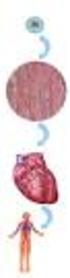 Chapter 8: Cells, tissues and organs Cells: building blocks of life Living things are made of cells. Many of the chemical reactions that keep organisms alive (metabolic functions) take place in cells.
What affects an enzyme s activity? General environmental factors, such as temperature and ph. Chemicals that specifically influence the enzyme.
 CH s 8-9 Respiration & Metabolism Metabolism A catalyst is a chemical agent that speeds up a reaction without being consumed by the reaction. An enzyme is a catalytic protein. Hydrolysis of sucrose by
MULTIPLE CHOICE QUESTIONS
 MULTIPLE CHOICE QUESTIONS 1. Most components of energy conversion systems evolved very early; thus, the most fundamental aspects of energy metabolism tend to be: A. quite different among a diverse group
Section 5.1 Food chains and food webs
 Section 5.1 Food chains and food webs The ultimate source of energy in an ecosystem comes from sunlight This energy is converted to an organic form using photosynthesis which is then passed between organisms
Chapter 3: Biological Molecules. 1. Carbohydrates 2. Lipids 3. Proteins 4. Nucleic Acids
 Chapter 3: Biological Molecules 1. Carbohydrates 2. Lipids 3. Proteins 4. Nucleic Acids Elements in Biological Molecules Biological macromolecules are made almost entirely of just 6 elements: Carbon (C)
Catalysis by Enzymes. Enzyme A protein that acts as a catalyst for a biochemical reaction.
 Catalysis by Enzymes Enzyme A protein that acts as a catalyst for a biochemical reaction. Enzymatic Reaction Specificity Enzyme Cofactors Many enzymes are conjugated proteins that require nonprotein portions
Introduction to Proteins and Enzymes
 Introduction to Proteins and Enzymes Basics of protein structure and composition The life of a protein Enzymes Theory of enzyme function Not all enzymes are proteins / not all proteins are enzymes Enzyme
AP Macroeconomics 2010 Scoring Guidelines
 AP Macroeconomics 2010 Scoring Guidelines The College Board The College Board is a not-for-profit membership association whose mission is to connect students to college success and opportunity. Founded
AP Biology 2013 Free-Response Questions
 AP Biology 2013 Free-Response Questions About the College Board The College Board is a mission-driven not-for-profit organization that connects students to college success and opportunity. Founded in 1900,
7 Answers to end-of-chapter questions
 7 Answers to end-of-chapter questions Multiple choice questions 1 B 2 B 3 A 4 B 5 A 6 D 7 C 8 C 9 B 10 B Structured questions 11 a i Maintenance of a constant internal environment within set limits i Concentration
2. Which type of macromolecule contains high-energy bonds and is used for long-term energy storage?
 Energy Transport Study Island 1. During the process of photosynthesis, plants use energy from the Sun to convert carbon dioxide and water into glucose and oxygen. These products are, in turn, used by the
Biological Molecules
 Biological Molecules I won t lie. This is probably the most boring topic you have ever done in any science. It s pretty much as simple as this: learn the material deal with it. Enjoy don t say I didn t