
Birding Southern Sweden
|
|
|
- Gordon Robbins
- 9 years ago
- Views:
Transcription
1 Birding Southern Sweden 1

2 Birding Southern Sweden This brochure is a collaboration between seven southern Swedish bird sites. The provinces mentioned in the brochure are shown on the map (italic). 1. Falsterbo 5. Getterön 2. Lake Åsnen 6. Lake Hornborga 3. Ottenby 7. Lake Tåkern 4. Store Mosse and Lake Draven IRELAND UNITED KINGDOM English Channel North Sea BELGIUM NETH. LUX. NORWAY DENMARK GERMANY SWEDEN POLAND Baltic Sea 5 Halland 6 7 Skåne Småland Blekinge Västergötland Östergötland Öland Birdwatching as sustainable tourism 3 A joint project, part-financed by the EU North Sea Programme, which seeks to develop bird rich wetlands in countries a- round the North Sea, has run throughout The project, WISP Wetlands in Spatial Planning, aims to research the possibilities for developing wetlands to stimulate tourism in the future. Important guiding principles have been to increase the nature value, improve the local economy and local participation, commitment to information provision and development of public access both nationally and internationally. The project has published an initial report on each international wetland area. There are twelve wetland areas in the six participating countries. Two guidelines have been produced. One guideline on sustainable tourism and one on quality. A popular publication of the twelve sites has also been published. The publications have been published jointly with the international Ramsar organisation. Further information about the publications can be found at the project s web-site: The Swedish wetlands covered by the project included lake Östen, Hornborgasjön and Getterön. Special presentation efforts have also been carried out within the scope of the WISP-project. Länsstyrelsen in Halland has run the project along with Naturvårdsverket/ Hornborgasjön and the German partners who all have been part of the project lead group. The launch of Sweden s fine bird areas for Swedes as well as foreign visitors was one aim of the Swedish part of the project. It was decided to concentrate on the southern part of Sweden in the first stage as this area was within reach of highly populated countries south of Sweden. The southern Swedish bird sites have many exotic birds to offer to the nature lovers from the southern bordering countries. Information points, new thoroughfares, bird towers and hides have led to an increase in accessibility to many bird areas in recent years. The WISP-project has had a fruitful partnership with representatives of many of southern Sweden s finest bird areas. Not least of which is with the Swedish Ornithological Society (Sveriges Ornithologiska Förening) through which Birding Southern Sweden has been realised. Birding Southern Sweden will be the door to further study of bird life in wonderful places such as the Baltic Sea archipelago, middle Sweden s lake rich landscape, Norrland s conifer woods and mire areas and the Arctic mountain areas in the northernmost part of Sweden. Per Magnus Åhrén Project leader WISP, Halland County Administrative Board Birding Southern Sweden Editor: Anders Wirdheim, Sveriges Ornitologiska Förening [email protected] Editorial Consultants: Dirk Harmsen and Per Magnus Åhrén, WISP project. Front cover photo: Red-backed Shrike. Lennart Mathiasson/N. Next page (clockwise from upper left): Caspian Tern (photo: Hannu Kiuttu), Red Kite (P-G Bentz), Nutcracker (John Larsen), Black Woodpecker (Lennart Mathiasson/N), Penduline Tit (Patrik Olofsson/N), Thrush Nightingale (Hannu Kiuttu), Eagle Owl (Mikael Nord), King Eider (Per Magnus Åhrén), Cranes (Jan Töve/N), Capercaillie (Lars Carlsson), Osprey (Bruno Sundin) and Barred Warbler (Björn-Eyvind Swahn/N). 2

3 Birdwatching in Southern Sweden Southern Sweden has a lot to offer to those who are interested in nature and especially birds. Within an hour you can move from bustling coastal areas with sea species to desolate mires with a large influx of northern birds or to large bird lakes with a very rich variety of bird species. In the southern areas there are also magnificent rich deciduous woodlands of continental character and in the east there are the striking bare limestone soils areas of Öland. There are few other areas in Europe that can offer such a variety of habitats or such a rich and varied collection of birds. Sweden is distinguished from many countries in Europe in being so sparsely populated. You are often near to wild country. Furthermore, in principle we have free access to the countryside. With responsibility, and care of cultivated land, we have right to roam free over the countryside. Such freedom is not available in many European countries. Southern Sweden is an important migratory path in spring and autumn. The impressive bird of prey migration over Falsterbo is known as one of Europe s best. Less well known is the spring and autumn seabird migration that follows the southern coast of the Scandinavian peninsula or the passerine migration that can be seen on autumn days. Well known over Europe is the mass gathering of Cranes at Lake Hornborga in April. Considerably less well known is e.g. the huge Red-throated Diver flocks at the Bay of Laholm in May or the gathering of waders on Öland in late summer. A travelling bird watcher cannot experience birds alone. In southern Sweden there are many hostels, cottages to let and campsites, and hotels and guesthouses in all standards of price. For those camping or using a campervan/caravan, you can camp, responsibly, overnight in a large part of southern Sweden for free. Nowadays it is quite cheap both to stay in and to get to Sweden from the British Isles. Last but not least, information about birding is well developed in southern Sweden. Most regions have their own telephone information service that is updated at least once a day. If you have access to the Internet you can follow what is happening on the birding front via many different web sites (see page 23). Anders Wirdheim, Editor, Swedish Ornithological Society 3

4 White-tailed Eagle. The Bird Year in southern Sweden Winter is a time when bird watching goes into low gear over large parts of northern Europe. Snow, cold not to mention ice cover, means that there is a shortage of birds around. This can also be true for the inland parts of southern Sweden. But in flat areas, and above all, along the coast, it is the opposite, a fun time for the bird watcher. It is good for birds of prey over the open landscape and along the coast there are large gatherings of sea birds. One example of such a combination is Lake Åsnen in southern Småland. Large numbers of Goosander can be found at the lake until the lake freezes. Considerable numbers of White-tailed Eagles hang over the fishing Goosanders. In recent years there have been almost Goosanders and 45 White-tailed eagles. It is a spectacle well worth a visit. Inland southern Scania in winter is also well worth a visit. Many bird watching organisations arrange special birds of prey MATHIAS NORDLUND MIKAEL NORD trips with whole days in the area of Fyledalen and Näsbyholm. These trips are always worthwhile with many of e.g. Whitetailed Eagles and Golden Eagles, Red Kites and many other birds of prey species often with large flocks of geese. Southern Sweden has been further enriched with visitors from the north in recent winters. Large flocks of Waxwings have become a yearly phenomenon. The last two winters ( and ) have seen considerable numbers of Pine Grosbeaks come down to southern Sweden. Most winters there are even northern owls to look at. Two Snowy Owls resided just south of Malmö, in the winter of , a Great Grey Owl resided in southern Halland in the winter of and a pair of Hawk Owls resided in Scania and Halland in both winters. The winter of was an unusually good year for Pygmy Owls. Spring comes early to the coastal areas of southern Sweden. The first Greylag Geese, Shellducks, Lapwings and Skylarks are already arriving at the end of January. The first real big spectacle comes as we move from March into April. Hundreds of thousands of Common Eider migrate along the southern Swedish coast to their breeding grounds in the Baltic Sea and White Sea. Among the Common Eiders there a quite a number of King Eiders. It is a wonderful experience to be at a migration place on a good Eider day. Happiness is close to perfect if one or more King Eiders fly past. Whooper Swan migration in southern Sweden peaks at the same time as the Eider migration. Whooper Swan flocks can be seen at many places but especially numerous at Lake Östen in Västergötland and Lake Tysslingen in Närke. There are thousands of swans together a spectacle for eyes and ears. The first Cranes are already arriving in southern Sweden in March. It is local breeding birds that come so early. The really large numbers of northerly breeding birds wait until the beginning of April. Then they come, flock after flock, from the sea at southern Scania and continue up to Kristianstad s Vattenrike or Lake Hornborga. They rest there in their thousands before continuing their journey up to northern Scandinavia. The Crane stop over at Lake Hornborga is the outstandingly most popular event in the whole of spring. There are usually around resting or dancing Cranes and more than people enjoy the spectacle every year. More in the background, in the wooded areas, is the Black Grouse lek and the Capercaillie lek as well as calling owls. You can enjoy listening to the Black Grouse lek and the owls from a far distance, but if you want to see the Black Grouse lek (not to mention the Capercaillie lek) you need local knowledge and great care. During spring comes one bird migration after another over southern Sweden. This is due to local breeding birds and those that will move further northwards or eastwards. The Red-throated Divers are a special example in this context. They go round Denmark, over the Kattegat and then in over land at the Bay of Laholm in southern Halland. This migration is of birds heading to their breeding grounds in Russia and peaks in the first half of May. Every year Yellow-billed Divers are seen along with the Red-throated Divers. Seeing the Red-throated Divers come in overland at dawn is arguably one the most fantastic sights. Flocks of Red-throated Divers up to 2200 have been seen. It is as though the whole sky is spotted with divers. Just at dawn, before the first rays of sunshine hit the land, the whole flock moves eastwards at high speed towards a distant mark. King Eider migrating with Common Eiders at Getterön. 4

5 It is most rewarding to visit the southern Swedish bird lakes in May. Tåkern has northern Europe s densest population of Great Bitterns. The Great Bittern s muffled booming and the Great Reed Warblers creaking song makes an impression on your visit, as does the Bearded Tit s incessant tinkling from within the reeds. At Lake Horborga it is perhaps grebes, if anything, that are the characteristic birds. The lake accommodates Sweden s largest colony of Black-necked Grebes, and with a bit of work and luck you may see all five of Europe s grebe species. Hammarsjön and Araslövssjön in Kristianstad s Vattenrike accommodate among other things, breeding Black Terns and Penduline Tits. The maintained beach meadows are good for waders and another characteristic bird, the Black-tailed Godwit. Ängsnäset at Falsterbo peninsula is the last outpost for the rare Kentish Plover. May is also the month when many bird watchers go to Öland. The distinctive landscape there together with special bird life gives a good chance of seeing southeastern rarities. Among the local breeding birds there are Thrush Nightingales, Barred Warblers, Collared Flycatchers, Corncrakes and Montague s Harriers. There are also regular rarities such as the Red-rumped Swallow, Rose-coloured Starling and Marsh Sandpiper. But on Öland in May anything can appear... A trip to Öland, especially the East Coast, during high and late summer, can be very rewarding. There are thousands upon thousands of waders on their way south again after breeding in the Arctic tundra. Many waders stopover at eastern Öland s extensive seaweed banks to feed. For bird watchers it is a rewarding time. Distances to the birds are often short and you can comfortably stand and look through the swarming flocks. It is not at all unusual to be able to see more than 30 species of waders on eastern Öland s wader beeches. In august the autumn migration becomes more obvious over the whole of southern Sweden. Falsterbo, furthest out to the southwest, is a must for a visit for birdwatchers. At dawn you can stand out at the furthest point, Nabben, and watch passerines move southwesterly or watch seabirds and waders leaving the Baltic Sea. Later on in the morning the birds of prey migration starts. Towards the end of the month there can be rewarding days with large numbers of Honey Buzzards. A Black Stork or Lesser-spotted Eagle or other rare bird of prey can enhance the occasion. Even as autumn progresses the bird of prey and small bird migrations are still worthwhile at Falsterbo, but by then it is Common Buzzards and Sparrowhawks that dominate the birds of prey and it can even be good for Red Kites. Extremely numerous among the small birds are the Chaffinches. A considerably less well-known fine autumn migration is on offer at the Halland coast and northwestern Scania. When there is a long lasting easterly wind birds concentrate along the Swedish West Coast. With such an occasion it is not unusual to be able to count over half a million migrating finches during a morning at the southern Halland coast, or that the number of Common Buzzards there or at the Southwest coast of Scania can reach The autumn seabird migration from southern Hanöbukten, south of Kristianstad is also very good. In October the bird watcher s course often leads back to Öland. It is an exciting time with a taste of the Arctic and Siberia. From the Arctic come large numbers of geese, especially Barnacle Geese PER MAGNUS ÅHRÉN MIKAEL NORD Thousands of Dunlins and other waders are seen in summer. and Brent Geese who either rest on the beech or migrate past in long bands. Small passerines e.g. Pallas s Leaf Warbler, Yellowbrowed Warbler and Dusky Warbler can be sought, with a little patience, in the shrubbery along the east beach. Autumn near to the large bird lakes is often worthwhile. Large numbers of geese and cranes rest there. In flocks of Bean Geese you can often find all other European geese species such as the threatened Lesser White-fronted Goose. You can have a good experience early on an October morning at Lake Tåkern. Thousands of geese fly right overhead from their night resting places on the lake to the fields with a red morning sky as a backdrop. Certain autumns are rewarding along the Swedish West Coast. Many will surely remember the autumn of 1997 when prolonged west winds brought sea birds to the coast in numbers never seen before. It is very singular to experience a fine sea bird day with Sooty Shearwaters from South America, Sabines Gulls from Canada and Greenland, Pomarine Skuas from Siberia, Fulmars and Gannets from the north Atlantic bird cliffs and Long-tailed Skua from the Scandinavian mountains! Bird areas become quiet in late autumn. But on a still and clear morning you can hear the first silver bells from the sky winter s first flock of Waxwings drift down and attack a mountain ash. Perhaps there will be some Pine Grosbeaks in motion this winter... Pine Grosbeak, a winter visitor. 5

6 Falsterbo P-G BENTZ It has been estimated that about 500 million birds leave Scandinavia every autumn. The migration goes on day and night at different altitudes. Some species spend the winter in western Europe or in the Mediterranean area. Others cross the vast Sahara desert and winter in the tropics. Migrating birds do not fly over unknown or perilous areas unless they have to. For many birds the Baltic Sea is the first difficult barrier to cross on the southwestward migration route. Therefore, the birds rather follow the south and west coasts of Sweden until they finally reach Falsterbo. On good days you can see hundreds of thousands of birds migrating at Nabben, the southwesternmost point of the Falsterbo Headland. Most spectacular is the migration of raptors. Falsterbo Headland is mainly built up of sand formed around some morainic ridges. The area constantly changes its shape and size as the sand is moved around by sea currents and wind. For centuries it was a treeless heathland with sand dunes, grazed meadows and fields. Nowadays this open landscape is mixed with woodlands and villa areas with many gardens. The shallow shores of the Falsterbo Headland and Foteviken provide conditions for a rich production of the basic food for all kinds of shore-birds. Large parts of the coasts are included on the list of internationally important wetland areas (Ramsar areas) and Nature-2000 areas. The autumn migration starts already in July, when waders, gulls and terns pass. From mid-august and about three weeks onwards passerines like Tree Pipits, Yellow Wagtails and Swallows are numerous and at about the same time the first migrating raptors are seen, usually Marsh Harriers and Ospreys. Towards the end of August the peak of the migration of Honey Buzzards occurs. Many other raptor species are also seen, for example Black Kite, Montagu s Harrier, Lesser Spotted Eagle, Short-toed Eagle and Red-footed Falcon. Still, lots of waders can be seen along the shores and in trees and shubberies many nocturnal migrants stop over. Late August is also the right time to find Wryneck and Red-backed Shrike. During September the long-distance migrants are gradually replaced by those which spend the winter in the Mediterranean area or in south-west Europe. Honey Buzzards are replaced by Common Buzzards and Marsh Harriers by Hen Harriers. Red Kites are usually reaching their peak numbers during the end of September. Spotted Eagle and Steppe Eagle can be seen and sometimes Imperial Eagle. At regular intervals an occasional Osprey and Marsh Harrier pass by. Suddenly a larger and completely dark bird of prey appears alongside the Buzzards: a Lesser Spotted Eagle! It is the same bird as was seen a few days ago, at the time alongside another two Lesser Spotted Eagles and one Short-toed Eagle! At noon it happens at last. In the distance we discover a flock of buzzards of about a hundred birds close together in a typical Honey Buzzard manner. Soon they are above us in large silent flocks. More and more appear and in the midst of them three more Lesser Spotted Eagles are discovered, neither of them identical to the one seen earlier. The whole afternoon offers an endless stream of Honey Buzzards (in the end some 3000 during the day) and in addition hundreds of Sparrowhawks as well, more Marsh Harriers and Ospreys and even the fifth Lesser Spotted Eagle of the day. The last Ospreys appear just as the setting sun is sending its low rays over the purple flowering heather. From the bird observatory s diary 26 August (Klaus Malling Olsen) 6


7 1999 Mean Honey Buzzard Pernis apivorus Black Kite Milvus migrans 7 7 Red Kite Milvus milvus White-tailed Eagle Haliaetus albicilla Short-toed Eagle Circaetus gallicus 1 0 Marsh Harrier Circus aeruginosus Pallid Harrier Circus macrourus 2 0 Hen Harrier Circus cyaneus Montague s Harrier Circus pygargus Goshawk Accipiter gentilis Sparrowhawk Accipiter nisus Common Buzzard Buteo buteo Rough-legged Buzzard Buteo lagopus Lesser Spotted Eagle Aquila pomarina 1 5 Greater Spotted Eagle Aquila clanga 3 0 Imperial Eagle Aquila heliaca 1 0 Golden Eagle Aquila chrysaetos 3 2 Osprey Pandion haliaetus Kestrel Falco tinnunculus Merlin Falco columbarius Hobby Falco subbuteo Pergerine Falcon Falco peregrinus Total Migrating raptors at Falsterbo autumn 1999 and average annual totals JENS B. BRUUN Red Kite. In the later years, the highest daily totals of Common Buzzard ( ) have occurred around 15 October, significantly later than for example in the 1960 s. October is also the time for Cranes and for irruptive migrants like Great Spotted Woodpecker, Black Woodpecker, Blue Tit, Jay, Nutcracker and others, which only occur in certain years. Exceptionally, Tengmalm s Owl and Pygmy Owl are seen too. Winters are normally mild and waters seldom freeze, providing good wintering conditions for swans, geese, ducks and some wader species. Of special interest are for example Smew in the Falsterbo Canal (up to 200 seen). White-tailed Eagle and Peregrine are seen regularly during winter. During spring, migrating birds occur in much smaller numbers than during autumn. A few species pass in several thousands during spring, for example, Barnacle Goose, Brent Goose and Eider. Among passerines Bluethroat, Ring Ouzel, Firecrest, Scarlet Rosefinch and Serin are seen almost every spring. In May, Thrush Nightingale, Marsh Warbler and Icterine Warbler are regular. Among breeding birds, there are species like Avocet, Kentish Plover, Dunlin (ssp. schinzii) and Little Tern on coastal meadows, Bearded Tit in the reeds and Serin in the town centre. Most bird-watchers start their days at Nabben already at dawn. In favourable wind conditions it may be worth staying at Nabben the whole day. However, the classic spot for raptor observation is Skanörs Ljung (the Heath). Here you have a good view of the approaching flocks and you may also keep them in view for a long time. Another good spot is the Falsterbo Canal where raptors usually pass at lower altitude but are lost from view rather quickly. On days with low migration intensity a visit to Skanörs revlar or Knösen (the northern point) may be rewarding. The migration at Falsterbo is observed and recorded by the activities at the Falsterbo Bird Observatory. Extensive ringing and migration counts for monitoring purposes are among the main activities. Bird ringing is mainly carried out within the Lighthouse Garden, which is out of bounds to visitors. People are kindly requested not to walk up to the mist-nets outside the Lighthouse garden. Watching raptors may be the highlight for many visitors, but the Falsterbo Headland has much to offer bird-watchers all day and all year round. HÖLLVIKEN Comfortable accomodation and good food, low prices beneath the crowds of birds by the Falsterbo canal Falsterbo kursgård, Box 41, Ljungv. 1, SE Höllviken Tel: +46 (0) , fax: + 46 (0) [email protected] Visit Falsterbo? Cheap and comfortable lodging at Falsterbo Bird Observatory! Guided tours info: 7

8 Certain species and their status: Black-throated Diver, 70 pairs Great Crested Grebe, 100 pairs Whooper Swan Greylag Goose, 50 pairs Lesser White-throated Goose, migration Bean Goose, migration Goosander, 70 pairs, > in autumn Honey Buzzard, pairs Red Kite White-tailed Eagle Marsh Harrier, 7 8 pairs Osprey, 50 pairs Hobby, 15 pairs Water Rail Spotted Crake Curlew pairs Little Gull Common Tern 50 pairs Black Tern Lesser Spotted Woodpecker pairs Red-breasted Flycatcher PER-ERIK LARSSON Lake Åsnen Lake Åsnen is one of the largest lakes in southern Sweden and boasts a magnificent archipelago. The lake contains a number of shallow and irregular coves. The average lake depth is only 3 metres, while there are hundreds of islands in the lake. The total shoreline length along the coves and islands amounts to a distance of about 700 km. The size of the lake and the low number of inhabitants contributes to its natural wilderness. It is surrounded largely by coniferous and deciduous forest that is home to a rich and diverse bird life. In the northern regions of the lake, close to Skatelöv cove, one can find large open countryside. This is ideal for waders, ducks and geese, especially during migration periods. The lake is rich in nutrients and fish. The large supply of fish has, in part, an impact on bird life. Osprey and Black-throated Divers nest in the lake, while during late autumn and winter, thousands of Goosander and a large number of White-tailed Eagles fish in the lake. Lake Åsnen is one of about 30 wetlands in Sweden that is protected by the international Ramsar convention. The lake is also included in Bird Life International s list of Important Bird Areas (IBA). PER-ERIK LARSSON Greylag Geese are a common visitor to the shores of Lake Åsnen. Bird species that comply with the criteria defined in the IBA are Goosander, Osprey, White-tailed Eagle, and Bean Goose. The rare fishing-eating Otter Lutra lutra can also be found in the lake. The main attraction in the lake are the around 50 pairs of Osprey that nest here, one of Europe s largest collective groups. Other birds of prey nesting on the shores of Lake Åsnen are the Honey Buzzard, the Hobby and the Red Kite. The White-tailed Eagle has also begun nesting by the lake in the past number of years. During late autumn and winter, a large number (20 to 40) of White-tailed Eagles can be seen at the lake. They are attracted by the open, fish-abundant waters and by the carrion that is laid out by ornithologists during the winter months. The lake may also receive a visit from a number of Golden Eagles at this time. The large number of islands and the abundance of fish provides the Black-throated Diver with ideal nesting conditions, with approx. 70 pairs nesting around the lake. Lake Åsnen is also an important resting area for the Goosander during the autumn and winter months. Large flocks of between 4,000 and 6,000 birds, at times up to 20,000, fish and rest at the lake, until it freezes over. At the outset of the century, the Greylag Goose was quite a rare nesting bird in these parts, but in recent decades, it has increased in number and can now be seen quite often in the area. The Bean Goose is the most common species of goose that uses Lake Åsnen as a resting point on their migration back and forth from nesting spots in the northern tundra. The geese rest PER-STEFAN HALLBERG 8

9 PER-ERIK LARSSON Cranes nesting in the Lake Åsnen region. in open fields and spend the night by the lake in protective areas. The movement of large number of geese between feeding and protection areas is often very dramatic. During the spring and autumn, the flocks of geese can also include rare bird species such as the Barnacle Goose, the Brent Goose, the White-fronted Goose, the Pink-footed Goose and the Lesser White-fronted Goose. The marshland at Huseby, to the north of Lake Åsnen, was drained and tilled at the beginning of this century. The region was restored a number of years ago and transformed into a wonderful wetland for a variety of bird species. A trip in the region surrounding Lake Åsnen offers you a potpourri of natural and cultural experiences. The area has been inhabited for quite some time and cultural relics from the Stone Age have been discovered. It is highly recommended to take the time to cycle or paddle around Lake Åsnen to experience the wonderful surroundings close at hand. There are a range of resting points and overnight accommodation options to choose from along the designated bicycle and canoe trails. The bicycle trails are confined to low traffic minor roads, while the canoe trails follow the lake s western shore from the north to the southern outlet. INFORMATION Tourism in Småland Birds in Småland Birds in Sweden County Administrative Board Korrö Arts & Crafts village Idyllic nature reserve by Ronneby river with its origins from the 18th century. Youth hostel, conference and camp facilities. Coffee shop, meals for larger groups. Canoeing, fishing, walking trails, bird life Address: LINNERYD, Sweden Tel: +46 (0) , Mjölknabbens Camping Discover Lake Sirkön s wonderful natural surroundings in the Åsnen archipelago. Cabins, canoeing and boats for hire Birdwatching and feeding of White-tailed Eagles within sight of the camping area Address: URSHULT, Sweden Tel: , Lake Åsnen Bird life eldorado in southern Sweden Discover something out of the ordinary in the way of bird life. Expert guides are at hand to assist you or why not enjoy at your pace the wonderful natural surroundings and bird life on offer. At Getnö, in the heart of the Lake Åsnen, you can take a quiet canoe ride, rent a rowboat or motorboat, and stay overnight in a cabin or camp in the designated Natural camping area. Huseby marsh, by Huseby Mill, situated in the middle of the migratory route, is an ideal resting point for many rare bird species that can be seen from watchtowers and designated walkways. Restaurant, coffee shop, shop, cottages. Getnö Gård Tourist and Conference facilities RYD, Sweden Tel +46 (0) , Huseby Mill GRIMSLÖV, Sweden Tel +46(0) , Växjö Tourist information centre Stationen, Norra Järnvägsgatan, VÄXJÖ, Sweden Tel +46 (0) , 9

10 The lighthouse Långe Jan to the left. To the right a view from the lighthouse northwards along the eastern shoreline. Ottenby nature reserve Öland To find Ottenby nature reserve all you need is the world atlas in your pocket diary! Simply turn to the right after you have come over the bridge from Kalmar. Then drive 60km or until you begin to get wet feet... You cannot go further. Better than that can it simply not be. Öland s southern point is, quite simply, an ornithological Eldorado. Naturally, it was not by chance that a bird observatory was placed at this unique spot in And also it is no accident that the reserve is visited by many thousands of birdwatchers. The place has everything it needs to attract millions of Scandinavian and Russian birds its geographical situation, climate, thousands of years of tradition, and the famous island-effect. Tired birds, which in spring have flown over 300km of open sea, are literally sucked down towards the inviting trees in the old lighthouse area. Or to the loaded larder that the waterlogged, leafy shore meadows in the east offer. BJÖRN-EYVIND SWAHN N In autumn the island acts as a funnel birds hesitate before the long stage over the sea. They wait for the right flying weather, and use the time to fill with fuel. The whole time they keep company with fellow-travellers from north and east. The ornithologist who has the privilege to be able to visit Öland often finds that all seasons have their strengths. The same applies to those who have more interests than only birds flowers, lichens, mushrooms, and so on. But for those forced to ration their visit to Öland, it becomes more important to choose the best time May The really large numbers of Scandinavian and arctic birds pass by. The species diversity is large and many of Öland s breeding rarities return via Ottenby, for example Montagu s Harrier, Barred Warbler, Collared Flycatcher, Red-breasted Flycatcher, and HANNU KIUTTU Barred Warbler. Thrush Nightingale. 10

11 GÖSTA FRIBERG Common Rosefinch. Bluethroats, Lapland Longspurs, Rustic Buntings and sometimes also Little Buntings can be named from among the resting northern species. 15 May 5 June The number of individuals is reduced exposing a peak of rarities with accidental visitors from southeast and east Europe. Those regularly seen include, for example, Red-footed Falcons, Rosecoloured Starlings and Greenish Warbler. The species richness continues to be large in other respects, and the breeding birds are easy to observe on Öland. In addition to the breeding birds already mentioned, can be added Corncrake, Golden Oriole, Thrush Nightingale and Icterine Warbler. This period is also botanically interesting with many species of orchids flowering. 20 July 10 August The arctic waders begin now to drift southwards in large numbers. The order of travel is most often females, then males and, towards the start of autumn, juveniles. In the right weather, the waders gather on the seaweed shores all along the whole east coast, and are extremely easy to observe. This is a time of year when birdwatchers can, with good conscience, leave the rest of the family on a beach or among Öland s many tourist attractions. With a little persistency, most of Öland s rarities can still be teased out of the shrubs. 1 September 25 October The powerful autumn migration culminates around October, when extreme rarities from the Russian taiga mix with numbers of Scandinavian birds. Regularly seen are, for example, Richard s Pipit, eastern wheatears, Pallas s Leaf Warbler, Yellowbrowed Warbler and Dusky Warbler. More generally... Yes, you are visiting one of UNESCO s newly-named so-called world heritiage sites. The 6000-year history of people has created a cultural and natural environment that is beyond comparison. Within the reserve is Ottenby Vandrarhem where you can stay cheaply but pleasantly. If you want to raise the standard somewhat, you should wend your way 15km northwards to Brukshotellet in Degerhamn, and if you want to combine your holiday on Öland with really comfortable living and fine food, we recommend Halltorp s Gästgiveri, south of Borgholm. BRUNO SUNDIN Houbara Bustard, october At Öland s southern point there is a beautiful exhibition about bird migration, the well-established restaurant Fågel Blå, a 42- metre high lighthouse and a famous bird observatory that offers pre-booked tours. These facilities are run by the Swedish Ornithological Society (Sveriges Ornitologiska Förening). A little way north along the east coast is Stenåsa, with the Society s shop Naturbokhandeln. Here you can buy books, binoculars and outdoor equipment, eat at the restaurant Stenhusa Krog and stay at Stenhusa Bädd, at youth-hostel standard. INFORMATION Ottenby Naturum Tel. +46 (0) Ottenby Bird Observatory Tel. +46 (0) Sveriges Ornitologiska Förening Tel. +46 (0) Naturbokhandeln Tel. +46 (0) Below: Barnacle Gees on the meadows Schäferiängarna. ANDERS WIRDHEIM 11

12 Store Mosse National Park Black Grouse. LENNART MELLGREN A blend of northern and southern Scandinavian breeding birds characterises the bird life of the Store Mosse national park. The impression of being on a Lapland mire with displaying Whimbrels and Jack Snipe contrasts with breeding floodplain species such as Shoveler and Garganey in the park s bird lake, Kävsjön. A good selection of paths makes it easy to reach the mire where the Whimbrel breed. This is one of their few breeding places south of the main Scandinavian mountains. At the same time, the 10-km of paths in the woods give visitors the chance to find species such as Crested Tit, Black Woodpecker, Tengmalm s Owl, and others. There is a cultural landscape at Södra Svänö with pollarded deciduous trees and pasture fields. Alert Nutcrackers, occasional Wrynecks, flycatchers and warblers thrive here. Black Grouse are common in the whole BRUNO SUNDIN park, while Capercaillie display at a few places in the southern part, where Lövö makes a good exit point. The season at Kävsjön gets going in March with Cranes, resting Goosanders and Smew, and dabbling ducks. In April the waders arrive, including breeding species such as Jack Snipe, Wood Sandpipers, Greenshanks, Curlews, Whimbrels, and Ruffs. Ospreys breed in the surroundings and fish regularly in the lake. The best viewing point for the whole lake is from the large oberservation tower at the main car park, but the smaller tower gives better contact with the birds. Jack Snipe breed at many places in the park and display late in the evenings during April and May. There is a good chance for summer visitors to experience the display during the second display period that begins at the end of June. Osprey. 12

13 Arctic waders rest during late summer along the lakes shores and the first hen harriers arrive in August. The first Golden and White-tailed Eagles arrive towards the end of October. Between November and March the eagles hunt over the southern part of the mire, where they can be observed from a hide. 221 species have been observed in the park. Among other breeding birds are Whooper Swan, Goosander, Hobby, Marsh harrier and Crane. Occasionally Tundra Swan, Red-footed Falcon, Broad-billed Sandpiper, Little gull, Hawk owl and Parrot Crossbill may be seen. FOLKE LANTZ Lake Draven Lake Draven lies about 5km south east of Reftele. The lake has regained its character as a floodplain lake in an old cultural landscape after a newly-completed restoration by damming, raised water level and vegetation control. The lake can now be counted as a bird locality of the highest significance. The southern part of the lake has the greatest open water surface. This is the habitat of the greatest number of birds. Depending on the light conditions, one or other of the observation towers at Fridsnäs or Kinnaberg offer a fine view over the area. The northern part of the lake consists chiefly of low swamp vegetation, reedbeds, dug canals, and river discharge, and is good land for rails and crakes. In the central and eastern parts of the lake is a rich mosaic of areas of open water that are most easily observed from the burial mounds on the lake s eastern side (there is a small parking place along the road in Hamra). The west side consists of grazed shore meadows, with some open water opposite the observation tower at Väcklinge. The agricultural land south of Draven all the way to Norra Bolmen makes a significant resting place for cranes and geese, among others. There are toilets at the parking places for both observation towers. Barbecue sites are located at Fridsnäs and Kinnaberg. At Kinnaberg there is also a shelter for overnighting. There is a 9km long trail around the lake. Draven became wellknown nationally in 1958, when a pair of Whooper Swans began to breed in the lake one of the first in southern Sweden in modern times. 239 species have been observed at Draven. Among the breeding species are: Great Bitterns 1 2 pairs (3 booming males some years), Little Grebes, Greylags ca 10 pairs, Garganey many pairs, Marsh Harriers 1 2 pairs, Cranes ca 10 pairs, a Black-headed Gull colony with >1000 pairs, together with Little Gulls that SVEN JOHANSSON LENNART MATHIASSON N Black Woodpecker. display annually and possibly breed. In addition, the following occasional guests have been seen at the lake over the years: Blacknecked Grebe (annual), Squacco Heron, Great Egret, Black Stork, White Stork, Lesser White-fronted Goose, Gadwall (possibly breeding), Ferruginous Duck, Red Kite (probably breeding in the area), Black Kite, Pallid Harrier, Gyr Falcon, Quail, Corncrake, Broad-billed Sandpiper, Great Snipe, Caspian Tern, White-winged Tern (annual), Hawk Owl, Hoopoe, River Warbler, Savi s Warbler, Golden Oriole, Yellow-breasted Bunting, and Rustic Bunting. INFORMATION Welcome to an interisting and healthy region with an own National Park and exciting bird lakes. For further information please contact: Gislaved s Kommun tel. +46 (0) Gnosjö Kommun tel. +46 (0) Vaggeryd s Kommun tel. +46 (0) Värnamo Turism tel. +46 (0) , fax +46 (0) [email protected]; LENNART MELLGREN Yellow-breasted Bunting, Lake Draven, June Tengmalm s Owl. 13

14 Getterön nature reserve The Getterön nature reserve consists of a part of the exposed seashore that dominates the central part of the Halland coast. The reserve lies within walking distance, only a few kilometres from the centre of Varberg and 70km south of Gothenburg. The addition of Getterön s visitor centre in 1995 has made the reserve easily accessible for the general public, and there are new bird hides and observation points. Getterön s visitor centre is open daily between spring and autumn and at weekends in the winter. There is an exhibition there of wetland birds, an online web camera, conference facilities, art gallery, guides, trail loops, cafeteria and shop. Getterön is dominated by low-lying shore meadows that are supplied with nutrients from water courses and from the sea. This provides a good food supply for all the areas breeding and resting wetland birds. Ten islands were built during restoration of the reserve in , and these attract a large number of breeding birds, including the symbol, the Avocet. MIKAEL NORD White-tailed Lapwing, July1997. Avocets. Characteristic breeding birds on the open shore are Blacktailed Godwit, Lapwing, Redshank, Dunlin, Ruff, Little Ringed Plover and Yellow Wagtail. On the islands there are breeding Black-headed Gulls (2500 pairs), Common Terns, Little Terns, Shoveler, Gadwall, Garganey and Teal. Water Rail, Reed Warblers, Bearded Tits and Marsh Harriers breed in the reeds. The reserve is regularly patrolled by hunting Peregrine Falcons. Getterön is one of Sweden s foremost bird sites with no less than 327 observed species. Few places in Sweden, or even Europe, can boast such an impressive species list. The less usual visitors include: Frigatebird, Great Shearwater, Cory s Shearwater, Mediterranean Shearwater, Lesser Scaup, Collared Pratincole, Black-winged Pratincole, American Golden Plover, Sociable Lapwing, White-tailed Lapwing, Red-necked Stint, Long-billed Dowitcher, Lesser Yellowlegs, Bonaparte s Gull, Ring-billed Gull, Ross s Gull, Forster s Tern, Brünnich s Guillemot, Snowy Owl, Pacific Swift, Alpine Swift, Aquatic Warbler, Paddyfield Warbler, Hume s Leaf Warbler and Rose-coloured Starling. February March The first migrants arrive in February with mild southwesterly low pressure systems. These are Grelags, Shelducks and Lapwings. Towards the end of March, the next wave of migrants comes geese, thrushes, Chaffinches and the first Avocets. Out to sea, wave after wave of Common Eiders pass by towards breeding places in the Baltic Sea. In the inland woods, Black Woodpeckers and owls (Eagle owl, Pygmy Owl and Tengmalm s Owl) call most intensively from the end of March. PER MAGNUS ÅHRÉN 14

15 PER MAGNUS ÅHRÉN April May Getterön s nature reserve now fills quickly with birds. The Blackheaded Gull colony becomes filled in the beginning of April and towards the end of the month the terns can also be enjoyed at a comfortable distance from the hides. The Lapwings downy chicks see daylight in the first week of May, followed by the Avocets young a couple of weeks later. All dabbling duck species and large numbers of arctic waders roost together with rarities such as Mediterranean Gull, White-winged Tern, etc. June July In the first half of June the growth of the young birds becomes noticeable. In the cultural landscape around Getterön, it is first and foremost the night singers that attract birdwatchers Corncrake, Quail, Nightjars, Wood Larks and some individual River or Blyth s Reed Warblers. Flocks with many thousands of waders can be seen on good days as July turns into August. August October Upto 5000 dabbling ducks rest during the larger part of August. Geese land at the end of August, culminating during September and October with many thousands of, at times, all the European species. Westerly storms regularly bring Fulmars and Gannets in large numbers. Also regular, but fewer in number, are Leach s Storm-petrel, Sooty Shearwater, and Manx Shearwater. November February Now the real arctic species are often drawn down to Getterön. Purple Sandpipers turn up along the coast. In certain years Hawk and Snowy Owls are seen. White-tailed Eagles are often seen daily, and so are hunting peregrines. When the cold becomes severe, many birds are concentrated at the canal. It is then possible to enjoy Kingfishers, Great Bitterns, Smew, Little Grebes and Whooper Swans from the cafeteria windows. Not many cafeterias can offer that! During the winter, Glaucous and Iceland Gulls are regularly seen, and also Great Northern Divers. Visitor areas near Getterön Along the Halland coast, characterised by marsh meadows intermingled with Sweden s best bathing beaches, there are a large number of excellent bird sites with good visitor facilities. MIKAEL NORD Caspian Tern. Kungsbackafjorden. 35km north of Getterön. In the fjord is a beautiful archipelago of about 30 islands. Observation tower. Båtafjorden. 15km north of Getterön. A large number of breeding waders, including Avocets and Black-tailed Godwits. Gubbanäsan. 2km west of Getterön s nature reserve. Superb place for seabird watching. Galtabäck. 10km south of Getterön. Observation tower. Good resting locality for waders and ducks. Morups Tånge. Perhaps the West Coast s best roosting site for waders. Good winter location for Glaucous and Iceland Gulls. Källstorps våtmark. 30km south of Getterön, immediately west of the E6 motorway. Artificial wetland with rich birdlife. Pårp/Trönninge Ängar. 75km south of Getterön. Observation tower and hide. In Laholmsbukten there are large numbers of water birds. Good locality for seawatching. INFORMATION Getterön s Naturum Information about activities, bird observations etc. Tel. +46 (0) Varberg s Ornitologiska Förening Offers accomodation with a marvellous view of the reserve. Tel. +46 (0) Länsstyrelsen Halland (County Administration Board) Information about the reserve and the other Nature reserves in the county. Tel. +46 (0) Tourist information Varberg s Turistbyrå, Tel. +46 (0) MIKAEL NORD 15

16 Hornborgasjön Hornborgasjön (Lake Hornborga) lies between the large lakes Vänern and Vättern as a large depression in the landscape. The first discernible sign of the lake s origin began 10,000 years ago, when the inland ice sheet retreated. The area then consisted of a large shallow bay of the West Coast Sea. The area became separated from the sea as the land lifted following the ice retreat, and developed as a freshwater lake. Hornborgasjön is one of Sweden s largest and most valuable bird lakes. At the end of the 19th century it was recognised to be north Europe s most distinguished bird lake and an important lake in the chain of wetlands that birds use on their migrations during both spring and autumn. The lake then had a maximum depth of 2m and had 3000ha of open water surface. After reductions of lake level from the beginning of the 19th century until 1930, the lake became transformed into a marsh with 21km of canals that carried water through the former lake. After pressure from wildlife enthusiasts, the government requested that Naturvårdsverket should carry out a restoration of the lake, during the years , in order to regain the lake s value as a bird lake. A dam with water regulation was built at the lake s outlet and the water level raised by an average of 85cm. Today the lake has a maximum depth of 1.5m and an average depth of 0.9m. The lake consists of a mosaic of open water, reed and bush areas, together with shore meadows with a total wetland area of 3300ha. The restoration of the lake is in a class of its own as Sweden s largest single nature protection project and has created the prerequisites for the return or increase of many wetland bird species. In total 280 species have been recorded at the lake, of which Up to 10,000 Cranes can be seen in spring. 130 breed regularly in the nature reserve. Of these, 50 are confined to wetlands, including all of Sweden s five species of grebe. Marsh Harriers, Great Bitterns and Great Reed Warblers breed in the lake s reeds and reed mosaic. Nearly 10,000 pairs of Blackheaded Gull and 40 pairs of Black Tern breed on the lake s floating islands. 100 pairs of Black-necked Grebe and tens of pairs of Horned Grebe breed in connection with the Black-headed Gull colony. Along the lake s cultivated shores and meadows breed, among others, Spotted Crake, Shoveler, Garganey, Gadwall and Ruff. In the lake s bush areas are nests of Penduline Tits. Osprey and White-tailed Eagles also breed in the region. Thrush Nightingale, River Warbler, Corncrake, Grasshopper Warbler and Rosefinch occur adjacent to the lake. Large numbers of ducks and waders rest in spring and autumn. The lake s characteristic bird is the Crane, which rests there both autumn JAN TÖVE N 16

17 JAN JOHANSSON The lake consists of a mosaic of open water, reed and bush areas, together with shore meadows with a total wetland area of 3300ha. The lake has an average depth of 0.9m. LARS CARLSSON A Great Reed Warbler singing just outside Hornborga visitor centre. Inside there is an exhibition about the lake and its ecology and a cafeteria. GÖSTA ERIKSSON and spring. The so-called Crane dance is well known, when upto 10,000 Cranes can be seen dancing in the middle of April on the lake s southern shores at Dagsnäs. The lake is frozen in winter, but still offers a relatively rich bird life with over-wintering birds of prey, such as Golden Eagles, White-tailed Eagles, Rough-legged Buzzards and Goshawks. In the lake s reedbeds Bearded Tits can be seen. Immediately east lies the hill Billingen with undisturbed conifer wood and mires where species such as Pygmy Owl, Tengmalm s Owl, Capercaillie, Black Grouse, Black Woodpecker and Nutcrackers can be seen. During 1997 the lake and neighbouring meadows were set aside as a nature reserve with an access ban in the period 20/3 15/7. In order to make the area accessible to the general public; there are eight visiting points around the lake. Observation towers or other viewpoints make it easy for visitors to observe the rich bird life of the area. At the lake there are two Nature Rooms, Hornborga Naturum and Naturum Trandansen, that receive 200,000 annual visitors. Hornborga Naturum lying on the lake s eastern shore, has an exhibition about the lake and its ecology, a cafeteria, and an observation tower with a lift, to en- LENNART MELLGREN able access for the disabled. From there, trails lead along the lake shores and to the varying cultural landscape by the lake. Along the trails there are hides and viewpoints. Trandansen visitor centre in the lake s southern part, by the Skara Falköping road, is the centre for those who want to experience the Cranes, which can be seen dancing on the meadows in mid April. Overnight accommodation can be found in the towns of Skövde, Skara and Falköping, which lie about 20km from Hornborga visitor centre. There is also accommodation near the lake at Hornborga village (4km), Dagsnäs castle and Västtomten. INFORMATION Hornborga visitor centre Tel. +46 (0) , fax +46 (0) Falköpings Turistbyrå Tel. +46 (0) Skara Turistbyrå Tel. +46 (0) Skövde Turistbyrå Tel. +46 (0) PEDER HEDBERG FÄLT Horned Grebe (to the left with chicks) and Black-necked Grebe are found in Hornborgasjön. 17

18 Tåkern the huge bird lake The Tåkern bird lake lies in the Östergötland cultivated flatlands immediately east of the famous rock Omberg and the large lake Vättern. Tåkern is one of Europe s most important breeding and resting places for many species. About 270 species have been seen here and about 120 species breed. The lake and its near surroundings have been established as a nature reserve (54 km 2 ), and it is also a Ramsar-area. Tåkern is really just a hollow in the landscape ca 44 km 2 big, but only 0.8m deep. It is surrounded by impressive reedbeds. Altogether it is north Europe s largest reedbed (1500ha), which means that reedbed birds have a substantial presence. There are bird-rich shore meadows around the lake, about 450ha, and marshy or waterlogged shore woods (about 560ha). The shore meadows are kept open thanks to economic support for animal grazing. Tåkern is attractive for a visit during the breeding and migration seasons. The best times to visit the lake are May/June and September/October. There are four visiting areas at the lake (see map) Glänås, Väversunda, Svälinge and Hov. There are observatory towers and hides, parking, picnic tables and litter bins. There are boardwalks at Glänås and Svälinge. May June This time of year is peak activity among Tåkern s breeding species. In June many orchids are flowering on the shore meadows. The best possibilities to see the birds are at Glänås and Svälinge. Boardwalks pass through and within the otherwise inaccessible reedbeds. Marsh Harriers are a common sight: about 45 pairs breed at Tåkern. Great Bitterns (ca 40 males) boom in the reeds and you can sometimes see flying birds in June. Great Reed Warblers (ca 150 pairs) sit tight and sing loudly. It is a good place for Bearded Tits (about 150 pairs) that peer inquisitively from the reeds. Water Rails lurk in the reed edges and grunt. About 40 booming Great Bitterns are heard. At both Svälinge and Glänås the boardwalks also go out onto the open grazed shore meadows. Here there are breeding Lapwings, Redshanks and Snipe. A few pairs of Oystercatcher and Curlew usually breed on the adjacent fields. Meadow Pipits and Yellow Wagtails also breed on the meadows. Between the reeds and the meadows there is often open water, the so-called blue edge. In May, Spotted Redshank, Ruff, Greenshank, Wood Sandpiper, among others, rest here. There are also many species of dabbling duck, such as Gadwall, Shoveler and Garganey. In these areas Black and Common Terns search for small fish. Black Terns have one of their largest inland sites at Tåkern, with pairs. Ospreys, among others, breed in the shore woods, and can often be seen hunting over the lake. Hobbies also breed in the area. In the birch and willow parts of the shore woods at Glänås and Svälinge there are also many pairs of Penduline Tits. September October Tåkern is visited by most of the dabbling ducks and waders during autumn. About 2000 Whooper Swans can be found at the lake early in autumn, together with thousands of Pochard and Coots. Tåkern is perhaps best known as one of the most important resting places for Bean Geese. They are most numerous in the middle of October, with about 20,000. Within the flocks there are individual Tundra Bean Geese, Greater and Les- STEFAN LAGERBLAD 18

19 MAGNUS ULLMAN ser white-fronted Geese, Pink-footed Geese and Barnacle Geese. A few thousand Cranes also normally rest at this time. Visiting areas at Tåkern Glänås in the south. A road leads from the parking down to the observation tower. From there is a magnificent view over the cultural landscape, reeds and a large part of the lake (see photo). There is a small information point here, and guide tours leave at the weekends. From the tower a 2-km long boardwalk leads through the shore woods, out over the open calcareous meadows and through the reedbeds to a smaller observation tower. There are also a couple of hides. Svälinge in the north. A 1-km long path leads from the parking area to an observation tower. The path goes along the Mjölna river, the lake s outlet. From a small observation tower there is a view over the meadows and water flocks. Hov in the east. It is about 200m from the parking down to the observation tower. The path and tower are accessible to the disabled. Hov is the number one autumn bird locality at Tåkern. At the end of September and beginning of November it is possible to experience the big lift, when thousands of geese fly at dawn every morning towards the surrounding fields to feed. At Hov there is also a good chance to see resting Great Bitterns, waders, ducks and birds of prey. Väversunda in the west. It is a short walk from the parking down to a platform with disabled access. Väversunda is at its best in May, when many waders dispaly over the meadows, including Redshanks, Lapwings and Snipe. During the light summer evenings Spotted Crake and sometimes the rare Great Snipe are performing. There are many Greylag families on the meadows. Omberg Omberg lies west of Tåkern. It is a rock with resplendent deciduous woods and sheer drops down towards Vättern with undisturbed conifer forest. Along the west road there is an amazing view over Vättern, and good chances to see and listen to Omberg s birds. Black Woodpeckers and Nutcrackers are fairly common both spring and autumn. The songs of Red-breasted Flycatchers and Common Rosefinches can be enjoyed in May and June, and with a little luck also Greenish Warbler. At Omberg s visitor centre (Naturum Omberg) you can get more current information about wildlife in the whole Tåkern region. JOHN LARSEN INFORMATION Länsstyrelsen (County Administration Board) Tel. +46 (0) Tåkerns Fältstation Tel. +46 (0) w1.115.telia.com/~u Naturum Omberg Tel +46 (0) Vadstena turistbyrå (Tourist information) Tel. +46 (0) Ödehögs turistbyrå (Tourist information) Tel. +46 (0) Accomodation and food Ombergs turisthotell, Tel +46 (0) Stocklycke vandrarhem, Tel +46 (0) Klosterhotellet, Vadstena, Tel +46 (0) Hostels: LENNART MATHIASSON N Thousands of Bearded Tits are breeding in the reedbeds. Lesser White-fronted Goose. 19

20 PER-MAGNUS ÅHRÉN Travel ideas King Eider is a regular sight along the coast of Halland. The crowds of Cranes at Hornborgasjön is a real spectacle. Magnificent spectacle and still wilderness LARS CARLSSON Spring is still young in Southern Sweden as we move from March to April. However, this time is the culmination of the two most significant displays in the bird world: the Eider migration and the Crane dancing. Exactly when the peak of these events will occur varies from year to year, but a tour in early April should be worthwhile. Activity in the woods is also high around this time. Let us propose an early spring tour of around one week s duration. It starts out at the coast at Getterön. Large numbers of ducks will be resting at the reserve and there will be hunting peregrines. The big attraction is however, the magnificent Eider migration out on Gubbanäsan, Getterön s most westerly point. If you book ahead you can stay at the Varberg s Ornithological LARS CARLSSON Society s house (youth hostel standard accommodation) which is within the reserve and has fine views. It is only 120 kilometres from Getterön with a bustling coast to the desolate area around Store Mosse. Night-time owl calls can be heard in this area. At dawn these sounds are replaced by Black Grouse lekking and the Black Woodpecker s drumming. From the mire extents you can hear Cranes and Whooper Swans. Attractive accommodation is booked through the Tourist Office. The tour ends around 150 kilometres north at Hornborgasjön. Thousands of Cranes rest in this area and it offers a fantastic spectacle when they pass by morning and evening. There are many cottages and hotels in the area but you must book in good time. Oslo Göteborg Getterön Hornborgasjön Store Mosse Capercaillie is found in the woods surrounding Store Mosse. Köpenhamn Malmö 20

21 Travel ideas Majestic birdsong and eastern species SEPPO HAAVISTO Göteborg Tåkern Kristianstads Vattenrike Köpenhamn Malmö Ottenby Common Rosefinch, one of the eastern species that established populations in Sweden during the 20th century. May is an intensive month for those that like birds. Birds migrating from the south gradually arrive and migration goes into full swing. Birdsong is profuse and there are many species around, especially towards the end of the month. A trip through the southeastern part of Sweden can be very rewarding at this time of the year. Let us propose a tour that starts at Kristianstad s Vattenrike, continues to Ottenby through southern Öland and ends at the large bird lake Tåkern. Waders can be seen at the extensive and well-maintained shore meadows at Kristianstad s Vattenrike, as well as elegant Black Terns out over the lakes. On a water edge walk a White Stork and from shrubland you can hear a fine call that penetrates the powerful bird chorus. It is the Penduline Tits call. Overnight accommodation can be booked through the Tourist Office. Before the tourist season there is much to choose from and the prices are reasonable. The journey continues to Öland through airy, verdant Blekinge and southeast Småland. In principle southern Öland has much to offer all year round but possibly late spring is the best LENNART MATHIASSON N time. At this time the migration is intensive and here is also a good chance to see Öland specialities such as Collared Flycatcher, Barred Warbler, Montagu s Harrier and Corncrake. Late spring on Öland is also, for many bird watchers, closely associated with the sighting of rarities. You can always see eastern and southern species and if the weather is favourable (high pressure in the East and warm southeasterly winds) the trip will be a real success. You must book accommodation in good time even though there is a lot of accommodation available on Öland, there are also a lot of people who want to visit in late Spring. From Öland the journey takes you through eastern Småland and southern Östergötland to Tåkern. This large floodplain lake is one of northern Europe s most distinguished bird lakes. From the reeds you can hear the Great Bittern s loud low boom and the Great Reed Warbler s powerful song. An evening trip in the surroundings gives a calling Quail, many Thrush Nightingales and other night singers. At Omberg, the mountain west of Tåkern, there is a well-appointed hostel. There you can enjoy woodland birds e.g. Black Woodpeckers and Nutcrackers. HANNU KIUTTU Wryneck. Collared Flycatcher. 21
22 JENS B. BRUUN P-G BENTZ Common Buzzards. Travel ideas Short-toed Eagle. Birds of prey and a taste of Siberia During autumn there is an extensive migration southwards through southern Sweden. Millions upon millions of migrating birds pass through. For a long time there have been two southerly outposts, Falsterbo in the Southwest and Ottenby in the Southeast, that birdwatchers have very much at heart. A trip that combines both these places can be very rewarding. Let us start at Falsterbo. In principle all birds that go through southern Sweden pass here, but it is perhaps the birds of prey migration that attracts most attention. From the end of August to the beginning of November, days with good conditions (high pressure) offer substantial flocks of migrating birds of prey. A visit as September becomes October will be dominated by Sparrowhawks and Common Buzzards, and even Red Kites, Osprey and many others come in good numbers. The icing on the cake are the eagles. At no other place in Scandinavia do you have such a good chance to see e.g. Lesser-spotted Eagle as at Falsterbo. In Falsterbo there are many options for accommodation. If you would like to stay at the heart of the action, i.e. the Falsterbo Bird Observatory, you must book in good time. After a few days at Falsterbo the journey takes you eastwards to Öland. Even there pass scores of migrating birds, but is rather water birds from the northern tundra areas and passerines from the Siberian taiga that are an additional temptation to birdwatchers. Seabird migration can be very intensive with large numbers of Common Eiders, Brent Geese and Barnacle Geese. Sometimes the charismatic Red-breasted Goose hides itself away in the geese flocks. Many passerines rest in shrubs and thicket. Time and again there is an alert that some one has found a Siberian rarity and you have a good chance to enjoy one of these jewels. If you don t want to jostle with other birdwatchers you could walk along the desolate East Coast of Öland and enjoy the birdlife there instead. You may, perhaps, suddenly find a Desert Warbler among the herbs. Accommodation must be booked in good time even though there are many alternatives. Göteborg Köpenhamn Malmö Falsterbo Ottenby JOAKIM JOHANSSON Steller s Eiders at Ottenby in october. 22
23 The Sweden Specialist A fantastic birdwatching experience awaits you More than 20 years birdwatching experience in Sweden Join us on one of our short breaks in 2002 Lake Hornborga where Cranes dance April Öland Baltic migration & Viking castles May Falsterbo Honey Buzzard migration 30 Aug. 3 Sept. Falsterbo Eagles & Geese 4 8 October Öland Siberian migration & rarities October Or let us take you on a personal customised tour any time of the year, any length of time, anywhere in Sweden! Welcome to the Swedish birdlocations We arrange fully included tours from three to ten days to interesting places as Hornborga with tens of thousands of dancing cranes in April, Falsterbo in autumn with its fabulous gatherings of raptors, Öland in spring and autumn with all rare migrating birds and Dalarna with owls and woodpeckers. Our guides are all experts in ornithology. Contact us for your best birdwatching holiday! Ganløseparken 46, 3660 Stenløse, Danmark. Tel: (+45) Fax: (+45) [email protected] Aktiv Semester /Active Holidays Phone +46 (0) Fax +46 (0) Mail [email protected] Useful phonenumbers and web-sites for those who goes birding in Southern Sweden Telephone information (updated daily) The information is given in swedish. If you are calling from the British Isles, add +46 and exclude the first number. Club 300 is not possible to call from abroad. Listen Report Scania Halland, south Halland, middle West Coast Blekinge Småland, south Småland, northeast Öland Ottenby Ottenby Bird Observ Gotland Västergötland, south Västergötland Östergötland Club (costs 4:55 per minute) Web-sites with bird reports On the following web-sites you can find information about bird observations.the information is given in swedish but normally the scientific names of the birds are included. Svalan, the Swedish Ornithological Society Club 300 (rarities) Kustobsar (the west coast) Skånes Ornitologiska Förening (Scania) Getterön Öland 23
24 BRUNO SUNDIN White-tailed Eagle. Public Access in Sweden In Sweden, the Right of Public Access allows you to roam about freely or to go camping in the countryside. You are entitled to enjoy the fragrance of the flowercovered meadows, the singing birds and the peaceful silence of the deep forest. But please don t disturb and don t destroy. Needless to say, you are not permitted to take any species of bird s eggs. Avoid disturbing nests and young animals. If you keep the following rules in mind you will be sure of keeping on the right side of Swedish laws and customs. Respect peoples privacy! You are perfectly entitled to walk, jog, cycle, ride or ski across other people s land provided you do not cause any damage to crops, forest plantations or fences. But you are not entitled to cross or stay on a private plot without permission that would be a violation of privacy. The plot, which is not always hedged or fenced in, is the area closest to a dwelling house. The people who live there are entitled to do so in peace. This, after all, is their private area. Camping You are allowed to pitch your tent for a day or two on land which is not used for farming, and which is not close to a dwelling. The closer to houses you wish to camp, the more likely you are to cause a disturbance, and the greater the need to ask the landowner for permission. How long you can keep your tent pitched in one and the same place depends on the circumstances. Enjoy yourselves in the Swedish countryside! WISP Wetlands in Spatial Planning is an EU founded project within the Interreg IIC, North Sea Region Programme. One of the project s objectives is to stimulate sustainable ecotourism as means of promoting wetlands as a natural resource, an educational asset and a local source of income and employment. The project focuses on a number of wetlands which have a rich bird life. Interconnected wetlands bordering the North Sea are of crucial importance to a large number of bird species. Being part of the North-East Atlantic Flyway, they are used by vast numbers of waders and waterfowl breeding in the Arctic and wintering in Europe or Africa. En route, the birds are in need of areas for resting and feeding to build up energy for further travel. Sustainable development of these wetlands might be the key to their continued survival and importance, as the majority are located in densely populated areas and are under several forms of pressure. The development of locally founded ecotourism is a way to increase society s consciousness as a whole to the values of these wetlands, aiming to aid conserving them for future generations as well. By allowing a certain amount of carefully planned activities, both the birds and their habitat will benefit from increased interest and awareness. INTERREG IIC North Sea Region Project part-financed by the European Union 24
Bird watching is organized by Alecturist Mr. Tomaz Remzgar
 Bird watching is organized by Alecturist Mr. Tomaz Remzgar Bird watching trip 1: Birds of alpine forests DURATION: 6-8 hours HABITATS: coniferous forest, mixed forest, rock cliffs PRICE: 180 A trip into
Birding Finland and Sweden 9 th to 20 th May 2017 (12 days)
 Birding Finland and Sweden 9 th to 20 th May 2017 (12 days) Ural Owl by David Hoddinott This tour will take us to the coast of northern Finland and to the vast wilderness in the northeast of the country,
NORTH KARELIAN BIRDING AREAS
 NORTH KARELIAN BIRDING AREAS Bird towers 1. Kitee, Hovinlampi (2 towers) 2. Joensuu, Höytiäinen channel estuary 3. Rääkkylä, Jouhtenuslampi 4. Valtimo, Lake Kalliojärvi (2 towers) 5. Rääkkylä, Lake Kiesjärvi
OROKLINI MARSH. Introduction
 OROKLINI MARSH Introduction I have been a keen Bird-watcher for many years and my interest has gradually changed to carrying out in depth study of specific sites rather than random outings to various areas.
South-west Iceland 24th February 2nd March 2016
 South-west Iceland 24th February 2nd March 2016 This was by no means a birding holiday, but more of a trip for me and my wife to relax and spend some time planning the birth of our first child and celebrate
Date Species Species_2 Gender # Road Milepost or Specific Location Comments 4/10/2013 Red Fox Fox, Red 1 Tank Farm 5/25/2013 Emperor Goose Goose,
 Date Species Species_2 Gender # Road Milepost or Specific Location Comments 4/10/2013 Red Fox Fox, Red 1 Tank Farm 5/25/2013 Emperor Goose Goose, Emperor 4 Nome River Bridge Norton Sound Side 5/28/2013
Spring tour B Kiskunság - Bükk Mountains - Lake Tisza - Hortobágy (5 days, 4 nights)
 Spring tour B Kiskunság - Bükk Mountains - Lake Tisza - Hortobágy (5 days, 4 nights) During this 5-days (4 nights) tour we will visit 3 National Parks. Kiskunság NP, Bükk NP and Hortobágy NP offering us
Paphos 12 th 26 th March 2014
 Paphos 12 th 26 th March 2014 Trip Report By Bob Shiret View of Akamas Peninsular Introduction This report follows last April s where as you will see a different mix of birds were seen. The holiday was
Trip Report. By Bob Shiret
 Paphos 16 th 30 th March 2016 Trip Report By Bob Shiret Introduction I have to confess that before embarking on this year`s trip I doubted whether I would be constructing a report afterwards as it could
The importance of Lebanon for the migratory soaring birds & the flyway. April 2012. Bassima Khatib SPNL Assistant Director General
 The importance of Lebanon for the migratory soaring birds & the flyway April 2012 Bassima Khatib SPNL Assistant Director General Outline Who is SPNL? IBA programme Importance of Lebanon for migratory soaring
Sweden's Upland Birds
 Naturetrek Tour Itinerary Outline itinerary Day 1 Day 2 Fly Västerås (Stockholm); transfer Svartådalen. Svartådalen and Dalarna; overnight Tällberg. Day 3/5 Fulufjället National Park, Funäsdalen area with
Hungary & Transylvania May 10 th 21 st 2011 Trip Report
 Hungary & Transylvania May 10 th 21 st 2011 Trip Report May 10 th The group consisting of Peter & Dot Kitching, Keith Deacon & Nadine Hodson, Brenda Seaton, Ann & Graham Johnson, Dick & Jan Brown and Maurice
Go Slow in Sweden. Naturetrek Go Slow Tour Itinerary. Outline itinerary. Fly Vasteras and transfer Svartådalen. Day 1
 Naturetrek Go Slow Outline itinerary Day 1 Fly Vasteras and transfer Svartådalen. Day 2/5 Birding & natural history excursions around Svartådalen. Day 6 Birding around Svartådalen and fly London. Departs
Poland's Primeval Forests
 Naturetrek Tour Itinerary Outline itinerary Day 1 Day 2/3 Day 4 Fly Warsaw and transfer Bialowieza. Bialowieza Forest. Transfer to Warsaw and fly London. Departs May Focus Birds and mammals Grading Grade
Climate, Vegetation, and Landforms
 Climate, Vegetation, and Landforms Definitions Climate is the average weather of a place over many years Geographers discuss five broad types of climates Moderate, dry, tropical, continental, polar Vegetation:
Birds of conservation concern
 Birds of conservation concern 3 2009 Birds of conservation concern 3 Data sources The UK s leading bird conservation organisations have worked together on the third quantitative review of the status of
Birding Trip Report. Portugal 17 th to 23 rd April 2013. Tony Small & Dave Hardaker. [email protected]
 Birding Trip Report Portugal 17 th to 23 rd April 2013 Tony Small & Dave Hardaker. [email protected] Area around the back of Guerreiro, leading to LPN, Alentejo. We booked flights with Easyjet from
MONITORING LONG TERM TRENDS OF BIRD POPULATIONS IN SWEDEN
 S. SVENSSON, 2004 - Monitoring long term trends of bird populations in Sweden.In : Anselin, A. (ed.) Bird Numbers 1995, Proceedings of the International Conference and 13 th Meeting of the European Bird
Key Idea 2: Ecosystems
 Key Idea 2: Ecosystems Ecosystems An ecosystem is a living community of plants and animals sharing an environment with non-living elements such as climate and soil. An example of a small scale ecosystem
Birdsafari Sweden 2010
 Birdsafari Sweden 2010 Svartådalen of Sweden! During the last few years Svartådalen The Black River Valley in Västmanland, central Sweden, has developed as a new birding destination with international
Owls. Choose words from the list at the end of the page to fill in the blank spaces.
 Owls Choose words from the list at the end of the page to fill in the blank spaces. Owls are _ of prey. A bird of prey is one that catches its food in its Owls hunt for their at night. A bird that hunts
NATURE RESERVES IN UPPSALA COUNTY
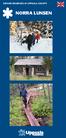 NATURE RESERVES IN UPPSALA COUNTY NORRA LUNSEN WELCOME TO THE NATURE RESERVE NORRA LUNSEN Norra Lunsen is an area of 13 square kilometres of forests and swamps with high ecological values. The entire nature
PUSD High Frequency Word List
 PUSD High Frequency Word List For Reading and Spelling Grades K-5 High Frequency or instant words are important because: 1. You can t read a sentence or a paragraph without knowing at least the most common.
ASSESSING SIGNIFICANCE OF IMPACTS FROM ONSHORE WINDFARMS ON BIRDS OUTWITH DESIGNATED AREAS July 2006
 Guidance ASSESSING SIGNIFICANCE OF IMPACTS FROM ONSHORE WINDFARMS ON BIRDS OUTWITH DESIGNATED AREAS July 2006 Paragraph 1 Scope and purpose 7 Introduction and background 11 Species priorities Table 1a
Recommended Land Use Guidelines for Protection of Selected Wildlife Species and Habitat within Grassland and Parkland Natural Regions of Alberta
 Fish and Wildlife Division Sustainable Resource Development Recommended Land Use Guidelines for Protection of Selected Wildlife Species and Habitat within Grassland and Parkland Natural Regions of Alberta
Tropical Fly Fishing proudly presents: Iceland, best wild Brown Trout fishing of Europe
 Tropical Fly Fishing proudly presents: Iceland, best wild Brown Trout fishing of Europe No doubt about it..the best fly fishing for brown trout, artic char, sea trout and salmon can be found in the north-east
SVALBARD ADVENTURE. 0800 945 3327 (within New Zealand) +64 (0) 3 365 1355 1800 107 715 (within Australia)
 SVALBARD ADVENTURE The midnight sun reigns supreme, the bird colonies are teeming with life and the peaks of the dramatic mountain ranges are beautifully snow-covered. The ice still keeps the islands in
Fry Phrases Set 1. TeacherHelpForParents.com help for all areas of your child s education
 Set 1 The people Write it down By the water Who will make it? You and I What will they do? He called me. We had their dog. What did they say? When would you go? No way A number of people One or two How
UKONNIEMI Imatra Spa Resort
 UKONNIEMI Imatra Spa Resort Locating for Success UKONNIEMI Imatra Spa Resort Ukonniemi is the developing tourism location in South-East Finland close to the Finnish-Russian border. Its beating heart is
DECOY COMPETITION RULE BOOK
 34th Annual Havre de Grace Decoy & Wildlife Festival May 1, 2, 3, 2015 DECOY COMPETITION RULE BOOK GENERAL RULES AND REGULATIONS 1. All entrants must complete the entry form. Entry form must be signed.
Sullivan s Island Bird Banding and Environmental Education Program. Sarah Harper Díaz, MA and Jennifer Tyrrell, MS
 Sullivan s Island Bird Banding and Environmental Education Program Sarah Harper Díaz, MA and Jennifer Tyrrell, MS I. Introduction The Sullivan s Island Bird Banding and Environmental Education Program
STATUS AND CONSERVATION PROBLEMS OF BIRDS OF PREY IN GREECE
 ICBP Technical Publication No. 3, /985 STATUS AND CONSERVATION PROBLEMS OF BIRDS OF PREY IN GREECE B. HALLMANN IUCN/WWF, Consultant to Ministry of Co-ordination, 45 Rapsani-Larissa, Greece ABSTRACT Twenty-six
Connemara English Language School
 Connemara English Language School Study English in a family run English language school in a beautiful rural location in County Galway, Ireland. ENGLISH LANGUAGE COURSES FOR FAMILIES, ADULTS & JUNIORS
These Maps Are For The Birds
 These Maps Are For The Birds Students will study New York State Breeding Bird Atlas maps to learn where different bird species nest and how their distributions have changed over time. Objectives: Students
MY EXCHANGE SEMESTER IN GÄVLE, SWEDEN
 FINAL REPORT MY EXCHANGE SEMESTER IN GÄVLE, SWEDEN (27 TH AUGUST 2014 18 TH JANUARY 2015) UNIVERSITY OF APPLIED SCIENCES BIBERACH MORITZ REIBER Table of content Preparation... 2 Sweden & Gävle... 3 University...
LAPLAND IN SUMMER THE TRUE STORY 2015-direkt. 4 dep. 19/6 26/6, 3/7 10/7, 10/7-17/7,24/7-31/7
 1 LAPLAND IN SUMMER THE TRUE STORY 2015-direkt. 4 dep. 19/6 26/6, 3/7 10/7, 10/7-17/7,24/7-31/7 Rajamaa in Lapland AB Kaisu & Lars Malmström Muonionalusta 25 SE-984 95 Muodoslompolo, Sweden Tel +46 978
The River Ribble is one of the longest rivers in the North West of England
 River Ribble The River Ribble is one of the longest rivers in the North West of England Did you know? The tidal limit of the Ribble is 11 miles inland (above Preston); The River Ribble is home to a variety
Arctic Magic Finland and Varanger Fjord 15 th 25 th June 2001
 Arctic Magic Finland and Varanger Fjord 15 th 25 th June 2001 Tour Report Celtic Bird Tours 84 Coity Road, Bridgend Cf31 1LT +44 01656 645709 [email protected] Tour Leaders Jeff Price Neil Donaghy
Optional Excursions (Pre-booked only):
 Optional Excursions (Pre-booked only): All optional tours must be pre-booked and pre-paid and are always subject to availability and therefore to confirmation. All Optional tour rates are Sales Rates and
Turkey - Istanbul and the Bosphorus Migration
 Turkey - and the Bosphorus Migration Naturetrek Tour Itinerary Outline itinerary Day 1 Day 2/3 Day 4/5 Day 6/8 Day 9 Fly. Migration watching and sightseeing,. Uludağ; overnight Bursa. Migration watching
Corsica. April 30th May 17th 2012. A Trip Report by Tim Hajda
 Corsica April 30th May 17th 2012 A Trip Report by Tim Hajda Introduction Corsica is a stunningly beautiful French island in the western Mediterranean Sea. Thanks to its relatively low population density
Aurora Adventure Breaks. Ongajok
 Aurora Adventure Breaks Ongajok Mountain Lodge 2016 ABOUT ONGAJOK MOUNTAIN LODGE WHERE NATURE IS STILL WILD The Ongajok Mountain Lodge is situated literally at the end of a road, in the wilderness of Norwegian
Silent, Nighttime Hunters By Guy Belleranti
 By Guy Belleranti Owls are raptors, or birds of prey. They are carnivores who quickly and silently swoop down on their prey from above. Most raptors such as eagles, hawks and falcons are day hunters. They
Kazakhstan 4 th to 17 th May 2013 (14 days)
 Kazakhstan 4 th to 17 th May 2013 (14 days) Pallas's Sandgrouse by Machiel Valkenburg Kazakhstan is the world s largest landlocked country and its territory of 2,727,300 square kilometres (1,053,000 sq
Double New Year In Lapland 29 December 2015 3 January 2016
 Double New Year In Lapland 29 December 2015 3 January 2016 29 Dec: welcome to Lapland! Arrival at the Luleå airport, in Swedish Lapland. Transfer (abt. 2h) in a private minibus to your charme hotel, located
DAY 2 (EXCEPT OF DEPARTURE OF 15 Th February) 1. Saariselkä - FISHING EXPERIENCE BY SNOWMOBILE. DAY 2 and DAY 3 2. Saariselkä - REINDEER SAFARI
 Optional Excursions (Pre-booked only): All optional tours must be pre-booked and pre-paid and are always subject to availability and therefore to confirmation. All snowmobile safaris include thermal outfit,
Feasibility Study for Marine Wildlife Tourism in Henningsvær and in the Vestfjord
 1 Feasibility Study for Marine Wildlife Tourism in Henningsvær and in the Vestfjord Heike Vester Biologist, specialist for Marine Mammal Biology and Bio acoustics Ocean Sounds AS, Sauøya 1, 8312 Henningsvær
Birding Cyprus by foot, by bike, by bus and by car
 Birding Cyprus by foot, by bike, by bus and by car APRIL 2012 Having visited Cyprus once before, back in 1997, a return visit seemed overdue. A week long package deal via lowcostholidays got return flights
Marchand Provincial Park. Draft Management Plan
 Marchand Provincial Park Draft Management Plan Marchand Provincial Park Draft Management Plan Table of Contents 1. Introduction... 3 2. Park History... 3 3. Park Attributes... 4 3.1 Natural... 4 3.2 Recreational...
Ulcinjska Primorje - Montenegro
 Basic ideas for the development of sustainable tourism on the Ada Island Ulcinjska Primorje - Montenegro (June 2004) Martin Schneider-Jacoby Fig. 1. Ada Island, Reserve Velipoja and the Bojana River: Protected
Where Do Birds Live?
 Objectives You will learn about 1) where birds build nests, 2) the materials they use, 3) different nest characteristics and 4) how to observe nesting activity. Introduction Birds hatch their young in
Geography affects climate.
 KEY CONCEPT Climate is a long-term weather pattern. BEFORE, you learned The Sun s energy heats Earth s surface unevenly The atmosphere s temperature changes with altitude Oceans affect wind flow NOW, you
SUSTAINABLE TRAFFIC CONCEPT IN MUNICIPALITY OF NEA KYDONIA
 SUSTAINABLE TRAFFIC CONCEPT IN MUNICIPALITY OF NEA KYDONIA The municipality of Nea Kydonia in prefecture of Chania, Crete, is located in an area of 2.150 hectares in a coastal district, 5 km west of the
Grade Level Content Expectations addressed: Activities: Schedule of Field Trip Activities at the Detroit Zoo 8:15 am Board Bus at School
 Title: Comparing and Contrasting Ecosystem Biodiversity Submitted by: Tracy Ortiz Email: [email protected] School: Coffey K-8 Educational Learning Community Date: May 12, 2010 Target Grade: 6 Duration:
God, the Great Creator
 Pre-Session Warm Up God, the Great Creator (Genesis 1: 2:3) Today we re going to start a new series of lessons all about God s attributes. An attribute is a character trait or quality about someone. For
Region of Georgia : Mountains
 Region of Georgia : Mountains Northern most region of GA Cold weather in the winter Brasstown Bald is the highest point in Georgia Lots of creeks and streams High above sea level Poor soil for farming
Green Infrastructure Case Study Template
 Green Infrastructure Case Study Template The aim of the exercise is to provide information on how the elements of the Green Infrastructure Strategy are implemented at national level and to provide case
DESCRIBING DESERT, TAIGA, AND TUNDRA BIOMES
 Lesson B5 1 DESCRIBING DESERT, TAIGA, AND TUNDRA BIOMES Unit B. Science and Technology in Wildlife Management Problem Area 5. Desert, Taiga, and Tundra Biomes National Academic Standard. NS.9-12.1 Science
Capacity and Turnover in Public Accommodation Establishments in Hungary
 Capacity and Turnover in Public Accommodation Establishments in Hungary According to Act I of 1978 on domestic trade, in Hungary all establishments operated as a business for overnight accommodation and
Geomorphology is the Study of Landforms. Usually by Erosion, Transportation and Deposition
 Geomorphology is the Study of Landforms and the Processes that t Create Them, Usually by Erosion, Transportation and Deposition Fluvial = running water, rivers and floodplains Glacial = flowing ice in
Lesson Overview. Biodiversity. Lesson Overview. 6.3 Biodiversity
 Lesson Overview 6.3 6.3 Objectives Define biodiversity and explain its value. Identify current threats to biodiversity. Describe how biodiversity can be preserved. THINK ABOUT IT From multicolored coral
ARVIAT NUNAVUT. Come Visit Arviat, Canada s Accessible Arctic - You ll Find a Warm and Friendly Welcome. Canada s Accessible Arctic www.visitarviat.
 Come Visit Arviat, Canada s Accessible Arctic - You ll Find a Warm and Friendly Welcome One of the most accessible Inuit communities in Nunavut, Arviat is located on the western shores of Hudson Bay. Framed
Sweden - Gotland in Spring
 Naturetrek Tour Itinerary 2011 Outline itinerary Black Woodpeckers Military Orchid Day 1 Day 2/3 Day 4 Day 5/7 Day 8 Fly Gotland, via Stockholm. Overnight Visby. Island excursions from Visby. At leisure,
Chapter 3 Communities, Biomes, and Ecosystems
 Communities, Biomes, and Ecosystems Section 1: Community Ecology Section 2: Terrestrial Biomes Section 3: Aquatic Ecosystems Click on a lesson name to select. 3.1 Community Ecology Communities A biological
The Polar Climate Zones
 The Polar Climate Zones How cold is it in the polar climate? Polar areas are the coldest of all the major climate zones The Sun is hardly ever high enough in the sky to cause the plentiful ice to melt,
Volcanoes and More: A Visit to Two National Parks in Hawaii
 VOA Special English is a daily news and information service for English learners. Read the story and then do the activities at the end. MP3s of stories can be found at voaspecialenglish.com Volcanoes and
1. Which city is the capital of New Zealand? a) Sydney; b) Wellington; c) Auckland.
 1 Quick quiz Test your knowledge of New Zealand. 1. Which city is the capital of New Zealand? a) Sydney; b) Wellington; c) Auckland. 2. What are the native people of New Zealand called? a) Aborigine; b)
Hardangervidda. Great hiking & fishing High mountain cruise at Møsvatn. Moose safari
 Mountain village at the foot of Hardangervidda, Telemark Hardangervidda Northern Europe s largest Mountain plateau Great hiking & fishing High mountain cruise at Møsvatn Telemark s largest lake Moose safari
Teenager English Courses. Friendly, personal and highly effective teaching in the heart of the English Riviera
 Teenager English Courses Friendly, personal and highly effective teaching in the heart of the English Riviera The quality of education and the care of the students are excellent, maintaining the positive
Lofoten, Chasing the Northern Lights
 Lofoten, Chasing the Northern Lights Never-ending sunrises/sunsets, a photographer s paradise I had been to Lofoten in the summer of 2004 on a two month camping trip around Scandinavia, and when I arrived
Strusshamn. Bergen. Leirvik. Fredrikstad. Skudeneshavn. Kragerø. Kristiansand CRUISE IN COMPANY / JULY 15-19 2014. Fredrikstad TO Bergen
 Strusshamn Bergen Fredrikstad Kristiansand Skudeneshavn Kragerø Leirvik CRUISE IN COMPANY / JULY 15-19 2014 Fredrikstad TO Bergen THE TALL SHIP RACES 2014 Welcome to Kragerø Quay capacity: 80m + 100m Anchoring
3.1 Measuring Biodiversity
 3.1 Measuring Biodiversity Every year, a news headline reads, New species discovered in. For example, in 2006, scientists discovered 36 new species of fish, corals, and shrimp in the warm ocean waters
Chalet Larchie sits in a small village development
 Chalet Larchie Dachstein West, Austria Ski-in ski-out Three double bedroom chalet with wonderful views Fully furnished including fitted kitchen, appliances, bedding and garden furniture Development includes
Global Water Resources
 Global Water Resources Highlights from assessment activities over the past two decades, which are used to establish present and future water trends, reveal that: 1. Freshwater resources are unevenly distributed,
Therefore, this is a very important question, which encourages consideration of the current management of the resource.
 Aalisarnermut, Piniarnermut Nunalerinermullu Naalakkersuisoqarfik Department of Fisheries, Hunting and Agriculture Finn's speech to NAFMC Climate change in the North Atlantic has become a reality which
Southern AER Atmospheric Education Resource
 Southern AER Atmospheric Education Resource Vol. 9 No. 5 Spring 2003 Editor: Lauren Bell In this issue: g Climate Creations exploring mother nature s remote control for weather and Climate. g Crazy Climate
Norwegian Foreign Visitor Survey 2011
 Summary: Norwegian Foreign Visitor Survey 2011 TØI Report 1166/2011 Author(s): Eivind Farstad, Arne Rideng and Iratxe Landa Mata Oslo 2011, 67 pages Norwegian language In 2011 a total of 5.0 million foreign
UK hiking tourism. CH - Visitnorway.com
 UK hiking tourism CH - Visitnorway.com Contents 1. Executive Summary 3 2. Introduction 4 3. Research on the Internet: Phase 1 5 3.01: Tour operators: 5 3.02: Websites/forums: 5 3.03: Hiking/Outdoor magazines
PRESENTS: Brisbane Return via. the Outback and Cairns Self Guided Tour. www.bikeroundoz.com
 PRESENTS: Brisbane Return via the Outback and Cairns www.bikeroundoz.com Sunshine Coast & Noosa Sunshine Coast & Noosa This area has one of the most spectacular hinterlands in the country incorporating
Got ELK? Hunting Prices and Dates Also Current discounted pricing on Over the Counter Rifle seasons.
 Hunt ID: CO-ElkMDeerFishAll-Durango-DBARG-DIY Got ELK? We sure do too many Elk. So many we are offering a DIY drop camp hunt for a limited number of hunters in prime Southwestern Colorado Elk Country!
www.irishseedsavers.ie Natural surface water on earth includes lakes, ponds, streams, rivers, estuaries, seas and oceans.
 www.irishseedsavers.ie POND LIFE FACT SHEET Natural surface water on earth includes lakes, ponds, streams, rivers, estuaries, seas and oceans. A pond is a small body of fresh water shallow enough for sunlight
NATURAL REGIONS OF KENTUCKY
 NATURAL WONDERS As you travel around Kentucky taking pictures, you are excited by what you see. Kentucky offers diverse and amazing sights. The Six Regions In the West, you see the Mississippi River, the
The Wonderful World of Wetlands BINGO
 The Wonderful World of Wetlands BINGO Time: 10-15 minutes to create Bingo board; 5-10 minutes to play one-round of Bingo Scituate Reservoir Watershed Education Program 17 Smith Ave Greenville, RI 02828
Holiday Highlights. Cyprus. 8-15 April 2015. Don Mills, David Johnston, Terry White, Liz Woodford and Bill Shepherd
 Holiday Highlights Cyprus 8-15 April 2015 Guide: Guests: Day 1: Roy Atkins Don Mills, David Johnston, Terry White, Liz Woodford and Bill Shepherd Our flight leaves Gatwick exactly on time and after a pleasant
Botswana Mobile Camping Safaris
 Botswana Mobile Camping Safaris Escape the crowds and travel to the remotest corners of Botswana on a mobile camping safari. These private safaris provide a more flexible alternative to lodge-based and
Seattle is -- FOR THE BIRDS. How to Identify Common Seattle Birds
 Seattle is -- FOR THE BIRDS How to Identify Common Seattle Birds Want to learn more about birds? Join Seattle Audubon s Family and Youth Programs Mailing List to hear about upcoming opportunities. Name:
Haugesund Hardanger - Sunnhordland THE VIKING-WAY TO FJORD NORWAY
 Haugesund Hardanger - Sunnhordland THE VIKING-WAY TO FJORD NORWAY Langfoss waterfall DHH / Espen Mills Ryvarden Light House Tove V. Braathen Barony in Rosendal: Kjartan Pettersen Days: 5 Suitable for: