
Selecting. Plants. for. Pollinators
|
|
|
- Everett King
- 9 years ago
- Views:
Transcription
1 Selecting Plants for Pollinators A Regional Guide for Farmers, Land Managers, and Gardeners In the Eastern Broadleaf Forest Oceanic Province Including the states of Connecticut, New Jersey, Rhode Island and NAPPC and parts of: Delaware, Kentucky, Maine, Maryland, Massachusetts, New Hampshire, New York, Ohio, Pennsylvania, Tennessee

2 Table of CONTENTS Why Support Pollinators? 4 Getting Started 5 Eastern Broadleaf Forest 6 Meet the Pollinators 8 Plant Traits 10 Developing Plantings 12 Farms 13 Public Lands 14 Home Landscapes 15 Bloom Periods 16 Plants That Attract Pollinators 18 Host Plants 0 Checklist This is one of several guides for different regions in the United States. We welcome your feedback to assist us in making the future guides useful. Please contact us at [email protected] Resources and Feedback 3 Selecting Plants for Pollinators

3 Selecting Plants for Pollinators A Regional Guide for Farmers, Land Managers, and Gardeners In the Ecological Region of the Eastern Broadleaf Forest Oceanic Province Including the states of: Connecticut, New Jersey, Rhode Island and parts of: Delaware, Kentucky, Maine, Maryland, Massachusetts, New Hampshire, New York, Ohio, Pennsylvania, Tennessee, West Virginia A NAPPC AND Pollinator Partnership Publication By: Elizabeth L. Ley, Botanist, Edgewater, MD This guide was funded by the National Fish and Wildlife Foundation, the C.S. Fund, the Plant Conservation Alliance, the U.S. Forest Service, and the Bureau of Land Management with oversight by the Pollinator Partnership ( in support of the North American Pollinator Protection Campaign (NAPPC Eastern Broadleaf Forest, Oceanic Province 3

4 Why support pollinators? In their 1996 book, The Forgotten Pollinators, Buchmann and Nabhan estimated that animal pollinators are needed for the reproduction of 90% of flowering plants and one third of human food crops. Each of us depends on these industrious pollinators in a practical way to provide us with the wide range of foods we eat. In addition, pollinators are part of the intricate web that supports the biological diversity in natural ecosystems that helps sustain our quality of life. Abundant and healthy populations of pollinators can improve fruit set and quality, and increase fruit size. In farming situations this increases production per acre. In the wild, biodiversity increases and wildlife food sources increase. Alfalfa, clover, apples, blueberries, cranberries, cherries, cucumbers, pears, pumpkins, soybeans, squash, tomatoes, and watermelons are some of the crops raised in the Eastern Broadleaf Forest that rely on honey bees and native bees for pollination. Domestic honey bees pollinate approximately $10 billion worth of crops in the U.S. each year. Unfortunately, the numbers of both native pollinators and domesticated bee populations are declining. They are threatened by habitat loss, disease, and the excessive and inappropriate use of pesticides. The loss of commercial bees to Colony Collapse Disorder (CCD) has highlighted how severe the issues of proper hive management are to reduce stresses caused by disease, pesticide use, insufficient nutrition, and transportation practices. Currently, the pollination services that the commercial beekeeping industry provides are receiving much needed research and conservation resources. The efforts to understand the threats to commercial bees should help us understand other pollinators and their roles in the environment as well. Farming feeds the world, and we must remember that pollinators are a critical link in our food systems. -- Paul Growald, Co-Founder, Pollinator partnership It is imperative that we take immediate steps to help pollinator populations thrive. The beauty of the situation is that by supporting pollinators need for habitat, we support our own needs for food and support diversity in the natural world. Thank you for taking time to consult this guide. By adding plants to your landscape that provide food and shelter for pollinators throughout their active seasons and by adopting pollinator friendly landscape practices, you can make a difference to both the pollinators and the people that rely on them. Laurie Davies Adams Executive Director Pollinator Partnership 4 Selecting Plants for Pollinators

5 Getting Started This regional guide is just one in a series of plant selection tools designed to provide information on how individuals can influence pollinator populations through choices they make when they farm a plot of ground, manage large tracts of public land, or plant a garden. Each of us can have a positive impact by providing the essential habitat requirements for pollinators including food, water, shelter, and enough space to allow pollinators to raise their young. Pollinators travel through the landscape without regard to property ownership or state boundaries. We ve chosen to use R.G. Bailey s classification system to identify the geographic focus of this guide and to underscore the connections between climate and vegetation types that affect the diversity of pollinators in the environment. Bailey s Ecoregions of the United States, developed by the United States Forest Service, is a system created as a management tool and is used to predict responses to land management practices throughout large areas. This guide addresses pollinator-friendly land management practices in what is known as the Eastern Broadleaf Forest, Oceanic Province. Portions of thirteen states make up the 104,500 square miles of this province with elevations ranging from sea level to 3,000 feet. Although the area is dissected by population centers, farms, and roads, the natural vegetation shares common natural characteristics: primarily, forests that shed their leaves each fall. The seasonal cycle of sun and within the forests has created a changing pattern of bloom time for food plants and shelter needs for foraging, nesting, and migrating pollinators. Farmers, land managers, and gardeners in this region have a wide palette of plants to use in the landscape. Farms and residential areas provide a diverse range of soil types in both sunny and shady areas. With this diversity of locations many different species of plants may be used to improve pollinator habitats. Long before there were homes and farms in this area, the original, natural vegetation provided continuous cover and adjacent feeding opportunities for wildlife, including pollinators. In choosing plants, aim to create habitat for pollinators that allow adequate food, shelter, and water sources. Most pollinators have very small home ranges. You will make a difference by understanding the vegetation patterns on the farm, forest, or neighbor s yard adjacent to your property. With this information in hand, your planting choices will better support the pollinators need for food and shelter as they move through the landscape. Eastern Broadleaf Forest, Oceanic Province 5

6 Understanding the Eastern Broadleaf Forest, Oceanic Province n This region is designated number 221 in the Baileys Ecosystem Provinces. To see a map of the provinces go to: n Not sure about which bioregion you live or work in? Go to and click on Ecoregion Locator for help. n 104,500 square miles within 13 states. n Diverse topography including the Appalachian Plateaus, New England lowlands, the mid-atlantic coastal plain, and the Piedmont Plateau. n Elevations ranging from sea level to 3,000 feet. n Separated by the Central Appalachian Broadleaf Forest, Coniferous Forest, Meadow Province, which is a more mountainous terrain. n Average annual temperature range from F. n Average year round precipitation between inches. n Primarily USDA Hardiness Zone 6, touching some of Zone 5 (1990 version). Characteristics n Deciduous forests dominated by tall broadleaf trees with lower layers of small trees and shrubs. n Herbaceous layer appears in the spring which mostly disappears as the foliage of the trees develops and s the ground. n Dissected by population centers, farms, and roads. 6 Selecting Plants for Pollinators

7 The Eastern Broadleaf Forest Oceanic Province includes: Connecticut New Jersey Rhode Island and parts of: Delaware Kentucky Maine Maryland Massachusetts New Hampshire New York Ohio Pennsylvania Tennessee West Virginia Adding native plantings in riparian areas to improve pollinator habitat makes sense in advancing our family farm s conservation and economic objectives, enhancing beneficial wildlife and improving pollination in our orchard and garden. --Lee McDaniel, Farmer and President, National Association of Conservation Districts Eastern Broadleaf Forest, Oceanic Province

8 Meet the Pollinators Photo courtesy of Tim Dunne Photo courtesy of Lara Roketenetz Ruby-throated Hummingbird, a species frequently seen in the Eastern Broadleaf Forest. Eastern Tiger Swallowtail on Ironweed in Ohio. Who are the pollinators? Bees Bees are the best documented pollinators in the natural and agricultural landscapes of the Eastern Broadleaf Forest. A wide range of plants in the Aster and Rose Families, blueberry crops, and tomatoes are just a few plants that benefit from bee pollinators. Most of us are familiar with the colonies of honey bees that have been the workhorses of agricultural pollination for years in the United States. They were imported from Europe almost 400 years ago. There are nearly 4000 species of native ground and twig nesting bees in the U.S. Some form colonies while others live and work a solitary life. Native bees currently pollinate many crops and can be encouraged to do more to support agricultural endeavors if their needs for nesting habitat are met and if suitable sources of nectar, pollen, and water are provided. Bees have tongues of varying lengths that help determine which flowers they can obtain nectar and pollen from. The bumble bee (Bombus spp.) forms small colonies, usually underground. They are generalists, feeding on a wide range of plant material from February to November and are important pollinators of tomatoes. The sweat bee (family Halictidae) nests underground. Various species are solitary while others form loose colonies. Solitary bees include carpenter bees (ylocopa spp.), which nest in wood; digger, or polyester bees (Colletes spp.), which nest underground; leafcutter bees (Megachile spp.), which prefer dead trees or branches for their nest sites; and mason bees (Osmia spp.), which utilize cavities that they find in stems and dead wood. Cactus bees (Diadasia spp.) are also solitary ground nesters. Butterflies Gardeners have been attracting butterflies to their gardens for some time. These insects tend to be eye-catching, as are the flowers that attract them. Position flowering plants where they have full sun and are protected from the wind. Also, you will need to provide open areas (e.g. bare earth, large stones) where butterflies may bask, and moist soil from which they may get needed minerals. By providing a safe place to eat and nest, gardeners can also support the pollination role that butterflies play in the landscape. It might mean accepting slight damage to the plants, known as host plants, that provide food for the larval stage of the butterfly. A diverse group of butterflies are present in garden areas and woodland edges that provide bright flowers, water sources, and specific host plants. Numerous trees, shrubs, and herbaceous plants support butterfly populations. Butterflies are in the Order Lepidoptera. Some of the species in 8 Selecting Plants for Pollinators

9 the Eastern Broadleaf Forest are Brush-footed, Gossamer-winged, Swallowtail, Parnassian, Skipper, White, Sulphur and Milkweed butterflies. They usually look for flowers that provide a good landing platform. Wet mud areas provide butterflies with both the moisture and minerals they need to stay healthy. Butterflies eat rotten fruit and even dung, so don t clean up all the messes in your garden! Moths Moths are most easily distinguished from butterflies by their antennae. Butterfly antennae are simple with a swelling at the end. Moth antennae differ from simple to featherlike, but never have a swelling at the tip. In addition, butterflies typically are active during the day; moths at night. Butterfly bodies are not very hairy, while moth bodies are quite hairy and more stout. Moths, generally less colorful than butterflies, also play a role in pollination. They are attracted to flowers that are strongly sweet smelling, open in late afternoon or night, and are typically or pale colored. Beetles Over 30,000 species of beetles are found in the United States and many of them can be found on flower heads. Gardeners have yet to intentionally draw beetles to their gardens, possibly because beetle watching isn t as inspiring as butterfly or bird watching. Yet beetles do play a role in pollination. Some have a bad reputation because they can leave a mess behind, damaging plant parts that they eat. Beetles are not as efficient as some pollinators. They wander between different species, often dropping pollen as they go. Beetle pollinated plants tend to be large, strong scented flowers with their sexual organs exposed. They are known to pollinate Magnolia, sweetshrub (Calycanthus), paw paws, and pond lilies. Flies It may be hard to imagine why one would want to attract flies to the garden. However, like beetles, the number of fly species and the fact that flies are generalist pollinators (visit many species of plants), should encourage us all to leave those flies alone and let them do their job as pollinators. Recent research indicates that flies primarily pollinate small flowers that bloom under and in seasonally moist habitats. The National Research Council s Status of Pollinators in North America study states that flies are economically important as pollinators for a range of annual and bulbous ornamental flowers. Plants pollinated by the fly include the American pawpaw (Asimina triloba), dead horse arum (Helicodiceros muscivorus), skunk cabbage (Symplocarpus foetidus), goldenrod (Solidago spp.), and members of the carrot family like Queen Anne s lace (Daucus carota). Birds Hummingbirds are the primary birds which play a role in pollina tion in North America. Their long beaks and tongues draw nectar from tubular flowers. Pollen is carried on both the beaks and feathers of different hummingbirds. The regions closer to the tropics, with warmer climates, boast the largest number of hummingbird species and the greatest number of native plants to support the bird s need for food. White-winged doves (Zenaida asiatica) are also pollinators of the saguaro cactus (Carnegeia gigantea) in the south central United States. Bright colored tubular flowers attract hummingbirds to gardens throughout the United States. Hummingbirds can see the color red; bees cannot. Many tropical flowers, grown as annuals in the Eastern Broadleaf Forest, along with native woodland edge plants, attract hummingbirds. Bats Though bats in the Eastern Broadleaf Forest are not pollinators, bats play an important role in pollination in the southwest where they feed on agave and cactus. The long-nosed bats head shape and long tongue allows it to delve into flower blossoms and extract both pollen and nectar. Eastern Broadleaf Forest, Oceanic Province

10 Plant Traits Which Flowers Do the Pollinators prefer? Not all pollinators are found in each North American province, and some are more important in different parts of the United States. Use this page as a resource to understand the plants and pollinators where you live. Plants can be grouped together based on the similar characteristics of their flowers. These floral characteristics can be useful to predict the type of pollination method or animal that is most effective for that group of plants. This association between floral characteristics and pollination method is called a pollination syndrome. The interactions of animal pollinators and plants have influenced the evolution of both groups of organisms. A mutualistic relationship between the pollinator and the plant species helps the pollinator find necessary pollen and nectar sources and helps the plant reproduce by ensuring that pollen is carried from one flower to another. Plant Trait Bats Bees Beetles Color Nectar guides Odor Nectar Pollen Flower Shape Dull, or purple Bright,, blue, or UV Dull or Absent Present Absent Strong musty; emitted at night Abundant; somewhat hidden Ample Regular; bowl shaped closed during day Fresh, mild, pleasant Usually present Limited; often sticky and scented Shallow; have landing platform; tubular None to strongly fruity or fetid Sometimes present; not hidden Ample Large bowl-like, Magnolia This chart and more information on pollinator syndromes can be found at: 10 Selecting Plants for Pollinators

11 Pollinator and the Pollinators they Attract Birds Butterflies Flies Moths Wind Scarlet, orange, red or Bright, including red and purple Pale and dull to dark brown or purple; flecked with translucent patches Pale and dull red, purple, pink or Dull, brown, or colorless; petals absent or reduced Absent Present Absent Absent Absent None Faint but fresh Putrid Strong sweet; emitted at night None Ample; deeply hidden Ample; deeply hidden Usually absent Ample; deeply hidden None Modest Limited Modest in amount Limited Abundant; small, smooth, and not sticky Large funnel like; cups, strong perch support Narrow tube with spur; wide landing pad Shallow; funnel like or complex and trap-like Regular; tubular without a lip Regular; small and stigmas exerted Eastern Broadleaf Forest, Oceanic Province 11

12 Developing landscape plantings that provide pollinator habitat Whether you are a farmer of many acres, land manager of a large tract of land, or a gardener with a small lot, you can increase the number of pollinators in your area by making conscious choices to include plants that provide essential habitat for bees, butterflies, moths, beetles, hummingbirds and other pollinators. Food: Flowers provide nectar (high in sugar and necessary amino acids) and pollen (high in protein) to pollinators. Fermenting fallen fruits also provide food for bees, beetles and butterflies. Specific plants, known as host plants, are eaten by the larvae of pollinators such as butterflies. Plant in groups to increase pollination efficiency. If a pollinator can visit the same type of flower over and over, it doesn t have to relearn how to enter the flower and can transfer pollen to the same species, instead of squandering the pollen on unreceptive flowers. Plant with bloom season in mind, providing food from early spring to late fall. (see Bloom Periods pp.16-17) Plant a diversity of plants to support a variety of pollinators. Flowers of different color, fragrance, and season of bloom on plants of different heights will attract different pollinator species and provide pollen and nectar throughout the seasons. Many herbs and annuals, although not native, are very good for pollinators. Mint, oregano, garlic, chives, parsley and lavender are just a few herbs that can be planted. Old fashioned zinnias, cosmos, and single sunflowers support bees and butterflies. Recognize weeds that might be a good source of food. For example, dandelions provide nectar in the early spring before other flowers open. Plantain is alternate host for the Baltimore Checkerspot. Learn and utilize Integrated Pest Management (IPM) practices to address pest concerns. Minimize or eliminate the use of pesticides. Shelter: Pollinators need protection from severe weather and from predators as well as sites for nesting and roosting. Incorporate different canopy layers in the landscape by planting trees, shrubs, and different-sized perennial plants. Leave dead snags for nesting sites of bees, and other dead plants and leaf litter for shelter. Build bee boxes to encourage solitary, non-aggressive bees to nest on your property. Leave some areas of soil uncovered to provide ground nesting insects easy access to underground tunnels. Group plantings so that pollinators can move safely through the landscape protected from predators. Include plants that are needed by butterflies during their larval development. Water: A clean, reliable source of water is essential to pollinators. Natural and human-made water features such as running water, pools, ponds, and small containers of water provide drinking and bathing opportunities for pollinators. Ensure the water sources have a shallow or sloping side so the pollinators can easily approach the water without drowning. Your current landscape probably includes many of these elements. Observe wildlife activity in your farm fields, woodlands, and gardens to determine what actions you can take to encourage other pollinators to feed and nest. Evaluate the placement of individual plants and water sources and use your knowledge of specific pollinator needs to guide your choice and placement of additional plants and other habitat elements. Minor changes by many individuals can positively impact the pollinator populations in your area. Watch for - and enjoy - the changes in your landscape! CAUTION: Remember that pesticides are largely toxic to pollinators. Extreme caution is warranted if you choose to use any pesticide. Strategically apply pesticides only for problematic target species. 12 Selecting Plants for Pollinators

13 Farms Soybean, alfalfa, blueberry, clover, cranberry, strawberry, stone fruits, and tomatoes are a few of the food crops in the Eastern Broadleaf Forest that will benefit from strong native bee populations that boost pollination efficiency. Incorporate different plants throughout the farm that provide food for native populations when targeted crops are not in flower. Farmers have many opportunities to incorporate pollinator-friendly land management practices on their land which will benefit the farmer in achieving his or her production goals: Manage the use of pesticides to reduce the impact on native pollinators. Spray when bees aren t active (just after dawn) and choose targeted ingredients. Carefully consider the use of herbicides. Perhaps the targeted weeds can provide needed food for pollinators. Minimize tillage to protect ground nesting pollinators. Ensure water sources are scattered throughout the landscape. Choose a variety of native plants to act as windbreaks, riparian buffers, and field borders throughout the farm. Plant unused areas of the farm with temporary cover crops that can provide food or with a variety of trees, shrubs, and flowers that provide both food and shelter for pollinators. Check with your local Natural Resources Conservation Service (NRCS) office to see what technical and financial support might be available to assist you in your effort to provide nectar, pollen, and larval food sources for pollinators on your farm. food supplies for bees are critical to maintaining strong hives for almond pollination the following winter. -- Dan Cummings, Chico, California almond grower. Illustrations by Carolyn Vibbert Eastern Broadleaf Forest, Oceanic Province 13

14 Public Lands From hummingbirds to beetles, to butterflies, nature s pollinators help keep Midewin s Tallgrass prairie restorations full of diverse flowering plants. Insect monitoring provides a key measure of our success. -- Logan Lee Prairie Supervisor, Midewin National Tallgrass Prairie Public lands are maintained for specific reasons ranging from high impact recreation to conservation. In the Eastern Broadleaf Forest, forests have been cut to allow for roads, buildings, open lawn areas, boat ramps, and vistas. Less disturbed natural areas can be augmented with plantings of native plant species. Existing plantings around buildings and parking areas should be evaluated to determine if pollinator-friendly plants can be substituted or added to attract and support pollinators. Public land managers have a unique opportunity to use their plantings as an education tool to help others understand the importance of pollinators in the environment through signs, brochures, and public programs. In an effort to increase populations of pollinators the land manager can: Inventory and become knowledgeable of local pollinators. Provide connectivity between vegetation areas by creating corridors of perennials, shrubs, and trees that provide pollinators shelter and food as they move through the landscape. Maintain a minimum of lawn areas that support recreational needs. Restrict the use of pesticides and herbicides. Provide water sources in large open areas. Maintain natural meadows and openings that provide habitats for sun-loving wildflowers and grasses. Remove invasive species and encroaching shrubs and trees. 14 Selecting Plants for Pollinators

15 Home Landscapes A garden is only as rich and beautiful as the integral health of the system; pollinators are essential to the system - make your home their home. -- Derry MacBride National Affairs and legislation Chairwoman, garden club of America Gardeners have a wide array of plants to use in their gardens. Native plants, plants introduced from years of plant exploration from around the world, and plants developed by professional and amateur breeders can be found in garden centers, in catalogs, and on web-sites. Use your knowledge of pollinator needs to guide your choices. Choose a variety of plants that will provide nectar and pollen throughout the growing season. Resist the urge to have a totally manicured lawn and garden. Leave bare ground for ground nesting bees. Leave areas of dead wood and leaf litter for other insects. Strive to eliminate the use of all pesticides. Find local resources to help you in your efforts. Contact your local county extension agent or native plant society. Visit your regional botanic gardens and arboreta. The scale of your plantings will vary but it is important to remember that you are trying to provide connectivity to the landscape adjacent to your property. Don t just look within your property boundaries. If your neighbor s property provides an essential element, such as water, which can be utilized by pollinators visiting your land, you may be able to devote more space to habitat elements that are missing nearby. It is best to use native plants which have evolved to support the needs of specific native pollinators. Some pollinators, however, are generalists and visit many different plants, both native and non-native. Be sure that any non-native plants you choose to use are not invasive. Remember that specialized cultivars sometimes aren t used by pollinators. Flowers that have been drastically altered, such as those that are double or a completely different color than the wild species, often prevent pollinators from finding and feeding on the flowers. In addition, some altered plants don t contain the same nectar and pollen resources that attract pollinators to the wild types. CAUTION: Take time to evaluate the source of your plant material. You want to ensure you get plants that are healthy and correctly identified. Your local native plant society can help you make informed decisions when searching for plants. Eastern Broadleaf Forest, Oceanic Province 15

16 BLOOM PERIODS The following chart lists plants and the time they are in bloom throughout the growing seasons. Choose a variety of flower colors and make sure something is blooming at all times! Note for all charts: When more than one species of the same genus is useful, the genus name is followed by spp. Botanical Name Acer spp. FOR THE EASTERN BROADLEAF FOREST, OCEANIC PROVINCE Common Name maple March April May June July Aug Sep Oct red, ish Trees and Shrubs red, ish Amelanchier spp. serviceberry Salix spp. willow Sassafras albidum sassafras Cercis canadensis eastern redbud pink to lav pink to lav Arctostaphylos uva-ursi bearberry tinged with pink tinged with pink Celtis occidentalis common hackberry Vaccinium spp. blueberry to pink to pink to pink to pink Sambucus spp. elderberry creamy creamy creamy Rosa spp. rose (wild types) pale pink pale pink pale pink pale pink Ceanothus americanus Oxydendrum arboreum New Jersey tea sourwood Cephalanthus occidentalis buttonbush creamy creamy Rhus copallina dwarf sumac Perennial Flowers Salvia spp sage violet violet violet Viola spp. volets,, blue, deep purple,, blue, deep purple,, blue, deep purple 16 Selecting Plants for Pollinators

17 Botanical Name Lupinus perennis Common Name lupine, sundial lupine March April May June July Aug Sep Oct Perennial Flowers continued bluepurple bluepurple bluepurple bluepurple Geranium spp. cranesbills lav or pink lav or pink lav or pink Phlox spp. phlox, wild sweet William rose, pink, purple, blue, violet, rose, pink, purple, blue, violet, rose, pink, purple, blue, violet, rose, pink, purple, blue, violet, rose, pink, purple, blue, violet, rose, pink, purple, blue, violet, rose, pink, purple, blue, violet, Aquilegia canadensis Baptisia australis wild columbine false blue indigo red & red & bluepurple red & bluepurple Asclepias syriaca common milkweed pale purple pale purple pale purple pale purple Asclepias tuberosa milkweed, butterfly weed to orange to orange to orange to orange Rubus spp. blackberry, raspberry or rose purple or rose purple or rose purple Echinacea purpurea purple coneflower rose pink rose pink rose pink Asclepias incarnata Cimicifuga racemosa Asteracea (Aster family) Symphyotrichum spp. swamp milkweed black cohosh, fairy candles sunflower, black-eyed susan, goldenrod, sneezeweed aster pink to reddish pink to reddish pink to reddish pink to reddish, blue, violet, blue, violet, blue,, blue, violet violet Chelone glabra turtlehead Monarda spp. Eupatorium spp. Liatris spp. bee-balm, wild bergamot, horsemint Joe-Pye weed, boneset, thoroughwort blazing star red, pink, purple red, pink, purple pink, purple, lav to rose purple red, pink, purple pink, purple, lav to rose purple red, pink, purple pink, purple, lav to rose purple red, pink, purple pink, purple, lav to rose purple Lobelia spp. cardinal flower red or blue violet red or blue violet red or blue violet red or blue violet Vines Campsis radicans trumpet vine or creeper orange-red orange-red orange-red orange-red Eastern Broadleaf Forest, Oceanic Province 17

18 Plants that attract pollinators The following chart lists plants that attract pollinators. It is not exhaustive, but provides guidance on where to start. Annuals, herbs, weeds, and cover crops provide food and shelter for pollinators, too. Botanical Name Common Name Color Height Acer spp. maple red, orange, ish Flower Season Trees and Shrubs Mar-Apr Sun Soil moist, well drained Visitation by Pollinators Aesculus pavia red buckeye red, Mar-May part moist hummingbird Amelanchier spp. serviceberry 6-25 Mar-Apr Arctostaphylos uva-ursi Ceanothus americanus Tilia americana Cephalanthus occidentalis bearberry tinged with pink New Jersey tea 3-4 basswood buttonbush creamy 6-12 Apr-May full varies May- Sep poor, acidic, well drained dry well drained bees bees bees bees Also a host plant. See pgs Apr-May moist bees, flies, moths 6-12 Jul-Aug Cercis canadensis eastern redbud pink-lav Apr-May Oxydendrum arboreum Rhus copallinum sourwood Jun-Jul dwarf sumac 3-6 Jul-Sep Rosa spp. rose (wild types) pale pink 1-8 May-Aug Rubus spp. Salix nigra, S. sericea Sambucus spp. Sassafras albidum Vaccinium spp. Actaea racemosa Aquilegia canadensis Asclepias incarnata blackberry, raspberry black willow, silky willow elderberry sassafras blueberry black cohosh, fairy candles or rose purple creamy to pink 3-9 Jun-Sep wet moist well drained moist, acidic well drained dry to med wet, average med wet to wet, well drained moist bees, butterflies bees bees butterflies, bees bees butterflies, bees Mar-Jul sun to moist flies, bees 5-12 May-Jun sun to wet flies, bees, beetles April 6-12 Apr-Jul sun to Perennial Flowers 3-6 Jun-Sep wild columbine red & May-Jun swamp milkweed pink to reddish 4-5 Jun-Oct part to part, light, acidic, sandy acid, moist, rich, well drained moist, acid, rich loan sandy, well drained flies, bees bees bees, butterflies butterflies, bees, moths, hummingbirds flies, butterflies, hummingbirds Asclepias syriaca common milkweed pale purple 2-3 May-Aug full sun moist flies, butterflies, bees Asclepias tuberosa in THE EASTERN BROADLEAF FOREST, OCEANIC PROVINCE milkweed, butterfly weed to orange 1-3 May-Aug moist dry to moist bees, butterflies, flies hummingbirds 18 Selecting Plants for Pollinators

19 Botanical Name Common Name Color Height Flower Season Sun Soil Visitation by Pollinators Also a host plant. See pgs Perennial Flowers continued Baptisia australis false blue indigo blue- purple 3-6 May-Jun dry to moist bees Chelone glabra turtlehead 3-10 Jul-Oct Echinacea purpurea Eupatorium spp. purple coneflower rose-purple 2-4 Jun-Aug Joe-Pye weed, boneset, thoroughwort pink, purple, 1-10 Jul-Oct Geranium spp. cranesbills lav or pink 1-2 Apr-Jul Helianthus spp. sunflower 1-6 Jul-Oct Liatris spp. Lilium spp. Lobelia spp. blazing star native lilies cardinal flower lav to rosepurple, red, orange red or blue violet 1-6 Jul-Oct full sun to part full sun to part full sun to part full sun to part light, rich, wet to moist med wet, well drained average medium wet to wet med wet, well drained dry to med wet, well drained med wet, well drained bees bees, butterflies butterflies, bees flies, bees, beetles bees, beetles bees, butterlies, hummingbirds 3-6 Jun-aug sun moist to wet hummingbird 1-5 Jul-Oct Lupinus perennis lupine, sundial lupine blue- purple 1-3 Apr-Jul Monarda spp. Phlox spp. Rudbeckia spp. bee-balm, wild bergamot, horsemint phlox, wild sweet william black-eyed susan, coneflower red 1-3 Jul-Oct rose, pink, purple, blue, violet, 1/2-6 Apr-Oct 1-10 Jul-Oct Salvia spp sage violet 1-2 Apr-Jun Solidago spp. goldenrod 1-6 Jun-Oct full sun to part full sun to part full sun to part full sun to part moist butterflies, bees, hummingbirds dry sandy bees, beetles acidic, rich moist med wet, well drained dry to med wet, well drained moist, well drained dry to med wet, well drained butterflies, bees, hummingbirds butterflies, moths bees, beetles, butterflies bees, butterflies, hummingbirds migrating butterflies, bees, beetles, flies Spigelia marilandica woodland pinkroot red 1-3 May-Jul part moist hummingbird Symphyotrichum spp. Viola spp. Bignonia capreolata aster violets, blue, violet,, blue, deep purple 1-6 Jul-Oct 3-8 Apr-Jun Vines full sun to part full sun or filtered crossvine orange-red to 20 Jul-Aug sun Campsis radicans trumpet vine or creeper orange-red to 35 Jul-Sep Lonicera sempervirens medium wet, well drained moist, well drained moist, well drained butterflies - room to land and perch, bees, beetles butterflies, bees hummingbird bees, hummingbird trumpet honeysuckle red to 15 Jul-Sep part moist hummingbird Eastern Broadleaf Forest, Oceanic Province 19

20 HOST Plants FOR THE EASTERN BROADLEAF FOREST, OCEANIC PROVINCE The larval stage of butterflies relies on plants for food and shelter. These plants are usually different than the ones that provide food and shelter to adult butterflies. The following chart lists plants that support specific butterfly species. Family Subfamily Butterfly Species Botanical Name Larval Food Plants Blues (Polyommatinae) Spring Azure Celastrina ladon Dogwood (Cornus florida), New Jersey tea (Ceanothus americana), black cohosh (Actaea racemosa), viburnum, blueberry (Vaccinium) Gossamer-wing Butterflies (Lycaenidae) Coppers (Lycaeninae) Bog Copper Lycaena epixanthe Shrubby cranberries (Vaccinium spp) Hairstreaks (Theclinae) Brown Elfin Callophrys augustinus Heath family (Ericaceae), bearberry (Arctostaphylos uva-ursi), Blue-Ridge blueberry (Vaccinium pallidum) Hoary Elfin Callophrys polios Bearberry (Arctostaphylos uva-ursi) Henry s Elfin Frosted Elfin Callophrys henrici Callophrys irus Huckleberries and blueberries (Vaccinium spp.), redbud (Cercis canadensis) Members of the pea family (Fabaceae): indigo (Baptisia tinctoria) and lupine (Lupinus perennis); occasionally blue false indigo (Baptisia australis) Red-banded Hairstreak Calycopis cecrops Fallen leaves of wax myrtle (Myrica cerifera), dwarf sumac (Rhus copallina), staghorn sumac (R. typhina), and several oaks (Quercus spp.) Emporers (Apaturinae) Hackberry Emporer Asterocampa celtis Common hackberry (Celtis occidentalis) Tawny Emperor Asterocampa clyton Common hackberry (Celtis occidentalis), dwarf hackberry (C. tenuifolia) Longwings (Heliconiinae) Regal Fritillary Speyeria idalia Violets (Viola spp.) Meadow Fritillary Boloria bellona Violets (Viola spp.) Brush-footed butterflies (Nymphalidae) Milkweed Butterflies (Daninae) Aphrodite Fritillary Speyeria aphrodite Violets (Viola spp.) Atlantis Fritillary Speyeria atlantis Violets (Viola spp.) Monarch Danaus plexippus Swamp milkweed (Asclepias incarnata), common milkweed (A. syriaca), orange milkweed (A. tuberosa) Snouts (Libytheinae) American Snout Libytheana carinenta Hackberry (Celtis spp.) True Brushfoots (Nymphailinae) Baltimore Painted Lady Silvery Cherckerspot Pearl Crescent Morning Cloak Euphydryas phaeton Vanessa cardui Chlosyne nycteis Phyciodes tharos Nymphalis antiopa White turtlehead (Chelone glabra), hairy beardtongue (Penstemon hirsutus) Many plants including thistles (Asteraceae), hollyhock and mallow (Malvaceae), and legumes (Fabaceae) Many composites including black-eyed susan (Rudbeckia hirta), sunflowers (Helianthus spp.) Several species of asters including hairy oldfield aster (Symphyotrichum pilosus) and smooth blue aster (Symphyotrichum lavae) Willows including black willow (Salix nigra) and silky willow (S. sericea); also American elm (Ulmus americana), cottonwood (Populus deltoides), aspen (P. tremuloides), paper birch (Betula papyrifera), and common hackberry (Celtis occidentalis) Admirals & Relatives (Limenitidinae) Viceroy Limenitis archippus Trees in the willow family (Salicaceae) including willows (Salix spp.), and poplars and cottonwoods (Populus spp.) 20 Selecting Plants for Pollinators

21 Host Plants continued Family Subfamily Butterfly Species Botanical Name Larval Food Plants Skippers (Hesperiidae) Spread-wing Skippers (Pyrginae) Columbine Dustywing Erynnis lucilius Wild columbine (Aquilegia canadensis) Hoary Edge Achalarus lyciades False blue indigo (Baptisia australis), begger s ticks (Desmodium spp.), bush clover (Lespedeza spp.) Mottled Dustywing Erynnis martialis New Jersey tea (Ceanothus americanus) Parnassians & Swallowtails (Papilionidae) Swallowtails (Paplioninae) Spicebush Swallowtail Papilio troilus Eastern Tiger Swallowtail Black Swallowtail Papilio glaucus Papilio polyxenes Spicebush (Lindera benzoin), sassafras trees (Sassafras albidum); perhaps prickly ash (Zanthoxylum americanum), tulip tree (Liriodendron tulipifera), sweetbay (Magnolia virginiana), and redbay (Persea borbonia) Wild cherry (Prunus spp.), sweetbay (Magnolia virginiana), basswood (Tilia americana), tulip tree (Liriodendron tuliperifera), birch (Betula spp.), ash (Fraxinus spp.), cottonwood (Populus deltoides), mountain ash (Sorbus americana), and willow (Salix spp.). Parsley family (Apiaceae) including, carrot, celery and dill. Sometimes plants in the citrus family (Rutaceae) are preferred. Zebra Swallowtail Eurytides marcellus Pawpaw (Asimina triloba). Young plants are preferred. Note for all charts: When more than one species of the same genus is useful, the genus name is followed by spp. MONARCH BUTTERFLIES NEVER FAIL TO CATCH THE VISITOR S EYE AND ALWAYS LEAD TO A TEACHABLE MOMENT. -- LOGAN LEE, PRAIRIE SUPERVISOR MIDEWIN NATIONAL TALLGRASS PRAIRIE Eastern Broadleaf Forest, Oceanic Province 21
22 A Basic Checklist Become familiar with pollinators in your landscape. n Watch for activity throughout the day and the seasons. n Keep a simple notebook of when and what comes to your garden. NOTE: It is not necessary to identify each species when you first get started. Simply note if it is a bee that likes the flower that blooms in the fall. n Consult a local field guide or web site when you are ready to learn more details. Add native plants to attract more native pollinators. n List the plants you currently have in your landscape. n Determine when you need additional flowers to provide nectar and pollen throughout the growing season. n Add plants that provide additional seasons of bloom, create variable heights for shelter, and attract the types of pollinators you want. n Don t forget to include host plants that provide food and shelter for larval development. n Contact your local native plant society or extension agent for more help. Use pollinator friendly landscape practices to support the pollinators you attract. n Use Integrated Pest Management Practices to address pest concerns. n Tolerate a little mess leave dead snags and leaf litter, keep areas bare for ground nesting insects, and leave some weeds that provide food for pollinators. n Provide safe access to clean water. Notice the changes that you have helped to create! 22 Selecting Plants for Pollinators
23 Resources Many books, websites, and people were consulted to gather information for this guide. Use this list as a starting point to learn more about pollinators and plants in your area. Bailey s Ecoregion Maps USDA Forest Service ecosysmgmt/ecoreg1_home.html Pollination/Pollinators Pollinator Partnership Coevolution Institute Natural Resources Conservation Service North American Pollinator Protection Campaign USDA Forest Service Wild Farm Alliance The erces Society Illinois Natural History Survey Buchmann, S.L. and G.P. Nabhan The Forgotten Pollinators Island Press: Washington, DC. Committee on the Status of Pollinators in North America Status of Pollinators in North America The National Academies Press: Washington, DC. Native Plants Plant Conservation Alliance Seeds of Success Lady Bird Johnson Wildflower Center USDA Hardiness Zone Map U.S. National Arboretum ushzmap.html USDA, NRCS The PLANTS Database 19 July, 2007 National Plant Data Center, Baton Rouge, LA USA Native Bees National Sustainable Information Service Alternative Pollinators: Native Bees by Lane Greer, NCAT Agriculture Specialist, Published 1999, ATTRA Publication #IP126 nativebee.html Agriculture Research Service Plants Attractive to Native Bees table htm?docid=12052 Butterflies and Moths Opler, Paul A., Harry Pavulaan, Ray E. Stanford, Michael Pogue, coordinators Butterflies and Moths of North America. Bozeman, MT: NBII Mountain Prairie Information Node. (Version ) Pyle, Robert Michael National Audubon Society Field Guide to Butterflies. Alfred A. Knopf: New York, NY. North American Buterfly Association Feedback We need your help to create better guides for other parts of North America. Please your input to [email protected] or fax to n How will you use this guide? n Do you find the directions clear? If not, please tell us what is unclear. n Is there any information you feel is missing from the guide? n Any other comments? Thank you for taking the time to help! Eastern Broadleaf Forest, Oceanic Province 23
24 NAPPC Research and Writing: Elizabeth L. Ley Editorial: Laurie Davies Adams and Larry Stritch, Ph.D. Production Supervision: Katherine McGuire Design: Marguerite Meyer Plant Conservation Alliance Concept review: American Farm Bureau Federation, Ron Gaskell Bureau of Land Management, Peggy Olwell, Carol Spurrier, Mary Byrne, Mary Tisdale, Elizabeth Wooster National Garden Association, Susanne DeJohn Plant Conservation Alliance Edward Fletcher, Jean Giblette, Mary Ann Lawler, Ron Smith Smithsonian Institute, Department of Botany, Gary Krupnick, Ph.D. USDA - CSREES, Greg Crosby, Ph.D., Leslie Gilbert, Ph.D. USDA - Forest Service, David Pivorunas, Larry Stritch, Ph.D. USDA - Natural Resource Conservation Service, Doug Holy, Hilda Diaz-Soltero USDOI - US Fish and Wildlife Service, Karen Anderson, Don MacLean, Patricia DeAngelis, Ph.D. USGS - Steve Hilburger, Elizabeth Sellers Photo Contributers: Tim Dunne, Lara Roketenetz Illustrations: Carolyn Vibbert For a copy of this brochure, or for another region, visit 24 The Pollinator Partnership /North American Pollinator Protection Campaign 423 Washington St., 5th Floor, San Francisco, CA d Selecting Plants for Pollinators
The Simple Truth: We Can t Live Without Them
 The Great Pollinator Partnership poster has been reproduced as part of a cooperative effort of the North American Pollinator Protection Campaign to raise awareness of the importance of pollinators to our
2016 Healthy Yards Plant Guide
 2016 Healthy Yards Plant Guide SUN KIT Each Wildflower Kit includes a tray of 17 wildflowers in 10cm pots Black-Eyed Susan Rudbeckia hirta Average Height: 30 to 150 cm Quantity: 3 Flowers: Yellow, Orange,
Gardening with West Virginia Native Plants WVNPS 2012
 This list represents native plants found in many counties in West Virginia. You will find those locations in Checklist of Vascular Flora of West Virginia. Order form Home Page and for additional gardening
PPA NATIVE PLANT SALE 2015
 PPA NATIVE PLANT SALE 2015 PLANT HABITAT LISTS Use these lists to find the best plants for your property. If you live in the Pine Barrens, the best choices for your home are listed in the Pine Barrens
Promoting Pollination Farming for Native Bees
 Promoting Pollination Farming for Native Bees Overview Pollination, the transfer of pollen grains to fertilize the ovules of flowers to produce seeds and fruits, is essential to agriculture and natural
Ornamental and Native Plants for the Rain Garden. Madeline Flahive DiNardo County Agricultural Agent Rutgers Cooperative Extension of Union County
 Ornamental and Native Plants for the Rain Garden Madeline Flahive DiNardo County Agricultural Agent of Union County Rain Garden Native Plants Plants for the Rain Garden Blue Flag Bald Cypress Iris Cardinal
MALIBU/SANTA MONICA MOUNTAINS, CALIFORNIA by Sandy Russell
 by Sandy Russell TOP BUTTERFLY NECTAR FLOWERS An asterisk (*) in front of a flower name indicates a particularly recommended plant. Numbers in "BLOOM SEASON" correspond to the month (4 = April, 5 = May,
Cercis Ruby Falls. www.planthaven.com. Origin: Redbud breeding program at NCSU Species: Cercis canadensis Protection Status: US PPAF
 Cercis Ruby Falls Origin: Redbud breeding program at NCSU Protection Status: US PPAF Key Features Unique weeping habit. Full crown of foliage at the top. Large heart shaped purple leaves. Attractive reddish-purple
How To Plan A Buffer Zone
 Backyard Buffers Protecting Habitat and Water Quality What is a buffer? A buffer (also called a riparian buffer area or zone) is the strip of natural vegetation along the bank of a stream, lake or other
Mason bee hosting workshop
 Mason bee hosting workshop Janet Gifford, Instructor Volunteer Technician, Backyard Habitat Certification Program Board Member, Columbia Land Trust Audubon Society of Portland & Columbia Land Trust Drawing
Dichotomous Keys for the Arboretum Walk. Plant List
 1 Dichotomous Keys for the Arboretum Walk Plant List Common name 1. Pin oak 2. Sweet gum 3. Red maple 4. Bur oak 5. River birch 6. Black cherry 7. Tulip poplar 8. Kentucky coffeetree 9. Catalpa 10. Honeylocust
Common Backyard Birds of Alabama
 Common Backyard Birds of Alabama Alabama Ornithological Society (AOS) state list includes 420 species: 158 species regularly breed in Alabama 174 species regularly winter 80 species migrate through Alabama
How Insects Feed from Flowers
 The Pollinator Garden: www.foxleas.com How Insects Feed from Flowers The main insect groupings that include species that use flowers as a food source are: Butterflies and Moths (Lepidoptera), Bees and
How to make a Solitary Bee Box
 How to make a Solitary Bee Box **Note: The following instructions include the use of tools that may be dangerous. Ensure there is adult supervision with children. Time: 1 hour People: 1-2+ Materials: Wood
Attracting Beneficial Insects with Native Flowering Plants
 Extension Bulletin E-2973 New January 2007 Attracting Beneficial Insects with Native Flowering Plants Anna Fiedler, Julianna Tuell, Rufus Isaacs, and Doug Landis Department of Entomology, Michigan State
A Rain Garden for Sun Plants set into a rain garden that gets full sun must be able to endure both occasional flooding and dry spells.
 landscape design RAIN GARDENS Use don t lose the water that falls on your paved areas and roof. Here are two plot plans, one for sun and one for shade, from Catch the Rain in the 00 All-Seasons Garden
Identifying Pennsylvania Trees. Pennsylvania Forest Stewardship Program
 Identifying Pennsylvania Trees Pennsylvania Forest Stewardship Program Tree Identification In this presentation you will learn to identify trees using the Summer Key to Pennsylvania Trees. Trees can be
NATIVE PLANT LIST. ~Sun, Dry Soil~ SMALL SHRUBS (<6 )
 NATIVE PLANT LIST ~Sun, Dry Soil~ Portland Water District Although this is not an exhaustive list, the following native plants are carried at local nurseries. If a particular plant is not available at
Let s Learn About Plants and Animals!
 Grade Two Pre-Visit Activities Let s Learn About Plants and Animals! i. Teacher Introduction ii. Standards Addressed iii. Pre-Visit Activities 1. Identifying Parts of a Plant 2. Plant a Seed 3. Life Cycles
Raspberry Pollinators and Visitors: Focus on Bees
 Raspberry Pollinators and Visitors: Focus on Bees Introduction Raspberry flowers are visited by many insects and pollinators in Manitoba, including native and managed bees. Bees rely on flowers for nectar
Here Come the Sunflowers!
 Here Come the Sunflowers! Overview Students will have an opportunity to learn about sunflowers and plant sunflower seeds, a native plant of the North American prairie. Suggested Grade Level PreK - 1 Estimated
Deciduous Forest. Courtesy of Wayne Herron and Cindy Brady, U.S. Department of Agriculture Forest Service
 Deciduous Forest INTRODUCTION Temperate deciduous forests are found in middle latitudes with temperate climates. Deciduous means that the trees in this forest change with the seasons. In fall, the leaves
Non-consumptive use of wildlife. Non-consumptive Use. Non-consumptive Use
 Non-consumptive use of wildlife Non-consumptive Use Any non-hunting or non-extractive use Examples: wildlife feeding & photography, bird watching, whale watching Non-consumptive Use Sources of information
Integrated Pest Management
 Chapter 2 Integrated Pest Management In This Chapter Keywords After learning the information in this chapter, you will be able to: 1. Define Integrated Pest Management (IPM). 2. List and describe the 5
Plants that serve as larval hosts for butterflies and skippers:
 900 north every rd. mason, mi 48854 Butterfly Plants This list was compliled from three sources: Butterflies of Michigan, by Jaret C. Daniels Michigan Butterflies & Skippers: A Field Guide and Reference,
Summary of Pre- and Post-Project Vegetation Survey Results
 3921 East Bayshore Road Palo Alto CA 94303-4326 tel 650.962.9876 fax 650.962.8234 www.acterra.org [email protected] Introduction Summary of Pre- and Post-Project Vegetation Survey Results Acterra Stewardship
Climate, Vegetation, and Landforms
 Climate, Vegetation, and Landforms Definitions Climate is the average weather of a place over many years Geographers discuss five broad types of climates Moderate, dry, tropical, continental, polar Vegetation:
Honey Bee Background Information
 Honey Bee Background Information Honey bees are very important. Honey bees are the strongest link in the chain between the people who grow the food and the people who eat the food. Without honey bee pollination,
Can you see the difference between wind pollinated and insect pollinated flowers?
 Can you see the difference between wind pollinated and insect pollinated flowers? Age of Students 10 14 years Duration 1 hour Summary Pollination is a very effective factor in the evolution of plants and
Managing Black Walnut
 Managing Black Walnut Mel Baughman Professor Emeritus University of Minnesota Lenny Farlee Extension Forester Purdue University Why Grow Black Walnut? Wood Products Rich, brown color Novelty items Lumber
Controlling Invasive Plants and Animals in our Community
 Controlling Invasive Plants and Animals in our Community PROVIDED BY THE WILDLIFE COMMITTEE What makes a plant or animal invasive? When a plant or animal from another region of the world (usually Europe
Invasive Species Jeopardy
 LESSON FOURTEEN: INVASIVE SPECIES JEOPARDY Duration: One 45-minute class period Objectives: To test students knowledge of exotic invasive plant species taught in this unit. Prepare in advance: Practice
Enhancing Biodiversity. Proactive management of biodiversity in intensive agriculture
 Enhancing Biodiversity Proactive management of biodiversity in intensive agriculture Contents Introduction Increasing food security in a sustainable way 3 The importance of biodiversity The vitality and
EAST MIDLANDS IN BLOOM! Best School Garden Special Award and supplementary awards for schools:
 2015 EAST MIDLANDS IN BLOOM Best School Garden Special Award and supplementary awards for schools: Best Fruit and Vegetable Gardening Best Gardening for Wildlife Best Ornamental Gardening Information pack
Parts of a Flower and Pollination
 Science Unit: Lesson 3: Soils, Plants, and First Nations Parts of a Flower and Pollination School year: 2007/2008 Developed for: Britannia Elementary School, Vancouver School District Developed by: Catriona
Tips on Raising Viceroys, Purples, and Admirals. Presented by Todd L. Stout
 Tips on Raising Viceroys, Purples, and Admirals Presented by Red Spotted Purple: Red Spotted Purple: Wild Cherry (Prunus serotina) Red Spotted Purple: Wild Cherry (Prunus serotina) Red Spotted Purple:
Wild Meadows HOA Annual Meeting January 25, 2006
 Wild Meadows HOA Annual Meeting January 25, 2006 Wild Meadows Homeowners Association Annual Meeting Agenda Establish Quorum Introductions Wild Meadows Update Restoration Update HOA Ecologist Update HOA
INTEGRATED PEST MANAGEMENT SYSTEM FOR KENNESAW STATE UNIVERSITY
 INTEGRATED PEST MANAGEMENT SYSTEM FOR KENNESAW STATE UNIVERSITY KENNESAW, GEORGIA PREPARED JANUARY 1997 REVISED NOVEMBER 2006 TABLE OF CONTENTS Introduction and Principles of Integrated Pest Management
Trees help us experience connections with our natural heritage and with our most deeply held spiritual and cultural values.
 REASONS FOR PLANTING TREES Shade from trees cools hot streets and parking lots and drive ways. Cities are "heat islands" that are 5-9 degrees hotter than surrounding areas. Trees and shrubs add beauty
Life in the Bay Getting to know the Bay s plants and animals
 Life in the Bay Getting to know the Bay s plants and animals Over erview iew In this activity students will become acquainted with a plant or animal that lives in the San Francisco Bay. Students will research
Florida Beekeeping Management Calendar 1
 ENY156 Florida Beekeeping Management Calendar 1 J.D. Ellis and C.M. Zettel Nalen 2 Florida's warm temperatures are very conducive to beekeeping; however, the climate, ecotype, and floral resources differ
honey bee By Henry Touray
 honey bee By Henry Touray Introduction For my project I have chosen to research Bees. I chose to find out about the bee because bees have been in the news lately. Lots of hives have died out and scientists
Invasive Tree Species
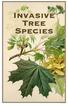 Invasive Tree Species A Contents Invasive Tree Species................. 1 Removal Permit Process.............. 2 Mitigation......................... 3 Identification Guide: Norway maple - Acer platanoides............
Lesson Overview. Biodiversity. Lesson Overview. 6.3 Biodiversity
 Lesson Overview 6.3 6.3 Objectives Define biodiversity and explain its value. Identify current threats to biodiversity. Describe how biodiversity can be preserved. THINK ABOUT IT From multicolored coral
Wildlifer 2013 Managing Wildlife on Private Lands
 Master Wildlifer 2013 Managing Wildlife on Private Lands Greg Yarrow, Chair and Professor Natural Resources School of Agricultural, Forest, & Environmental Sciences Clemson University Clemson, South Carolina,
Key Idea 2: Ecosystems
 Key Idea 2: Ecosystems Ecosystems An ecosystem is a living community of plants and animals sharing an environment with non-living elements such as climate and soil. An example of a small scale ecosystem
Backyard Buffers that Work for People and Nature by Restoring Ecological Function
 Backyard Buffers that Work for People and Nature by Restoring Ecological Function What is a Wetland Buffer? A wetland buffer is a simple land management practice that is employed by municipalities to protect
Common Name: AMERICAN BARBERRY. Scientific Name: Berberis canadensis Miller. Other Commonly Used Names: none. Previously Used Scientific Names: none
 Common Name: AMERICAN BARBERRY Scientific Name: Berberis canadensis Miller Other Commonly Used Names: none Previously Used Scientific Names: none Family: Berberidaceae (barberry) Rarity Ranks: G3/S1 State
Florida Native Plant Society
 Florida Native Plant Society Native Plant Owners Manual Asclepias humistrata Sandhill Milkweed Mark Hutchinson For Your Information All date and seasonal references are applicable to the eastern panhandle
Sustainable Landscape Practices
 Reviewed by Jamie Csizmadia Summary Students will explore the benefits of utilizing sustainable landscape practices focusing on the use of native plants. After defining sustainable landscape practices
Tree Diversity Activity
 Tree Diversity Activity A Classroom Activity from The National Arbor Day Foundation You and your class may have participated recently in the Vote for America s National Tree, an historic opportunity for
CHAPTER 20 COMMUNITY ECOLOGY
 CHAPTER 20 COMMUNITY ECOLOGY MULTIPLE CHOICE 1. The relationship between a predator and its prey is best illustrated by a. a snake eating a bird. c. a lion eating a zebra. b. a fox eating a mouse. d. a
Preserving Wild Ginseng in Minnesota
 Note: This digital document was adapted from Smith, W. R. 1993. Preserving Wild Ginseng in Minnesota. Minnesota Natural Heritage Program, Minnesota Department of Natural Resources. 7 pages. Preserving
PEST MANAGEMENT (CSP Enhancements) January 2006 Enhancement Activity Task Sheet
 Reduced risks to ground and surface water quality Lower costs by limiting chemical applications to only when necessary To learn more about Integrated Pest Management go to the following website: http://extension.usu.edu/files/gardpubs/ipm01.pdf
Butterfly or Moth? Made for 2nd Graders... Project Bibliography
 Butterfly or Moth? Made for 2nd Graders... Project Bibliography Butterfly or Moth? Today you will learn about a Painted Lady Butterfly and a Robin (Cecropia) Moth. What is a butterfly? Click the butterfly
Reference: Remediation Plan for Areas of Vegetation Removal at the Cedar Point Wind Farm
 Stantec Consulting Ltd. 1-7 Southgate Drive, Guelph ON N1G 4P5 June 4, 215 File: 169679 Attention: St. Clair Region Conservation Authority 25 Mill Pond Crescent, Strathroy, ON N7G 3P9 Dear, In early 215,
Pumpkin Pollinators. By Alex Surcică, Penn State Cooperative Extension
 Pumpkin Pollinators By Alex Surcică, Penn State Cooperative Extension Pumpkin fruit set can be affected by a number of production and environmental factors. For example, high plant densities can limit
Lab 9: The Reproduction of Angiosperms and the Role of the Pollinator
 Lab 9: The Reproduction of Angiosperms and the Role of the Pollinator Understanding the role and structure of a flower Flowers are the reproductive organs of angiosperms. They are not simple structures,
2008 Bulletproof Perennials for the Redding Area
 2008 Bulletproof Perennials for the Redding Area Easy to grow plants with great foliage, form, and blooms LISA ENDICOTT, Horticulture Manager KAREN McGRATH, Landscaper Designer Aloe striatula (HARDY ALOE)
Flower Model: Teacher Instructions Sepals Anther Stamens (male) Filament Stigma Pistil Style (female) Ovary Petals sepals petals stamens pistil
 Flower Model: Teacher Instructions In order to better understand the reproductive cycle of a flower, take a look at some flowers and note the male and female parts. Most flowers are different; some have
Resources, Publications, Tools, Input from AWCC
 A comprehensive review of Farm Bill contributions to wildlife conservation A comprehensive review was made of scientific literature to determine wildlife responses to conservation programs undertake as
Wild About... Frogs and Frogspawn
 a Wild About... Rutland County Council Nature notes Frogs belong to a group of animals called amphibians, which also includes newts and toads. Amphibians live both on land and in water. Water is needed
Practice Questions 1: Evolution
 Practice Questions 1: Evolution 1. Which concept is best illustrated in the flowchart below? A. natural selection B. genetic manipulation C. dynamic equilibrium D. material cycles 2. The diagram below
Discover Entomology. Discover Entomology. A Science, a Career, a Lifetime. A Science, a Career, a Lifetime
 Discover Entomology A Science, a Career, a Lifetime Discover Entomology A Science, a Career, a Lifetime What is Entomology? Entomology is the study of insects. Entomologists study bees, ants, beetles,
The Business of Beekeeping in South Carolina
 The Business of Beekeeping in South Carolina David E. MacFawn Lexington, South Carolina June, 2015 Beekeeping is a complex endeavor that takes up-front knowledge and planning to be successful. One needs
ENVIRONMENTAL CHANGES
 reflect How do you respond to environmental changes? Maybe you wear different types of clothes in different seasons. Maybe you only ride your bike during certain times of the year. What if you moved to
Fry Phrases Set 1. TeacherHelpForParents.com help for all areas of your child s education
 Set 1 The people Write it down By the water Who will make it? You and I What will they do? He called me. We had their dog. What did they say? When would you go? No way A number of people One or two How
DESIGNING A SCHOOL GARDEN. Sandy McGroarty, An Taisce Green-Schools
 DESIGNING A SCHOOL GARDEN Sandy McGroarty, An Taisce Green-Schools Designing the Garden Why do you want a garden? Ornamental Edible Forest Garden Outdoor Classroom Biodiversity Maintenance over the Summer
FireSmart. A Guide to Landscaping Practices that Protect Your Home from Wildfire
 Be FireSmart A Guide to Landscaping Practices that Protect Your Home from Wildfire Every year, many homes in the Province of Manitoba are threatened by wildfire. Nearly all of these homes could have been
SQUARE FOOT GARDENING. An Educational Class Presented by Harvest Farm Community Garden March 2010
 SQUARE FOOT GARDENING An Educational Class Presented by Harvest Farm Community Garden March 2010 All New Square Foot Gardening: Grow More in Less Space! By Mel Bartholomew www.squarefootgardening.com It
GENERAL WATERING & CARE GUIDE
 GENERAL WATERING & CARE GUIDE Between 30-60 percent of water applied to lawns and gardens is never absorbed by the plants. Water is often wasted because it is applied too quickly and runs off, evaporates
Dissect a Flower. Huntington Library, Art Collections, and Botanical Gardens
 Huntington Library, Art Collections, and Botanical Gardens Dissect a Flower Overview Students dissect an Alstroemeria or similar flower to familiarize themselves with the basic parts of a flower. They
Rain Forests. America's. Web of Life. Rain Forest Ecology. Prince William Network's OVERVIEW OBJECTIVES SUBJECTS
 Rain Forest Ecology National Science Education Standards Standard C: Life Sciences Populations and ecosystems. Standard C: Life Sciences Diversity and adaptation of organisms. Standard F: Science in Personal
Growing Cocoa Beans. Growing Region
 Growing Cocoa Beans All chocolate begins with cocoa beans, the fruit of the cacao tree (also called a cocoa tree). Scientists know that the cacao tree originated somewhere in South or Central America.
Rabbitat. Gimme shelter. That s exactly what brush. Brush Piles for Wildlife
 Wildlife and Your Land a series about managing your land for wildlife Rabbitat Brush Piles for Wildlife Have you ever watched a startled rabbit dart across your yard and suddenly disappear as if by magic?
Making and using keys Teacher Guidance
 Teacher Guidance Activities in earlier sections should have laid foundations that lead children to these more complex activities, in which they apply their observation and sorting skills to the practical
What Are Rainforests?
 What Are Rainforests? Where are tropical rainforests located? Tropical rainforests are located close to the Equator between the Tropic of Cancer and the Tropic of Capricorn. This means that it is always
Plants, like all other living organisms have basic needs: a source of nutrition (food),
 WHAT PLANTS NEED IN ORDER TO SURVIVE AND GROW: WATER Grades 3 6 I. Introduction Plants, like all other living organisms have basic needs: a source of nutrition (food), water, space in which to live, air,
Maintaining Cactus and Succulents
 Maintaining Cactus and Succulents Master Gardener Education February 22, 2011 Jack Kelly University of Arizona College of Agriculture and Life Sciences Pima County Cooperative Extension Tucson, Arizona
Drip Irrigation for the Yard and Garden
 Drip Irrigation for the Yard and Garden R. Troy Peters, Ph.D. WSU Extension Irrigation Engineer Drip irrigation has many advantages over sprinklers. The application efficiency of sprinklers is typically
DEVELOPMENT GUIDELINES OAK TREES CARE AND MAINTENANCE
 DEVELOPMENT GUIDELINES OAK TREES CARE AND MAINTENANCE This guide will offer basic information for the preservation and maintenance of oak trees as a part of an overall landscape use. Unfortunately, oak
CALCULATING AVAILABLE FORAGE
 CALCULATING AVAILABLE FORAGE Mindy Pratt and G. Allen Rasmussen Range Management Fact Sheet May 2001 NR/RM/03 An important part of calculating Stocking Rate is knowing the amount of available forage you
NATURAL REGIONS OF KENTUCKY
 NATURAL WONDERS As you travel around Kentucky taking pictures, you are excited by what you see. Kentucky offers diverse and amazing sights. The Six Regions In the West, you see the Mississippi River, the
Communities, Biomes, and Ecosystems
 Communities, Biomes, and Ecosystems Before You Read Before you read the chapter, respond to these statements. 1. Write an A if you agree with the statement. 2. Write a D if you disagree with the statement.
INSECT POLLINATION AND CROP PRODUCTION: A EUROPEAN PERSPECTIVE
 INSECT POLLINATION AND CROP PRODUCTION: A EUROPEAN PERSPECTIVE Ingrid H. Williams ABSTRACT The dependence of crop production in Europe on pollination by insects is reviewed. The botanical diversity of
Woodlands Management Plan. (Draft June 2011) A. Definition of Woodlands Areas vs. Landscaped Areas of Parkfairfax
 Woodlands Management Plan (Draft June 2011) I. Background A. Definition of Woodlands Areas vs. Landscaped Areas of Parkfairfax The woodlands are defined as those wooded areas of Parkfairfax which are left
3MNN Behavioral Outcomes Eat fruits and veggies, etc. SNAP-Education Nutrition Messages Eat fruits and veggies as healthy snacks, MyPyramid servings
 DRAFT 1 Lesson Plan Title: Phenomenal Plant Parts Grade Level: 3 Content Area: Science Setting: School garden, or classroom Instructional Time: 60 to 90 minutes Grade Level Expectations: Life Science L.OL.E3:
Oak Trees BASIC GROWING REQUIREMENTS FOR YOUR
 They are beautiful in their peace, They are wise in their silence. They will stand after we are dust. They teach us, and we tend them. G.A. MacDunelmor BASIC GROWING REQUIREMENTS FOR YOUR Oak Trees The
Pay Later: The Cost of Inaction. Climate change will have a negative impact on many of the industries that 3500 3000 2500 2000 1500 1000 500 5.
 FACTS CONNECTICUT A M E R I C A N S E C U R I T Y P R O J E C T Pay Now, Pay Later: Connecticut The Environmental Protection Agency estimates that the cost of protecting Connecticut s coast from the potential
Biodiversity Concepts
 Biodiversity Concepts WHAT IS BIODIVERSITY? Biodiversity is the variety of life on Earth. For any kind of animal or plant each individual is not exactly the same as any other; nor are species or ecosystems.
Post-Wildfire Clean-Up and Response in Houston Toad Habitat Best Management Practices
 Post-Wildfire Clean-Up and Response in Houston Toad Habitat Best Management Practices Purpose The purpose of this document is to provide guidance and recommendations for minimizing potential impacts to
Plants, like all other living organisms have basic needs: a source of nutrition (food),
 LEARNING FROM LEAVES: A LOOK AT LEAF SIZE Grades 3 6 I. Introduction Plants, like all other living organisms have basic needs: a source of nutrition (food), water, space in which to live, air, and optimal
Where Do Birds Live?
 Objectives You will learn about 1) where birds build nests, 2) the materials they use, 3) different nest characteristics and 4) how to observe nesting activity. Introduction Birds hatch their young in
SANTA BARBARA COUNTY COMPREHENSIVE PLAN LOMPOC AREA
 SANTA BARBARA COUNTY COMPREHENSIVE PLAN LOMPOC AREA A. LAND USE ELEMENT INTERPRETIVE GUIDELINES B. COMMUNITY BENEFITS C. COUNTY ACTION ITEMS Adopted by the Board of Supervisors November 9, 1999 A. Santa