
ROOF ASSEMBLIES AND ROOFTOP STRUCTURES
|
|
|
- Donald Berry
- 9 years ago
- Views:
Transcription
1 CHAPTER 15 ROOF ASSEMBLIES AND ROOFTOP STRUCTURES SECTION 1501 GENERAL Scope. The provisions of this chapter shall govern the design, materials, construction and quality of roof assemblies, and rooftop structures. SECTION 1502 DEFINITIONS General. The following words and terms shall, for the purposes of this chapter and as used elsewhere in this code, have the meanings shown herein. BUILT-UP ROOF COVERING. Two or more layers of felt cemented together and surfaced with a cap sheet, mineral aggregate, smooth coating or similar surfacing material. INTERLAYMENT. A layer of felt or nonbituminous saturated felt not less than 18 inches (457 mm) wide, shingled between each course of a wood-shake roof covering. MECHANICAL EQUIPMENT SCREEN. A partially enclosed rooftop structure used to aesthetically conceal heating, ventilating and air conditioning (HVAC) electrical or mechanical equipment from view. METAL ROOF PANEL. An interlocking metal sheet having a minimum installed weather exposure of 3 square feet (0.279 m 2 ) per sheet. METAL ROOF SHINGLE. An interlocking metal sheet having an installed weather exposure less than 3 square feet (0.279 m 2 ) per sheet. MODIFIED BITUMEN ROOF COVERING. One or more layers of polymer-modified asphalt sheets. The sheet materials shall be fully adhered or mechanically attached to the substrate or held in place with an approved ballast layer. PENTHOUSE. An enclosed, unoccupied structure above the roof of a building, other than a tank, tower, spire, dome cupola or bulkhead, occupying not more than one-third of the roof area. POSITIVE ROOF DRAINAGE. The drainage condition in which consideration has been made for all loading deflections of the roof deck, and additional slope has been provided to ensure drainage of the roof within 48 hours of precipitation. REROOFING. The process of recovering or replacing an existing roof covering. See Roof recover and Roof replacement. ROOF ASSEMBLY. A system designed to provide weather protection and resistance to design loads. The system consists of a roof covering and roof deck or a single component serving as both the roof covering and the roof deck. A roof assembly includes the roof deck, vapor retarder, substrate or thermal barrier, insulation, vapor retarder and roof covering. ROOF COVERING. The covering applied to the roof deck for weather resistance, fire classification or appearance. ROOF COVERING SYSTEM. See Roof assembly. ROOF DECK. The flat or sloped surface not including its supporting members or vertical supports. ROOF RECOVER. The process of installing an additional roof covering over a prepared existing roof covering without removing the existing roof covering. ROOF REPAIR. Reconstruction or renewal of any part of an existing roof for the purposes of its maintenance. ROOF REPLACEMENT. The process of removing the existing roof covering, repairing any damaged substrate and installing a new roof covering. ROOF VENTILATION. The natural or mechanical process of supplying conditioned or unconditioned air to, or removing such air from, attics, cathedral ceilings or other enclosed spaces over which a roof assembly is installed. ROOFTOP STRUCTURE. An enclosed structure on or above the roof of any part of a building. SCUPPER. An opening in a wall or parapet that allows water to drain from a roof. SINGLE-PLY MEMBRANE. A roofing membrane that is field applied using one layer of membrane material (either homogeneous or composite) rather than multiple layers. UNDERLAYMENT. One or more layers of felt, sheathing paper, nonbituminous saturated felt or other approved material over which a steep-slope roof covering is applied. SECTION 1503 WEATHER PROTECTION General. Roof decks shall be covered with approved roof coverings secured to the building or structure in accordance with the provisions of this chapter. Roof coverings shall be designed, installed and maintained in accordance with this code and the approved manufacturer s instructions such that the roof covering shall serve to protect the building or structure Flashing. Flashing shall be installed in such a manner so as to prevent moisture entering the wall and roof through joints in copings, through moisture-permeable materials and at intersections with parapet walls and other penetrations through the roof plane Locations. Flashing shall be installed at wall and roof intersections, at gutters, wherever there is a change in roof slope or direction and around roof openings. Where flashing is of metal, the metal shall be corrosion resistant with a thickness of not less than inch (0.483 mm) (No. 26 galvanized sheet). INTERNATIONAL BUILDING CODE 2006, NEW JERSEY EDITION 243

2 Coping. Parapet walls shall be properly coped with noncombustible, weatherproof materials of a width no less than the thickness of the parapet wall. [P] Roof drainage. Design and installation of roof drainage systems shall comply with the plumbing subcode (N.J.A.C. 5: ) Gutters. Gutters and leaders placed on the outside of buildings, other than Group R-3, private garages and buildings of Type V construction, shall be of noncombustible material or a minimum of Schedule 40 plastic pipe Roof ventilation. Intake and exhaust vents shall be provided in accordance with Section and the manufacturer s installation instructions. SECTION 1504 PERFORMANCE REQUIREMENTS Wind resistance of roofs. Roof decks and roof coverings shall be designed for wind loads in accordance with Chapter 16 and Sections , and Wind resistance of asphalt shingles. Asphalt shingles shall be installed in accordance with Section For roofs located where the basic wind speed in accordance with Figure 1609 is 110 mph or greater, asphalt shingles shall be tested in accordance with ASTM D 3161, Class F. As an alternative, load and wind resistance of asphalt shingle roof coverings shall be determined in accordance with Section Wind resistance of clay and concrete tile. Clay and concrete tile roof coverings shall be connected to the roof deck in accordance with Chapter Alternative test method. Testing the acceptability of special fastening methods using the methodology in this section is permitted. The wind-induced uplift force on the shingle shall be determined using the method in UL The resistance of the shingle to the uplift force shall be determined using ASTM D Shingles passing this test shall be considered suitable for roofs located where the basic wind speed per Figure 1609 is as given in Table Classification requires that the resistance of the shingle to wind uplift, measured using the method in ASTM D 6381, exceed the calculated load imposed by wind in the applicable zone as determined using UL Classification by this method applies to buildings less than 60 feet ( mm) high and with Wind Exposures B and C only in an Occupancy Category of I or II. Wrappers of shingle bundles that have been qualified using this alternative method shall be labeled with the tested wind classification and reference UL 2390/ASTM D Wind resistance of nonballasted roofs. Roof coverings installed on roofs in accordance with Section 1507 that are mechanically attached or adhered to the roof deck shall be designed to resist the design wind load pressures for cladding in Chapter 16. TABLE ROOF COVERING CLASSIFICATION USING ALTERNATIVE METHOD MAXIMUM BASIC WIND SPEED (mph) ASTM D 6381 CLASSIFICATION 90 Class D 120 Class G 150 Class H For SI: 1 mile per hour = 0.447m/s Other roof systems. Roof systems with built-up, modified bitumen, fully adhered or mechanically attached single-ply through fastened metal panel roof systems, and other types of membrane roof coverings shall also be tested in accordance with FM 4450, FM 4470, UL 580 or UL Metal panel roof systems. Metal panel roof systems through fastened or standing seam shall be tested in accordance with UL 580 or ASTM E Exception: Metal roofs constructed of cold-formed steel, where the roof deck acts as the roof covering and provides both weather protection and support for structural loads, shall be permitted to be designed and tested in accordance with the applicable referenced structural design standard in Section Ballasted low-slope roof systems. Ballasted low-slope (roof slope < 2:12) single-ply roof system coverings installed in accordance with Section 1507 shall be designed in accordance with Section and ANSI/SPRI RP Edge securement for low-slope roofs. Low-slope membrane roof system metal edge securement, except gutters, shall be designed and installed for wind loads in accordance with Chapter 16 and tested for resistance in accordance with ANSI/SPRI ES-1, except the basic wind speed shall be determined from Figure Physical properties. Roof coverings installed on low-slope roofs (roof slope 2:12) in accordance with Section 1507 shall demonstrate physical integrity over the working life of the roof based upon 2,000 hours of exposure to accelerated weathering tests conducted in accordance with ASTM G 152, ASTM G 155 or ASTM G 154. Those roof coverings that are subject to cyclical flexural response due to wind loads shall not demonstrate any significant loss of tensile strength for unreinforced membranes or breaking strength for reinforced membranes when tested as herein required Impact resistance. Roof coverings installed on low-slope roofs (roof slope < 2:12) in accordance with Section 1507 shall resist impact damage based on the results of tests conducted in accordance with ASTM D 3746, ASTM D 4272, CGSB 37-GP-52M or the Resistance to Foot Traffic Test in Section 5.5 of FM Gravel and stone. Gravel or stone shall not be used on the roof of a building located in a hurricane-prone region as defined in Section , or on any other building with a mean roof height exceeding that permitted by Table based on the exposure category and basic wind speed at the building site. 244 INTERNATIONAL BUILDING CODE 2006, NEW JERSEY EDITION

3 TABLE MAXIMUM ALLOWABLE MEAN ROOF HEIGHT PERMITTED FOR BUILDINGS WITH GRAVEL OR STONE ON THE ROOF IN AREAS OUTSIDE A HURRICANE-PRONE REGION BASIC WIND SPEED FROM FIGURE 1609 (mph) b MAXIMUM MEAN ROOF HEIGHT (ft) a,c Exposure category B C D NP NP NP NP NP NP NP NP NP NP Greater than 120 NP NP NP For SI: 1 foot = mm; 1 mile per hour = m/s. a. Mean roof height in accordance with Section b. For intermediate values of basic wind speed, the height associated with the next higher value of wind speed shall be used, or direct interpolation is permitted. c. NP = gravel and stone not permitted for any roof height. SECTION 1505 FIRE CLASSIFICATION General. Roof assemblies shall be divided into the classes defined below. Class A, B and C roof assemblies and roof coverings required to be listed by this section shall be tested in accordance with ASTM E 108 or UL 790. In addition, fire-retardant-treated wood roof coverings shall be tested in accordance with ASTM D The minimum roof coverings installed on buildings shall comply with Table based on the type of construction of the building. Exception: Skylights and sloped glazing that comply with Chapter 24 or Section TABLE b MINIMUM ROOF COVERING CLASSIFICATION FOR TYPES OF CONSTRUCTION IA IB IIA IIB IIIA IIIB IV VA VB B B B C c B C c B B C c For SI: 1 foot = mm, 1 square foot = m 2. a. Deleted. b. Nonclassified roof coverings shall be permitted on buildings of Group R-3 occupancies, where there is a minimum fire-separation distance of 6 feet measured from the leading edge of the roof. c. Buildings that are not more than two stories in height and having not more than 6,000 square feet of projected roof area and where there is a minimum 10-foot fire-separation distance from the leading edge of the roof to a lot line on all sides of the building, except for street fronts or public ways, shall be permitted to have roofs of cedar or redwood shakes and shingles Class A roof assemblies. Class A roof assemblies are those that are effective against severe fire test exposure. Class A roof assemblies and roof coverings shall be listed and identified as Class A by an approved testing agency. Class A roof assemblies shall be permitted for use in buildings or structures of all types of construction. Exception: Class A roof assemblies include those with coverings of brick, masonry, slate, clay or concrete roof tile, exposed concrete roof deck, ferrous or copper shingles or sheets Class B roof assemblies. Class B roof assemblies are those that are effective against moderate fire-test exposure. Class B roof assemblies and roof coverings shall be listed and identified as Class B by an approved testing agency. Exception: Class B roof assemblies include those with coverings of metal sheets and shingles Class C roof assemblies. Class C roof assemblies are those that are effective against light fire-test exposure. Class C roof assemblies and roof coverings shall be listed and identified as Class C by an approved testing agency Nonclassified roofing. Nonclassified roofing is approved material that is not listed as a Class A, B or C roof covering Fire-retardant-treated wood shingles and shakes. Fire-retardant-treated wood shakes and shingles shall be treated by impregnation with chemicals by the full-cell vacuum-pressure process, in accordance with AWPA C1. Each bundle shall be marked to identify the manufactured unit and the manufacturer, and shall also be labeled to identify the classification of the material in accordance with the testing required in Section , the treating company and the quality control agency Special purpose roofs. Special purpose wood shingle or wood shake roofing shall conform with the grading and application requirements of Section or In addition, an underlayment of inch (15.9 mm) Type X water-resistant gypsum backing board or gypsum sheathing shall be placed under minimum nominal 0.5-inch-thick (12.7 mm) wood structural panel solid sheathing or 1-inch (25 mm) nominal spaced sheathing. SECTION 1506 MATERIALS Scope. The requirements set forth in this section shall apply to the application of roof-covering materials specified herein. Roof coverings shall be applied in accordance with this chapter and the manufacturer s installation instructions. Installation of roof coverings shall comply with the applicable provisions of Section Compatibility of materials. Roofs and roof coverings shall be of materials that are compatible with each other and with the building or structure to which the materials are applied Material specifications and physical characteristics. Roof-covering materials shall conform to the applicable standards listed in this chapter. In the absence of applicable standards or where materials are of questionable suitability, testing by an approved agency shall be required by the building official to determine the character, quality and limitations of application of the materials. INTERNATIONAL BUILDING CODE 2006, NEW JERSEY EDITION 245

4 Product identification. Roof-covering materials shall be delivered in packages bearing the manufacturer s identifying marks and approved testing agency labels required in accordance with Section Bulk shipments of materials shall be accompanied with the same information issued in the form of a certificate or on a bill of lading by the manufacturer. SECTION 1507 REQUIREMENTS FOR ROOF COVERINGS Scope. Roof coverings shall be applied in accordance with the applicable provisions of this section and the manufacturer s installation instructions Asphalt shingles. The installation of asphalt shingles shall comply with the provisions of this section Deck requirements. Asphalt shingles shall be fastened to solidly sheathed decks Slope. Asphalt shingles shall only be used on roof slopes of two units vertical in 12 units horizontal (17-percent slope) or greater. For roof slopes from two units vertical in 12 units horizontal (17-percent slope) up to four units vertical in 12 units horizontal (33-percent slope), double underlayment application is required in accordance with Section Underlayment. Unless otherwise noted, required underlayment shall conform to ASTM D 226, Type I, ASTM D 4869, Type I, or ASTM D Self-adhering polymer modified bitumen sheet. Self-adhering polymer modified bitumen sheet shall comply with ASTM D Asphalt shingles. Asphalt shingles shall have self-seal strips or be interlocking and comply with ASTM D 225 or ASTM D Asphalt shingle packaging shall bear labeling indicating compliance with ASTM D 3161 or a listing by an approved testing agency in accordance with the requirements of Section Fasteners. Fasteners for asphalt shingles shall be galvanized, stainless steel, aluminum or copper roofing nails, minimum 12 gage [0.105 inch (2.67 mm)] shank with a minimum inch-diameter (9.5 mm) head, of a length to penetrate through the roofing materials and a minimum of 0.75 inch (19.1 mm) into the roof sheathing. Where the roof sheathing is less than 0.75 inch (19.1 mm) thick, the nails shall penetrate through the sheathing. Fasteners shall comply with ASTM F Attachment. Asphalt shingles shall have the minimum number of fasteners required by the manufacturer and Section Asphalt shingles shall be secured to the roof with not less than four fasteners per strip shingle or two fasteners per individual shingle. Where the roof slope exceeds 20 units vertical in 12 units horizontal (166-percent slope), asphalt shingles shall be installed in accordance with the manufacturer s printed installation instructions for steep-slope roof applications Underlayment application. For roof slopes from two units vertical in 12 units horizontal (17-percent slope) and up to four units vertical in 12 units horizontal (33-percent slope), underlayment shall be two layers applied in the following manner. Apply a minimum 19-inch-wide (483 mm) strip of underlayment felt parallel with and starting at the eaves, fastened sufficiently to hold in place. Starting at the eave, apply 36-inch-wide (914 mm) sheets of underlayment overlapping successive sheets 19 inches (483 mm), by fastened sufficiently to hold in place. Distortions in the underlayment shall not interfere with the ability of the shingles to seal. For roof slopes of four units vertical in 12 units horizontal (33-percent slope) or greater, underlayment shall be one layer applied in the following manner. Underlayment shall be applied shingle fashion, parallel to and starting from the eave and lapped 2 inches (51 mm), fastened sufficiently to hold in place. Distortions in the underlayment shall not interfere with the ability of the shingles to seal High wind attachment. Underlayment applied in areas subject to high winds (greater than 110 mph in accordance with Figure 1609) shall be applied with corrosion- resistant fasteners in accordance with the manufacturer s instructions. Fasteners are to be applied along the overlap at a maximum spacing of 36 inches (914 mm) on center Ice dam membrane. In areas where the average daily temperature in January is 25 F (-4 C) or less, a membrane that consists of at least two layers of underlayment cemented together or of a self-adhering polymer modified bitumen sheet shall be used in lieu of normal underlayment and extend from the eave s edge to a point at least 24 inches (610 mm) inside the exterior wall line of the building. Exception: Detached accessory structures that contain no conditioned floor area Flashings. Flashing for asphalt shingles shall comply with this section. Flashing shall be applied in accordance with this section and the asphalt shingle manufacturer s printed instructions Base and cap flashing. Base and cap flashing shall be installed in accordance with the manufacturer s instructions. Base flashing shall be of either corrosion-resistant metal of minimum nominal inch (0.483 mm) thickness or mineral-surfaced roll roofing weighing a minimum of 77 pounds per 100 square feet (3.76 kg/m 2 ). Cap flashing shall be corrosion-resistant metal of minimum nominal inch (0.483 mm) thickness Valleys. Valley linings shall be installed in accordance with the manufacturer s instructions before applying shingles. Valley linings of the following types shall be permitted: 1. For open valleys (valley lining exposed) lined with metal, the valley lining shall be at least 16 inches 246 INTERNATIONAL BUILDING CODE 2006, NEW JERSEY EDITION

5 (406 mm) wide and of any of the corrosion-resistant metals in Table For open valleys, valley lining of two plies of mineral-surfaced roll roofing complying with ASTM D 3909 or ASTM D 6380 shall be permitted. The bottom layer shall be 18 inches (457 mm) and the top layer a minimum of 36 inches (914 mm) wide. 3. For closed valleys (valleys covered with shingles), valley lining of one ply of smooth roll roofing complying with ASTM D 6380, Class S Type III, Class M Type II or ASTM D 3909 and at least 36 inches (914 mm) wide or types as described in Items 1 and 2 above shall be permitted. Specialty underlayment shall comply with ASTM D Drip edge. Provide drip edge at eaves and gables of shingle roofs. Overlap to be a minimum of 2 inches (51 mm). Eave drip edges shall extend 0.25 inch (6.4 mm) below sheathing and extend back on the roof a minimum of 2 inches (51 mm). Drip edge shall be mechanically fastened a maximum of 12 inches (305 mm) o.c Crickets and saddles. A cricket or saddle shall be installed on the ridge side of any chimney or penetration greater than 30 inches (762 mm) wide as measured perpendicular to the slope. Cricket or saddle coverings shall be sheet metal or of the same material as the roof covering Clay and concrete tile. The installation of clay and concrete tile shall comply with the provisions of this section Deck requirements. Concrete and clay tile shall be installed only over solid sheathing or spaced structural sheathing boards. TABLE VALLEY LINING MATERIAL Deck slope. Clay and concrete roof tile shall be installed on roof slopes of 2 1 / 2 units vertical in 12 units horizontal (21-percent slope) or greater. For roof slopes from 2 1 / 2 units vertical in 12 units horizontal (21-percent slope) to four units vertical in 12 units horizontal (33-percent slope), double underlayment application is required in accordance with Section Underlayment. Unless otherwise noted, required underlayment shall conform to: ASTM D 226, Type II; ASTM D 2626 or ASTM D 6380, Class M mineral-surfaced roll roofing Low-slope roofs. For roof slopes from 2 1 / 2 units vertical in 12 units horizontal (21-percent slope), up to four units vertical in 12 units horizontal (33-percent slope), underlayment shall be a minimum of two layers applied as follows: 1. Starting at the eave, a 19-inch (483 mm) strip of underlayment shall be applied parallel with the eave and fastened sufficiently in place. 2. Starting at the eave, 36-inch-wide (914 mm) strips of underlayment felt shall be applied overlapping successive sheets 19 inches (483 mm) and fastened sufficiently in place High-slope roofs. For roof slopes of four units vertical in 12 units horizontal (33-percent slope) or greater, underlayment shall be a minimum of one layer of underlayment felt applied shingle fashion, parallel to, and starting from the eaves and lapped 2 inches (51 mm), fastened only as necessary to hold in place Clay tile. Clay roof tile shall comply with ASTM C Concrete tile. Concrete roof tile shall comply with ASTM C MATERIAL MINIMUM THICKNESS GAGE WEIGHT Aluminum in. Cold-rolled copper in. ASTM B 370, 16 oz. per square ft. Copper 16 oz. Galvanized steel in. 26 (zinc-coated G90) High-yield copper in. ASTM B 370, 12 oz. per square ft. Lead 2.5 pounds Lead-coated copper in. ASTM B 101, 16 oz. per square ft. Lead-coated high-yield copper in. ASTM B 101, 12 oz. per square ft. Painted terne 20 pounds Stainless steel 28 Zinc alloy in. For SI: 1 inch = 25.4 mm, 1 pound = kg, 1 ounce = g. INTERNATIONAL BUILDING CODE 2006, NEW JERSEY EDITION 247

6 Fasteners. Tile fasteners shall be corrosion resistant and not less than 11 gage, 5 / 16 -inch (8.0 mm) head, and of sufficient length to penetrate the deck a minimum of 0.75 inch (19.1 mm) or through the thickness of the deck, whichever is less. Attaching wire for clay or concrete tile shall not be smaller than inch (2.1 mm). Perimeter fastening areas include three tile courses but not less than 36 inches (914 mm) from either side of hips or ridges and edges of eaves and gable rakes Attachment. Clay and concrete roof tiles shall be fastened in accordance with Table Application. Tile shall be applied according to the manufacturer s installation instructions, based on the following: 1. Climatic conditions. 2. Roof slope. 3. Underlayment system. 4. Type of tile being installed Flashing. At the juncture of the roof vertical surfaces, flashing and counterflashing shall be provided in accordance with the manufacturer s installation instructions, and where of metal, shall not be less than inch (0.48 mm) (No. 26 galvanized sheet gage) corrosion-resistant metal. The valley flashing shall extend at least 11 inches (279 mm) from the centerline each way and have a splash diverter rib not less than 1 inch (25 mm) high at the flow line formed as part of the flashing. Sections of flashing shall have an end lap of not less than 4 inches (102 mm). For roof slopes of three units vertical in 12 units horizontal (25-percent slope) and over, the valley flashing shall have a 36-inch-wide (914 mm) underlayment of either one layer of Type I underlayment running the full length of the valley, or a self-adhering polymer-modified bitumen sheet complying with ASTM D 1970, in addition to other required underlayment. In areas where the average daily temperature in January is 25 F (-4 C) or less or where there is a possibility of ice forming along the eaves causing a backup of water, the metal valley flashing underlayment shall be solid cemented to the roofing underlayment for slopes under seven units vertical in 12 units horizontal (58-percent slope) or self-adhering polymer-modified bitumen sheet shall be installed Metal roof panels. The installation of metal roof panels shall comply with the provisions of this section Deck requirements. Metal roof panel roof coverings shall be applied to a solid or closely fitted deck, except where the roof covering is specifically designed to be applied to spaced supports Deck slope. Minimum slopes for metal roof panels shall comply with the following: 1. The minimum slope for lapped, nonsoldered seam metal roofs without applied lap sealant shall be three units vertical in 12 units horizontal (25-percent slope). 2. The minimum slope for lapped, nonsoldered seam metal roofs with applied lap sealant shall be one-half unit vertical in 12 units horizontal (4-percent slope). Lap sealants shall be applied in accordance with the approved manufacturer s installation instructions. 3. The minimum slope for standing seam of roof systems shall be one-quarter unit vertical in 12 units horizontal (2-percent slope) Material standards. Metal-sheet roof covering systems that incorporate supporting structural members shall be designed in accordance with Chapter 22. Metal-sheet roof coverings installed over structural decking shall comply with Table (1). The materials used for metal-sheet roof coverings shall be naturally corrosion resistant or provided with corrosion resistance in accordance with the standards and minimum thicknesses shown in Table (2) Attachment. Metal roof panels shall be secured to the supports in accordance with the approved manufacturer s fasteners. In the absence of manufacturer recommendations, the following fasteners shall be used: 1. Galvanized fasteners shall be used for steel roofs series stainless-steel fasteners shall be used for copper roofs. 3. Stainless-steel fasteners are acceptable for all types of metal roofs Metal roof shingles. The installation of metal roof shingles shall comply with the provisions of this section Deck requirements. Metal roof shingles shall be applied to a solid or closely fitted deck, except where the roof covering is specifically designed to be applied to spaced sheathing Deck slope. Metal roof shingles shall not be installed on roof slopes below three units vertical in 12 units horizontal (25-percent slope) Underlayment. Underlayment shall comply with ASTM D 226, Type I or ASTM D In areas where there has been a history of ice forming along the eaves causing a backup of water, an ice barrier that consists of at least two layers of underlayment cemented together or of a self-adhering polymer-modified bitumen sheet shall be used in lieu of normal underlayment and extend from the eave s edge to a point at least 24 inches (610 mm) inside the exterior wall line of the building. Exception: Detached accessory structures that contain no conditioned floor area. 248 INTERNATIONAL BUILDING CODE 2006, NEW JERSEY EDITION

7 Maximum basic wind speed (mph) TABLE a, b, c CLAY AND CONCRETE TILE ATTACHMENT GENERAL CLAY OR CONCRETE ROOF TILE Mean roof height (feet) Roof slope up to 3:12 Roof slope 3:12 and over One fastener per tile. Flat tile without vertical laps, two fasteners per tile. Two fasteners per tile. Only one fastener on slopes of 7:12 and less for tiles with installed weight exceeding 7.5 lbs./sq. ft. having a width no greater than 16 inches The head of all tiles shall be nailed. The nose of all eave tiles shall be fastened with approved clips. All rake tiles shall be nailed with two nails. The nose of all ridge, hip and rake tiles shall be set in a bead of roofer s mastic The fastening system shall resist the wind forces in Section The fastening system shall resist the wind forces in Section The fastening system shall resist the wind forces in Section All 60 The fastening system shall resist the wind forces in Section Maximum basic wind speed (mph) INTERLOCKING CLAY OR CONCRETE ROOF TILE WITH PROJECTING ANCHOR LUGS d, e (Installations on spaced/solid sheathing with battens or spaced sheathing) Mean roof height (feet) Roof slope up to 5:12 Roof slope 5:12 12:12 Roof slope 12:12 and over Fasteners are not required. Tiles with installed weight less than 9 lbs./sq. ft. require a minimum of one fastener per tile. One fastener per tile every other row. All perimeter tiles require one fastener. Tiles with installed weight less than 9 lbs./sq. ft. require a minimum of one fastener per tile. One fastener required for every tile. Tiles with installed weight less than 9 lbs./sq. ft. require a minimum of one fastener per tile The head of all tiles shall be nailed. The nose of all eave tiles shall be fastened with approved clips. All rake tiles shall be nailed with two nails The nose of all ridge, hip and rake tiles shall be set in a bead of roofers s mastic The fastening system shall resist the wind forces in Section The fastening system shall resist the wind forces in Section The fastening system shall resist the wind forces in Section All 60 The fastening system shall resist the wind forces in Section Maximum basic wind speed (mph) INTERLOCKING CLAY OR CONCRETE ROOF TILE WITH PROJECTING ANCHOR LUGS (Installations on solid sheathing without battens) Mean roof height (feet) One fastener per tile One fastener per tile. All roof slopes The head of all tiles shall be nailed. The nose of all eave tiles shall be fastened with approved clips. All rake tiles shall be nailed with two nails The nose of all ridge, hip and rake tiles shall be set in a bead of roofer s mastic The fastening system shall resist the wind forces in Section The fastening system shall resist the wind forces in Section The fastening system shall resist the wind forces in Section All 60 The fastening system shall resist the wind forces in Section For SI: 1 inch = 25.4 mm, 1 foot = mm, 1 mile per hour = m/s, 1 pound per square foot = k g / m 2. a. Minimum fastener size. Corrosion-resistant nails not less than 1 gage with 5 / 16 -inch head. Fasteners shall be long enough to penetrate into the sheathing 0.75 inch or through the thickness of the sheathing, whichever is less. Attaching wire for clay and concrete tile shall not be smaller than inch. b. Snow areas. A minimum of two fasteners per tile are required or battens and one fastener. c. Roof slopes greater than 24:12. The nose of all tiles shall be securely fastened. d. Horizontal battens. Battens shall be not less than 1inch by 2 inch nominal. Provisions shall be made for drainage by a minimum of 1 / 8 -inch riser at each nail or by 4-foot-long battens with at least a 0.5-inch separation between battens. Horizontal battens are required for slopes over 7:12. e. Perimeter fastening areas include three tile courses but not less than 36 inches from either side of hips or ridges and edges of eaves and gable rakes. INTERNATIONAL BUILDING CODE 2006, NEW JERSEY EDITION 249

8 ROOF COVERING TYPE Aluminum Aluminum-zinc alloy coated steel Cold-rolled copper Copper TABLE (1) METAL ROOF COVERINGS STANDARD APPLICATION RATE/THICKNESS ASTM B 209, inch minimum thickness for roll-formed panels and inch minimum thickness for press-formed shingles. ASTM A 792 AZ 50 ASTM B 370 minimum 16 oz/sq. ft. and 12 oz./sq. ft. high yield copper for metal-sheet roof covering systems: 12 oz/sq. ft. for preformed metal shingle systems. 16 oz./sq. ft. for metal-sheet roof-covering systems; 12 oz./sq. ft. for preformed metal shingle systems. Galvanized steel ASTM A 653 G-90 zinc-coated a. Hard lead 2 lbs./sq. ft. Lead-coated copper ASTM B 101 Prepainted steel ASTM A 755 Soft lead Stainless steel 3 lbs./sq. ft. Steel ASTM A 924 Terne and terne-coated stainless Zinc ASTM A 240, 300 Series Alloys Terne coating of 40 lbs. per double base box, field painted where applicable in accordance with manufacturer s installation instructions inch minimum thickness; % electrolytic high grade zinc with alloy additives of copper (0.08% %), titanium (0.07% %) and aluminum (0.015%). For SI: 1 ounce per square foot = kg/m 2, 1 pound per square foot = kg/m 2, 1 inch = 25.4 mm, 1 pound = kg. a. For Group U buildings, the minimum coating thickness for ASTM A 653 galvanized steel roofing shall be G. TABLE (2) MINIMUM CORROSION RESISTANCE 55% Aluminum-Zinc Alloy Coated Steel ASTM A 792 AZ 50 5% Aluminum Alloy-coated steel ASTM A 875 GF 60 Aluminum-coated steel ASTM A 463 T2 65 Galvanized Steel ASTM A 653 G-90 Prepainted Steel ASTM A 755 a a. Paint systems in accordance with ASTM A 755 shall be applied over steel products with corrosion resistant coatings complying with ASTM A 792, ASTM A 875, ASTM A 463, or ASTM A Material standards. Metal roof shingle roof coverings shall comply with Table (1). The materials used for metal-roof shingle roof coverings shall be naturally corrosion resistant or provided with corrosion resistance in accordance with the standards and minimum thicknesses specified in the standards listed in Table (2) Attachment. Metal roof shingles shall be secured to the roof in accordance with the approved manufacturer s installation instructions Flashing. Roof valley flashing shall be of corrosion-resistant metal of the same material as the roof covering or shall comply with the standards in Table (1). The valley flashing shall extend at least 8 inches (203 mm) from the centerline each way and shall have a splash diverter rib not less than 0.75 inch (19.1 mm) high at the flow line formed as part of the flashing. Sections of flashing shall have an end lap of not less than 4 inches (102 mm). In areas where the average daily temperature in January is 25 F (-4 C) or less or where there is a possibility of ice forming along the eaves causing a backup of water, the metal valley flashing shall have a 36-inch-wide (914 mm) underlayment directly under it consisting of either one layer of underlayment running the full length of the valley or a self-adhering polymer-modified bitumen sheet complying with ASTM D 1970, in addition to underlayment required for metal roof shingles. The metal valley flashing underlayment shall be solidly cemented to the roofing underlayment for roof slopes under seven units vertical in 12 units horizontal (58-percent slope) or self-adhering polymer-modified bitumen sheet shall be installed Mineral-surfaced roll roofing. The installation of mineral-surfaced roll roofing shall comply with this section Deck requirements. Mineral-surfaced roll roofing shall be fastened to solidly sheathed roofs Deck slope. Mineral-surfaced roll roofing shall not be applied on roof slopes below one unit vertical in 12 units horizontal (8-percent slope) Underlayment. Underlayment shall comply with ASTM D 226, Type I or ASTM D In areas where there has been a history of ice forming along the eaves causing a backup of water, an ice barrier that consists of at least two layers of underlayment cemented together or of a self-adhering polymer-modified bitumen sheet shall be used in lieu of normal underlayment and extend from the eave s edge to a point at least 24 inches (610 mm) inside the exterior wall line of the building. Exception: Detached accessory structures that contain no conditioned floor area Material standards. Mineral-surfaced roll roofing shall conform to ASTM D 3909 or ASTM D Slate shingles. The installation of slate shingles shall comply with the provisions of this section Deck requirements. Slate shingles shall be fastened to solidly sheathed roofs. 250 INTERNATIONAL BUILDING CODE 2006, NEW JERSEY EDITION

9 Deck slope. Slate shingles shall only be used on slopes of four units vertical in 12 units horizontal (4:12) or greater Underlayment. Underlayment shall comply with ASTM D 226, Type I or ASTM D In areas where the average daily temperature in January is 25 F (-4 C) or less or where there is a possibility of ice forming along the eaves causing a backup of water, an ice barrier that consists of at least two layers of underlayment cemented together or of a self-adhering polymer-modified bitumen sheet shall extend from the eave s edge to a point at least 24 inches (610 mm) inside the exterior wall line of the building. Exception: Detached accessory structures that contain no conditioned floor area Material standards. Slate shingles shall comply with ASTM C Application. Minimum headlap for slate shingles shall be in accordance with Table Slate shingles shall be secured to the roof with two fasteners per slate. For SI: SLOPE TABLE SLATE SHINGLE HEADLAP HEADLAP (inches) 4:12 slope 8:12 4 8:12 slope 20:12 3 Slope 20: inch = 25.4 mm Flashing. Flashing and counterflashing shall be made with sheet metal. Valley flashing shall be a minimum of 15 inches (381 mm) wide. Valley and flashing metal shall be a minimum uncoated thickness of inch (0.455 mm) zinc-coated G90. Chimneys, stucco or brick walls shall have a minimum of two plies of felt for a cap flashing consisting of a 4-inch-wide (102 mm) strip of felt set in plastic cement and extending 1 inch (25 mm) above the first felt and a top coating of plastic cement. The felt shall extend over the base flashing 2 inches (51 mm) Wood shingles. The installation of wood shingles shall comply with the provisions of this section and Table Deck requirements. Wood shingles shall be installed on solid or spaced sheathing. Where spaced sheathing is used, sheathing boards shall not be less than 1-inch by 4-inch (25 mm by 102 mm) nominal dimensions and shall be spaced on centers equal to the weather exposure to coincide with the placement of fasteners Solid sheathing required. Solid sheathing is required in areas where the average daily temperature in January is 25 F (-4 C) or less or where there is a possibility of ice forming along the eaves causing a backup of water Deck slope. Wood shingles shall be installed on slopes of three units vertical in 12 units horizontal (25-percent slope) or greater Underlayment. Underlayment shall comply with ASTM D 226, Type I or ASTM D In areas where there has been a history of ice forming along the eaves causing a backup of water, an ice barrier that consists of at least two layers of underlayment cemented together or of a self-adhering polymer-modified bitumen sheet shall be used in lieu of normal underlayment and extend from the eave s edge to a point at least 24 inches (610 mm) inside the exterior wall line of the building. Exception: Detached accessory structures that contain no conditioned floor area Material standards. Wood shingles shall be of naturally durable wood and comply with the requirements of Table TABLE WOOD SHINGLE MATERIAL REQUIREMENTS MATERIAL Wood shingles of naturally durable wood CSSB = Cedar Shake and Shingle Bureau APPLICABLE MINIMUM GRADES GRADING RULES 1, 2 or 3 CSSB Attachment. Fasteners for wood shingles shall be corrosion resistant with a minimum penetration of 0.75 inch (19.1 mm) into the sheathing. For sheathing less than 0.5 inch (12.7 mm) in thickness, the fasteners shall extend through the sheathing. Each shingle shall be attached with a minimum of two fasteners Application. Wood shingles shall be laid with a side lap not less than 1.5 inches (38 mm) between joints in adjacent courses, and not be in direct alignment in alternate courses. Spacing between shingles shall be 0.25 to inches (6.4 to 9.5 mm). Weather exposure for wood shingles shall not exceed that set in Table TABLE WOOD SHINGLE WEATHER EXPOSURE AND ROOF SLOPE ROOFING MATERIAL Shingles of naturally durable wood For SI: 1 inch = 25.4 mm. LENGTH (inches) GRADE No. 2 No. 3 No. 2 No. 3 No. 2 No. 3 EXPOSURE (inches) 3:12 pitch to < 4: :12 pitch or steeper INTERNATIONAL BUILDING CODE 2006, NEW JERSEY EDITION 251

10 1. Roof slope TABLE WOOD SHINGLE AND SHAKE INSTALLATION ROOF ITEM WOOD SHINGLES WOOD SHAKES Wood shingles shall be installed on slopes of three units vertical in 12 units horizontal (3:12) or greater. Wood shakes shall be installed on slopes of four units vertical in 12 units horizontal (4:12) or greater. 2. Deck requirement Temperate climate In areas where the average daily temperature in January is 25 F or less or where there is a possibility of ice forming along the eaves causing a backup of water. Shingles shall be applied to roofs with solid or spaced sheathing. Where spaced sheathing is used, sheathing boards shall not be less than 1 4 nominal dimensions and shall be spaced on center equal to the weather exposure to coincide with the placement of fasteners. Solid sheathing required. Shakes shall be applied to roofs with solid or spaced sheathing.where spaced sheathing is used, sheathing boards shall not be less than 1 4 nominal dimensions and shall be spaced on center equal to the weather exposure to coincide with the placement of fasteners. When 1 4 spaced sheathing is installed at 10 inches, boards must be installed between the sheathing boards. Solid sheathing is required. 3. Interlayment No requirements. Interlayment shall comply with ASTM D 226, Type Underlayment Temperate climate In areas where there is a possibility of ice forming along the eaves causing a backup of water. Underlayment shall comply with ASTM D 226, Type 1. An ice shield that consists of at least two layers of underlayment cemented together or of a self-adhering polymer-modified bitumen sheet shall extend from the eave s edge to a point at least 24 inches inside the exterior wall line of the building. Underlayment shall comply with ASTM D 226, Type 1. An ice shield that consists of at least two layers of underlayment cemented together or of a self-adhering polymer-modified bitumen sheet shall extend from the eave s edge to a point at least 24 inches inside the exterior wall line of the building. 5. Application Attachment Fasteners for wood shingles shall be corrosion resistant with a minimum penetration of 0.75 inch into the sheathing. For sheathing less than 0.5 inch thick, the fasteners shall extend through the sheathing. No. of fasteners Two per shingle. Two per shake. Exposure Method Weather exposures shall not exceed those set forth in Table Shingles shall be laid with a side lap of not less than 1.5 inches between joints in courses, and no two joints in any three adjacent courses shall be in direct alignment. Spacing between shingles shall be 0.25 to inch. Fasteners for wood shakes shall be corrosion resistant with a minimum penetration of 0.75 inch into the sheathing. For sheathing less than 0.5 inch thick, the fasteners shall extend through the sheathing. Weather exposures shall not exceed those set forth in Table Shakes shall be laid with a side lap of not less than 1.5 inches between joints in adjacent courses. Spacing between shakes shall not be less than inch or more than inch for shakes and tapersawn shakes of naturally durable wood and shall be 0.25 to inch for preservative taper sawn shakes. Flashing In accordance with Section In accordance with Section For SI: 1 inch = 25.4 mm, C = [( F) - 32]/ INTERNATIONAL BUILDING CODE 2006, NEW JERSEY EDITION

11 Flashing. At the juncture of the roof and vertical surfaces, flashing and counterflashing shall be provided in accordance with the manufacturer s installation instructions, and where of metal, shall not be less than inch (0.48 mm) (No. 26 galvanized sheet gage) corrosion-resistant metal. The valley flashing shall extend at least 11 inches (279 mm) from the centerline each way and have a splash diverter rib not less than 1 inch (25 mm) high at the flow line formed as part of the flashing. Sections of flashing shall have an end lap of not less than 4 inches (102 mm). For roof slopes of three units vertical in 12 units horizontal (25-percent slope) and over, the valley flashing shall have a 36-inch-wide (914 mm) underlayment of either one layer of Type I underlayment running the full length of the valley or a self-adhering polymer-modified bitumen sheet complying with ASTM D 1970, in addition to other required underlayment. In areas where the average daily temperature in January is 25 F (-4 C) or less or where there is a possibility of ice forming along the eaves causing a backup of water, the metal valley flashing underlayment shall be solidly cemented to the roofing underlayment for slopes under seven units vertical in 12 units horizontal (58-percent slope) or self-adhering polymer-modified bitumen sheet shall be installed Wood shakes. The installation of wood shakes shall comply with the provisions of this section and Table Deck requirements. Wood shakes shall only be used on solid or spaced sheathing. Where spaced sheathing is used, sheathing boards shall not be less than 1-inch by 4-inch (25 mm by 102 mm) nominal dimensions and shall be spaced on centers equal to the weather exposure to coincide with the placement of fasteners. Where 1-inch by 4-inch (25 mm by 102 mm) spaced sheathing is installed at 10 inches (254 mm) o.c., additional 1-inch by 4-inch (25 mm by 102 mm) boards shall be installed between the sheathing boards Solid sheathing required. Solid sheathing is required in areas where the average daily temperature in January is 25 F (-4 C) or less or where there is a possibility of ice forming along the eaves causing a backup of water Deck slope. Wood shakes shall only be used on slopes of four units vertical in 12 units horizontal (33-percent slope) or greater Underlayment. Underlayment shall comply with ASTM D 226, Type I or ASTM D In areas where there has been a history of ice forming along the eaves causing a backup of water, an ice barrier that consists of at least two layers of underlayment cemented together or of a self-adhering polymer-modified bitumen sheet shall be used in lieu of normal underlayment and extend from the eave s edge to a point at least 24 inches (610 mm) inside the exterior wall line of the building. Exception: Detached accessory structures that contain no conditioned floor area Interlayment. Interlayment shall comply with ASTM D 226, Type I Material standards. Wood shakes shall comply with the requirements of Table TABLE WOOD SHAKE MATERIAL REQUIREMENTS MATERIAL MINIMUM GRADES APPLICABLE GRADING RULES Wood shakes of naturally durable wood 1 CSSB Taper sawn shakes of naturally durable wood 1 or 2 CSSB Preservative-treated shakes and shingles of naturally durable wood 1 CSSB Fire-retardant-treated shakes and shingles of naturally durable wood 1 CSSB Preservative-treated taper sawn shakes of Southern pine treated in accordance with AWPA U1 (Commodity Specification A, Use Category 3B and Section 5.6) 1 or 2 TFS CSSB = Cedar Shake and Shingle Bureau. TFS = Forest Products Laboratory of the Texas Forest Services Attachment. Fasteners for wood shakes shall be corrosion resistant with a minimum penetration of 0.75 inch (19.1 mm) into the sheathing. For sheathing less than 0.5 inch (12.7 mm) in thickness, the fasteners shall extend through the sheathing. Each shake shall be attached with a minimum of two fasteners Application. Wood shakes shall be laid with a side lap not less than 1.5 inches (38 mm) between joints in adjacent courses. Spacing between shakes in the same course shall be to inches (9.5 to 15.9 mm) for shakes and taper sawn shakes of naturally durable wood and shall be 0.25 to inch (6.4 to 9.5 mm) for preservative taper sawn shakes. Weather exposure for wood shakes shall not exceed those set in Table TABLE WOOD SHAKE WEATHER EXPOSURE AND ROOF SLOPE ROOFING MATERIAL Shakes of naturally durable wood Preservative-treated taper sawn shakes of Southern yellow pine Taper sawn shakes of naturally durable wood LENGTH (inches) GRADE No. 2 No. 2 No. 2 No. 2 EXPOSURE (inches) 4:12 PITCH OR STEEPER a For SI: 1 inch = 25.4 mm. a. For 24-inch by inch handsplit shakes, the maximum exposure is 7.5 inches Flashing. At the juncture of the roof and vertical surfaces, flashing and counterflashing shall be provided in accordance with the manufacturer s installation instructions, and where of metal, shall not be less than inch (0.48 mm) (No. 26 galvanized sheet gage) corrosion-resis- INTERNATIONAL BUILDING CODE 2006, NEW JERSEY EDITION 253

12 tant metal. The valley flashing shall extend at least 11 inches (279 mm) from the centerline each way and have a splash diverter rib not less than 1 inch (25 mm) high at the flow line formed as part of the flashing. Sections of flashing shall have an end lap of not less than 4 inches (102 mm). For roof slopes of three units vertical in 12 units horizontal (25-percent slope) and over, the valley flashing shall have a 36-inch-wide (914 mm) underlayment of either one layer of Type I underlayment running the full length of the valley or a self-adhering polymer-modified bitumen sheet complying with ASTM D 1970, in addition to other required underlayment. In areas where the average daily temperature in January is 25 F (-4 C) or less or where there is a possibility of ice forming along the eaves causing a backup of water, the metal valley flashing underlayment shall be solidly cemented to the roofing underlayment for slopes under seven units vertical in 12 units horizontal (58-percent slope) or self-adhering polymer-modified bitumen sheet shall be installed Built-up roofs. The installation of built-up roofs shall comply with the provisions of this section Slope. Built-up roofs shall have a design slope of a minimum of one-fourth unit vertical in 12 units horizontal (2-percent slope) for drainage, except for coal-tar built-up roofs that shall have a design slope of a minimum one-eighth unit vertical in 12 units horizontal (1-percent slope) Material standards. Built-up roof covering materials shall comply with the standards in Table Modified bitumen roofing. The installation of modified bitumen roofing shall comply with the provisions of this section Slope. Modified bitumen membrane roofs shall have a design slope of a minimum of one-fourth unit vertical in 12 units horizontal (2-percent slope) for drainage Material standards. Modified bitumen roof coverings shall comply with CGSB 37-GP-56M, ASTM D 6162, ASTM D 6163, ASTM D 6164, ASTM D 6222, ASTM D 6223 or ASTM D Thermoset single-ply roofing. The installation of thermoset single-ply roofing shall comply with the provisions of this section Slope. Thermoset single-ply membrane roofs shall have a design slope of a minimum of one-fourth unit vertical in 12 units horizontal (2-percent slope) for drainage Material standards. Thermoset single-ply roof coverings shall comply with ASTM D 4637, ASTM D 5019 or CGSB 37-GP-52M Thermoplastic single-ply roofing. The installation of thermoplastic single-ply roofing shall comply with the provisions of this section Slope. Thermoplastic single-ply membrane roofs shall have a design slope of a minimum of one-fourth unit vertical in 12 units horizontal (2-percent slope) Material standards. Thermoplastic single-ply roof coverings shall comply with ASTM D 4434, ASTM D 6754, ASTM D 6878 or CGSB CAN/CGSB TABLE BUILT-UP ROOFING MATERIAL STANDARDS MATERIAL STANDARD STANDARD Acrylic coatings used in roofing ASTM D 6083 Aggregate surfacing ASTM D 1863 Asphalt adhesive used in roofing ASTM D 3747 ASTM D 3019; D 2822; Asphalt cements used in roofing D 4586 Asphalt-coated glass fiber base sheet ASTM D 4601 Asphalt coatings used in roofing ASTM D1227; D 2823; D 4479 Asphalt glass felt ASTM D 2178 Asphalt primer used in roofing ASTM D 41 Asphalt-saturated and asphalt-coated organic felt base sheet ASTM D 2626 Asphalt-saturated organic felt (perforated) ASTM D 226 Asphalt used in roofing ASTM D 312 Coal-tar cements used in roofing ASTM D 4022; D 5643 Coal-tar saturated organic felt ASTM D 227 Coal-tar pitch used in roofing ASTM D 450; Type I or II Coal-tar primer used in roofing, dampproofing and waterproofing ASTM D 43 Glass mat, coal tar ASTM D 4990 Glass mat, venting type ASTM D 4897 Mineral-surfaced inorganic cap sheet ASTM D 3909 Thermoplastic fabrics used in roofing ASTM D 5665, D Sprayed polyurethane foam roofing. The installation of sprayed polyurethane foam roofing shall comply with the provisions of this section Slope. Sprayed polyurethane foam roofs shall have a design slope of a minimum of one-fourth unit vertical in 12 units horizontal (2-percent slope) for drainage Material standards. Spray-applied polyurethane foam insulation shall comply with ASTM C Application. Foamed-in-place roof insulation shall be installed in accordance with the manufacturer s instructions. A liquid-applied protective coating that complies with Section shall be applied no less than 2 hours nor more than 72 hours following the application of the foam Foam plastics. Foam plastic materials and installation shall comply with Chapter INTERNATIONAL BUILDING CODE 2006, NEW JERSEY EDITION

13 Liquid-applied coatings. The installation of liquid-applied coatings shall comply with the provisions of this section Slope. Liquid-applied roofs shall have a design slope of a minimum of one-fourth unit vertical in 12 units horizontal (2-percent slope) Material standards. Liquid-applied roof coatings shall comply with ASTM C 836, ASTM C 957, ASTM D 1227 or ASTM D 3468, ASTM D 6083 or ASTM D SECTION 1508 ROOF INSULATION General. The use of above-deck thermal insulation shall be permitted provided such insulation is covered with an approved roof covering and passes the tests of FM 4450 or UL 1256 when tested as an assembly. Exceptions: 1. Foam plastic roof insulation shall conform to the material and installation requirements of Chapter Where a concrete roof deck is used and the above-deck thermal insulation is covered with an approved roof covering Cellulosic fiberboard. Cellulosic fiberboard roof insulation shall conform to the material and installation requirements of Chapter Material standards. Above-deck thermal insulation board shall comply with the standards in Table TABLE MATERIAL STANDARDS FOR ROOF INSULATION Cellular glass board ASTM C 552 Composite boards ASTM C 1289, Type III, IV, V or VI Expanded polystyrene ASTM C 578 Extruded polystyrene board ASTM C 578 Perlite board ASTM C 728 Polyisocyanurate board ASTM C 1289, Type I or Type II Wood fiberboard ASTM C 208 SECTION 1509 ROOFTOP STRUCTURES General. The provisions of this section shall govern the construction of rooftop structures Penthouses. A penthouse or other projection above the roof in structures of other than Type I construction shall not exceed 28 feet (8534 mm) above the roof where used as an enclosure for tanks or for elevators that run to the roof and in all other cases shall not extend more than 18 feet (5486 mm) above the roof. The aggregate area of penthouses and other rooftop structures shall not exceed one-third the area of the supporting roof. A penthouse, bulkhead or any other similar projection above the roof shall not be used for purposes other than shelter of mechanical equipment or shelter of vertical shaft openings in the roof. Provisions such as louvers, louver blades or flashing shall be made to protect the mechanical equipment and the building interior from the elements. Penthouses or bulkheads used for purposes other than permitted by this section shall conform to the requirements of this code for an additional story. The restrictions of this section shall not prohibit the placing of wood flagpoles or similar structures on the roof of any building Type of construction. Penthouses shall be constructed with walls, floors and roof as required for the building. Exceptions: 1. On buildings of Type I and II construction, the exterior walls and roofs of penthouses with a fire separation distance of more than 5 feet (1524 mm) and less than 20 feet (6096 mm) shall be of at least 1-hour fire-resistance-rated noncombustible construction. Walls and roofs with a fire separation distance of 20 feet (6096 mm) or greater shall be of noncombustible construction. Interior framing and walls shall be of noncombustible construction. 2. On buildings of Type III, IV and V construction, the exterior walls of penthouses with a fire separation distance of more than 5 feet (1524 mm) and less than 20 feet (6096 mm) shall be at least 1-hour fire-resistance-rated construction. Walls with a fire separation distance of 20 feet (6096 mm) or greater from a common property line shall be of Type IV or noncombustible construction. Roofs shall be constructed of materials and fire-resistance rated as required in Table 601. Interior framing and walls shall be Type IV or noncombustible construction. 3. Unprotected noncombustible enclosures housing only mechanical equipment and located with a minimum fire separation distance of 20 feet (6096 mm) shall be permitted. 4. On one-story buildings, combustible unroofed mechanical equipment screens, fences or similar enclosures are permitted where located with a fire separation distance of at least 20 feet (6096 mm) from adjacent property lines and where not exceeding 4 feet (1219 mm) in height above the roof surface. 5. Dormers shall be of the same type of construction as the roof on which they are placed, or of the exterior walls of the building Tanks. Tanks having a capacity of more than 500 gallons (2 m 3 ) placed in or on a building shall be supported on masonry, reinforced concrete, steel or Type IV construction provided that, where such supports are located in the building above the lowest story, the support shall be fire-resistance rated as required for Type IA construction Valve. Such tanks shall have in the bottom or on the side near the bottom, a pipe or outlet, fitted with a suit- INTERNATIONAL BUILDING CODE 2006, NEW JERSEY EDITION 255

14 able quick opening valve for discharging the contents in an emergency through an adequate drain Location. Such tanks shall not be placed over or near a line of stairs or an elevator shaft, unless there is a solid roof or floor underneath the tank Tank cover. Unenclosed roof tanks shall have covers sloping toward the outer edges Cooling towers. Cooling towers in excess of 250 square feet (23.2 m 2 ) in base area or in excess of 15 feet (4572 mm) high where located on building roofs more than 50 feet ( mm) high shall be of noncombustible construction. Cooling towers shall not exceed one-third of the supporting roof area. Exception: Drip boards and the enclosing construction of wood not less than 1 inch (25 mm) nominal thickness, provided the wood is covered on the exterior of the tower with noncombustible material Towers, spires, domes and cupolas. Any tower, spire, dome or cupola shall be of a type of construction not less in fire-resistance rating than required for the building to which it is attached, except that any such tower, spire, dome or cupola that exceeds 85 feet ( mm) in height above grade plane, exceeds 200 square feet (18.6 m 2 ) in horizontal area or is used for any purpose other than a belfry or an architectural embellishment shall be constructed of and supported on Type I or II construction Noncombustible construction required. Any tower, spire, dome or cupola that exceeds 60 feet (18 288) in height above the highest point at which it comes in contact with the roof, or that exceeds 200 square feet (18.6 m 2 )in area at any horizontal section, or which is intended to be used for any purpose other than a belfry or architectural embellishment, shall be entirely constructed of and supported by noncombustible materials. Such structures shall be separated from the building below by construction having a fire-resistance rating of not less than 1.5 hours with openings protected with a minimum 1.5-hour fire-protection rating. Structures, except aerial supports 12 feet (3658 mm) high or less, flagpoles, water tanks and cooling towers, placed above the roof of any building more than 50 feet ( mm) in height, shall be of noncombustible material and shall be supported by construction of noncombustible material Towers and spires. Towers and spires where enclosed shall have exterior walls as required for the building to which they are attached. The roof covering of spires shall be of a class of roof covering as required for the main roof of the rest of the structure. SECTION 1510 REROOFING General. Materials and methods of application used for recovering or replacing an existing roof covering shall comply with the requirements of Chapter 15. Exception: Reroofing shall not be required to meet the minimum design slope requirement of one-quarter unit vertical in 12 units horizontal (2-percent slope) in Section 1507 for roofs that provide positive roof drainage Structural and construction loads. Structural roof components shall be capable of supporting the roof-covering system and the material and equipment loads that will be encountered during installation of the system Recovering versus replacement. New roof coverings shall not be installed without first removing all existing layers of roof coverings where any of the following conditions occur: 1. Where the existing roof or roof covering is water soaked or has deteriorated to the point that the existing roof or roof covering is not adequate as a base for additional roofing. 2. Where the existing roof covering is wood shake, slate, clay, cement or asbestos-cement tile. 3. Where the existing roof has two or more applications of any type of roof covering. Exceptions: 1. Complete and separate roofing systems, such as standing-seam metal roof systems, that are designed to transmit the roof loads directly to the building s structural system and that do not rely on existing roofs and roof coverings for support, shall not require the removal of existing roof coverings. 2. Metal panel, metal shingle and concrete and clay tile roof coverings shall be permitted to be installed over existing wood shake roofs when applied in accordance with Section The application of a new protective coating over an existing spray polyurethane foam roofing system shall be permitted without tear-off of existing roof coverings Roof recovering. Where the application of a new roof covering over wood shingle or shake roofs creates a combustible concealed space, the entire existing surface shall be covered with gypsum board, mineral fiber, glass fiber or other approved materials securely fastened in place Reinstallation of materials. Existing slate, clay or cement tile shall be permitted for reinstallation, except that damaged, cracked or broken slate or tile shall not be reinstalled. Existing vent flashing, metal edgings, drain outlets, collars and metal counterflashings shall not be reinstalled where rusted, damaged or deteriorated. Aggregate surfacing materials shall not be reinstalled Flashings. Flashings shall be reconstructed in accordance with approved manufacturer s installation instructions. Metal flashing to which bituminous materials are to be adhered shall be prim ed prior to installation. 256 INTERNATIONAL BUILDING CODE 2006, NEW JERSEY EDITION

ROOF ASSEMBLIES AND ROOFTOP STRUCTURES
 CHAPTER 15 ROOF ASSEMBLIES AND ROOFTOP STRUCTURES SECTION 1501 GENERAL 1501.1 Scope. The provisions of this chapter shall govern the design, materials, construction and quality of roof assemblies, and
ROOF ASSEMBLIES AND ROOFTOP STRUCTURES
 CHAPTER 15 ROOF ASSEMBLIES AND ROOFTOP STRUCTURES SECTION 1501 GENERAL 1501.1 Scope. The provisions of this chapter shall govern the design, materials, construction and quality of roof assemblies, and
ROOF ASSEMBLIES AND ROOFTOP STRUCTURES
 CHAPTER 15 ROOF ASSEMBLIES AND ROOFTOP STRUCTURES SECTION 1501 GENERAL 1501.1 Scope. The provisions of this chapter shall govern the design, materials, construction and quality of roof assemblies, and
ROOF ASSEMBLIES AND ROOFTOP STRUCTURES
 CHAPTER 15 ROOF ASSEMBLIES AND ROOFTOP STRUCTURES SECTION 1501 GENERAL 1501.1 Scope. The provisions of this chapter shall govern the design, materials, construction and quality of roof assemblies, and
780 CMR 15.00 ROOF ASSEMBLIES AND ROOFTOP STRUCTURES
 780 CMR 15.00 ROOF ASSEMBLIES AND ROOFTOP STRUCTURES 780 CMR 1501.0 GENERAL 1501.1 Scope. The provisions of 780 CMR 15.00 shall govern the design, materials, construction and quality of roof assemblies,
ROOF ASSEMBLIES CHAPTER 9
 CHAPTER 9 ROOF ASSEMBLIES SECTION R901 GENERAL R901.1 Scope. The provisions of this chapter shall govern the design, materials, construction and quality of roof assemblies. SECTION R902 ROOF CLASSIFICATION
ROOF ASSEMBLIES AND ROOFTOP STRUCTURES
 CHAPTER 15 ROOF ASSEMBLIES AND ROOFTOP STRUCTURES SECTION 1501 GENERAL 1501.1 Scope. The provisions of this chapter shall govern the design, materials, construction and quality of roof assemblies, and
HCD DSA OSHPD 1 2 1/AC AC SS 1 2 3 4
 CALIFORNIA RESIDENTIAL CODE MATRIX ADOPTION TABLE CHAPTER 9 ROOF ASSEMBLIES (Matrix Adoption Tables are non-regulatory, intended only as an aid to the user. See Chapter 1 for state agency authority and
Final inspections are completed by site visit only. Access to fenced yards shall be planned.
 ROOFING RESIDENTIAL BUILDING INSPECTIONS DEPARTMENT www.ci.blaine.mn.us This handout is intended only as a guide and is based in part on the 2015 Minnesota State Building Code, Blaine City ordinances,
RESIDENTIAL ROOFING & RE-ROOFING, ROOF VENTILATION AND ROOF SHEATHING REQUIREMENTS MICHIGAN RESIDENTIAL CODE 2000
 RESIDENTIAL ROOFING & RE-ROOFING, ROOF VENTILATION AND ROOF SHEATHING REQUIREMENTS MICHIGAN RESIDENTIAL CODE 2000 SECTION R905 REQUIREMENTS FOR ROOF COVERINGS R905.1 Roof covering application. Roof coverings
Dollars & Sense of Compliance!
 CRCA s 29 th Annual Trade Show Oakbrook k Terrace, IL January 19 20, 2012 Dollars & Sense of Compliance! Mark S. Graham Associate ExecutiveDirector Director, Technical Services National Roofing Contractors
Detached accessory structures that contain no conditioned floor area are exempt.
 RESIDENTIAL ROOFING PERMITS: A roofing permit is required for roofing of residential dwellings and garages in accordance with Section R105 of the International Residential Code. Updated 11/2013 City of
RB271 06/07 R807.1 RB272 06/07 R807.1. Public Hearing: Committee: AS AM D Assembly: ASF AMF DF. Proponent: Rick Davidson, City of Hopkins, MN
 3. The use of asphalt shingles and other roof coverings has been successful over these composite insulation panels, so the extra details about vapor retarders, etc. can be eliminated. RB271 06/07 R807.1
CITY OF WHITE BEAR LAKE BUILDING INSPECTION DEPARTMENT 4701 Highway 61 White Bear Lake, MN 55110 Fax: 651-429-8503. Re-Roofing: Asphalt Shingles
 CITY OF WHITE BEAR LAKE BUILDING INSPECTION DEPARTMENT 4701 Highway 61 White Bear Lake, MN 55110 Fax: 651-429-8503 Re-Roofing: Asphalt Shingles This is a summary of the standard requirements based on the
ROOFING APPLICATION STANDARD (RAS) No. 150 PRESCRIPTIVE BUR REQUIREMENTS
 ROOFING APPLICATION STANDARD (RAS) No. 150 PRESCRIPTIVE BUR REQUIREMENTS 1. 2. 3. 3.0 Scope 1.1 This application standard shall be used where the authority having jurisdiction has adopted its use, and
CHAPTER 7: Building Systems ROOFING SYSTEMS
 ROOFING SYSTEMS Purpose Examples 1. Shingle roof system 2. Metal roof with blanket insulation 3. Metal roof with rigid insulation 4. Built-up asphalt roof system 5. Single-ply roof system 6. Modified Bitumen
Asphalt Shingle Application Requirements
 Alberta Allied Roofing Association Asphalt Shingle Application Requirements Section 1 Roof Decks 1.1 General Asphalt Shingles are not permitted to be installed directly over rigid insulation. When Asphalt
If you are a web registered user of ArlingontPermits.com you may also request an inspection at:
 TECHNICAL BULLETIN Community Development & Planning, Building Inspections TOPIC: Permits & Inspections for Roofing Replacement Effective November 1, 2011 Revised This Technical Bulletin will provide contractors
CHAPTER VII. TITLE: STANDARDS FOR NEW ROOFING July 2015 CONSTRUCTION, RE-ROOFING CONSTRUCTION AND ROOFING SYSTEM GUARANTEE REQUIREMENTS
 TITLE: STANDARDS FOR NEW ROOFING CONSTRUCTION, RE-ROOFING CONSTRUCTION AND ROOFING SYSTEM GUARANTEE REQUIREMENTS Responsible Organization: Office of Facilities Planning Instructions: This Manual supersedes
Residential Roofing Guide
 Residential Roofing Guide TABLE OF CONTENTS Building Detail and Accessories...... 1 Panel Introduction and Handling...... 2 Cutting and Trimming.... 3 Roof Preparation..... 3 Roof Slope..... 3 Re-roofing...
PREMIUM LAMINATED ASPHALT SHINGLES Dallas, TX Tuscaloosa, AL Phillipsburg, KS
 Application Instructions for THESE ARE THE MANUFACTURER S APPLICATION INSTRUCTIONS FOR THE ROOFING CONDITIONS DESCRIBED. TAMKO BUILDING PRODUCTS, INC. ASSUMES NO RESPONSIBILITY FOR LEAKS OR OTHER ROOFING
NRCA s steep-slope manual is thoroughly revised for 2013
 Photo courtesy of Boone Brothers Roofing, Omaha, Neb. NRCA s steep-slope manual is thoroughly revised for 2013 by Maciek Rupar 38 www.professionalroofing.net MARCH 2013 P ublished in January, The NRCA
ICC-ES Evaluation Report Reissued March 1, 2011 This report is subject to renewal in one year.
 ICC-ES Evaluation Report www.icc-es.org (800) 423-6587 (562) 699-0543 ESR-900* Reissued March, 20 This report is subject to renewal in one year. A Subsidiary of the International Code Council DIVISION:
STANDARD PROCEDURES FOR INSTALLATION OF METAL ROOF SYSTEMS
 ROOFING APPLICATION STANDARD (RAS) No. 133 STANDARD PROCEDURES FOR INSTALLATION OF METAL ROOF SYSTEMS 1. Scope 1.1 This application standard has been developed to provide consistent information for the
HERITAGE WOODGATE LAMINATED ASPHALT SHINGLES Dallas, TX
 Application Instructions for THESE ARE THE MANUFACTURER S APPLICATION INSTRUCTIONS FOR THE ROOFING CONDITIONS DESCRIBED. TAMKO BUILDING PRODUCTS, INC. ASSUMES NO RESPONSIBILITY FOR LEAKS OR OTHER ROOFING
SINGLE FAMILY RESIDENCE HURRICANE MITIGATION APPLICATION
 SINGLE FAMILY RESIDENCE HURRICANE MITIGATION APPLICATION As of October 1, 2007, this mitigation form must be submitted as part of the roofing permit application package. Secondary water barrier (if applicable)
EXTERIOR WALLS CHAPTER 14
 CHAPTER 14 EXTERIOR WALLS SECTION 1401 GENERAL 1401.1 Scope. The provisions of this chapter shall establish the minimum requirements for exterior walls, exterior wall coverings, exterior wall openings,
APPLICATION INFORMATION FOR RESIDENTIAL ROOFING AND RESIDENTIAL ROOFING PACKET
 Environmental Protection and Growth Management Department PERMITTING, LICENSING AND CONSUMER PROTECTION DIVISION 1 N. University Drive, Box #302 Plantation, Florida 33324 954-765-4400 www.broward.org/permittingandlicensing
1. Adhered KEE membrane roofing system. 2. Mechanically fastened KEE membrane roofing system.
 SECTION 075416 - PART 1 - GENERAL 1.1 SUMMARY A. Section Includes: 1. Adhered KEE membrane roofing system. 2. Mechanically fastened KEE membrane roofing system. 1.2 PERFORMANCE REQUIREMENTS A. Solar Reflectance
GUIDE SPECIFICATION. Manufacturer: DECRA Roofing Systems, Inc.
 GUIDE SPECIFICATION Manufacturer: DECRA Roofing Systems A Fletcher Building Company 1230 Railroad Street Corona, CA 92882 951-272-8180 phone 951-272-4476 facsimile www.decra.com SECTION 07313 [07 31 13]
TABLE OF CONTENTS" SECTION 3: Comparing Standing Seam Metal to Other Metal Roofs PAGE 7"
 2 TABLE OF CONTENTS SECTION 1: What is a Standing Seam Metal Roof PAGE 3 SECTION 2: Common Types of Standing Seam Metal Roofs..PAGE 5 SECTION 3: Comparing Standing Seam Metal to Other Metal Roofs PAGE
Shingle Installation Guide
 Shingle Installation Guide Getting Started Dedicated to improving the environment, NewTech manufactures roofing tiles that are composed of up to 90% recycled post-industrial plastic. The manufacture of
TARRANT COUNTY DETAIL STANDARDS
 TARRANT COUNTY DETAIL STANDARDS 1. Standard Coping 2. Coping at End Wall 3. Standard Sheet Metal Engagement Details 4. Gravel Guard 5. Gravel Guard Wall Termination 6. Gravel Guard, Gutter, and Downspout
Drexel Metals Inc. DMC 100SS 16oz min. Copper Mechanical Seam Metal Roof System over Plywood
 Drexel Metals Inc. DMC 100SS 16oz min. Copper Mechanical Seam Metal Roof System over Plywood Section 07411 Metal Roof Panels Part 1 General 1.1 Summary A. This section includes the following: a. Factory-formed
metal Duil~ing manufacturers Association
 metal Duil~ing manufacturers Association ApplicatiDns metal Building Systems Conventional Buildings Retrofit Roofing Projects l~e Perfect Cover.One of the most important technological advances in building
Florida Building Code Advanced Training: Residential Roofing Shingles
 Florida Building Code Advanced Training: Residential Roofing Shingles Florida Building Commission Department of Community Affairs 2555 Shumard Oak Boulevard Tallahassee, FL 32399-2100 (850) 487-1824 http://www.floridabuilding.org
DIVISION: 07 00 00 THERMAL AND MOISTURE PROTECTION SECTION: 07 32 16 CONCRETE ROOF TILES REPORT HOLDER:
 0 ICC ES Report ICC ES (800) 423 6587 (562) 699 0543 www.icc es.org 000 Most Widely Accepted and Trusted ESR 1900 Reissued 03/2016 This report is subject to renewal 03/2017. DIVISION: 07 00 00 THERMAL
DIVISION: 07 00 00 THERMAL AND MOISTURE PROTECTION SECTION: 07 41 13 METAL ROOF PANELS REPORT HOLDER: FIRESTONE BUILDING PRODUCTS COMPANY, LLC
 0 ICC ES Report ICC ES (800) 423 687 (62) 699 043 www.icc es.org 000 Most Widely Accepted and Trusted ESR 3422 Reissued 09/201 This report is subject to renewal 09/2016. DIVISION: 07 00 00 THERMAL AND
HURRICANE MITIGATION RETROFITS FOR EXISTING SITE-BUILT SINGLE FAMILY RESIDENTIAL STRUCTURES
 HURRICANE MITIGATION RETROFITS FOR EXISTING SITE-BUILT SINGLE FAMILY RESIDENTIAL STRUCTURES 101 Retrofits Required. Pursuant to Section 553.844 553.884, Florida Statutes, strengthening of existing site-built,
Metal Roof Systems in High-Wind Regions
 Metal Roof Systems in High-Wind Regions http://www.fema.gov HURRICANE IKE RECOVERY ADVISORY Purpose: To recommend practices for designing and installing metal roof systems that will enhance wind resistance
ISO Types 1-6: Construction Code Descriptions
 ISO 1 Frame (combustible walls and/or roof) Class 1B Buildings where the exterior walls are wood or other combustible materials, including construction where the combustible materials are combined with
UNIVERSITY OF WASHINGTON Facilities Services Design Guide. Architectural. Roofing. Basis of Design
 Basis of Design This section applies to roofing membranes, flashing and accessories. Design Criteria Adhere to the standards and details of the latest editions of the National Contractors Association (NRCA)
VAIL Metal Shingles. Application Instructions. Custom-Bilt Metals 13940 Magnolia Ave. Chino, CA 91710
 VAIL Metal Shingles Application Instructions 13940 Magnolia Ave. Chino, CA 91710 VAIL Metal Shingles Application Instructions When installing or walking on VAIL Metal Shingles: 1. OSHA fall protection
ROOF CONSTRUCTION Roof Styles Gable Roof Hip Roof Gambrel Roof
 ROOF CONSTRUCTION The overall appearance of a building is greatly affected by the roof lines and the roofing materials. The designer has many standard designs to choose from and should be able to find
DIVISION: 07 00 00 THERMAL AND MOISTURE PROTECTION SECTION: 07 32 16 CONCRETE ROOF TILES REPORT HOLDER: BORAL ROOFING
 0 ICC-ES Report ICC-ES (800) 423-6587 (562) 699-0543 www.icc-es.org 000 Most Widely Accepted and Trusted ESR-1647 Reissued 08/2015 This report is subject to renewal 08/2016. DIVISION: 07 00 00 THERMAL
NRDCA 400 GUIDELINE FOR FIELD APPLICATION of LIGHTWEIGHT INSULATING CONCRETE REROOFING/RECOVER SYSTEMS
 NRDCA 400 GUIDELINE FOR FIELD APPLICATION of LIGHTWEIGHT INSULATING CONCRETE REROOFING/RECOVER SYSTEMS The (NRDCA) has prepared this document to provide customers and installers information that the industry
How To Build A Roof Tile Deck
 SECTION 07321 COMPOSITE ROOF TILE Display hidden notes to specifier by using Tools / Options / View / Hidden Text. PART 1 GENERAL 1.1 SECTION INCLUDES A. Composite roof tiles. B. Metal roof flashing. C.
TITLE: MASONRY PARAPET WALLS AND FLAT ROOF REQUIREMENTS 11/1/09
 TITLE: MASONRY PARAPET WALLS AND FLAT ROOF REQUIREMENTS 11/1/09 PMT GUIDE # 10 Book of Order Section G-10.0102o: "The session is responsible for the mission and government of the particular church. It
Titan Old World Spanish Tile
 Installation Guide Titan Old World Spanish Tile Titan Manufacturing Phone: 407-587-5492 Fax: (866) 859-8607 www.titanroofsystems.com Rev 70908 This document includes the recommended and suggested installation
GUIDE SPECIFICATION. Manufacturer: DECRA Roofing Systems, Inc.
 GUIDE SPECIFICATION Manufacturer: DECRA Roofing Systems A Fletcher Building Company 1230 Railroad Street Corona, CA 92882 951-272-8180 phone 951-272-4476 facsimile www.decra.com SECTION 07314 [07 31 14]
Maintaining Your Roof
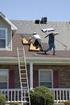 Maintaining Your Roof Roofs play a key role in protecting building occupants and interiors from outside weather conditions, primarily moisture. The roof, insulation and ventilation must all work together
16 2 10.3 Materials and Colors
 16 2 10.3 Materials and Colors To create a harmonious and coherent image for each development, building designs shall pay close attention to choice of materials and colors. Building construction shall
Classic Products, Inc. ClickLock Standing Seam Installation Manual
 Classic Products, Inc. ClickLock Standing Seam Installation Manual Classic Products, Inc. 8510 Industry Park Drive Piqua, OH 45356 800.543.8938 Table of Contents page Introduction 1. 1 Starter. 2. 1 Panels.
GYPSUM BOARD, GYPSUM PANEL PRODUCTS AND PLASTER
 CHAPTER 25 GYPSUM BOARD, GYPSUM PANEL PRODUCTS AND PLASTER User note: Code change proposals to this chapter will be considered by the IBC Structural Code Development Committee during the 2016 (Group B)
SECTION 07 61 13 STANDING SEAM METAL ROOFING
 SECTION 07 61 13 STANDING SEAM METAL ROOFING PART 1 GENERAL 1.01 SCOPE OF WORK A. The Work shall include all labor, materials, equipment and supervision required to complete the work of the above referenced
Chapter 9: INSTALLING ROOFING
 9.1 LEAK BARRIER (ICE AND WATER SHIELD) 9.2 SHINGLE UNDERLAYMENT 9.3 INSTALLING GUTTER APRON AND GABLE D-EDGE 9.4 INSTALLING SHINGLES 9.5 RIDGE VENT AND CAP Tools needed by each volunteer: Hammer (16 oz.
www.icc-es.org (800) 423-6587 (562) 699-0543 A Subsidiary of the International Code Council *Revised April 2014
 ICC-ES Evaluation Report ESR-1647* Issued July 2013 This report is subject to renewal August 1, 2015. www.icc-es.org (800) 423-6587 (562) 699-0543 A Subsidiary of the International Code Council DIVISION:
Table of Contents. Western States Standing Seam SS675 Panel Installation, Flashings & Shop Drawing Detail Guide. Notes to Designer /Installers..
 Western States Standing Seam SS675 Panel Installation, Flashings & Shop Drawing Detail Guide Table of Contents Section Page Section Page Notes to Designer /Installers.. 1 Fastener Placement and Selection.2-3
SECTION 07400 STANDING SEAM METAL ROOF
 SECTION 07400 STANDING SEAM METAL ROOF PART 1 - GENERAL 1.01 SECTION INCLUDES A. Work described in this section includes pre-formed standing seam metal roofing system complete with clips, perimeter and
SECTION 07320 ROOFING TILE
 SECTION 07320 ROOFING TILE PART 1 - GENERAL 1.1 SUMMARY: A. Section Includes: 1. Vitrified clay roofing tiles. 2. Tile accessories. 3. Felt underlayment. 4. Self-adhering sheet underlayment. 5. Snow guards.
Holiday Inn Express & Suites Covington (Newton County) 1. Standing-seam metal roofing, custom fabricated.
 PART 1 - GENERAL 1.1 SUMMARY A. Section Includes: 1. Standing-seam metal roofing, custom fabricated. 1.2 SUBMITTALS A. Product Data: For each type of product indicated. B. Shop Drawings: Show installation
Chapter 6 ROOF-CEILING SYSTEMS
 Chapter 6 ROOF-CEILING SYSTEMS Woodframe roof-ceiling systems are the focus of this chapter. Cold-formed steel framing for a roof-ceiling system also is permitted by the IRC but will not be discussed;
FIRE AND SMOKE PROTECTION FEATURES
 CHAPTER 7 FIRE AND SMOKE PROTECTION FEATURES SECTION 70 GENERAL 70. Scope. The provisions of this chapter shall govern the materials, systems and assemblies used for structural fire resistance and fire-resistance-rated
September 3, 2009. Ric Boyd, Public Works Director Ketchikan Gateway Borough 344 Front St. Ketchikan, AK 99901
 September 3, 2009 Ric Boyd, Public Works Director Ketchikan Gateway Borough 344 Front St. Ketchikan, AK 99901 RE: Ketchikan Gateway Borough Gateway Recreation Center Roof Observations and Intrusive Inspections
Chapter 3 Pre-Installation, Foundations and Piers
 Chapter 3 Pre-Installation, Foundations and Piers 3-1 Pre-Installation Establishes the minimum requirements for the siting, design, materials, access, and installation of manufactured dwellings, accessory
STANDARD REQUIREMENTS FOR BONDING OR MECHANICAL ATTACHMENT OF INSULATION PANELS AND MECHANICAL ATTACHMENT OF ANCHOR AND/OR BASE SHEETS TO SUBSTRATES
 ROOFING APPLICATION STANDARD (RAS) No. 117 STANDARD REQUIREMENTS FOR BONDING OR MECHANICAL ATTACHMENT OF INSULATION PANELS AND MECHANICAL ATTACHMENT OF ANCHOR AND/OR BASE SHEETS TO SUBSTRATES Scope 1.1.
ANSI/SPRI WD-1 Wind Design Standard Practice for Roofing Assemblies. Table of Contents. 1.0 Introduction...2. 2.0 Methodology...2
 Standard Practice f Table of Contents 1.0 Introduction...2 2.0 Methodology...2 Appendix A...7 Insulation Board Fastening Patterns 4 feet 4 feet Boards Adhered Membranes...8 Insulation Board Fastening Patterns
Smooth cap sheet - 0-10 SQ $ 139.00. Smooth cap sheet - 11-50 SQ $ 63.00. Smooth cap sheet - 51-100 SQ $ 36.00 Smooth cap sheet - 101-200 SQ $ 36.
 Demolition/Removal of Work 4-ply built up roofing to the insulation (smooth cap sheet) Smooth cap sheet - 0-10 SQ $ 63.00 Smooth cap sheet - 11-50 SQ $ 63.00 Smooth cap sheet - 51-100 SQ $ 35.00 Smooth
Water Damage & Repair
 Water Damage & Repair Chinatown Preservation Talks 2015 James Engler, P.A Glenn Mason, AIA Mason Architects Program Outline Terminology & Waterproofing Basics Discussion of why this is important Below
What makes DECRA Roofing Systems unique?
 Commercial Roofing As the pioneer of stone coated steel technology, Roofing Systems have been proven around the world since 1957. Marketed and installed in over 120 countries, there are over 1 million
COMMONLY USED RESIDENTIAL BUILDING CODES
 COMMONLY USED RESIDENTIAL BUILDING CODES INTERNATIONAL RESIDENTIAL CODE (2009) form revised 5/10 FOUNDATION 1. DESIGN OF FORMWORK. Section 1906.1 IBC 2009, Section R404.1.2.3.6 IRC 2009, ACI 318 Section
Roofing Systems. There are many different systems, each with it's own special requirements and benefits. Browse through all the options below.
 Roofing Systems There are many different systems, each with it's own special requirements and benefits. Browse through all the options below. BUR (Built-Up Roofing) Built-Up-Roofing, BUR is a roof that
Durapax Coal Tar BUR Application Guide
 400 Old Reading Pike, Suite 304 Pottstown, PA 19464 Tel: 610-579-9075 Fax: 610-323-0115 www.durapax.com Durapax Coal Tar BUR Application Guide DESIGN CONSIDERATIONS The proper specifications of any roof
Air-Conditioning, Heating, and Refrigeration Institute. Sheet Metal and Air-Conditioning Contractors National Association
 Air-Conditioning, Heating, and Refrigeration Institute Sheet Metal and Air-Conditioning Contractors National Association GUIDELINE B-1997 ACKNOWLEDGEMENT These guidelines for Roof Mounted Outdoor Air-
NEW ELECTRICAL SUBSTATION Building 300 SECTION 07 53 23 ETHYLENE-PROPYLENE-DIENE-MONOMER ROOFING WORK
 ETHYLENE-PROPYLENE-DIENE-MONOMER ROOFING WORK PART 1 GENERAL 1.1 REFERENCES The publications listed below form a part of this specification to the extent referenced. The publications are referred to within
Please read the entire document before purchasing and installing any of these products
 Please read the entire document before purchasing and installing any of these products USA SBS UNDERLAYMENT ROOFING UNDERLAYMENT SBS Mineral Surfaced MINERAL SURFACE CAP SHEET Ice and Water Protection
CHAPTER 5 ASPHALT-SHINGLE ROOFING
 CHAPTER 5 ASPHALT-SHINGLE ROOFING Section I. DESCRIPTION AND GENERAL DISCUSSION 5.1.1 References double-coverage shingles provide two layers over Specifications for shingles and allied materials are most
GreenGuard Housewrap Installation Guide
 000768PACBPHW_Flashing Bro 5/23/03 2:52 PM Page 1 For the most current product information, go to www.green-guard.com. Pactiv Building Products believes the information and recommendations herein to be
Mark Cramer Inspection Services, Inc.
 Mark Cramer Inspection Services, Inc. 492 Twentieth Avenue, Indian Rocks Beach, FL 34635-2970 (727) 595-4211 Fax (727) 596-7583 Certified Member #12085 American Society of Home Inspectors Construction
POST AND FRAME STRUCTURES (Pole Barns)
 POST AND FRAME STRUCTURES (Pole Barns) Post and frame structures. The following requirements serve as minimum standards for post and frame structures within all of the following structural limitations:
Discount Direct Metal Roofing Plus Rib Roofing Panels Installation Instructions
 Discount Direct Metal Roofing Plus Rib Roofing Panels Installation Instructions All questions and concerns please call 904-696-9700 Discount Direct Metal Roofing Plus Rib metal roofing panels are a strong,
CertainTeed. Self-Adhering Roof Systems for Low Slope Residential Roofs
 CertainTeed Self-Adhering Roof Systems for Low Slope Residential Roofs Goes down fast. Stays on strong. Flintlastic SA performs in all the right ways. What s more important to you? Speed of installation,
GYPSUM BOARD AND PLASTER
 CHAPTER 25 GYPSUM BOARD AND PLASTER SECTION 2501 GENERAL 2501.1 Scope. 2501.1.1 General. Provisions of this chapter shall govern the materials, design, construction and quality of gypsum board, lath, gypsum
Directions For Applying Malarkey Laminate Shingles
 S Laminate Shingle Instructions 1 Directions For Applying Malarkey Laminate Shingles GENERAL INSTRUCTIONS Install Malarkey laminate shingles according to building code and local amendments. To qualify
Preventing Ice Dams on Roofs
 Preventing Ice Dams on Roofs Facility Manager November/December 2005 When a roof leaks, facility managers inevitably receive complaints from building occupants. If it is winter, ice dams are often the
The better way to build TM. Installation Manual. FOUNDATION SIPs & FROST WALLS SIPs
 The better way to build TM Installation Manual FOUNDATION SIPs & FROST WALLS SIPs February 2016 PWF FOUNDATION & FROST WALL SIPs Installation Manual Table of Contents Topics General Requirements...................................
VA25014B0516 VA CINCINNATI PROJECT NO. 539-328 INPATIENT BED TOWER ADDITION (4 TH AND 5 TH FLOORS) SECTION 09 29 00 GYPSUM BOARD
 SECTION 09 29 00 GYPSUM BOARD PART 1 - GENERAL 1.1 DESCRIPTION This section specifies installation and finishing of gypsum board, vapor retarder and air and moisture barrrier. 1.2 RELATED WORK A. Installation
NCMA TEK CONCRETE MASONRY FOUNDATION WALL DETAILS. TEK 5-3A Details (2003)
 NCMA TEK National Concrete Masonry Association an information series from the national authority on concrete masonry technology CONCRETE MASONRY FOUNDATION WALL DETAILS TEK 5-3A Details (2003) Keywords:
ROOFS - Guidance for Repair, Maintenance and Replacement
 ROOFS - Guidance for Repair, Maintenance and Replacement Guilford Association Architectural Committee ROOFING Slate and tile roofs are a critical design feature of Guilford homes. The homes were designed
Ubiflex. Non-lead flashing system
 Ubiflex Non-lead flashing system Ubiflex non-lead flashing Ubiflex is a non-lead waterproof flashing material which can be used in most applications where lead is traditionally used to provide a weatherproof
Re-Cover Board-3. Insulation for Above the Deck ROOF WALL SPECIALTY
 Insulation for Above the Deck WALL SPECIALTY PRODUCT DESCRIPTION Rmax Re-Cover Board-3 is an energy-efficient thermal insulation board composed of a closed-cell polyisocyanurate (polyiso) foam core bonded
STANDING SEAM SHEET METAL ROOFING
 STANDING SEAM SHEET METAL ROOFING GENERAL INFORMATION 1.1 For all standing seam metal roofing work consult Columbia University Facilities Exteriors and Historic Preservation group. 1.2 Fabricator is responsible
During storm events, a roof is expected to perform many functions from preventing water intrusion
 Roof Coverings and Best Practices 8.1 Introduction During storm events, a roof is expected to perform many functions from preventing water intrusion to acting as a structural diaphragm in certain situations.
University of California - Santa Barbara West Campus Point Faculty Housing
 University of California - Santa Barbara West Campus Point Faculty Housing Reconstruction Guidelines and Considerations to Correct Exterior Building Envelope Weatherproofing Defects and Recommended Upgrades
SECTION 07550 - MODIFIED BITUMINOUS MEMBRANE ROOFING. A. Vapor barrier (base ply); cover board at existing roof deck.
 SECTION 07550 - PART I GENERAL 1.01 SECTION INCLUDES A. Vapor barrier (base ply); cover board at existing roof deck. B. Roof insulation at new roof deck. C. Modified bitumen membrane. D. Fluid applied
SHINGLE APPLICATION GUIDE
 SHINGLE APPLICATION GUIDE CONTENTS 01. General conditions 01. Material requirements 02. Terms 07. Estimating shingle requirements 08. Roof preparation 10.Shingle application E version 2006 GENERAL CONDITIONS
COMMERCIAL BUILDING APPLICATIONS
 EXPANDED POLYSTYRENE FOR COMMERCIAL BUILDING APPLICATIONS www.falconfoam.com Commercial Building Ap Expanded Polystyrene Insulation Falcon Foam leads the commercial building industry with products that
How To Compare Roofing Material
 Roofing Material Comparisons Housing Fact Sheets One of the great strengths of our market economy is the number of product choices we are provided with. So when it comes time to replace the roof on your