
Challenges in Attaining Universal Health Care in the Philippines
|
|
|
- Frank Dalton
- 9 years ago
- Views:
Transcription
1 in Attaining Universal Health Care in the Philippines n by the Medical Action Group While every Filipino is entitled to health care as provided by the Constitution, health care in the country is regarded more as a privilege than a right as poor Filipinos find it extremely difficult to avail of health care services. Universal Health Care in the Philippines Health care inequities Infant and child mortality While child mortality rate 1 in the Philippines has been declining since 1998, the rate is still high compared to other countries in the region such as Vietnam, Brunei, Singapore, Thailand and Malaysia. According to the State of the World s Children Report 2009 of the United Nations Children s Fund (UNICEF), the Philippines is one of the 68 countries where 97 percent of all neonatal, child and maternal deaths worldwide occur. Based on the 2008 NDHS results, about one in every 30 children dies before reaching the age of five. The IMR for the five years before the 61

2 survey (roughly ) has declined from 29 deaths per 1,000 live births in 2003 to 25 deaths per 1,000 live births in The under-five mortality rate (U5MR) 2 has also declined: from 40 deaths per 1,000 live births in 2003 to 34 deaths per 1,000 live births in Table 1. Infant and Child Mortality Rate in the Philippines, (Per 1,000 live births) (in percent) Under-five mortality rate Infant mortality rate Proportion of 1-year old children immunized against measles Source: National Demographic and Health Survey Universal Health Care in the Philippines The neonatal mortality rate 3 is 16 deaths in a thousand live births before they reach their first month of life and the post neonatal mortality rate is 9 deaths per 1,000 live births. Neonatal and post neonatal deaths decreased from 1998 to 2008 with a rate of less than 10 percent. Child mortality is 9 deaths per 1,000 live births and U5MR is 34 deaths out of 1,000 live births. 62 According to a UNICEF study, a newborn child in the Philippines is almost 14 times more likely to die during the first month of life than a child born in a developed country. Table 2. Early Childhood Mortality Rates, 2008 Neonatal, Post Neonatal, Infant, Child, and Under-Five Mortality Rates for Five-Year Periods Preceding the Survey, Philippines, 2008 Years preceding the survey Approximate calendar years Neonatal mortality (NN) Post neonatal mortality (PNN)1 Infant mortality (1q0) Child mortality (4q1) Under-five mortality (5q0) Computed as the difference between the infant and neonatal mortality rates Source: 2008 National Demographic and Health Status

3 JM VILLERO The 2008 NDHS results confirm the pattern of declining childhood mortality in the past 15 years. But disparities across regions remain and vary by place of residence, socio-economic status and educational level of the mother. In 2008, eight out of 17 regions were estimated to have IMR and U5MR higher than the national average. Rural areas are worse off with IMR of 35 deaths per 1,000 live births compared to 20 out of 1,000 before reaching one year old. Universal Health Care in the Philippines The U5MR has decreased: from 48 deaths per 1,000 births (1998 NDHS) to 40 in 2003 and 34 in The IMR shows a similar trend: from 35 deaths per 1,000 to 29 deaths per 1,000 to 25 deaths per 1,000 for the three surveys, respectively. Neo-natal deaths in the Philippines were caused by preterm birth (28 percent), asphyxia (23 percent), sepsis/pneumonia (26 percent), congenital anomaly (8 percent), tetanus (7 percent) and diarrhea (3 percent). Indirect causes are maternal-related risk factors, newbornrelated risk factors, and low birth weight (13 percent) due to pre-maturity and poor intra-uterine growth rate. 4 63

4 Table 3. Early Childhood Mortality Rates by Socioeconomic Characteristics, 2008 Neonatal, post neonatal, infant, child, and under-five mortality rates for the 10-year period preceding the survey, by background characteristic, Philippines 2008 Background Characteristic Neonatal mortality (NN) Post neonatal mortality (PNN) 1 Infant mortality (1q0) Child mortality (4q1) Under-five mortality (5q0) Residence Region Urban Rural National Capital Region Cordillera Admin Region (2) (31) I Ilocos II Cagayan Valley (8) (46) III Central Luzon IVA CALABARZON Universal IVB MIMAROPA Health Care V in Bicol the Philippines VI Western Visayas VII Central Visayas VIII Eastern Visayas IX X Zamboanga Peninsula Northern Mindanao XI Davao XII SOCCSKSARGEN XIII Caraga Note: Rates in parentheses are based on unweighted children. 1 Computed as the difference between the infant and neonatal mortality rates Source: 2008 National Demographic and Health Status 64 Not surprisingly, mortality rates in urban areas are much lower than those in rural areas. In the rural areas, the ratios are 46 deaths in 1,000 live births for U5MR and 35 per 1,000 live births for IMR, compared to 28 deaths in 1,000 live births for U5MR and 20 deaths per 1,000 live births for IMR in the urban areas.

5 U5MR and IMR both registered highest in ARMM at 94 deaths per 1,000 live births and 56 deaths per 1,000 live births, respectively; followed by Eastern Visayas with 64 deaths per 1,000 live births under U5MR and 45 deaths per 1,000 live births for IMR. Notably, the U5MR and IMR are lowest in NCR and Ilocos. The poorest Filipinos have IMR of 40 per 1,000 births, compared to 15 per 1,000 live births among the rich, according to the 2008 NDHS. The 2008 NDHS results also show that U5MR is most prevalent in the rural areas and among the poorest sections of society. In every 1,000 live births, 59 children from the poorest families die before their fifth birthday, compared to 17 children among the rich. Table 4. Child Mortality Rates by Wealth Status and Mother s Educational Status, 2008 Neonatal, Post Neonatal, Infant, Child, and Under-Five Mortality Rates for the 10-Year Period Preceding the Survey, by Background Characteristics, Philippines, 2008 Background Characteristic Wealth Quintile Neonatal mortality (NN) Post neonatal mortality (PNN) 1 Infant mortality (1q0) Note: Rates in parentheses are based on unweighted children. 1 Computed as the difference between the infant and neonatal mortality rates Source: 2008 National Demographic and Health Status Child mortality (4q1) Lowest Second Middle Fourth Highest Mother s education No education (37) (50) (87) (53) (136) Elementary High school College Universal Health Care in the Under-five Philippines mortality (5q0) 65

6 The mother s educational attainment is related to mortality rates: children born to mothers who have limited or no education had a lesser chance of reaching their 5th birthday when compared to mothers with education. U5MR is 136 deaths in 1,000 live births compared to 18 deaths per 1,000 live births for children whose mothers have attended college. For the past 10 years, the trend in gender disparity in mortality rate shows that more male children die than female children. IMR is consistently higher for male children than for female children. For males, IMR is 31 deaths per 1,000 live births, compared to 25 deaths per 1,000 live births for females. Immunization Universal Health Care in the Philippines Immunization is one of the most important and cost-effective interventions that the government s health system can provide to the poor and most vulnerable populations. Routine immunization of children and women leads to the control and eventual eradication of preventable diseases if they receive prompt and appropriate treatment when they are sick. According to the WHO, a child is fully immunized if s/he has received the following vaccinations before reaching one year of age: one dose of BCG vaccine at birth or at the first clinical contact; a measles vaccination at about nine months of age, and three doses each of diphtheria, pertussis, tetanus (DPT) vaccine and oral polio vaccine (OPV). In the Philippines, immunization rates had steadily gone up from 1990 until When the government changed its strategy of procuring vaccines in 2000, the coverage plummeted because the supplies were not delivered on time and inevitably resulted in stock shortage. Complete immunization coverage for children below 2 years old reached almost 70 percent in

7 Table 5. Vaccination Status, 2008 Percentage of children age months who received specific vaccines at any time before the survey (according to a vaccination card or the mother s report), and percentage with a vaccination card, by background characteristics, Philippines, Measles All basic vaccinations (1-12 months) All basic vaccinations (12-23 months) Source: National Demographic and Health Status The 2008 NDHS data shows that the proportion of fully immunized children increased to 70 percent from 60 percent in The data indicates that four in five children (or 80 percent of children age months) received all of the basic vaccinations against six preventable childhood diseases: tuberculosis, diphtheria, pertussis, tetanus, polio and measles; and 70 percent of children received them before reaching one year old. Only six percent of children have not received any vaccination. Universal Health Care in the Philippines Data from the 2008 NDHS show (see Table 6) that immunization coverage also varies a little by residence: 81 percent in urban areas and 79 percent in rural areas, although there are large variations by region. As expected, ARMM has the highest U5MR and IMR; it also has the lowest vaccination coverage rate at 31 percent. Children in Western Visayas have the highest vaccination coverage at 92 percent. The percentage of children age months who have received the six immunizations is 85 percent or higher in CALABARZON, Caraga and Western Visayas. Full immunization coverage increases with mother s level of education, from 26 percent among children whose mothers have no education to 87 percent among children whose mothers have attended college. In general, immunization coverage increases with wealth status; only 64 percent of children in households in the poorest areas are fully immunized, compared to 87 percent of children in households in the highest wealth quintile. 67

8 Table 6. Vaccinations by Background Characteristics Percentage of children age months who received specific vaccines at any time before the survey (according to a vaccination card or the mother s report), and percentage with a vaccination card, by background characteristics, Philippines, 2008 Background characteristics Measles All basic vaccinations 1 (1-12 months) Universal Health Care in the Philippines 68 Sex Male Female Residences Urban Rural Region National Capital Region Cordillera Admin Region I Ilocos II Cagayan Valley III Central Luzon IVA CALABARZON IVB MIMAROPA V Bicol VI Western Visayas VII Central Visayas VIII Eastern Visayas IX Zamboanga Peninsula X Northern Mindanao XI Davao XII SOCCSKSARGEN XIII Caraga ARMM Mother s education No education (32.5) (25.9) Elementary High school College Wealth Quintile Lowest

9 Background characteristics Measles All basic vaccinations1 (1-12 months) Second Middle Fourth Highest Note: Figures in parentheses are based on unweighted children. 1 BCG, measles, and three doses each of DPT and polio vaccine (excludes hepatitis B) Source: 2008 National Demographic and Health Status Maternal health care Improving the quality of maternal health services is an important part of the health care system. The number of maternal deaths has stayed high despite more than two decades of efforts. The high rate of death among pregnant women only characterizes the country s inequitable health care system. This number will not decrease significantly until more women have access to skilled birth attendants and to improved health facilities. Universal Health Care in the Philippines Improve maternal health is the Millennium Development Goal 5 (MDG5). MDG Goal 5: Improve Maternal Health Target A: Reduce by three quarters, between 1990 and 2015, the maternal mortality ratio 5.1 Maternal mortality ratio (52 maternal deaths per 100,000 live births by 2015) 5.2 Proportion of births assisted by skilled health personnel Target B: Achieve, by 2015, universal access to reproductive health 5.3 Contraceptive prevalence rate (COR) 5.4 Adolescent birth rate 5.5 Antenatal care coverage 5.6 Unmet need for family planning 69

10 By all indications, MDG5 remains to be the least likely to be achieved. The maternal mortality ratio (MMR) and proportion of births attended by skilled health personnel are the indicators set under MDG5. While the country has embarked on responses to reduce MMR, in many cases the results have lagged behind or faltered for long periods and are still far from the MDG5 target of 52 maternal deaths per 100,000 live births. Universal Health Care in the Philippines In the 2006 NSCB Technical Working Group Mortality Statistics, MMR of fell short of the required annual rate of The Philippines is one of the 55 countries that accounts for 94 percent of all maternal deaths in the world. 5 It is one of the highest in the region, with just Cambodia and East Timor having more maternal deaths. 6 In 2004, on the International Conference on Population and Development, it was reported that the ratio of maternal deaths in the Philippines was 170 while Thailand had 44 and Malaysia had 41. The UP Population Institute projects the number of maternal death to be about 4,700 annually (meaning 12 Filipino pregnant women die each day). This projection was based on MMR of 200 per 100,000 live births for In the 2008 NDHS, 26 percent of women years of age have begun childbearing. Research has shown that Filipino teenage mothers have contributed to 20 percent of all maternal deaths in the country, a thousand of which are abortion related There has been a declining trend in MMR, from 209 per 100,000 live births in 1993, to 172 in 1998 (NDHS data), and 162 in 2006 (DoH, Field Health Services Information System) (see Figure 1).

11 Figure 1. Maternal Mortality Rate Discrepancies in MMR show a wide disparity between poor and rich regions. In 2006, MMR was highest in ARMM with 1.3 percent, followed by CARAGA with 1.2 percent and Region IVB (MIMAROPA) and Region XI (Davao) with 1 percent. 8 Universal Health Care in the Philippines Among the leading causes of maternal mortality in the Philippines are other complications related to pregnancy occurring in the course of labor, delivery and puerperium; 9 hypertension complicating pregnancy, childbirth and puerperium; postpartum hemorrhage; pregnancy with abortive outcome; and hemorrhage in early pregnancy. Over half of the cases of maternal deaths remain unreported. In 2002 alone, 56 percent of recorded maternal deaths in the civil registry were unaccounted for. 10 Health-related practices that affect maternal health are antenatal care (ANC), including iron supplementation and tetanus toxoid vaccination; delivery care and services; postnatal care; and problems accessing health services. Antenatal care is essential to monitor the health of the mother and the baby and to diagnose pregnancy-related problems. The quality of antenatal care services provided to pregnant women can be assessed in terms of the type of service provider, the number 71

12 Universal Health Care in the Philippines 72 of antenatal care visits made, including whether a tetanus toxoid injection was received, the timing of the first visit, and the services and information provided during their antenatal checkups. According to the 2008 NDHS, 91 percent of women with a live birth in the five years preceding the survey received antenatal care services from a skilled provider (52 percent provided by a nurse or a midwife and 39 percent provided by a doctor). Five percent of women received antenatal care from a traditional birth attendant, or hilot, while 4 percent did not receive any antenatal care services at all. These figures indicate that there has been an increase in the proportion of births attended by a skilled provider (from 88 percent in 2003 to 91 percent in 2008), and a decline in the percentage of births assisted by a traditional birth attendant (from 7 percent in 2003 to 5 percent in 2008) (NSO and ORC Macro, 2004). Table 7. Provision of Antenatal Care, 2008 Background characteristic Doctor Nurse Residence Urban Rural Region National Capital Region Cordillera Admin Region I Ilocos II Cagayan Valley III Central Luzon IVA CALABARZON IVB MIMAROPA V Bicol VI Western Visayas VII Central Visayas VIII Eastern Visayas IX Zamboanga Peninsula X Northern Mindanao XI Davao XII SOCCSKSARGEN XIII Caraga ARMM Mother s education No education Elementary High school College Wealth Quintile Lowest Second Middle Fourth Highest Note: If more than one source of ANC was mentioned, only the 1 Skilled provider includes doctor, nurse, midwife Source: 2008 National Demographic and Health Status

13 Midwife Hilot No one Other/ missing Total Percentage receiving antenatal care from a skilled provider Universal Health Care in the Philippines provider with the highest qualifications is considered in this tabulation. 73

14 Receipt of antenatal care from a skilled provider (see Table 7) is higher in urban areas (94 percent) than in rural areas (88 percent). In majority of the regions, 90 percent to 80 percent of women received antenatal care from a health care professional. As expected, there are wide variations in ANC coverage and services across regions: ARMM has the lowest antenatal coverage at 47 percent followed by Zamboanga Peninsula with 77 percent. Central Luzon and NCR have the highest antenatal coverage with 92.4 percent and 92.1 percent, respectively. Seven percent of pregnant women in Cordillera Administrative Region (CAR) and SOCCSKSARGEN received no antenatal care. Universal Health Care in the Philippines Midwives are the most popular antenatal care providers in 11 regions. In five Luzon regions (NCR, CAR, Ilocos, Central Luzon, and CALABAR- ZON), antenatal care is provided mostly by doctors. In ARMM, 48.9 percent or almost half of women were attended by a traditional birth attendant. Live Birth Delivery More than half or 56 percent of mothers gave birth at home while 44 percent gave birth in a health facility. This reveals that there are still a staggering number of births not being attended by a skilled birth attendant. In the 2008 NDHS results, 36 percent of births were attended by a hilot or traditional birth attendant (TBA). This is to be expected because the majority of deliveries take place at home. Based on the same study by the NDHS, only 62 percent of births were assisted at delivery by health professionals, 35 percent by a doctor and 27 percent by a midwife or nurse. While the proportion of births attended by a health professional has increased slightly from 60 percent in 2003 (NSO and ORC Macro, 2004), it remains lower than the target set by the DOH (80 percent by 2004). 74 There are large disparities in the delivery assistance by a skilled provider according to background characteristics of the mother and her

15 residence. Poor women are always least likely to receive maternal and reproductive health care services. Births in urban areas are twice as likely to be delivered in a health facility as those in rural areas. In urban areas, 78 percent of births are attended by skilled professionals, compared to 48 percent of births in rural areas. Women in the lowest wealth quintile received the least health care services during delivery: 71.4 percent were assisted by hilots or TBA; and only 9.4% were attended by a doctor. In contrast, 77 percent of the women from the highest wealth quintile were assisted by doctors during child birth. Poor women who experience difficulties cannot avail of life-saving services: about 1.3 percent of them delivered by caesarian section (C-section), compared to 27.7 percent of the women in the highest wealth quintile. Births in rural areas are more likely to be delivered at home than births in urban areas (70 and 40 percent, respectively). Across regions, delivery in a health facility is most common in NCR (69 percent). In five regions, at least 70 percent of births occurred at home: ARMM (85 percent), SOCCSKSARGEN (77 percent), MIMAROPA (73 percent), Zamboanga Peninsula (71 percent), and Cagayan Valley (70 percent). Eighty-seven percent of deliveries in NCR are assisted by health professionals (57 percent by a doctor and 30 percent by a midwife or nurse). In contrast, 80 percent of births in ARMM are assisted by a hilot or TBA. Interestingly, 12 percent of births in CAR are assisted by a relative or friend and 1 percent are delivered with no assistance. Universal Health Care in the Philippines The best way to reduce the risks of complications and infections that may cause the death or serious illness of the mother and the baby or both is to increase the proportion of deliveries in a safe and clean environment and under the supervision of skilled attendants and health professionals. However, the majority of the Filipinos, especially the poor, have yet to see a skilled attendant and many of our health facilities in the rural areas are located beyond the ideal four (4) kilometers from an individual s residence. 75

16 The HIV/AIDS epidemic, dengue outbreak and spread of other diseases The Asian Development Bank (ADB)-UNAIDS Study Series pointed out that the countries of Asia and the Pacific are at a make-or-break point in HIV/AIDS. From the time the first HIV case was first detected in the early 80s, the incidence of the epidemic has remained low 11 and its prevalence rate remains to be below (0.01% among people years old) in the Philippines. Over the past years, however, the number of new HIV reported cases has rapidly increased. Universal Health Care in the Philippines The DOH lists four high-risk behaviors that have contributed to the spike in the number of HIV infections in recent years: unprotected sex with multiple sex partners, unprotected anal sex between males, unprotected sex with commercial sex workers, and injecting drugs with used needles. Anyone engaging in these types of behavior is at risk, but even among them, the DOH enumerates the most at risk populations (MARPs) which have the highest proportion of infections: sex workers, males who have sex with other males (MSM), injecting drug users (IDU) who re-use and share needles, and the clients of commercial sex workers. There is a fifth group along the chain of HIV spread that is equally at high risk: the partners of each person in the four identified groups. Experts describe the surge in HIV cases among Filipinos as disturbing and terrifying, considering that HIV infections have increased significantly in the last three years, mainly among MSM and a community of IDUs in Cebu this year. The increasing number of HIV reported cases constitutes one of the most pressing health threats in the country today. 76 The Philippine HIV and AIDS Registry that records confirmed HIV blood tests submitted by clinics and hospitals nationwide recorded 4,971

17 people living with HIV from 1984 to April 2010, with an average of 29 new cases per month registered for The first and second quarters of 2008 had an average of new cases in a month. The registry s reports were in trickles, but starting December 2009, the monthly updates began listing more than 100 new infections, with a notable percentage among males: 126 in December 2009, of whom 121 were males; 143 in January 2010 (125 males), 130 in February (120 males), and 120 in March (104 males). This has surpassed the total number of HIV cases annually since the HIV and AIDS Registry started. Thus, from a low and slow character, it has become a growing phenomenon. 12 Table 8. Number of Recorded HIV Cases (as of April 2010) Demographic data April 2010 January- April 2010 Cumulative data: Total Reported Cases ,971 Asymptomatic cases ,131 AIDS cases By Gender Males * Females * Youth years old Children <15 years old Reported deaths due to AIDS Universal Health Care in the Philippines *Note: No data available on sex for eleven (11) cases. Source: DoH-National Epidemiology Center, April 2010 In April 2010, the HIV and AIDS Registry had 154 new HIV Ab seropositive individuals confirmed by the STD/AIDS Cooperative Central Laboratory (SACCL). This was a 133% increase compared to the same period last year (n=66 in 2009). Of the 154 individuals reported, most of the cases (94%) were males. The median age was 28 years (age range: years). The year age-group registered the highest number of cases (34%). NCR accounts for 44 percent or 67 of the reported HIV cases. 77

18 Universal Health Care in the Philippines 78 GLENN TIU

19 TRACY PABICO MEDICAL ACTION GROUP JM VILLERO Universal Health Care in the Philippines 79

20 Universal Health Care in the Philippines 80 MEDICAL ACTION GROUP GLENN TIU

21 Universal Health Care in the Philippines MEDICAL ACTION GROUP 81
22 Universal Health Care in the Philippines 82 JM VILLERO
23 Universal Health Care in the Philippines Photos by MEDICAL ACTION GROUP 83
24 The 2009 Integrated HIV Behavioral and Serologic Surveillance that determined the knowledge and behavior of at-risk populations and tested them for HIV showed that from 2006 onwards, 74 percent of HIV infections were occurring mostly among men. Sexual contact remains to be the most common mode of HIV transmission in the country. The predominant mode of transmission however has significantly shifted from heterosexual to bisexual and homosexual contact. Universal Health Care in the Philippines From January to April 2010, sixteen of the 154 (10 percent) reported cases were OFWs; fourteen (88 percent) were males. All cases acquired the HIV infection through sexual contact. In 2009, a total of 164 returning overseas Filipino workers (OFWs) were reported to be infected with HIV. This figure is the highest since 1984, but it only accounts for 20 percent of all individuals reported in the same year. In 2008, a total of 123 OFWs diagnosed with HIV comprised 23 percent of all reported HIV cases in the country. The increasing proportion of OFWs with HIV is indicative of the lack or absence of active government monitoring in this sector. Reliable HIV data is a precondition for taking effective action against the epidemic. The current HIV surveillance systems in the country are overly dependent on limited data sources. The government needs to examine multiple sources of data to come up with an accurate understanding of the patterns, trends, and scale of the epidemic. The government could never be complacent with the unreported cases. Dr. Eric A. Tayag, director of the DoH Epidemiology Center that conducts a survey every two years, said 53 percent of all HIV cases were reported in the last five years; of these, 62 percent were MSM. Among HIV-positive drug injectors, 86 percent were males. He further explained that more males are getting infected because more males are practicing high risk behavior. 84 The rise in cases among IDU is more upsetting, as infection through injecting drug use is faster than sexual transmission. From only seven
25 Universal Health Care in the Philippines MEDICAL ACTION GROUP HIV cases in 22 years, one in 2008 and zero in 2007 and 2009, HIV infections were noted among 63 IDUs in Cebu in the first three months of 2010 alone. In Zamboanga City, the DoH Region IX has recorded at least nine cases of persons diagnosed as suffering from the HIV during the first four months of this year. This is the first time that Zamboanga City registered such a big number of HIV-AIDS cases for just a short period of time. Among the age groups, from 2006 to 2007, males aged and females years old dominated the infected groups; but in 2008, the cases appeared to be among the younger set: for males and females, with huge increases in males years old, a trend that continues up to the present. In the 2007 survey, seven tested HIV-positive among respondents; in 2009, there were 70 (46 males and 24 females aged 15 to 41). 85
26 Figure 2. HIV Cases by 50 & older yo yo yo yo yo Universal Health Care in the Philippines Number of Male Cases yo yo < 15 yo < 15 yo yo yo yo Source: DoH-National Epidemiology Center yo yo yo yo n n n n n & older n
27 Age Group and Gender n n 2006 n 2007 n 2008 n 2009 n 2010 Number of Female Cases Universal Health Care in the Philippines < 15 yo yo yo yo yo yo yo yo n n n n n & older n
28 Until 2007, the high rate of infection was concentrated in Metro Manila and Metro Cebu, but in 2008 and 2009, the list included Metro Davao. All the country s 17 regions and 72 of its 80 provinces are now reporting HIV cases. The survey reflects the urgency of the situation and shows a two-year doubling time of infections. In 2000, from one new infection reported every three days, it rose to one case per day in 2007; and two a day in Based on this trend of increases, the government cannot afford to remain complacent. Dr. Tayag stressed that for 2010 the HIV epidemic is more alarming: from April 12 to June 30, there were 316 new HIV cases. By December 2010, there would be more than 1,500 new cases, and a range of 4,000 to 7,000 by This means that about four new cases will be reported per day in Universal Health Care in the Philippines In the bigger populace, young people who are at the receiving end of a barrage of social influences are just as vulnerable to acquiring HIV. This is according to a study by the UP Population Institute and the Commission on Population on the sexual risk behaviors and knowledge of HIV and AIDS among young workers in call centers and other industries in Metro Manila. The study found that one-fifth (or 20 percent) of more than 400 respondents in all industries have multiple sex partners; 34 percent have casual sex; 14 percent pay for sex, and 15 percent have same-sex encounters. Only 11 percent perceive their risks for HIV infection. Regardless of industry, risky behaviors are high, and levels are slightly higher among call center employees when it comes to unprotected sex, sex with many partners, commercial sex and casual sex. This is especially alarming in view of the fact that the country s call-center industry employs those who had attained college education and are therefore expected to have access to more knowledge on HIV/AIDS and safer sex practices. 88 The Operational Plan of the AIDS Medium Term Plan: (AMTP-IV) required about P849 million for Given the aver-
29 age total spending of about P311 million per year, there is a funding gap of about P227 million or P113.5 million annually. For the government to be able to reverse the effect of HIV epidemic in the next three years (or by mid-term of the Aquino administration), it has to shoulder the financial burden of P2.6 billion for treating Filipinos with HIV. During the HIV Summit 2010, former DoH Secretary Esperanza Cabral noted that more than 70 percent of spending for HIV and AIDS programs and services come from the international community; a mere 20 percent come from domestic sources and 13 percent from the private sector. Currently, the country s biggest donor is the Global Fund to fight AIDS, Tuberculosis and Malaria (GFATM), which has funded HIV prevention programs around the country and provided free antiretroviral (ARV) drugs for persons living with HIV (PLHIV). More than 800 PLHIV are currently receiving the free ARVs. Tuberculosis The Philippines ranks ninth on the list of 22 high-burden TB countries in the world, according to the WHO Global TB Report TB has consistently been in the top 10 causes of morbidity and mortality in the country, in fact ranking eighth in both categories in Universal Health Care in the Philippines In 2007, approximately 100 Filipinos died each day from the disease, but significant strides have been made in increasing case detection and treatment. In 2004, based on the Philippines country profile of the United States Agency for International Development (USAID), the country achieved a TB case detection rate of 72 percent, exceeding the target of 70 percent set by the WHO; in 2007, case detection reached 75 percent. Still, the country s current ranking translates to some 250,000 Filipinos being infected with TB annually and reports indicate 75 patients dying every day from the disease. The National Tuberculosis Program (NTP) was initiated in the country in 1968 and was integrated into the general health service based 89
30 on the WHO recommendation. Though the DoH remains to be the body tasked to formulate and monitor the program through its Center for Health Development (CHD), the direct delivery of NTP services is the responsibility of LGUs in accordance with the devolution of health services. The main strategy of the NTP is the Directly Observed Treatment Short course (DOTS) recommended by the WHO. Universal Health Care in the Philippines Financing of the Tuberculosis Control Program covers the treatment of TB cases, laboratory diagnosis, capability-building of health workers, operation of Public-Private Mix Department (PPMD) units, advocacy, monitoring and evaluation and other operating expenses. An annual amount of P million is needed to finance the programs and projects to combat TB in the Philippines. But only P million is provided by DoH and the Official Development Assistance (ODA). A total gap of about P178.8 million per year, or roughly P1.967 billion for the 2005 to 2015 operations, is still required to finance TB control. Malaria The country has been listed by the WHO among the ten malaria endemic countries in the Western Pacific Region. The Philippine Malaria Country Profile 2008 shows that 57 of the 79 provinces are malaria endemic, although 90 percent of cases are found in 25 provinces. 13 The islands of Cebu, Leyte and Catanduanes are malaria-free. In 2008, DoH declared six more provinces malariafree, bringing the total to 22 out of 81 provinces. The provinces of Marinduque, Sorsogon, and Albay in Luzon; Eastern and Western Samar in the Visayas; and Surigao del Norte in Mindanao were declared malaria-free after having had no reported indigenous cases for five consecutive years. In 2006, Benguet, Cavite and Masbate were likewise declared free of malaria. 90 A report by the Asian Development Bank (ADB) indicates that malaria is no longer a serious health problem and no longer a leading cause
31 of death in the country. 14 Malaria cases were said to have been decreasing since the 1990s. 15 However, figures tell otherwise with an increasing trend from In 2006, according to the WHO World Malaria Report 2009, the number of malaria cases was estimated to be 124,152. Although it is no longer the leading cause of morbidity in the country, malaria is still a major public health threat. In 2008, some 11,885 individuals got sick with malaria. This figure translates to 13.3 percent morbidity rate per 100,000 population. 16 However, malaria national surveillance mechanisms vary differently in quality and completeness, thus giving little information on the real picture of the malaria burden in the country. Aggregated data in the sub-national and regional levels present another story. While some have made progress as evidenced by the decrease in reported cases, other provinces continue to report malaria incidence. Dengue Universal Health Care in the Philippines Dengue, known as break-bone fever because it can be extremely painful, is prevalent in the Philippines. From about 50,000 recorded dengue cases in 1998, it afflicted more than 84,000 in the first nine months of As of September 11, some 84,023 Filipinos have fallen ill of dengue, a figure which is percent higher than the number of reported cases for the same period in These high figures graphically illustrate the tragic state of Philippine health care. Dengue is considered an easily preventable disease. Despite this, 543 deaths have been monitored across the country this year. Eastern Visayas registered the highest figure at 70, marking a 31 percent upsurge from DoH records as of August showed that other regions heavily affected by dengue include Western Visayas with 10,026 reported cases (more than thrice the 2,977 cases reported during the same period 91
32 in 2009); Soccsksargen, 6,470; Calabarzon, 5,739; Eastern Visayas, 5,543; Metro Manila, 4,744; Davao, 4,658; and Northern Mindanao, 3,935. Of the dengue patients, majority of whom were male, 77 percent ranged in age from 1 to 20 years old. The provinces of Iloilo, Capiz and Guimaras had to declare a state of calamity when the cases of dengue rose nearly four times from August to September this year. In the Bicol region, the number of dengue cases has topped the 1,000-mark. The DoH regional office said that 1,003 cases had been recorded from January to August 19 this year. In 2009, the number of recorded cases for the entire region was 943. Universal Health Care in the Philippines The treatment for dengue in a public hospital costs at least P7,000 and the patients have to queue in the so-called Dengue express-lanes in public hospitals for a long and dangerous time. Although public hospitals are relatively cheaper, these are understaffed and ill-equipped. So far there is no definite cure yet for dengue. Instead, what are being treated in dengue patients are the symptoms. The patients vital signs are monitored to prevent dehydration and blood tests are administered often to monitor the blood platelet count. Some have to undergo blood transfusion, which is costly, if the platelet count plummets to a life-threatening level. Failed public health care financing 92 The country s deteriorating health care situation is urgent not just for the poor themselves but for all Filipinos whose general welfare depends on the good health of all. Radical changes in various arenas of the health care sector are imperative in order to reverse these trends. One of these is in public health care financing. Compared to other countries in the region, the country s level of health expenditure is below the 5 percent international standard set by the WHO. For the Philippines, the 5 percent GDP health expenditure is estimated at P440 billion. 17
33 Embarrassing In the 2009 World Health Statistics, the Philippines registered a measly 3.8 percent share of total health expenditure to GDP in Compare this to Vietnam s 6.6 percent and Malaysia s 4.3 percent. The government spent a total of P234.4 billion for health care in 2007, which accounts for 3.2 percent of GDP. Though the total health expenditures showed slight improvements during the period of , the trend, according to the NSO, is decelerating both at current and constant prices. 18 In 2000 prices, the real per capita DoH spending is from P172 in1998 to P81 in This is way below the WHO estimate for health spending per person which is around $35 dollars or about P1,575. In 2009, public spending on health per Filipino per day was at P83.04 for a population of 88,566,732, based on the DoH computation. The average budget allocation for health since 2001 under the former administration of Gloria Arroyo was just 1.8% of the total budget the lowest share for health spending among the last three administrations (Aquino, 3.1%; Ramos, 2.6%; and Estrada, 2.4%). Universal Health Care in the Philippines Table 9. Comparative Health Budgetary Allocation, , in Billion Pesos Current Year Amount in billion pesos (health) 2007 P 11.5 P P P P P P P1.41 General Appropriations (in trillion pesos) 2011 P P1.645 (proposed) 93
34 For fiscal year (FY) 2011, the proposed budget of the DoH in the amount of P32.63 billion ranks seventh among all national government agencies. It accounts for 4.24 percent of the P1.645 trillion national budget for FY Of this, P32 billion (95.8 percent), based on the Health Policy Development and Planning Bureau (HPDPB), is allocated to the Office of the Secretary. As proposed for FY 2011, hospital services amounting to P16.43 billion (or 50 percent of the total DoH budget) will be allotted while public health item will only get a 28 percent share (P9.12 billion). 19 The country s poor, who cannot afford to pay for healthcare and rely on free or subsidized government services, are the most affected by low government spending on health. Universal Health Care in the Philippines Budget support for public hospitals such as Tondo Medical Center, Rizal Medical Center, East Avenue Medical Center, Quirino Memorial and the Philippine Heart Center, among others, have been decreasing. This is one reason why out-of-pocket payments for health care services are increasing in the Philippines. According to the 2007 Philippine National Health Accounts (PNHA), 54 percent of healthcare expenditures came from out-of-pocket payments made by the patients; only 9 percent was shouldered by social health insurance, with 13 percent coming from the national government and local government units, and 11 percent from other sources. This practice is debilitating to the poorer majority of Filipinos whose pockets are empty to begin with. 94 The National Health Insurance Law, which established the Philippine Health Insurance Corporation (PhilHealth), called for health insurance for all Filipinos by However, from the time PhilHealth was created fifteen years ago, out-of-pocket payments have shot up from 40 percent to 54 percent of health expenditures. The national health insurance program devotes much of its resources reimbursing health care facilities and providers in the more developed and urbanized areas while reimbursements remain very low in rural and among the
35 poorest areas. PhilHealth coverage, according to the 2008 NDHS, is lowest in the poverty-stricken provinces of the Autonomous Region for Muslim Mindanao (ARMM). With health insurance protecting only some 38 percent of Filipinos (2008 NDHS), PhilHealth has fallen short of its targets. As currently implemented, the Social Health Insurance scheme is far from its vision of ensuring sustainable, affordable and progressive social health insurance, which endeavors to influence the delivery of accessible quality health care for all Filipinos. PhilHealth has to increase its coverage, because enrollment in private health insurance is way out of the average Filipino s budget; only 2 percent of Filipinos are covered by private insurance or have membership in health maintenance organizations (HMOs). The exodus of health care professionals Health care professionals continue to leave the country in droves. Philippine Overseas Employment Agency (POEA) data show that more than 33,964 nurses were deployed abroad from 1995 to Aside from the United Kingdom and the US, Filipino nurses have also been hired in Austria, Norway and Japan. Midwives who are in the front line of health care provision are also seeking jobs as caregivers in other countries. In 2009, POEA reported that 13,014 professional nurses and 319 professional midwives went to work overseas. Universal Health Care in the Philippines Aside from migration, equally alarming during the past several years is the trend of health care professionals shifting to careers that would grant better compensation, like doctors taking up nursing as a second course with the objective of working abroad as nurses. According to former DoH Secretary Dr. Jaime Galvez-Tan, at a rate of 1,200 per year, at least 9,000 doctors have become nursing medics. About 80 percent of public health physicians have taken up or are enrolled in nursing courses
36 The country s health care system is in the sad state of disrepair especially in rural areas where health care facilities and services are badly needed. In November 2005, the Private Hospitals Association of the Philippines (PHAP) reported that some 800 hospitals have partially closed for lack of nurses and doctors, 21 while some 200 hospitals have already closed. Among the hospitals that closed were the Almagro Community Hospital in Western Samar, the Tapul Municipal Hospital, Tangkil Municipal Hospital, Pangutaran District Hospital, Siasi District Hospital and Panamao District Hospital in Sulu, and the Sergio Osmena District Hospital in Zamboanga del Norte. In Sulu, majority of the municipalities have only one doctor. The municipalities of Pata, Talipao, Lugus and Pandami have no doctors at all. Universal Health Care in the Philippines Partially closed were the Calbayog District Hospital, Gandara District Hospital, Basey District Hospital and Tarangnan District Hospital in Western Samar, the Malipayon District Hospital, San Jose District Hospital and San Andres District Hospital in Romblon, and the Jolo Provincial Hospital. In Samar and other poor provinces like Kalinga, Apayao, Mindoro, Sulu, Agusan and ARMM, one can find areas with no hospitals. Weak health regulation Health regulation applies not only to those who produce or provide health services and goods but also those who finance, utilize or consume them (such as pharmaceutical companies, manufacturers of medical device, etc.). For the past years, there has been an increasing range of policies required for effective health regulation, including Republic Act (RA) No or the Act Prohibiting the Demand of Deposits or Advance Payments, RA 9439 or the Anti-Hospital Detention Law, RA No otherwise known as the Cheaper Medicines Law of 2008, and RA 9711 or the Food and Drugs Administration Act of
37 The system for health regulations has been chronically weak, ineffective and has not been used as an effective policy instrument. According to the Blueprint for Universal Health Care and Beyond, the country s healthcare sector suffers from regulatory capture, being primarily driven by the interests of the enterprises trading in health care goods. Pricing and marketing of pharmaceuticals and other health care products have distorted national expenditures on these items in such a way that essential, life-saving goods are either too expensive or absent from the market while items of dubious value dominate trade and commerce. 22 Conclusions It will be impossible to achieve universal health care without greater and more effective investment in health systems and services. The widening health inequities, slow progress in reducing maternal deaths, high population growth, mal-distribution of health professionals and skilled workers, failed public health care financing and weak health regulation are among the realities that the government must address to reform the health system towards universal health care. To fulfill the right to health of its citizenry, the government must be guided by the WHO s Framework for Action, which identifies six building blocks of universal health care: service delivery; health workforce; information; medical products, vaccines and technologies; financing; and leadership and governance (stewardship). 23 Universal Health Care in the Philippines To address these challenges, according to the Blueprint for Universal Health Care, radical reforms in all components of the health system are required. Such reforms must be aimed at achieving universal health care in the country over a reasonable period of time (10-15 years). This means that every Filipino should have access to high quality health care that is efficient, accessible, equitably distributed, adequately funded, fairly financed, and directed in conjunction with an informed and empowered public. The overarching philosophy is that 97
38 access to social services is based on needs and not on the capability to pay. 24 There are a number of ways by which the government can attain universal health care, some of which can be done within the medium term: 1. The government must go beyond the distribution of PhilHealth cards. Universal health care should mean that every Filipino will get not merely the card but more importantly, appropriate quality health care. The government must develop an initial package of basic health services to be made available to every Filipino given the present resources available to the health system: Universal Health Care in the Philippines a. expanding PhilHealth s outpatient health care benefits; b. expanding the coverage of the Cheaper Medicines Law for all non-patent pharmaceutical products; and c. ensuring that the 100 most essential drugs (in generics) are available in every health facility all the time. 2. The government should institutionalize public health financing at 5 percent of the national budget. 3. High population growth rate should be addressed (the country s projected population for 2010 is 94 million; million for 2015). More than this, the Aquino government must realize that the controversy over the reproductive health bill concerns more than demographic targets or contraceptives, as the bill s opponents would have everyone believe. 4. Strict enforcement and implementation of the following laws on the right to health: 98 a. RA 7305, the Magna Carta of Public Health Workers b. RA 8344, the Anti-Hospital Detention Law
39 c. RA 9173, the Nursing Act of 2002 d. RA 9502, the Cheaper Medicines Law 5. Full implementation of the Food and Drugs Administration Act of 2009 (RA 9711) based on the principle that health concerns take precedence over business interests. Registration and other regulatory requirements for health goods should be re-designed to ensure not only safety and effectiveness but also affordability of health products. 6. A Presidential Legislative Agenda for Health that will harmonize existing laws related to health; guide actions of local government units, national government agencies and the private sector in safeguarding public health; and stipulate sanctions against violations and acts of negligence. 7. Address the HIV epidemic, with the principle that prevention through education is the most cost-effective means of addressing it. The government should also ensure the strict and effective implementation of the Philippine HIV/AIDS Prevention and Control Act of 1998 (RA 8504) by providing sufficient funds in the HIV/ AIDS prevention program and integrating HIV prevention in education at various levels. Universal Health Care in the Philippines 8. Sustaining the Doctors to the Barrio Program. 9. Boosting the country s health infrastructure by constructing more Rural Health Units and District Hospitals and providing them with modern health facilities. 10. To address the woeful healthcare systems in the poorest areas, contributions from low-income and the poorest municipalities and provinces for PhilHealth premiums can be waived; such funds can instead be used to improve health facilities and services in these areas. 99
40 References: A Deficit in Human Rights: Philippine NGO Network Report on the Implementation of the International Covenant on Economic, Social and Cultural Rights (ICESCR), Philippine Alliance of Human Rights Advocates (PAHRA) and Philippine Human Rights Information Center (PhilRights) Alternative Budget Fiscal Year 2011, Tungo sa Paggugol na Tapat, Sapat at Nararapat, Social Watch Philippines and Alternative Budget Initiative (ABI) Blueprint for Universal Health Care and Beyond Universal Health Care in the Philippines Department of Health, Field Health Services Information System (FH- SIS) 2008 Department of Health, National Epidemiology Center, HIV and AIDS Registry Philippines National Demography and Health Survey (NDHS) 2008, National Statistics Office Philippine Overseas Employment Administration (POEA), OFW Deployment per Skill and Country- New hires, For the Year 2009 Winning the Numbers, Losing the War, The Other MDG Report 2010, Social Watch Philippines and United Nations Development Programme (UNDP) World Health Organization. Everybody s Business: Strengthening Health Systems to Improve Health Outcomes: WHO s Framework. Geneva: WHO Press,
41 NOTES: 1 Child mortality, the probability of dying between the first and fifth birthday. 2 Under-five mortality rate, the probability of dying between birth and fifth birthday. 3 Neonatal mortality rate, representing death in the first month of life. 4 Winning the Numbers, Losing the War: The Other MDG Report, From 2010 and beyond: Children should live past age 5 by May-I L. Fabros. 5 A maternal death is the death of a woman while pregnant or within 42 days of termination of pregnancy, irrespective of the duration or site of the pregnancy, from any cause related to or aggravated by the pregnancy or its management, but not from accidental causes. 6 Winning the Numbers, Losing the War: The Other MDG Report, From 2010 and beyond: Improve Maternal Health: A move towards universalizing health care by Mercedes Fabros. Universal Health Care in the Philippines 7 Ibid, p DOH, FHSIS 2006, NEC. 9 Period after childbirth: the period immediately after childbirth when the womb is returning to its normal size lasting approximately six weeks deaths.htm and WHO, UNI- CEF and UNFPA, Maternal Mortality in 2000 as reported by Dr. Junice Melgar of Linangan ng Kababaihan, August 14, Table 8. Comparative epidemiological features of the HIV/AIDS epidemic, Southeast Asian countries, 2000 in Simbulan, N.P. and Balanon, V. (March 2003). Confronting the HIV/AIDS Problem in the Philippines: and Opportunities. 101
42 12 Fourth AIDS Medium Term Plan: Philippine National AIDS Council. 13 Villanueva & Santiago Combat HIV/AIDS, malaria and other diseases. 14 ADB Report Chapter 5 15 Gonzales, E. Malaria in the Philippines. MB. March 29, DoH-FHSIS Report Health Status Statistics. 17 Alternative Budget Fiscal Year 2011: Tungo sa Paggugol na Tapat, Sapat at Nararapat. 18 Ibid. Universal Health Care in the Philippines 19 Ibid. 20 Galvez-Tan, Jaime, Skilled Migration and the Effects on the Philippines: The Filipino Health Care Professions presented at the 12th International Metropolis Conference 2007 on October 8-12, 2007 in Melbourne, Australia. 21 Ibid. 22 Blueprint for Universal Health Care and Beyond. 23 World Health Organization. Everybody s Business : Strengthening Health Systems to Improve Health Outcomes : WHO s Framework. Geneva: WHO Press, Blueprint for Universal Health Care and Beyond. 102
Philippine Health Agenda: Universal Health Care. Enrique T. Ona, MD, FPCS, FACS Secretary of Health
 Philippine Health Agenda: Universal Health Care Enrique T. Ona, MD, FPCS, FACS Secretary of Health Thirty percent of our countrymen who succumb to sickness die without seeing a doctor. -President Aquino
MATERNAL AND CHILD HEALTH
 MATERNAL AND CHILD HEALTH 9 George Kichamu, Jones N. Abisi, and Lydia Karimurio This chapter presents findings from key areas in maternal and child health namely, antenatal, postnatal and delivery care,
cambodia Maternal, Newborn AND Child Health and Nutrition
 cambodia Maternal, Newborn AND Child Health and Nutrition situation Between 2000 and 2010, Cambodia has made significant progress in improving the health of its children. The infant mortality rate has
Universal Health Care
 Universal Health Care in the Philippines Gains and Challenges Enrique T. Ona, MD, FPCS, FACS ( Hon.) Secretary of Health The Social Contract with the Filipino From treating health as just another area
150 7,114,974 75.8 -53-3.2 -3.6 -2.9. making progress
 Per 1 LB African Region Maternal and Perinatal Health Profile Department of Maternal, Newborn, Child and Adolescent Health (MCA/WHO) Demographics and Information System Health status indicators - Maternal
117 4,904,773 -67-4.7 -5.5 -3.9. making progress
 Per 1 LB Eastern Mediterranean Region Maternal and Perinatal Health Profile Department of Maternal, Newborn, Child and Adolescent Health (MCA/WHO) Demographics and Information System Health status indicators
68 3,676,893 86.7 -49-2.9 -3.2 -2.5. making progress
 Per 1 LB African Region Maternal and Perinatal Health Profile Department of Maternal, Newborn, Child and Adolescent Health (MCA/WHO) Demographics and Information System Health status indicators Maternal
Goal 1: Eradicate extreme poverty and hunger. 1. Proportion of population below $1 (PPP) per day a
 Annex II Revised Millennium Development Goal monitoring framework, including new targets and indicators, as recommended by the Inter-Agency and Expert Group on Millennium Development Goal Indicators At
THE PHILIPPINE HEALTH SYSTEM AT A GLANCE
 THE PHILIPPINE HEALTH SYSTEM AT A GLANCE 1.1. HEALTH FINANCING The health financing system in the country is complex as it involves different layers of financial sources, regulatory bodies and health service
Pakistan Demographic and Health Survey 2006-07
 Education Most Pakistani Women Lack Any Education Only one in three ever-married women ages 15-49 in Pakistan has any education. Most women never learn how to read. The new Demographic and Health Survey
How Universal is Access to Reproductive Health?
 How Universal is Access to Reproductive Health? A review of the evidence Cover Copyright UNFPA 2010 September 2010 Publication available at: http://www.unfpa.org/public/home/publications/pid/6526 The designations
MATERNAL AND CHILD HEALTH 9
 MATERNAL AND CHILD HEALTH 9 Ann Phoya and Sophie Kang oma This chapter presents the 2004 MDHS findings on maternal and child health in Malawi. Topics discussed include the utilisation maternal and child
SRI LANKA SRI LANKA 187
 SRI LANKA 187 List of Country Indicators Selected Demographic Indicators Selected demographic indicators Child Mortality and Nutritional Status Neonatal, infant and under-five mortality rates: trends Distribution
Health, history and hard choices: Funding dilemmas in a fast-changing world
 Health, history and hard choices: Funding dilemmas in a fast-changing world Thomson Prentice Global Health Histories Health and Philanthropy: Leveraging change University of Indiana, August 2006 An embarrassment
EVERY NEWBORN SPOTLIGHT ON
 EVERY NEWBORN Progress towards ending preventable newborn deaths and stillbirths SPOTLIGHT ON Philippines The Philippines conducted a newborn assessment and bottleneck analysis exercise in 2013 that informed
World Health Day Diabetes and RMNCAH in Africa: R for Reproductive Health
 World Health Day Diabetes and RMNCAH in Africa: R for Reproductive Health Managing diabetes and reproductive health in developing contexts. The 2016 World Health Day theme to scale up prevention, strengthen
Pantawid Pamilyang Pilipino Program (4Ps)
 Pantawid Pamilyang Pilipino Program (4Ps) National Sector Support for Social Welfare & Development Reform Project November 2006 DSWD with technical assistance from the World Bank, started implementing
Philippines: PCV Introduction and Experience. Dr. Enrique A. Tayag Assistant Secretary Department of Health Philippines
 Philippines: PCV Introduction and Experience Dr. Enrique A. Tayag Assistant Secretary Department of Health Philippines Outline Evidence Communications and Advocacy Role of professional Organizations Role
Seven Key Reasons Why immunization must remain a priority in the WHO European Region
 Seven Key Reasons Why immunization must remain a priority in the WHO European Region A dramatic decrease in cases of vaccine-preventable diseases has made many infectious diseases seen as a thing of the
Promoting Family Planning
 Promoting Family Planning INTRODUCTION Voluntary family planning has been widely adopted throughout the world. More than half of all couples in the developing world now use a modern method of contraception
CORRELATIONAL ANALYSIS BETWEEN TEENAGE PREGNANCY AND MATERNAL MORTALITY IN MALAWI
 CORRELATIONAL ANALYSIS BETWEEN TEENAGE PREGNANCY AND MATERNAL MORTALITY IN MALAWI Abiba Longwe-Ngwira and Nissily Mushani African Institute for Development Policy (AFIDEP) P.O. Box 31024, Lilongwe 3 Malawi
SUMMARY TABLE OF FINDINGS Sudan Household Health Survey (SHHS) and Millennium Development Goals (MDG) indicators, Sudan, 2006
 SUMMARY TABLE OF FINDINGS Sudan Household Health Survey (SHHS) and Millennium Development Goals (MDG) indicators, Sudan, 2006 Topic CHILD MORTALITY Child mortality SHHS indicator number MDG indicator number
MATARA. Geographic location 4 (2006-07) Distribution of population by wealth quintiles (%), 2006-07 27.3 21.4 12.9 23.7 14.8. Source: DHS 2006-07
 Ministry of Health MATARA DEMOGRAPHICS Total population 822, (28) L and area (Sq. Km) 1,27 (26) under-five (%) 9.2 (26-7) 1 Females in reproductive age group (%) 2 5.1 (26-7) 1 Estimated housing units
New Brunswick Health Indicators
 New Brunswick Health Indicators Issue 8, July 2013 A population health bulletin published by the Office of the Chief Medical Officer of Health Youth Sexual Health Sexual health is an important aspect of
Frequently asked questions about whooping cough (pertussis)
 Frequently asked questions about whooping cough (pertussis) About whooping cough What is whooping cough? Whooping cough is a highly contagious illness caused by bacteria. It mainly affects the respiratory
Borderless Diseases By Sunny Thai
 Borderless Diseases By Sunny Thai Millennium Development Goal #6 6. Combat HIV/AIDS, malaria and other borderless diseases. A. Halt and begin reversing spread of HIV by 2015. B. Achieve universal access
HEALTH TRANSITION AND ECONOMIC GROWTH IN SRI LANKA LESSONS OF THE PAST AND EMERGING ISSUES
 HEALTH TRANSITION AND ECONOMIC GROWTH IN SRI LANKA LESSONS OF THE PAST AND EMERGING ISSUES Dr. Godfrey Gunatilleke, Sri Lanka How the Presentation is Organized An Overview of the Health Transition in Sri
Shutterstock TACstock
 Shutterstock TACstock 10 Introduction Since 2000, the IDF Diabetes Atlas has detailed the extent of diabetes and this seventh edition shows how it is impacting every country, every age group and every
MDG 4: Reduce Child Mortality
 143 MDG 4: Reduce Child Mortality The target for Millennium Development Goal (MDG) 4 is to reduce the mortality rate of children under 5 years old (under-5 mortality) by two-thirds between 1990 and 2015.
Part 4 Burden of disease: DALYs
 Part Burden of disease:. Broad cause composition 0 5. The age distribution of burden of disease 6. Leading causes of burden of disease 7. The disease and injury burden for women 6 8. The growing burden
Central African Republic Country brief and funding request February 2015
 PEOPLE AFFECTED 2 700 000 affected with 2,000,000 target by Humanitarian response 1 472 000 of those in need, targeted for health service support by WHO 430 000 internally displaced 426 000 refugees HEALTH
INDICATOR REGION WORLD
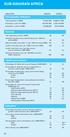 SUB-SAHARAN AFRICA INDICATOR REGION WORLD Demographic indicators Total population (2005) 713,457,000 6,449,371,000 Population under 18 (2005) 361,301,000 2,183,143,000 Population under 5 (2005) 119,555,000
Mid-year population estimates. Embargoed until: 20 July 2010 14:30
 Statistical release Mid-year population estimates 2010 Embargoed until: 20 July 2010 14:30 Enquiries: Forthcoming issue: Expected release date User Information Services Tel: (012) 310 8600/4892/8390 Mid-year
Health and Longevity. Global Trends. Which factors account for most of the health improvements in the 20th century?
 8 Health and Longevity The health of a country s population is often monitored using two statistical indicators: life expectancy at birth and the under-5 mortality rate. These indicators are also often
International Service Program 2010-2012
 International Service Program 2010-2012 Prevention of Mother-to-Child Transmission of HIV and Gender-Based Violence in Rwanda UNICEF USA$500,000 Project Description THE GOAL To prevent mother-to-child
The Healthy Asia Pacific 2020 Roadmap INTRODUCTION: THE HEALTHY ASIA PACIFIC 2020 INITIATIVE
 The Healthy Asia Pacific 2020 Roadmap INTRODUCTION: THE HEALTHY ASIA PACIFIC 2020 INITIATIVE In the 2014 APEC Leader s Declaration and Joint Ministerial Statement, it is recognized that the prospect of
Profile of Private Hospitals in the Philippines
 Philippine Institute for Development Studies Surian sa mga Pag-aaral Pangkaunlaran ng Pilipinas Profile of Private Hospitals in the Philippines Rouselle F. Lavado et al. DISCUSSION PAPER SERIES NO. 2011-05
FREQUENTLY ASKED QUESTIONS ABOUT PERTUSSIS (WHOOPING COUGH)
 FREQUENTLY ASKED QUESTIONS ABOUT PERTUSSIS (WHOOPING COUGH) What is pertussis? General Questions About Pertussis Pertussis, or whooping cough, is a contagious illness that is spread when an infected person
Policy Notes. Typhoons, floods, and droughts. regional occurrence and value of damages to rice farming in the Philippines
 Philippine Institute for Development Studies Surian sa mga Pag-aaral Pangkaunlaran ng Pilipinas ISSN 1656-5266 No. 2012-15 (September 2012) Typhoons, floods, and droughts: regional occurrence and value
MALAWI YOUTH DATA SHEET 2014
 MALAWI YOUTH DATA SHEET 2014 2 of Every 3 People in Malawi Are Under Age 25 Age 80+ 75-79 70-74 65-69 60-64 55-59 50-54 45-49 40-44 35-39 30-34 25-29 Male Female 20-24 POPULATION 700,000 700,000 0 POPULATION
SIXTY-SEVENTH WORLD HEALTH ASSEMBLY. Agenda item 12.3 24 May 2014. Hepatitis
 SIXTY-SEVENTH WORLD HEALTH ASSEMBLY WHA67.6 Agenda item 12.3 24 May 2014 Hepatitis The Sixty-seventh World Health Assembly, Having considered the report on hepatitis; 1 Reaffirming resolution WHA63.18,
INDICATOR REGION WORLD
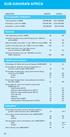 SUB-SAHARAN AFRICA INDICATOR REGION WORLD Demographic indicators Total population (2006) 748,886,000 6,577,236,000 Population under 18 (2006) 376,047,000 2,212,024,000 Population under 5 (2006) 125,254,000
VII. IMPACT ON THE HEALTH SECTOR
 VII. IMPACT ON THE HEALTH SECTOR The HIV/AIDS epidemic has posed and will continue to pose tremendous challenges to the health systems of the developing countries, especially in the most severely affected
HIV and AIDS in Bangladesh
 HIV and AIDS in Bangladesh BACKGROUND The first case of HIV/AIDS in Bangladesh was detected in 1989. Since then 1495 cases of HIV/AIDS have been reported (as of December 2008). However UNAIDS estimates
english facts about hepatitis A, B and C
 english facts about hepatitis A, B and C What is hepatitis? Hepatitis means inflammation of the liver. Many viruses can cause liver inflammation, including the hepatitis A, B and C viruses. Some people
2014/LSIF/PD/009 Blood Safety and Sustainability in the Philippines
 2014/LSIF/PD/009 Blood Safety and Sustainability in the Philippines Submitted by: Philippines Policy Dialogue and Workshop on Attaining a Safe and Sustainable Blood Supply Chain Manila, Philippines 30
Islamic Republic of Afghanistan Ministry of Public Health. Contents. Health Financing Policy 2012 2020
 Islamic Republic of Afghanistan Ministry of Public Health Contents Health Financing Policy 2012 2020 Table of Content 1. Introduction 1 1.1 Brief County Profile 1 1.2 Health Status Data 1 1.3 Sources
Estimates of New HIV Infections in the United States
 Estimates of New HIV Infections in the United States Accurately tracking the HIV epidemic is essential to the nation s HIV prevention efforts. Yet monitoring trends in new HIV infections has historically
Tuberculosis in Myanmar Progress, Plans and Challenges
 Tuberculosis in Myanmar Progress, Plans and Challenges Myanmar is one of the world s 22 high tuberculosis (TB) burden countries, with a TB prevalence rate three times higher than the global average and
COST OF HEALTH CARE- A STUDY OF UNORGANISED LABOUR IN DELHI. K.S.Nair*
 Health and Population -Perspectives and Issues: 24 (2): 88-98, 2001 COST OF HEALTH CARE- A STUDY OF UNORGANISED LABOUR IN DELHI K.S.Nair* ABSTRACT The study attempts to estimate the economic burden of
Healthy People in Healthy Communities
 Healthy People 2020 Alaska Hawaii American Samoa U.S. Virgin Islands Federated States of Micronesia Republic of Marshall Islands Commonwealth of Northern Mariana Islands Puerto Rico Palau Guam www.healthypeople.gov
Healthy People in Healthy Communities
 Healthy People 2020 Alaska Hawaii American Samoa U.S. Virgin Islands Federated States of Micronesia Republic of Marshall Islands Commonwealth of Northern Mariana Islands Puerto Rico Palau Guam www.healthypeople.gov
Progress and prospects
 Ending CHILD MARRIAGE Progress and prospects UNICEF/BANA213-182/Kiron The current situation Worldwide, more than 7 million women alive today were married before their 18th birthday. More than one in three
Public health functions to be exercised by NHS England. Variation to the 2013-14 agreement
 Public health functions to be exercised by NHS England Variation to the 2013-14 agreement April 2013 You may re-use the text of this document (not including logos) free of charge in any format or medium,
Current challenges in delivering social security health insurance
 International Social Security Association Afric ISSA Meeting of Directors of Social Security Organizations in Asia and the Pacific Seoul, Republic of Korea, 9-11 November 2005 Current challenges in delivering
The Role of International Law in Reducing Maternal Mortality
 The Role of International Law in Reducing Maternal Mortality K. Madison Burnett * Safe motherhood is a human rights issue The death of a woman during pregnancy or childbirth is not only a health issue
Zambia Demographic and Health Survey 2013-14
 Zambia Demographic and Health Survey 2013-14 Preliminary Report Central Statistical Office Lusaka, Zambia Ministry of Health Lusaka, Zambia Tropical Diseases Research Centre Ndola, Zambia University Teaching
Viral hepatitis. Report by the Secretariat
 SIXTY-THIRD WORLD HEALTH ASSEMBLY A63/15 Provisional agenda item 11.12 25 March 2010 Viral hepatitis Report by the Secretariat THE DISEASES AND BURDEN 1. The group of viruses (hepatitis A, B, C, D and
NO MORE MISSED MDG4 OPPORTUNITIES: OPTIMIZING EXISTING HEALTH PLATFORMS FOR CHILD SURVIVAL. Polio Campaigns
 NO MORE MISSED MDG4 OPPORTUNITIES: OPTIMIZING EXISTING HEALTH PLATFORMS FOR CHILD SURVIVAL Polio Campaigns With fewer than 600 days remaining to the Millennium Development Goal (MDG) deadline, new strategies
Malawi Population Data Sheet
 Malawi Population Data Sheet 2012 Malawi s Population Is Growing Rapidly Malawi Population (Millions) 26.1 19.1 13.1 9.9 8.0 4.0 5.5 1966 1977 1987 1998 2008 2020 2030 Malawi s population is growing rapidly,
HEALTH SECTOR BUDGET: AN ANALYSIS
 Health Expenditure (In Million Pesos) Source of Funds 2011 Government 116,433 National Government 53,069 Local Government 63,364 Social Insurance 39,126 Nat'l Health Insurance Prog. 39,022 Employees' Compensation
GARPR Online Reporting Tool
 GARPR Online Reporting Tool 0 Narrative Report and Cover Sheet 1) Which institutions/entities were responsible for filling out the indicator forms? a) NAC or equivalent Yes b) NAP Yes c) Others Yes If
FOREWORD. Member States in 2014 places patients and communities at the heart of the response. Here is an introduction to the End TB Strategy.
 FOREWORD We stand at a crossroads as the United Nations move from the 2015 Millennium Development Goals (MDGs) to the Sustainable Development Goals (SDGs) for 2030. Integral to this transition, the world
Hepatitis C Infections in Oregon September 2014
 Public Health Division Hepatitis C Infections in Oregon September 214 Chronic HCV in Oregon Since 25, when positive laboratory results for HCV infection became reportable in Oregon, 47,252 persons with
Global Child Health Equity Focused Strategies Kim Wilson, MD MPH Global Pediatric program Boston s children s hospital, Harvard Medical - child
 Global Child Health Equity Focused Strategies Kim Wilson, MD MPH Global Pediatric program Boston s children s hospital, Harvard Medical child survival and MDG targets chronic diseases and disability historical
LEONITA PAREDES GORGOLON, MD, MHA, MCHM, CEO VI
 Center for Health Development Central Luzon Maimpis, City of San Fernando, Pampanga, Philippines Email: [email protected] SUMMARY OF QUALIFICATION Master in Community Health Management Master in Hospital
Public Health Services
 Public Health Services FUNCTION The functions of the Public Health Services programs are to protect and promote the health and safety of County residents. This is accomplished by monitoring health status
Delaying First Pregnancy
 Delaying First Pregnancy Introduction The age at which a woman has her first pregnancy affects the health and life of a mother and her baby. While pregnancy can present health risks at any age, delaying
Work-Related Injuries and Illnesses of Public Workers: A Review of Employees Compensation Claims from GSIS, 2010-2012
 Work-Related Injuries and Illnesses of Public Workers: A Review of Employees Compensation Claims from GSIS, 2010-2012 Marissa Lomuntad-San Jose, MD, MOH Supervising Occupational Health Officer Occupational
Liberia. Reproductive Health. at a. April 2011. Country Context. Liberia: MDG 5 Status
 Reproductive Health at a GLANCE April 211 Liberia Country Context Since the end of the 14 years of devastating civil war in 23, Liberia has made steady strides towards peace, stability, recovery and economic
Preventable mortality and morbidity of children under 5 years of age as a human rights concern
 Preventable mortality and morbidity of children under 5 years of age as a human rights concern 1. Has your government developed a national policy/strategy/action plan aimed at reducing mortality and morbidity
http://english.gov.cn/laws/2005-08/24/content_25746.htm
 Page 1 of 5 Measures for Implementation of the Law of the People's Republic of China on Maternal and Infant Care (Promulgated by Decree No.308 of the State Council of the People's Republic of China on
Goal 6. Combat HIV/AIDS, malaria and other diseases
 Goal 6. Combat HIV/AIDS, malaria and other diseases 6.1. Introduction Goal 6 refers to prevention and treatment of communicable diseases which can be halted or reduced through actions for effective detection
UNICEF in South Africa
 UNICEF in South Africa A message from the Representative 47,900,000 people live in South Africa 20,200,000 are children 294,000 children are HIV-positive 1 in 17 children die before their fifth birthday
4/30/2013 HPV VACCINE AND NORTH DAKOTA HPV IMMUNIZATION RATES HUMAN PAPILLOMAVIRUS (HPV) HUMAN PAPILLOMAVIRUS HPV CONTINUED
 HPV VACCINE AND NORTH DAKOTA HPV IMMUNIZATION RATES HUMAN PAPILLOMAVIRUS (HPV) HUMAN PAPILLOMAVIRUS What is human papillomavirus (HPV)? HPV is the most common sexually transmitted infection. There are
Statistical release P0302
 Statistical release Mid-year population estimates 2011 Embargoed until: 27 July 2011 10:00 Enquiries: Forthcoming issue: Expected release date User Information Services Mid-year population estimates, 2012
Dublin Declaration. on Partnership to fight HIV/AIDS in Europe and Central Asia
 Dublin Declaration on Partnership to fight HIV/AIDS in Europe and Central Asia Against the background of the global emergency of the HIV/AIDS epidemic with 40 million people worldwide living with HIV/AIDS,
Content Introduction. Pag 3. Introduction. Pag 4. The Global Fund in Zimbabwe. Pag 5. The Global Fund Grant Portfolio in Zimbabwe.
 Content Introduction The Global Fund in Zimbabwe The Global Fund Grant Portfolio in Zimbabwe Capacity Development 2009-2014 Capacity Development and Transition Planning 2014 Overview of the Capacity Development
Population, Health, and Human Well-Being-- Benin
 Population, Health, and Human Well-Being-- Benin Demographic and Health Indicators Benin Sub- Saharan Africa World Total Population (in thousands of people) 1950 2,046 176,775 2,519,495 2002 6,629 683,782
HIV/AIDS AND OTHER SEXUALLY TRANSMITTED INFECTIONS 11
 HIV/AIDS AND OTHER SEXUALLY TRANSMITTED INFECTIONS 11 11.1 INTRODUCTION D. Zanera and I. Miteka The 2004 Malawi Demographic and Health Survey (MDHS) collected information on HIV/AIDS as well as other sexually
Maternal and Neonatal Health in Bangladesh
 Maternal and Neonatal Health in Bangladesh KEY STATISTICS Basic data Maternal mortality ratio (deaths per 100,000 births) 320* Neonatal mortality rate (deaths per 1,000 births) 37 Births for women aged
Health BUSINESS PLAN 2015 18 ACCOUNTABILITY STATEMENT THE MINISTRY LINK TO GOVERNMENT OF ALBERTA STRATEGIC DIRECTION STRATEGIC CONTEXT
 Health BUSINESS PLAN 2015 18 ACCOUNTABILITY STATEMENT This business plan was prepared under my direction, taking into consideration the government s policy decisions as of October 15, 2015. original signed
Health in the post-2015 Development Framework: How to meet the needs of the most marginalized and excluded
 Policy briefing Health in the post-2015 Development Framework: How to meet the needs of the most marginalized and excluded Introduction For the past two years, UN Member States, UN agencies, civil society
Child Survival and Equity: A Global Overview
 Child Survival and Equity: A Global Overview Abdelmajid Tibouti, Ph.D. Senior Adviser UNICEF New York Consultation on Equity in Access to Quality Health Care For Women and Children 7 11 April 2008 Halong
Since achieving independence from Great Britain in 1963, Kenya has worked to improve its healthcare system.
 Medical Management Plan Kenya OVERVIEW Company Mission Our mission is to encourage young people to volunteer for worthwhile work in developing countries. We expect that doing this kind of voluntary work
Why Accept Medicaid Dollars: The Facts
 Why Accept Medicaid Dollars: The Facts If we accept federal Medicaid dollars, nearly 500,000 North Carolinians will gain access to health insurance. As many as 1,100 medically unnecessary deaths per year
Iowa s Maternal Health, Child Health and Family Planning Business Plan
 Iowa s Maternal Health, Child Health and Family Planning Business Plan CHILD HEALTH Who we are... A public-private partnership that... Promotes access to regular preventive health care services for children
What is whooping cough. (pertussis)? Information and Prevention. Ocument dn
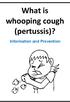 What is whooping cough Ocument dn (pertussis)? Information and Prevention IMPORTANT Pertussis (or whooping cough) is a highly contagious infection that can cause uncontrollable, violent coughing. If you
Module 7 Expanded Programme of Immunization (EPI)
 Module 7 Expanded Programme of Immunization (EPI) (including Vitamin A, Tetanus Toxoid and Growth Monitoring) CONTENTS 7.1 What are the tools used for data collection?....................................2
PROGRESS REPORT 2013-2015 DECREASE CHILD DEATHS
 PROGRESS REPORT 2013-2015 DECREASE CHILD DEATHS PROGRESS REPORT 2013-2015 Results for children in Pakistan DECREASE CHILD DEATHS Copyright UNICEF Pakistan Printed in July 2015 Editing Sarah Nam Graphic
2014 2015 Pre-Budget Consultation Submission to the Standing Committee on Finance. August 6 th, 2014
 2014 2015 Pre-Budget Consultation Submission to the Standing Committee on Finance Executive Summary and Recommendations August 6 th, 2014 Crohn s and Colitis Canada is pleased to provide input to the Standing
Health System in the Philippines
 Health System in the Philippines Teodoro J. Herbosa MD FPCS College of Medicine & National Telehealth Center University of the Philippines, Manila Undersecretary of Health 2010-2015 Republic of the Philippines
Health Care Challenges for the 21 st Century
 Health Care Challenges for the 21 st Century Between 1992 and 2002, overall health care spending rose from $827 billion to about $1.6 trillion; it is projected to nearly double to $3.1 trillion in the