
THE PHILIPPINE HEALTH SYSTEM AT A GLANCE
|
|
|
- Anis Porter
- 10 years ago
- Views:
Transcription
1 THE PHILIPPINE HEALTH SYSTEM AT A GLANCE 1.1. HEALTH FINANCING The health financing system in the country is complex as it involves different layers of financial sources, regulatory bodies and health service providers. Figure 1 shows the financing flows for health as to sources and uses. In general, there are four main sources of financing: (1) national and local government, (2) insurance (government and private), (3) user fees/out of pocket and (4) donors. FIGURE 1. HEALTH FINANCING FLOW, PHILIPPINES Source: HSRA Monograph on Health Care Financing, Department of Health In 1995, the National Health Insurance Program (NHIP) managed by Philippine Health Insurance Corporation (PHIC or PhilHealth) was institutionalized and signaled the movement towards a single-payer premium-based financing or insurance system. However, the current system continues to maintain a dual financing system existing parallel to each other. The total health expenditure increased from Php 87 Billion in 1995 to almost Php 225 Billion in 2007 (National Statistical Coordination Board, 2007). Although there is an increase in the total health expenditure in nominal terms, its share on the GDP is still at 3.5 to 3.6 percent (National Statistical Coordination Board, 2007 ). Figure 2 shows the share of different health financial sources. Out of pocket has the largest share of Page 3

2 the total health expenditure. Despite the safety nets like NHIP, the share of out of pocket expenditure increased from 47 percent in 1997 to 57 percent in 2007 (National Statistical Coordination Board, 2007 ). The share of local and national government subsidy also decreased on the same period. FIGURE 2. TOTAL HEALTH EXPENDITURE BY SOURCE, PHILIPPINES, 1997 AND Source: Philippine National Health Accounts, NSCB The high level of out of pocket may lead to financial catastrophe and impoverishment. Table 2 validates the large contribution of out of pocket during healthcare seeking episodes. Majority of patients from both public and private utilize out of pocket during confinement but it is significantly higher among patients confined in public facilities. Despite the presence of safety nets, donations (from philanthropists and charity organizations) would still count as one of the major sources of financing (Lavado and Ulep, 2011). TABLE 2. SOURCE OF FINANCING DURING INPATIENT VISITS, PHILIPPINES, 2008 Sources of Payment Confined in Private Hospitals Confined in Public Facilities (%) (%) Salary/Income Loan Savings Donation PhilHealth SSS/GSIS 4 2 HMO 6 1 Others Source: Raw data from National Demographic and Health Survey, NSO 2008 Looking at the components of out-of-pocket by quintile, more than half of the medical expenditure was spent on medicine. However, share of medicine on the total medical expenditure was consistently higher among the poor compared to their richer counterparts. Expenditure on contraceptives was also higher among the poor household (Lavado and Ulep, 2011). Page 4

3 TABLE 3.DISTRIBUTION OF OUT-OF POCKET EXPENDITURE BY COMPONENTS AND BY SOCIO- ECONOMIC STATUS, IN PERCENT, PHILIPPINES Components Poorest Richest Philippines Medicines Hospital Charges Medical and Dental Other Medical Goods Other Medical Services Contraceptive Food Supplement Source: Raw data Family Income and Expenditure Surveys, HEALTH CARE DELIVERY SYSTEM The Philippine health care system has rapidly evolved with many challenges through time. Health service delivery was devolved to the Local Government Units (LGUs) in 1991, and for many reasons, it has not completely surmounted the fragmentation issue. Health human resource struggles with the problems of underemployment, scarcity and skewed distribution. There is a strong involvement of the private sector comprising 50% of the health system but regulatory functions of the government have yet to be fully maximized Health Facilities Health facilities in the Philippines include government hospitals, private hospitals and primary health care facilities. Hospitals are classified based on ownership as public or private hospitals. In the Philippines, around 40 percent of hospitals are public (Department of Health, 2009). Out of 721 public hospitals, 70 are managed by the DOH while the remaining hospitals are managed by LGUs and other national government agencies (Department of Health, 2009). Both public and private hospitals can also be classified by the service capability (see DOH AO ). A new classification and licensing system will soon be adopted to respond to the capacity gaps of existing health facilities in all levels. At present, Level-1 hospitals account for almost 56 percent of the total number of hospitals (Department of Health, 2009; Lavado, 2010) which have very limited capacity, comparable only to infirmaries. Page 5

4 FIGURE 3. NUMBER OF HOSPITALS BY CLASSIFICATION AND OWNERSHIP, PHILIPPINES, 2009 Number Government Private Figure 3 shows that the private hospitals outnumbered the government hospitals in all categories. The disparity is more noticeable in tertiary hospitals where the number of private hospitals is four times that of the government hospitals. Level 1 Level 2 Level 3 Level 4 Source of Raw Data: List of Hospitals and Other Facilities, BHFS-DOH Figure 4 shows the distribution of hospitals by level. Levels 1 and 2 hospitals are relatively well-distributed across the country (though there are few provinces with limited level 2). However, hospitals with higher service capabilities are highly concentrated in 3 and National Capital (NCR) (Lavado, 2010) FIGURE 4. DISTRIBUTION OF HOSPITALS BY LEVEL AND GEOGRAPHICAL DISTRIBUTION, PHILIPPINES, 2009 Level 1 Level 2 Level 3 Level 4 Source of Raw Data: List of Hospitals and Other Facilities, BHFS-DOH The number of hospital beds is also a good indicator of health service availability. Per WHO recommendation, there should be 20 hospital beds per 10,000 population. Table 4 describes the Page 6

5 distribution of private and public hospital beds by region. Almost all regions have insufficient beds relative to the population except for NCR, Northern Mindanao, Southern Mindanao and CAR. Among the seventeen regions, Autonomous for Muslim Mindanao (ARMM) has the lowest bed to population ratio (0.17 beds per 1000 population), far lower than the national average. TABLE 4. NUMBER OF BEDS AND RATE PER 1000 POPULATION BY REGION, PHILIPPINES, 2008 Number of beds Rate per 1000 population Ilocos Cagayan Valley Central Luzon IV-A (CALABARZON) IV-B (MIMAROPA) Bicol Western Visayas Central Visayas Eastern Visayas Zamboanga Peninsula Northern Mindanao Southern Mindanao Central Mindanao NCR CAR ARMM CARAGA Philippines Source: Department of Health Health Human Resource The health human resources are the main drivers of the health care system and are essential for the efficient management and operation of the public health system. They are the health educators and providers of health services. The Philippines has a huge human reservoir for health (see Table 5). However, they are unevenly distributed in the country. Most are concentrated in urban areas such as Metro Manila and other cities. Page 7

6 TABLE 5. NUMBER OF GOVERNMENT HEALTH WORKERS, PHILIPPINES, 2008 Area Number of Government Health Workers Doctors Dentists Nurses Midwives Philippines NCR CAR I II III IVA IVB V VI VII VIII IX X XI XII ARMM CARAGA Source: Department of Health Utilization of Health Facilities In the 2008 National Demographic and Health Survey (NDHS), 50 percent of the clients who sought medical advice or treatment consulted public health facilities, 42 percent went to private health facilities, and almost 7 percent sought alternative or traditional health care. Rural Health Units (RHUs) and Barangay Health Centers (33 percent) were the most visited health facilities in almost all the regions except for NCR and CAR, where most of the clients visited private hospital/clinic for medical advice or treatment. The most common reasons for seeking health care were illness or injury (68 percent), medical checkup (28 percent), dental care (2 percent), and medical requirement (1 percent) (NSO, 2008). With regard to child delivery, more than thirty-six percent of infants are still delivered by hilots despite aggressive efforts of the Department of Health to promote facility-based delivery (National Statistics Office, 2008). The hospital sector in the Philippines is highly segmented in nature. Utilization of hospitals may be driven by PhilHealth insurance coverage and socio-economic determinants as shown in Table 6. People with PhilHealth insurance are more likely to be confined in a private hospital (56 percent), than those without Philhealth insurance (28 percent). Similarly, patients living in urban area (52 percent) and belonging to the richest quintile (74 percent) are also more likely to be confined in private hospitals (Lavado et al., 2010). Page 8

7 TABLE 6. PROPORTION OF POPULATION WHO SOUGHT INPATIENT CARE BY FACILITY AND SELECTED VARIABLES, PHILIPPINES, 2008 Type of facility confined Characteristics Category Private hospitals (%) Public Hospitals (%) Clinics (%) PhilHealth coverage Covered Not covered Type of residence Wealth Quintile Urban Rural Poorest Poorer Middle Richer Richest Source: Calculated based on the National Demographic and Health Survey, 2008 Available data shows that on the average, travel time to a health facility is 39 minutes; where travel time is longest in ARMM (83 minutes) and shortest in NCR and Northern Mindanao, (28 minutes). Travel time is relatively longer in rural areas (45 minutes) than in urban areas (32 minutes); and longest for persons in the lowest wealth quintile (47 minutes) and shortest for those in the highest wealth quintile (35 minutes). Older persons seeking care (60+ years old) have longer average travel times than younger persons (National Statistics Office, 2008) Satisfaction with Health Facilities Based on a survey by the Social Weather Station in 2006, majority of Filipinos specifically the low income households prefer to seek treatment in a government hospital if a family member needs confinement. Affordability is the main reason for going to a government medical facility, while excellent service is the main reason for going to a private medical facility (Department of Health, 2010). The net satisfaction with services given by government hospitals has slightly improved from +30 in 2005 to +37 in Excellent service and affordability are the main reasons for being satisfied whereas poor service is the main reason for being dissatisfied with the services given by government hospitals (Social Weather Stations, 2006). Page 9

8 1.3. HEALTH OUTCOMES Life Expectancy The projected average life expectancy of Filipinos in 2005 to 2010 is 68.8 years, with males having an average life expectancy of years and females with years (National Statistics Office, 2010). It is projected that the average life expectancy of Filipinos will increase to years from 2010 to 2015 and years from 2015 to 2020 (National Statistics Office).Table 7 provides the data on projected life expectancy at birth. TABLE 7.PROJECTED LIFE EXPECTANCY AT BIRTH BY SEX AT FIVE CALENDAR-YEAR INTERVALS, PHILIPPINES, 2000 TO 2040 (MEDIUM ASSUMPTION) Year Male Female Mean life expectancy* Deaths and Births Source: 2000 Census-based Population Projection *Calculated using National Statistics Office data Deaths and births are commonly measured to determine the status of health and fertility dynamics of an area. The crude death rate (CDR) has been declining since the 1960s. However, no significant change has been noted since The number of deaths in a particular population is influenced by various environmental factors. Global experience suggests that decreasing deaths per 100,000 population Total Male Female Source: National Statistics Office, 2010 CDR is a result of decreasing cases of infectious diseases, improvement of perinatal practices and innovative health interventions (National Statistics Office, 2009). FIGURE 5. CRUDE DEATH RATE, PHILIPPINES, 2000 AND Page 10

9 Seven of the ten leading causes of death are non-communicable in etiology as shown in Table 8. Cardiovascular diseases (i.e. diseases of the heart, and cerebrovascular diseases), cancers, chronic obstructive pulmonary disease and diabetes are the leading non-communicable diseases. The lingering problems on infectious diseases like pneumonia and tuberculosis are still evident as they ranked 4 th and 5 th leading causes of death (National Statistics Office, 2009). TABLE 8. TOP TEN CAUSES OF DEATHS, PHILIPPINES, 2009 Diseases Number of deaths Percentage share Diseases of the heart 100, Cerebro-vascular diseases 56, Malignant neoplasm 47, Pneumonia 42, Tuberculosis 25, COPD 22, Diabetes 22, Nephritis, Nephrotic syndrome 13, Assault 12, Certain conditions arising from perinatal period 11, Source: National Statistics Office, 2009 Infant and maternal mortality are the most useful indicators since they reflect the general condition of the health system. Table 9 shows the decreasing trend in Infant Mortality Rate (IMR) over the last decade. It dropped from 57 infant deaths per 1000 live births in 1990 to 25 infant deaths per 1000 live births in 2008 (National Statistics Office, 2008). However, disaggregating IMR by socio-economic quintiles and regions reveals performance disparities. Figure 6 shows that the IMR of the poorest quintile in 2008 is similar to the national IMR two decades ago. al comparison also depicts wide variations which can be consistently observed since early 1990s. TABLE 9. CHILD MORTALITY RATE, PHILIPPINES, Year Neonatal Mortality Infant Mortality Under-Five Mortality Source: National Demographic and Health Surveys, NSO Page 11

10 FIGURE 6. INFANT MORTALITY RATE BY SOCIO-ECONOMIC STATUSAND REGION, PHILIPPINES, 2008 Per 1,000 Live Births Poorest Poorer Middle Richer Richest WHO defines maternal mortality as death of a mother while pregnant or within 42 days after delivery. Risks attributable to pregnancy and childbirth as well as from poor quality health care services make this a strong indicator for health care status. In developing countries, hemorrhage and hypertensive disorder are the major Infan t m ortality ra te VIII IX XII VI I XI II V Philippines X VII IV NCR CAR III Infant mortality rate by region Philippines Philippines Year Source: National Demographic and Health Surveys, NSO ARMM VIII II VI IVB XI VII CAR Philippines III XII NCR CARAGA IVA VX IX causes of maternal death. Over the past decade, the decline in the number of maternal deaths per 100,000 live births has slowed down. Stretching as far back as 1993, the National Demographic Survey (NDHS) estimated 209 maternal deaths per 100,000 live births which significantly decreased to 162 in 2006 in the Family Planning Survey (FPS). In 2010, the MMR is estimated to be at 163 per 100,000 live births and the estimate from the Family Health Survey is still to be determined. Birth rate is a common measure of fertility for a given population. Crude birth rate (CBR) indicates the number of live births occurring during the year, per 1,000 population. Over the last decade, there is a noticeable decline in crude birth rate for both genders (Figure 7). Crude birth rate should be analyzed in parallel with more pertinent indictors like total fertility rate. Total fertility rate (TFR) is interpreted as the number of births a woman would have, on average, at the end of her reproductive years (National Statistics Office, 2008). In the Philippines, a woman is expected to have 3 births (National Statistics Office, 2008). However, when disaggregated by socio-economic status, negative correlation is observed such that as socio- Page 12

11 economic status increases, the TFR decreases (Figure 8). On average, a woman under the poorest quintile is likely to have 5 births while the richest quintile is only likely to have 2 births (National Statistics Office, 2008). FIGURE 7. CRUDE BIRTH RATE BY GENDER, PHILIPPINES, 2000, 2006 AND Birth per 100,000 population Total Male Female Source: National Statistics Office FIGURE 8. TOTAL FERTILITY RATE BY INCOME QUINTILE, PHILIPPINES, 2008 Average number of births Poorest, 5.2 Poor, 4.2 Middle, 3.2 Rich, 2.7 Richest, Source: National Demographic and Health Survey 2008 Page 13

12 Disease Trends in the Philippines The country s health profile depicts a distinct epidemiologic and demographic transition characterized by double burden of diseases consisting of communicable diseases (which require major public health intervention) and non-communicable diseases (which need expensive curative and chronic-care intervention). This scenario makes the country s health profile a hybrid or combination of health situations found in both developed and developing countries. Similar to Sub-Saharan Africa, many regions in the Philippines are still struggling to eliminate hunger and infectious diseases while continually battling on non-communicable diseases (NCDs) as experienced in developed countries. The health status of the country therefore can be best described to be at the crossroads of infectious and non-communicable diseases Communicable diseases In the Philippines, eight out of the ten leading causes of morbidity or illness can be attributed to infectious diseases. Illnesses related to the respiratory system such as acute respiratory infection, pneumonia and bronchitis are the top 3 leading cause of illness as shown in Table 10. TABLE 10.TOP TEN CAUSES OF MORBIDITY, PHILIPPINES, 2010 Rank Disease Number Rate per 100,000 population 1 Acute Respiratory Infection 1,095, ALRTI and Pneumonia 557, Bronchitis/Bronchiolitis 346, Hypertension 333, Acute Watery Diarrhea 322, Influenza 271, Urinary Tract Infection 82, TB Respiratory 73, Accidents 50, Injuries 35, Source: Field Health Services Information System, DOH The country commits to control tuberculosis in response to the Millennium Development Goals (MDGs). Despite the aggressive campaigns initiated by the Department of Health (DOH) in collaboration with donor agencies, tuberculosis remains among the leading causes of morbidity and mortality in the country. HIV control is also one of the country s commitments to the MDGs. Though HIV prevalence of the country is less than 1 percent, HIV cases are increasing exponentially. Endemic diseases like malaria, schistosomiasis and filariasis are still prevalent in several regions. The country has also experienced cases of re-emerging infectious diseases, including new and emerging diseases because of various demographic and environmental factors. Page 14

13 Non-communicable diseases Non-communicable diseases (NCDs) are increasing rapidly in the Philippines. In 2009, seven of the ten leading causes of death are non-communicable in etiology. Majority of the NCDs mortality cases (i.e cardio-vascular diseases, cancer, chronic obstructive pulmonary disease and diabetes) as shown in Table 11 are considered lifestyle-related. Around 75 percent of the total deaths can be attributed to NCDs which is similar to the estimates in most developing countries, and percent occurred pre-maturely (below 60 years old) (Ulep, 2012). It is noteworthy that over-nutrition is increasing in the country while under-nutrition remains a problem especially in rural and poor areas. Table 11 further provides data on deaths attributed to NCDs by gender without much difference except for accidents and injuries. TABLE 11. DISTRIBUTION OF DEATHS BY CAUSE AND BY GENDER, 2008 Disease classification Total Male Female Number % Number % Number % Infectious diseases 81, , , Maternal and child health related 14, , , Ill-defined 16, , , Non-infectious in nature 349, , , CVDs 152, , , Cancer 49, , , Accidents and injuries 35, , , Diabetes 22, , , Chronic lower respiratory diseases 21, , , Chronic liver diseases and cirrhosis 6, , , Malnutrition 2, , , Mental disorder Other diseases that cannot be classified as infectious 57, , , Source: PIDS Study on NCDs, 2011, Source of data: NSO 2008 Vulnerability factors associatied with lifestyle-related diseases are also now prevalent in the country. Around 5 percent of the population are now considered to be obese, 10 percent are diagnosed with hypercholesterolemia and 24 percent are considered hypertensive. Moreover, most of these lifestyle related diseases share common risk factors (i.e. unhealthy diet, smoking, sedentary lifestyle and alcohol consumption). Over the years, there was an observable increase in the consumption of NCD implicated food items (i.e. saturated oil, sugar and fast food), and decrease in the consumption of complex carbohydrates like root crops and vegetables(ulep, 2012). Tobacco use is considered as one of the commonly shared risk factors of major NCDs like cardiovascular disease, certain cancers and diabetes mellitus. Smoking is also a strong risk factor of chronic obstructive pulmonary disease and asthma. In a recent study using the 2008 NNS data, almost 31 percent Page 15

14 of the adult population are current smokers and 14 percent used tobacco in the past (Ulep, 2012). Comparing with the GATS in 2009, the prevalence rate is almost close at 28.3%. The prevalence of smoking is significantly higher among the poor adults. Alcohol is causally linked in varying degrees to cancers, cardio-vascular diseases, liver disease and pancreatitis. In the country, about a quarter of the adult populations are alcohol drinkers in 2008 (Ulep, 2012). Another study in 2009 indicates that almost half of the alcohol drinkers are adults (Department of Health, 2009). Health Reform Initiatives in the Philippines Health reforms in the Philippines build upon the lessons and experiences from the past major health reform initiatives undertaken in the last 30 years. The adoption of primary health care (PHC) approach in 1979 promoted participatory management of the local health care system. The goal was to achieve health for all Filipinos by the year It emphasized the delivery of eight essential elements of health care, including the prevention and control of prevalent health problems; the promotion of adequate food supply and proper nutrition; basic sanitation and adequate supply of water; maternal and child care; immunization; prevention and control of endemic diseases; appropriate treatment and control of common diseases; and provision of essential drugs. To implement PHC, EO 851 was issued in 1983 integrating public health and hospital services (World Health Organization, 2011). The People Power Revolution strengthened the call for legitimate local representation. In early 1990s, RA 7160 or the Local Government Code (LGC) transferred the responsibility of health service provision to the local government units. The intention of LGC was to establish a more responsive and accountable local government structure. However, this has resulted to fragmentation of administrative control of health services between the rural health units and hospitals and between the different levels of political structure (World Health Organization, 2011). Prior to that, the Generics Act was adopted in 1988 to ensure adequate supply, distribution and use of generics thereby improving access to affordable drugs and medicines. During that time, more than half of the population had no coverage, especially the poor, the self-employed and informal sector workers (World Health Organization, 2011). This led to the enactment of the National Health Insurance Act of 1995 or RA 9875 which aims to provide all citizens a mechanism for financial protection with priority given to the poor. It created the National Health Insurance Program which shall provide health insurance coverage and ensure affordable, acceptable, available and accessible health services for all citizens of the Philippines. In 1999, the health sector reform agenda was launched as a major policy framework and strategy to improve the way health care is delivered, regulated and financed. With a battle cry of Kalusugan Para sa Masa, it was Page 16 PHILIPPINE HEAL

15 designed to implement the reform package in the convergence sites. The five reform areas are: 1. public health; 2. hospital; 3. local health systems; 4. health regulations and 5. health financing (Department of Health, 2004). It was during this time that the DOH underwent a major organizational reform to pursue its new role as a result of the devolution. At the local level, the municipalities were joined together to form interlocal health zones (ILHZs) to optimize sharing of resources and maximize joint benefits from local health initiatives. The operational framework of health sector reforms was adopted in 2005 and was called FOURmula One for Health (F1). The objective was to undertake critical reforms with speed, precision and effective coordination directed at improving the efficiency, effectiveness and equity of the Philippine health system in a manner that is felt by the Filipinos especially the poor. The F1 organized health reform initiatives into four implementation components, namely: financing, regulation, service delivery and governance (DOHAO ). This time also marked the enactment of two pieces of legislation: the Universally Accessible Cheaper and Quality Medicines Act of 2008 and the Food and Drug Administration Act of However, despite the important progress made, successive reforms have not succeeded in adequately addressing the persistent problem of inequity. Page 17

Philippine Health Agenda: Universal Health Care. Enrique T. Ona, MD, FPCS, FACS Secretary of Health
 Philippine Health Agenda: Universal Health Care Enrique T. Ona, MD, FPCS, FACS Secretary of Health Thirty percent of our countrymen who succumb to sickness die without seeing a doctor. -President Aquino
Part 4 Burden of disease: DALYs
 Part Burden of disease:. Broad cause composition 0 5. The age distribution of burden of disease 6. Leading causes of burden of disease 7. The disease and injury burden for women 6 8. The growing burden
Universal Health Care
 Universal Health Care in the Philippines Gains and Challenges Enrique T. Ona, MD, FPCS, FACS ( Hon.) Secretary of Health The Social Contract with the Filipino From treating health as just another area
Profile of Private Hospitals in the Philippines
 Philippine Institute for Development Studies Surian sa mga Pag-aaral Pangkaunlaran ng Pilipinas Profile of Private Hospitals in the Philippines Rouselle F. Lavado et al. DISCUSSION PAPER SERIES NO. 2011-05
Health, history and hard choices: Funding dilemmas in a fast-changing world
 Health, history and hard choices: Funding dilemmas in a fast-changing world Thomson Prentice Global Health Histories Health and Philanthropy: Leveraging change University of Indiana, August 2006 An embarrassment
cambodia Maternal, Newborn AND Child Health and Nutrition
 cambodia Maternal, Newborn AND Child Health and Nutrition situation Between 2000 and 2010, Cambodia has made significant progress in improving the health of its children. The infant mortality rate has
Against the Growing Burden of Disease. Kimberly Elmslie Director General, Centre for Chronic Disease Prevention
 Kimberly Elmslie Director General, Centre for Chronic Disease Prevention Chronic diseases are an increasing global challenge Most significant cause of death (63%) worldwide 1 Chronic diseases cause premature
SUMMARY- REPORT on CAUSES of DEATH: 2001-03 in INDIA
 SUMMARY- REPORT on CAUSES of DEATH: 2001-03 in INDIA Background: Long-term mortality measurement by cause, gender and geographic area has been the requirement of every country. With this in view, Medical
Health System in the Philippines
 Health System in the Philippines Teodoro J. Herbosa MD FPCS College of Medicine & National Telehealth Center University of the Philippines, Manila Undersecretary of Health 2010-2015 Republic of the Philippines
Work-Related Injuries and Illnesses of Public Workers: A Review of Employees Compensation Claims from GSIS, 2010-2012
 Work-Related Injuries and Illnesses of Public Workers: A Review of Employees Compensation Claims from GSIS, 2010-2012 Marissa Lomuntad-San Jose, MD, MOH Supervising Occupational Health Officer Occupational
First Global Ministerial Conference on Healthy Lifestyles and Noncommunicable Disease Control Moscow, 28-29 April 2011 MOSCOW DECLARATION PREAMBLE
 First Global Ministerial Conference on Healthy Lifestyles and Noncommunicable Disease Control Moscow, 28-29 April 2011 MOSCOW DECLARATION PREAMBLE We, the participants in the First Global Ministerial Conference
Chapter 4. Priority areas in health research. Section 1 Burden of disease 1998 in low- and middle-income and in high-income countries
 Chapter 4 Priority areas in health research Section 1 Burden of disease 1998 in low- and middle-income and in high-income countries Section 2 Recommendation of priority research areas from various approaches
HEALTH TRANSITION AND ECONOMIC GROWTH IN SRI LANKA LESSONS OF THE PAST AND EMERGING ISSUES
 HEALTH TRANSITION AND ECONOMIC GROWTH IN SRI LANKA LESSONS OF THE PAST AND EMERGING ISSUES Dr. Godfrey Gunatilleke, Sri Lanka How the Presentation is Organized An Overview of the Health Transition in Sri
Medical Management Plan Philippines
 Medical Management Plan Philippines OVERVIEW Company Mission Our mission is to encourage young people to volunteer for worthwhile work in developing countries. We expect that doing this kind of voluntary
CORRELATIONAL ANALYSIS BETWEEN TEENAGE PREGNANCY AND MATERNAL MORTALITY IN MALAWI
 CORRELATIONAL ANALYSIS BETWEEN TEENAGE PREGNANCY AND MATERNAL MORTALITY IN MALAWI Abiba Longwe-Ngwira and Nissily Mushani African Institute for Development Policy (AFIDEP) P.O. Box 31024, Lilongwe 3 Malawi
NCDs POLICY BRIEF - INDIA
 Age group Age group NCDs POLICY BRIEF - INDIA February 2011 The World Bank, South Asia Human Development, Health Nutrition, and Population NON-COMMUNICABLE DISEASES (NCDS) 1 INDIA S NEXT MAJOR HEALTH CHALLENGE
150 7,114,974 75.8 -53-3.2 -3.6 -2.9. making progress
 Per 1 LB African Region Maternal and Perinatal Health Profile Department of Maternal, Newborn, Child and Adolescent Health (MCA/WHO) Demographics and Information System Health status indicators - Maternal
117 4,904,773 -67-4.7 -5.5 -3.9. making progress
 Per 1 LB Eastern Mediterranean Region Maternal and Perinatal Health Profile Department of Maternal, Newborn, Child and Adolescent Health (MCA/WHO) Demographics and Information System Health status indicators
68 3,676,893 86.7 -49-2.9 -3.2 -2.5. making progress
 Per 1 LB African Region Maternal and Perinatal Health Profile Department of Maternal, Newborn, Child and Adolescent Health (MCA/WHO) Demographics and Information System Health status indicators Maternal
Challenges in Attaining Universal Health Care in the Philippines
 in Attaining Universal Health Care in the Philippines n by the Medical Action Group While every Filipino is entitled to health care as provided by the Constitution, health care in the country is regarded
Health and Longevity. Global Trends. Which factors account for most of the health improvements in the 20th century?
 8 Health and Longevity The health of a country s population is often monitored using two statistical indicators: life expectancy at birth and the under-5 mortality rate. These indicators are also often
Statistical Report on Health
 Statistical Report on Health Part II Mortality Status (1996~24) Table of Contents Table of Contents...2 List of Tables...4 List of Figures...5 List of Abbreviations...6 List of Abbreviations...6 Introduction...7
Policy Notes. Typhoons, floods, and droughts. regional occurrence and value of damages to rice farming in the Philippines
 Philippine Institute for Development Studies Surian sa mga Pag-aaral Pangkaunlaran ng Pilipinas ISSN 1656-5266 No. 2012-15 (September 2012) Typhoons, floods, and droughts: regional occurrence and value
The Burgeoning Public Health Crisis: Demand Analysis and Market Opportunity for Advanced Trauma Systems in the Developing World
 The Burgeoning Public Health Crisis: Demand Analysis and Market Opportunity for Advanced Trauma Systems in the Developing World Globally, the causes of mortality will experience significant shifts over
I. BACKGROUND AND RATIONALE
 Republic of the Philippines Department of Health OFFICB OF THE SECRETARY ADMINISTRATIVE ORDER NO. 2010-00?6 DEC 1 6 2010 SUBJECT: The Aquino Health Asgnda: Achievine Universal Health Care for All Filipinos
EVERY NEWBORN SPOTLIGHT ON
 EVERY NEWBORN Progress towards ending preventable newborn deaths and stillbirths SPOTLIGHT ON Philippines The Philippines conducted a newborn assessment and bottleneck analysis exercise in 2013 that informed
Southern Grampians & Glenelg Shires COMMUNITY PROFILE
 Southern Grampians & Glenelg Shires COMMUNITY PROFILE Contents: 1. Health Status 2. Health Behaviours 3. Public Health Issues 4. References This information was last updated on 14 February 2007 1. Health
King County City Health Profile Vashon Island
 King County City Health Profile Vashon Island West Seattle North Highline Burien SeaTac/Tukwila Vashon Island Des Moines/Normandy Park Kent-West East Federal Way Fed Way-Dash Point/Woodmont December, 212
Since achieving independence from Great Britain in 1963, Kenya has worked to improve its healthcare system.
 Medical Management Plan Kenya OVERVIEW Company Mission Our mission is to encourage young people to volunteer for worthwhile work in developing countries. We expect that doing this kind of voluntary work
South Africa s health system What are the gaps? Ronelle Burger
 South Africa s health system What are the gaps? Ronelle Burger Features of SA health system Quadruple burden of disease (Mayosi et al, 2009) communicable diseases e.g. tuberculosis and HIV/AIDS growing
State Health Assessment Health Priority Status Report Update. June 29, 2015 Presented by UIC SPH and IDPH
 State Health Assessment Health Priority Status Report Update June 29, 2015 Presented by UIC SPH and IDPH 1 Health Priority Presentation Objectives 1. Explain context of how this discussion fits into our
SRI LANKA SRI LANKA 187
 SRI LANKA 187 List of Country Indicators Selected Demographic Indicators Selected demographic indicators Child Mortality and Nutritional Status Neonatal, infant and under-five mortality rates: trends Distribution
Healthy ageing and disease prevention: The case in South Africa and The Netherlands
 Healthy ageing and disease prevention: The case in South Africa and The Netherlands Sebastiana Kalula, 1 Ger Tielen 2 and Monica Ferreira 1 Medical advances, improved health care and prudent health behaviour
Tackling Chronic Disease
 Tackling Chronic Disease A Policy Framework for the Management of Chronic Diseases Hawkins House Dublin 2 Teach Haicin Baile Átha Cliath 2 Telephone (01) 6354000 www.dohc.ie ISBN: 978-1-40642135-4 Tackling
Dimensions of Global Health
 Dimensions of Global Health James Plumb MD, MPH Francis Barchi MS, MBE DFCM - September - 2010 Global Health - Jefferson Global Health Working Group Inventory of current activities Courses Certificate
A I M W O R K I N G P A P E R S E R I E S BUSINESS DEVELOPMENT RESEARCH
 A I M W O R K I N G P A P E R S E R I E S BUSINESS DEVELOPMENT RESEARCH The AIM Working Paper Series disseminates work-in-progress research papers to encourage the exchange of ideas about business and
Healthy People in Healthy Communities
 Healthy People 2020 Alaska Hawaii American Samoa U.S. Virgin Islands Federated States of Micronesia Republic of Marshall Islands Commonwealth of Northern Mariana Islands Puerto Rico Palau Guam www.healthypeople.gov
Healthy People in Healthy Communities
 Healthy People 2020 Alaska Hawaii American Samoa U.S. Virgin Islands Federated States of Micronesia Republic of Marshall Islands Commonwealth of Northern Mariana Islands Puerto Rico Palau Guam www.healthypeople.gov
Use of health facilities and levels of selected health conditions in South Africa: Findings from the General Household Survey, 2011
 Use of health facilities and levels of selected health conditions in South Africa: Findings from the General Household Survey, 2011 Statistics South Africa Report No. 03 00 05 (2011) Pali Lehohla Statistician
The Smartest Targets For The WORLD 2016-2030
 The Smartest Targets For The WORLD 2016-2030 The World s Best Targets Right now, 193 governments negotiating Targets for 2016-2030 Most people don t know Development aid 2016-30: $2.5 trillion The World
COMPREHENSIVE REPORT. Prepared by Florida Department of Health Collier County on behalf of Collier County Residents and Health Care Providers
 Collier County COMMUNITY STATUS 2013 COMPREHENSIVE REPORT Prepared by Florida Department of Health Collier County on behalf of Collier County Residents and Health Care Providers Table of Contents ACKNOWLEDGMENTS...
MATERNAL AND CHILD HEALTH
 MATERNAL AND CHILD HEALTH 9 George Kichamu, Jones N. Abisi, and Lydia Karimurio This chapter presents findings from key areas in maternal and child health namely, antenatal, postnatal and delivery care,
COST OF HEALTH CARE- A STUDY OF UNORGANISED LABOUR IN DELHI. K.S.Nair*
 Health and Population -Perspectives and Issues: 24 (2): 88-98, 2001 COST OF HEALTH CARE- A STUDY OF UNORGANISED LABOUR IN DELHI K.S.Nair* ABSTRACT The study attempts to estimate the economic burden of
Preventing Pediatric Diabetes: Are Racial Disparities A Factor? A Children s Health Fund Issue Brief February 2004
 Preventing Pediatric Diabetes: Are Racial Disparities A Factor? A Children s Health Fund Issue Brief February 2004 The Children s Health Fund The Children s Health Fund (CHF), working with hospitals and
The National Survey of Children s Health 2011-2012 The Child
 The National Survey of Children s 11-12 The Child The National Survey of Children s measures children s health status, their health care, and their activities in and outside of school. Taken together,
Islamic Republic of Afghanistan Ministry of Public Health. Contents. Health Financing Policy 2012 2020
 Islamic Republic of Afghanistan Ministry of Public Health Contents Health Financing Policy 2012 2020 Table of Content 1. Introduction 1 1.1 Brief County Profile 1 1.2 Health Status Data 1 1.3 Sources
How Universal is Access to Reproductive Health?
 How Universal is Access to Reproductive Health? A review of the evidence Cover Copyright UNFPA 2010 September 2010 Publication available at: http://www.unfpa.org/public/home/publications/pid/6526 The designations
HEALTHCARE SYSTEMS: A COMPARISON OF CANADA, THE UNITED KINGDOM, AND THE UNITED STATES Research Report for WR227 Sum Won Yu Noh Fall Term, 2013
 HEALTHCARE SYSTEMS: A COMPARISON OF CANADA, THE UNITED KINGDOM, AND THE UNITED STATES Research Report for WR227 Sum Won Yu Noh Fall Term, 2013 1 Table of Contents Table of Contents...2 Introduction...3
NURSING IN EGYPT. Age. Female. Male EGYPT DEMOGRAPHICS PROFILE AGENDA. Net migration rate: -0.21 migrant(s)/1,000 population (2009 est.
 AGENDA Egyptian Society Demographics Major Problems in Egypt NURSING IN EGYPT Egyptian System facilities Human resources for health Prof. Dr. Effat El-Karmalawy 2010 Egyptian Education System Education
Tarzana Treatment Centers, Inc. Community Health Needs Assessment. TTC Acute Psychiatric Hospital SPA 2. Implementation Strategy
 Tarzana Treatment Centers, Inc Community Health Needs Assessment TTC Acute Psychiatric Hospital SPA 2 Implementation Strategy The implementation strategy for the Community Health Needs Assessment for TTC
Health Service Delivery Profile. Philippines. Compiled in collaboration between WHO and Department of Health, Philippines
 Health Service Delivery Profile Philippines 2012 Compiled in collaboration between WHO and Department of Health, Philippines Philippines health service delivery profile Demographics and health situation
Selected Health Status Indicators DALLAS COUNTY. Jointly produced to assist those seeking to improve health care in rural Alabama
 Selected Health Status Indicators DALLAS COUNTY Jointly produced to assist those seeking to improve health care in rural Alabama By The Office of Primary Care and Rural Health, Alabama Department of Public
The Health and Well-being of the Aboriginal Population in British Columbia
 The Health and Well-being of the Aboriginal Population in British Columbia Interim Update February 27 Table of Contents Terminology...1 Health Status of Aboriginal People in BC... 2 Challenges in Vital
The National Health Insurance Program in the Philippines: Critical Challenges and Future Directions
 The National Health Insurance Program in the Philippines: Critical Challenges and Future Directions Maricel T. Fernandez Alex B. Brillantes Jr Abigail Modino PIDS HSRM Knowledge-Sharing Seminar 01 July
Turning Health Care Insights into Action. Impacting the Cost of Government through your Employee Health Benefits Strategy
 Turning Health Care Insights into Action Impacting the Cost of Government through your Employee Health Benefits Strategy Reaching your Health Care Goals: Changing the Conversation There is a significant
The Global Economic Cost of Cancer
 The Global Economic Cost of Cancer About the Global Economic Cost of Cancer Report Cancer is taking an enormous human toll around the world and is a growing threat in low- to middle-income countries.
Goal 1: Eradicate extreme poverty and hunger. 1. Proportion of population below $1 (PPP) per day a
 Annex II Revised Millennium Development Goal monitoring framework, including new targets and indicators, as recommended by the Inter-Agency and Expert Group on Millennium Development Goal Indicators At
NORTHERN TERRITORY VIEWS ON CGC STAFF DISCUSSION PAPER 2007/17-S ASSESSMENT OF ADMITTED PATIENT SERVICES FOR THE 2010 REVIEW
 NORTHERN TERRITORY VIEWS ON CGC STAFF DISCUSSION PAPER 2007/17-S ASSESSMENT OF ADMITTED PATIENT SERVICES FOR THE 2010 REVIEW OCTOBER 2007 ADMITTED PATIENT SERVICES Key Points: The Territory supports the
Public Health in Canada: A Difficult History
 Public Health in Canada: A Difficult History COMMENTARY David L. Mowat, MBChB, MPH, FRCPC Deputy Chief Public Health Officer Public Health Practice and Regional Operations Public Health Agency of Canada
$ Post92015$Global$Thematic$Consultation$on$Food$and$Nutrition$Security$ Submitted$by$the$NCD$Alliance$ January$2013$
 $ Post92015$Global$Thematic$Consultation$on$Food$and$Nutrition$Security$ Submitted$by$the$NCD$Alliance$ January$2013$ The NCD Alliance (NCDA) was founded by four international NGO federations representing
Connecticut Diabetes Statistics
 Connecticut Diabetes Statistics What is Diabetes? State Public Health Actions (1305, SHAPE) Grant March 2015 Page 1 of 16 Diabetes is a disease in which blood glucose levels are above normal. Blood glucose
Evidence-Based Practice for Public Health Identified Knowledge Domains of Public Health
 1 Biostatistics Statistical Methods & Theory Evidence-Based Practice for Public Health Identified Knowledge Domains of Public Health General Public Health Epidemiology Risk Assessment Population-Based
Colombia REACHING THE POOR WITH HEALTH SERVICES. Using Proxy-Means Testing to Expand Health Insurance for the Poor. Differences between Rich and Poor
 REACHING THE POOR WITH HEALTH SERVICES 27 Colombia Using Proxy-Means Testing to Expand Health Insurance for the Poor Colombia s poor now stand a chance of holding off financial catastrophe when felled
HORIZONS. The 2013 Dallas County Community Health Needs Assessment
 HORIZONS The 2013 Dallas County Community Health Needs Assessment EXECUTIVE SUMMARY The Dallas County Community Health Needs Assessment (CHNA) was designed to ensure that the Dallas County public health
NATIONAL HEALTH ACCOUNTS:
 THE REPUBLIC OF UGANDA MINISTRY OF HEALTH NATIONAL HEALTH ACCOUNTS: KEY MESSAGES (FY2010/11 & 2011/12) NATIIONAL HEALTH ACCOUNTS: KEY MESSAGES Introduction The overall purpose of the National Health Accounts
September 17, 2010. Dear Secretary Sebelius:
 September 17, 2010 Secretary Kathleen Sebelius Department of Health and Human Services Hubert H. Humphrey Building 200 Independence Avenue, SW Washington, DC 20201 RE: Comments on OCIIO- 9992- IFC, Interim
INDICATOR REGION WORLD
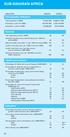 SUB-SAHARAN AFRICA INDICATOR REGION WORLD Demographic indicators Total population (2005) 713,457,000 6,449,371,000 Population under 18 (2005) 361,301,000 2,183,143,000 Population under 5 (2005) 119,555,000
REPORT ON DIABETES i
 AFRICAN UNION UNION AFRICAINE UNIÃO AFRICANA AU CONFERENCE OF MINISTERS OF HEALTH (CAMH6) Sixth Ordinary Session, 22-26 April 2013, Addis Ababa, ETHIOPIA CAMH/Exp/6(VI) iv THEME: The Impact of Non-Communicable
Nursing and midwifery actions at the three levels of public health practice
 Nursing and midwifery actions at the three levels of public health practice Improving health and wellbeing at individual, community and population levels June 2013 You may re-use the text of this document
Strengthening Policies on the Harmful Use of Alcohol, Gender-Based Violence and Infectious Disease
 Strengthening Policies on the Harmful Use of Alcohol, Gender-Based Violence and Infectious Disease A joint UNDP, WHO, IOGT, & FORUT initiative Dudley Tarlton [email protected] SVRI Forum, September
MATARA. Geographic location 4 (2006-07) Distribution of population by wealth quintiles (%), 2006-07 27.3 21.4 12.9 23.7 14.8. Source: DHS 2006-07
 Ministry of Health MATARA DEMOGRAPHICS Total population 822, (28) L and area (Sq. Km) 1,27 (26) under-five (%) 9.2 (26-7) 1 Females in reproductive age group (%) 2 5.1 (26-7) 1 Estimated housing units
South African Health Sector: Presented to Budget committee By Dr. Olive Shisana CEO Human Sciences Research Council
 South African Health Sector: Presented to Budget committee By Dr. Olive Shisana CEO Human Sciences Research Council Vision of the Department of Health An accessible, caring and high quality health care
Comorbidity of mental disorders and physical conditions 2007
 Comorbidity of mental disorders and physical conditions 2007 Comorbidity of mental disorders and physical conditions, 2007 Australian Institute of Health and Welfare Canberra Cat. no. PHE 155 The Australian
A Strategic Plan for Improving Preconception Health and Health Care: Recommendations from the CDC Select Panel on Preconception Care
 1 A Strategic Plan for Improving Preconception Health and Health Care: Recommendations from the CDC Select Panel on Preconception Care Presentation by Kay A. Johnson, MPH, EdM Research Assistant Professor,
NCD Alliance Position Paper: Post- 2015 Global Health Thematic Consultation Submitted to WHO/UNICEF - December 2012
 NCD Alliance Position Paper: Post- 2015 Global Health Thematic Consultation Submitted to WHO/UNICEF - December 2012 The NCD Alliance (NCDA) was founded by four international NGO federations representing
Snapshot Report on Russia s Healthcare Infrastructure Industry
 Snapshot Report on Russia s Healthcare Infrastructure Industry According to UK Trade & Investment report, Russia will spend US$ 15bn in next 2 years to modernize its healthcare system. (Source: UK Trade
Chronic Disease and Nursing:
 Chronic Disease and Nursing: A Summary of the Issues What s the issue? Chronic diseases are now the major global disease problem facing the world and a key barrier to development, to alleviating poverty,
Pakistan Demographic and Health Survey 2006-07
 Education Most Pakistani Women Lack Any Education Only one in three ever-married women ages 15-49 in Pakistan has any education. Most women never learn how to read. The new Demographic and Health Survey
South Australian Women s Health Policy
 South Australian Women s Health Policy 1 2 South Australian Women s Health Policy To order copies of this publication, please contact: Department of Health PO Box 287 Rundle Mall Adelaide SA 5000 Telephone:
Draft Sri Lanka National Health Promotion Policy
 Draft Sri Lanka National Health Promotion Policy Table of contents Executive summary...1 Forewords...2 Preamble...3 The Concept for Health Promotion development...4 Guiding Principles...4 Current Sri Lanka
Objectives. What is undernutrition? What is undernutrition? What does undernutrition look like?
 Objectives Basics Jean-Pierre Habicht, MD, PhD Professor Division of Nutritional Sciences Cornell University Types and causes Determinants Consequences Global occurrence and progress Way forward What is
Health Care Access to Vulnerable Populations
 Health Care Access to Vulnerable Populations Closing the Gap: Reducing Racial and Ethnic Disparities in Florida Rosebud L. Foster, ED.D. Access to Health Care The timely use of personal health services
INDICATOR REGION WORLD
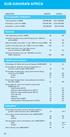 SUB-SAHARAN AFRICA INDICATOR REGION WORLD Demographic indicators Total population (2006) 748,886,000 6,577,236,000 Population under 18 (2006) 376,047,000 2,212,024,000 Population under 5 (2006) 125,254,000
The South African Child Support Grant Impact Assessment. Evidence from a survey of children, adolescents and their households
 The South African Child Support Grant Impact Assessment Evidence from a survey of children, adolescents and their households Executive Summary EXECUTIVE SUMMARY UNICEF/Schermbrucker Cover photograph: UNICEF/Pirozzi
WHO Consultation on the Zero Draft Global Mental Health Action Plan 2013-2020 International Diabetes Federation (IDF) Submission
 WHO Consultation on the Zero Draft Global Mental Health Action Plan 2013-2020 International Diabetes Federation (IDF) Submission The International Diabetes Federation (IDF), an umbrella organisation of
United 2020: Measuring Impact
 United 2020: Measuring Impact Health The Institute for Urban Policy Research At The University of Texas at Dallas Kristine Lykens, PhD United 2020: Measuring Impact Health Overview In the Dallas area,
Progress and prospects
 Ending CHILD MARRIAGE Progress and prospects UNICEF/BANA213-182/Kiron The current situation Worldwide, more than 7 million women alive today were married before their 18th birthday. More than one in three
Preventing Chronic Diseases
 Priority Areas of County Health Departments The following information was obtained through the New York State Department of Health. It was provided to them by the Prevention Agenda Technical Support Awardees
VII. IMPACT ON THE HEALTH SECTOR
 VII. IMPACT ON THE HEALTH SECTOR The HIV/AIDS epidemic has posed and will continue to pose tremendous challenges to the health systems of the developing countries, especially in the most severely affected
HEALTHCARE FINANCING REFORM: THE CASE in TURKEY. Prof. Ahmet Burcin YERELI. [email protected]. Department of Public Finance,
 HEALTHCARE FINANCING REFORM: THE CASE in TURKEY Prof. Ahmet Burcin YERELI [email protected] Department of Public Finance, Faculty of Economics and Administrative Sciences, Hacettepe University Research
HOSPITAL SUBSECTOR ANALYSIS
 HOSPITAL SUBSECTOR ANALYSIS Fourth Health Sector Development Project (RRP MON 41243) A. Introduction 1. The health status of the people of Mongolia has generally improved over the years, and significant
Nigeria s Health Statistics and Trends
 Nigeria s Health Statistics and Trends Dr Zipporah Kpamor Being a presentation at the Nigeria Behind the Headlines: Population, Health, Natural Resources, and Governance Conference organized by The Woodrow