
Introductions: Dr. Stephen P. Schultz
|
|
|
- Loreen Harrington
- 10 years ago
- Views:
Transcription
1 Introductions: Dr. Stephen P. Schultz Vienna, Austria 1 3 September 2015 Work Experience Current Member Advisory Committee on Reactor Safeguards, U.S. Nuclear Regulatory Commission, 12/2011 Chair, Fukushima Subcommittee, 06/2012 to Present Nuclear Engineering Consultant, 12/2010 to 12/2011 Reactor Technology Assessment Program Development & Documentation Retired from U.S. Utility Industry in 2010: 1977 to 1997 Yankee Atomic Electric Company 1997 to 1999 Duke Engineering & Services 1999 to 2010 Duke Energy Corporation Education/Training MBA, Management, Northeastern University, 1991 ScD, Nuclear Engineering, Massachusetts Institute of Technology, 1977 MS, Nuclear Science and Engineering, Rensselaer Polytechnic Institute, 1970 BS, Engineering, Harvey Mudd College, 1969 AS, Math and Physical Science, College of Marin, 1966 Certifications Registered Professional Engineer, North Carolina International Atomic Energy Agency

2 Work Highlights Introductions: Dr Stephen P. Schultz Vienna, Austria 1 3 September 2015 Yankee Atomic Electric Company, Massachusetts, USA Developed and licensed the FROSSTEY Code for nuclear fuel thermal performance modeling Supervised teams in Fuel Performance, Methods Development, BWR Transient Analysis, Probabilistic Safety Assessment, LOCA and Containment Analysis (1979 to 1988) Vice President, Nuclear Engineering, Environmental Engineering, and Environmental Laboratory (1988 to 1997) Duke Engineering & Services, Massachusetts, USA General Manager, Nuclear and Fuels Services (1997 to 1999) Duke Energy Corporation, North Carolina, USA Engineering Manager, Radiological Engineering, Nuclear Design (1999 to 2010) Engineering New Hire program lead for central office and 3 sites ANS Board of Directors ( ) EPRI and NEI Advisory Committees International Atomic Energy Agency

3 Introductions: Dr Stephen P. Schultz Vienna, Austria 1 3 September 2015 International Atomic Energy Agency


4 International Atomic Energy Agency

5 Technical Meeting on Technology Assessment for New Nuclear Power Programmes Vienna, Austria 1 3 September 2015 Reactor Technology Assessment, According to the Methodology Dr Stephen P. Schultz, Advisory Committee on Reactor Safeguards, U.S. NRC Contact: [email protected] Nuclear Power Technology Development Section, Water Reactor Technology Lead: Dr Mark J. Harper, Division of Nuclear Power Contact: [email protected] International Atomic Energy Agency

6 Reactor Technology Assessment Programme The Assessment Process and Approach Background Definition Development Deliverables Technical Meetings and Workshops Nuclear Reactor Technology Assessment for Near Term Deployment

7 Outline: Key Discussion Questions What is it? When do I perform it? Who should do it? How is it to be done? Why should it be done? Programme to Support Technology Assessment and Selection

8 Outline: Key Discussion Questions What is it? When do I perform it? Who should do it? How is it to be done? Why should it be done? Programme to Support Technology Assessment and Selection

9 Technology Assessment and Selection What is it? Purpose OVERALL: Determines NPP technology to fulfil energy delivery needs using a systematic process beginning with Policy Objectives Assists in refining Infrastructure development Develops specific questions to obtain the information from vendors that is required to perform the Technology Assessment Develops technical requirements for the bid specification Provides the technical core for performing the bid evaluation Delivers documented decision-making rationale for the technology choice Content The structured technical evaluation documenting the Policy Objectives and requirements and how well they will be met

10 Technology Assessment and Selection What is it not? INPRO Technology Assessment Reactor technology and systems assessment, including potential mix of reactor types, fuel cycles, and supporting infrastructure Programmatic Feasibility Study Evaluation and determination of whether the nuclear programme is desirable or feasible. Identification of what additional infrastructure is required and how will it be developed. Project Feasibility Study Evaluation and determination of whether a selected nuclear reactor project is an appropriate choice, given the project details, including the infrastructure, site, and technology choices. A project feasibility study may assist in defining the envelope or constraints for the Technology Assessment.

11 Technology Assessment and Selection The give and the take What does the process approach provide: A decision-making tool kit for Technology Assessment and Selection Approaches for information gathering and assessment that are designed to be technology-neutral A process that should allow increased level of detail as it moves from requirements for the bid specification to performing the bid evaluation to monitoring project implementation What does the process approach expect: The Technology Assessment and Selection is performed and completed by the Member State The Member State has responsibility and authority for technology decisions that are made at any stage in the process

12 Outline: Key Discussion Questions What is it? When do I perform it? Who should do it? How is it to be done? Why should it be done? Programme to Support Technology Assessment and Selection


13 Technology Assessment within Infrastructure Development When do I perform it? REACTOR TECHNOLOGY ASSESSMENT

14 Outline: Key Discussion Questions What is it? When do I perform it? Who should do it? How is it to be done? Why should it be done? Programme to Support Technology Assessment and Selection

15 Technology Assessment and Selection Who should do it? Ownership and the Assessment Task Team members are critical success factors Owner/Operator shall take full responsibility for the conduct and results of the Technology Assessment Technical / managerial Technology Assessment Task Team is assembled with its mission to report the results directly to the (top) decision-maker Task Team with full expertise in design, engineering, construction, and operation of facility and its environs Consultants should be used as required to supplement the Task Team with specific expertise, reporting to the Task Team management

16 Key Discussion Questions What is it? When do I perform it? Who should do it? How is it to be done? Why should it be done? Programme to Support Technology Assessment and Selection

17 Technology Assessment and Selection Process: Basic Steps (Slide 1) 1. Establish a competent Technology Assessment Team/Group Organization & HR 2. Develop the key criteria and requirements based on relevant policy goals and objectives, such as National energy plan National infrastructure: the grid, site, and environmental characteristics Local conditions: industry, economy, workforce, and demography Regulatory and safety requirements, emergency planning needs Economics: plant costs and financing expectations Security, physical protection and safeguard requirements Performance requirements 3. Assure that the relative importance of each of the selected policy goals and objectives has been established 4. Identify NPP designs and technologies that are commercially available and have the potential to meet the general criteria

18 Technology Assessment and Selection Process: Basic Steps (Slide 2) 5. Identify and evaluate key technical features and requirements that are tied to the policy goals and objectives 6. Develop specific input requirements and associated questions for technology holders to obtain consistent information required to perform the assessment 7. Determine factors and importance weighting associated with the assessment elements and features 8. Evaluate influences or quantify uncertainty and risk assessment factors 9. Perform assessment and derive rankings using decision-making process approaches 10. Integrate and validate the results of the combined assessments

19 Technology Assessment and Selection Process High-Level Task Flowchart Establish a competent Reactor Technology Assessment Team Policy goals and objectives Determine factors and performance weighting Develop general criteria and requirements Identify NPP designs and technologies that are commercially available and have the potential to meet the general criteria Identify and evaluate key NPP technical features and requirements Develop specific input and questions for Technology Holders Evaluate influences or quantify uncertainty and risk factors Perform assessment and derive rankings using decision-making process approaches Integrate and validate the results and recommendations of the combined assessments

20 Technology Assessment and Selection Process: Basic Steps in Practice (Slide 1) 1. Establish a competent Technology Assessment Team/Group Organization & HR 2. Develop the key criteria and requirements based on relevant policy goals and objectives, such as National energy plan National infrastructure: the grid, site, and environmental characteristics Local conditions: industry, economy, workforce, and demography Regulatory and safety requirements, emergency planning needs Economics: plant costs and financing expectations Security, physical protection and safeguard requirements Performance requirements 3. Assure that the relative importance of each of the selected policy goals and objectives has been established 4. Identify NPP designs and technologies that are commercially available and have the potential to meet the general criteria

21 Personnel Resource Estimates Technology Assessment Work Scope Types Technical Mature 5-25 Resource Evaluation Technical Developing Mature and Policy Developing RTA Focus Area 1 Experience Level Ranges of Personnel Resources Note 1: Technical Assessment versus Full Scope Reactor Technology Assessment
22 Technology Assessment and Selection Process: Basic Steps in Practice (Slide 1) 1. Establish a competent Technology Assessment Team/Group Organization & HR 2. Develop the key criteria and requirements based on relevant policy goals and objectives, such as National energy plan National infrastructure: the grid, site, and environmental characteristics Local conditions: industry, economy, workforce, and demography Regulatory and safety requirements, emergency planning needs Economics: plant costs and financing expectations Security, physical protection and safeguard requirements Performance requirements 3. Assure that the relative importance of each of the selected policy goals and objectives has been established 4. Identify NPP designs and technologies that are commercially available and have the potential to meet the general criteria
23 Technology Assessment and Selection Process: Developing Key Criteria Elements (Step 2) The programmatic objectives and key criteria elements are compiled for use within the Technology Assessment process, especially in communications with NPP supplier candidates These may be based upon the Common User Considerations, combined with available sources such as URD (Utility Requirements Document), EUR (European Utility Requirements), or USNRC Design Control Documents These key criteria are derived from and directly connected to the policy goals and objectives that shall be defined and prioritized for the nuclear programme or project The policy goals and objectives and the resultant key criteria should also form the basis for the technical requirements used for the bid invitation specifications and bid evaluation

24 Common User Considerations (CUC)
25 Common User Considerations (CUC) Sustainability of the nuclear power programme Demand for power generation capacity Electrical grid characteristics Site Characteristics Environmental Impact Nuclear safety, regulatory framework, and licensability Radiation protection Nuclear fuel cycle policies Nuclear Waste Management Safeguards Security and emergency planning National participation, industrial development Human resource development Economics on the nuclear energy system (NES) Financing of NES Projects
26 Technology Assessment and Selection Process: Develop General Criteria (Step 2): Examples Example Key Elements of the General Criteria: Economics of construction and operation; Funding availability Performance throughout operation: economic, reliable, as expected Plant nuclear safety Strategic technical issues Project duration and estimation of risk Industrial involvement opportunities -- National Participation and Localization Other potential strong differentiators or discriminators: Proven technology Unit size
27 Technology Assessment and Selection Process: Basic Steps in Process (Slide 1) 1. Establish a competent Technology Assessment Team/Group Organization & HR 2. Develop the key criteria and requirements based on relevant policy goals and objectives, such as National energy plan National infrastructure: the grid, site, and environmental characteristics Local conditions: industry, economy, workforce, and demography Regulatory and safety requirements, emergency planning needs Economics: plant costs and financing expectations Security, physical protection and safeguard requirements Performance requirements 3. Assure that the relative importance of each of the selected policy goals and objectives has been established 4. Identify NPP designs and technologies that are commercially available and have the potential to meet the general criteria
28 Technology Assessment and Selection Process: Establish Relative Importance (Step 3): Examples Example Relative Importance Ranking for the Key Elements in the Assessment: Economics of construction and operation; Funding availability Plant nuclear safety Industrial involvement opportunities -- National Participation and Localization Performance throughout operation: economic, reliable, as expected Strategic technical issues Project duration and estimation of risk
29 Technology Assessment and Selection Process: Establish Relative Importance (Step 3): Examples Example Quantitative Importance Rating for the Key Elements in the Assessment: 25 Economics of construction and operation; Funding availability 20 Plant nuclear safety 20 Industrial involvement opportunities -- National Participation and Localization 15 Performance throughout operation: economic, reliable, as expected 10 Strategic technical issues 10 Project duration and estimation of risk 100
30 Technology Assessment and Selection Process: Basic Steps in Process (Slide 1) 1. Establish a competent Technology Assessment Team/Group Organization & HR 2. Develop the key criteria and requirements based on relevant policy goals and objectives, such as National energy plan National infrastructure: the grid, site, and environmental characteristics Local conditions: industry, economy, workforce, and demography Regulatory and safety requirements, emergency planning needs Economics: plant costs and financing expectations Security, physical protection and safeguard requirements Performance requirements 3. Assure that the relative importance of each of the selected policy goals and objectives has been established 4. Identify NPP designs and technologies that are commercially available and have the potential to meet the general criteria
31 Technology Assessment and Selection Process: Basic Steps in Process (Slide 2) 5. Identify and evaluate key technical features and requirements that are tied to the policy goals and objectives 6. Develop specific input requirements and associated questions for technology holders to obtain consistent information required to perform the assessment 7. Determine factors and importance weighting associated with the key assessment elements and technical features 8. Evaluate influences or quantify uncertainty and risk assessment factors 9. Perform assessment and derive rankings using decision-making process approaches 10. Integrate and validate the results of the combined assessments
32 Technology Assessment and Selection Evaluation Process Approaches Develop importance factors associated with the Key Criteria and the key technical features and their requirements Choose the evaluation process approach to be used: Multi-Attribute Utility Theory and Kepner-Tregoe methodology are recommended straight-forward approaches for evaluation of complex problems and systems (1) Importance weighting factors are determined for each of the general criteria and key technical elements (2) The performance evaluation process is structured for the general criteria and key technical elements and features for each candidate technology (3) Weighting factors are applied to the key technical features performance evaluation scoring for each candidate technology Determine and evaluate associated risks and uncertainties: Country-specific issues such as human resources development Political, geo-political, and commercial considerations Short term versus long term goals, objectives, and opportunities Process the integration of these evaluations to derive rankings
33 Technology Assessment Process Key Features for Technology Assessment Site Considerations and Grid Integration (High) Technical Characteristics and Performance Major Systems and Components Nuclear Fuel Performance (Medium) Radiation Protection (Low) Environmental Impact (Low) Safeguards (Not a Differentiator) Plant and Site Security (Low) Physical Protection of Plant Systems (Low) Severe Accident Releases (Medium) Owners Scope of Supply (Medium) Supplier/Vendor Issues (High) Project Schedule Capability (Medium) Technology Transfer and Technical Support (High) Project Contracting Options (High) Economics Capital Costs (High) O & M Costs Fuel Costs Decommissioning
34 Key Features for Technology Assessment Technical Characteristics and Performance Size Plant Lifetime Proven Technology and Licensability Standardization Simplification Constructability Operability and Manoeuvrability Inspectability and Maintainability Plant Availability and Capacity Factor Sustainability Operation for Planned Lifetime Reliability Nuclear Safety and Regulatory Issues
35 Technical Characteristics and Performance Example Weighting Factor Ranges Size High Plant Lifetime Low Proven Technology / Licensability High Standardization Medium Simplification Medium Constructability Low Operability / Manoeuvrability f(locale) Inspectability / Maintainability Medium Plant Availability & Capacity Factor High Sustainability Achieve Planned Lifetime Low Reliability Medium Nuclear Safety & Regulatory Issues High
36 Key Features for Technology Assessment Major Systems and Components Nuclear Steam Supply Systems (NSSS) Balance of Plant (BOP) Instrumentation & Controls Systems Electrical Systems
37 Major Systems and Components Nuclear Steam Supply Systems (NSSS) Reactor Design Reactor Internals Design Reactor Coolant System Design Residual Heat Removal and Shutdown Cooling Design Emergency Core Cooling System Design Containment Design Reactor Water Clean Up System Design Chemical Volume Control System Design Fuel Rod and Control Rod Design Fuel Pool Cooling Design Water Storage, Liquid Radwaste and Gaseous Radwaste Design Main Steam Design Ultimate Heat Sink
38 Major Systems and Components Balance of Plant (BOP) Main Feedwater Design Main Condenser and Condensate System Design Circulating Water Design Service Water Design Reactor Building Closed Cooling Water Design Turbine Building Closed Cooling Water Design Main Turbine Design and Steam Bypass Design Heating, Ventilation, and Air Conditioning Systems Feedwater Heating System Extraction Steam and Heater Drains Design Service Gas Design Fire Protection Systems Simulator Design and Fidelity
39 Major Systems and Components Instrumentation & Controls Systems Reactor Protection System Engineered Safeguards Actuation System Balance of Plant Engineering Safeguards Actuation System Feedwater Control System Design Steam Bypass Control System Design Nuclear Instrumentation Design Radiation Monitor System Design Remote Shutdown System Design Compliance with Accident Monitoring Instrumentation Criteria Main Control Room and Human Factors Design
40 Major Systems and Components Electrical Systems Offsite Power System Design Onsite Power Distribution System Design Diesel Generator Design Class 1E DC System Design Class 1E 120 Volt Instrument AC System Design Non-Class 1E DC System Design Non-Class 1E Uninterruptable Power Supply Transformers Switchgear
41 Technology Assessment and Selection Process: Establish Importance & Valuations (Steps 5-7): Examples Example technical features that will be scored and then linked to the key elements and their Importance Rankings in the Assessment Selected Key Element: Plant Nuclear Safety: Core Damage Frequency Large Early Release Frequency PRA maturity and pedigree Offsite power reliance and availability of non-electric pumps, valves, Containment design for accidents and severe accidents Active versus passive safety system design and operation (and experience) Response to and control capability for accidents with onsite and offsite releases Capability to respond to extreme external events
42 Technology Assessment Process Key Features for Technology Assessment Site Considerations and Grid Integration (High) Technical Characteristics and Performance Major Systems and Components Nuclear Fuel Performance (Medium) Radiation Protection (Low) Environmental Impact (Low) Safeguards (Not a Differentiator) Plant and Site Security (Low) Physical Protection of Plant Systems (Low) Severe Accident Releases (Medium) Owners Scope of Supply (Medium) Supplier/Vendor Issues (High) Project Schedule Capability (Medium) Technology Transfer and Technical Support (High) Project Contracting Options (High) Economics Capital Costs (High) O & M Costs Fuel Costs Decommissioning
43 Technology Assessment and Selection Process: Basic Steps in Process (Slide 2) 5. Identify and evaluate key technical features and requirements that are tied to the policy goals and objectives 6. Develop specific input requirements and associated questions for technology holders to obtain consistent information required to perform the assessment 7. Determine factors and importance weighting associated with the key assessment elements and technical features 8. Evaluate influences or quantify uncertainty and risk assessment factors 9. Perform assessment and derive rankings using decisionmaking process approaches 10. Integrate and validate the results of the combined assessments
44 Technology Assessment Process Risk and Uncertainty Areas for Consideration Relationship Considerations (High) Relationship with Designer / Vendor Relationship with Suppliers Strength of Vendor/Supplier Relationship Technical Support Available (Varied) Vendor Long Term Technical Support (High) Experienced Utilities: Willing to Help (High) User/Utility, including Owners Groups (Low) Potential Risk Contributors (High) Project Schedule Risk Long Term Fuel Supply Security Project Financing Assistance/Assurance (Very High) National Issues (Highly Owner/Operator Specific) Country-to-Country Relationships National Energy Policy Localization National Participation Nuclear Fuel Cycle
45 Technology Assessment and Selection Process: Perform Assessment and Derive Rankings Apply decision-making methodology for the comparative assessment Qualitative Evaluation Kepner-Tregoe Process Multi-Attribute Utility Theory Assign the importance weightings for key elements and key features and derive the scoring for key factors Importance Weightings: IW Element(i), IW Feature(j), Score Feature(j) Integrate the results for the assessment of each candidate technology Candidate Technology Rating = Σ IW Element(i) x IW Feature(j) x Score Feature(j) i, j

46 Technology Assessment and Selection Process: Perform Assessment: Derivation of Rankings
47 Key Discussion Questions What is it? When do I perform it? Who should do it? How is it to be done? Why should it be done? program to support Technology Assessment
48 Technology Assessment Benefits When you have completed the Technology Assessment process, you will have identified the following: Important design features and critical factors in the decision-making process Programmatic features which are required to achieve success Future strategies to improve success
49 Program and Plans to Support Technology Assessment and Selection 2011 Steps to develop and deliver the Reactor Technology Assessment for Near Term Deployment report: Develop Draft Report to incorporate and industry experience from 2007 to present for internal review Issue reviewed Report for Consultancy review and input Integrate Consultancy input and incorporate process approach alternatives into final draft Workshop with Member States and vendors to introduce and demonstrate Technology Assessment features [5-9 December] Develop Final Report for review and publication NPTDS includes Technology Assessment & Selection in capacity building for embarking Member States
50 Outline: Key Discussion Questions What is it? When do I perform it? Who should do it? How is it to be done? Why should it be done? Programme to Support Technology Assessment and Selection
51 Thank you for your attention! For inquiries, please contact: Technical Meeting on Technology Assessment for New Nuclear Power Programmes Reactor Technology Assessment, According to the Methodology Dr. Stephen P. Schultz Vienna, Austria 1 3 September 2015
FIRE RISK ASSESSMENT IN GERMANY - PROCEDURE, DATA, RESULTS -
 International Conference Nuclear Energy in Central Europe 2000 Golf Hotel, Bled, Slovenia, September 11-14, 2000 FIRE RISK ASSESSMENT IN GERMANY - PROCEDURE, DATA, RESULTS - H.P. Berg Bundesamt für Strahlenschutz
Operating Performance: Accident Management: Severe Accident Management Programs for Nuclear Reactors REGDOC-2.3.2
 Operating Performance: Accident Management: Severe Accident Management Programs for Nuclear Reactors REGDOC-2.3.2 September 2013 Accident Management: Severe Accident Regulatory Document REGDOC-2.3.2 Canadian
L.S. de Carvalho, J. M de Oliveira Neto 1. INTRODUCTION IAEA-CN-164-5P01
 IAEA-CN-164-5P01 Advanced Technology Application Station Blackout Core Damage Frequency Reduction The Contribution of AN AC Independent Core Residual Heat Removal System L.S. de Carvalho, J. M de Oliveira
Best Practices and Approaches to Supply Chain Management
 Best Practices and Approaches to Supply Chain Management ATOMEX Forum 2012 Moscow 12.12. 14.12.2012 AF-Consult Switzerland Ltd Jan Kocourek 1 Objectives Provide information available regarding both the
Boiling Water Reactor Systems
 Boiling Water (BWR) s This chapter will discuss the purposes of some of the major systems and components associated with a boiling water reactor (BWR) in the generation of electrical power. USNRC Technical
Published in the Official State Gazette (BOE) number 166 of July 10th 2009 [1]
![Published in the Official State Gazette (BOE) number 166 of July 10th 2009 [1]](/thumbs/22/1436302.jpg "Published in the Official State Gazette (BOE) number 166 of July 10th 2009 [1]") Nuclear Safety Council Instruction number IS-22, of July 1st 2009, on safety requirements for the management of ageing and long-term operation of nuclear power plants Published in the Official State Gazette
Nuclear Safety Council Instruction number IS-22, of July 1st 2009, on safety requirements for the management of ageing and long-term operation of nuclear power plants Published in the Official State Gazette
Capacity Building and Human Resource Development for Nuclear Power Programmes
 Technical Meeting on COOPERATION FOR HUMAN RESOURCE DEVELOPMENT (HRD) AMONG EMBARKING AND EXPERIENCED COUNTRIES Vienna, 04 06 June, 2013 Capacity Building and Human Resource Development for Nuclear Power
Long Term Operation R&D to Investigate the Technical Basis for Life Extension and License Renewal Decisions
 Long Term Operation R&D to Investigate the Technical Basis for Life Extension and License Renewal Decisions John Gaertner Technical Executive Electric Power Research Institute Charlotte, North Carolina,
Public SUMMARY OF EU STRESS TEST FOR LOVIISA NUCLEAR POWER PLANT
 1 (8) SUMMARY OF EU STRESS TEST FOR LOVIISA NUCLEAR POWER PLANT 1 LOVIISA NUCLEAR POWER PLANT Loviisa town is located approximately 90 km eastwards from Helsinki at the coast of Gulf of Finland. Loviisa
7.1 General 5 7.2 Events resulting in pressure increase 5
 GUIDE YVL 2.4 / 24 Ma r ch 2006 Primary and secondary circuit pressure control at a nuclear power plant 1 Ge n e r a l 3 2 General design requirements 3 3 Pressure regulation 4 4 Overpressure protection
This occurrence is considered to be of no significance with respect to the health and safety of the public.
 Serial No. MNS-15-072 September 10, 2015,. DUKESteven Vice D. President Capps, ENERGYMcGuire Nuclear Station Duke Energy MGOIVP 1 12700 Hagers Ferry Road Huntersville, NC 28078 0: 980.875.4805 f: 980.875.4809
May 23, 2011 Tokyo Electric Power Company
 Analysis and evaluation of the operation record and accident record of Fukushima Daiichi Nuclear Power Station at the time of Tohoku-Chihou-Taiheiyou-Oki-Earthquake (summary) May 23, 2011 Tokyo Electric
Westinghouse AP1000 PWR and the Growing Market for New Nuclear Power Plants
 Westinghouse AP1000 PWR and the Growing Market for New Nuclear Power Plants Westinghouse Electric Company & The Nuclear Fuel Cycle Royal Commission - South Australia November 4, 2015 1 AP1000 is a trademark
NEI 06-13A [Revision 0] Template for an Industry Training Program Description
![NEI 06-13A [Revision 0] Template for an Industry Training Program Description](/thumbs/30/14663734.jpg "NEI 06-13A [Revision 0] Template for an Industry Training Program Description") NEI 06-13A [Revision 0] Template for an Industry Training Program Description NEI 06-13A [Revision 0] Nuclear Energy Institute Template for an Industry Training Program Description ACKNOWLEDGEMENTS This
NEI 06-13A [Revision 0] Template for an Industry Training Program Description NEI 06-13A [Revision 0] Nuclear Energy Institute Template for an Industry Training Program Description ACKNOWLEDGEMENTS This
Nuclear power plant systems, structures and components and their safety classification. 1 General 3. 2 Safety classes 3. 3 Classification criteria 3
 GUIDE 26 June 2000 YVL 2.1 Nuclear power plant systems, structures and components and their safety classification 1 General 3 2 Safety classes 3 3 Classification criteria 3 4 Assigning systems to safety
IAEA INTERNATIONAL FACT FINDING EXPERT MISSION OF THE NUCLEAR ACCIDENT FOLLOWING THE GREAT EAST JAPAN EARTHQUAKE AND TSUNAMI
 IAEA INTERNATIONAL FACT FINDING EXPERT MISSION OF THE NUCLEAR ACCIDENT FOLLOWING THE GREAT EAST JAPAN EARTHQUAKE AND TSUNAMI Tokyo, Fukushima Dai-ichi NPP, Fukushima Dai-ni NPP and Tokai NPP, Japan 24
Training in Emergency Preparedness and Response
 Working to Protect People, Society and the Environment Training in Emergency Preparedness and Response Nuclear Safety and Security Programme Nuclear Safety and Security Programme Training in Emergency
Technical Meeting on the Implications of the Fukushima Daiichi Accident on the Safety of Fuel Cycle Facilities. IAEA Headquarters Vienna, Austria
 1 J7-TM-44883 Technical Meeting on the Implications of the Fukushima Daiichi Accident on the Safety of Fuel Cycle Facilities IAEA Headquarters Vienna, Austria 1 5 July 2013 INFORMATION SHEET 1. Background
AP1000 Technology: Passive & Proven
 AP1000 Technology: Passive & Proven The Right Fit for Brazil Jeff Benjamin Senior Vice President Nuclear Power Plants (NPP) AP1000 is a trademark or registered trademark of Westinghouse Electric Company
Cyber Security Design Methodology for Nuclear Power Control & Protection Systems. By Majed Al Breiki Senior Instrumentation & Control Manager (ENEC)
 Cyber Security Design Methodology for Nuclear Power Control & Protection Systems By Majed Al Breiki Senior Instrumentation & Control Manager (ENEC) 1. INTRODUCTION In today s world, cyber security is one
Wall Thinning Trend Analyses for Secondary Side Piping of Korean NPPs
 Transactions of the 17 th International Conference on Structural Mechanics in Reactor Technology (SMiRT 17) Prague, Czech Republic, August 17 22, 2003 Wall Thinning Trend Analyses for Secondary Side Piping
Diablo Canyon NPP Probabilistic Risk Assessment Program. Workshop Information IAEA Workshop
 IAEA Training Course on Safety Assessment of NPPs to Assist Decision Making Diablo Canyon NPP Probabilistic Risk Assessment Program Lecturer Lesson Lesson IV IV 3_11.2 3_11.2 Workshop Information IAEA
Results and Insights of Internal Fire and Internal Flood Analyses of the Surry Unit 1 Nuclear Power Plant during Mid-Loop Operations*
 BNL-NUREG-61792 Results and Insights of Internal Fire and Internal Flood Analyses of the Surry Unit 1 Nuclear Power Plant during Mid-Loop Operations* Tsong-Lun Chu, Zoran Musicki, and Peter Kohut Brookhaven
Nuclear Power Plant Electrical Power Supply System Requirements
 1 Nuclear Power Plant Electrical Power Supply System Requirements Željko Jurković, Krško NPP, [email protected] Abstract Various regulations and standards require from electrical power system of the
How To Clean Up A Reactor Water Cleanup
 General Electric Systems Technology Manual Chapter 2.8 Reactor Water Cleanup System TABLE OF CONTENTS 2.8 REACTOR CLEANUP SYSTEM... 1 2.8.1 Introduction... 2 2.8.2 System Description... 2 2.8.3 Component
IAEA Safety Standards for Regulatory Activities
 Safety Standards for Regulatory Activities April 2010 Gustavo Caruso Regulatory Activities Section Division of Nuclear Installation Safety International Atomic Energy Agency Content Safety Standards and
Russian approach to organization of international cooperation in the field of nuclear infrastructure (NI)
 STATE NUCLEAR ENERGY CORPORATION ROSATOM Russian approach to organization of international cooperation in the field of nuclear infrastructure (NI) A. E. Sitnikov Rosatom/ Rosenergoatom Russia Atomex-Asia
International Action Plan On The Decommissioning of Nuclear Facilities
 International Action Plan On The Decommissioning of Nuclear Facilities A. Introduction Decommissioning is defined by the International Atomic Energy Agency (the Agency) as the administrative and technical
Report WENRA Safety Reference Levels for Existing Reactors - UPDATE IN RELATION TO LESSONS LEARNED FROM TEPCO FUKUSHIMA DAI-ICHI ACCIDENT
 Report WENRA Safety Reference Levels for Existing Reactors - UPDATE IN RELATION TO LESSONS LEARNED FROM TEPCO FUKUSHIMA DAI-ICHI ACCIDENT 24 th September 2014 Table of Content WENRA Safety Reference Levels
APPENDIX B SUPPLEMENTAL INSPECTION PROGRAM A. OBJECTIVES AND PHILOSOPHY OF THE SUPPLEMENTAL INSPECTION PROGRAM
 APPENDIX B SUPPLEMENTAL INSPECTION PROGRAM A. OBJECTIVES AND PHILOSOPHY OF THE SUPPLEMENTAL INSPECTION PROGRAM The supplemental inspection program is designed to support the NRC s goals of maintaining
IMPLEMENTATION OF A MANAGEMENT SYSTEM FOR OPERATING ORGANIZATIONS OF RESEARCH REACTORS
 IMPLEMENTATION OF A MANAGEMENT SYSTEM FOR OPERATING ORGANIZATIONS OF RESEARCH REACTORS Eduardo Kibrit 1, Afonso Rodrigues de Aquino 2 and Désirée Moraes Zouain 3 1 Centro Tecnológico da Marinha em São
KACARE s SUSTAINABLE ENERGY INITIATIVES
 KACARE s SUSTAINABLE ENERGY INITIATIVES Saudi Arabia s Nuclear Energy Program for Electricity Generation: Pre-Project Engineering for SMR Development Dr. Maher Al Odan Head of Research & Development &
Proposal to Consolidate Post-Fukushima Rulemaking Activities
 Proposal to Consolidate Post-Fukushima Rulemaking Activities On January 28, 2014, the U.S. Nuclear Regulatory Commission s (NRC s) Fukushima Steering Committee endorsed an NRC staff proposal for integrating
Office for Nuclear Regulation
 ONR GUIDE Essential Services Document Type: Nuclear Safety Technical Assessment Guide Unique Document ID and Revision No: Date Issued: May 2013 Review Date: May 2016 Approved by: D Senior Director Regulatory
MISSION REPORT ON THE INTEGRATED NUCLEAR INFRASTRUCTURE REVIEW (INIR)
 MISSION REPORT ON THE INTEGRATED NUCLEAR INFRASTRUCTURE REVIEW (INIR) Counterpart: Ministry of Economy 18 to 22 March 2013 Warsaw, Poland CONTENTS 1. EXECUTIVE SUMMARY... 3 2. INTRODUCTION... 5 3. OBJECTIVES
Nuclear Energy of Ukraine - History
 Nuclear Energy of Ukraine - History 1950-s Uranium Industry was started 1962 Ministry of Energy and Electrification of Ukraine was established(ukraine a Republic of Soviet Union) 1965 Unique Energy System
NURESAFE EUROPEAN PROJECT Second General Seminar
 NURESAFE EUROPEAN PROJECT Second General Seminar Brussels, Belgium November 4-5, 2015 Announcement and Proposed Program Background and Purpose of the Meeting The NURESAFE European project aims at delivering
Dynamic Behavior of BWR
 Massachusetts Institute of Technology Department of Nuclear Science and Engineering 22.06 Engineering of Nuclear Systems Dynamic Behavior of BWR 1 The control system of the BWR controls the reactor pressure,
Financing Nuclear Power Projects: Challenges and IAEA Assistance in Capacity Building
 Financing Nuclear Power Projects: Challenges and Assistance in Capacity Building International Framework for Nuclear Energy Cooperation Finance Workshop London, 9-10 May 2012 Nadira Barkatullah International
Report. November 2013
 Report A comparison of U.S. and Japanese regulatory requirements in effect at the time of the Fukushima accident November 2013 Page 1 EXECUTIVE SUMMARY In the Staff Requirements Memo (SRM) to SECY-12-0110
Operational Reactor Safety 22.091/22.903
 Operational Reactor Safety 22.091/22.903 Professor Andrew C. Kadak Professor of the Practice Lecture 19 Three Mile Island Accident Primary system Pilot operated relief valve Secondary System Emergency
UNITED STATES NUCLEAR REGULATORY COMMISSION OFFICE OF NUCLEAR REACTOR REGULATION WASHINGTON, D.C. 20555-0001. June 1, 2005
 UNITED STATES NUCLEAR REGULATORY COMMISSION OFFICE OF NUCLEAR REACTOR REGULATION WASHINGTON, D.C. 20555-0001 June 1, 2005 NRC INFORMATION NOTICE 2005-14: FIRE PROTECTION FINDINGS ON LOSS OF SEAL COOLING
Safety Analysis Probabilistic Safety Assessment (PSA) for Nuclear Power Plants REGDOC-2.4.2
 Safety Analysis Probabilistic Safety Assessment (PSA) for Nuclear Power Plants REGDOC-2.4.2 May 2014 Probabilistic Safety Assessment (PSA) for Nuclear Power Plants Regulatory Document REGDOC-2.4.2 Canadian
Study Plan. MASTER IN (Energy Management) (Thesis Track)
 Plan 2005 T Study Plan MASTER IN (Energy Management) (Thesis Track) A. General Rules and Conditions: 1. This plan conforms to the regulations of the general frame of the programs of graduate studies. 2.
IV. Occurrence and Progress of Accidents in Fukushima Nuclear Power Stations and Other Facilities
 IV. Occurrence and Progress of Accidents in Fukushima Nuclear Power Stations and Other Facilities 1. Outline of Fukushima Nuclear Power Stations (1) Fukushima Daiichi Nuclear Power Station Fukushima Daiichi
HEALTH & SAFETY EXECUTIVE NUCLEAR DIRECTORATE ASSESSMENT REPORT. New Reactor Build. EDF/AREVA EPR Step 2 PSA Assessment
 HEALTH & SAFETY EXECUTIVE NUCLEAR DIRECTORATE ASSESSMENT REPORT New Reactor Build EDF/AREVA EPR Step 2 PSA Assessment HM Nuclear Installations Inspectorate Redgrave Court Merton Road Bootle Merseyside
EMERGENCY PREPAREDNESS FREQUENTLY ASKED QUESTION (EPFAQ) NEI 99 01 REVISIONS 4 THROUGH 6; NUMARC/NESP 007
 EPFAQ Number: 2015 001 DATE ACCEPTED 20 Apr 15 ORIGINATOR DAVID YOUNG ORGANIZATION Nuclear Energy Institute (NEI) PHONE # 202 739 8016 RELEVANT GUIDANCE: NEI 99 01 REVISIONS 4 THROUGH 6; NUMARC/NESP 007
Nuclear Design Practices and the Case of Loviisa 3
 Nuclear Design Practices and the Case of Loviisa 3 Harri Tuomisto Fortum Power, Finland Third Nuclear Power School, 20-22 October 2010, Gdańsk, Poland 22 October 2010 Harri Tuomisto 1 Objectives The objective
This document is the property of and contains Proprietary Information owned by Westinghouse Electric Company LLC and/or its subcontractors and
 This document is the property of and contains Proprietary Information owned by Westinghouse Electric Company LLC and/or its subcontractors and suppliers. It is transmitted to you in confidence and trust,
ROK s Assistance Programs for New comers
 ROK s Assistance Programs for New comers TM on Topical Issues in the Development of Nuclear Power Infrastructure, 3-6 February 2015 Kyo Hwang Technology Policy & Strategy Department Korea Hydro & Nuclear
U.S. Nuclear Regulatory Commission. Plan of Action Strategic Workforce Planning
 U.S. Nuclear Regulatory Commission Plan of Action Strategic Workforce Planning January 19, 2001 Strategic Workforce Planning Plan of Action January 19, 2001 Content Overview This plan of action outlines
Efficiency Metrics for CHP Systems: Total System and Effective Electric Efficiencies
 Efficiency Metrics for CHP Systems: Total System and Effective Electric Efficiencies Combined heat and power (CHP) is an efficient and clean approach to generating power and thermal energy from a single
Fire Protection Program Of Chashma Nuclear Power Generating Station Pakistan Atomic Energy Commission 5/28/2015 1
 Fire Protection Program Of Chashma Nuclear Power Generating Station Pakistan Atomic Energy Commission 5/28/2015 1 Nuclear Power in Pakistan Nuclear Power Plants Capacity (MWe) Year of Commissioning In
INTRODUCTION. Three Mile Island Unit 2
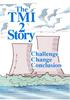 INTRODUCTION here was an accident at Three Mile Island Unit 2 on March 28,1979. It caused extensive damage to the plant's nuclear fuel core. Most of the plant's major systems were relatively undamaged.
SPED Piping Certification Guide (Revised: 12/05)
 SPED Piping Certification Guide (Revised: 12/05) Overview A Professional Piping Designer (PPD) will obtain certification from SPED if he / she can demonstrate the required skills defined in this document.
UNITED STATES NUCLEAR REGULATORY COMMISSION OFFICE OF NUCLEAR REACTOR REGULATION WASHINGTON, DC 20555-0001. June 16, 2011
 UNITED STATES NUCLEAR REGULATORY COMMISSION OFFICE OF NUCLEAR REACTOR REGULATION WASHINGTON, DC 20555-0001 June 16, 2011 NRC INFORMATION NOTICE 2011-12: REACTOR TRIPS RESULTING FROM WATER INTRUSION INTO
OVERVIEW OF THE OPERATING REACTORS BUSINESS LINE. July 7, 2016 Michael Johnson Deputy Executive Director for Reactor and Preparedness Programs
 OVERVIEW OF THE OPERATING REACTORS BUSINESS LINE July 7, 2016 Michael Johnson Deputy Executive Director for Reactor and Preparedness Programs Program Overview Bill Dean Director Office of Nuclear Reactor
The Role of Nuclear Knowledge Management
 The Role of Nuclear Knowledge Management A. Introduction The Agency has been a focal point for nuclear knowledge and information since its establishment in 1957. Nuclear knowledge management (NKM) came
Technical Meeting on Fire Protection Approaches and Experiences in Nuclear Power Plants
 Technical Meeting on Fire Protection Approaches and Experiences in Nuclear Power Plants IAEA Headquarters Vienna, Austria 27 29 May 2015 Ref. No.: I2-TM-50054 Information Sheet A. Introduction The lessons
In Reference 3, the RAI includes two questions for which responses are provided in Attachment 1.
 Jon A. Franke Site Vice President Susquehanna Nuclear, LLC 769 Salem Boulevard Berwick, PA 18603 Tel. 570.542.2904 Fax 570.542.1504 [email protected] TALEN ~ ENERGY SEP 2 1 2015 U.S. Nuclear Regulatory
Draft IAEA Action Plan on Nuclear Safety
 Atoms for Peace Board of Governors General Conference GOV/2011/59-GC(55)/14 Date: 5 September 2011 For official use only Item 3(b) of the Board's provisional agenda (GOV/2011/46) Item 14(b) of the Conference's
Belgian Stress tests specifications Applicable to all nuclear plants, excluding power reactors 22 June 2011
 Belgian Stress tests specifications Applicable to all nuclear plants, excluding power reactors 22 June 2011 Introduction Considering the accident at the Fukushima nuclear power plant in Japan, the European
Government Degree on the Safety of Nuclear Power Plants 717/2013
 Translation from Finnish. Legally binding only in Finnish and Swedish. Ministry of Employment and the Economy, Finland Government Degree on the Safety of Nuclear Power Plants 717/2013 Chapter 1 Scope and
Outlook for RWE s nuclear operations. Prof. Dr. Gerd Jäger London, 16 January 2012
 Outlook for RWE s nuclear operations Prof. Dr. Gerd Jäger London, 16 January 2012 Overview of German nuclear power plants Power plant Net capacity MW Commercial commissioning Shutdown German nuclear power
Safety Analysis for Nuclear Power Plants
 Regulatory Document Safety Analysis for Nuclear Power Plants February 2008 CNSC REGULATORY DOCUMENTS The Canadian Nuclear Safety Commission (CNSC) develops regulatory documents under the authority of paragraphs
Safety of New Nuclear Power Plants
 Safety of New Nuclear Power Plants Example: VVER-1200/V491 H. Hirsch A. Y. Indradiningrat Workshop on the Paks II NPP Project Budapest, Energiaklub, 08.10.2014 New NPP in Paks: Reactor Type In the EIA
Nuclear Safety Council Instruction number IS- 23 on in-service inspection at nuclear power plants
 Nuclear Safety Council Instruction number IS- 23 on in-service inspection at nuclear power plants Published in the Official State Gazette (BOE) No 283 of November 24 th 2009 Nuclear Safety Council Instruction
POWER ENGINEERS REGULATION
 Province of Alberta SAFETY CODES ACT POWER ENGINEERS REGULATION Alberta Regulation 85/2003 With amendments up to and including Alberta Regulation 84/2014 Office Consolidation Published by Alberta Queen
Nuclear Power Plant Instrumentation and Control in MEXICO
 25 th Meeting of the IAEA Technical Working Group on Nuclear Power Plant Instrumentation and Control (TWG -NPPIC) Nuclear Power Plant Instrumentation and Control in MEXICO Dr. Francisco Javier Ramírez-Jiménez
DOE s Fuel Cycle Technologies Program - An Overview
 DOE s Fuel Cycle Technologies Program - An Overview William Boyle Director, Used Fuel Disposition R & D (NE-53) Office of Nuclear Energy U.S. Department of Energy ECA Las Vegas, Nevada Agenda Program Mission
Generic PCSR Sub-chapter 15.4 : Electrical Equipment
 Form10/00 Document ID : GA91-9101-0101-15004 Document Number : EE-GDA-C284 Revision Number : A Generic Design Assessment Generic PCSR Sub-chapter 15.4 : Electrical Equipment Hitachi-GE Nuclear Energy,
IAEA Action Plan on Nuclear Safety 1
 IAEA Action Plan on Nuclear Safety 1 In June 2011 a Ministerial Conference on Nuclear Safety was convened to direct, under the leading role of the IAEA, the process of learning and acting upon lessons
NORTH CAROLINA EASTERN MUNICIPAL POWER AGENCY SHEARON HARRIS NUCLEAR POWER PLANT, UNIT 1. Renewed License No. NPF-63
 CAROLINA POWER & LIGHT COMPANY NORTH CAROLINA EASTERN MUNICIPAL POWER AGENCY DOCKET NO. 50-400 SHEARON HARRIS NUCLEAR POWER PLANT, UNIT 1 RENEWED FACILITY OPERATING LICENSE 1. The Nuclear Regulatory Commission
Application of Nuclear and Aerospace Industry Experience to Offshore Barrier Integrity Management
 Application of Nuclear and Aerospace Industry Experience to Offshore Barrier 8 th International Conference on Integrated Operations in the Petroleum Industry Bill Nelson, Mariana Dionisio, Sondre Øie,
AP1000 Overview. 2011 Westinghouse Electric Company LLC - All Rights Reserved
 AP1000 Overview AP1000 is a registered trademark in the United States of Westinghouse Electric Company LLC, its subsidiaries and/or its affiliates. This mark may also be used and/or registered in other
The Safety of Borssele Nuclear Power Station
 The Safety of Borssele Nuclear Power Station First report of the Borssele Benchmark Committee 2 September 2013 Table of Contents Executive Summary and Conclusions 4 Abbreviations 11 1 Introduction 12 2
How To Design An Ap 600 Plant
 Status report 75 - Advanced Passive pressurized water reactor (AP-600) Overview Full name Acronym Reactor type Coolant Moderator Neutron spectrum Thermal capacity Electrical capacity Design status Designers
URESANDACTIONSCROSS-BORDERNETHER
 ARTHQUAKESICEGERMANYMINIMUMTECH ICALSAFE TYREQUIREMENTSCZECHREPUB ICMUEHLEBERGSLOVAKRE PUBLICCOMPA ATIVECRITERIAFLOODINGNUCLEARACCID NTINFUKUSHIMABELGIUMNATURALDISAS ERSEXTREMECOLDEXTREMEHEATDAMA INGEFFECTSGOESGENSNOWEUWIDETEST
International Safeguards Infrastructure Development
 PNNL-SA-74182 International Safeguards Infrastructure Development NGSI Lecture Series, 2011 Sarah Frazar 1 Structure! Overview of the Milestones Process and its three phases! National Development of a
U.S. NUCLEAR REGULATORY COMMISSION STANDARD REVIEW PLAN OFFICE OF NUCLEAR REACTOR REGULATION
 U.S. NUCLEAR REGULATORY COMMISSION STANDARD REVIEW PLAN OFFICE OF NUCLEAR REACTOR REGULATION NUREG-0800 (Formerly NUREG-75/087) 9.2.2 REACTOR AUXILIARY COOLING WATER SYSTEMS REVIEW RESPONSIBILITIES Primary
PROBABILISTIC RISK ASSESSMENT AND RISK MANAGEMENT OF A NUCLEAR POWER PLANT
 PROBABILISTIC RISK ASSESSMENT AND RISK MANAGEMENT OF A NUCLEAR POWER PLANT 1 Introduction 3 2 Scope of application 3 3 Development and use of the PRA 4 3.1 General requirements 4 3.2 PRA during the design
RADIATION MONITORING SYSTEMS
 RADIATION MONITORING SYSTEMS Area monitors Process monitors In-line, Adjacent-to-Line monitors Local/remote processors, Data Acquisition Systems NUPIC Certified, NRC Approved Vendor Wide Range Sensitivity
Using Risk Assessment Tool to Evaluate the Fire-Induced Core Damage Frequency
 , June 30 - July 2, 2010, London, U.K. Using Risk Assessment Tool to Evaluate the Fire-Induced Core Damage Frequency Sh. Kamyab, M. Nematollahi, M. Famourihoseinzade Abstract the frequency of fire-induced
Management of delayed nuclear power plant projects
 IAEA-TECDOC-1110 Management of delayed nuclear power plant projects INTERNATIONAL ATOMIC ENERGY AGENCY The IAEA does not normally maintain stocks of reports in this series. However, electronic copies The
GEH Safety Enhancement Services
 GEH Safety Enhancement Services 2012 LAS/ANS SYMPOSIUM July 5, 2012 Isidro de la Fuente Vice President, Sales Copyright 2012 GE Hitachi Nuclear Energy - All rights reserved CURRENT US REGULATORY LANDSCAPE
The Price-Anderson Act and the Three Mile Island Accident
 The Price-Anderson Act and the Three Mile Island Accident OECD/NEA Workshop Nuclear Damages, Liability Issues, and Compensation Schemes Overview Overview of Nuclear Liability in U.S. Three Mile Island
INTERNATIONAL NUCLEAR LAW ASSOCIATION NUCLEAR INTER JURA 2012 MANCHESTER, 8-11 OCTOBER 2012
 INTERNATIONAL NUCLEAR LAW ASSOCIATION NUCLEAR INTER JURA 2012 MANCHESTER, 8-11 OCTOBER 2012 NUCLEAR ACCIDENT LIABILITY COVERAGE IN THE UNITED STATES WILLIAM A. HORIN, PARTNER WINSTON & STRAWN LLP WASHINGTON,
Nuclear Regulation for SMR in India Current Perspectives
 Licensing and Safety Issues for Small and Mediumsized Reactors (SMRs) 29 July 2 August 2013 IAEA Headquarters, Vienna, Austria Nuclear Regulation for SMR in India Current Perspectives Dr. A. Ramakrishna,
RC-17. Alejandro V. Nader National Regulatory Authority Montevideo - Uruguay
 RC-17 Radiation Protection in Waste Management and Disposal Implementing the Joint Convention on the Safety of Spent Fuel Management and on the Safety of Radioactive Waste Management Alejandro V. Nader
IAEA Human Resource Development Programs
 Fukui International Meeting on Human Resources Development for Nuclear Energy in Asia Human Resource Development Programs Pal Vincze Section Head, Nuclear Power Engineering Section [email protected] International
Safety assessment of the Loviisa nuclear power plant
 / OCTOBER 2007 B Safety assessment of the Loviisa nuclear power plant Statement regarding the licence application by Fortum Power and Heat Oy concerning the operation of the Loviisa nuclear power plant