
HealthStream Regulatory Script
|
|
|
- Clarissa Shepherd
- 10 years ago
- Views:
Transcription
1 HealthStream Regulatory Script Emergency Preparedness Release Date: August 2008 HLC Version: 602 Lesson 1: Introduction Lesson 2: The Importance of Being Prepared Lesson 3: Types of Disaster Events Lesson 4: Emergency Operations Plans Lesson 5: NIMS

2 LESSON 1: THE IMPORTANCE OF BEING PREPARED 1001 Introduction Welcome to the introductory lesson on emergency preparedness. IMAGE: 1001.JPG As your partner, HealthStream strives to provide its customers with excellence in regulatory learning solutions. As new guidelines are continually issued by regulatory agencies, we work to update courses, as needed, in a timely manner. Since responsibility for complying with new guidelines remains with your organization, HealthStream encourages you to routinely check all relevant regulatory agencies directly for the latest updates for clinical/organizational guidelines. If you have concerns about any aspect of the safety or quality of patient care in your organization, be aware that you may report these concerns directly to The Joint Commission. Page 1 of 4

3 1002 Course Rationale Emergencies happen almost every day. Some emergencies are large. Some emergencies are small. All emergencies need an effective response. IMAGE: 1002.JPG This course will give you information about how to respond to emergencies. You will learn about: The importance of being ready for emergencies and disasters Types of disasters How an Emergency Response Plan helps your facility respond to emergencies The National Incident Management System (NIMS) Page 2 of 4

4 1003 Course Goals After completing this course, you should be able to: Identify concepts relevant to responding to a disaster List different types of disaster events Identify the parts of an Emergency Operations Plan Define NIMS and list its parts NO IMAGE Page 3 of 4

5 1004 Course Outline This introductory lesson gives the course rationale, goals, and outline. Lesson 2 discusses the importance of being ready to respond to emergencies. Lesson 3 describes different types of disaster events. Lesson 4 explains what needs to be included in an Emergency Operations Plan. Finally, lesson 5 covers the basics of NIMS. FLASH ANIMATION Lesson 1: Introduction Lesson 2: The Importance of Being Prepared Disasters vs. emergencies Disaster response systems Your role Lesson 3: Types of Disaster Events Natural disaster Technological disasters Transportation disasters Terrorist attacks Chemical and biological weapons Lesson 4: Emergency Operations Plans Components of an Emergency Operations Plan Importance of training Lesson 5: NIMS Definition Components NIMS & your facility Page 4 of 4

6 Lesson 2: The Importance of Being Prepared 2001 Introduction & Objectives Welcome to the lesson on the importance of being prepared. After completing this lesson, you should be able to: Distinguish between a disaster and an emergency Recognize the role of disaster response systems Identify the key information documented in an Emergency Operations Plan Recognize your role in emergency response FLASH ANIMATION Lesson 2: The Importance of Being Prepared Disasters vs. emergencies Disaster response systems Your role Page 1 of 10

7 2002 Disaster vs. Emergency Remember: Some emergencies are small. Others are large. IMAGE: 2002.JPG Very large emergencies are known as disasters. Disasters are different from emergencies. One important difference is: A single organization or group can usually take care of an emergency. Disasters are too big for a single group to deal with. Page 2 of 10

8 2003 Disaster vs. Emergency Everyday systems are usually not enough to take care of a disaster. IMAGE: 2003.JPG Systems and personnel may need to be used in creative ways. For example, disasters have many victims. Hospital staff may need to take on unfamiliar tasks. This can help ensure that all of the victims get the medical care they need. Page 3 of 10

9 2004 Example of a Disaster Response System: Triage How are systems unique in a disaster? IMAGE: 2004.JPG One example is triage. Triage is seen every day in the hospital emergency department (ED). The most severe patients are treated first. Less severe patients are asked to wait. Triage is also necessary in a disaster. But, the everyday system of ED triage is not enough in a disaster. How you triage patients in a disaster is different. Limited resources must go to those who are likely to survive. Page 4 of 10

10 2005 Example of a Disaster Response System: Triage In a disaster, emergency medical workers often use colored tags for triage. Each victim is labeled with a tag. IMAGE: 2005.JPG In the most common labeling system: BLACK: These victims are dead or expected to die. RED: These victims are critical. They have life-threatening injuries. However, they may survive if they get immediate treatment. YELLOW: These victims have severe injuries. But the injuries are not life threatening. These patients need care. However, their care can wait. GREEN: These victims have minor injuries. They may need minor care. Workers can look at any victim and immediately know how soon they need care. Colored tags make this possible even in the chaos of a disaster. Other triage systems also use colored tags. Your facility may use: START JUMPSTART (for pediatric patients) Page 5 of 10

11 2006 Disaster Response Systems Color-coded triage is one unique system used in disasters. IMAGE: 2006.JPG Remember: Triage is just one example! In an actual disaster, many unique systems must be used. Everyday systems are not meant to respond to a disaster. Disaster response systems are documented in an Emergency Operations Plan. Page 6 of 10

12 2007 Disaster Response Systems An Emergency Operations Plan ensures that disaster systems are: Established ahead of time Practiced Evaluated and changed as necessary IMAGE: 2007.JPG With a proper Emergency Operations Plan, your organization is prepared for disaster. Page 7 of 10

13 2008 The Role of Staff Members All staff members must understand the Emergency Operations Plan. They must know their role. IMAGE: 2008.JPG Staff members must know what to do when the disaster code is activated. Many lives may depend on a quick response. Disaster training helps ensure a quick and effective response. Page 8 of 10

14 2009 Review Choose the true statement(s): a. Disasters are different from emergencies. b. Disasters are small enough for a single group to deal with. c. In a disaster, healthcare staff may need to take on unfamiliar tasks. d. Both A and C MULTIPLE CHOICE INTERACTION [CORRECT ANSWER: D] A: Not quite. The best answer is D. B: Incorrect. Disasters are too big for a single group to deal with. The correct answer is D. C: Not quite. The best answer is D. D: Correct. Page 9 of 10
![In a disaster, healthcare staff may need to take on unfamiliar tasks. d. Both A and C MULTIPLE CHOICE INTERACTION [CORRECT ANSWER: D] A: Not quite.](/docs-images/41/12982009/images/page_14.jpg "The best answer is D. B: Incorrect. Disasters are too big for a single group to deal with. The correct answer is D.")
15 2010 Summary You have completed the lesson on the importance of being prepared. NO IMAGE Remember: Disasters are different from everyday emergencies. Disasters are too big for one group to deal with. When a disaster happens, healthcare organizations must go into disaster mode. Unique systems for mass medical care must be used. These systems are documented in the Emergency Operations Plan. The response systems described in the Emergency Operations Plan must be set up ahead of time. They must be practiced. They must be changed as needed. Staff members must know how to respond to a disaster code in their facility. Page 10 of 10

16 LESSON 3: TYPES OF DISASTER EVENTS 3001 Introduction & Objectives Welcome to the lesson on types of disaster events. After completing this lesson, you should be able to: List different types of disasters Recognize the impact of different types of disasters FLASH ANIMATION Lesson 3: Types of Disaster Events Natural disaster Technological disasters Transportation disasters Terrorist attacks Chemical and biological weapons Page 1 of 14

17 3002 Types of Disasters Healthcare organizations must be ready to respond to disasters and threats. FLASH ANIMATION: 3002.SWF These disasters and threats include: Natural disasters Technological disasters Major transportation accidents Terrorism Biological, chemical, and radiologic events Let s take a closer look at each type of disaster. Page 2 of 14

18 3003 Natural Disasters Natural disasters are: Floods Tornadoes Hurricanes Earthquakes Landslides Snowstorms Tidal waves Wildfires FLASH ANIMATION: 3003.SWF Page 3 of 14

19 3004 Natural Disasters Healthcare facilities must be ready for natural disasters that may occur in their area. IMAGE: 3004.SWF For example: Hurricanes are likely on coastlines. Flooding is likely on the Midwest plains. Earthquakes are likely on the West Coast. Page 4 of 14

20 3005 Technological Disasters New technology adds to the list of disaster possibilities. FLASH ANIMATION: 3005.SWF The Northeast power outage (August 2003) showed us how much we depend on electrical systems. Healthcare facilities must be prepared for a loss of electricity. Backup generators must be ready to run medical equipment. Other events that could be disasters include: Computer failures Widespread computer viruses Telecommunications breakdown Page 5 of 14

21 3006 Technological Disasters Technology also can lead to disasters with hazardous materials. IMAGE: 3006.JPG Because of technology, we use and make enormous amounts of hazardous materials every day. Tons of these materials are shipped in the United States each year. This could lead to a disaster. What would your facility do if there was a spill with widespread community contamination? Page 6 of 14
22 3007 Transportation Accidents Transportation accidents can occur almost anywhere. IMAGE: 3007.JPG Healthcare facilities must be prepared for victims from: Multi-vehicle collisions Bus crashes Train wrecks Airplane crashes Bridge collapses Page 7 of 14
23 3008 Terrorist Attack The political climate of the world is unstable. Terrorists have attacked the United States. More attacks could happen. IMAGE: 3008.JPG Healthcare facilities must be ready to deal with a terrorism disaster. With this sort of disaster, there could be: Many serious physical injuries Mental and emotional injuries Page 8 of 14
24 3009 Biological, Chemical, and Radiologic Disasters A terrorist attack could be: Biological Chemical Radiologic NO IMAGE To know how to respond to this sort of attack, you must understand some basic features of agents that might be used. Let s take a closer look on the next screens. Page 9 of 14
25 3010 Biological Weapons Examples of biological weapons are: Anthrax (inhalational) Botulism Pneumonic plague Cholera Smallpox Click on each agent in the list to learn more. CLICK TO REVEAL Anthrax (inhalational) Janice Haney Carr/CDC Transmission: Not contagious from human to human Incubation period: One to seven days Length of illness: One to two days Symptoms: Fever, feeling tired, severe breathing problems, shock, pneumonia, death within two to three days Death rate: Extremely high if untreated Treatment: Treatable with antibiotics after symptoms start Vaccine: Available for military and high risk workers (e.g., in labs) Botulism Dr. Holdeman/CDC Transmission: Not contagious from human to human Incubation period: 6 hours to 2 weeks (often within hours) after exposure Length of illness: Days, weeks, or months Symptoms: Dizziness, dry throat and mouth, blurred vision, muscle weakness, difficulty speaking and swallowing, respiratory paralysis leading to death (descending paralysis) Death rate: High if untreated Treatment: Treatable with antitoxin early in the course of the disease Vaccine: Available for military and high risk workers (e.g., in labs)
26 Pneumonic plague Marshall Fox/CDC Transmission: Contagious from human to human. It is transmitted when a person breathes in Y. pestis particles in the air. Incubation period: One to six days Length of illness: One to two days Symptoms: Fever, weakness, rapid development of pneumonia, chest pain, cough, bloody or watery sputum, nausea and vomiting, abdominal pain Death rate: Variable depending on early treatment Treatment: Treatable with antibiotics within 24 hours of when symptoms start Vaccine: Not available. Large supplies of drugs for treatment are available at the state and national levels. Cholera Janice Carr/CDC Transmission: Rarely contagious from human to human Likely methods of being spread: Food and water supplies, air Incubation period: 1 to 5 days Length of illness: At least one week Symptoms: Watery diarrhea, dehydration, vomiting, leg cramps Death rate: Extremely low with treatment, high without treatment Vaccine: Not available in the United States Smallpox
27 J. Nakano/CDC Transmission: Contagious from human to human (directly and indirectly) Incubation period: 12 days (average) Length of illness: Several weeks Symptoms: Fever, malaise, head and body aches, vomiting during the first three days; sores then appear in the mouth and then on the skin Death rate: Up to 30% Treatment: Treatable if vaccine is given before infection develops; Treatment is supportive and antibiotics are given if secondary infection occurs. Vaccine: Some doses available (available to the general public in the event of an outbreak) Page 10 of 14
28 3011 Chemical Weapons Examples of chemical weapons are: Blister agents Nerve agents Choking agents Click on each agent in the list to learn more. CLICK TO REVEAL Blister agents An example of a blister agent is mustard gas. These agents can burn and blister the skin, eyes, mucous membranes, lungs, and other organs. When these agents are breathed in, they damage the lungs. If they are swallowed, they cause vomiting and diarrhea. Other symptoms can include: Inflammation and severe pain in the eyes Congestion Burning pain in the throat Hoarse voice Large amounts of phlegm Fluid in the lungs Pneumonia Nerve agents These agents are a group of very toxic chemical warfare gases. An example is Sarin. They are chemically related to a group of insecticides. Symptoms depend on the amount of exposure. Symptoms can include: Runny nose Sweating Blurred vision Headache Difficulty breathing Drooling Nausea and vomiting Muscle cramps and twitching Confusion Convulsions Paralysis Coma Choking agents An example of a choking agent is chlorine. These agents attack lung tissue. Their main effect is to cause a large amount of fluid in the lungs. A high concentration of a choking agent can cause death within hours. Symptoms during and immediately after exposure are: Coughing Choking Tightness in the chest Nausea Page 11 of 14
29 3012 Radiologic Exposure Terrorists could explode a radioactive device. Mass causalities could result. IMAGE: 3012.JPG Low level exposure to radiation may not produce symptoms. Exposure to high levels of radiation may cause: Nausea Vomiting Diarrhea Swelling Redness of the skin Page 12 of 14
30 3013 Review Categorize disaster events by dragging each category to the matching picture. FLASH INTERACTION: 3013.SWF Page 13 of 14
31 3014 Summary You have completed the lesson on types of disasters. NO IMAGE Remember, types of disasters include: Natural disasters Technological disasters Major transportation accidents Terrorism Biological, chemical, and radiologic disasters Page 14 of 14
32 LESSON 4: EMERGENCY OPERATIONS PLANS 4001 Introduction & Objectives Welcome to the lesson on Emergency Operations Plans. After completing this lesson, you should be able to: List the parts of an Emergency Operations Plan Recognize the importance of emergency response training FLASH ANIMATION Lesson 4: Emergency Operations Plans Components of an Emergency Operations Plan Importance of training Page 1 of 19
33 4002 Your Emergency Operations Plan To prepare for disaster, your facility should: Have a written Emergency Operations Plan (EOP) Teach staff members about the Plan Train employees to respond to a disaster IMAGE: 4002.JPG Planning and training are essential. Disaster mode goes more smoothly when staff members have practiced the Emergency Operations Plan ahead of time. Page 2 of 19
34 4003 Management of Emergencies The Joint Commission requires hospitals to plan how emergencies will be managed. Management must be documented in the Emergency Operations Plan (EOP). Management involves: Preparedness Mitigation Response Recovery Click on each phase for more information. A good EOP should address each of these phases. CLICK TO REVEAL Preparedness This phase involves: Collecting emergency supplies Developing policies and procedures for what to do in a disaster Training for disasters Mitigation This phase involves planning how to reduce the risk of, and damage from, an emergency. Planning includes looking at: What types of disasters could occur in the area The ability of the facility to be ready The threats and risks Response This phase involves responding to the disaster. Recovery This phase involves: Restoring normal services Returning to normal operations Page 3 of 19
35 4004 Incident Command Team The EOP must establish an incident command structure. IMAGE: 4004.JPG The Incident Command Team coordinates the hospital s response to ensure: Each part of the process blends smoothly to the next Each team member s role supports the entire team No necessary roles are left out Roles do not overlap unless necessary All efforts are coordinated with local law enforcement, fire officials, and other healthcare institutions Page 4 of 19
36 4005 Incident Command Team Members The Incident Command Team should include: Emergency medical services Administration Nursing Security Hospitality Community relations A public information officer Chaplains Ancillary services Housekeeping IMAGE: 4005.JPG When a disaster happens, the Command Team will gather in a specific area. This area is called the Incident Command Center. The Team coordinates the disaster response from this Center. Page 5 of 19
37 4006 Incident Commander One person on the Incident Command Team is the Incident Commander. IMAGE: 4006.JPG During a disaster, this person: Stays in contact with the facility s emergency department Gives tasks to other team members Receives input and recommendations Page 6 of 19
38 4007 Key Elements of an EOP The Joint Commission requires a hospital s EOP to center on the six key elements: Communication Resources and assets Safety and security Staff Responsibilities Utilities Clinical activities NO IMAGE Let s take a closer look at each. Page 7 of 19
39 4008 Communication Good communication is essential: Within the hospital Between the hospital and community resources IMAGE: 4008.JPG In a disaster, phone lines may not be usable. All facilities should have backup two-way radios or cell phones for good communication. Without good communication, there may be dangerous delays or wasted efforts. In some cases, employees may have to act as runners to relay information within your facility. An EOP must establish how communication will be maintained. Page 8 of 19
40 4009 Resources Even during a disaster, babies are born and other patients still need care. Hospitals must plan how to care for their patients. An EOP should include plans for how to manage: Medical supplies Nonmedical supplies Human resources The facility Click on each for additional information. An example of how human and other resources may be managed during a disaster is presented on the next screens. CLICK TO REVEAL Medical supplies Medical supplies (such as PPE [glossary]) may become limited. Hospitals must decide how needed medical supplies and equipment will be obtained. The plan should consider the possibility of sharing with other organizations. Nonmedical supplies Nonmedical supplies needed during an emergency include: Food and water Linen Fuel for generators Transportation vehicles Again, the possibility of sharing resources should be considered. Human resources Workers will be needed to take care of patients. They will also be needed to help deal with the disaster. Staff members and their families will need support. The facility Plans for evacuation must be included in the EOP. This includes plans on how to transport: Staff Patients Patient medications Patient equipment Patient information Page 9 of 19
41 4010 Managing Human Resources: Example When a disaster code is activated, all employees should report for instructions. IMAGE: 4010.JPG Non-essential staff members may be sent to a personnel pool. These workers may be given tasks to help deal with the disaster. The Incident Command Team is in charge of deciding these tasks. A core group of workers must continue with their regular tasks. The Command Team will want to know the number of staff members in the personnel pool. The Team may decide that more staff should be called in. However, more is not always better. Extra people can make communication and coordination even more difficult. Page 10 of 19
42 4011 Managing Other Resources: Example The Incident Command Team needs to know how many staff members are available. IMAGE: 4011.JPG The Team also needs to find out about other resources. They must find out: How many empty beds are available How many operating rooms are available How many medical supplies are available How many medical devices are available Whether there are enough security personnel Whether there are enough areas for triage Personnel should work quickly to unload the ED. It is important to ask: How can we get the patients already in the ED out? How can we open up inpatient rooms? Page 11 of 19
43 4012 Safety and Security Hospitals must keep patients safe and secure during an emergency. IMAGE: 4012.JPG Security must control: Entrance into and out of the hospital Movement of people in the hospital Traffic The EOP should state: The roles of community service agencies such as the police and national guard How hospital security will coordinate with community services How hazardous materials and wastes will be managed The means for decontamination, if needed The Command Team will be responsible for deciding where to send security officers. Page 12 of 19
44 4013 Security During a Disaster: The Public Press Be prepared to deal with the press and the public! IMAGE: 4013.JPG Disasters are news. The EOP should include how to: Deal with the press Respond to calls from worried loved ones The public information officer should deal with the public. This will allow the Incident Commander to stay focused on the event and not the media. Page 13 of 19
45 4014 Staff Responsibilities The EOP should define staff roles. Staff should be trained for these roles. They should be prepared to respond to changing conditions during an emergency. IMAGE: 4014.JPG The EOP should also describe how staff assigned to specific areas will be identified. Page 14 of 19
46 4015 Utilities Management During an emergency, a hospital needs: Power Potable water Ventilation Fuel IMAGE: 4015.JPG These utilities cannot be disrupted. The EOP must identify how to provide: Electricity Water for drinking and patient care Water for equipment Water for sanitation Fuel for building operations or transport Other essential utility needs Page 15 of 19
47 4016 Patient Clinical and Support Activities The EOP must address how patients will be cared for during the emergency response. IMAGE: 4016.JPG This includes: Where triaging areas will be How patient scheduling will be handled How personal hygiene and sanitation needs will be met How mental health needs will be met How clinical information will be documented and tracked When and how discharge will take place When evacuation should be considered Page 16 of 19
48 4017 Practice, Practice, Practice! A written plan alone cannot prepare a facility for disasters! IMAGE: 4017.JPG Regular training is essential. Disaster drills should be held regularly. Emergency procedures may be incorporated into routine protocols. This gives staff additional training on emergency response. Page 17 of 19
49 4018 Review FLASH INTERACTION: 4018.SWF/FLA Page 18 of 19
50 4019 Summary You have completed the lesson on Emergency Response Plans. NO IMAGE Remember: Management of an emergency includes preparedness, mitigation, response, and recovery. A good EOP addresses six critical elements of emergency management: communication, resources, safety and security, staff responsibility, utilities management, patient clinical and support activities. Practice the EOP. Practice is the only way to be ready when a real disaster happens. Important: This is an overview course. Ask your supervisor for more specific information about your facility s Emergency Operations Plan. Page 19 of 19
51 Lesson 5: NIMS 5001 Introduction & Objectives Welcome to the lesson on NIMS. After completing this lesson, you should be able to: List the parts of NIMS Recognize how NIMS relates to your facility FLASH ANIMATION Lesson 5: NIMS Definition Components NIMS & your facility Page 1 of 12
52 5002 NIMS Remember: Some emergencies are small. Other emergencies are large. Very large emergencies are disasters. IMAGE: 5002.JPG When a disaster happens, different organizations need to be able to work together effectively to respond effectively. The National Incident Management System (NIMS) is the U.S. government plan for making sure that all emergency responders are prepared to work together. Page 2 of 12
53 5003 Components of NIMS NIMS has several parts. NO IMAGE These are: Command and management Preparedness Resource management Communications and information management Supporting technologies Ongoing management and maintenance On the following screens, let s take a brief look at each of these. Page 3 of 12
54 5004 NIMS Components: Command and Management NIMS standard command and management systems are: The Incident Command System (ICS) The Multiagency Coordination System The Public Information System Click on each to learn more. CLICK TO REVEAL Incident Command System (ICS) ICS is a standard system for managing incidents of all types. It allows workers from many agencies to come together rapidly, to form a single group for handling an incident. The ICS is responsible for developing Incident Action Plans (IAPs) for each step in the emergency response. Each IAP lasts no more than 12 hours. Then another IAP is developed, based on the results of the previous IAP. The Multiagency Coordination System A Multiagency Coordination System is a combination of resources grouped together to support incident response. The resources in a Multiagency Coordination System might include: Facilities Equipment Workers Procedures Communications The Public Information System This system is made up of all the procedures and resources needed to communicate information to the public during an emergency. Page 4 of 12
55 5005 NIMS Components: Preparedness To respond effectively to an incident, organizations must be prepared. IMAGE: 5005.JPG Preparedness is ongoing. Preparedness activities are: Planning Training and exercises Making sure workers are qualified Making sure the appropriate equipment is on hand Setting up agreements with other organizations to help one another in an emergency Page 5 of 12
56 5006 NIMS Components: Resource Management Organizations must be prepared to manage resources in an emergency. IMAGE: 5006.JPG This requires standard systems for: Describing resources Taking inventory of resources Getting resources ready for use Sending out resources to where they are needed Tracking resources Getting resources back when the incident has been resolved Page 6 of 12
57 5007 NIMS Components: Communications & Information Management An effective response to emergencies requires effective communication. IMAGE: 5007.JPG Both within and across organizations, there must be effective: Communication processes Communication procedures Communication systems Information should be managed efficiently in a standard way. This improves incident response by improving the information that responders have when they make decisions. Page 7 of 12
58 5008 NIMS Components: Supporting Technologies Technology can improve the response to emergencies. IMAGE: 5008.JPG Examples of important technologies are systems for: Communicating data Communication between people Recordkeeping and tracking resources Displaying key data Page 8 of 12
59 5009 NIMS Components: Ongoing Management & Maintenance The NIMS Integration Center is responsible for reviewing and improving NIMS on a long-term basis. NO IMAGE Page 9 of 12
60 5010 NIMS & Your Facility How does your facility s Emergency Response Plan compare to the components of NIMS? IMAGE: 5010.JPG Your facility needs to be able to work within the NIMS structure. This will help your facility to do its part in responding to disasters that are too big for one group to handle. Page 10 of 12
61 5011 Review Effective incident response requires standard systems for: a. Tracking resources b. Getting resources ready to use c. Sending out resources to where they are needed d. All of the above MULTIPLE CHOICE INTERACTION Correct: D A: Not quite. The best answer is D. B: Not quite. The best answer is D. C: Not quite. The best answer is D. D: Correct. Page 11 of 12
62 5012 Summary You have completed the lesson on NIMS. NO IMAGE Remember: NIMS is the U.S. government plan for making sure that all emergency responders are ready to work together. NIMS has several parts. Your facility needs to be able to work within the NIMS structure. This will help you do your part in responding to disasters that are too big for one group to handle. Page 12 of 12
63 GLOSSARY TERM Incident Command Center Incident Command System inhalational mitigation personnel pool PPE DEFINITION place where key personnel gather to coordinate response to a disaster event set of personnel, policies, procedures, facilities, and equipment integrated into a common organizational structure designed to improve emergency response operations Taken into the body by breathing in Making negative factors have as little effect on the outcome as possible group of available staff members who can be reassigned from their regular tasks to disaster-related duties Personal Protective Equipment
64 Pre-Assessment 1. One feature of a disaster is: a. Disasters are small emergencies. b. In a disaster, there are few victims. c. Disasters are too big for a single agency to manage. d. In a disaster, hospital staff members do their usual jobs. Correct: Disaster are too big for a single agency to manage. Rationale: Many agencies are needed to respond to a disaster. 2. In a disaster, medical workers often use colored tags for triage. Victims with a BLACK tag: a. Have minor injuries b. Are dead or expected to die c. Are critical, but may survive if treated immediately d. Have severe injuries, but do not need immediate treatment Correct: Are dead or expected to die Rationale: A black tag indicates dead or expected to die. 3. An examples of a "natural disaster" is: a. Hurricane Katrina b. The Exxon Valdez oil spill c. The terrorist attacks of 9/11/2001 d. The Northeast power outage of August 2003 Correct: Hurricane Katrina Rationale: A natural disaster is the product of nature. Hurricanes are an example. 4. If used in a terrorist attack, anthrax is a type of:
65 a. Chemical weapon b. Explosive weapon c. Biological weapon d. Radiologic weapon Correct: Anthrax Rationale: Anthrax is a bacterial disease. Therefore, it may be used as a biological weapon. 5. Under Joint Commission standards, a healthcare facility's Emergency Operations Plan (EOP) should address four phases of emergency management. The first two phases are: a. Triage and treatment b. Education and training c. Response and recovery d. Mitigation and preparedness Correct: Mitigation and preparedness Rationale: The four phases of emergency management are: mitigation, preparedness, response, and recovery. 6. A facility's Emergency Operations Plan (EOP) must include a structure for coordinating disaster response. This structure is the: a. Disaster oversight structure b. Incident command structure c. Response and recovery structure d. Procedures and operations structure Correct: Incident command structure Rationale: The incident command structure is a way to coordinate disaster response. 7. Under Joint Commission standards, a hospital's Emergency Operations Plan (EOP) must focus on six key elements. One of these elements is: a. Containment b. Patient privacy c. Communication d. Infection control Correct: Communication Rationale: One key element is a plan for communication.
66 8. Consider an example of an Emergency Operations Plan (EOP). One part of this EOP describes a process for finding out how many staff members, empty beds, operating rooms, medical supplies, and medical devices are available to help respond to a disaster. This process helps address the Joint Commission's requirement for six key elements of an EOP. The key element most directly addressed is: a. Utilities b. Clinical activities c. Safety and security d. Resources and assets Correct: Resources and assets Rationale: The process addresses human resources (staff) and material resources (beds, ORs, medical supplies, medical devices). 9. The Joint Commission requires a hospital's Emergency Operations Plan (EOP) to focus on six key elements. One of these elements is safety and security. As part of the plan for safety and security, the EOP should describe: a. How clinical staff will be assigned to tasks during a disaster b. How hazardous materials and wastes will be managed in a disaster c. How many beds and operating rooms are available for disaster response d. How information will be relayed in the event of loss of phone lines in a disaster Correct: How hazardous materials and wastes will be managed during a disaster Rationale: As part of safety and security, an EOP should address hazardous materials and wastes. 10. NIMS is: a. Another name for an EOP b. Only relevant to federal agencies c. A facility's plan for responding to a disaster if no other agencies are able to help d. The U.S. government plan for making sure all emergency responders can work together Correct: The U.S. government plan for making sure all emergency responders can work together. Rationale: NIMS is the National Incident Management System. This is the U.S. government plan for making sure all emergency responders are able to work together in the event of disaster. 11. One part of NIMS is: a. Evacuation and rescue b. Direct clinical response c. Root cause identification and analysis d. Communications and information management
67 Correct: Communications and information management Rationale: NIMS includes how to manage communication and information.
68 Final Exam 1. One feature of a disaster is: a. Disasters are small emergencies. b. Disasters require unique response systems. c. In a disaster, hospital staff do their usual jobs. d. A single agency can take care of dealing with a disaster. Correct: Disasters require unique response systems. Rationale: Disasters reach beyond the ordinary capacities of agencies and systems. Therefore, unique systems must be used. 2. In a disaster, medical workers often use colored tags for triage. Victims with a YELLOW tag: a. Have minor injuries b. Are dead or expected to die c. Are critical, but may survive if treated immediately d. Have severe injuries, but do not need immediate treatment Correct: Have severe injuries, but do not need immediate treatment Rationale: A yellow tag indicates severe injuries. However, the victim is stable. 3. Every healthcare facility should have an EOP. This plan should document: a. Facility disaster response systems b. The outcome of historical disasters c. The day-to-day operations of the facility d. Daily changes to the terrorist threat level Correct: Facility disaster response systems Rationale: The EOP documents a facility's disaster response systems. 4. The best example of a "technological disaster" is: a. Hurricane Katrina b. The sinking of the Titanic c. The terrorist attacks of 9/11/2001 d. The Northeast power outage of August 2003 Correct: The Northeast power outage of August 2003 Rationale: A technological disaster happens when technology fails. The Northeast power outage is an example.
69 5. Mustard gas is a type of: a. Chemical weapon b. Explosive weapon c. Biological weapon d. Radiologic weapon Correct: Chemical weapon Rationale: Mustard gas is a chemical blister agent. 6. A team made up of hospital staff and administration coordinates a hospital's disaster response. This team is the: a. Disaster Oversight Team b. Incident Command Team c. Response and Recovery Team d. Procedures and Operations Team Correct: Incident Command Team Rationale: The Incident Command Team coordinates an agency's response to disaster. 7. The Joint Commission requires a hospital's EOP to focus on six key elements. One of these elements is: a. Patient privacy b. Infection control c. Safety and security d. Isolation and containment Correct: Safety and security Rationale: An EOP must include a plan for safety and security. 8. Consider an example of an EOP. One part of this EOP describes a process in which all employees report for instruction when a disaster code is activated. Certain staff members are sent to a personnel pool. These workers wait to find out what they need to do. This process helps address the Joint Commission's requirement for six key elements of an EOP. The key element most directly addressed is: a. Utilities b. Communication c. Clinical activities d. Resources and assets
70 Correct: Resources and assets Rationale: This process addresses the management of human resources. 9. The Joint Commission requires a hospital's EOP to focus on six key elements. One of these elements is staff responsibilities. To address staff responsibilities, the EOP should describe: a. How hazardous materials and wastes will be managed in a disaster b. How clinical and non-clinical tasks will be assigned during a disaster c. How many beds and operating rooms are available for disaster response d. How information will be relayed in the event of loss of phone lines in a disaster Correct: How clinical and non-clinical tasks will be assigned during a disaster Rationale: One aspect of staff responsibilities is a plan for identifying which workers should be assigned to which tasks. 10. One part of NIMS is: a. Evacuation and rescue b. Direct clinical response c. Command and management d. Root cause identification and analysis Correct: Command and management Rationale: NIMS includes standards for command and management during a disaster. 11. Which of the following best describes the relationship between individual healthcare facilities and NIMS? a. NIMS provides additional staff to run facilities during a disaster. b. Facilities provide the equipment and human resources needed to run NIMS. c. NIMS visits facilities to run emergency preparedness training and exercises. d. Facilities need to be able to work within the NIMS disaster response structure. Correct: Facilities need to be able to work within the NIMS disaster response structure. Rationale: NIMS is the U.S. government plan for making sure all emergency responders are able to work together in the event of disaster. Therefore, all facilities need to be able to work within the NIMS structure.
The Joint Commission Approach to Evaluation of Emergency Management New Standards
 The Joint Commission Approach to Evaluation of Emergency Management New Standards (Effective January 1, 2008) EC. 4.11 through EC. 4.18 Revised EC. 4.20 Emergency Management Drill Standard Lewis Soloff
The Joint Commission s Emergency Management Update - 2009
 The Joint Commission s Emergency Management Update - 2009 William M. Wagner, ScD CHCM CHSP CHEP Vice President-Education, Research & Development Safety Management Services, Inc. September 22, 2009 Goals
MODULE III PLANNING &TRIAGE
 MODULE III PLANNING &TRIAGE PLANNING By failing to prepare, you are preparing to fail Benjamin Franklin OBJECTIVES Discuss the components of disaster planning Review the levels of planning Discuss the
INFLUENZA (FLU) Flu and You
 Influenza (Flu) What is the flu? The flu is an illness caused by flu viruses. The flu may make people cough and have a sore throat and fever. They may also have a runny or stuffy nose, feel tired, have
EMERGENCY TREATMENT OF ANAPHYLAXIS EPINEPHRINE AUTO-INJECTOR
 I. GENERAL GUIDELINES EMERGENCY TREATMENT OF ANAPHYLAXIS EPINEPHRINE AUTO-INJECTOR A. PURPOSE To counteract a severe allergic reaction (anaphylaxis) to a foreign substance as prescribed by the licensed
What Is. Norovirus? Learning how to control the spread of norovirus. Web Sites
 Web Sites Centers for Disease Control and Prevention (CDC) http://www.cdc.gov/norovirus/index.html Your Local Health Department http://www.azdhs.gov/diro/lhliaison/countymap.htm What Is Ocument dn Norovirus?
Home Care and Hospice Emergency Preparedness
 Home Care and Hospice Emergency Preparedness Is your Agency Prepared for an Emergency? Colleen Bayard PT, MPA, COS-C Director of Regulatory and Clinical Affairs Home Care Alliance of Massachusetts Suzanne
2 P age. Babies from Birth to Age 2
 Contents Babies from Birth to Age 2... 2 Vaccines give parents the power... 2 Vaccines are recommended throughout our lives... 3 Talk to your doctor... 3 Vaccines are very safe... 3 Whooping Cough (Pertussis)...
HealthStream Regulatory Script
 HealthStream Regulatory Script Confined Space Entry Release Date: August 2009 HLC Version: 602 Lesson 1: Introduction Lesson 2: Hazards of Confined Spaces Lesson 3: Permit-Required Confined Spaces Lesson
Adapted from a presentation by Sharon Canclini, R.N., MS, FCN Harris College of Nursing and Health Sciences Texas Christian University
 Adapted from a presentation by Sharon Canclini, R.N., MS, FCN Harris College of Nursing and Health Sciences Texas Christian University What is a Pandemic? A pandemic is basically a global epidemic an epidemic
Preparedness in the Southwest
 Preparedness in the Southwest Risk Assessment and Hazard Vulnerability Developed by The Arizona Center for Public Health Preparedness Cover Art www.azcphp.publichealth.arizona.edu Chapter 1 Importance
The Role of School Nurses in School Emergency Management Planning. Webinar December 14, 2010 3:30 pm EASTERN
 The Role of School Nurses in School Emergency Management Planning Webinar December 14, 2010 3:30 pm EASTERN Introduction Objectives for this online learning experience Webinar instructions and Tips Introduction
Personal Injury TYPES OF HOLIDAY ILLNESSES. www.simpsonmillar.co.uk Telephone 0844 858 3200
 TYPES OF HOLIDAY ILLNESSES Whilst on holiday many different contractable illnesses exist, the list below contains the most common. This list is by no means exhaustive and if you have suffered from an illness
Mass Casualty Incident Management. Whitepaper By
 Mass Casualty Incident Management Whitepaper By Introduction It is the responsibility of governments to ensure safety of the public and provide emergency relief whenever the situation demands it. This
Pneumonia Education and Discharge Instructions
 Pneumonia Education and Discharge Instructions Pneumonia Education and Discharge Instructions Definition: Pneumonia is an infection of the lungs. Many different organisms can cause it, including bacteria,
Emergency Care for Patients of The James
 PATIENT EDUCATION patienteducation.osumc.edu Emergency Care for Patients of The James Emergency Care During and After Treatment Here are guidelines about when and how to report problems that you may have
Hospital Emergency Operations Plan
 Hospital Emergency Operations Plan I-1 Emergency Management Plan I PURPOSE The mission of University Hospital of Brooklyn (UHB) is to improve the health of the people of Kings County by providing cost-effective,
Mass Gatherings Medical Strategies for Weapons of Mass Destruction
 Mass Gatherings Medical Strategies for Weapons of Mass Destruction Kristi L. Koenig, MD, FACEP Professor of Clinical Emergency Medicine Director of Public Health Preparedness Co-Director, EMS and Disaster
NIMS ICS 100.HCb. Instructions
 NIMS ICS 100.HCb Instructions This packet contains the NIMS 100 Study Guide and the Test Questions for the NIMS 100 final exam. Please review the Study Guide. Next, take the paper test - record your answers
Key Facts about Influenza (Flu) & Flu Vaccine
 Key Facts about Influenza (Flu) & Flu Vaccine mouths or noses of people who are nearby. Less often, a person might also get flu by touching a surface or object that has flu virus on it and then touching
ECDC INTERIM GUIDANCE
 ECDC INTERIM GUIDANCE Interim ECDC public health guidance on case and contact management for the new influenza A(H1N1) virus infection Version 3, 19 May 2009 ECDC intends to produce a series of interim
Streptococcal Infections
 Streptococcal Infections Introduction Streptococcal, or strep, infections cause a variety of health problems. These infections can cause a mild skin infection or sore throat. But they can also cause severe,
S.T.A.R.T SIMPLE TRIAGE AND RAPID TREATMENT
 S.T.A.R.T SIMPLE TRIAGE AND RAPID TREATMENT Incidents which produce multiple human casualties are somewhat rare but do occur and must be planned for. A multiple or mass casualty incident can be defined
What You Should Know About ASTHMA
 What You Should Know About ASTHMA 200 Hospital Drive Galax, VA 24333 (276) 236-8181 www.tcrh.org WHAT IS ASTHMA? It s a lung condition that makes breathing difficult. The cause of asthma is not known.
Pesticide Harmful Effects And Emergency Response
 Pesticide Harmful Effects And Emergency Response Most pesticides are designed to harm or kill pests. Because some pests have systems similar to the human system, some pesticides also can harm or kill humans.
MASS CASUALTY INCIDENT (MCI)
 MASS CASUALTY INCIDENT (MCI) AN OVERVIEW Atlanta bus crash (internet photo) wikimedia.org Jim Thomas, Captain EMT-B, EMSI, FF2, FSI, FI As emergency responders, we all respond to hundreds of emergency
Like cocaine, heroin is a drug that is illegal in some areas of the world. Heroin is highly addictive.
 Heroin Introduction Heroin is a powerful drug that affects the brain. People who use it can form a strong addiction. Addiction is when a drug user can t stop taking a drug, even when he or she wants to.
Childhood Diseases and potential risks during pregnancy: (All information available on the March of Dimes Web Site.) http://www.modimes.
 Childhood Diseases and potential risks during pregnancy: (All information available on the March of Dimes Web Site.) http://www.modimes.org/ Fifth disease (erythema infectiosum) is a common, mild, childhood
BROOME COUNTY EMERGENCY MEDICAL SERVICES SYSTEM HAZARDOUS MATERIALS INCIDENT RESPONSE PLAN
 BROOME COUNTY EMERGENCY MEDICAL SERVICES SYSTEM HAZARDOUS MATERIALS INCIDENT RESPONSE PLAN Revised: December 2008 I. Introduction Hazardous materials in Broome County are found both at fixed facilities,
Maryland Emergency Operations Plan
 Maryland Emergency Operations Plan Purpose The purpose of the Maryland Emergency Operations Plan (EOP) is to outline an approach and designate responsibilities intended to minimize the consequences of
TB CARE EARLY DETECTION AND PREVENTION OF TUBERCULOSIS (TB) IN CHILDREN. Risk factors in children acquiring TB:
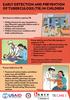 EARLY DETECTION AND PREVENTION OF TUBERCULOSIS (TB) IN CHILDREN Risk factors in children acquiring TB: Children living in the same household as a lung TB patient (especially children under 5) Children
Addendum to the Epi-Aid Trip Report: Elk River Chemical Spill, West Virginia, January 16 31, 2014 (Epi-Aid 2014-023)
 Date: August 18, 2014 From: Mary Anne Duncan, DVM, MPH, Epidemiologist and Assessment of Chemical Exposures (ACE) Program Coordinator, Division of Toxicology and Human Health Sciences, Agency for Toxic
Whooping Cough. The Lungs Whooping cough is an infection of the lungs and breathing tubes, both of which are parts of the respiratory system.
 Whooping Cough Introduction Whooping cough is a serious bacterial infection of the lungs and breathing tubes. It is also called pertussis. About 16 million cases of whooping cough happen worldwide each
DRILL OF THE MONTH INSTRUCTOR GUIDE. Teaching/Learning Materials: LCD and laptop for PowerPoint slides
 DRILL OF THE MONTH INSTRUCTOR GUIDE Title: CRIME / FIRE SCENE INVESTIGATION Time Required: 1-2 Hours Teaching/Learning Materials: LCD and laptop for PowerPoint slides References: Arson Detection for the
Pesticide Poisonings. Chapter 9. In This Chapter. Keywords. Pesticide Poisonings in Canada. How do Accidental Poisonings Occur?
 Chapter 9 Pesticide Poisonings In This Chapter Keywords After learning the information in this chapter, you will be able to: 1. Explain the 4 ways pesticide poisonings can occur. 2. List the symptoms of
Bloodborne Pathogens. Scott Anderson CCEMTP. Materials used with permission from the Oklahoma State University
 Bloodborne Pathogens Scott Anderson CCEMTP Materials used with permission from the Oklahoma State University What is a Bloodborne Pathogen? Microorganisms that are carried in the blood that can cause disease
BRYN MAWR COLLEGE EMERGENCY RESPONSE PLAN Revised 3/17/08 (abridged)
 BRYN MAWR COLLEGE EMERGENCY RESPONSE PLAN Revised 3/17/08 (abridged) This document is a synopsis of the planning and preparation the College has undertaken to handle emergencies in a professional, efficient,
http://images.tutorvista.com/content/control5coordination/human5brain.jpeg!! 387
 http://images.tutorvista.com/content/control5coordination/human5brain.jpeg!! 387! 388! http://my.fresnounified.org/personal/lygonza/gonzalez/neuron/neuron5synapse%20communication.png!! http://www.urbanchildinstitute.org/sites/all/files/databooks/2011/ch15fg25communication5between5neurons.jpg!!
Get the Facts About. Disease
 Get the Facts About TB TUBERCULOSIS Disease What s Inside: 3 PAGE Get the facts, then get the cure 4 PAGE 9 PAGE 12 PAGE Learn how TB is spread Treatment for TB disease Talking to family and friends about
Accreditation Program: Hospital. Emergency Management
 ccreditation Program: Hospital Emergency Management ccreditation of Healthcare Organizations ccreditation Program: Hospital Chapter: Emergency Management Standard EM.01.01.01 The [organization] engages
C. difficile Infections
 C. difficile Infections Introduction C. difficile is a type of bacteria that can cause diarrhea and infection of the colon. This bacterium is more likely to infect patients at hospitals and other healthcare
Hospital Emergency Operations Plan Workshop
 Hospital Emergency Operations Plan Workshop Updating the Hospital and Rural Medical Center EOP for the Use of Volunteers in Medical Surge AGENCY LOGO Acknowledgements: This workshop was developed by the
BE SURE. BE SAFE. VACCINATE.
 DON T GET OR GIVE THE FLU THIS YEAR THANK YOU Vaccination is the only protection. www.immunisation.ie BE SURE. BE SAFE. VACCINATE. FLU VACCINE 2013-2014 Healthcare workers prevent the spread of flu and
TRICHLOROACETIC ACID SOLUTION Department of Pharmacy Duke University Medical Center Box 3089 Durham, NC 27710 919-684-5125
 Page 1 of 5 1. IDENTIFICATION OF SUBSTANCE Name: Manufacturer: TRICHLOROACETIC ACID SOLUTION Department of Pharmacy Duke University Medical Center Box 3089 Durham, NC 27710 919-684-5125 Information Department:
BROCKTON AREA MULTI-SERVICES, INC. MEDICAL PROCEDURE GUIDE. Date(s) Reviewed/Revised:
 Page 1 of 5 PROCEDURE FOR: MAP-certified staff and RN/LPN MAP-certified staff are to be trained in the use of epinephrine administration via pre-filled autoinjector devices(s) annually. Certified staff
COMMONWEALTH of VIRGINIA Department of Health
 COMMONWEALTH of VIRGINIA Department of Health MARISSA J. LEVINE, MD, MPH, FAAFP PO BOX 2448 TTY 7-1-1 OR STATE HEALTH COMMISSIONER RICHMOND, VA 23218 1-800-828-1120 Dear Colleague: Emerging Infections
SUMMARY of Suggested School Nurse's Roles and Responsibilities from the VERMONT SCHOOL CRISIS GUIDE CRISIS PRIORITIES ROLES & RESPONSIBILITIES ALL
 ALL Anaphylaxis (Severe Allergic Reaction) Health and safety of students, staff, and responders Locate and follow the individual's anaphylaxis plan. (1) Have emergency "GO" bag ready at all times. (2)
PREPARING YOUR ORGANIZATION FOR PANDEMIC FLU. Pandemic Influenza:
 PREPARING YOUR ORGANIZATION FOR PANDEMIC FLU Pandemic Influenza: What Business and Organization Leaders Need to Know About Pandemic Influenza Planning State of Alaska Frank H. Murkowski, Governor Department
FOR IMMEDIATE RELEASE Release #2014-04
 FOR IMMEDIATE RELEASE Release #2014-04 CONTACT for this Release: Krista Dommer Office Phone: (209) 468-3571 Email: [email protected] Alvaro Garza, MD, MPH. Public Health Officer MEASLES OUTBREAKS PROMPT
Planning for 2009 H1N1 Influenza. A Preparedness Guide for Small Business
 09 Planning for 2009 H1N1 Influenza A Preparedness Guide for Small Business Table of Contents 02 Foreword 03 Introduction 04 How to Write Your Plan 05 Keeping Healthy: 10 Tips for Businesses 06 Keeping
Lesson 7: Respiratory and Skeletal Systems and Tuberculosis
 Glossary 1. asthma: when the airways of the lungs narrow, making breathing difficult 2. bacteria: tiny living creatures that can only be seen with a microscope; some bacteria help the human body, and other
How To Manage A Catastrophic Injury
 Report #14 CATASTROPHIC INJURIES: Paralysis, Amputation, Burns Overview: A catastrophic injury or illness usually occurs suddenly and without warning. Injuries may be considered catastrophic when they
X-Plain Pediatric Tuberculosis Reference Summary
 X-Plain Pediatric Tuberculosis Reference Summary Introduction Tuberculosis, or TB, is a bacterial infection that causes more deaths in the world than any other infectious disease. When a child gets TB,
What You Need to Know About LEMTRADA (alemtuzumab) Treatment: A Patient Guide
 For Patients What You Need to Know About LEMTRADA (alemtuzumab) Treatment: A Patient Guide Patients: Your doctor or nurse will go over this patient guide with you. It is important to ask any questions
Hospital Incident Command System Revision Project
 Hospital Incident Command System Revision Project Mary Massey, BSN, MA, PHN California Hospital Association, Hospital Preparedness Program Loni Howard, RN, MSN Sutter Medical Center, Sacramento 1 Objectives
Tuberculosis and You A Guide to Tuberculosis Treatment and Services
 Tuberculosis and You A Guide to Tuberculosis Treatment and Services Tuberculosis (TB) is a serious disease that can damage the lungs or other parts of the body like the brain, kidneys or spine. There are
WHEN TO WASH YOUR HANDS
 WHEN TO WASH YOUR HANDS Before eating or preparing food After using the toilet After blowing your nose After handling garbage or trash After touching pets or animals After touching shared objects Before
Template Policy on Healthcare Facility Patient Evacuation and Shelter-in Place
 Template Policy on Healthcare Facility Patient Evacuation and Shelter-in Place Policy: It is the policy of the healthcare facility to have defined procedures to protect the life and safety of both patients1
notes Video User s s Guide Accident Involving Radioactive Material
 Emergency Response to a Transportation Accident Involving Radioactive Material DISCLAIMER Viewing this video and completing the enclosed printed study material do not by themselves provide sufficient skills
FREQUENTLY ASKED QUESTIONS ABOUT PERTUSSIS (WHOOPING COUGH)
 FREQUENTLY ASKED QUESTIONS ABOUT PERTUSSIS (WHOOPING COUGH) What is pertussis? General Questions About Pertussis Pertussis, or whooping cough, is a contagious illness that is spread when an infected person
Practical Nursing Program (PND) CLINICAL PREPAREDNESS PERMIT (CPP)
 Students are required to: Practical Nursing Program (PND) CLINICAL PREPAREDNESS PERMIT (CPP) Last Name First Name College Student # Birth (DD/MM/YY) 1. Keep this permit up-to-date and current at all times.
BUSINESS IMPACT ANALYSIS.5
 Table of Contents I. GENERAL.3 Introduction.3 Scope.3 Components.3 II. BUSINESS IMPACT ANALYSIS.5 Academic Affairs...5 Finance and Administration.6 Planning and Accountability..8 Student Affairs.8 Institutional
Principles of Triage During A Mass Casualty Incident. MASS, START, Id-me, RPM
 Principles of Triage During A Mass Casualty Incident MASS, START, Id-me, RPM 1 Introduction My name is Ernie Husted Special Subject Instructor - Ohio Peace Officer Basic Training Program Member of OH-5
Chemotherapy Side Effects Worksheet
 Page 1 of 6 Chemotherapy Side Effects Worksheet Medicines or drugs that destroy cancer cells are called cancer chemotherapy. It is sometimes the first choice for treating many cancers. Chemotherapy differs
Recommended Disaster Core Competencies For Hospital Personnel
 Recommended Disaster Core Competencies For Hospital Personnel Revised Spring 2011 Recommended Disaster Core Competencies For Hospital Personnel Revised Spring 2011 Florida Department of Health Bureau of
GrapeGate v1.0 [email protected]
 As you begin the process of alkalizing and granting the body more energy for cleansing itself (and also for regeneration), many symptoms and seemingly adverse reactions can occur throughout this process
The Reality Pertussis can be a serious illness, part icularly for babies and young children.
 Sounds of Pertussis Pertussis, also known as whooping cough, is a poten tially deadly infection that can strike at any age, but is particularly dangerous for babies. The sounds of pertussis are like no
WHY ARE WE HERE? OSHA BB Pathogen standard. The more you know, the better you will perform in real situations!
 WHY ARE WE HERE? OSHA BB Pathogen standard anyone whose job requires exposure to BB pathogens is required to complete training employees who are trained in CPR and first aid The more you know, the better
Appendix I. Joint Commission Emergency Management Standards and Related Elements of Performance
 Appendix I. Joint Commission Emergency Management Standards and Related Elements of Performance 0.0.0 - The hospital engages in planning activities prior to developing its written Emergency Operations
Influenza Vaccine Frequently Asked Questions. Influenza Control Program
 Influenza Vaccine Frequently Asked Questions Influenza Control Program Influenza or the flu can be a serious contagious disease, which is spread by droplet transmission through close contact with an infected
It is important that you tell your family and the people closest to you of this increased sensitivity to opioids and the risk of overdose.
 MEDICATION GUIDE VIVITROL (viv-i-trol) (naltrexone for extended-release injectable suspension) Read this Medication Guide before you start receiving VIVITROL injections and each time you receive an injection.
Planning for an Influenza Pandemic
 Overview It is unlikely that a new pandemic influenza strain will first emerge within Elgin County. The World Health Organization (WHO) uses a series of six phases, as outlined below, of pandemic alert
SAFETY TRAINING CLASSES & SERVICES LIST
 SAFETY TRAINING CLASSES & SERVICES LIST CUSTOM CLASS ROOM TRAINING AVAILABLE, BACKED WITH ON-SITE SUPPORT SAFETY, TRAINING COURSES OFFERED BY OUR CERTIFIED ELITE RISK CONTROL TEAM: EM 385-1-1 (Military)
Emergency Management of Long-term Care Facilities
 Emergency Management of Long-term Care Facilities What is the Ombudsman Role? Patty Ducayet, Texas State Long-term Care Ombudsman Emergency Preparedness in Long-term Care Facilities Facility planning involves
Paclitaxel and Carboplatin
 PATIENT EDUCATION patienteducation.osumc.edu What is Paclitaxel (pak-li-tax-el) and how does it work? Paclitaxel is a chemotherapy drug known as an anti-microtubule inhibitor. Another name for this drug
Pike County General Health District. Emergency Response Plan
 Pike County General Health District Emergency Response Plan Updated October 2014 Basic Plan Primary Agency Support Agencies Introduction Purpose Scope Phases of Emergency Management Situations Assumptions
APPENDIX I-A: INFORMED CONSENT BB IND 11184 Protocol CDC IRB #4167
 APPENDIX I-A: INFORMED CONSENT BB IND 11184 Protocol CDC IRB #4167 INFORMED CONSENT FOR USE OF DIPHTHERIA ANTITOXIN (DAT) FOR SUSPECTED DIPHTHERIA CASES Investigational New Drug (IND) BB 11184 Protocol
Hazardous materials can be silent killers. Almost every household and workplace has varying amounts of chemicals that, if spilled or combined, will
 HAZARDOUS MATERIALS Hazardous materials can be silent killers. Almost every household and workplace has varying amounts of chemicals that, if spilled or combined, will cause great harm and even death.
THE A, B, C S OF HEPATITIS. Matt Eidem, M.D. Digestive Health Associates of Texas 1600 Coit Road Suite #301 Plano, Texas 75075 (972) 867-0019
 THE A, B, C S OF HEPATITIS Matt Eidem, M.D. Digestive Health Associates of Texas 1600 Coit Road Suite #301 Plano, Texas 75075 (972) 867-0019 WHAT IS HEPATITIS? Hepatitis means inflammation of the liver
Gemcitabine and Cisplatin
 PATIENT EDUCATION patienteducation.osumc.edu What is Gemcitabine (jem-site-a been)? Gemcitabine is a chemotherapy medicine known as an anti-metabolite. Another name for this drug is Gemzar. This drug is
Staying on Track with TUBERCULOSIS. Medicine
 Staying on Track with TB TUBERCULOSIS Medicine What s Inside: Read this brochure to learn about TB and what you can do to get healthy. Put it in a familiar place to pull out and read when you have questions.
Hazardous materials can be silent killers. Almost every household and workplace has varying amounts of chemicals that, if spilled or combined, will
 HAZARDOUS MATERIALS Hazardous materials can be silent killers. Almost every household and workplace has varying amounts of chemicals that, if spilled or combined, will cause great harm and even death.
Bloodborne Pathogens. San Diego Unified School District Nursing & Wellness Program August 2013
 Bloodborne Pathogens San Diego Unified School District Nursing & Wellness Program August 2013 Why Another In-service?? Cal/OSHA mandates that employees with occupational exposure are informed at the time
MEDICATION GUIDE KOMBIGLYZE XR (kom-be-glyze X-R) (saxagliptin and metformin HCl extended-release) tablets
 MEDICATION GUIDE KOMBIGLYZE XR (kom-be-glyze X-R) (saxagliptin and metformin HCl extended-release) tablets Read this Medication Guide carefully before you start taking KOMBIGLYZE XR and each time you get
WHY IS THIS IMPORTANT?
 CHAPTER 1 WHAT IS MICROBIOLOGY AND WHY IS IT IMPORTANT? WHO / TDR / Crump WHY IS THIS IMPORTANT? Microbiology is more relevant than ever in today s world. Infectious diseases are a leading health-related
Clarkson University Environmental Health & Safety Program Overview
 Clarkson University Environmental Health & Safety Program Overview Mission Clarkson University is committed to maintaining a safe living, learning, and working environment and to furnishing a workplace
Lighthouse IF YOU WERE THE DRIVER OF YOUR OWN VEHICLE, SOMEONE ELSE S VEHICLE OR A PASSENGER IN THE VEHICLE, ANSWER THIS SECTION COMPLETELY.
 Lighthouse Chiropractic IF YOU WERE THE DRIVER OF YOUR OWN VEHICLE, SOMEONE ELSE S VEHICLE OR A PASSENGER IN THE VEHICLE, ANSWER THIS SECTION COMPLETELY. Your Auto Insurance Company Name Address Policy
Share the important information in this Medication Guide with members of your household.
 MEDICATION GUIDE BUPRENORPHINE (BUE-pre-NOR-feen) Sublingual Tablets, CIII IMPORTANT: Keep buprenorphine sublingual tablets in a secure place away from children. Accidental use by a child is a medical
4 Insurance 5 Availability of alternate sources for critical supplies/services
 Hazard and Vulnerability Analysis Hazard and Vulnerability Analysis This document is a sample Hazard Vulnerability Analysis tool. It is not a substitute for a comprehensive emergency preparedness program.
HealthStream Regulatory Script
 HealthStream Regulatory Script HIPAA Release Date: August 2009 HLC Version: 602 Lesson 1: Introduction Lesson 2: HIPAA Overview Lesson 3: Transactions & Code Sets Lesson 4: Security Lesson 5: Unique Identifiers
Chapter 5. INFECTION CONTROL IN THE HEALTHCARE SETTING
 Chapter 5. INFECTION CONTROL IN THE HEALTHCARE SETTING INTRODUCTION This chapter addresses infection control measures and practices in the healthcare setting and provides guidance to healthcare facilities
EXTREME HEAT/HUMIDEX ADVISORY FACT SHEET
 EXTREME HEAT/HUMIDEX ADVISORY FACT SHEET While it is important to enjoy the outdoors during Canadian summers, it is also essential to keep in mind that periods of extreme heat and humidex events may cause