
WHEN TO WASH YOUR HANDS
|
|
|
- Virgil Horton
- 10 years ago
- Views:
Transcription
1 WHEN TO WASH YOUR HANDS Before eating or preparing food After using the toilet After blowing your nose After handling garbage or trash After touching pets or animals After touching shared objects Before handling contact lenses WASH YOUR HANDS WHENEVER THEY ARE LIKELY TO BE CONTAMINATED WITH GERMS OR WHENEVER THEY WILL BE IN CONTACT WITH YOUR EYES, NOSE OR MOUTH
2 #1 Five Minute Tips: When to Wash Your Hands Use the When to Wash Your Hands sign on the reverse to support your teaching. Post the sign on your worksite bulletin board % of respiratory tract infections can be spread by the hands. 2. Always wash your hands: Before eating or preparing food After using the toilet (or helping a child use the toilet) After blowing your nose (or wiping a child s nose) After handling garbage or trash After touching pets or animals After touching objects that are shared with others Beforehandlingcontact lenses 3. What you can do: Make sure the washroom of your workplace has plain (not antibacterial) soap and clean (preferably disposable) towels St Set a good example SUM UP Hands should be washed: When they are likely to be contaminated with germs When they are likely to come in contact with the places where germs can get into the body, such as your eyes, nose or mouth.
3 HOW TO WASH YOUR HANDS HANDWASHING IS THE BEST WAY TO STOP THE SPREAD OF INFECTIONS
4 #2 Five Minute Tips: How to Wash Your Hands Review in advance the six steps of handwashing so that you are familiar with good technique. Use a handwashing poster that shows the six steps of proper handwashing, such as the one on the reverse from Do Bugs Need Drugs, to support your teaching.* Demonstrate the steps of handwashing; ask the group to practice the motions along with you: 1. Wet your hands. Wet your hands before applying soap so the soap doesn t get rinsed off. 2. Apply plain soap. Use plain soap. Plain soap is just as effective as antibacterial soap in preventing infections and does not lead to antibiotic resistance. 3. Soap up for 20 seconds. Use any poster such as the one on the reverse to show good soaping up technique. Wash your palms, between your fingers, backs, wrists, thumbs and fingertips and nails. 4. Rinse for 10 seconds or until all the soap is gone. 5. Dry your hands, preferably with a clean disposable towel. 6. Use the towel to turn off the taps and let yourself out the washroom door. (This prevents recontamination.) Review the steps if needed. Post handwashing signs in washrooms and above sinks. View a handwashing video such as the one at to reinforce these messages SUM UP Handwashing is the best way to stop the spread of infections Handwashing must be done properly to be effective * Full size posters available at no cost from Do Bugs Need Drugs? See order form at:
5 HAND SANITIZERS RECOMMENDED ALCOHOL-BASED At least 60% alcohol Alcohol (ethanol, isopropanol, n propanol) is the only active ingredient Foaming and liquid gels are both effective NOT RECOMMENDED ALCOHOL-FREE Contain quaternary ammonium compounds (QUATS). Benzalkonium chloride is the most common QUAT in alcohol free hand sanitizers QUATS can lead to antibiotic resistance HAND SANITIZERS ARE NOT A SUBSTITUTE FOR HANDWASHING HAND SANITIZERS DON T WORK IF YOUR HANDS ARE GREASY OR DIRTY ONLY ALCOHOL BASED HAND SANITIZERS ARE RESOMMENDED BY ALBERTA HEALTH SERVICES AND THE PUBLIC HEALTH AGENCY OF CANADA
6 #3 Five Minute Tips: Hand Sanitizers Use the Hand Sanitizers sign on the reverse to support your teaching. Post the sign on your worksite bulletin board. 1. Handwashing is the best way to remove germs from your hands, but if soap and water aren t available, you can use an alcoholbased hand sanitizer. 2. Some examples of when hand sanitizers might be appropriate are in a car, truck or other vehicle or if you work outdoors. 3. Hand sanitizers don t work if your hands are dirty or greasy. If hand sanitizers are your only option, and your hands ARE dirty or greasy, first use a plain cleansing wipe (not antibacterial or disinfecting) followed by an alcohol based hand sanitizer. 4. Use a hand sanitizer that contains at least 60% alcohol and alcohol is the ONLY active ingredient. 5. Alcohol is listed as ethanol, isopropanol or n propanol in the active ingredients. 6. Foaming or liquid gels are both effective. 7. Do not use alcohol free hand sanitizers as these contain quaternary ammonium compounds (QUATS). QUATS can lead to antibiotic resistance (see Tips #10 and 12) SUM UP Hand sanitizers are not a substitute for handwashing. Only alcohol based hand sanitizers are recommended by Alberta Health Services and the Public Health Agency of Canada. Non alcohol based hand sanitizers are not recommended.
7 HOW DO HANDS SPREAD INFECTIONS? Germs Hands Eyes, Nose, Mouth
8 #4 Five Minute Tips: How Do Hands Spread Infections? Use the pictures on the reverse to support your teaching. Post the sign on your workplace bulletin board 1. The hands are very efficient at picking up germs from contaminated surfaces such as countertops, desks, door handles, washroom fixtures and light switches. 2. These are places that are touched by many other people and are sites where germs can be spread. 3. But you don t get infections just by having germs on your hands (unless you have a cut or scrape). 4. Germs enter the body through the mucous membranes. 5. The mucous membranes are the pink, moist linings of your eyes, nose andmouth mouth. 6. When you touch your eyes, nose or mouth, any germs that are on your hands can be transferred to the body and can cause an infection. SUM UP Keep your hands clean and away from your face
9 RESPIRATORY ETIQUETTE Sneeze or cough into a tissue Throw away used tissues promptly If you do not have a tissue, sneeze or cough into your sleeve STOP THE SPREAD OF INFECTIONS AT WORK AND AT HOME
10 #5 Five Minute Tips: Respiratory Etiquette Use the Respiratory Etiquette sign on the reverse to support your teaching. Post the sign on your worksite bulletin board. Demonstrate good technique: 1. Cover your mouth and nose when you cough or sneeze. 2. Cough or sneeze into a tissue; throw used tissues away promptly. 3. If a tissue is not available, cough or sneeze into your sleeve. 4. After handling used tissues, wash your hands with ihplain li soap and water. If soap and water are not available, use an alcohol based hand sanitizer. SUM UP Don t spread germs in the workplace Cover your coughs and sneezes Remember to use respiratory etiquette at home
11 INFLUENZA PREVENTION Prevention is best because there is no reliable cure Get an annual influenza (flu) vaccination Wash your hands SYMPTOMS Fever or chills Headache Feeling tired Body aches Sore throat Runny or stuffy nose Coughing, sneezing SELF-CARE Di Drink plenty of fluids Stay home from work and rest Don t go out except for medical attention Take acetaminophen or ibuprofen for fever / pain Ask pharmacist for help with over the counter medicines SEEK IMMEDIATE MEDICAL ATTENTION IF YOU HAVE ANY OF THESE SYMPTOMS: TROUBLE BREATHING NOT CAUSED BY A STUFFY NOSE STIFF NECK OR SEVERE HEADACHE WITH FEVER AND CHILLS
12 #6 Five Minute Tips: Influenza Use the Influenza sign on the reverse to support your teaching. Post the sign on your worksite bulletin board. 1. Prevention: Because there is no reliable cure for influenza, get an annual influenza (flu) vaccination. Stop the spread of the influenza virus and other germs by washing your hands properly and often. 2. Symptoms: fever or chills, headache, feeling tired, body aches, sore throat, runny or stuffy nose, coughing, sneezing. 3. Self care: Drink plenty of fluids Stay home from work and rest Avoid going out except to get medical attention Take fever reducing medication such as acetaminophen or ibuprofen for fever and pain Ask your pharmacist for help with over the counter medicines 4. When to seek immediate medical attention. Go to the emergency department if you have any of the following symptoms: Trouble breathing not caused by a stuffy nose Stiff neck or severe headache with fever and chills SUM UP If you have influenza, stay home until you are feeling better. Don t go out except to get medical attention.
13 DO I NEED AN ANTIBIOTIC? VIRAL INFECTIONS More contagious than bacterial infections If more than one person in your family has the same illness, it s most likely a viral infection Can make you just as sick as bacterial infections Most respiratory tract infections are caused by viruses BACTERIAL INFECTIONS Less common than viral infections Don t spread as easily from one person to another as viral infections ANTIBIOTICS ONLY WORK AGAINST BACTERIA USING ANTIBIOTICS FOR VIRAL INFECTIONS CAN LEAD TO ANTIBIOTIC RESISTANCE
14 #7 Five Minute Tips: Do I Need an Antibiotic? Use the Do I Need an Antibiotic sign on the reverse to support your teaching. Post the sign on your worksite bulletin board. 1. Antibiotics work against bacterial infections but not against viral infections. 2. Most respiratory tract infections (colds, influenza, sore throats, coughs,) are due to viruses. 3. Your doctor may do tests to find out if your infection is caused by bacteria. 4. Using antibiotics when they are not needed can cause bacteria to become resistant to antibiotics, so that antibiotics no longer work. 5. You can carry antibiotic resistant bacteria in your body for a long time, which can result in infections later on that are difficult to treat. 6. Don t put yourself at risk by using antibiotics unnecessarily. SUM UP Remember: Not all bugs need drugs. Antibiotics are not appropriate for viral infections.
15 WHAT CAUSES THESE INFECTIONS? Infection Caused by Caused by Will an bacteria viruses antibiotic hl? help? Colds None All No Influenza (flu) None All No Sore throat Rarely Most Rarely Laryngitis None All No Bronchitis* Rarely Most Rarely Sinus infection Rarely Most Rarely Ear infection Some Some Sometimes Pneumonia Often Some Usually * in otherwise healthy people MOST RESPIRATORY TRACT INFECTIONS ARE CAUSED BY VIRUSES
16 #8 Five Minute Tips: What Causes These Infections? Use the What Causes These Infections sign on the reverse to support your teaching. Post the sign on your worksite bulletin board. 1. Know what s causing your respiratory tract infection. It will help you get the best treatment. 2. Colds, influenza and laryngitis are always caused by viruses. 3. Most sore throats, coughs, sinus infections and bronchitis (unless you have a chronic illness such as emphysema or COPD) are due to viruses. 4. If you have one of these infections, ask your pharmacist about over the counter medications that will help to relieve your symptoms. 5. Remember that antibiotics will not help with viral infections and that using antibiotics unnecessarily leads to antibiotic resistance. 6. Ear infections can be due to viruses or bacteria. In many cases an ear infection, even if it is caused by bacteria, will clear without an antibiotic. 7. Pneumonia is the most serious respiratory tract infection. It is most often caused by bacteria and antibiotics will help. Note: This common misconception may come up in your discussion. Many people think that yellow / green nasal discharge or phlegm means their infection is caused by bacteria. This is not the case. Yellow or green discharge occurs with both bacterial and viral infections and comes from your body fighting the infection. SUM UP Most respiratory tract infections are due to viruses and antibiotics will not help.
17 Antibiotic resistance is a threat to your health Use antibiotics wisely World Health Day, April 7, 2011 Commemorating the founding of the World Health Organization
18 #9 Five Minute Tips: Antibiotic Resistance Use the sign on the reverse from AntibioticAwareness.ca to support your teaching. Post the sign on your workplace bulletin board. For help with understanding this topic view the What is Antibiotic Resistance? slide show at 1. Antibiotic resistance is a complicated issue, but a basic understanding is important because it is a threat to your health. 2. Antibiotic resistance involves the interaction of bacteria, antibiotics and people. 3. Bacteria are tiny living organisms that can only be seen with a microscope. Bacteria are in the soil, water and in other living things including the human body. Most bacteria are good (for example, they help with digestion and immunity). Only a few are bad and cause infections. 4. Antibiotics are drugs that can kill bacteria or stop them from multiplying. Antibiotics have saved millions of lives from infections that, in the past, would have resulted in death (for example, pneumonia or infections associated with childbirth). 5. Antibiotic resistance. Some bacteria have developed ways to avoid being killed by antibiotics. These bacteria have antibiotic resistance. Antibiotic resistance is genetic so that it can be passed to future generations of bacteria. Bacteria also have the special capacity to trade genes with other kinds of bacteria, providing another way for resistance to spread. 6. People. If you have an infection caused by antibiotic resistant bacteria, you will continue to be sick, even though you are taking antibiotics. Your infection will not be cured. Antibiotic resistant infections result in longer illness, hospitalization or sometimes death. 7. Antibiotic resistance is on the rise. As more andmore bacteria become resistant to antibiotics, we are returning to the preantibiotic era when people died from infections like pneumonia, or wound and skin infections. 8. Antibiotic resistance. it When you take tk an antibiotic, both your good and bad bacteria are exposed. Exposure to an antibiotic increases the number of good bacteria in your body that are resistant. You may not be sick, but good bacteria are carrying the resistance genes. Since the resistance genes can be transferred to bad bacteria, the chance that your next infection will be resistant is increased. 9. Unnecessary use of antibiotics is the main reason why rates of antibiotic resistance are increasing. Use antibiotics wisely. This is what you need to know: Antibiotics will not help with viral infections; viruses are not affected by antibiotics. If you are not prescribed an antibiotic, it is because your infection is most likely caused by a virus. If you are prescribed an antibiotic, take all of the medication until it is finished, even if you are felling better. Protect yourself against viral infections: get an annual influenza (flu) vaccination and wash your hands. Use soaps and cleaning products that do not lead to antibiotic resistance (see Tips #10 12). SUM UP Use antibiotics responsibly. Do not ask for or expect antibiotics when you go to the doctor for a respiratory infection. Since antibiotics don t work for viral infections, protect yourself in other ways. Get an influenza vaccination. Wash your hands. Use soaps, personal hygiene products and cleaners that t do not lead to antibiotic resistance.
19 PRODUCT LABEL DEFINITIONS ANTIBACTERIAL ANTISEPTIC CLEANERS SOAP DETERGENT DISINFECTANT SANITIZER Containing chemicals that attack bacteria. TRICLOSAN or TRICLOCARBAN, act like antibiotics and can lead to antibiotic resistance. AVOID ANTIBACTERIAL PRODUCTS A product that can kill germs on the skin. Hand sanitizers are actually antiseptics. Products that lift and remove dirt, grease and germs, allowing them to be washed them away. A cleaner made up of natural oils or fats and lye (sodium hydroxide) id) or a chemical similar to lye. A cleaner similar to soap but containing man made compounds instead of natural oils or fats. A product that can kill 99.9% of germs on hard, non porous surfaces. MUST BE USED AT THE CONCENTRATION AND DURATION OF TIME INDICATED ON THE PRODUCT LABEL TO BE EFFECTIVE A product that can kill germs on hard, non porous surfaces and reduce the germ count to safe levels. PLAIN SOAP IS BEST FOR WASHING YOUR HANDS
20 #10 Five Minute Tips: Product Label Definitions Use the Product Label Definitions sign on the reverse to support your teaching. Post the sign on your workplace bulletin board. 1. Antibacterial products contain chemicals such as triclosan or triclocarban that attack bacteria and act like antibiotics. These chemicals can lead to antibiotic resistance and should be avoided. 2. Antiseptics are products that kill germs on the skin. Hand sanitizers are actually antiseptics. Some antiseptics are better than others. 3. Cleanersare are products that lift dirt, grease and germs and allow them to be rinsed away. The advantage of these products is that they remove germs without attacking them and do not lead to antibiotic resistance. 4. Soaps and detergents are cleaners. Soaps have natural fats and oils whereasdetergentsaresynthetic are synthetic. 5. Disinfectants will kill 99.9% of germs on hard, smooth surfaces. They must be used at the right concentration and for the right amount of time to be effective. Disinfectants are not intended for use on the skin. 6. Sanitizers are products that will kill germs on hard, smooth surfaces and reduce the germ count to safe levels. 7. Note: Sterilization is a process that kills or removes all biological material (including germs). Sterilization is used, for example, in the food industry (canning) and in medicine (surgical instruments). SUM UP For use on the skin, chose products that do not attack bacteria because this can lead to antibiotic resistance. When you use disinfectants, follow product directions carefully.
21 LIQUID AND BAR SOAP LIQUID HAND SOAP Not as messy as bar soap Recommended for public and shared sinks Regularly clean the soap container including the button, lever or pump that is touched to dispense the soap Use plain soap Do not use antibacterial soap containing triclosan REFILLING LIQUID SOAP DISPENSERS Do not top up liquid soap dispensers Refillable dispensers that are infrequently cleaned have been shown to harbour bacteria 1. Empty the soap container before refilling 2. Wash the empty container and pump 3. Air dry before refilling BAR SOAP Bar soap should not stand in water Soap holder needs to allow water to drain and soap to air dry Regularly clean the soap holder Use plain soap Do not use antibacterial soap containing triclosan
22 #11 Five Minute Tips: Liquid and Bar Soap Use the Liquid and Bar Soap sign on the reverse to support your teaching. Post the sign on your workplace bulletin board. 1. Liquid hand soap is not as messy as bar soap and is preferred for public or shared sinks. 2. Liquid id soap containers ti should ldbe cleaned regularly, l particularly l the surfaces that people touch to dispense the soap (button, lever, pump). These surfaces are touched after using the toilet but before washing the hands and are likely to be contaminated. 3. Refillable liquid soap dispensers should not be topped up. Bacterial contamination has been found in soap from dispensers that are not cleaned before refilling. 4. To clean a liquid soap dispenser: empty, wash the container and pump, air dry and then refill. 5. Barsoap can be used but should not stand in water. Barsoap holders should allow water to drain and the soap to air dry. 6. Bar soap holders should be regularly cleaned. 7. No matter what form of soap is used, use plain soap. 8. Do not use antibacterial soap containing triclosan or triclocarban because these chemicals act like antibiotics and can lead to antibiotic resistance. 9. Plain soap is just as effective as antibacterial soap in preventing infections and does not lead to antibiotic resistance. SUM UP Make sure plain soap is available at all sinks in your workplace. Ensure soap dispensers and holders are properly cleaned and maintained. i
23 CLEANING PRODUCT INGREDIENTS YOU SHOULD KNOW ABOUT TRICLOSAN TRICLOCARBAN QUATERNARY AMMONIUM COMPOUNDS QUATS IN DISINFECTANTS QUATS IN PERSONAL CARE PRODUCTS Active ingredient in antibacterial products Soap, dish detergent, cosmetics, deodorant, others Leads to antibiotic resistance Negative effects on the environment Under review by the US Food & Drug Administration AVOID ANTIBACTERIAL PRODUCTS Also know as QUATS Chemicals that end in -NIUM Examples: benzalkonium chloride, cetylpyridinium chloride Active ingredient in disinfectants and disinfecting wipes Effective on hard non porous surfaces MUST BE USED AT CORRECT CONCENTRATION AND LENGTH OF TIME Active ingredient in hand sanitizers, shampoo, cosmetics, others Can lead to antibiotic resistance HAND SANITIZERS CONTAINING QUATS ARE NOT RECOMMENDED
24 #12 Five Minute Tips: Cleaning Product Ingredients You Should Know About Use the Product Label Definitions sign on the reverse to support your teaching. Post the sign on your workplace bulletin board. 1. Triclosan is a biologically active compound that attacks bacteria and acts like an antibiotic. It is the most common additive in products labeled antibacterial. Avoid products containing triclosan because they can lead to antibiotic resistance. Triclosan also has negative effects on the environment. Triclosan is under review by the U.S. Food and Drug Administration. 2. Quaternary ammonium compounds (QUATS) are also biologically active. They can be identified on product labels because they end in nium. QUATS are effective as disinfectants on hard, smooth surfaces such as floors, countertops, sinks etc. but they must be used as directed. Usually the surface needs to remain wet for several minutes. Food preparation areas need to be rinsed with water afterwards. Many personal care products (soap, shampoo, hand sanitizers, cosmetics) contain QUATS. These products are not recommended because they can lead to antibiotic resistance. SUM UP Know the ingredients in the products you are using. Avoid products containing triclosan. Avoid personal care products containing QUATS. Read the product instructions and only use as directed.
Safety FIRST: Infection Prevention Tips
 Reading Hospital Safety FIRST: Infection Prevention Tips Reading Hospital is committed to providing high quality care to our patients. Your healthcare team does many things to help prevent infections.
What Is. Norovirus? Learning how to control the spread of norovirus. Web Sites
 Web Sites Centers for Disease Control and Prevention (CDC) http://www.cdc.gov/norovirus/index.html Your Local Health Department http://www.azdhs.gov/diro/lhliaison/countymap.htm What Is Ocument dn Norovirus?
MRSA. Living with. Acknowledgements. (Methicillin-Resistant Staphylococcus aureus)
 How can I keep myself healthy? Hand washing and use of an alcohol-based hand sanitizer are the primary way to prevent acquiring or transmitting bacteria. If you get a cut or scrape, wash it well with soap
How can you protect yourself from infections?
 How can you protect yourself from infections? Your Infection Prevention Guide www.esrdncc.org Table of Contents Preventing an infection is an important part of your kidney care...3 Things you can do...4
INFLUENZA (FLU) Flu and You
 Influenza (Flu) What is the flu? The flu is an illness caused by flu viruses. The flu may make people cough and have a sore throat and fever. They may also have a runny or stuffy nose, feel tired, have
VRE. Living with. Learning how to control the spread of Vancomycin-resistant enterococci (VRE)
 VRE Living with Learning how to control the spread of Vancomycin-resistant enterococci (VRE) CONTENTS IMPORTANT VRE is a serious infection that may become life-threatening if left untreated. If you or
Living healthy with MRSA
 Stamford Health System Having MRSA means what? Living healthy with MRSA Discharge information for patients and families WASHING YOUR HANDS IS THE KEY!!! Staph aureus is a bacteria that lives on your skin
Pneumonia. Pneumonia is an infection that makes the tiny air sacs in your lungs inflamed (swollen and sore). They then fill with liquid.
 Pneumonia Pneumonia is an infection that makes the tiny air sacs in your lungs inflamed (swollen and sore). They then fill with liquid. People with mild (not so bad) pneumonia can usually be treated at
Is your cold, sore throat, earache or cough getting you down?
 Is your cold, sore throat, earache or cough getting you down? Sore throat Blocked nose Sinusitis Runny nose Earache Tonsillitis Cough Cold and Flu A guide to understanding your symptoms Understand your
Healthcare workers report that various factors contribute to poor compliance with hand hygiene. These include:
 RISKTOPICS Hand hygiene in the healthcare setting January 2013 Proper hand hygiene is the best way to keep from getting sick and prevent germs from being spread to others. For hospitals, nursing homes
READ THIS LEAFLET VERY CAREFULLY, AND KEEP IT IN A SAFE PLACE. FLU IS SPREADING IN IRELAND, AND THIS INFORMATION IS IMPORTANT FOR YOU AND YOUR FAMILY.
 READ THIS LEAFLET VERY CAREFULLY, AND KEEP IT IN A SAFE PLACE. FLU IS SPREADING IN IRELAND, AND THIS INFORMATION IS IMPORTANT FOR YOU AND YOUR FAMILY. Information and medical advice for the public on Pandemic
Black Hills Healthcare System
 Black Hills Healthcare System Methicillin Resistant Staphylococcal Aureus (MRSA) Patient and Family Information What is MRSA? Staphylococcus Aureus, often referred to simply as staph, is a bacteria commonly
Quick Reference H1N1 Flu (swine flu)
 Quick Reference H1N1 Flu (swine flu) The United States declared a public health emergency in response to the recent reports of swine flu. UMR wants to help you understand some important facts about H1N1
Protecting Myself from MRSA By Angela Ulferts RN, BSN
 Protecting Myself from MRSA By Angela Ulferts RN, BSN What is MRSA? MRSA stands for Methicillin-Resistant Staphylococcus Aureus. This is an infection that has been around for some time. But it has always
Moving to a hospital or skilled nursing facility
 H Moving to a hospital or skilled nursing facility What to expect when you have MRSA (Methicillin-resistant Staphylococcus aureus) A booklet for patients, residents, family members, and caregivers About
Whooping Cough. The Lungs Whooping cough is an infection of the lungs and breathing tubes, both of which are parts of the respiratory system.
 Whooping Cough Introduction Whooping cough is a serious bacterial infection of the lungs and breathing tubes. It is also called pertussis. About 16 million cases of whooping cough happen worldwide each
Planning for 2009 H1N1 Influenza. A Preparedness Guide for Small Business
 09 Planning for 2009 H1N1 Influenza A Preparedness Guide for Small Business Table of Contents 02 Foreword 03 Introduction 04 How to Write Your Plan 05 Keeping Healthy: 10 Tips for Businesses 06 Keeping
Communicating BMI Results Administrators, Parents, and Community
 Communicating BMI Results Administrators, Parents, and Community North Andover Public Schools Barbara Hedstrom, RN, MSN, NCSN Cheryl Barczak, RN, MSN Kathy O Neill, RN, BS How We Started We had an early
Hygiene and Infection. Control advice in the home
 Introduction The Infection Control Department Mid-Western Regional Hospital, Ennis, wrote this booklet with Clare Primary Community and Continuing Care and C-Diff Patients and Families Group. This booklet
Key Facts about Influenza (Flu) & Flu Vaccine
 Key Facts about Influenza (Flu) & Flu Vaccine mouths or noses of people who are nearby. Less often, a person might also get flu by touching a surface or object that has flu virus on it and then touching
Guidelines for Hand Foot and Mouth Disease HFMD
 Guidelines for Hand Foot and Mouth Disease HFMD Hand, foot, and mouth disease, or HFMD, is a contagious illness caused by different viruses. Infants and children younger than 5 years are more likely to
The effects of a pandemic can be lessened, however, if preparations are made ahead of time.
 PANDEMIC FLU FAMILY GUIDE TO PREPARATIONS A flu pandemic is a global outbreak of influenza that occurs when a new flu virus appears to which people have little or no immunity. Pandemic flu spreads easily
Useful contacts. Call 0800 1 513 513 to hear the latest information on swine flu. England: www.nhs.uk www.direct.gov.uk/swineflu
 Useful contacts Call 0800 1 513 513 to hear the latest information on swine flu. England: www.nhs.uk www.direct.gov.uk/swineflu Scotland: www.nhs24.com Wales: www.nhsdirect.wales.nhs.uk www.wales.gov.uk/health
Pandemic Influenza: A Guide for Individuals and Families
 Pandemic Influenza: A Guide for Individuals and Families GET INFORMED. BE PREPARED. This guide is designed to help you understand the threat of a pandemic influenza outbreak in our community. It describes
Sanitary Food Preparation & Safe Food Handling
 70 Feeding Infants 10 Sanitary Food Preparation & Safe Food Handling Babies are more susceptible to bacteria than older children, and unsanitary food conditions can cause serious infections. General cleanliness,
Swine Flu and Common Infections to Prepare For. Rochester Recreation Club for the Deaf October 15, 2009
 Swine Flu and Common Infections to Prepare For Rochester Recreation Club for the Deaf October 15, 2009 Supporters Deaf Health Community Committee Members Julia Aggas Cathie Armstrong Michael McKee Mistie
Wash your Hands. and stay well
 Wash your Hands and stay well Why all the fuss about washing our hands? Bugs and germs are so small we cannot see them They are everywhere... some are good and some are bad... and there are many different
Examples of how germs can get into your body and make you sick:
 Vocabulary words F O R Y O U R H E A L T H Wash Your Hands and Get Rid of Germs Germs are little living things that can be found in food, plants, and animals. They can also be in the soil, in the water,
Living with MRSA. Things to remember about living with MRSA: This is really serious. I need to do something about this now!
 Things to remember about living with MRSA: 1. Wash your hands often. 2. Take care of yourself: Eat right, exercise, quit smoking, and avoid stress. 3. Take good care of your skin. 4. Keep skin infections
Learning About MRSA. 6 How is MRSA treated? 7 When should I seek medical care?
 IMPORTANT MRSA is a serious infection that can become life-threatening if left untreated. If you or someone in your family has been diagnosed with MRSA, there are steps you need to take now to avoid spreading
BE SURE. BE SAFE. VACCINATE.
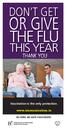 DON T GET OR GIVE THE FLU THIS YEAR THANK YOU Vaccination is the only protection. www.immunisation.ie BE SURE. BE SAFE. VACCINATE. FLU VACCINE 2013-2014 Healthcare workers prevent the spread of flu and
Purpose: Kindergarten First Grade Learning Objectives Supplies Needed:
 Hand Washing Lesson Purpose: Increase awareness and improve effectiveness of hand washing Hawaii Department of education Content Standards: Health Kindergarten K-2.1.7 Describe the benefits associated
CLEAN Your HandS. A Safe and Useful Guide to Proper Hand Cleaning Techniques
 CLEAN Your HandS A Safe and Useful Guide to Proper Hand Cleaning Techniques Have you CLEANED your hands? This question is heard in many homes and daycare centres throughout Canada several times a day.
Adapted from a presentation by Sharon Canclini, R.N., MS, FCN Harris College of Nursing and Health Sciences Texas Christian University
 Adapted from a presentation by Sharon Canclini, R.N., MS, FCN Harris College of Nursing and Health Sciences Texas Christian University What is a Pandemic? A pandemic is basically a global epidemic an epidemic
Environmental Management of Staph and MRSA in Community Settings July 2008
 Page 1 of 7 Environmental Management of Staph and MRSA in Community Settings July 2008 Questions addressed on this page What are Staph and MRSA? How is Staph and MRSA spread? What is the role of the environment
Pneumonia Education and Discharge Instructions
 Pneumonia Education and Discharge Instructions Pneumonia Education and Discharge Instructions Definition: Pneumonia is an infection of the lungs. Many different organisms can cause it, including bacteria,
Influenza and Pandemic Flu Guidelines
 Influenza and Pandemic Flu Guidelines Introduction Pandemic flu is a form of influenza that spreads rapidly to affect most countries and regions around the world. Unlike the 'ordinary' flu that occurs
Influenza Education Presentation Prepared by Peel Public Health 2014
 Influenza Education Presentation Prepared by Peel Public Health 2014 Disclaimer We are pleased to be able to offer you the use of our Influenza PowerPoint presentation for your use. Peel Public Health
DID YOU KNOW? A SORE THROAT CAN KILL YOUR STUDENT
 DID YOU KNOW? A SORE THROAT CAN KILL YOUR STUDENT Each year, more than 60 Fijians die of Rheumatic Heart Disease and it all starts with an untreated sore throat. TEACHING PROGRAM FOR SCHOOLS ACROSS FIJI
C. difficile Infections
 C. difficile Infections Introduction C. difficile is a type of bacteria that can cause diarrhea and infection of the colon. This bacterium is more likely to infect patients at hospitals and other healthcare
OHS preparedness for an influenza pandemic: A guide for employers
 OHS preparedness for an influenza pandemic: A guide for employers MAY 2009 1 CONTENTS 1. Introduction...3 1.1 Purpose... 3 1.2 Other relevant material and guidance... 3 1.3 Updates to this guidance...
PANDEMIC INFLUENZA PLANNING:
 PANDEMIC INFLUENZA PLANNING: A Guide for Individuals and Families Get Informed. Be Prepared. U.S. Department of Health and Human Services January 2006 Pandemics are global in nature, but their impact is
What is whooping cough. (pertussis)? Information and Prevention. Ocument dn
 What is whooping cough Ocument dn (pertussis)? Information and Prevention IMPORTANT Pertussis (or whooping cough) is a highly contagious infection that can cause uncontrollable, violent coughing. If you
FOR INFORMATION CONTACT:
 NEWS RELEASE FOR INFORMATION CONTACT: Caroline Calderone Baisley Deborah C. Travers Director of Health Director of Family Health Tel [203] 622-7836 Tel [203] 622-7854 September 10, 2014 For Immediate Release
Preparing for the Flu
 Preparing for the Flu (Including 2009 H1N1 Flu) A Communication Toolkit for Institutions of Higher Education Preparing for the Flu: A Communication Toolkit for Institutions of Higher Education The purpose
A Guideline for Cleaning Up After Flood or Sewer Back-up
 A Guideline for Cleaning Up After Flood or Sewer Back-up Revised 2010-03 INDEX PAGE Index 2 Personal Protection 3 Procedure for Cleaning Up 3 Safety 4 Initial Clean-up 5 Clean-up and Disinfection 5 Disinfectants
Introduction A JP Drain is a soft tube and container used to drain fluids that build up under the skin after surgery.
 JP Drain Introduction A JP Drain is a soft tube and container used to drain fluids that build up under the skin after surgery. This reference summary explains what a JP Drain is and discusses how to take
Childhood Diseases and potential risks during pregnancy: (All information available on the March of Dimes Web Site.) http://www.modimes.
 Childhood Diseases and potential risks during pregnancy: (All information available on the March of Dimes Web Site.) http://www.modimes.org/ Fifth disease (erythema infectiosum) is a common, mild, childhood
Conjunctivitis - Pink Eye
 Conjunctivitis - Pink Eye Introduction Conjunctivitis is often called pink eye. It causes inflammation of the thin, clear lining inside the eyelid and on the white of the eye. The inflammation gives the
Infection control. Self-study course
 Infection control Self-study course Course objectives By the end of this course you will be able to: 1) Define a germ 2) Define the environment that a germ needs to live and grow 3) Explain the chain of
Please, Wash Your Hands! We have a huge in issue in this world today and I don t think it gets addressed as
 Britney Boykin Persuasive Speech Please, Wash Your Hands! We have a huge in issue in this world today and I don t think it gets addressed as much as it should. Since we were little bitty we have been taught
Sinusitis. Health Promotion and Education Program. Rev. 2014 MP-HEP-PPT-766-01-050514-E
 Sinusitis Health Promotion and Education Program Rev. 2014 2014, MMM Healthcare, Inc. - PMC Medicare Choice, Inc. Reproduction of this material is prohibited. MP-HEP-PPT-766-01-050514-E M&P-PRD-TEM-030-032511-S
Sore Throat. Definition. Causes. (Pharyngitis; Tonsillopharyngitis; Throat Infection) Pronounced: Fare-en-JY-tis /TAHN-sill-oh-fare-en-JY-tis
 Sore Throat (Pharyngitis; Tonsillopharyngitis; Throat Infection) Pronounced: Fare-en-JY-tis /TAHN-sill-oh-fare-en-JY-tis by Jennifer Lewy, MSW En Español (Spanish Version) Definition A sore throat is the
Pandemic influenza. Working from the same page. PART B: Hazard-specific information. consistent messages for CDEM
 Working from the same page consistent messages for CDEM PART B: Hazard-specific information H1N1 influenza virus. Image: Cynthia Goldsmith Pandemic influenza Learn about your community s risks from pandemic
MRSA Positive. An information guide
 TO PROVIDE THE VERY BEST CARE FOR EACH PATIENT ON EVERY OCCASION MRSA Positive An information guide MRSA Positive What is MRSA? Staphylococcus aureus is a germ often found on the skin and up the nose of
Asthma and COPD Awareness
 Asthma and COPD Awareness Molina Breathe with Ease sm and Chronic Obstructive Pulmonary Disease Molina Healthcare of Michigan Fall 2012 Importance of Controller Medicines Asthma is a disease that causes
METHICILLIN-RESISTANT STAPHYLOCOCCUS AUREUS (MRSA) COMMUNITY ACQUIRED vs. HEALTHCARE ASSOCIATED
 METHICILLIN-RESISTANT STAPHYLOCOCCUS AUREUS (MRSA) COMMUNITY ACQUIRED vs. HEALTHCARE ASSOCIATED Recently, there have been a number of reports about methicillin-resistant Staph aureus (MRSA) infections
Frequently asked questions about whooping cough (pertussis)
 Frequently asked questions about whooping cough (pertussis) About whooping cough What is whooping cough? Whooping cough is a highly contagious illness caused by bacteria. It mainly affects the respiratory
RSV infection. Information about RSV and how you can reduce the risk of your infant developing a severe infection.
 RSV infection Information about RSV and how you can reduce the risk of your infant developing a severe infection. What is RSV? RSV is one of the most common respiratory viruses and is spread easily. By
Advice about MRSA for people not in hospital. If you have MRSA, this leaflet tells you about things you should do in your everyday life.
 Advice about MRSA for people not in hospital If you have MRSA, this leaflet tells you about things you should do in your everyday life. Easy read This booklet is about a germ called MRSA. It is an Easy
Workforce Guidelines: H1N1 Influenza and Flu-like Illness
 Workforce Guidelines: H1N1 Influenza and Flu-like Illness This document provides guidance to University supervisors and employees on how to handle H1N1 influenza (swine flu) and flu-like illness in the
TB CARE EARLY DETECTION AND PREVENTION OF TUBERCULOSIS (TB) IN CHILDREN. Risk factors in children acquiring TB:
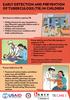 EARLY DETECTION AND PREVENTION OF TUBERCULOSIS (TB) IN CHILDREN Risk factors in children acquiring TB: Children living in the same household as a lung TB patient (especially children under 5) Children
CYTOTOXIC PRECAUTIONS A GUIDE FOR PATIENTS & FAMILIES
 Perth and Smiths Falls District Hospital Attention: Manager, Quality 60 Cornelia Street, West Smiths Falls, Ontario K7A 2H9 CYTOTOXIC PRECAUTIONS A GUIDE FOR PATIENTS & FAMILIES This guide has been prepared
Hand Washing Lesson Plans For
 Hand Washing Lesson Plans For Provided by: Massachusetts Department of Public Health Division of Epidemiology and Immunization (617) 983-6800 or (888) 658-2850 Hand Washing Lesson Plan Kindergarten Objective:
Why you and your Family Should Get the Flu Shot
 Why you and your Family Should Get the Flu Shot Why Get VaCCinated against influenza? Influenza (flu) is a virus that can lead to serious complications, hospitalization, or even death. Even healthy children
Lesson 7: Respiratory and Skeletal Systems and Tuberculosis
 Glossary 1. asthma: when the airways of the lungs narrow, making breathing difficult 2. bacteria: tiny living creatures that can only be seen with a microscope; some bacteria help the human body, and other
Let s see if I can convince you
 Chapter 33: Page 328 How many times have you been sick in the past year? Once, twice, three times? What if I told you there are ways to keep from getting sick so many times? Would you do it? Let s see
C. difficile. Answers to frequently asked questions about. at the Jewish General Hospital. www.jgh.ca SIR MORTIMER B. DAVIS JEWISH GENERAL HOSPITAL
 Answers to frequently asked questions about C. difficile at the Jewish General Hospital SIR MORTIMER B. DAVIS JEWISH GENERAL HOSPITAL A McGill University Teaching Hospital www.jgh.ca 1. CLOSTRIDIUM DIFFICILE
SOUTH CAROLINA. Downloaded January 2011
 SOUTH CAROLINA Downloaded January 2011 1401. General (II) B. When meals are catered to a facility, such meals shall be obtained from a meal service establishment graded by the Department, pursuant to R.61
FOR IMMEDIATE RELEASE Release #2014-04
 FOR IMMEDIATE RELEASE Release #2014-04 CONTACT for this Release: Krista Dommer Office Phone: (209) 468-3571 Email: [email protected] Alvaro Garza, MD, MPH. Public Health Officer MEASLES OUTBREAKS PROMPT
treat nasal congestion that happens with seasonal allergic rhinitis in adults and children 2 years of age and older.
 Patient Information NASONEX [nā-zə-neks] (mometasone furoate monohydrate) Nasal Spray, 50 mcg FOR INTRANASAL USE ONLY Read the Patient Information that comes with NASONEX before you start using it and
The flu vaccination WINTER 2016/17. Who should have it and why. Flu mmunisation 2016/17
 The flu vaccination WINTER 2016/17 Who should have it and why Flu mmunisation 2016/17 The flu vaccination 1 Winter 2016/17 Helping to protect everyone, every winter This leaflet explains how you can help
Facts you should know about pandemic flu. Pandemic Flu
 Facts you should know about pandemic flu Pandemic Flu What s this brochure all about? This brochure provides information about pandemic flu. It gives the answers to 10 important questions concerning an
CLEAN UP FOR VOMITING & DIARRHEAL EVENT IN RETAIL FOOD FACILITIES
 CLEAN UP FOR VOMITING & DIARRHEAL EVENT IN RETAIL FOOD FACILITIES GENERAL INFORMATION Noroviruses are a group of viruses that cause gastroenteritis [gas-trō-en-ter-ī-tis] in people. Gastroenteritis is
Good Hygiene Practices - presentation by -
 Good Hygiene Practices - presentation by - National Environment Agency 9 May 2006 Introduction Outline Personal hygiene Environmental hygiene Food hygiene Hygiene Common elements Personal hygiene Environmental
33 Infection Control Techniques
 CHAPTER 33 Infection Control Techniques Learning Outcomes 33.1 Describe the medical assistant s role in infection control. 33.2 Describe methods of infection control. 33.3 Compare and contrast medical
Cholera Prevention and Control: Introduction and Community Engagement. Module 1
 Cholera Prevention and Control: Introduction and Community Engagement Module 1 Introduction This guide instructs how to prevent cholera illnesses and deaths in your communities. These slides and modules
Provincial Hand Hygiene Campaign 2012. Clean Hands Across the Land
 Provincial Hand Hygiene Campaign 2012 Clean Hands Across the Land 1 Overview Welcome/Introduction History Hand Hygiene: the basics Definitions Technique Monitoring Hand Hygiene in the Schools Hand Hygiene
A Guide to MANAGING. breathe easy
 A Guide to MANAGING Respiratory Infections breathe easy A Guide to MANAGING Respiratory Infections breathe easy Copyright 2008 Conrad & Associates, LLC All Rights Reserved No part of this book may be reproduced
Spinal Cord and Bladder Management Male: Intermittent Catheter
 Spinal Cord and Bladder Management Male: Intermittent Catheter The 5 parts of the urinary system work together to get rid of waste and make urine. Urine is made in your kidneys and travels down 2 thin
GUIDELINES TO PREVENT TRANSMISSION INFECTIOUS DISEASES IN SCHOOLS
 GUIDELINES TO PREVENT TRANSMISSION OF INFECTIOUS DISEASES IN SCHOOLS May 1991 Precautions, Procedures and Instructions for Handling Body Fluids DUVAL COUNTY PUBLIC SCHOOLS CONTENTS PAGE Introduction...
Employee Health and Personal Hygiene. for CHILD CARE CENTER DIRECTORS
 Employee Health and Personal Hygiene for CHILD CARE CENTER DIRECTORS National Food Service Management Institute The University of Mississippi Building the Future Through Child Nutrition The National Food
There is no cure for COPD Chronic Bronchitis Emphysema
 Live Well With COPD Chronic Obstructive Pulmonary Disease, or COPD is a lung disease. People with COPD have a hard time getting air in and out of their lungs. There is no cure for COPD. COPD is also commonly
Your Guide to Peritoneal Dialysis Module 3: Doing Peritoneal Dialysis at Home
 Your Guide to Peritoneal Dialysis Module 3: 6.0959 in Preparing to do PD One of the most important things about PD is to keep the dialysis area and anything that comes in contact with the PD equipment
Influenza Vaccine Frequently Asked Questions. Influenza Control Program
 Influenza Vaccine Frequently Asked Questions Influenza Control Program Influenza or the flu can be a serious contagious disease, which is spread by droplet transmission through close contact with an infected
Northern Ireland swine flu helpline: 0800 0514 142
 15/09/2009 Page 1 Information for special school principals on swine influenza A (H1N1) This information sheet gives general information about swine infl uenza A (H1N1) (swine fl u) as well as addressing
Respiratory Syncytial Virus (RSV)
 Respiratory Syncytial Virus (RSV) What is? is a common virus that infects the linings of the airways - the nose, throat, windpipe, bronchi and bronchioles (the air passages of the lungs). RSV is found
Clean-Up in Aisle 5. Noroviruses are a group of viruses that cause FOOD PROTECTION CONNECTION
 FOOD PROTECTION CONNECTION 1 HOUR SAN Clean-Up in Aisle 5 by Melissa Vaccaro, MS, CHO Noroviruses are a group of viruses that cause acute gastroenteritis in humans. You may hear people refer to this as
DO YOU WORK AROUND BLOOD OR BODY FLUIDS? Cal/OSHA s New Rules
 DO YOU WORK AROUND BLOOD OR BODY FLUIDS? Cal/OSHA s New Rules Labor Occupational Health Program University of California, Berkeley 1994 ACKNOWLEDGMENTS This booklet is a publication of the Labor Occupational
Get the Facts About. Disease
 Get the Facts About TB TUBERCULOSIS Disease What s Inside: 3 PAGE Get the facts, then get the cure 4 PAGE 9 PAGE 12 PAGE Learn how TB is spread Treatment for TB disease Talking to family and friends about
RELEVANT HACCP CHARTS: Preparation, Service
 HOUSE RULES PERSONAL HYGIENE 4.8 RELEVANT HACCP CHARTS: Preparation, Service PERSONAL HYGIENE HOUSE RULES Why is personal hygiene important? People working in your business can contaminate food or spread
PREPARING YOUR ORGANIZATION FOR PANDEMIC FLU. Pandemic Influenza:
 PREPARING YOUR ORGANIZATION FOR PANDEMIC FLU Pandemic Influenza: What Business and Organization Leaders Need to Know About Pandemic Influenza Planning State of Alaska Frank H. Murkowski, Governor Department
Preparing for the consequences of a swine flu pandemic
 Preparing for the consequences of a swine flu pandemic What CIGNA is Doing To help ensure the health and well-being of the individuals we serve, CIGNA is implementing its action plan to prepare for the
Looking after. and treating skin infections. A guide for parents and families
 Looking after and treating skin infections A guide for parents and families Healthy Skin These things help keep your child s skin healthy: Eating healthy food like meat, fruit and vegetables. Drinking
1-800-862-2731 Administration of Meropenem For Child
 1 Drug Name: _Meropenem 1-800-862-2731 Administration of Meropenem For Child Dosage: milligrams every hours over 5 minutes Key Points: FLUSHING: Meropenem Heparin flush 1. Always wash your hands with an